
By the 1980s, Soviet Ukraine was in serious trouble. The Communist Party of Ukraine still held firm control, but the economy was struggling badly. Growth rates had fallen, and agricultural production was being hammered by repeated droughts, weak incentives for farmers, and overly centralized management of collective farms. Then came the 1986 Chernobyl disaster — a catastrophic nuclear accident that shook the republic to its core and pushed an already fragile system closer to collapse. Within a few years, Ukraine would declare independence. But before that happened, a photographer named Ian Berry was quietly documenting daily life on the streets of Odessa.
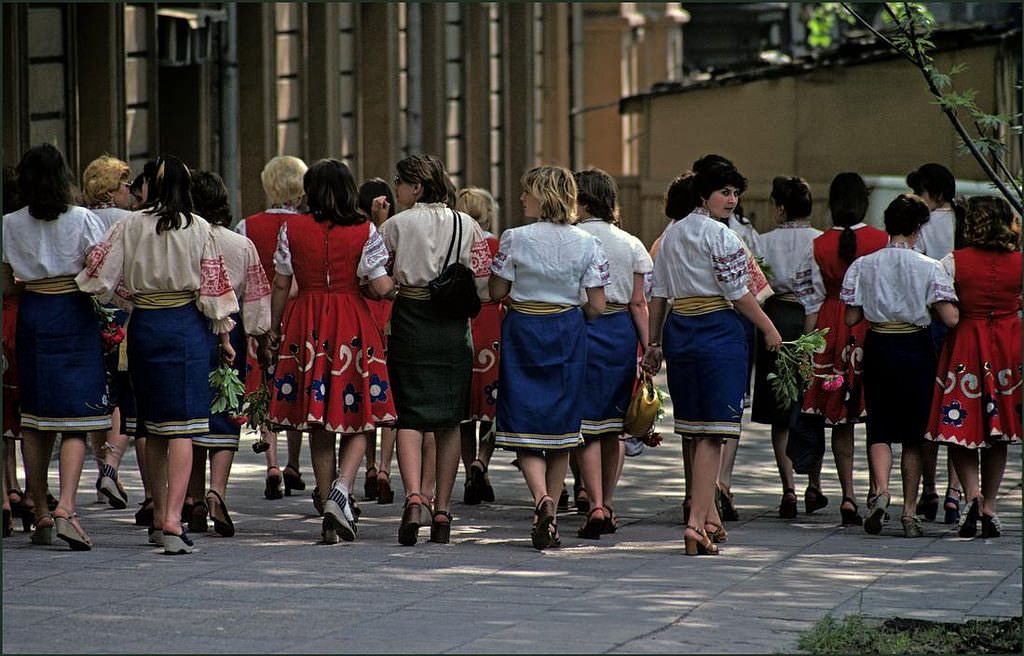
Berry’s photographs don’t focus on politics or power. They focus on people — couples in parks, children in schoolyards, factory workers on the floor, and old men standing in the morning mist. Together, they form a detailed portrait of a city living through one of the most turbulent periods in its history, even if most of its residents were simply going about their day. Here is a selection of his images from Odessa in the 1980s.
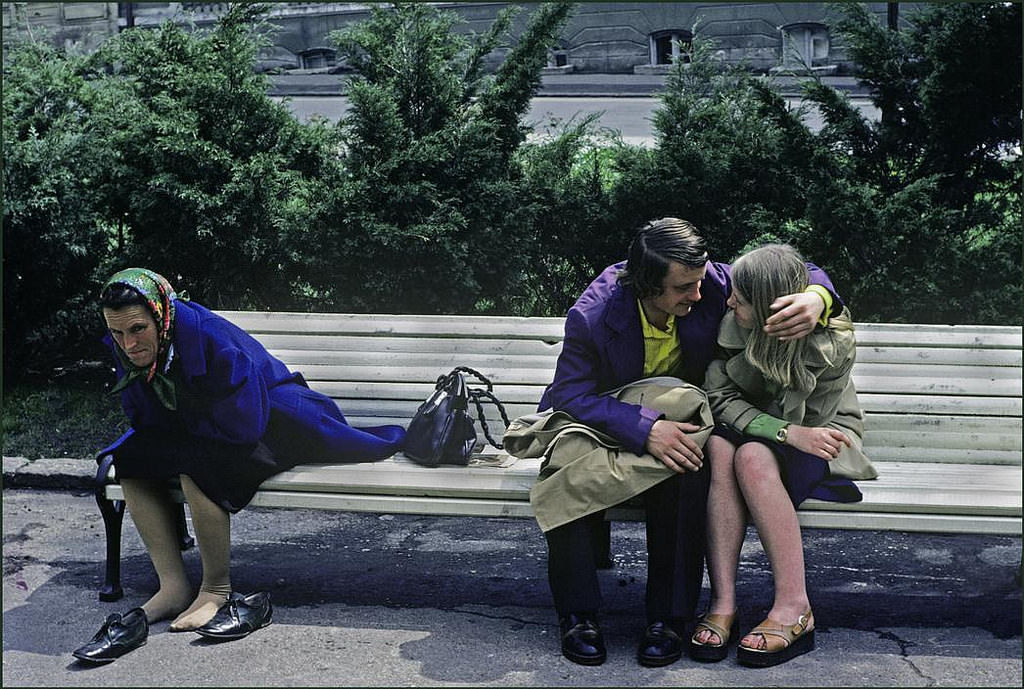
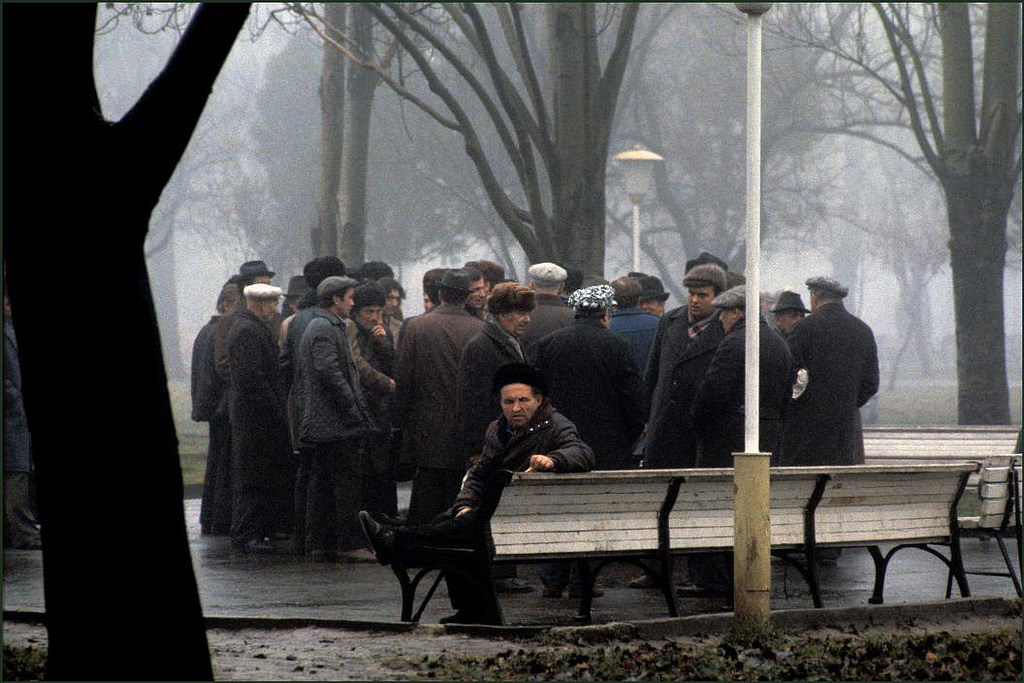
Odessa’s parks were a genuine part of city life. Residents used them daily — to rest, meet friends, or simply sit and watch the world go by. Even on ordinary afternoons, the benches were rarely empty.
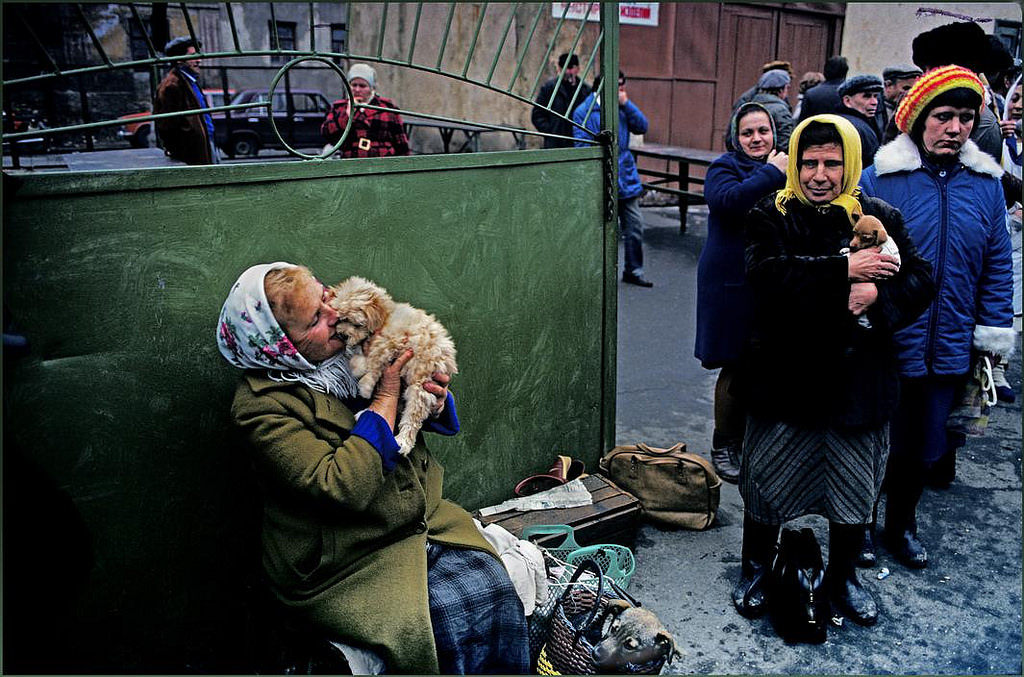
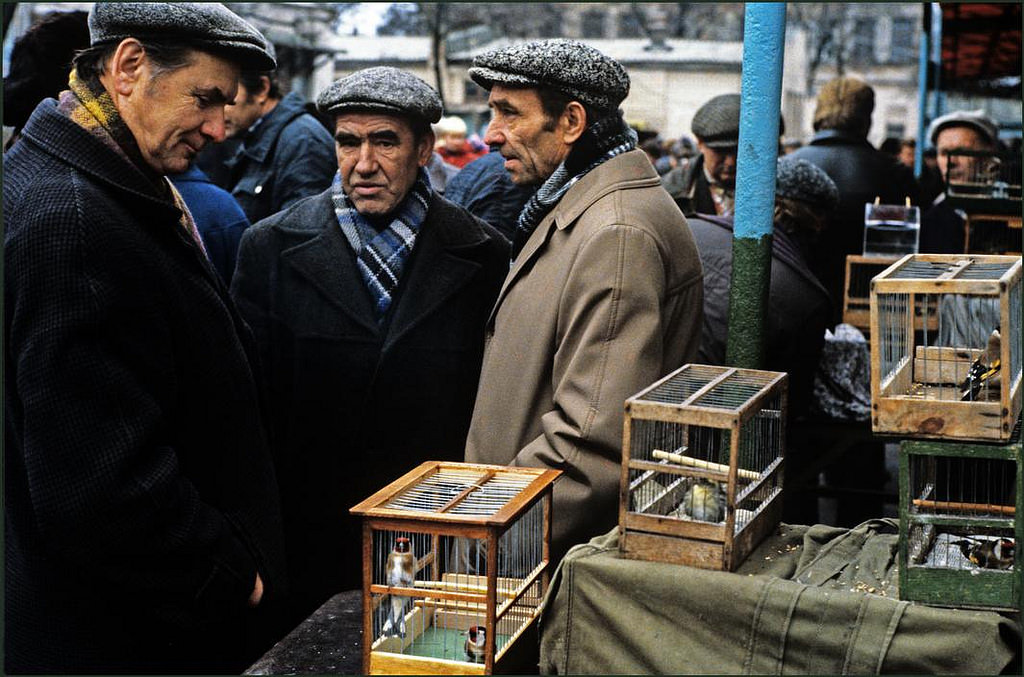
Street markets in Soviet Odessa sold far more than produce. Pet markets were a regular fixture, where vendors sold birds, dogs, and other animals. The transactions were informal, and so were the crowds that gathered to watch.
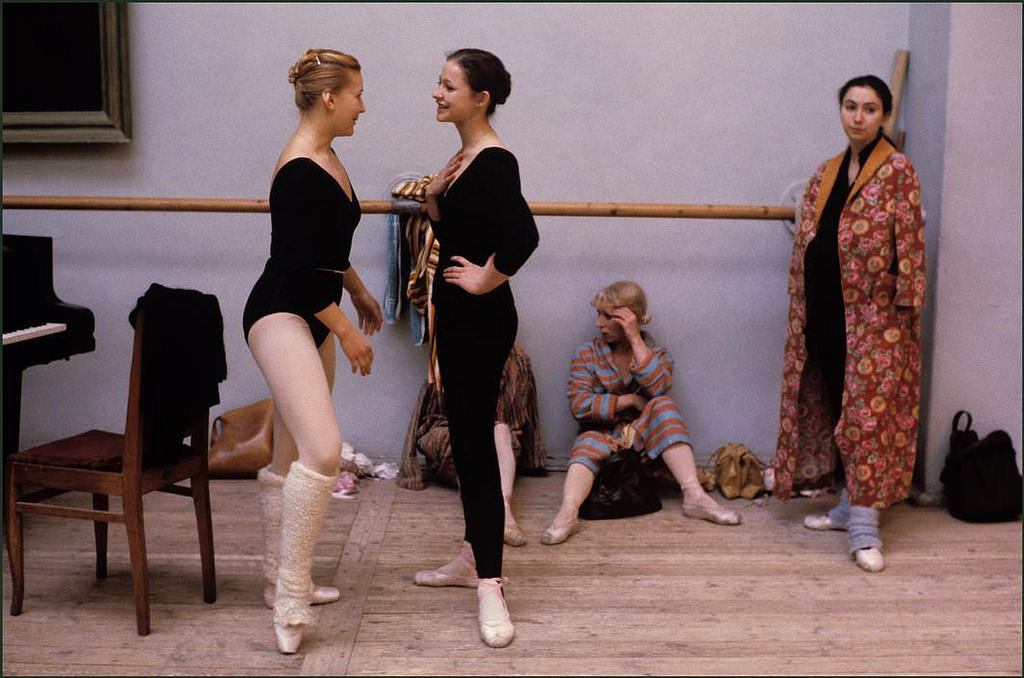
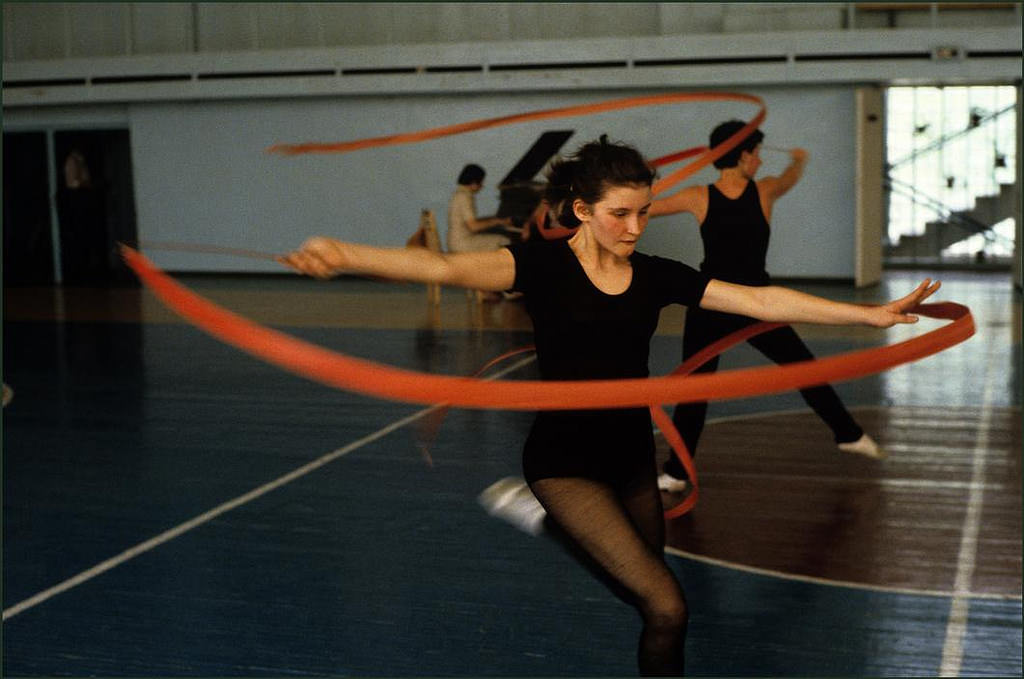
Odessa had a strong performing arts culture. The city’s opera and ballet tradition stretched back well into the 19th century, and training was rigorous. Rehearsals were long, and the breaks between them were brief.
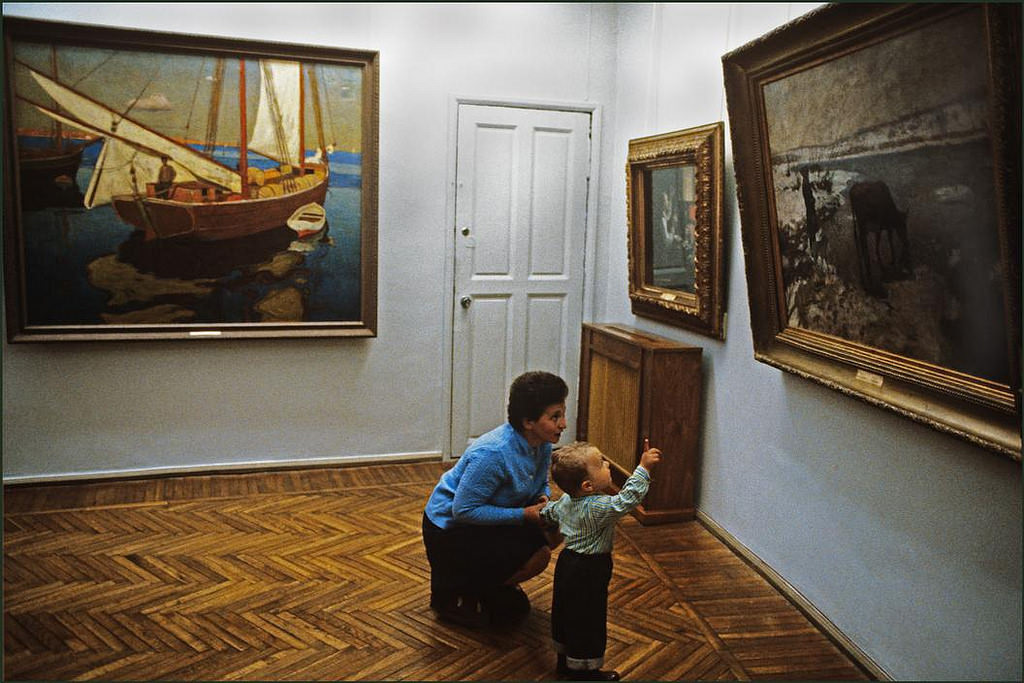
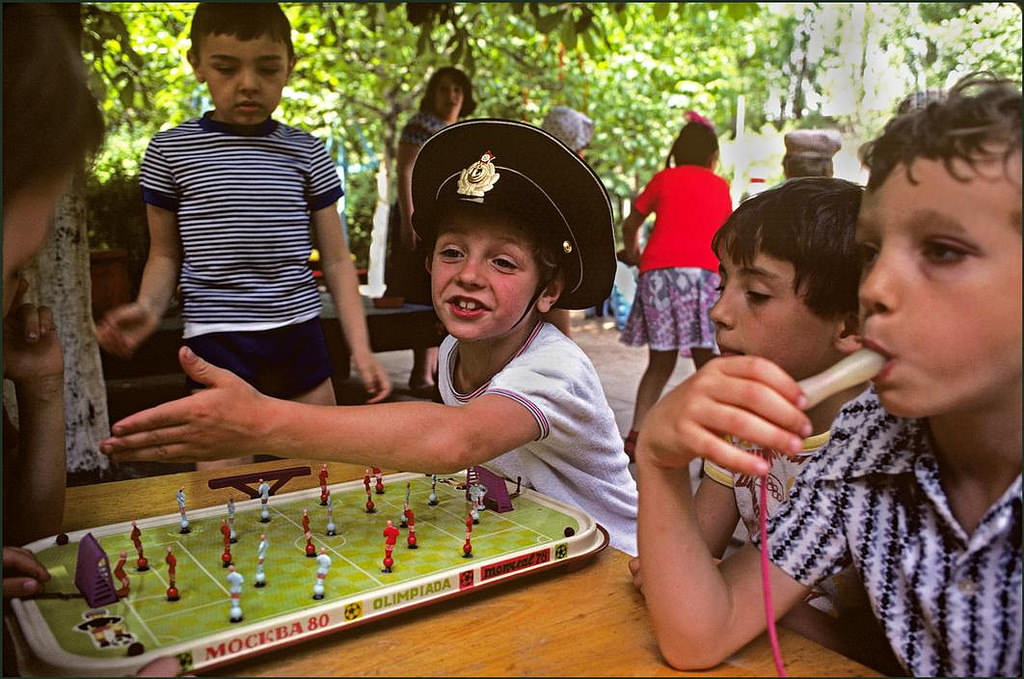
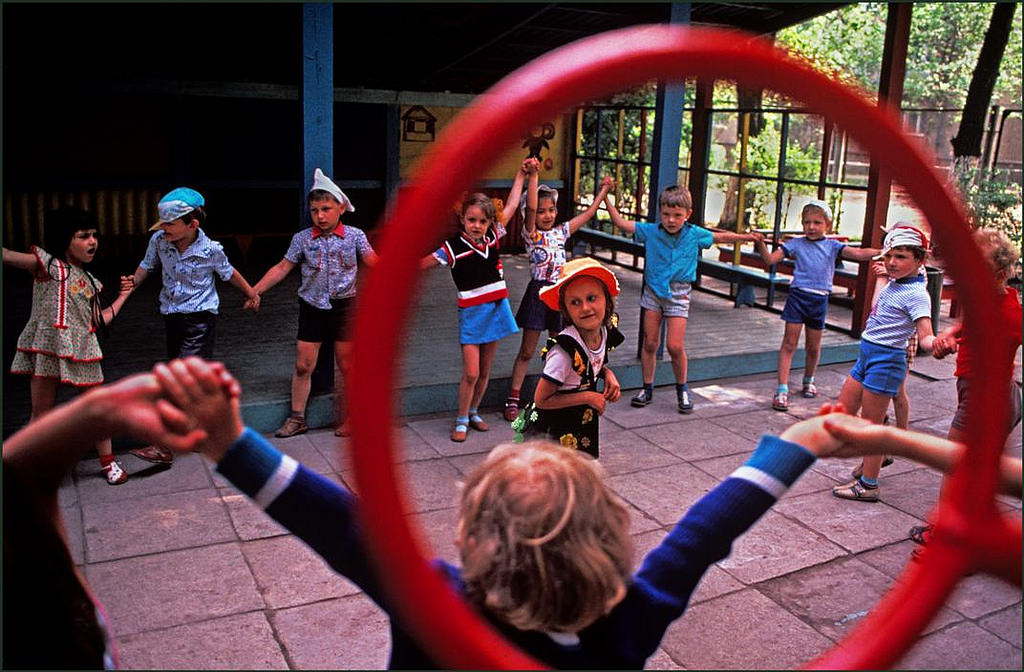
State-run kindergartens were a standard part of Soviet life. With both parents typically working full-time, children spent long hours in these facilities. The grounds were places of genuine childhood energy — games, scrapes, and all.
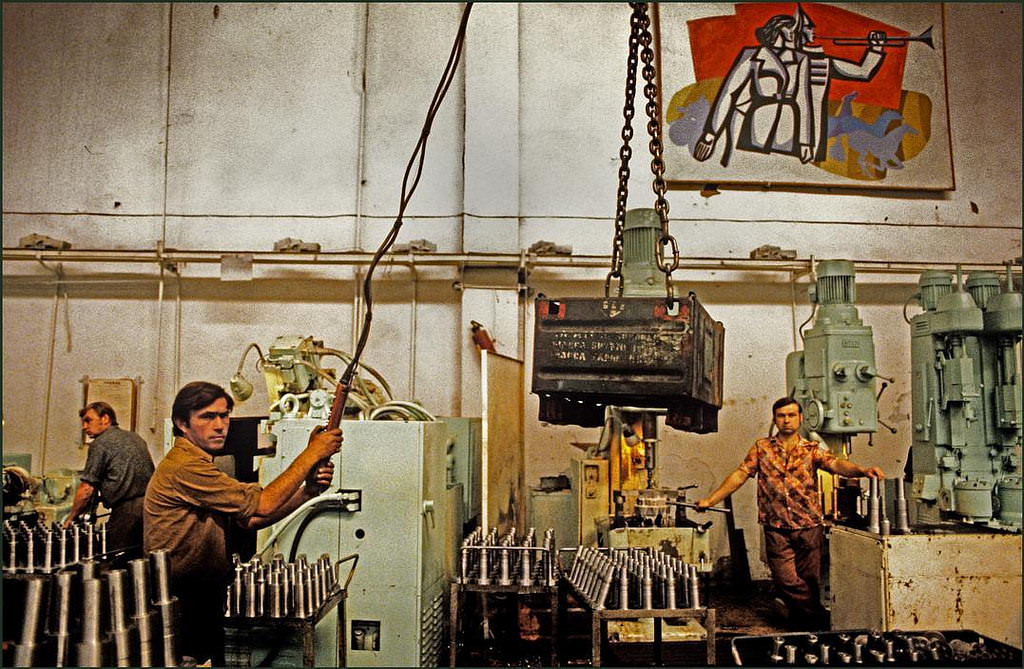
Heavy industry was central to the Soviet economy, and Odessa was no exception. Factories like the Stroigidravlika plant kept large workforces employed producing industrial machinery. Even as the broader economy stalled, the factory floors kept running.
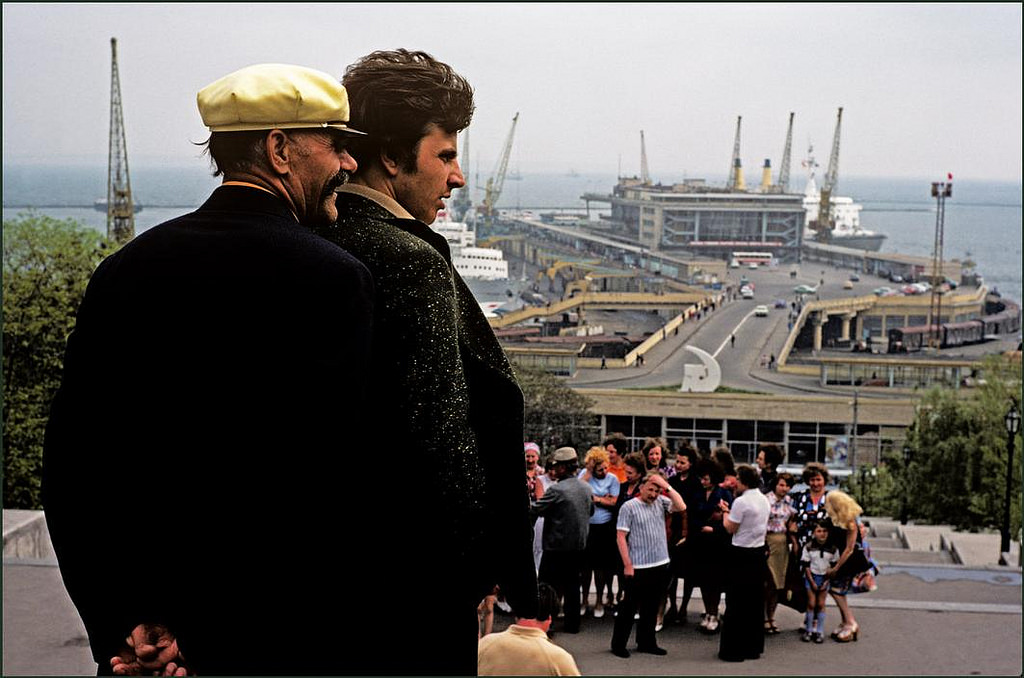
The Potemkin Steps are one of Odessa’s most recognized landmarks. Connecting the city center to the port below, the staircase became world-famous after appearing in Sergei Eisenstein’s 1925 silent film Battleship Potemkin. Visitors from across the Soviet Union made a point of seeing them in person.
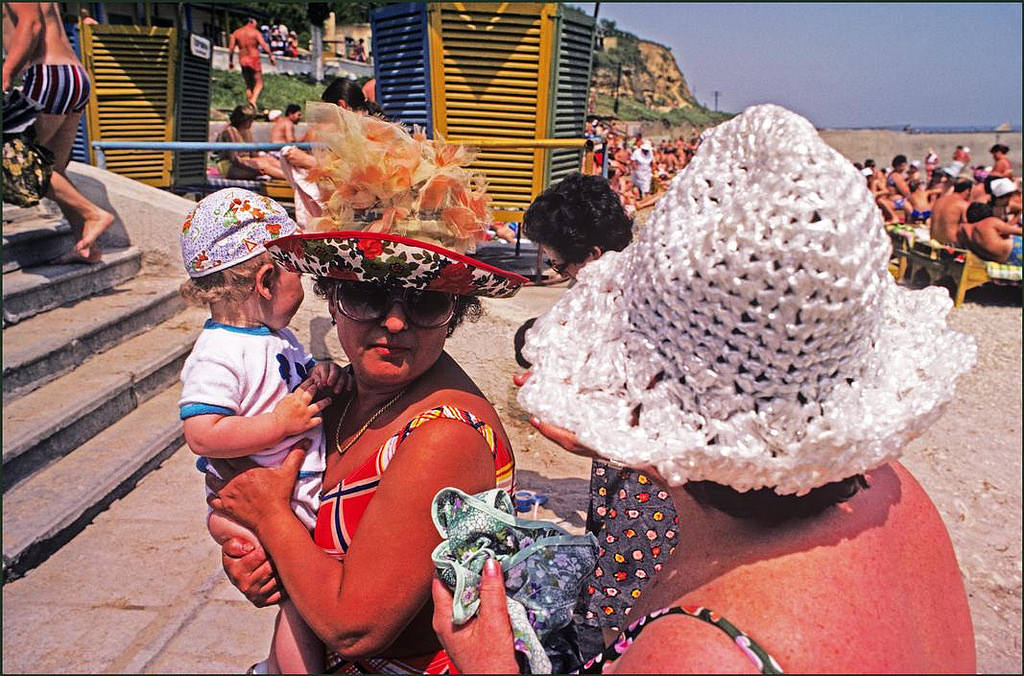
Odessa sits on the Black Sea, and its beaches drew large crowds every summer. For many Soviet citizens, a trip to Odessa was one of the few vacation options available. The beaches were packed, loud, and full of life.
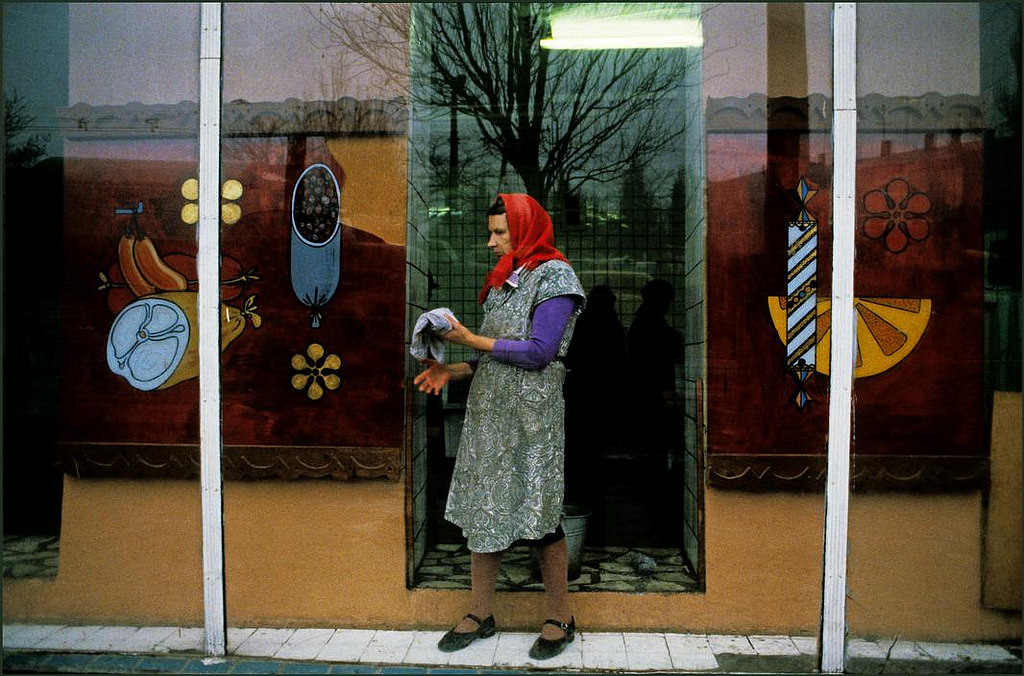
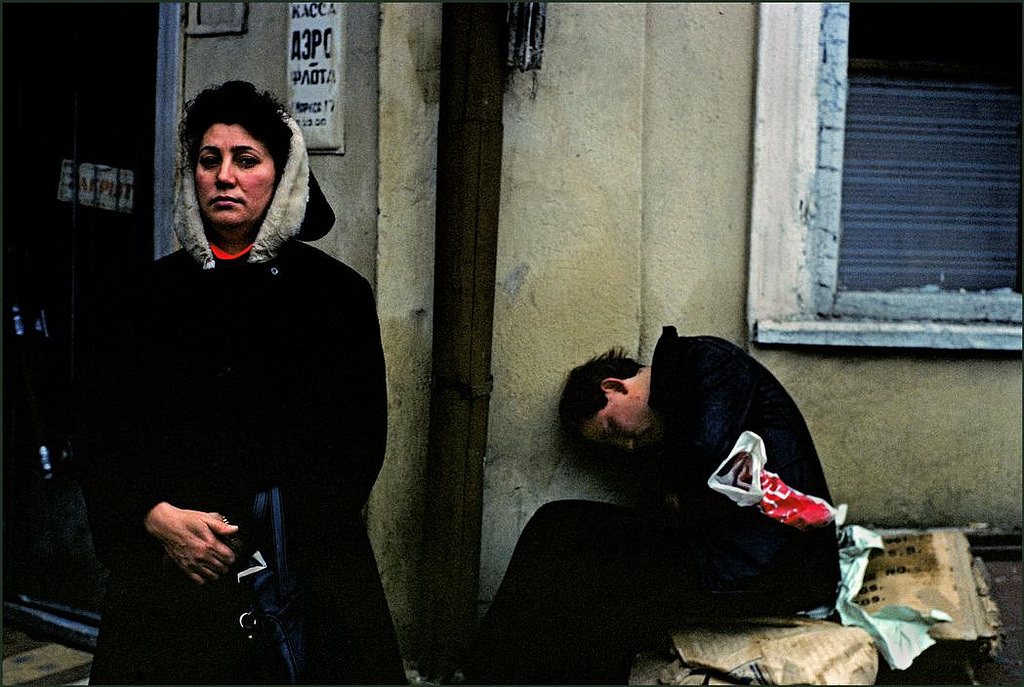
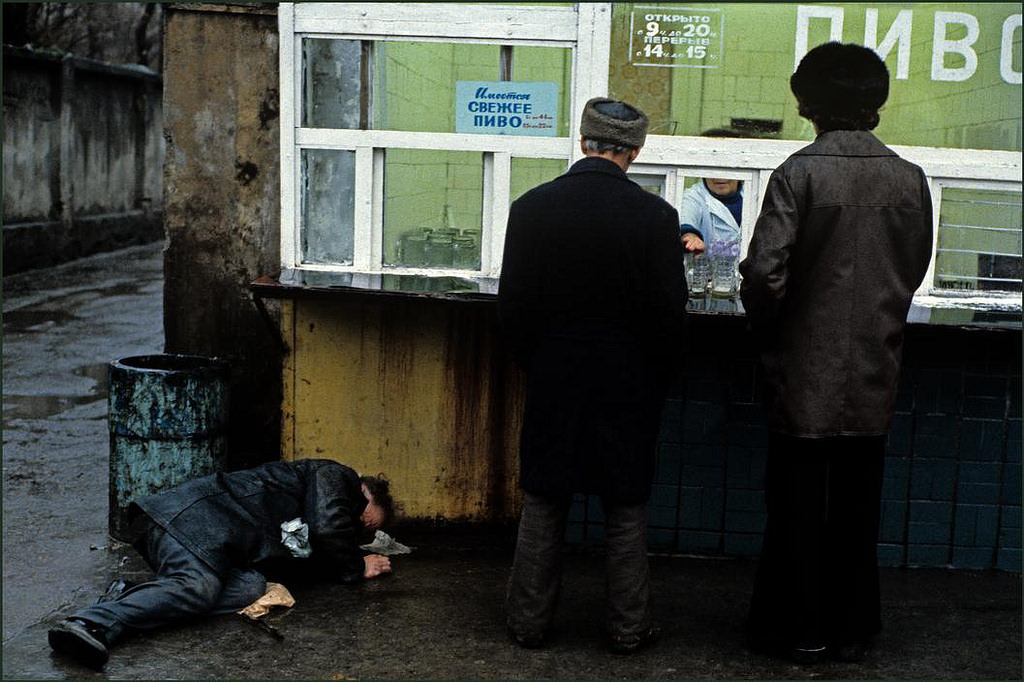
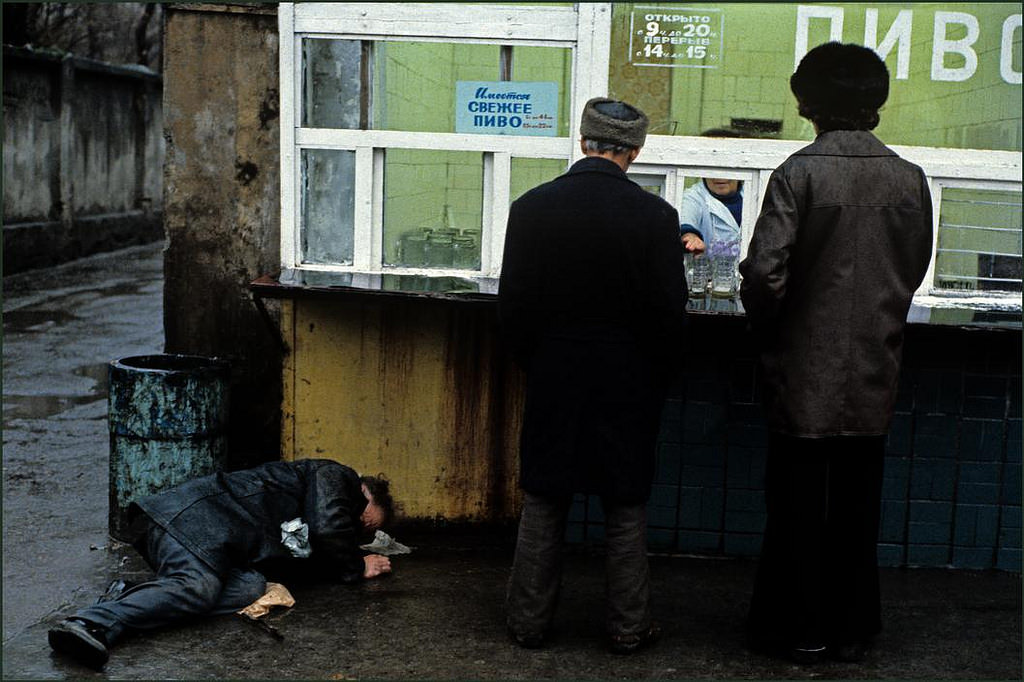
Alcoholism was a serious and well-documented problem in the Soviet Union by the 1980s. General Secretary Mikhail Gorbachev launched an anti-alcohol campaign in 1985, but its effects were limited. Scenes like this one — a person collapsed in a public space while passersby continued on without reacting — were not uncommon in Soviet cities.
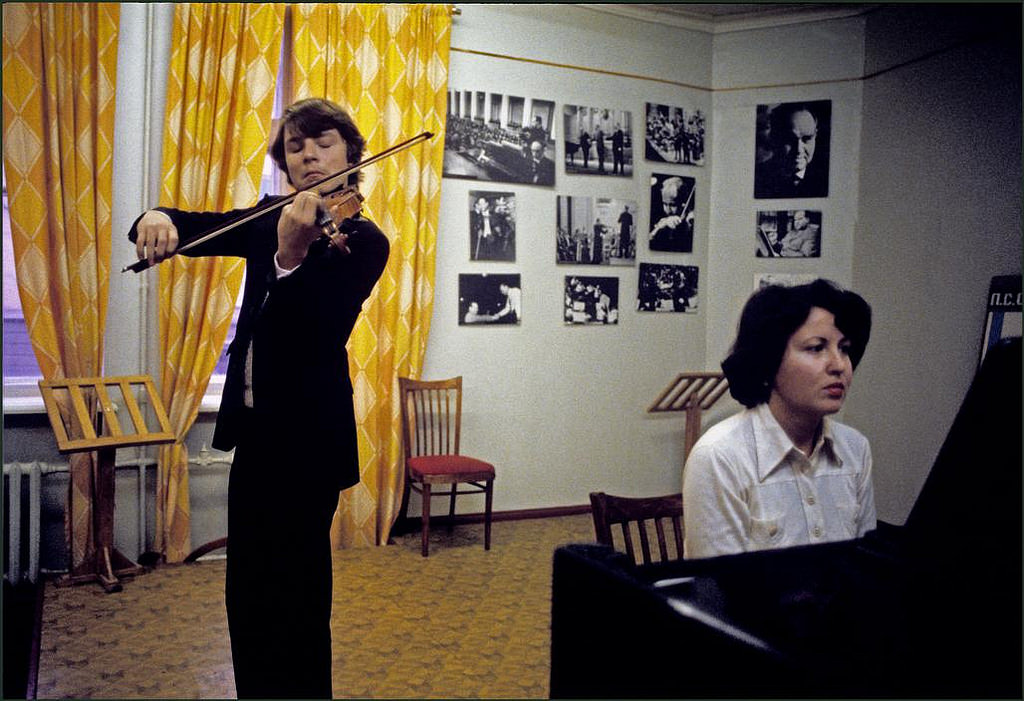
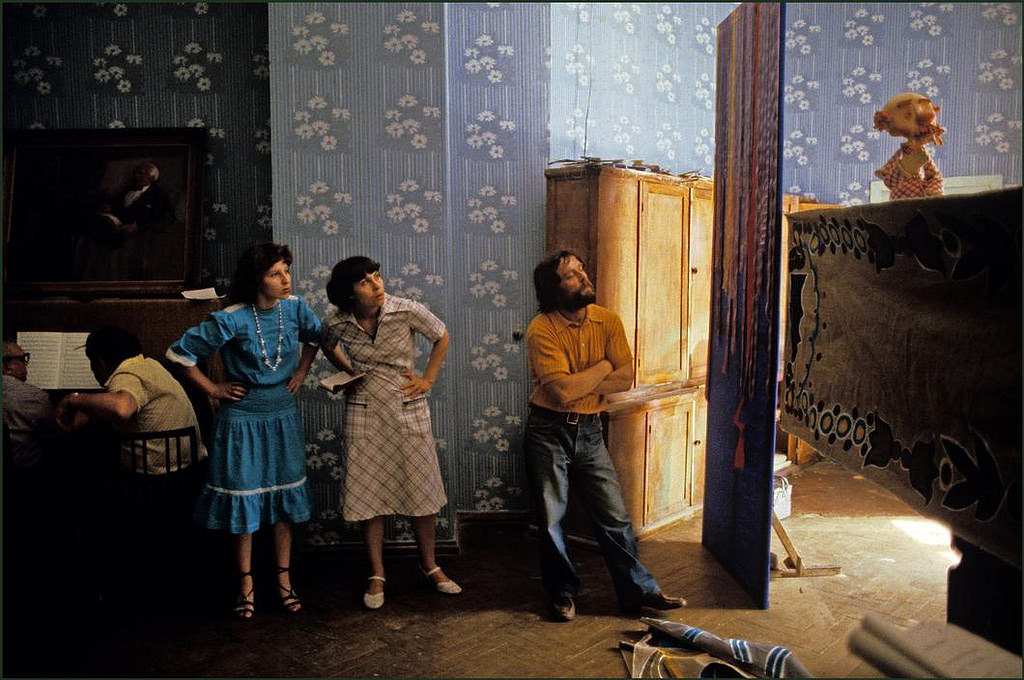
The Stolyarsky Music School in Odessa was one of the most prestigious music schools in the entire Soviet Union. Founded by Pyotr Stolyarsky in the early 20th century, it produced a long list of world-class musicians. The portraits of former students lining its walls were a constant reminder of what the school had achieved.
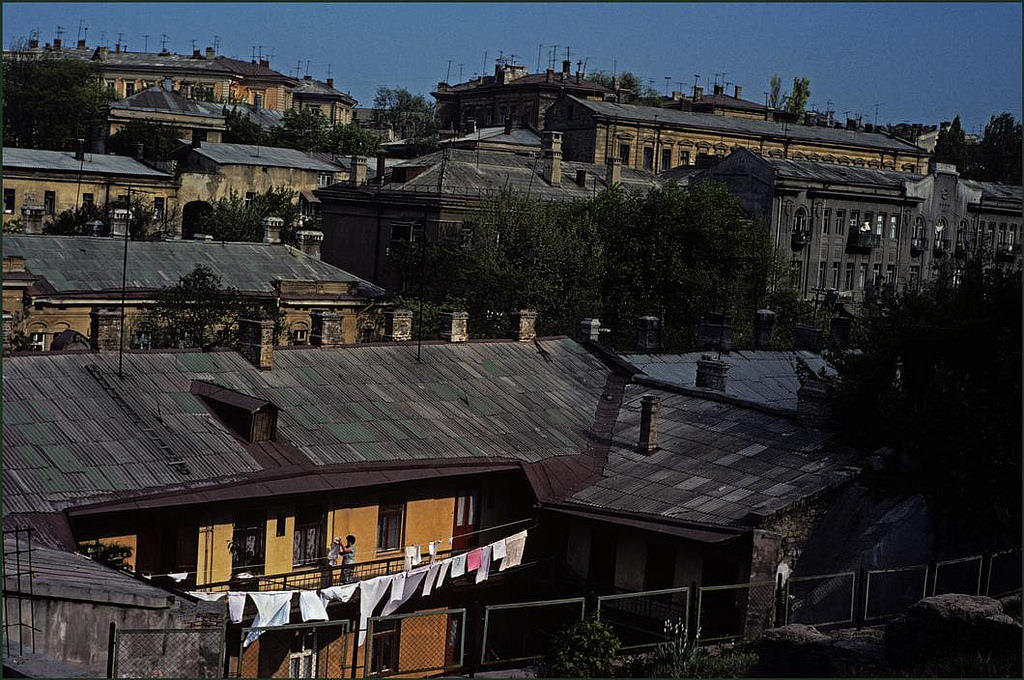
Everyday domestic tasks played out against the backdrop of Odessa’s dense urban architecture. Many residents lived in apartment blocks with shared courtyards, where hanging laundry outside was standard practice regardless of the season.
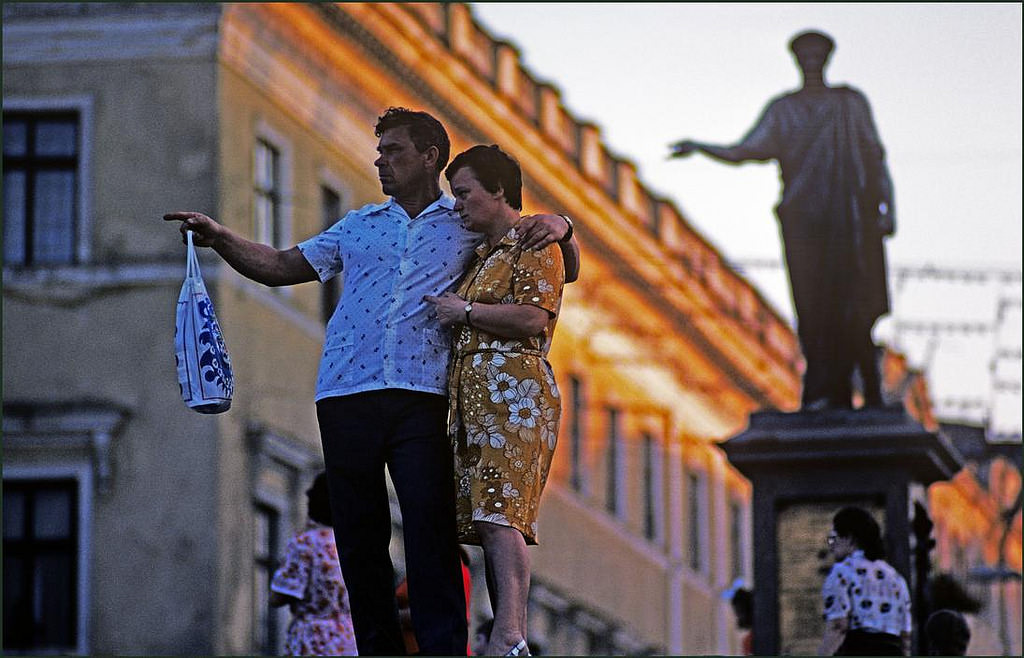
The statue of Duke Emmanuel de Richelieu stands at the top of the Potemkin Steps and is one of the oldest monuments in the city. Richelieu served as the first governor of Odessa and is widely credited with shaping the city’s early development. He grew up in Paris and brought French and Viennese architectural influences to what was then a new Russian port city, founded by Catherine the Great in 1794.
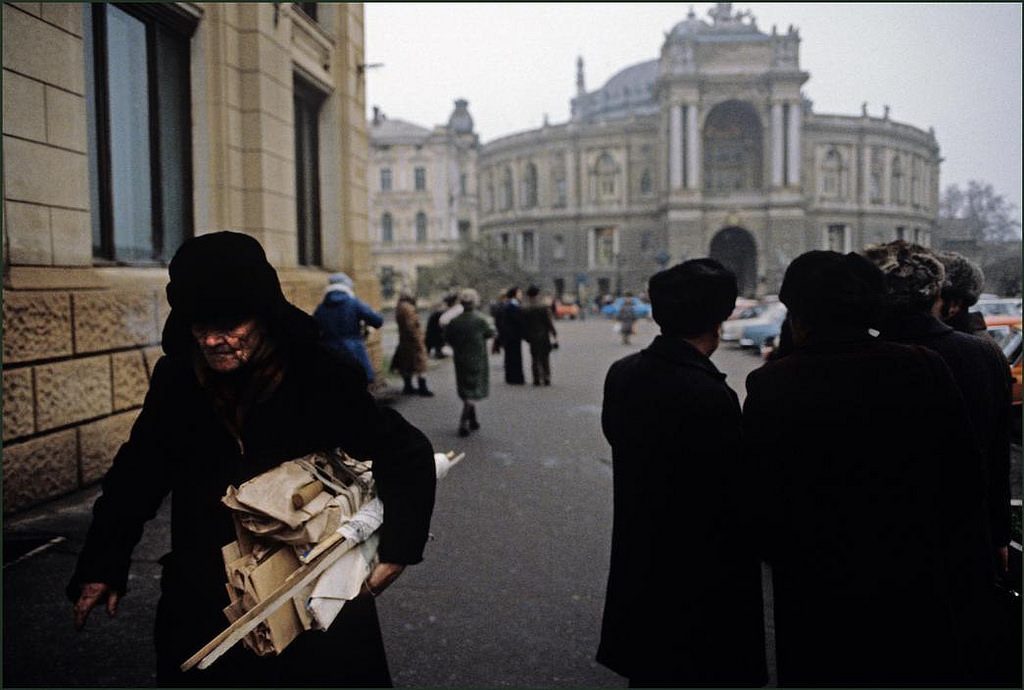
The Odessa National Academic Theatre of Opera and Ballet looms in the background of many street scenes in the city. Built in 1887 in a neo-Rococo style, it was one of the grandest buildings in the entire Russian Empire. On the streets in front of it, ordinary life carried on — bundled-up residents moving quickly through the cold.
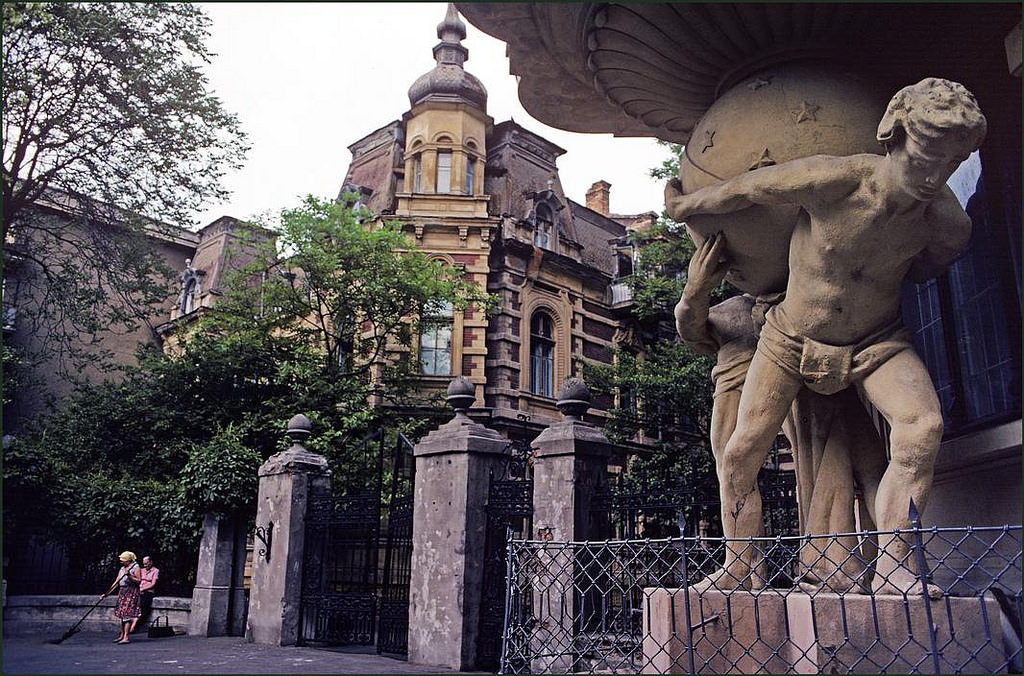
Street cleaners were a constant presence in Soviet cities. Municipalities employed large numbers of workers for manual cleaning and maintenance, and the work went on in all weather. Odessa’s architectural detail — decorative statuary, ornate facades — gave these everyday scenes an unusually striking backdrop.
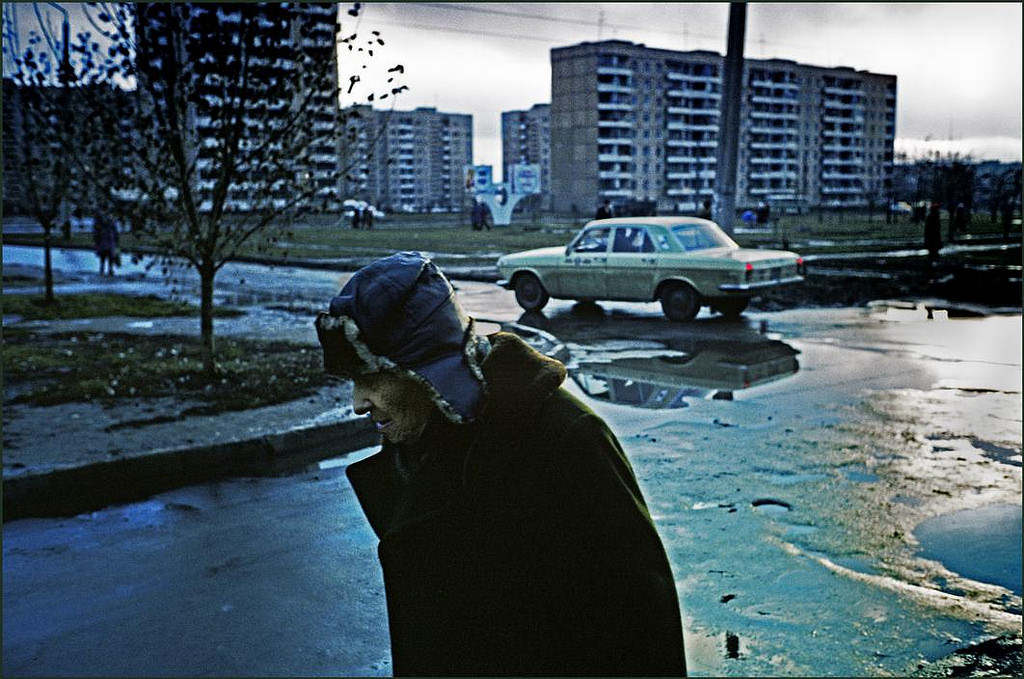
The Soviet housing program had expanded rapidly in the post-war decades, filling the outskirts of cities like Odessa with rows of concrete tower blocks. These suburbs — functional, uniform, and often bleak in winter — housed a large portion of the city’s population.
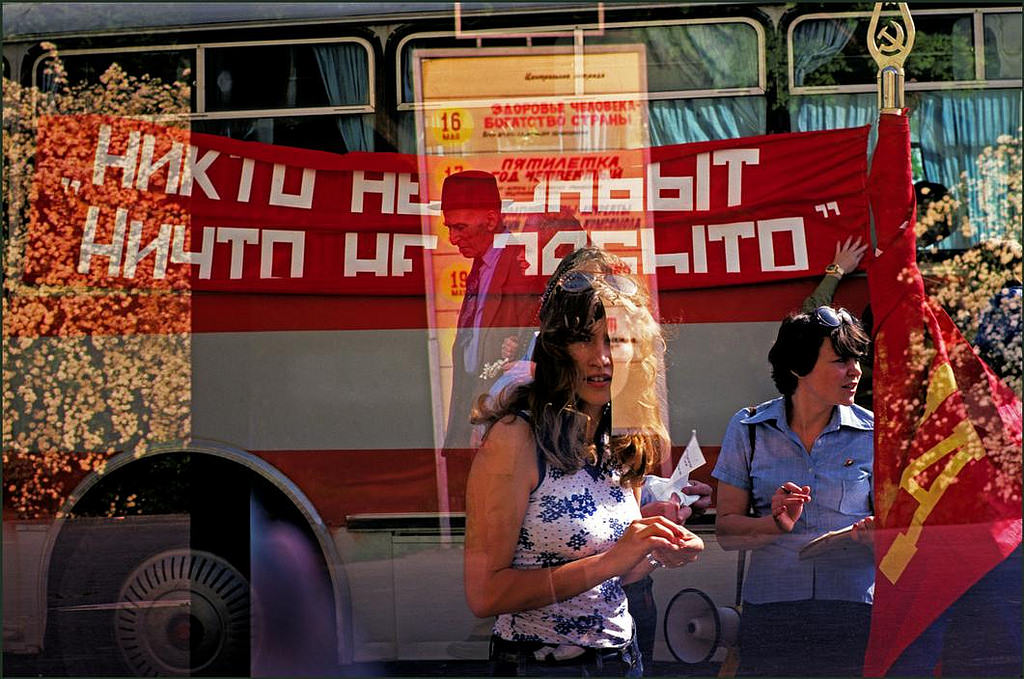
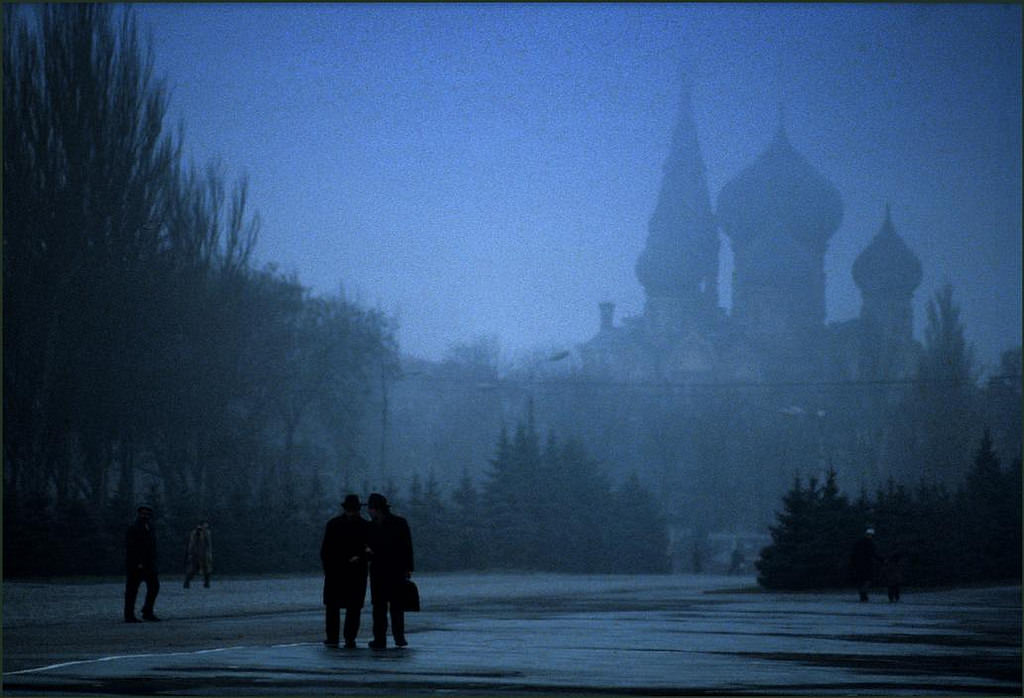
St. Panteleimon’s Church was one of several Orthodox churches still standing in Odessa during the Soviet period. Religious practice had been heavily suppressed under Communist rule, but the buildings themselves remained visible features of the cityscape.
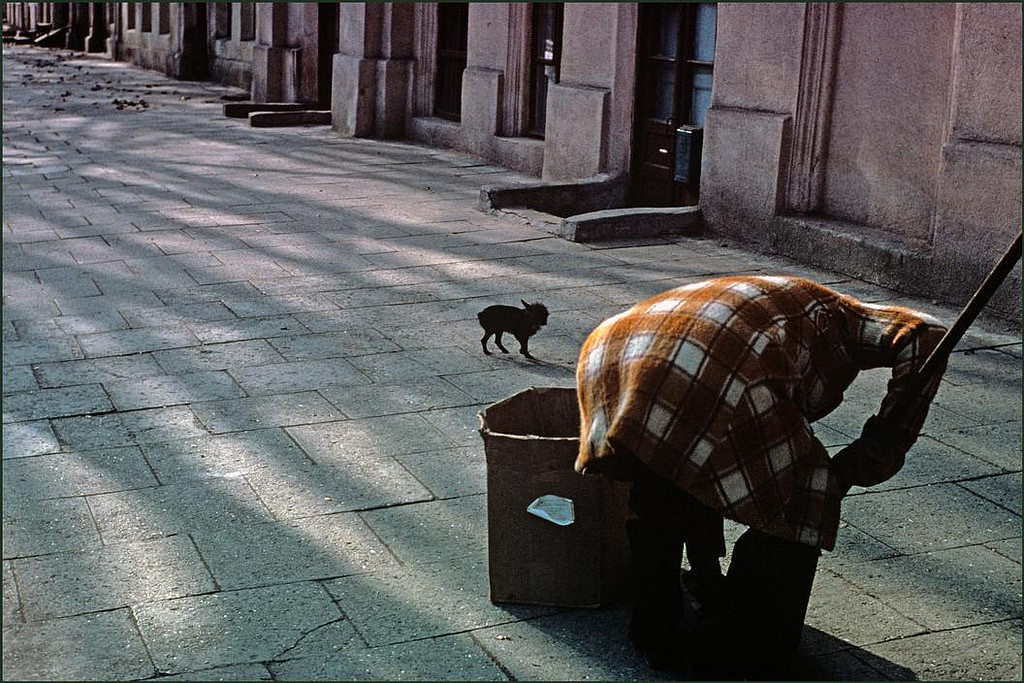
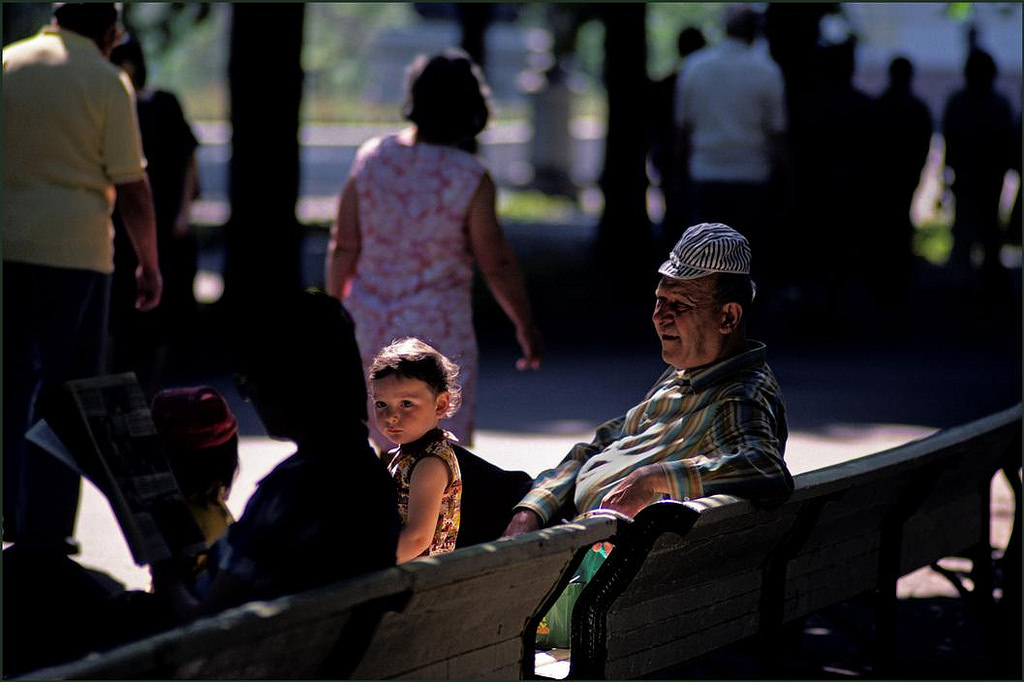
Parks served as gathering places for families across all generations. On mild days, grandparents, parents, and children shared the same benches. These quiet moments — a grandfather wearing a child’s hat, a mother reading — appear throughout Berry’s photos as small but telling details of Soviet family life.
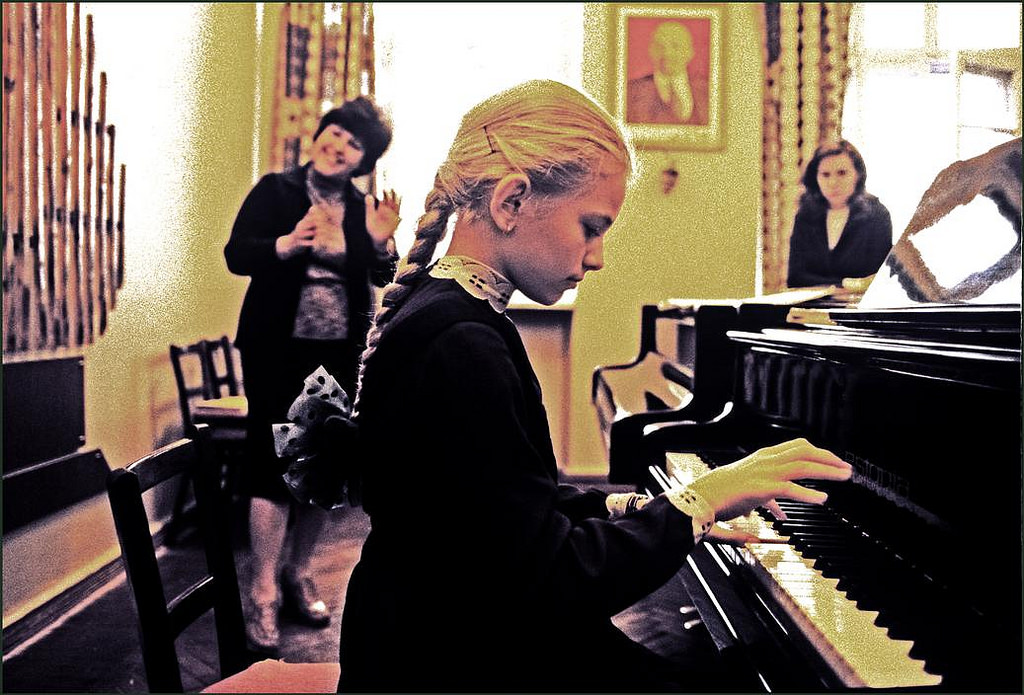
Inside the Stolyarsky Music School, a portrait of Lenin watched over the piano lessons. This was standard in Soviet institutions of the era — images of Lenin appeared in classrooms, offices, and public buildings across the country. The school itself continued to operate at a high level, training students who went on to careers in concert halls around the world.
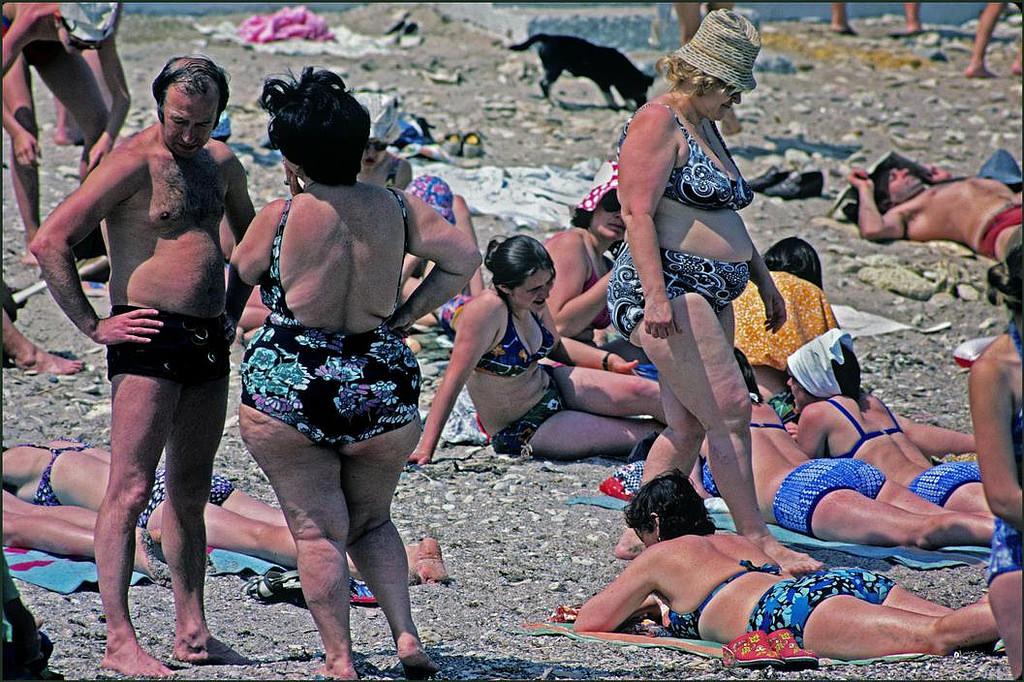
Odessa’s beaches were democratic spaces in the Soviet sense — everyone used them, regardless of rank or background. In summer, the Black Sea shoreline filled with thousands of visitors. Berry captured the crowd not as a backdrop but as the subject itself.
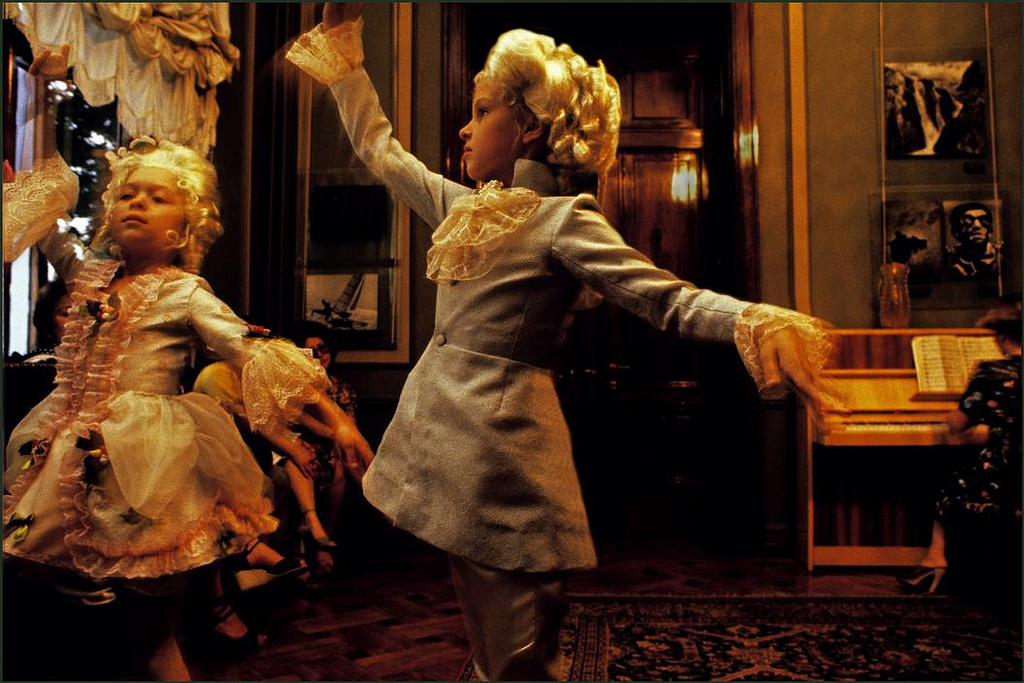
Theatre and performance were heavily promoted under the Soviet system as forms of cultural education. Children across Odessa participated in performances at schools, community theaters, and dedicated youth arts programs. Rehearsals were taken seriously, even at a young age.
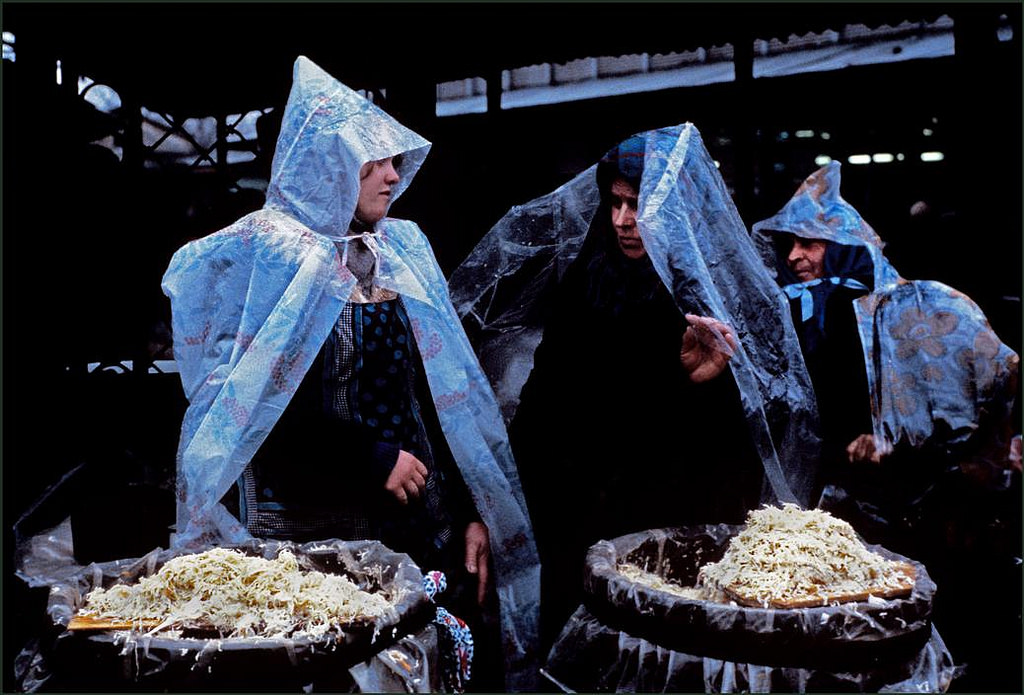
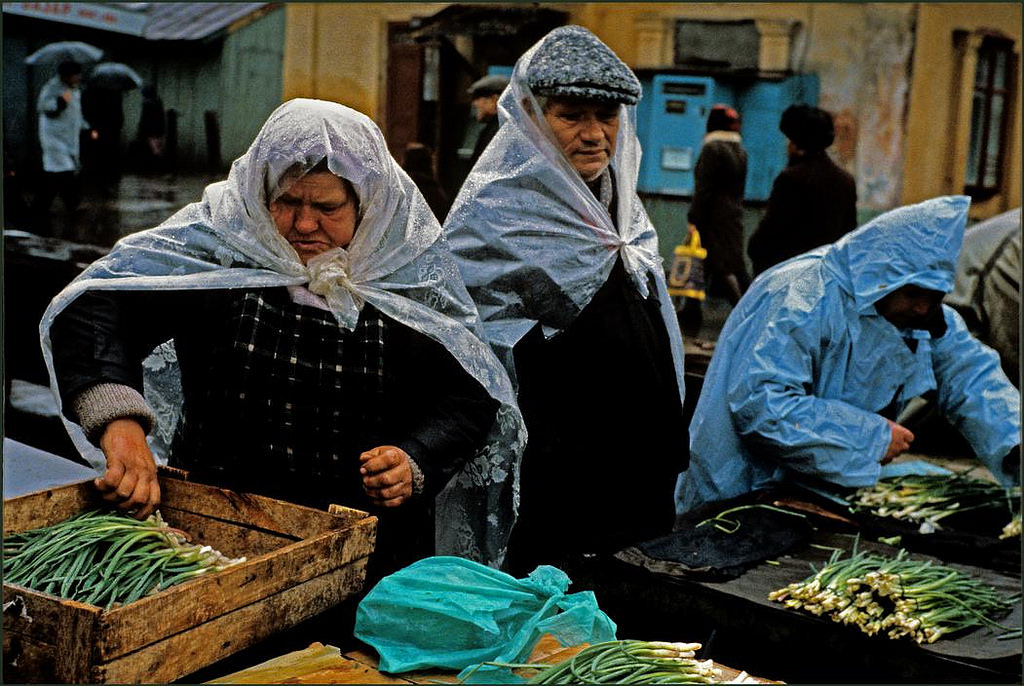
Outdoor markets operated year-round in Odessa, rain or shine. Vendors had little choice but to keep selling regardless of the weather. Plastic sheeting and raincoats were standard equipment for anyone working a stall through an Odessa winter.
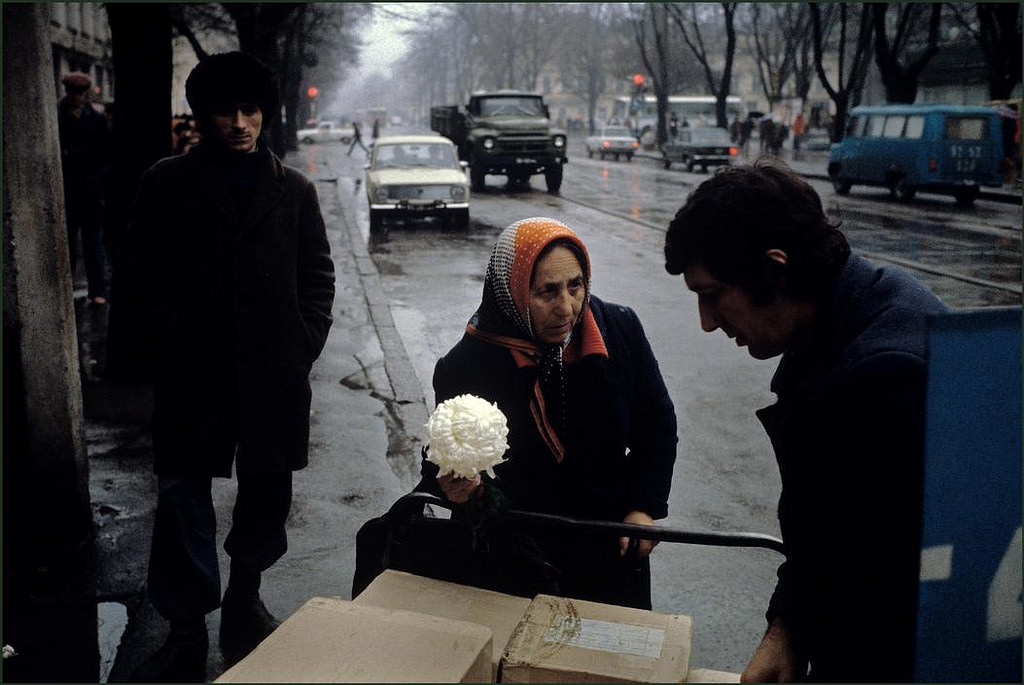
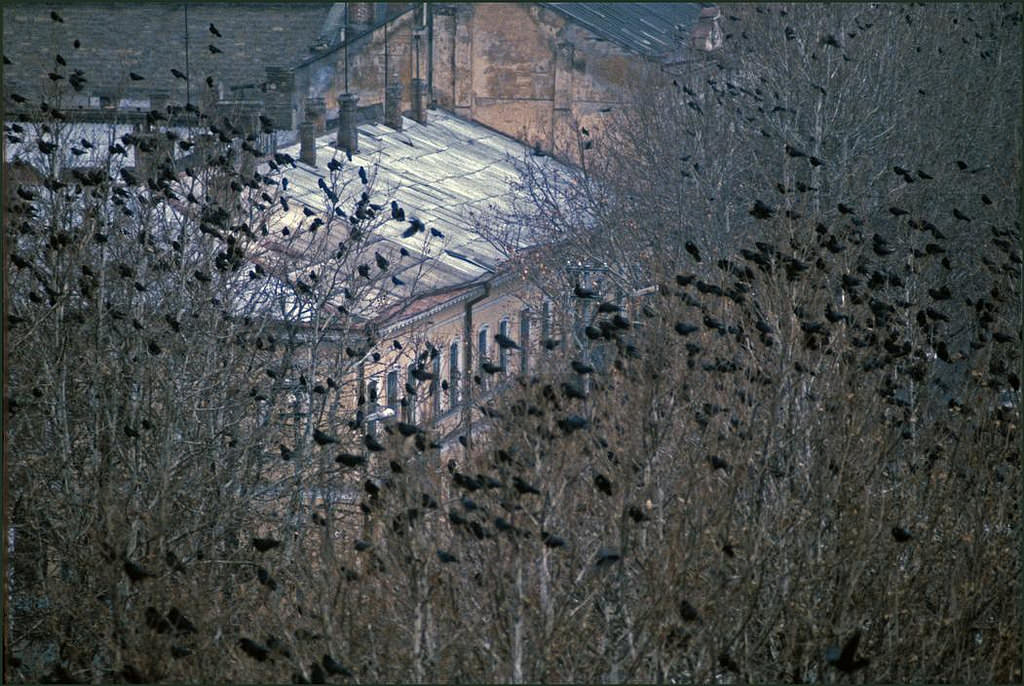
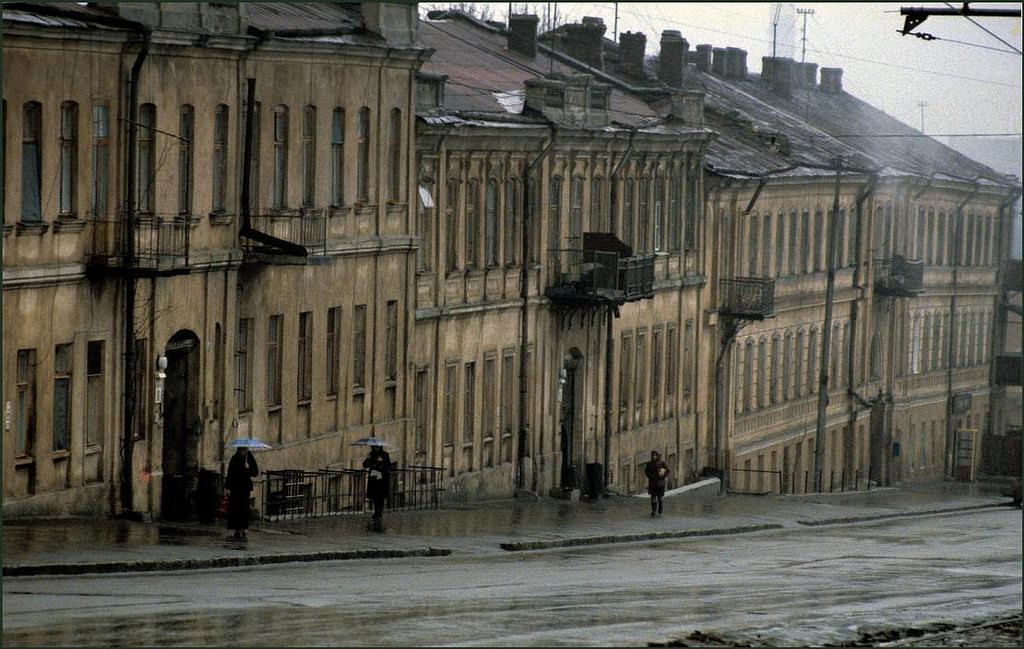
Odessa’s city center retained much of its 19th-century character. The streets were laid out in a grid, flanked by European-style buildings designed by architects brought in from Vienna and France. The city Catherine the Great founded as a Black Sea port had been shaped by Richelieu into something far more elegant than most Soviet cities.
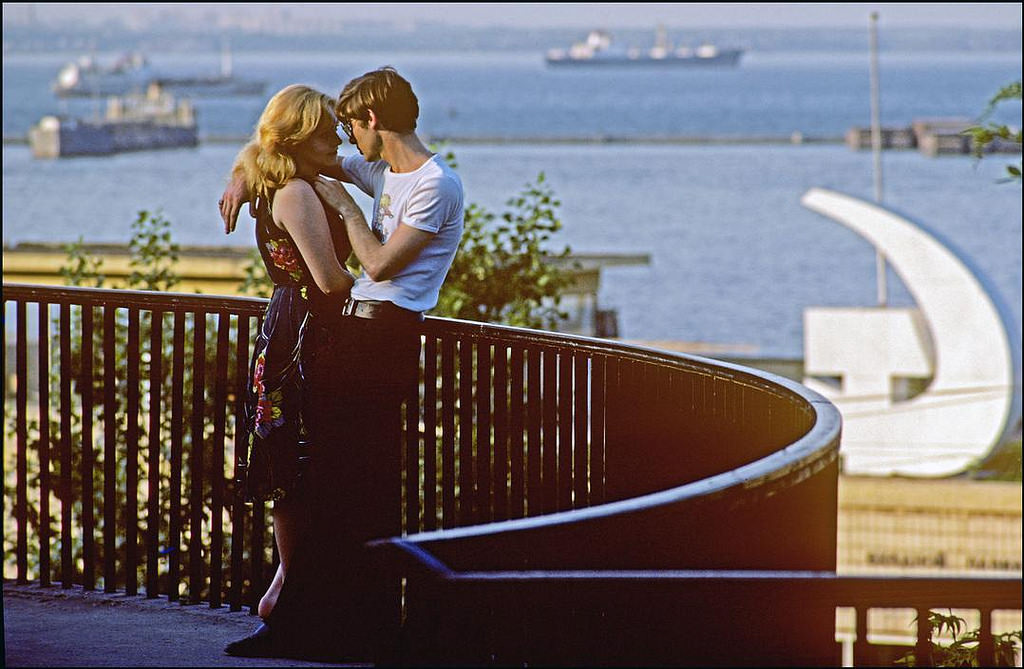
Odessa was one of the Soviet Union’s most important port cities. The harbor handled massive volumes of cargo, and cranes, ships, and loading equipment filled the waterfront. Above it all, the hammer and sickle marked the space as unmistakably Soviet — even when the moment unfolding in front of it was entirely personal.
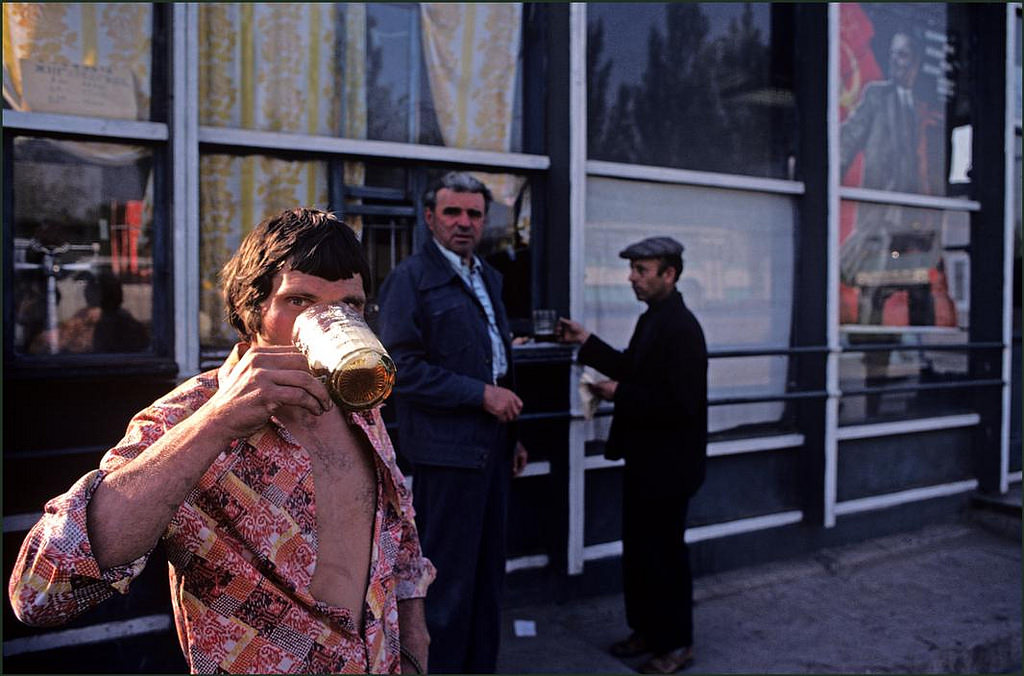
Street kiosks selling beer were a common fixture in Soviet cities. Drinking in public was widely accepted and frequently photographed by documentarians of the era. Despite Gorbachev’s anti-alcohol campaign, the habit was deeply embedded in daily life.
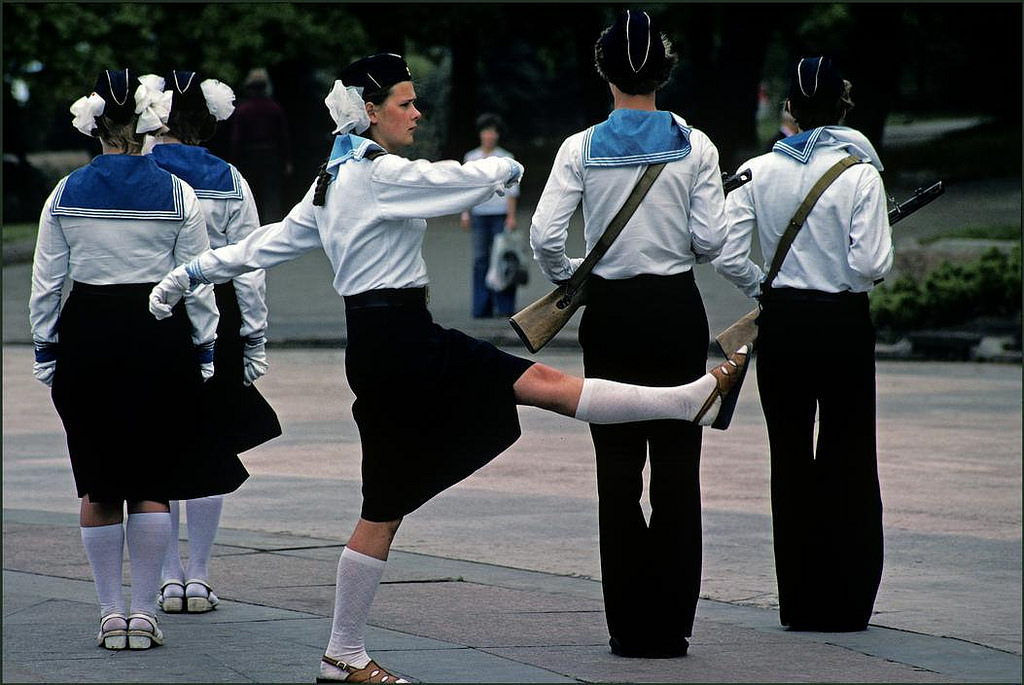
War memorials were treated with great importance in Soviet public life. Youth groups were regularly assigned to stand guard at these sites as part of their civic duties. For a port city like Odessa — which had been heavily bombed during World War II and awarded the title of Hero City — this tradition carried particular weight.
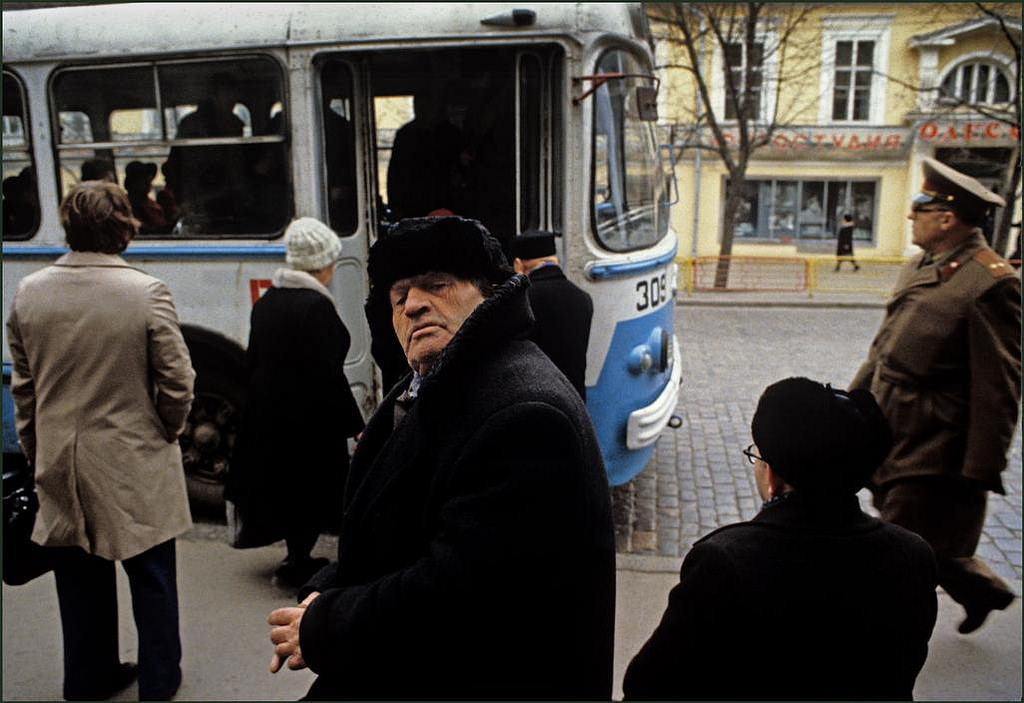
Public transportation was the primary way most Odessa residents moved around the city. Bus stops were busy at all hours, and the fur hat — the ushanka — was a practical necessity during the city’s cold, damp winters.
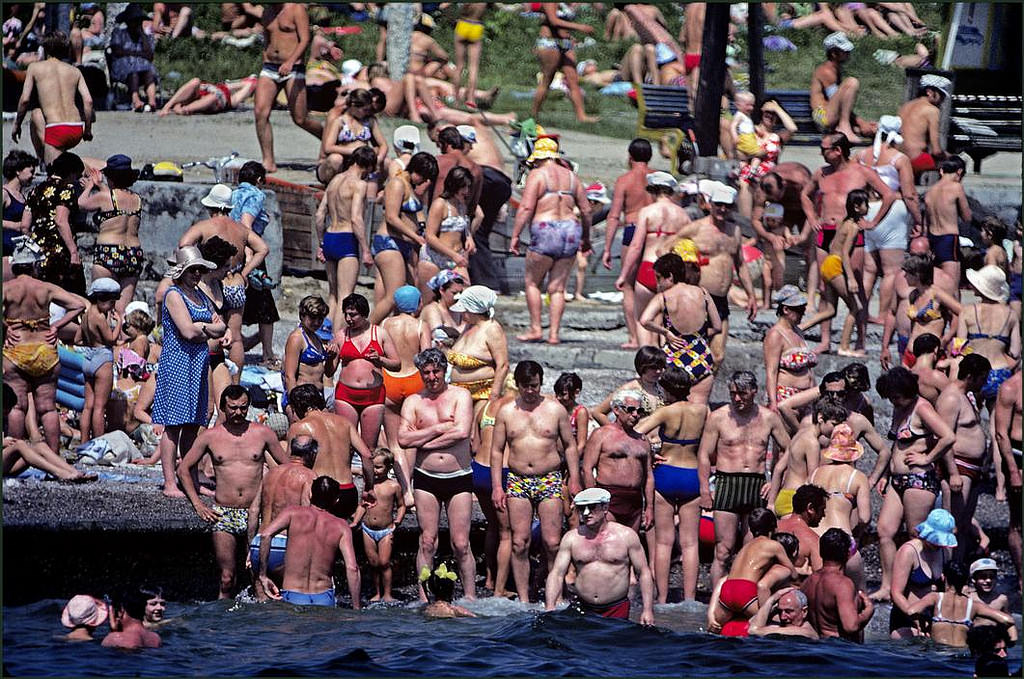
At the height of summer, Odessa’s beaches became extraordinarily crowded. The city was one of the most popular resort destinations in the Soviet Union, drawing visitors from across Ukraine and beyond. On the busiest days, the crowds extended right to the water’s edge and beyond.
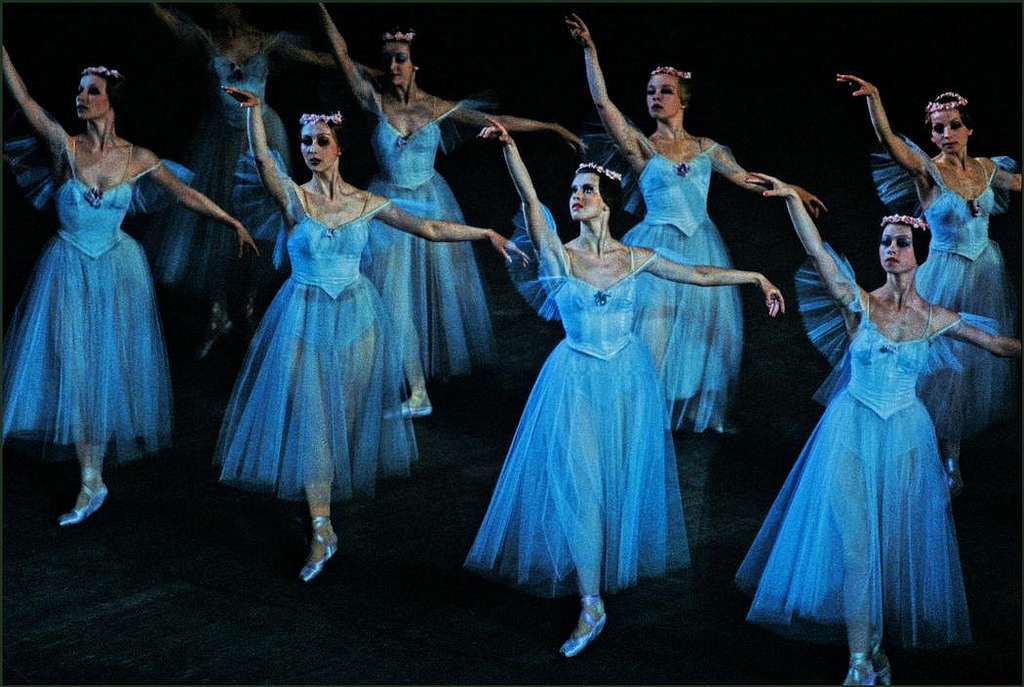
The Odessa Opera House hosted full-scale productions throughout the Soviet period. Ballet was a state-supported art form and performed to a high standard. The building itself — ornate, grand, and built in the style of the Vienna Opera House — made every performance a formal occasion.
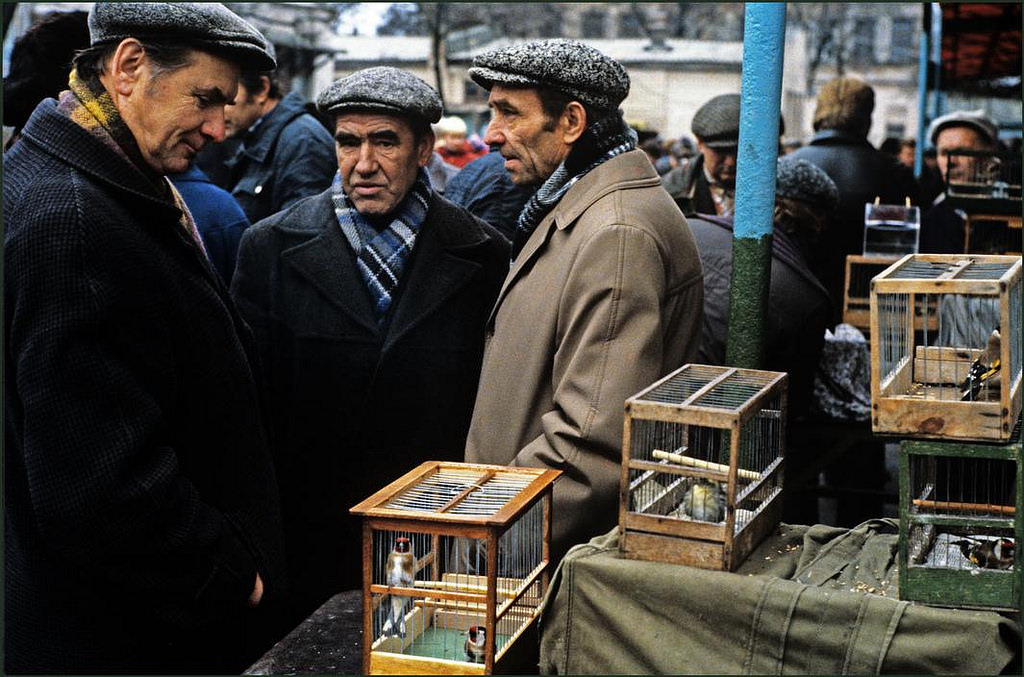
Ian Berry photographed Odessa without sentimentality or judgment. His images captured the full range of daily life — from ballet rehearsals and music lessons to drunks on the pavement and workers in the rain. Taken together, they document a city that was complex, layered, and very much alive in the years before everything changed.




