
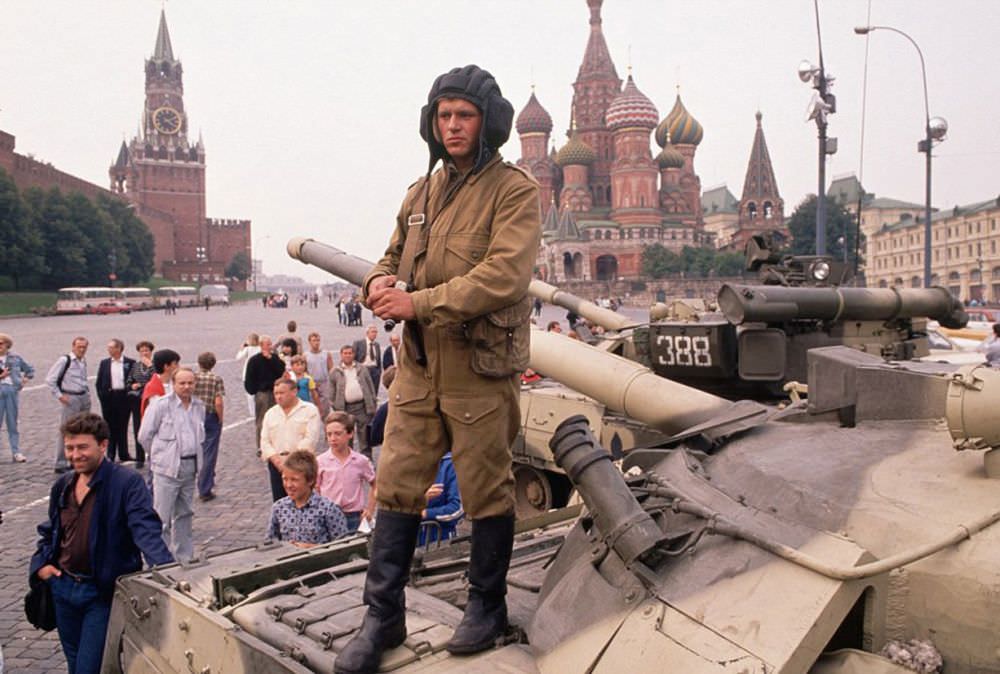
By 1990, the Soviet Union was cracking at its foundation. The Communist Party still held total control, but its grip was visibly slipping. For ordinary people, this political unraveling showed up most clearly in the basics of daily life — what they could eat, where they could live, and how far they had to walk to find a bar of soap.
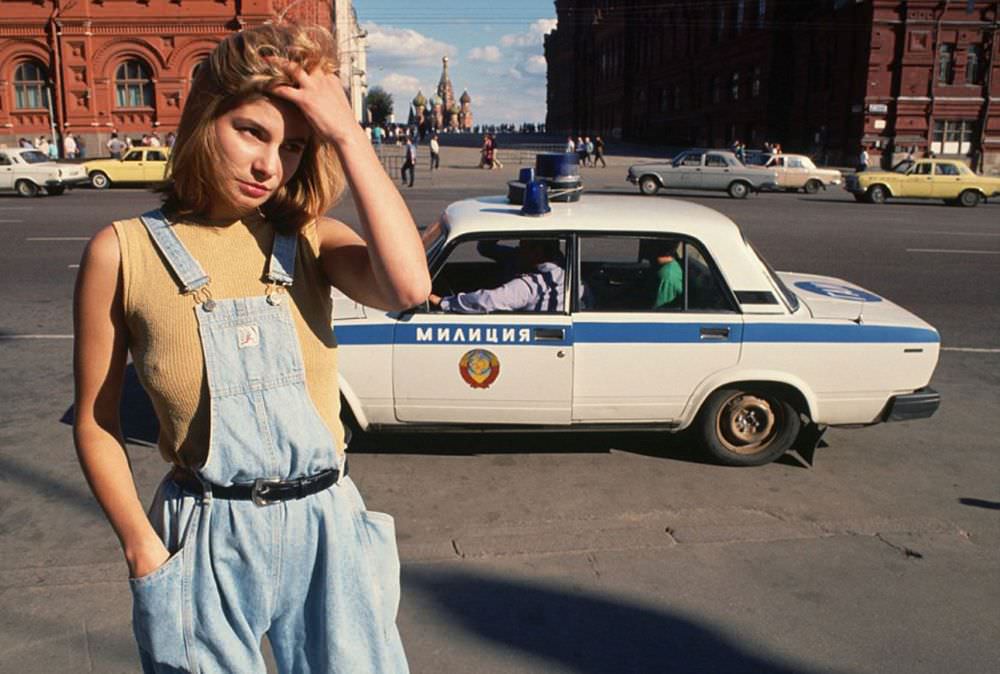
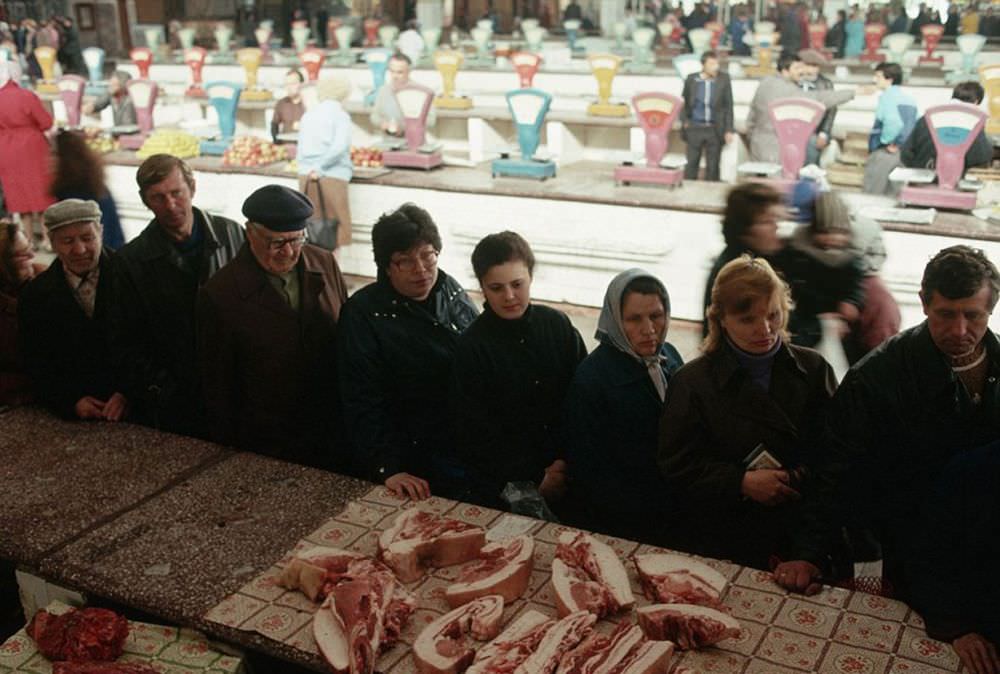
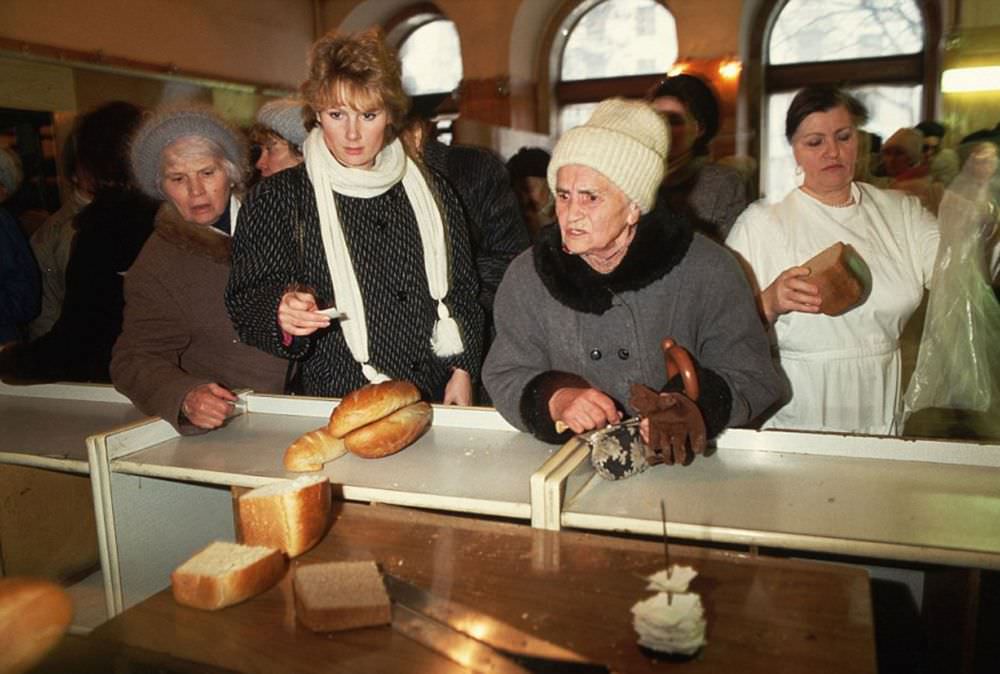
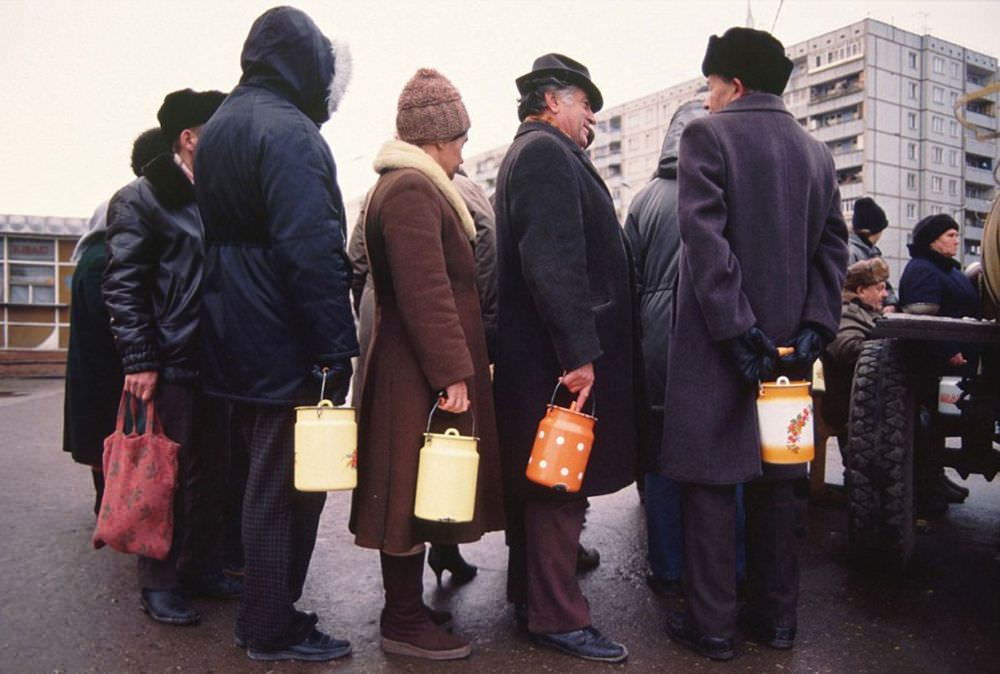
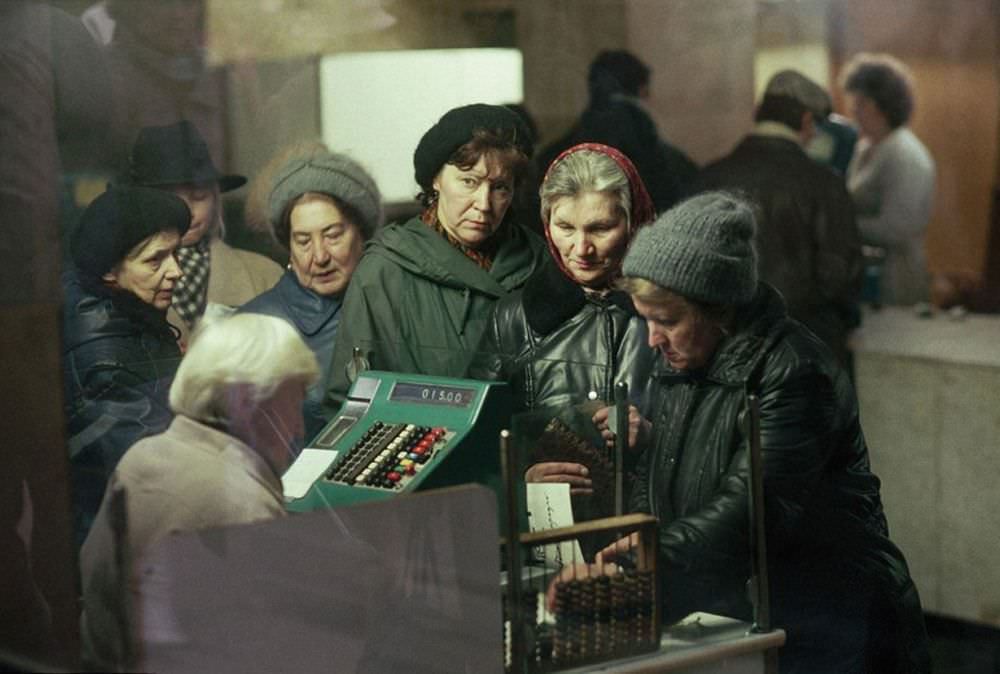
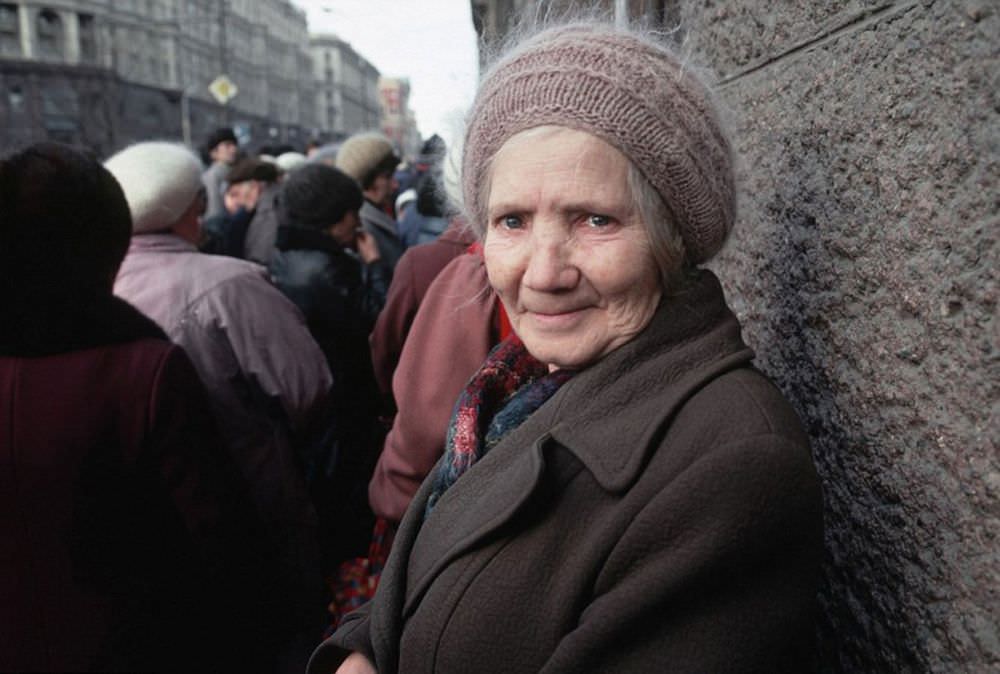
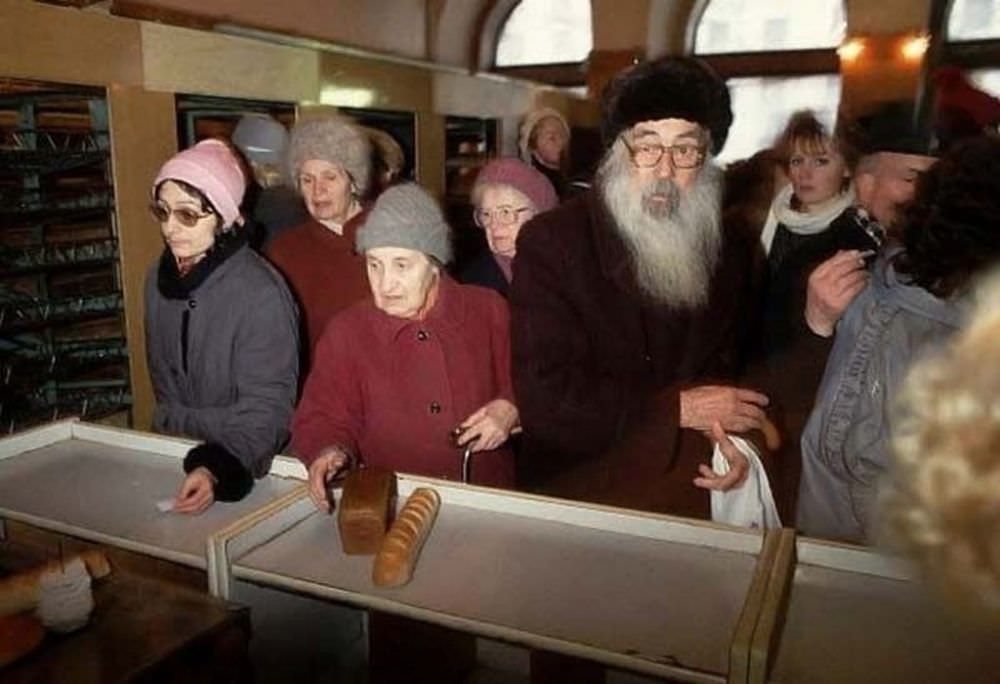
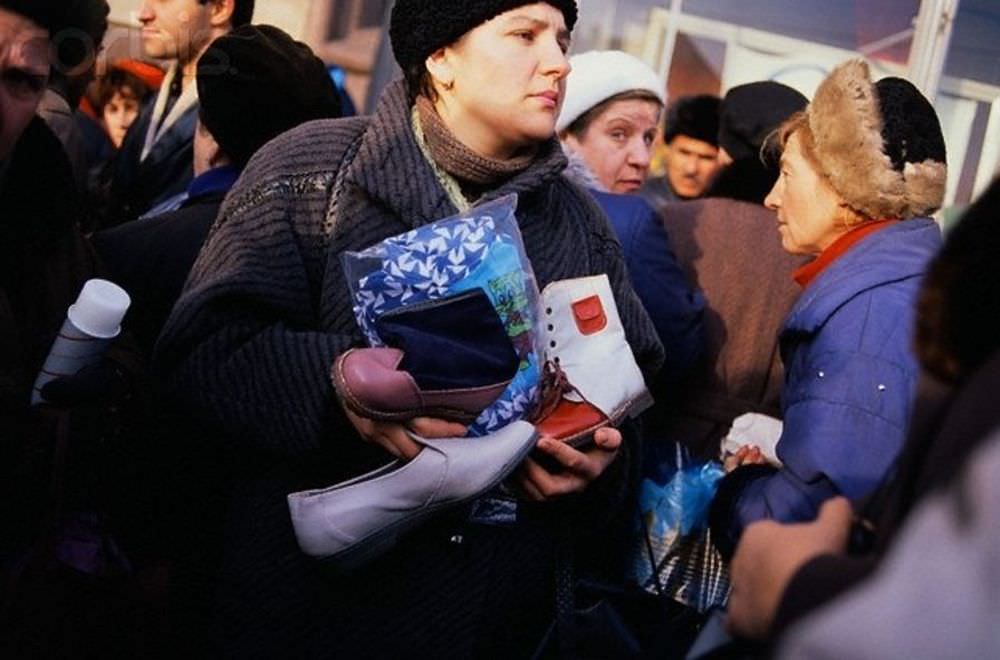
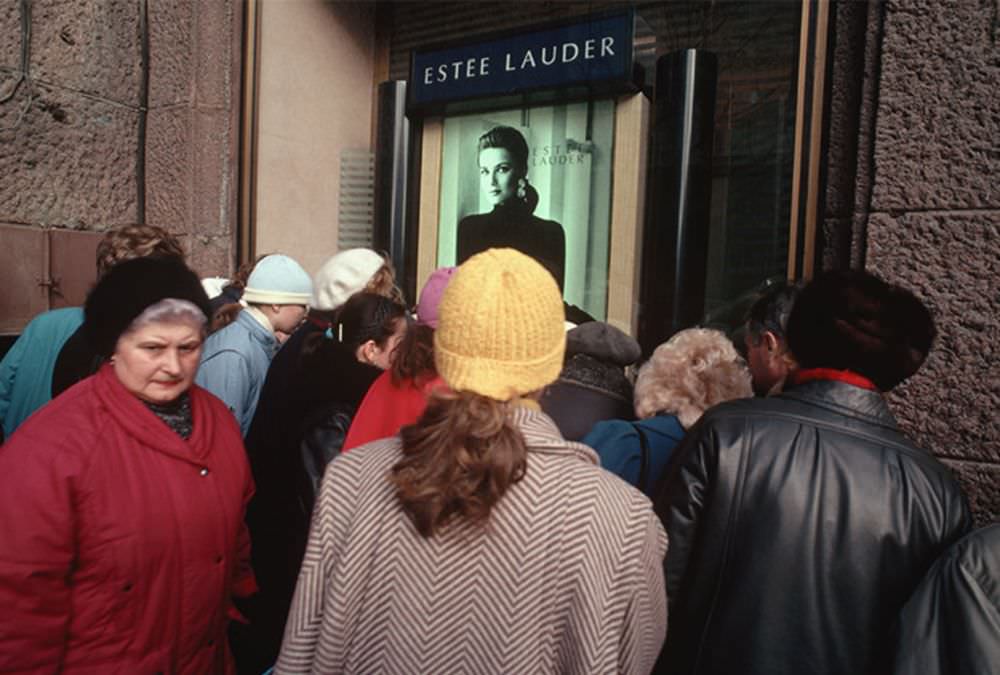
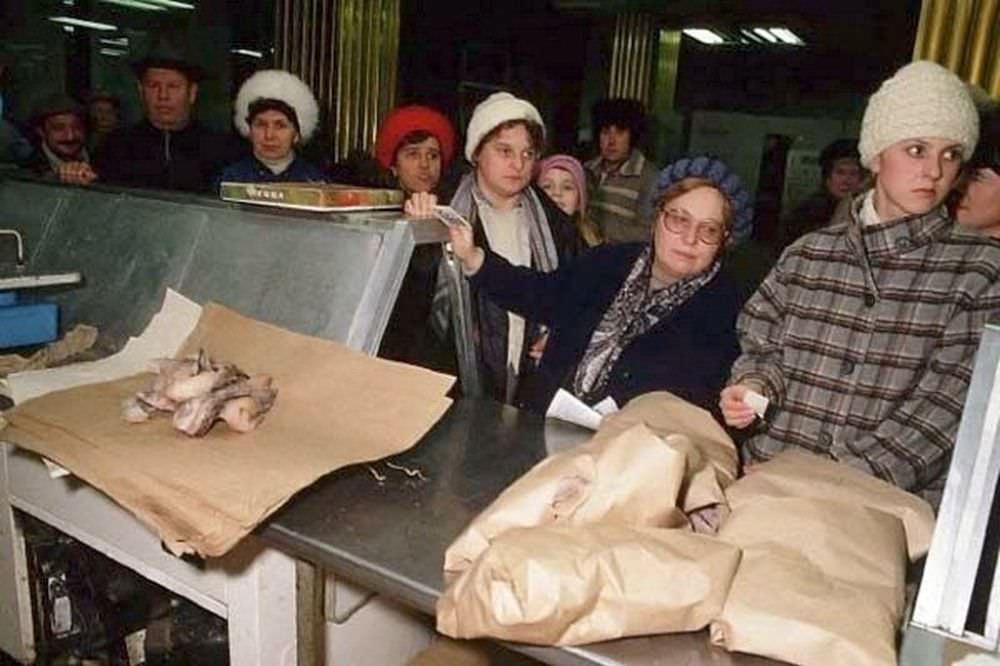
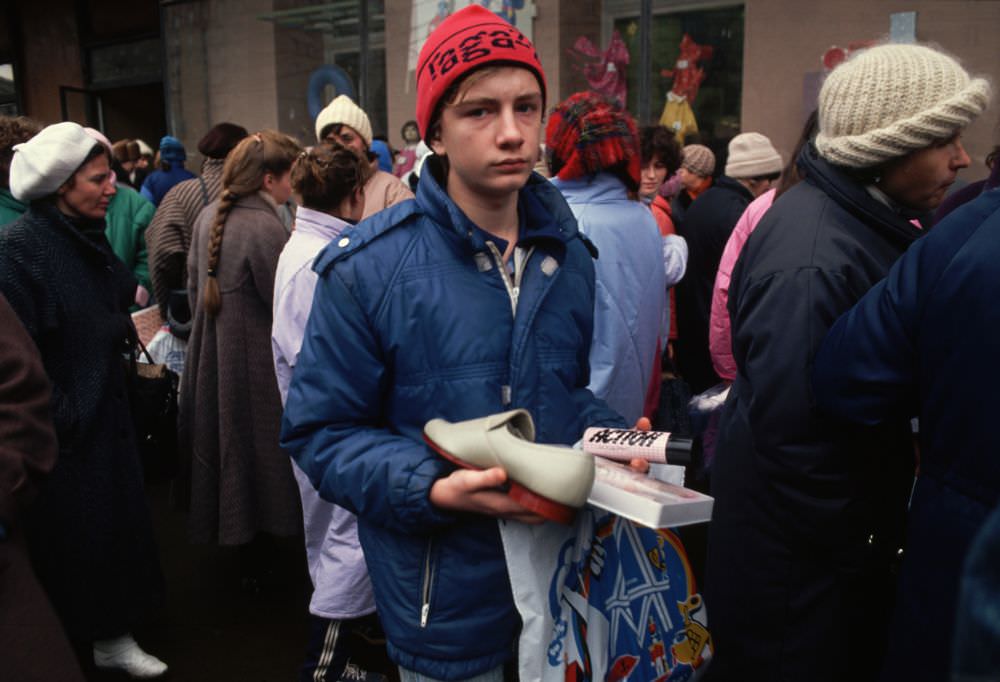
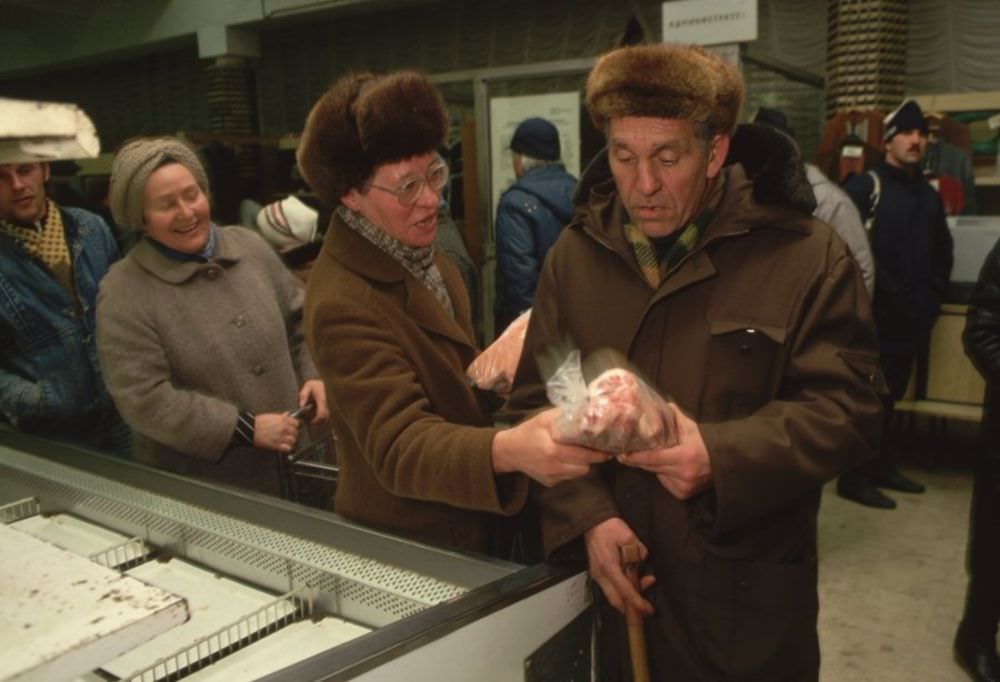
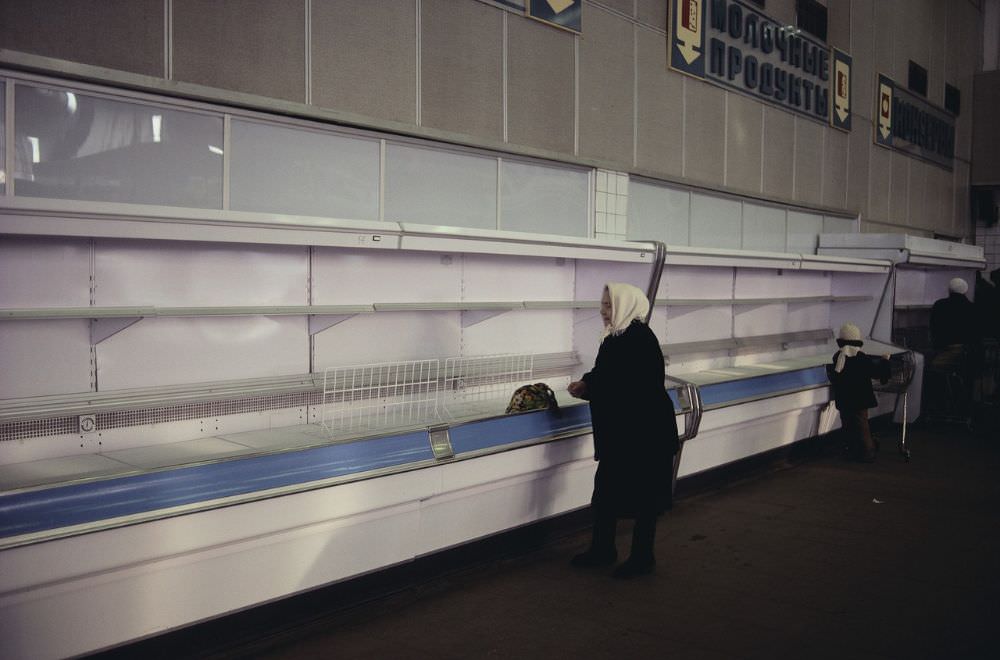
Shortages defined the era. Food, clothing, and household goods were all in short supply. Store shelves were frequently bare, and when items did appear, word spread fast. Lines formed quickly — sometimes stretching around entire city blocks — for meat, milk, or toilet paper.
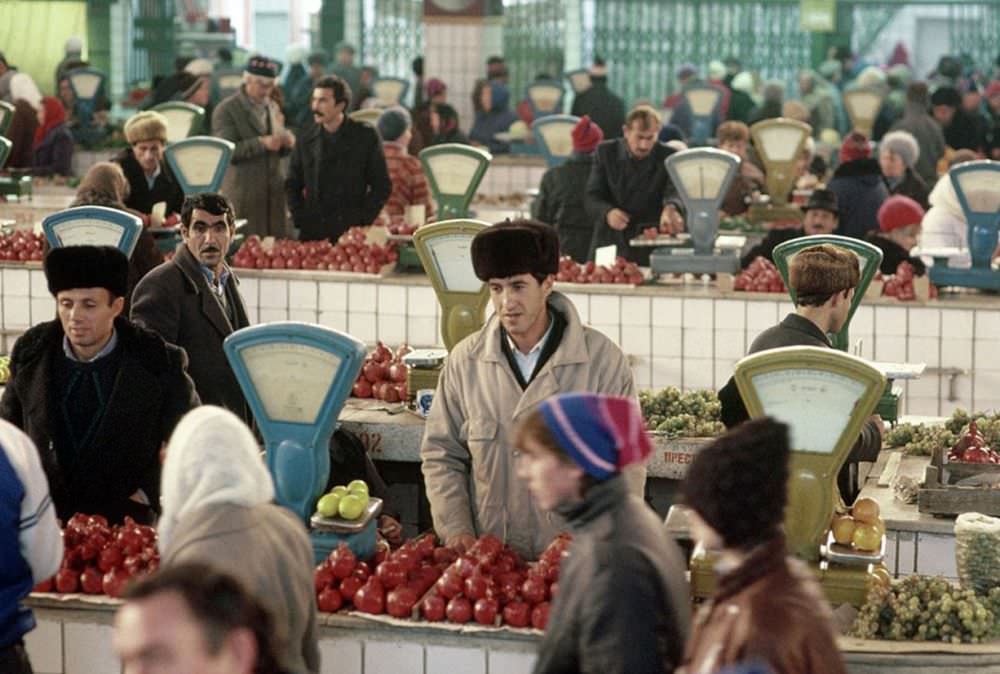
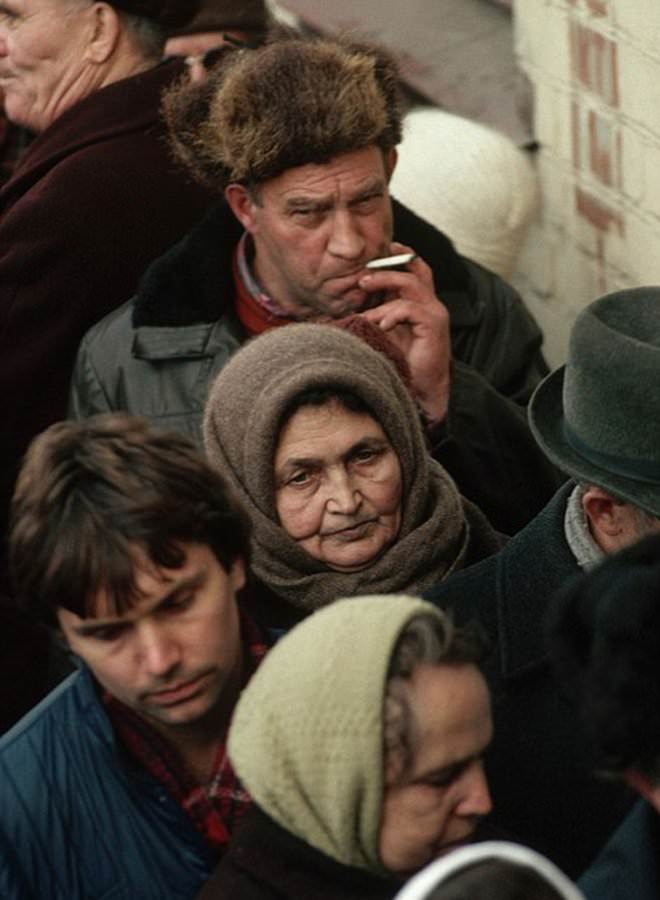
Waiting in line was not a minor inconvenience. It was a daily obligation that consumed hours. Workers planned around it. Families coordinated it. Missing a supply delivery meant going without.
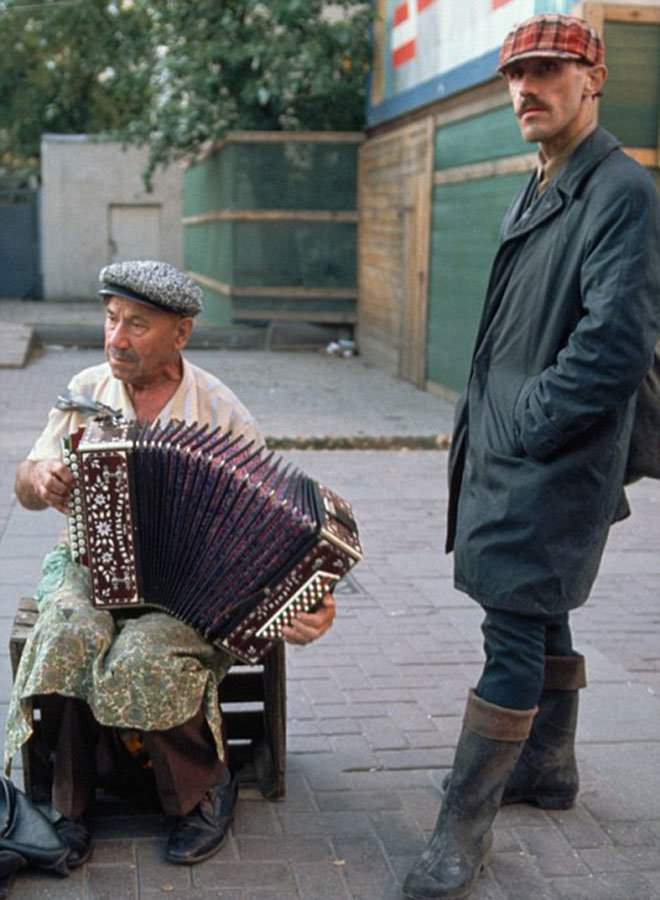
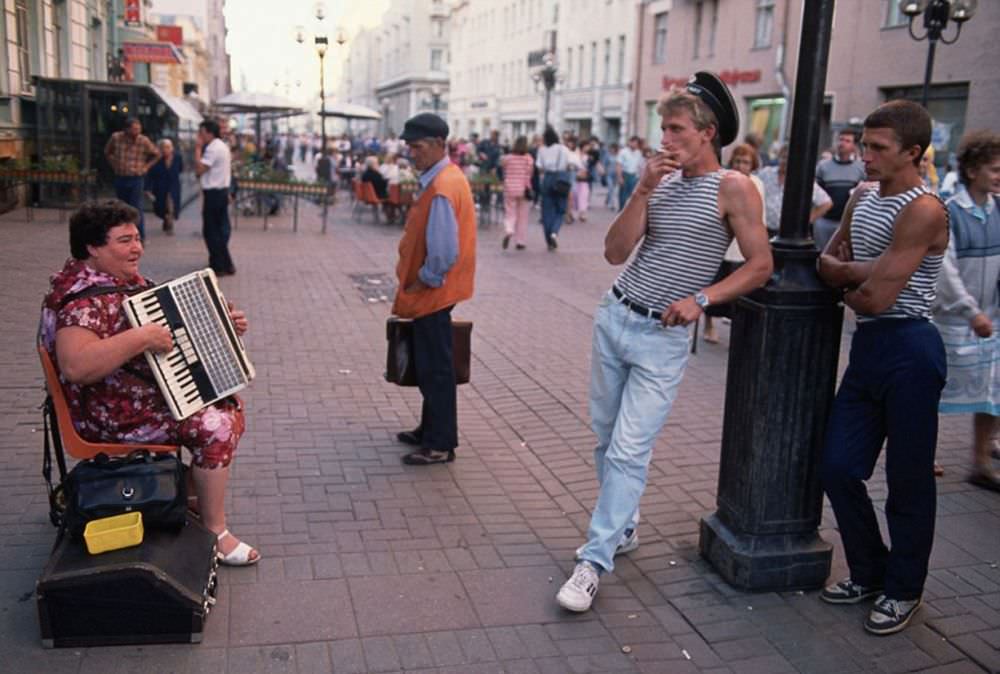
The shortages fed a thriving black market. Goods moved illegally at inflated prices, giving those with money or the right connections an advantage. It deepened economic inequality and eroded trust in the state-run system.
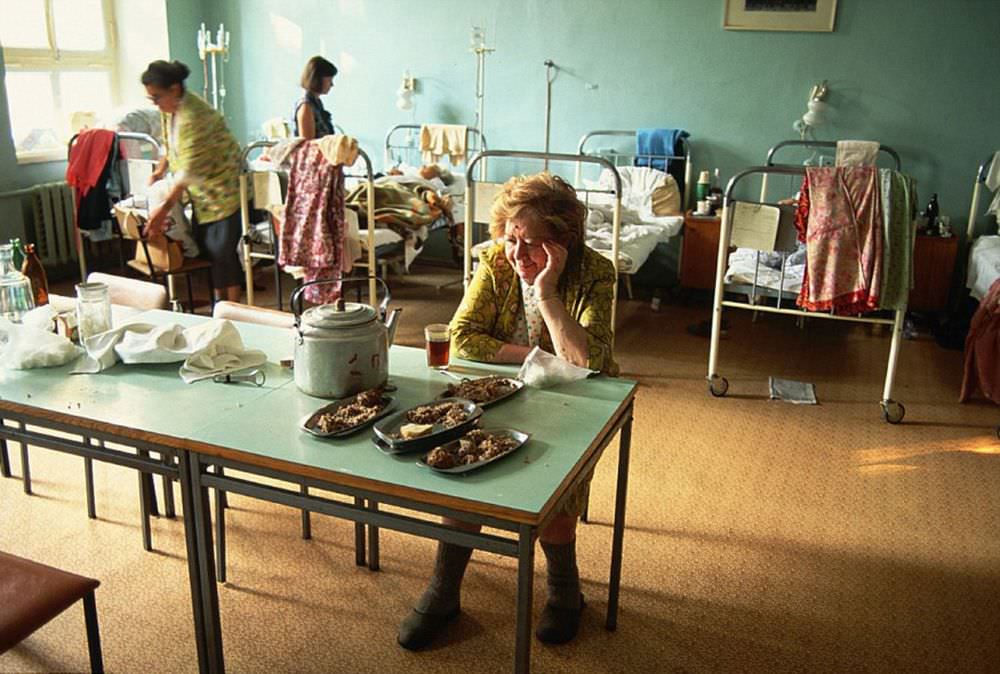
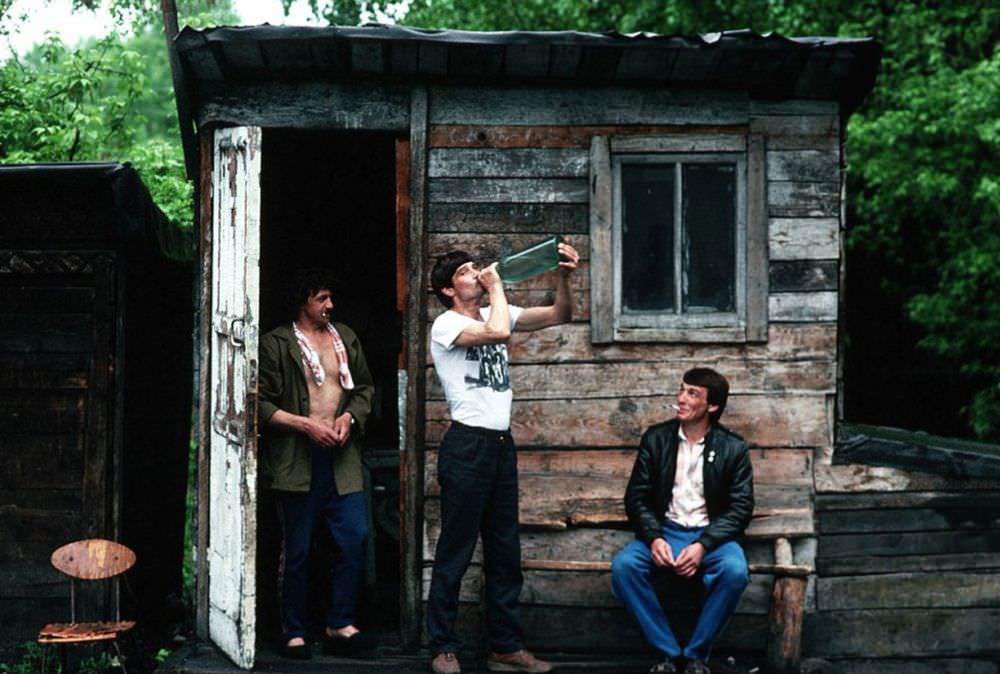
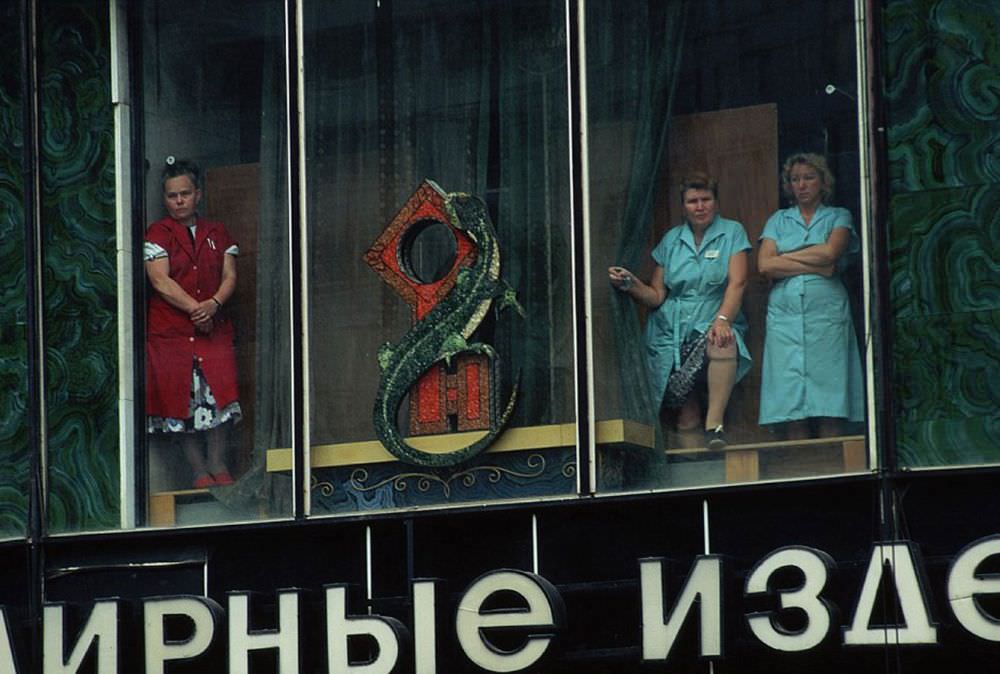
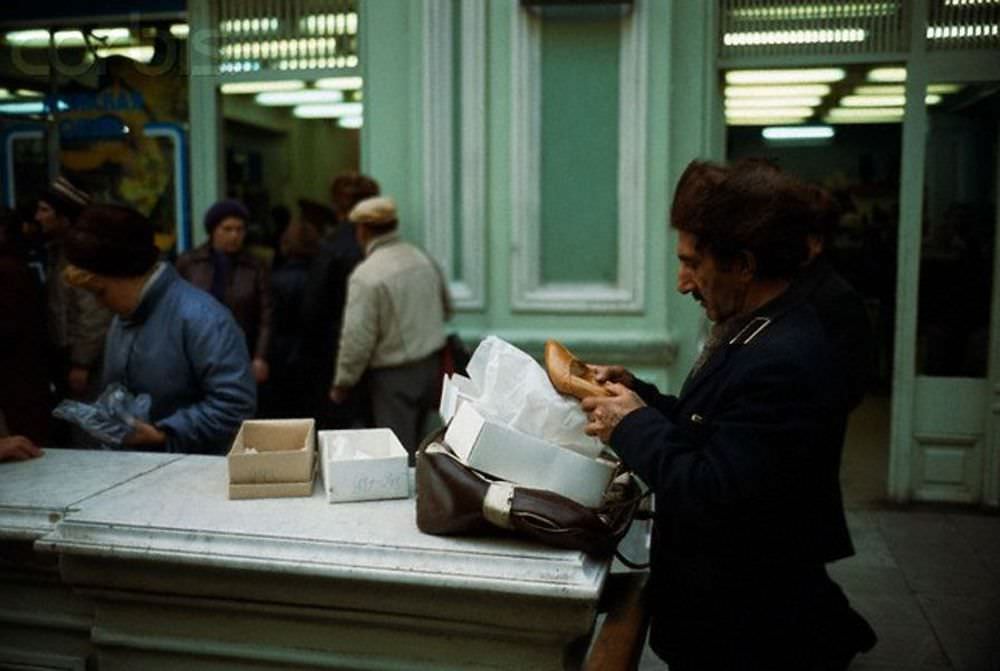
What was available in official stores was often cheaply made and limited in variety. There was no comparison to the range of consumer goods found in Western shops. People worked with whatever they could get.
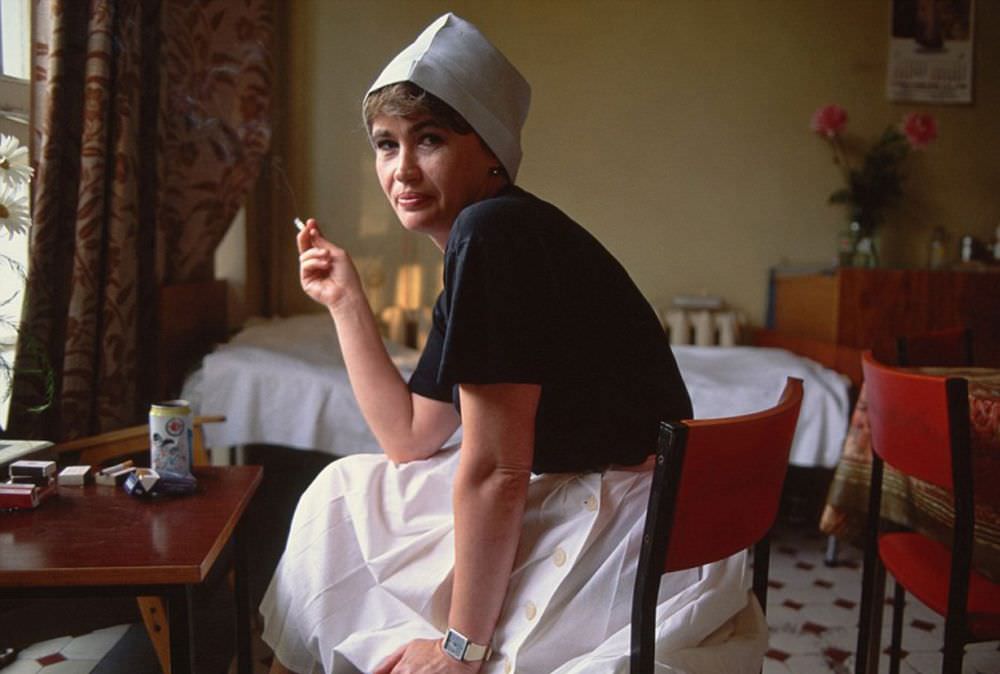
Housing was tight. Most urban families lived in small apartments inside large concrete blocks. The buildings were overcrowded and poorly maintained. Privacy was scarce, and repairs were slow to come.
Getting around cities meant relying on public transit. Buses, trams, and the metro carried enormous passenger loads each day. Private car ownership was rare — both expensive and hard to arrange through the state system.
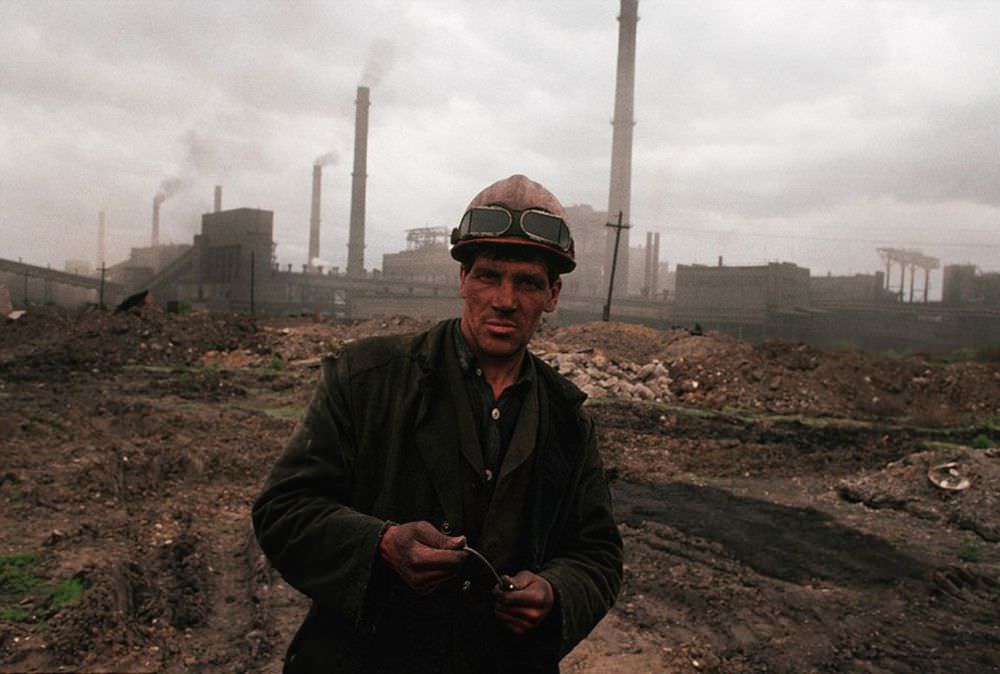
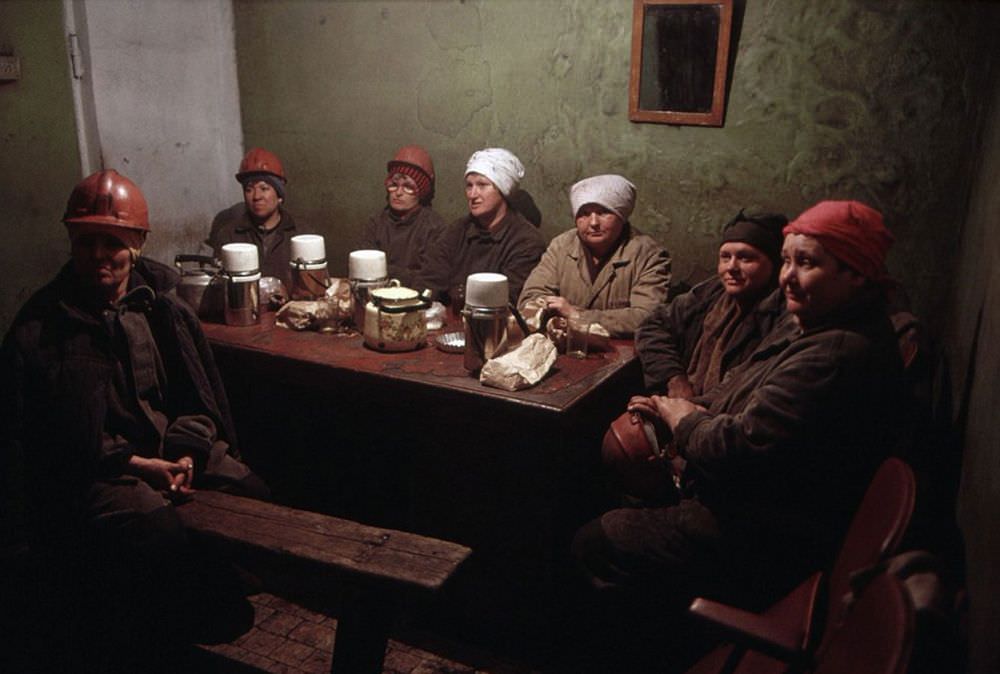
Despite the pressure of daily scarcity, social life remained strong. Neighbors leaned on each other. Colleagues shared what they had. Friendships and family ties carried real practical weight, not just emotional value.
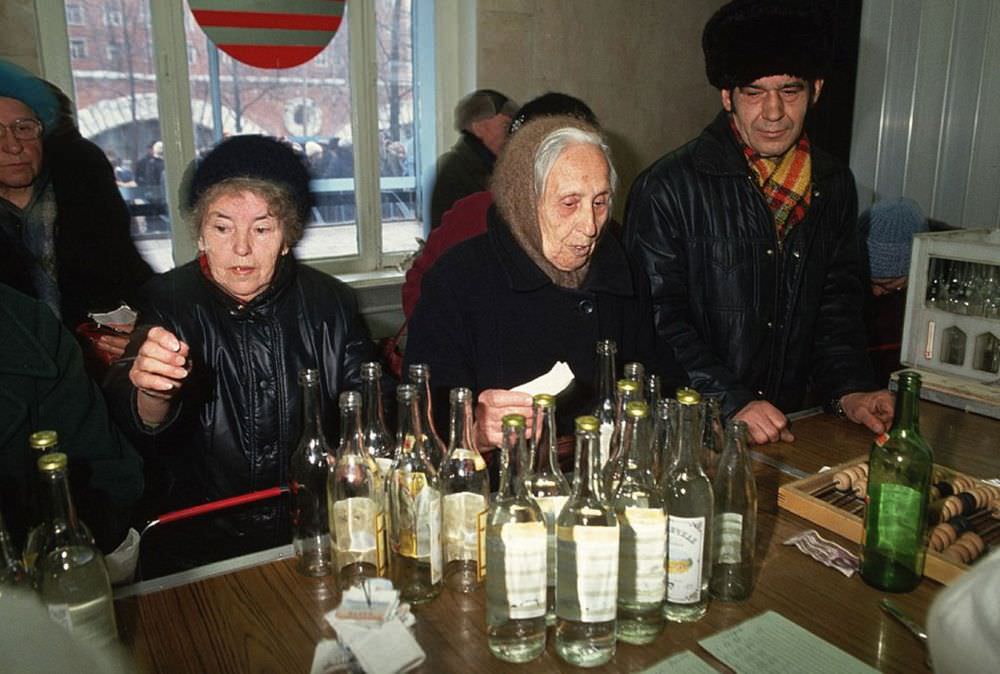
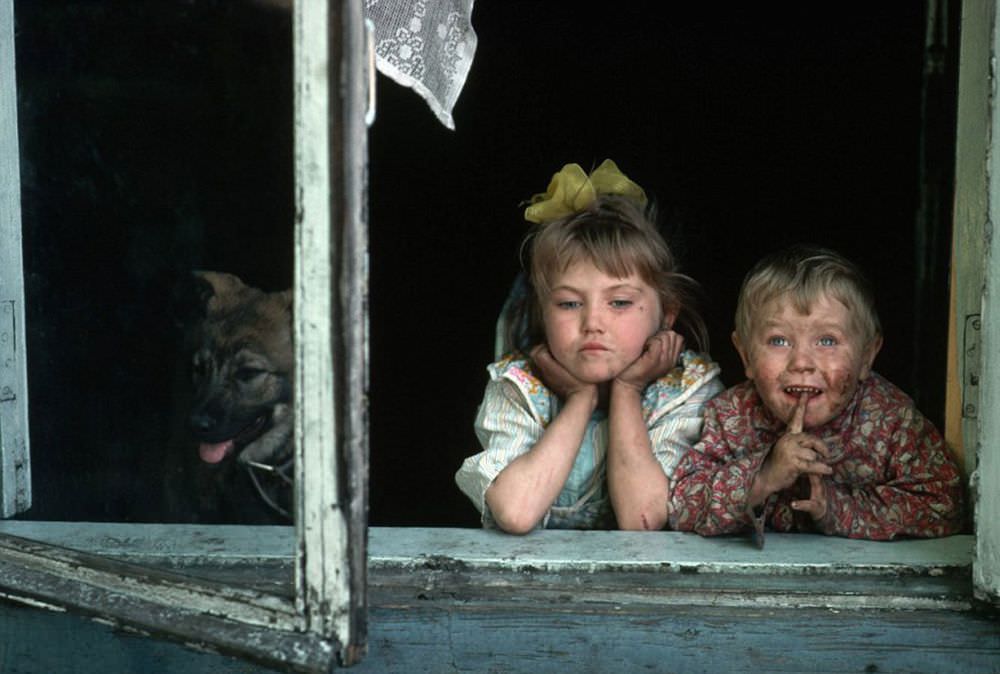
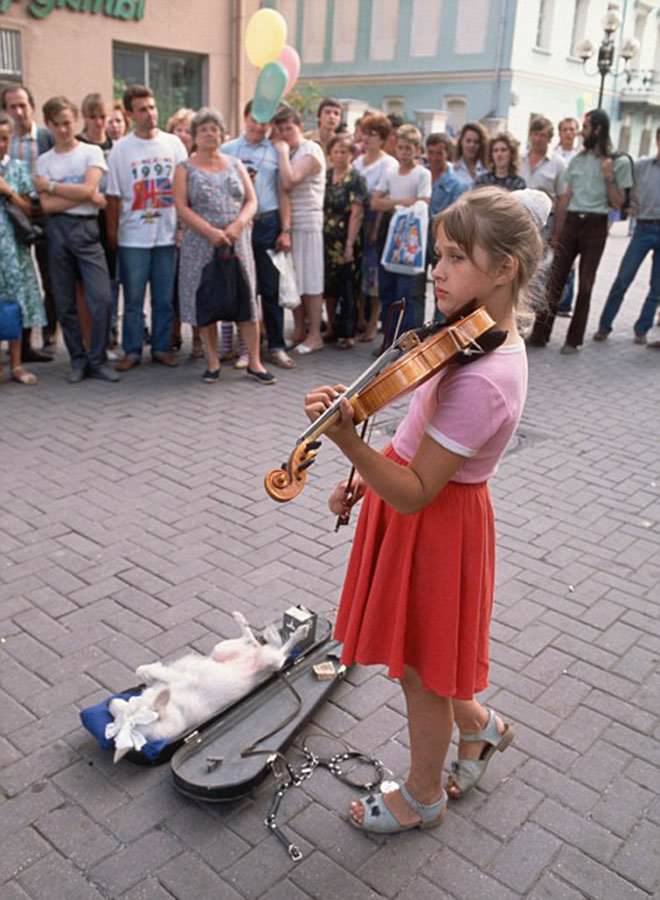
Cultural events offered a break from the grind. Theaters, cinemas, and concert halls stayed busy. Tickets were affordable, and attendance was high. For a few hours, people could step away from the uncertainty outside.
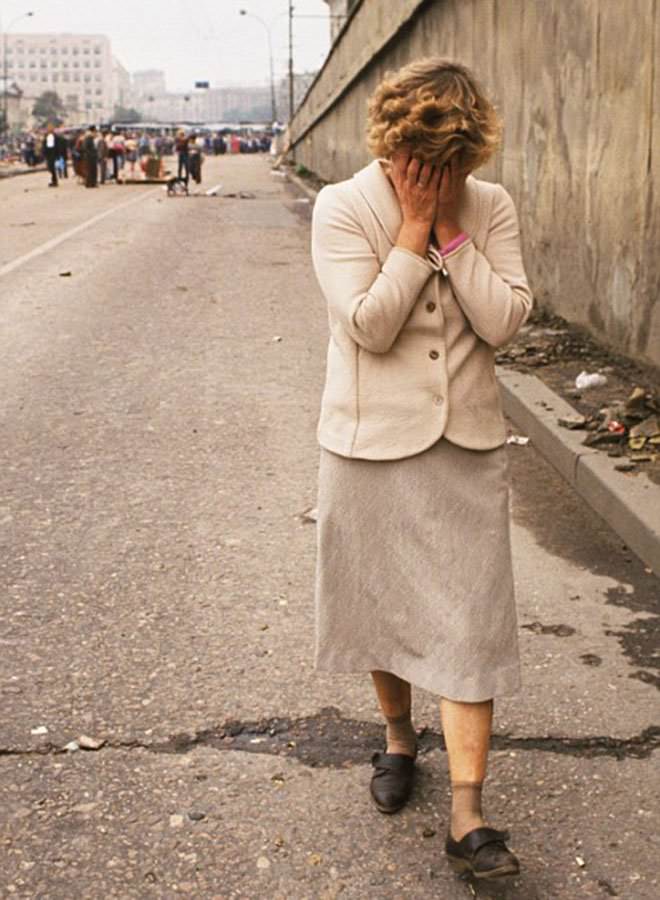






Wonderfull people a hello from brazil