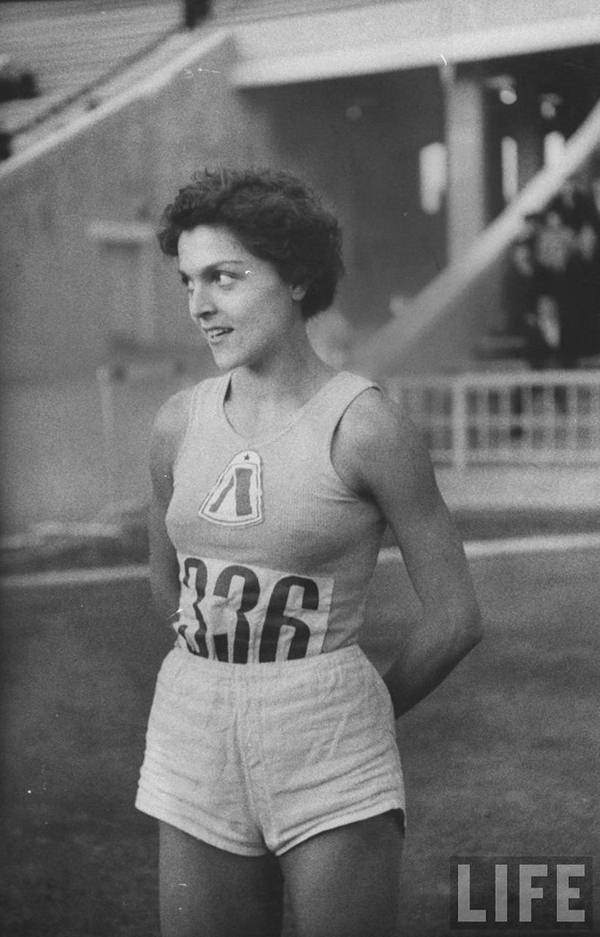
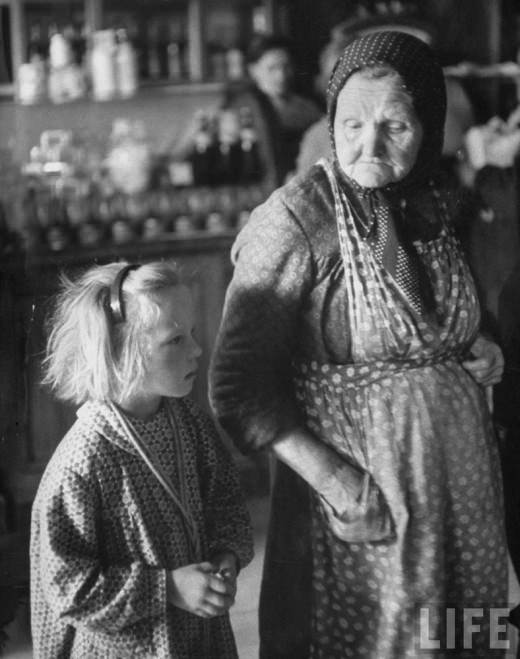
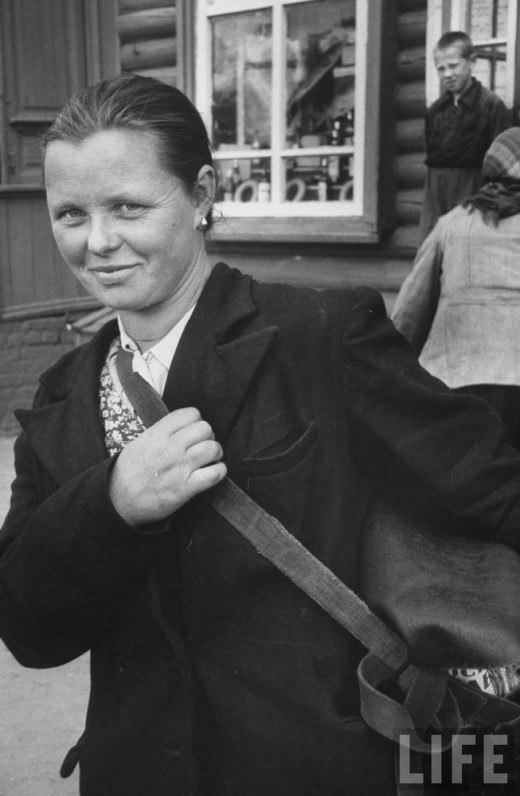
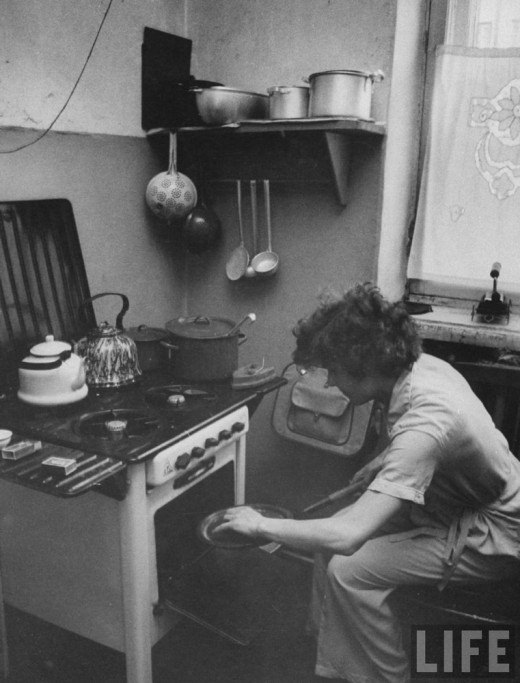
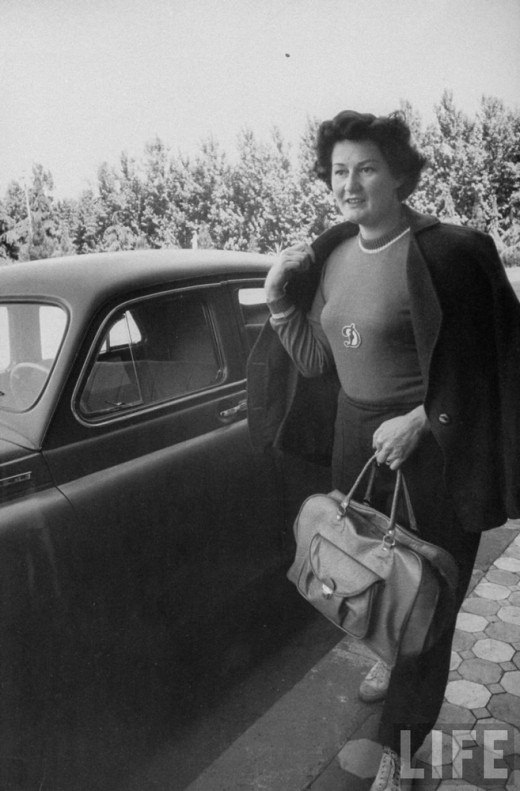
The Soviet Union in the 1950s was a country still recovering from the massive destruction of World War II. Rebuilding cities, restoring industry, and raising families all fell heavily on women. LIFE magazine photographers captured this world in rare detail, producing images that show Soviet women not as distant figures behind a political curtain, but as real people with jobs, routines, and daily lives.
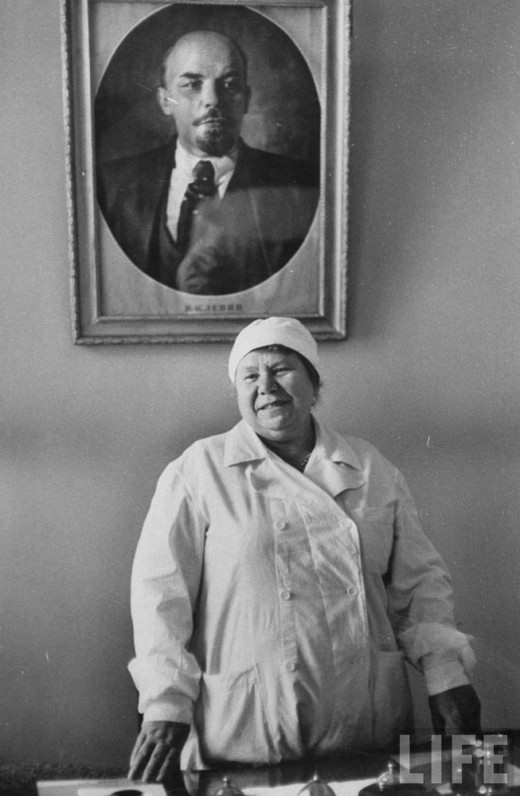
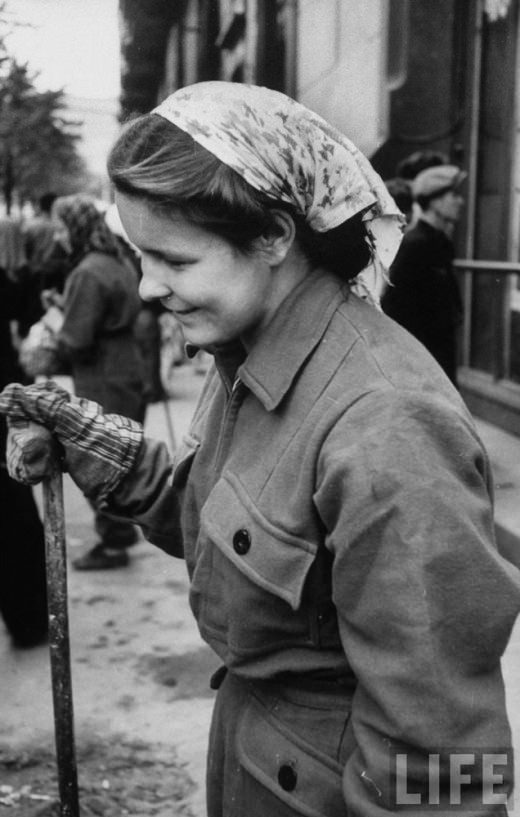
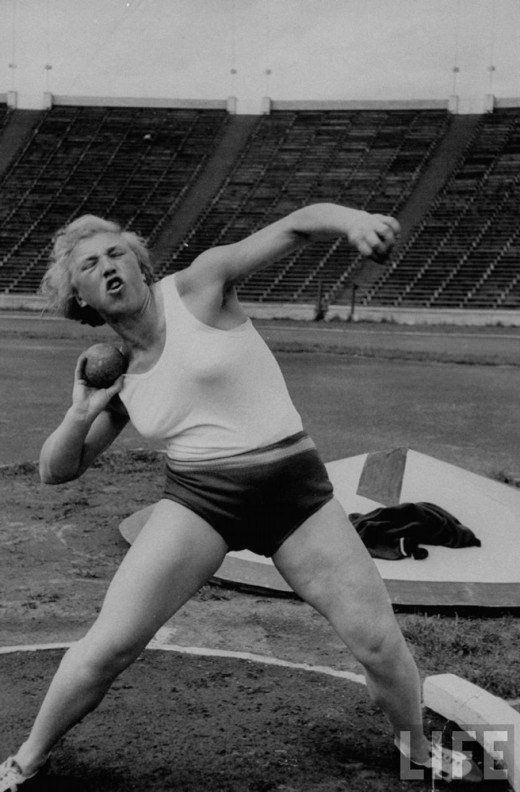
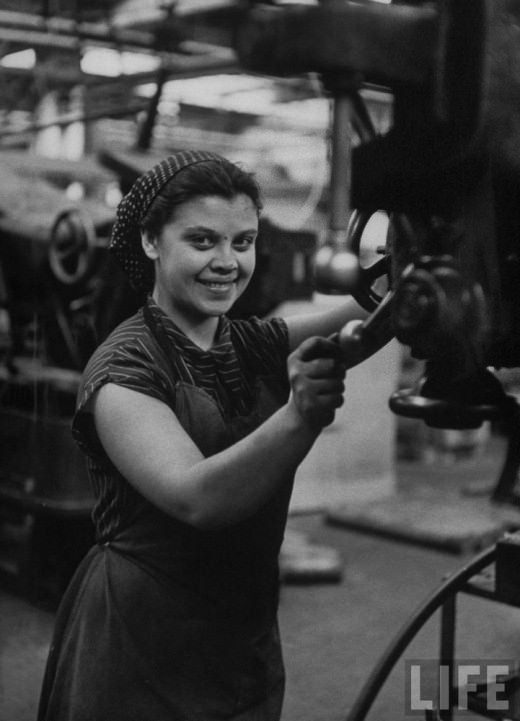
Women were a core part of the Soviet workforce. Factory floors were filled with female workers operating machinery, assembling parts, and keeping production lines moving. The state expected women to contribute equally to industrial output, and they did.
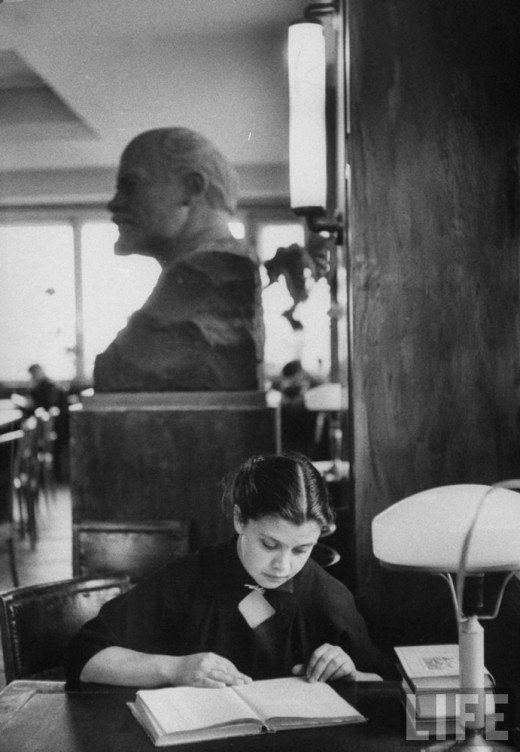
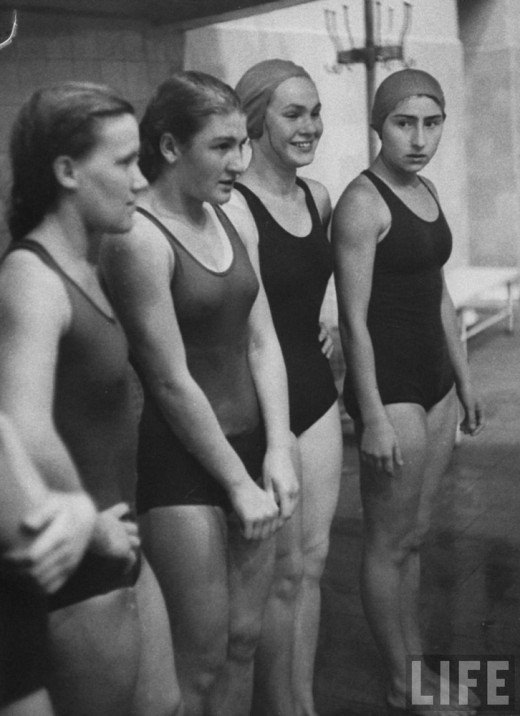
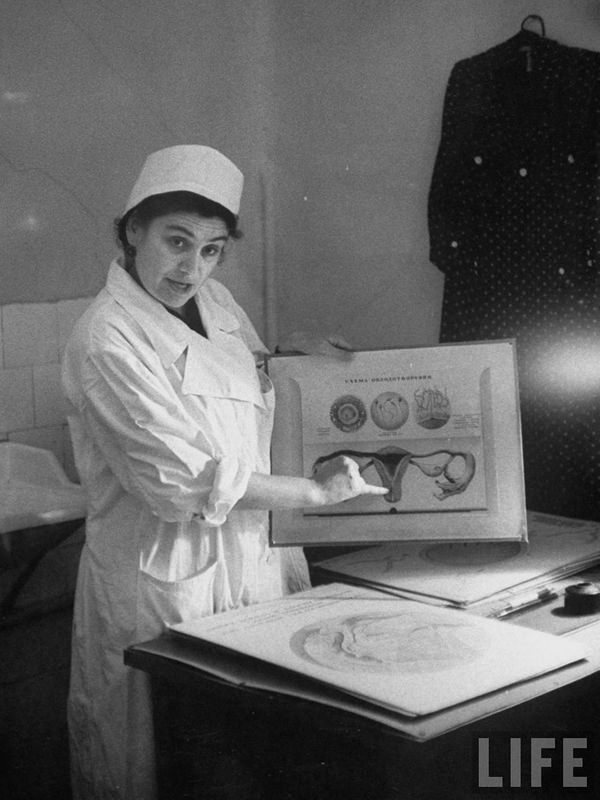
Education was another area where Soviet women were highly visible. Universities and technical schools enrolled large numbers of female students throughout the decade. Literacy rates were high, and women pursued careers in science, medicine, and engineering alongside men.
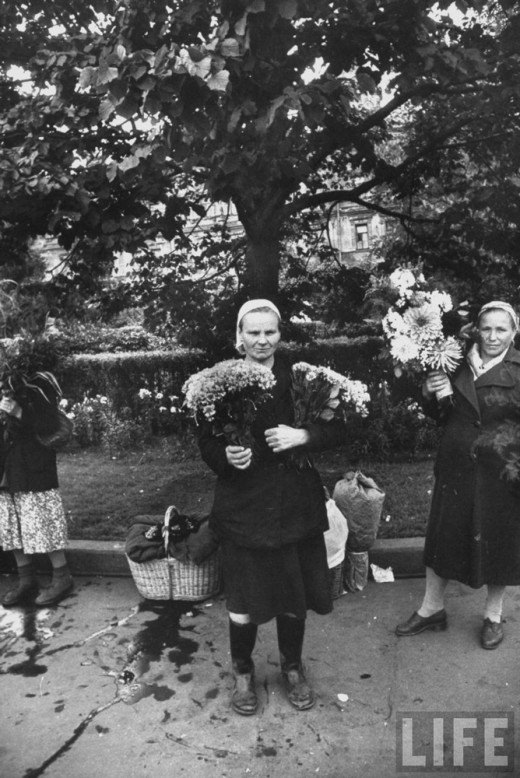
Outside of work and school, women found time for leisure. Parks were popular gathering spots where friends met to talk and relax. These moments of everyday joy existed alongside the pressures of living in a tightly controlled society.
Ballet remained one of the Soviet Union’s most celebrated art forms. Female dancers trained from a young age in state-run schools, and the profession carried enormous prestige. Performances drew large, dedicated audiences across the country.
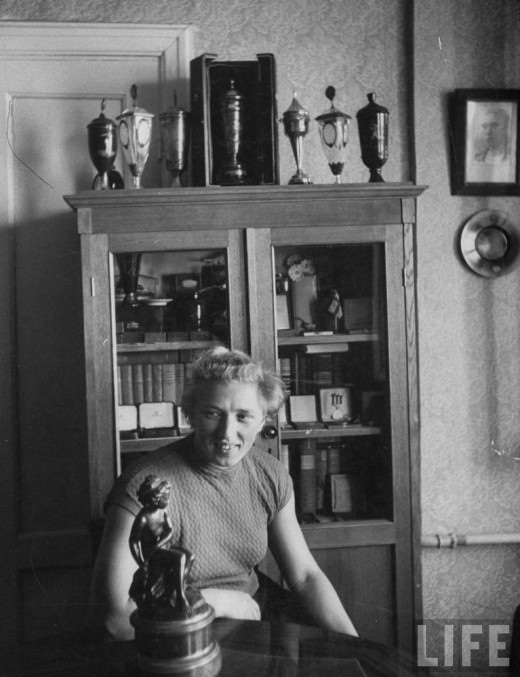
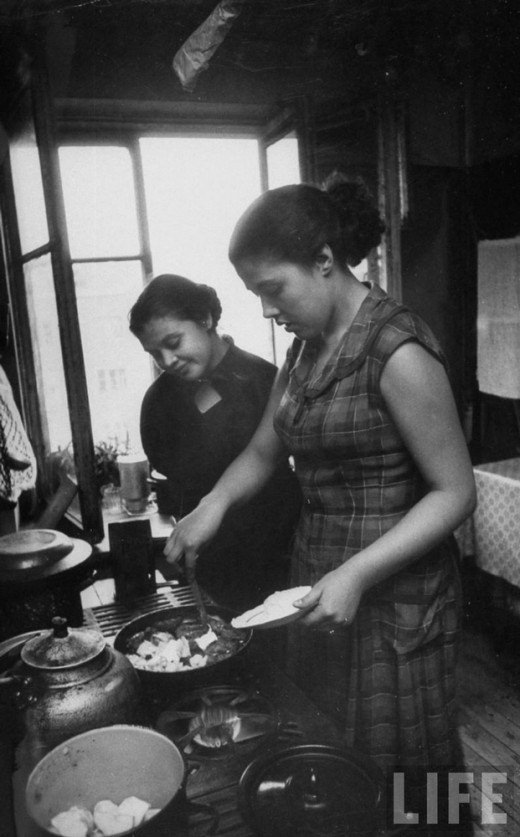
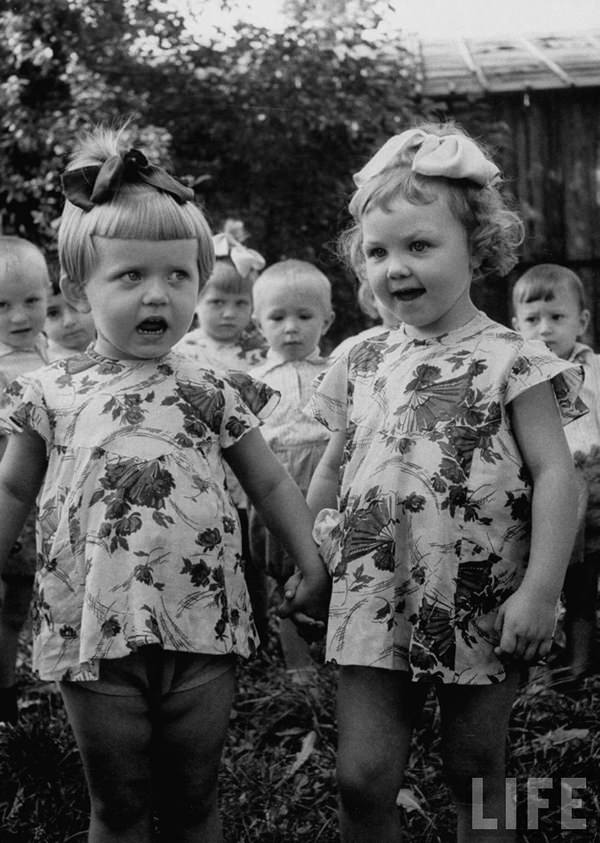
Motherhood was also a central part of daily life. Women managed households, cared for children, and often held full-time jobs at the same time. The Soviet state promoted motherhood through official awards and benefits for women who raised large families.
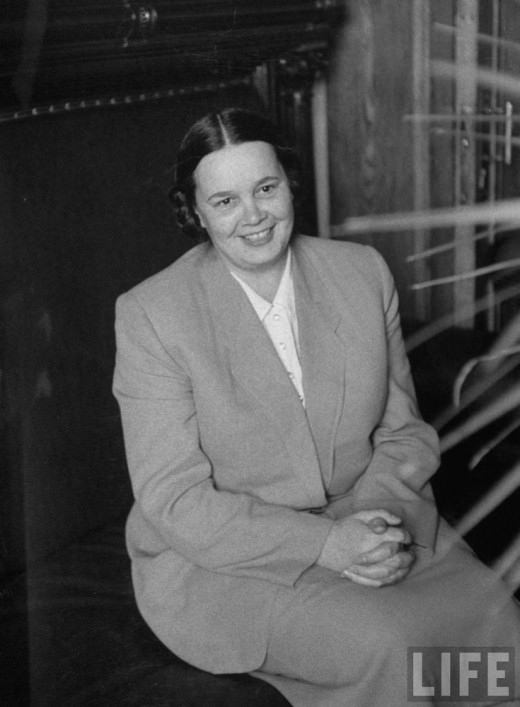
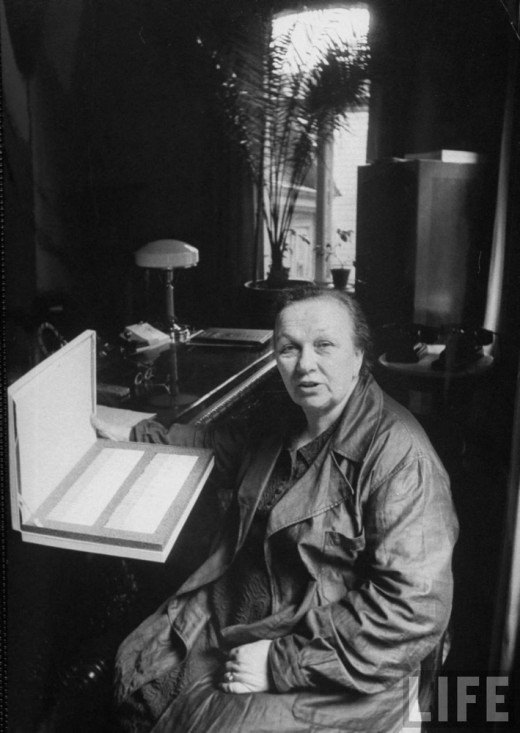
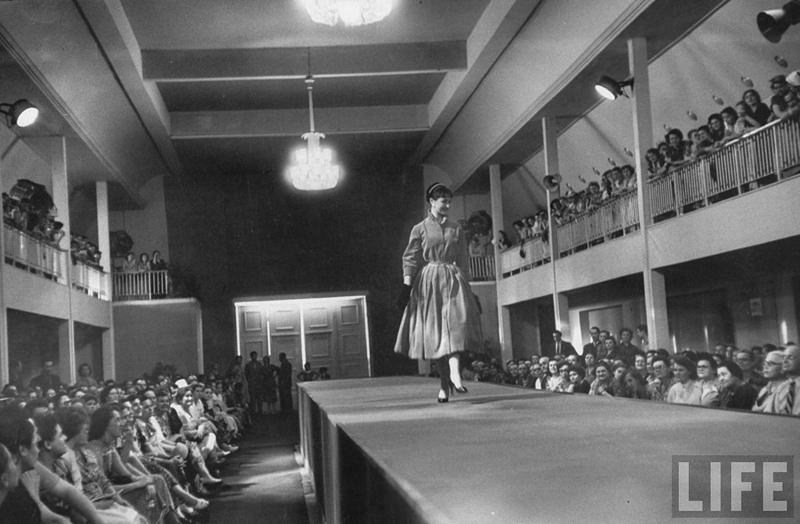
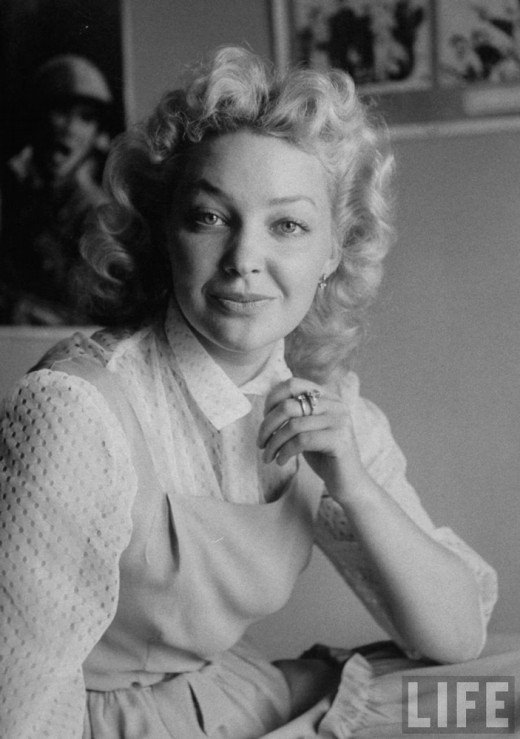
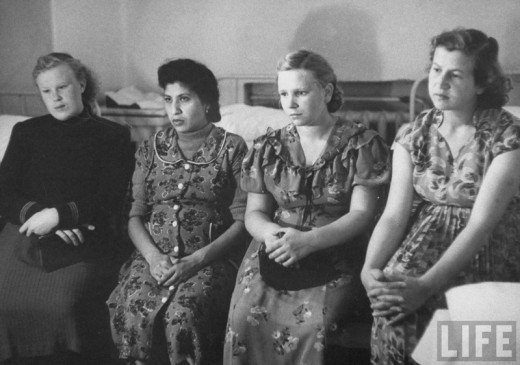
Western fashion was not available in Soviet stores, but women still developed their own sense of style. Simple dresses, headscarves, and modest jewelry were common. Clothing was practical, but personal touches showed that self-expression had a place even within the limits of Soviet life.
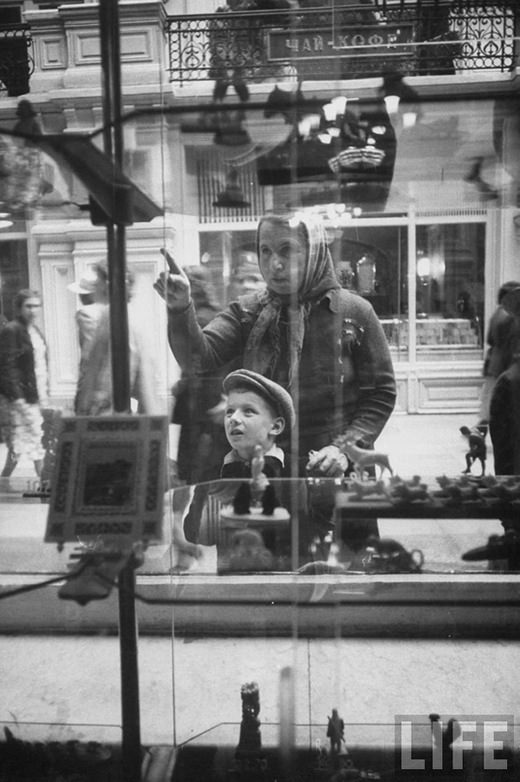
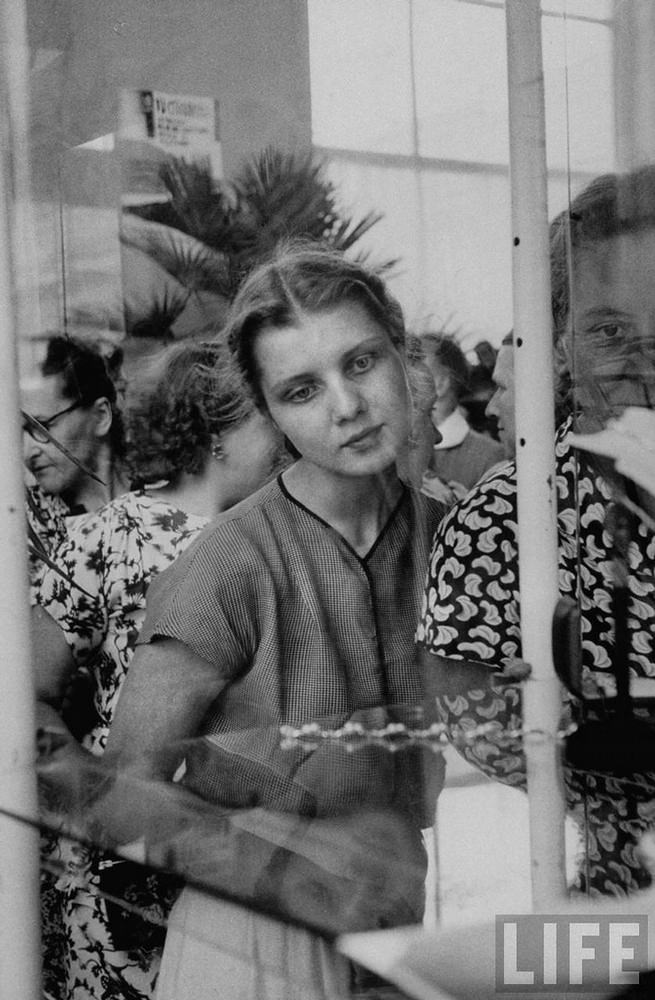
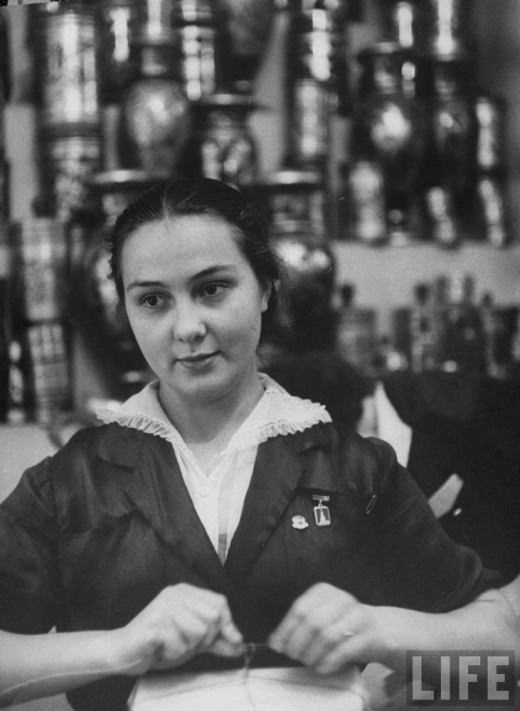
Markets and shops, though often understocked, were places where women navigated the realities of Soviet-era shortages. Standing in long queues for basic goods was a routine part of life for most urban women.
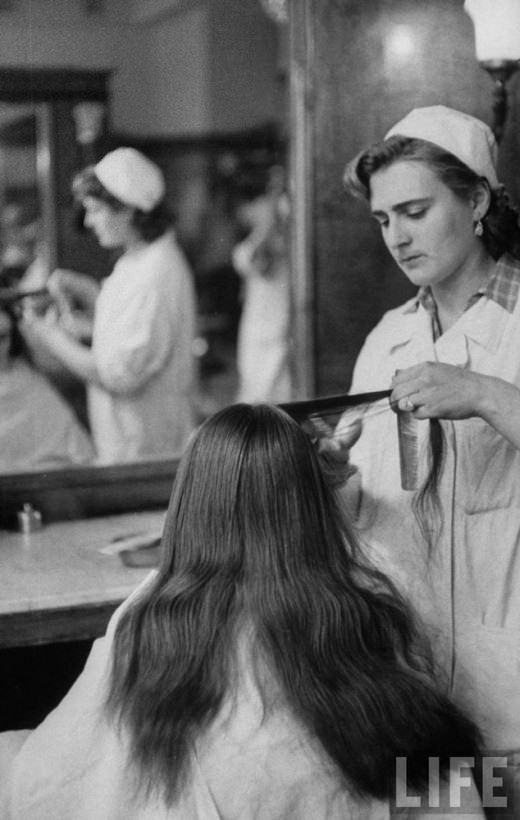
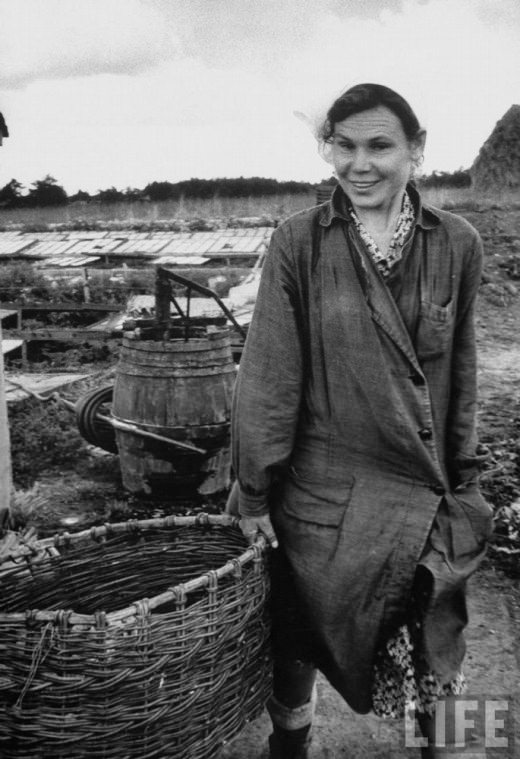
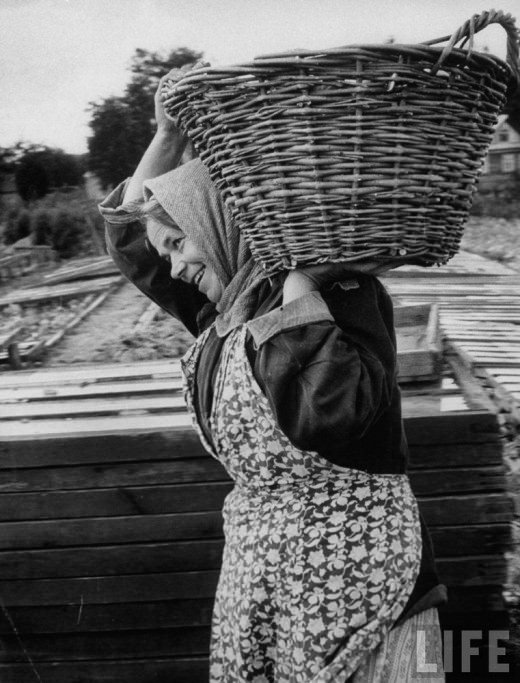
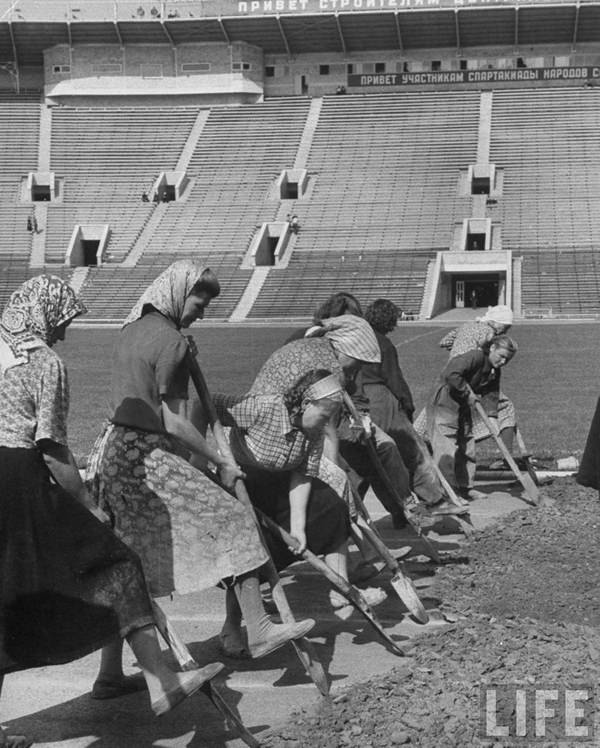
Rural women faced different but equally demanding conditions. Agricultural work was physically hard, and many women in the countryside worked on collective farms called kolkhozy. Their labor fed the broader Soviet population.
Religious practice had been suppressed by the Soviet state for decades, but some women continued to observe traditions quietly at home. Church attendance was risky, yet faith persisted in private spaces throughout the 1950s.
Social gatherings — whether at community centers, theaters, or in private apartments — gave women a space to connect with others. Music, storytelling, and shared meals were all common features of Soviet social life during this period.
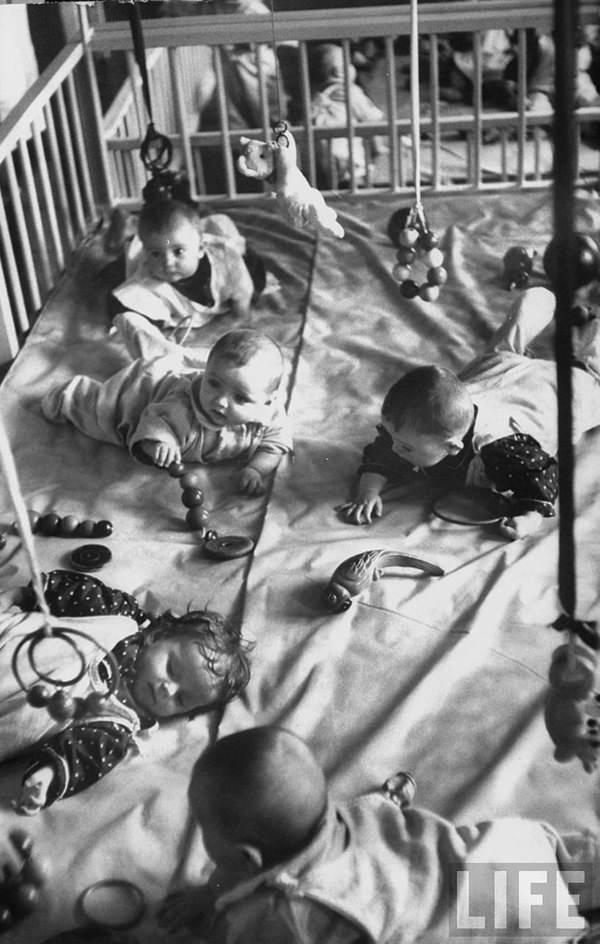
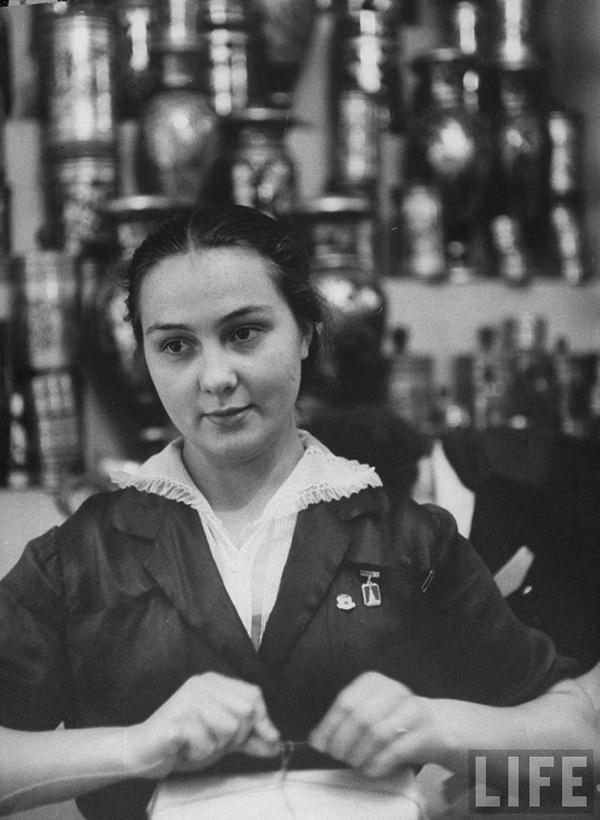
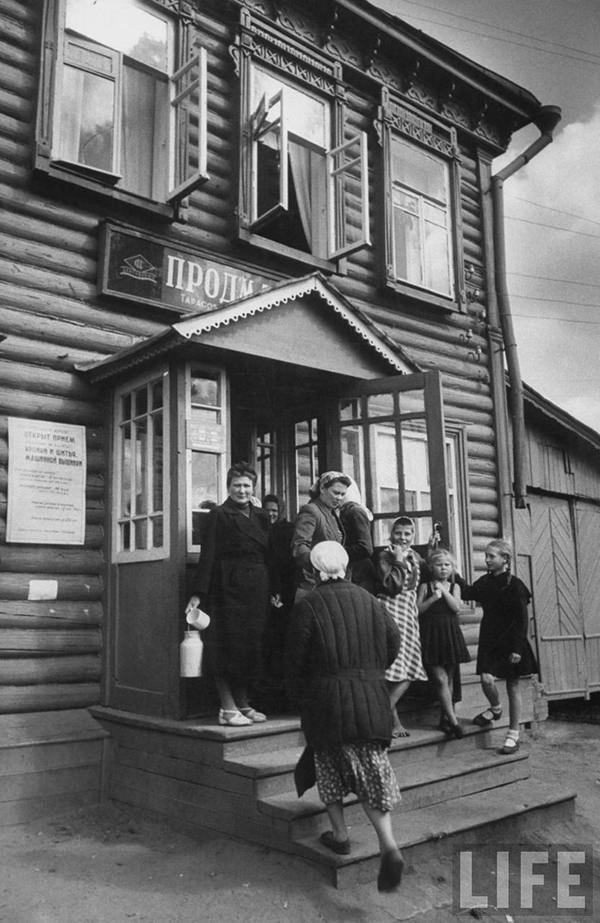
The photographs taken by LIFE magazine during this era offered Western audiences their first sustained look at ordinary Soviet life. The women in these images are not symbols or stereotypes — they are workers, students, mothers, artists, and neighbors living through a specific and complex moment in history.