On October 2, 1971, a new kind of music show hit American television. Soul Train, created by Don Cornelius, launched into syndication and would not stop airing for another 35 years. Cornelius served as both the show’s first host and its executive producer, shaping its identity from the very beginning. The final original episode aired on March 27, 2006, capping a run that no other syndicated music program had ever matched.
The show’s stage was home to an enormous range of performers. R&B, soul, funk, disco, jazz, gospel, and hip-hop artists all made appearances over the decades. Soul Train was not locked into one genre — it reflected how Black music in America was constantly evolving. In its early years, the 1970s lineups were especially electric, drawing some of the biggest names in the business.
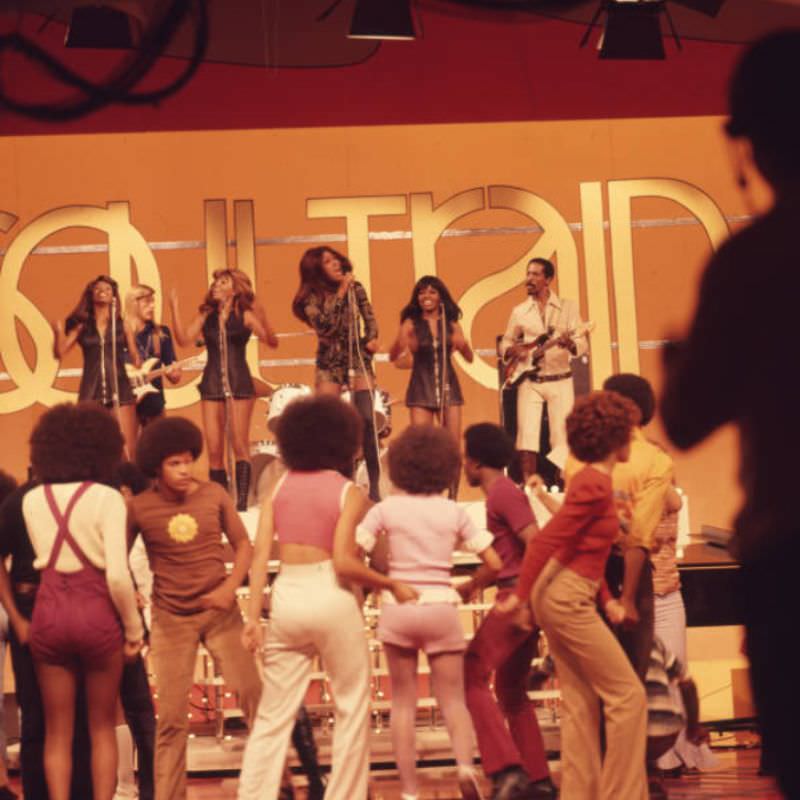
One of the most talked-about early performances came from Ike & Tina Turner, who brought their trademark high-energy act to the Soul Train stage in April 1972.
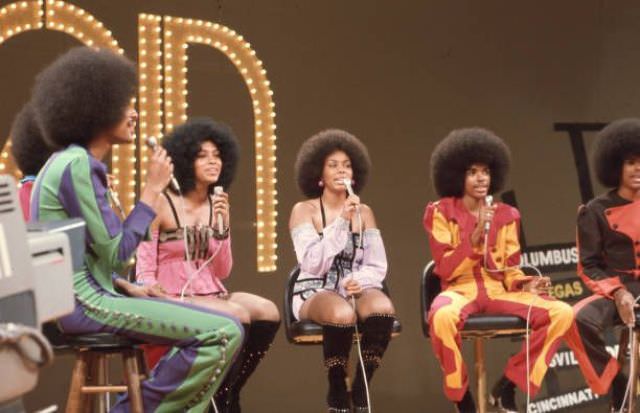
Family acts were a staple of the show’s early run. The Sylvers, a large singing family from Los Angeles, performed in September 1973 — just weeks before one of the most anticipated bookings in the show’s history.
In October 1973, The Jackson 5 took the Soul Train stage. By that point, the group was already one of the most famous acts in the world, and their appearance drew massive attention to the show.
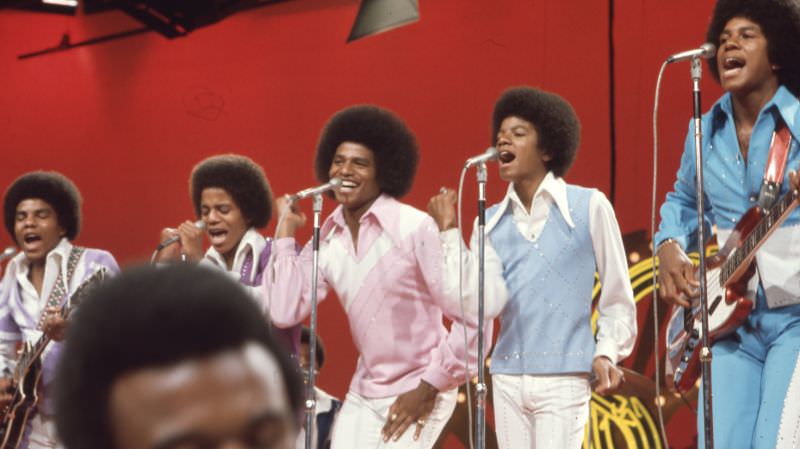
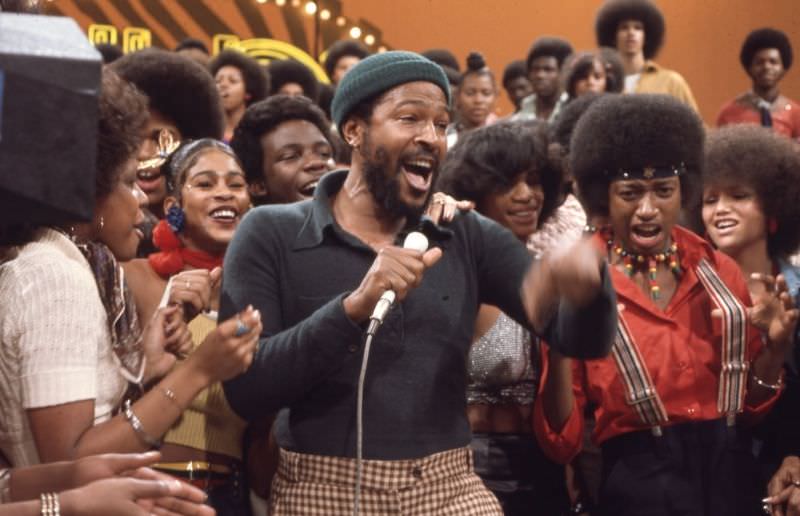
Soul music royalty continued to pour in throughout 1974. Marvin Gaye appeared in February of that year, performing at a time when he was riding the success of some of the most critically praised records of his career.
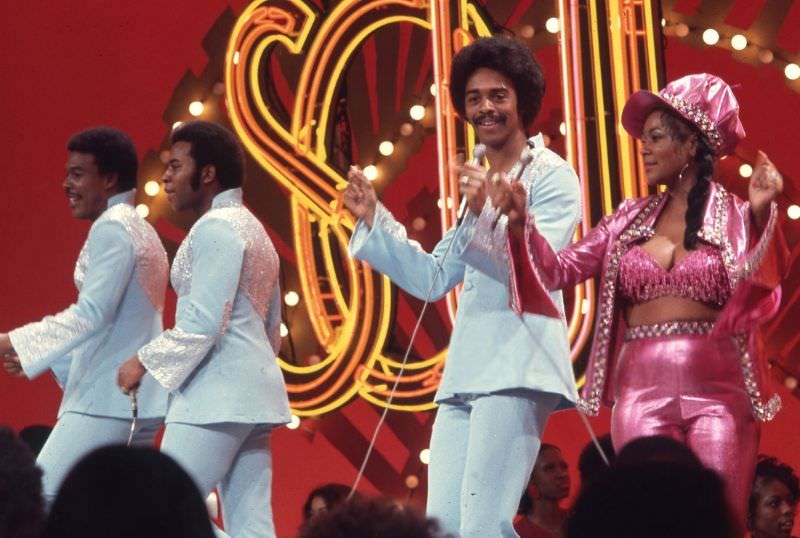
That spring, Sylvia Robinson — co-founder of Sugar Hill Records — appeared alongside The Moments, a New Jersey soul group known for their smooth harmonies.
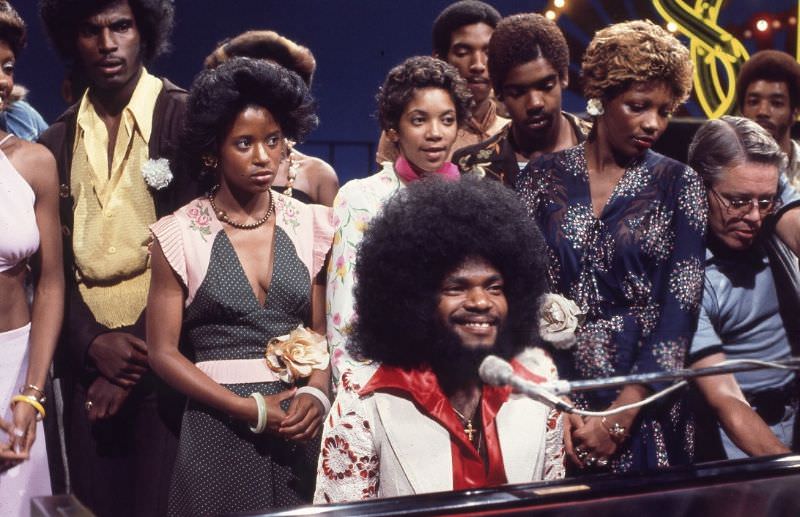
Billy Preston, a keyboardist who had performed with both The Beatles and The Rolling Stones, brought his solo act to Soul Train in September 1974. His appearance underscored just how broad the show’s reach had become.
By the end of 1974, LaBelle — the group fronted by Patti LaBelle — performed on the December episode, arriving just ahead of the massive success their single “Lady Marmalade” would bring them in 1975.
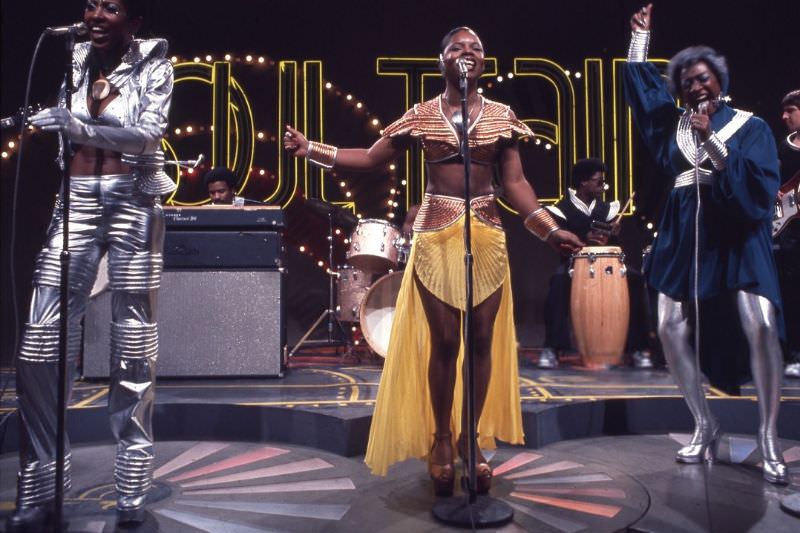
Chaka Khan, then the lead singer of Rufus, appeared on Soul Train in February 1975. Her powerful voice made her one of the most memorable performers to grace the show’s stage during that era.
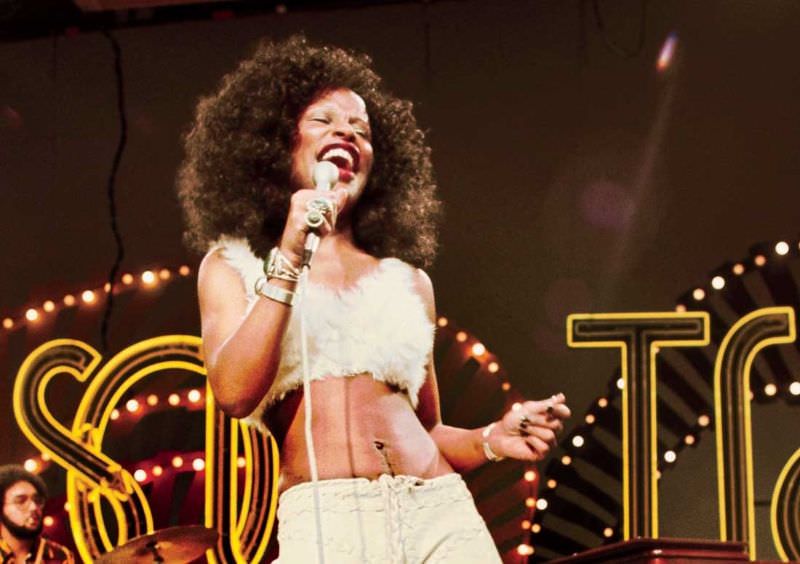
Just one month later, Soul Train pulled off one of its most stacked lineups ever. Blues and soul giants BB King, James Brown, and Bobby “Blue” Bland all appeared together in March 1975 — three legendary performers sharing the same episode.
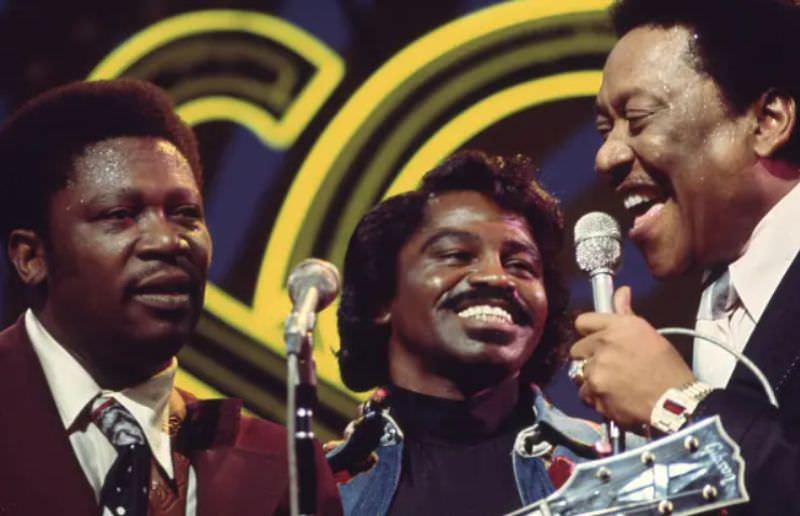
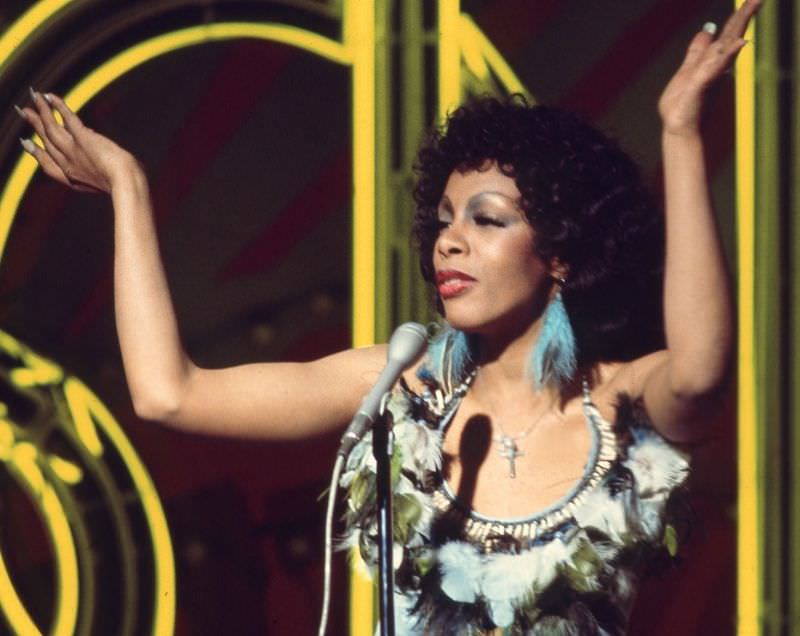
As the disco era picked up steam, Soul Train kept pace. Donna Summer, who would become the defining voice of late-1970s disco, appeared on the show in March 1976. Her episode came during a stretch when the show’s ratings and cultural footprint were at their peak. After the 2005–2006 season ended, a rerun package called “The Best of Soul Train” aired for two additional years, giving longtime fans one last look at the show’s deep archive. Soul Train held the record as the longest-running first-run syndicated music program in American television history until 2016, when Entertainment Tonight surpassed it after completing its 35th season. In 2018, Wheel of Fortune moved past that mark among non-news programs. Since 2016, ViacomCBS has owned the Soul Train brand, its full library, and related events including the Soul Train Music Awards and the Soul Train cruises.