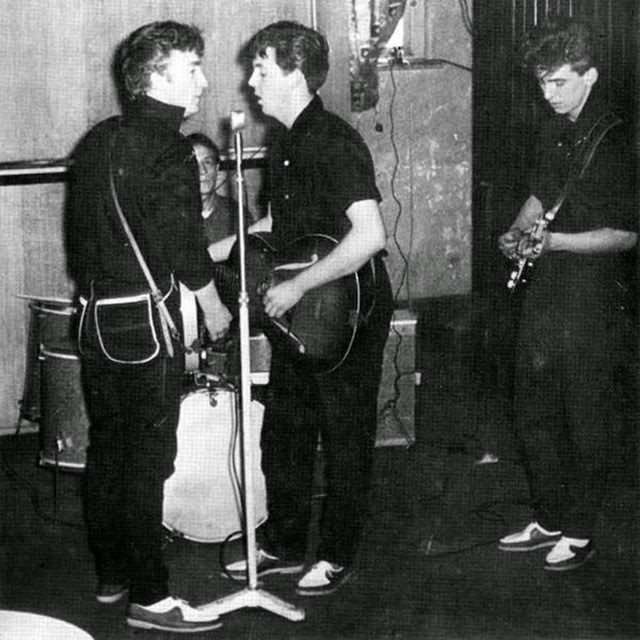
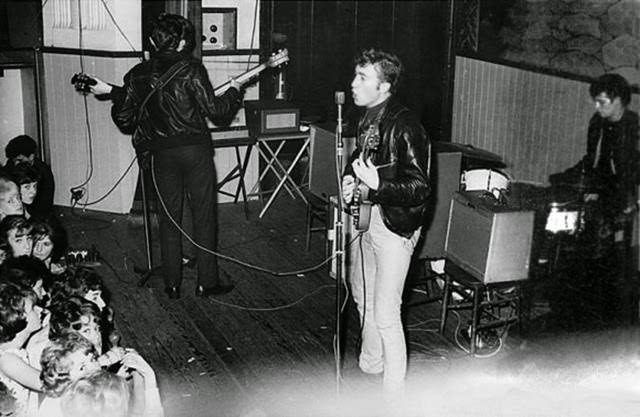
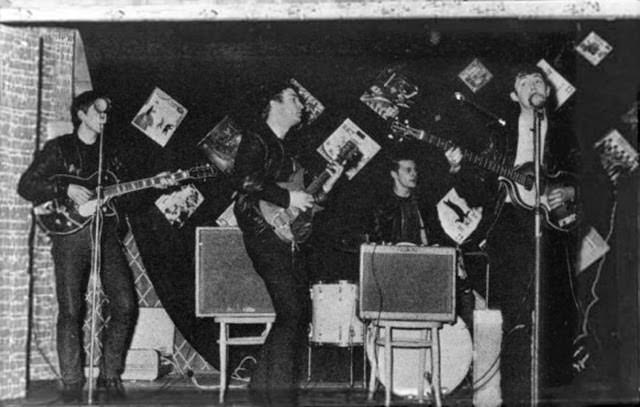
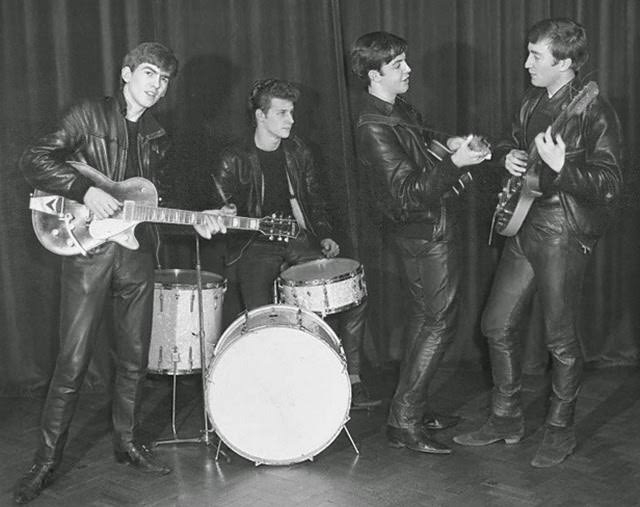
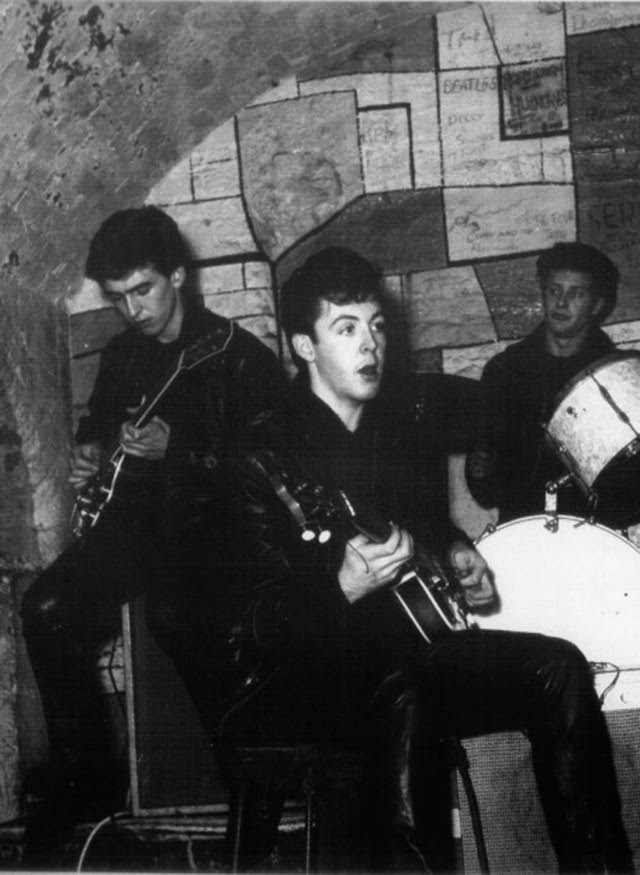
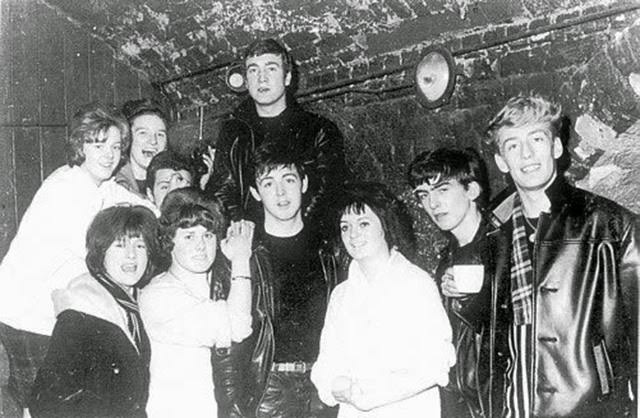
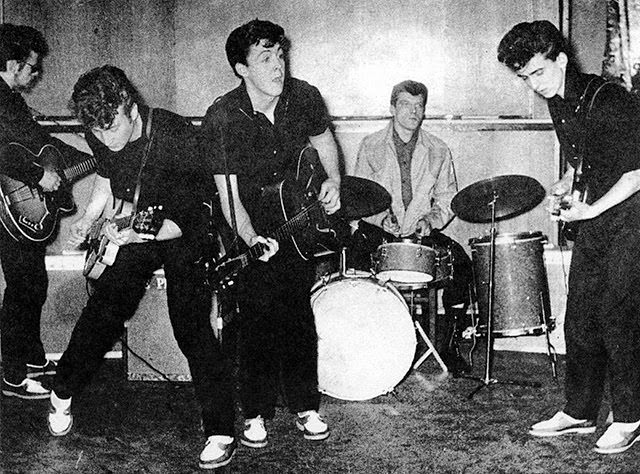
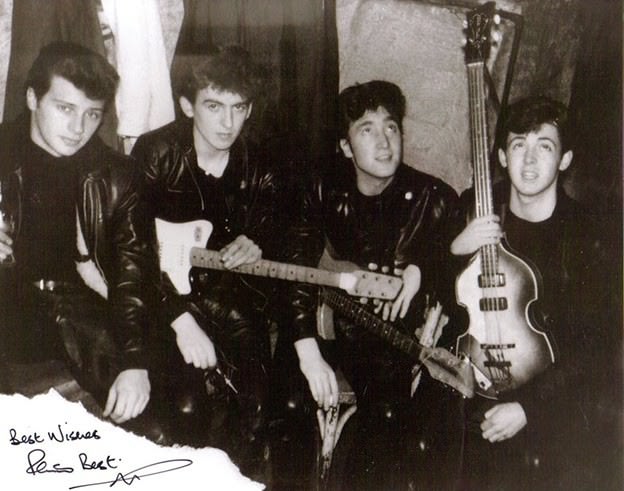
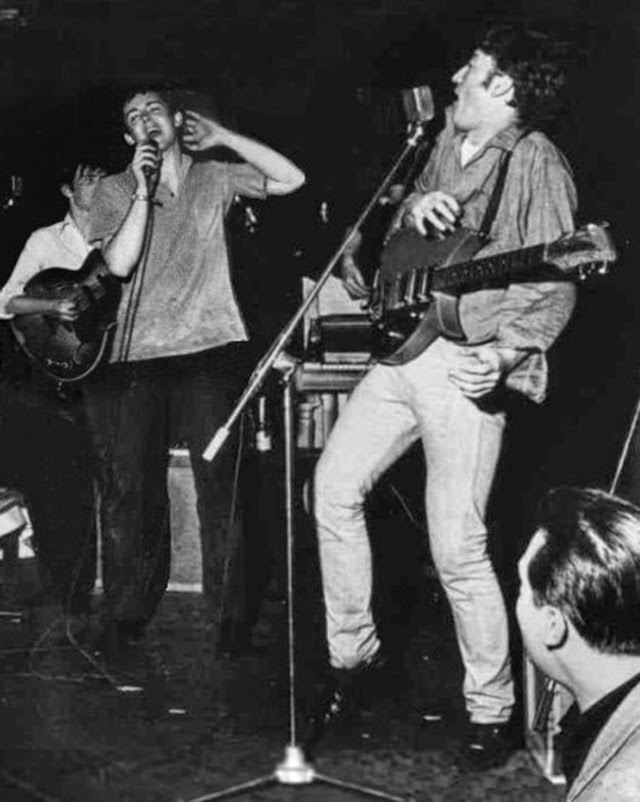
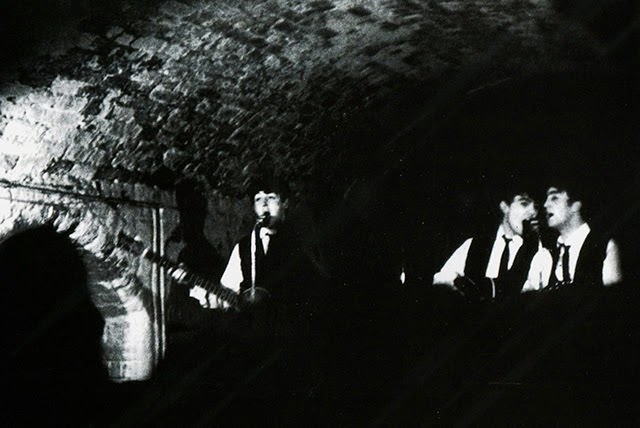
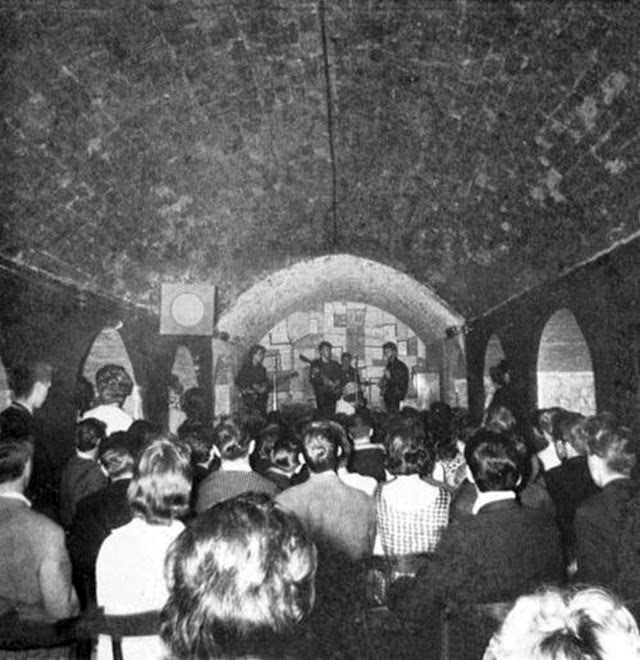
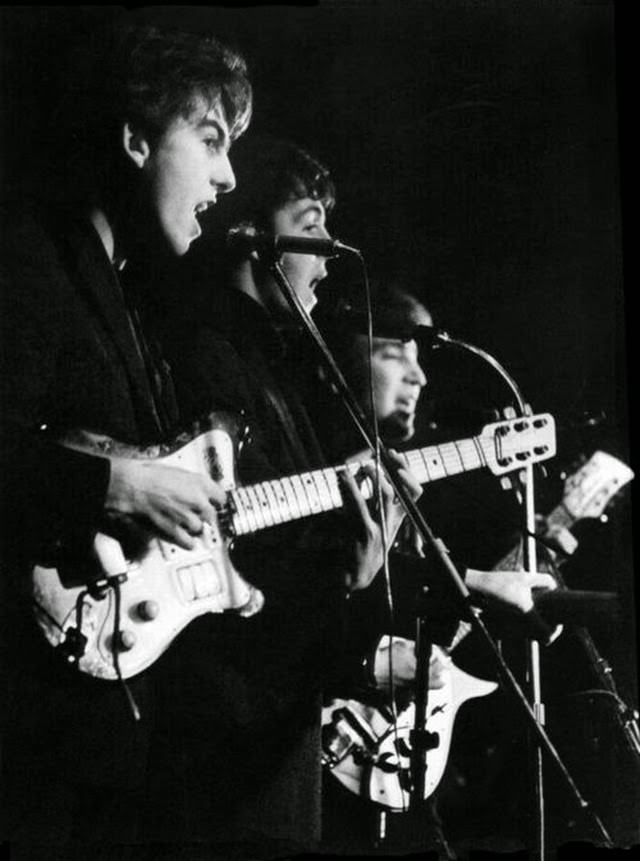
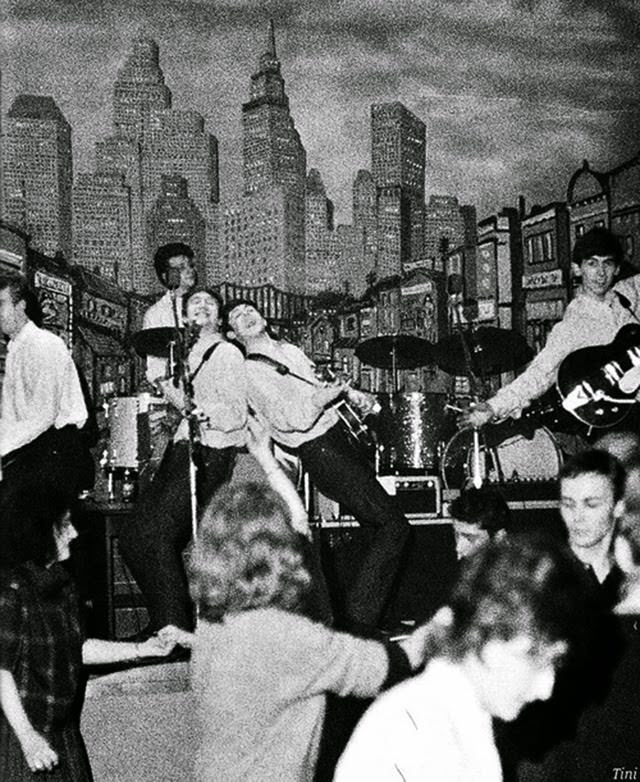
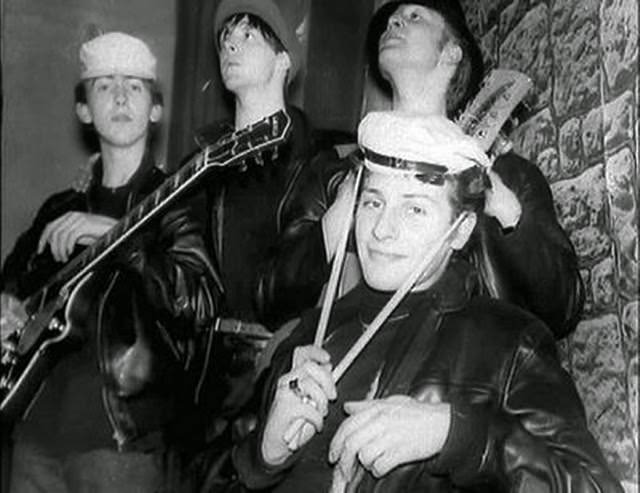
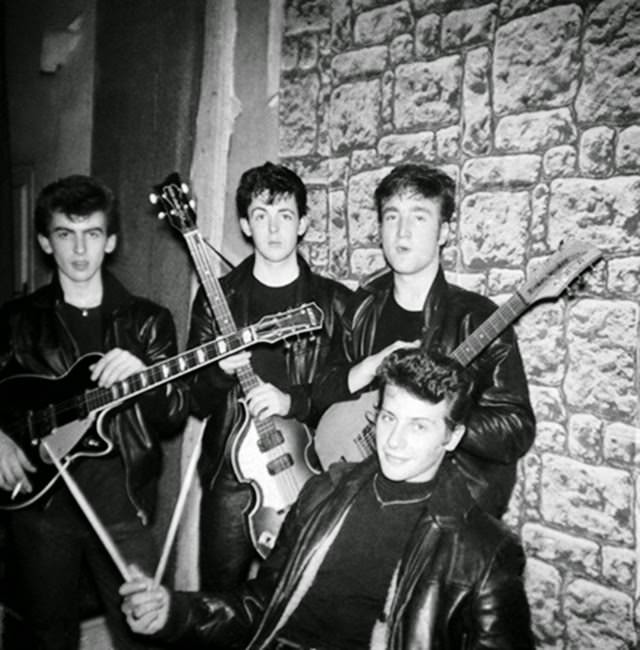
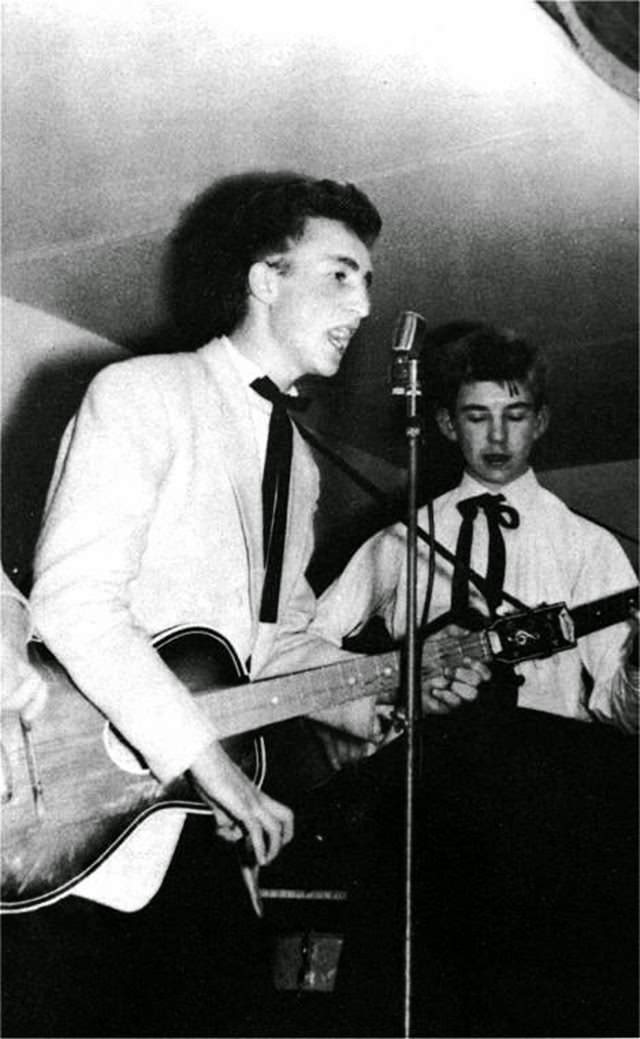
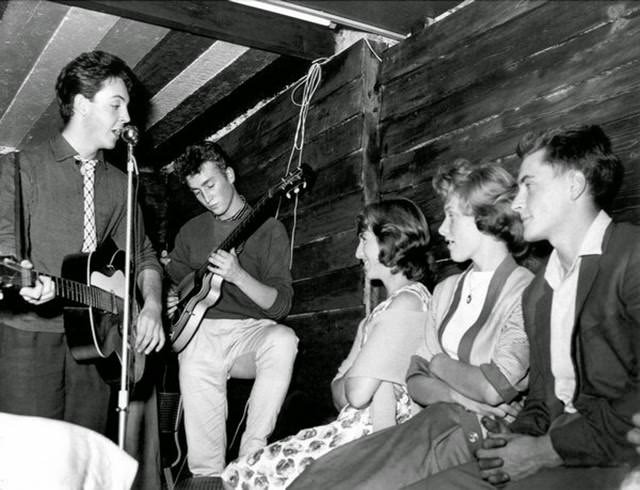
In 1956, John Lennon formed a skiffle group in Liverpool called the Blackjacks. He renamed them the Quarrymen almost immediately, taking the name from a line in the school song at Quarry Bank High School, where he and his friends were students. The group played house parties, school dances, and small cinemas across the city. They also entered amateur contests, performing skiffle — a style that blended folk, jazz, and blues.
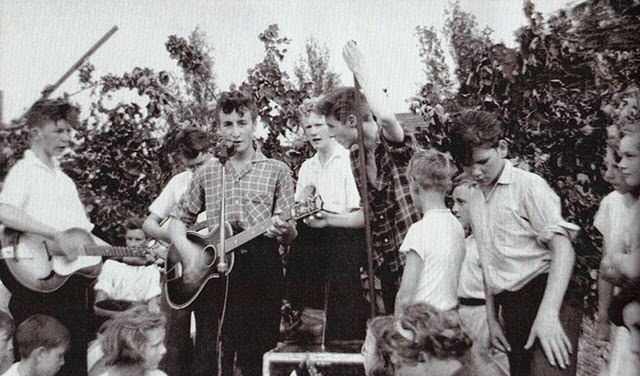
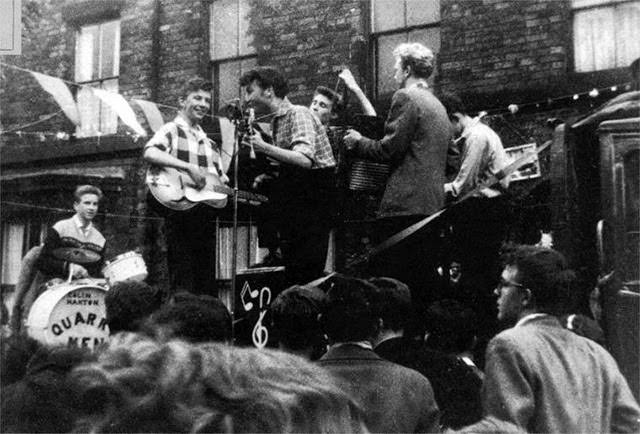
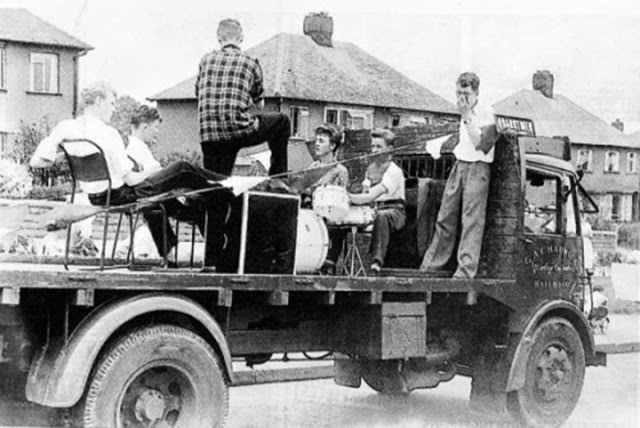
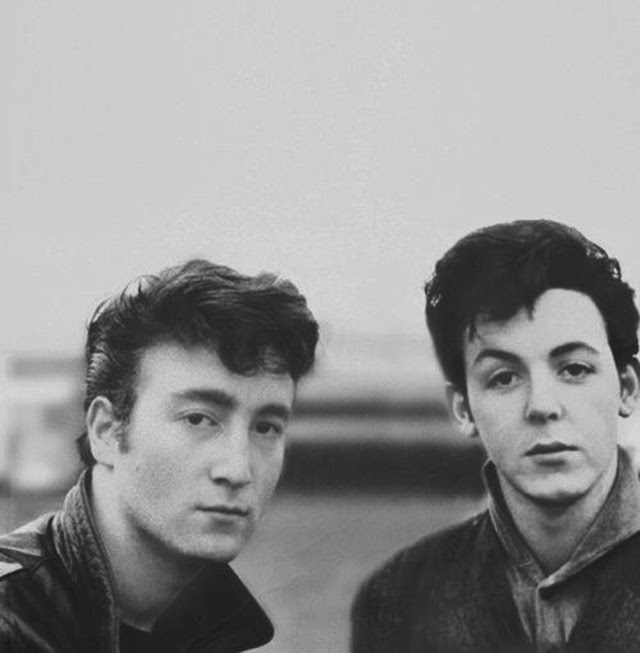
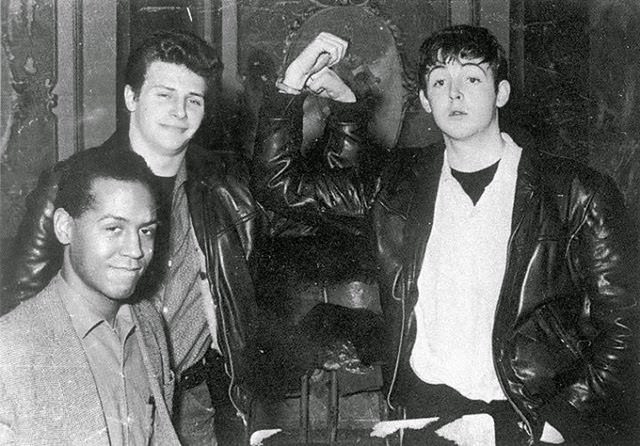
On July 6, 1957, Paul McCartney met Lennon at a local event where the Quarrymen performed on the back of a coal truck. McCartney joined the group in October that year. He knew how to tune a guitar and played more complex chords than anyone else in the band, which quickly shifted the group’s direction.
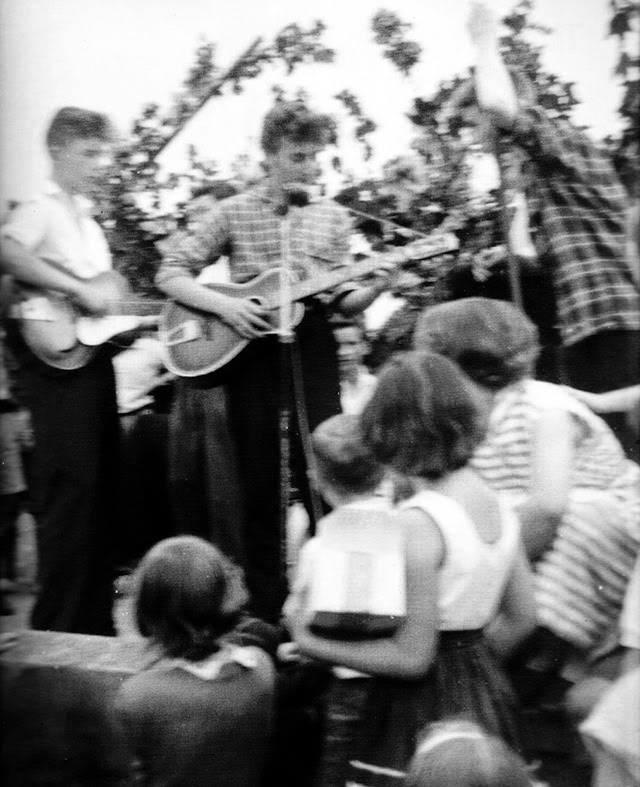
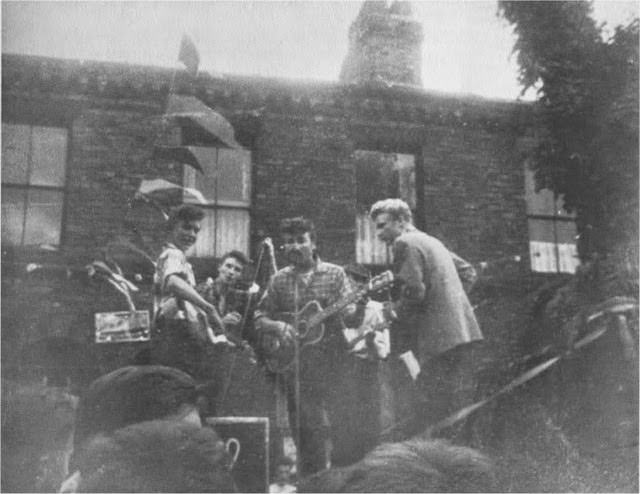
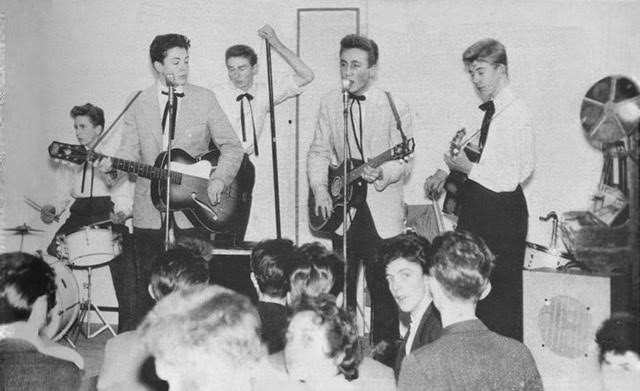
In early 1958, McCartney recommended fourteen-year-old George Harrison. Lennon was reluctant at first due to Harrison’s age, but Harrison earned his spot. Unlike Lennon’s Quarry Bank classmates, both McCartney and Harrison attended the Liverpool Institute.
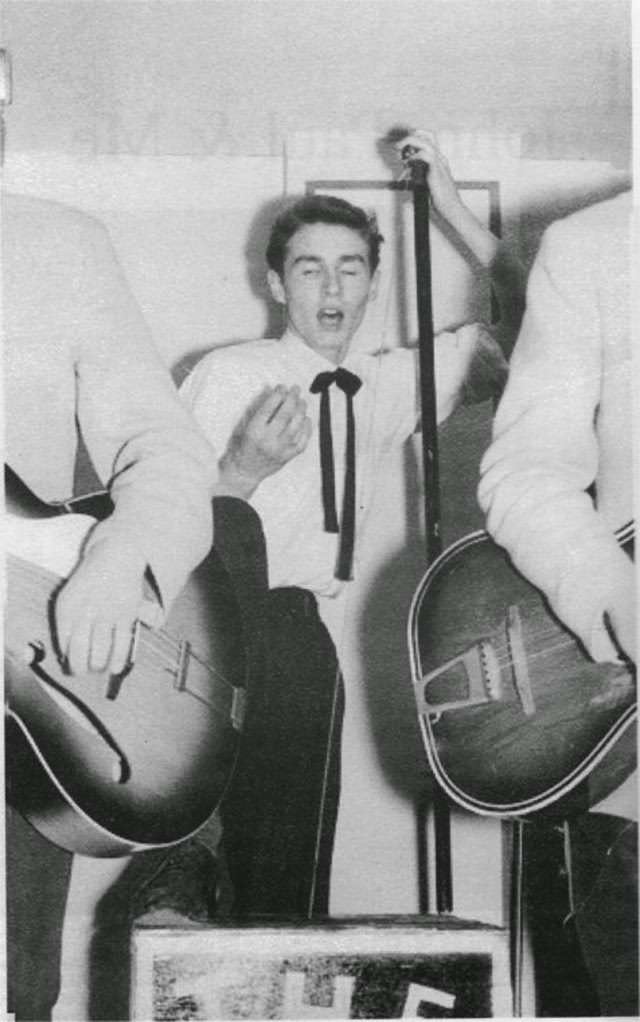
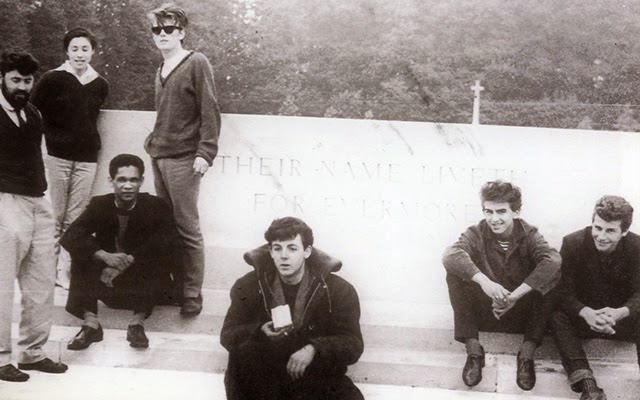
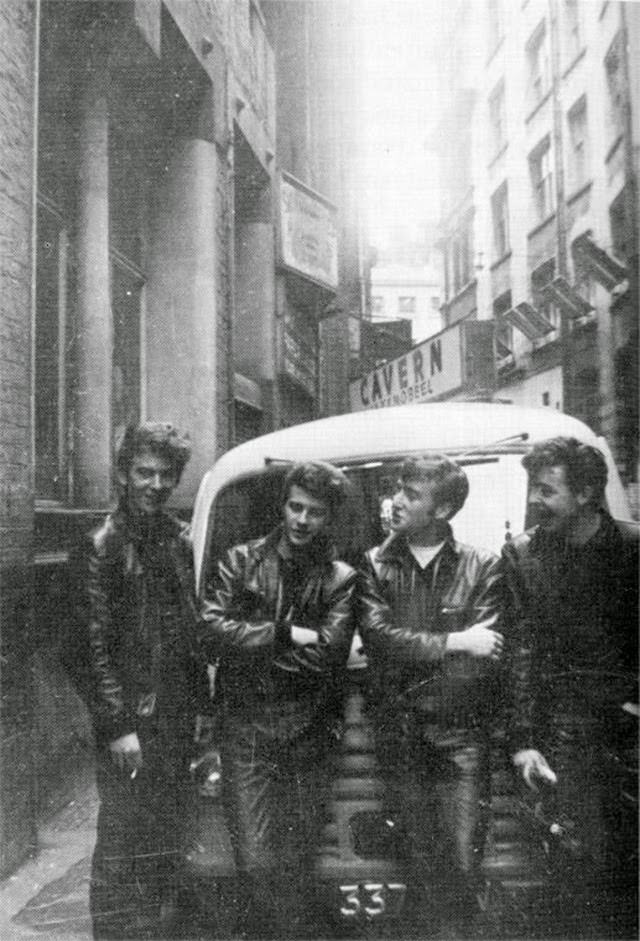
Also in 1958, the group made their first amateur recording at a small home studio. They cut a cover of Buddy Holly’s “That’ll Be the Day” and an original song, “In Spite of All the Danger.” The band was moving away from skiffle and toward rock and roll.
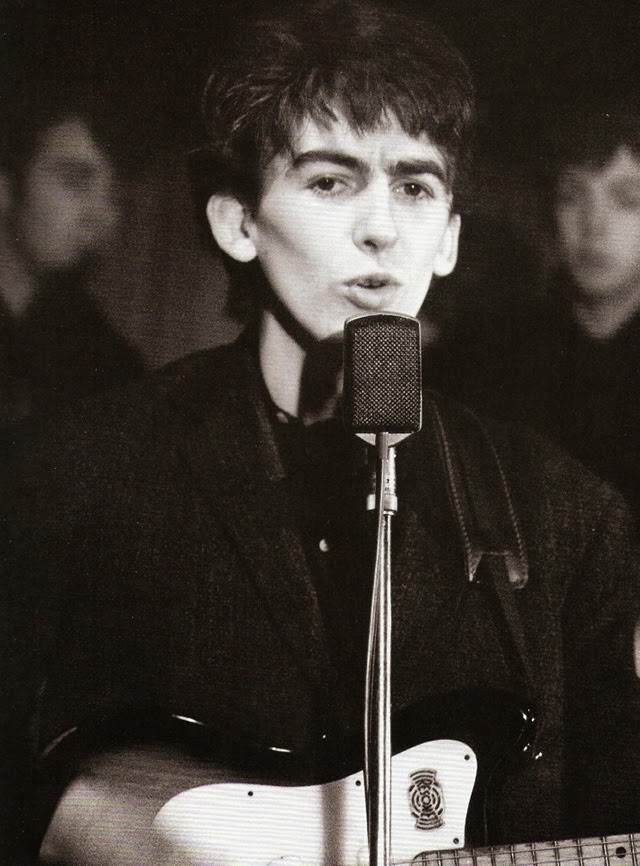
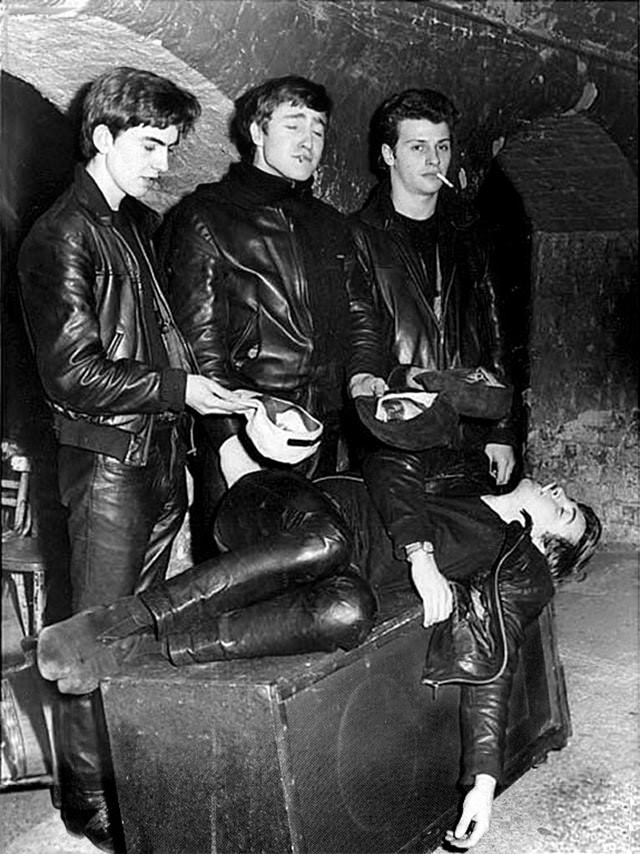
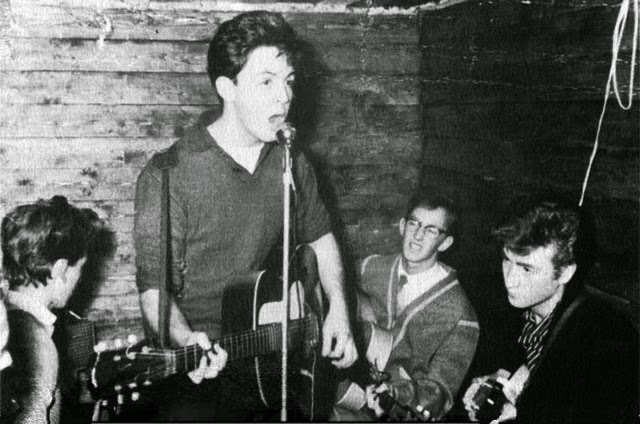
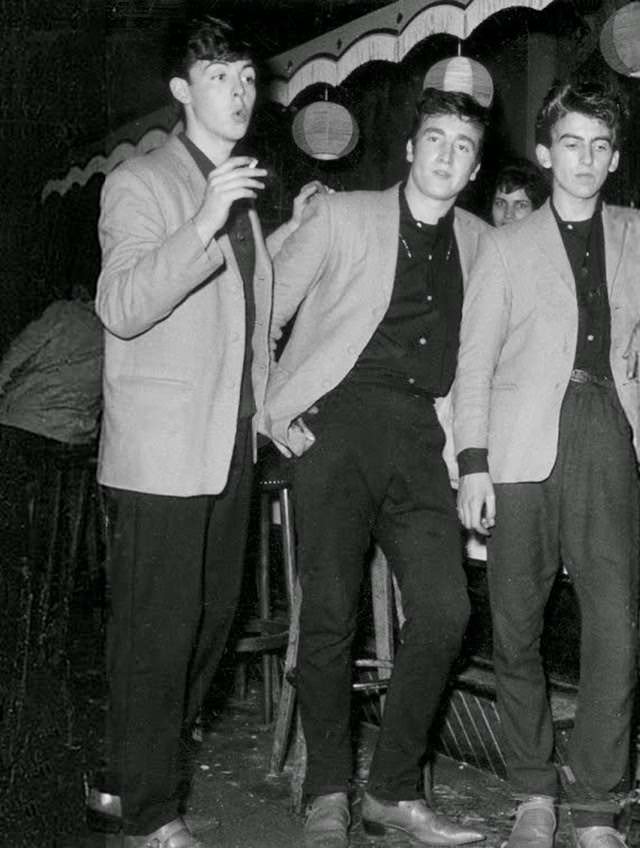
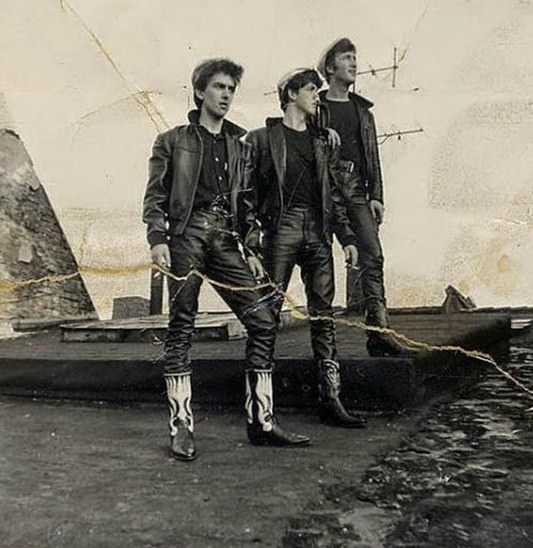
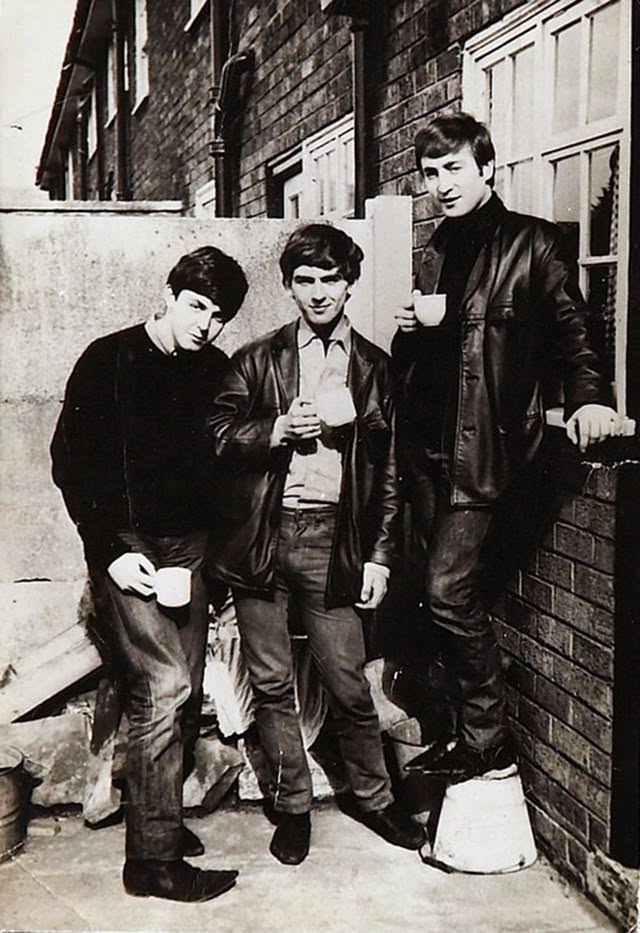
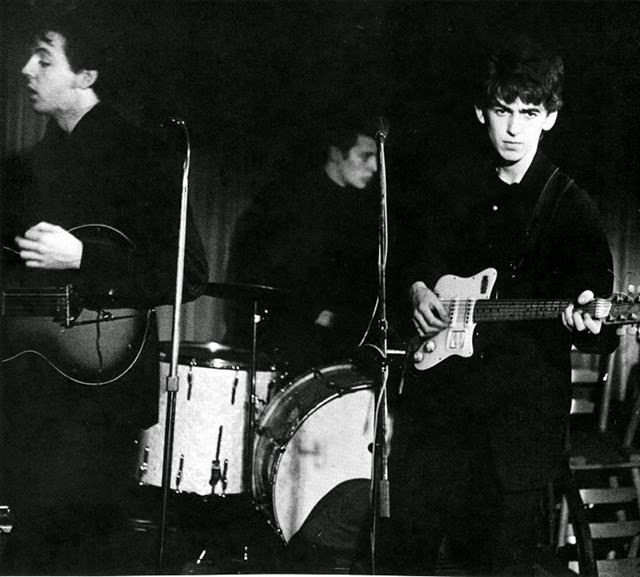
This shift caused several of the original school friends to leave. The group shrank to a core trio — Lennon, McCartney, and Harrison. Throughout 1959, they performed under different names, including Johnny and the Moondogs and Japage 3.
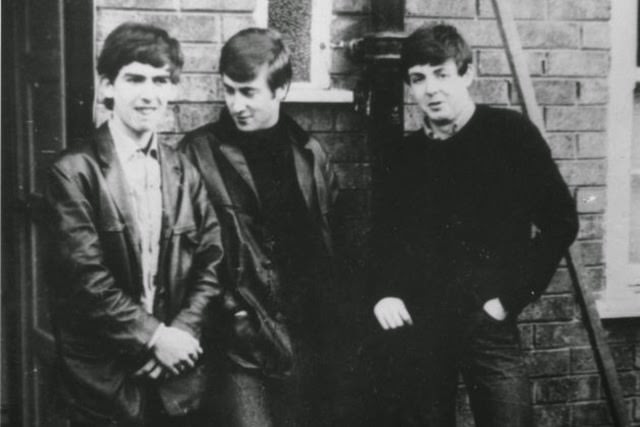
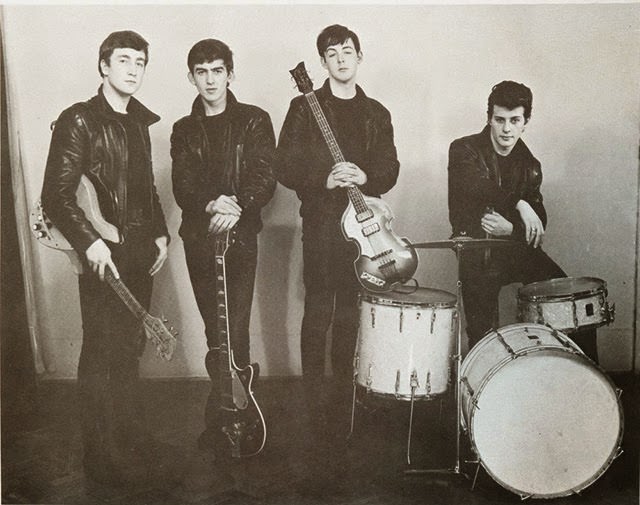
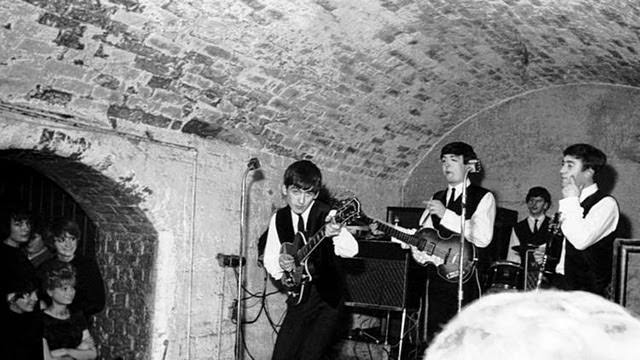
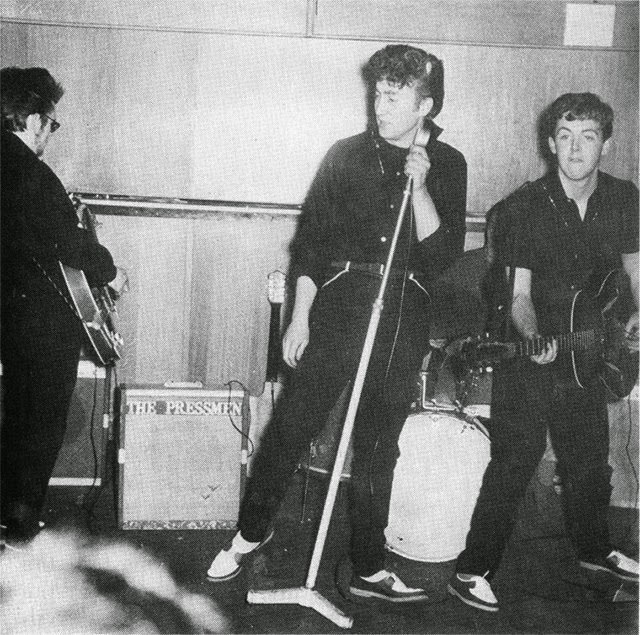
They briefly returned to the Quarrymen name before deciding on something permanent. The trio spent long hours practicing in a small room at Lennon’s house, working on vocal harmonies and guitar solos.
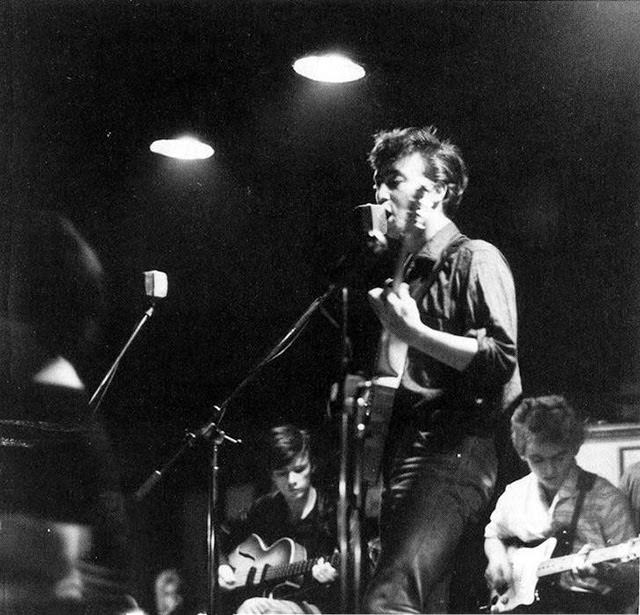
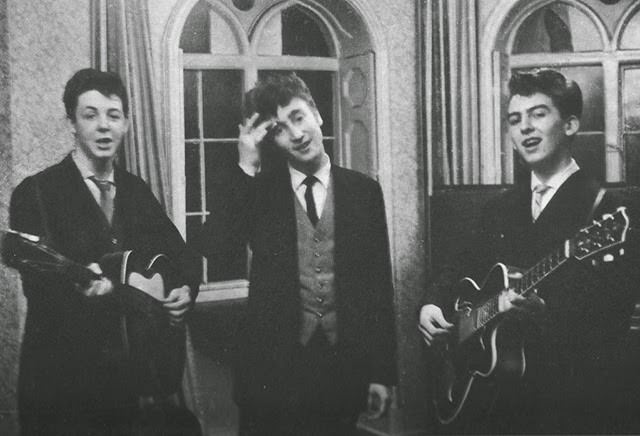
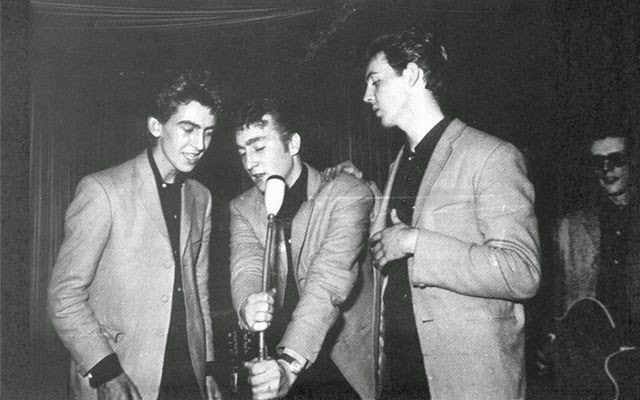
By 1960, they settled on a new name: the Beatles. With that, the Quarrymen era officially closed, and the group stepped toward a professional recording career.