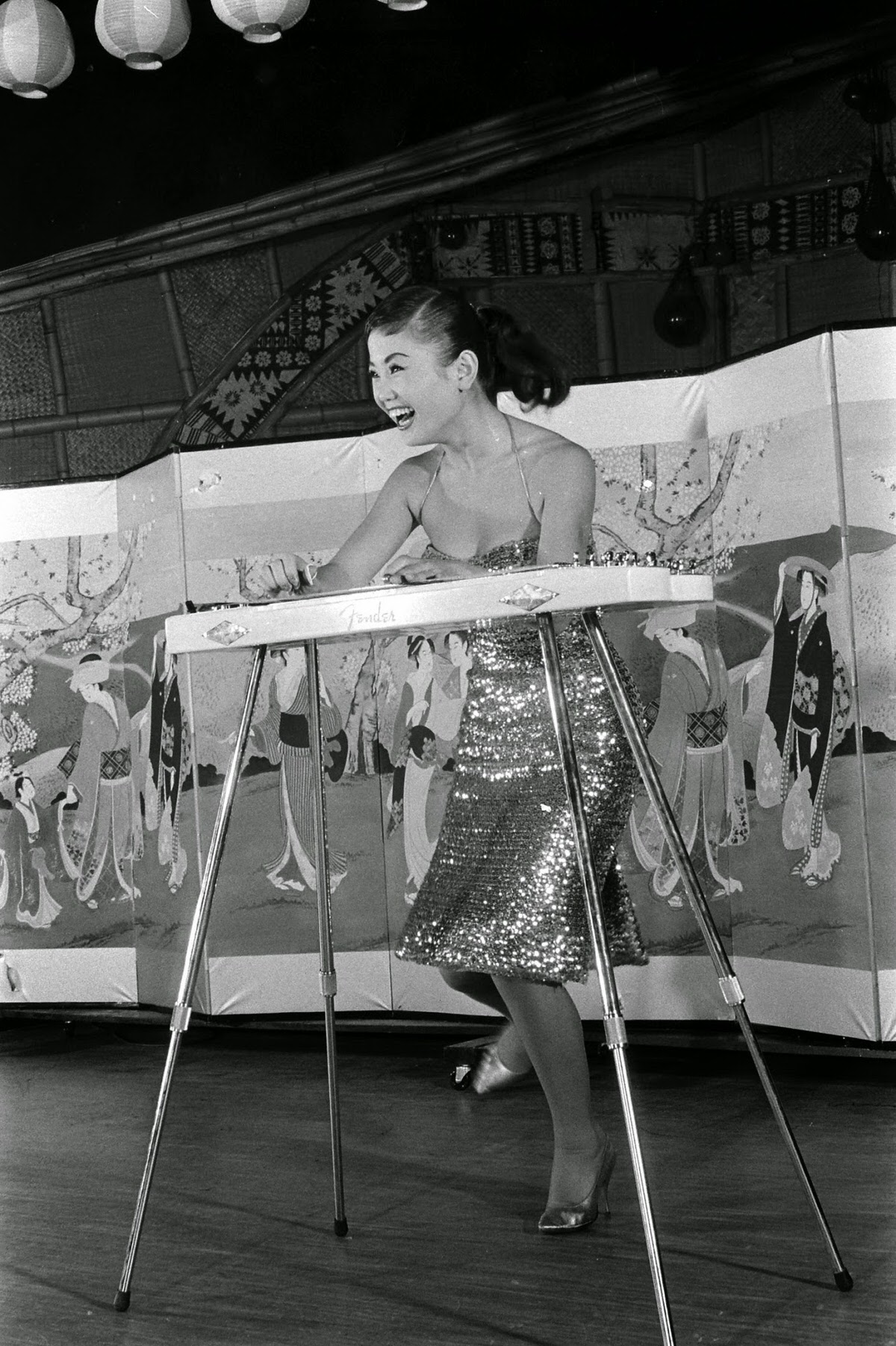
The Kim Sisters were one of the most remarkable acts in American entertainment in 1960. The trio — Sook-ja, Ai-ja, and their cousin Min-ja — grew up in South Korea in a family of professional musicians. Their parents were celebrated singers and conductors before the Korean War. That musical foundation proved powerful. By the time the sisters reached the United States, they could play more than twenty instruments between them, including the banjo, saxophone, and violin.
The group first arrived in Las Vegas in 1959 to perform at the Thunderbird Hotel, part of a show organized by producer Tom Ball that featured Asian artists. Audiences were immediately drawn in by their ability to sing in English and cycle through multiple instruments within a single performance. They rehearsed for hours each day to sharpen their English pronunciation and choreography. That dedication earned them a move to the Stardust Hotel, a far larger venue on the Las Vegas Strip.
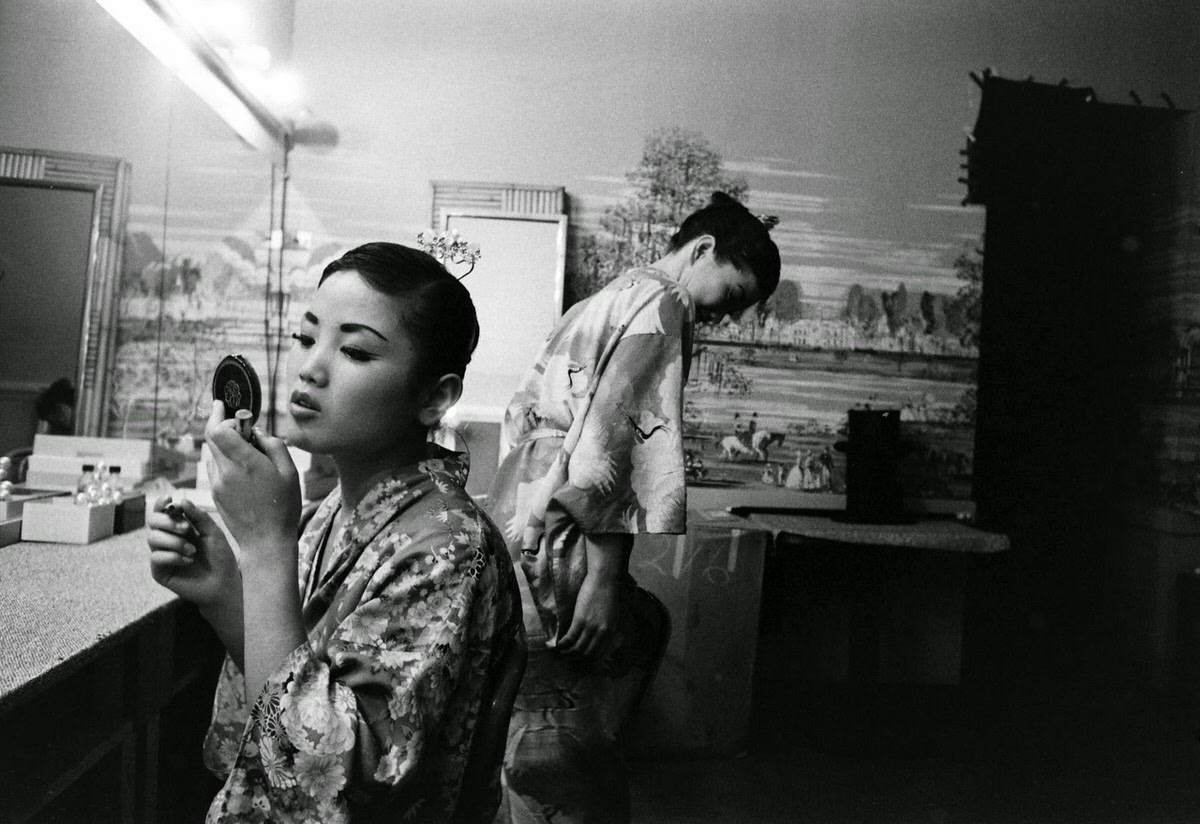
It was at the Stardust where television host Ed Sullivan caught one of their performances. Sullivan was always searching for acts that could stop a national audience cold. He invited the sisters to New York City, and by 1960 they were regulars on his program. They appeared on The Ed Sullivan Show twenty-two times — more than nearly any other musical act of the era.
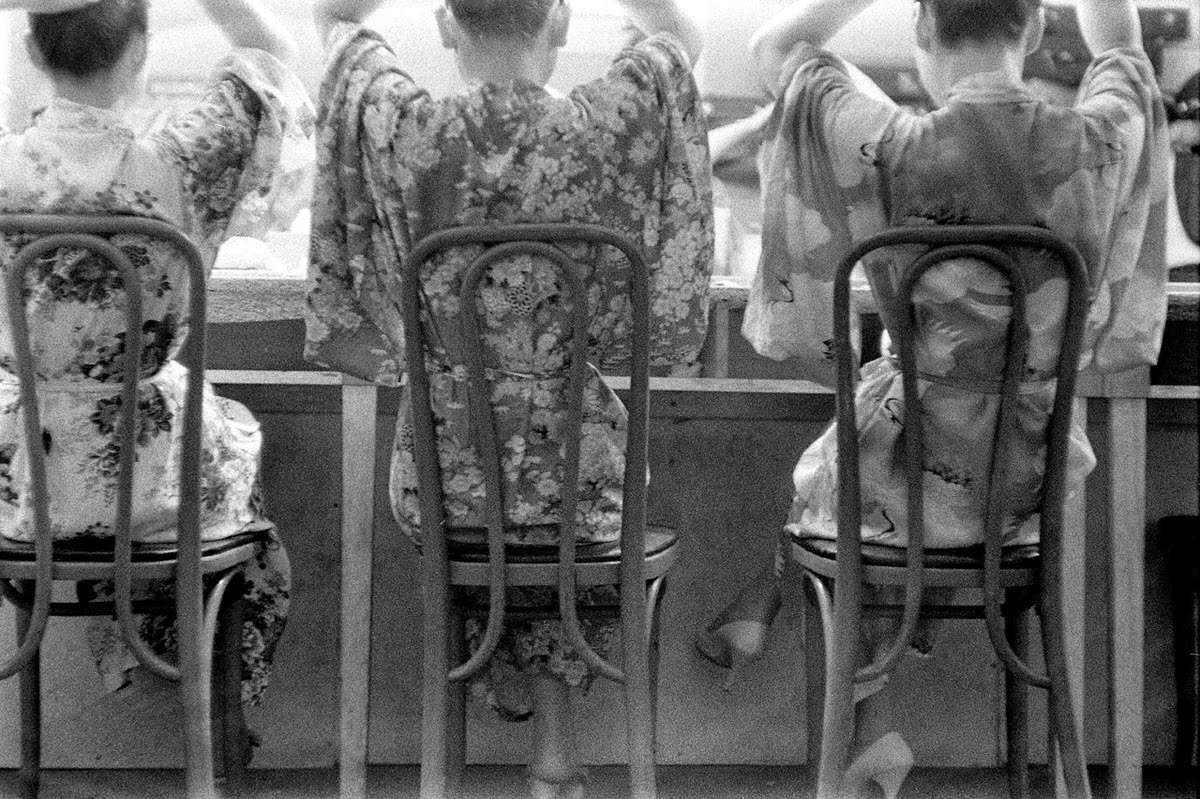
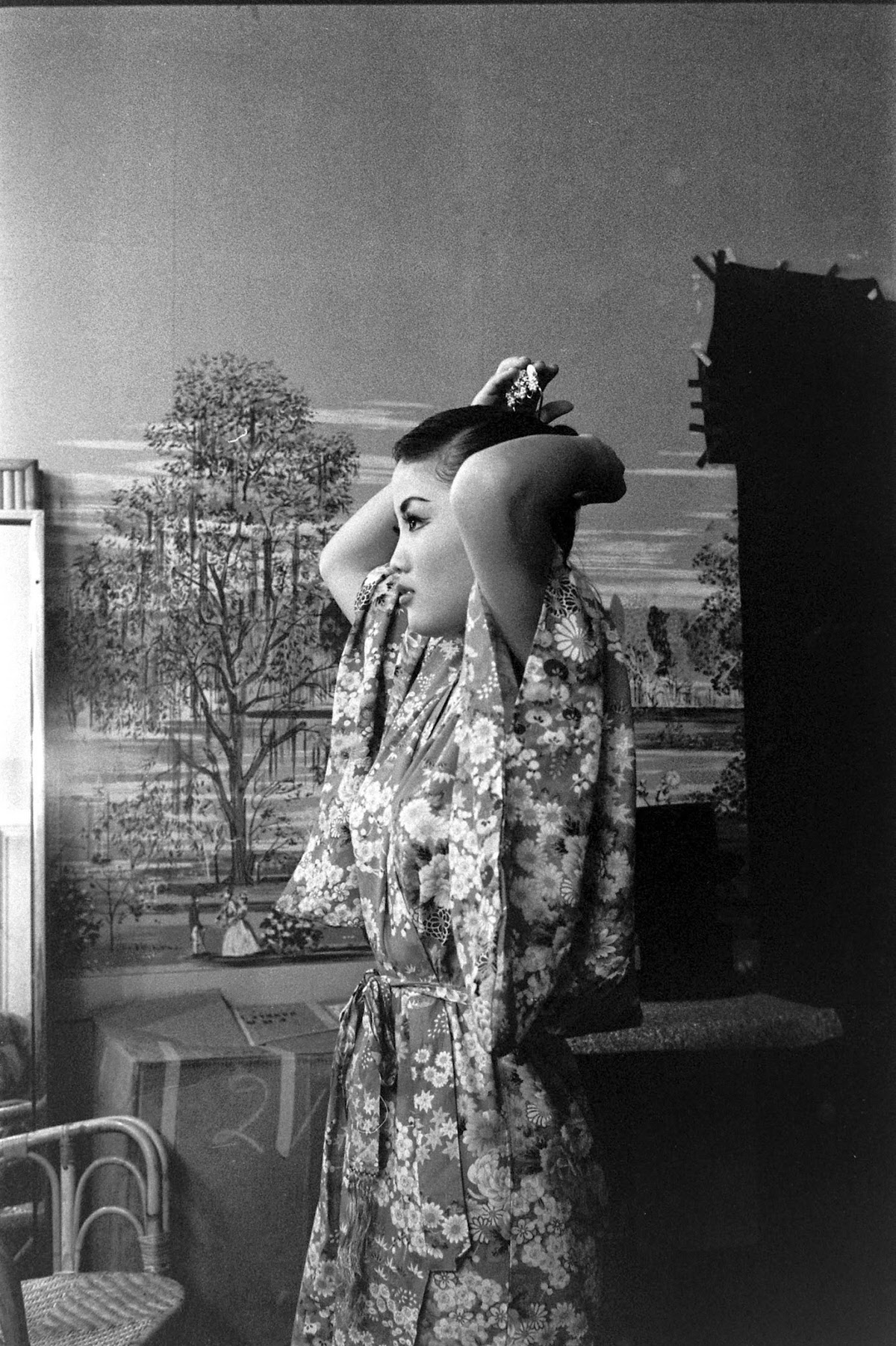
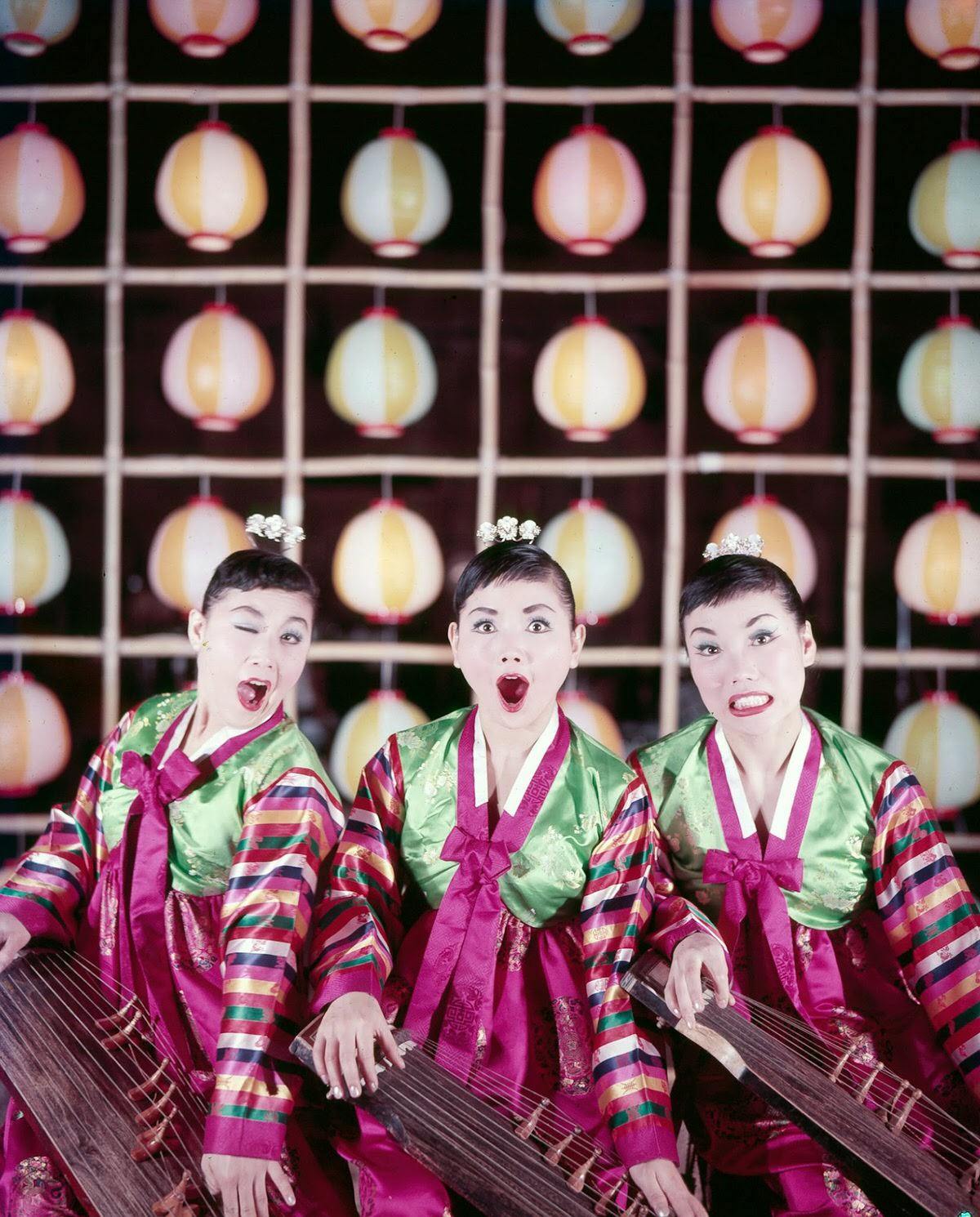
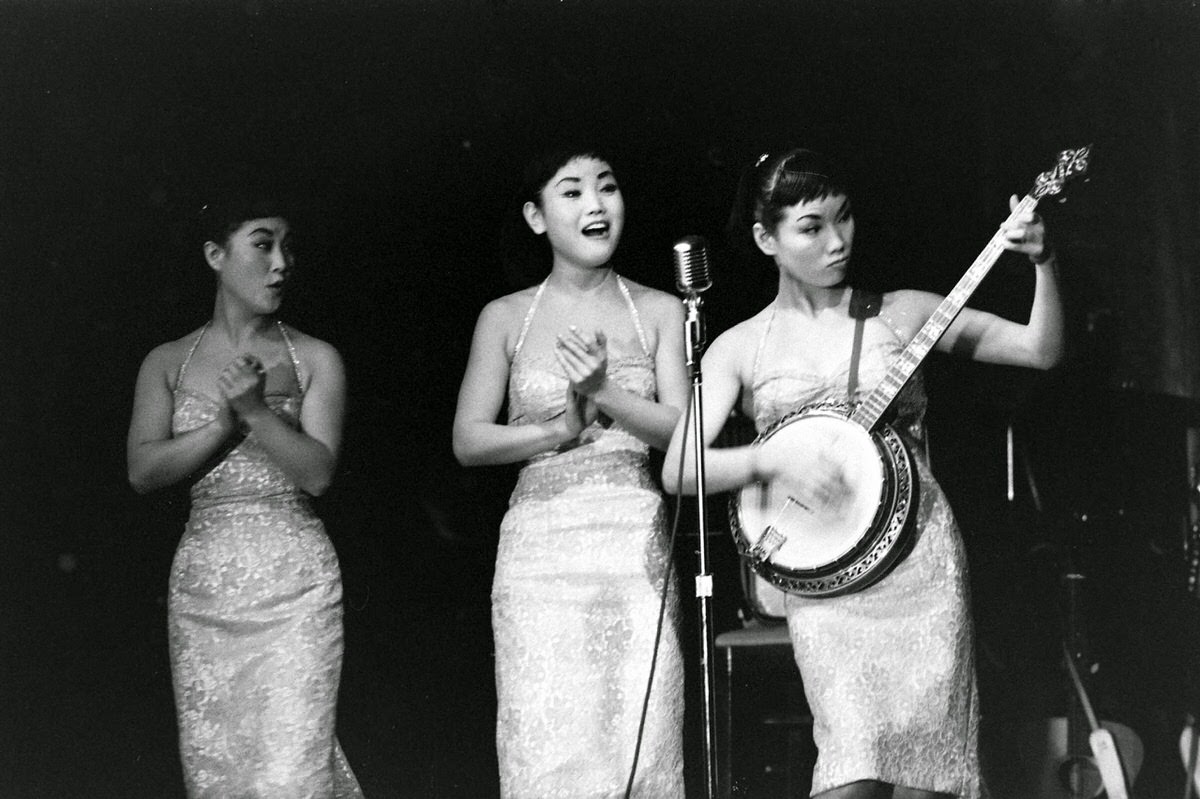
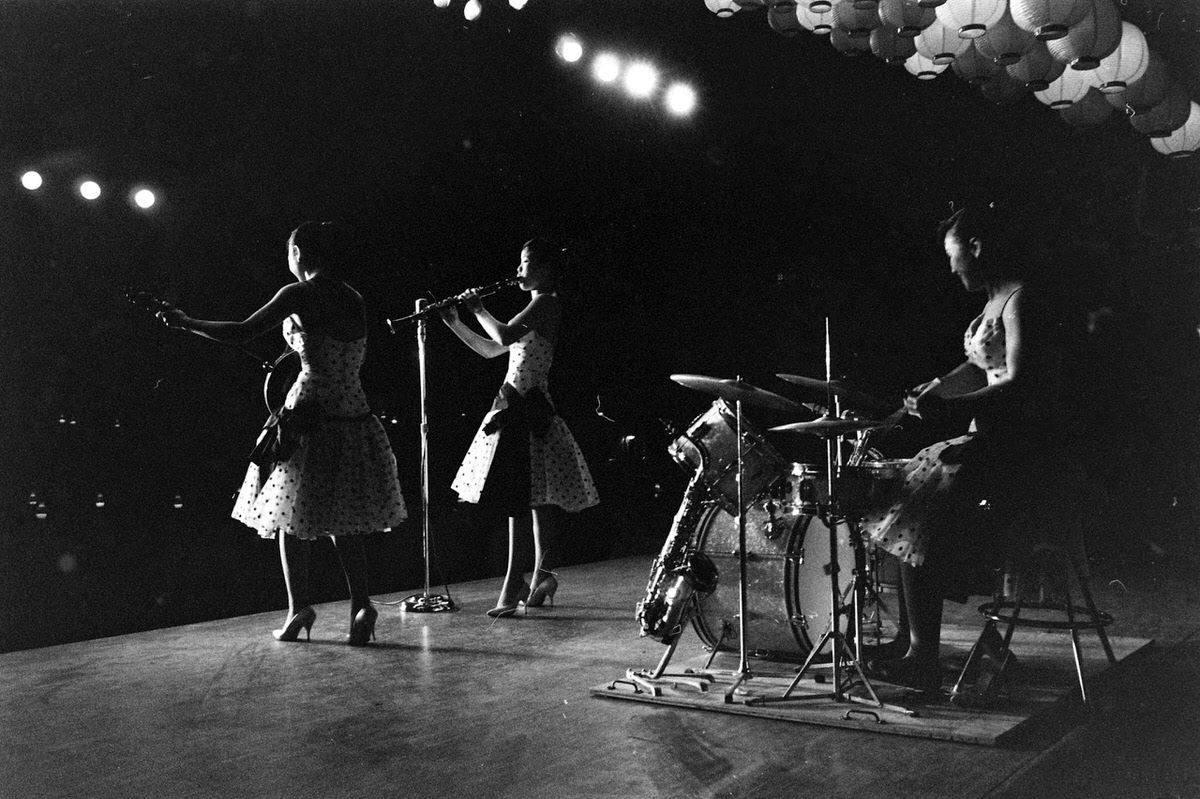
Their stage act was built on constant movement and surprise. A sister might open a number on the violin and switch to the drums before the song ended. They performed popular American songs to connect with local crowds while also wearing traditional Korean hanboks to keep their heritage front and center. The combination gave their shows a quality that no other act on the circuit could match.
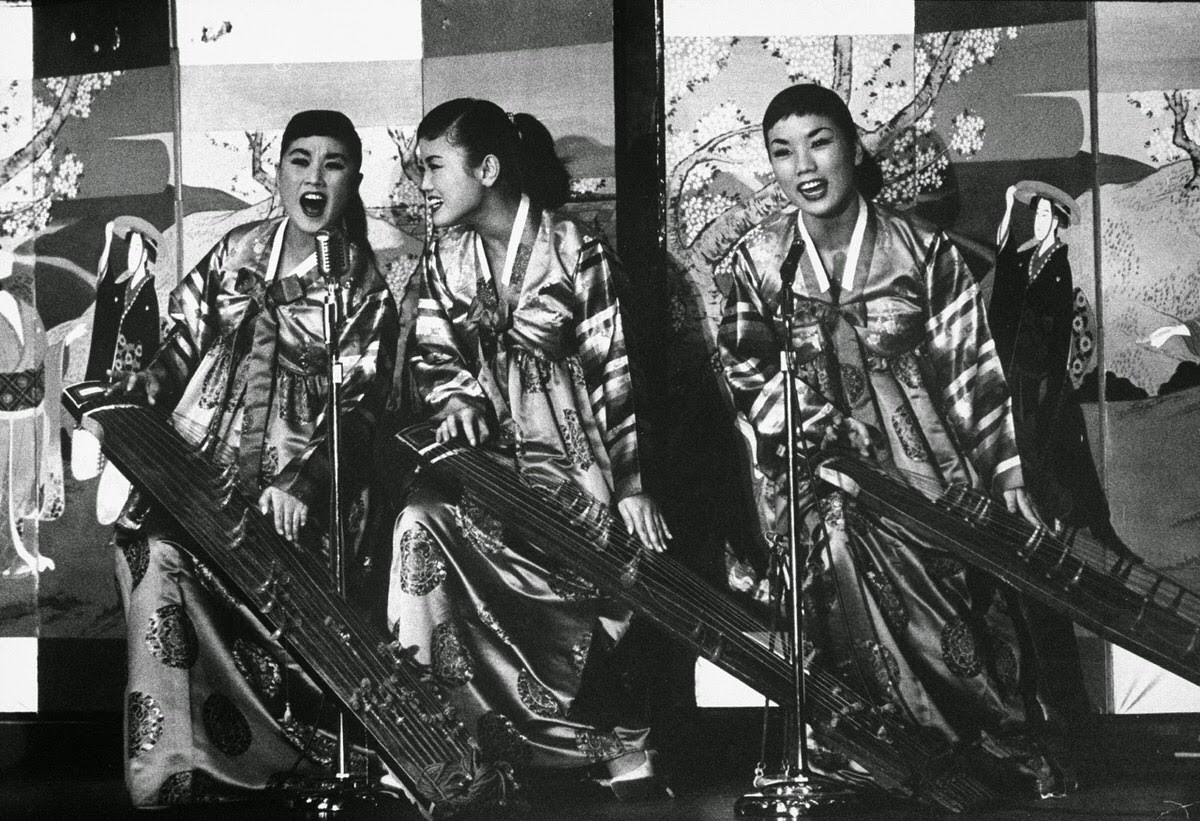
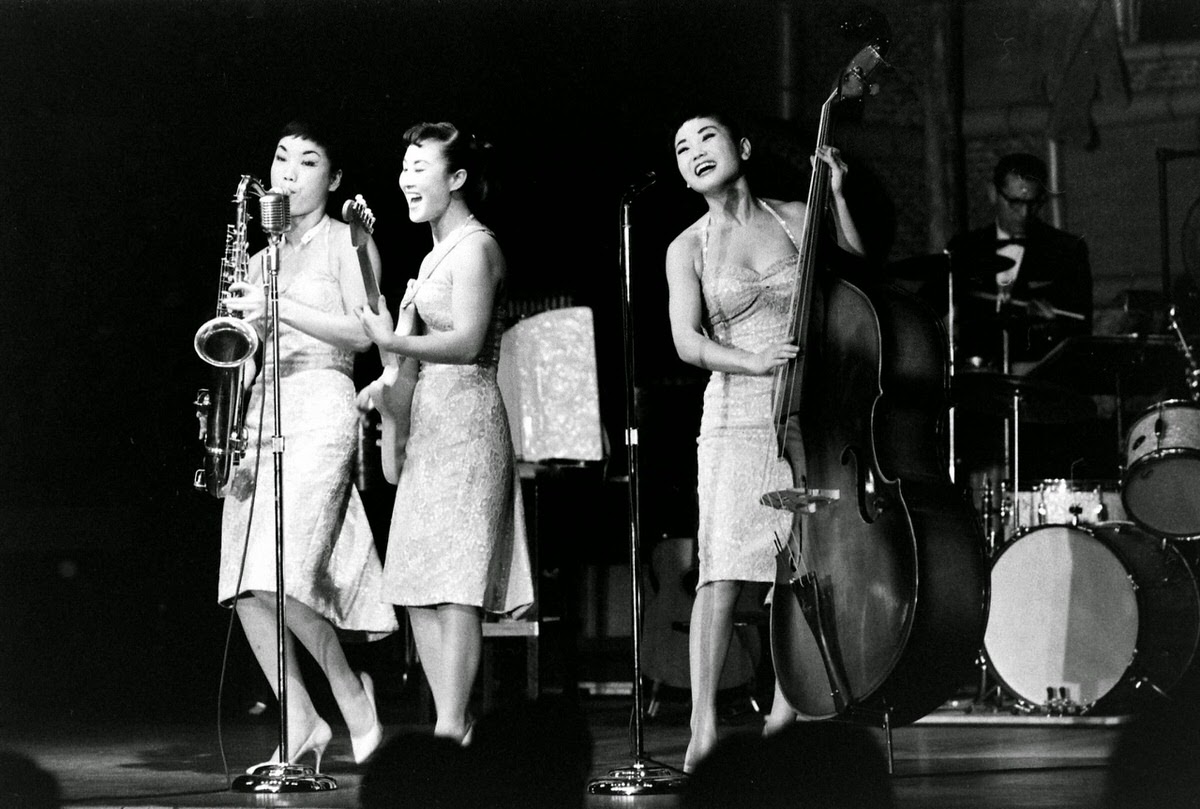
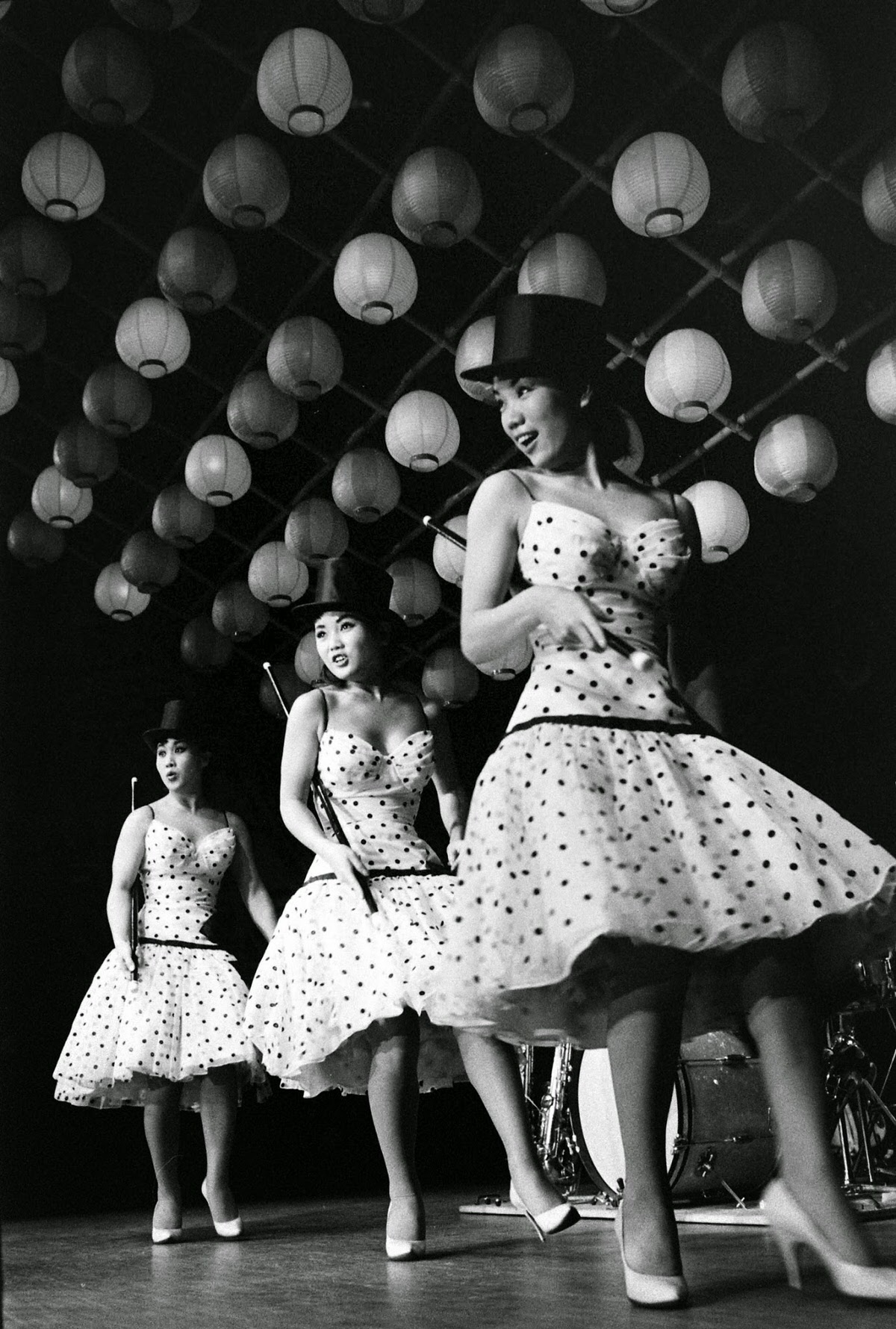
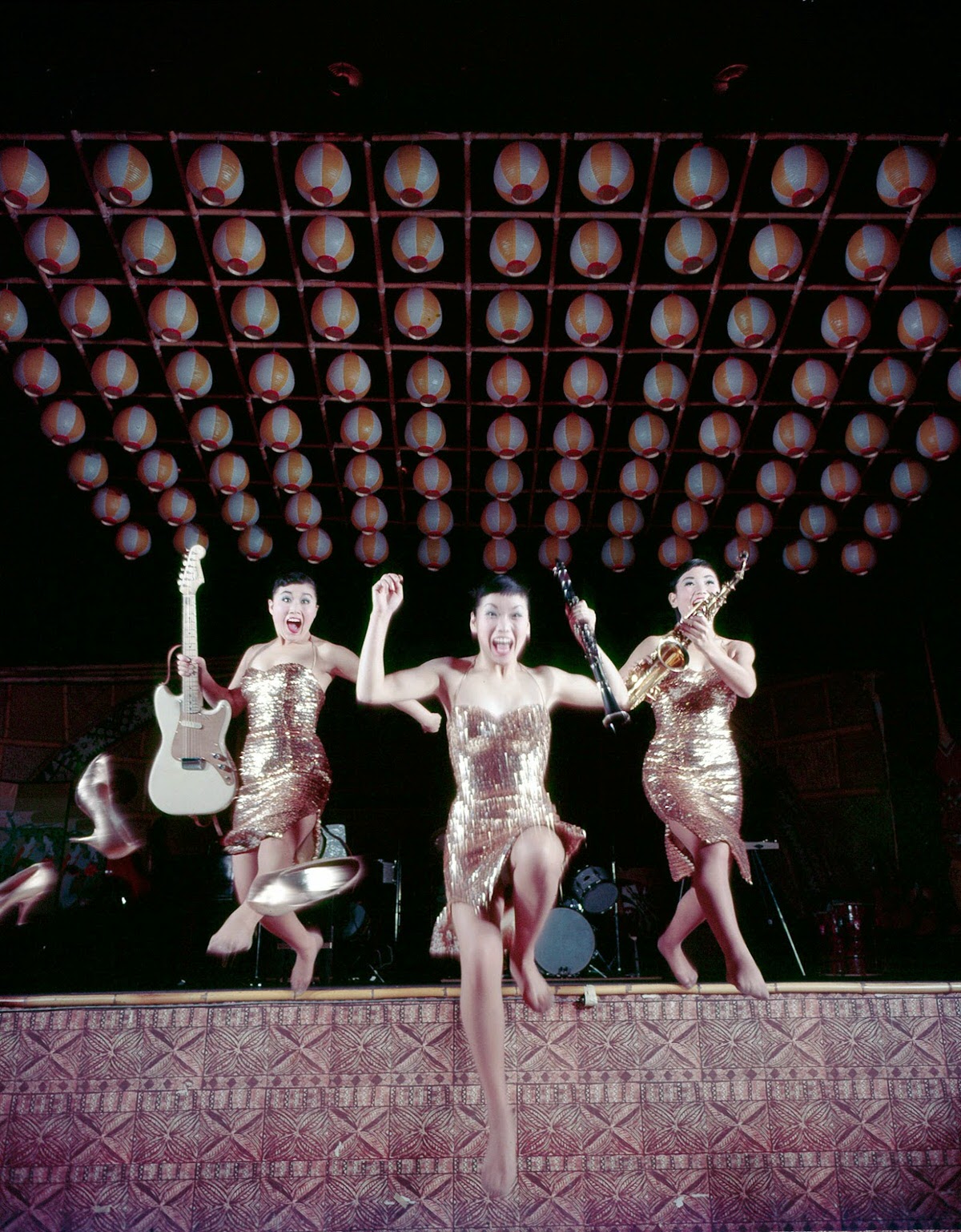
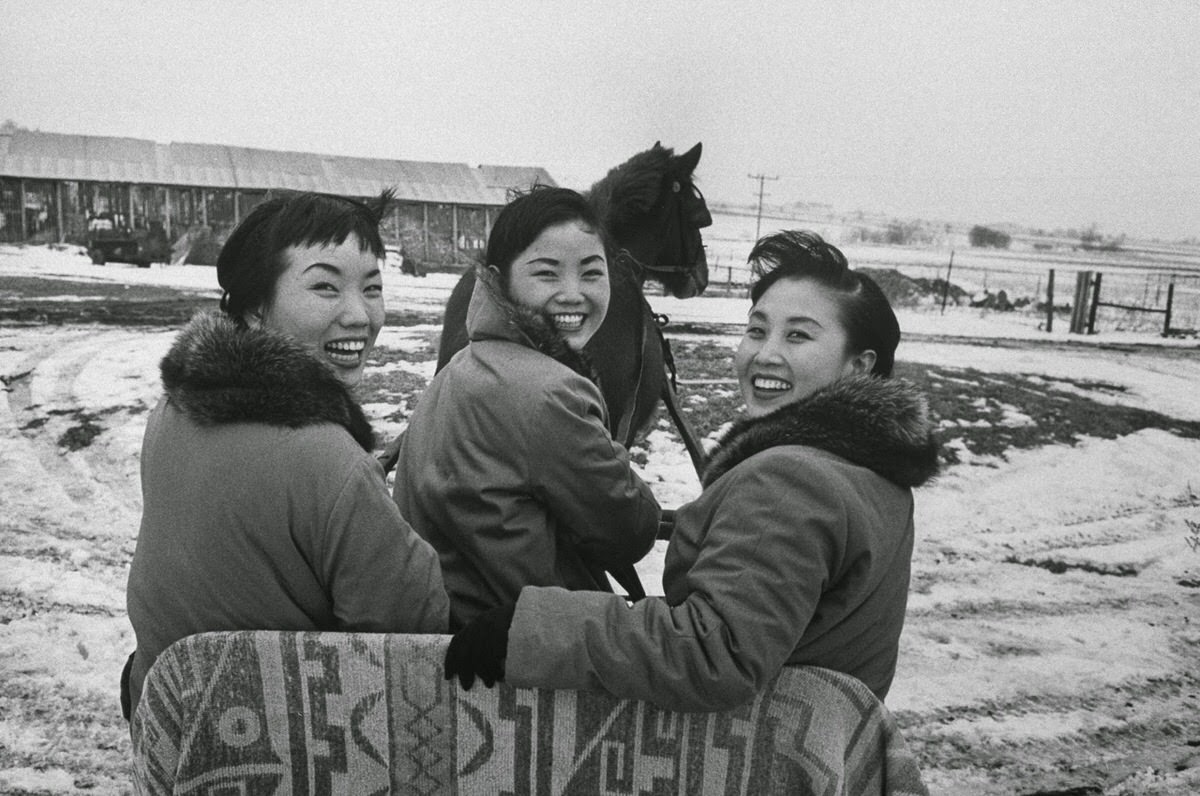
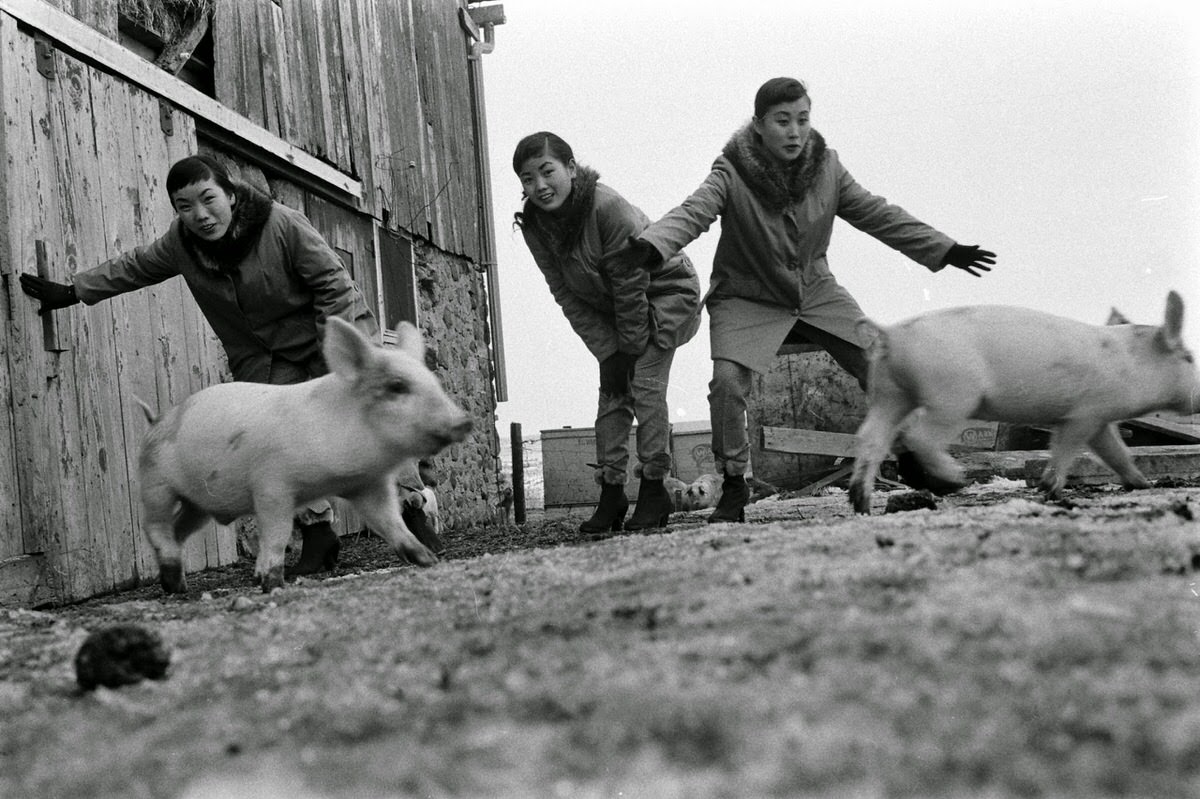
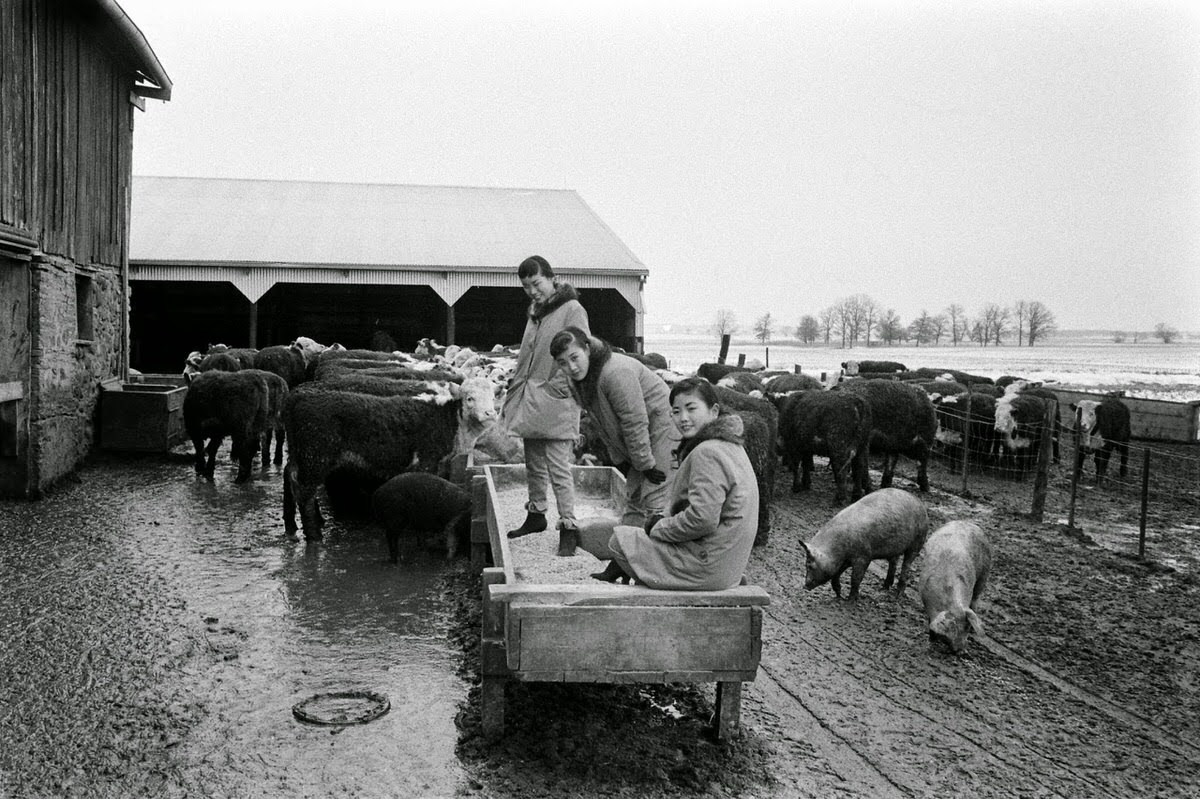
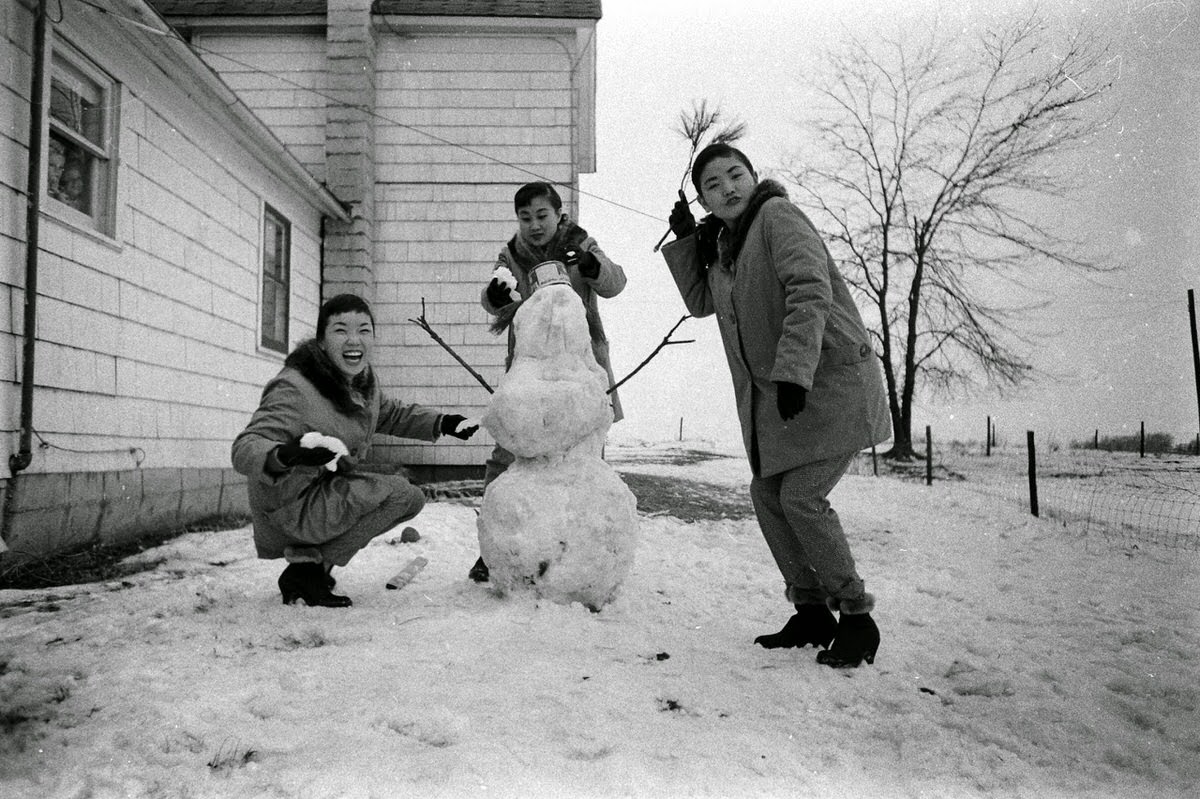
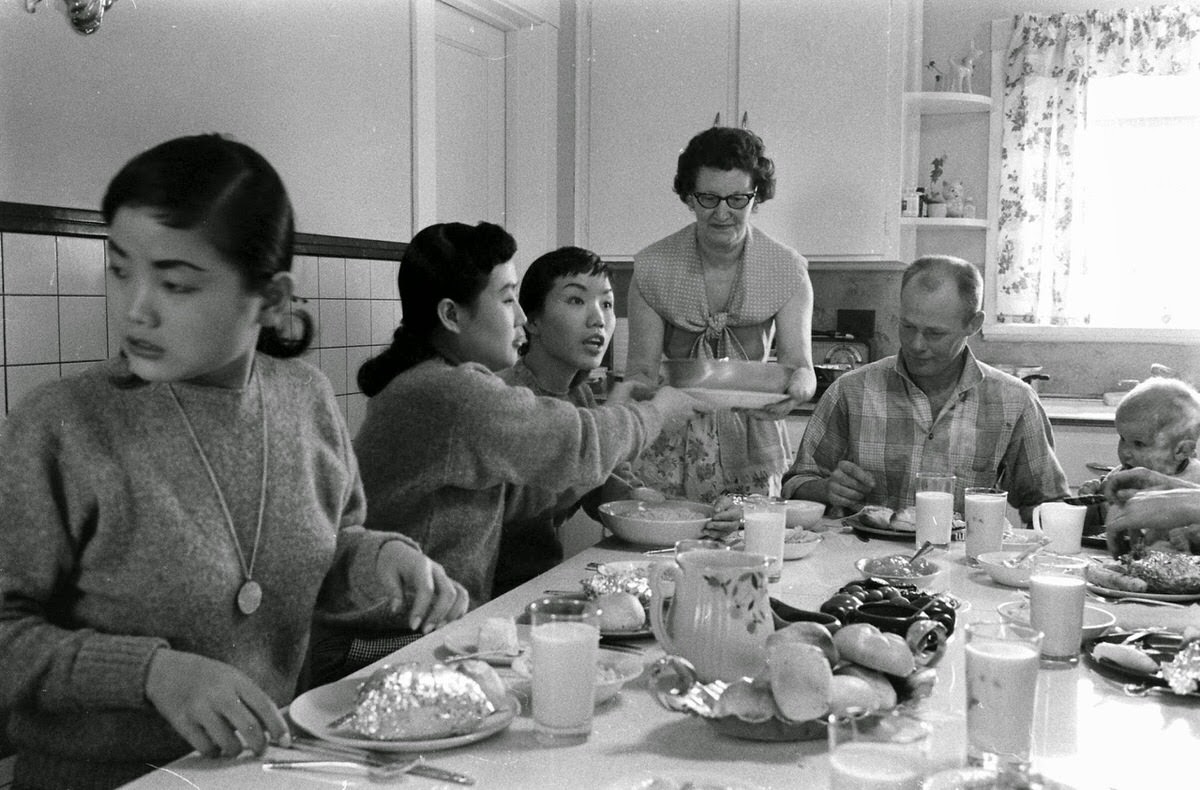
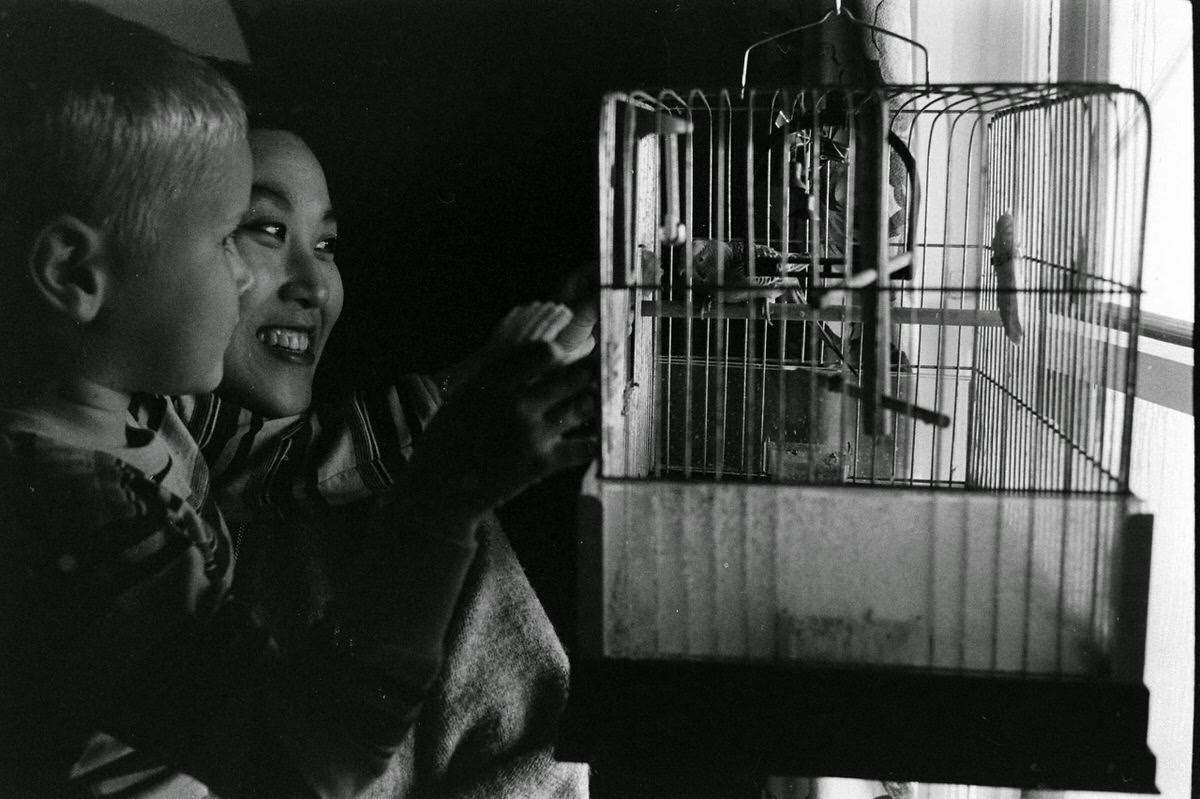
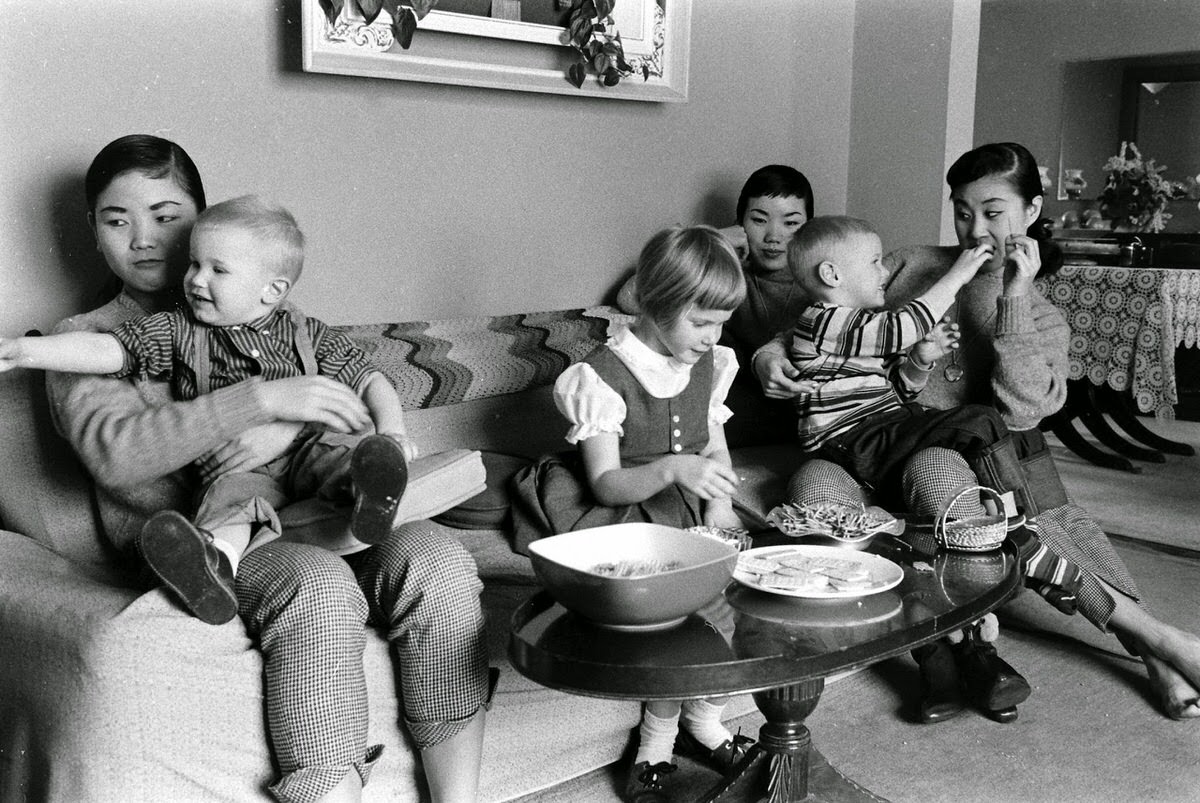
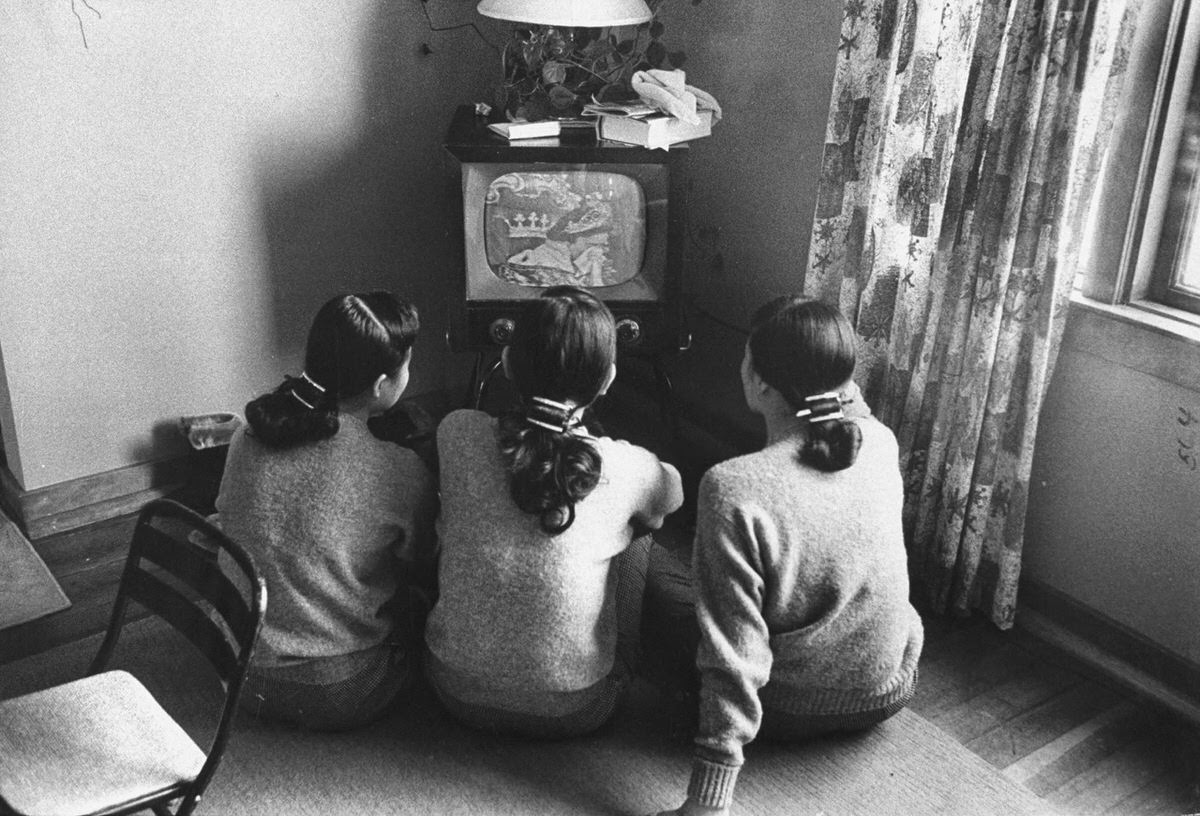
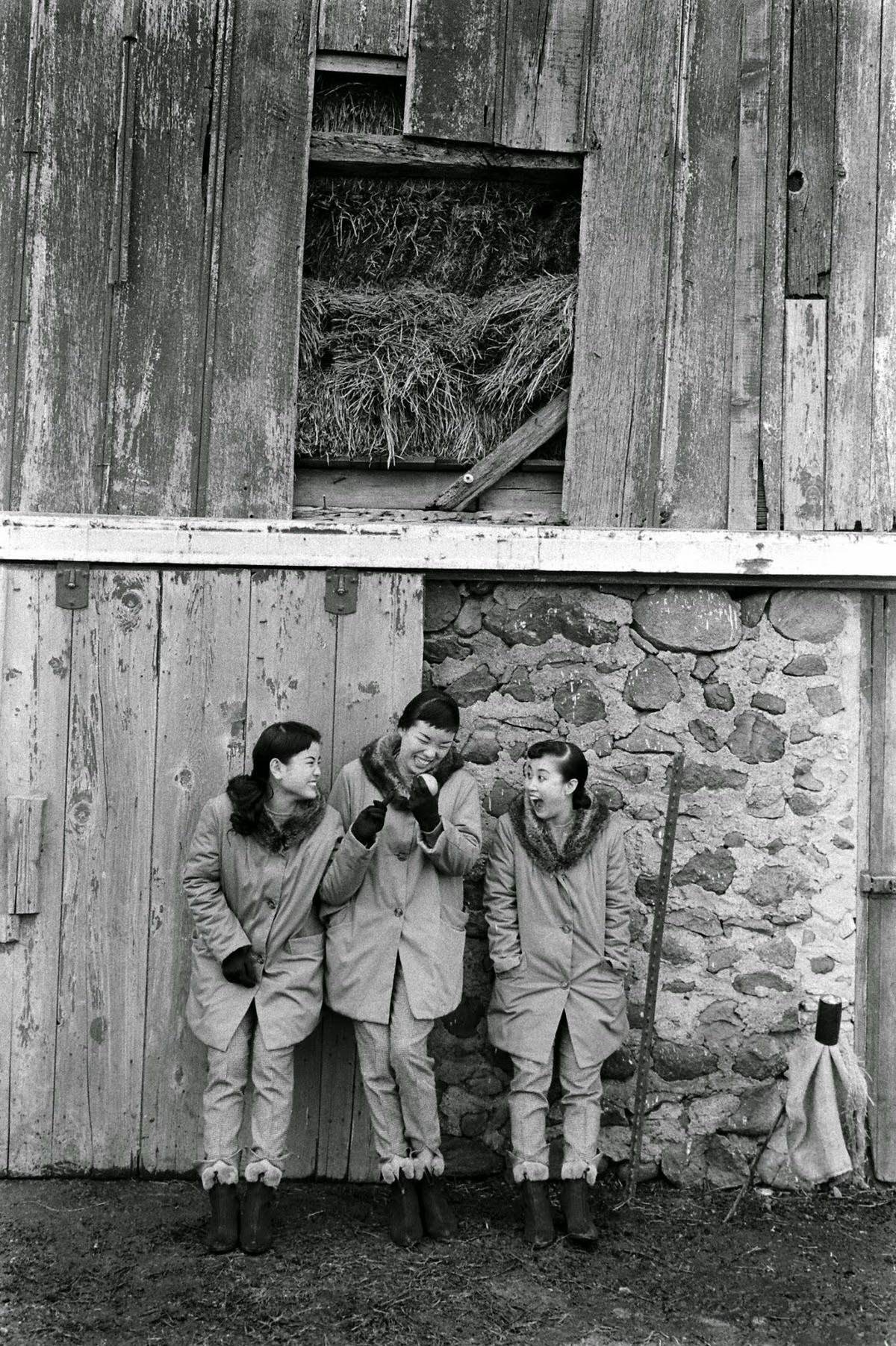
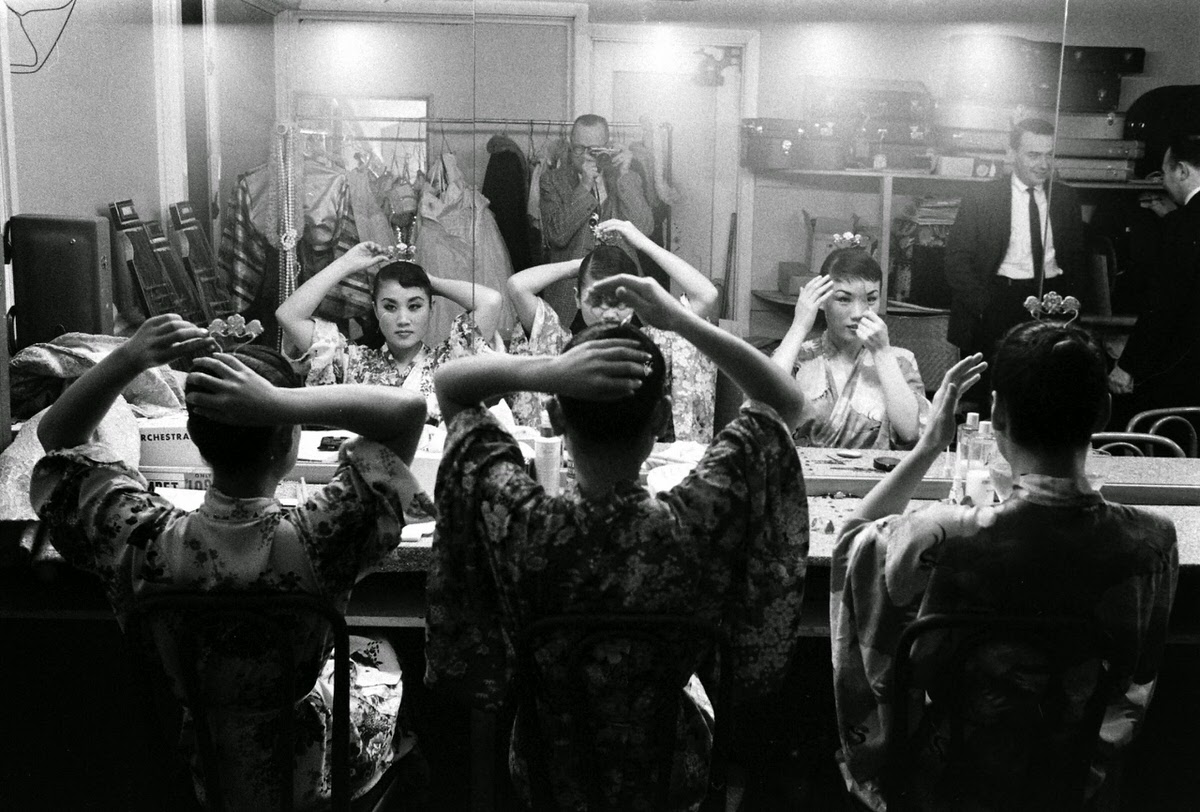
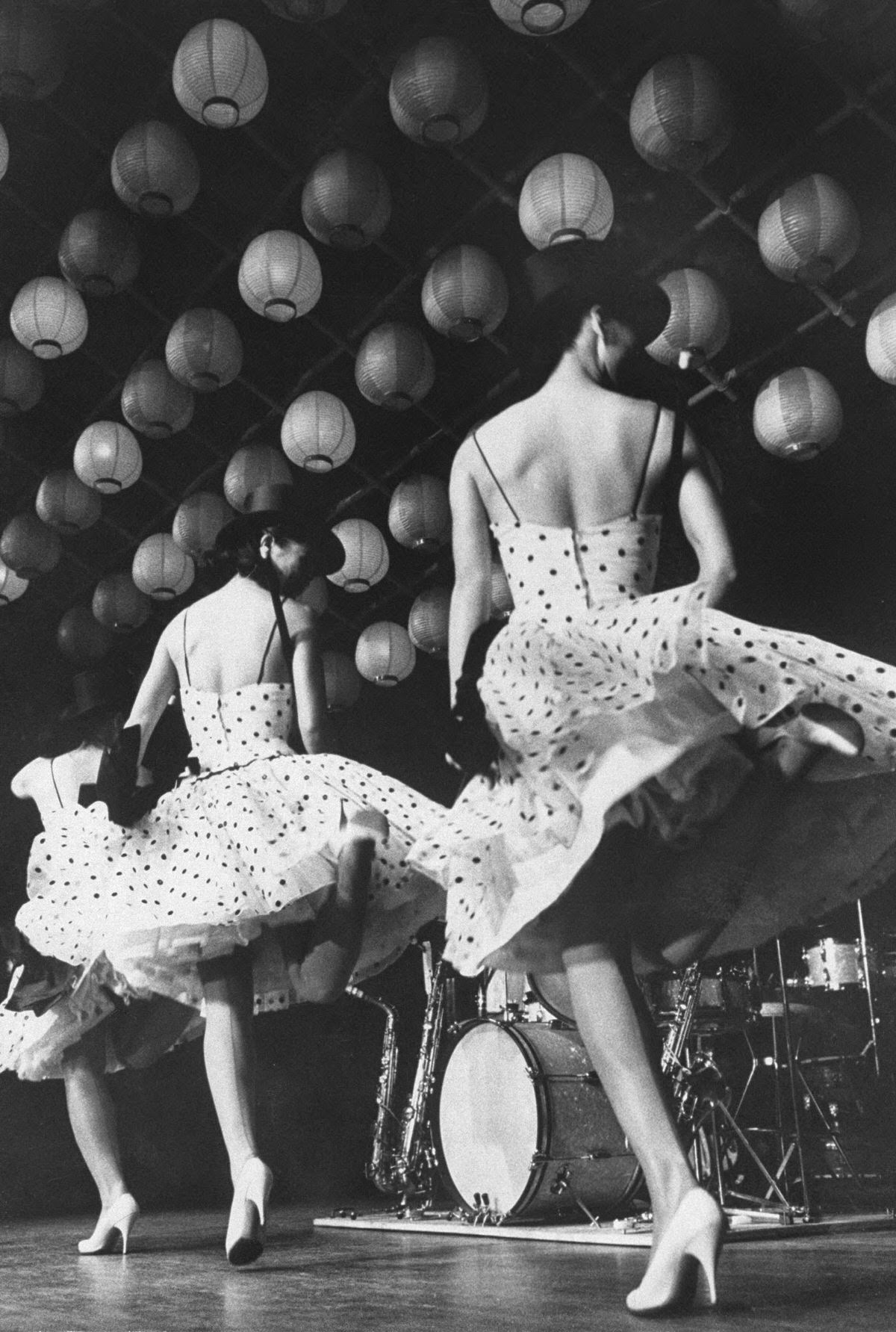
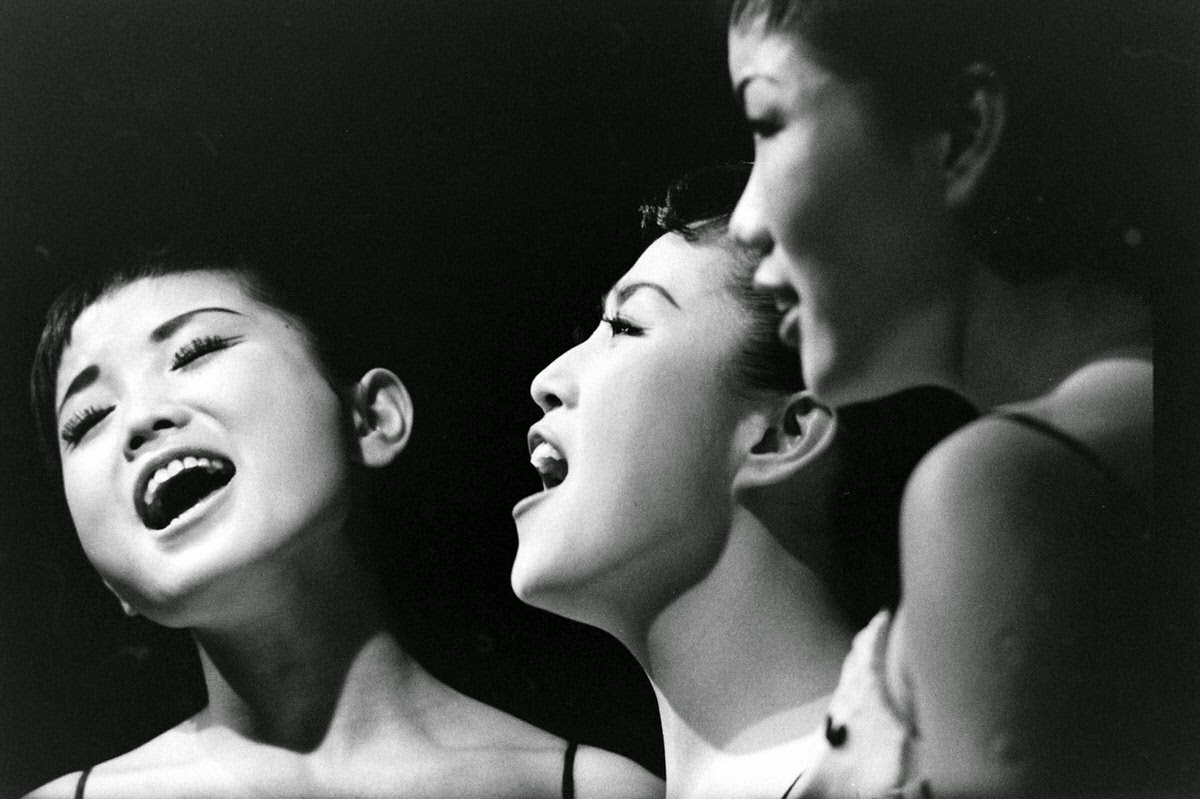
Photos from their 1960 Chicago engagements show the trio both on and off the stage — rehearsing, performing jazz routines in matching outfits, and spending time with their manager’s family in rural Illinois.
Off the stage, the sisters embraced everyday American life with the same energy they brought to their performances. They leaped off stages after closing numbers, rode horse-drawn sleighs at Illinois farms, and watched television with local families — all while sending a large portion of their weekly earnings back to South Korea to help rebuild their family’s lives after the war.