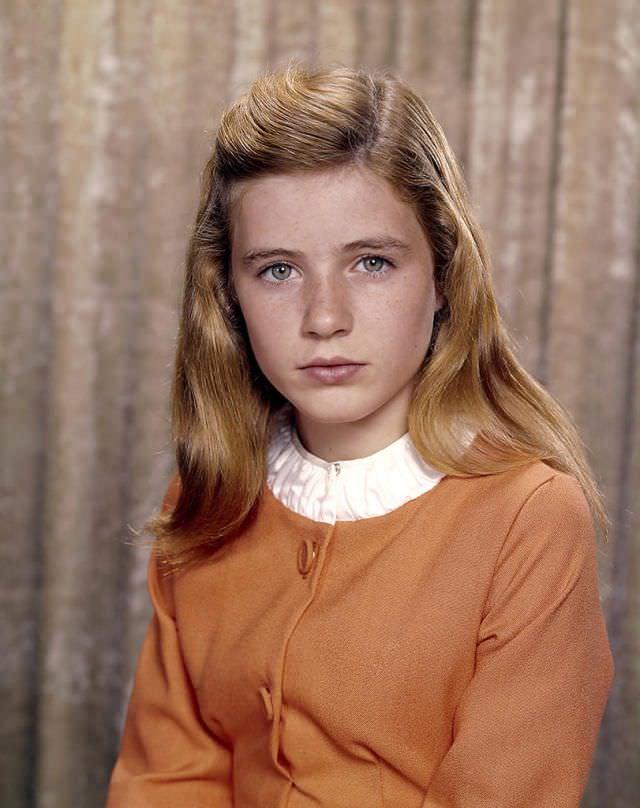
Born Anna Marie Duke in 1946, Patty Duke entered show business before most kids had finished grade school. Her managers, John and Ethel Ross, renamed her Patty Duke and shaped her public image as the girl next door with an extraordinary gift for acting. What followed was one of the most remarkable careers in 1960s entertainment.
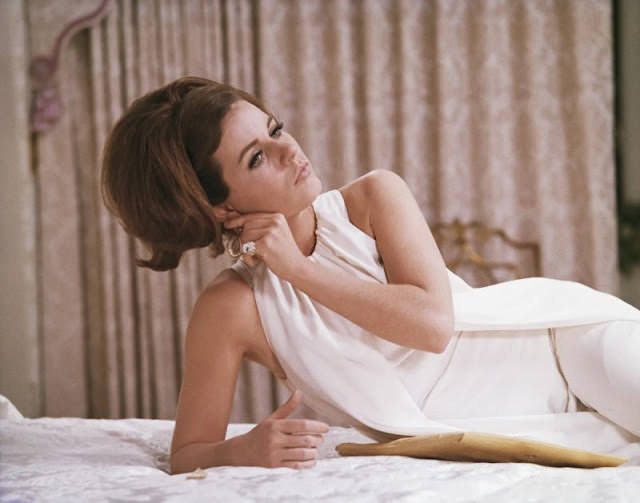
At just 16 years old, Duke won the Academy Award for Best Supporting Actress for her portrayal of Helen Keller in “The Miracle Worker” (1962). The film was adapted from the stage play of the same name, in which Duke had already performed the same role. She remains one of the youngest performers ever to win a competitive Oscar.
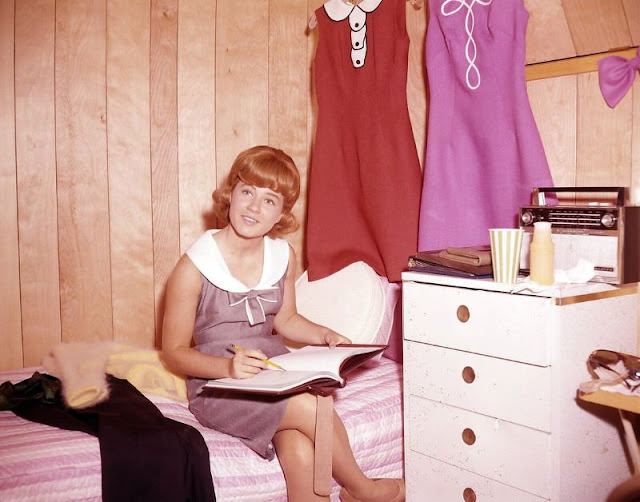
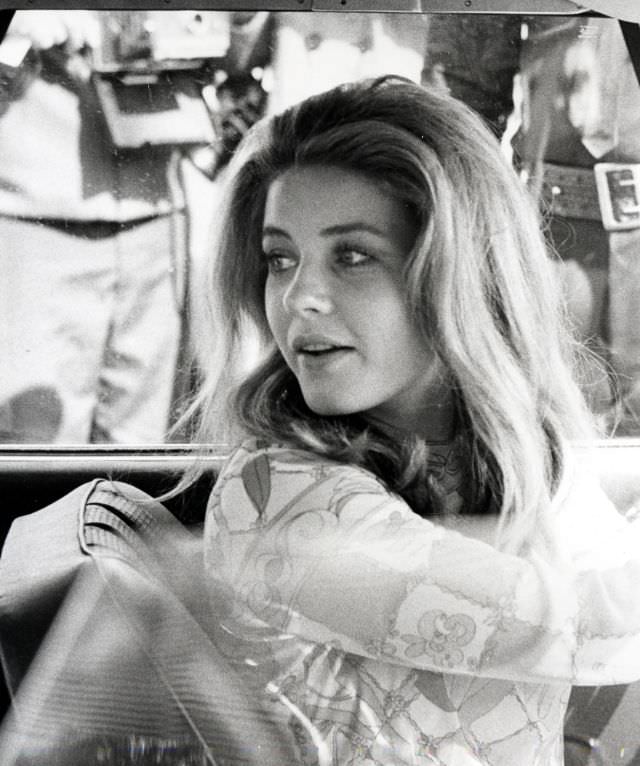
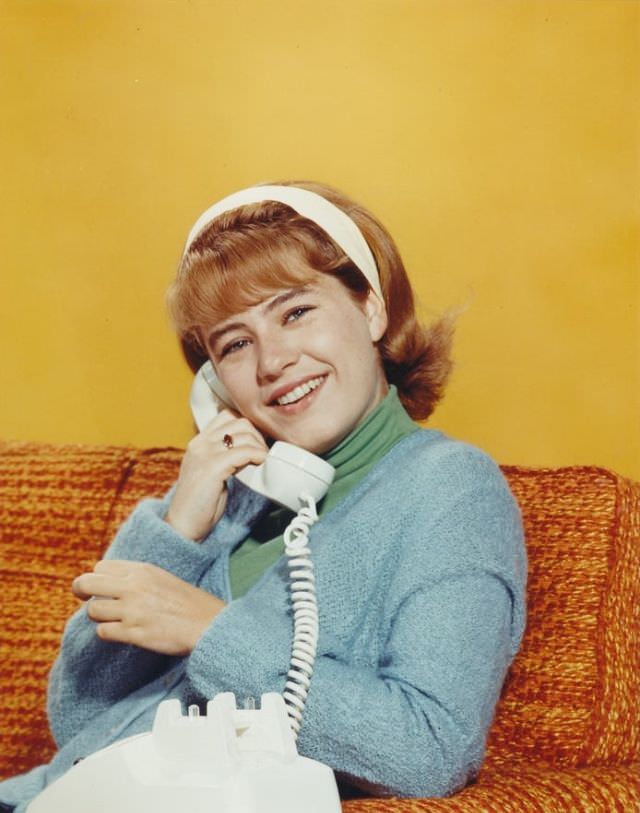
ABC moved quickly to capitalize on her fame. In 1963, the network launched “The Patty Duke Show,” which became an immediate hit with American audiences. Duke played the dual roles of identical cousins — one a bubbly American teenager, the other a more reserved Scottish girl. The comedic setup let her demonstrate a range that few young actresses could match.
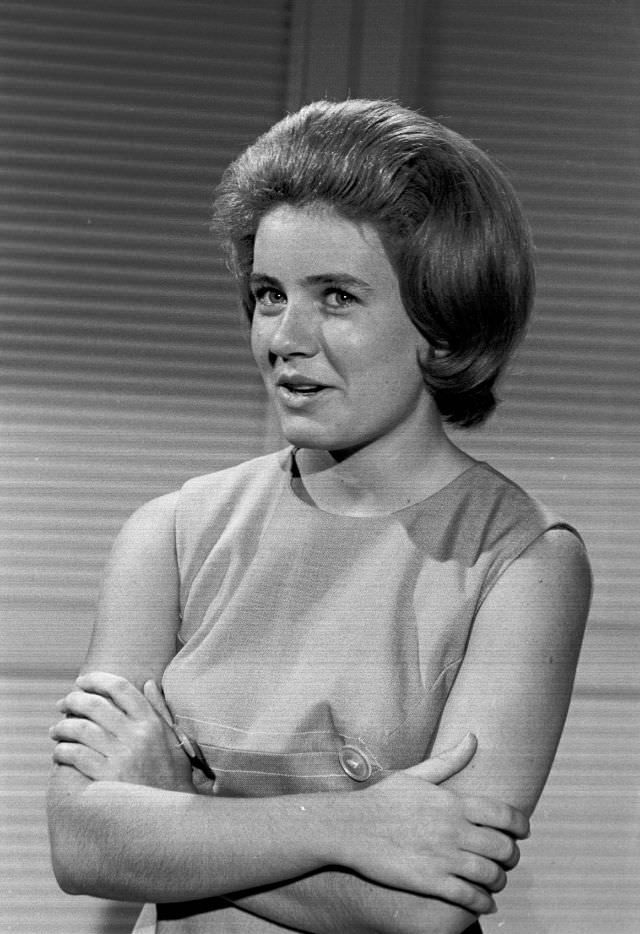
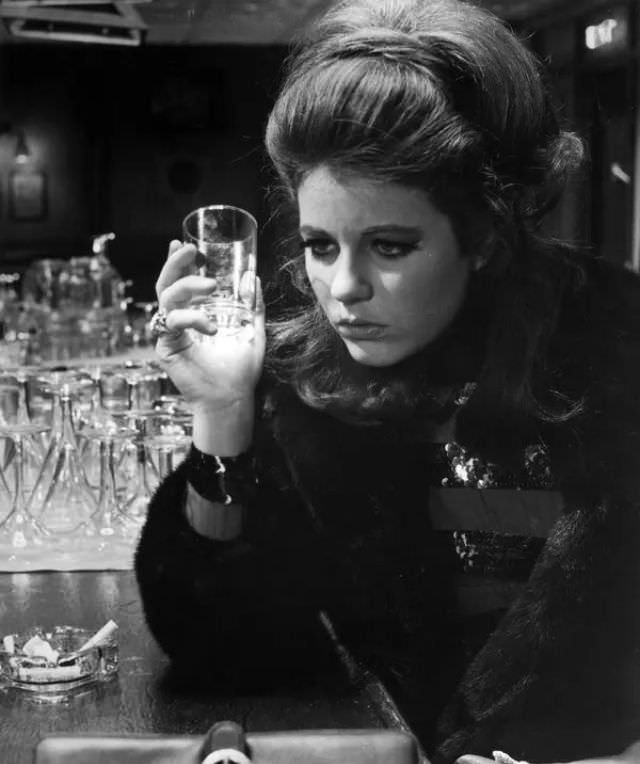
The show ran for three seasons and became a fixture of 1960s television. Its family-friendly humor and Duke’s natural charm kept viewers tuning in week after week. Playing two distinct characters in the same scenes required precise comic timing, and Duke delivered consistently throughout the series.
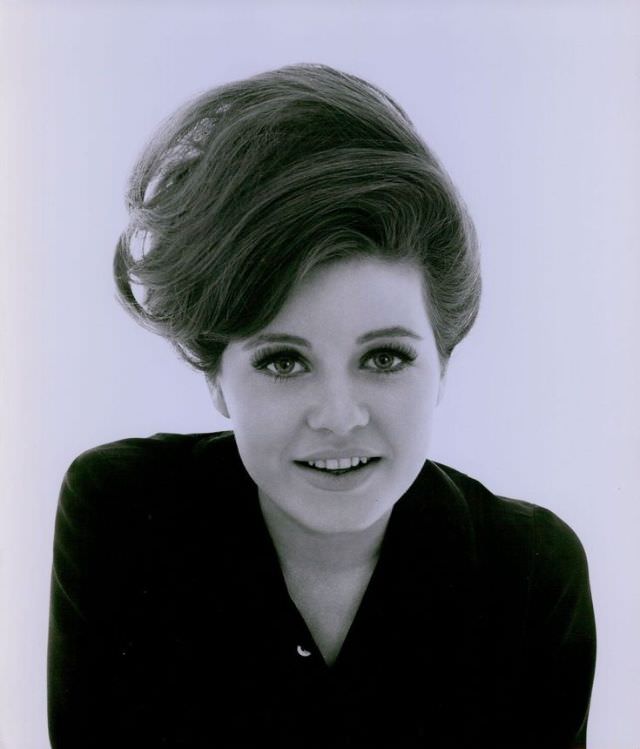
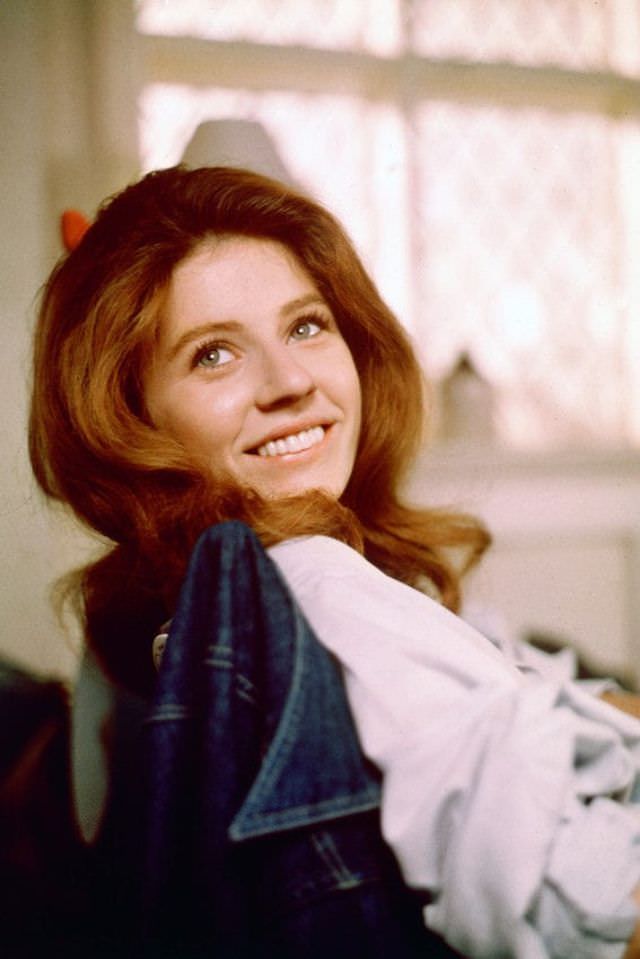
Behind the scenes, her managers held significant control over her daily life, making personal and professional decisions that often served their interests over hers. Despite that, Duke stayed focused on her craft, continuously seeking roles that pushed her abilities further.
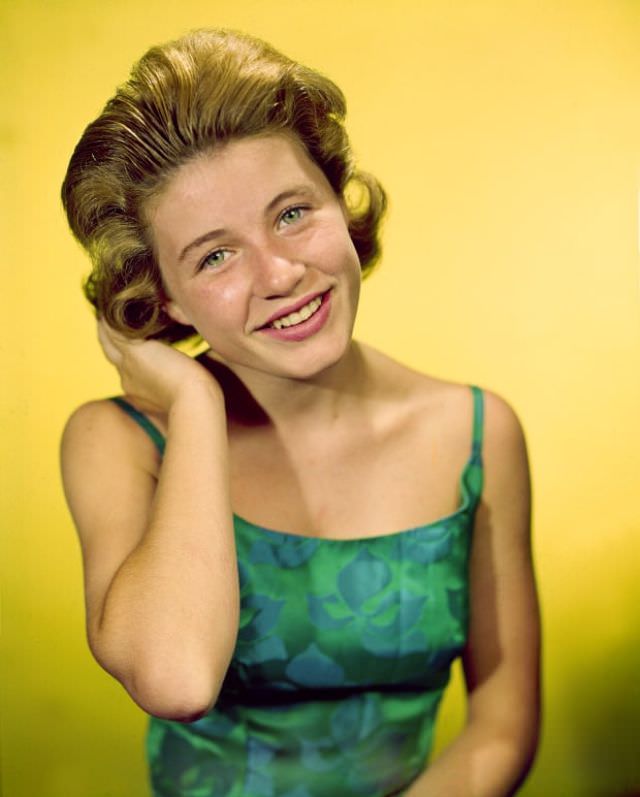
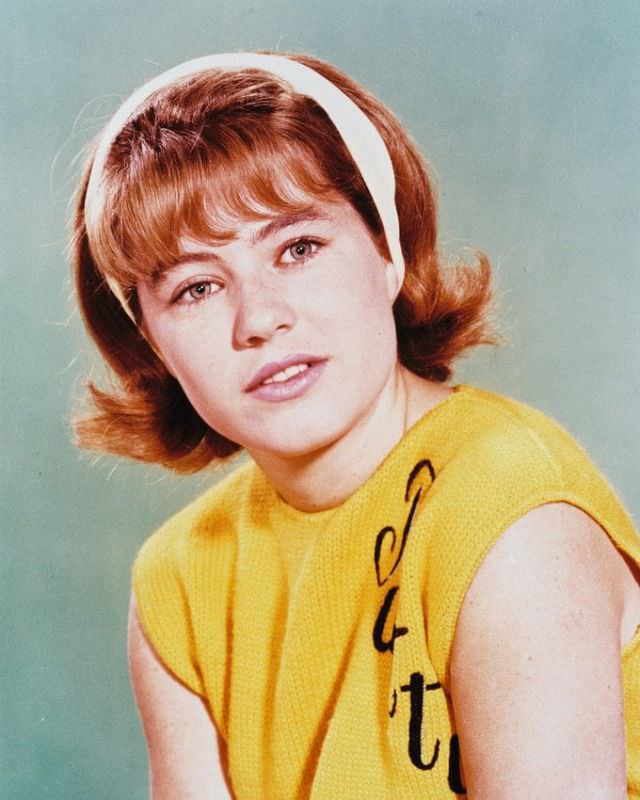
Her television work earned her Emmy nominations while she was still a teenager, making her one of the youngest actresses recognized at that level. Critics consistently praised her performances, and the nominations reinforced her standing as one of the most serious young talents in the industry.
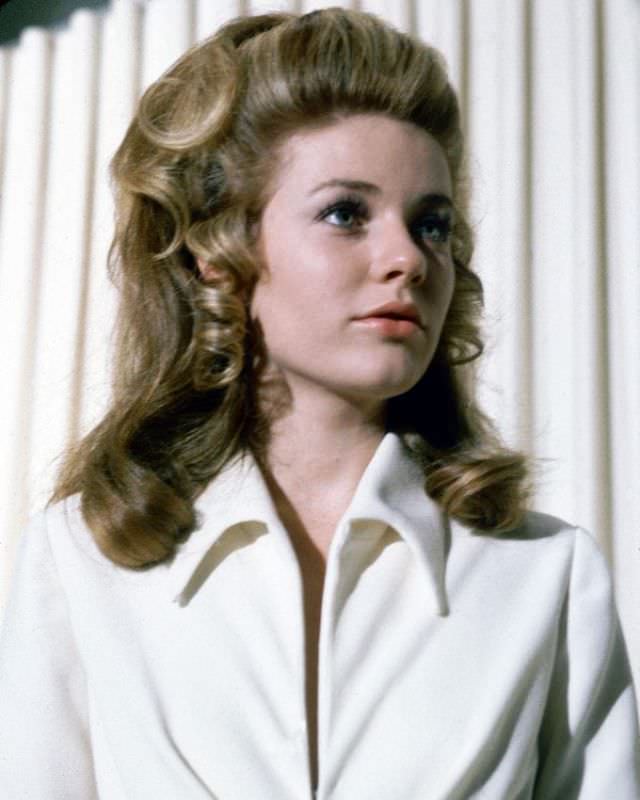
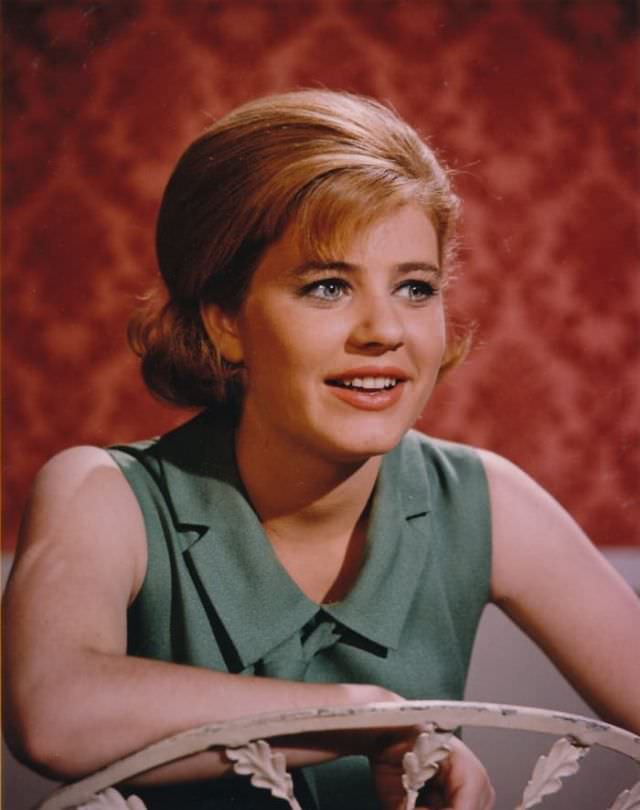
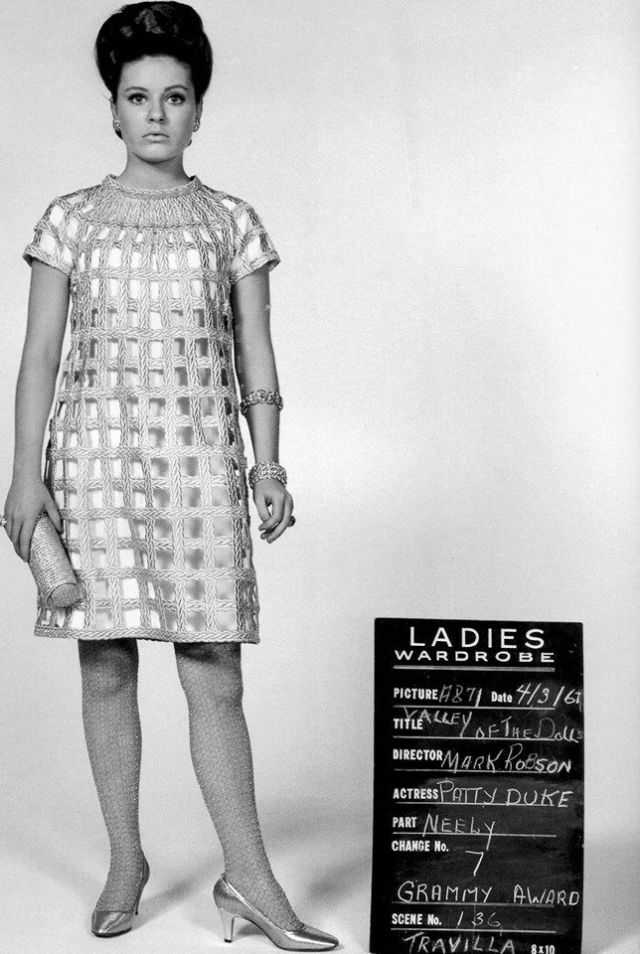
Duke also recorded music during this period. She released albums including “Don’t Just Stand There” and “Songs from Valley of the Dolls and Other Selections.” The music career never reached the heights of her acting work, but it showed another side of her talent that fans of the era genuinely appreciated.
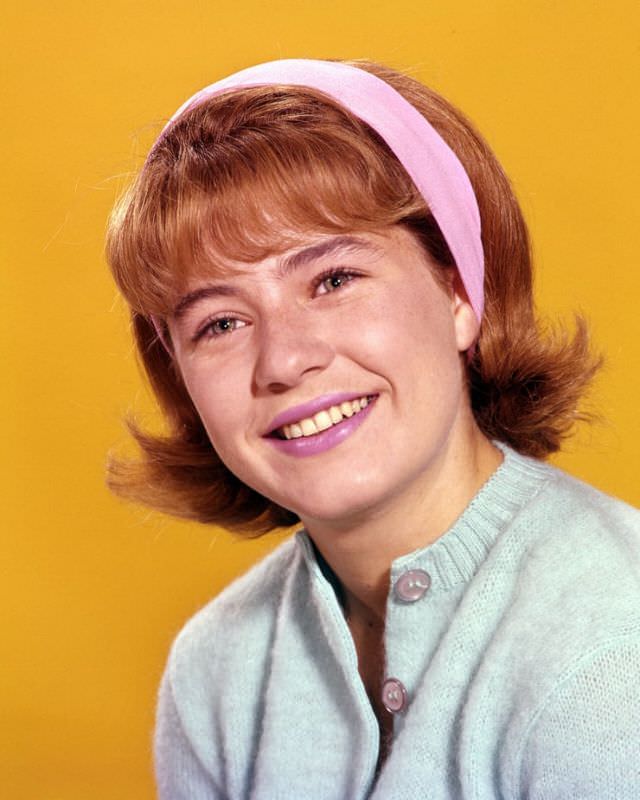
Throughout her teenage years and into early adulthood, Duke quietly struggled with mental health challenges that were later diagnosed as bipolar disorder. This was not public knowledge at the time, and she navigated those struggles largely without support while maintaining a demanding professional schedule.
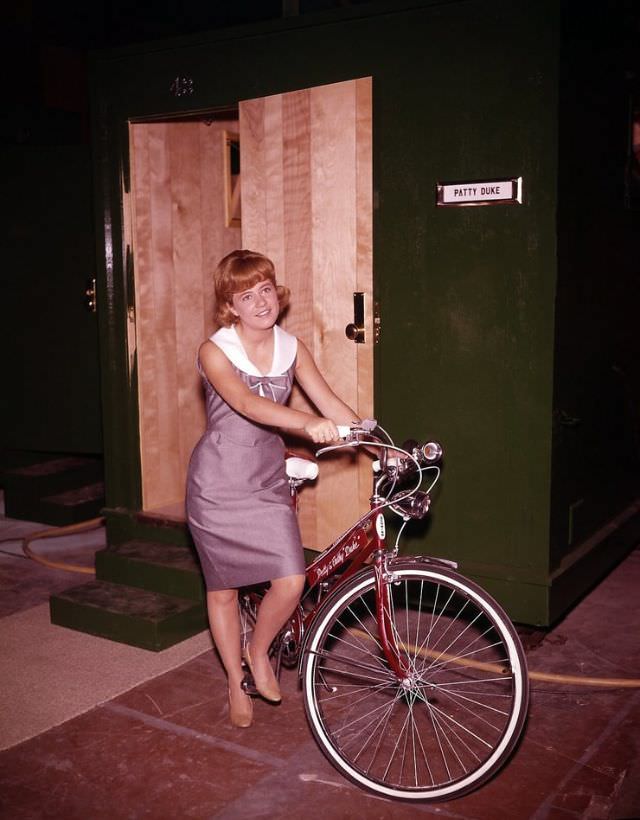
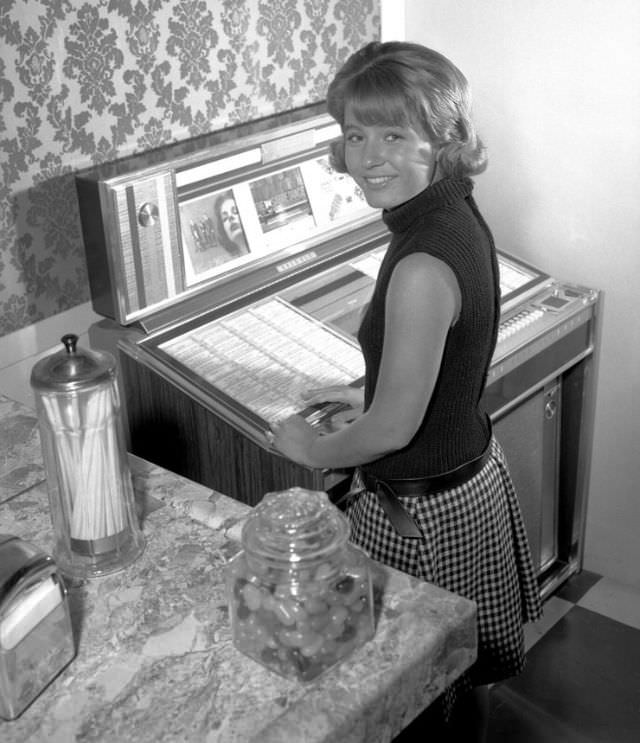
Her personal life regularly drew media attention during the 1960s. Relationships, public appearances, and the sheer novelty of being both an Oscar winner and a sitcom star kept her name in entertainment headlines almost constantly. She was one of the most talked-about young celebrities of the entire decade.
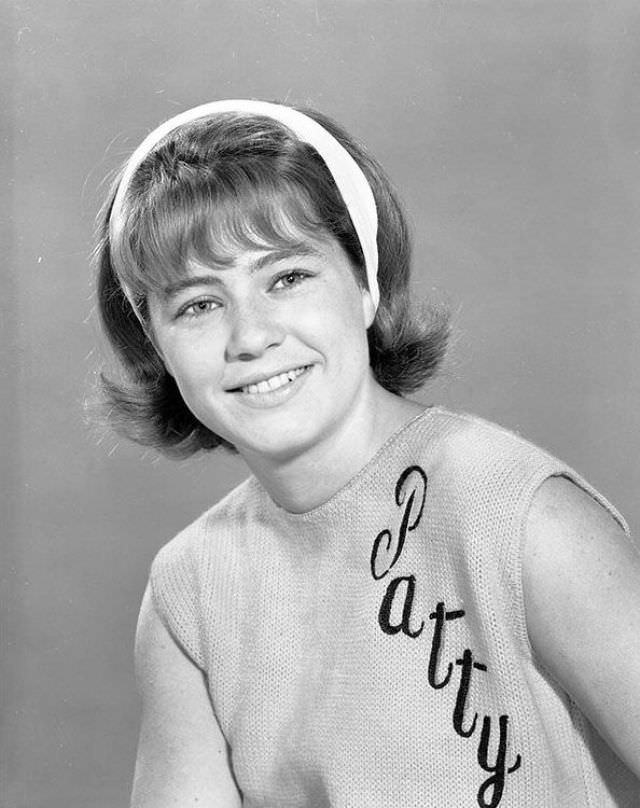
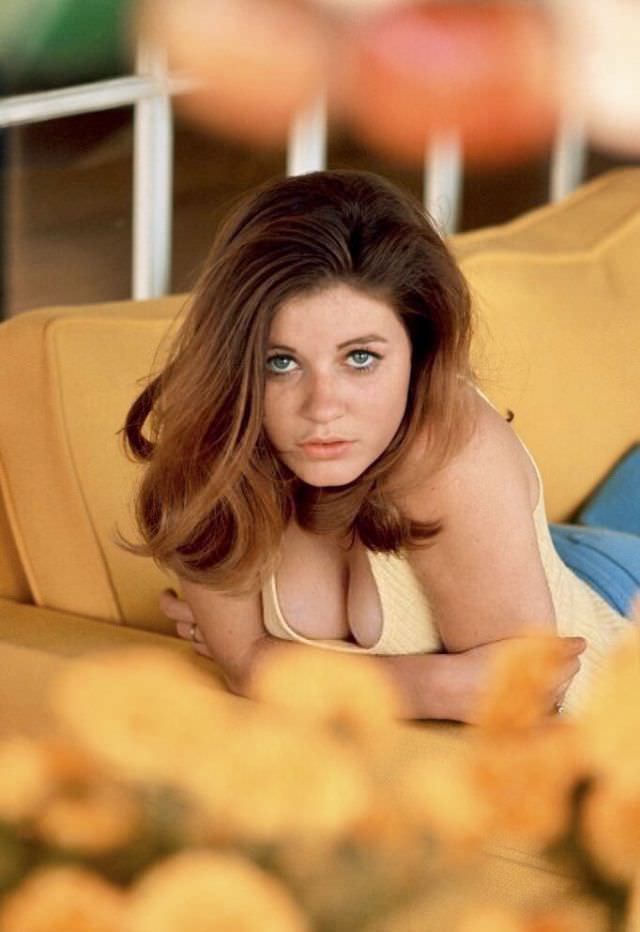
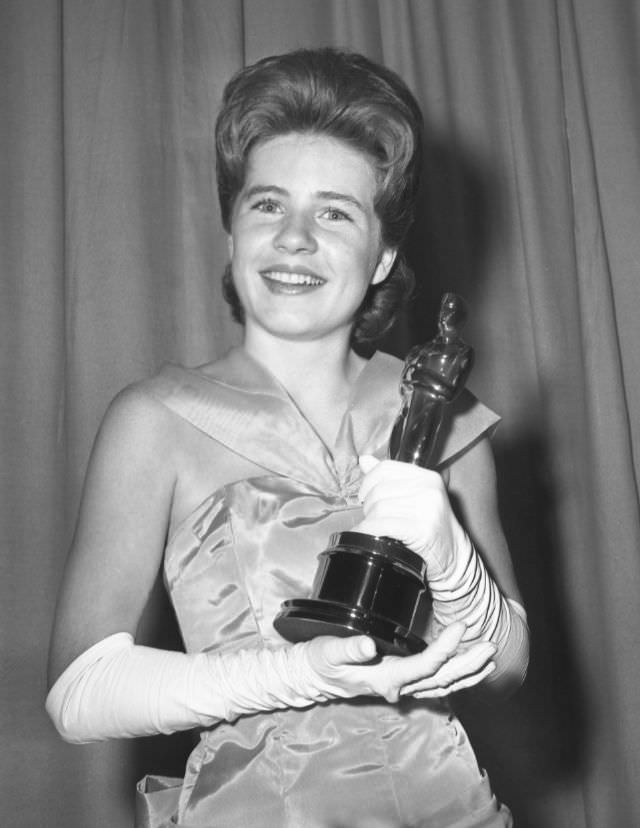
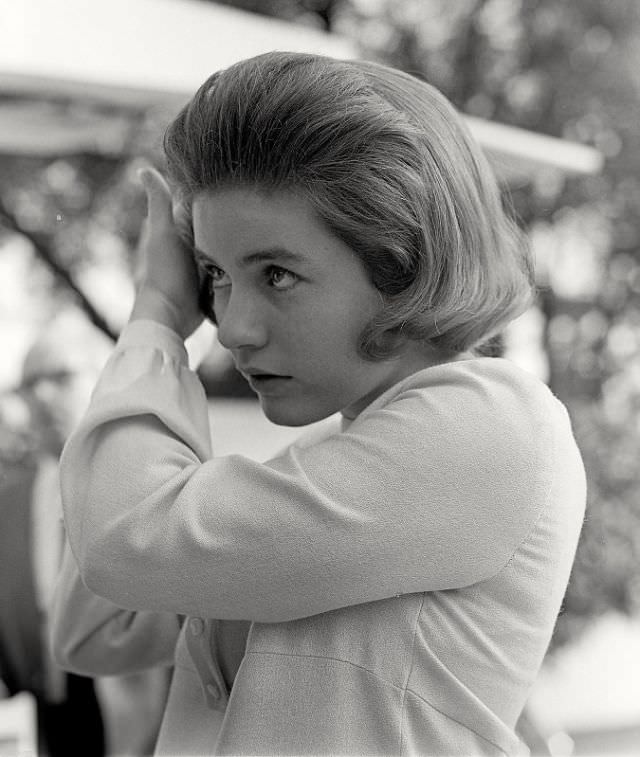
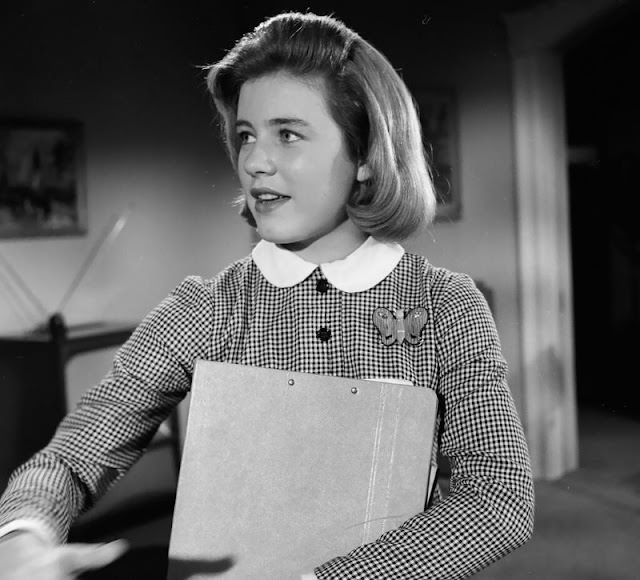
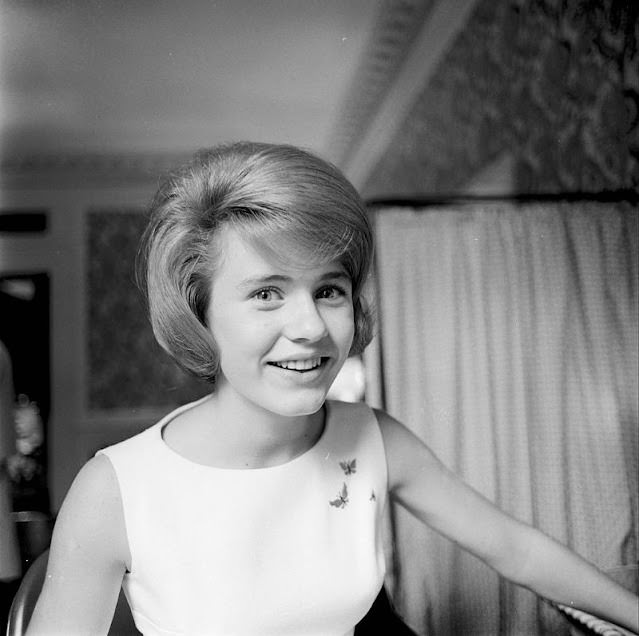
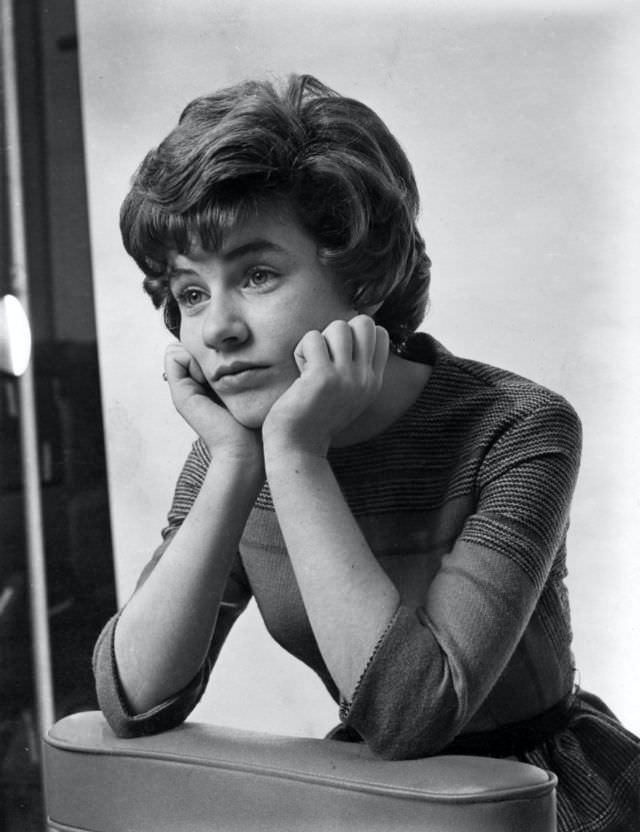
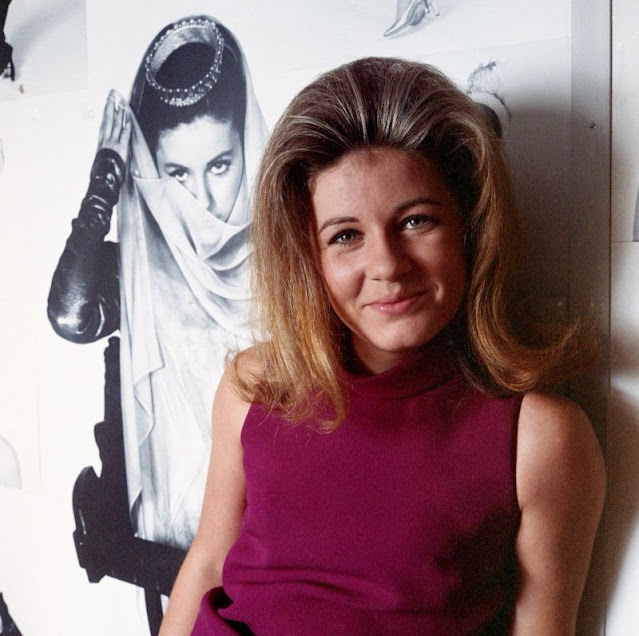
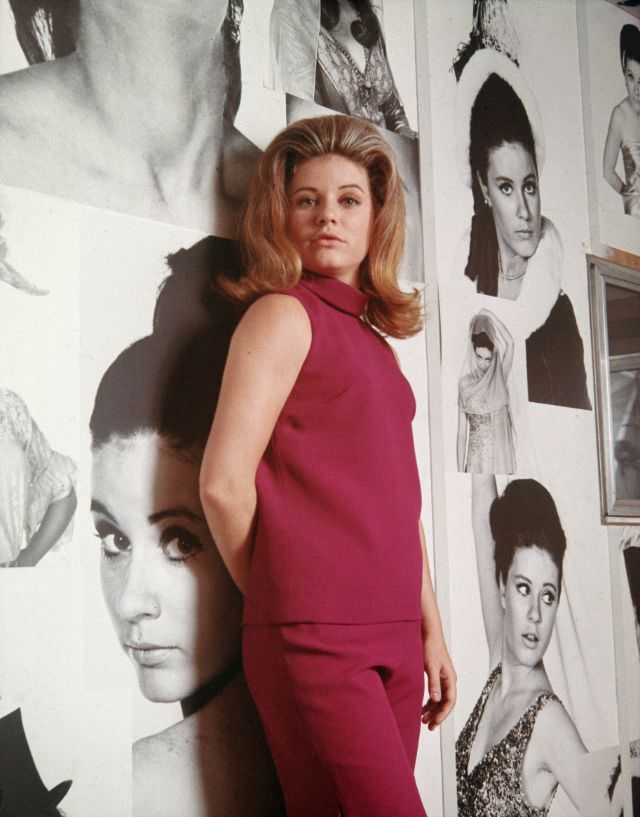
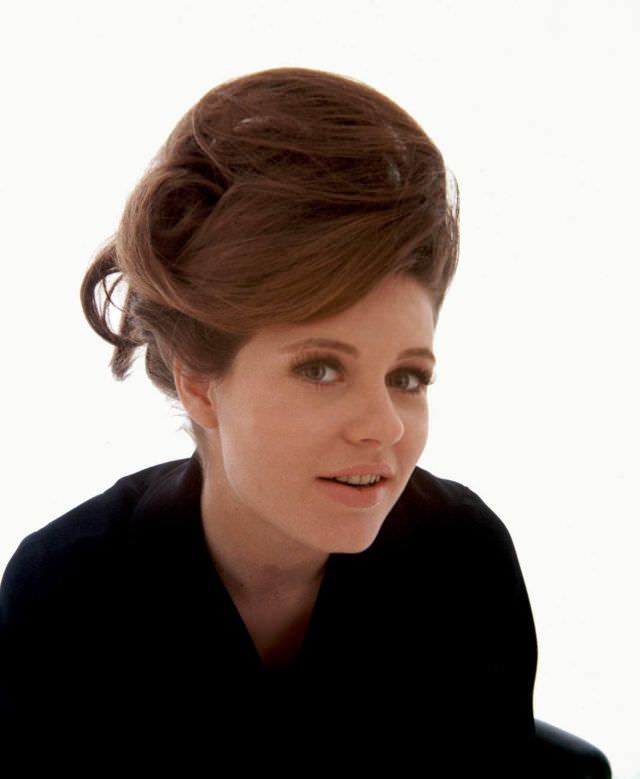
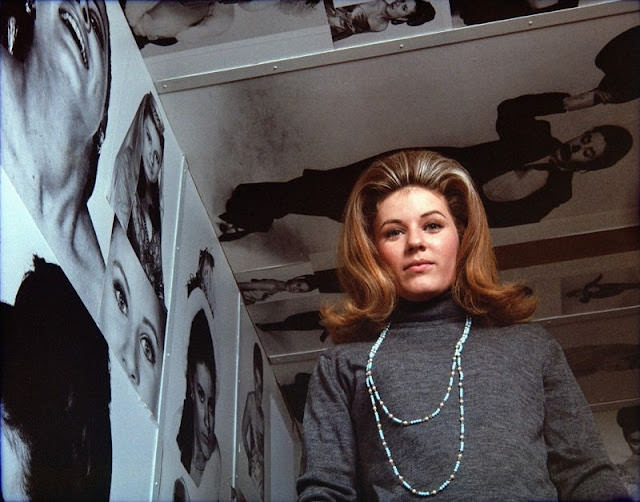
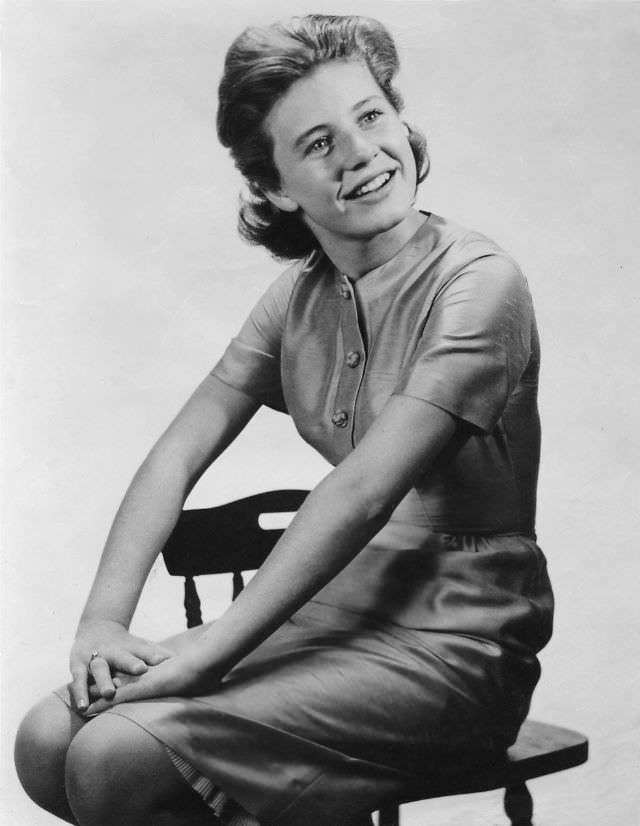
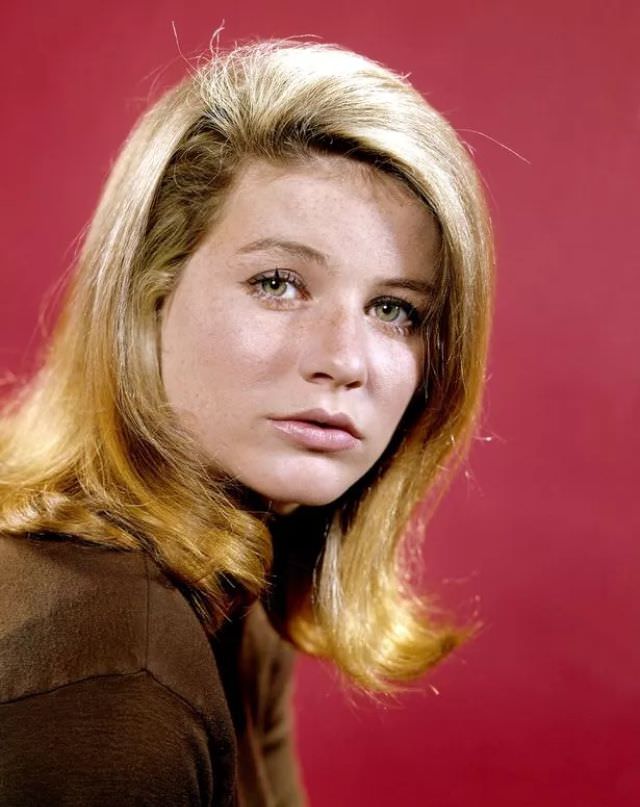
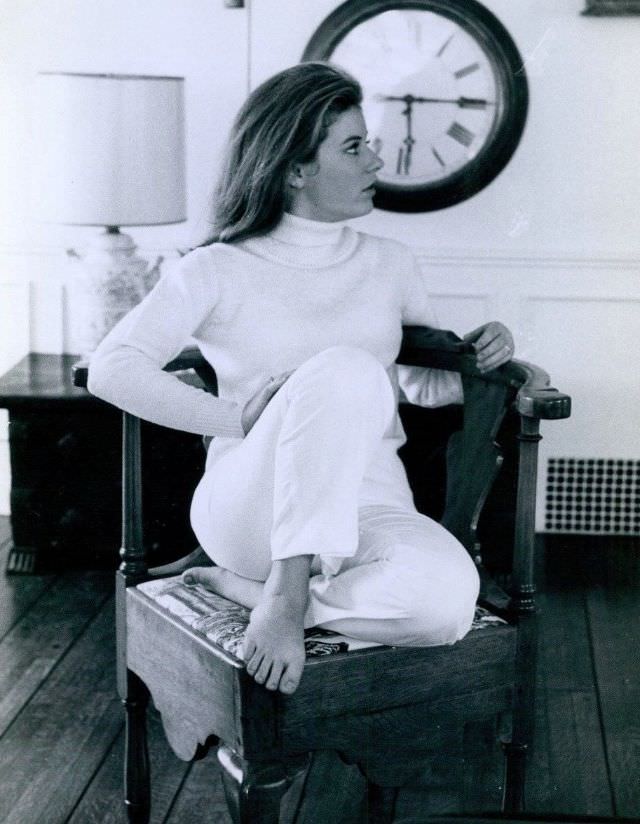
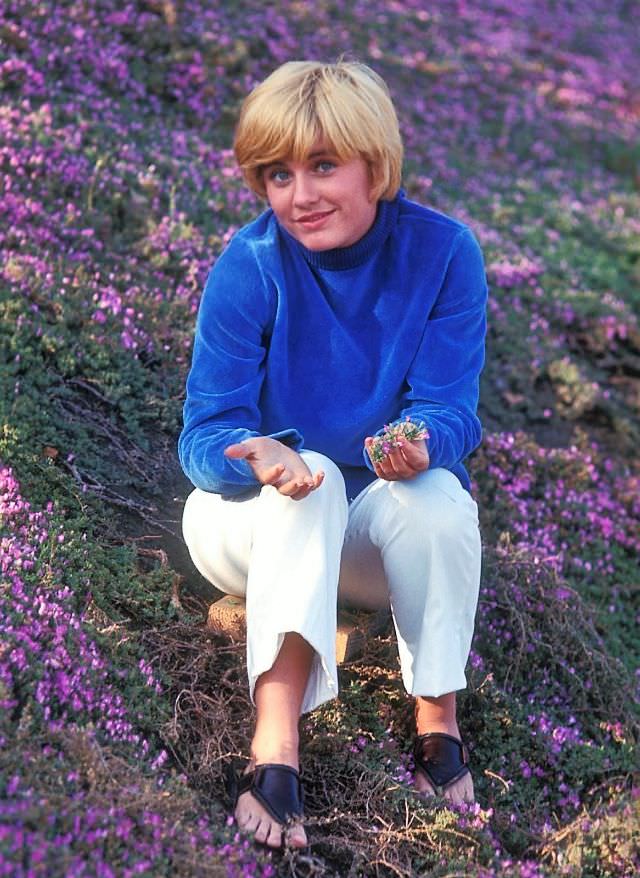
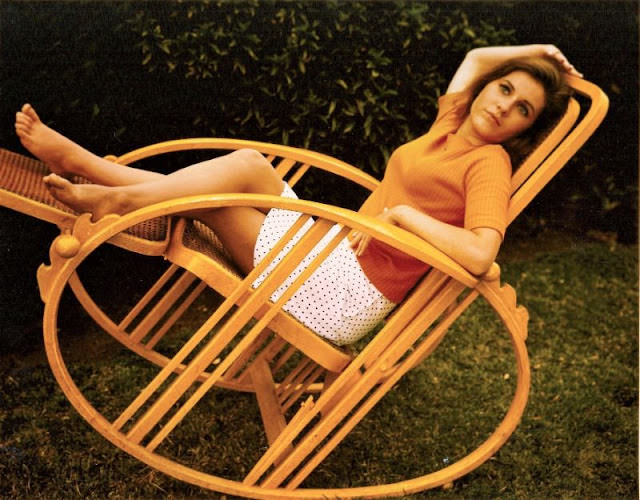
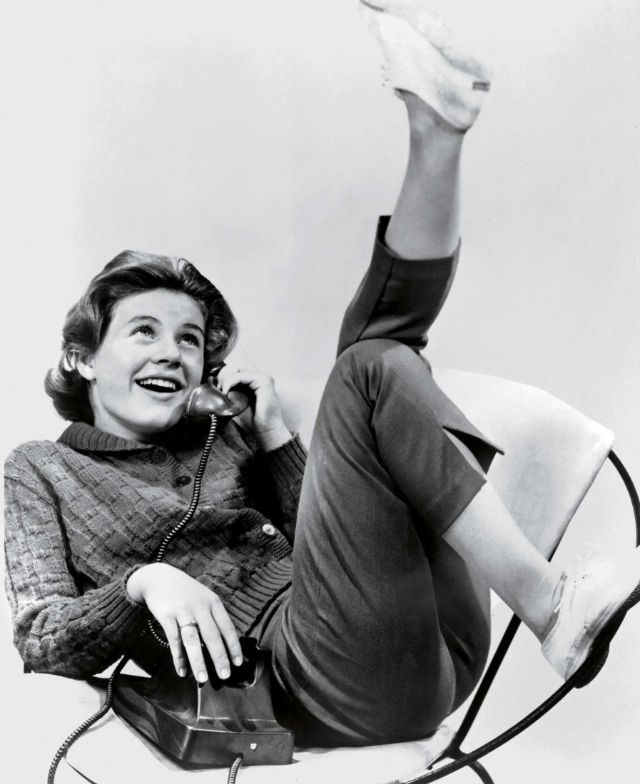
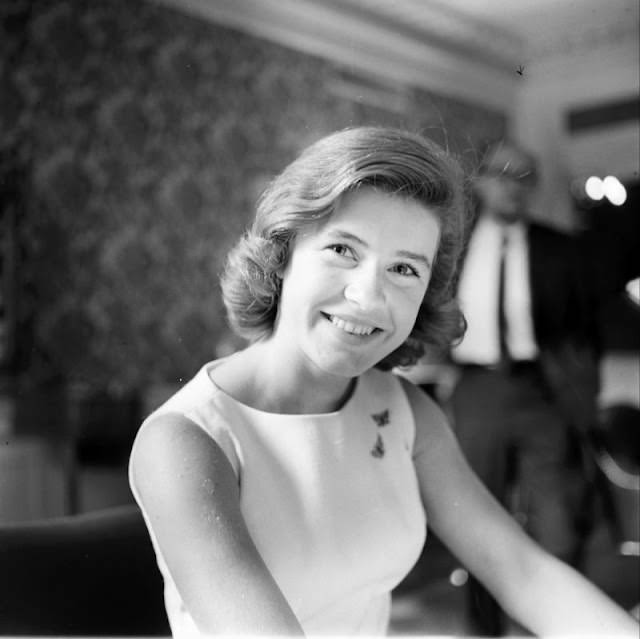
These photographs from the 1960s capture a young woman navigating extraordinary pressures with a visible energy and presence. Each image reflects a specific moment in a decade that defined her as both an actress and a cultural figure.