Barbra Streisand is one of the best-selling female artists in recorded history, with over 250 million records sold worldwide. She holds an extraordinary distinction: she is the only person ever to have won an Oscar, Tony, Emmy, Grammy, Golden Globe, Cable Ace, National Endowment for the Arts, and Peabody Award. That combination has never been matched. But before the awards and the sold-out concerts, there was a girl from Brooklyn navigating a difficult early life.
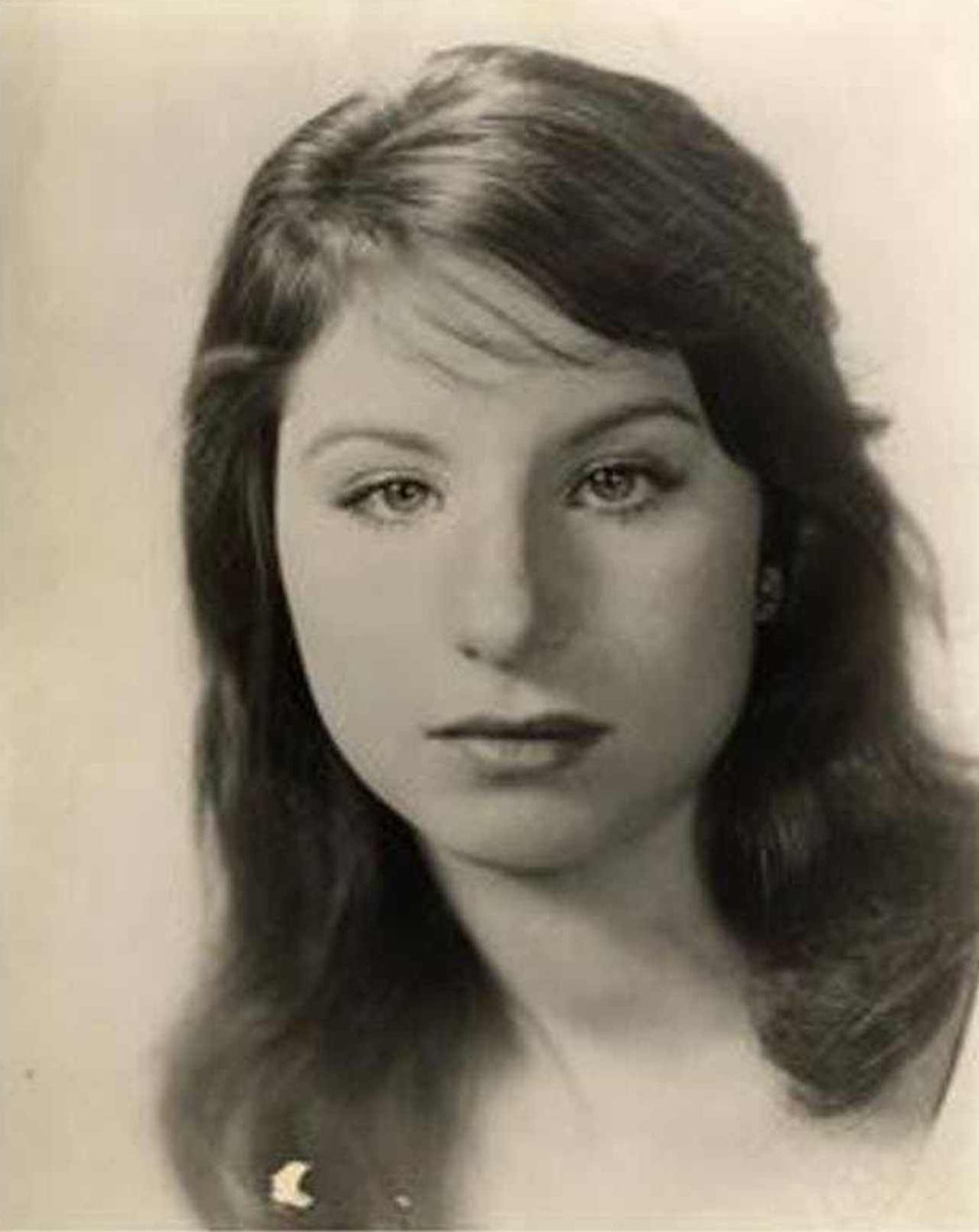
Barbra Joan Streisand was born on April 24, 1942, in Brooklyn, New York. Her father, Emanuel Streisand, died when she was just 15 months old. She grew up singing in her school choir, showing a natural gift that her teachers noticed early. She never attended college. Instead, she set her sights on a career in performance and pursued it directly after high school, starting out as a cabaret singer in New York City.
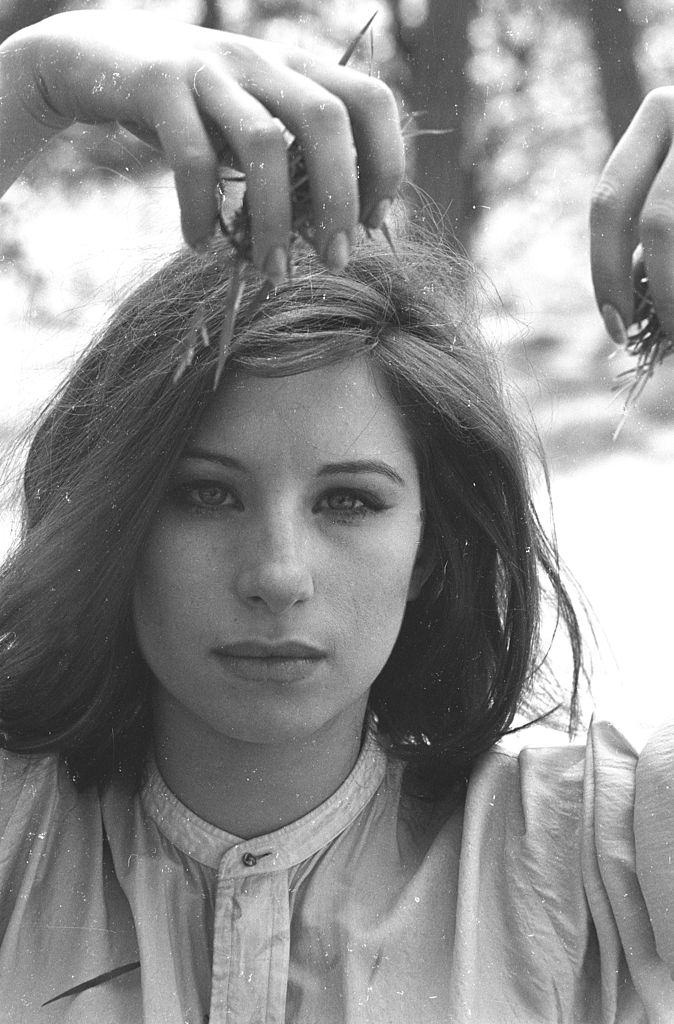
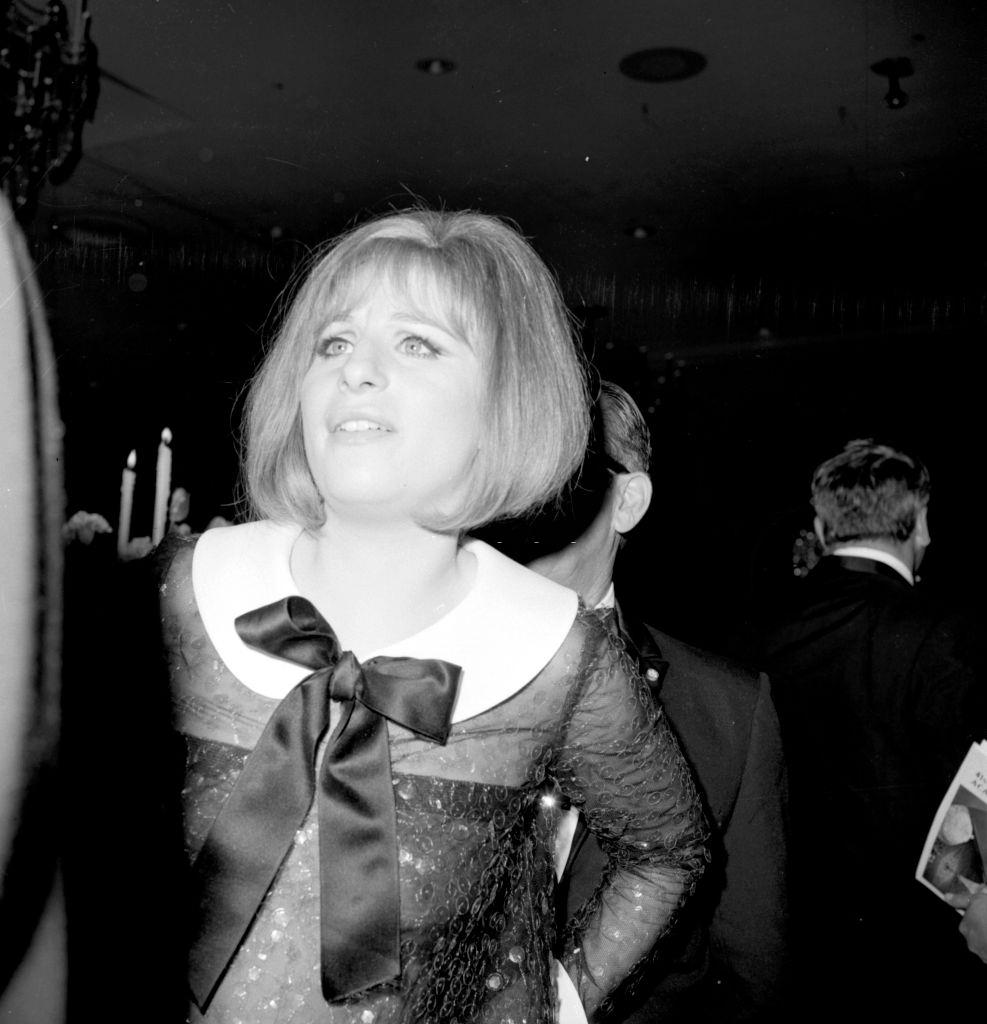
By 1960, Streisand was already making a name for herself on the New York club scene. Her voice was unlike anything audiences had heard, and she quickly attracted attention from industry insiders. She performed wherever she could, building a following before she had a record deal or a major role to her name.
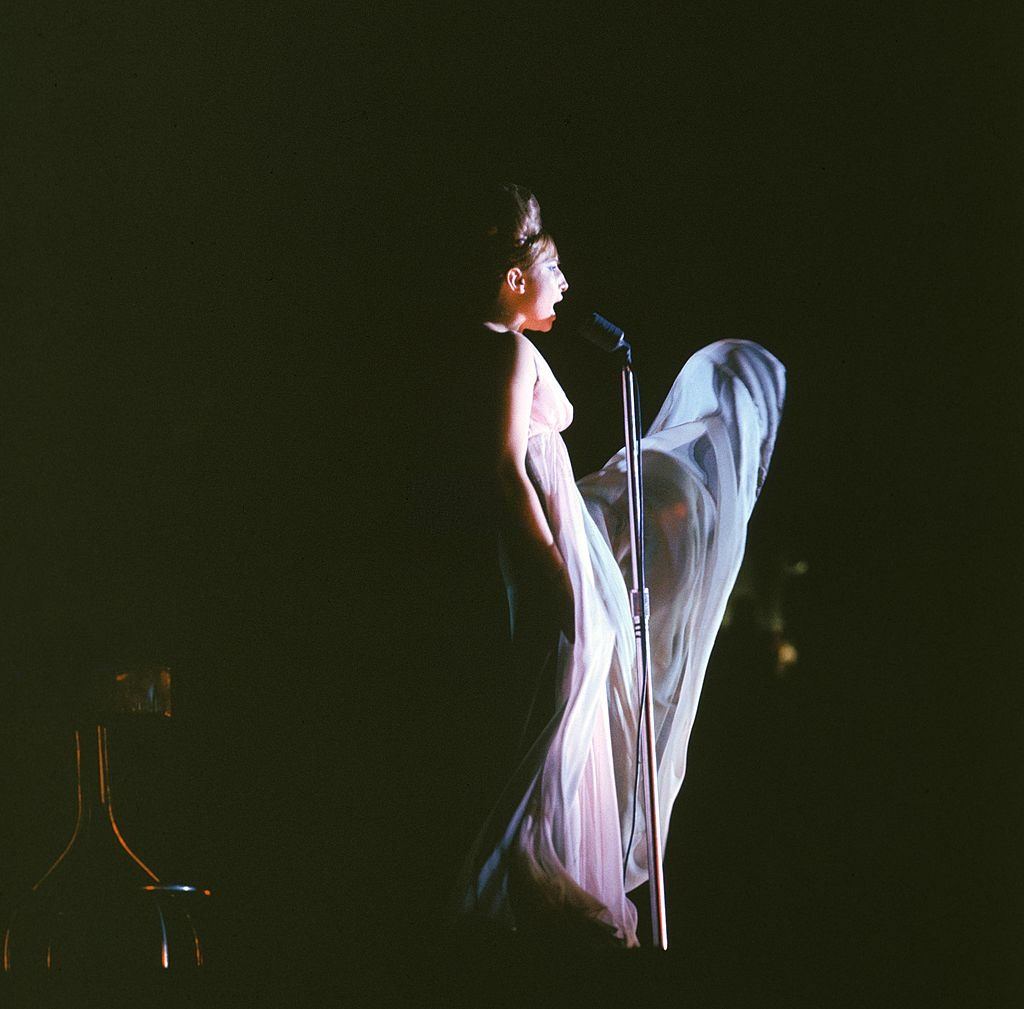
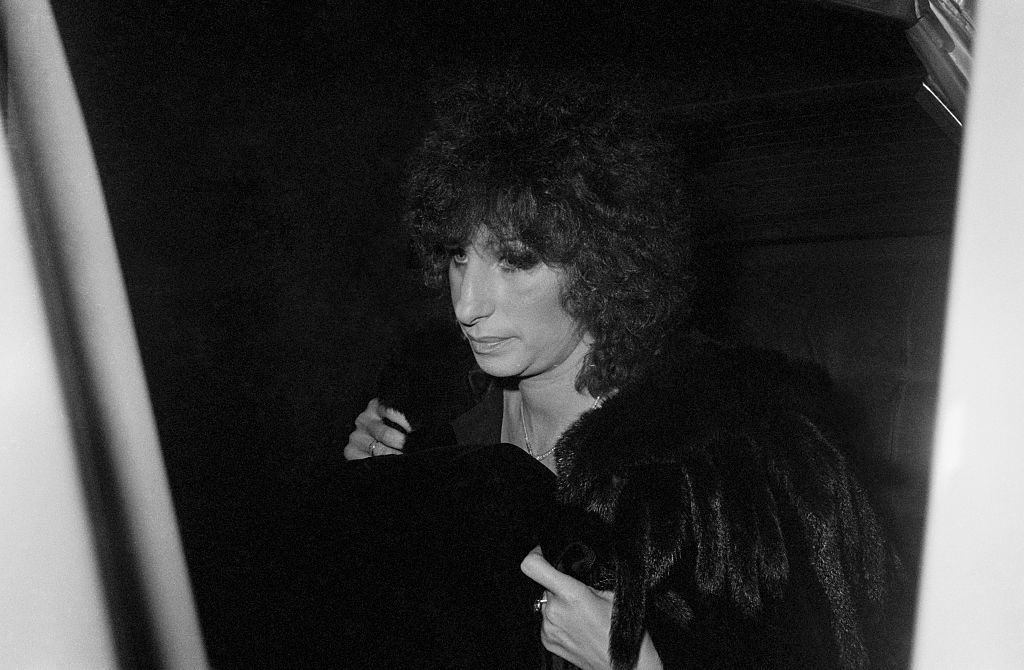
In 1962, Streisand made her Broadway debut in the musical “I Can Get It for You Wholesale” at the Shubert Theatre in New York. She played a small supporting role — Miss Marmelstein — but her show-stopping number brought audiences to their feet every night and earned her a Tony Award nomination. She was 19 years old.
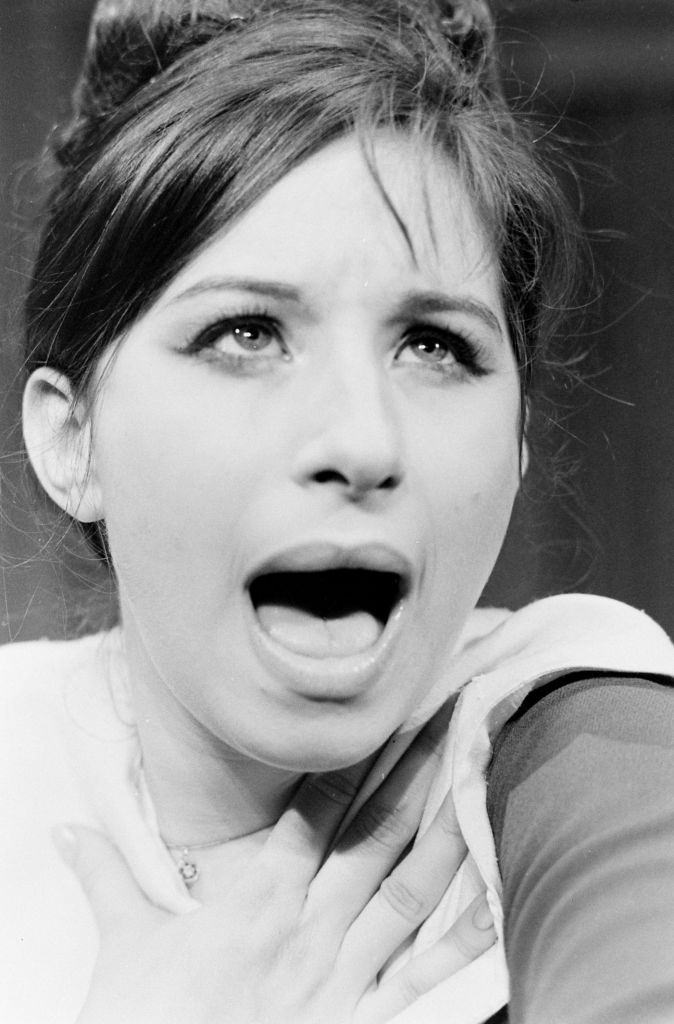
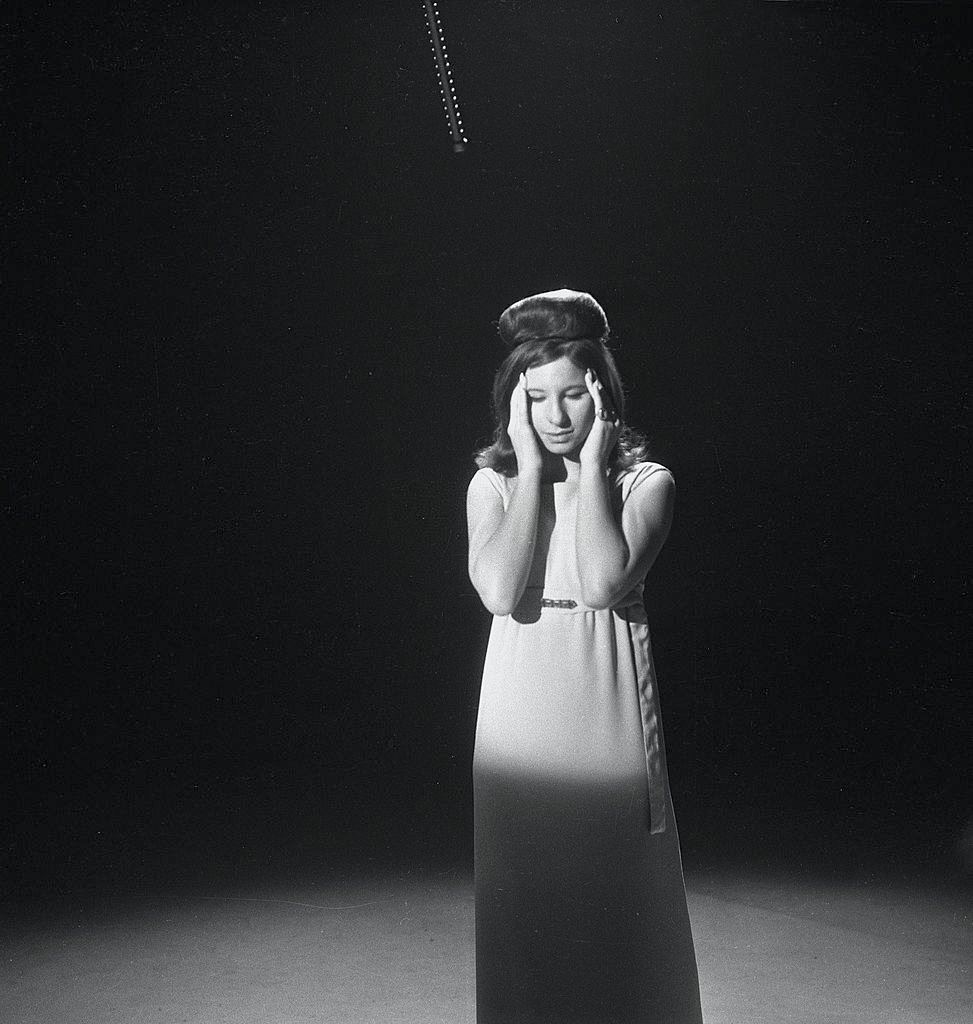
Her Broadway success opened doors fast. She signed with Columbia Records and released her debut album, “The Barbra Streisand Album,” in 1963. It was an immediate hit, winning two Grammy Awards, including Album of the Year. That same year, she married actor Elliott Gould. The two would go on to have one child together, a son named Jason, before divorcing after eight years.
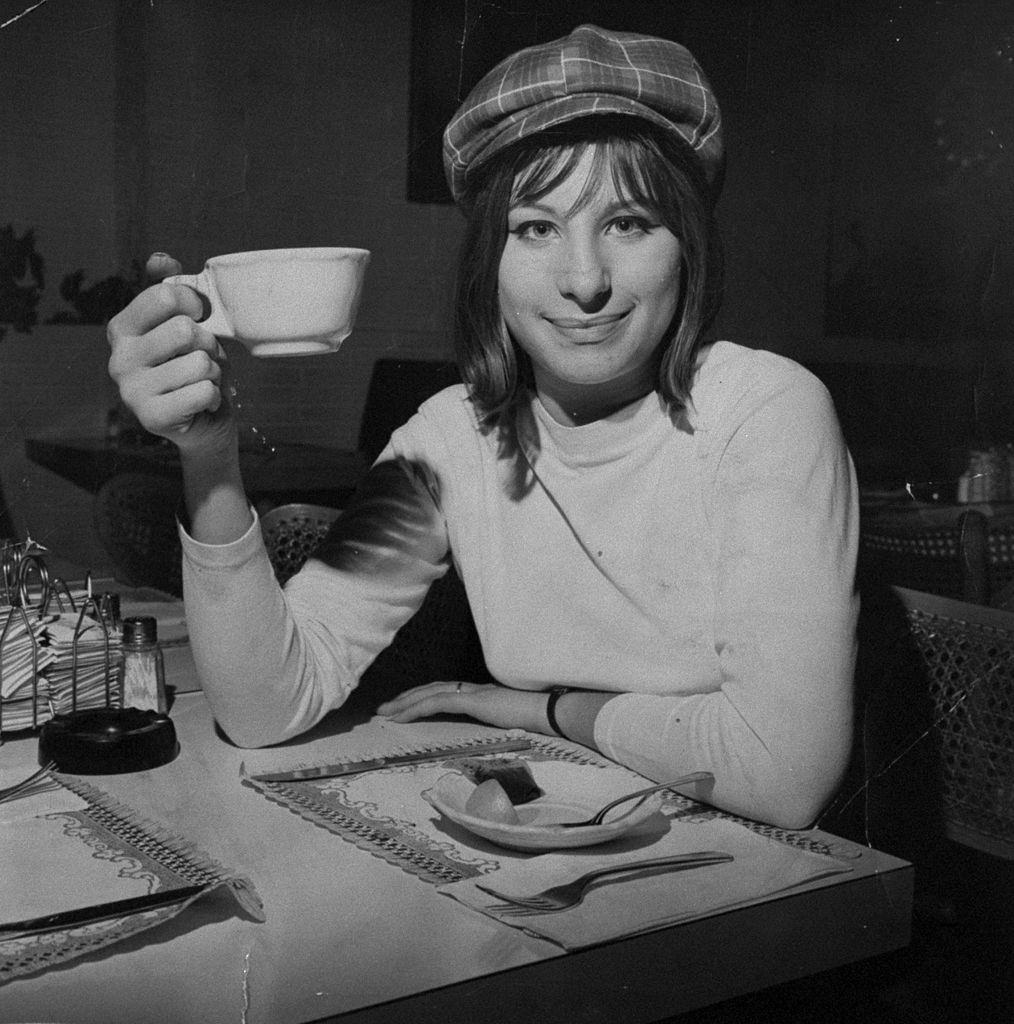
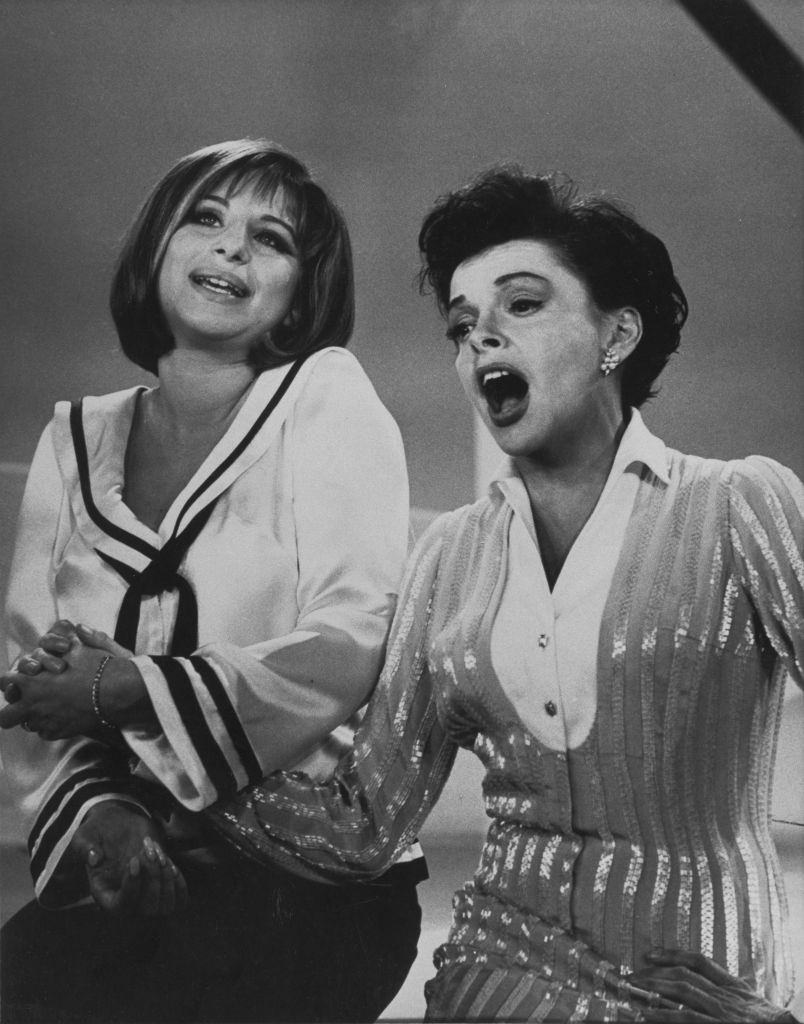
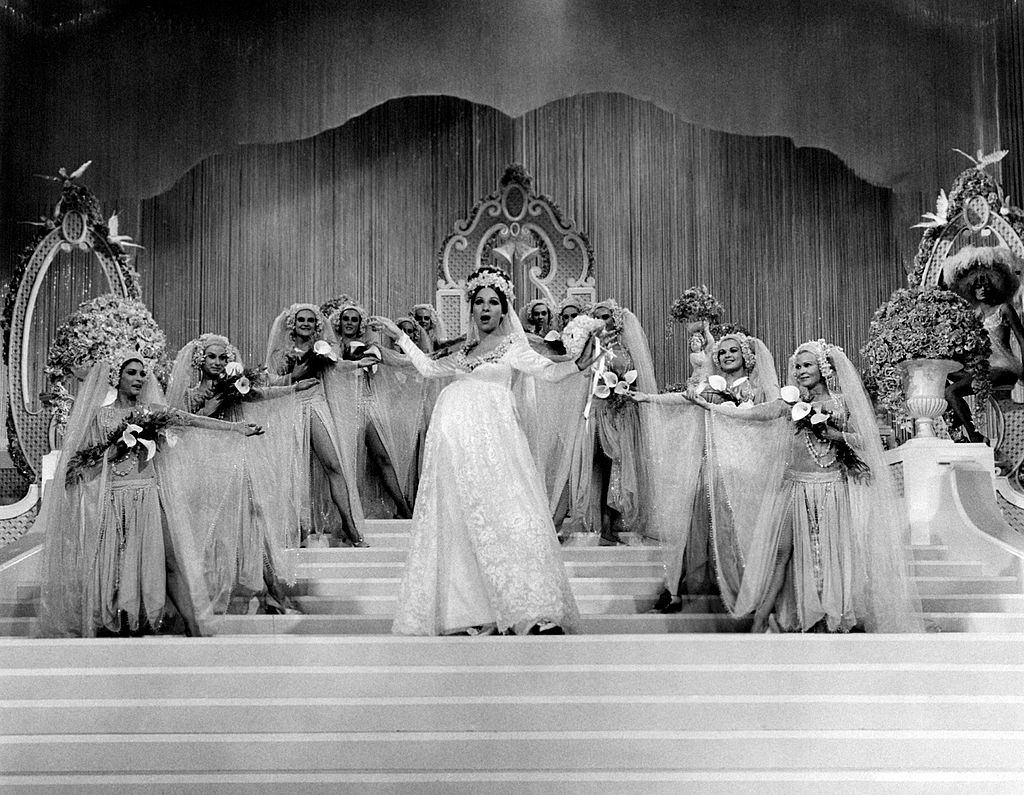
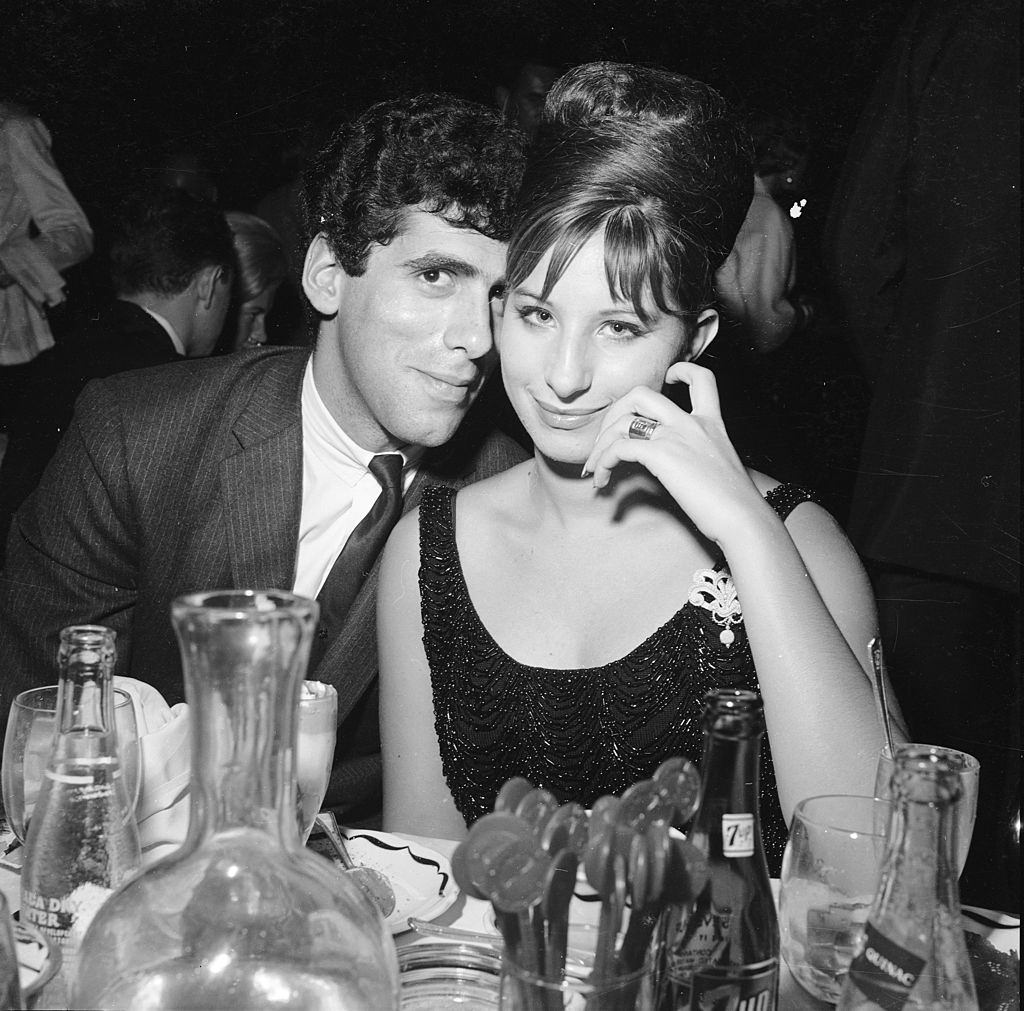
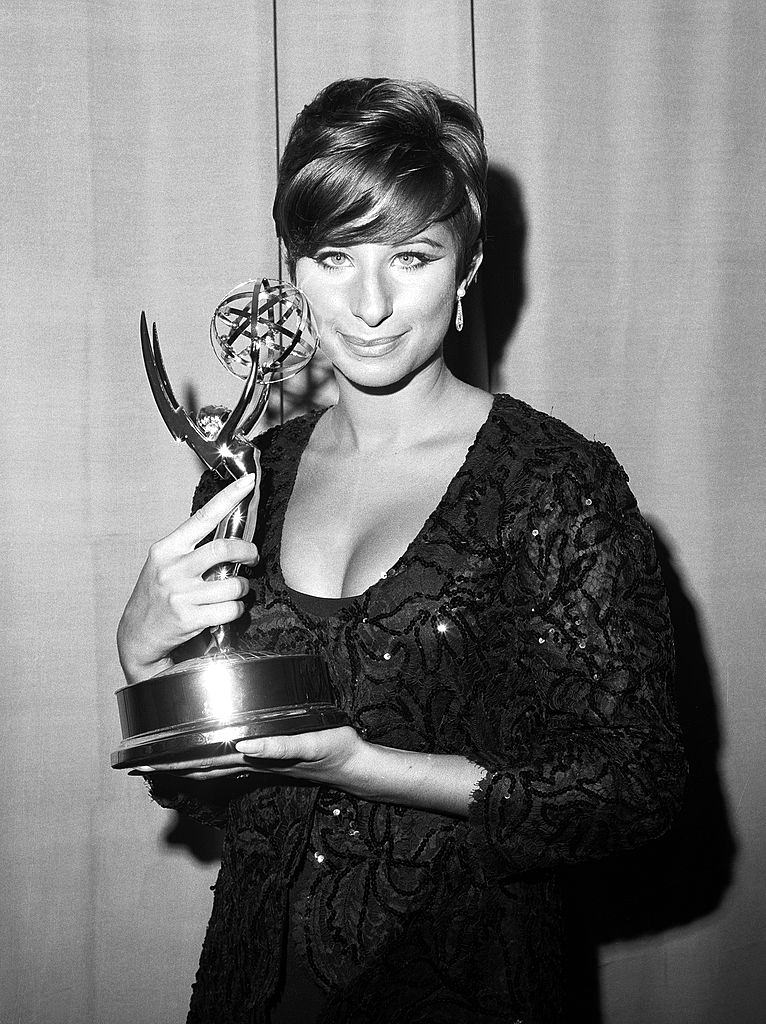
In 1964, Streisand took on the role that would define her early career: Fanny Brice in the Broadway musical “Funny Girl.” The role fit her perfectly — a funny, sharp, deeply talented woman fighting for recognition. It made her a full-fledged Broadway star. That same year, she also made her television debut with the special “My Name Is Barbra,” which went on to win five Emmy Awards.
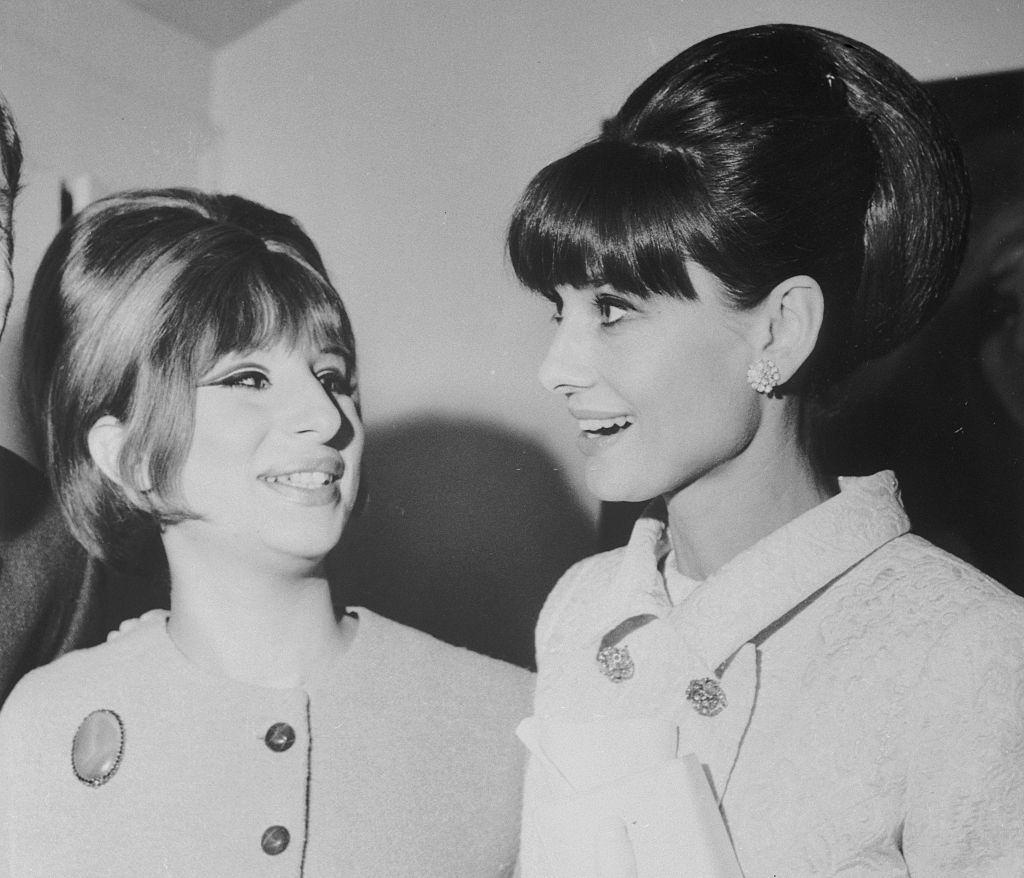
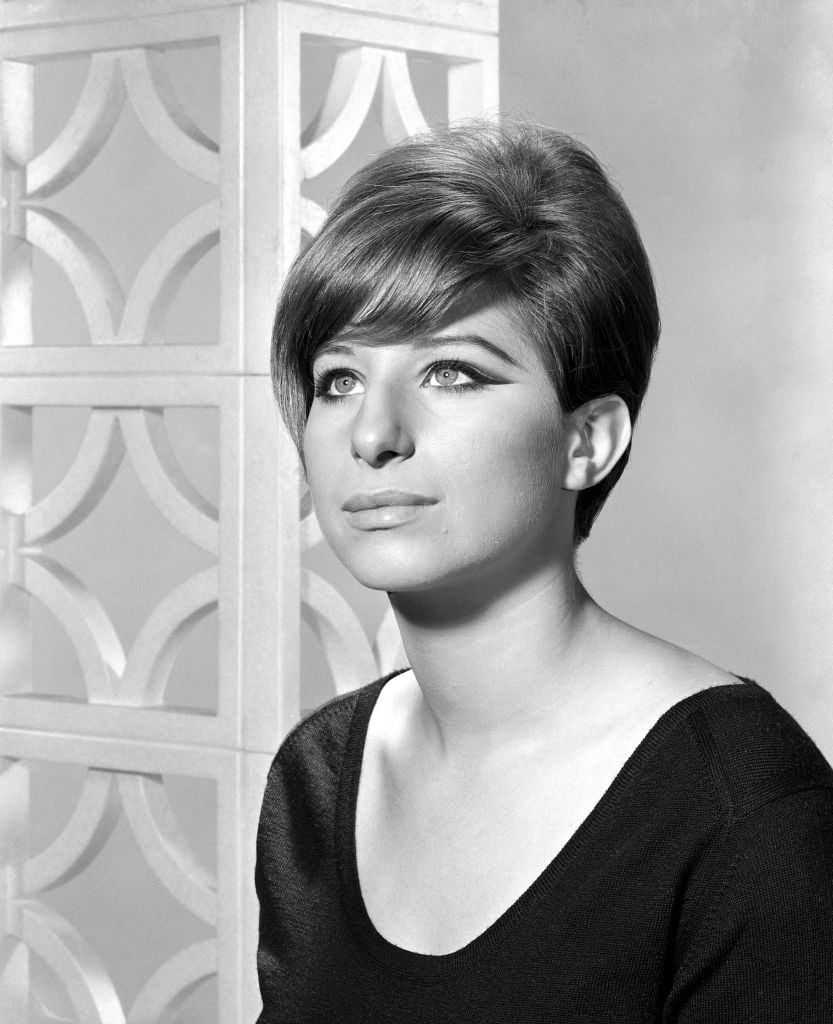
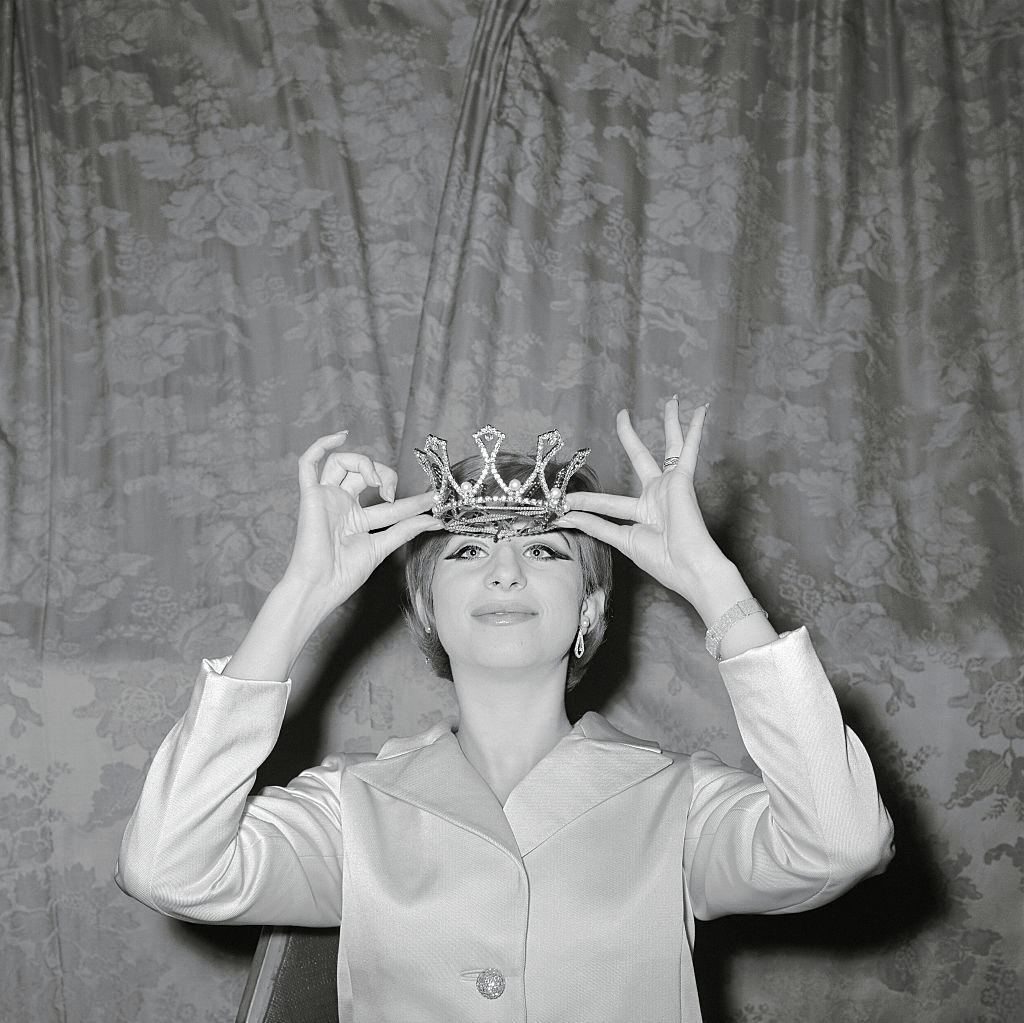
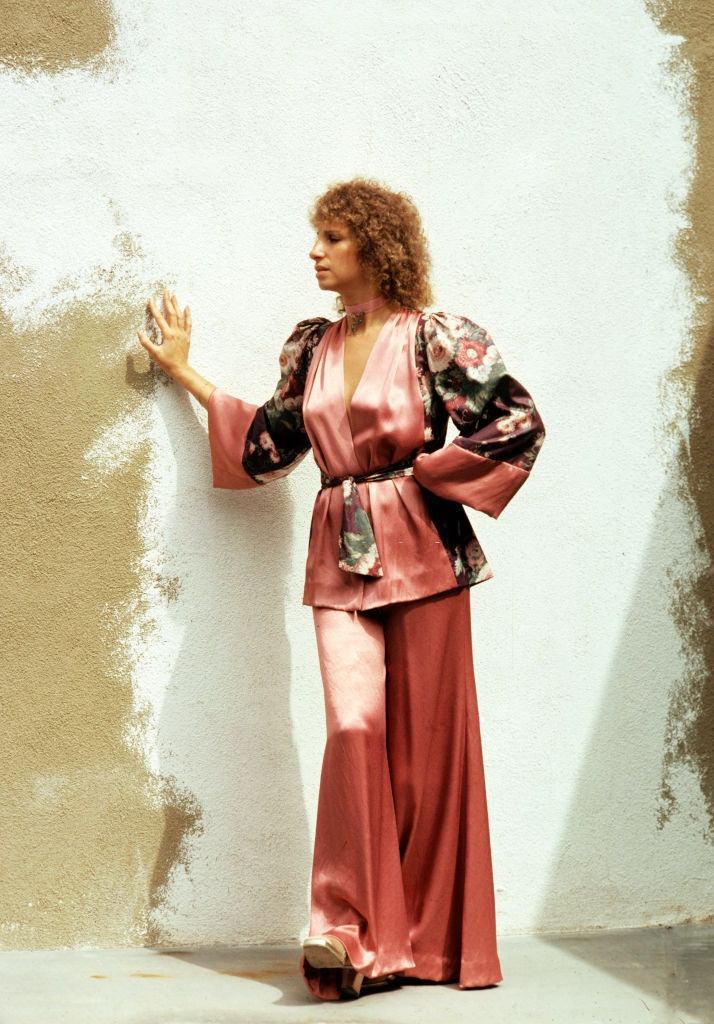
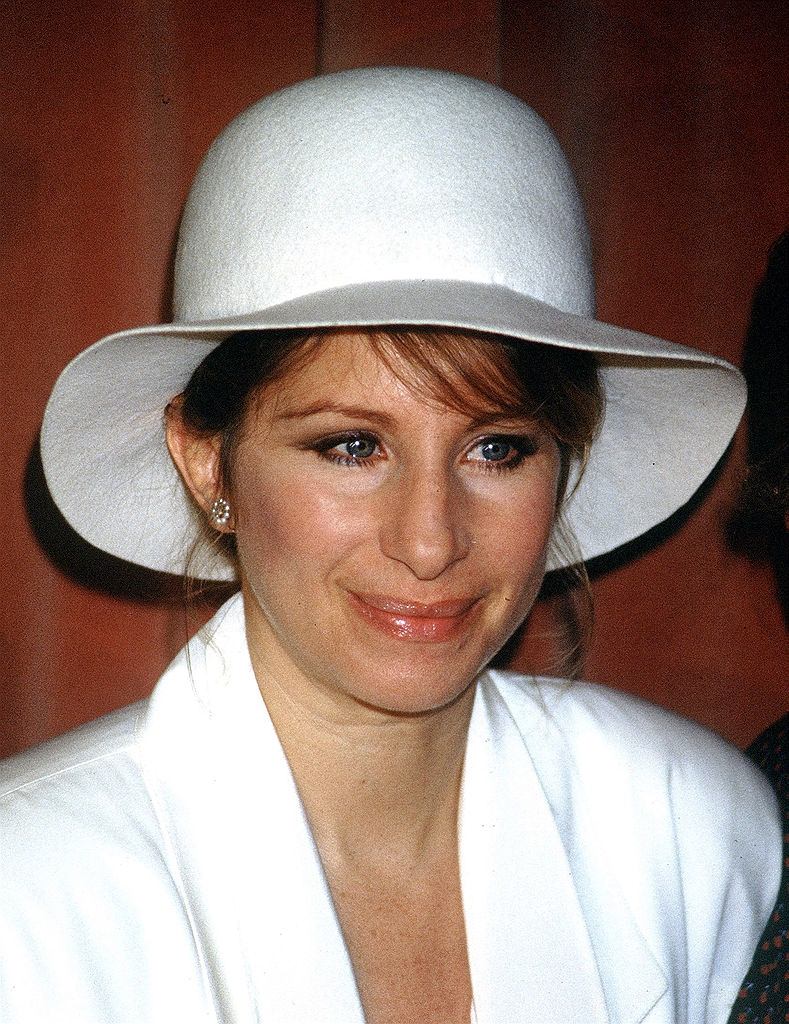
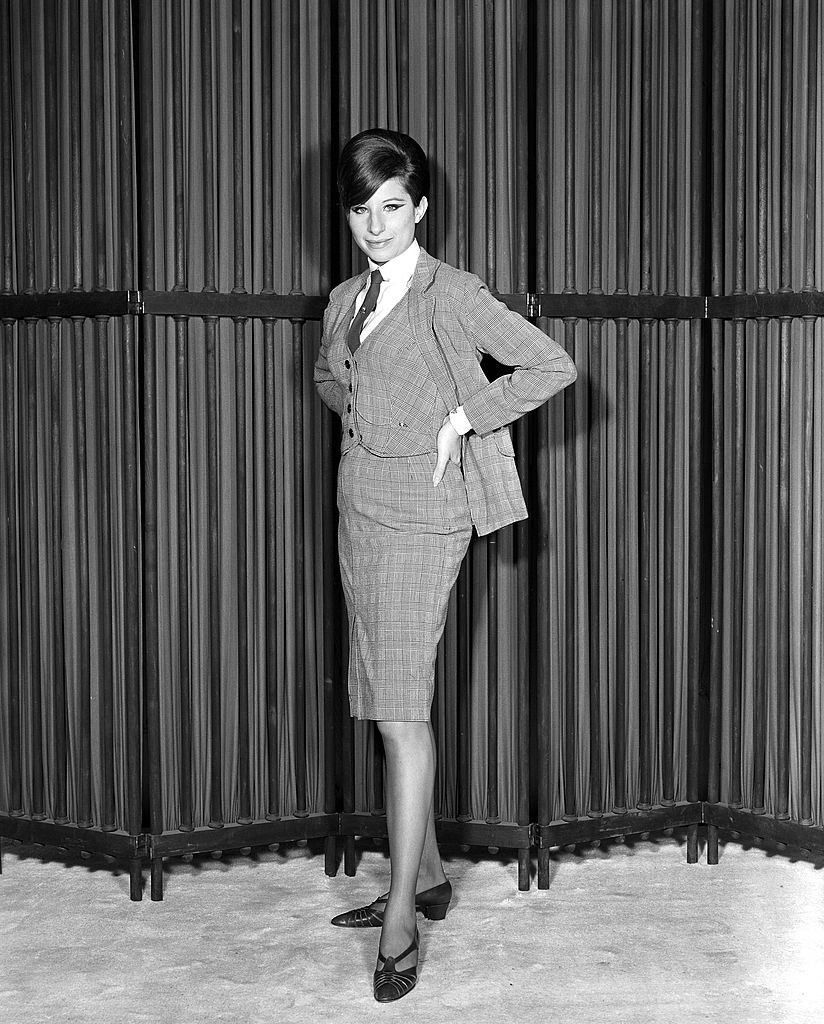
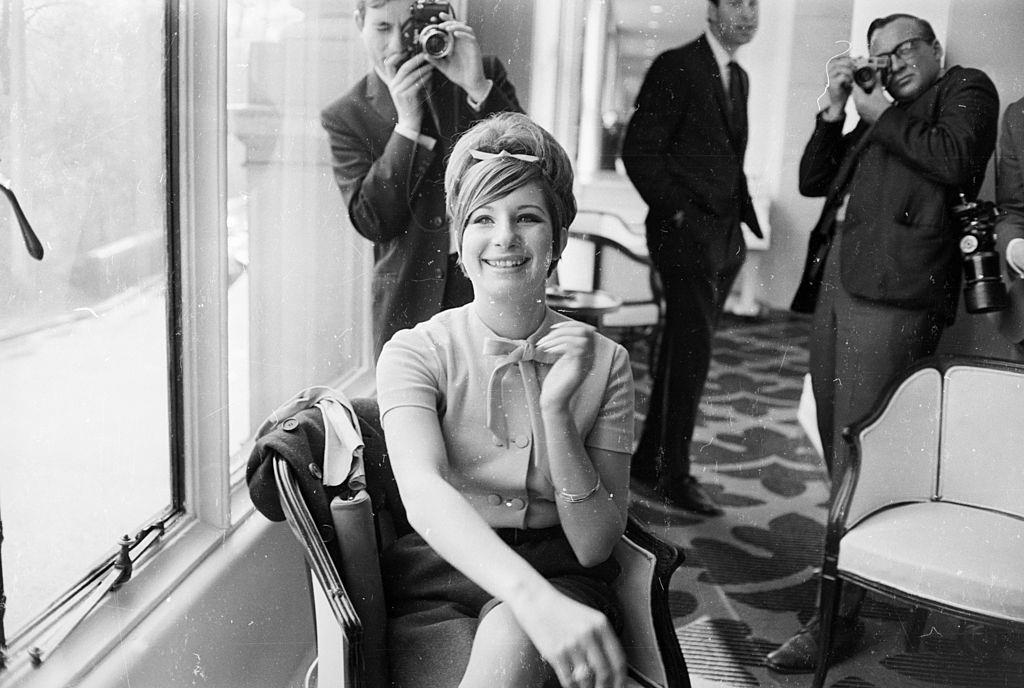
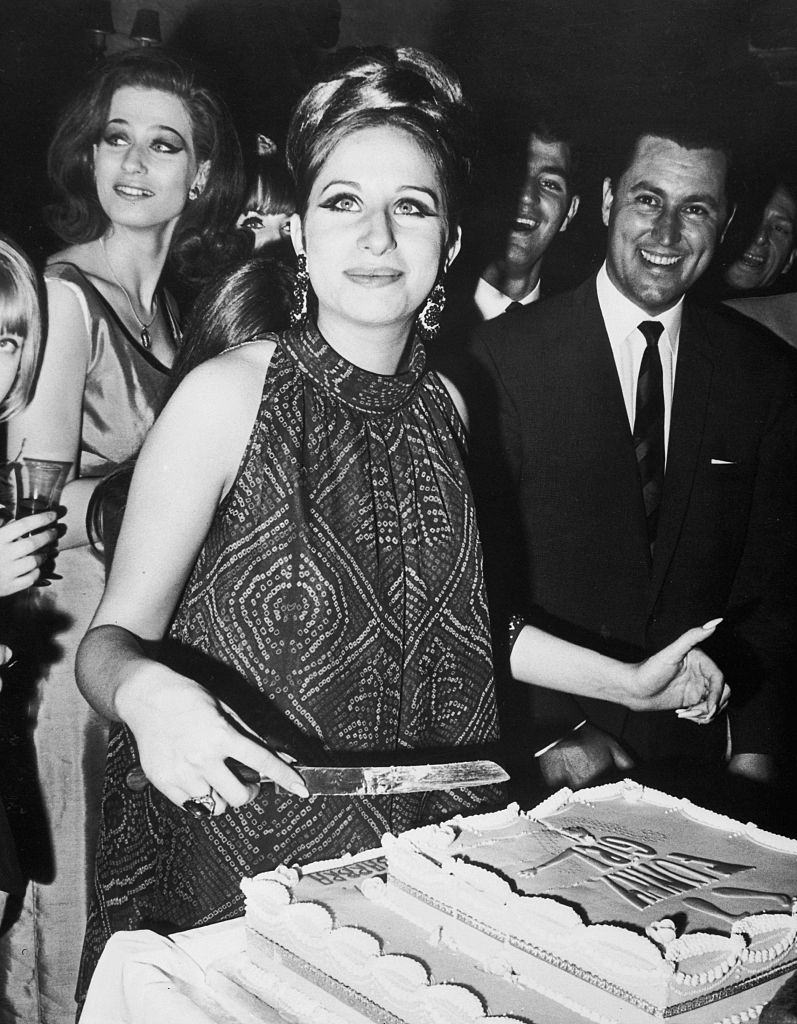
By 1965, Streisand was everywhere. She appeared on television specials, graced magazine covers, and was photographed at nearly every major cultural event in New York. Her fashion choices were bold and theatrical — whether wearing a top hat, a fuchsia silk gown, or a three-piece suit, she commanded attention. Her “My Name Is Barbra” special earned her a shelf full of Emmys and cemented her status as a television draw.
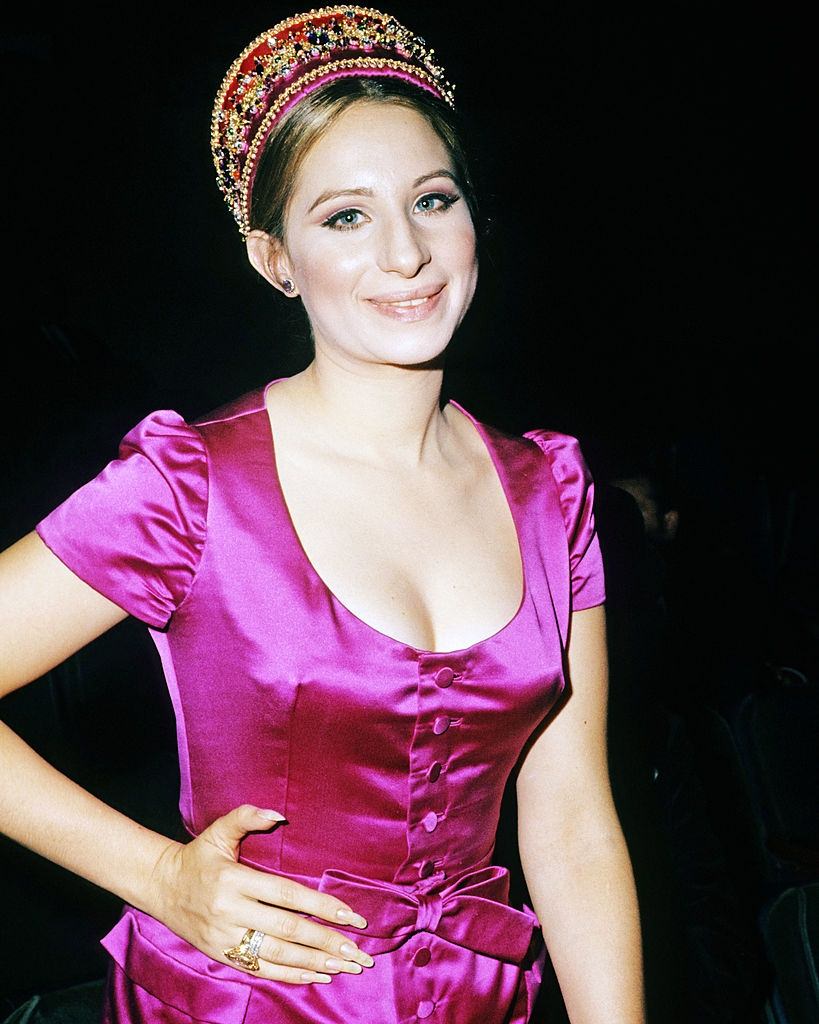
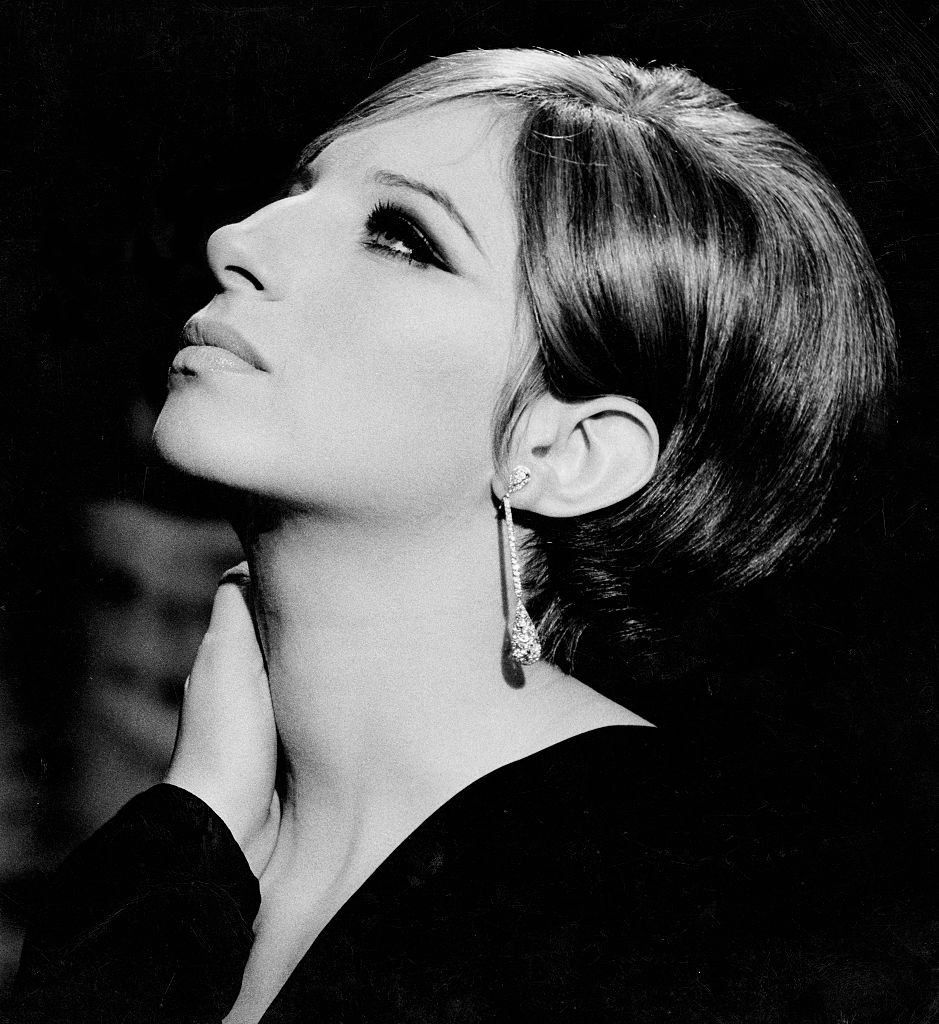
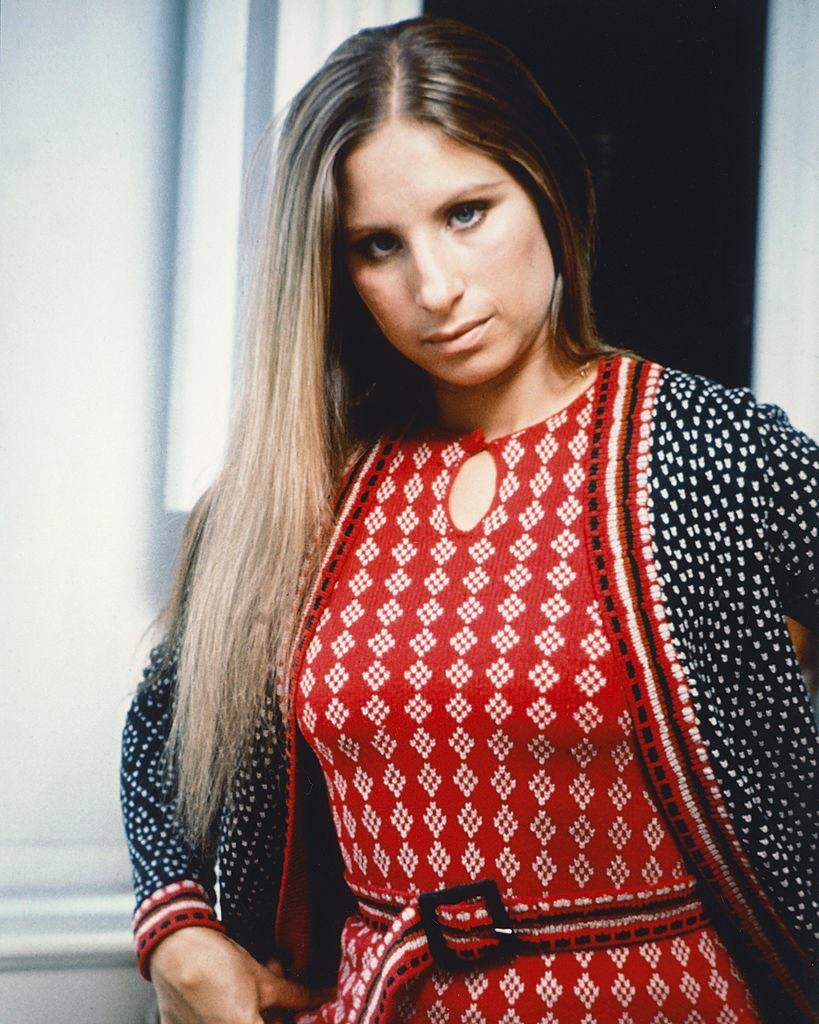
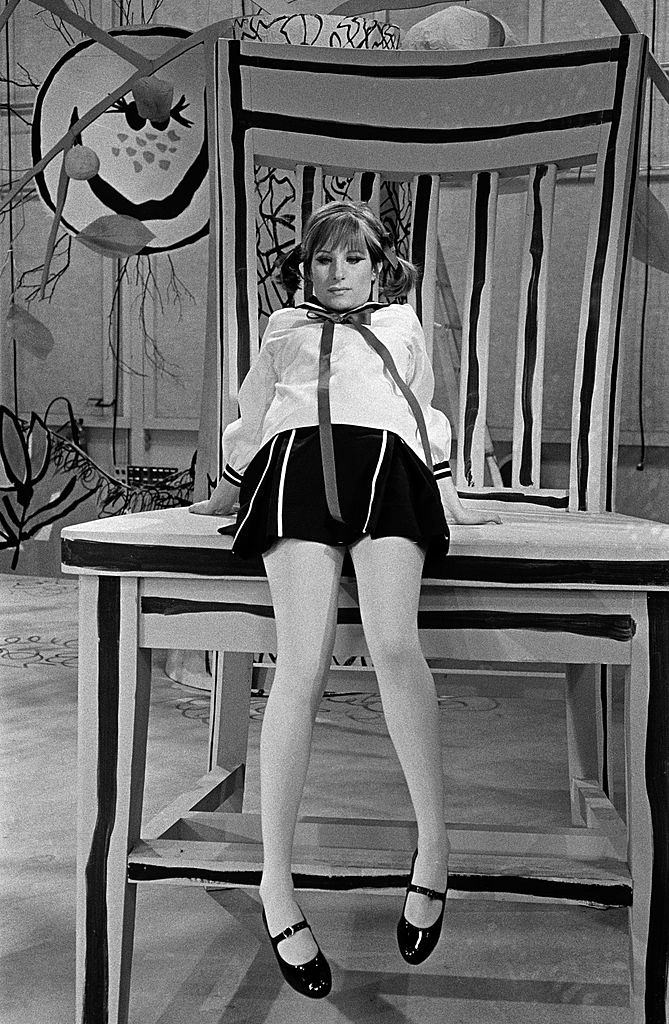
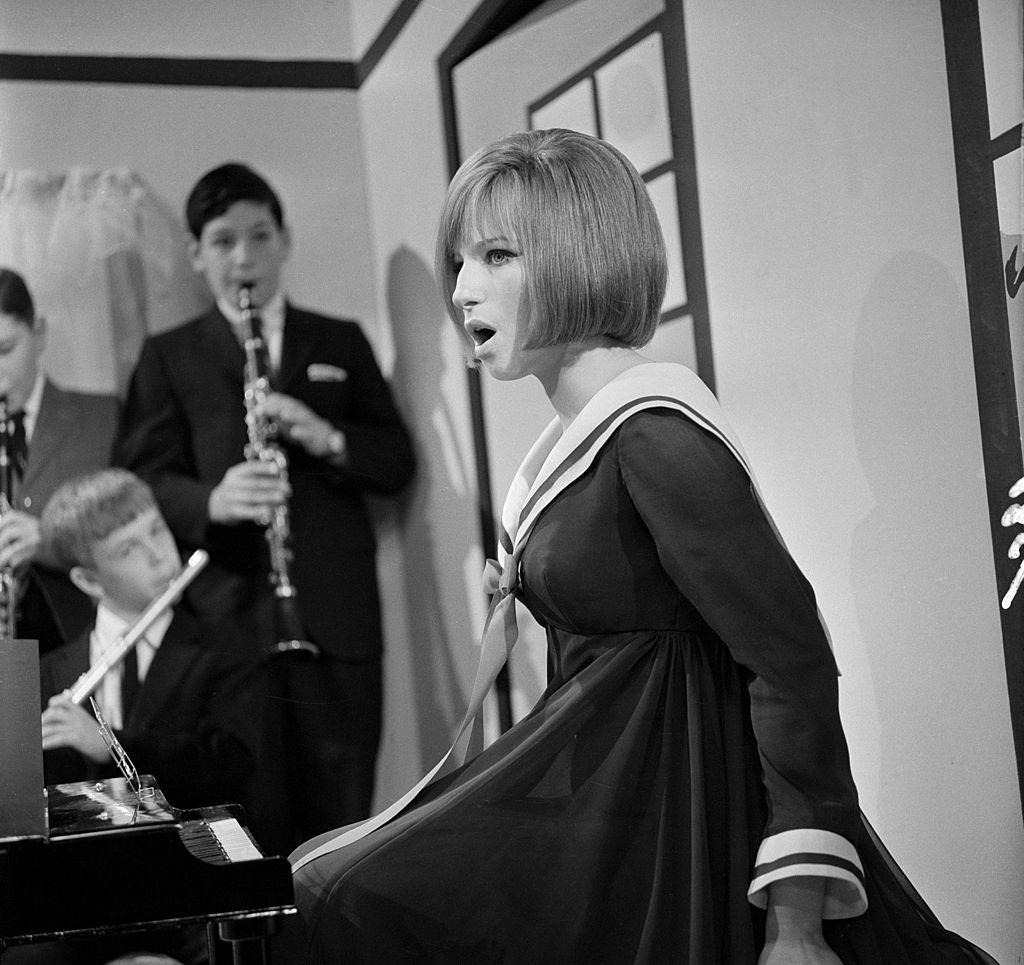
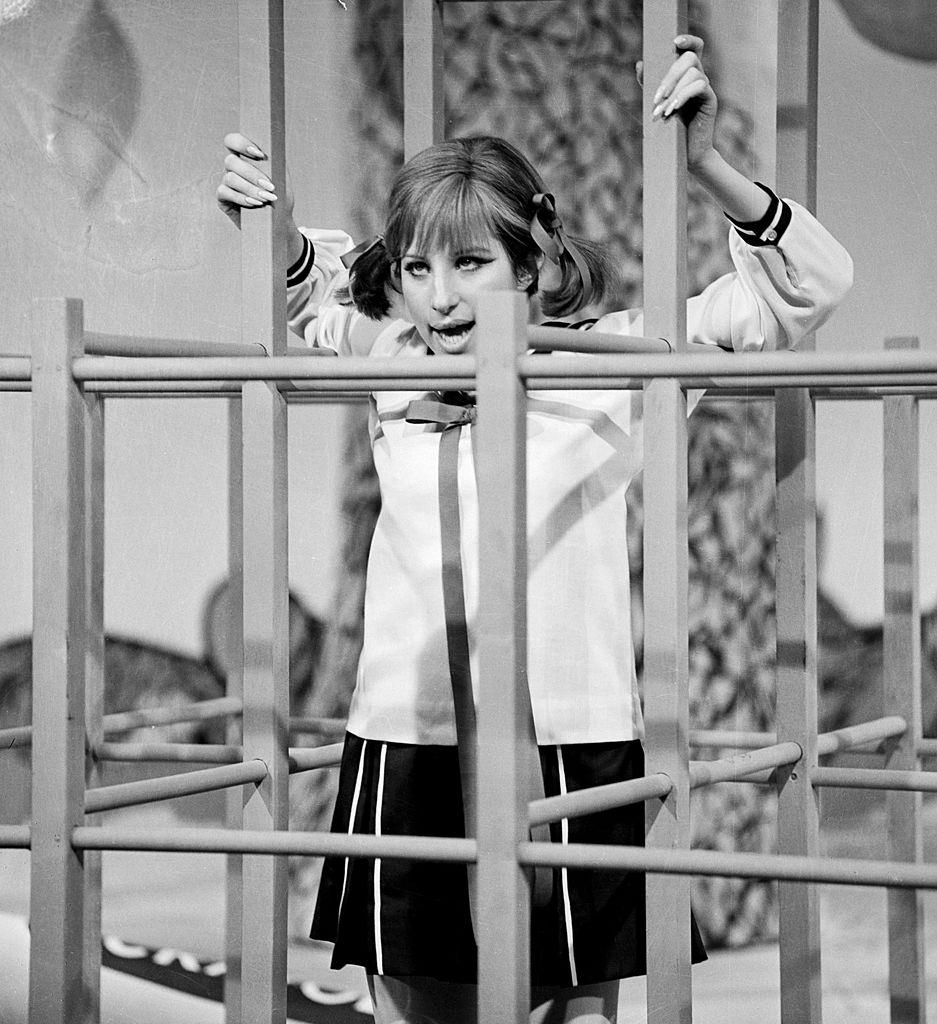
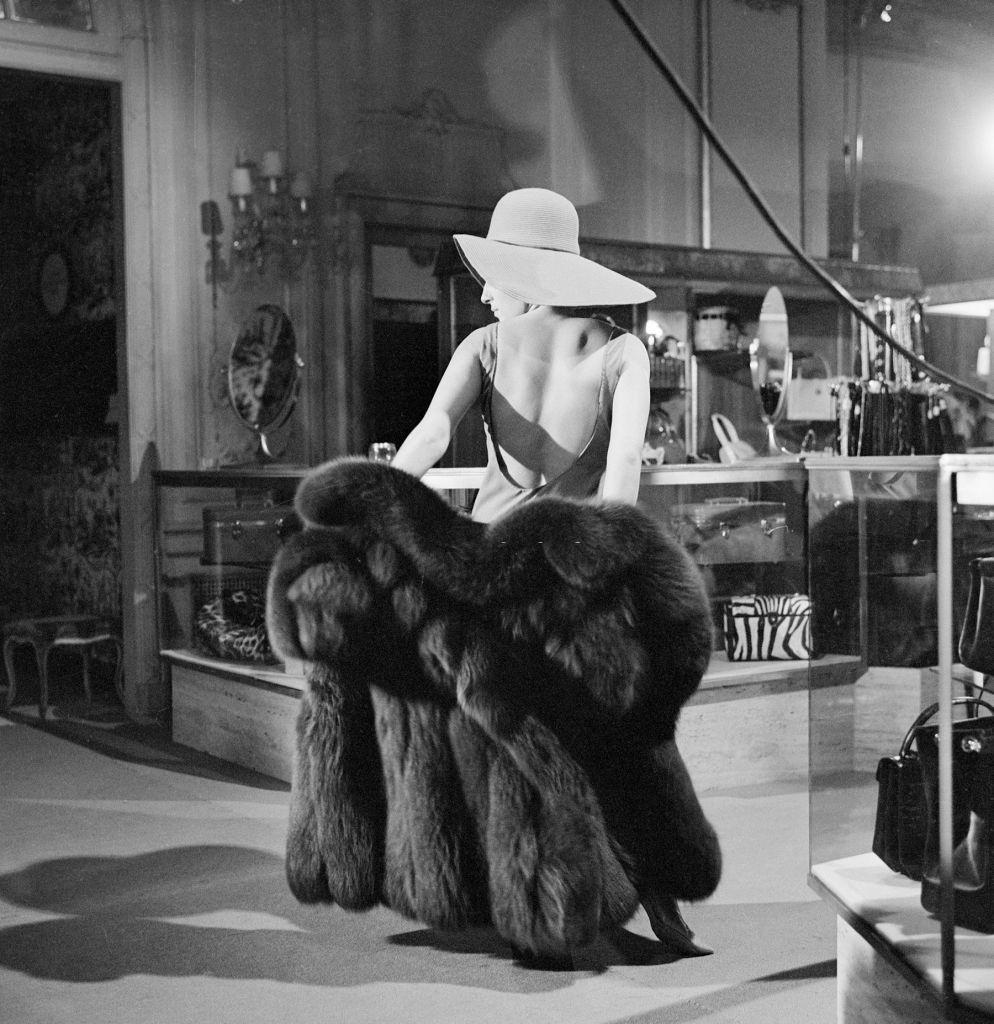
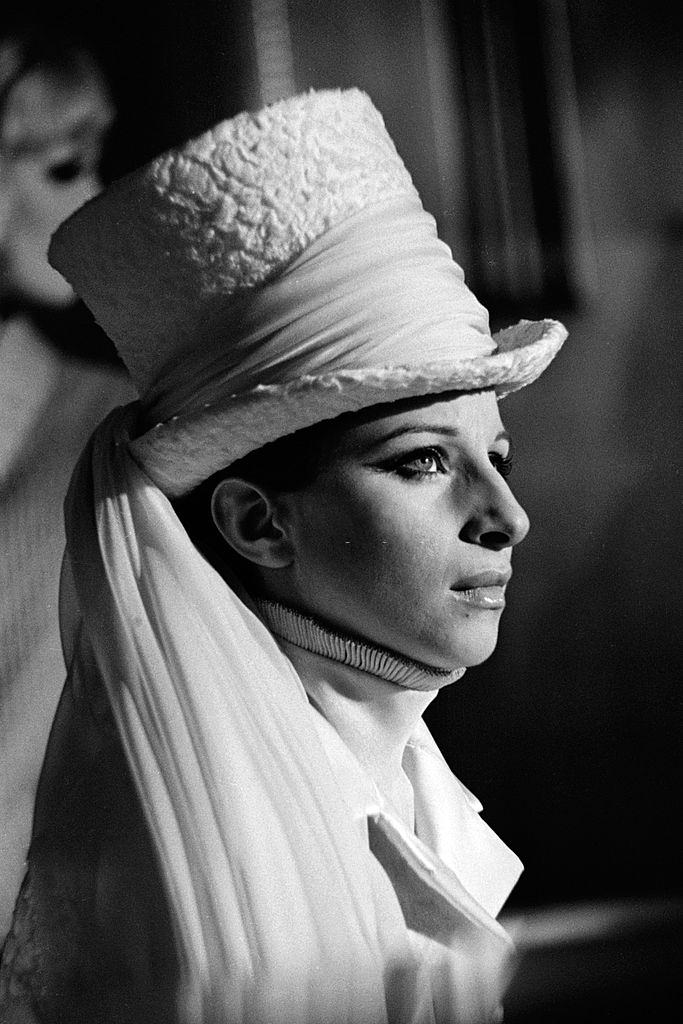
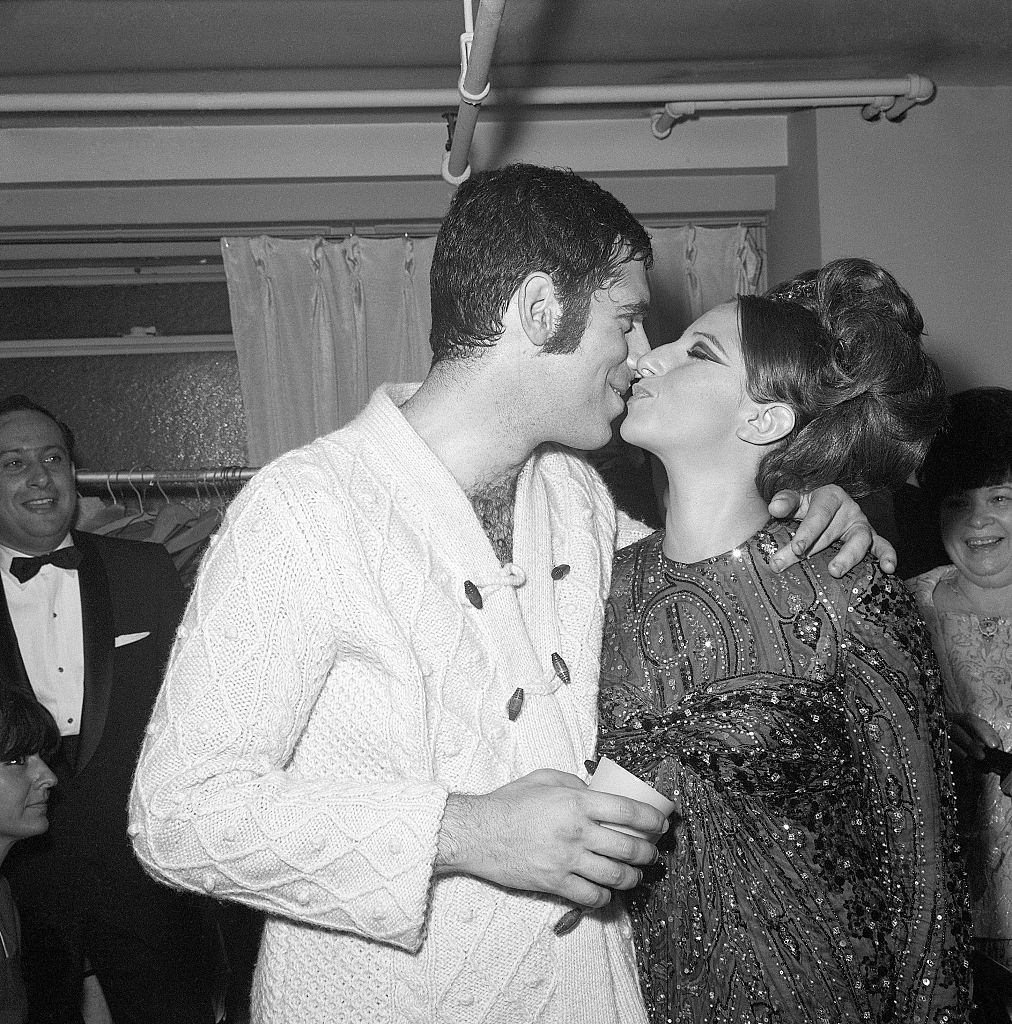
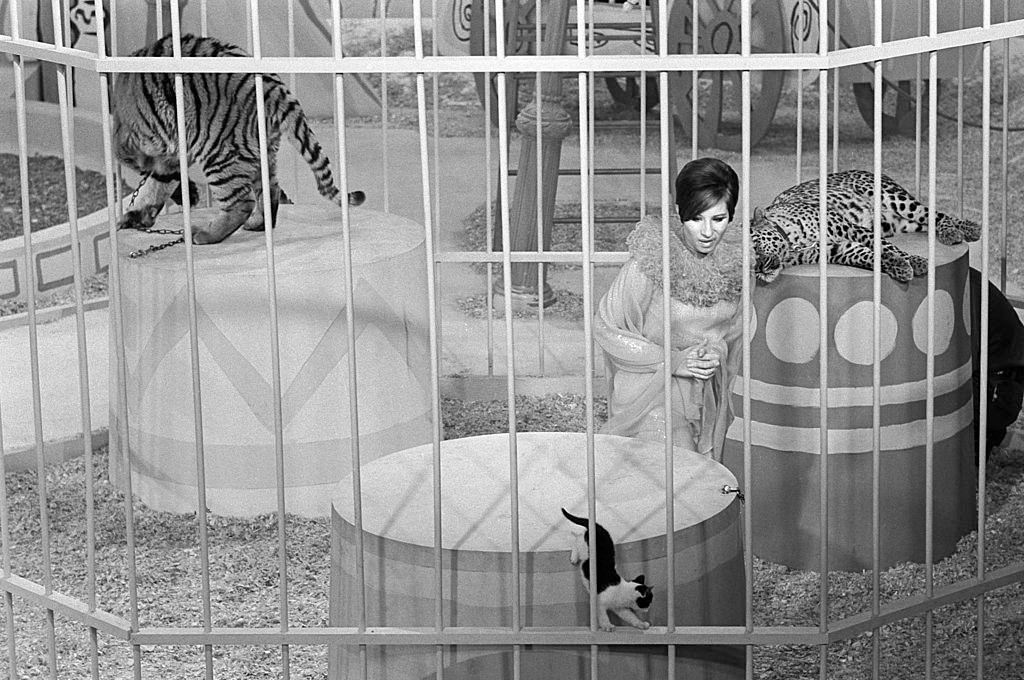
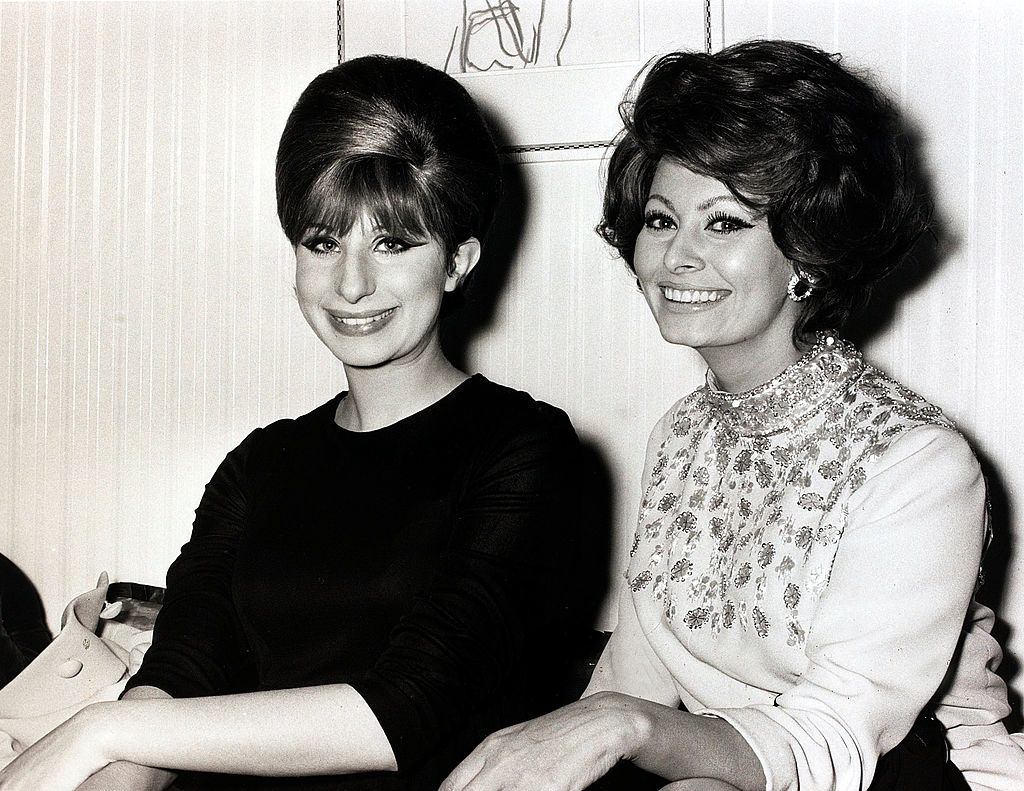
In 1966, Streisand followed up “My Name Is Barbra” with a second CBS television special, “Color Me Barbra.” It aired in color — a big deal at the time — and featured Streisand performing in a museum, a circus, and on a bare stage. Press photographers chased her constantly, and she was regularly photographed alongside other major stars of the era.
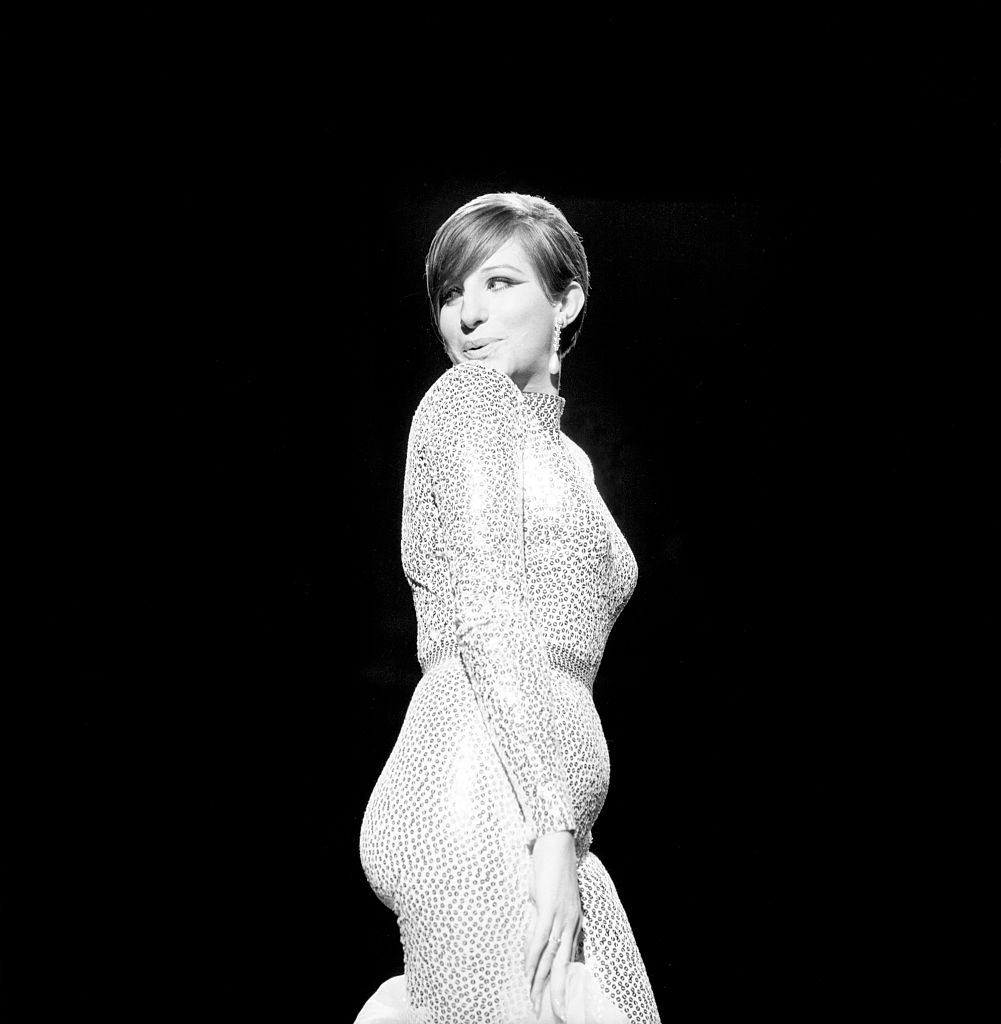
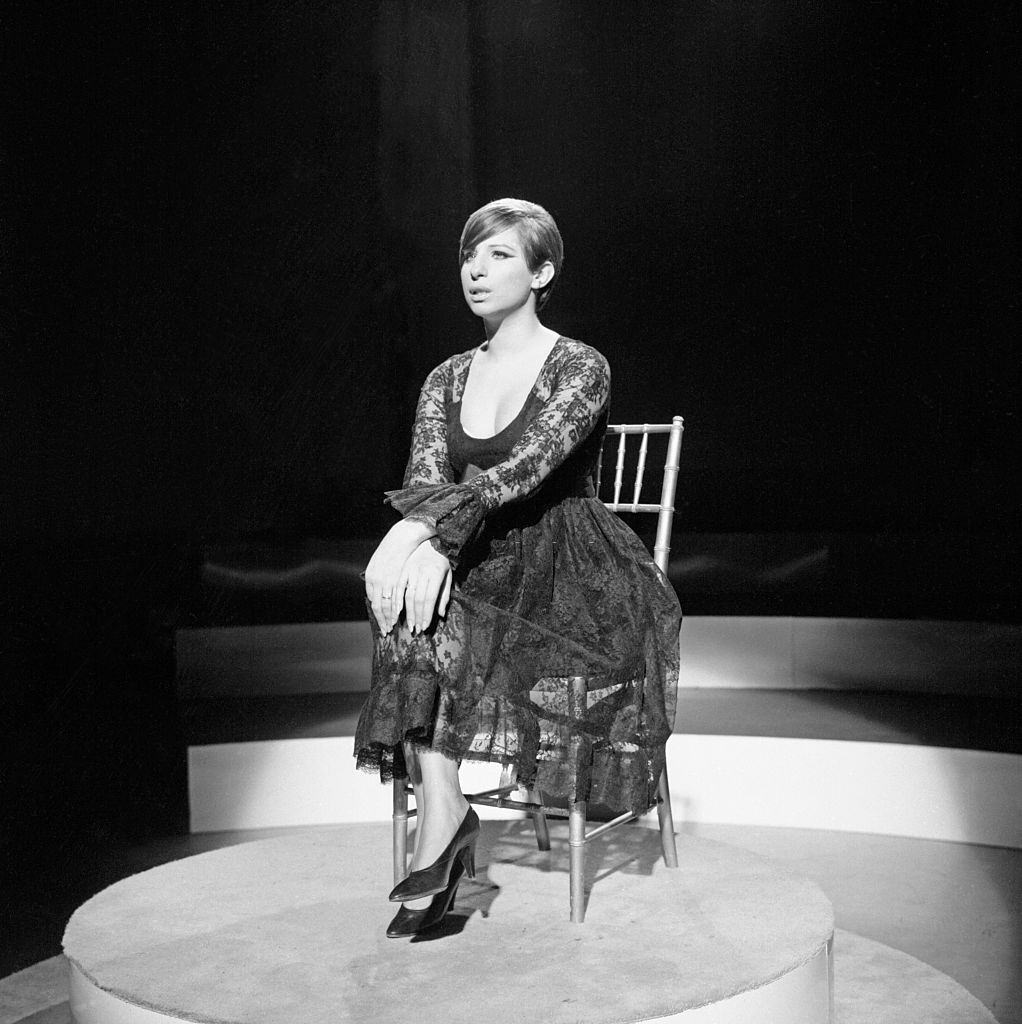
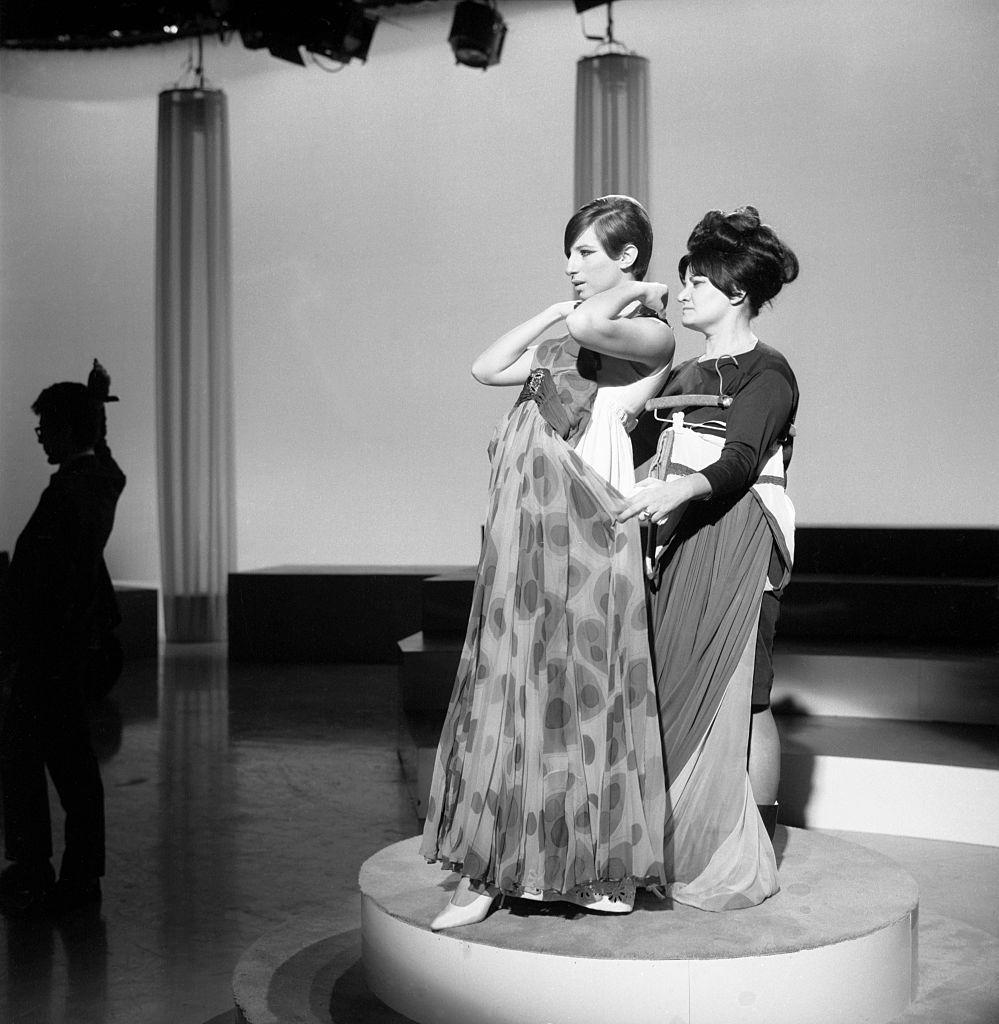
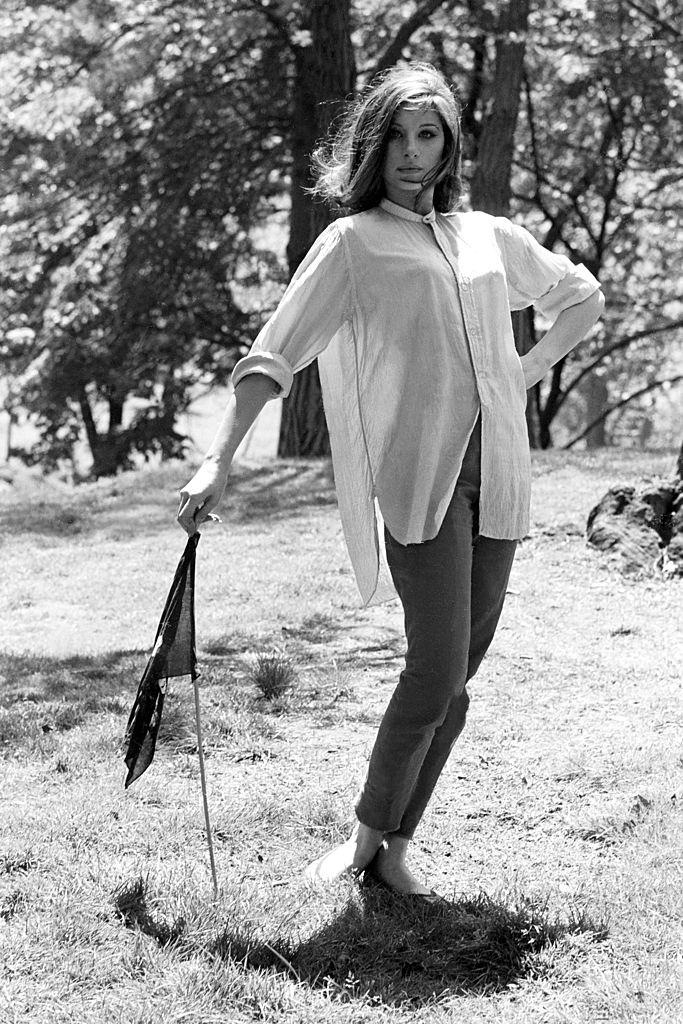
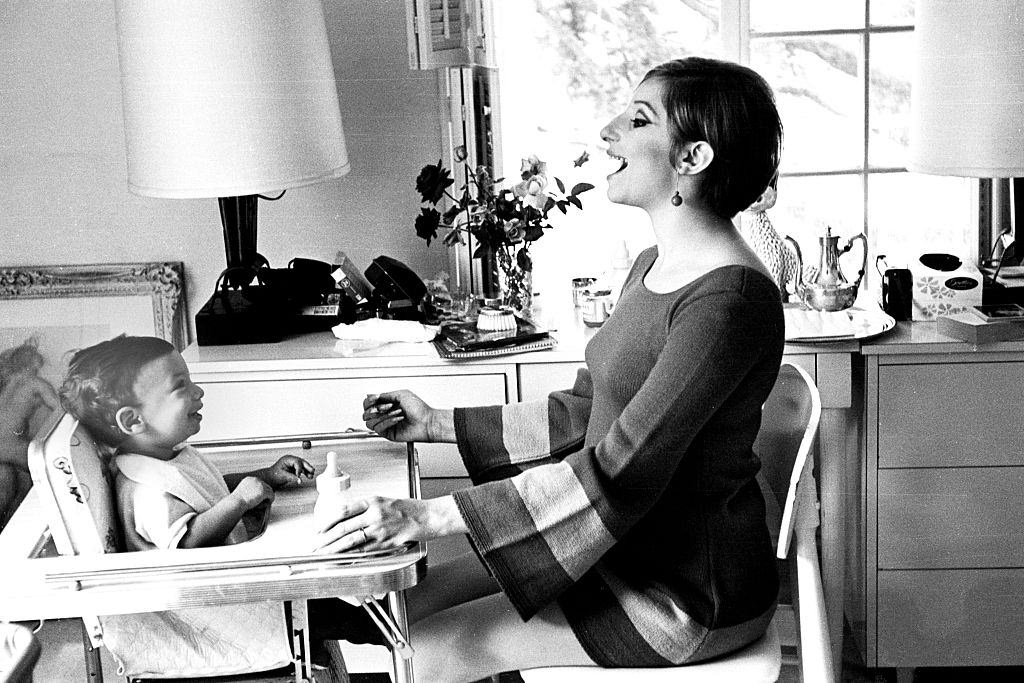
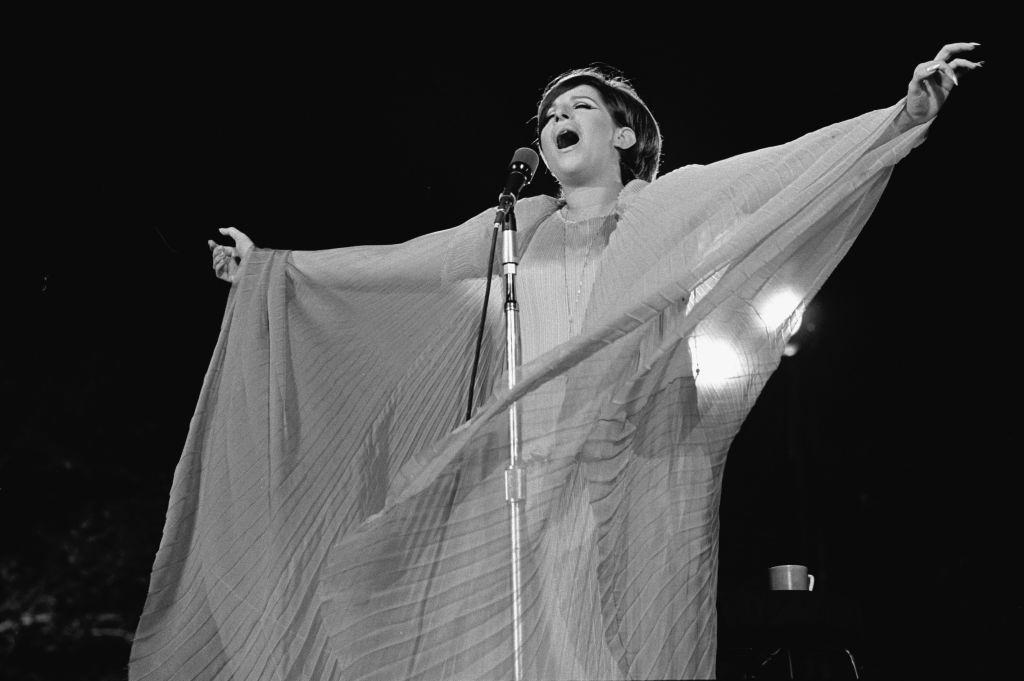
Her 1967 free concert in Central Park drew an estimated 135,000 people — one of the largest audiences ever assembled for a single performer in New York City at that time. By then, she was also a mother. She and Elliott Gould welcomed son Jason in 1966, and photos from 1967 show her balancing life at home with a relentlessly busy career.
Streisand’s big-screen debut came in 1968 with the film version of “Funny Girl,” in which she reprised her role as Fanny Brice opposite Omar Sharif. The film was both a critical and commercial success, earning Streisand the Academy Award for Best Actress — which she tied with Katharine Hepburn, the only tied win in the award’s history. She was 26 years old.
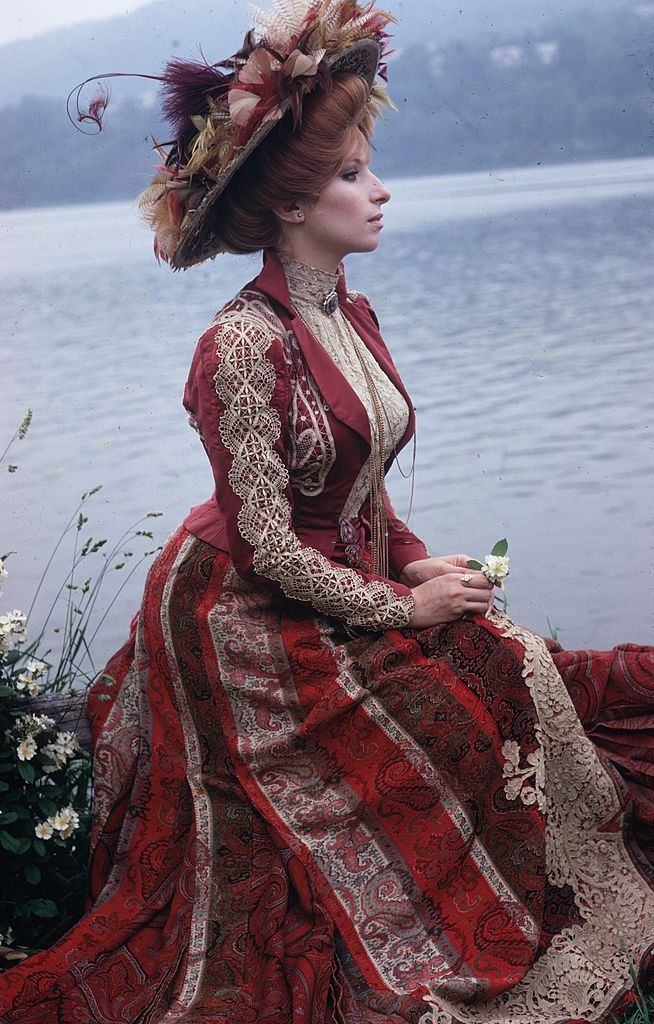
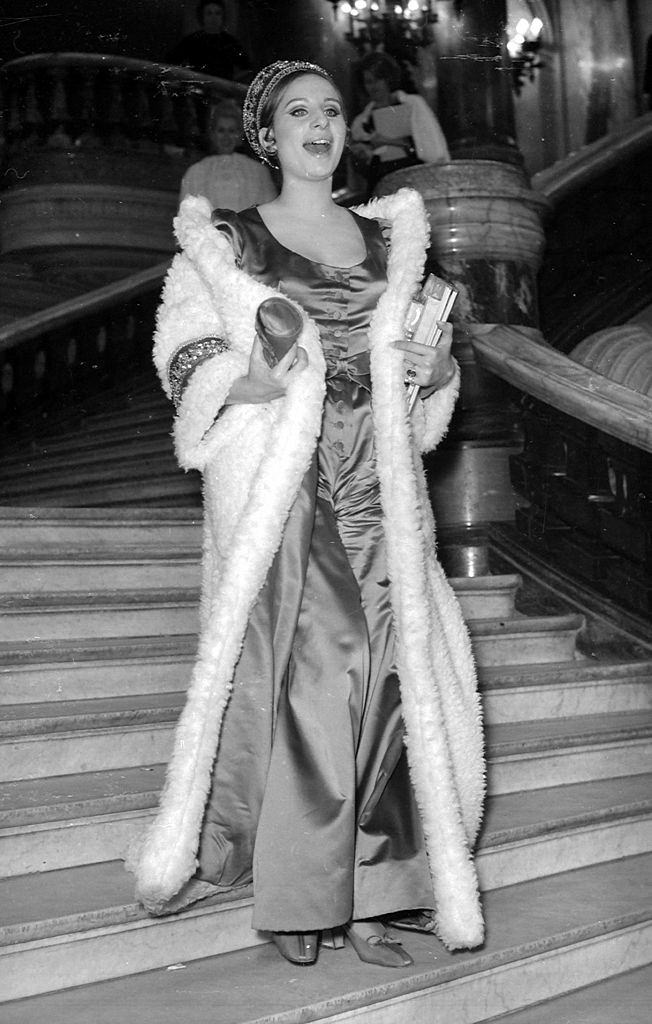
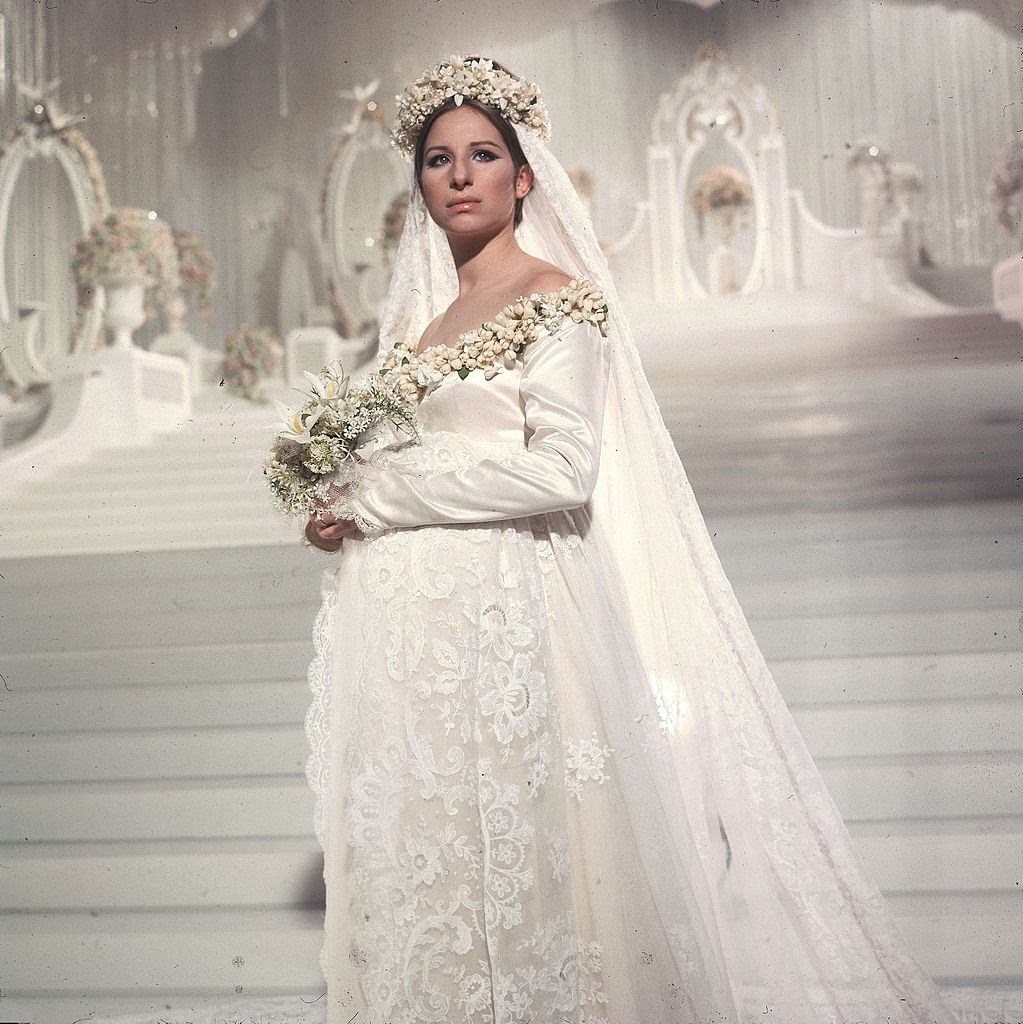
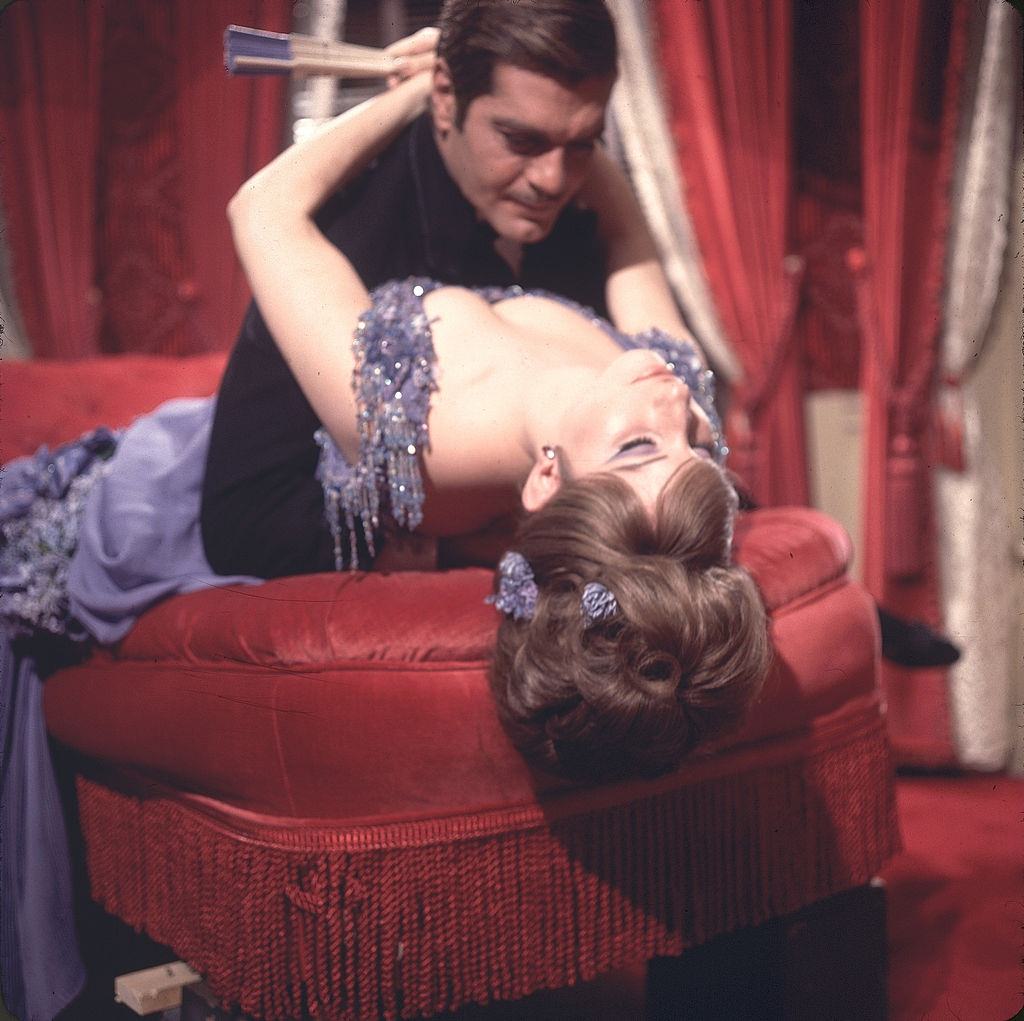
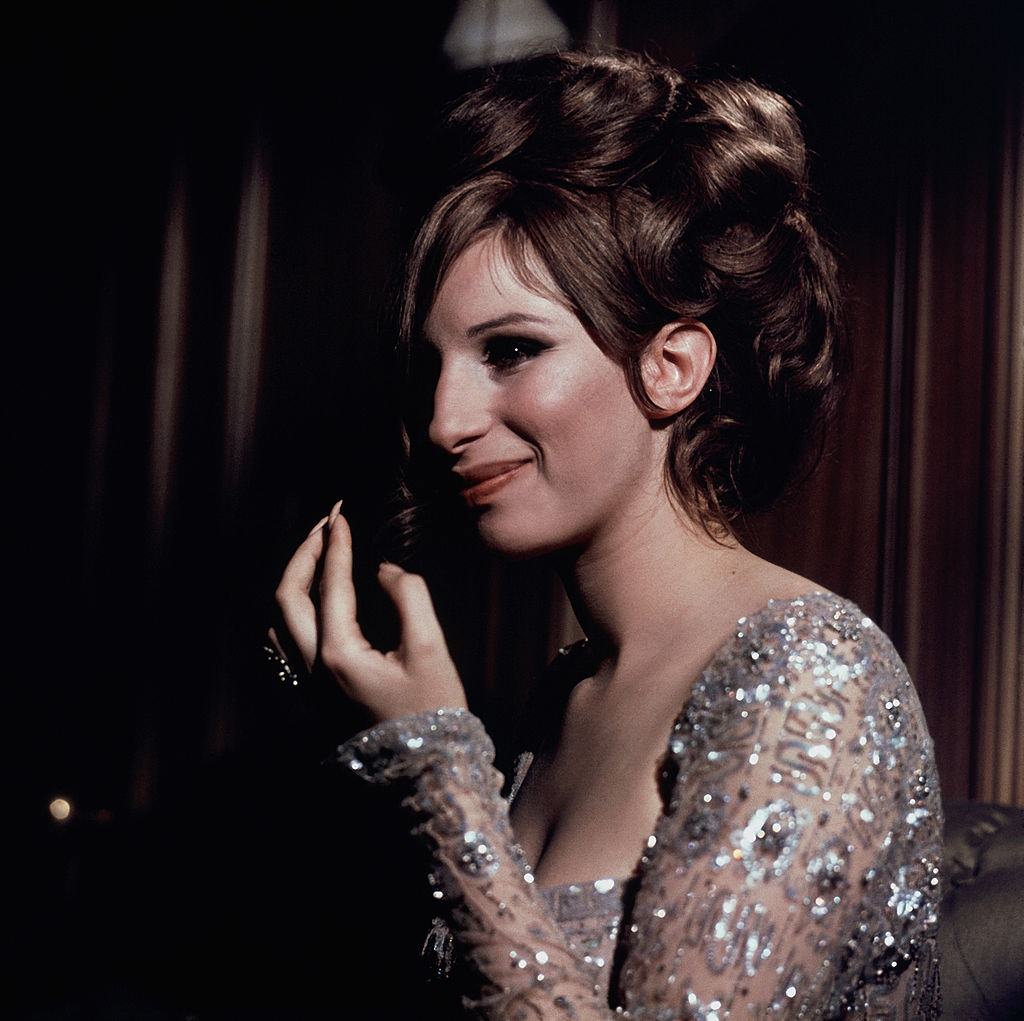
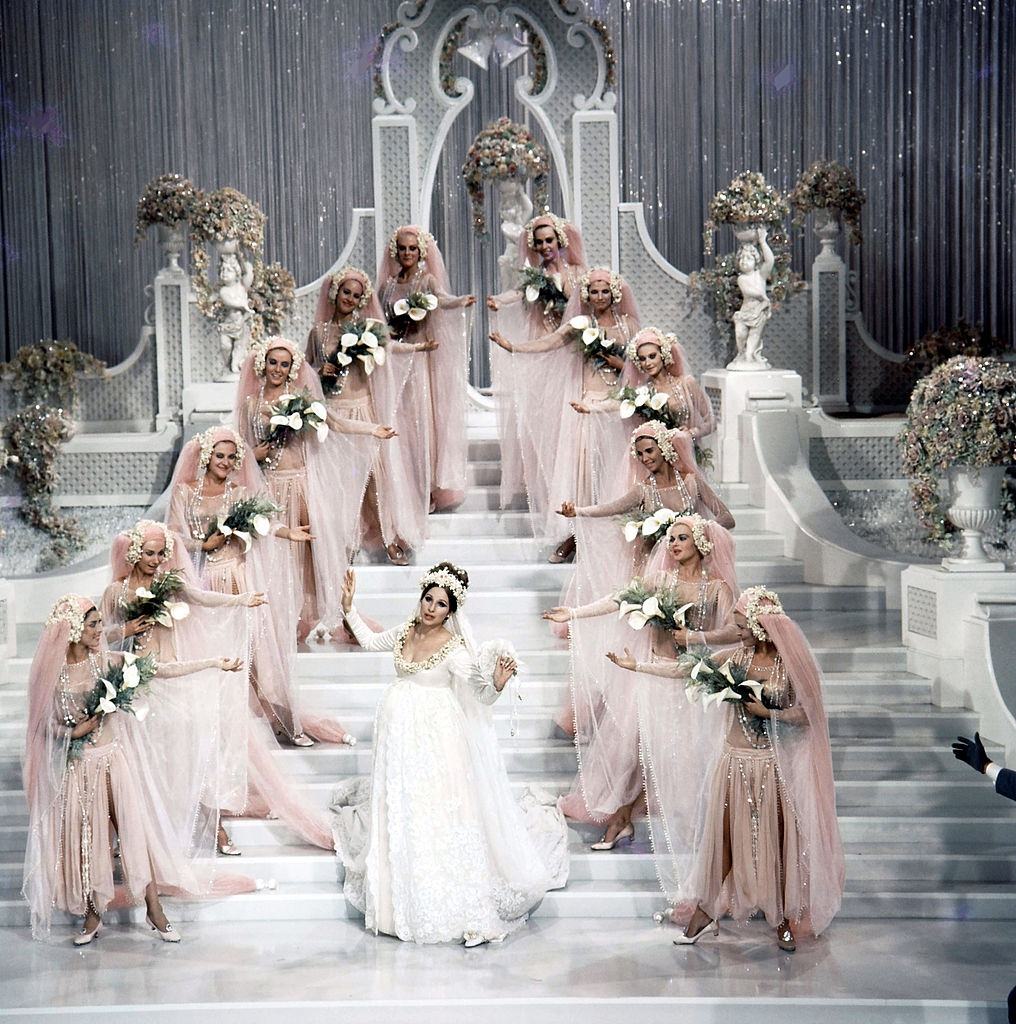
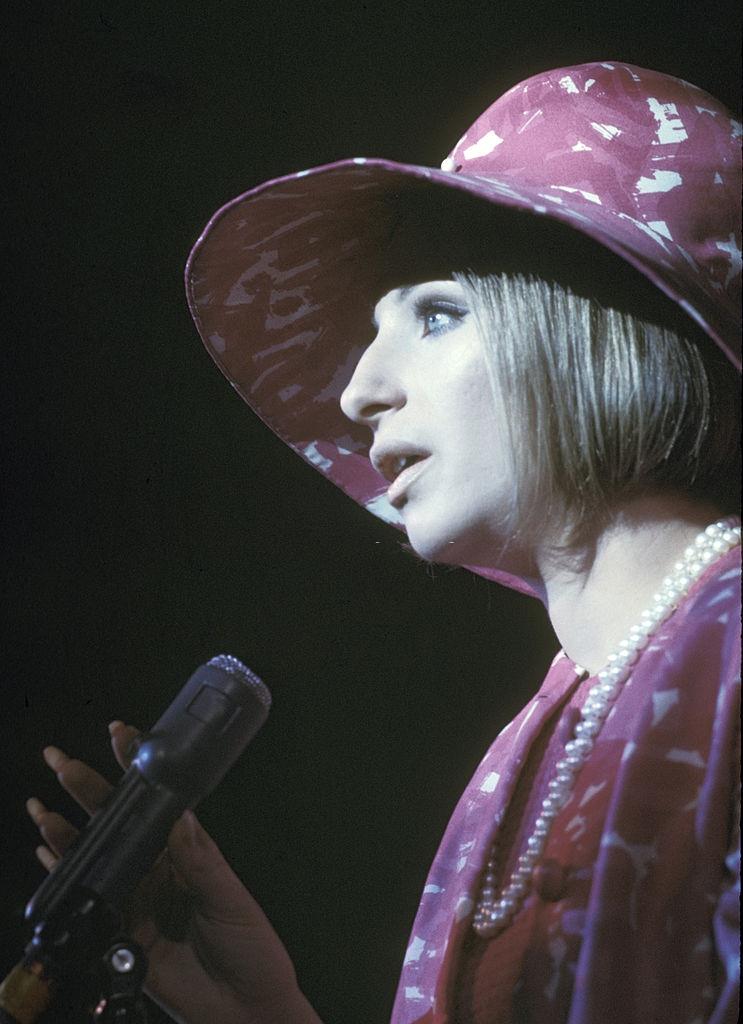
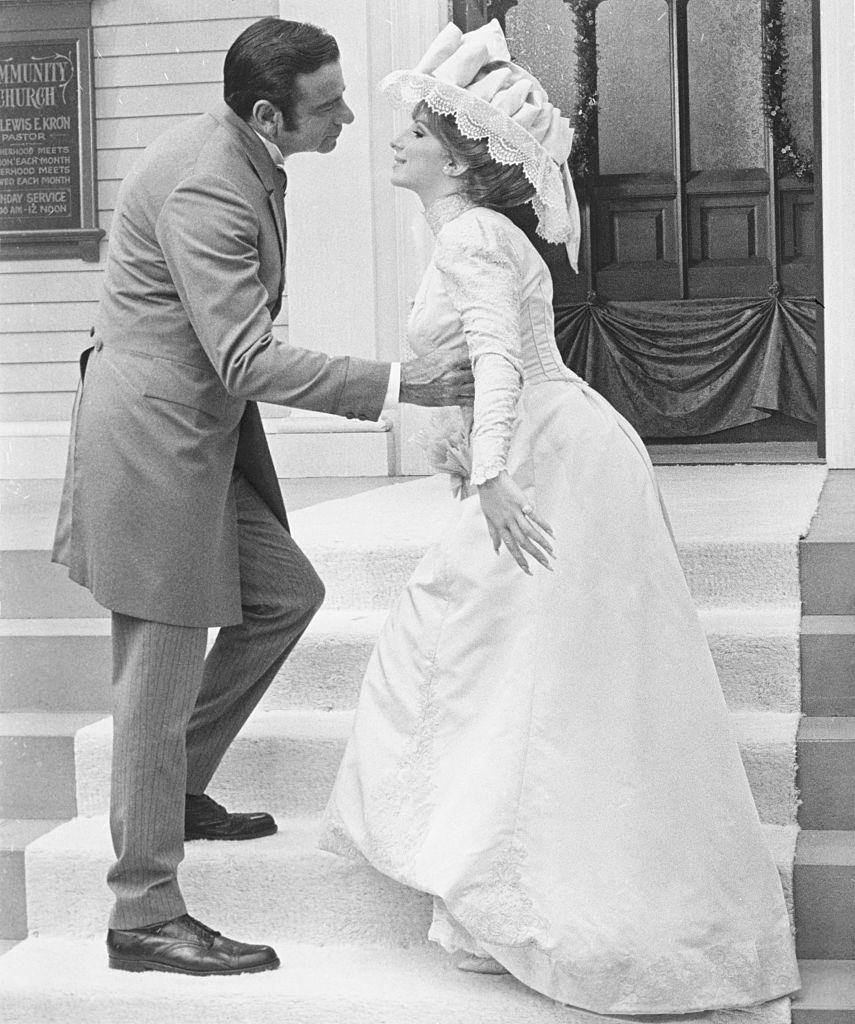
The following year brought “Hello, Dolly!” (1969), in which she starred alongside Walter Matthau as the matchmaking heroine Dolly Levi. She also filmed “On a Clear Day You Can See Forever” during this period, adding yet another title to a filmography that was growing faster than most actors manage in a decade. In 1969, she also took home her Best Actress Oscar for “Funny Girl.”
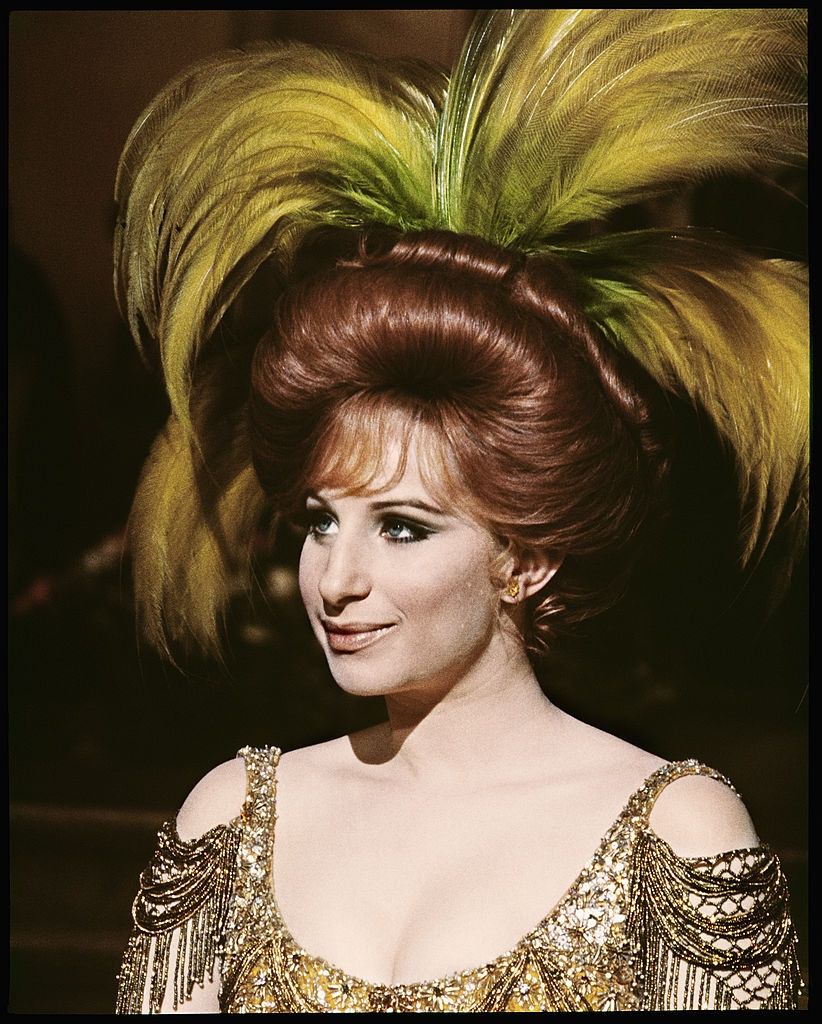
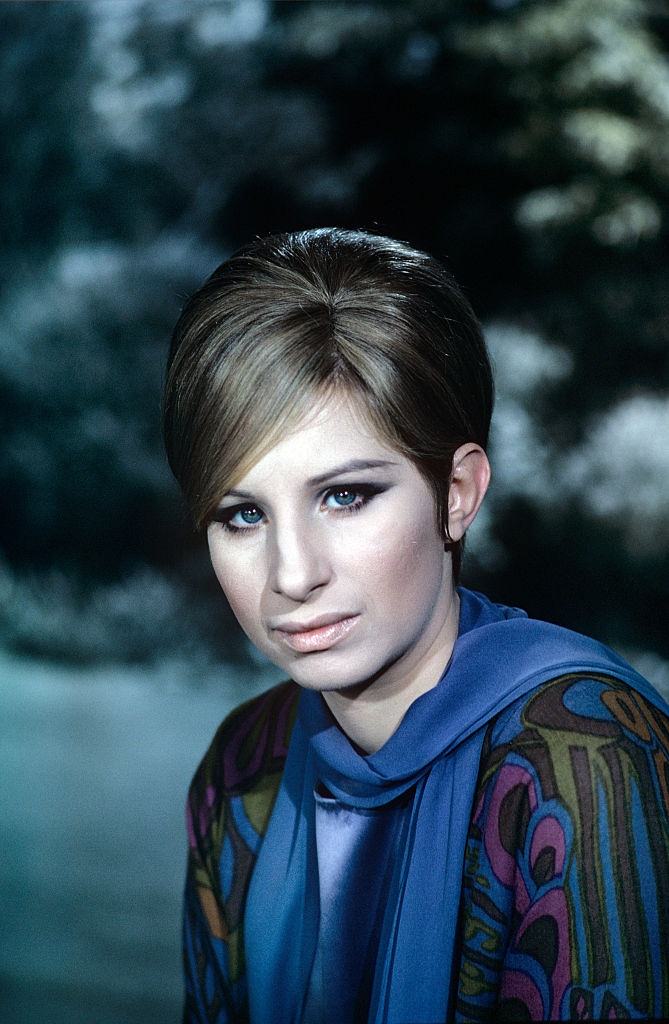
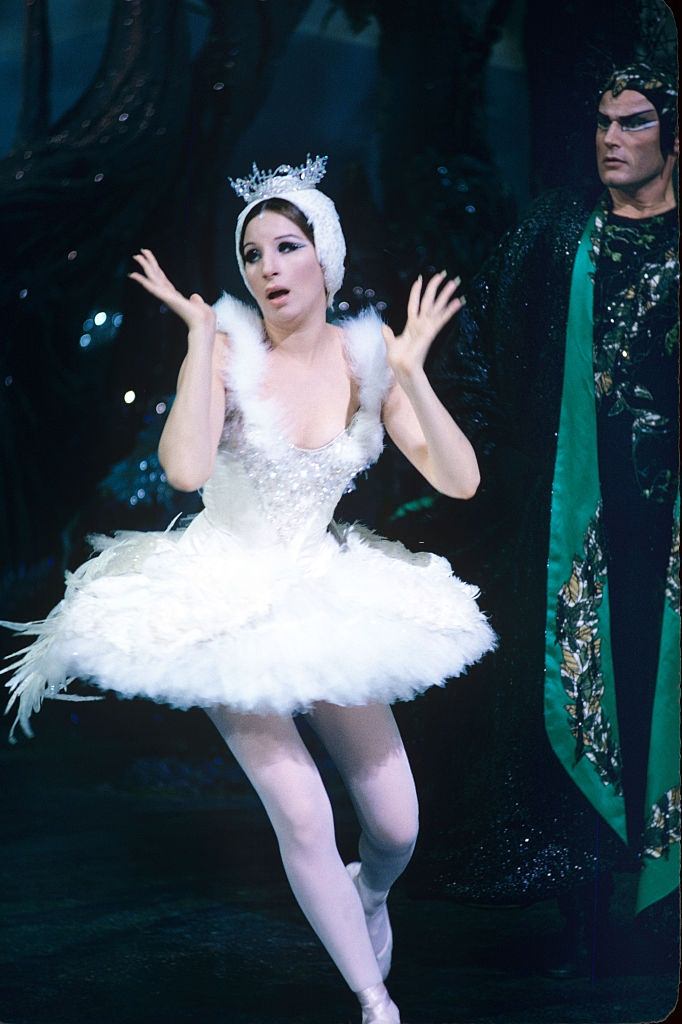
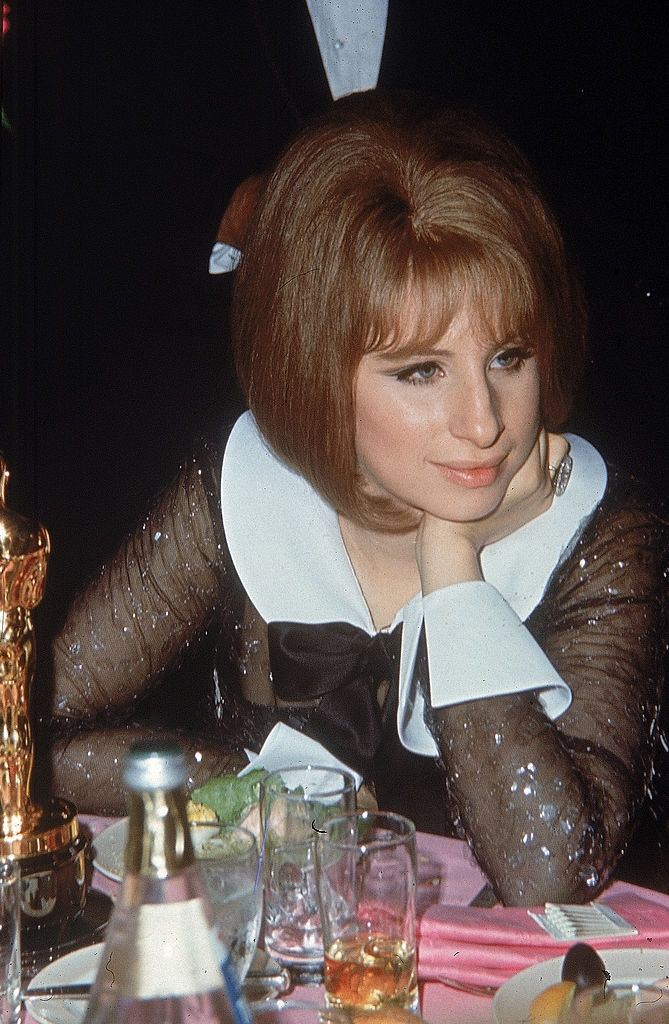
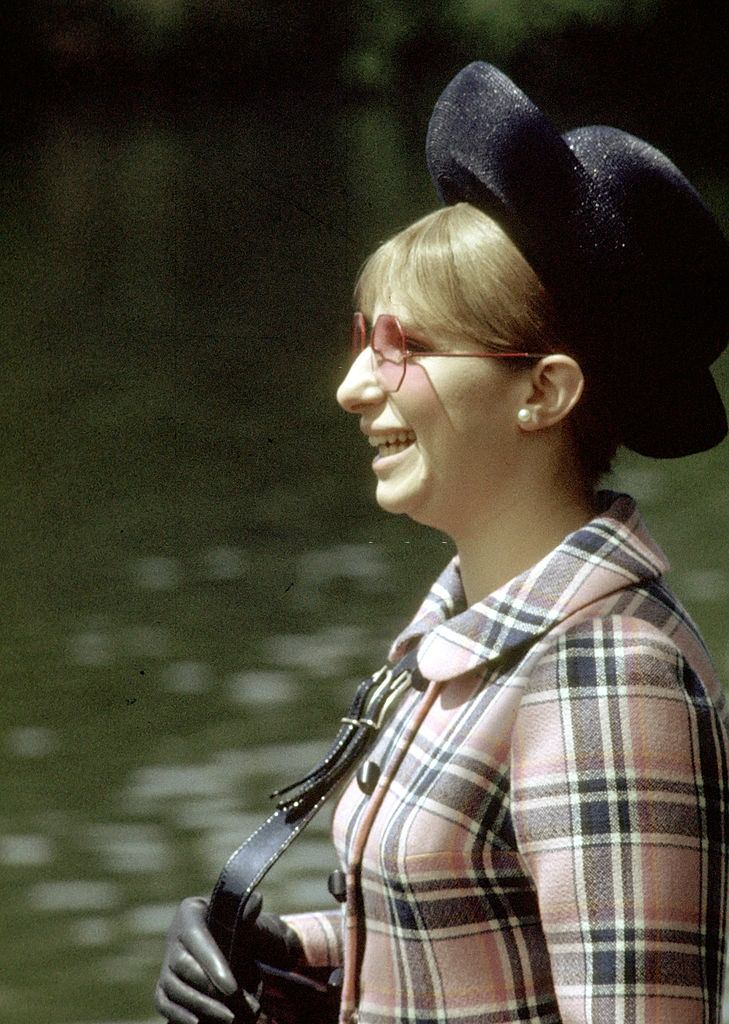
The early 1970s saw Streisand take on new challenges in film and business. She appeared in “The Owl and the Pussycat” (1970) and “Up the Sandbox” (1972), and in 1972 she founded Barwood Films, her own production company. This gave her direct creative control over her projects — a rare move for an actress at the time. She produced her first film under that banner in 1983 with “Yentl,” which she also directed and starred in.
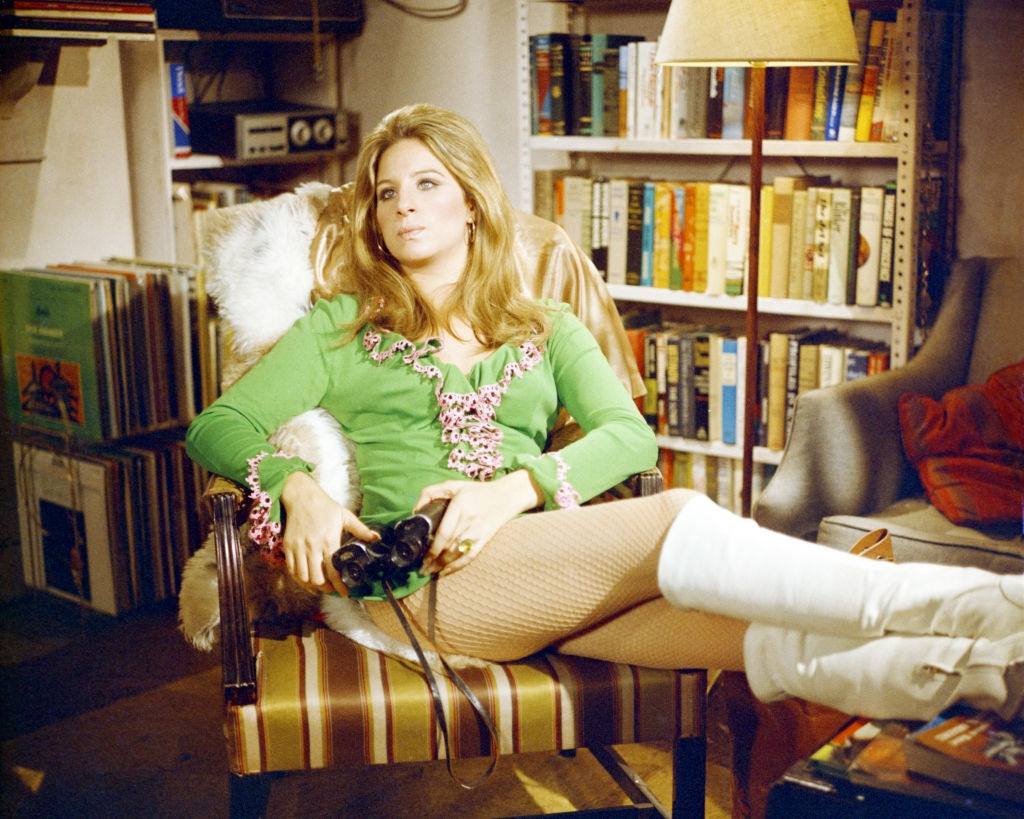
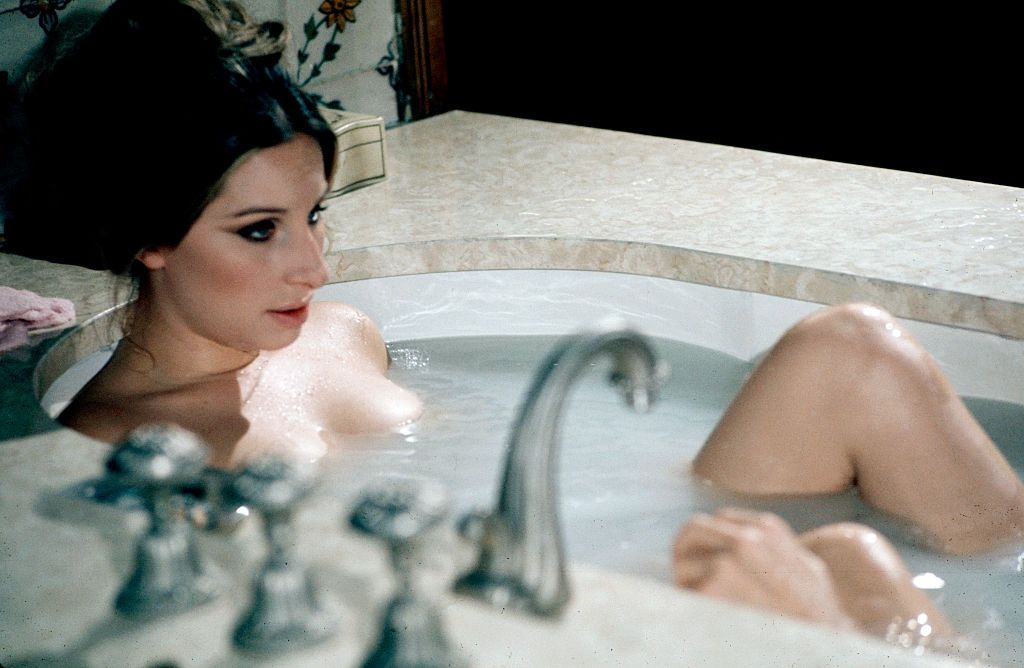
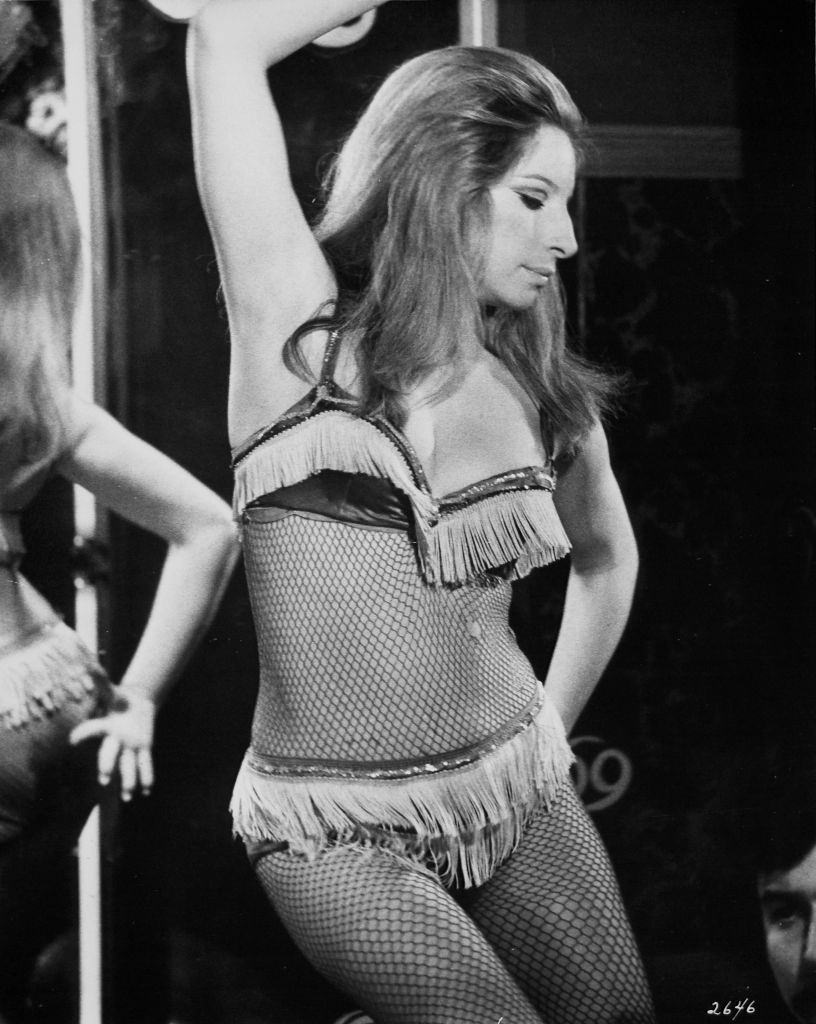
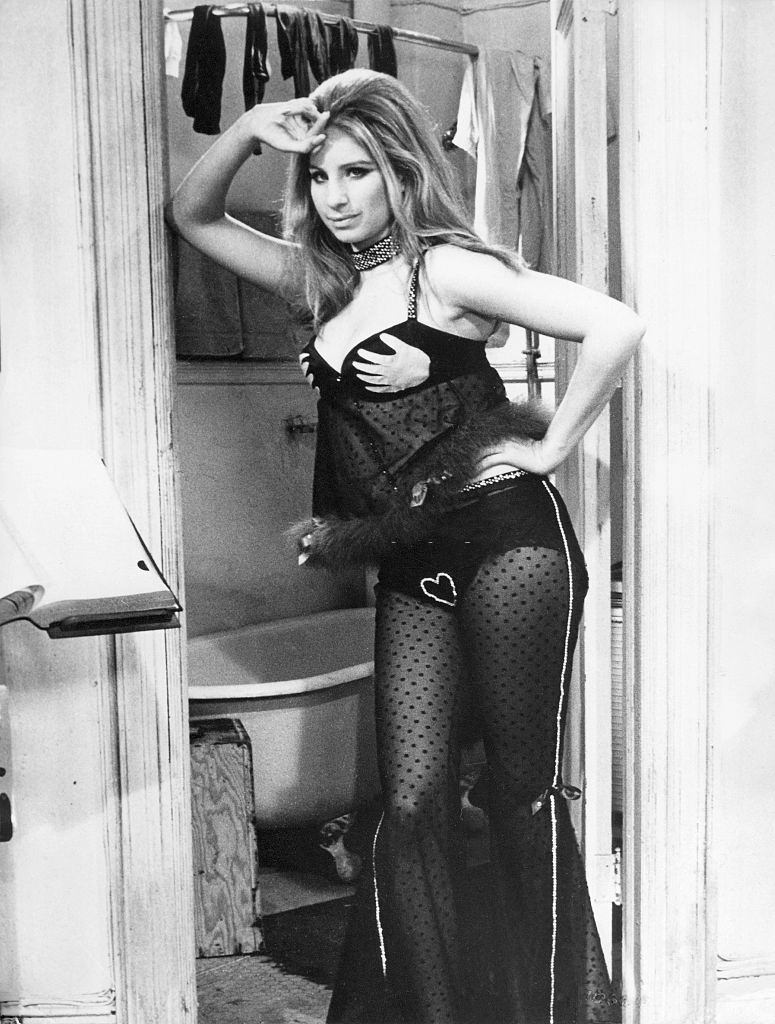
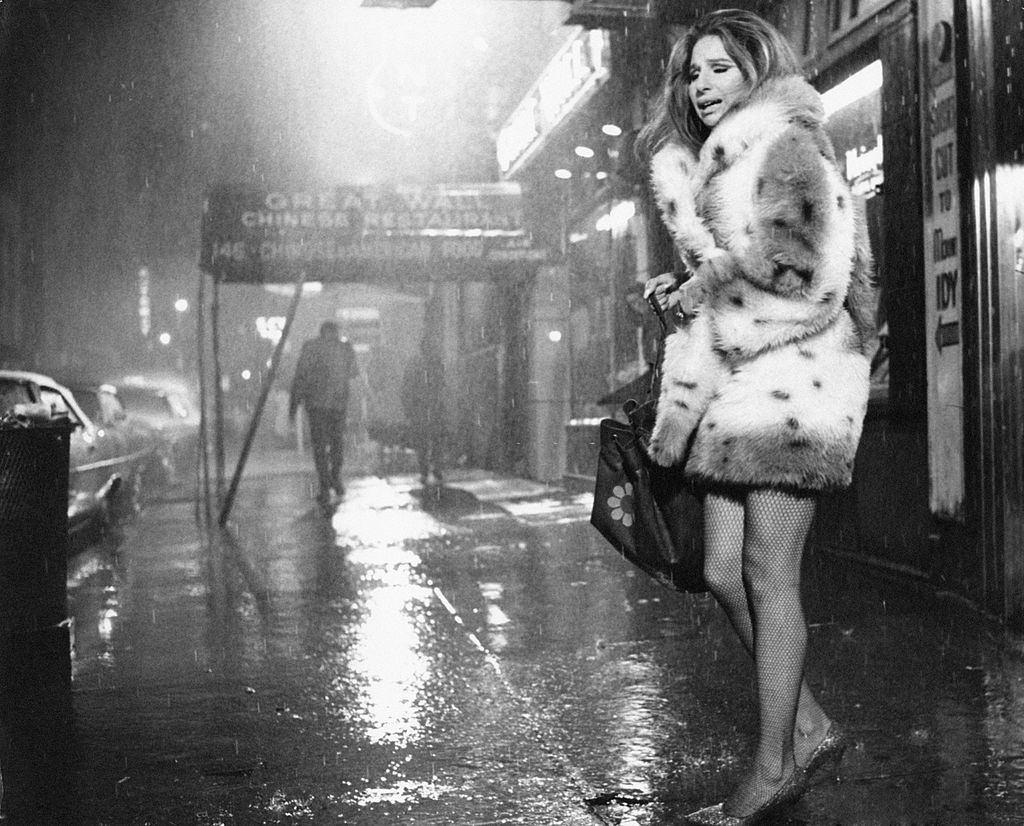
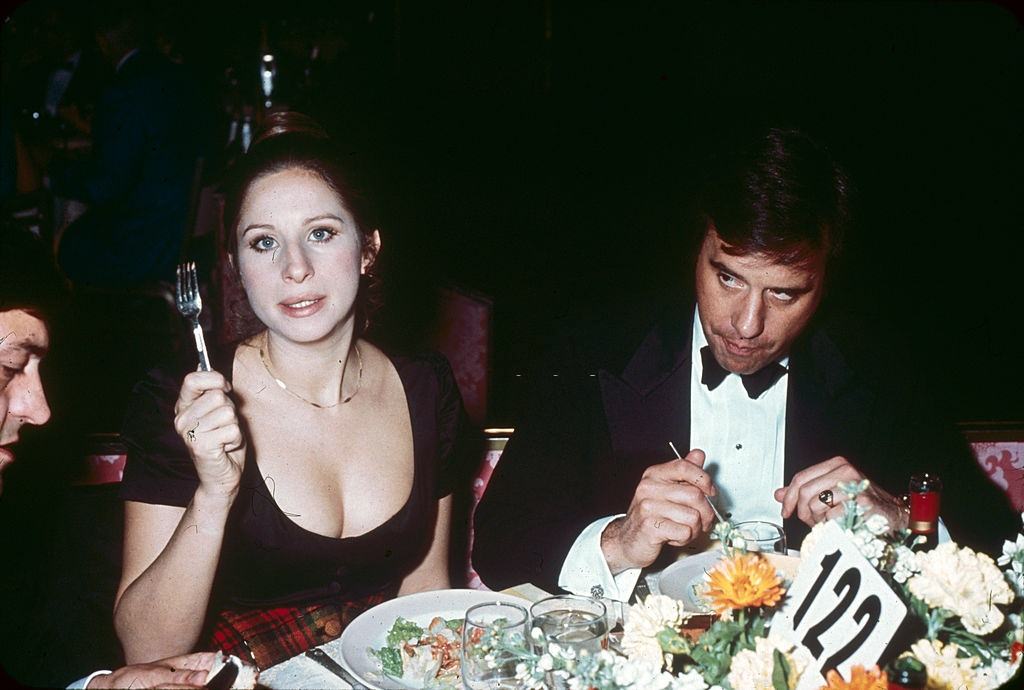
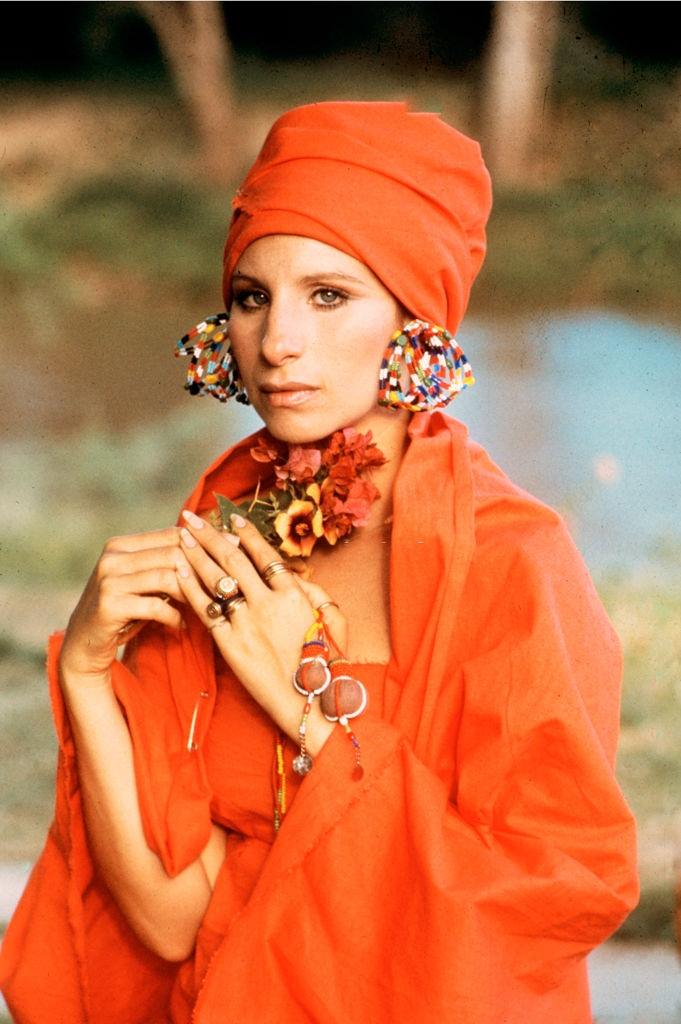
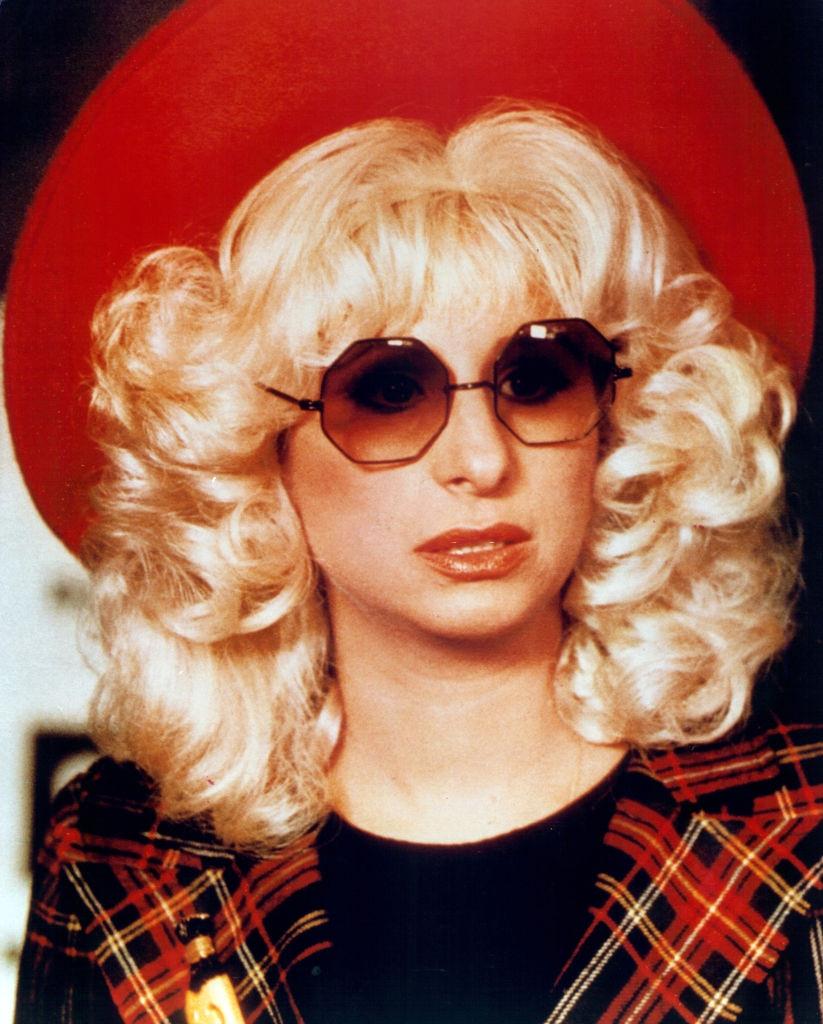
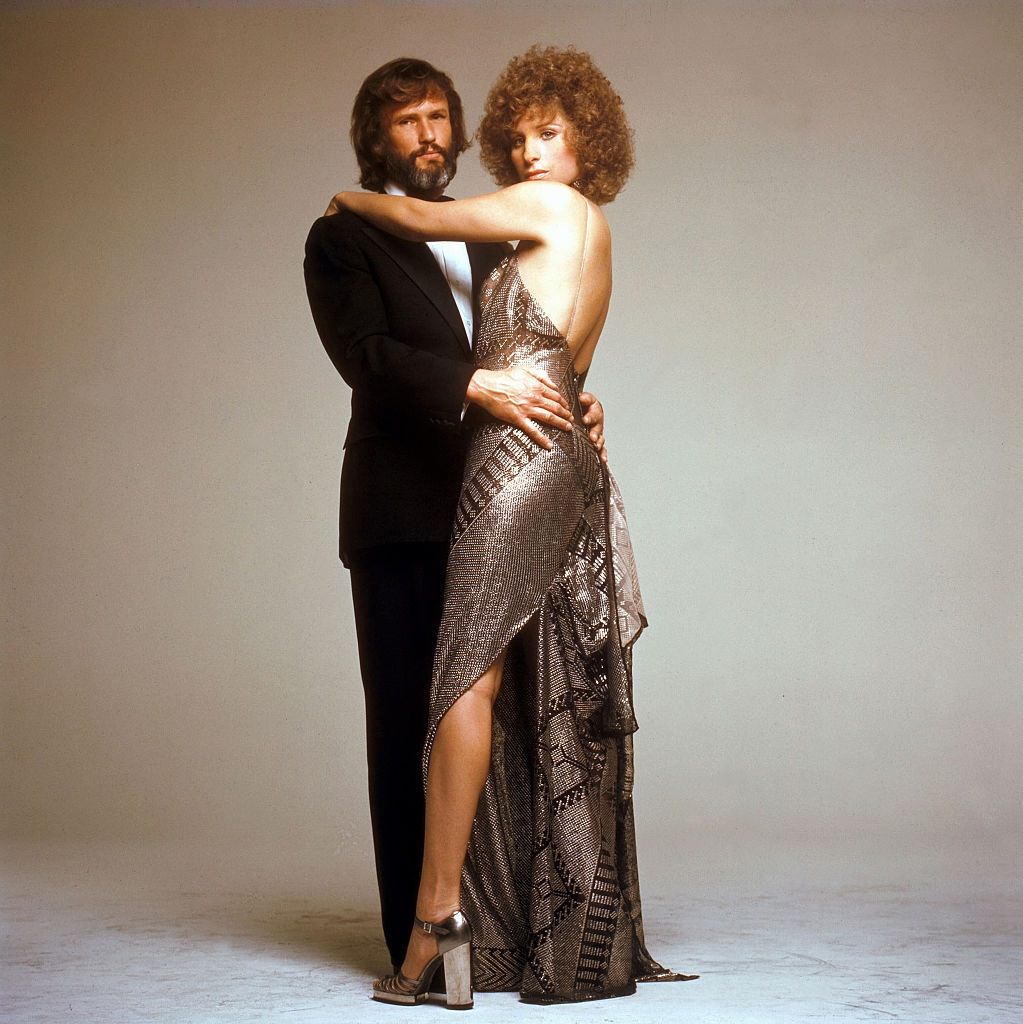
Through the mid-1970s, Streisand continued to expand her reach in Hollywood. She starred in “For Pete’s Sake” (1974) and took on the rock-inflected drama “A Star Is Born” (1976) alongside Kris Kristofferson. The latter earned her a Grammy for the original song “Evergreen,” which she co-wrote — adding yet another award to her already unprecedented collection. By this point she had recorded dozens of studio albums and showed no signs of slowing down.