Elvis Presley was born on January 8, 1935, in Tupelo, Mississippi, into a family with very little money. From an early age, music surrounded him. He heard gospel at church, blues drifting from radios, and country acts performing locally. Those three sounds didn’t stay separate in his head — they blended together into something entirely new. When Elvis was 13, his family moved to Memphis, Tennessee, a city packed with musicians, clubs, and competing radio stations. That move put him exactly where he needed to be.
In 1953, Elvis walked into Sun Records on Union Avenue in Memphis and paid to record two songs, framing the session as a gift for his mother. Studio owner Sam Phillips heard potential in the young man’s voice. Phillips paired Elvis with guitarist Scotty Moore and bassist Bill Black, and the three began rehearsing together. Then, in the summer of 1954, during a break in a recording session, Elvis started playing the old blues number “That’s All Right” in a loose, fast style. Moore and Black fell in. Phillips hit record. The resulting single became a local hit and is now widely recognized as one of the earliest rock and roll recordings.
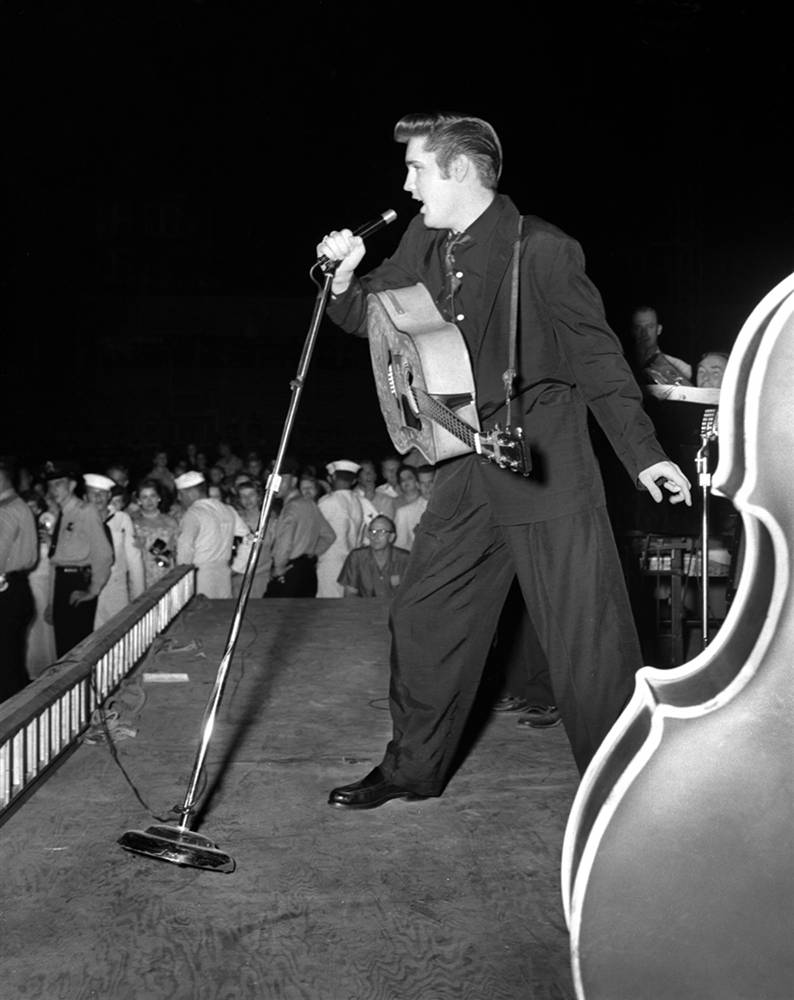
To build his name beyond Memphis, Elvis began performing on the Louisiana Hayride, a country music radio program broadcast out of Shreveport, Louisiana. The show gave him a platform and a growing audience. His stage presence was unlike anything most crowds had seen — he moved his body freely and energetically in ways that felt rebellious to some and electrifying to others. That physical style became his signature.
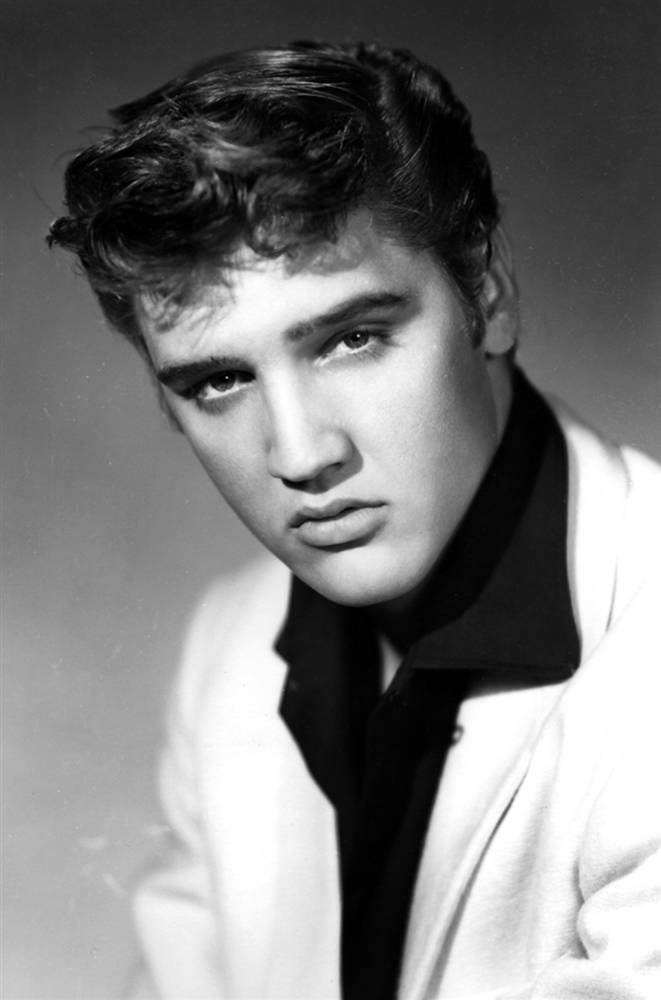
By 1955, Elvis’s regional popularity had attracted the attention of major labels. His Sun Records contract was sold to RCA Victor, giving him access to national promotion and distribution. His first RCA single, “Heartbreak Hotel,” dropped in January 1956 and shot to number one on the Billboard charts. Overnight, Elvis went from regional curiosity to national phenomenon. RCA wasted no time booking him on television.
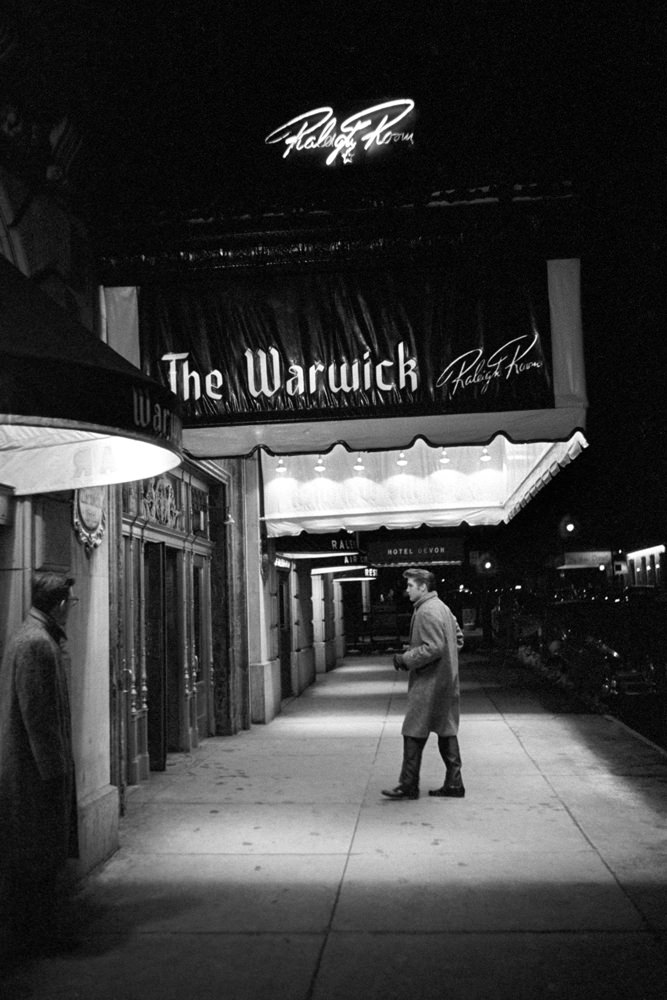
Early in 1956, Elvis arrived in New York City to appear on the Dorsey Brothers’ Stage Show, one of his first major national television bookings. He stayed at the Warwick Hotel in Midtown Manhattan while preparing for the performances.
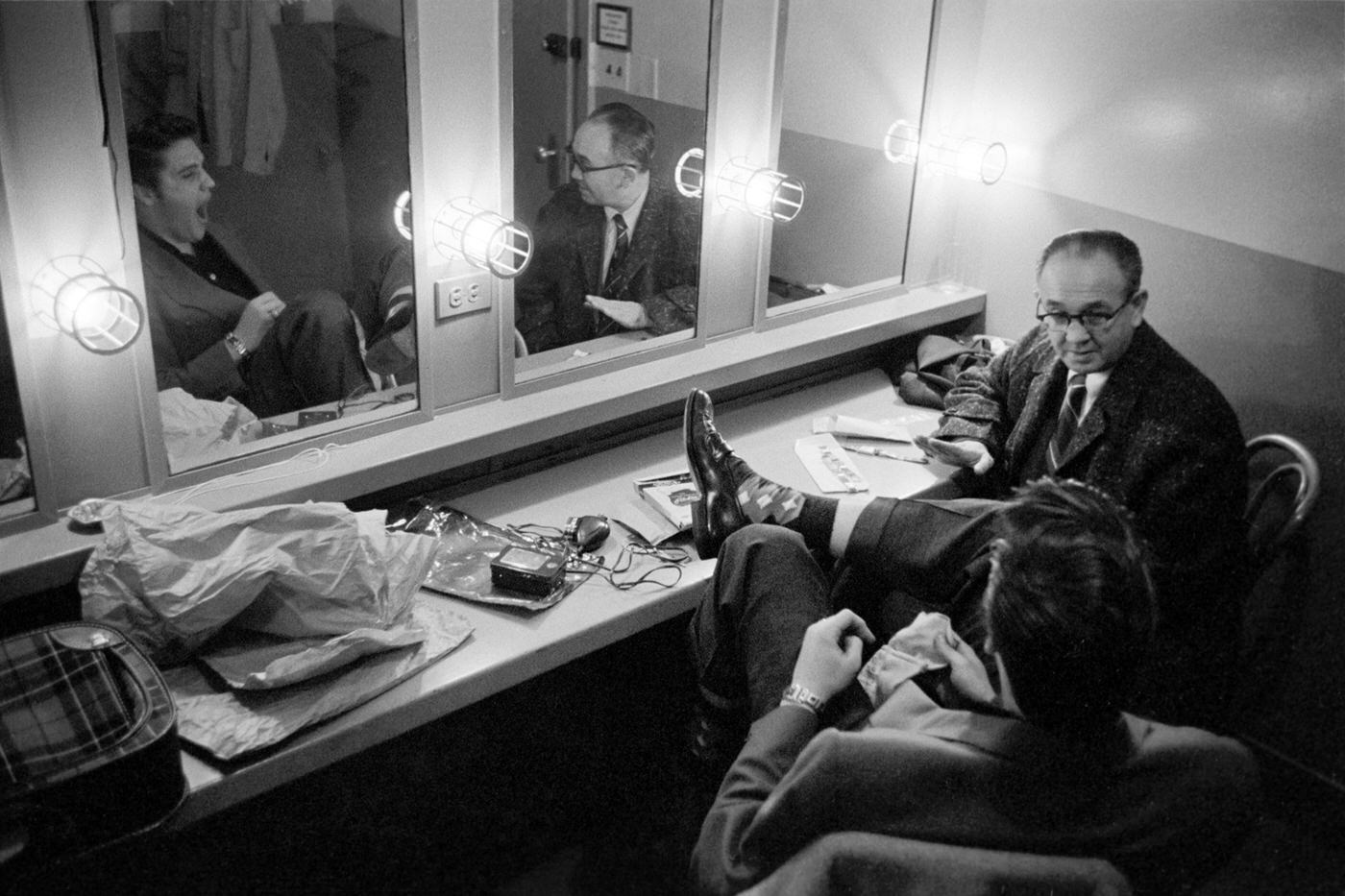
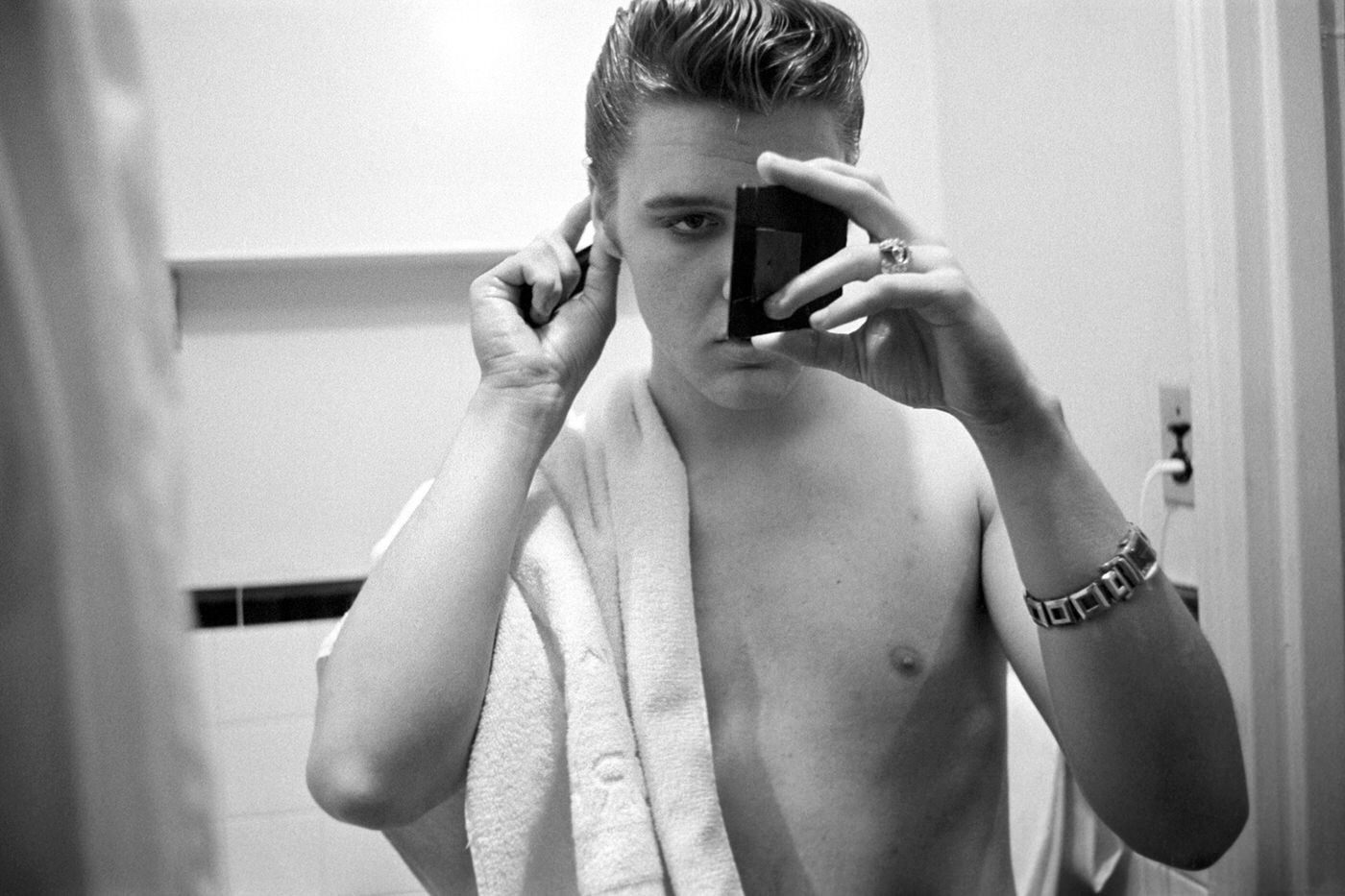
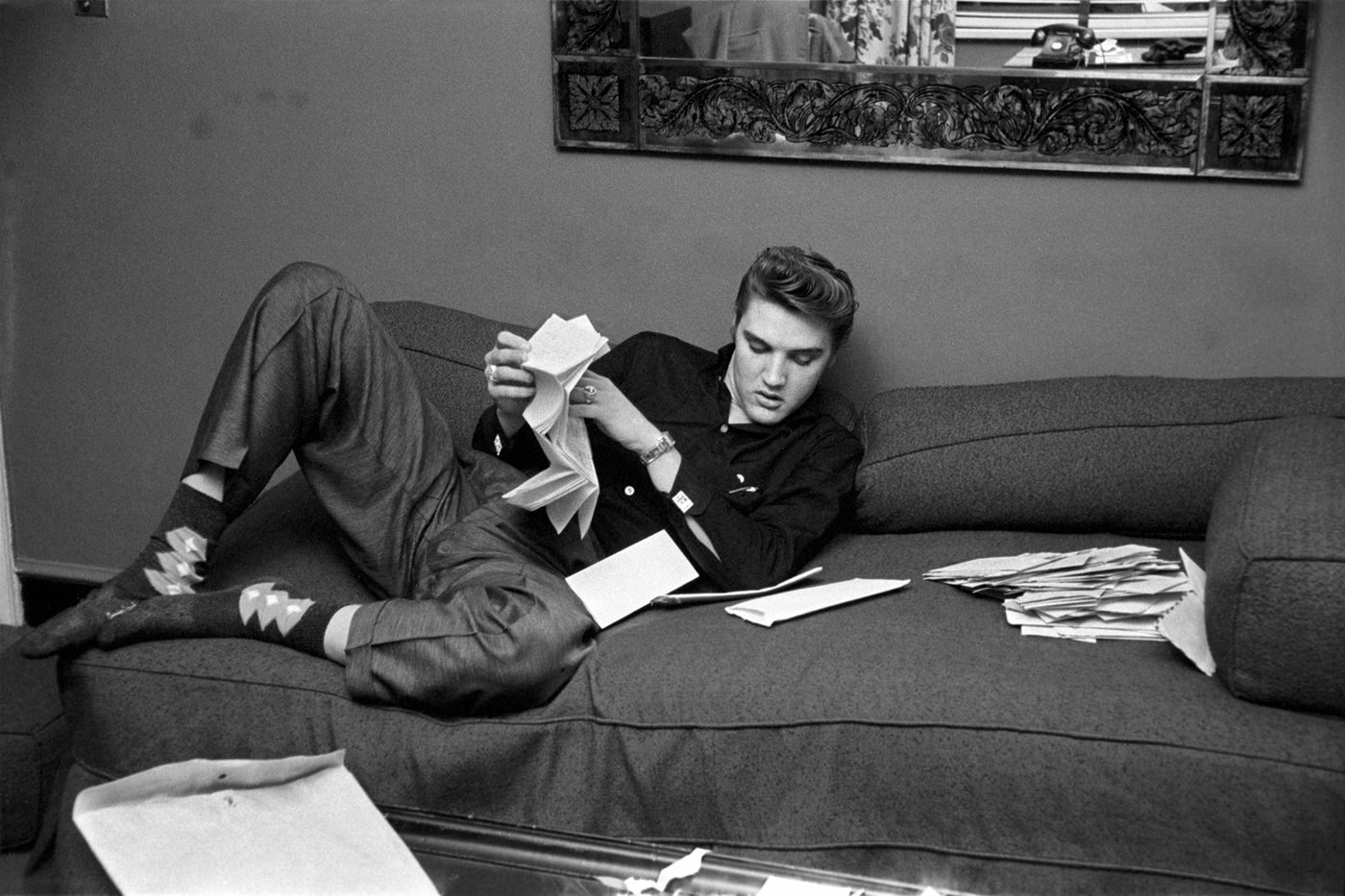
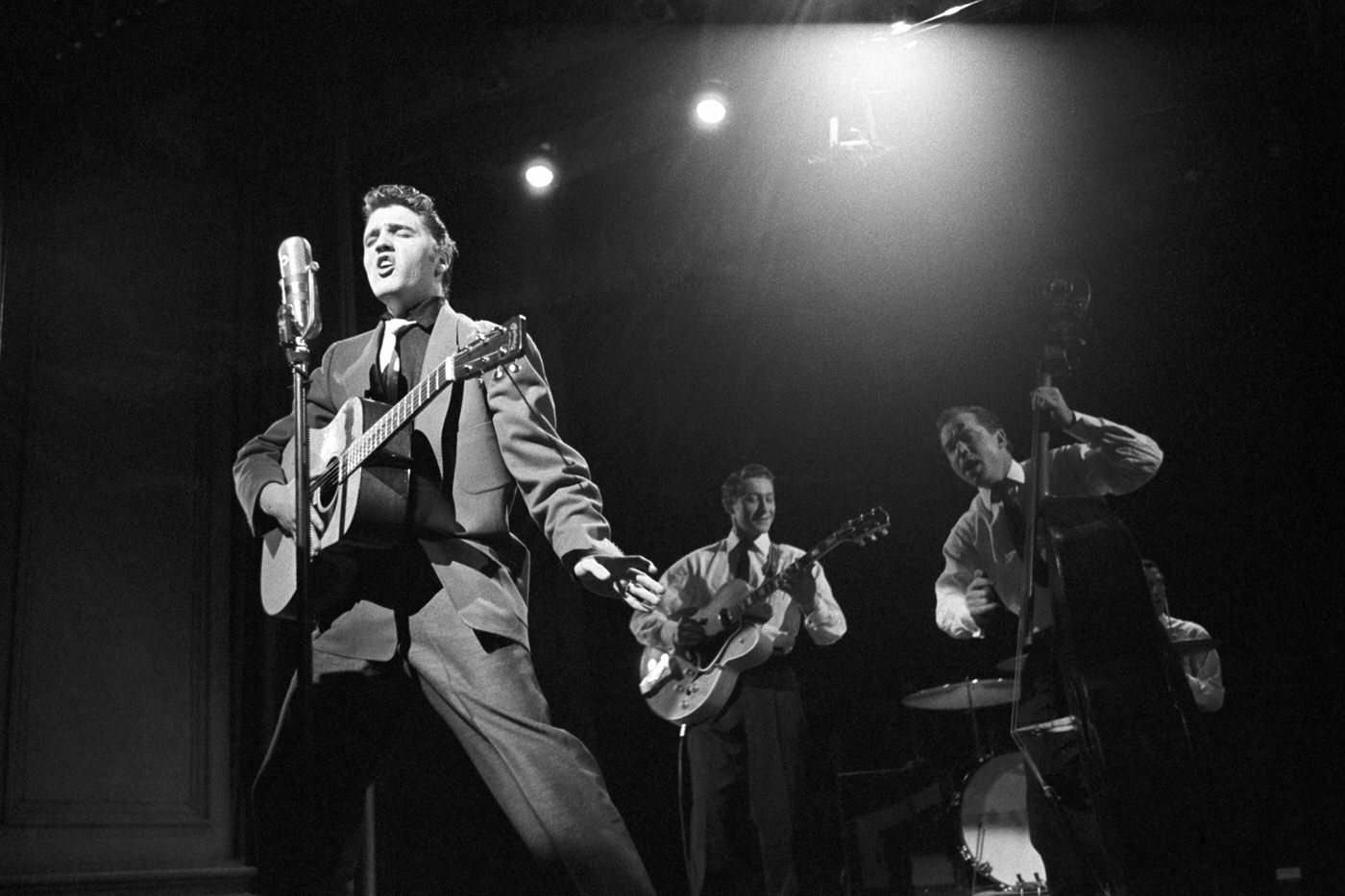
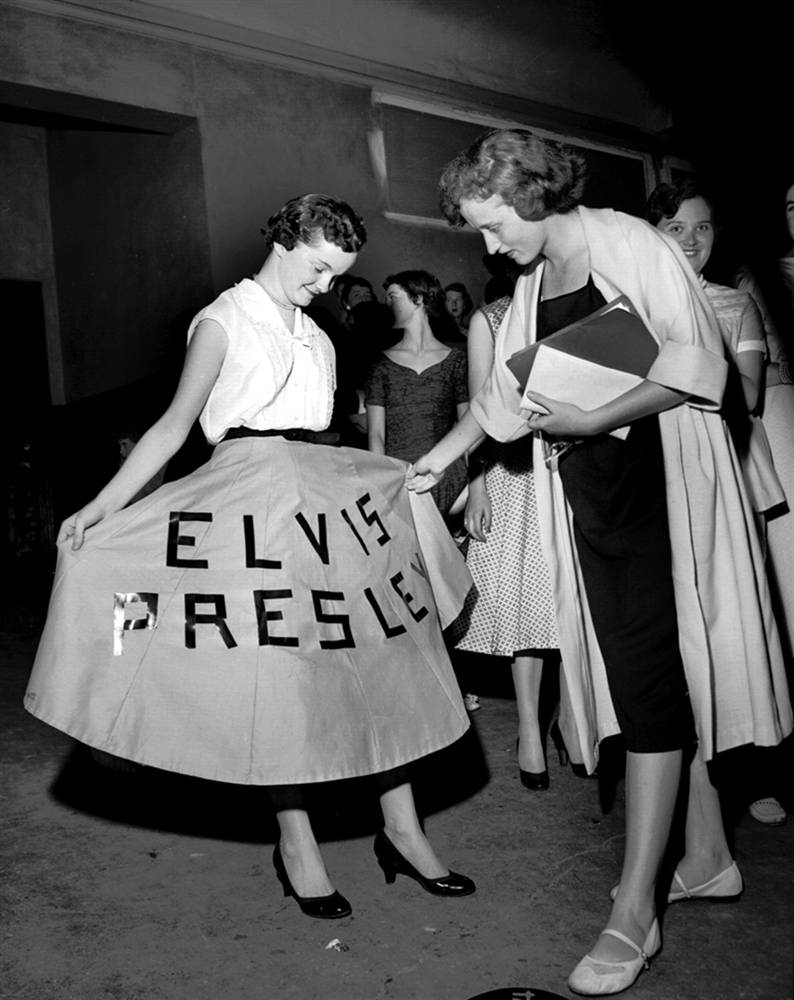
The Stage Show performances at Studio 50 drew massive crowds. For many viewers across the country, it was their first time seeing Elvis move on stage. The reaction was immediate and polarizing — parents were unsettled, teenagers were hooked.
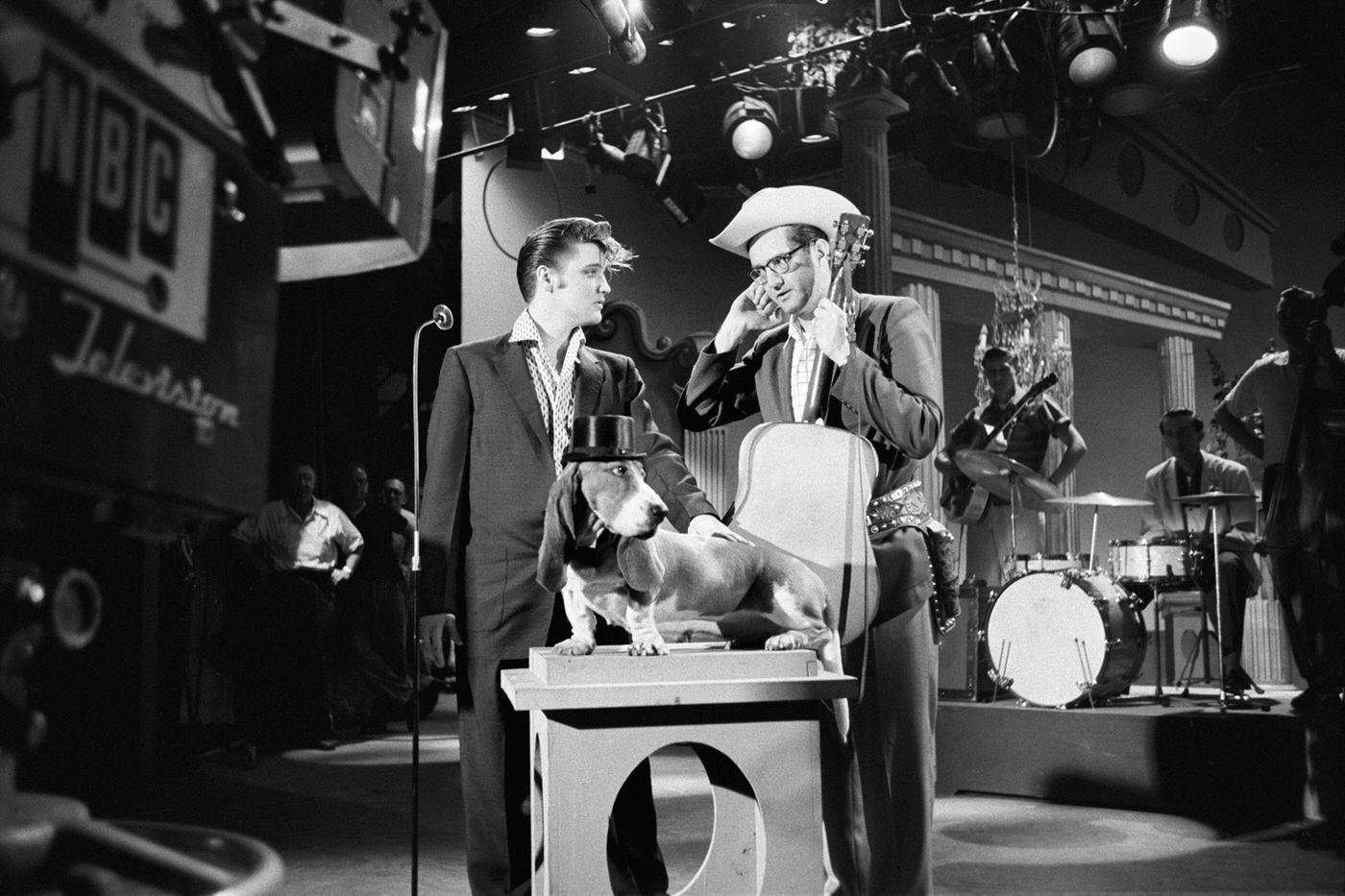
Later that year, Elvis appeared on the Steve Allen Show at the Hudson Theatre in New York. Allen, trying to tone down Elvis’s controversial image, famously had him perform “Hound Dog” to a basset hound in a top hat. The bit was meant as a joke, but Elvis still delivered the song with full energy.
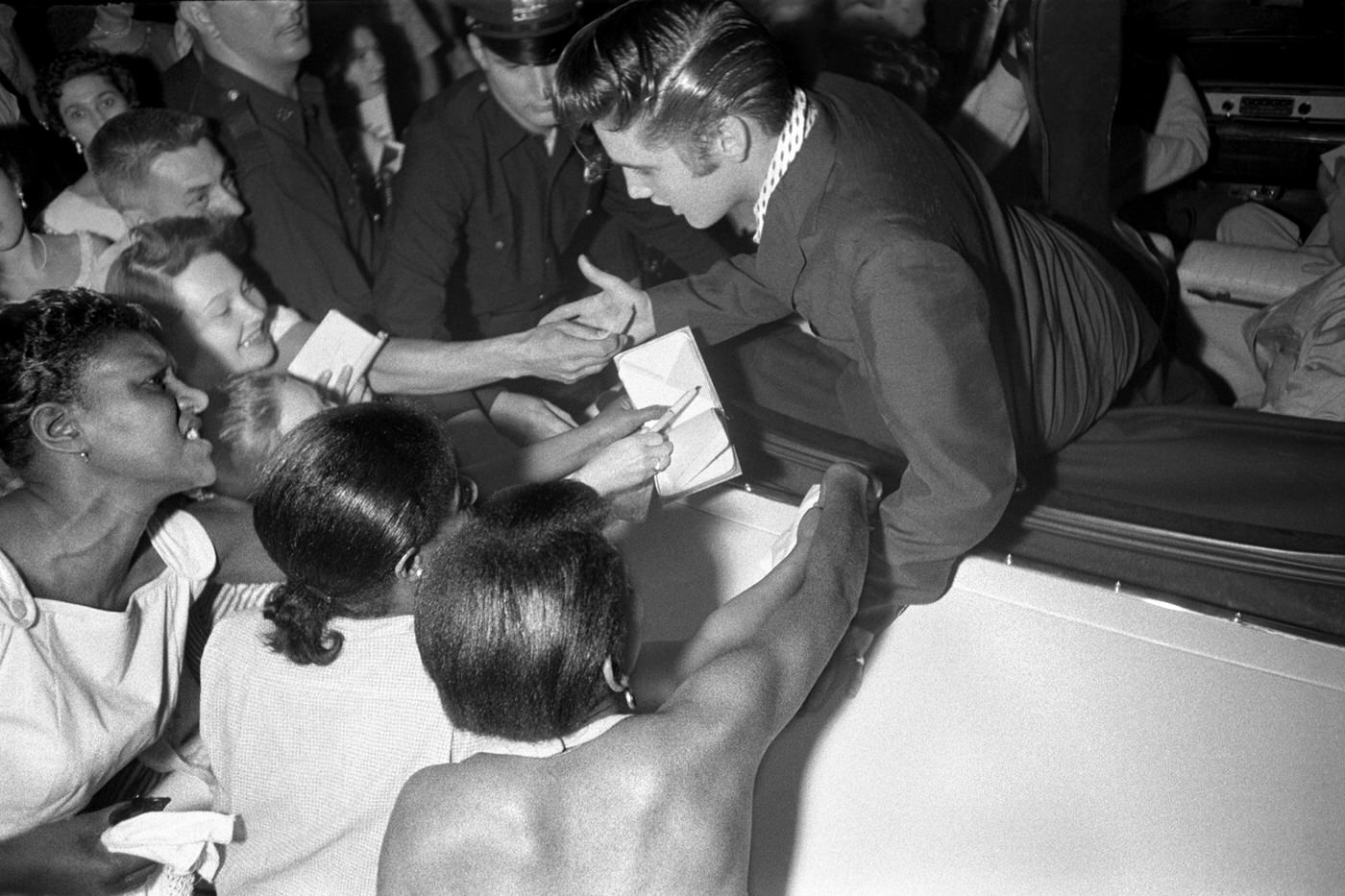
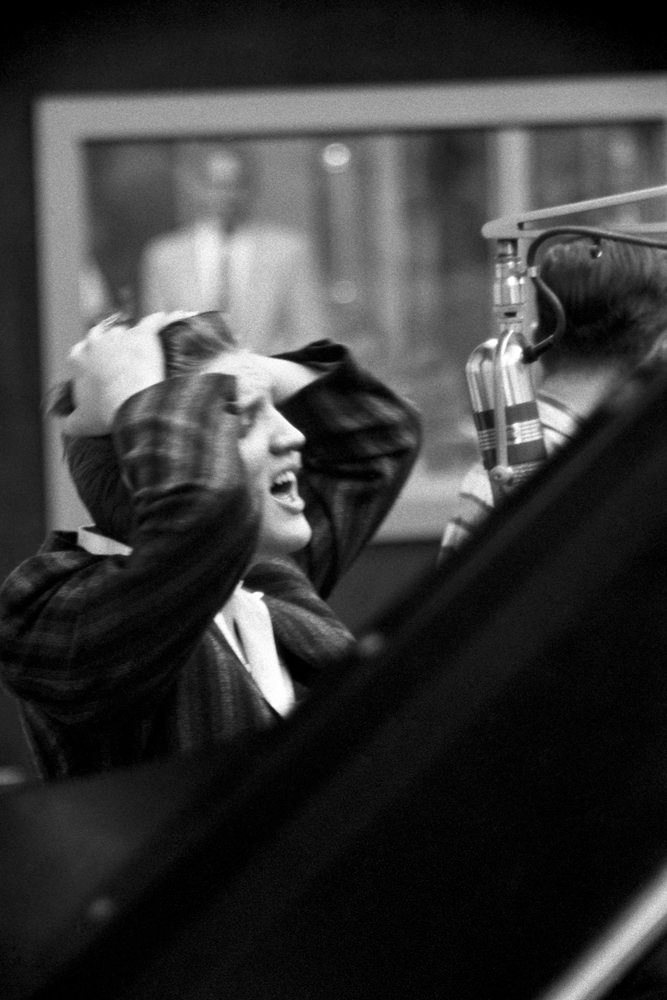
While still in New York, Elvis recorded “Hound Dog” at RCA Victor’s Studio 1. The session produced one of his defining records, released as a double A-side with “Don’t Be Cruel.” Both sides reached number one.
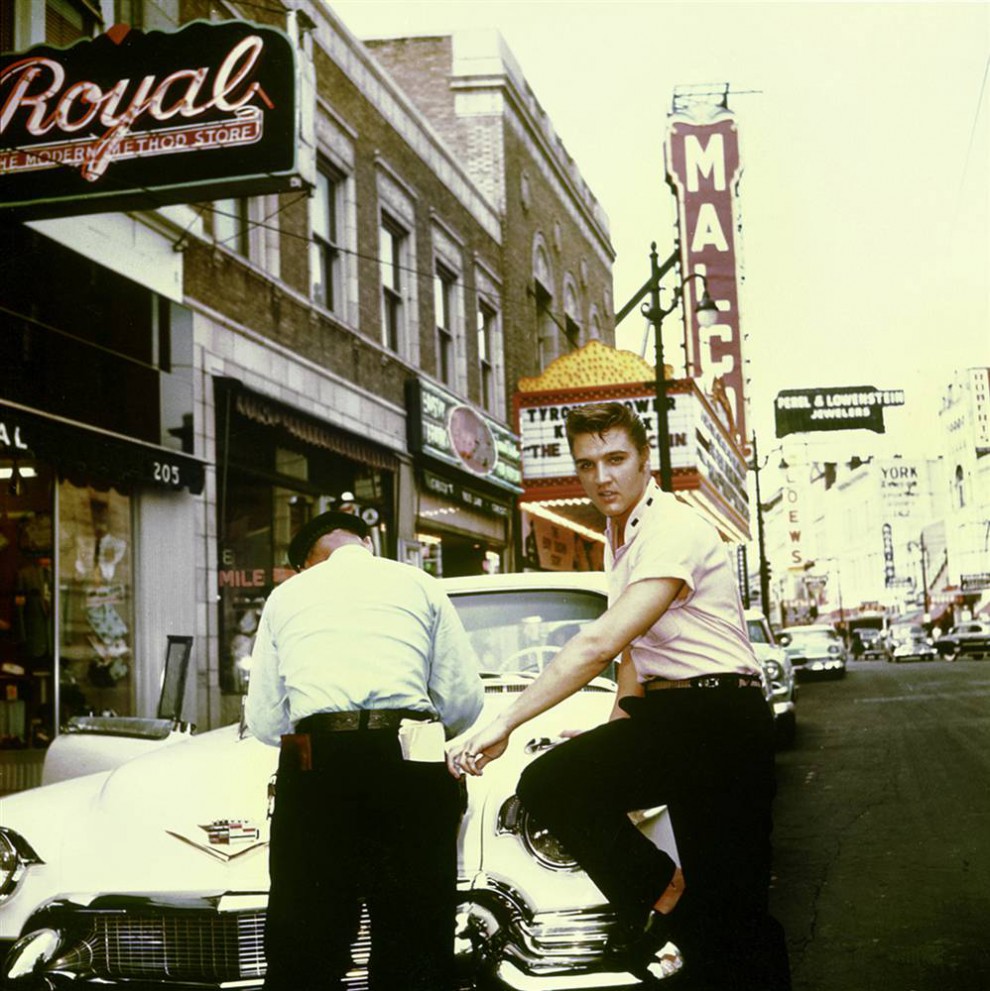
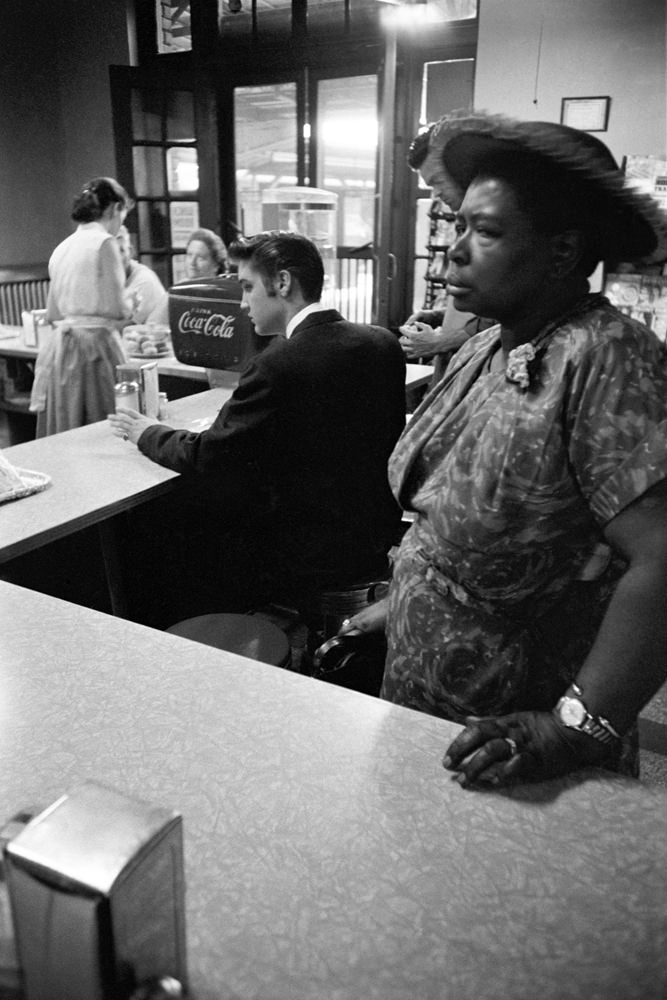
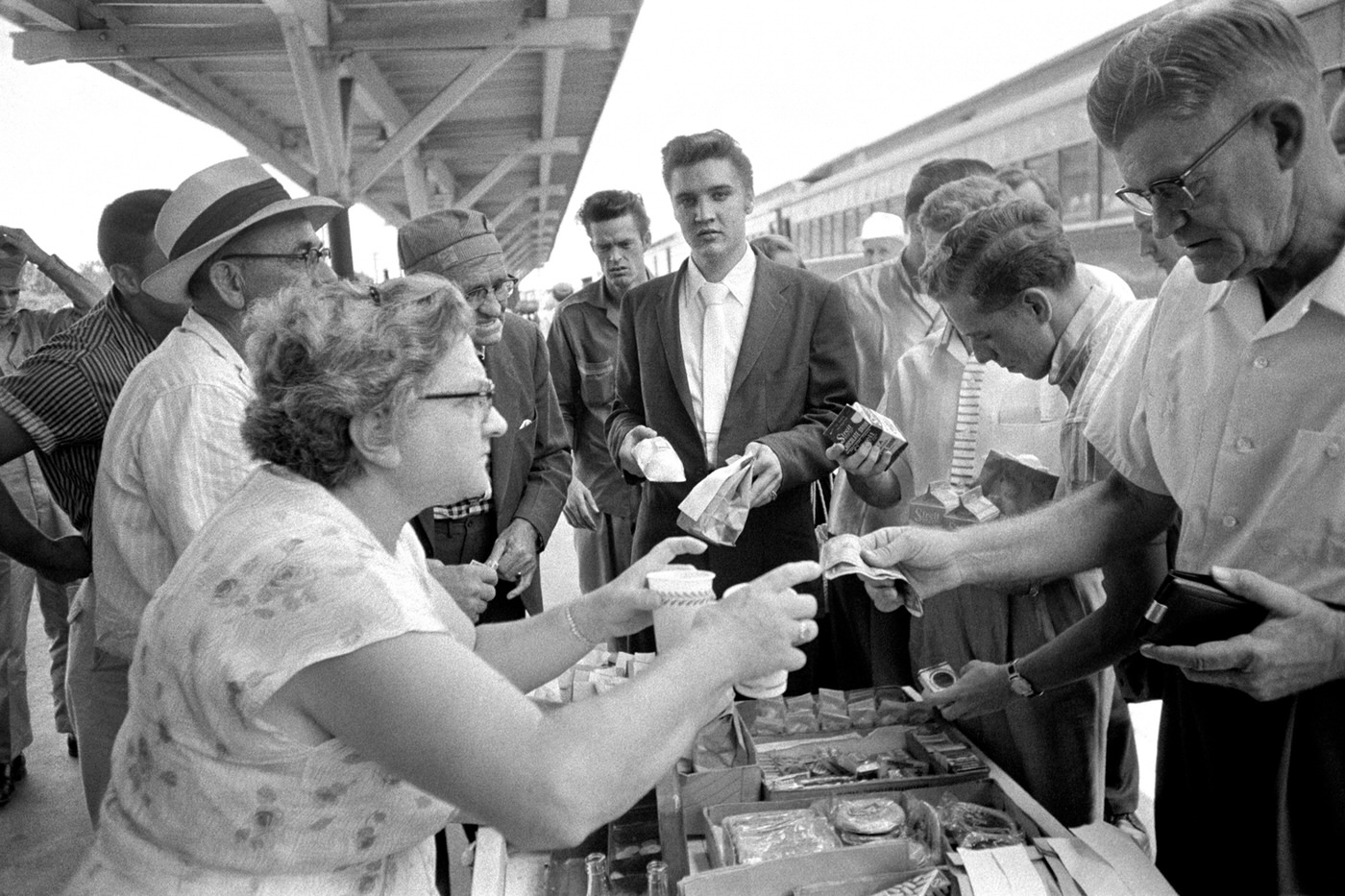
Touring across the South was a constant part of Elvis’s schedule in 1956. The venues ranged from large auditoriums to modest halls, and the audiences came in droves. Between stops, the realities of the segregated South were visible at every roadside diner, hotel, and train station.
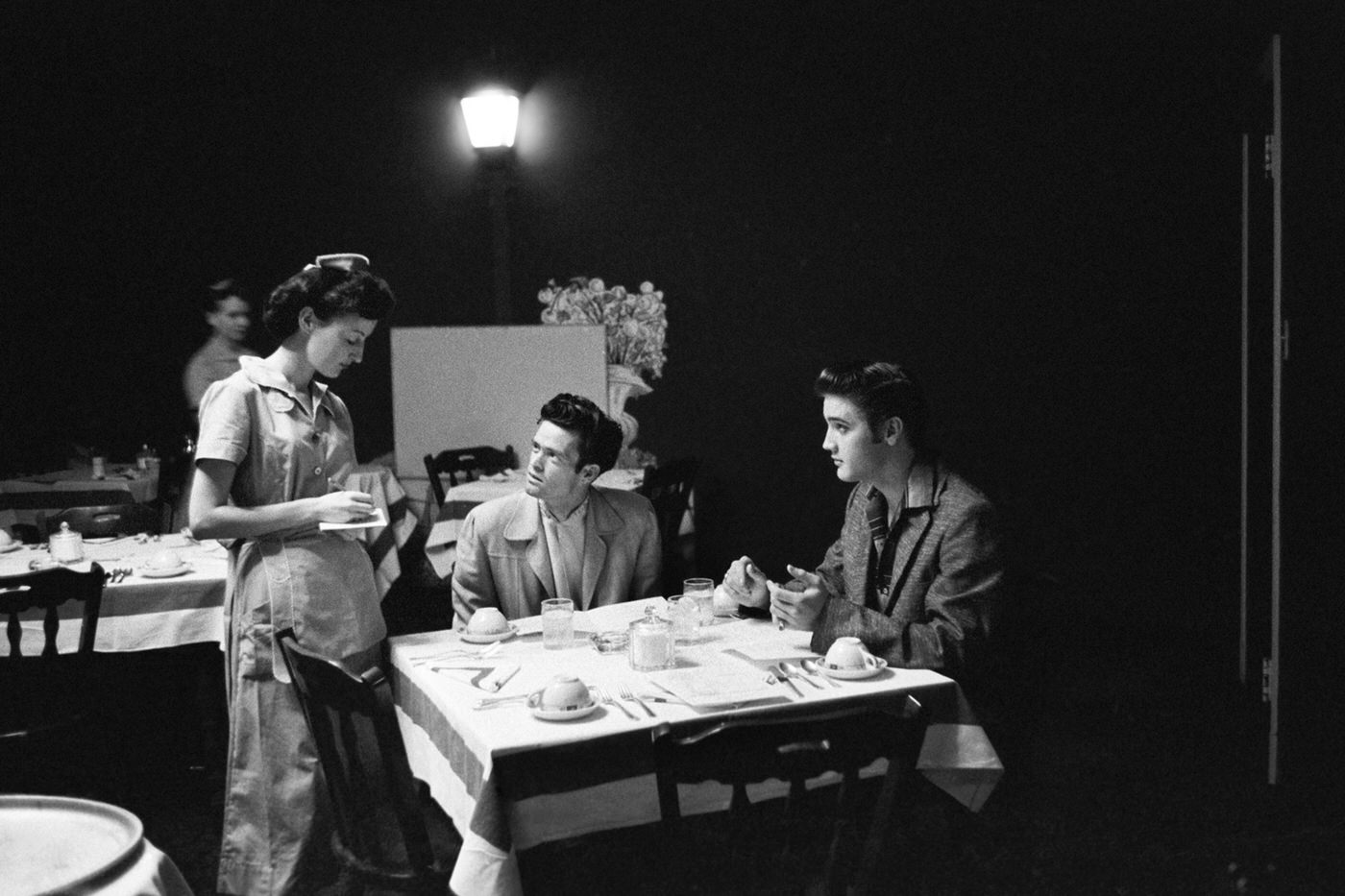
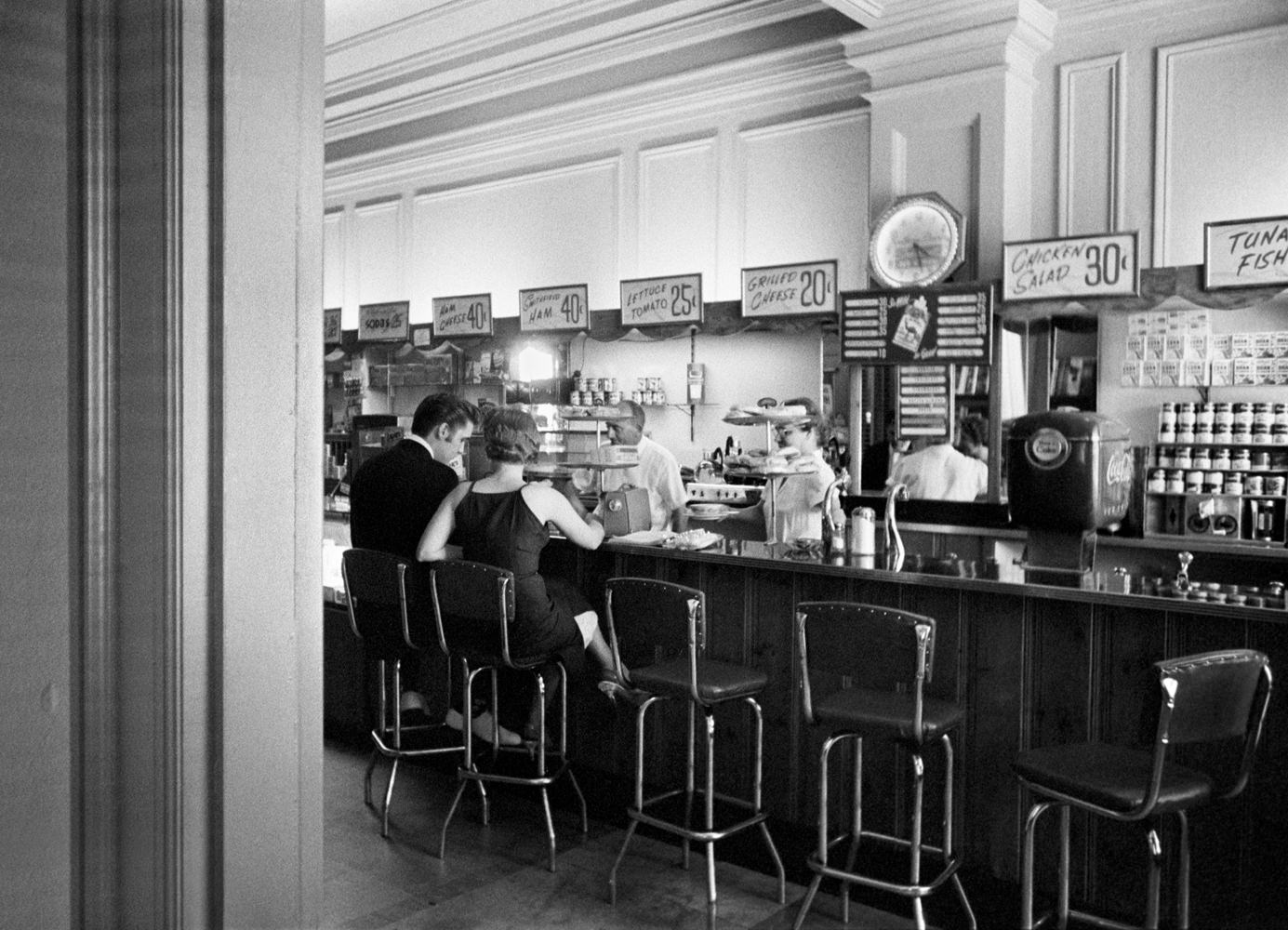
During a stop in Richmond, Virginia, Elvis and his cousin Junior Smith dined at the Jefferson Hotel, one of the city’s most prominent establishments at the time.
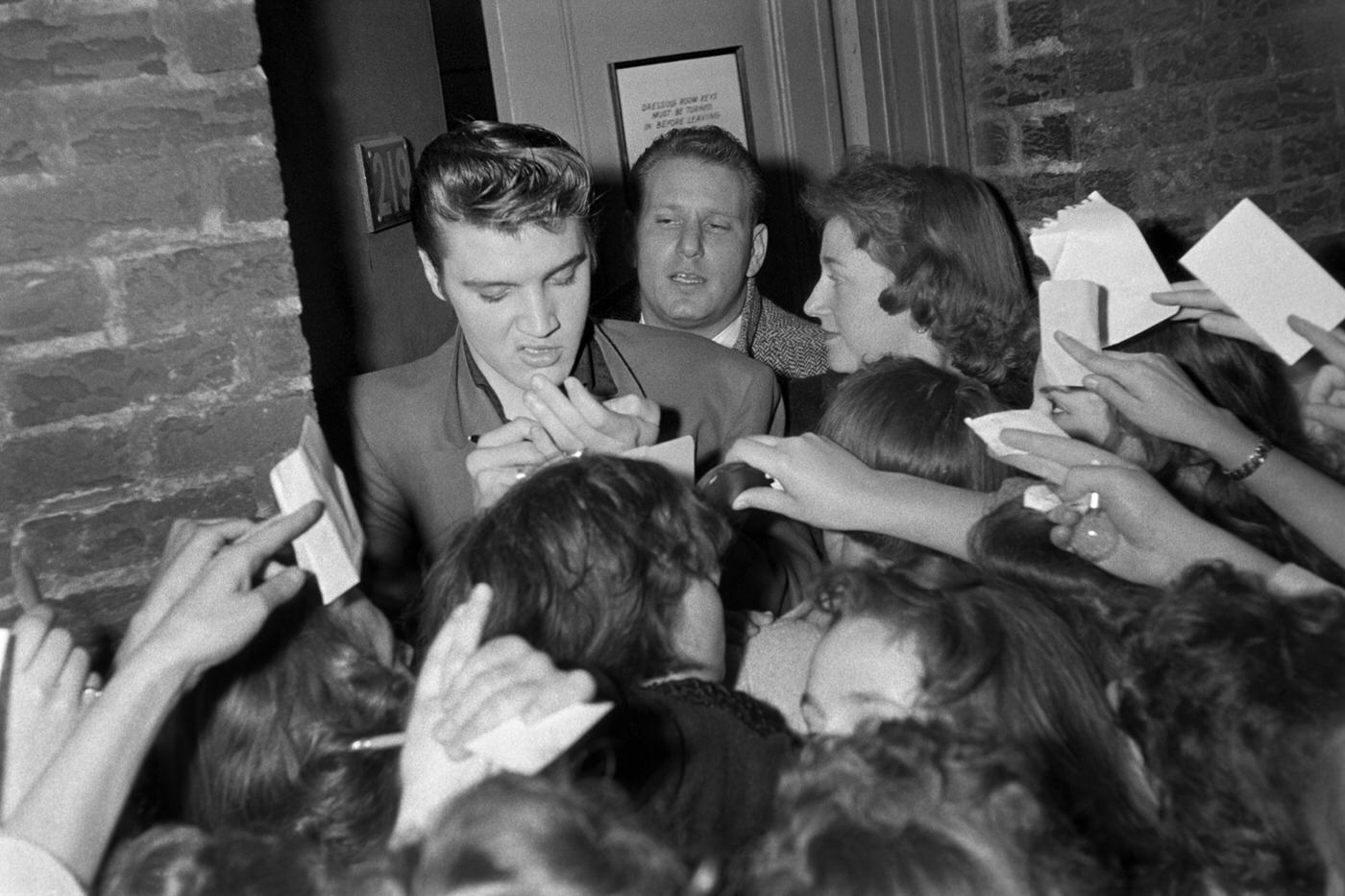
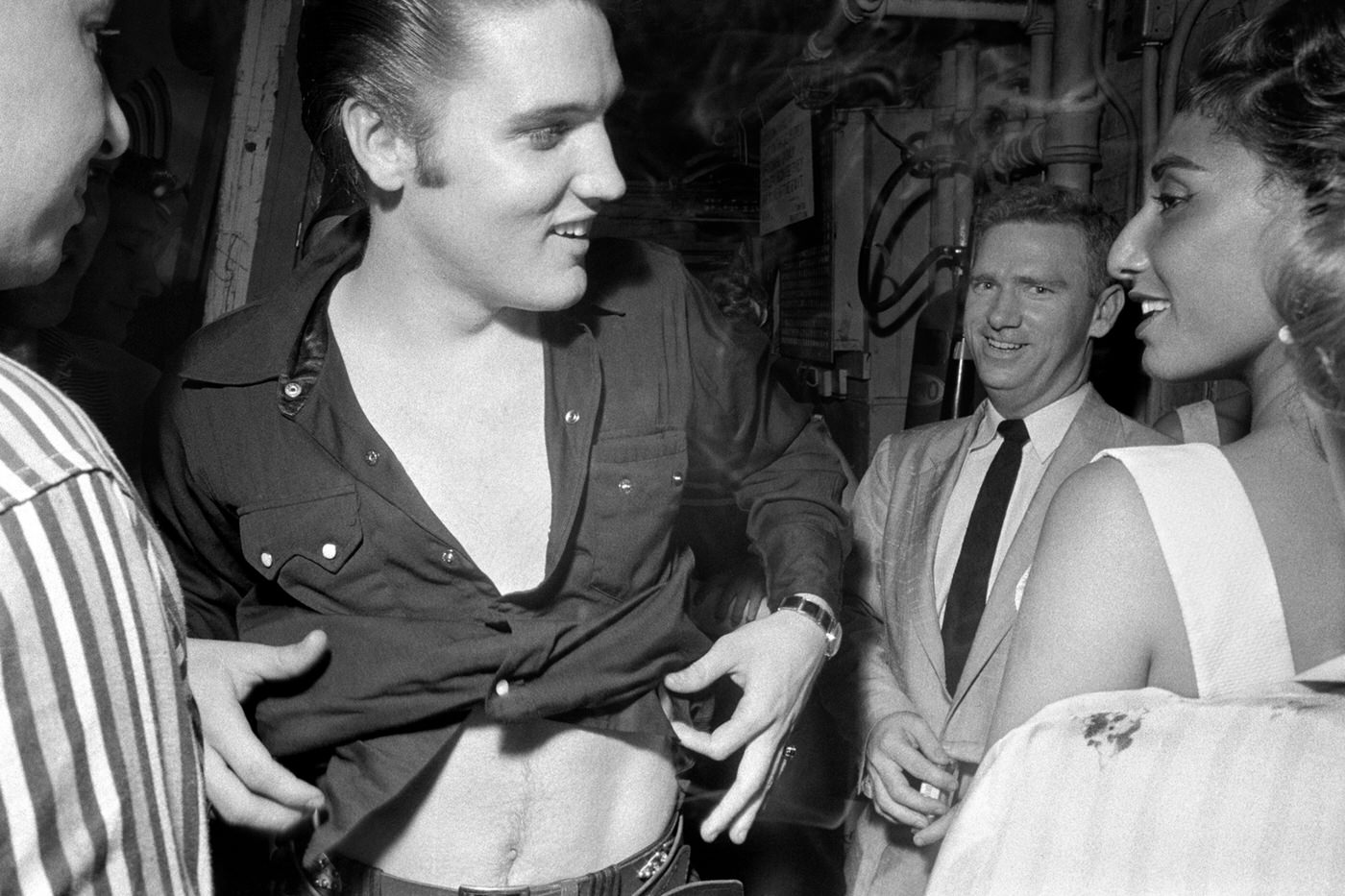
Backstage at the Mosque Theatre in Richmond, Elvis was photographed in relaxed, candid moments — goofing around with locals and crew between sets.
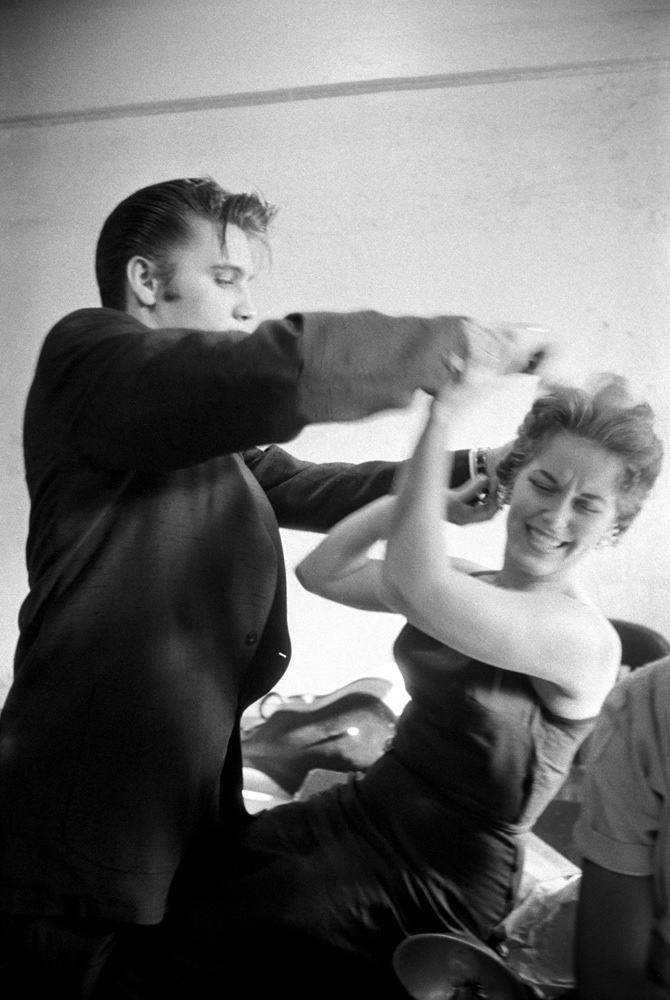
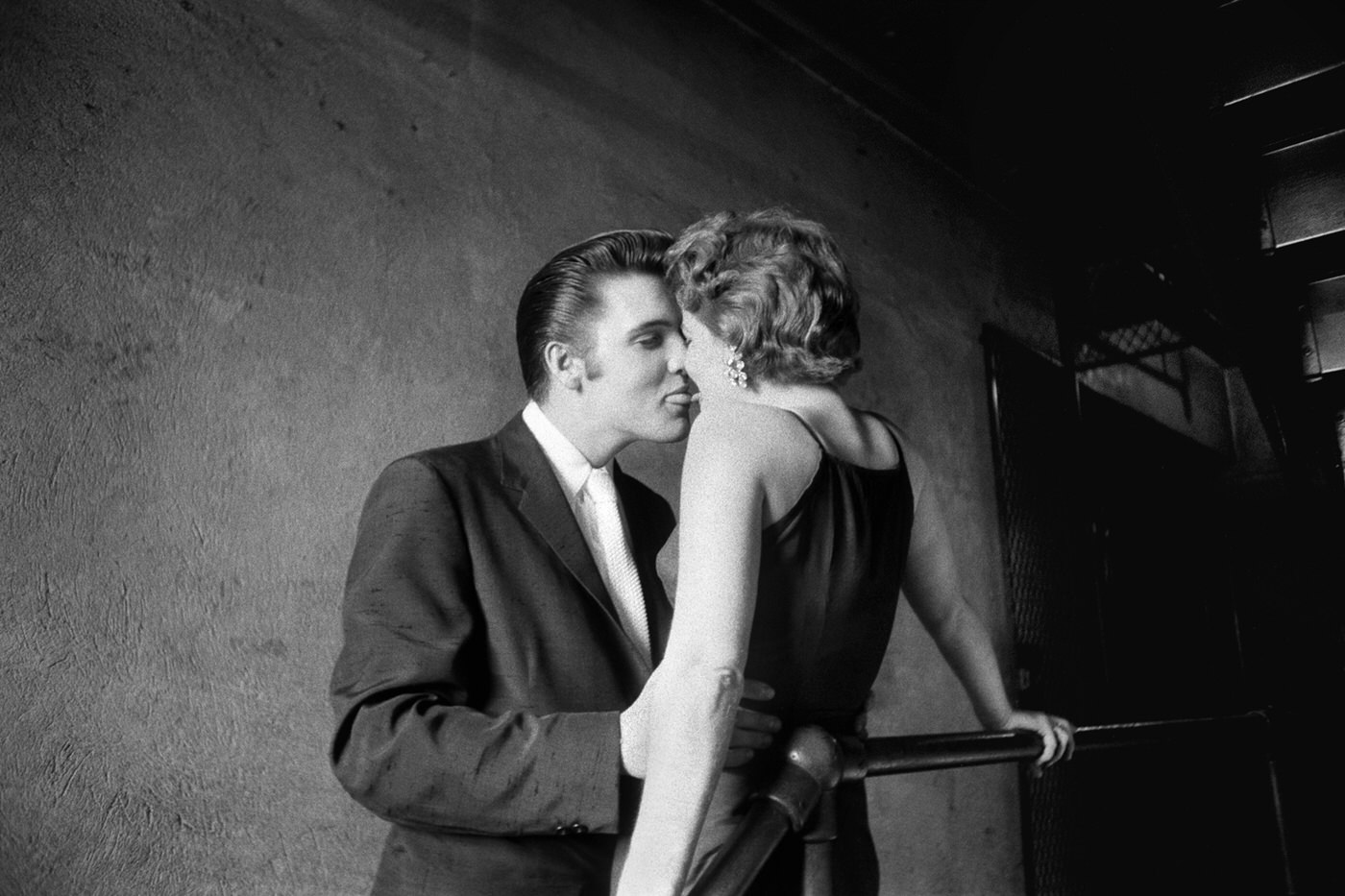
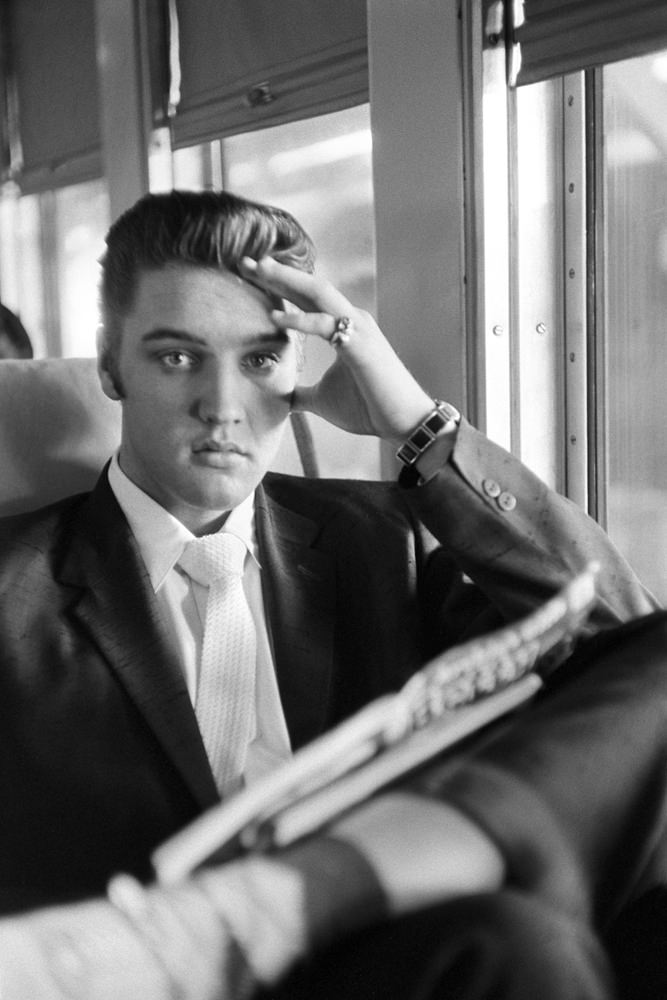
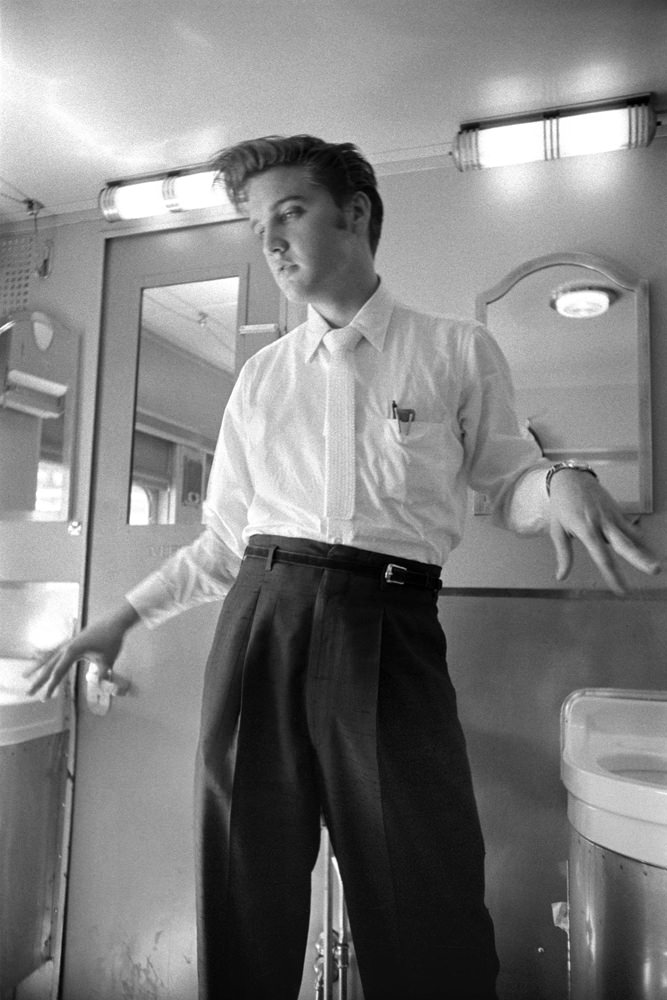
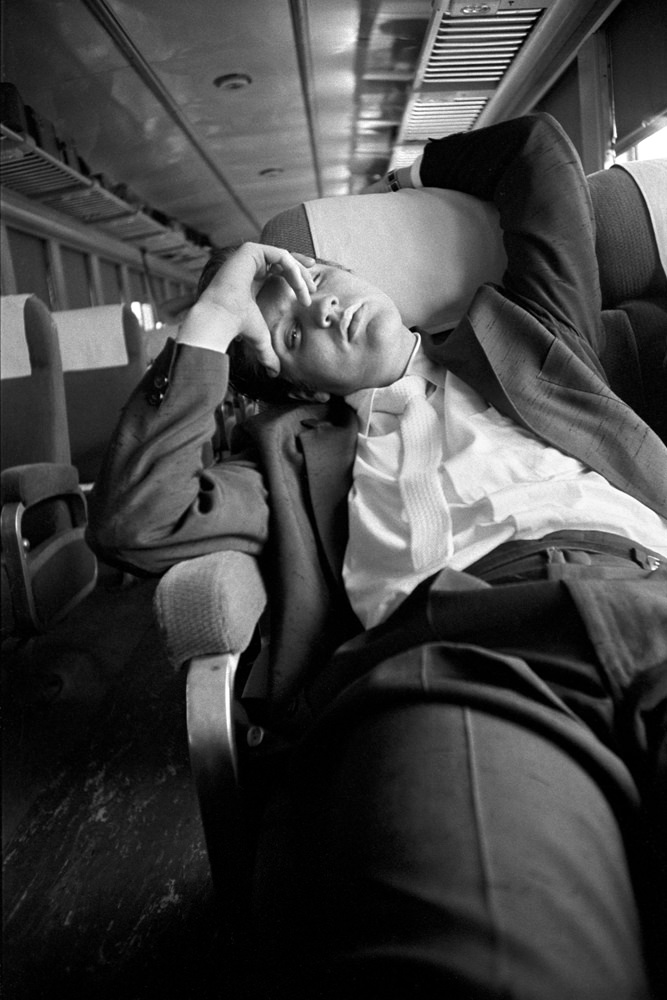
The tour continued through Alabama and beyond. Off stage, Elvis was a 21-year-old on the road — reading comic books on trains, grabbing lunch in small-town diners, and catching sleep wherever he could.
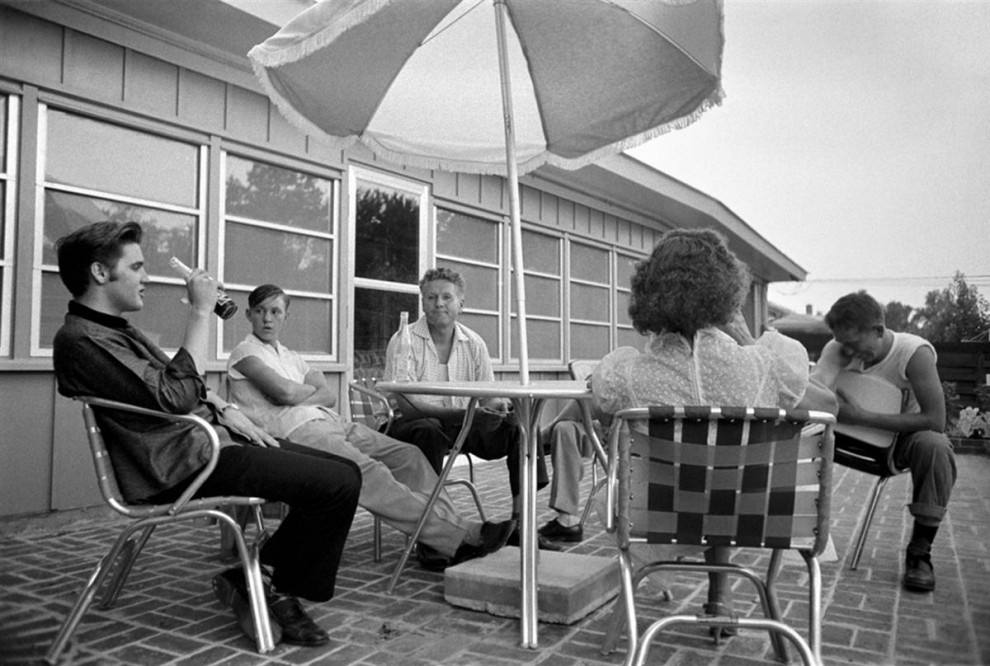
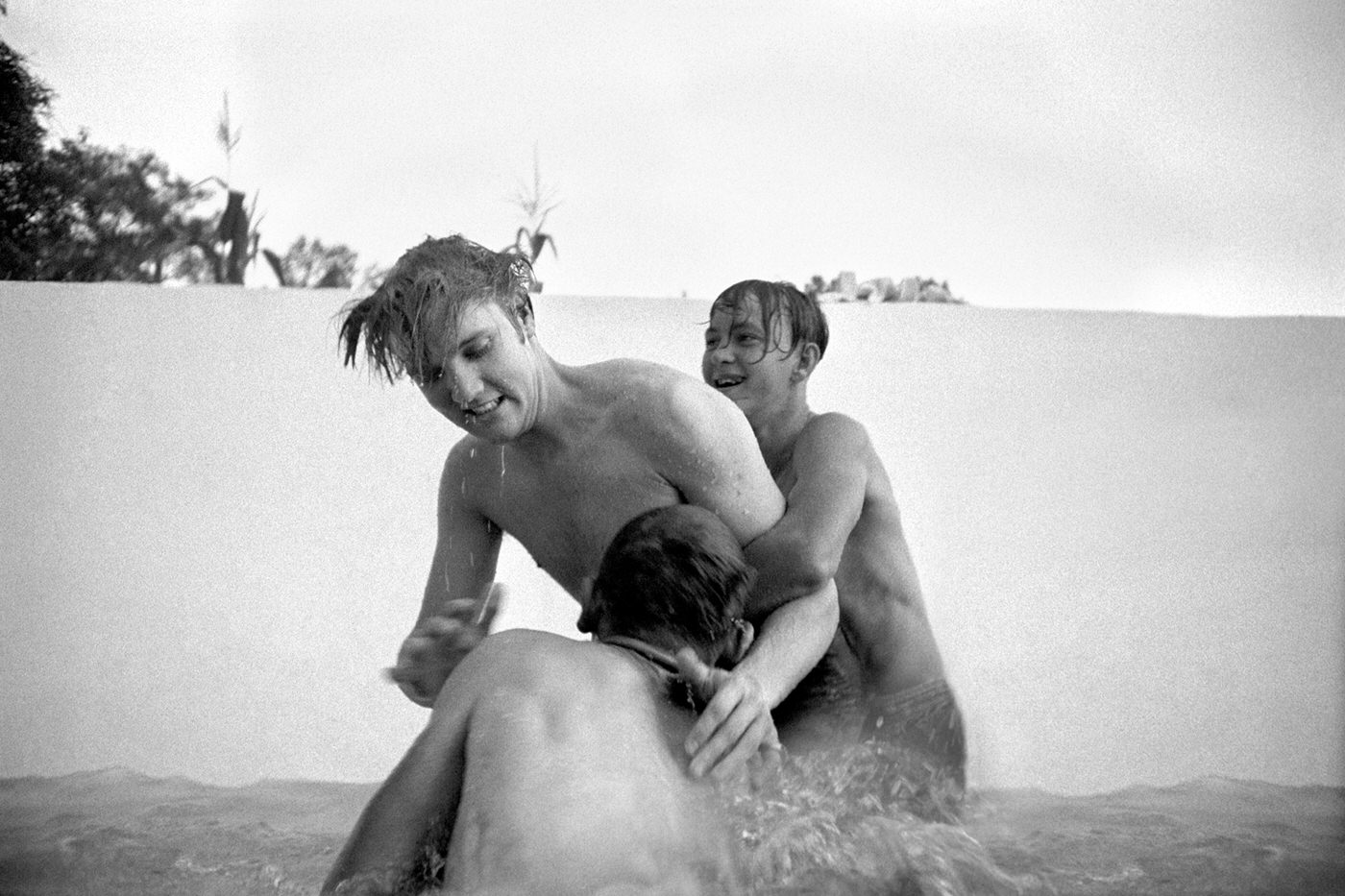
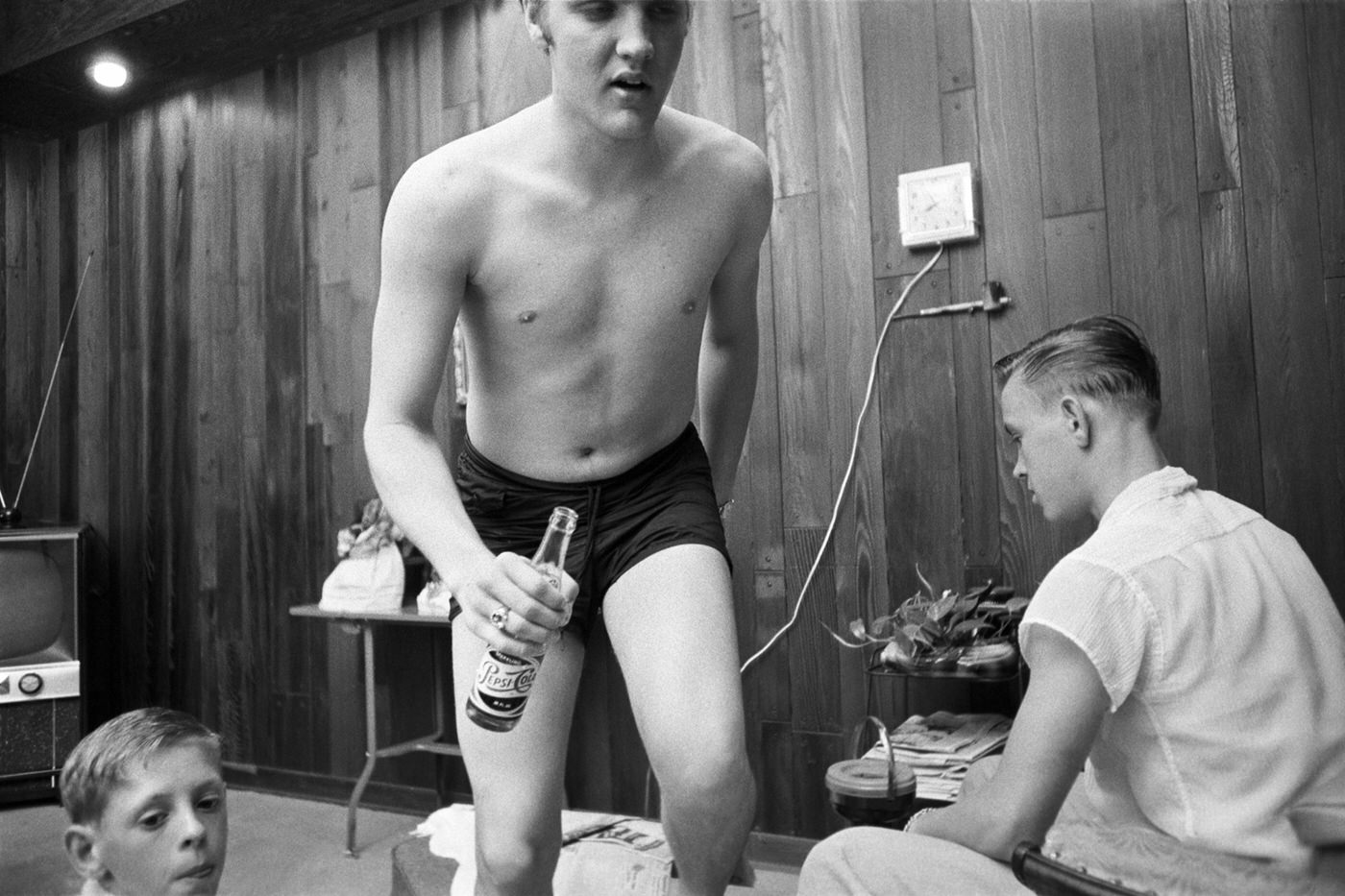
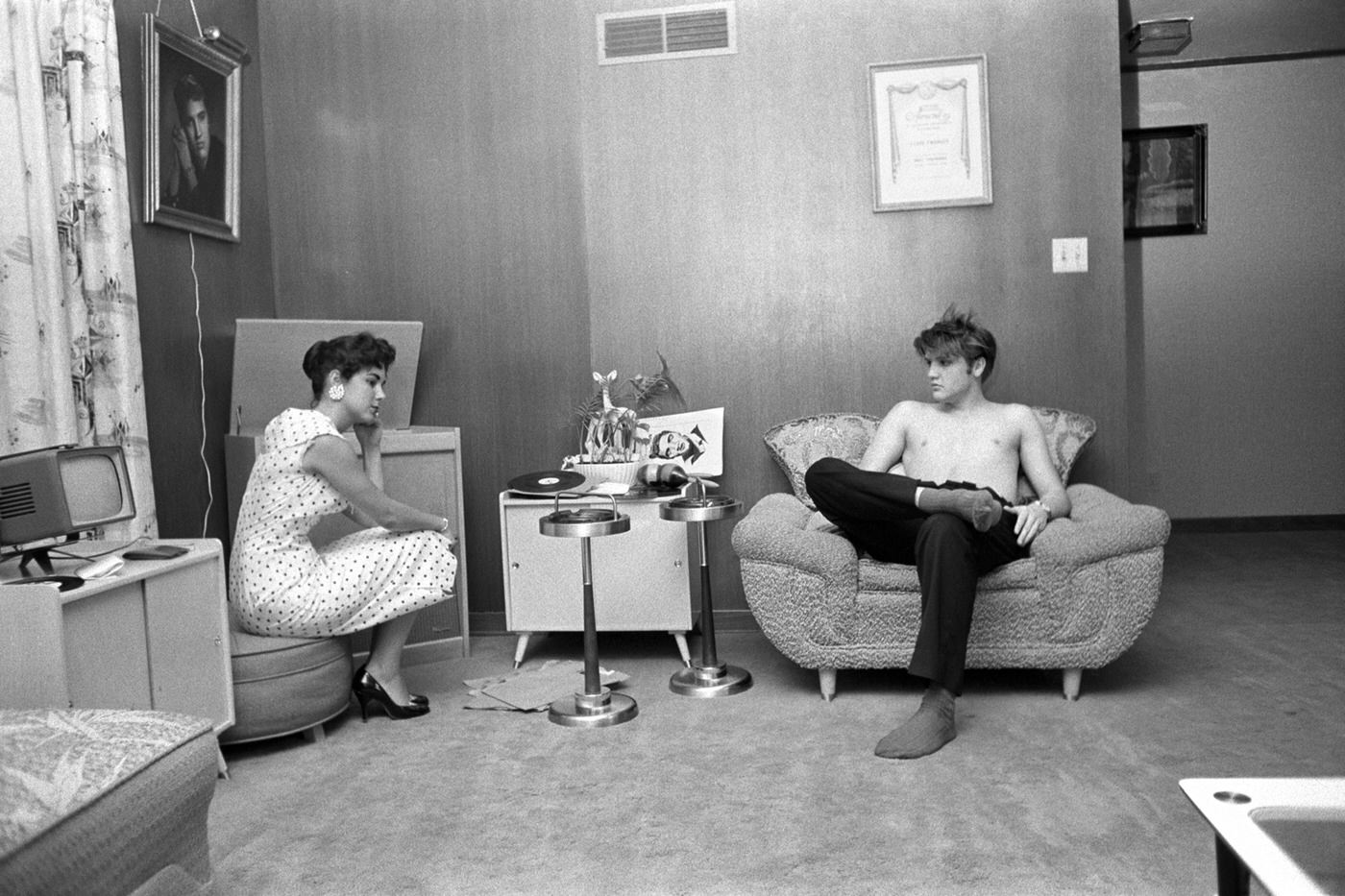
Between tour legs, Elvis returned to Memphis and the family home at 1034 Audubon Drive. His success in 1956 meant he could afford to move his parents into better housing than they had ever known. At home, he was relaxed and surrounded by family.
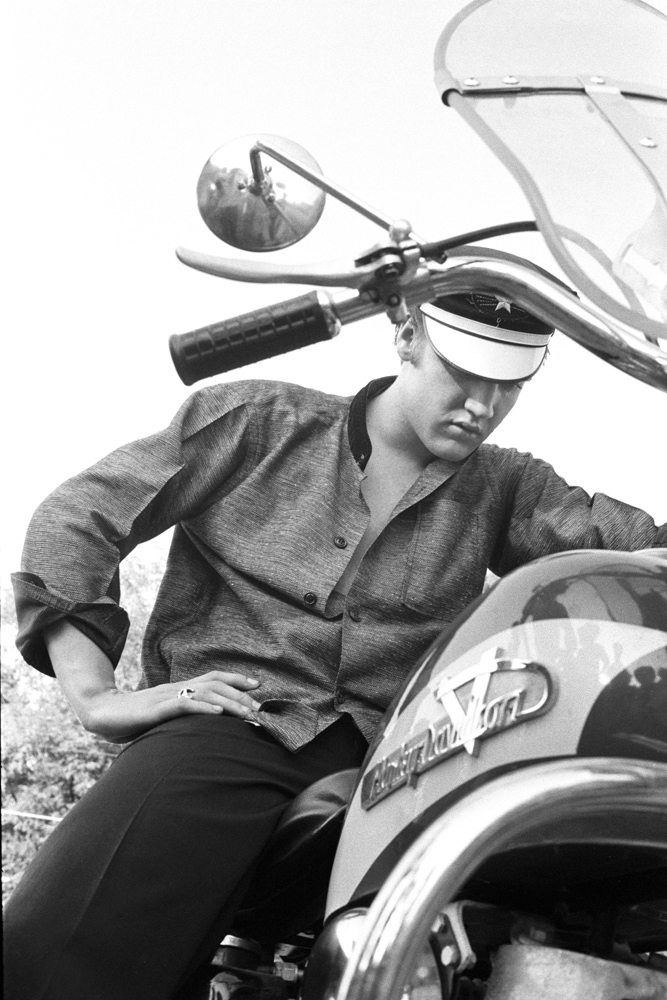
One of the biggest hometown events of 1956 was Elvis’s performance at Russwood Park in Memphis — a charity benefit show that drew an enormous crowd of loyal local fans who had followed him from the very beginning.
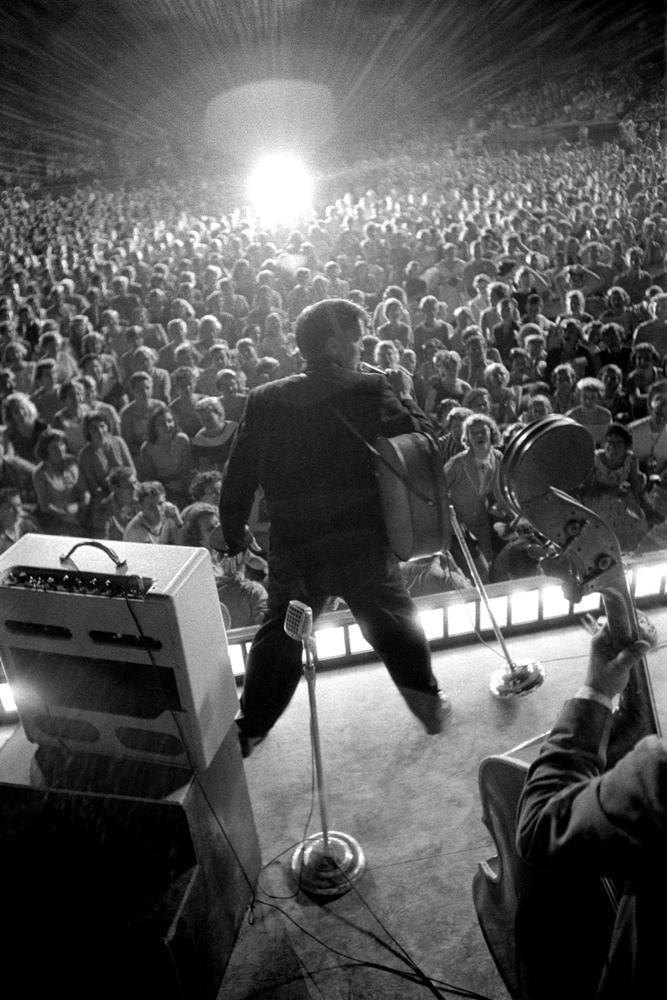
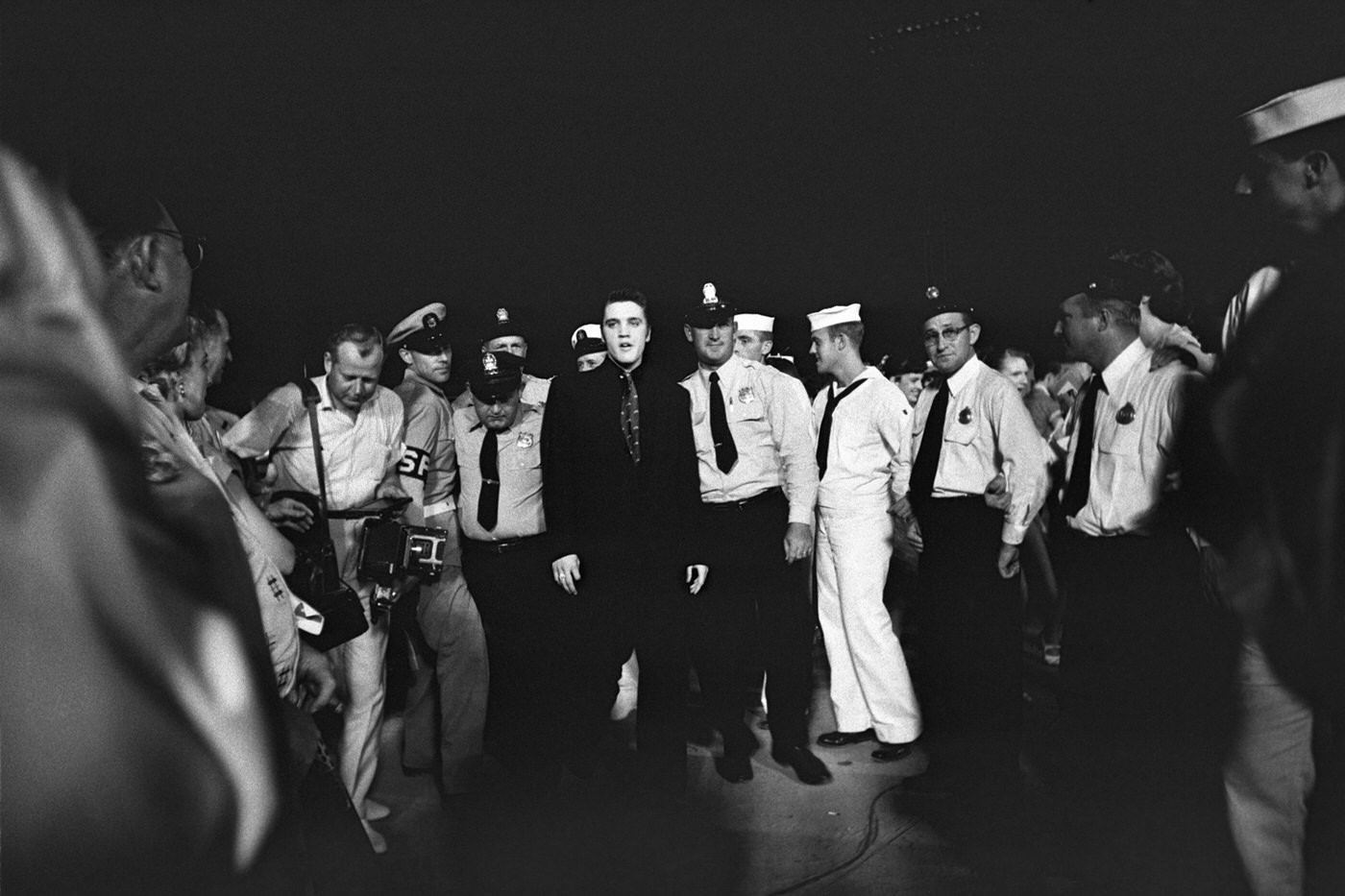
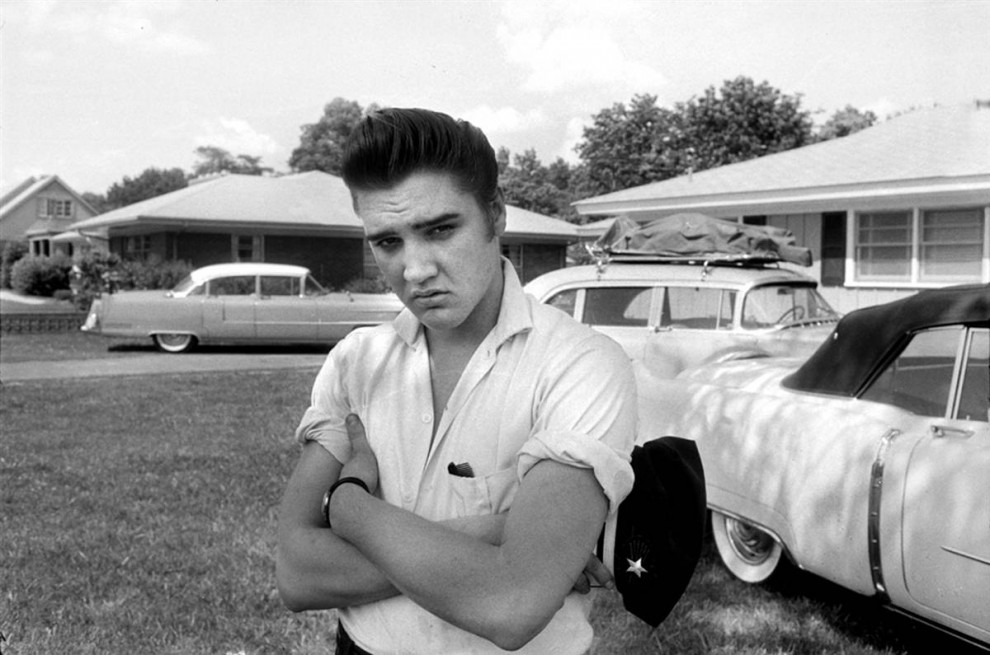
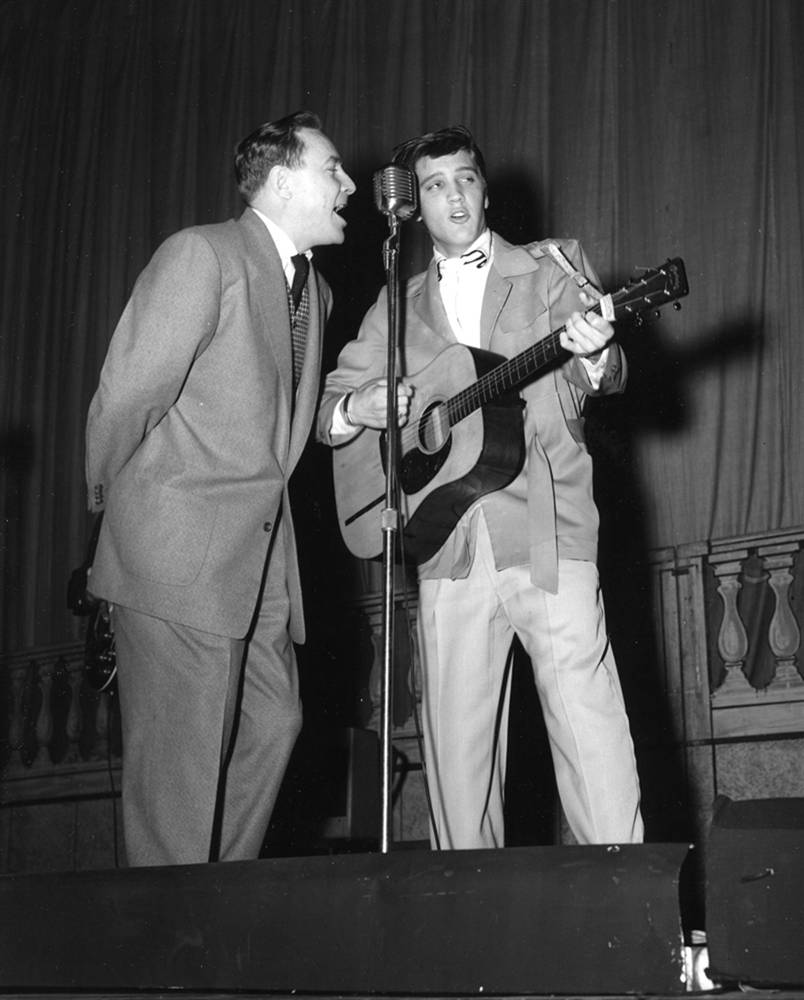
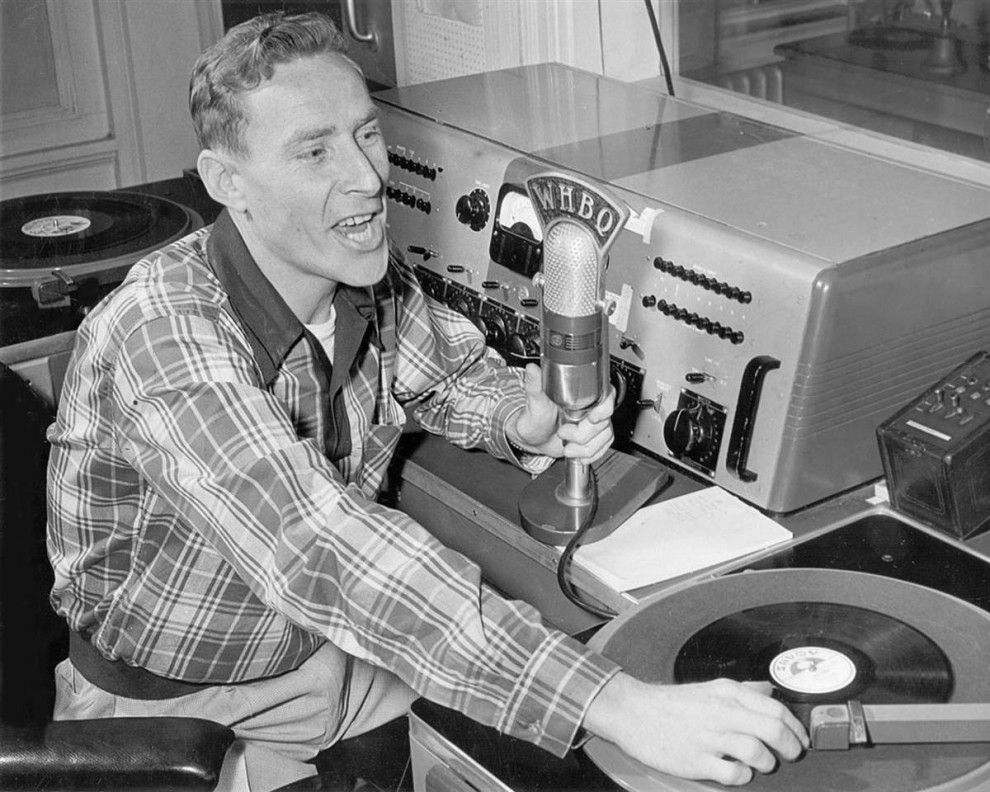
Ellis Auditorium in Memphis was another key venue for Elvis during this period. It was there that disc jockey Dewey Phillips — the man who had first played “That’s All Right” on Memphis radio in 1954 — shared the stage with him. Phillips’s support had been critical in breaking Elvis locally before any label came calling.
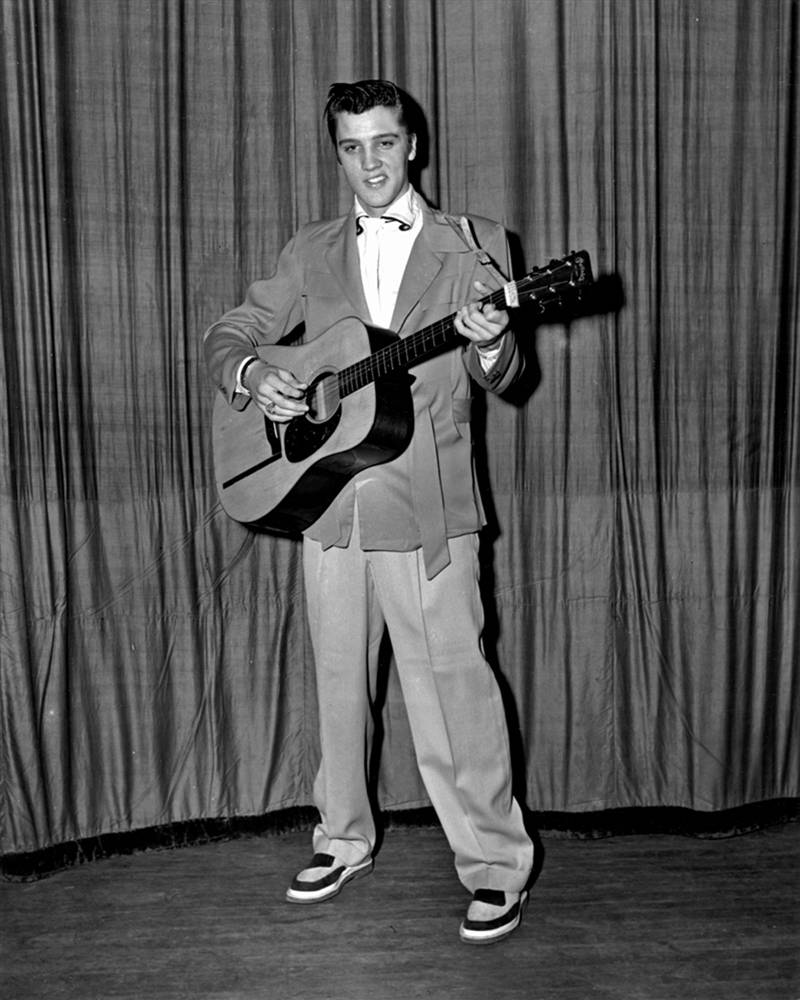
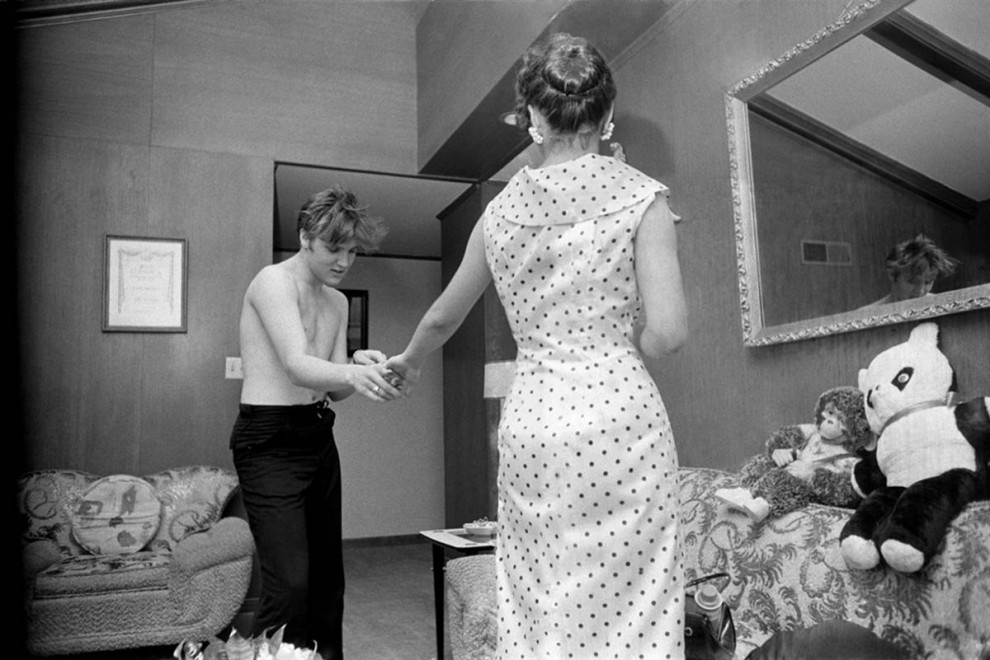
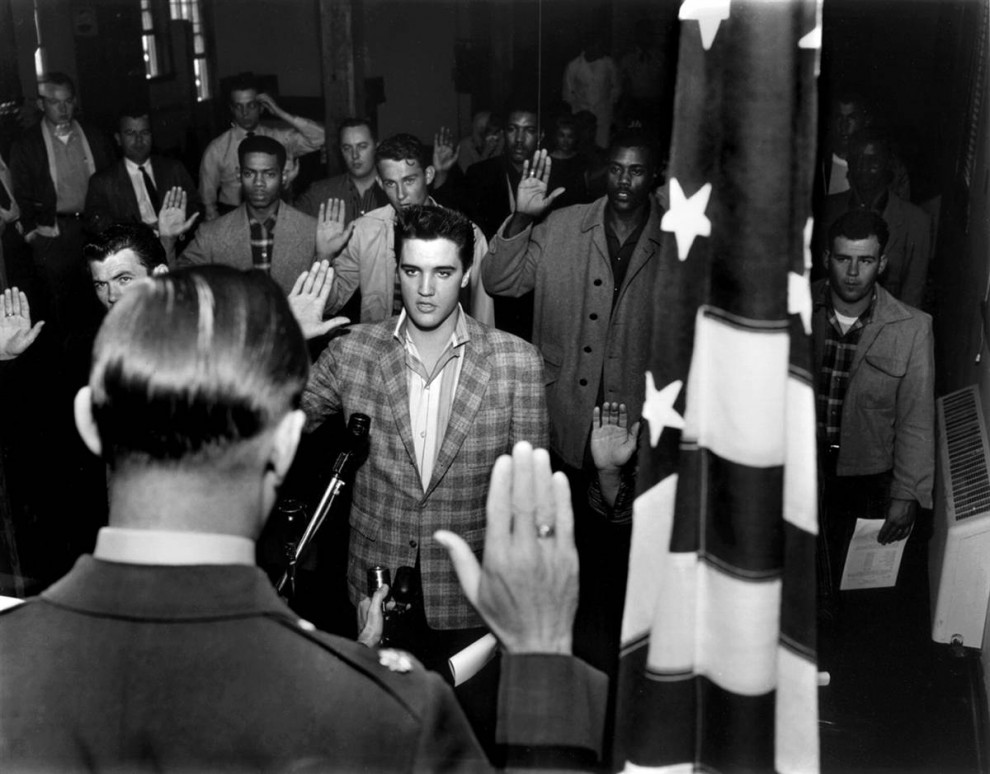
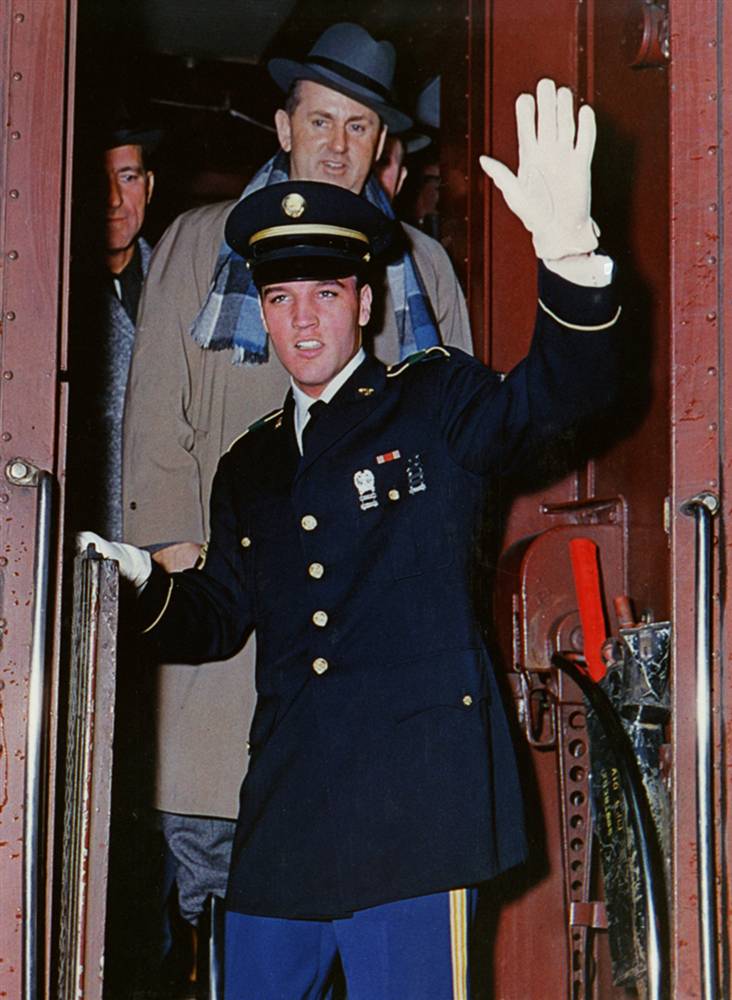
As 1957 rolled into 1958, Elvis’s life took a sharp turn. In March 1958, he was inducted into the U.S. Army and served as a regular soldier, stationed in West Germany. His induction was photographed widely, marking a clear line between his early career and what came after.
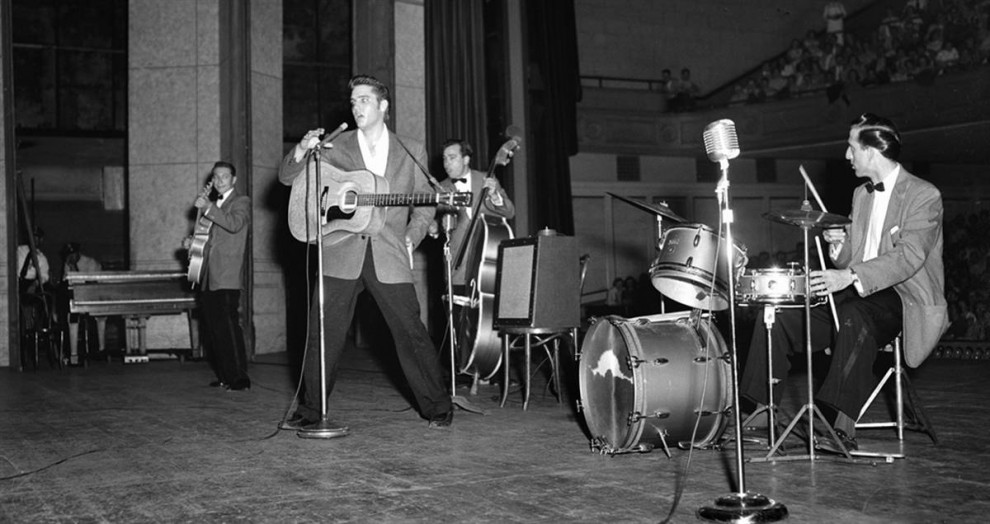
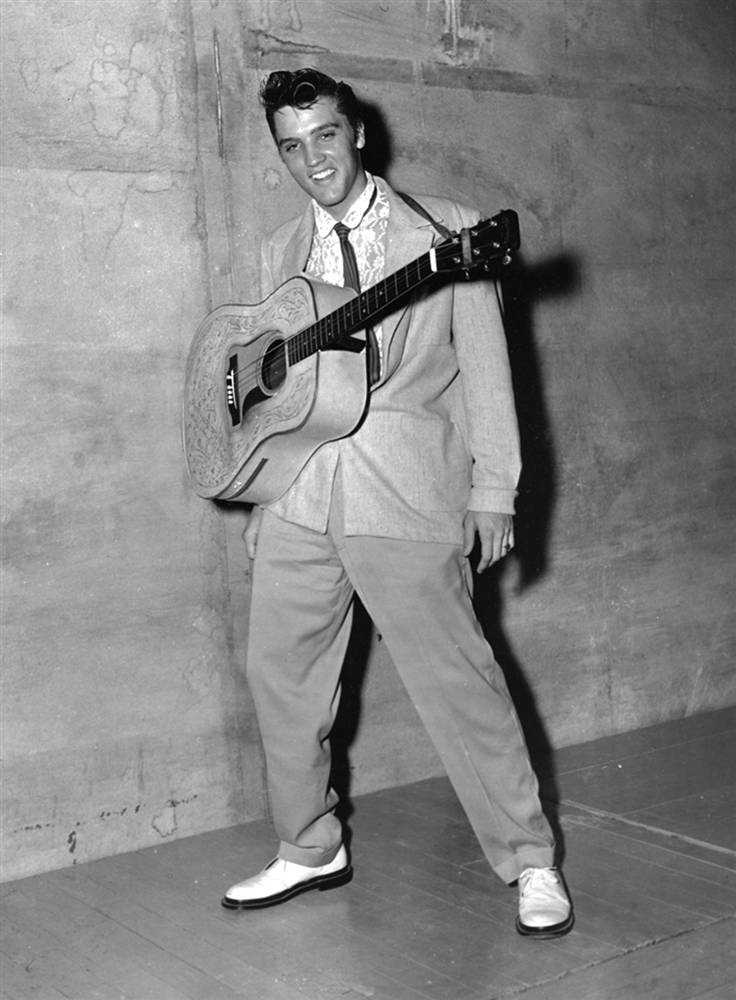
Before the Army took him away, these photographs captured the raw energy of a young performer still learning what stardom meant. At Overton Park Shell in Memphis in 1955, he was still a local act building momentum.
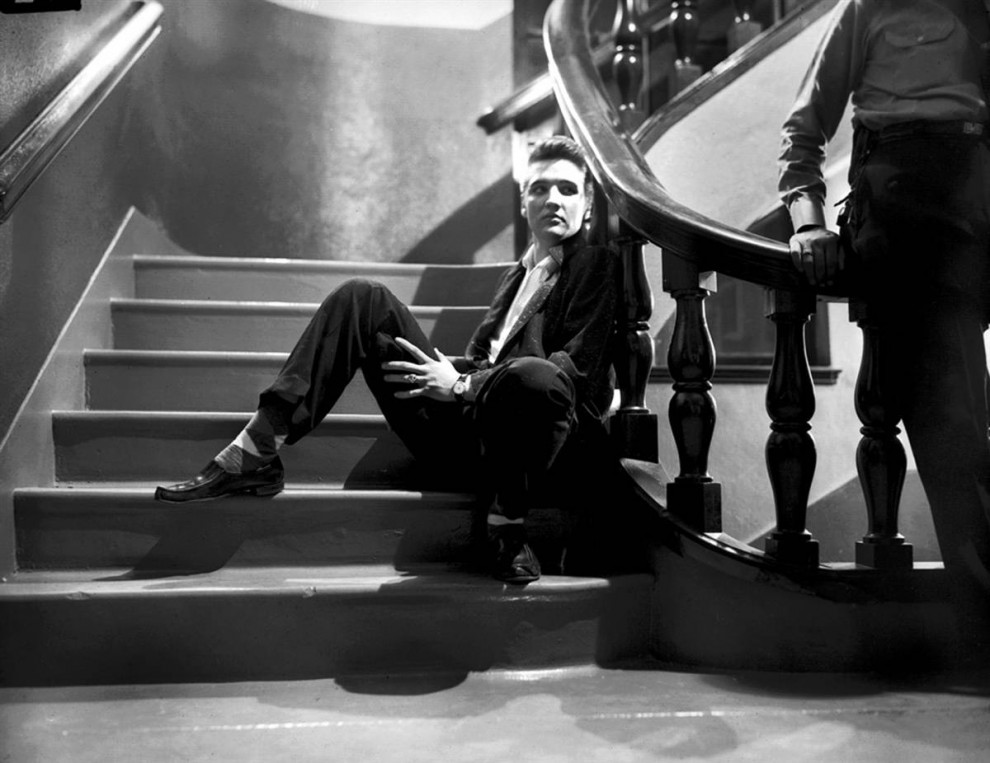
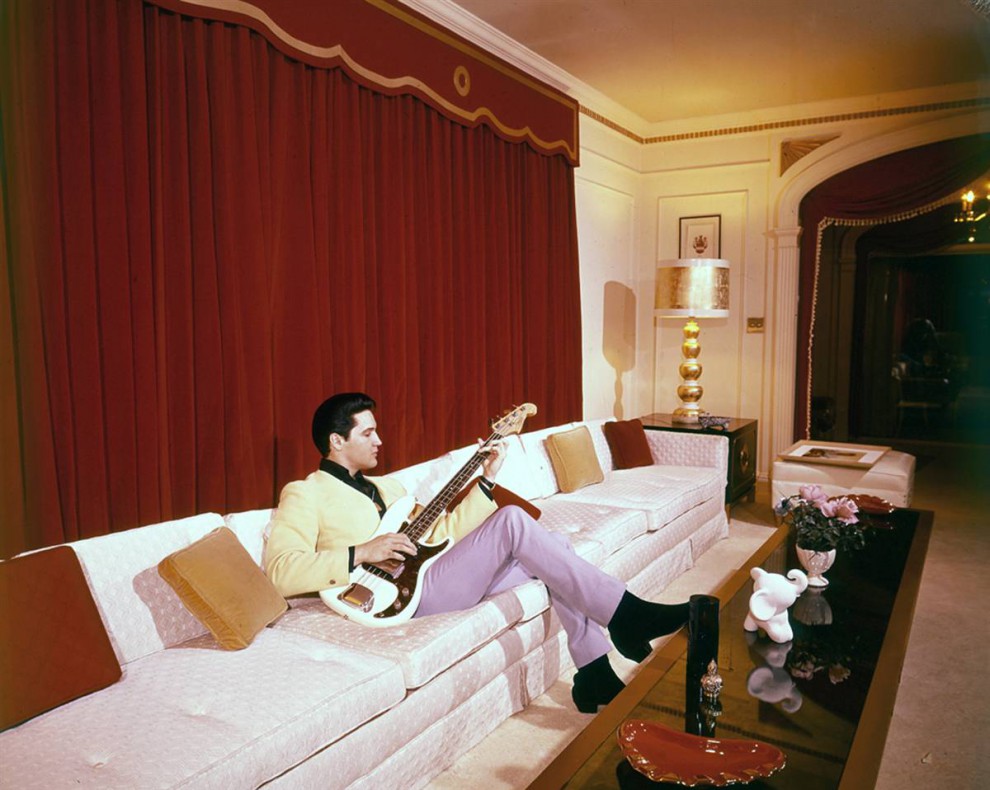
By the mid-1960s, following his discharge and return to recording, Elvis had settled into Graceland — the mansion he purchased in 1957. These later images show a man far removed from the scrappy kid who once paid a few dollars at Sun Records just to hear his own voice on tape.
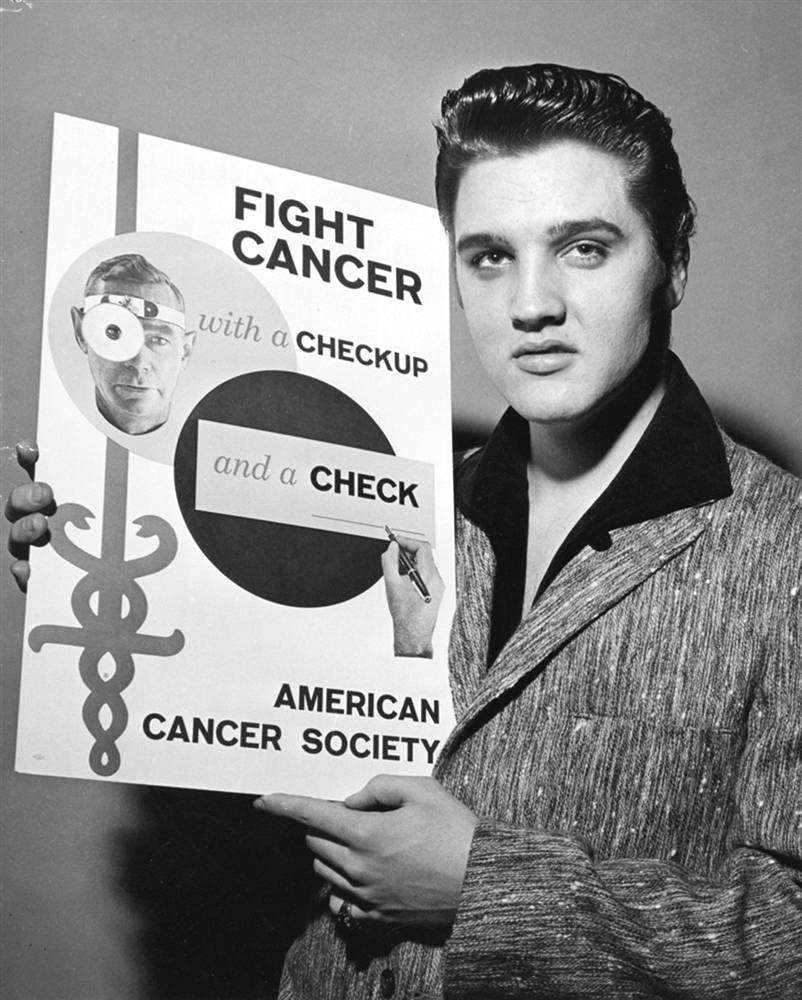
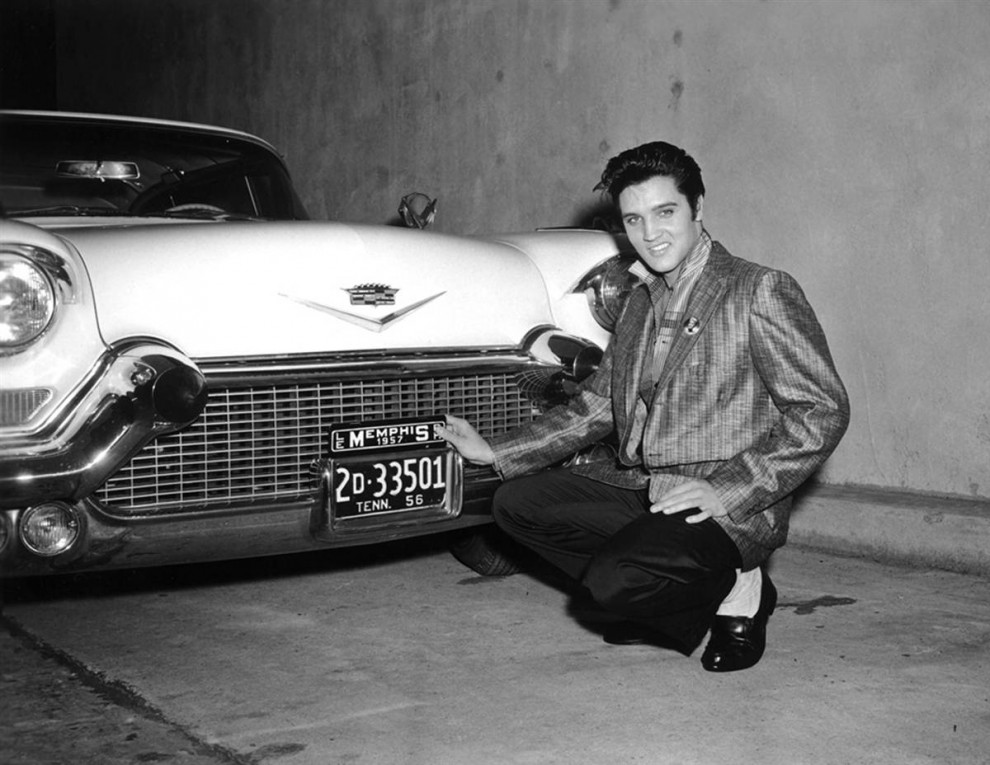
Back in Memphis, daily life offered small, ordinary glimpses of the man behind the fame — stopping at a local barbershop, spending time at home with family, or just existing in the city that shaped him.