On November 20, 1947, Princess Elizabeth married Prince Philip at Westminster Abbey in London. Britain was only two years removed from the end of World War II. Rationing was still in place. Rebuilding was underway. Against that backdrop, the wedding became something the public desperately needed — a genuine reason to celebrate.
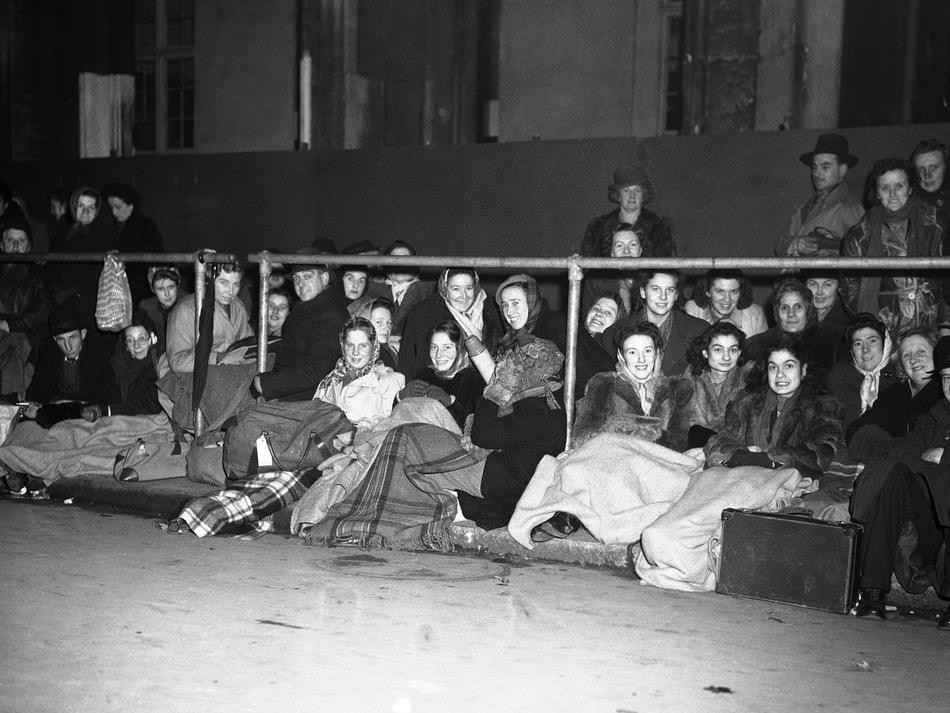
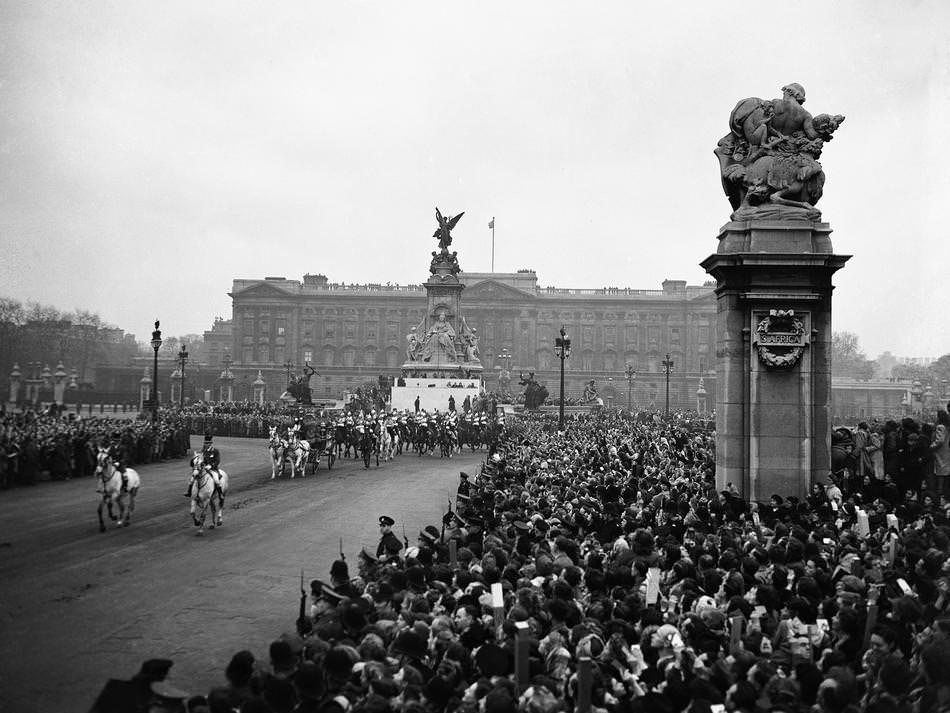
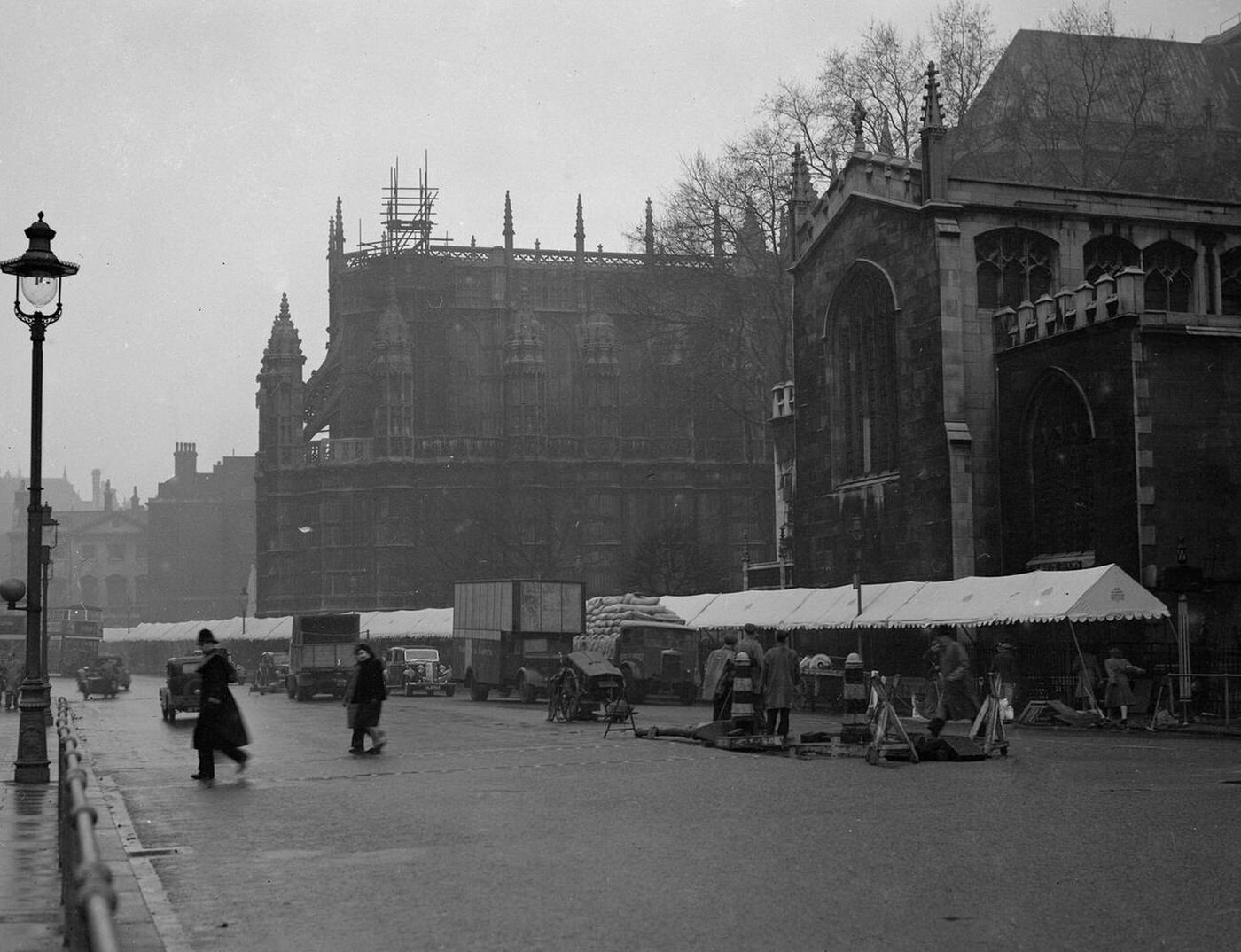
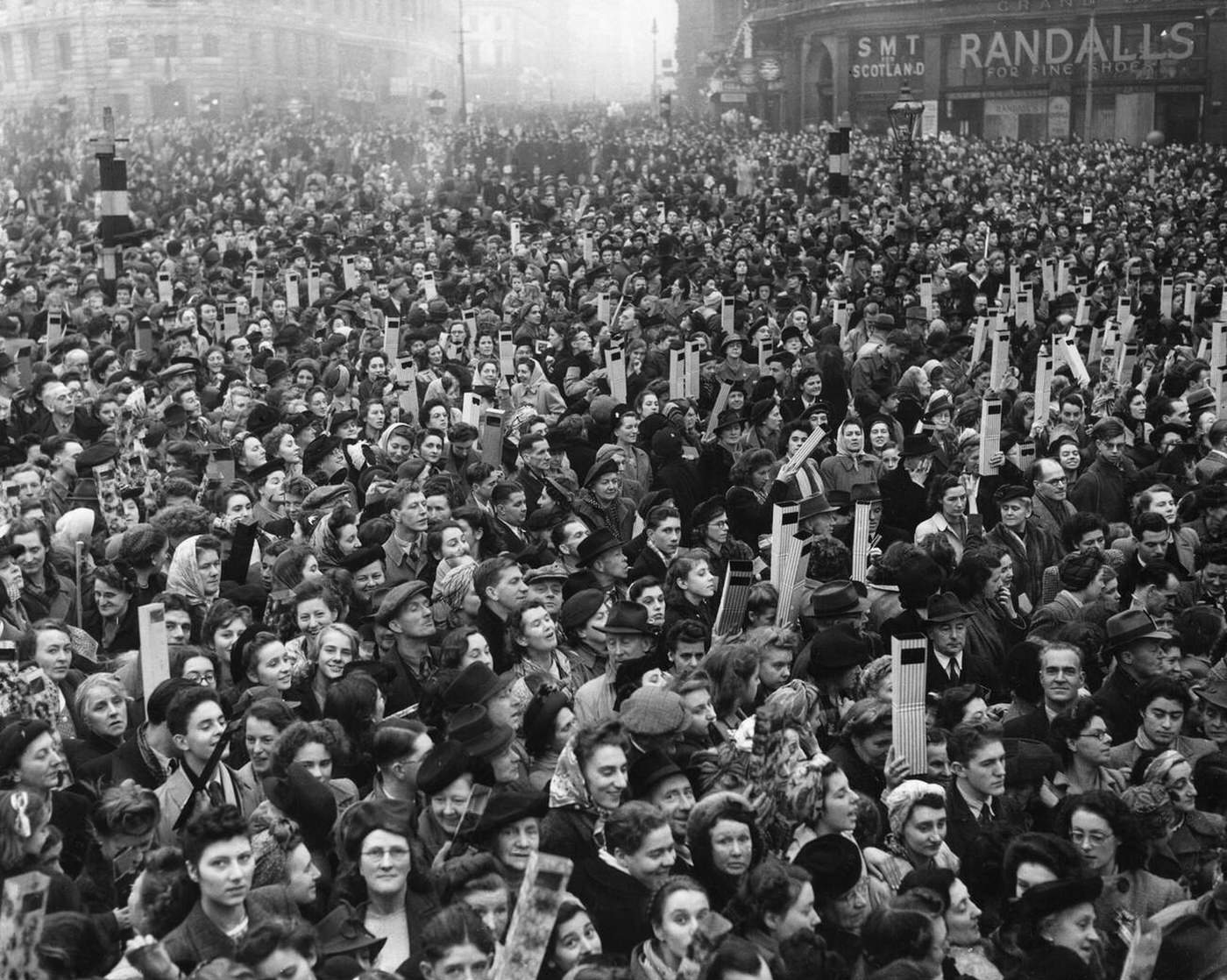
People camped on the streets of London the night before the ceremony just to secure a good spot along the route. The public’s excitement was real and visible. Crowds flooded the city well before the procession began, lining every major road between Buckingham Palace and the Abbey.
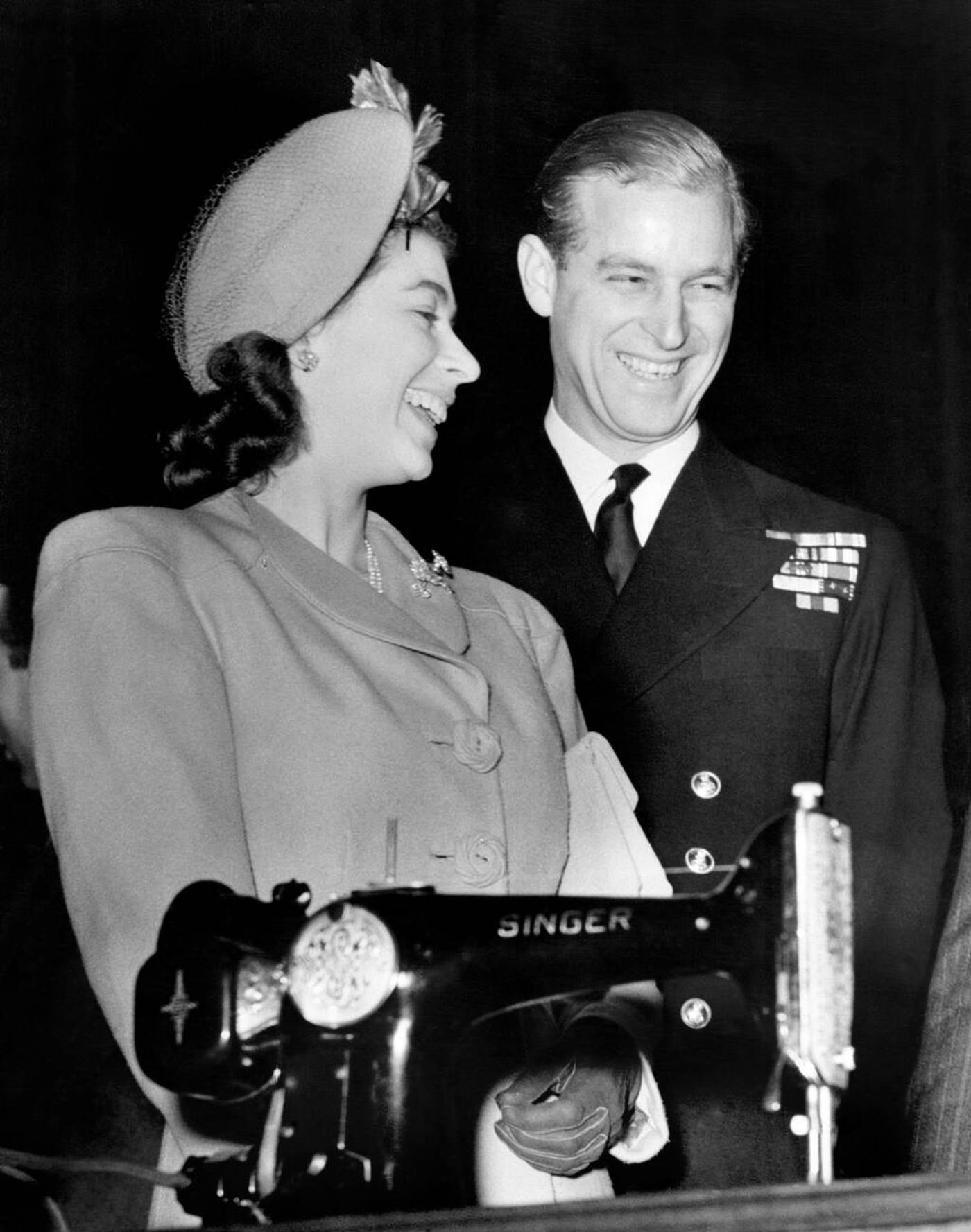
Princess Elizabeth was the elder daughter of King George VI, and her path to the throne was already set. Prince Philip came from Greek and Danish royal families and had served in the Royal Navy during the war. Before the wedding, he renounced his foreign royal titles, became a British citizen, and took the name Philip Mountbatten. The couple got engaged earlier in 1947, and Philip had designed Elizabeth’s engagement ring himself — using diamonds taken from a tiara that belonged to his mother.
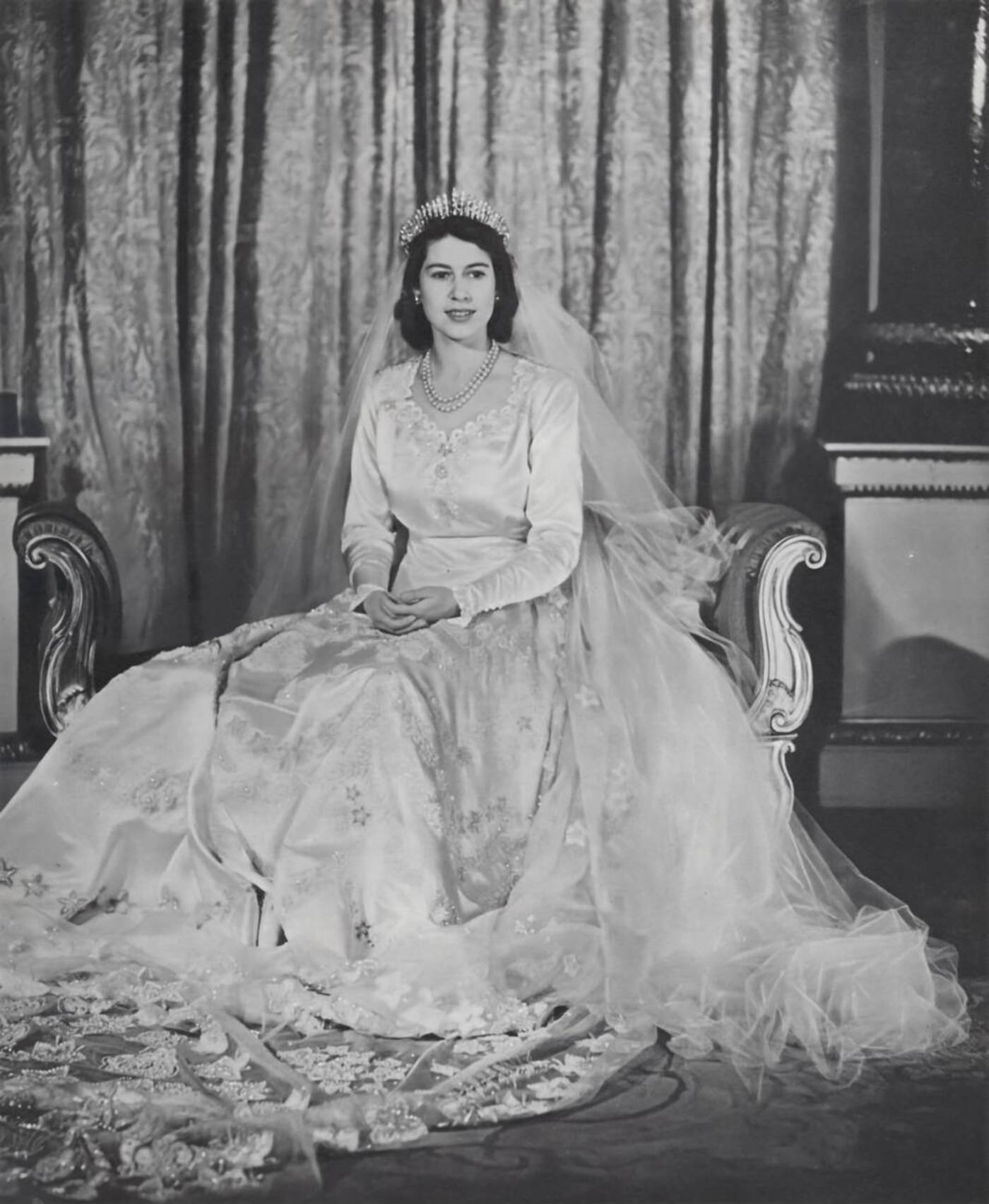
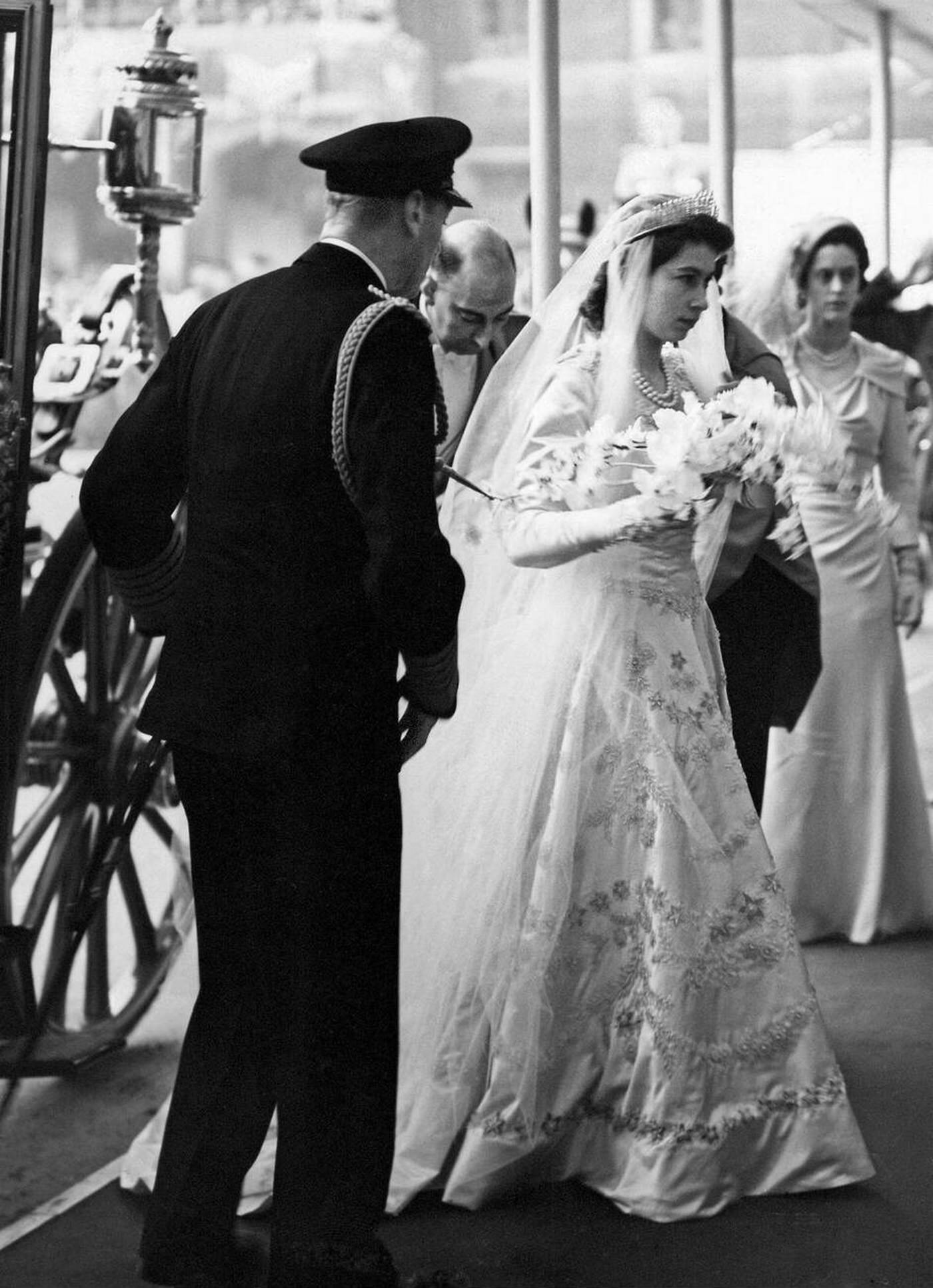
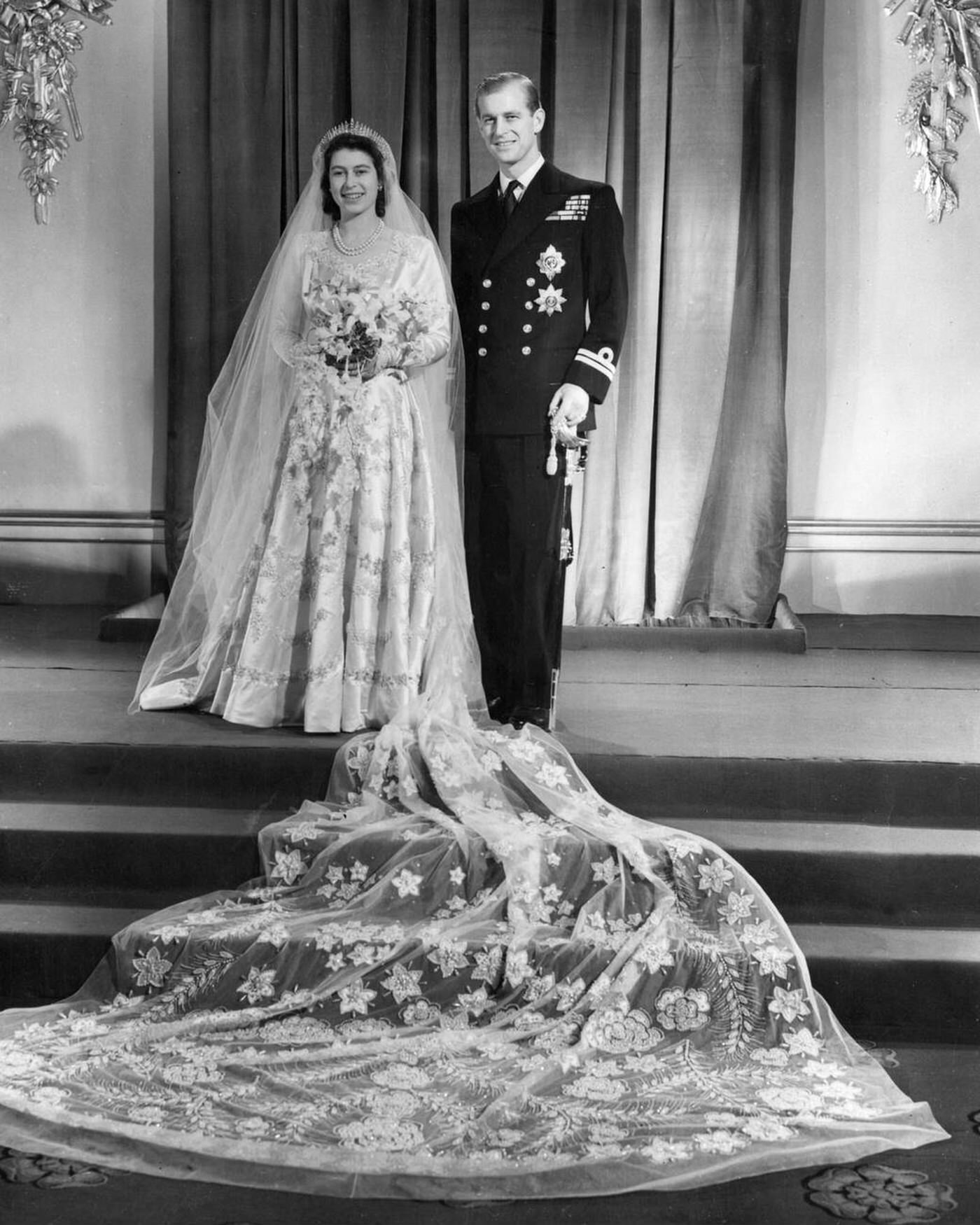
Planning a royal wedding during rationing presented real logistical challenges. Elizabeth used ration coupons to purchase the material for her dress, and the government provided an additional 200 coupons as a formal gift. Designer Norman Hartnell created the gown from ivory silk, embroidering it with thousands of pearls and crystals. The design featured symbolic floral patterns representing each country of the United Kingdom. The train, inspired by a painting by Botticelli, stretched over four meters in length.
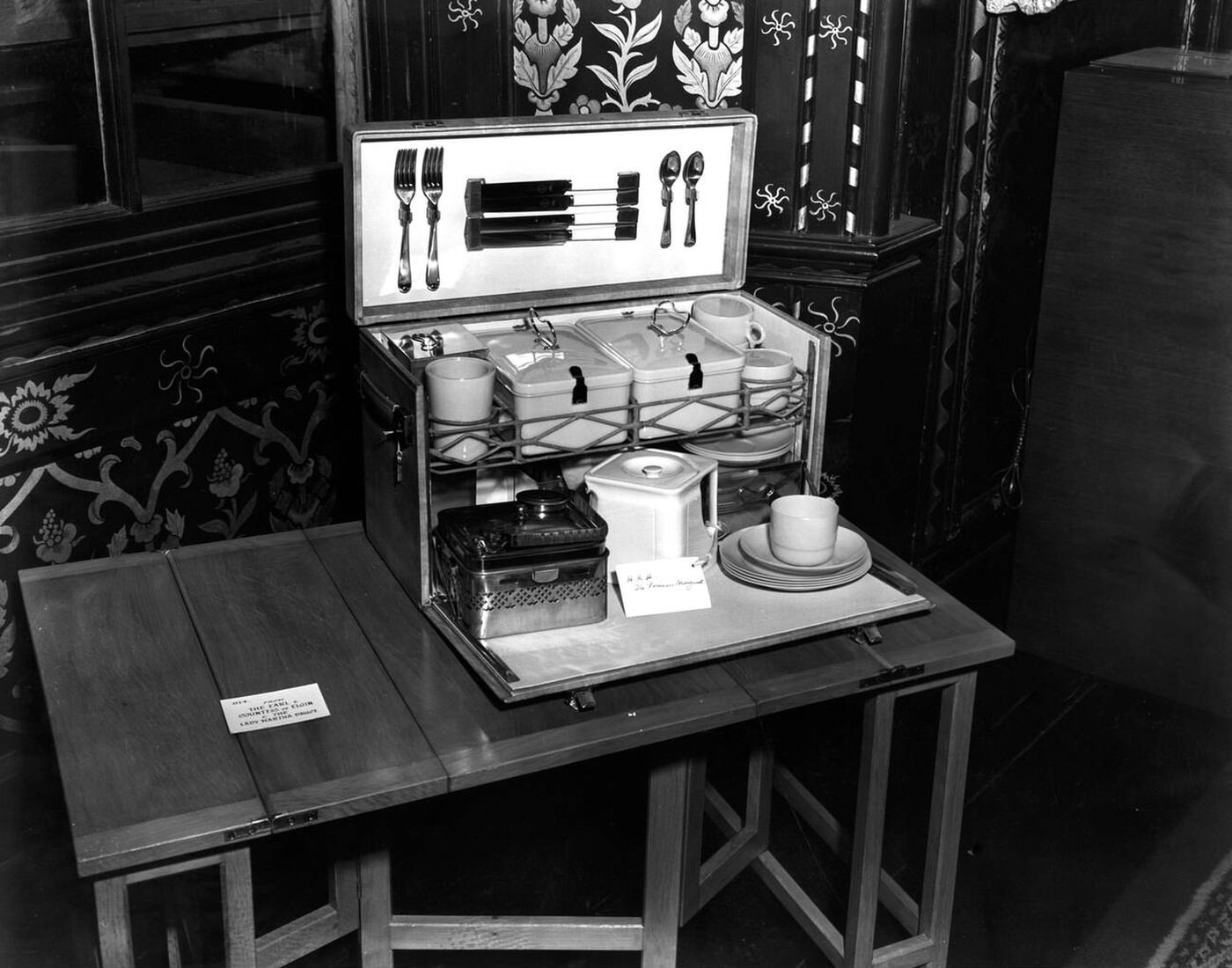
The wedding cake stood nine feet tall across four tiers. Because many ingredients were scarce in postwar Britain, some were sent from overseas as wedding gifts. One piece of the finished cake was even sent to Australia as a token of thanks. Elizabeth’s wedding ring followed a long-standing royal tradition — it was made from Welsh gold sourced from a specific mine in Wales.
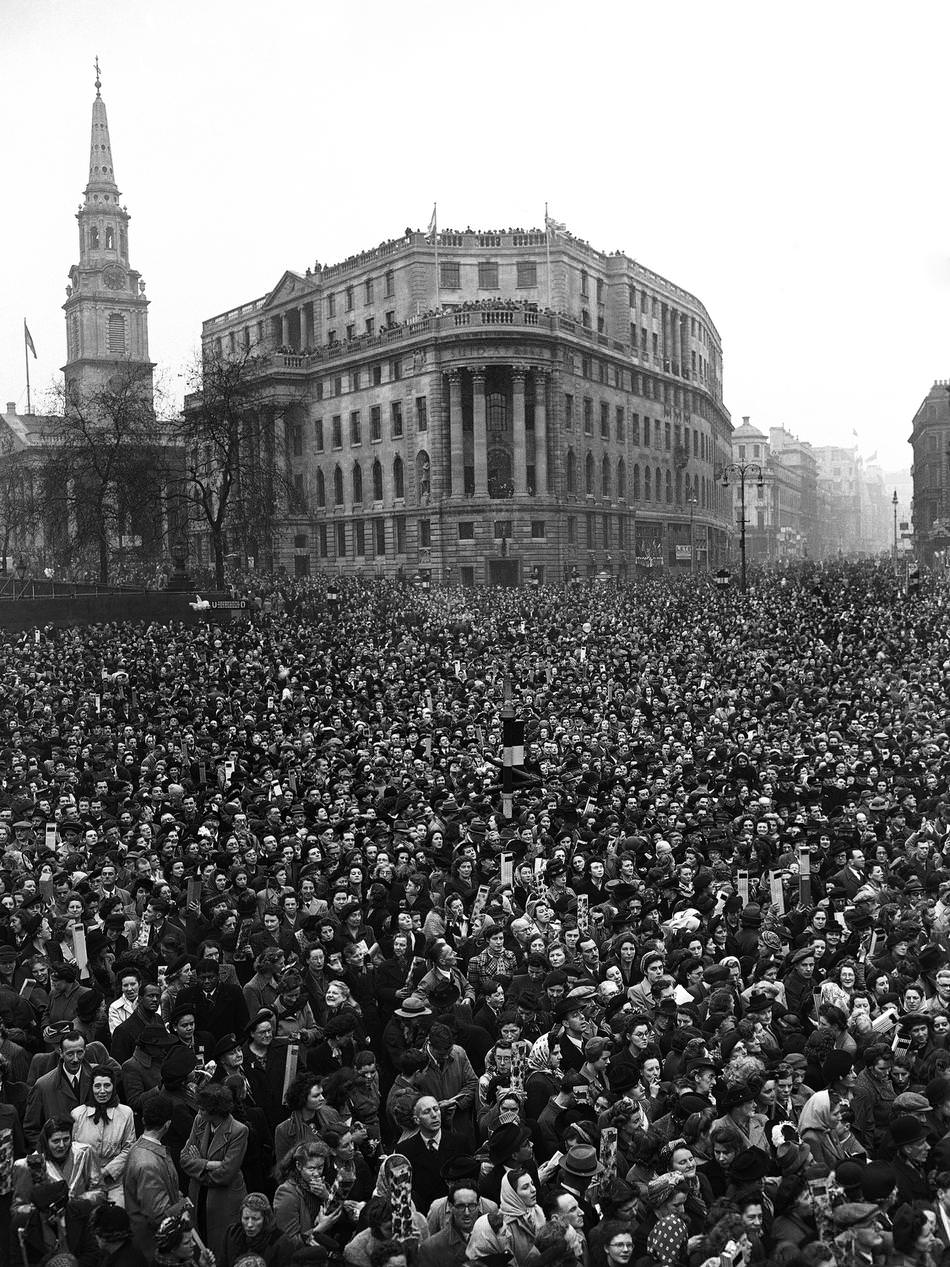
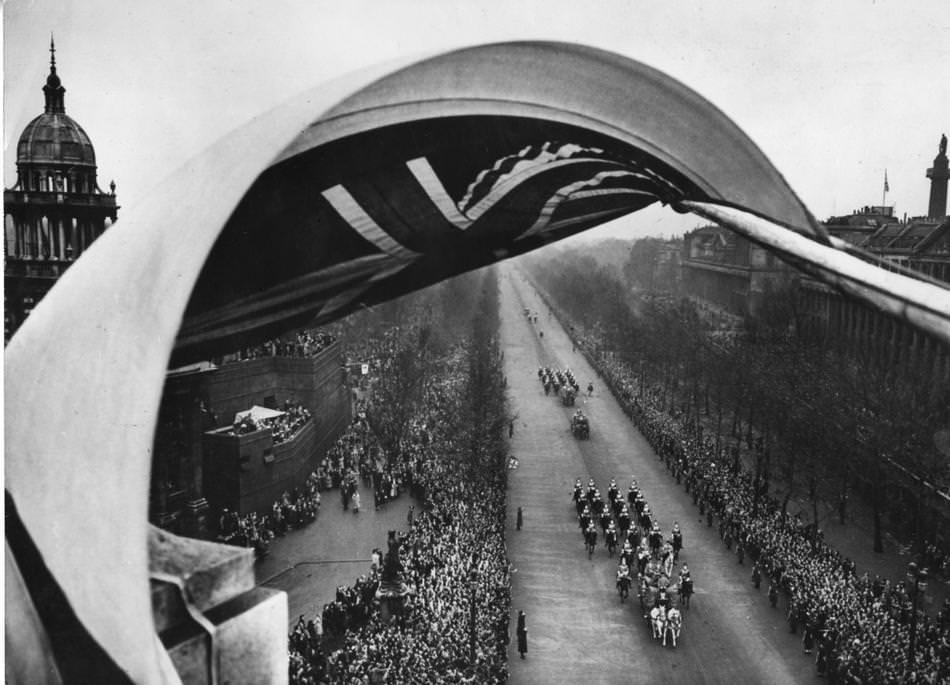
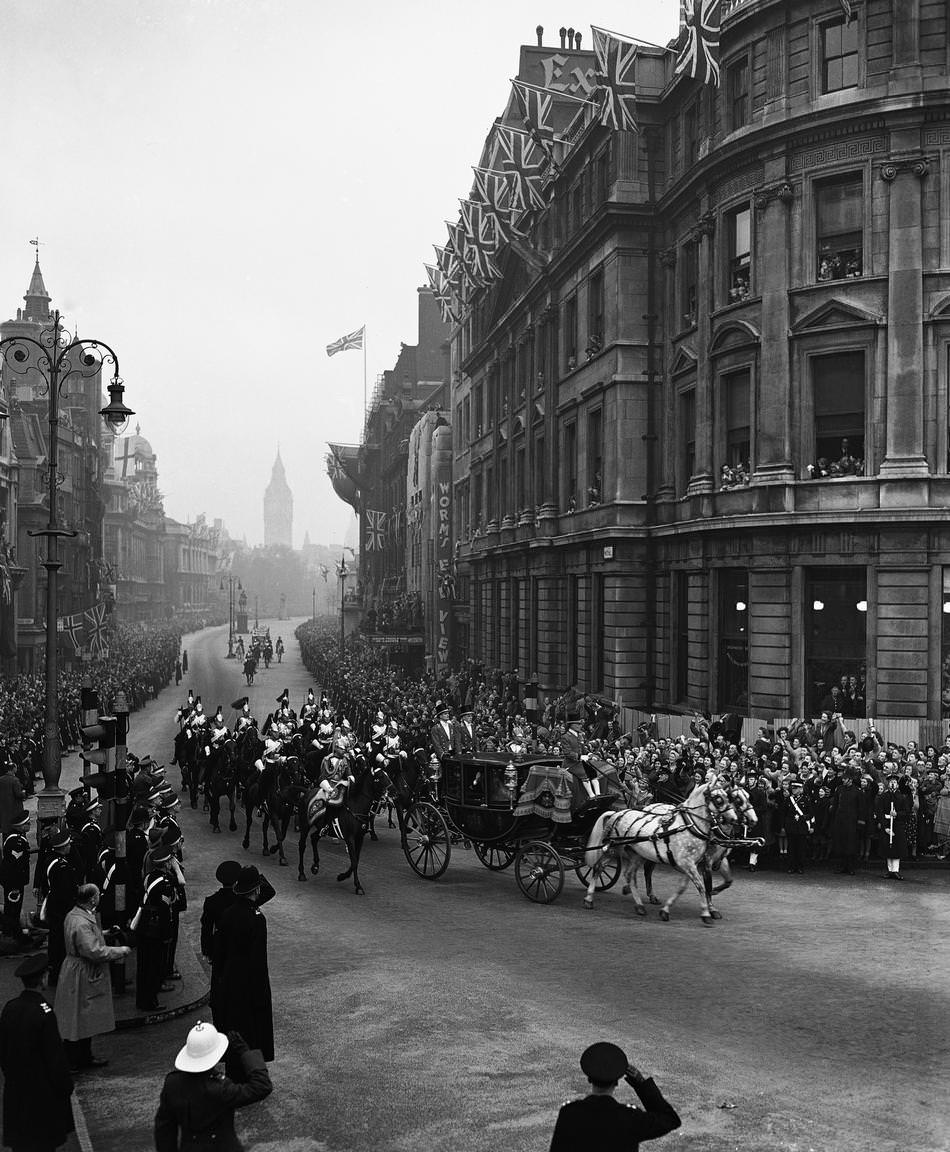
The procession from Buckingham Palace to Westminster Abbey drew enormous crowds. Elizabeth rode in the Irish Coach alongside her father, King George VI. The route was packed with onlookers straining for a view of the royal carriages passing through the decorated streets.
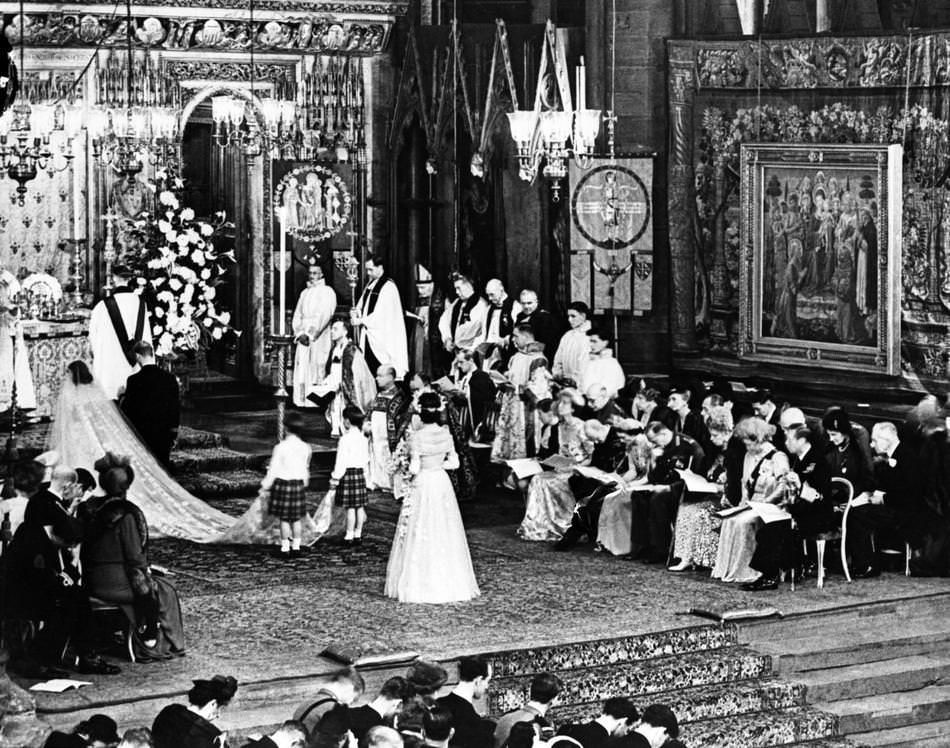
Inside the Abbey, kings, queens, and dignitaries from across the world filled the pews. The service was broadcast live on the radio, and millions of listeners tuned in across Britain and internationally. Eight bridesmaids accompanied Elizabeth down the aisle, including her younger sister, Princess Margaret. Philip’s best man was his cousin David Mountbatten, the Marquess of Milford Haven.
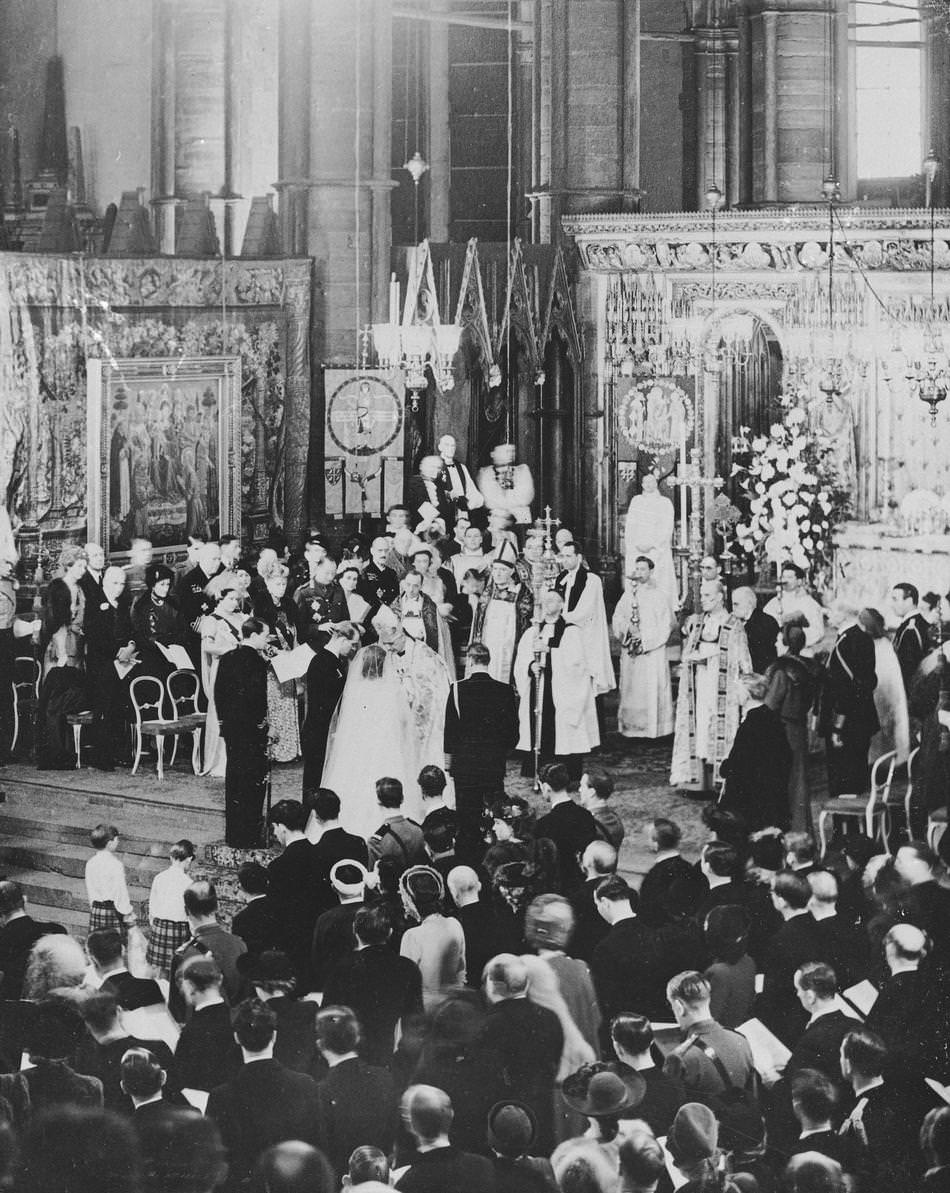
The ring exchange was one of the most closely watched moments of the ceremony. King George VI stood at his daughter’s left, while Philip’s uncle, Lord Mountbatten, was present at the altar.
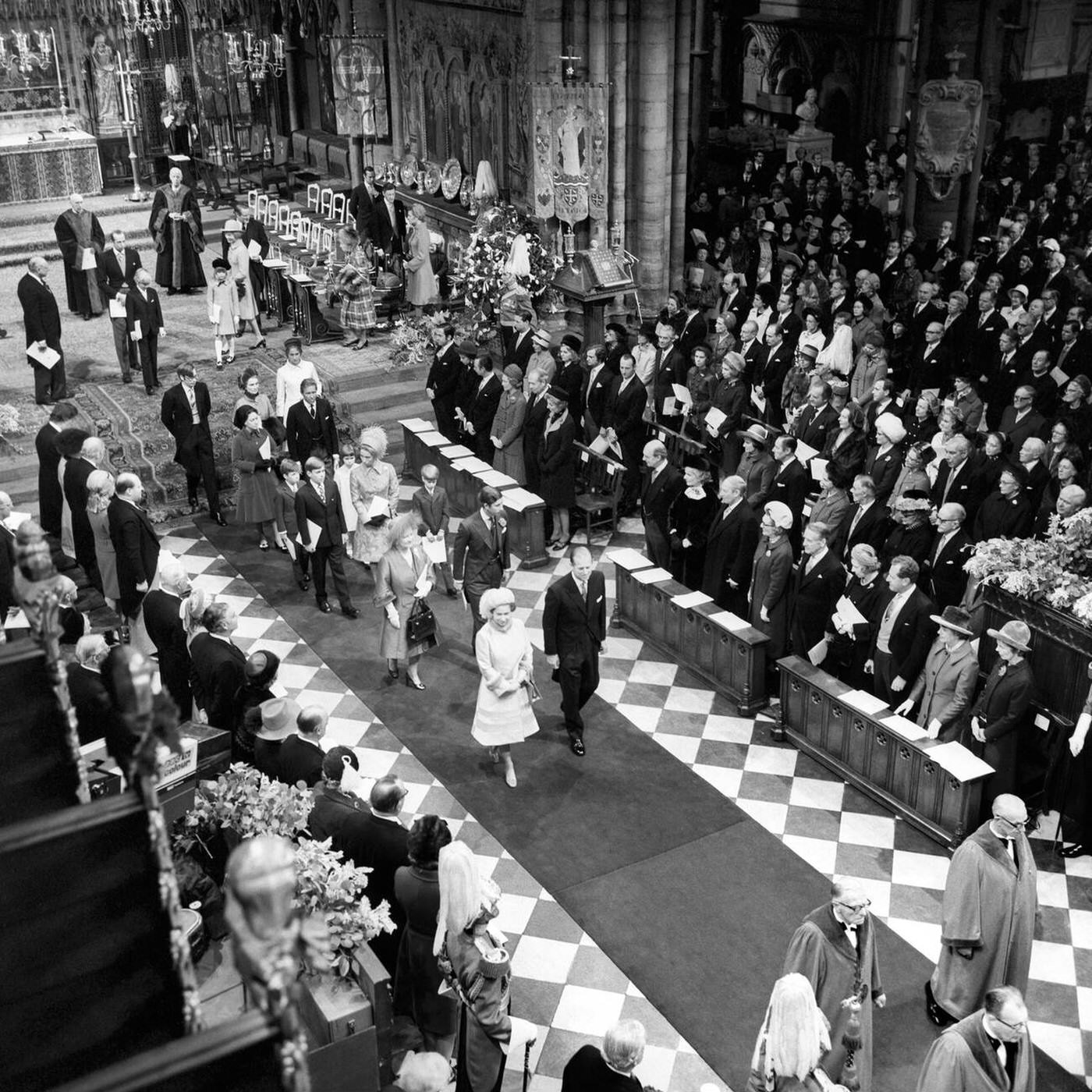
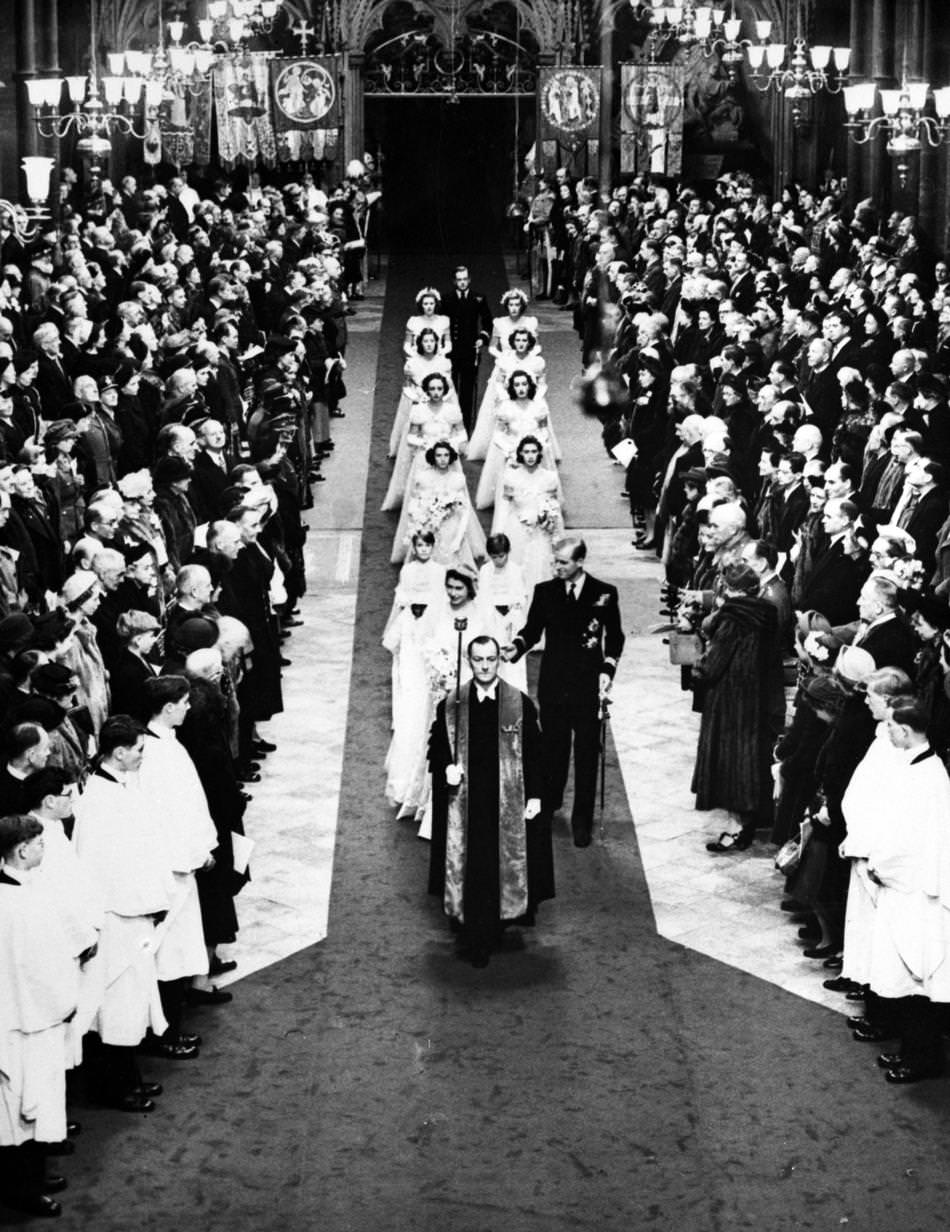
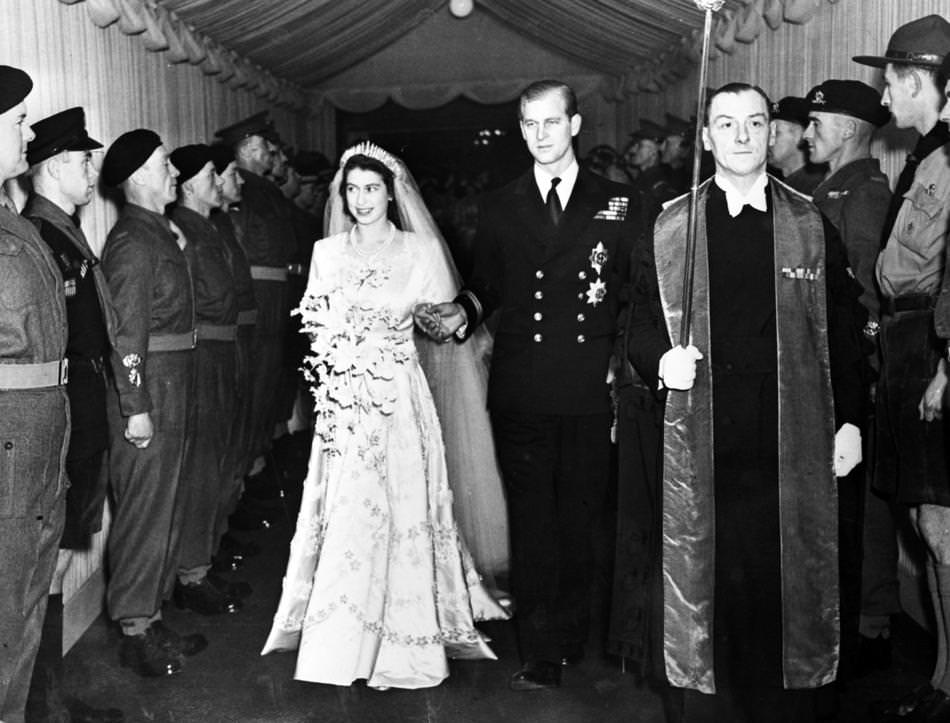
After the ceremony concluded, the newly married couple walked back down the aisle of Westminster Abbey together, followed by the bridal party. Prince Michael of Kent and Prince William of Gloucester carried the long train behind the bride.
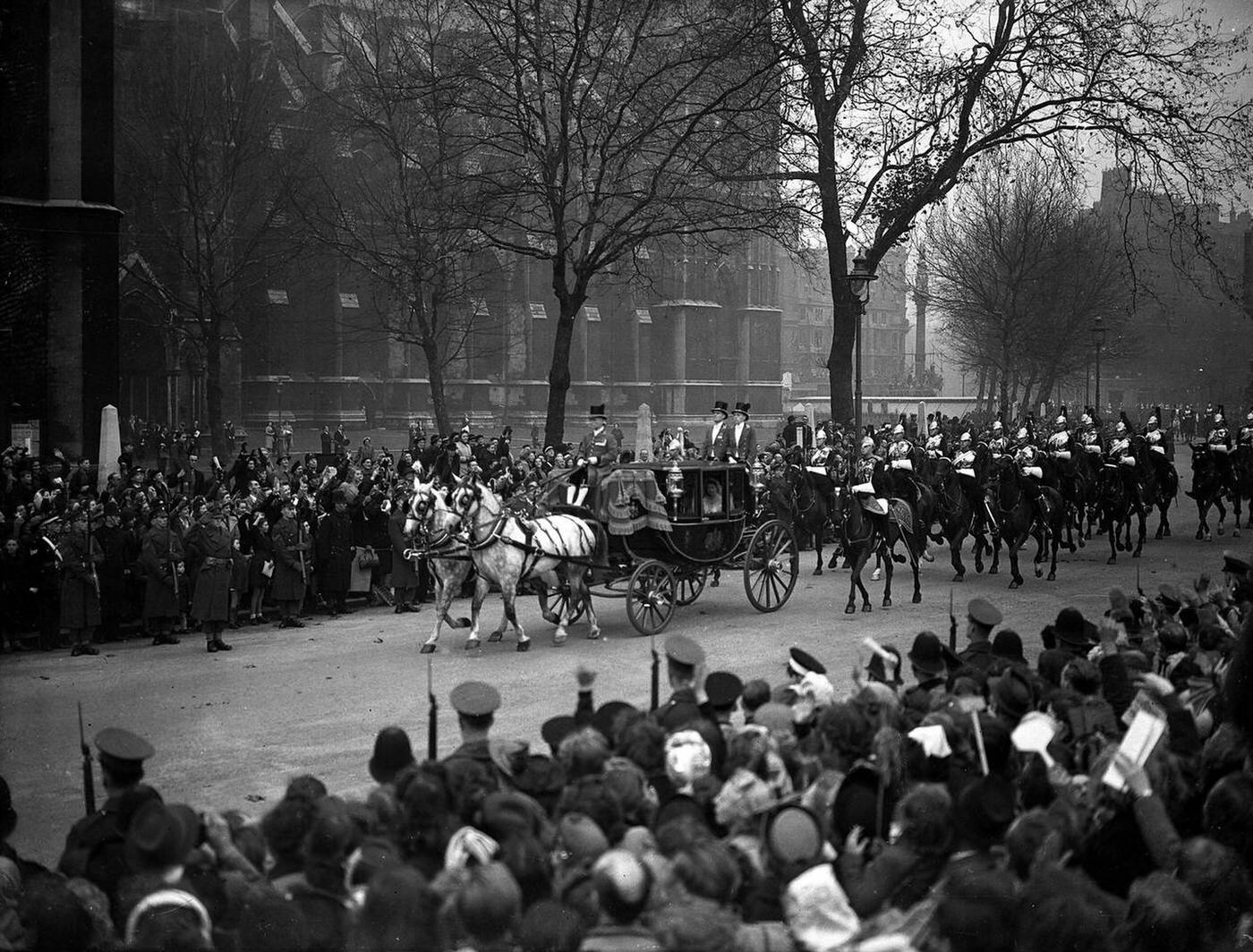
The couple returned to Buckingham Palace by glass coach, escorted by the Household Cavalry. Crowds packed the streets along the entire route, cheering as the carriage moved through the city.
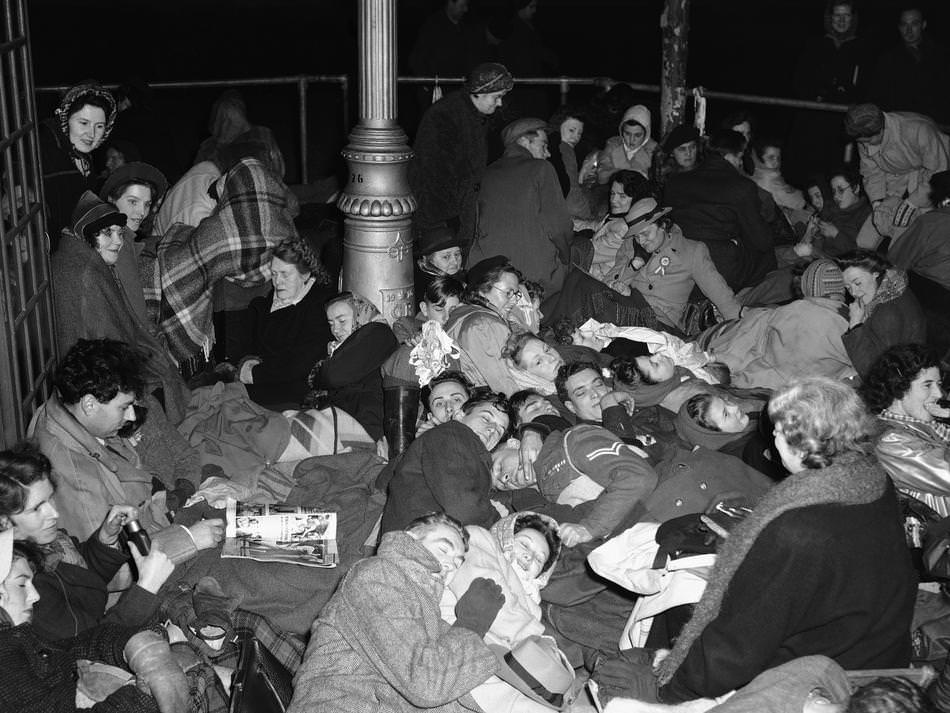
Those who couldn’t find a spot near the procession route found other ways to catch a glimpse of the day’s events.
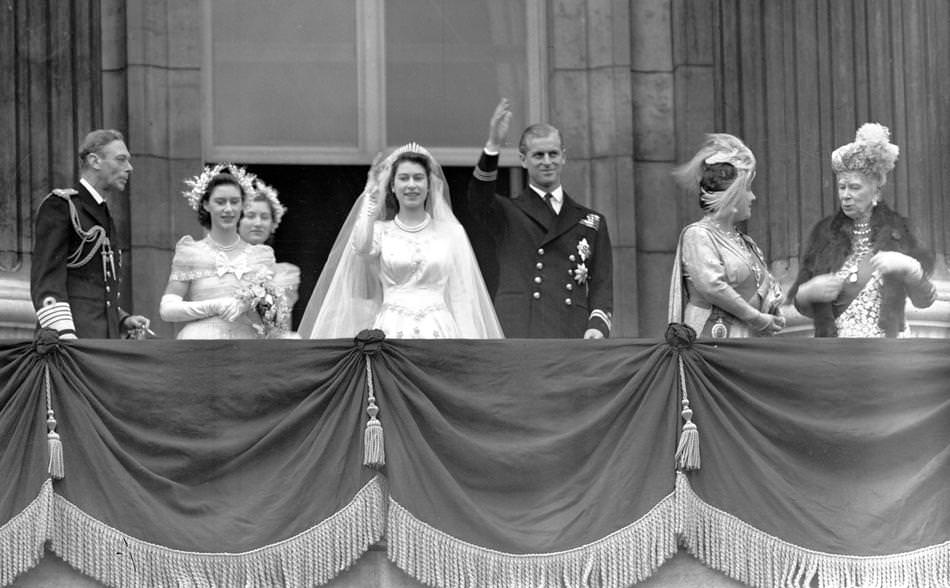
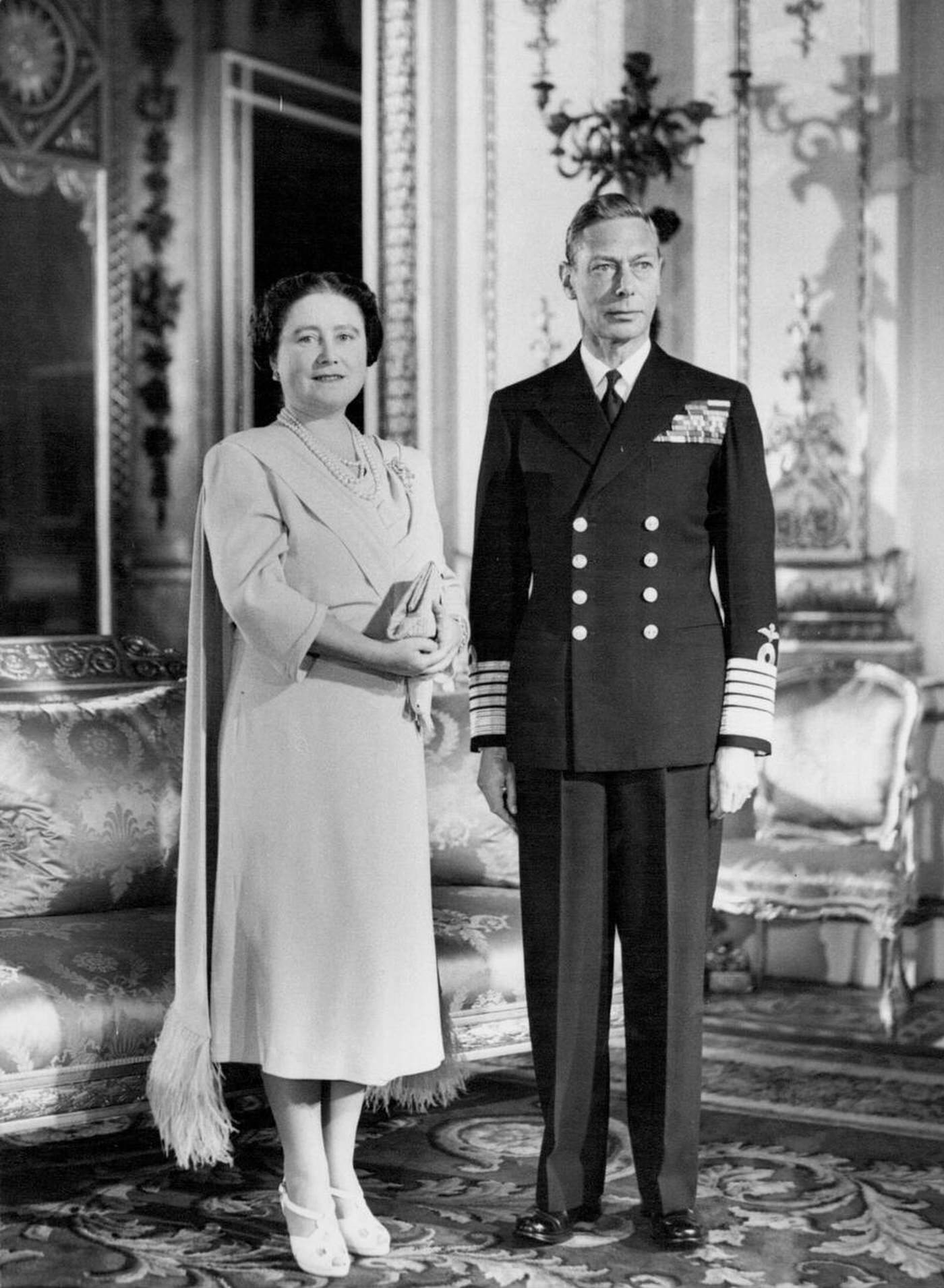
At the palace, the newlyweds appeared on the balcony alongside members of the royal family, including King George VI, Queen Elizabeth, Princess Margaret, and Queen Mary. The assembled group waved to the enormous crowd gathered below in the forecourt and beyond.
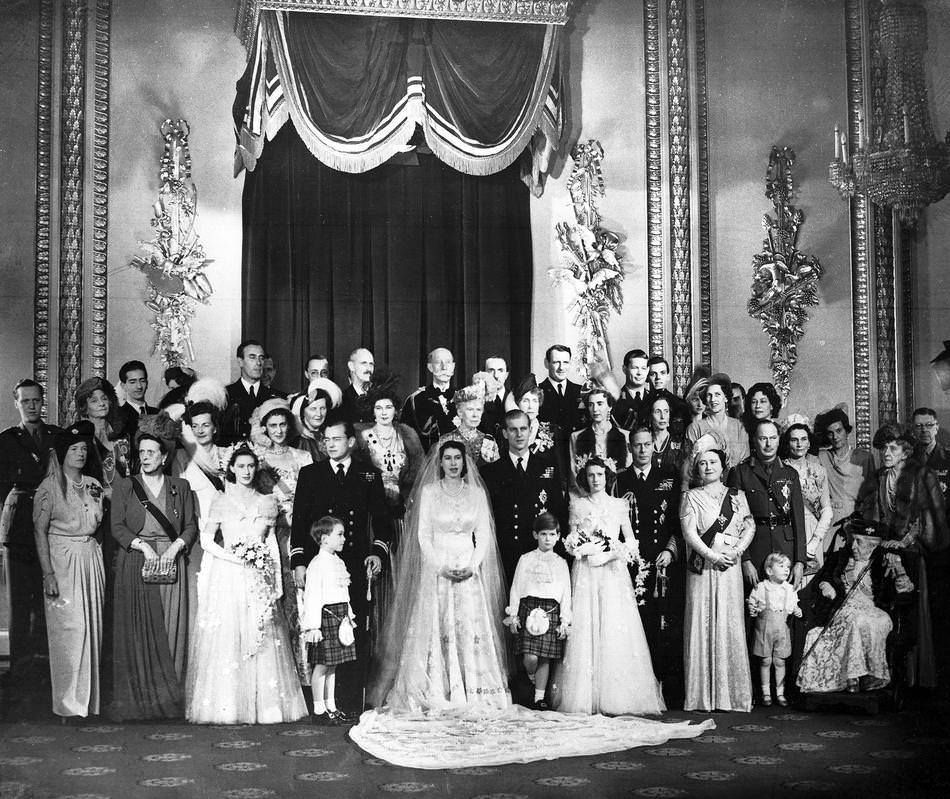
A formal wedding portrait was taken inside Buckingham Palace with the full gathering of royal guests. The group photo included royalty from across Europe — among them Queen Mary, Queen Juliana of the Netherlands, King Haakon of Norway, King Frederik of Denmark, and King Michael of Romania.
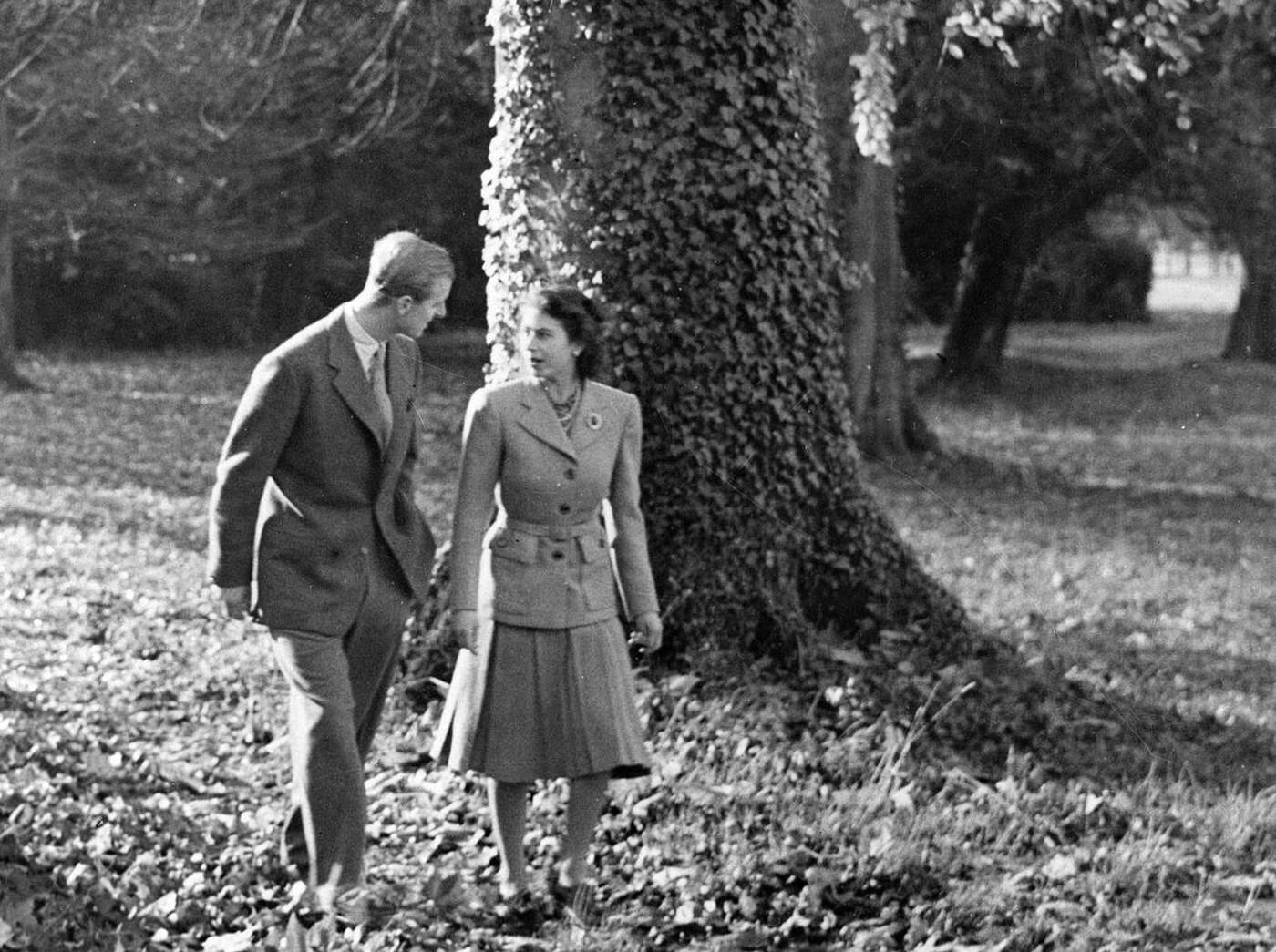
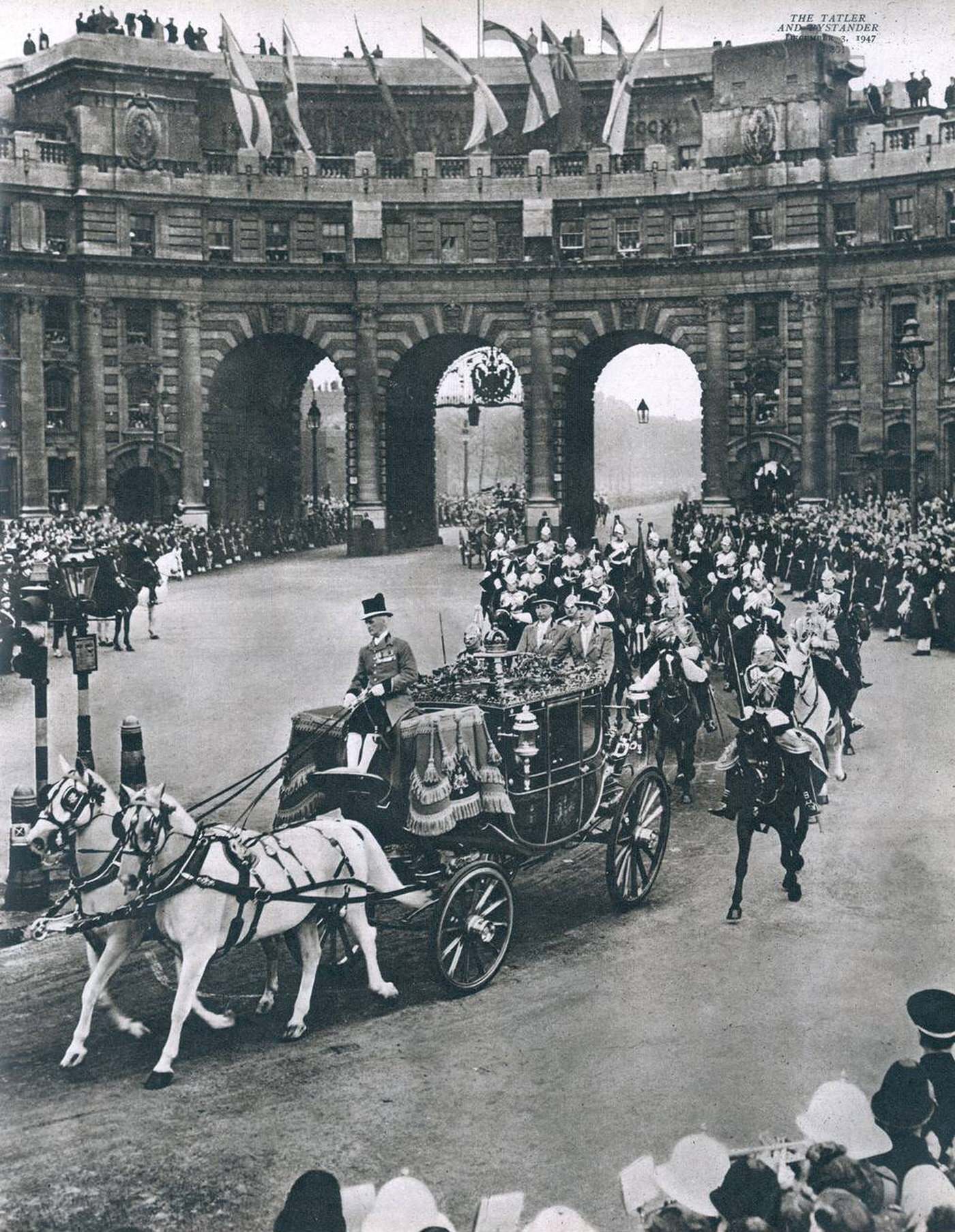
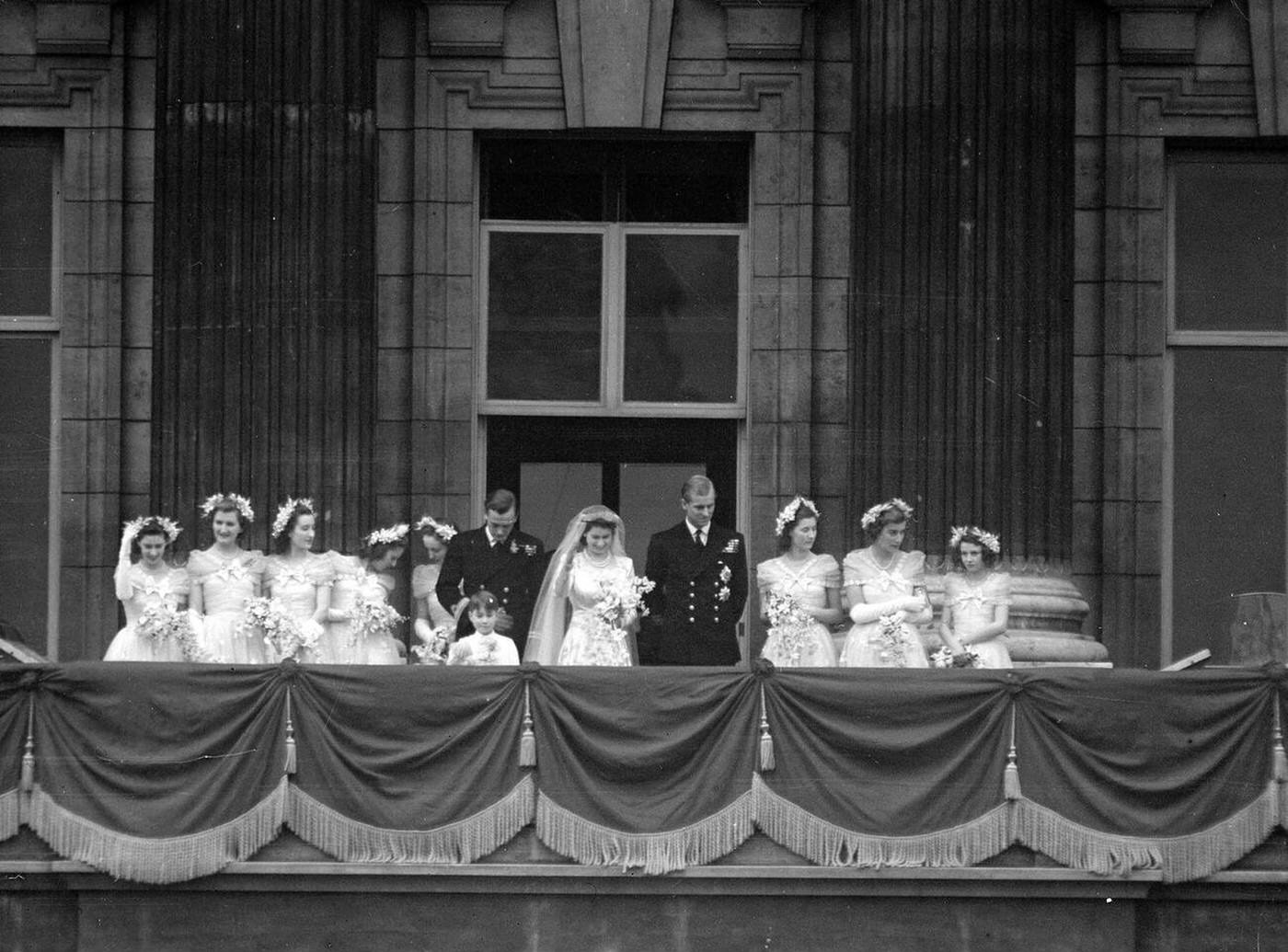
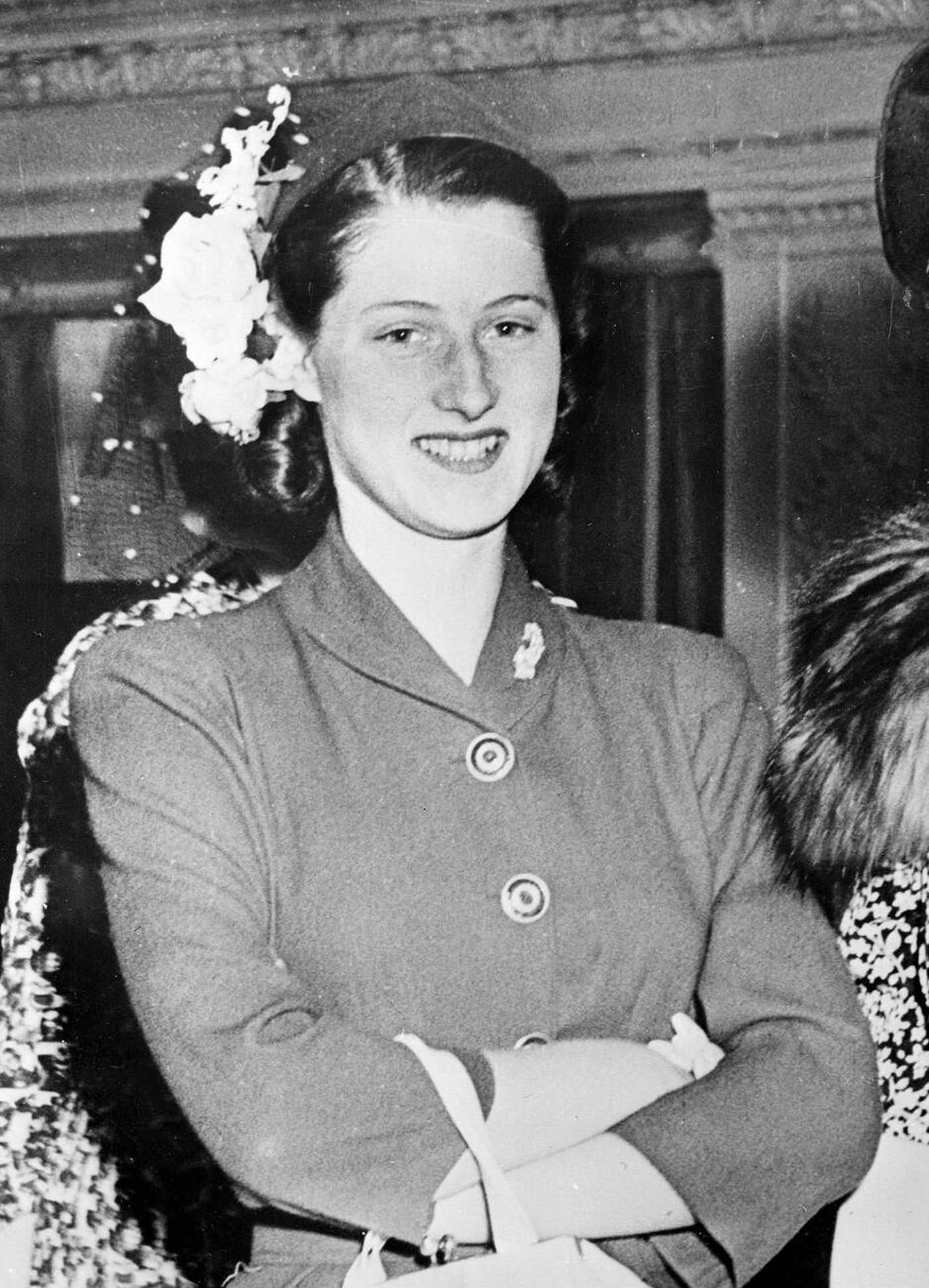
The bridesmaids were a central part of the day’s pageantry. Lady Mary Cambridge was among those who accompanied the princess.
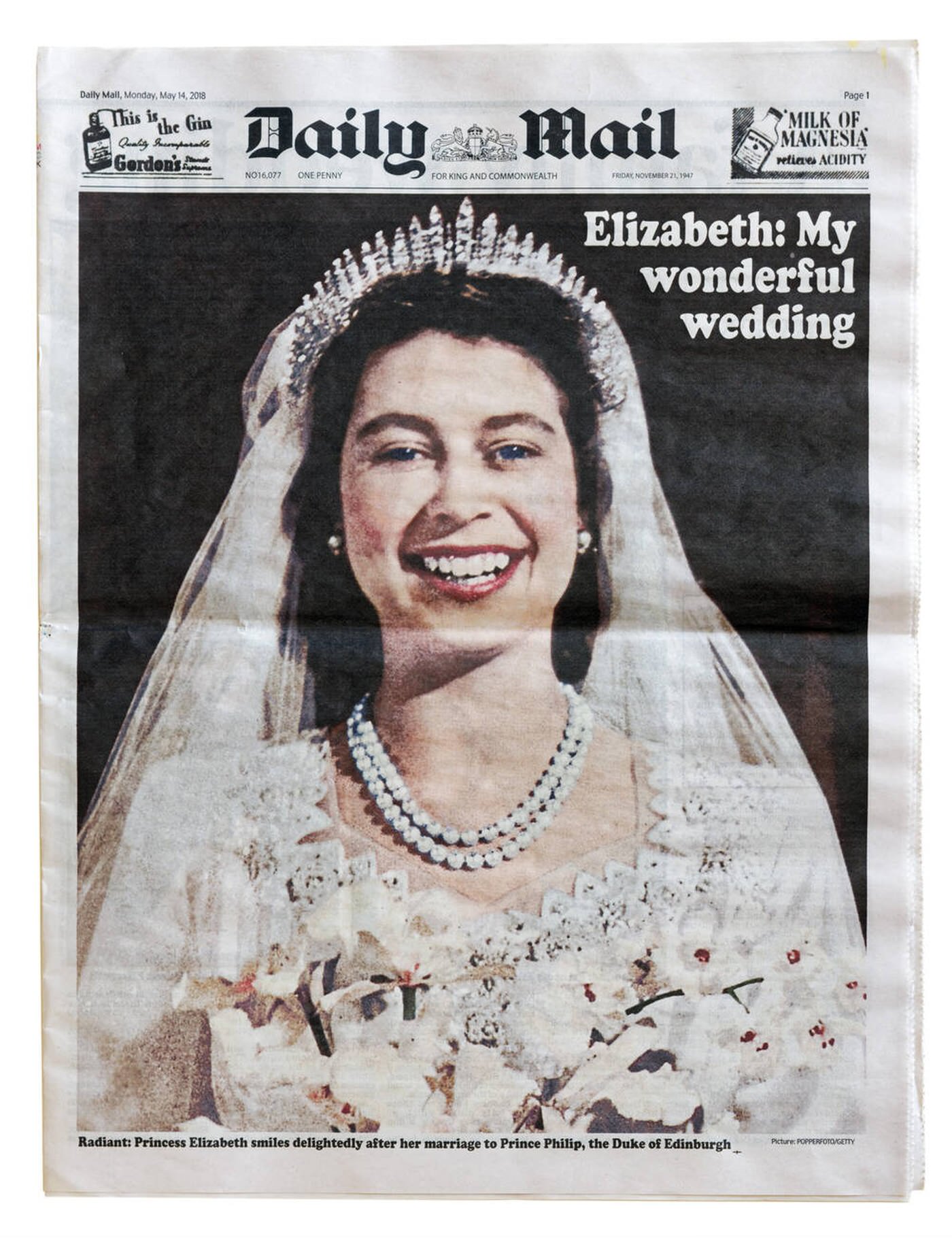
Newspapers around the world ran extensive coverage. The front page of the Daily Mail on November 21 captured the national mood — a country fully absorbed in the occasion.
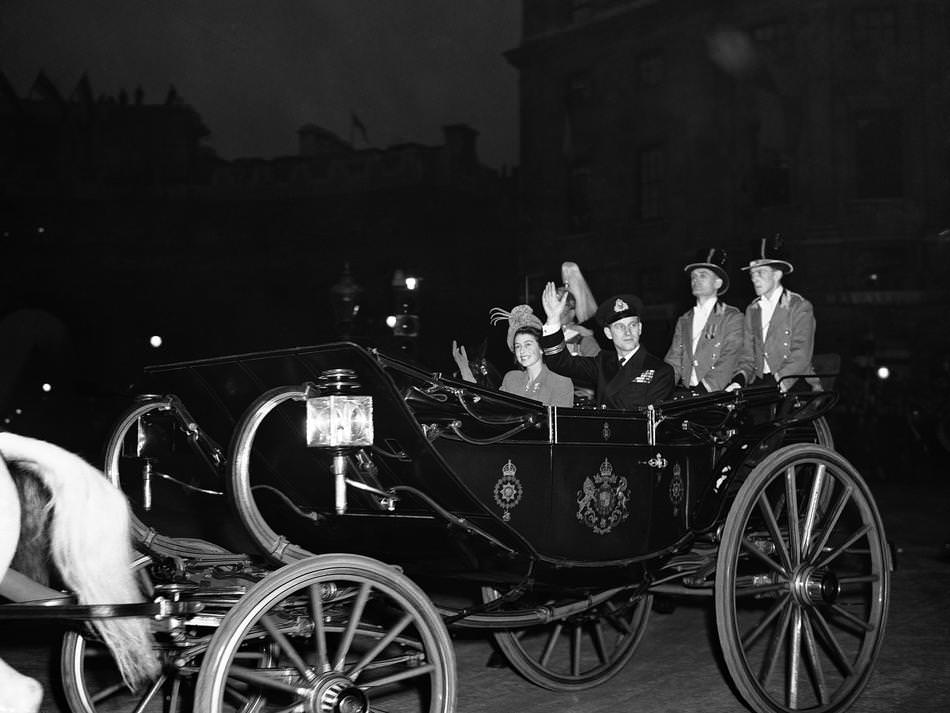
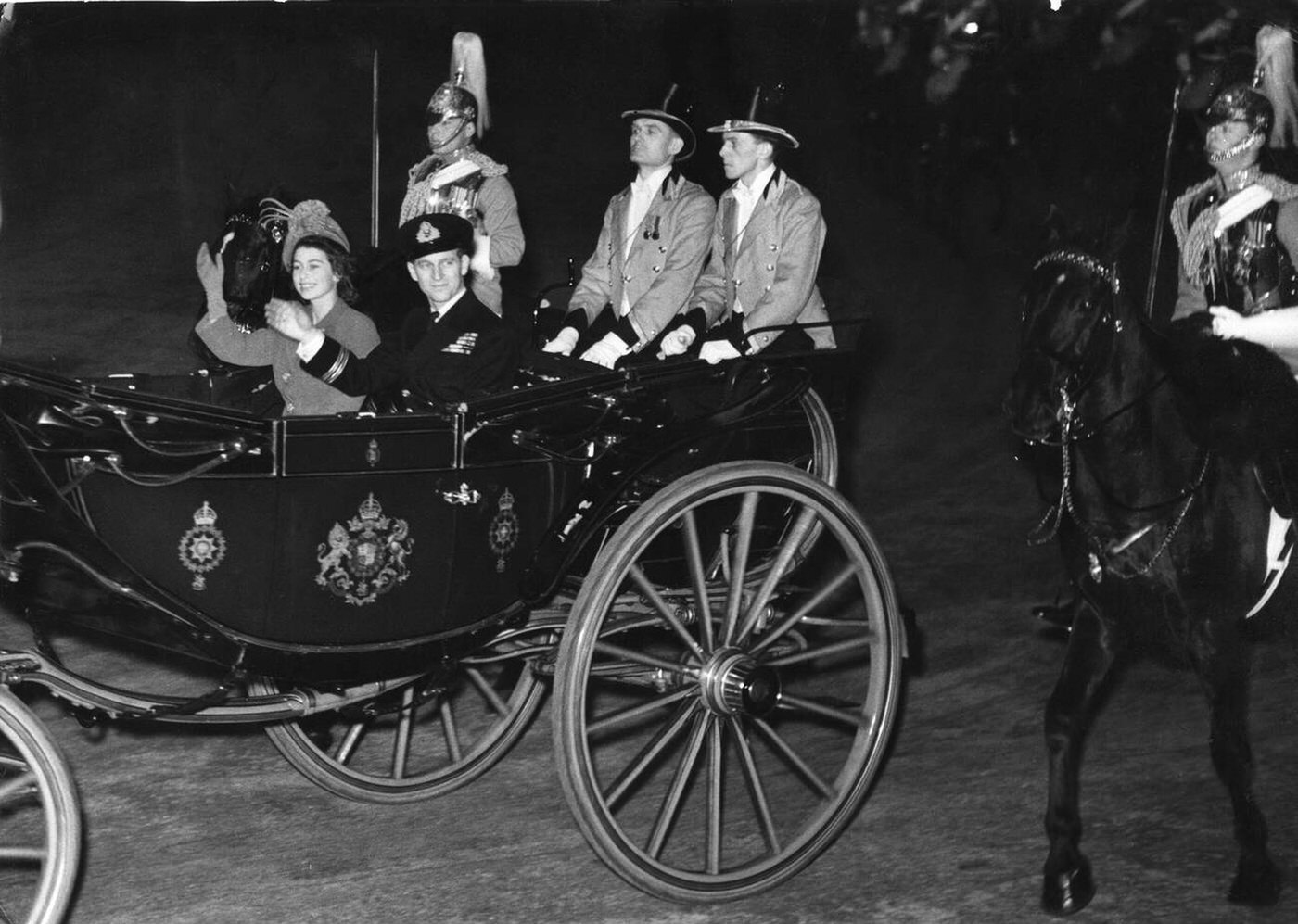
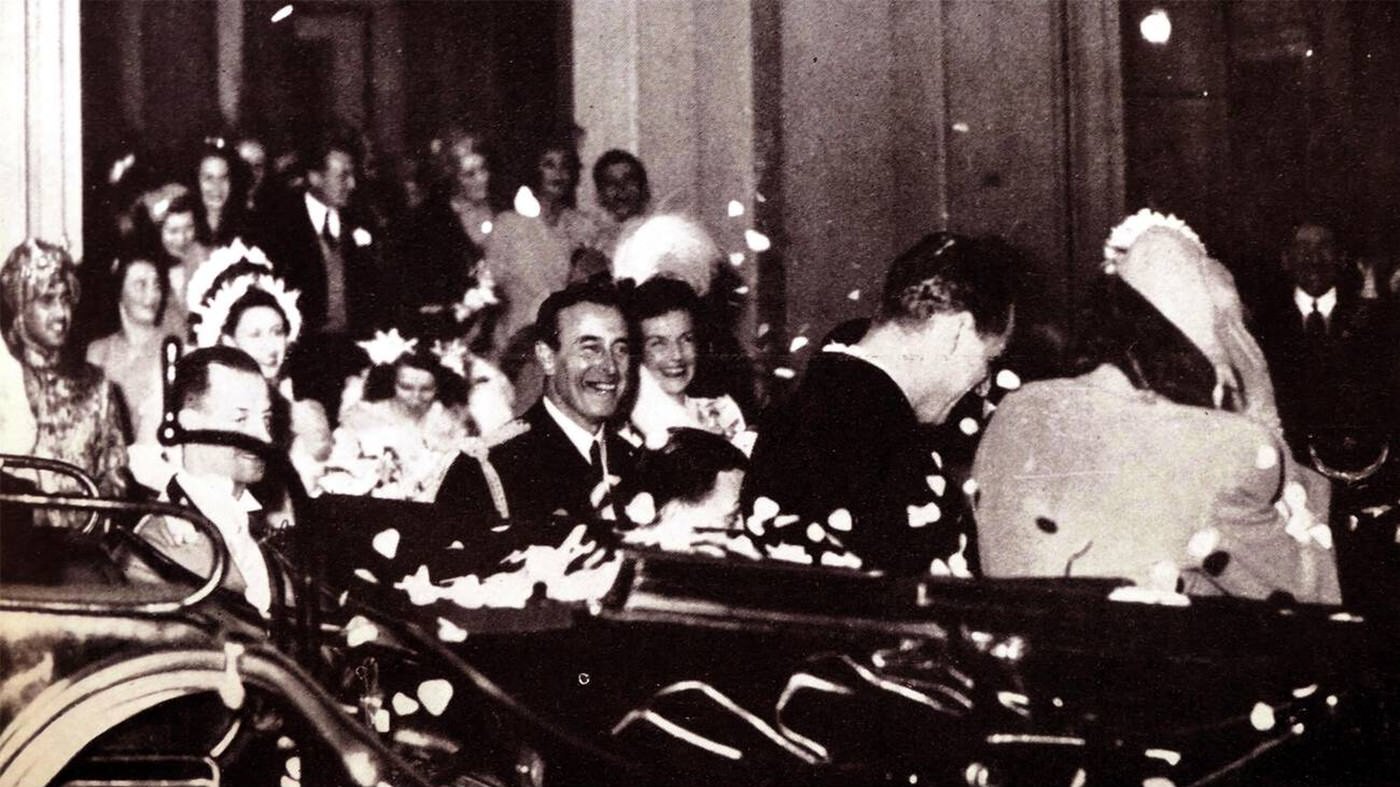
Later that evening, Elizabeth and Philip departed Buckingham Palace for Waterloo Station, where a royal train on platform 11 was waiting to take them to Winchester. Their honeymoon was spent at Broadlands in Hampshire, the home of Earl Mountbatten.
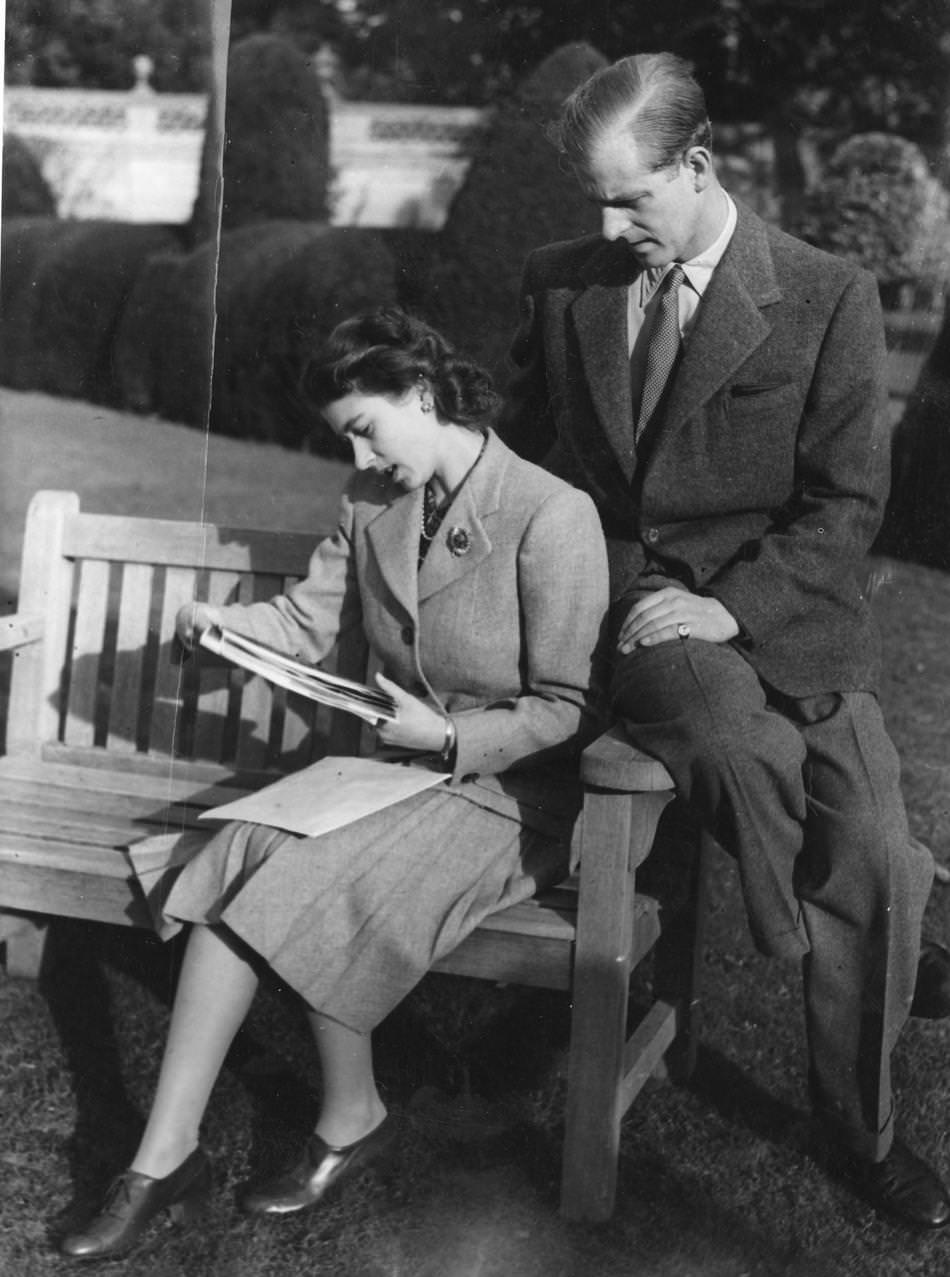
At Broadlands, just three days after the ceremony, the couple was photographed together for the first time as newlyweds — sitting in the grounds of the estate, looking through photos from their wedding day.