in

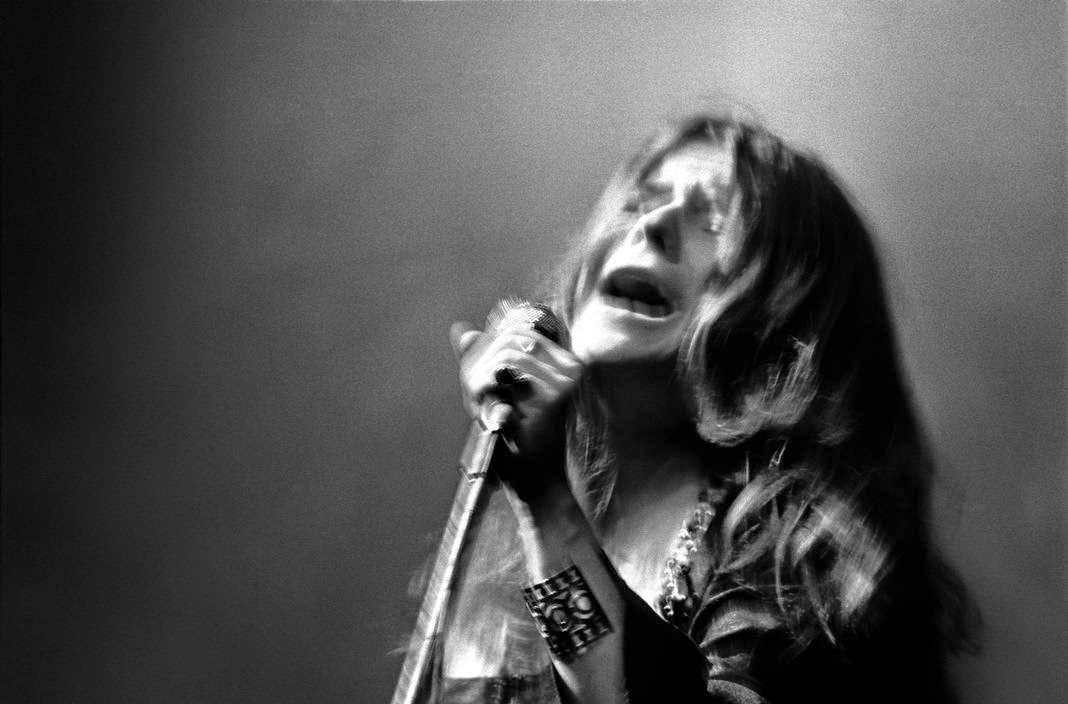
Janis Joplin in 1968: The Year Her Voice Shook Rock and Roll

By 1968, Janis Joplin was impossible to ignore. Her voice was gritty, raw, and loaded with emotion — nothing like the polished pop filling radio stations at the time. She was still fronting Big Brother and the Holding Company, and that year the band released what would become one of rock’s most iconic albums: Cheap Thrills. It shot up the charts and stayed there. Tracks like “Piece of My Heart” became instant anthems. The album cover, hand-drawn by underground comic artist R. Crumb, looked as wild as the music sounded.
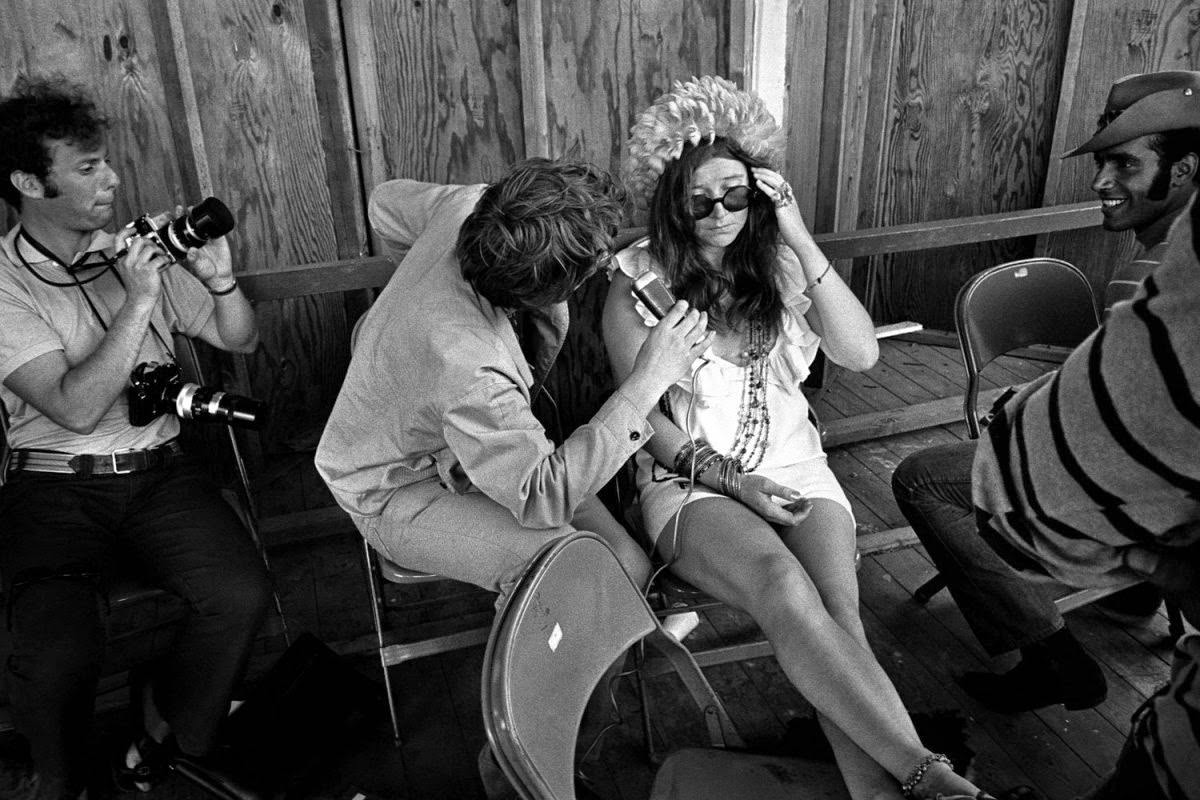
Janis Joplin at the Newport Folk Festival. Newport, R.I., 1968.

On stage, Joplin never stood still. Her movements were as untamed as her voice. Audiences weren’t just watching a show — they were pulled into something visceral. Her style matched the era’s psychedelic energy: flowing clothes, fringe, beads, and round glasses. Every part of her look was an extension of who she was.
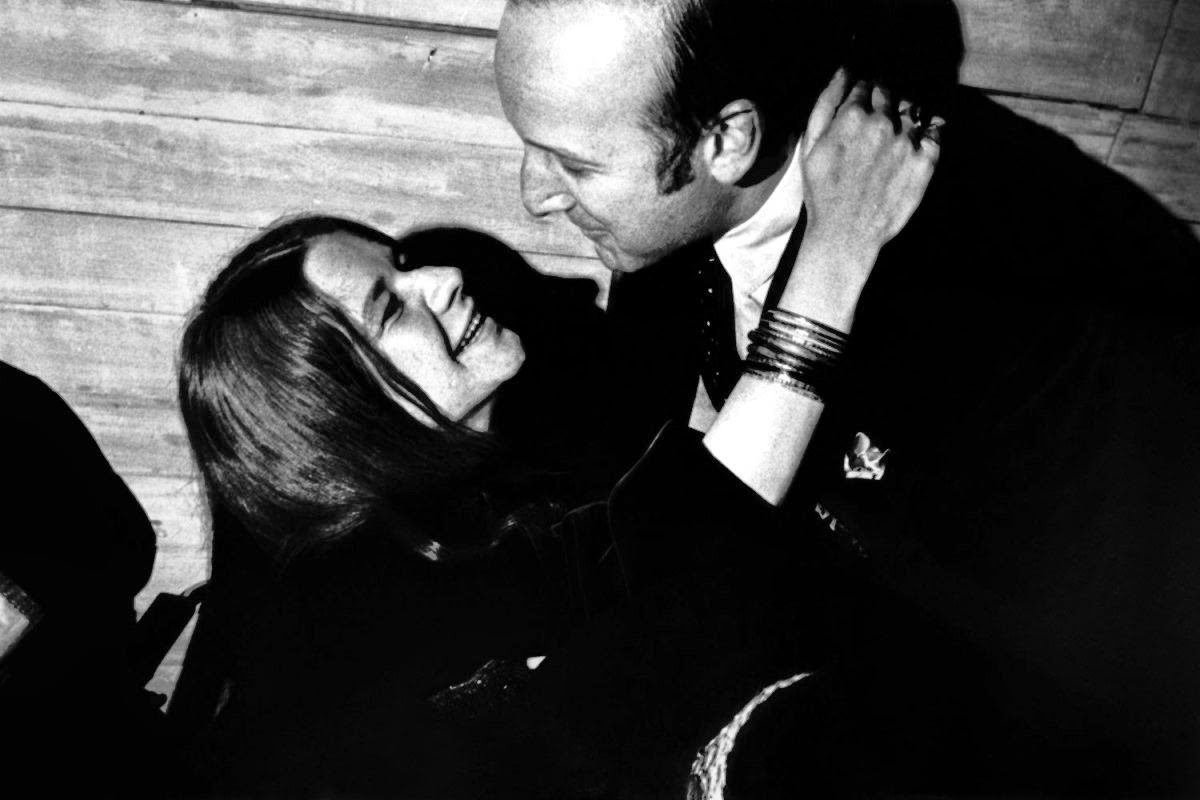
Janis Joplin and Clive Davis, the President of CBS Records, at a press party in New York City, 1968.

Off stage, Joplin moved through New York City’s vibrant arts scene, crossing paths with figures like Andy Warhol and Tim Buckley at spots like Max’s Kansas City.
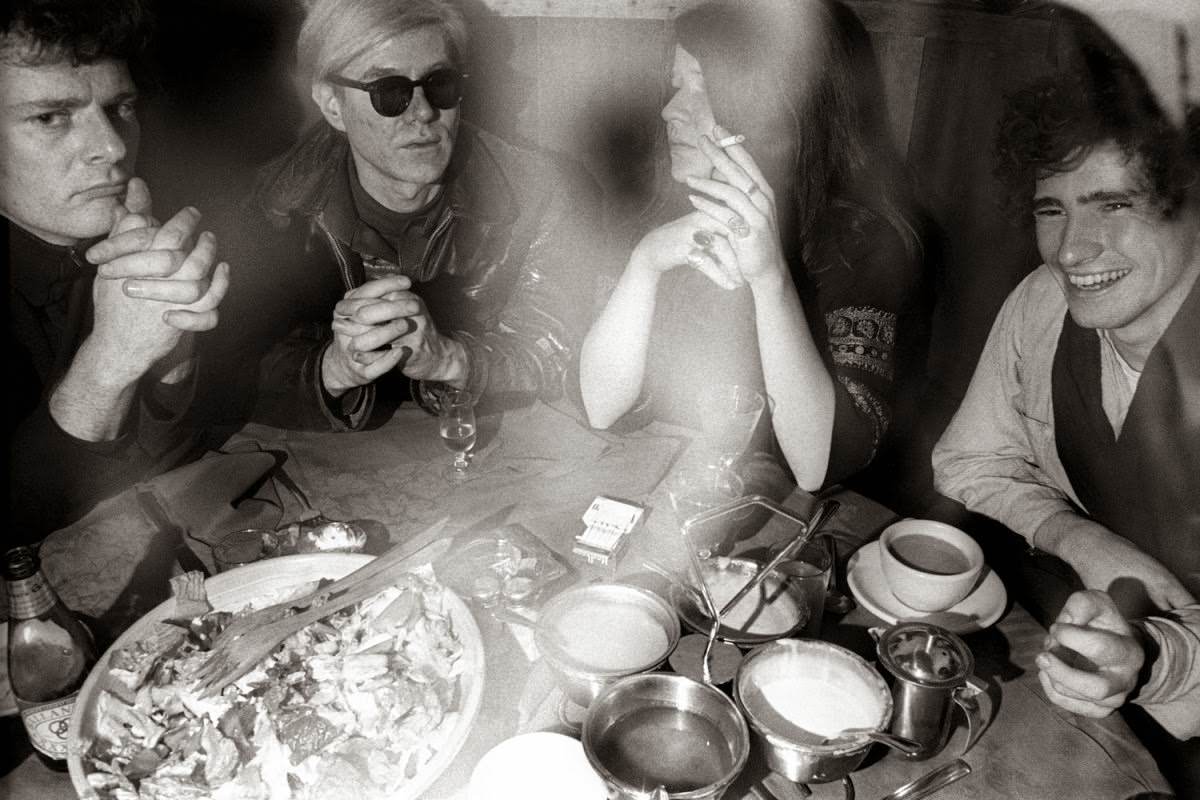
Hanging out in Max's Kansas City restaurant in New York City. From left to right: Paul Morrissey, Andy Warhol (sunglasses), Janis Joplin and Tim Buckley.
Hanging out in Max’s Kansas City restaurant in New York City. From left to right: Paul Morrissey, Andy Warhol (sunglasses), Janis Joplin and Tim Buckley.

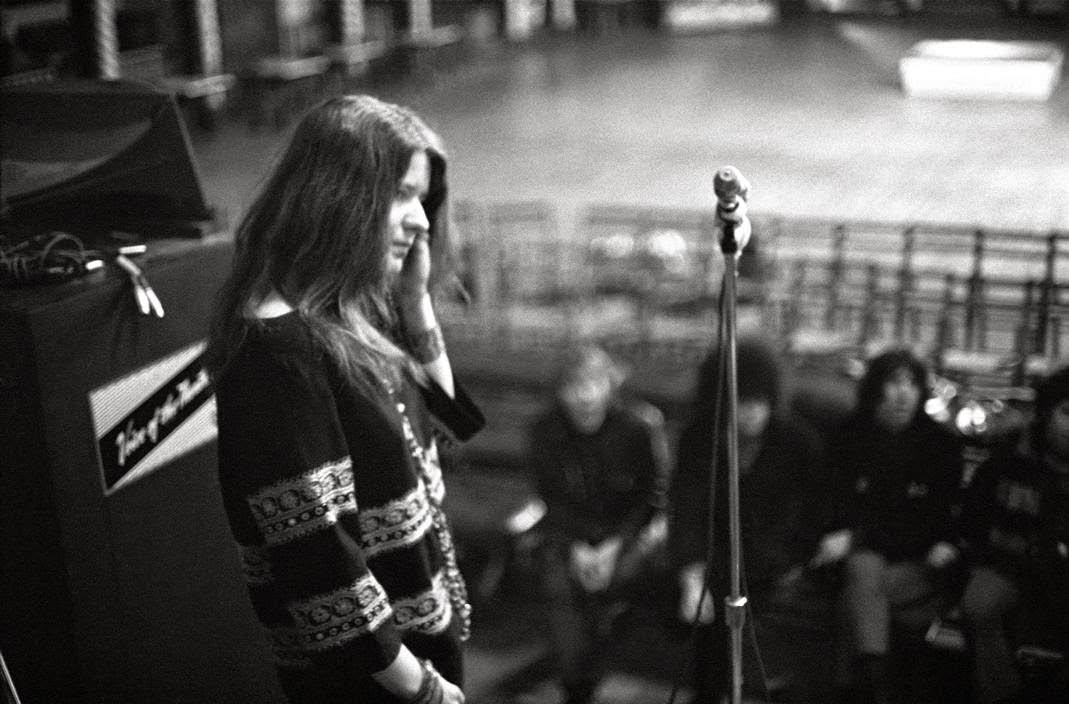
Her backstage presence was just as electric. Detroit’s Grande Ballroom became one of her key stomping grounds, where she rehearsed and performed with a focused intensity.
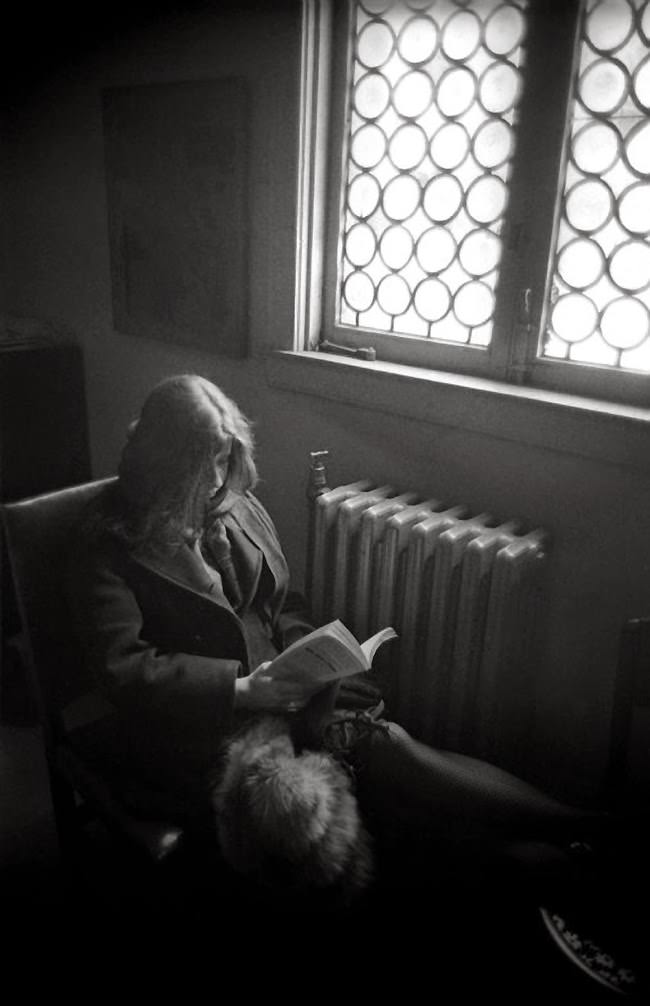
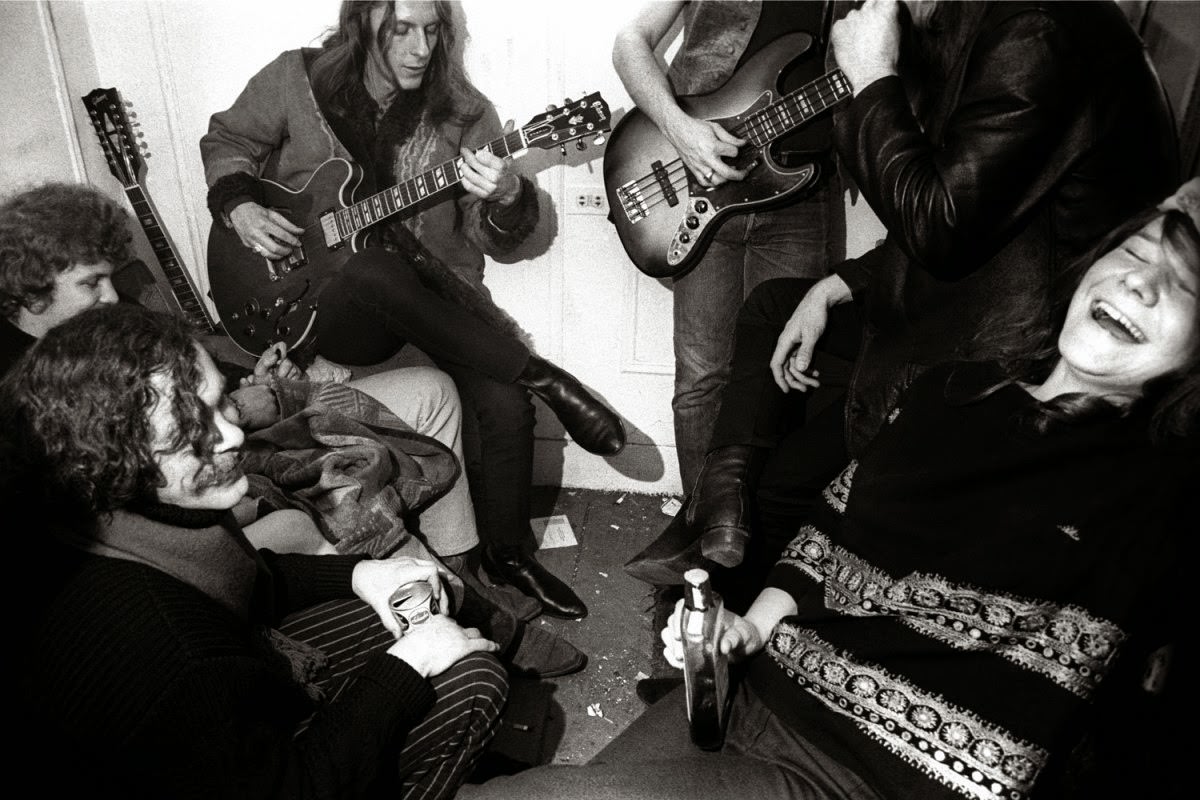
Janis Joplin backstage at the Grande Ballroom in Detroit, 1968.
Ed Sanders and Janis Joplin backstage at the Andersen Theater in New York City, 1968.

She spent time in Detroit beyond the stage, connecting with the city’s rock community.
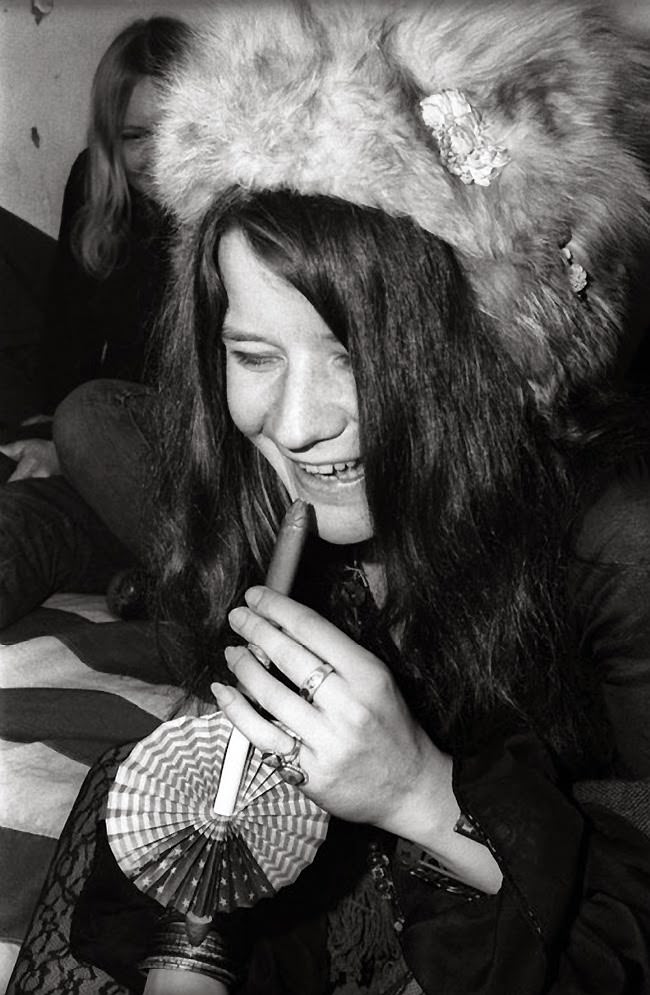
Janis Joplin, in MC5 commune pad in Detroit, 1968.

Late in 1968, Joplin signed with CBS Records — a major move that signaled her growing ambitions. Her manager Albert Grossman was central to brokering that deal, and press parties in New York City marked the shift.
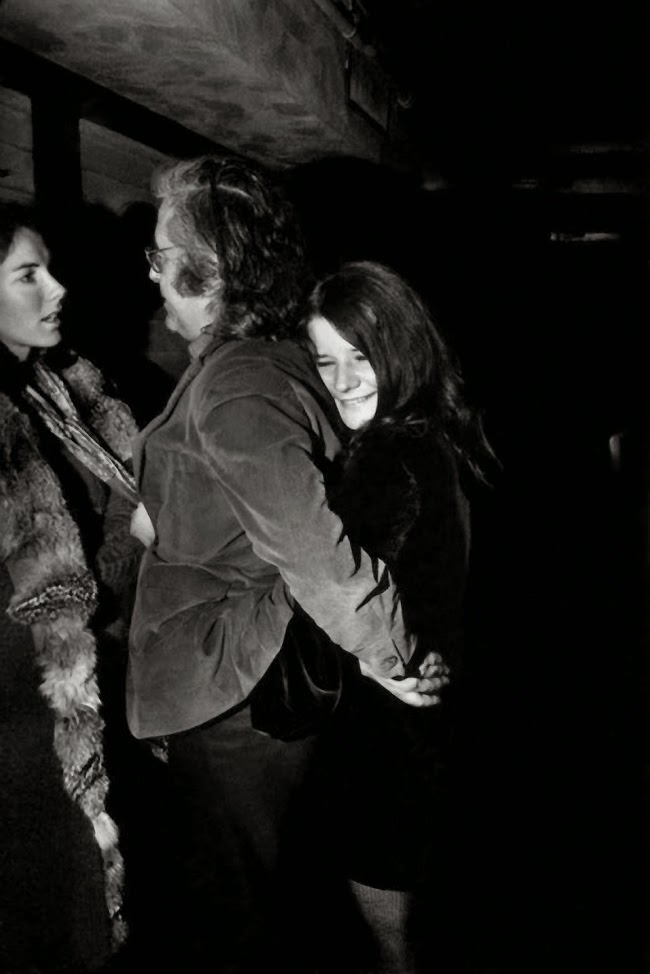
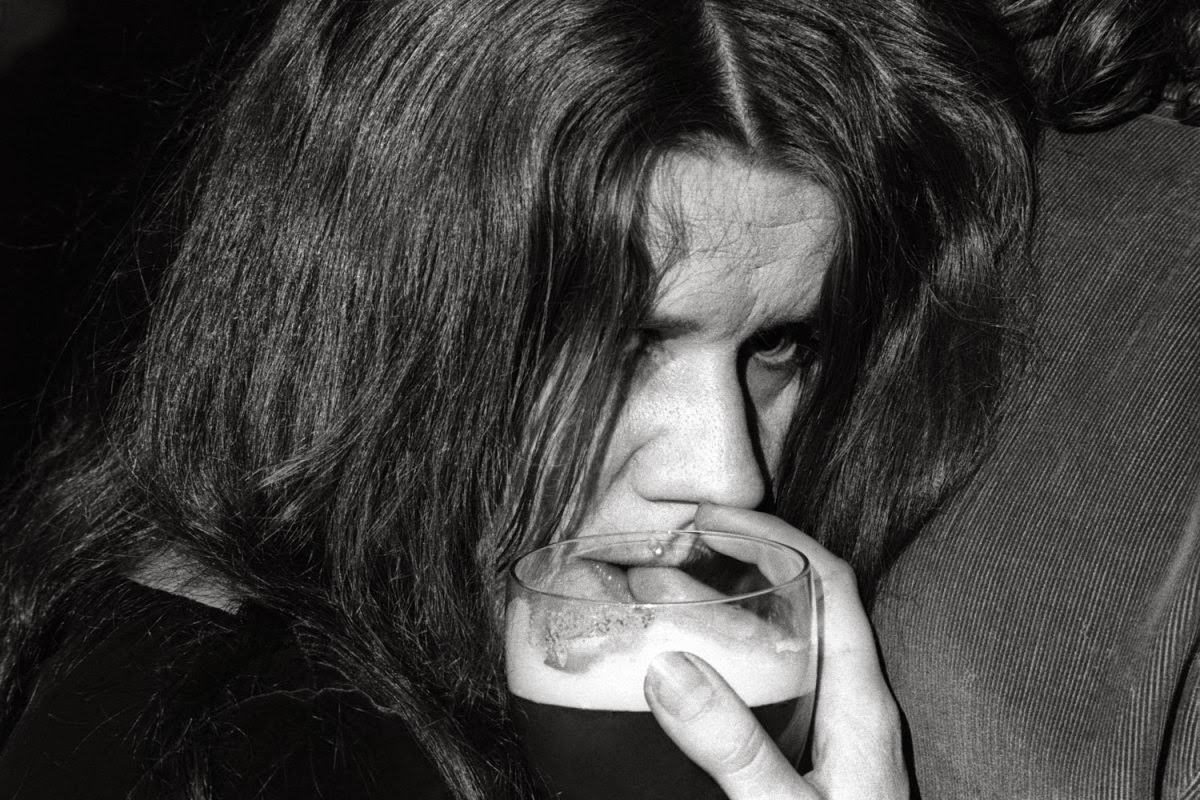
Janis Joplin and her manager, Albert Grossman, during a press party for signing with CBS, New York City,1968.
Janis leaning on Albert Grossman at a press party for signing with CBS Records, New York City, 1968.

New York City venues like the Fillmore East became central to her 1968 schedule. She performed at its opening night alongside Big Brother, and returned repeatedly throughout the year.
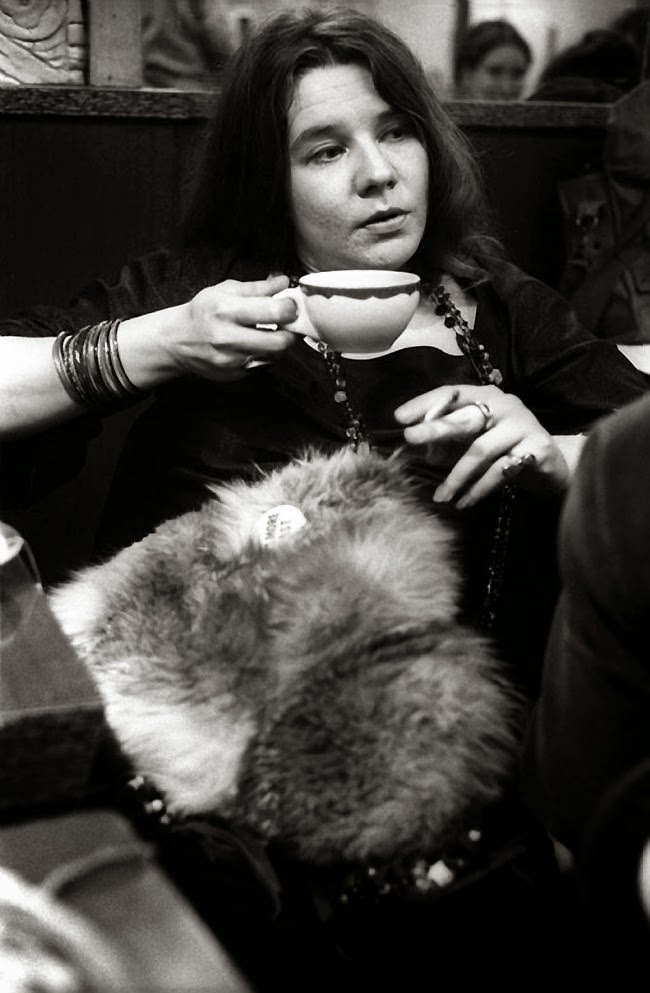
Joplin at Ratner's Restaurant after a Fillmore East Gig in New York City, 1968.
Joplin at Ratner’s Restaurant after a Fillmore East Gig in New York City, 1968.
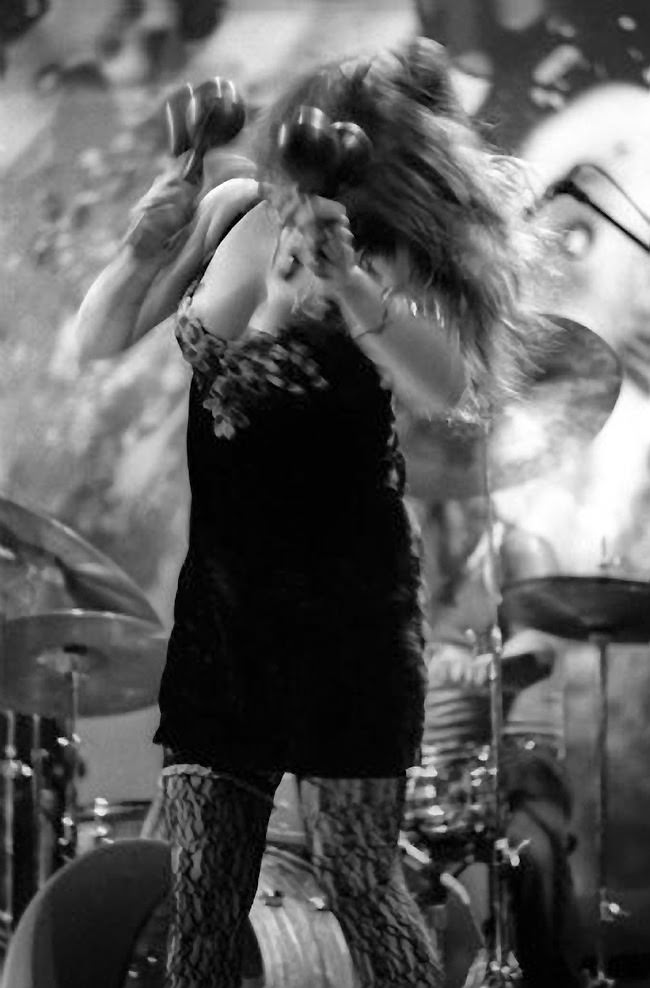
Janis Joplin during the Joshua Light Show at Fillmore East in New York City, 1968.

By year’s end, Joplin was already thinking past Big Brother. She wanted more creative control and a sound that matched her expanding vision. Conversations in Albert Grossman’s office — with bandmates like guitarist Sam Andrew — reflected that tension between where she had been and where she was headed.
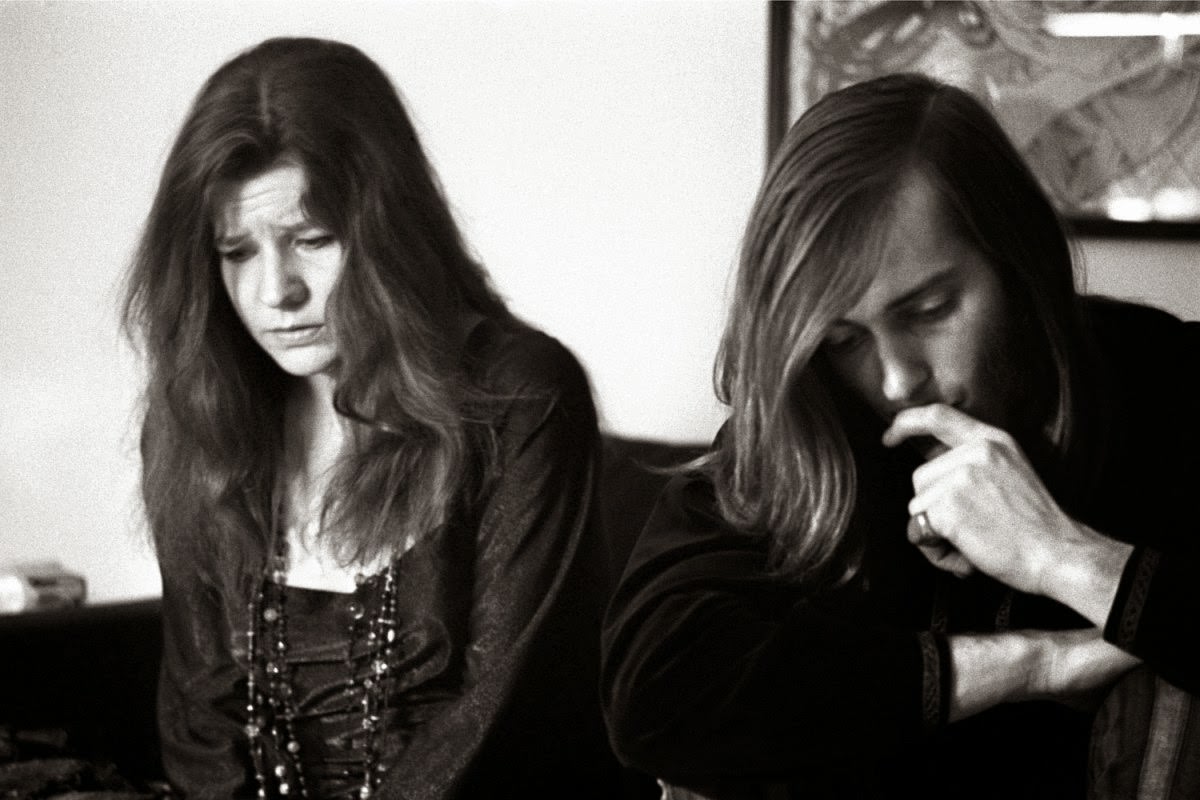
Janis Joplin and Sam Andrew in Albert Grossman's office in New York City, 1968.
Janis Joplin and Sam Andrew in Albert Grossman’s office in New York City, 1968.
Janis Joplin, rehearsal, Grande Ballroom, Detroit 1968.
Janis Joplin, Anderson theater, NYC, 1968.

The counterculture embraced Joplin because she was genuine. People felt it every time she stepped to the microphone. Her decision to leave Big Brother and pursue a solo career was taking shape — driven by ambition every bit as fierce as her voice.
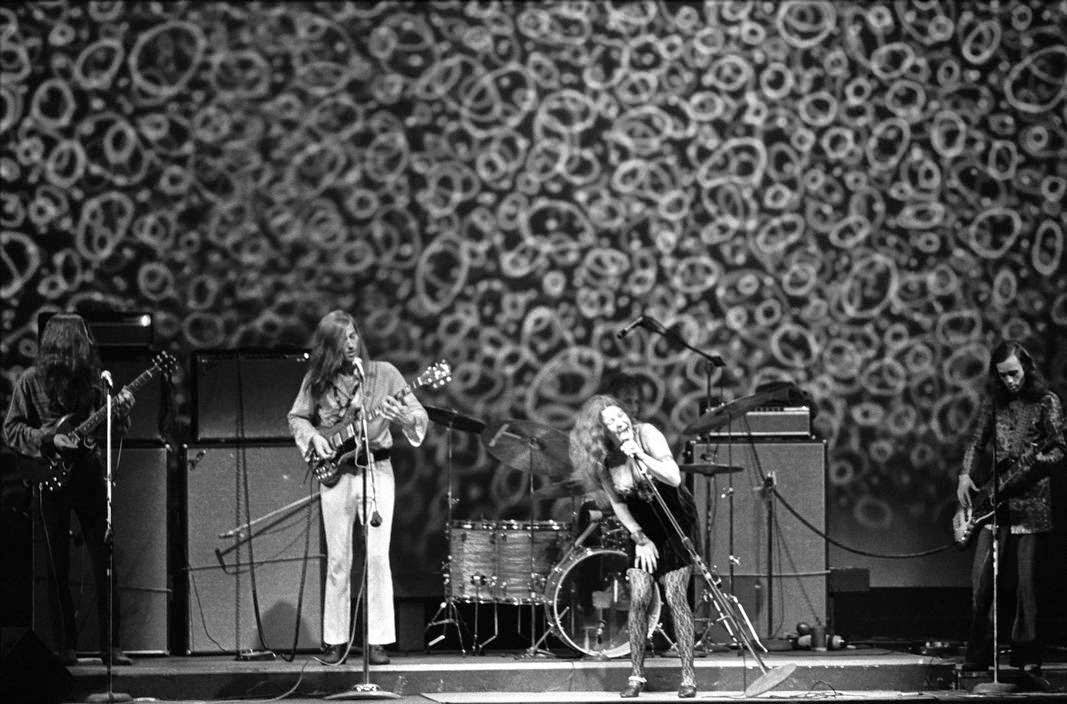

Janis Joplin and Big Brother & the Holding Co., opening night of the Fillmore East, NYC, 1968.
Enjoyed this post? Get new ones in your inbox.
Avatar of Rachel Mitchell

Written by Rachel Mitchell

Rachel Mitchell is a vintage fashion enthusiast with a passion for all things retro. She is interested vintage fashion styles, trends, and accessories, and provides tips and tricks for incorporating vintage pieces into modern wardrobes.

Leave a Reply

Your email address will not be published. Required fields are marked *