When Elvis Presley arrived in Jacksonville, Florida, on August 10, 1956, the city was already on edge. He was scheduled to perform six shows across two days at the Florida Theatre — his first major indoor concert run. Adults across the country had been alarmed by his stage movements, and Jacksonville’s authorities were not willing to let it slide.
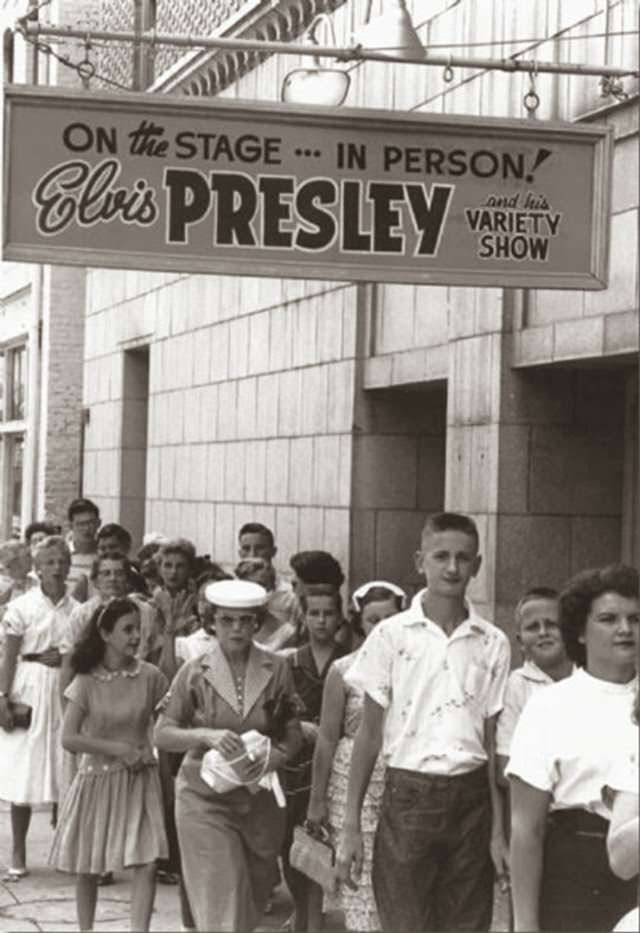
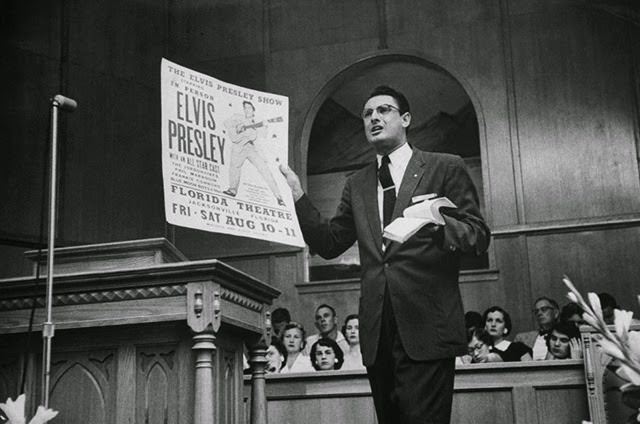
The backlash was vocal. Local religious leaders made their opposition clear before Elvis even set foot on stage.
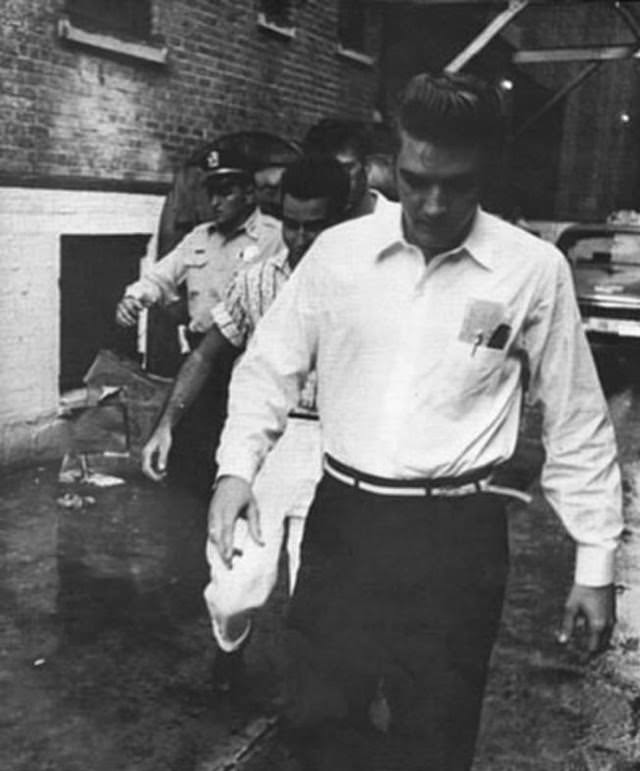
Juvenile Court Judge Marion Gooding moved fast. He summoned Elvis to his private chambers before the first performance and warned him directly: tone down the act or face arrest. Gooding had warrants ready to go. Elvis told reporters he couldn’t understand what he was doing wrong, believing his movements were simply a natural response to the music. Still, he knew the stakes.
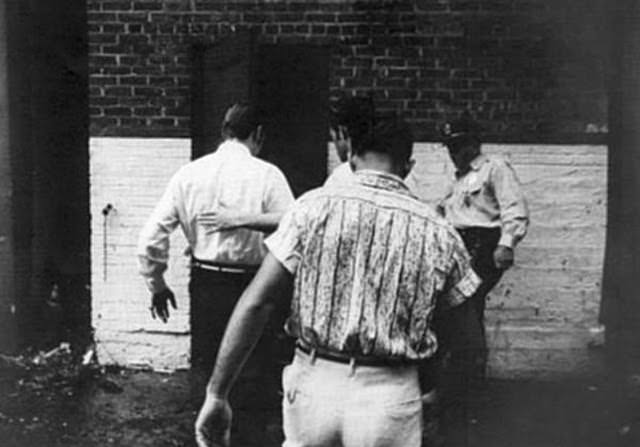
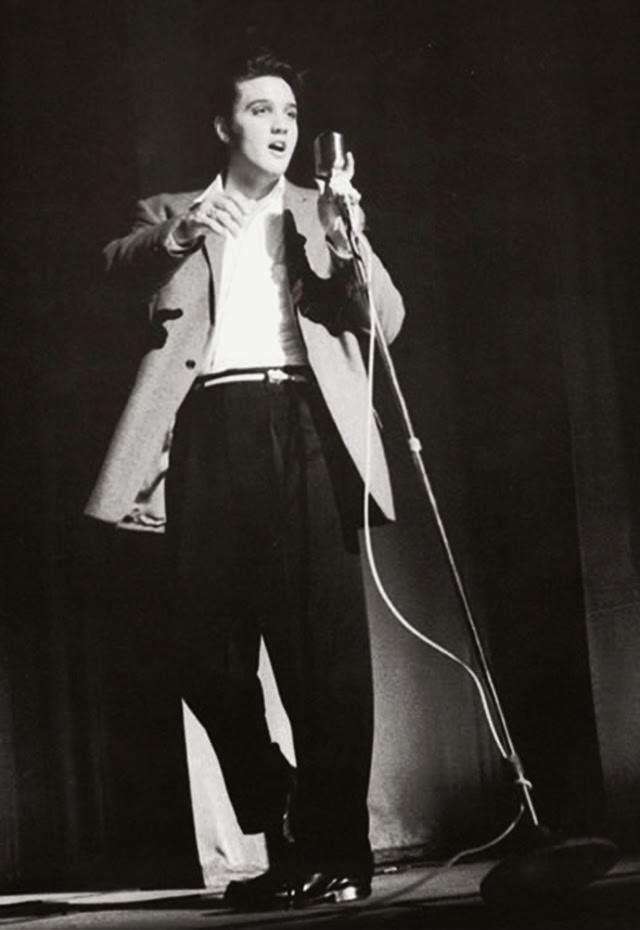
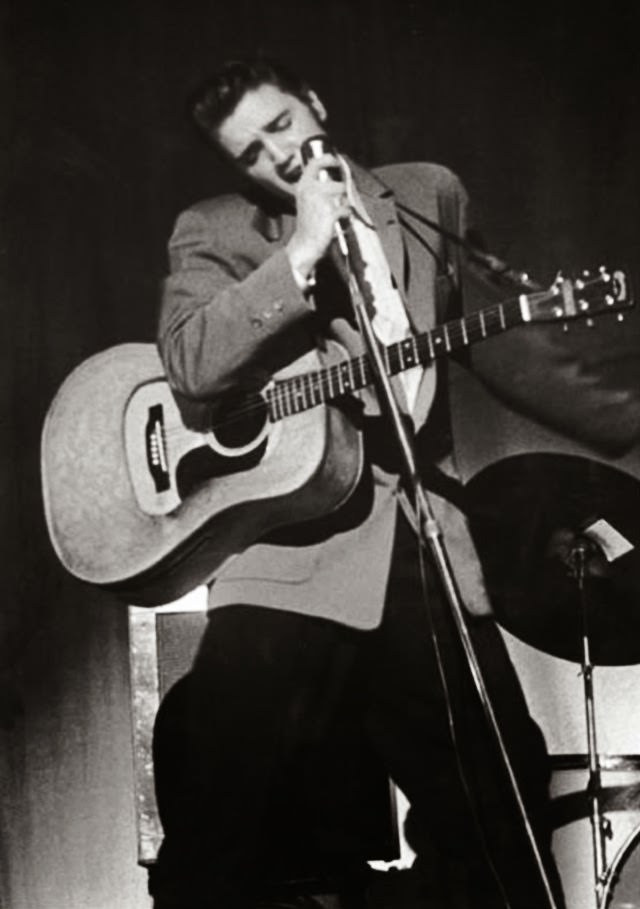
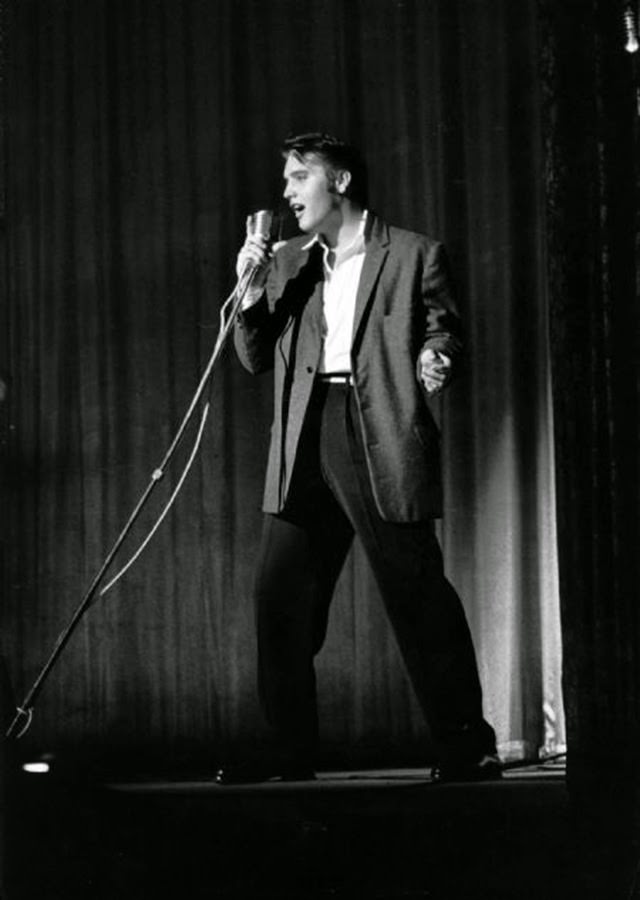
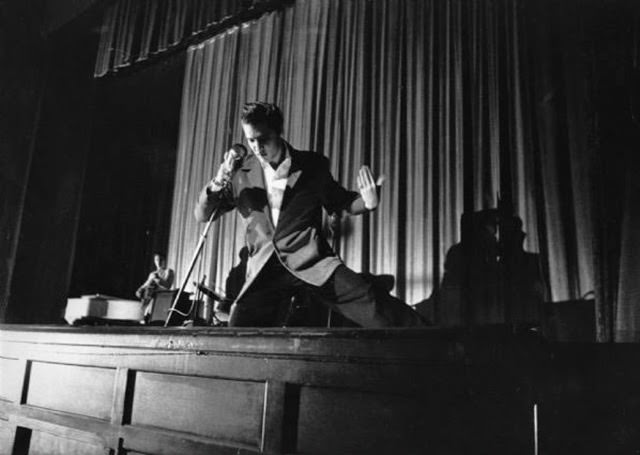
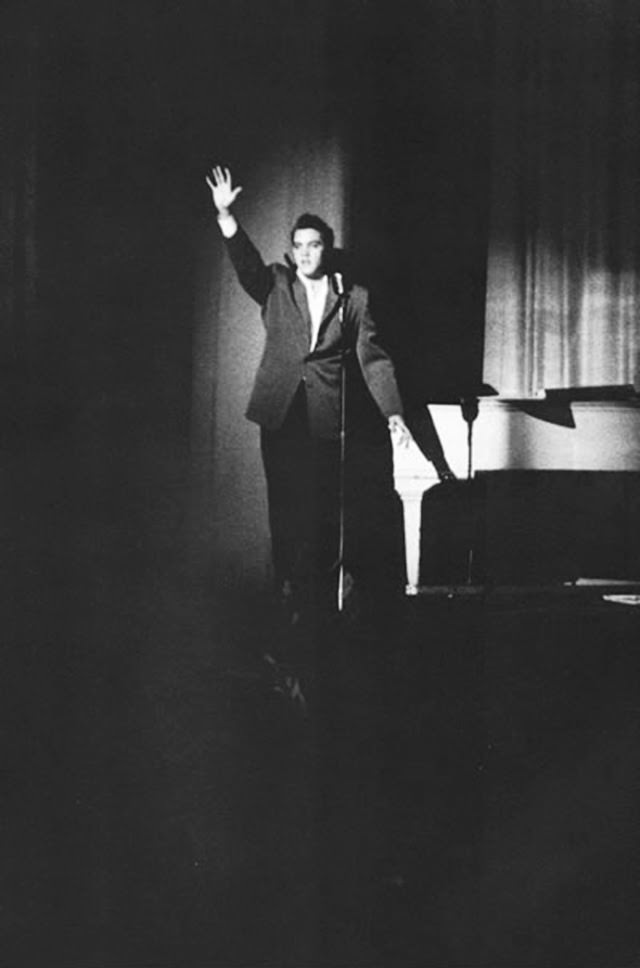
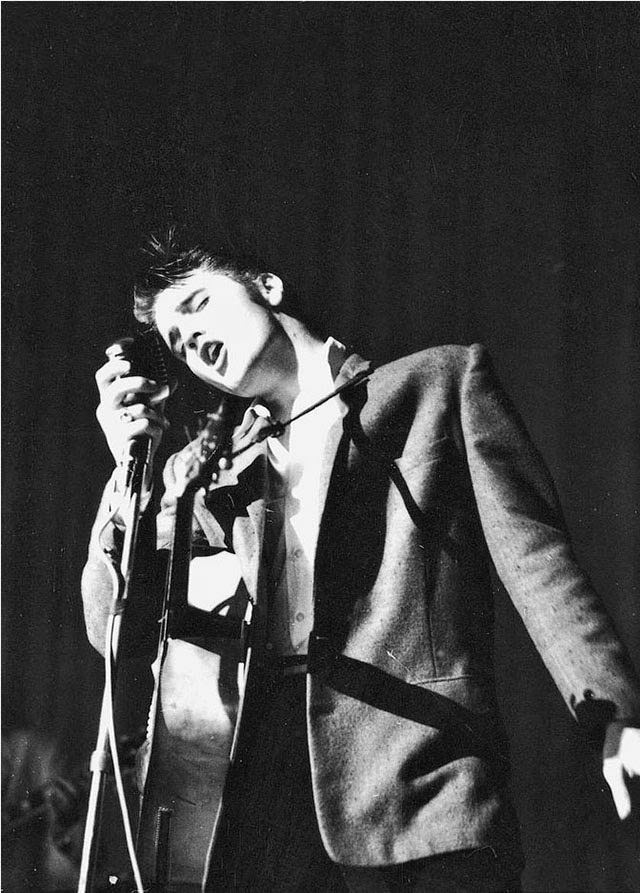
On stage, Elvis stood largely still. His feet stayed planted, and the hip movements that had scandalized audiences in other cities were gone. But he found a workaround. He began wiggling his little finger suggestively while he sang, a small but deliberate gesture that replaced his usual physical display.
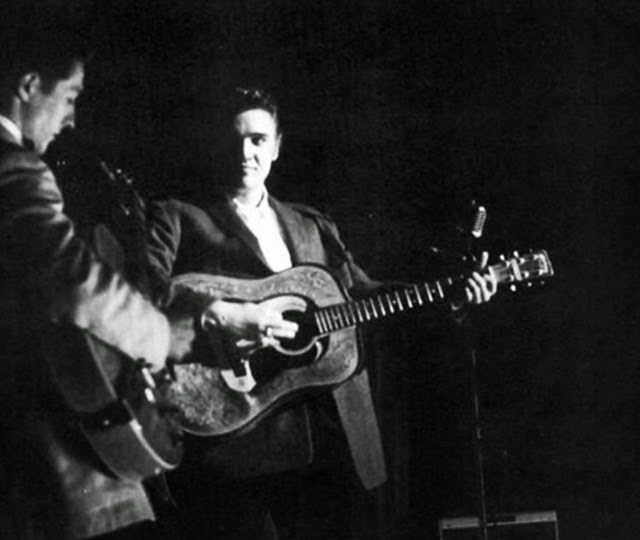
Nearly 2,000 fans packed the theater for each set. The crowd screamed and surged toward the stage. Police officers lined the aisles to hold them back.
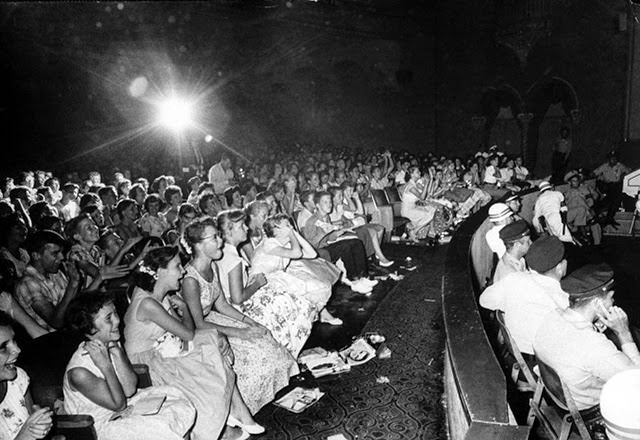
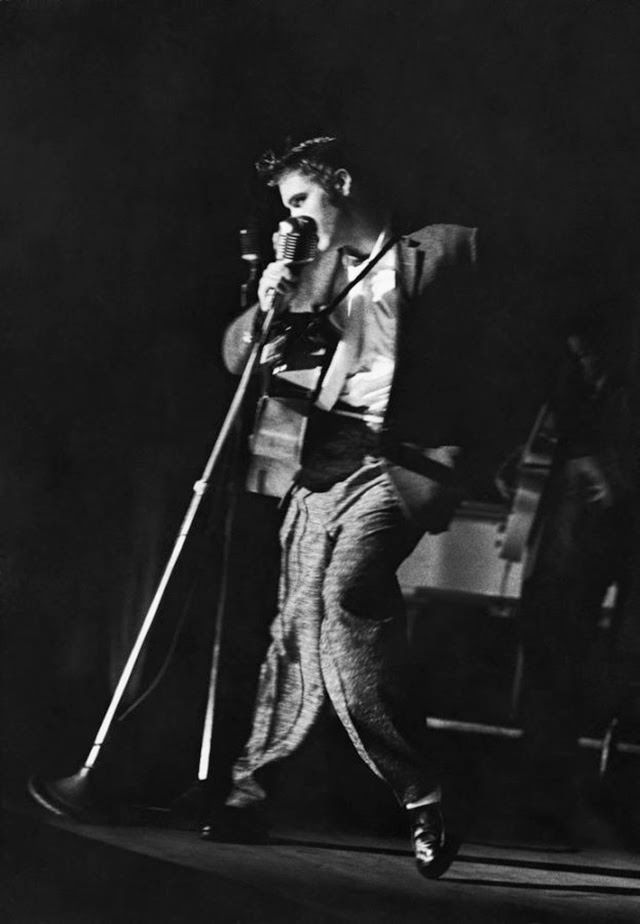
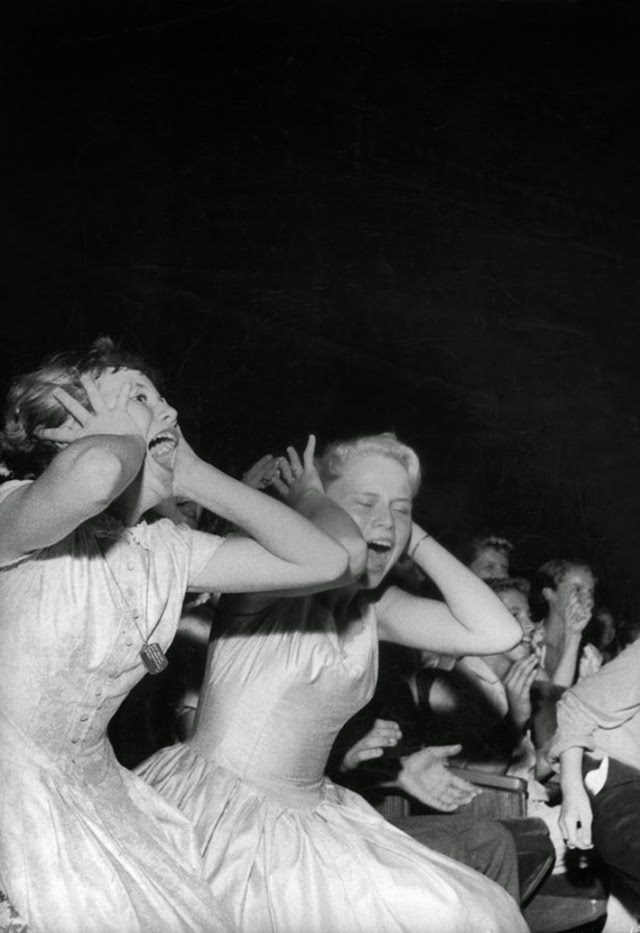
Judge Gooding watched from the audience with his family, monitoring every move. LIFE Magazine photographers were on the floor documenting the standoff between the rock star and the court.
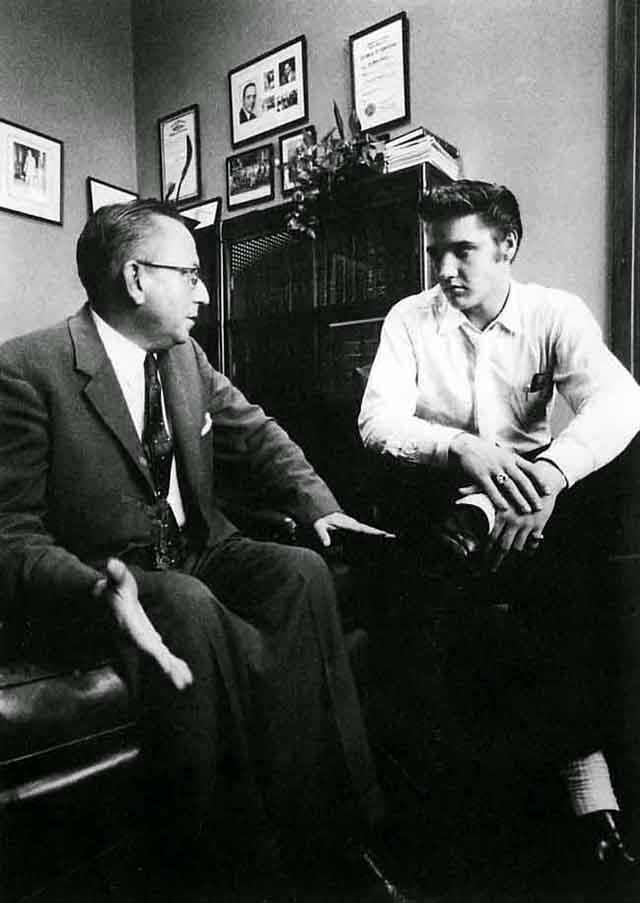
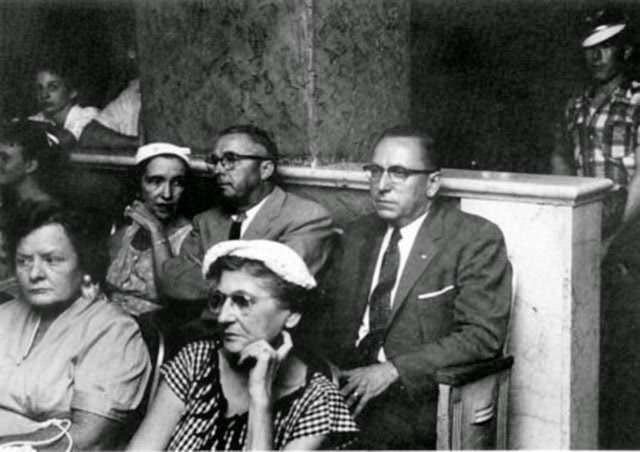
Elvis delivered three more shows on August 11, still working the crowd with nothing more than a wiggling finger. The audiences reacted with the same intensity they showed at his uncensored performances.
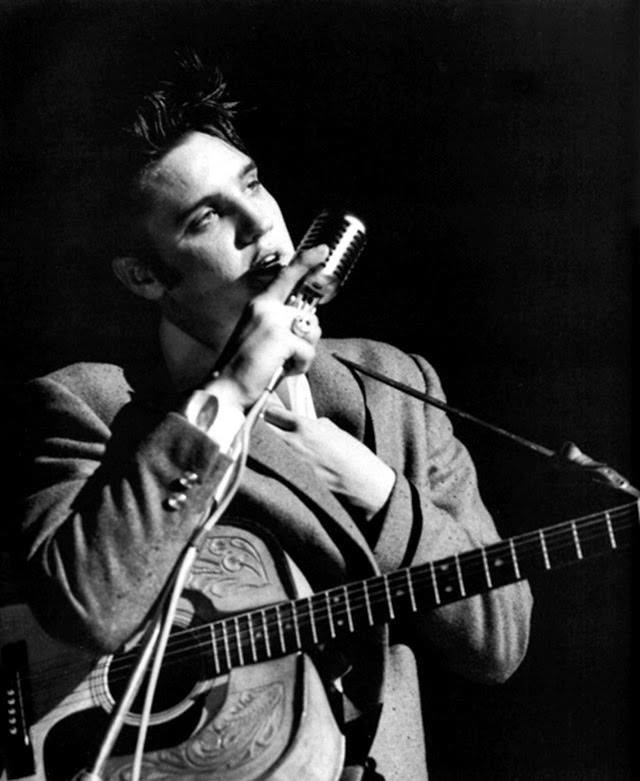
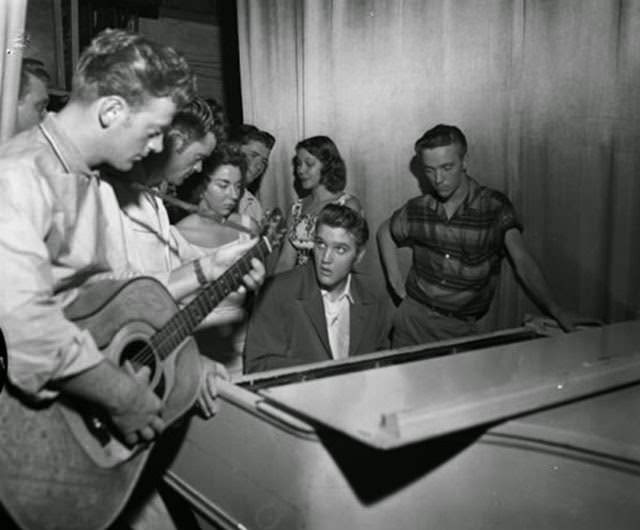
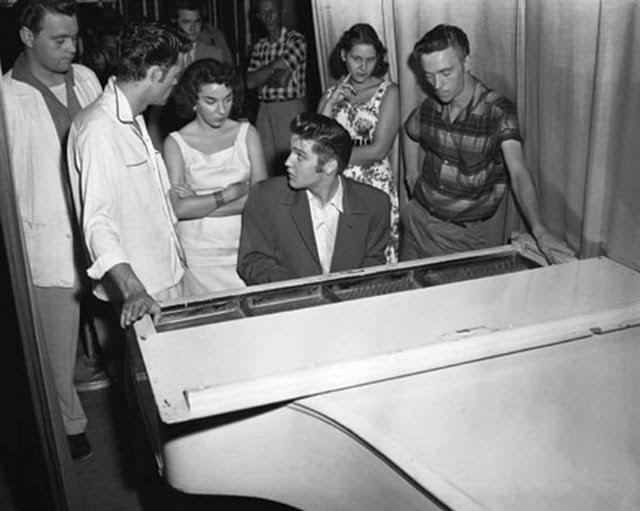
Between shows, Elvis retreated backstage, where he was photographed at the piano with friend and confidant Red West.
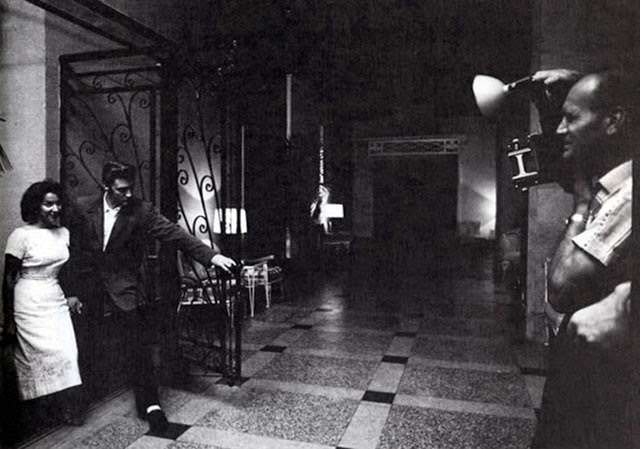
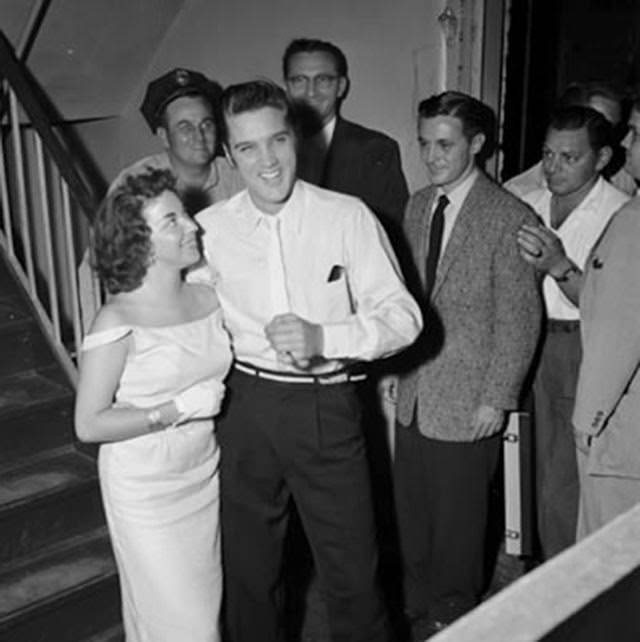
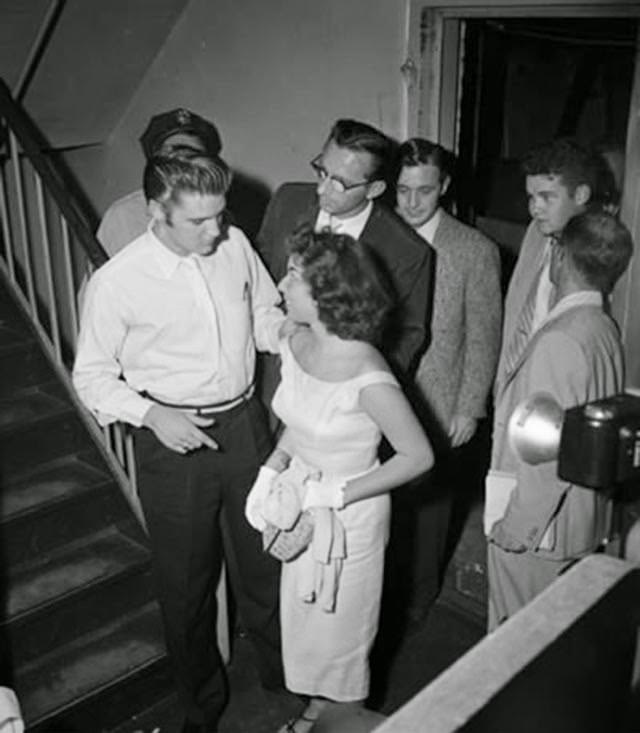
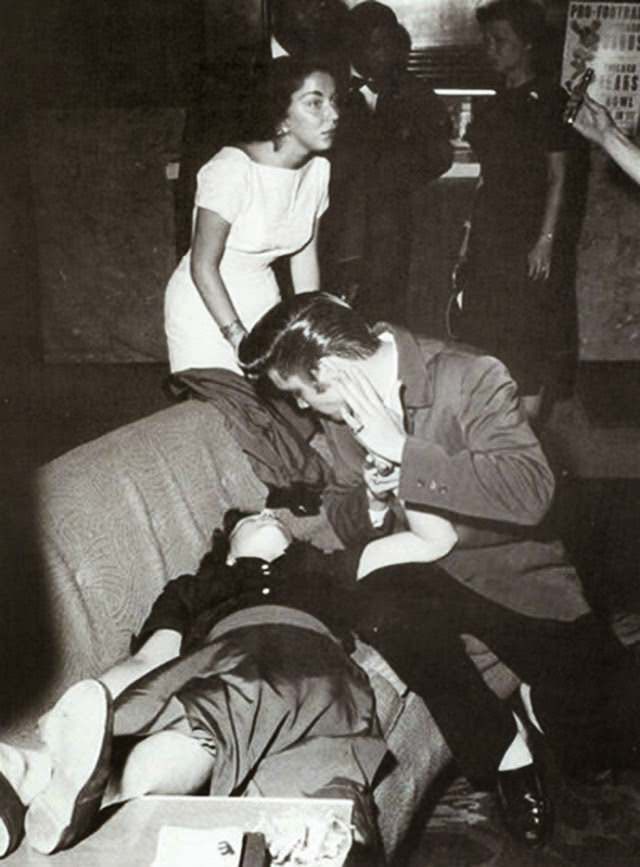
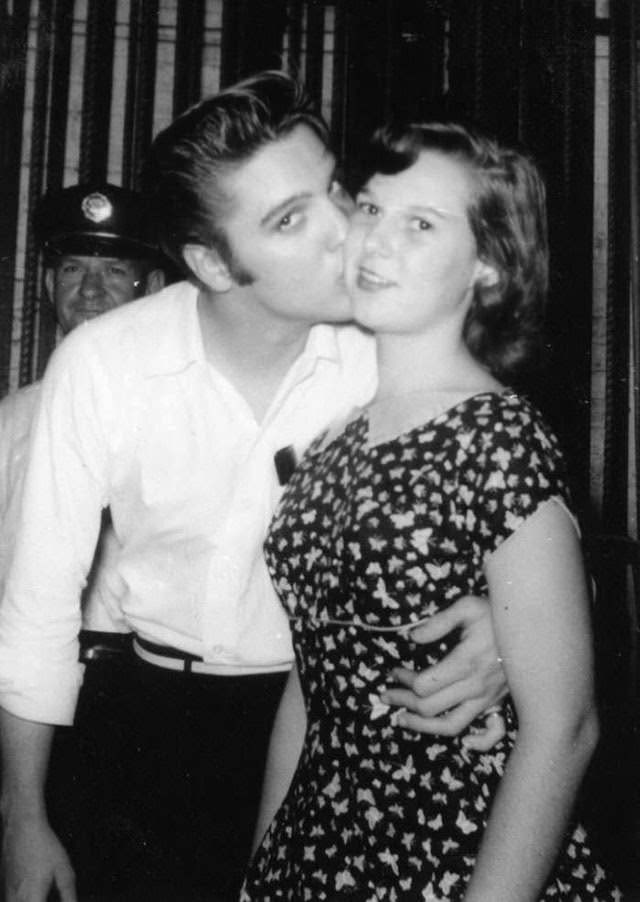
Off stage, Elvis also met with contest winner Andrea June Stephens at a Jacksonville hotel lobby — a fan encounter that LIFE’s photographers captured in full.