
San Jose, California spent the 1960s in a state of constant change. Under the direction of City Manager A. P. “Dutch” Hamann, the city pushed outward at an aggressive pace. Hamann believed growth was progress, and he had the power to act on that belief. The city annexed surrounding communities, including Alviso and Cambrian Park, swallowing up land to build a bigger San Jose. Streets expanded, neighborhoods spread outward, and new infrastructure followed the population surge.
But that growth had a price. Public schools were so overcrowded that many ran double sessions — two separate shifts of students sharing the same building. Fire and police departments were stretched thin. Municipal debt climbed. Environmental conditions worsened. By the late 1960s, residents were fed up, and anti-growth candidates began winning seats on the City Council. Figures like Norman Mineta and Janet Gray Hayes would rise to push back hard against Hamann’s machine in the decade that followed. In the 1960s, though, San Jose was still very much in the grip of its growth era — and the city looked and felt like a place in motion.
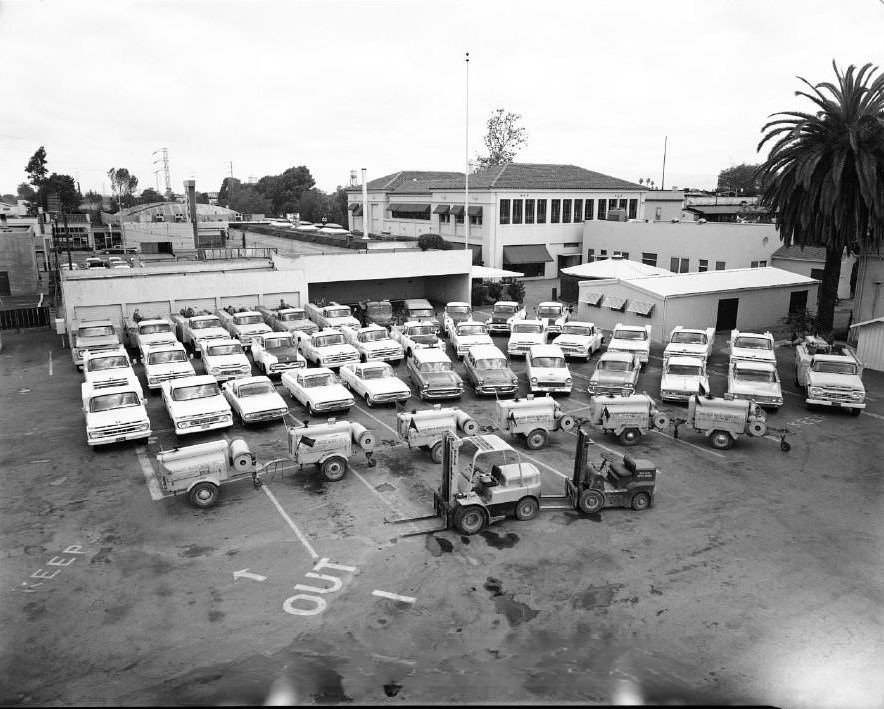
The San Jose Water Company was one of the essential operations keeping the city running as its population swelled. Its fleet of service trucks reflected just how much infrastructure was needed to support the expanding city.
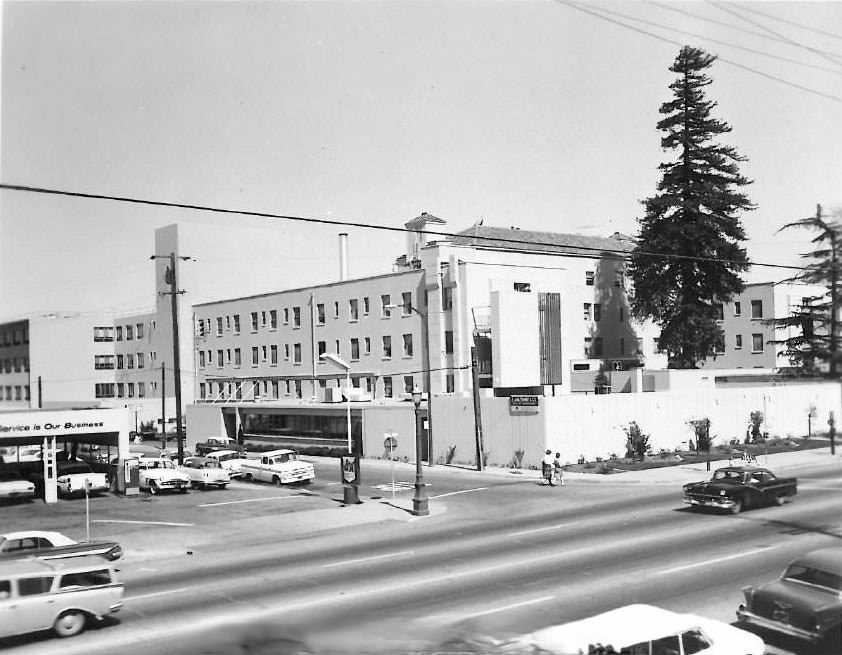
Healthcare was also a pillar of the city’s identity during this period. San Jose Hospital served the growing population and stood as one of the most recognizable institutions in the urban core. Its neighborhood, centered near 15th and Santa Clara Street, was a busy part of the city.
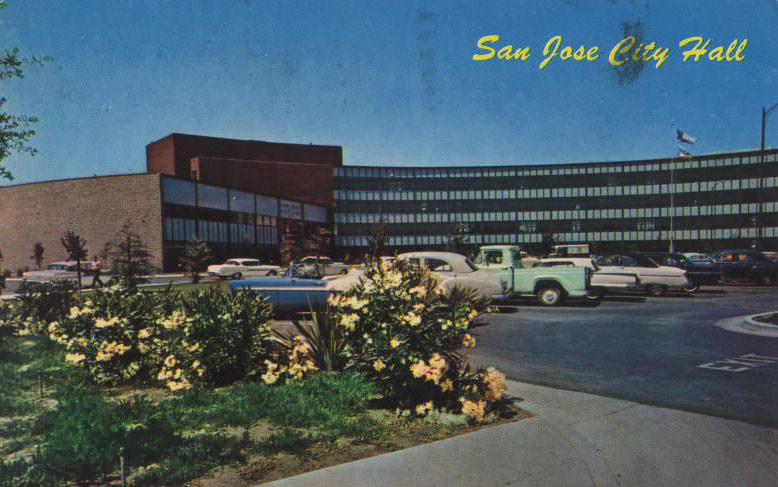
City Hall was the administrative heart of San Jose, the place where decisions about the city’s future were made and debated. In 1963, it sat at the center of civic life, a symbol of a government managing — or struggling to manage — one of the fastest-growing cities in California.
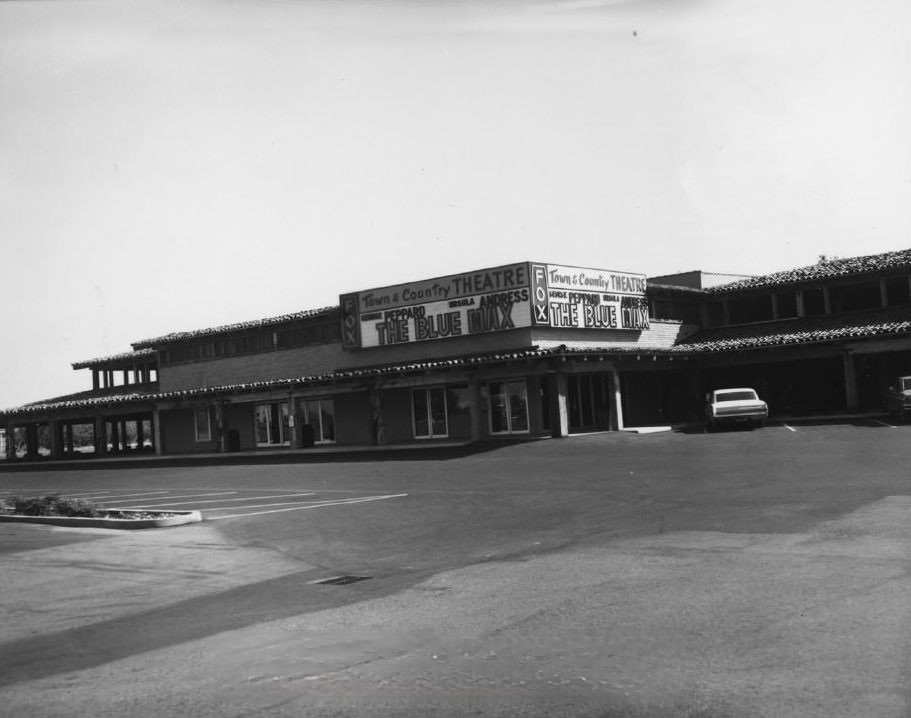
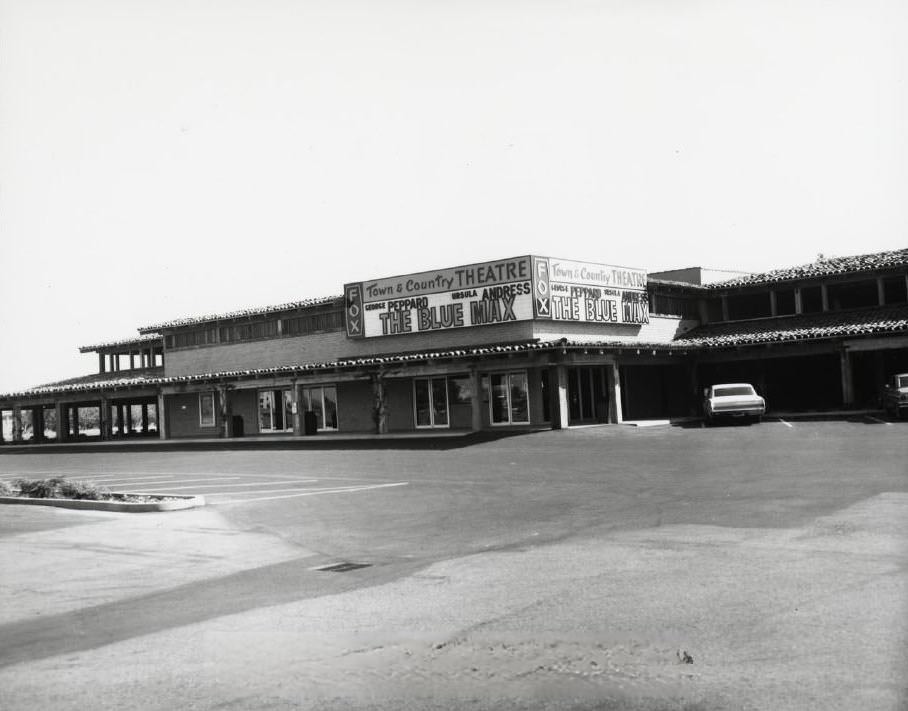
Entertainment in 1960s San Jose was a mix of neighborhood theaters, drive-ins, and shopping centers that were just beginning to pull people away from downtown. The Town and Country complex on Stevens Creek Boulevard was one of the early suburban-style destinations, complete with its own theater.
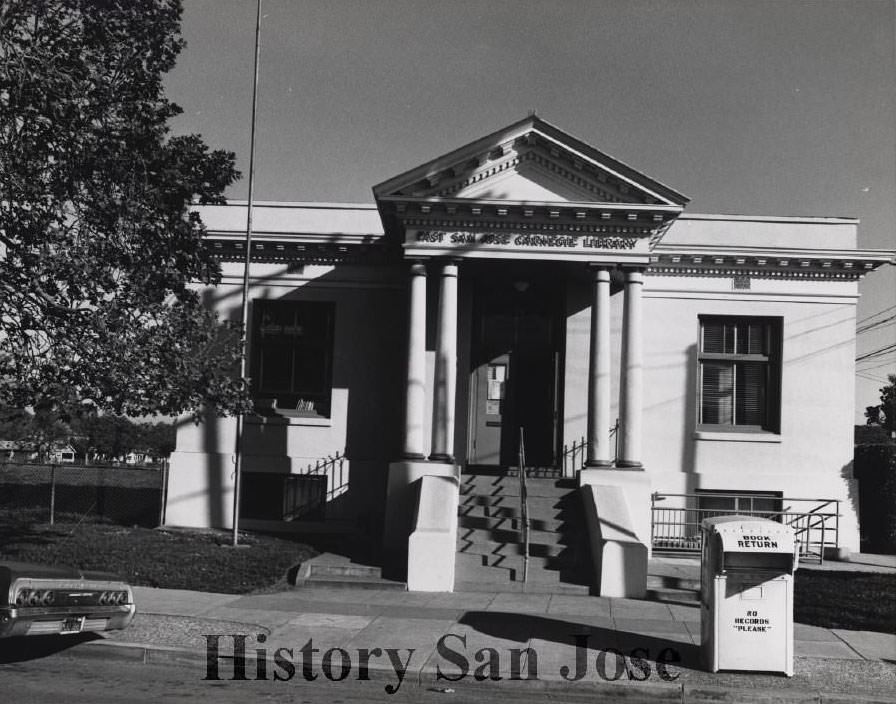
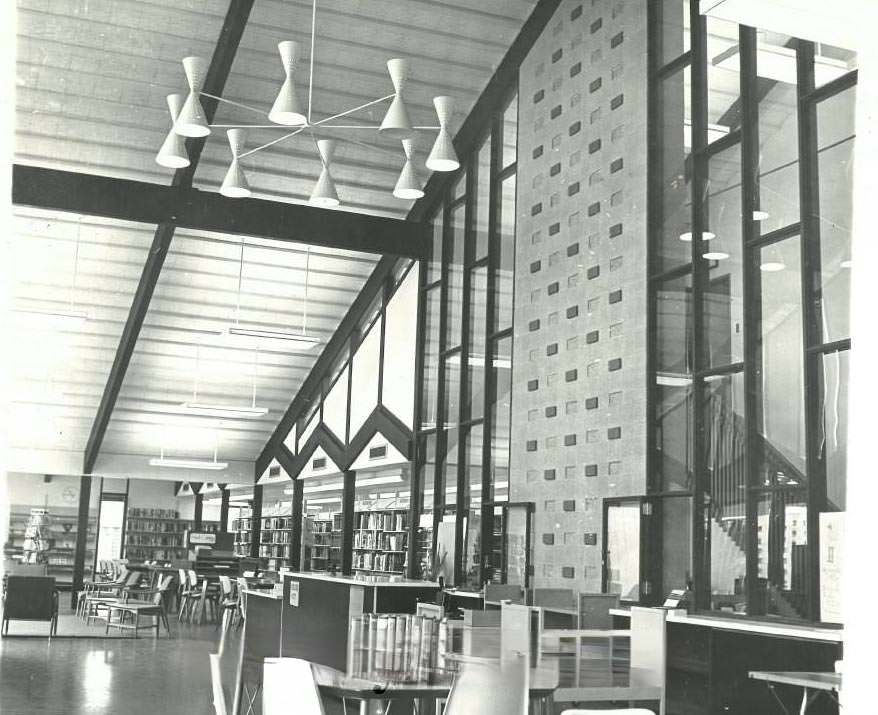
Libraries were community anchors throughout the city. The East San Jose Carnegie Library was part of a nationwide network of libraries built with funding from industrialist Andrew Carnegie. In 1960, it continued to serve residents of the east side.
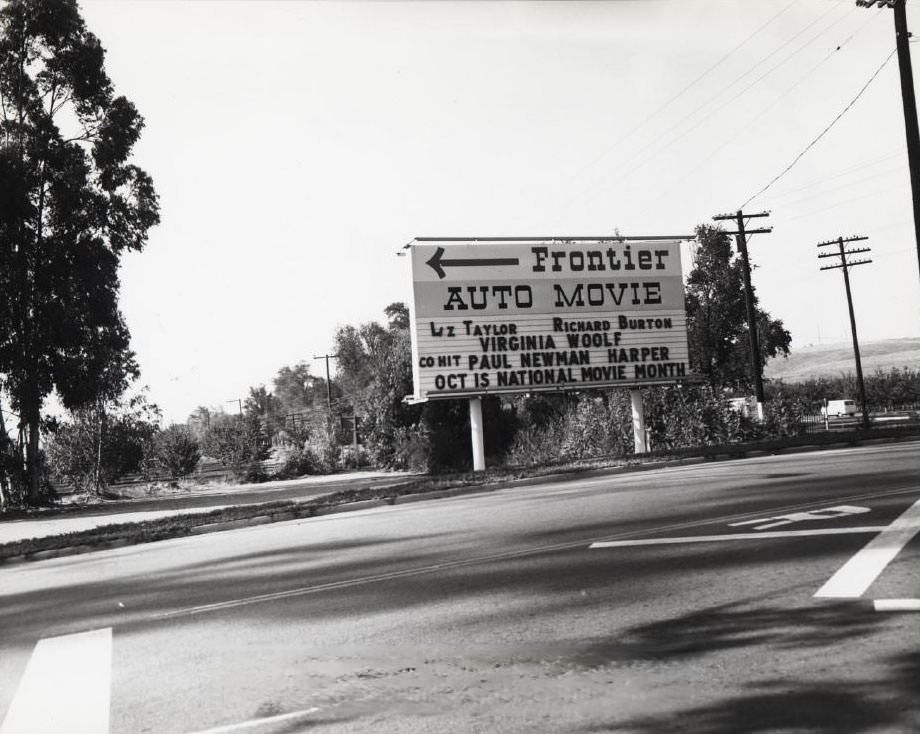
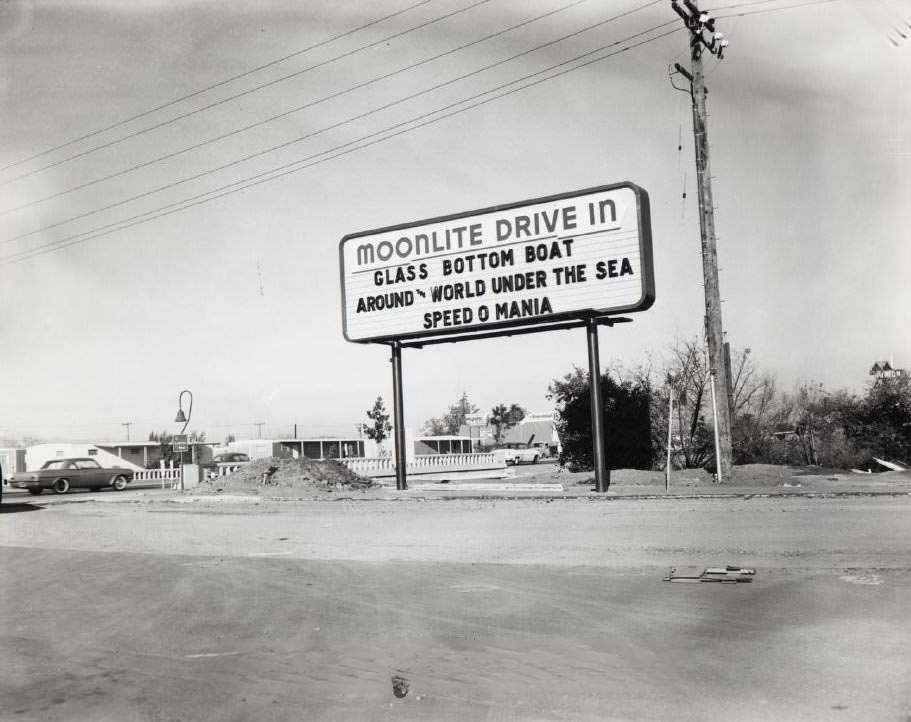
Drive-in theaters were a defining feature of California life in the 1960s, and San Jose had several. The Frontier Auto Movie was one option for families and couples who preferred to watch films from the comfort of their cars on a warm evening.
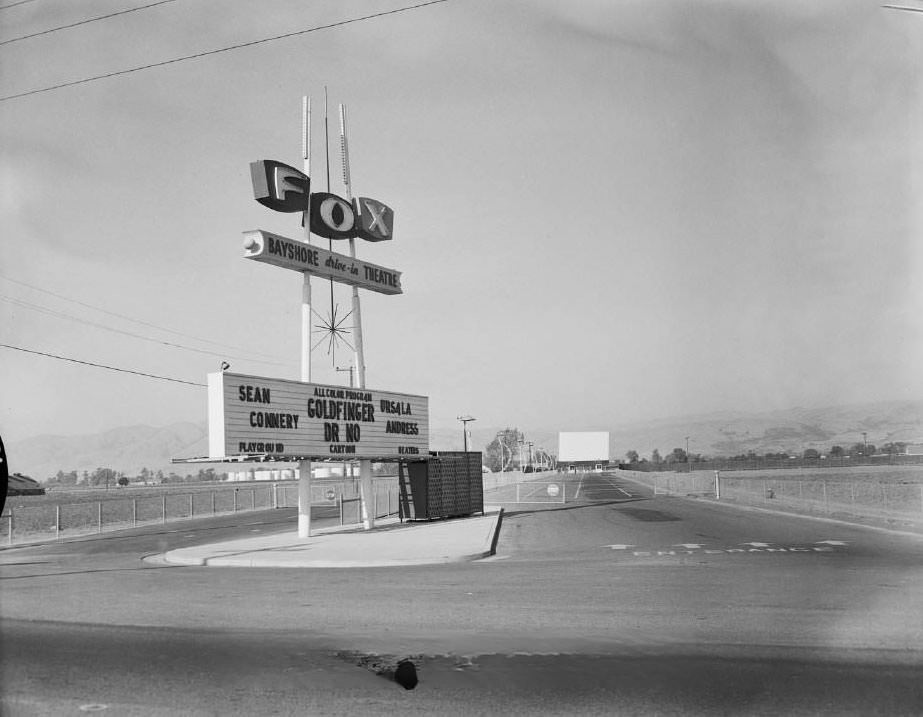
The Fox Bayshore Drive-In sat at First and Brokaw Streets and was another popular outdoor cinema destination. Drive-ins were affordable, social, and perfectly suited to California’s car culture.
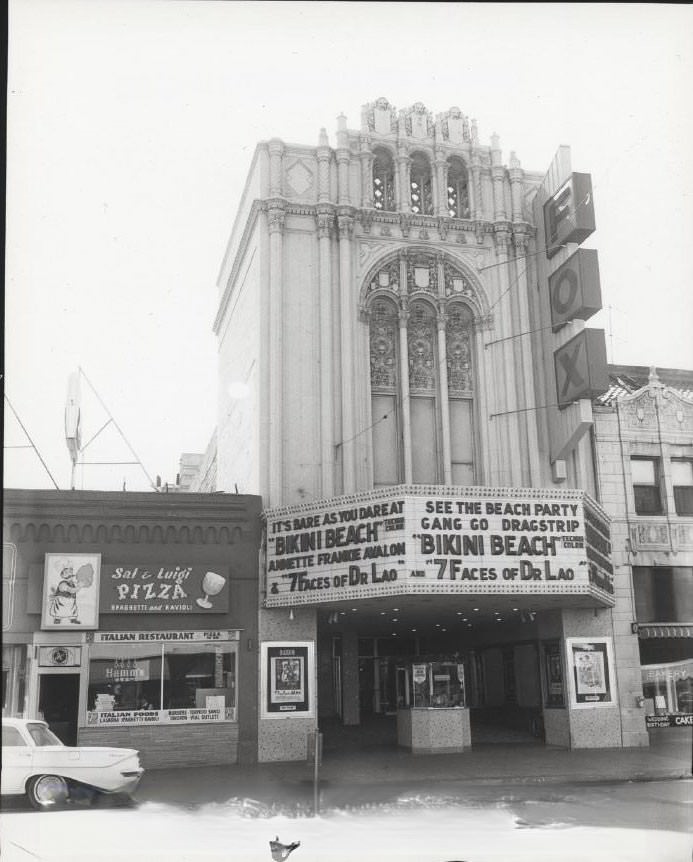
Indoors, the Fox California Theatre was a grand movie palace serving downtown San Jose. By 1967, the theater stood as a reminder of an earlier era of cinema — one that was starting to compete with newer, suburban multiplex-style venues.
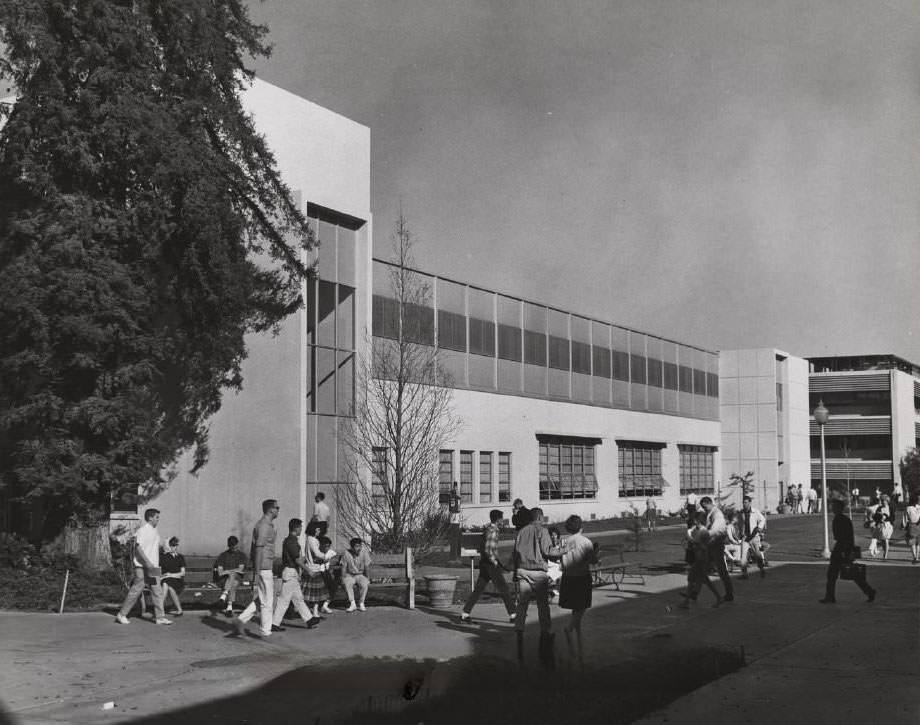
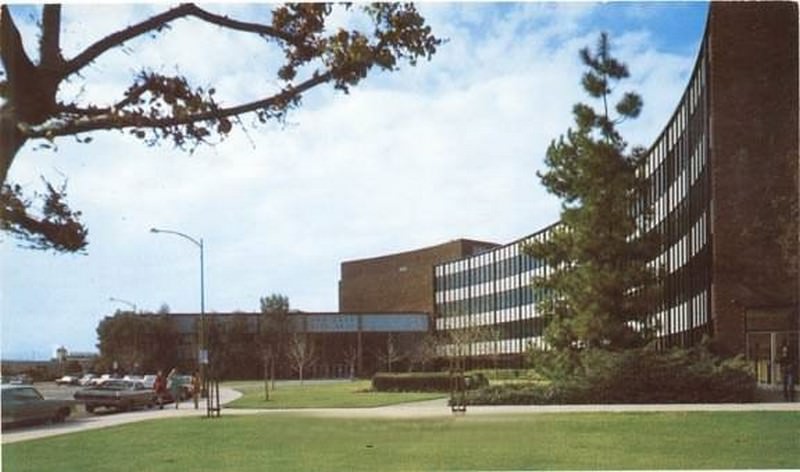
San Jose State College was an important institution for the region, training teachers, engineers, and professionals who would go on to shape Northern California. Its campus buildings, like the Speech and Drama Building photographed in 1962, reflected the postwar investment in public higher education.
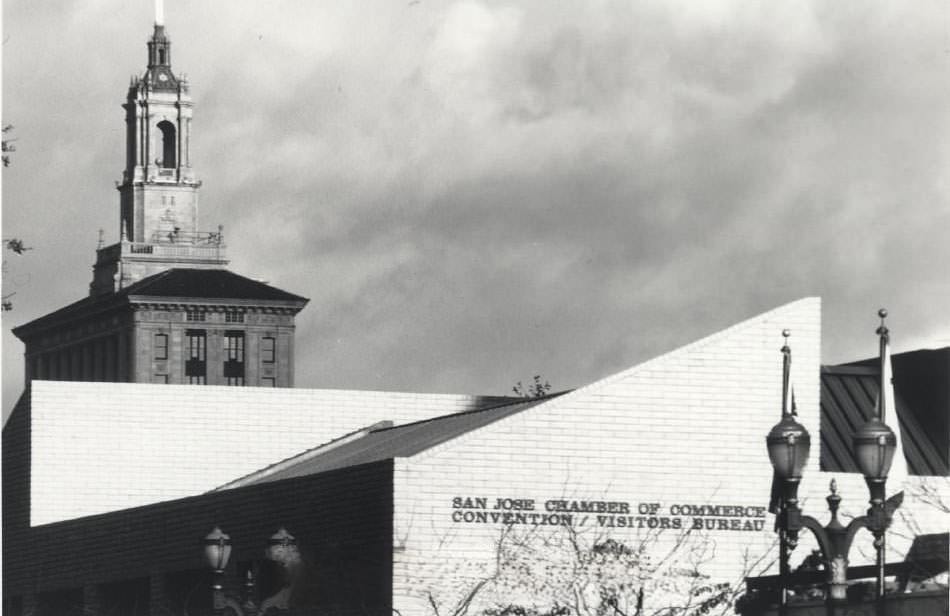
The San Jose Civic Center and City Hall together formed the governmental core of the city. This 1960 photograph captures the buildings before years of rapid urban expansion would push conversations about redevelopment into every corner of local politics.
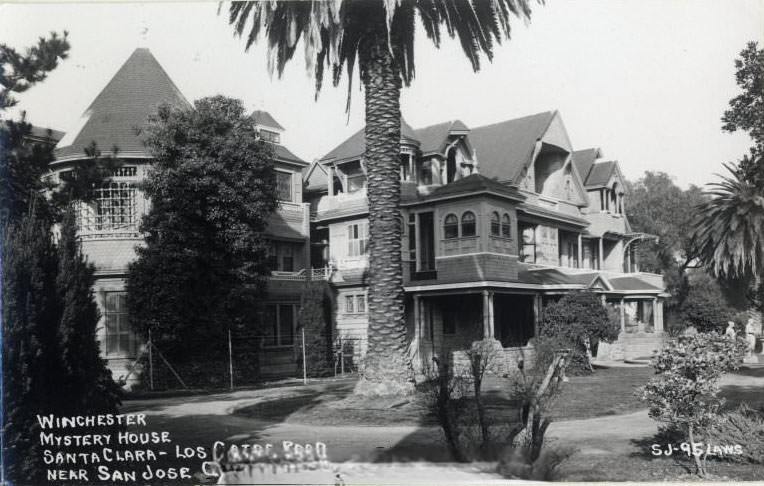
Just outside the city, the Winchester Mystery House was already a well-known landmark. Built by Sarah Winchester, widow of the rifle manufacturer, the sprawling mansion on Santa Clara-Los Gatos Road had been a curiosity since it opened to visitors in the 1920s. By 1960, it drew steady crowds.
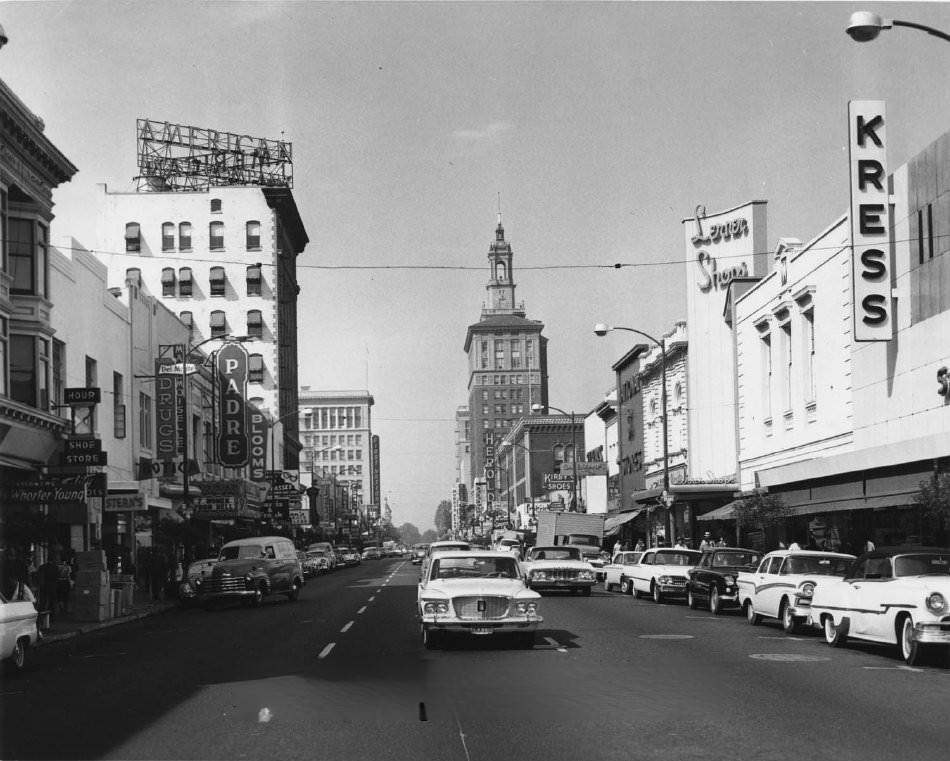
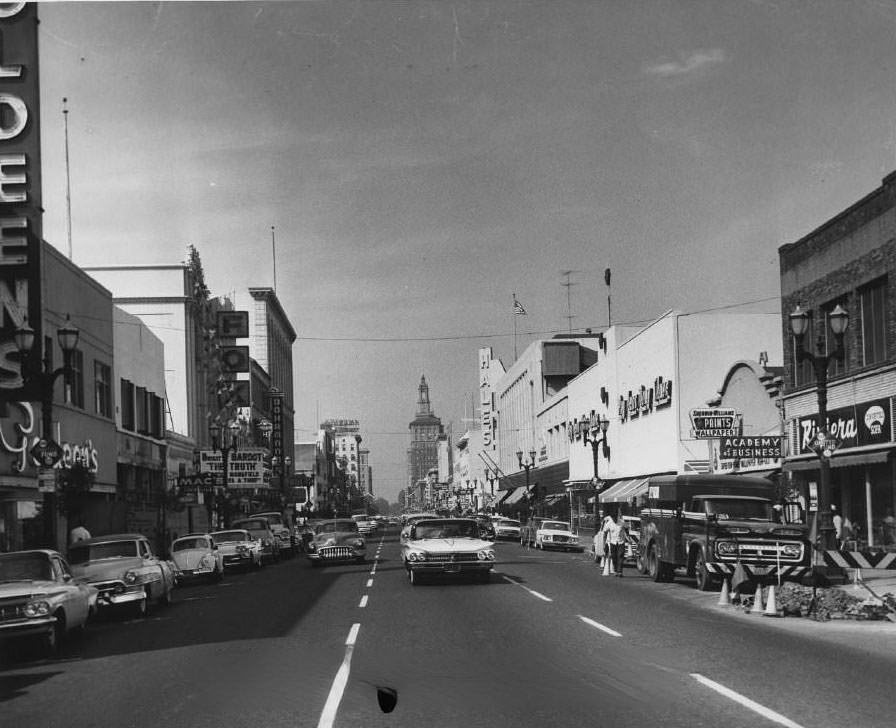
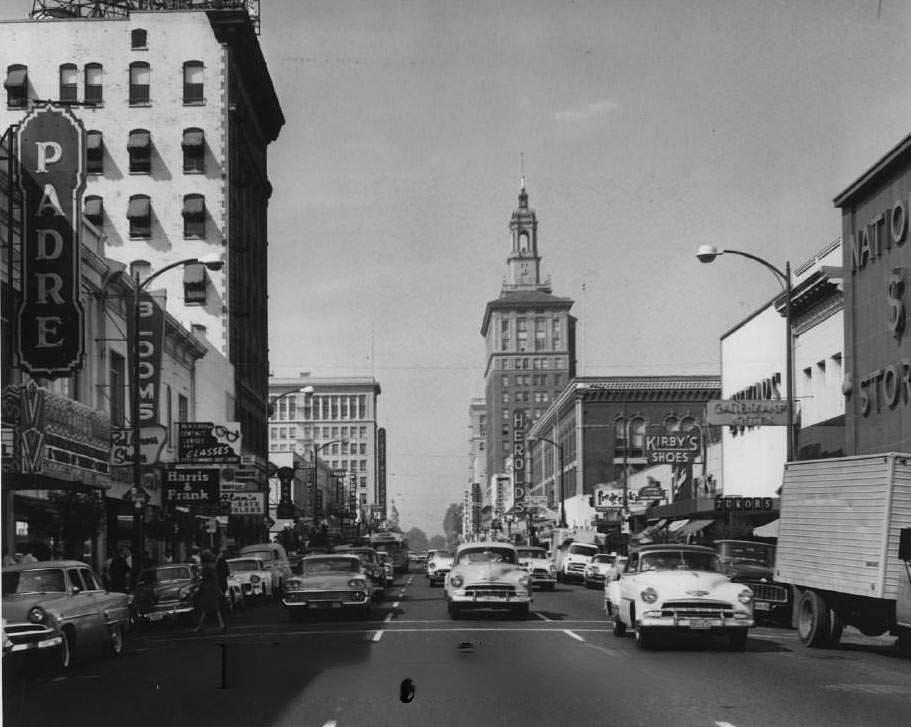
South First Street was one of the busiest commercial corridors in downtown San Jose. In the early 1960s, it was lined with stores, theaters, and businesses that formed the backbone of the city’s retail economy — before suburban malls began drawing shoppers away.
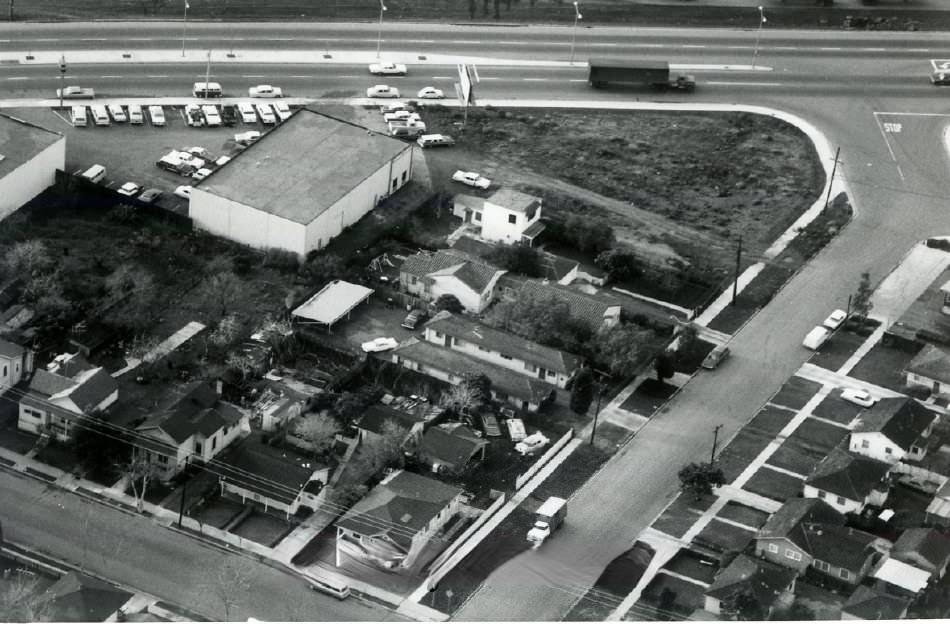
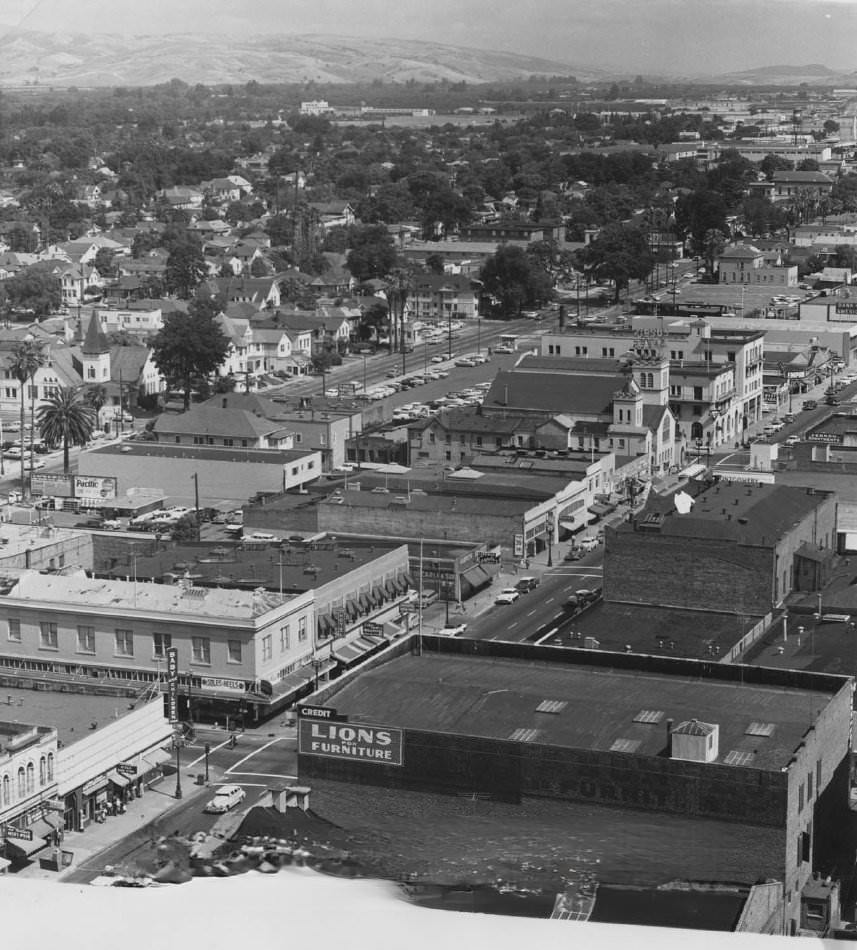
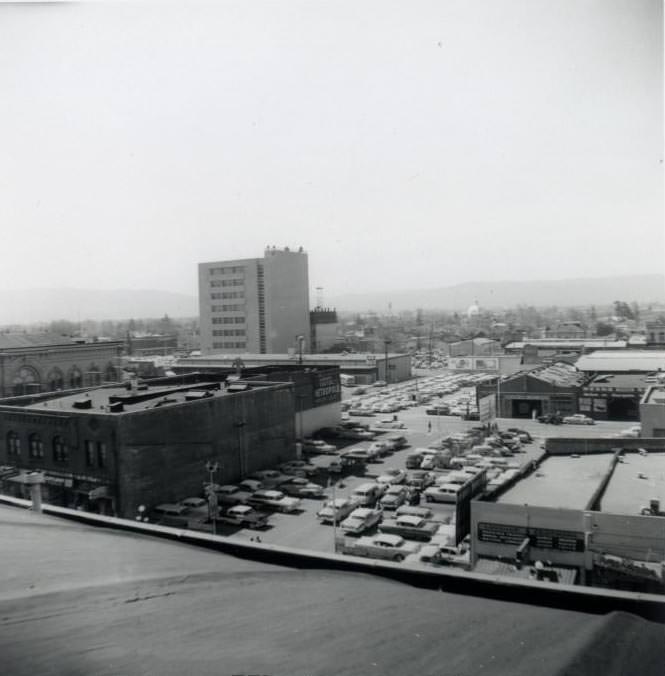
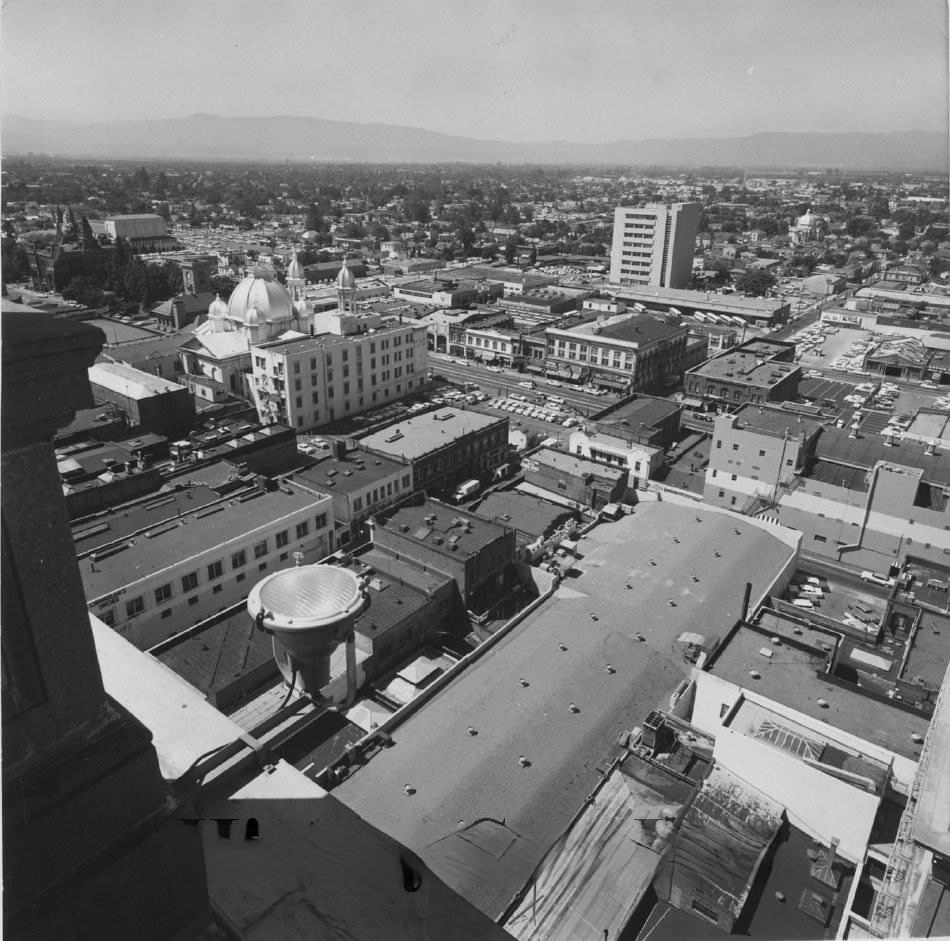
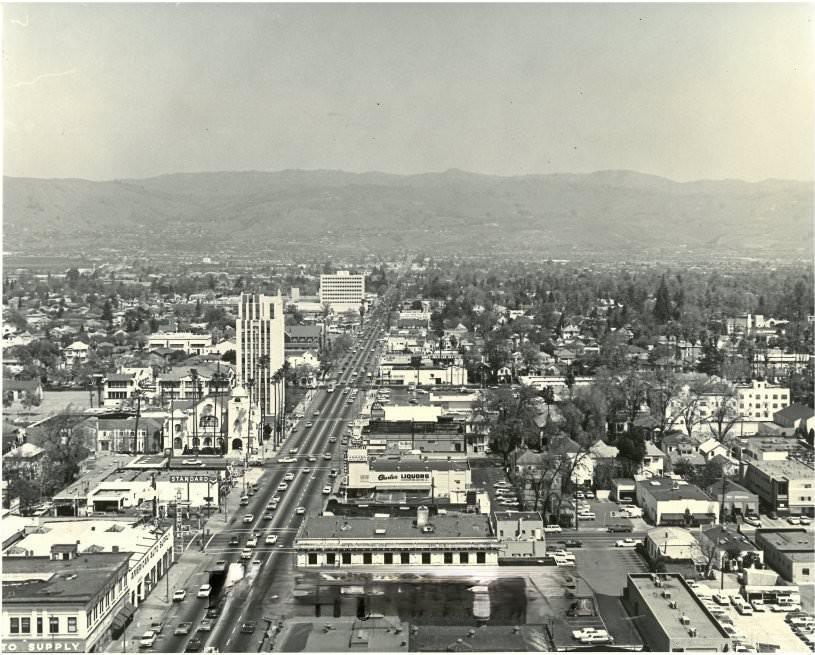
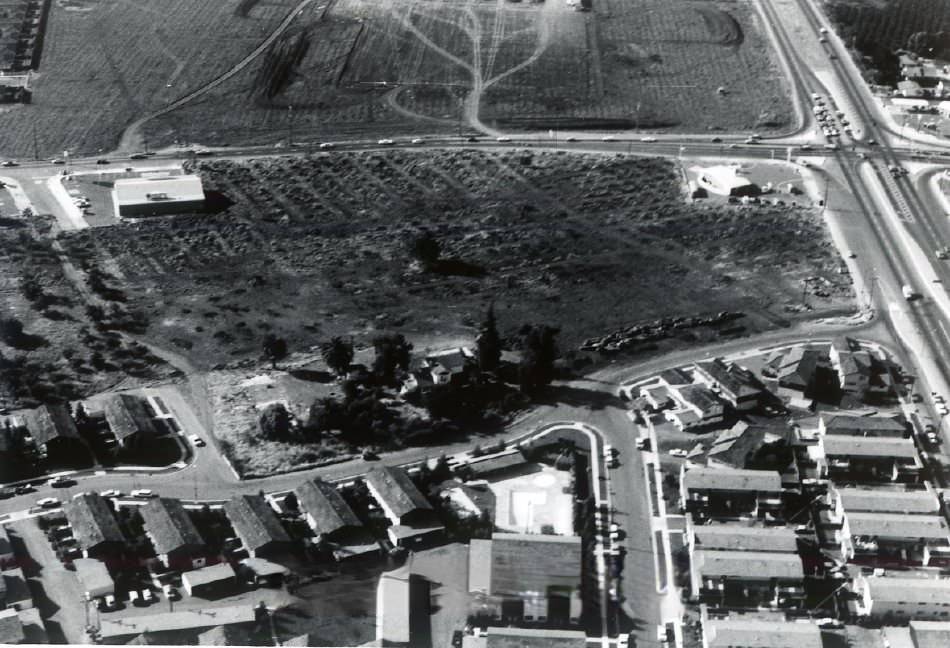
An aerial view from 1960 shows just how much of San Jose was still low-rise and spread out. The city had not yet built upward — it was pushing outward in every direction, consuming the farmland and orchards that had defined the Santa Clara Valley for generations.
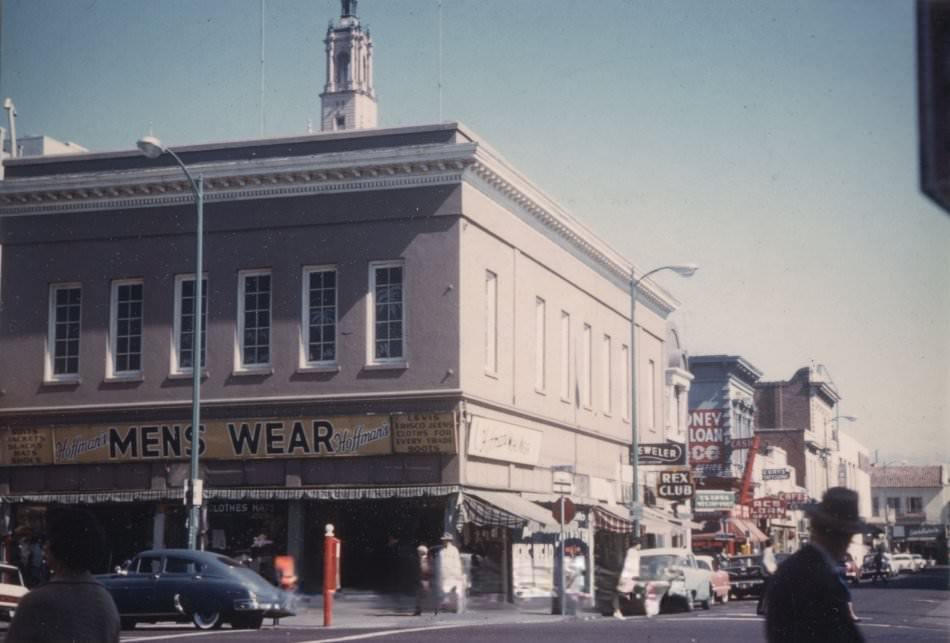
The Murphy Building at the corner of Market and Post Streets was one of San Jose’s older commercial structures. At one point it had housed the 1862 Santa Clara Courthouse on its upper floor, making it a layered piece of the city’s legal and commercial history.
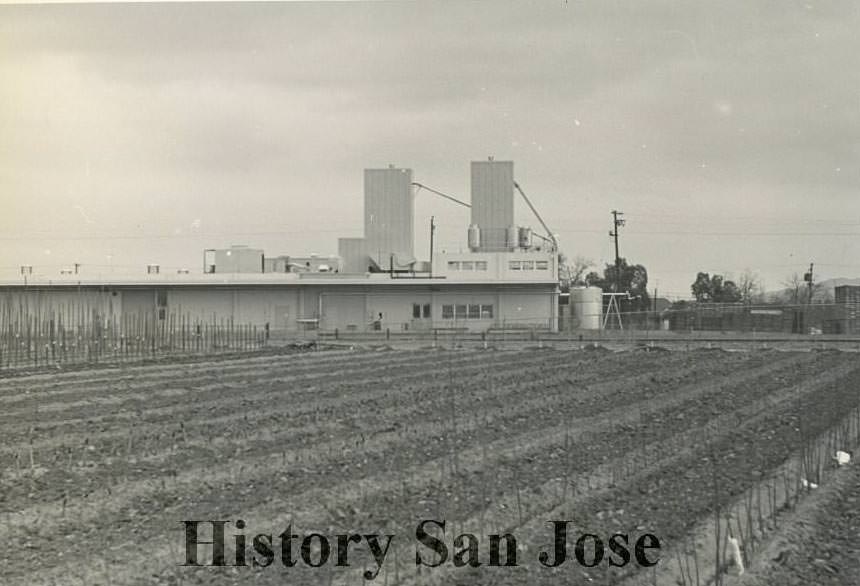
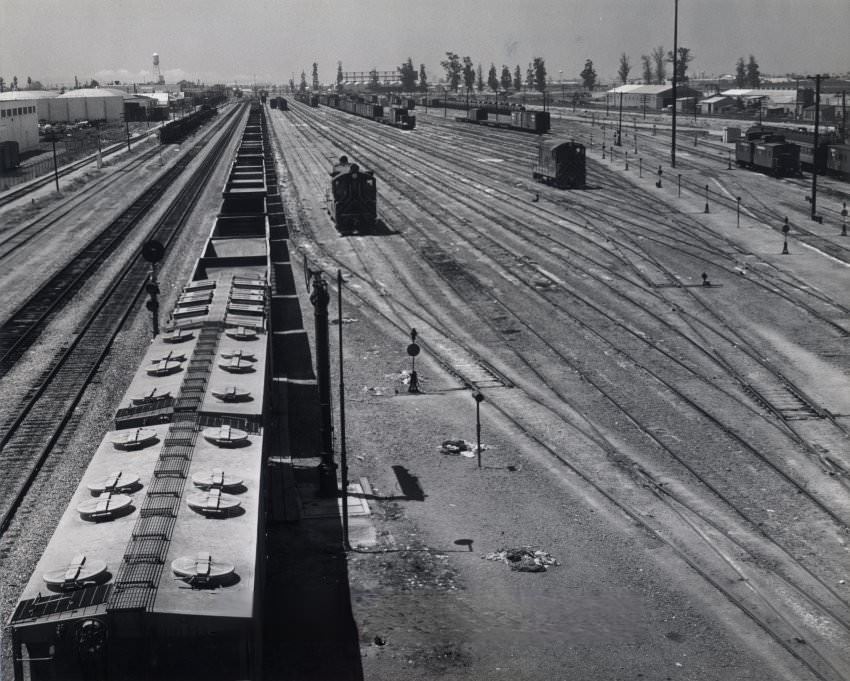
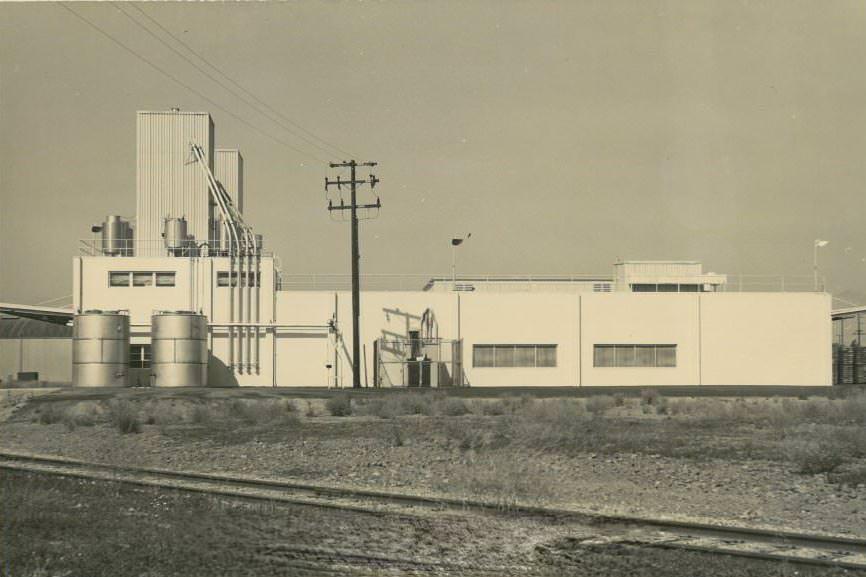
Manufacturing was part of San Jose’s economic landscape long before the tech industry arrived. The Beech-Nut Lifesavers factory was a well-known facility in the city, producing candy consumed across the country. These two photographs from 1962 document the plant’s operations during its active years.
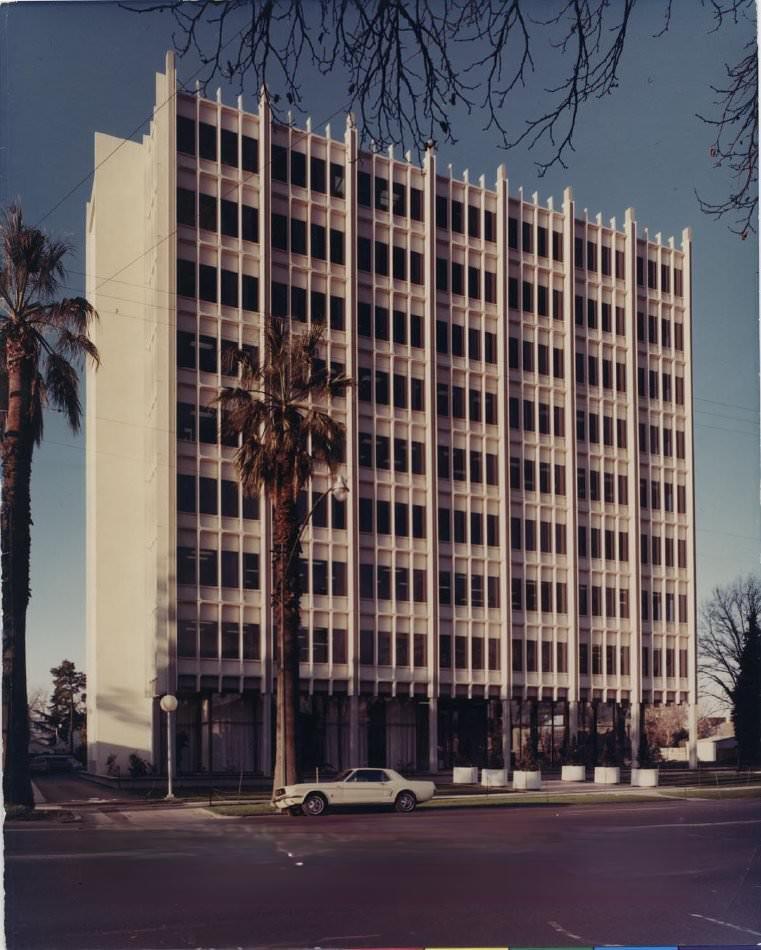
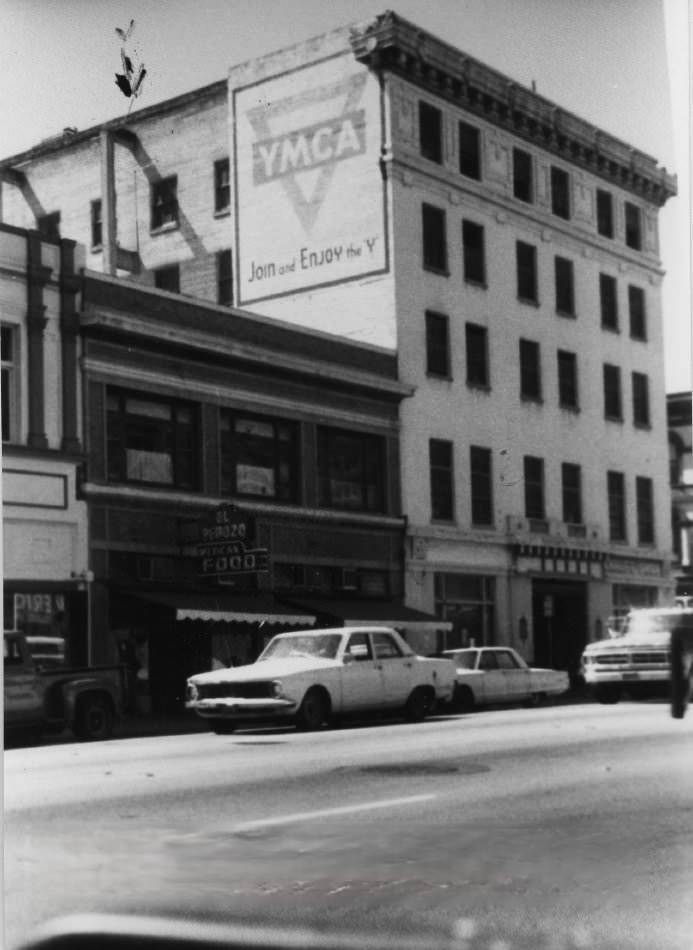
The YMCA at the corner of 3rd and Santa Clara Streets was a social hub for many San Jose residents. It offered athletic facilities, youth programs, and meeting spaces in a central location that was easy to reach from much of the downtown area.
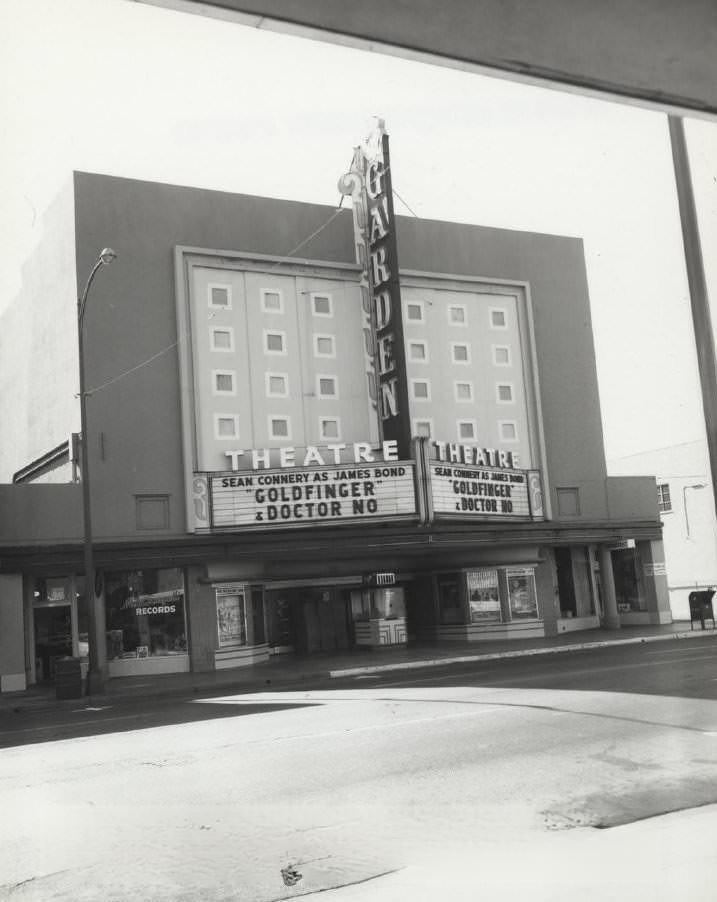
Neighborhood theaters gave local districts their own entertainment identity. The Garden Theatre on Lincoln Avenue in the Willow Glen district served that community’s residents, offering a local alternative to the larger downtown movie palaces.
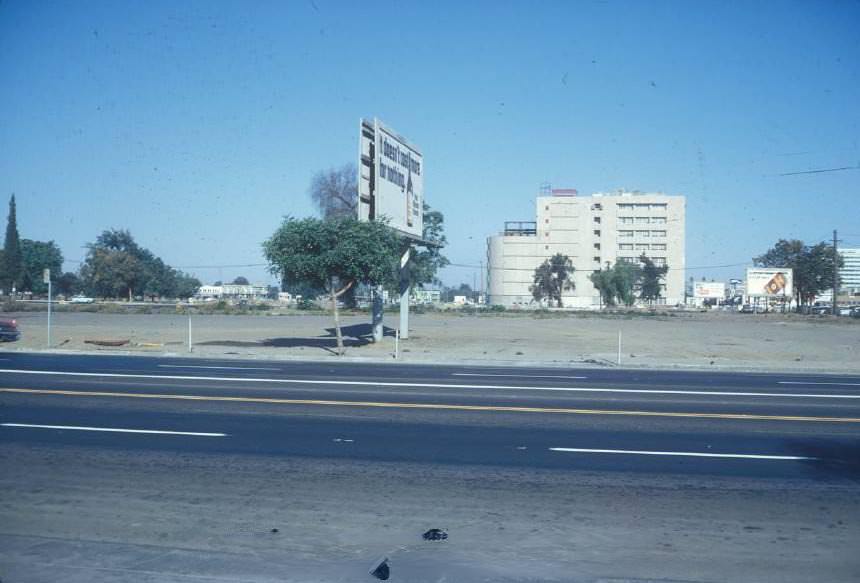
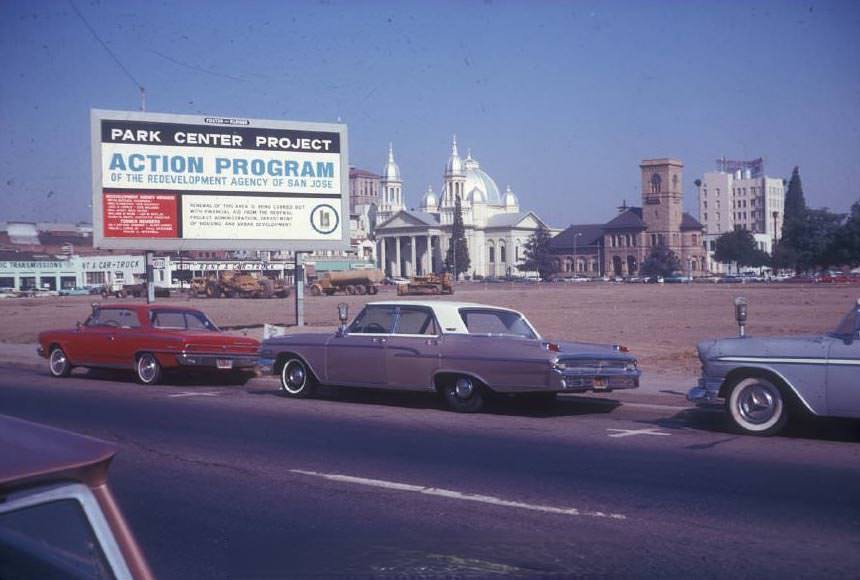
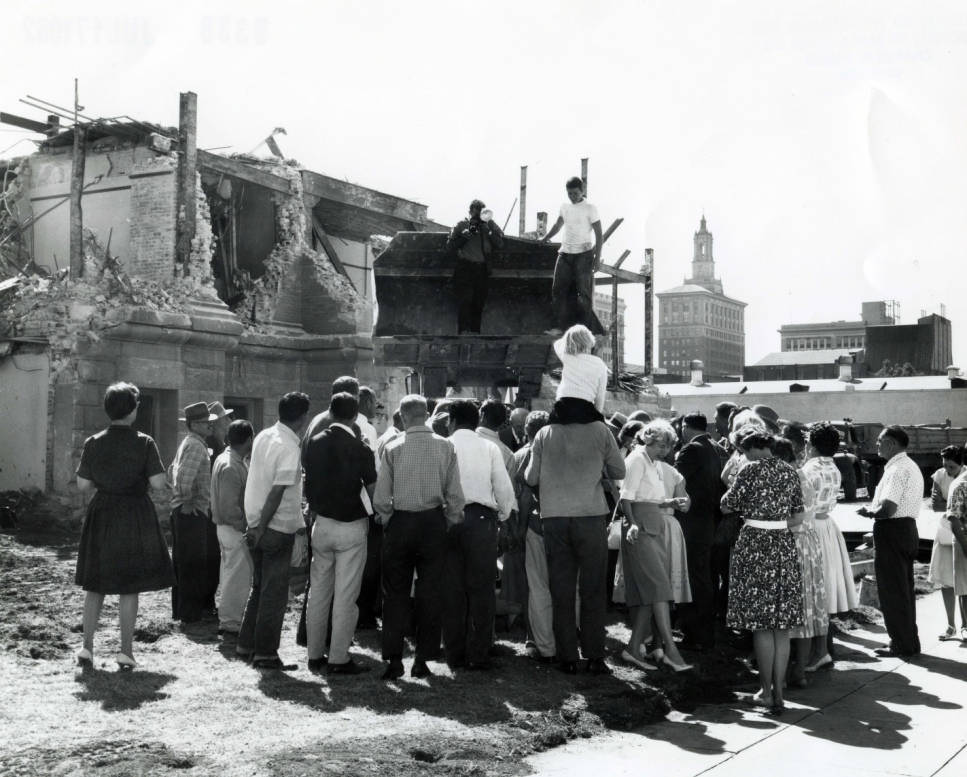
By the mid-1960s, redevelopment projects were beginning to reshape parts of the city. The Park Center Redevelopment area was one of the more visible efforts to modernize sections of San Jose’s urban core, though such projects often displaced existing residents and businesses.
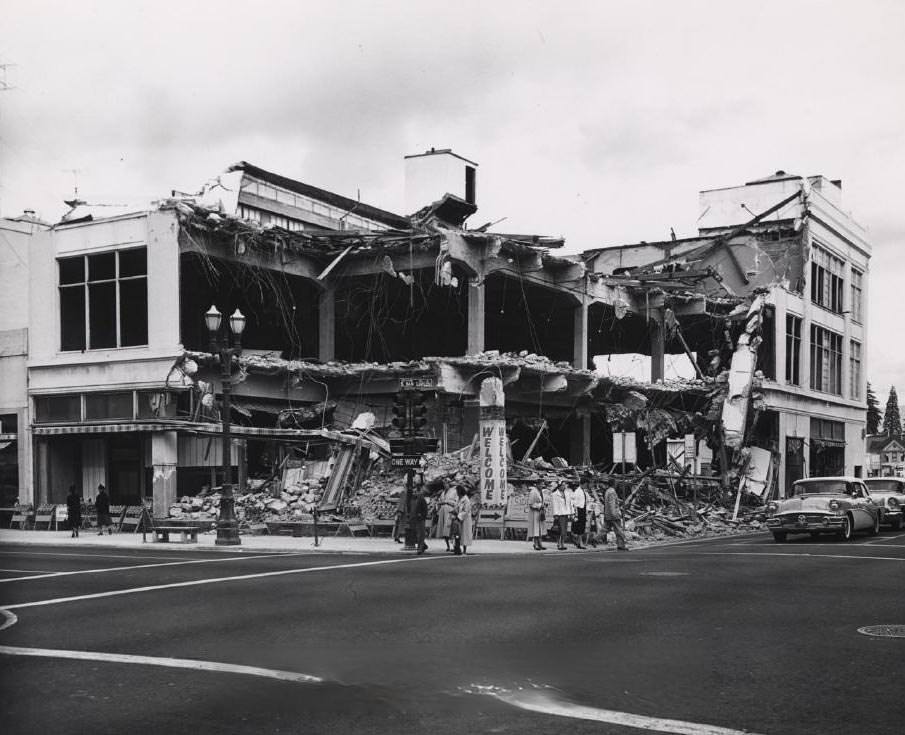
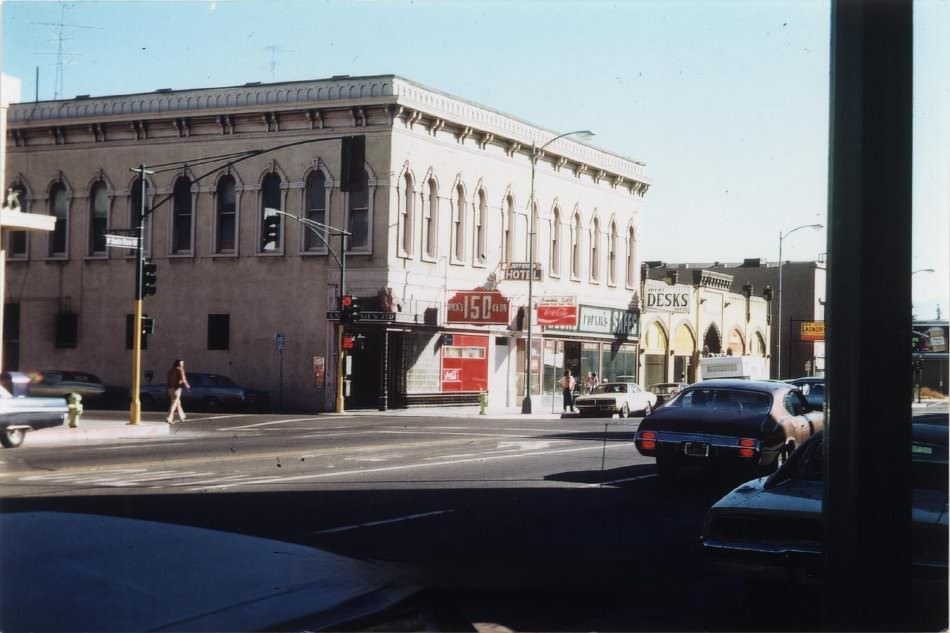
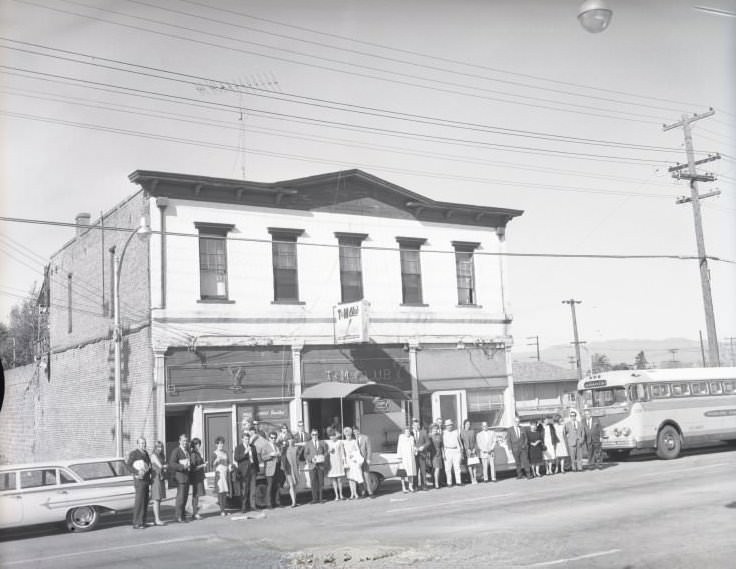
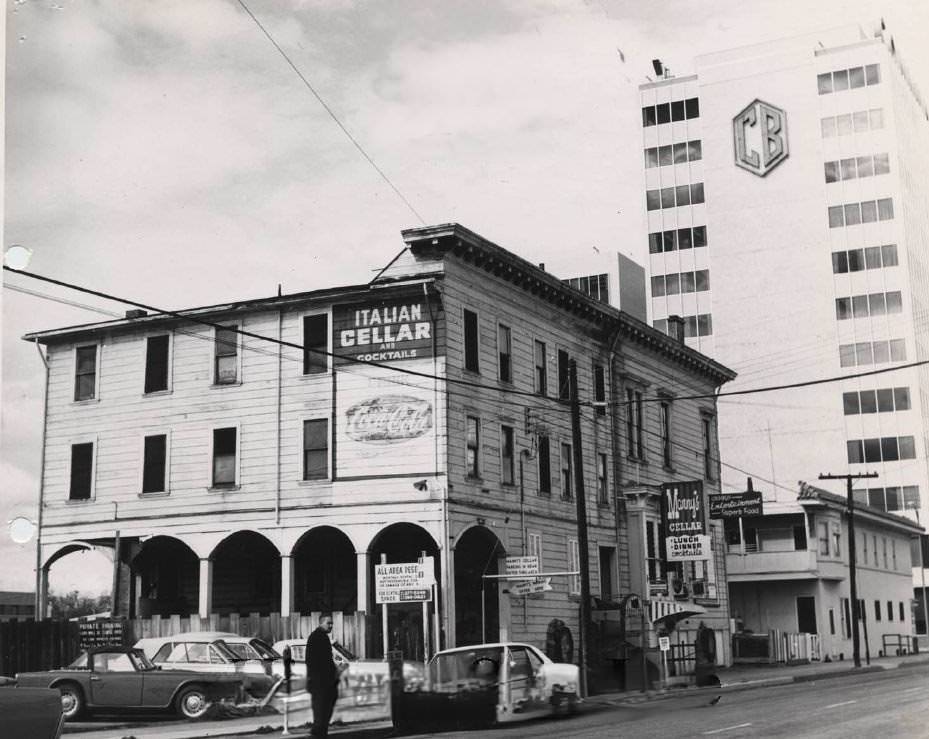
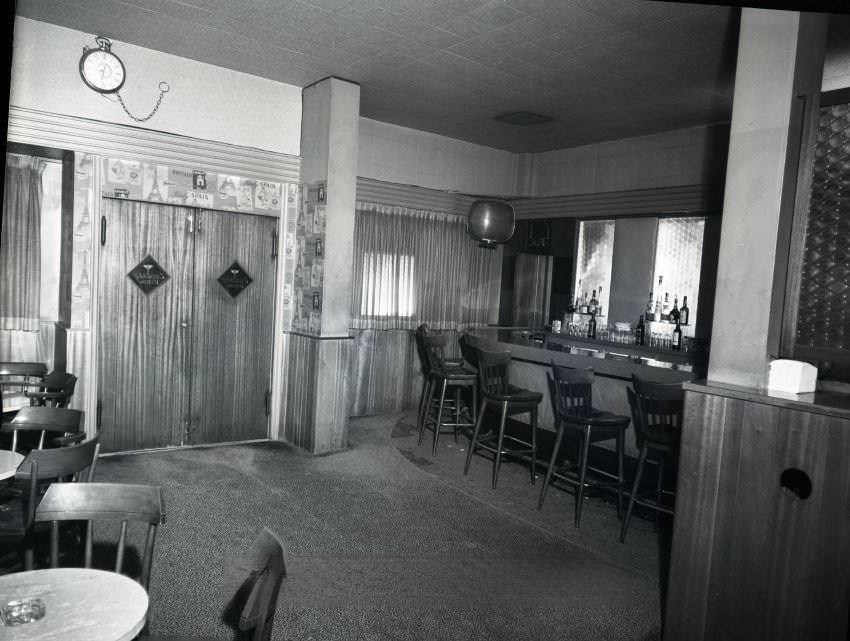
The bar and tavern scene along West Santa Clara and San Pedro Streets gave that part of the city a lively, working-class energy. Dick’s 150 Club Tavern sat alongside the Jefferson Hotel and the Jose Bowling Alley, forming a cluster of nightlife and social activity in one stretch of blocks.
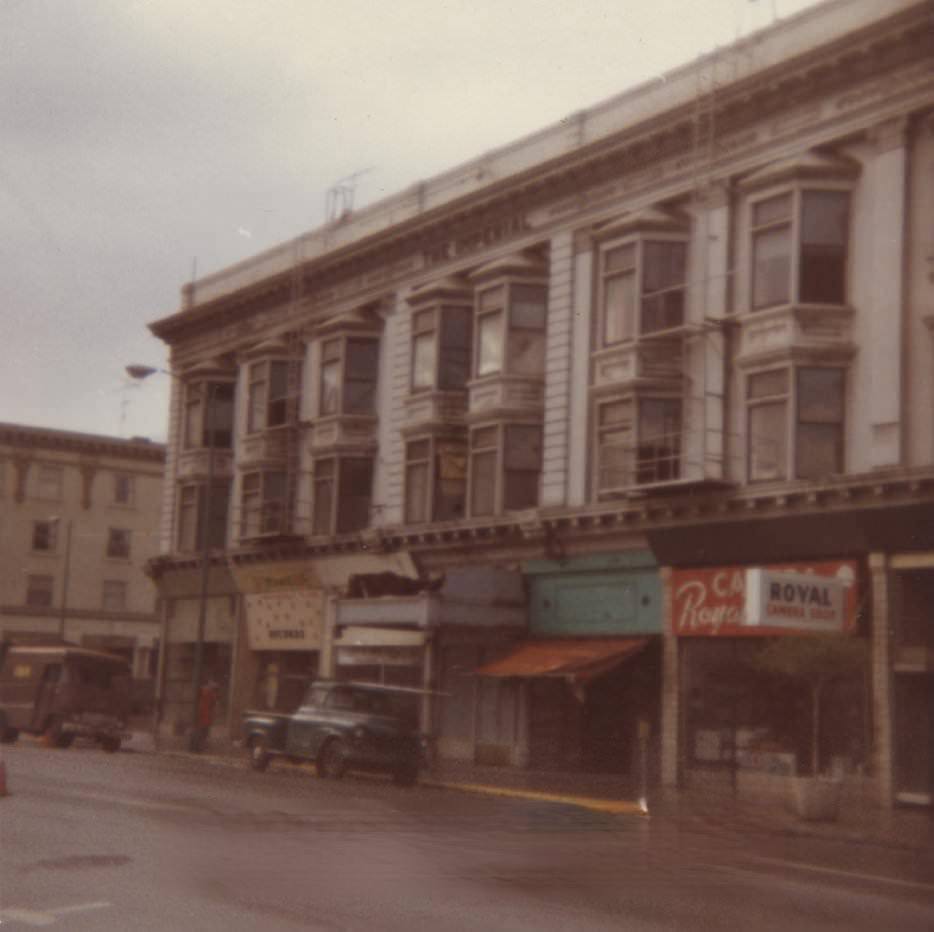
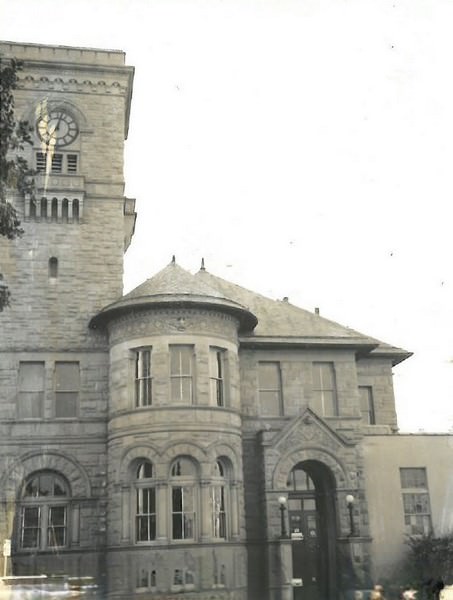
The building that now houses the San Jose Museum of Art was in 1965 still functioning in an earlier role. The 19th-century structure would eventually open as an art museum in 1969, just at the edge of the decade captured in these photographs.
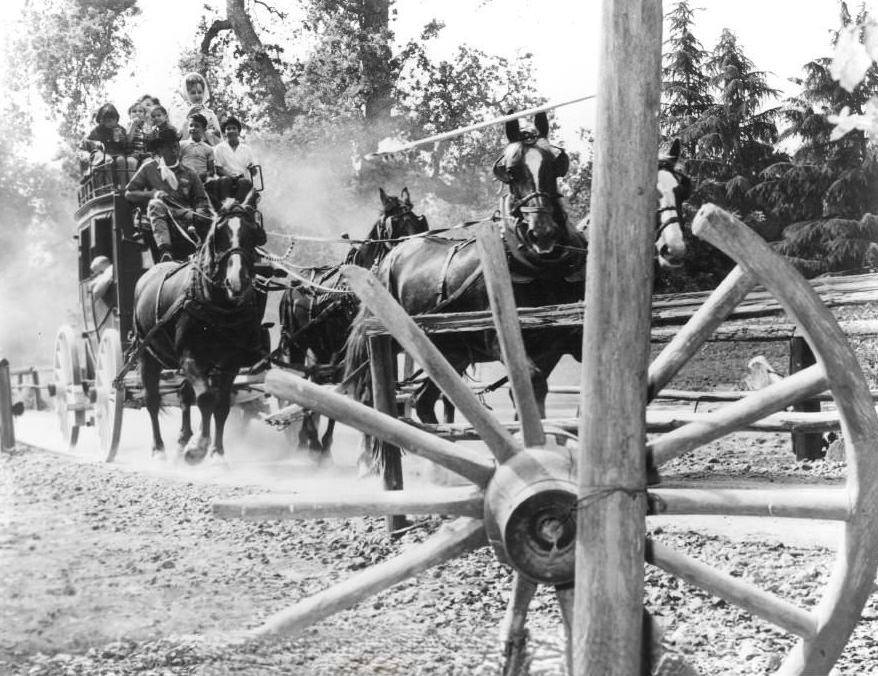
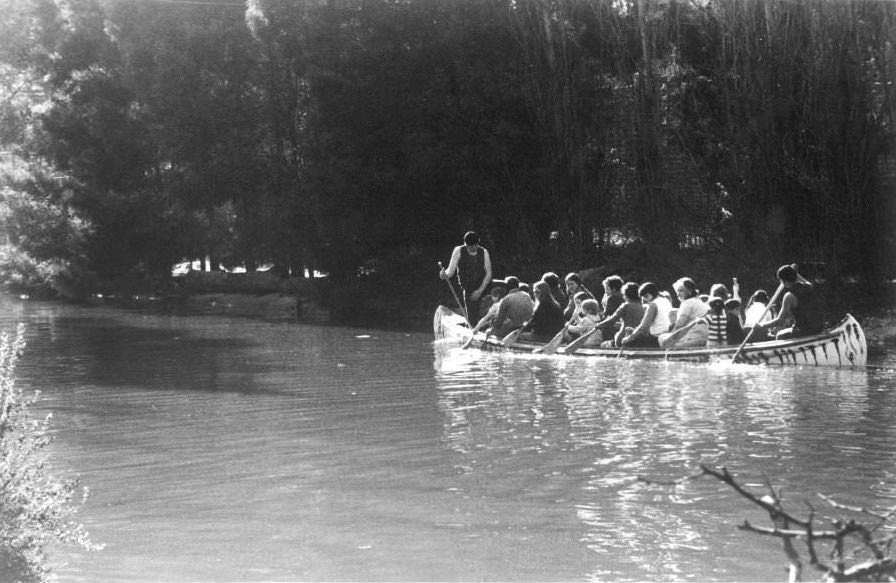
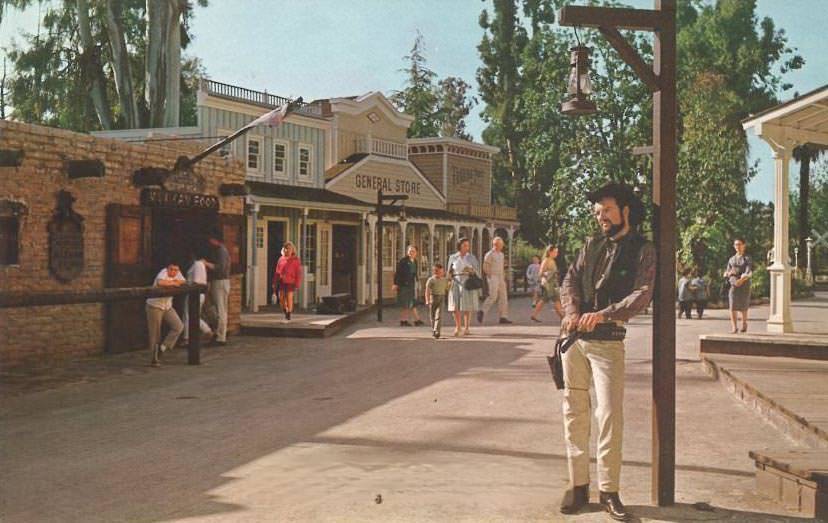
Frontier Village was a Western-themed amusement park that gave San Jose families a local destination for weekend outings. Stagecoach rides and canoe rides were among the attractions that drew crowds in the early 1960s, and performers like Wild Bill Kelsey added to the frontier atmosphere.
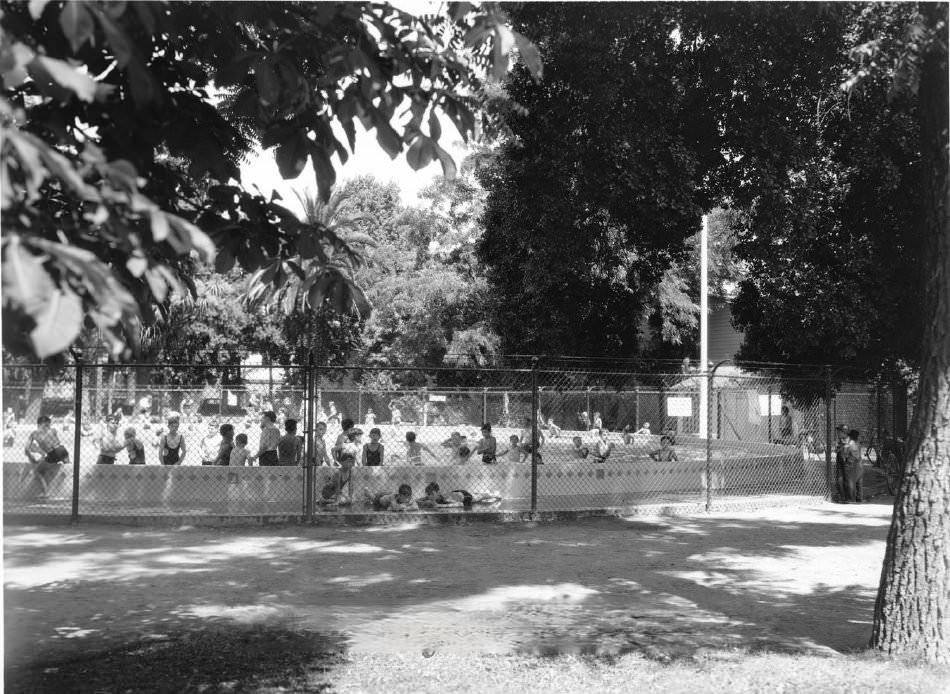
Public spaces like Ryland Park gave city residents a place to cool off and socialize. The pool at 421 North First Street was well used by children throughout the summer months, offering a free or low-cost alternative to the private swim clubs that were more common in the suburbs.
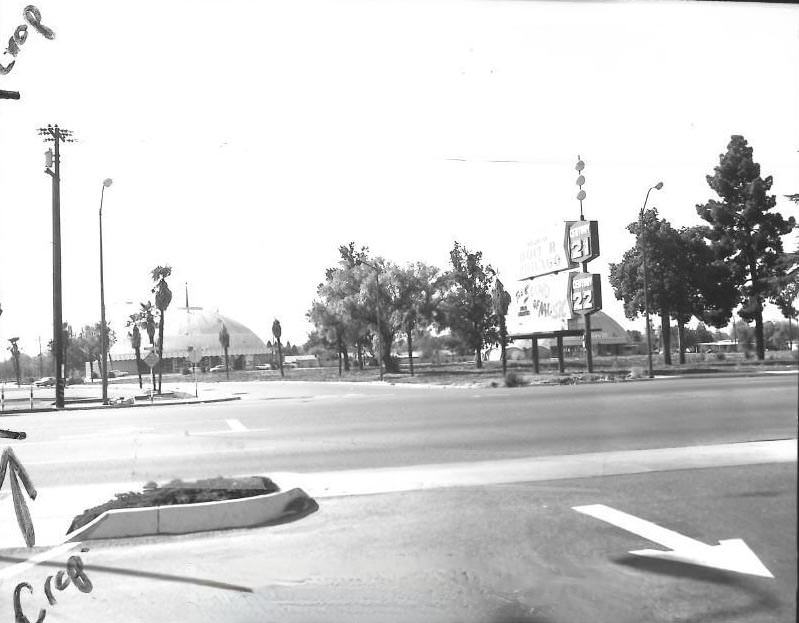
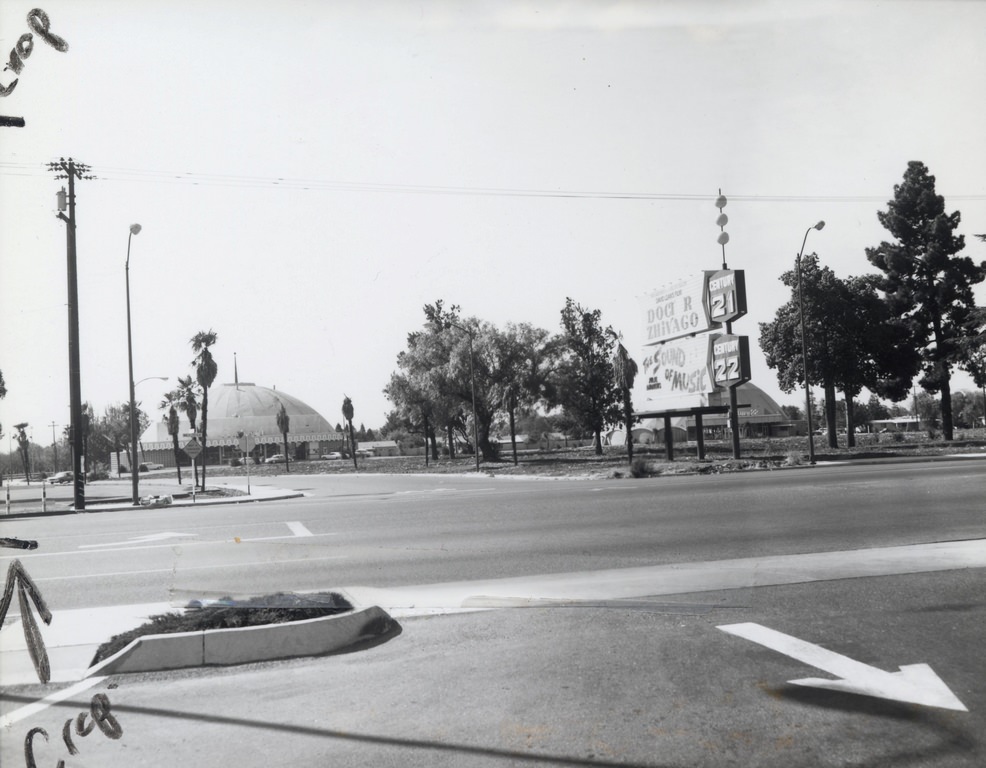
One of the most significant shifts in the city’s entertainment landscape came in 1966, when the first two Century theaters were built on the Winchester House grounds. Century 21 and Century 22 represented a new model for moviegoing — multi-screen venues outside of downtown, designed for the car-dependent suburbs that San Jose was rapidly becoming.
An aerial view looking southwest from First and Post Streets captures the scale of downtown San Jose in 1960. St. Joseph Church is visible toward the upper left, and the Pacific Telephone and Telegraph Building rises at the upper right. The street grid stretches outward in every direction, a city still in the process of defining what it wanted to be.
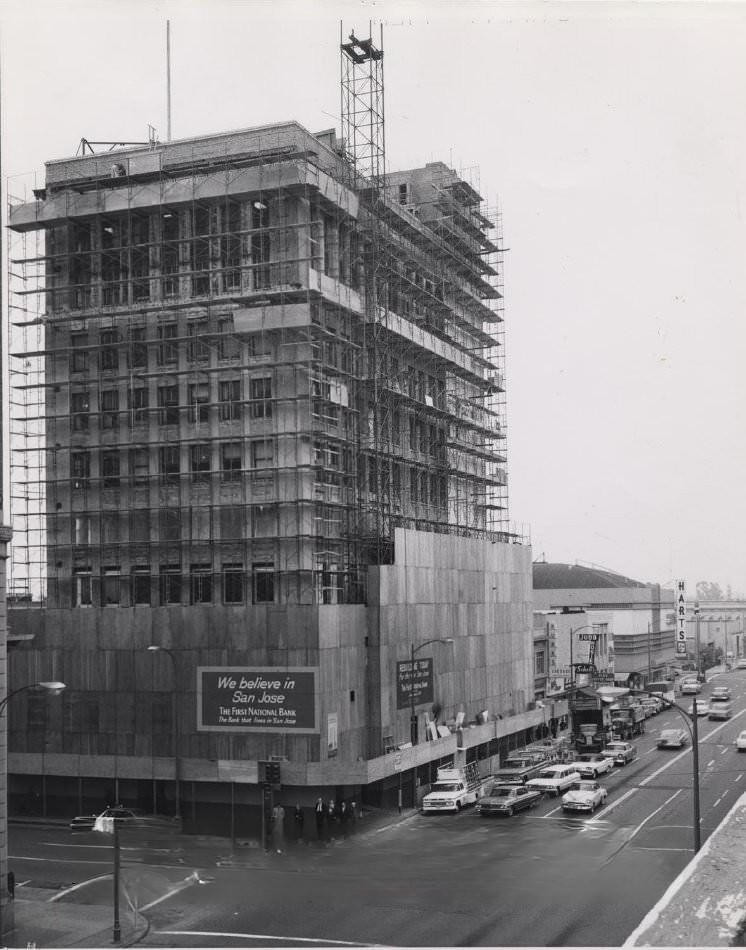
Downtown San Jose’s commercial blocks were dense with competing businesses in the early 1960s. The stretch that included the Parde Theater, First National Bank, Herold’s, Zukors, and National Dollar Store showed just how active the retail core was before suburban malls pulled customers away.
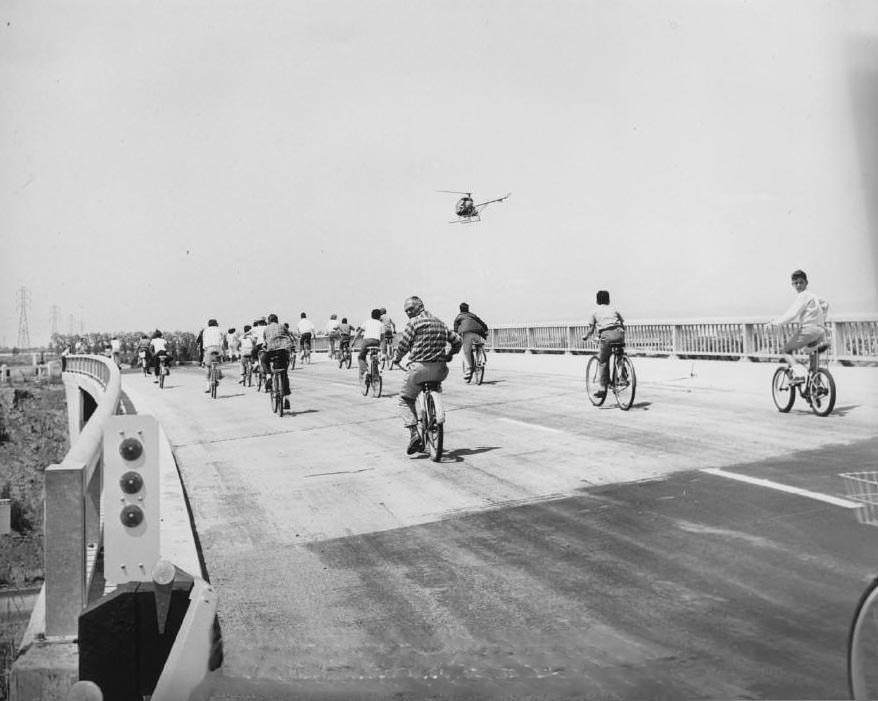
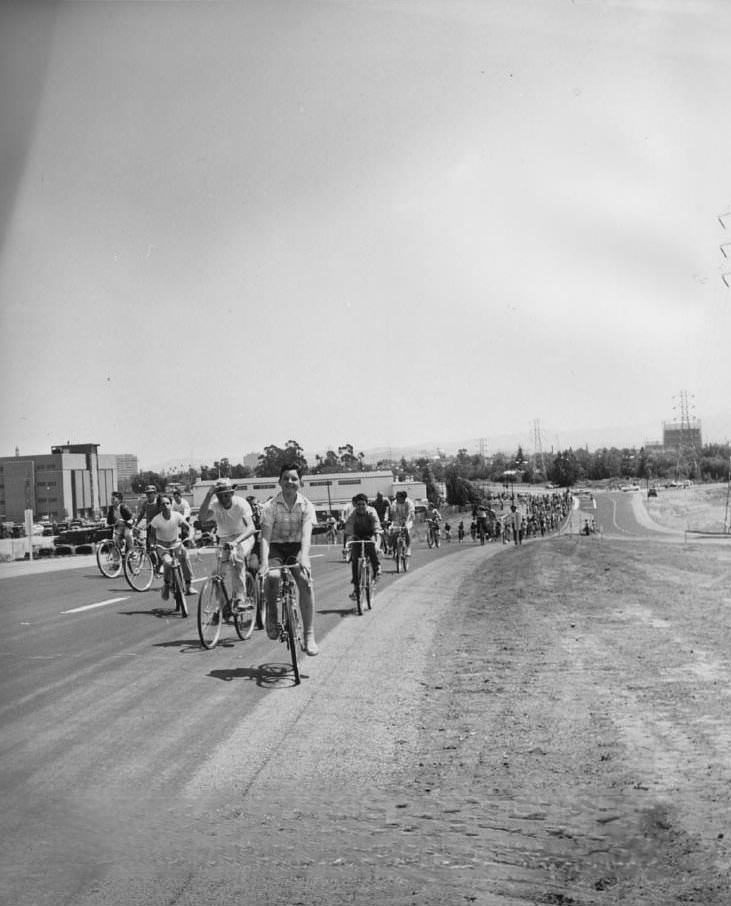
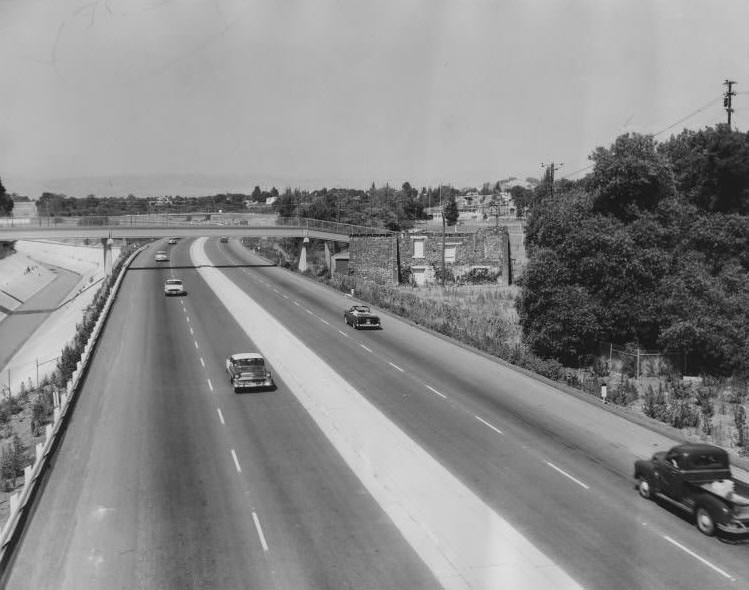
Infrastructure expansion was visible throughout the decade. The opening of the Guadalupe Freeway in 1960 was a notable moment — even bicyclists turned out to mark the occasion, rolling through the new roadway before the cars took over permanently.
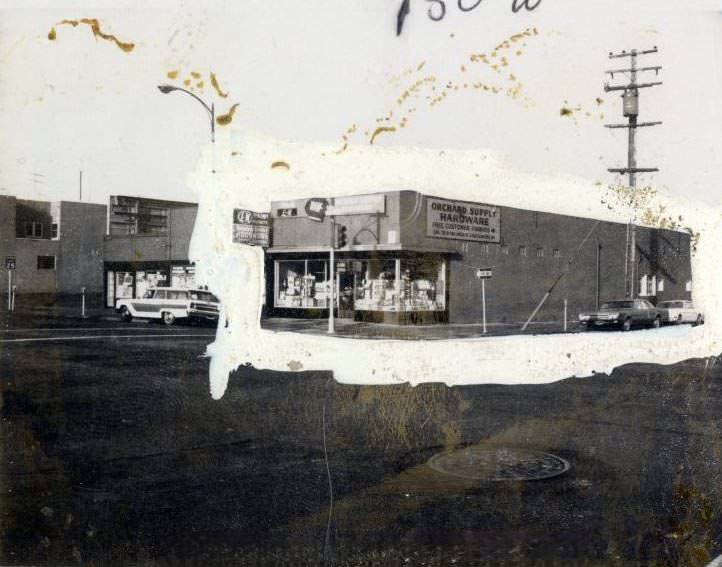
Orchard Supply Hardware, photographed in 1969, was one of the retailers that thrived as San Jose grew. Hardware stores served a boom-era market of homeowners building out their new suburban properties, and OSH was one of the Bay Area’s most recognized names in that space.
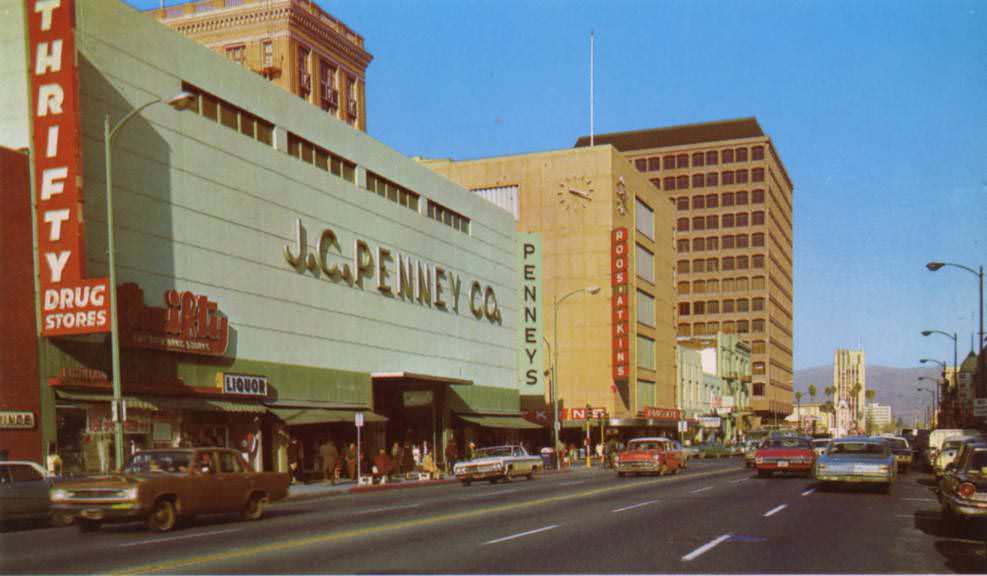
By 1965, the view east on Santa Clara Street toward the intersection of First and Santa Clara showed a downtown still dominated by major retail chains. J.C. Penney and Roos Atkins Clothing Store occupied prominent spots on the northern corner of that intersection. Both stores would eventually leave downtown San Jose for the suburban malls that were drawing away their customer base.
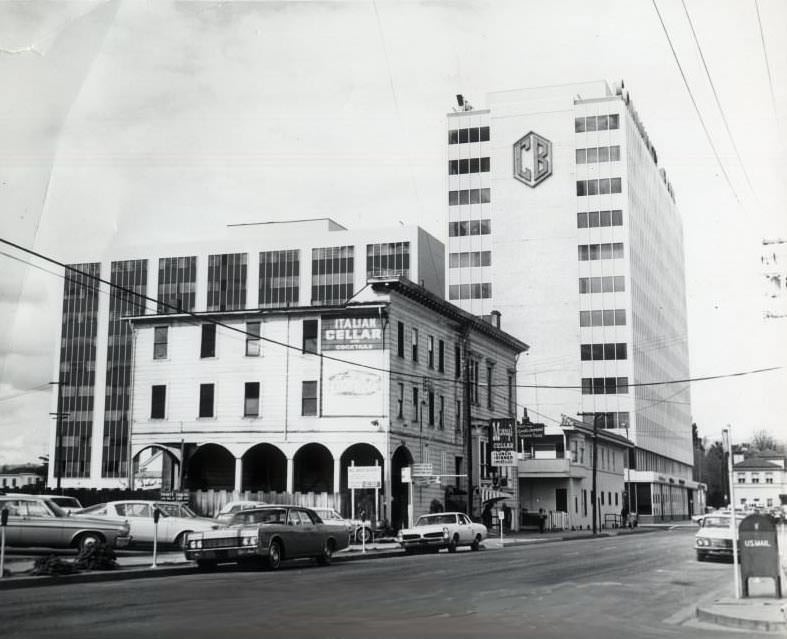
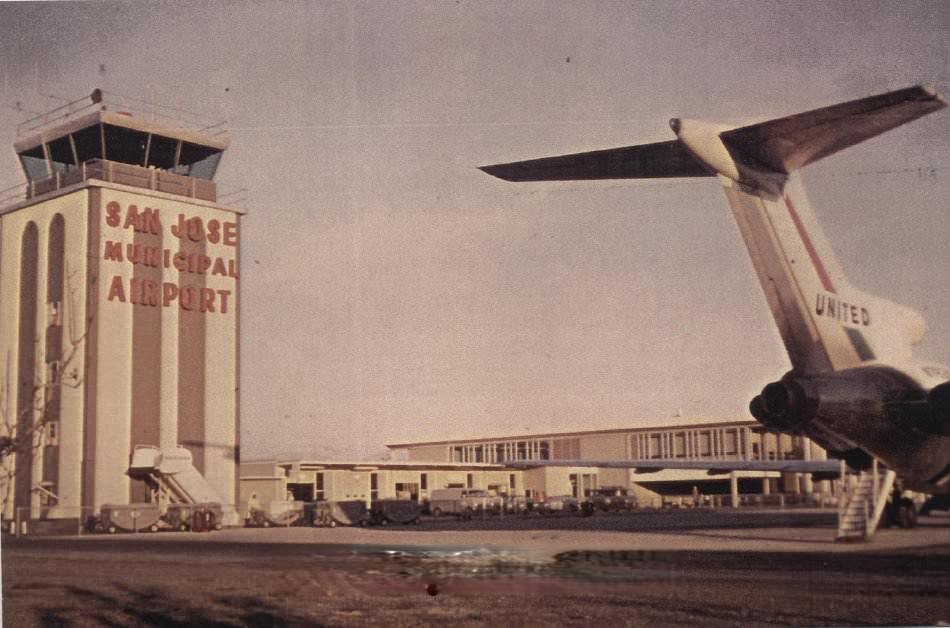
San Jose Municipal Airport in 1968 served a growing region with increasing air travel demand. The airport was a small but functional facility that reflected the city’s expanding role as a regional hub, years before it would be transformed into what is now Norman Y. Mineta San José International Airport.
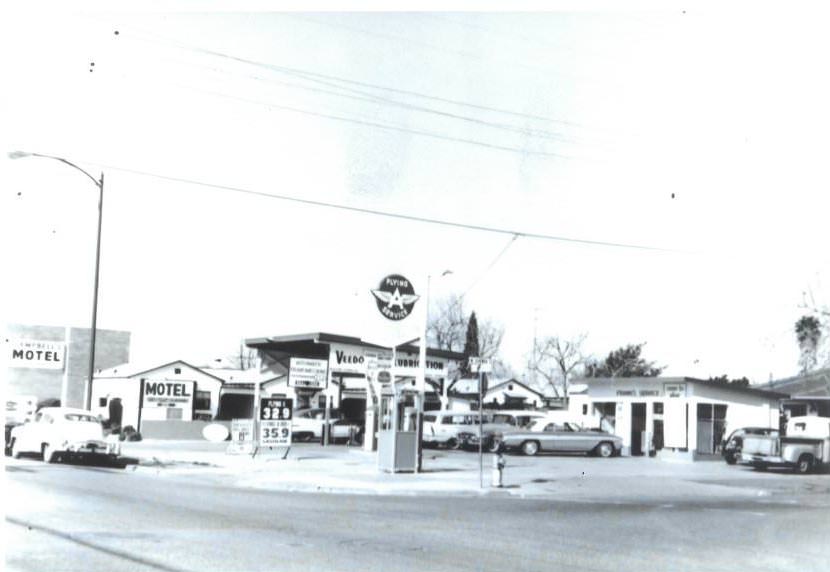
Service stations were scattered throughout the city’s street grid, fueling the cars that San Jose’s suburban layout demanded. The Flying A station at the corner of 7th and Taylor — operated as Frank’s Service Station — was one of many such businesses keeping the city’s vehicles on the road.
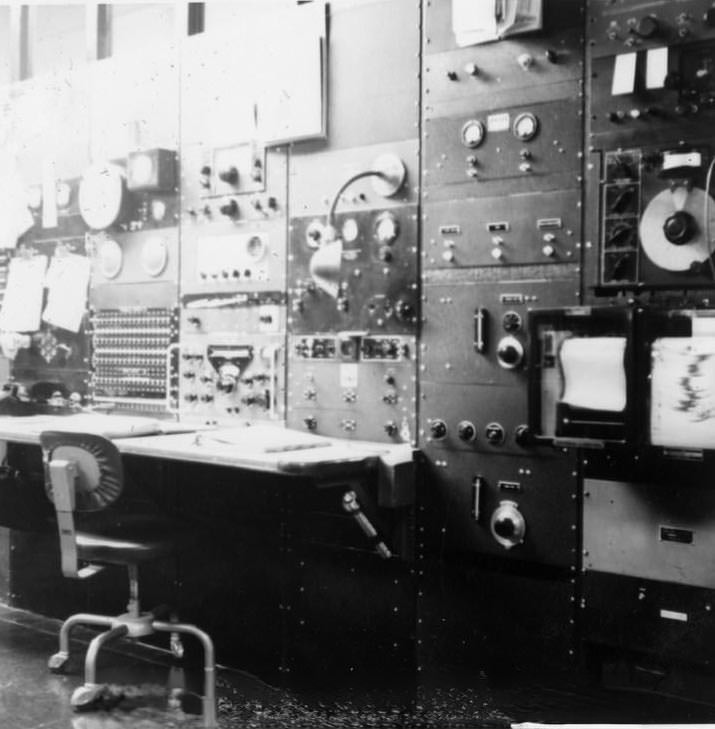
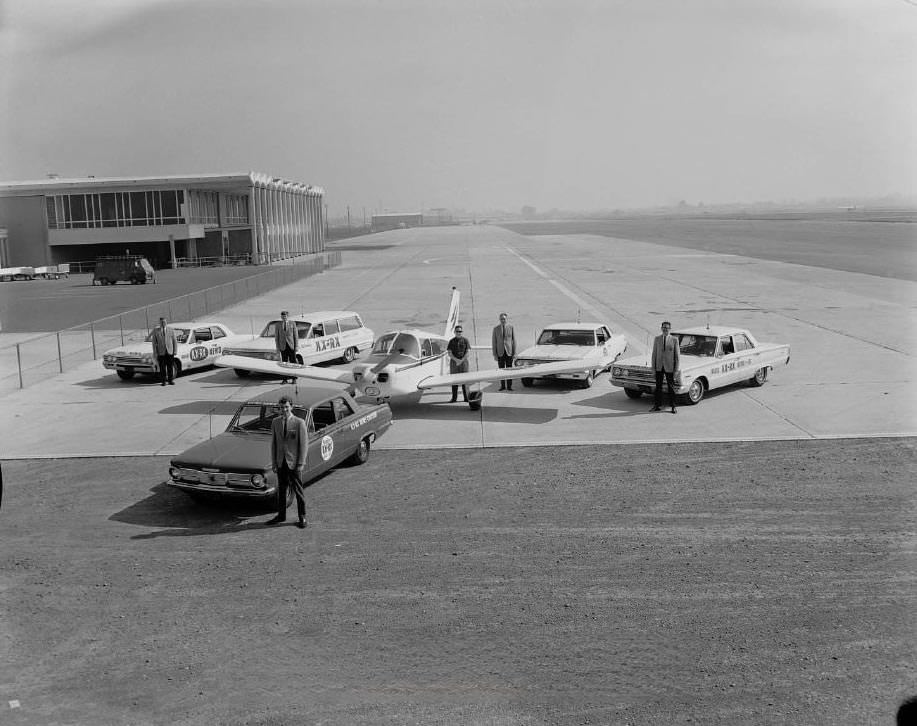
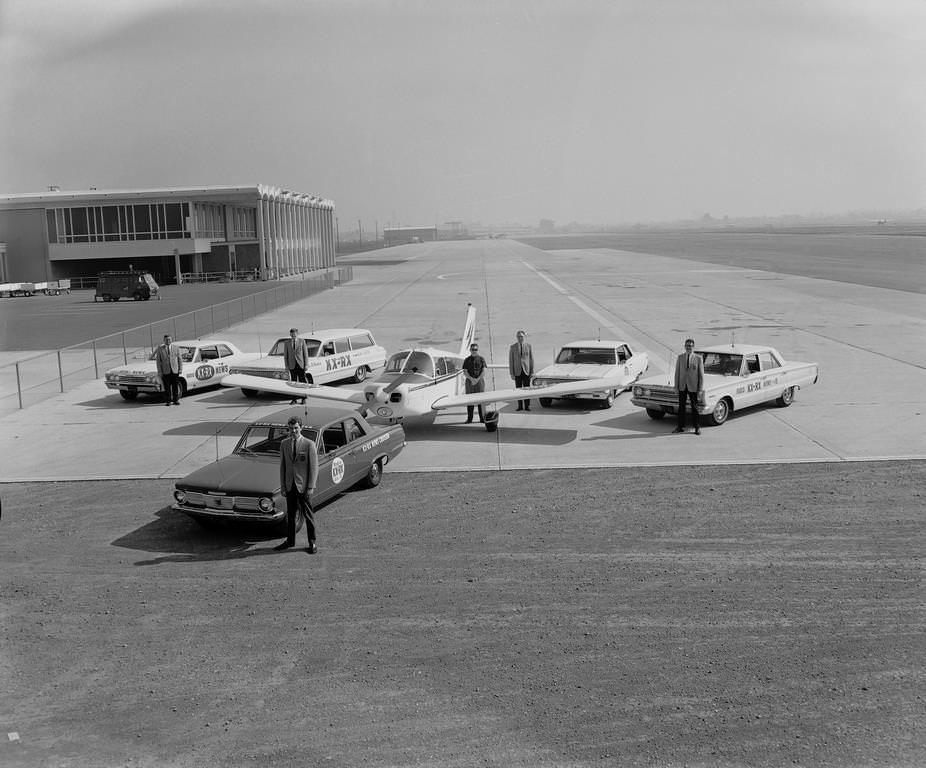
KXRX was San Jose’s first local news-talk radio station and one of the first stations in the country to use an aircraft for reporting on highway conditions. The station’s Mooney plane and five fleet vehicles are shown together in 1967. The aircraft has since been preserved and is on display at San Jose Airport in Terminal C.
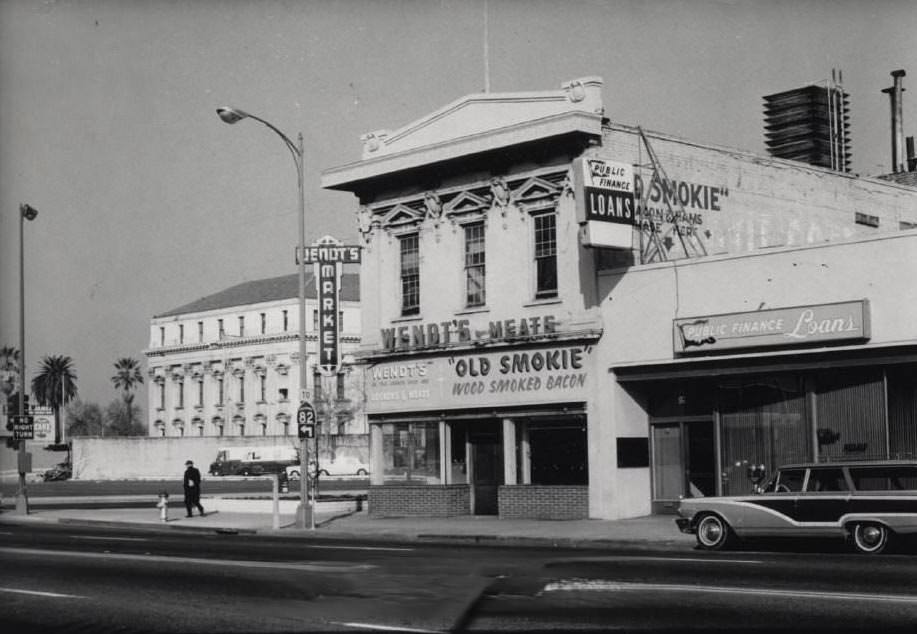
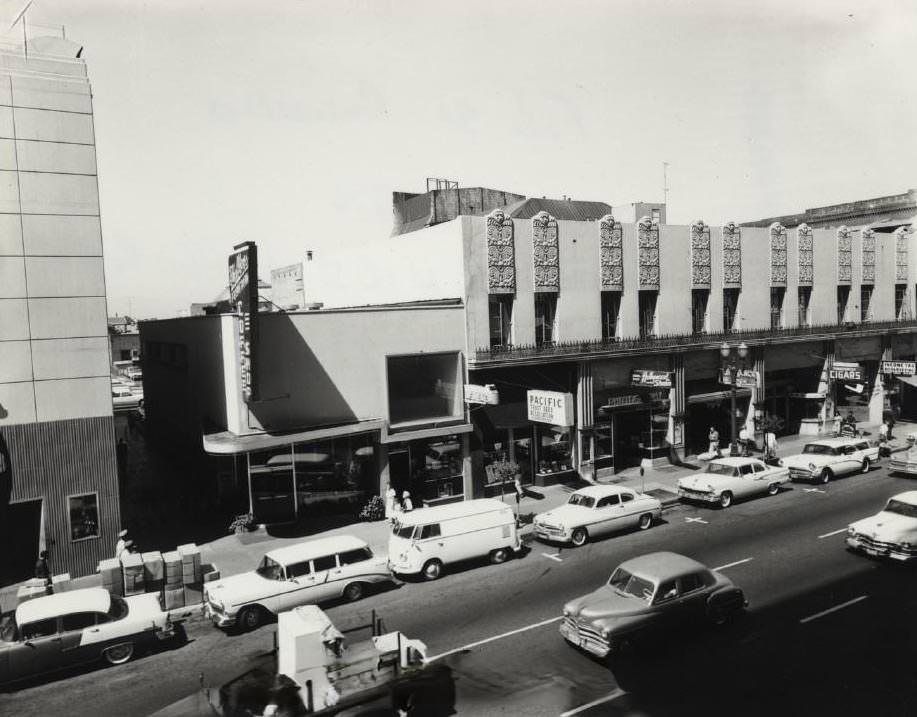
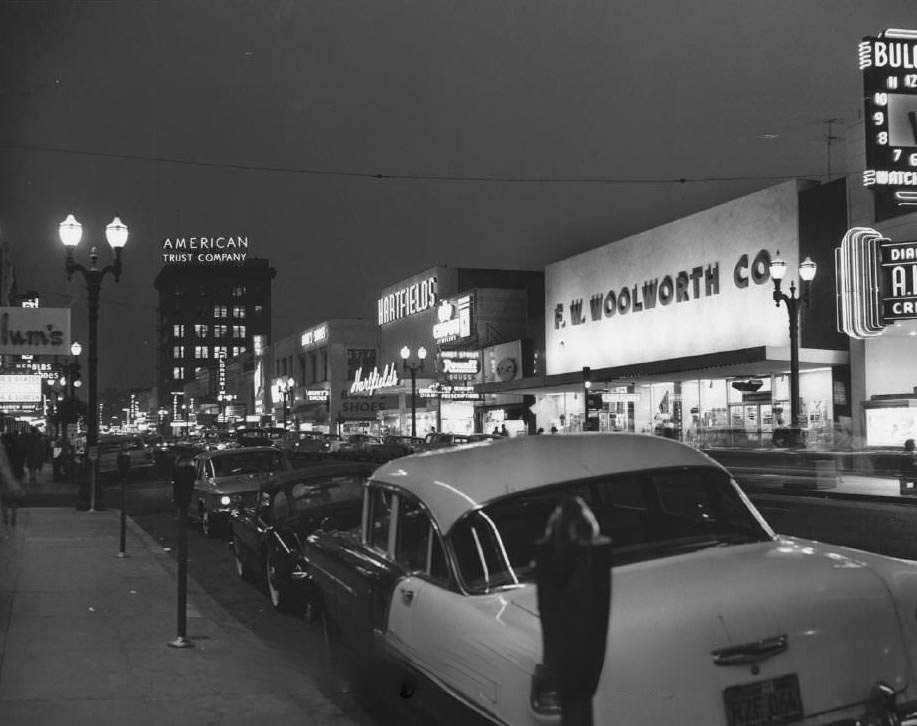
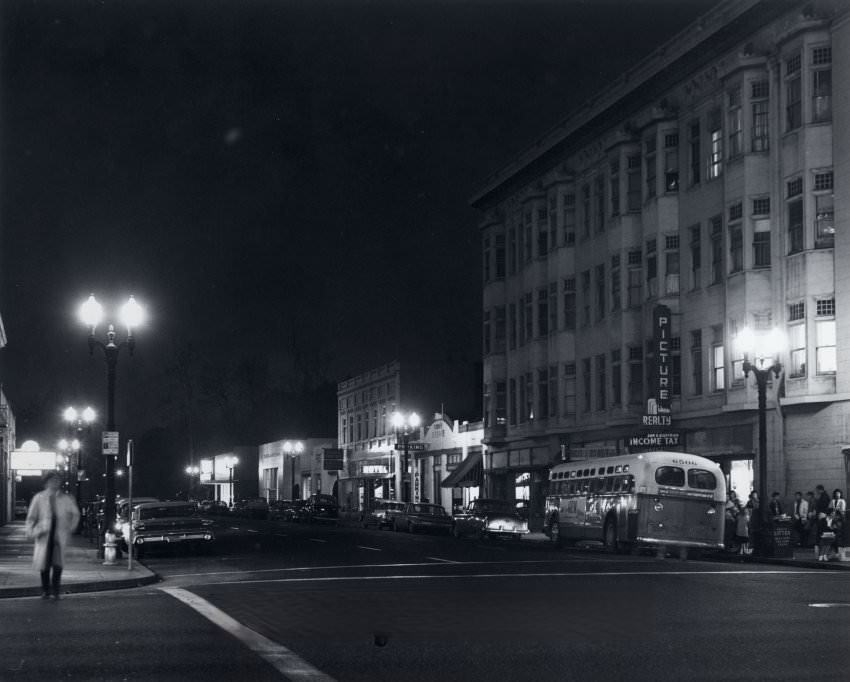
After dark, streets like Second and Santa Clara came alive with neon signs and storefronts lit for the evening crowd. This 1962 nighttime photograph captures the energy of downtown San Jose before the shift to suburban commercial centers had fully taken hold.
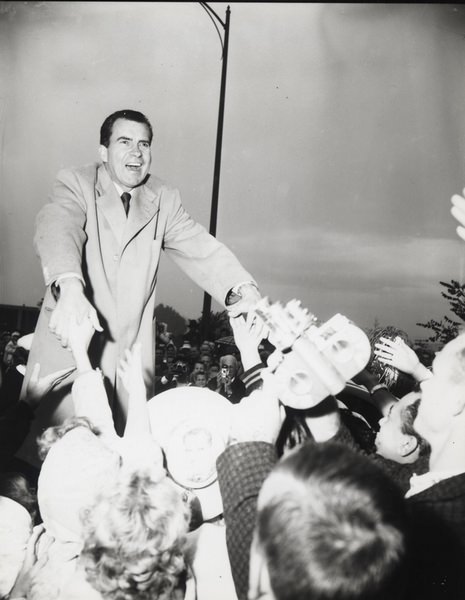
The 1960 presidential campaign brought Richard Nixon to San Jose. His appearance on the campaign trail was one of several national political moments that touched the city during a decade when California was becoming an increasingly important force in American electoral politics.
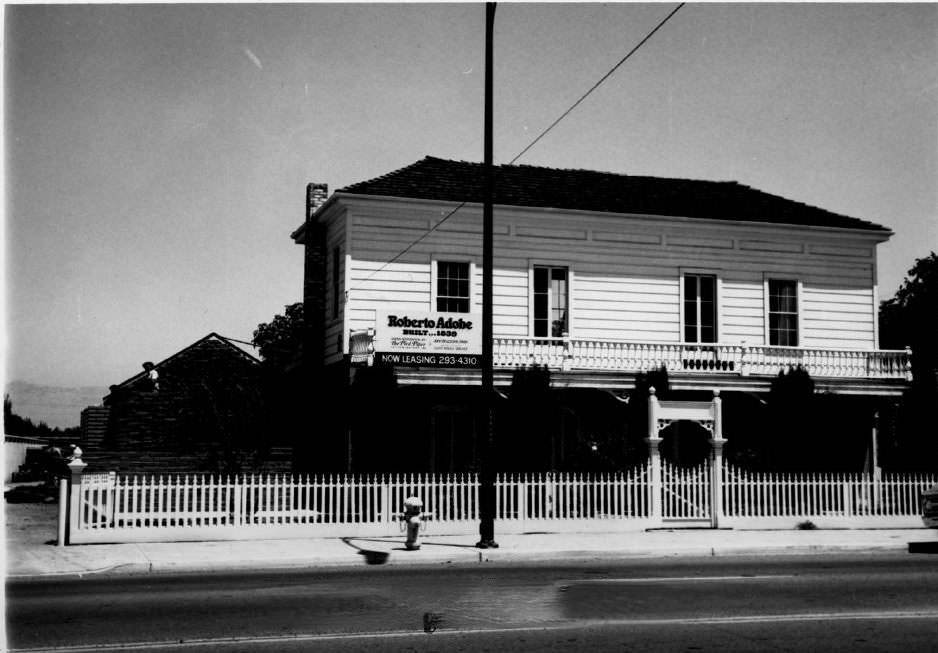
San Jose’s older historic structures stood alongside the new construction pushing out in every direction. The Roberto Adobe and the Lauraville House on Lincoln Avenue in 1960 were reminders that the city had deep roots going back to the Spanish colonial period — roots that were easy to overlook amid the pace of 1960s development.