
In 1855, a Birmingham-born photographer named William Morris Grundy picked up a camera and began documenting the world around him. Born in 1806, Grundy had a clear eye for rural life — the kind of life most Victorians actually lived, away from the smoky factory towns and crowded city streets. His photographs focus on hunting and fishing trips, country pursuits, and the quiet rhythms of English village existence. He eventually sold around 200 negatives to the London Stereoscopic Company, and individual stereographs from that collection survive to this day.
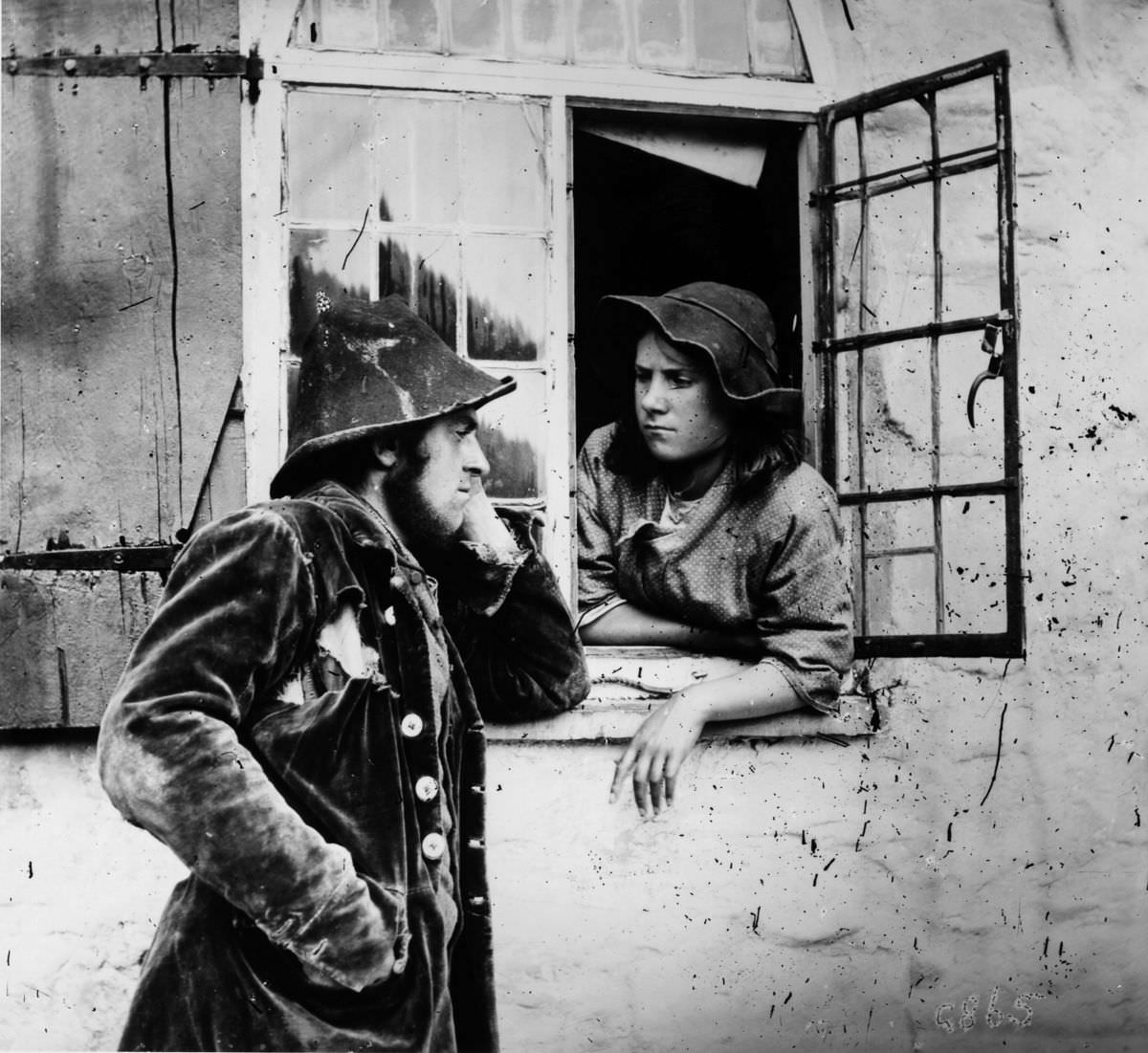
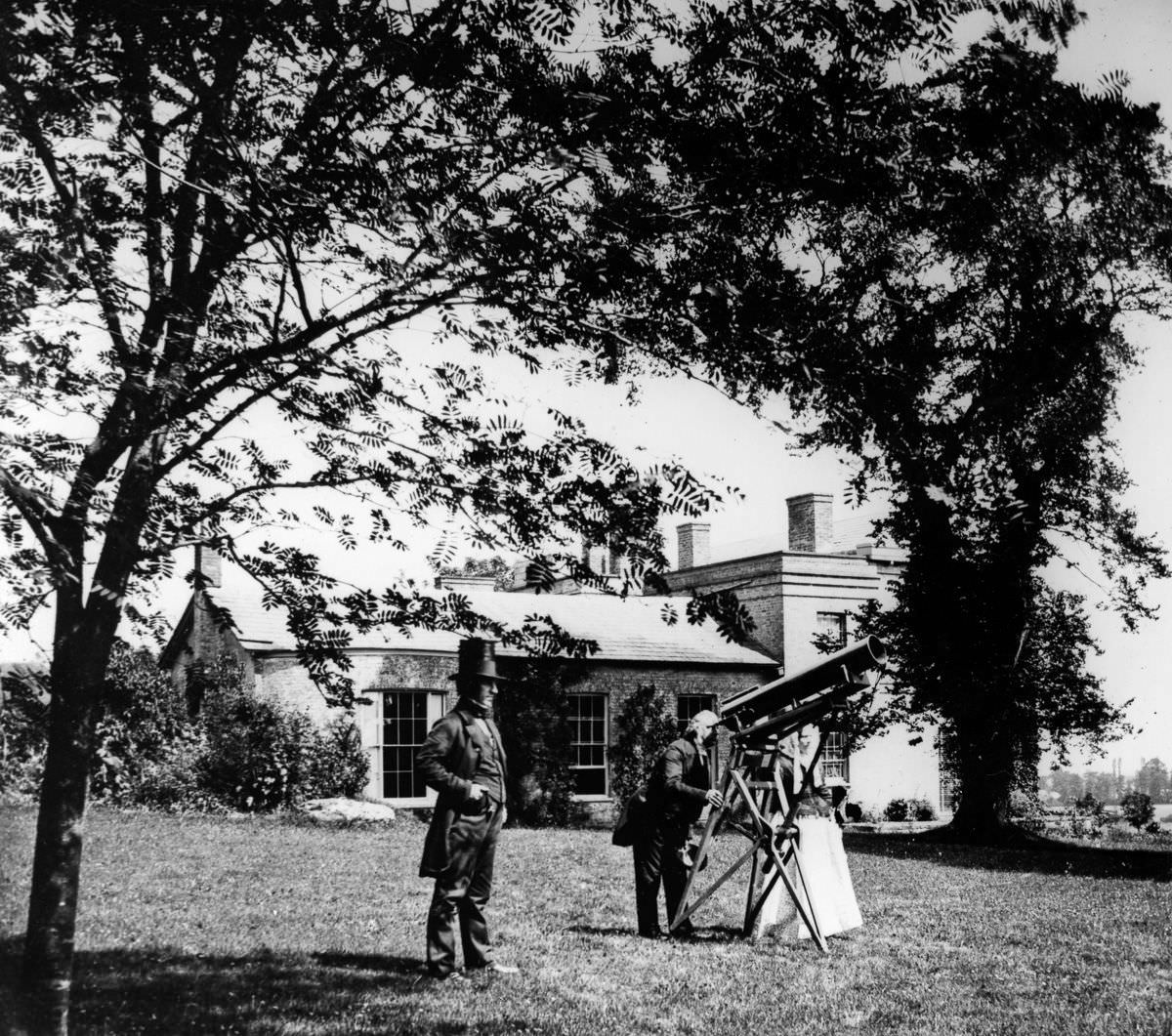
Grundy’s images arrive from a Britain that was caught between two very different worlds. The Victorian era is often remembered for its factories, railways, and industrial muscle. But beneath all of that, England was still deeply rural. Landowners lived on their country estates in real comfort, attended by household staff and supported by the income from their land. Those who had made money through trade or manufacturing poured that wealth back into buying land — because owning land meant status, security, and power.
Queen Victoria and Prince Albert did much to shape the public image of what Victorian life was supposed to look like. With their nine children and their love of the countryside — especially their Scottish estate at Balmoral — they became the symbol of respectable, wholesome family values. The image of a peaceful rural household, happy and self-sufficient, was one the upper and middle classes worked hard to project.
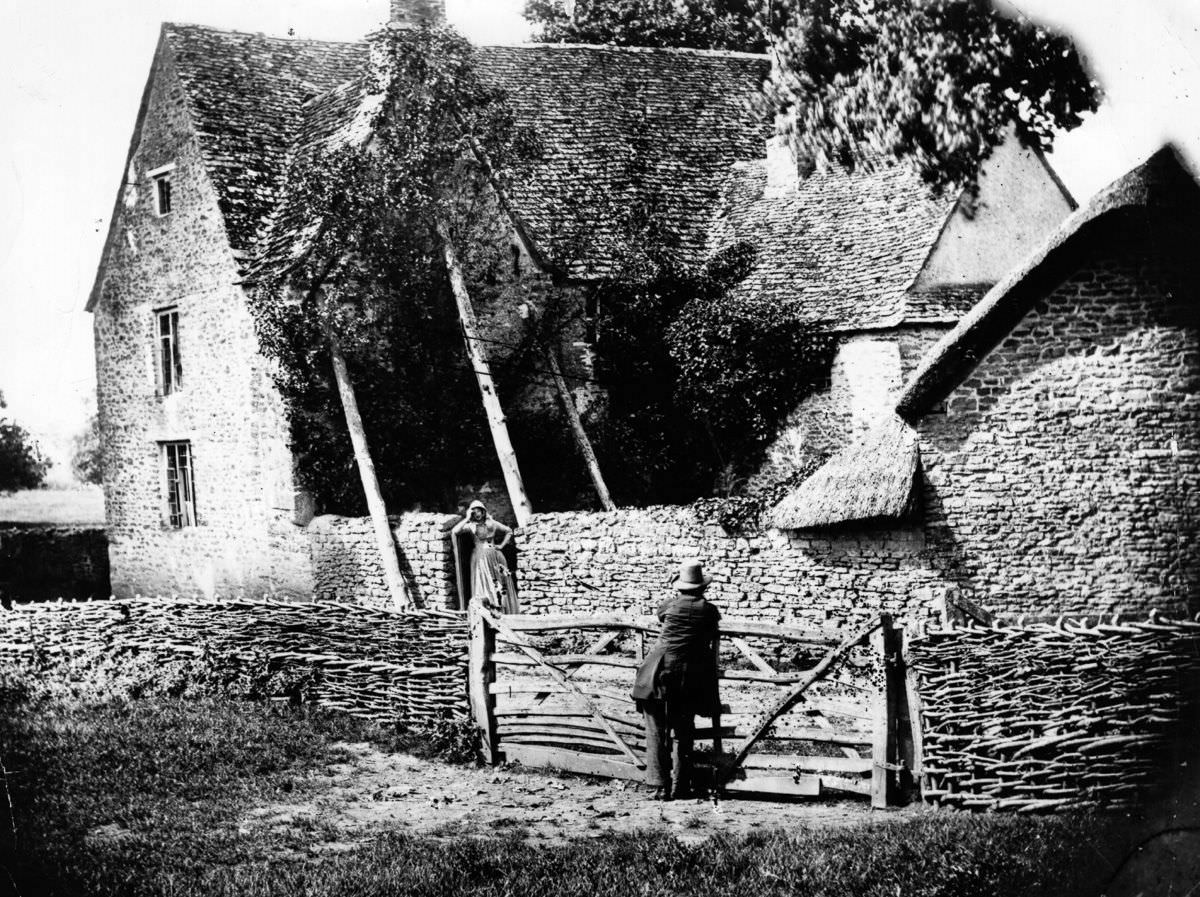
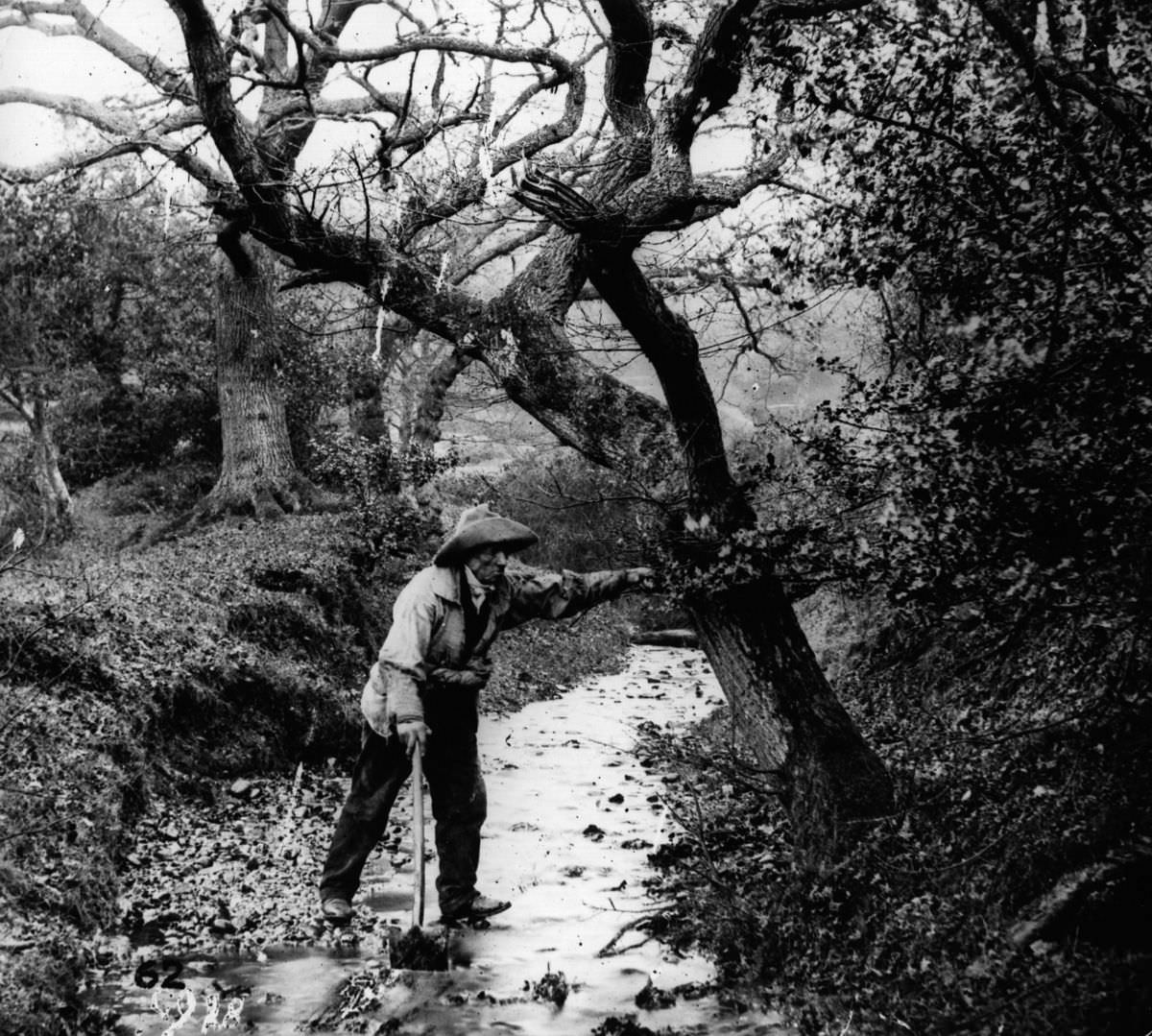
For farm laborers, the countryside told a very different story. Wages were low. The work was backbreaking and seasonal. When farming machinery began replacing human labor, tens of thousands of rural workers lost what little income they had. Many packed up and moved to the cities, where they traded muddy fields for overcrowded slums, long factory hours, and housing that was often dangerously poor. The gap between the landowning class and the laboring poor was not just wide — it was growing wider every decade.
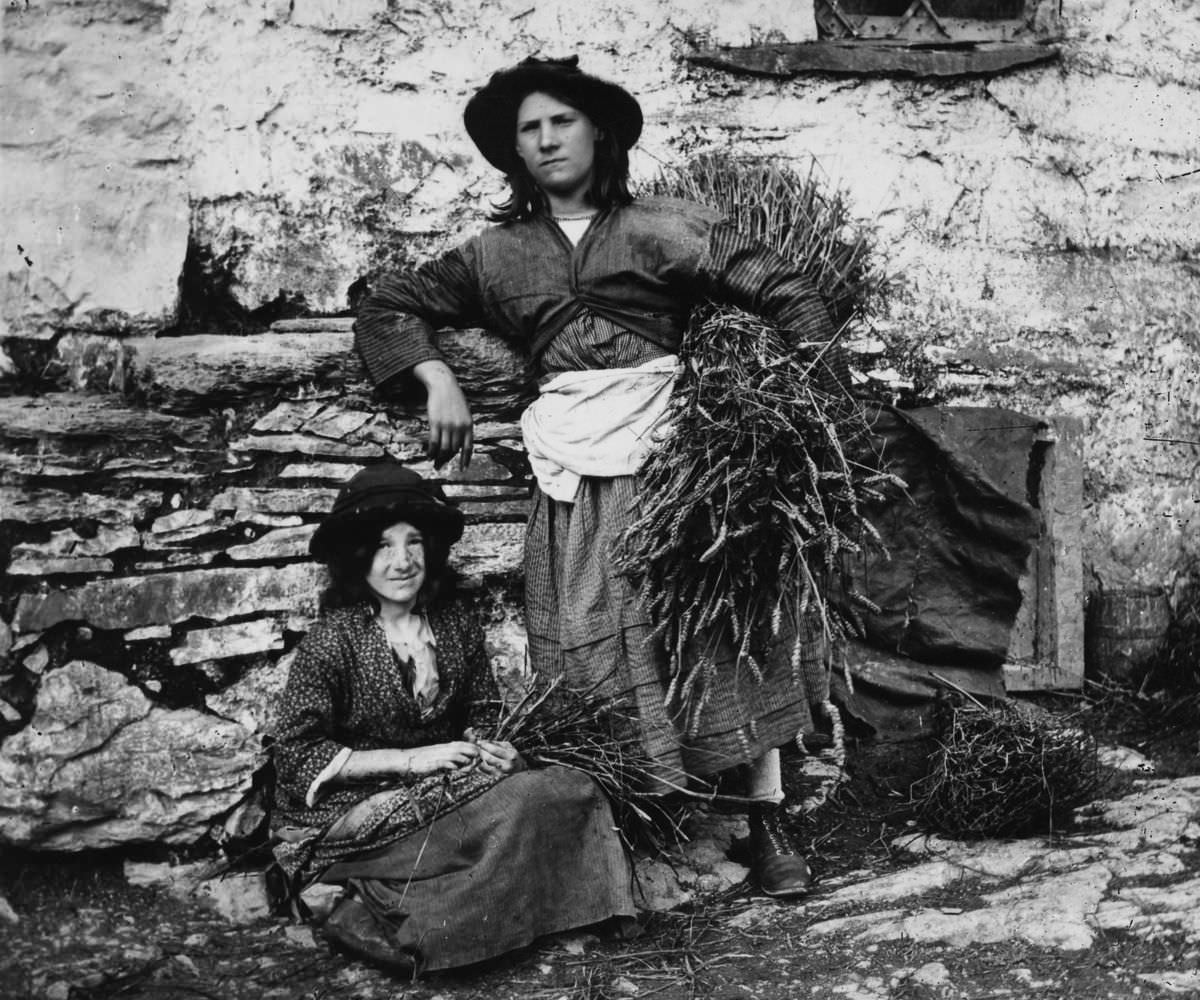
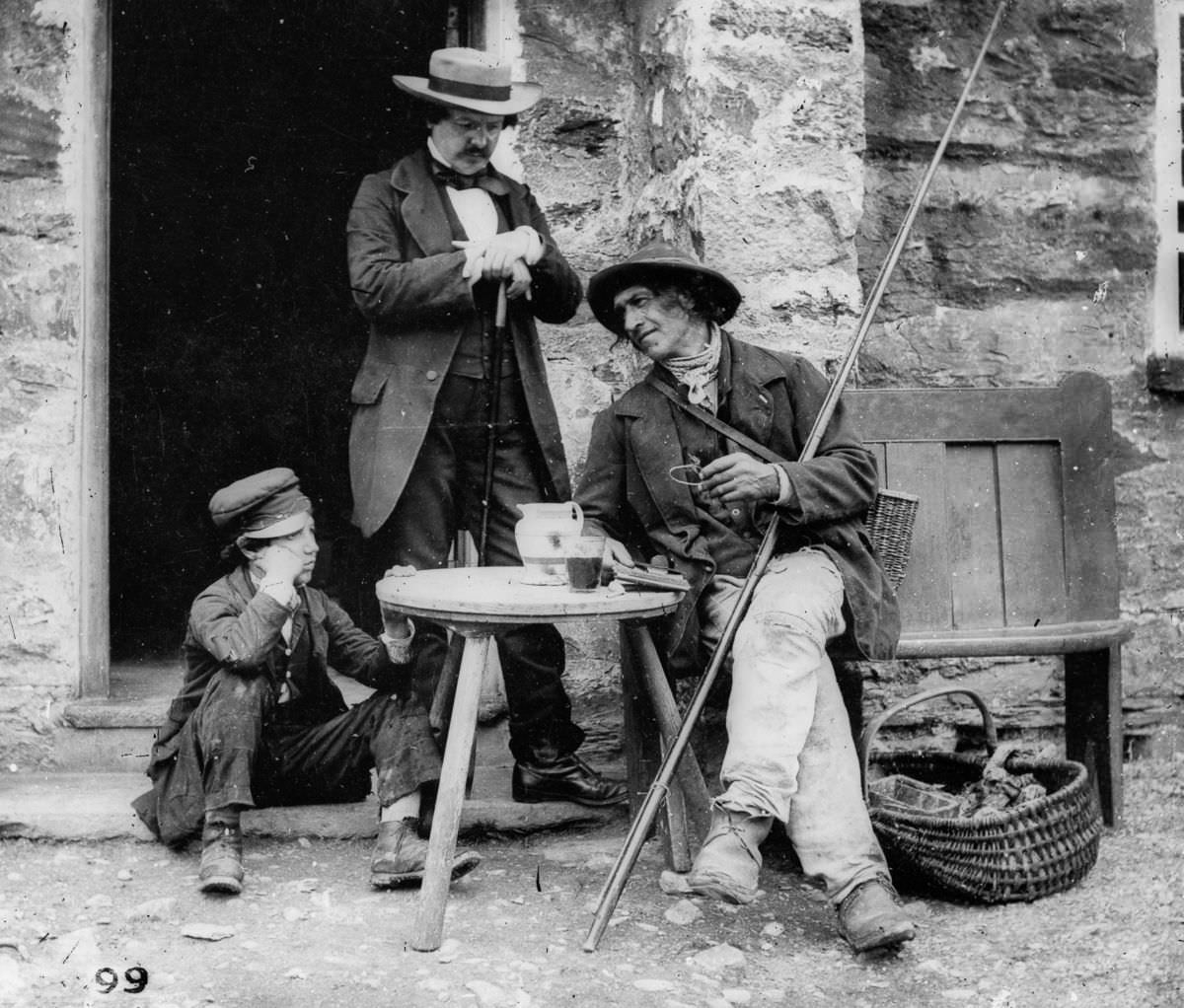
Grundy’s photographs capture both ends of that spectrum. Some images show well-dressed families enjoying leisure time in garden settings or on country walks. Others show working people — laborers, tradespeople, and children — going about the hard business of daily survival. Taken together, they form a complete portrait of a society full of sharp contrasts.
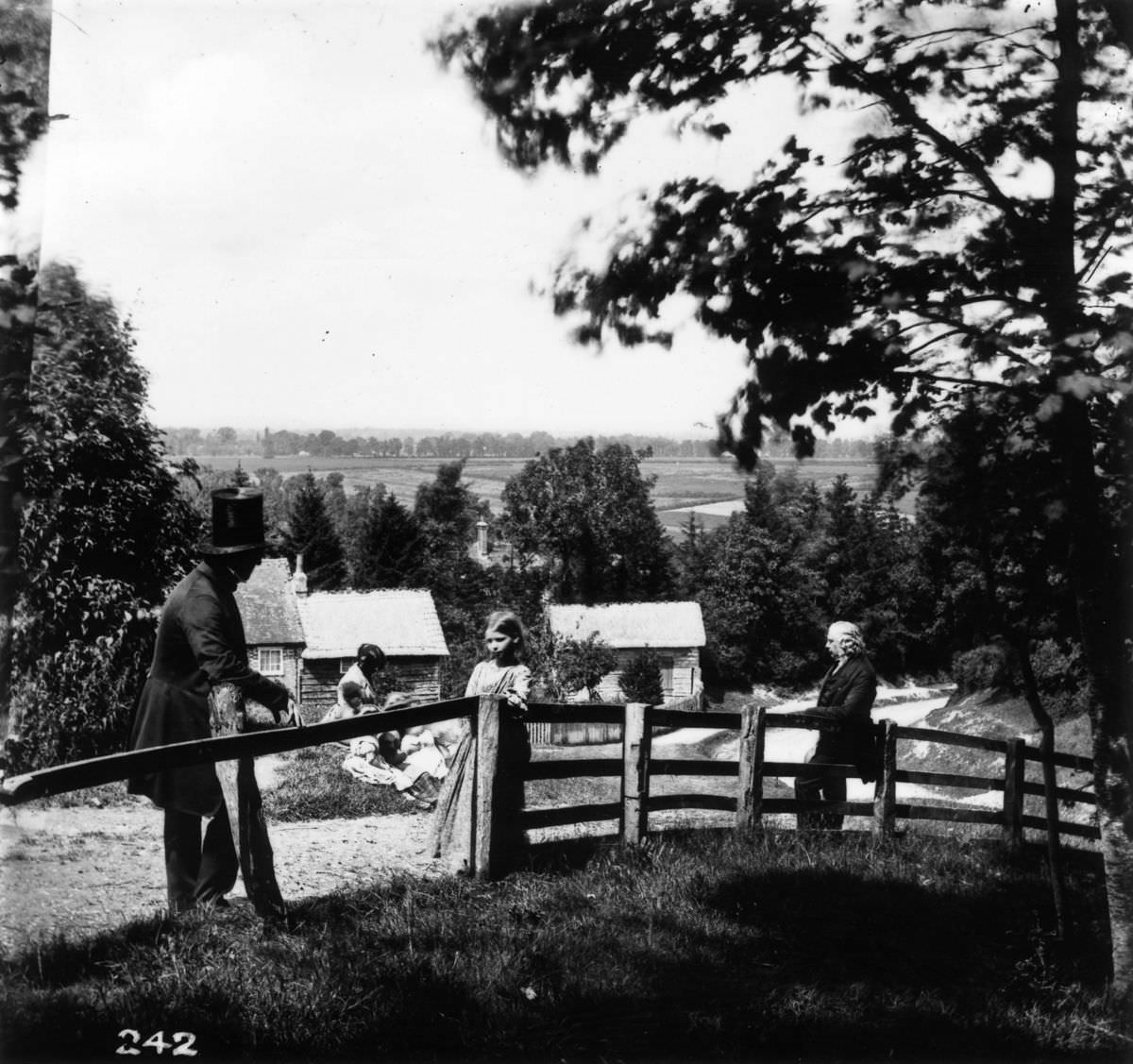
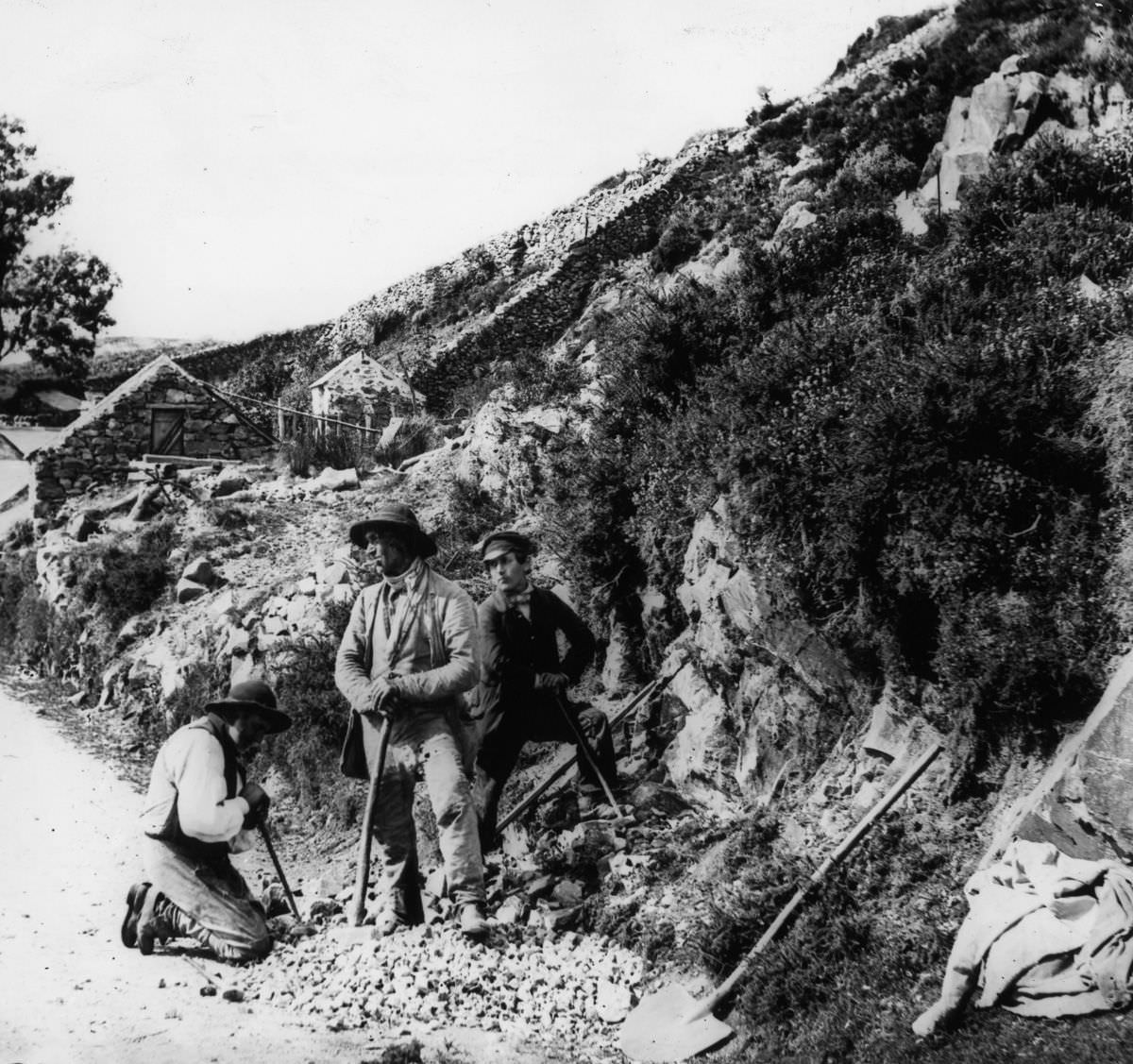
The Victorian era was also a time of major cultural change. After the cool rationalism of the Georgian period that came before it, Victorians turned toward romanticism — a love of nature, emotion, and spiritual feeling. This shift showed up in painting, poetry, and architecture, but also in the way ordinary people thought about the countryside itself. Rural England became romanticized, seen as a place of purity and moral goodness, in direct contrast to the filth and moral disorder associated with industrial cities.
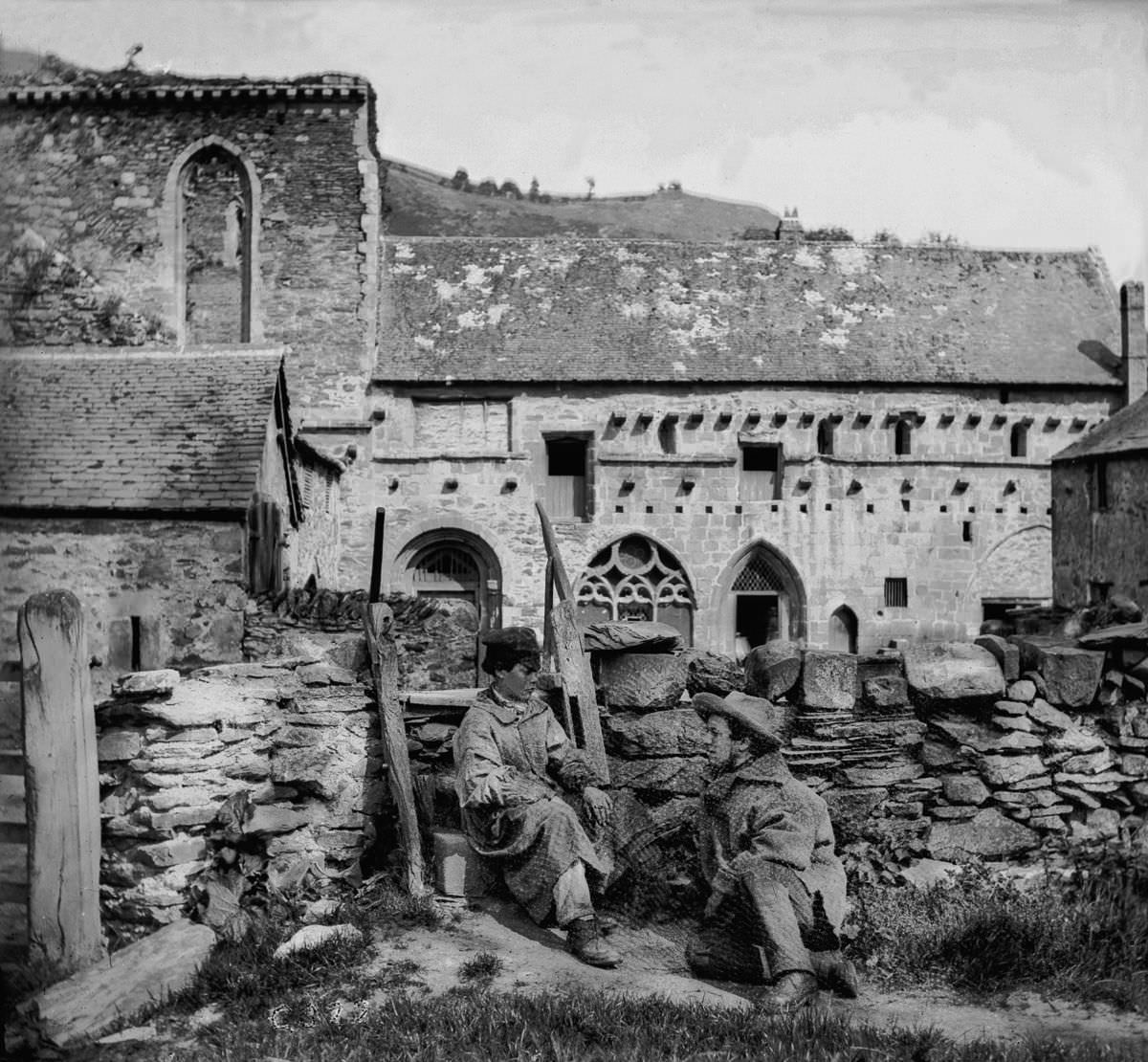
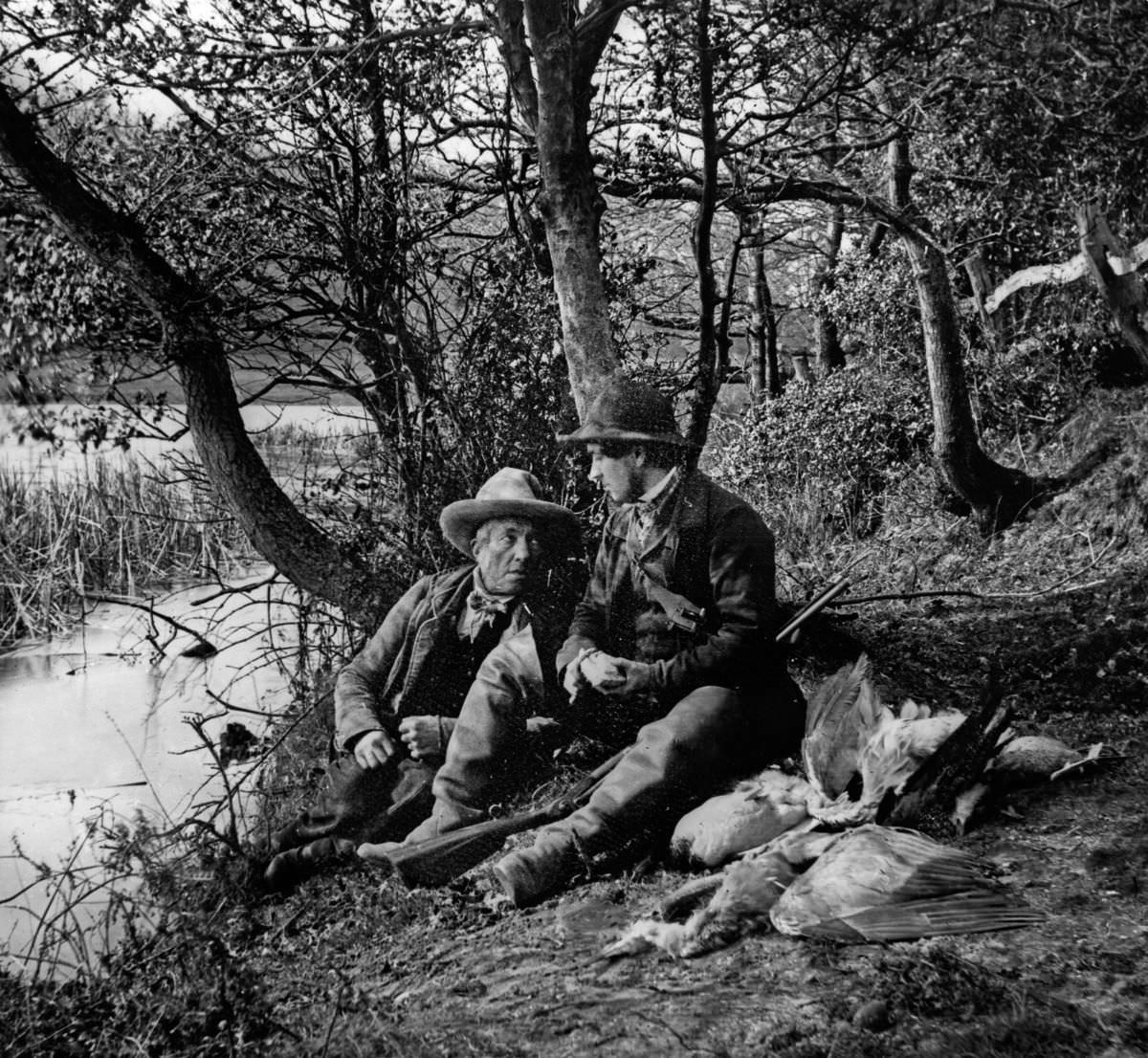
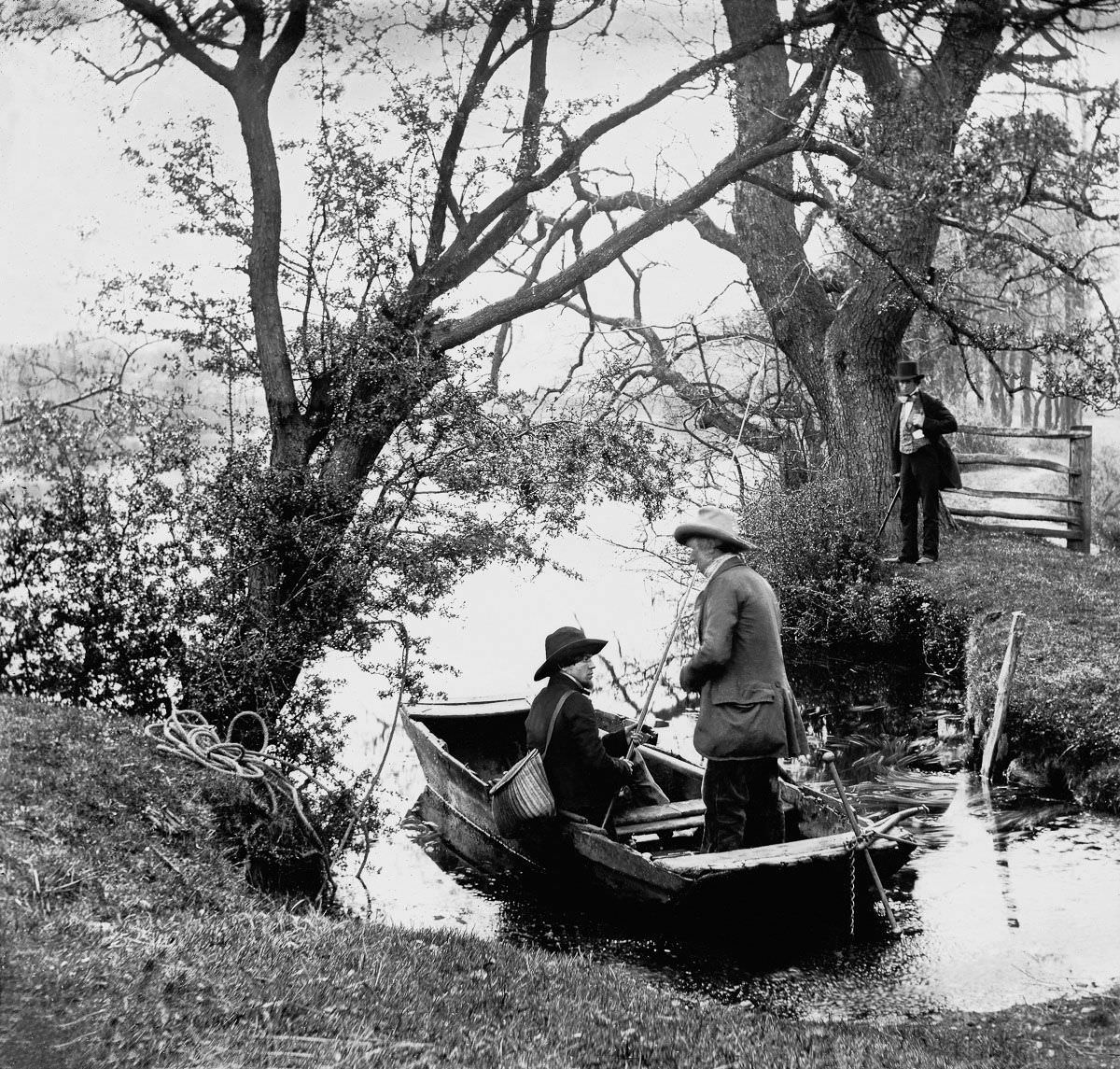
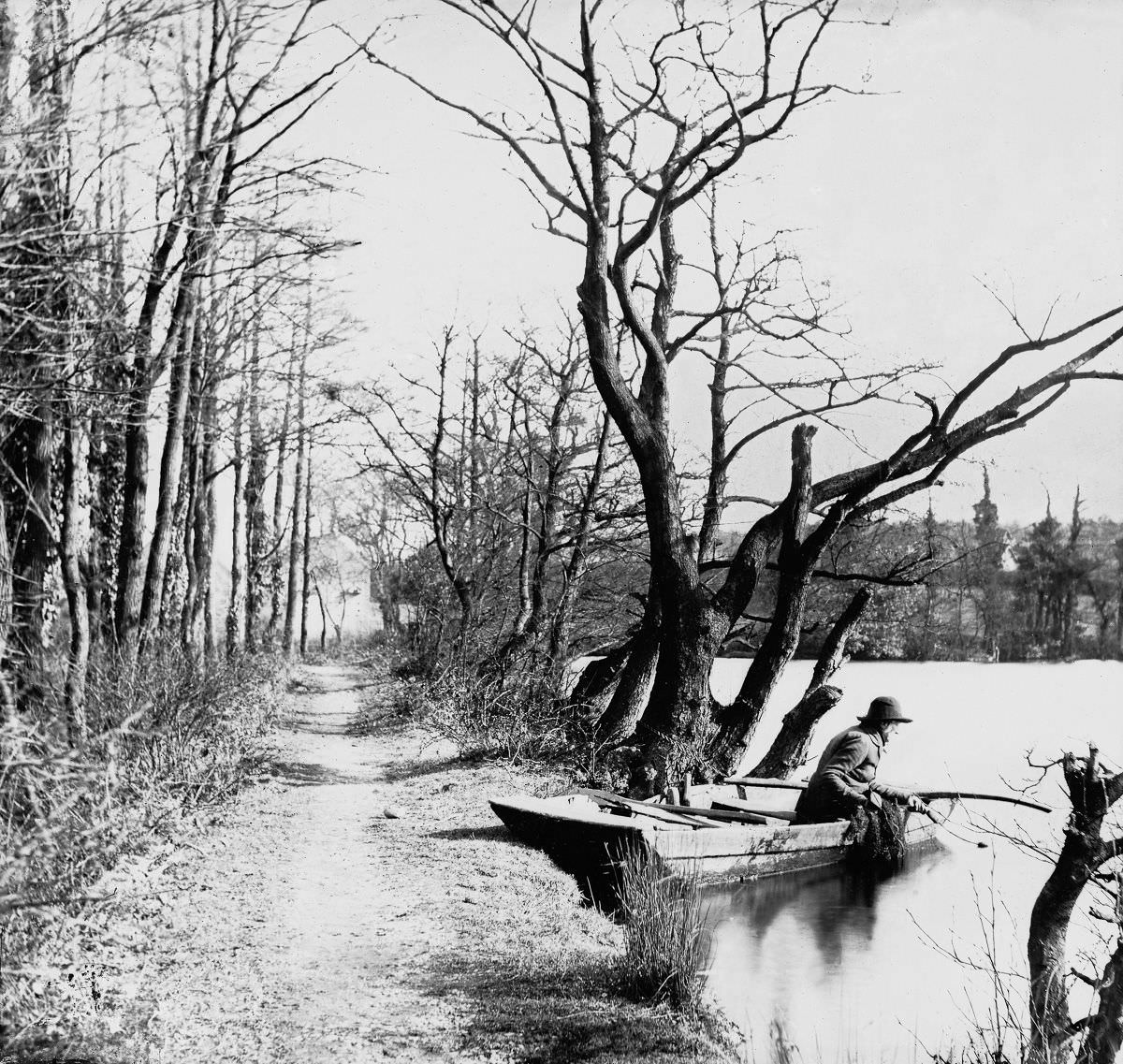
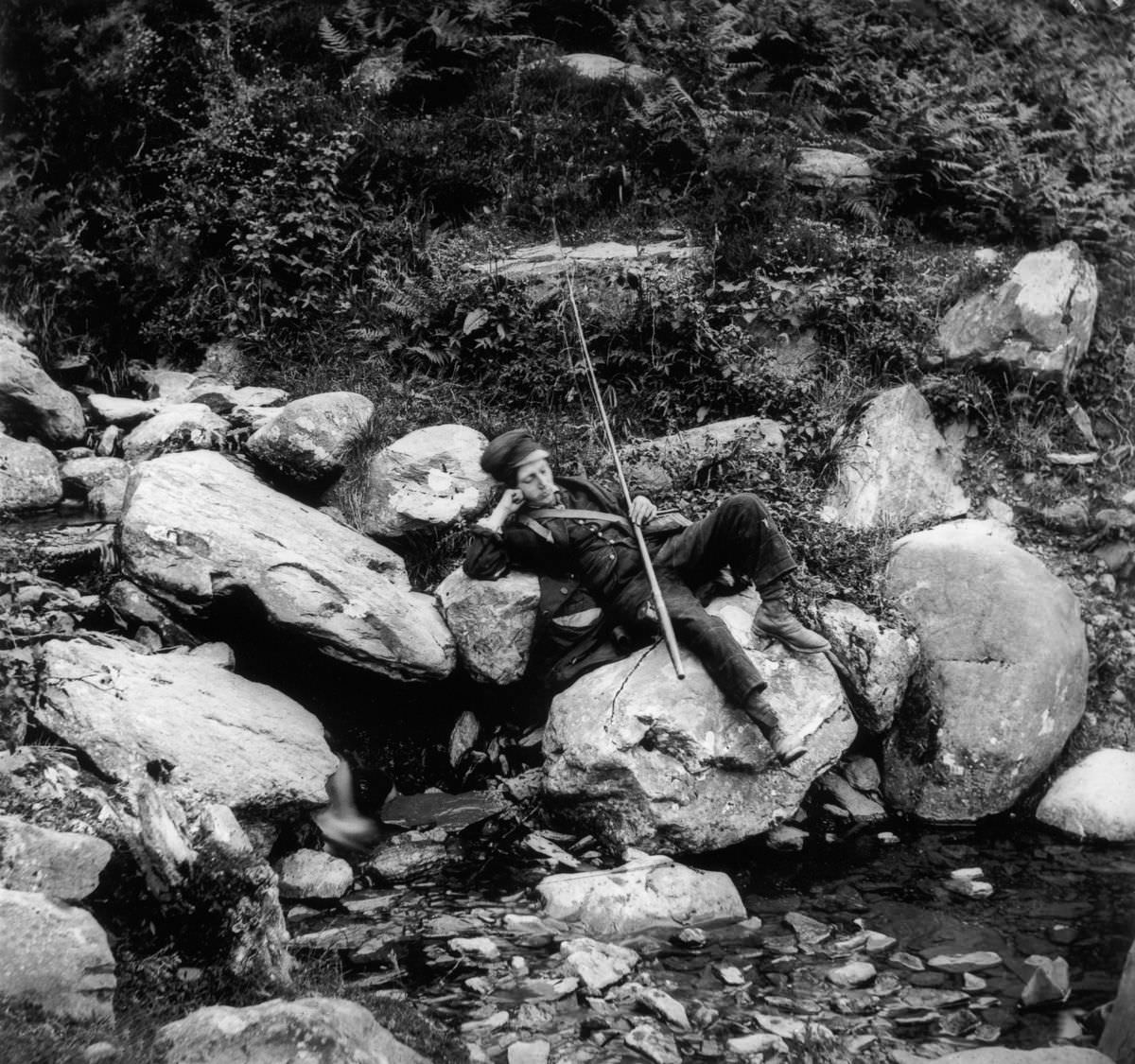
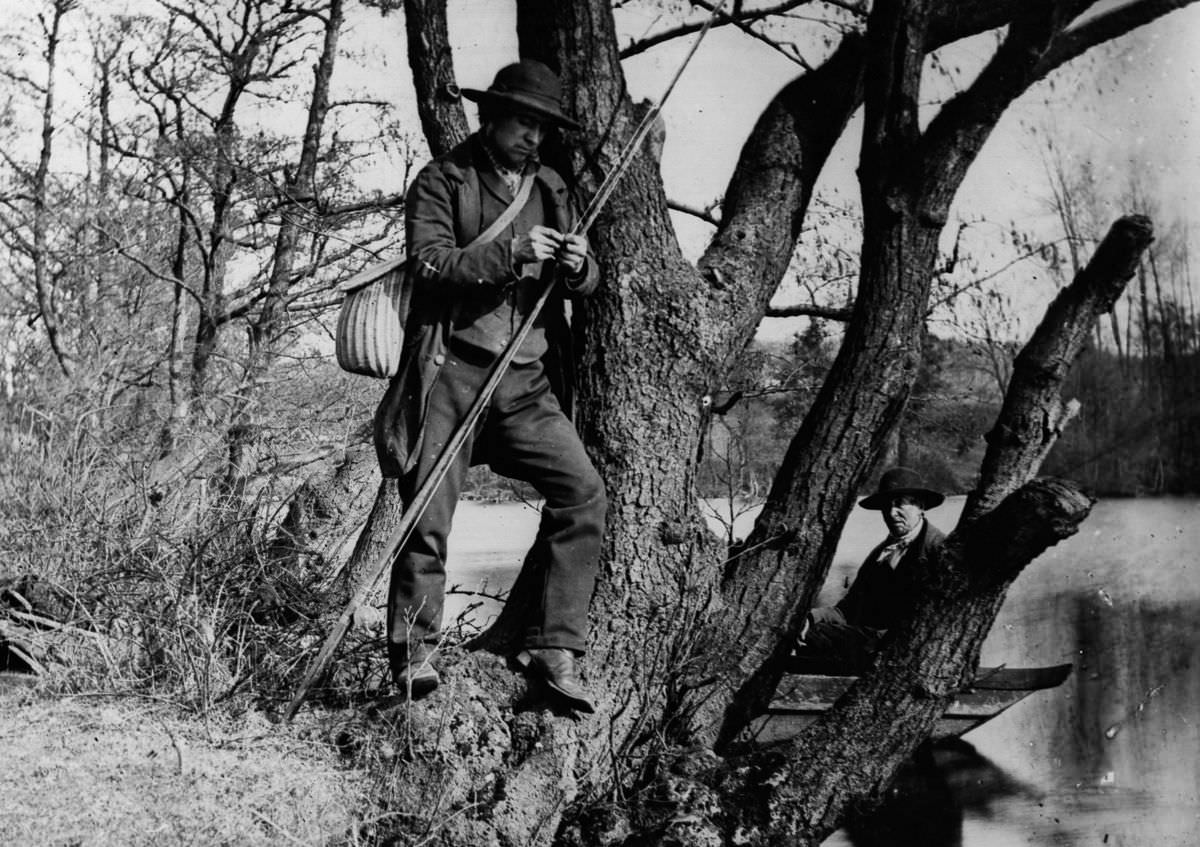
Fishing was a particularly beloved pastime for Victorian men across class lines. A gentleman might spend an afternoon on a private stretch of river, while a working man cast a line in the local stream after a long day’s labor. Grundy returned to fishing scenes again and again in his work, clearly drawn to the stillness and simplicity of the subject.
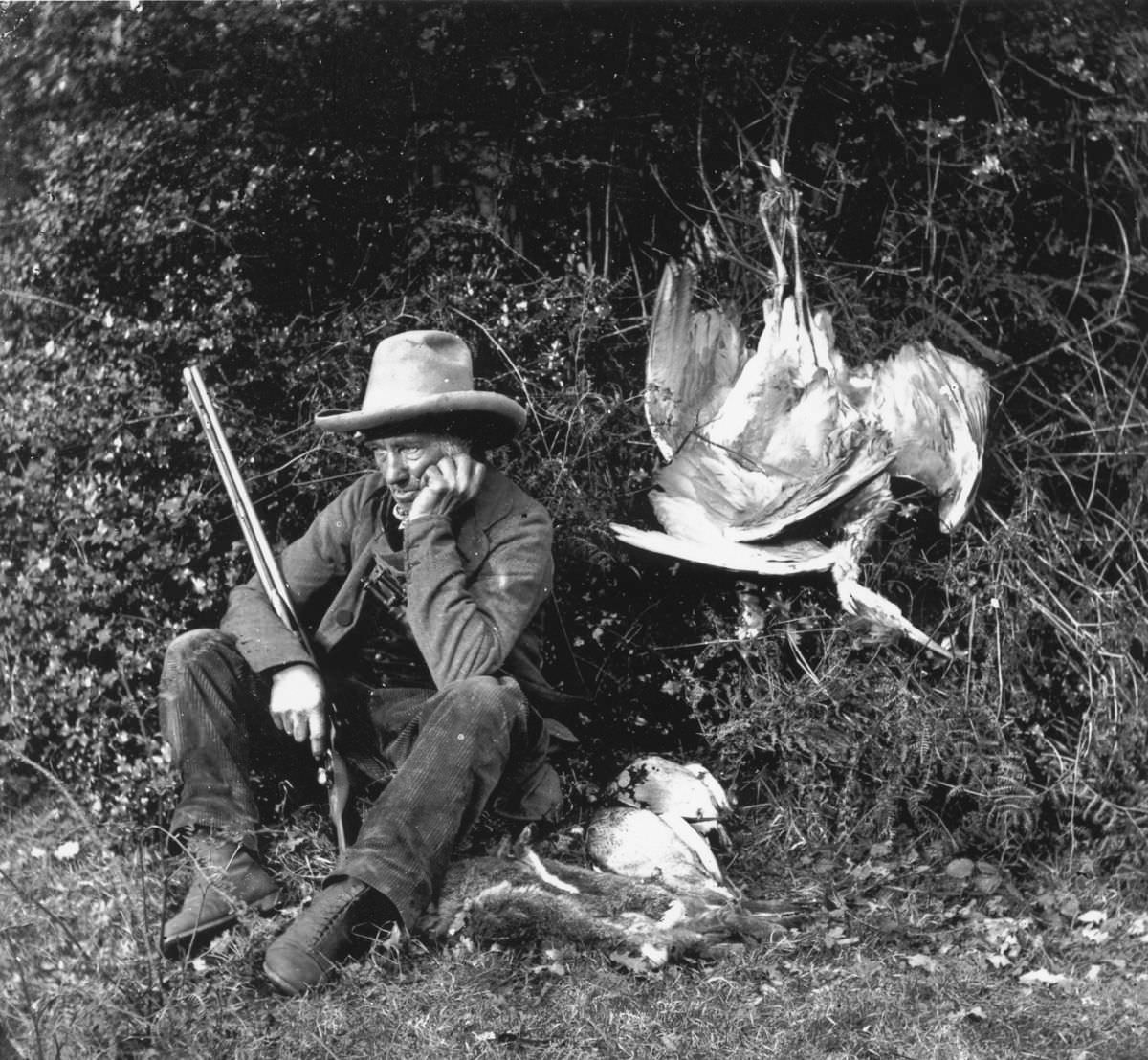
Hunting and gamekeeping were central to rural estate life. Landowners employed gamekeepers to protect their grounds, manage wildlife, and keep poachers off the property. Poaching was a serious crime under Victorian law, and game laws heavily favored the wealthy. A laborer caught taking a rabbit from a lord’s land could face transportation or imprisonment, even if his family was going hungry.
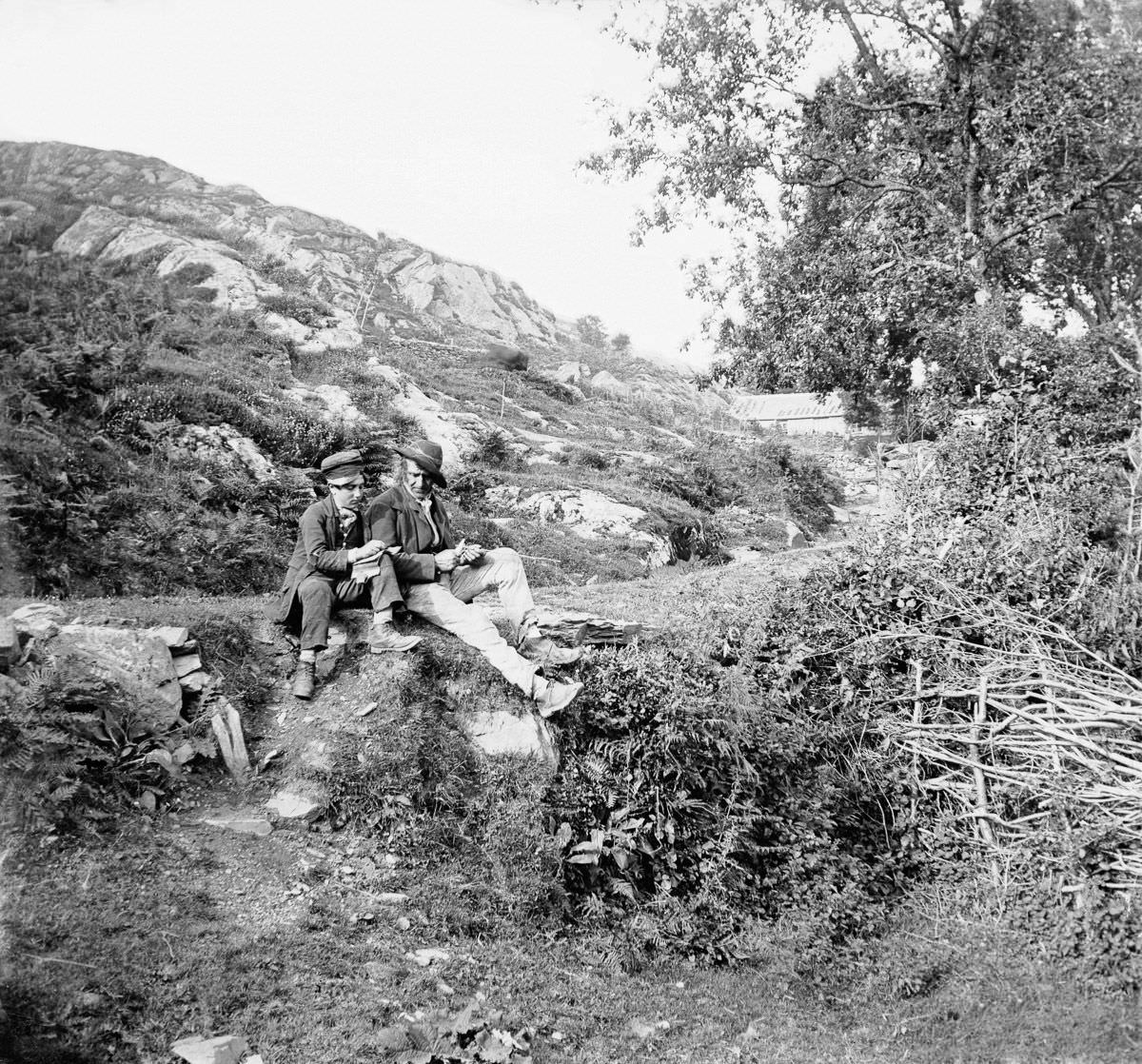
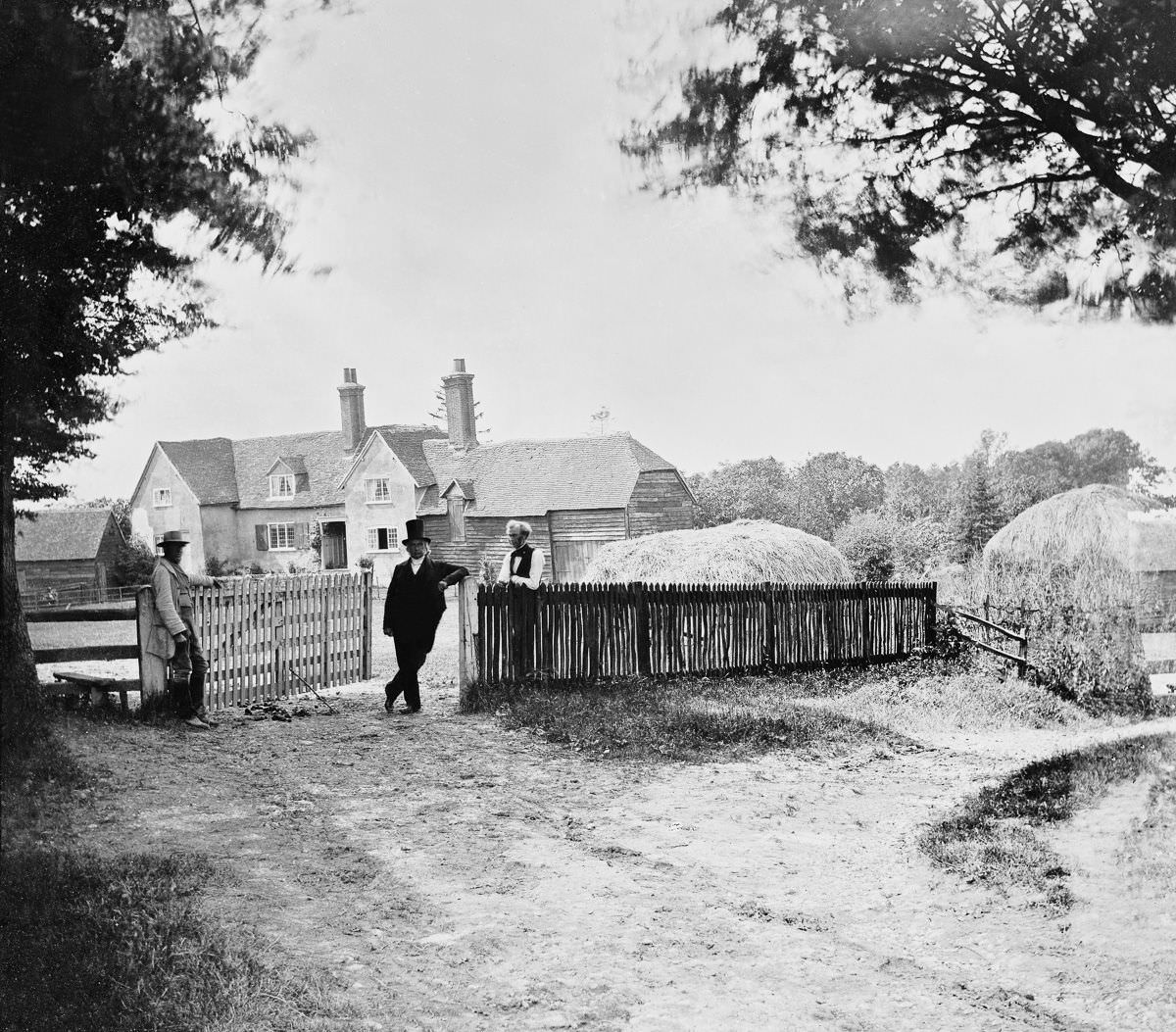
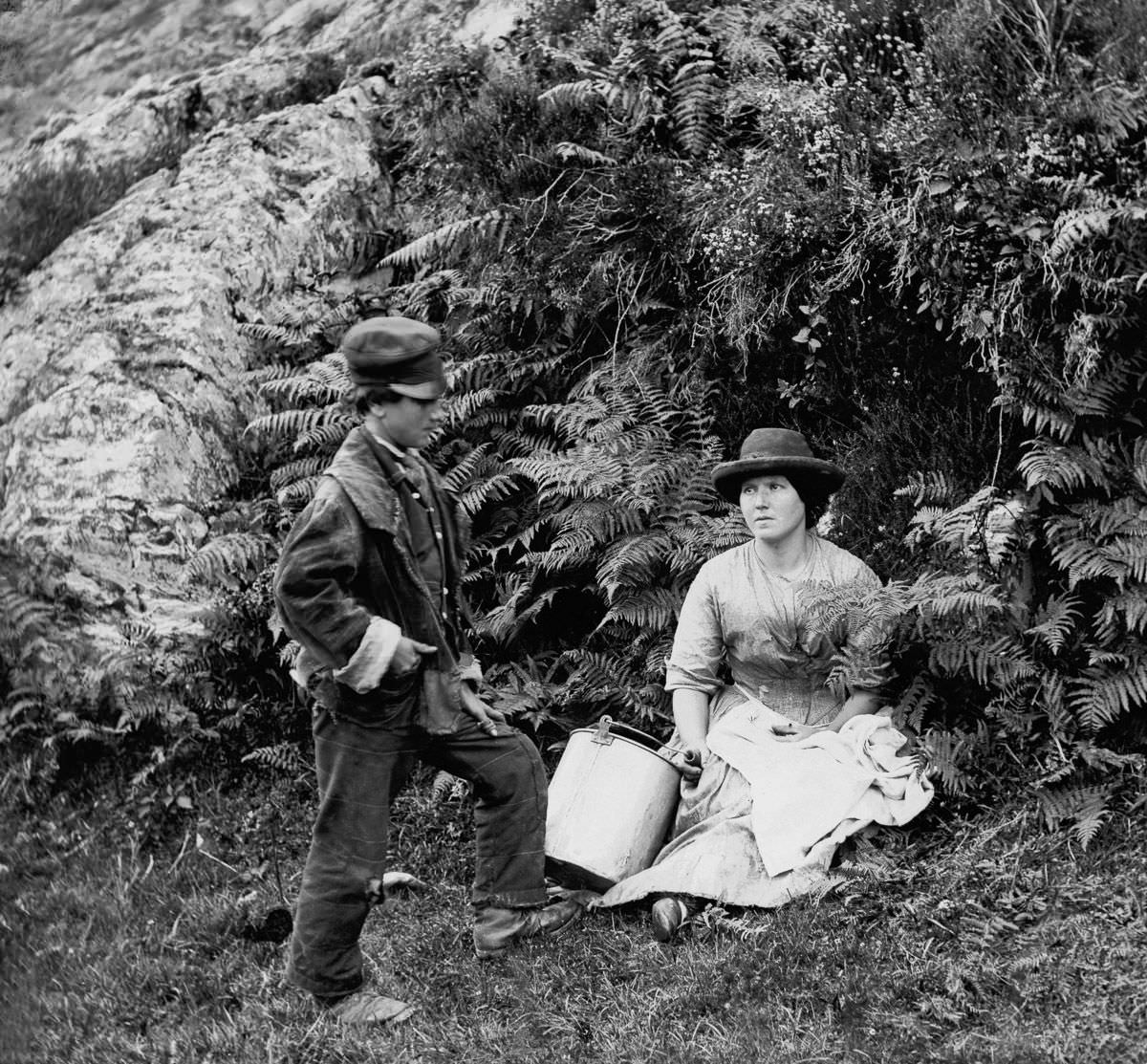
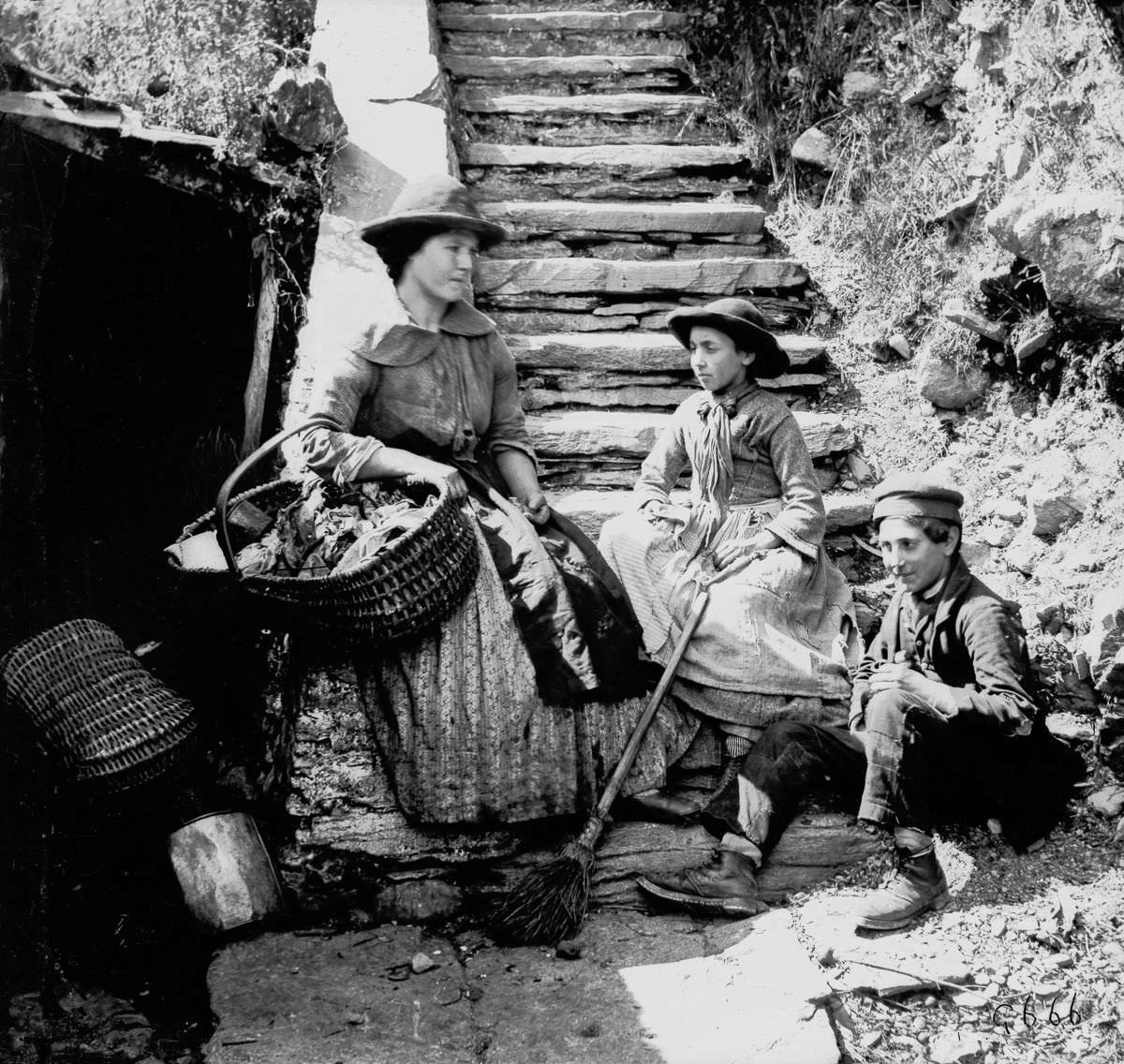
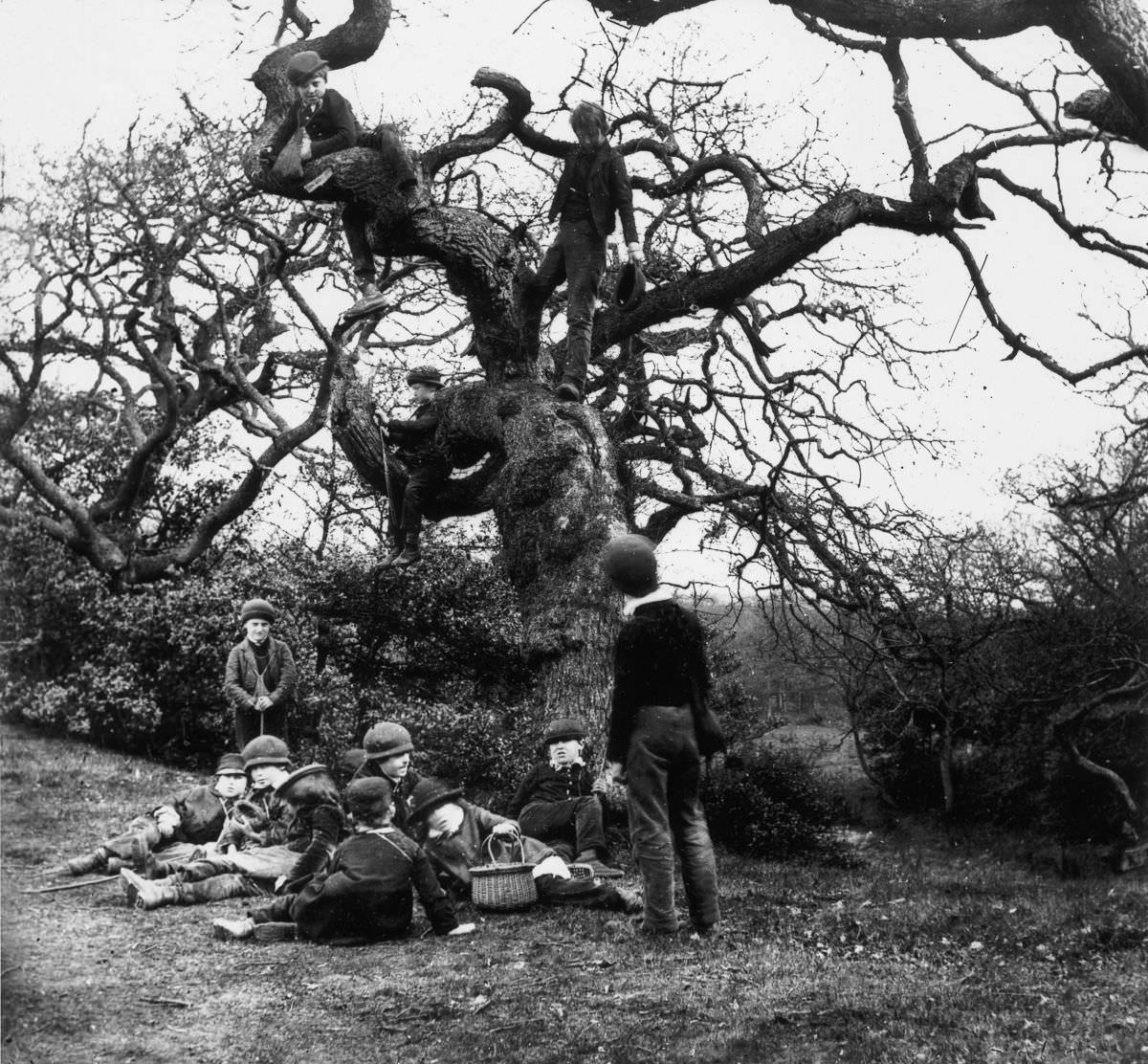
Children appear throughout Grundy’s photographs, and their presence is telling. Upper-class children are shown at play in gardens or on family outings. Working-class children, by contrast, were often part of the rural labor force from a young age. Gleaning — picking leftover grain from harvested fields — was commonly done by women and children, and it was one of the few ways the very poorest families could supplement their food supply.
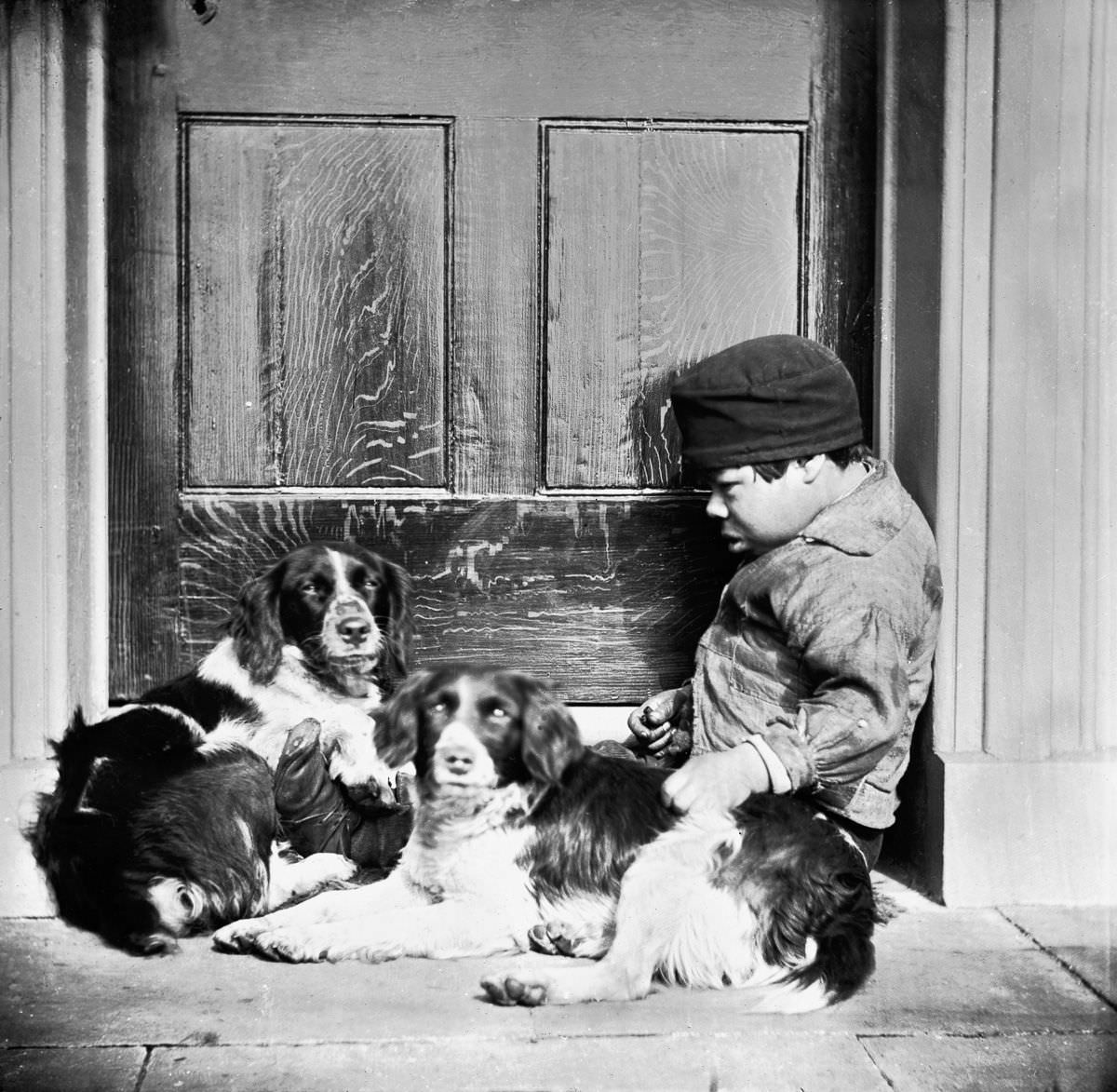
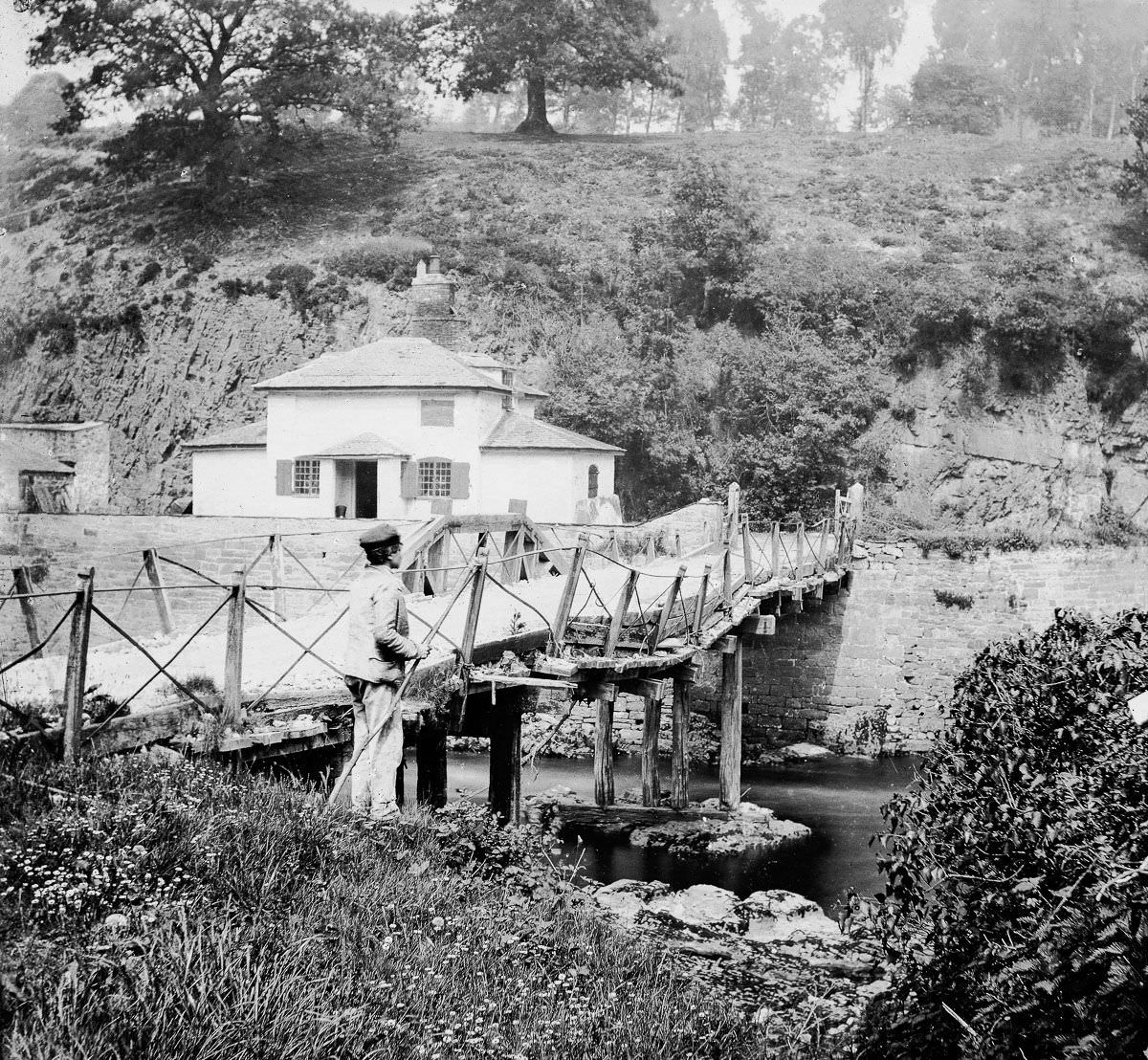
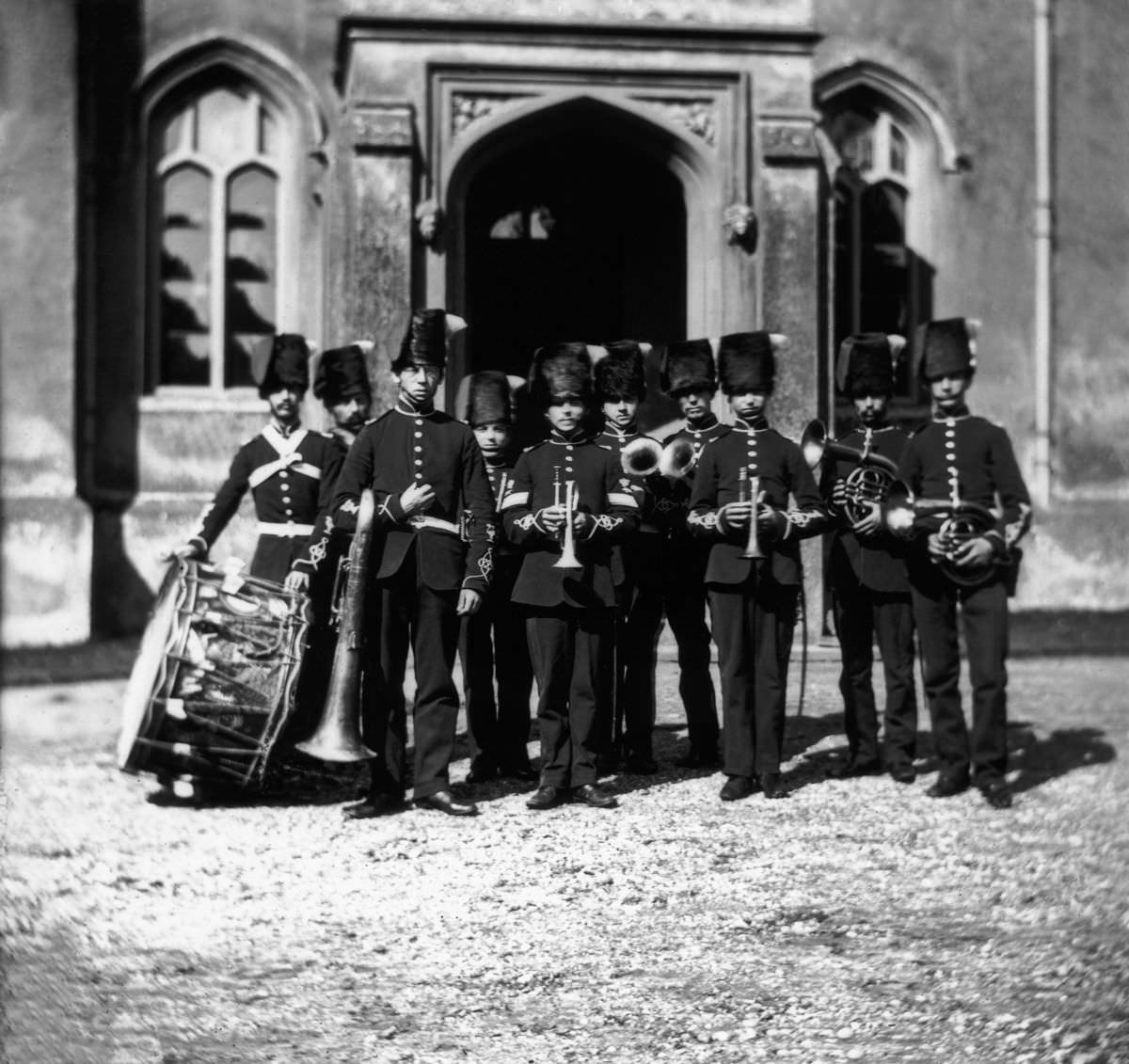
Village life had its own social calendar. Local fairs, church events, and seasonal celebrations gave rural communities structure and a sense of shared identity. Marching bands, outdoor gatherings, and community rituals were all part of how villages marked time and maintained bonds between neighbors.
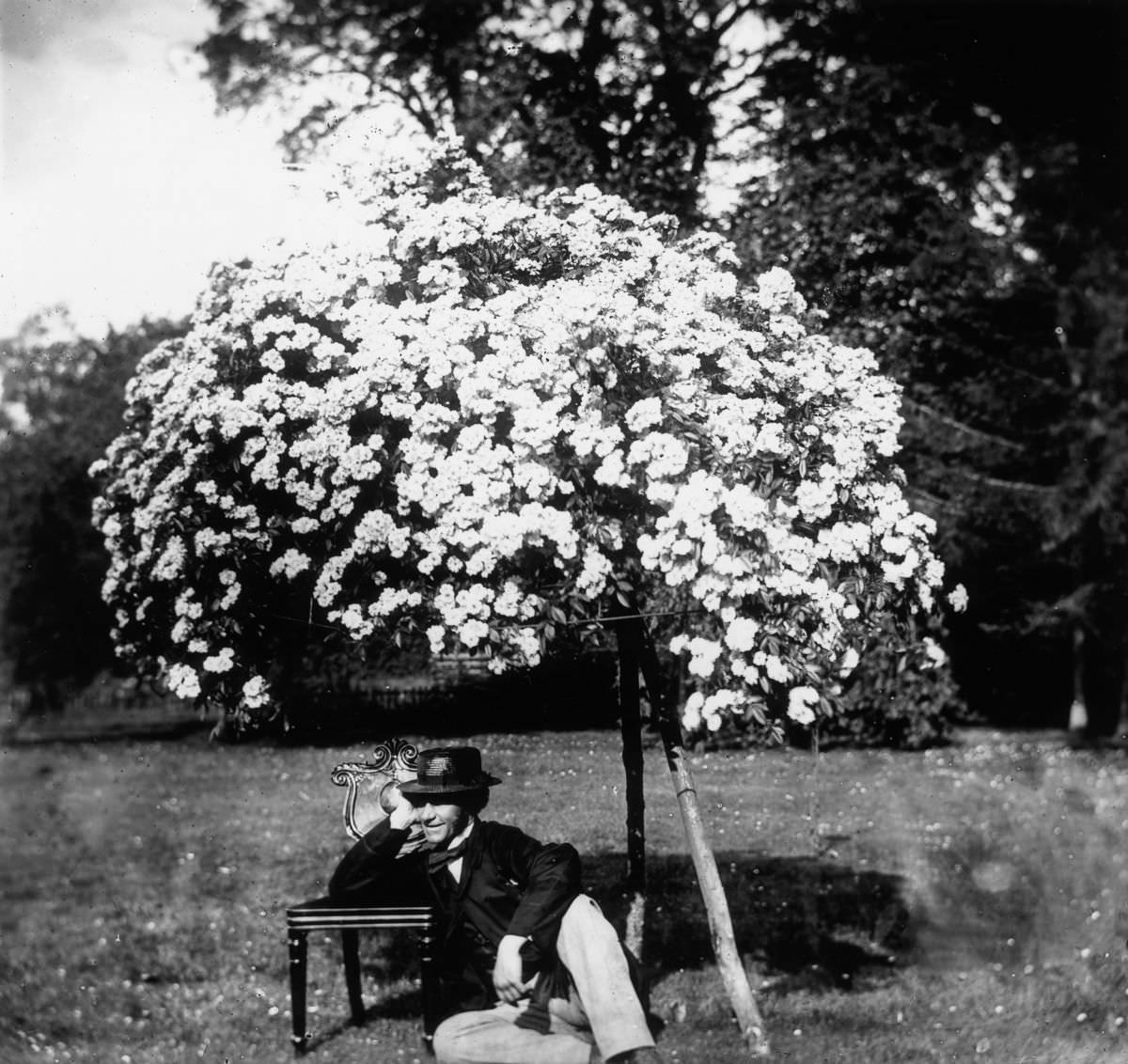
The Industrial Revolution had already reshaped Britain’s economy well before 1857, but its effects were still rippling outward into every corner of rural life. New machinery changed what farm work looked like. New roads and railways connected villages to towns in ways that had been impossible a generation earlier. The pace of daily life was accelerating, even for those who had never set foot inside a factory.
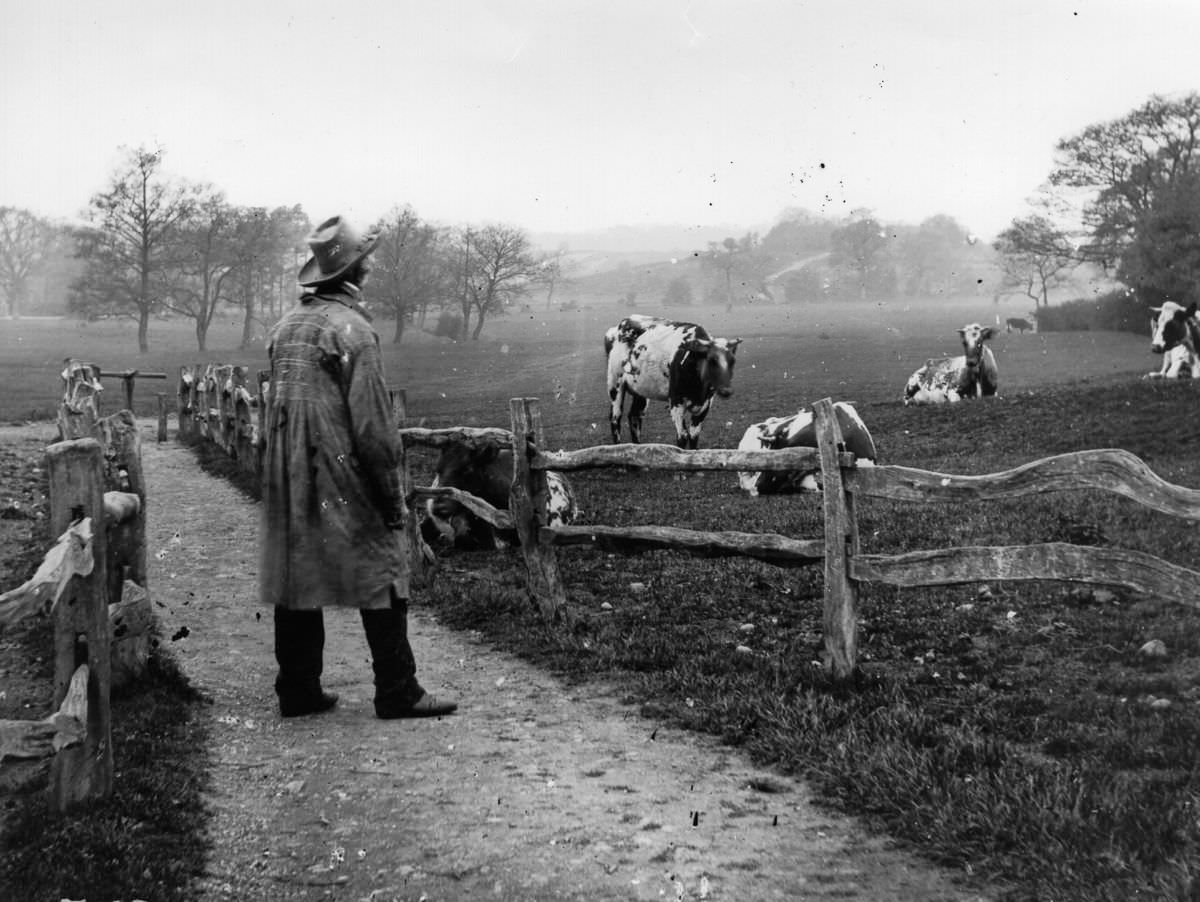
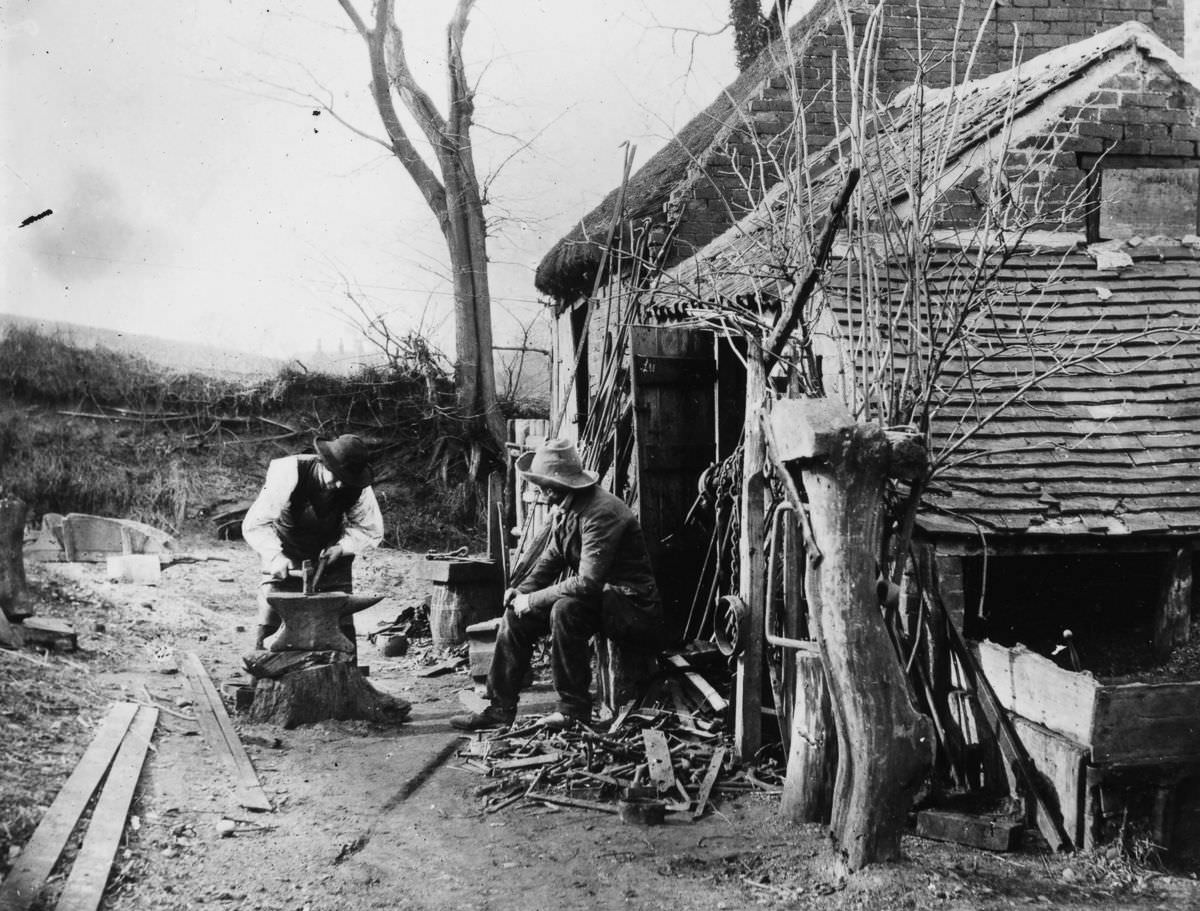
Agriculture was still the backbone of the countryside, even as it changed shape. Cattle grazing on open pasture, laborers maintaining roads and fences, blacksmiths working forges in village workshops — these were the everyday sights of mid-Victorian rural England. Grundy photographed them with care, treating the ordinary as worthy of record.
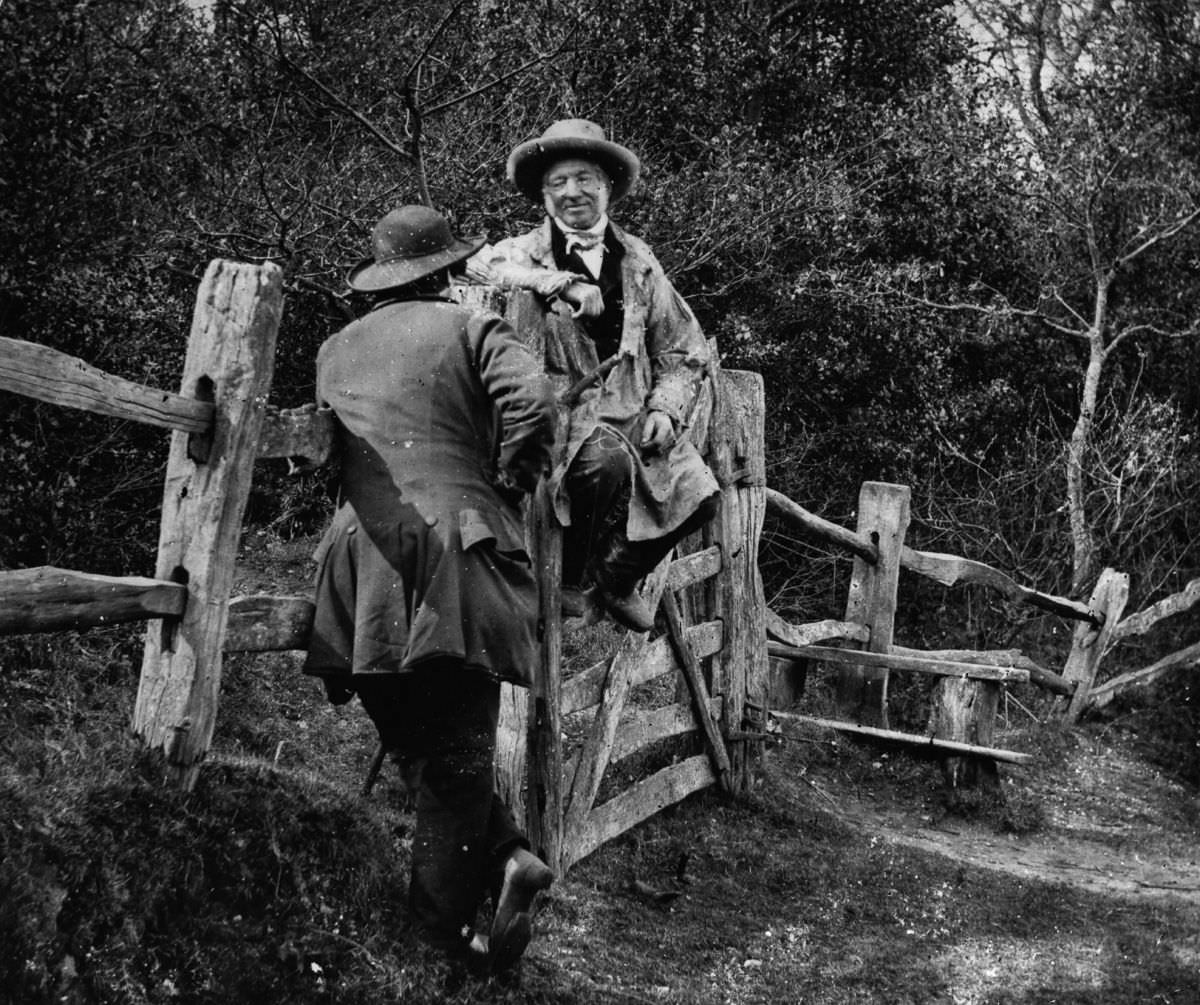
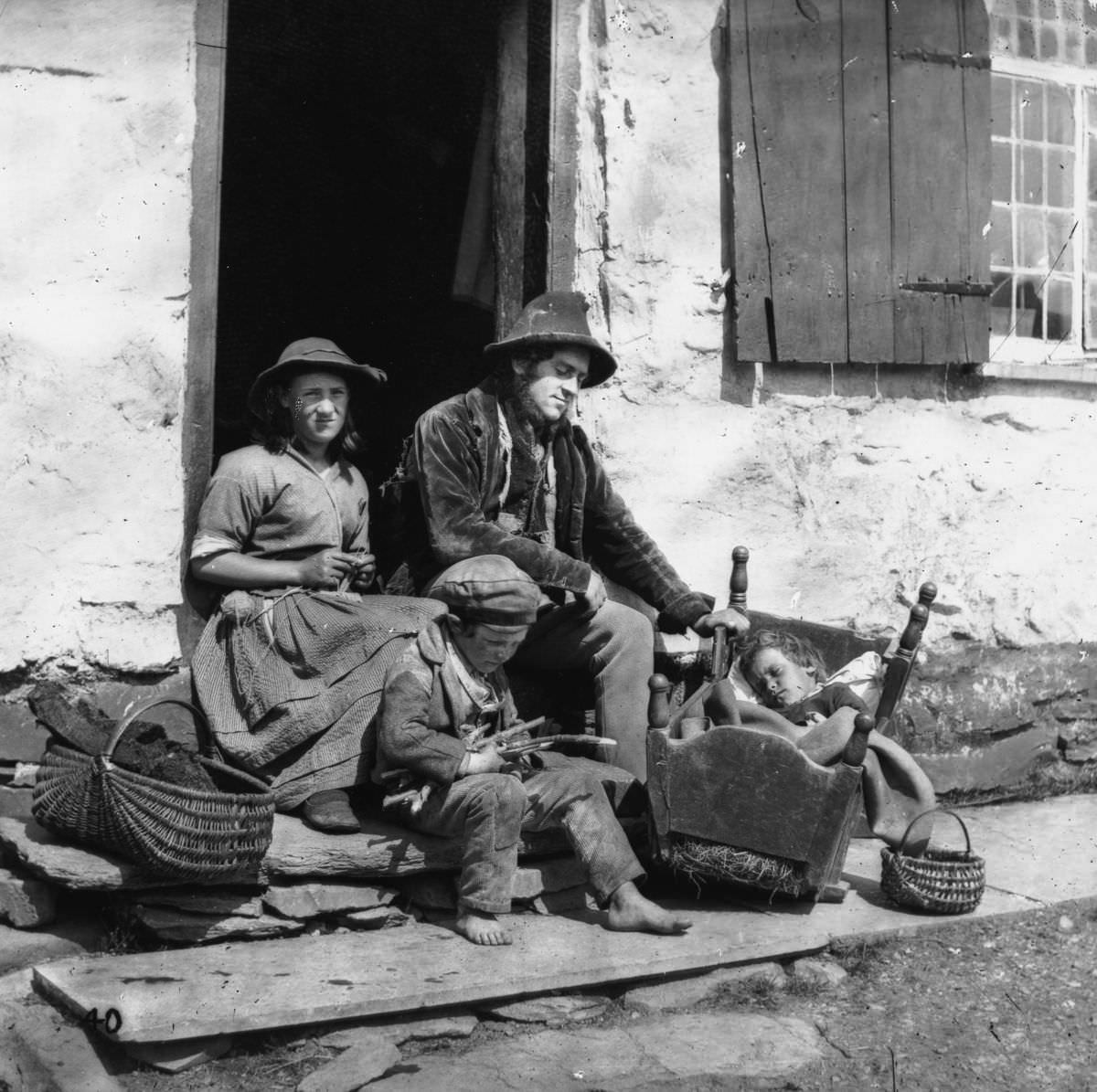
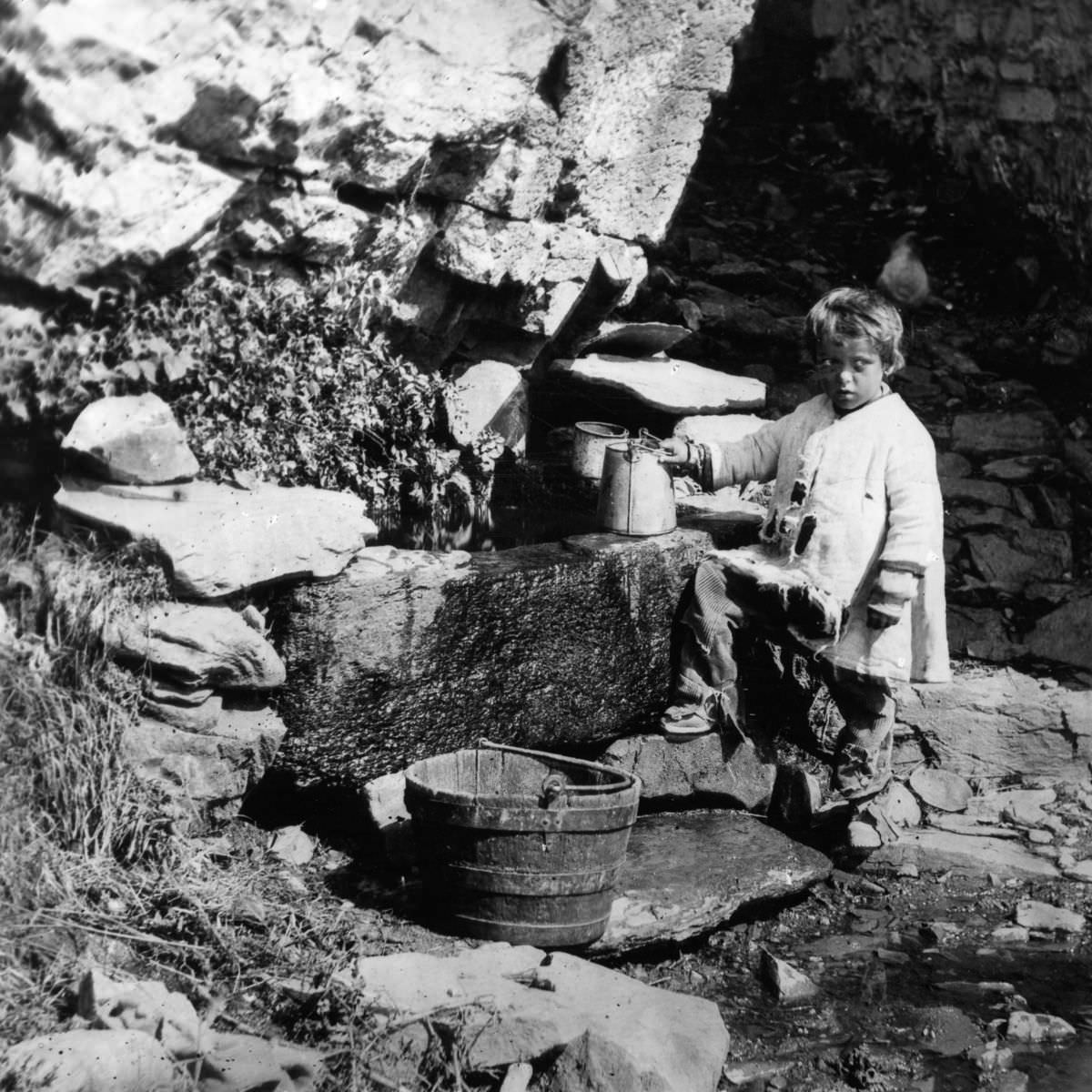
Poverty in the countryside was stark and persistent. Poor families lived in tied cottages that belonged to their employers, meaning a lost job could mean a lost home on the same day. Access to clean water was limited in many villages. Pumping water from a shared well was a daily necessity, not a chore one could skip.
Tradespeople provided essential services in rural communities. Knife grinders traveled from village to village sharpening tools and blades. Blacksmiths kept horses shod and farm equipment in working order. These were skilled workers whose trades had changed little in centuries, even as the world around them transformed rapidly.
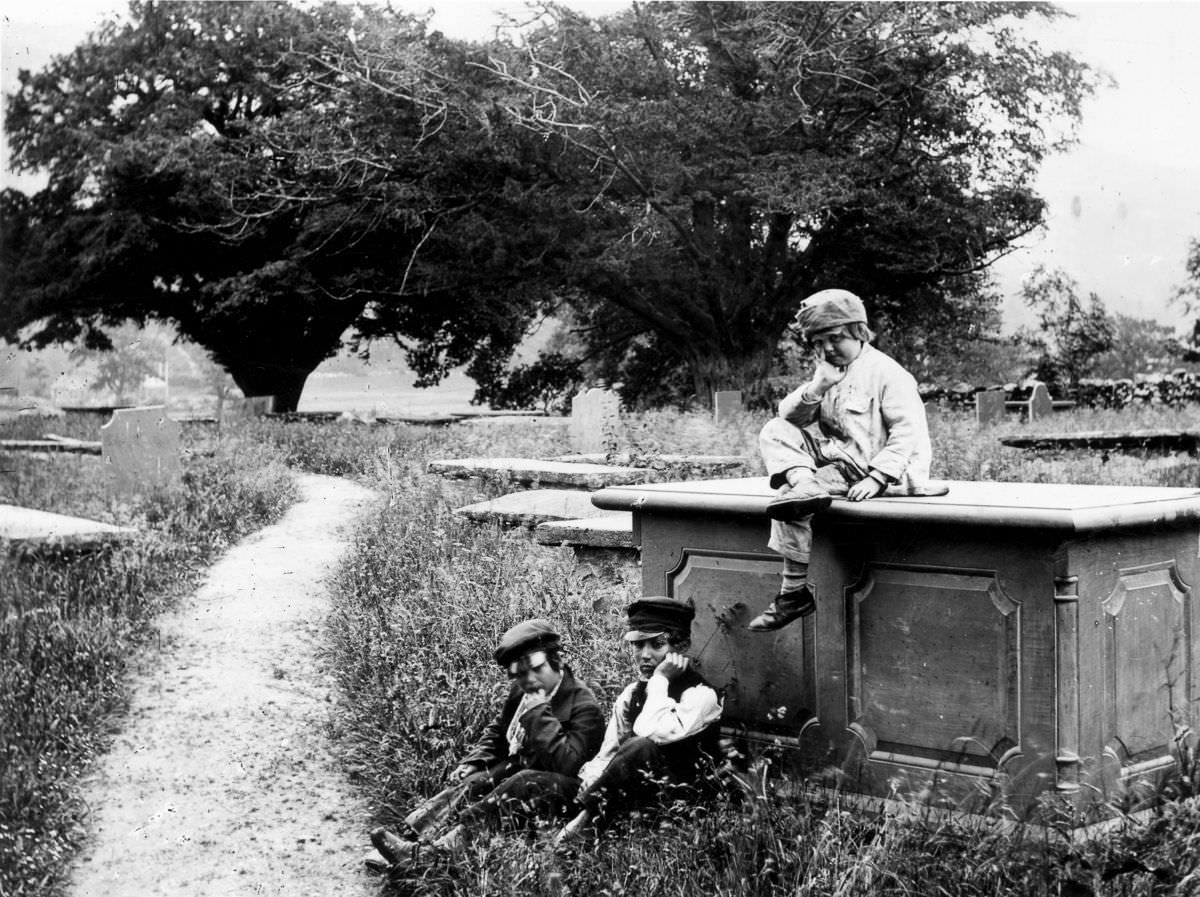
Death was a visible and regular part of Victorian rural life. Child mortality rates were high. Churchyards and cemeteries sat at the center of village life, not on the outskirts. Grundy’s photographs include images set in and around these spaces — not as something morbid or unusual, but as an honest reflection of how close death was to everyday existence in this era.
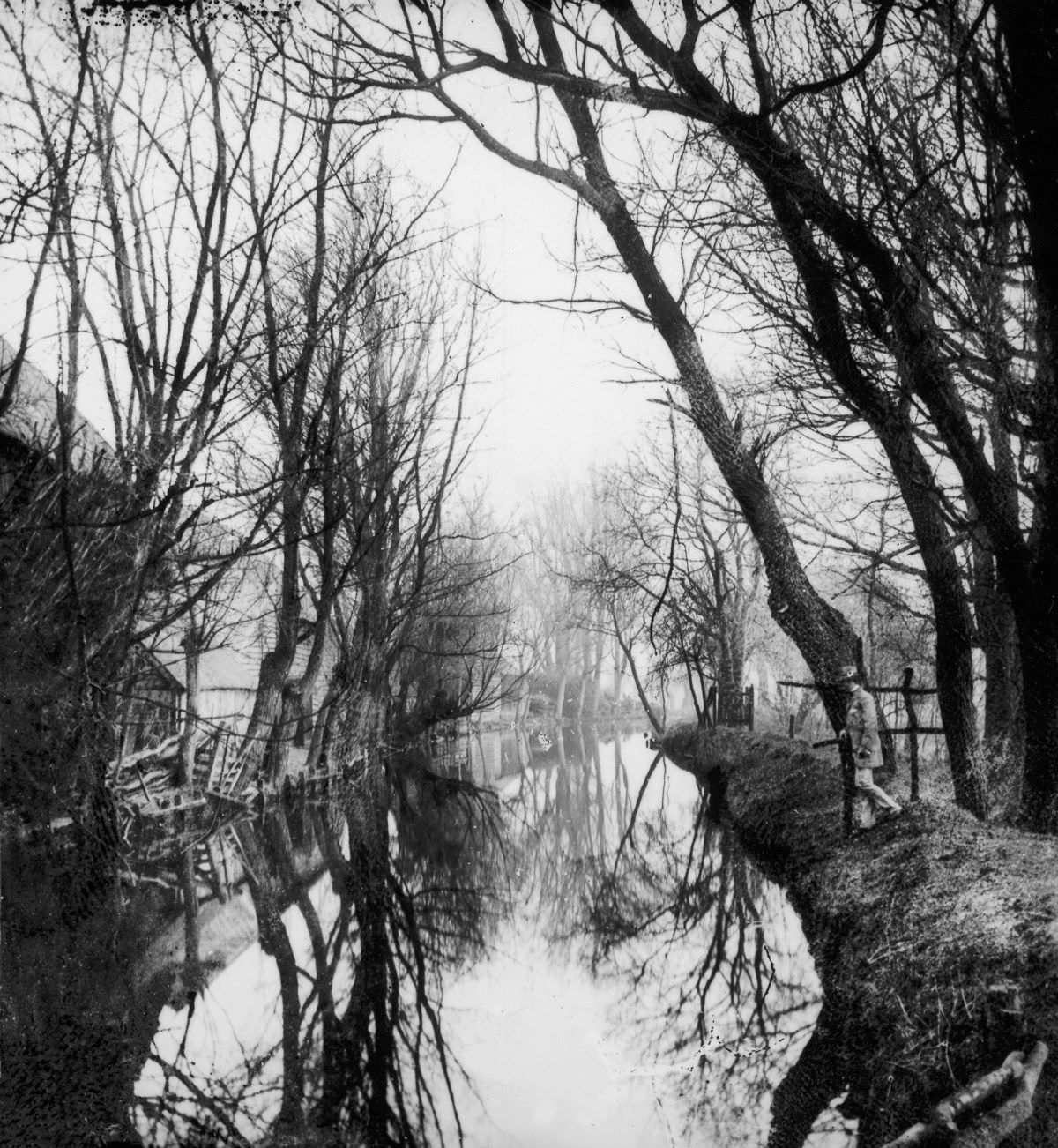
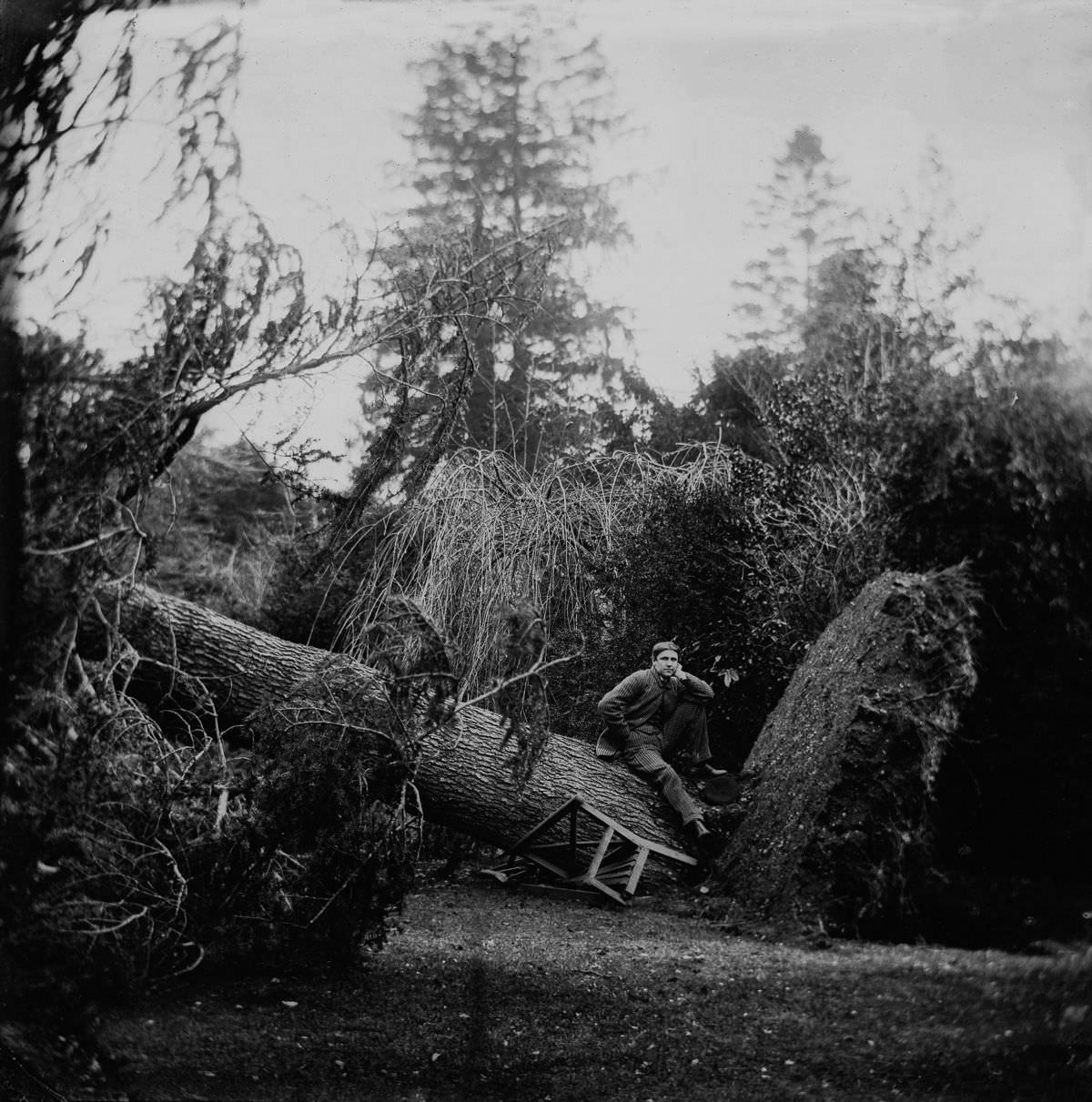
The seasons shaped everything in rural England. Winter brought cold, hardship, and shorter working days. Storms could damage crops and roads alike. The photographs taken in colder months show a quieter, harder landscape — one that demanded endurance from the people who lived in it year-round.
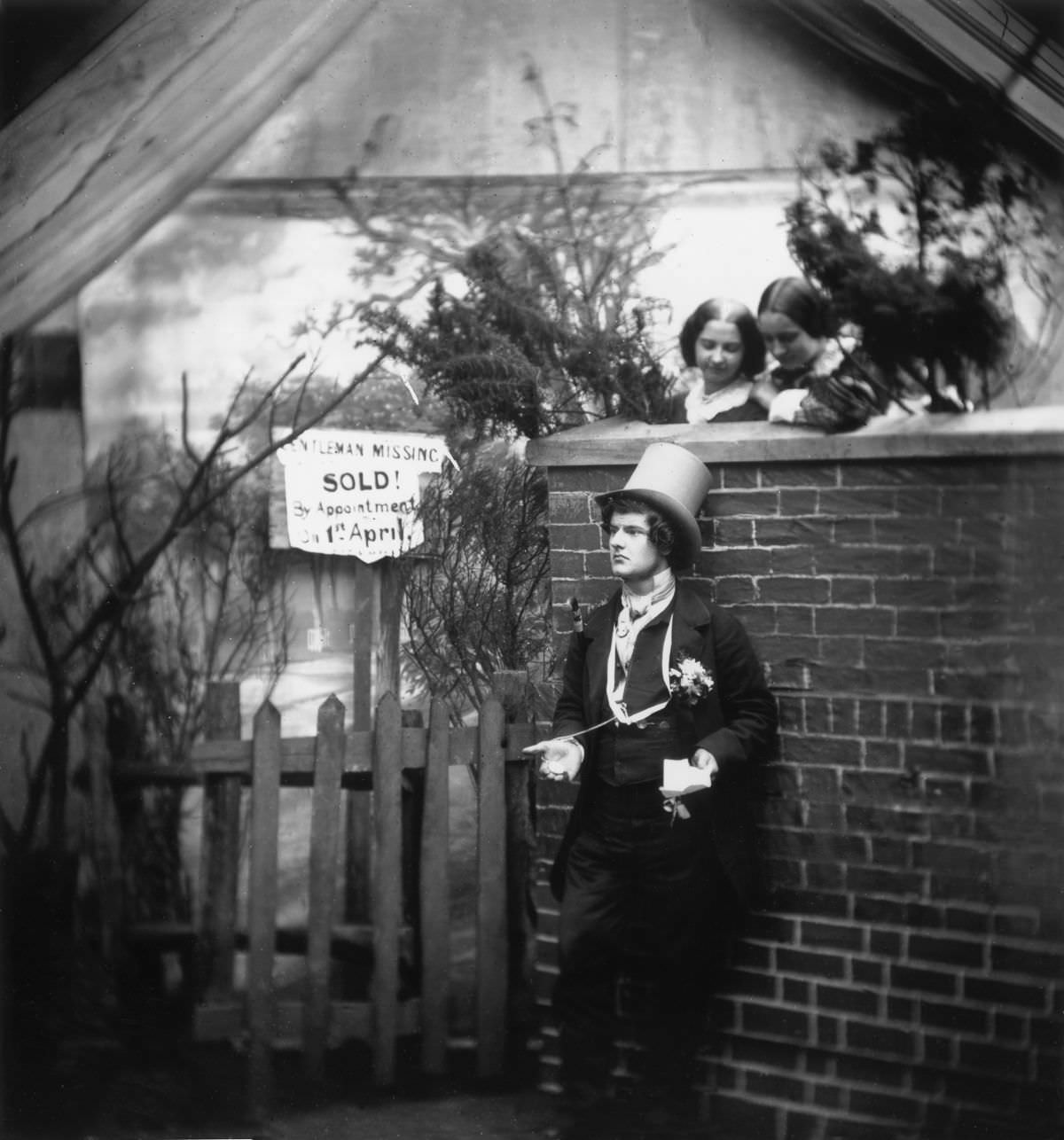
What makes Grundy’s collection so valuable is its range. He did not photograph only the picturesque or the comfortable. His lens moved across the full width of rural society — from gentlemen at leisure to laborers at work, from well-fed estate dogs to children in worn clothing. The result is a record of Victorian England that is more complete and more honest than the idealized paintings of the period.
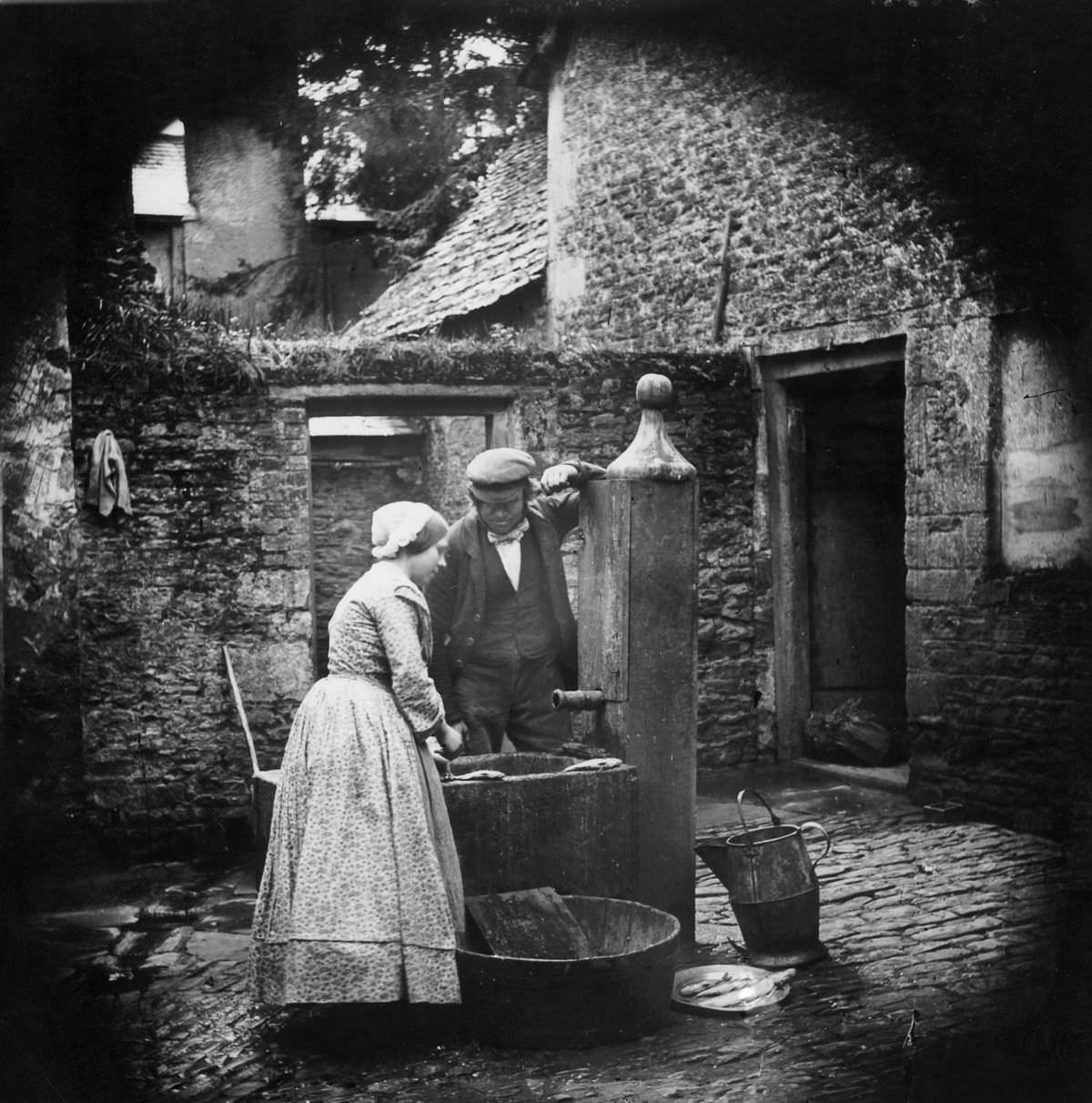
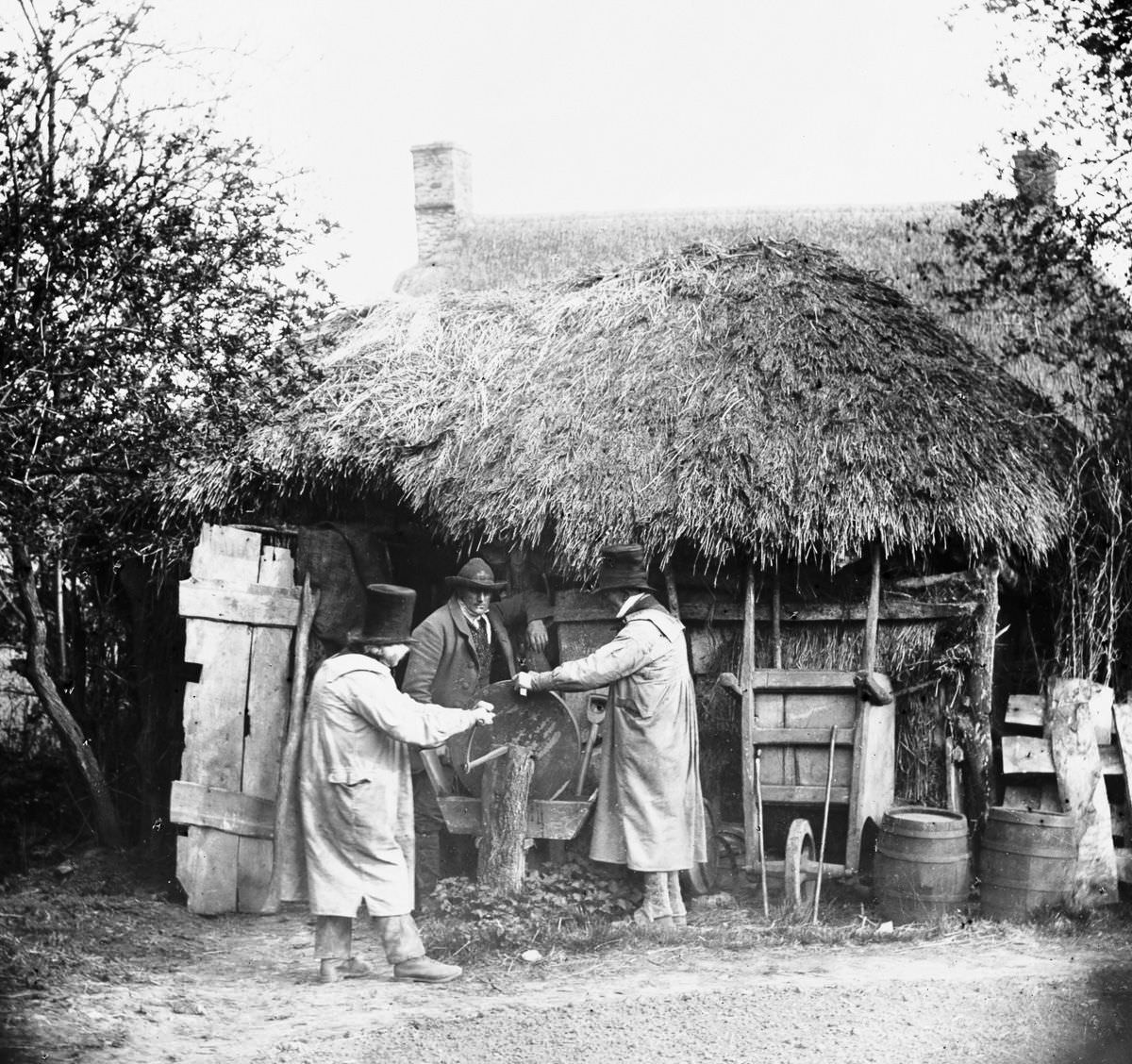





wow those are fantastic, really gives a sense of what it was like. Much more than boring studio portraits.
What’s up with that kid in the photo with the dogs?