

When the Great Depression hit the United States in 1929, its effects were felt far beyond the mainland. In Puerto Rico, an island whose economy depended almost entirely on agriculture, the collapse was severe. The prosperity that had briefly lifted the island through the 1920s vanished almost overnight. Unemployment surged, and rural communities — already living close to the edge — were pushed further into poverty.
To address the crisis, President Franklin D. Roosevelt’s New Deal extended to Puerto Rico through the Puerto Rican Reconstruction Administration. Federal funds were directed toward new housing, transportation infrastructure, and other capital investments. At the same time, the Farm Security Administration (FSA) — created to provide loans and aid to struggling farmers — deployed photographers across the United States and its territories to document the conditions people were actually living in. The result was a collection of more than 200,000 photographs, a raw and unfiltered record of Depression-era life. These images from Puerto Rico’s rural communities in the late 1930s are among the most revealing in that archive.
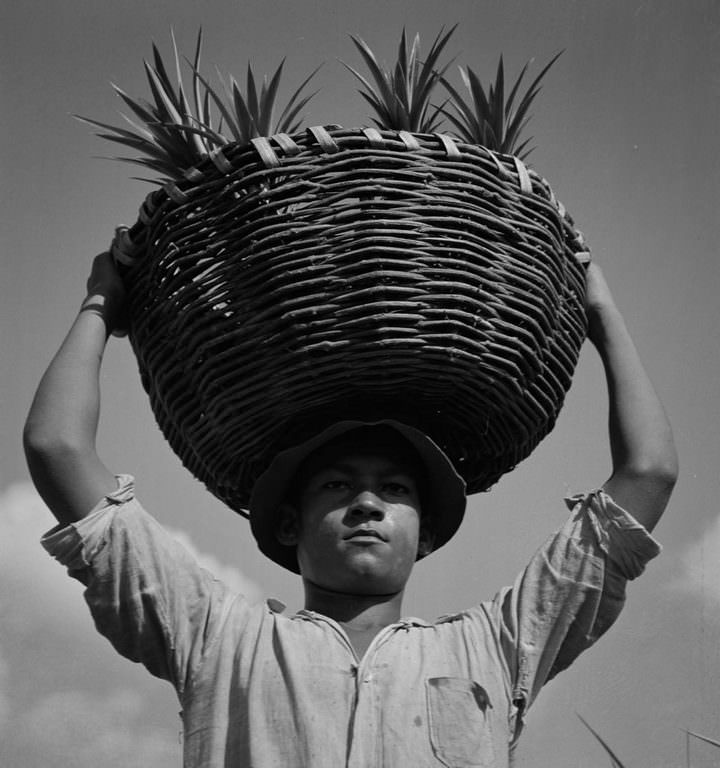
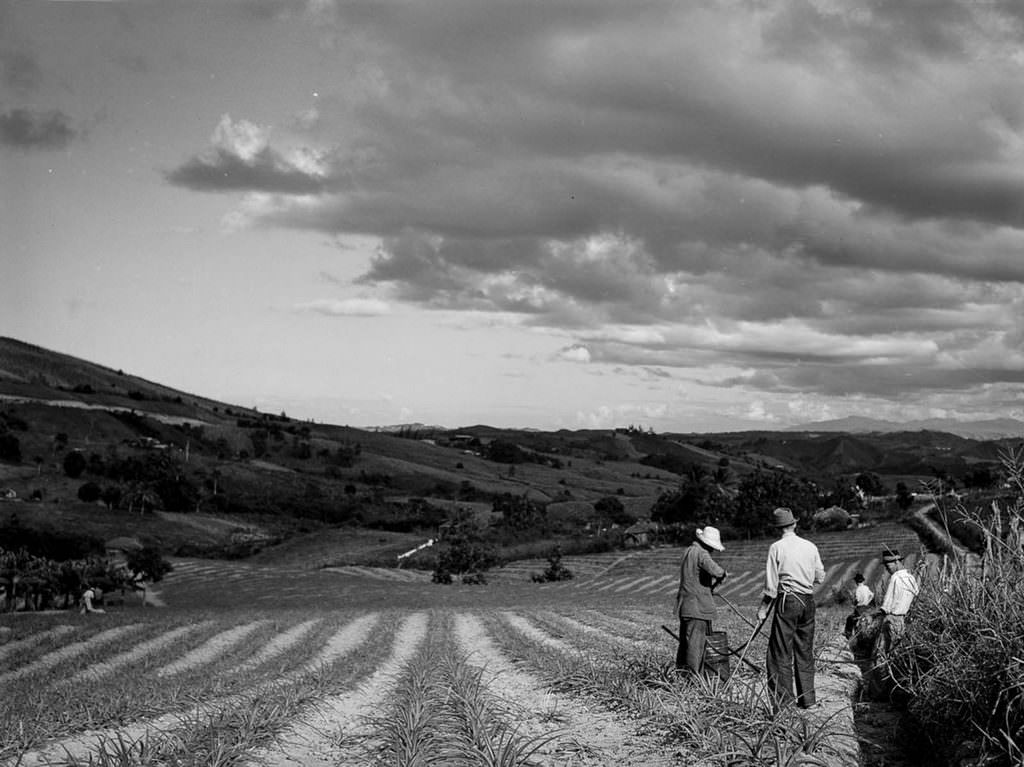
Agriculture was the backbone of Puerto Rico’s rural economy, and pineapple was one of its key crops. Plantations near towns like Manati and Corozal employed local workers in physically demanding, low-wage labor.
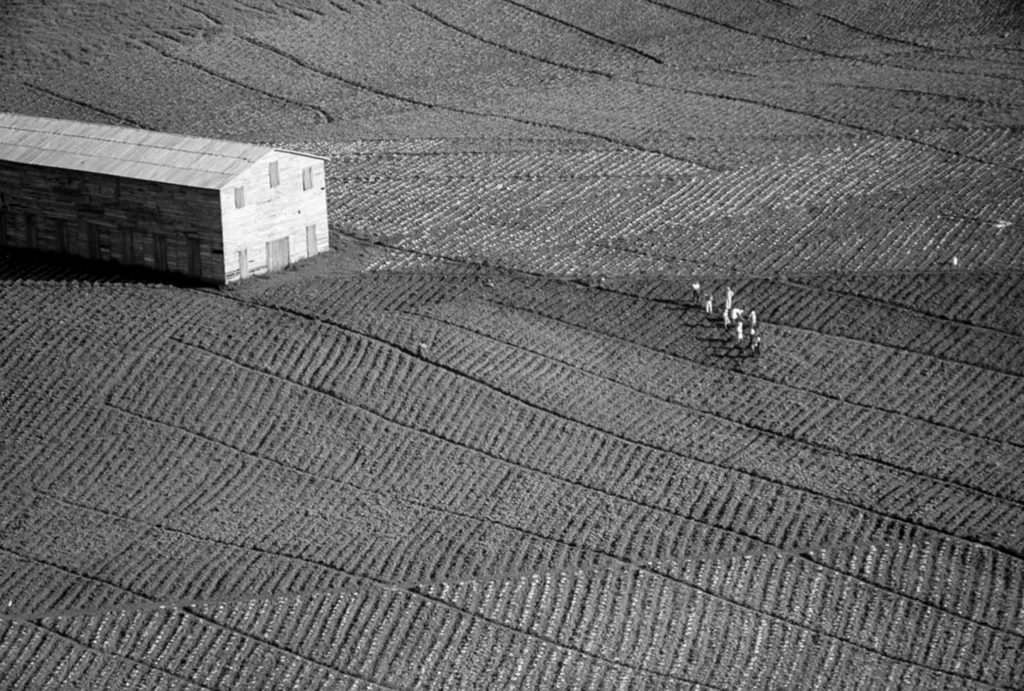
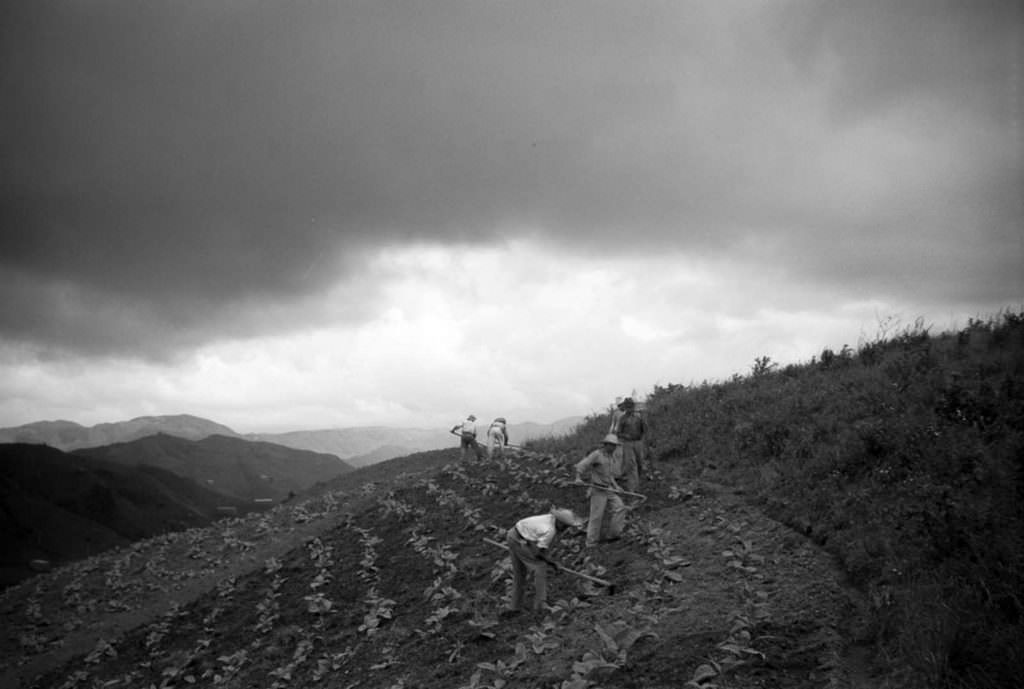
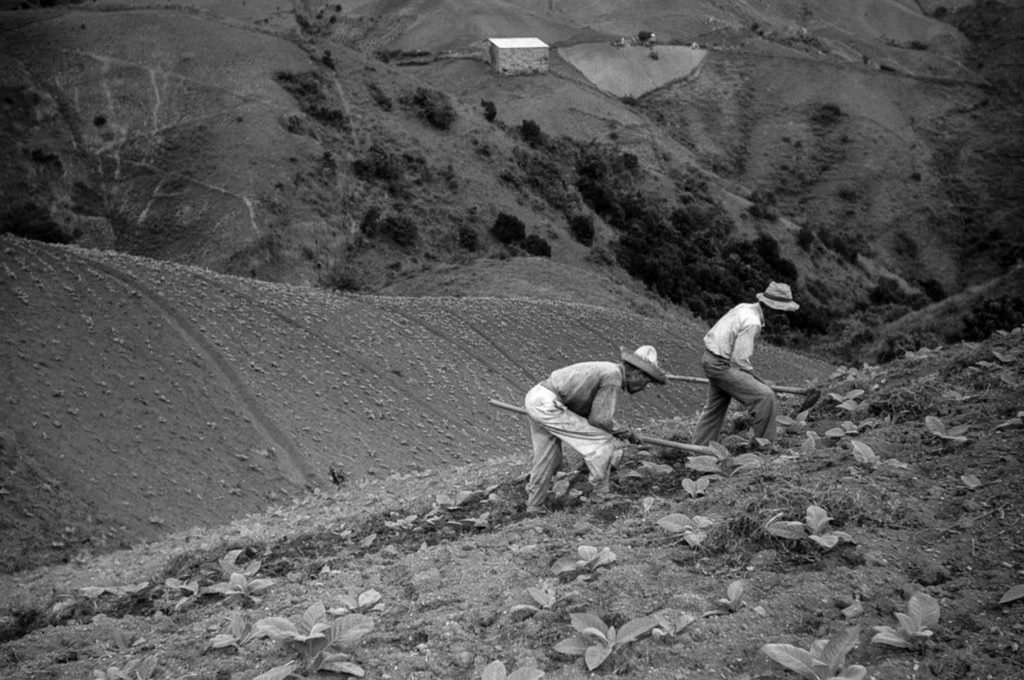
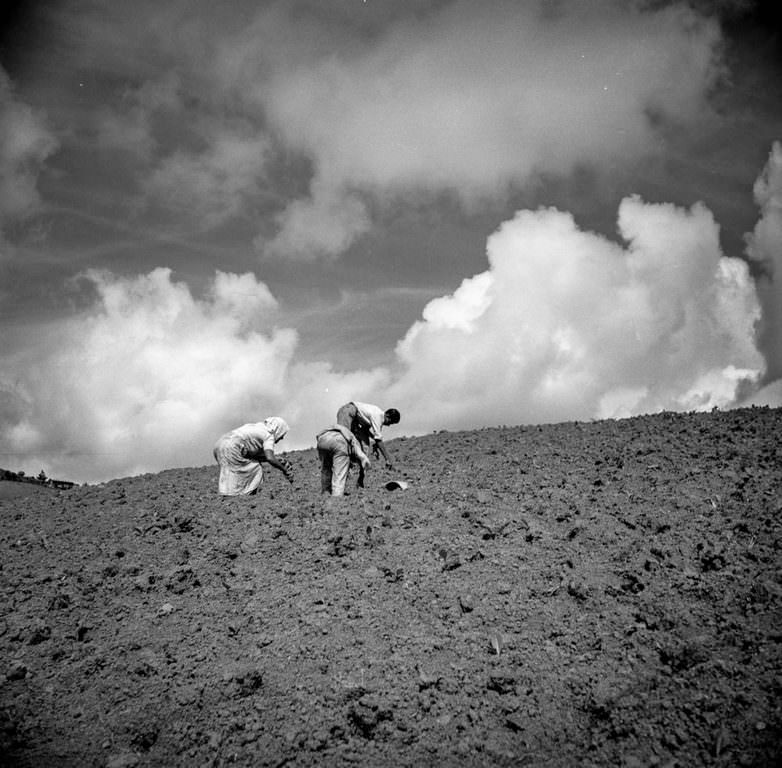
Tobacco was another major crop, particularly in the mountainous interior of the island. The region around Cayey and Barranquitas was home to several farming operations, including experimental agricultural areas run by the Puerto Rico Rehabilitation Administration.
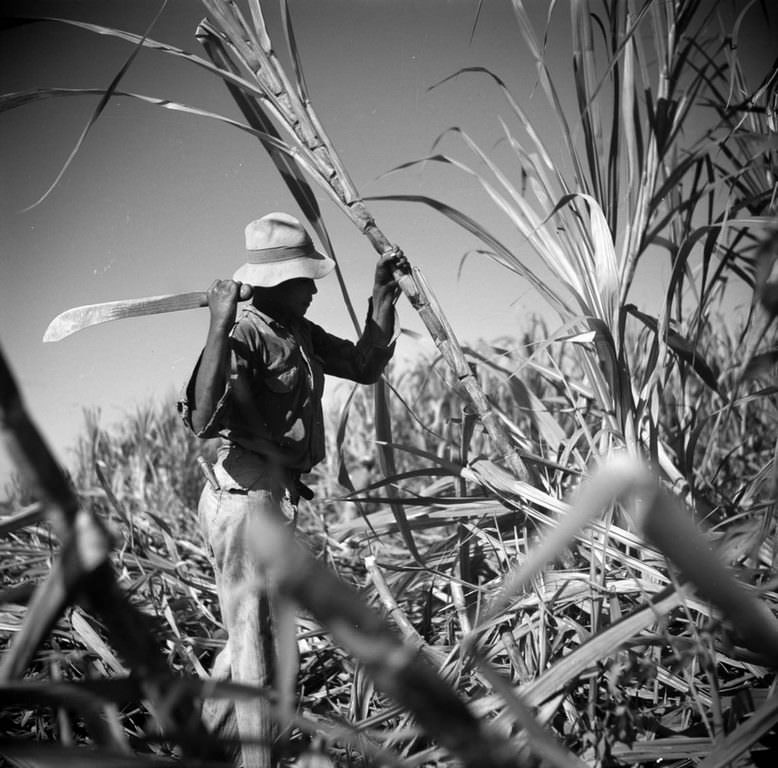
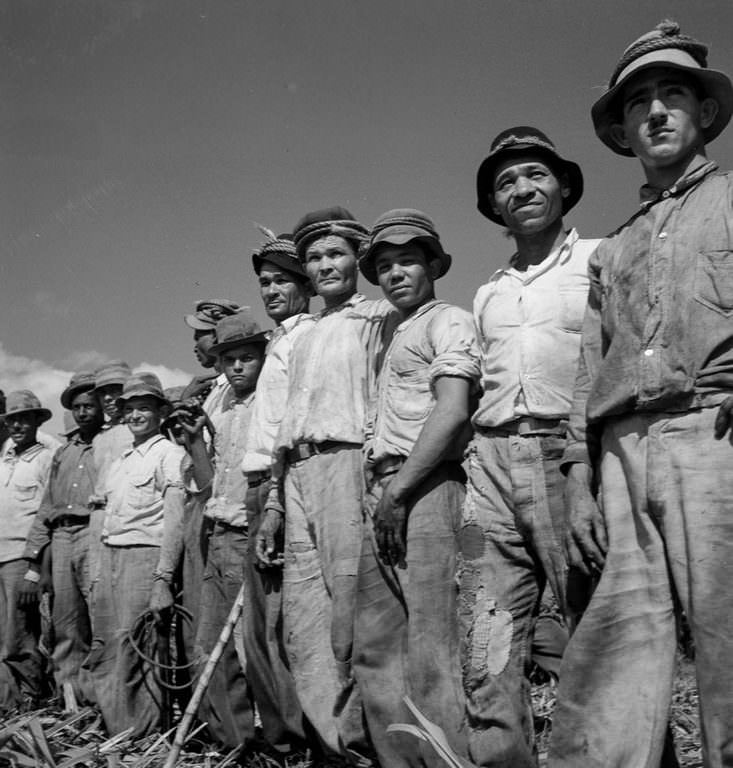
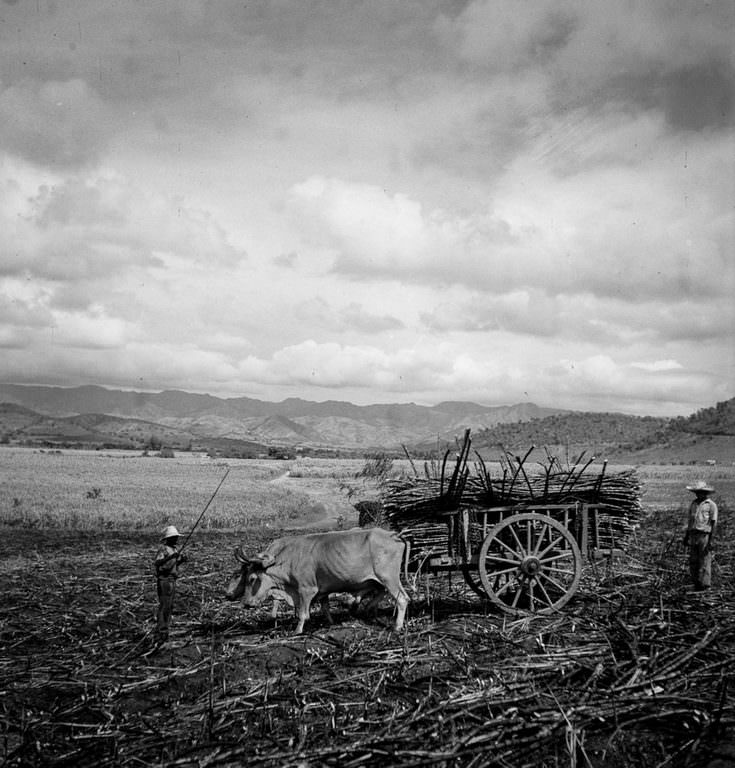
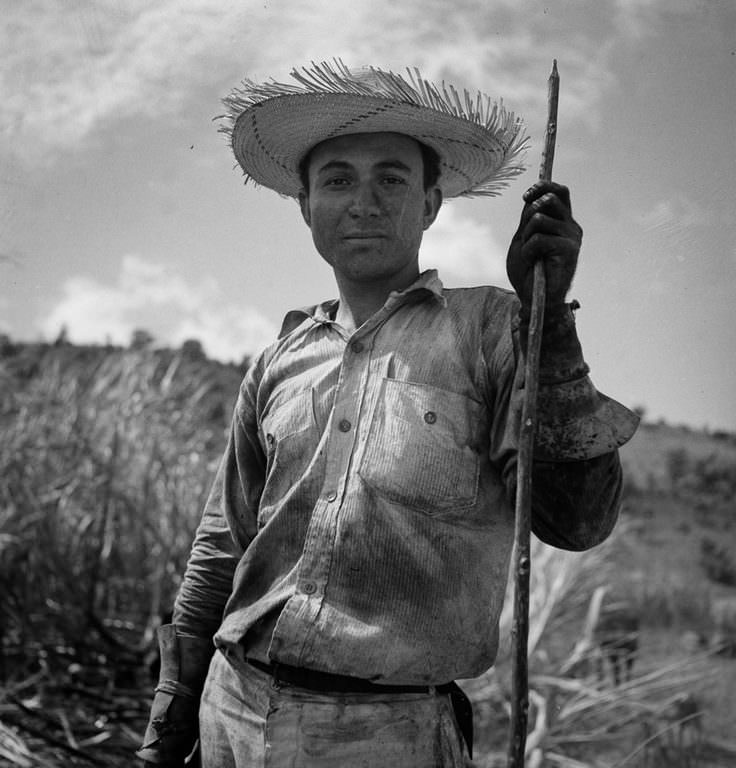
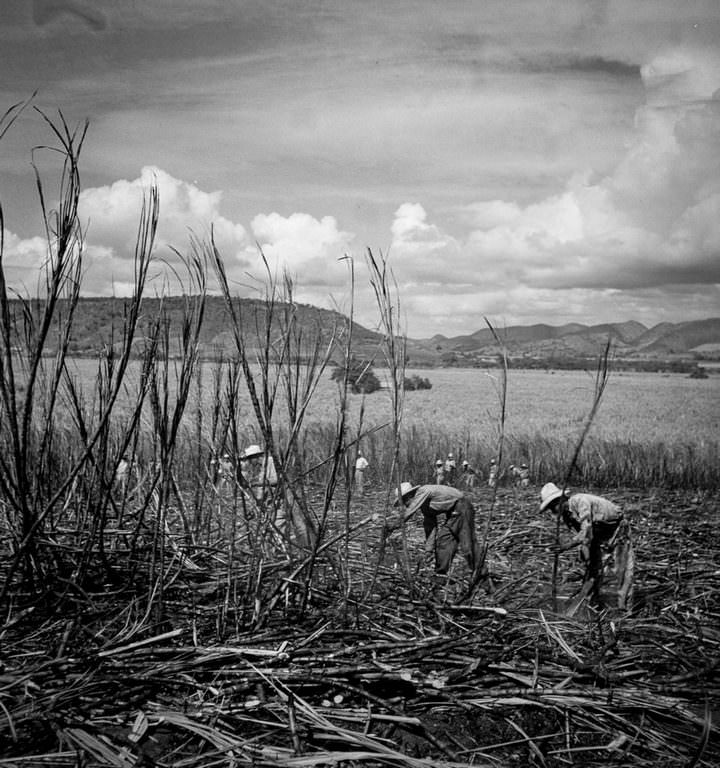
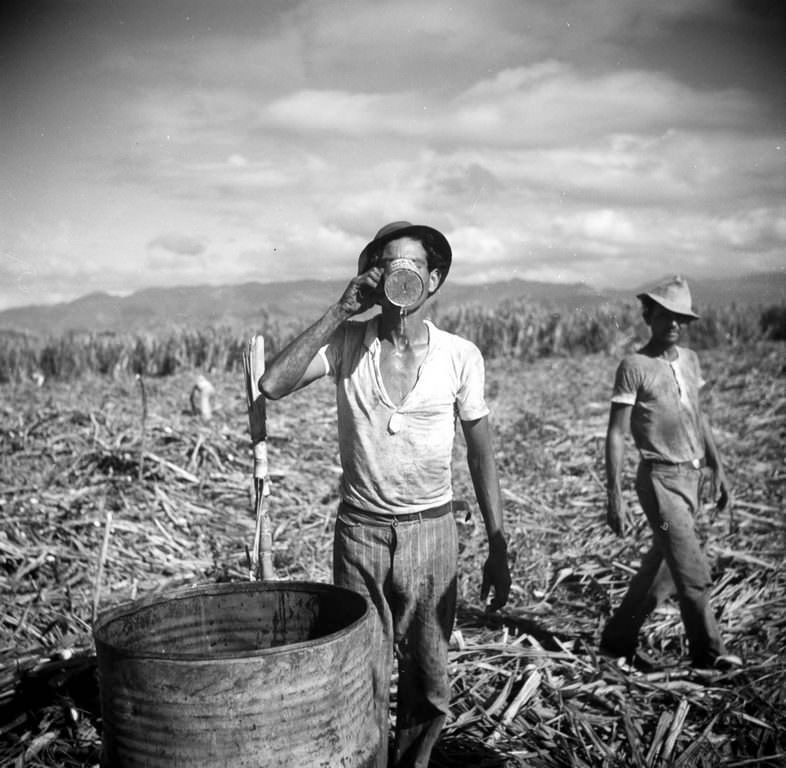
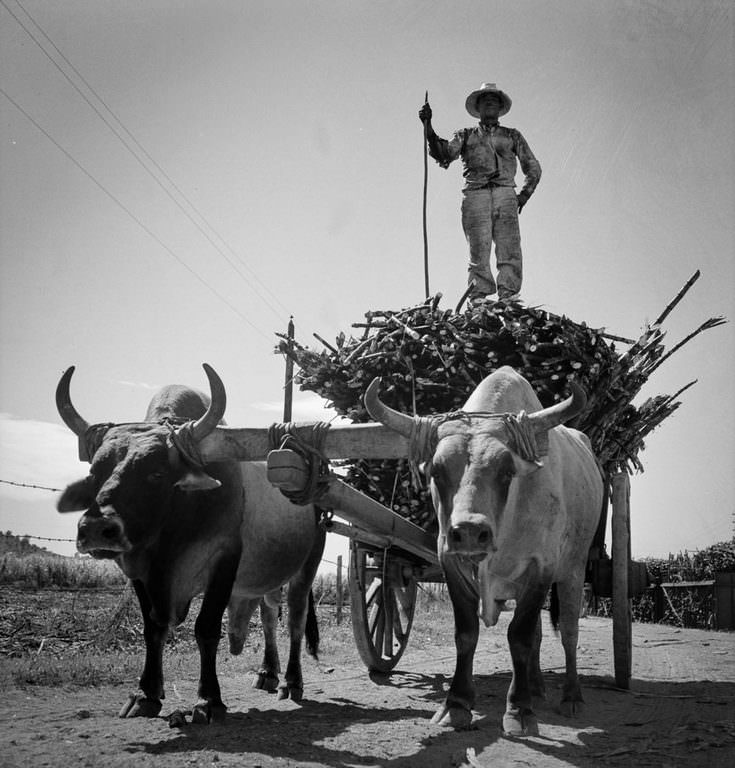
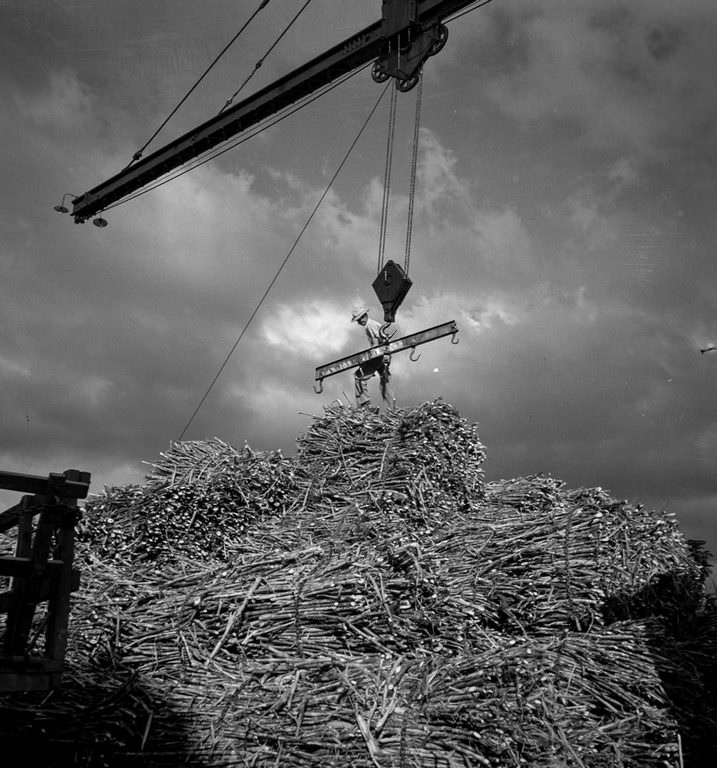
Sugar was the island’s most dominant industry. Vast plantations stretched across the lowlands, and tens of thousands of workers depended on the harvest season for their income. The work was grueling — cutting heavy stalks under the Caribbean sun for wages that barely covered basic needs.
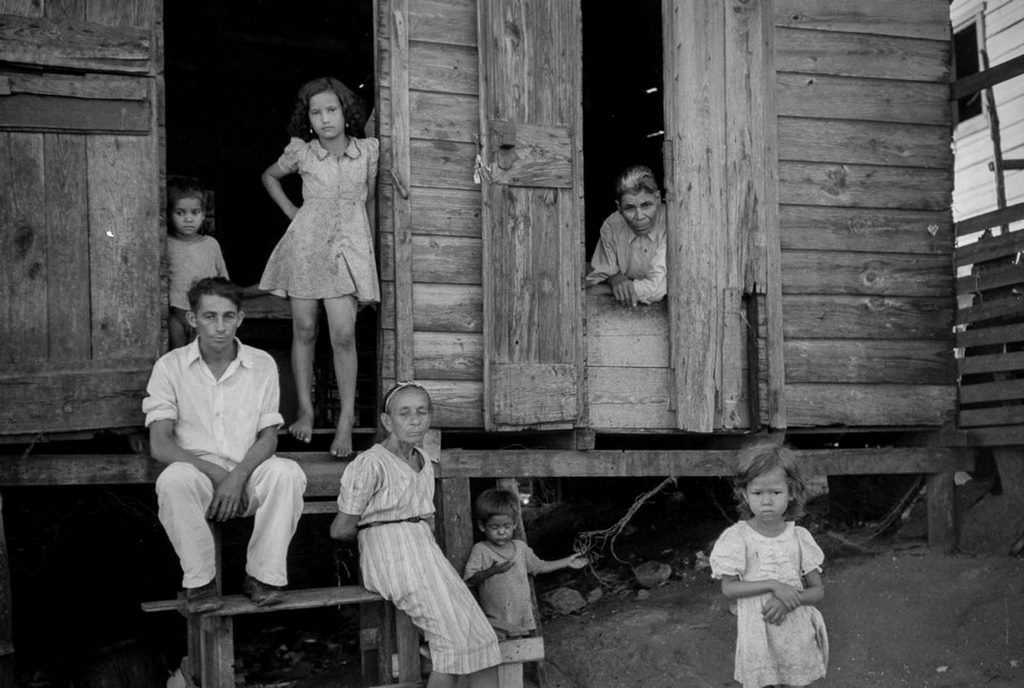
The FSA didn’t only photograph fields and crops. Its photographers also documented the families who lived and worked in these rural areas. Near Barranquitas, images captured FSA loan recipients — farmers who had received federal assistance — and their households, offering a glimpse into the daily lives behind the labor.
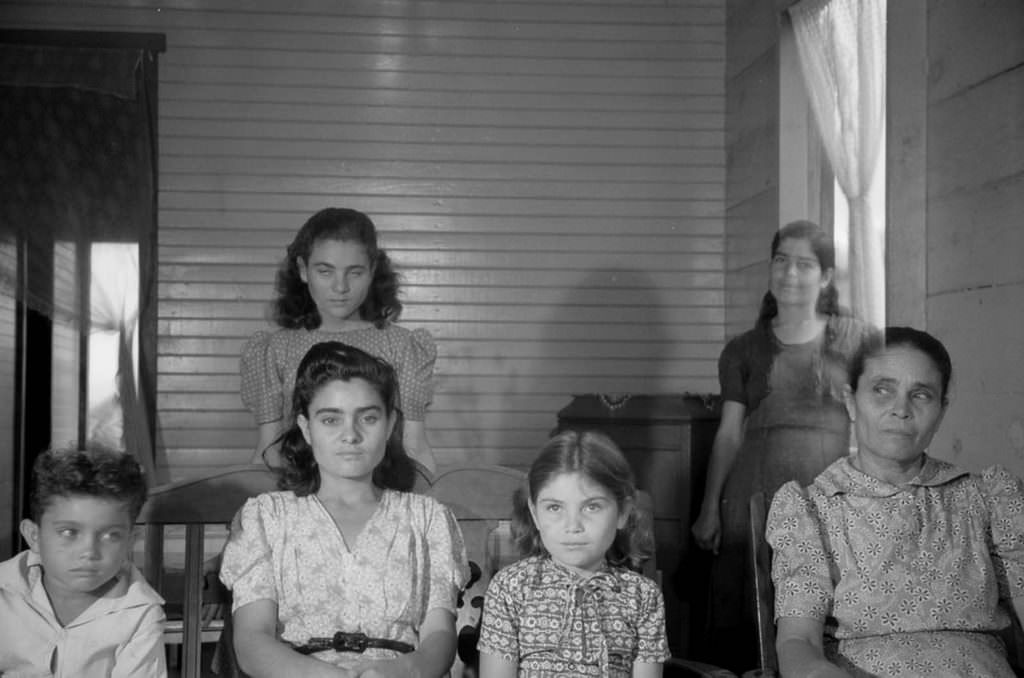
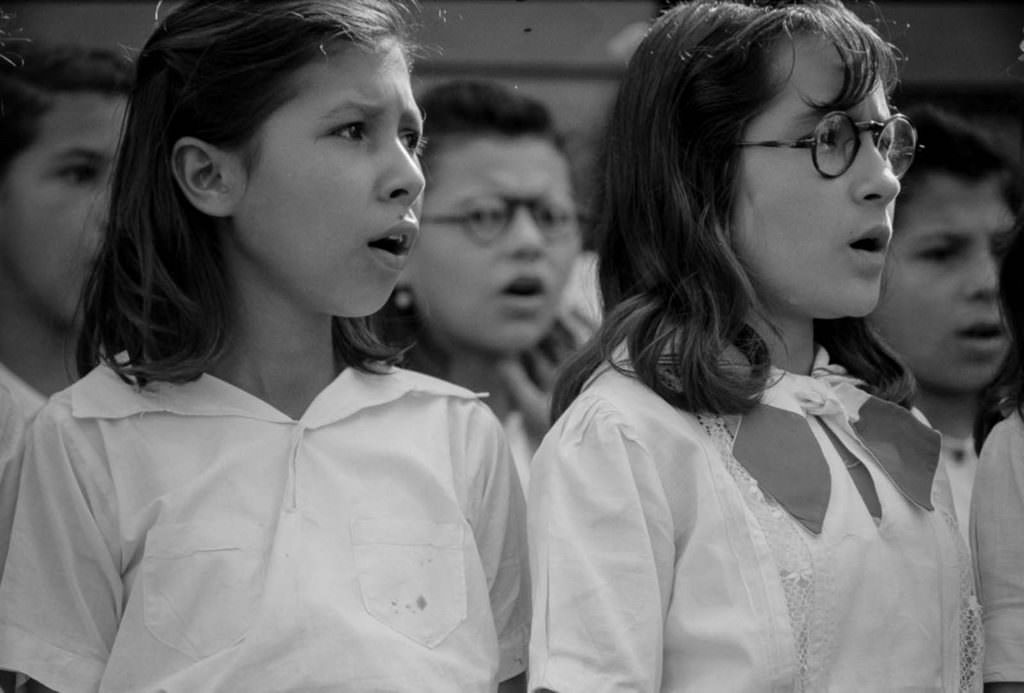
Despite the hardship, community life continued. In Corozal, FSA borrowers gathered for social events, including a party where a glee club performed. These moments were a reminder that poverty didn’t erase culture or community bonds.
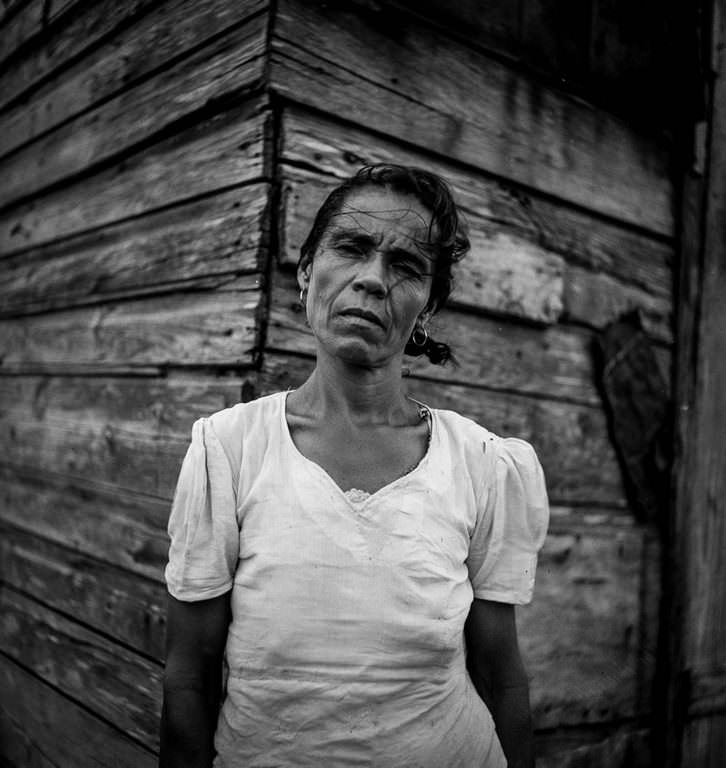
Women in the rural hill communities near Corozal took on multiple roles — managing households, raising children, and often working the land alongside men. The wives of farmers in these areas were a central part of the agricultural economy, even when their labor went unrecorded in official tallies.
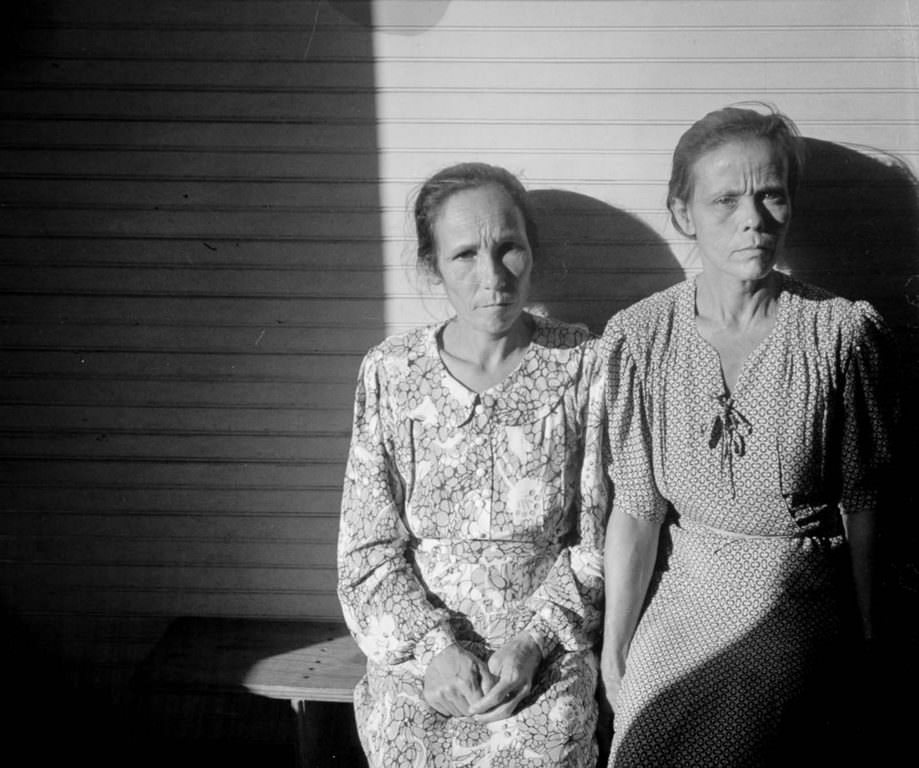
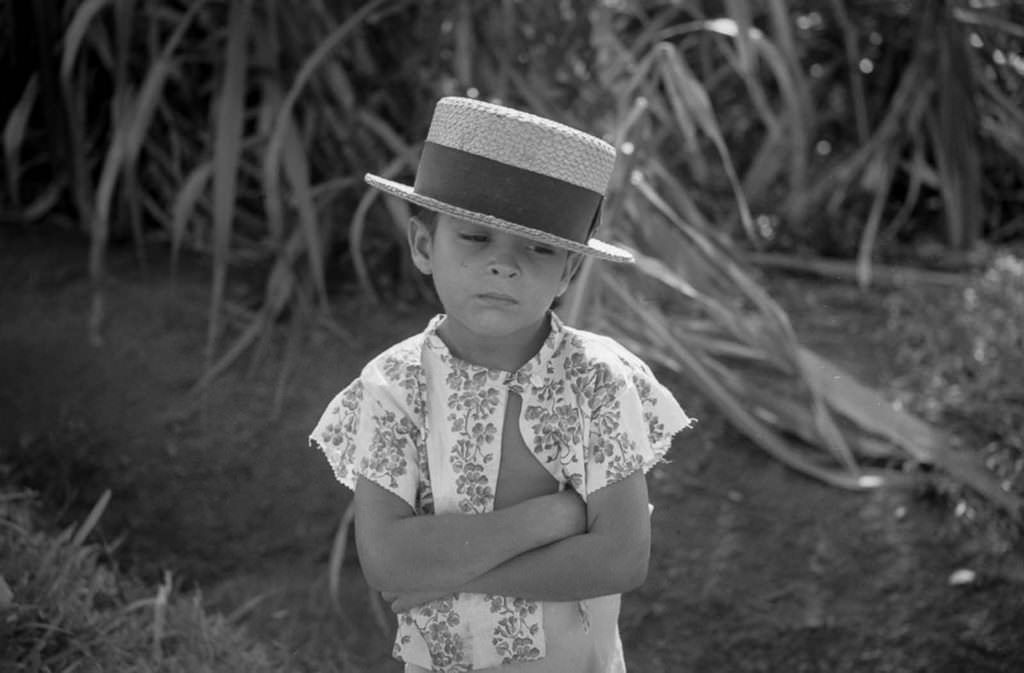
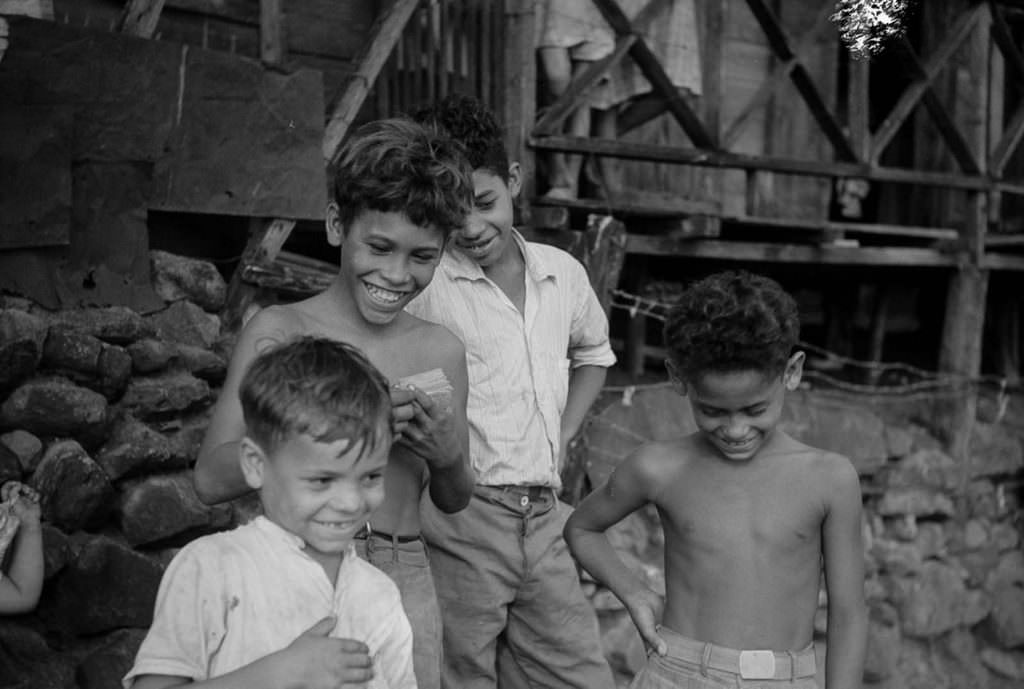
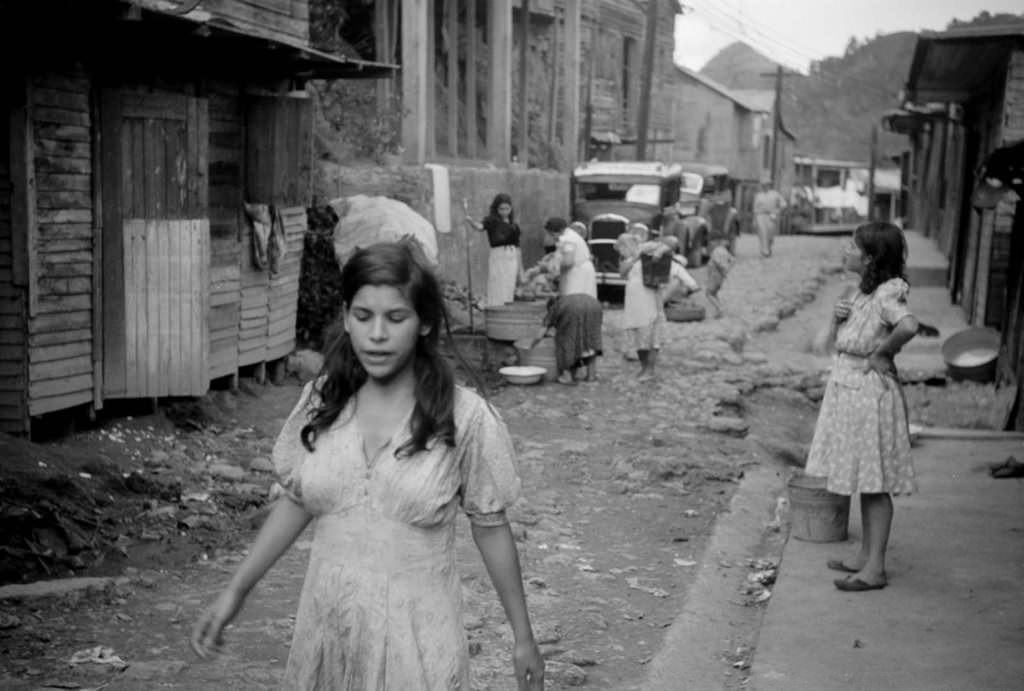
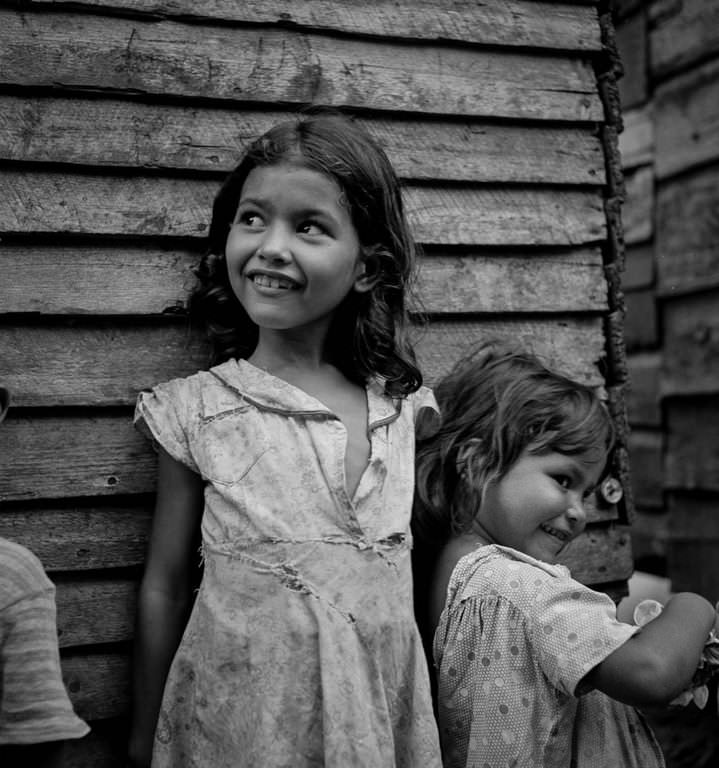
In the town of Yauco, FSA photographers turned their lenses on the slums that had grown around the edges of urban areas. Children and families living in these conditions had little access to clean water, adequate shelter, or steady food.
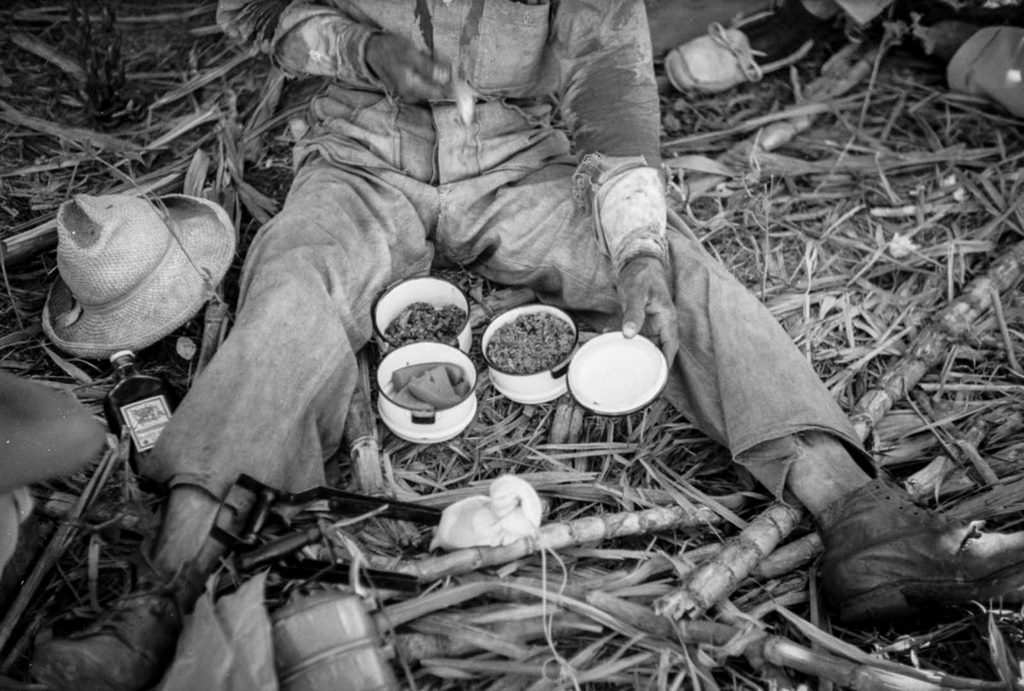
On the sugar plantations, even a midday break carried the weight of the work surrounding it. A meal of rice, beans, and papaya eaten in the field was a standard lunch for plantation laborers — simple food eaten quickly before returning to the cane.
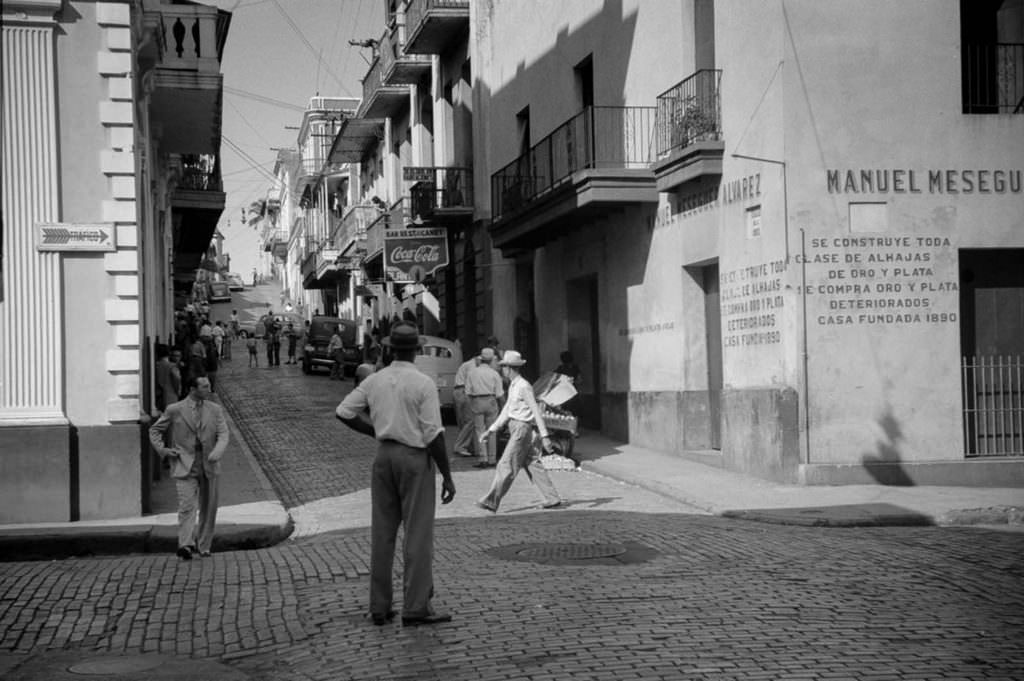
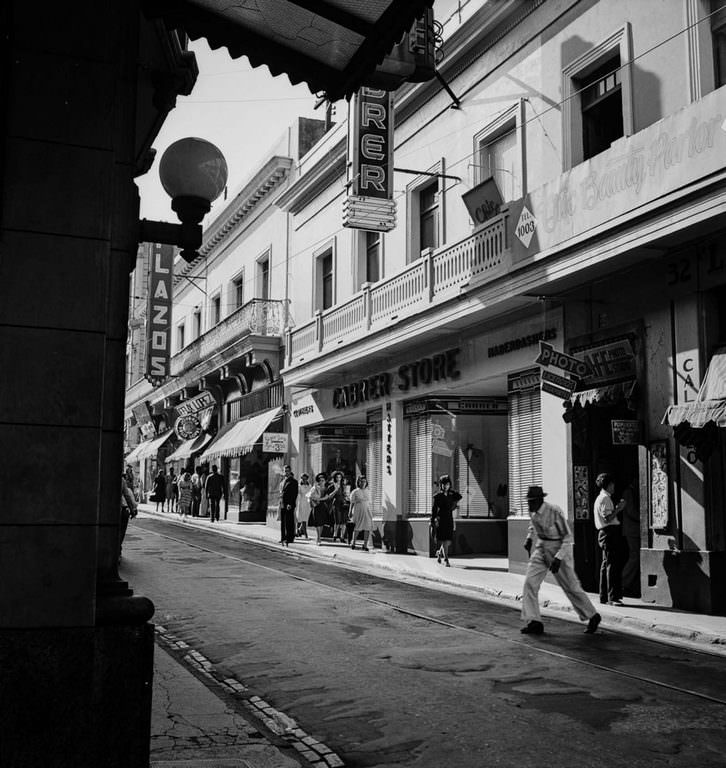
Beyond the fields and slums, the photographers also captured the texture of everyday town life. Streets in places like Lares showed a quieter side of Puerto Rico — storefronts, pedestrians, and the rhythms of a small town going about its day.
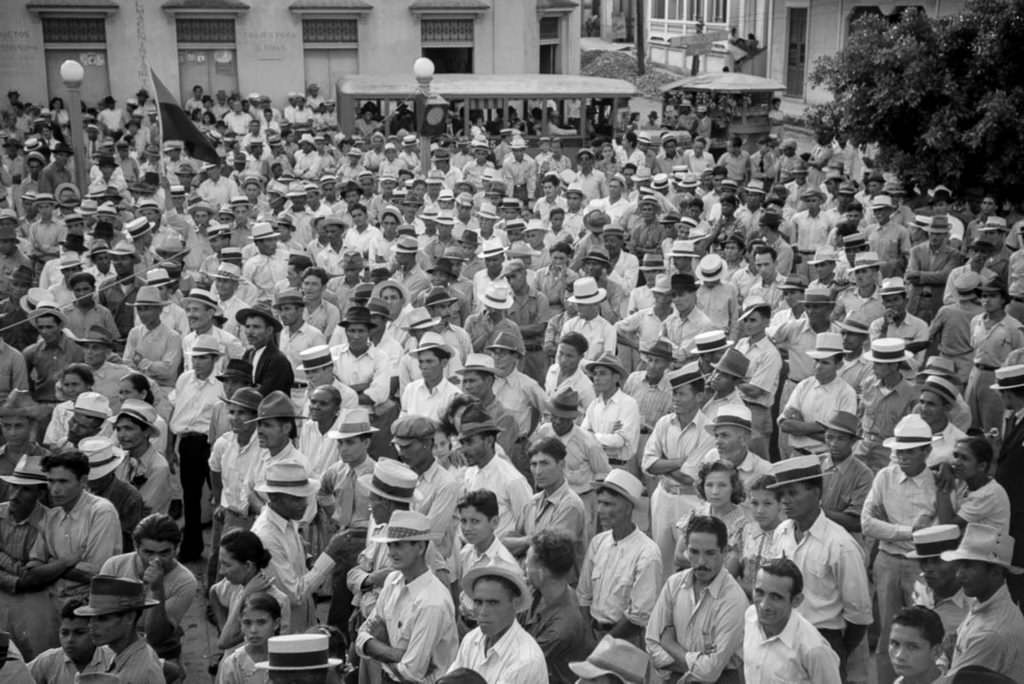
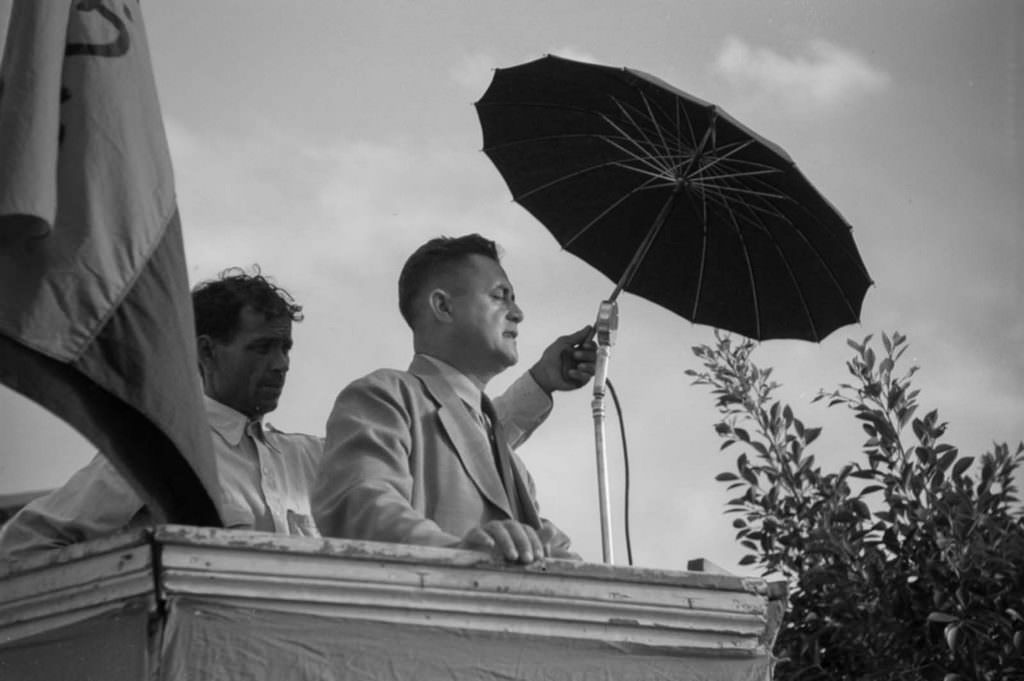
Labor tensions ran high throughout the island. Sugar workers, underpaid and overworked, organized strikes in towns like Yabucoa. These weren’t small gatherings — they were large public demonstrations where workers demanded better wages and conditions from the powerful sugar corporations that controlled much of the island’s economy.
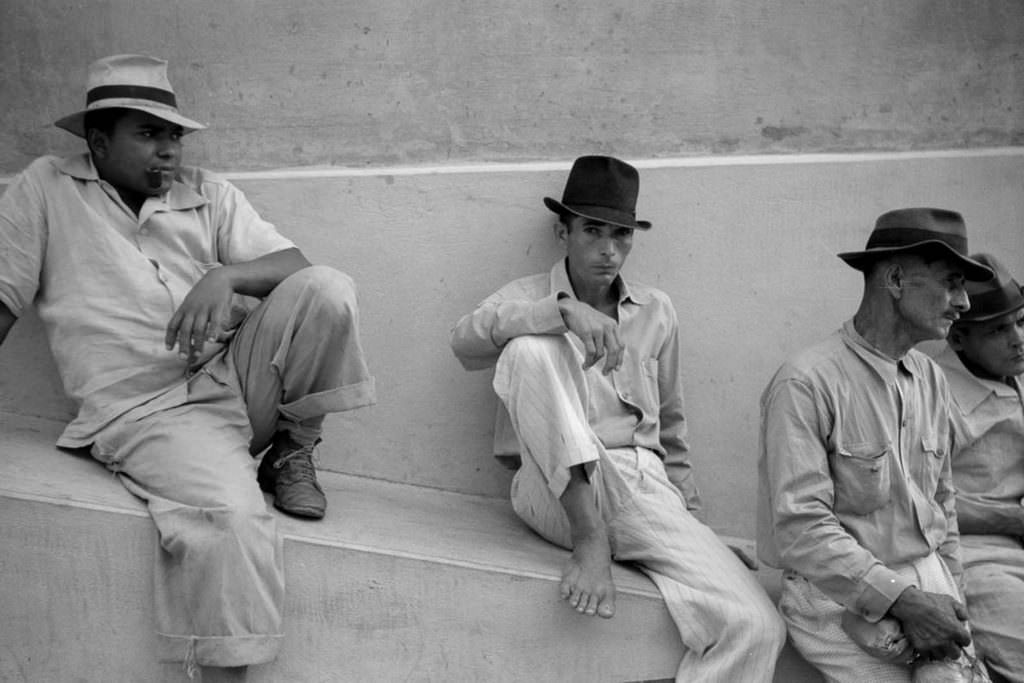
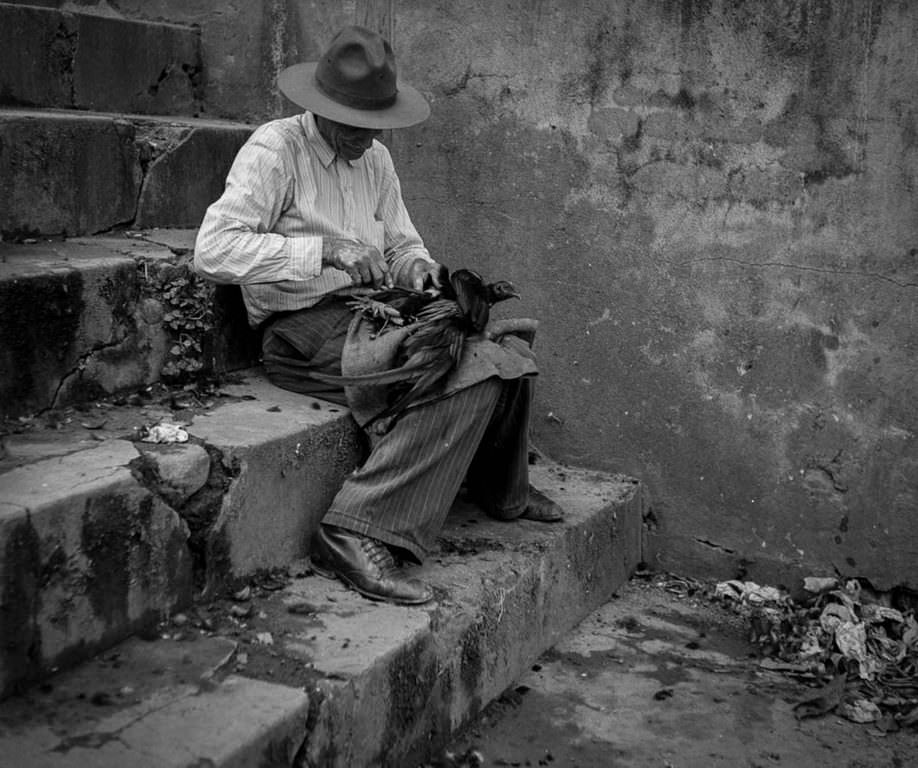
Not all of Puerto Rico’s rural traditions were tied to hardship. Cockfighting was a deeply rooted cultural practice across the island. In Utuado, a man carefully trims a fighting rooster — a scene that reflected a pastime woven into the social fabric of many communities.
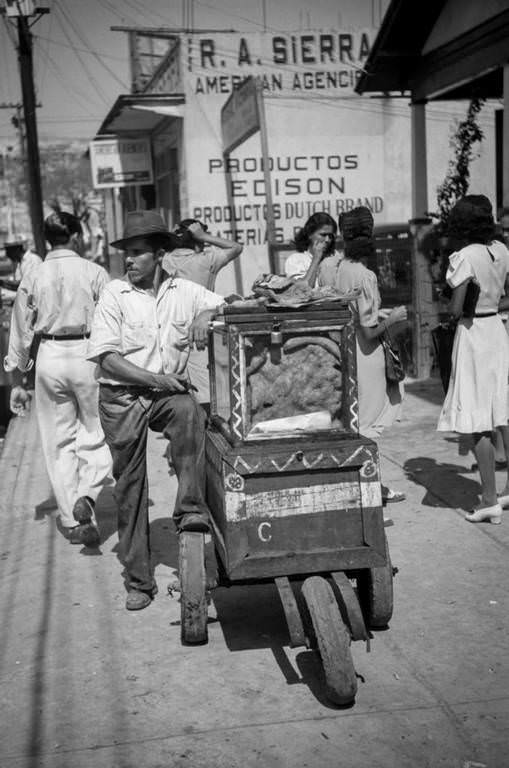
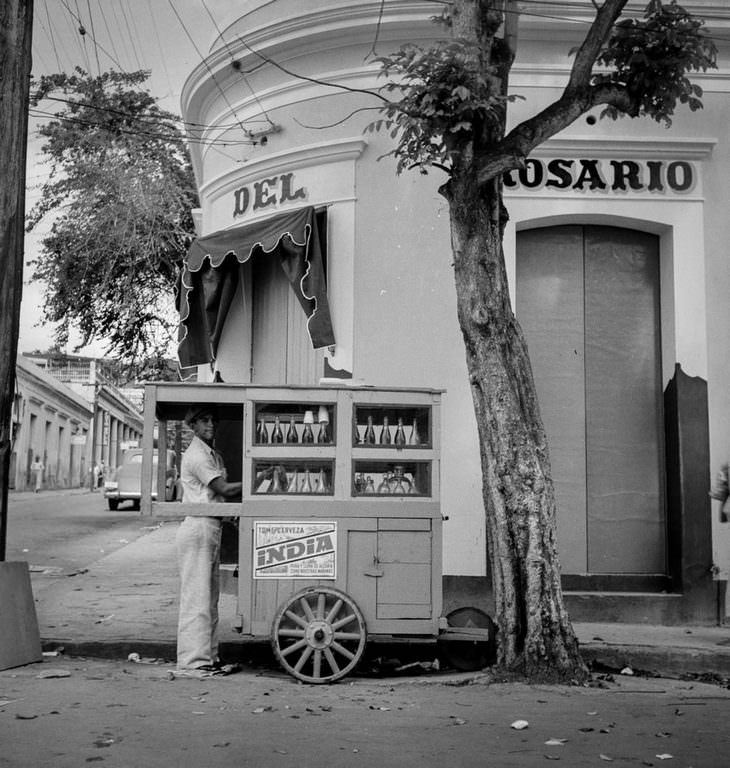
Street vendors were a common sight in urban areas like Santurce and Yauco. Selling food, goods, or services from the roadside, these vendors were often people who had no other stable source of income — filling gaps in an economy that couldn’t provide enough formal employment.
Near Guanica, in the sugar-producing south of the island, photographers documented one of the more striking agricultural practices of the era — burning cane fields before harvest. The fire removed leaves and pests, making the stalks easier to cut, but it also filled the air with smoke and left the earth scorched and black.
The physical demands of plantation work were relentless. Workers cutting cane under the tropical sun needed constant water just to keep going. Even this small act — pausing to drink — was something the FSA photographers recorded, turning the ordinary into documentation.
In Utuado, a mountain town in the center of the island, poverty was visible in the slum areas that had developed on its edges. Men, women, and children lived in precarious housing, far from any formal infrastructure or government services.
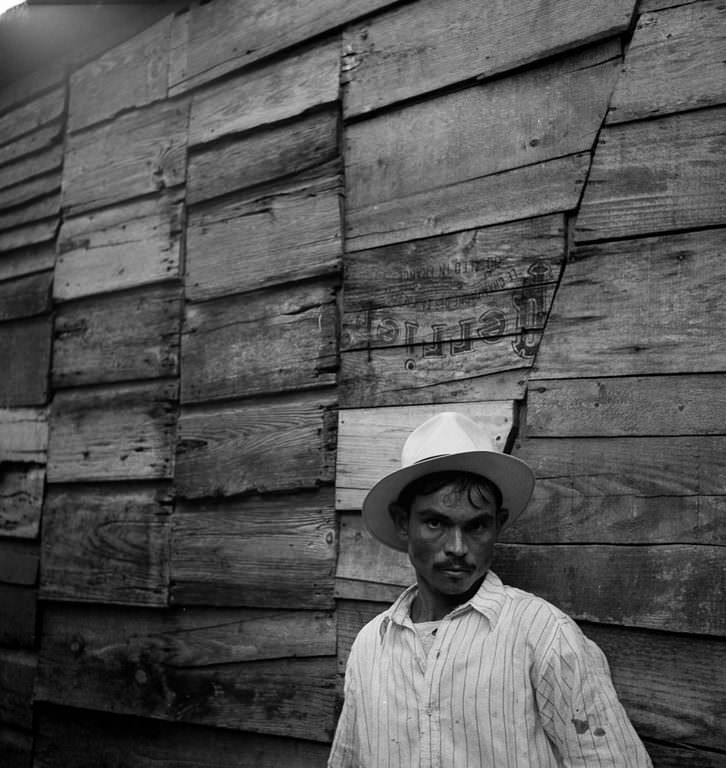
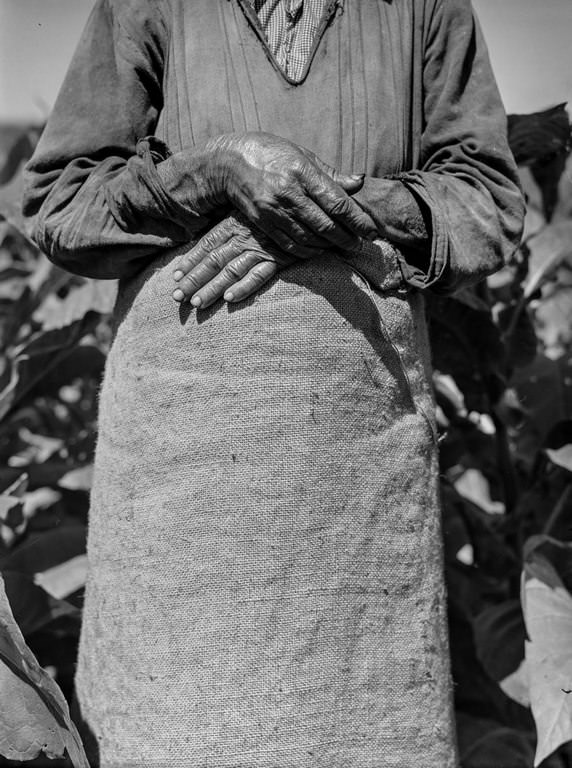
Women worked in the tobacco fields as well as the home. Near Barranquitas, female agricultural workers tended crops under the same conditions as their male counterparts — physical labor in the open air for meager pay.
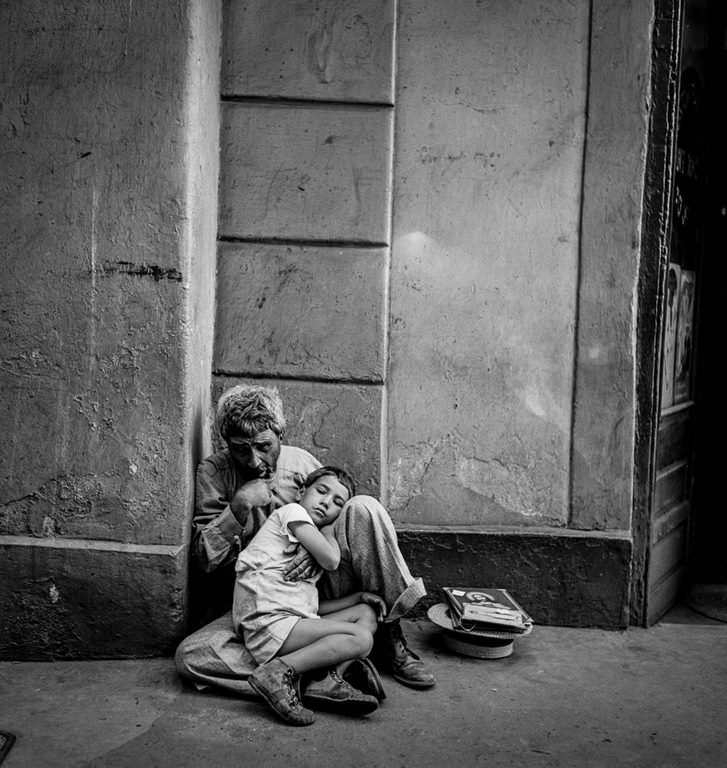
On the streets of San Juan, the capital city, the Depression’s reach was equally visible. Beggars with children sat in public, and the contrast between the city’s colonial architecture and the desperate poverty of its residents was stark and impossible to ignore.
Among the most culturally significant figures captured in these photographs are the jíbaros — the traditional farmers of Puerto Rico’s mountainous interior. The jíbaro was more than an agricultural worker; the term carried deep cultural meaning, representing a way of life tied to the land, to independence, and to a Puerto Rican identity rooted in the island’s rural heritage. In these photographs, they plant tobacco on steep hillsides, working with hand tools on terrain that no machine could reach.
By the late 1930s, the FSA’s work in Puerto Rico was directly shaping policy. In Santurce, a suburb of San Juan, the FSA was actively purchasing land to build housing projects that would replace slum settlements. The residents already living on that land were documented as part of that process — their presence recorded before construction began.

Wow, thank you for posting these!
My grandmother grew up in Coamo and her father worked a tobacco farm. She just passed and it’s been really rough so the photos of Barraquitas really touch home.