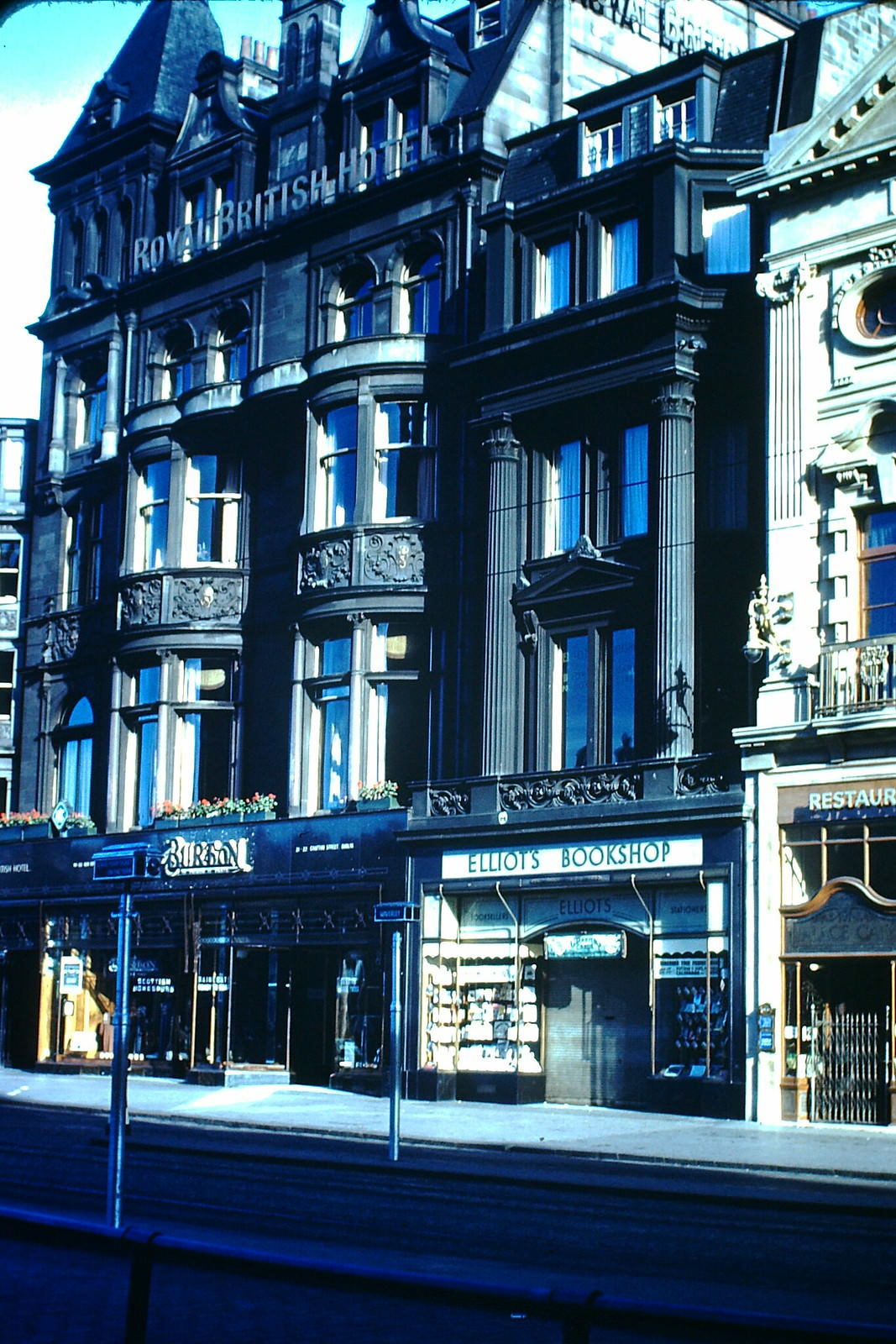

By 1949, Britain was a country still catching its breath. The Second World War had ended four years earlier, but its weight had not lifted. Entire city blocks had been flattened by German bombing raids. Coal mines and railways had been ground down through years of wartime overuse and zero investment. And nearly all of Britain’s foreign financial reserves — the money it relied on to buy goods from other countries — had been spent fighting the war. The nation had almost nothing left to export, which meant it had almost no way to pay for imports, including food.
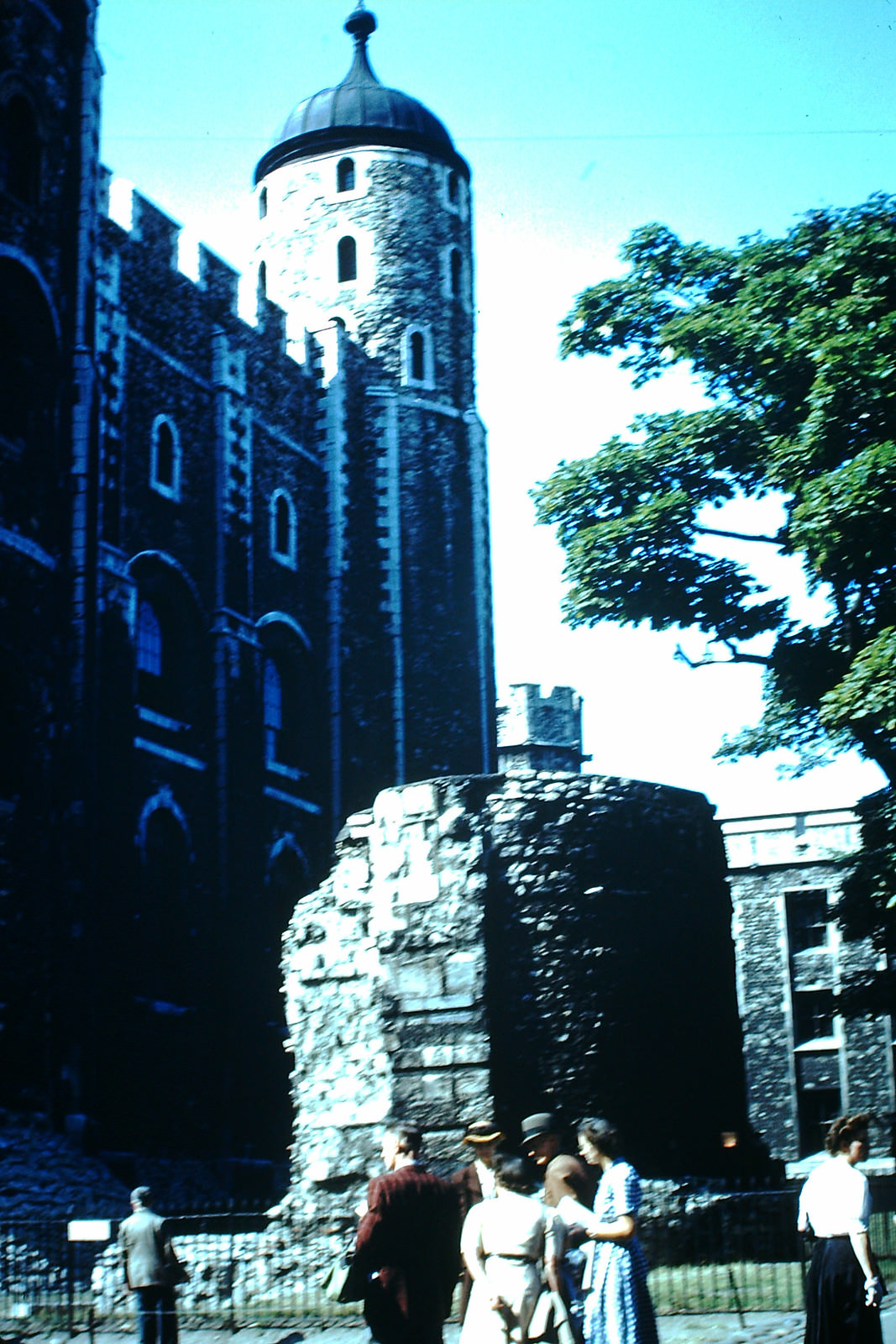
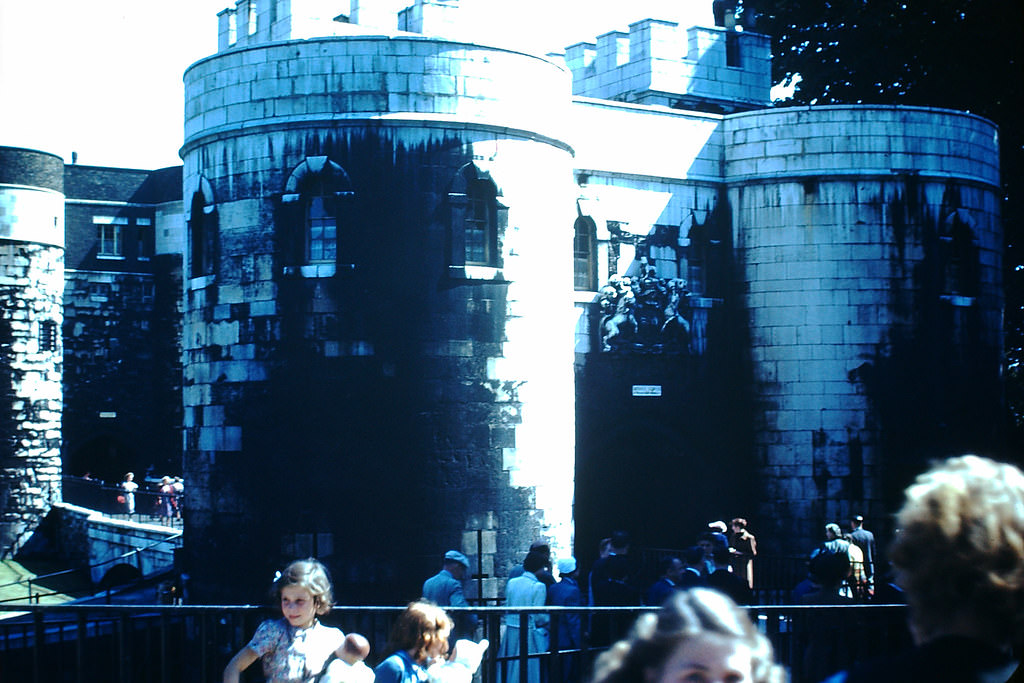
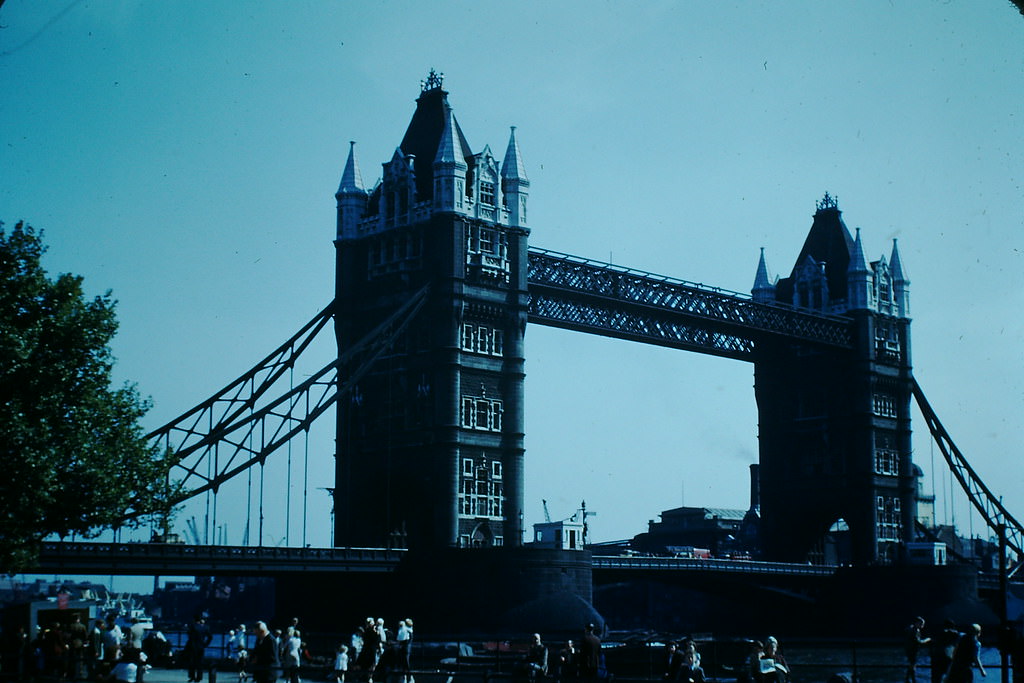
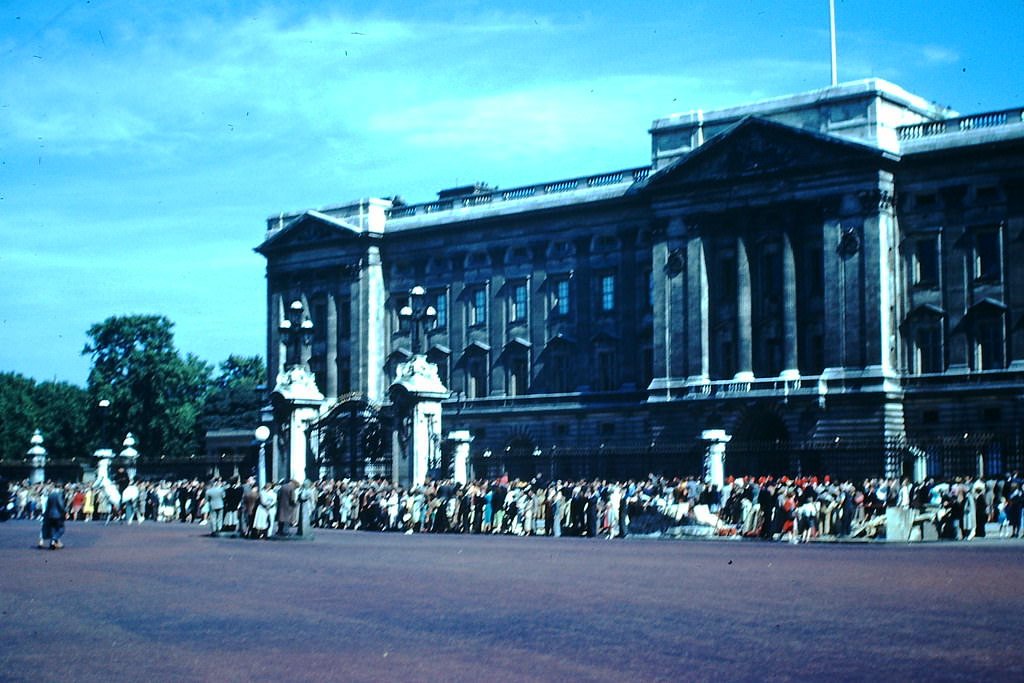
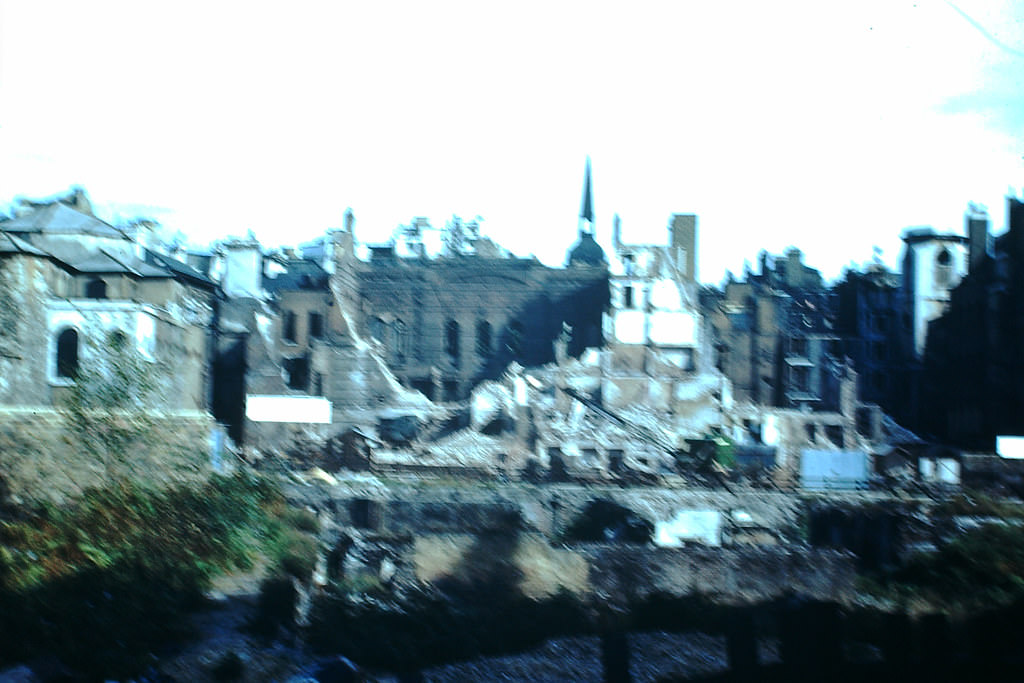
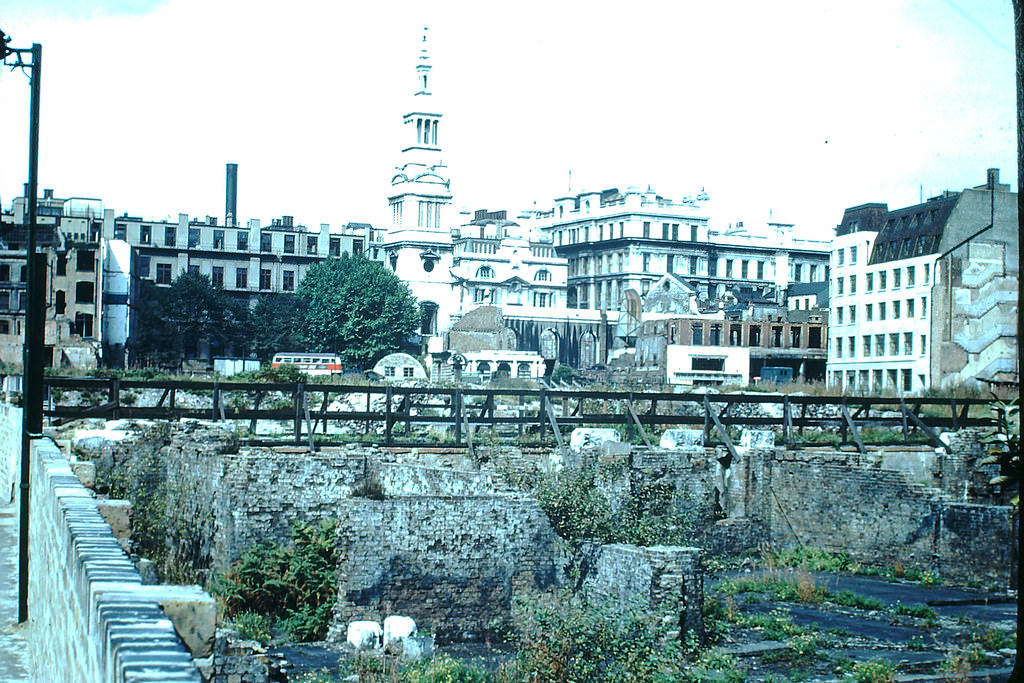
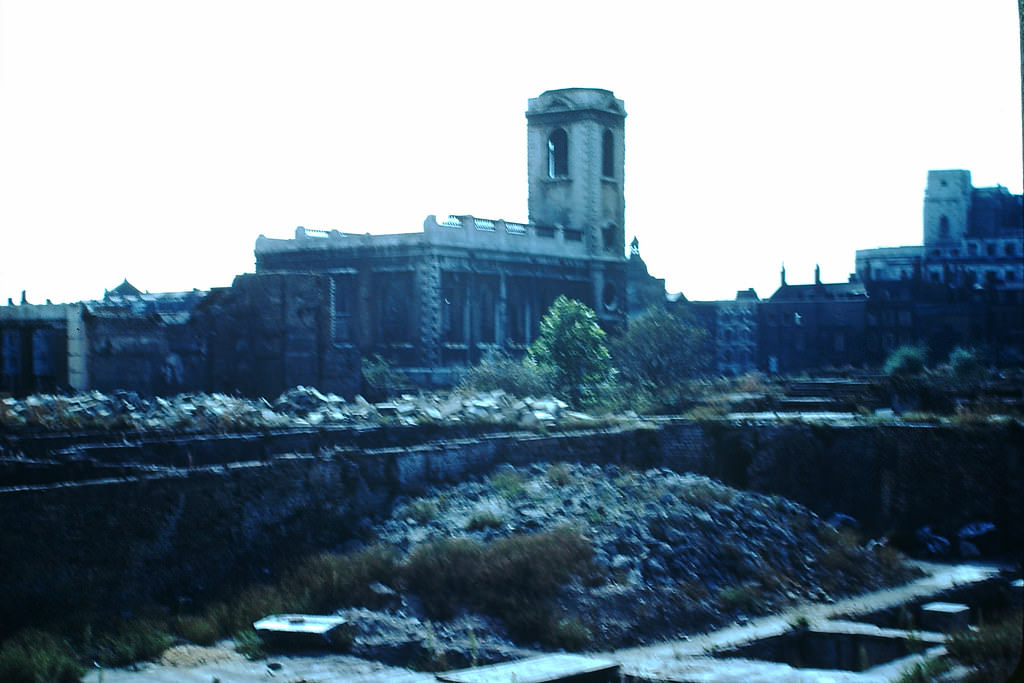
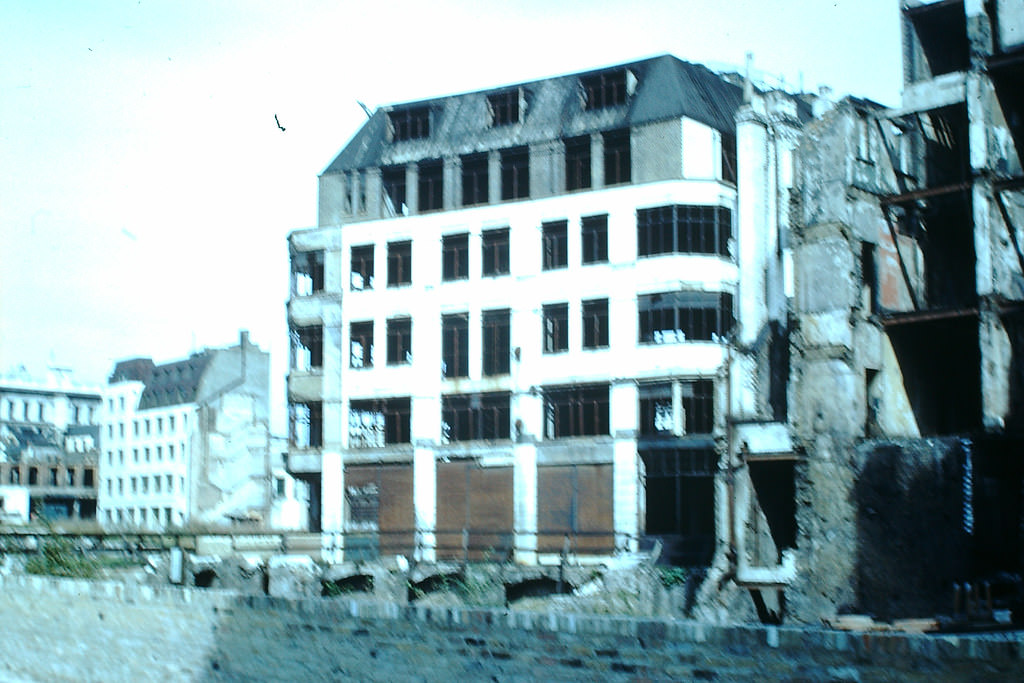
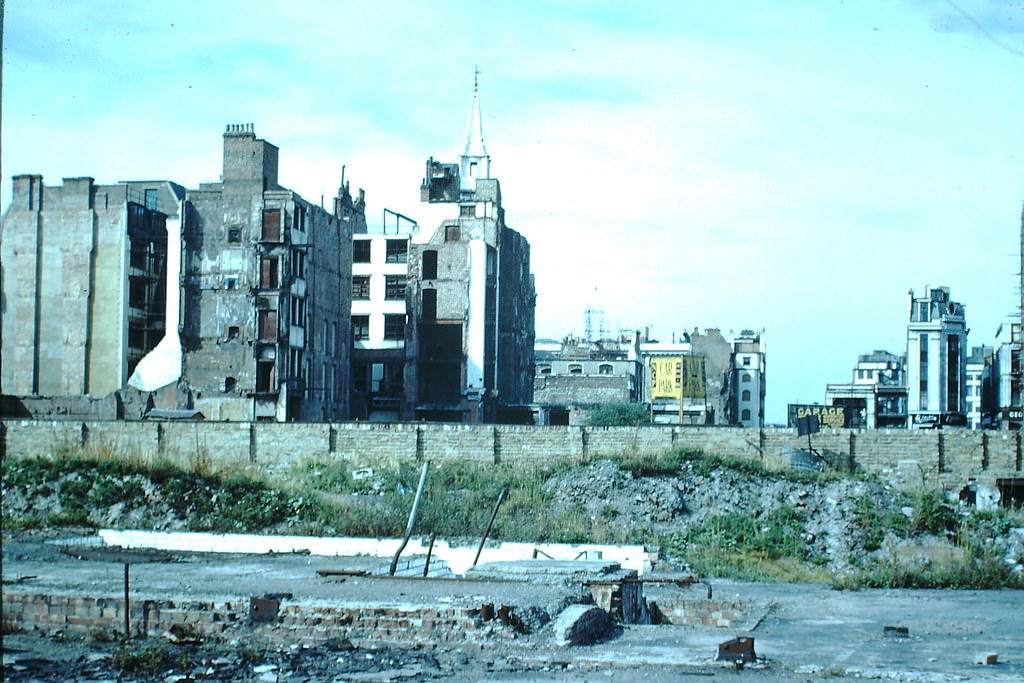
London in 1949 was a city of contrasts. Its ancient landmarks still stood — the Tower of London, Tower Bridge, Buckingham Palace — but scattered between them were vacant lots and half-demolished buildings left over from the Blitz. The city was rebuilding, but slowly. Materials were scarce and rationing was still in effect for many goods. Walking through London in that year meant passing centuries of history alongside fresh rubble.
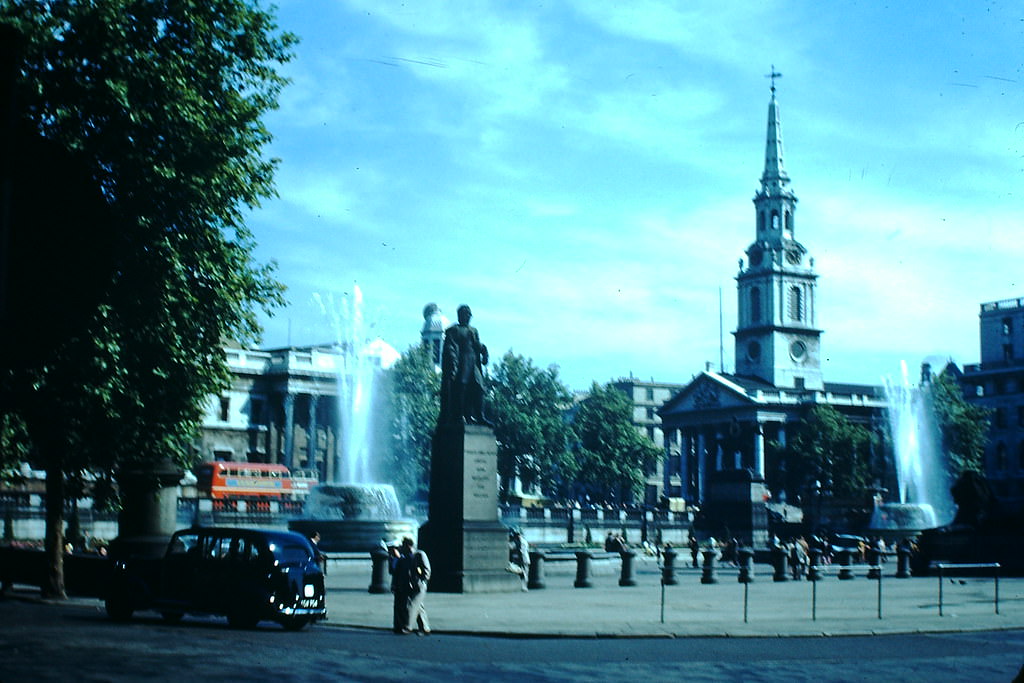
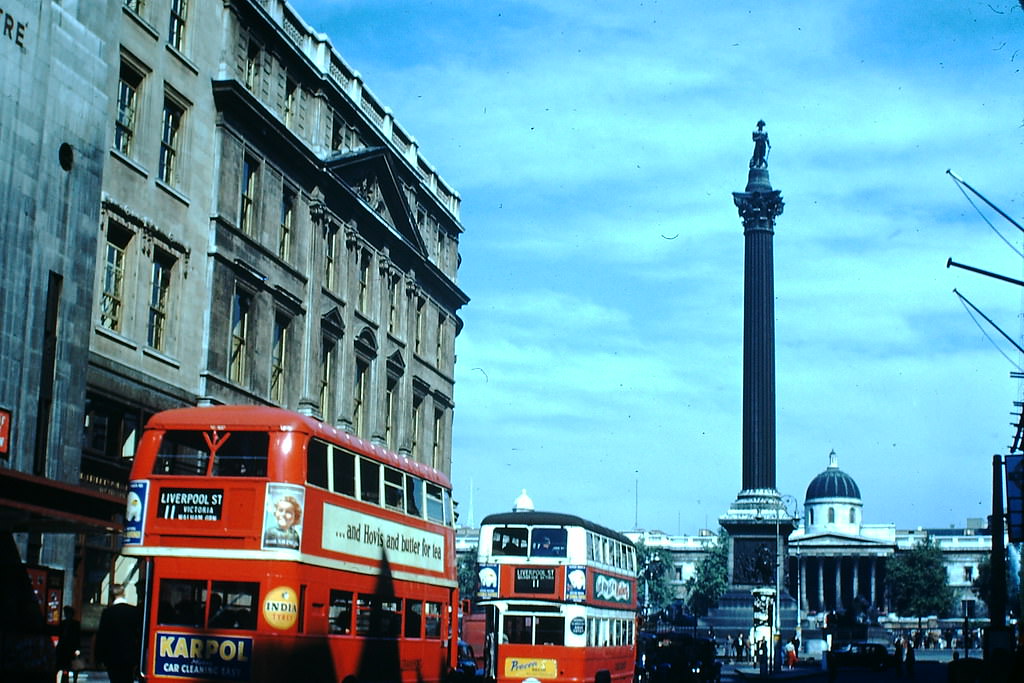
The Labour Party, led by Prime Minister Clement Attlee, had won a sweeping victory in the 1945 general election — the first outright parliamentary majority in the party’s history. Attlee’s government responded to the national crisis with a bold program of nationalization. The Bank of England was brought under state control almost immediately. So were the railways and coal mines, both of which were so rundown that no private owner was investing in them. Road transport, docks, and electrical power generation followed. The goal was to stabilize these essential industries and fund the repairs they desperately needed.
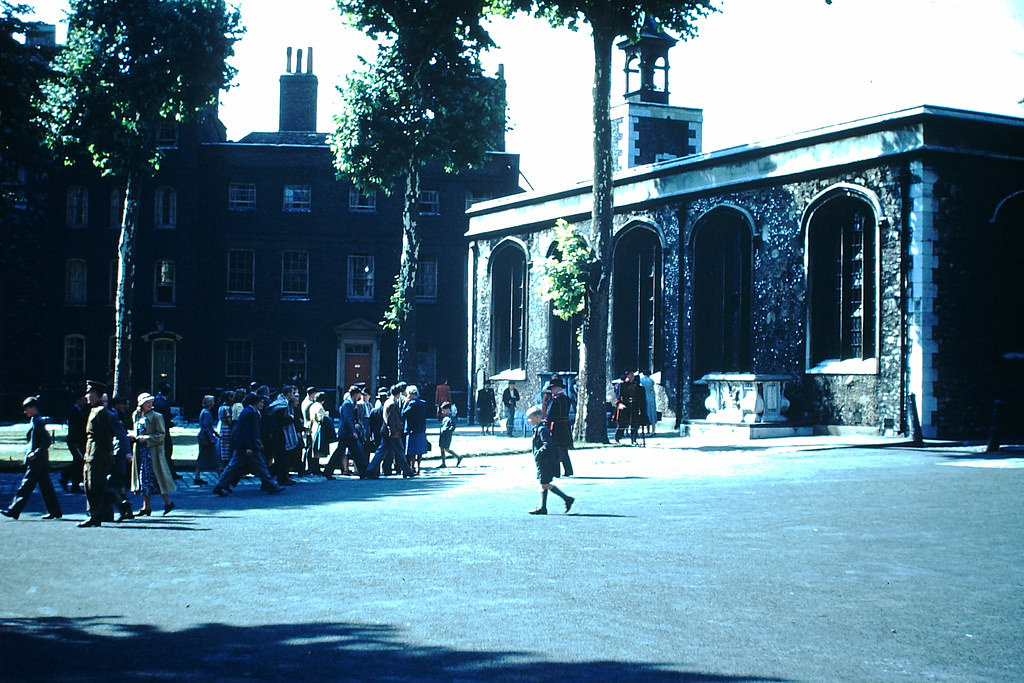
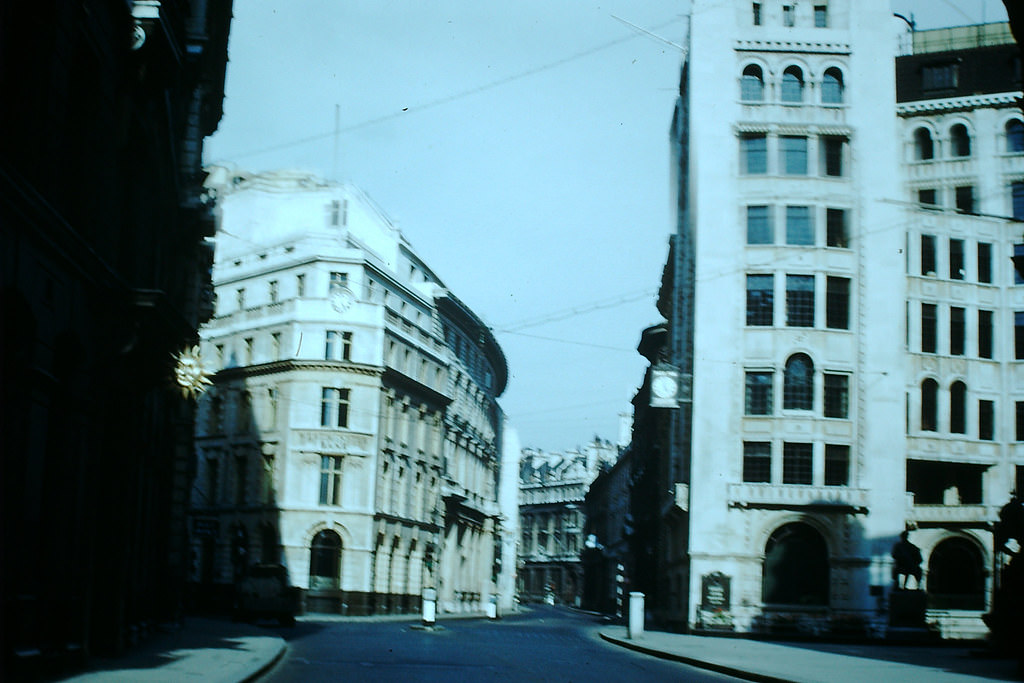
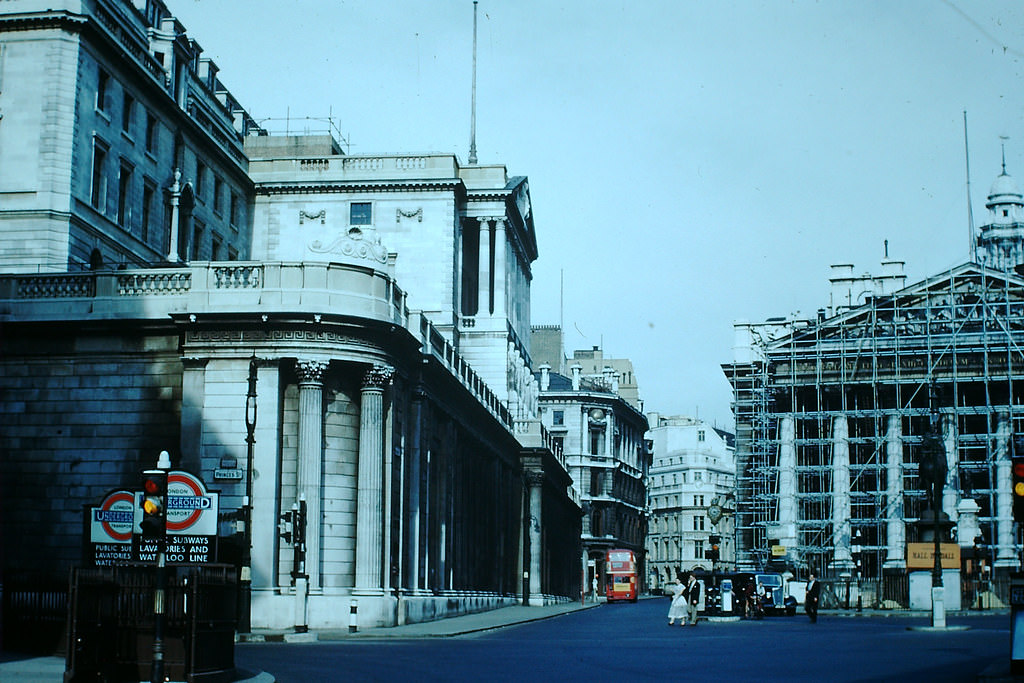
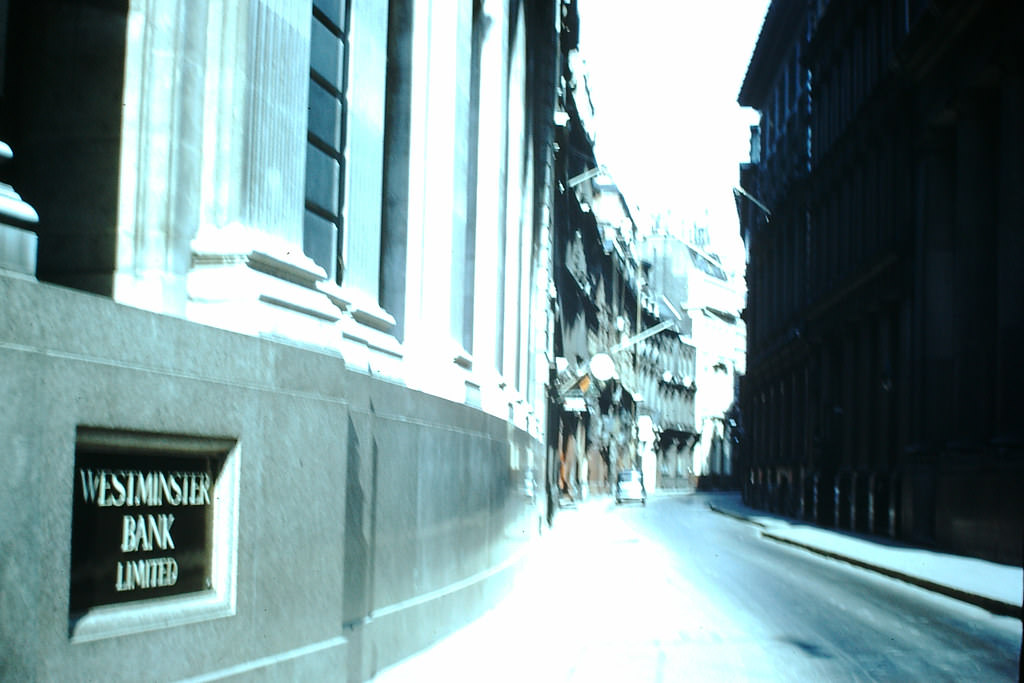
The financial district of London — home to the Bank of England on Threadneedle Street and the London Stock Exchange — remained the beating heart of Britain’s economy, even as the government reshaped how that economy worked. The tension between private finance and state control defined much of the political debate in 1949. Nationalization was not without controversy, but the scale of the damage to Britain’s infrastructure left the government with few alternatives.
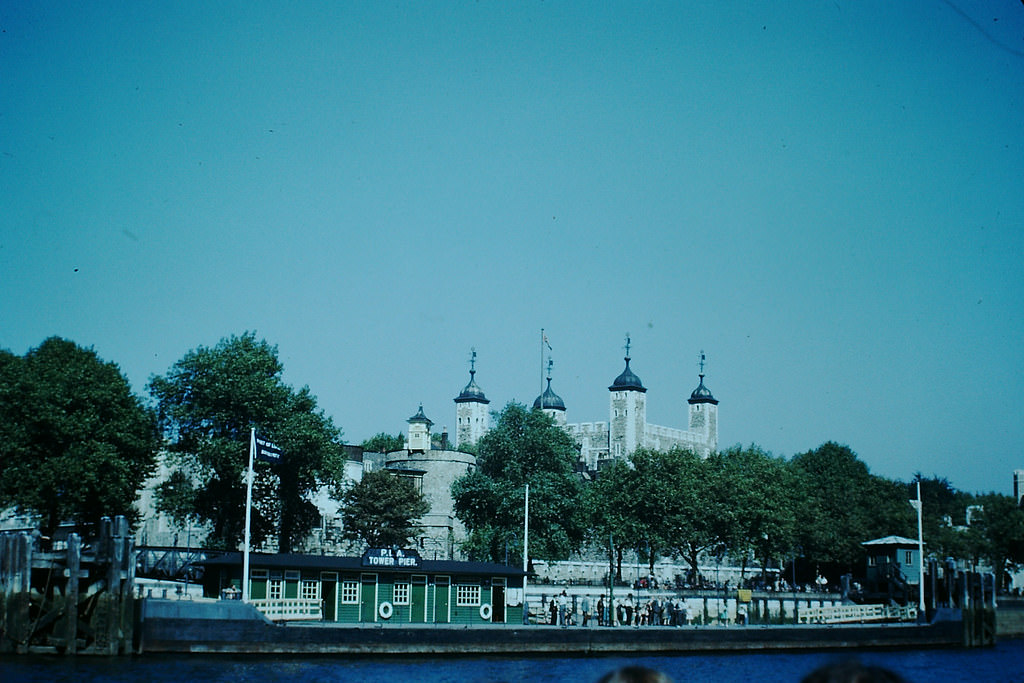
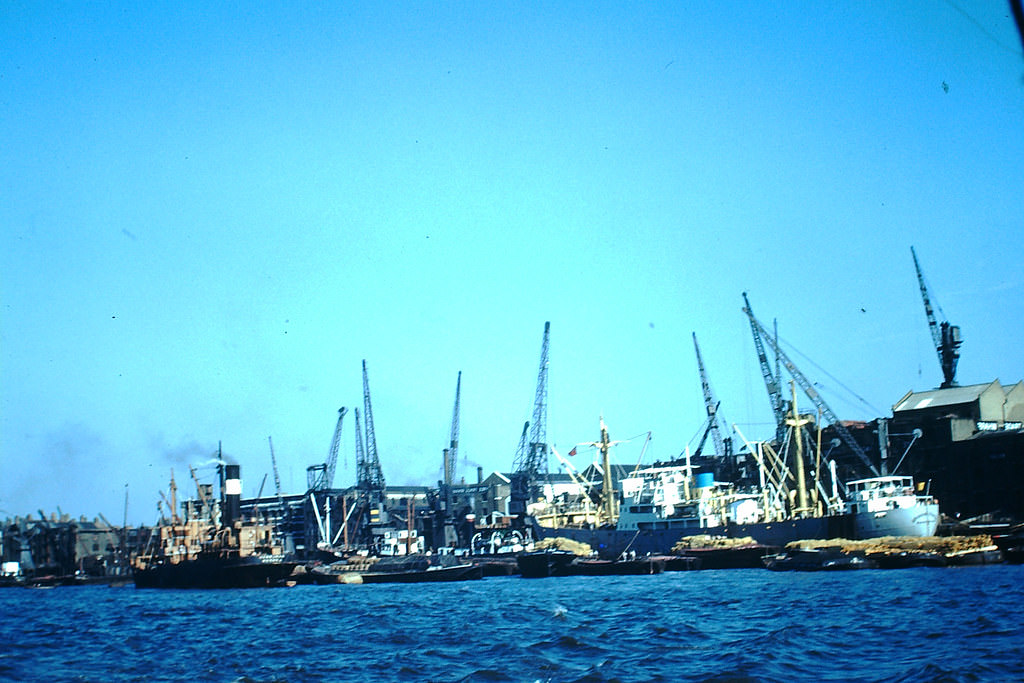
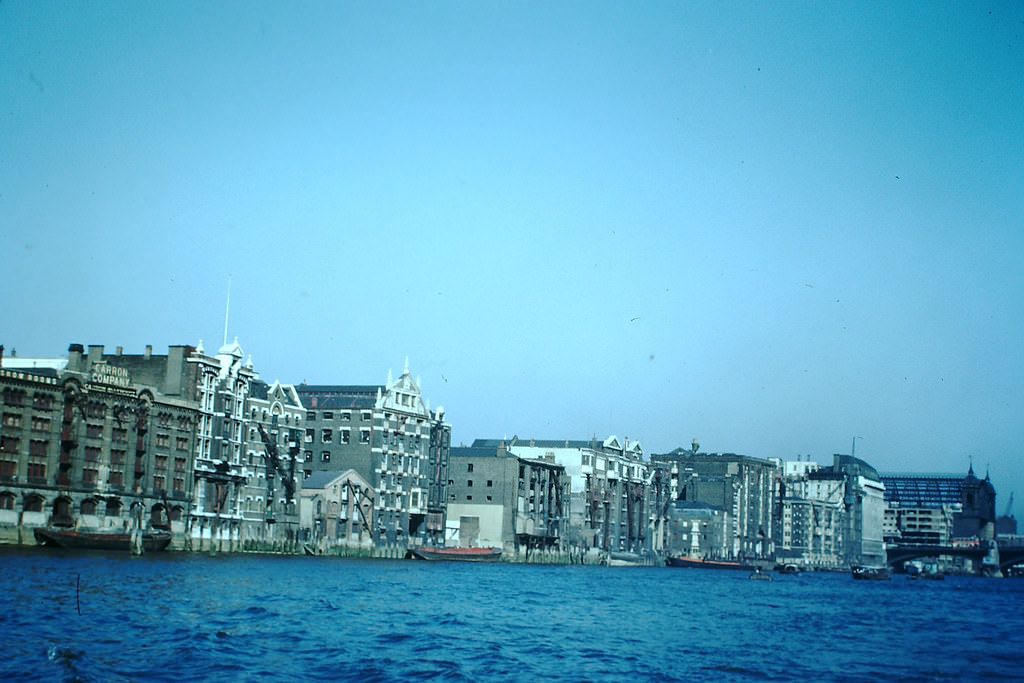
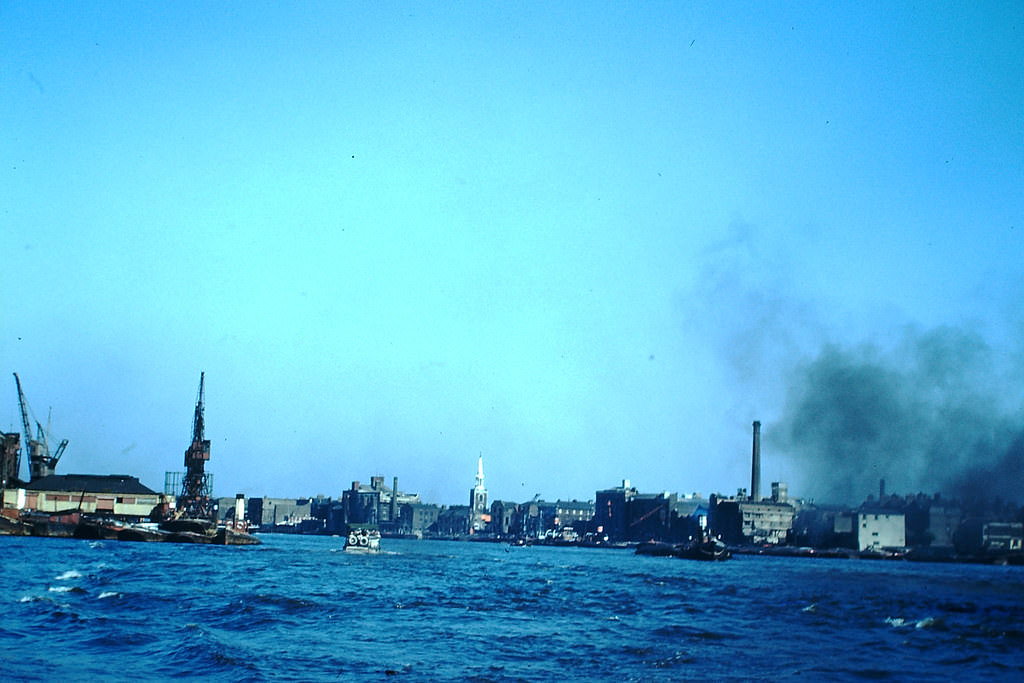
The River Thames was central to London’s industrial life. Thameside factories and docks processed goods moving in and out of the city, and the river itself was a working waterway crowded with vessels of all kinds. These riverside areas captured something essential about 1949 Britain — the grit of an industrial nation trying to rebuild its output after years of wartime disruption.
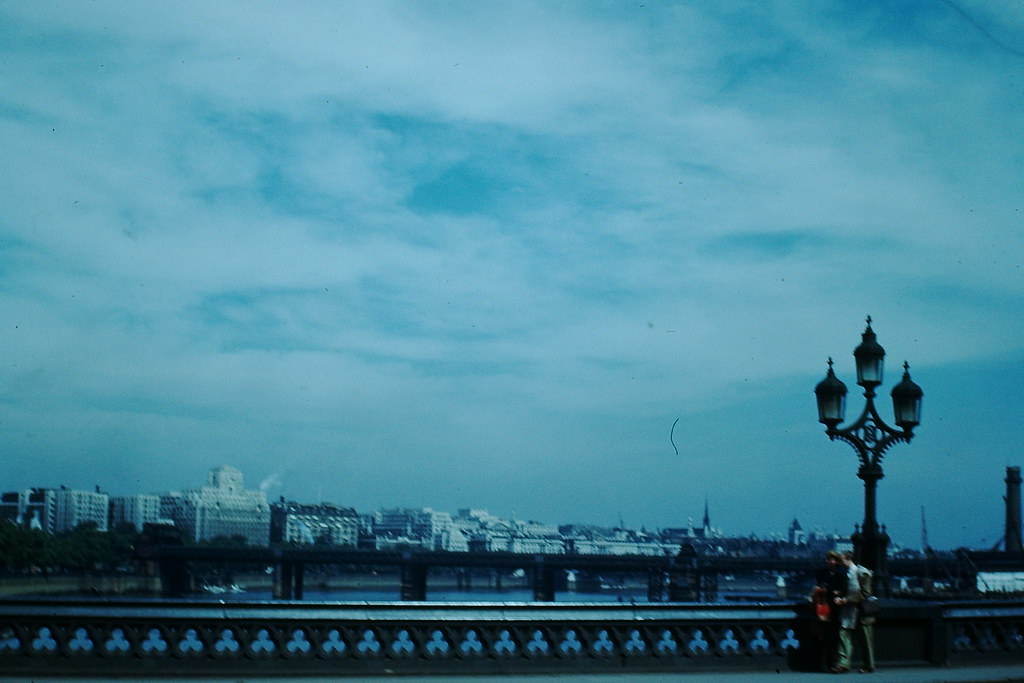
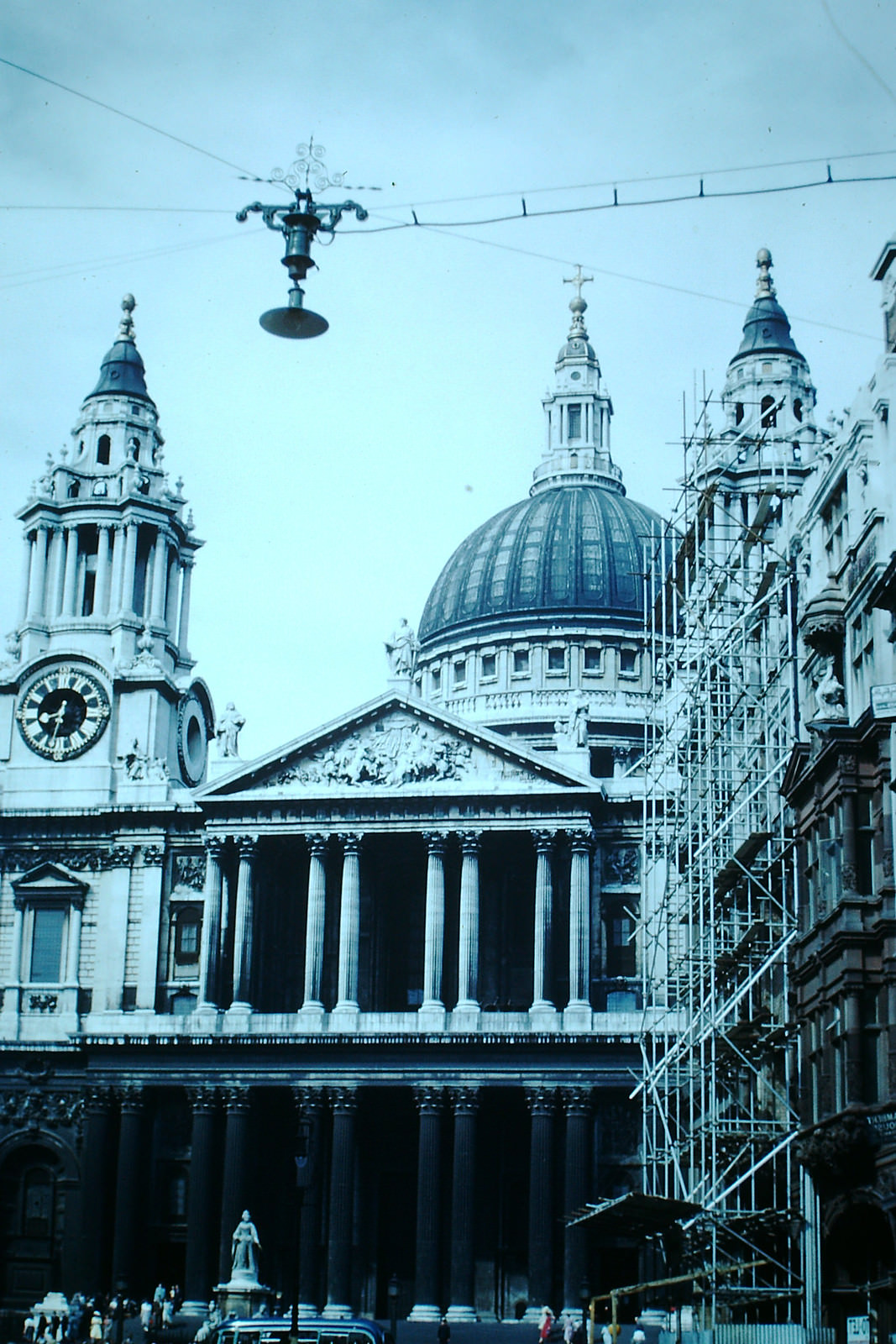
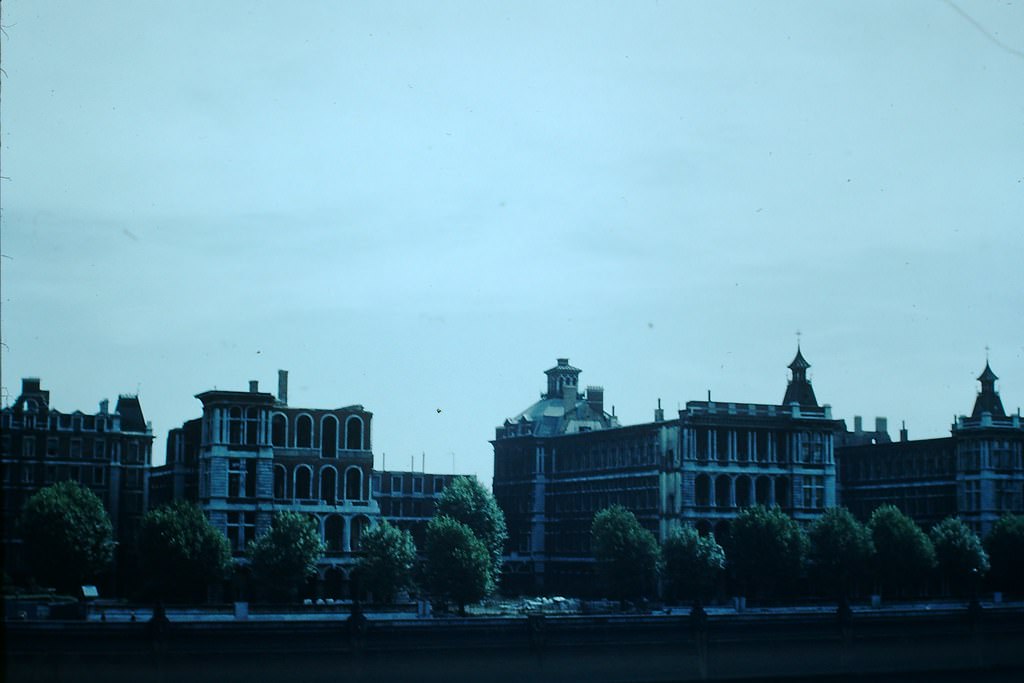
St. Paul’s Cathedral had become a symbol of wartime endurance. Famous photographs taken during the Blitz showed the dome rising above smoke and flames as the city burned around it. By 1949, the cathedral still stood — but its surrounding streets told a different story, with cleared bomb sites and buildings that had not yet been rebuilt. The contrast between the cathedral’s survival and the destruction nearby was stark.
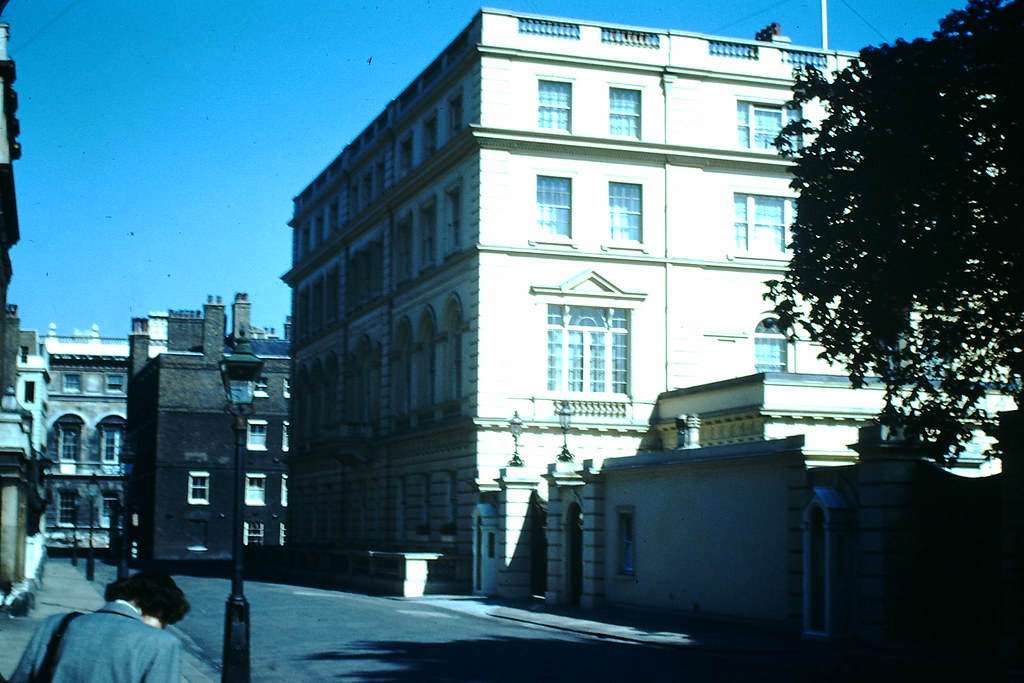
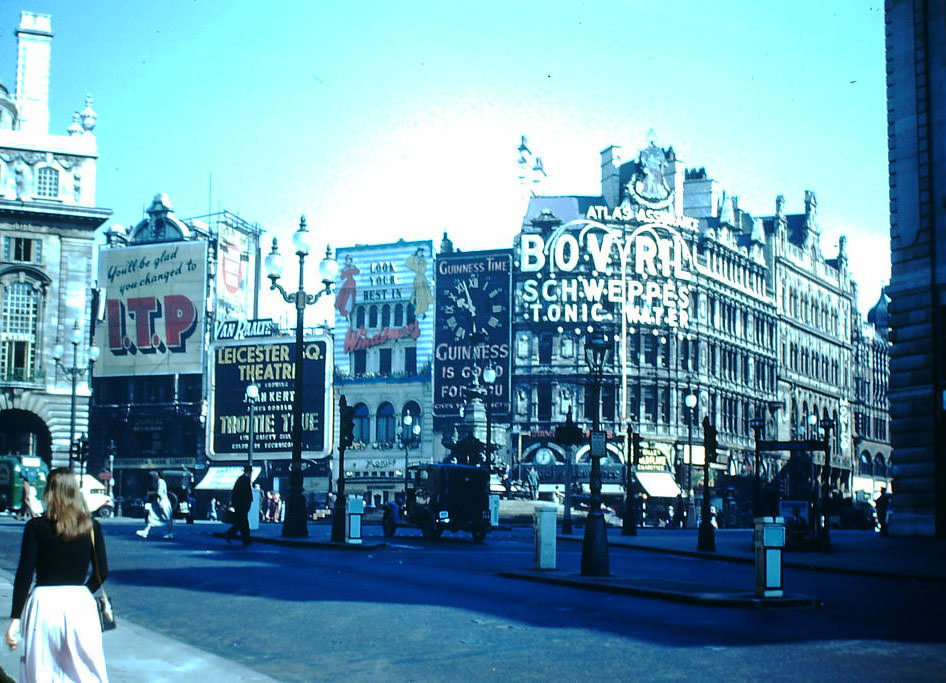
Not far from the political and financial centers, everyday London life carried on. Piccadilly Circus buzzed with traffic and pedestrians. Mayfair retained its air of pre-war elegance. Princess Elizabeth — not yet queen — lived at Clarence House, a short distance from the palace. St. Thomas’ Hospital, just across the Thames from the Houses of Parliament, was by 1949 part of the newly created National Health Service, launched just one year earlier in 1948.
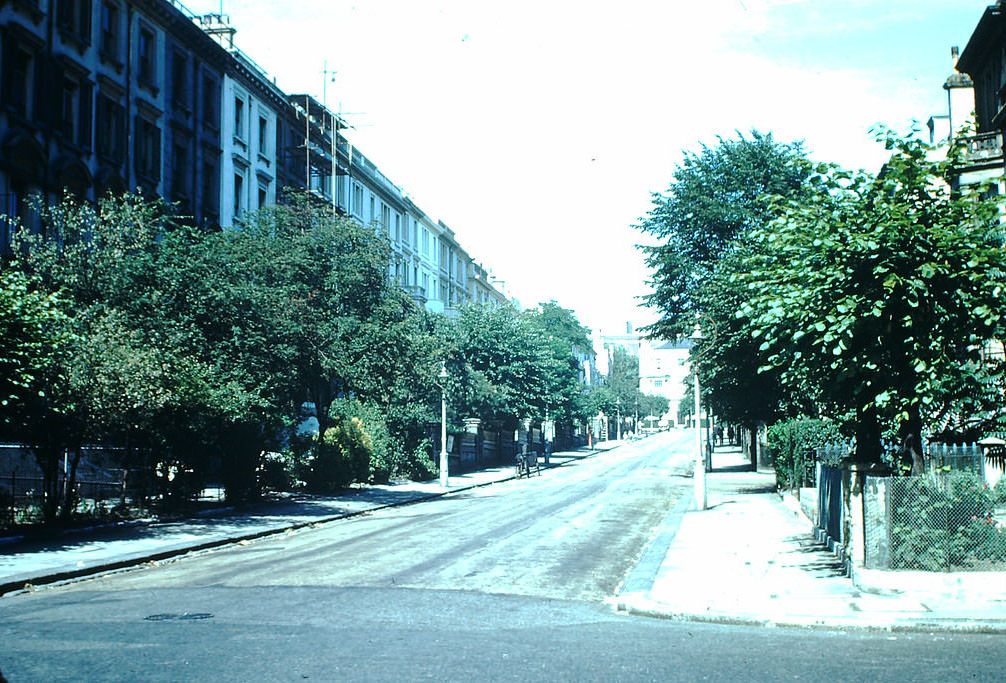
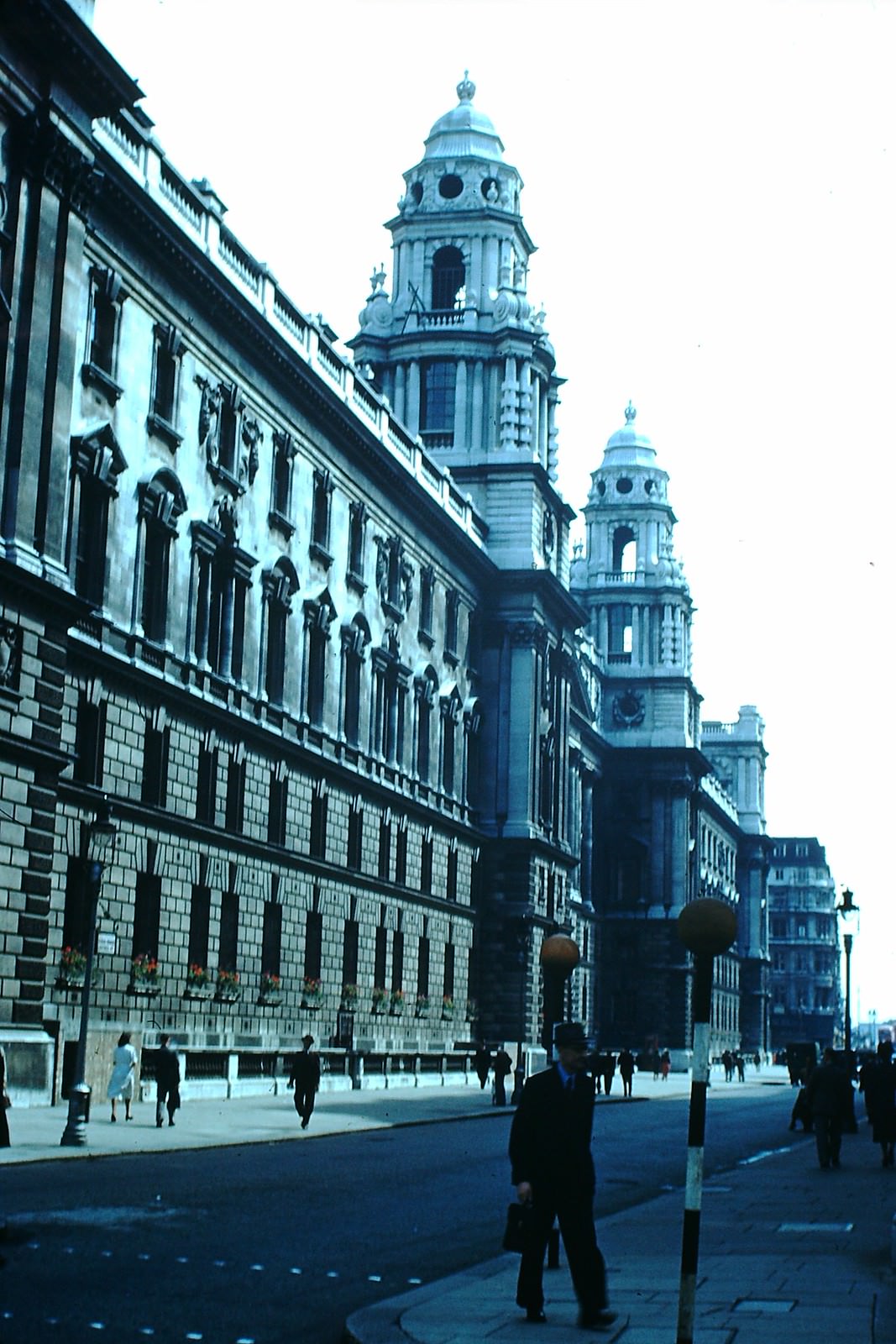
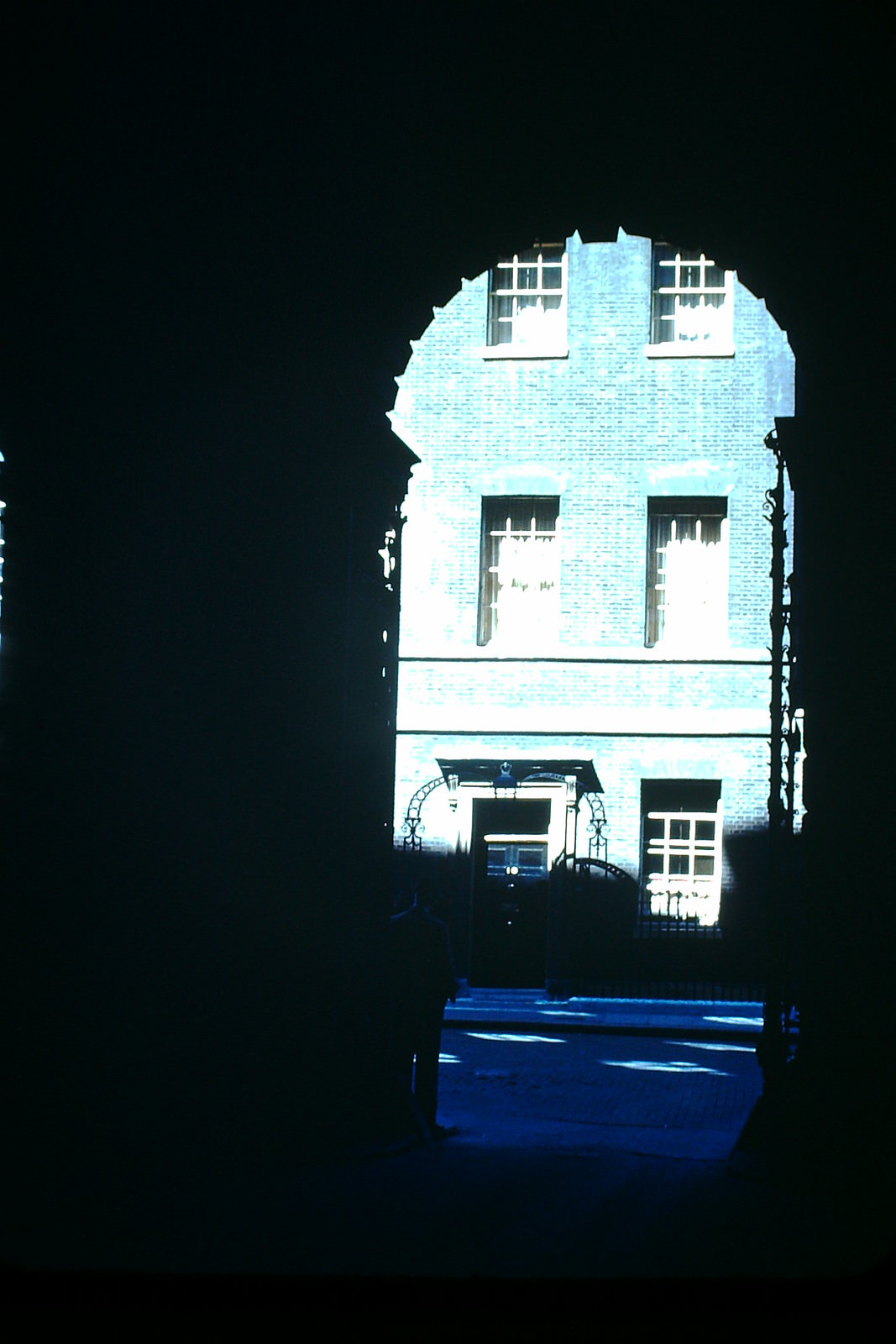
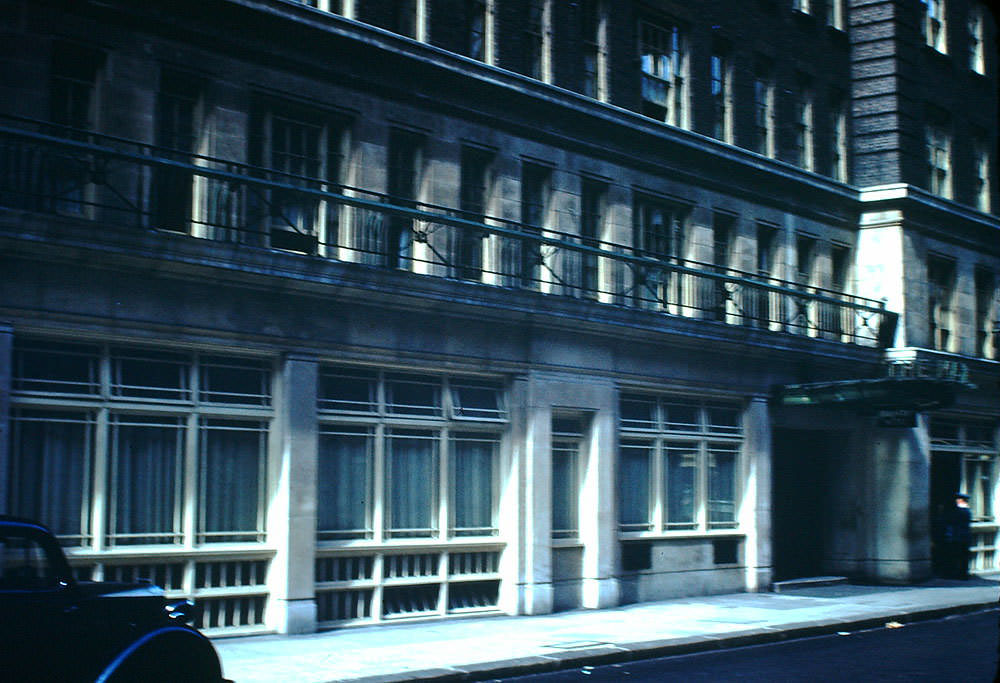
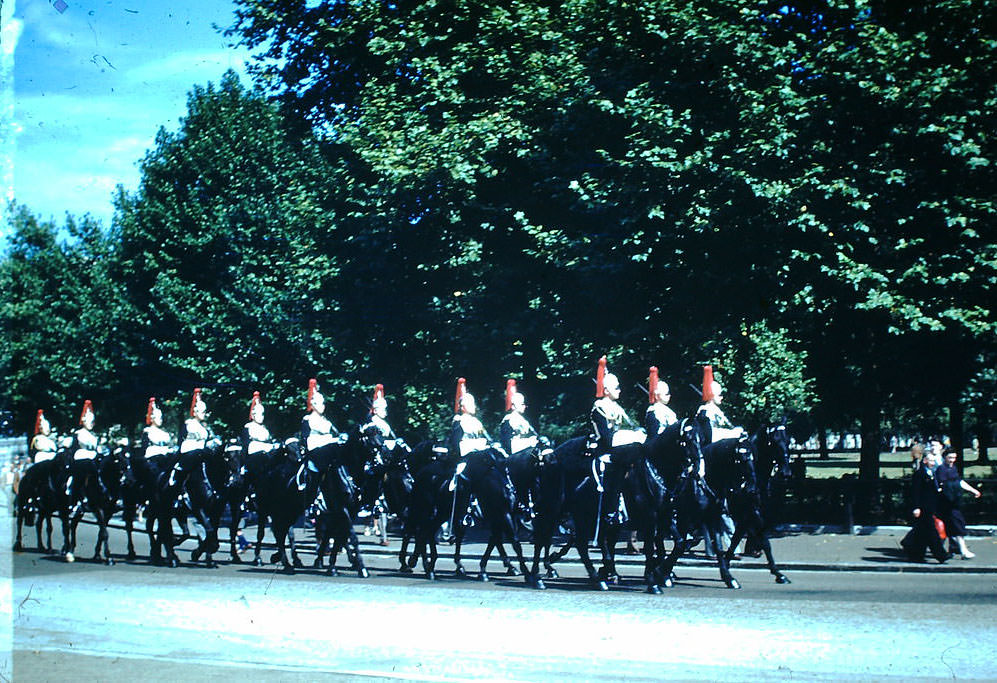
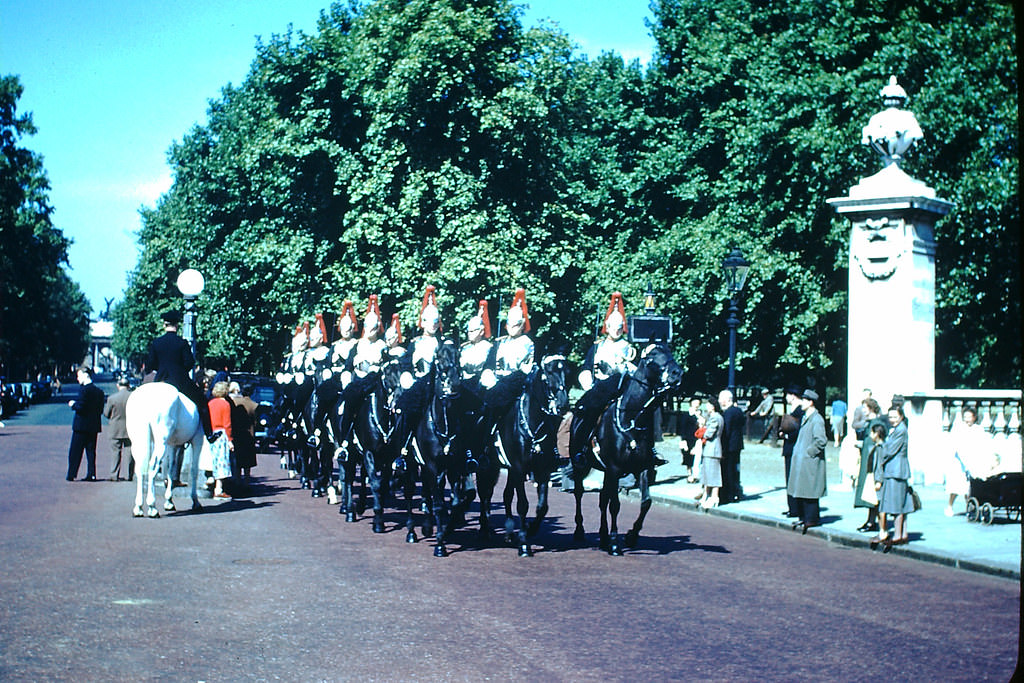
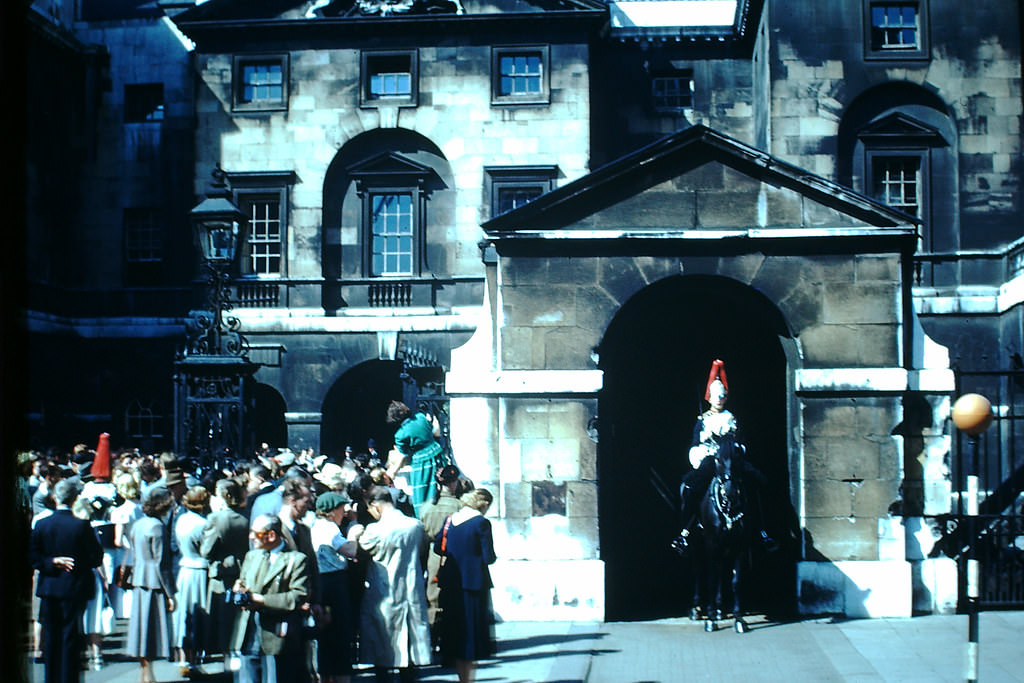
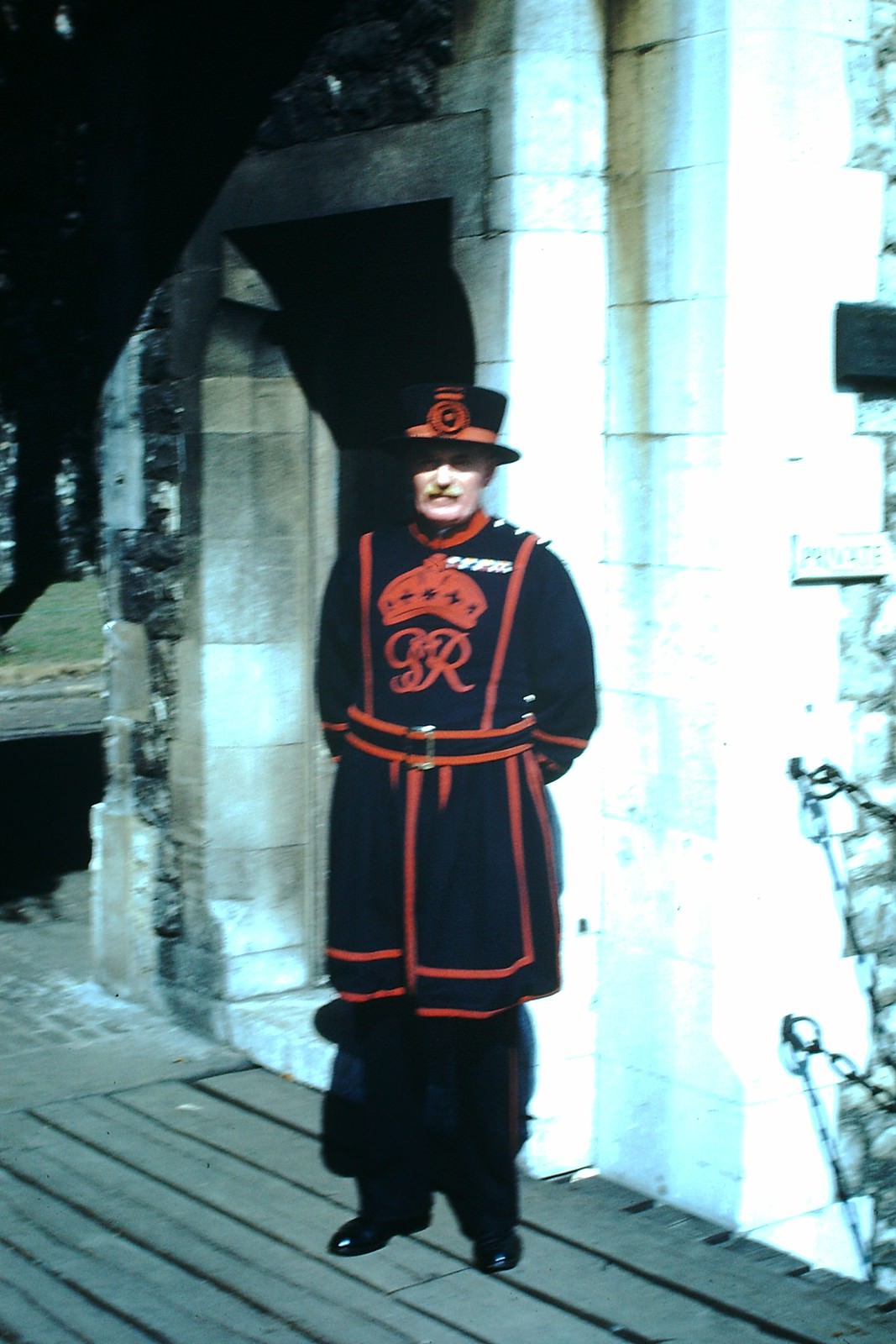
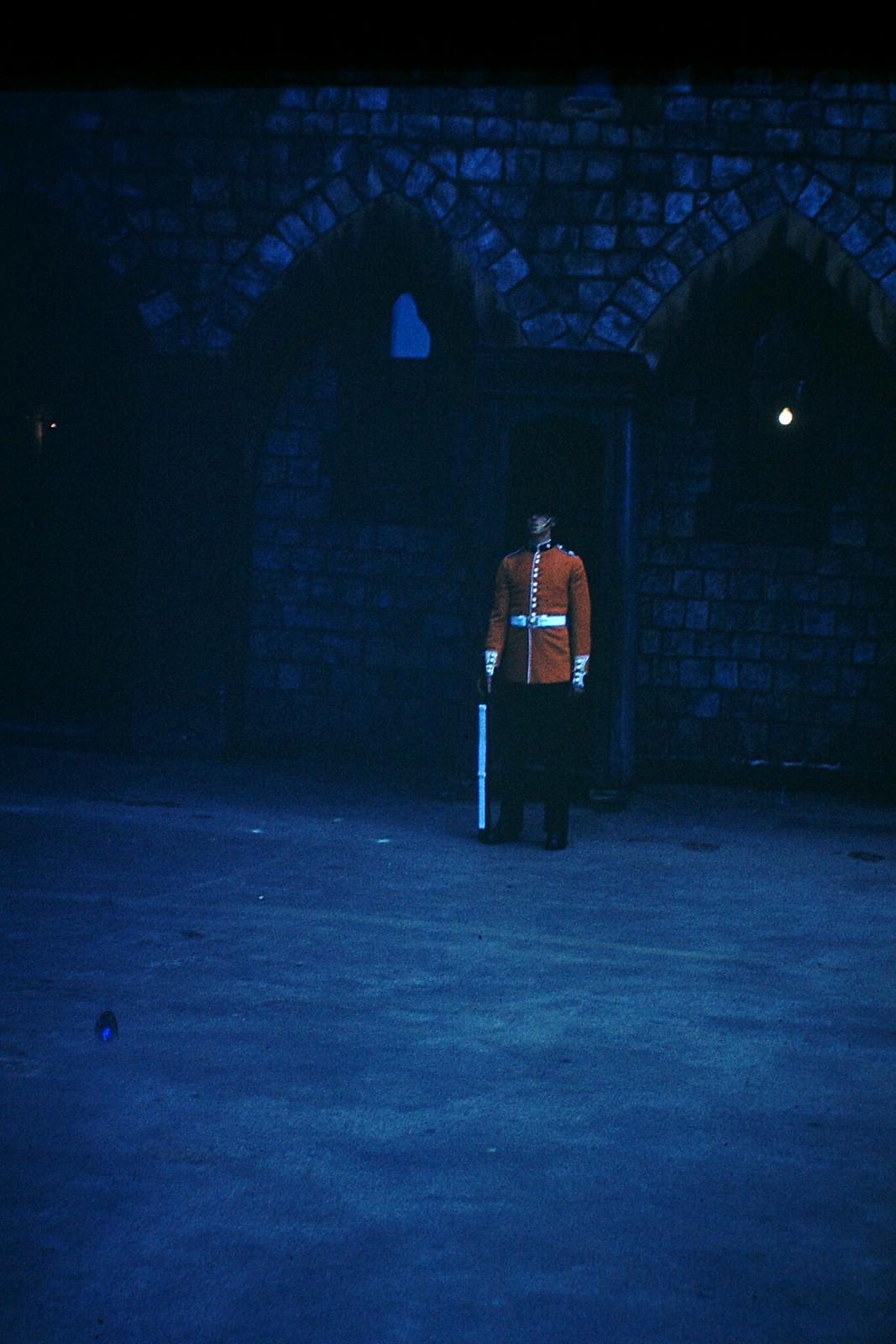
The Horse Guards on Whitehall, just steps from Downing Street and the Houses of Parliament, continued their ceremonial duties in 1949 as they had for centuries. The pageantry of the British state — the guards in their uniforms, the formal processions, the ancient buildings — gave the impression of permanence. But beneath that surface, the country’s political and economic structure was changing faster than it had in generations.
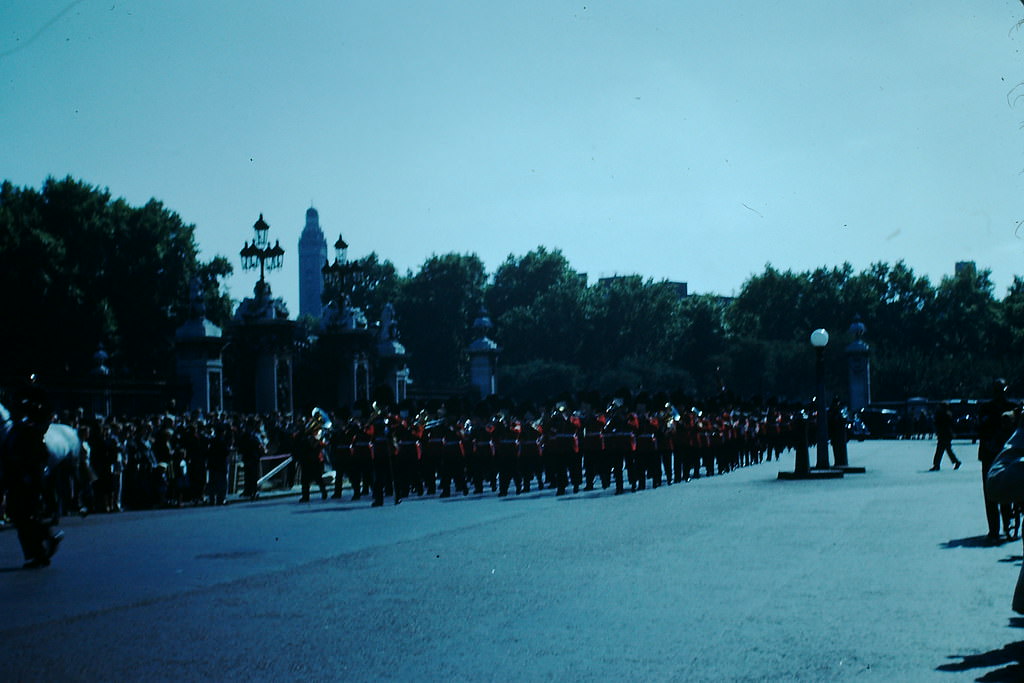
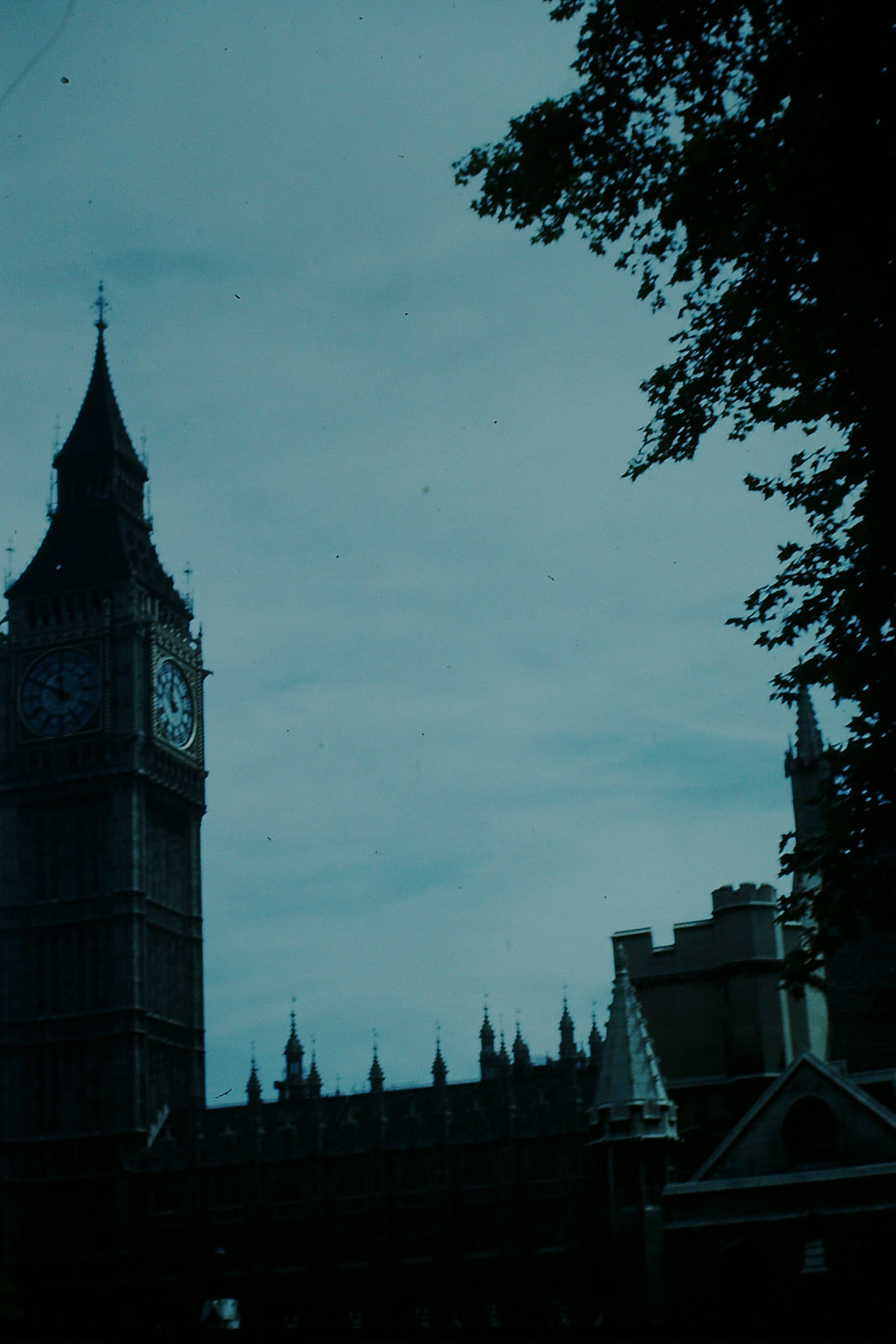
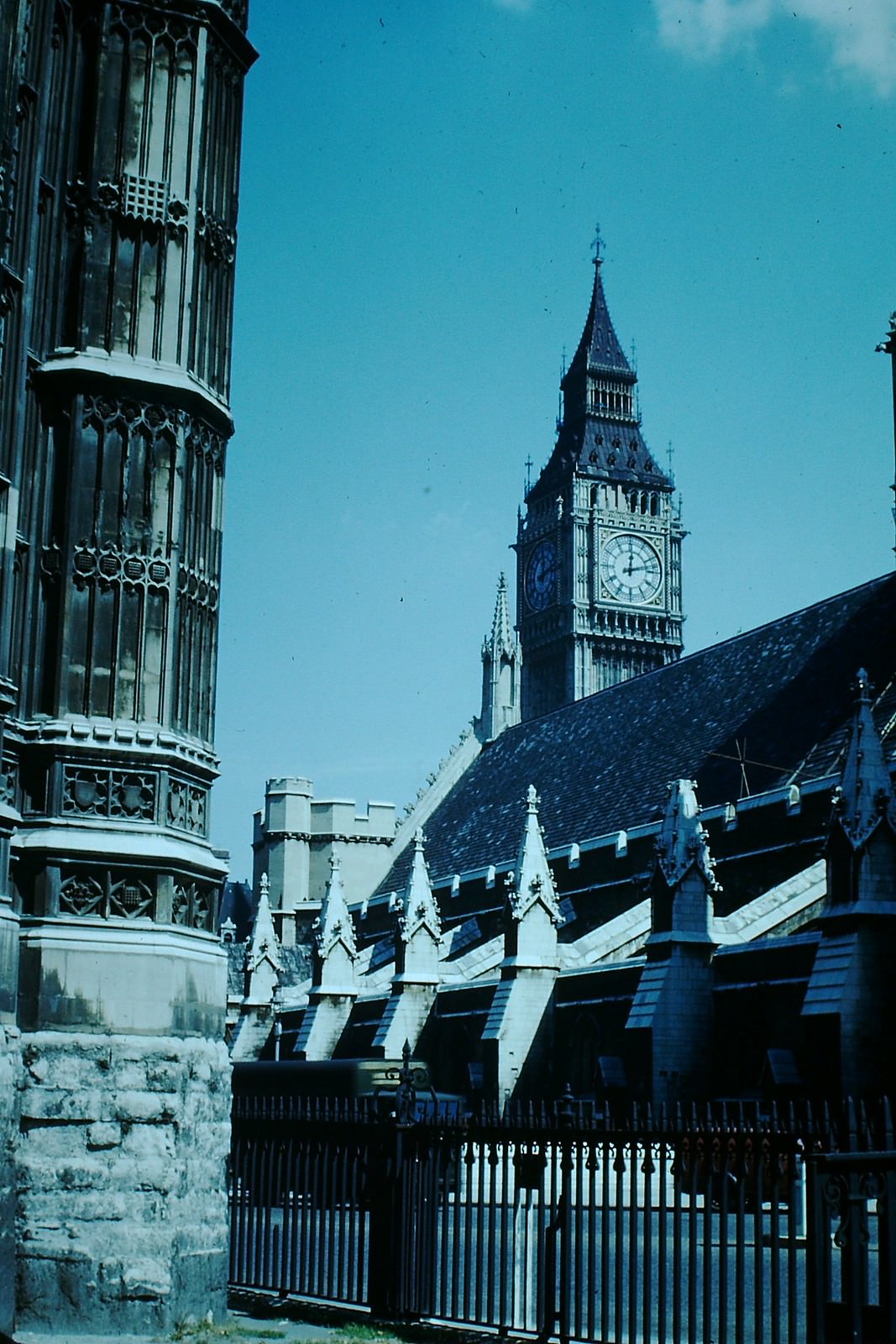
The bomb damage to London was still visible across wide stretches of the city in 1949. The German Luftwaffe had carried out sustained bombing campaigns against London between 1940 and 1941, and then again with V-1 and V-2 rocket attacks in 1944 and 1945. Thousands of buildings were destroyed or badly damaged. Four years after the war’s end, many of those sites remained cleared ground or propped-up ruins, waiting for the materials and labor needed to rebuild them.
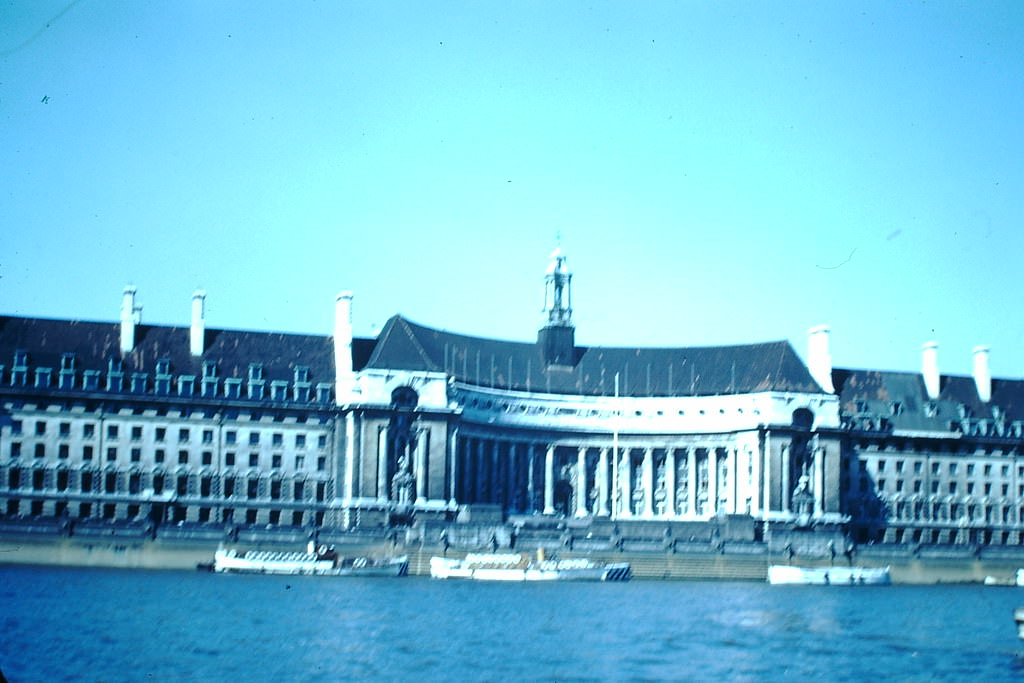
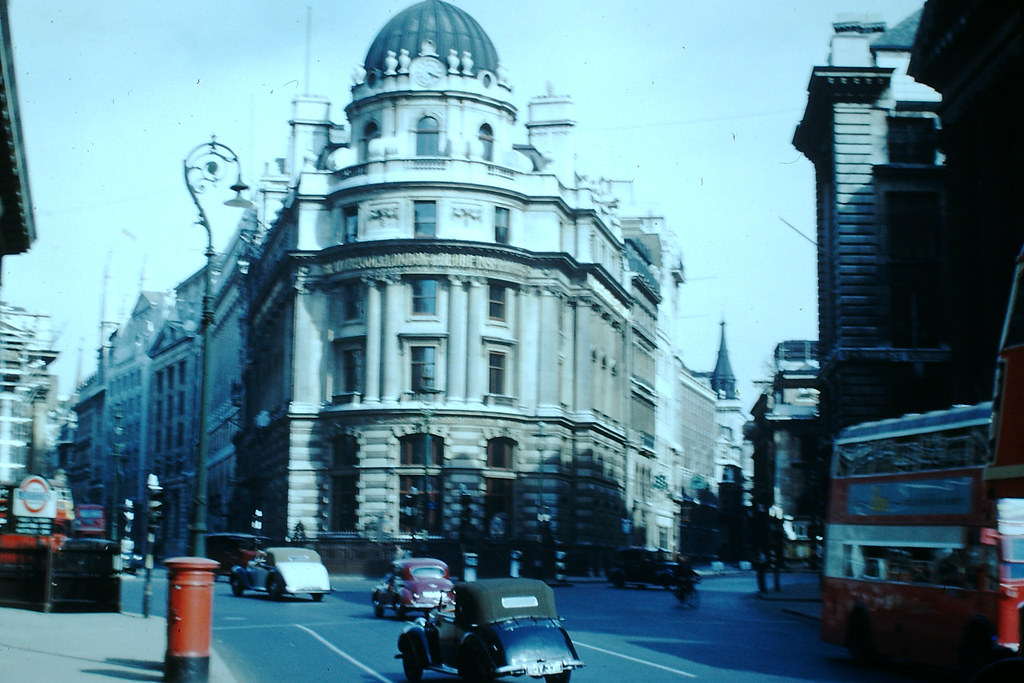
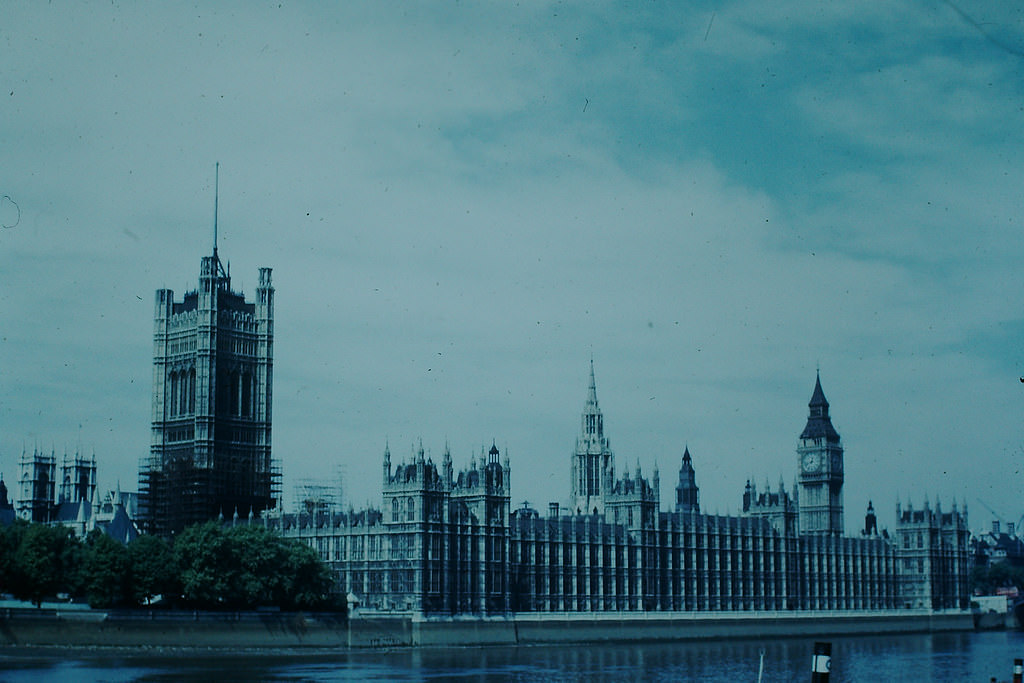
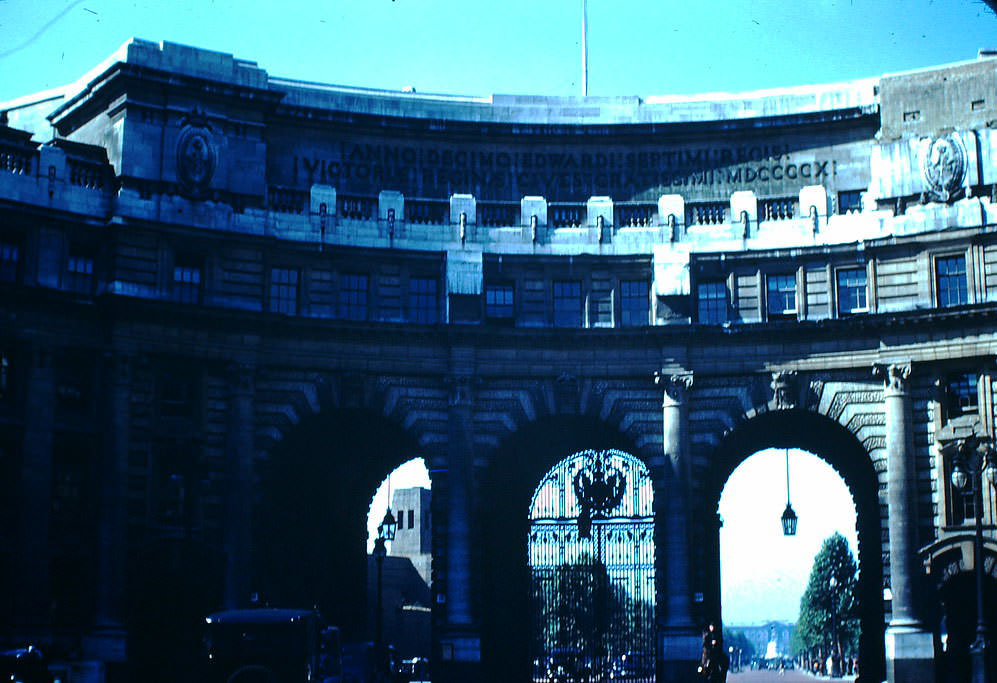
The Houses of Parliament and Admiralty Arch anchored the heart of British government. Decisions made inside Westminster in these years reshaped the country’s relationship with its own industries and with the wider world. Britain was simultaneously rebuilding at home and letting go of territory abroad. India had pushed firmly for self-rule and achieved independence in 1947. The British Empire, which had once covered a quarter of the globe, was beginning to dissolve — not because Britain chose to release it, but because it no longer had the military strength or the money to hold it together.
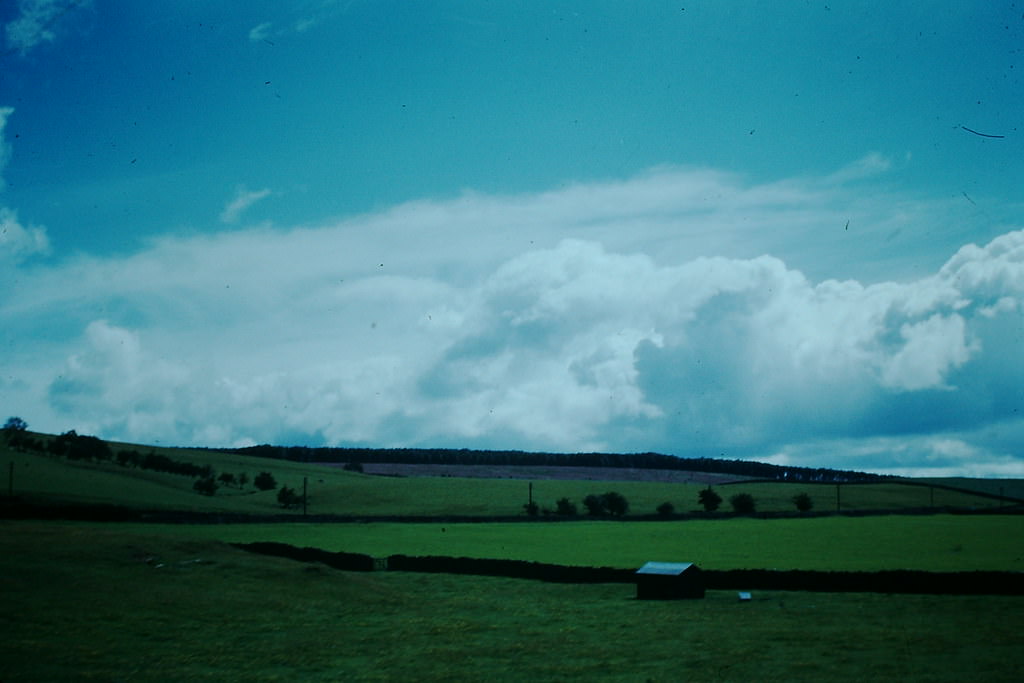
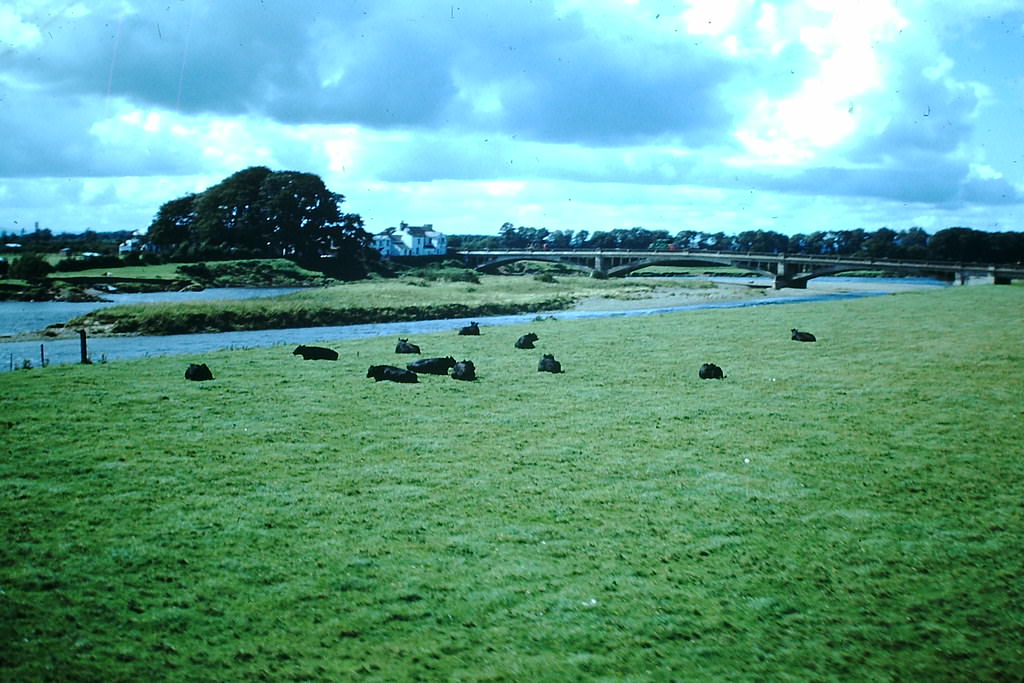
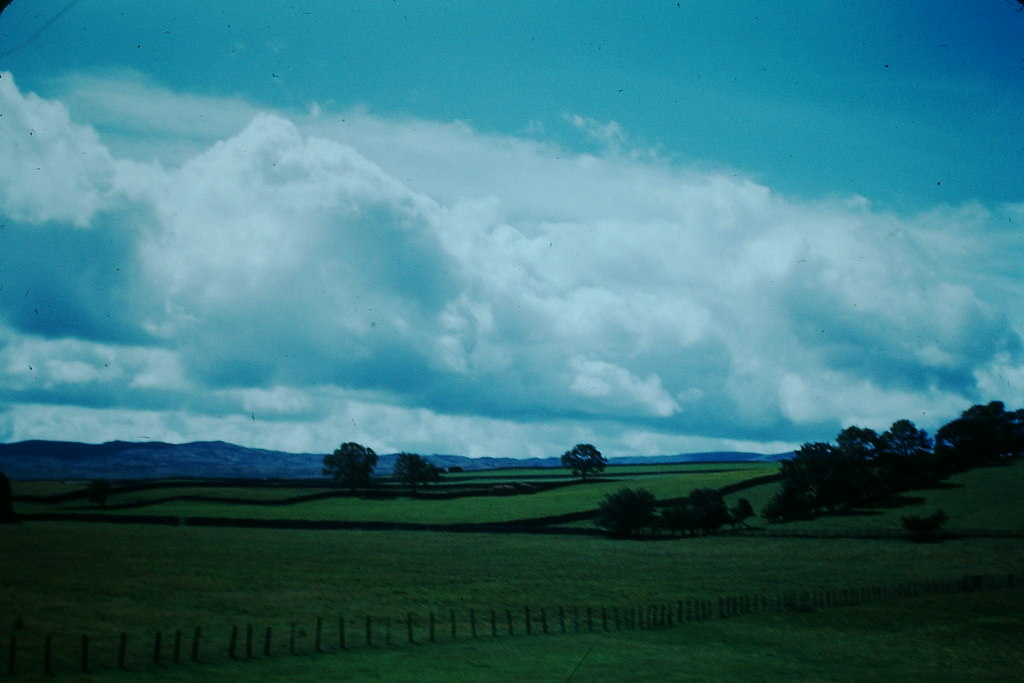
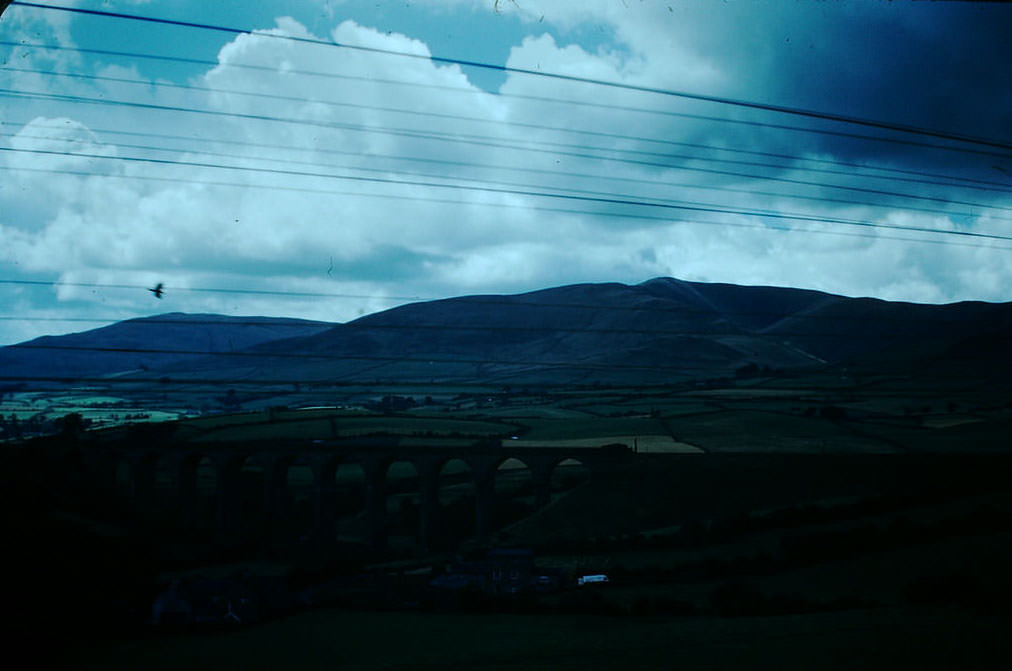
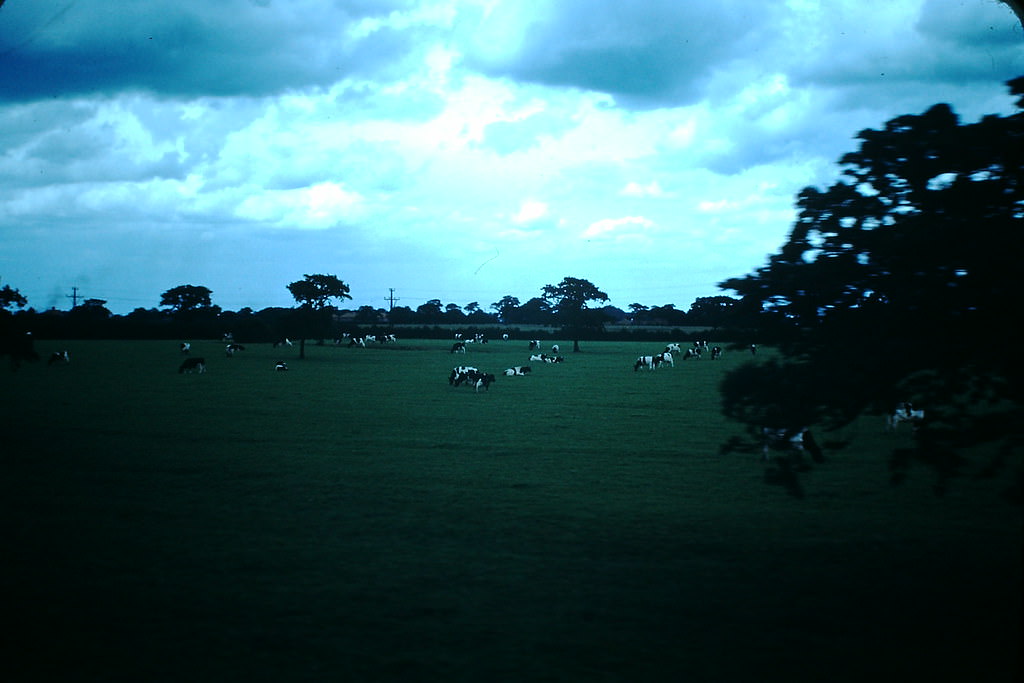
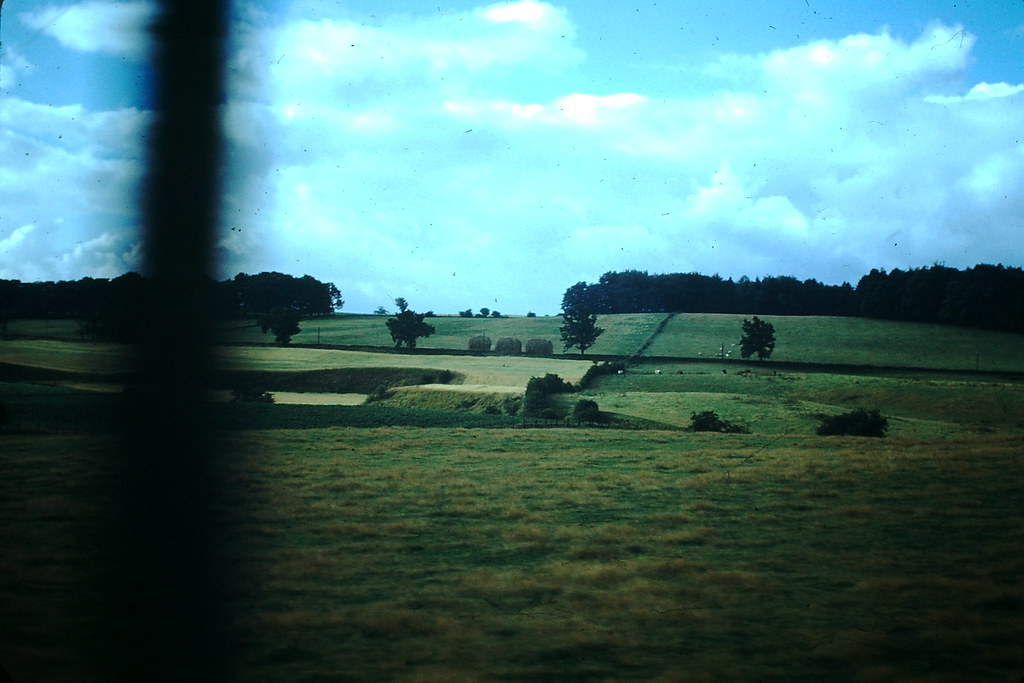
Beyond London, the English countryside in 1949 looked much as it had for decades. Photographs taken from the Royal Scot — the famous express train running between London Euston and Glasgow — show rolling green fields and small villages largely untouched by the war. The countryside offered a quieter picture of Britain, far from the bomb craters and political debates of the capital.
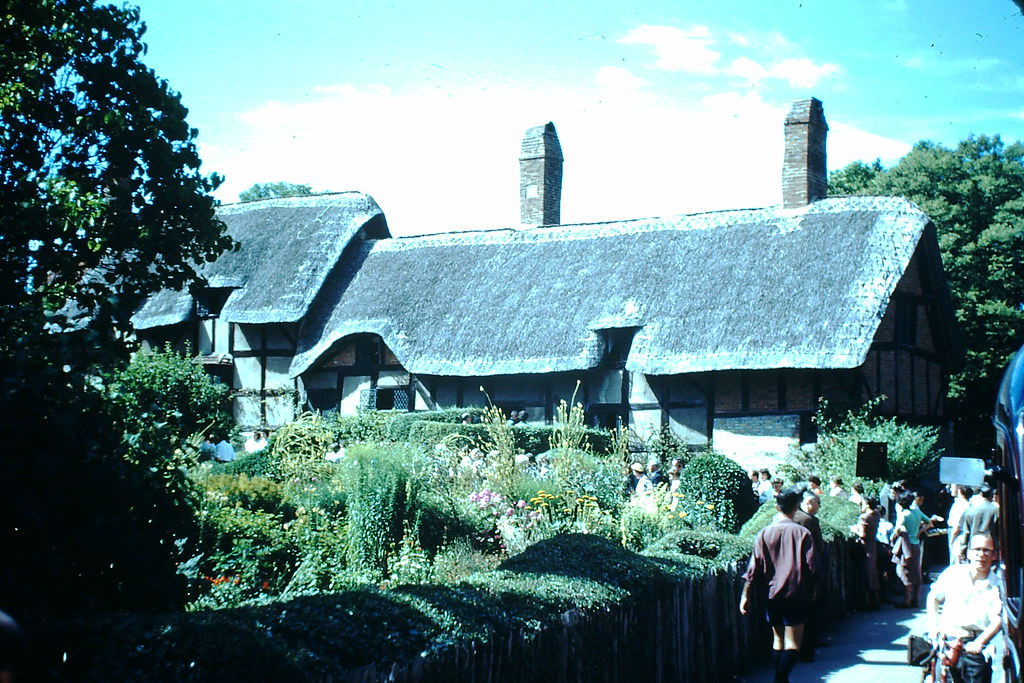
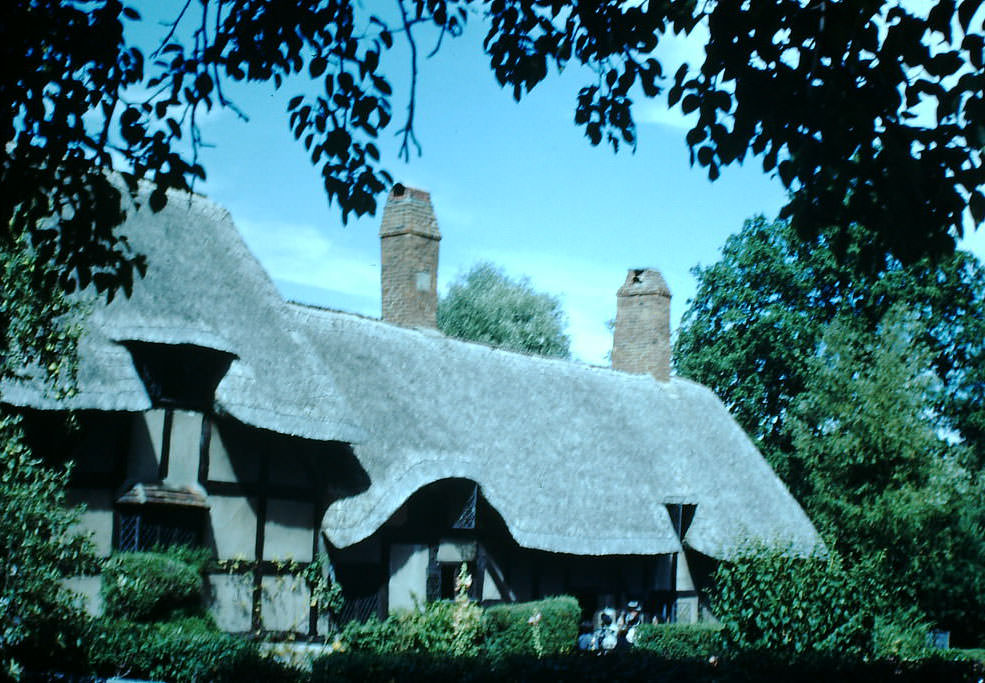
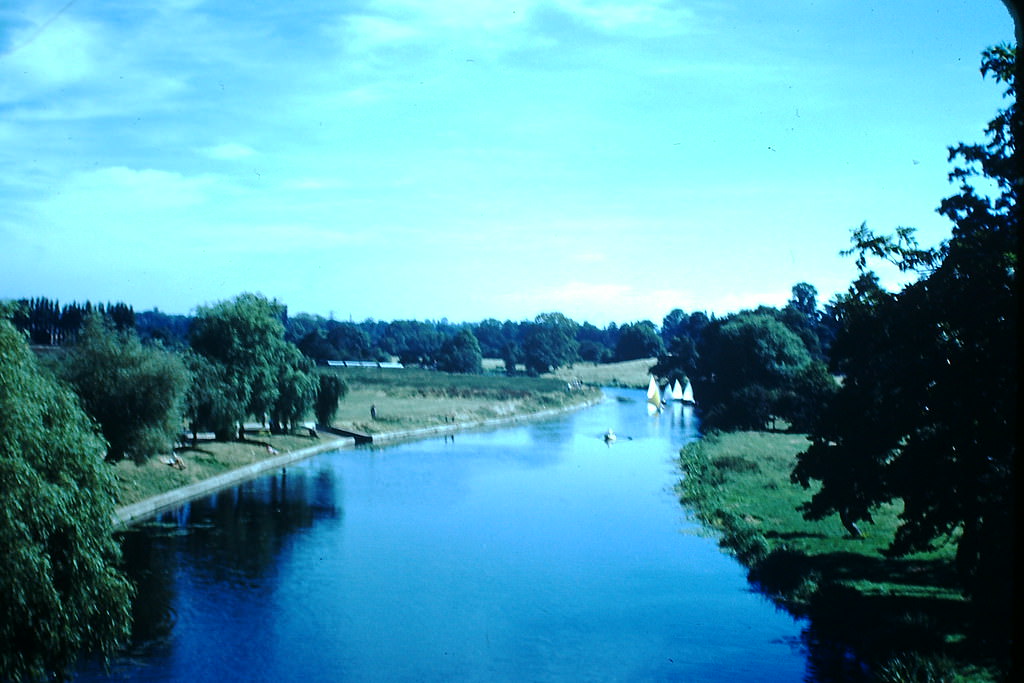
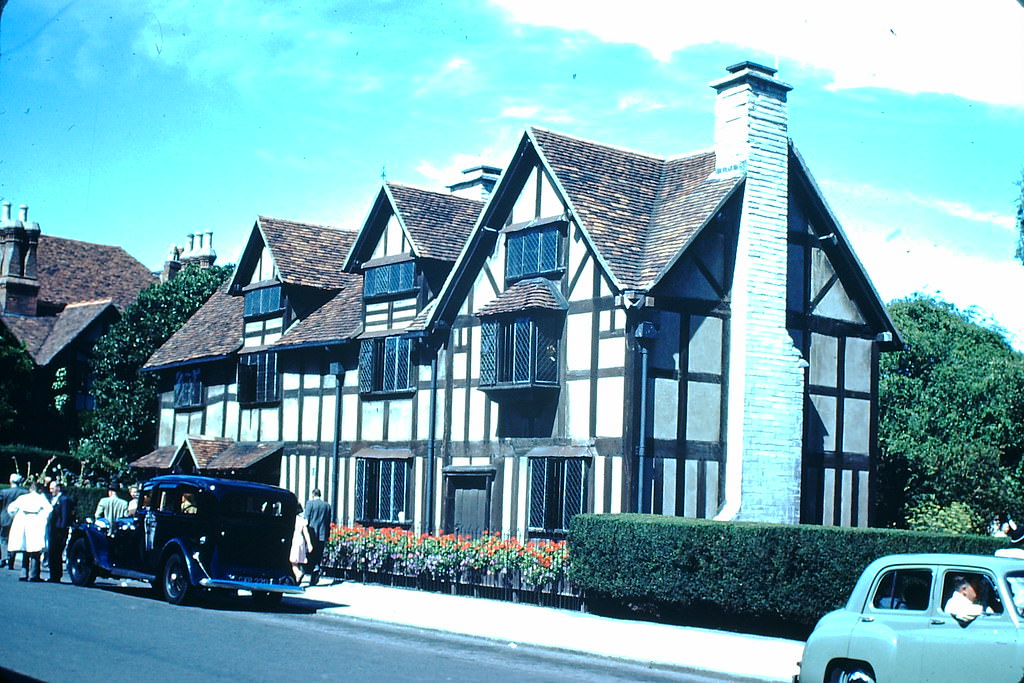
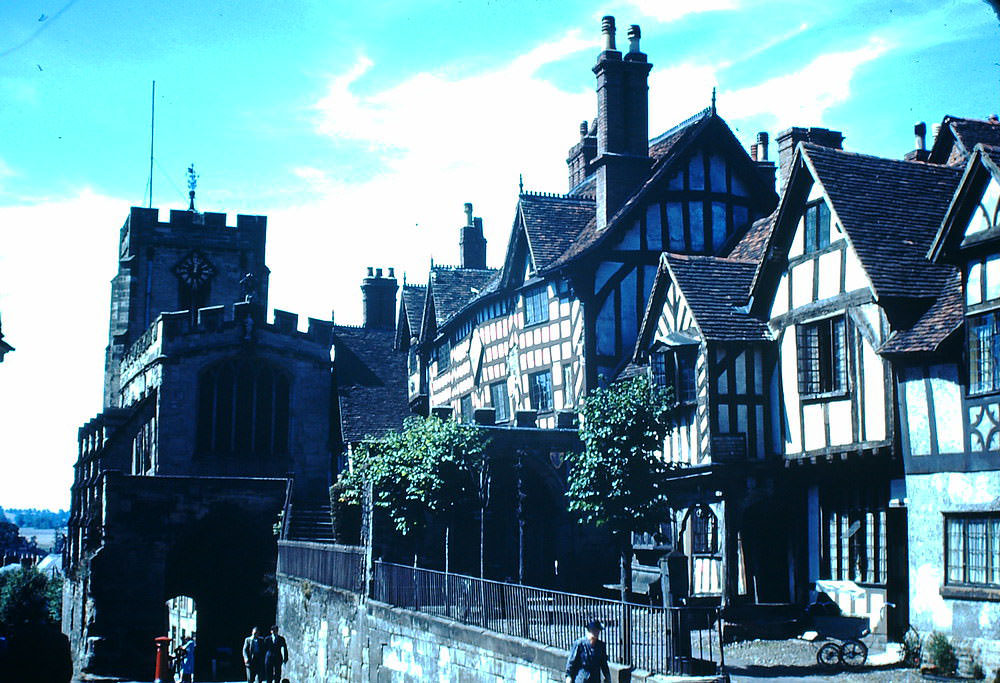
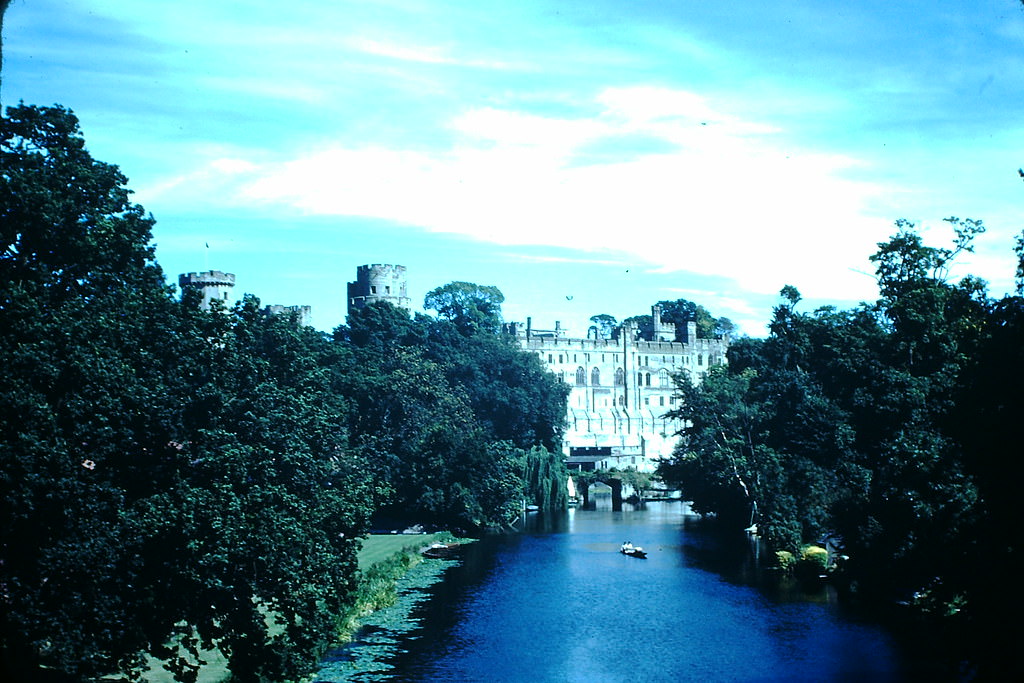
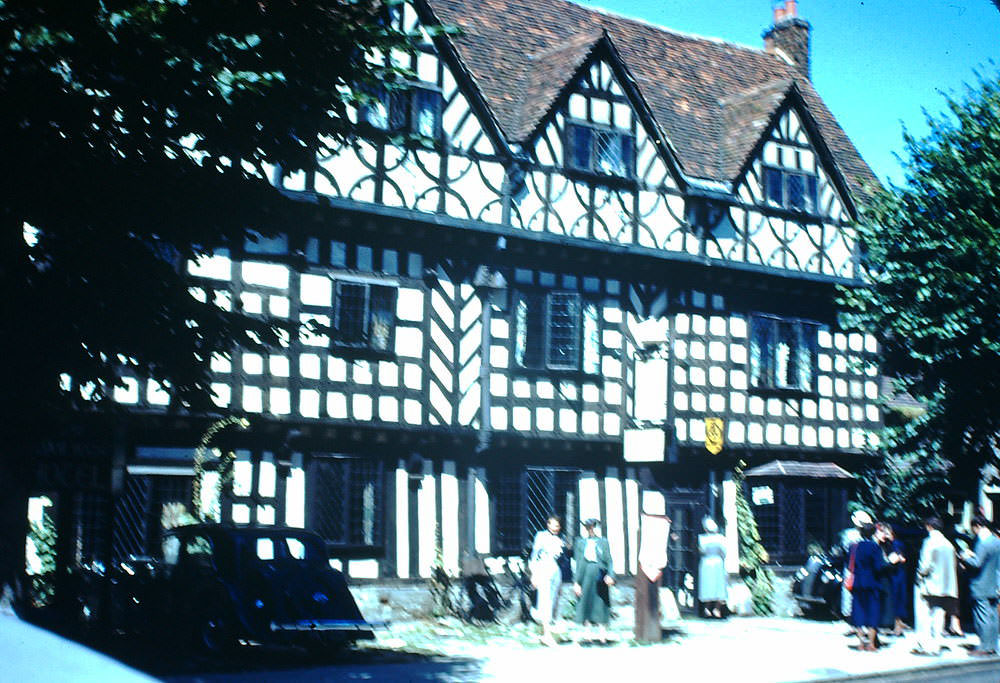
Stratford-upon-Avon drew visitors eager to connect with England’s literary past. Shakespeare’s birthplace on Henley Street and Anne Hathaway’s Cottage in nearby Shottery were well-established tourist destinations by 1949. The River Avon near Warwick added to the area’s appeal, flowing past Warwick Castle — one of the best-preserved medieval fortifications in England — and through landscapes that had changed little in centuries.
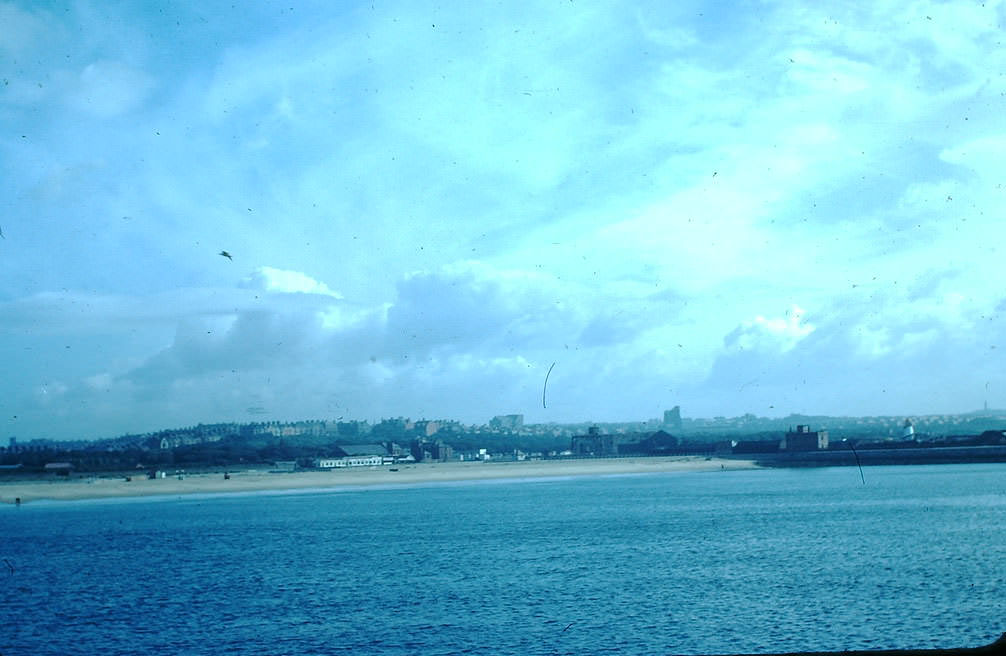
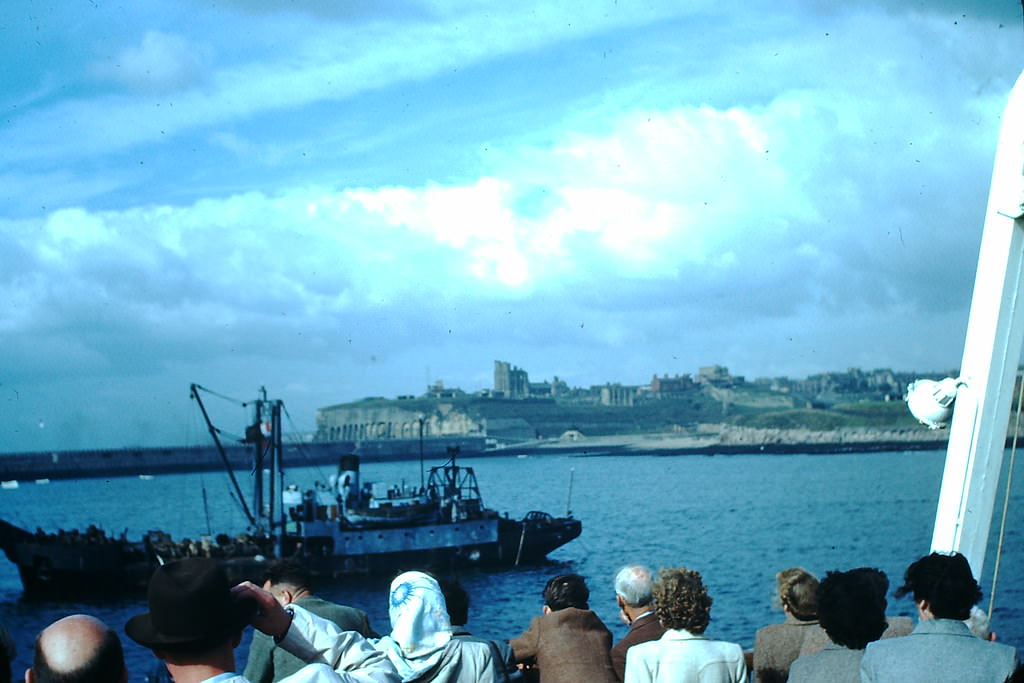
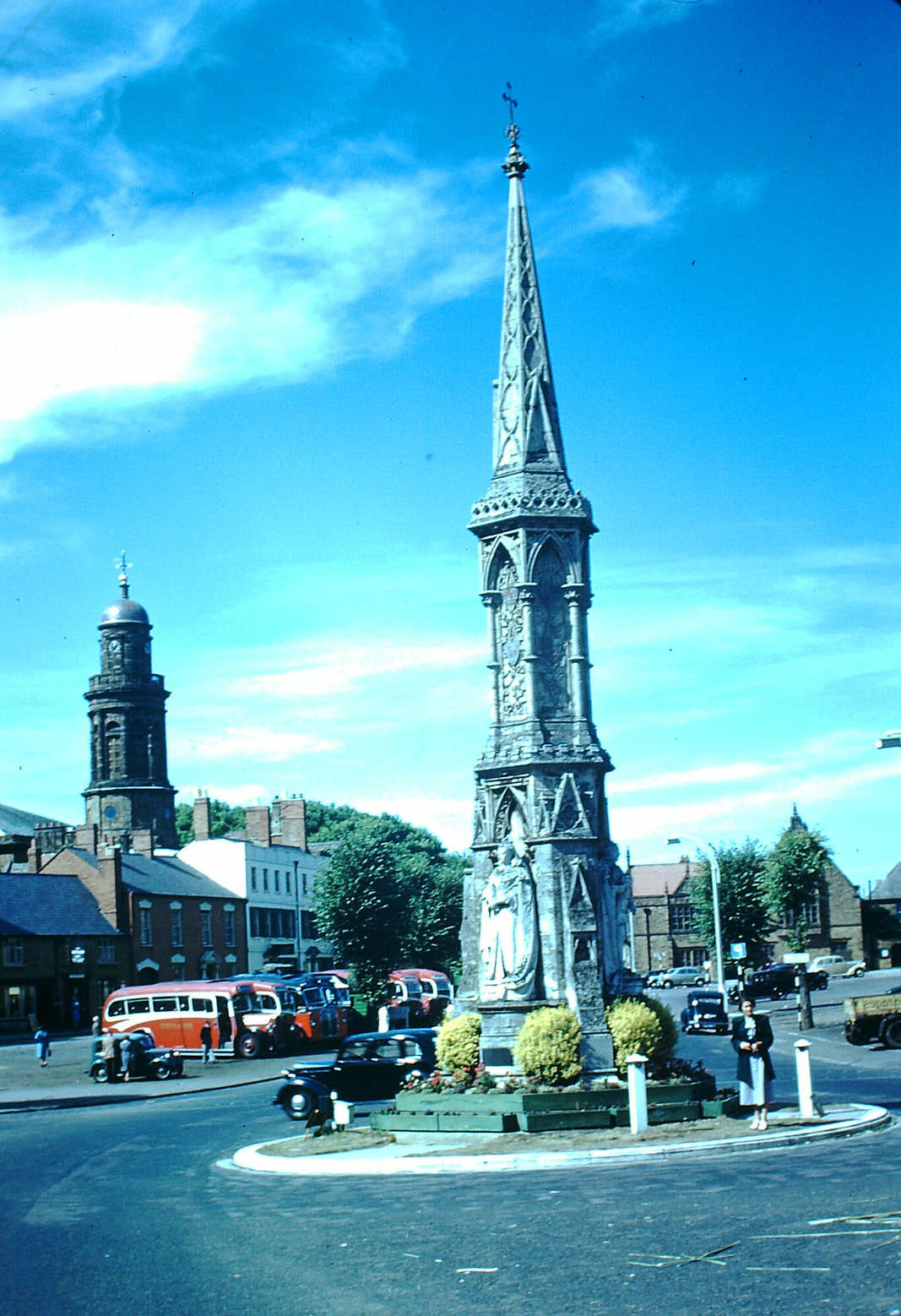
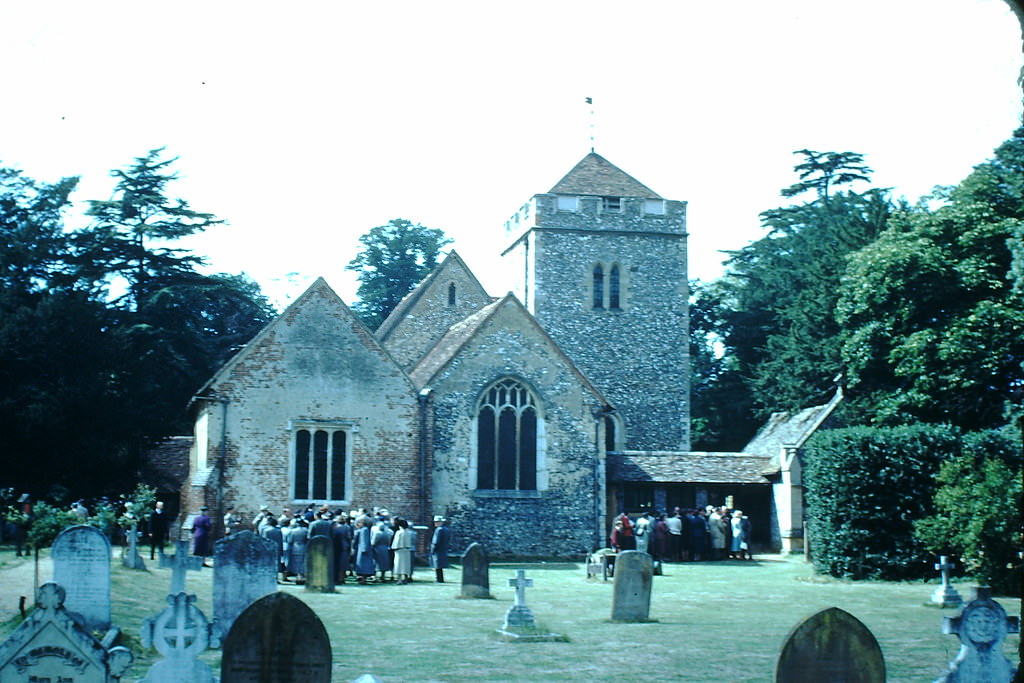
Newcastle, in northeast England, was a major industrial and shipping center. Arriving by ship, the riverfront presented a scene of heavy industry — cranes, warehouses, and working docks that were the backbone of the regional economy. Hampton Court Palace, by contrast, offered a glimpse of Tudor royal history just outside London, with its famous formal gardens still meticulously maintained. At Banbury, the High Cross stood as a local landmark. And at Stoke Poges in Buckinghamshire, the churchyard famously associated with Thomas Gray’s 1751 poem “Elegy Written in a Country Churchyard” remained a quiet, rural retreat.
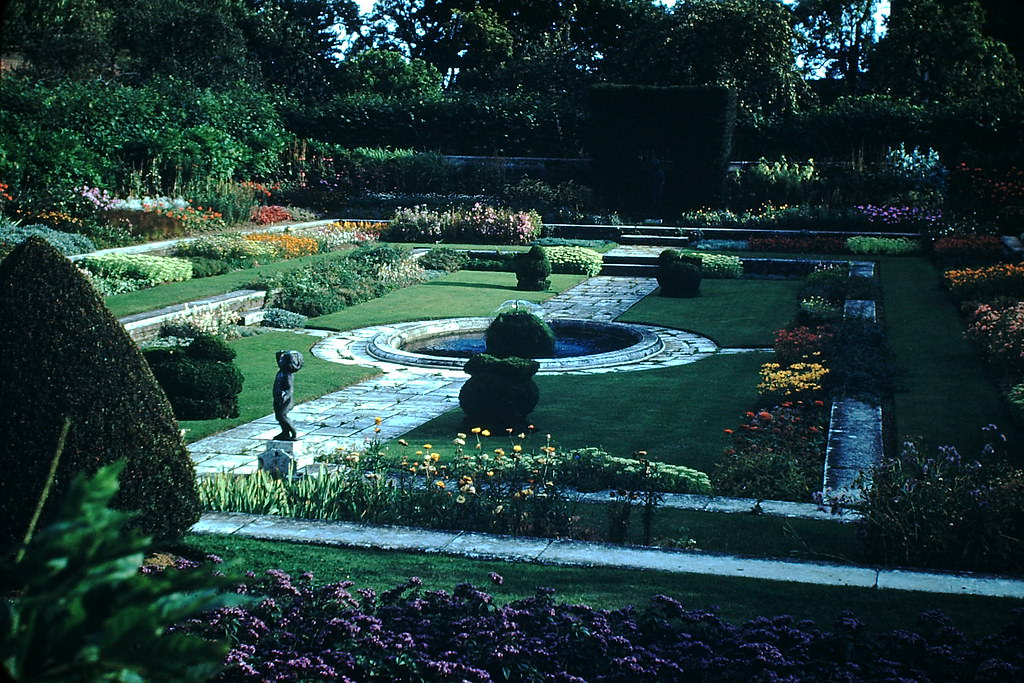
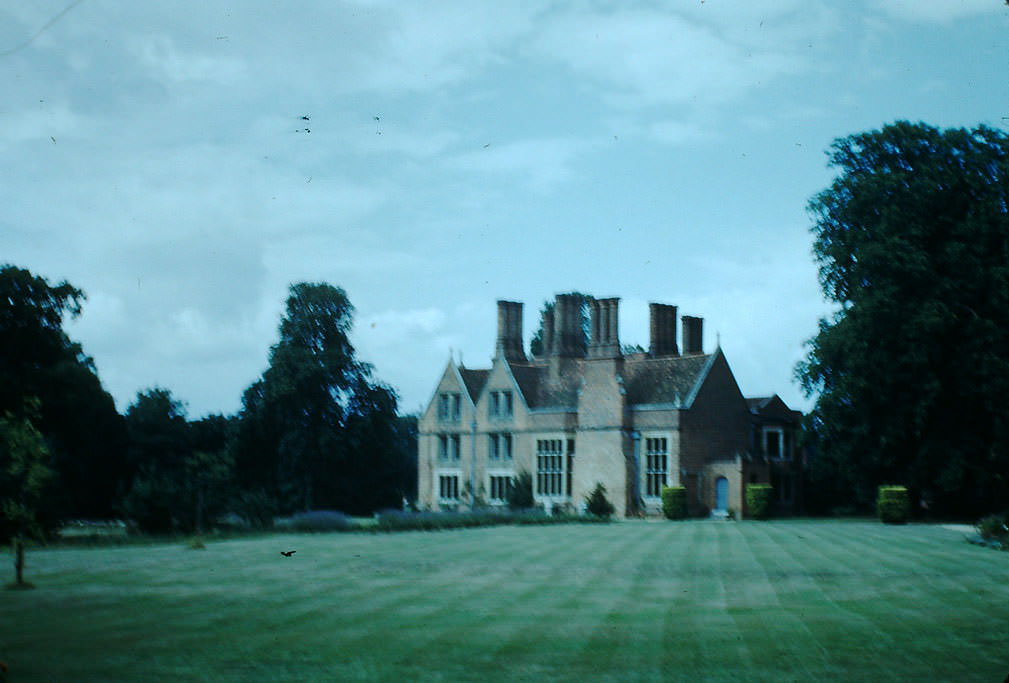
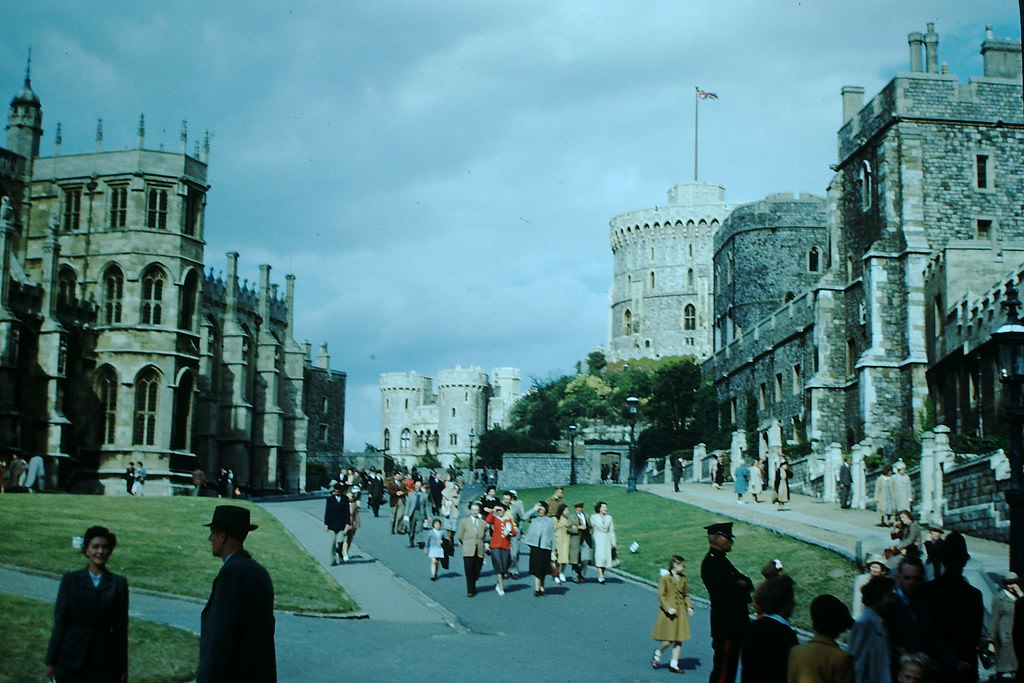
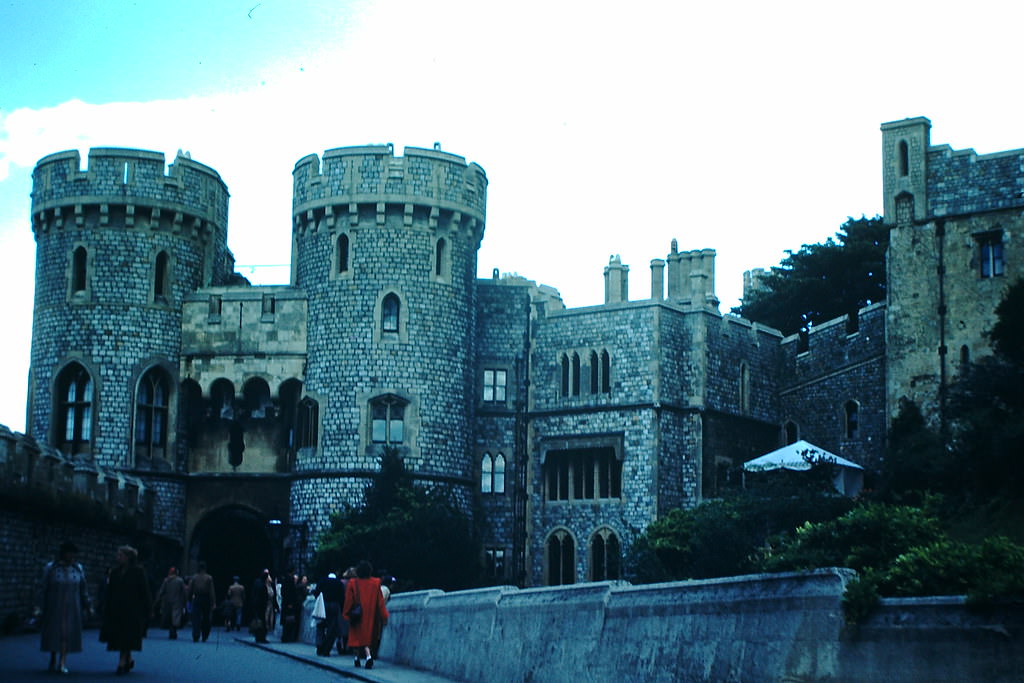
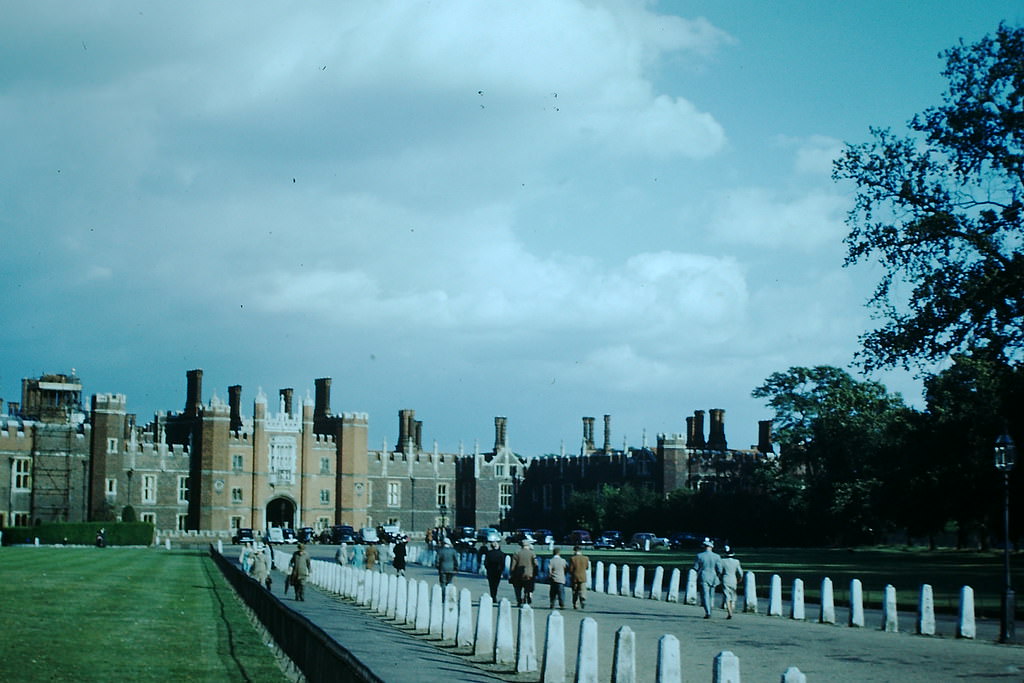
Windsor, home to Windsor Castle — the oldest and largest occupied royal castle in the world — presented a picture of royal tradition that had endured through the entire upheaval of the war. The castle had served as a refuge for the royal family during the Blitz, and by 1949 it was once again welcoming visitors. Hampton Court Palace, built by Cardinal Wolsey in the early 16th century and later seized by Henry VIII, remained one of England’s finest examples of Tudor and Baroque architecture.
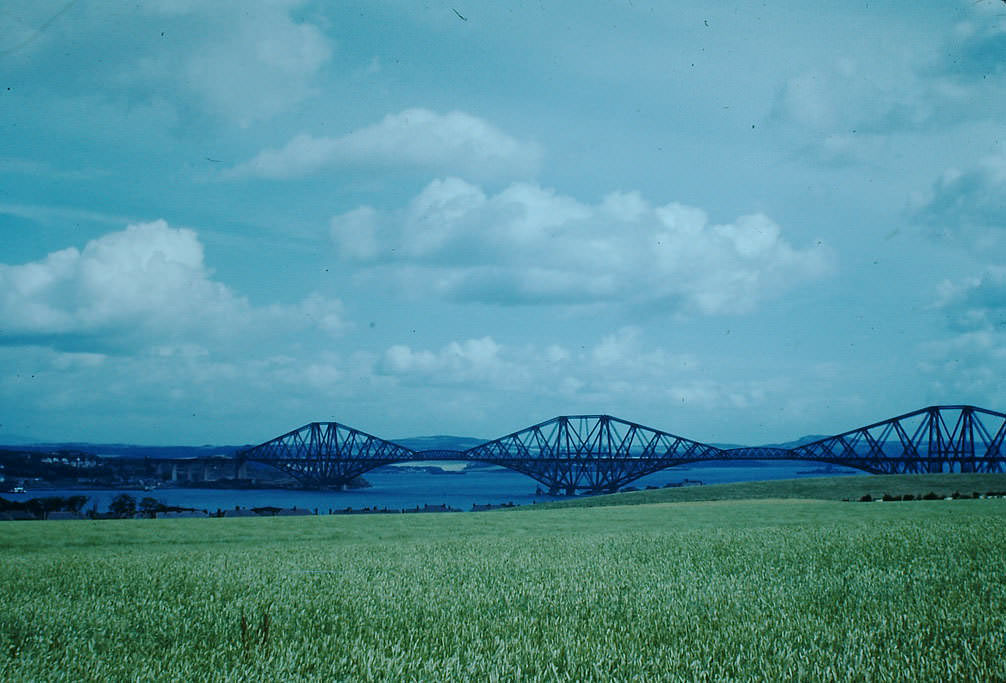
Crossing the border into Scotland, the photos from 1949 capture a country with its own distinct character. Bo’ness — short for Borrowstounness — was a small industrial town on the south shore of the Firth of Forth, its economy tied to coal shipping and manufacturing. The Firth of Forth Bridge, completed in 1890, remained one of the most recognizable engineering achievements in Britain, its cantilever steel spans stretching nearly 1.7 miles across the water.
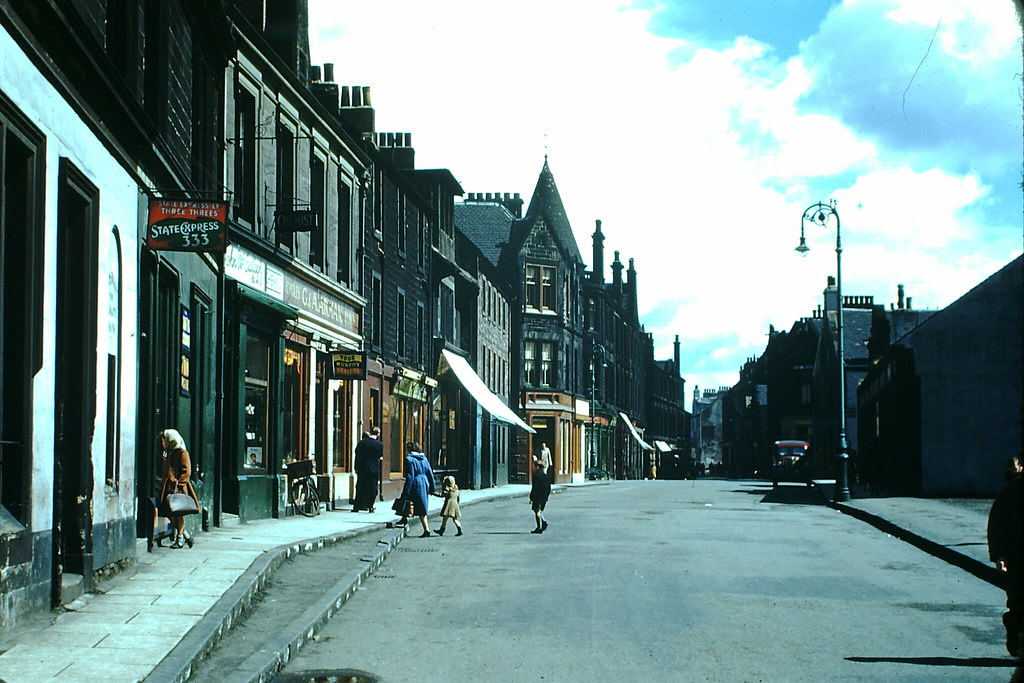
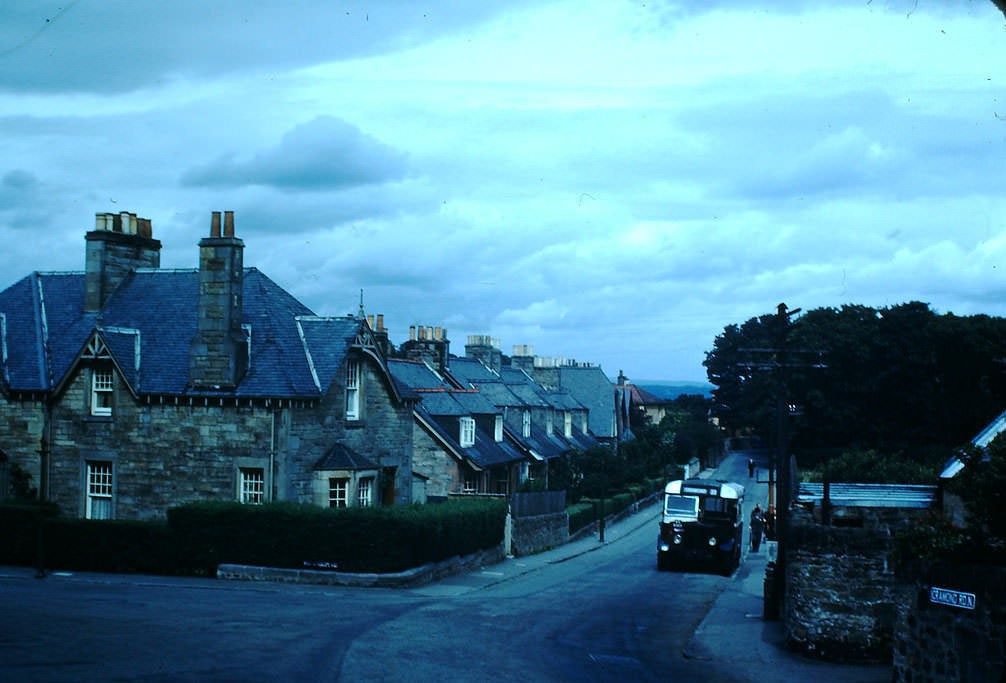
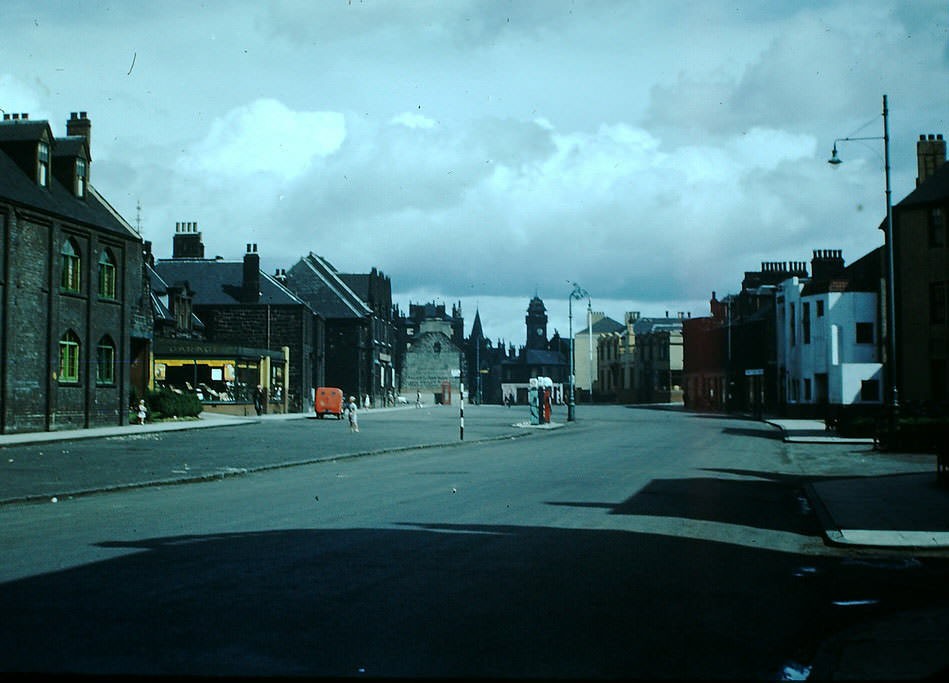
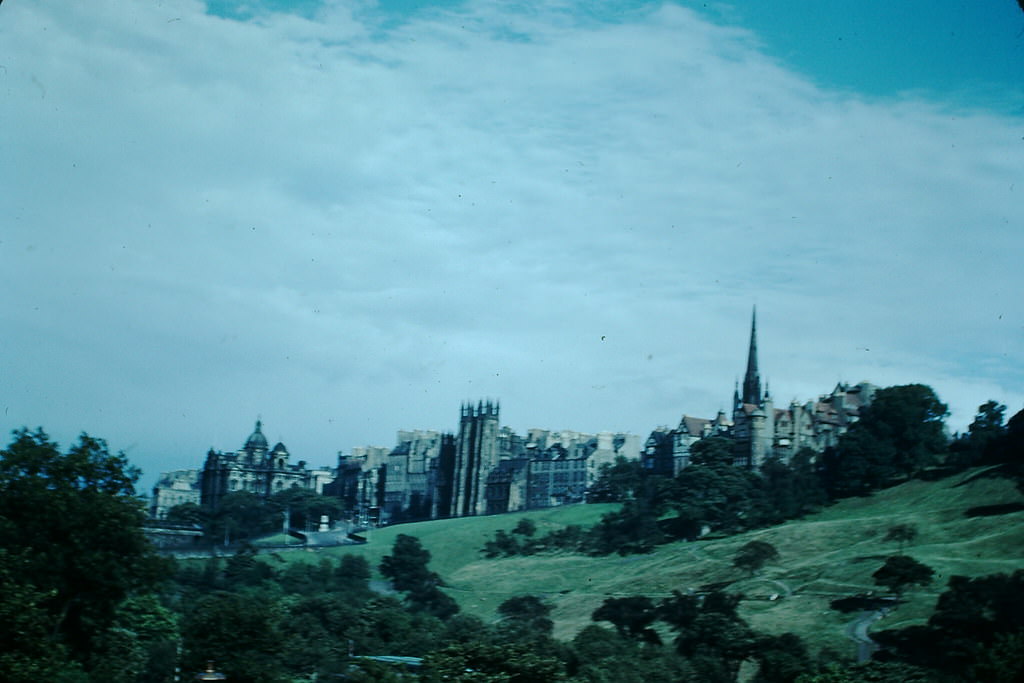
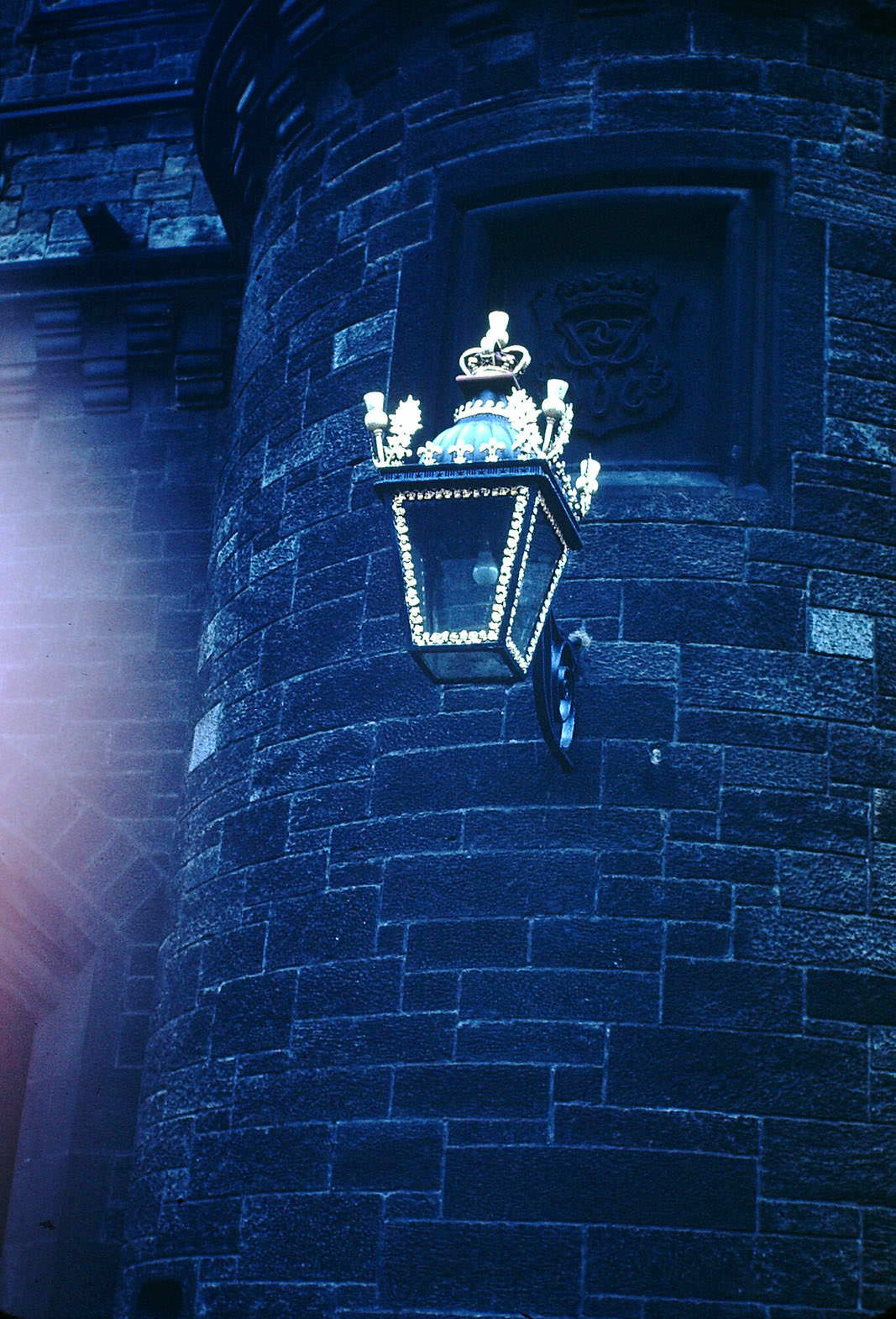
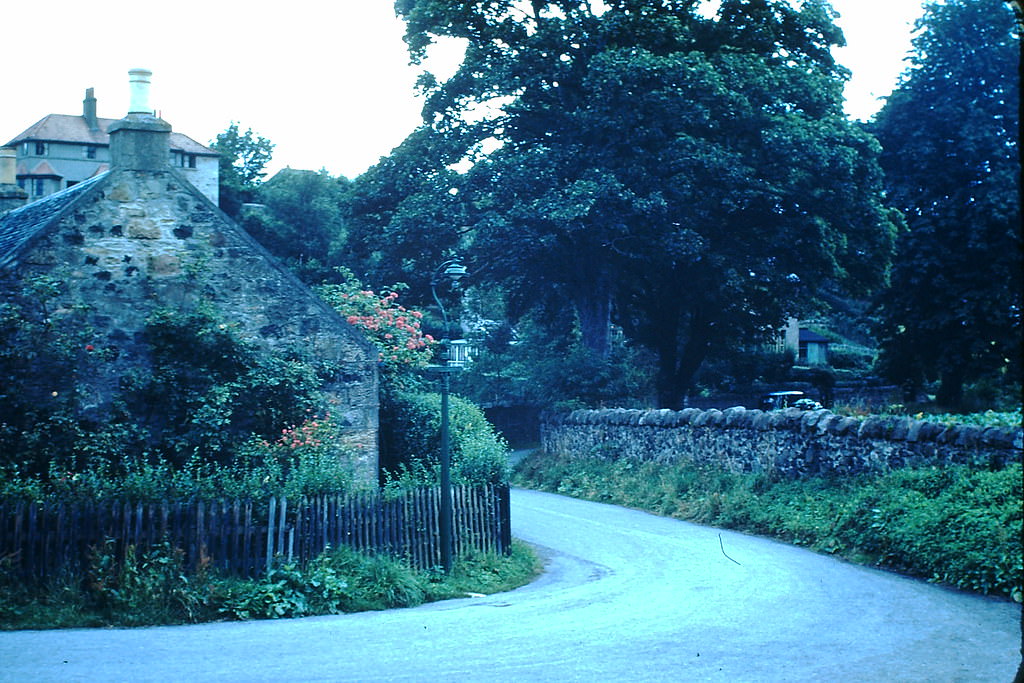
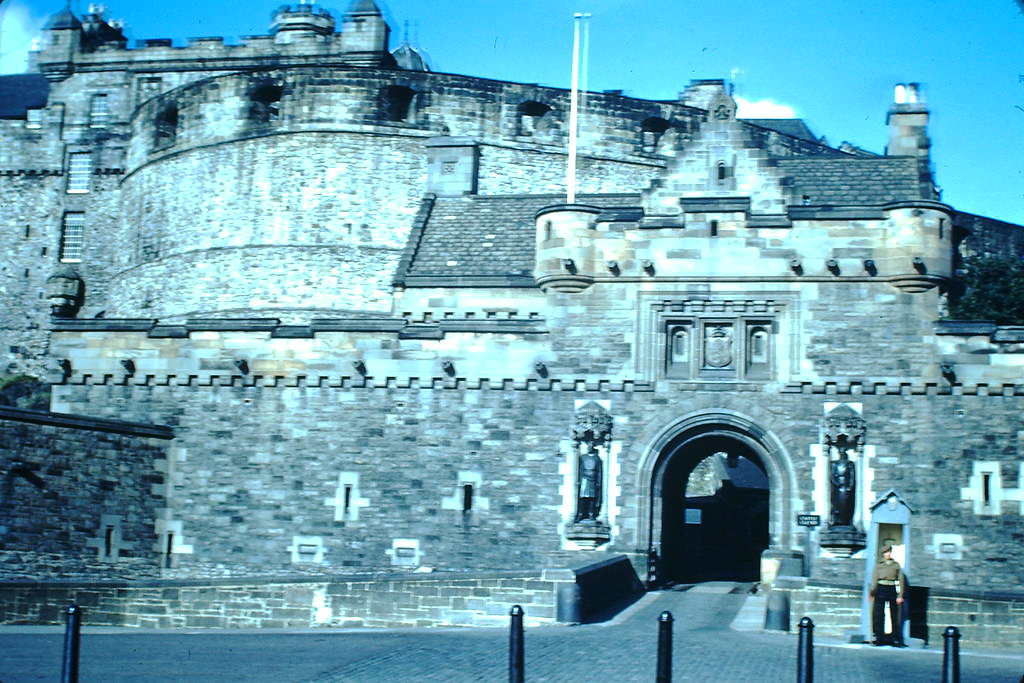
Edinburgh in 1949 was a city proud of its history and deeply tied to its castle. Edinburgh Castle, perched on volcanic rock above the city, had been a royal residence and military fortress for centuries. Its defenses, entrance gates, and the surrounding streets of the Old Town — including the High Street running along the Royal Mile — were well-photographed landmarks. The village of Cramond, on the western edge of the city where the River Almond meets the Firth of Forth, offered a quieter side of Edinburgh, with whitewashed cottages and a working harbor.
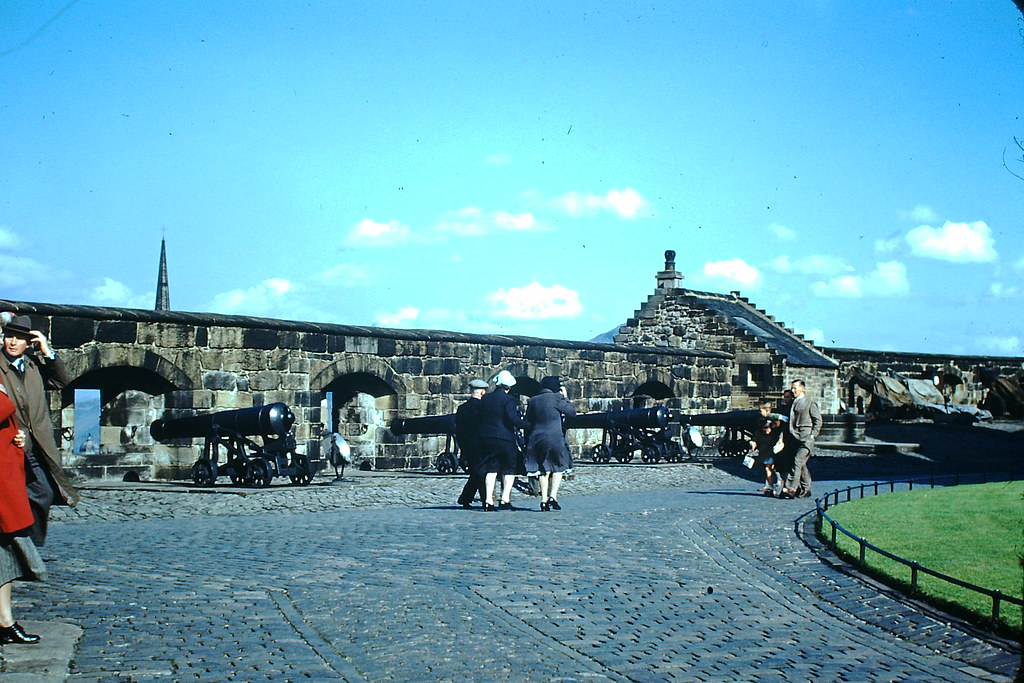
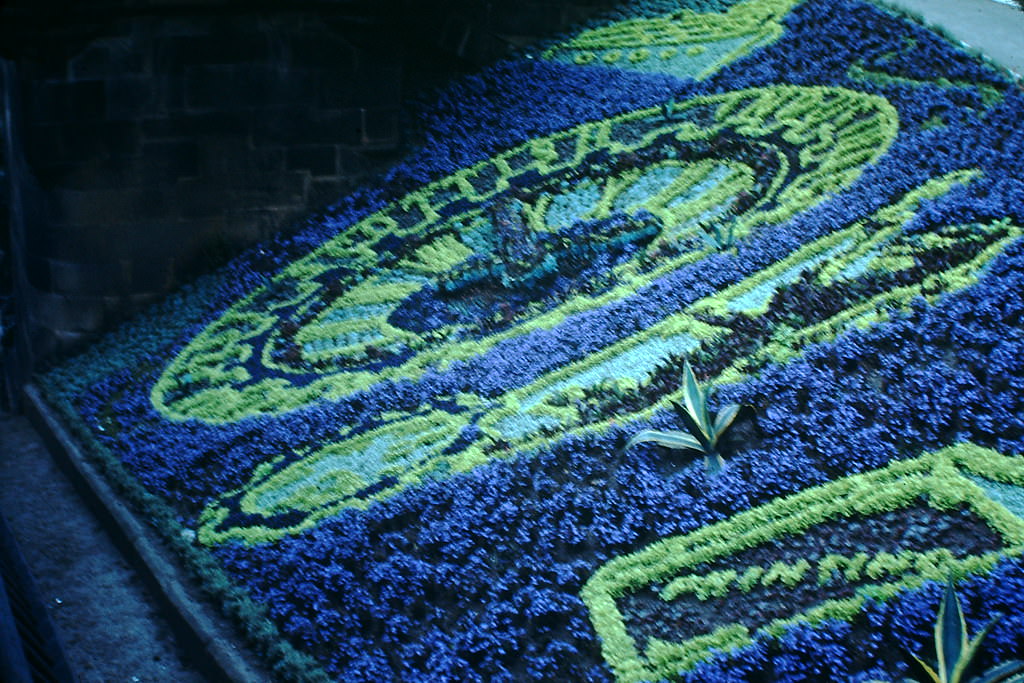
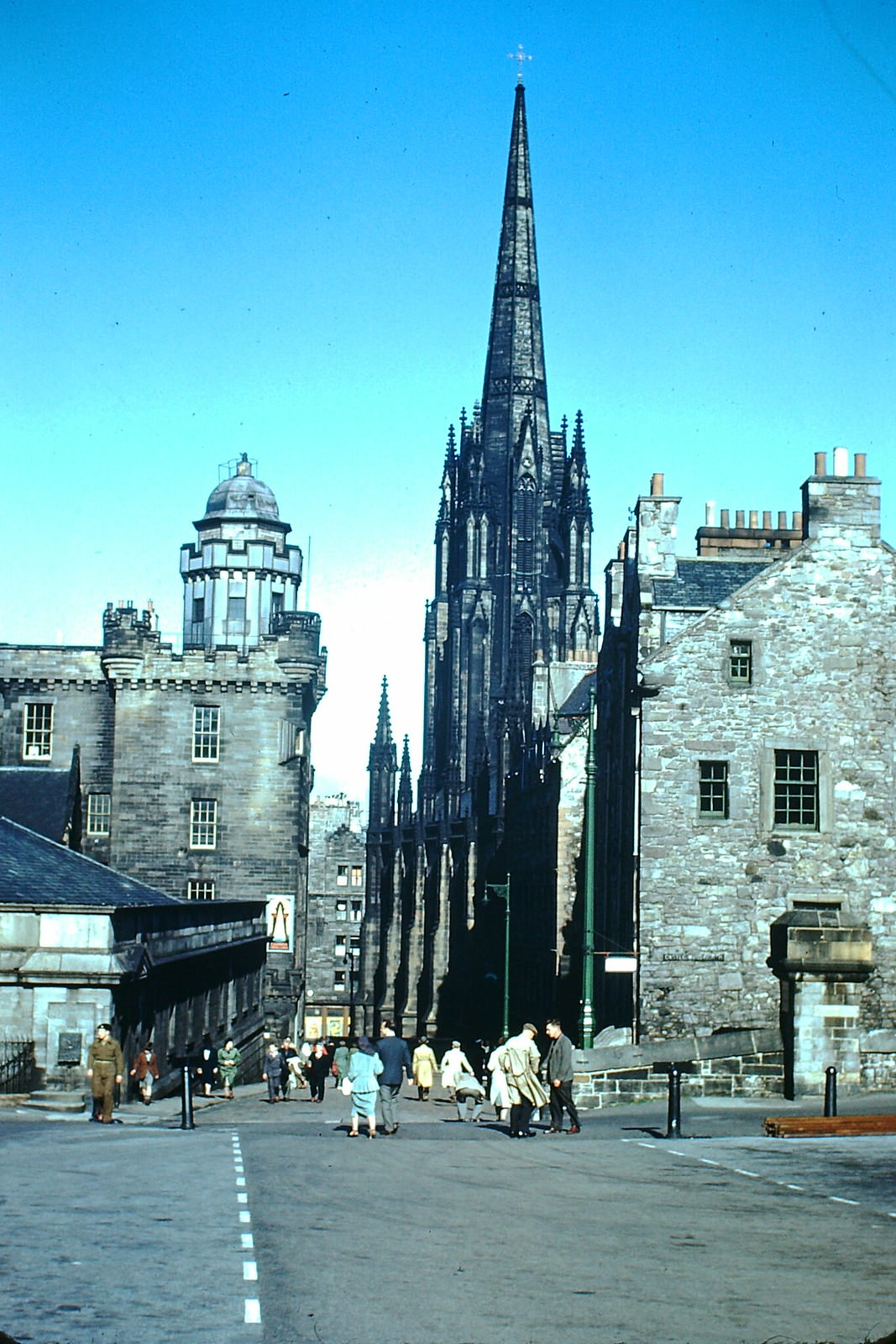
Princes Street, Edinburgh’s main shopping and promenade street, was home to the famous Floral Clock in West Princes Street Gardens — one of the oldest living floral clocks in the world, first planted in 1903. Nearby, the Highland Tolbooth St. John’s Church rose above the Royal Mile with its distinctive spire. The Holyrood area, at the foot of the Royal Mile, connected the city’s civic life with the Palace of Holyroodhouse, the official Scottish residence of the British monarch. These photographs from Edinburgh, taken in 1949, show a city where ancient stone and daily life existed side by side, just as they did across the rest of Britain in that extraordinary year of rebuilding and reinvention.