Cas Oorthuys was not a typical tourist with a camera. By the time the Dutch photographer turned his lens on London in the 1950s, he had already lived through Nazi occupation, imprisonment, and famine. That background gave him a sharp, unflinching eye for the details of daily life that others might walk past without a second glance. His photographs of the city capture a London still shaking off the dust of World War II — busy streets, crowded markets, and ordinary people going about their lives.
Oorthuys was born in the Netherlands and first picked up a camera as a student at the Haarlem MTS, where he studied in the architecture department. He became a staff photographer at De Arbeiderspers in 1936. His early work sat firmly in the tradition of “workers’ photography” — a movement that used images to document poverty, unemployment, police violence, evictions, and homelessness. These were not pretty pictures meant for gallery walls. They were social records, published in magazines and used as book illustrations and covers for communist and anti-fascist organizations.
When Germany occupied the Netherlands during World War II, Oorthuys did not stand aside. He worked at the Personal Identification Centre, established in 1942, where he took passport photographs used to produce fake ID cards for people hiding from the Nazis. In May 1944, the Germans arrested him and sent him to camp Amersfoort. He was released in August of that same year. Almost immediately after his release, he joined De Ondergedoken Camera — “The Hidden Camera” — an underground group of photographers who secretly documented the German occupation and the Hongerwinter, the Dutch famine of 1944–45 that killed tens of thousands of people.
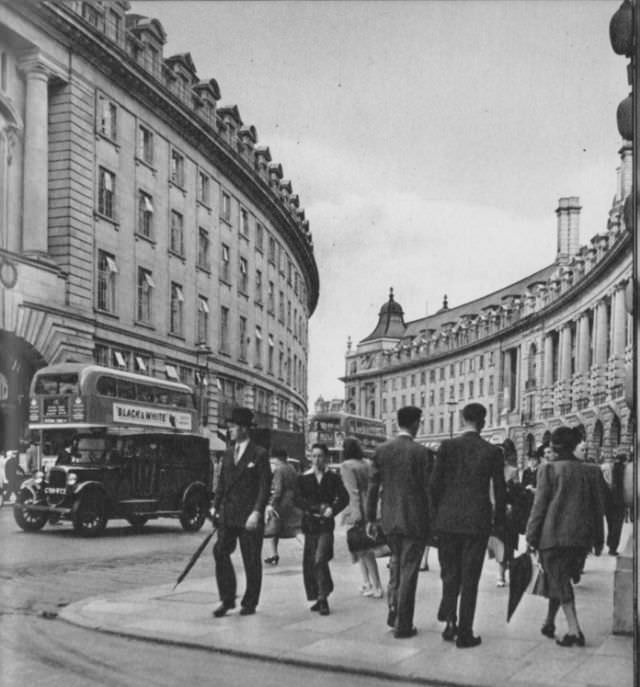
After the war, Oorthuys documented the Nuremberg war crimes trials and the slow rebuilding of the Netherlands. By the 1950s, he had turned his attention outward, traveling and photographing cities and people across Europe. London was one of his subjects, and the images he brought back show a city in transition — still marked by wartime damage in places, but very much alive.
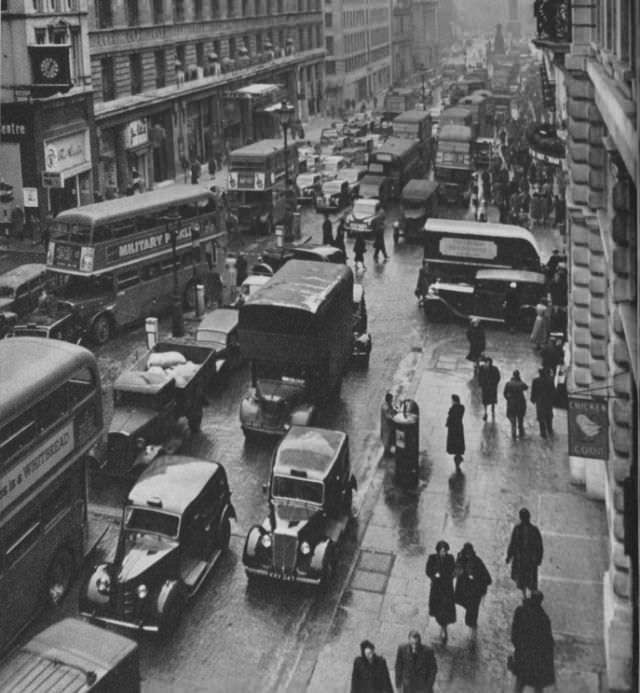
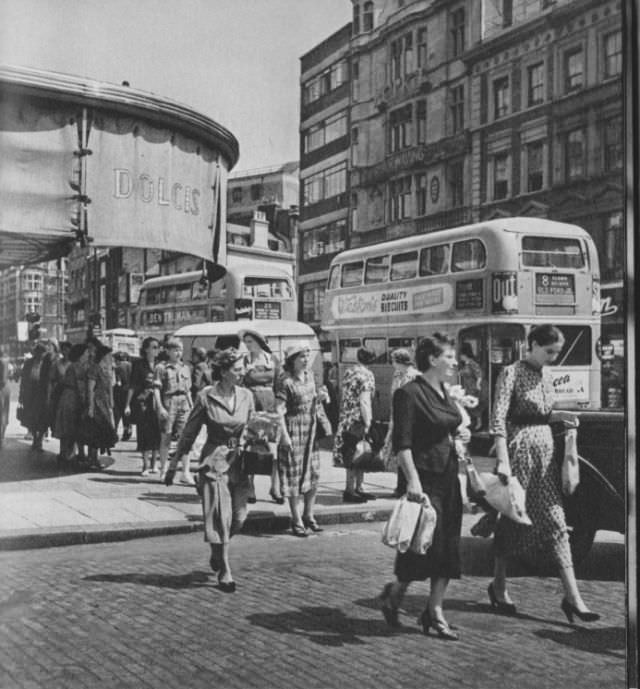
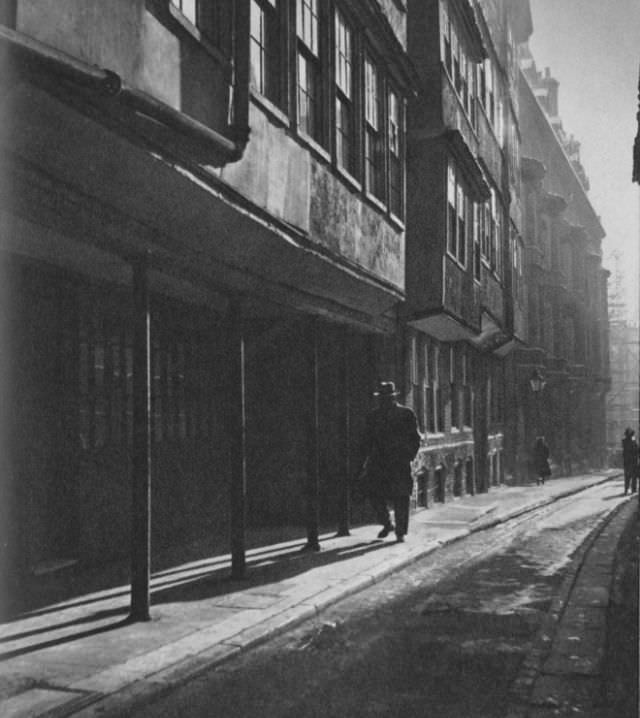
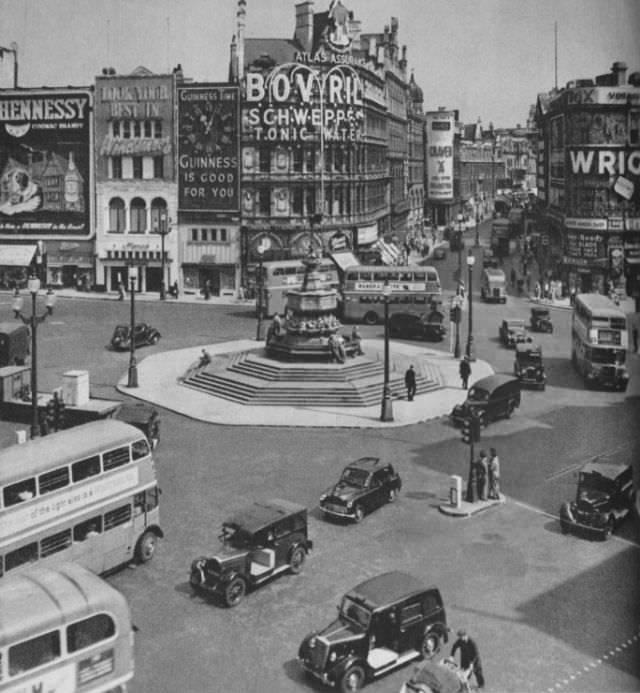
His London photographs cover an impressive range of the city. The grand commercial streets of the West End — Oxford Street, Regent Street, and Piccadilly Circus — appear alongside quieter, older corners like Middle Temple Lane, a cobbled passage that had changed little in centuries.
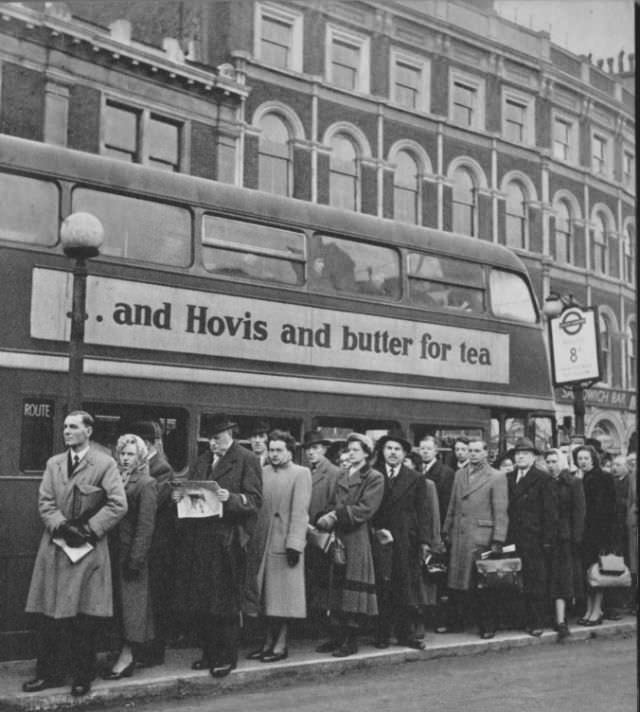
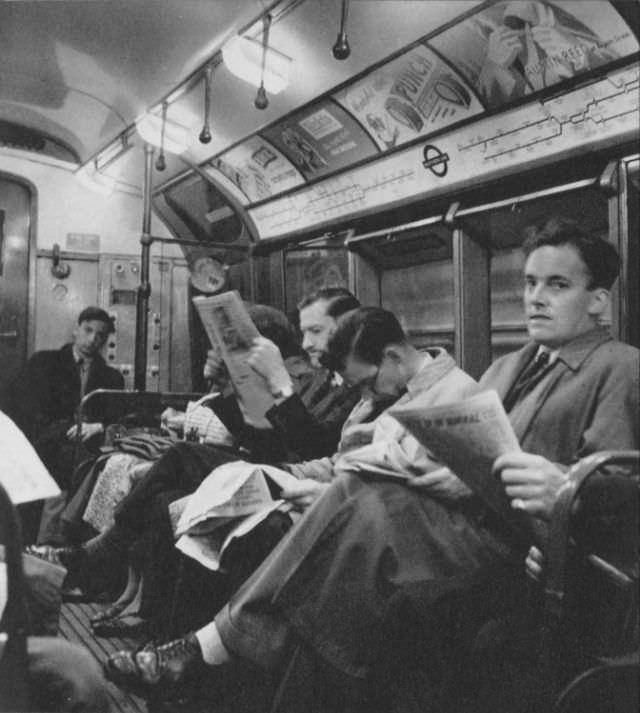
Oorthuys paid close attention to the rhythms of public transport. Londoners queueing in an orderly line for the number 8 bus at London Bridge Station is exactly the kind of scene he sought out — unremarkable on the surface, but telling in its detail.
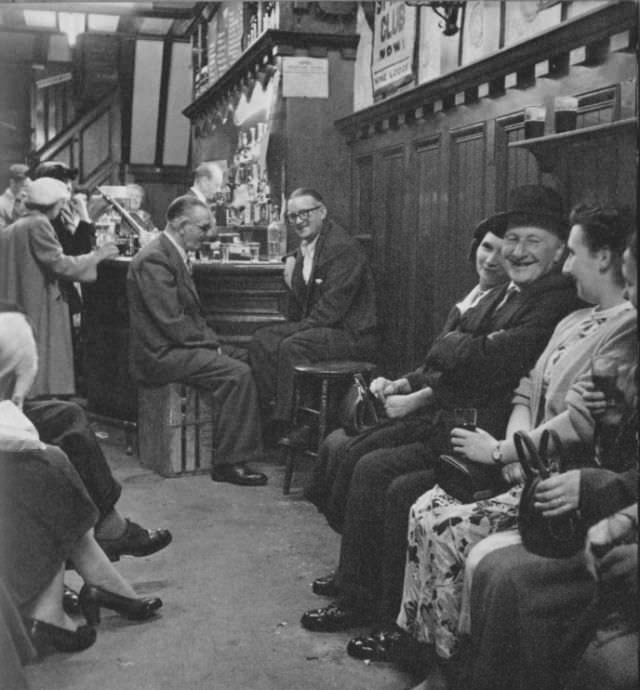
The city’s pubs and street-level landmarks also caught his attention. The Bull and Mouth on Aldersgate was a historic coaching inn site with centuries of London history behind it. These weren’t glamour shots — they were honest records of the city as it functioned, not as it posed.
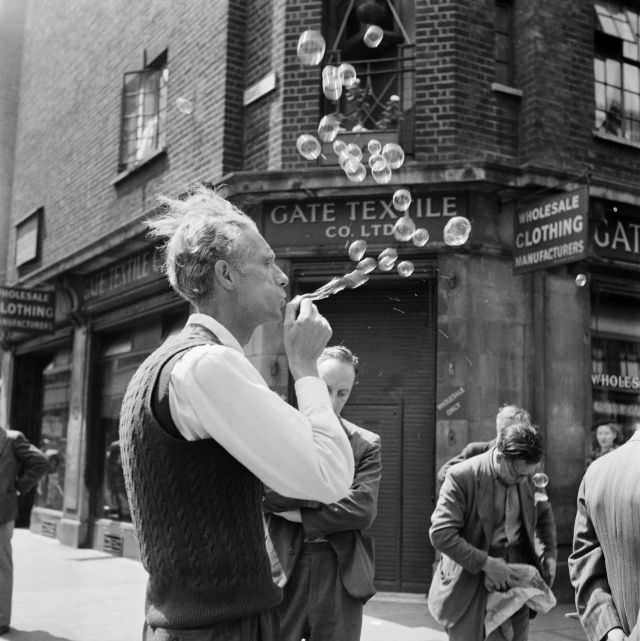
Children blowing soap bubbles, busy intersections at High Holborn, the banking district of Lombard Street — Oorthuys moved between the playful and the serious without missing a beat. His trained eye found the same visual weight in a child at play as in a street full of city workers.
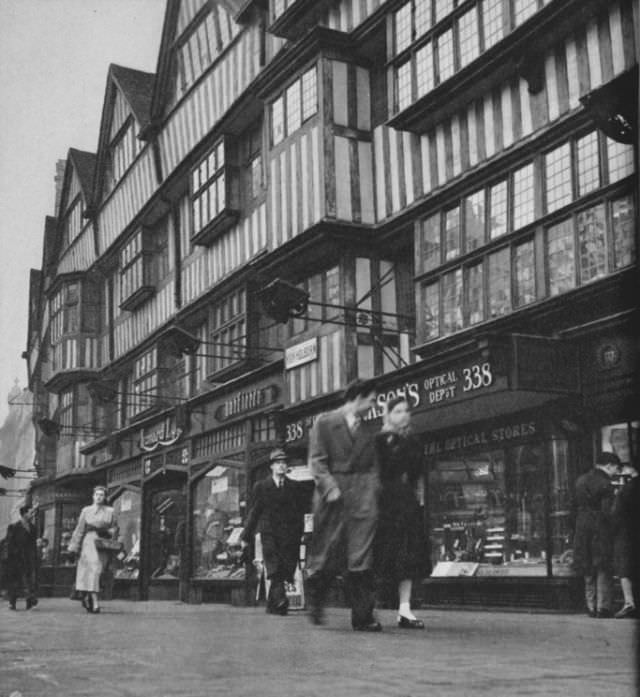
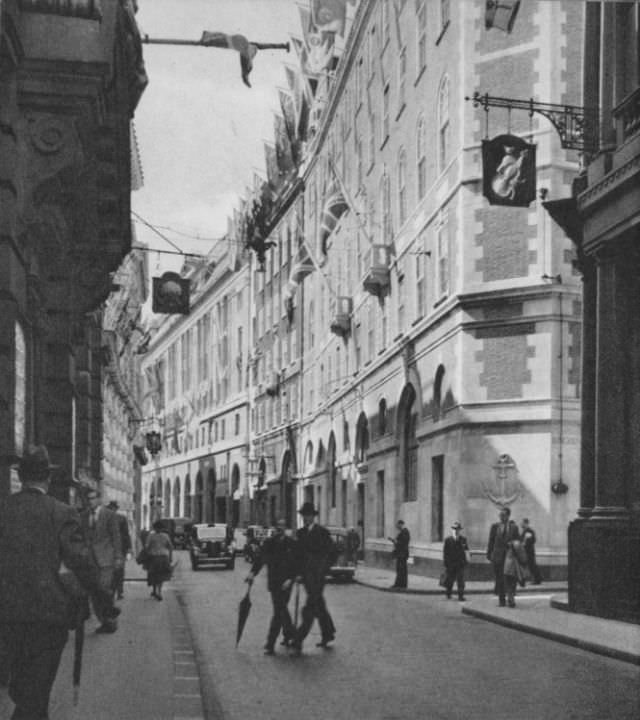
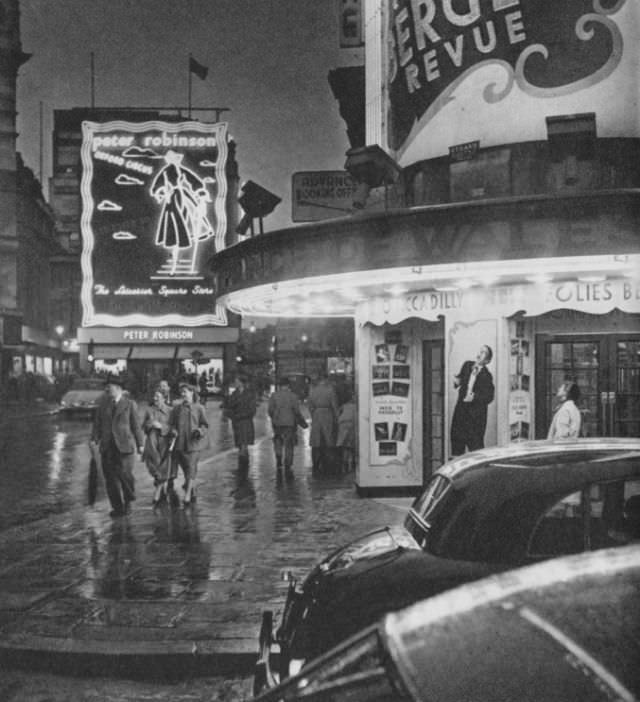
Piccadilly Circus, with its blazing advertisements and constant foot traffic, was a natural subject. So was the area around the Ritz Hotel on Piccadilly, where the contrast between wealth and the working city played out in plain sight on the pavement.
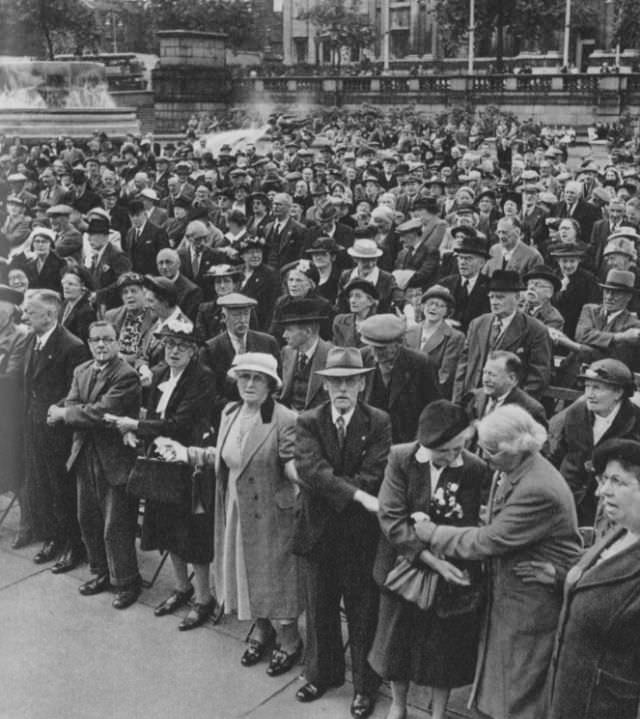
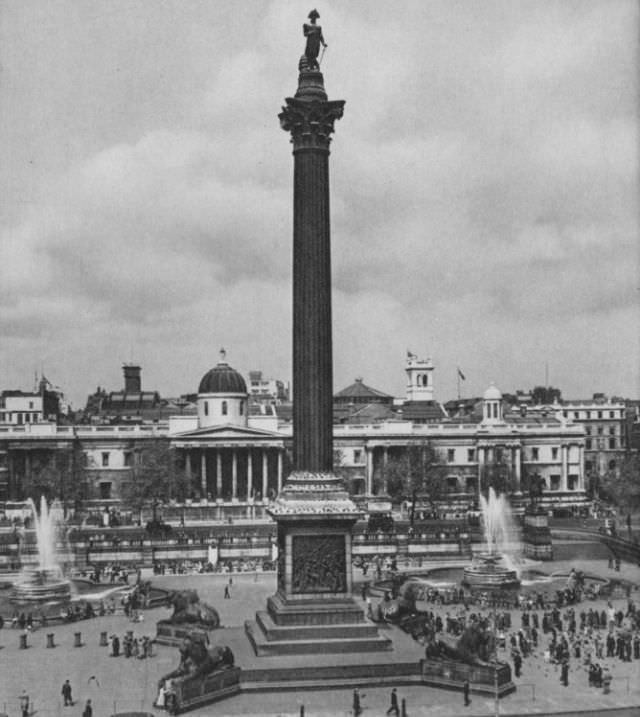
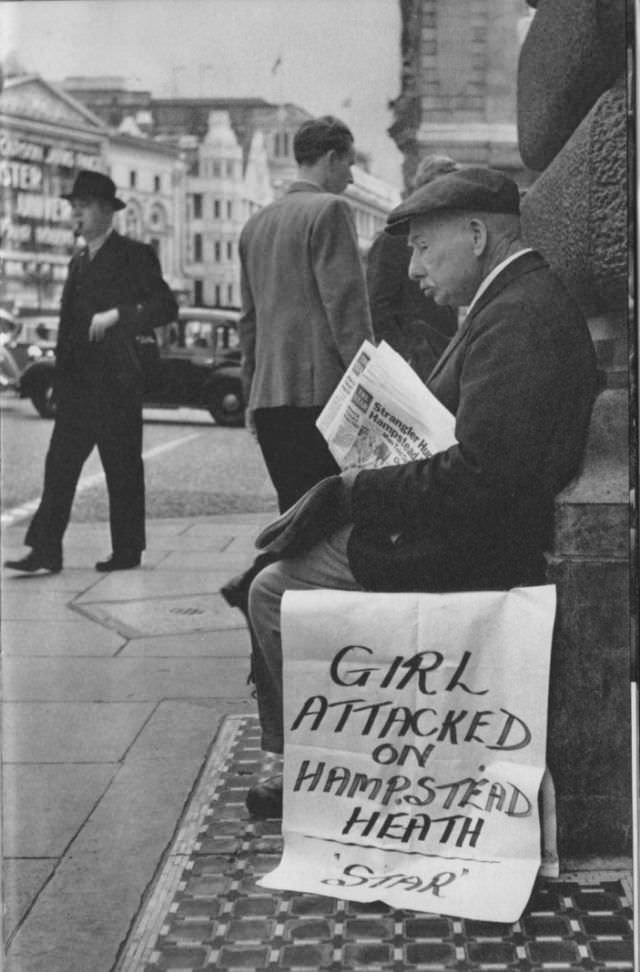
A pensioners’ rally at Trafalgar Square fits squarely within Oorthuys’s lifelong interest in working-class people and their struggles. Outside the Ritz, a newspaper seller named George Tippins worked his pitch on Piccadilly — the kind of named individual that Oorthuys took care to record, grounding his photographs in real, specific lives rather than anonymous faces.
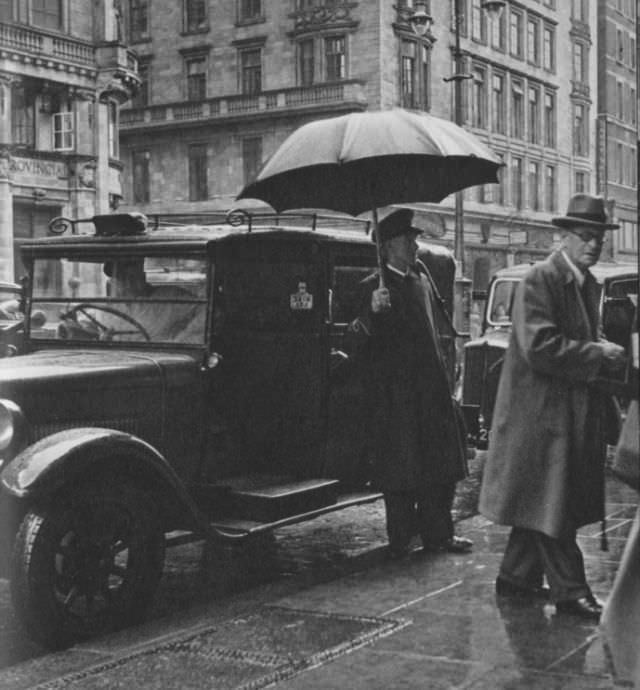
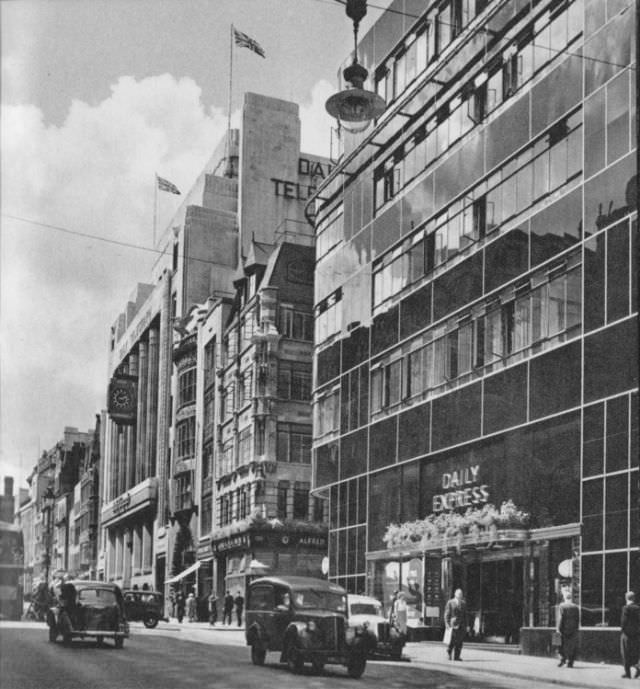
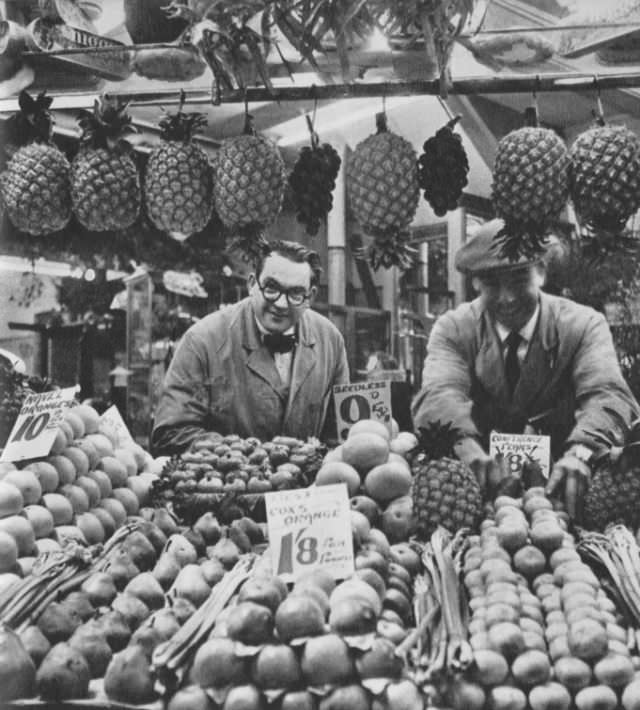
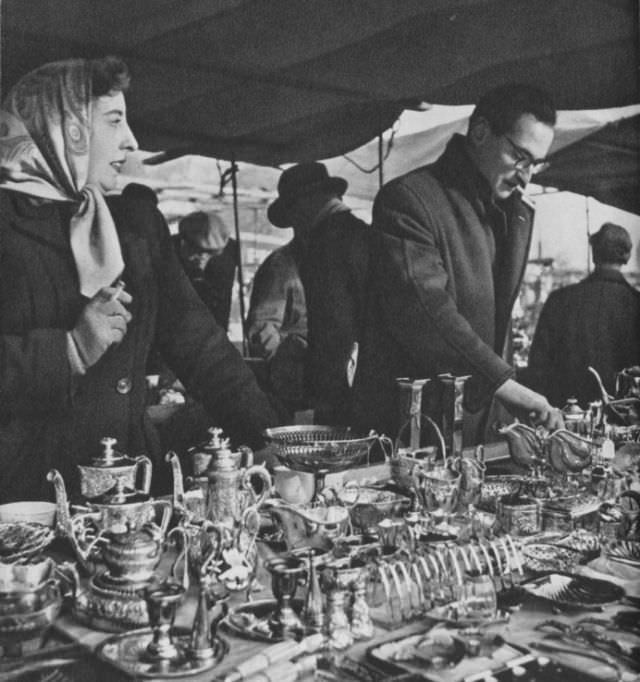
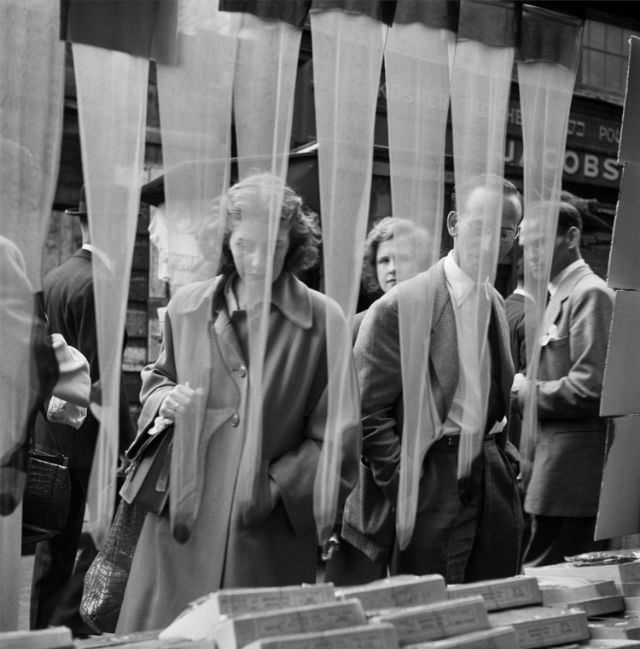
Fleet Street, the historic home of Britain’s newspaper industry, and the busy stalls of Berwick Street market and Caledonian Market gave Oorthuys more of what he did best — commerce, crowds, and the texture of working life in a postwar city.
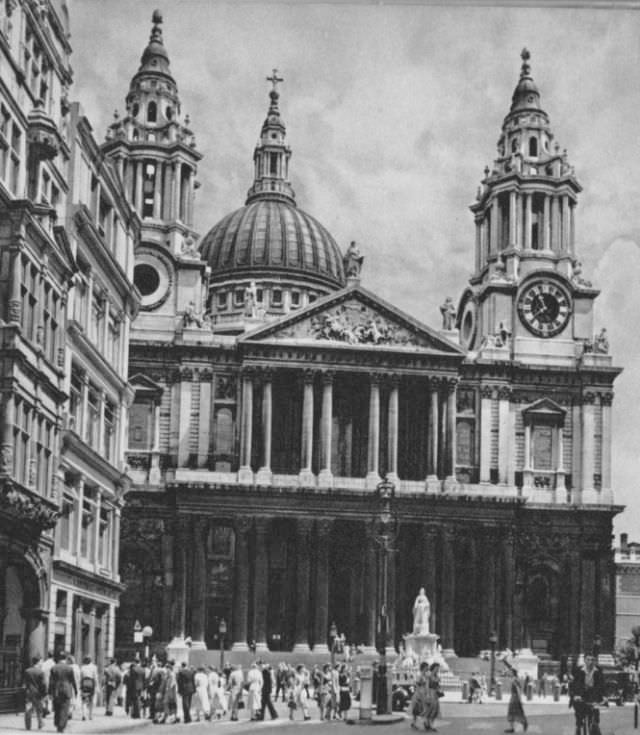
The Bank of England, a shop front on Rupert Street, and the dome of St Paul’s Cathedral each made it into his archive. These images together sketch out the full geography of central London — its financial core, its retail streets, and its surviving monuments.
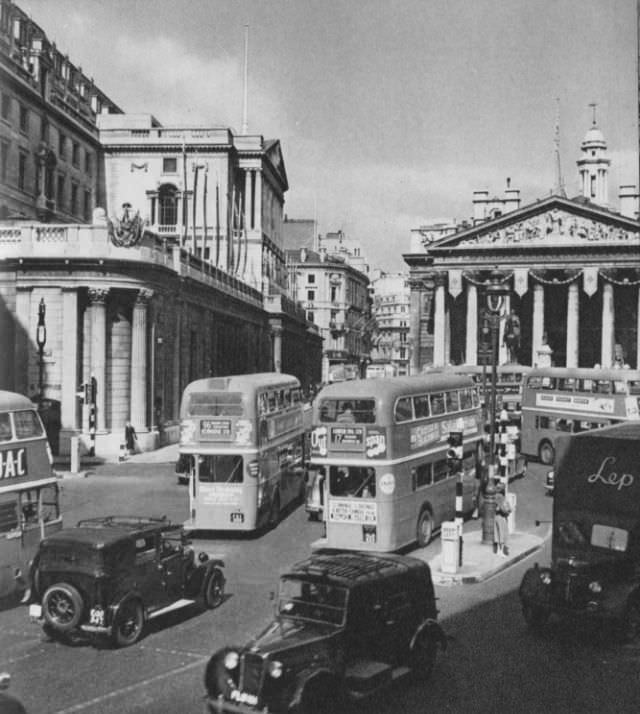
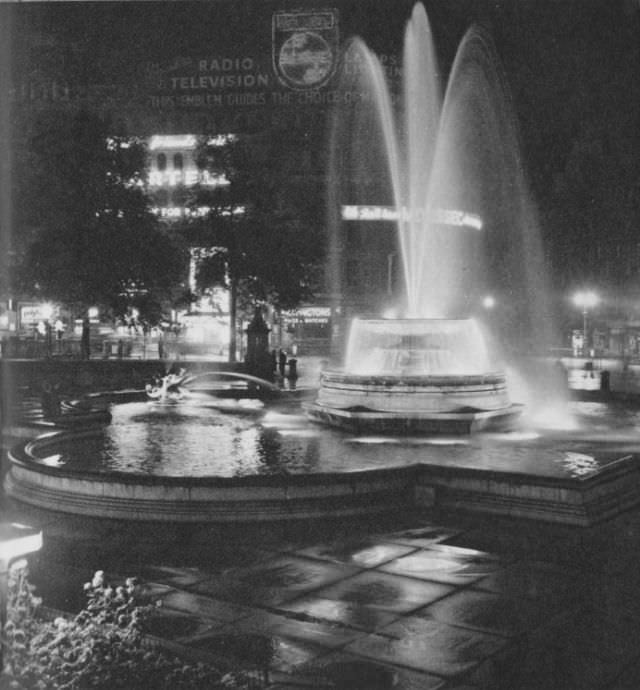
Entertainment was part of the picture too. The Prince of Wales Theatre on Coventry Street stood in the heart of the West End’s theatre district, where London’s postwar appetite for performance was very much alive. And Trafalgar Square — by day a gathering place for rallies and pigeons, by night transformed by electric light — closed out his London series with two very different faces of the same famous space.