London in the 1950s was a city shaking off the weight of the Second World War. Rationing, which had kept a tight grip on daily life since the early 1940s, finally came to a full end by 1954. With that came a slow but real rise in the standard of living. Council housing replaced bomb-damaged slums, the welfare state was expanding, and for the first time in years, ordinary Londoners had reason to feel hopeful. Televisions and washing machines began appearing in homes, changing daily routines in ways that would have seemed impossible a generation before.
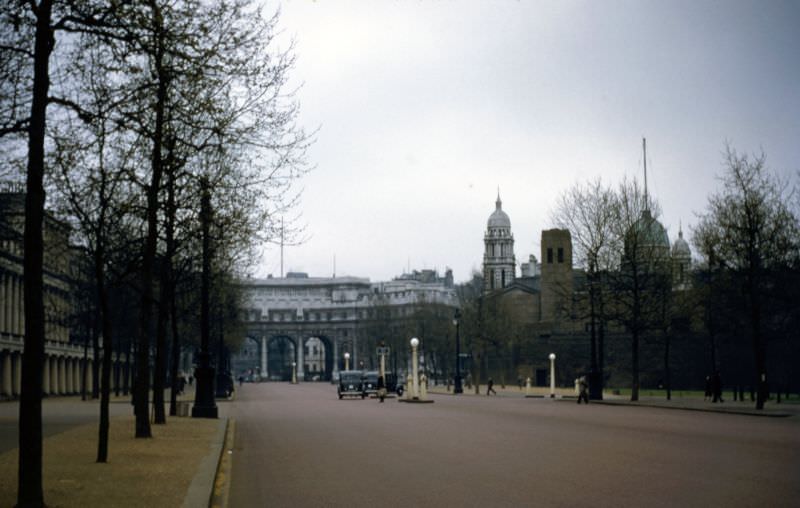
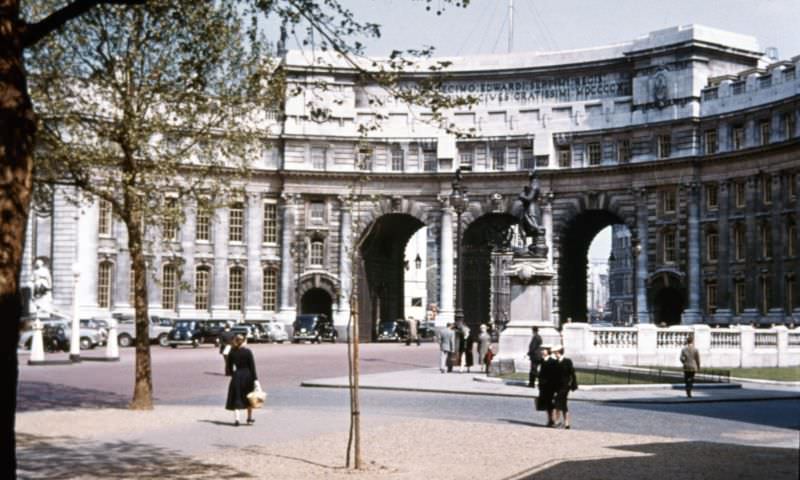
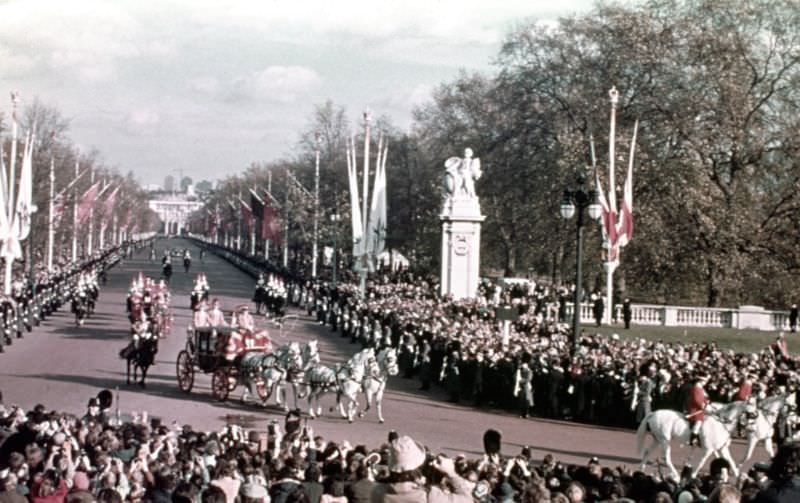
The grand ceremonial route stretching from Buckingham Palace through The Mall to Trafalgar Square was at the heart of royal London. Admiralty Arch, completed in 1912, served as both a memorial to Queen Victoria and a working government building. In the 1950s, it framed processions that the whole nation watched with pride.
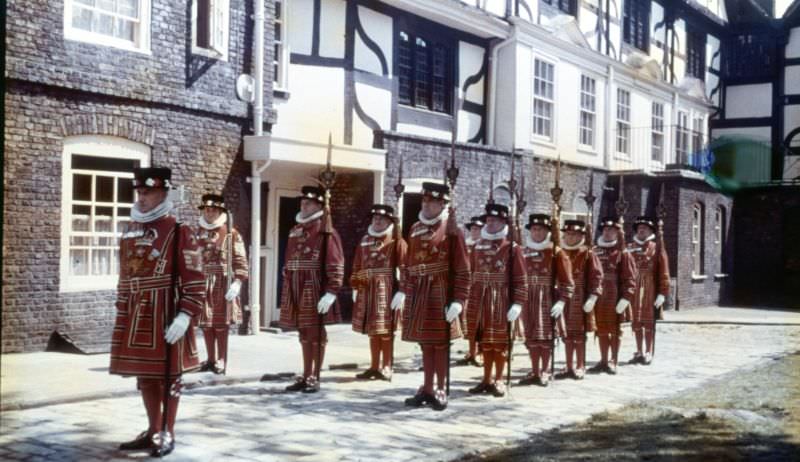
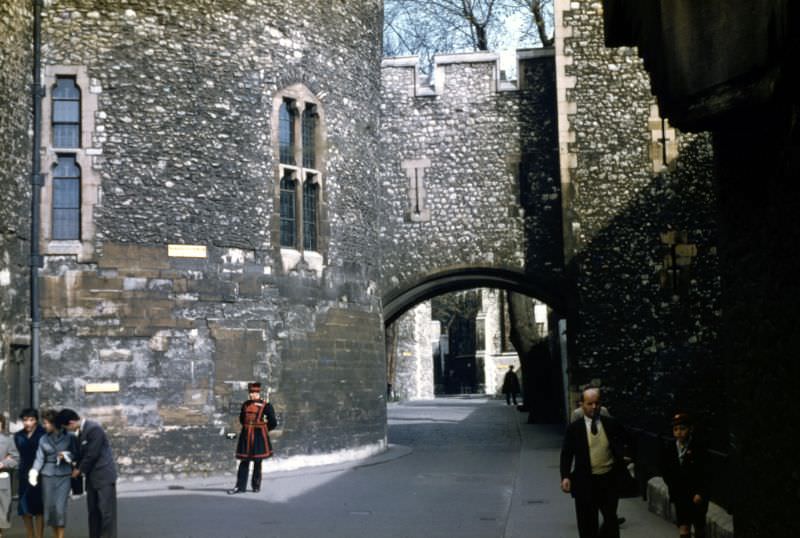
The Tower of London’s Yeoman Warders, known as Beefeaters, remained one of the city’s most recognizable sights. Their Tudor-style uniforms had barely changed in centuries, offering a sharp visual contrast to a city that was rapidly modernizing around them.
The single most defining moment of the decade was the coronation of Queen Elizabeth II on June 2, 1953. She was just 27 years old when she was crowned at Westminster Abbey. The event drew enormous crowds to the streets of London and was broadcast on television to millions of viewers across Britain — for many, it was the first major event they ever watched on a TV set.
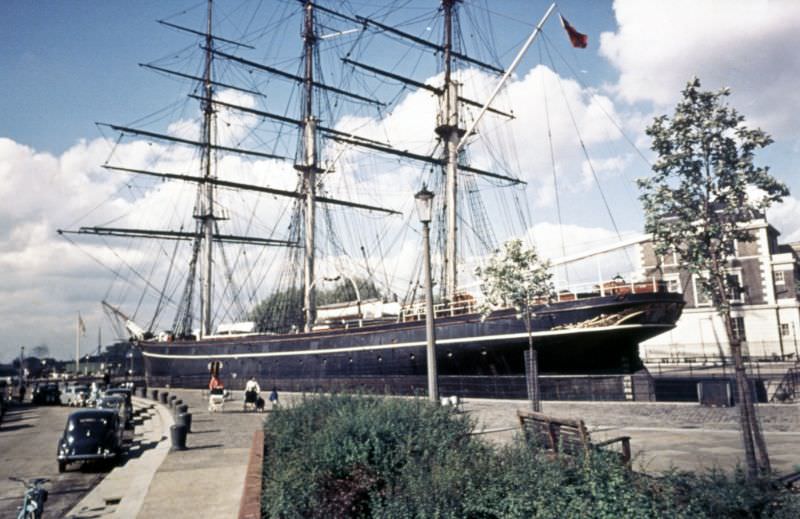
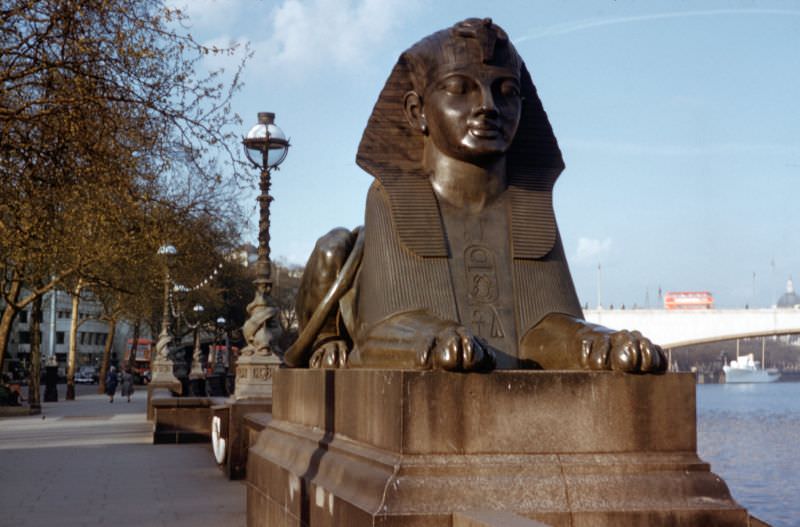
The Cutty Sark, the famous 19th-century tea clipper, was permanently dry-docked at Greenwich in 1954. It quickly became a tourist attraction and a symbol of Britain’s proud maritime past. Not far along the Thames embankment stood other reminders of the city’s long history, including the ancient Egyptian sphinx on Victoria Embankment, a gift to Britain dating back to 1878.
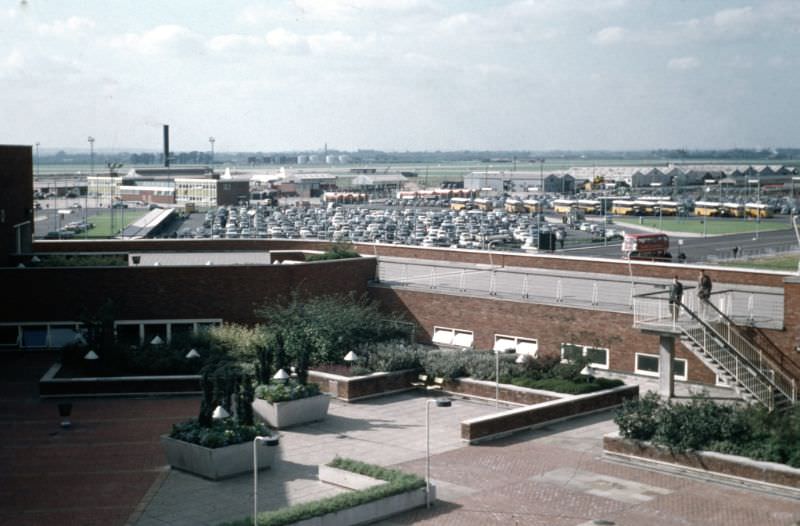
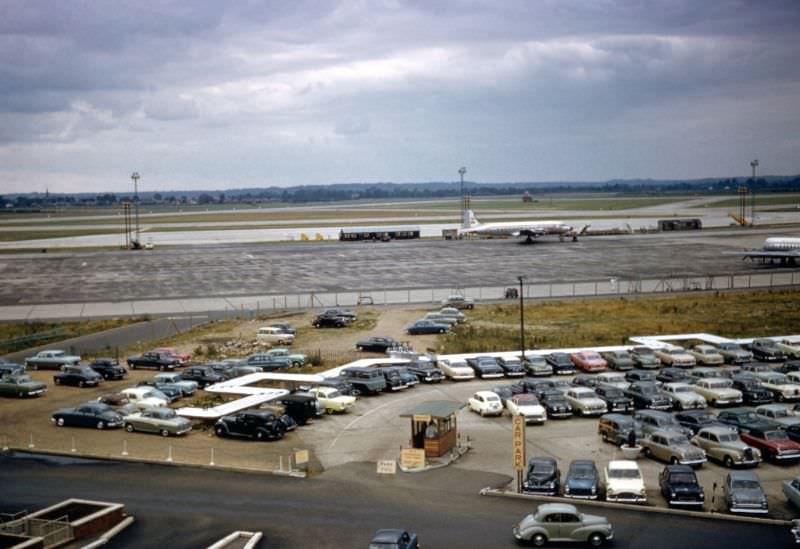
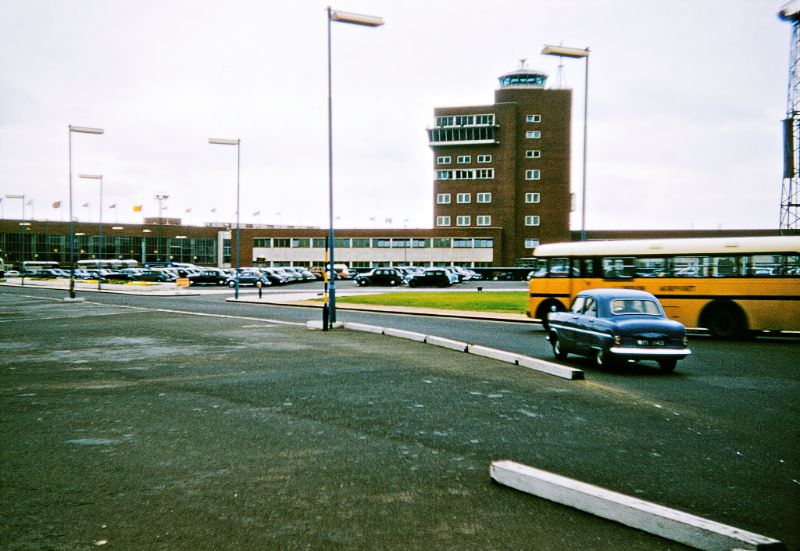
London was also growing as a hub of air travel. Heathrow Airport, known then as London Airport, was expanding rapidly to keep up with demand. Passengers could visit a rooftop viewing area at the Queen’s Building to watch aircraft take off and land — a popular activity for families in the 1950s.
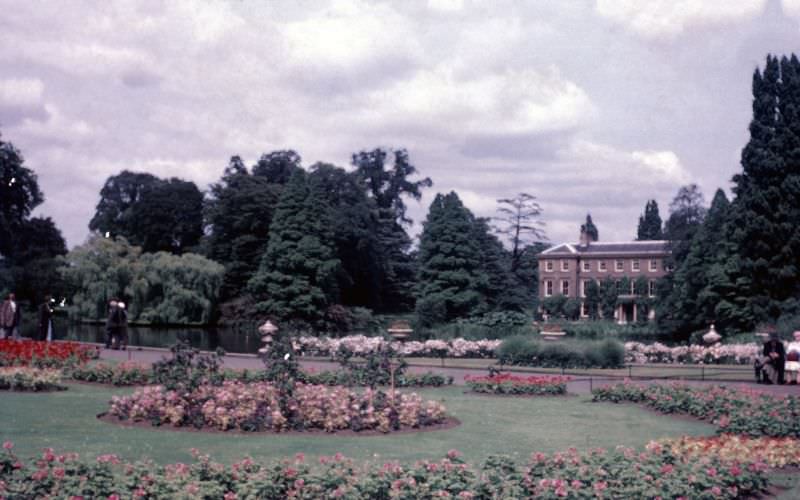
Kew Gardens offered Londoners a peaceful escape from the busy streets. The Royal Botanic Gardens, covering over 300 acres in southwest London, had been a public destination since the 19th century and remained a favorite spot for families throughout the postwar years.
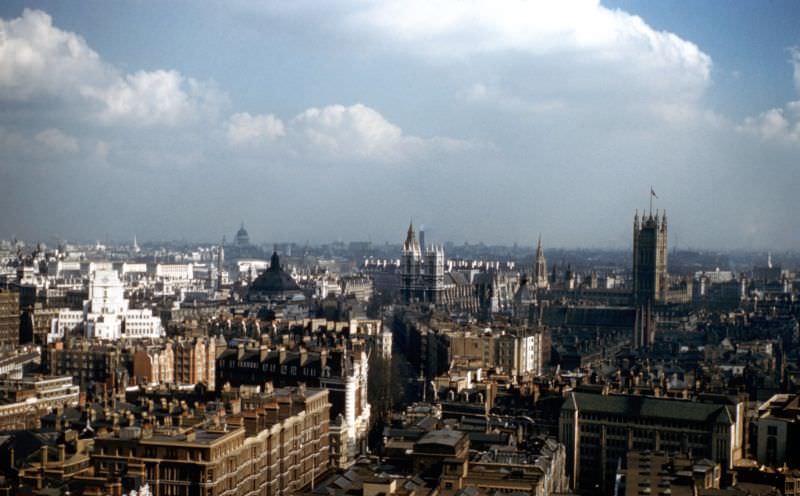
From above, 1950s London showed a city still carrying the scars of wartime bombing alongside signs of new construction. Bomb sites were still visible in many neighborhoods, but cranes and scaffolding were increasingly common as rebuilding accelerated through the decade.
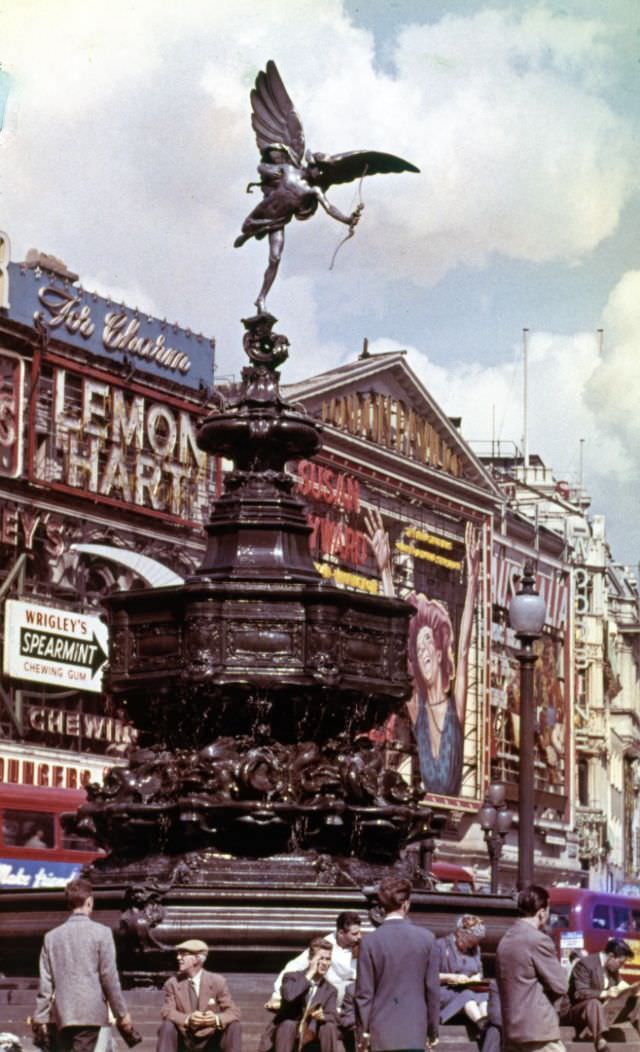
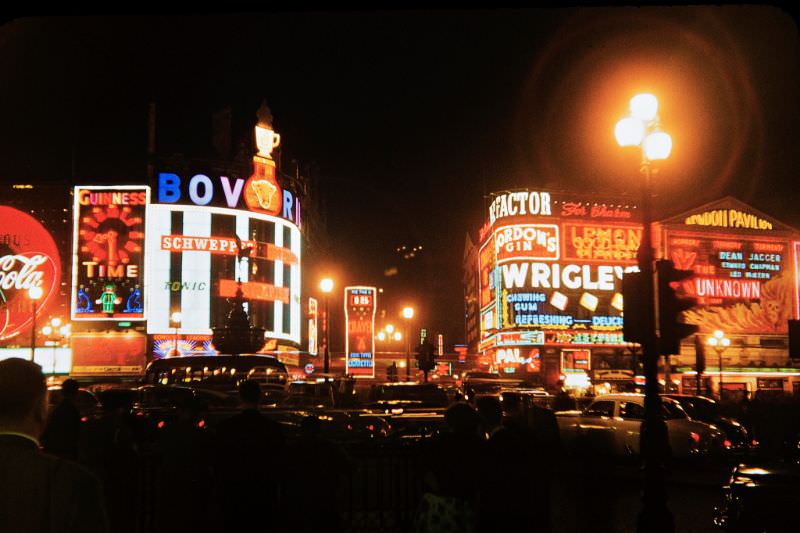
Piccadilly Circus was London’s commercial and entertainment heartbeat. The London Pavilion, one of the West End’s most prominent venues, anchored the busy junction. Neon advertisements lit up the square at night, and the area buzzed with theatergoers, tourists, and locals alike.
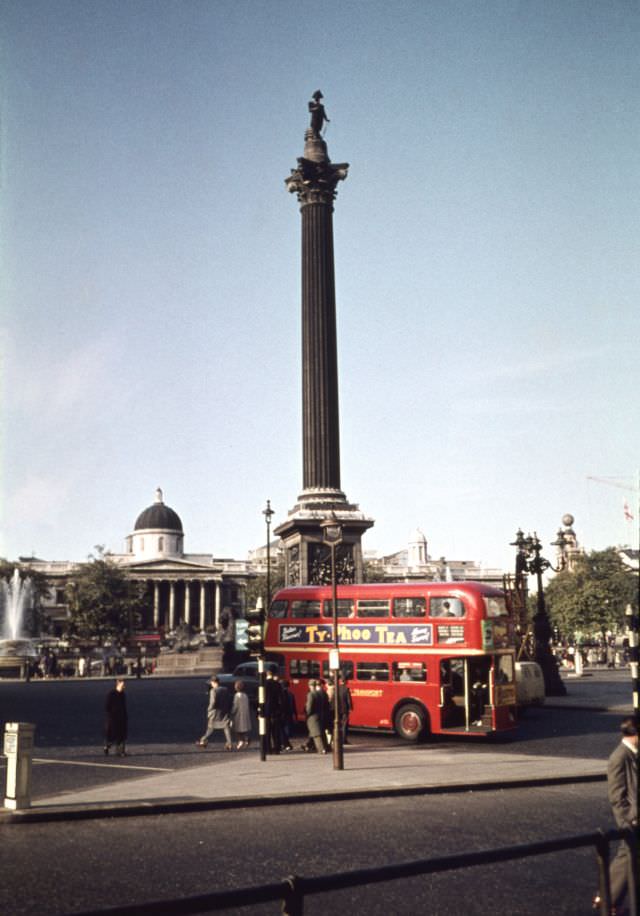
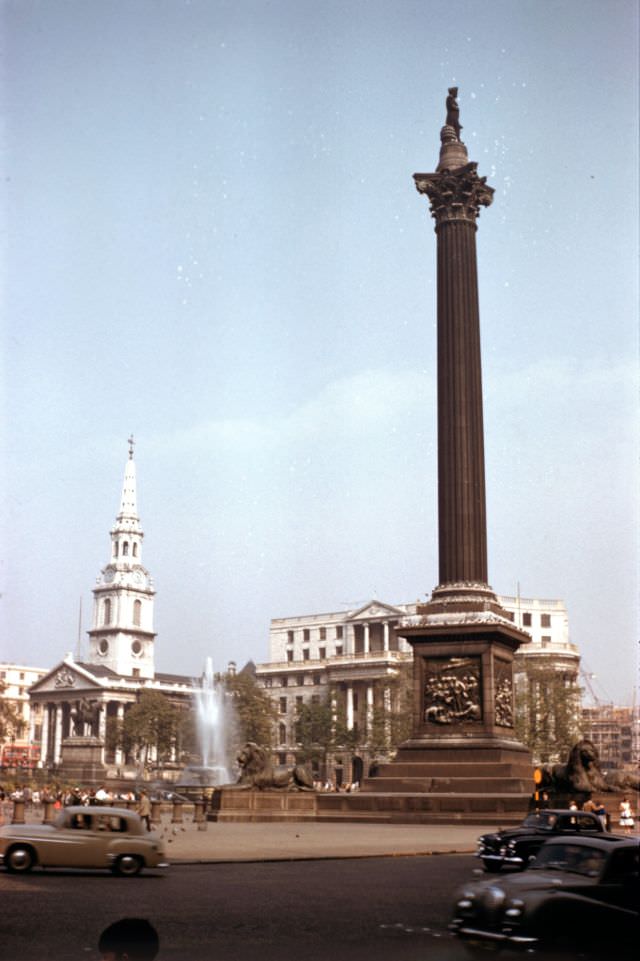
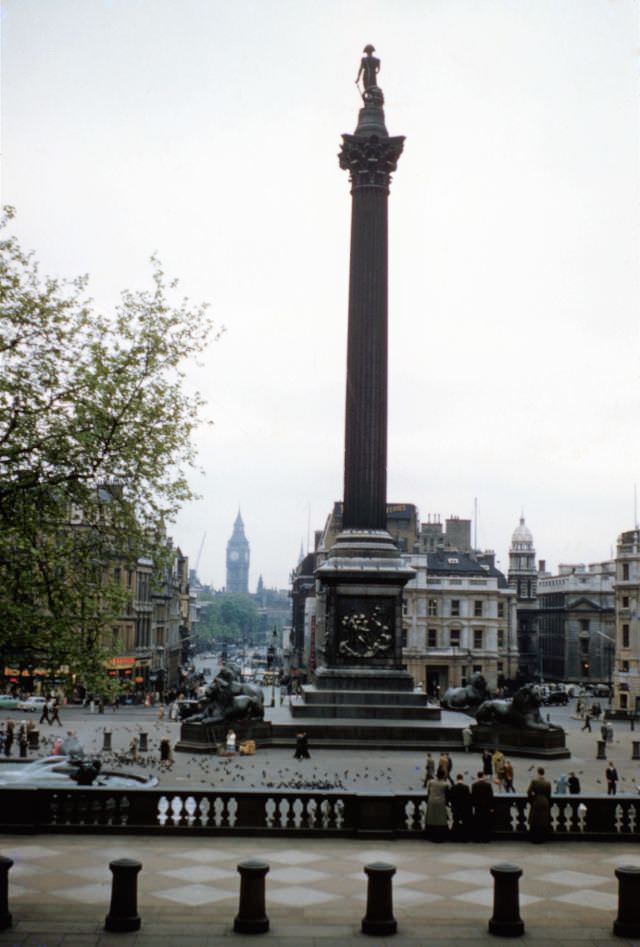
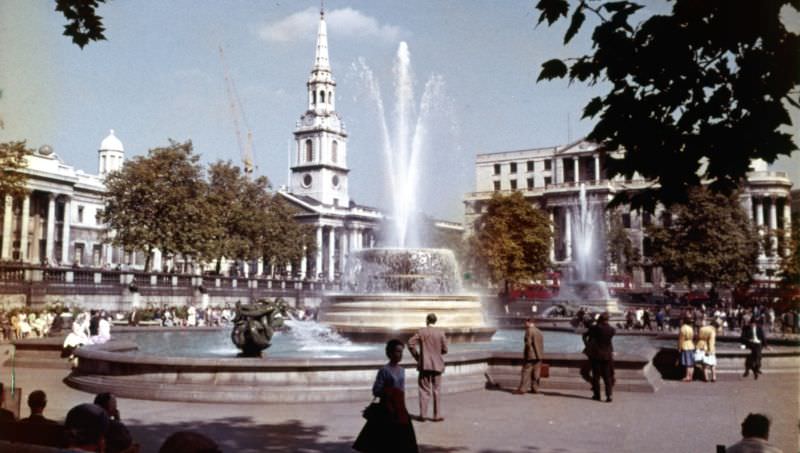
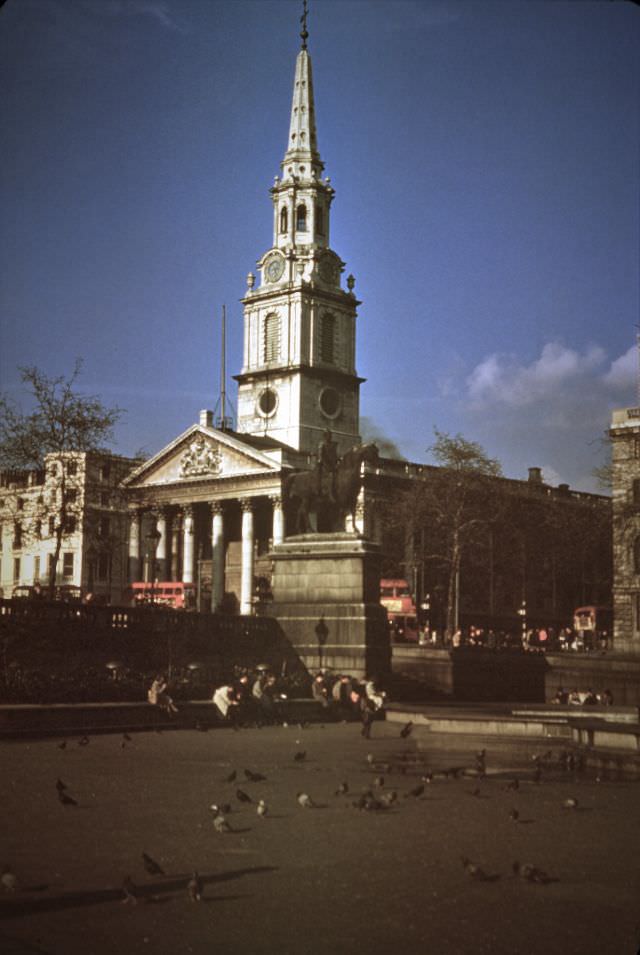
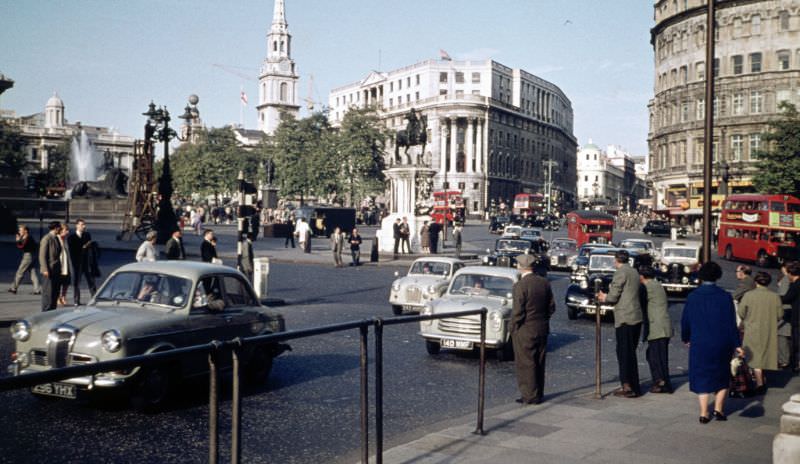
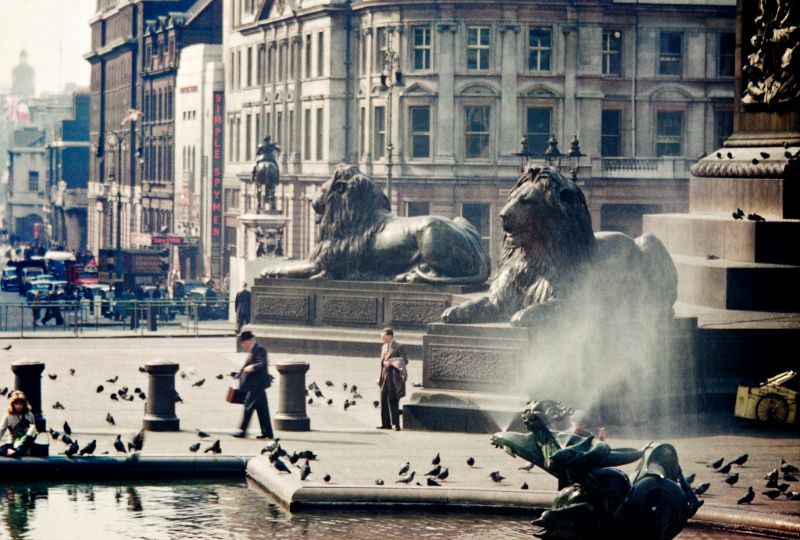
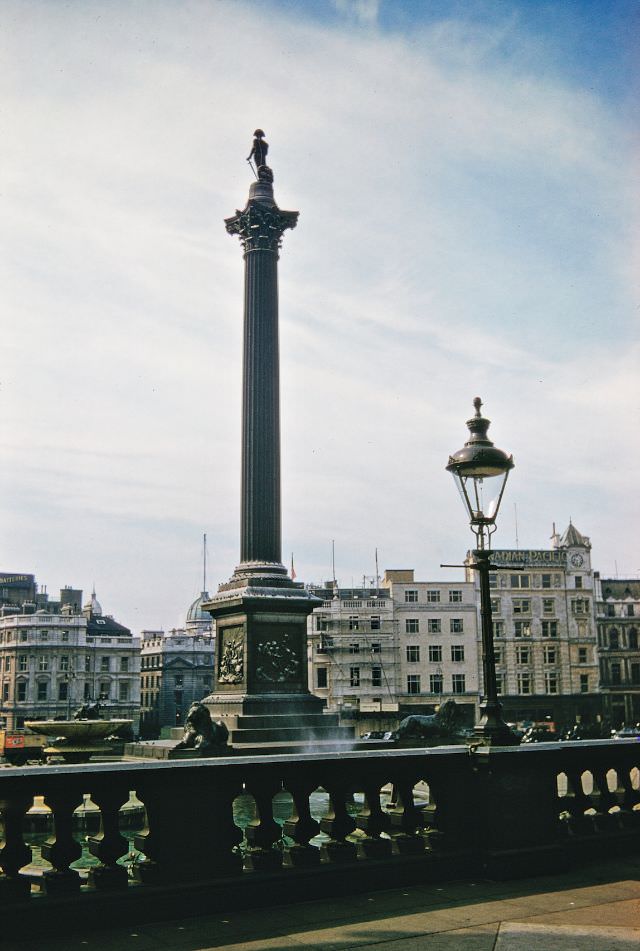
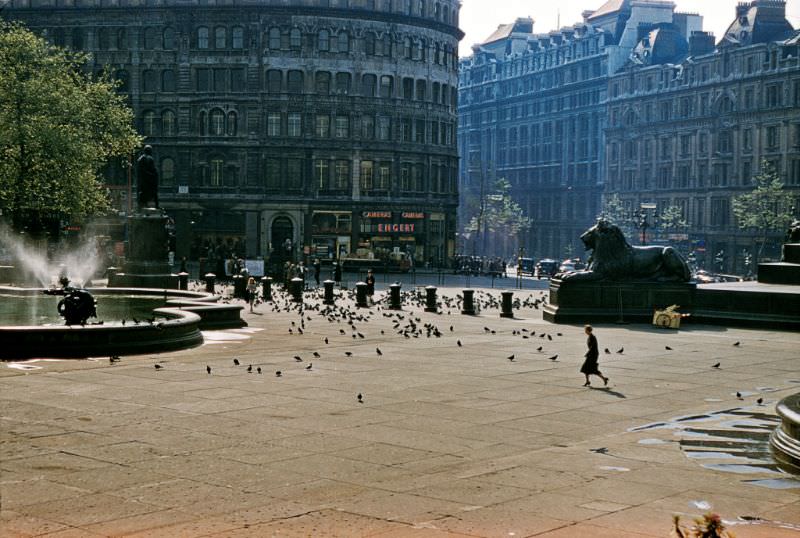
Trafalgar Square remained the city’s central public space. Nelson’s Column, rising 170 feet above the square, overlooked the fountains and the famous Landseer Lions at its base. Pigeons filled the square in enormous numbers, and it served as a gathering point for celebrations, protests, and everyday life.
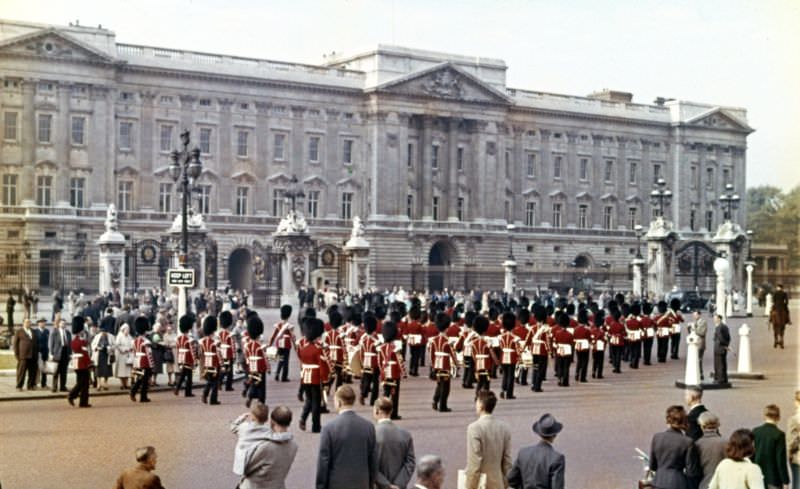
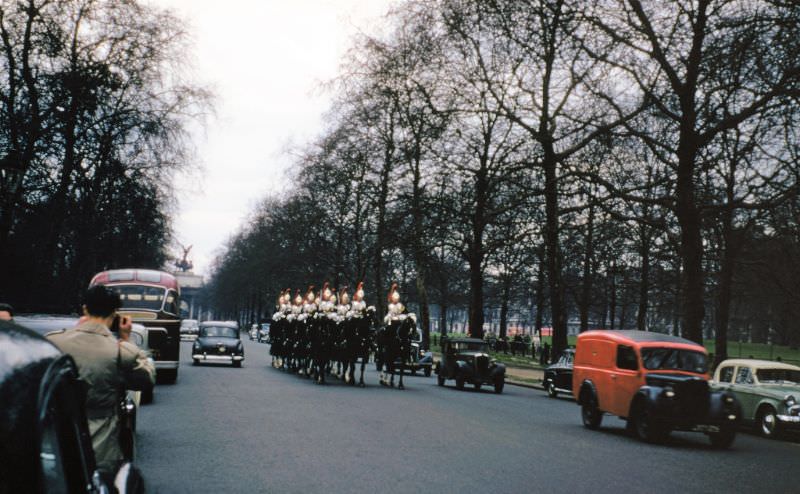
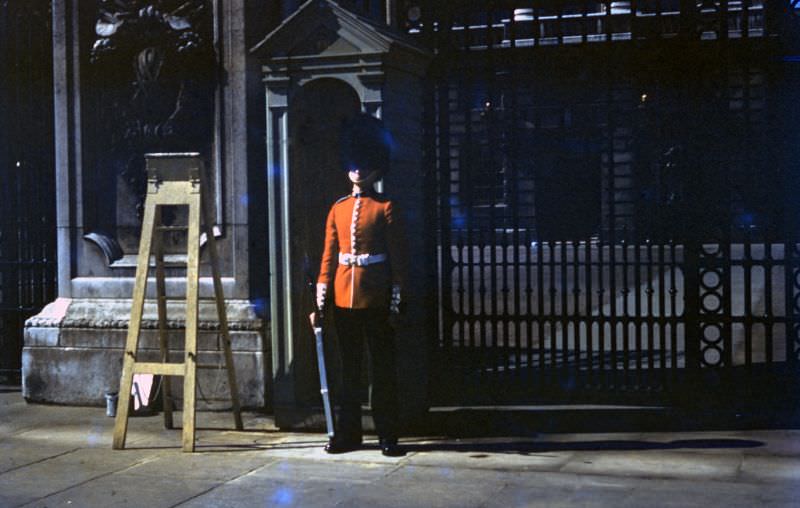
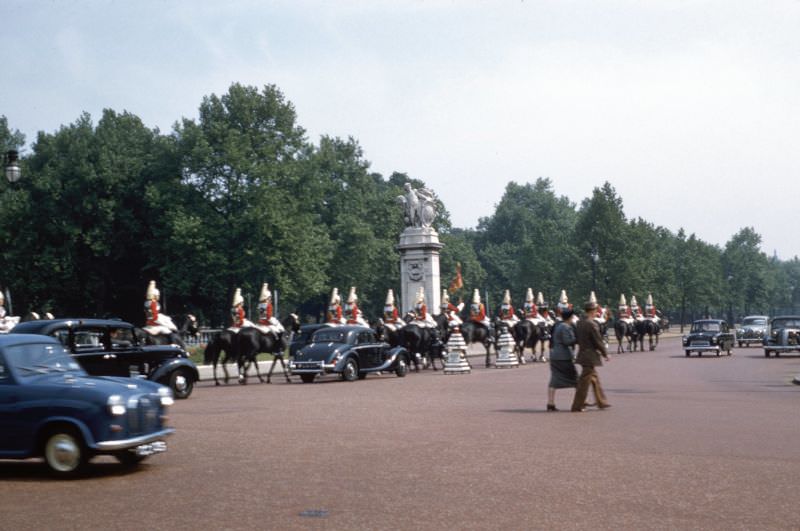
The Queen’s Guard at Buckingham Palace drew steady crowds of onlookers. The Changing of the Guard ceremony, performed in full uniform regardless of weather, was already one of the most-watched rituals in the city. St. James’s Palace, just a short walk away, served as the official residence of the Sovereign and remained an active working royal palace throughout the 1950s.
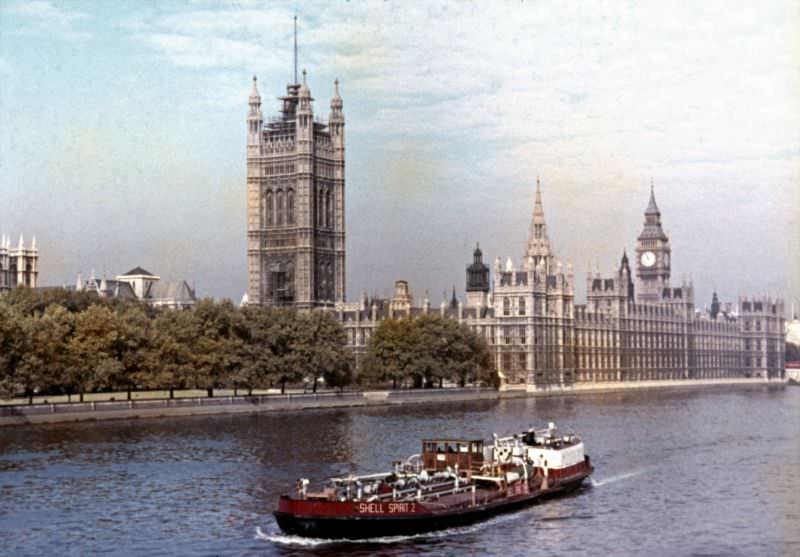
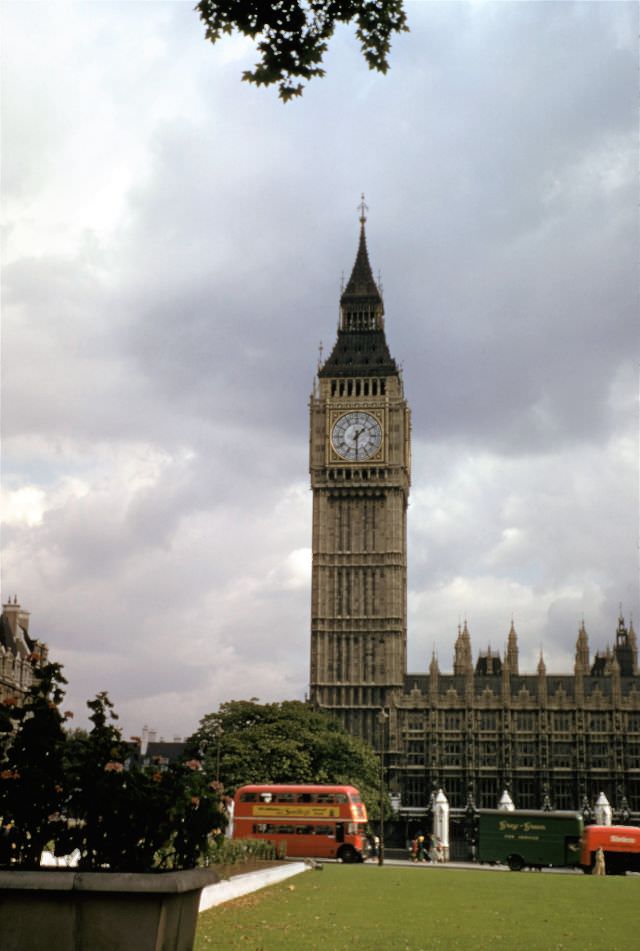
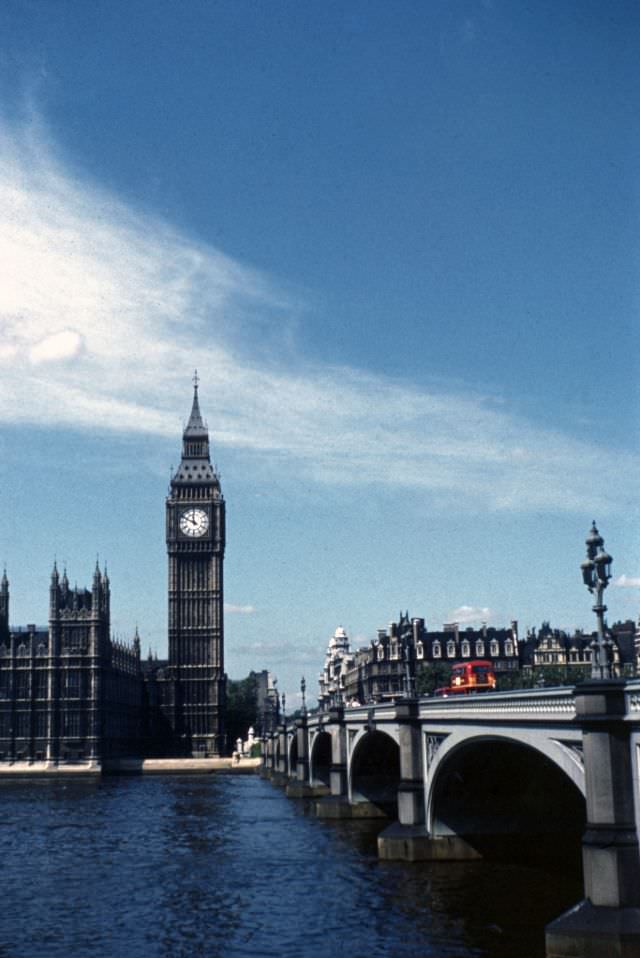
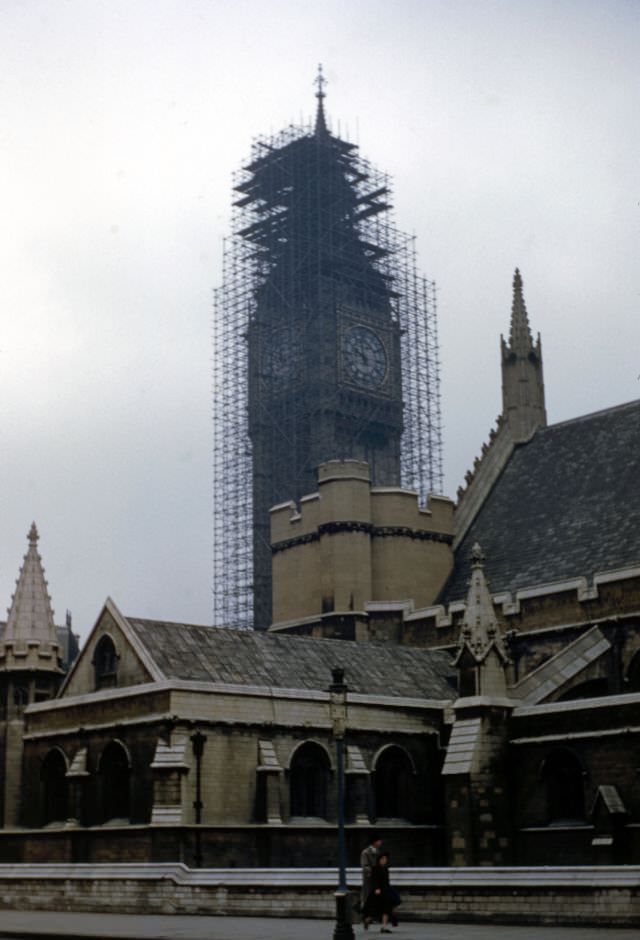
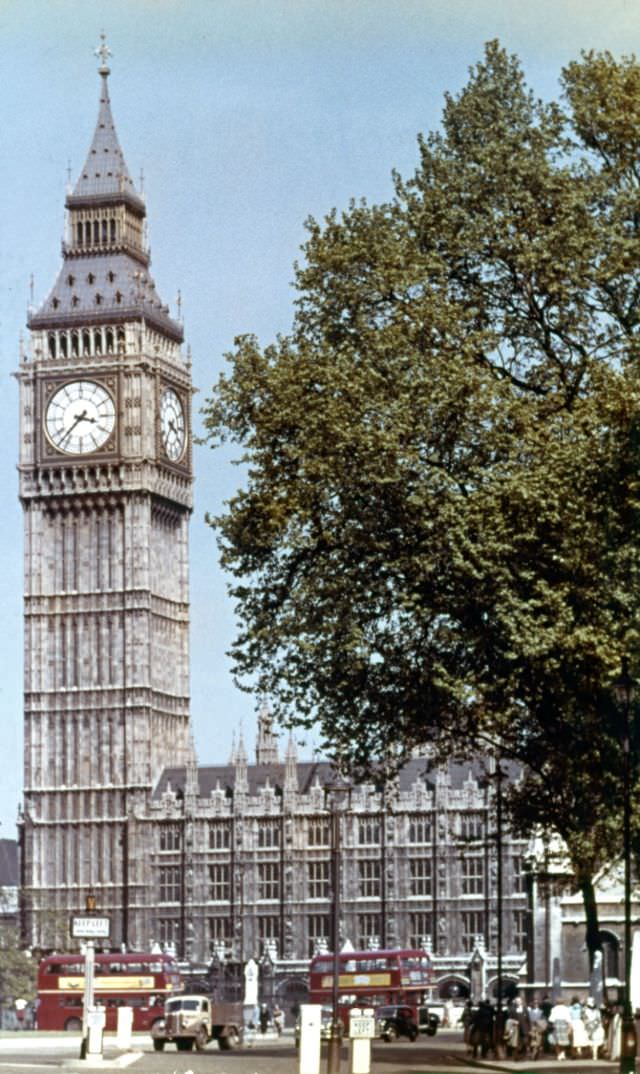
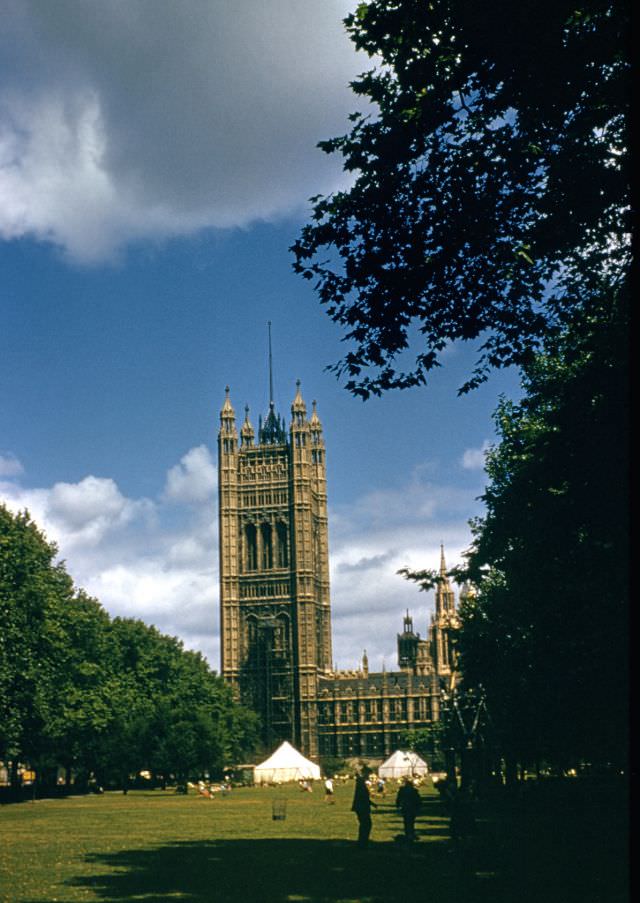
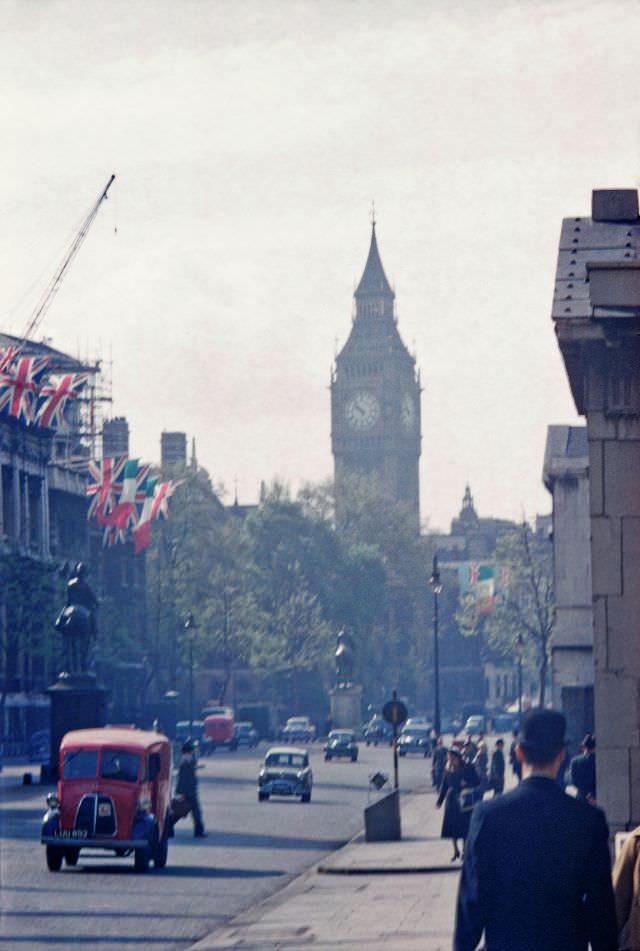
St. Stephen’s Tower, more commonly known as Big Ben, underwent significant repair work during the 1950s to maintain the clockwork mechanism and stonework. The tower continued to chime reliably over Westminster Bridge and the River Thames, one of the most recognizable sounds in the world.
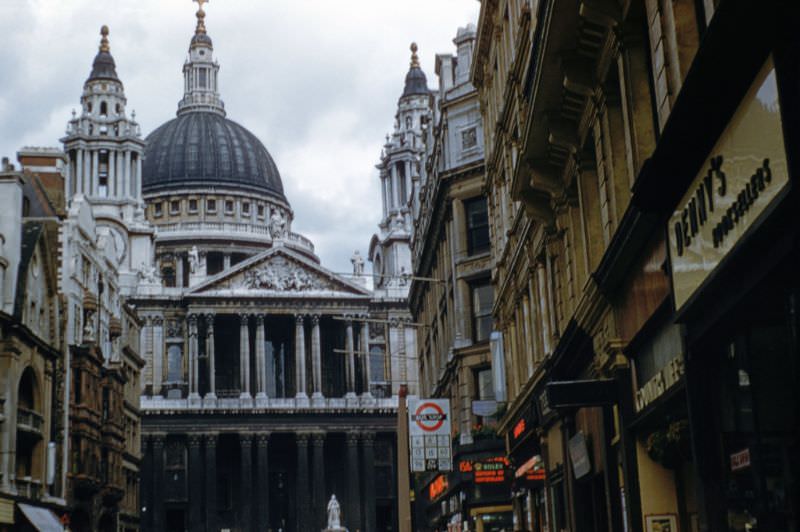
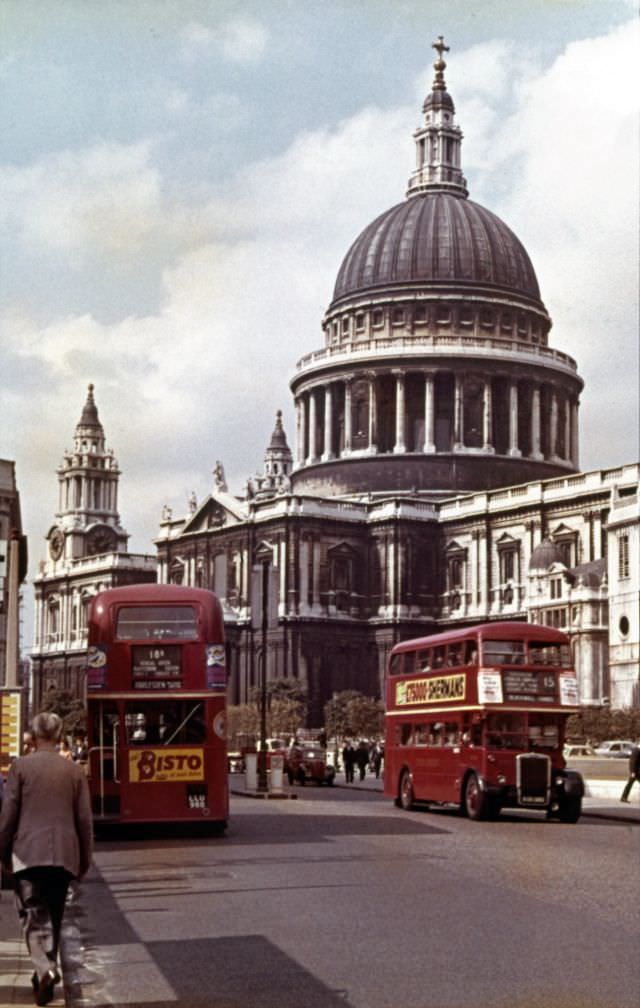
St. Paul’s Cathedral had survived the Blitz largely intact, thanks in part to the efforts of fire watch volunteers who defended it from incendiary bombs in December 1940. By the 1950s, it stood as both a religious center and a powerful symbol of London’s survival and resilience.
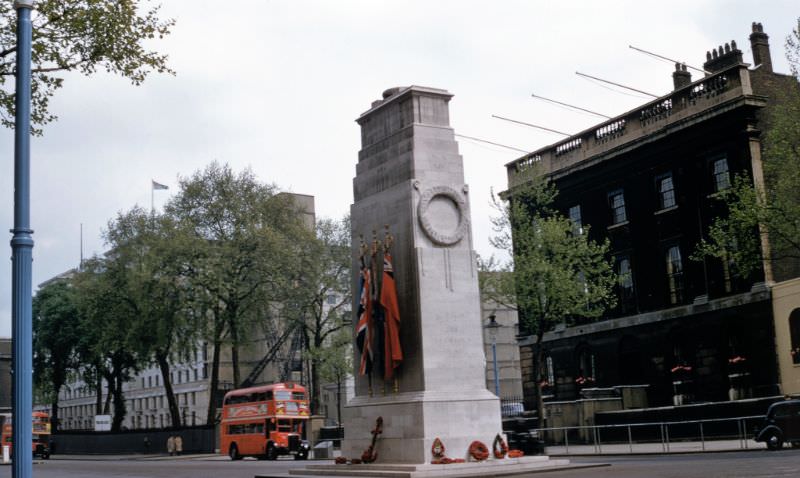
St. Martin-in-the-Fields, the 18th-century church on the northeast corner of Trafalgar Square, remained one of the most visited churches in London. Its steps and the square’s fountains in front of it were constant gathering places for both Londoners and tourists exploring the city.
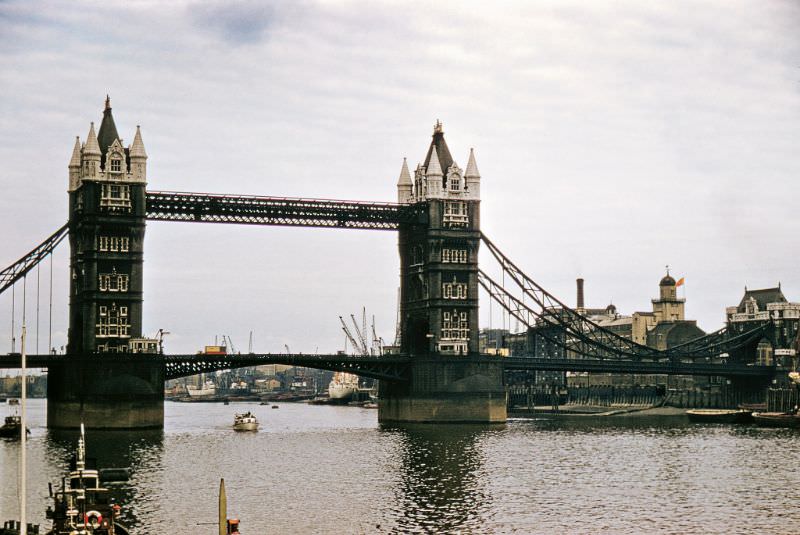
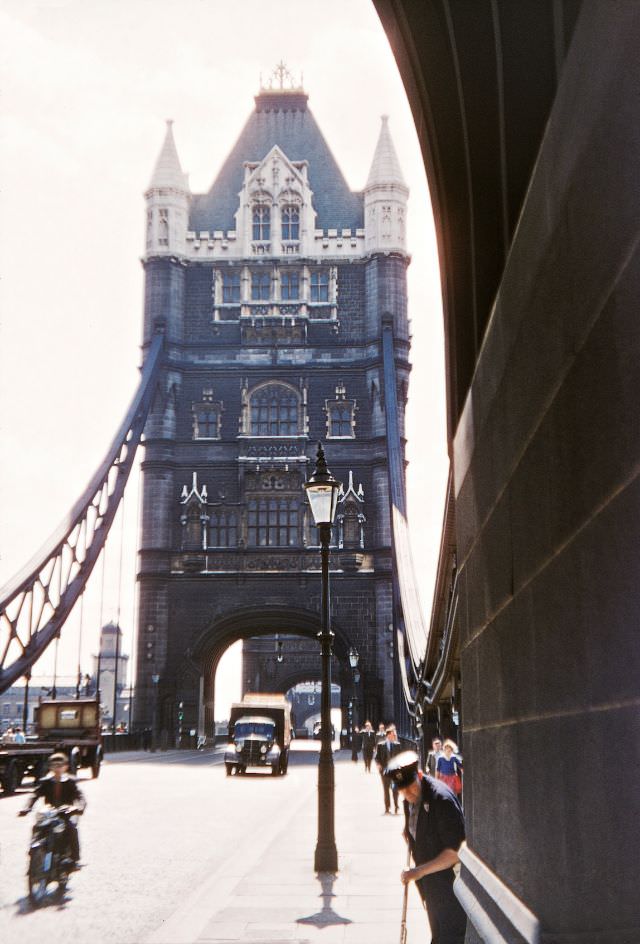
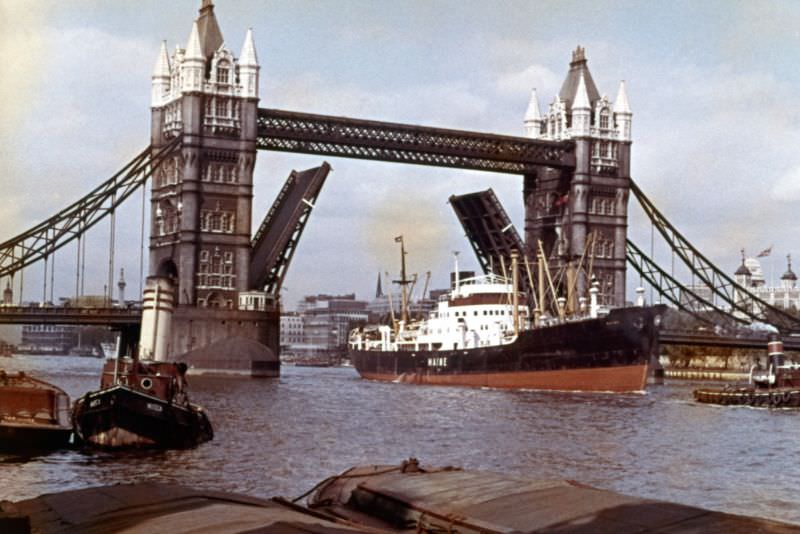
Tower Bridge, the iconic Victorian bascule bridge completed in 1894, continued to open regularly for river traffic in the 1950s. The Thames was still a working waterway, carrying goods in and out of the Port of London, which at the time was one of the busiest ports in the world.
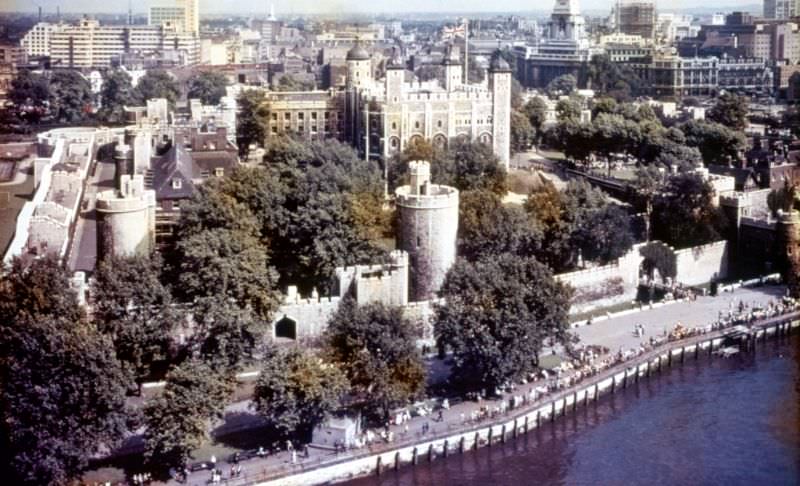
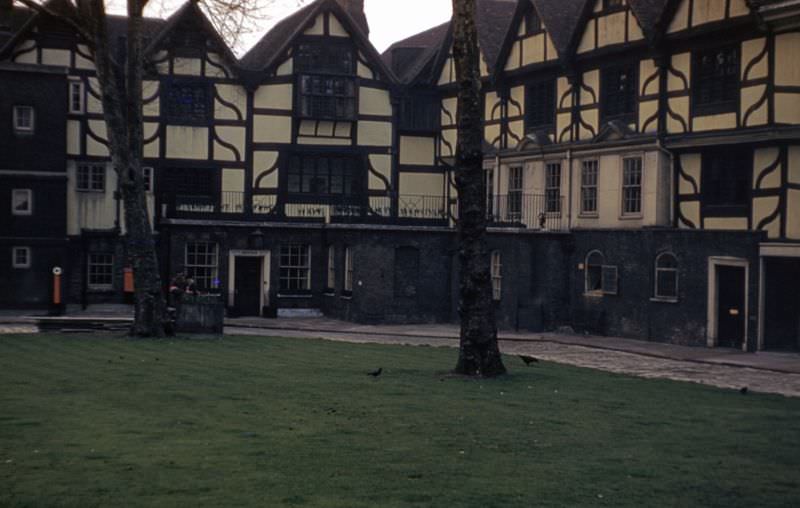
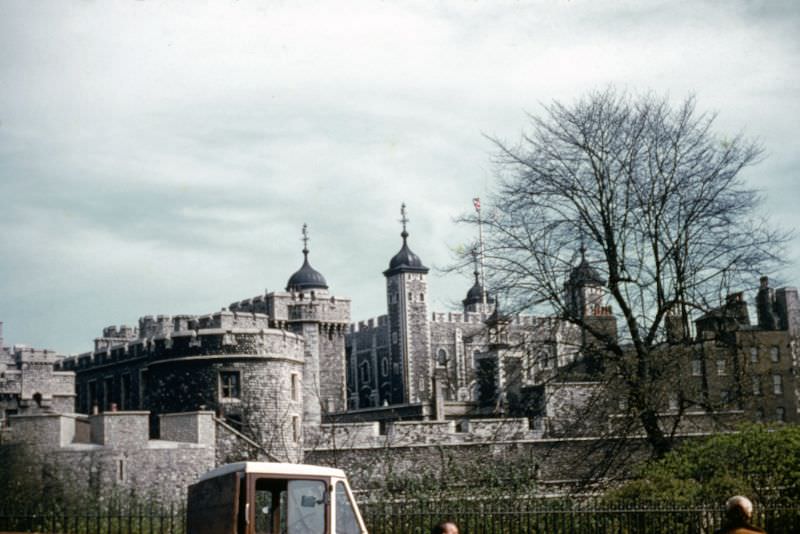
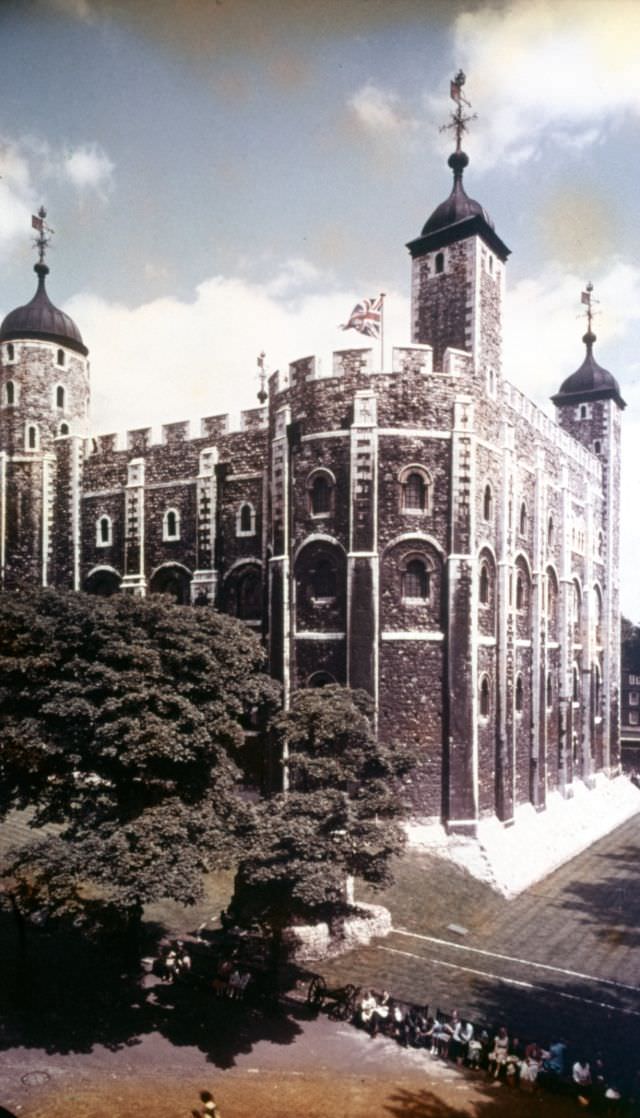
The Tower of London, in use as a fortress, palace, and prison for nearly a thousand years, drew large numbers of visitors each year. Its stone walls, towers, and the Crown Jewels housed within made it one of the most visited historic sites in the country.
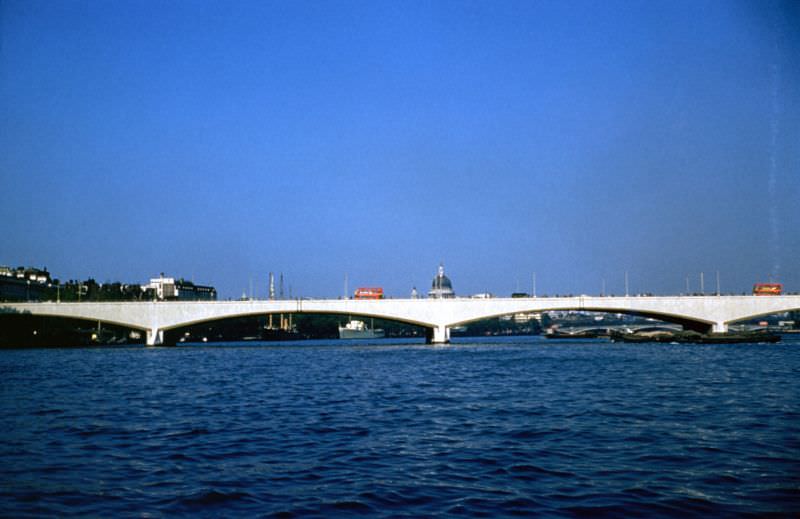
Looking east from Waterloo Bridge, St. Paul’s Cathedral dominated the skyline on the north bank of the Thames. It was a view that had barely changed since Christopher Wren’s cathedral was completed in 1710, though the surrounding cityscape was slowly being rebuilt and reshaped in the years after the war.
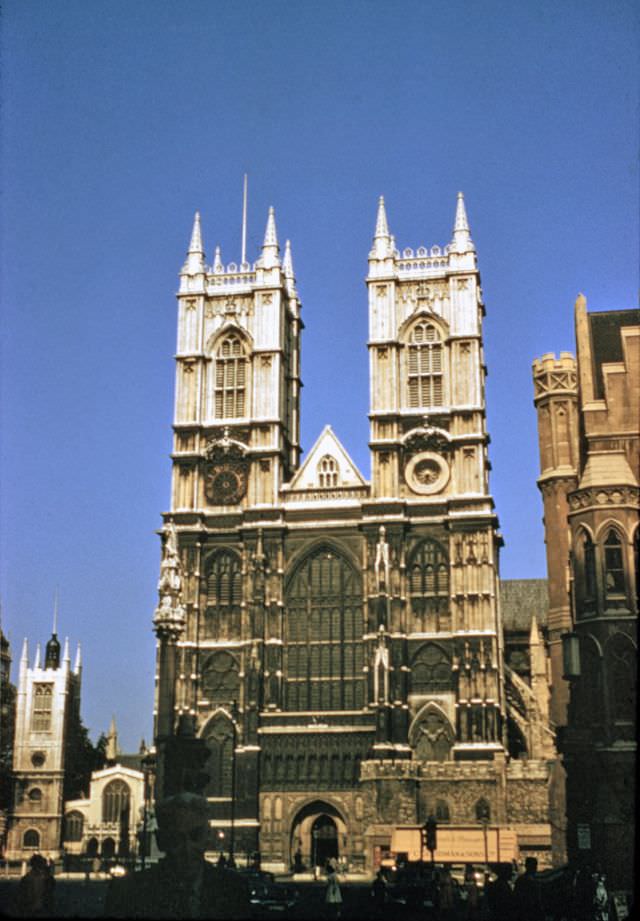
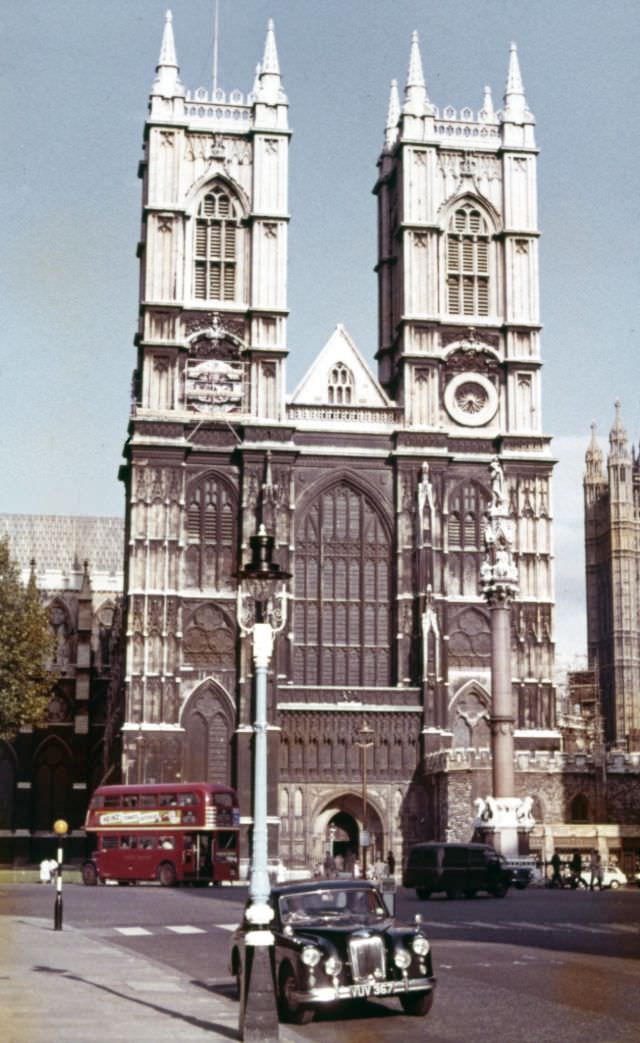
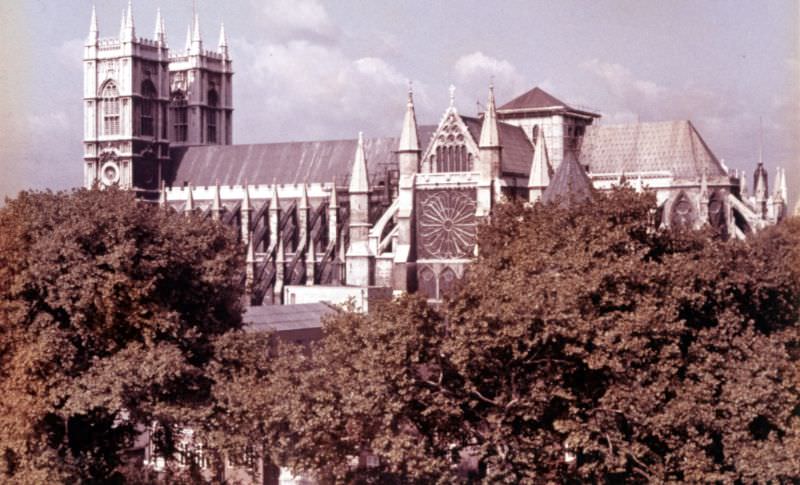
Westminster Abbey, the site of every English and British coronation since 1066, was freshly significant in the early 1950s following Elizabeth II’s coronation there in June 1953. Crowds visited the abbey throughout the decade to see the Coronation Chair and the spaces they had watched on television or heard described on the radio.
By the mid-1950s, Piccadilly Circus had become a showcase for consumer culture. Advertising hoardings promoted everything from Guinness to Bovril. The junction was one of the busiest in London, with red double-decker buses weaving through taxis and pedestrians in a scene that felt unmistakably British.
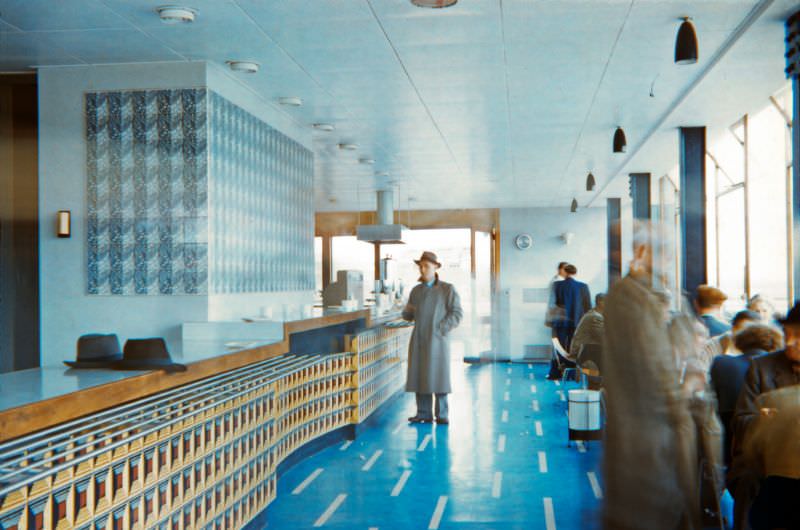
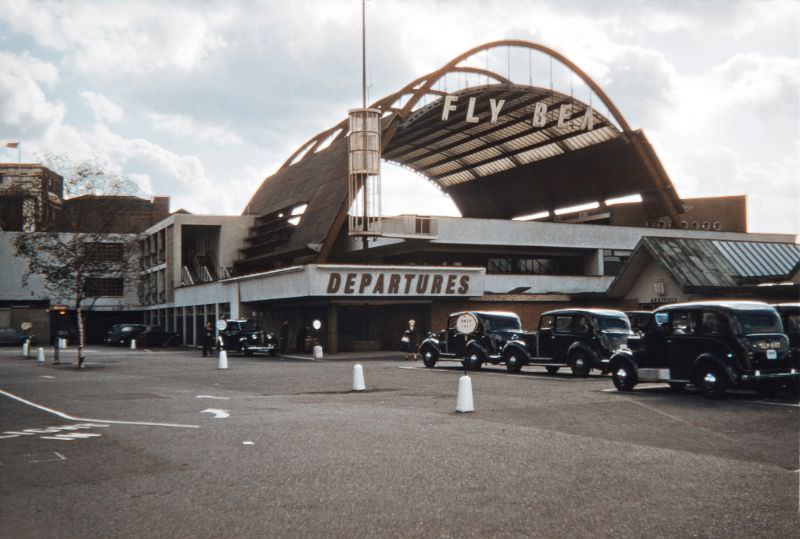
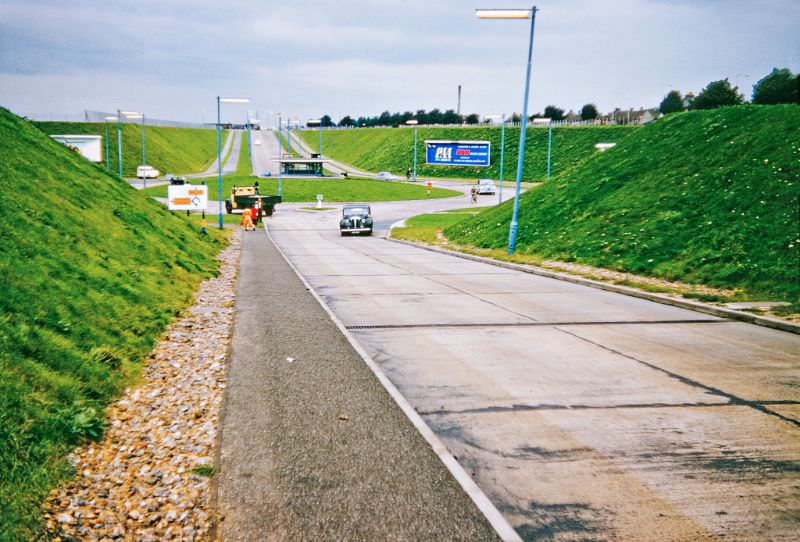
London Airport was a growing source of civic pride in 1956. The new passenger terminal buildings, including a rooftop cafe, offered a modern, forward-looking face to visitors arriving by air. British European Airways operated scheduled services out of the airport and ran a dedicated city-center terminal at Waterloo to ease passenger transfers.
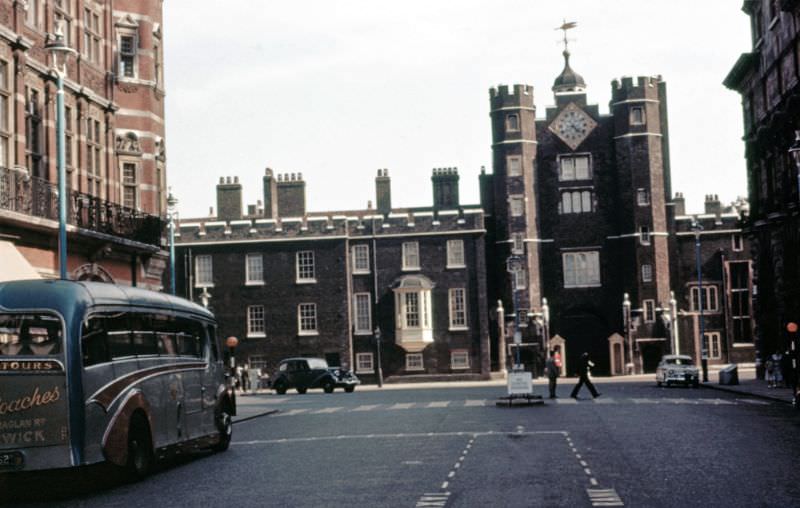
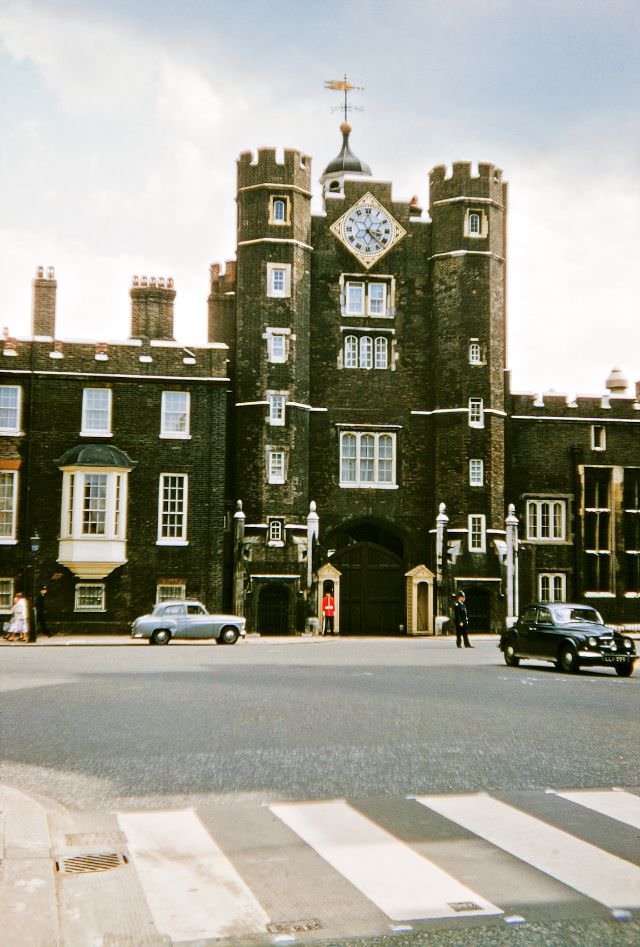
St. James’s Palace, dating back to Henry VIII in the 1530s, was still a fully functioning royal residence in 1958. Foreign ambassadors were officially accredited to the Court of St. James, a tradition that continues to this day. Its Tudor gatehouse on St. James’s Street remained one of the oldest surviving royal structures in London.
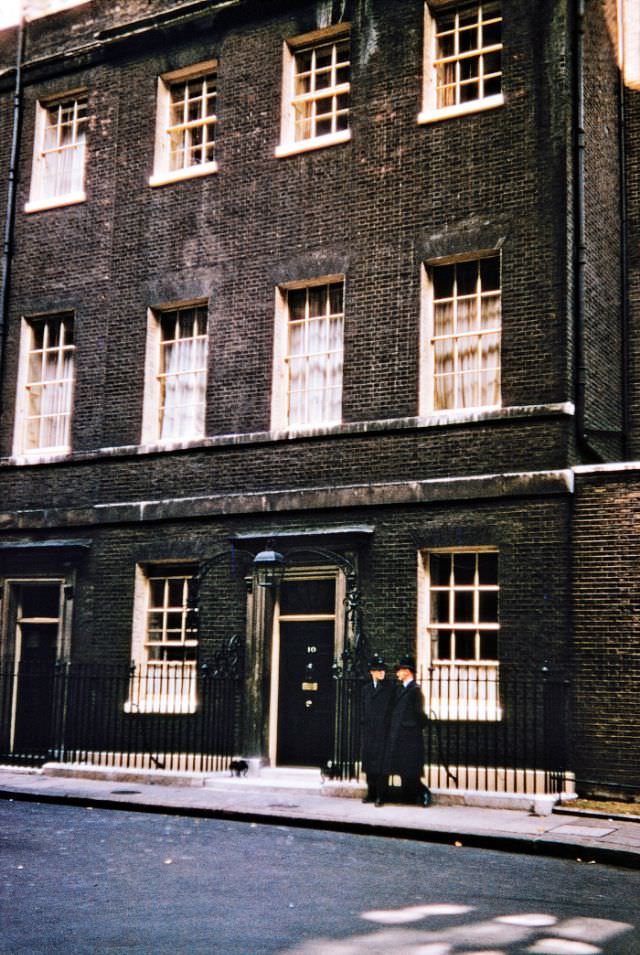
Number 10 Downing Street, the official residence of the British Prime Minister, had seen several occupants change over the decade. Harold Macmillan took office in January 1957, and under his leadership the phrase ‘never had it so good’ became attached to the era — a direct reflection of the improving wages and living conditions most working Londoners were experiencing by the late 1950s.
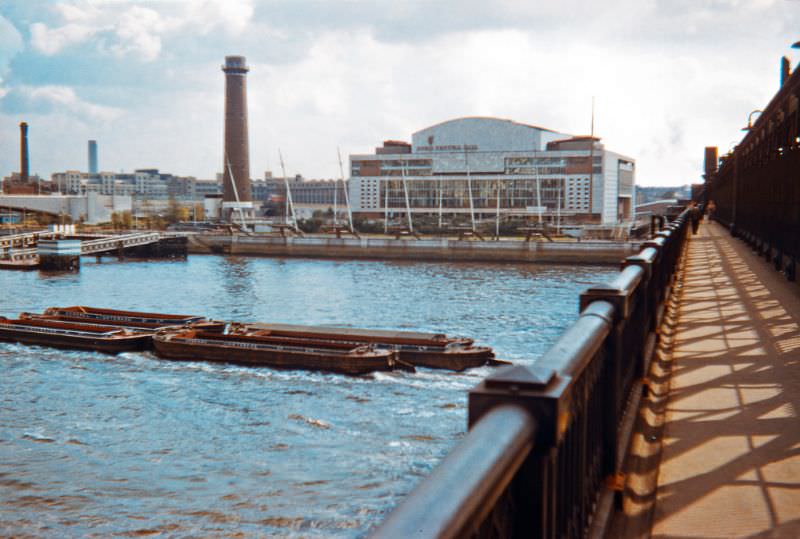
The Royal Festival Hall, opened in 1951 as part of the Festival of Britain, stood on the South Bank as one of the city’s most modern public buildings. By 1958 it was a well-established concert venue and a symbol of postwar cultural ambition. Its clean lines and riverside setting made it a striking contrast to the older stone landmarks across the Thames.
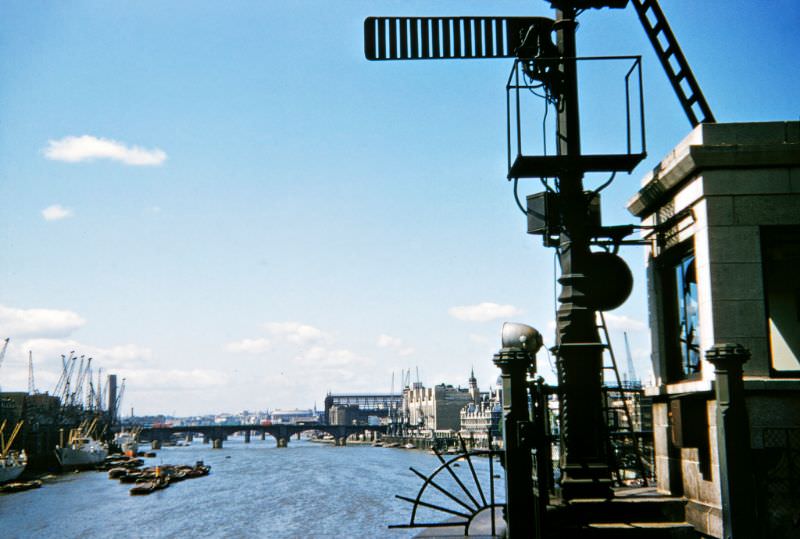
The view of London Bridge from Tower Bridge in 1958 captured a Thames that was still industrial and working. Cargo vessels, lighters, and tugs moved steadily through the water, while the old London Bridge — a structure dating from 1831 — handled dense road traffic from the south of the river into the City of London.