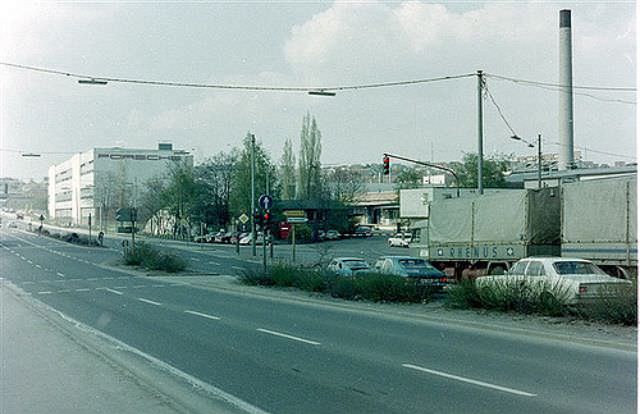
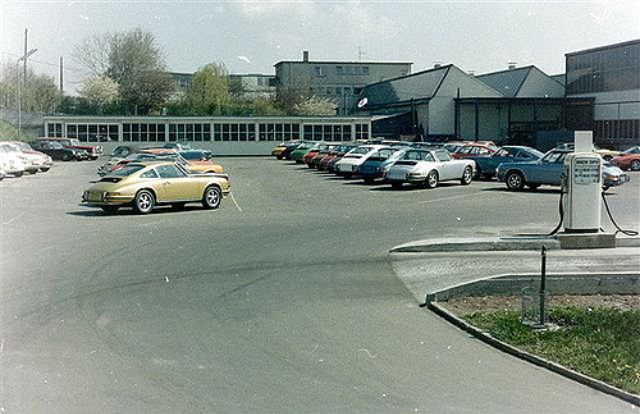
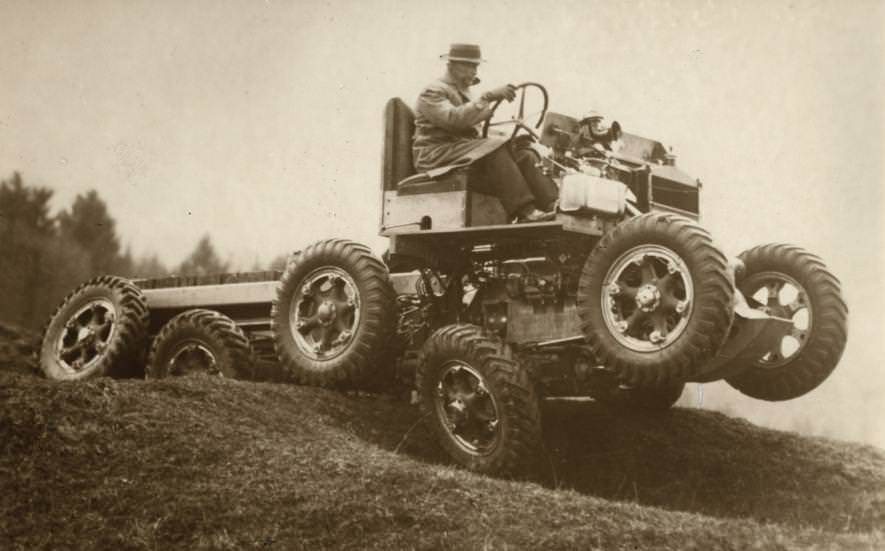
Today’s car factories run on robots and automation. The Porsche factory in the early 1970s ran on something else entirely — skilled human hands. Every car that rolled out of the Stuttgart-Zuffenhausen plant was built by workers who spent years mastering their craft. There were no automated arms welding chassis or fitting body panels. That work belonged to people.
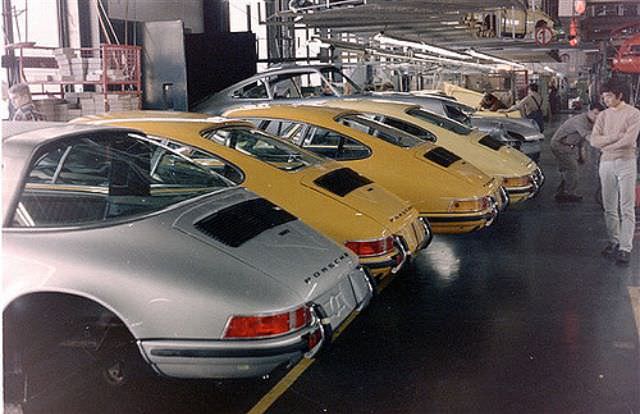
The factory floor was loud and busy. The sounds of hammers, drills, and pneumatic tools filled the air from the start of every shift. Workers moved with purpose, each one responsible for a specific stage of assembly. A mistake at one station carried through to the next, so precision wasn’t optional — it was the standard.
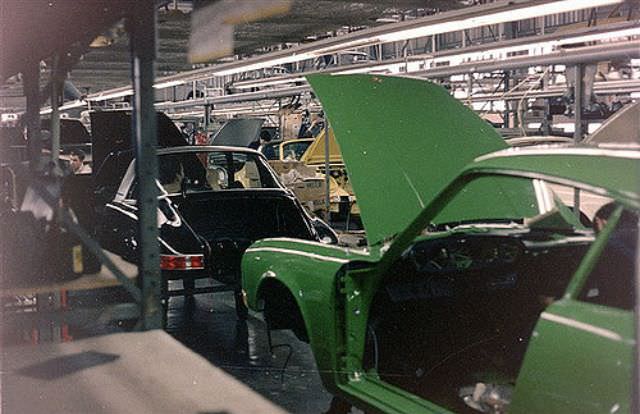
The early 1970s was a defining period for Porsche’s lineup. The 911 Carrera RS debuted in 1972, built in limited numbers to meet homologation rules for motorsport. It featured a lightweight body, a ducktail rear spoiler, and a 2.7-liter flat-six engine producing 210 horsepower. Workers on the line knew exactly what they were building.
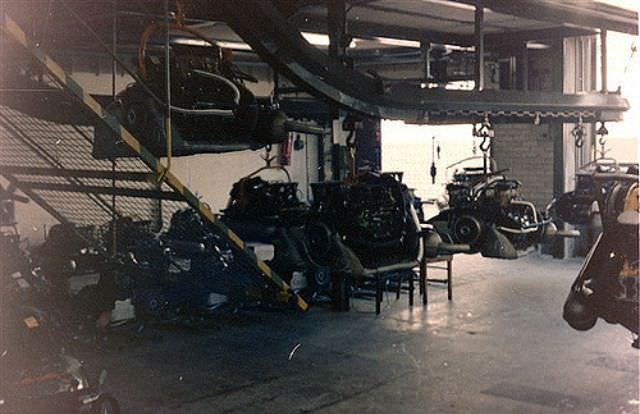
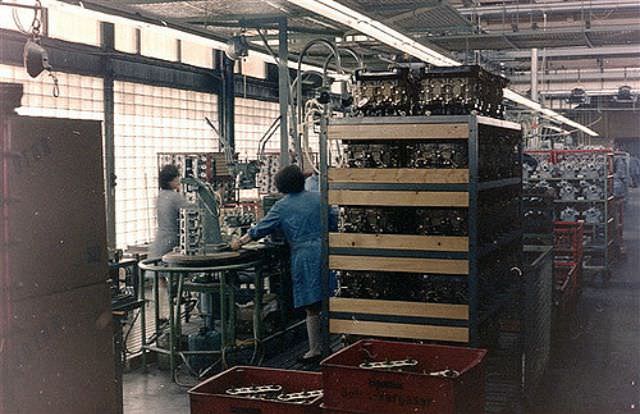
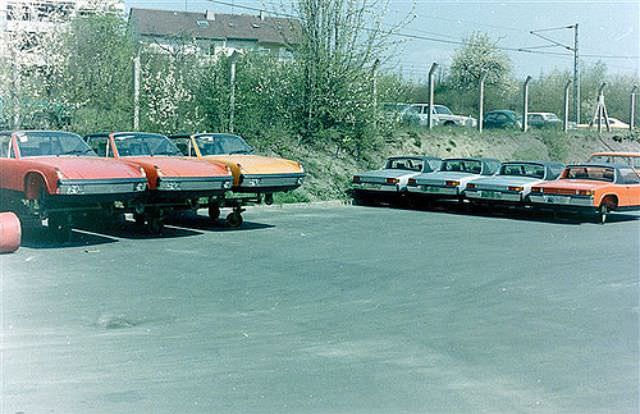
The 914 was also in production during this era — a mid-engine sports car developed jointly with Volkswagen. It sat lower in the Porsche range in terms of price, but it still came through the same factory, assembled by the same workers who built the 911.
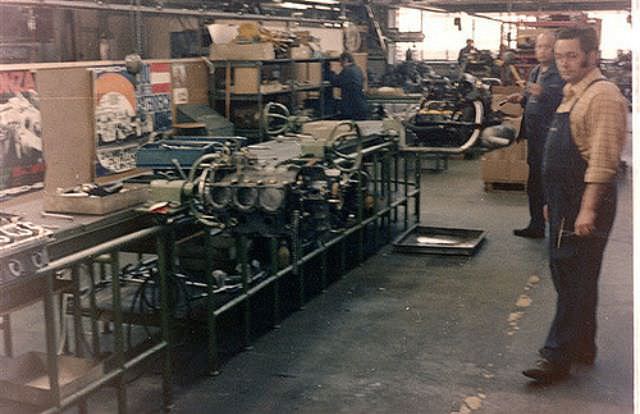
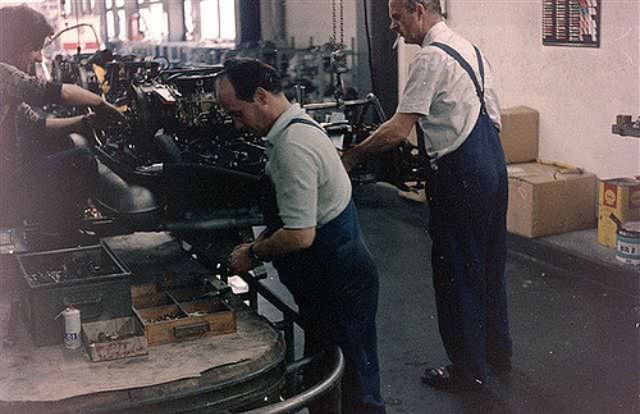
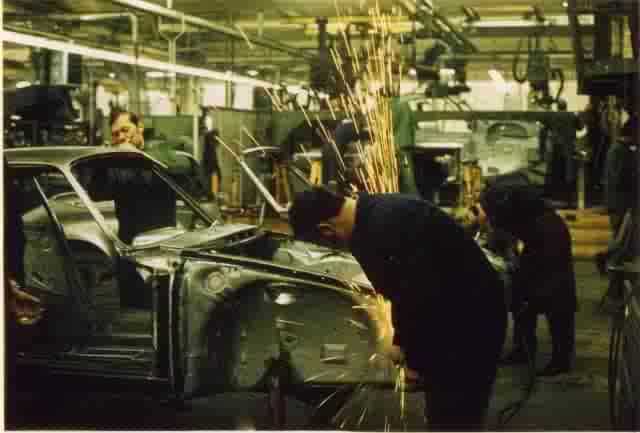
Body panels were fitted and adjusted by hand. Workers checked panel gaps, tested door alignments, and made corrections on the spot. Quality control wasn’t a final checkpoint at the end of the line — it happened at every station, continuously.
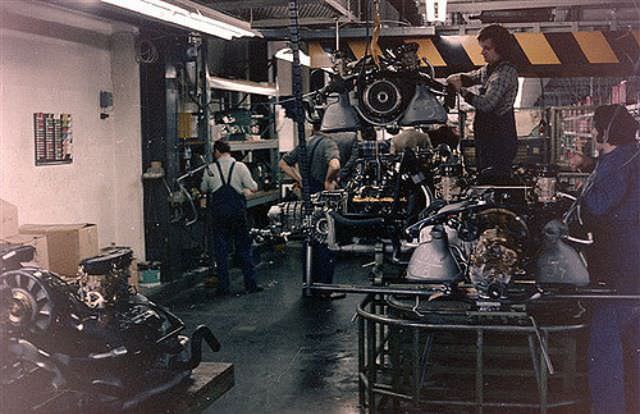
Engines were assembled separately before being mated to the chassis. Each flat-six was built up by hand, with tolerances measured carefully at each step. The engine assembly area was one of the most technically demanding sections of the entire plant.
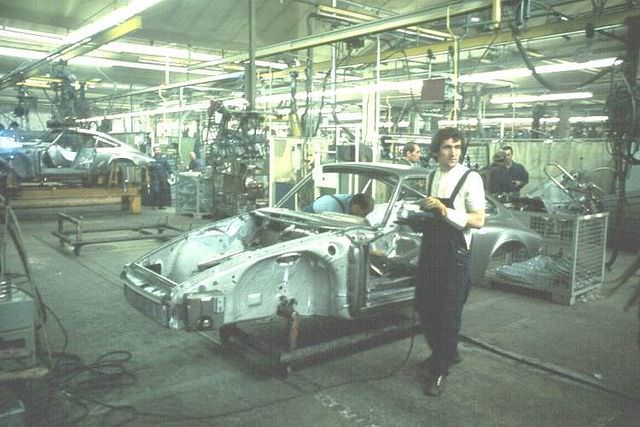
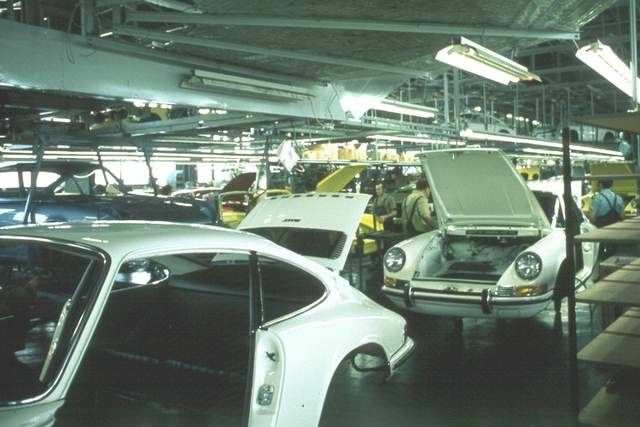
Interior work required a different kind of skill. Upholstery, dashboards, and trim pieces were installed by workers who understood how each component needed to sit and feel. Porsche interiors of this period were simple by modern standards, but their fit and finish reflected serious attention to detail.
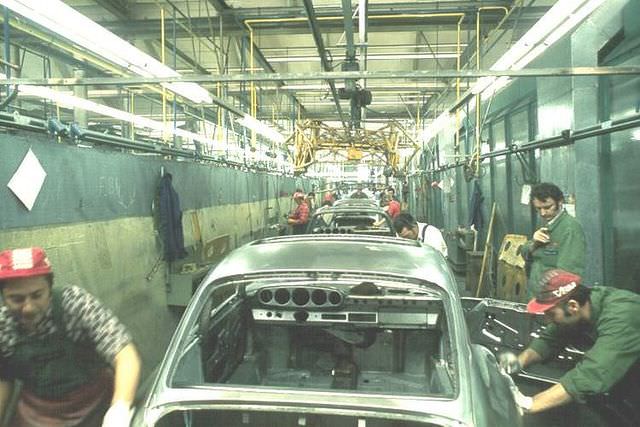
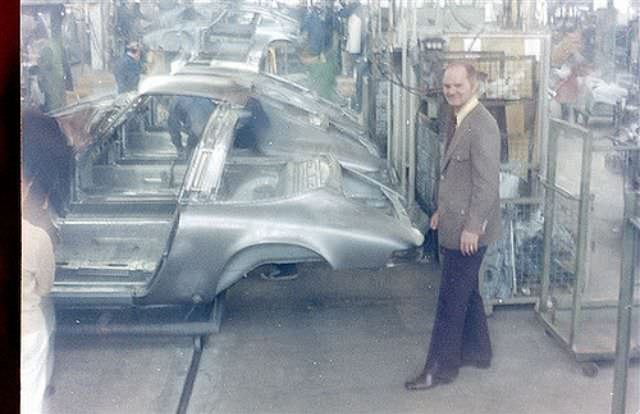
Many workers at Zuffenhausen spent their entire careers there. Skills were passed down directly — from senior workers to newer ones — on the factory floor. There was no manual that fully replaced that kind of hands-on knowledge transfer.
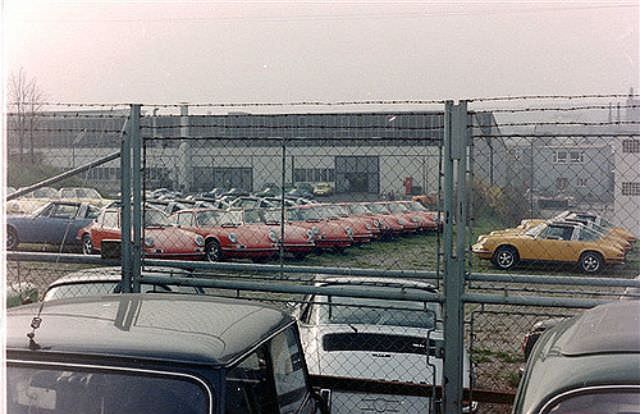
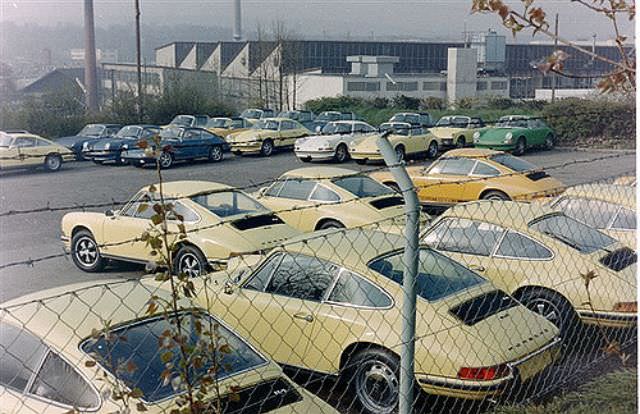
Testing was built into the process. Cars were inspected at multiple stages before final sign-off. Engineers and line supervisors worked closely together, and any car that didn’t meet the required standard was pulled aside for correction before it moved forward.
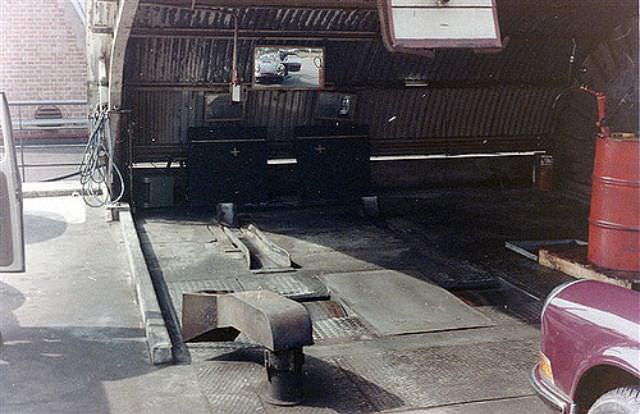
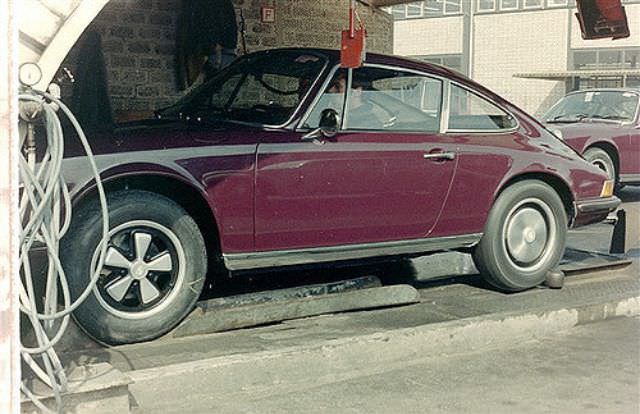
Paint was applied in dedicated booths, with workers carefully masking, spraying, and inspecting each coat. The color options of the early 1970s included some of the most striking shades Porsche ever offered — Signal Orange, Viper Green, and Aubergine among them.
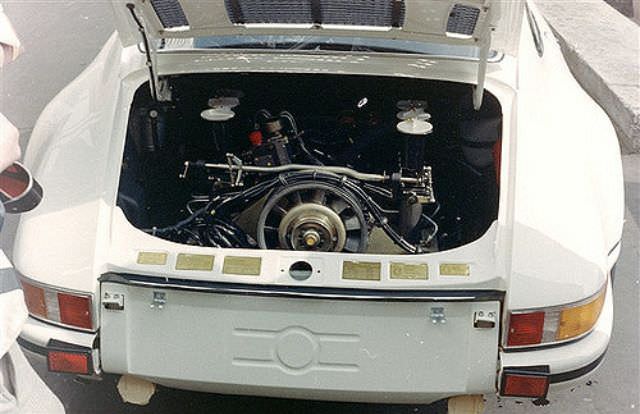
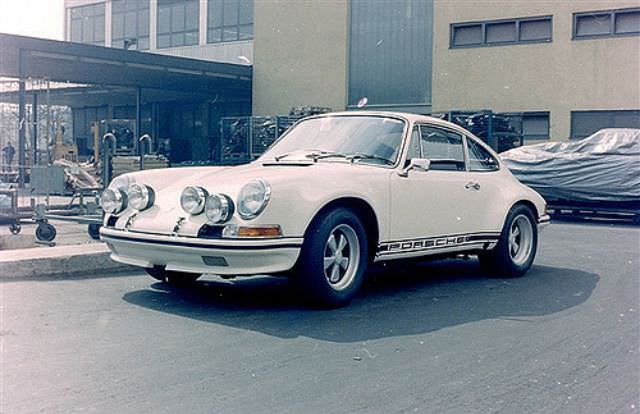
The pace of production was measured, not frantic. Porsche was never competing on volume. The goal was to build fewer cars correctly rather than more cars quickly. That philosophy shaped every corner of the factory’s operation.
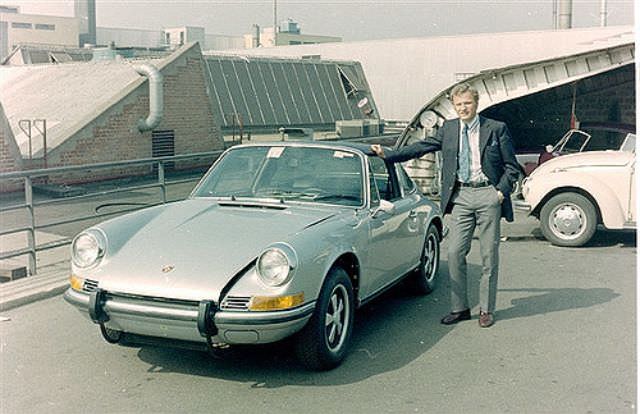
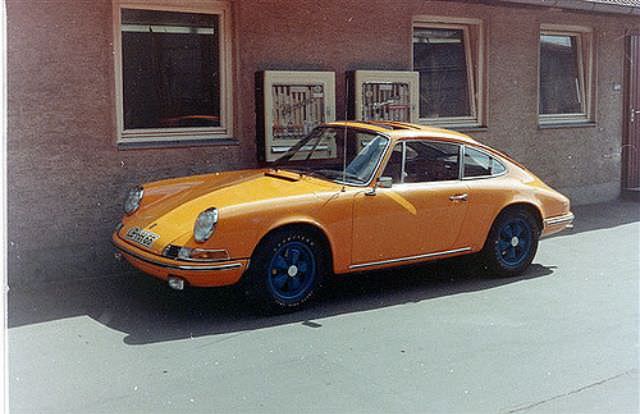
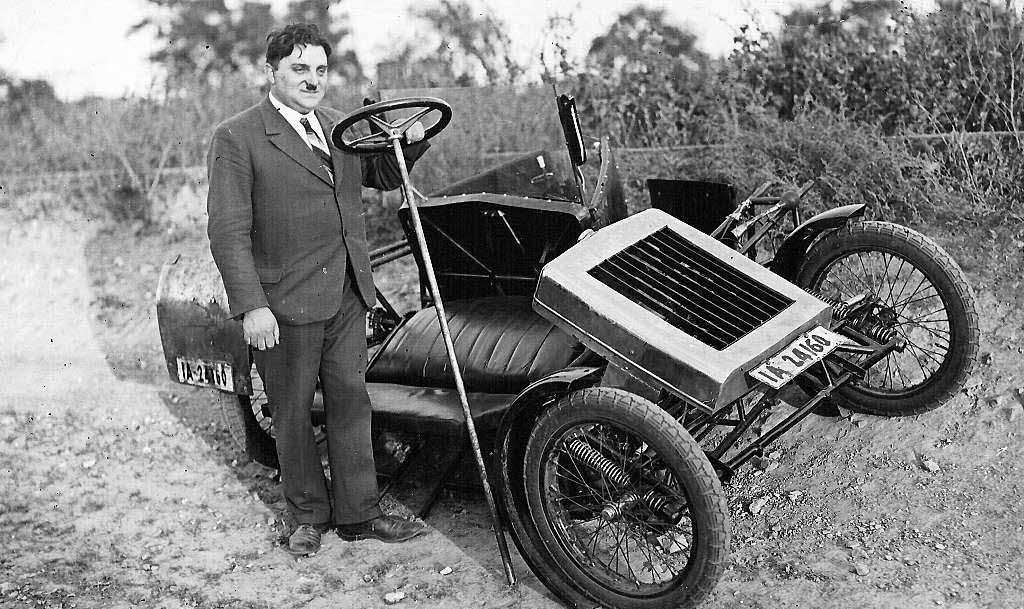
These photographs capture a factory in full stride — workers at their stations, cars in various stages of build, and a production environment that relied almost entirely on human skill. It is a direct record of how Porsche built its cars at one of the most important points in the company’s history.