in

Rare Historical Photos Of Old Rochester, NY From 20th Century

Rochester is the third-largest city in the New York state, founded shortly after the American Revolution. It was initially named “Rochesterville” by Col. Nathaniel Rochester. After the American Civil War, the population of the city grew from 48,000 to 162,800 at the end of the 19th century. The turn of the 20th century made Rochester a centre of the garment industry, particularly men’s fashions, numerous flour mills and manufacturing hubs were built. In 1916 the city was extended in a strip along both banks of the Genesee to Lake Ontario. In 1920s Rochester purchased the abandoned Erie Canal lands inside city limits to use them as a heavy rail mass transit and freight system.

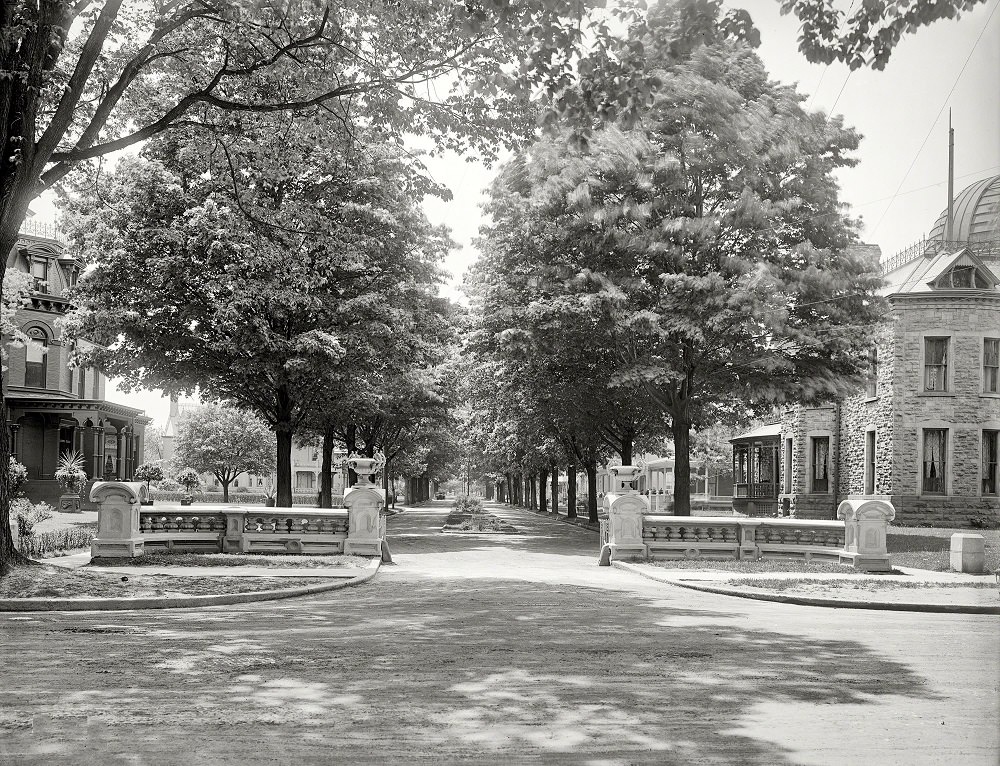
Here below are some rare historical photos of old Rochester, NY from the early 20th century, that show streets, roads, landmarks and everyday life.
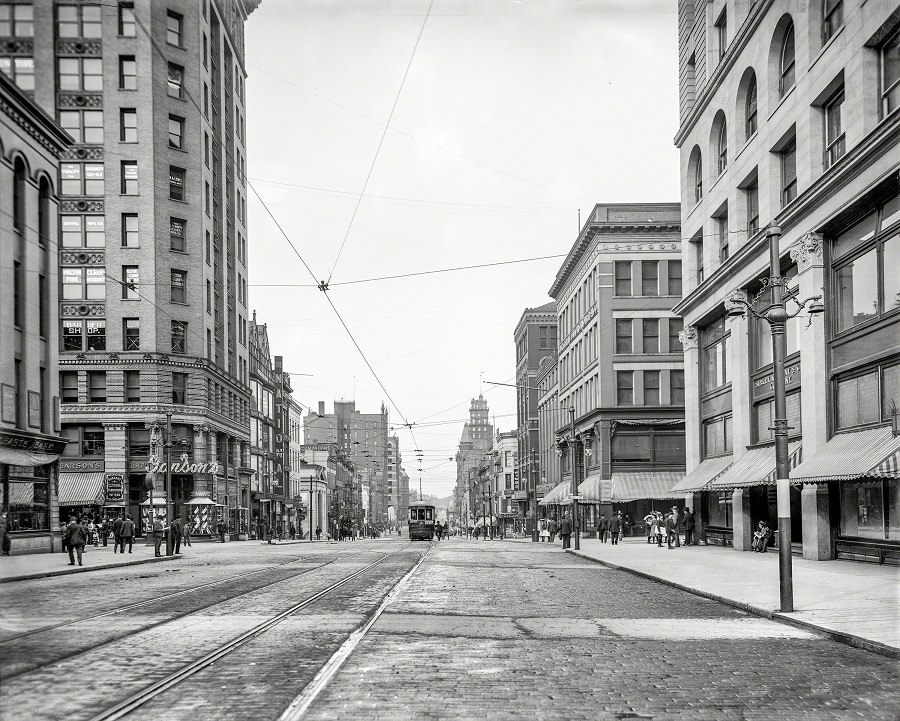
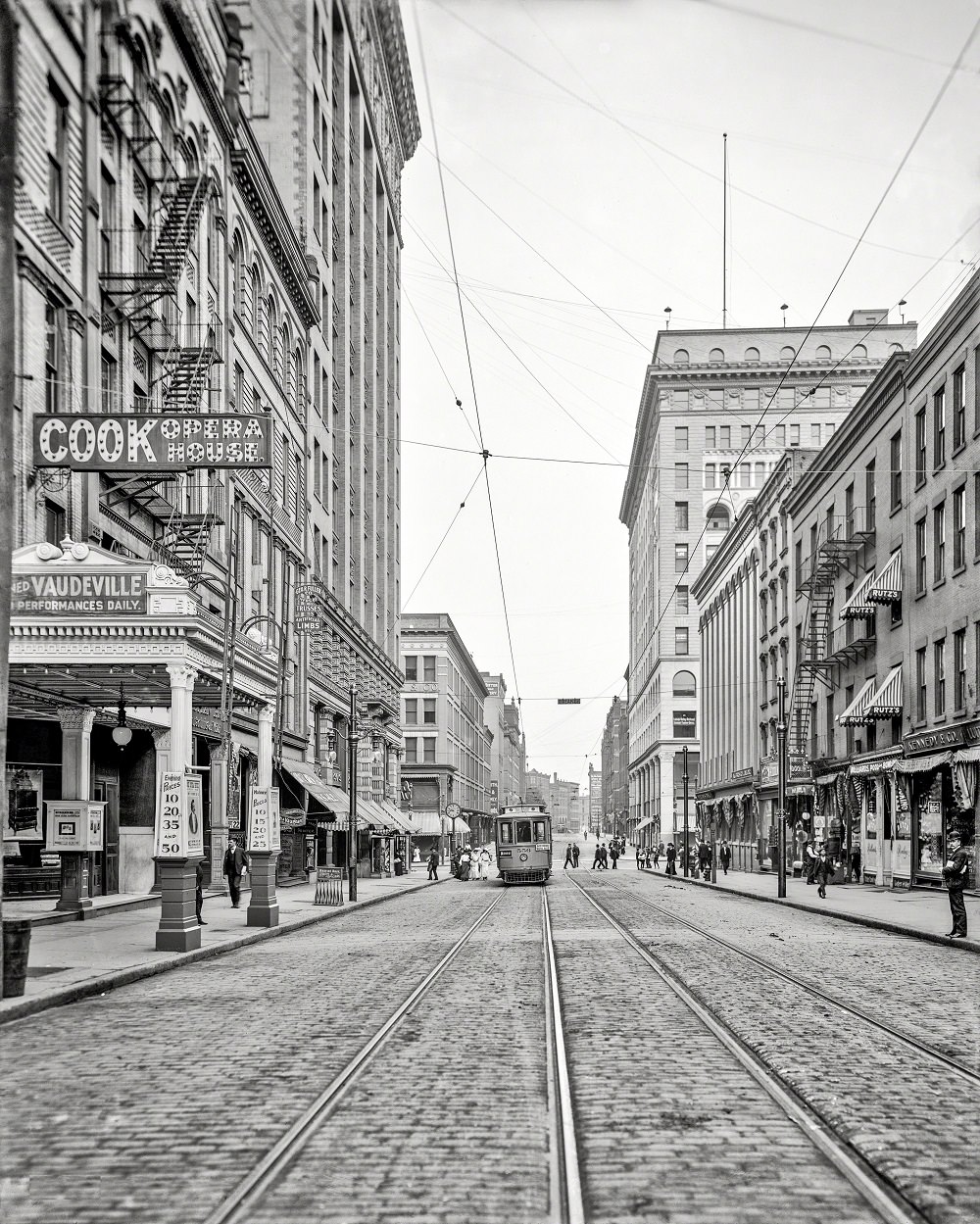
#1 East Main Street at South Avenue and St. Paul Boulevard, Rochester, New York, circa 1904

East Main Street at South Avenue and St. Paul Boulevard, Rochester, New York, circa 1904

22 Points
Upvote Downvote

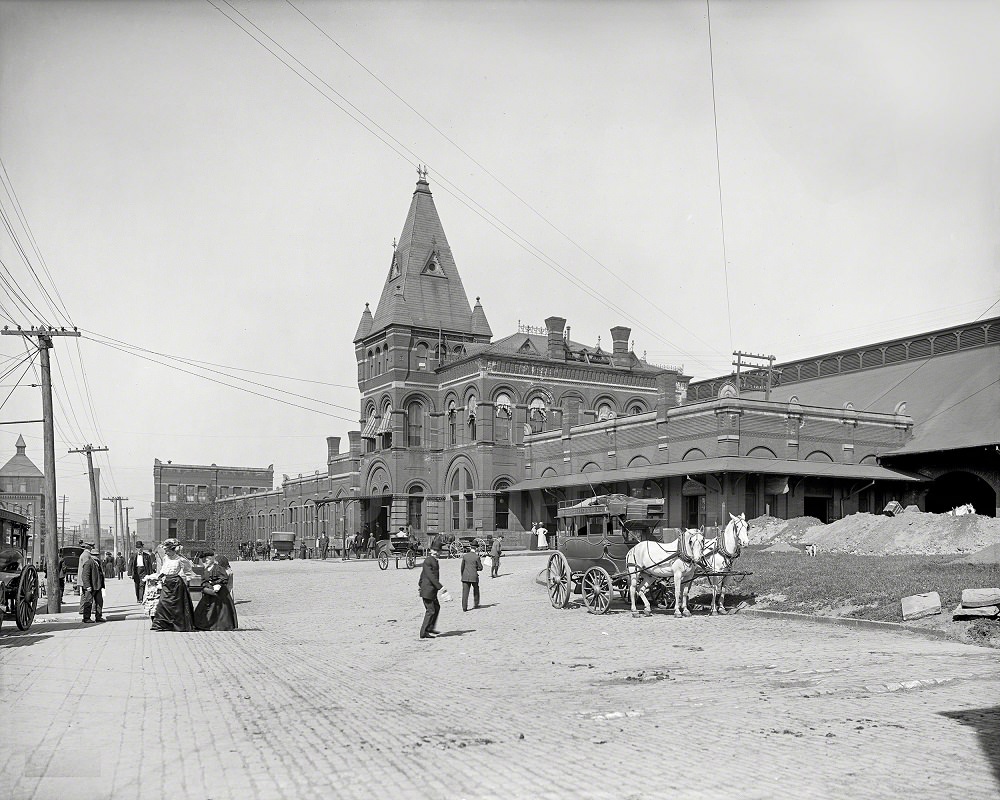
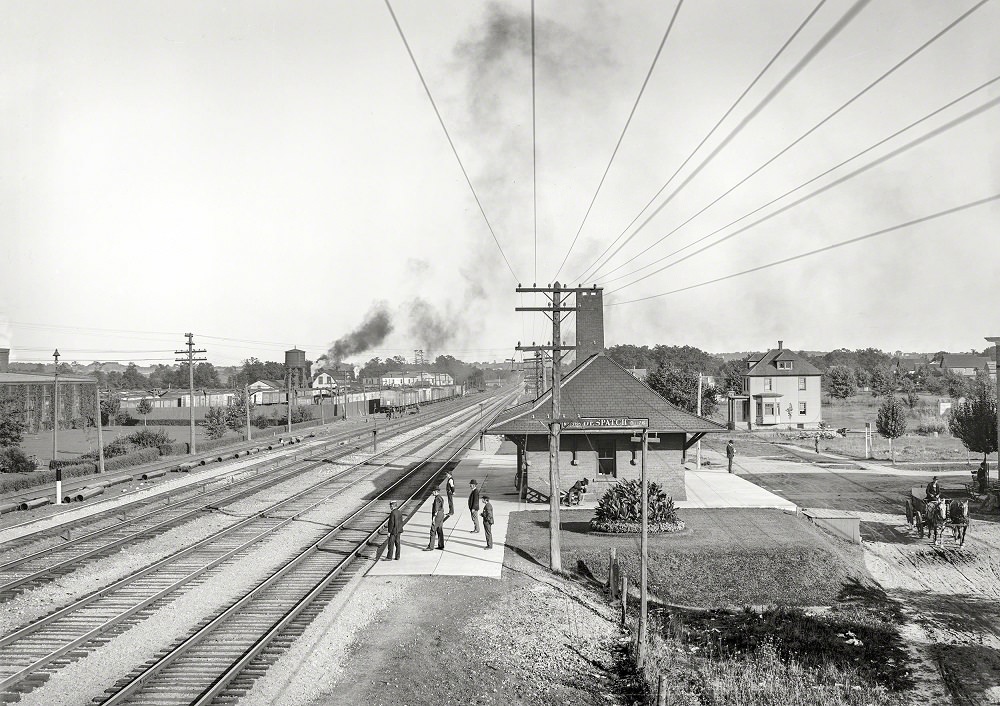
#5 New York Central railroad station, Rochester, 1905

New York Central railroad station, Rochester, 1905

14 Points
Upvote Downvote

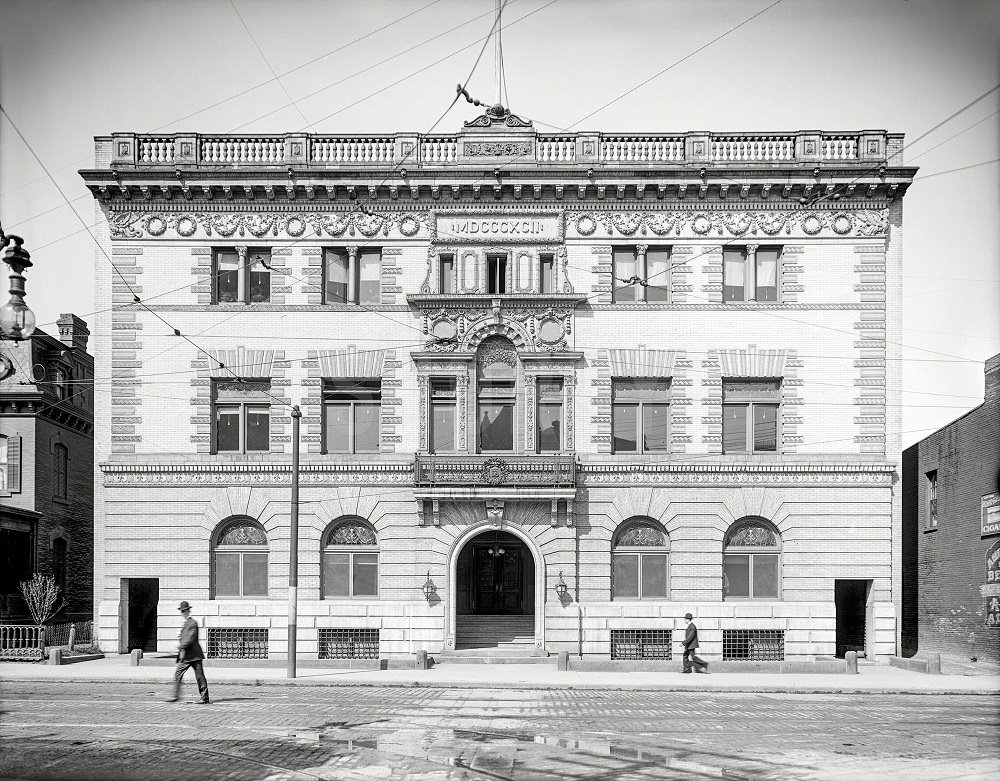
#6 Elks Temple (Eureka Club), Clinton Avenue North, Rochester, N.Y, 1908

Elks Temple (Eureka Club), Clinton Avenue North, Rochester, N.Y, 1908

12 Points
Upvote Downvote

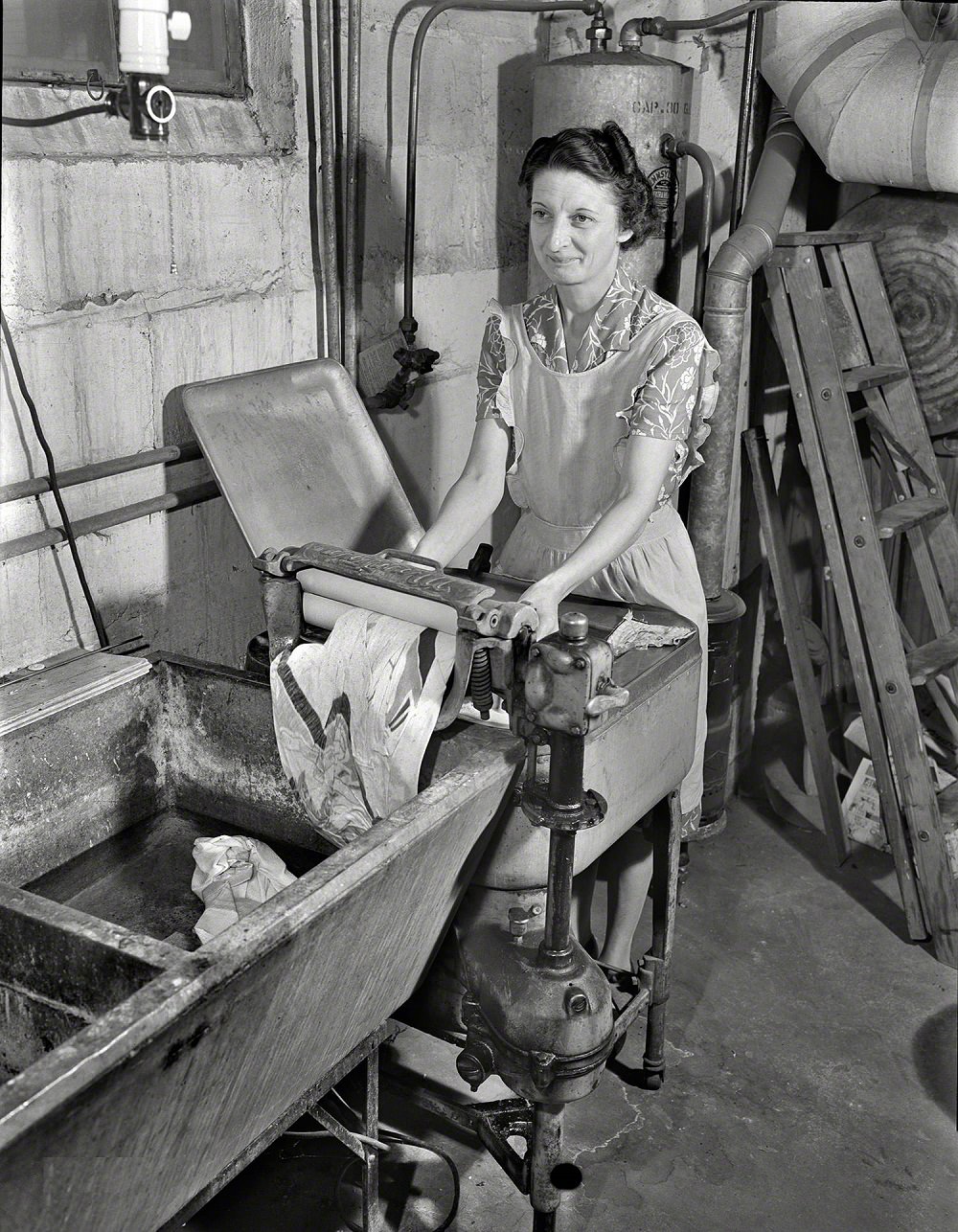
#8 Mrs. Babcock doing the family laundry with an electric washing machine and a wringer, New York, September 1942

Mrs. Babcock doing the family laundry with an electric washing machine and a wringer, New York, September 1942

11 Points
Upvote Downvote

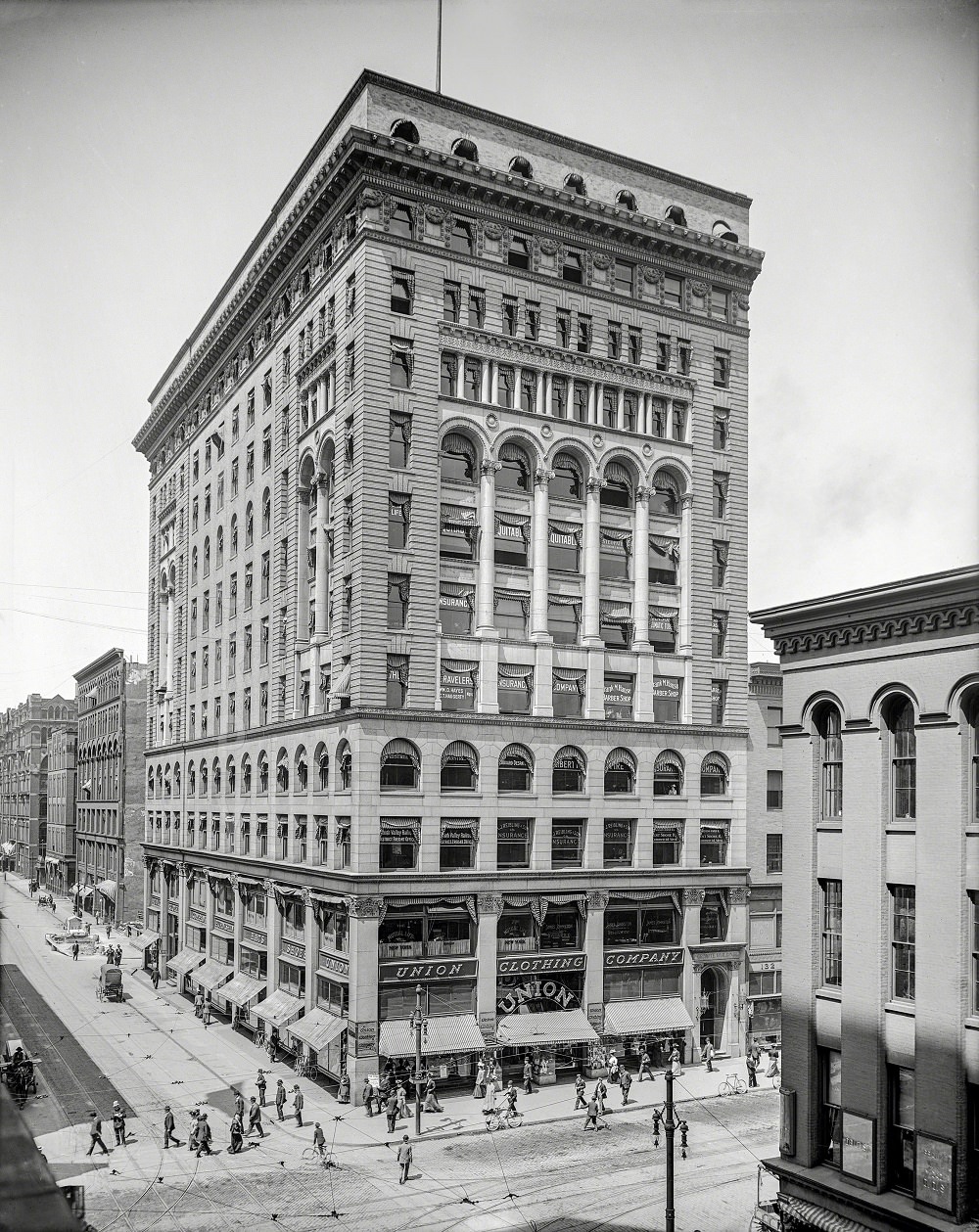
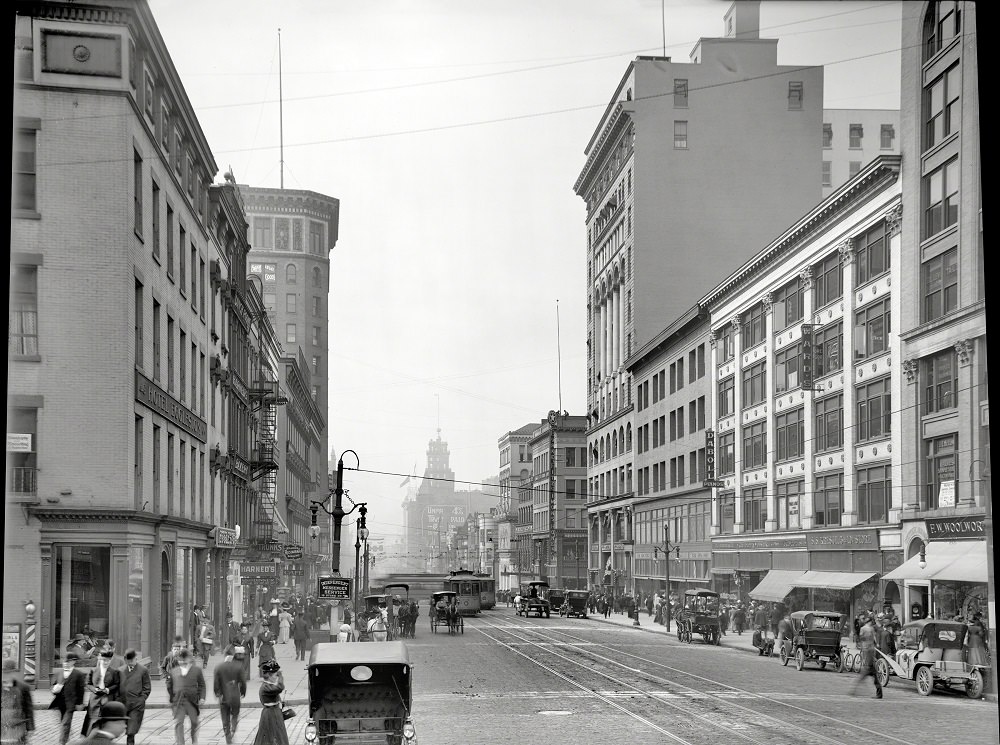
#9 Granite Building, Main Street & St. Paul, Rochester, New York, circa 1905

Granite Building, Main Street & St. Paul, Rochester, New York, circa 1905

10 Points
Upvote Downvote

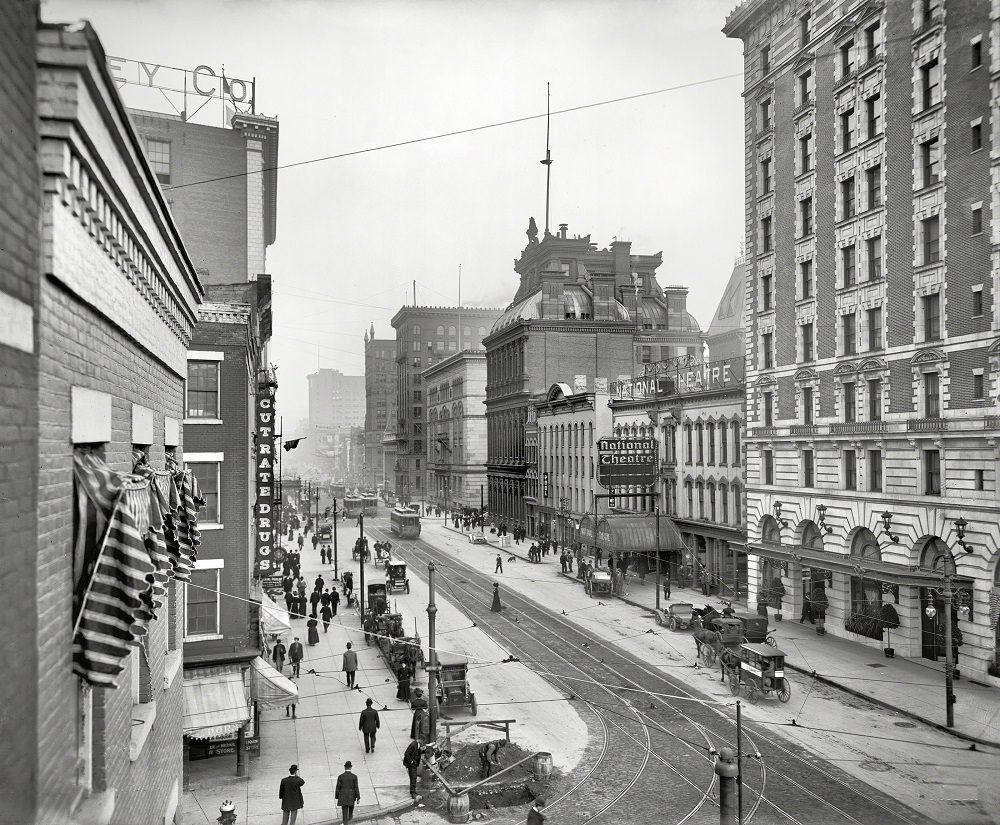
#10 Merchants’ Despatch Transportation Co, Rochester, 1906

Merchants' Despatch Transportation Co, Rochester, 1906

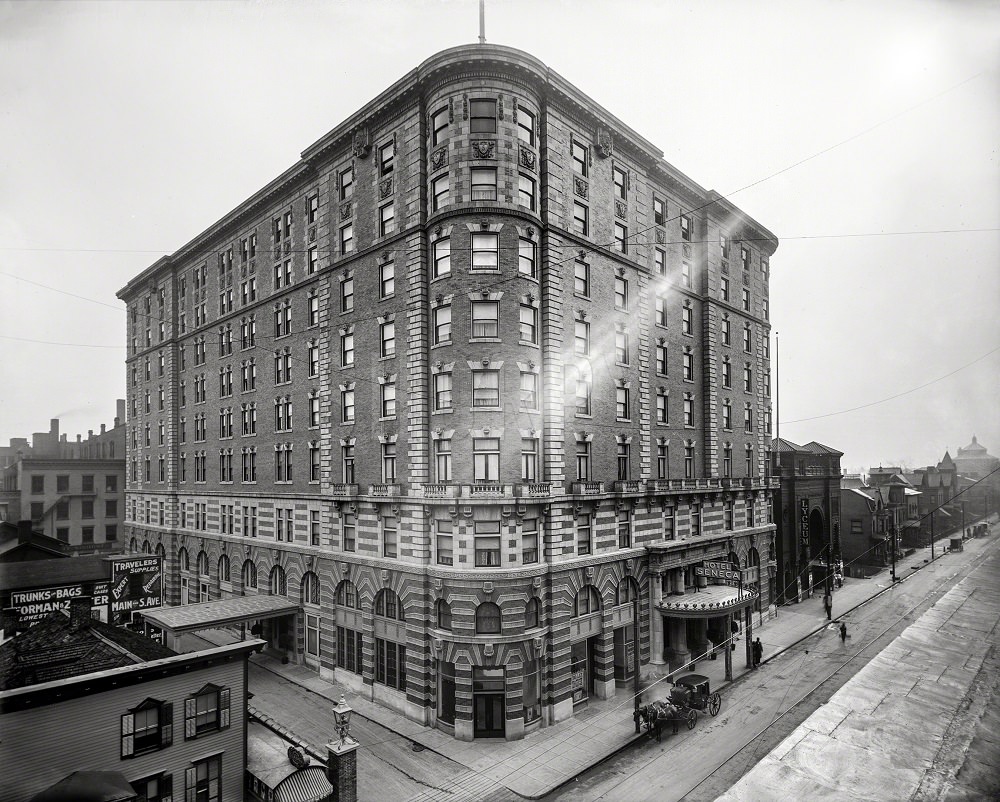
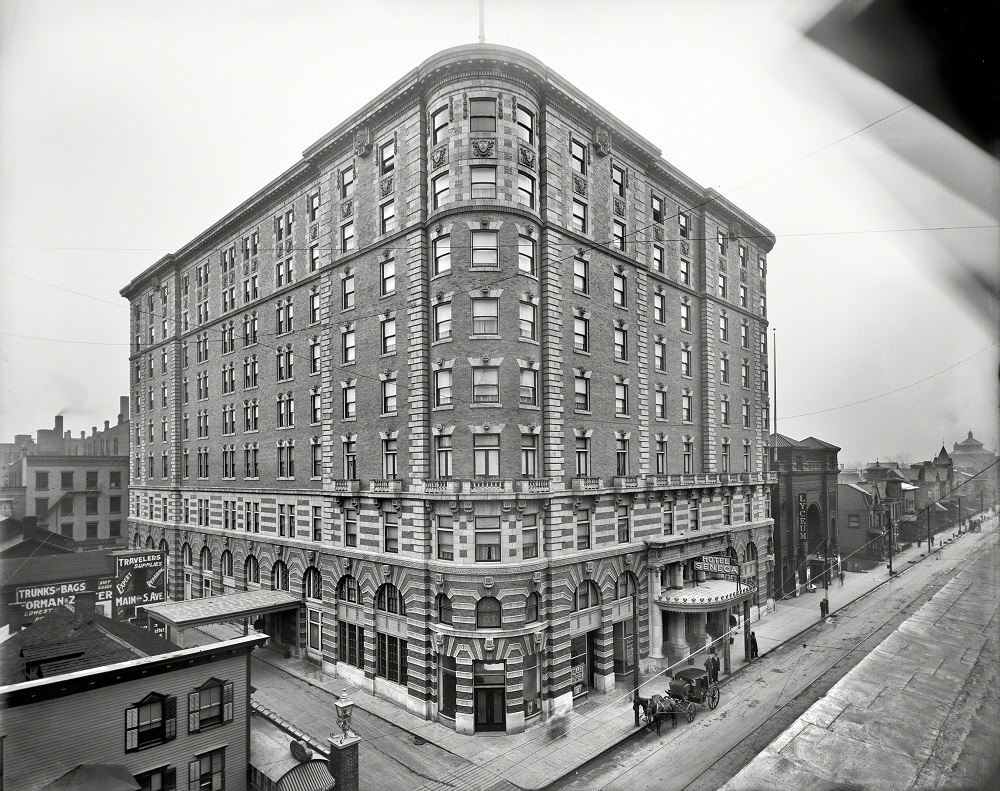
#11 Hotel Seneca, Clinton Avenue at Cortland Street, Rochester, New York, circa 1908

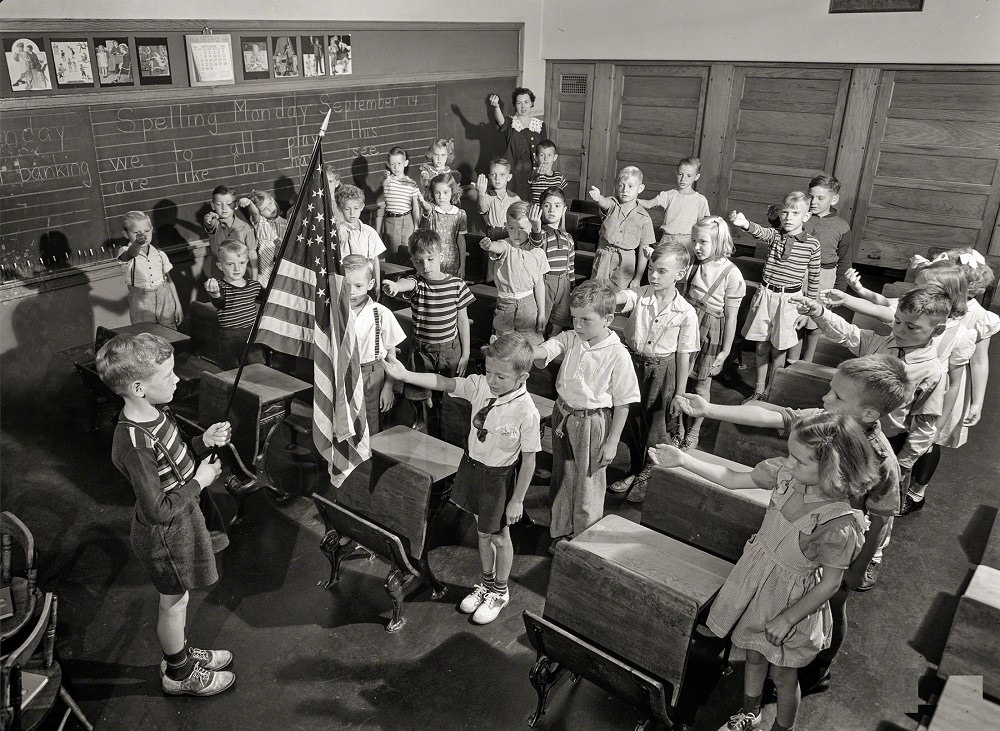
#12 Earl Babcock’s school day begins with the salute to the flag, Rochester, New York, September 1942

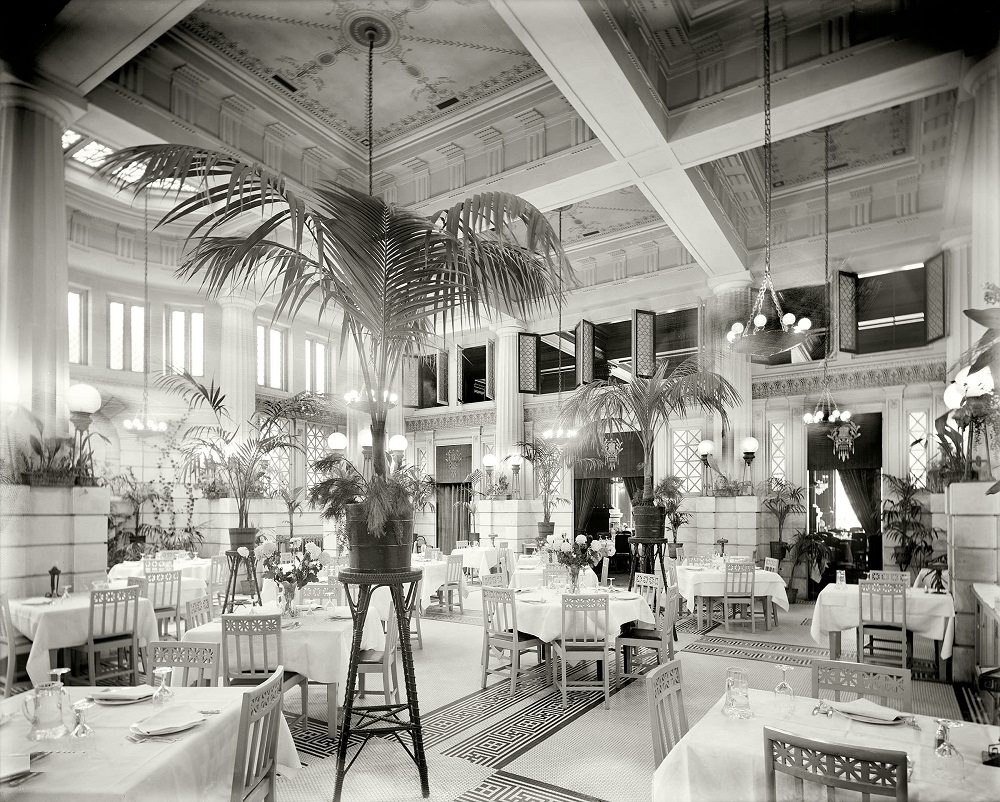
#13 Pompeiian Room at Hotel Seneca, Rochester, New York, 1908

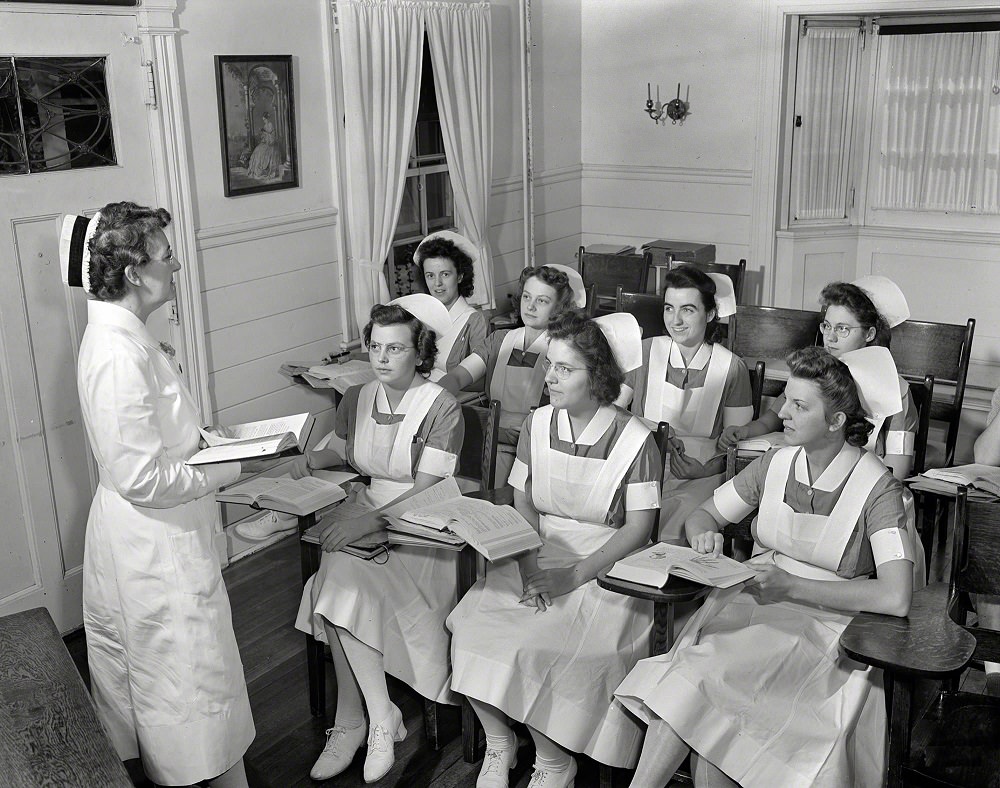
#15 Shirley Babcock at right in the front listening to a lecture with other student nurses, Rochester, N.Y, September 1942

Shirley Babcock at right in the front listening to a lecture with other student nurses, Rochester, N.Y, September 1942

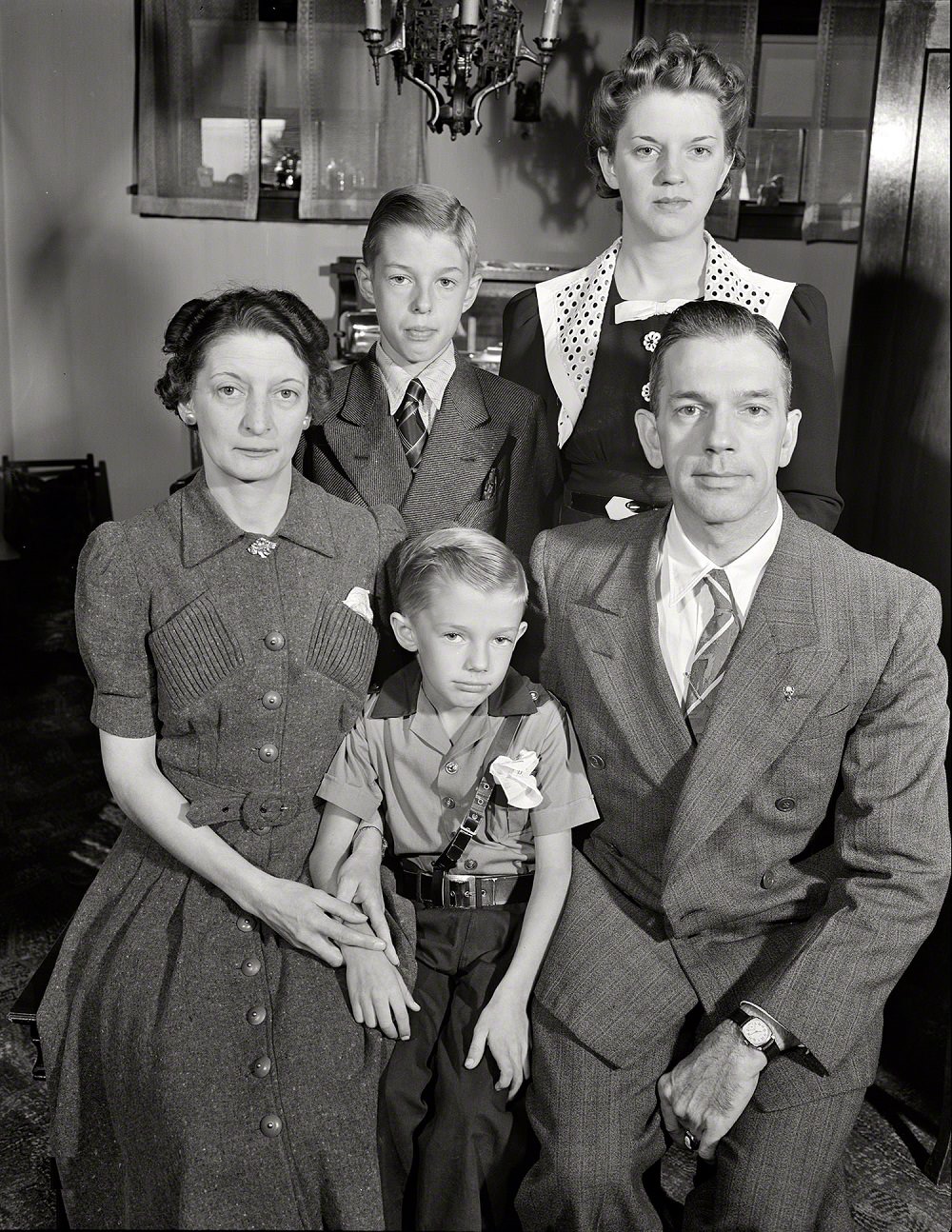
#18 The Babcocks, a typical American war worker’s family, New York, September 1942

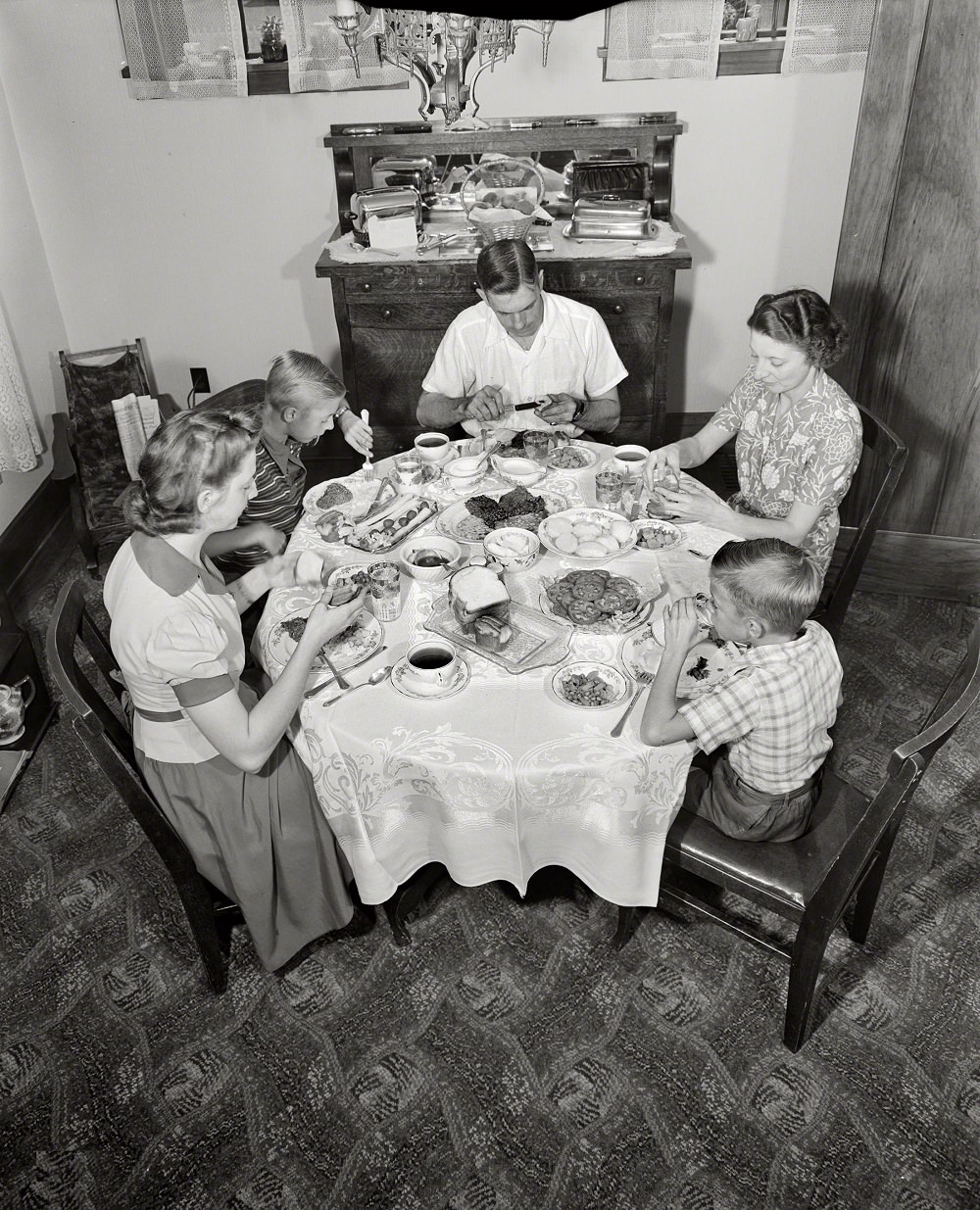
#19 The Babcocks at the dinner table, Rochester, New York, September 1942

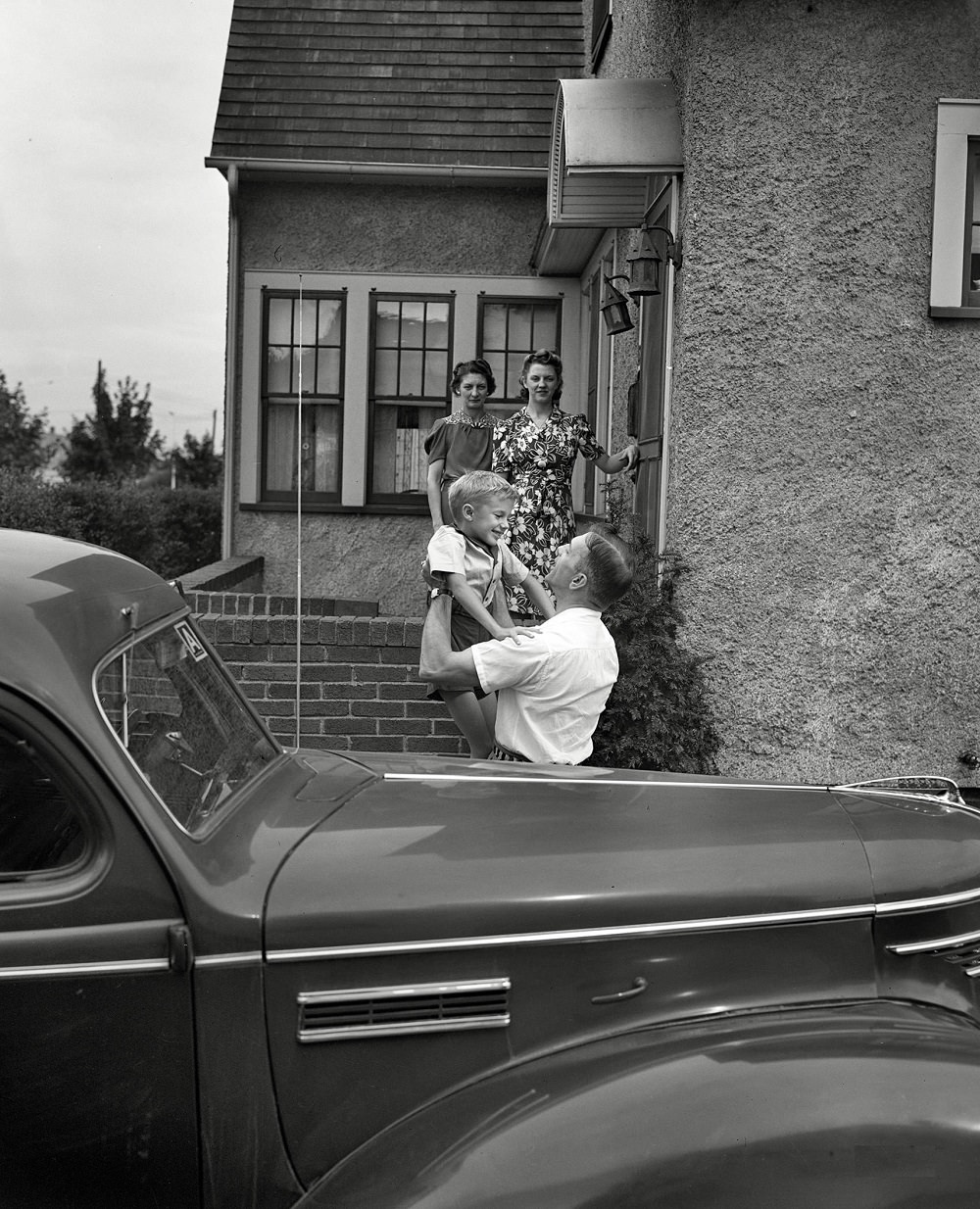
#20 Babcock, Shirley and Earl greeting Mr. Babcock in front of the house, New York, September 1942

Babcock, Shirley and Earl greeting Mr. Babcock in front of the house, New York, September 1942

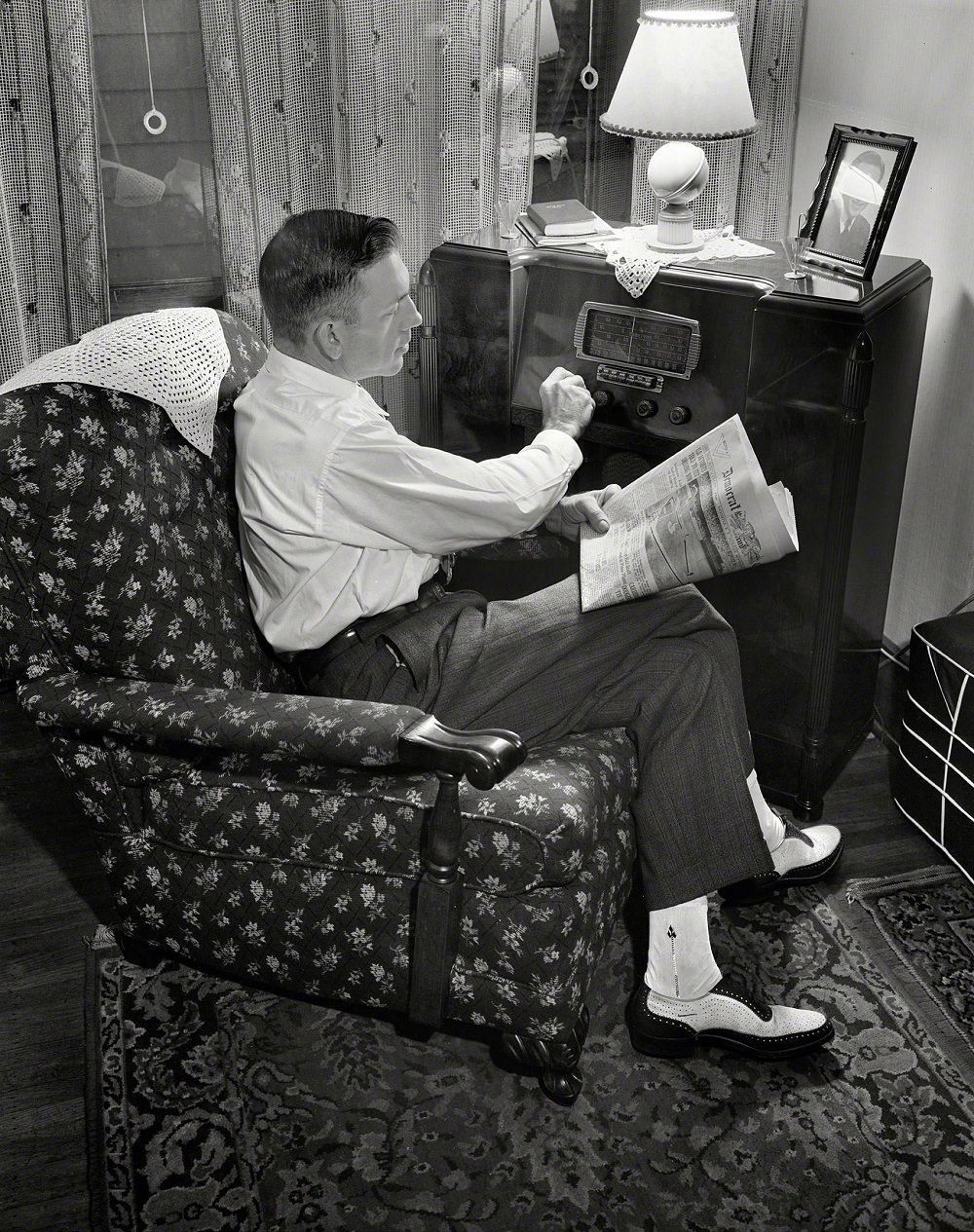
#21 Mr. Babcock tuning in for war news, Rochester, New York, March 1943

Mr. Babcock tuning in for war news, Rochester, New York, March 1943

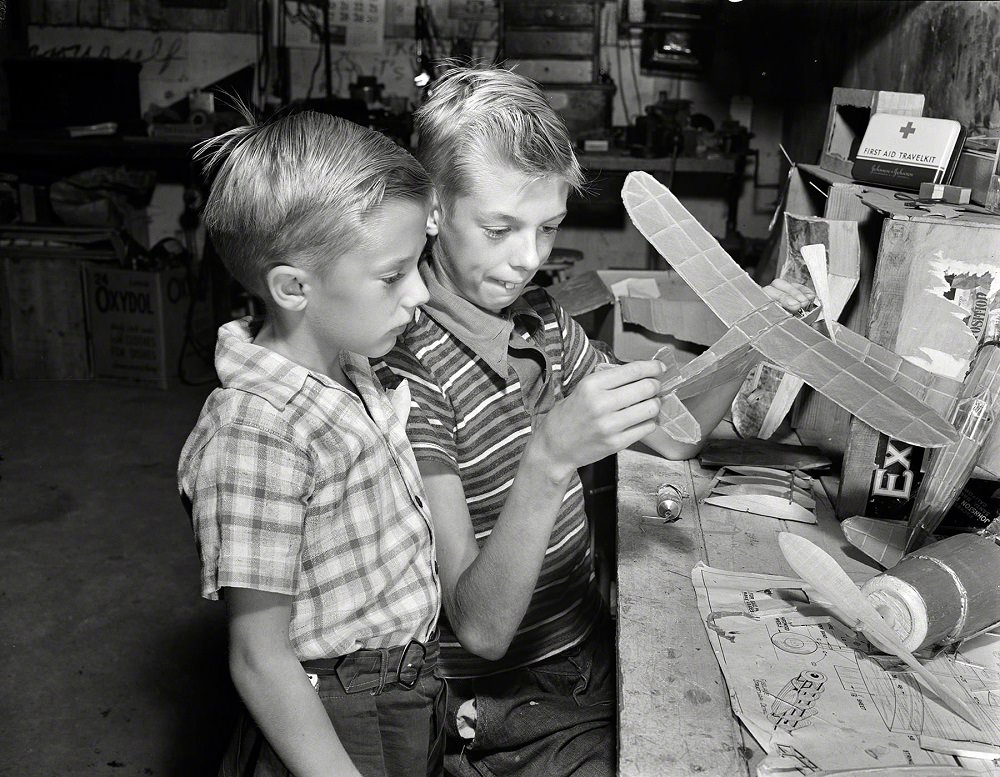
#22 Earl and Howard Babcock looking over one of the model airplanes which Howard built, New York, September 1942

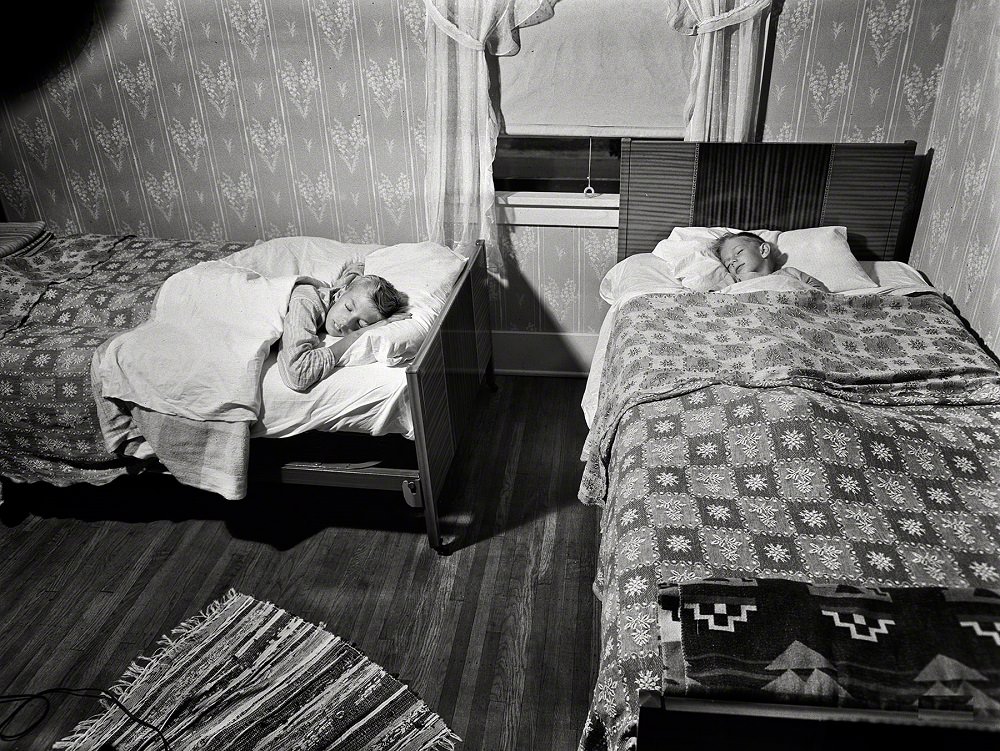
#23 The two Babcock boys share one room, New York, September 1942

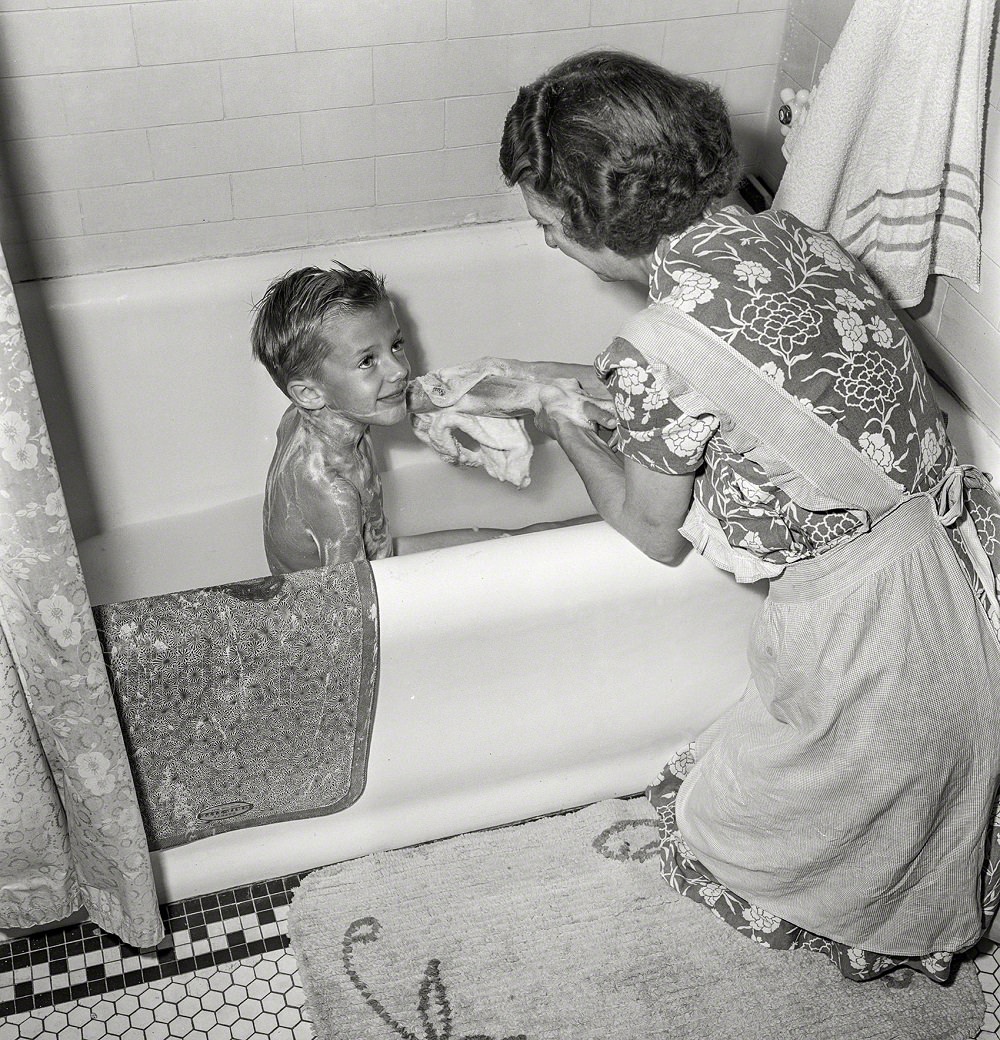
#25 Earl Babcock’s mother helping with his bath, Rochester, New York, September 1942

Earl Babcock's mother helping with his bath, Rochester, New York, September 1942

Avatar of Aung Budhh

Written by Aung Budhh

Husband + Father + librarian + Poet + Traveler + Proud Buddhist. I love you with the breath, the smiles and the tears of all my life.

Leave a Reply

Your email address will not be published. Required fields are marked *

13 Comments

  1. The one that throws me the most is South Ave I think. It took me awhile to place because there aren’t any historic 4 story buildings in the South Wedge. I eventually placed it though. The Cook Opera House is now where the convention center is. In this photo the first intersection is with W Main st. and the rest beyond that is St. Paul. The only buildings remaining are the ones on the right side of St. Paul st. until you get to where it curves a little at the very back of the photo at Andrews St. and I think all the buildings on St. Paul past Andrews are in this photo as well.

  2. That was definitely the golden era of Rochester. Now we’re living in some sort of weird freak postmodern interpretation of the City of Rochester where the land and properties are owned by a corporation and the decisions are made by executive board members sitting on commissions who also work for the development corporations. We sure went from being a city known for innovation and invention into this freak hybrid privation system that we’re living on today.