
New York City has been home to many grand buildings, but few matched the original Pennsylvania Station. Built in 1910, it stood as one of the most breathtaking structures in the entire country — a massive, Roman-inspired palace planted in the middle of Midtown Manhattan. It served millions of travelers for more than five decades before it was torn down in the 1960s, a decision that shocked the nation and forever changed how Americans think about preserving historic buildings.
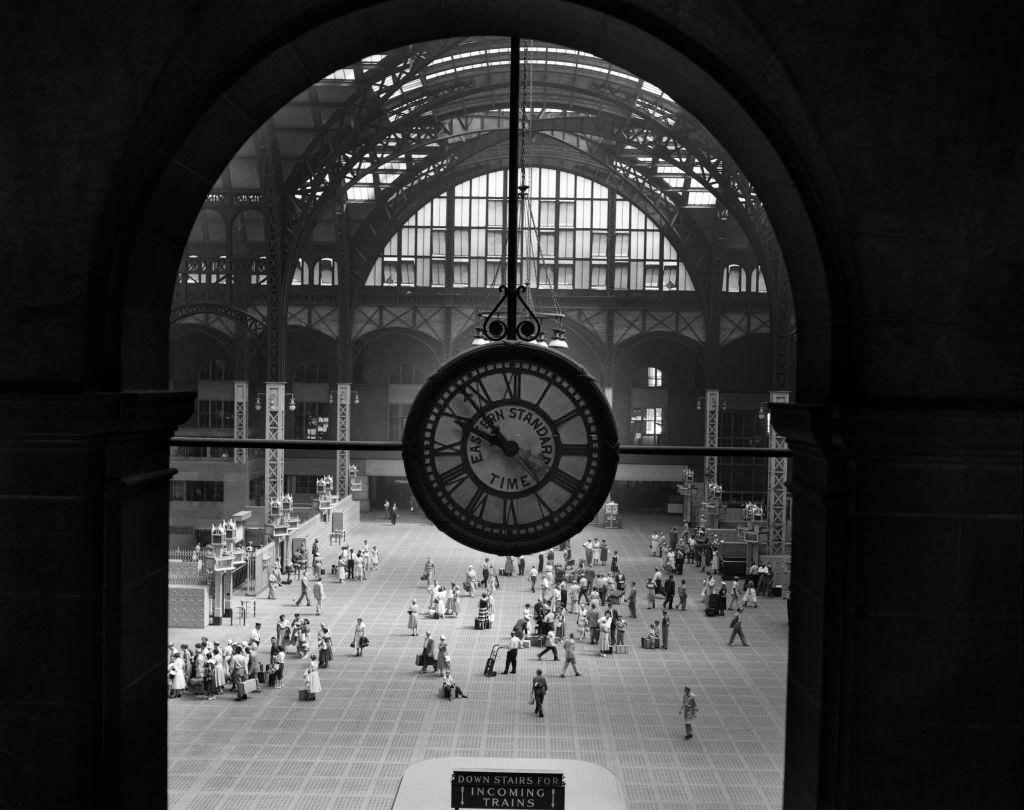
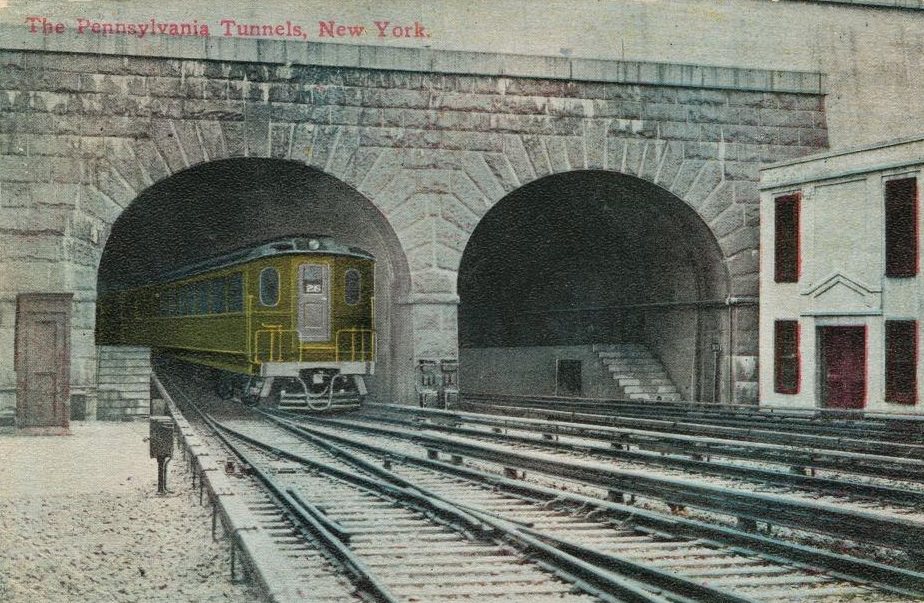
The story of Penn Station begins in the late 1890s, when Pennsylvania Railroad leaders Alexander Cassatt and Samuel Rea set out to solve a serious problem. The Pennsylvania Railroad had no direct route into Manhattan. Passengers from the south and west had to stop in New Jersey and take a ferry across the Hudson River to reach the city. Cassatt and Rea decided to fix this by tunneling under both the Hudson River and the East River — an engineering feat that had never been done at that scale. The plan was bold, expensive, and widely considered risky. They pushed forward anyway.
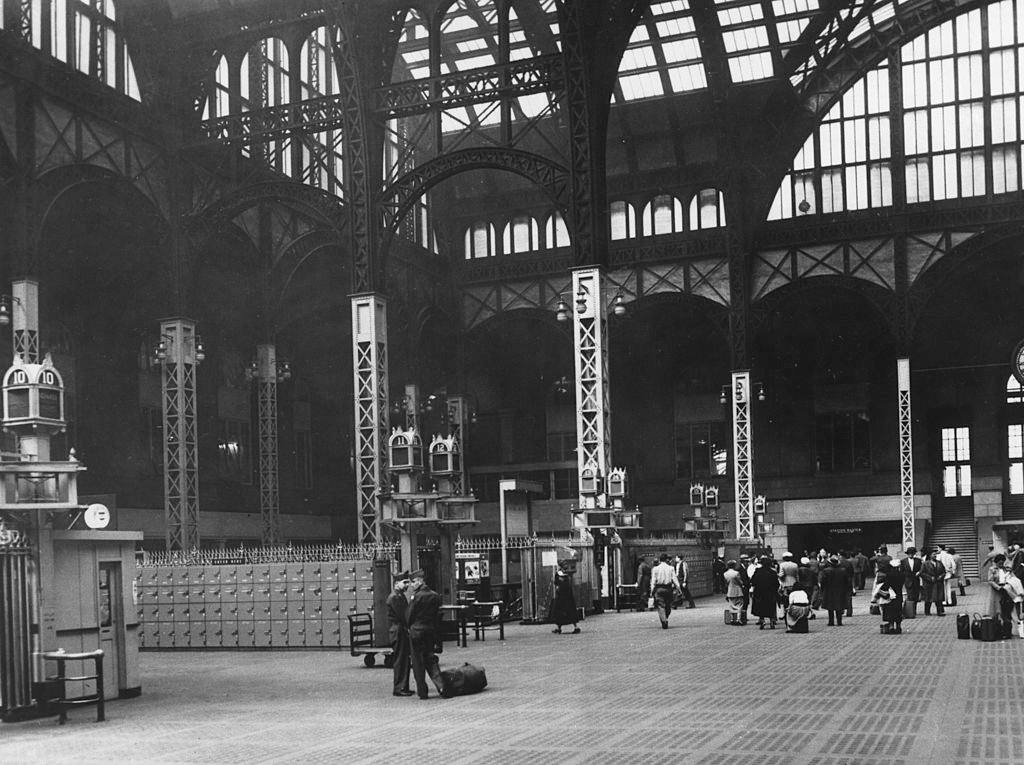
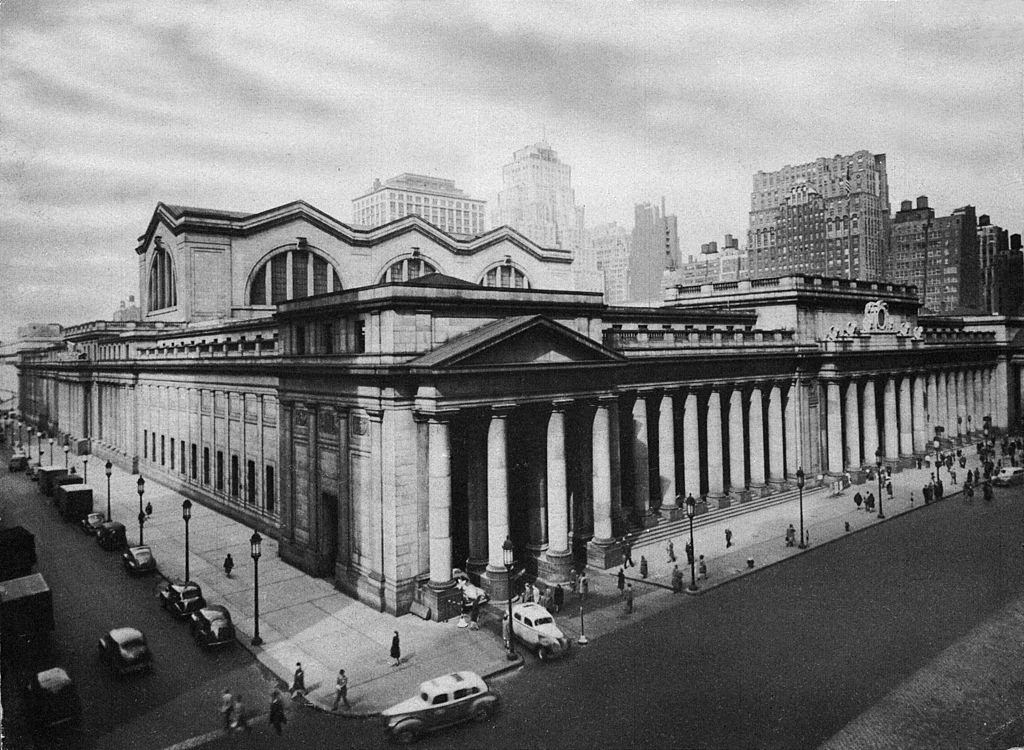
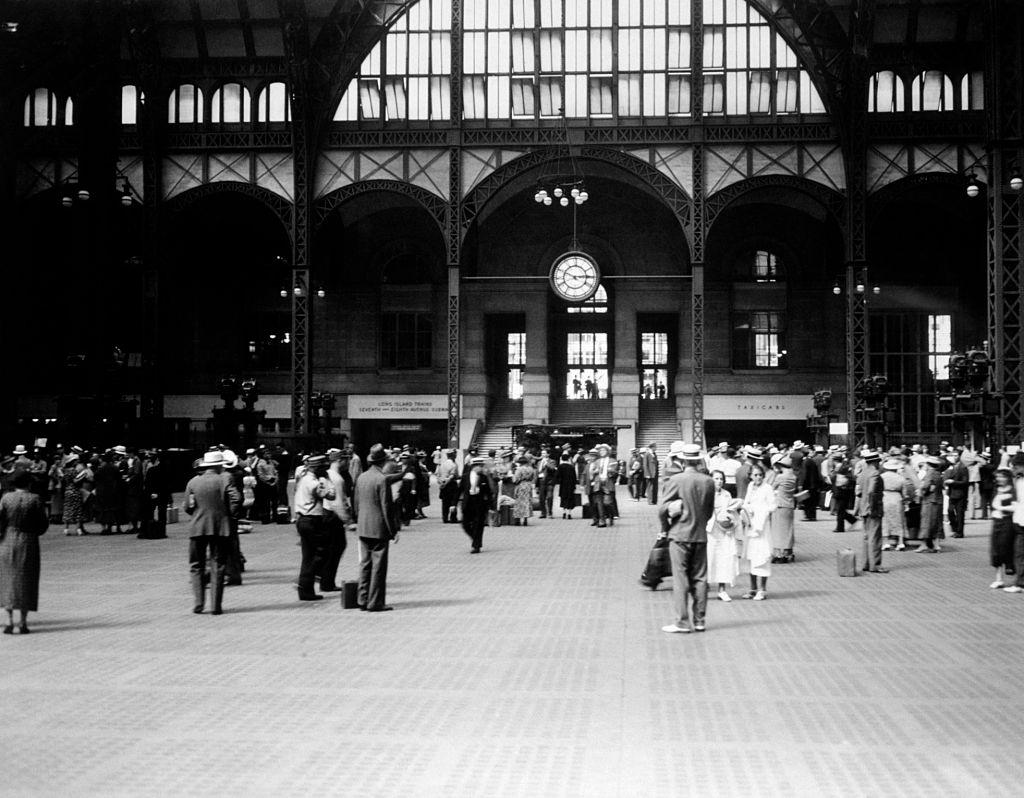
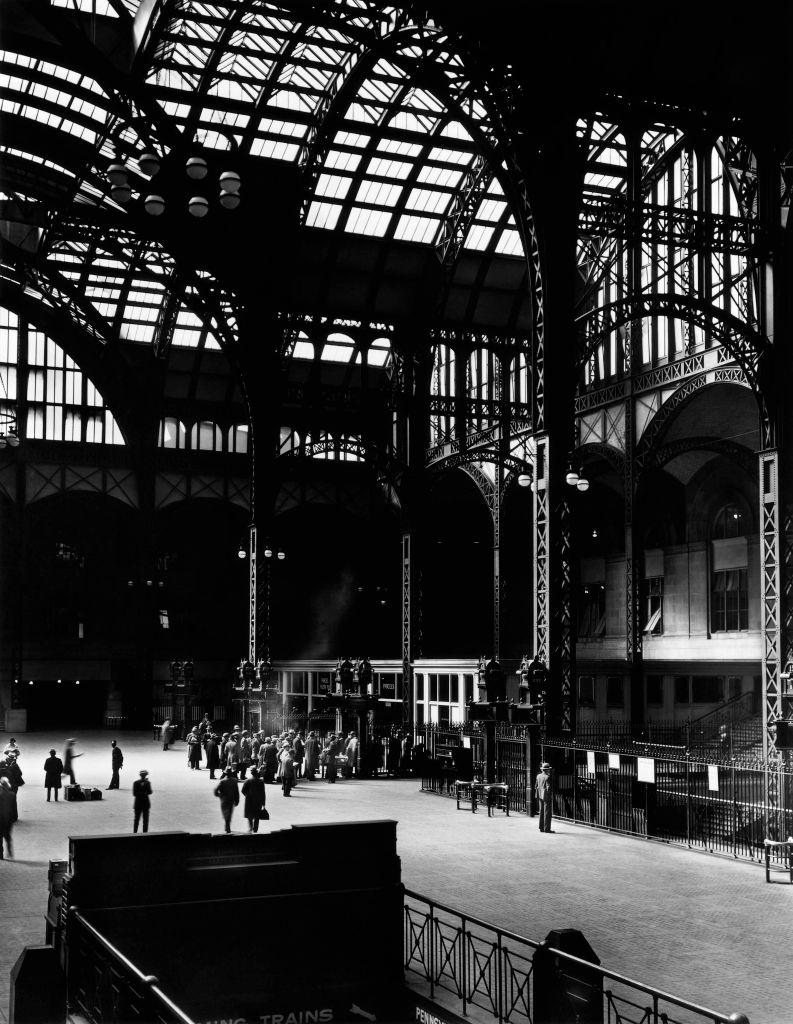
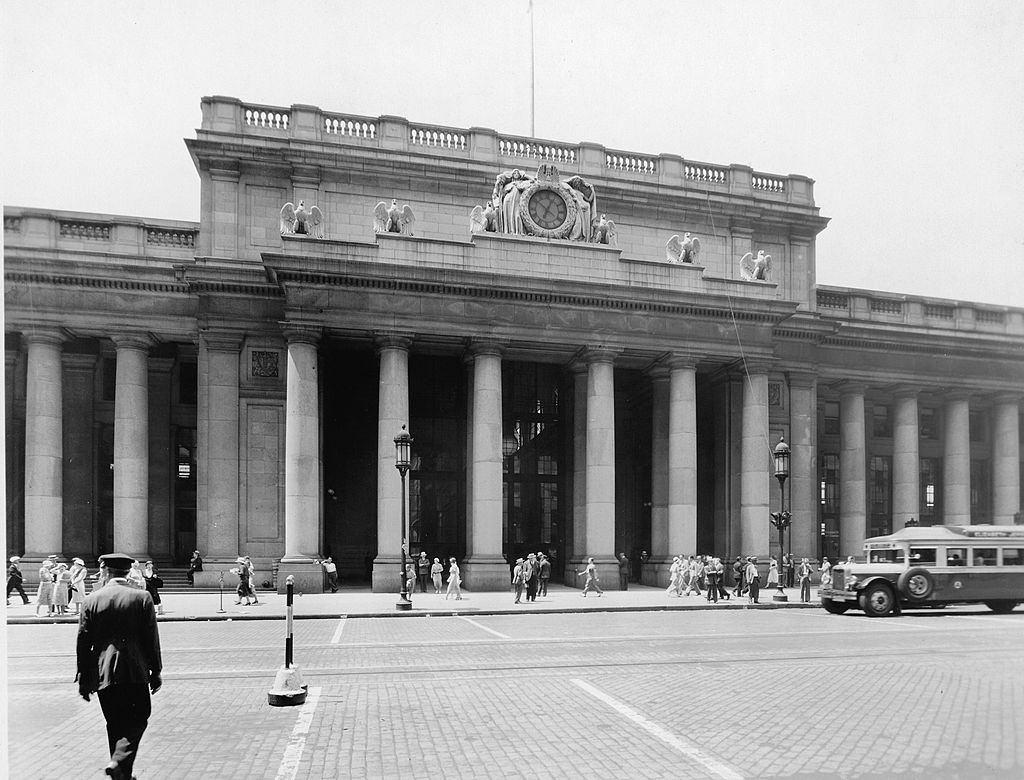
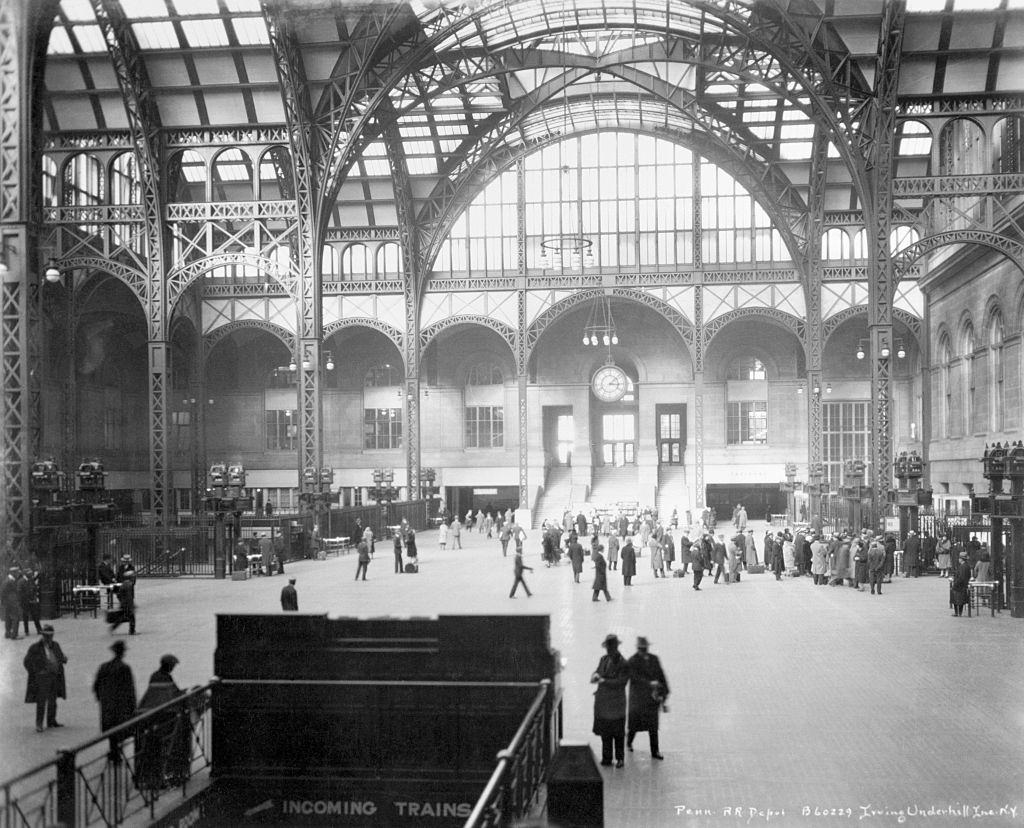
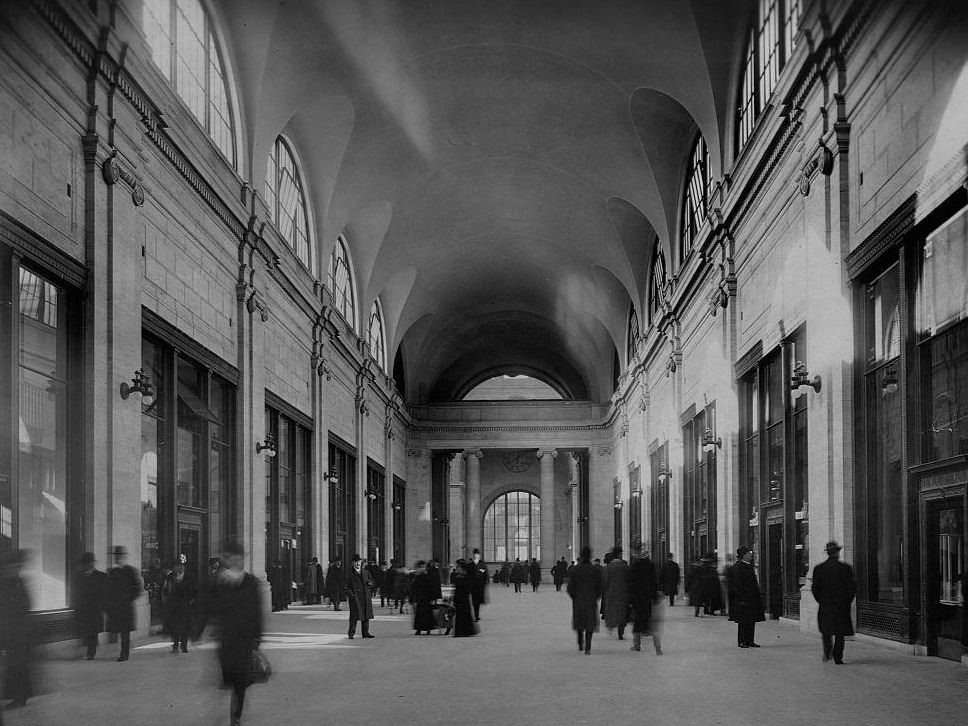
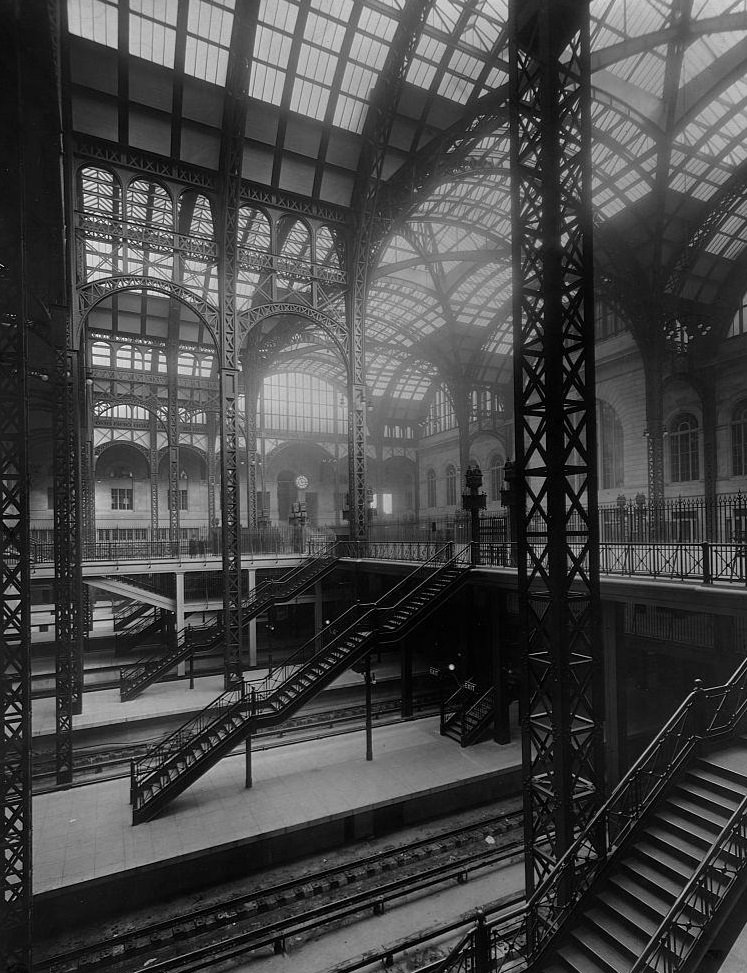
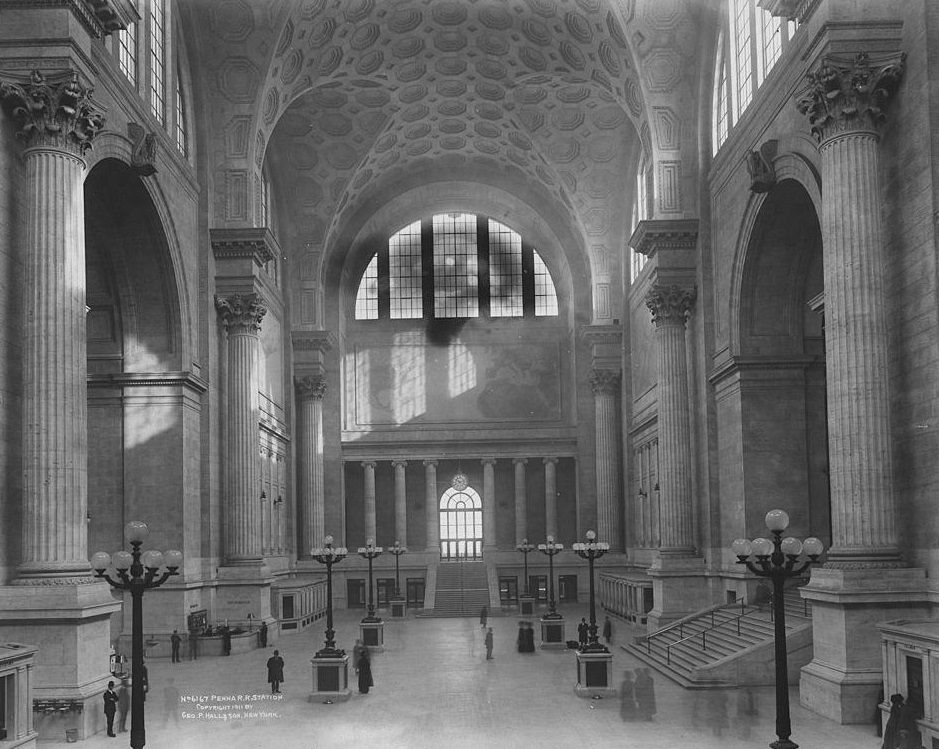
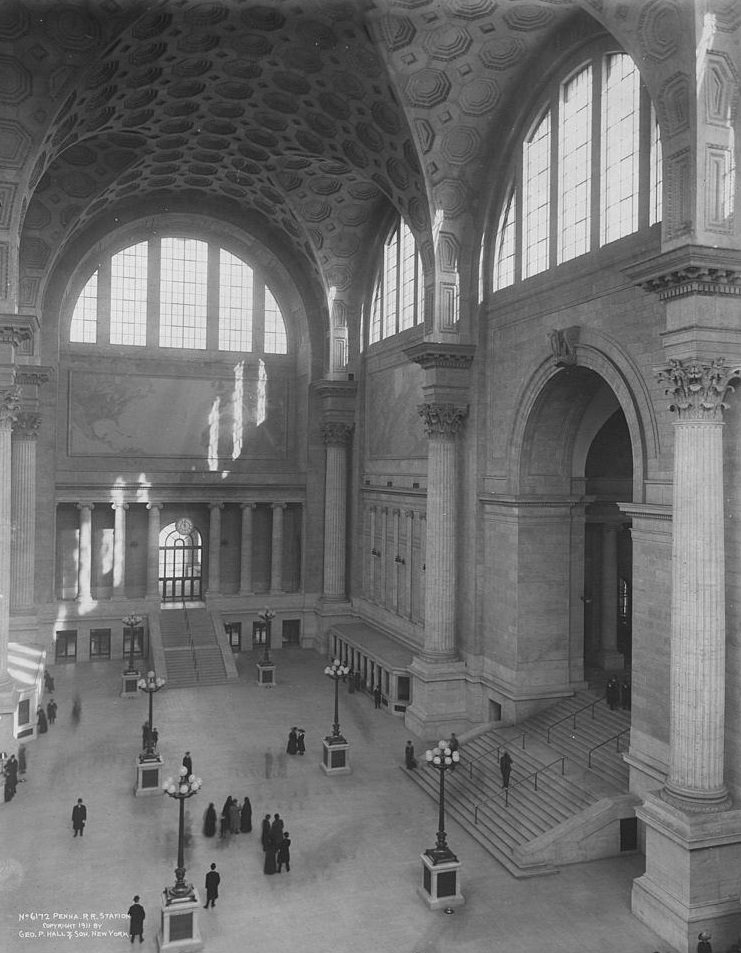
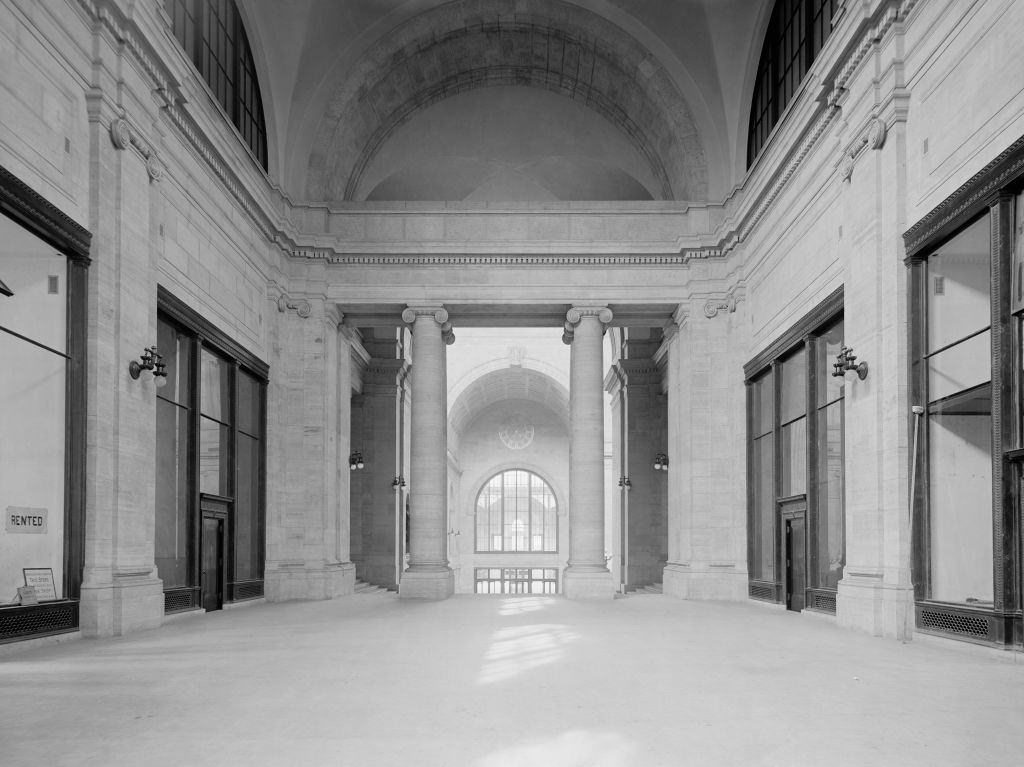
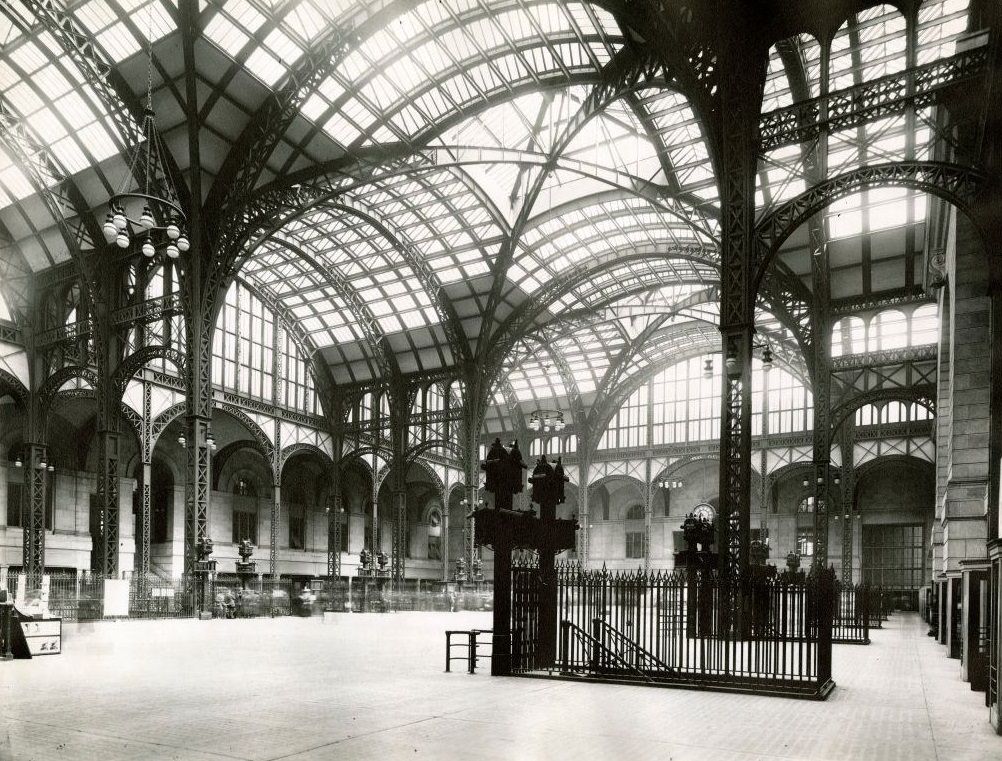
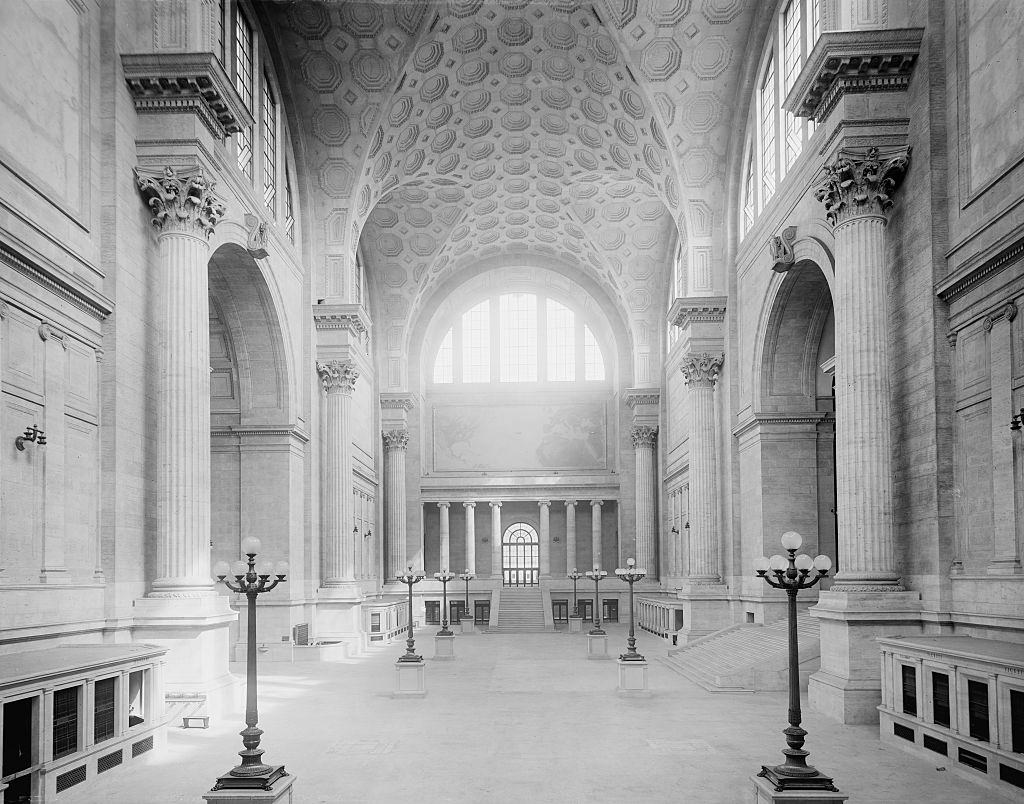
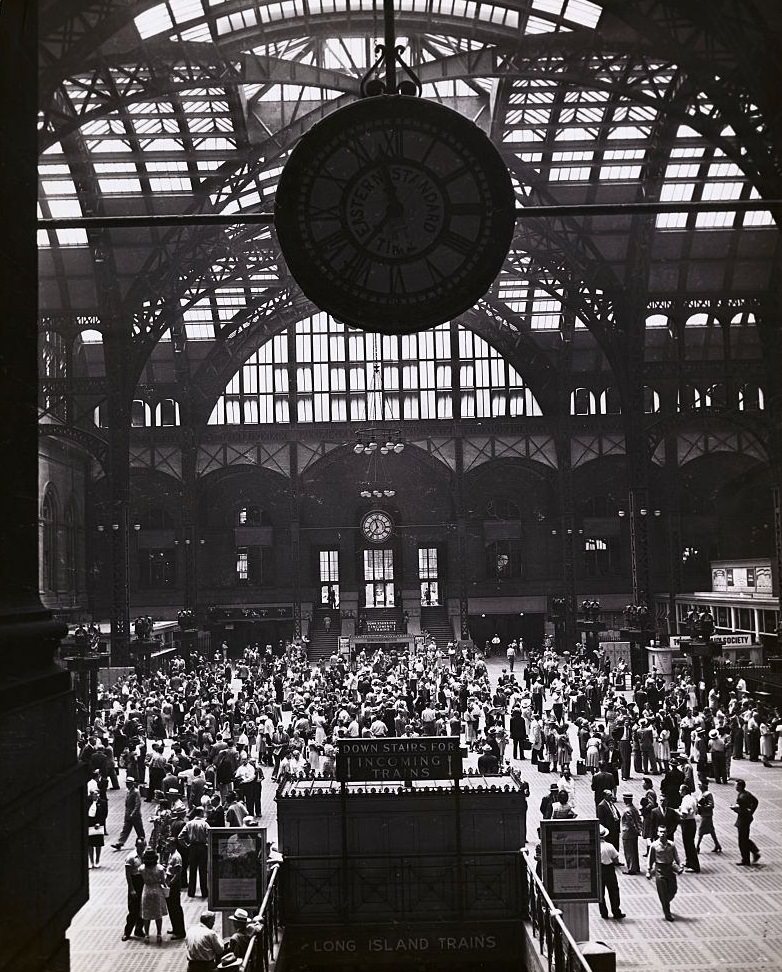
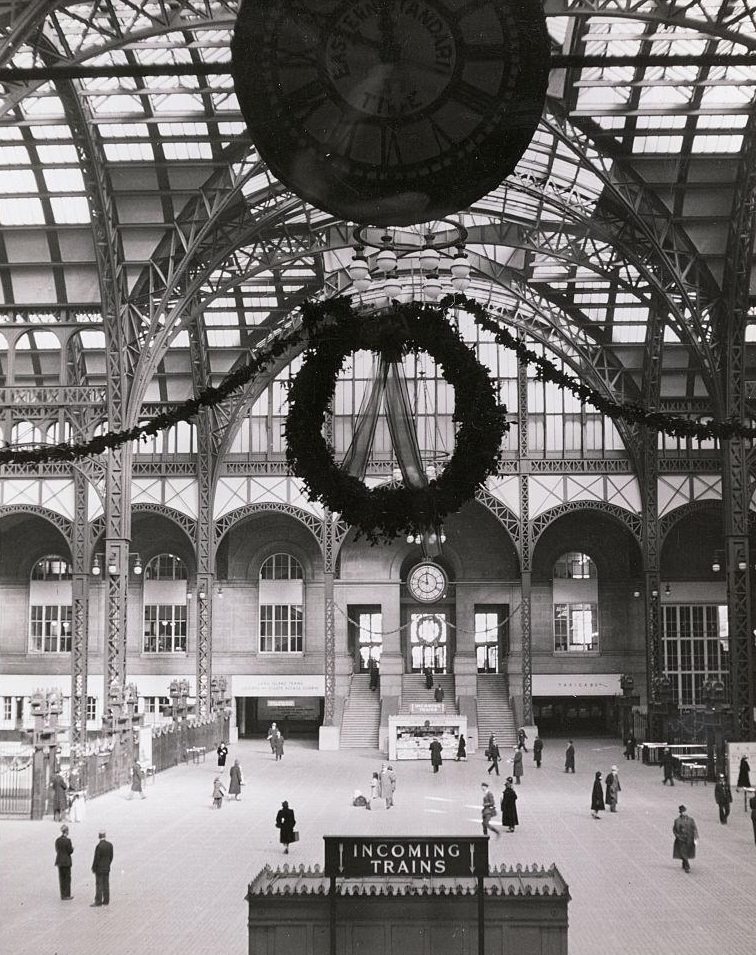
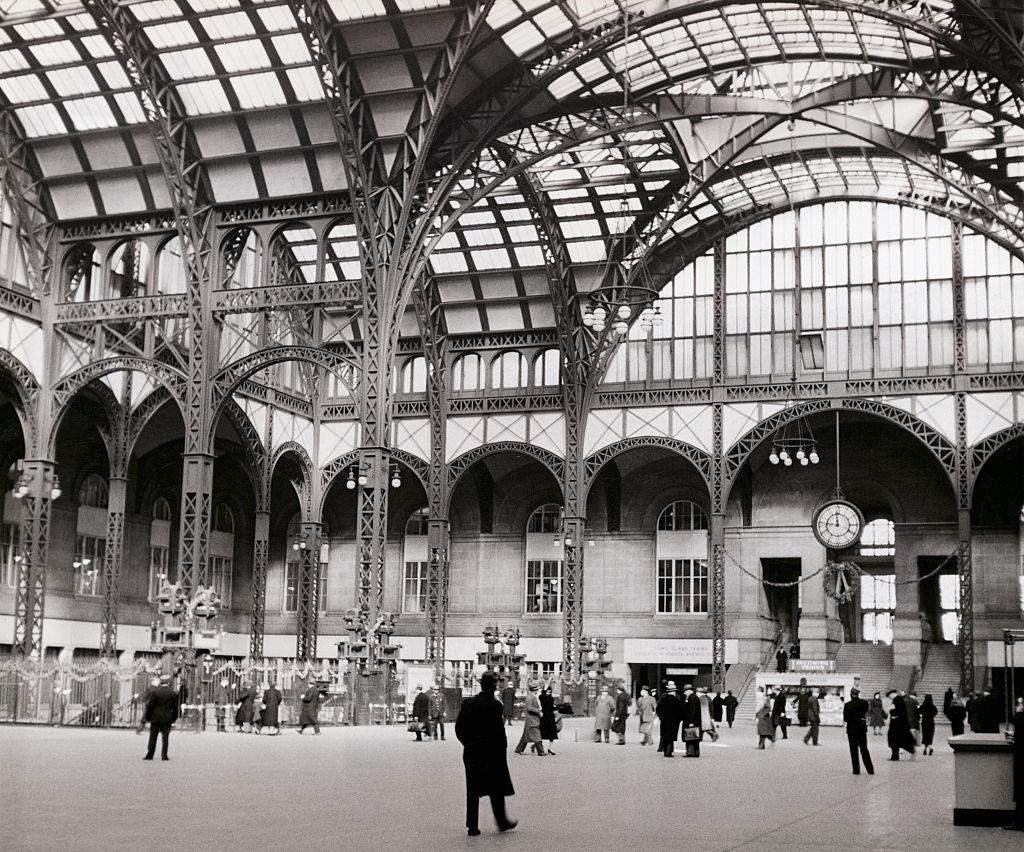
The firm of McKim, Mead & White designed the station, and they drew inspiration from two iconic Roman structures: the Baths of Caracalla and the Gare du Quai d’Orsay in Paris. The result was a building that felt less like a train station and more like an ancient temple. The main waiting room alone was modeled after the great Roman baths, with soaring vaulted ceilings, massive stone columns, and floor space comparable to St. Peter’s Basilica in Rome.
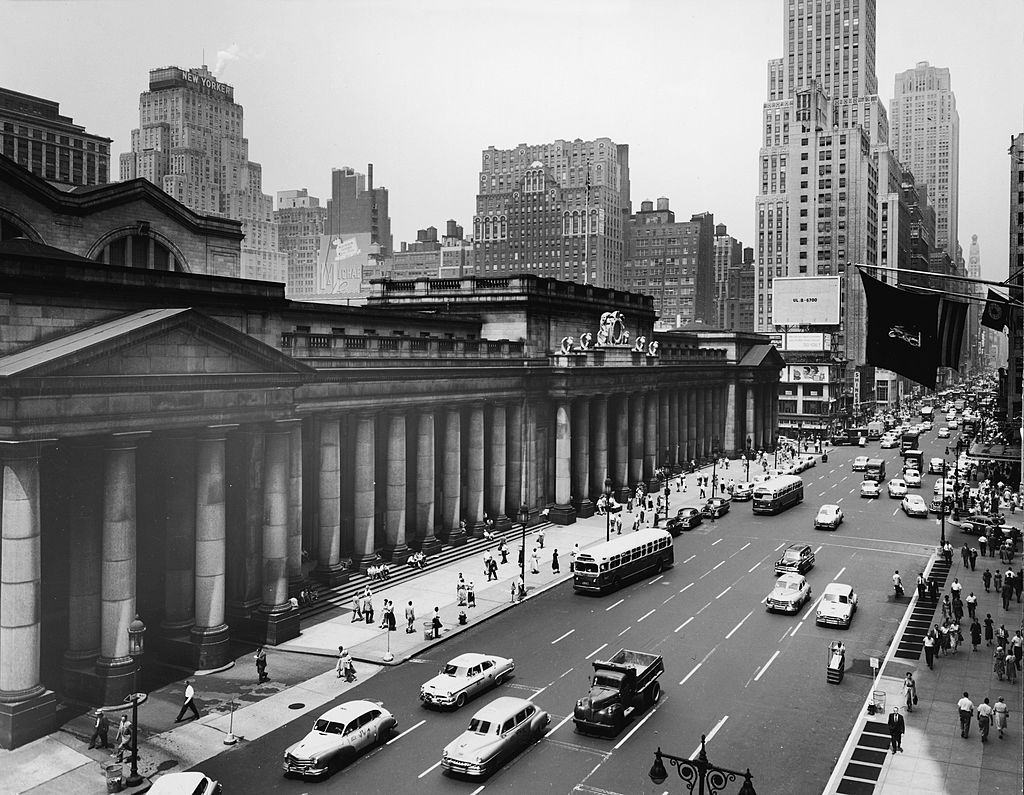
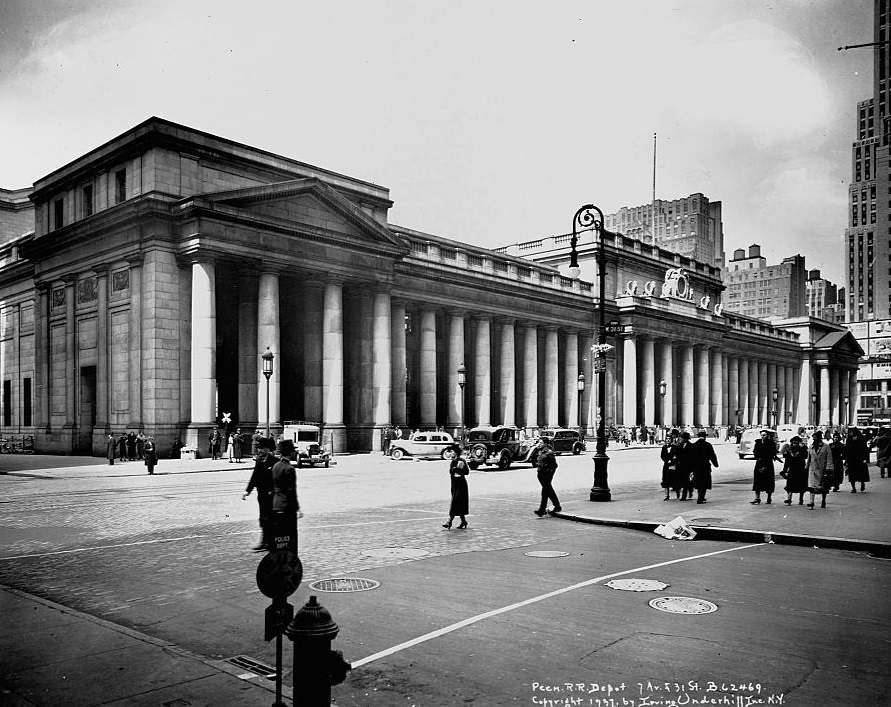
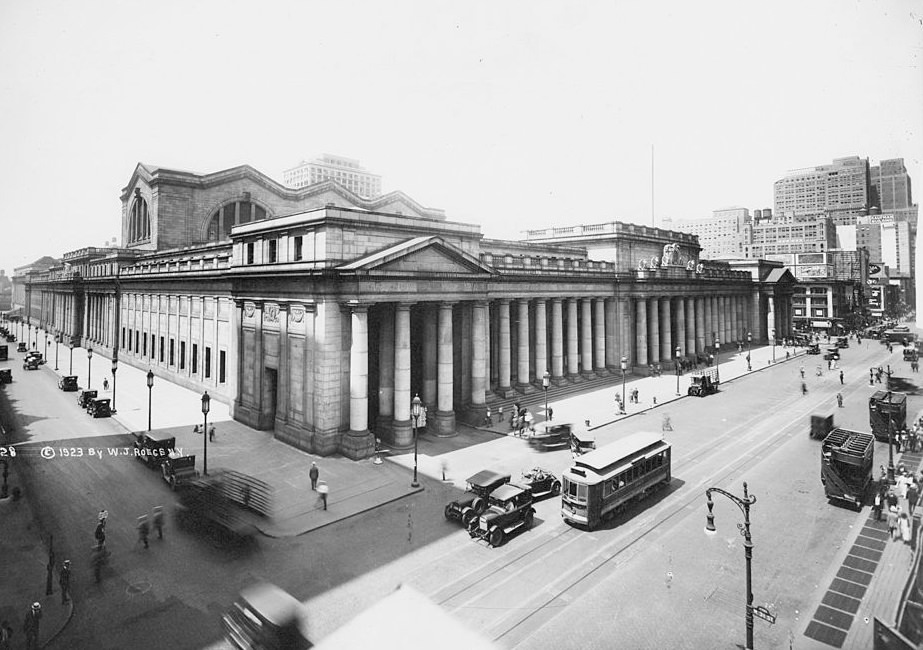
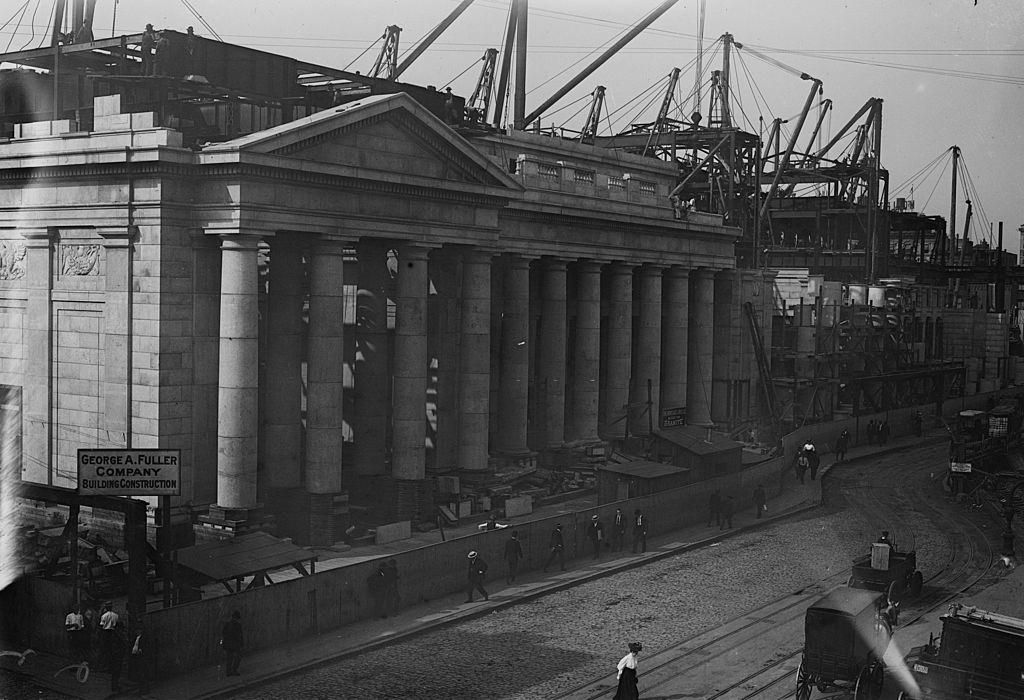
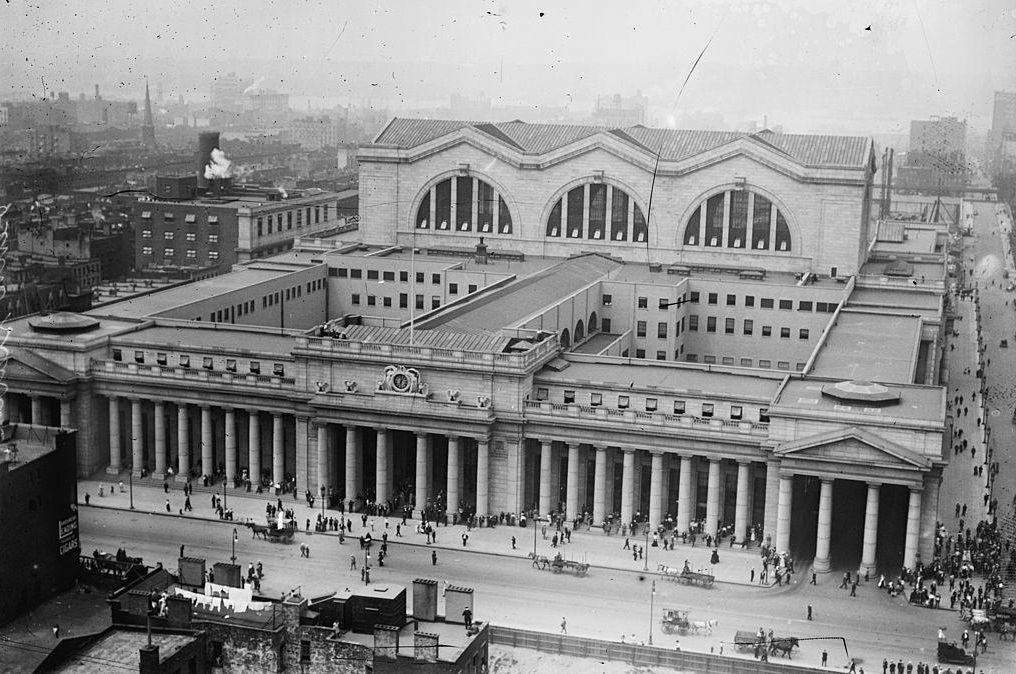
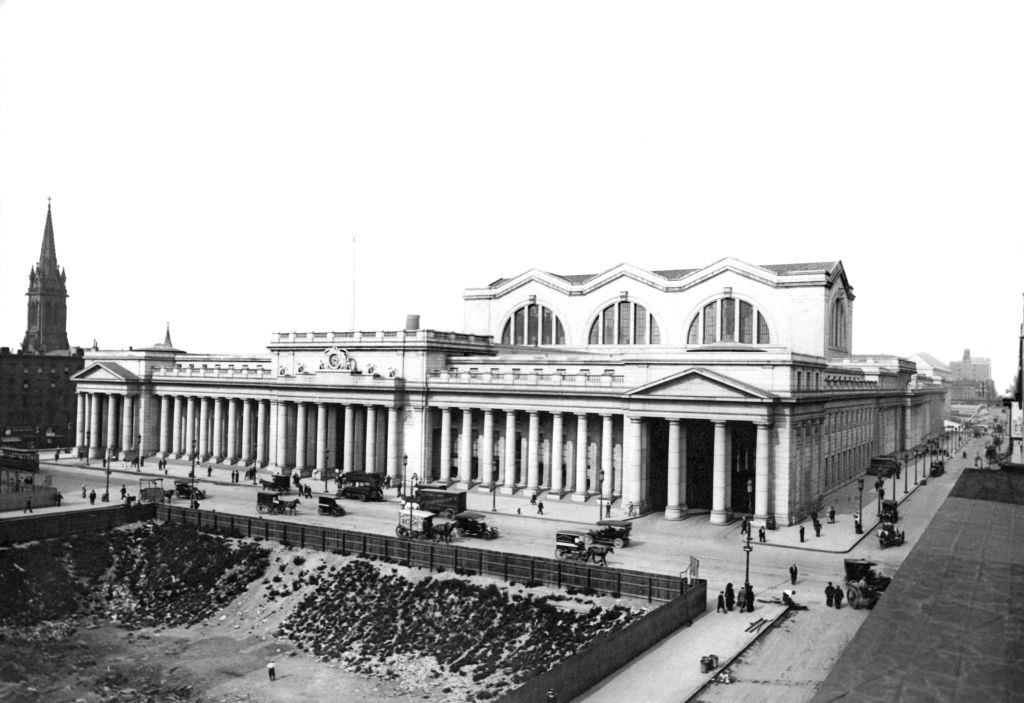
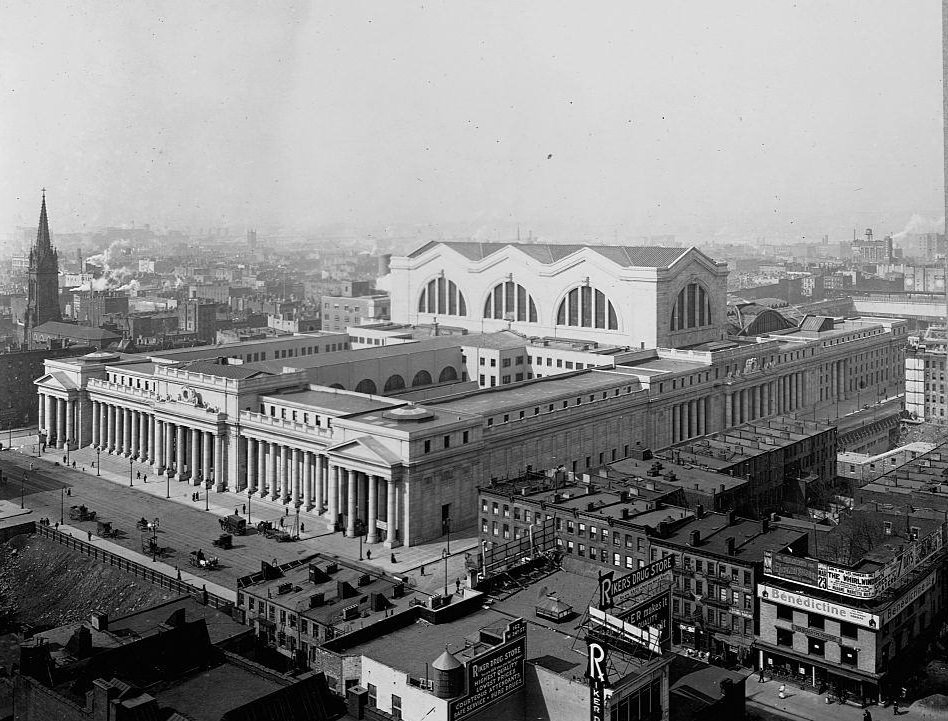
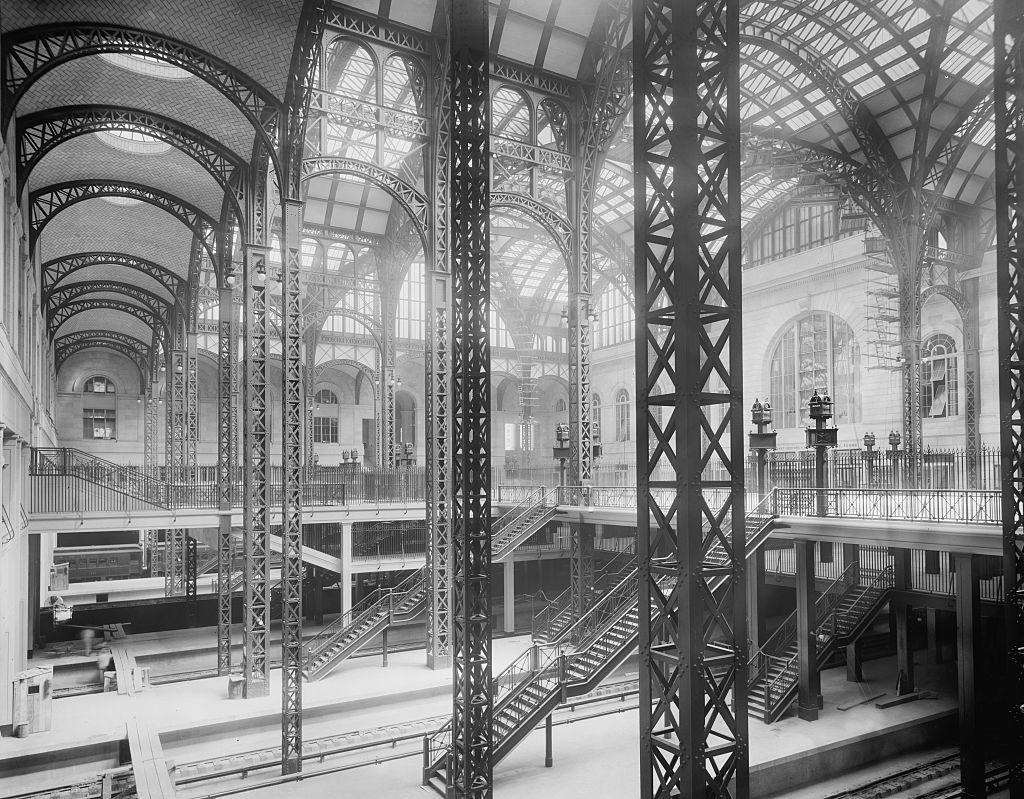
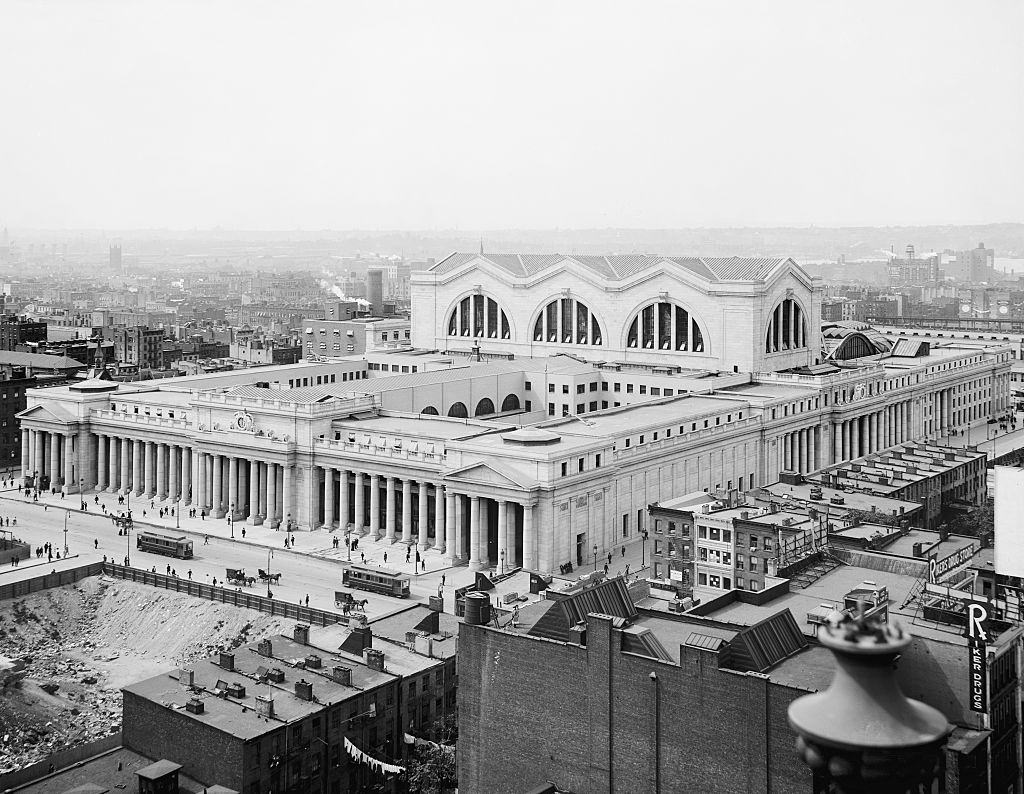
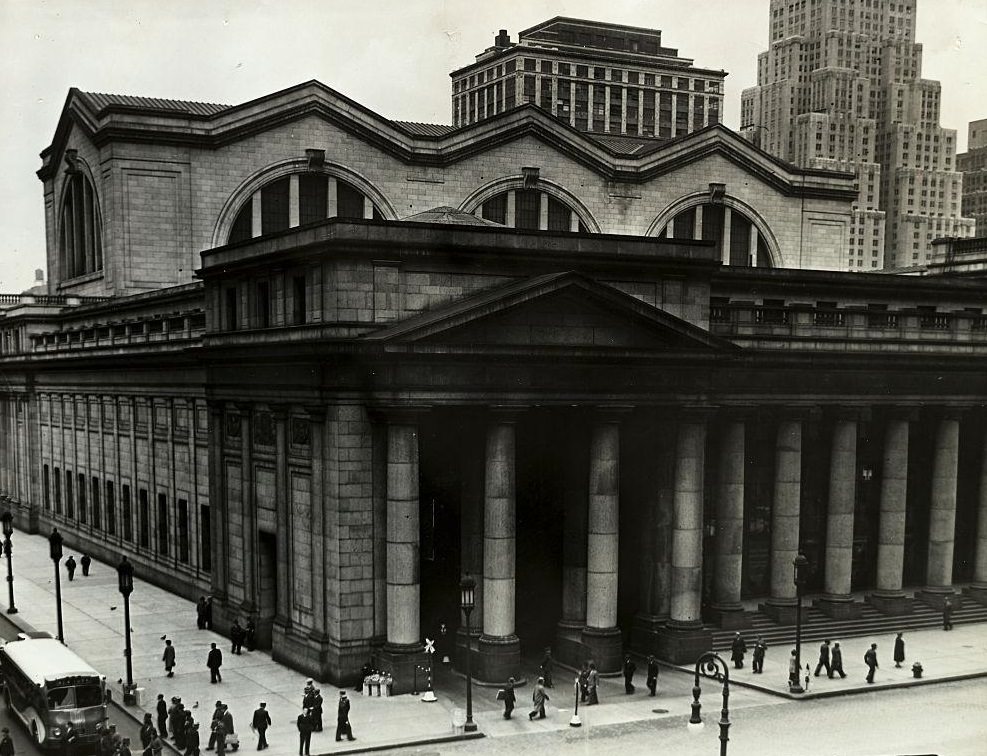
The station occupied two full city blocks, running from Seventh Avenue to Eighth Avenue and from 31st Street to 33rd Street. Its average height above street level was 69 feet, but at its tallest point it reached 153 feet. The building consumed 14,000 cubic meters of pink granite on the exterior, 1,700 cubic meters of interior stone, 27,000 short tons of steel, and 48,000 short tons of brick. Thirty thousand light bulbs lit the interior. The total cost of the station and its tunnels, according to an Interstate Commerce Commission report, was $114 million — equivalent to roughly $2.5 billion in 2021 dollars.
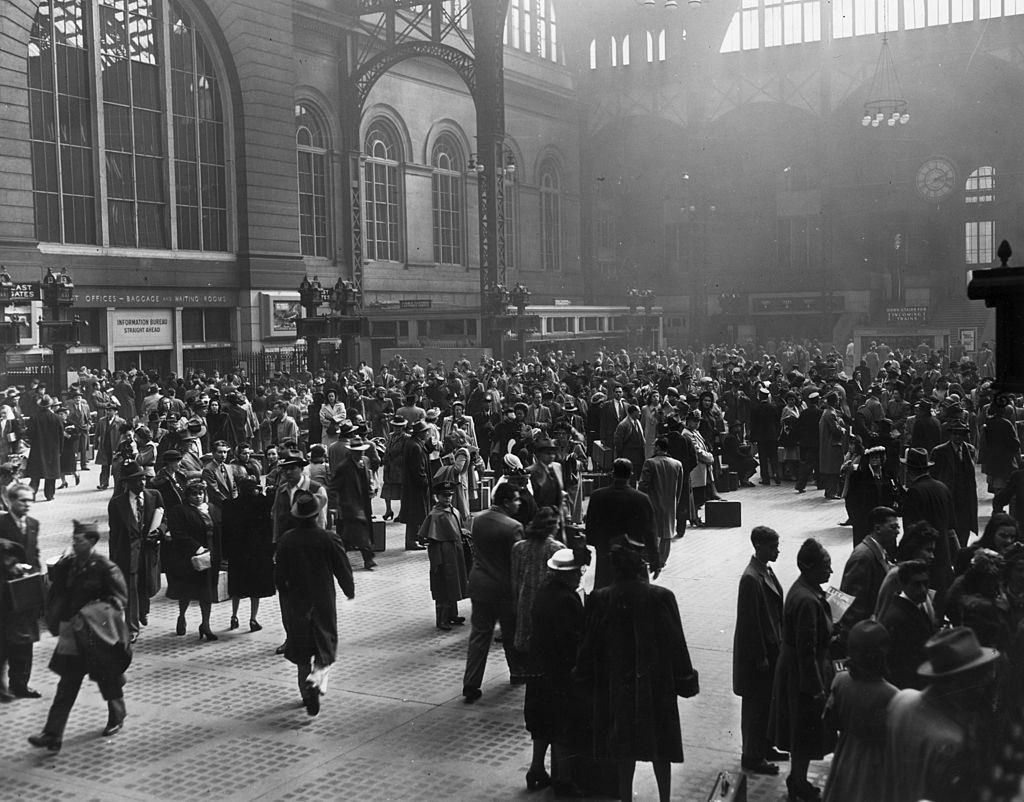
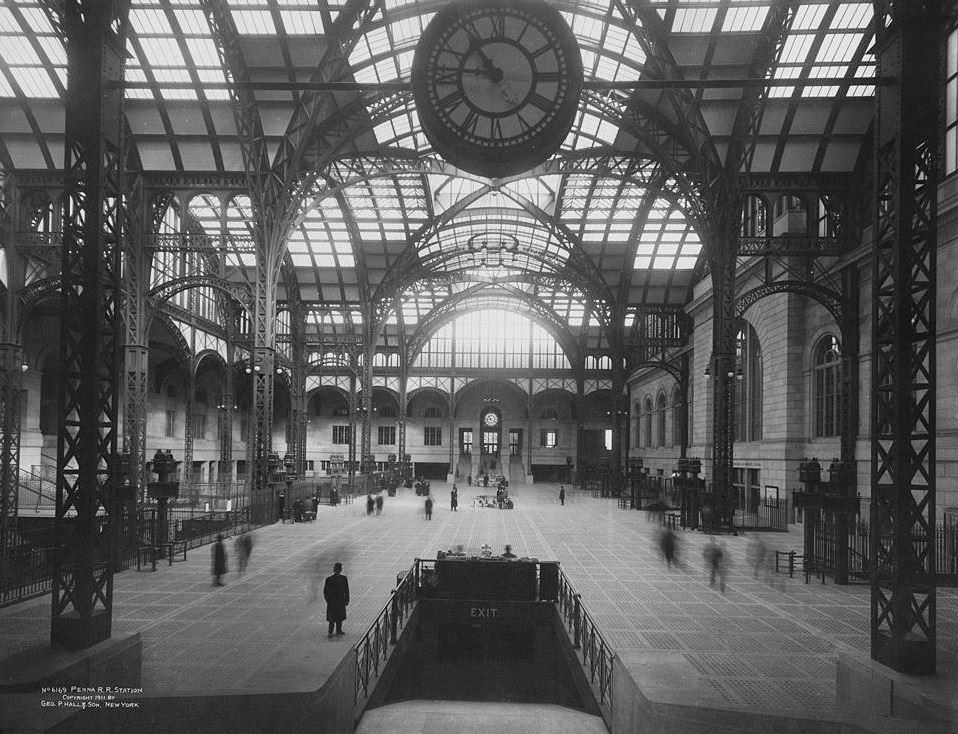
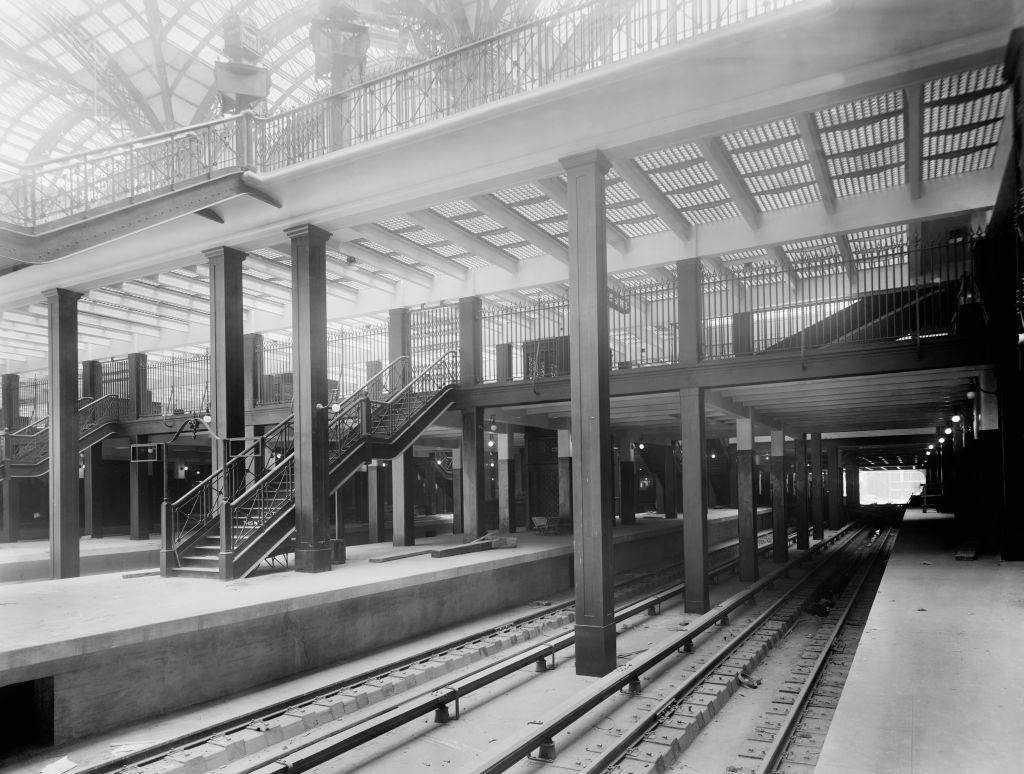
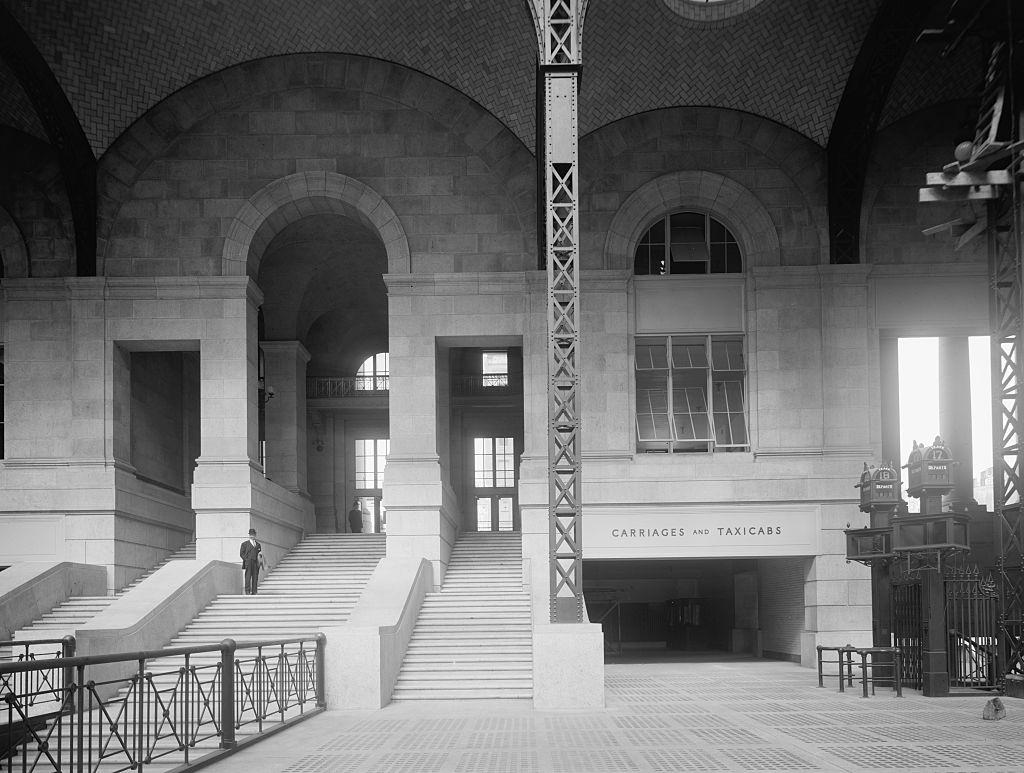
When Penn Station opened in 1910, it was an immediate success. The station handled 144 trains per hour across 21 tracks and 11 platforms — roughly the same track layout as the station that exists today. On a typical weekday, 1,000 trains passed through. For the first time, travelers from the south could board a train and ride directly into Manhattan without switching to a ferry. The station also introduced a feature that was new at the time: separate waiting rooms for arriving and departing passengers.
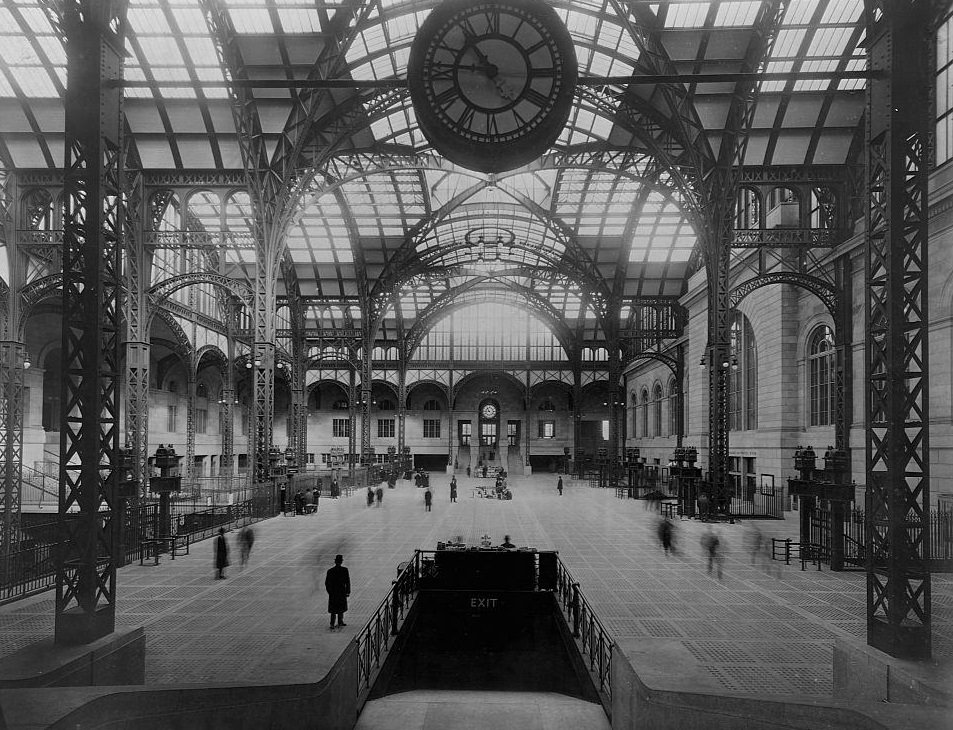
The lower walls of the waiting room were clad in travertine marble, while the upper walls featured a steel framework covered in plaster. The space surrounding the station stretched across 25 acres of track. The interior drew comparisons to the baths of Emperors Caracalla, Diocletian, and Titus. Even people who had never traveled to Rome felt they were standing inside something ancient and permanent.
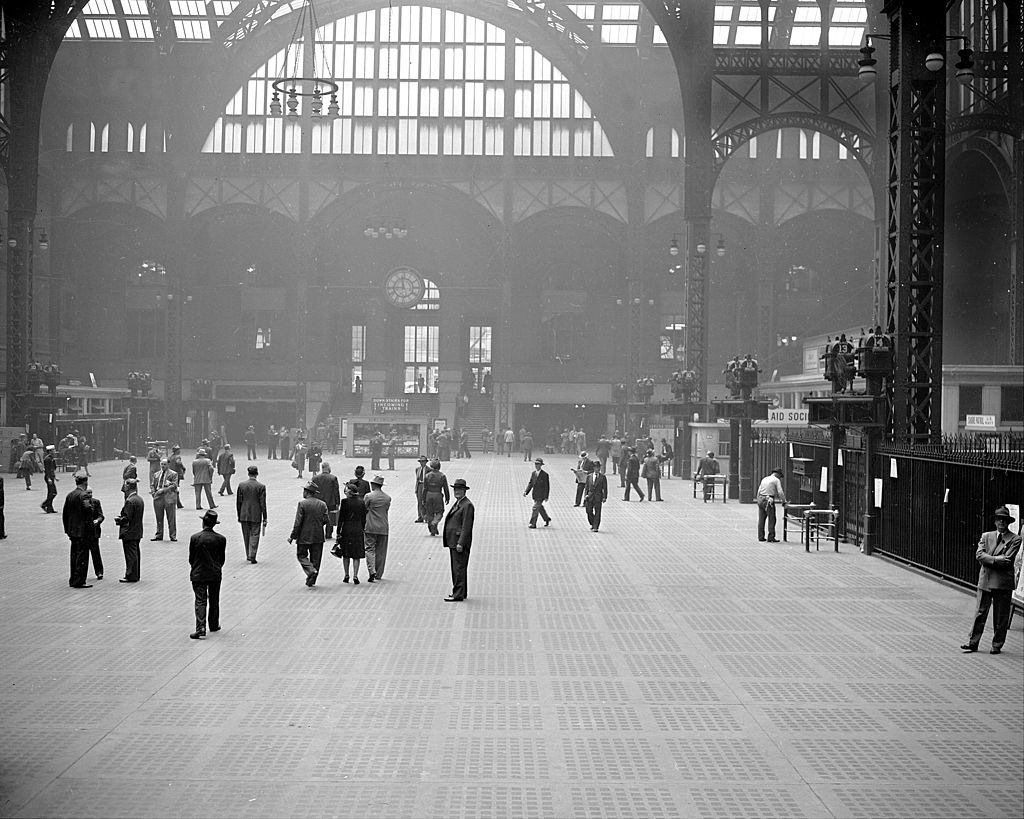
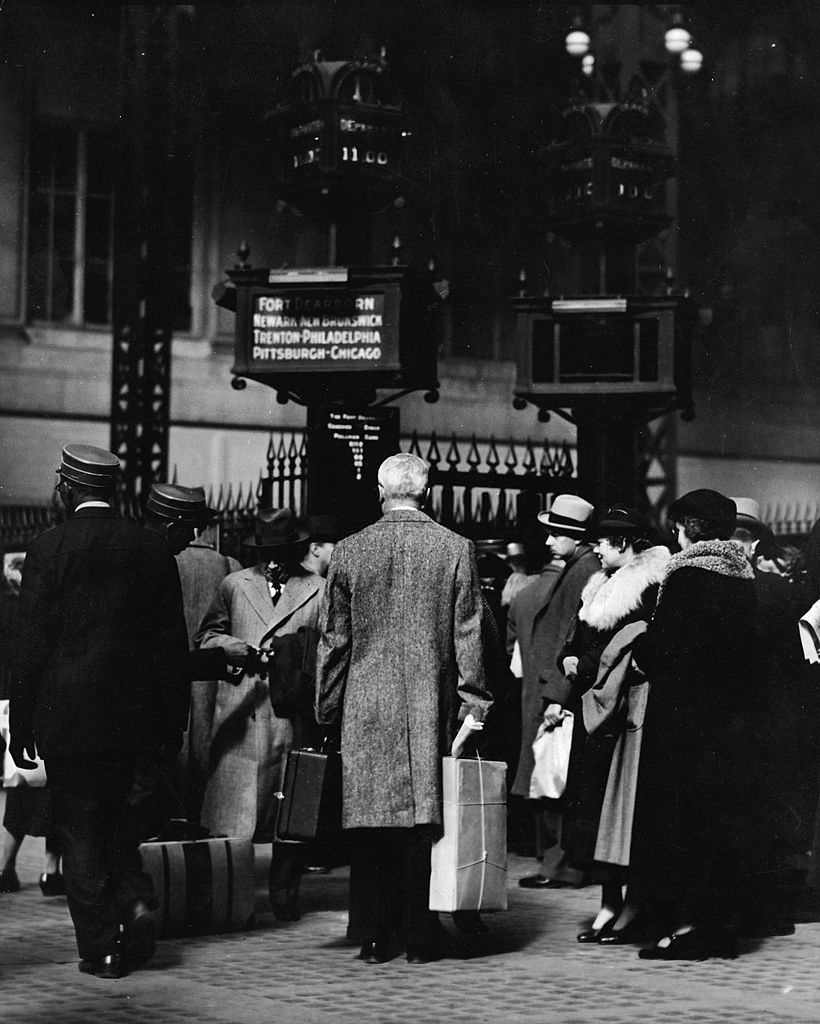
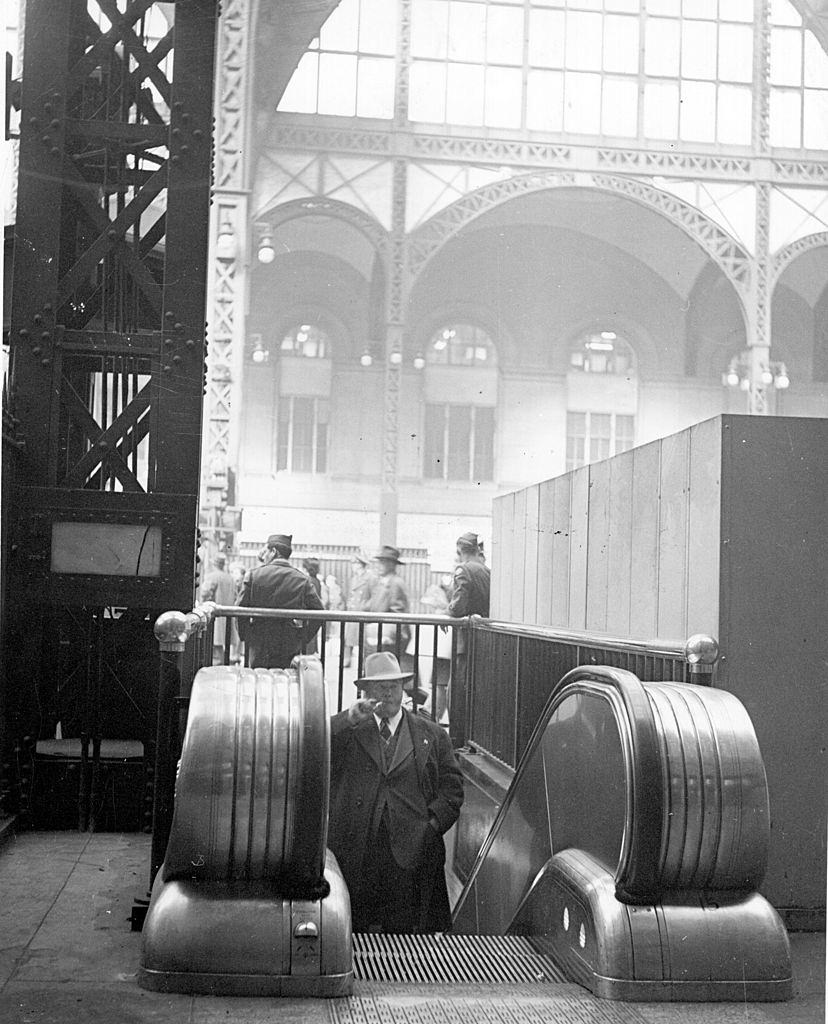
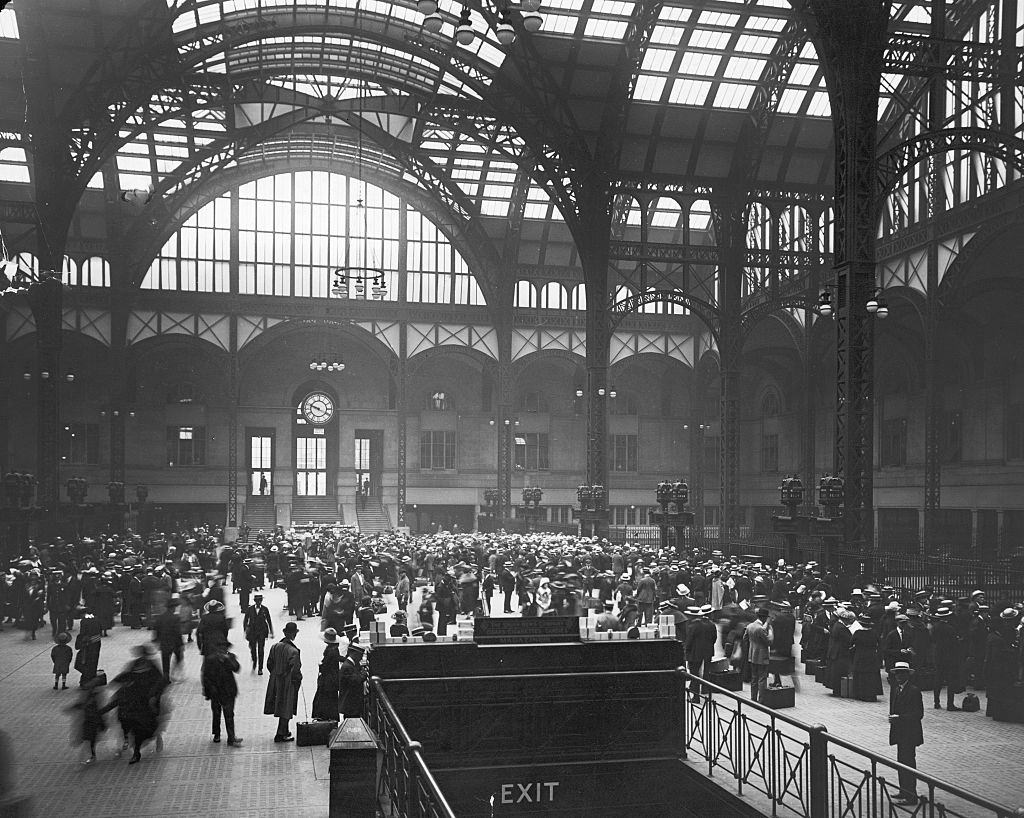
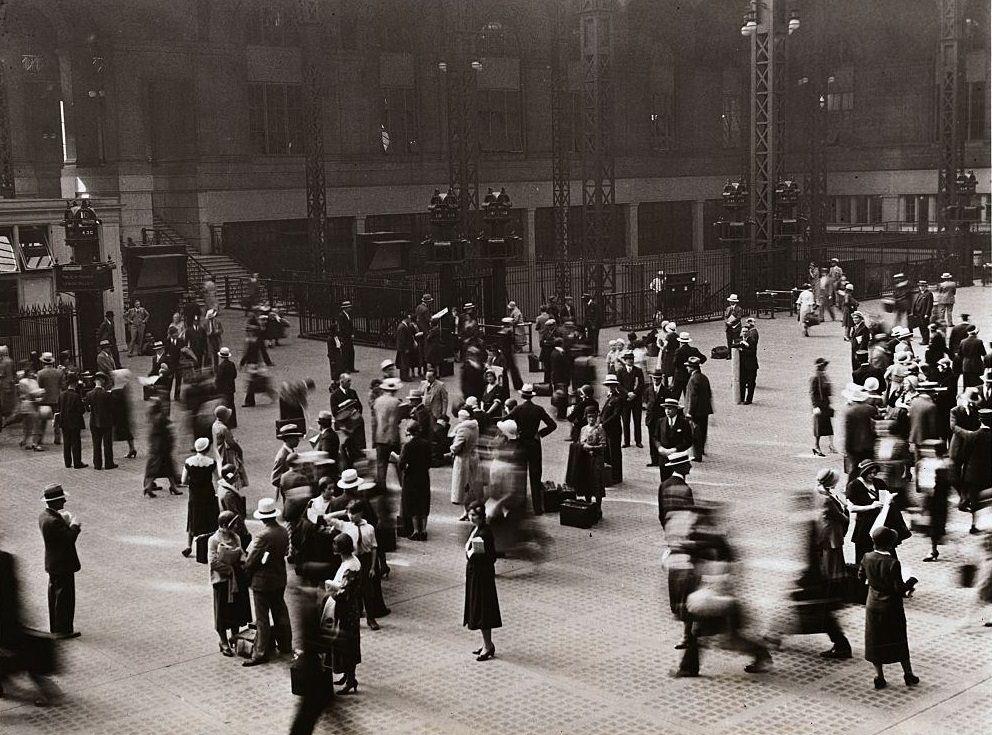
During World War II, Penn Station became one of the busiest places in the United States. In 1945 alone, more than 100 million passengers moved through its halls. Soldiers heading to training camps, wives reuniting with husbands on leave, families saying tearful goodbyes — the station was a stage for all of it. The wartime photos taken inside Penn Station offer a rare, human window into that era.
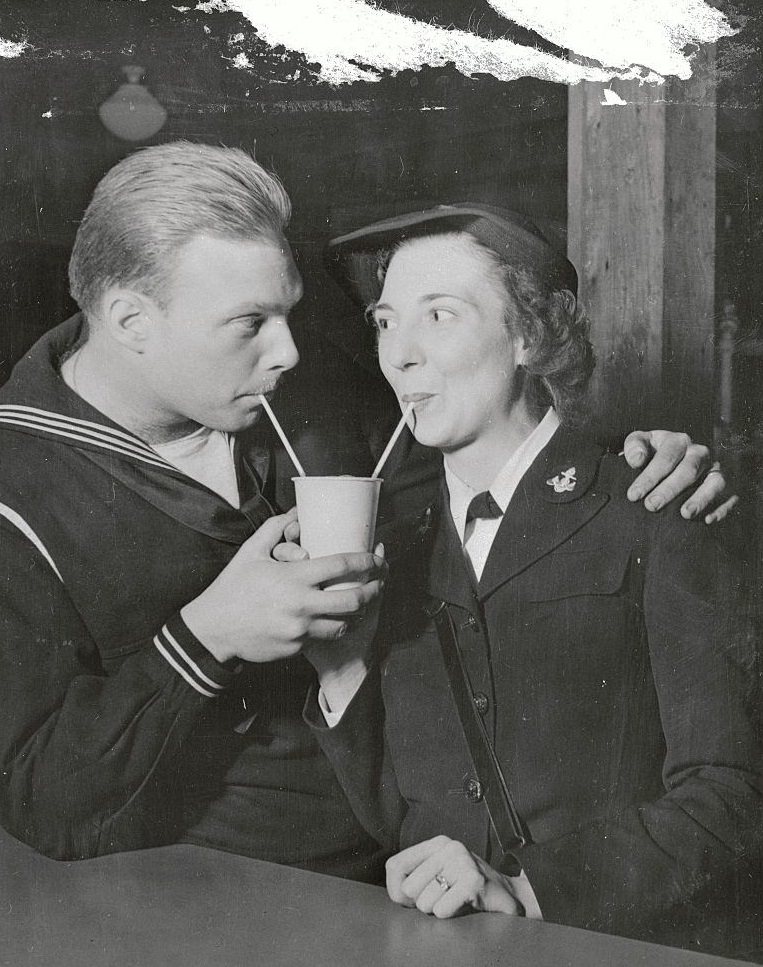
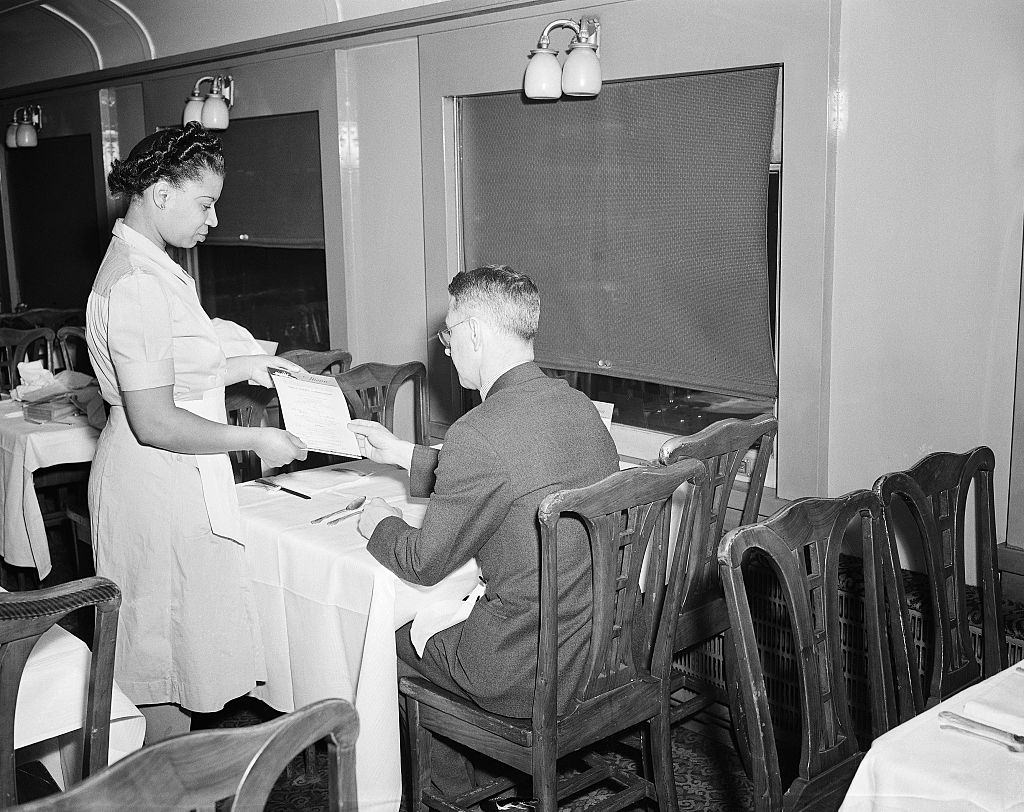
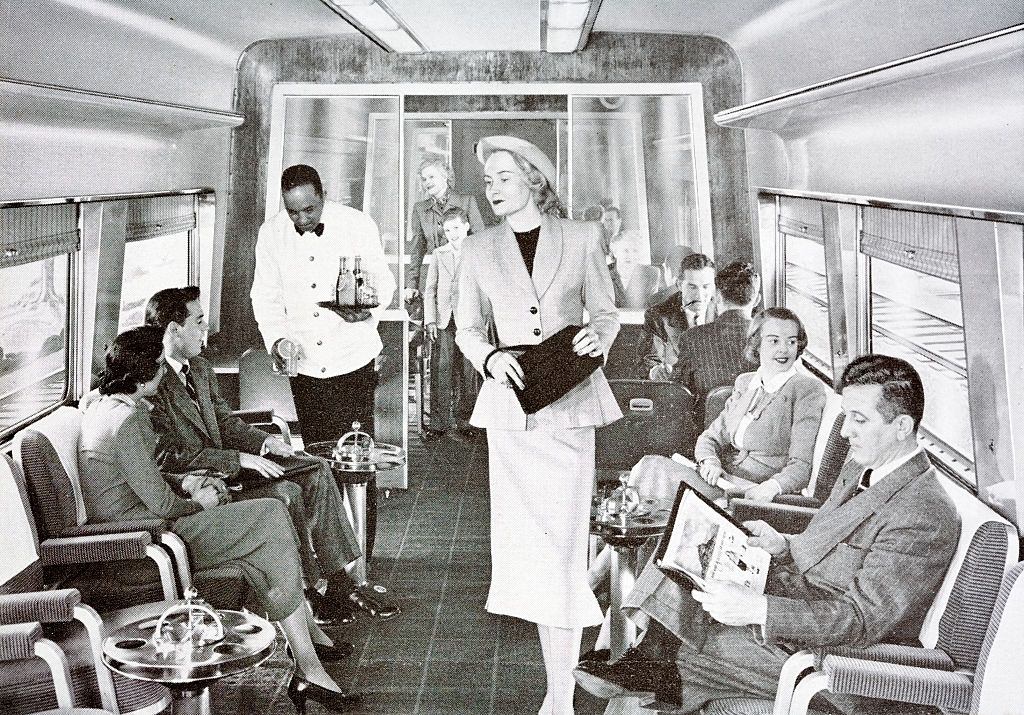
Women stepped into roles at Penn Station that had been held by men before the war. With so many men away in military service or working in war plants, women were hired as replacements in dining cars, service counters, and other station jobs.
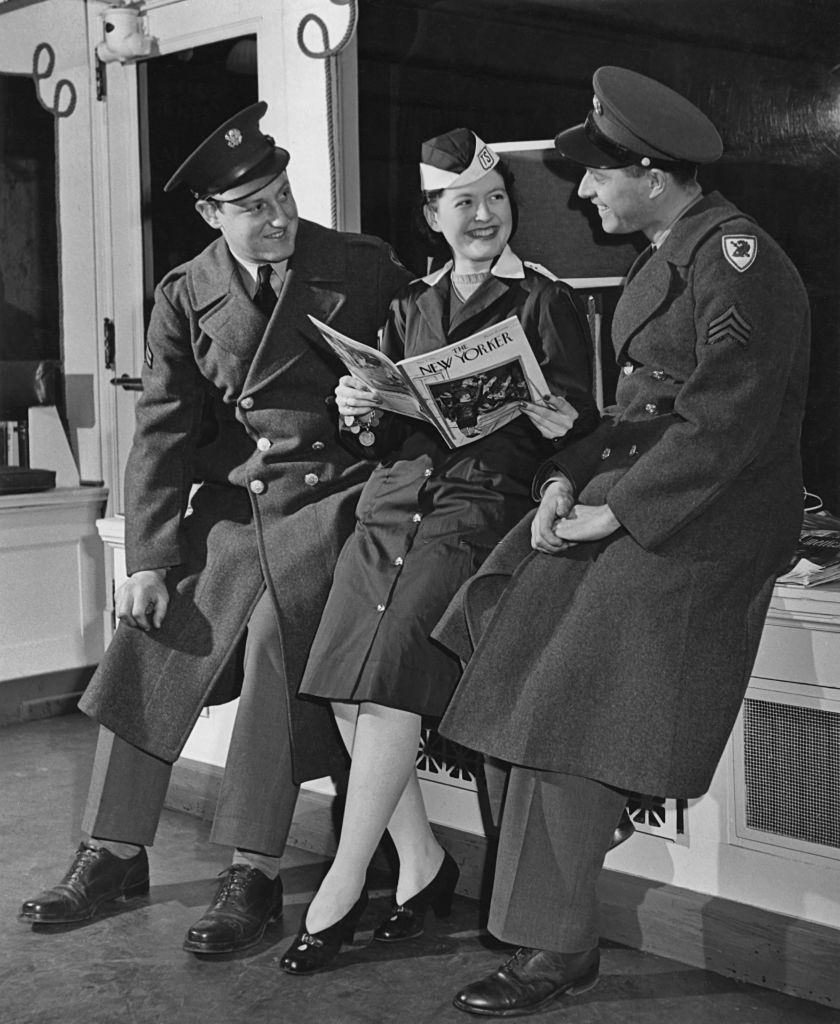
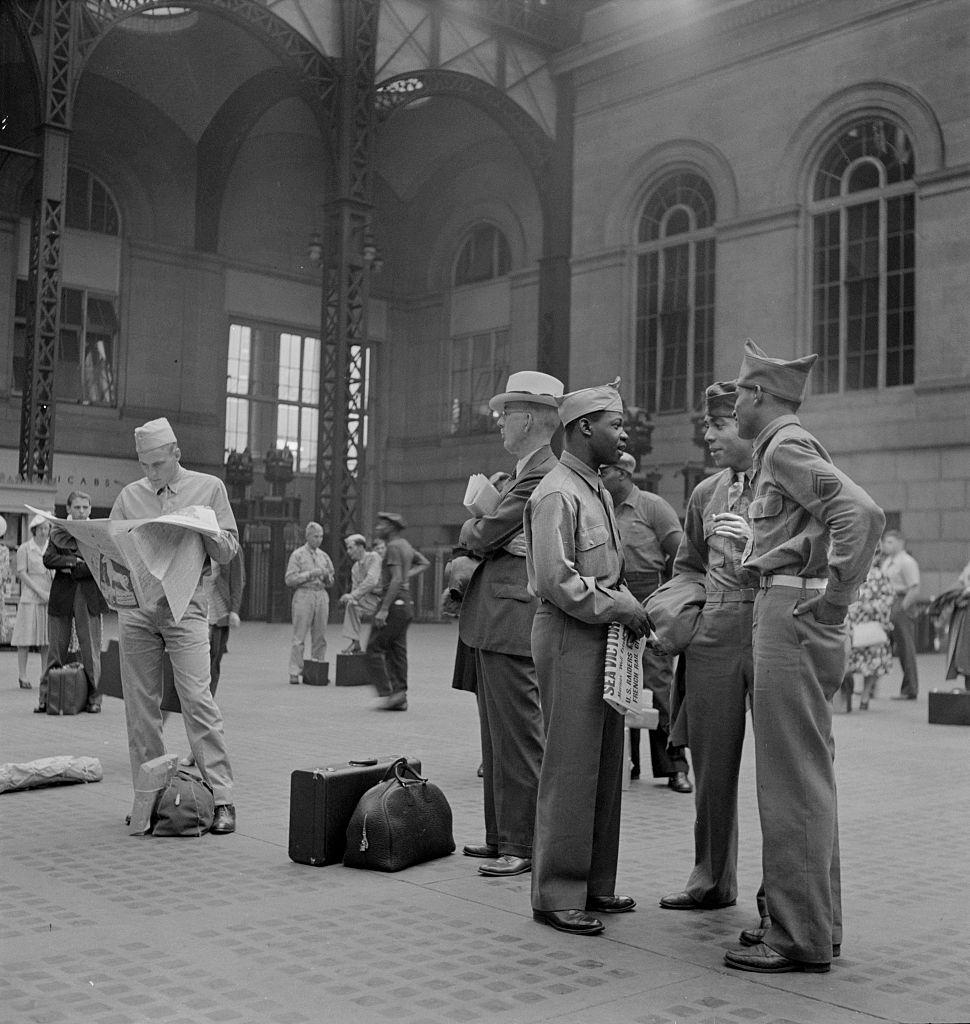
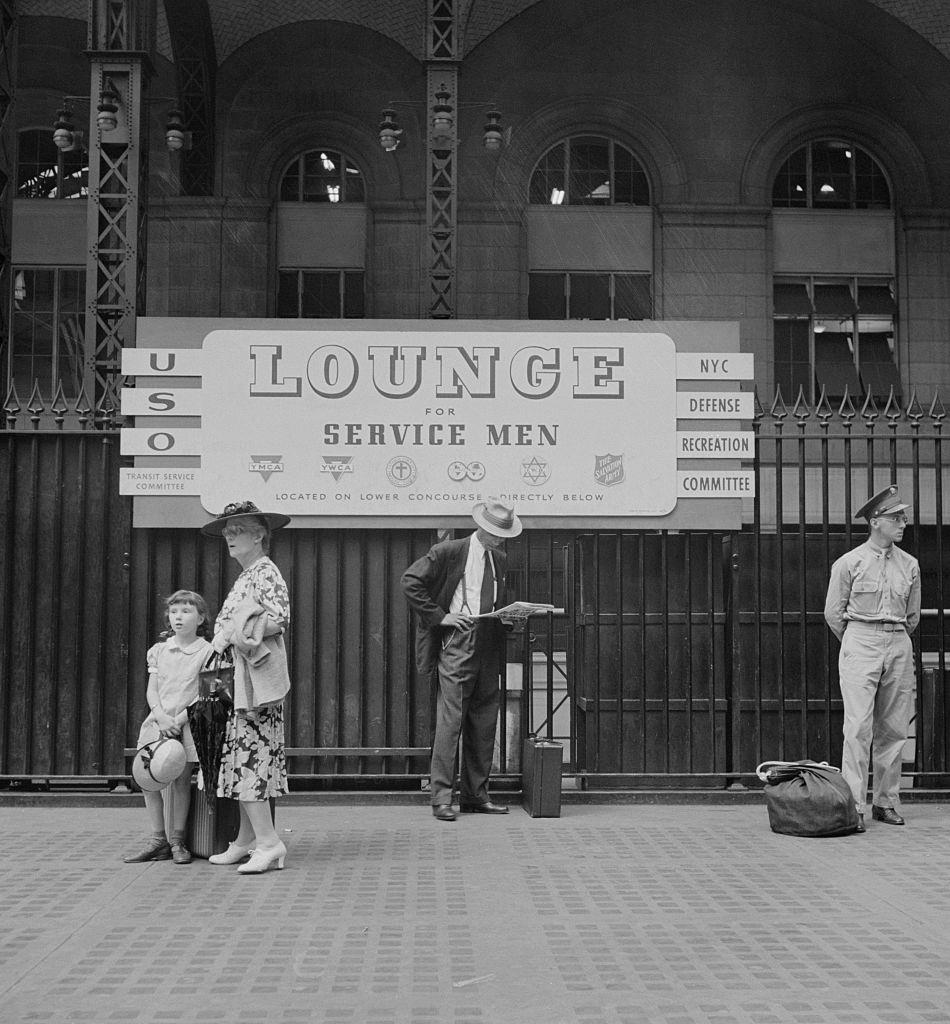
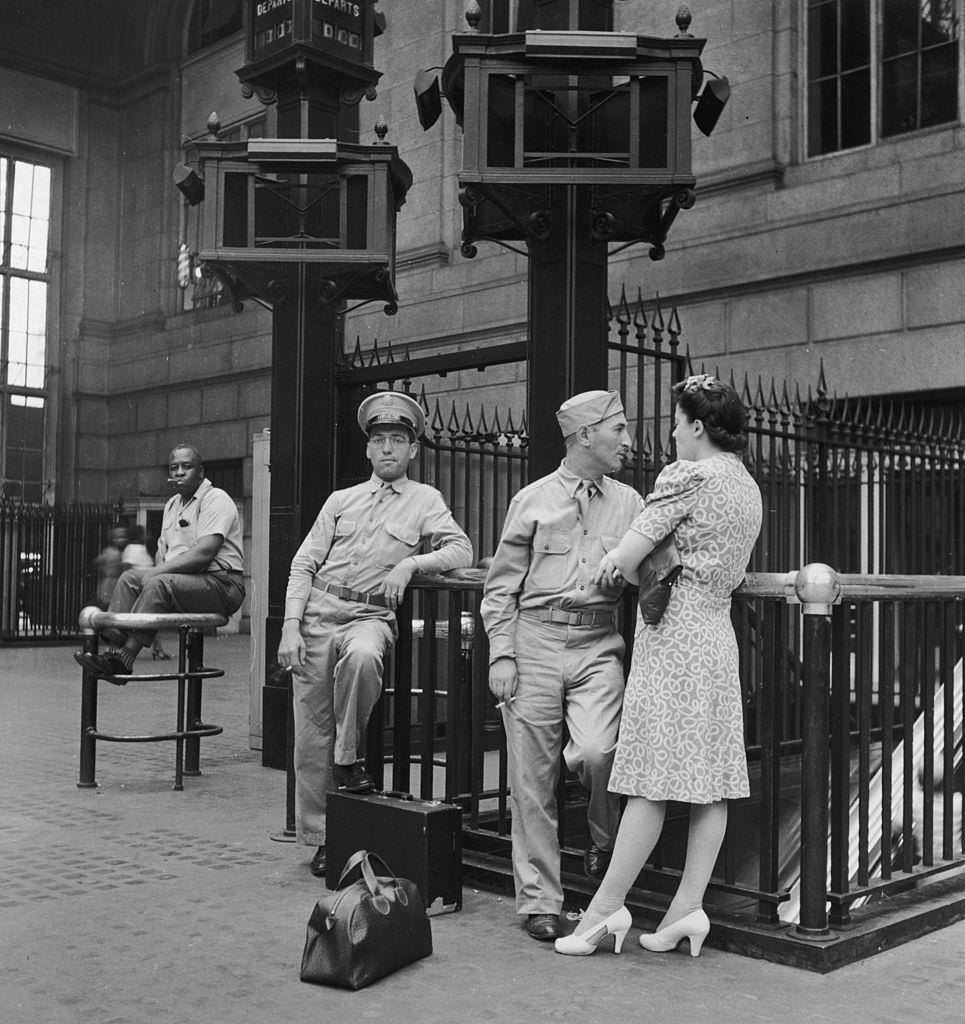
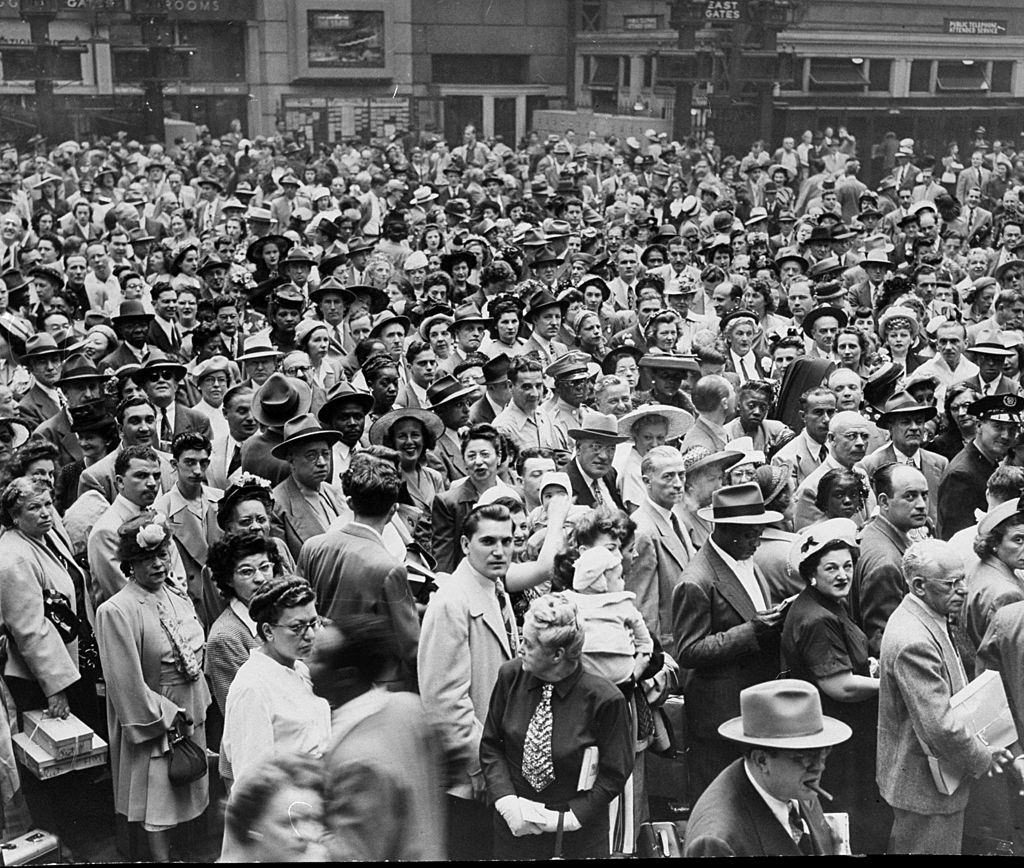
The concourses swelled with uniformed men during the war years. Penn Station was a central hub for military movement on the East Coast, and the photos from 1942 through 1944 capture enormous crowds packed under those famous vaulted ceilings.
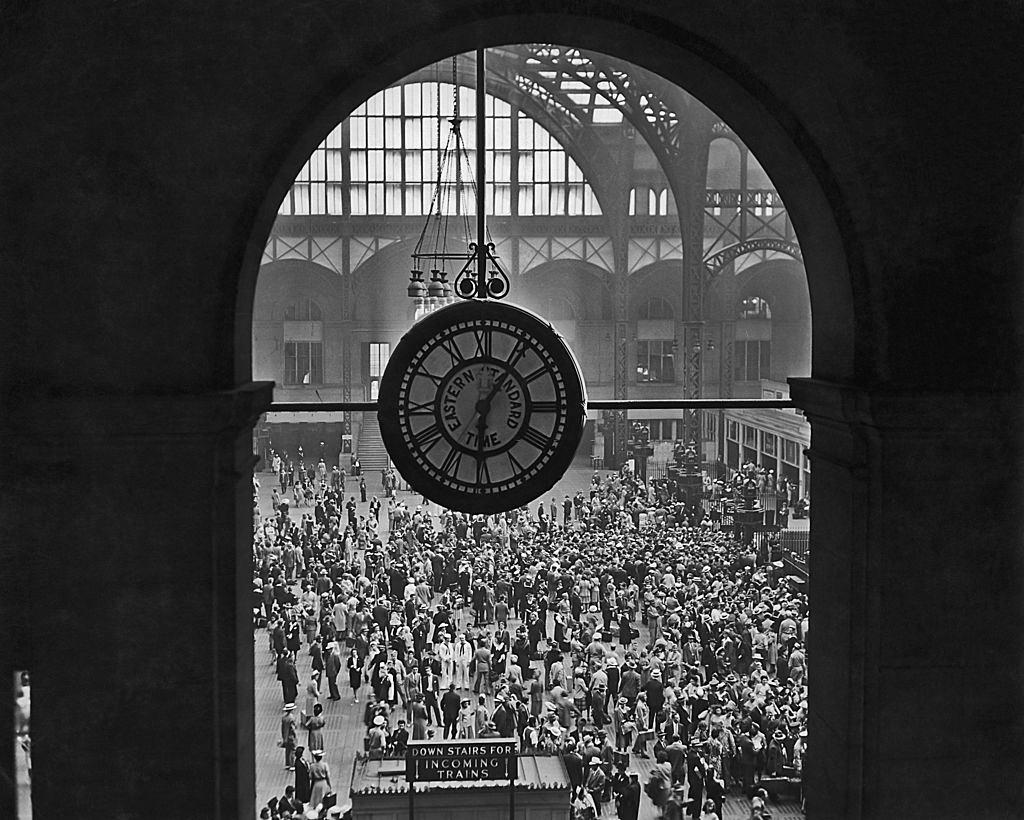
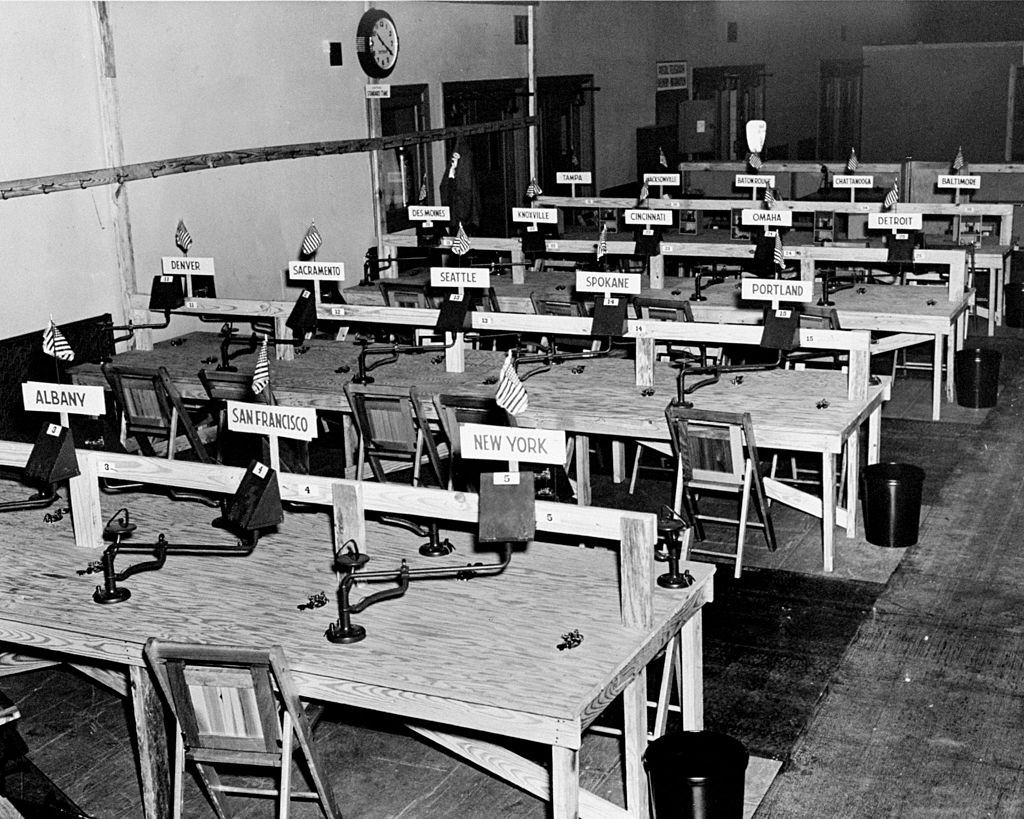
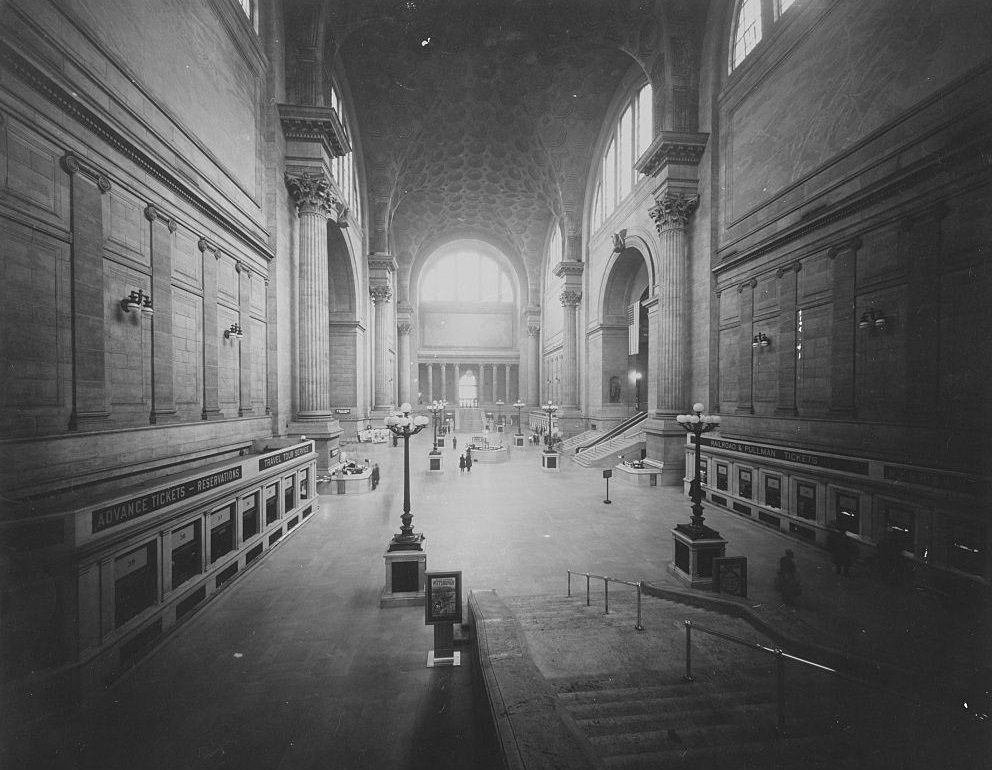
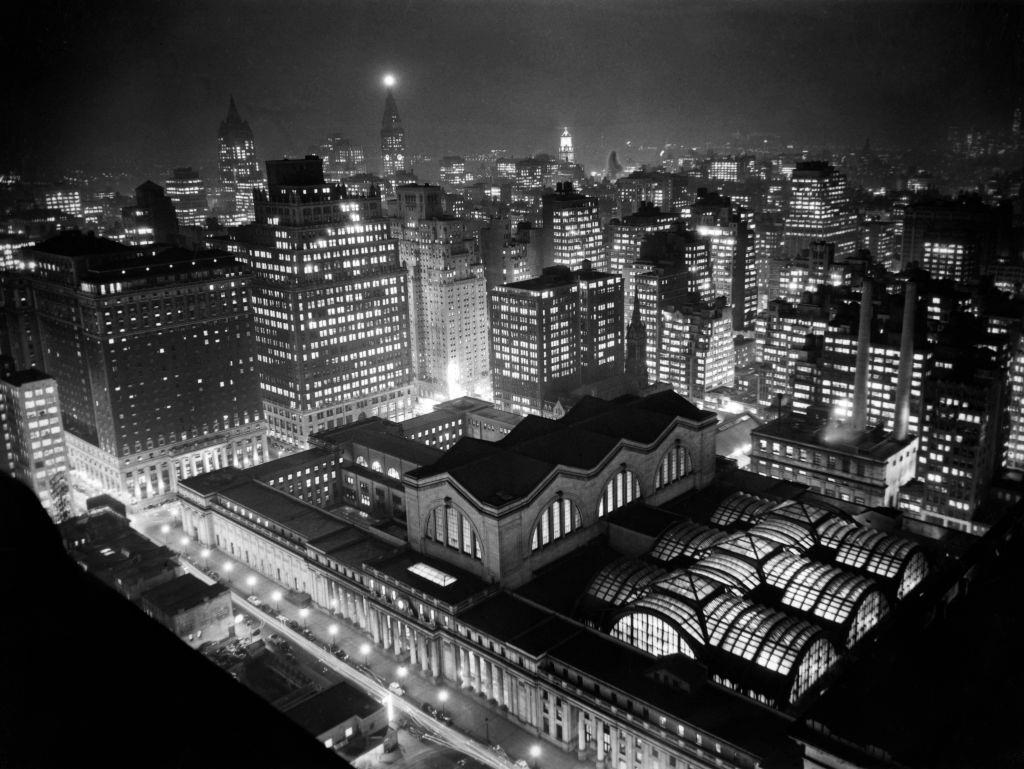
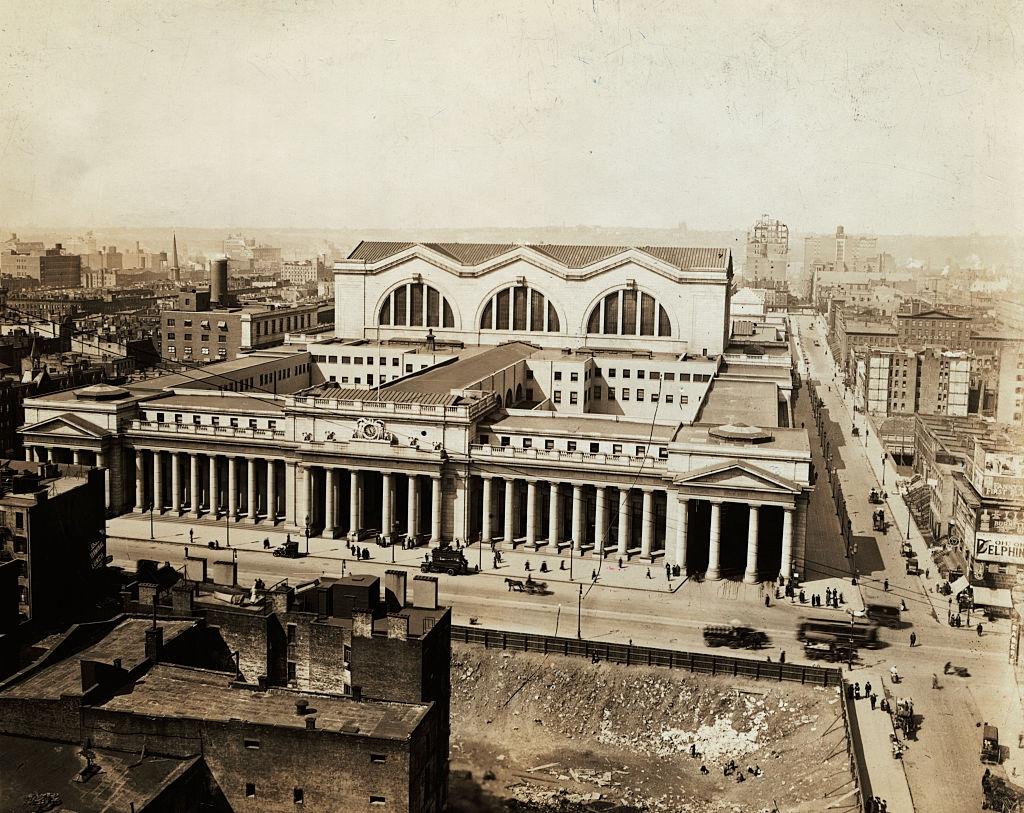
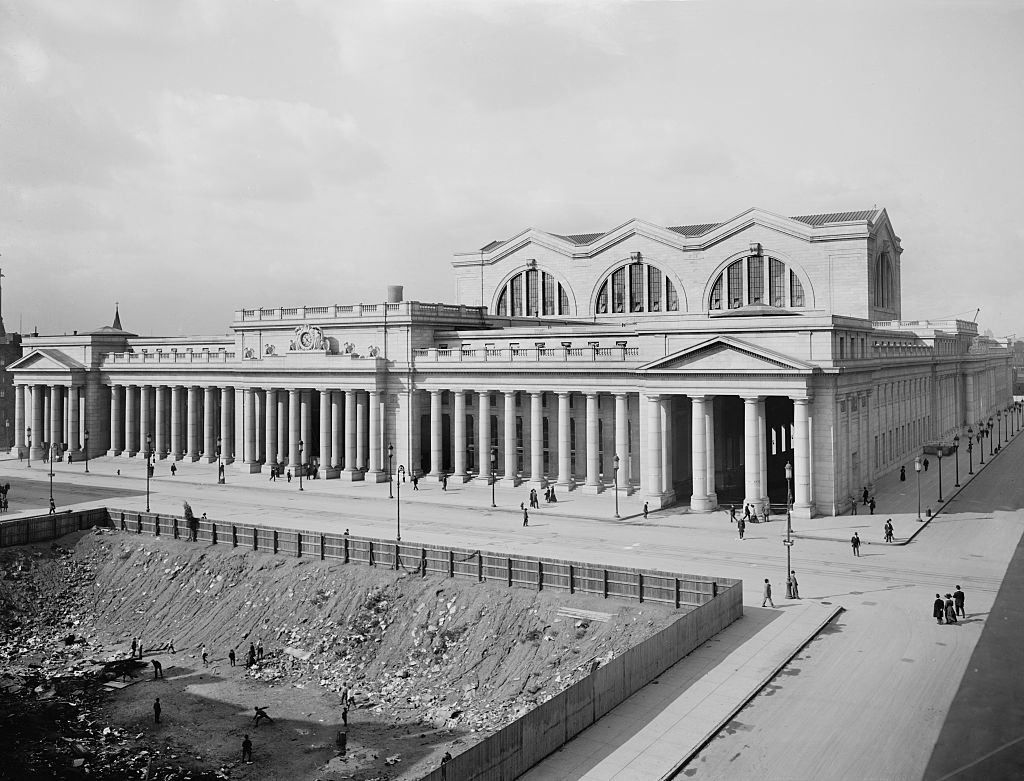
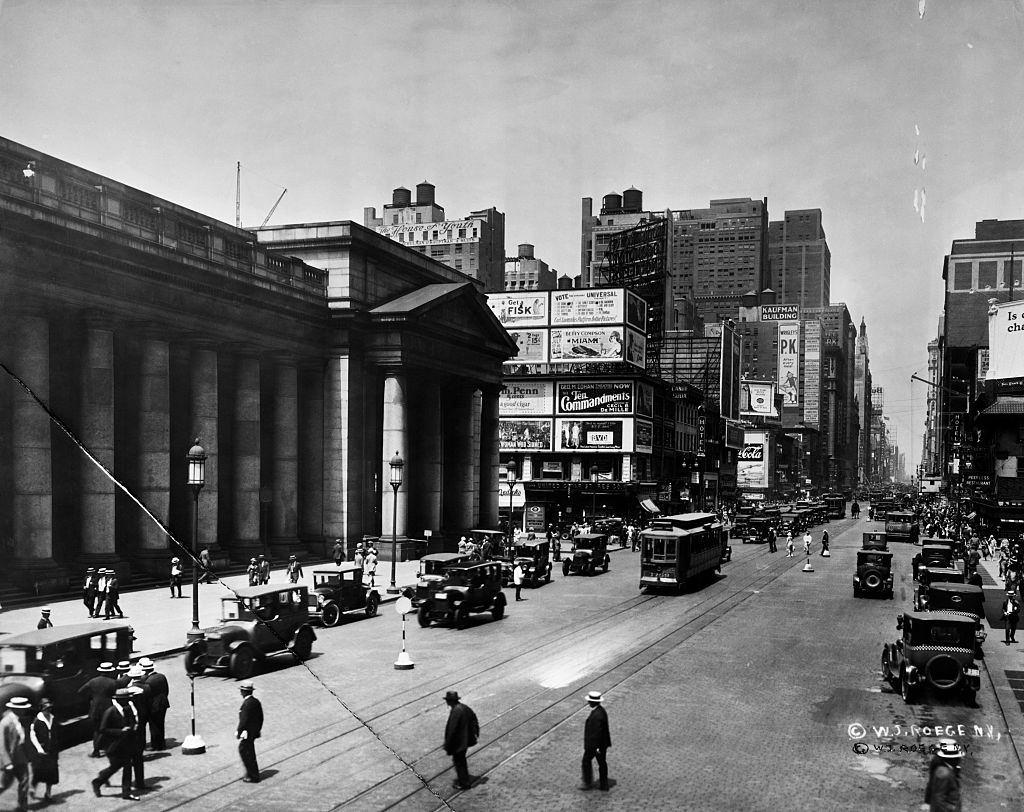
By 1940, the station was a fixed part of New York life. Aerial views from the era show the full scale of the building — a sprawling stone structure dominating several blocks of Midtown. From street level, the Doric columns of the exterior facade gave the building a presence that stopped people in their tracks.
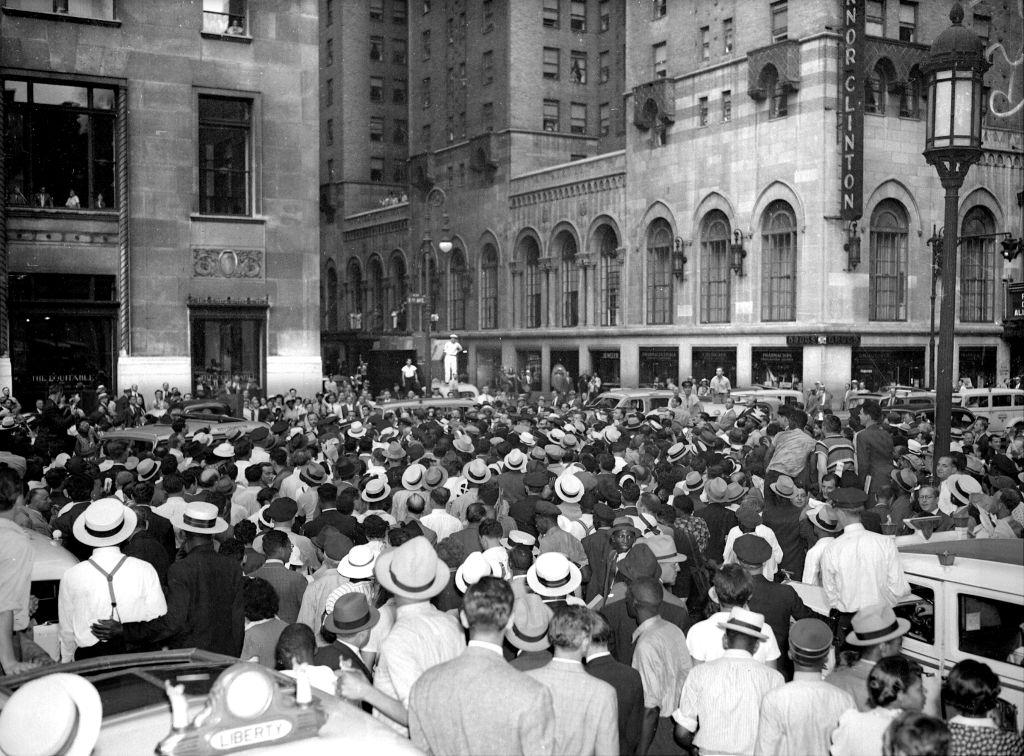
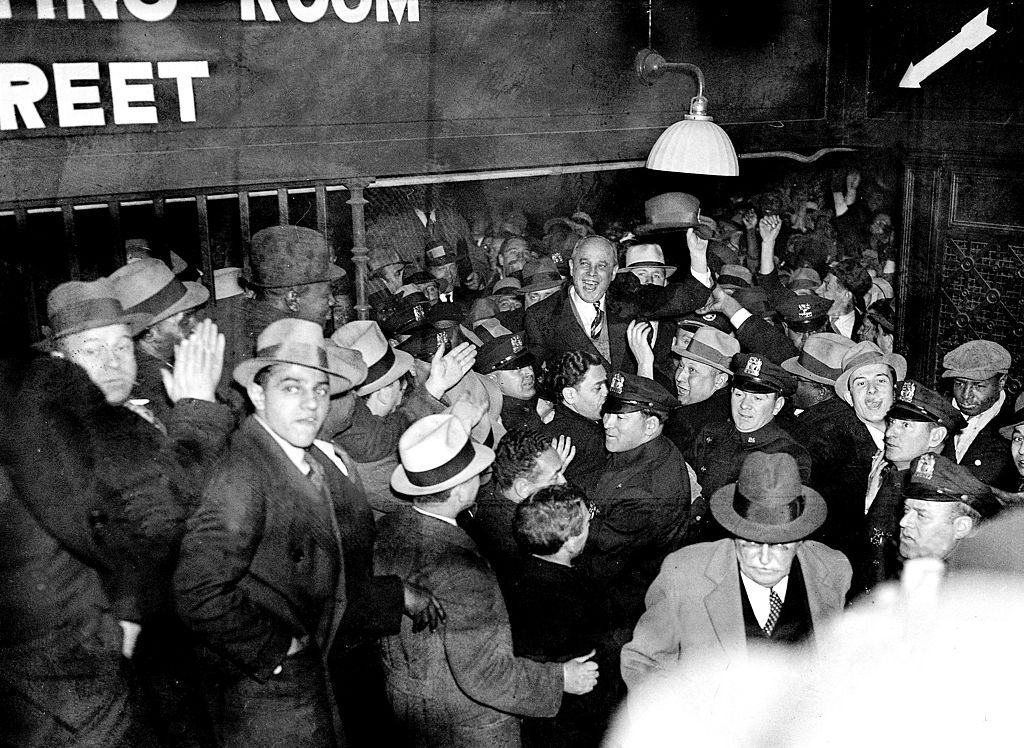
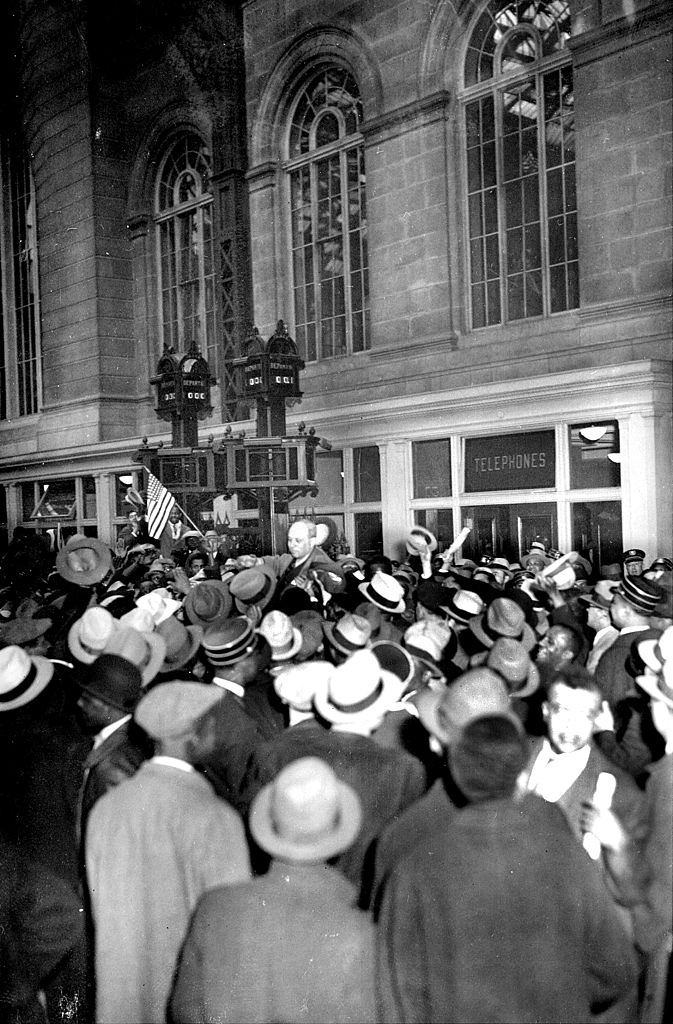
Penn Station was more than a transit hub. It was a gathering place for public life. In 1933, 3,000 people crowded the station to greet Samuel Leibowitz, the lawyer who defended the Scottsboro Boys. The crowd hoisted him on their shoulders in a loud, celebratory reception. Seven years later, another crowd gathered outside the station to catch a glimpse of the Scottsboro Boys themselves when they arrived in New York.
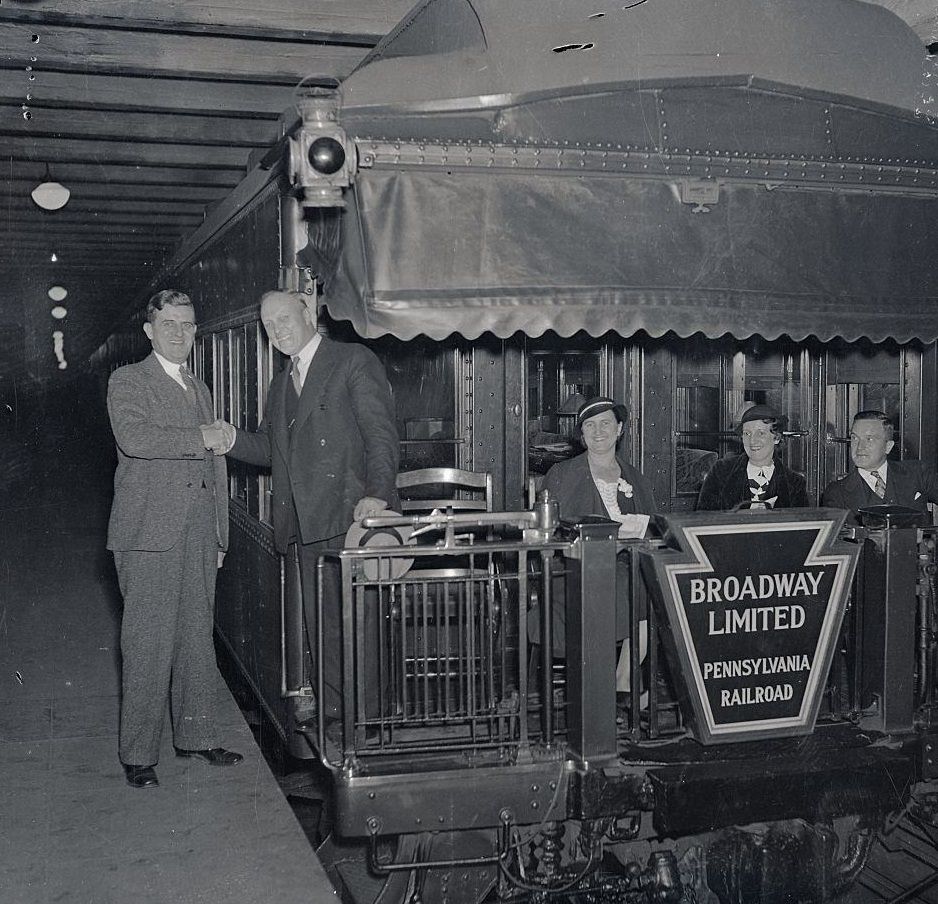
The Pennsylvania Railroad’s famous Broadway Limited train operated out of Penn Station and was one of the premier passenger trains in the country, running between New York and Chicago. Celebrities, dignitaries, and everyday commuters all passed through the same grand halls.
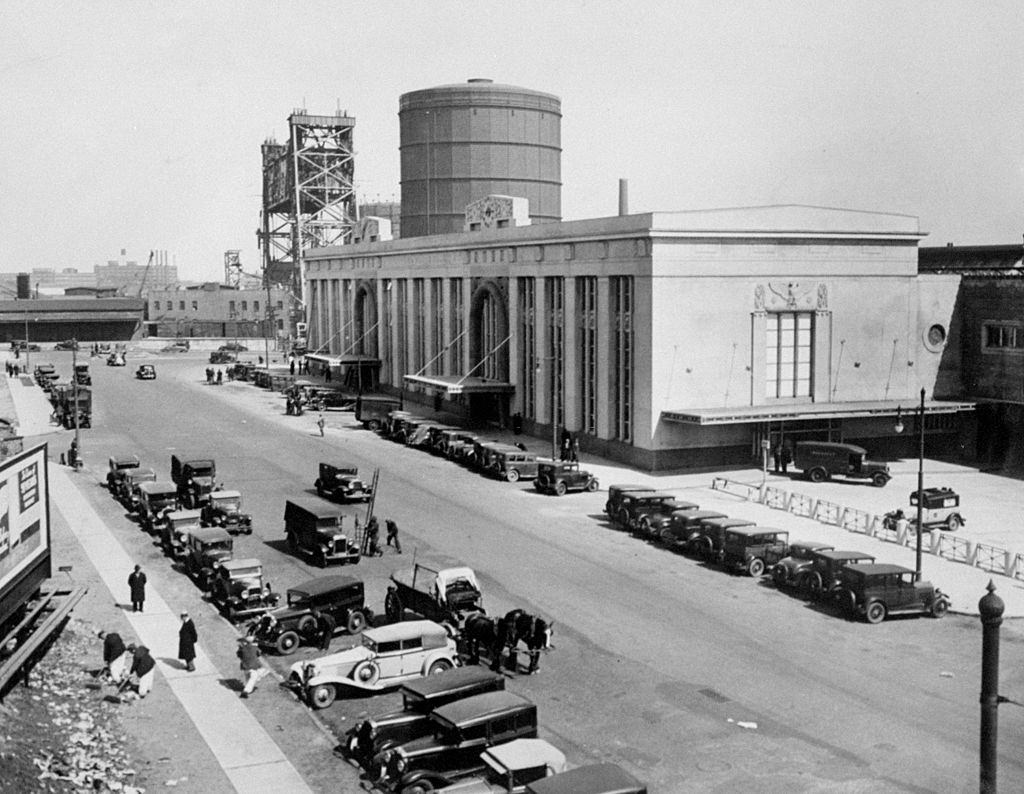
The station began its decline in the 1930s as the Pennsylvania Railroad’s finances weakened. After World War II, the rise of commercial air travel and the expansion of the Interstate Highway System pulled passengers away from trains. Revenue dropped. The railroad could no longer justify maintaining such a massive, expensive structure.
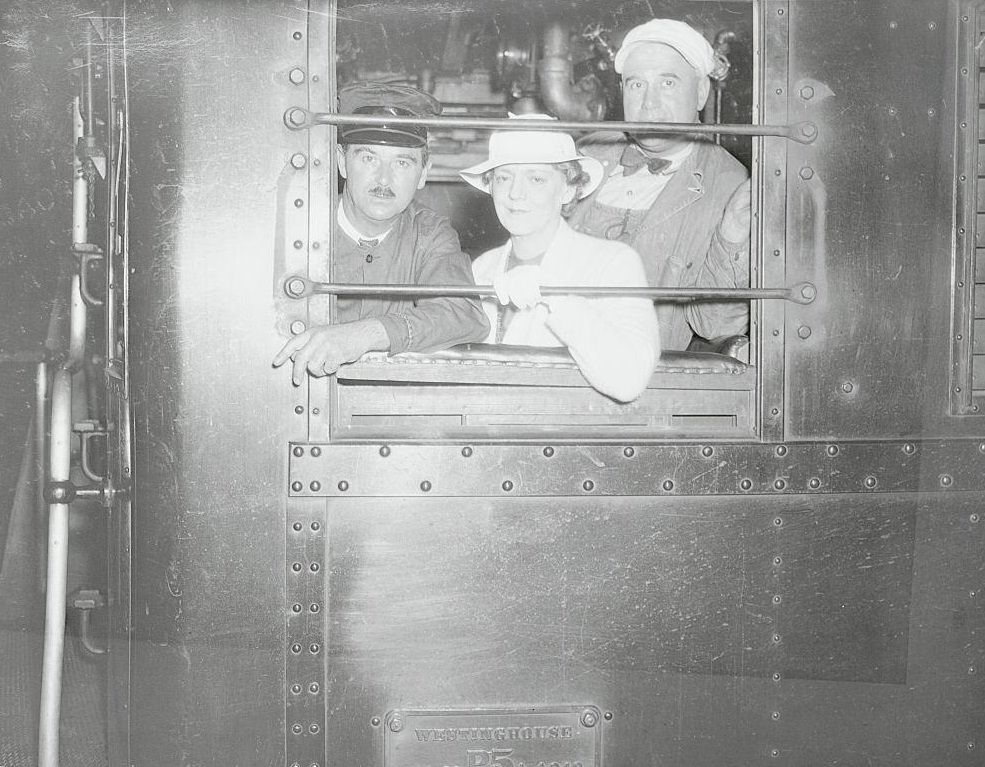
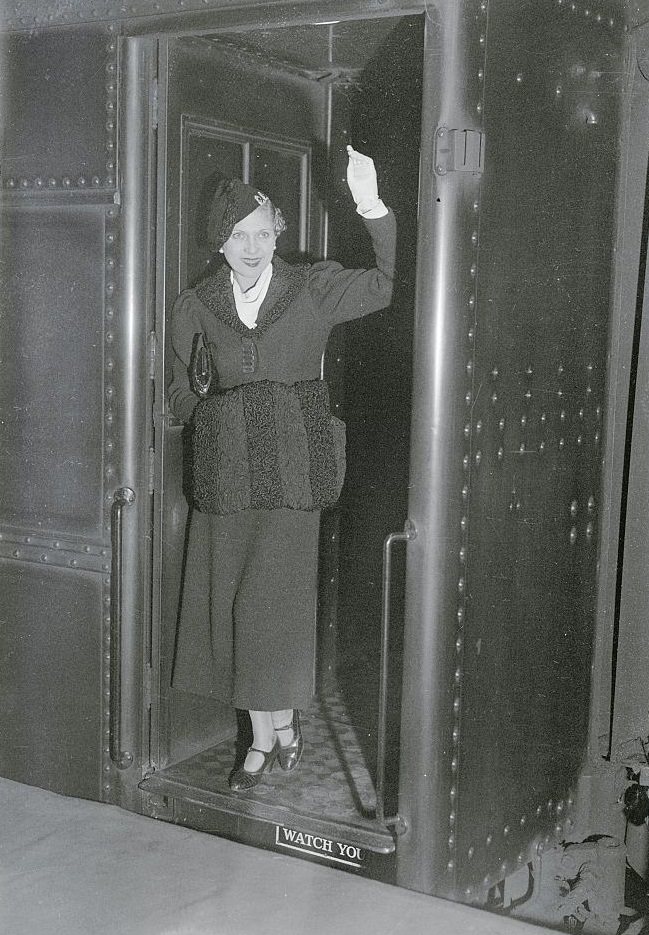
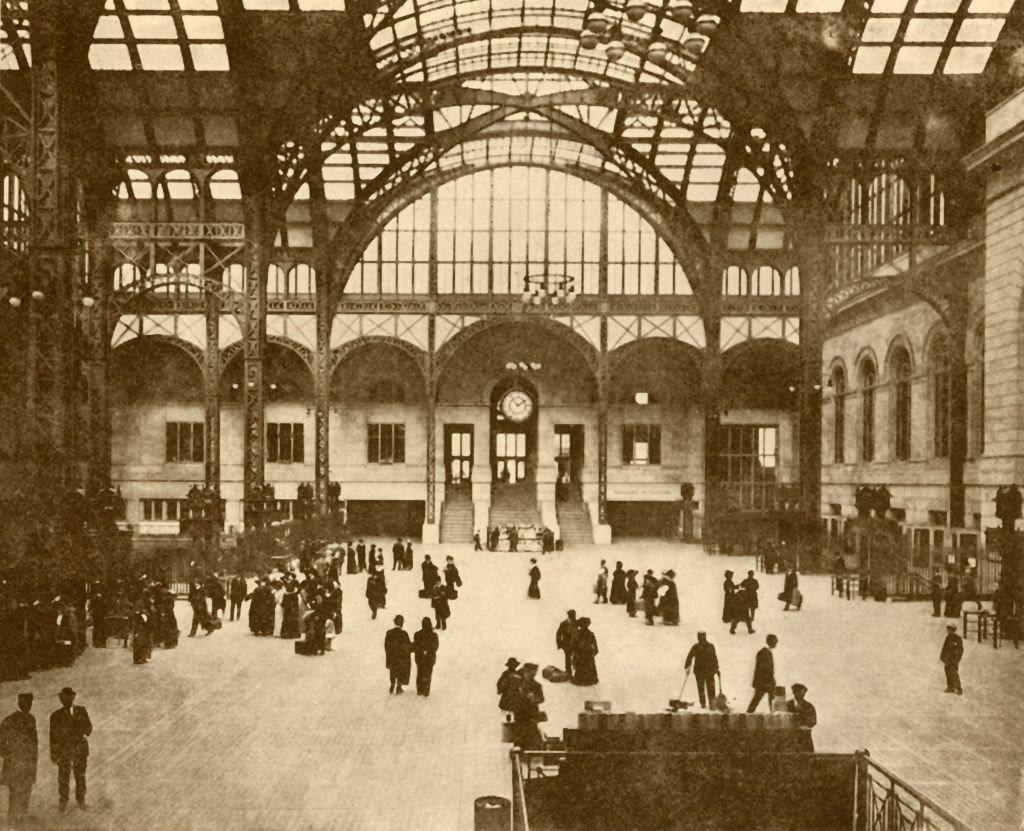
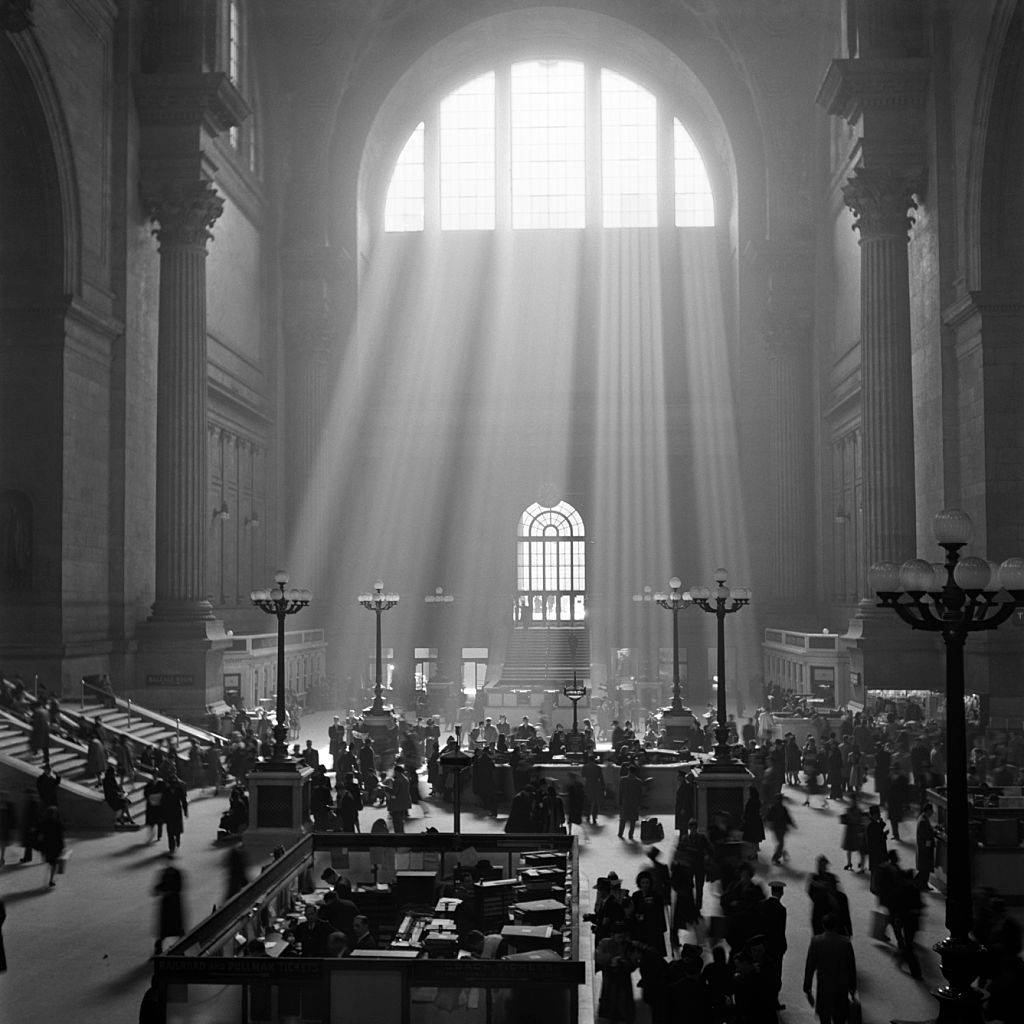
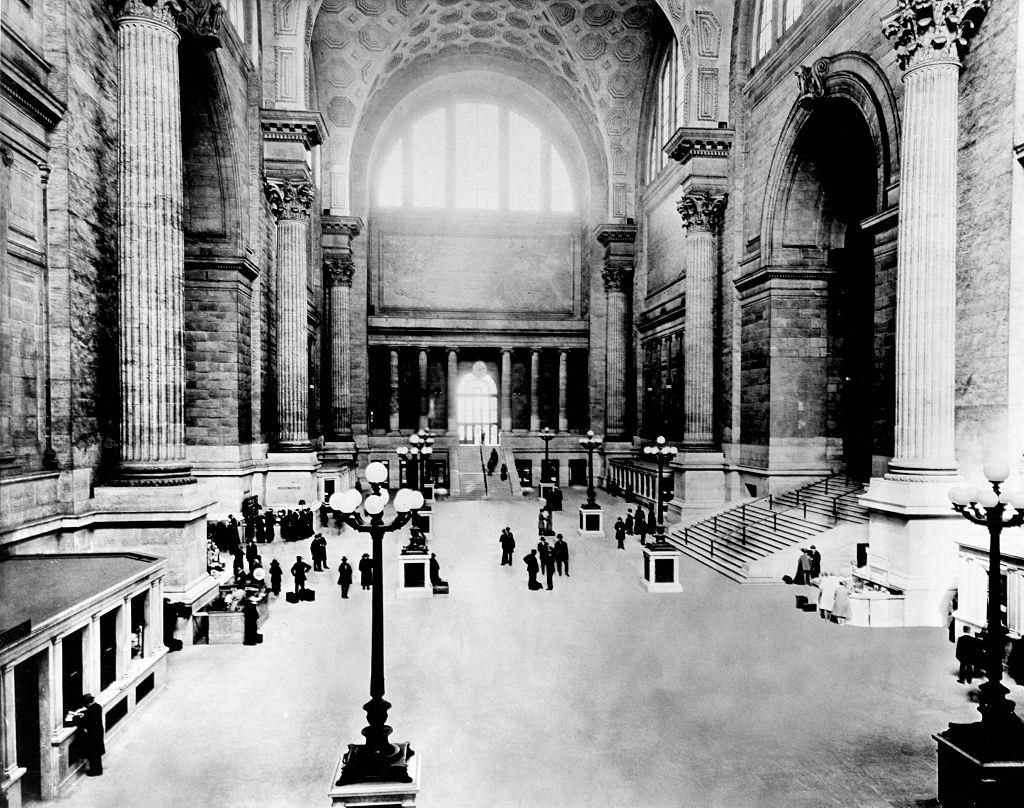
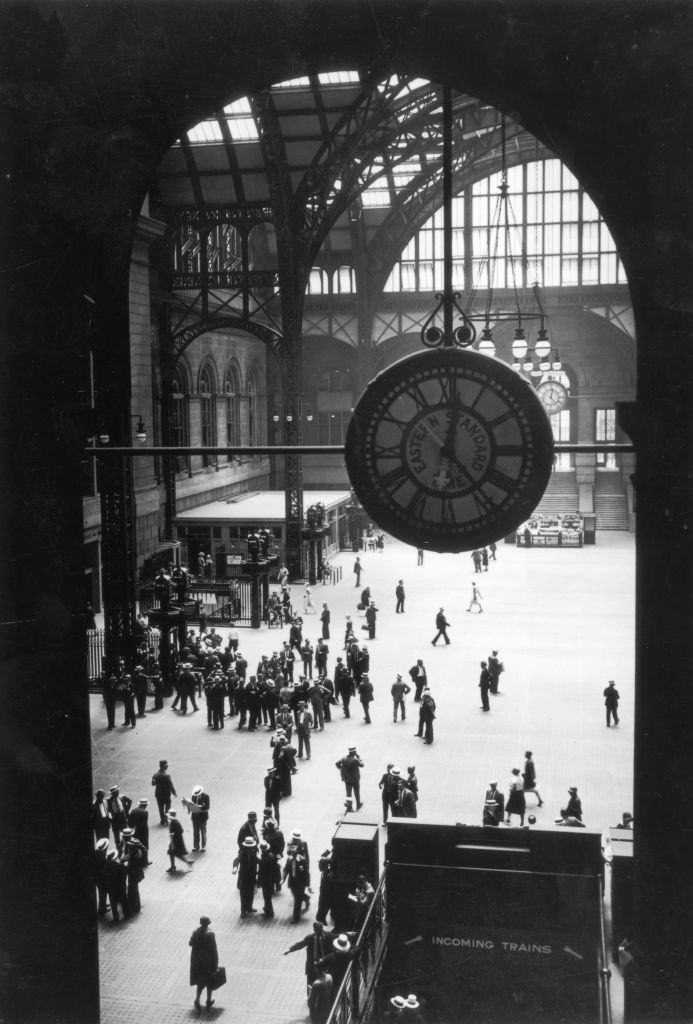
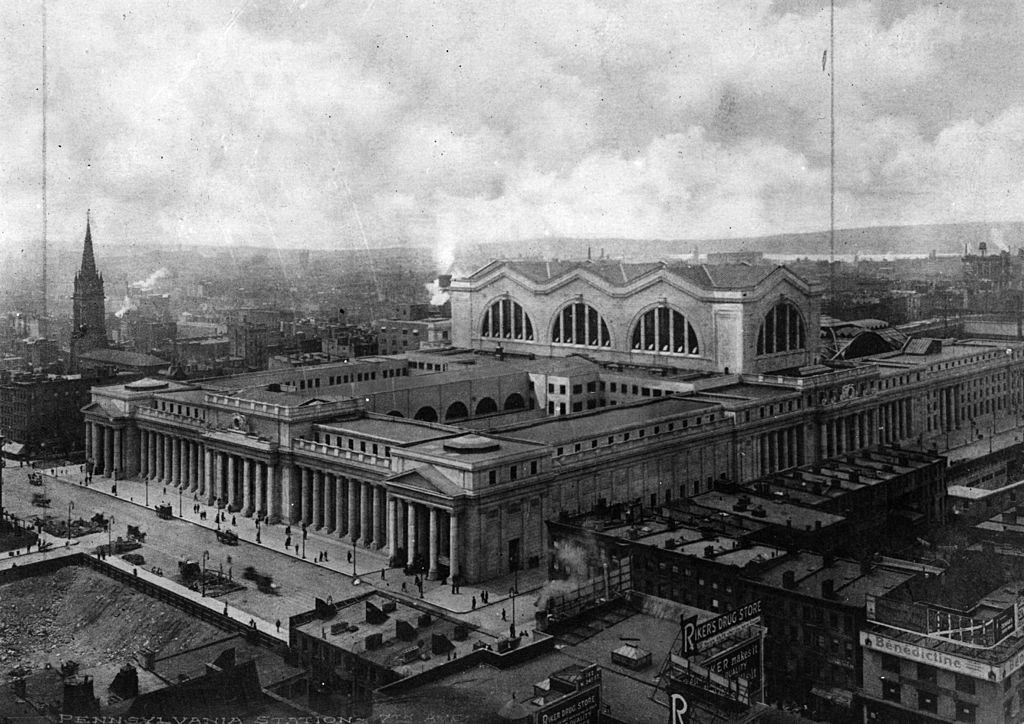
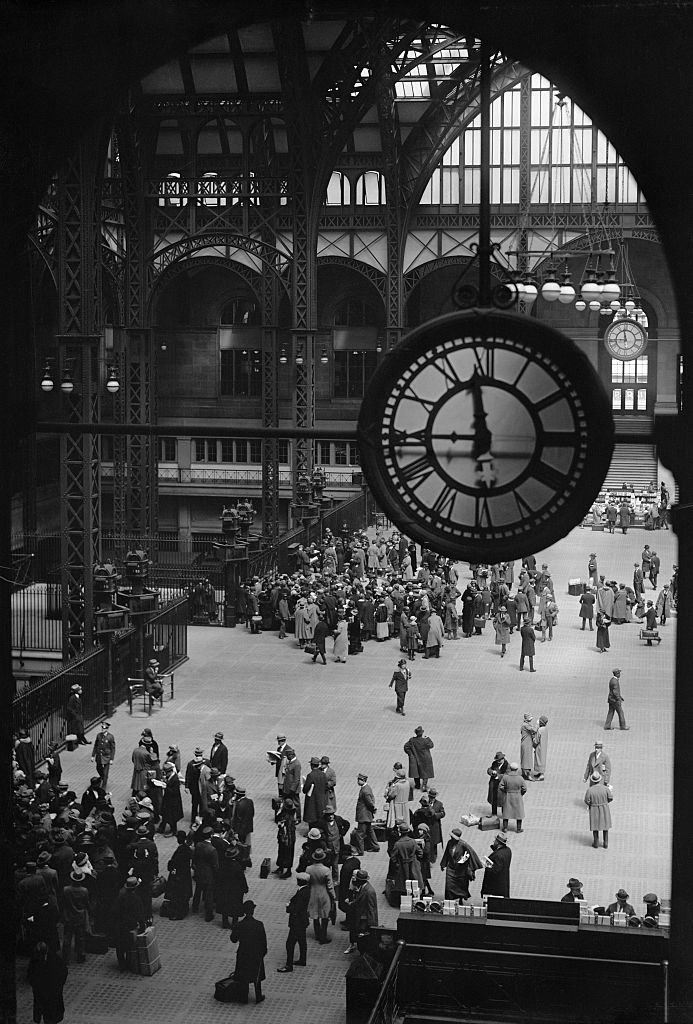
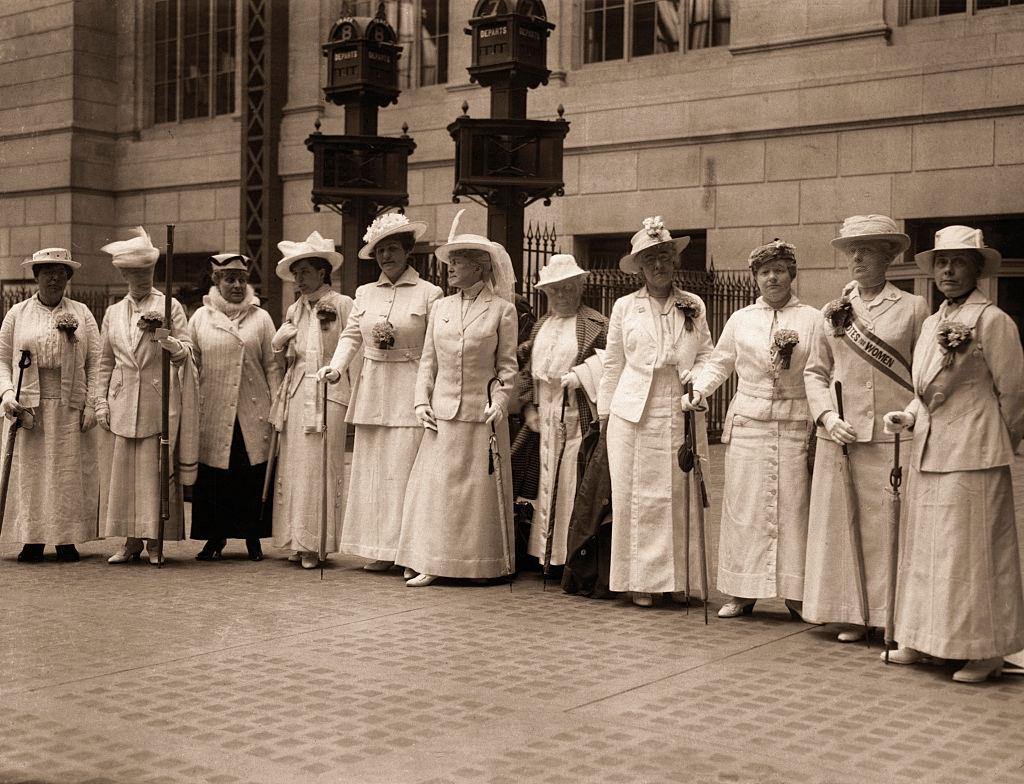
Photos from the 1910s show the station in its earliest years — freshly built, nearly empty compared to what it would later become. Suffragists used the station as a gathering point in 1915. Soldiers departed from its platforms during World War I. The building absorbed decades of American history without losing any of its grandeur.
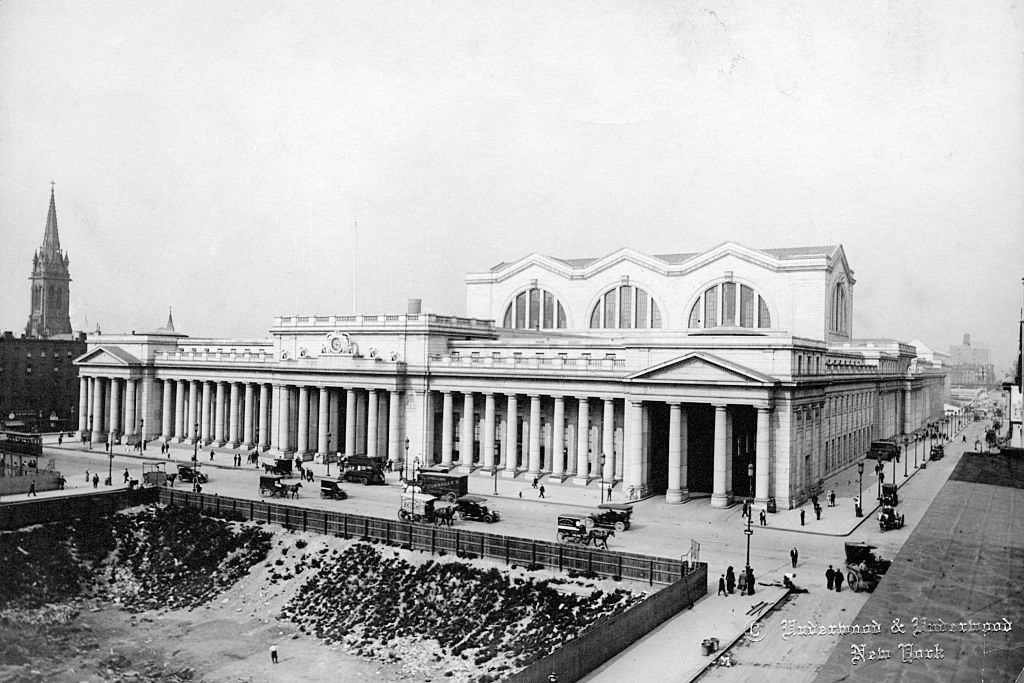
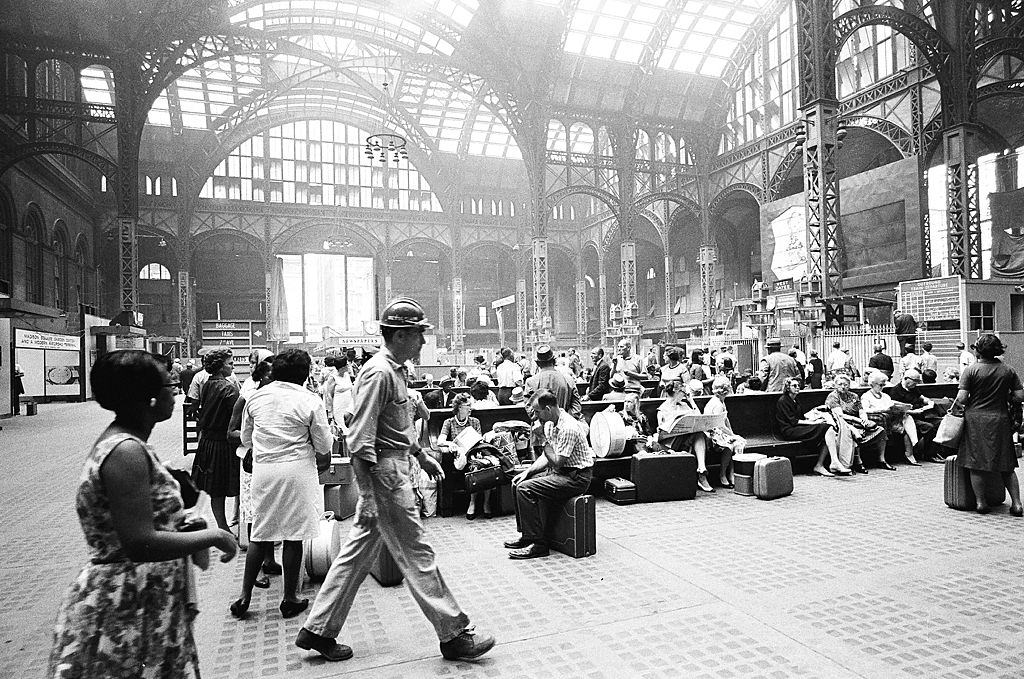
The interior photographs from 1910 and 1911 — taken just as the station opened — are among the most striking of the entire collection. They show vast, sunlit halls where shafts of light poured through enormous windows and fell across the stone floors below. The concourse level, the main waiting room, the ticketing hall, and the track platforms all appear nearly pristine, a brand-new city within a city.
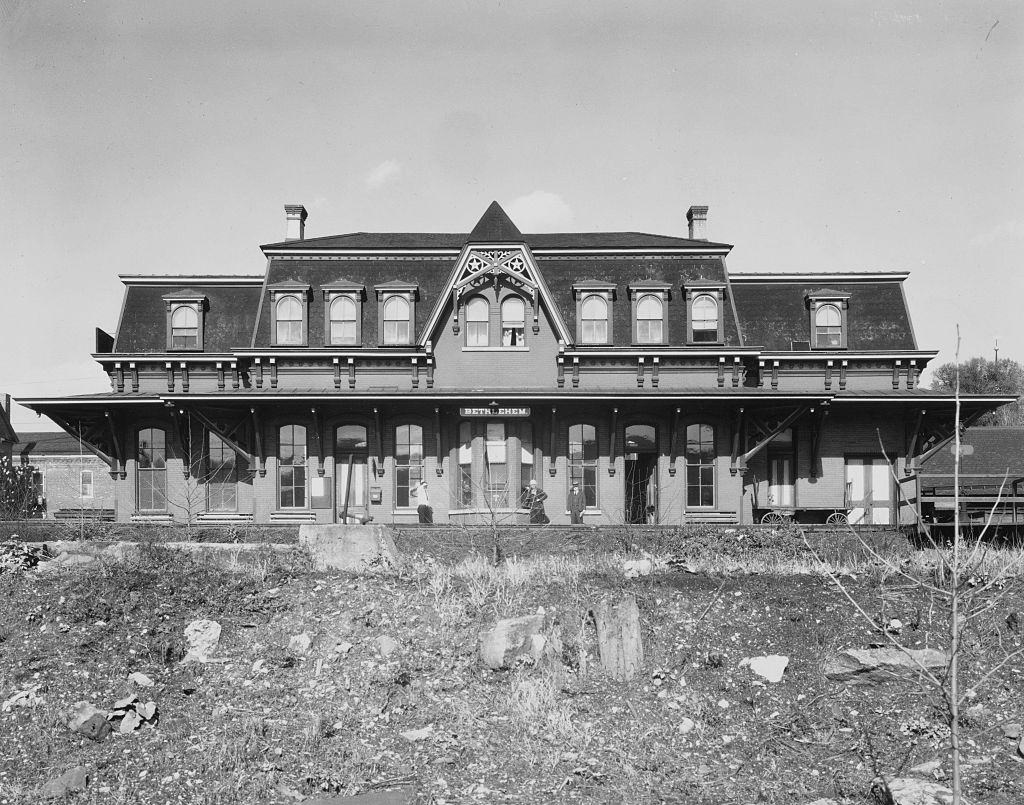
Before the current station existed, an earlier Penn Station facility stood in downtown Manhattan near the waterfront. Photos from around 1900 show the old station near West Street, where the Pennsylvania Railroad operated a passenger terminal before the tunnels under the Hudson were complete. The 1910 Midtown station made that facility obsolete.
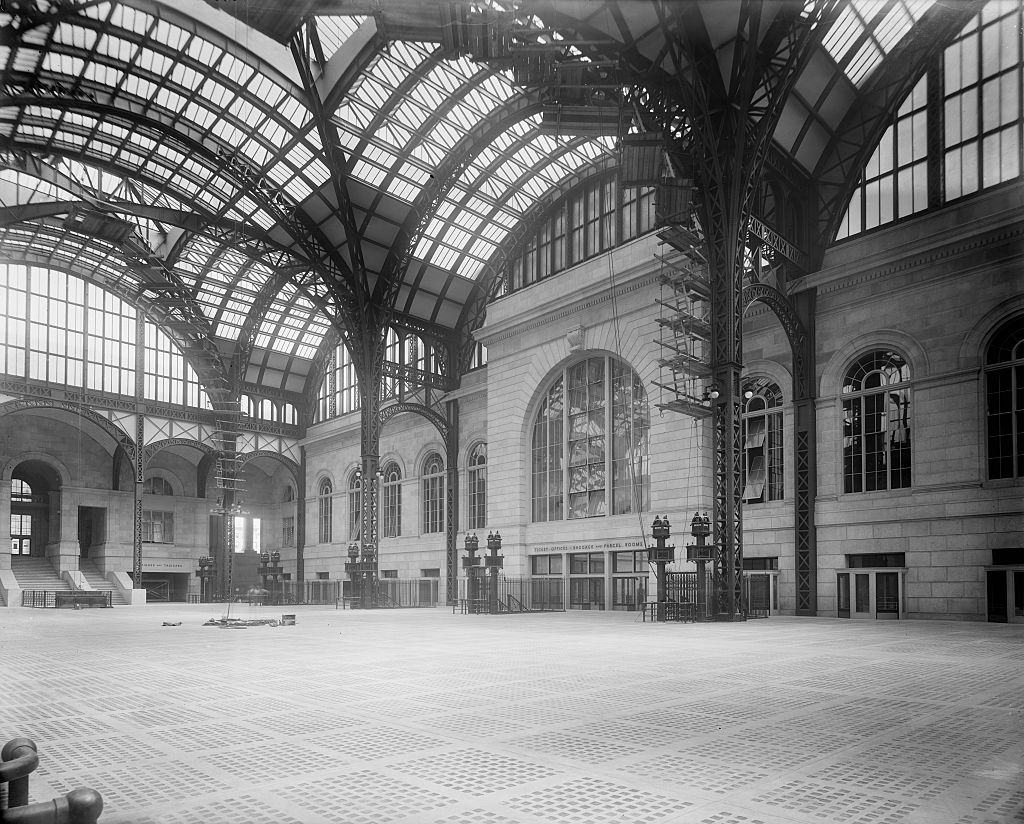
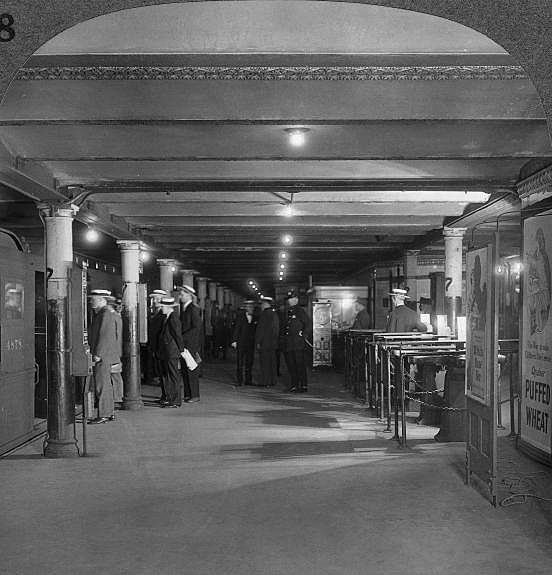
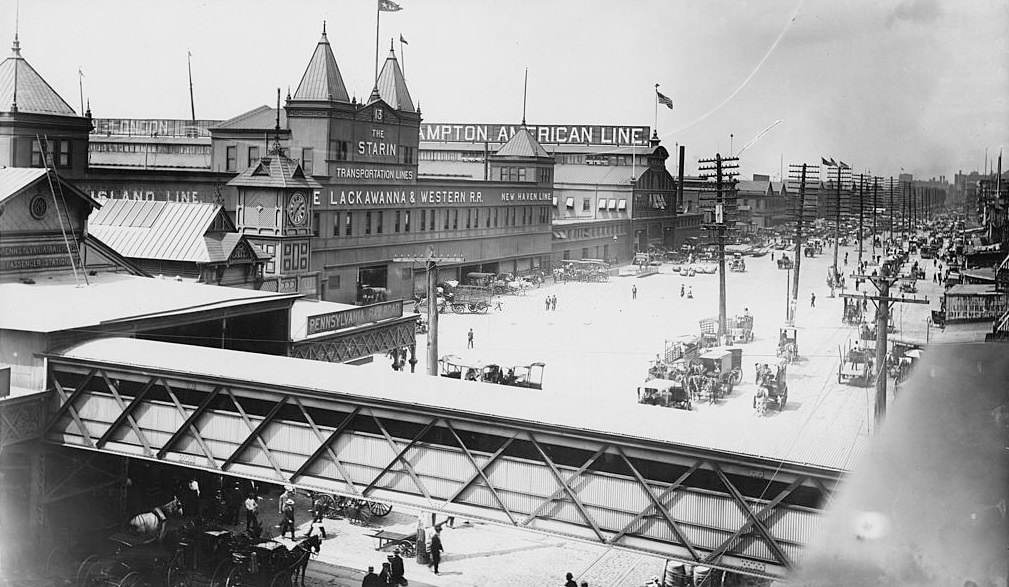
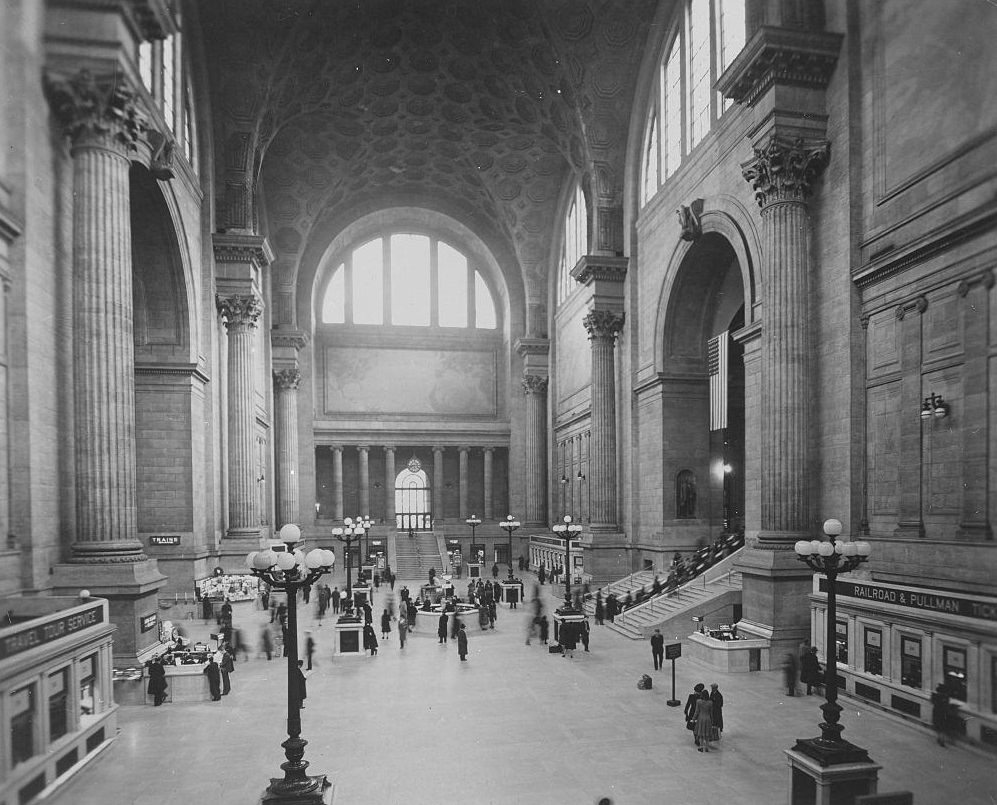
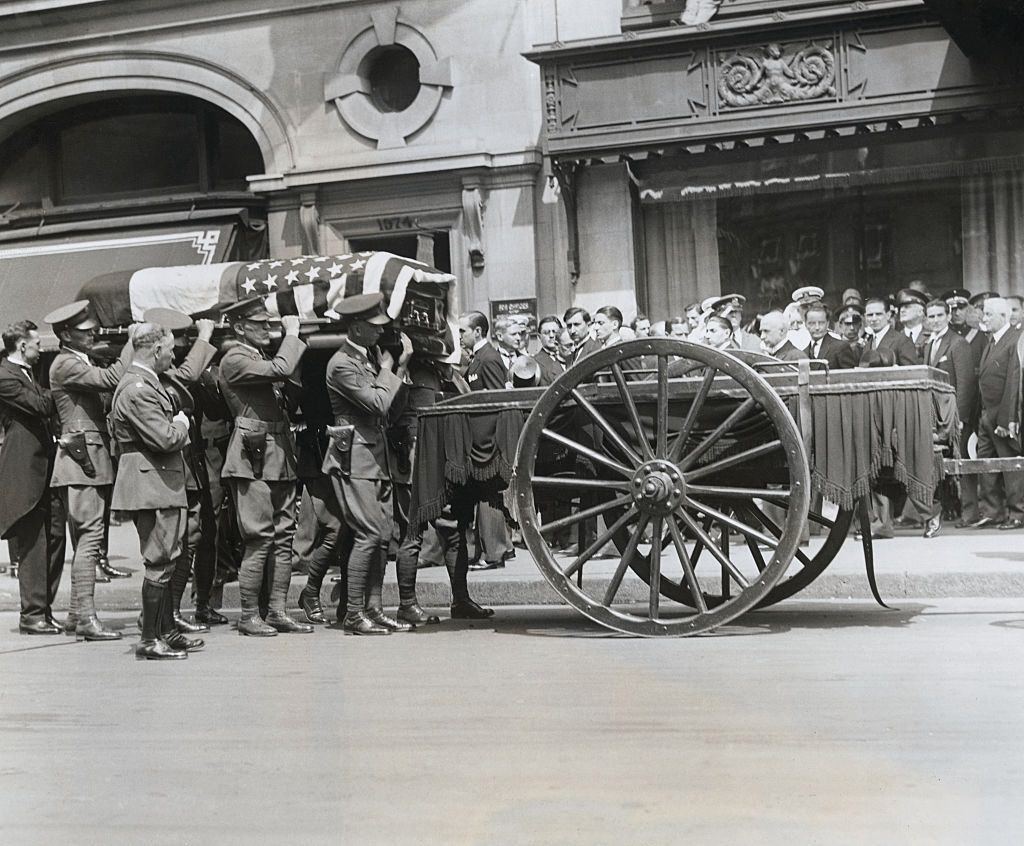
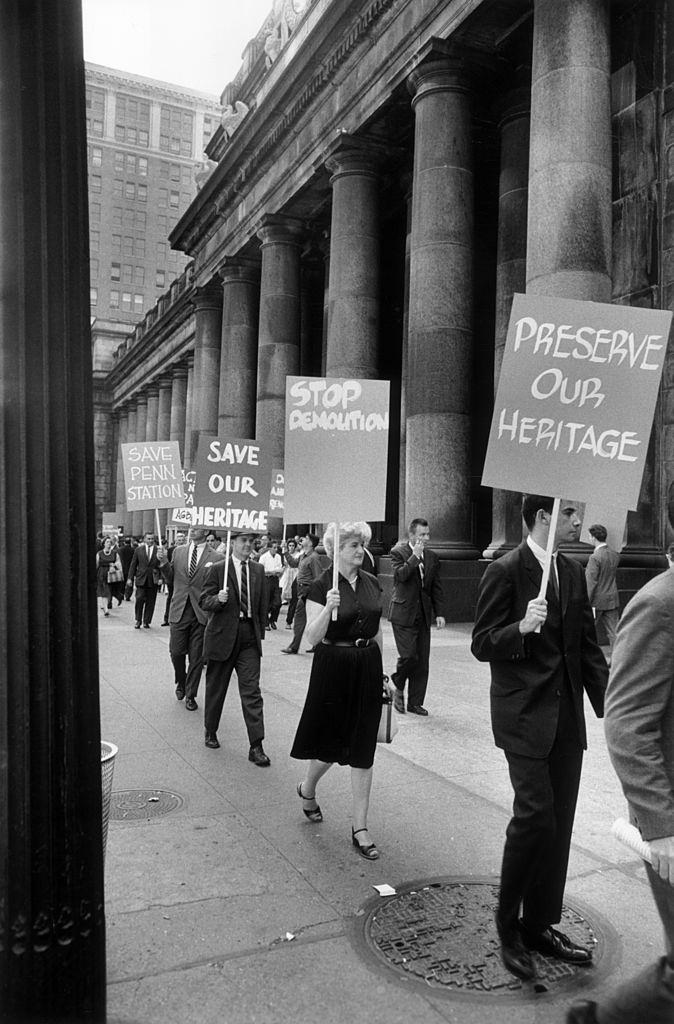
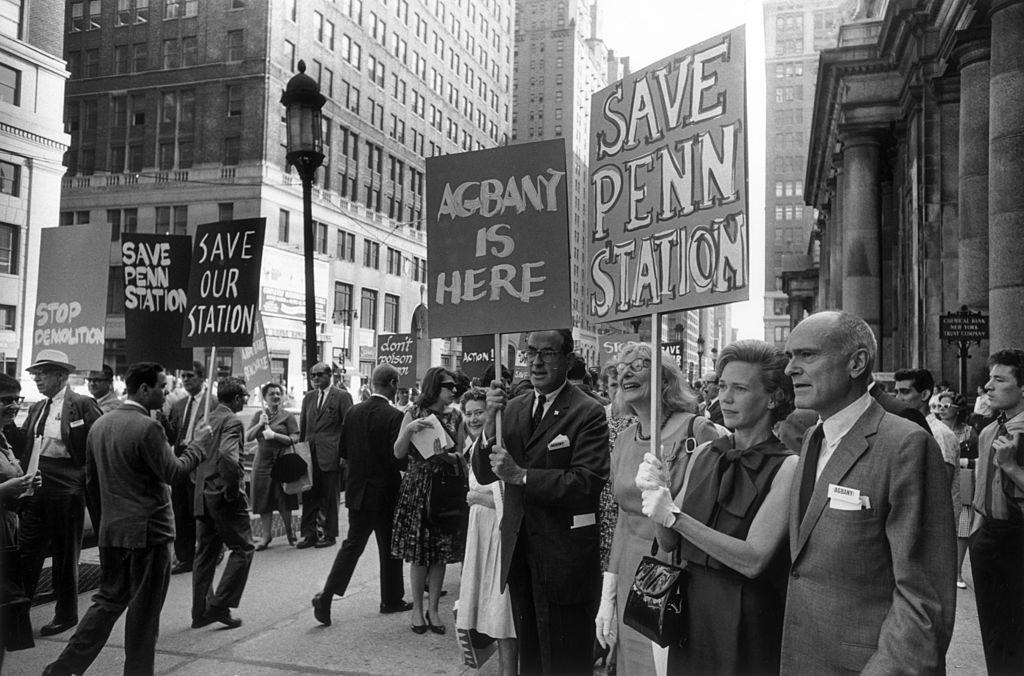
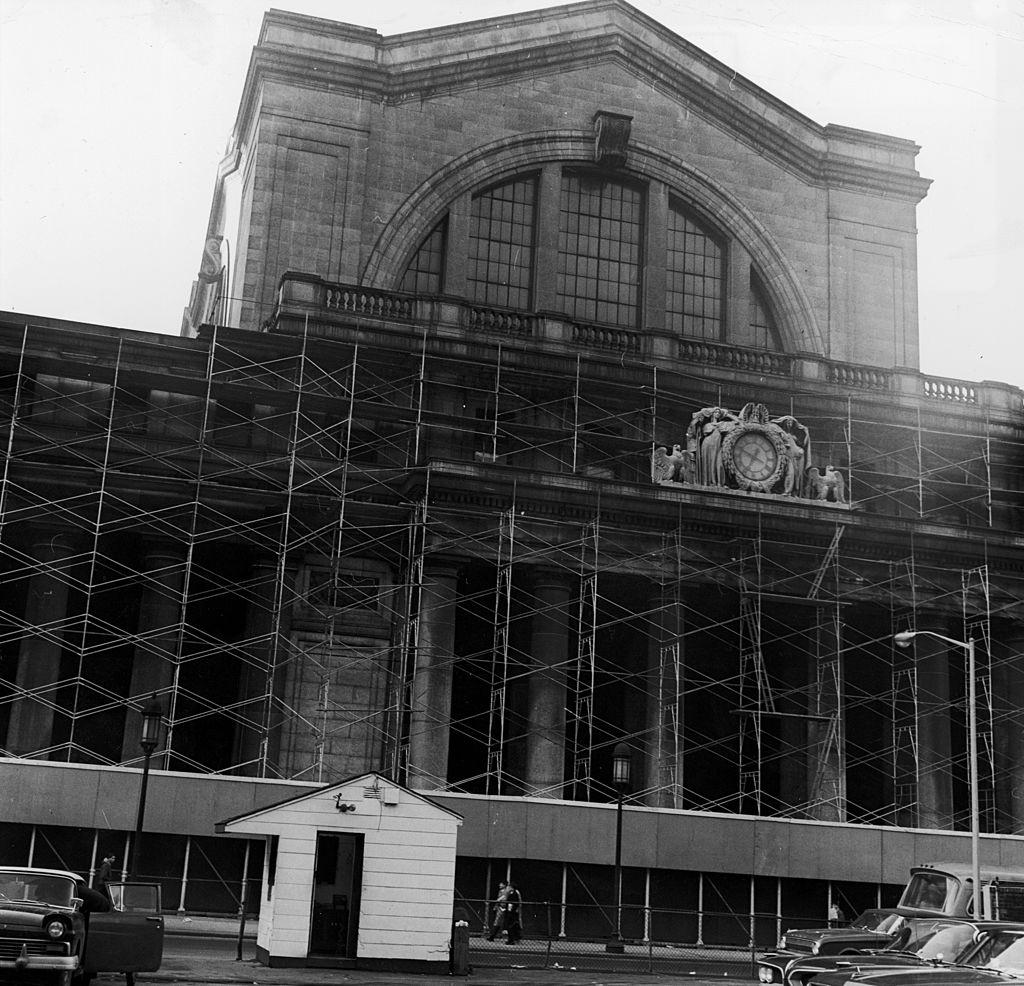
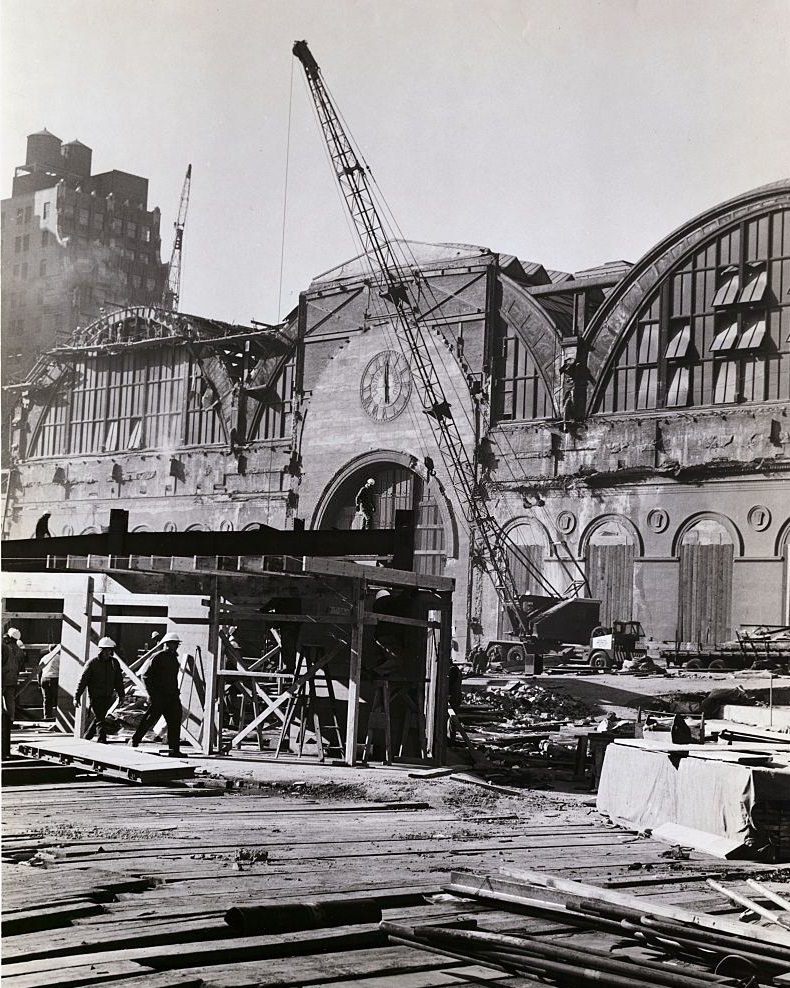
In 1962, the Pennsylvania Railroad announced plans to demolish the station and replace it with a new Madison Square Garden arena built above the underground tracks. The railroad had sold the air rights to the property to fund the project. The announcement was met with immediate and fierce opposition. Architects, preservationists, and ordinary New Yorkers protested in the streets outside the station, carrying signs that read “Preserve Our Heritage” and “Stop Demolition.” Protesters chanted “Don’t Amputate, Renovate” at rallies. Even modernist architects — who typically had little interest in ornate Beaux-Arts buildings — joined the effort to save Penn Station.
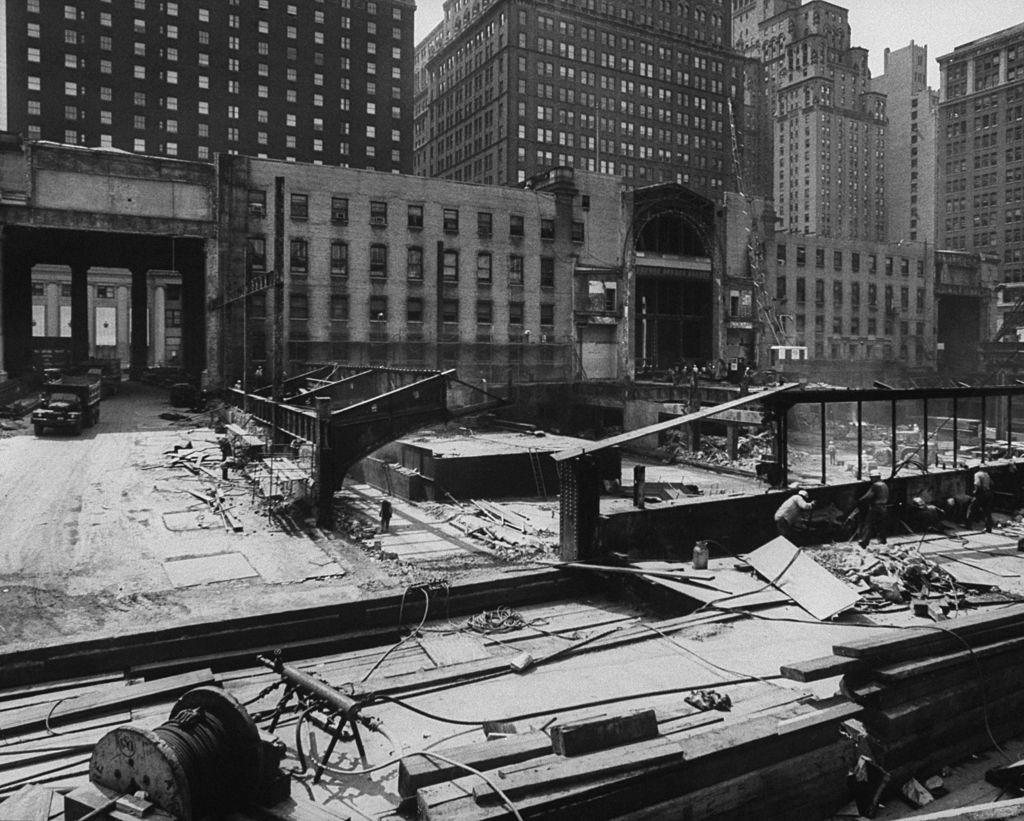
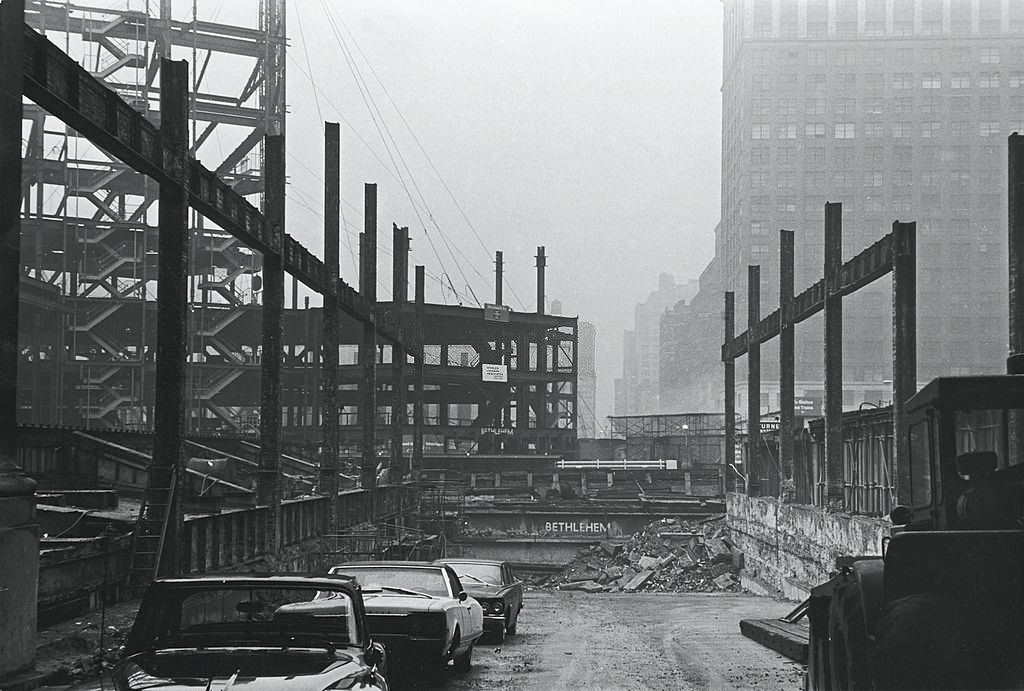
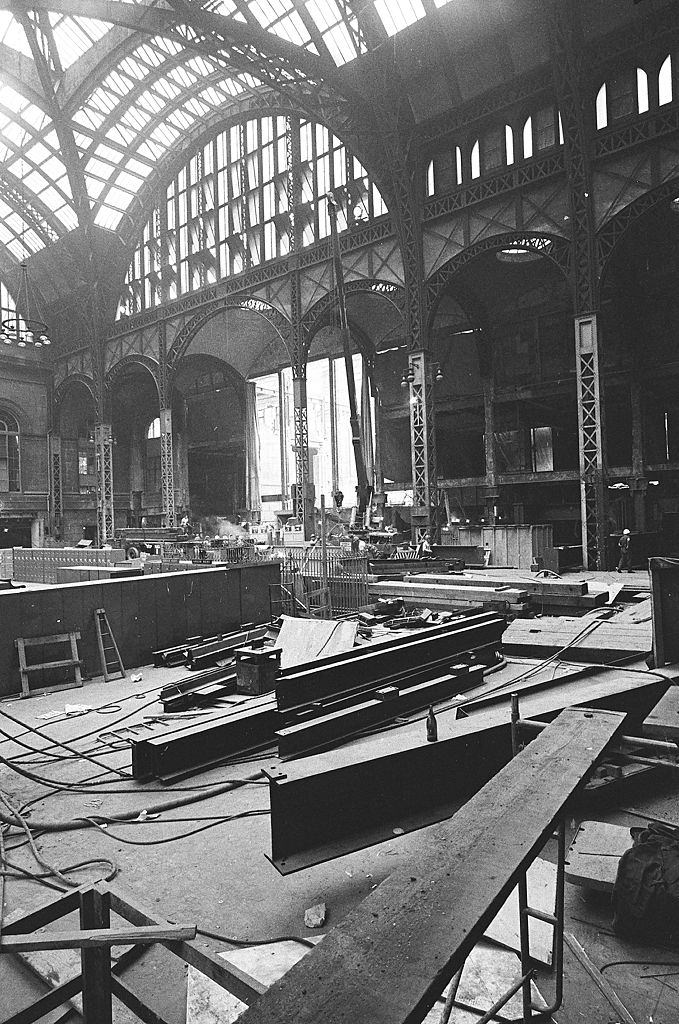
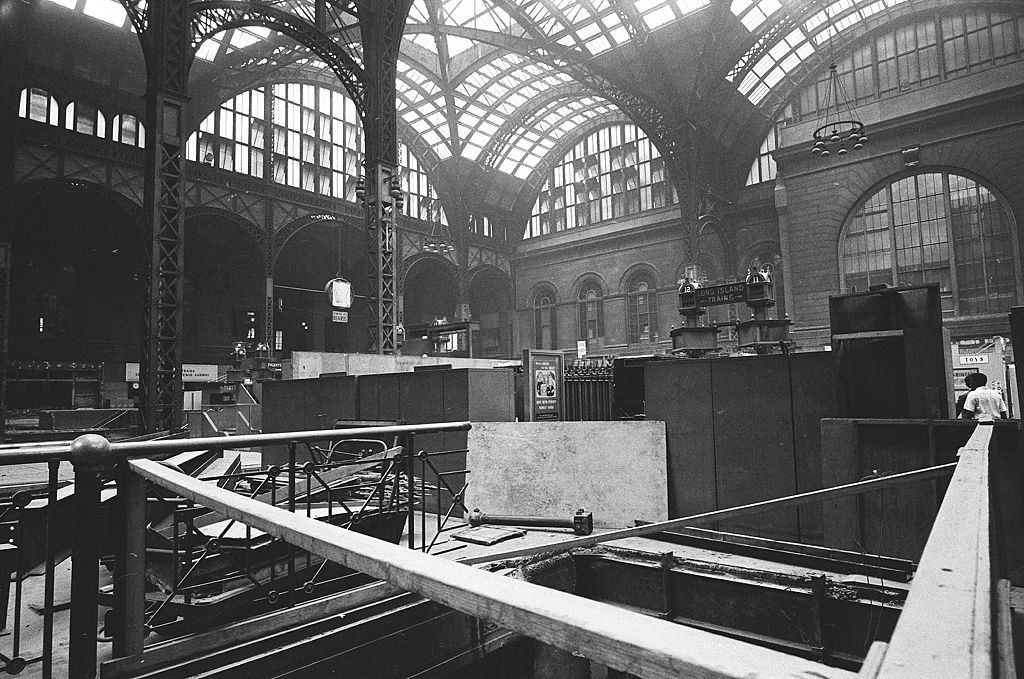
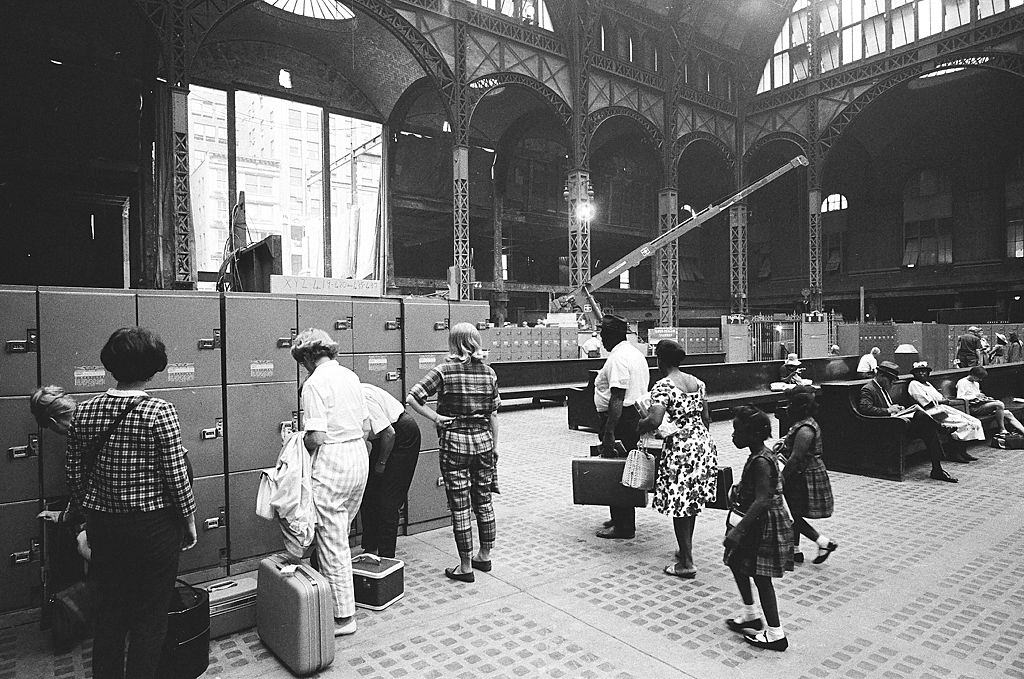
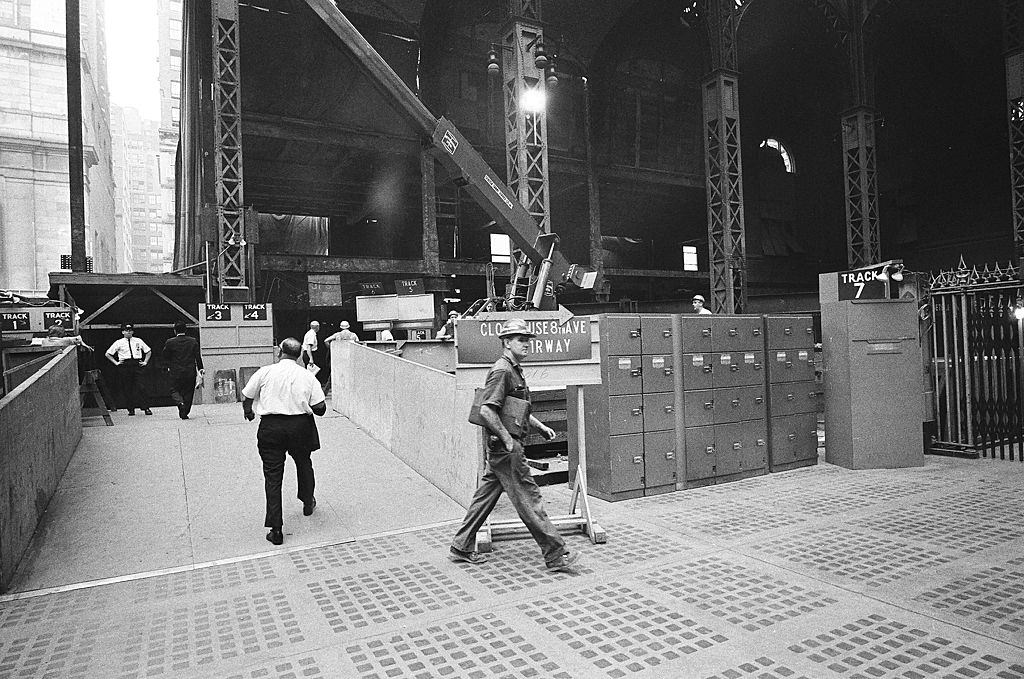
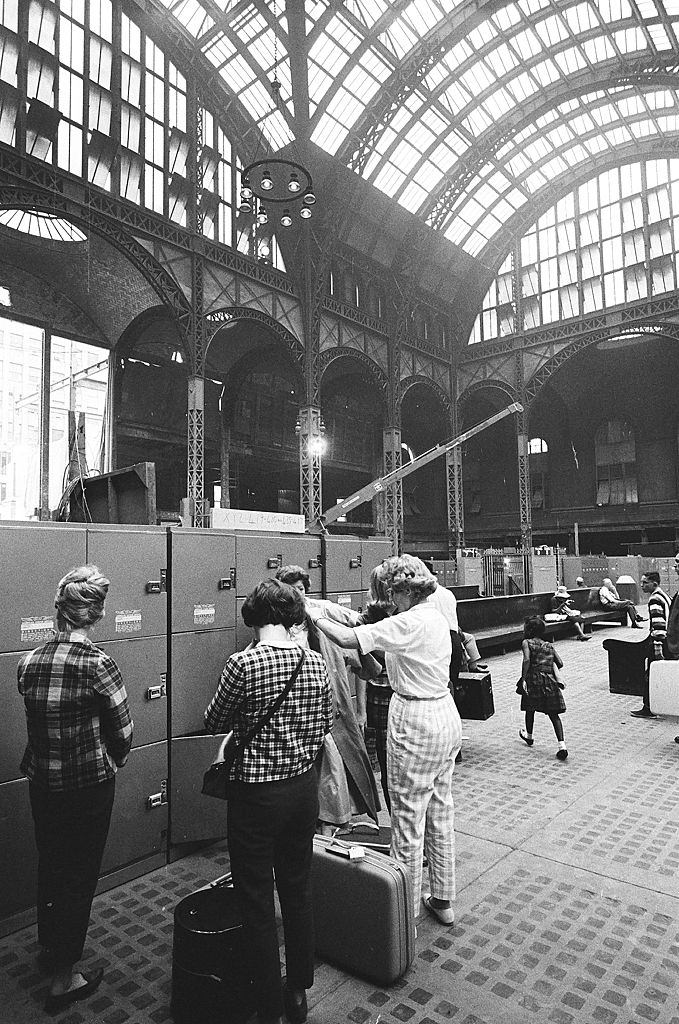
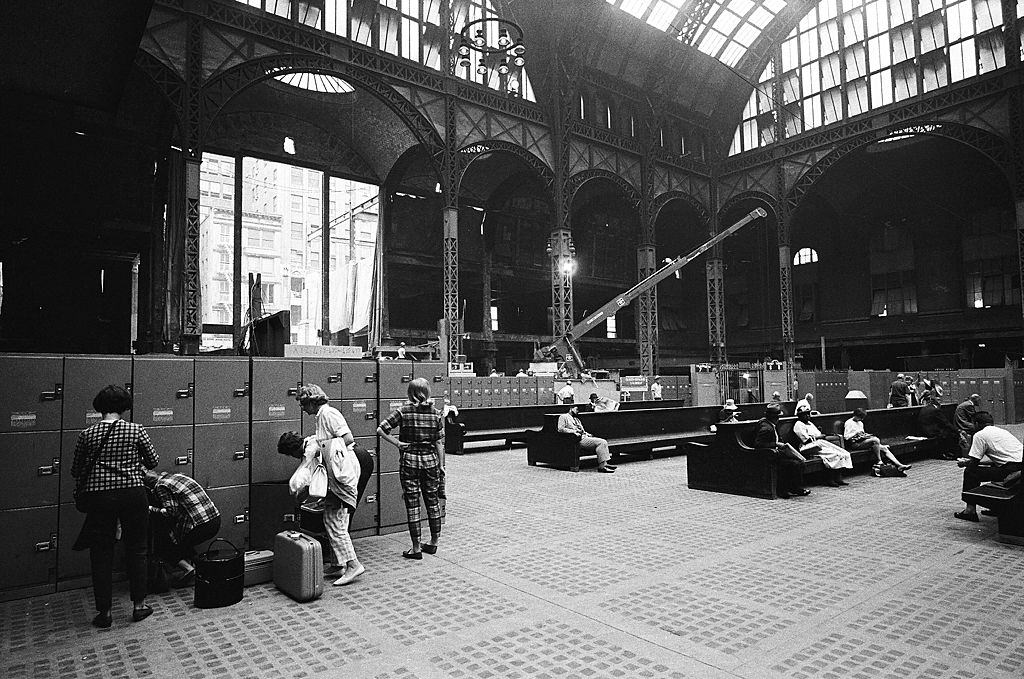
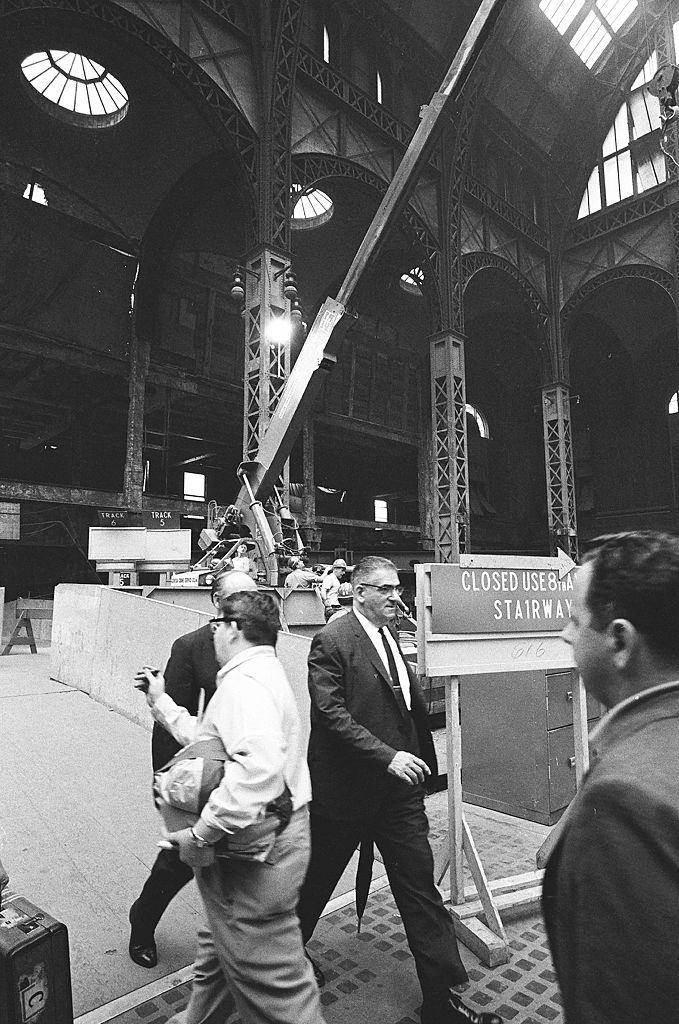
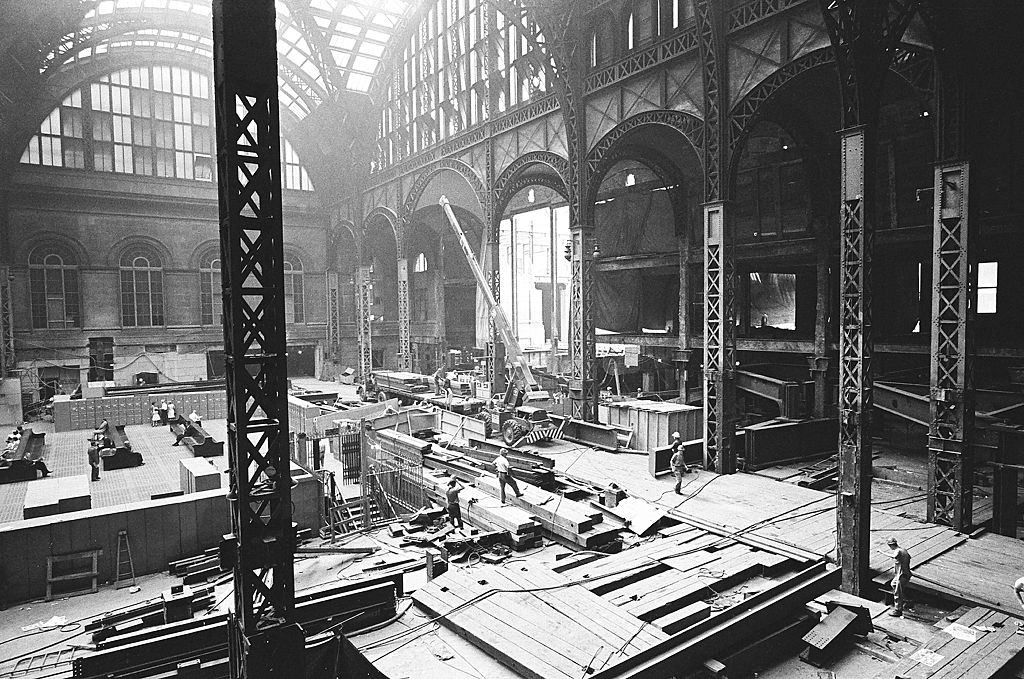
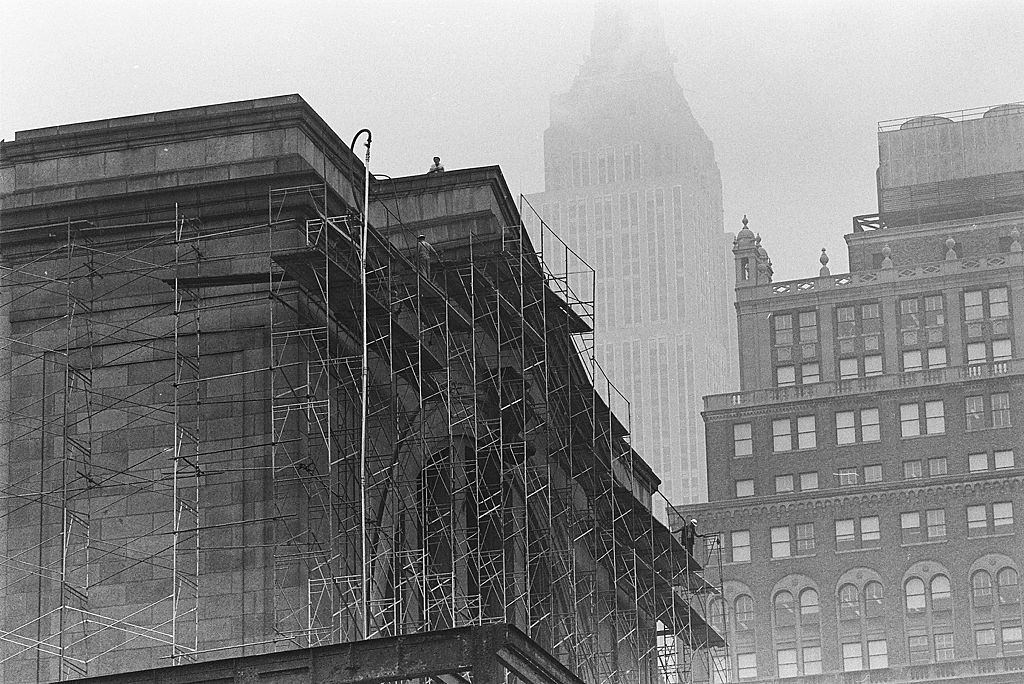
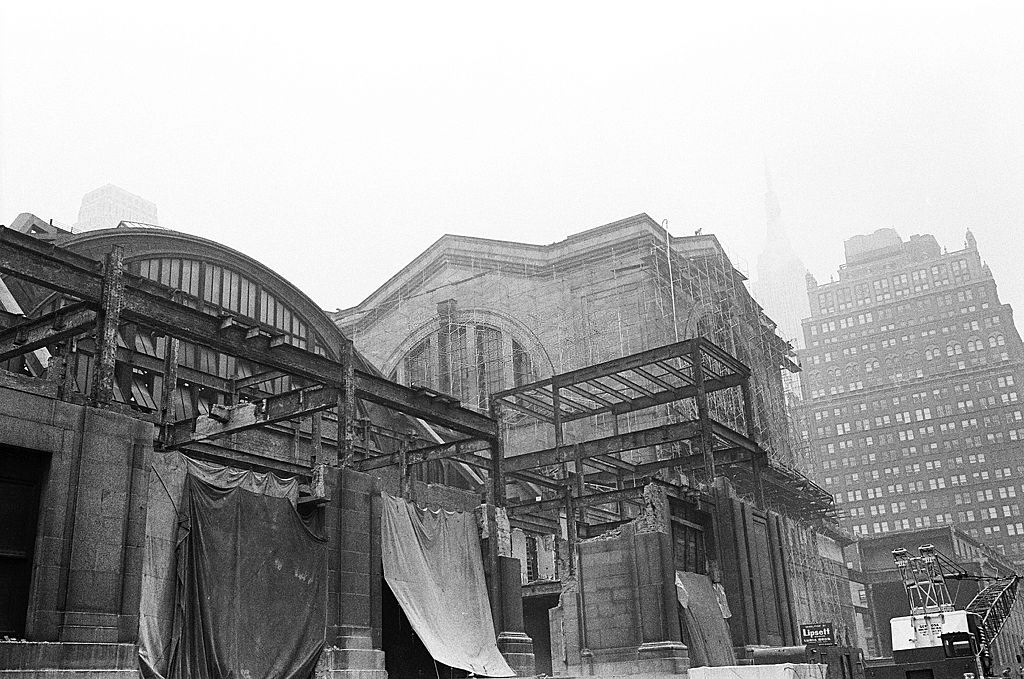
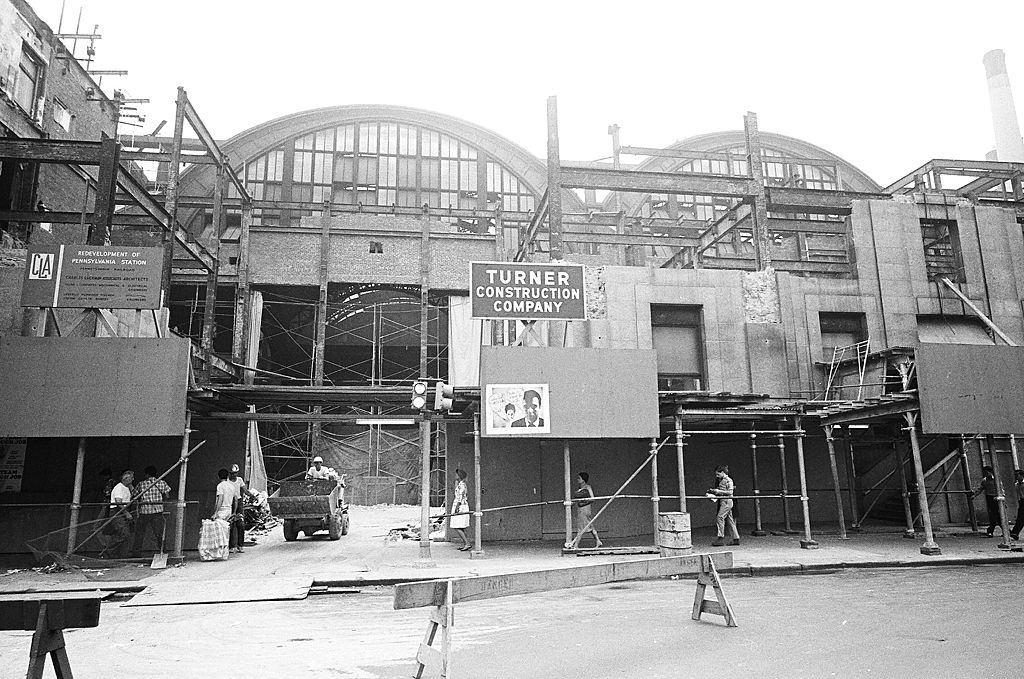
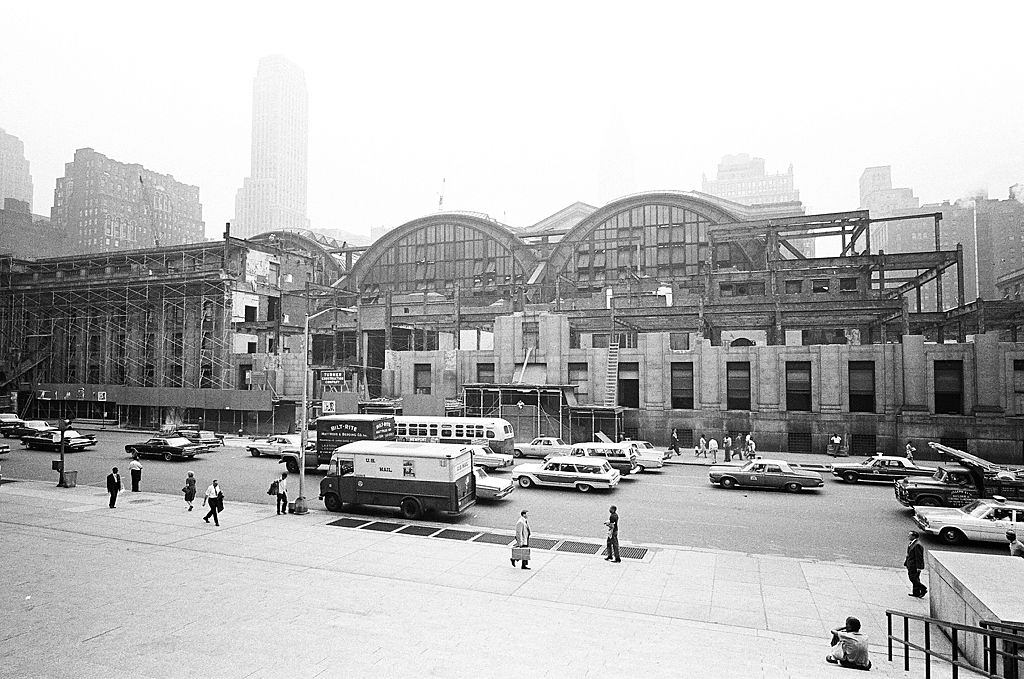
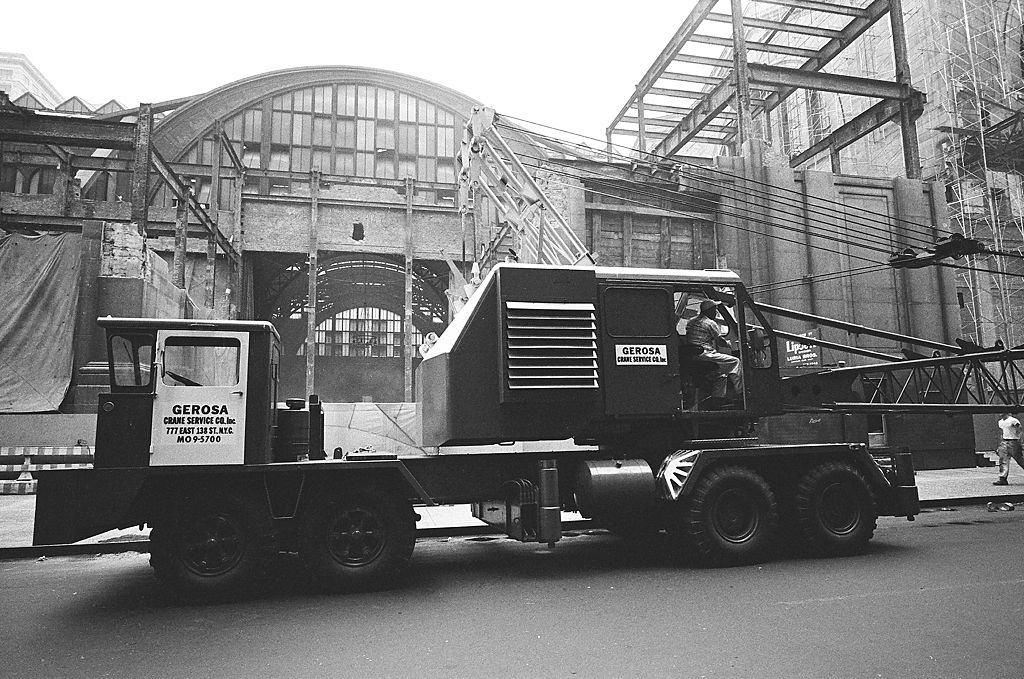
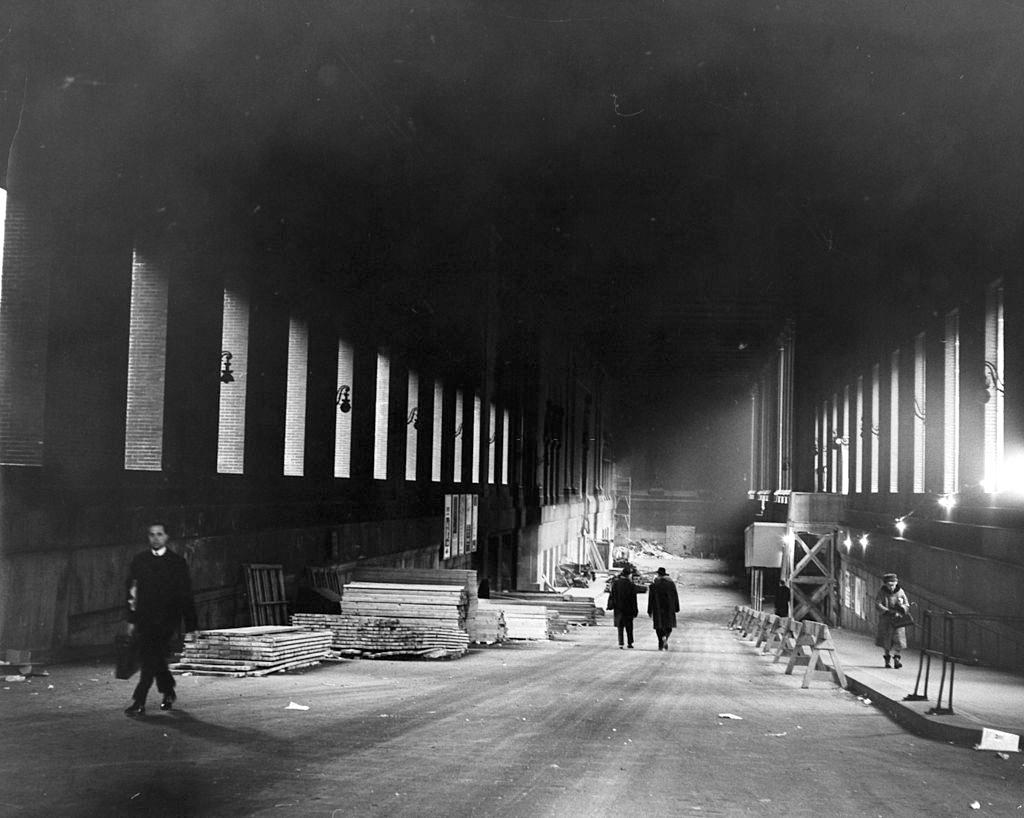
The protests failed. In January 1963, the New York City Department of City Planning voted to approve the demolition. Work began that summer. Between 1963 and 1966, the entire above-ground structure was torn down. During much of the demolition, the station remained partially open. Commuters still passed through a cordoned-off section of the main floor to reach their trains, walking past the rubble of columns and vaulted ceilings that had defined the building for more than fifty years.
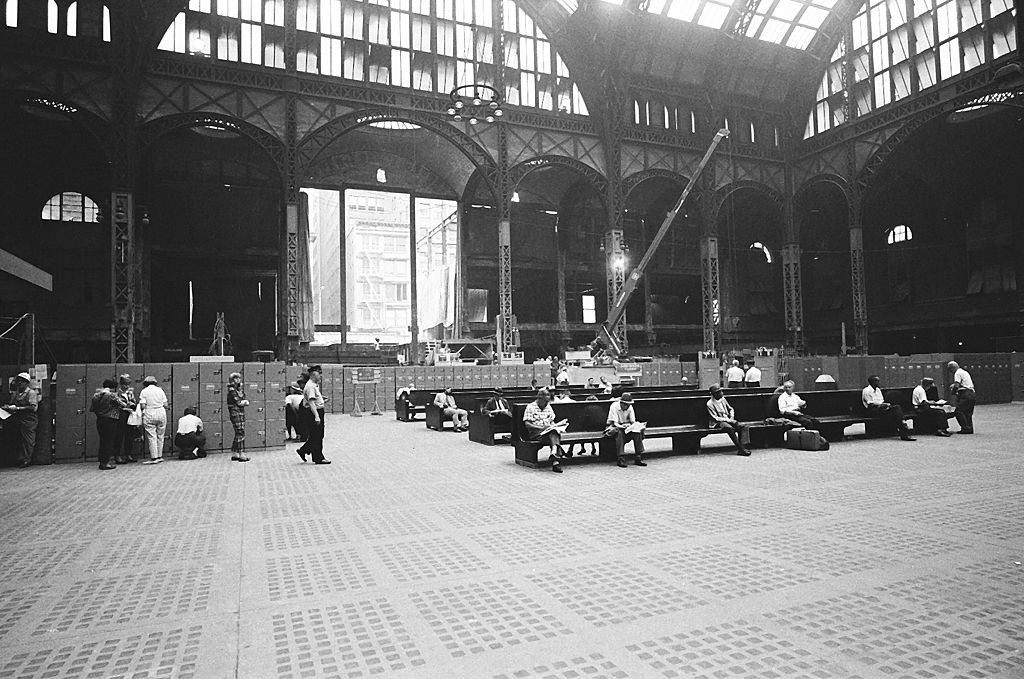
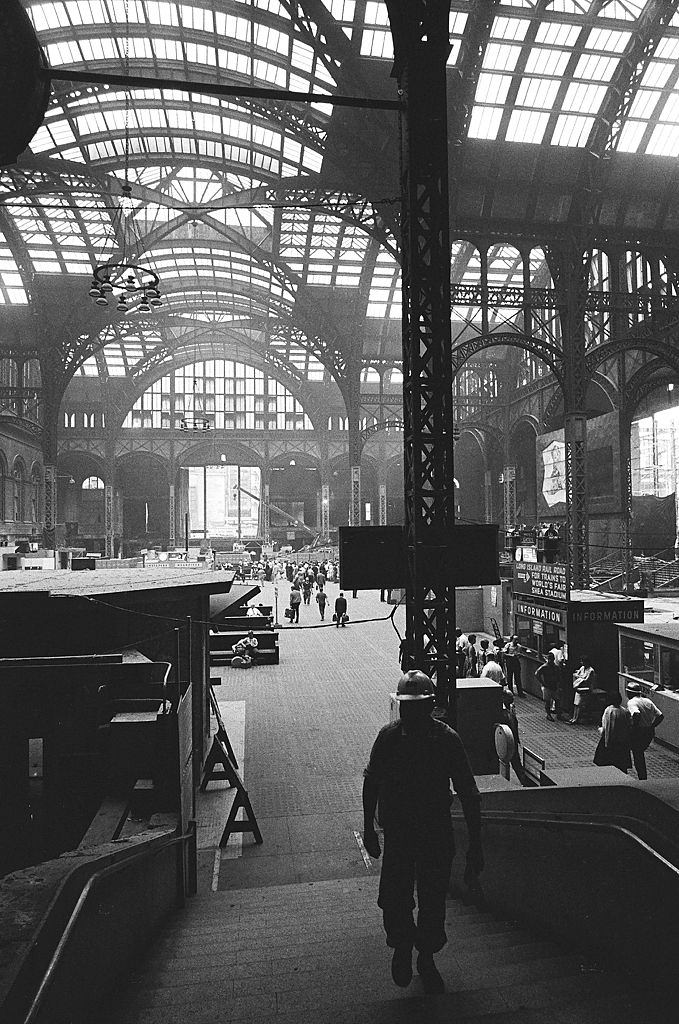
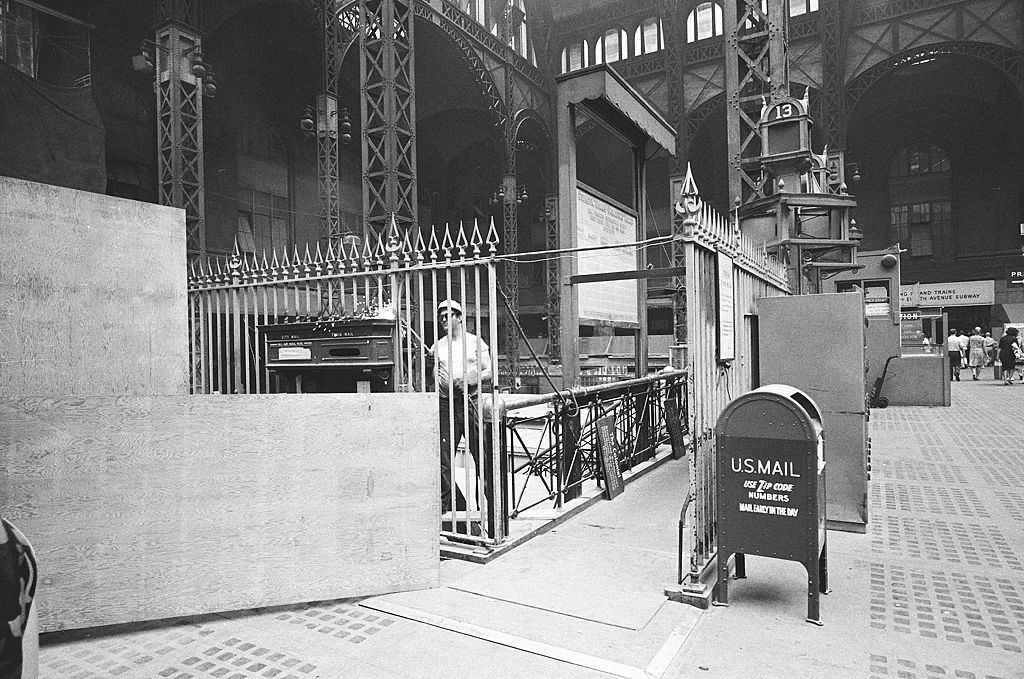
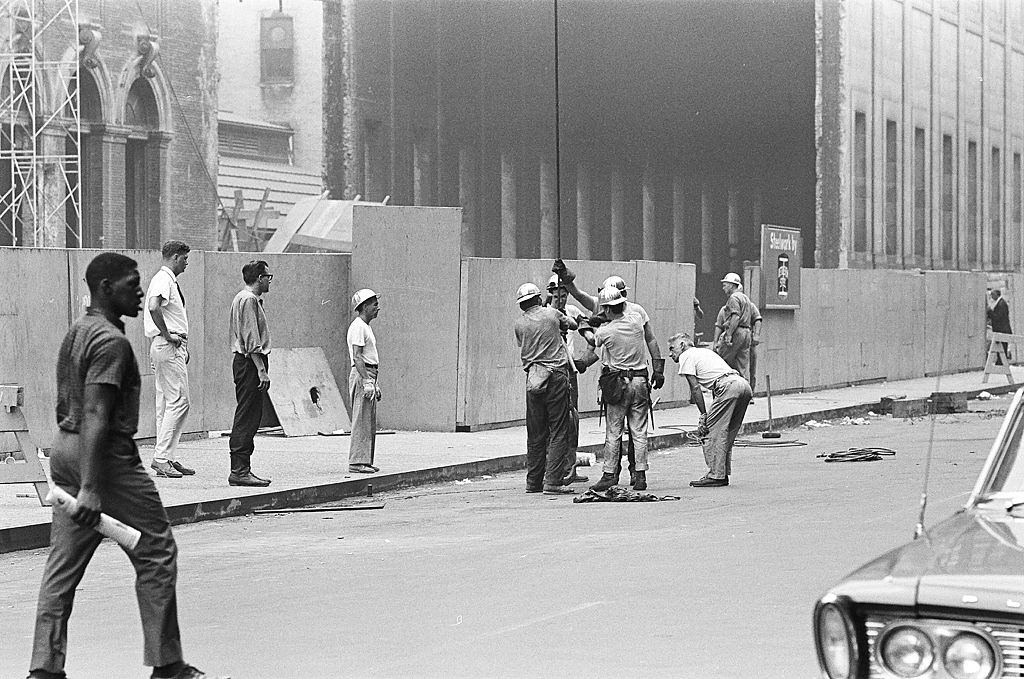
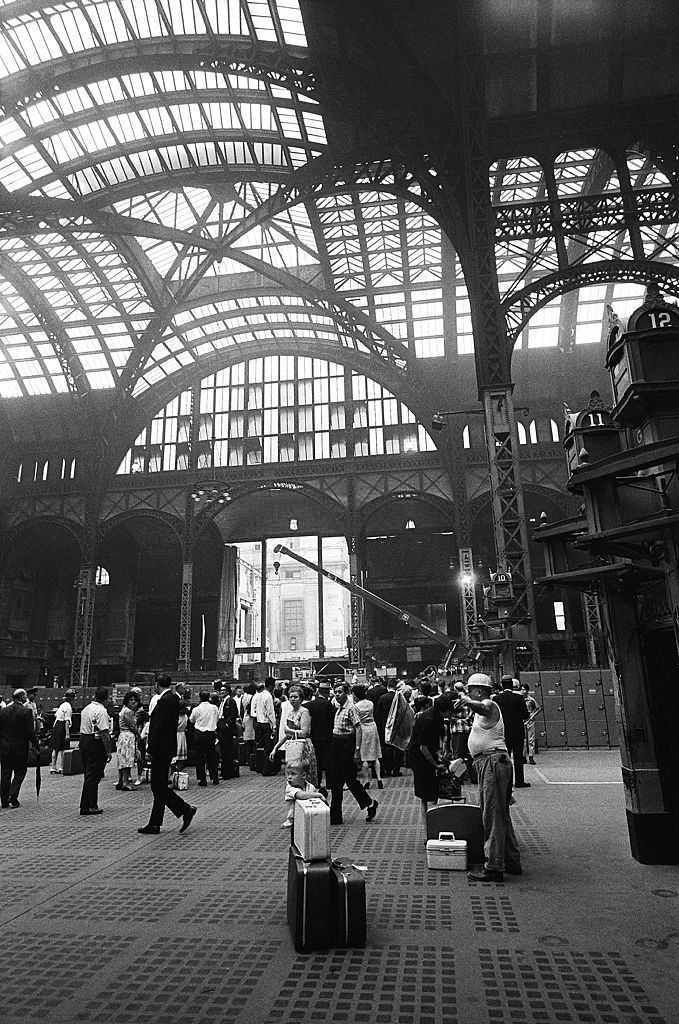
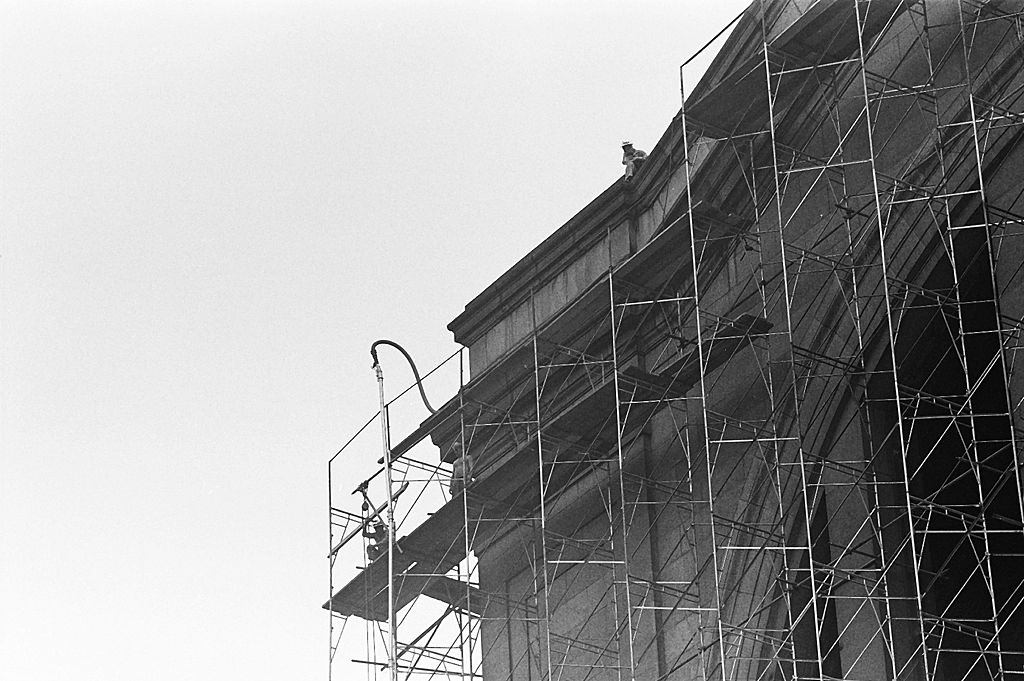
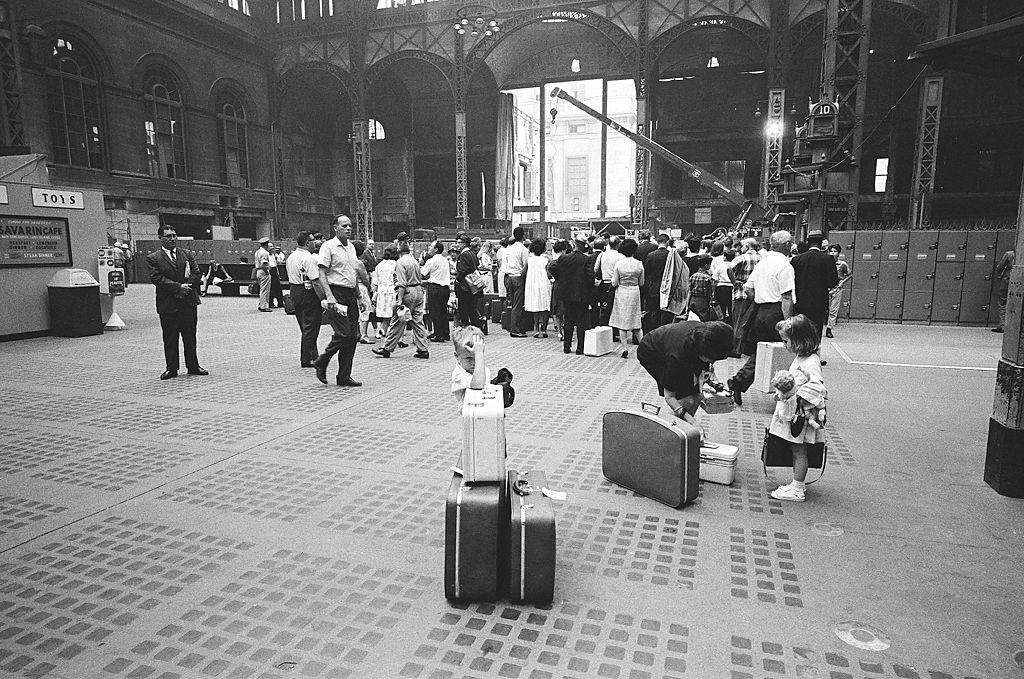
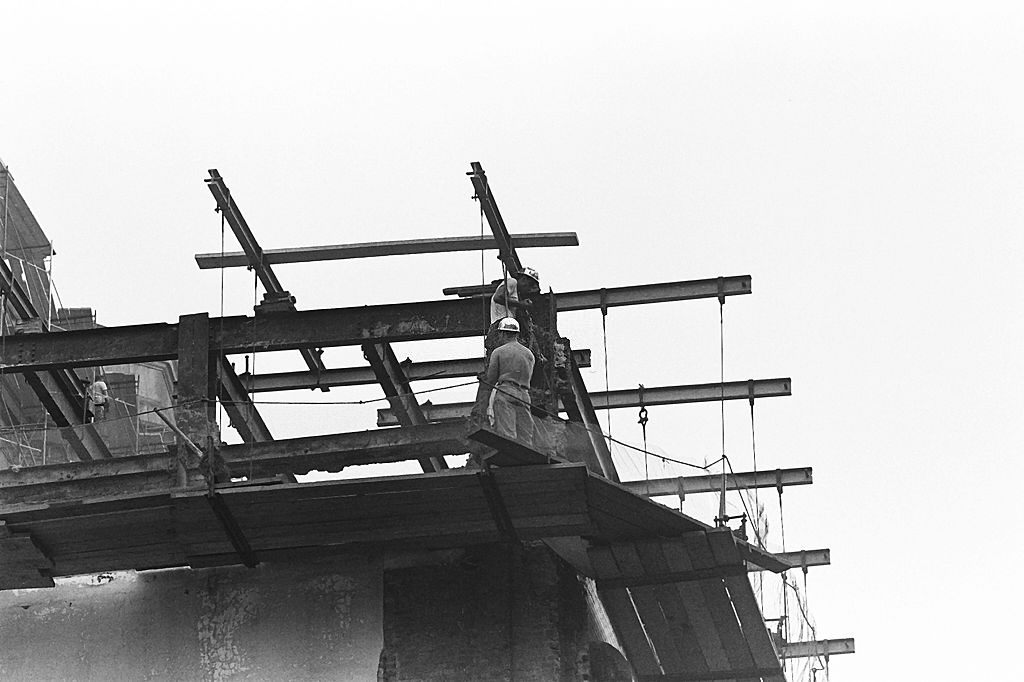





These photos range from 50-110 years ago, but it looks like another world.
I loved the protesters trying to save Penn Station from being demolished. They tried…
This one hurts the most.
The one positive is that, once it was gone, many more people realized what a mistake had been made, and Grand Central didn’t suffer the same fate.
I’ve always been puzzled about the post office with the preserved station façade. If the station was torn down, how is it possible for that section to still be standing and located across the street from MSG?
The Post Office building you speak of was a separate building
Ah, I understand now. It’s possible that you had heard it was the original facade that was preserved after the demolition.
If you detect any similarity, it may be because both were created by the same architects.
I hope we can move on from fixating on this particular issue.
I think you might be underestimating the significance of the loss of the original New York Penn Station.
What were they thinking demolishing this gem? There is no way I can get over this, and I will never be able to.
When you didn’t build it- you destroy it
We destroyed our megalithic white cities to eliminate perspective of the present and control the future. As many movies depict ancient white cities such as Naboo in Star Wars, pay attention to the politics of the downfall of these ‘fictional’ storylines so as to understand why we were denied these high tech free energy buildings.
Consequently, New York state is now pushing for the building of massive towers in the surrounding neighborhood so a few developers can make money.
Doesn’t pbs have a special on this? I could have sworn they do.
In Europe, this would’ve been protected as a monument and treated as the palace it was. Sadly, the US lost an extraordinary piece of art.
I just went down a wormhole of the George A. Fuller Company.
Fantastic! Thanks for sharing.