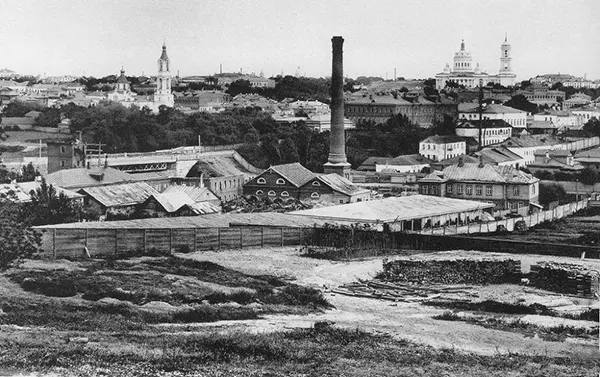
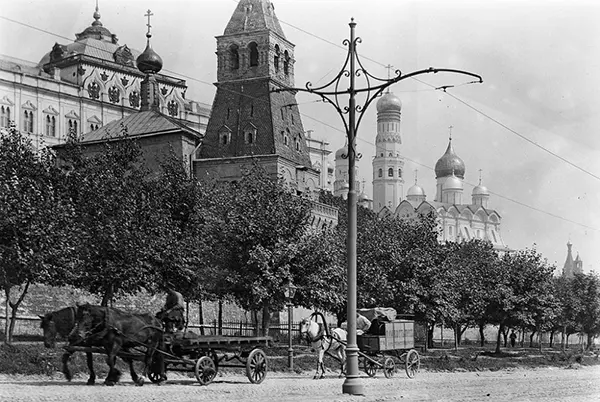
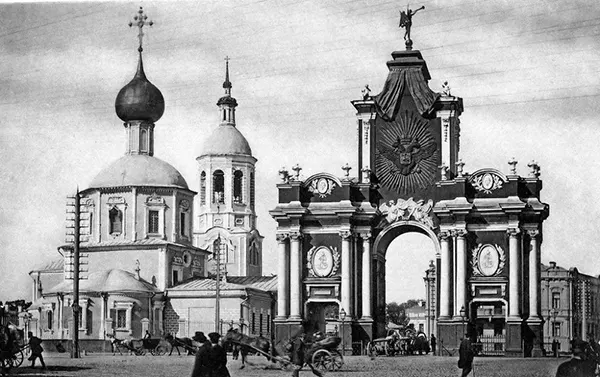
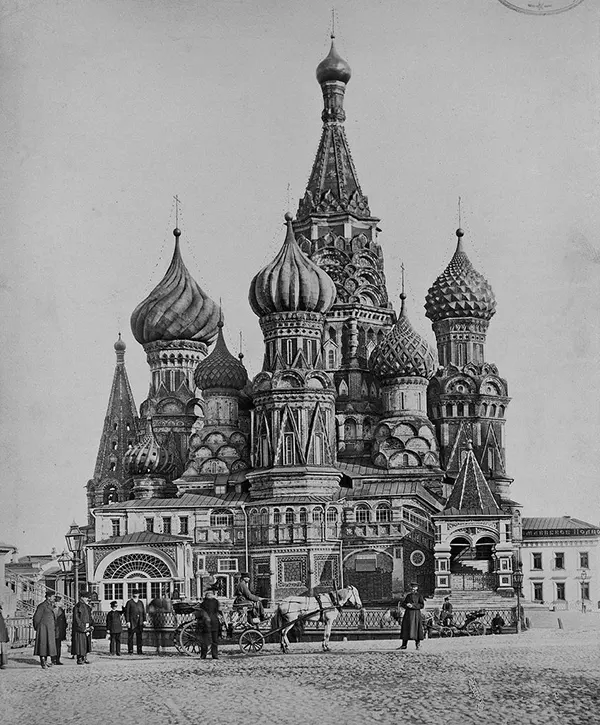
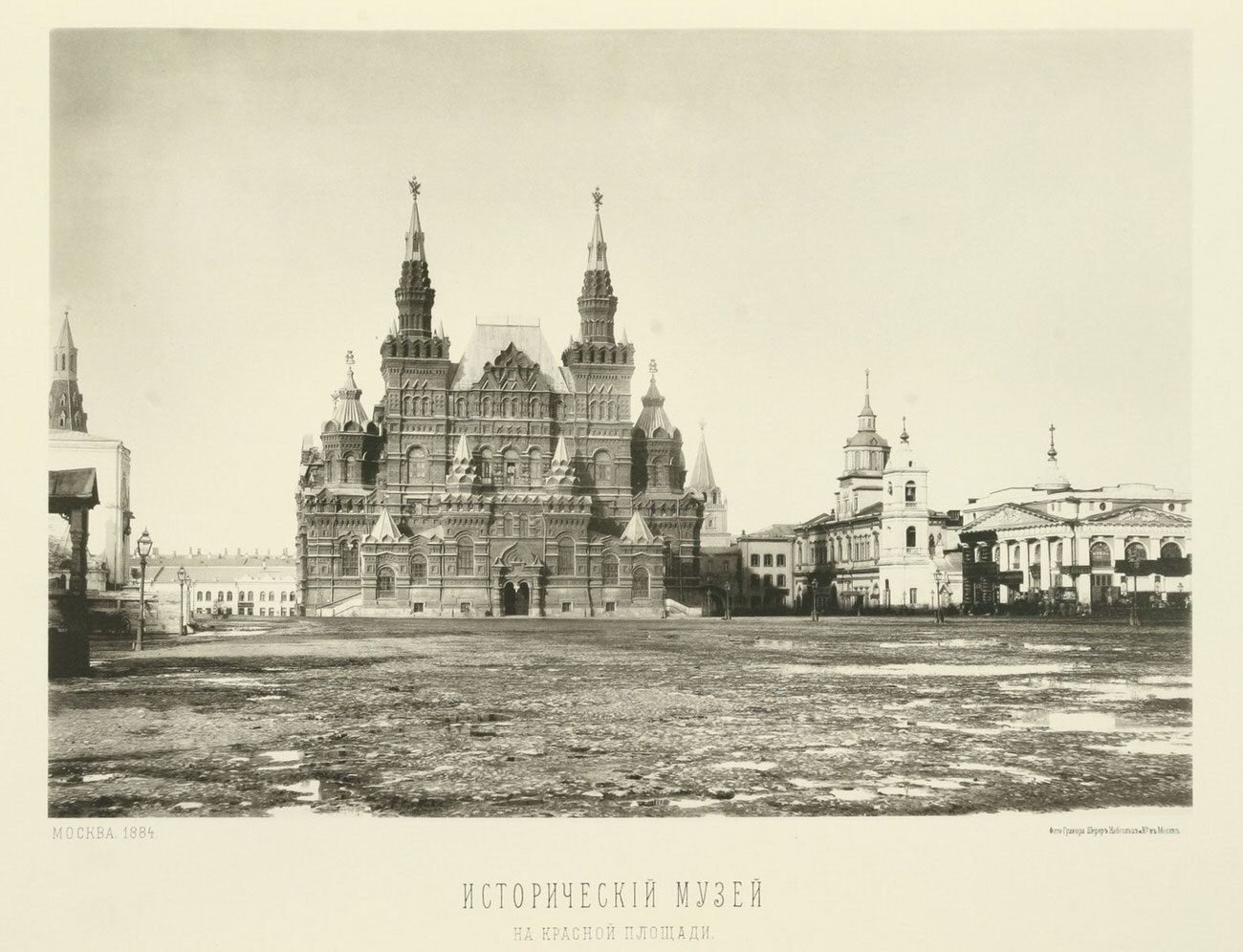
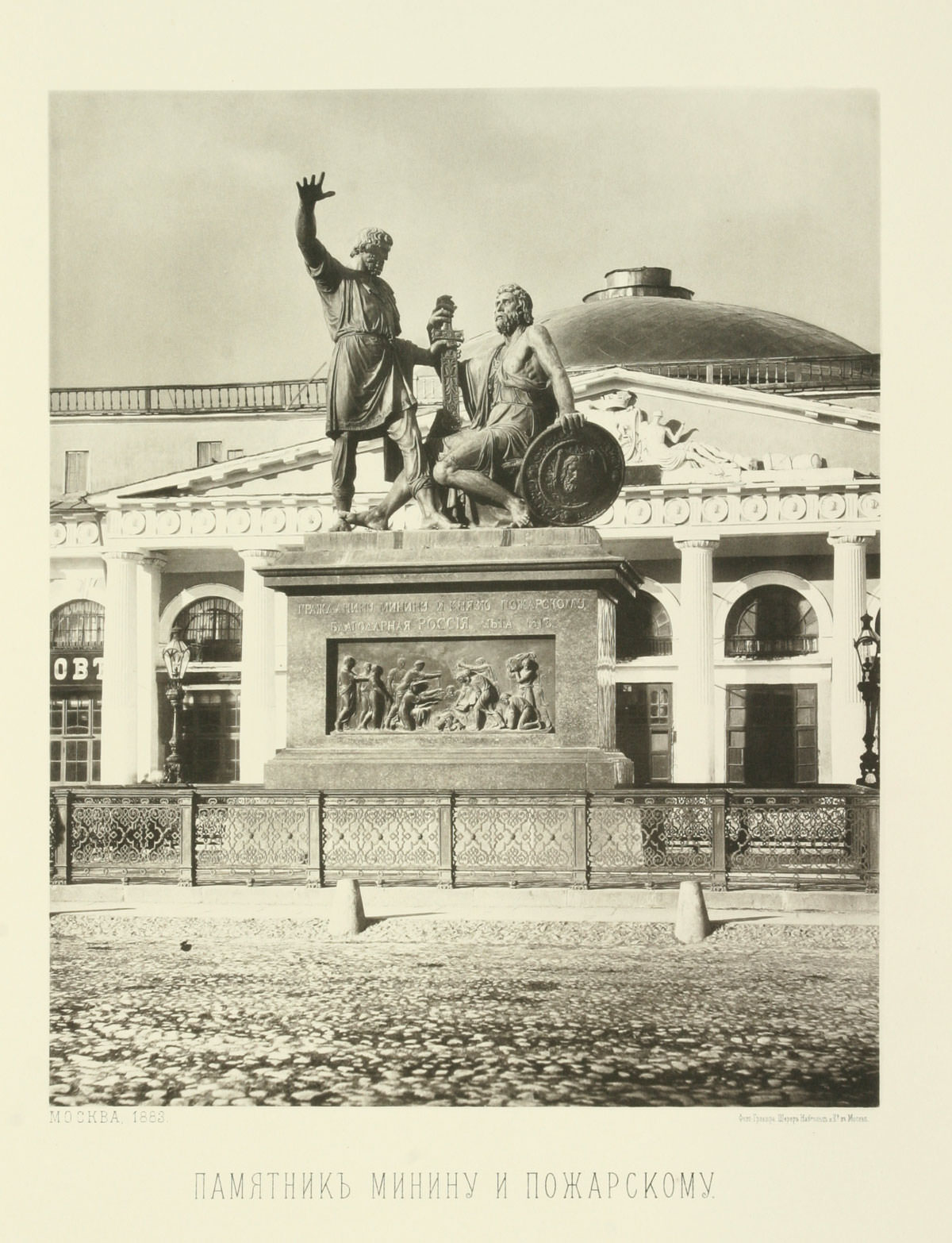
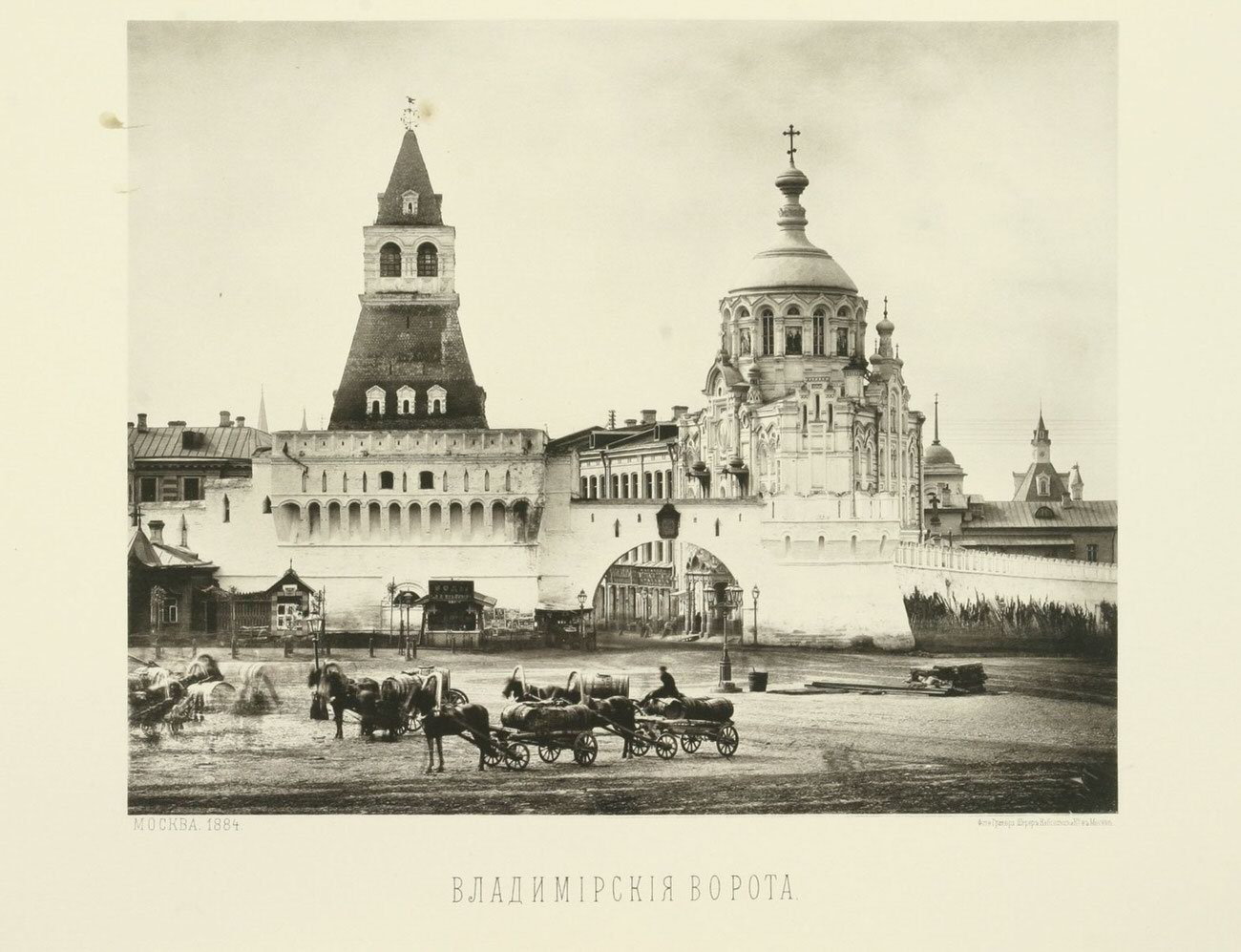
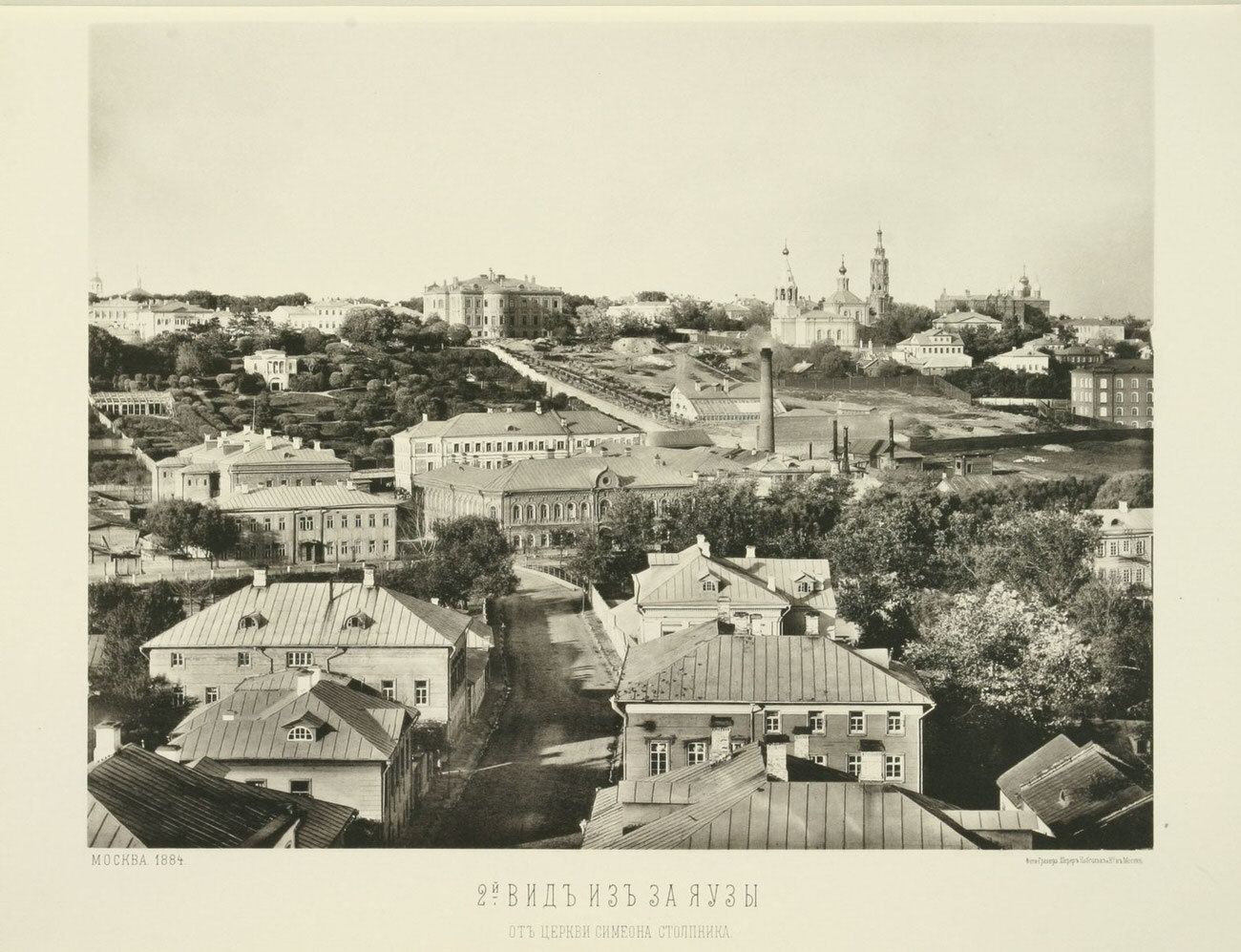
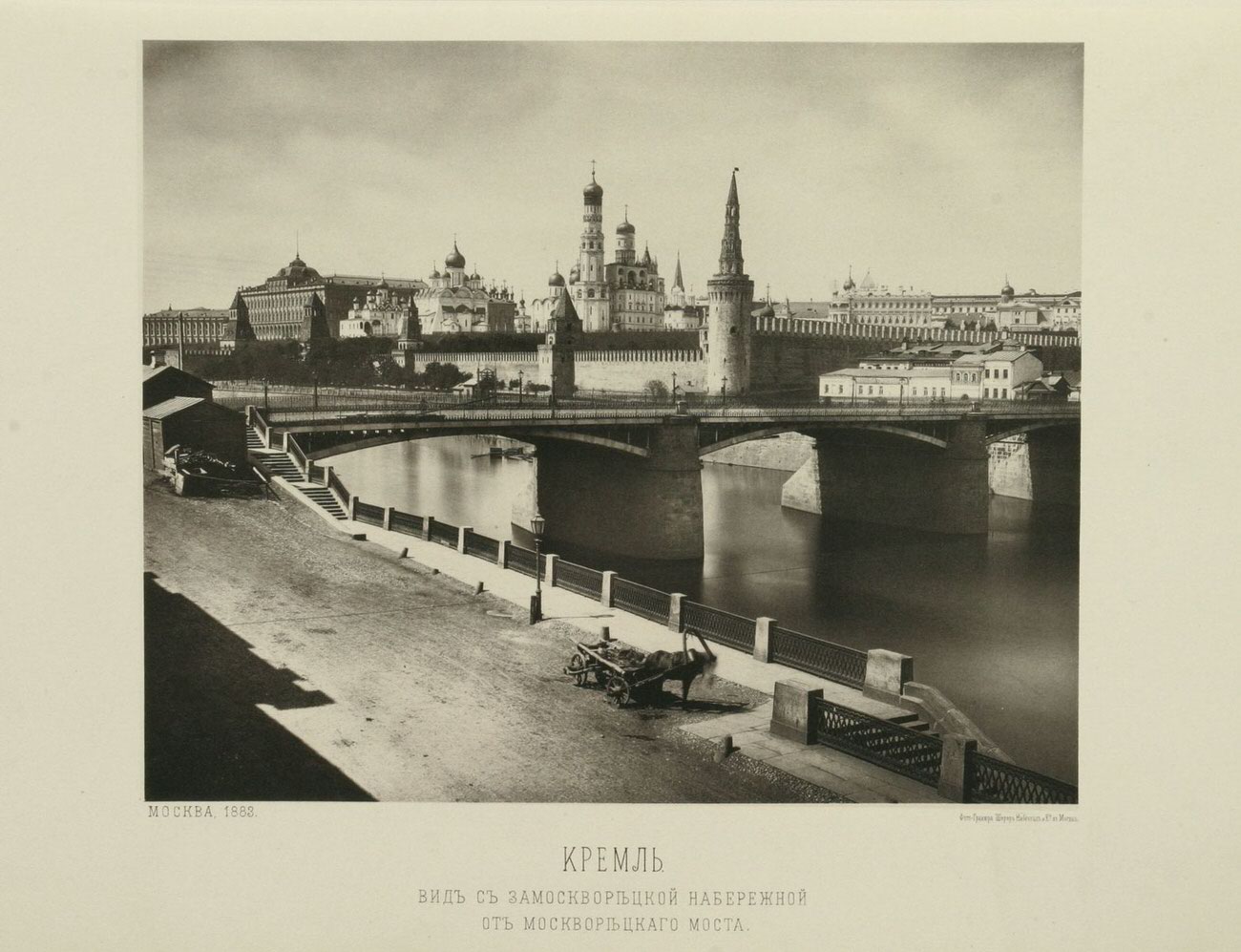
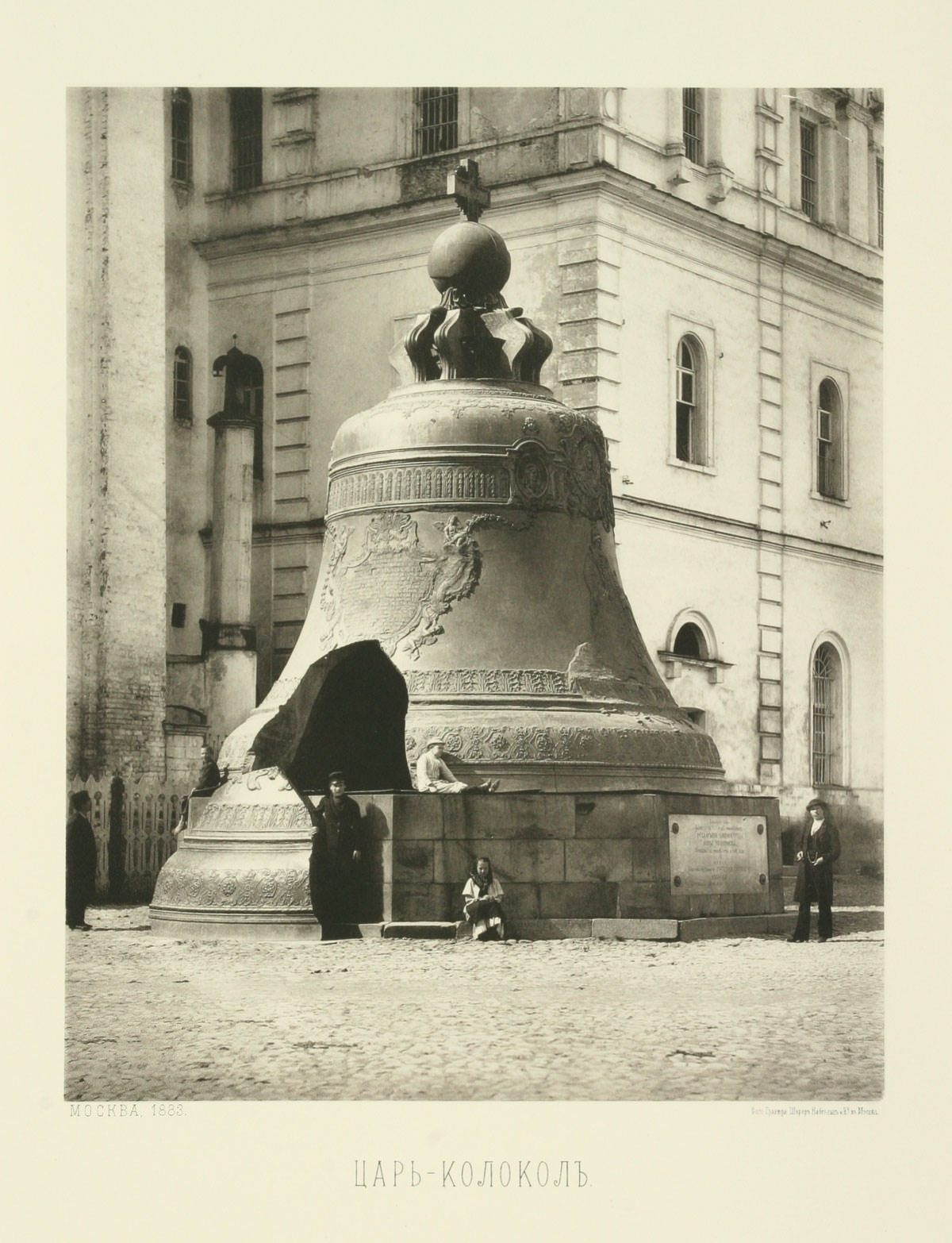
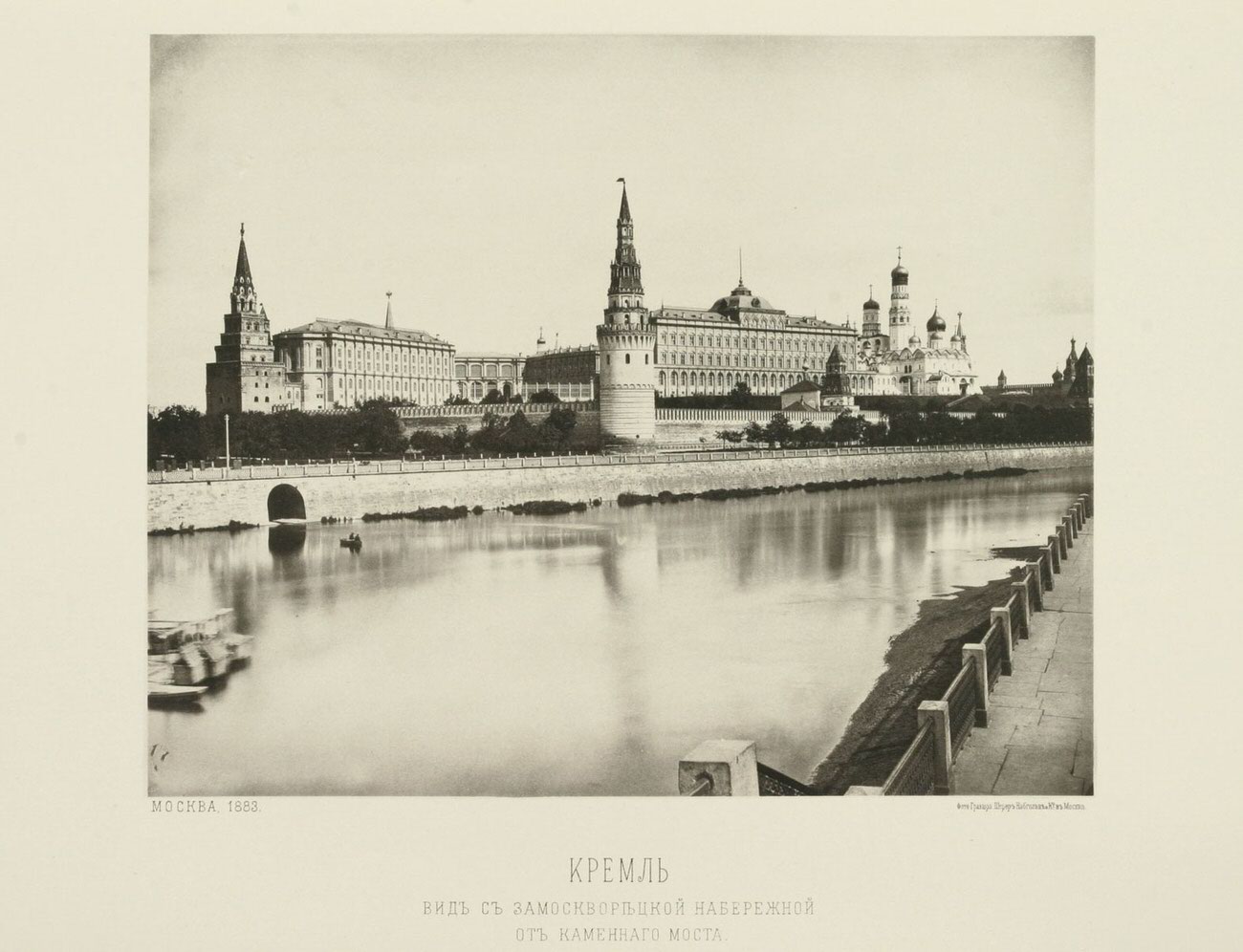
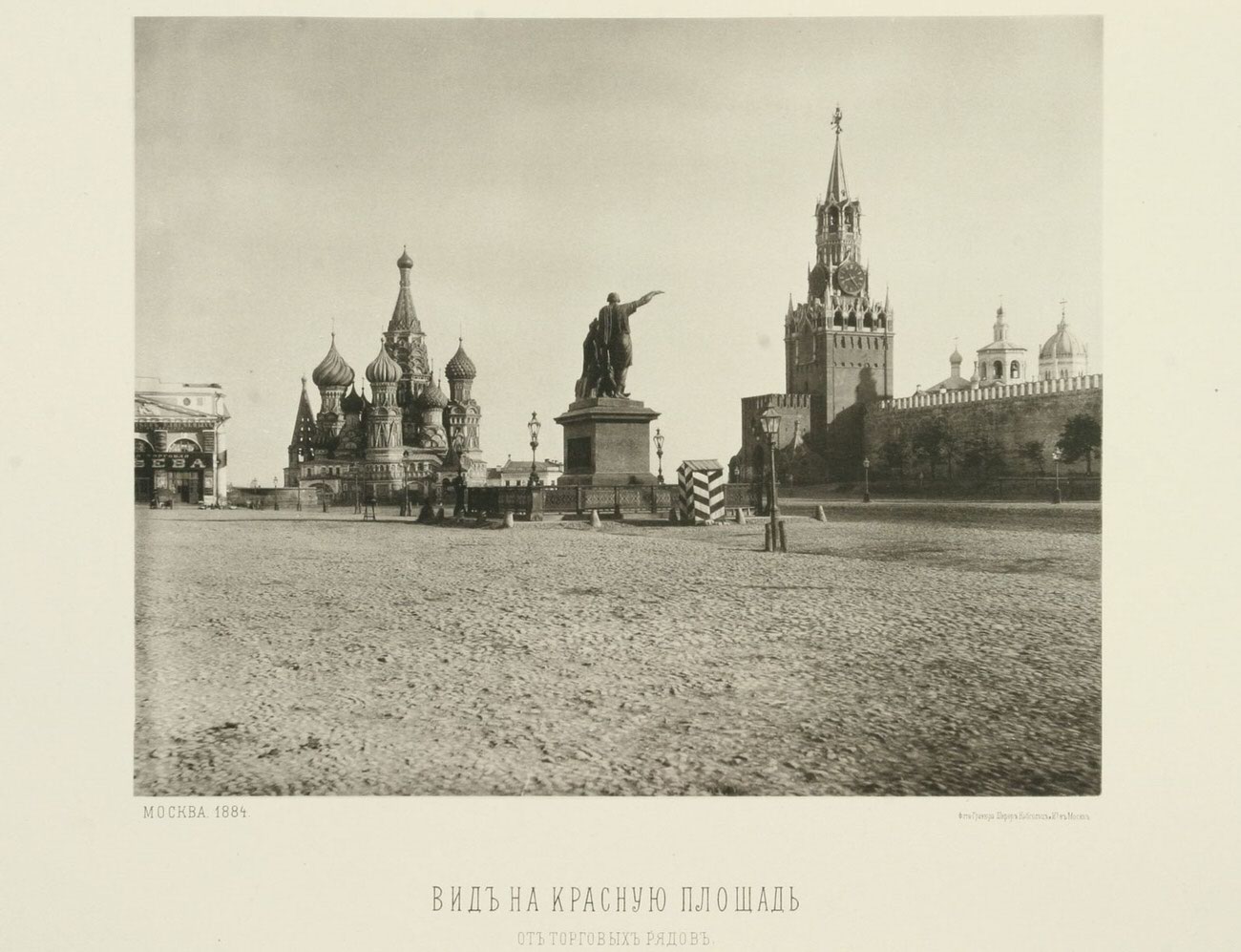
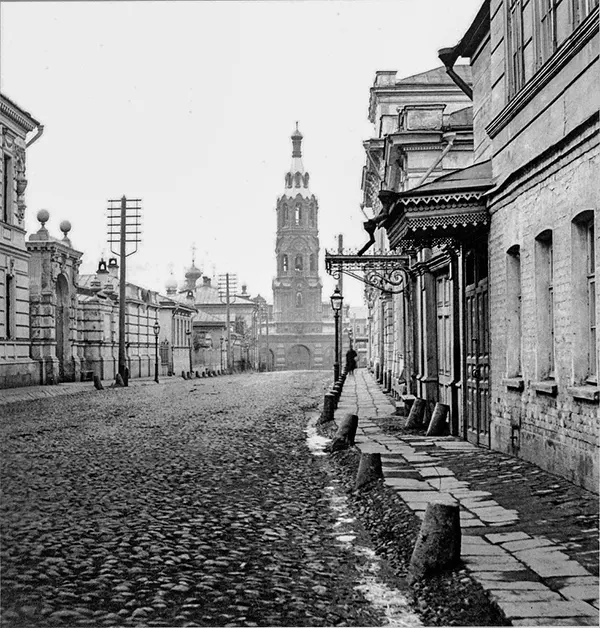
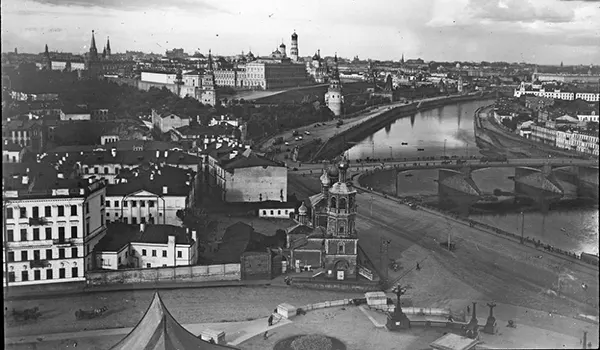
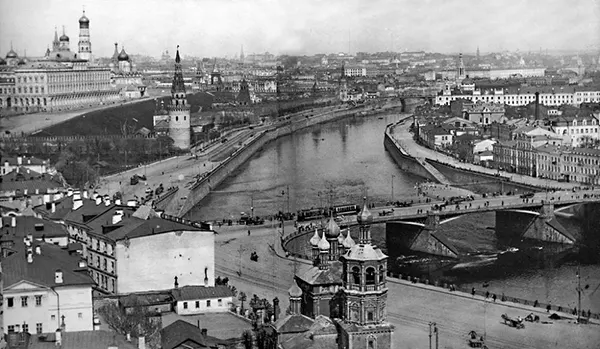
Moscow in the late 19th century was a city caught between two worlds. Its ancient churches and winding lanes stood alongside new factories and growing crowds of industrial workers. Once the capital of Russia until 1712, Moscow never lost its role as the country’s cultural and spiritual heart.
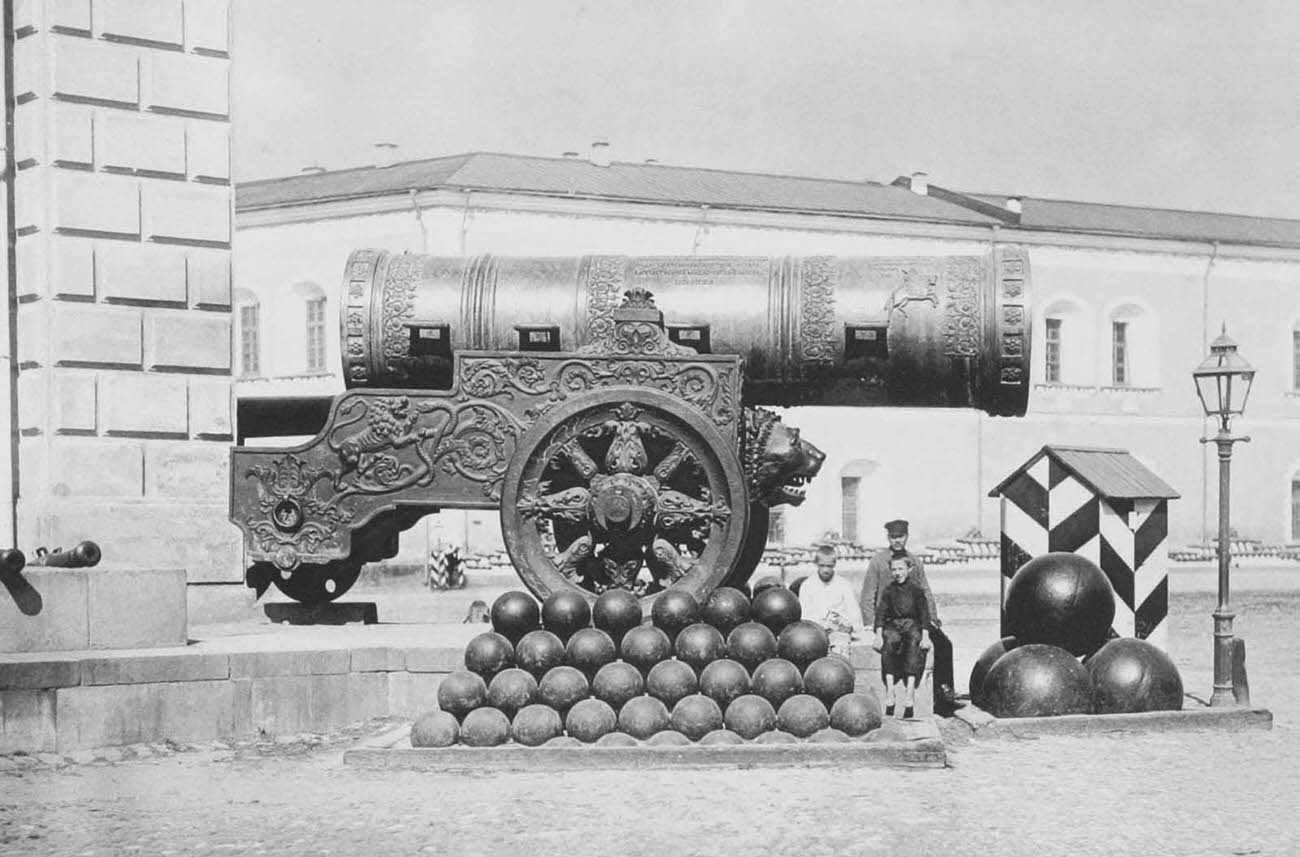
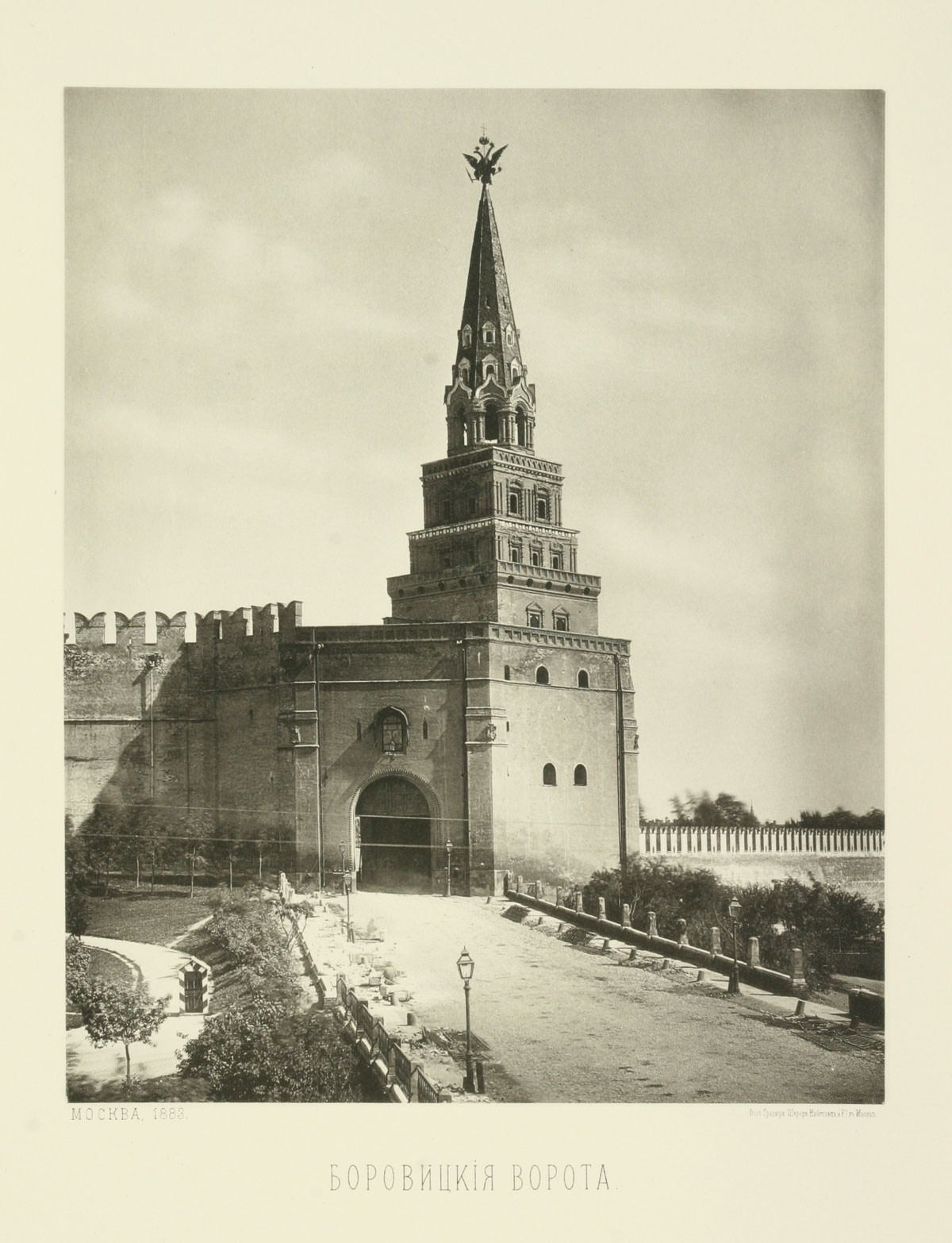
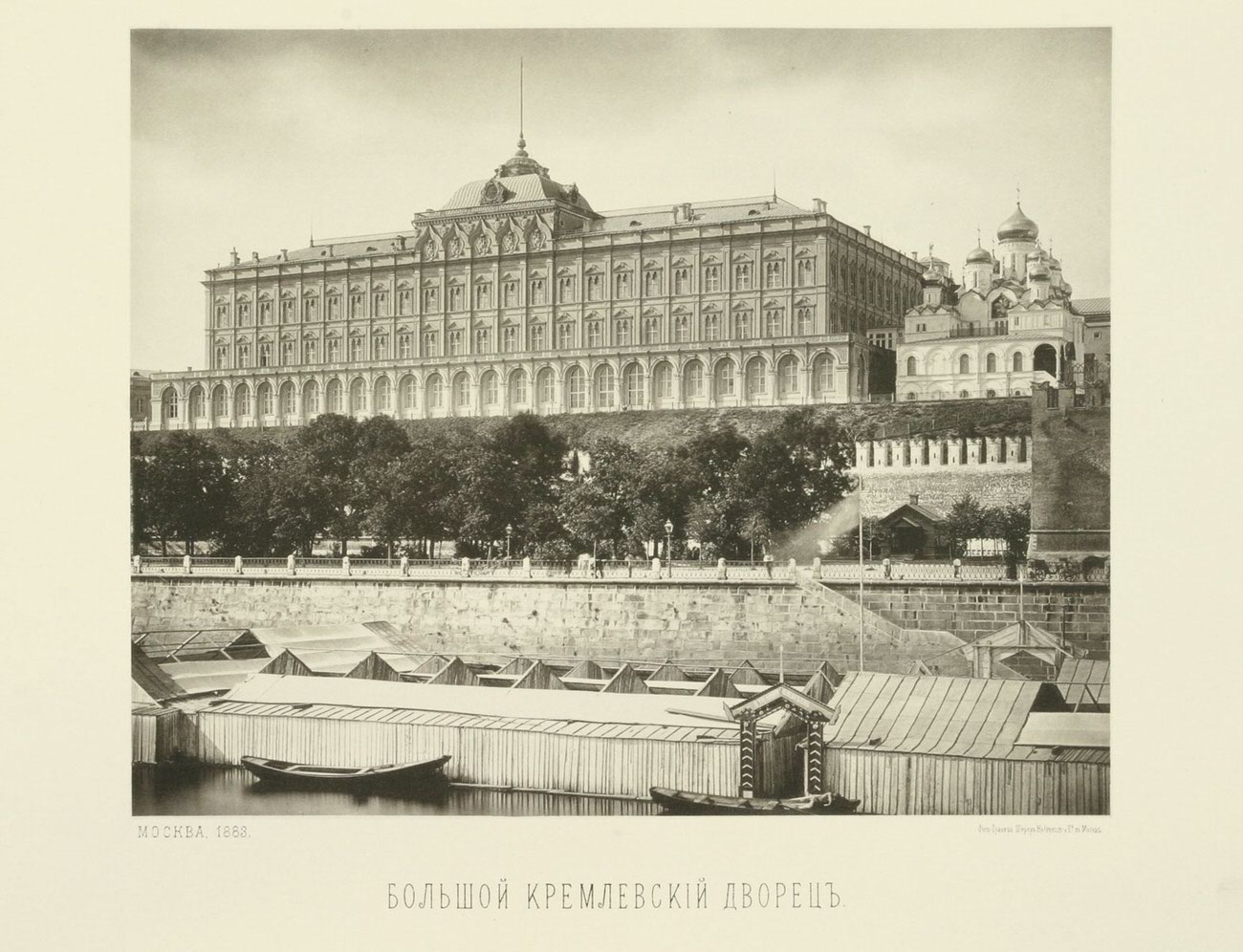
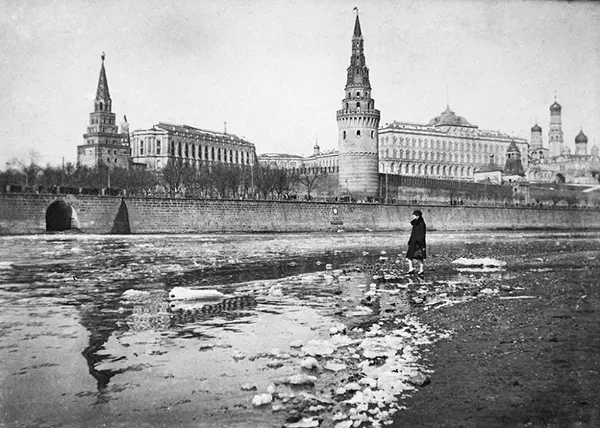
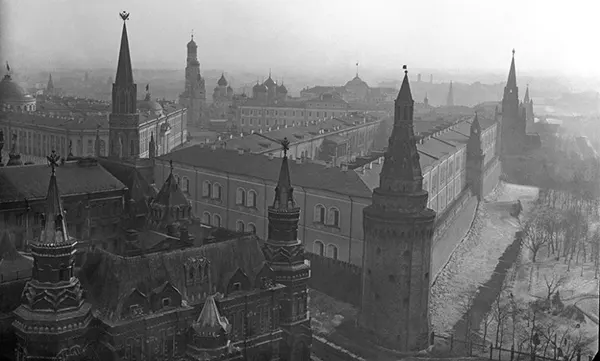
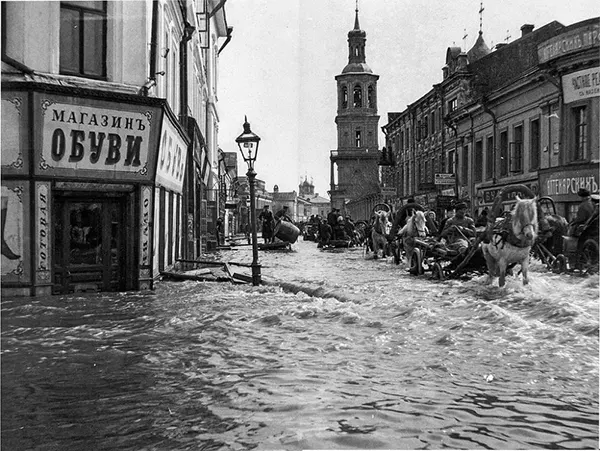
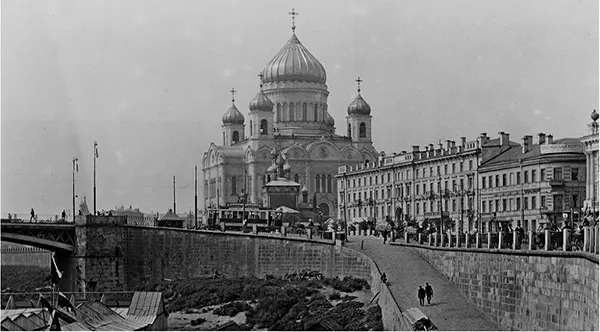
The Kremlin sat at the center of the city, a fortress that symbolized both political power and centuries of history. Around it, dozens of cathedrals and monasteries lined the streets, their golden domes catching the light. Gas lamps glowed along the boulevards after dark, casting a warm light over horse-drawn carriages and pedestrians alike.
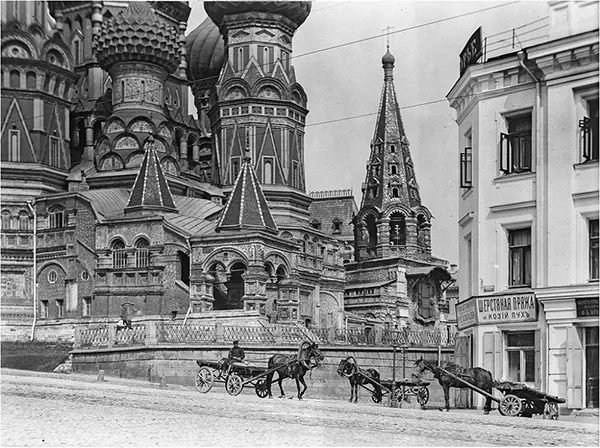
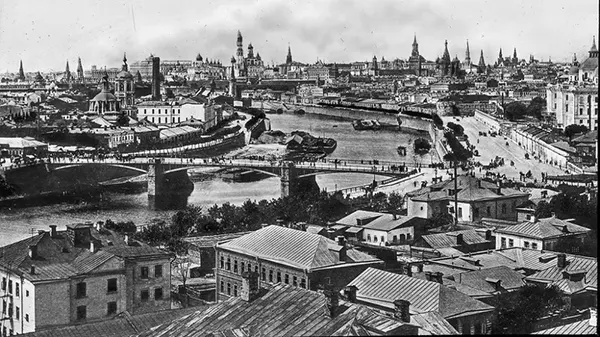
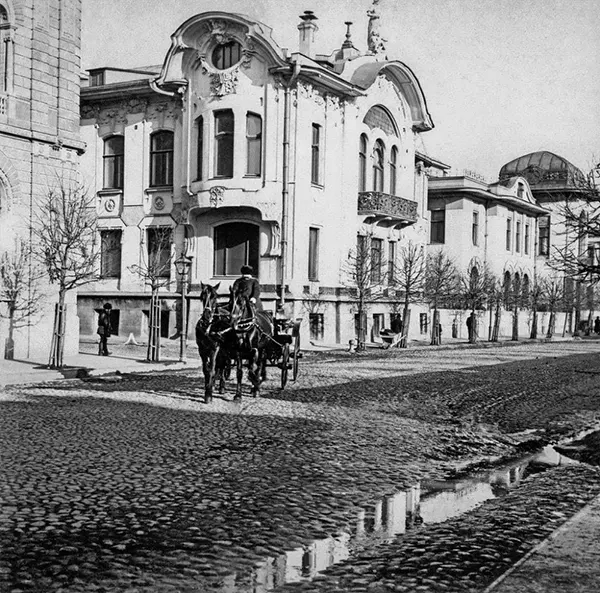
The city’s wealthy residents lived in large, ornate homes filled with fine furniture and European fashions. They attended performances at the Bolshoi Theatre, which drew world-class ballet and opera talent. Their children studied under private tutors or in elite schools.
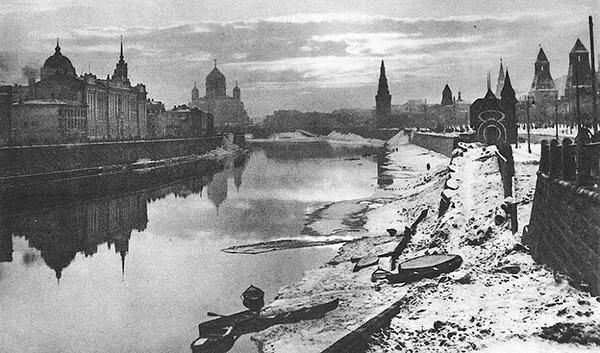
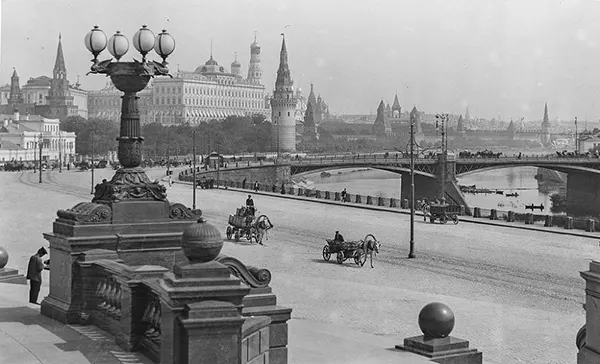
Just streets away, most Muscovites lived in cramped wooden houses or packed apartment buildings with no running water or indoor toilets. Factory workers labored long hours for low wages, and children from poor families often worked instead of attending school.
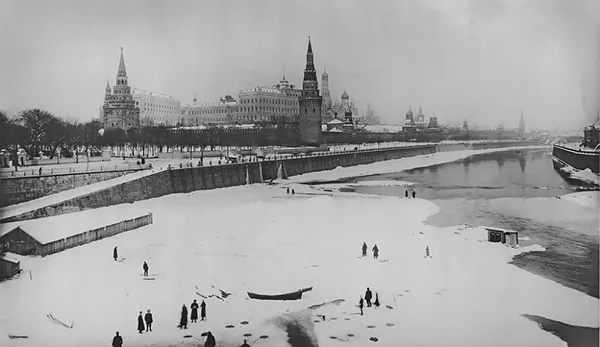
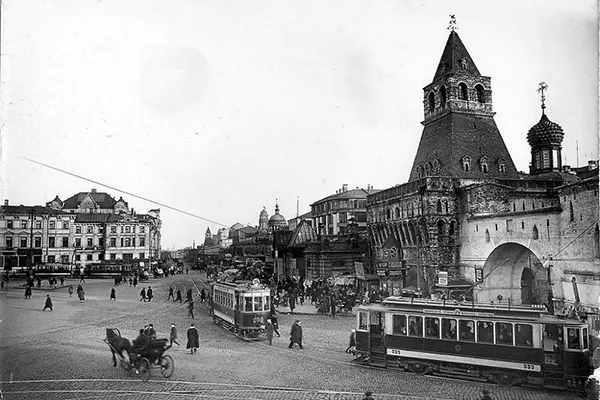
By the 1880s and 1890s, textile mills, metalworks, and chemical plants had spread across the city. Workers poured in from rural villages, filling neighborhoods faster than housing could be built. The factories created jobs but also brought overcrowding and pollution.
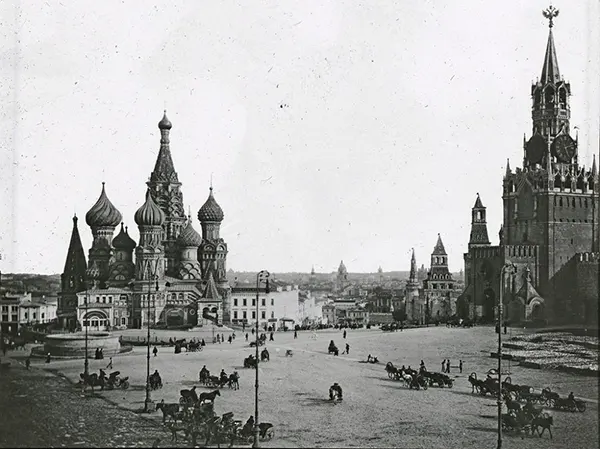
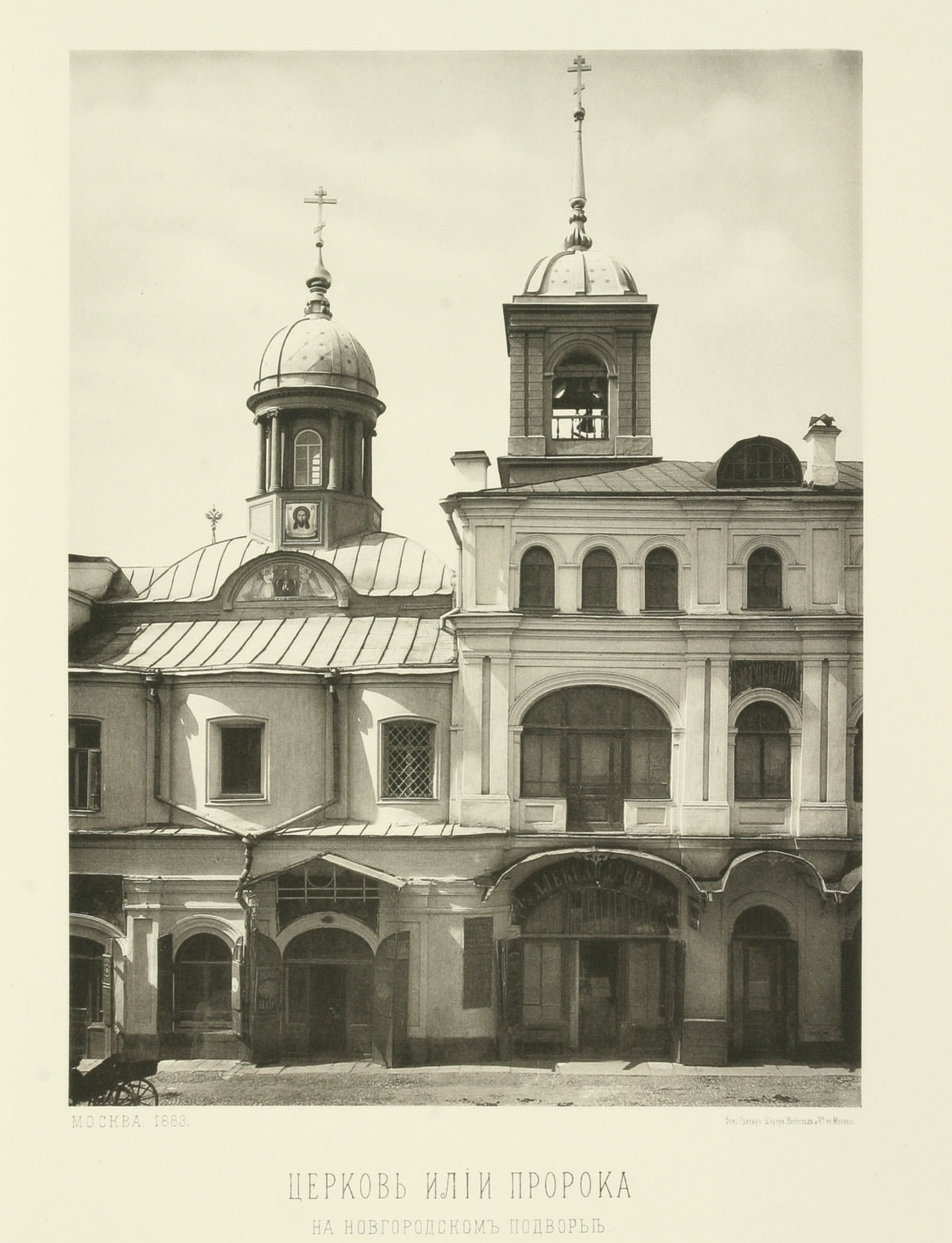
The Russian Orthodox Church shaped daily life for nearly everyone. Church bells marked the hours, and religious festivals drew the entire city together. Easter was the biggest event of the year — families gathered for midnight mass holding candles, then returned home to share paska bread and painted eggs.
Food varied sharply by class. Wealthy families dined on dishes like beef stroganoff, while working families lived on bread, porridge, and cabbage soup. Tea, however, was universal — no meal in Moscow, rich or poor, was served without it.
Working-class Muscovites spent their rare free days at local taverns or religious festivals. Six-day work weeks left little room for leisure. Still, community life was strong, centered largely around the neighborhood church and shared traditions passed down through generations.