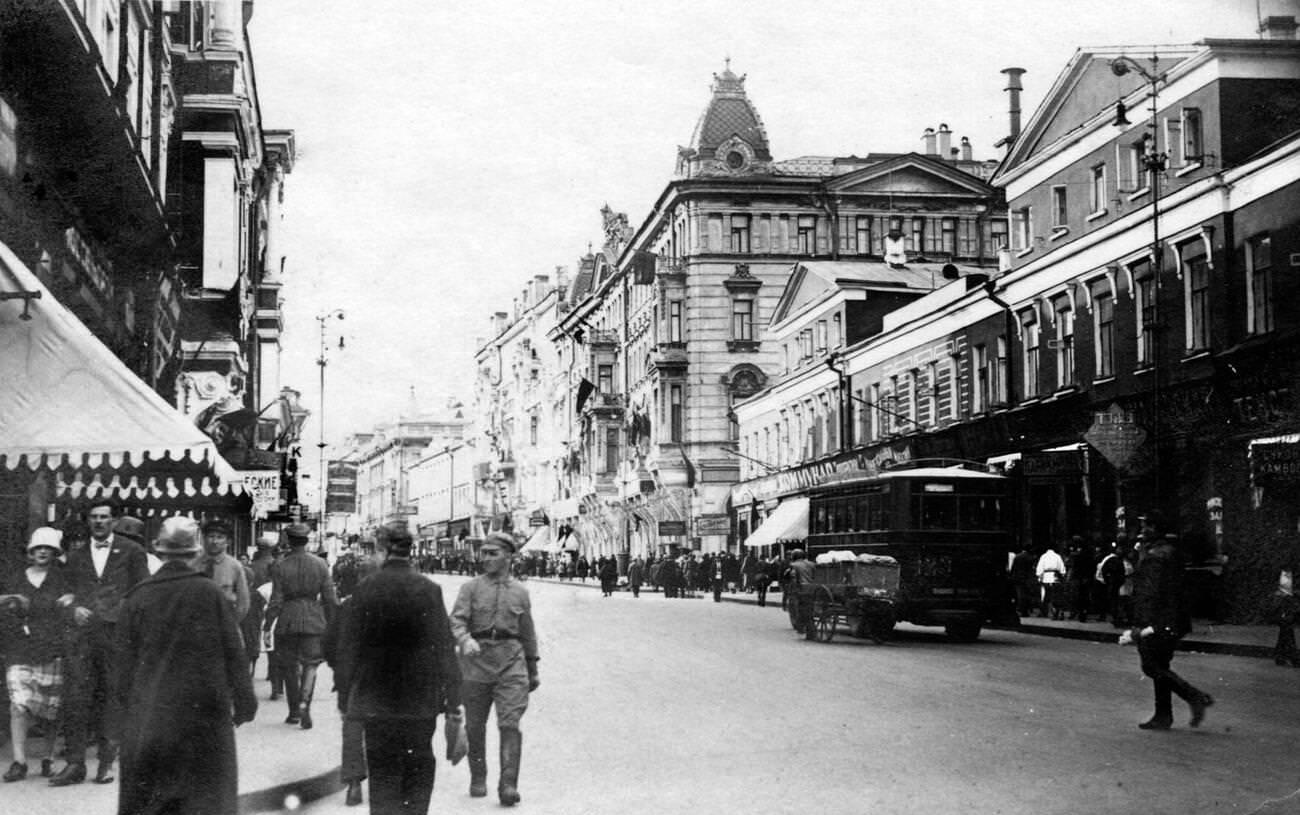
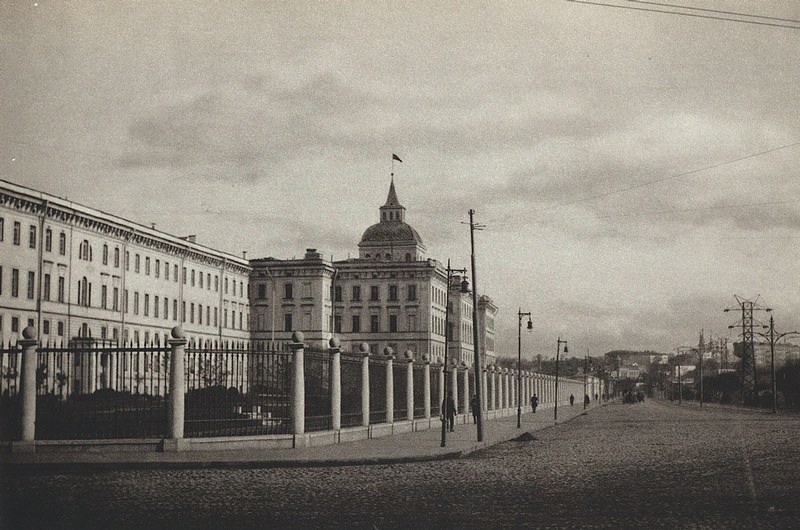
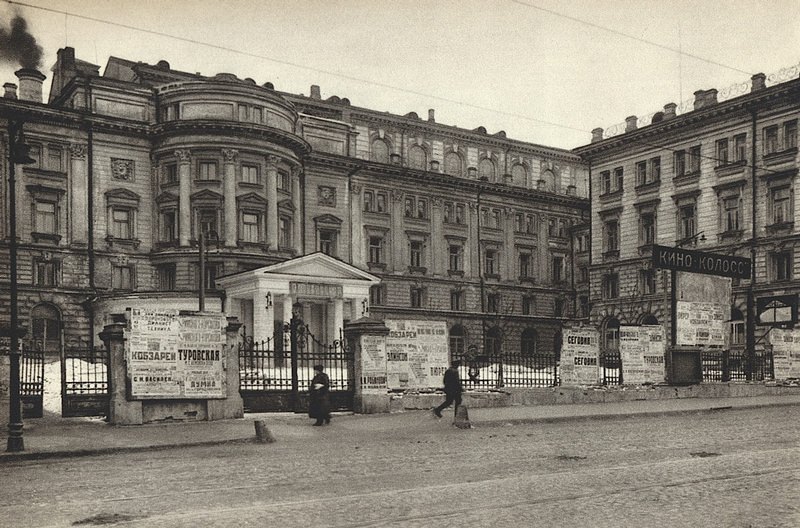
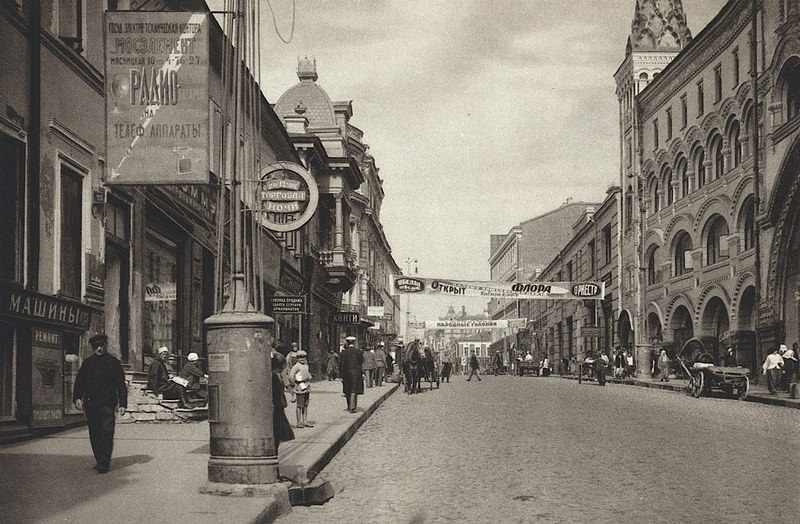
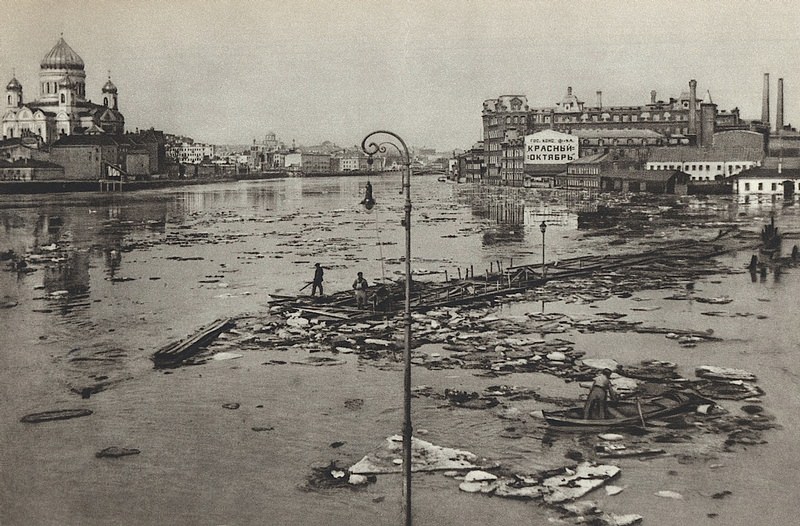
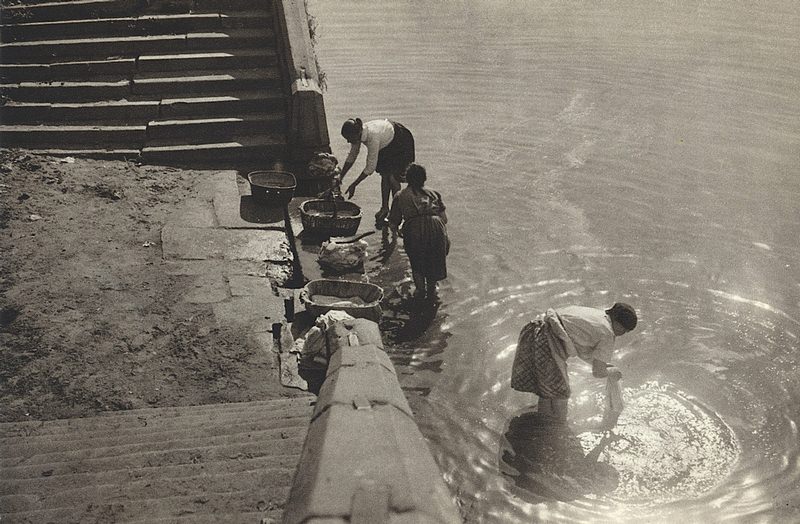
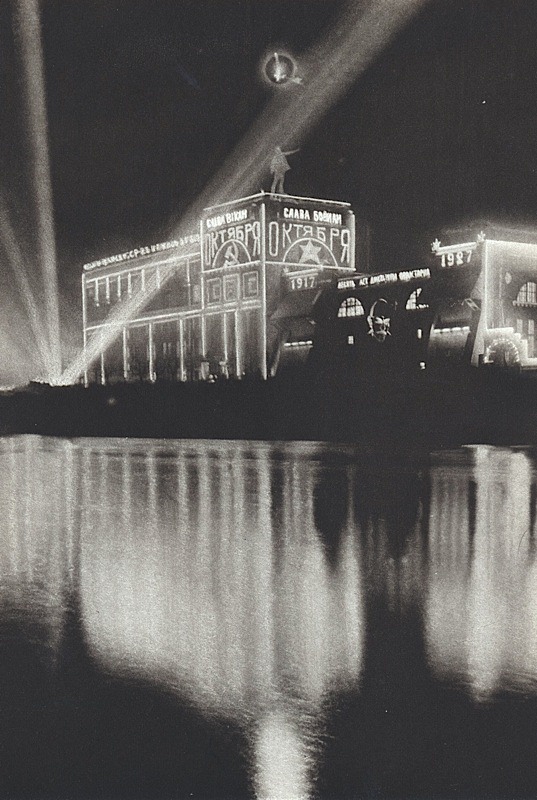
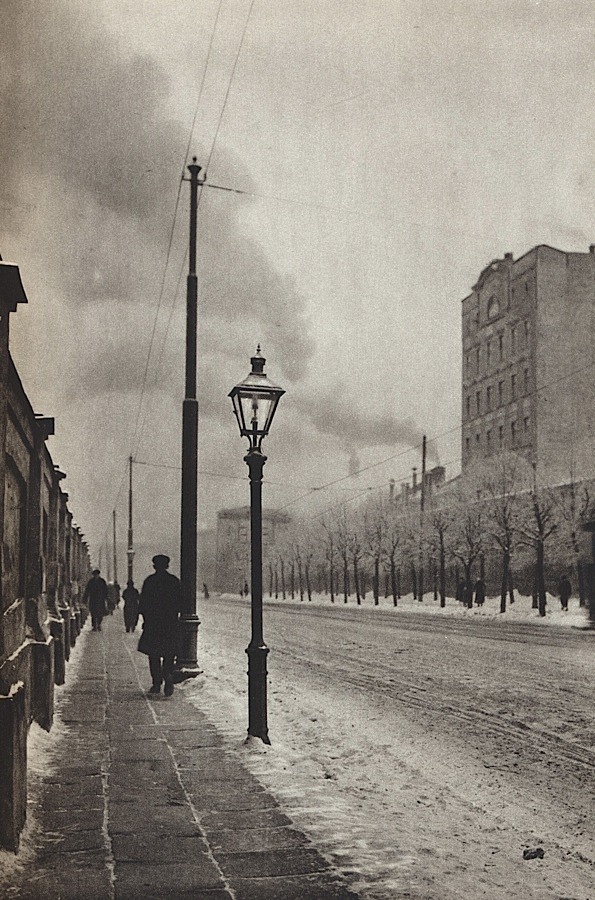
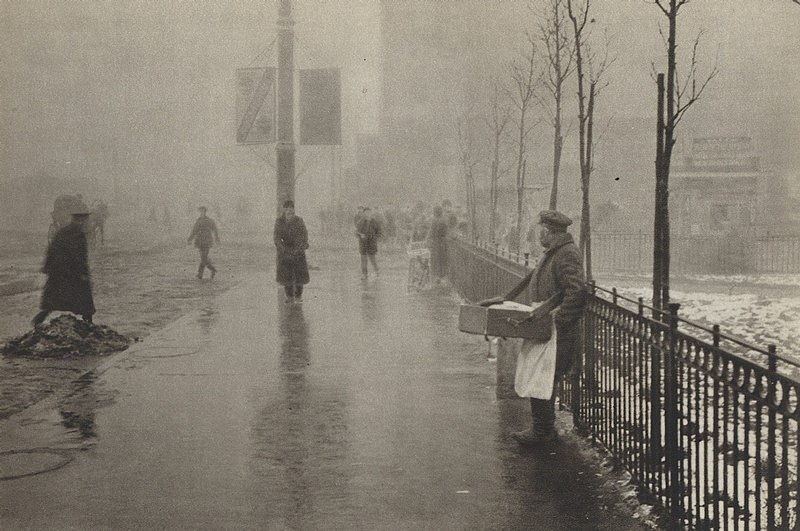
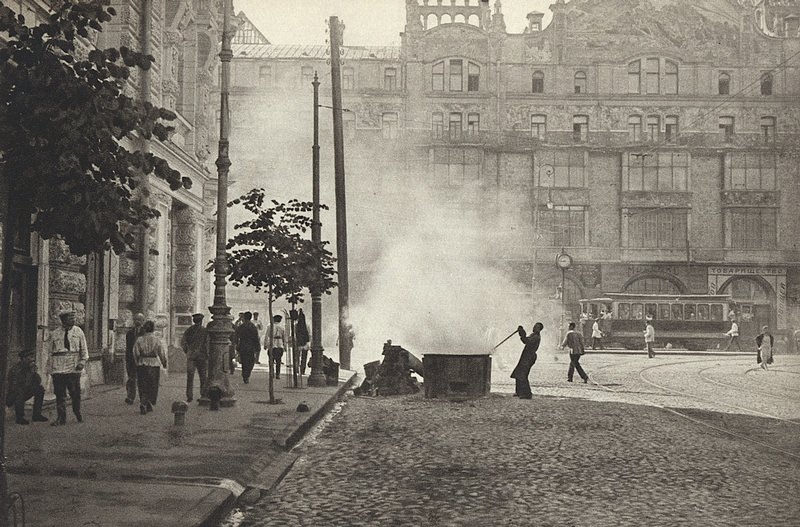
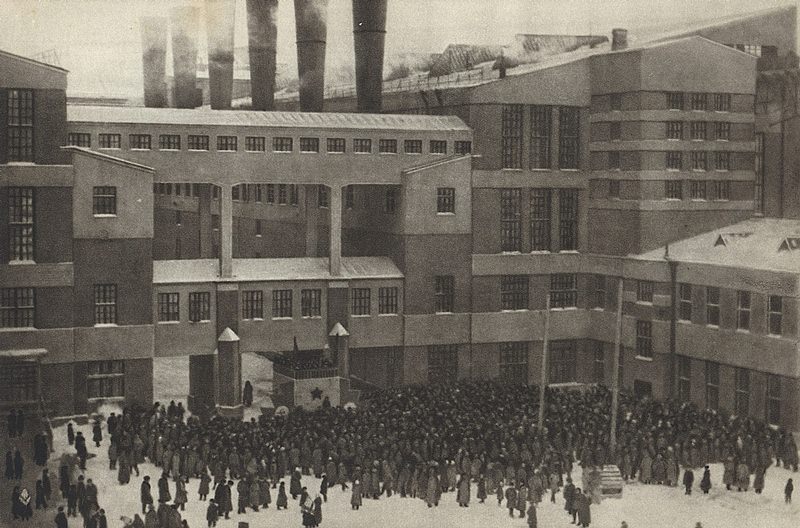
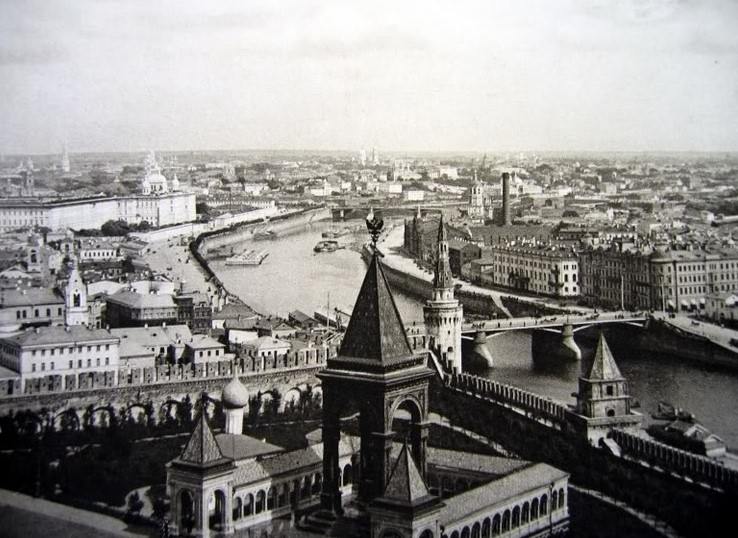
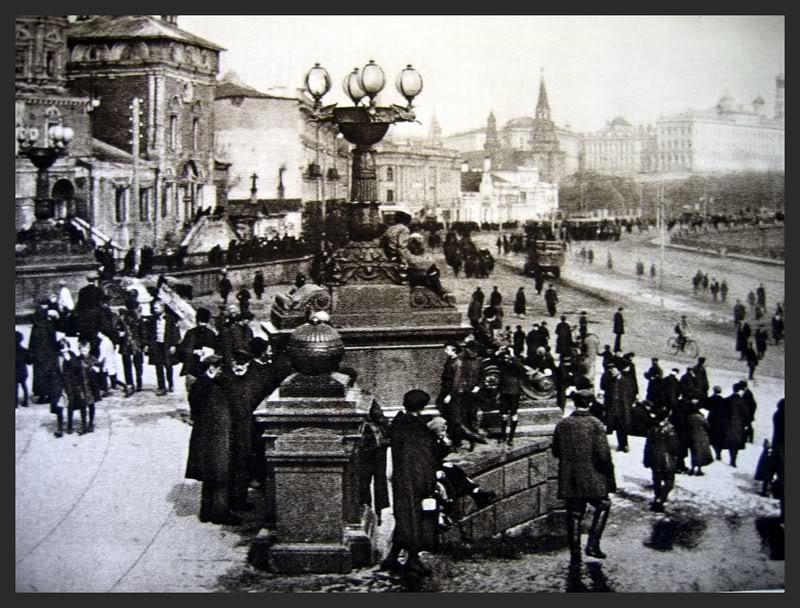
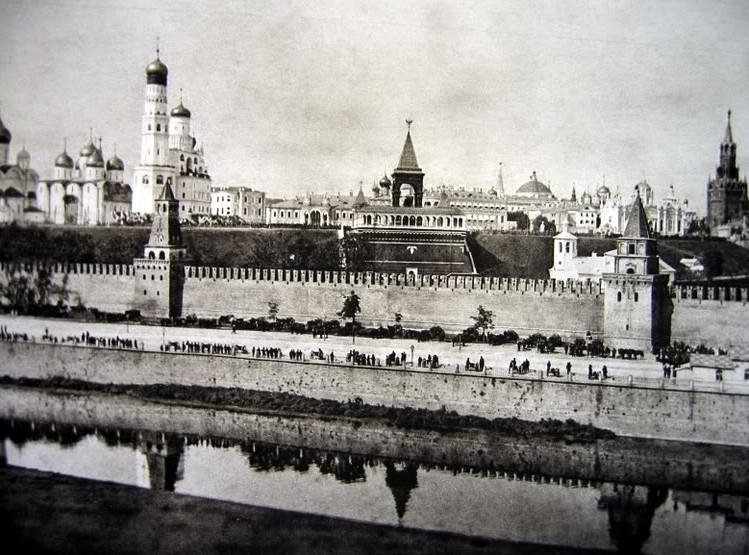
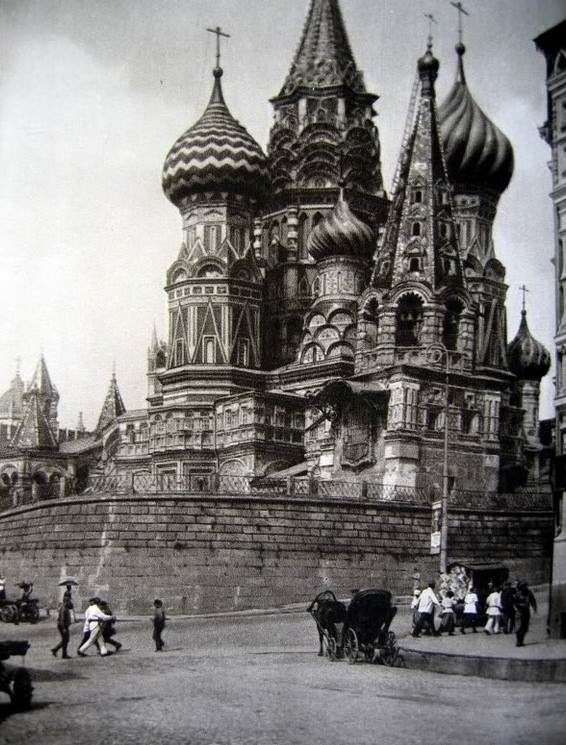
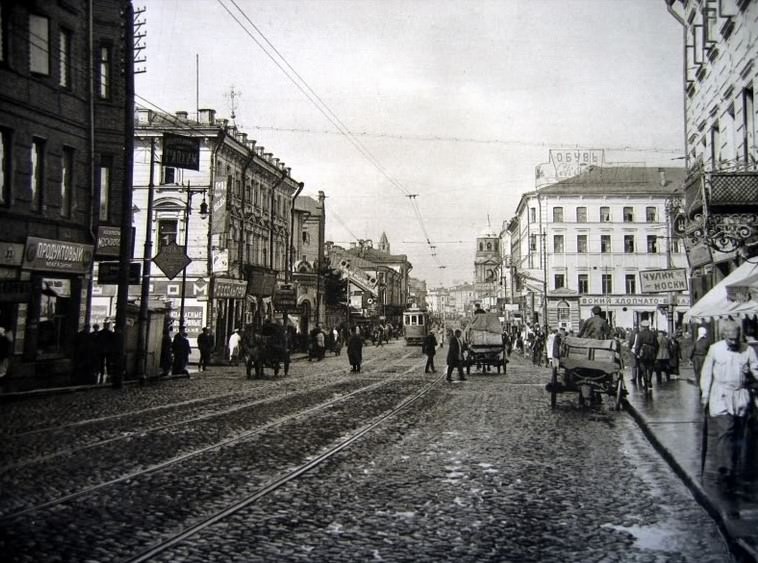
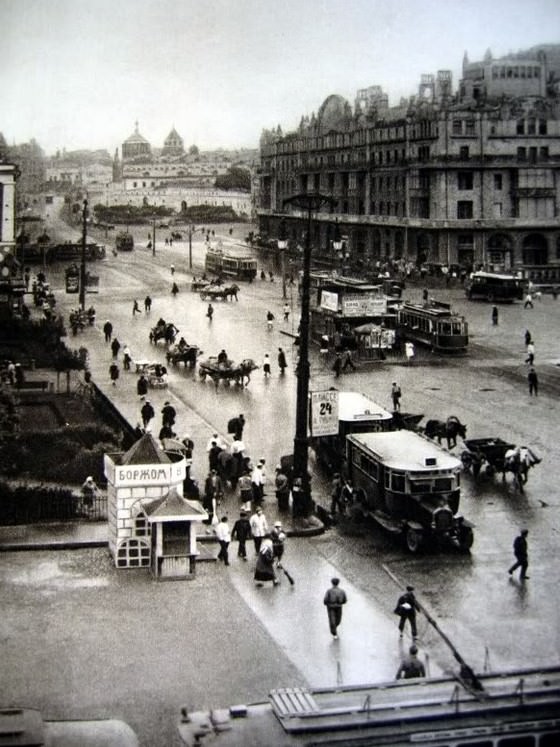
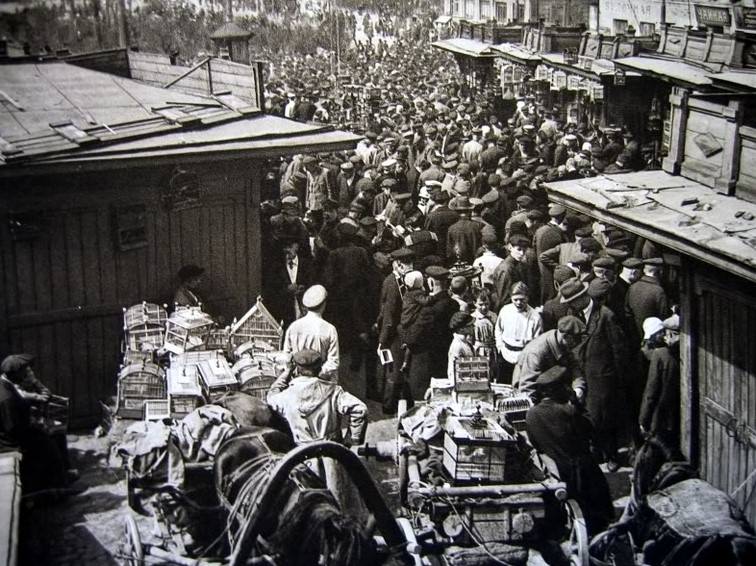
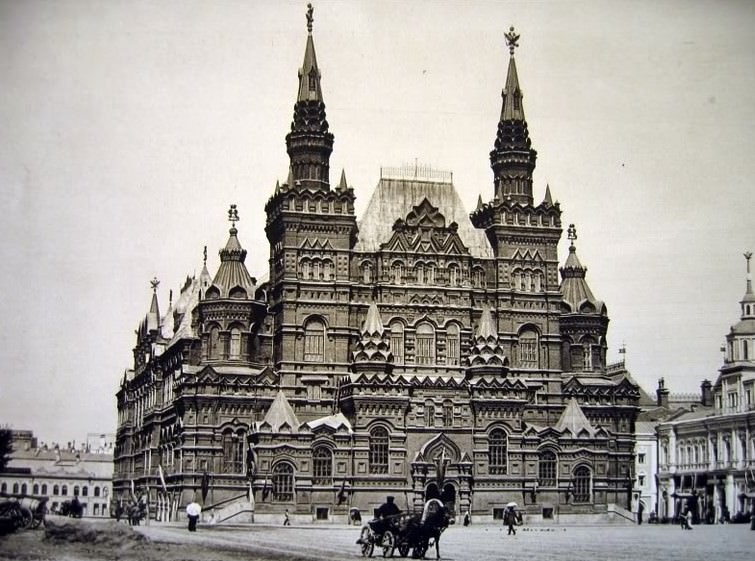
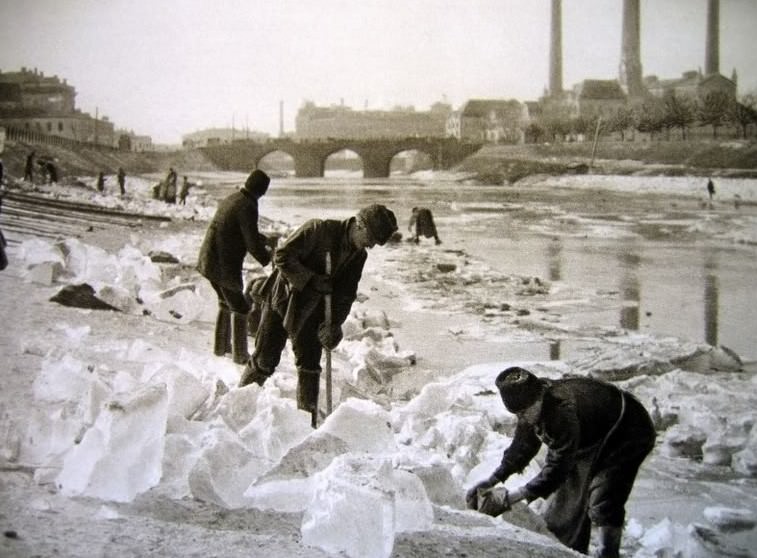
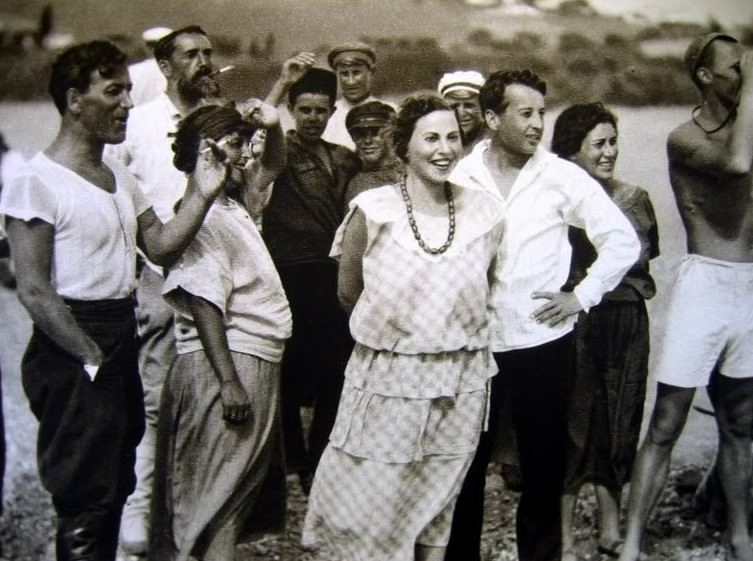
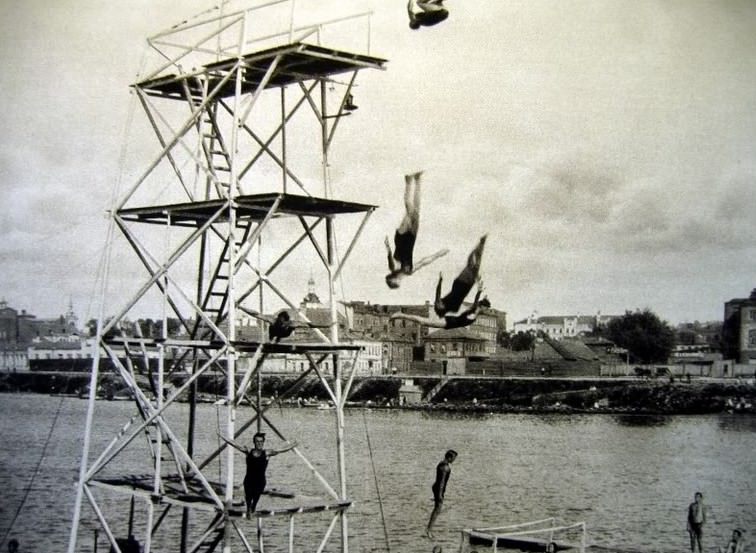
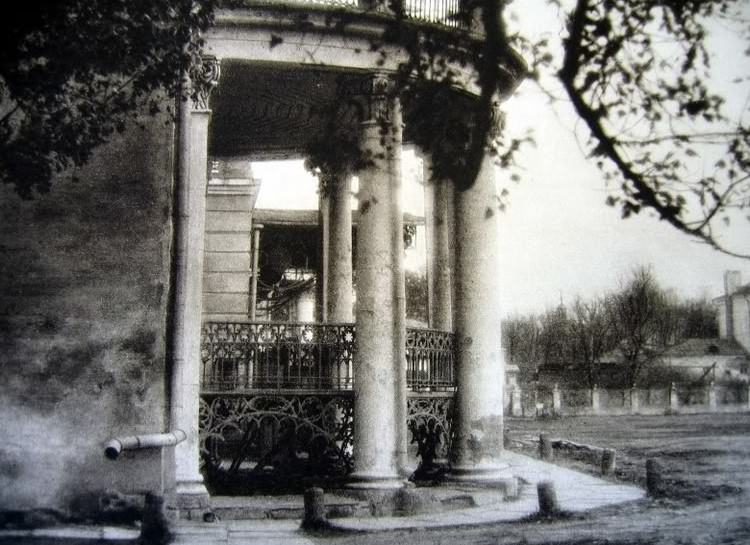
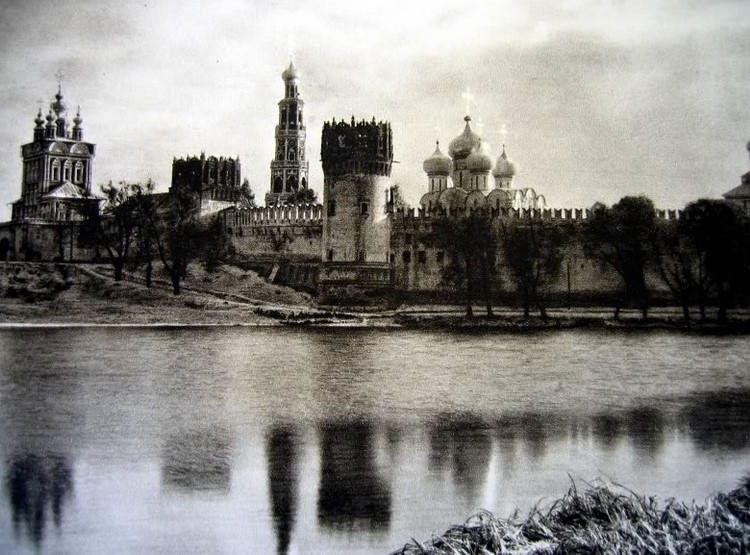
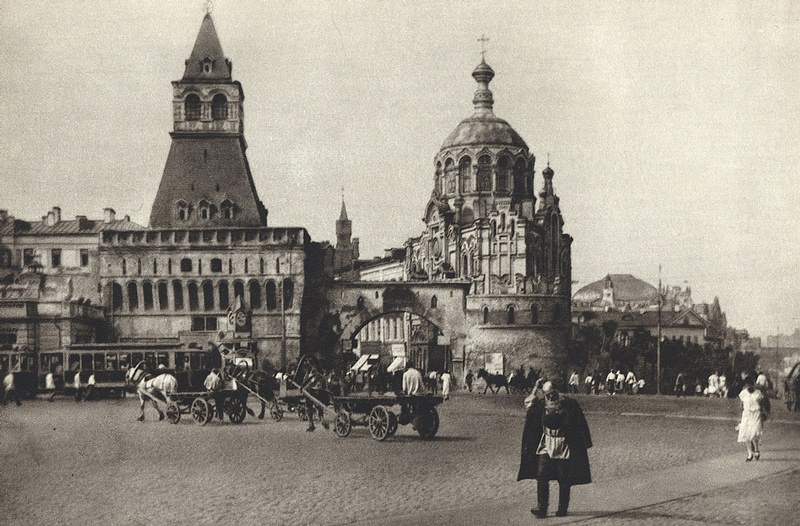
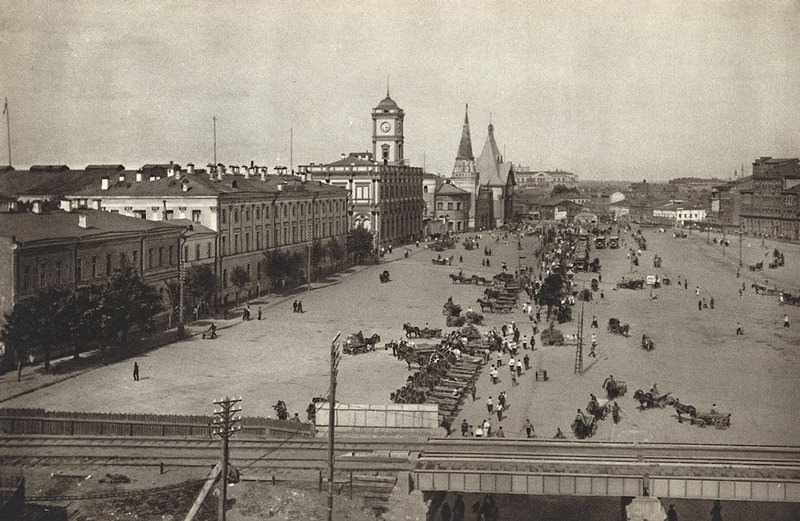
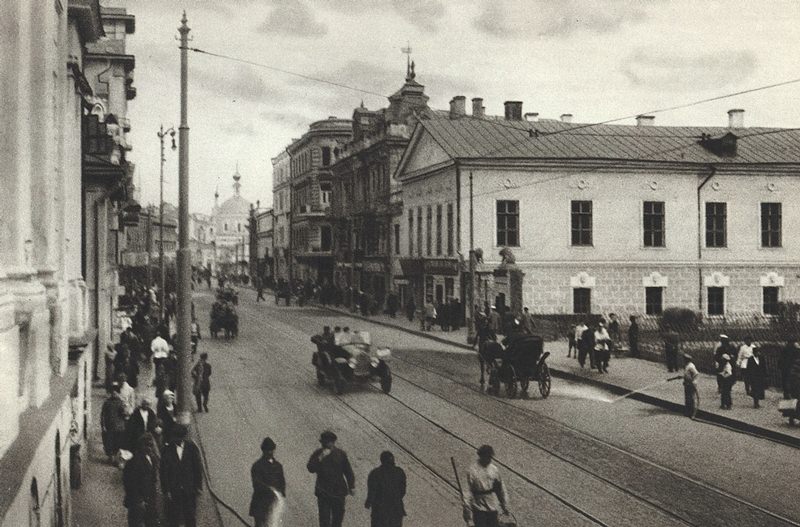
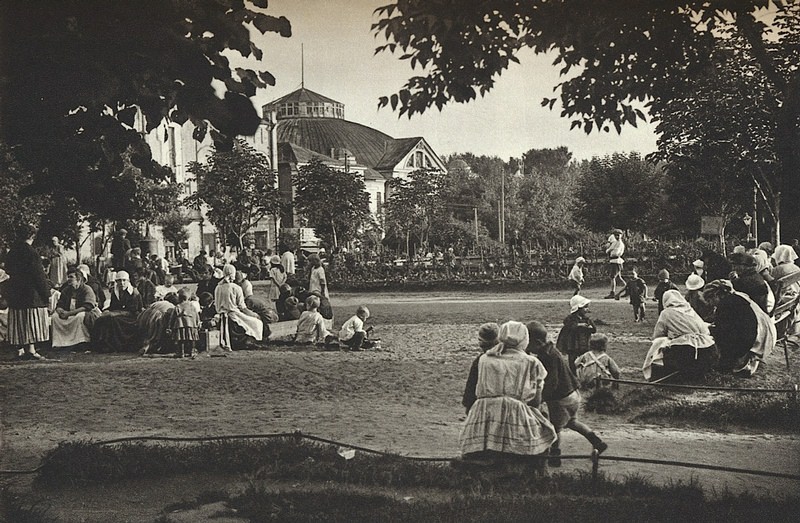
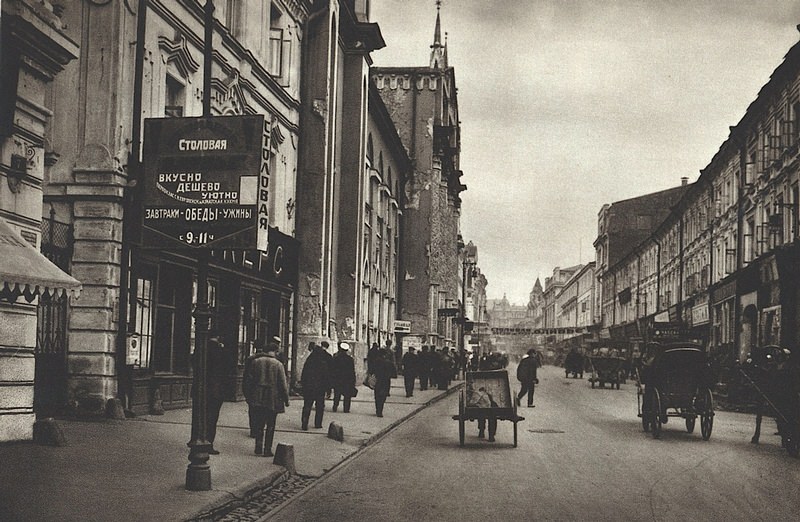
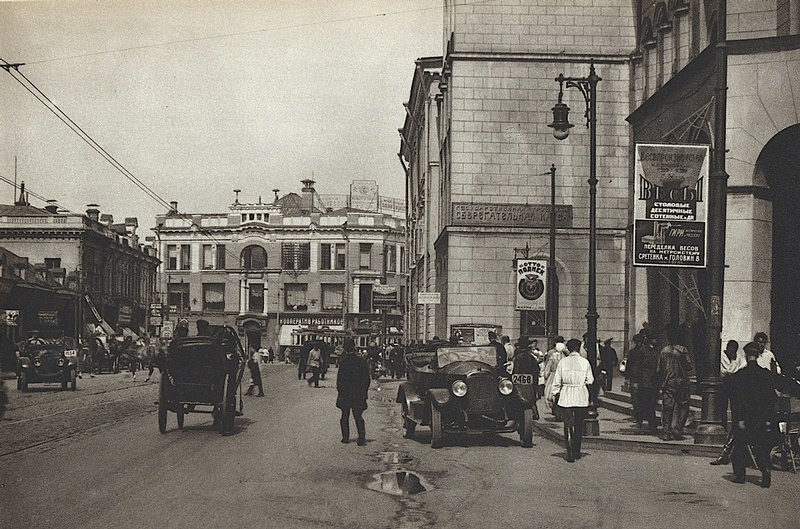
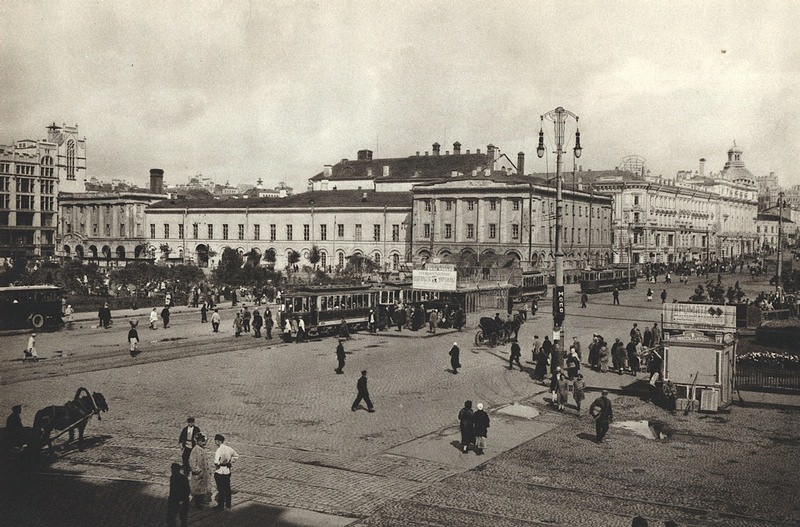
After the Russian Revolution of 1917, Moscow became the capital of the Soviet Union and entered one of the most dramatic decades in its history. The early 1920s were defined by food shortages, overcrowded housing, and an economy still broken by civil war. Yet the city pushed forward, and these rare photographs capture exactly what that looked like on the ground.
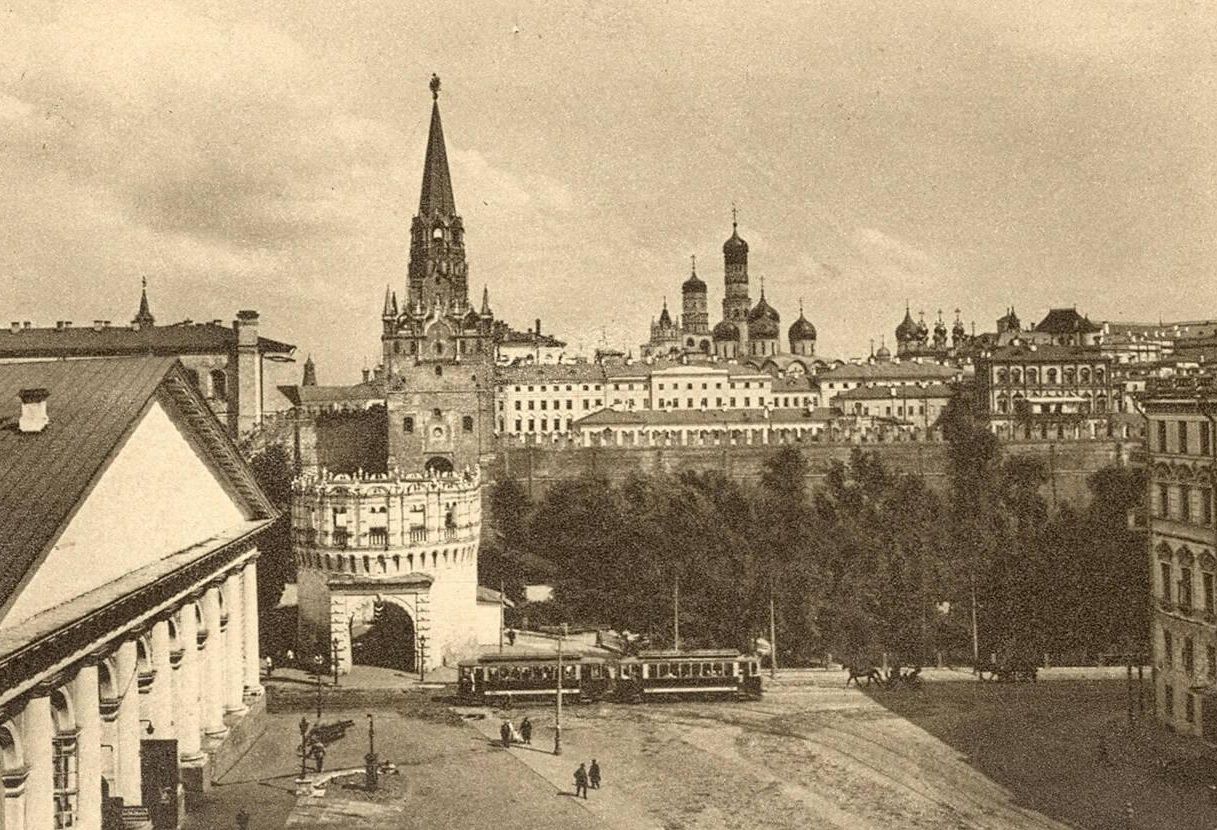
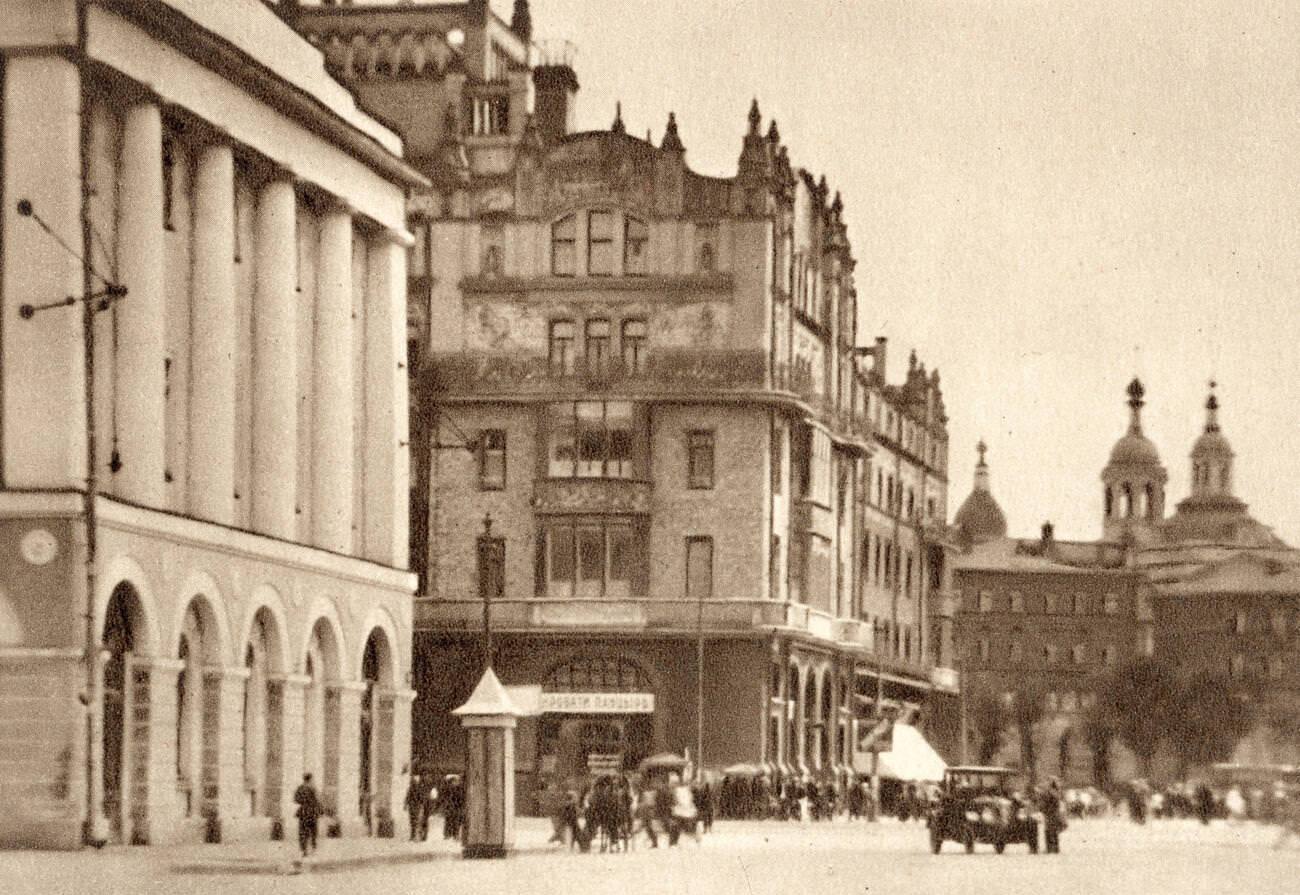
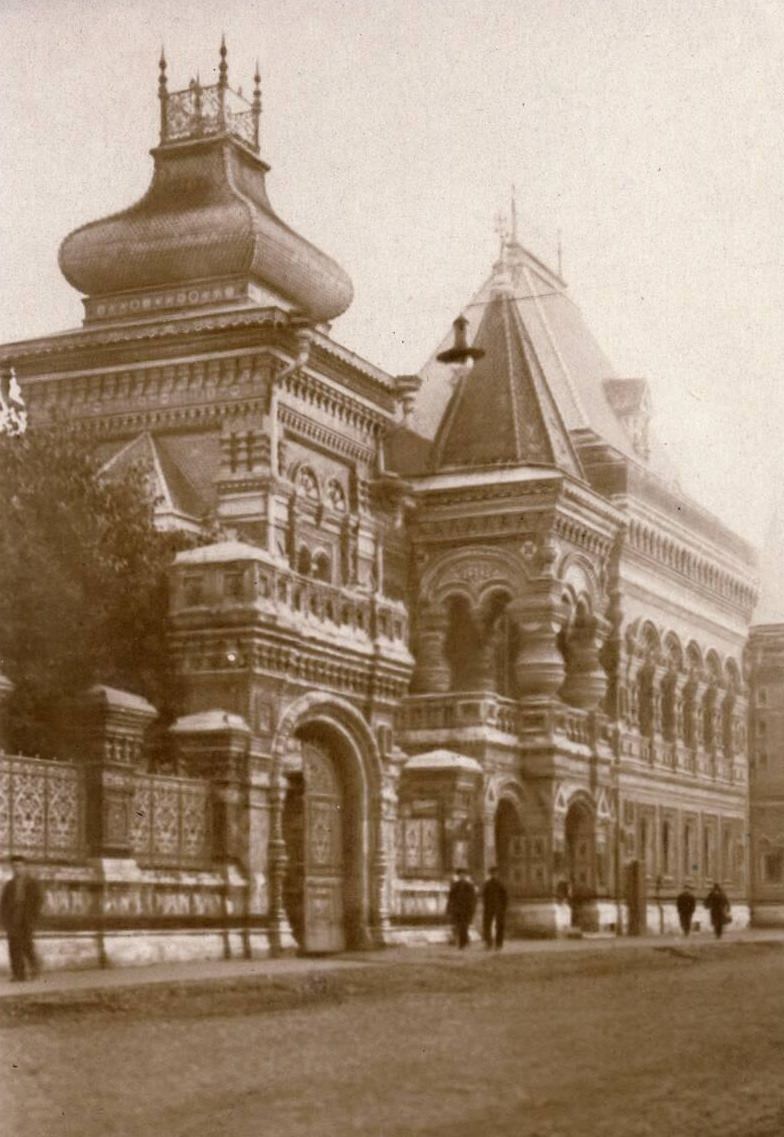
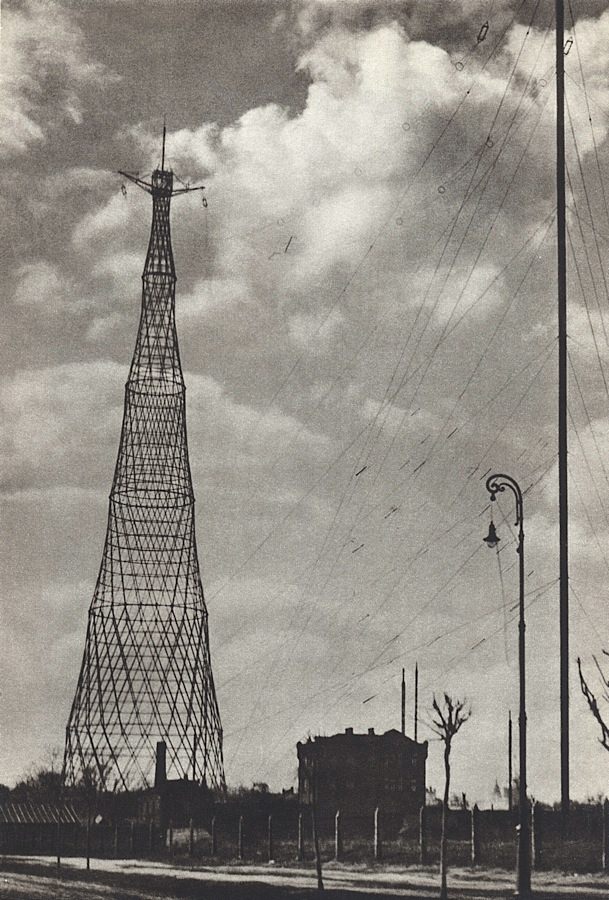
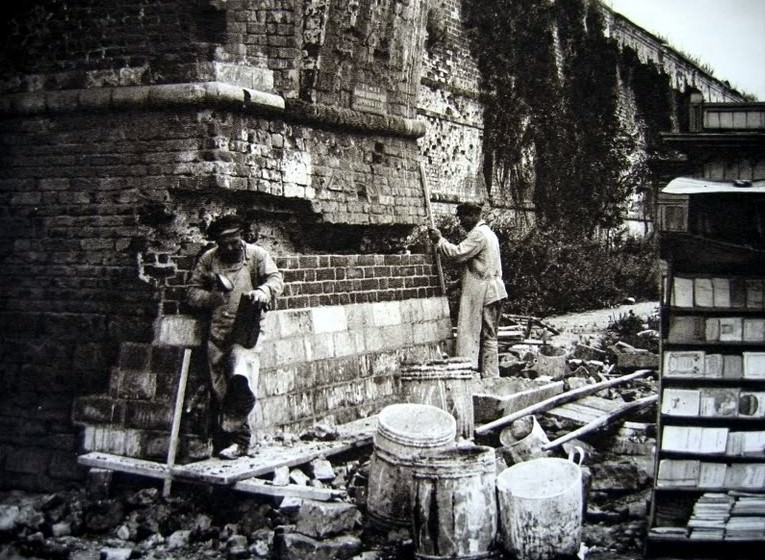
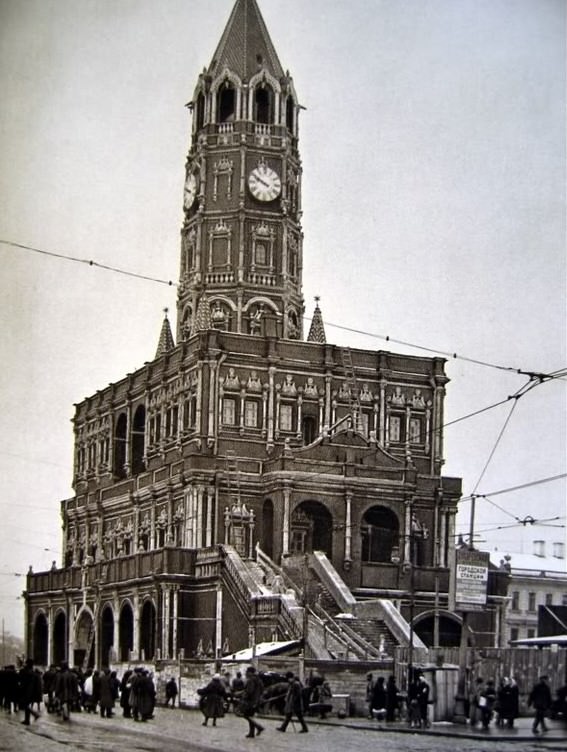
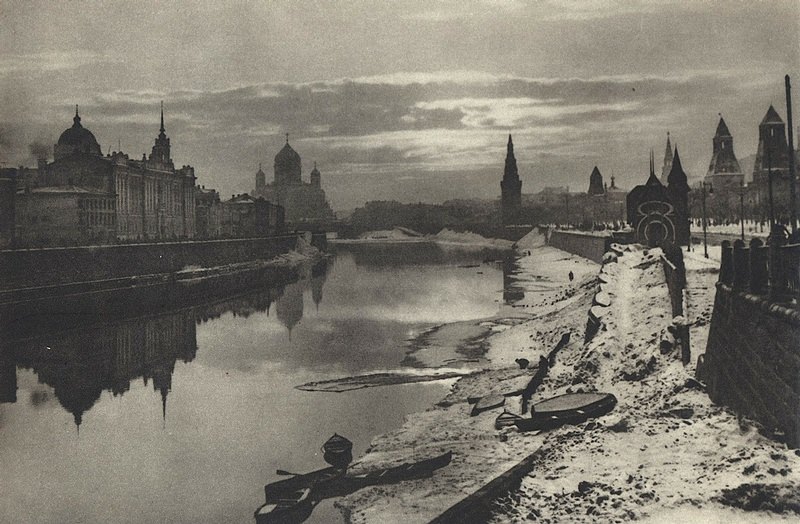
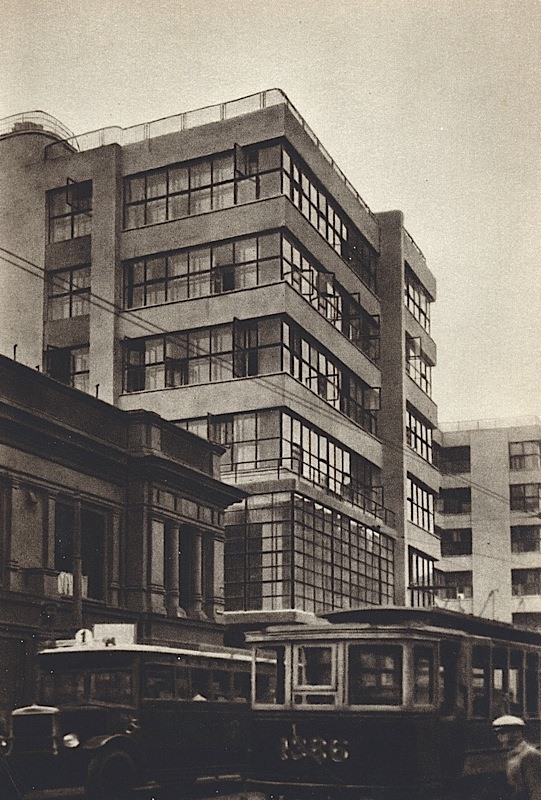
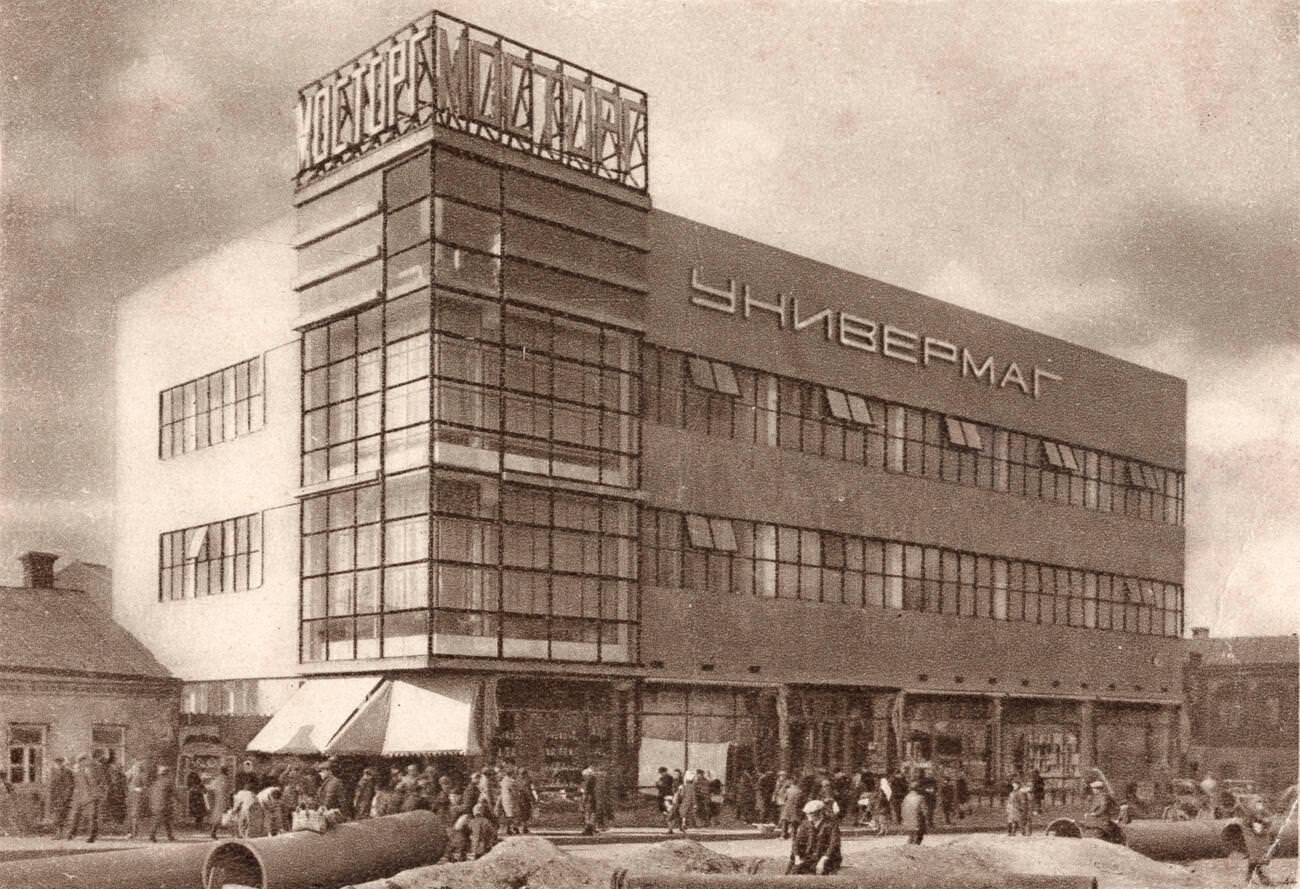
The Kremlin stood as the seat of Soviet power, now home to the Bolshevik government rather than the tsars. Around it, the city’s streets were changing fast. Buildings were being remodeled or replaced to reflect Soviet ideals. Constructivism — an architectural style that valued function over decoration — shaped new structures designed to serve workers rather than impress elites.
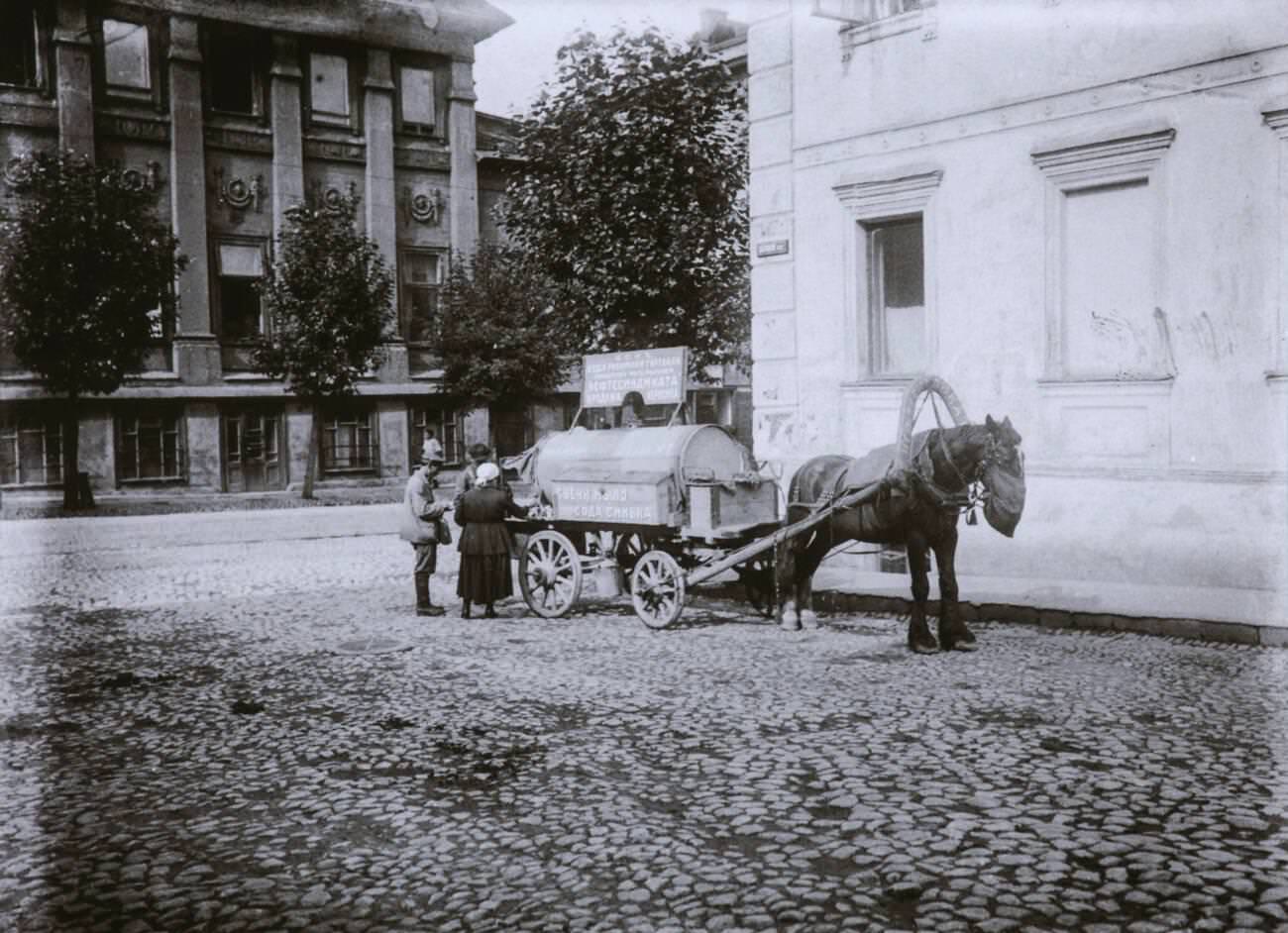
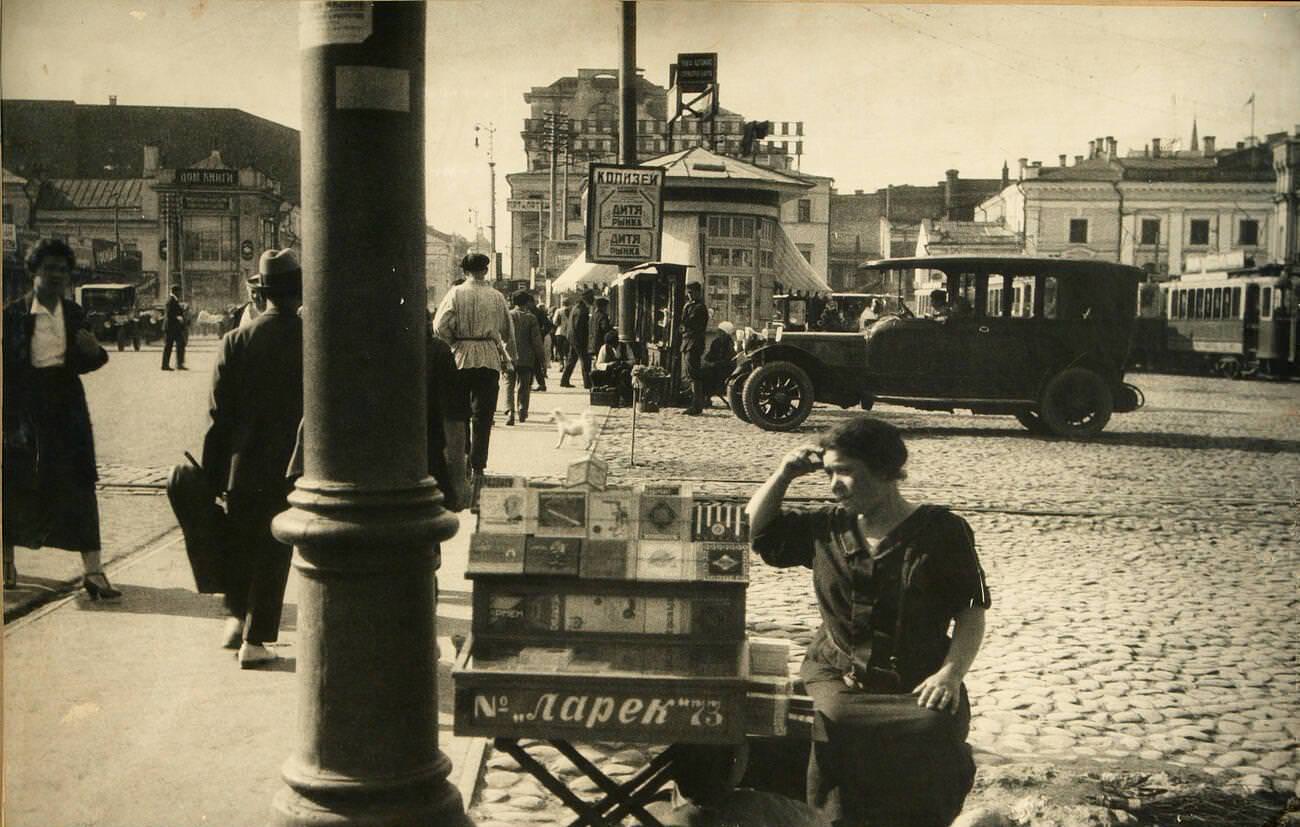
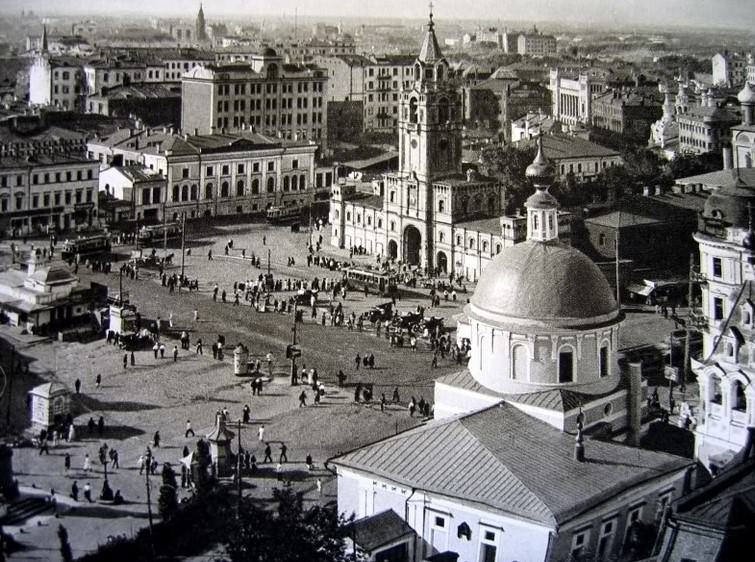
In 1921, the government launched the New Economic Policy (NEP), which allowed small private businesses to operate again. Small shops and open markets returned to Moscow’s streets, and farmers were permitted to sell produce for profit. The NEP brought a degree of stability, though it also widened the gap between those who benefited and those who did not.
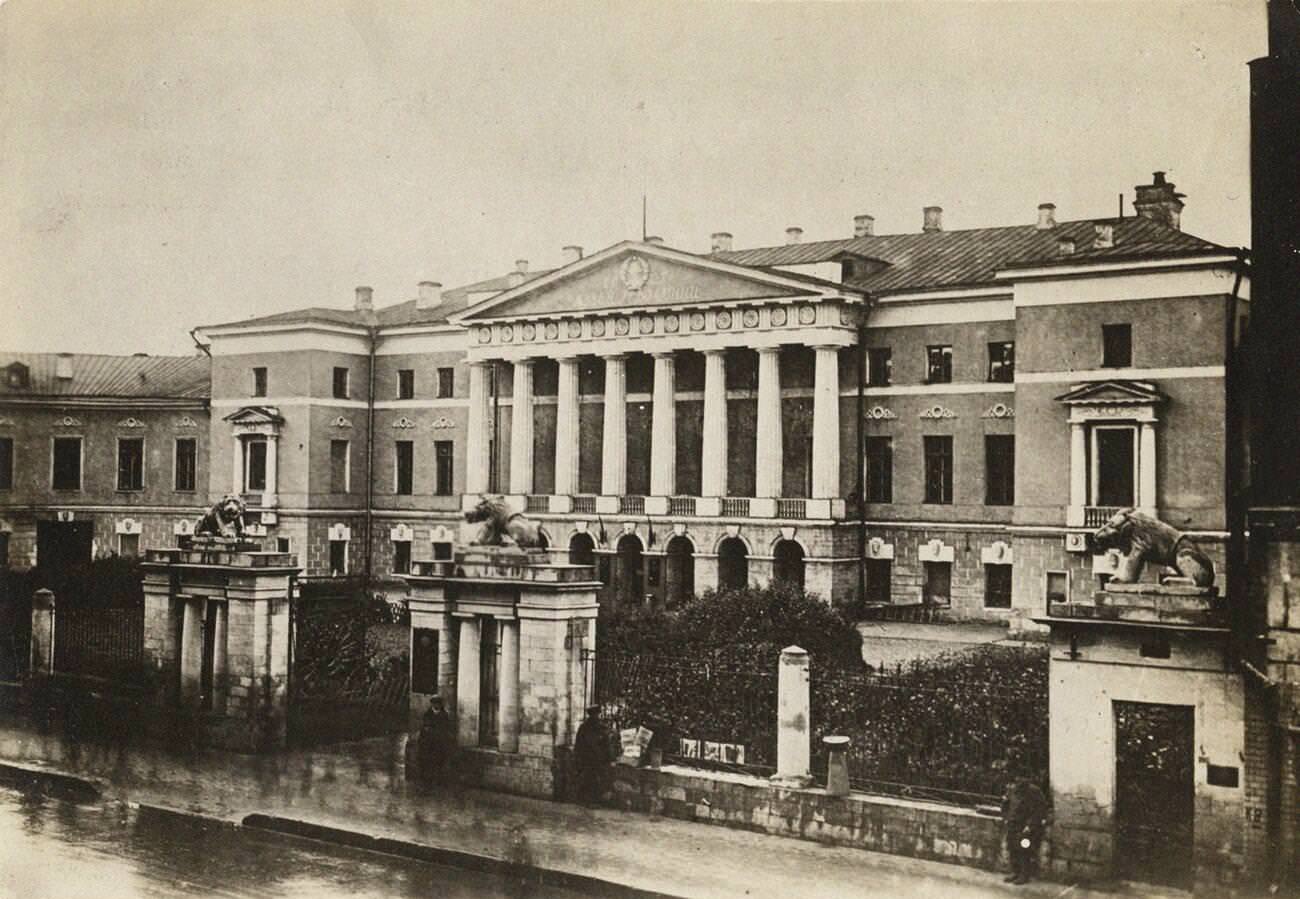
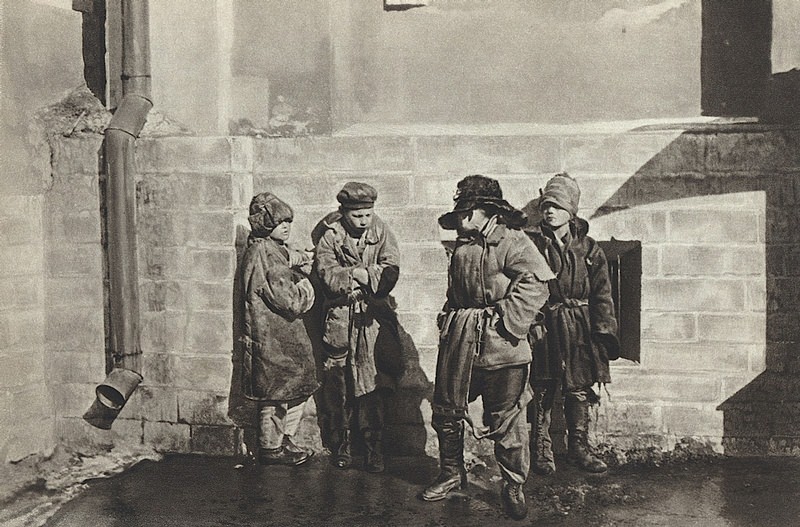
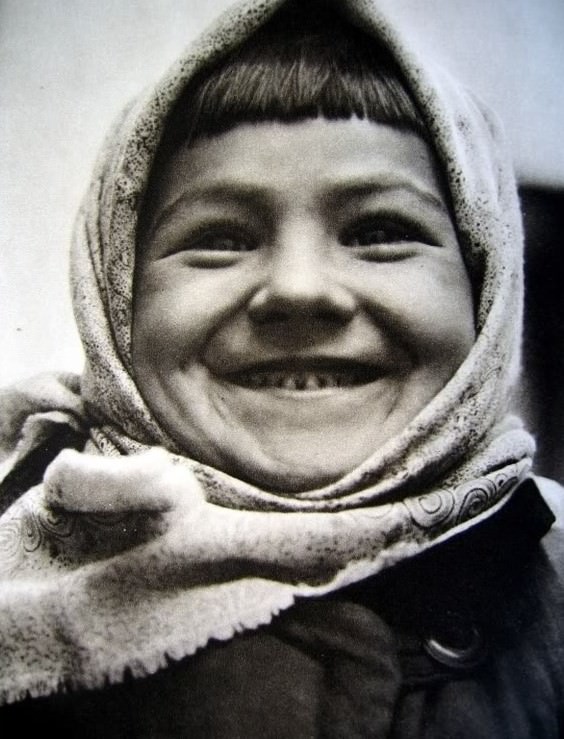
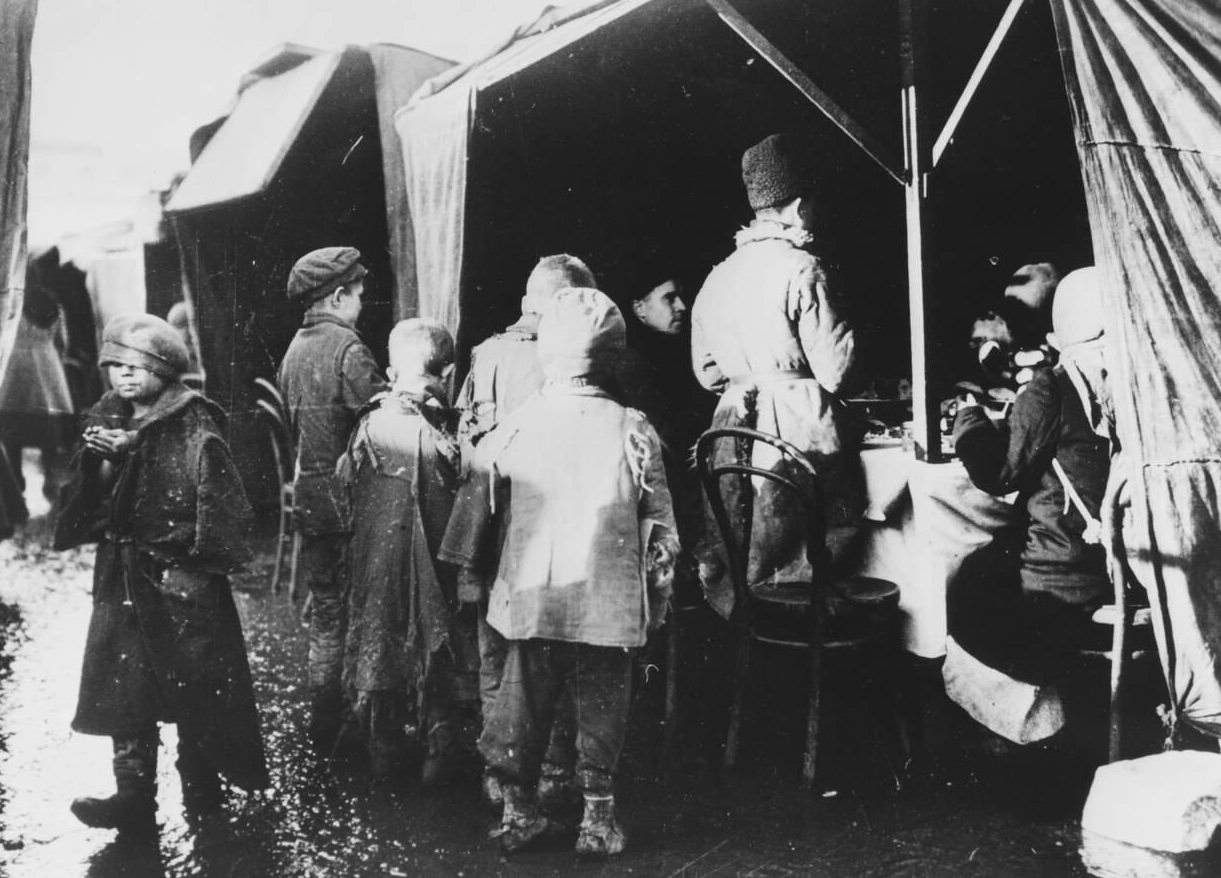
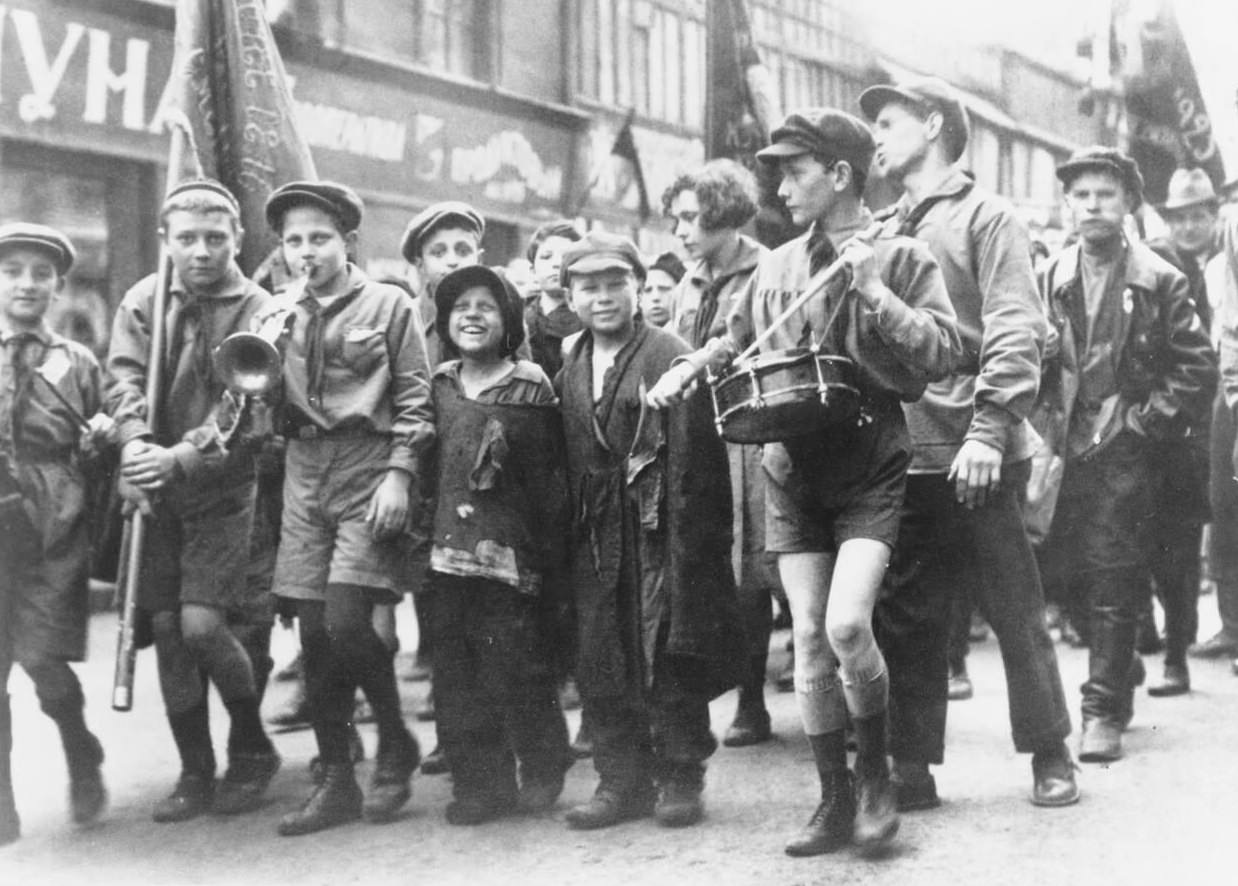
Not everyone in Moscow shared in any recovery. Street children — known as besprizorniki — were a visible consequence of years of war and instability. Thousands roamed the city without homes or families.
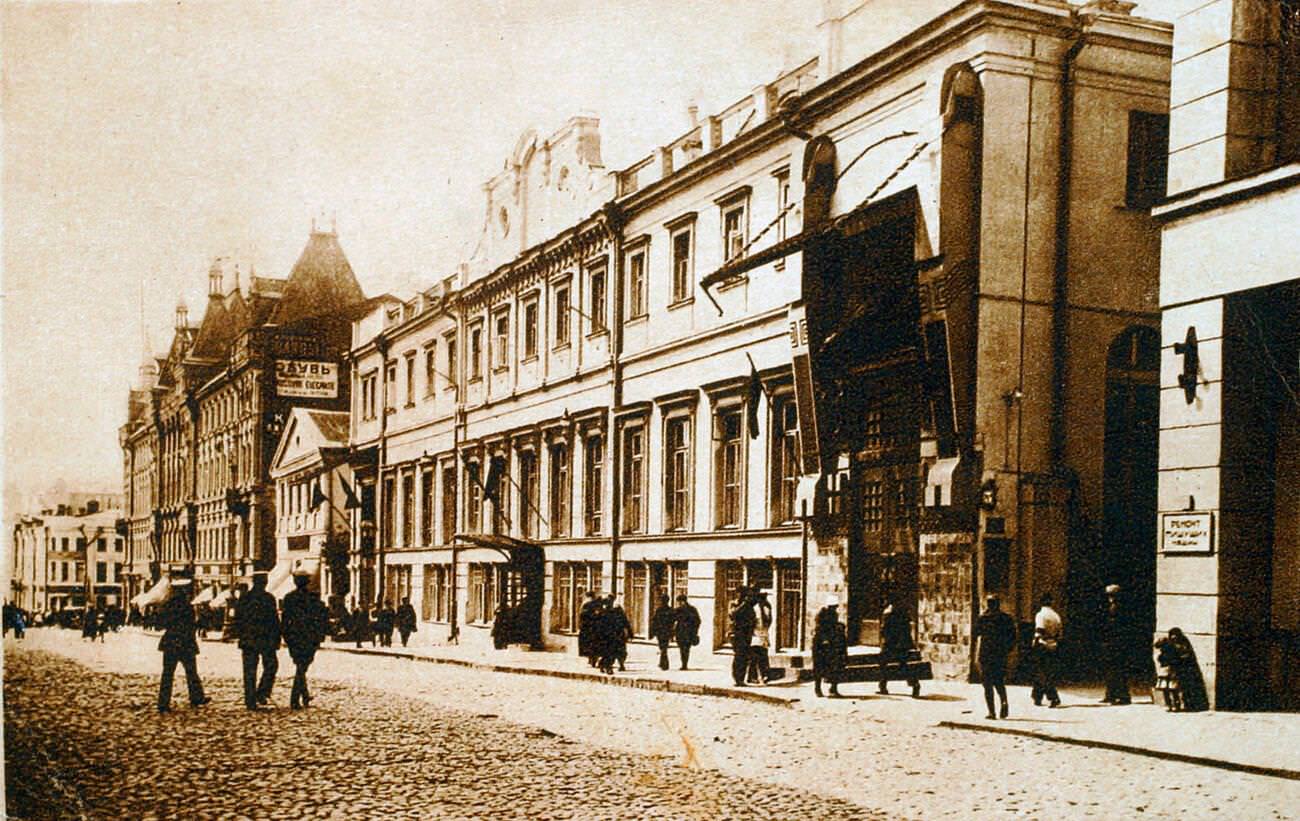
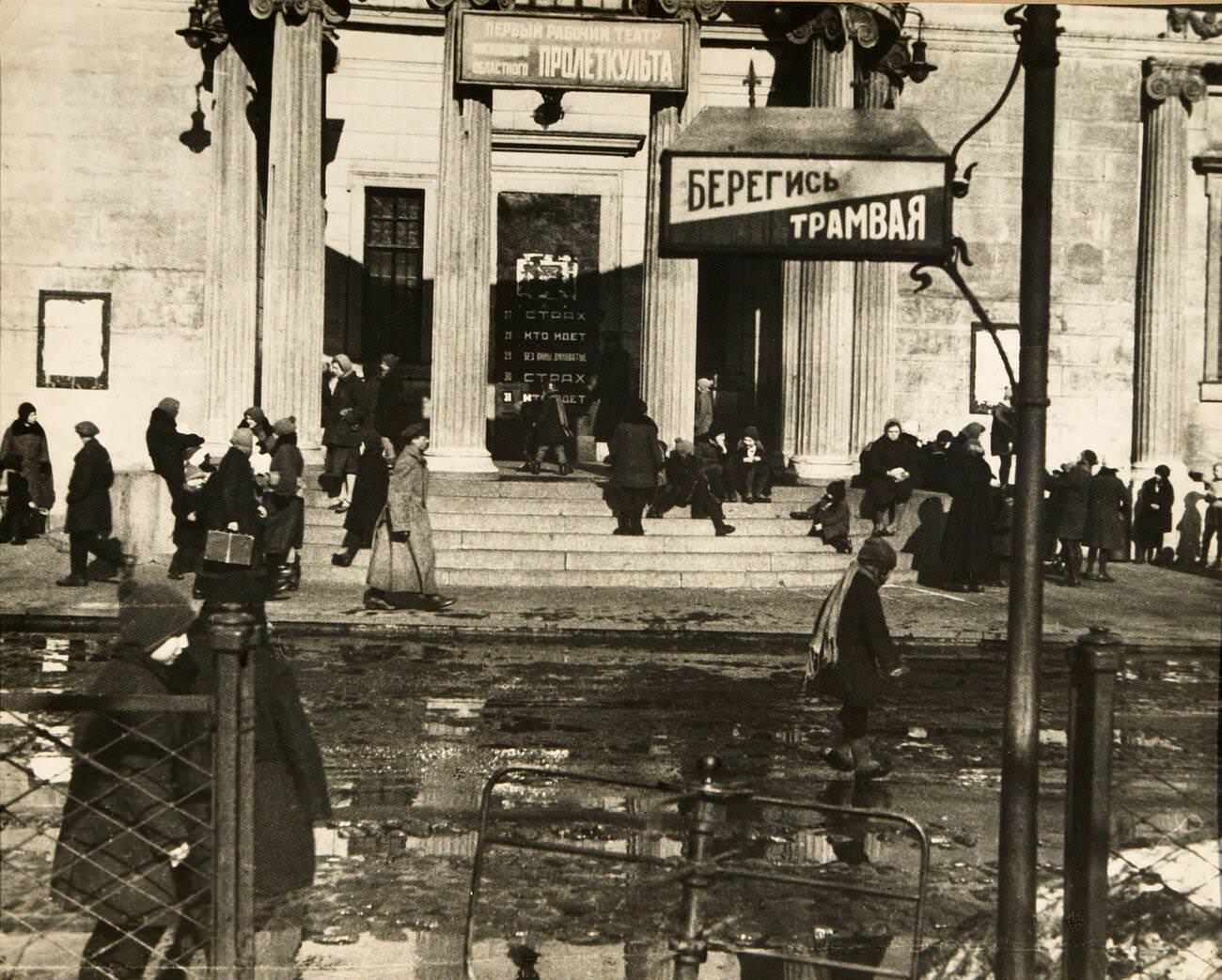
Despite the hardships, the arts were very much alive. The Soviet government actively funded cultural production as a way to spread its message. The Moscow Art Theatre remained a major cultural institution, staging plays that reflected the new social order. Avant-garde artists, writers, and musicians experimented boldly, producing work that broke from tsarist-era traditions.
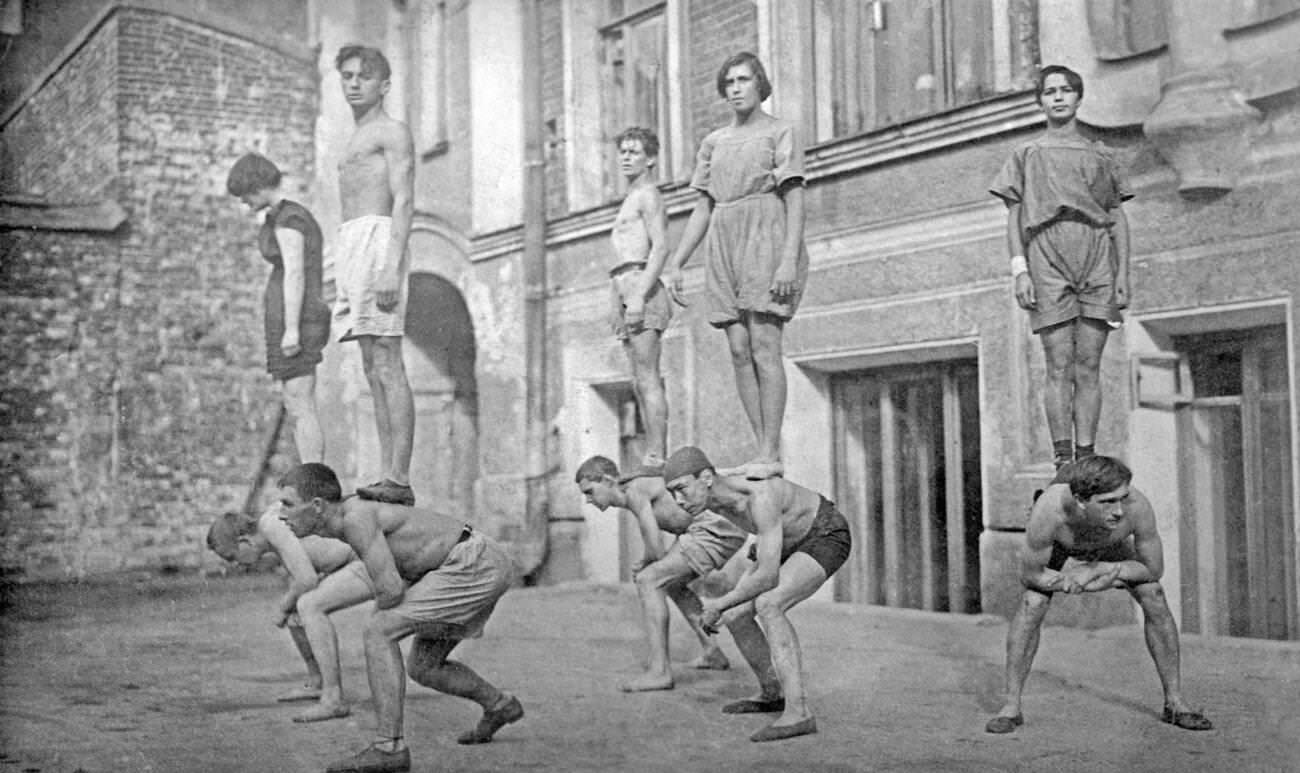
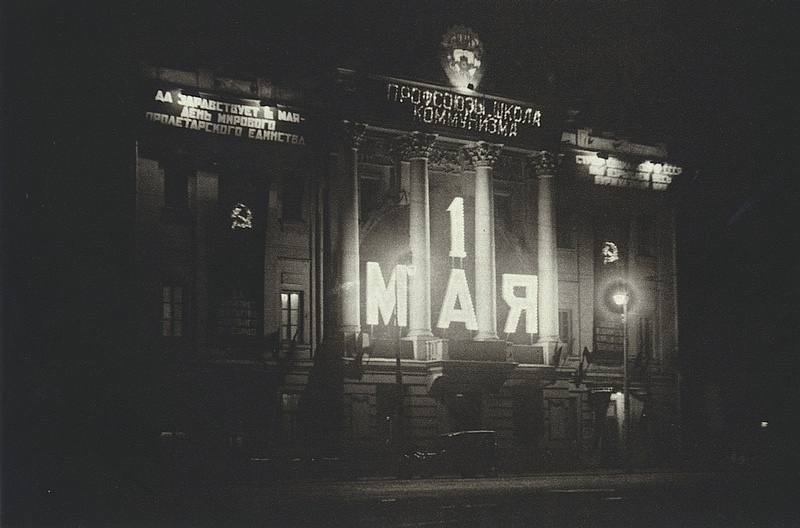
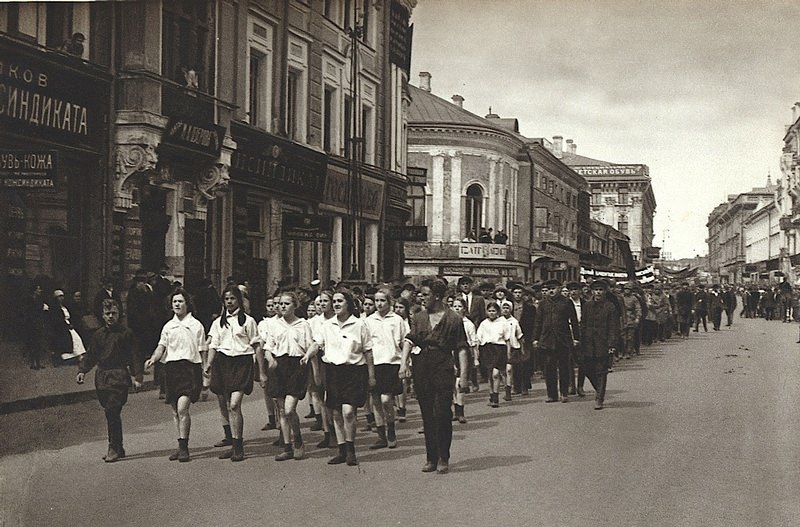
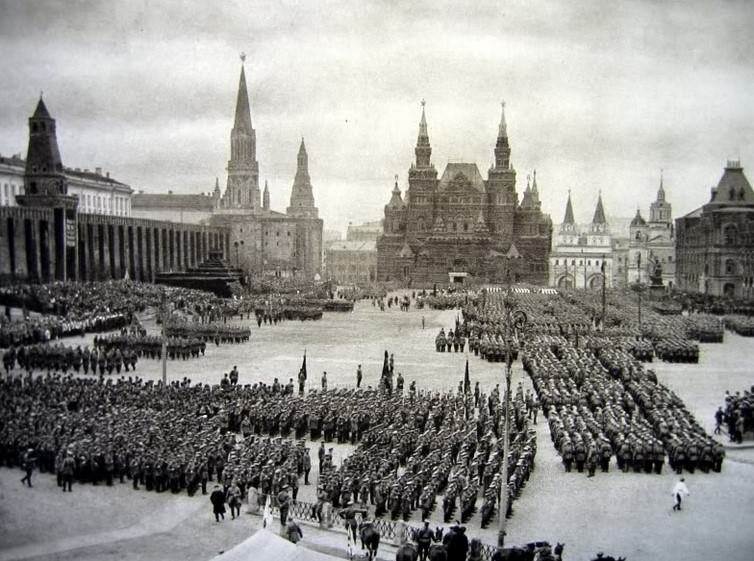
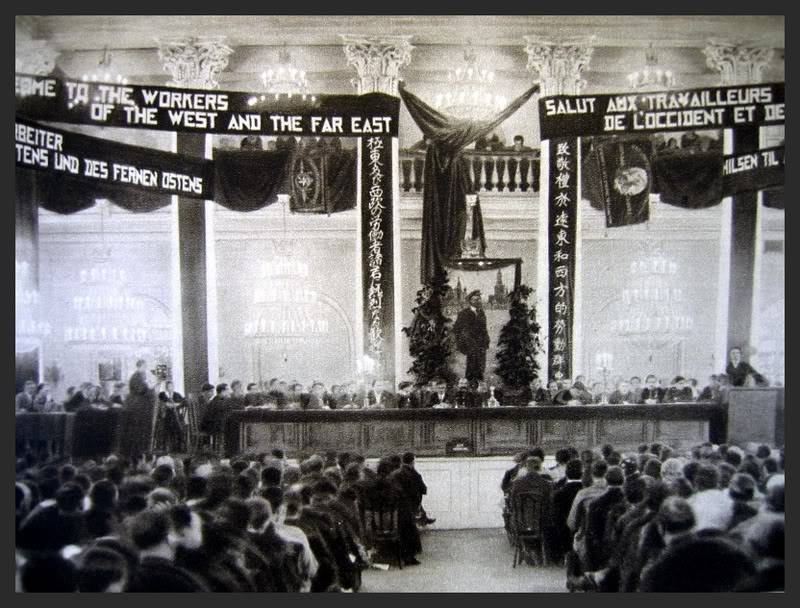
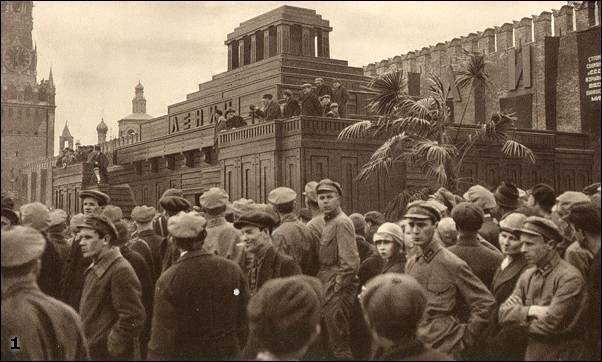
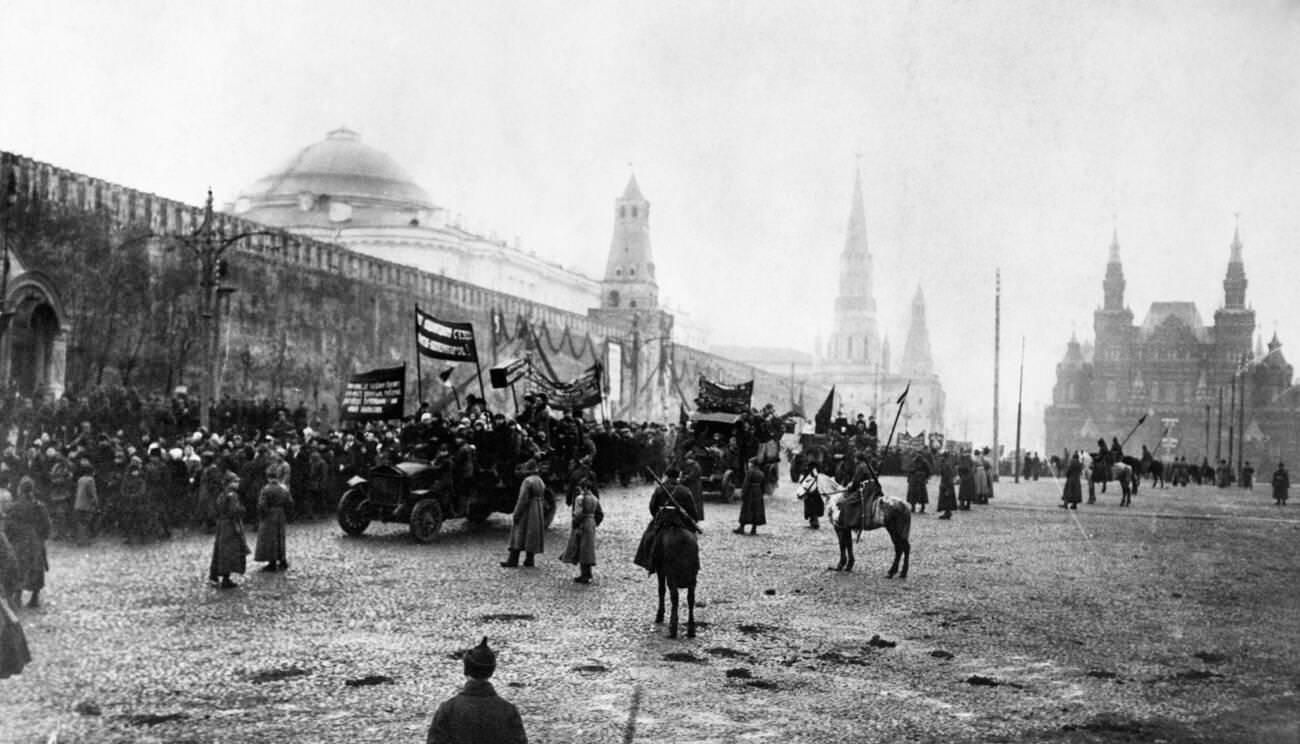
The Communist Party used public spaces to reinforce its authority. May Day parades and rally demonstrations filled Red Square regularly, drawing massive crowds. Propaganda posters, films, and public events all served to build loyalty to the party and cement its grip on the city.
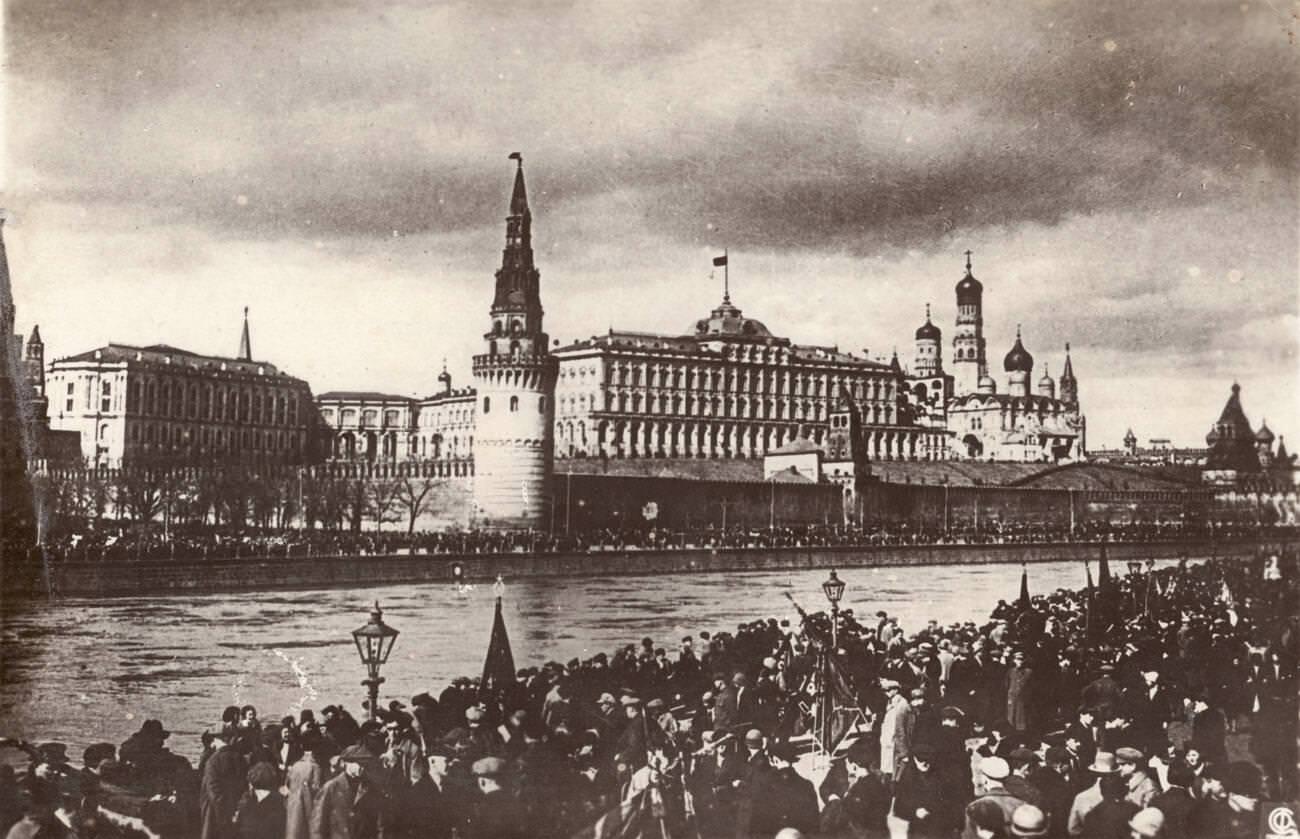
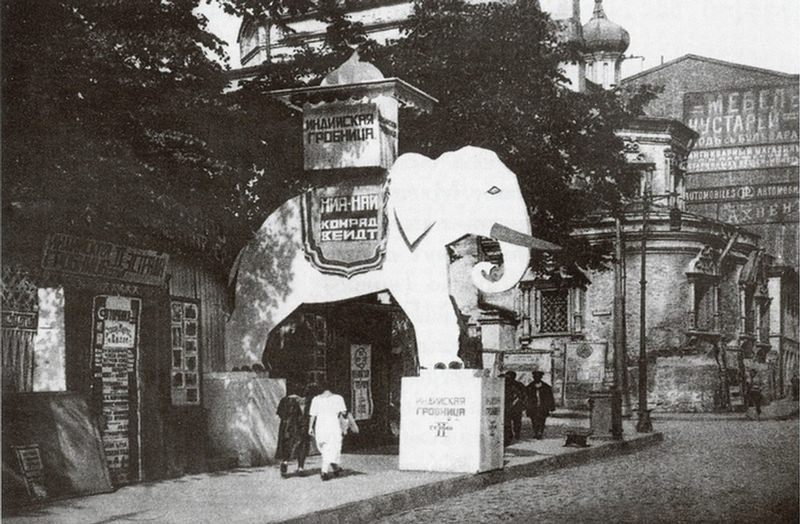
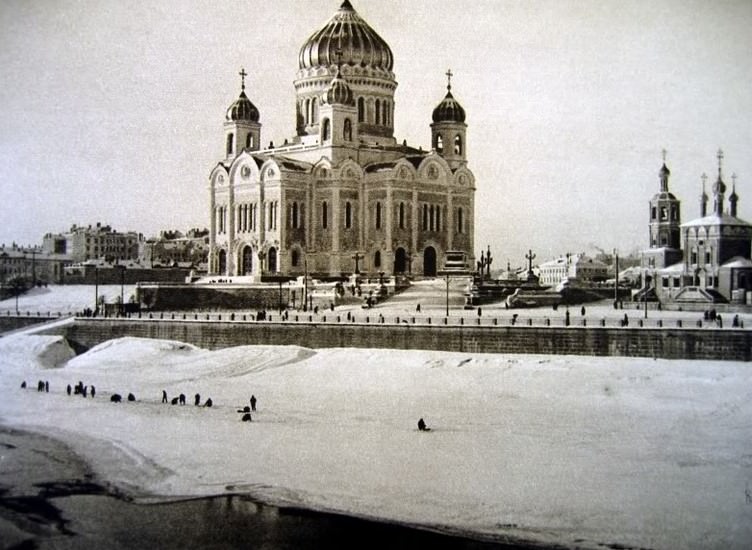
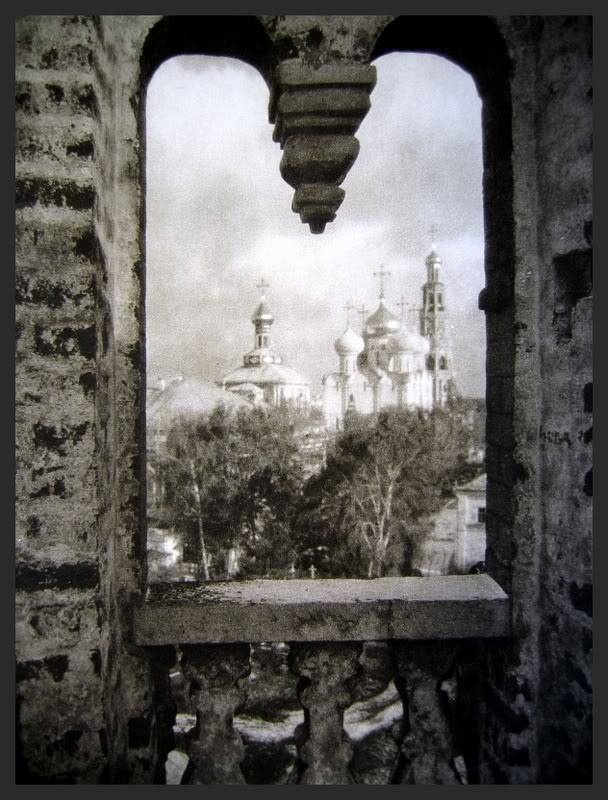
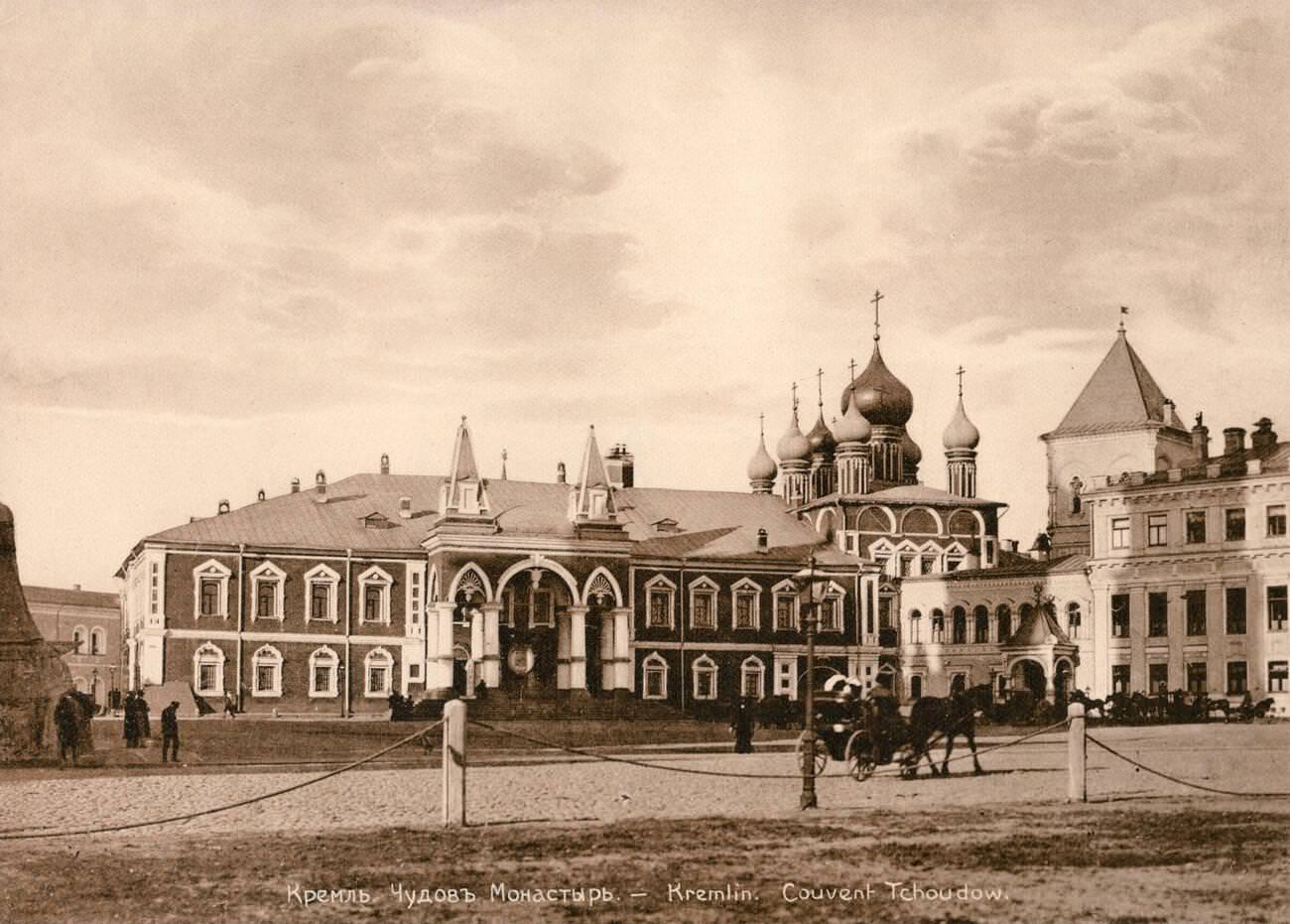
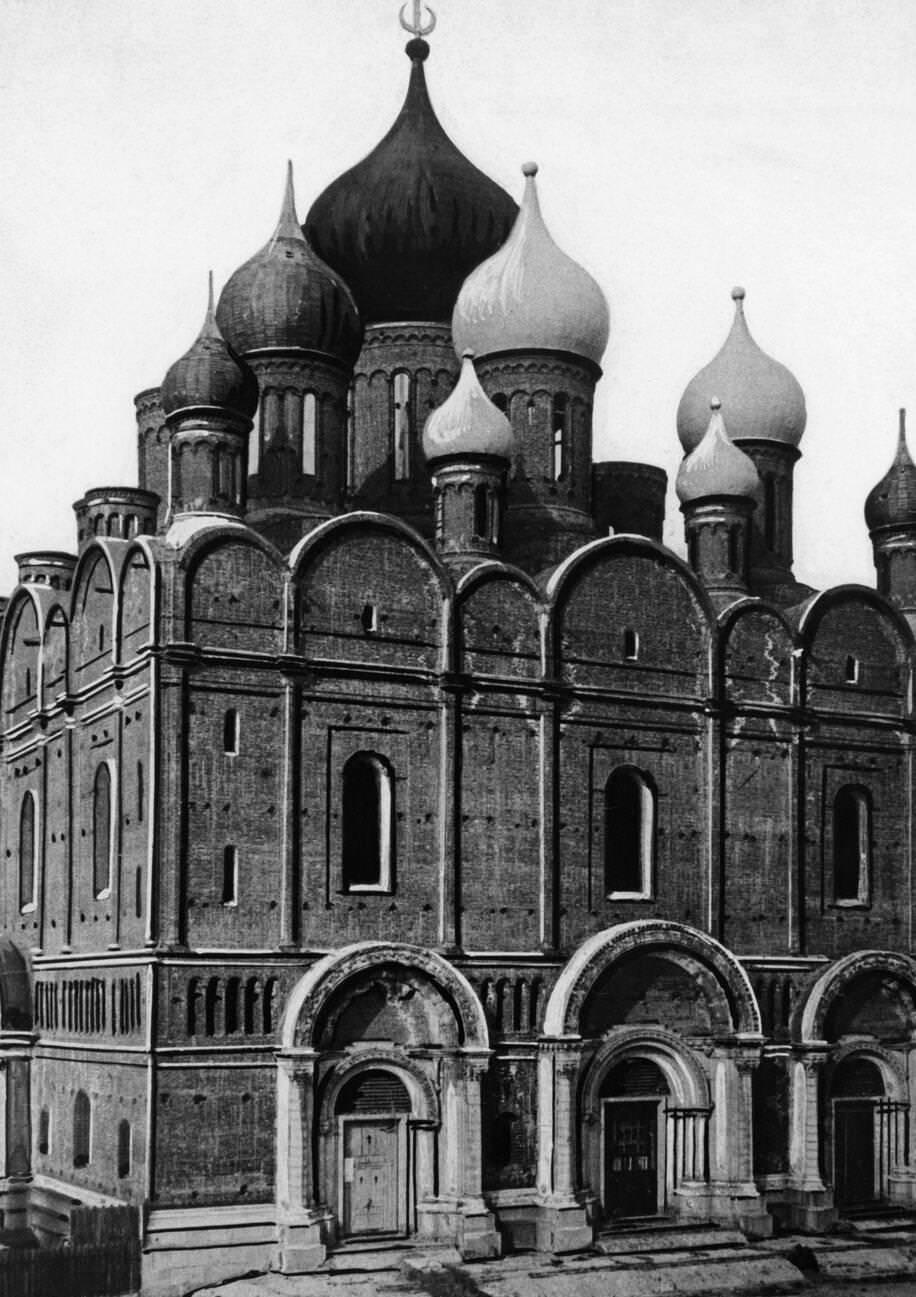
Religion and the old order were being systematically pushed aside. Structures like the Chudov Monastery inside the Kremlin complex still stood, but their days were numbered under an openly atheist state. Some religious buildings were repurposed entirely — the Minsk Cathedral in Moscow was converted into a film studio and used that way until 1929.
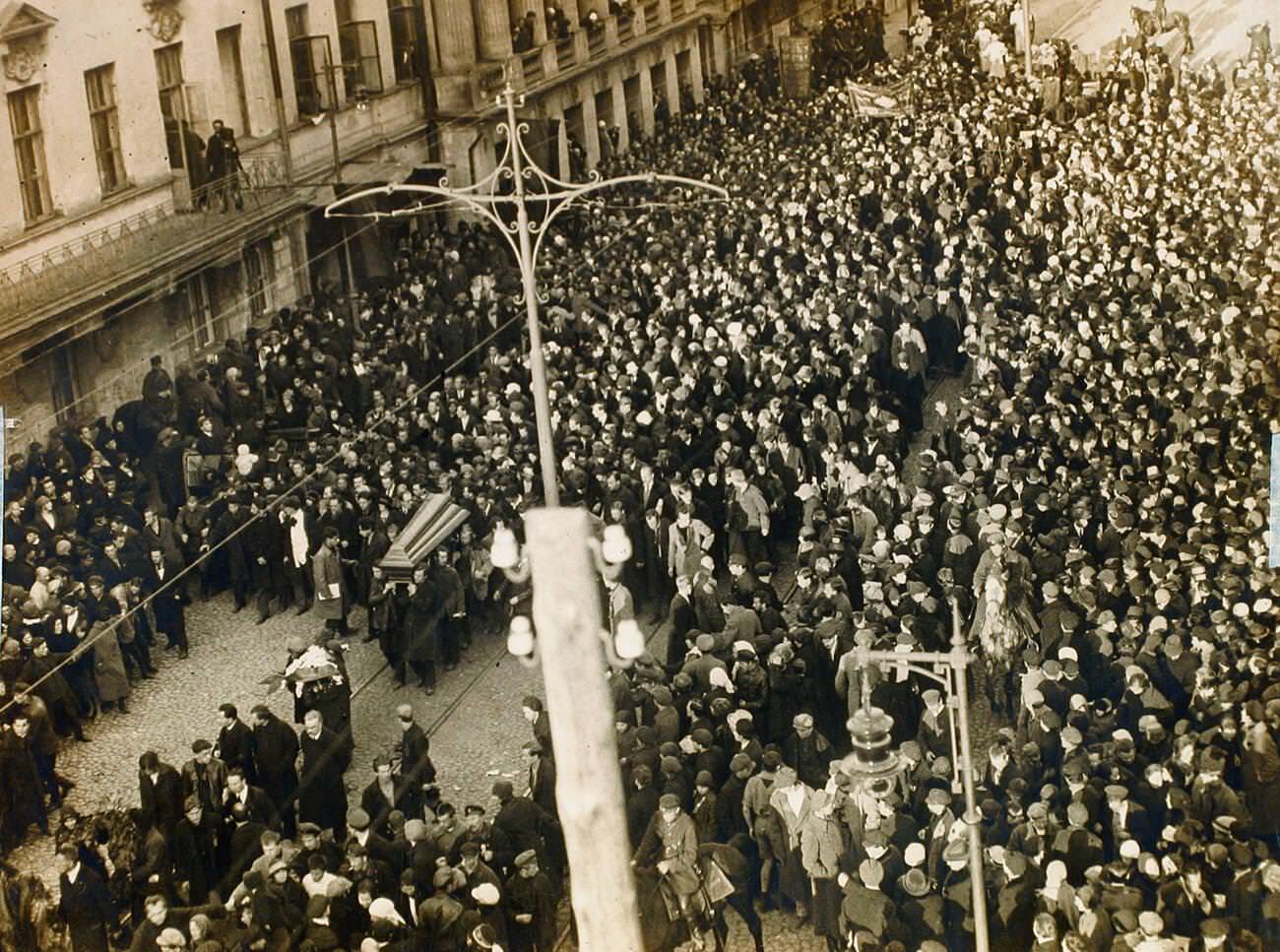
Public mourning was also part of the decade’s texture. When the poet Valery Bryusov died in 1924, his funeral procession through Moscow drew a large crowd — a reflection of how central literary figures were to Soviet cultural life.