
Morocco in the 1960s was a country in the middle of dramatic change. It had only gained independence from France in 1956, and by 1960 it was still finding its footing as a modern nation. The decade opened with a royal transition, a natural disaster, and growing political tension — all unfolding against the backdrop of ancient medinas, busy markets, and vast desert landscapes. These vintage photographs capture that world in remarkable detail.
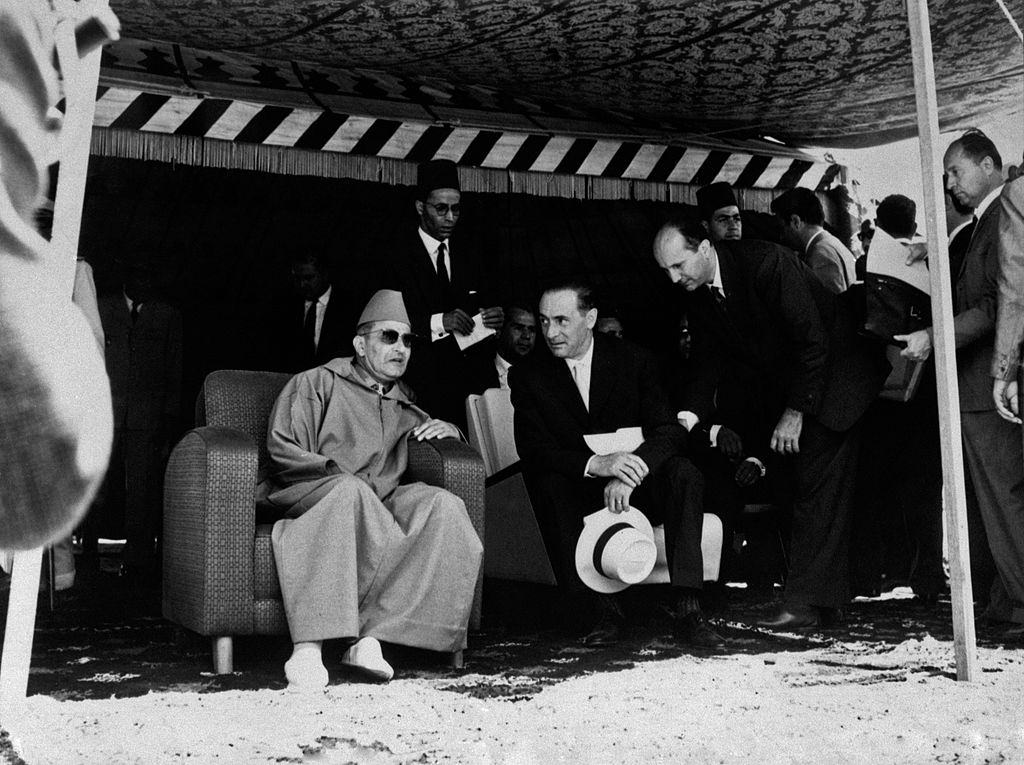
One of the decade’s first major events was a ceremony that signaled Morocco’s industrial ambitions. In 1960, King Mohammed V stood alongside Enrico Mattei, the director of Italy’s National Hydrocarbons Authority (ENI), to mark the laying of the foundation stone for a new oil refinery in Mohammedia. It was a sign that Morocco was building ties with foreign investors and pushing toward economic development.
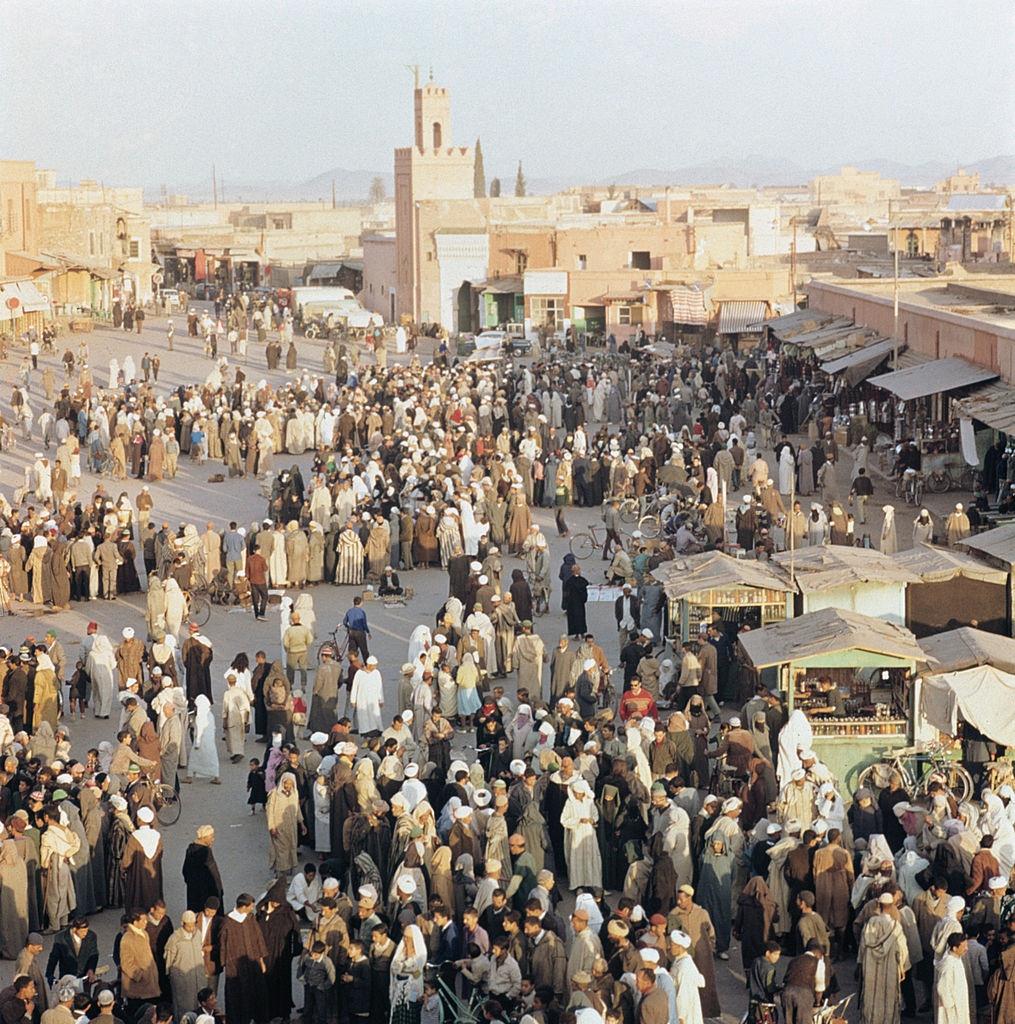
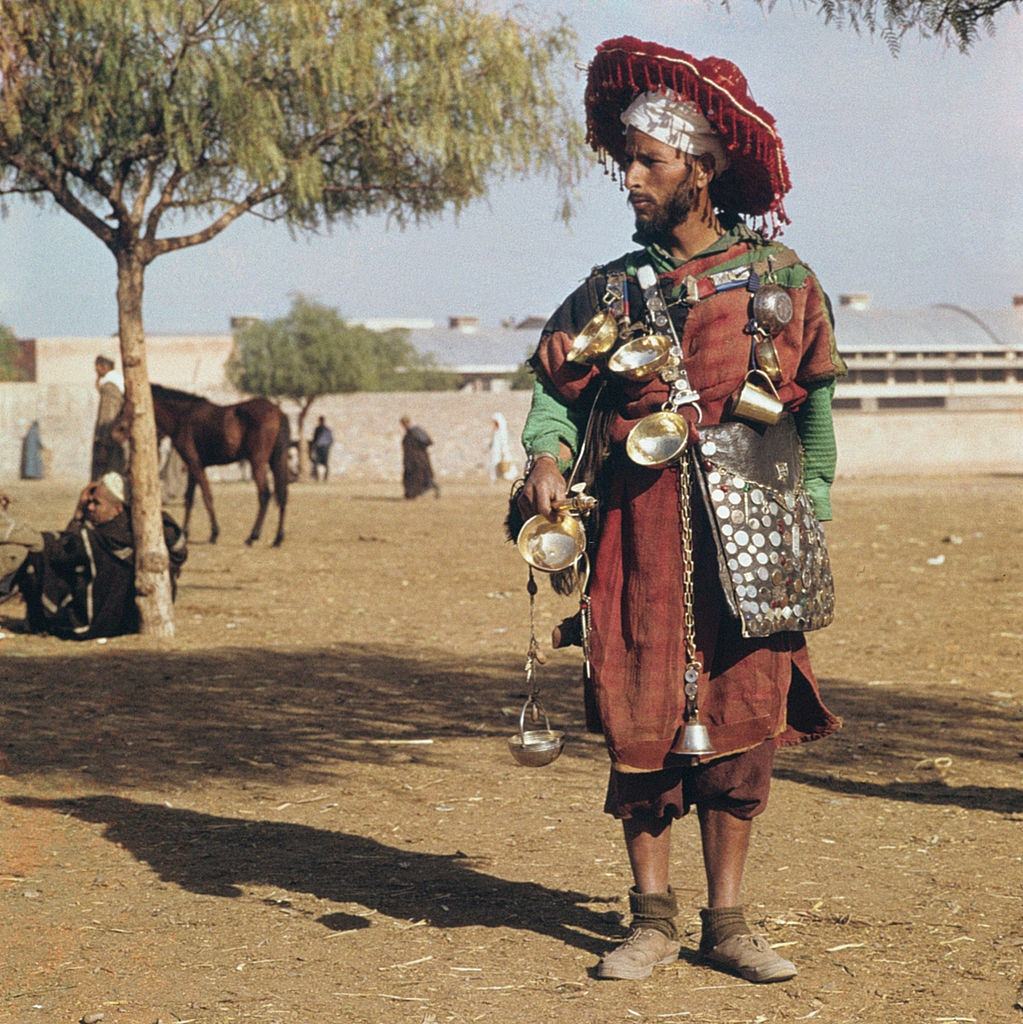
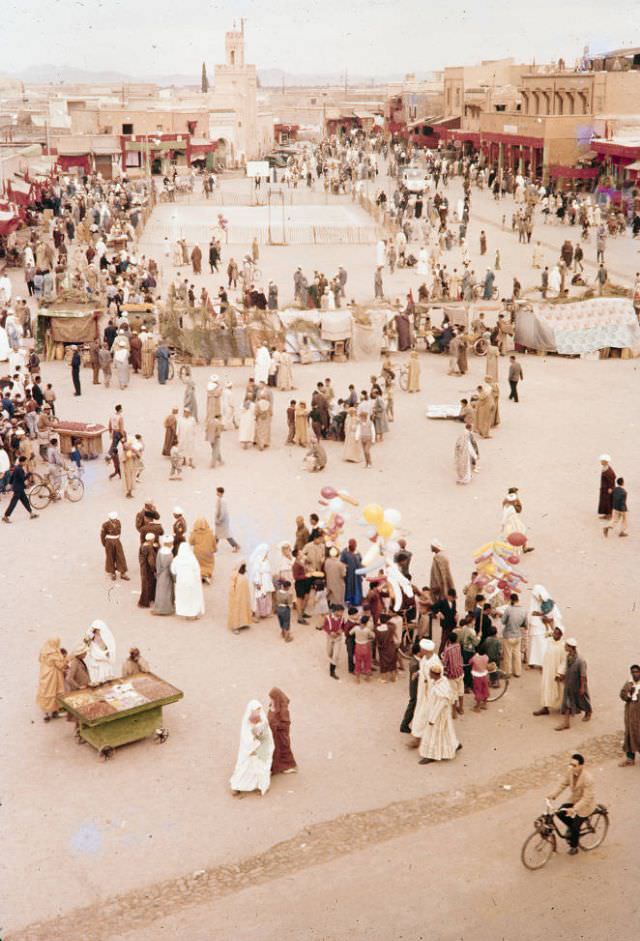
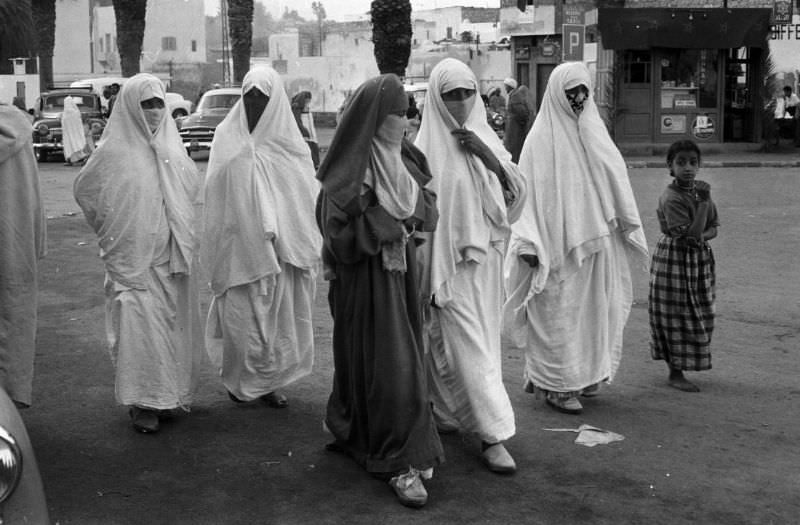
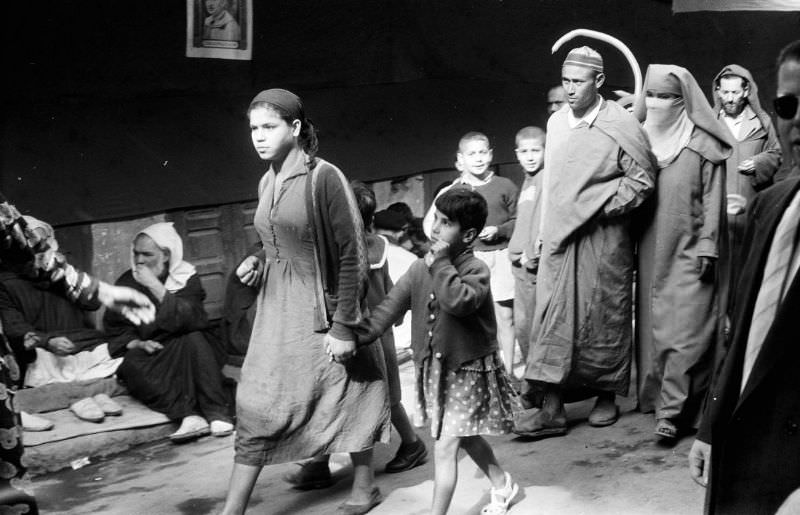
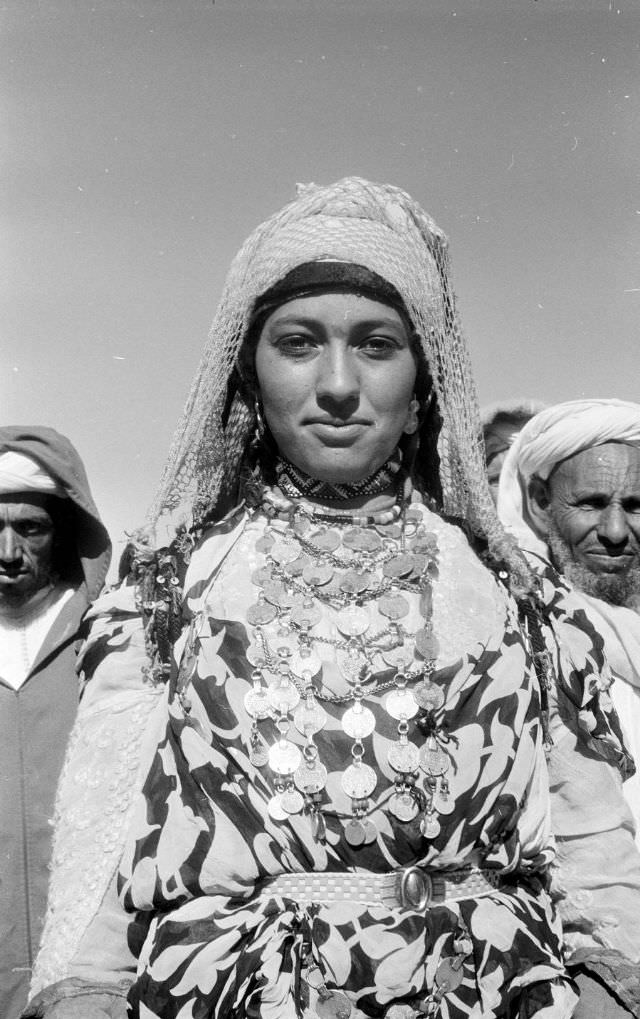
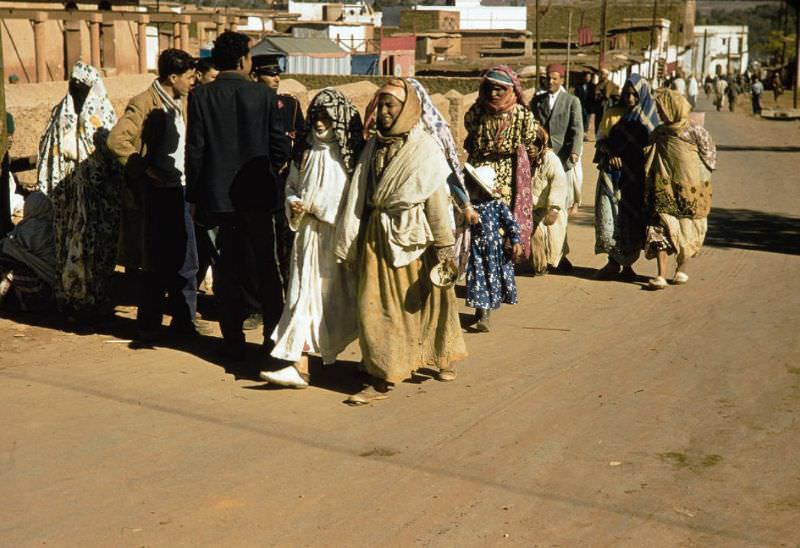
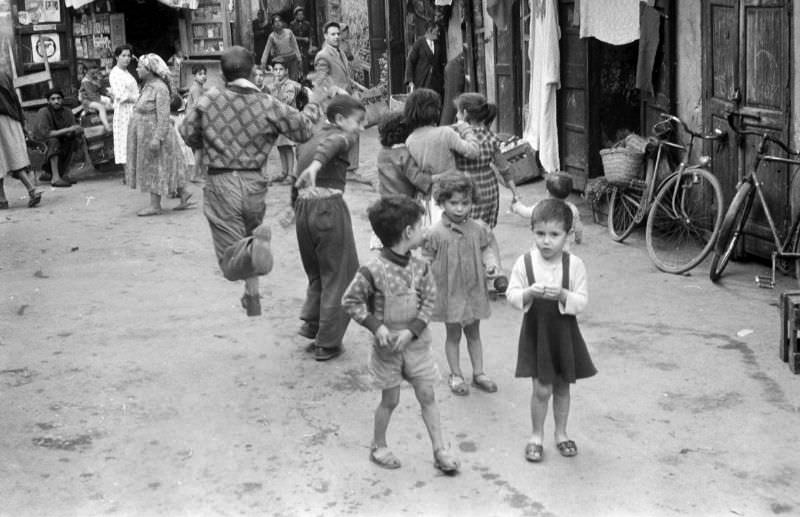
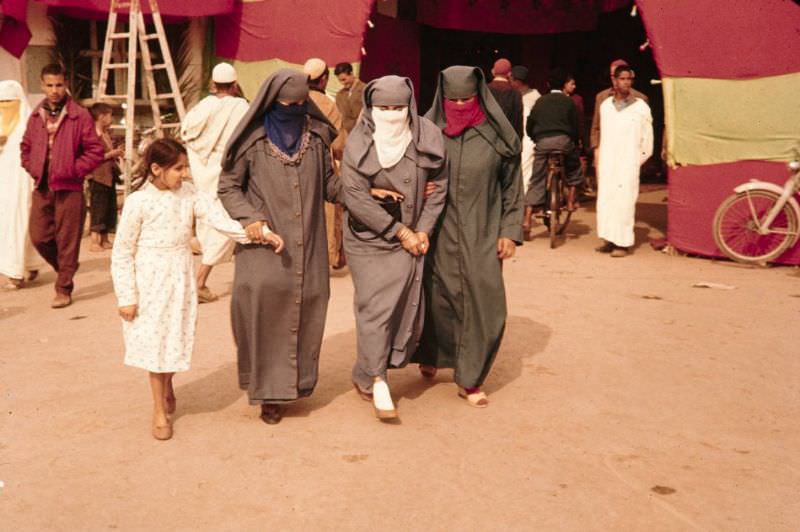
Marrakech in 1960 was a city of constant motion. The Jemaa el-Fna plaza — the massive open square at the heart of the city — drew crowds every day. Street performers, merchants, storytellers, and locals filled the space from morning to night. Walking its surrounding streets meant passing water sellers in traditional dress, women in colorful regional costumes, and children darting through narrow alleyways.
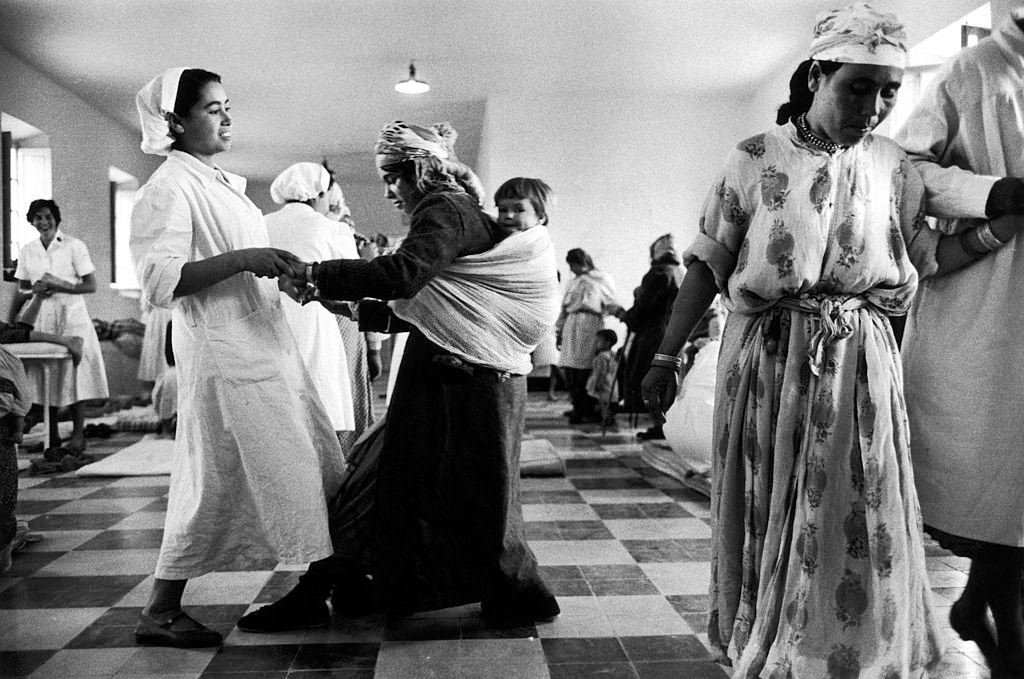
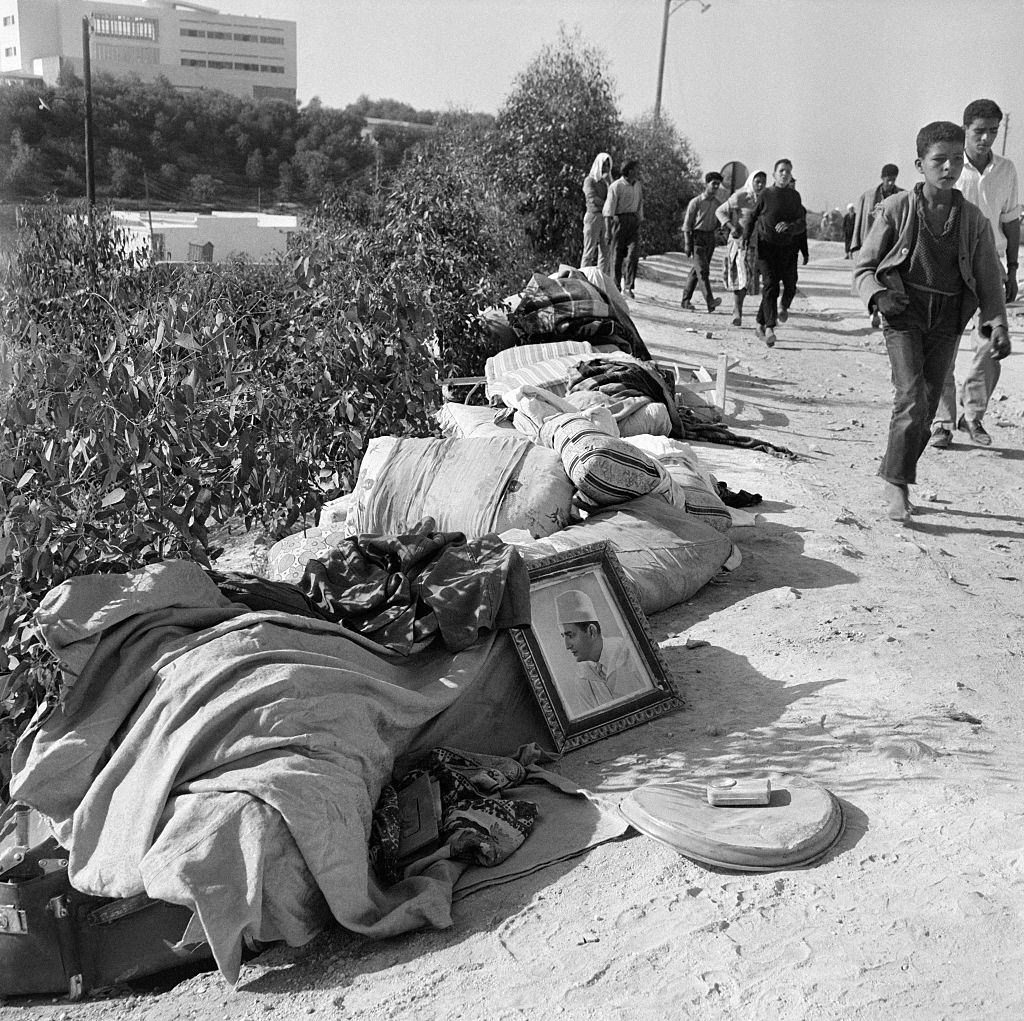
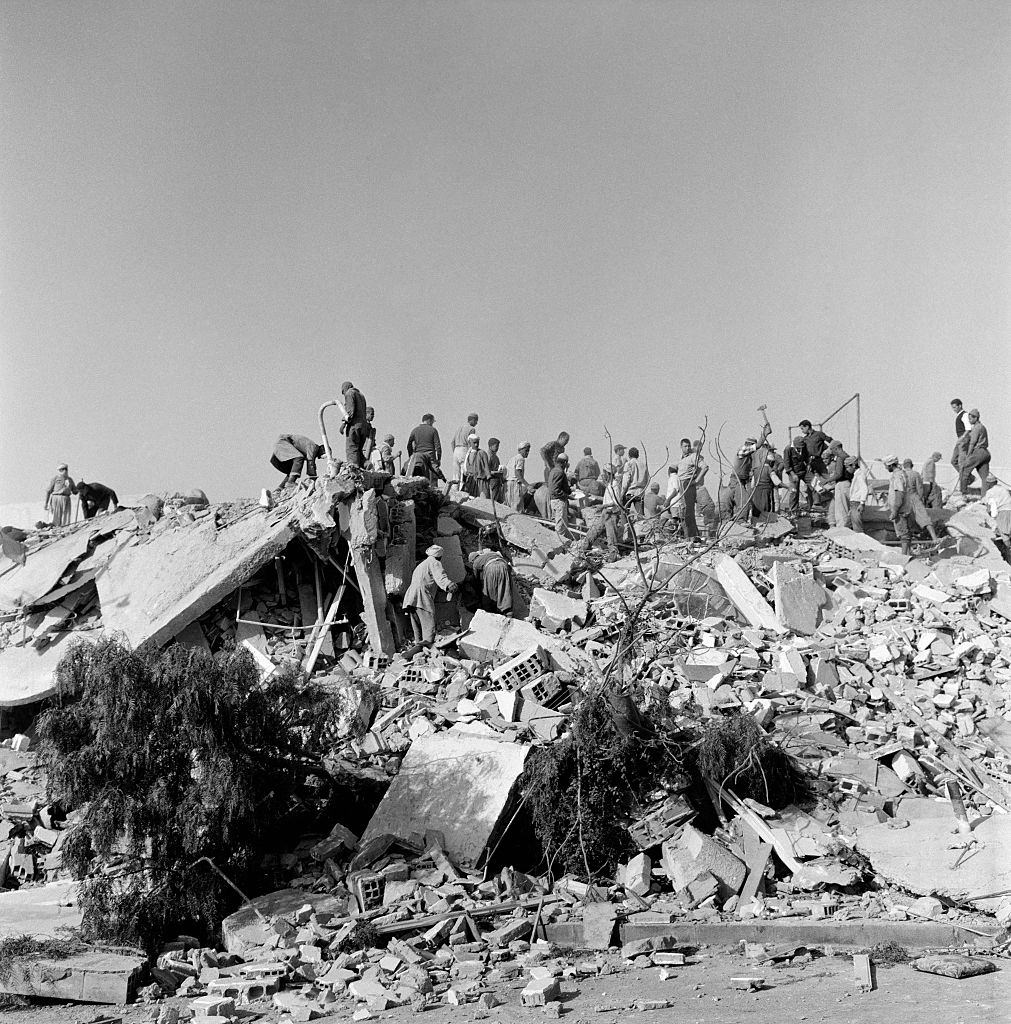
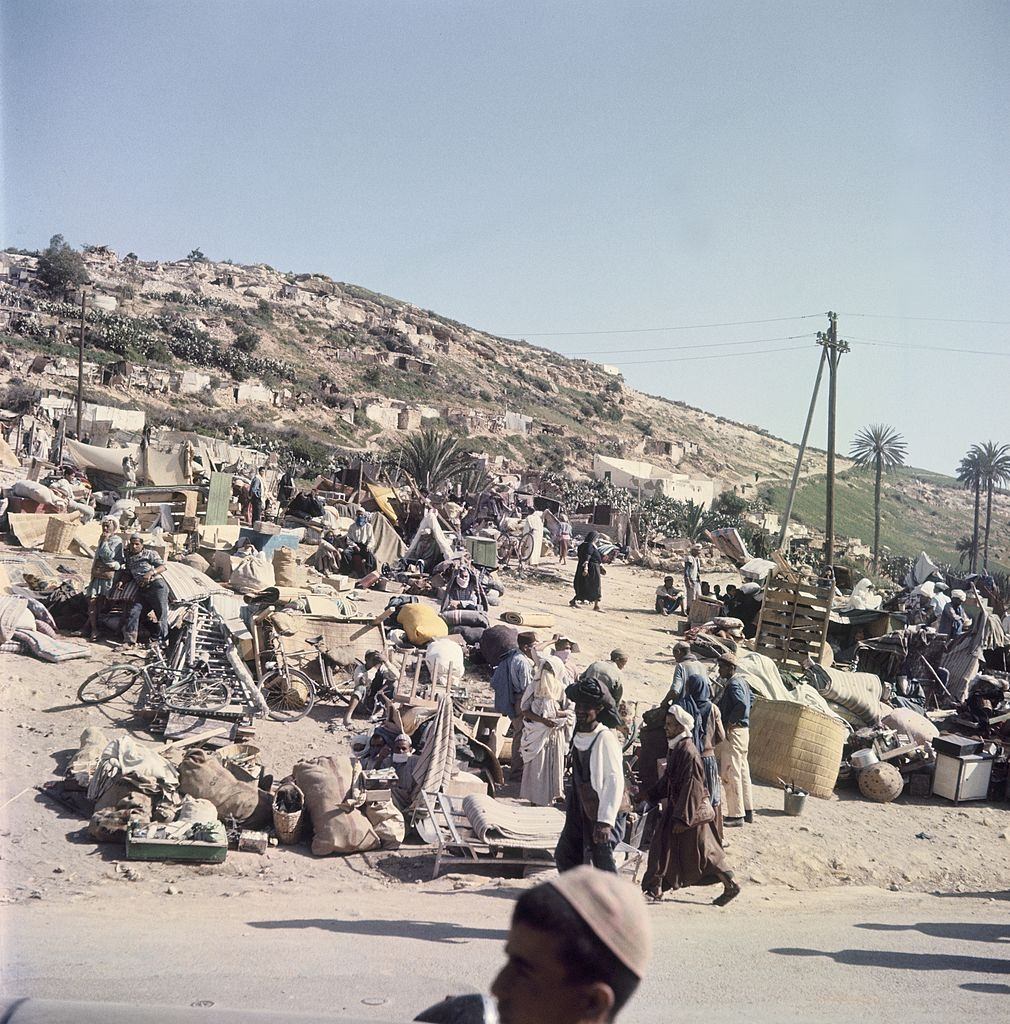
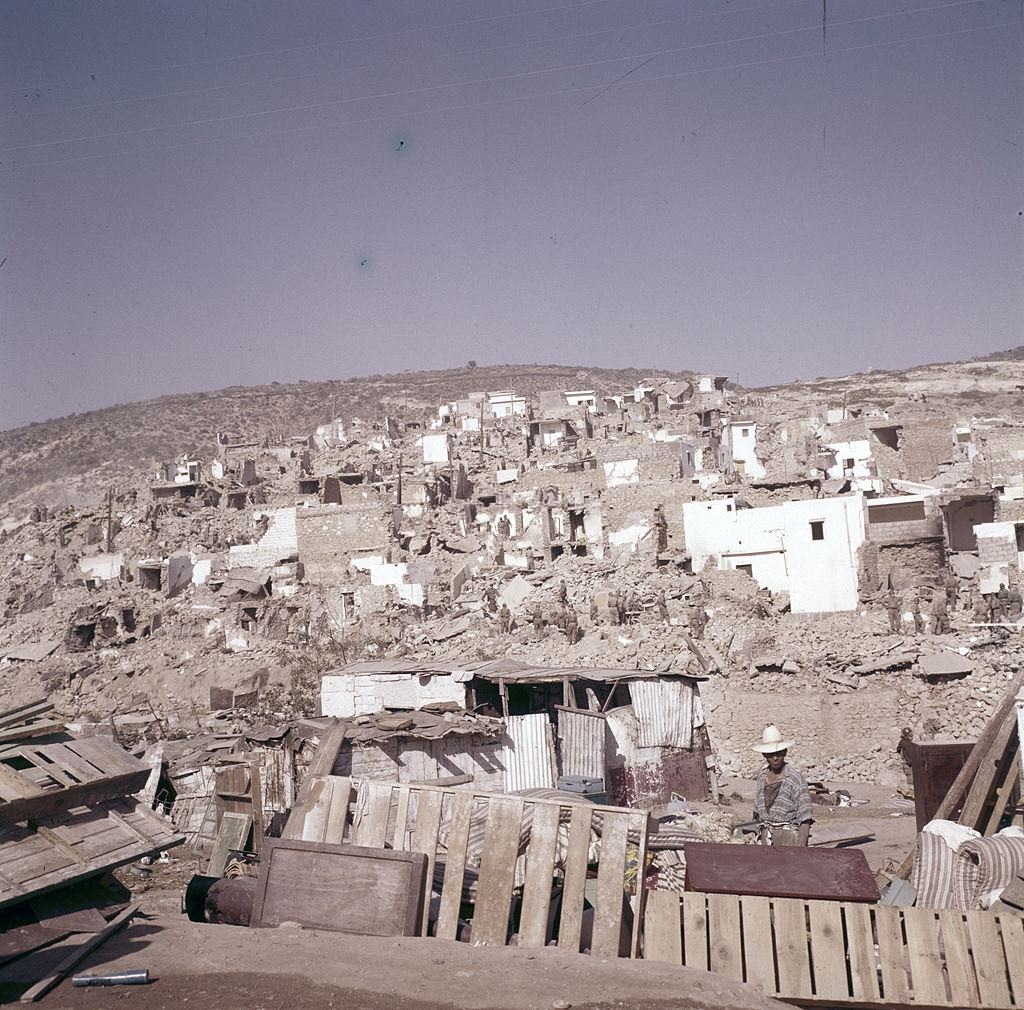
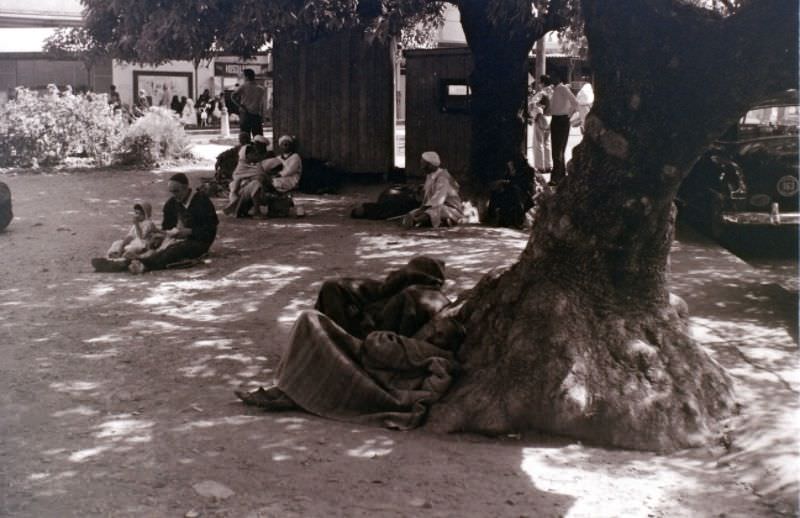
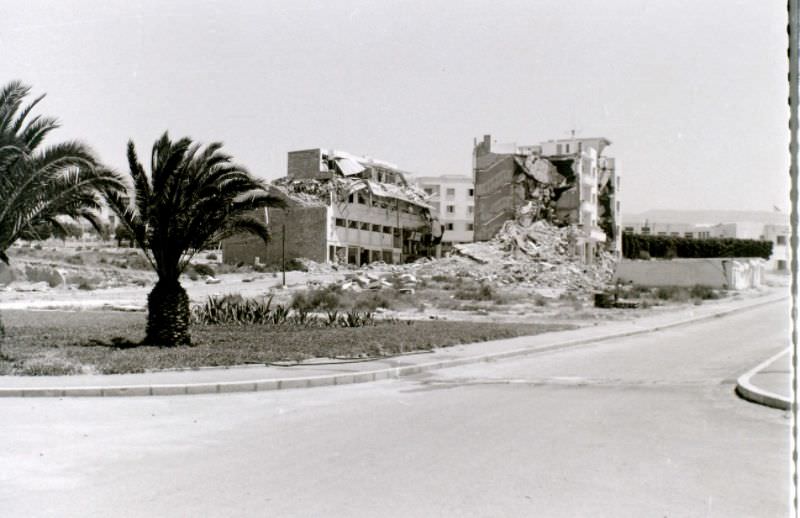
February 29, 1960 brought catastrophe. A massive earthquake struck Agadir, a coastal city in southwestern Morocco, killing an estimated 12,000 people — roughly a third of the city’s entire population. Entire neighborhoods were flattened within seconds. Survivors fled into the streets, and emergency medical care was set up across the region, including in the city of Meknes, where hospitals treated victims of a related poisoning outbreak. Refugee camps were established at the edge of the rubble as the scale of the destruction became clear.
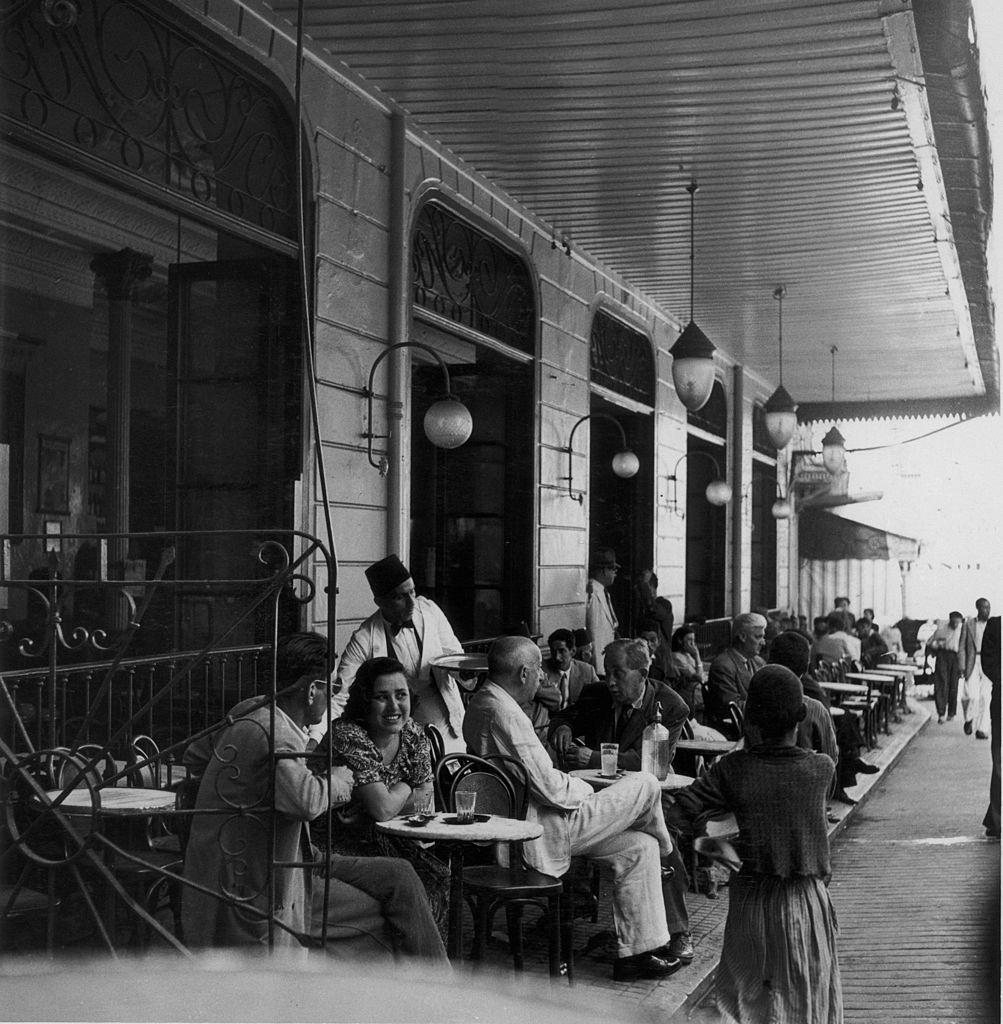
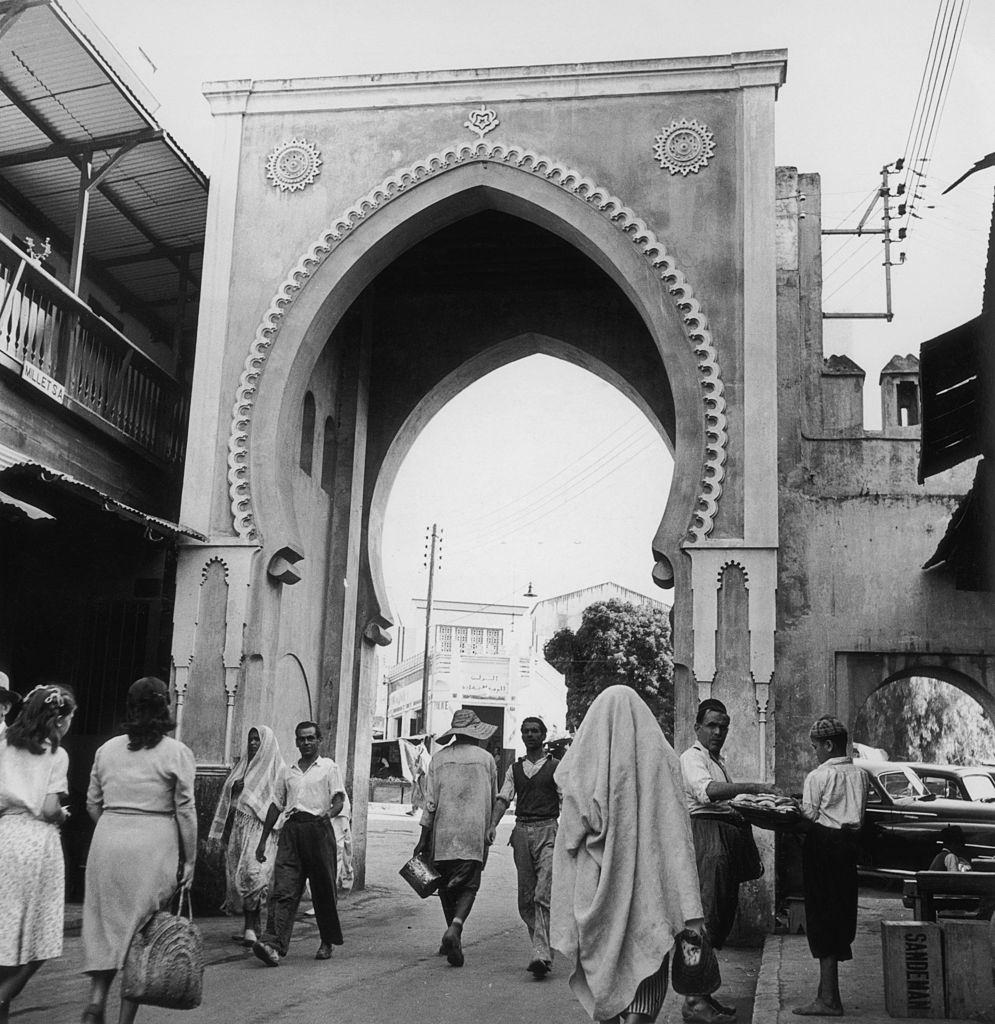
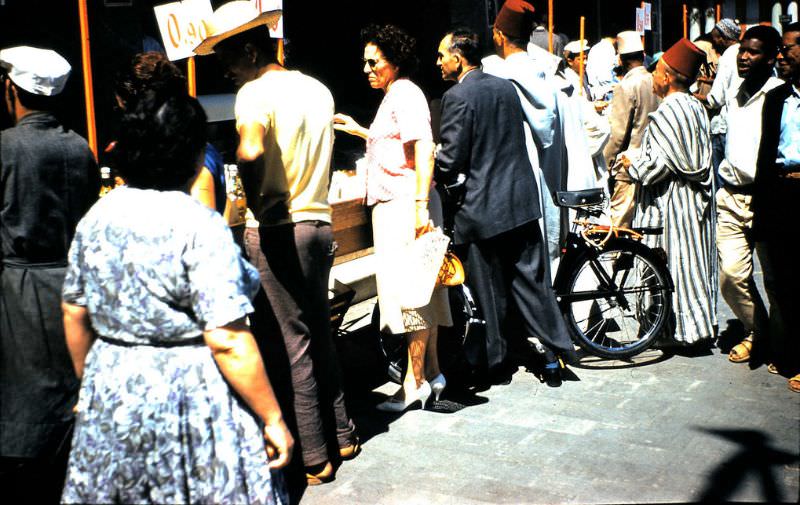
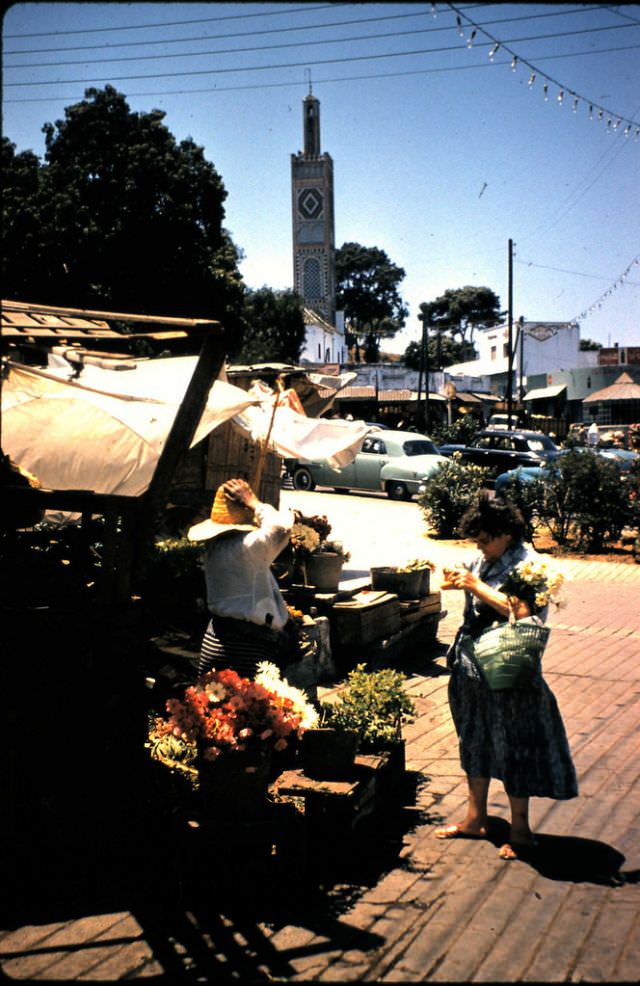
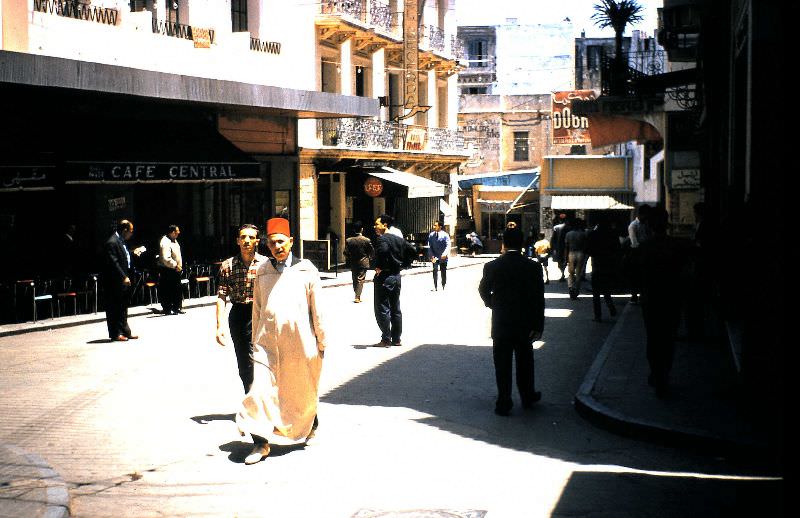
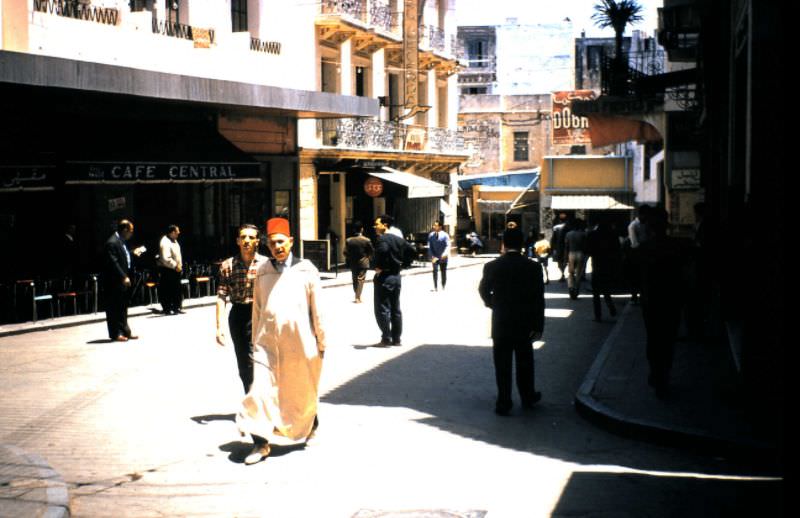
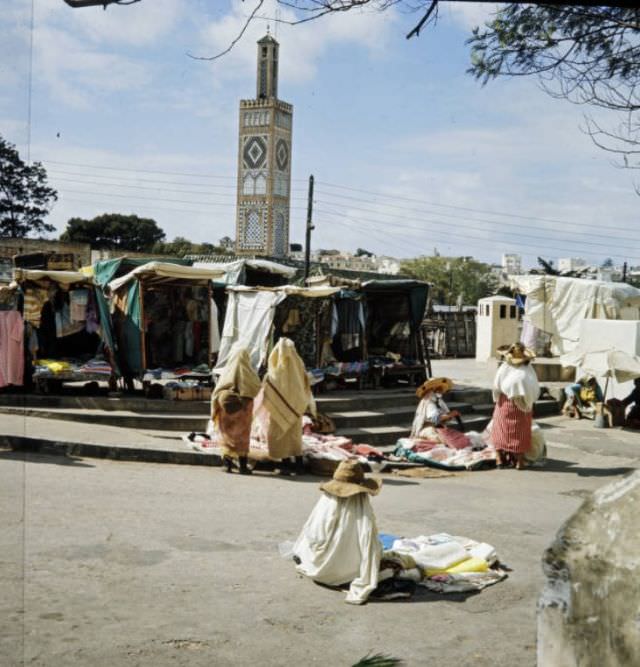
While Agadir was being rebuilt, life in Morocco’s other cities continued at its own rhythm. In Tangier, the port city on Morocco’s northern tip, street cafes lined the boulevards, Moorish archways framed the old city’s entrances, and market vendors laid out their goods in open plazas. Tangier had long been an international city — a crossroads for traders, diplomats, and travelers — and the 1960s were no different.
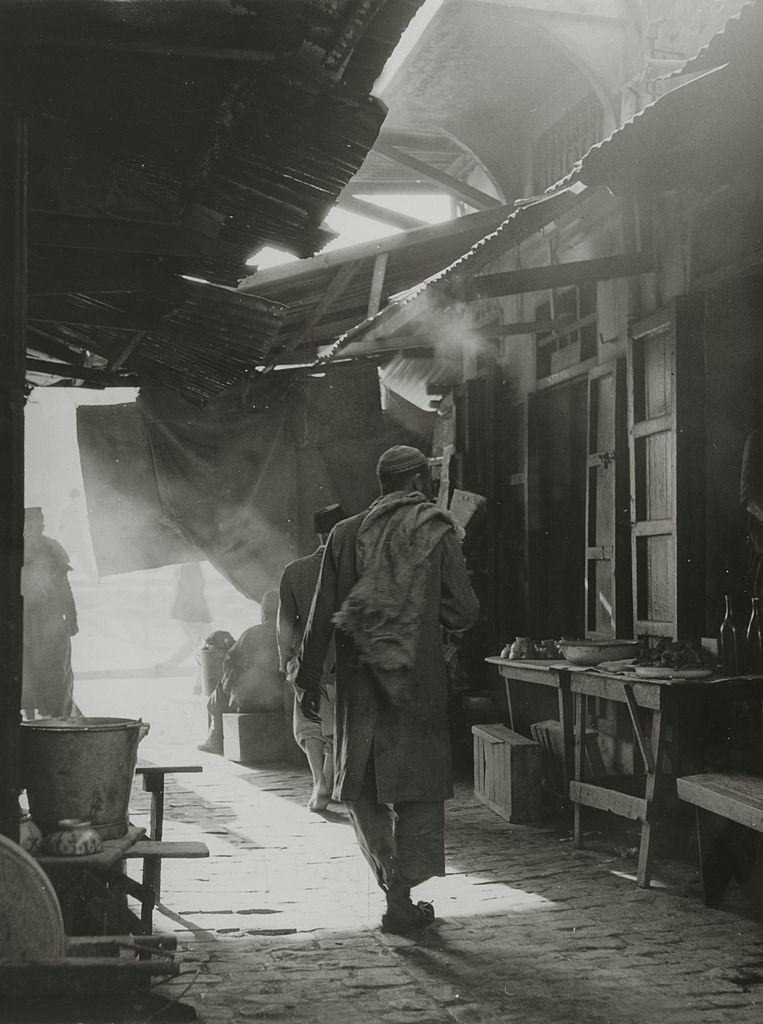
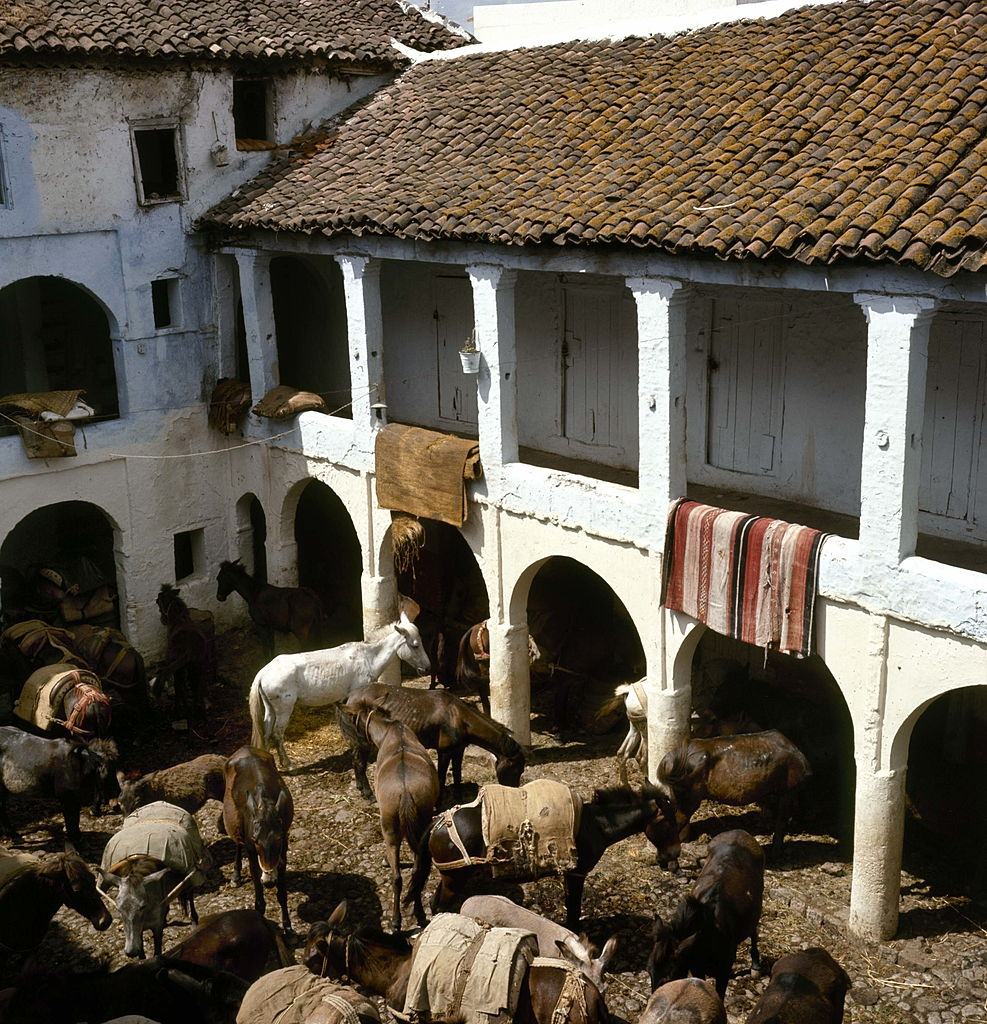
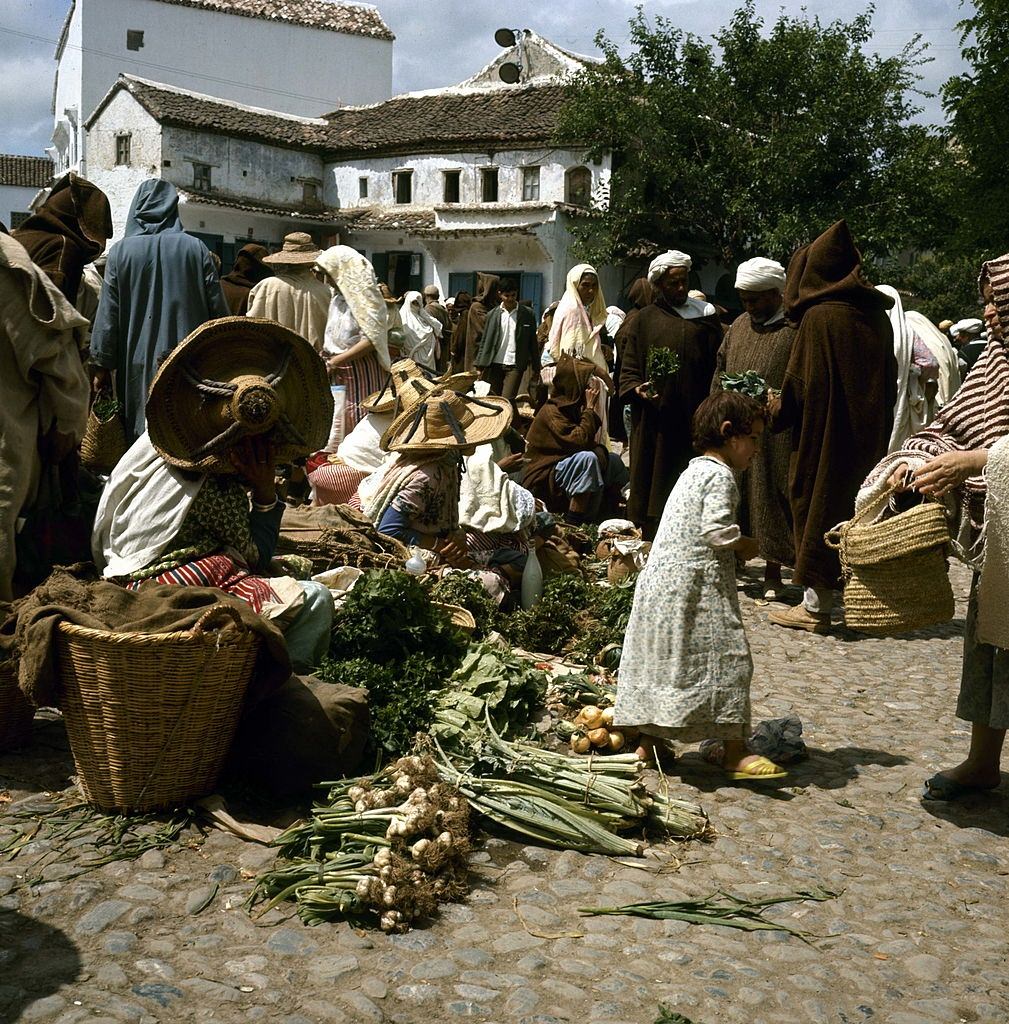
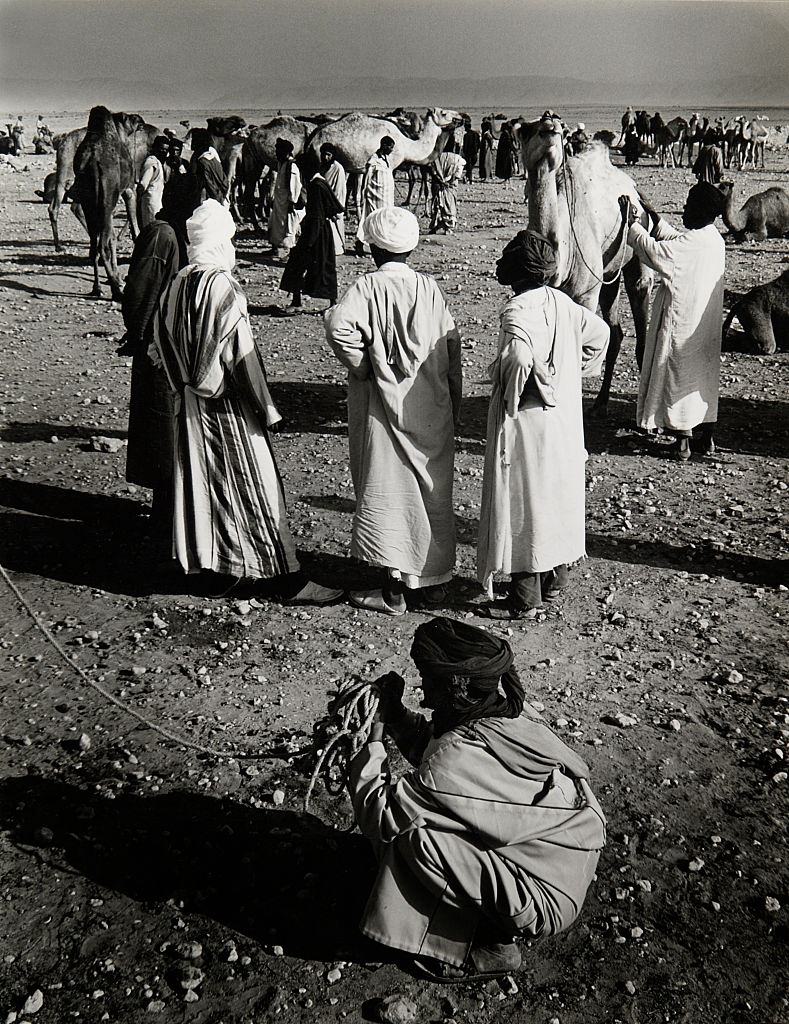
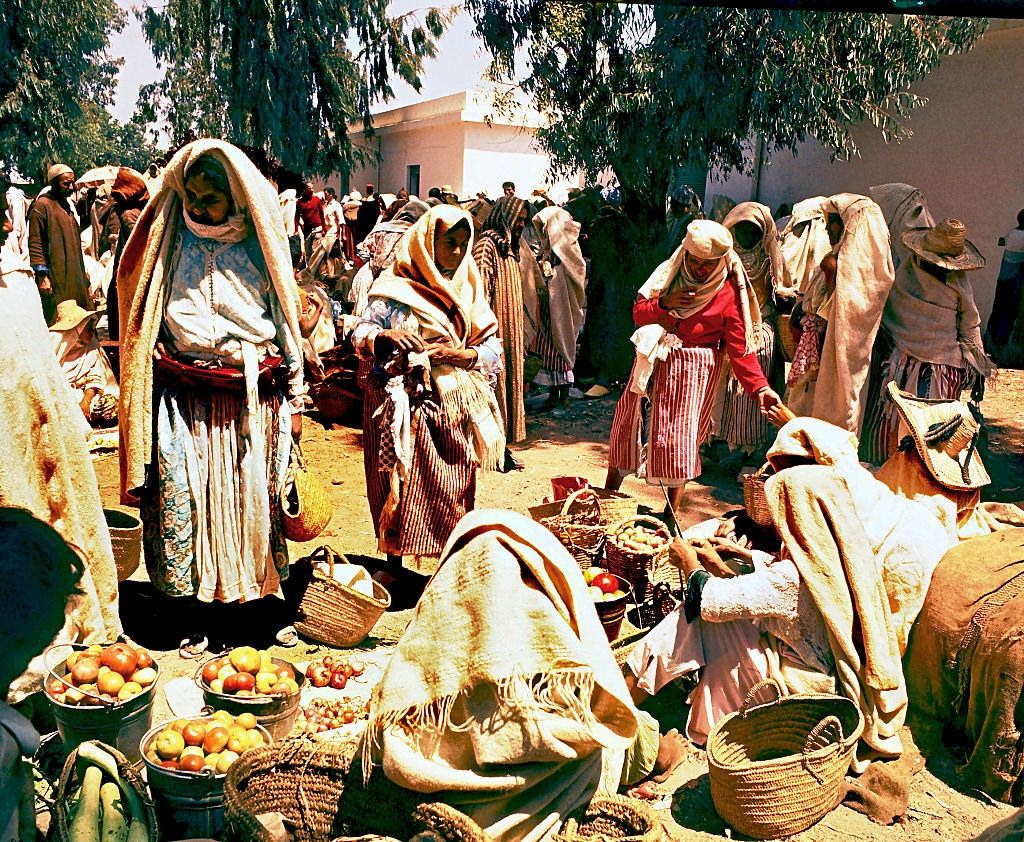
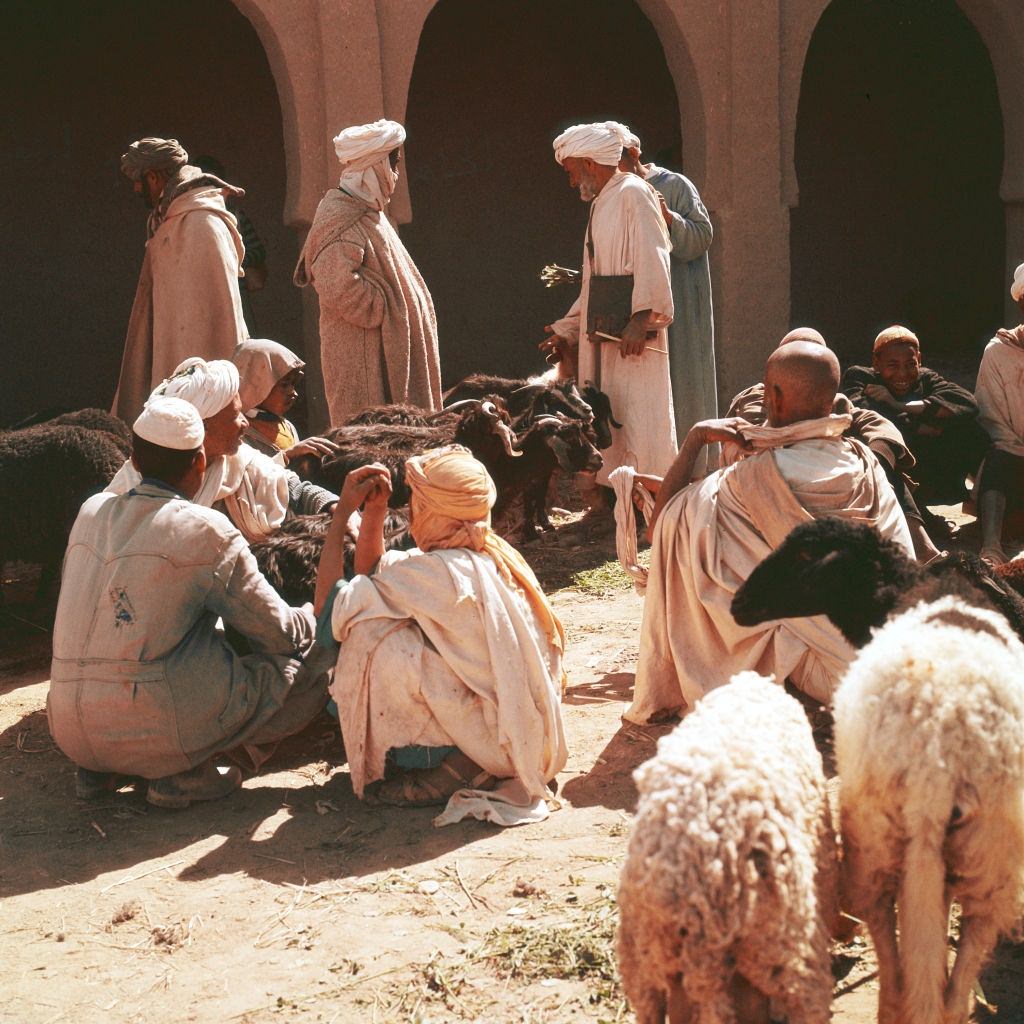
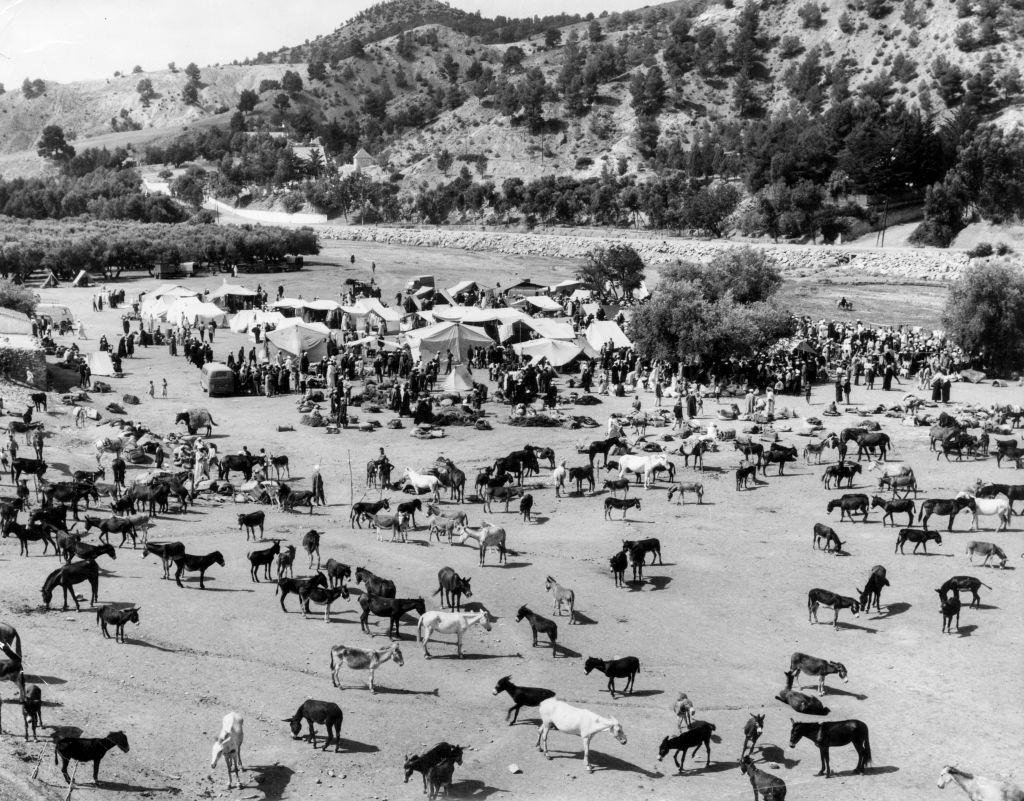
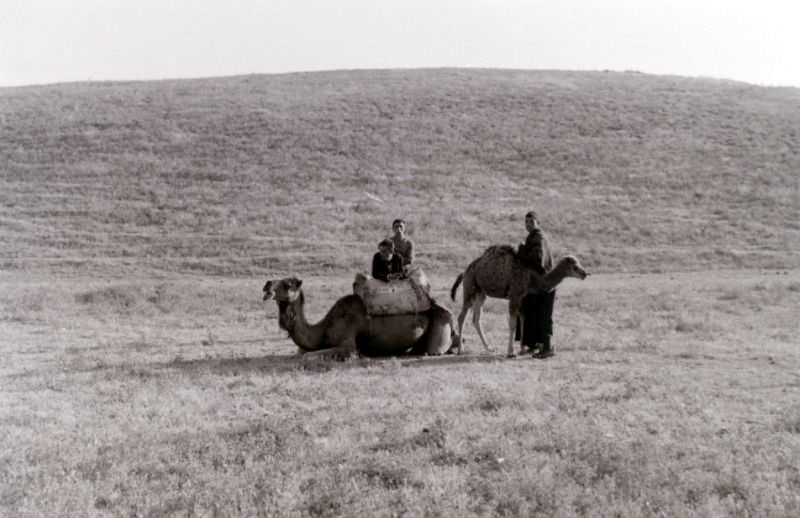
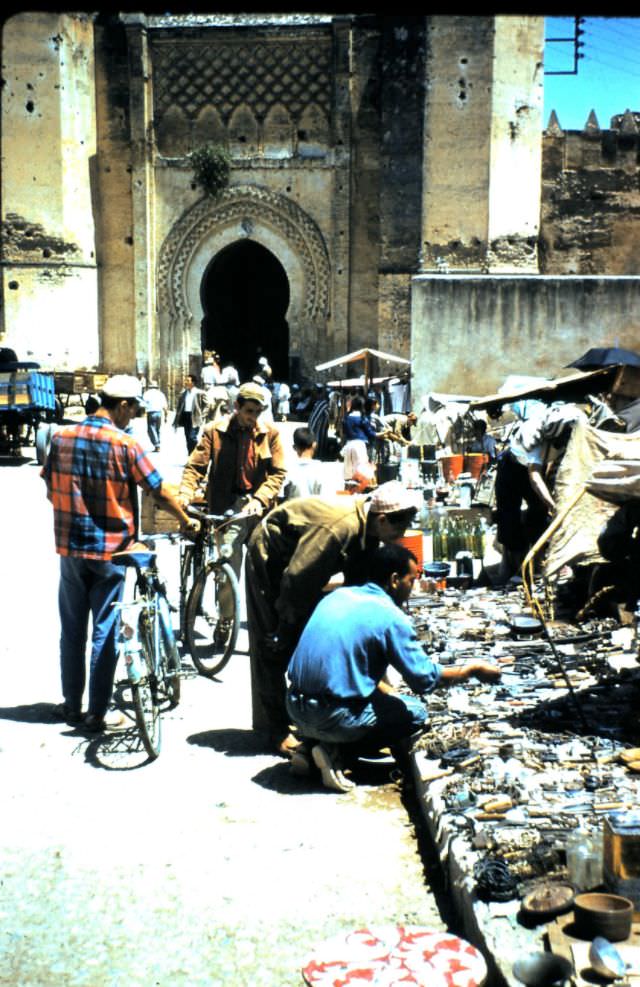
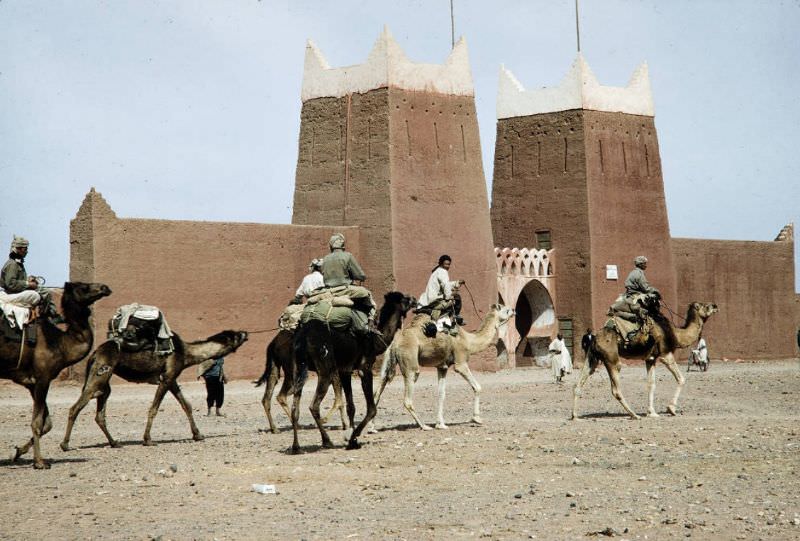
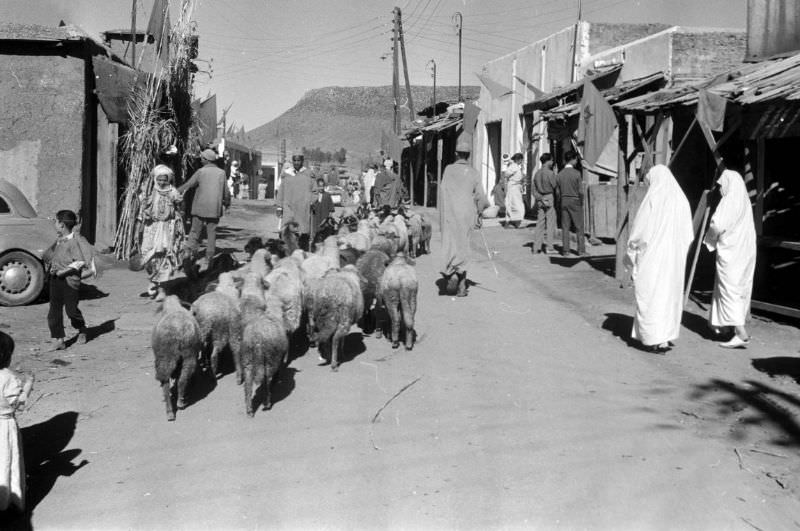
Morocco’s souks and markets were the beating heart of daily commerce. In Chechaouen, the mountain town famous for its blue-painted walls, both a mules market and a fruit and vegetable market served the local community. In Rissani and Agadir, open-air markets drew traders from across the region. The camel market, where Tuareg traders brought their animals, reflected the deep ties between Morocco’s urban centers and its desert communities to the south.
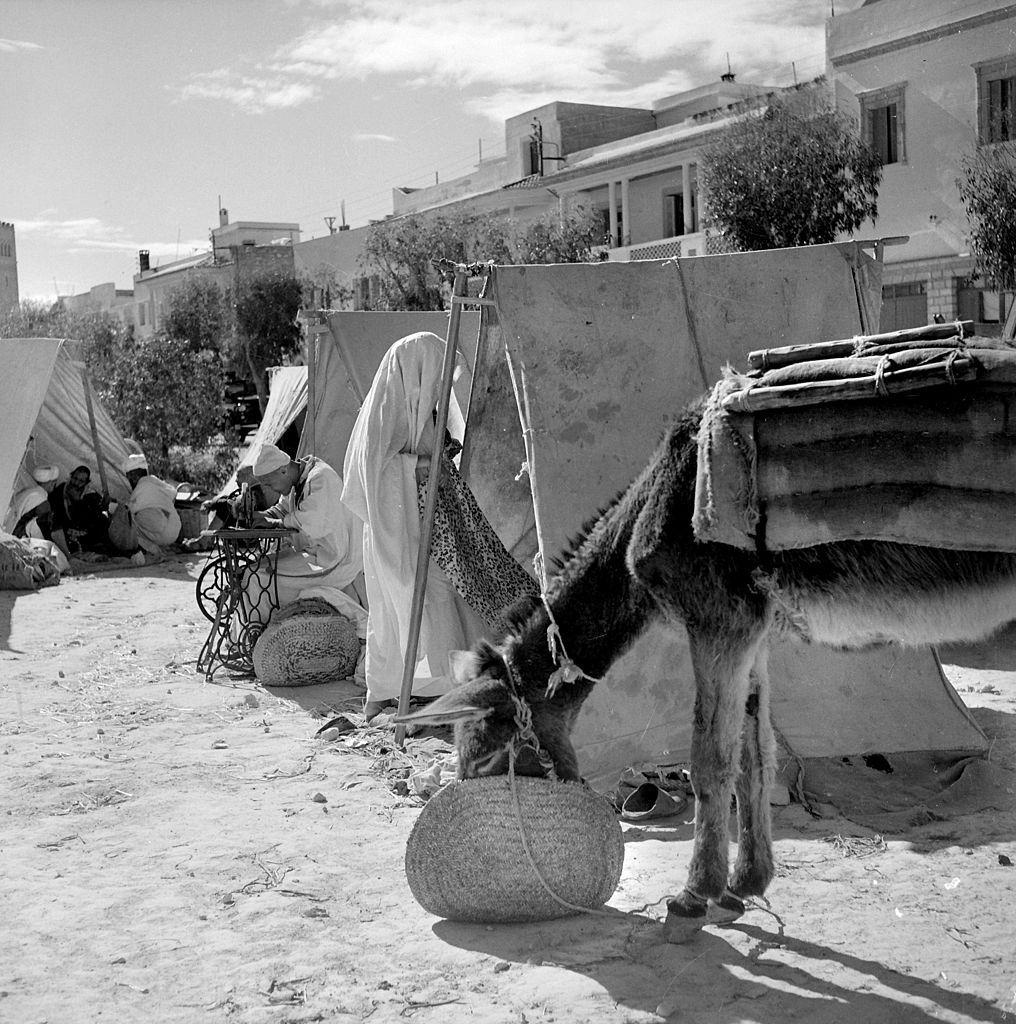
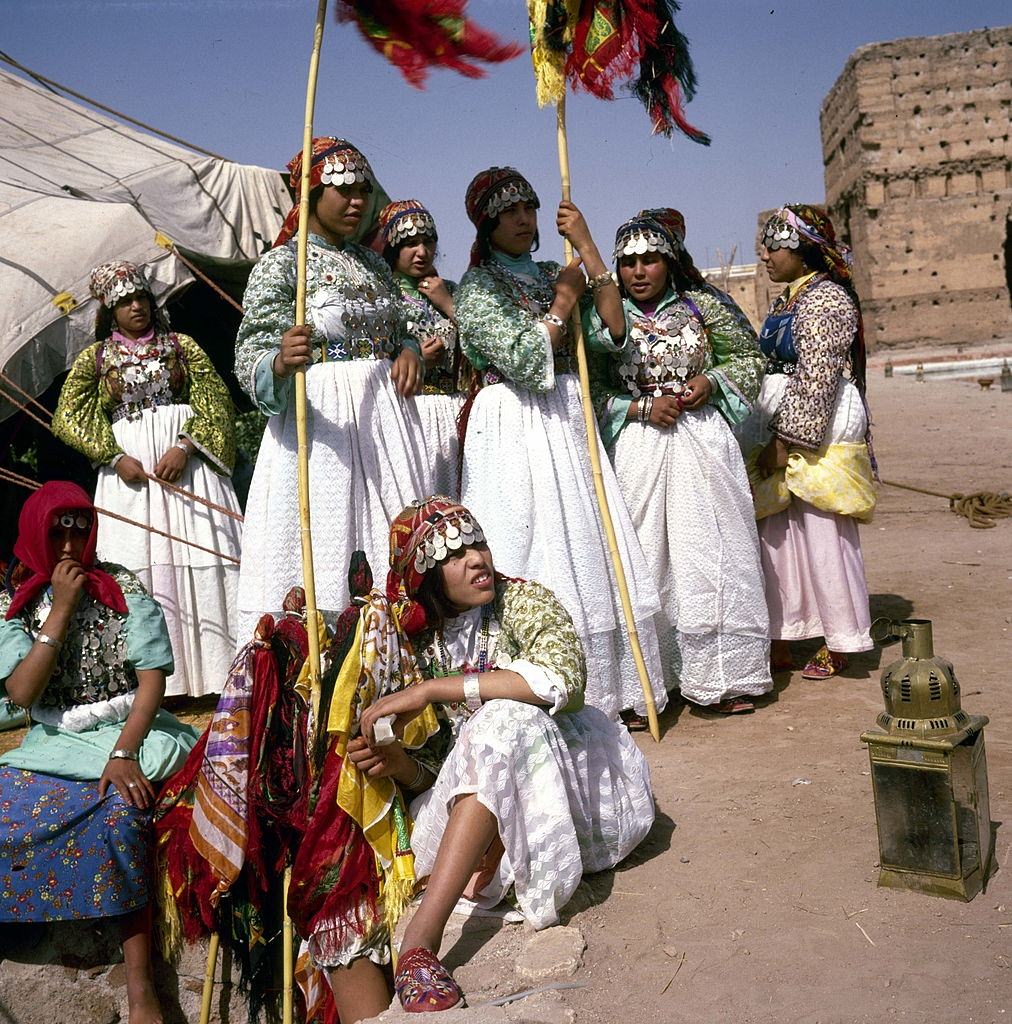
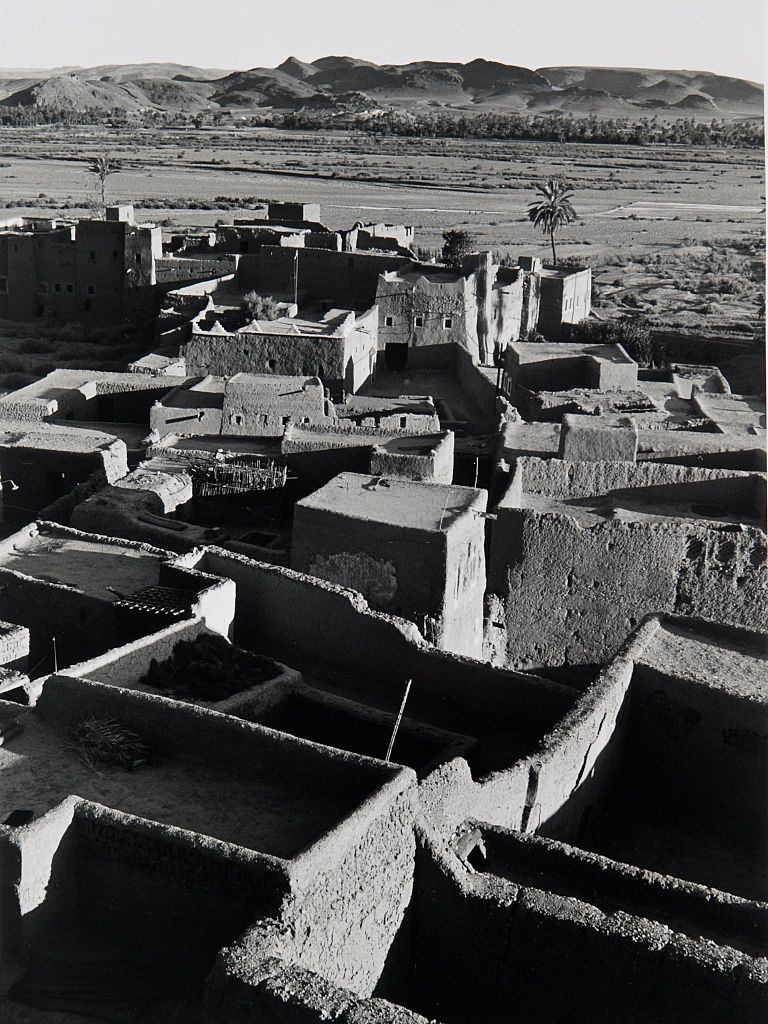
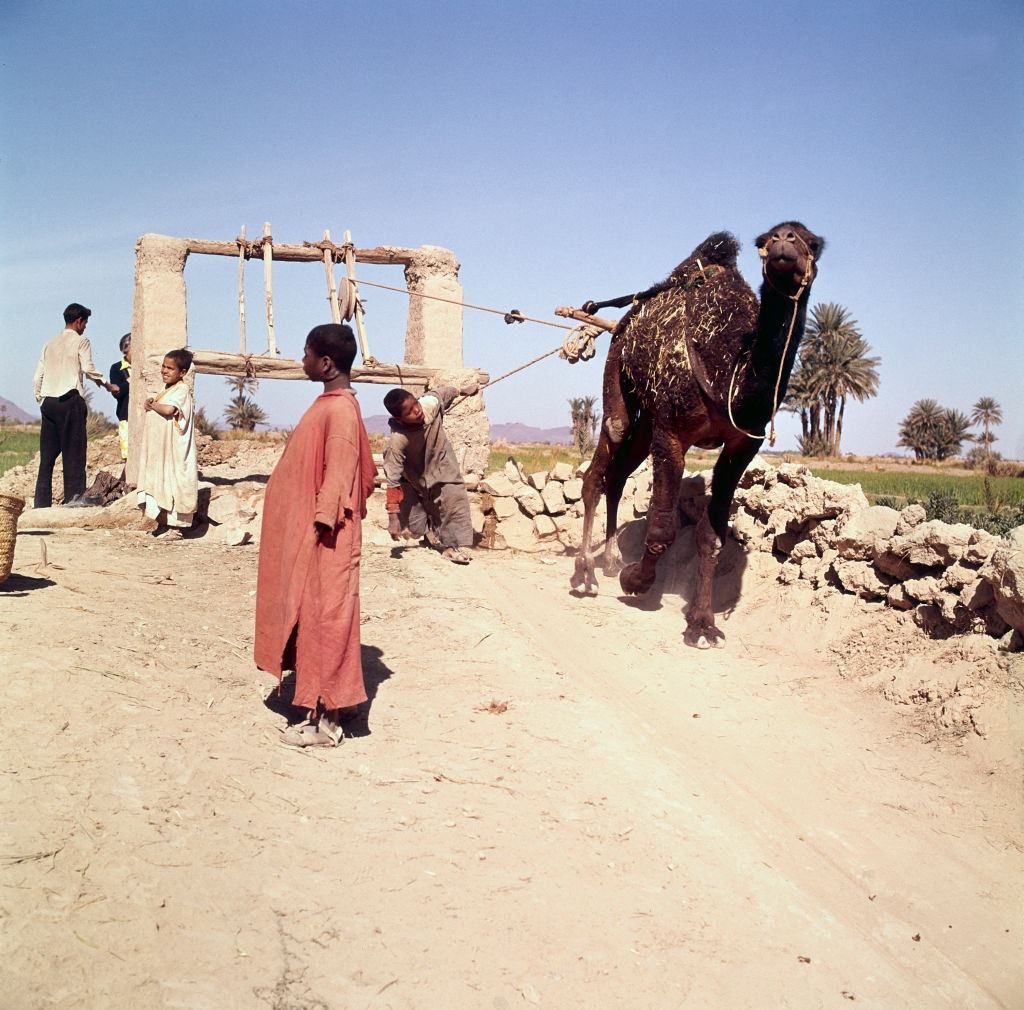
Beyond the cities, Morocco’s landscape stretched into dramatic desert and mountain terrain. Near Ouarzazate, loam kasbahs — fortress-like structures built from dried mud and straw — rose from the earth in shades of red and brown. Further out, a draw-well near Erfoud served the rural population, and women carried water back to their families from shared community sources. These scenes reflected a way of life that had changed little for generations.
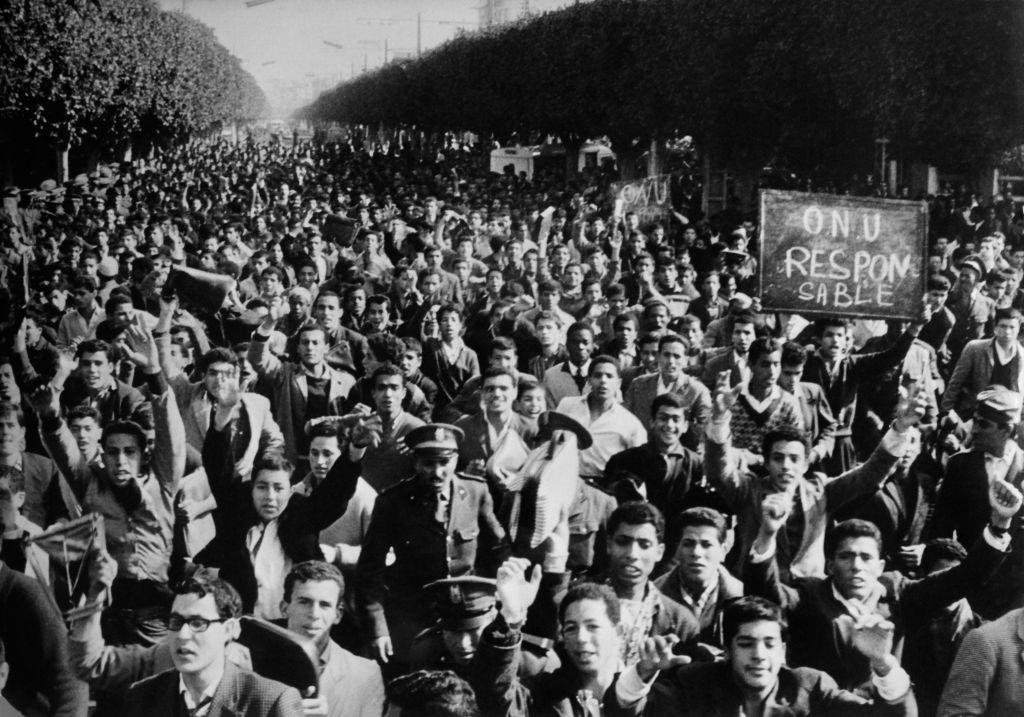
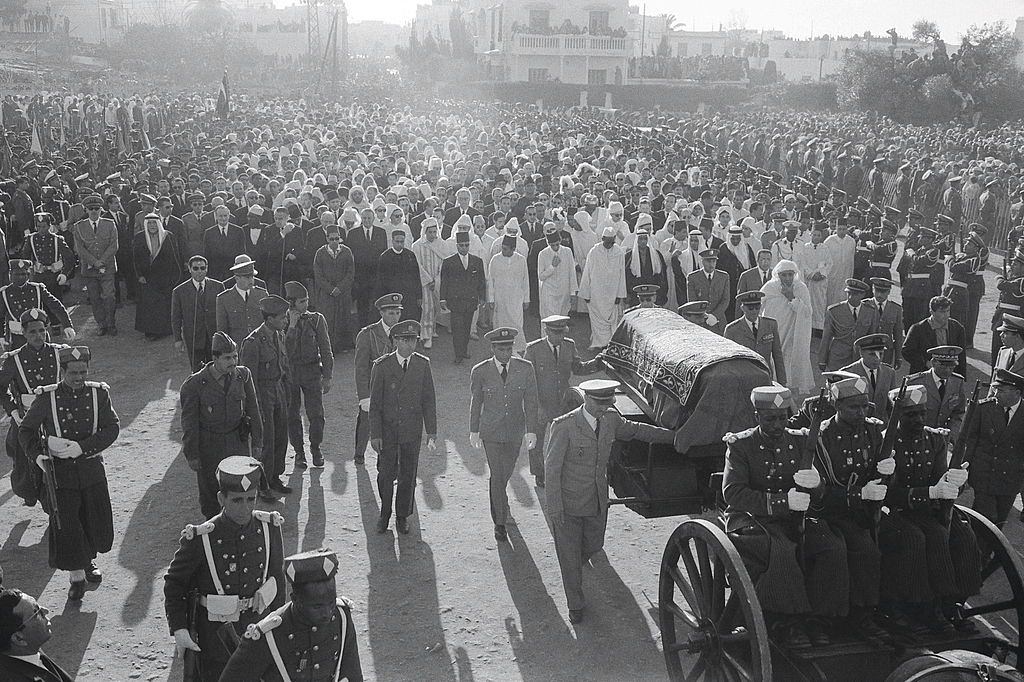
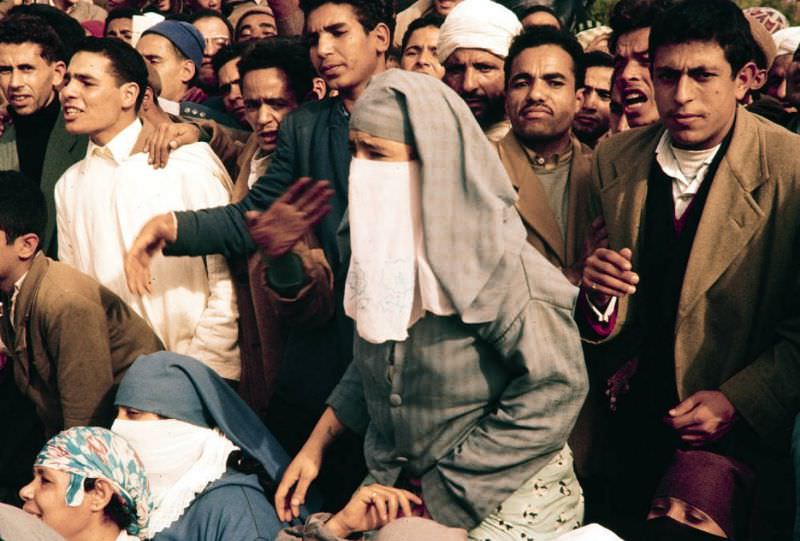
King Mohammed V died on February 26, 1961, following complications from a minor surgical procedure. His funeral in Rabat drew enormous crowds and foreign dignitaries from across the world. His son, Crown Prince Hassan, mourned publicly alongside the nation. Within days, Hassan II was proclaimed king. He was 31 years old. On February 17, 1961 — just days before his father’s death — students had already taken to the streets of Casablanca in a demonstration hostile to the United Nations, a sign of the political tensions that would define Hassan II’s early reign.
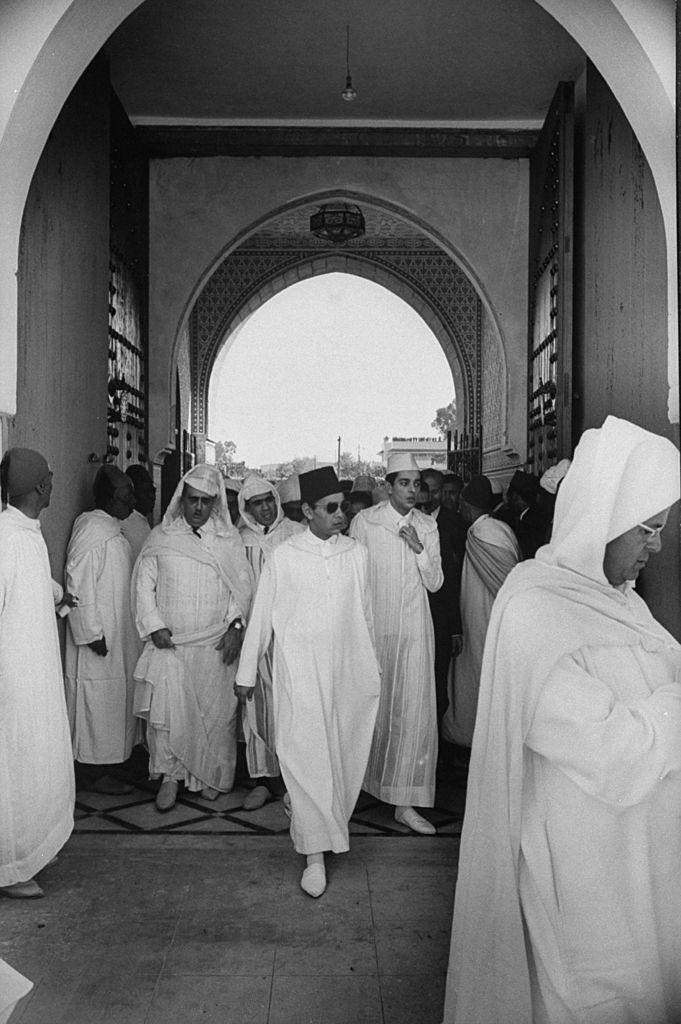
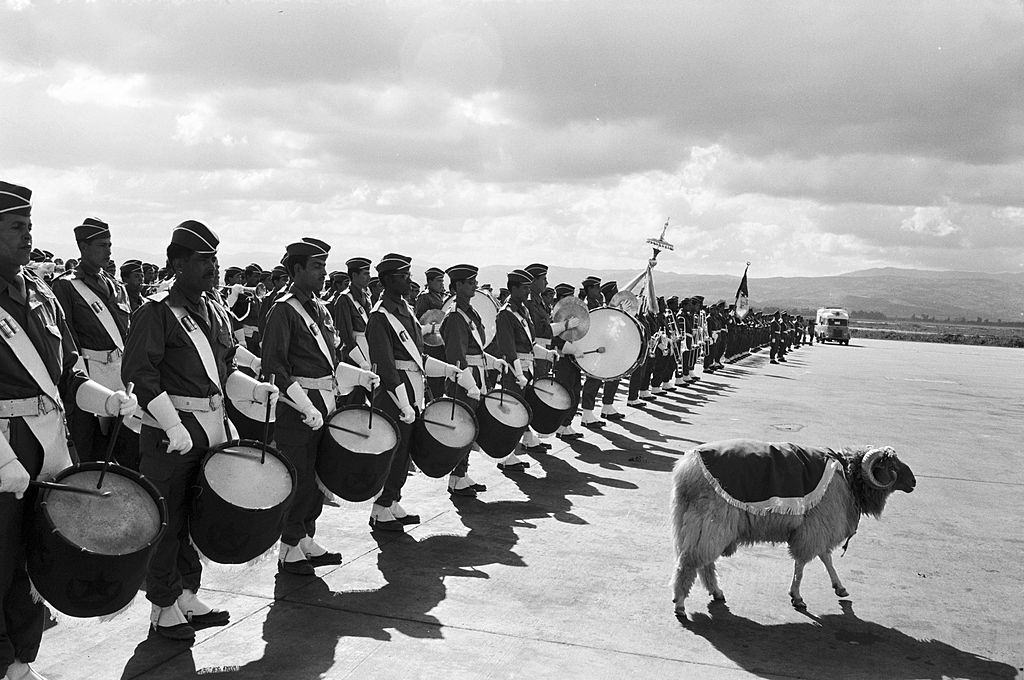
Hassan II moved quickly to establish Morocco’s place on the international stage. In 1961, he met with Yugoslav President Josip Broz Tito in Morocco. In 1963, he made an official visit to Algeria. He aligned Morocco firmly with Western powers, particularly the United States, while also engaging with non-aligned leaders. At home, his government was conservative and at times forceful in putting down opposition. Many political opponents and labor activists were arrested during the 1960s for speaking out against state policies.
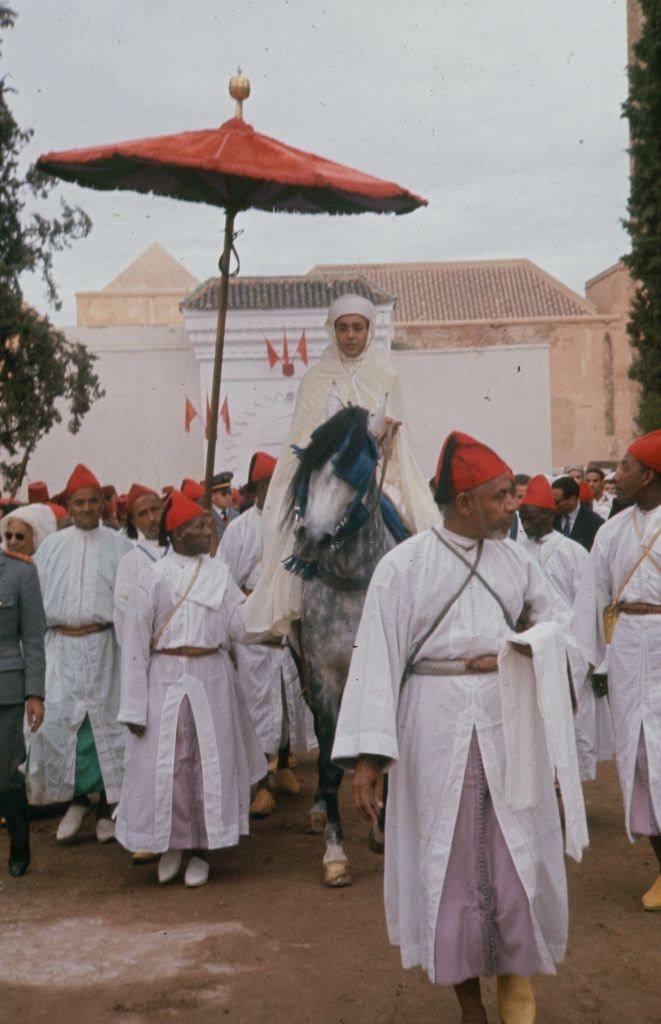
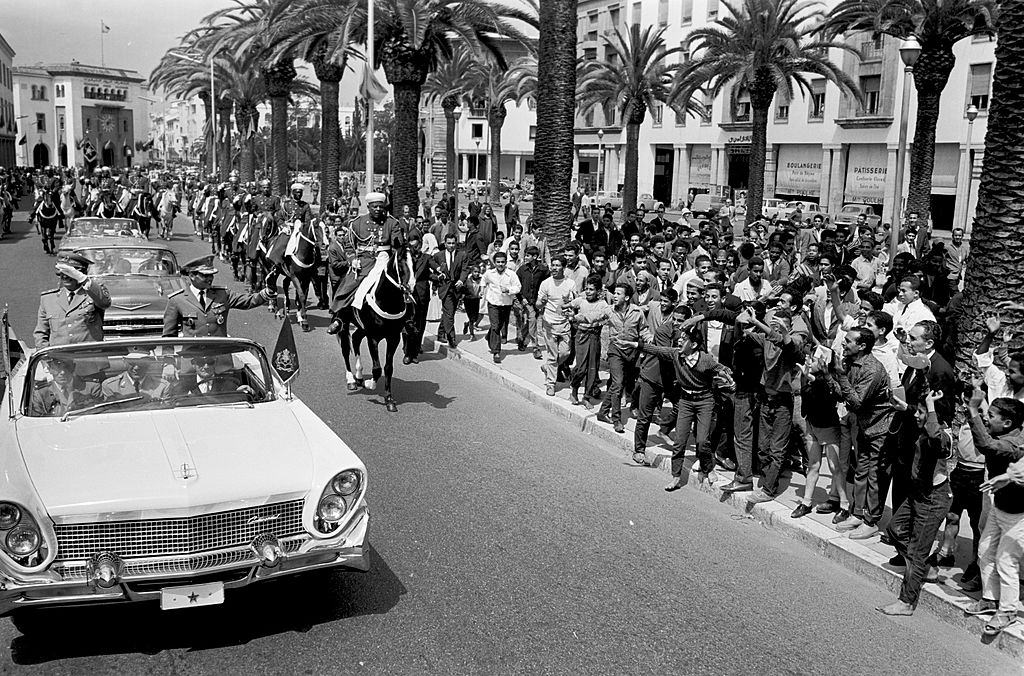
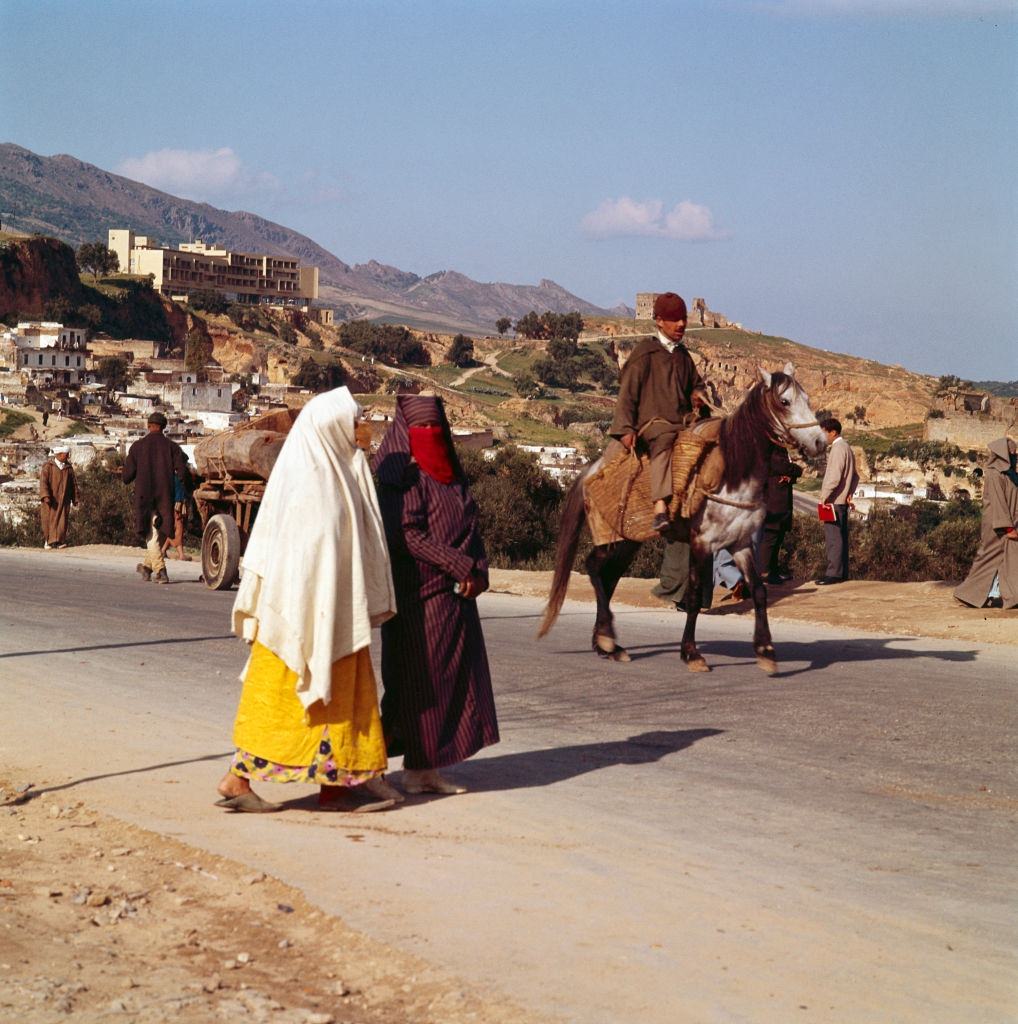
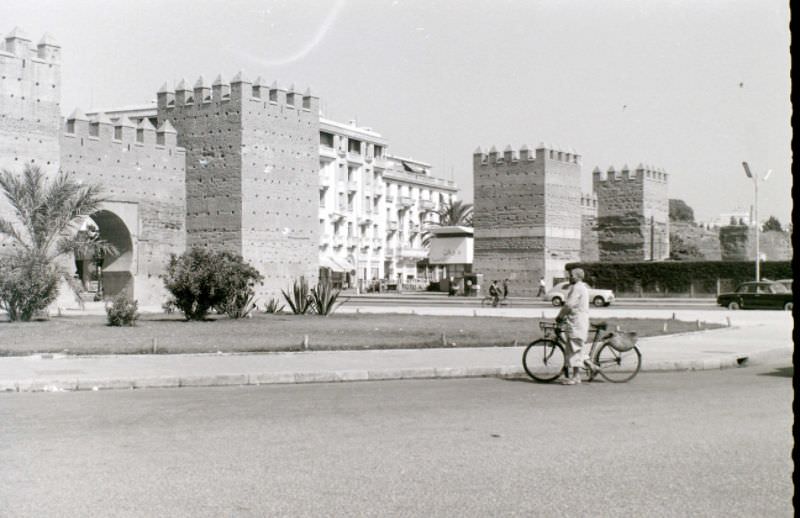
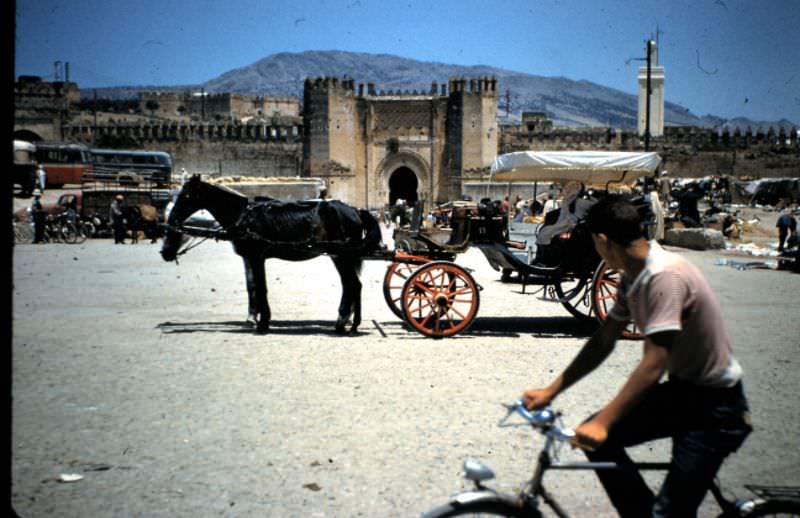
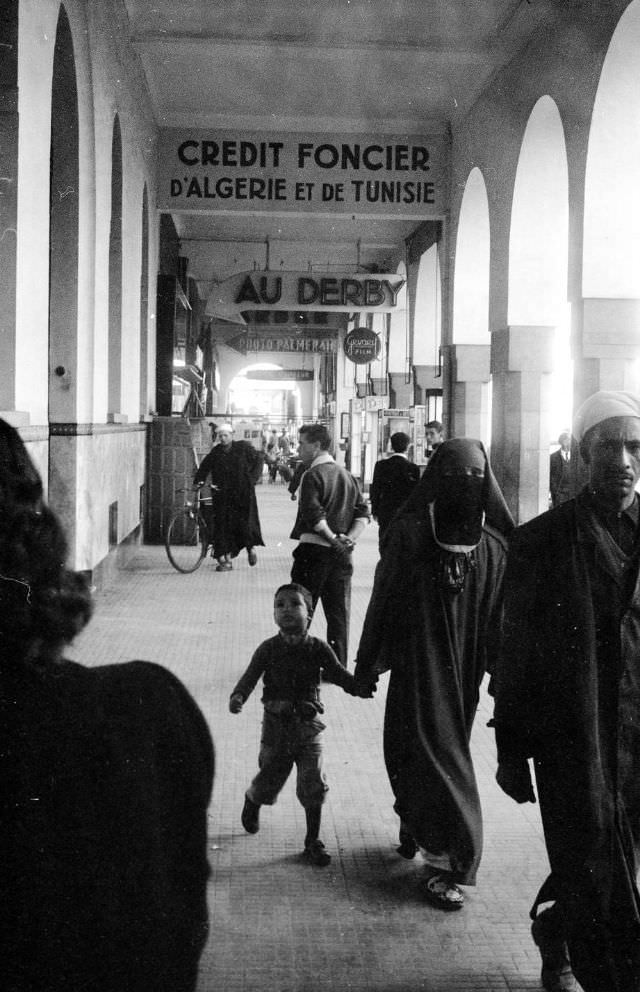
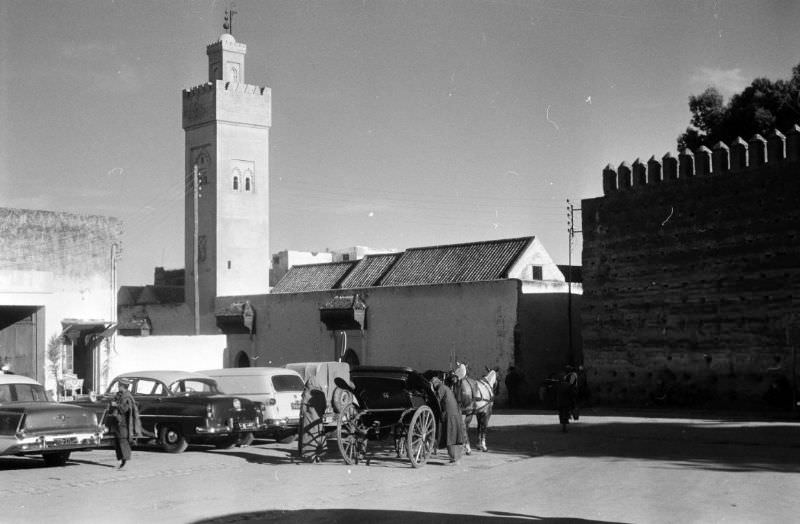
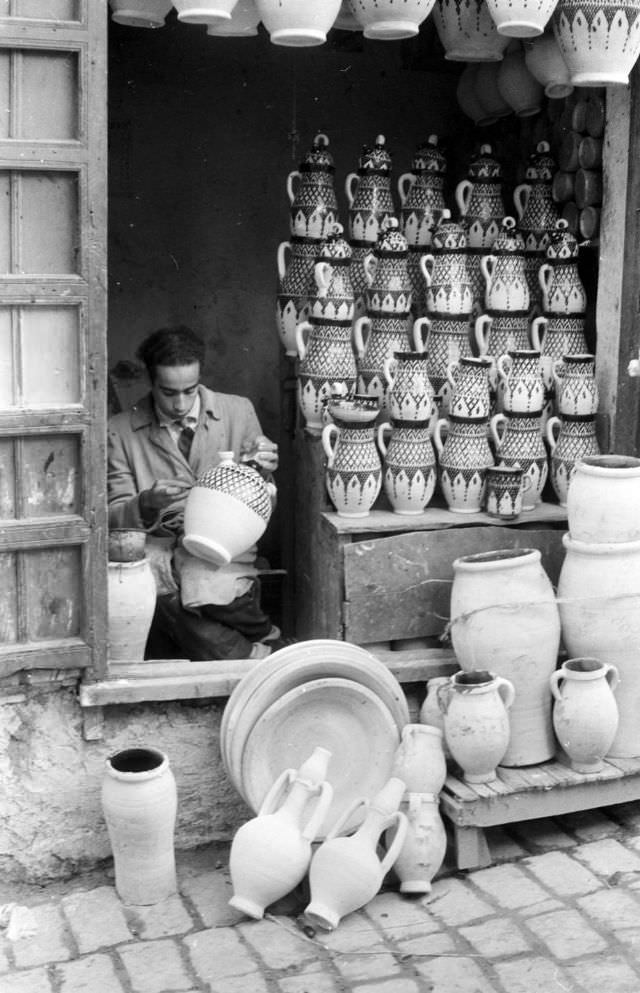
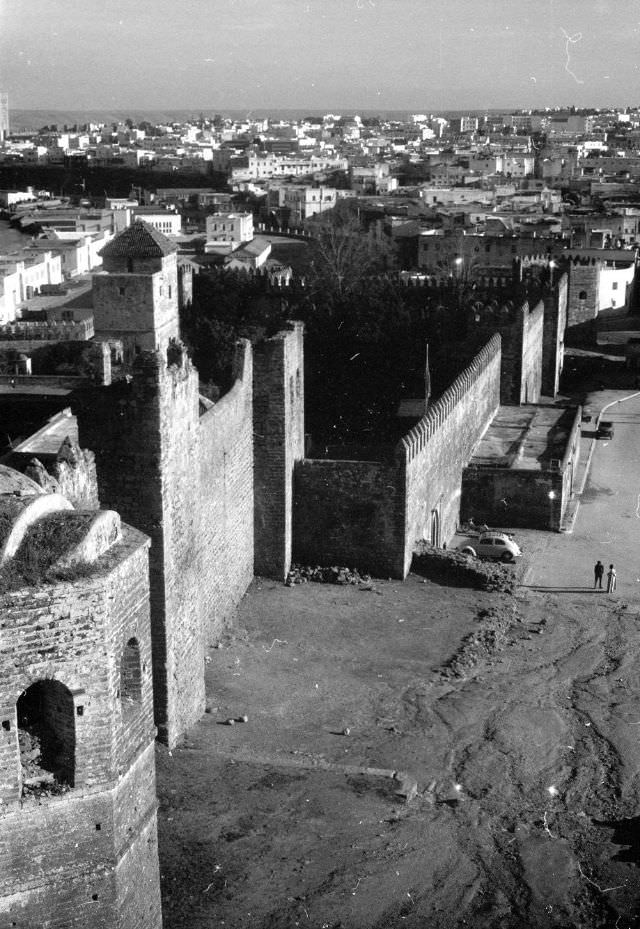
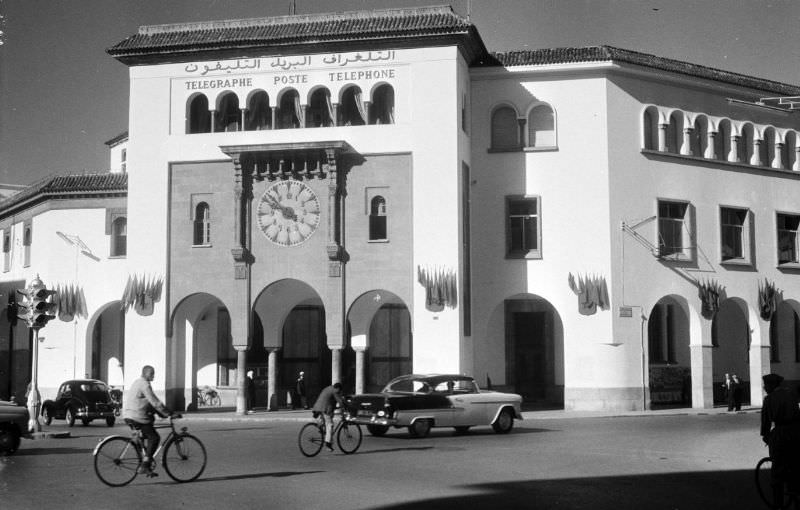
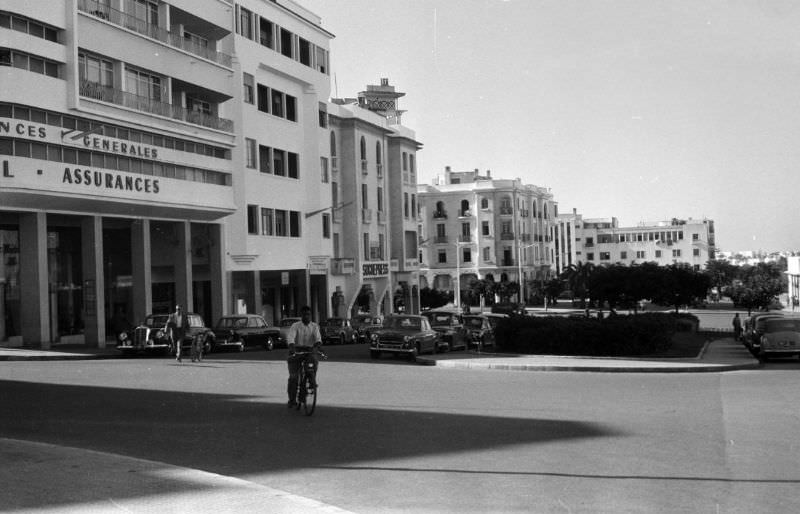
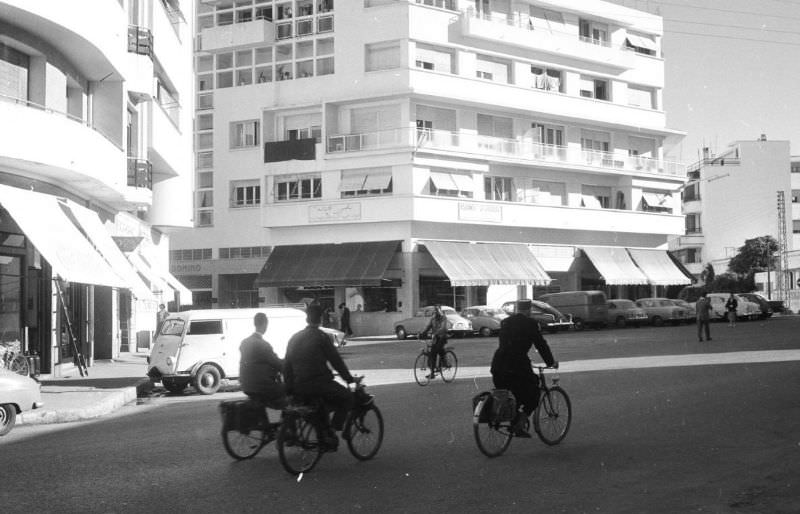
Cities like Casablanca, Fez, and Rabat showed Morocco’s mix of the traditional and the modern. In Casablanca and Rabat, people on bicycles rode past modern commercial buildings. Rabat’s post office and city walls stood in the same frame as bustling souks and arched walkways. Pottery shops in Rabat still had craftsmen painting vases by hand. Horse-drawn carriages shared the roads of Fez with motor vehicles.
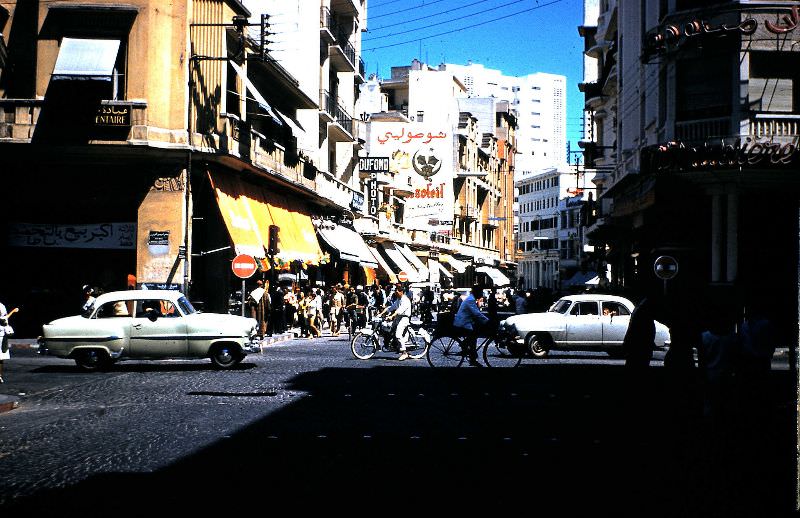
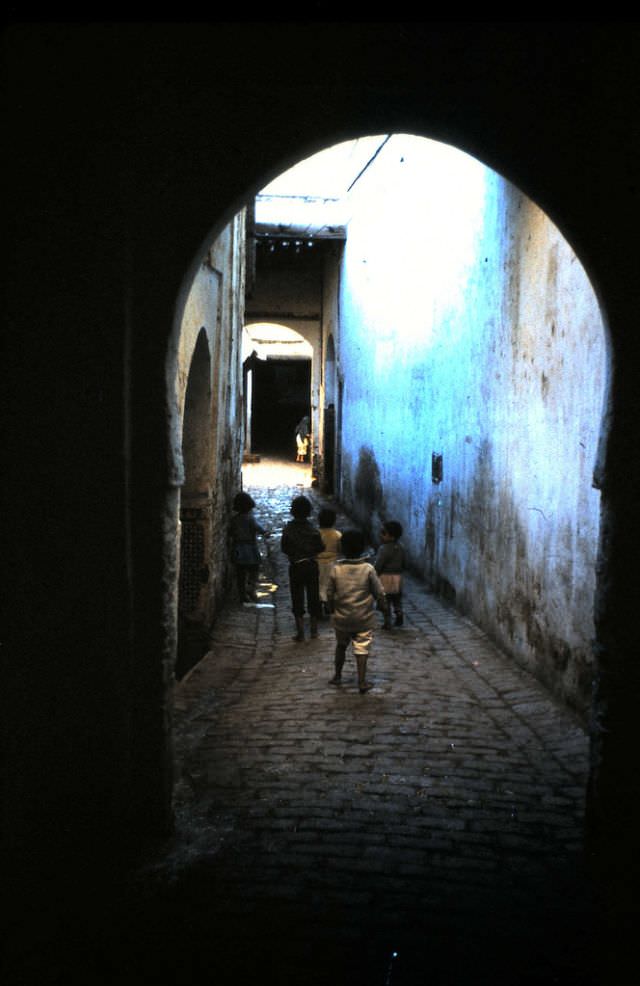
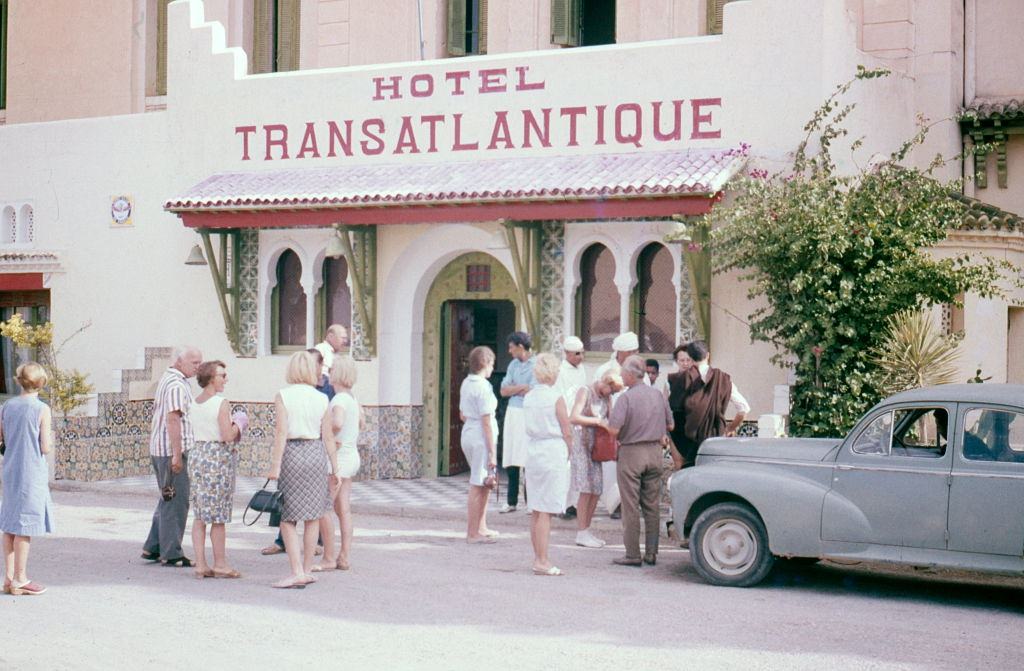
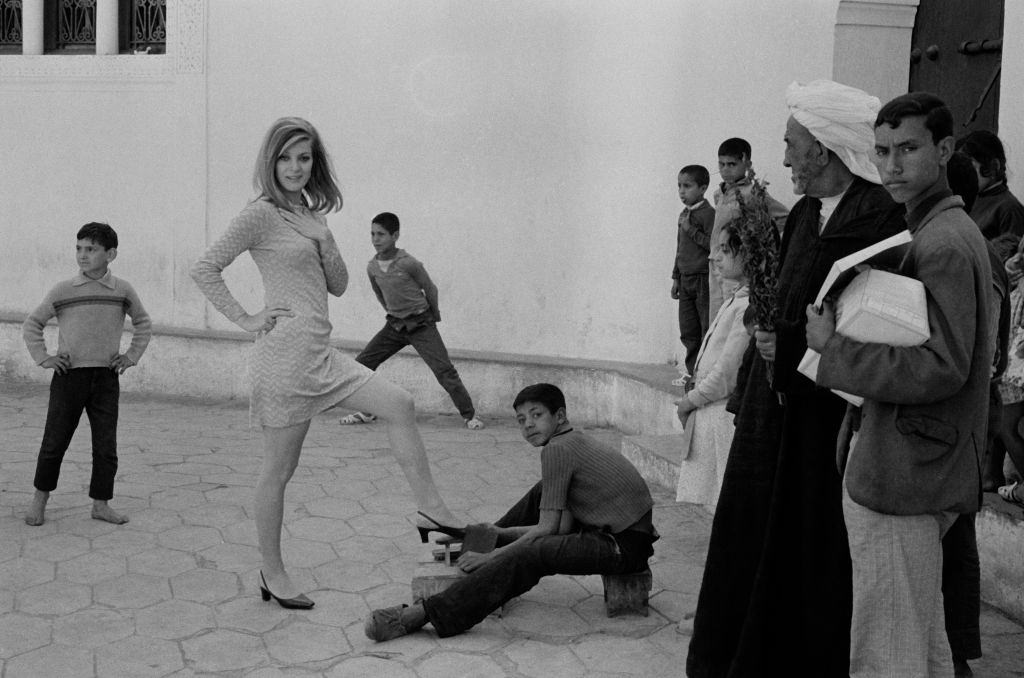
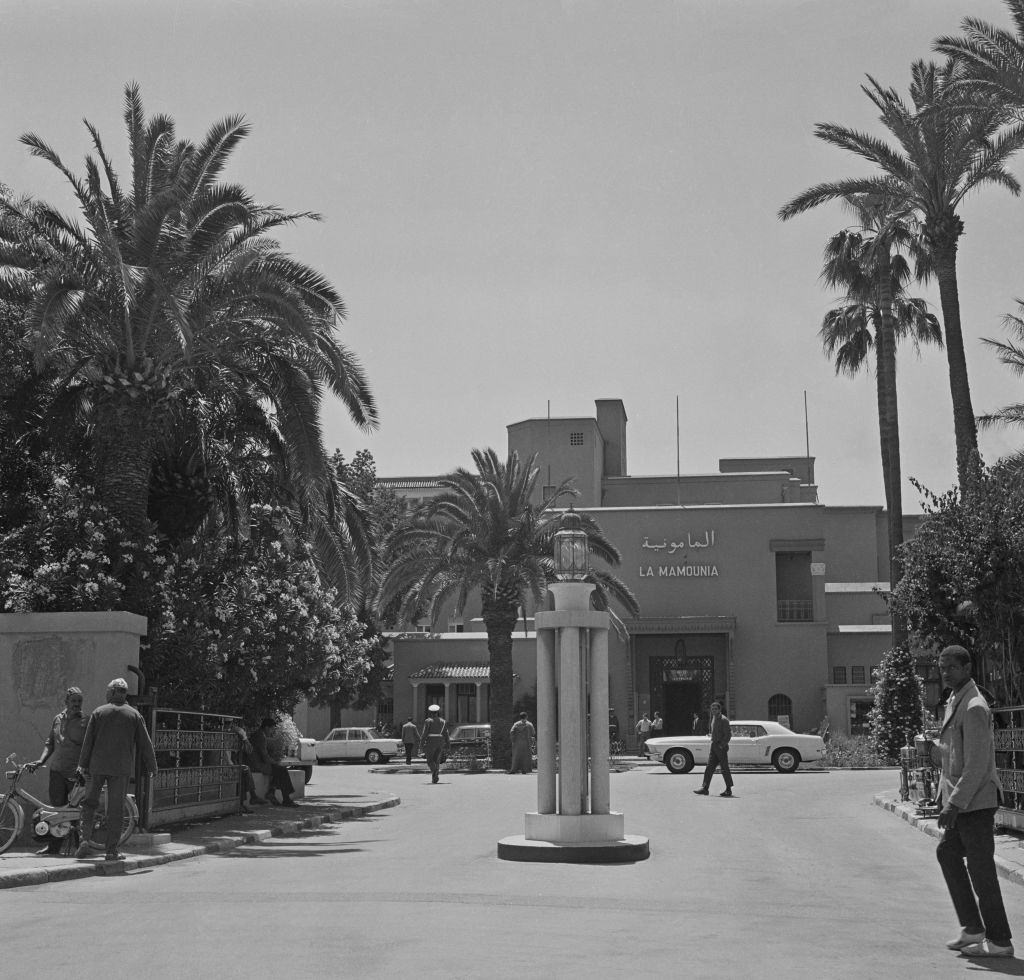
Morocco attracted international visitors throughout the decade. The Hotel Transatlantique welcomed guests in 1960, and Marrakech’s legendary La Mamounia hotel was photographed in 1969, still one of the most well-known addresses in the country. In 1967, French actress Sarah Stephane filmed scenes for Michel Boisrond’s movie ‘The Man Who Worth Billions’ on location in Morocco, adding to the country’s growing reputation as a film destination. The Rolling Stones also traveled through Morocco during the 1960s, drawn by the music, the atmosphere, and the culture they found there.
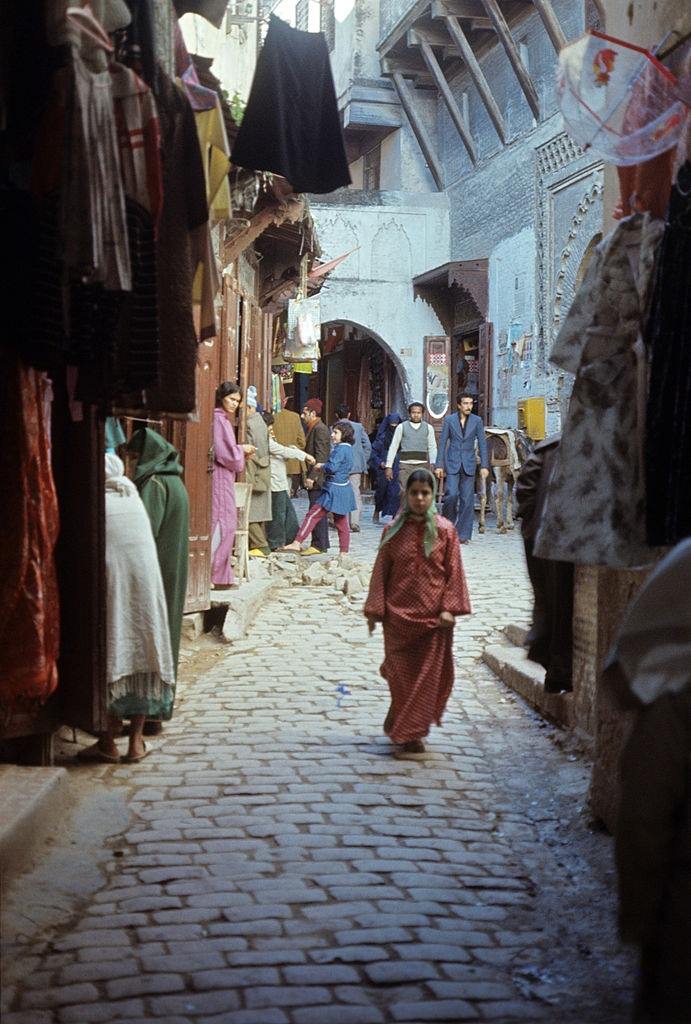
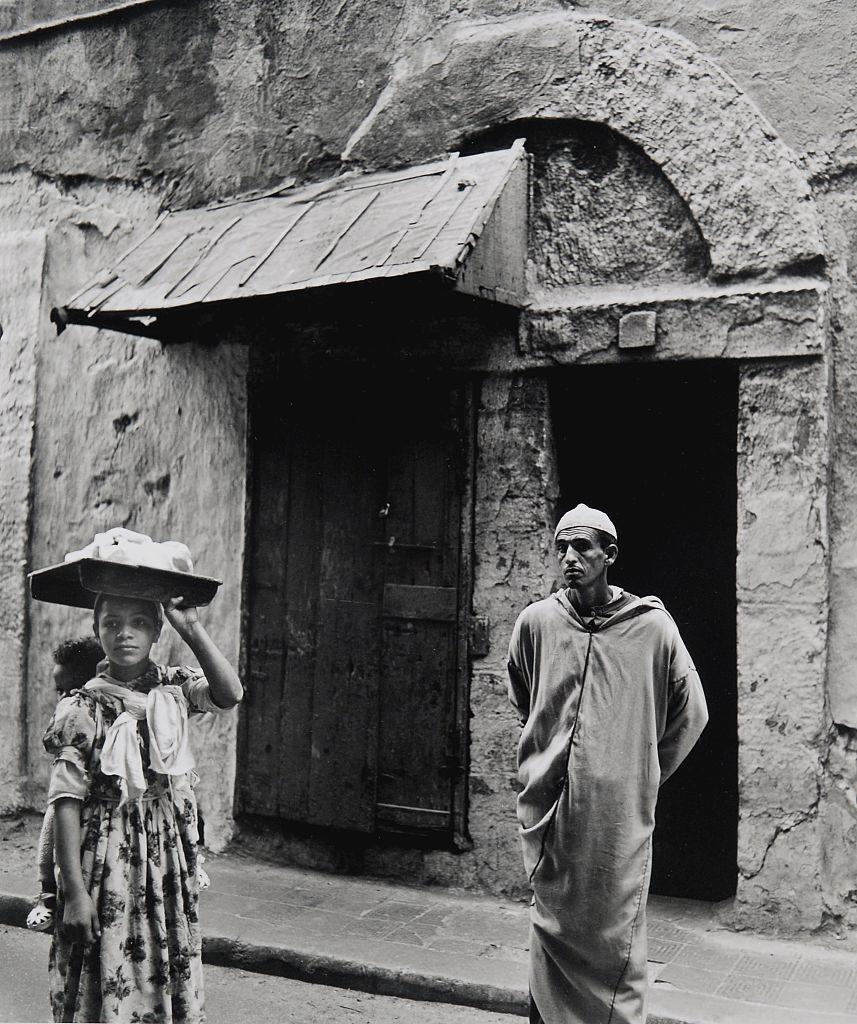
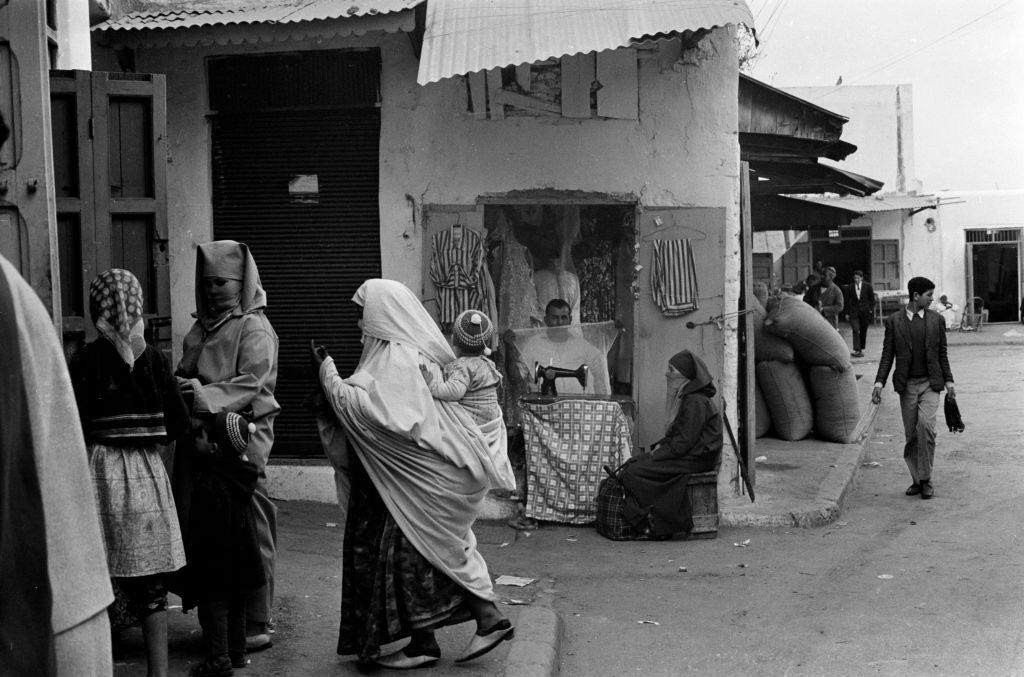
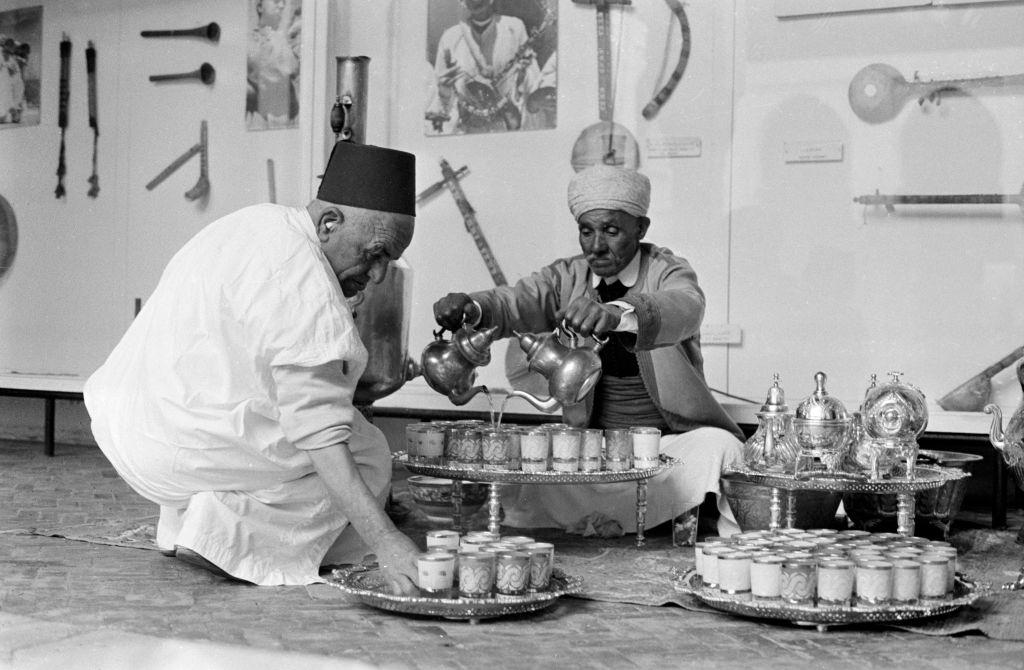
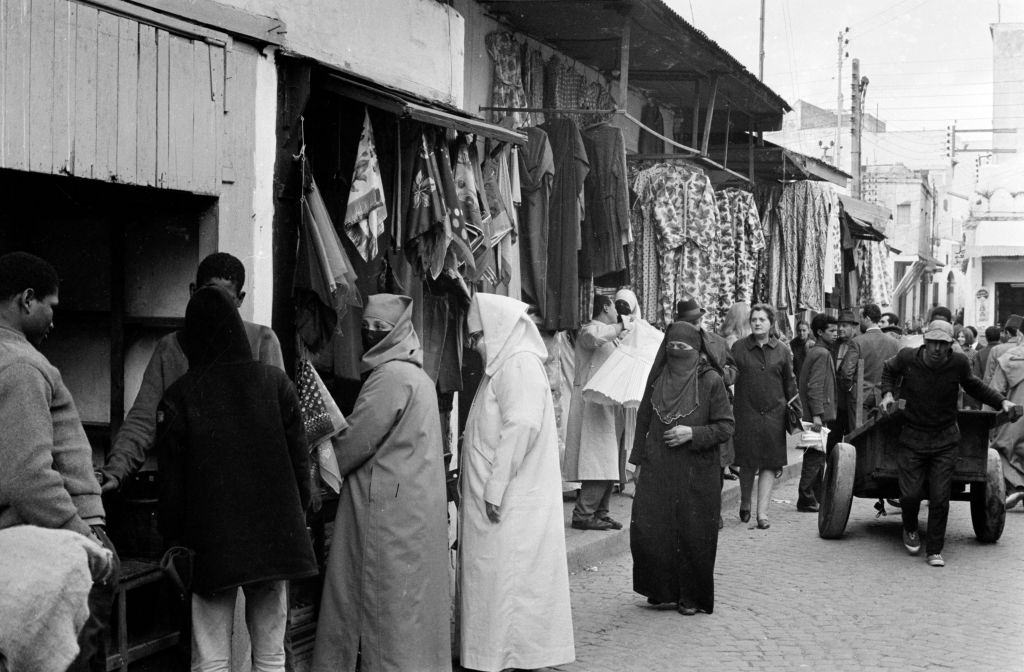
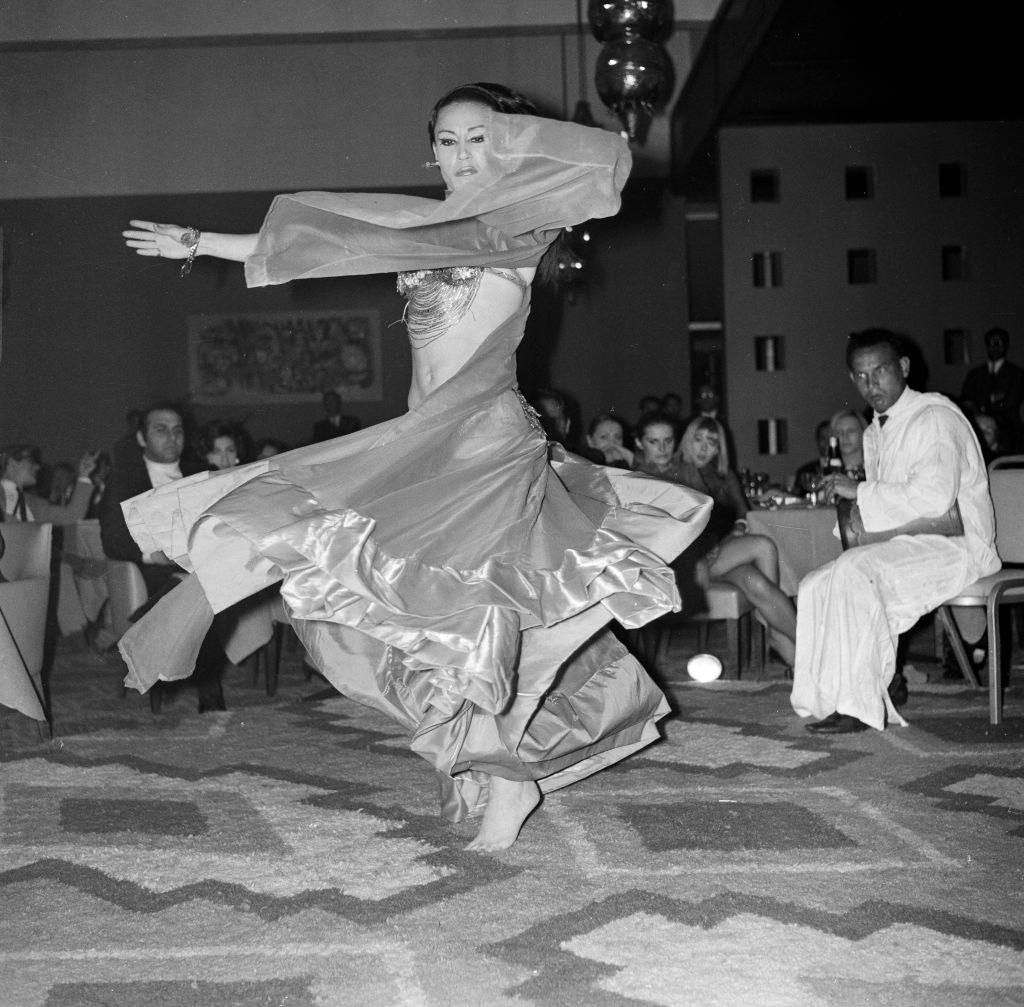
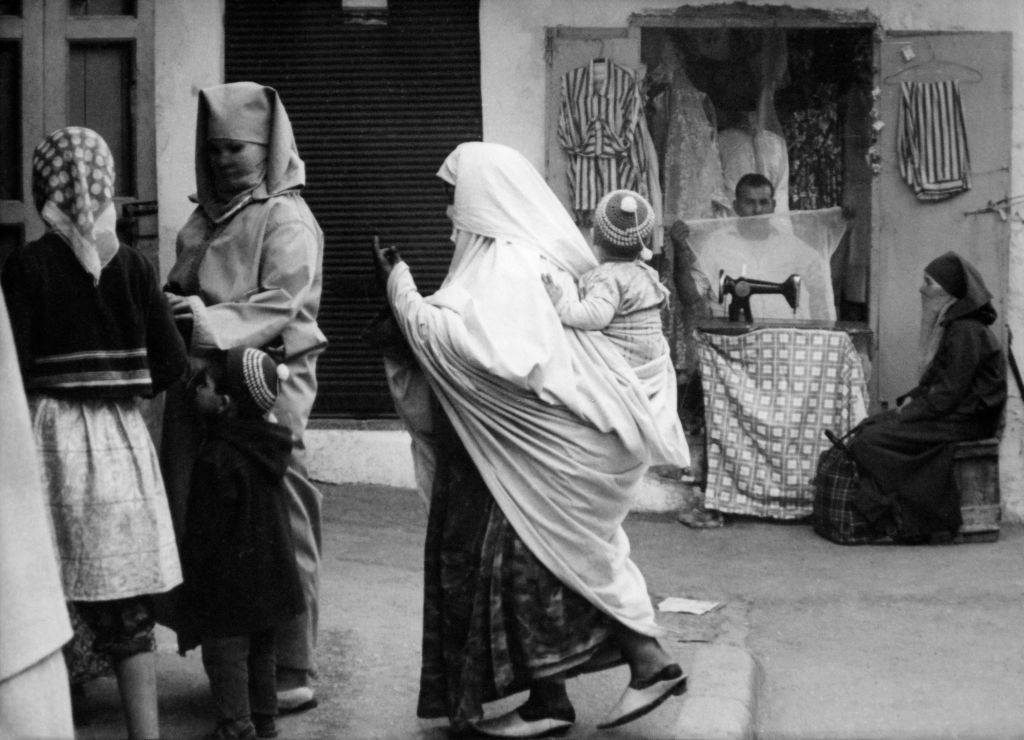
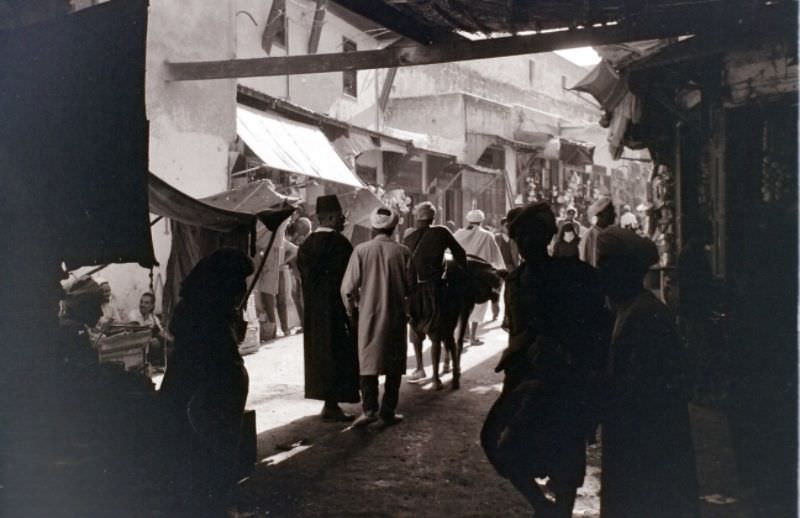
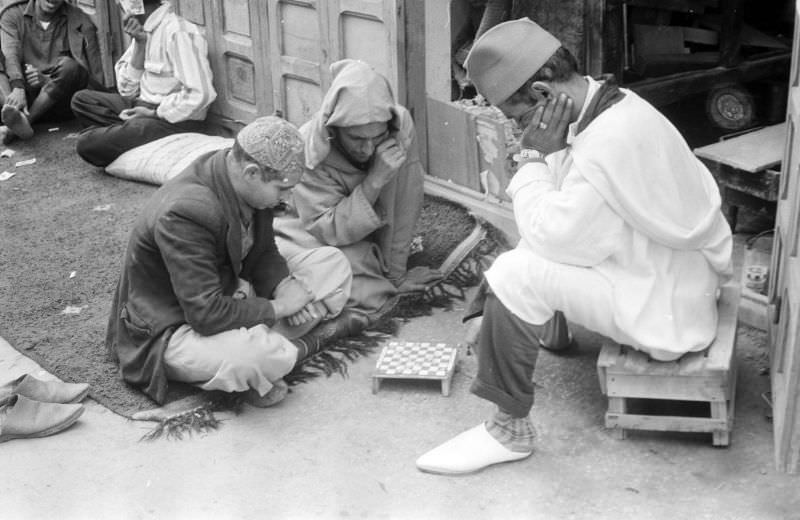
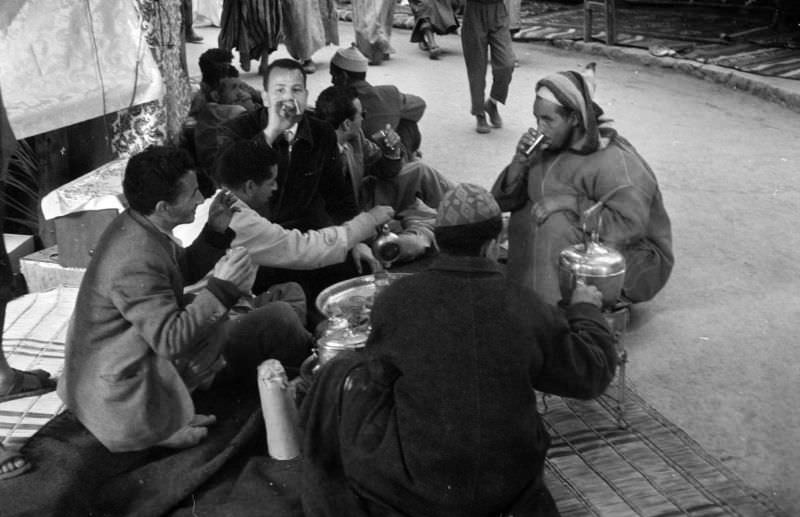
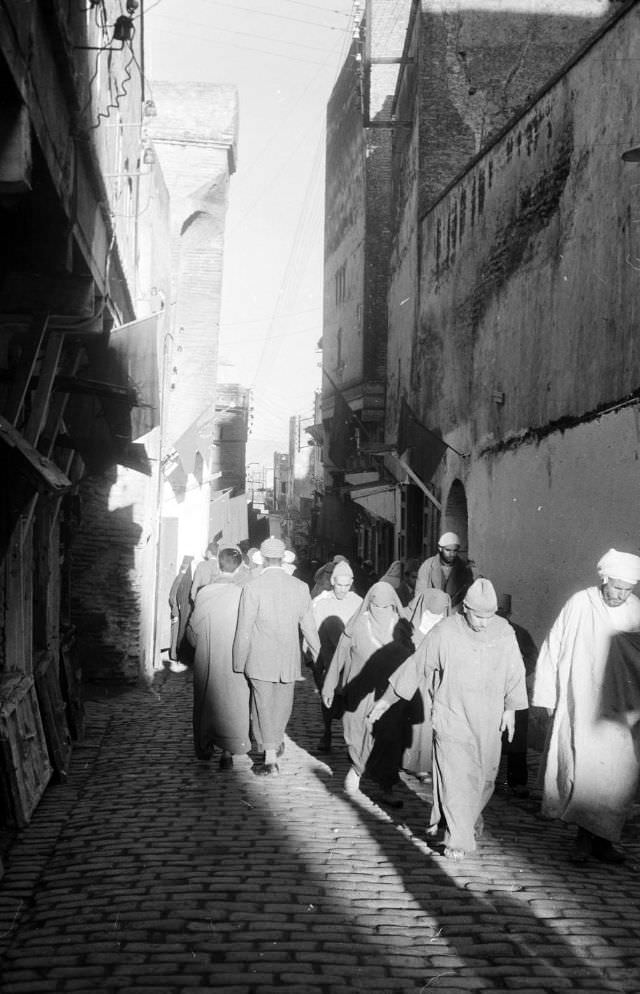
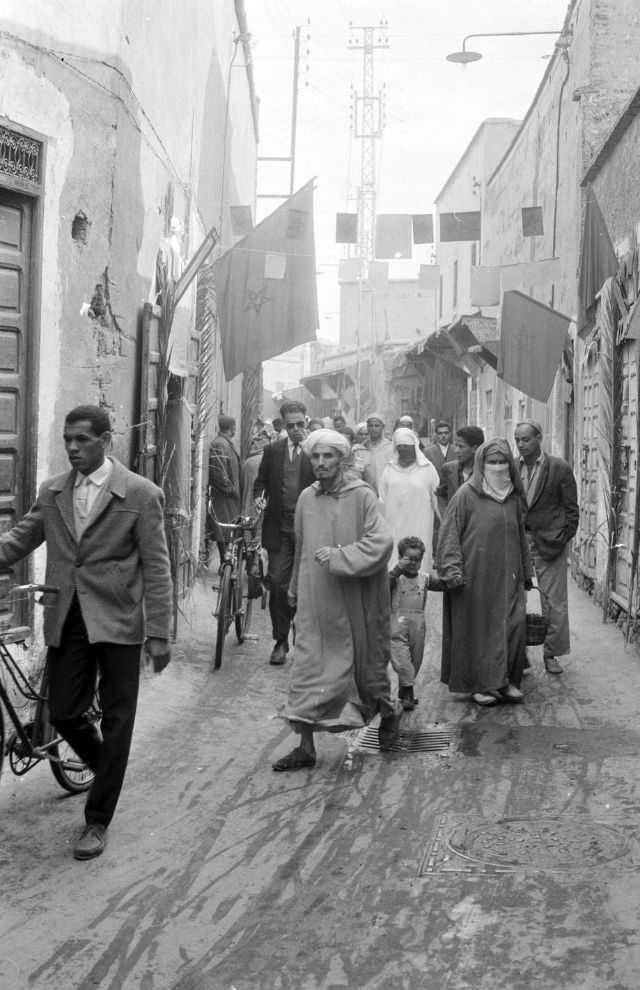
In 1968, Rabat’s medina offered a window into daily life in Morocco’s capital. Tailors worked in open-fronted workshops while women passed by on the street outside. Elderly men sat in the medina drinking mint tea. The medina’s narrow lanes were lined with merchants, and the smell of fresh mint, leather, and spices was inescapable. A belly dancer performed at Marrakech’s Hilton Hotel that same year, showing how international tourism had started to shape the entertainment scene.
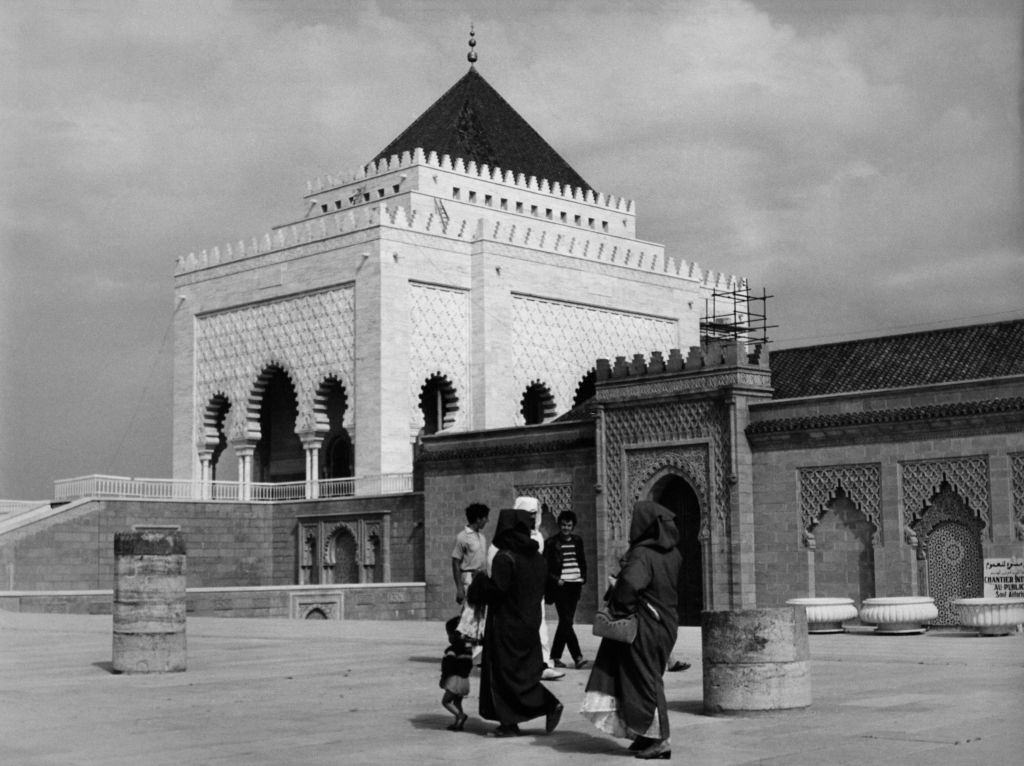
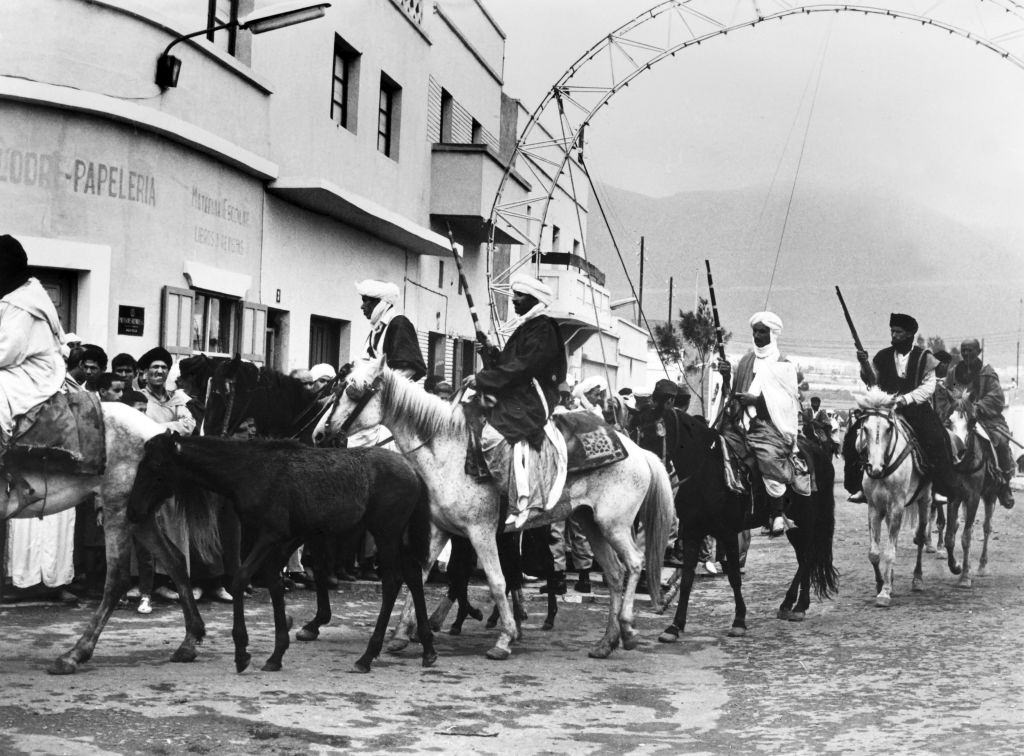
The end of the decade brought a milestone for Moroccan sovereignty. On July 8, 1969, the people of Sidi Ifni marched back into their city in traditional dress after Spain finally returned the territory to Morocco. The coastal enclave had been under Spanish control for over a century. The mausoleum of King Mohammed V, completed in Rabat, was photographed in May 1969 — a monument to the king who had led Morocco to independence and whose memory still shaped the country’s identity.
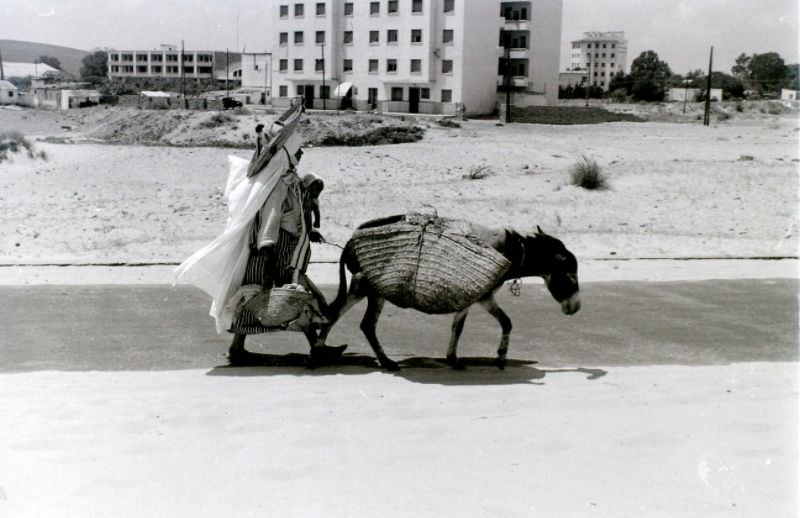
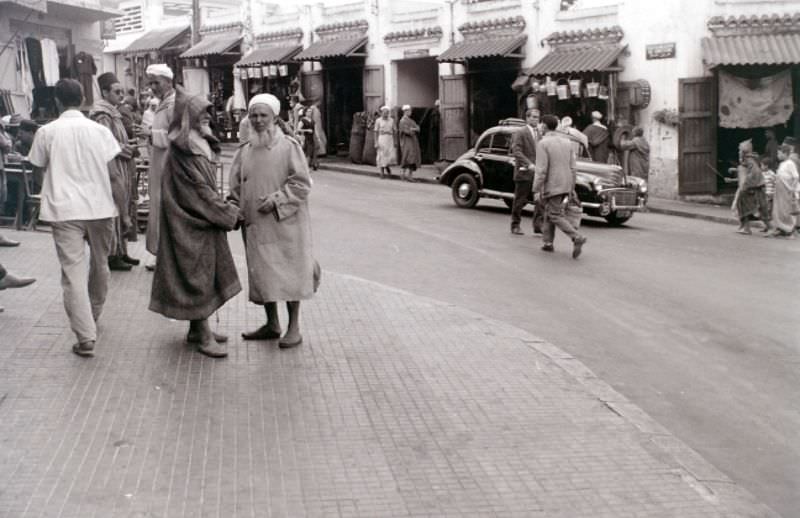
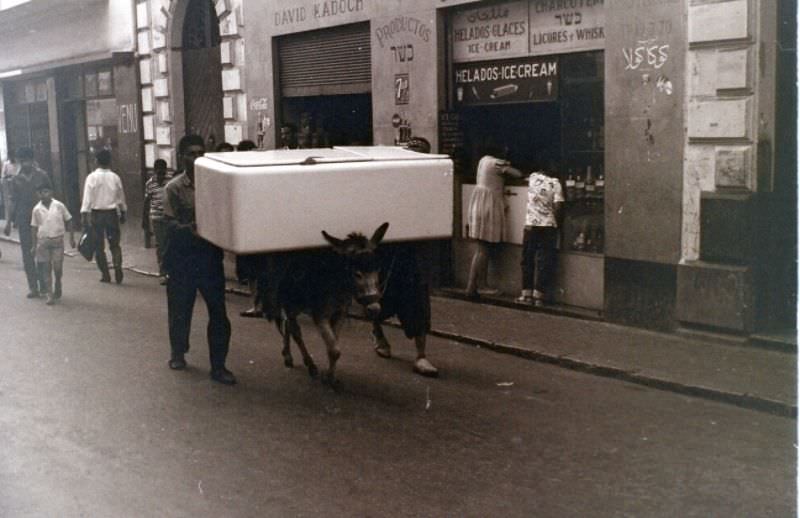
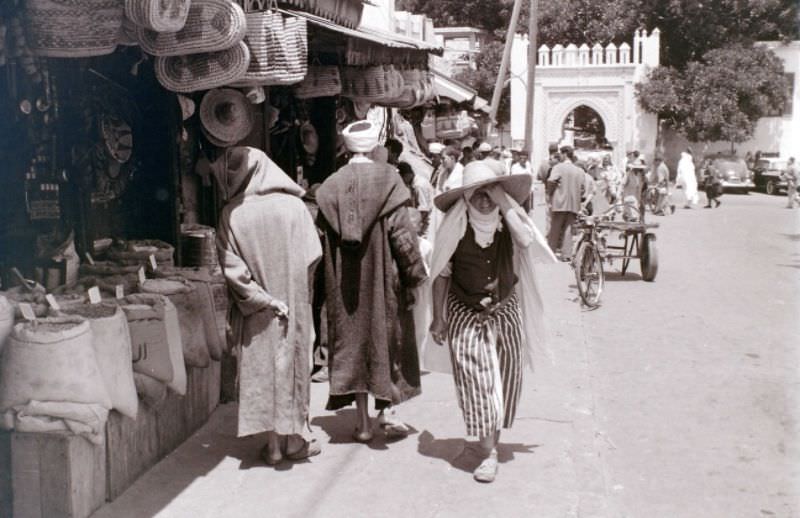
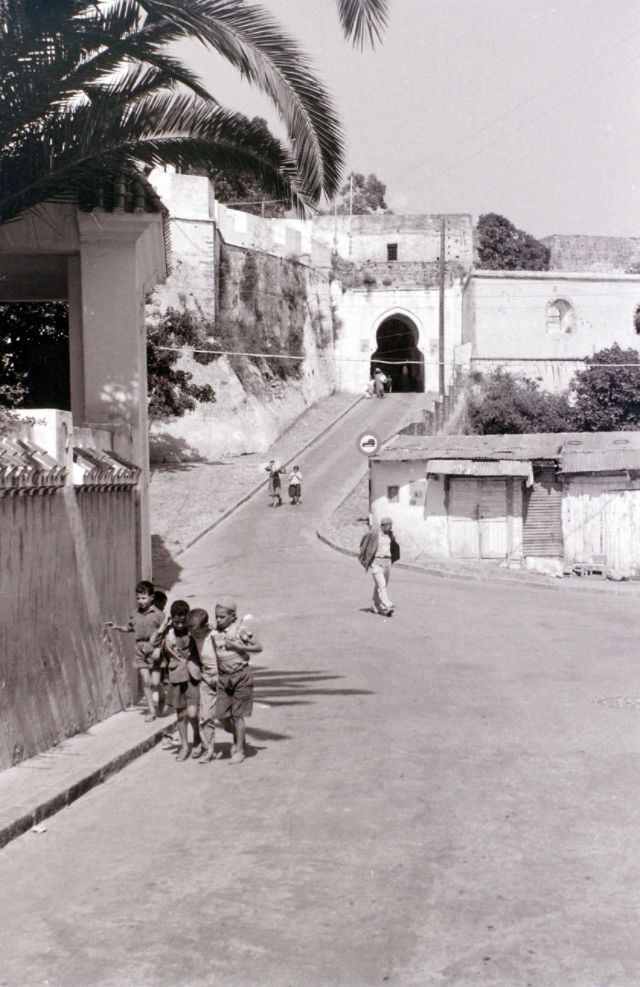
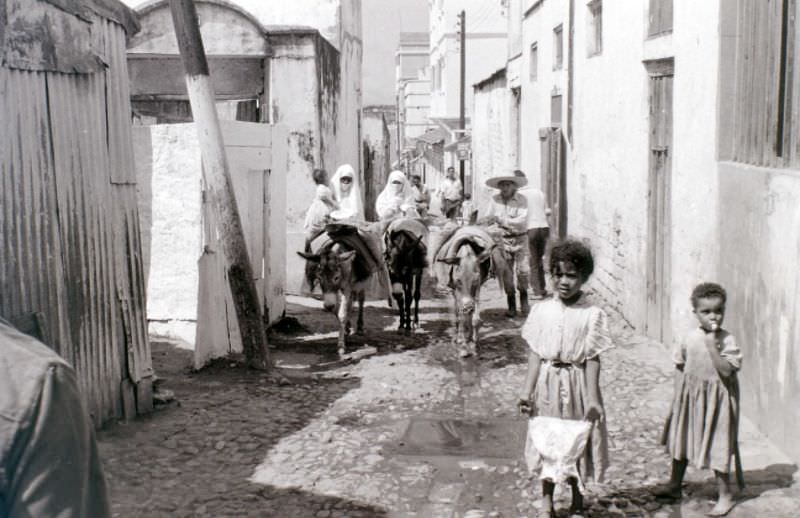
Across the decade, Tangier remained one of Morocco’s most photographed cities. Its mix of European architecture, Arab medinas, and port activity made it unlike anywhere else in the country. The images below from Tangier in the 1960s show street scenes, market activity, and everyday moments from a city that lived at Morocco’s crossroads with the world.
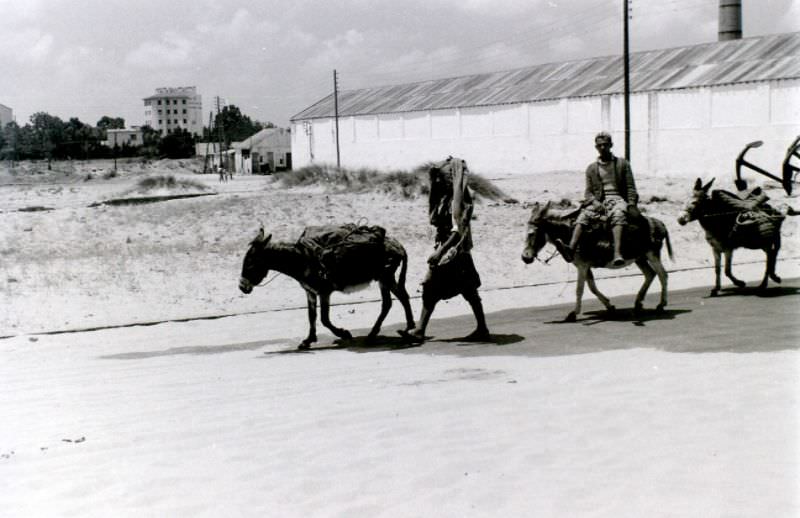
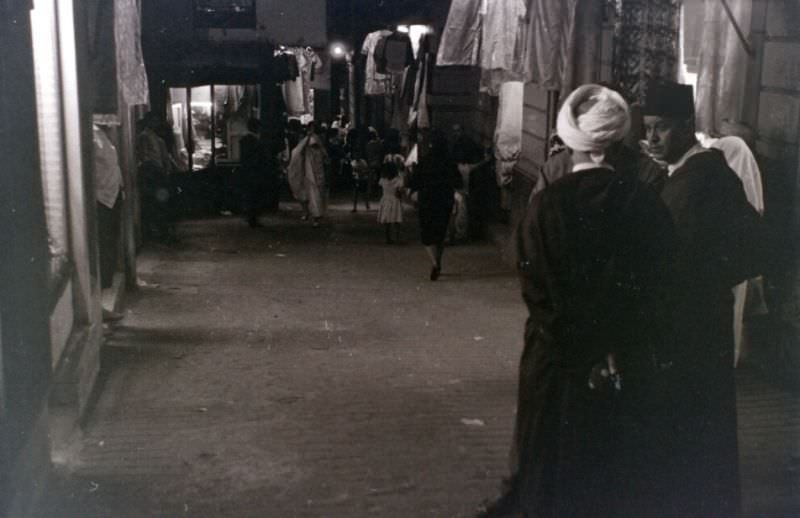
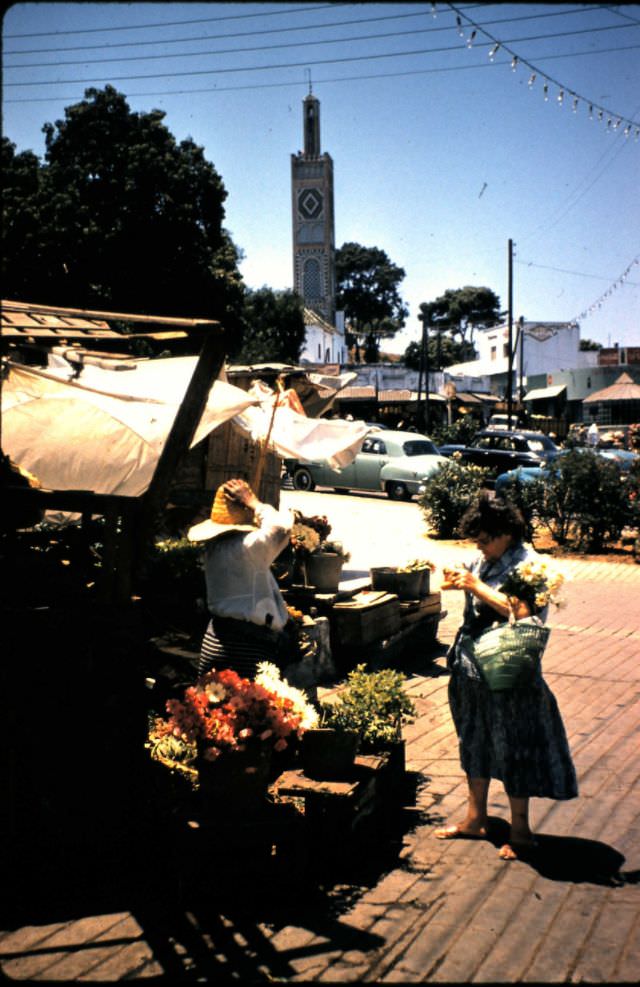
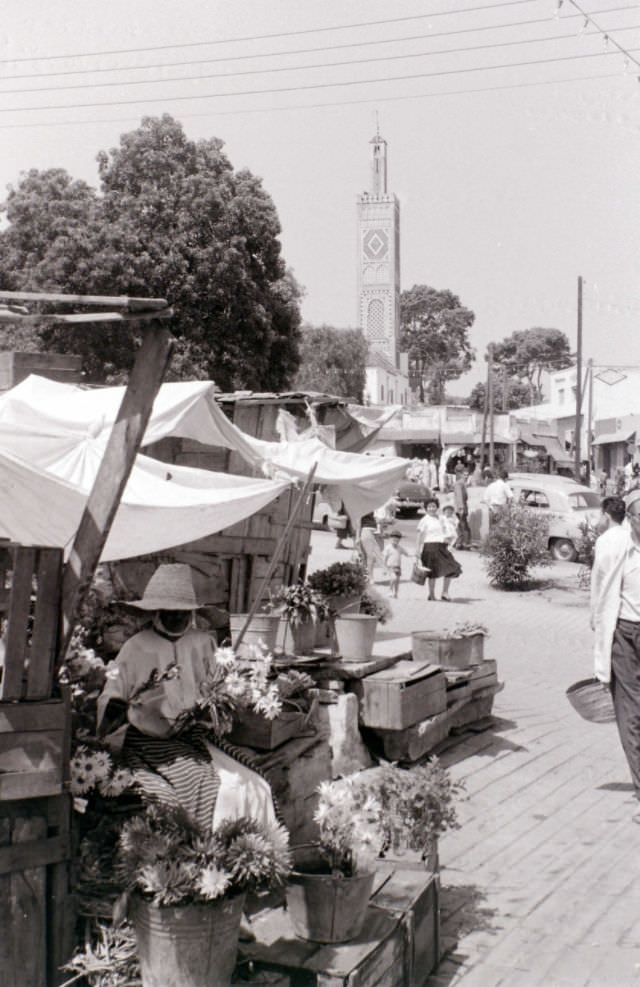
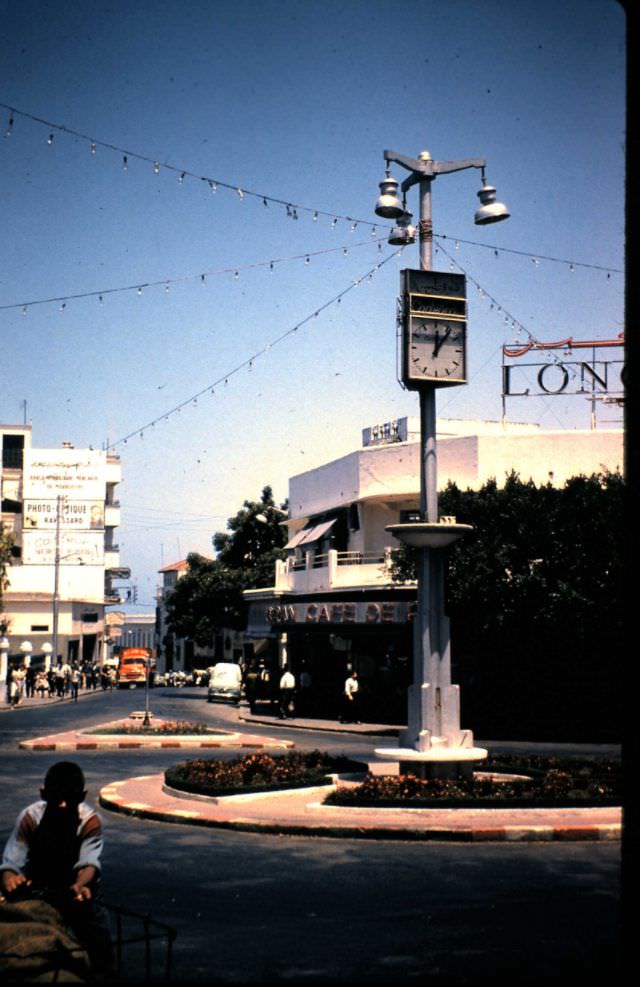
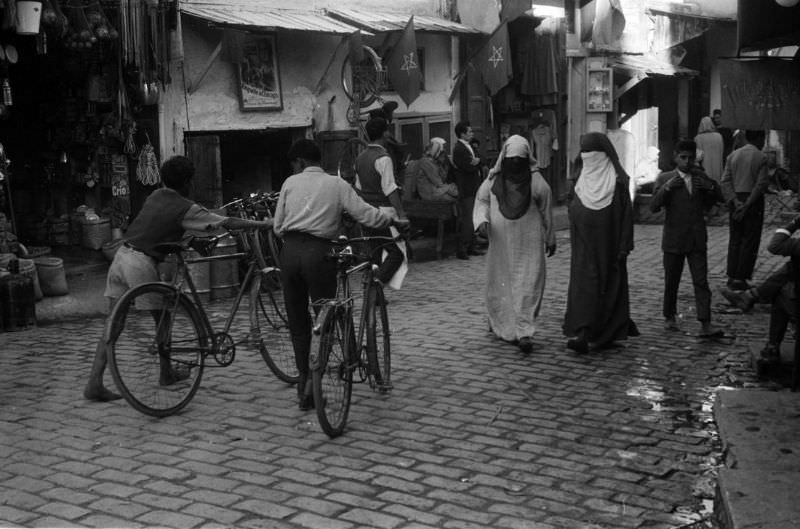
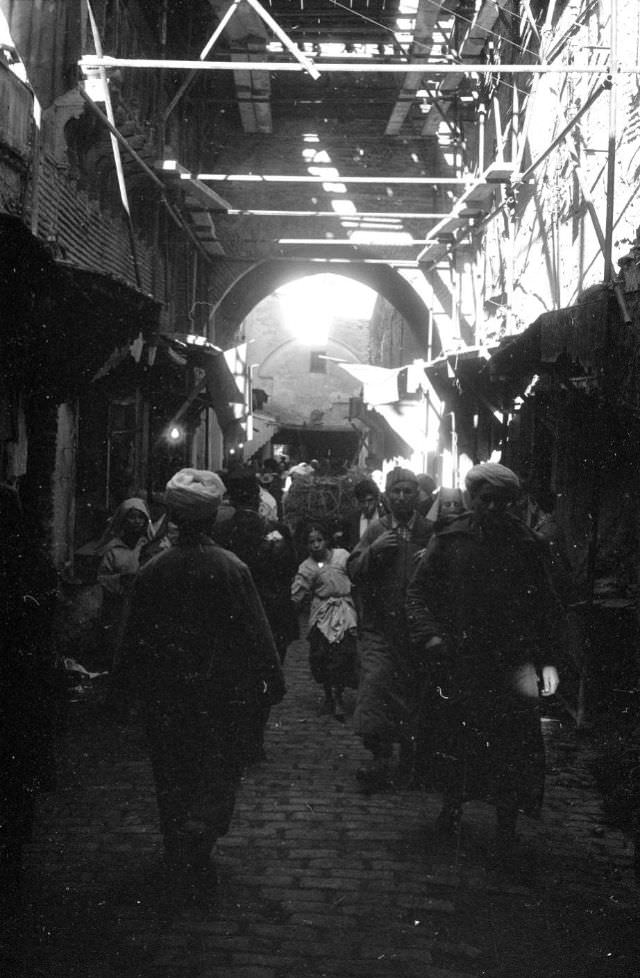
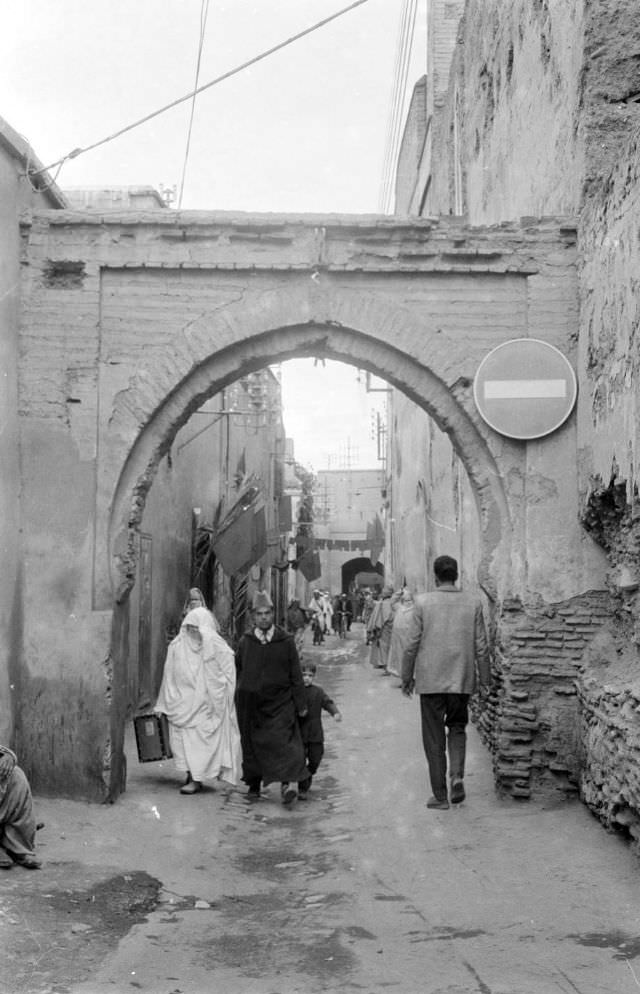
Rabat, Morocco’s capital, showed a city balancing old and new. Its ancient city walls still enclosed the medina, while modern buildings rose nearby. Pedestrians and cyclists shared the streets in front of the post office. Arched walkways cut through the souks. Merchants sold goods under covered passages while residents went about their daily routines.
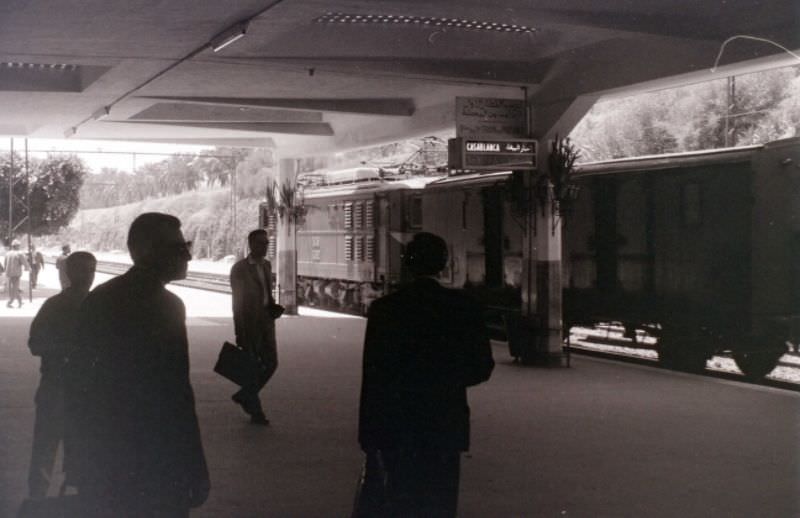
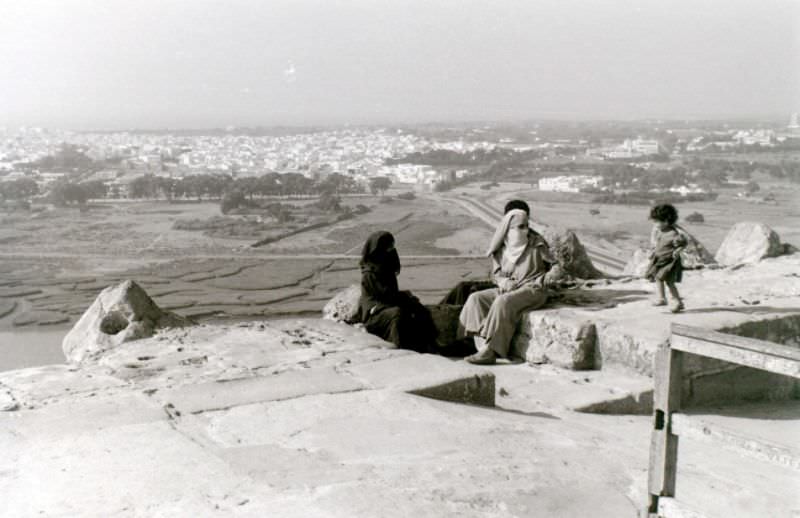
Agadir, rebuilt after the 1960 earthquake, and Casablanca, Morocco’s largest commercial city, each contributed their own chapter to the decade’s visual record.
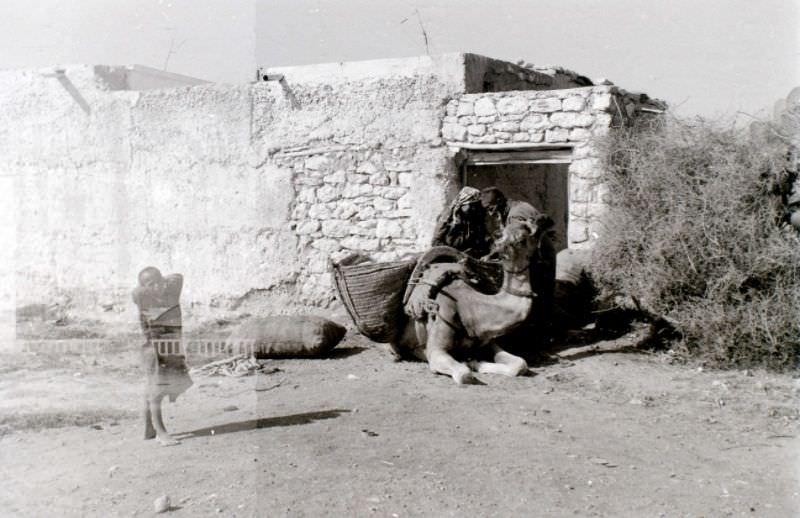
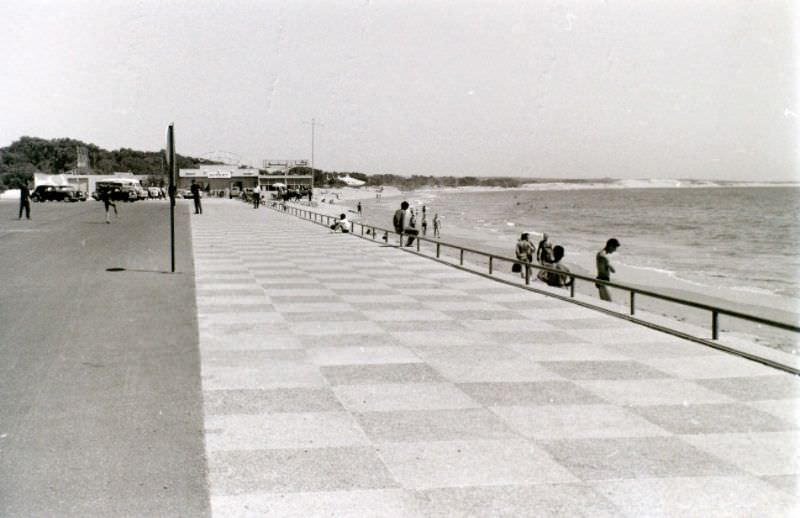
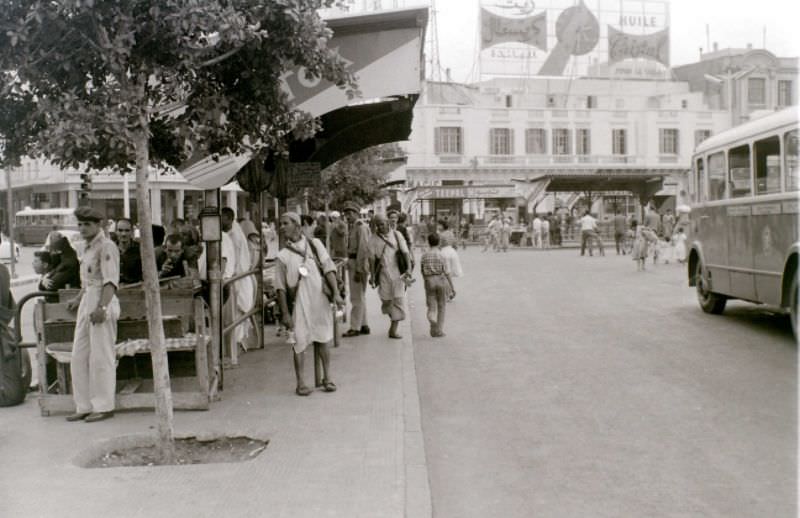
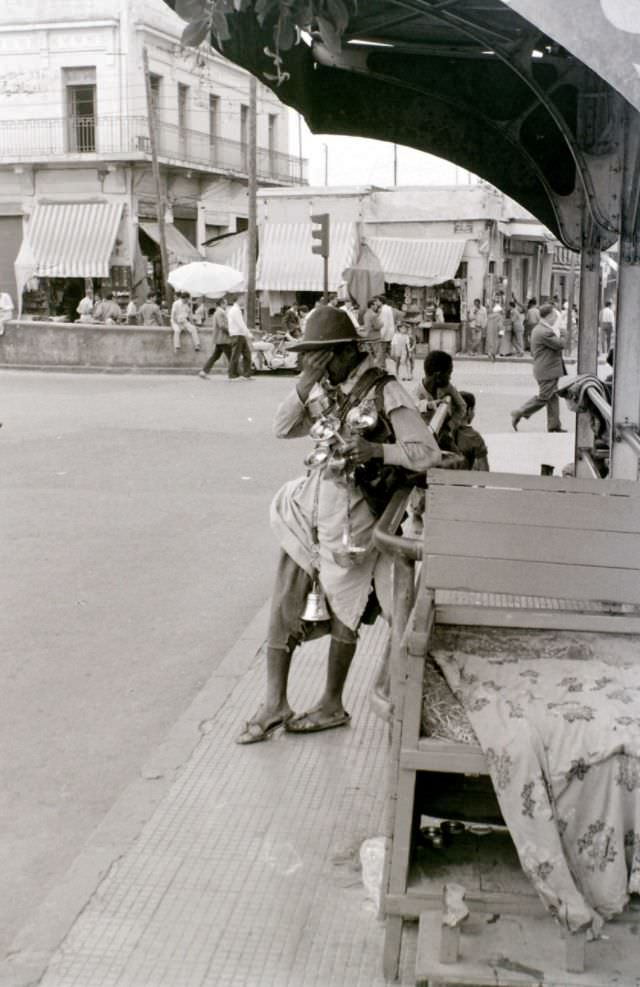
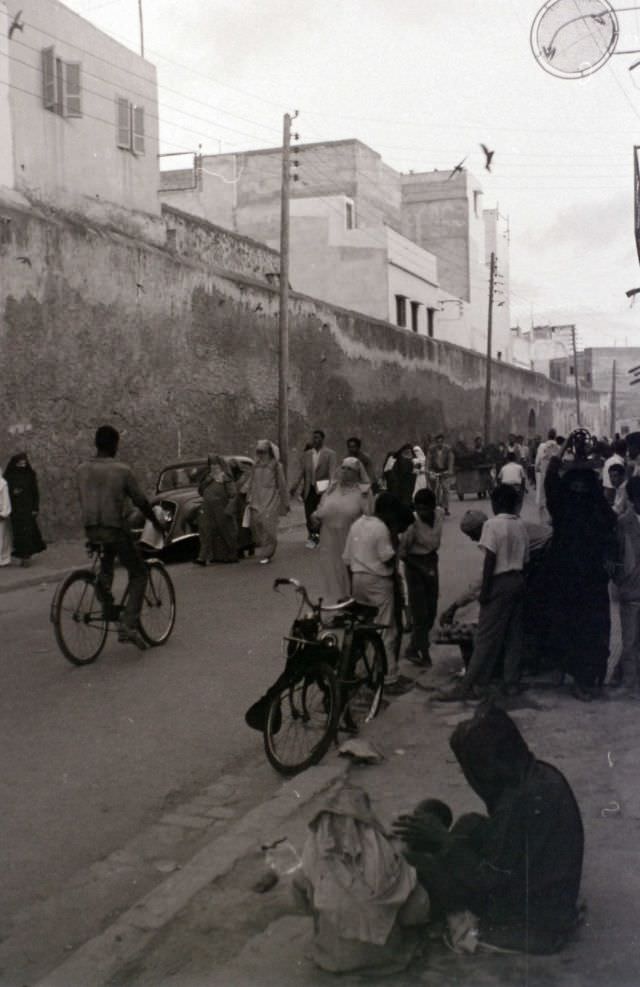
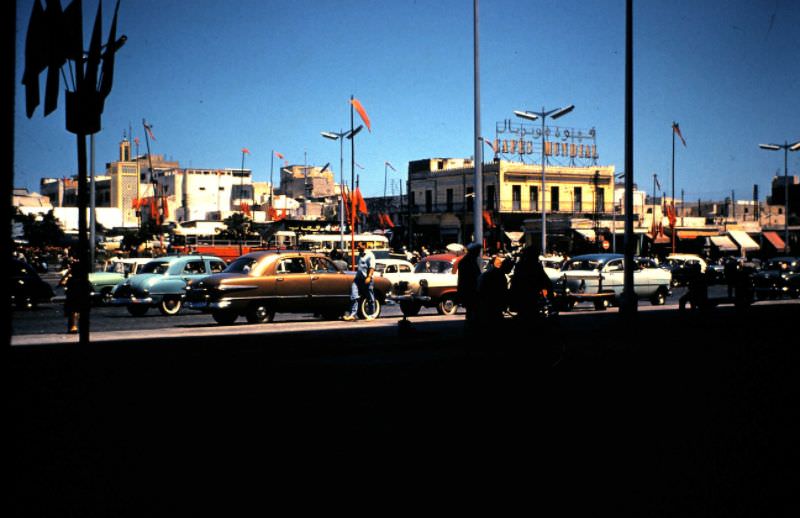
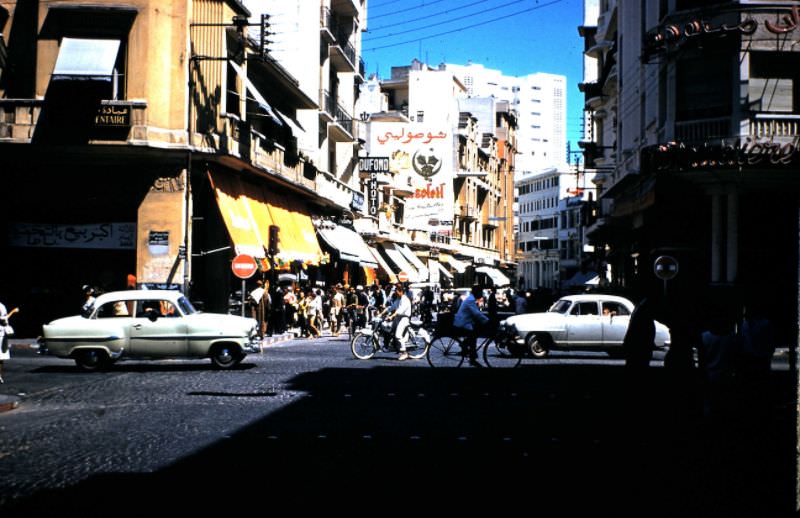
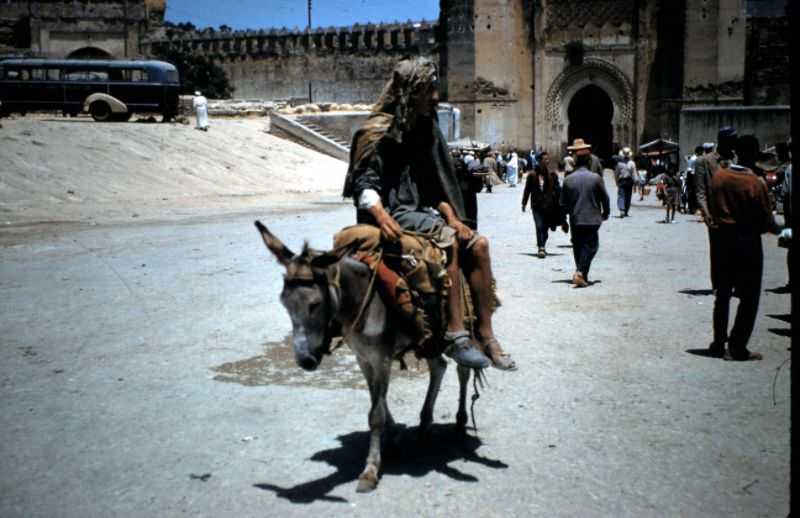
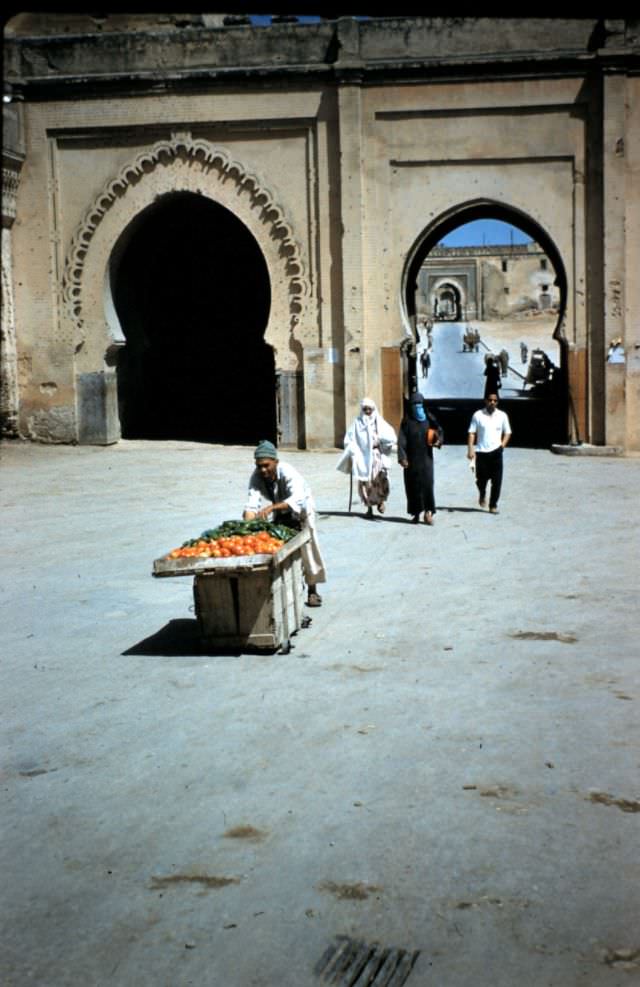
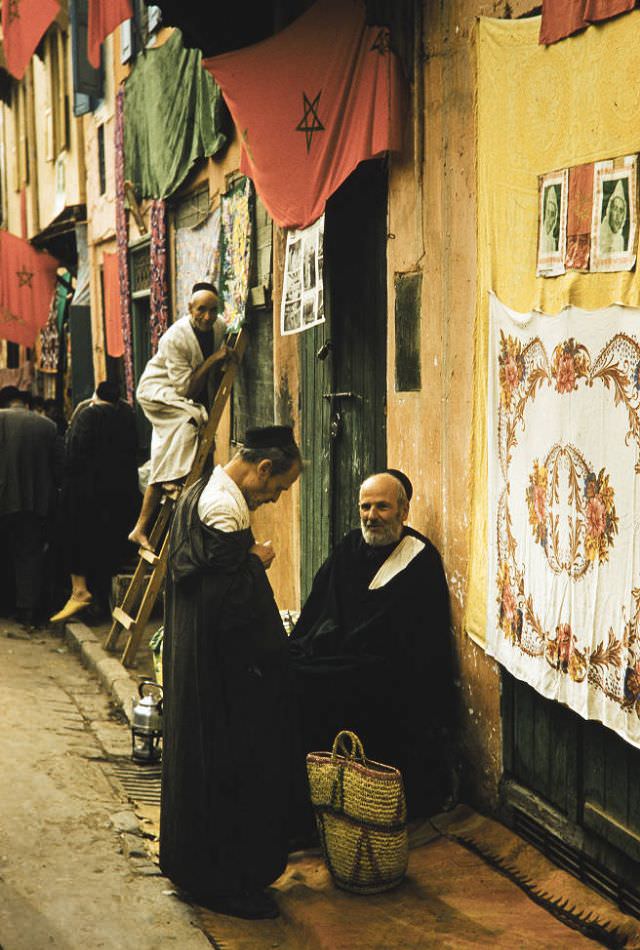
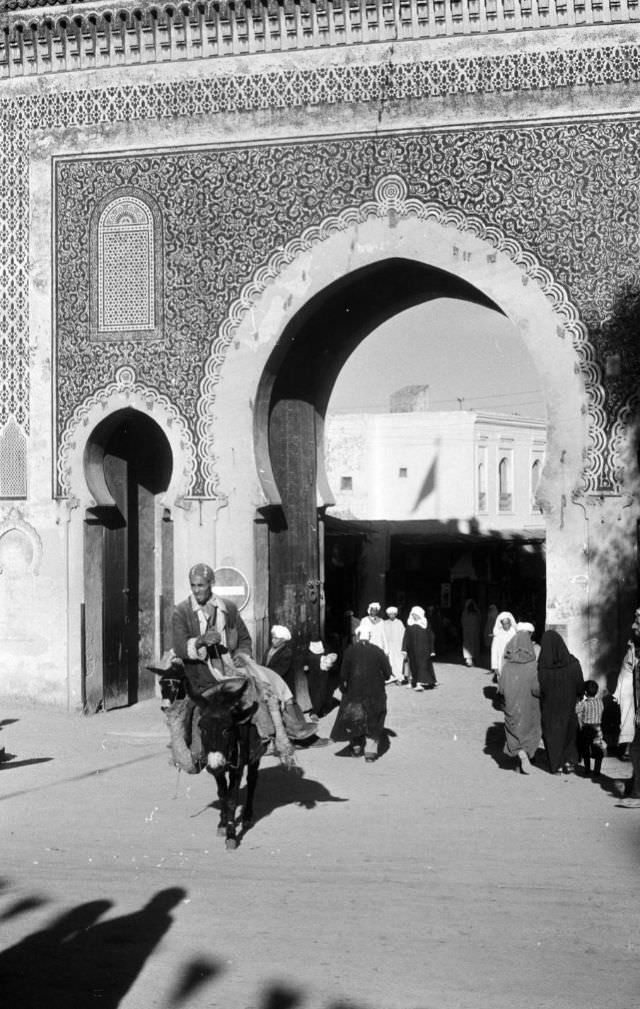
Marrakech and Fez rounded out the decade’s photographic record. From the bird’s-eye view of Jemaa el-Fna square to the Jewish Quarter’s narrow streets, Marrakech’s diversity was on full display. Children played in the streets, men drank tea in the souks, and camel caravans passed through town. In Fez, merchants lined the lanes of the old medina and a rider on a mule passed through the city’s famous Blue Gate.
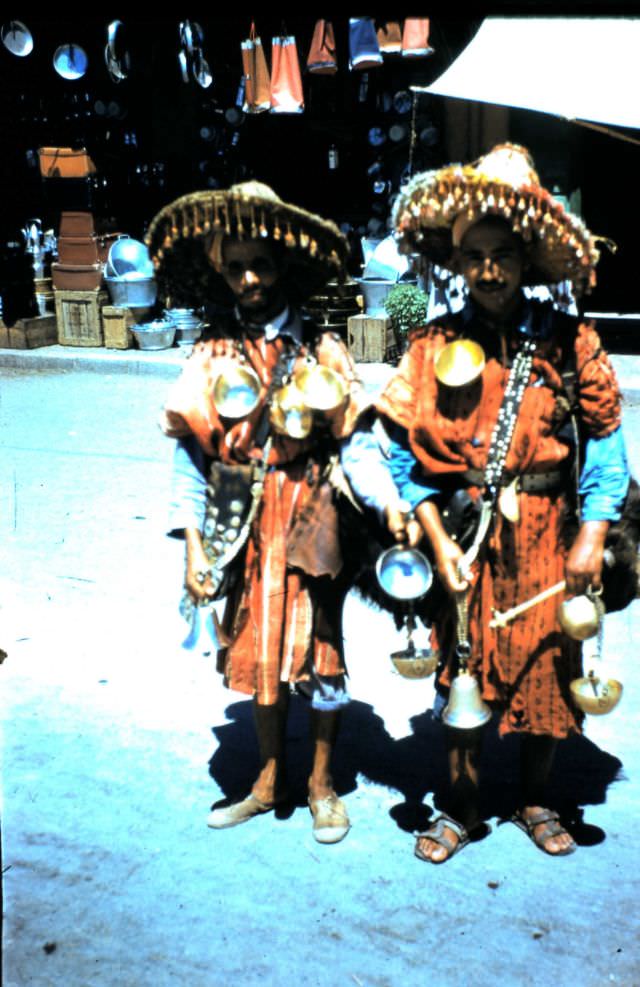
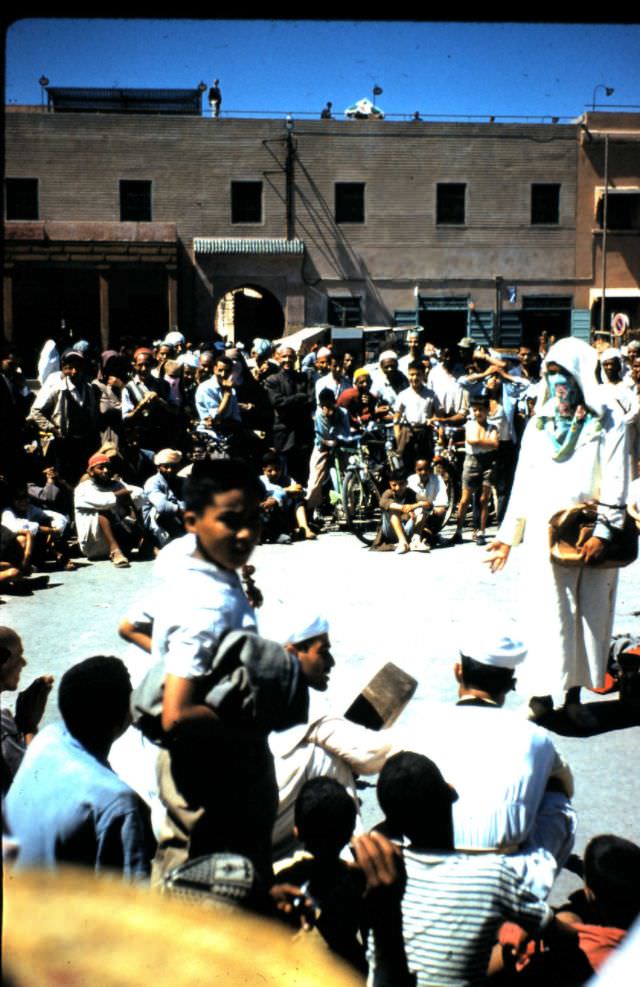
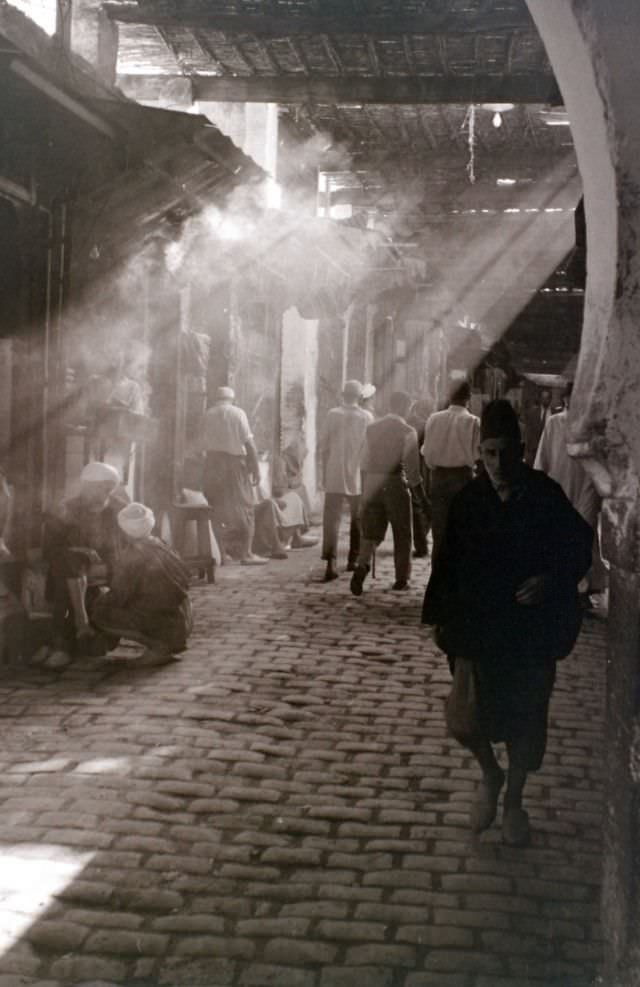
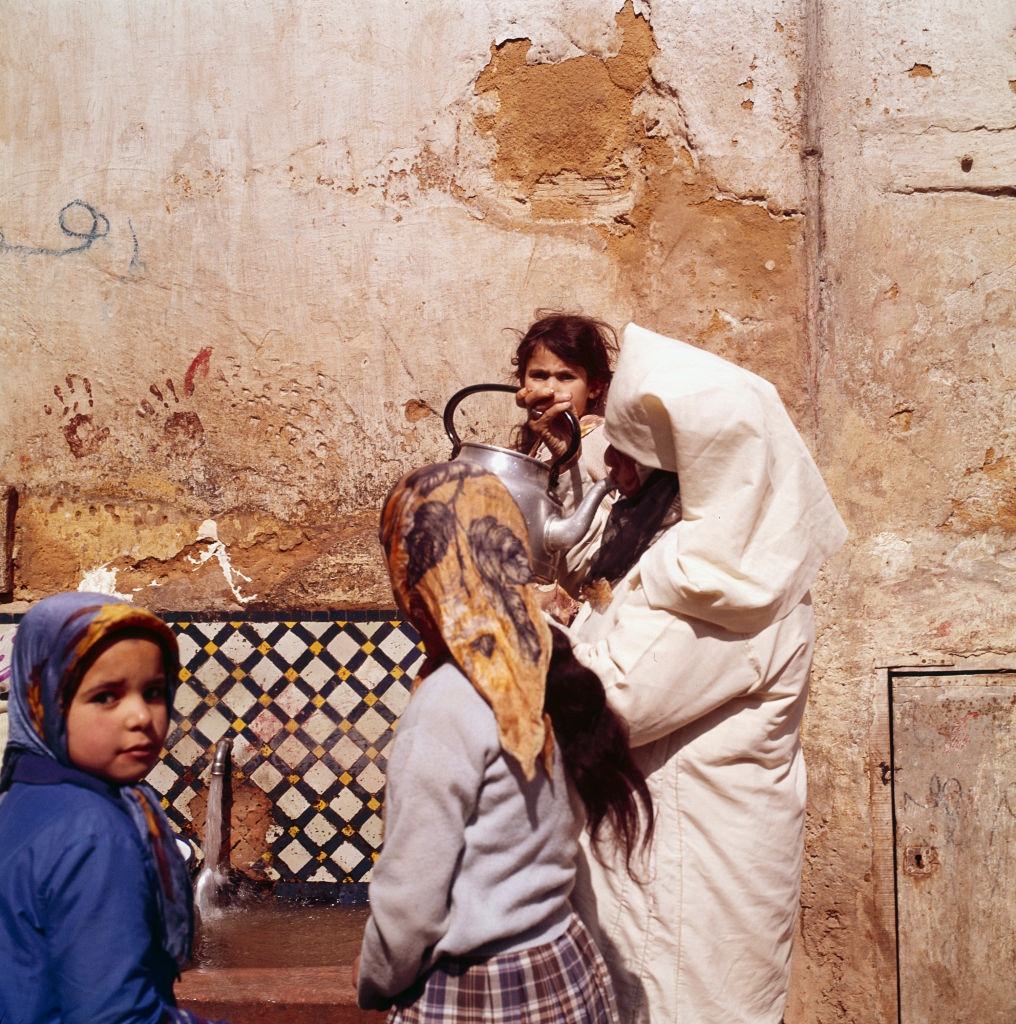
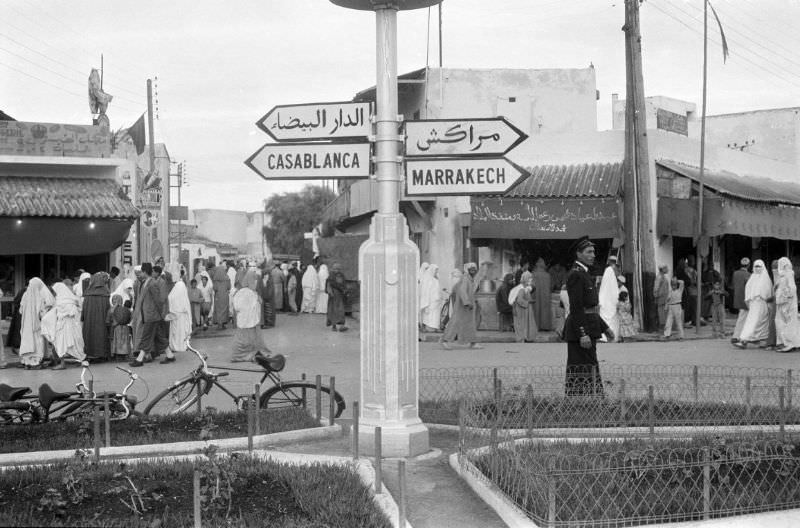
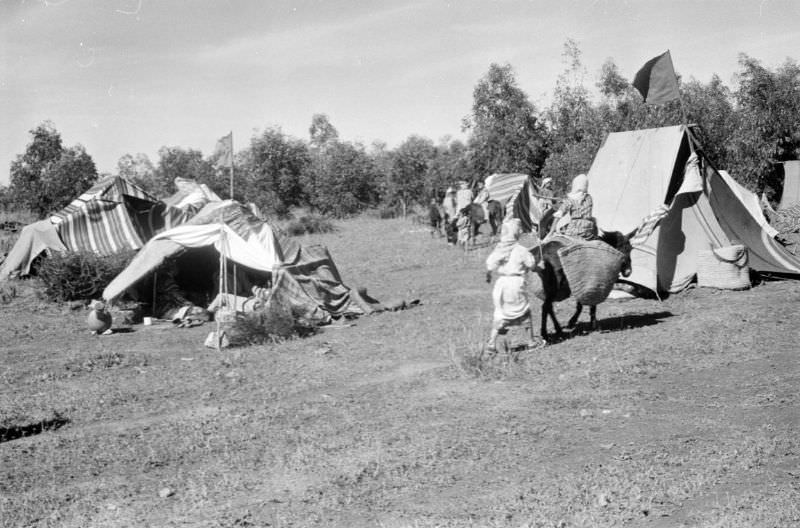
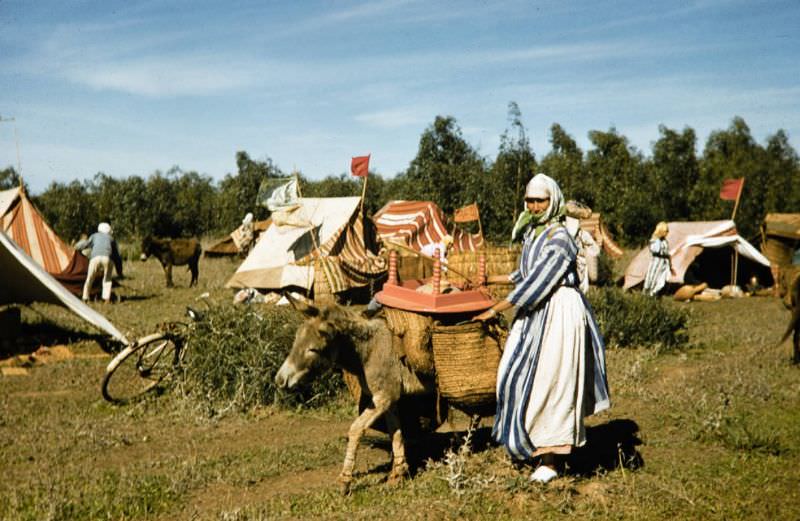
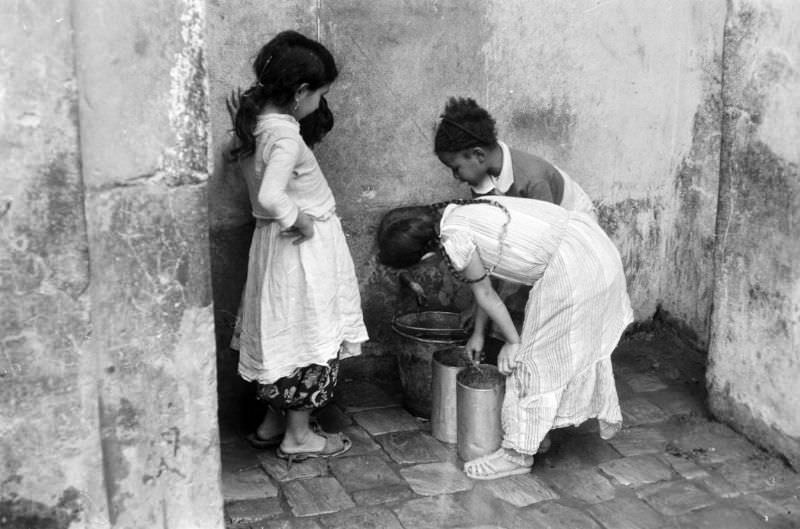
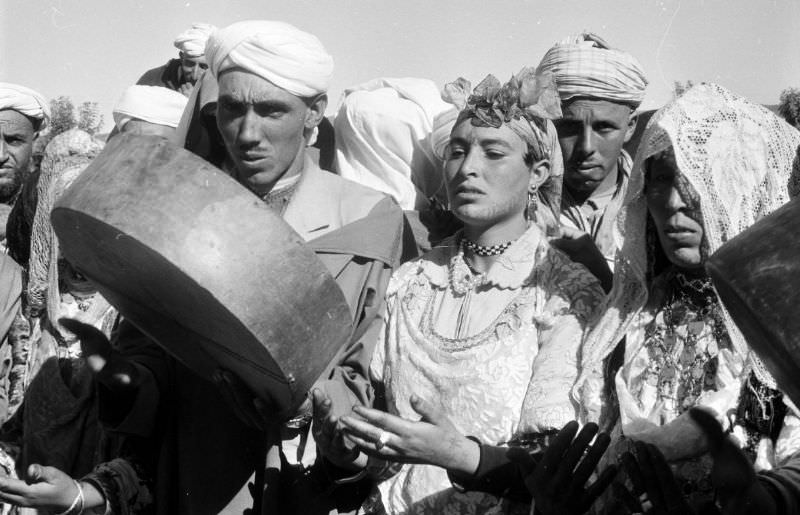
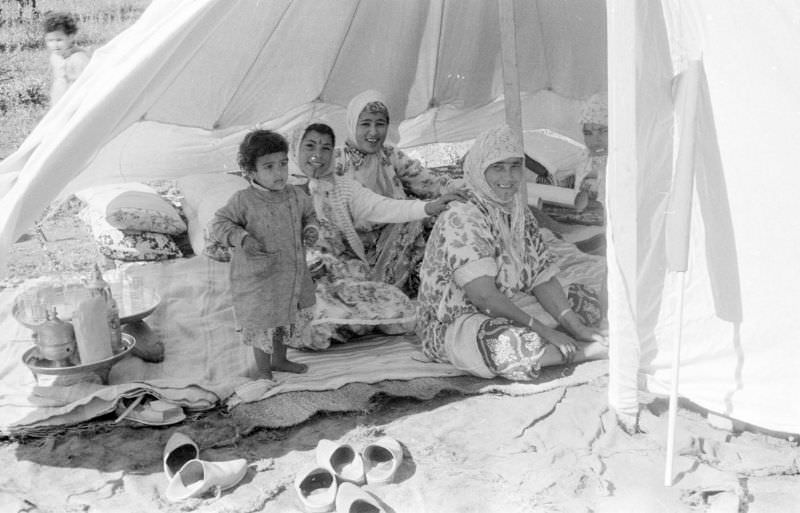
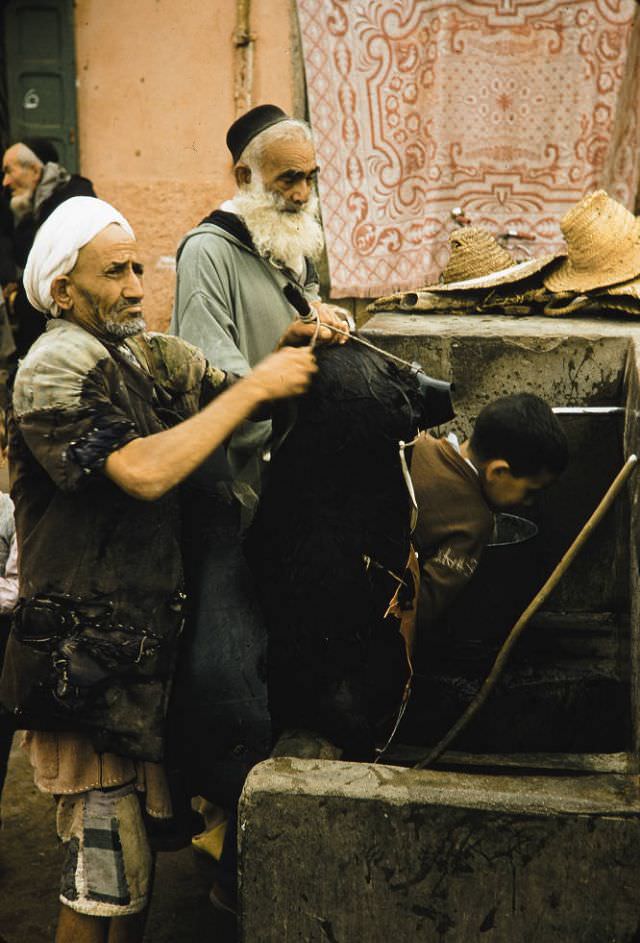
The remaining photographs from across Morocco’s cities and countryside fill in the texture of everyday life during the decade — from road signs pointing to Casablanca and Marrakech, to Berber nomad camps in the open desert, to children filling buckets from a shared faucet.





Looks excellent back then. They are now flocking with tourists.
Morocco’s golden age. We need to bring back the golden days when the streets were clean, citizens behaved, women dressed respectfully, and everyone was safe.
How clean the city was.. now there is trash on every inch.
Le7aya and “muuh wEsT” here won’t like this hhhhh
hah! proof that Chefchaouen wasn’t always the blue city. It wasn’t when I was there 25 years ago.
Agadir went through it