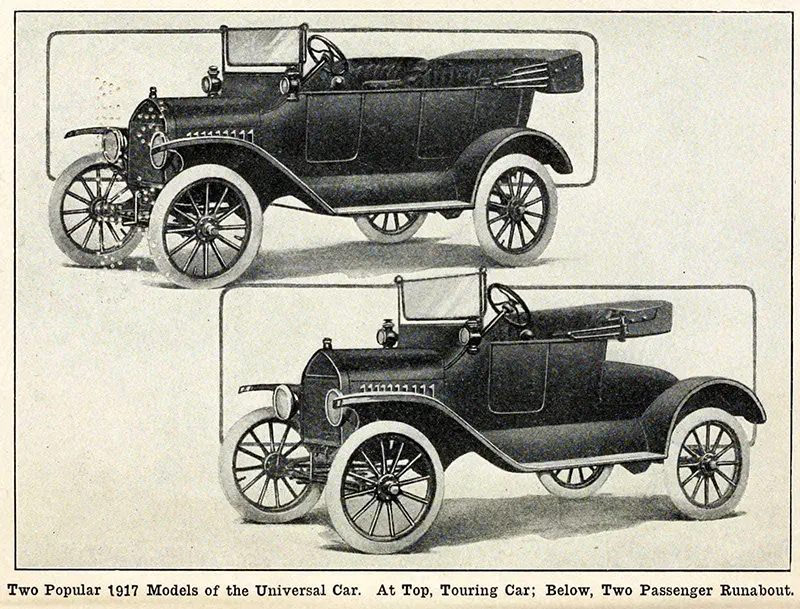
Before the 1910s, automobiles were luxury items built slowly by hand. Only the wealthy could afford them. Henry Ford changed that completely. His Model T was the first car deliberately designed for the average American worker, and the assembly line was the engine that made it happen. Together, they turned car ownership from a rich man’s privilege into an everyday reality.
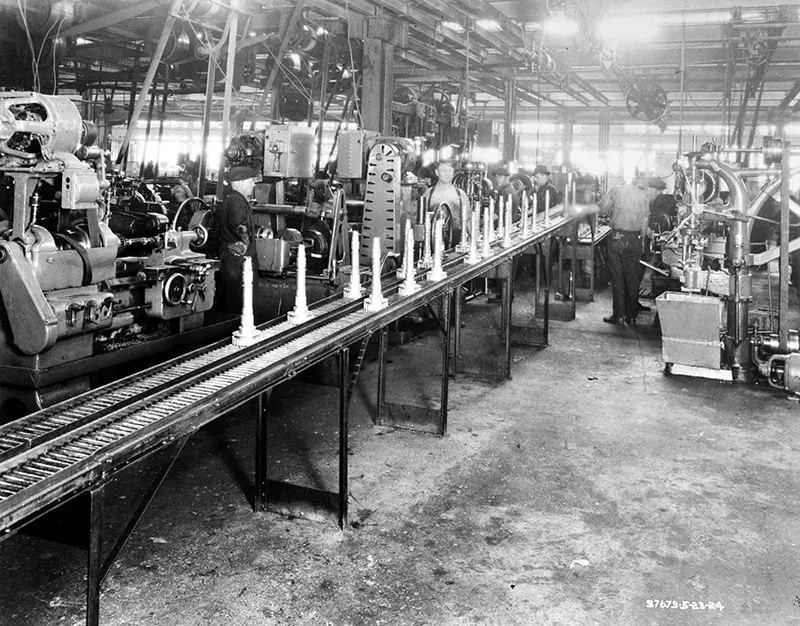
The foundation of the entire system was interchangeable parts. Every component — from the engine block to the smallest wheel bolt — was machined to exact, uniform dimensions. One part fit every car on the line, no customization needed. If a part broke, a worker simply swapped it out. This precision made repairs faster and kept production moving without costly delays.
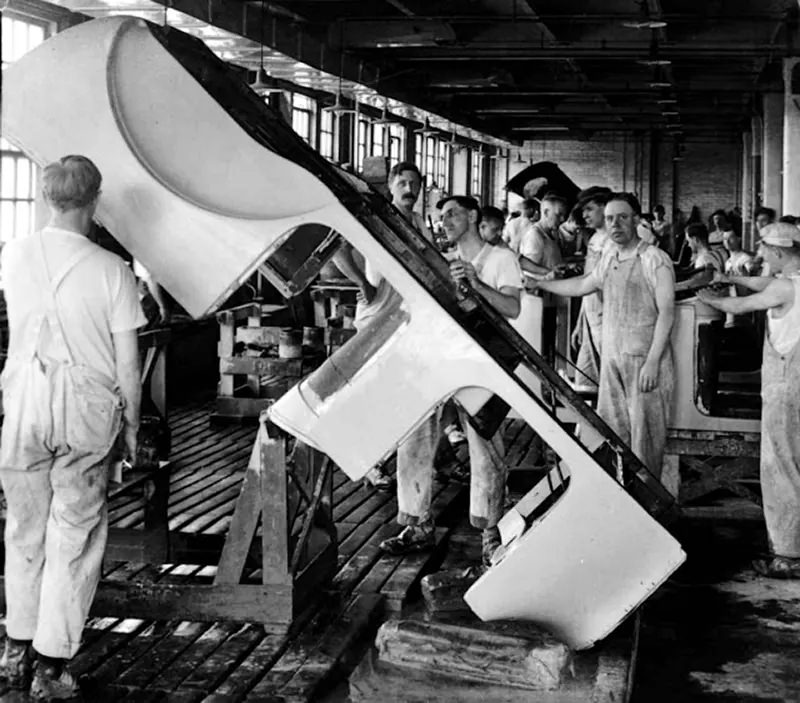
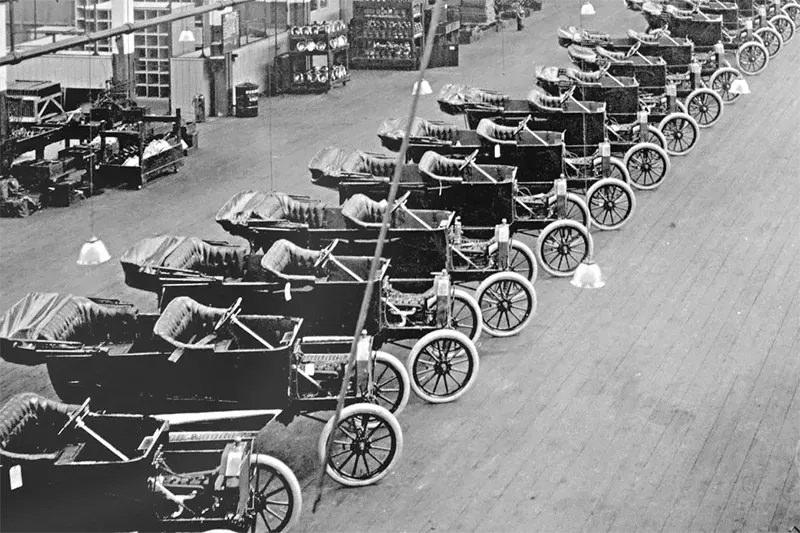
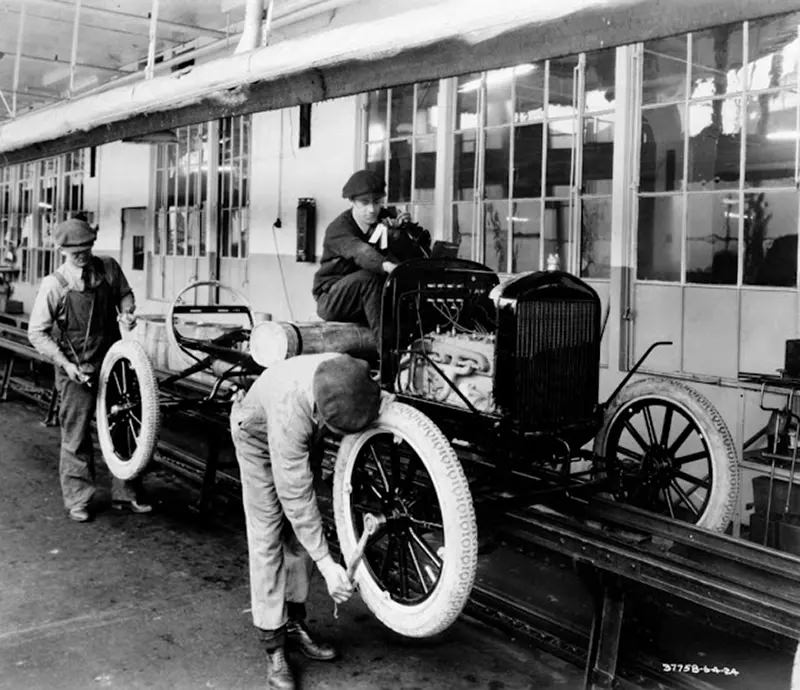
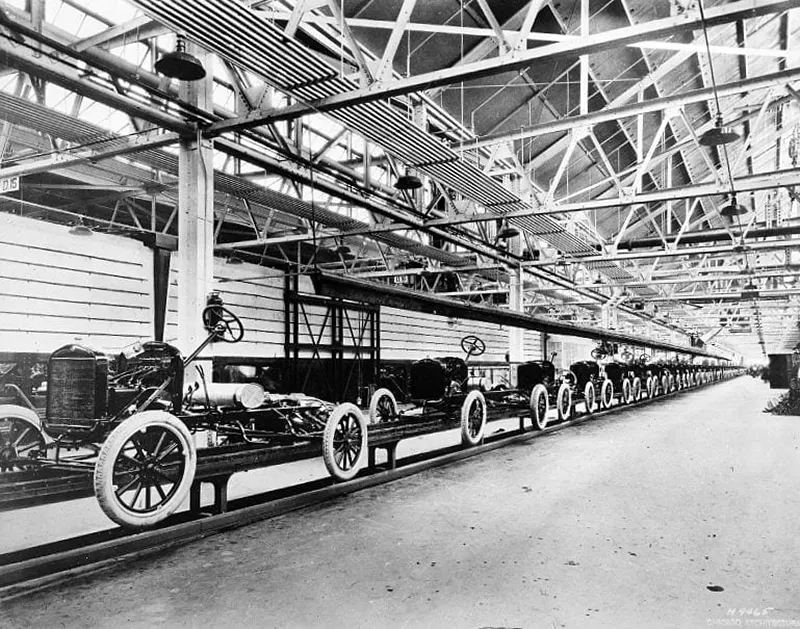
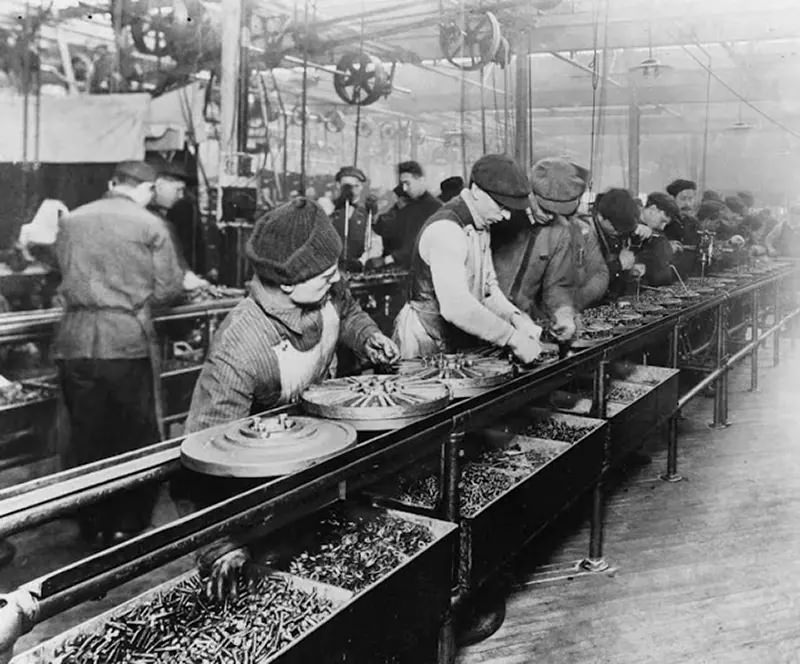
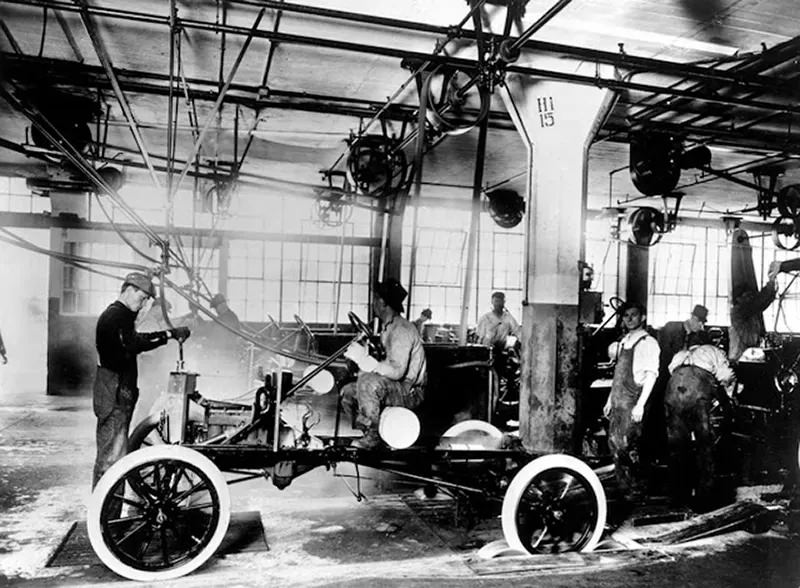
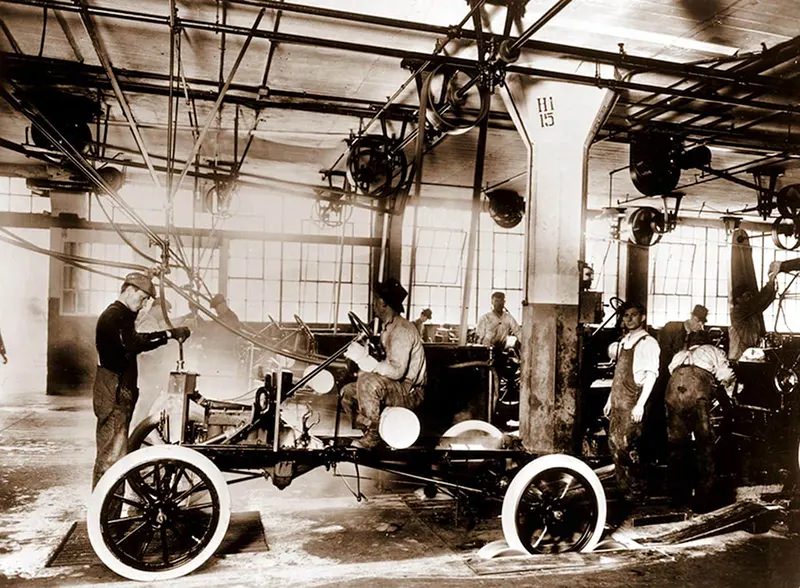
The assembly line itself was divided into dedicated stations, each assigned one specific job. One station handled the engine. Another fitted the body. Workers stayed at their post while the car moved steadily past them. This meant a worker spent all day on a single, well-defined task — and got extremely fast and accurate at it.
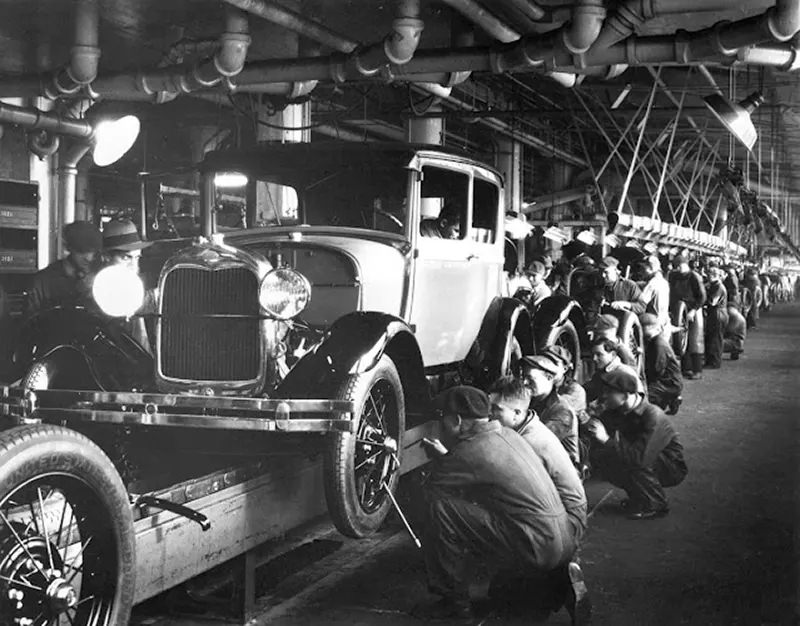
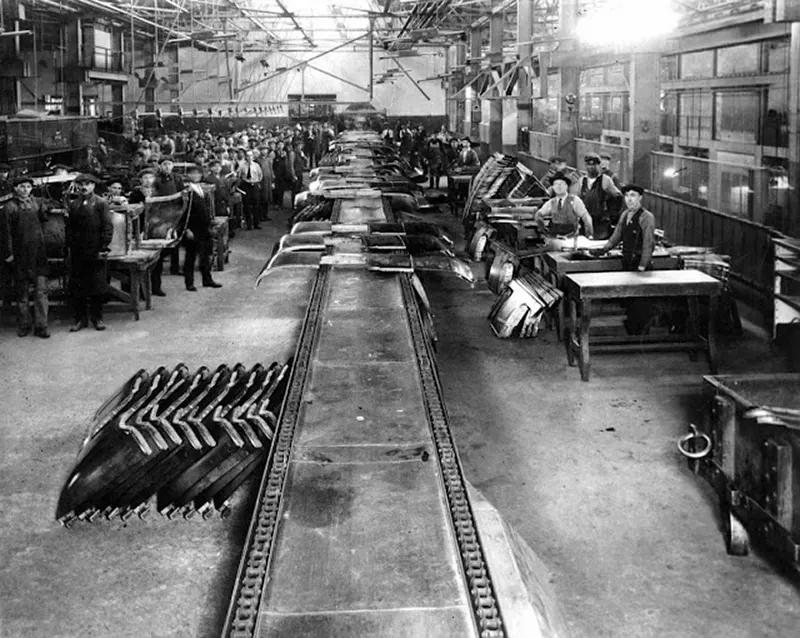
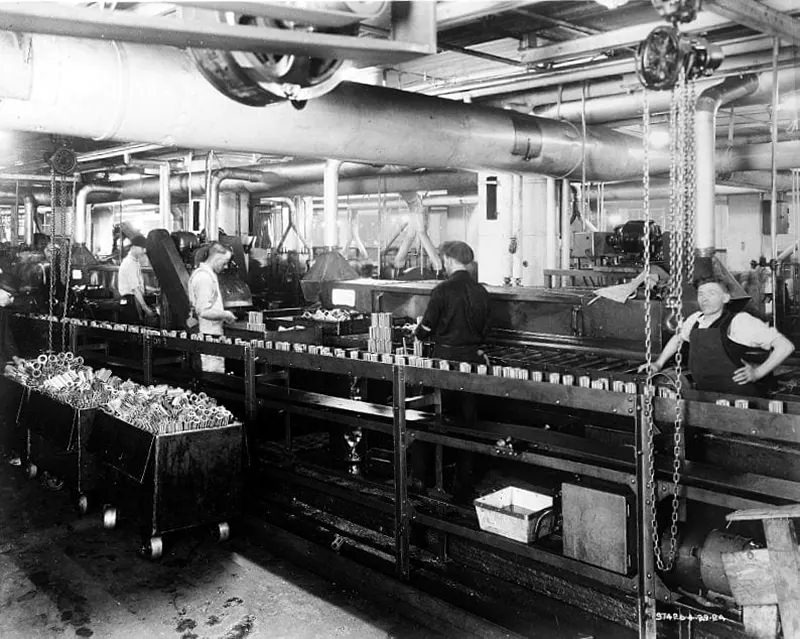
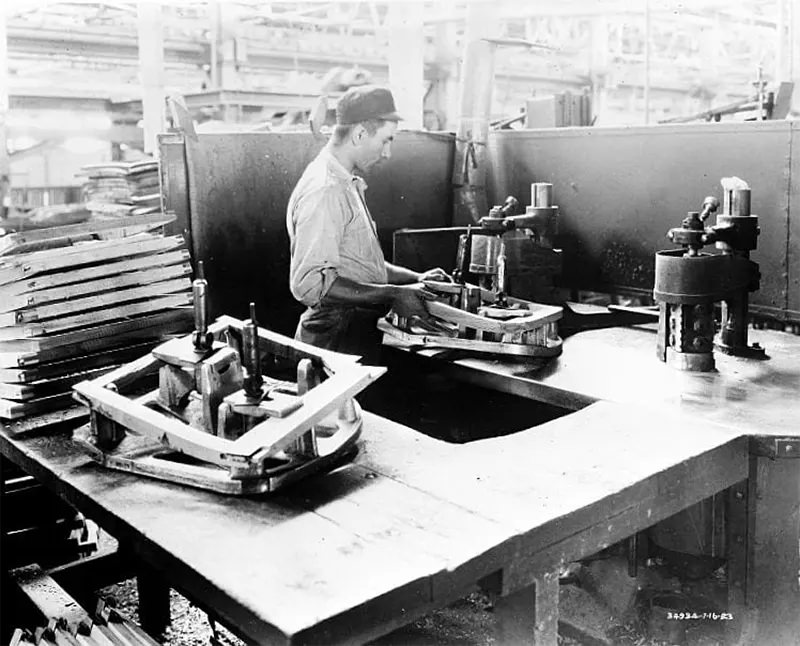
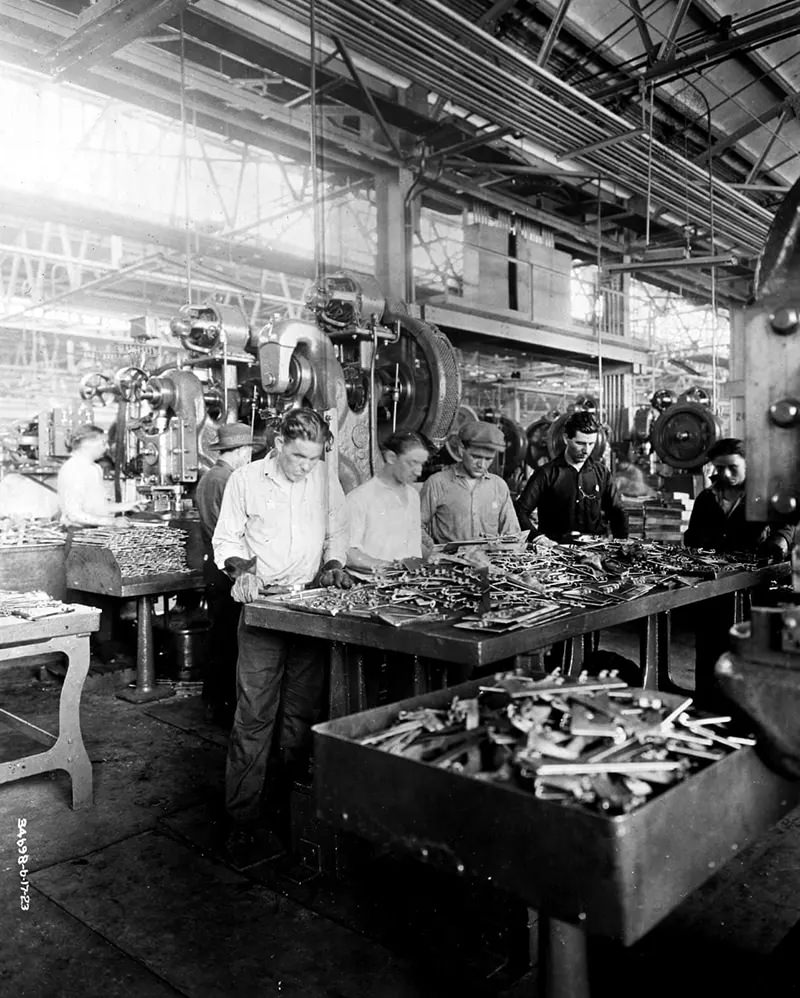
Specialized machinery did the heavy lifting throughout the plant. Metal-bending machines shaped the steel frames. Hydraulic presses fitted wheels onto axles. These machines handled tasks that would have taken a skilled craftsman considerable time to do by hand, but now took seconds. Speed and consistency went up while human error went down.
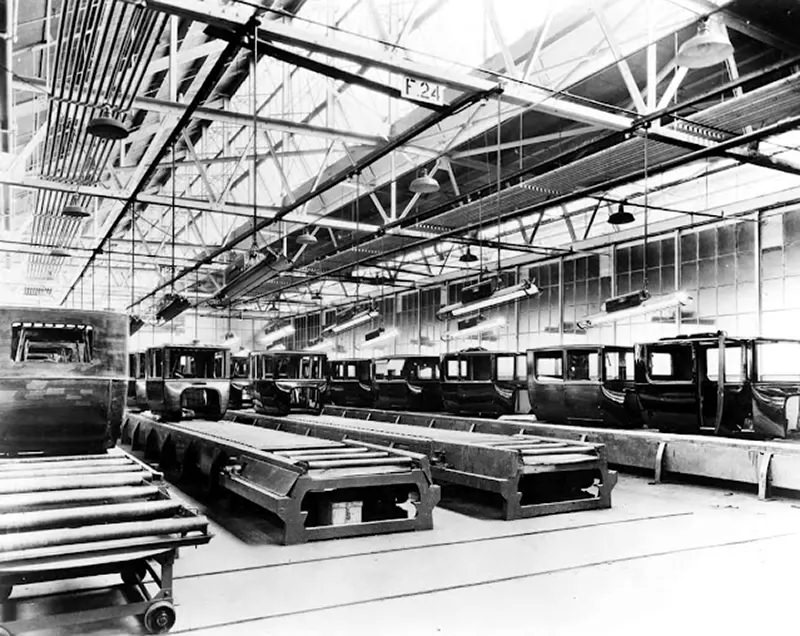
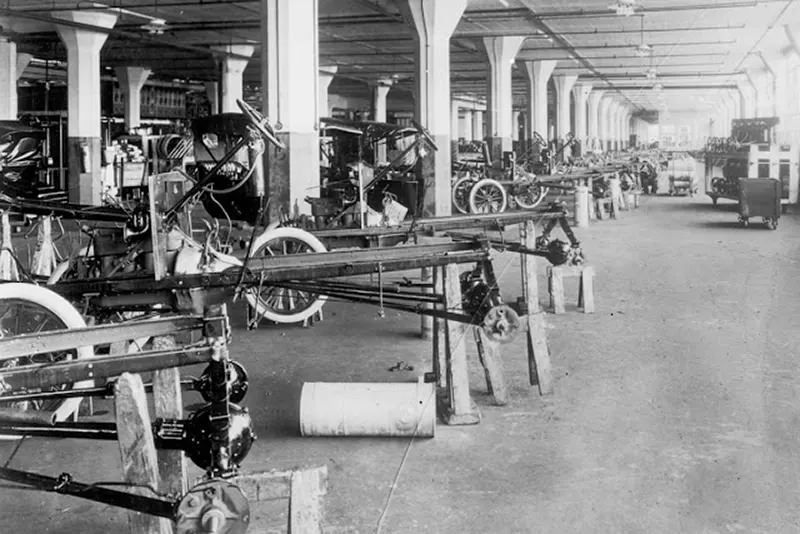
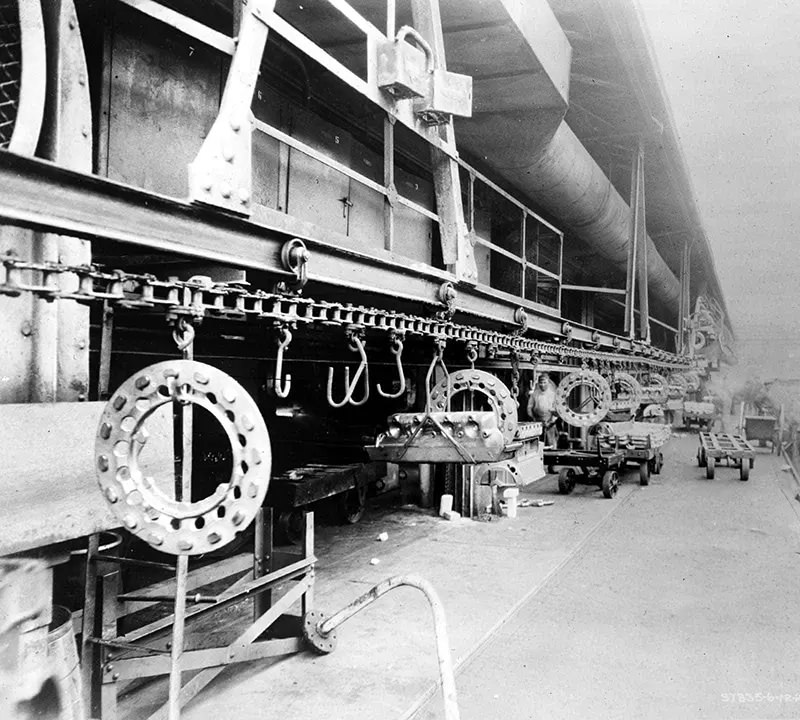
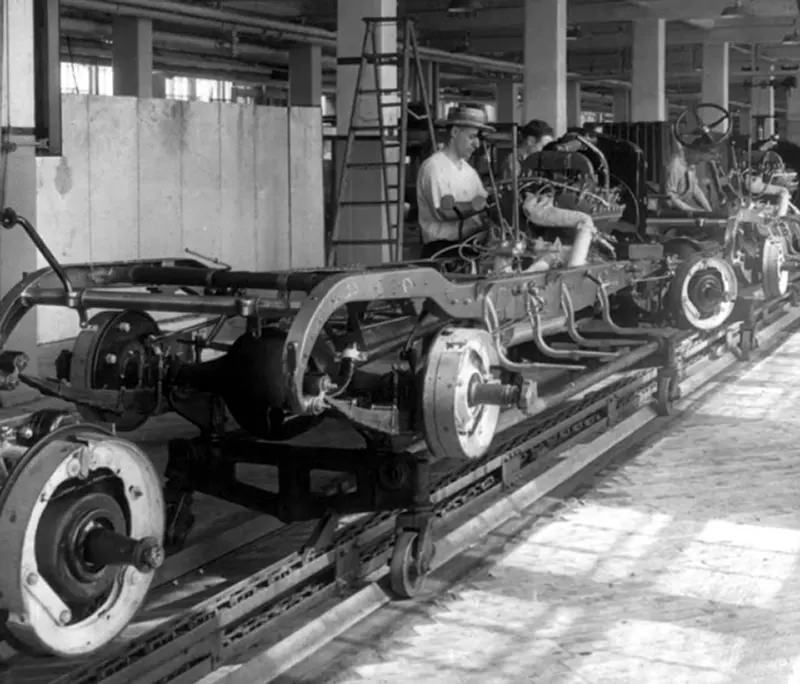
Conveyors kept parts and materials moving constantly through the plant. Rather than workers walking to retrieve components, the components came to them. This eliminated wasted motion and kept every station supplied without interruption.
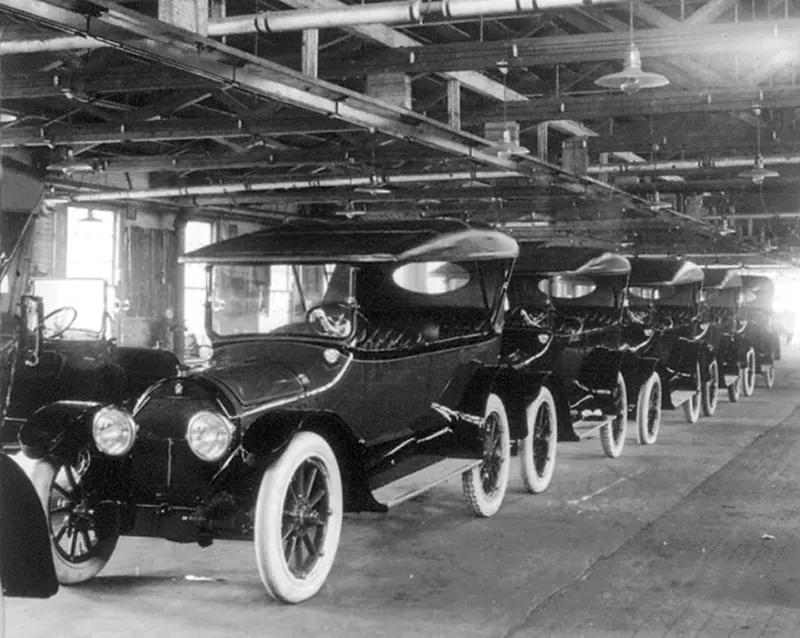
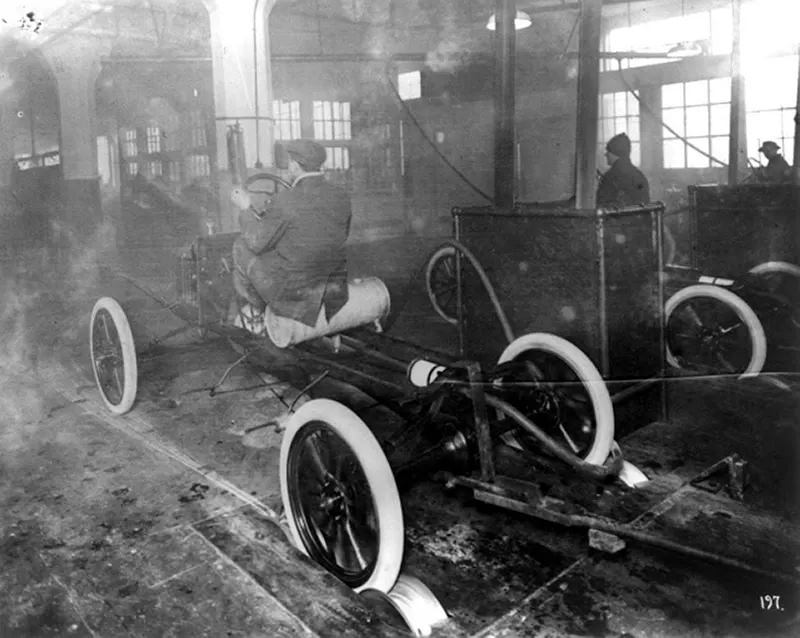
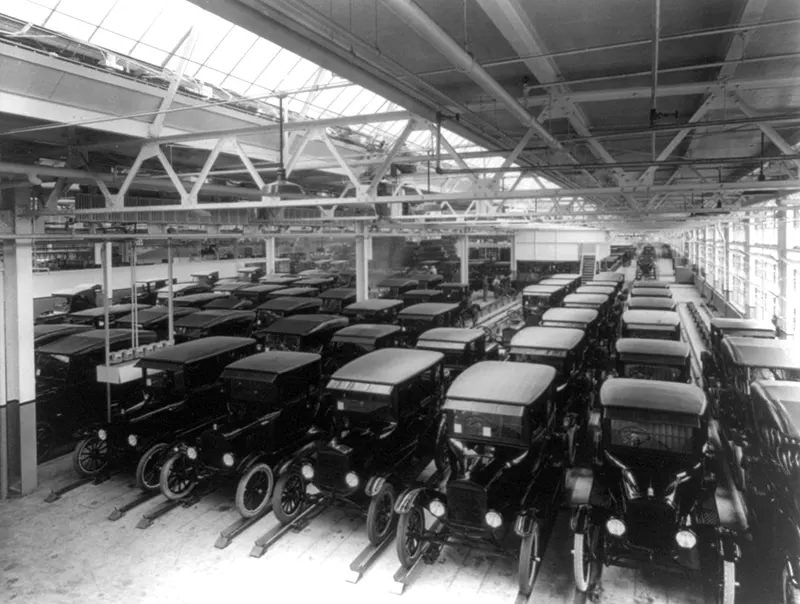
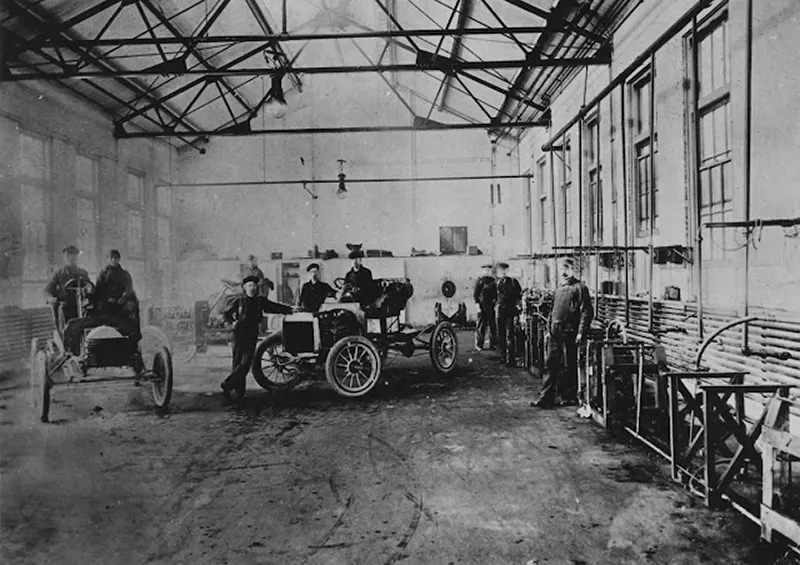
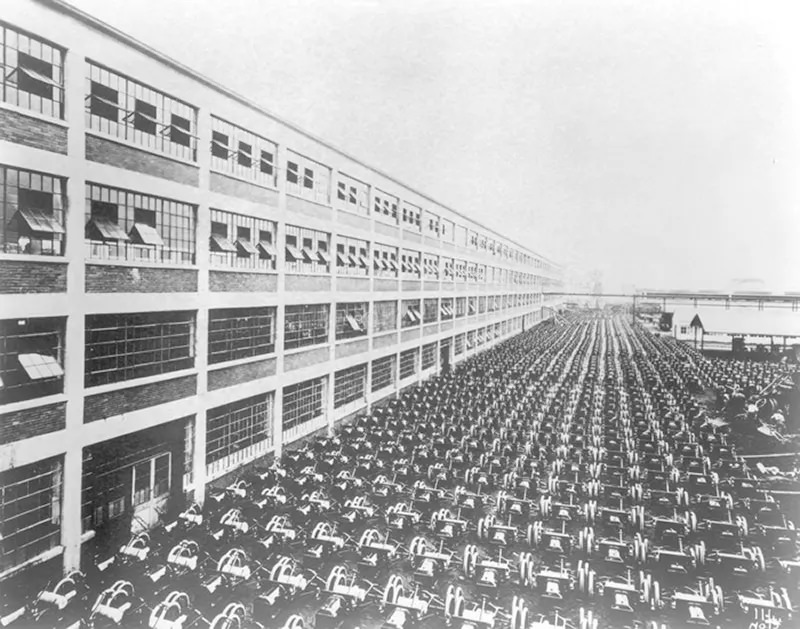
At Ford’s Highland Park plant, completed Model Ts rolled off the line in a steady, unbroken stream. In 1914, the plant produced a new car every 93 minutes. That figure kept shrinking as the process was refined. The volume of output Ford achieved was unlike anything the manufacturing world had seen before.
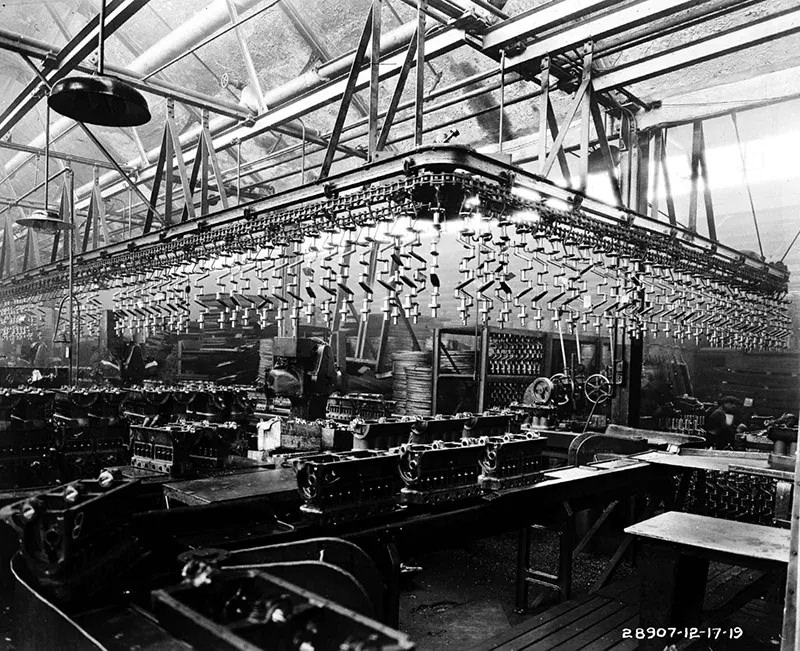
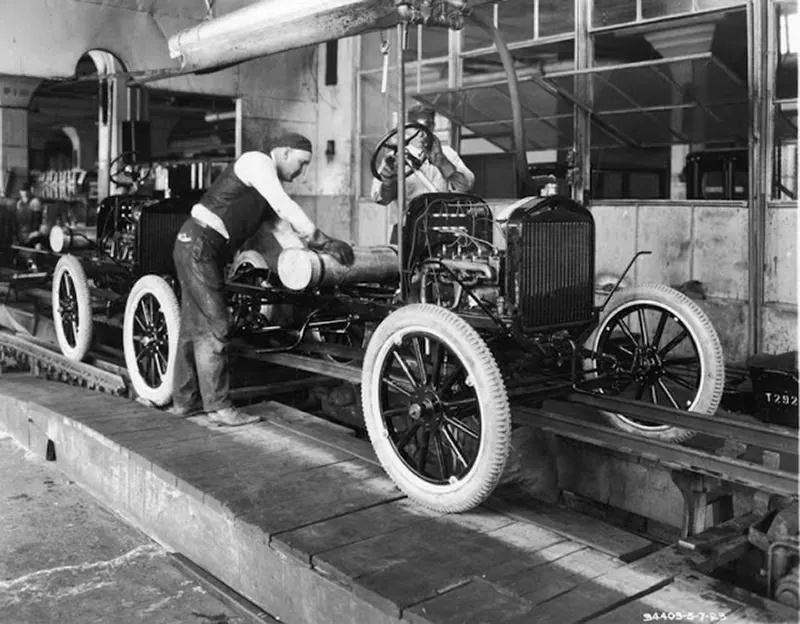
Engine blocks arrived at the line pre-staged and ready to go. Workers at the motor assembly station bolted, fitted, and secured components in a fixed sequence, repeating the same steps hundreds of times per shift. The repetition was intentional — it eliminated guesswork and kept the pace tight.
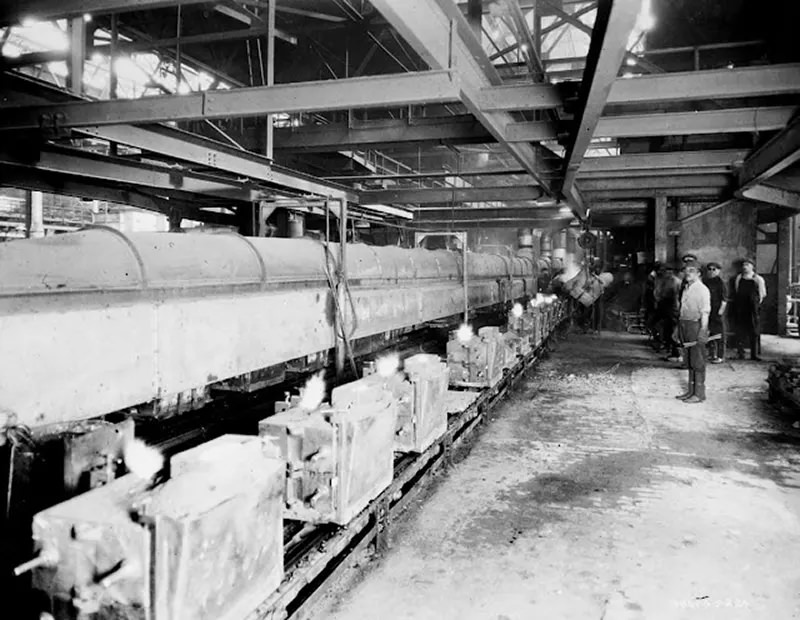
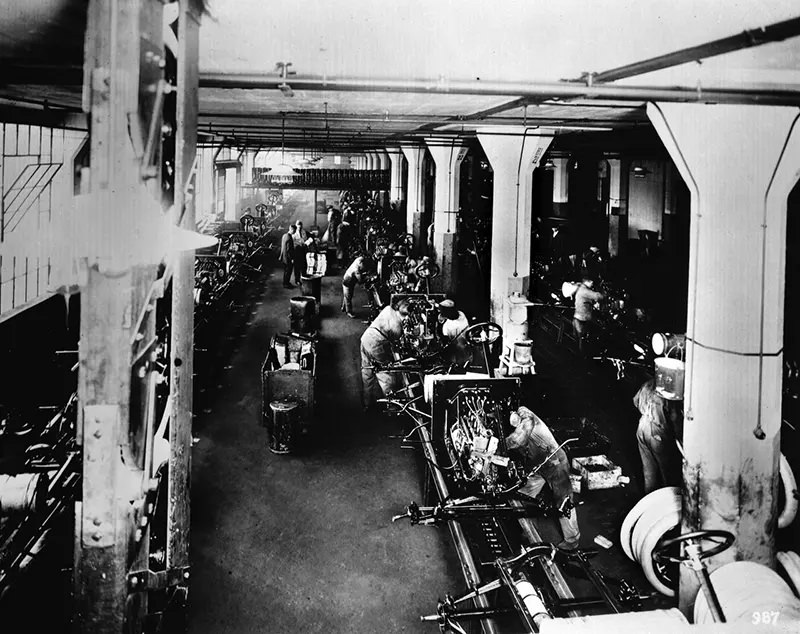
Door fitting was one of many tasks broken down into its smallest steps. Workers at dedicated stations shaped panels, hung doors on frames, and aligned them for proper fit — each person handling just one part of the process before the car moved to the next station.
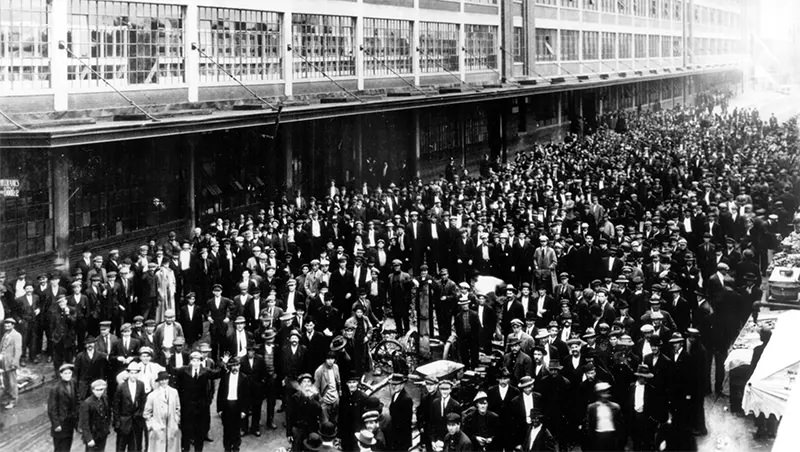
The assembly line also reshaped the workforce. Factory jobs no longer required years of training. An unskilled worker could be taught their specific station task in a short time and be fully productive within days. Ford needed far fewer highly skilled craftsmen, which dramatically lowered labor costs and opened factory work to a much larger pool of applicants.
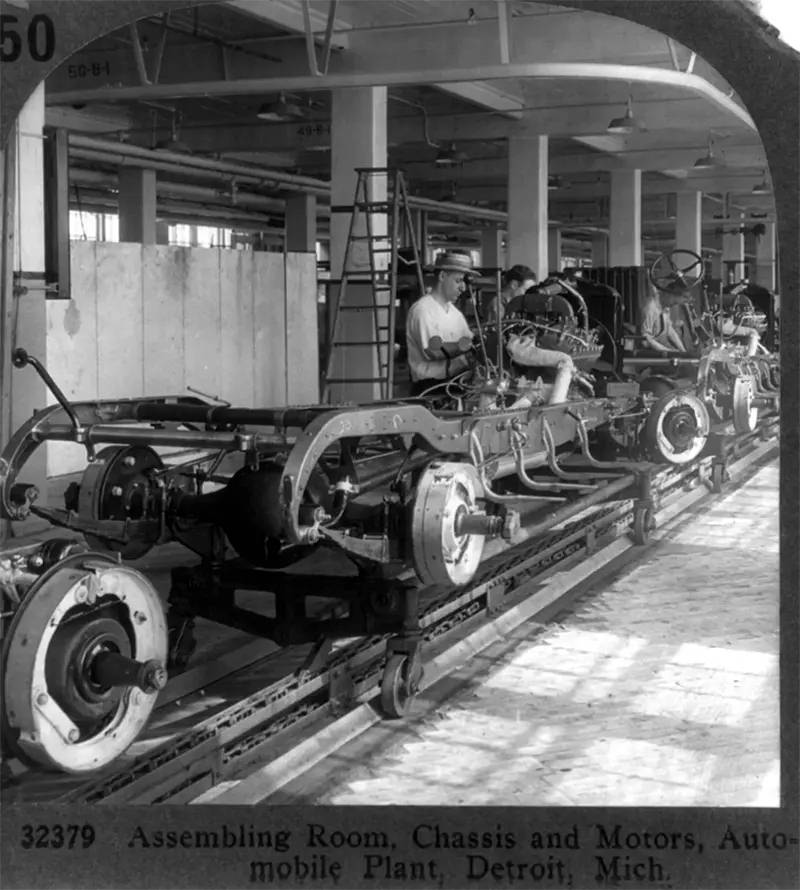
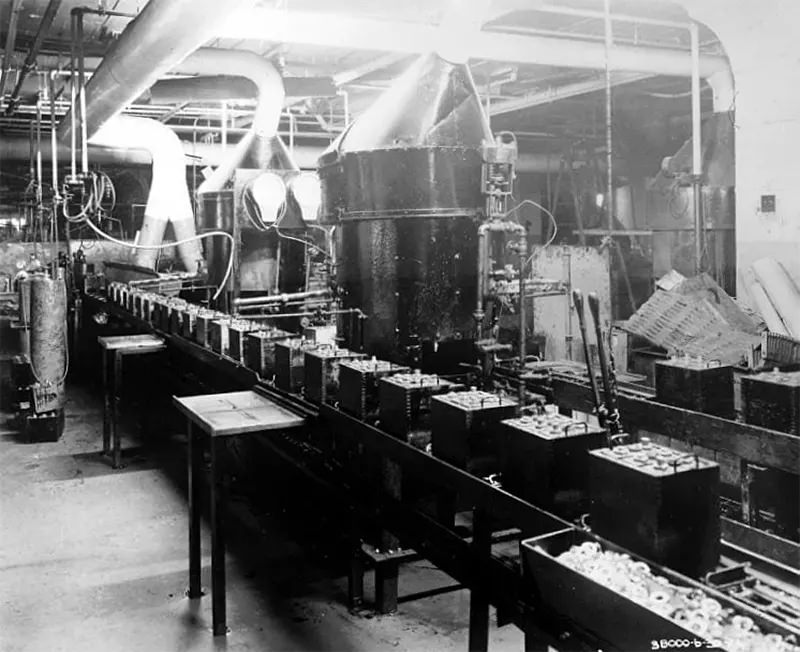
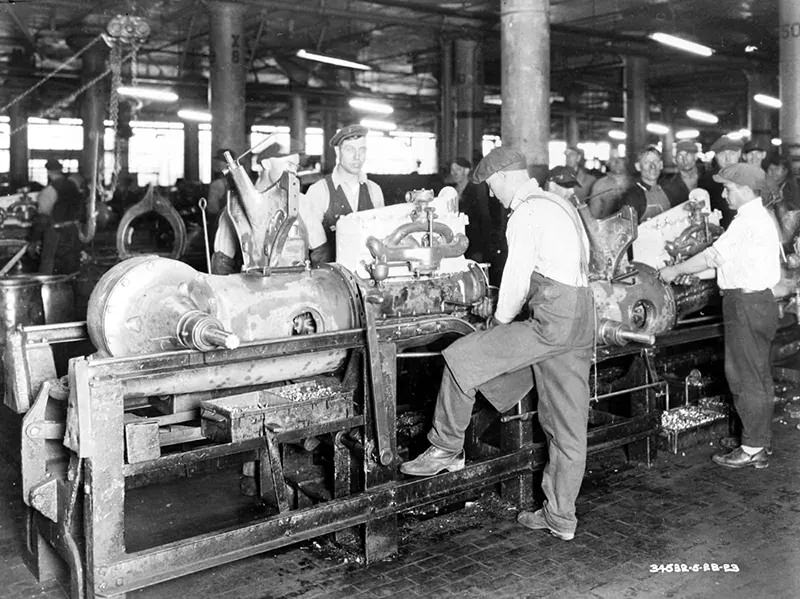
Motor installation and transmission work each had their own dedicated crews. By 1923, fitting a motor took a fraction of the time it had in earlier years. Workers installing transmissions followed strict step-by-step sequences that left nothing to improvisation.
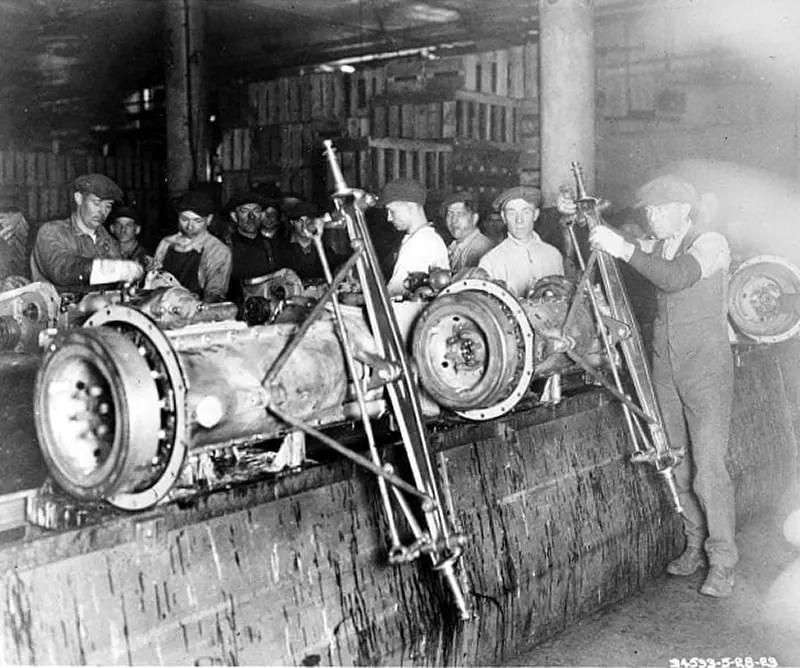
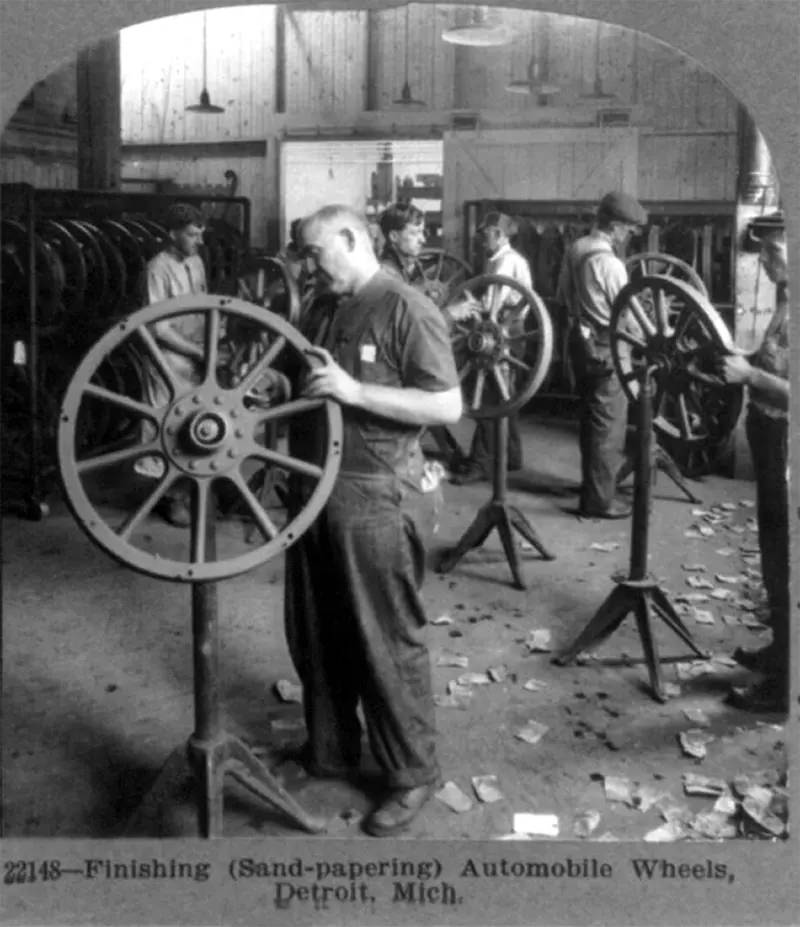
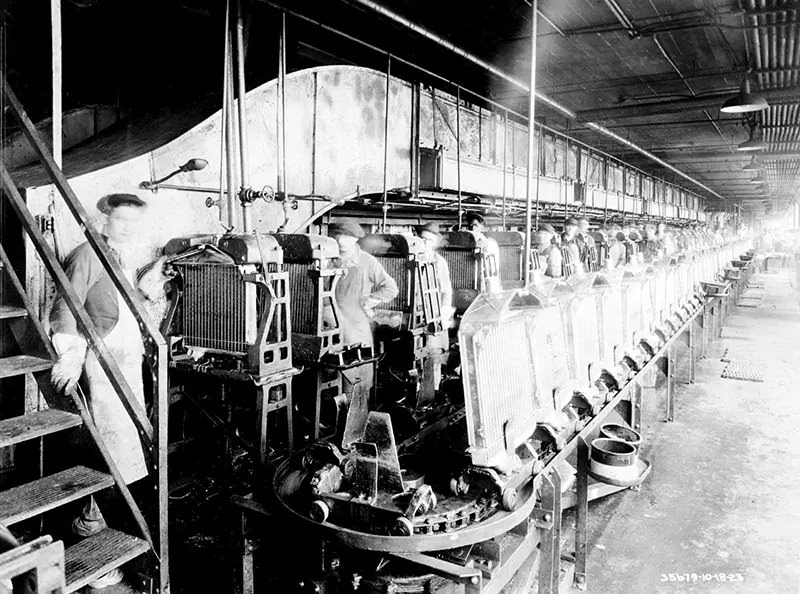
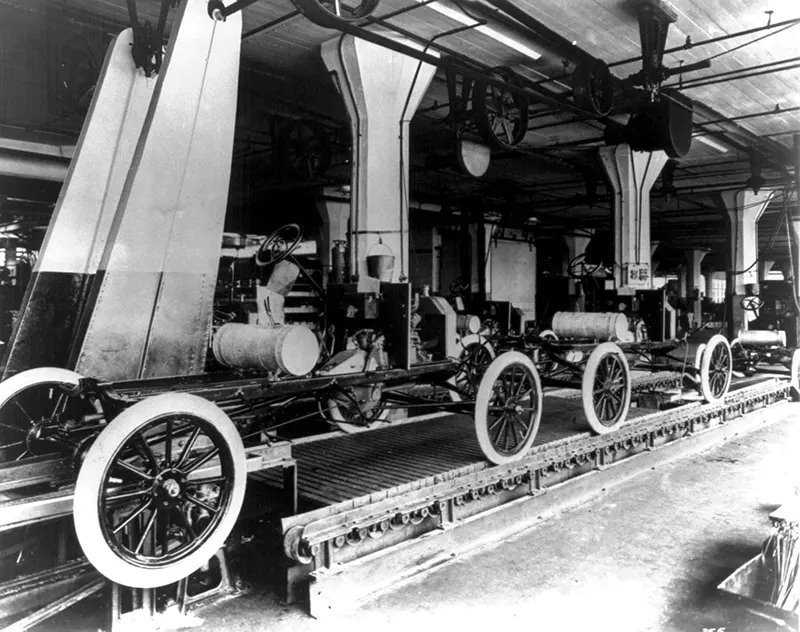
By 1926, the Ford assembly line was a mature, highly tuned operation. Every movement, every tool placement, and every parts delivery had been studied and optimized over more than a decade of continuous refinement. The result was a machine-like production rhythm that churned out identical, affordable cars day after day.
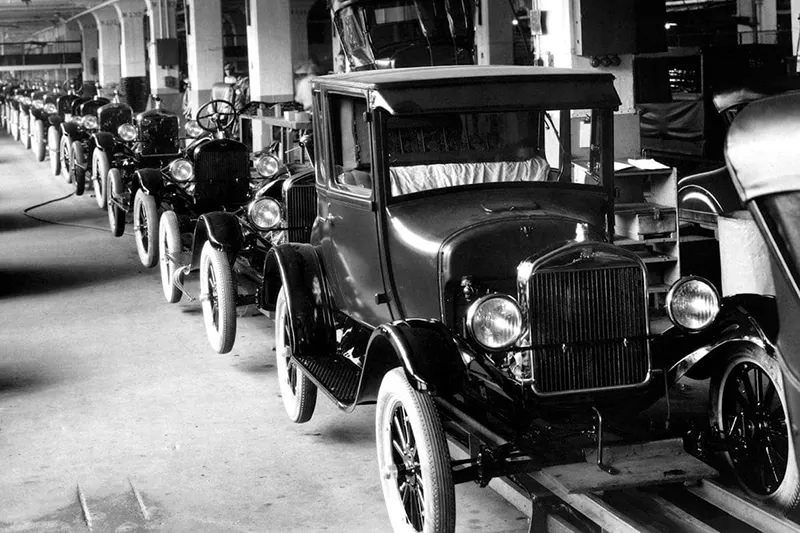
Once completed, cars moved to the delivery department, where they were staged and prepared for distribution across the country. The speed of production demanded an equally organized system for getting finished vehicles out the door and into the hands of dealers.