

Madison, Wisconsin in the 1990s was a city on the move. While much of the state felt the pinch of economic downturns during this decade, Madison managed to weather those storms better than most. The city’s economy grew steadily, fueled by a powerful mix of university research, high-tech industry, and an educated population that drew businesses from across the country. Nearly half of Madison residents over the age of 25 held a bachelor’s degree, making it one of the most educated mid-sized cities in the nation. That level of education wasn’t just a statistic — it shaped everything from the kinds of businesses that set up shop there to the local political culture that was taking shape at the same time.
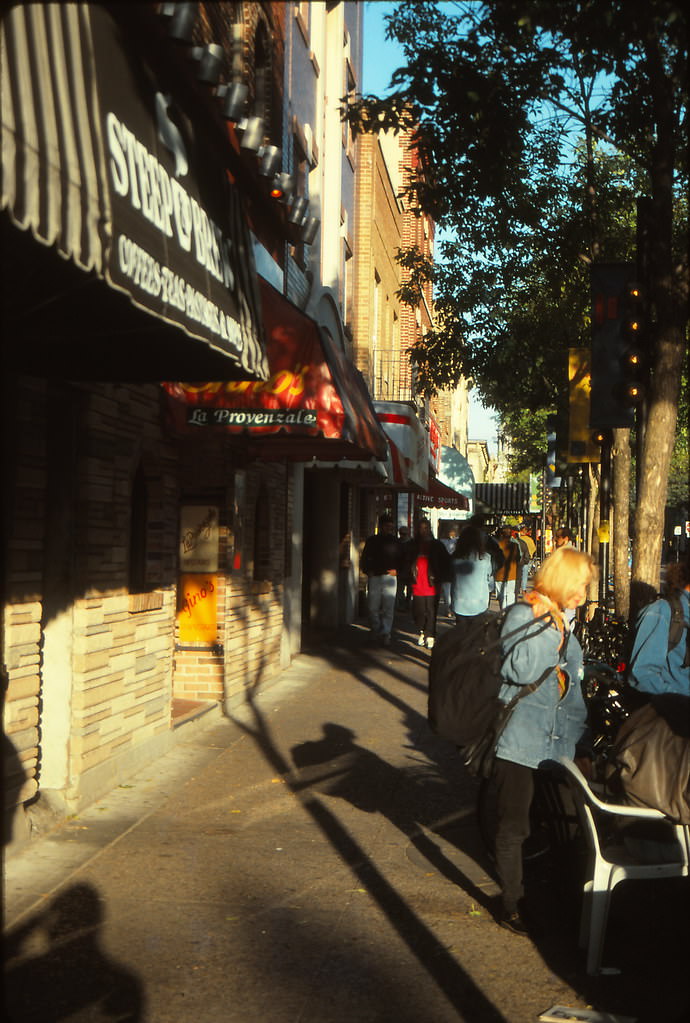
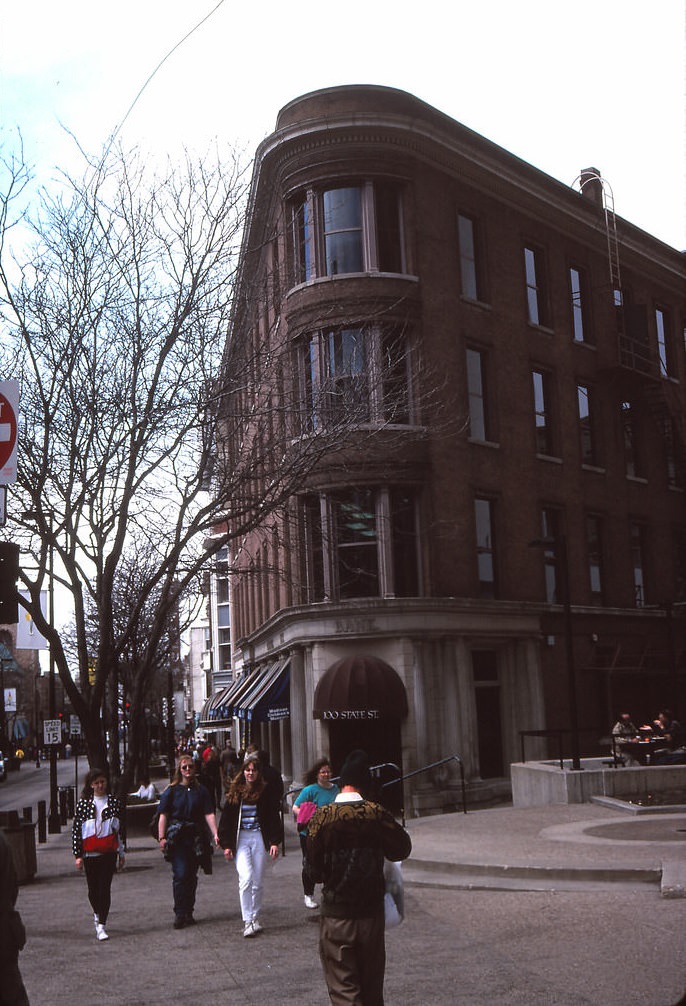
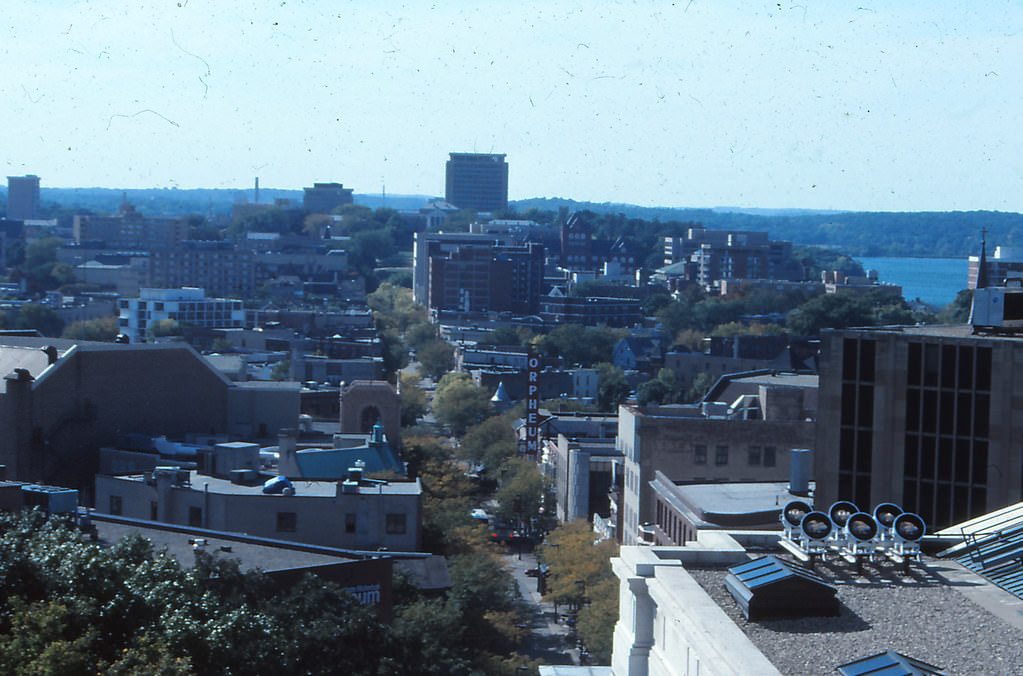
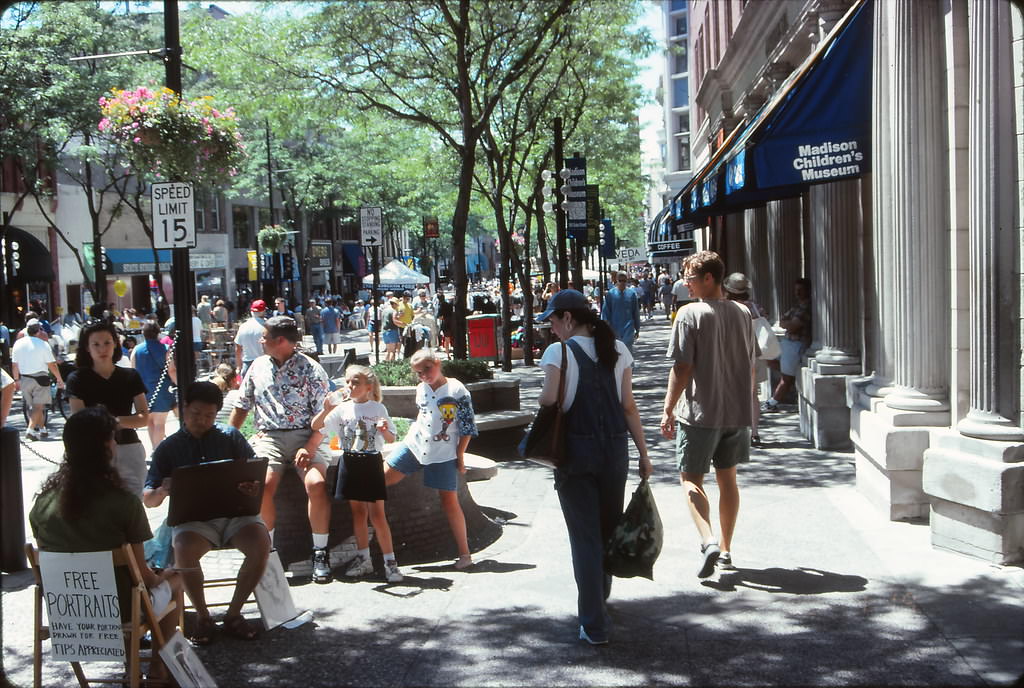
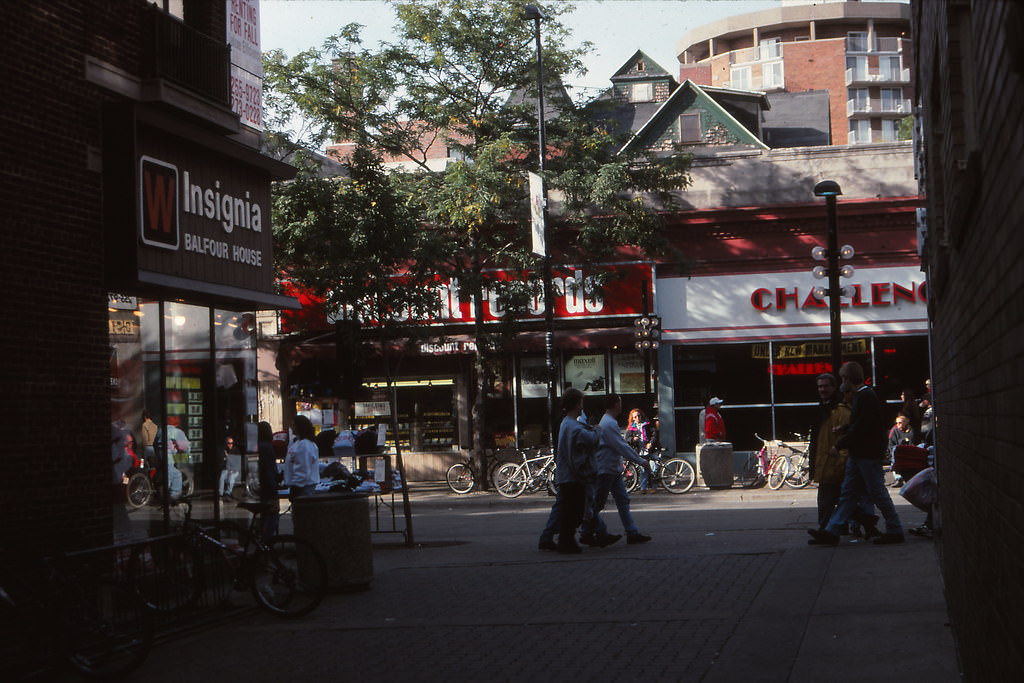
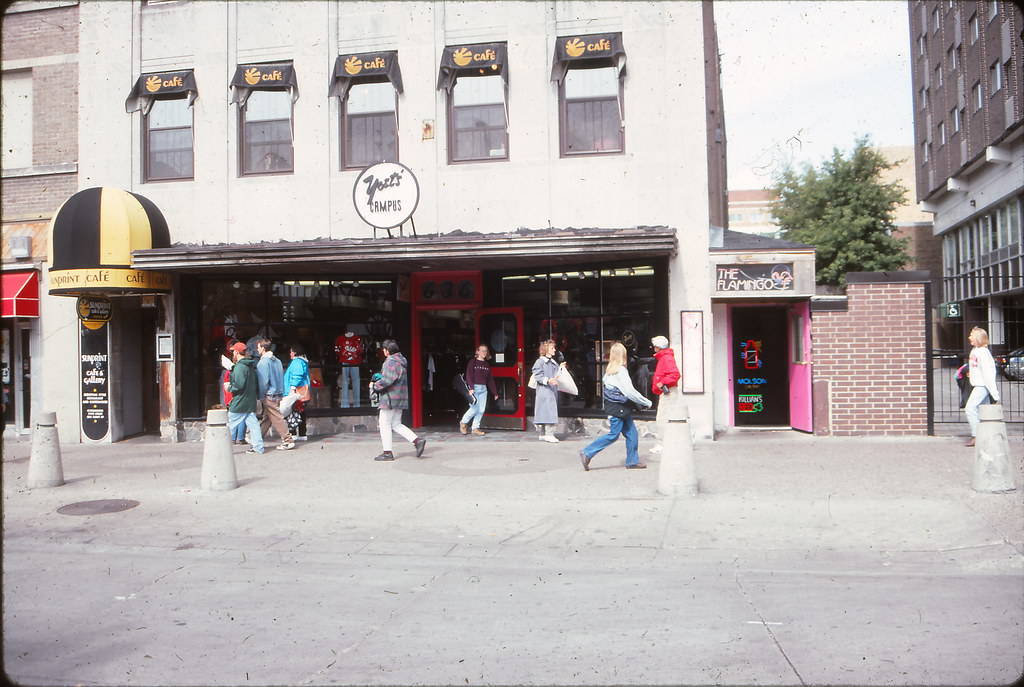
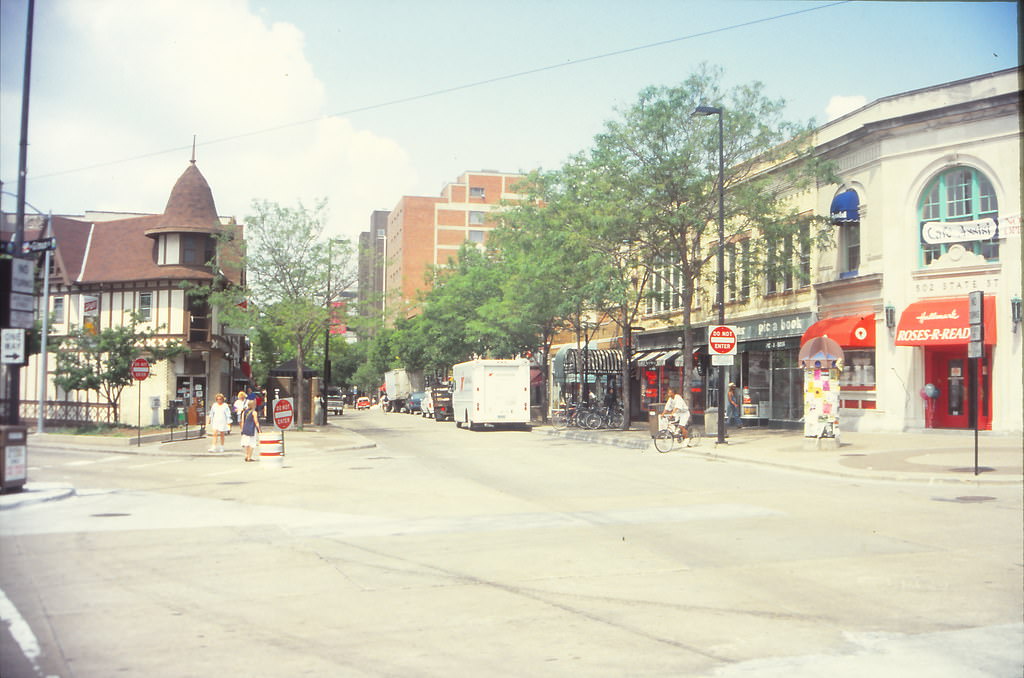
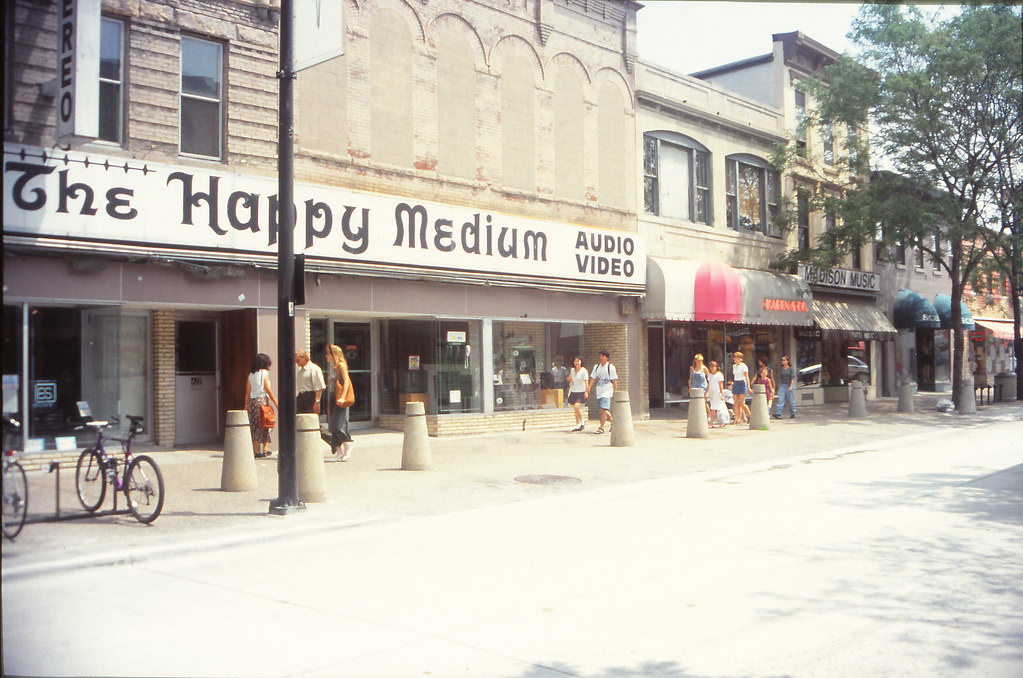
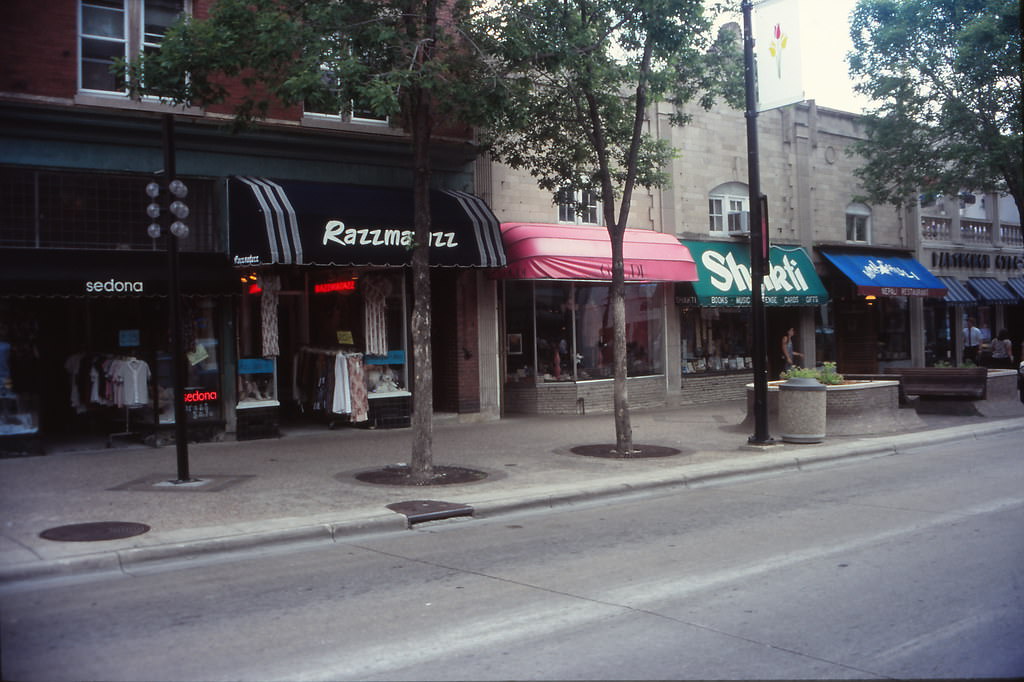
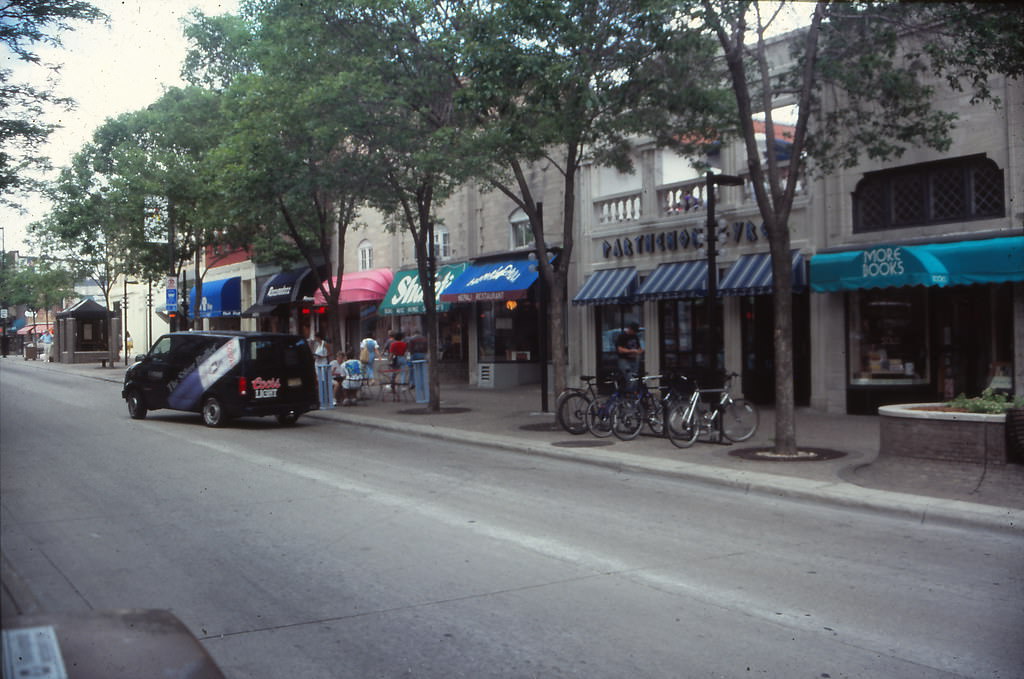
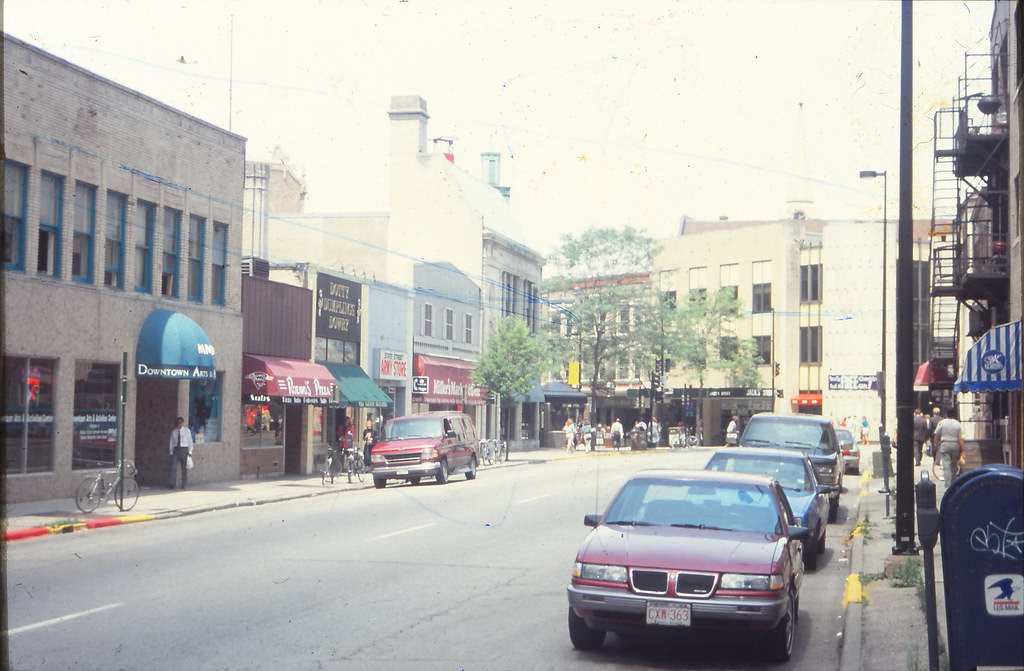
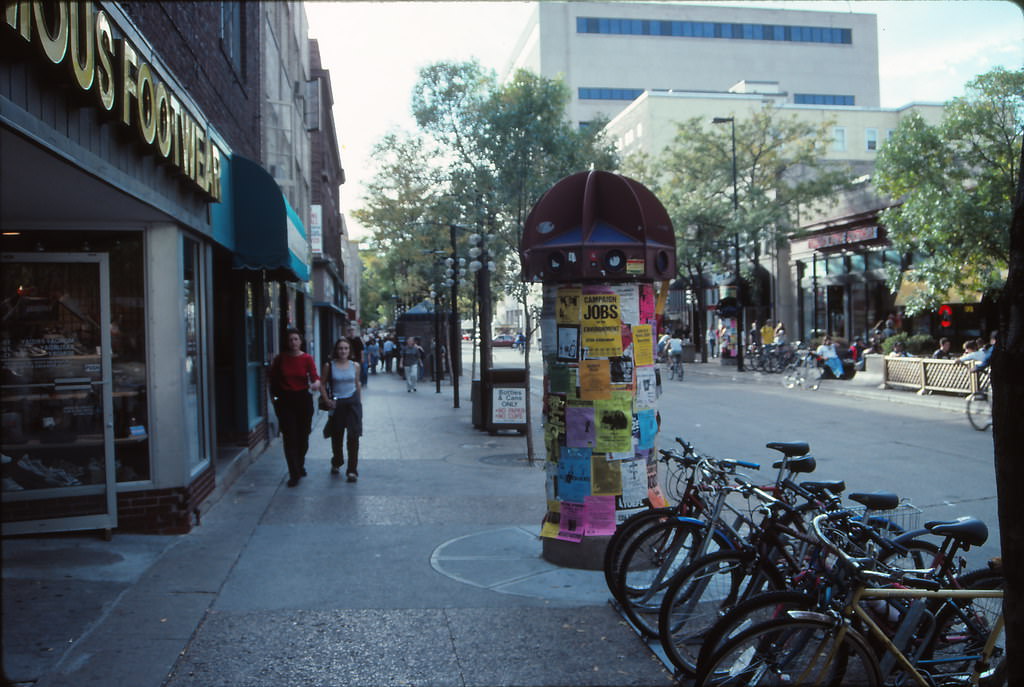
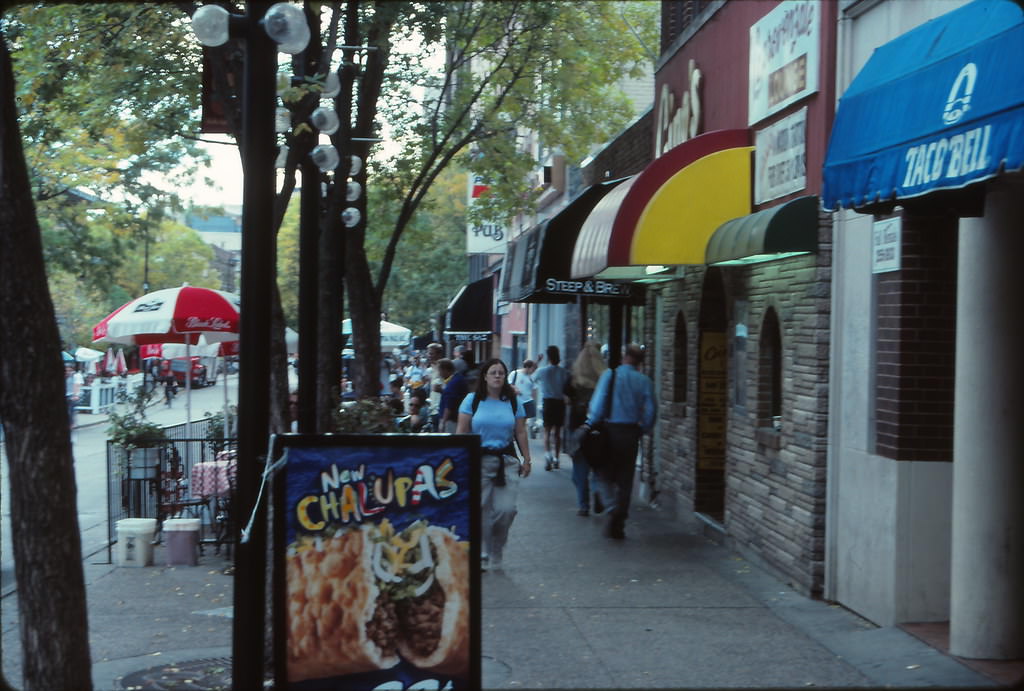
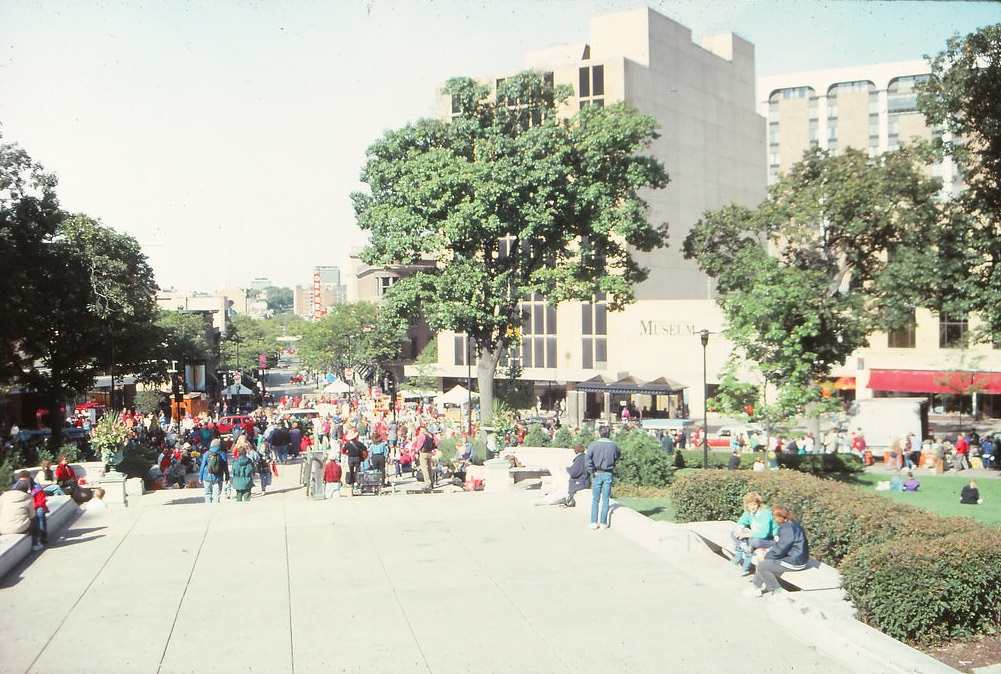
State Street was the beating heart of Madison throughout the decade. Running from the State Capitol down to the University of Wisconsin–Madison campus, it was lined with shops, restaurants, bars, and street vendors. In September 1991, the street already had the lively, walkable character it would carry through the rest of the decade. Students, locals, and visitors mixed freely on its wide sidewalks. Looking up from Capitol end, you could see the full sweep of the street stretching toward campus — a corridor that defined Madison’s identity more than any other single block in the city.
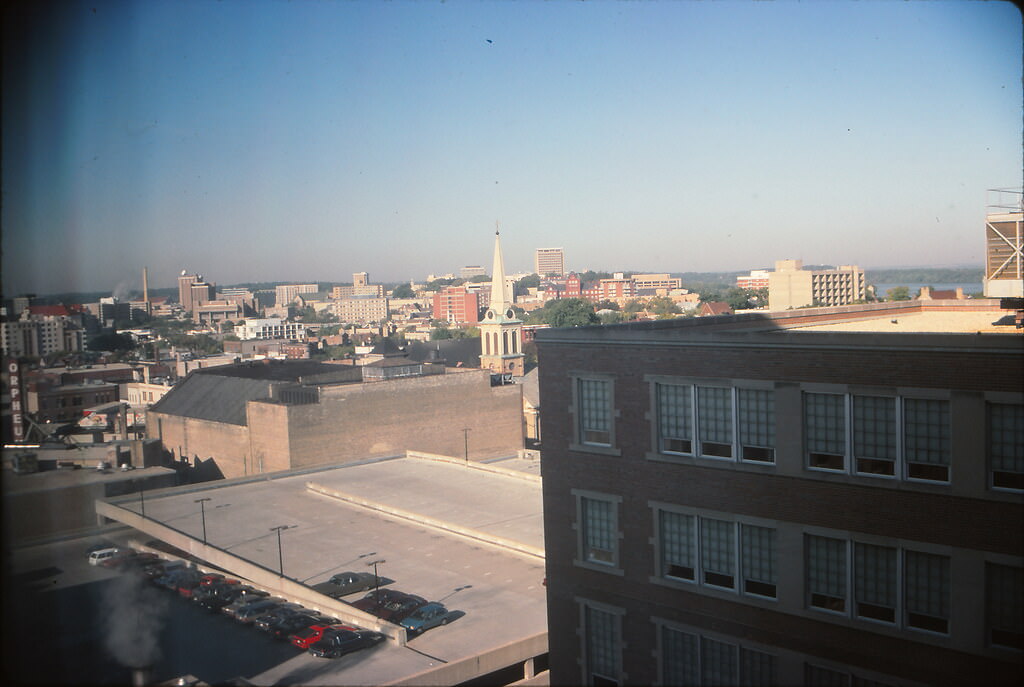
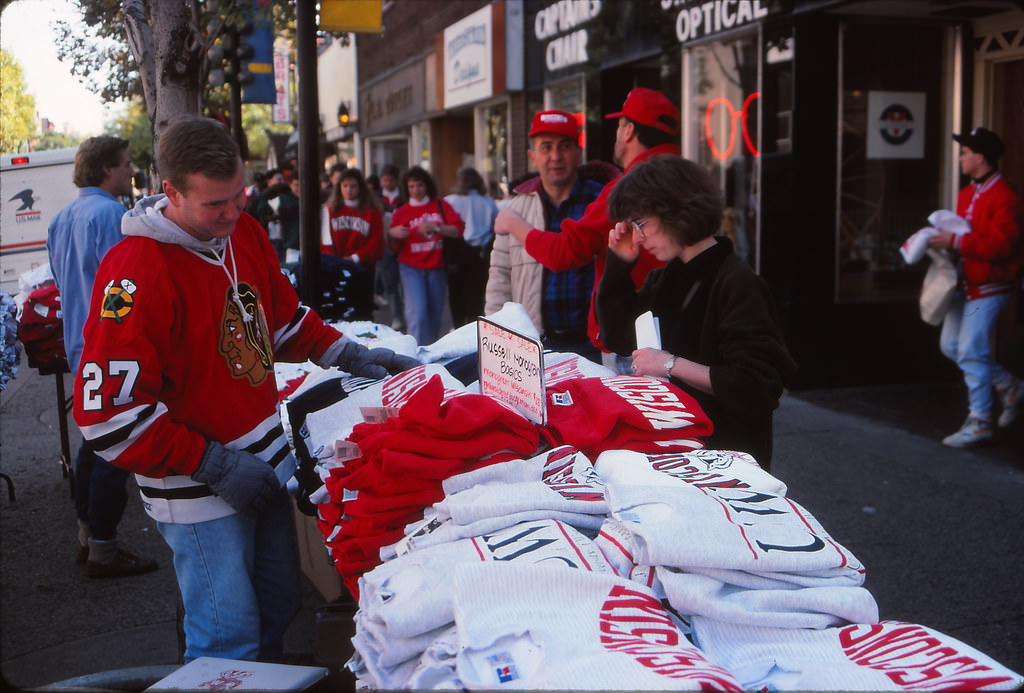
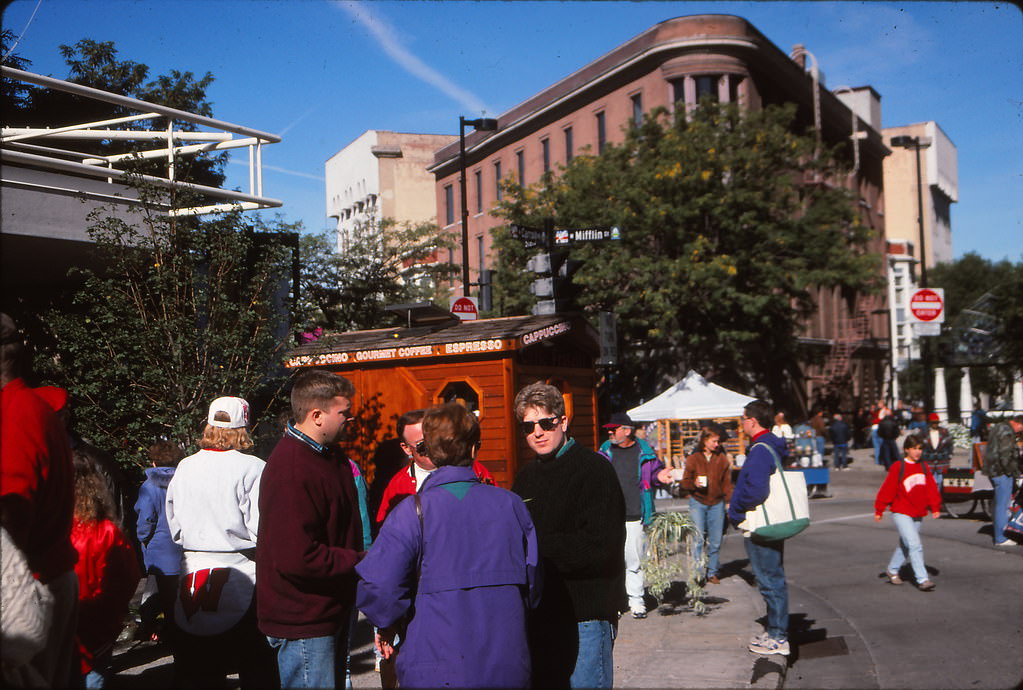
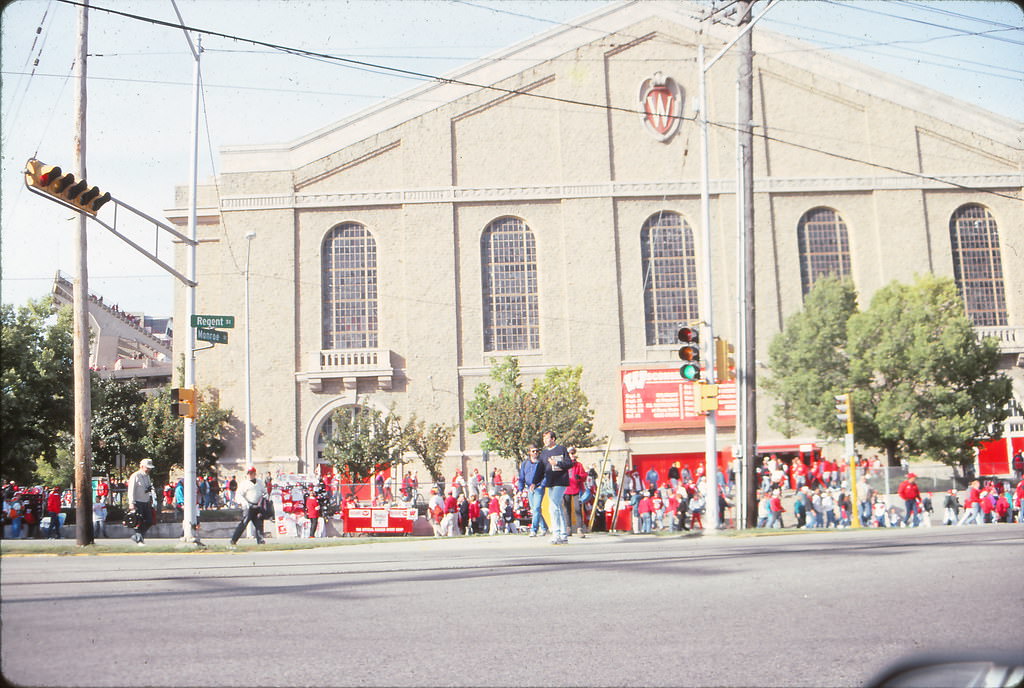
UW–Madison’s influence on the city was hard to miss. Badger gear filled the windows of State Street shops, and game days brought enormous crowds to campus and surrounding streets. The university wasn’t just a cultural anchor — it was an economic engine. UW–Madison worked directly with local businesses and entrepreneurs to move academic research into real-world products, especially in biotechnology. High-tech companies grew out of that partnership throughout the 1990s, many of them starting as small spinoffs from university labs before expanding into major employers.
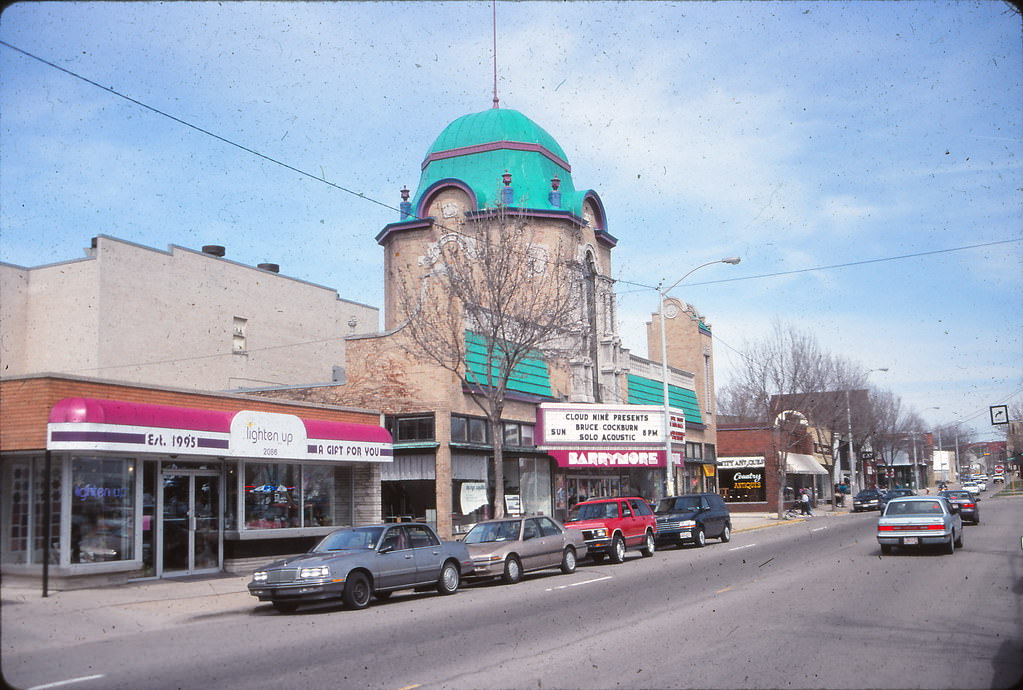
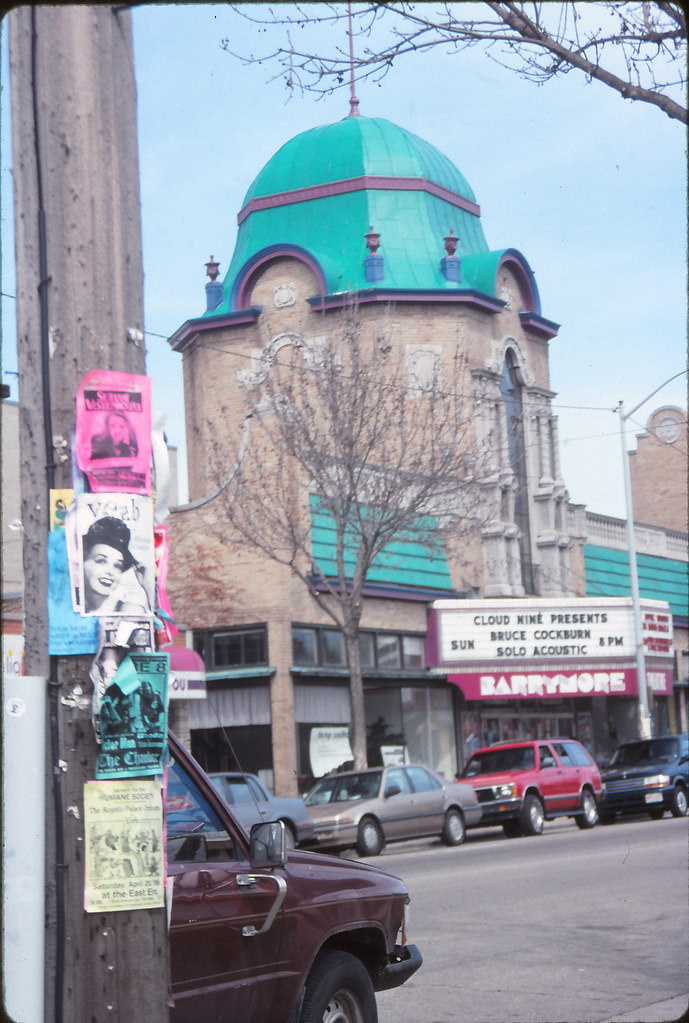
Madison’s cultural venues were a big part of what made the city feel alive. The Barrymore Theater on Atwood Avenue was one of the most beloved spots in town. Originally built as a movie house in 1929, by the 1990s it had become a go-to venue for live music and performance. Photographs from April 1996 show the theater’s classic marquee still standing proud in its east-side neighborhood, a reminder that Madison’s cultural life extended well beyond State Street and the Capitol Square.
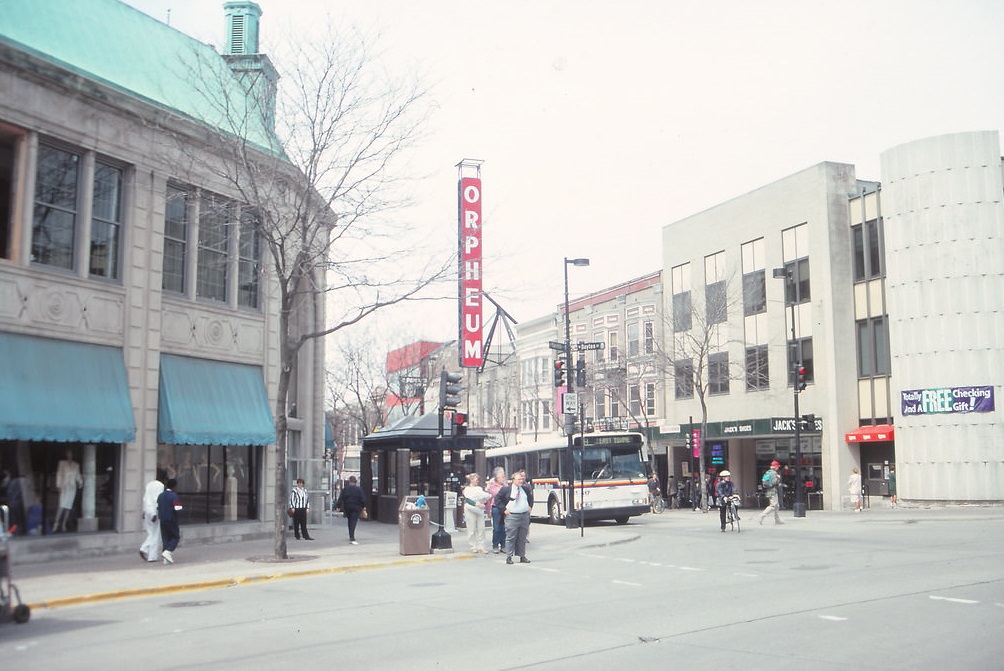
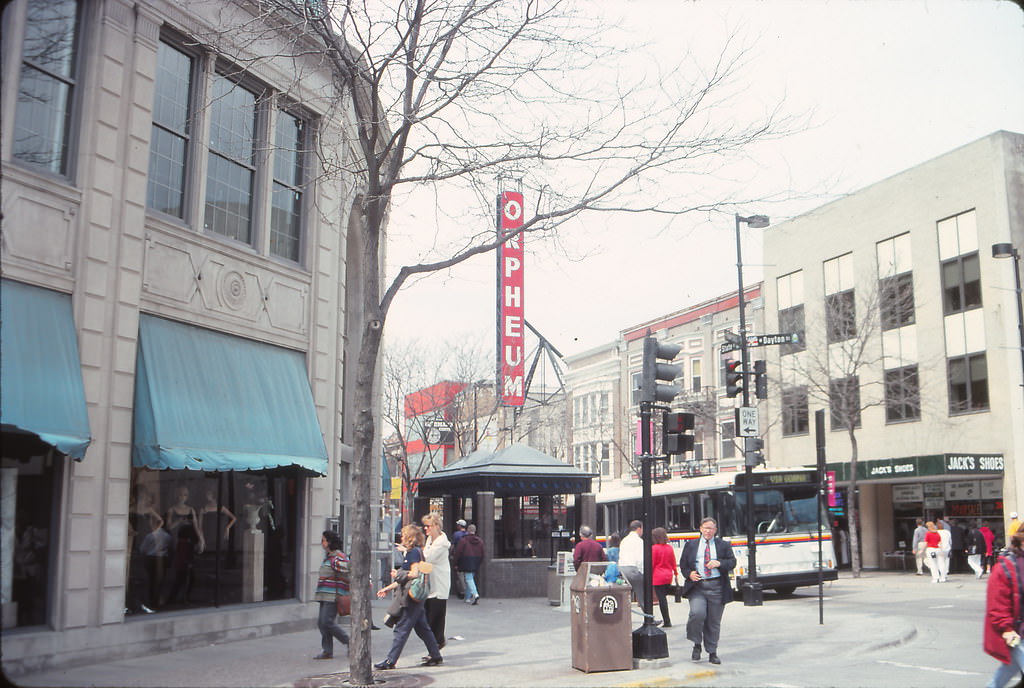
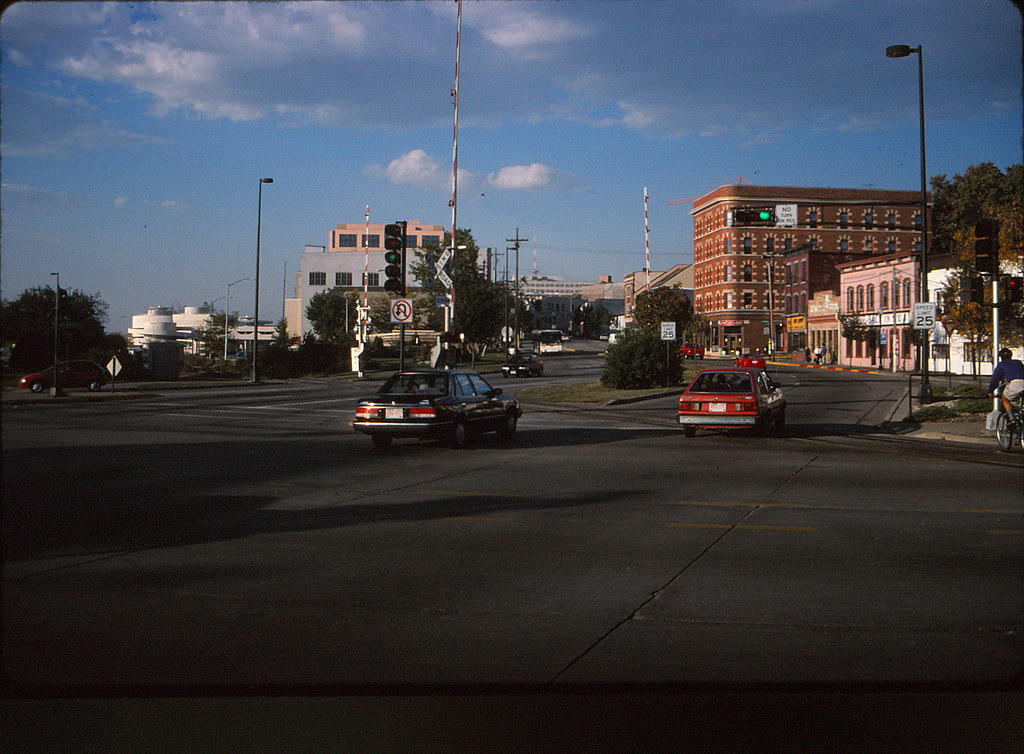
The intersection of State Street and Fairchild Street was one of the most photographed corners in Madison during this era. Fairchild ran perpendicular to State, and the cross street offered some of the best vantage points for capturing the city’s street life. Storefronts came and went throughout the decade, but the bones of the neighborhood stayed the same — low-rise brick buildings, hand-painted signs, and the constant flow of foot traffic that kept small businesses alive.
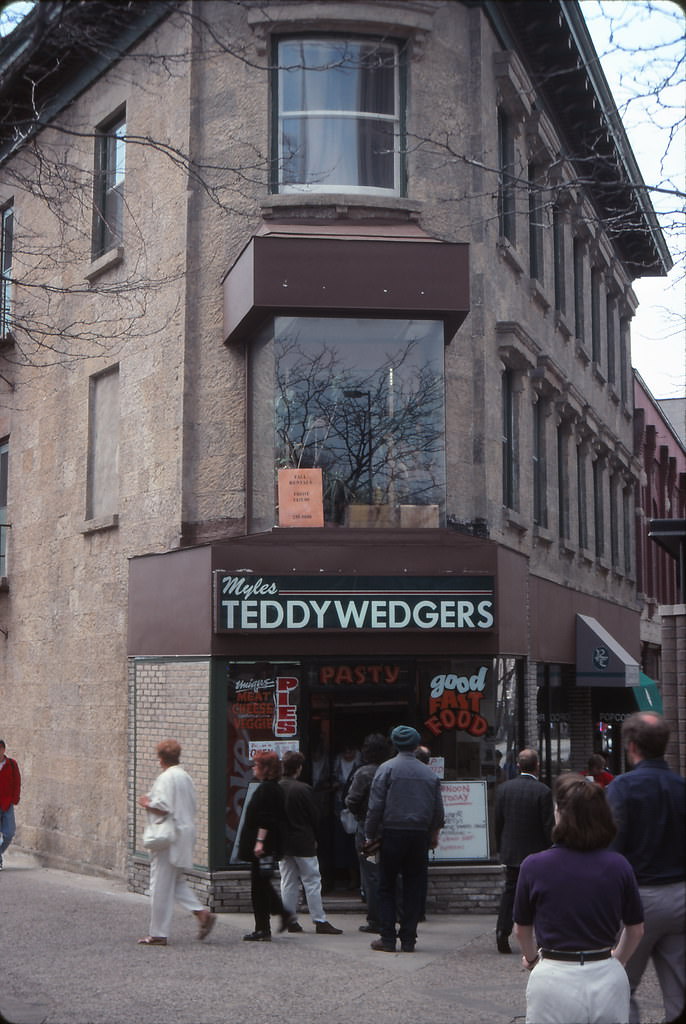
Myles Teddywedgers was a State Street institution. The shop served Cornish pasty pies — a hand-held pastry filled with meat and vegetables — and became a favorite quick meal for students and workers passing through. Spots like Teddywedgers gave State Street its reputation as a place where you could find something unexpected around every corner. It wasn’t a street dominated by chains. Independent shops and locally-owned eateries defined its character throughout the decade.
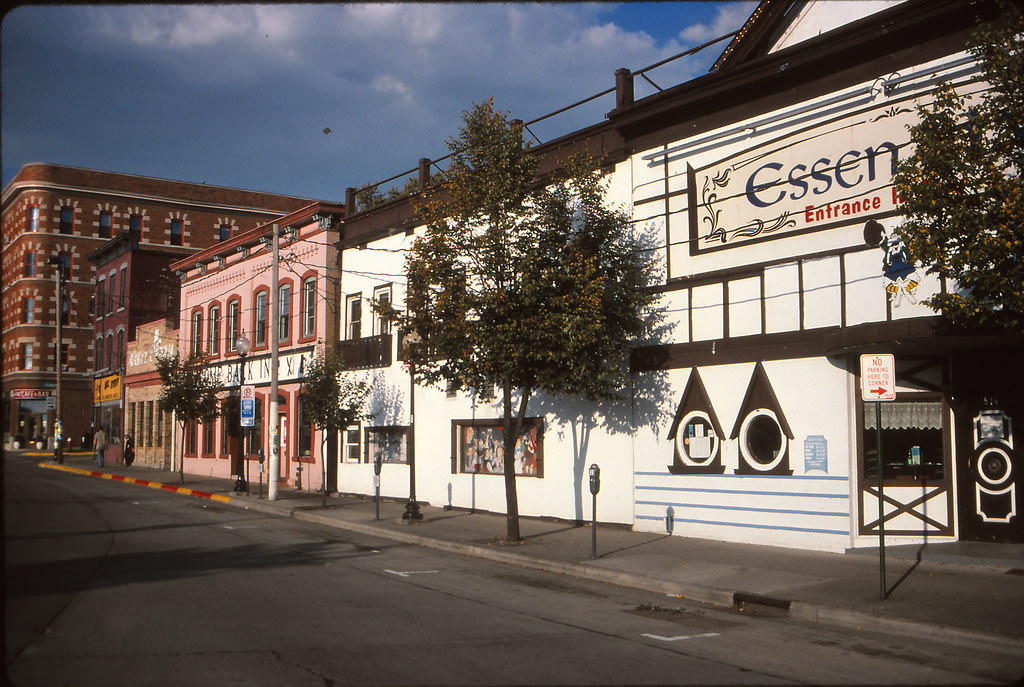
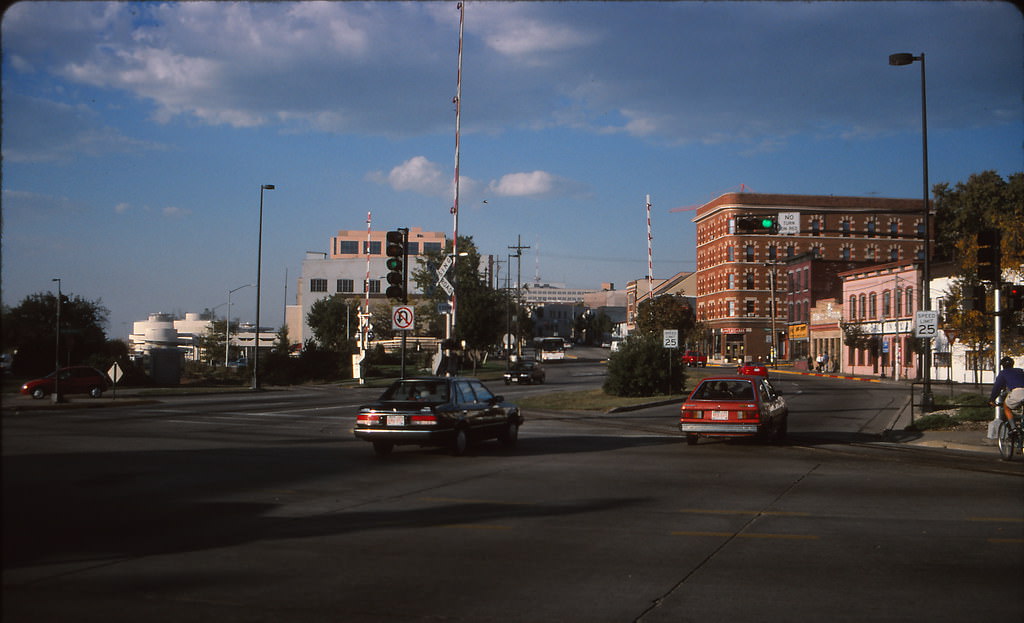
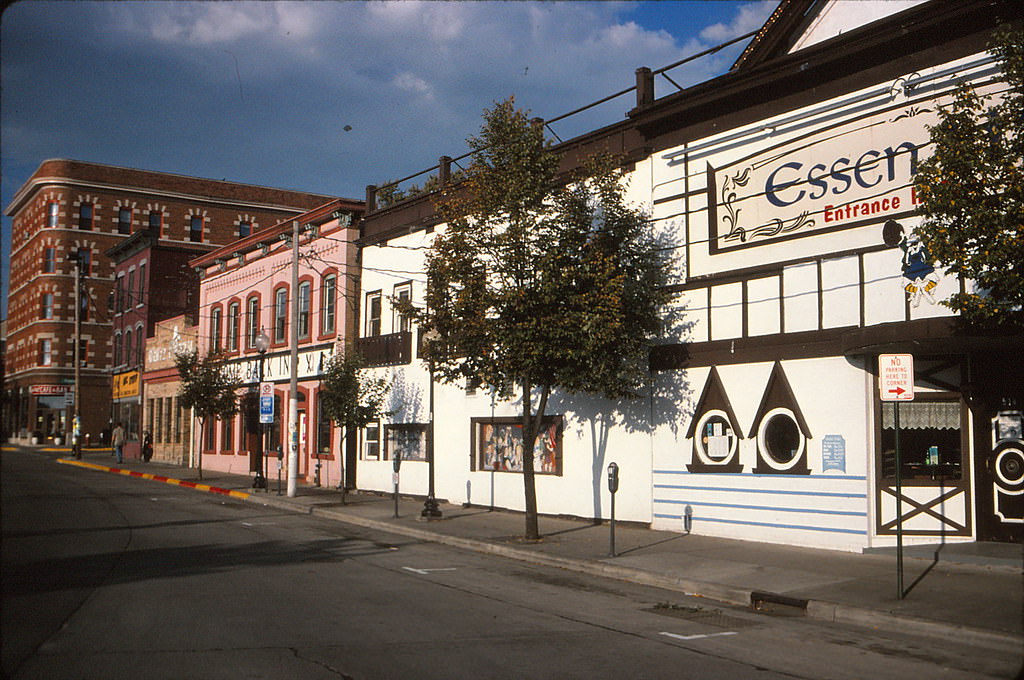
East Wilson Street offered a different flavor of Madison. Running parallel to the lakeshore near Monona Bay, it was home to some of the city’s most distinctive bars and restaurants. The Essen Haus was one of the standouts — a German-themed bar that served beer in giant boots and kept the atmosphere loud and festive. By October 1997, it was already a well-established stop for anyone who wanted something a bit different from the typical college bar experience.
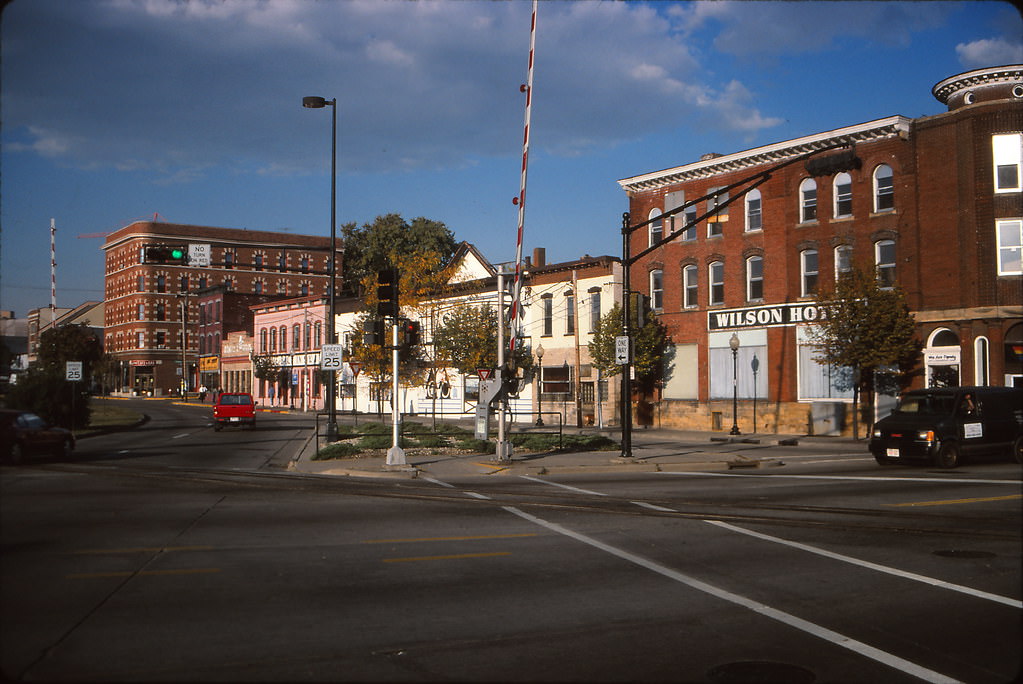
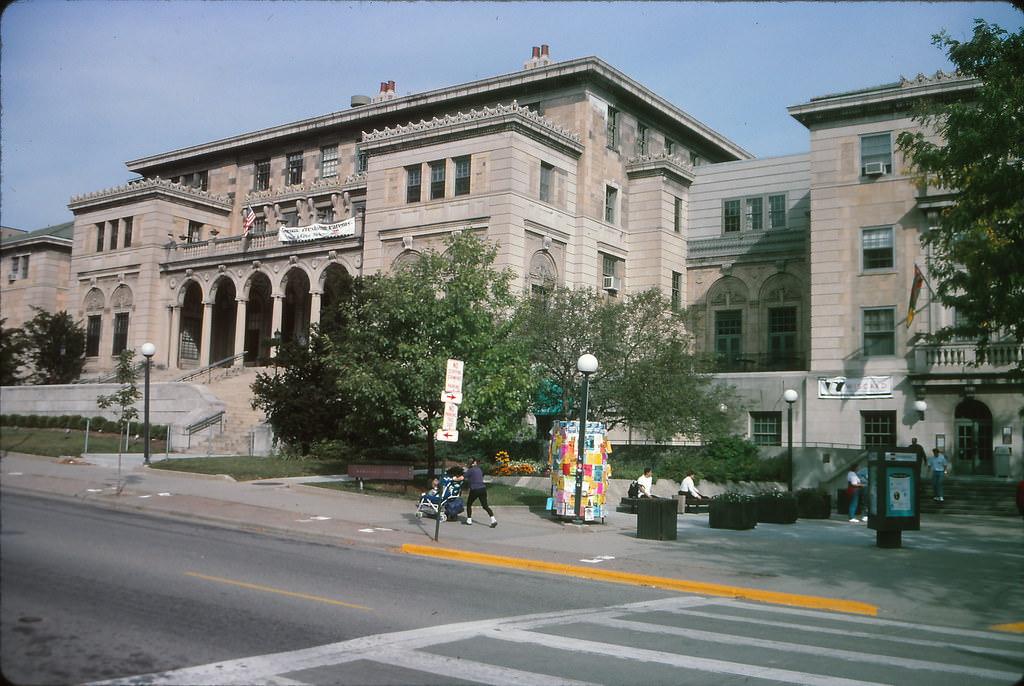
The University of Wisconsin’s Memorial Union was another landmark that anchored Madison’s identity in the 1990s. Sitting right on the shore of Lake Mendota, the Union Terrace — with its iconic sunburst chairs — drew crowds from the first warm days of spring straight through to fall. In 1997, the terrace was as packed as ever, offering views of sailboats on the lake and the kind of relaxed outdoor atmosphere that made Madison feel unlike any other Midwestern city.
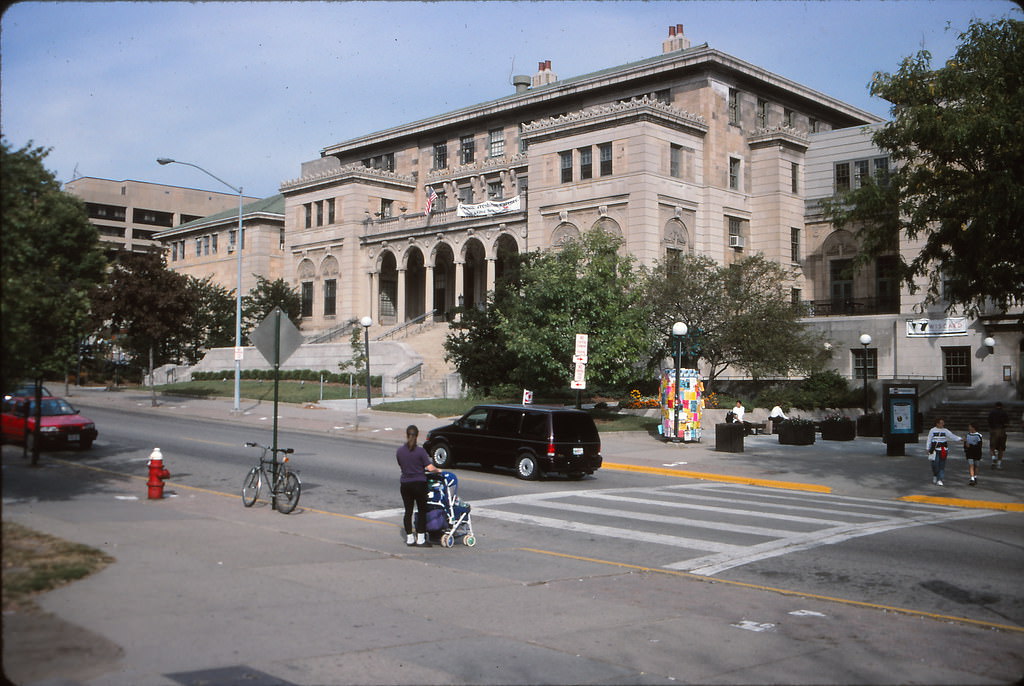
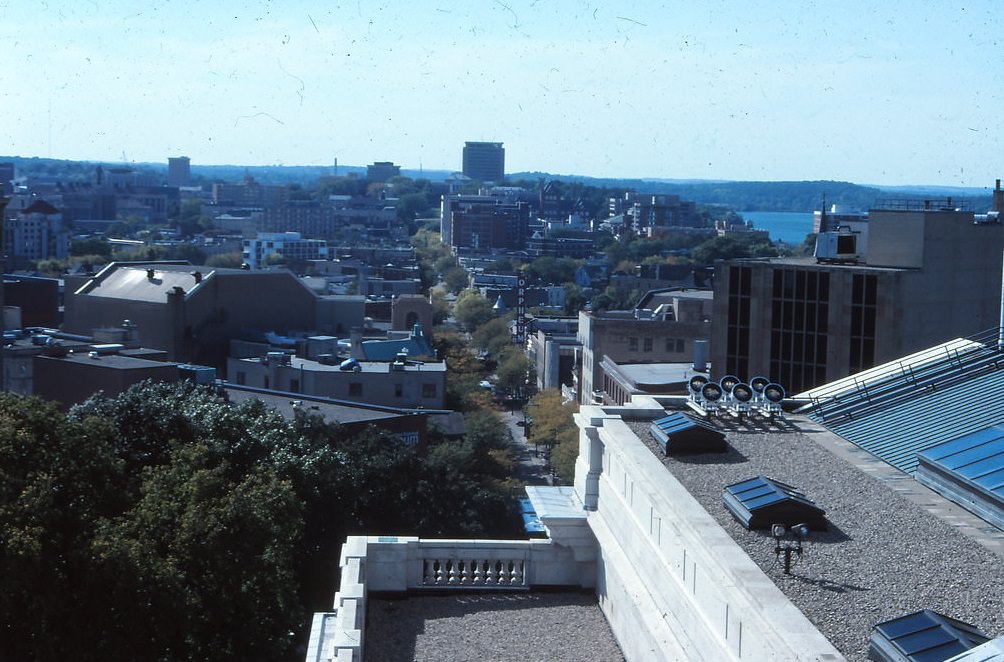
Looking up State Street from the steps of the State Capitol was one of the classic views of Madison. In September 1997, the street looked much as it had earlier in the decade — busy, colorful, and unmistakably Madison. The Capitol dome loomed behind anyone walking toward campus, a constant reminder of the city’s dual role as both a college town and the seat of state government. That combination gave Madison a character that set it apart from other university cities.
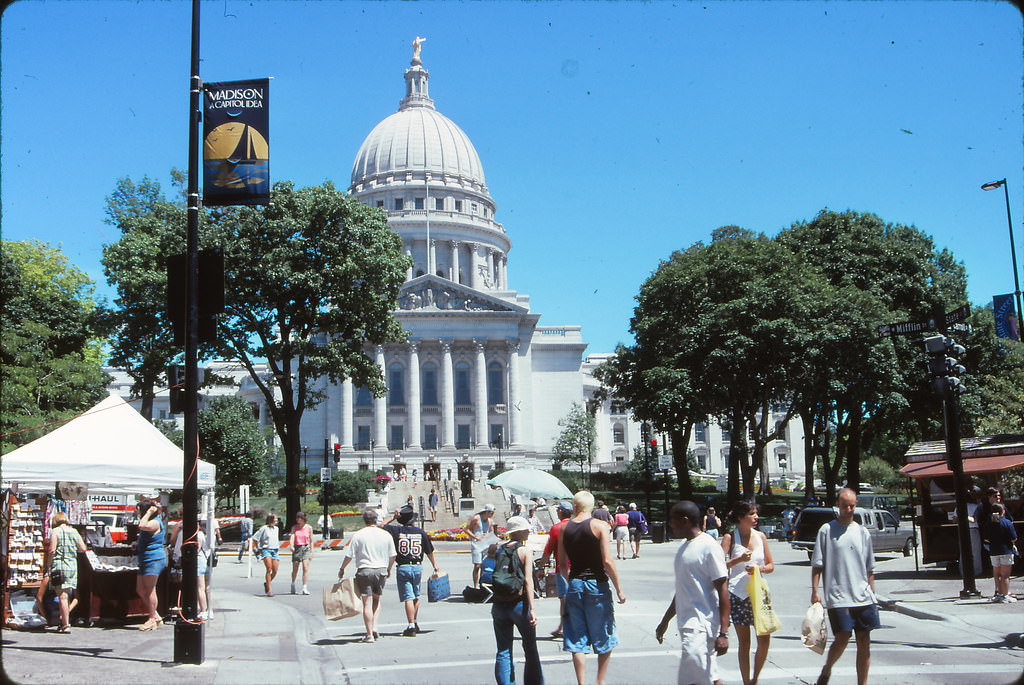
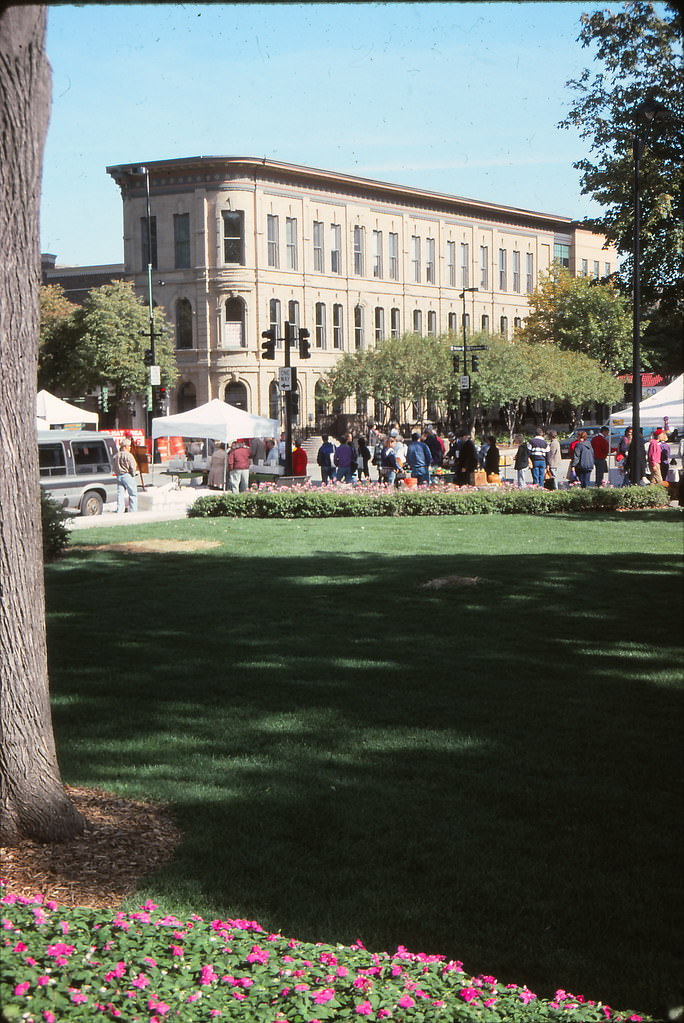
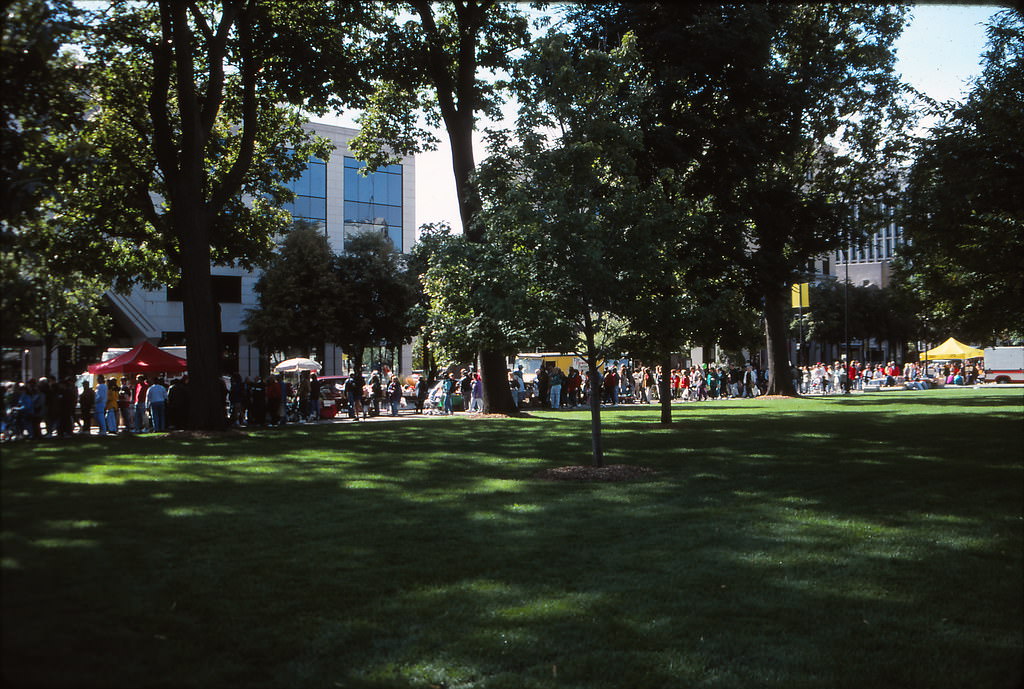
The Dane County Farmers’ Market on Capitol Square was — and remains — one of the largest producers-only farmers markets in the country. Every Saturday morning from spring through fall, vendors wrapped around all four sides of the Capitol building, selling vegetables, cheeses, baked goods, flowers, and meats directly from their farms. The July and September markets were the most abundant, drawing enormous crowds of locals who made the Saturday morning trip a weekly ritual. Photos from 1995 and 1998 both capture the market’s scale and energy, with vendor tents stretching as far as the eye could see around the square.
Madison’s political scene was just as active as its street life. In 1992, a local third party called Progressive Dane was founded. The party pushed for policies like inclusionary zoning and a city minimum wage, and its members won seats on both the Madison City Council and the Dane County Board of Supervisors. Progressive Dane aligned itself with both the Democratic and Green parties, carving out a distinct left-leaning niche in city politics that reflected the values of many Madison residents. The inclusionary zoning ordinance they championed was later dropped by the mayor and a majority of the council, but the party continued to shape local debates throughout the decade.
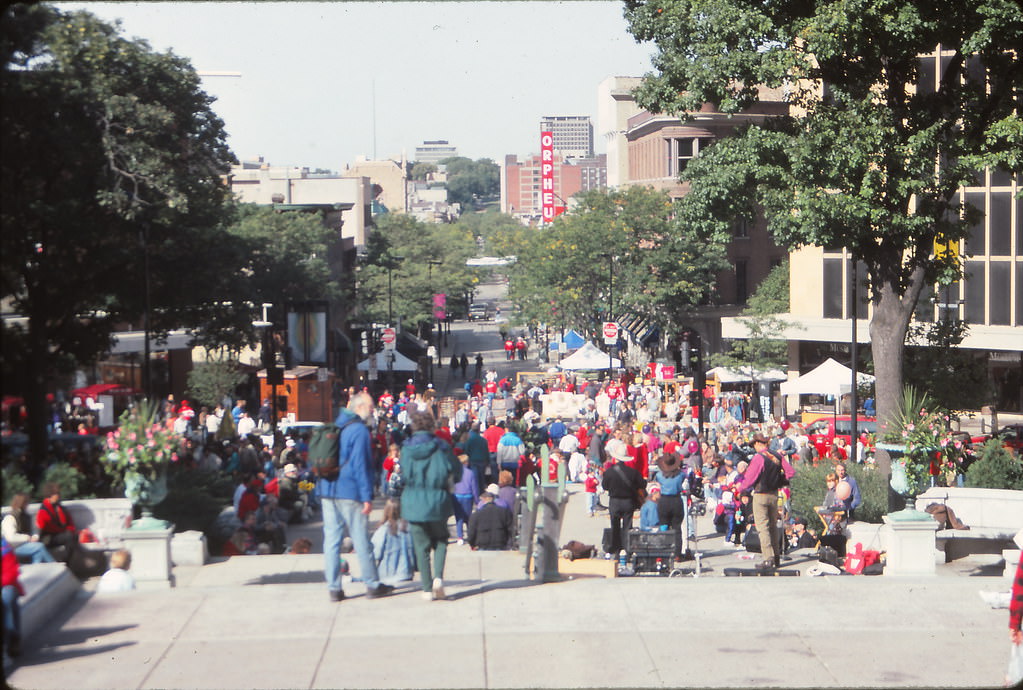
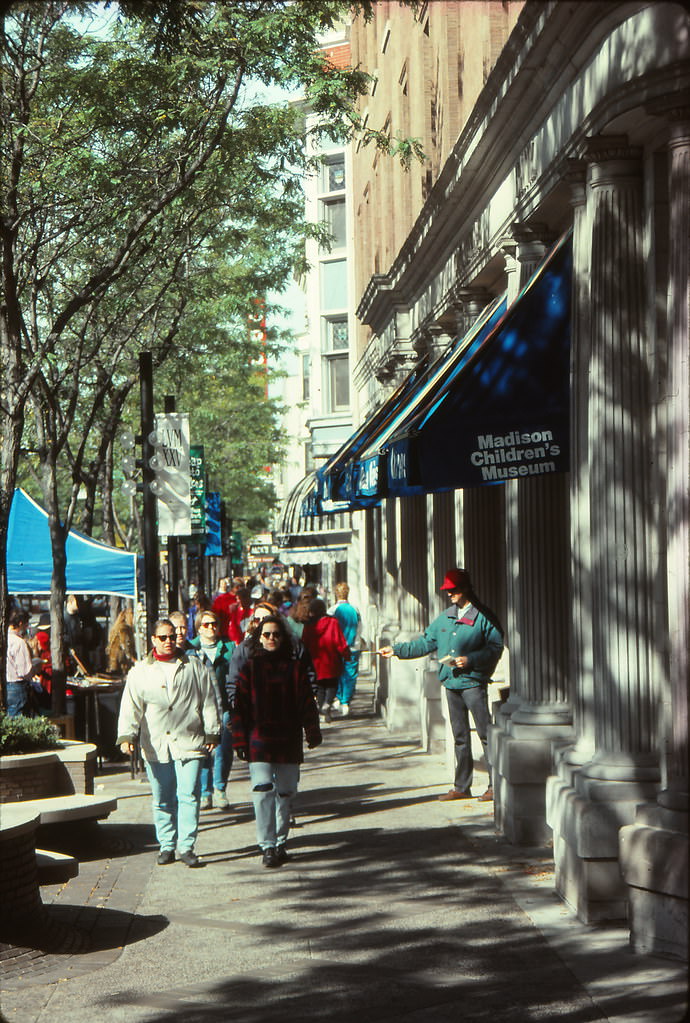
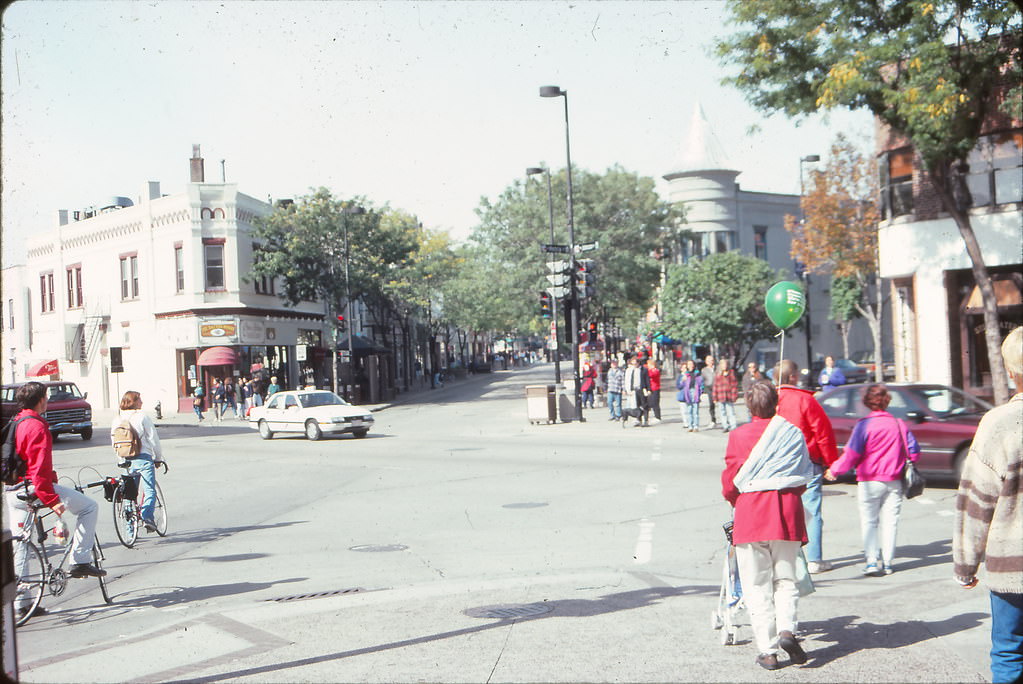
Game days at UW–Madison were something else entirely. When the Badgers played at Camp Randall Stadium, the entire city shifted into a different gear. Streets near campus filled with red and white, tailgates stretched for blocks, and State Street transformed into a parade route of sorts before and after kickoff. The September 1995 game day photos show exactly that energy — thick crowds, Badger flags, and a city fully given over to football for an afternoon.
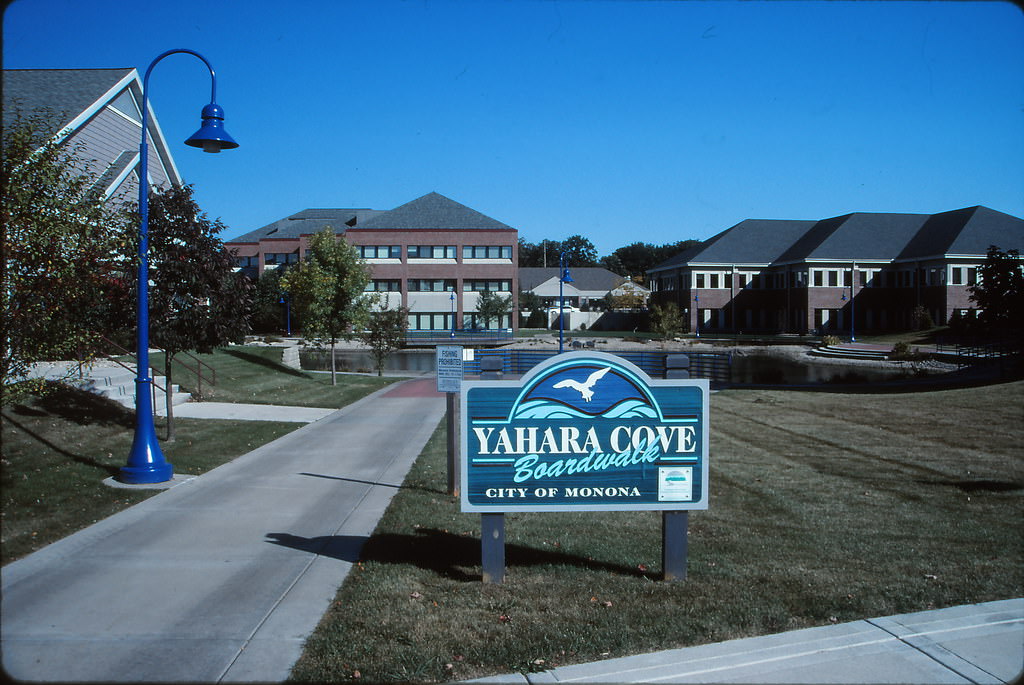
By the end of the decade, the Yahara River area near Monona had begun attracting more attention as a recreational destination. The Yahara Cove Boardwalk offered a quieter counterpoint to the bustle of downtown Madison — a place to walk along the water and watch the city from a distance. It represented a broader trend of outdoor amenity development that was making Madison an increasingly desirable place to live, not just for students and academics, but for families and professionals as well.
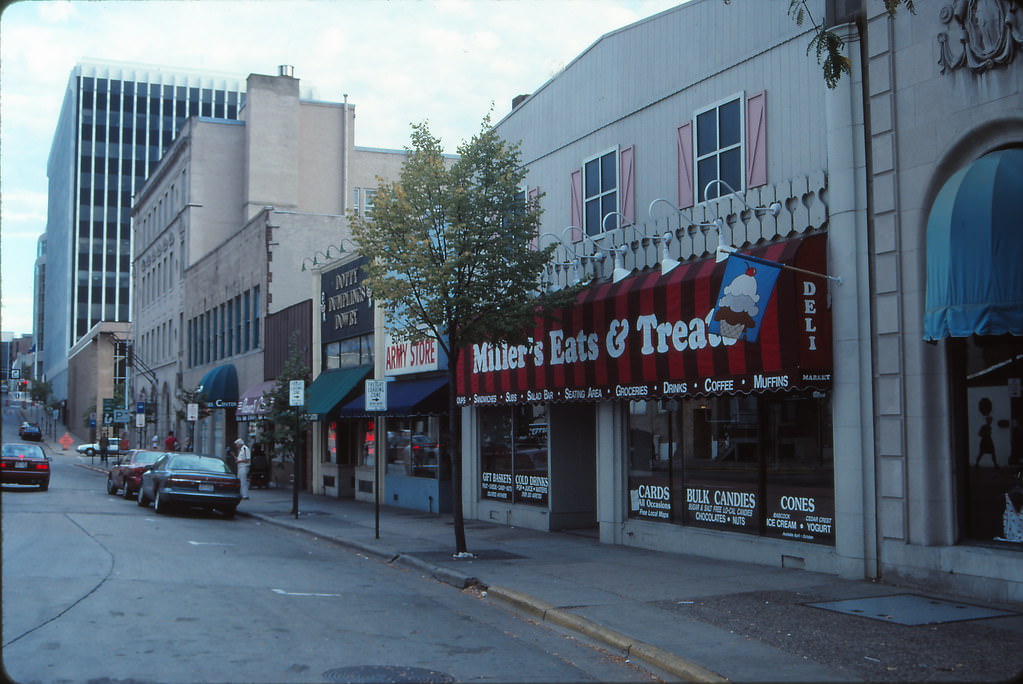
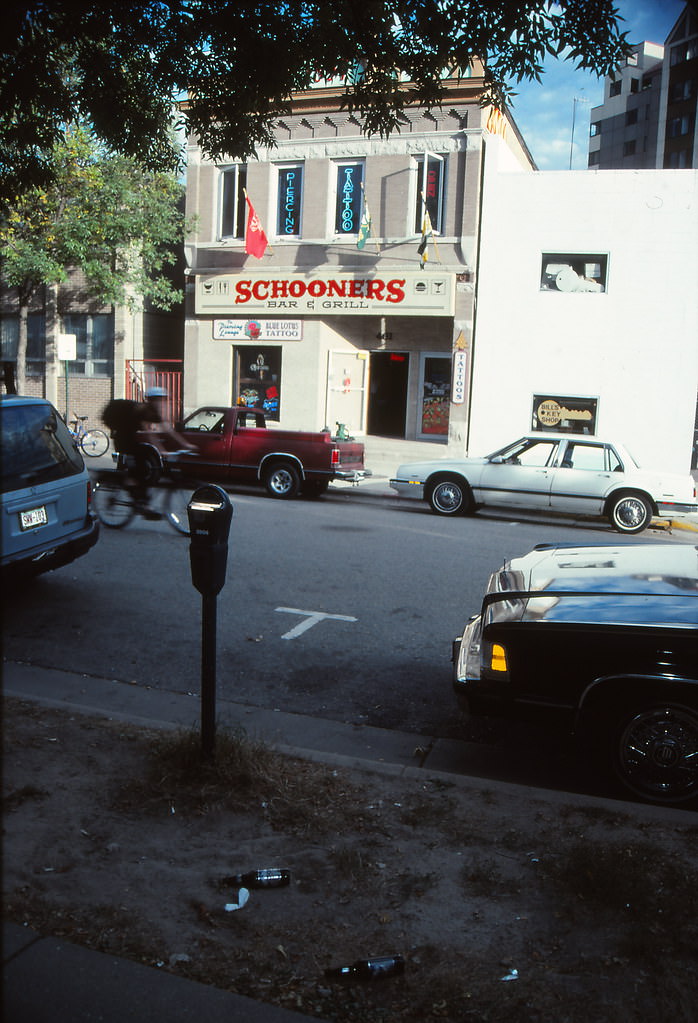
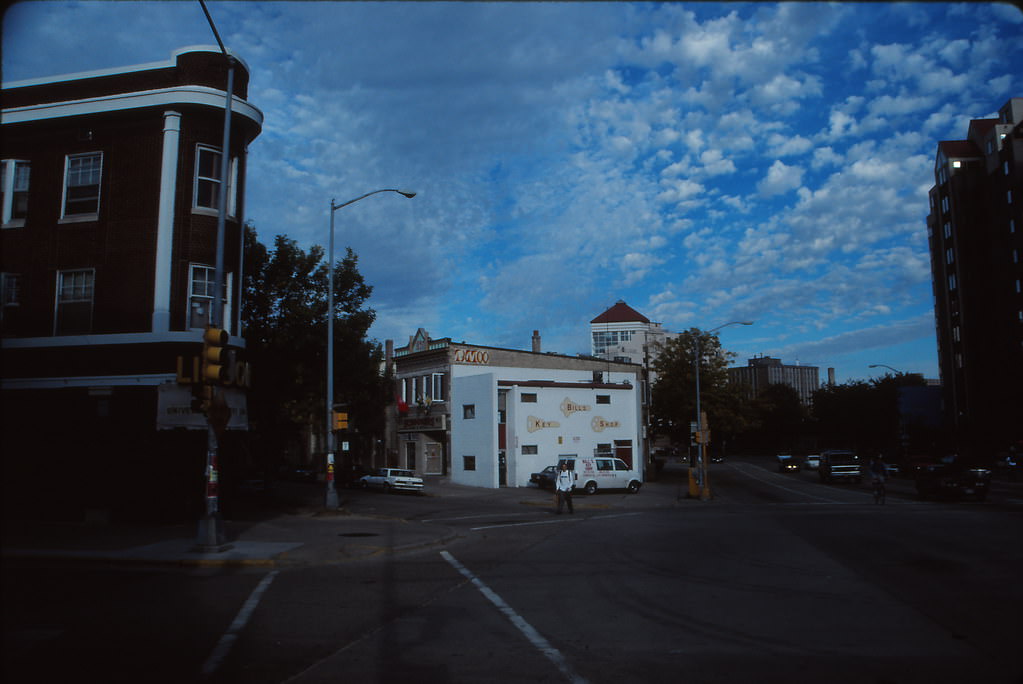
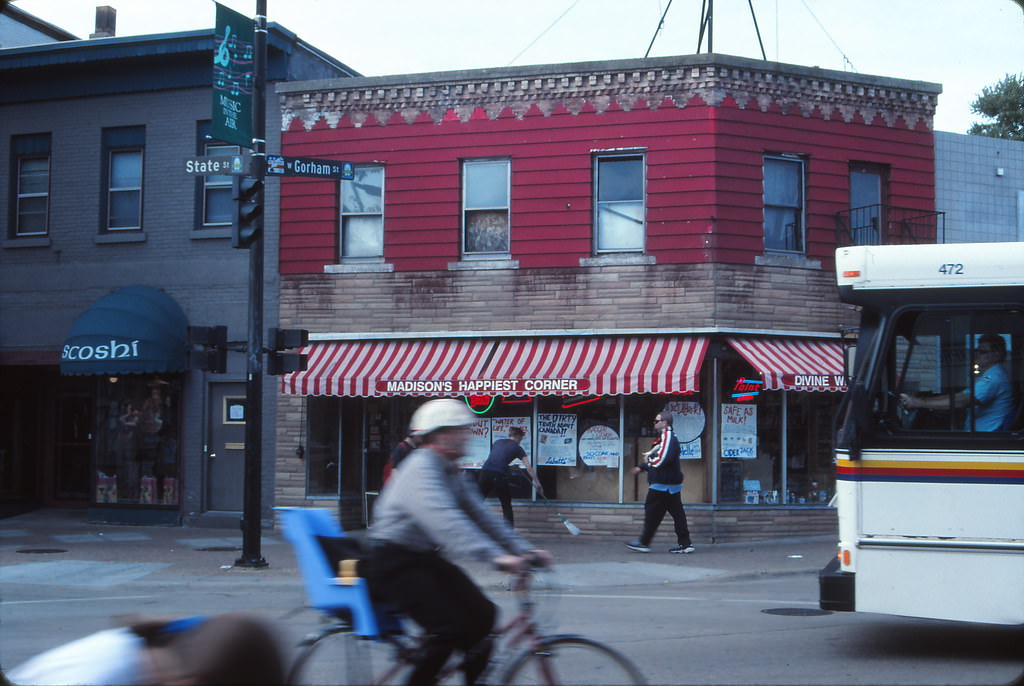
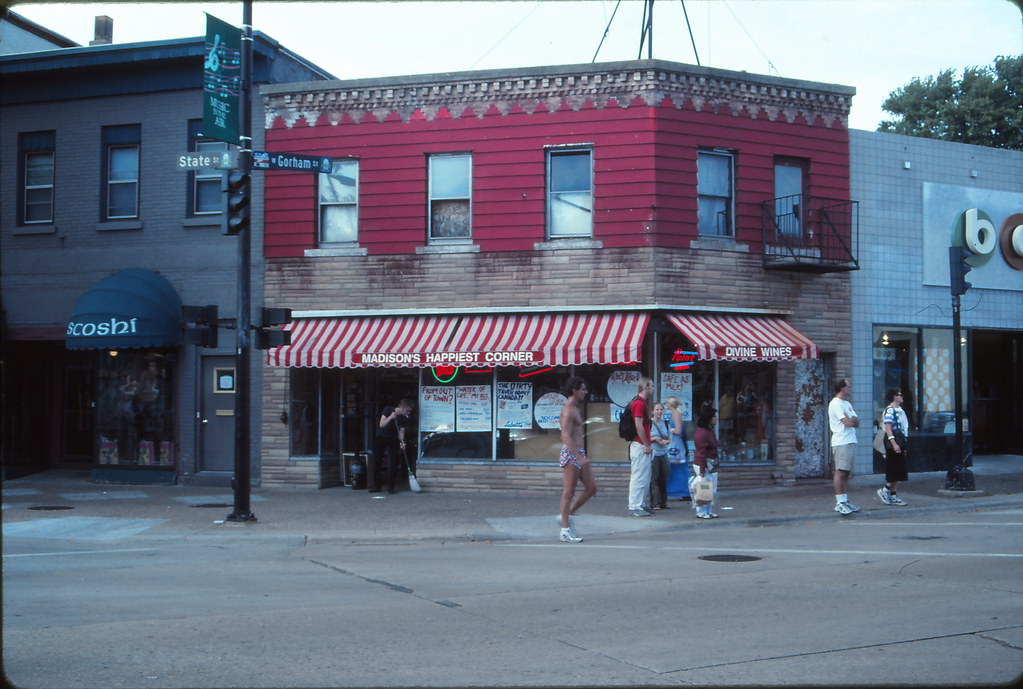
State Street in September 1999 looked noticeably more polished than it had eight years earlier. The storefronts were busier, the foot traffic denser, and the mix of businesses reflected a city that had grown in confidence and prosperity. The corner of State and Gorham — nicknamed ‘Madison’s Happiest Corner’ — captured that mood perfectly. It was a crossroads where students, locals, and visitors all converged, a spot that summed up what the decade had built.
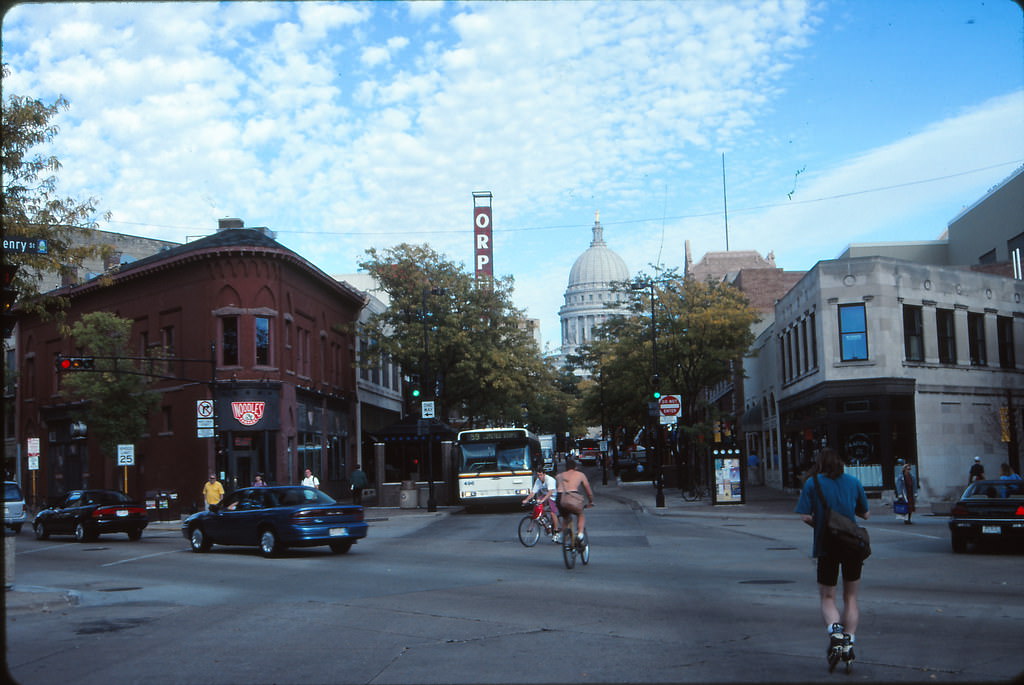
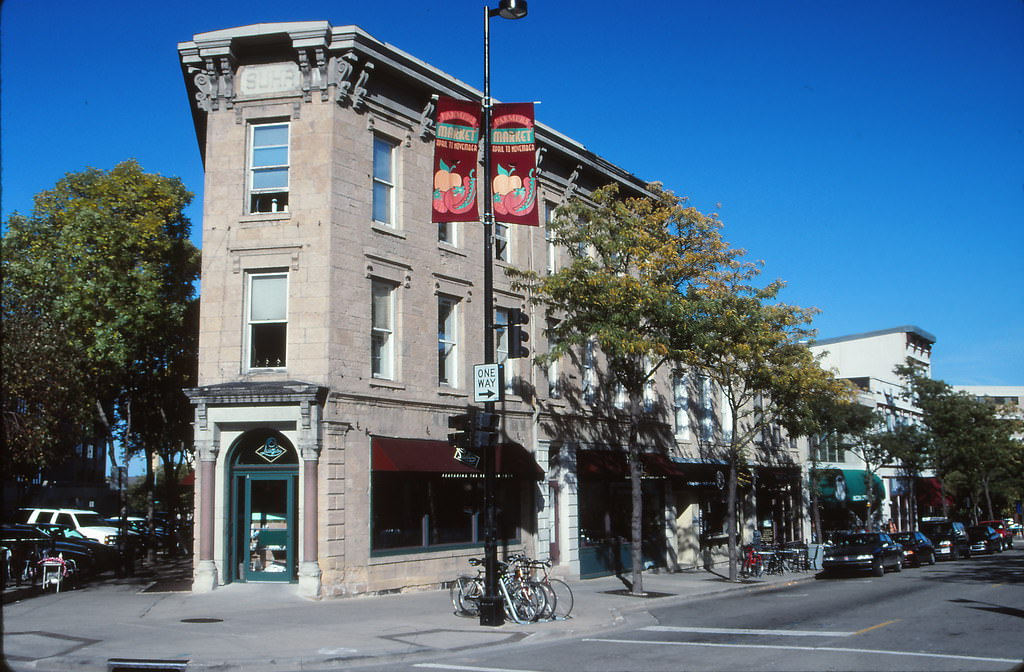
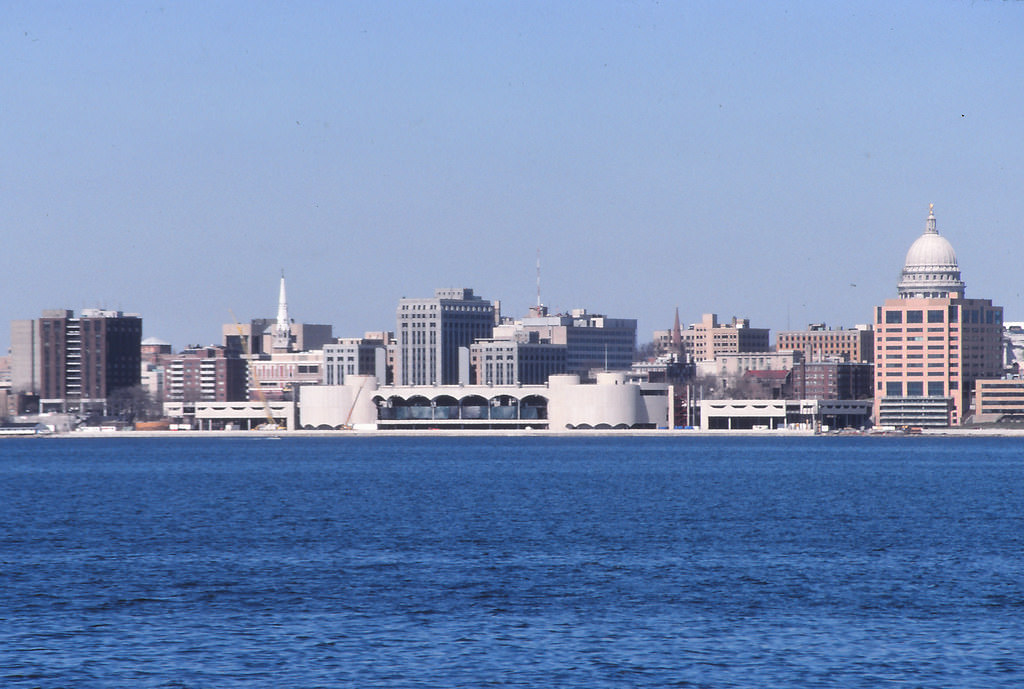
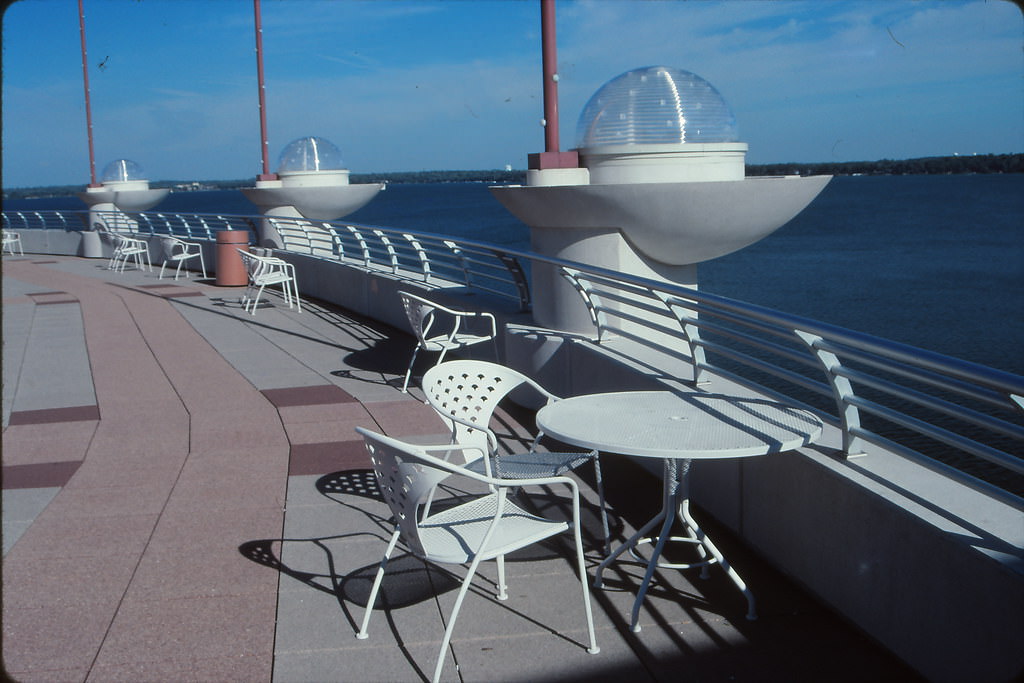
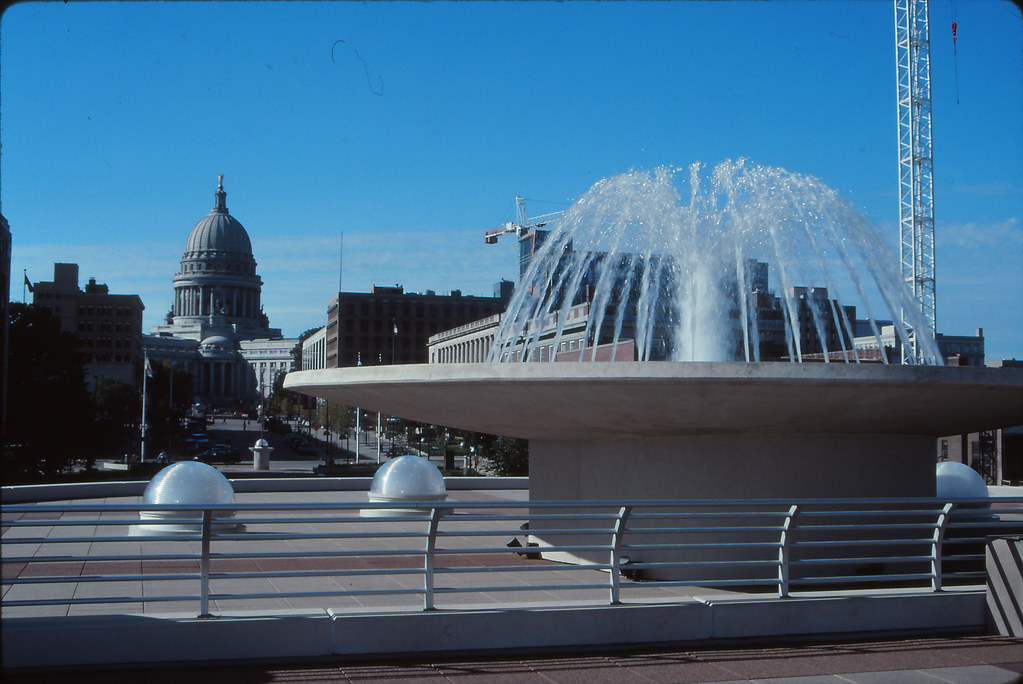
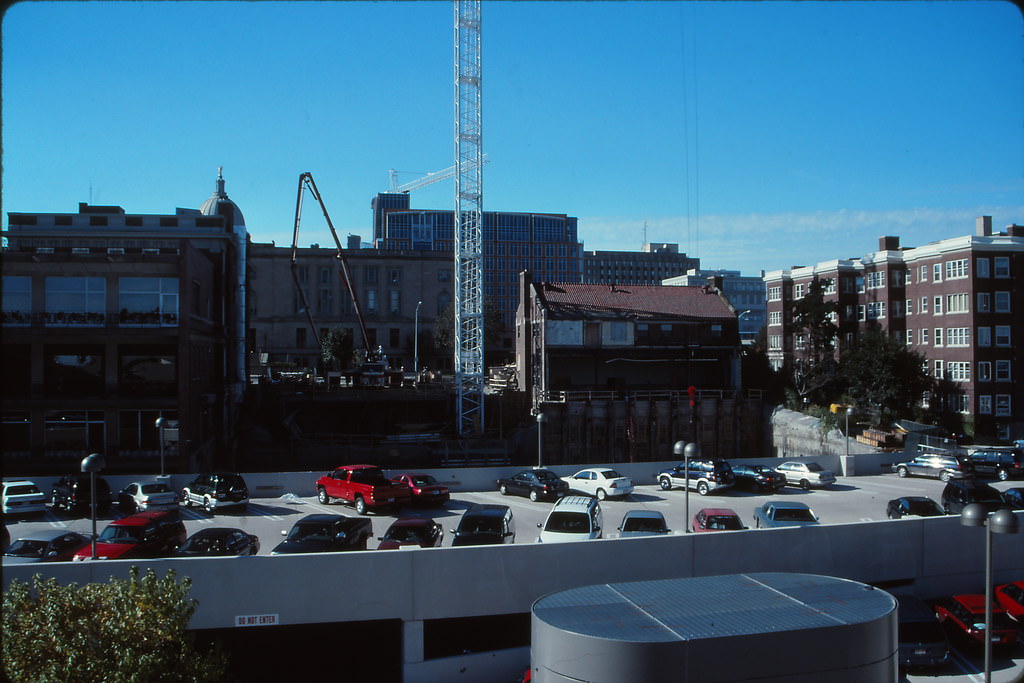
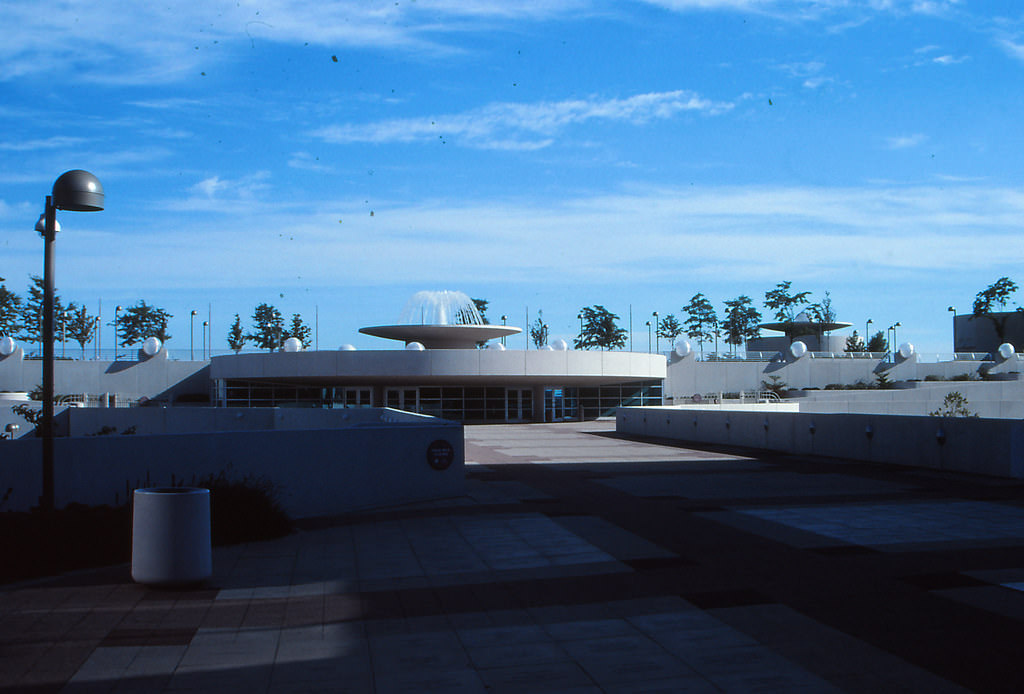
One of the most significant openings in Madison’s 1990s story happened in 1997: the Monona Terrace Community and Convention Center finally opened its doors. The building had been conceived by Frank Lloyd Wright decades earlier, but political and financial battles kept it from being built for years. When it finally opened on the shore of Lake Monona, it gave Madison a world-class venue and a stunning new landmark. By 1999, it was already a staple of the cityscape, with views of the State Capitol from its rooftop that rivaled anything else in Wisconsin.
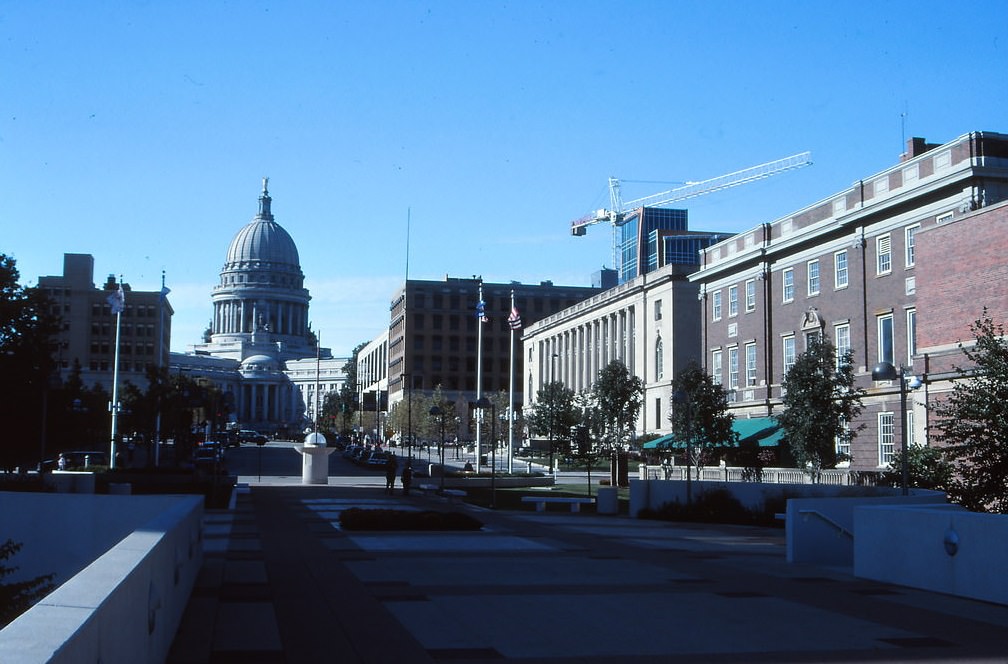
King Street connected the Capitol Square to the lakefront, and looking down it from the square gave one of the sharpest views of how compact and walkable downtown Madison really was. The Capitol dome anchored the top of the frame in nearly every direction you looked, a fact of daily life for anyone who spent time in the city center. In 1998, King Street was a quiet but well-used corridor, lined with older commercial buildings that had been serving the neighborhood for decades.
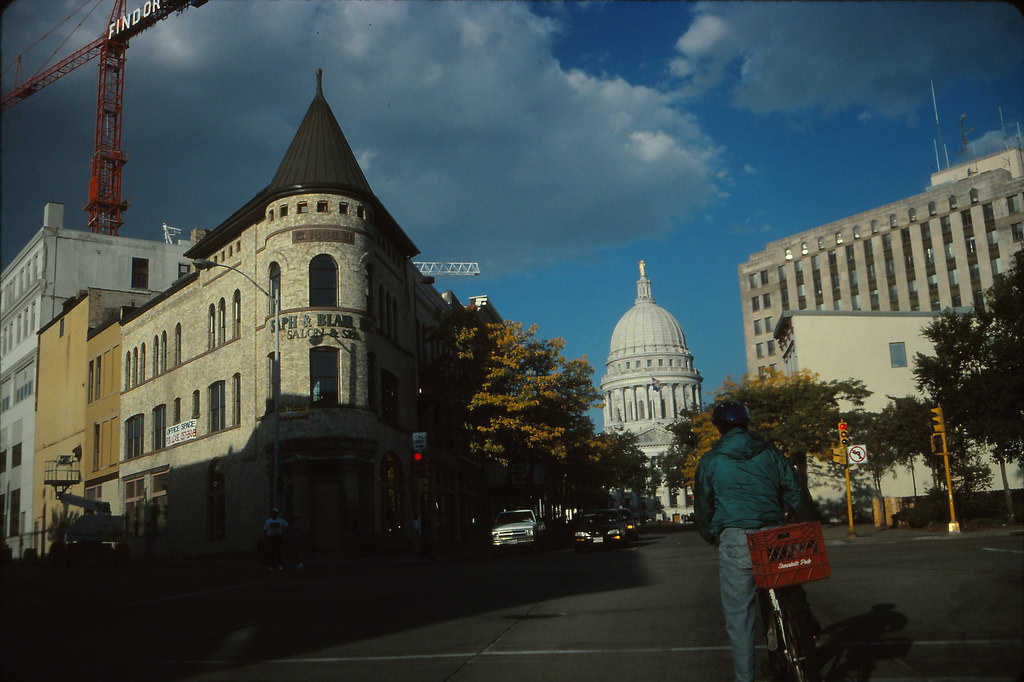
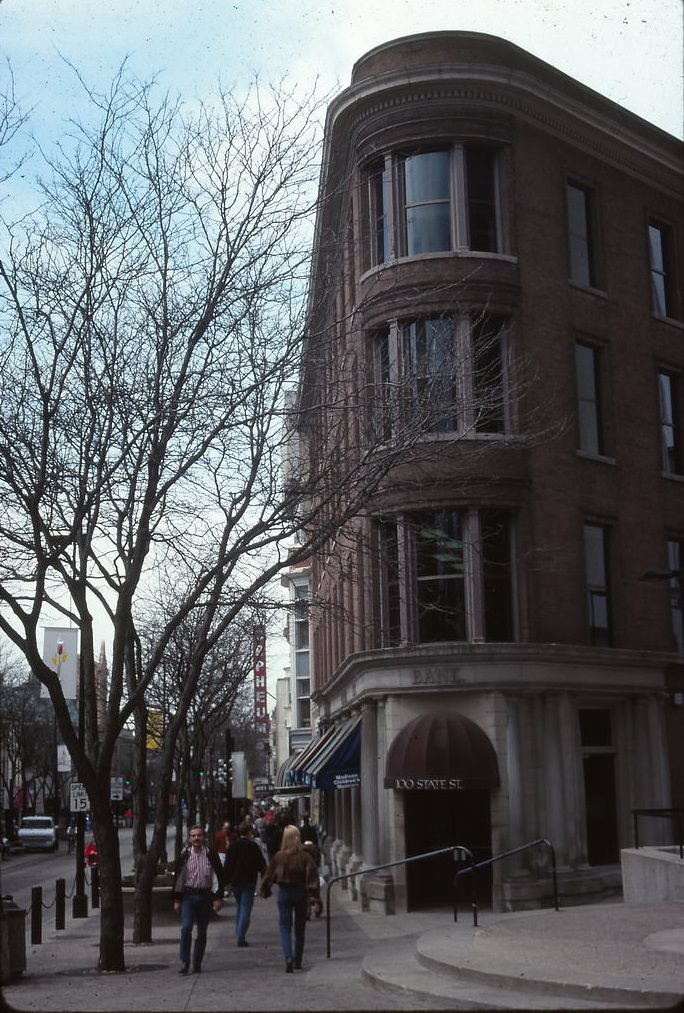
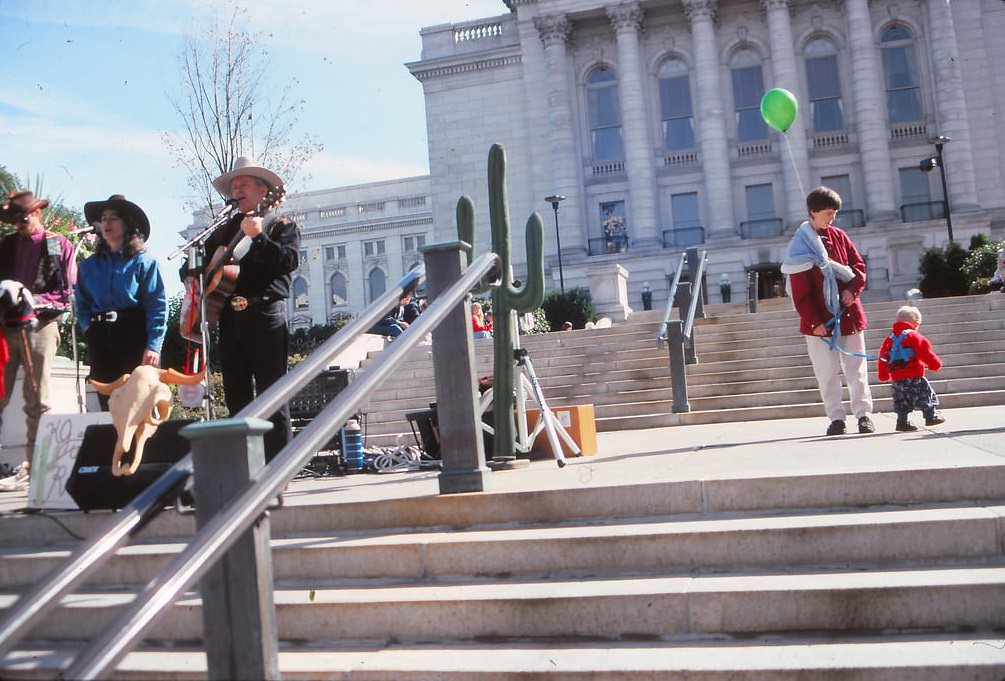
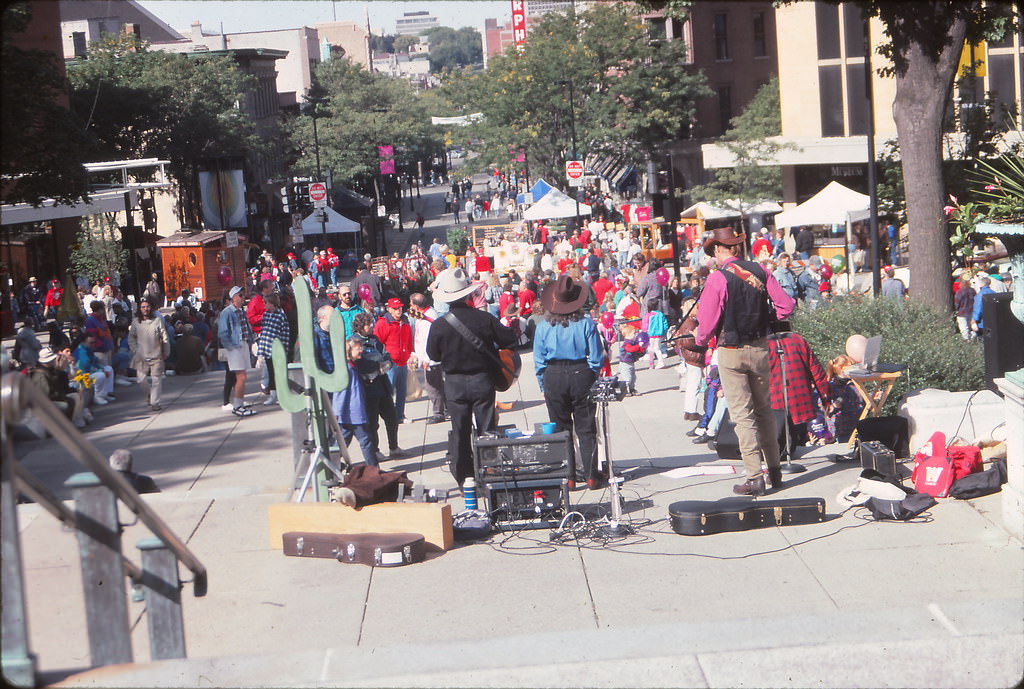
The early years of the decade — 1991 through 1994 — laid the groundwork for everything that followed. The photos from 1993 and 1994 show a city that was already confident in what it was, even before the tech boom fully took hold. The streets were active, the businesses were independent and varied, and the university’s presence was felt in every corner of daily life. Madison in those early years had a rawness to it that the later photos don’t quite capture — a city in process, figuring out what it wanted to become.

Madison was fun and unique in the 1970s.
By the 1990s it was just a beige chain store trash pit.
Haven’t been back since 2005 and never want to go there ever again. Too sad.
I went to Madison for the first time less than a month ago. It surprised me in many ways, all for the better. It’s very developed, lots of family restaurants, and tons of unique and cool places. I would assume it’s very different from almost 20 years ago, you should go again maybe it will surprise you for the better 🙂
Who better to give strong opinions about a place than someone who hasn’t visited in almost 20 years?
I was hoping to see a photo of Cellar Subs. Man, I miss that place.
Everyone is interacting with one another and looking where they’re going!
I remember visiting Madison quite often as a kid in the nineties and wanted to live down there in the worst way, even crying when it was time to go back home. I also had my heart set on attending the UW down there. It ended up being cost prohibitive. Today I still make occasional trips down to visit family, but that’s as far as I ever got towards that old dream.
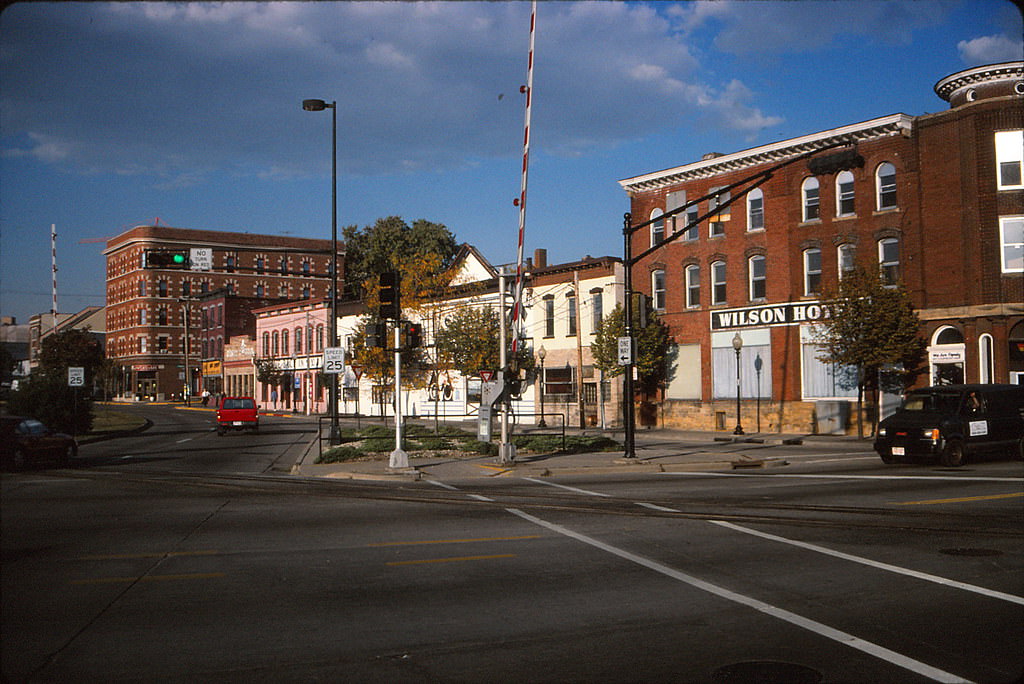
Every time I see these photos, it’s all campus & State St, Madison is more than just these 2 locations & tbh, State St & campus hasn’t changed that drastically from the 80’s to now.
Yeah, parts of East Wash are basically unrecognizable now.
I agree that the photos in these often posted slideshows are State St and campus heavy but disagree that these areas haven’t changed much since the 1990s.
I guess you could say that both of these areas are still recognizable as what they were in the 1990s more than other areas like E Wash or Hilldale that have been totally transformed. That doesn’t mean that they “haven’t changed that drastically”.
State Street has had plenty of major developments (Overture, The Hub, Oliv, History Museum, etc.) Many of the buildings that have remained house different businesses than they did. Step off of State Street a block or two and there are MANY more new developments. The bend by Gorham/University is almost indistinguishable from what it was in the 1990s. The area has changed a LOT.
The campus buildings pictured in these slideshows are of the old buildings like the Union, field house, Bascom Hall, etc. There a LOT of buildings on campus (Granger, Union South, Chemistry, WID, Morgridge, Kohl Center, Human Ecology, Bakke, etc.)that weren’t there in the 1990s. Even old building like the field house, Camp Randall and the Union have had major renovations.