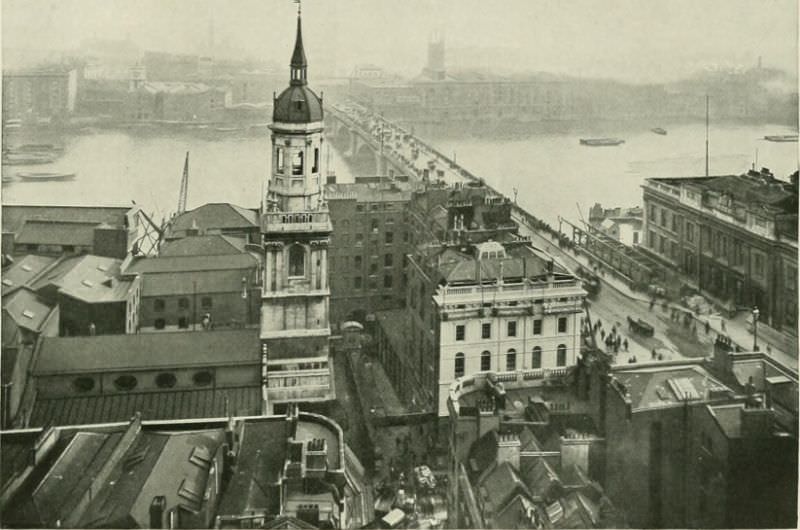
George Robert Sims was not the kind of writer who stayed at his desk. A journalist, poet, dramatist, and novelist active in the late 19th and early 20th centuries, Sims moved through London with his eyes open. His 1901 book, Living London, brought that restless curiosity to print. Originally written as a series of articles for the Penny Illustrated Paper, the collection captures life in the city at the exact moment one century was becoming another.
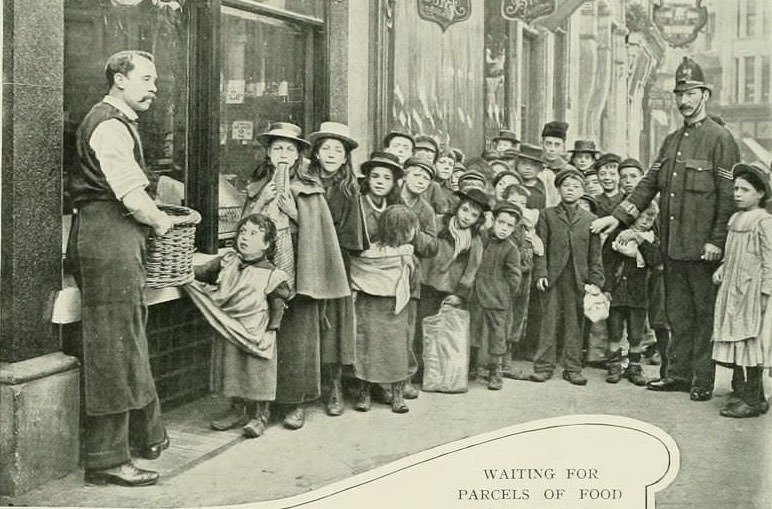
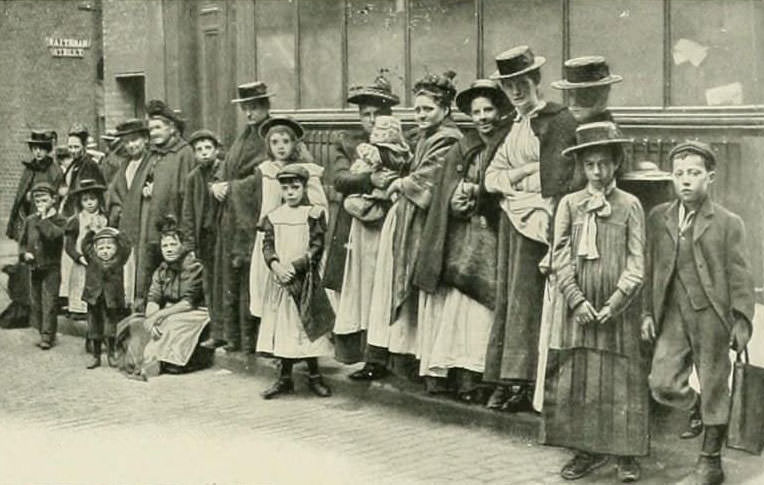
Sims focused heavily on the working poor — the people who kept London running but rarely appeared in its more polished accounts. He documented food queues, cramped housing, and the daily grind of those living on the margins. This was not charity reporting. It was direct observation, written plainly, and published for a wide audience.
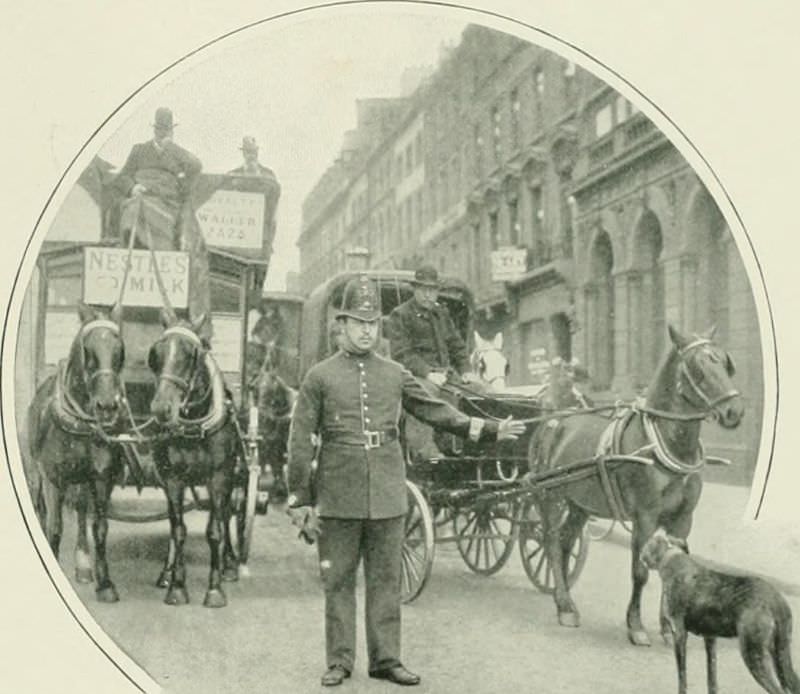
The streets Sims walked were busy and often chaotic. Officers stood in intersections managing horse-drawn traffic, while factory workers, market sellers, and street traders competed for space on the same roads. Conflict was common and not always minor.
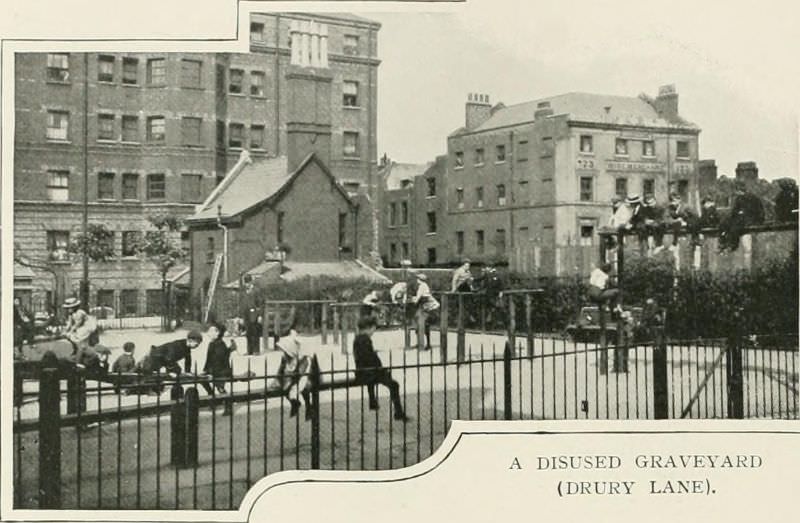
Children occupied whatever space they could find. In one of the book’s more striking details, a disused graveyard on Drury Lane had been repurposed as a playground. The city made use of its dead land, and the children who played there had few other options.
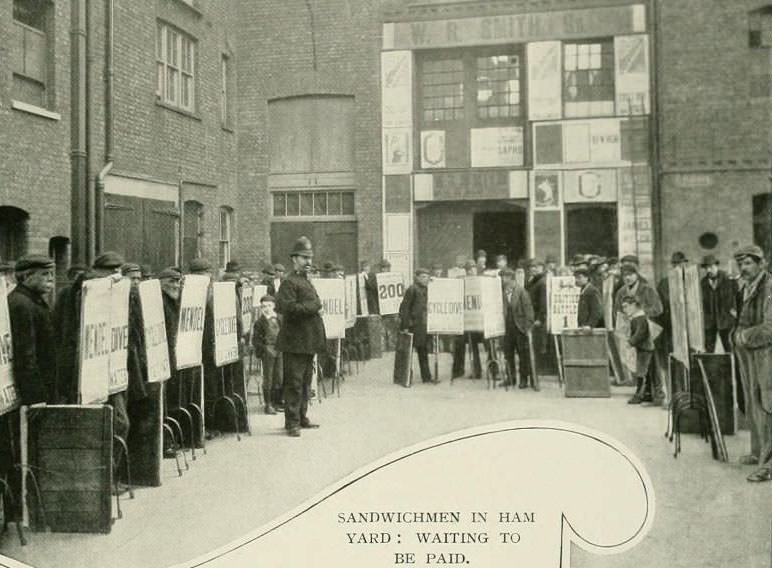
Low-wage work took many forms. Sandwich men — workers paid to walk the streets carrying advertisement boards — were a fixture of the London Sims documented. They gathered in places like Ham Yard in Soho to collect their earnings after a day’s work.
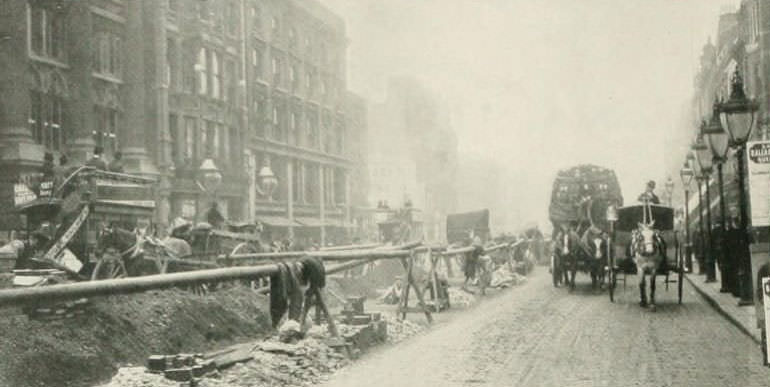
The city itself was constantly under construction. Oxford Street, already one of London’s busiest thoroughfares, was being dug up and rebuilt, a sign of rapid urban expansion that disrupted daily life for thousands.
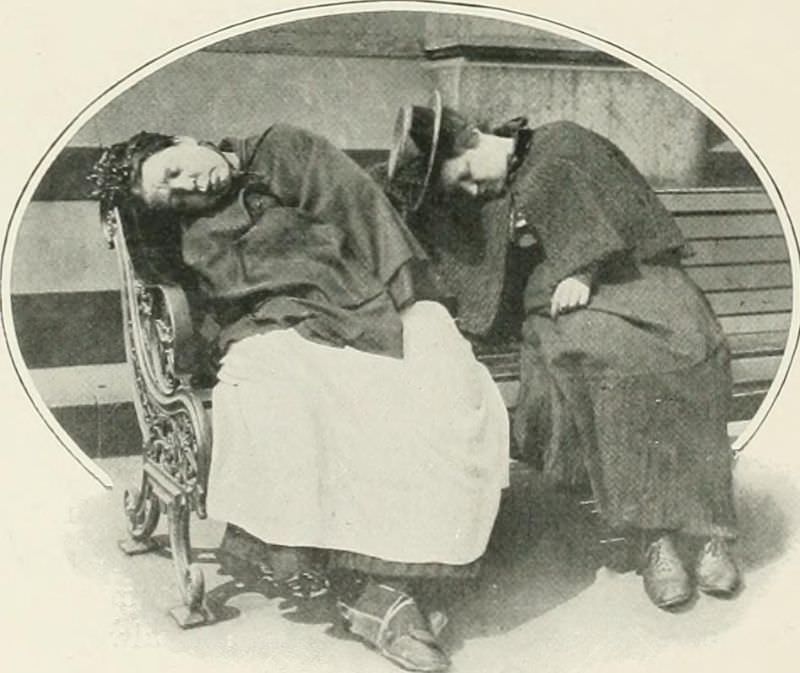
Homelessness was visible and unsentimental in Sims’ London. Women without shelter slept in public spaces like Trafalgar Square, in plain sight of the monuments and the passing public.
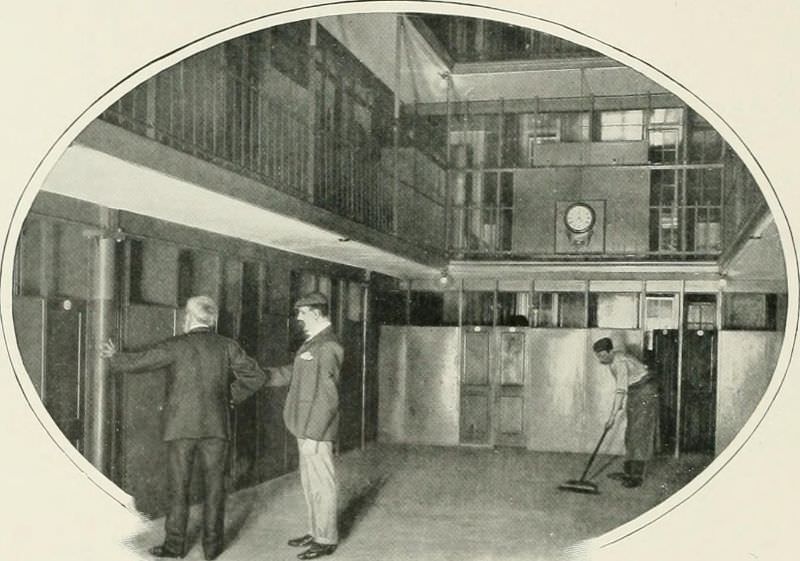
For those without private accommodation, London County Council lodging houses offered basic shelter. The one on Parker Street in Covent Garden was typical — functional, spare, and housing people who had nowhere else to go.
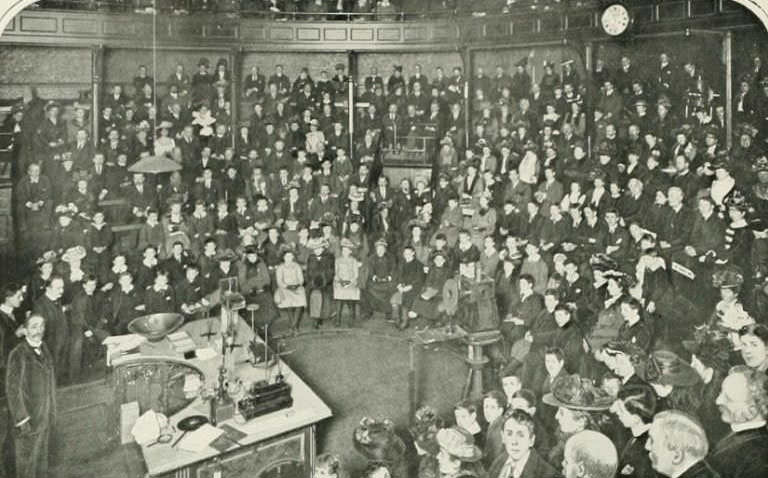
Living London was not only about poverty. Sims covered the full spectrum of city life, including its intellectual culture. Public lectures at institutions like the Royal Institution drew educated Londoners eager to engage with science and ideas.
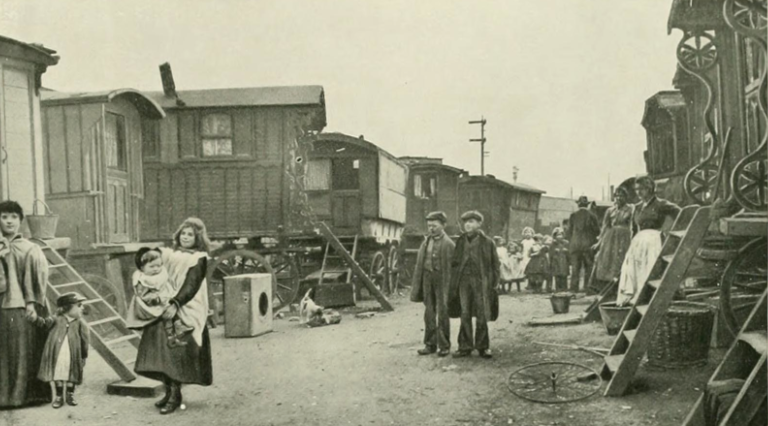
On the outskirts, travelling communities set up encampments in places like Battersea. They existed alongside the city but largely outside its formal structures — another group Sims took care to include in his account of London life.
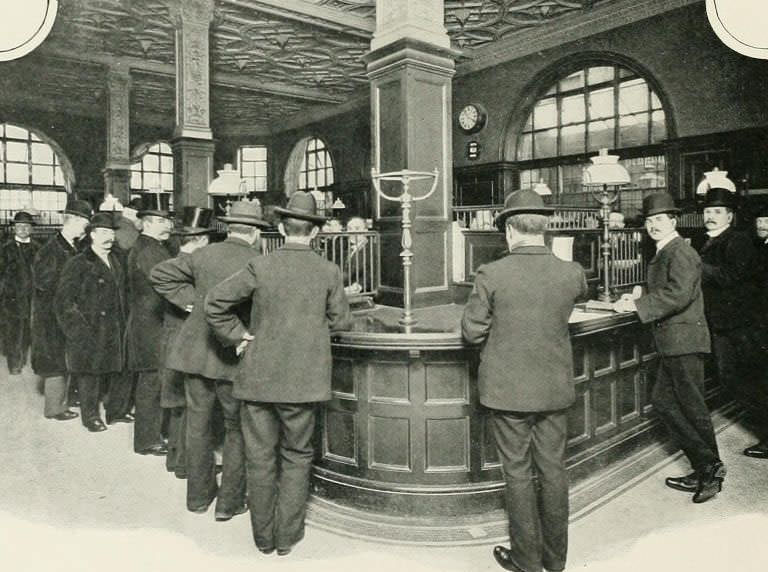
Commerce shaped the city’s identity just as much as its poverty. Institutions like the London City and Midland Bank on Ludgate Hill represented the financial confidence of the era — grand buildings built to project stability and power.
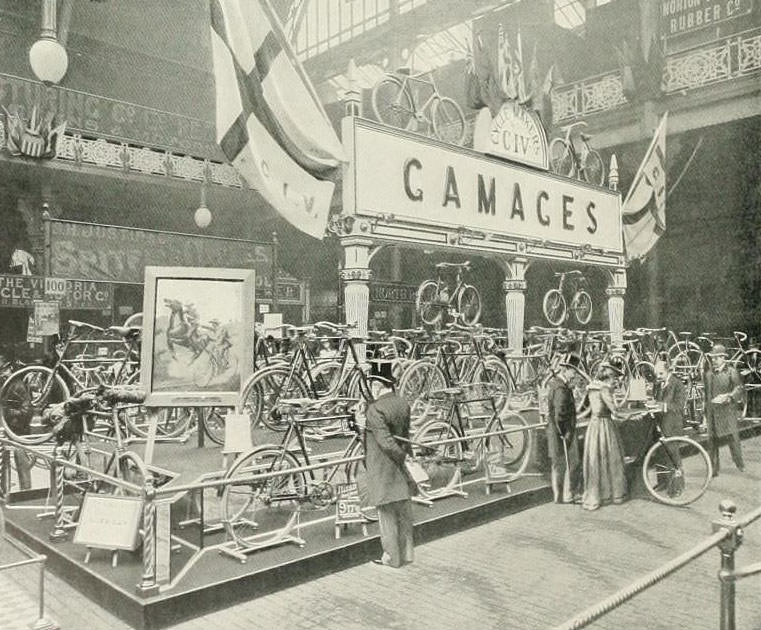
Leisure was changing too. The bicycle had become a popular consumer item, with cycle shows at venues like the Agricultural Hall in Islington drawing crowds eager to see the latest models.
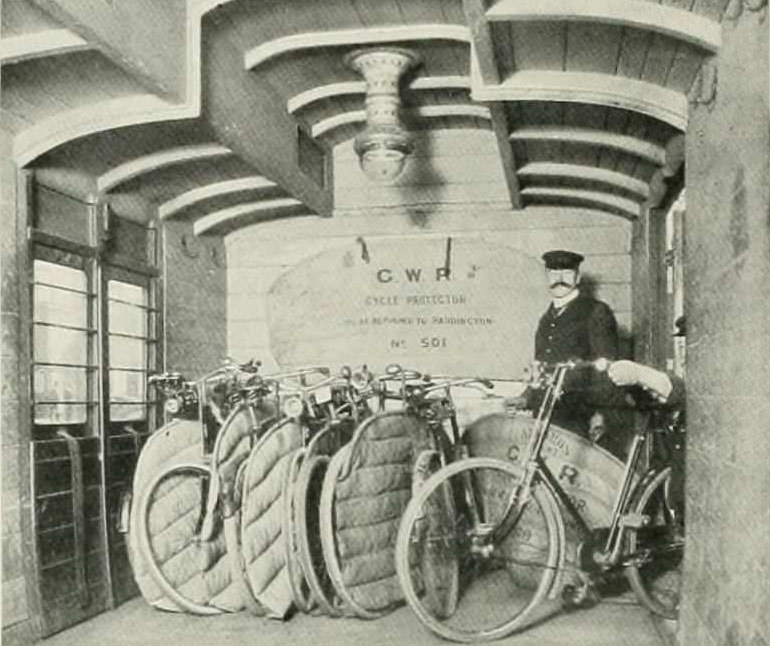
Cycling had grown popular enough that the Great Western Railway offered dedicated luggage handling for bicycles at Paddington Station, a practical concession to a city increasingly on wheels.
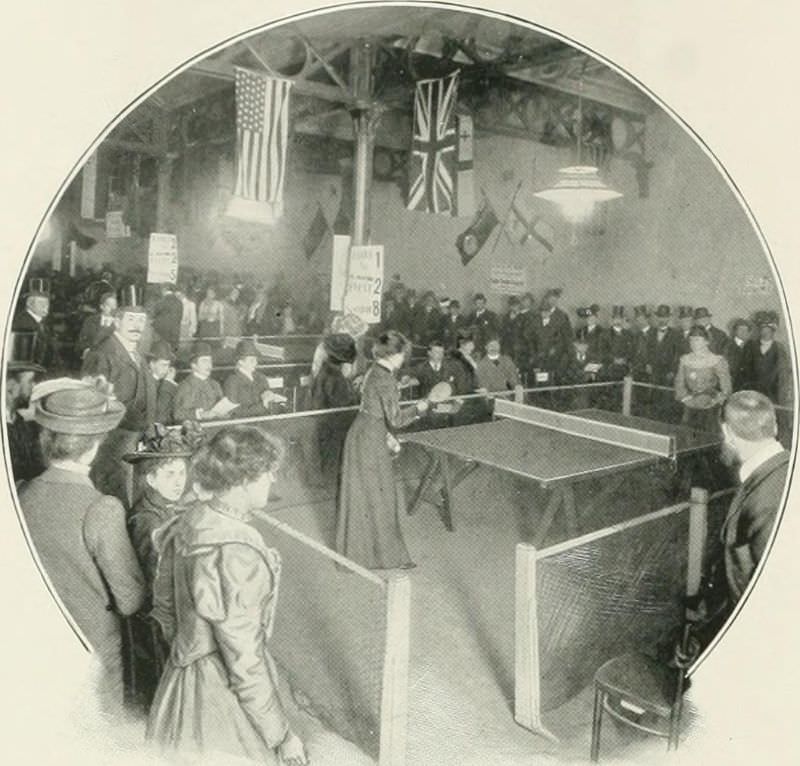
New indoor sports were also gaining ground. Ping-pong — then a fashionable novelty — was played competitively at Queen’s Hall in Langham Place, including women’s international matches that drew public attention.
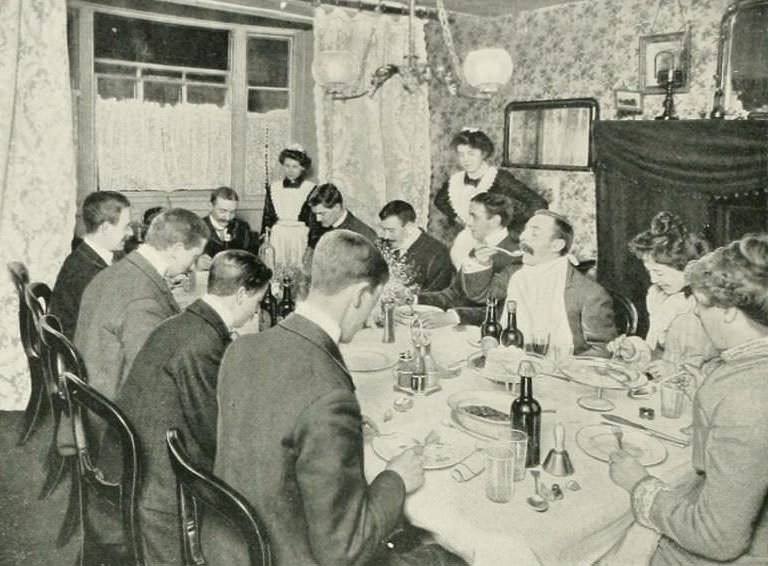
Boarding houses fed thousands of Londoners each evening. These communal dinner tables brought together workers, lodgers, and transient residents in shared, often cramped spaces.
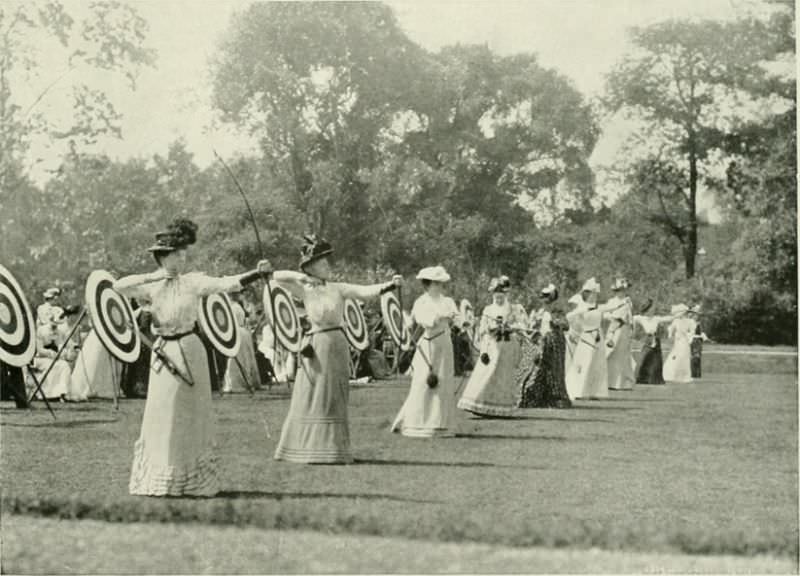
Wealthier residents found their leisure in open parks. Regent’s Park hosted archery sessions, a contrast as sharp as any in the book when set against the East End streets just miles away.
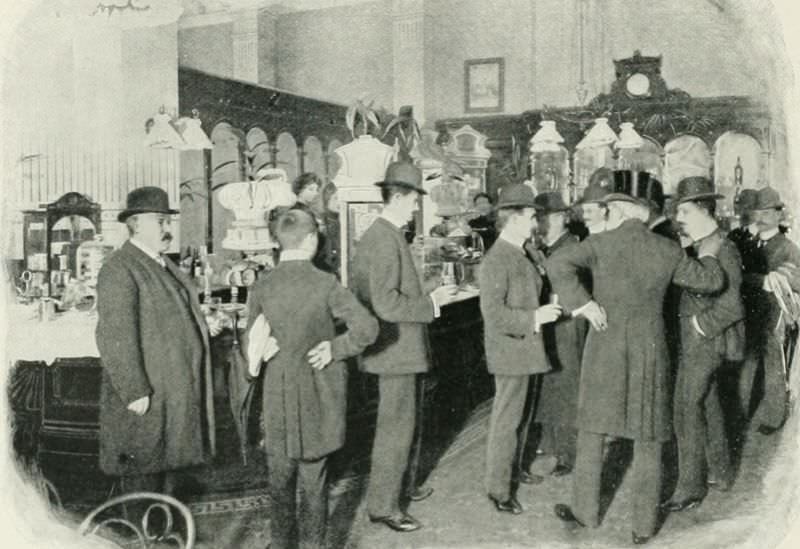
The city’s railway stations had their own cultures. The buffet room at King’s Cross was particularly well known, earning a specific reputation for its sheep heart dishes — a detail that captures how embedded food was in London’s public transit experience.
For the working poor, trimmed cuts of meat sold in queues were a regular source of cheap nutrition. These lines were orderly but telling — a visual record of how tightly rationed food was for much of the population.
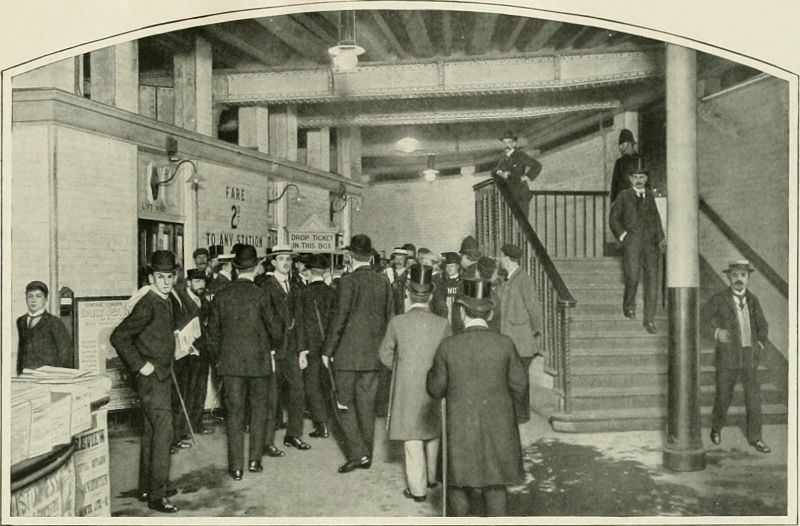
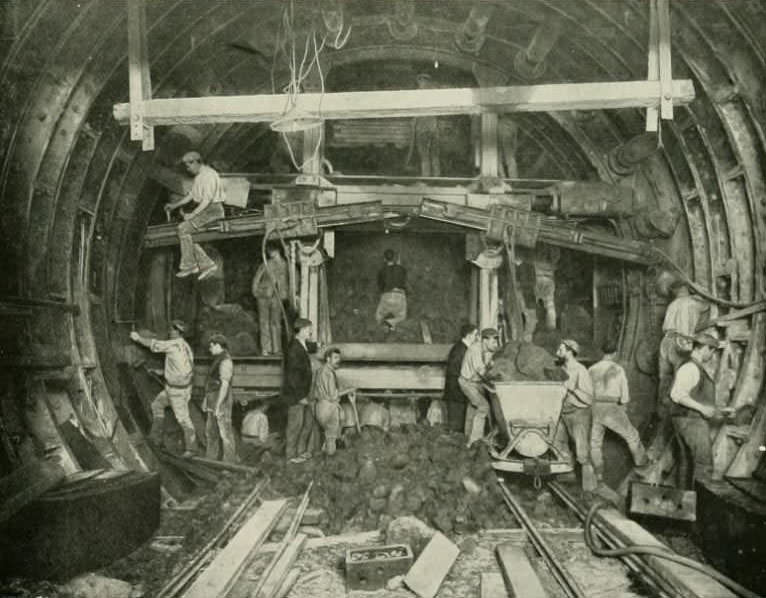
London’s underground network was still expanding. At Bank station, passengers waited for lifts to carry them down to the platforms — technology that was modern then but already embedded in the city’s daily rhythm.
Not every infrastructure project succeeded. The Great Northern and City Railway was built during this period but was never put into regular use, becoming an expensive failure in an era of otherwise rapid transit growth.
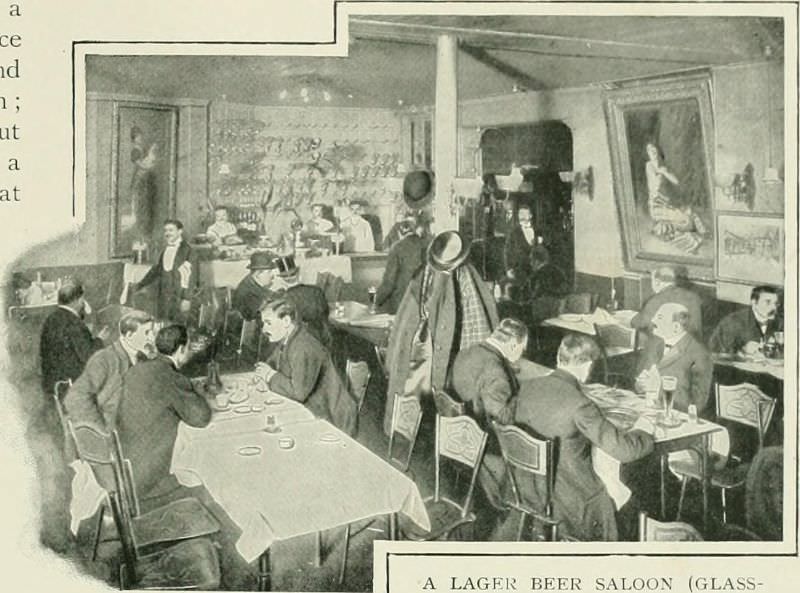
Drinking culture had its own geography. Lager beer saloons, a relatively new concept in London, had taken hold in areas like Glasshouse Street in Soho, attracting a different clientele than the traditional English pub.
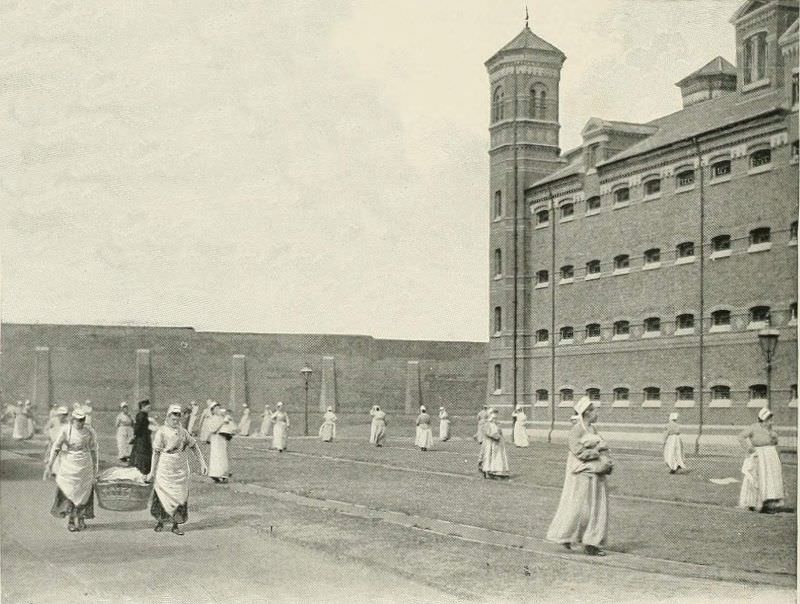
Sims also documented conditions inside London’s prisons. At Wormwood Scrubs, female inmates with infants took part in what was called the Baby Parade — a supervised outdoor period in the women’s section of the gaol.
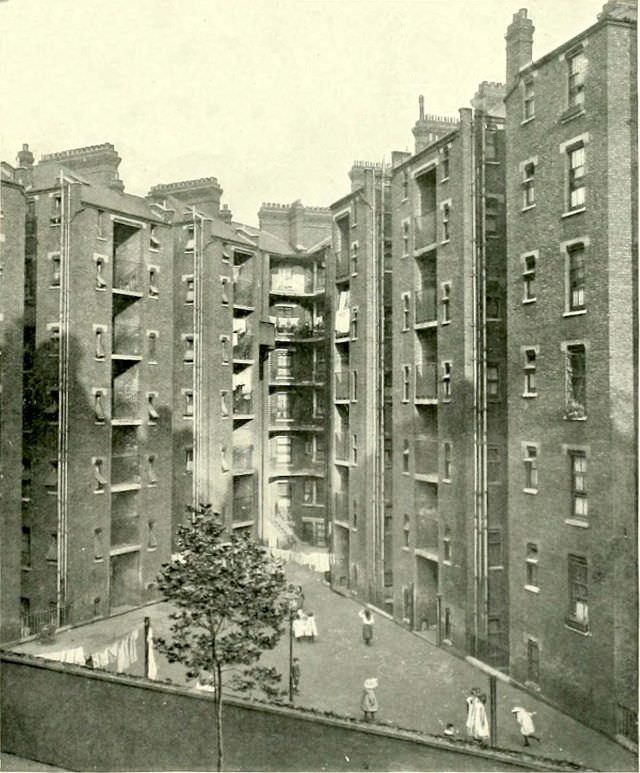
New housing was going up to manage London’s overcrowding. Tenement blocks near Farringdon Road offered working-class families more structured accommodation, though conditions inside remained basic.
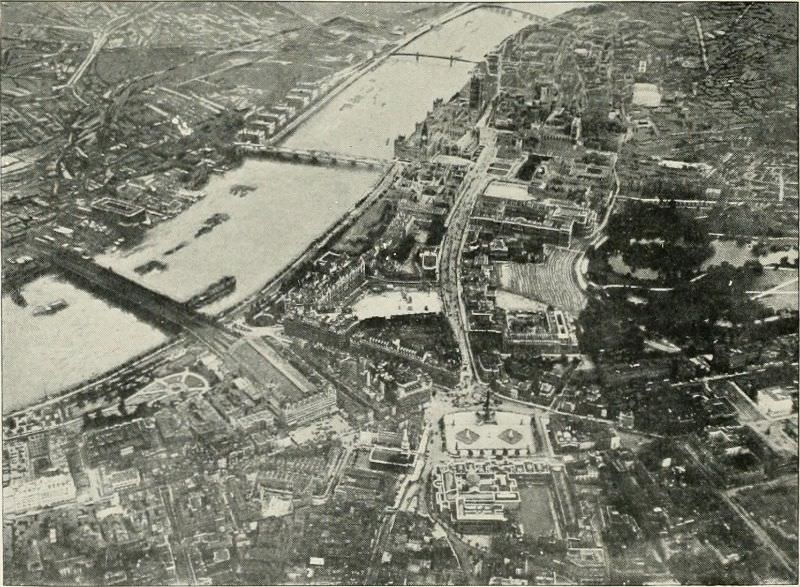
From above, the city’s scale became clear. An aerial view looking down over Trafalgar Square showed the sheer density of the capital — roads, buildings, and people packed tightly into every available space.
Sunday evenings revealed a different kind of contrast. Sims captured the divide between East and West London through the simple image of who owned a carriage and who watched it pass.
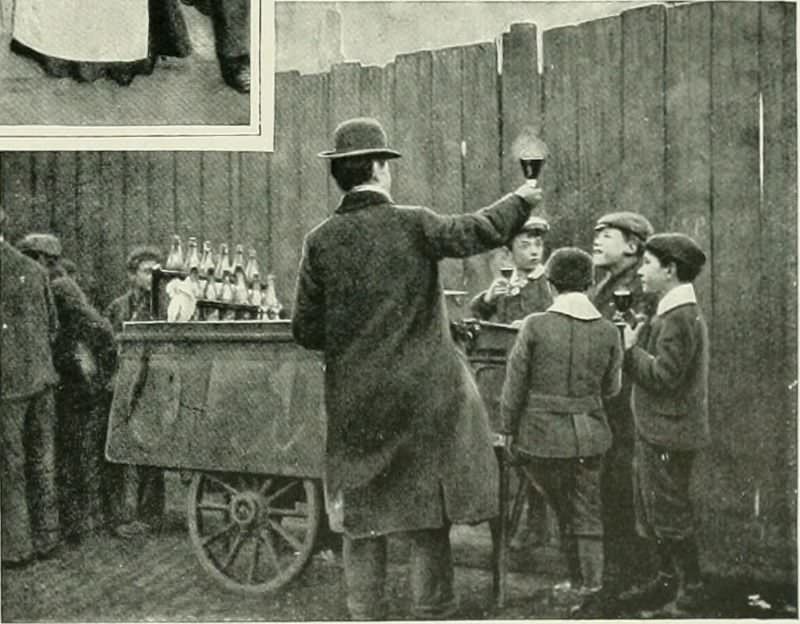
Street vendors targeting children were a common sight. Men selling hot drinks moved through the city’s poorer neighbourhoods, offering small warmth to children who spent much of their time outside.
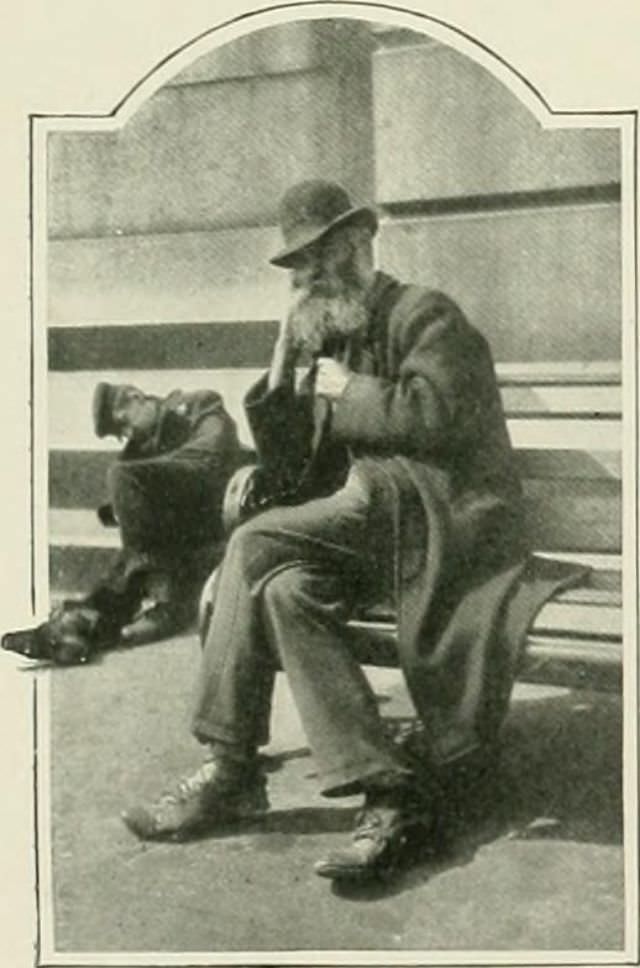
Public spaces doubled as resting spots for working men. Those with a rare free moment stretched out in whatever sun London offered, marking a brief pause in days otherwise defined by labour.
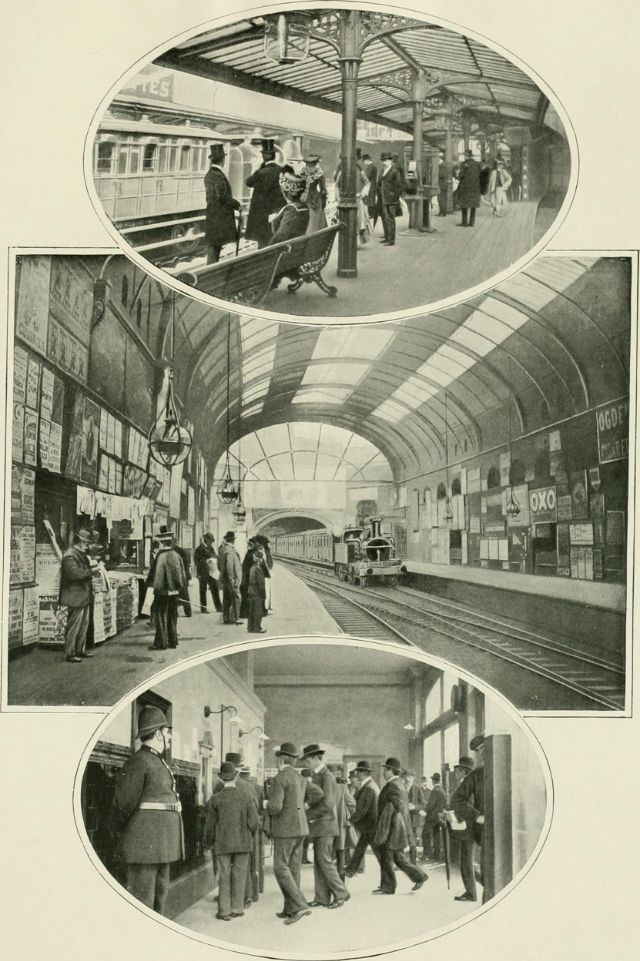
The underground system connected districts that would otherwise feel worlds apart. Stations like Mansion House, Sloane Square, and Shepherd’s Bush put working people within reach of areas of the city they rarely entered on foot.
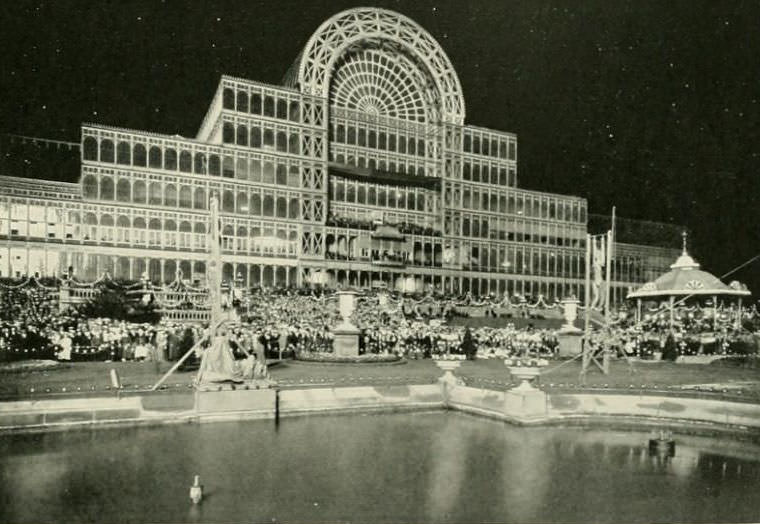
Public entertainment drew enormous crowds. Crystal Palace, lit up during firework displays, was one of London’s great spectacles — a rare occasion when people from across the social divide gathered in the same space for the same reason.
Sims closed his London with its river. The Thames, seen from the top of the Monument looking toward London Bridge, was the artery the city had grown around — older than any of its institutions and indifferent to all of them.