On Christmas Eve 1971, a 17-year-old girl fell roughly 10,000 feet from an exploding aircraft over the Peruvian Amazon — still strapped to her seat — and survived. She then spent ten days alone in one of the most dangerous ecosystems on Earth, navigating through dense jungle, nursing infected wounds, and living off almost nothing. Her name is Juliane Koepcke, and every detail of her story is real.
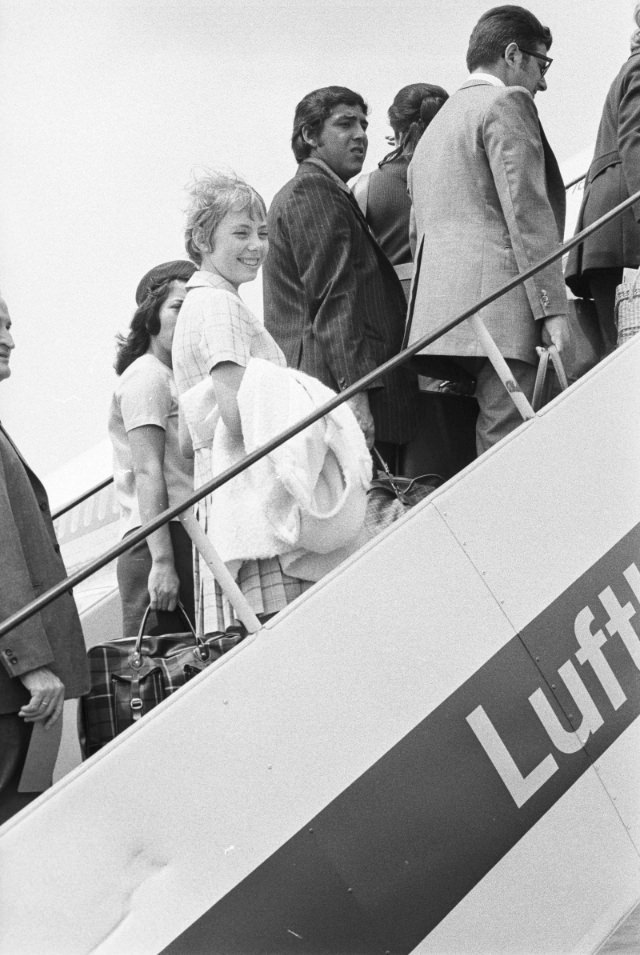
Juliane and her mother, Maria Koepcke, boarded LANSA Flight 508 in Lima, Peru, on December 24, 1971. Their destination was Pucallpa, a city on the edge of the Amazon basin. The aircraft was a Lockheed L-188 Electra, carrying 92 passengers and crew. For Juliane, who had grown up in a remote research station in the Peruvian jungle alongside her biologist parents, this was not an unusual trip. What happened next was anything but routine. The plane flew directly into a powerful thunderstorm. A lightning strike hit the fuel tank, and the aircraft exploded in mid-air. The fuselage broke apart at altitude. In the violent chaos of the disintegration, Juliane was hurled out of the plane still buckled into her row of seats.
The fall from 10,000 feet took several minutes. The bench of seats she was strapped to spun in a spiral as it dropped, which aeronautical experts later suggested may have slowed the descent enough to prevent instant death on impact. The dense Amazon rainforest canopy — layer upon layer of thick vegetation — absorbed some of the remaining force. She landed in the jungle and lost consciousness. When she came to, she was alone. Around her were the sounds of the forest. There were no other survivors nearby, no rescuers, and no clear path. She had a deep gash on her right arm, a broken collarbone, one eye swollen nearly shut, and only one sandal. Her glasses were gone. Of the other 91 people on board, Juliane Koepcke was the only one who survived the crash.
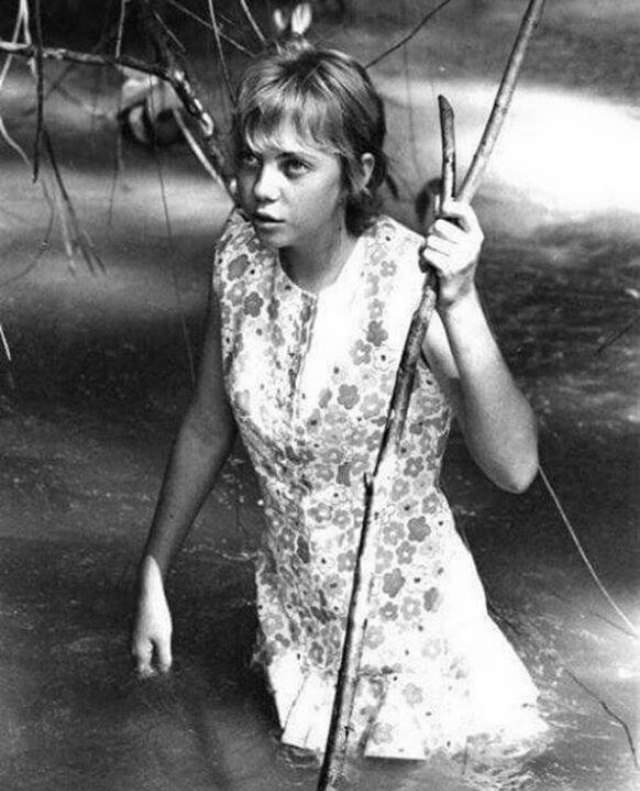
Juliane had something that many crash survivors do not: specific, practical knowledge of the jungle. Her father, ornithologist Hans-Wilhelm Koepcke, had told her that if she was ever lost in the wilderness, she should find a stream and follow it downstream. Moving water always leads to larger water, and larger water leads to people. That single piece of advice became the framework for her entire survival effort. She found a small creek near the crash site and began walking. The Amazon floor is not a place that tolerates the weak. The terrain shifts between muddy banks, tangled roots, and flooded sections. Insects are relentless. The heat and humidity are crushing. Jaguars, caimans, and venomous snakes occupy the same paths a person might walk. Juliane pressed forward through all of it, injured and with almost no food.
Her food supply for the entire ten-day journey amounted to a small bag of candy she recovered from the debris scattered around the crash site. She drank water directly from the streams she followed. She did not eat any jungle plants or animals — she later said she simply did not know which ones were safe, and she wasn’t willing to risk it. The wound on her arm became infected. Flies had laid eggs in it while she slept or rested, and by the time she noticed, maggots had burrowed into the tissue. She found a small amount of gasoline near a piece of wreckage from the crash. Using the gasoline, she cleaned the wound and manually removed roughly 30 maggots. The treatment was painful and crude, but it worked. Without it, the infection would almost certainly have killed her before any rescue arrived. By day ten, her body was at its limit. She was severely weakened, her collarbone was untreated, and her arm was still raw. Then, on the bank of the river she had been following, she spotted a small motorboat. Nearby was a simple shelter used by local workers. She waited inside, too exhausted to go any further.
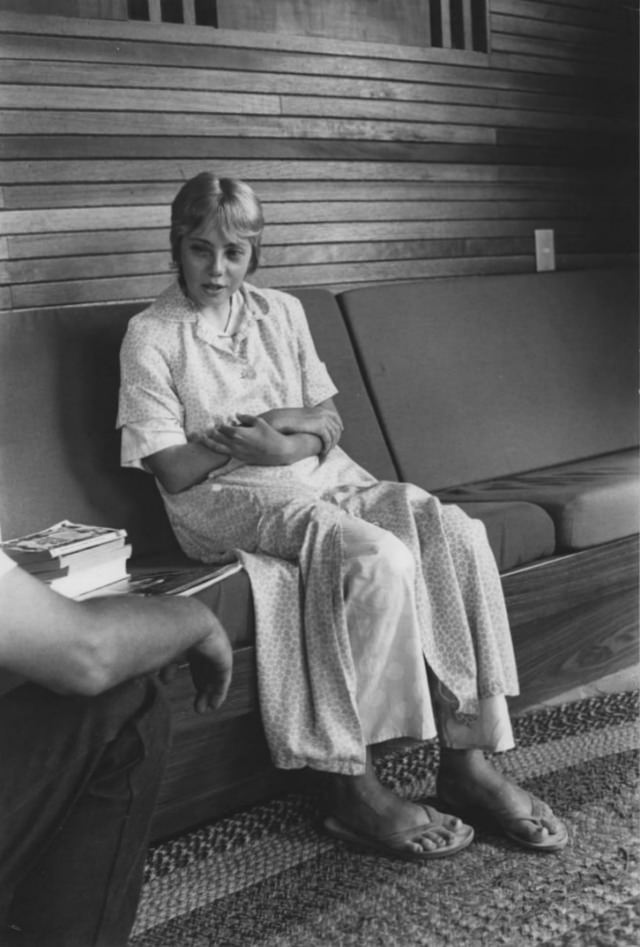
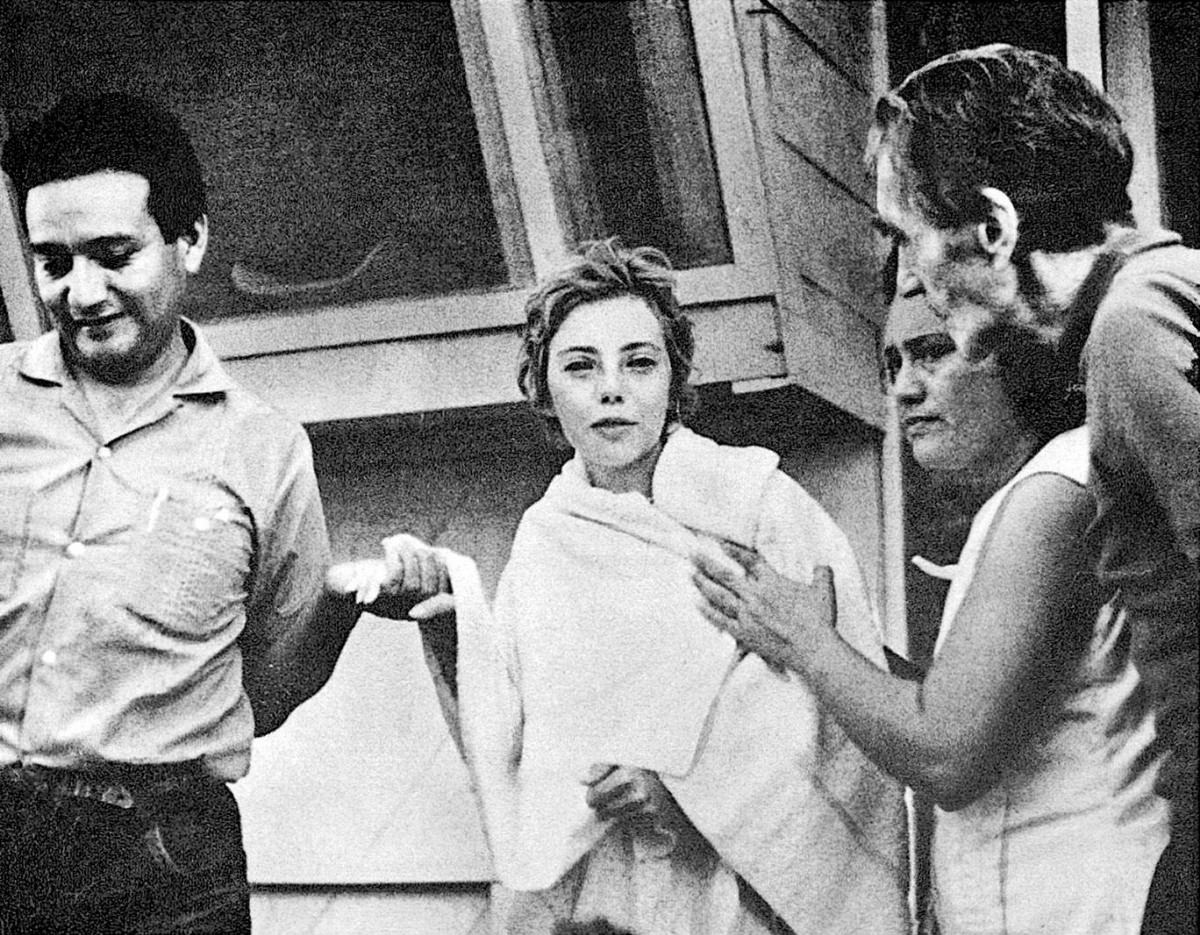
The next day, a group of local lumbermen arrived at the shelter. They were startled to find a young blonde girl inside, battered and barely coherent in the middle of the deep Amazon. In the local indigenous tradition, her appearance — pale skin, blonde hair, emerging from the river — matched descriptions of a water deity called Yemanjá. They treated her wounds carefully and the following morning set out on a seven-hour canoe journey to reach a lumber station with a radio and an airstrip. From the lumber station, she was flown to a hospital in Pucallpa — the same city she had originally been flying toward on December 24. She had arrived, just not in the way anyone had planned.
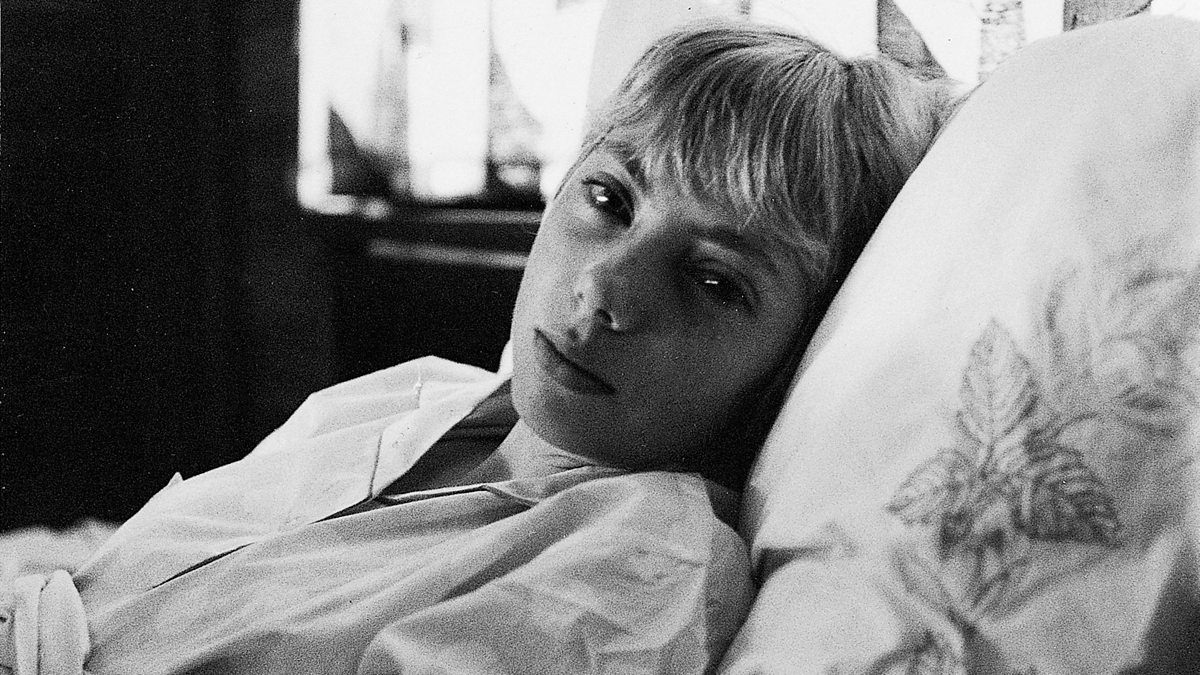
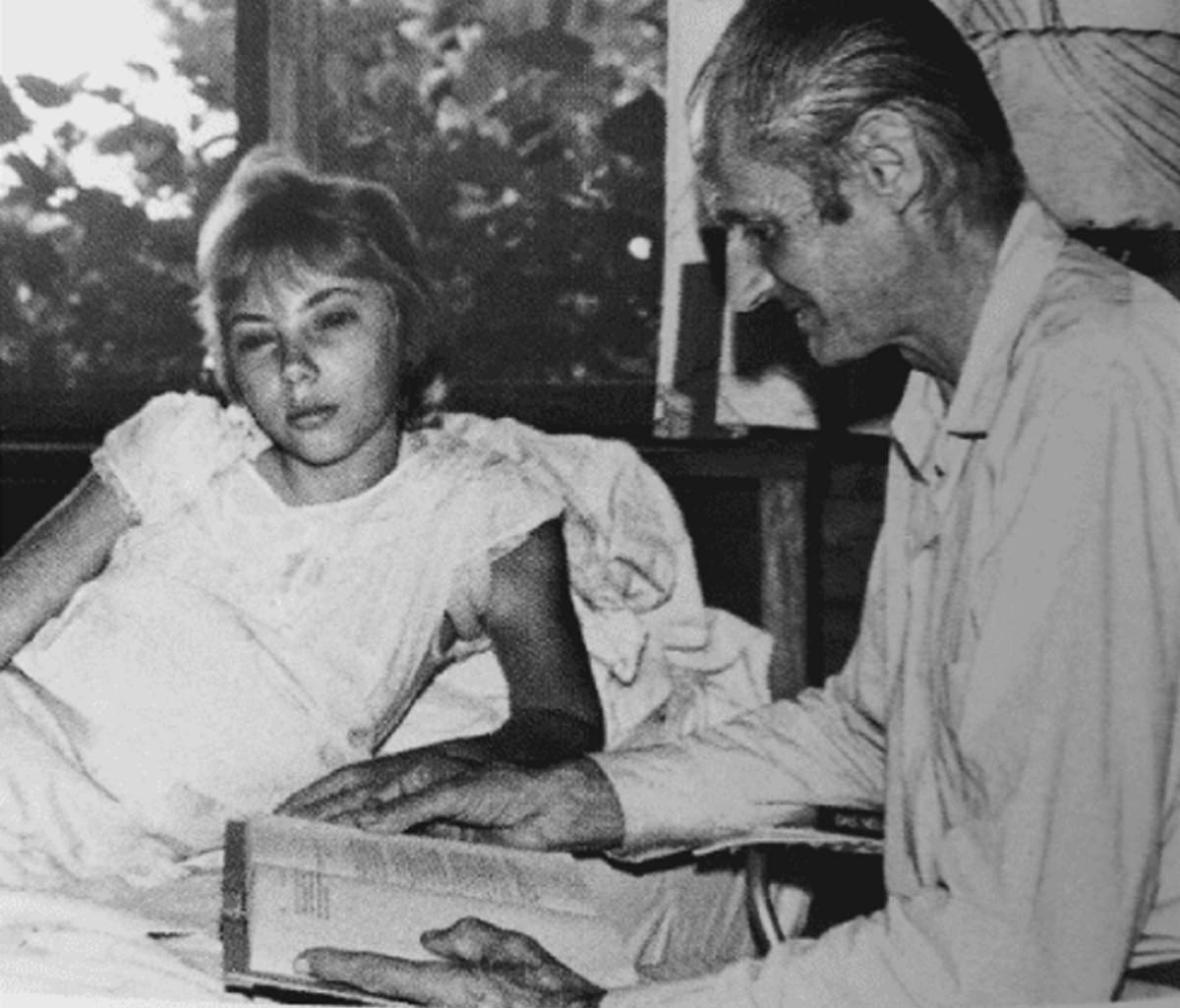
The initial public reaction to Juliane’s survival was skepticism. Investigators and journalists had difficulty accepting that a teenage girl had not only survived a free fall from a disintegrating aircraft but had then navigated the Amazon jungle for ten days with broken bones and an infected wound. That skepticism collapsed when Juliane guided rescue teams back through the jungle along the exact route she had taken, pointing out debris, wreckage, and the path of streams she had followed. Her account was precise, consistent, and verifiable. At the crash site, teams recovered the bodies of the other 91 victims. Some had survived the initial fall but died in the jungle in the days that followed, unable to reach help. Juliane had found a few of them during her trek but was unable to do anything to assist. After recovering from her physical injuries, Juliane returned to Germany. She went on to study biology — the same field as her parents — and eventually earned a doctoral degree. Dr. Juliane Koepcke Diller later became a librarian at the Bavarian State Zoological Collection in Munich. She wrote a memoir about her experience, and her story has been the subject of multiple documentary films, including one by director Werner Herzog, who had himself been booked on a different LANSA flight around the same period.
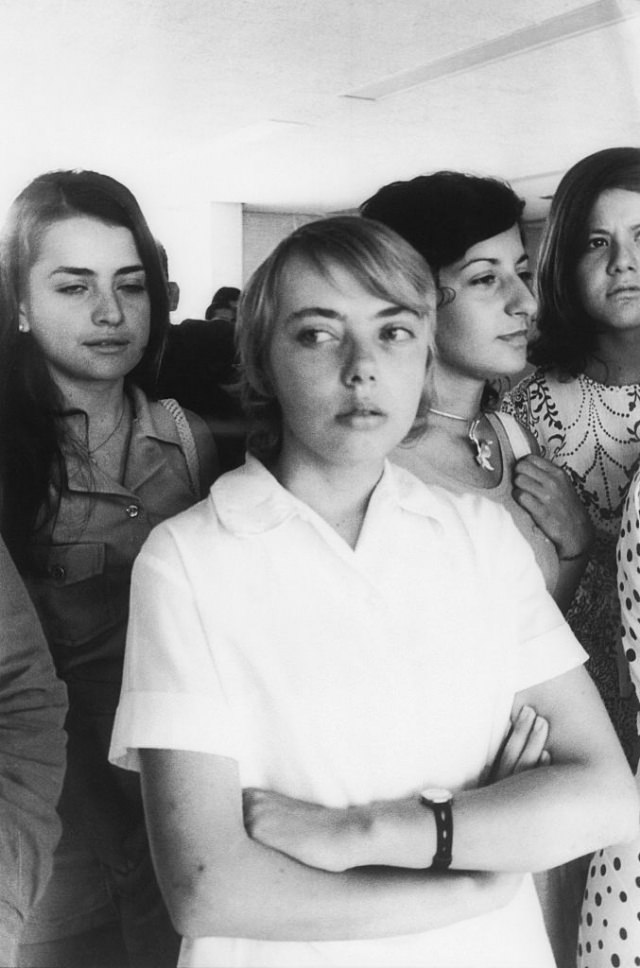
What makes Juliane’s survival so striking to researchers and survival experts is that it was not luck alone. The fall itself was extraordinary — the spiraling rotation of the seat bench, the forest canopy, and the specific angle of impact all contributed to an outcome that defied the odds. But everything that came after the landing was the result of calm, methodical thinking. She did not panic and wander. She did not eat unknown plants. She followed a specific strategy, stayed focused on a single goal — find water, follow it downstream — and dealt with each threat, including the maggot infestation, with the tools immediately available to her. She was seventeen years old, alone, and a thousand miles from the nearest city. She walked out anyway.