
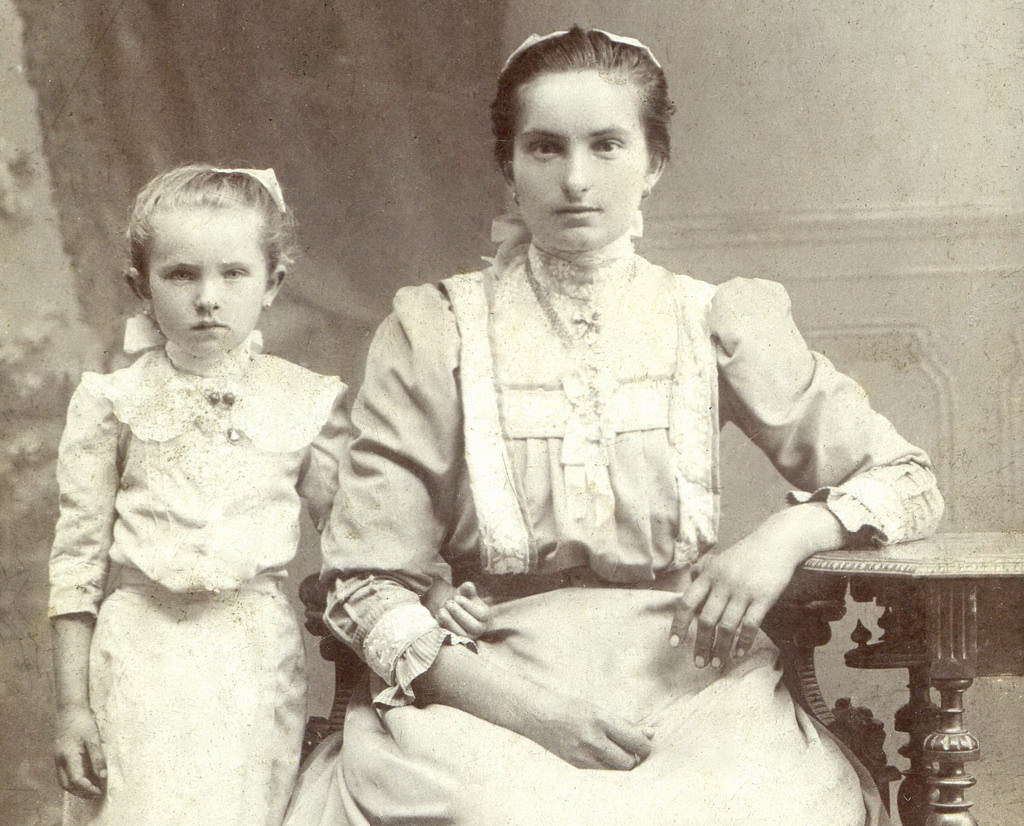
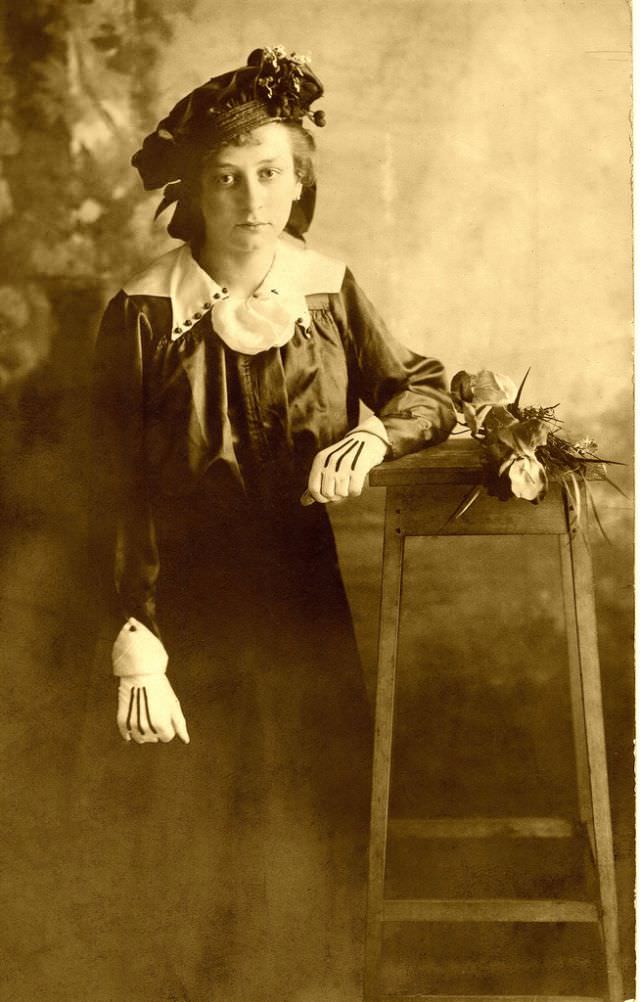
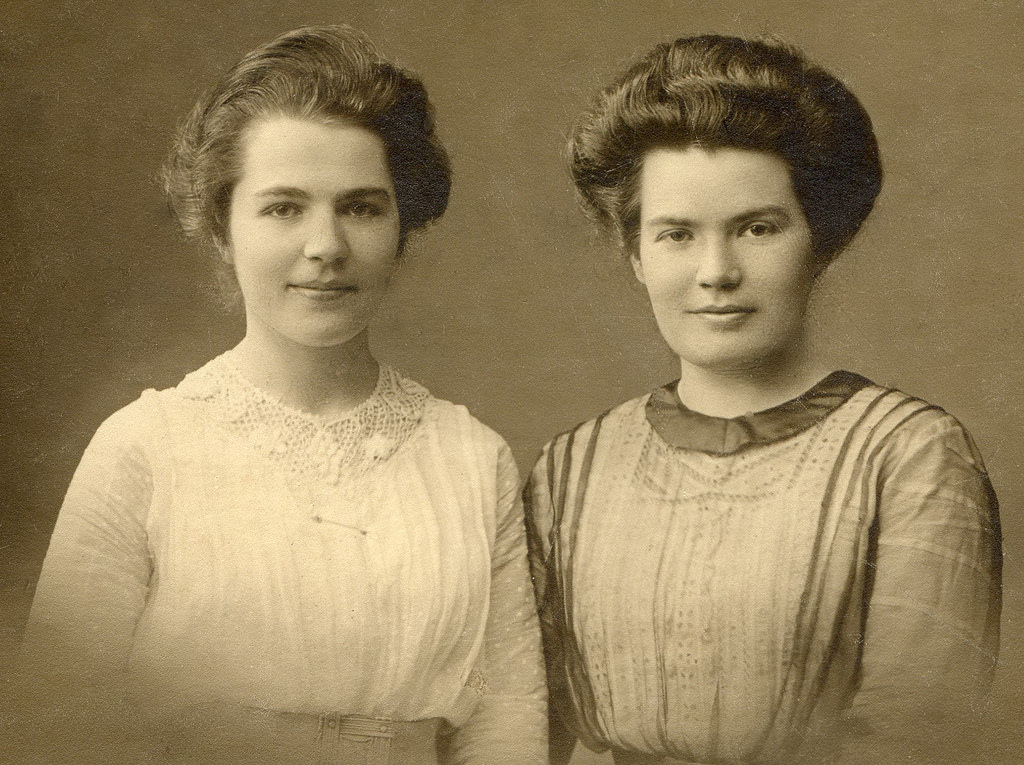
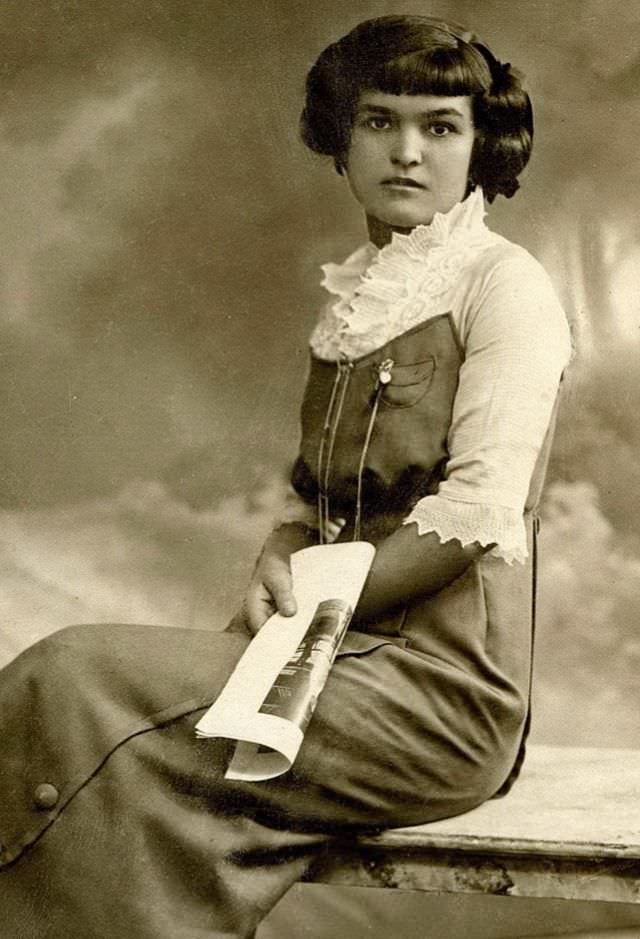
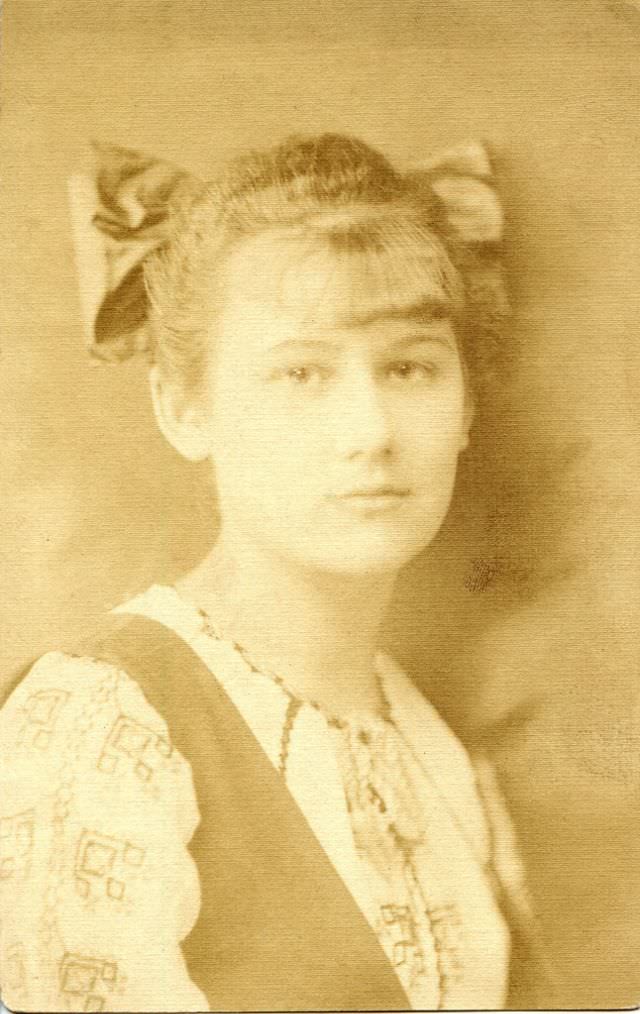
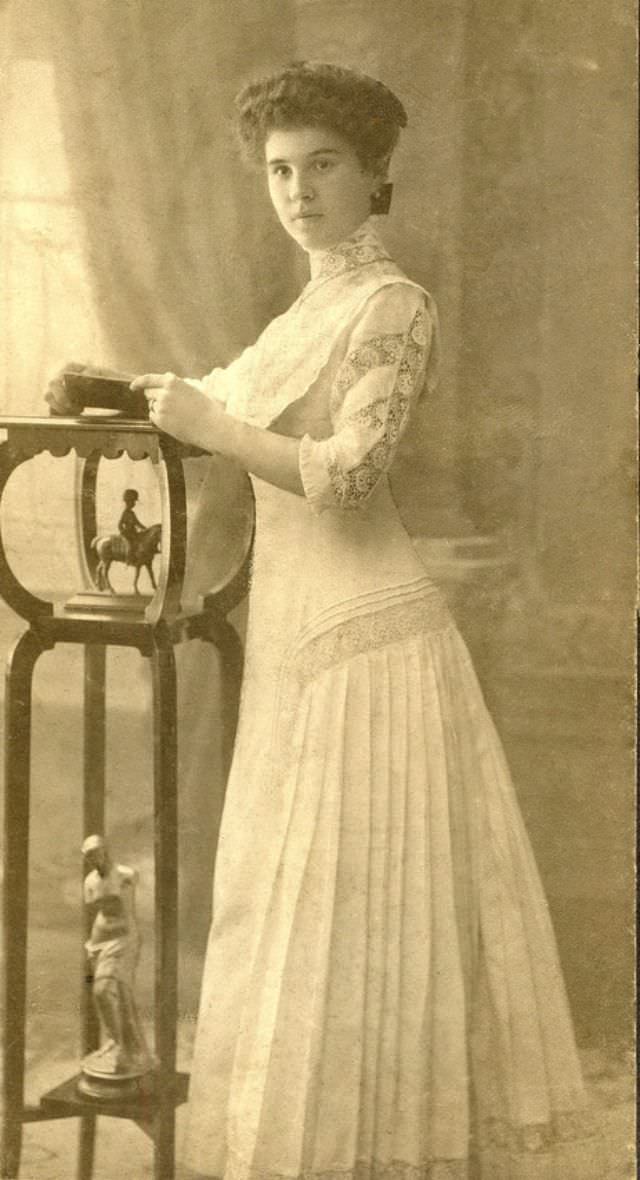
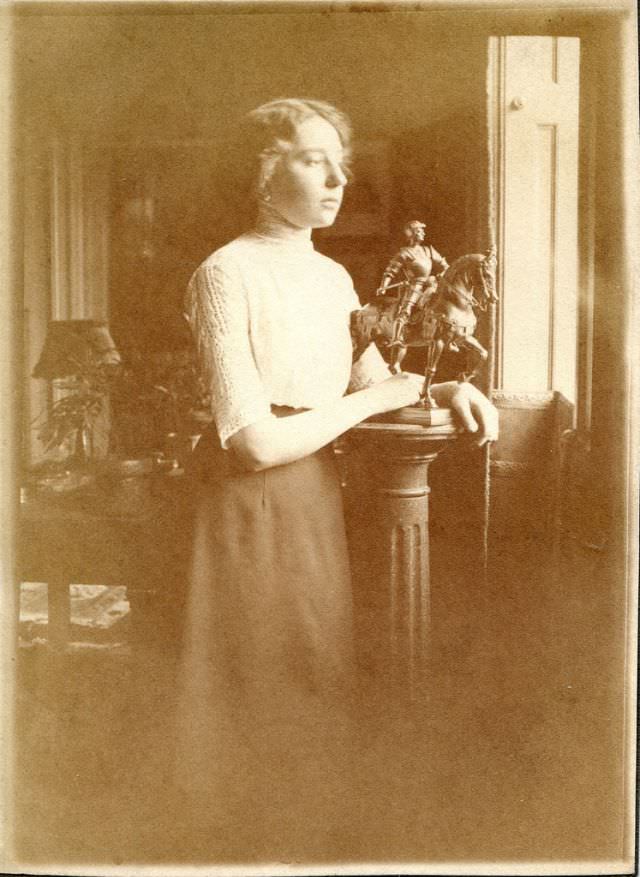
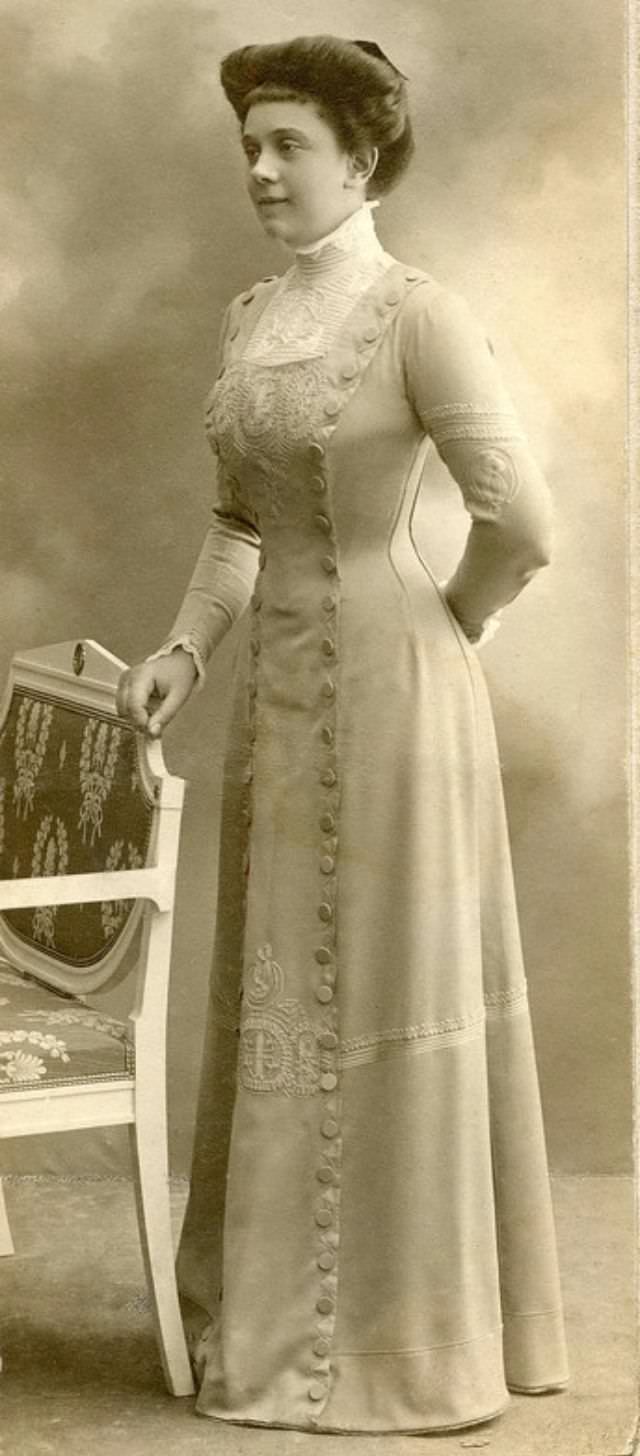
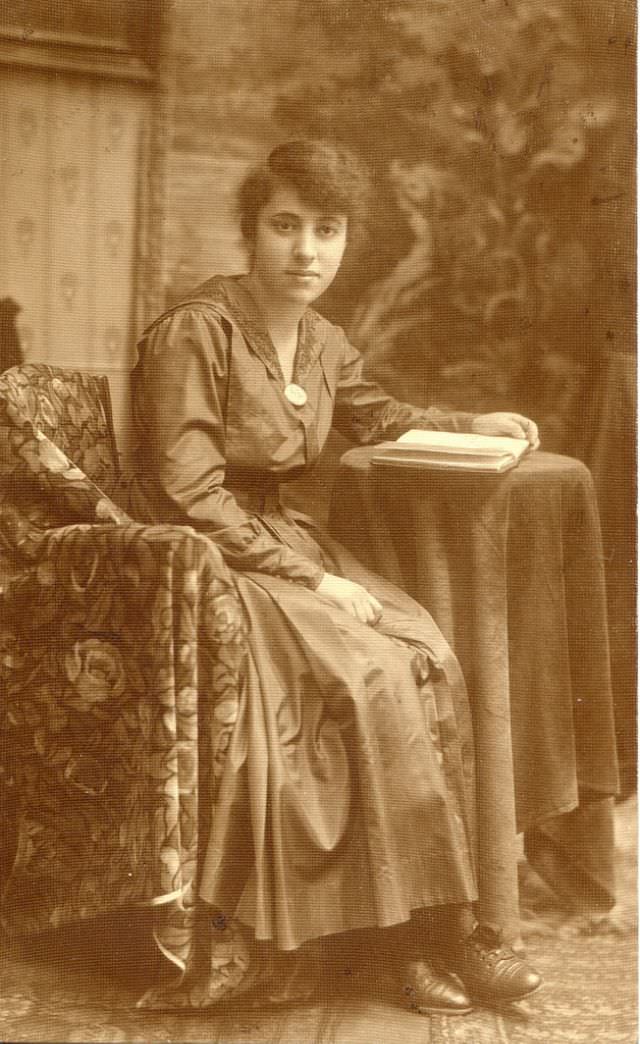
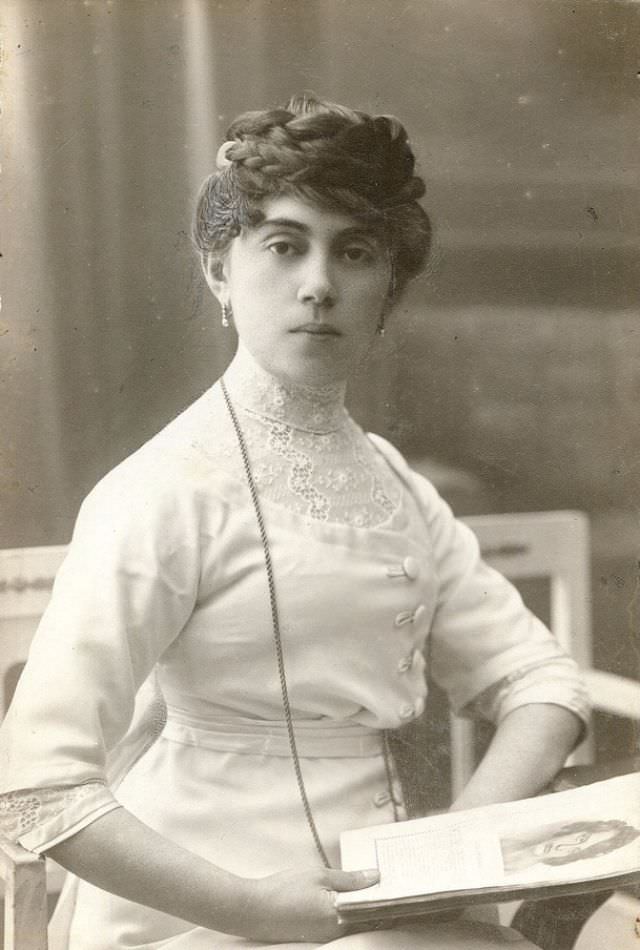
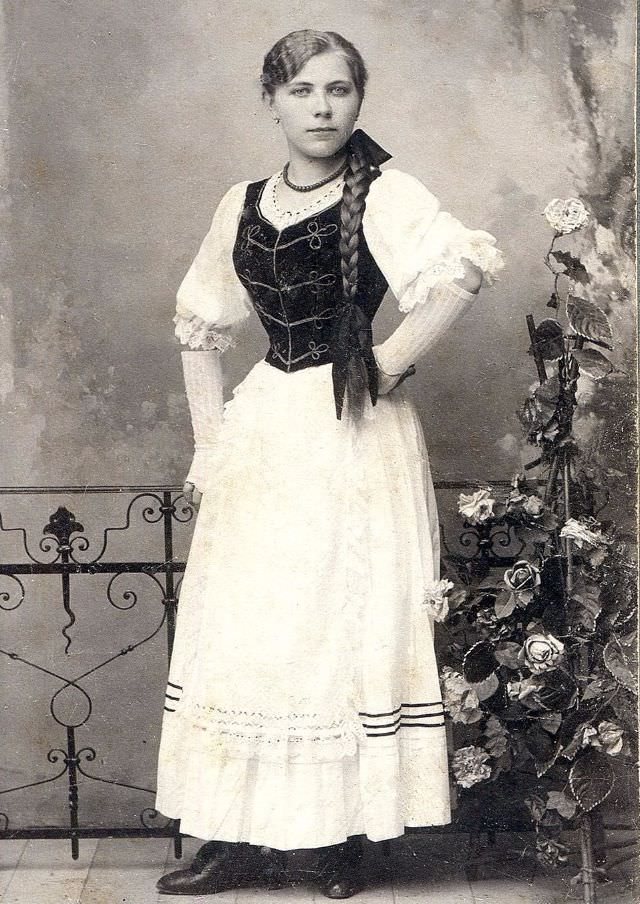
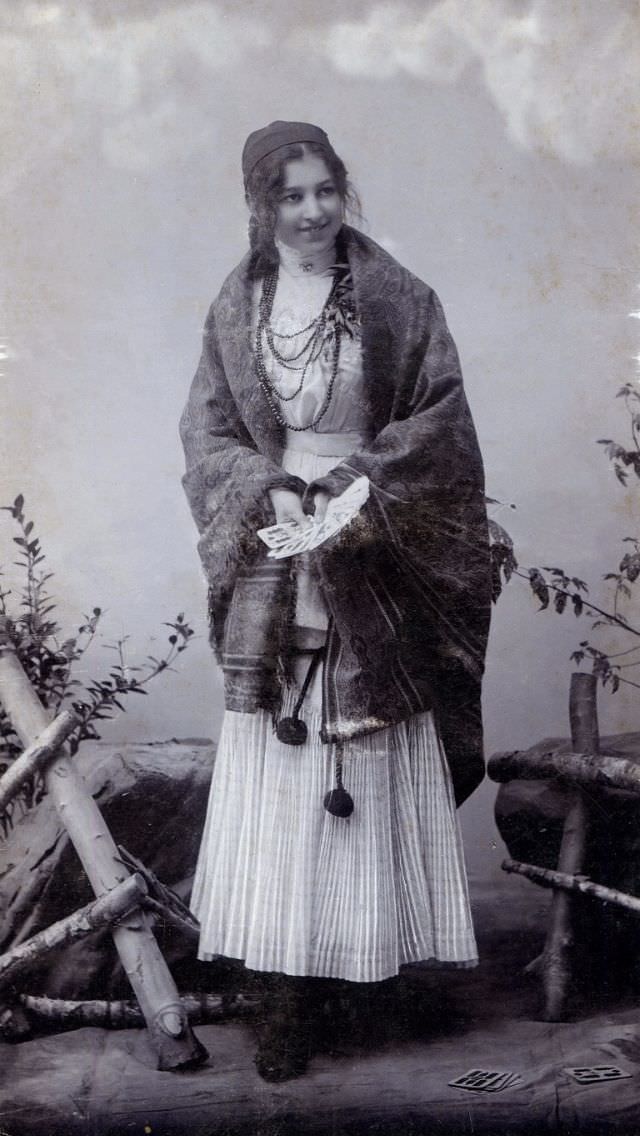
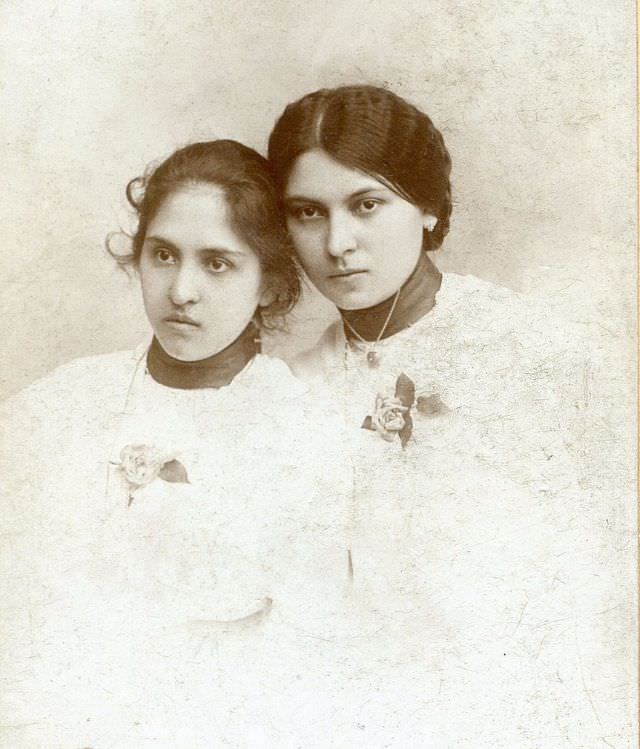
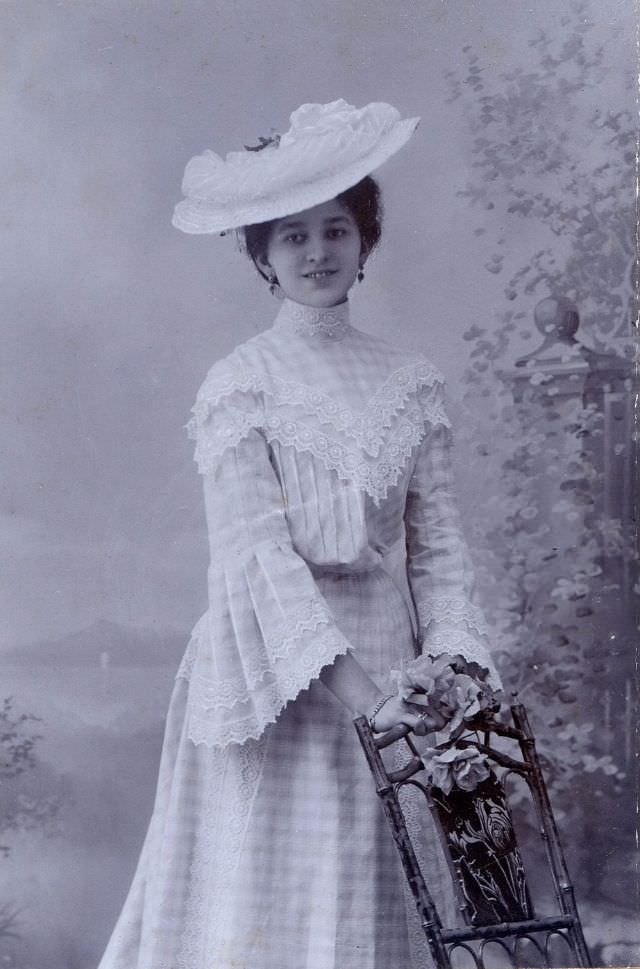
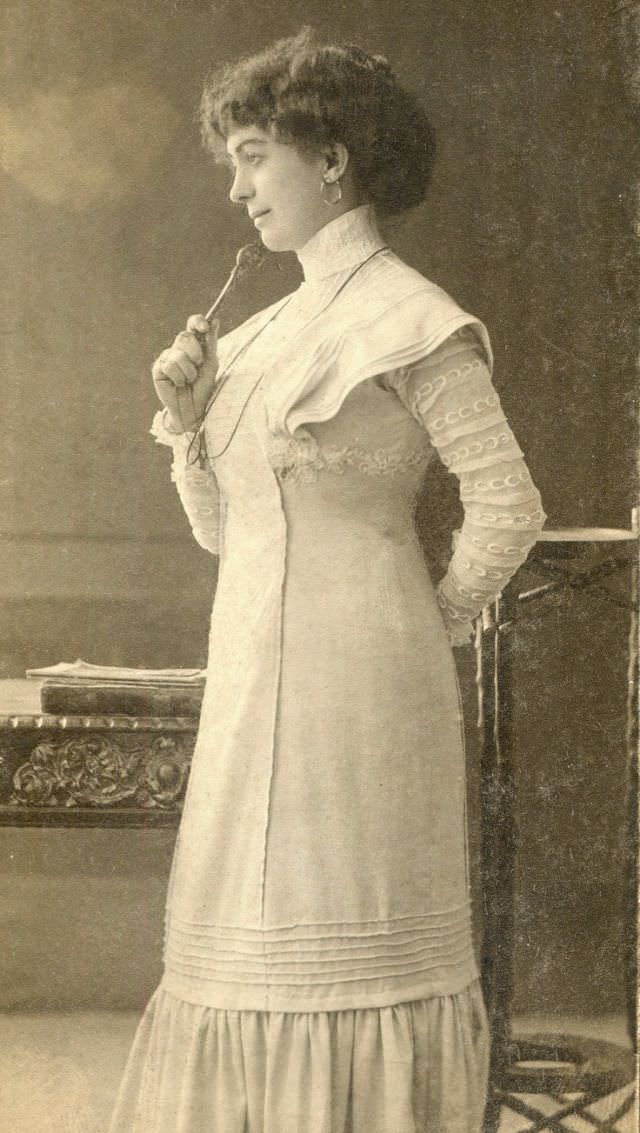
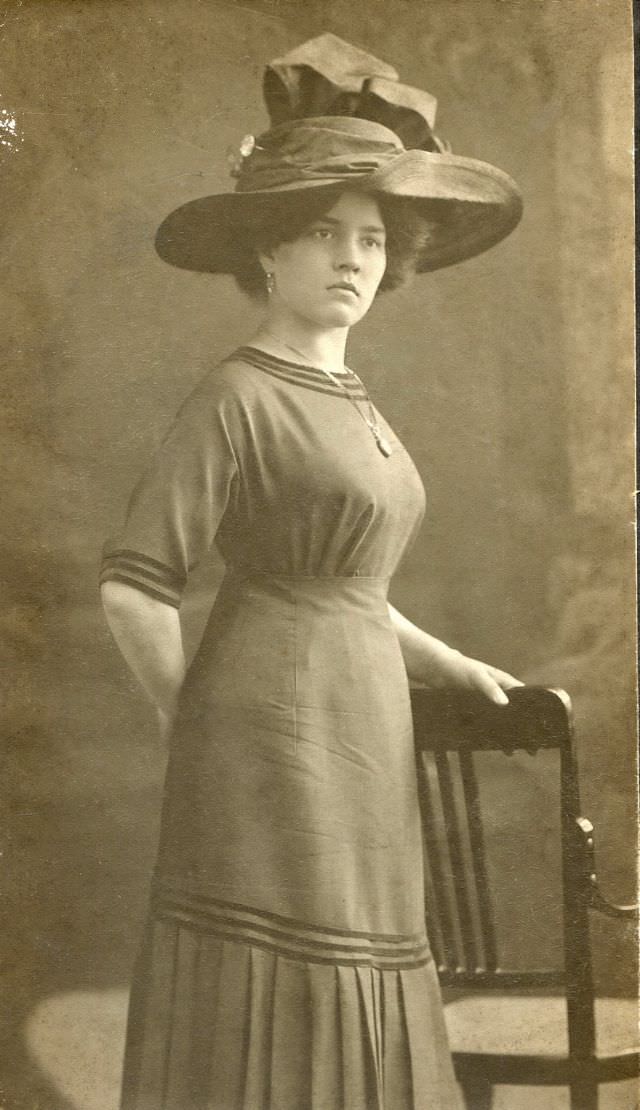
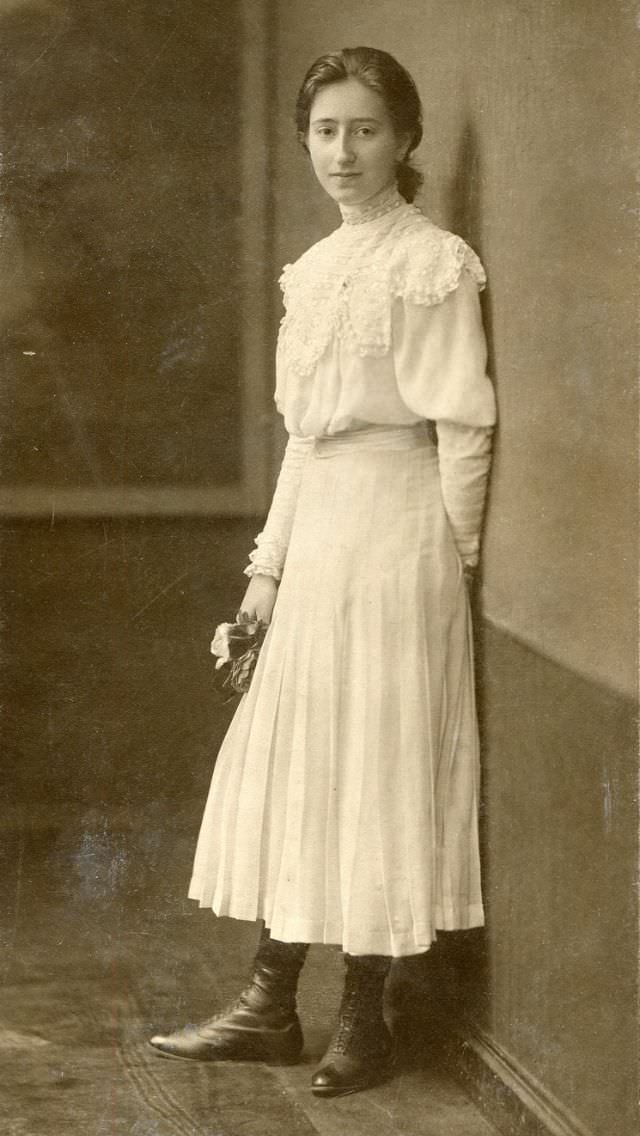
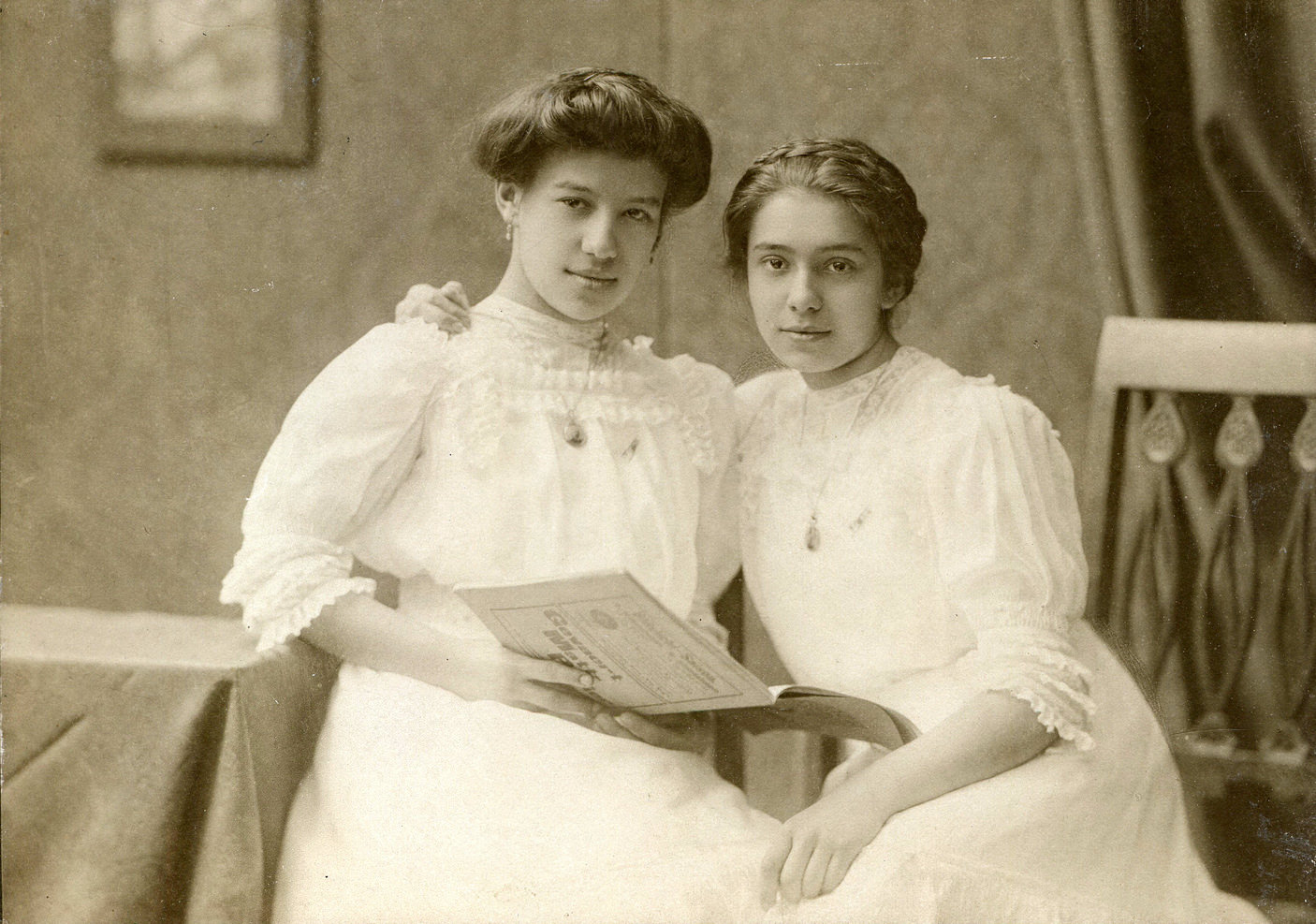
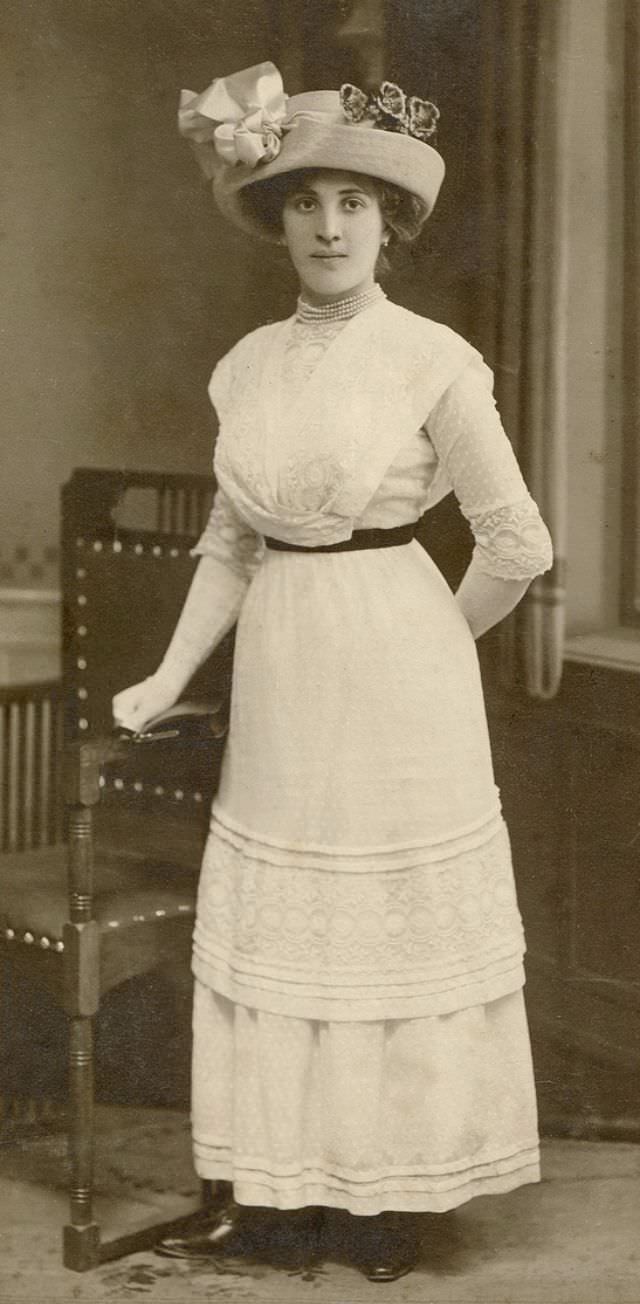
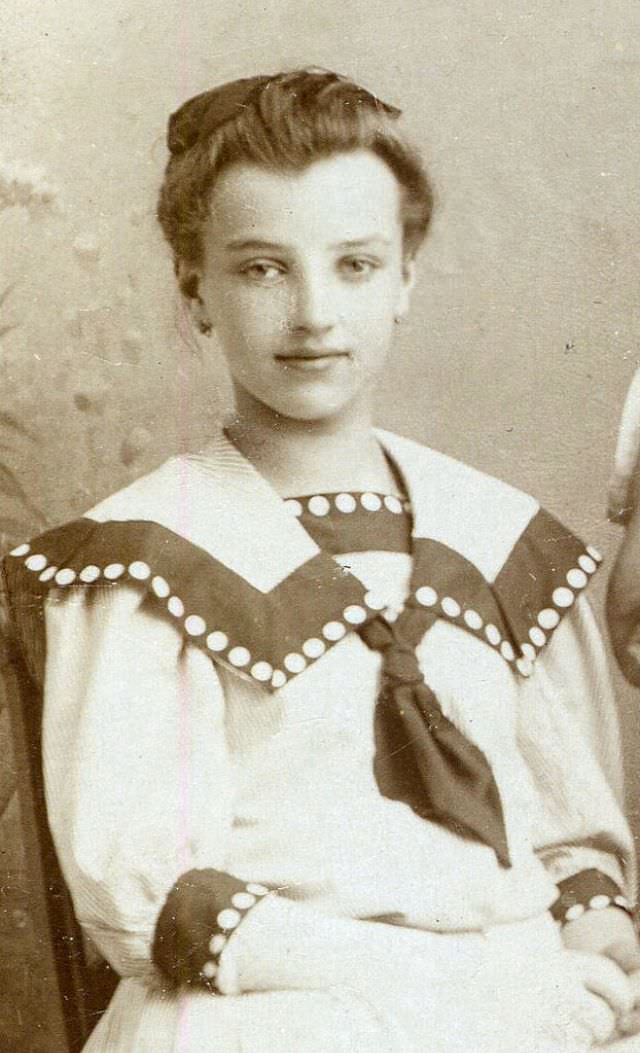
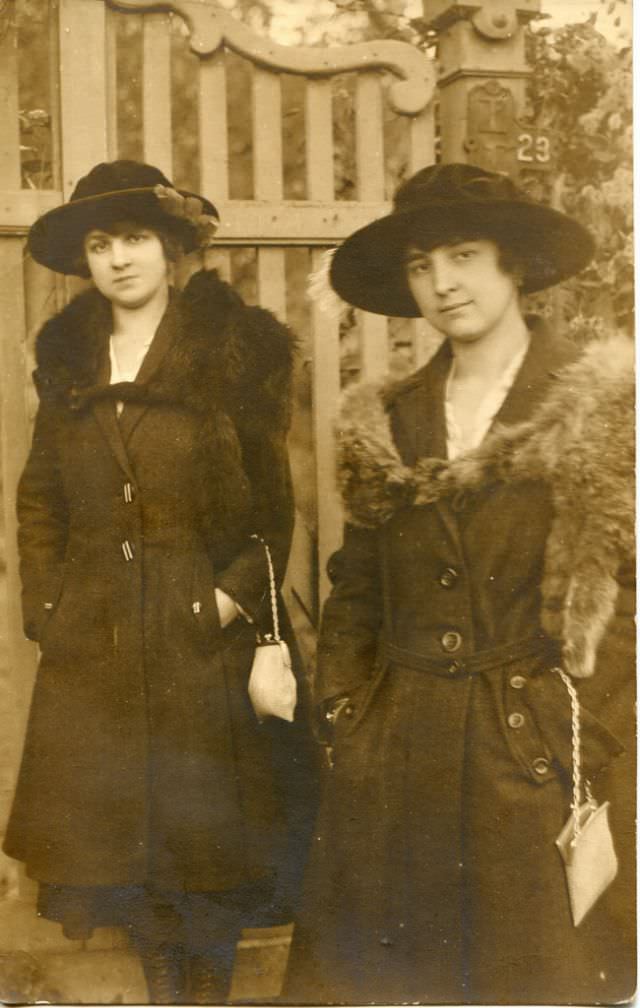
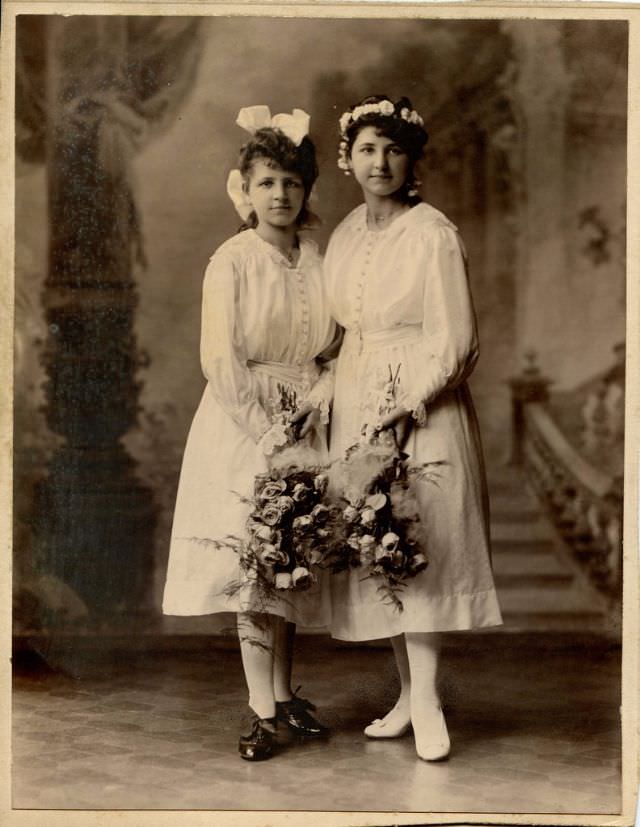
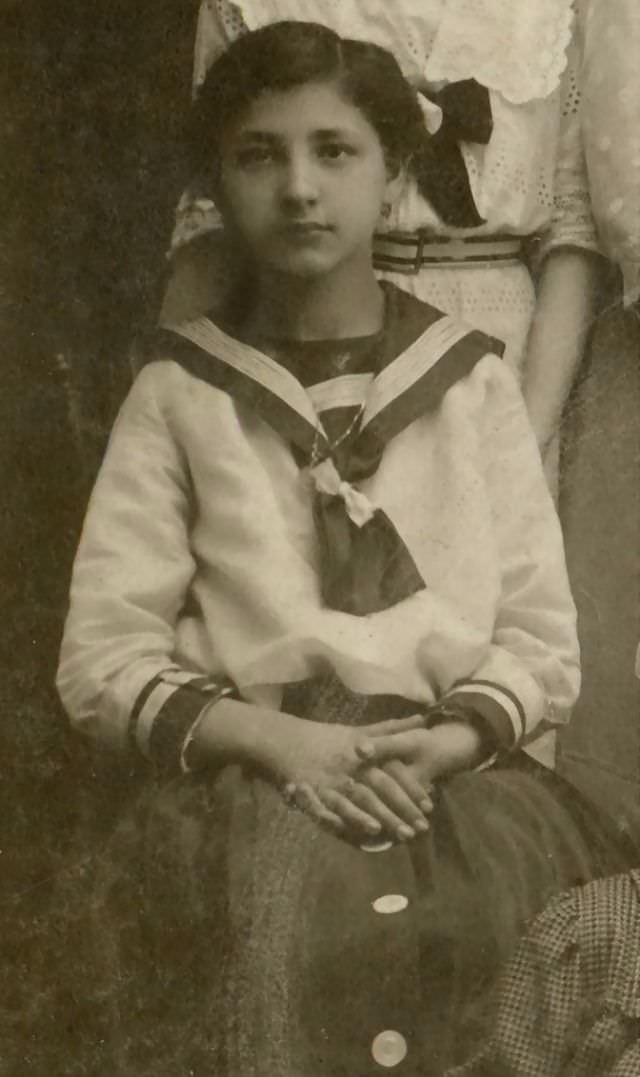
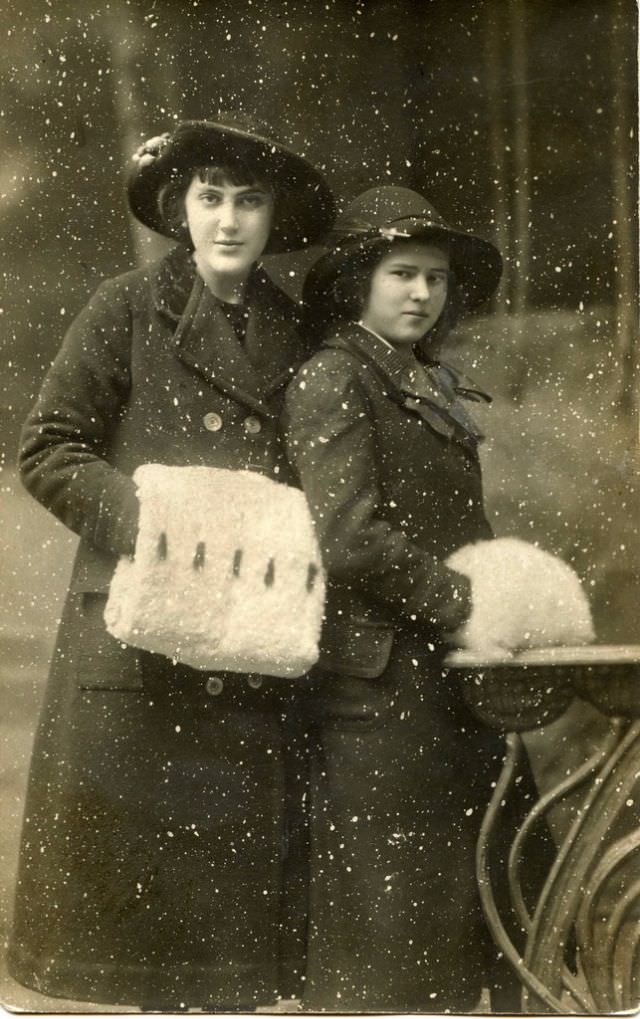
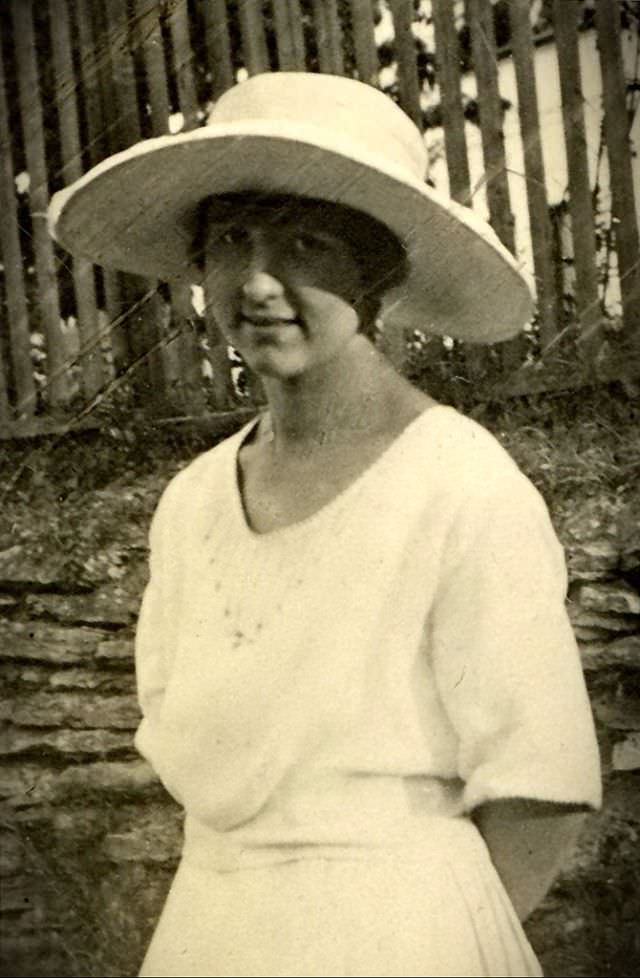
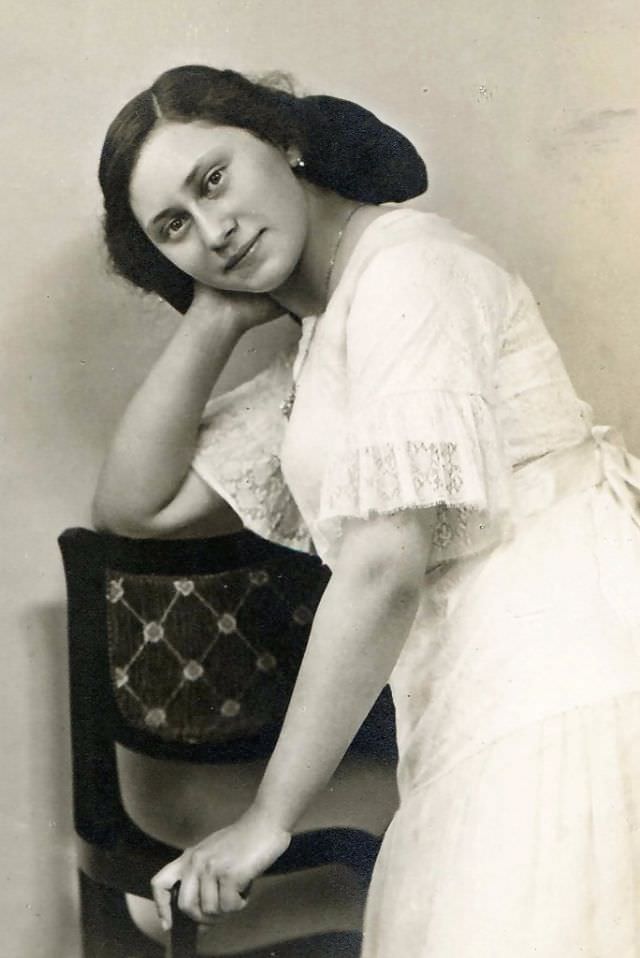
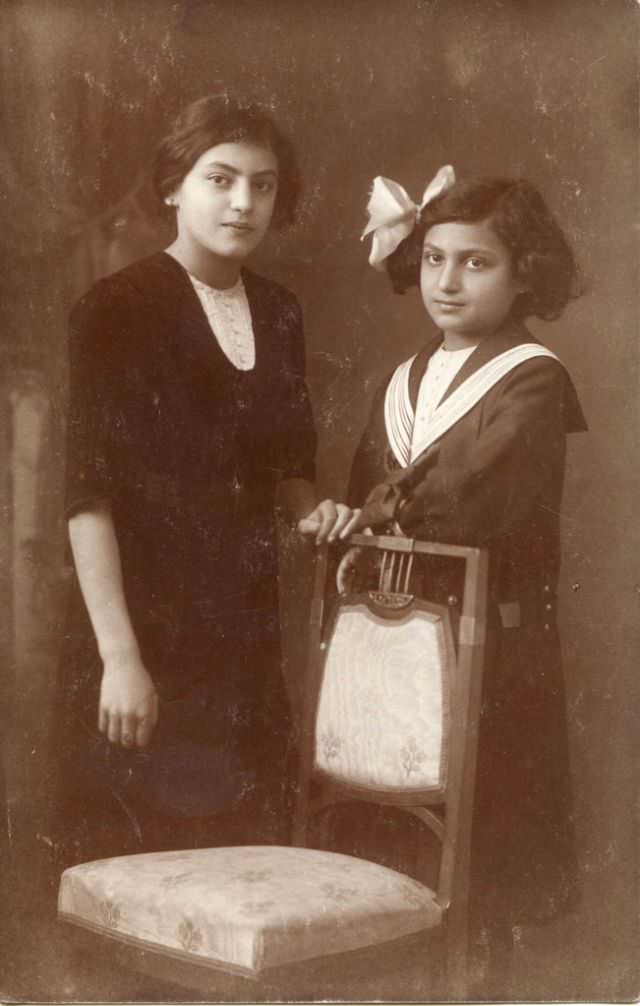
At the turn of the twentieth century, Hungary was a country in the middle of quiet but real change — especially for women. Their daily lives, their appearances, and their rights were all shifting, slowly but steadily. These photographs offer a rare window into that world, capturing Hungarian girls and young women as they actually looked and lived during that era.
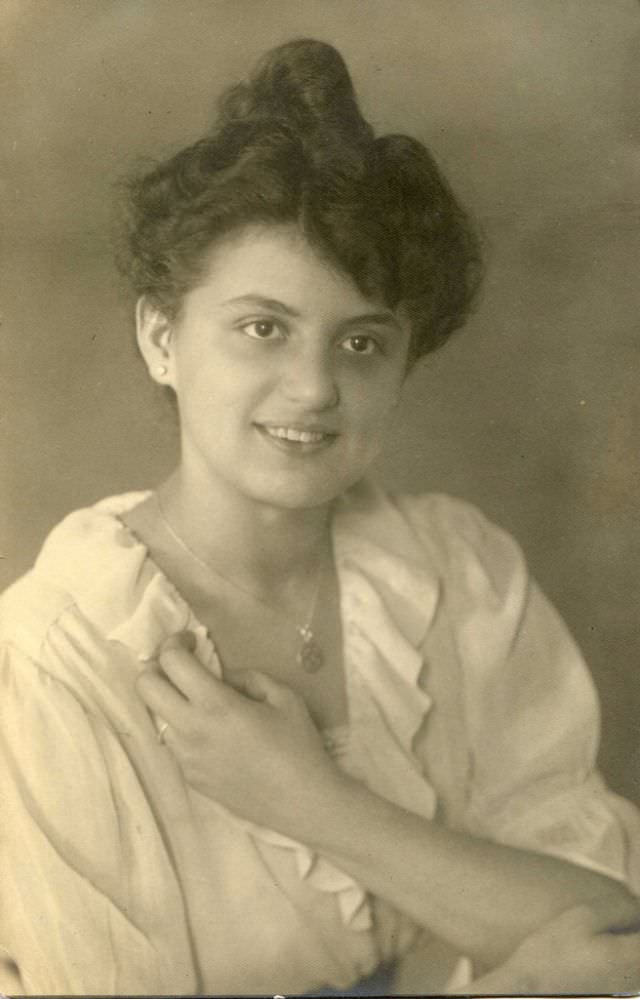
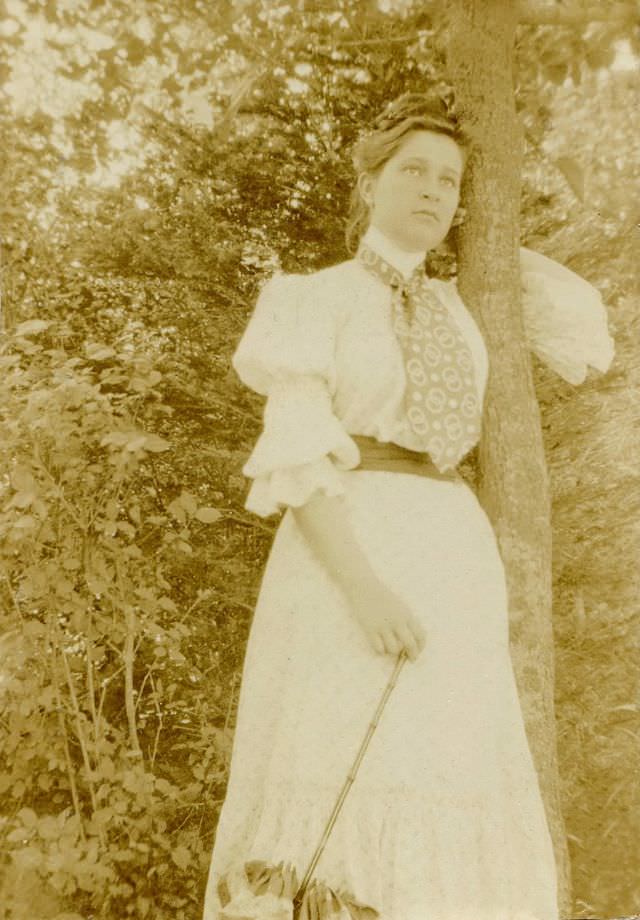
The photographer behind many of these images is Nóra Mészöly, also known as Nori. She had a sharp eye for capturing natural, candid moments rather than stiff, formal poses. Her work preserves the look and feel of everyday Hungarian femininity from the early 1900s in a way that formal portraits rarely could.
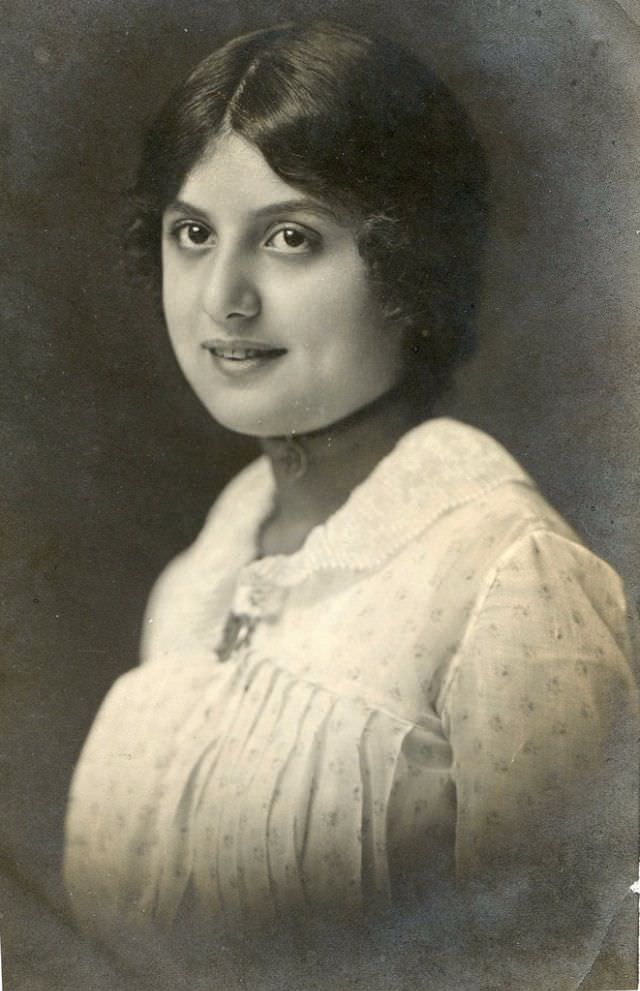
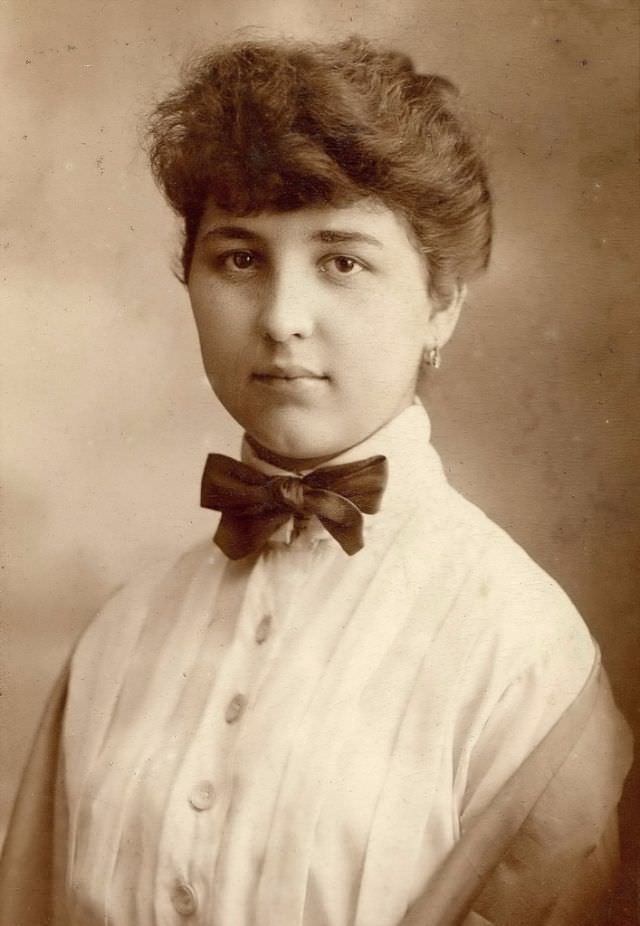
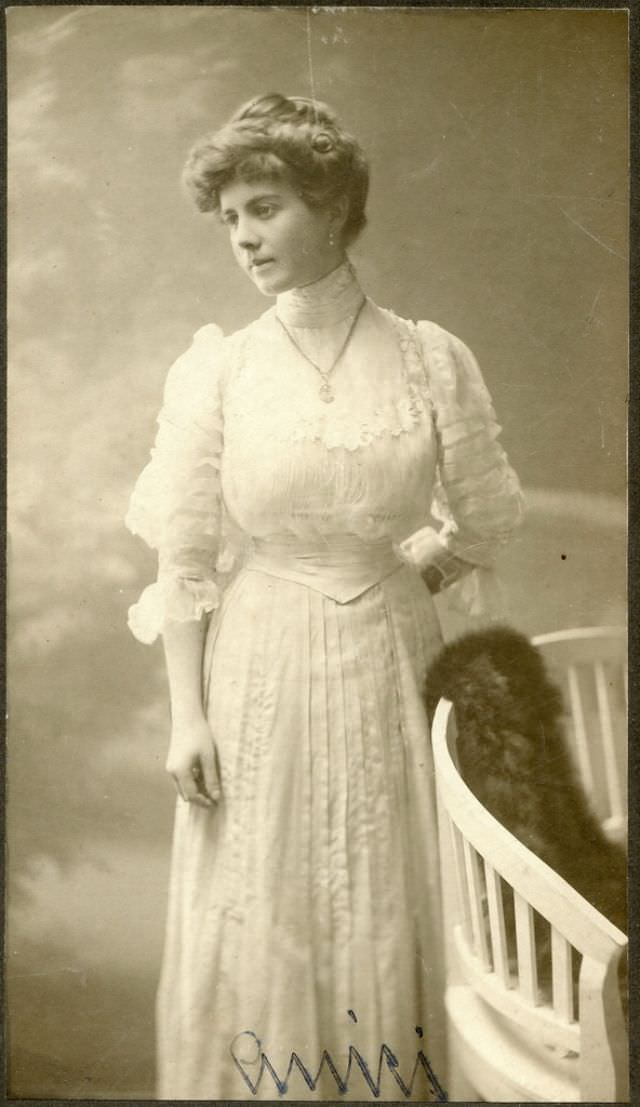
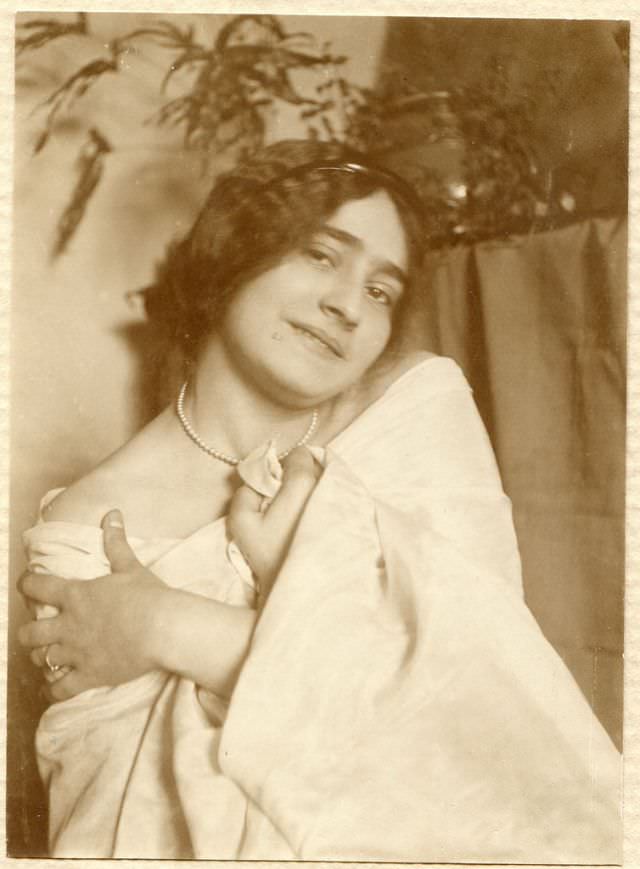
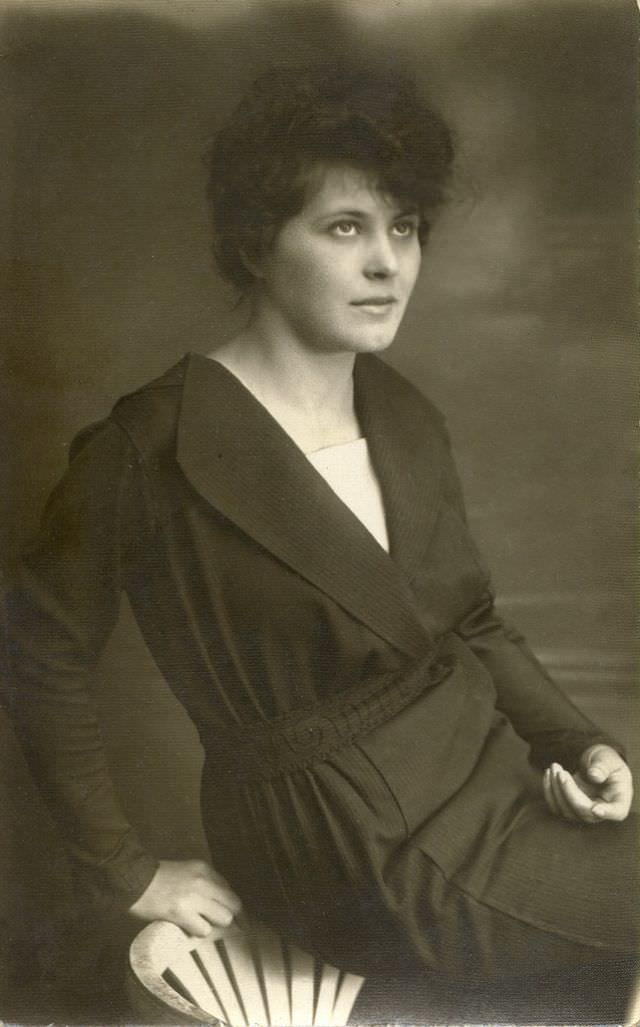
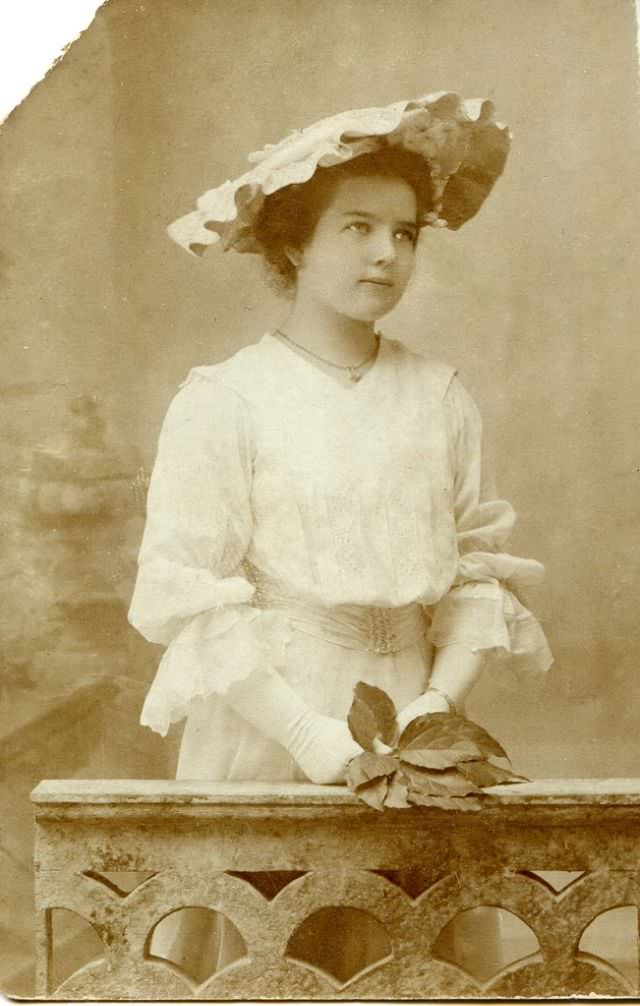
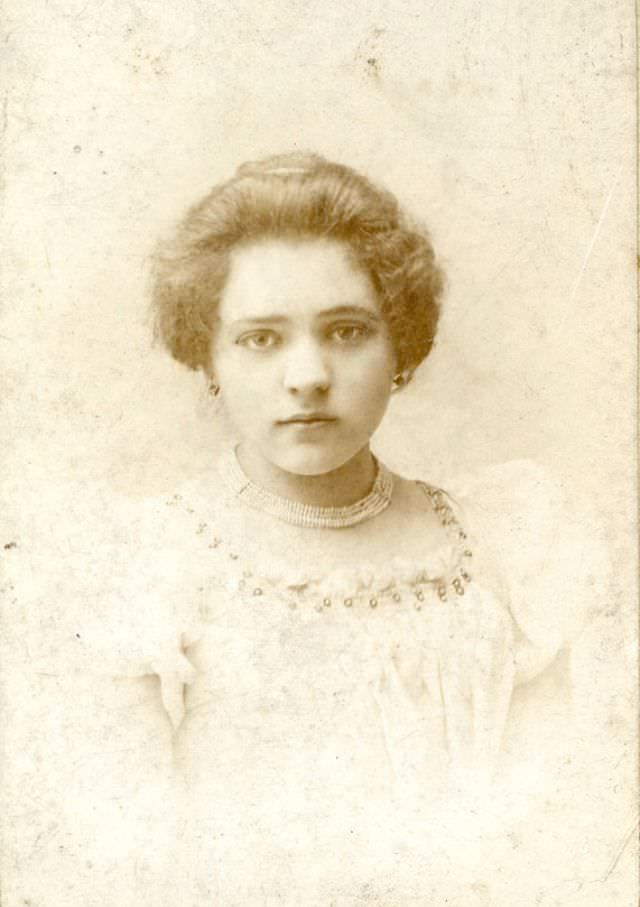
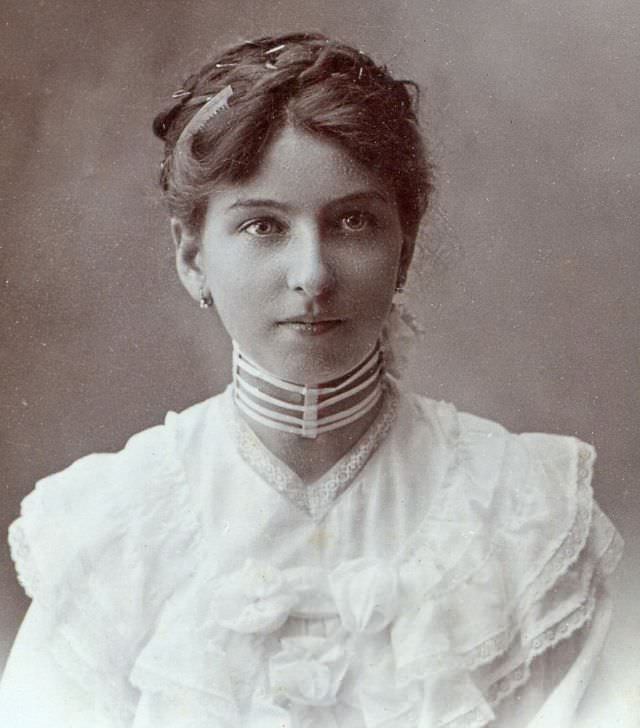
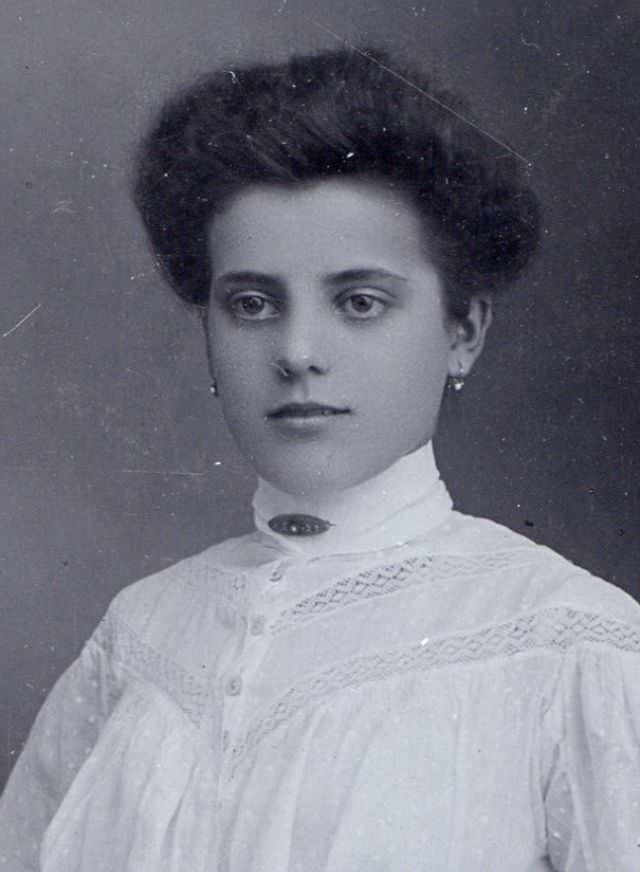
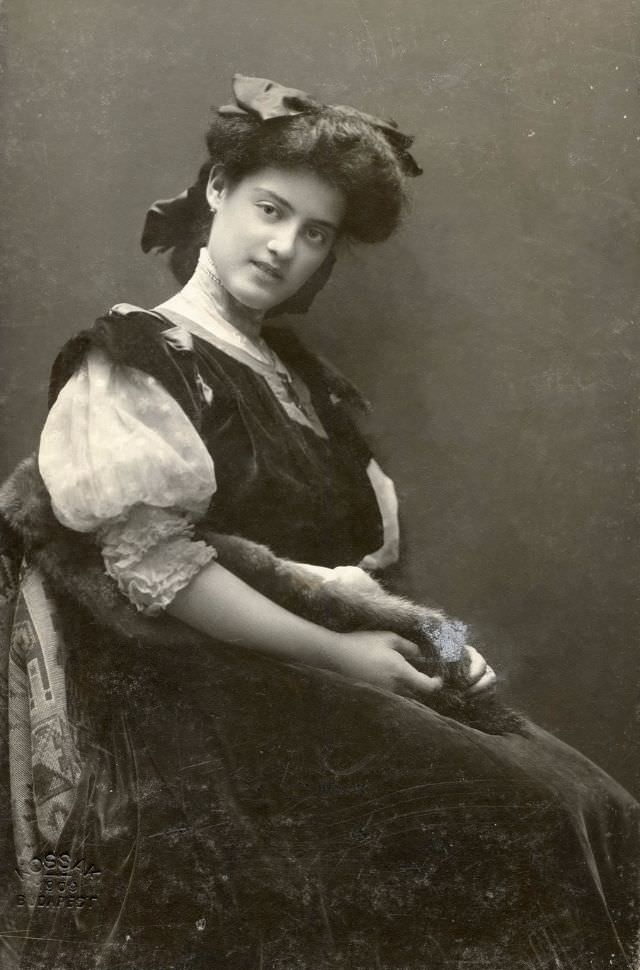
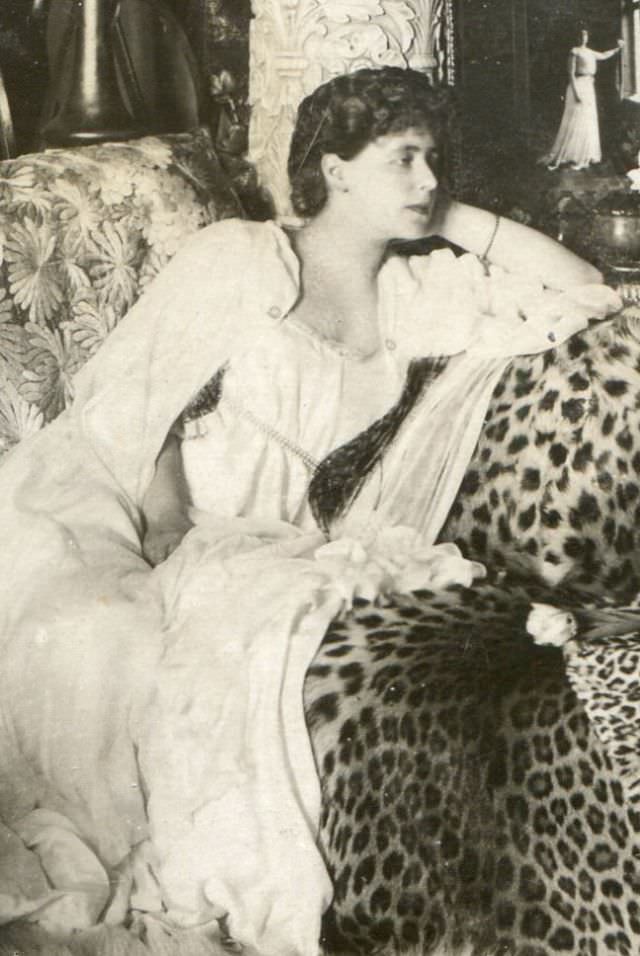
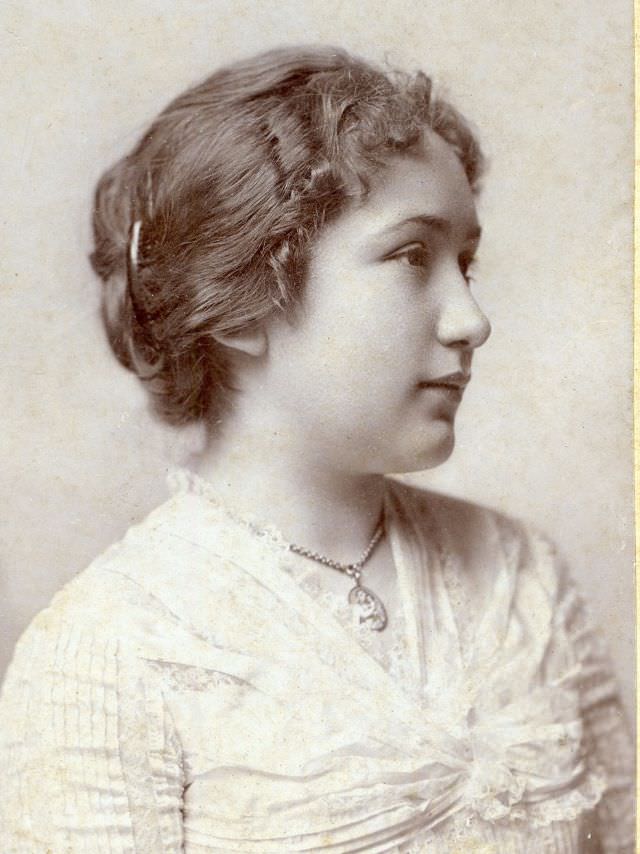
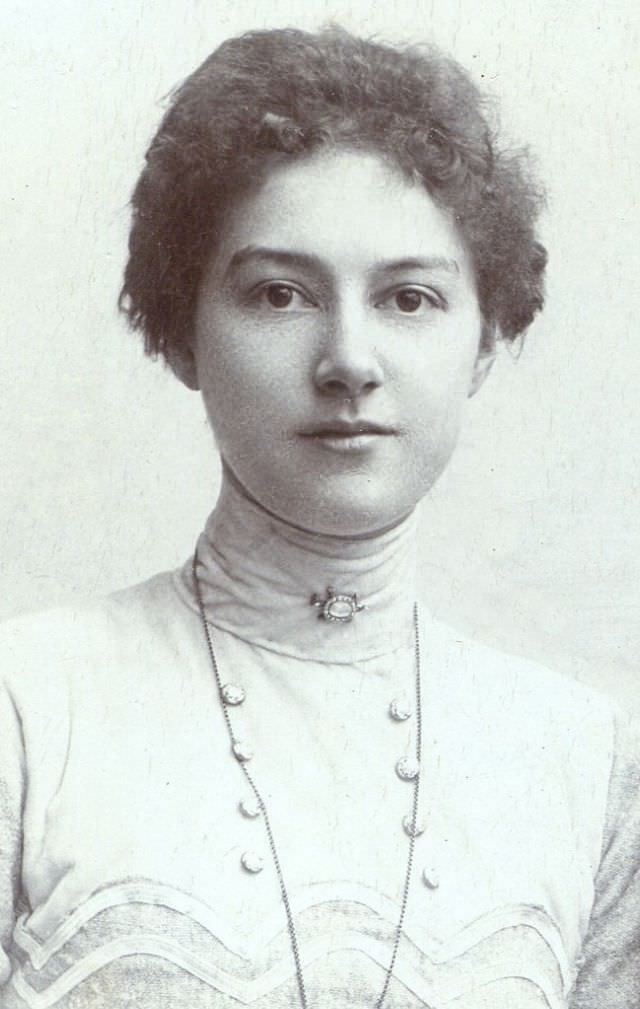
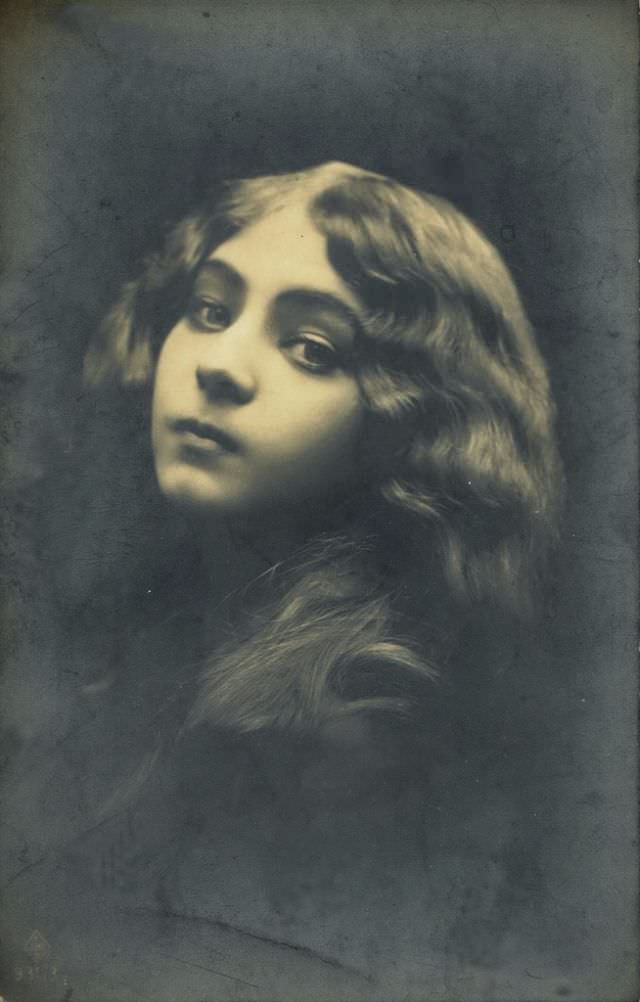
One of the most striking details in these photos is the hair. Hungarian women in the early twentieth century wore their hair in large, voluminous styles. The look was full and padded, built up to create a soft, rounded shape around the head. This was the fashionable standard of the time across much of Europe, and Hungarian women followed it closely.
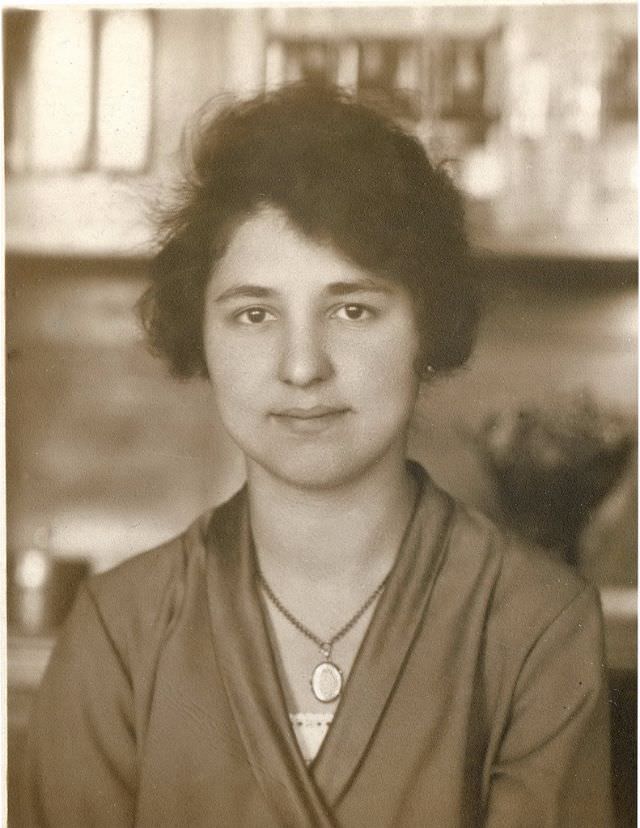
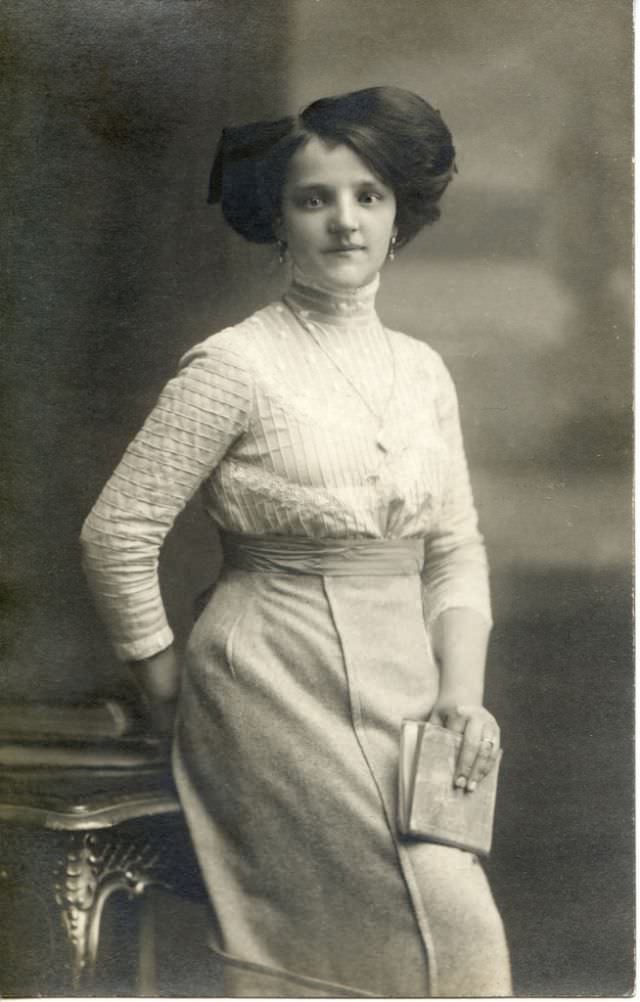
Beyond fashion, women in Hungary were also fighting for something far more significant — the right to vote. In 1904, a woman named Rosika Schwimmer founded the Association of Feminists in Hungary. Schwimmer was a pacifist and a dedicated advocate for women’s rights. Her organization pushed hard for women’s suffrage and helped bring the issue to a parliamentary vote three separate times. All three attempts failed.
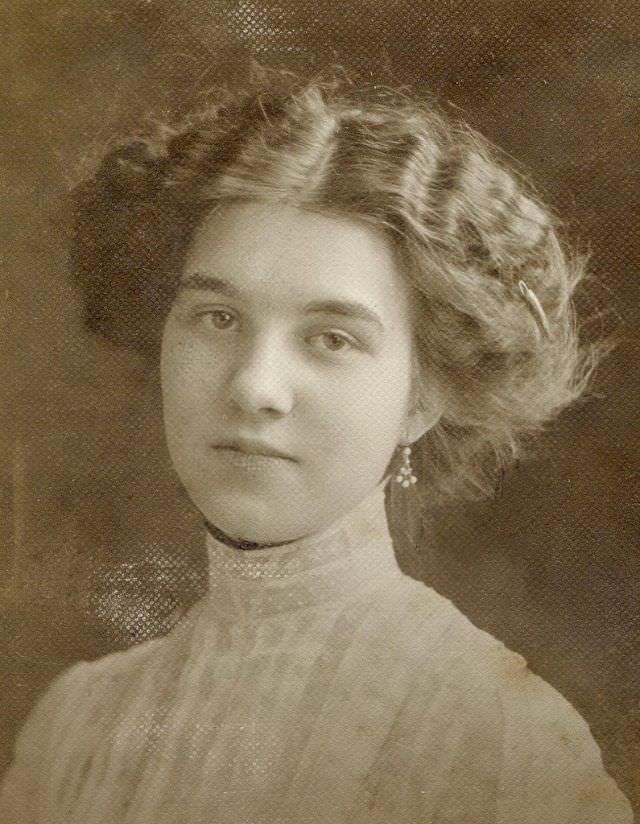
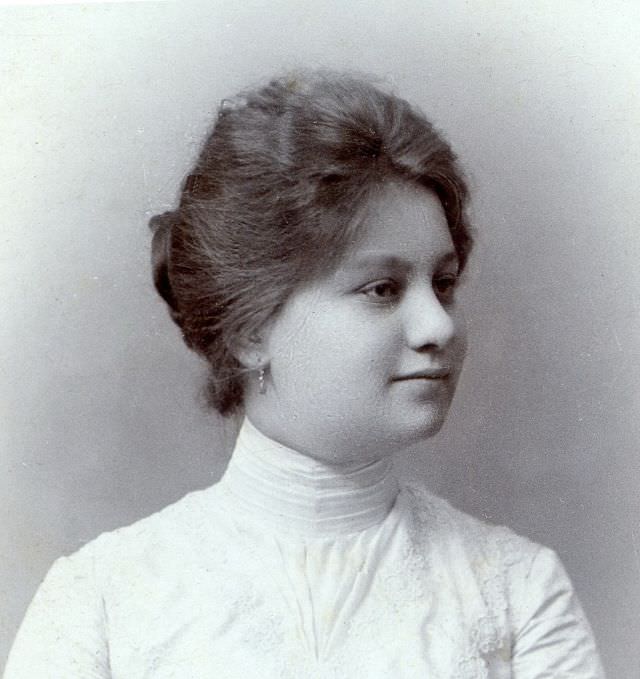
Despite those early defeats, progress did come. Hungarian women gained limited voting rights in 1918 and cast their votes for the first time in 1922. Full suffrage — the right for all women to vote without restriction — finally arrived in 1945. The road was long, but these women who appear in Nóra Mészöly’s photos lived through the beginning of that fight.
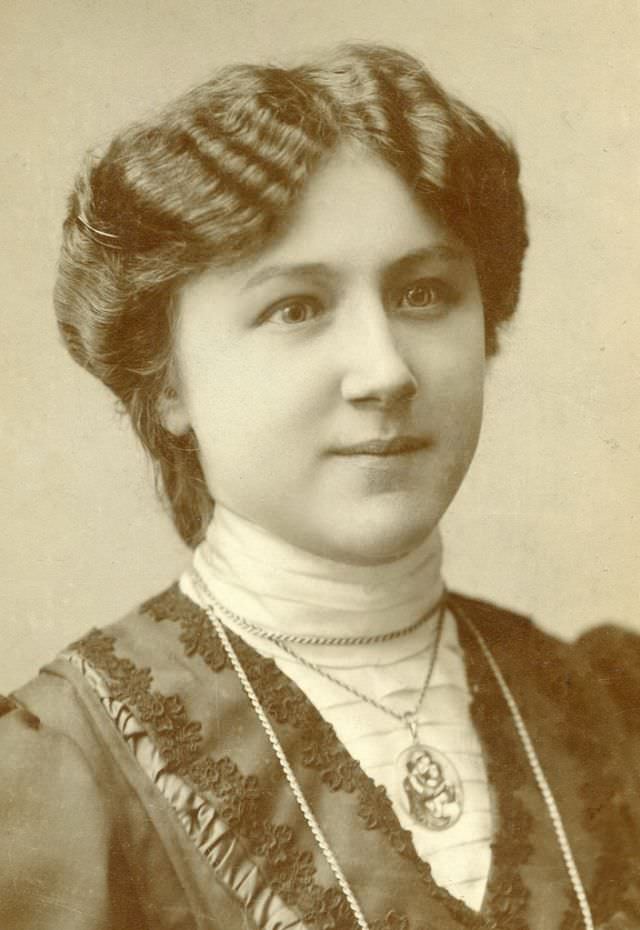
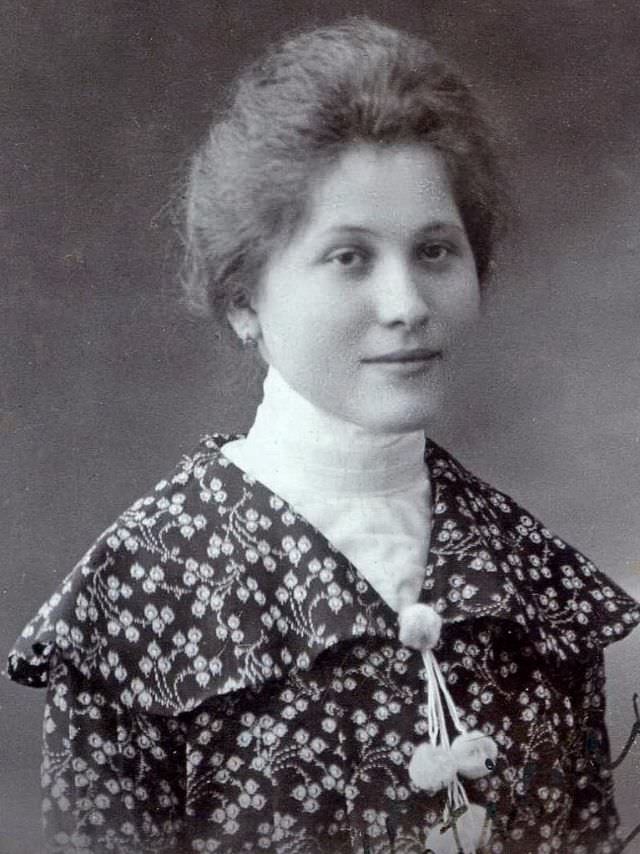
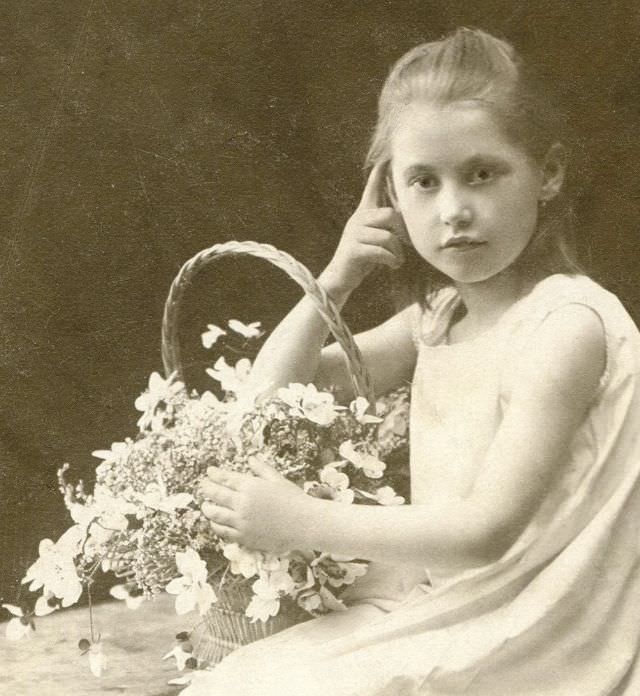
Looking at these photos, it’s easy to focus on the clothing and hairstyles. But each face also tells a story about a time when women’s roles were being openly debated and defined in Hungarian society. The women in these images were living through one of the most pivotal periods in their country’s history.
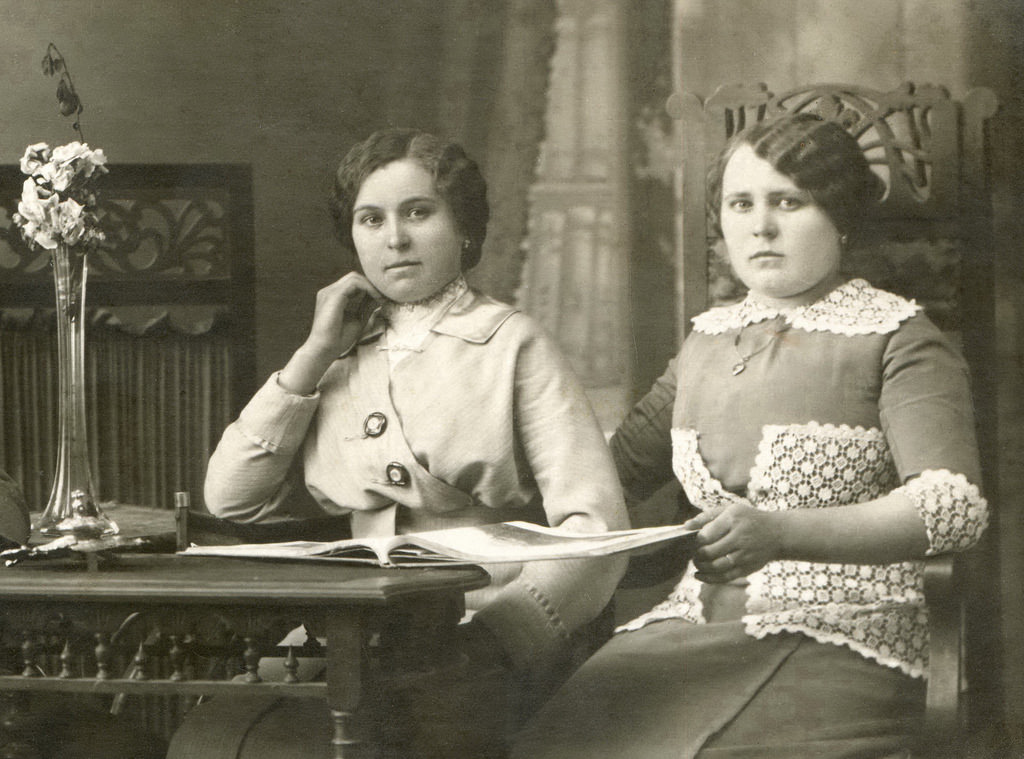
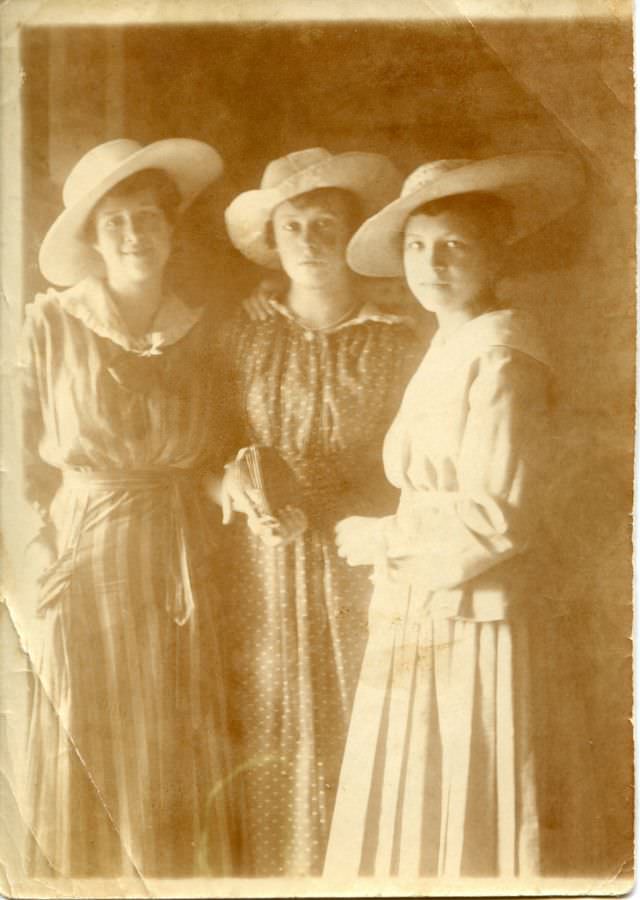
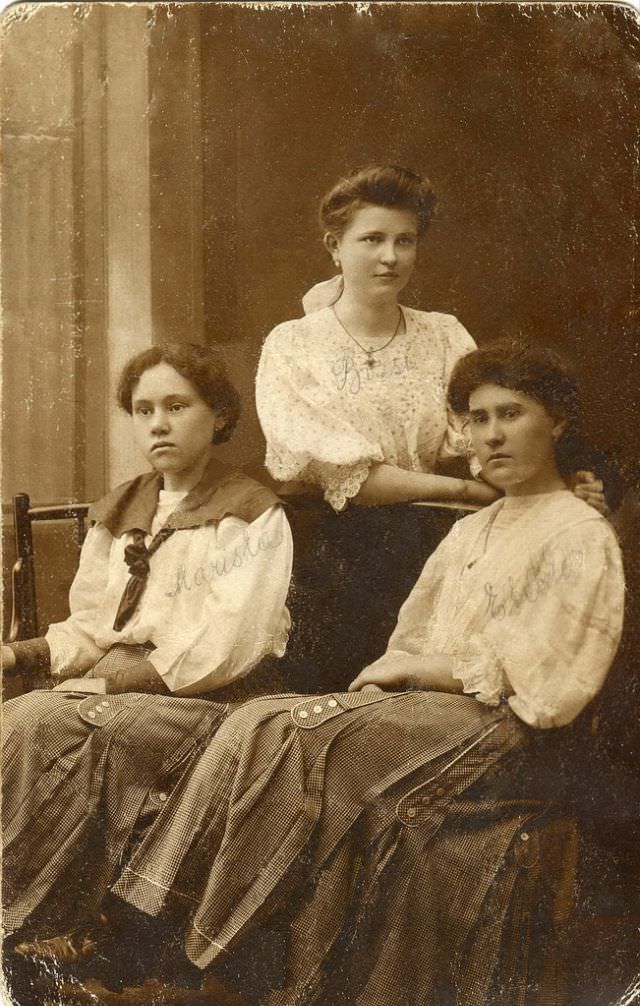
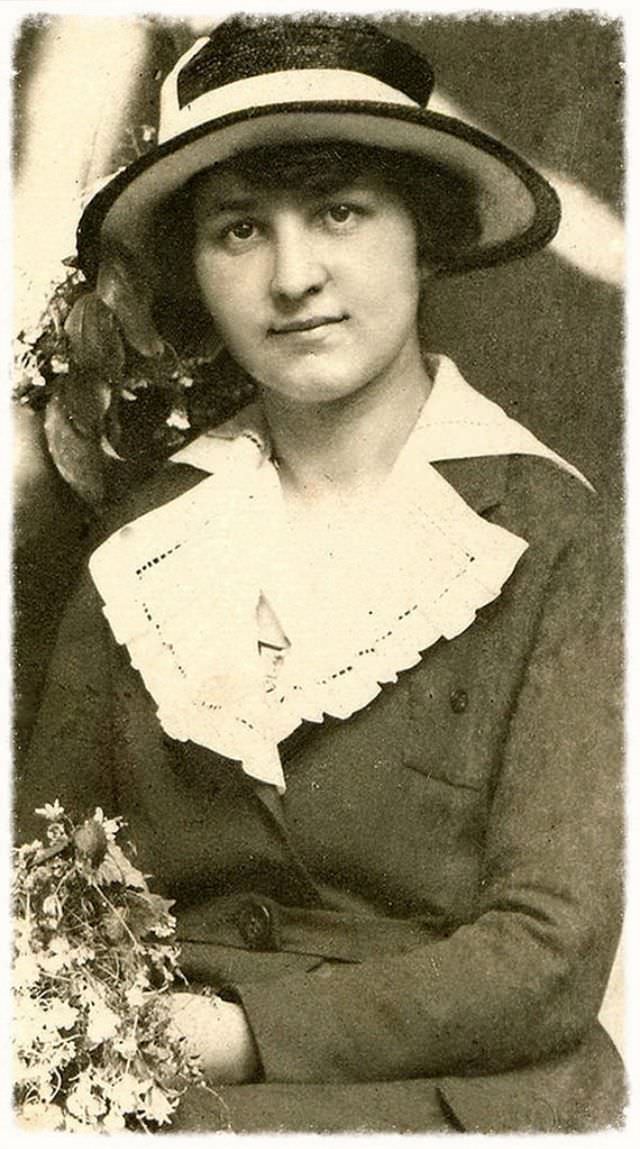
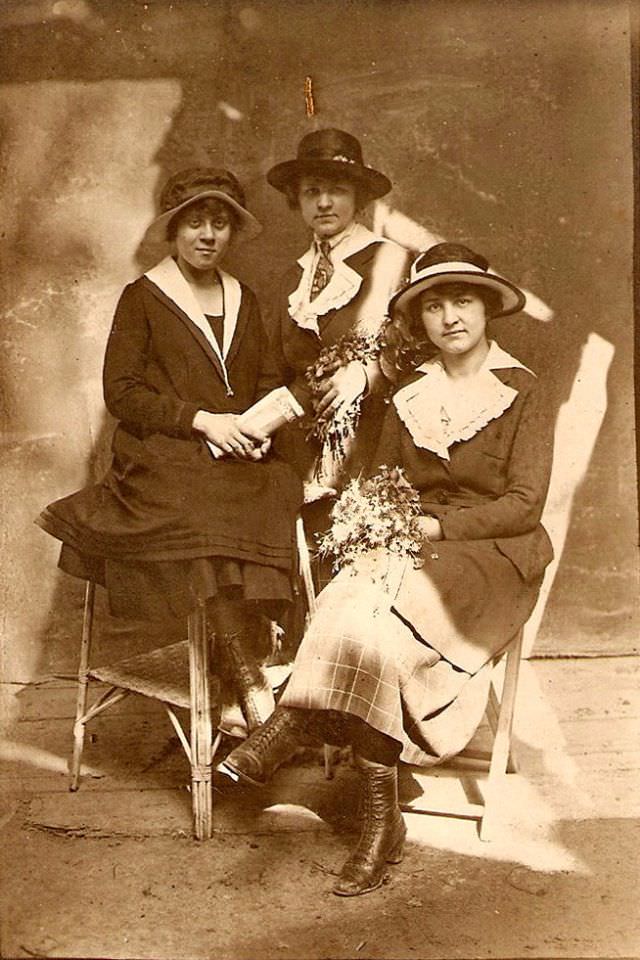
Early 1900s fashion for women was far from simple. Layered fabrics, high collars, and carefully pinned hair were all part of the daily routine. Getting dressed was a time-consuming process, and appearance was taken seriously as a reflection of social standing.
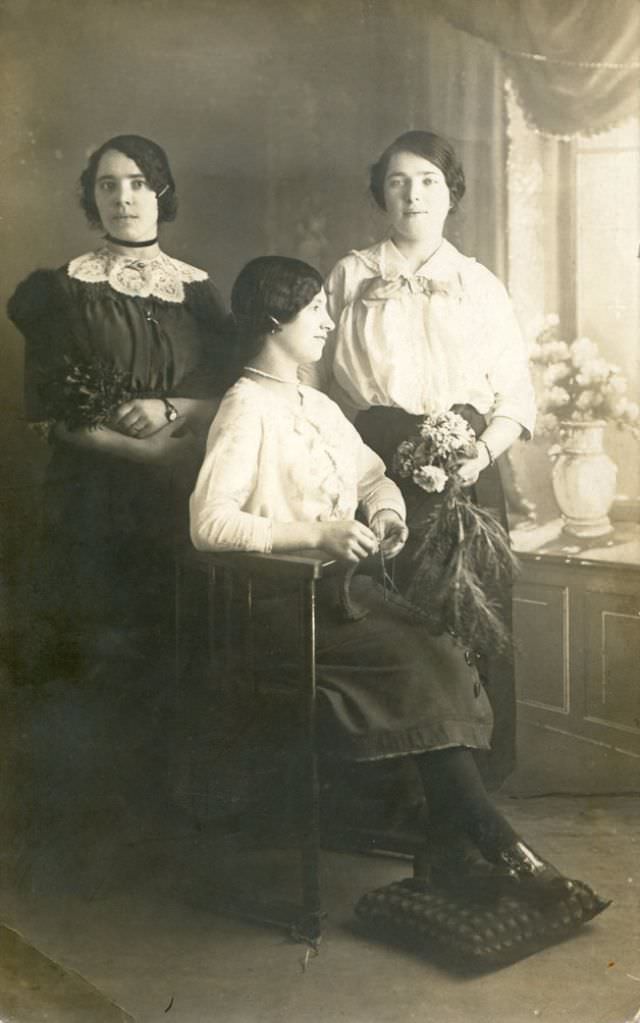
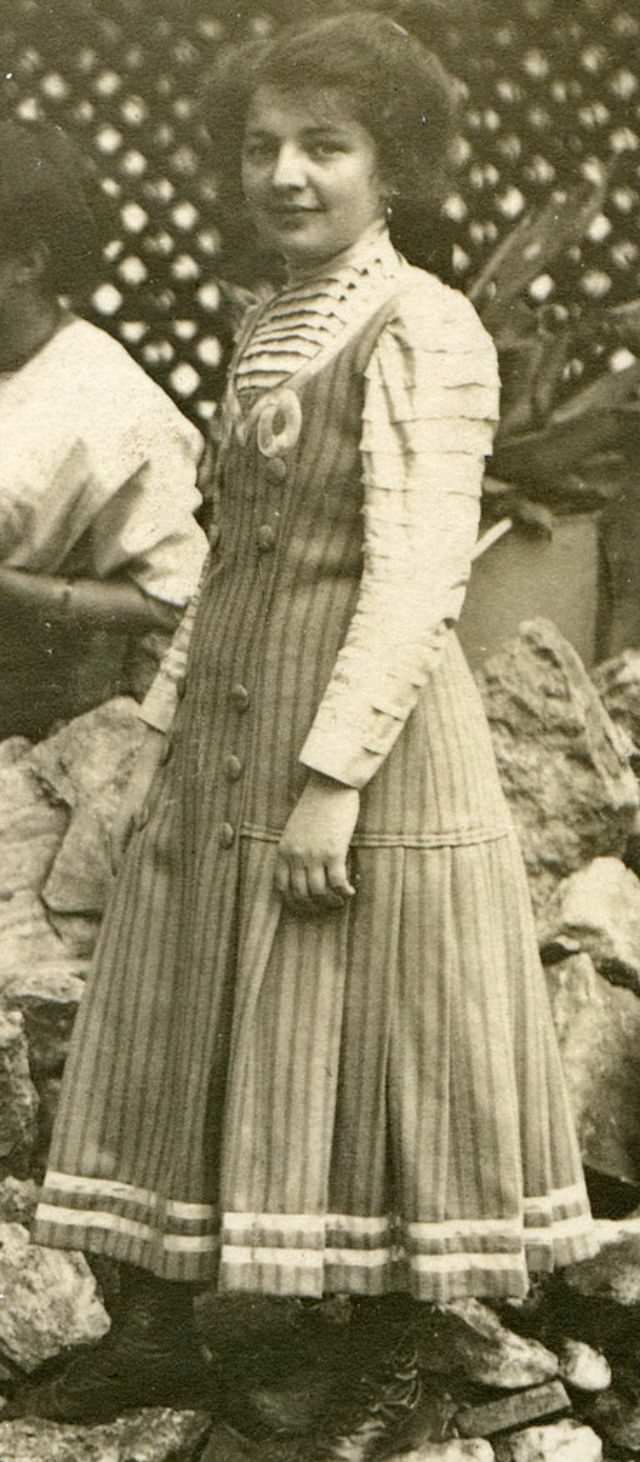
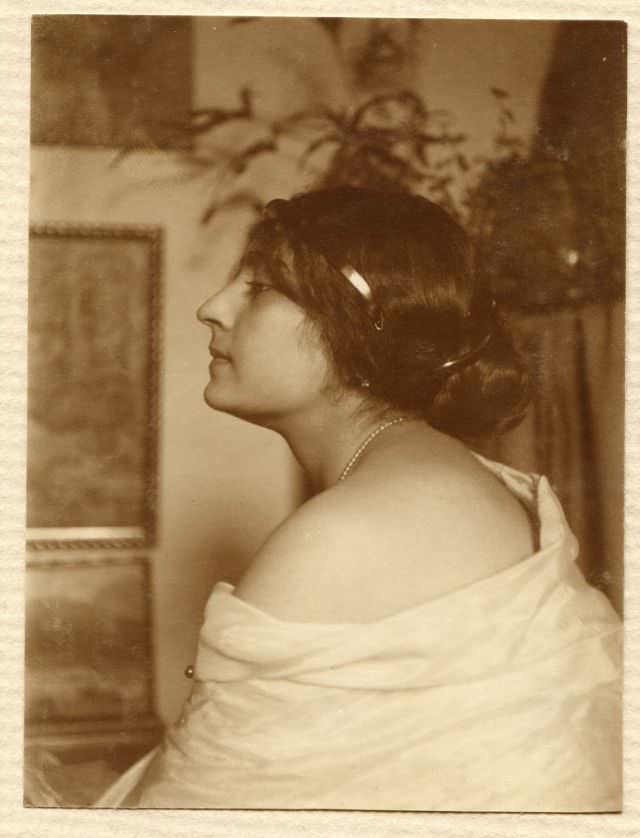
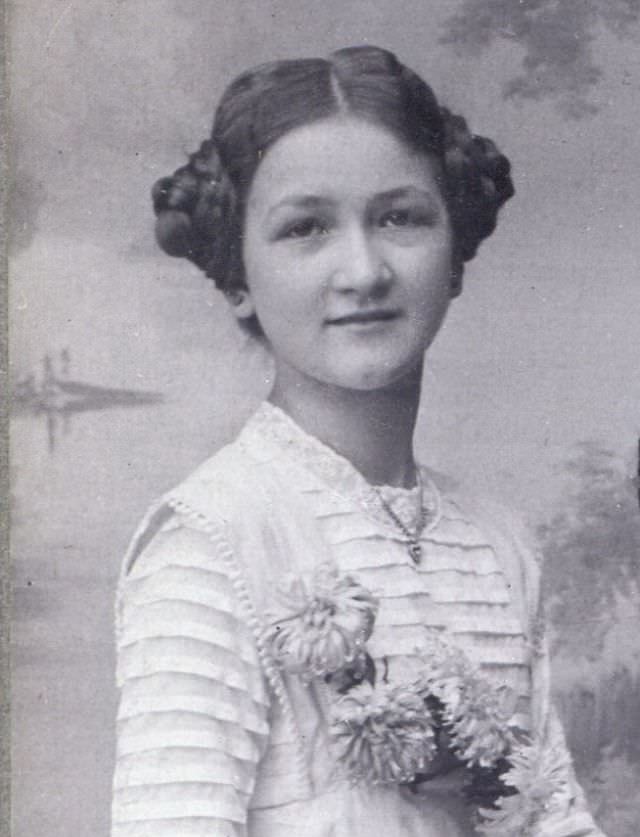
Nóra Mészöly’s photographs stand out because they feel personal. These are not distant, formal studio portraits. Many of the subjects look directly at the camera with confidence and ease, giving viewers a genuine sense of who these women were.


I say the white people were well kept!
I wouldn’t pull much right on the tinder. Anyway, why did every adult woman have a picture of a date cake 120 years ago? And thick eyebrows?
Most of them did not have good quality food, so they ate mainly bread and stuff like that. So because of the iron deficiency, they may have had quite serious thyroid diseases by adulthood. I don’t raise my eyebrows.
Optics also matter. Maybe they still used a short focal length for photography, and that pretty puffy the face
I guess I can’t hurt a 120-year-old girl here either, so I’d note that out of 59, about. I saw one who doesn’t look particularly below average in the photos. I don’t know if only the worst possible photographers were chosen or if the “average” woman in 100 years was beautified to such an extent.
Okay, so is it inconceivable for you that your beauty standards have changed in 100 years?
Photography was an expensive pastime, “rich and beautiful” and a modern standard, enough to think of the Habsburg chin.