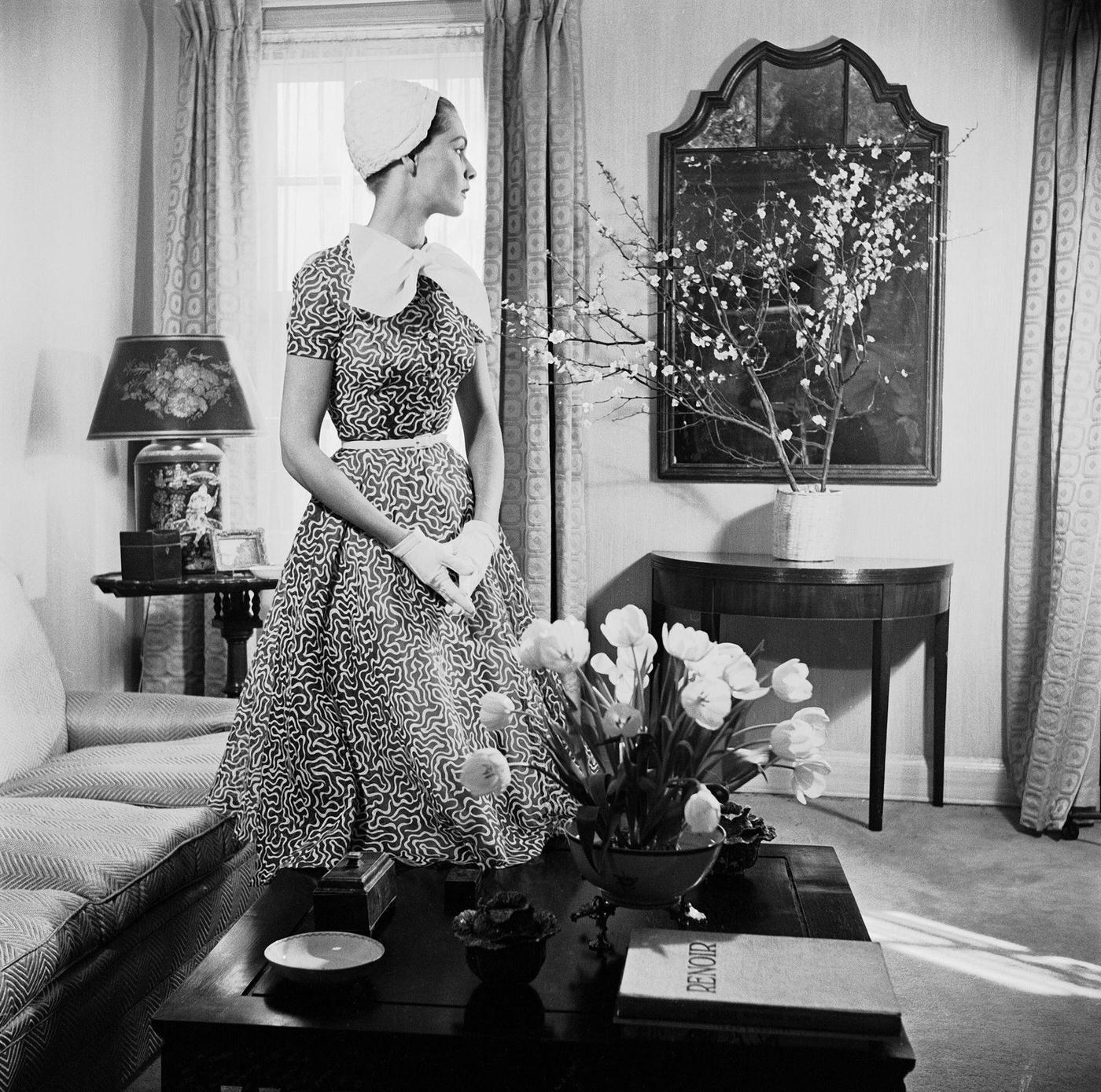
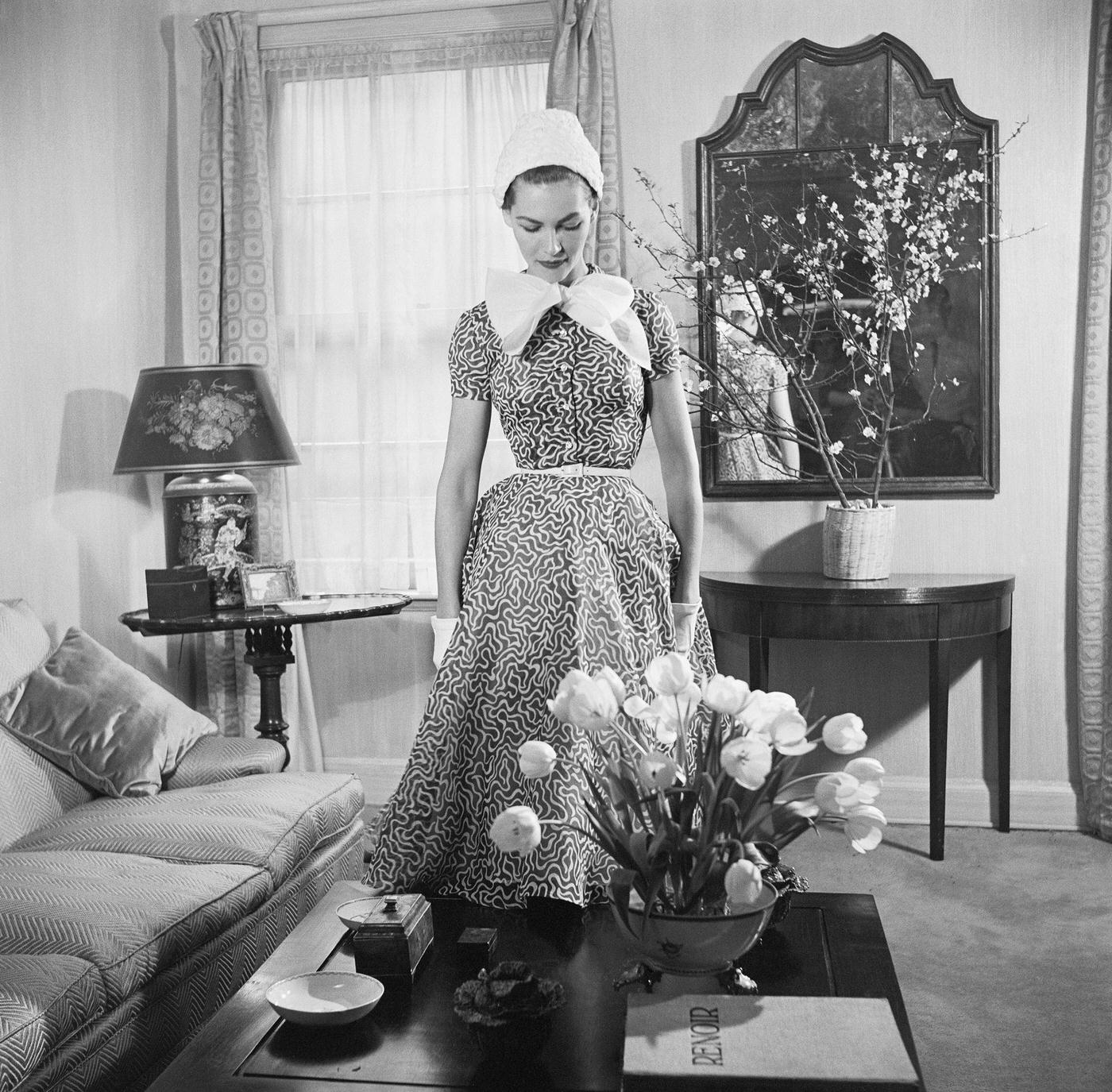
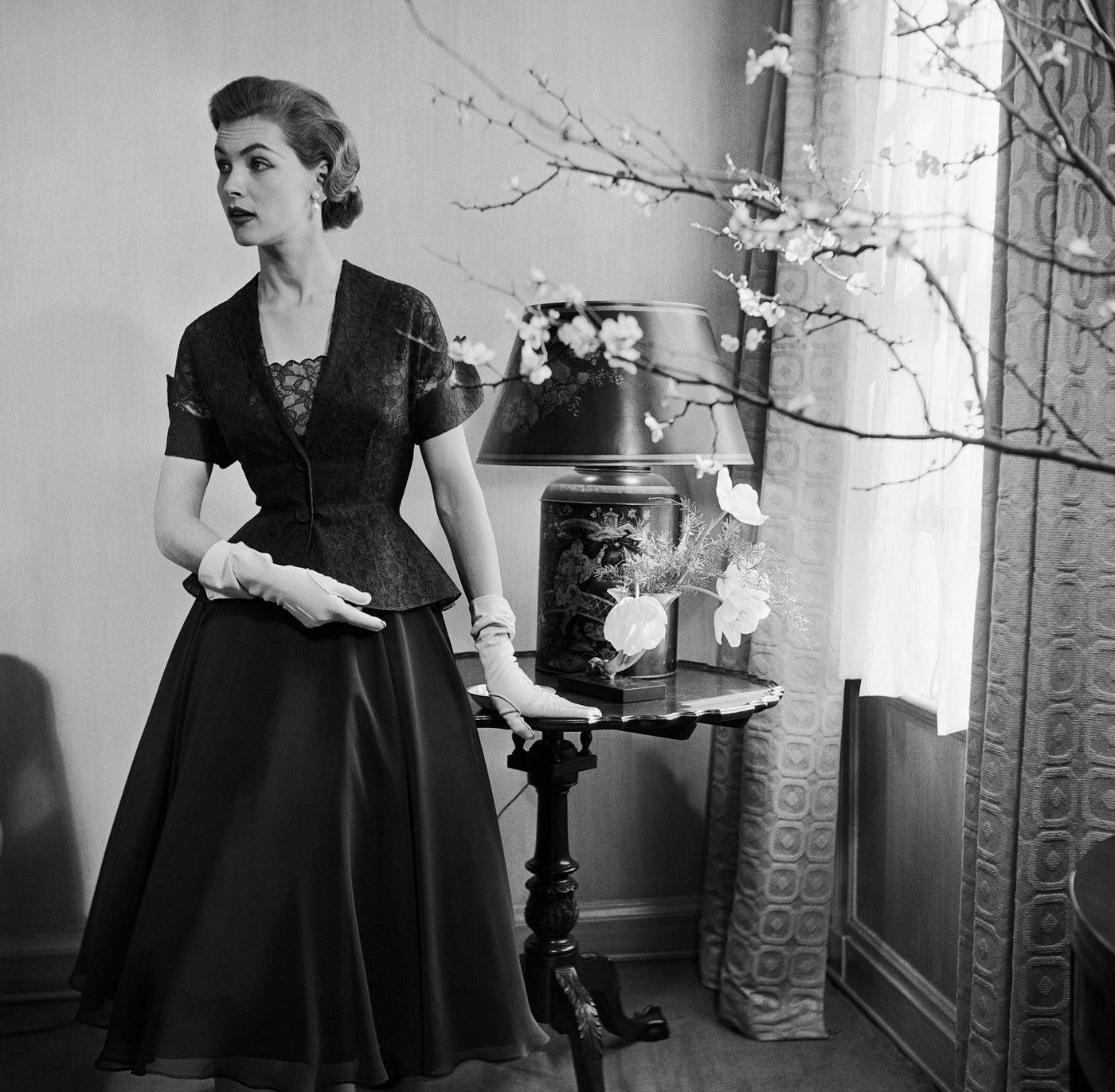
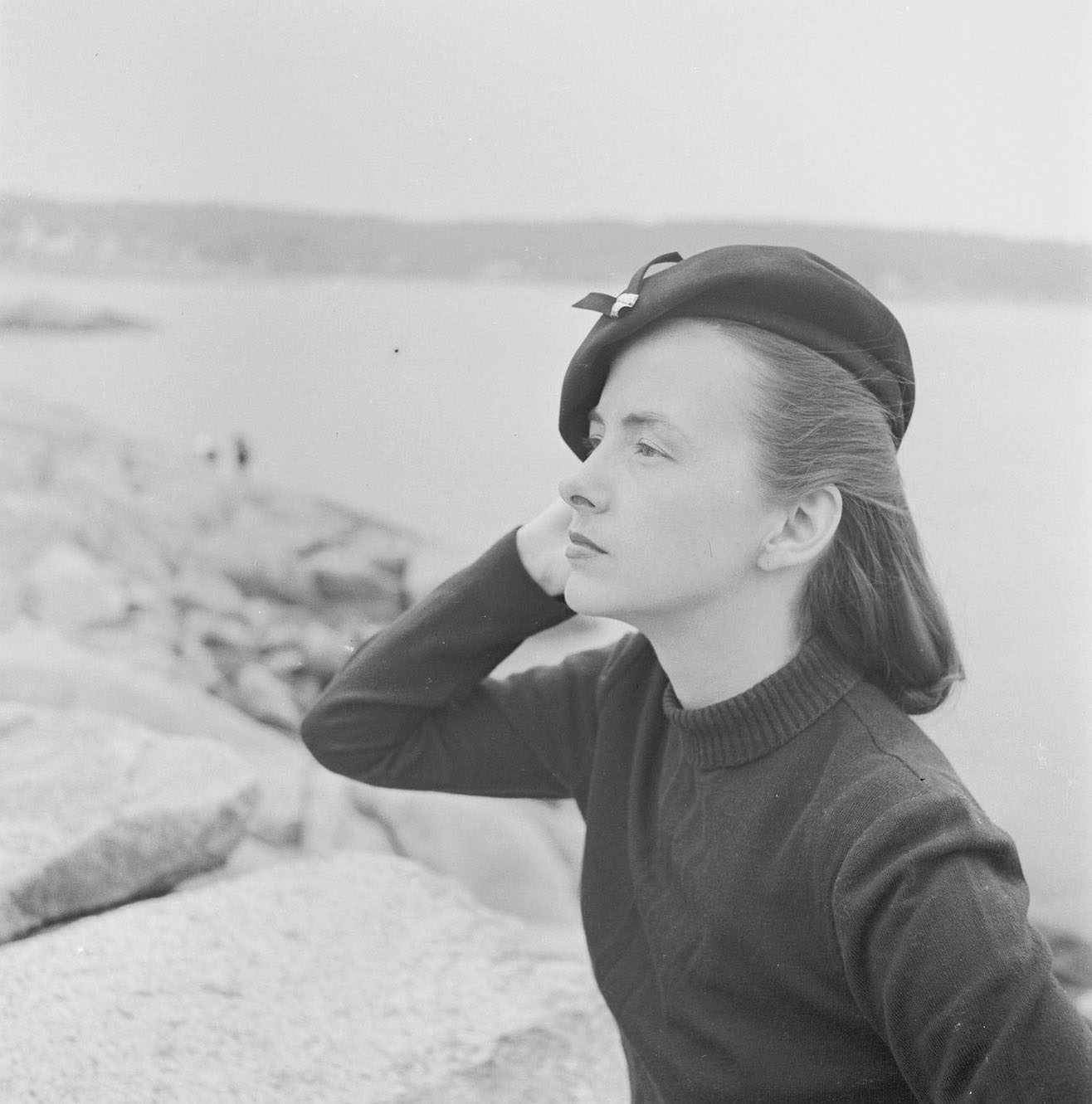
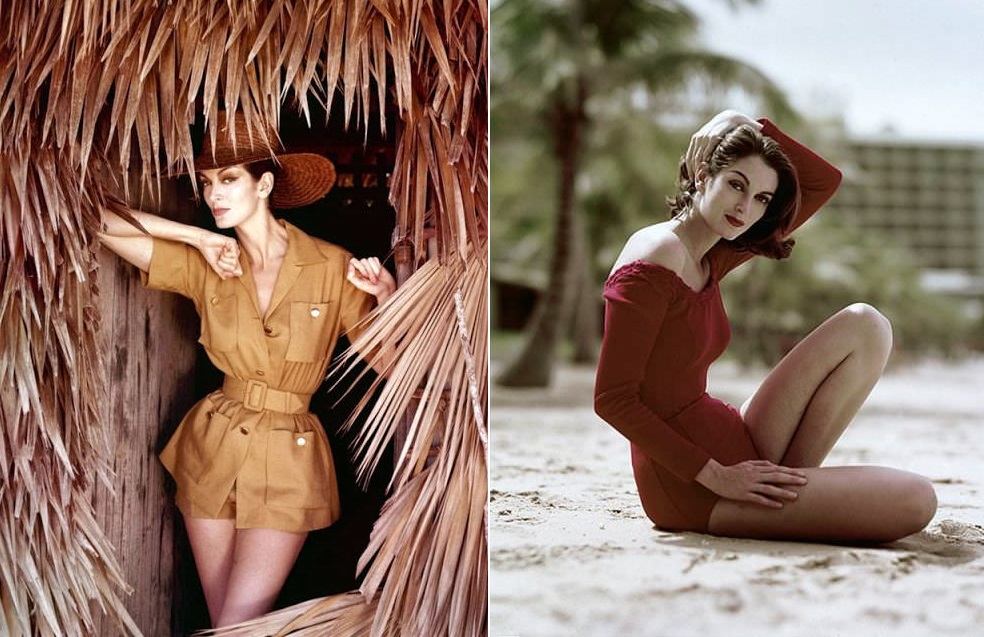
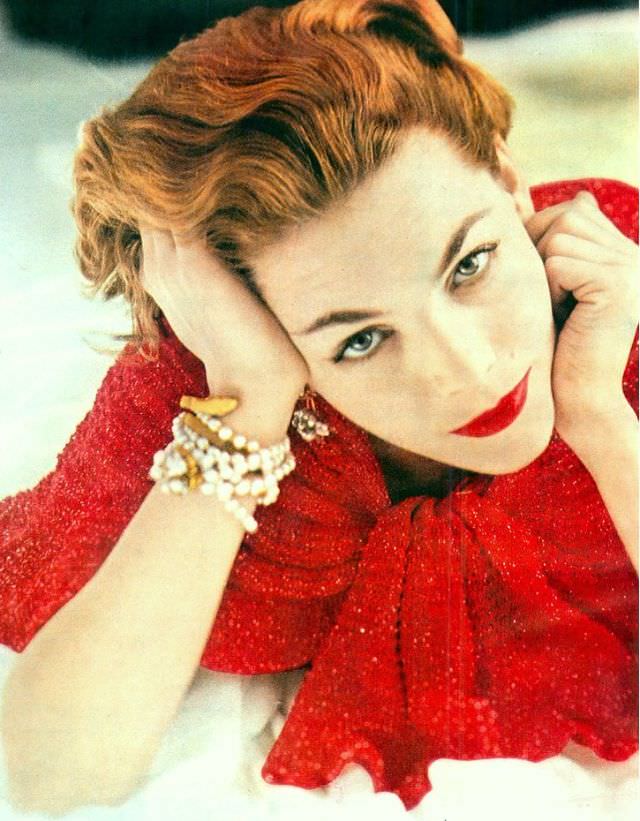
Georgia Hamilton was born in California in 1925 and grew up to become one of the most recognizable faces of American fashion in the postwar era. She became one of the original models signed to the Ford Modeling Agency, a distinction that placed her among a small group of women who helped define what professional modeling looked like in the United States. Her striking features and natural ease in front of the camera made her a reliable choice for top-tier publications. She appeared regularly in the pages of Life, Vogue, and Harper’s Bazaar throughout the late 1940s and into the 1950s.
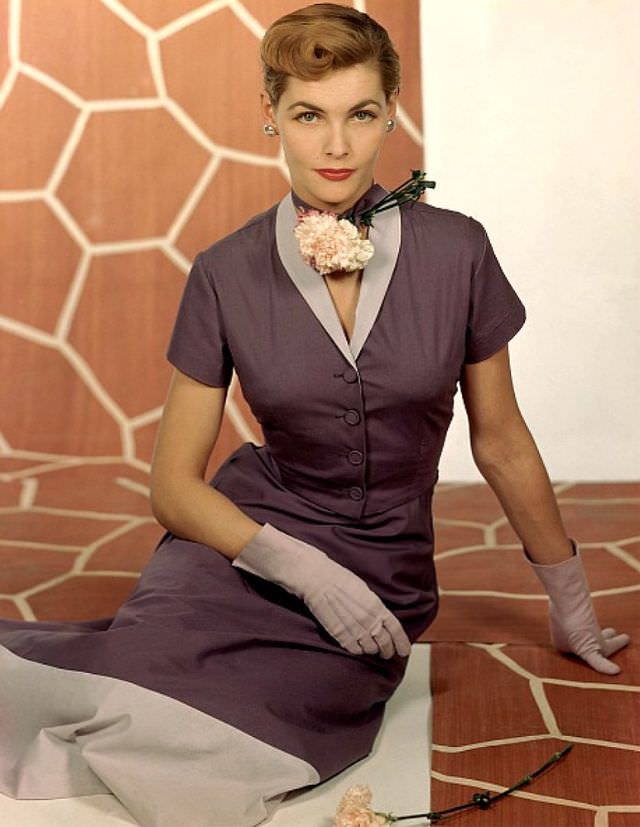
By 1949, Hamilton was already appearing in Vogue in a range of designer looks. That year, she modeled everything from bold broadcloth dresses in deep purple and lavender to luxurious silk taffeta gowns. Her editorial work captured the optimism and elegance that defined postwar American fashion, when women were embracing full skirts, rich colors, and refined tailoring after years of wartime austerity.
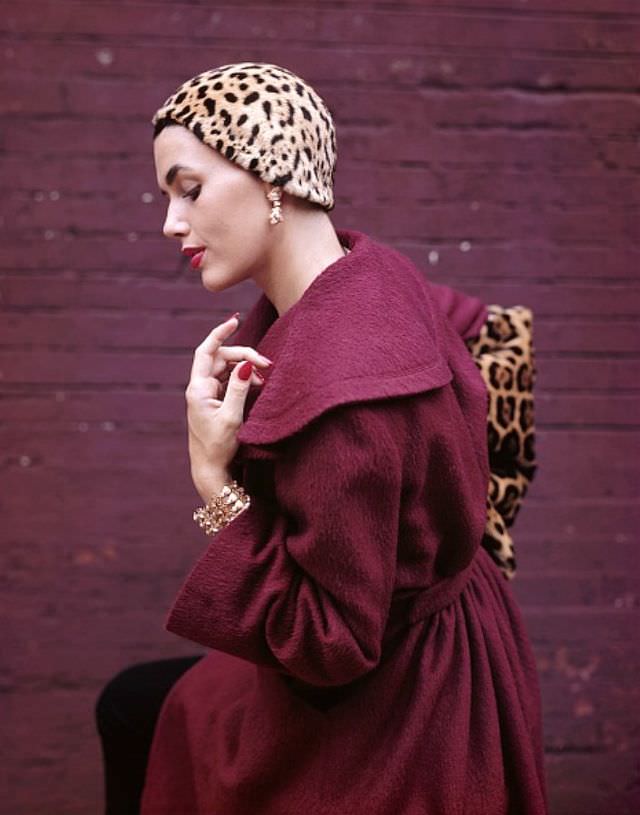
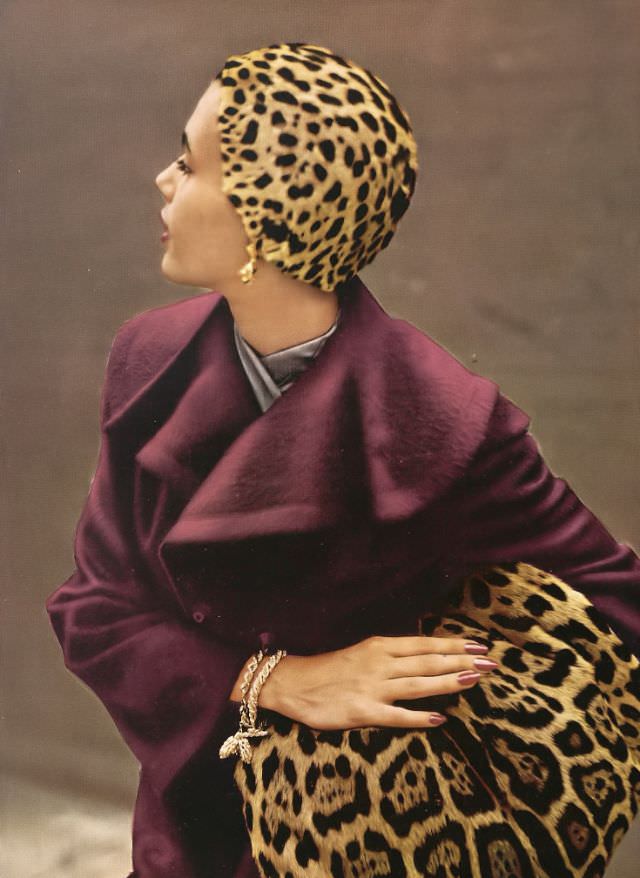
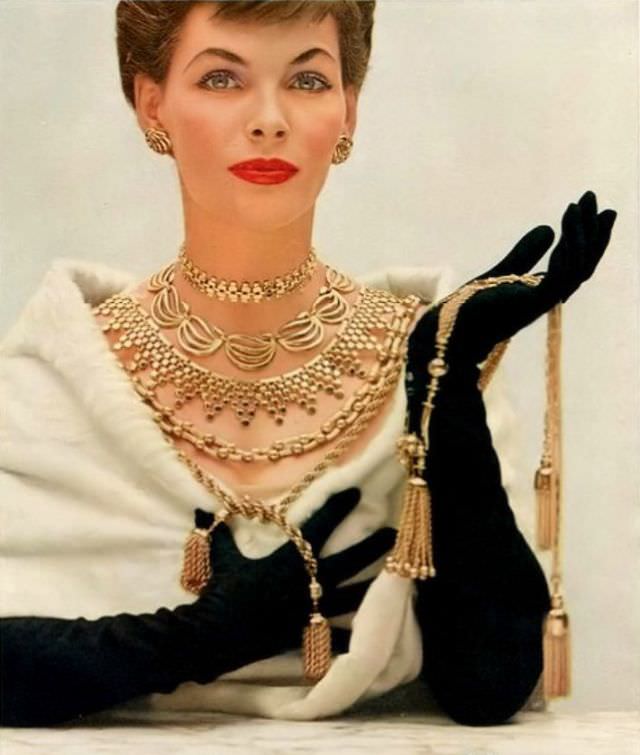
Hamilton’s 1949 editorial sessions showed off an impressive range of high-fashion designers. She posed in a plum-colored coat by Pauline Trigere, a prominent New York designer known for her precise construction and dramatic use of fabric. The outfit was completed with a jaguar skull cap by milliner Mr. John, a jaguar muff by Aaron Reiss, and jewelry by Schlumberger — a full ensemble that reflected the layered luxury of the period.
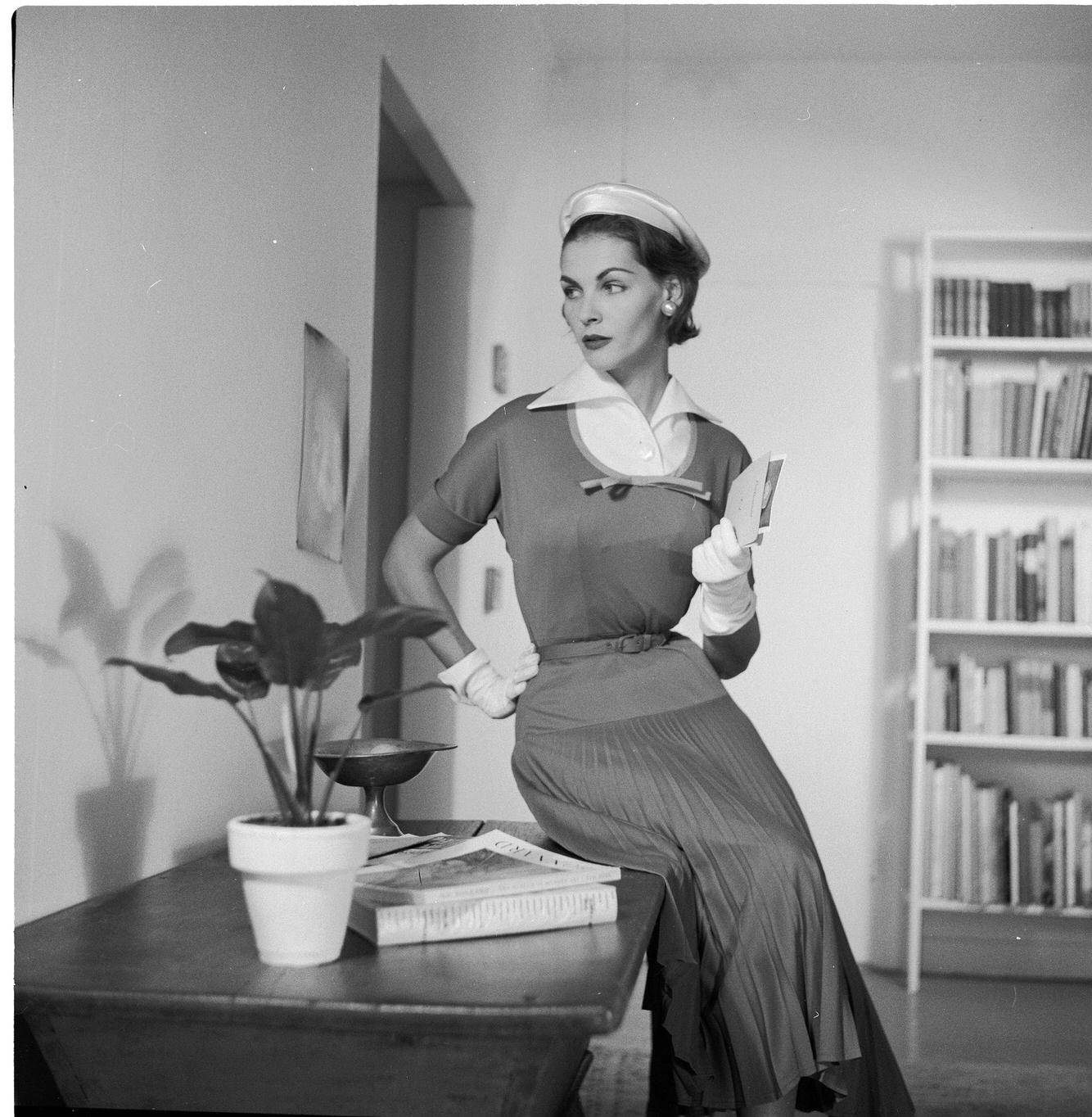
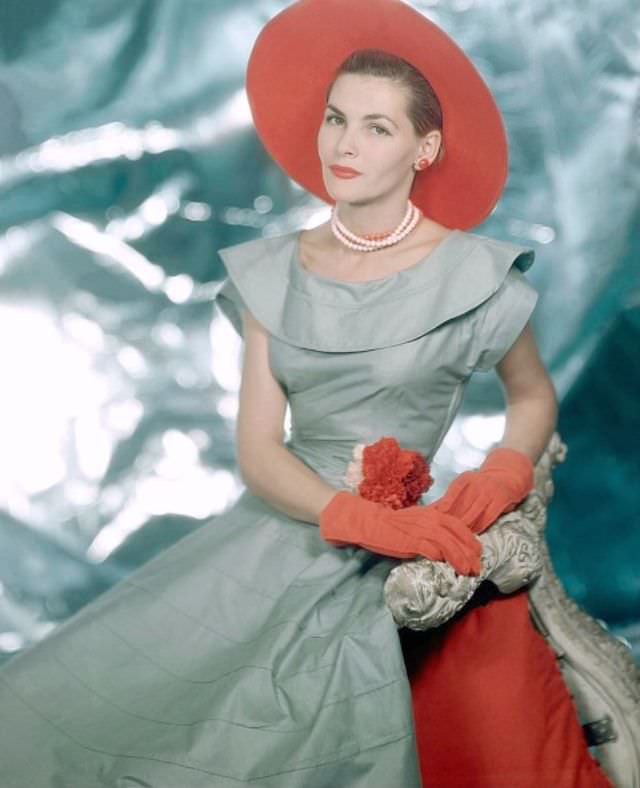
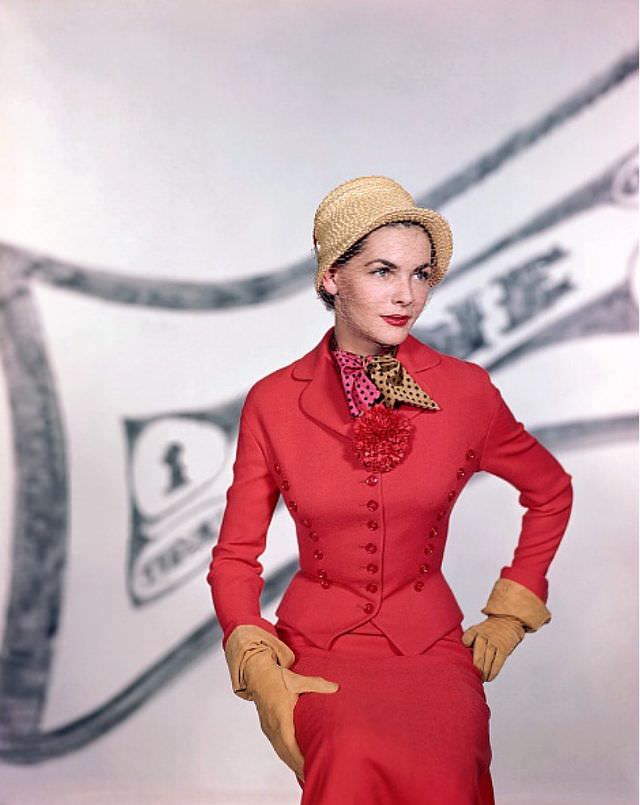
Color and accessories were central to fashion photography of the era, and Hamilton wore them well. A 1949 shoot featured her in a light grey dress with a wide round collar and full skirt, paired with a bright orange hat and matching gloves — a contrast that made the image pop. She also appeared that year in a sharp red wool suit by Harry Frechtel, demonstrating the kind of bold, clean styling that defined her editorial identity.
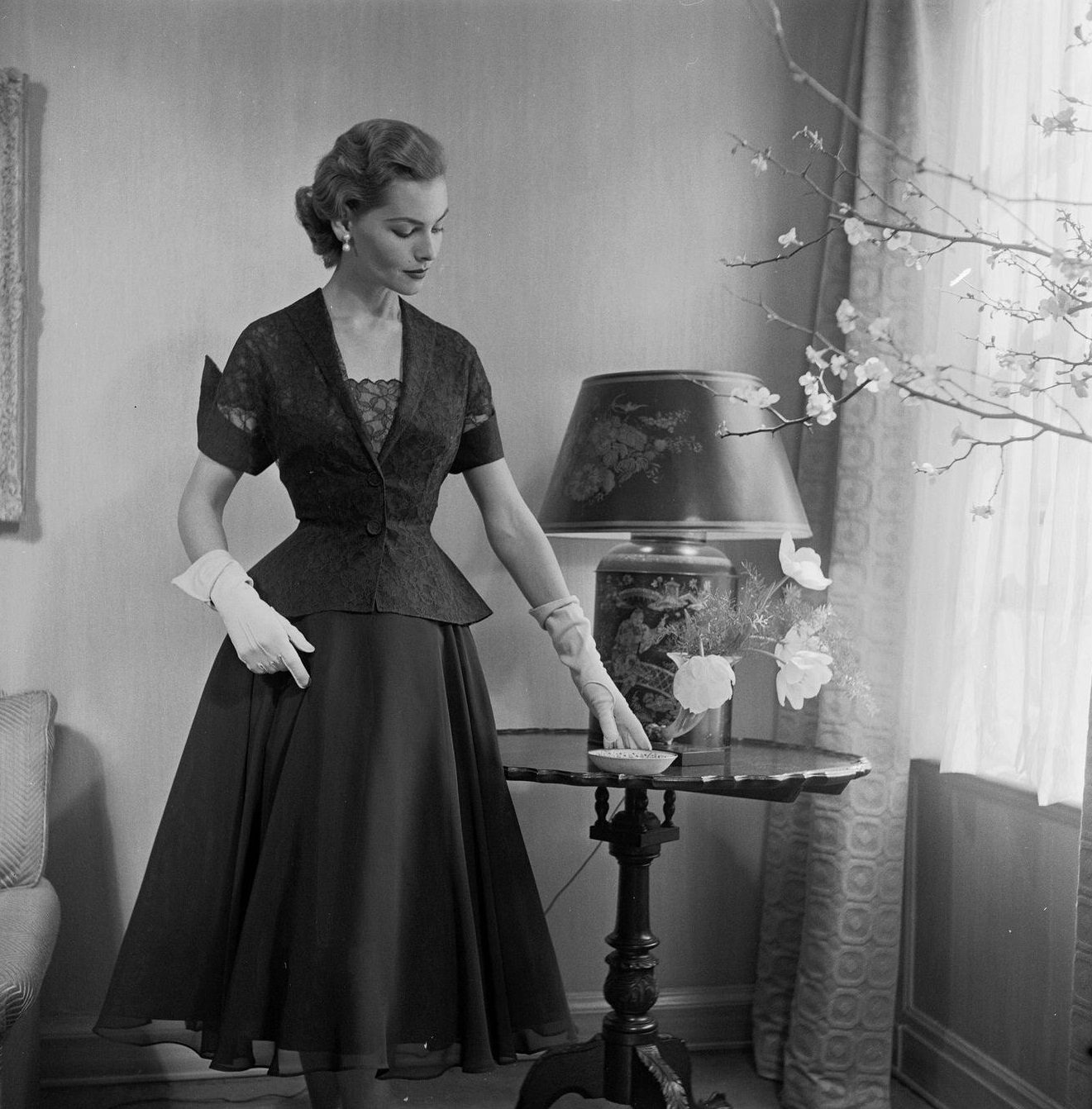
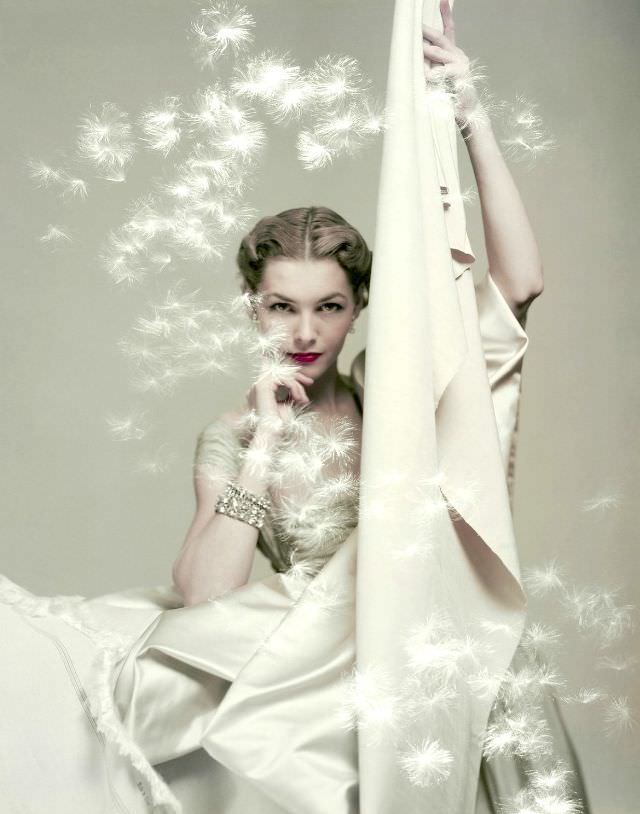
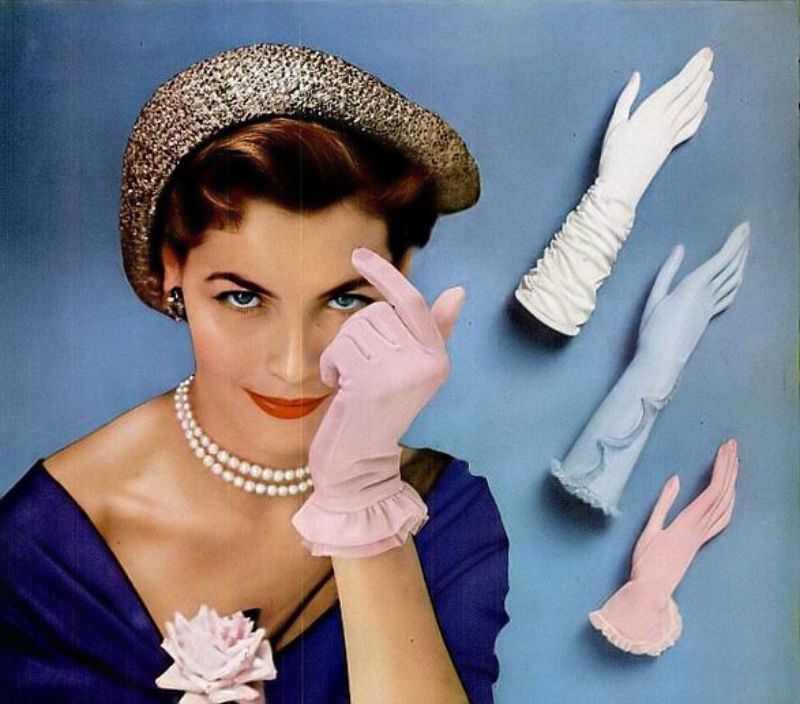
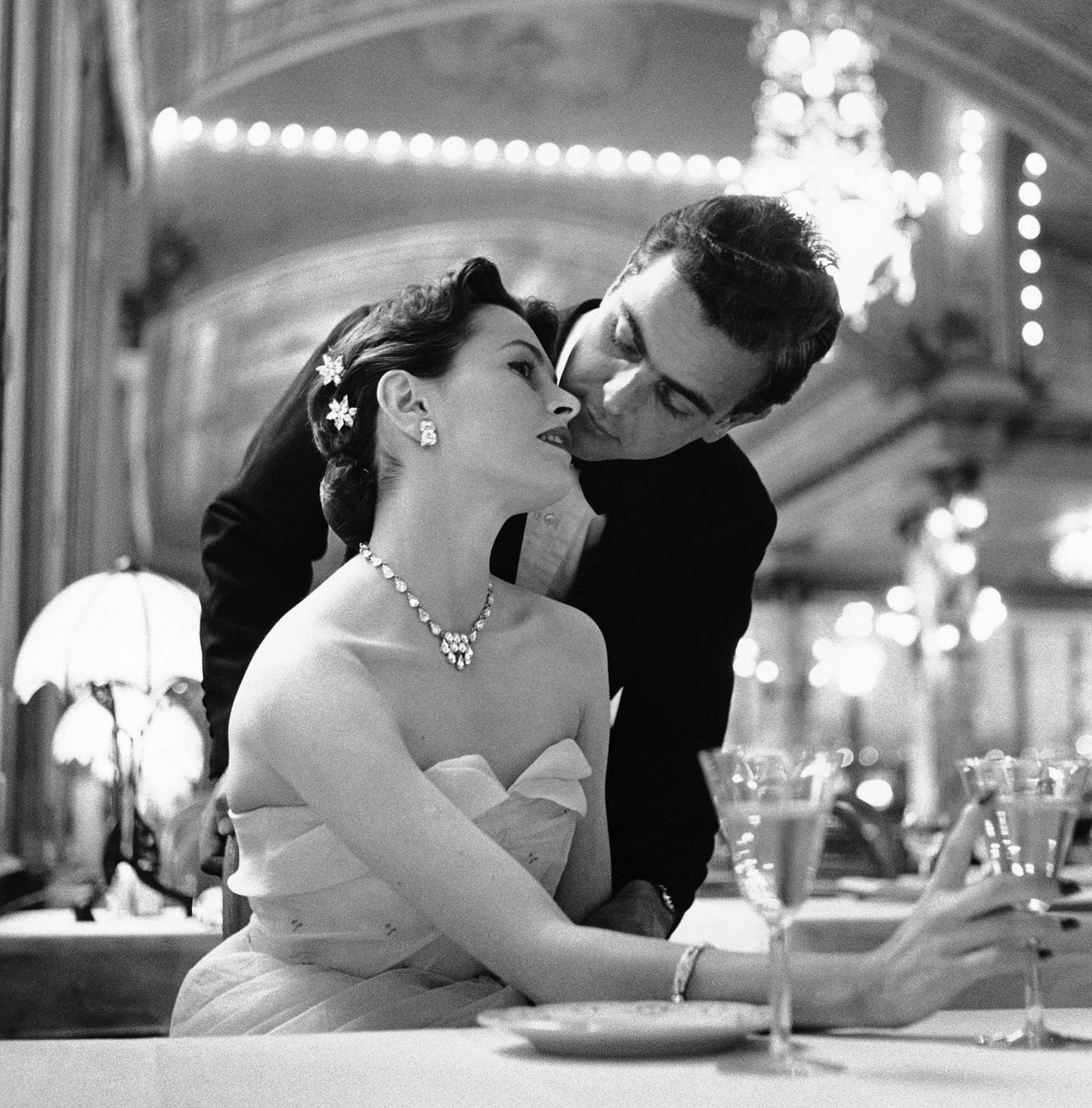
Commercial advertising work was also part of Hamilton’s portfolio. She appeared in a 1950 advertisement for Van Raalte, a well-known hosiery and lingerie brand of the time. That same year, she posed for Harper’s Bazaar in a white chiffon formal, an image that showed her ability to shift effortlessly between structured editorial fashion and soft, graceful evening wear.
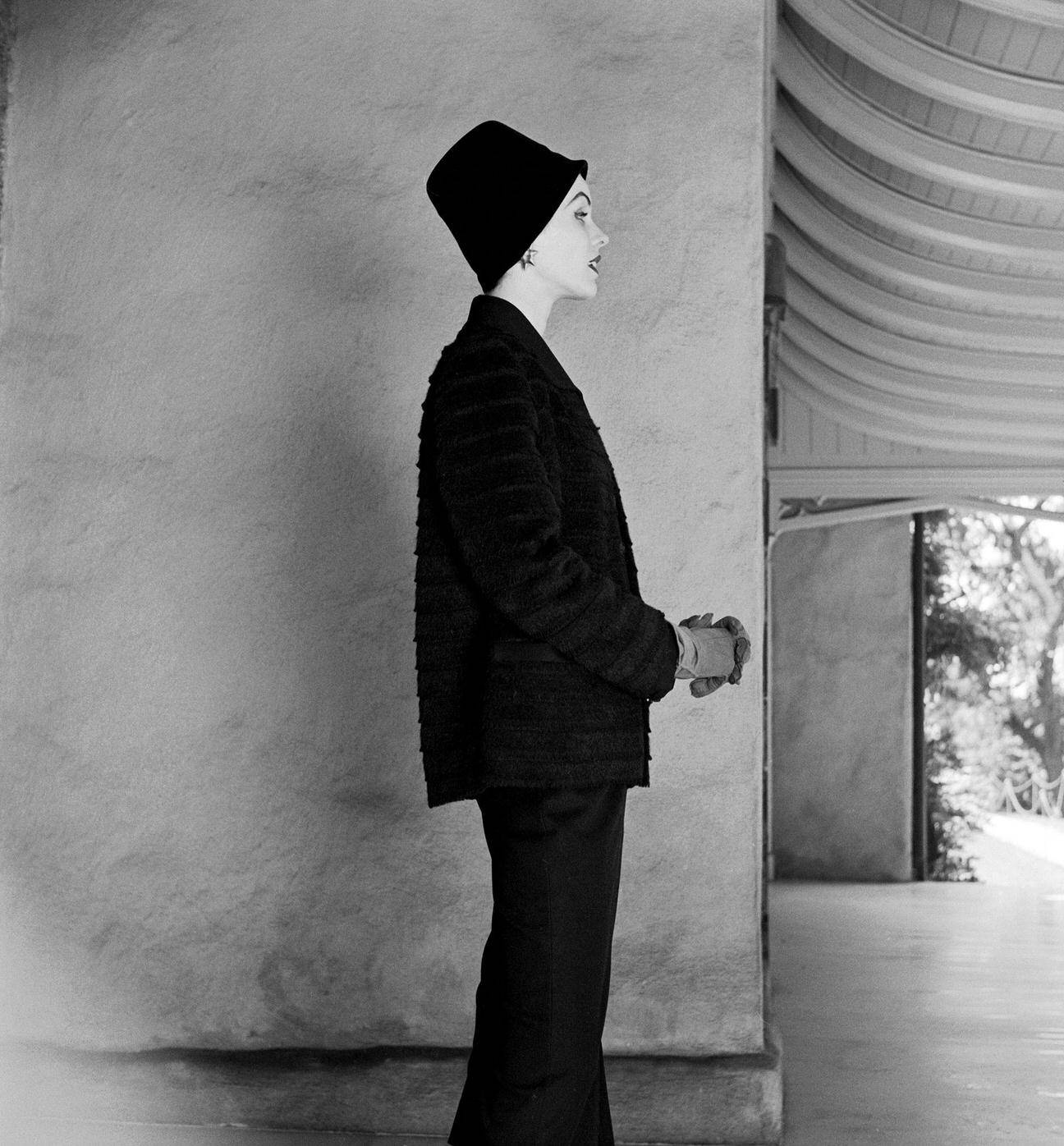
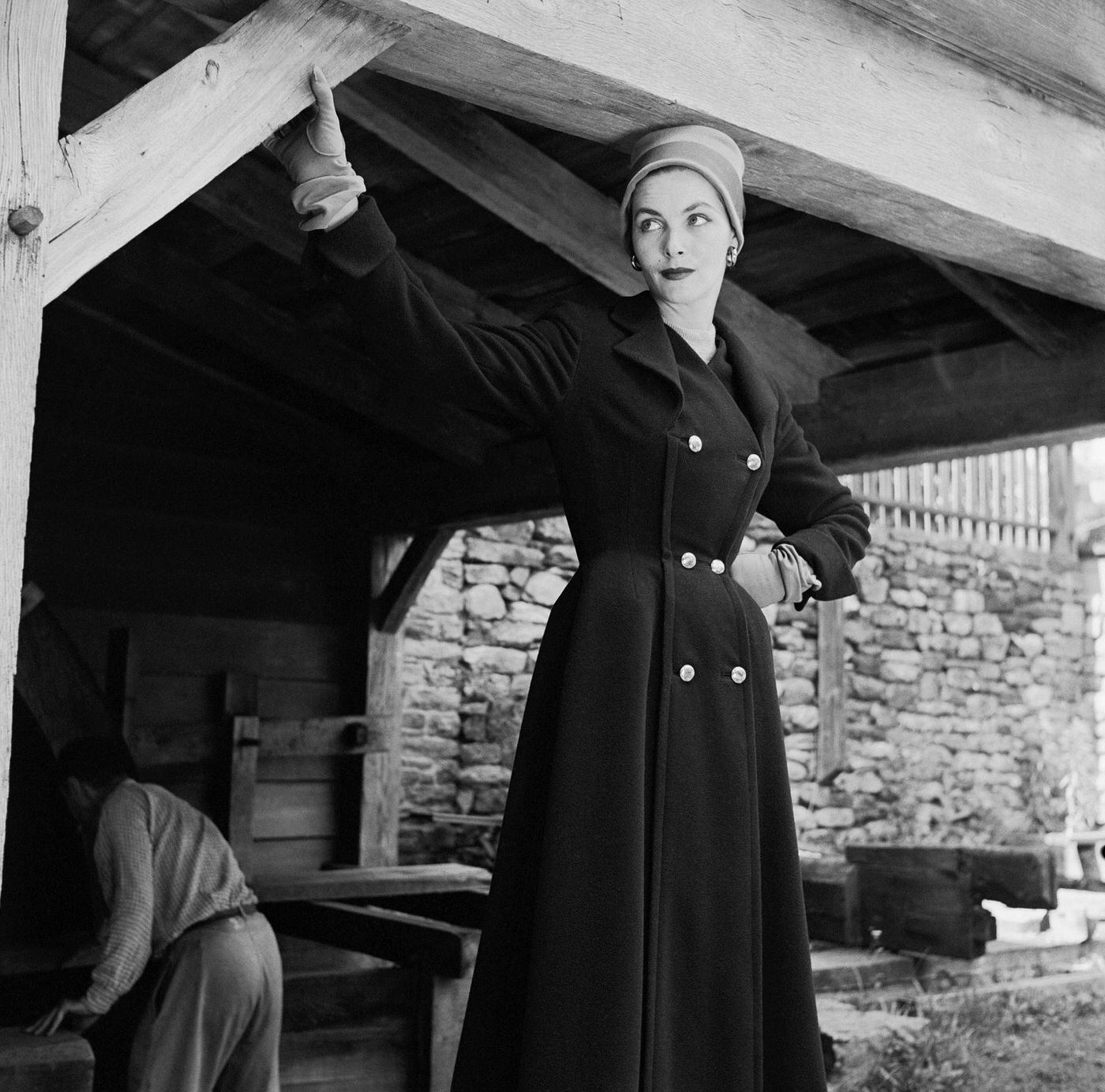
Harper’s Bazaar became one of the primary showcases for Hamilton’s work in the early 1950s. The September 1951 issue featured her in two standout looks — a black broadcloth double-breasted coat with red satin lining by Handmacher, photographed by Louise Dahl-Wolfe in Kodachrome, and a heavy ribbed wool jacket worn with a gray flannel skirt, shot by Lillian Bassman in Ektachrome. Both photographers were giants of mid-century fashion photography, and working with them placed Hamilton at the center of the industry.
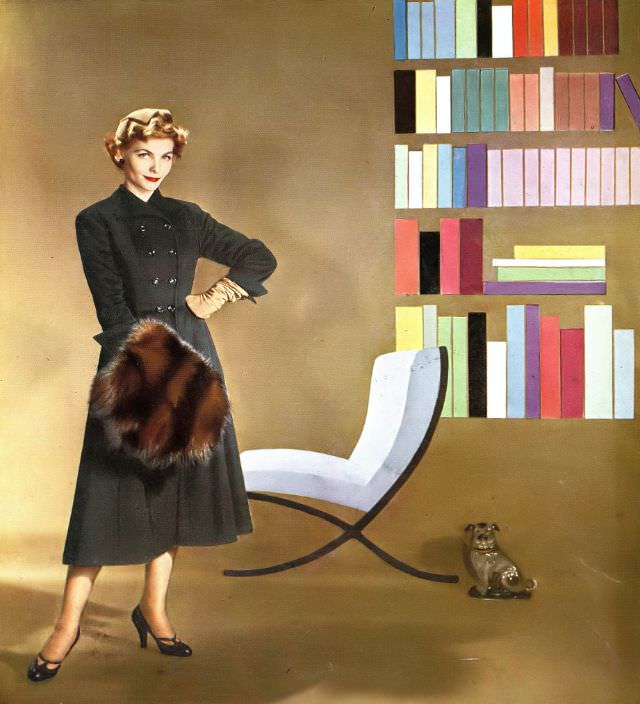
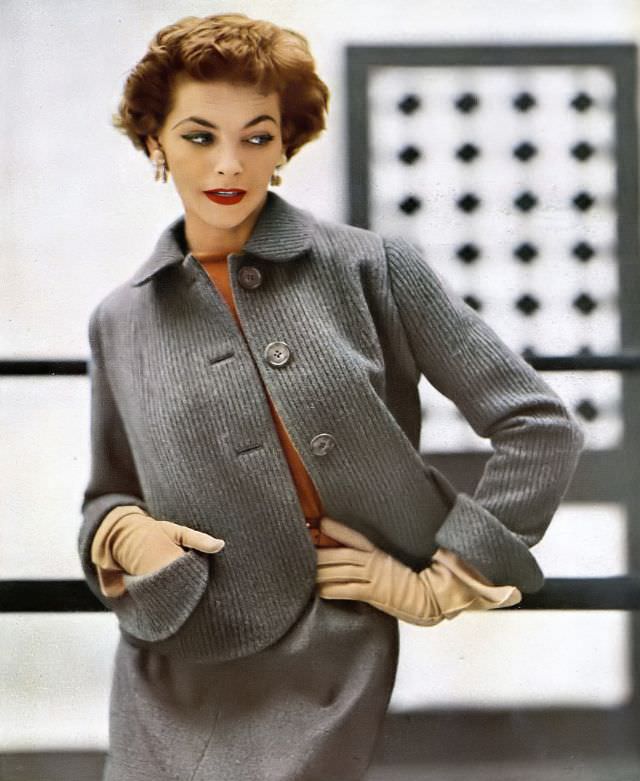
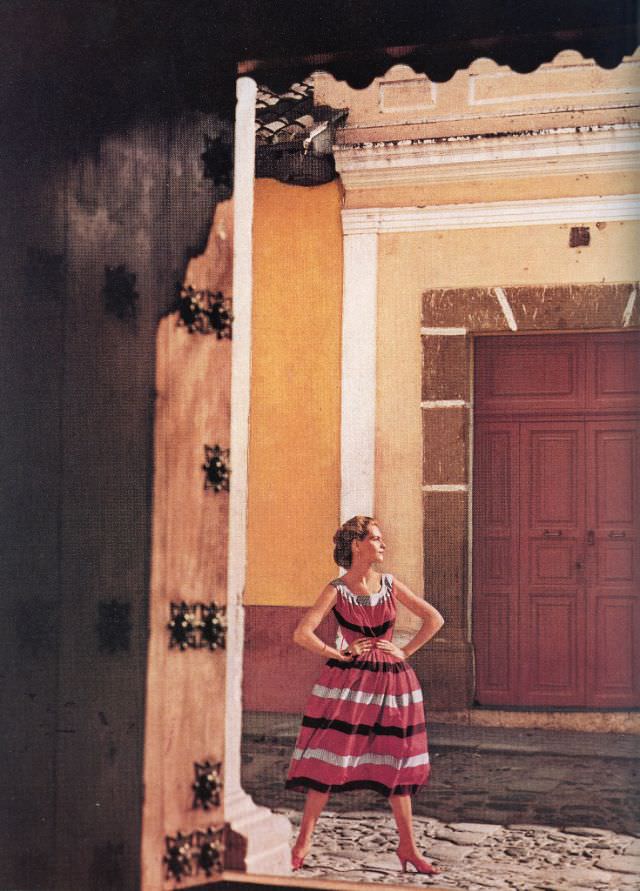
The year 1952 was one of Hamilton’s busiest. She modeled for Harper’s Bazaar across multiple issues, wearing pieces by designers including Mollie Parnis, Herbert Sondheim, Brigance, and Paul Parnes. Her June 1952 shoot even took her abroad — she was photographed in Antigua, Guatemala, wearing a dress by Joset Walker, showing that fashion editorial work had begun moving into international locations for more adventurous visual storytelling.
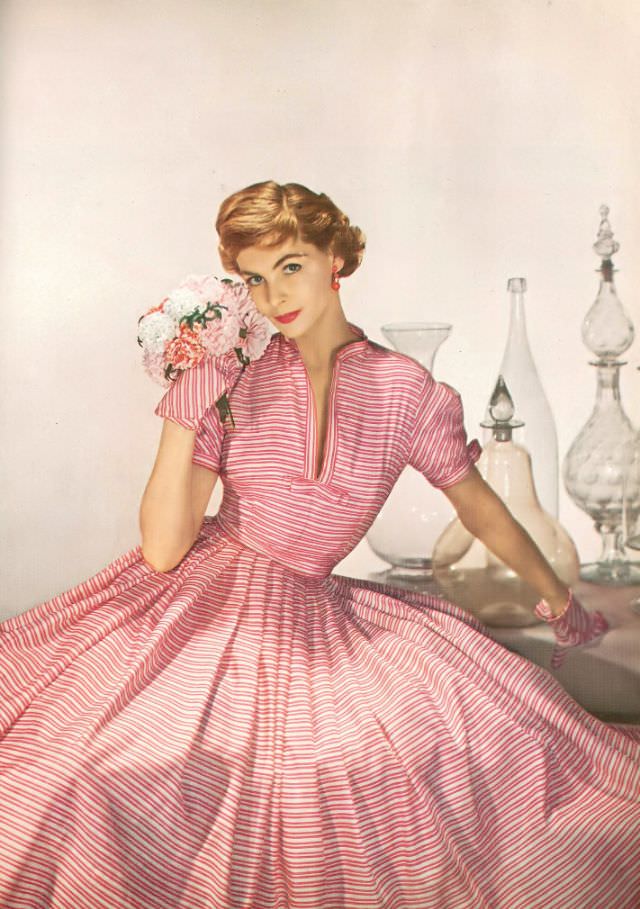
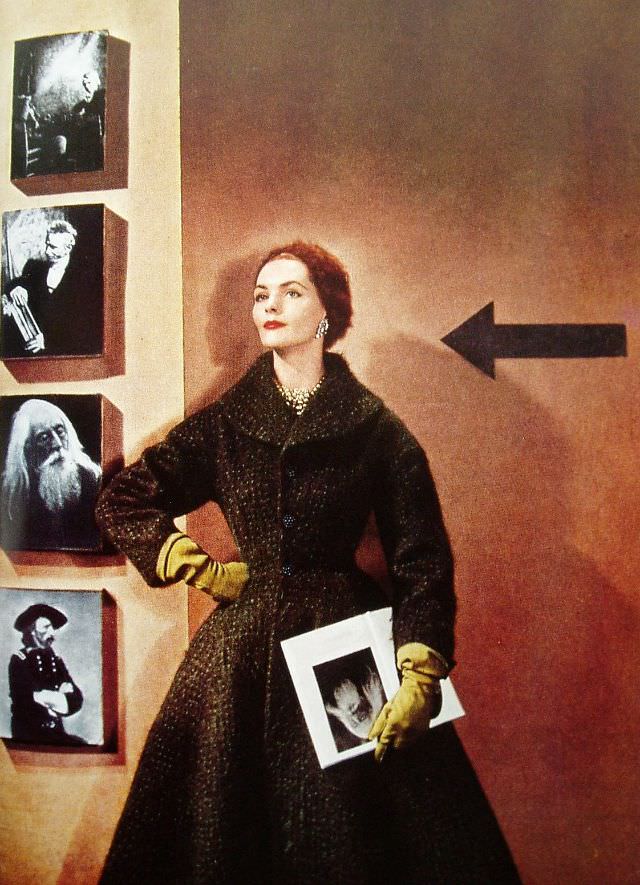
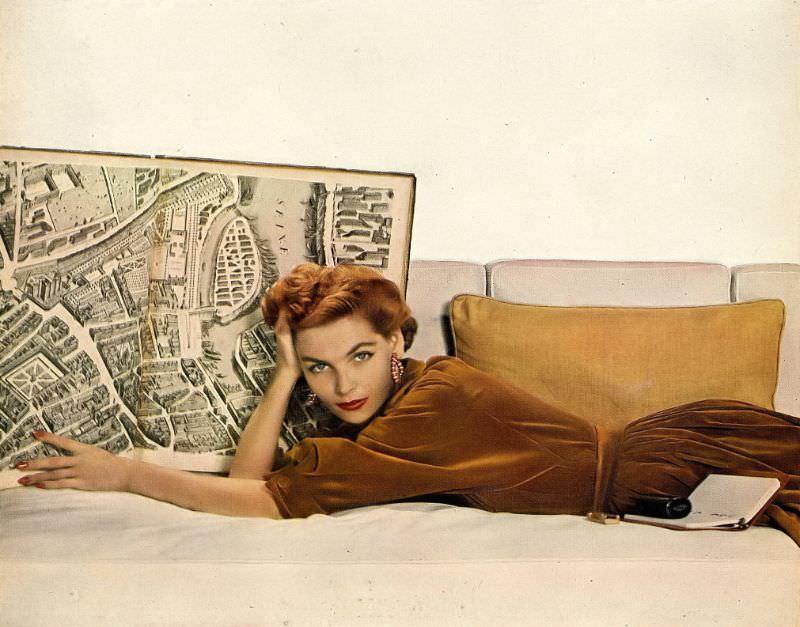
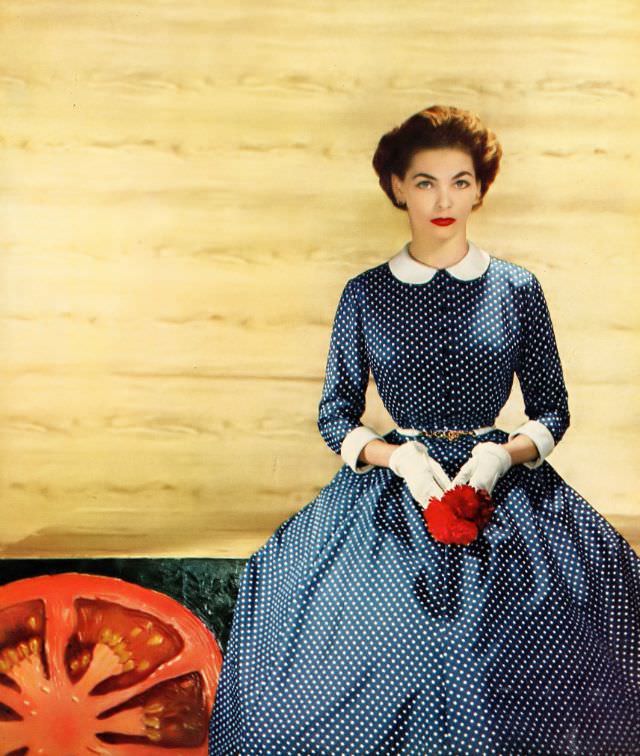
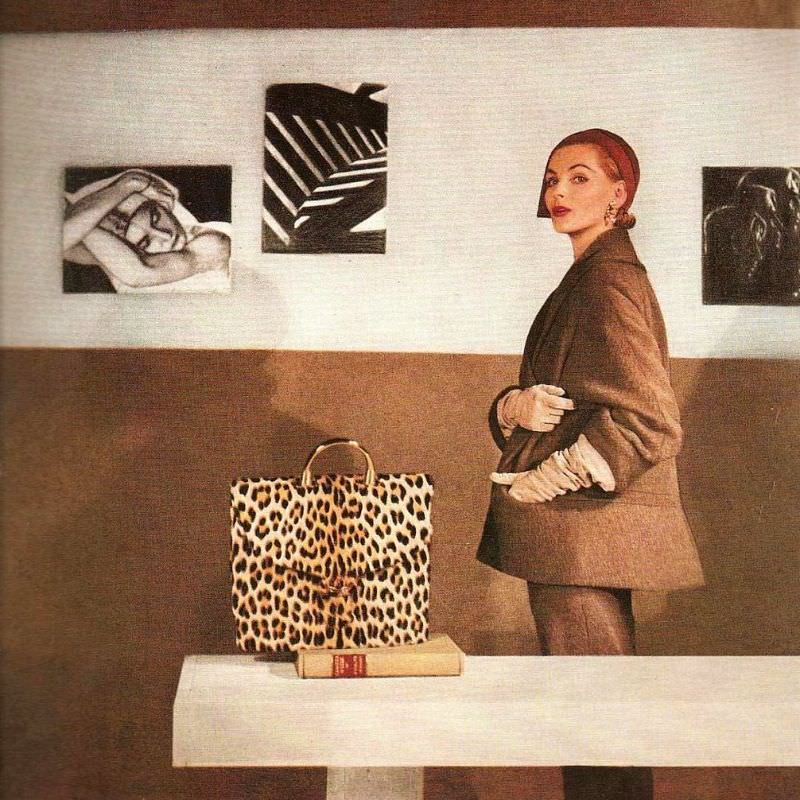
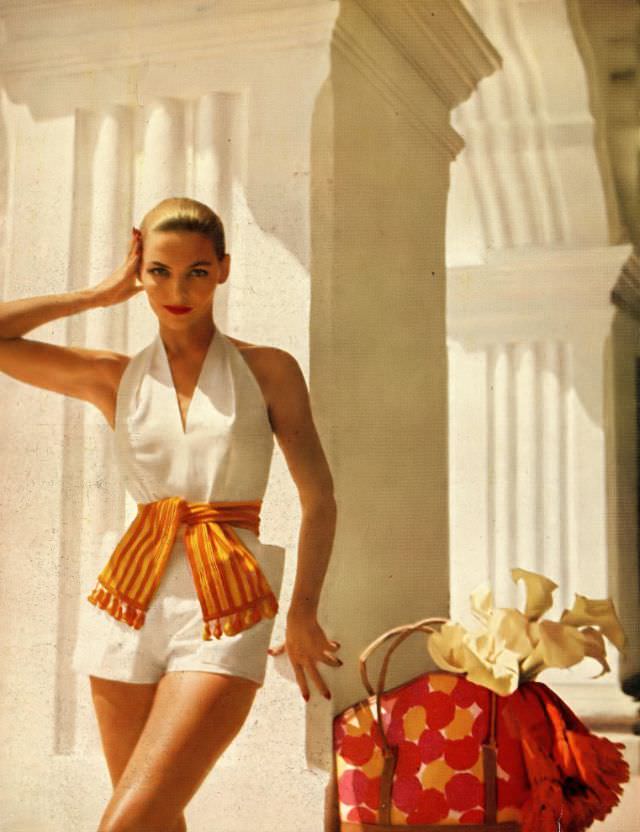
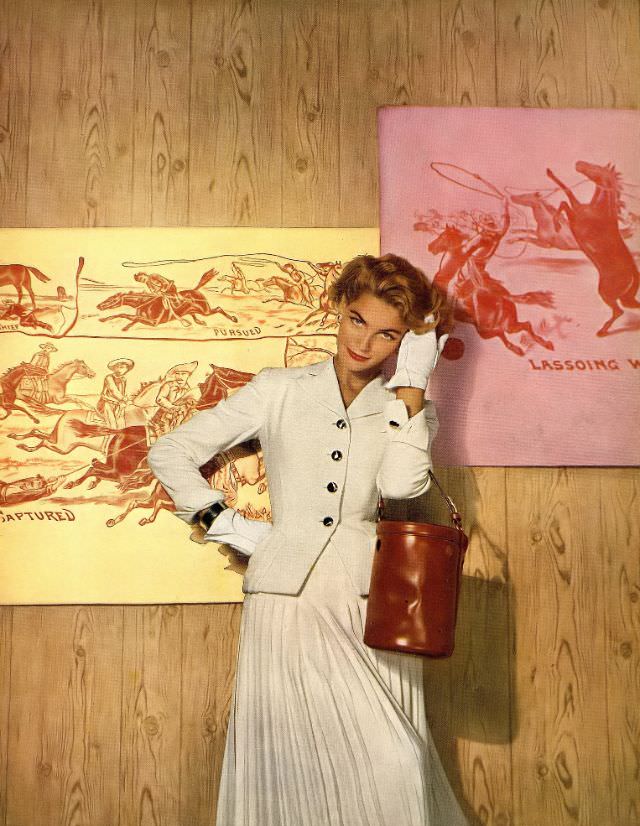
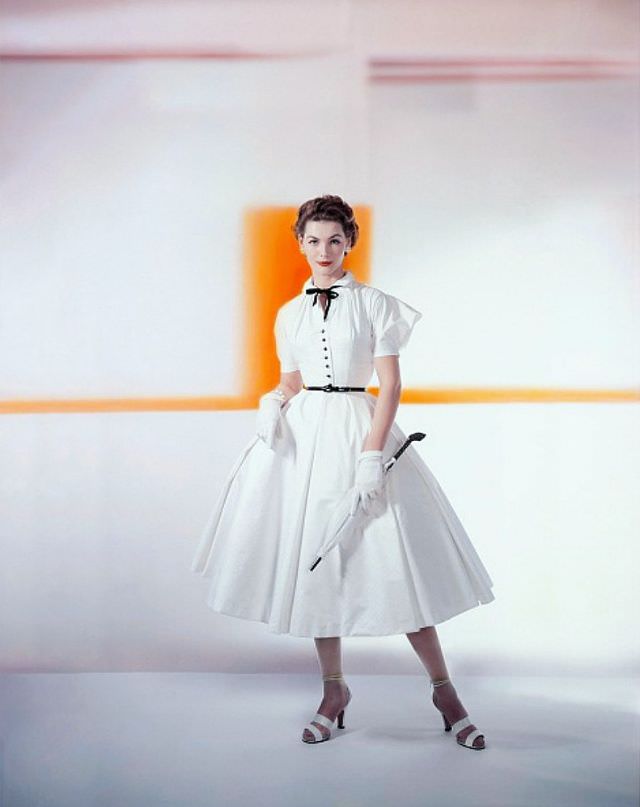
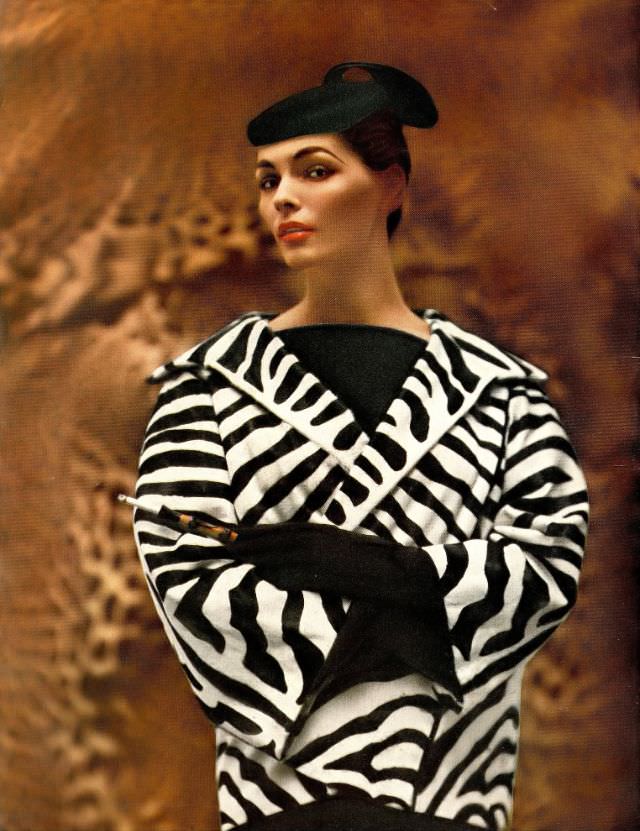
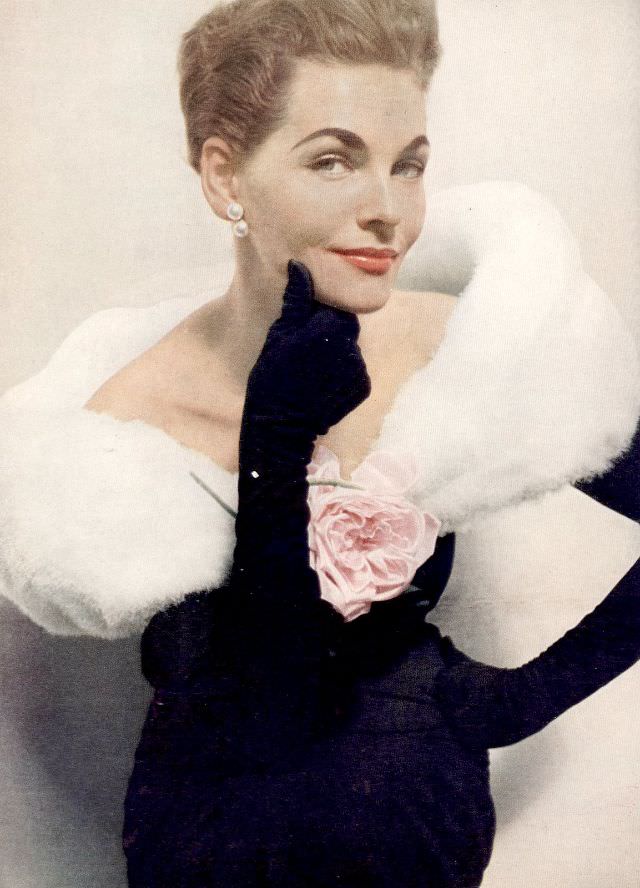
In 1953, Hamilton appeared in work that reached the highest levels of couture. Harper’s Bazaar featured her wearing two pieces by Balenciaga — a zebra-pattern jacket printed in calfskin and a black sheath with a white down fichu held in place with a pink rose. Cristóbal Balenciaga was widely considered the most technically accomplished couturier of the era, and Hamilton’s ability to wear his work for one of fashion’s most respected publications speaks to her standing in the industry.
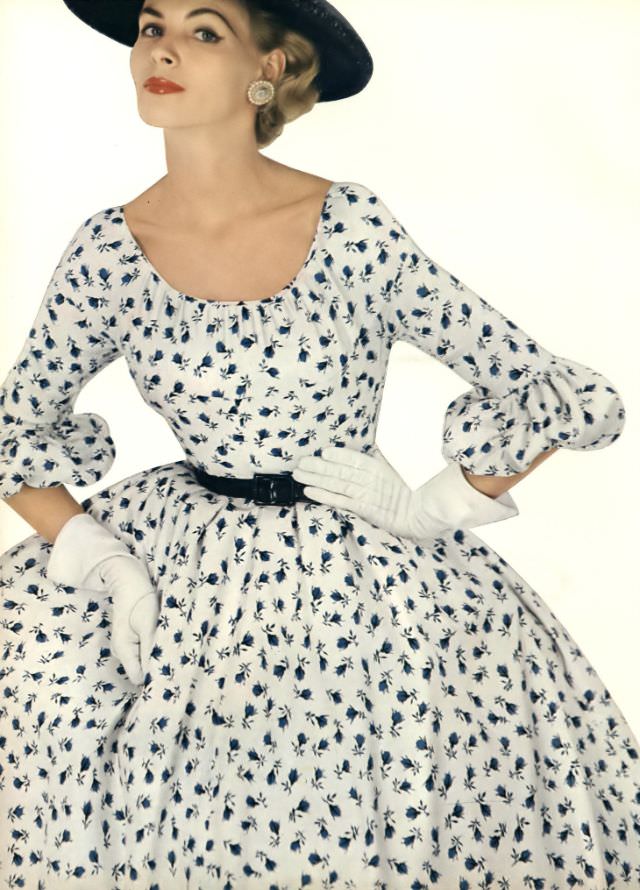
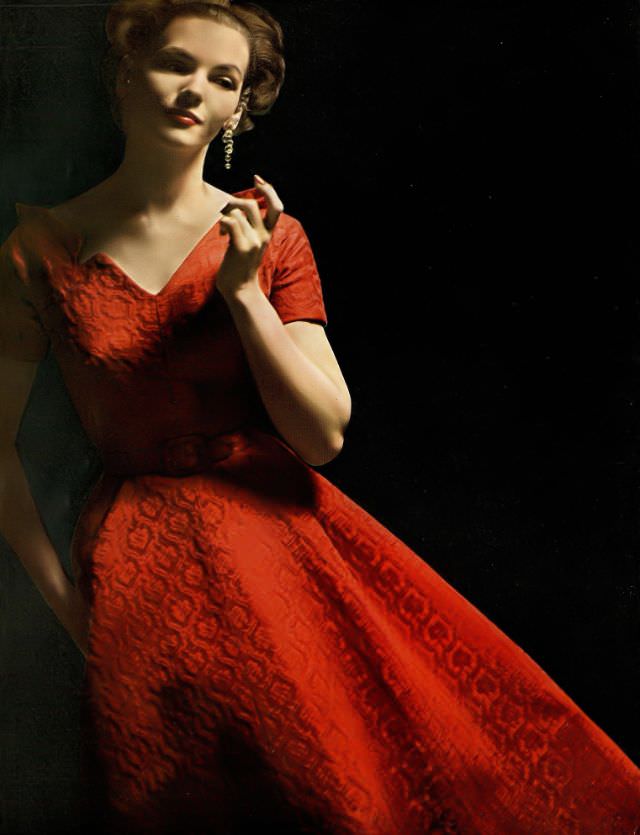
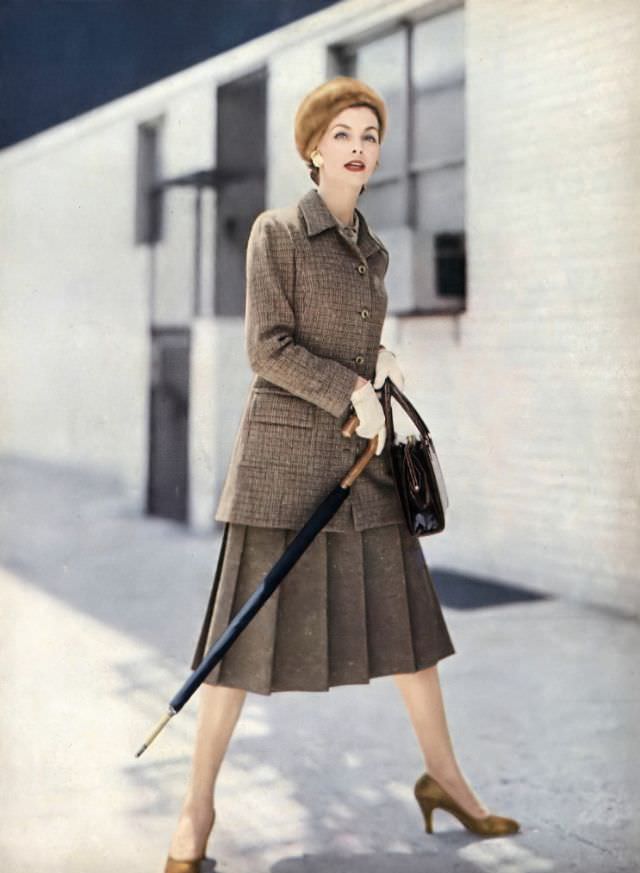
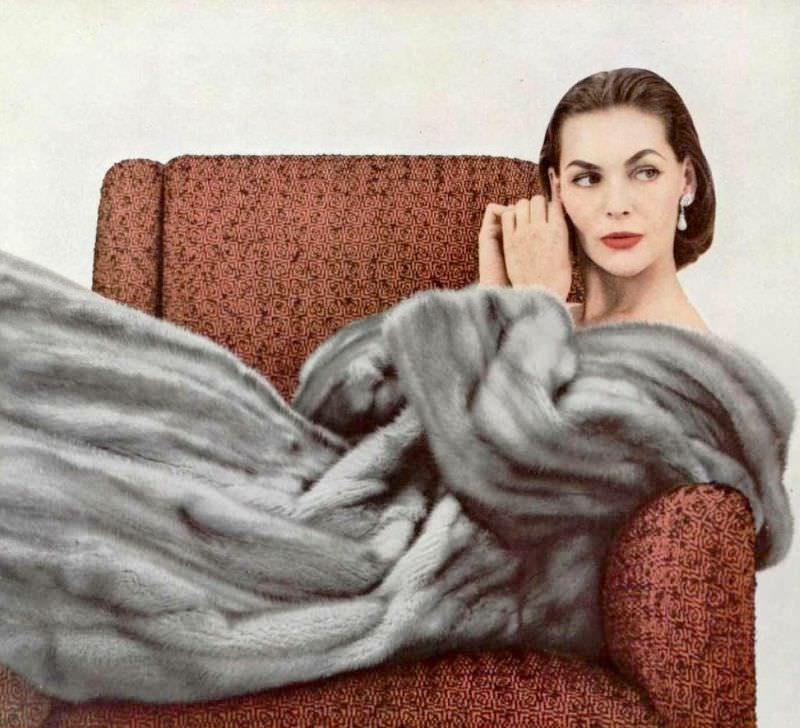
Hamilton’s career continued strongly through 1954 and 1955. She appeared in a Monet jewelry advertisement in 1954 and modeled a Céruléen EMBA mink coat by Maurice Kotler with Cartier jewelry in 1955. That same year, Vogue featured her in an amber tweed suit by Handmacher, complete with a beret by Emme and a Gucci umbrella — an outfit that placed her firmly within the refined, well-accessorized world of mid-decade American fashion.
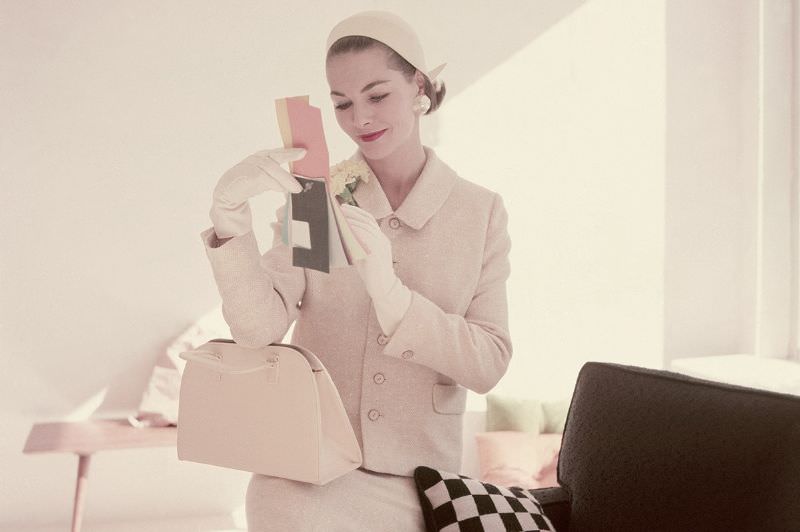
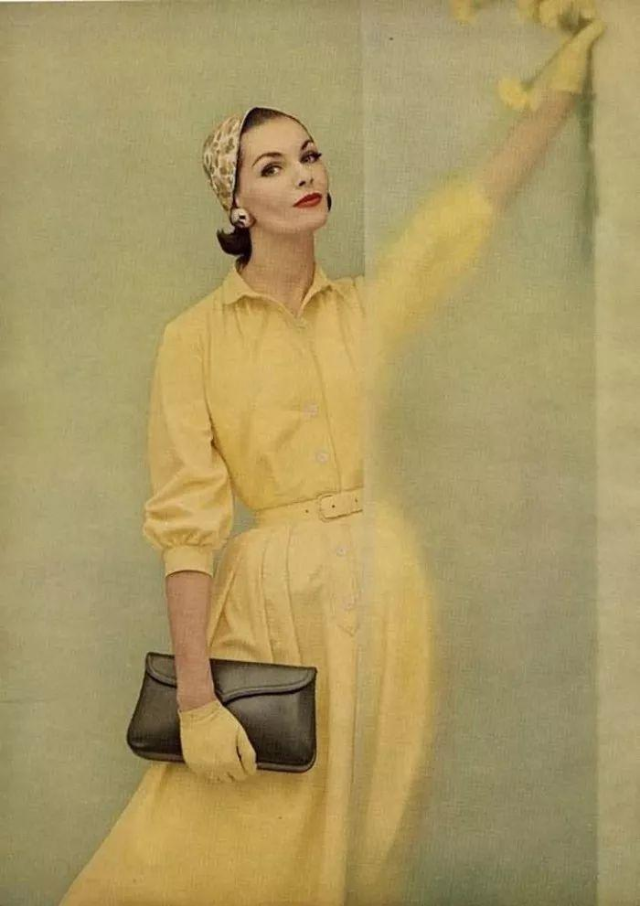
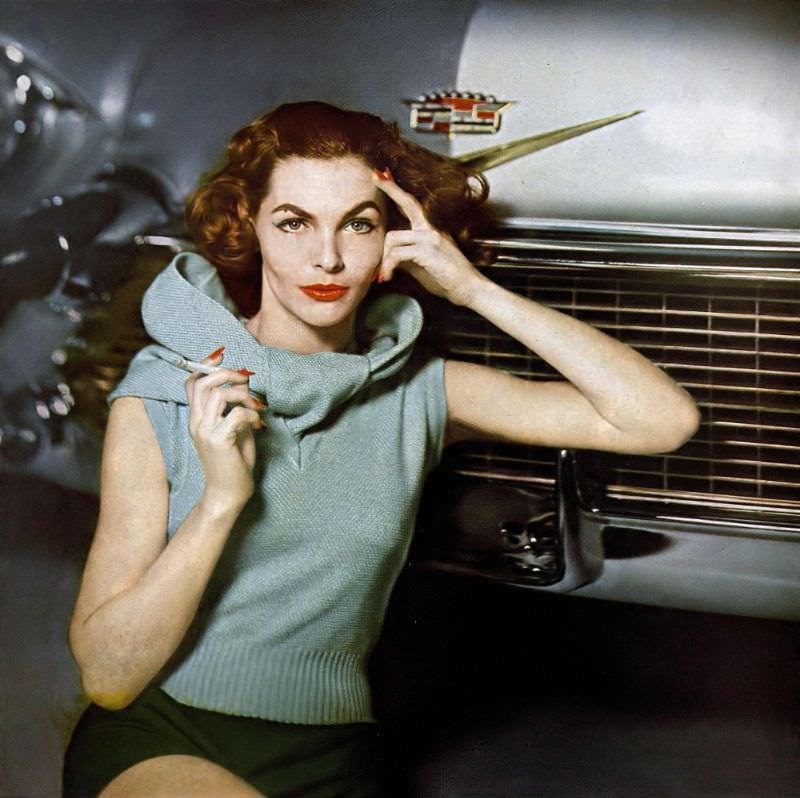
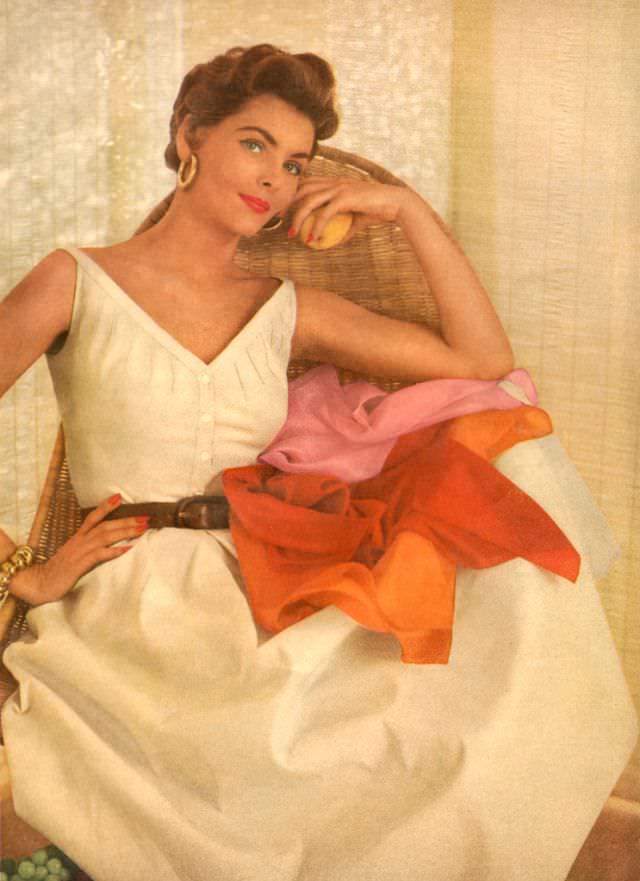
By the mid-to-late 1950s, Hamilton’s editorial appearances grew more selective but no less polished. A 1957 Harper’s Bazaar shoot featured her in a pure silk sleeveless sweater paired with its matching cardigan tied around the shoulder by Braemar, worn with linen shorts by Leon Levin. Outside of modeling, Hamilton was married twice — first to photographer Stephen Elliott, and later to music publisher Marvin Cane. She was an avid traveler and built her first home in Sagaponack on Long Island’s East End, later adding properties in Bridgehampton, Southampton, and Wainscott. Georgia Hamilton died in 1995 at the age of 70.