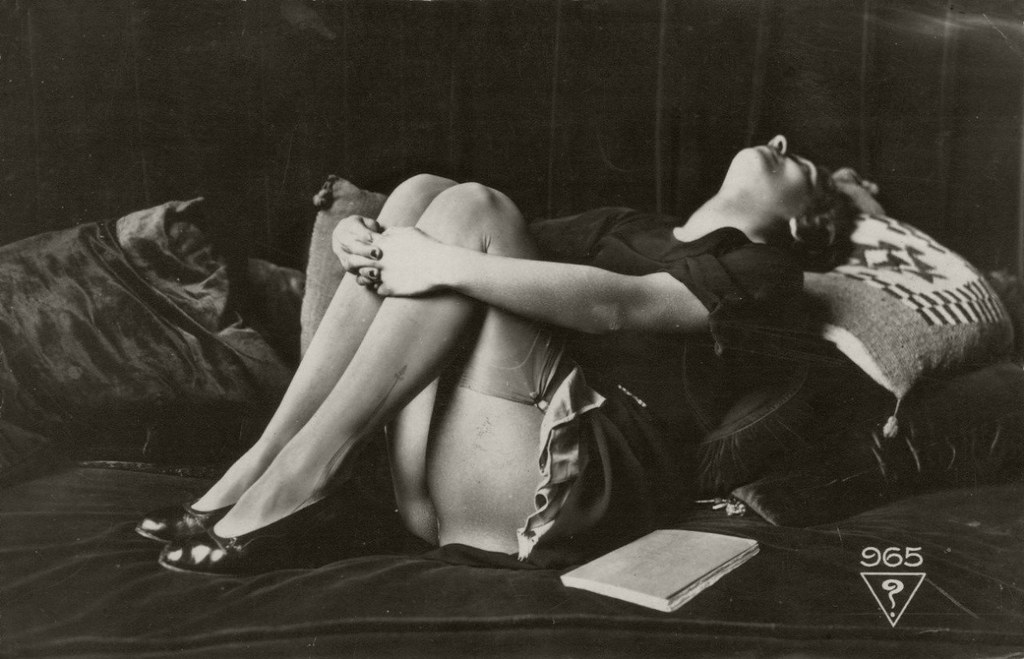
Maxime de la Falaise was born Maxine Birley in 1922 in West Dean, West Sussex, England. Her background was a mix of English and Irish, and from an early age, she moved between worlds that most people only read about. By the late 1940s, she had made her way into the heart of Parisian haute couture — and the fashion world took notice fast.
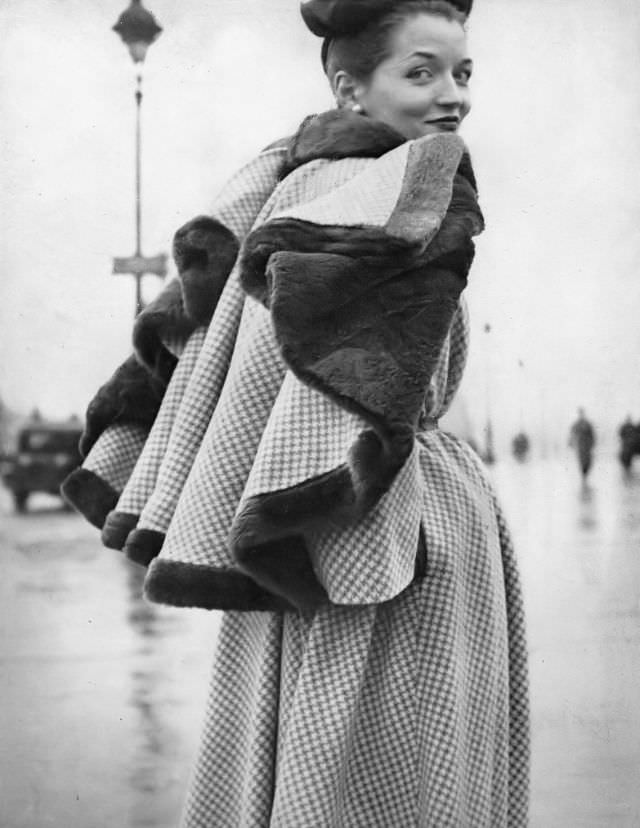
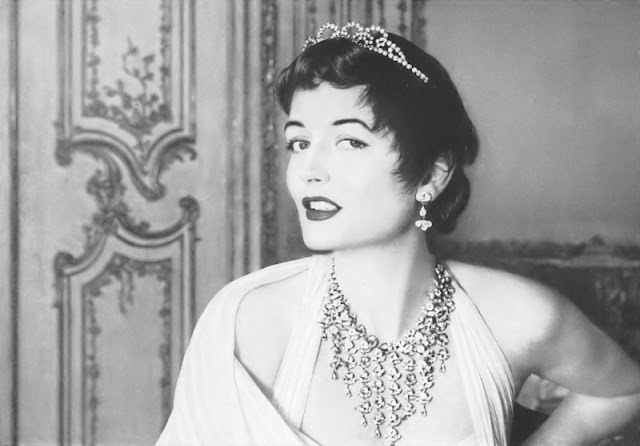
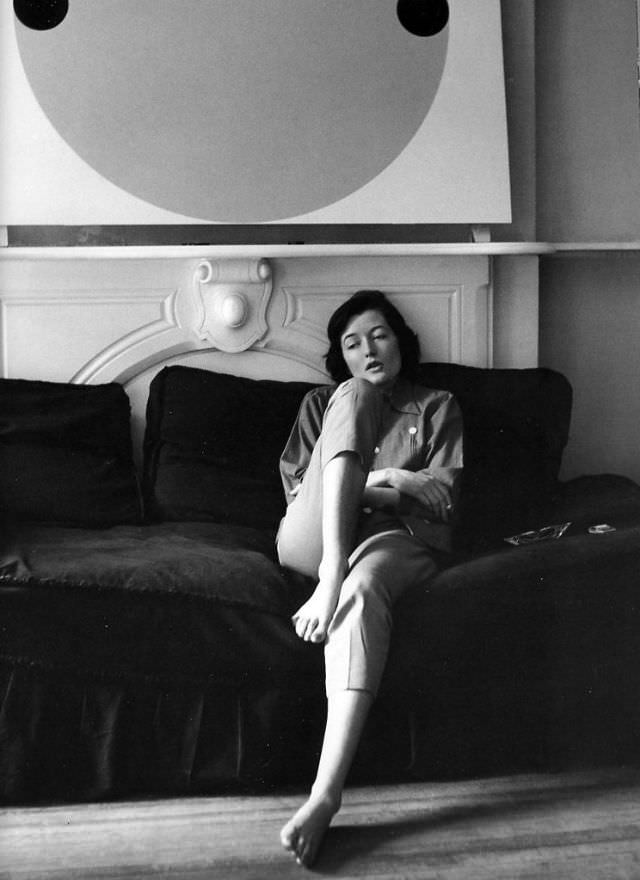
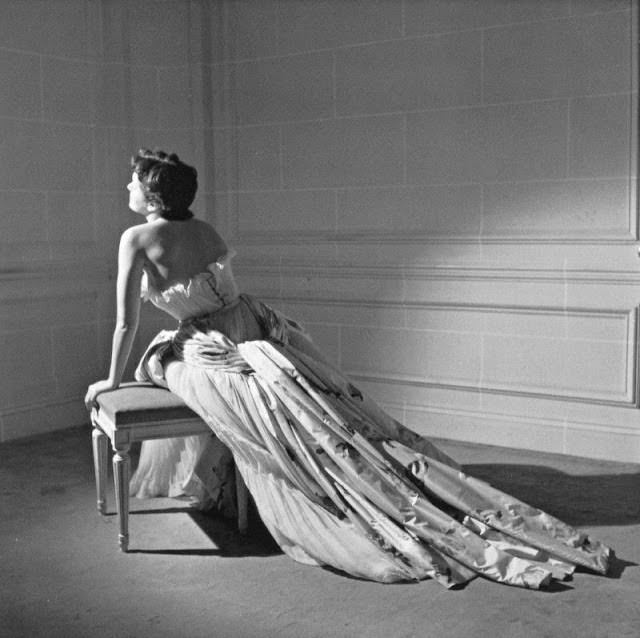
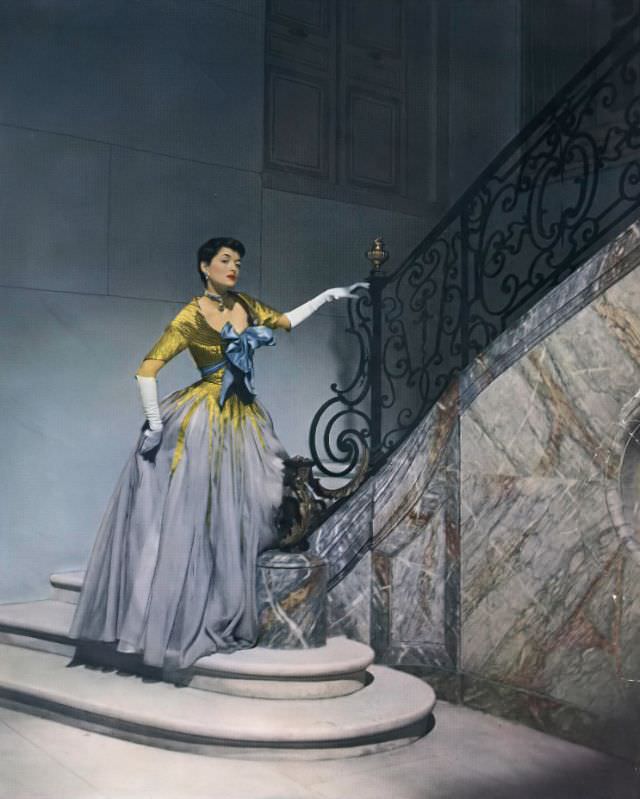
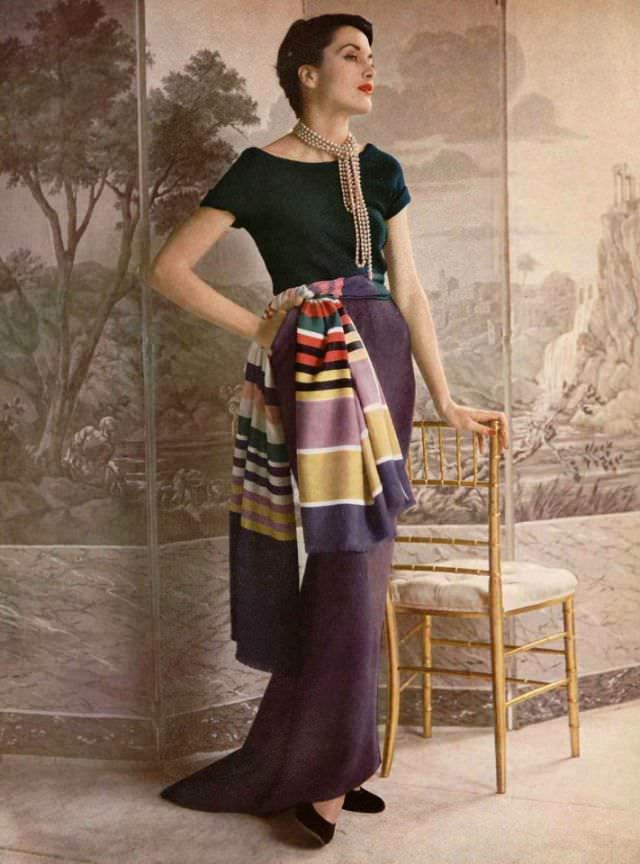
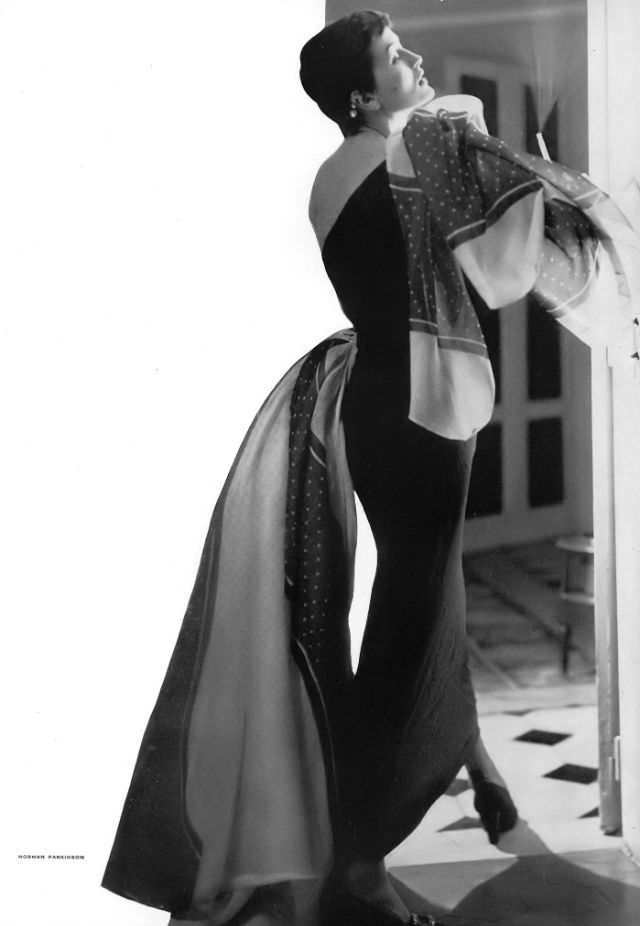
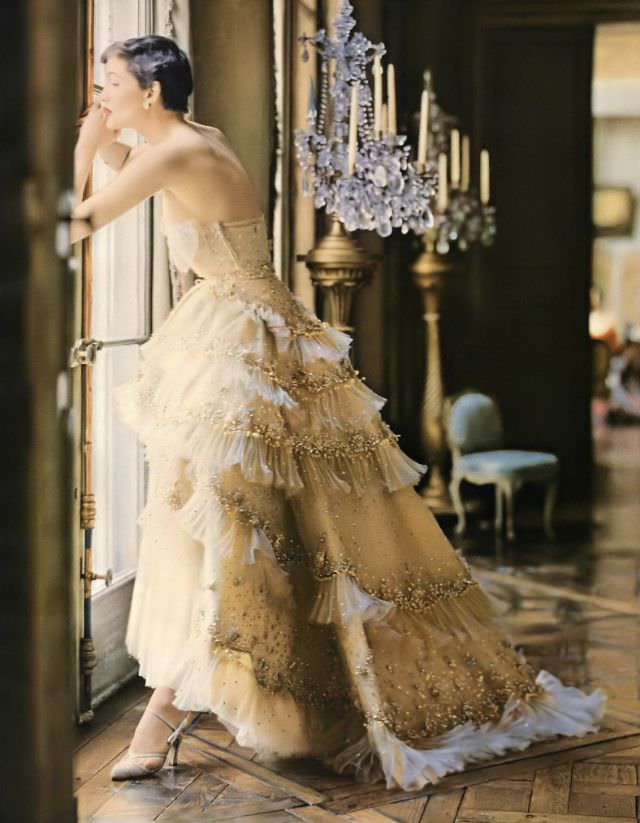
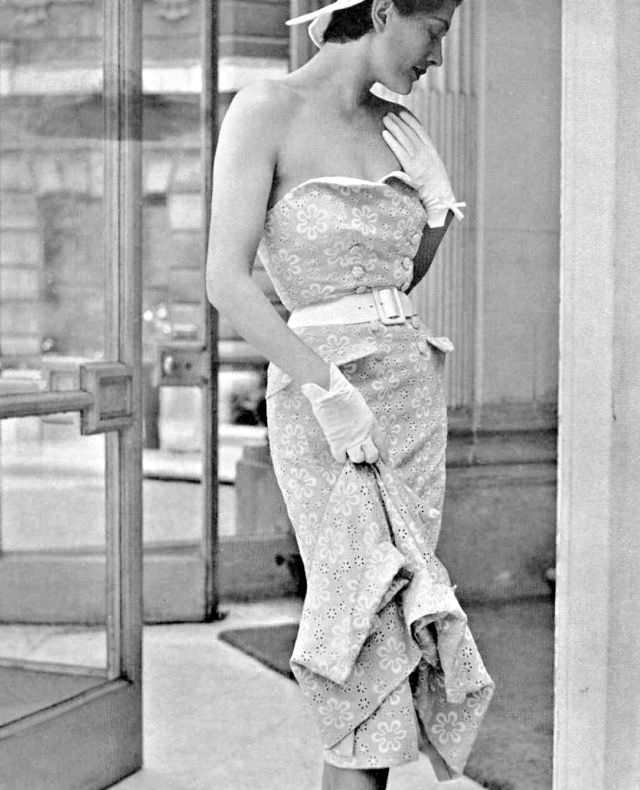
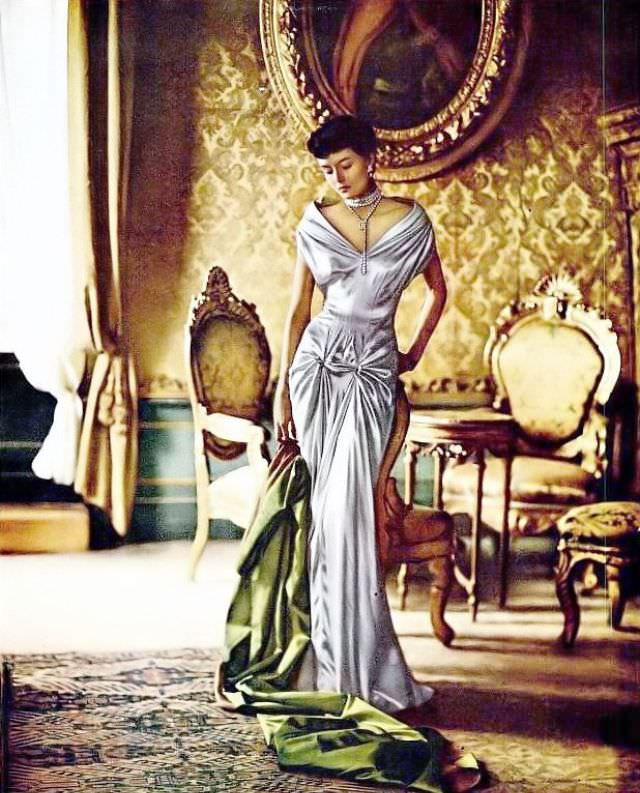
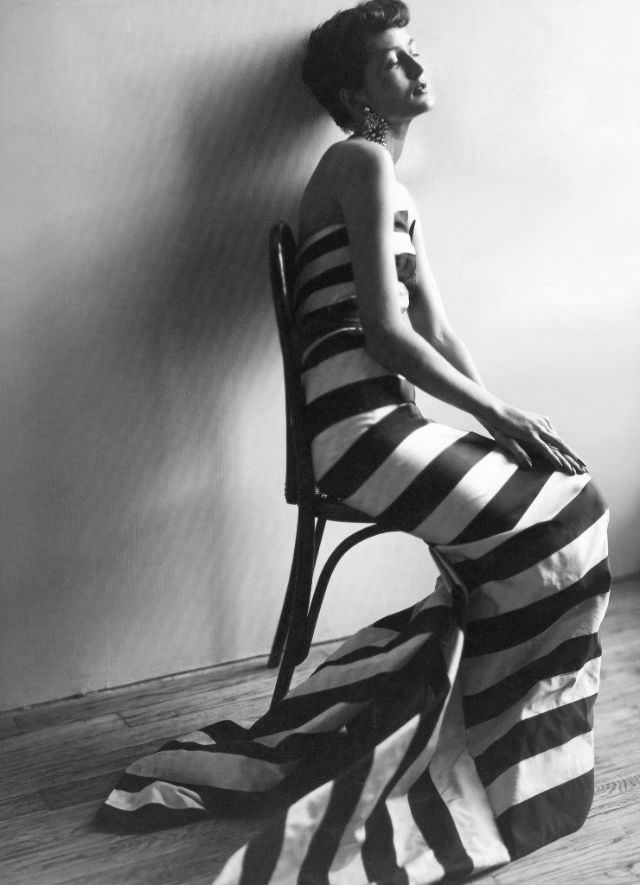
The year 1948 marked the beginning of her most photographed period. She worked with the era’s top designers — Jacques Fath, Christian Dior, and Elsa Schiaparelli — often appearing in their pieces for major editorial shoots. Photographers like Cecil Beaton and Jack Robinson sought her out regularly.
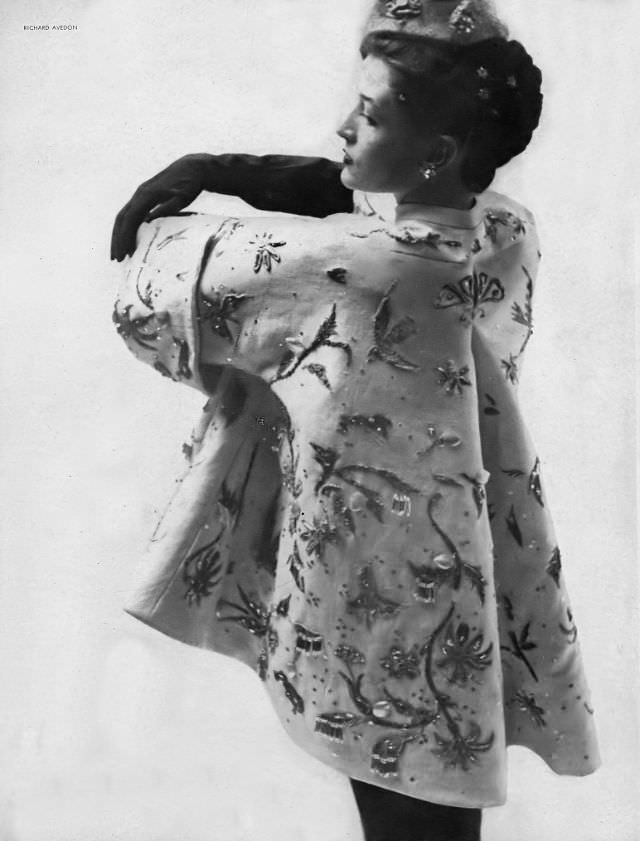
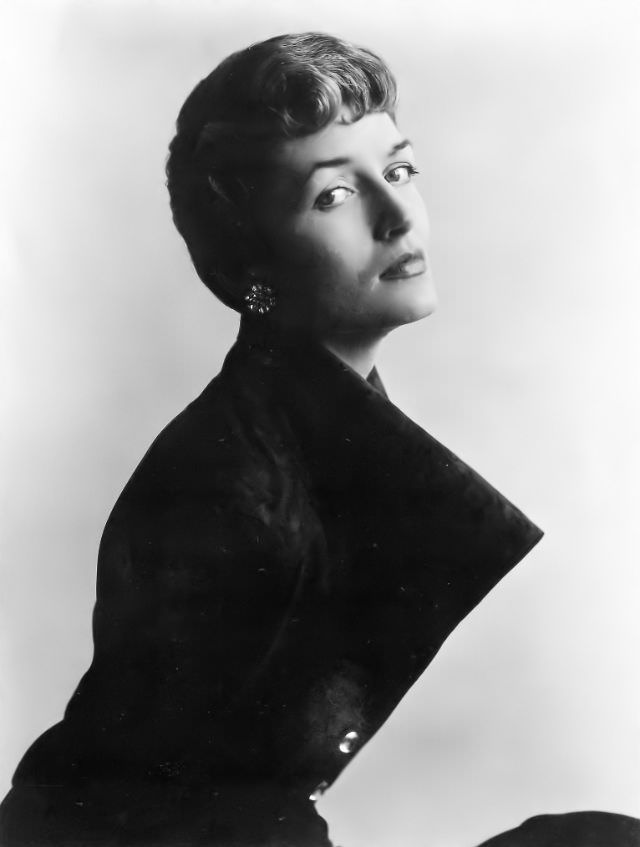
Her connection to Schiaparelli went beyond modeling. In the 1950s, she worked at the atelier as a vendeuse mondaine — a socially connected saleswoman. She described her own role as “a sort of muse who was supposed to encourage sales to the rich English.” It was a job that suited her perfectly.
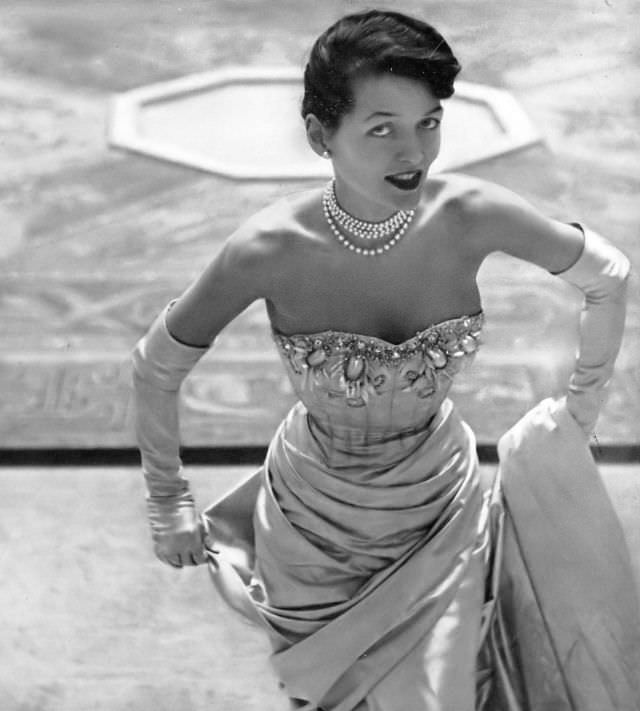
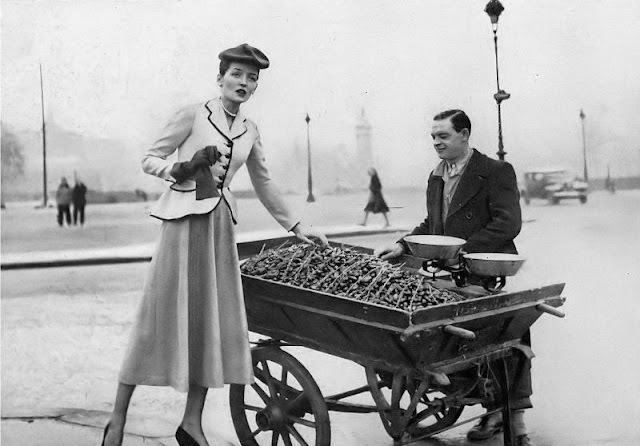
Cecil Beaton, one of the most influential figures in 20th-century fashion photography, dubbed her “the only truly chic Englishwoman.” That was no small praise coming from Beaton, who had photographed royalty and Hollywood stars alike.
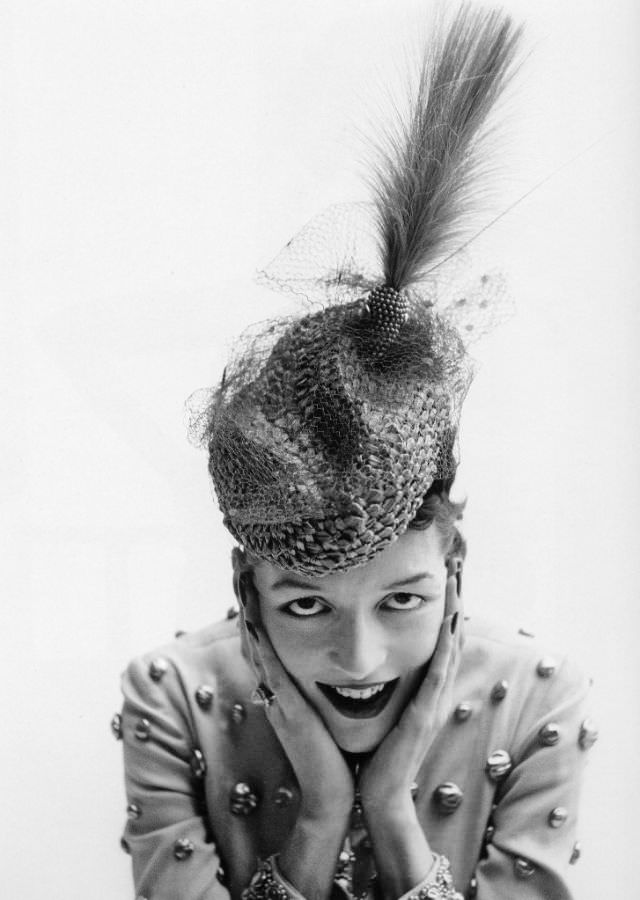
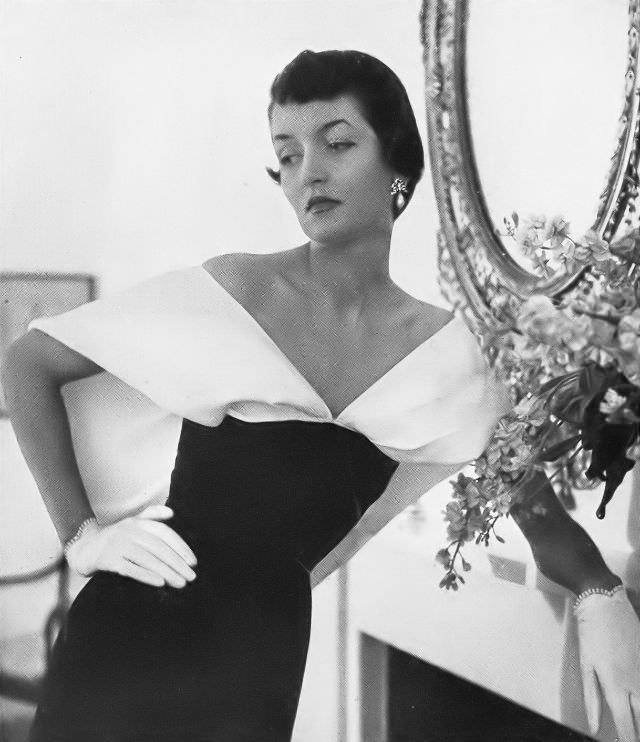
Her range in front of the camera was striking. In 1949 alone, she modeled everything from structured evening coats to ruffled taffeta dresses, moving between designers without losing her distinct presence in each shot.
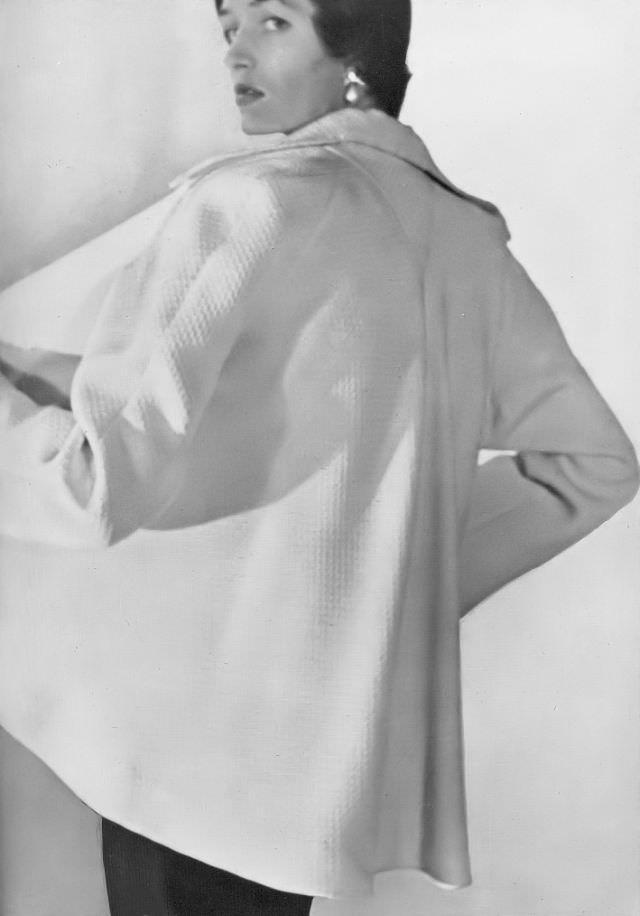
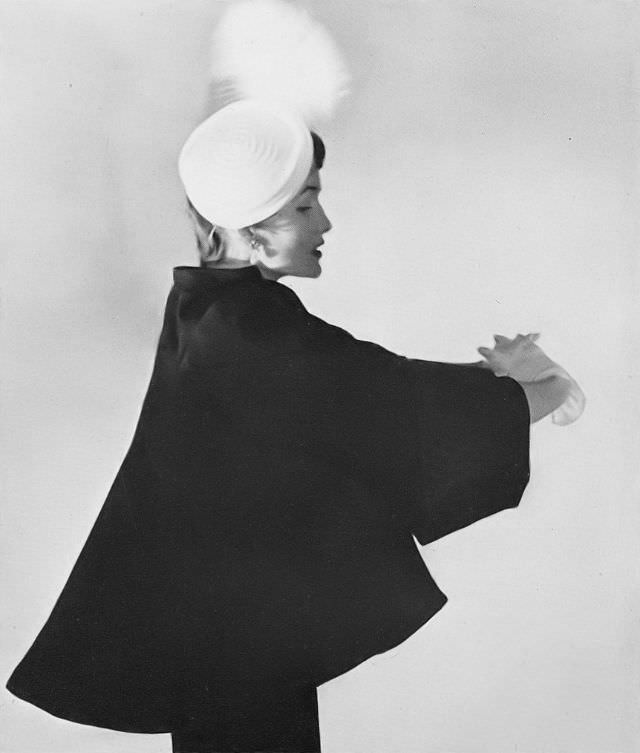
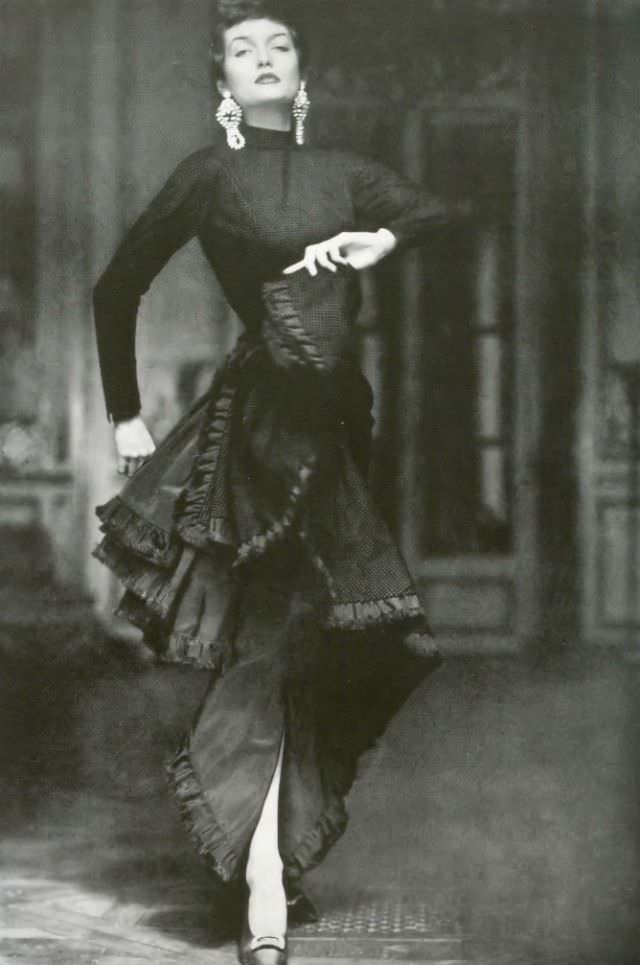
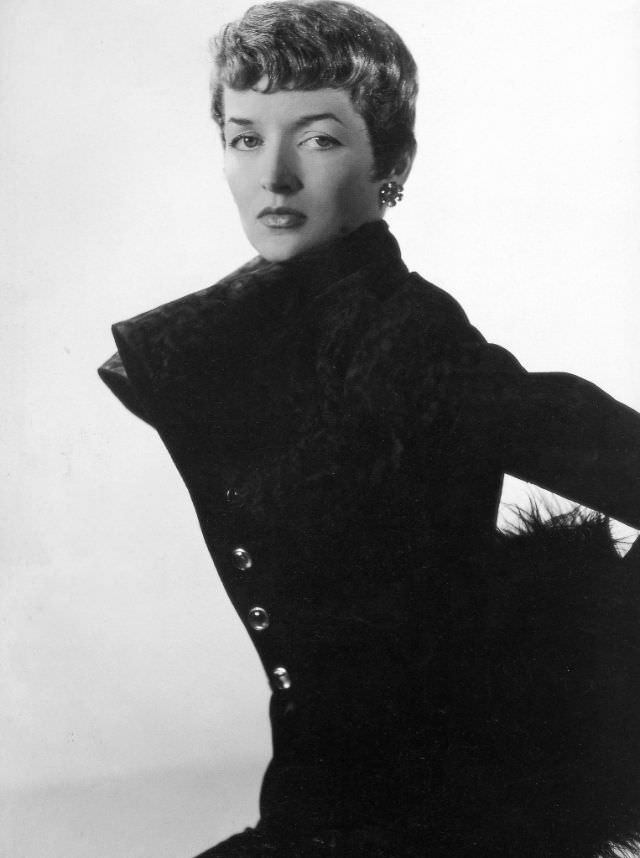
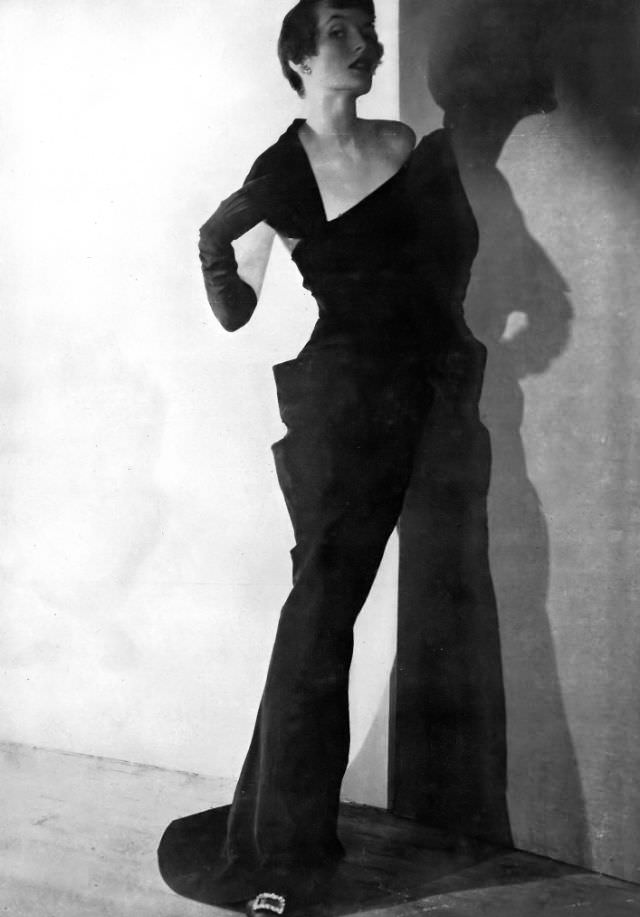
By 1950, her presence in fashion imagery was at its peak. She wore gowns by Christian Dior — including his named pieces like “Henri Sauguet” and “Mozart” — alongside work for Balenciaga, Charles James, Jean Dessès, and Schiaparelli. She also designed a dress for Paquin that year, showing her eye extended well behind the camera.
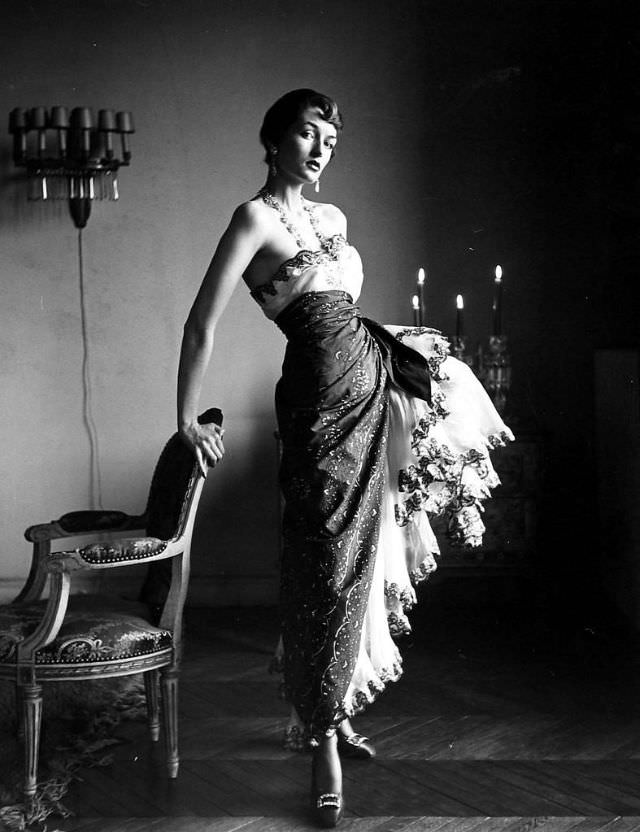
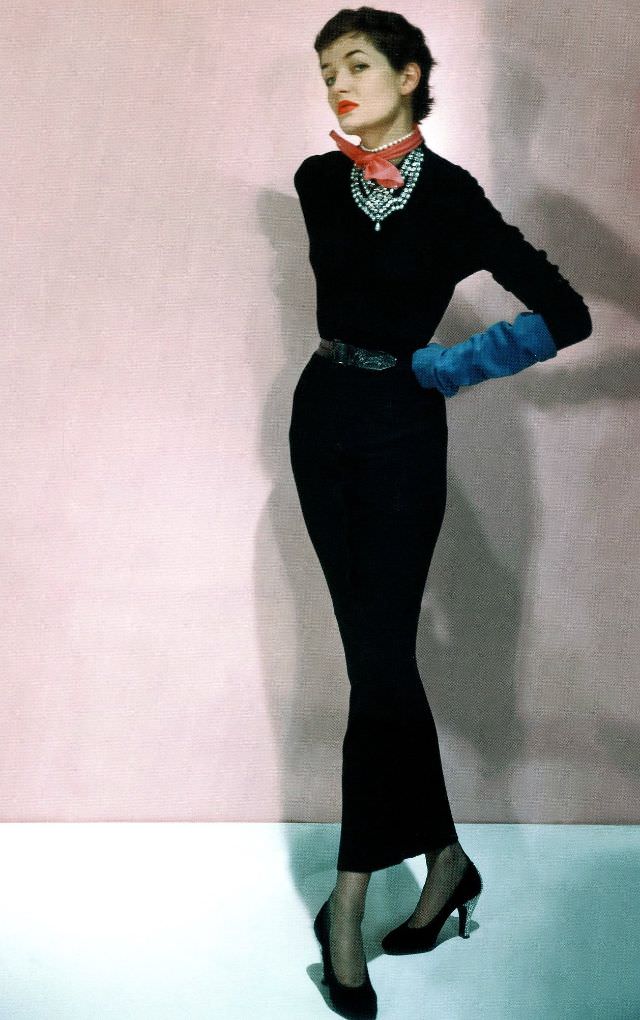
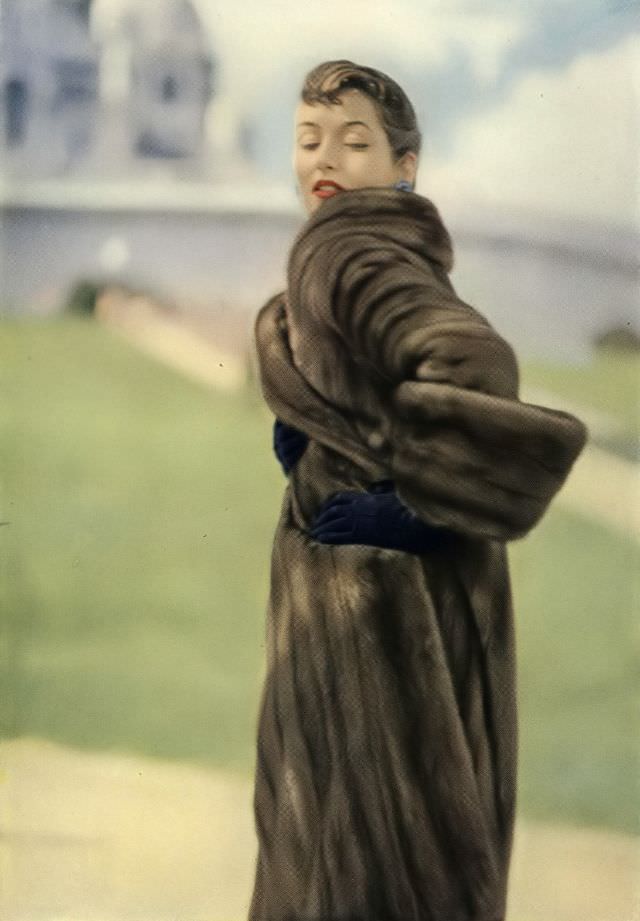
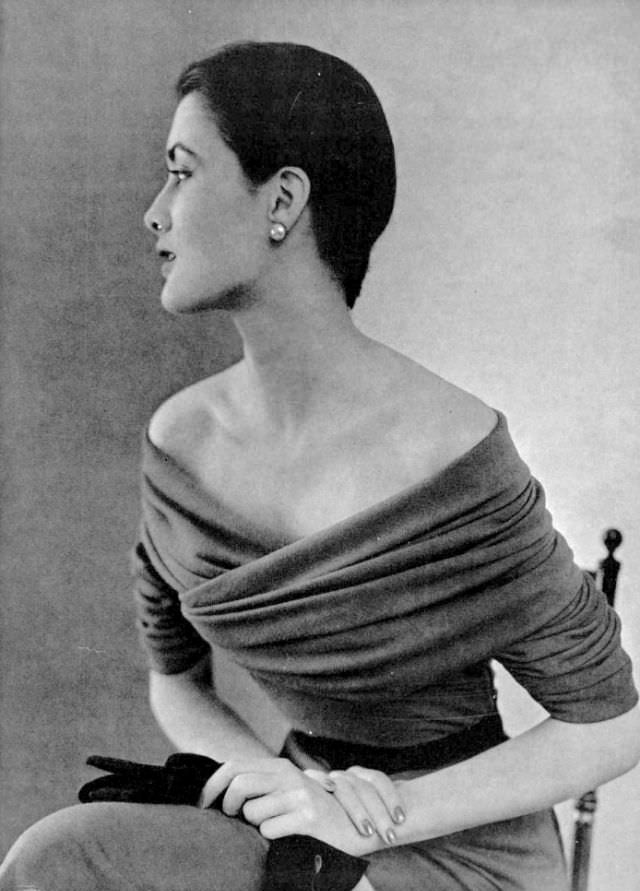
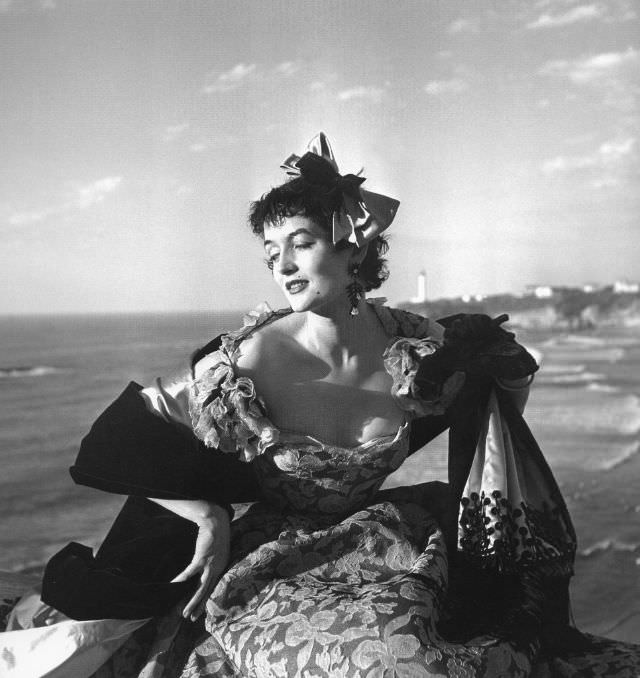
Outside of studio shoots, Maxime was also a social fixture. In 1951, she appeared at the Bal Goya in Biarritz, France — a sign that her presence extended far beyond the editorial page. She also worked in underground cinema as an actress, adding yet another dimension to an already varied career.
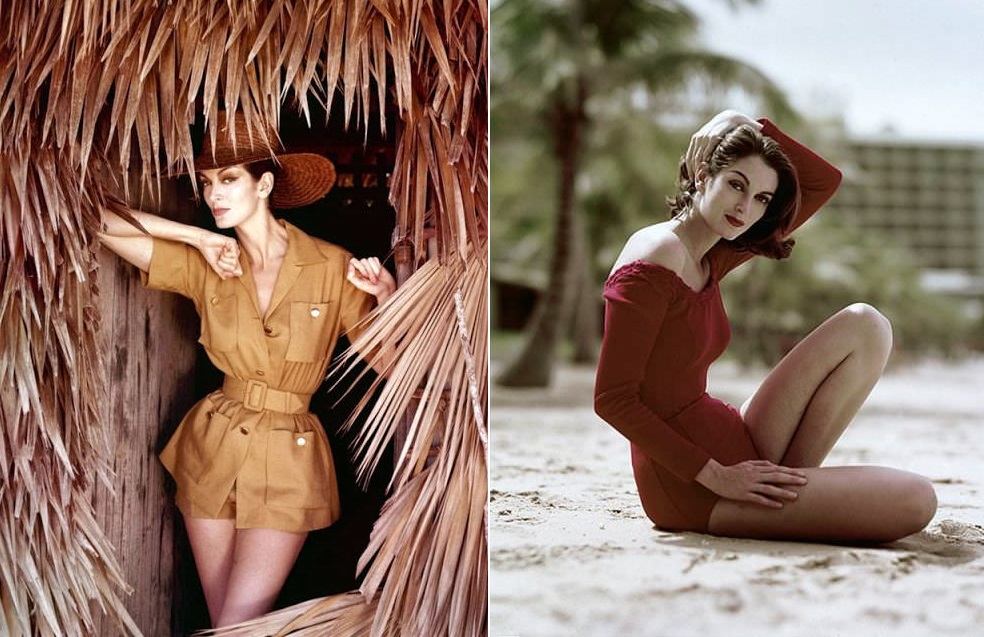
By 1953, she was still in demand — appearing in a Pond’s cold cream advertisement and continuing to sit for photographers. These final images in the collection show a woman whose appeal was consistent across half a decade of rapid change in fashion.