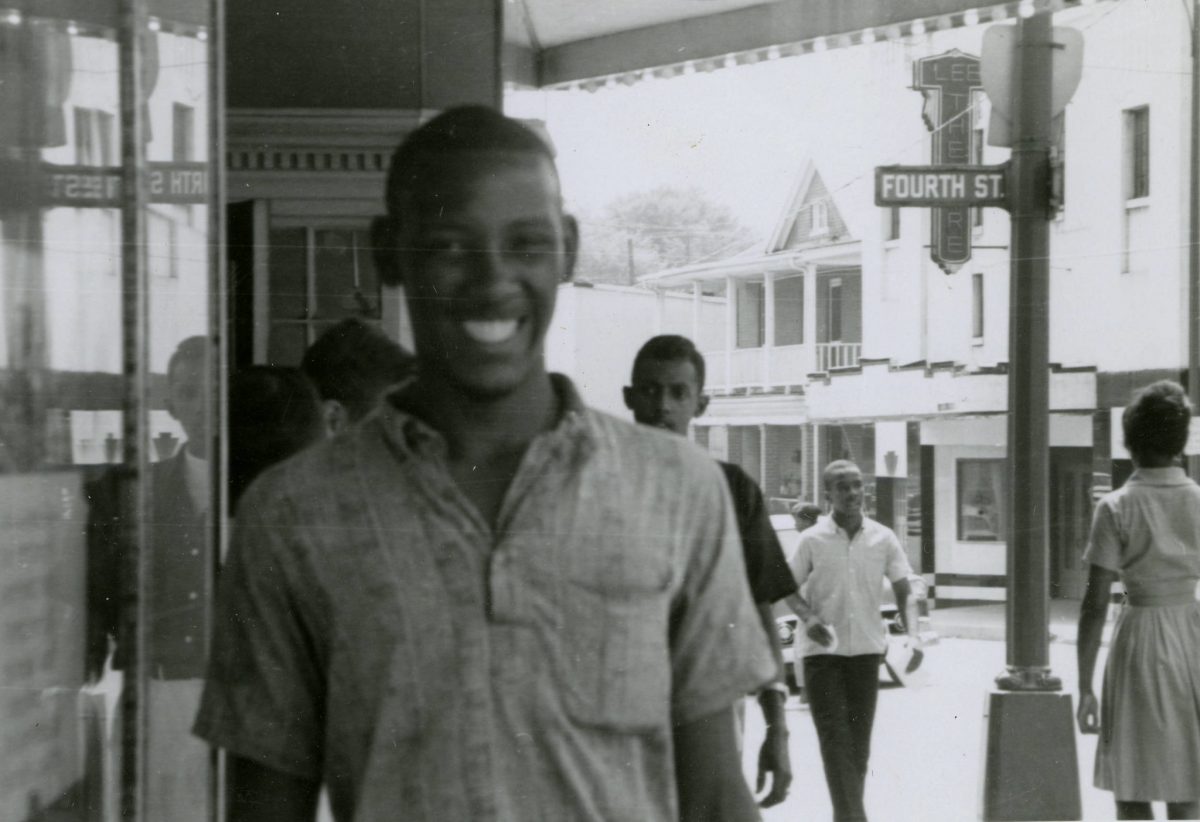
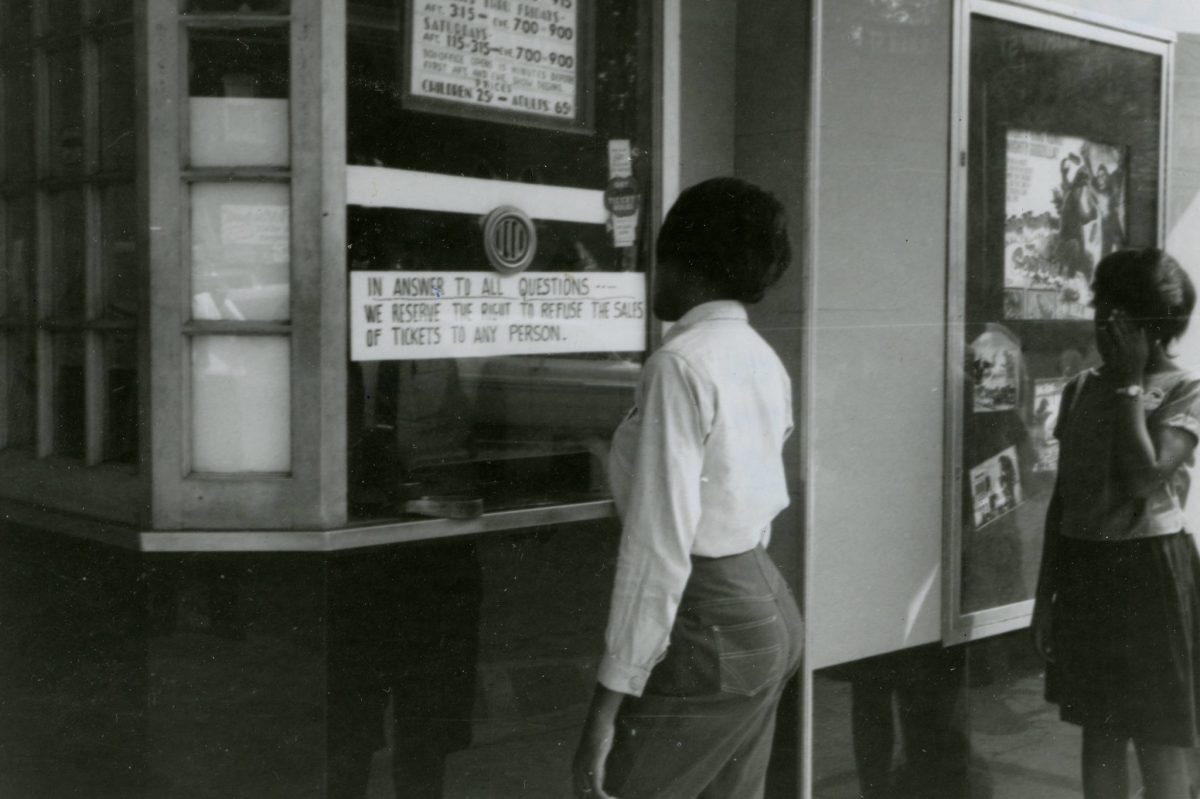
In the summer of 1963, the small city of Farmville, Virginia became the center of a fierce civil rights struggle. African Americans made up about 40% of Prince Edward County’s population, yet held no public offices, no positions in law enforcement, and no jobs as firefighters, managers, or clerks on the public payroll. Segregation was the law and the practice — in restaurants, businesses, and churches alike.
The deepest wound, however, was the county’s public schools. In June 1959, Prince Edward County officials chose to shut down the entire public school system rather than comply with a federal court order to desegregate. Four years later, the schools were still closed. Prince Edward County stood alone as the only place in the United States without a public education system. The NAACP fought back through the courts in cases that would eventually reach the Supreme Court — Allen v. County School Board of Prince Edward County and Griffin v. County School Board of Prince Edward County — but the legal process moved slowly while children went without schooling.
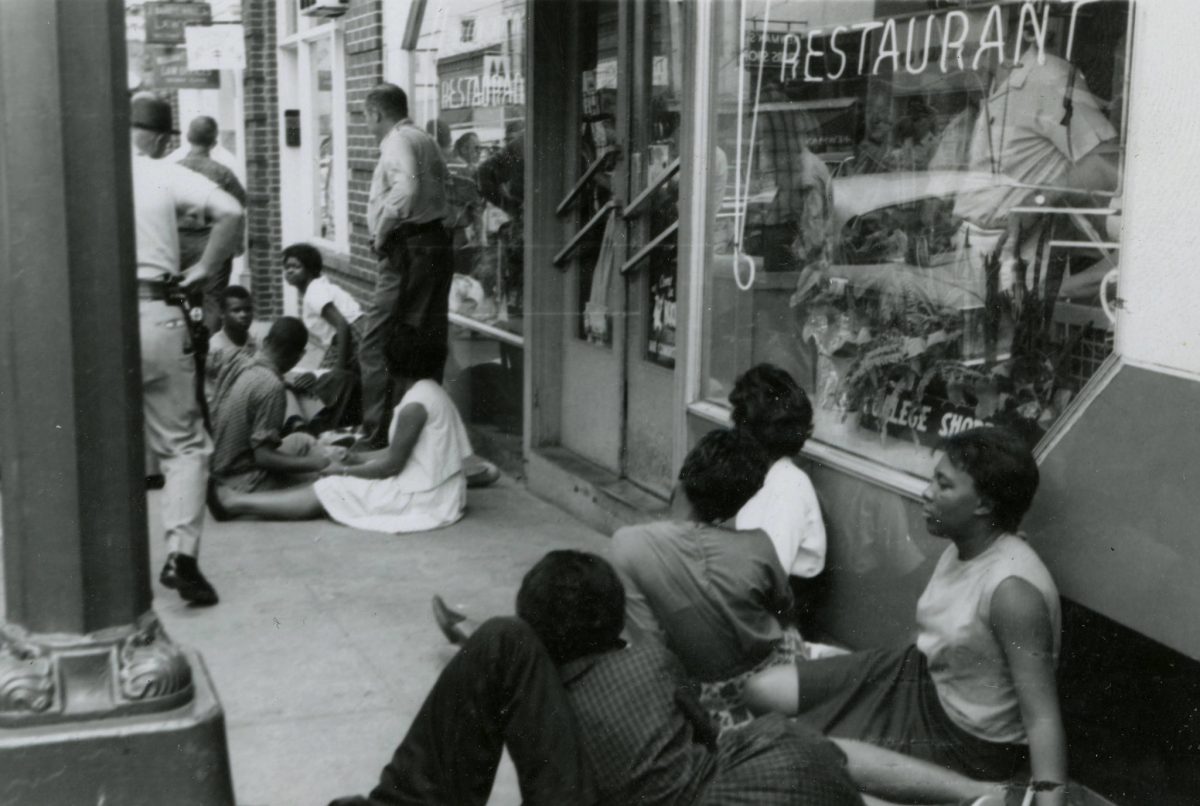
Rev. L. Francis Griffin, pastor of First Baptist Church in Farmville, decided that waiting on the courts was not enough. In late July 1963, he launched a direct-action campaign on Main Street. The protests ran nearly every day from July through September, combining sit-ins at segregated lunch counters, picketing of local businesses, kneel-ins at segregated churches, marches that blocked traffic, and economic boycotts. One of the first major actions took place on July 26, 1963.
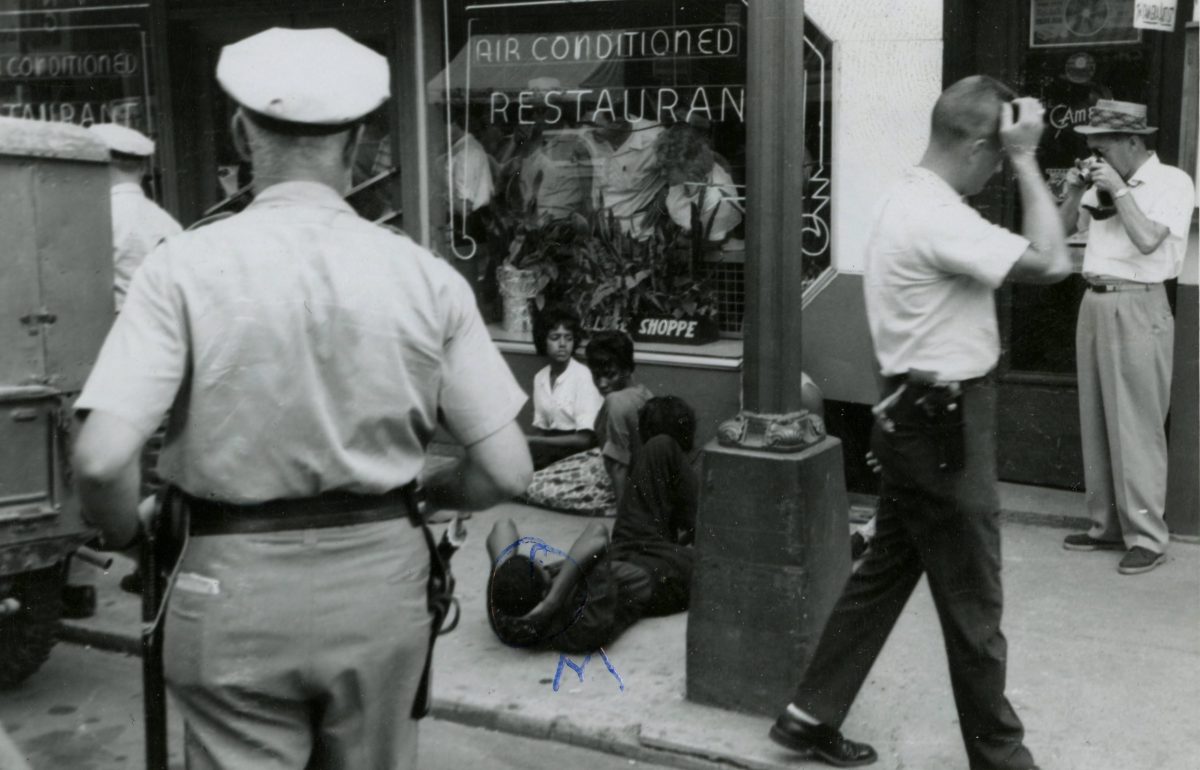
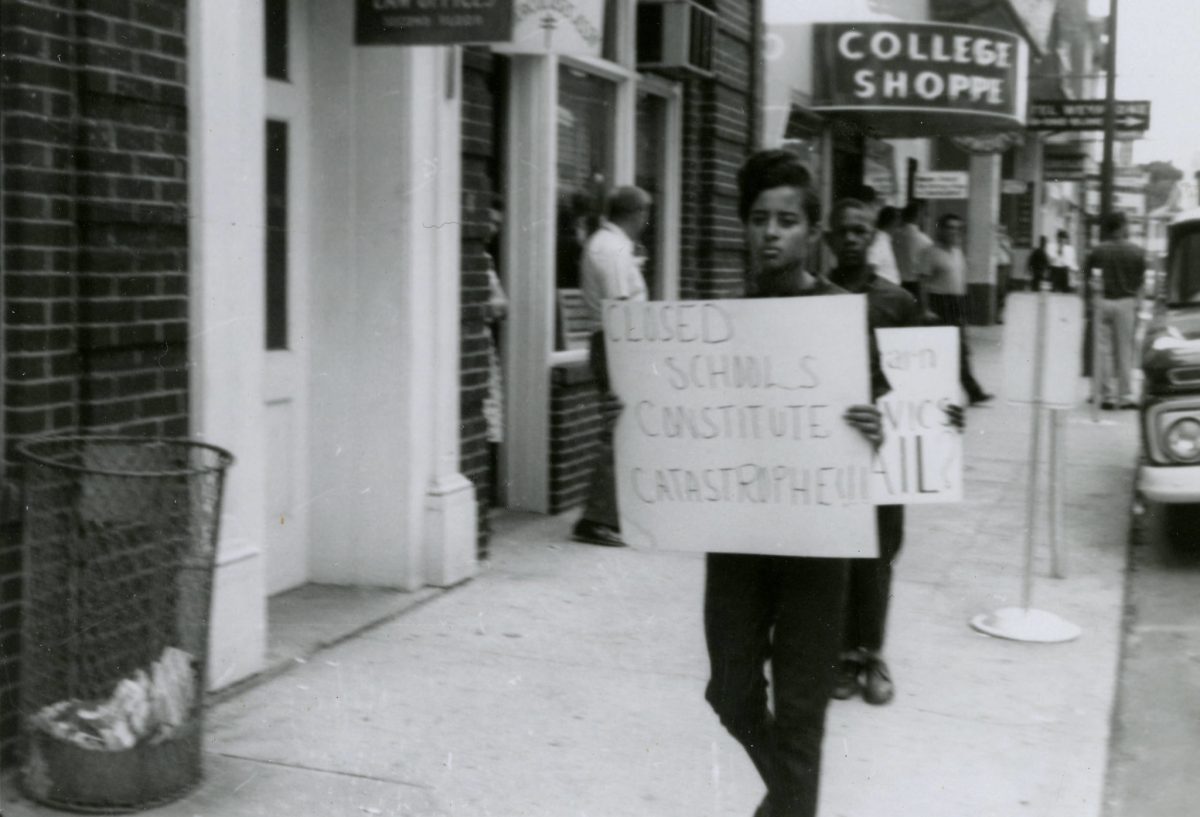
The College Shoppe sit-in set the tone for what followed. White onlookers watched from inside as police approached the demonstrators on the sidewalk. Protesters held their ground in the face of that pressure — a posture that would repeat itself across Farmville’s commercial district all summer long.
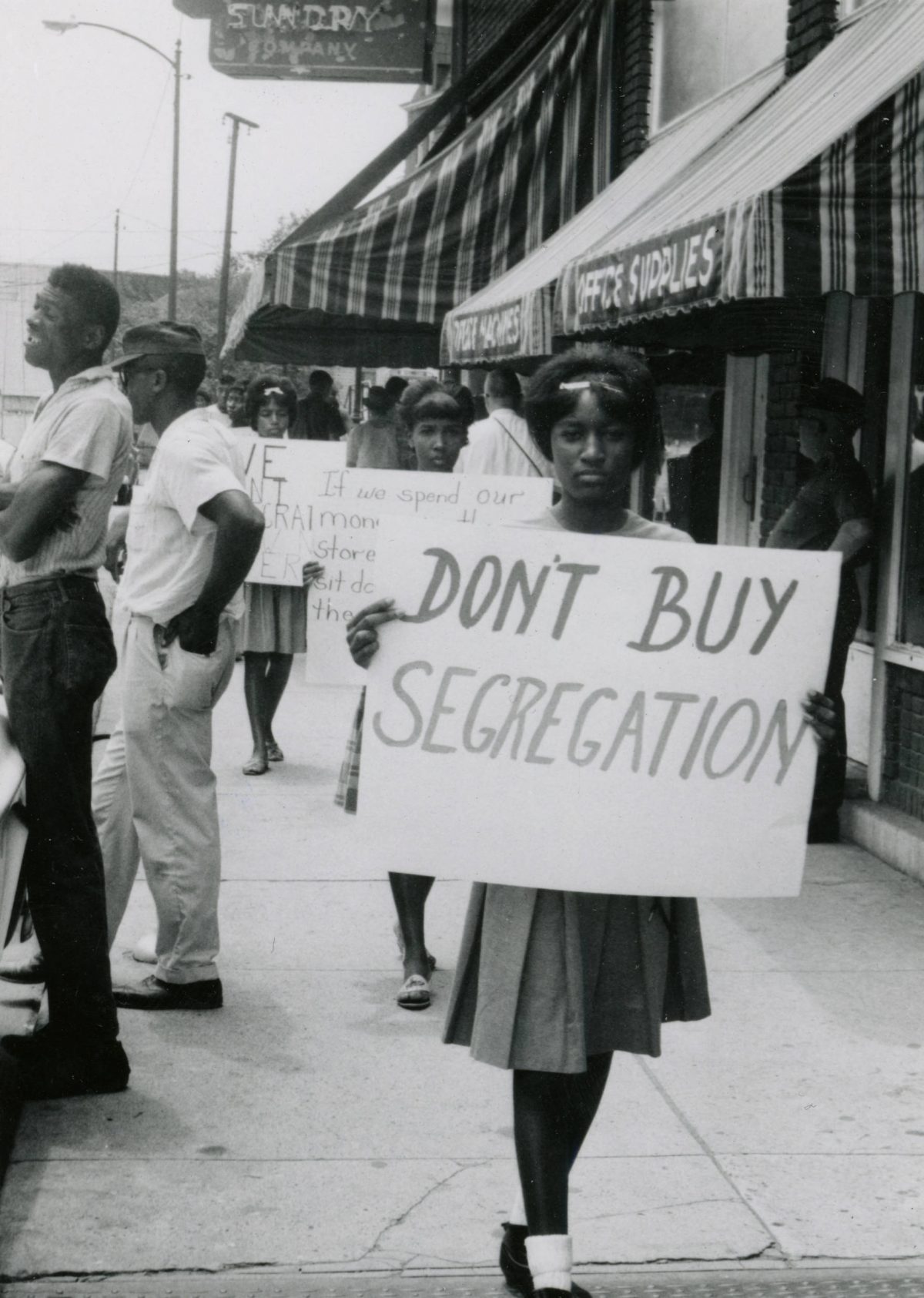
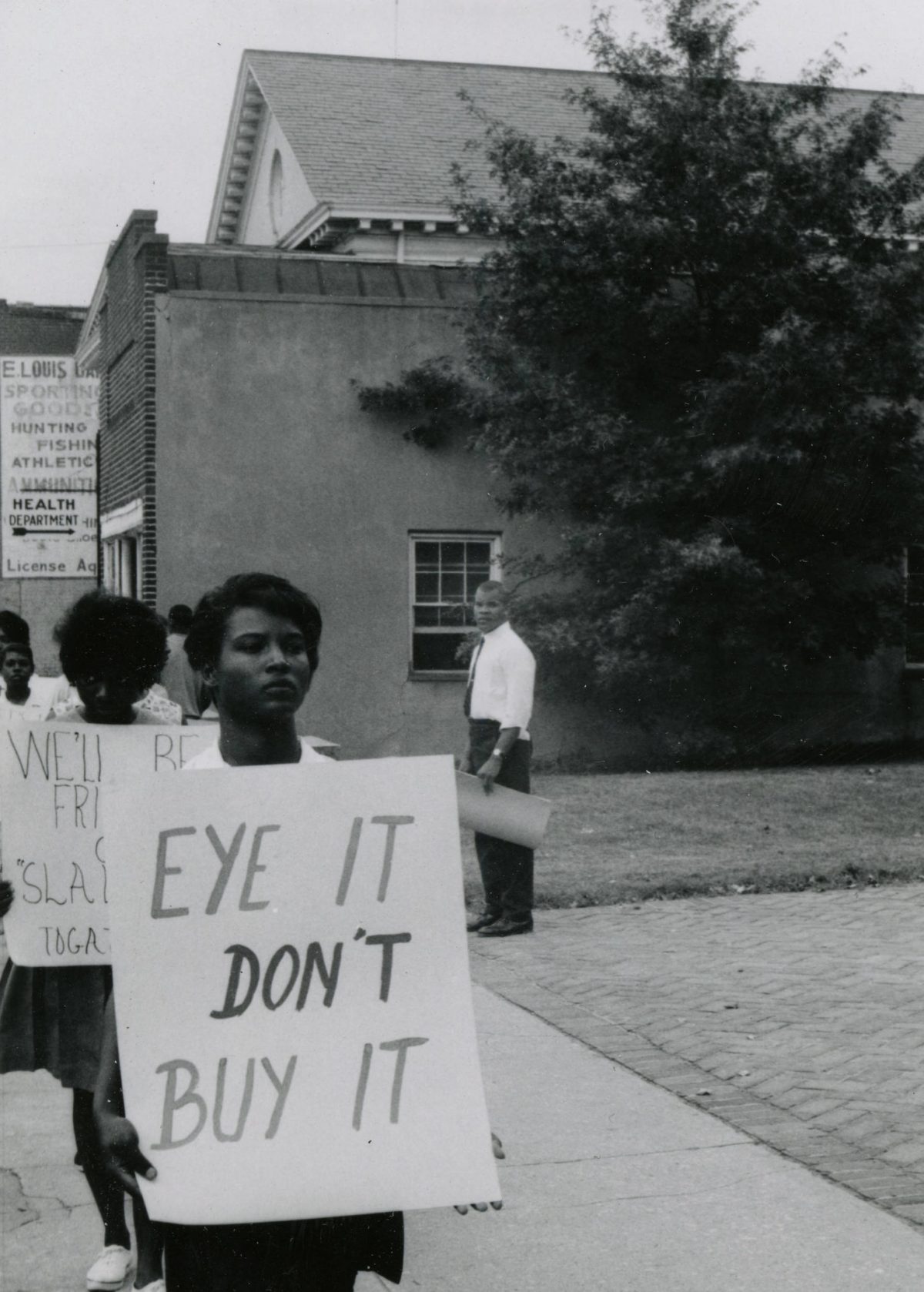
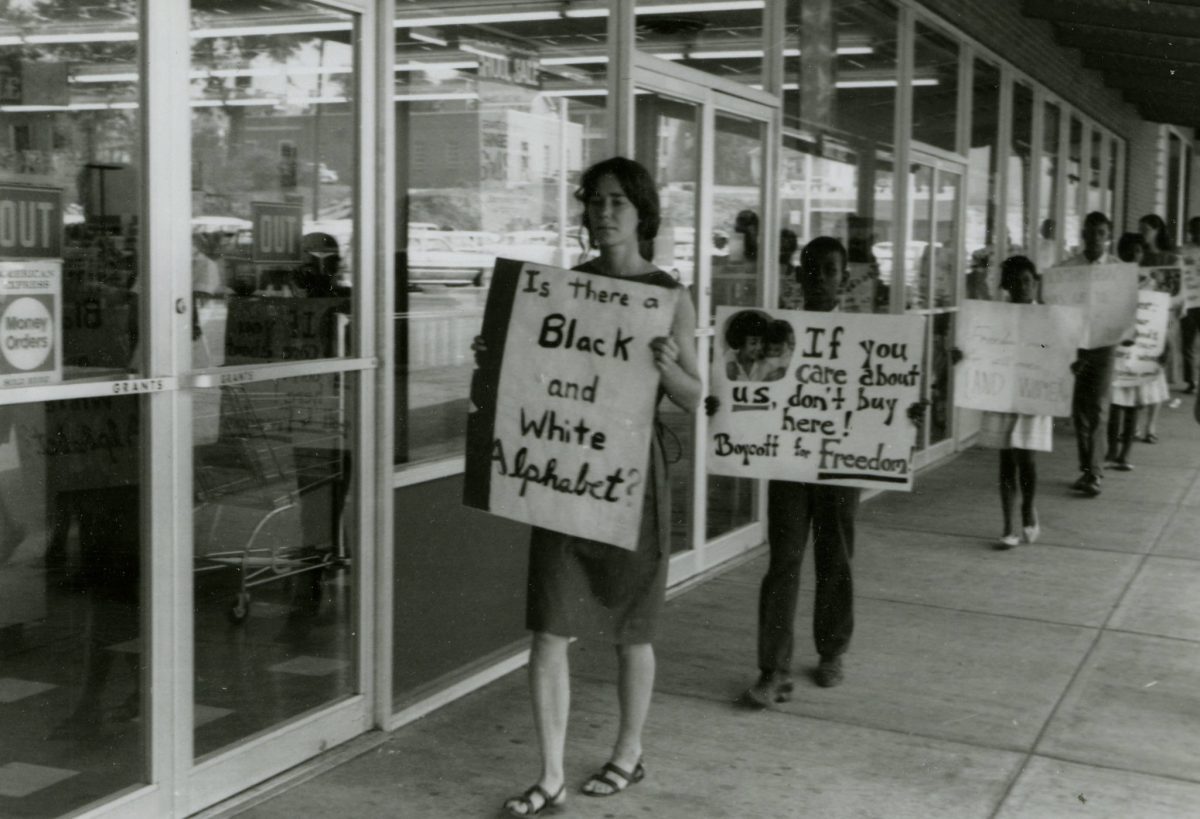
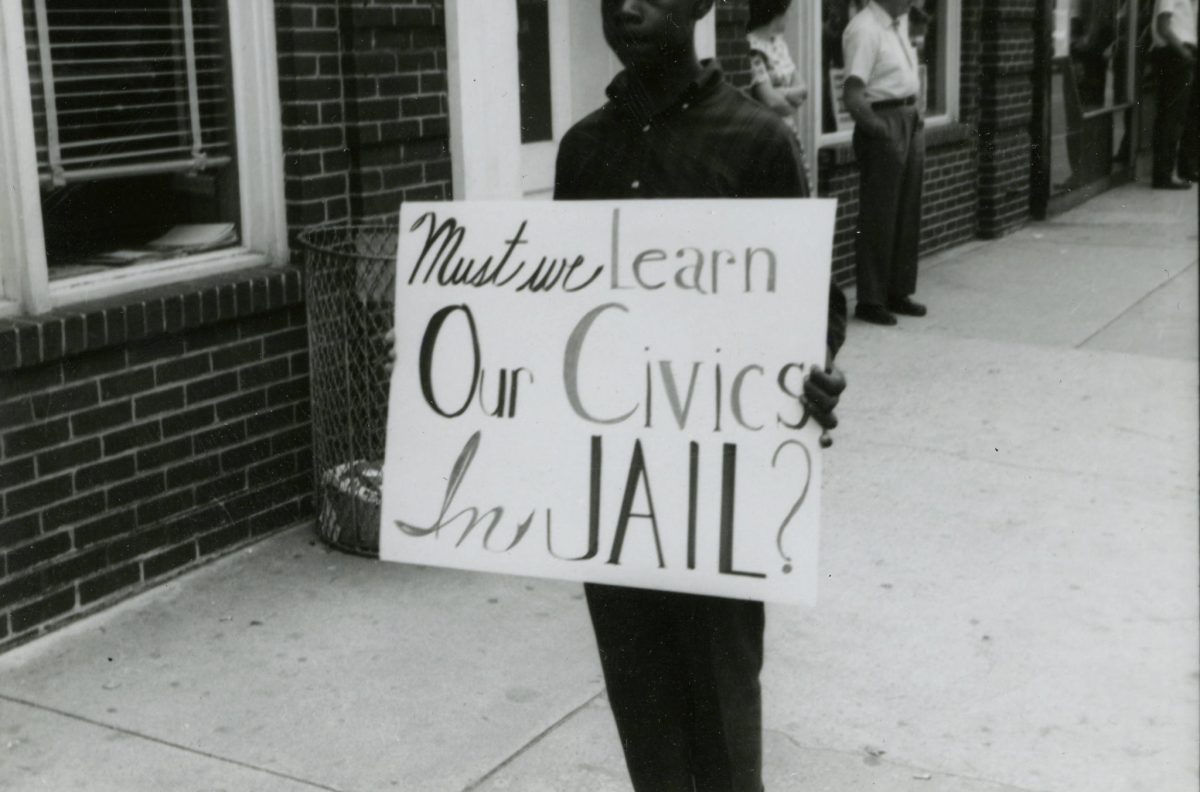
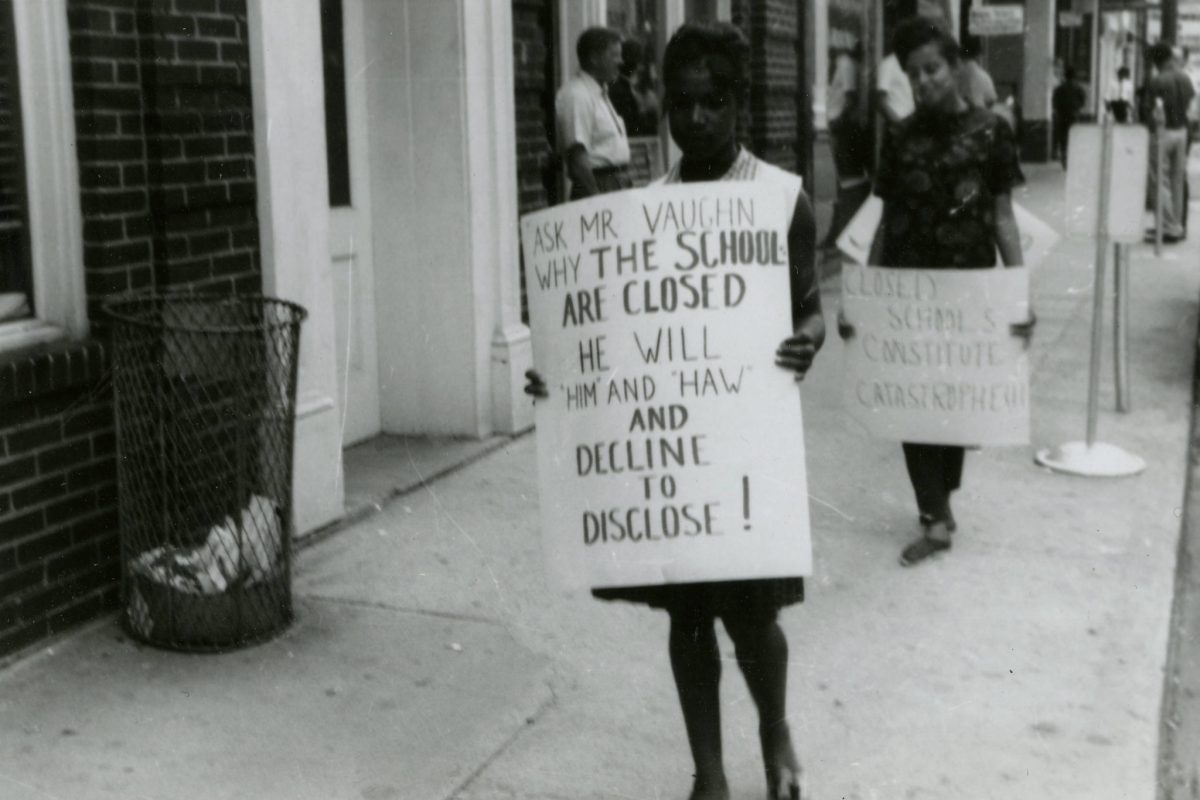
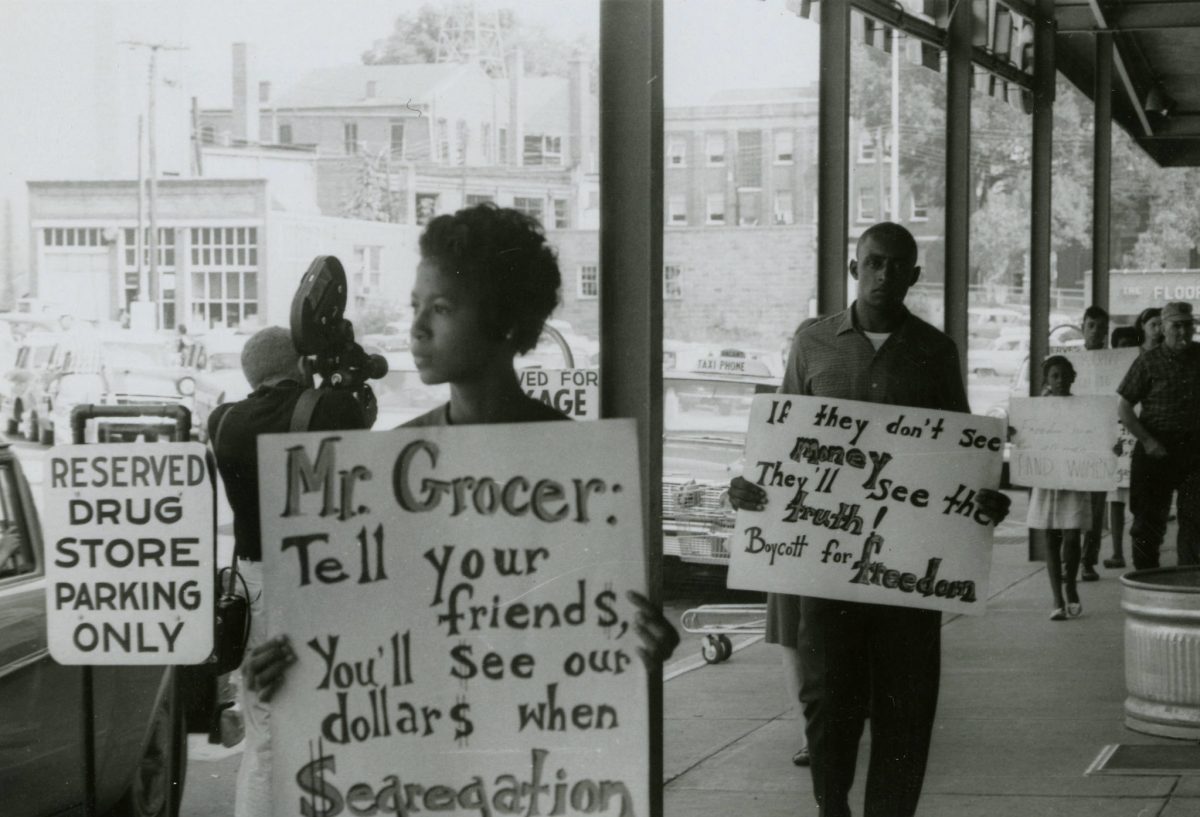
The demonstrations drew participants of all ages, including students who had been directly robbed of their education by the school closures. Their signs made the connection plain — between the locked schoolhouse doors and the segregated lunch counters, both tools of the same system.
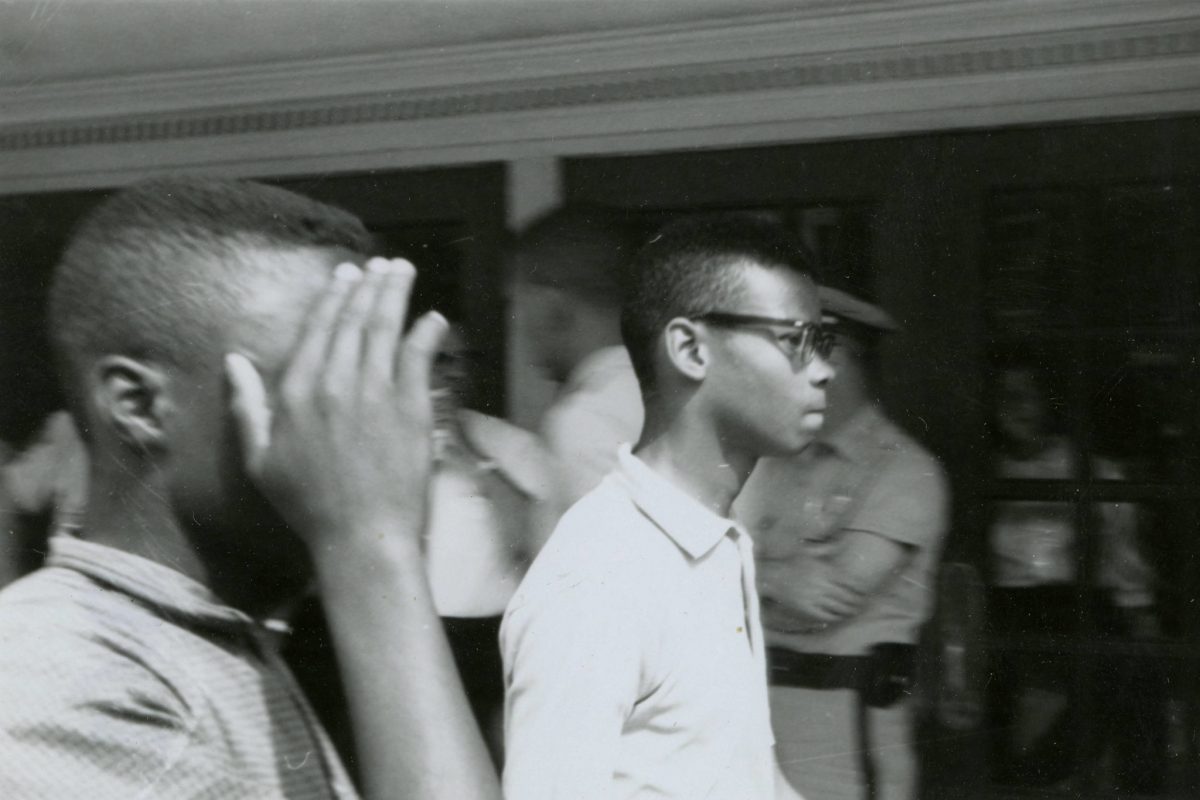
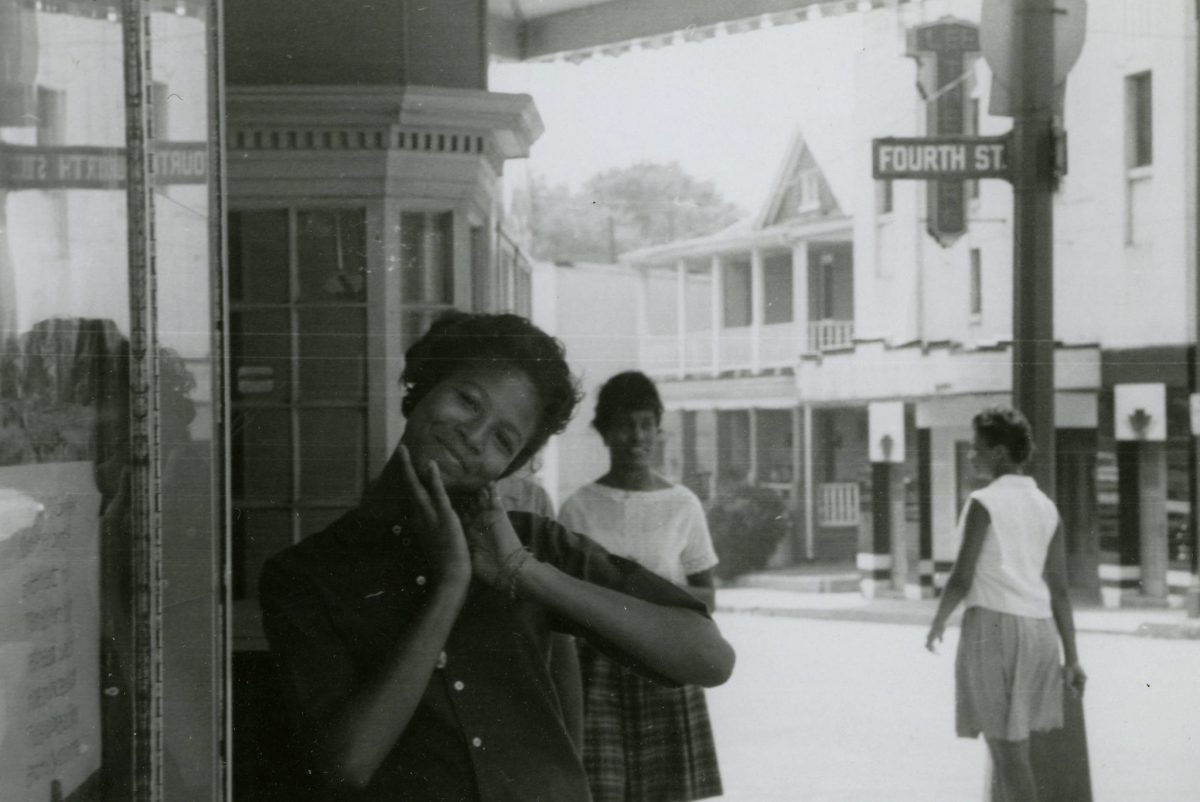
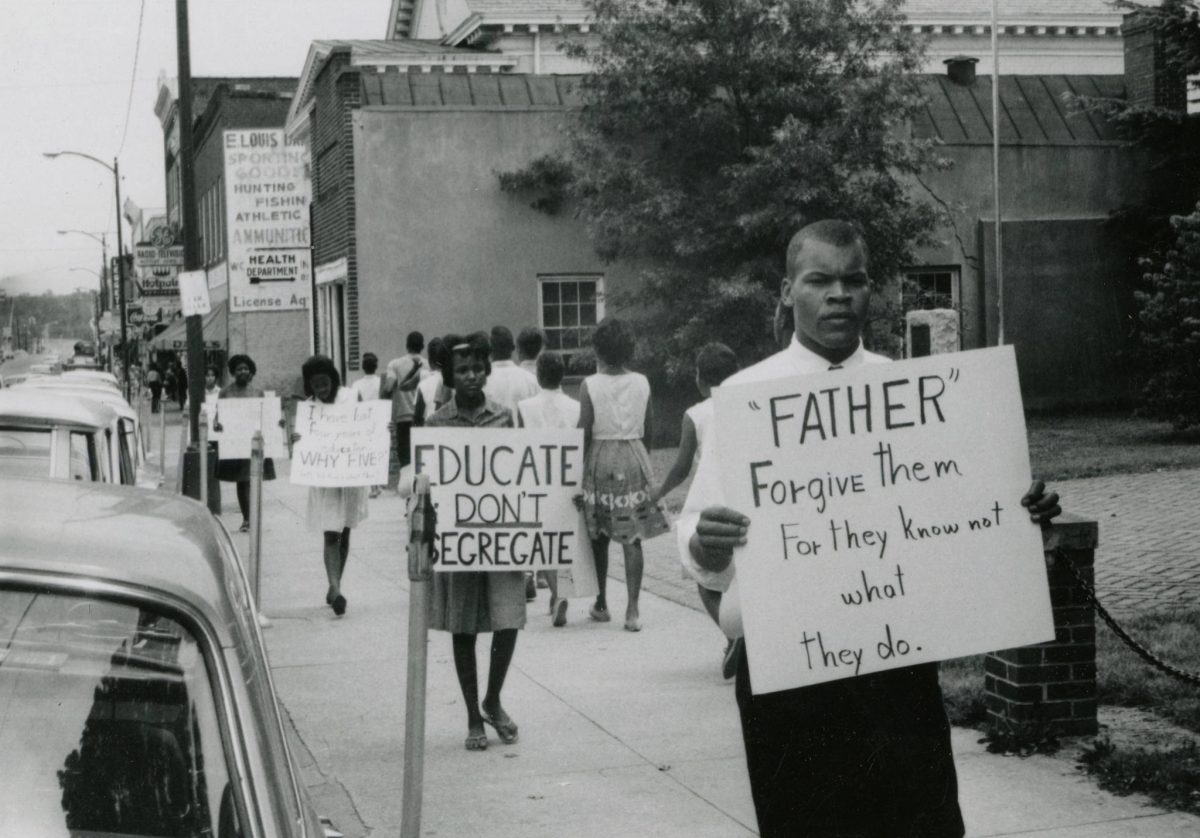
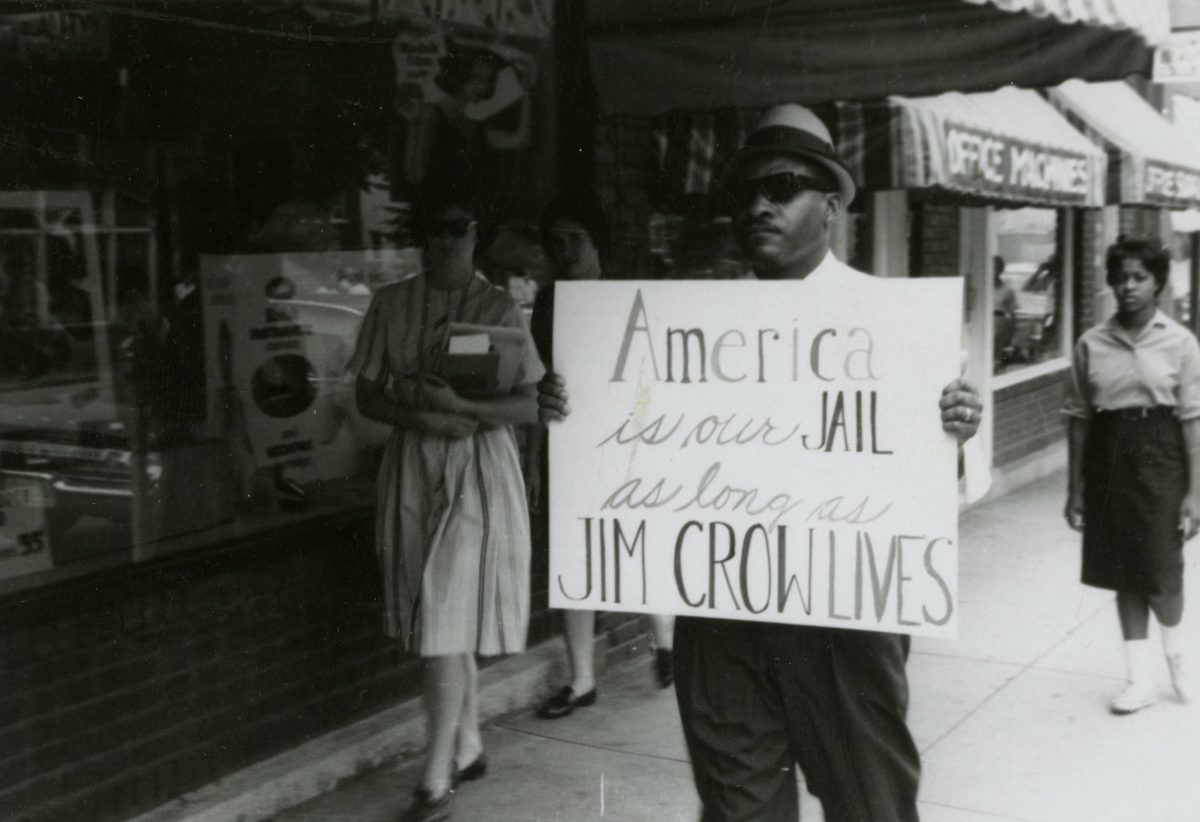
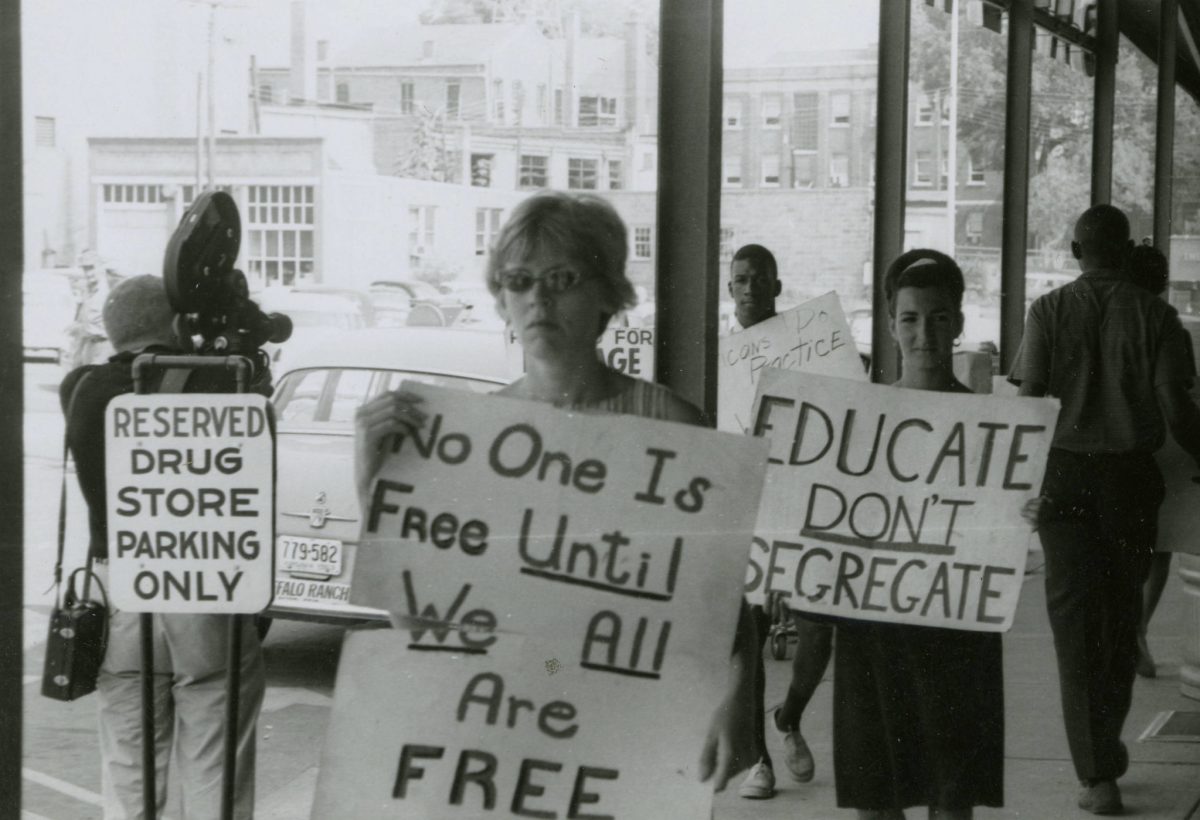
The marches on Main Street were organized and sustained. Protesters moved in lines, carrying signs, and blocking the flow of everyday commerce. The message was deliberate: if Black residents could not participate equally in public life, then business would not go on as usual.
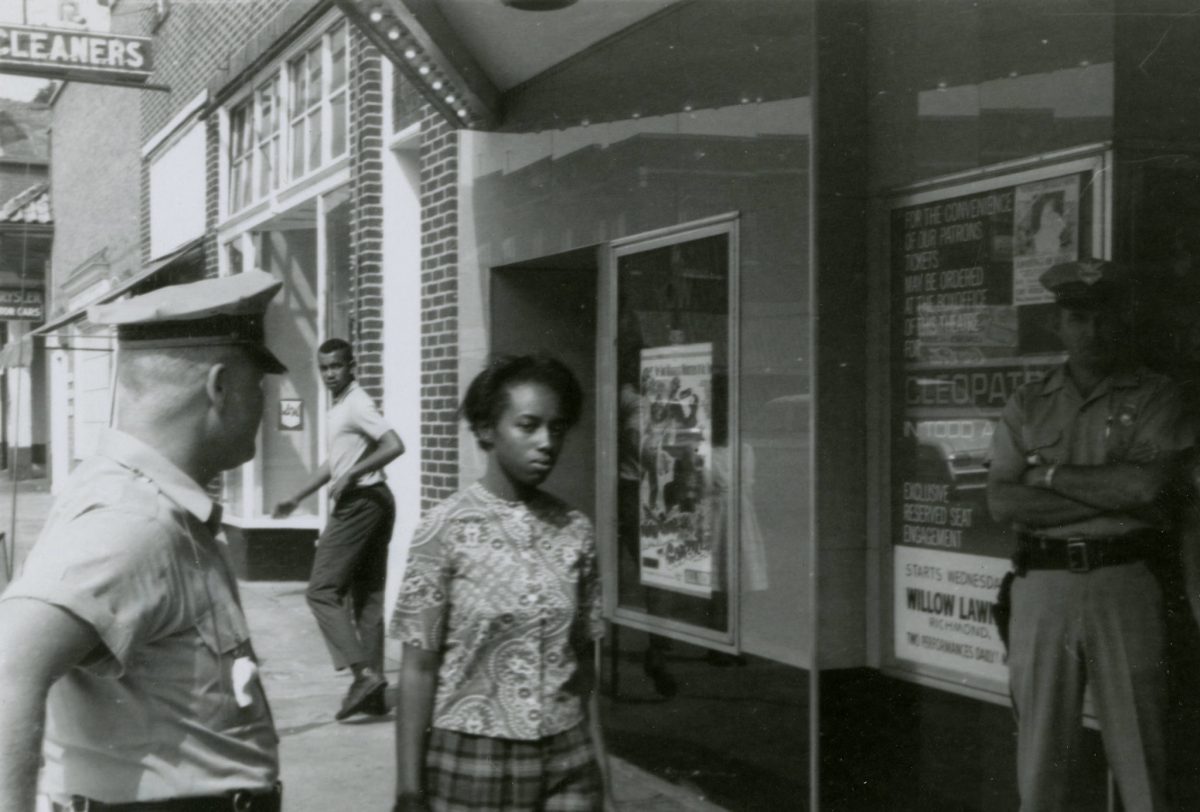
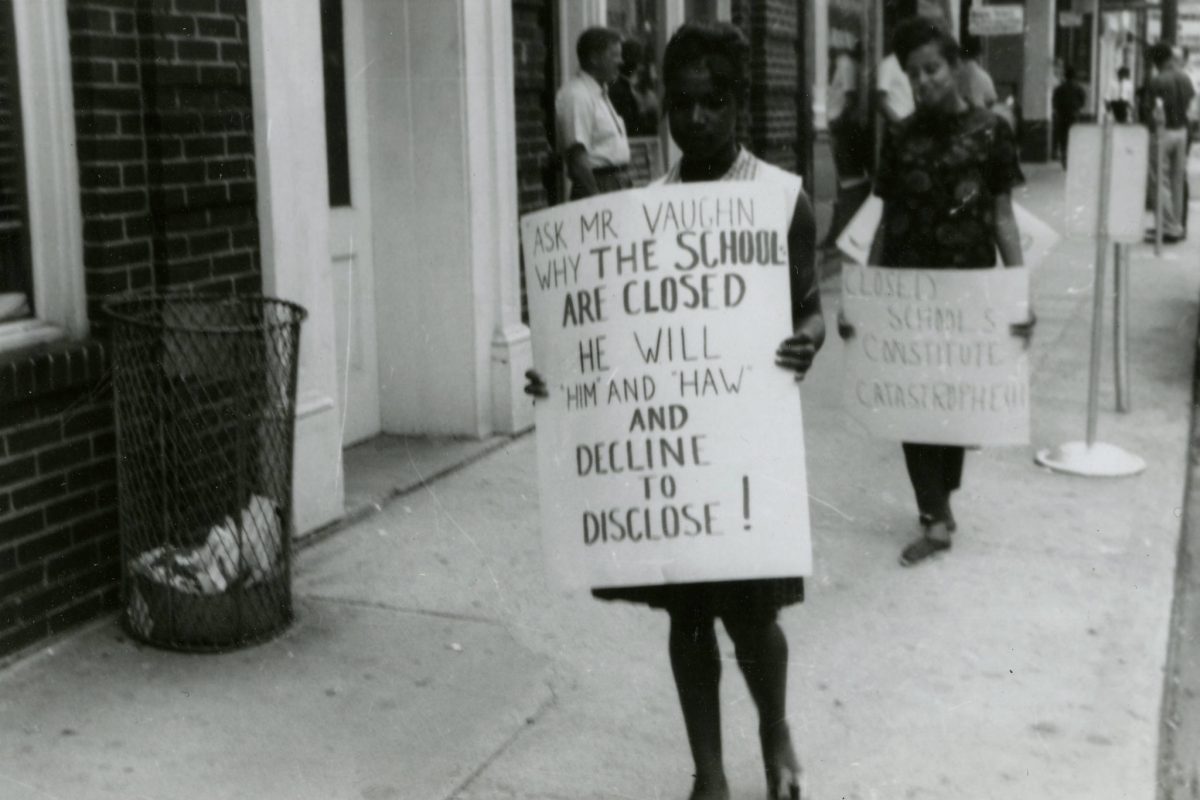
Signs referencing the closed schools appeared throughout the demonstrations. For many marchers, the school closures were not an abstract political issue — they were a personal one. Entire years of education had been stripped from children in the county, and county officials showed no intention of changing course.
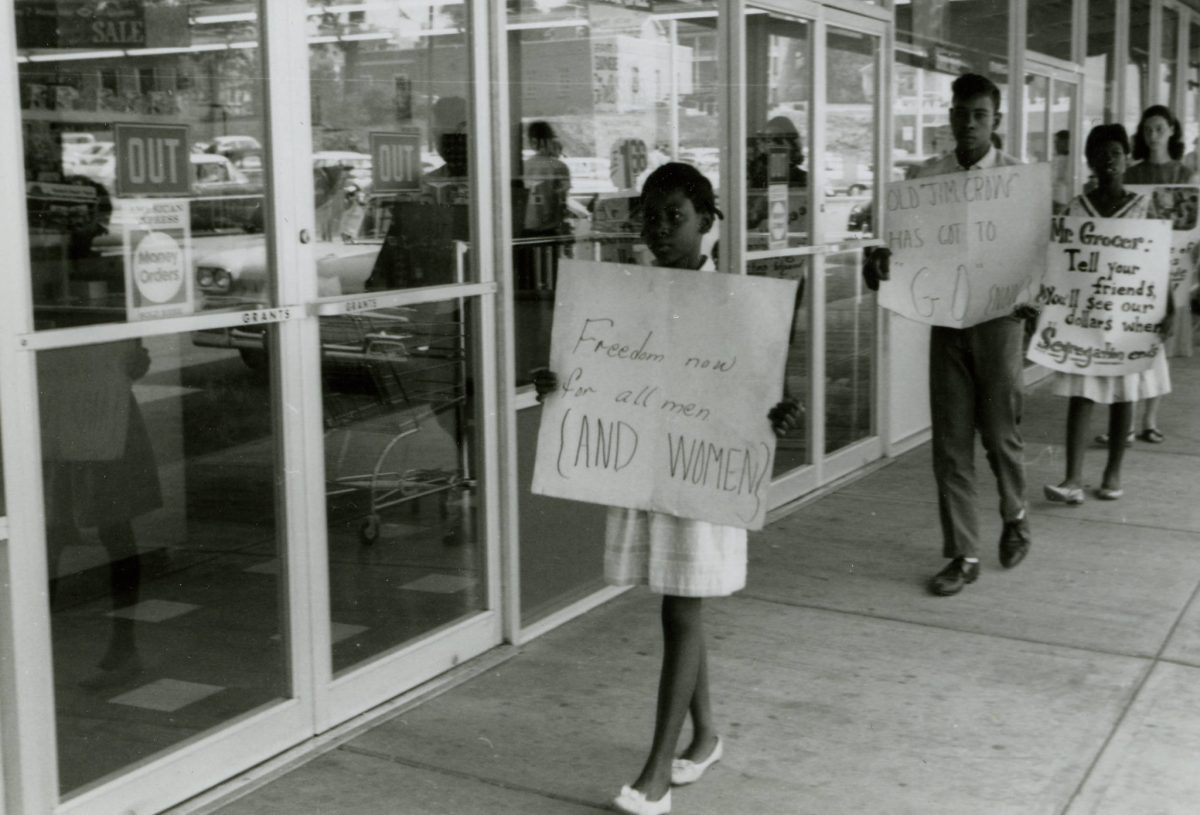
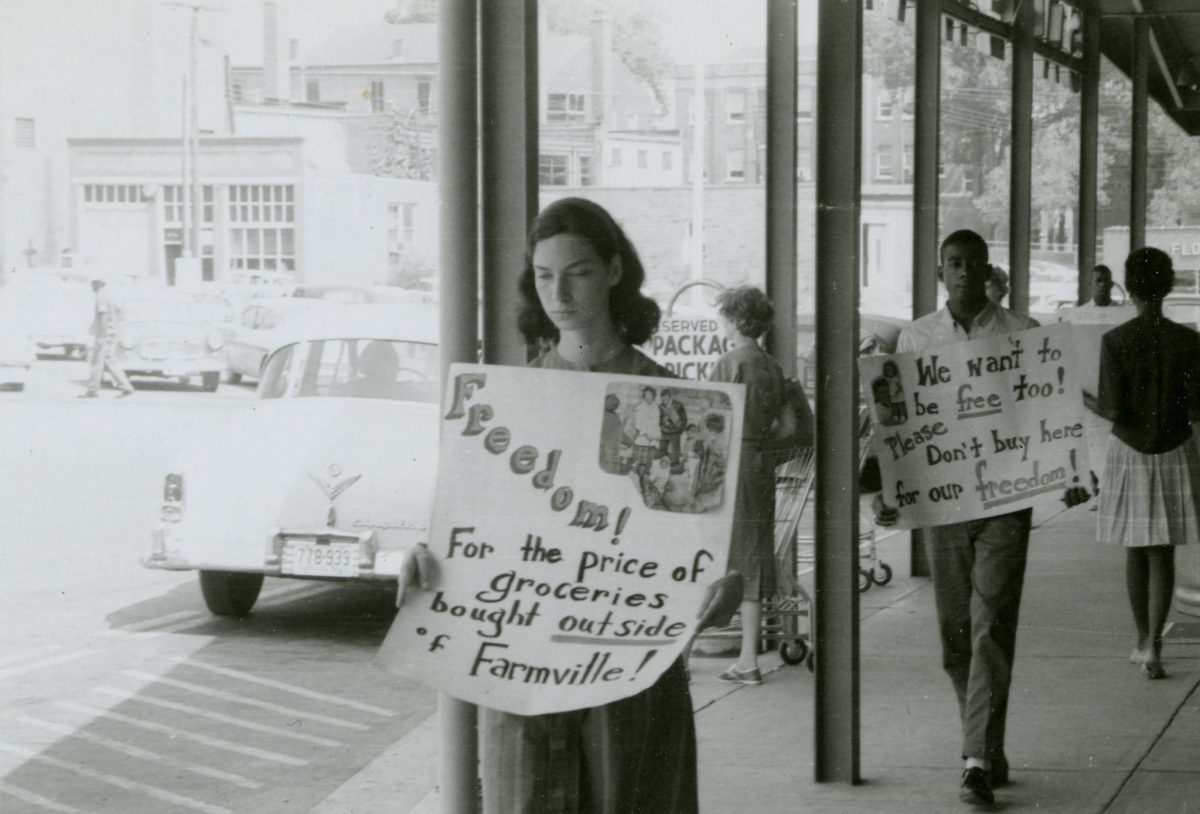
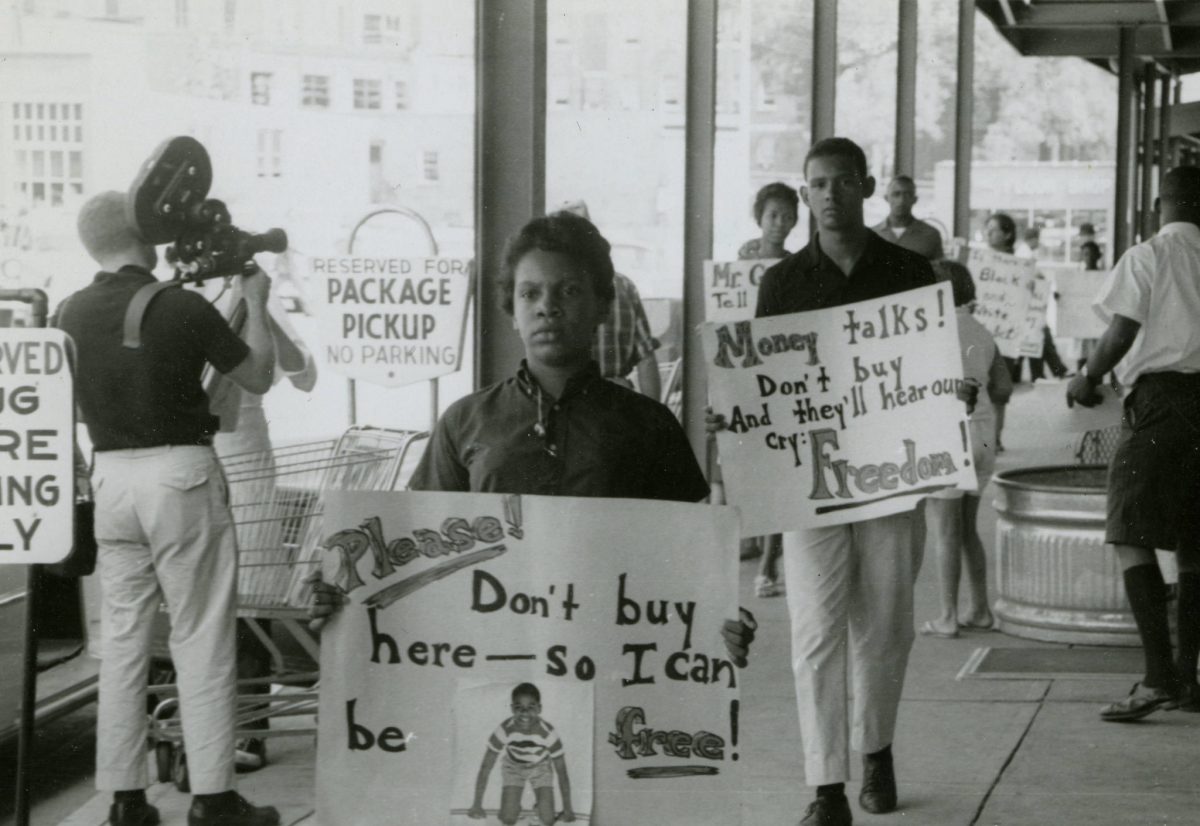
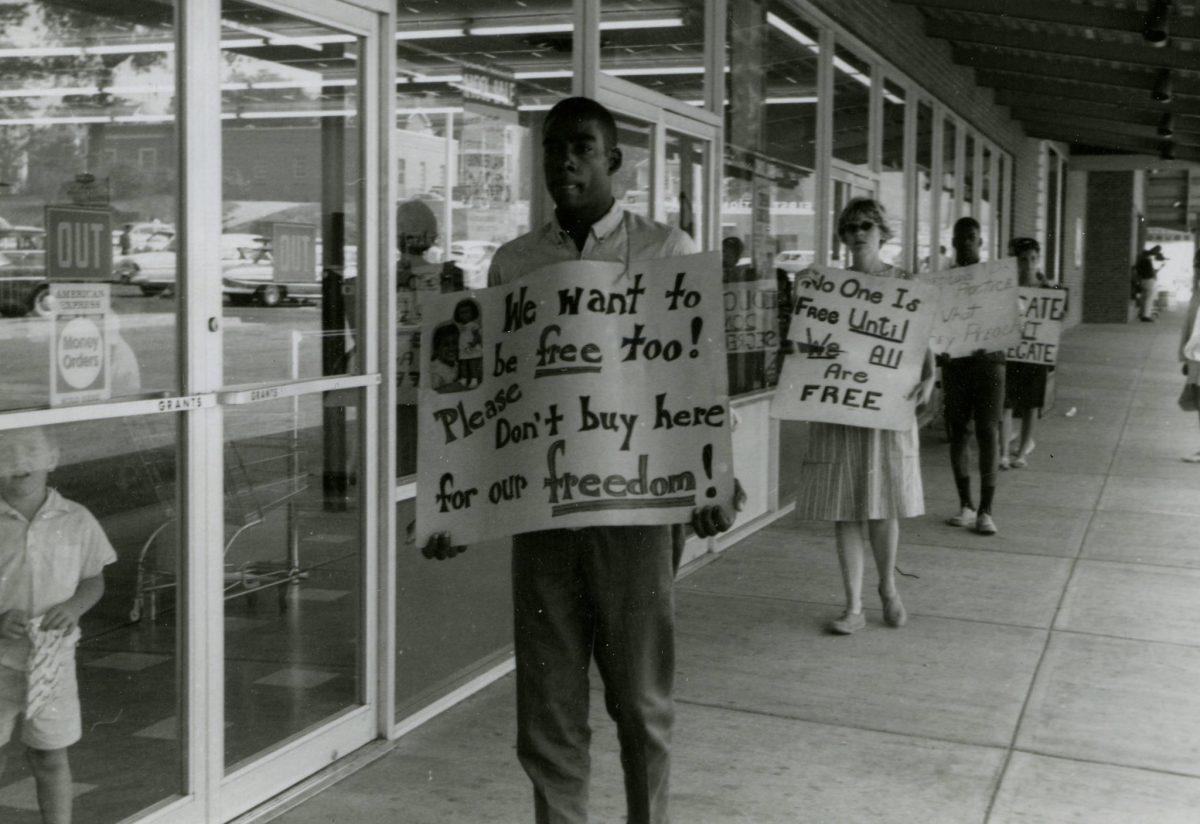
By August, the protests had spread to the Farmville Shopping Center, where demonstrators picketed Grants department store. The economic boycott was a central strategy — organizers understood that segregated businesses depended on Black customers’ money and pushed those customers to spend it elsewhere.
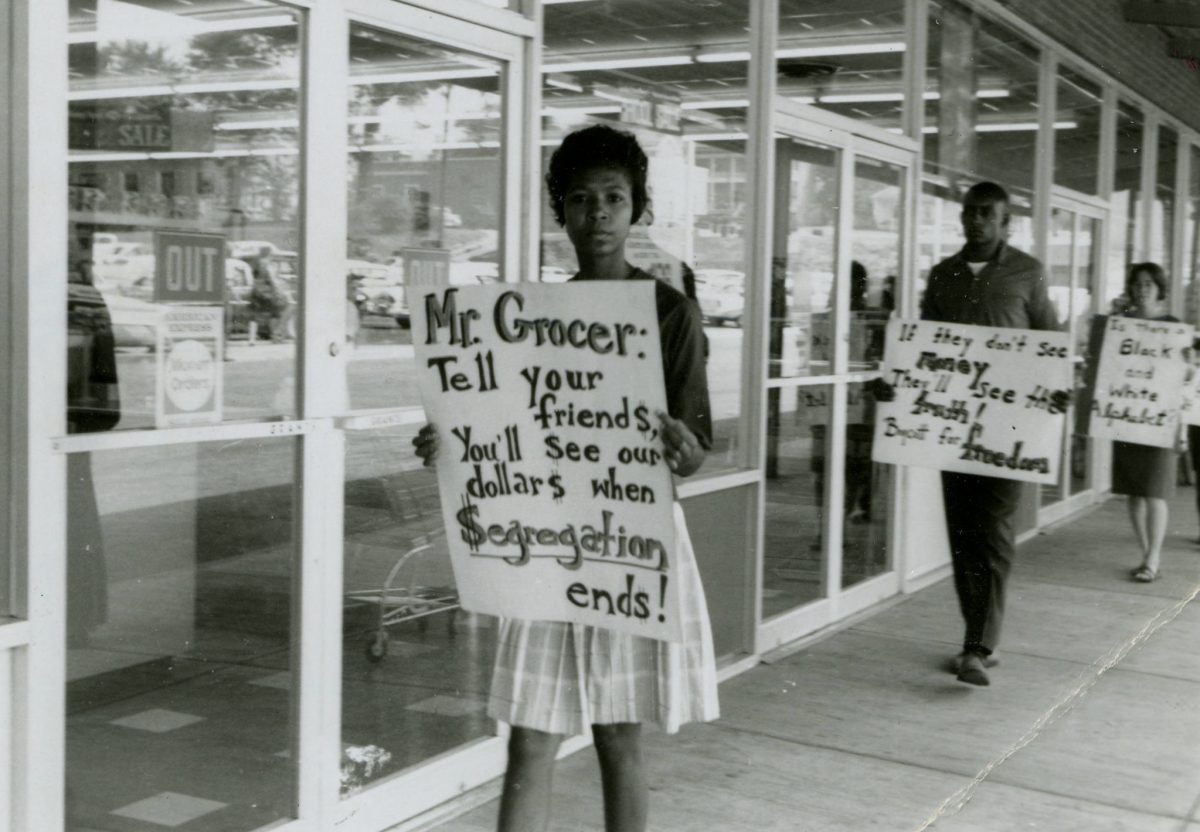
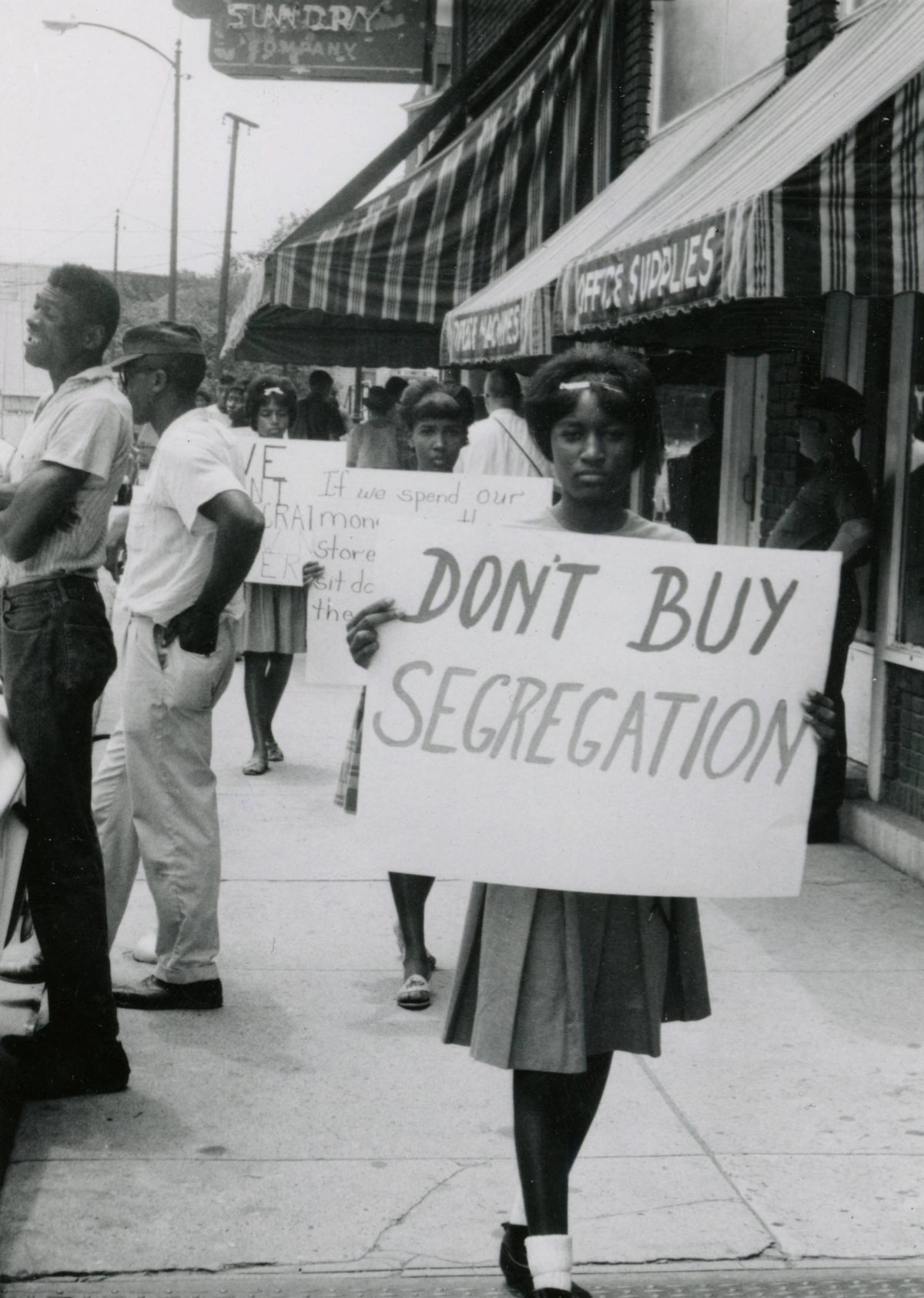
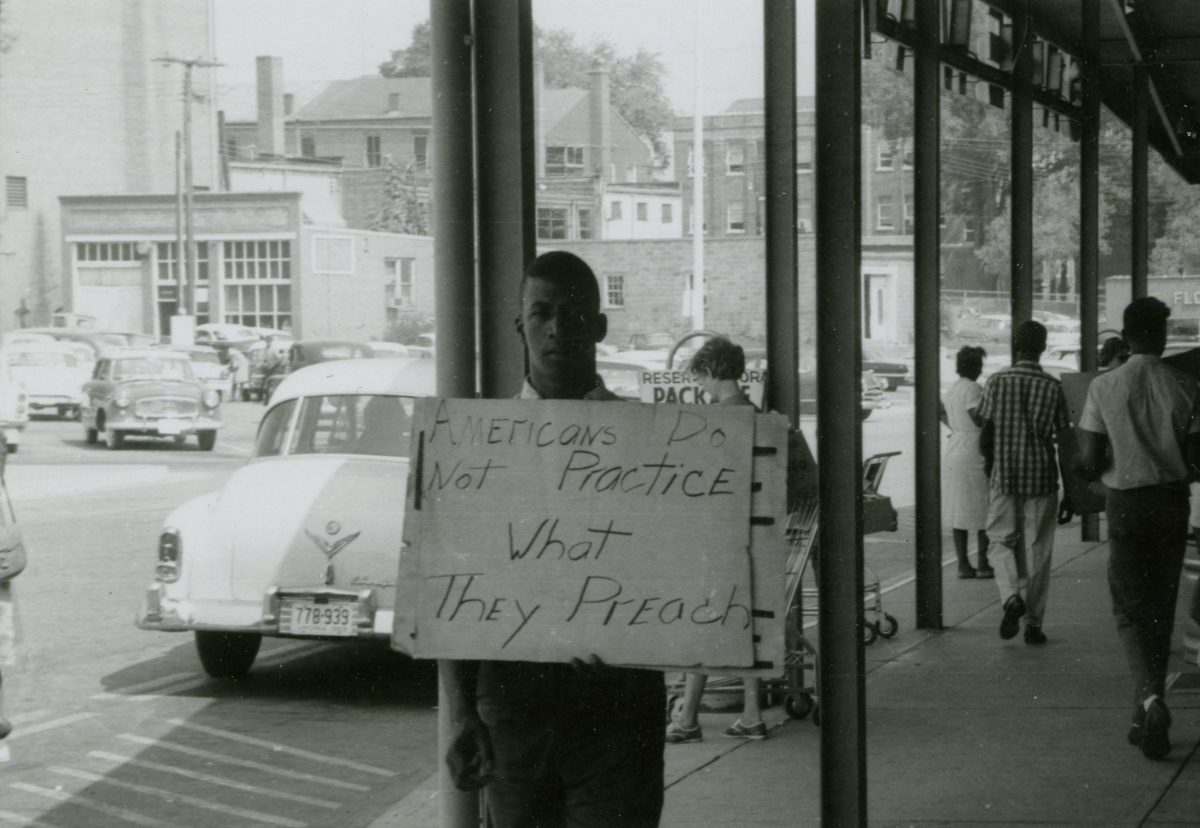
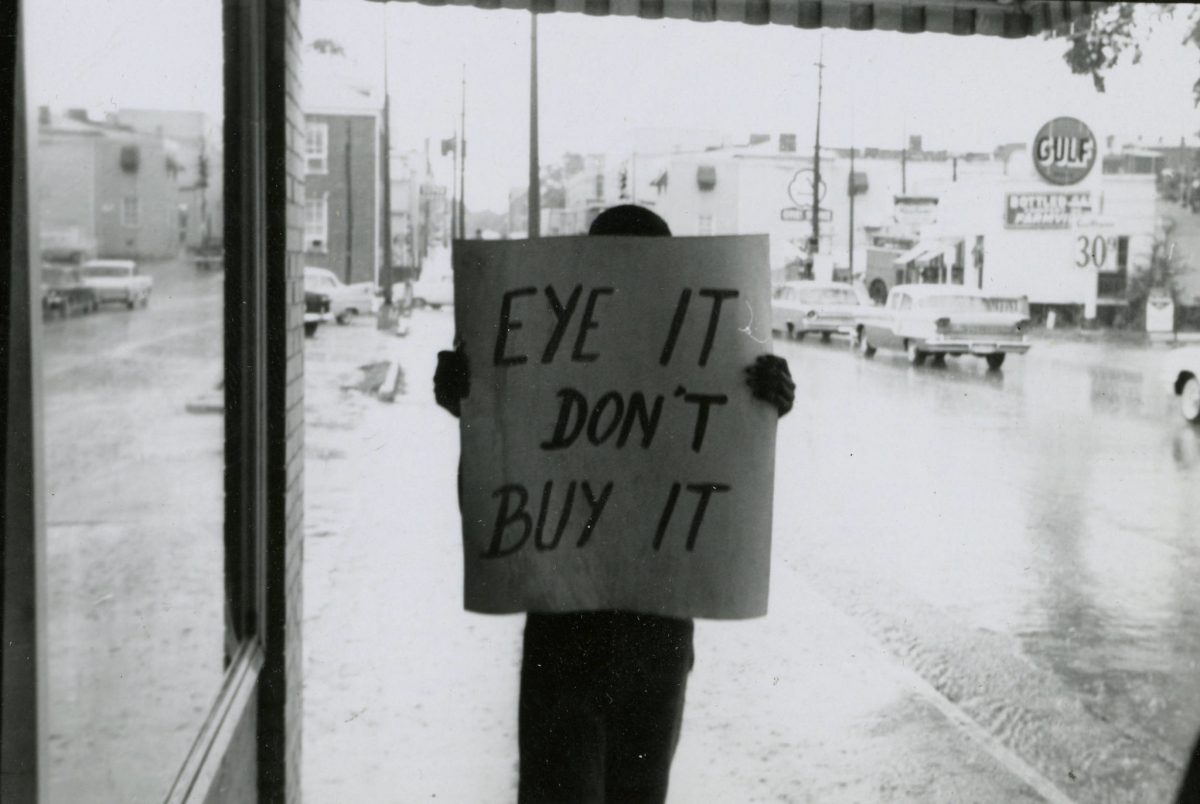
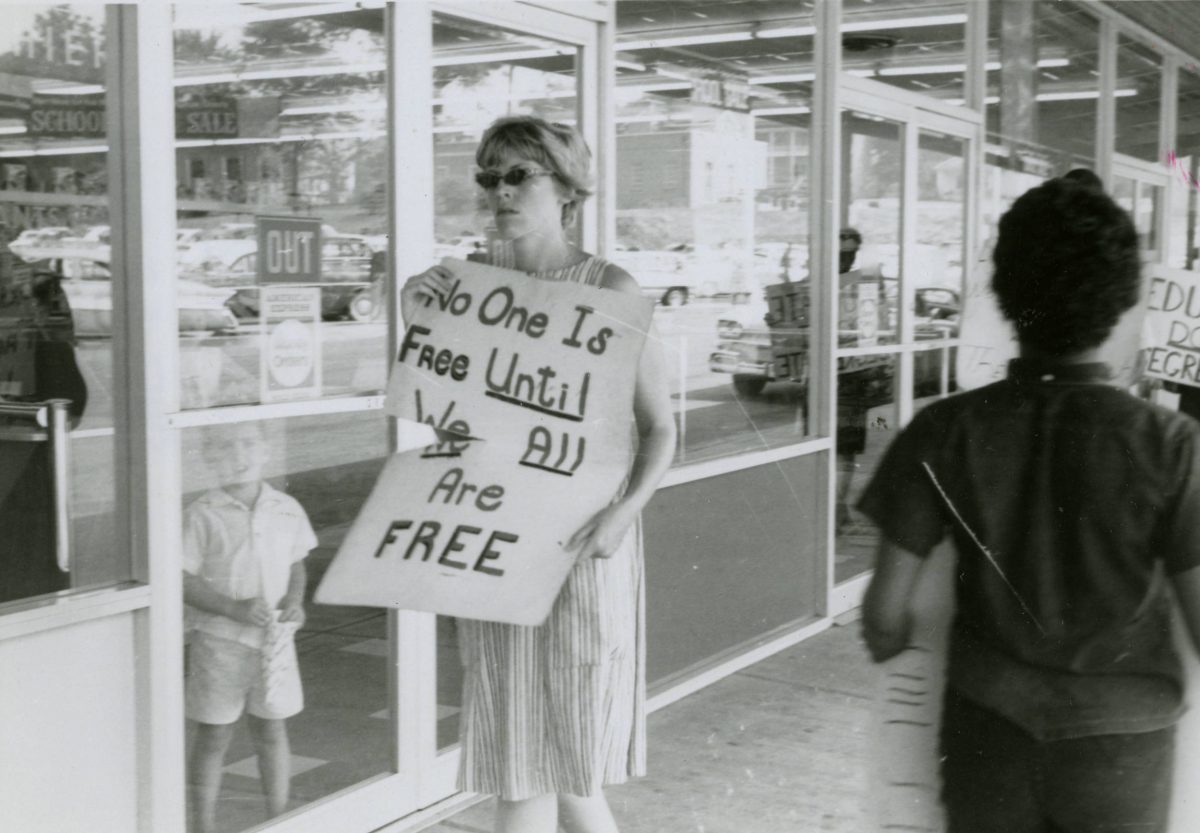
Protesters outside Grants carried signs with direct, forceful messages. “Freedom Now for all Men and Women” was not a distant demand — it was a statement of immediate expectation from people who had already waited four years just to see a classroom.
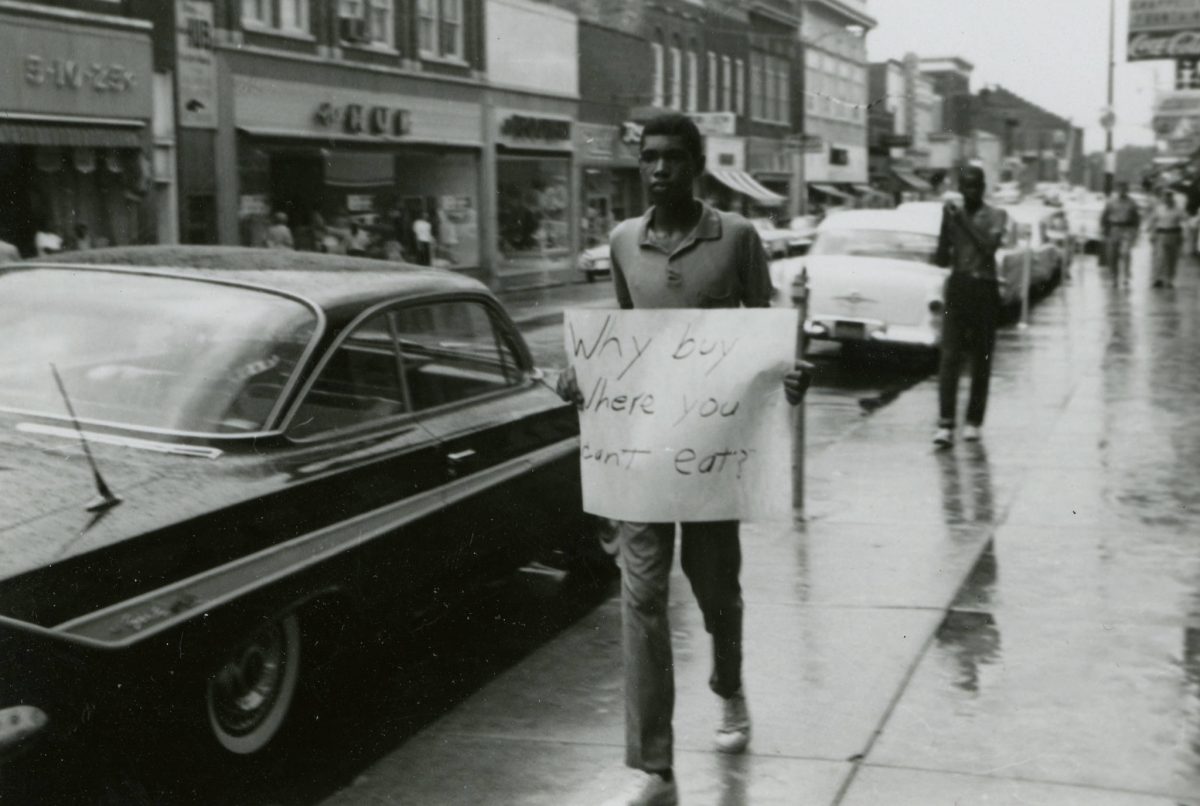
Back on Main Street, the message on protest signs cut through any attempt at passive justification. “Why buy where you can’t eat?” asked protesters of Black shoppers who continued patronizing segregated businesses. It was a question that tied consumer choice directly to civil rights, pushing the community to act on its own power.
Religious leaders were visible throughout the protests. Rev. Goodwin Douglas, pastor of Beulah AME Church, marched carrying a sign that read “Father forgive them…” — a reference to the words of Jesus on the cross. Douglas later served as Presiding Elder of the Capitol District of the African Methodist Episcopal Church until his retirement. The presence of clergy gave the movement both moral authority and organizational strength.
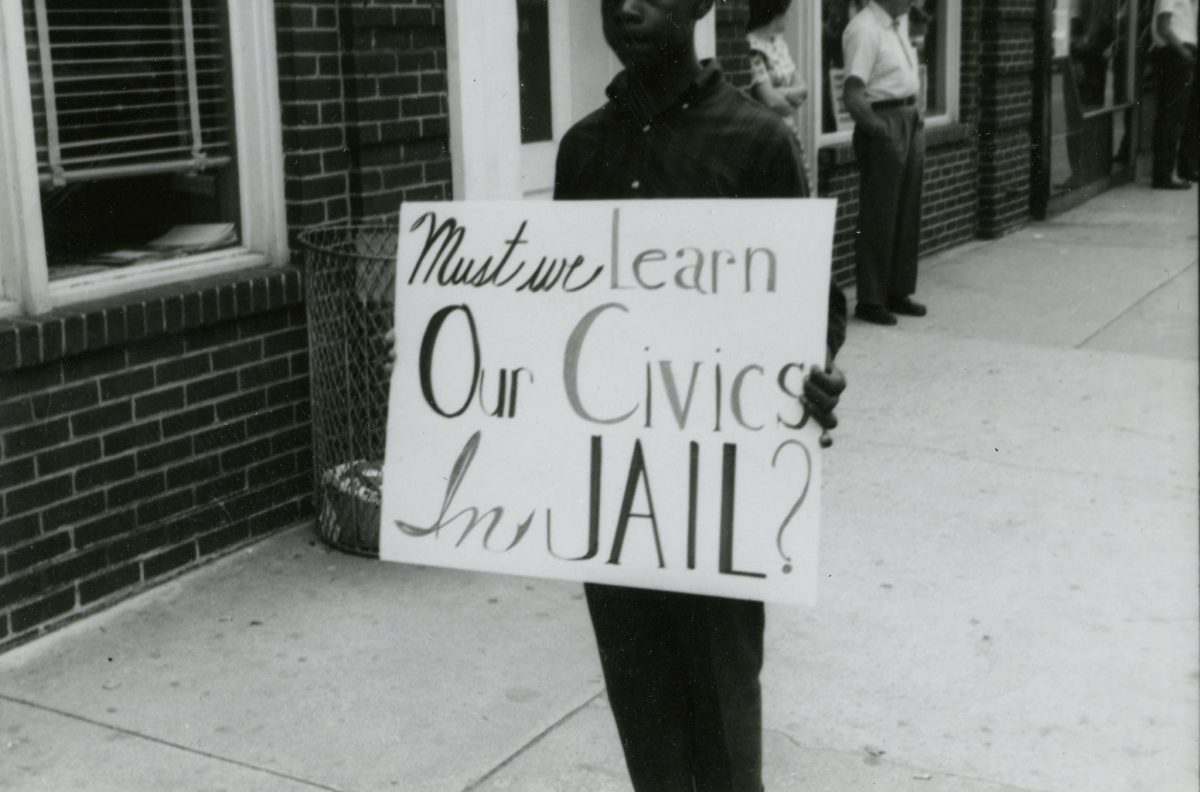
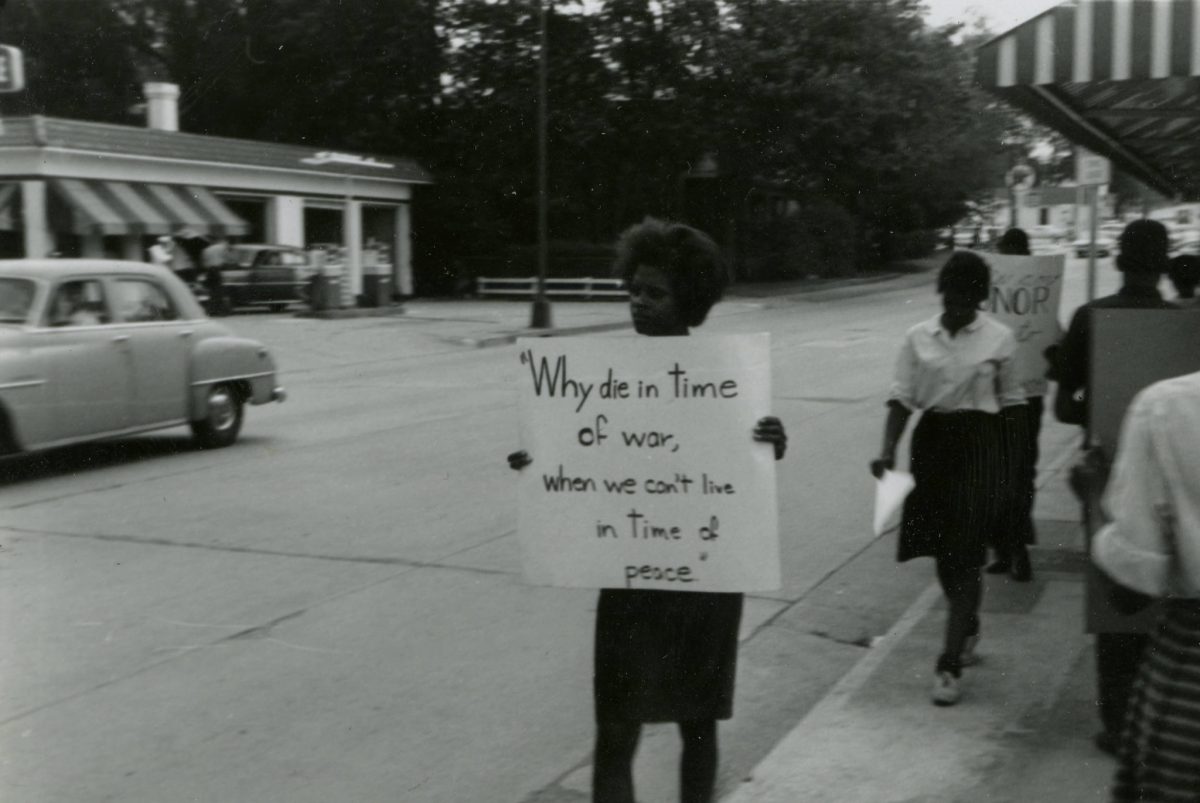
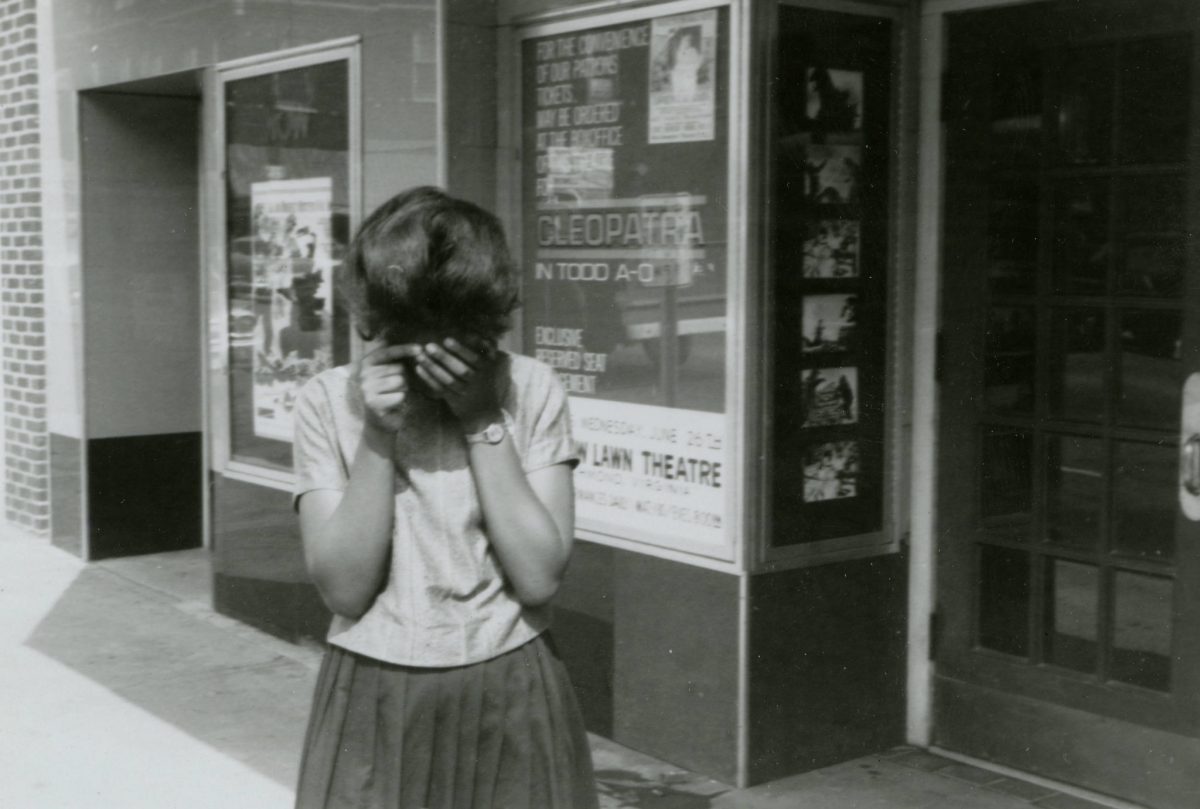
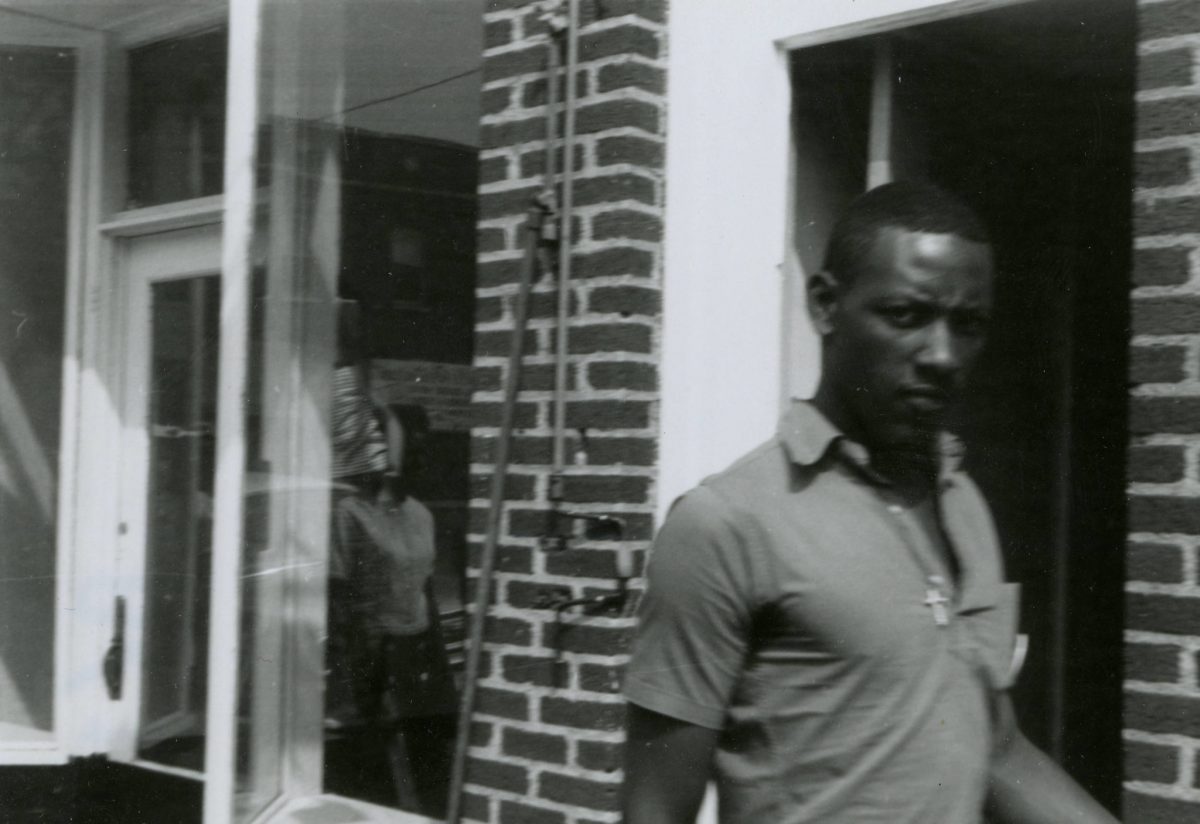
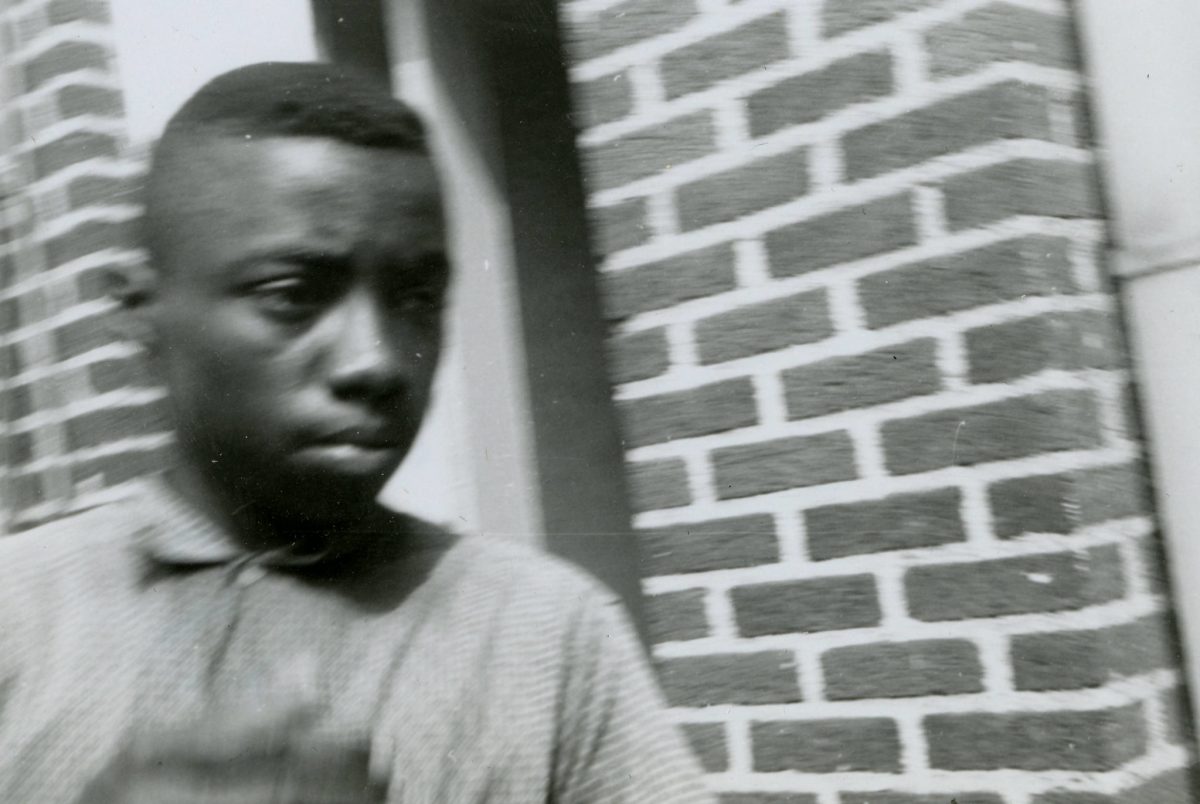
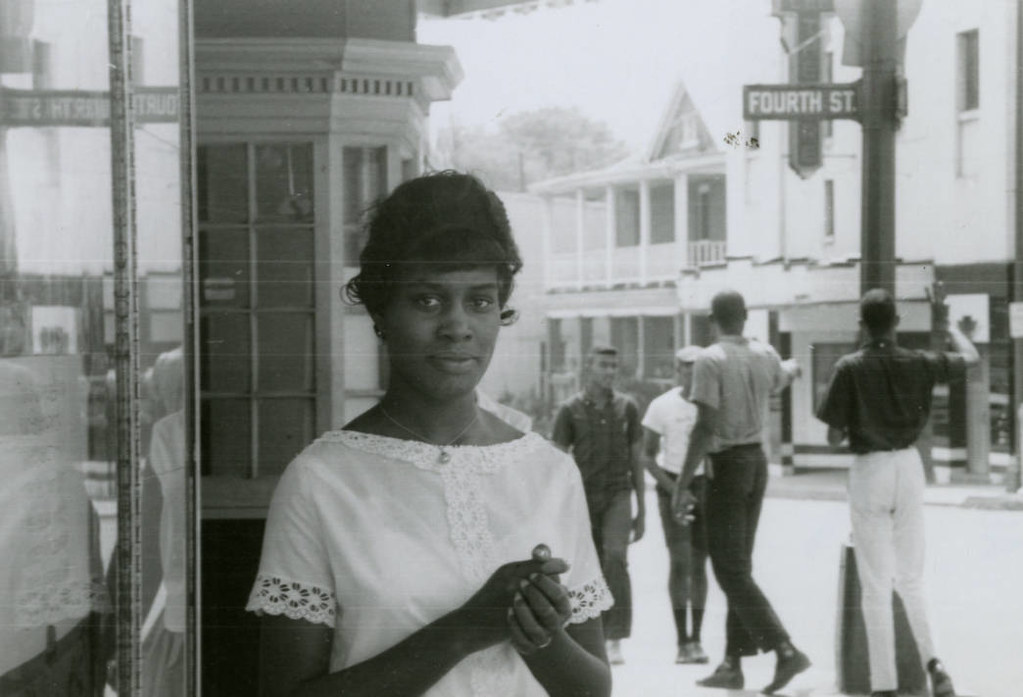
Among the many individuals who put themselves on the line throughout the summer were Clara Gibson, Mary Fowlkes, Shelia Pride, Skip Griffin Jr., Carlton Terry, and Rev. Richard Hale, pastor of St. James AME Church — all documented together in one of the protest photographs. These were not professional activists imported from outside. They were Farmville residents standing in front of the businesses they had always lived near.
The protests formally ended on September 23, 1963, with the creation of the Prince Edward Free School Association. This nonprofit built and ran an integrated school system in Prince Edward County. It operated until 1964, when the United States Supreme Court ordered the county to reopen its public schools — a direct result of the years of legal and on-the-ground pressure that Griffin and the broader community had sustained.