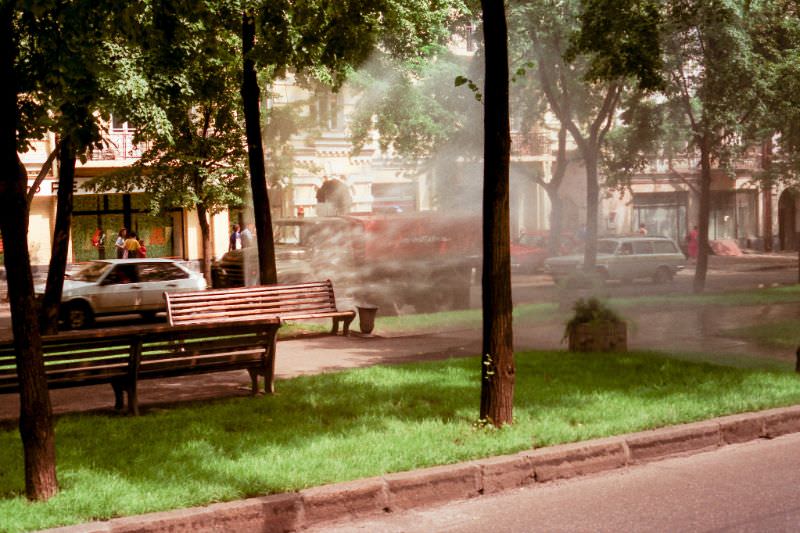

By 1989, Eastern Europe was sitting on the edge of a complete political collapse. For decades, countries like Poland, Czechoslovakia, Hungary, and East Germany had operated under Soviet-backed communist rule. Citizens had little freedom of speech, limited access to outside information, and virtually no say in their governments. But that year, everything began to crack. Photographer Eesomest walked through the streets of these cities and captured what daily life actually looked like — not the propaganda version, but the real one.
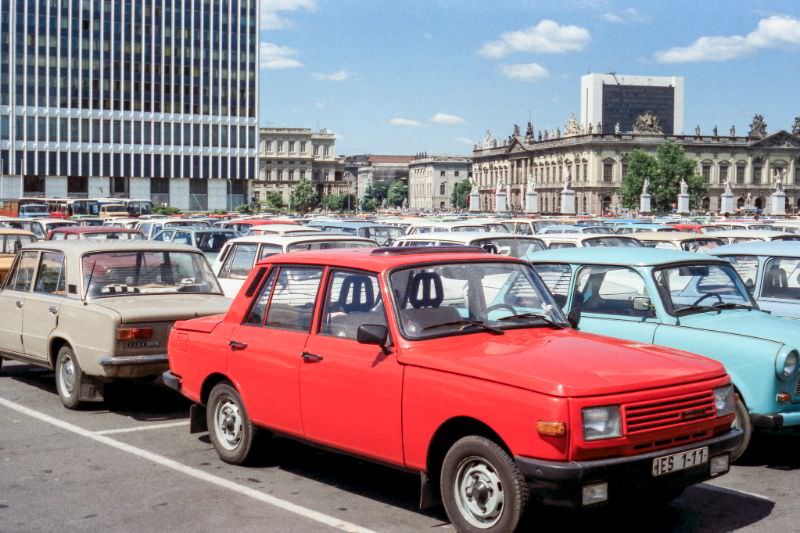
East Berlin in 1989 was a city under pressure. The East German government was facing protests in Leipzig, Dresden, and Berlin itself. Hundreds of thousands of people were taking to the streets demanding reform. Among the most ordinary details of East Berlin street life was the Wartburg — a two-stroke car manufactured in the GDR. It was one of the most common vehicles on East German roads, a product of a state-run economy that had no real competition.
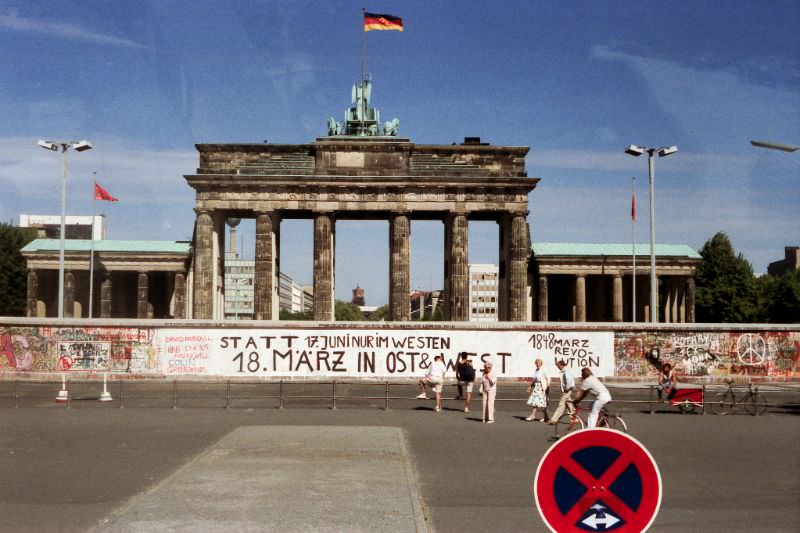
Just a few miles away, yet separated by a fortified concrete wall and armed checkpoints, stood West Berlin. The Brandenburg Gate was the most visible symbol of the city’s division. Built in the 18th century as a triumphal arch, it had become, by 1989, a monument stranded in the no-man’s land between East and West. West Berliners could see it but not touch it. That changed on November 9, 1989, when the Wall fell and crowds surged through the gate for the first time in nearly three decades.
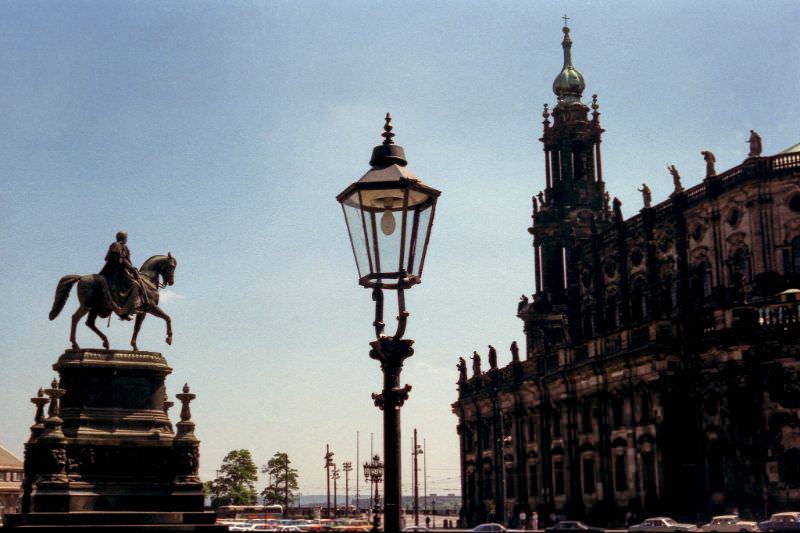
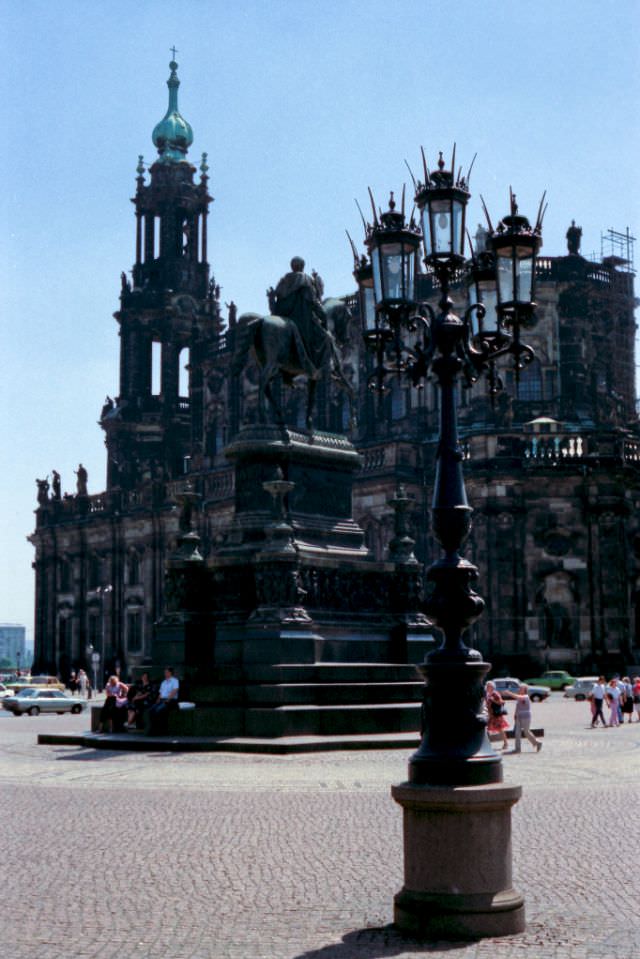
Dresden, in southeastern East Germany, was a city still visibly scarred from World War II. Allied firebombing in February 1945 had leveled much of the historic city center. By 1989, reconstruction had been ongoing for decades but was far from complete. The city was also a major site of the protest movement that swept East Germany that autumn.
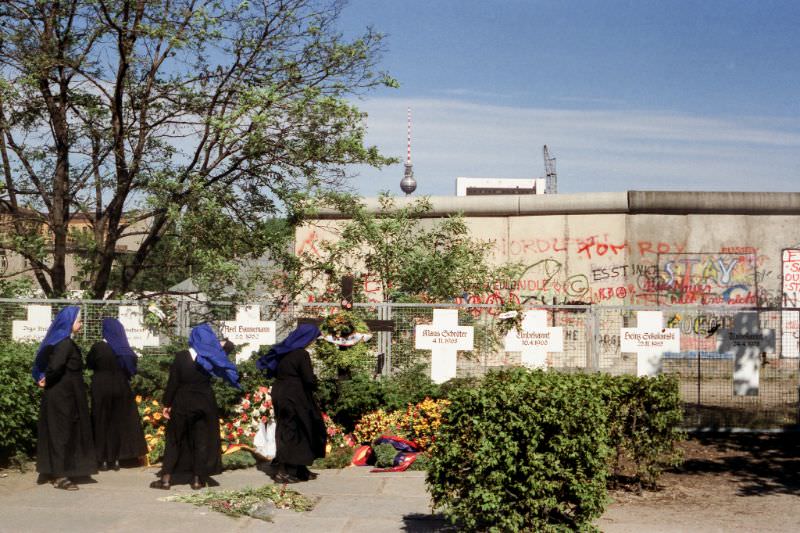
Back in West Berlin, one sobering sight was the memorial dedicated to those who were killed trying to cross the Berlin Wall. Between 1961 and 1989, at least 140 people were shot or died attempting to flee East Germany. The crosses and markers stood as a visible reminder — on the western side of the Wall — of the cost of division.
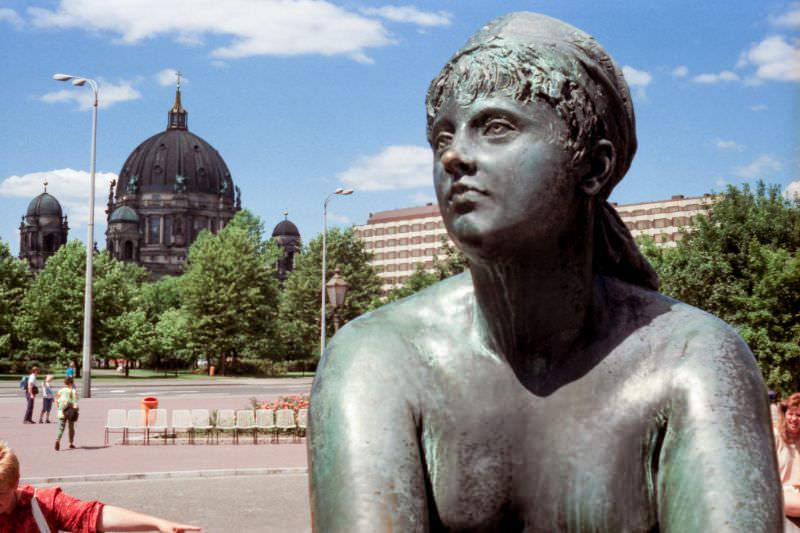
East Berlin had its own architectural pride. The Neptunbrunnen fountain, with its baroque sculptures of Neptune and four river goddesses, sat near the Berliner Dom — the grand Protestant cathedral that the East German state had allowed to stand, though it had little use for the church. These landmarks gave East Berlin a sense of historical continuity that the communist government often used for its own promotional purposes.
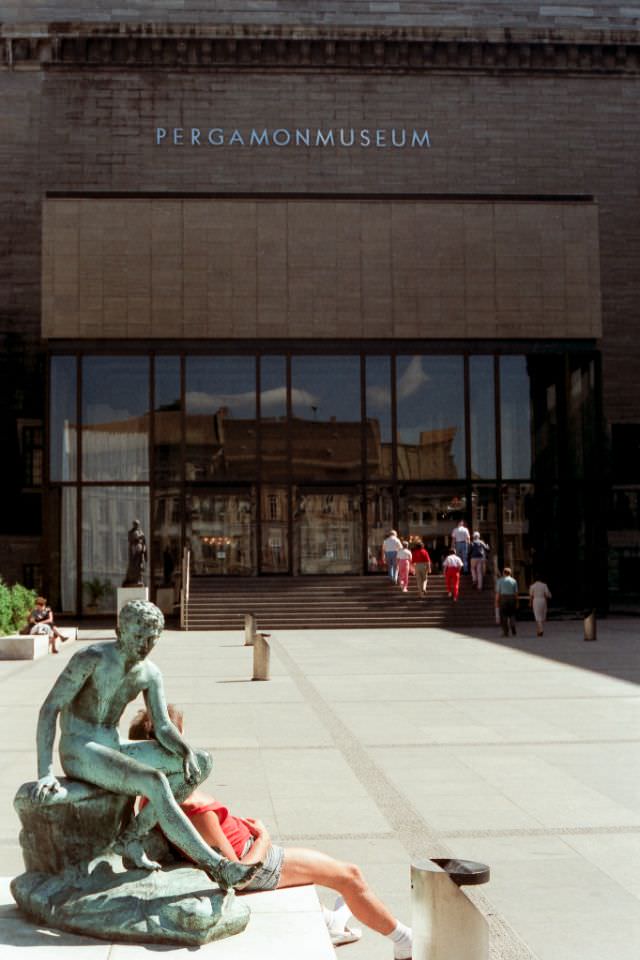
The Pergamon Museum on Museum Island in East Berlin housed one of the world’s most remarkable collections of ancient architecture, including the reconstructed Pergamon Altar and the Ishtar Gate of Babylon. The East German government kept it maintained and open to visitors, using it as a showcase of cultural prestige even as its economy faltered.
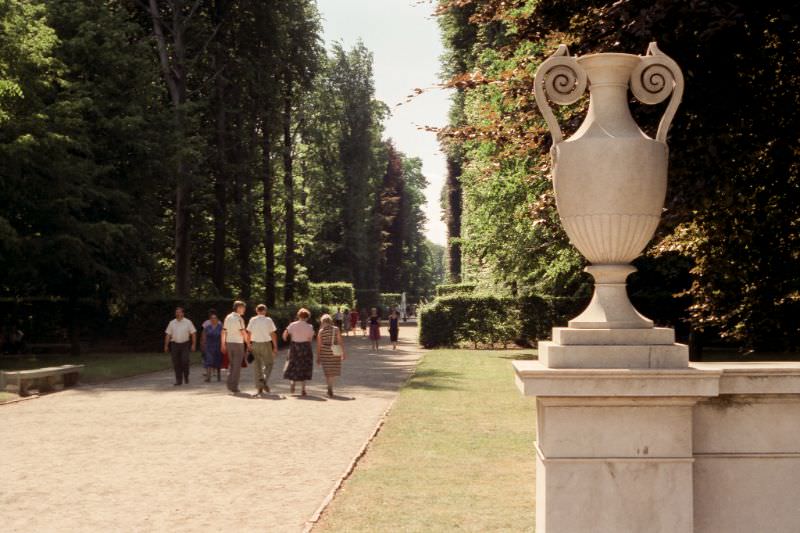
Southwest of Berlin, the palace complex at Sanssouci in Potsdam represented the 18th-century grandeur of Prussian King Frederick the Great. Built as his personal summer retreat, the terraced vineyard palace had survived both World War II and decades of East German rule. In 1990, it would be declared a UNESCO World Heritage Site.
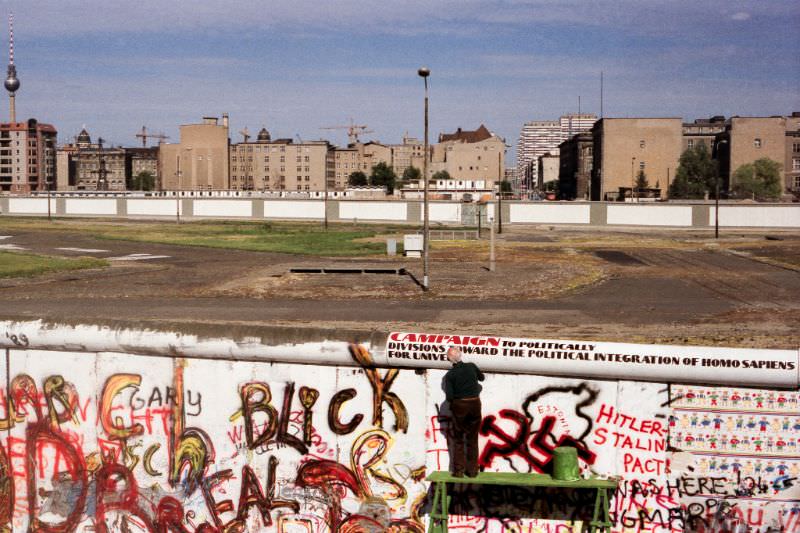
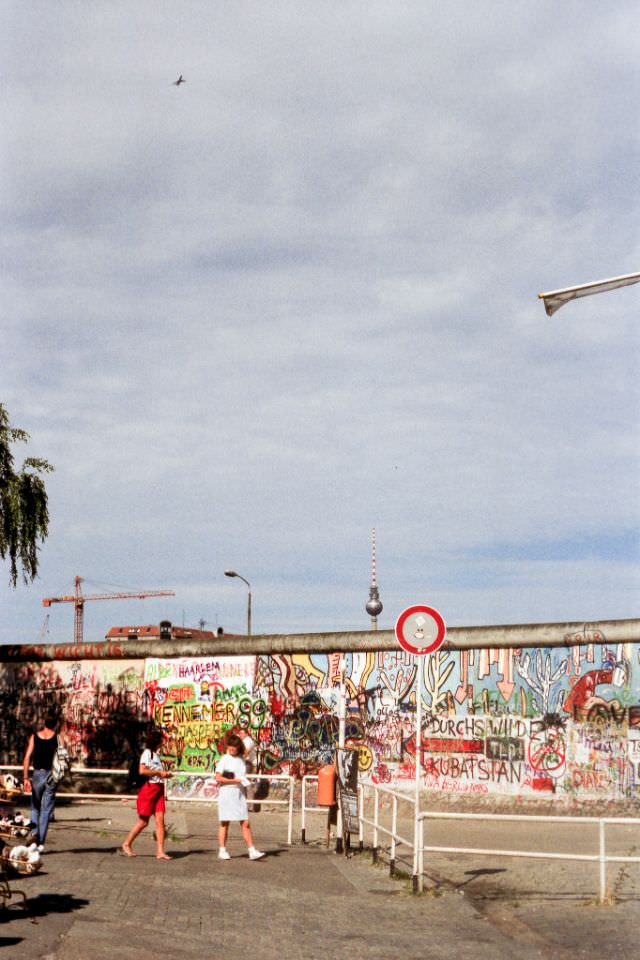
From the West Berlin side, the view across the Wall into East Berlin was stark. Watchtowers, a wide death strip, and the backs of East Berlin buildings were visible — a physical reminder that the city had been cut in two since August 1961.
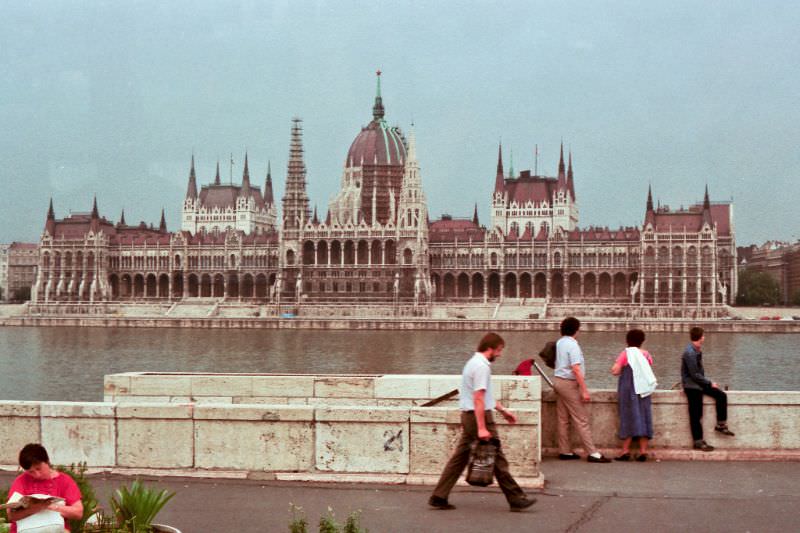
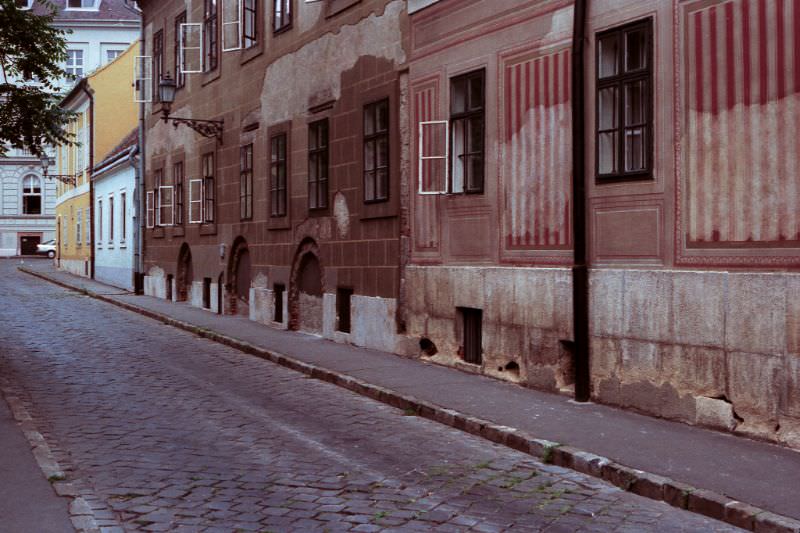
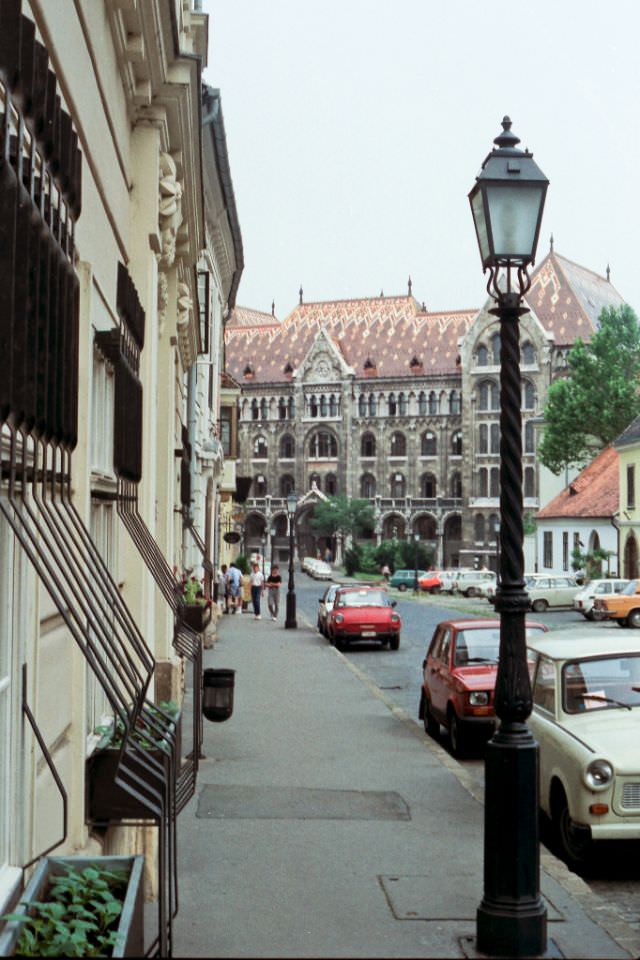
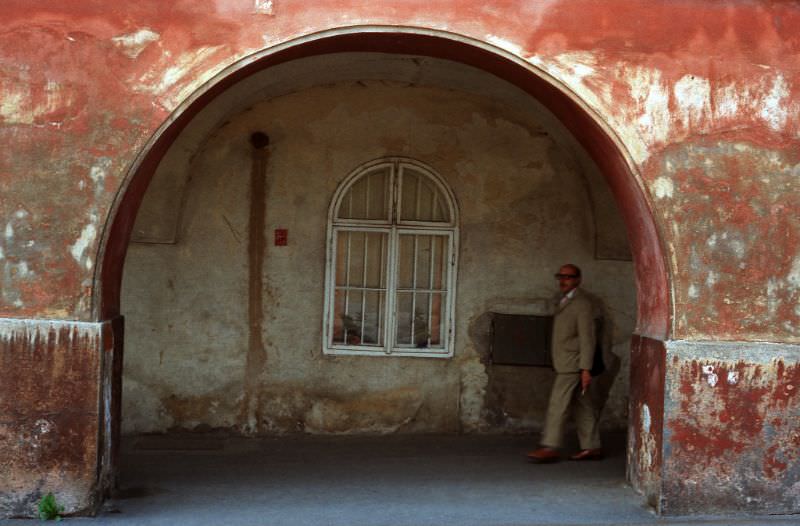
Hungary in 1989 was moving faster than any other Eastern Bloc country toward reform. The Hungarian government began dismantling the barbed-wire fence along its border with Austria in May 1989 — the first physical break in the Iron Curtain. Budapest’s streets that year reflected a society in real transition. Shops, cafes, and public spaces showed a city that was already opening up in ways that East Berlin or Warsaw had not yet managed.
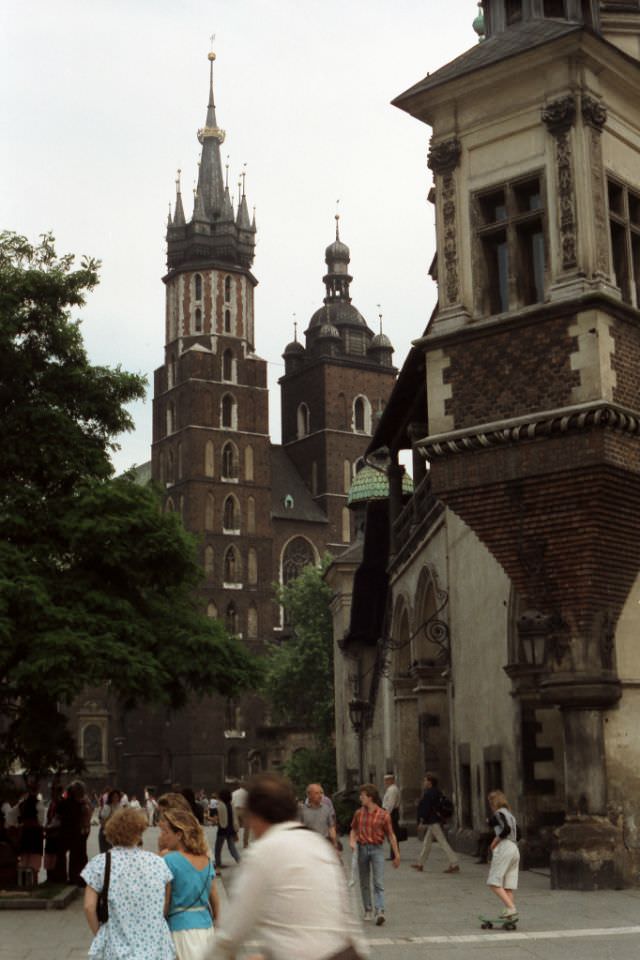
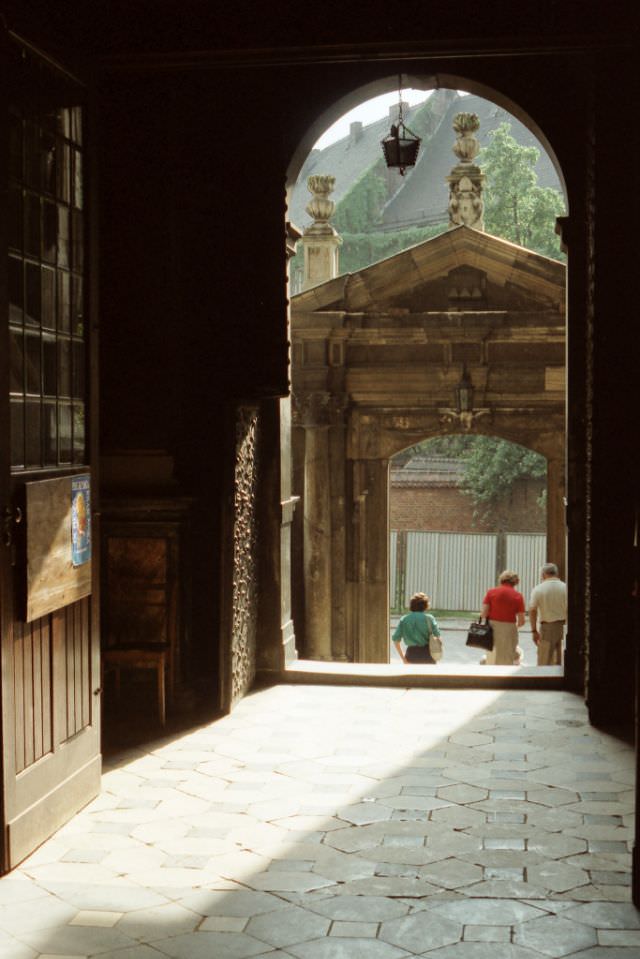
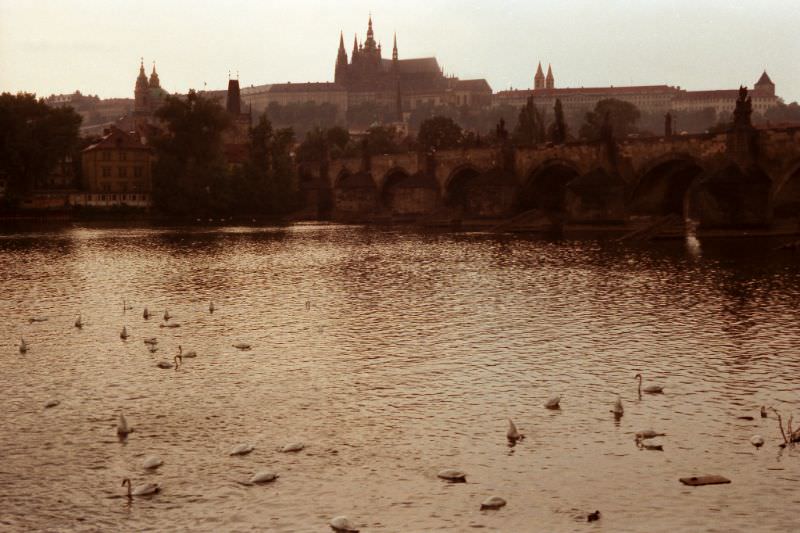
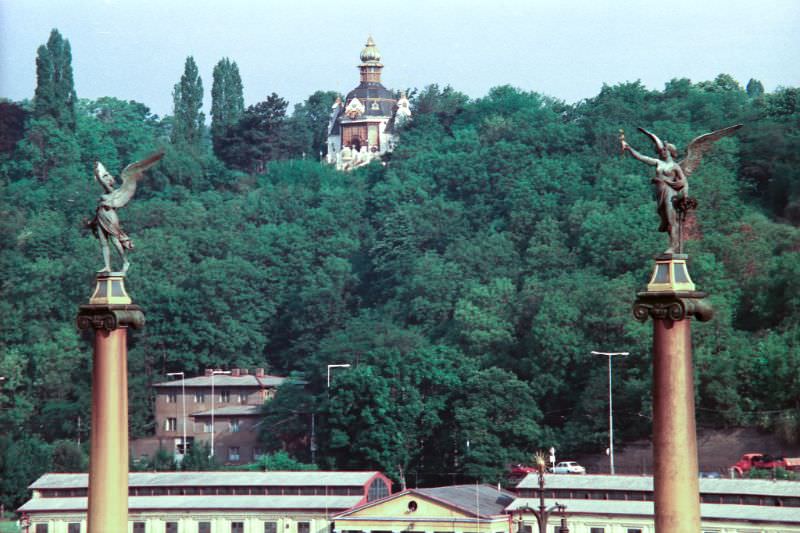
Prague in 1989 had one of the most dramatic political climaxes of any city in the Eastern Bloc. In November, the Velvet Revolution brought hundreds of thousands of people into Wenceslas Square in peaceful protest. The communist government resigned within weeks — without a single shot fired. The Charles Bridge, one of Prague’s most iconic landmarks, had stood since the 14th century. From it, Prague Castle loomed above the city as it always had, though by the end of 1989 it would house a new president — playwright and dissident Václav Havel.
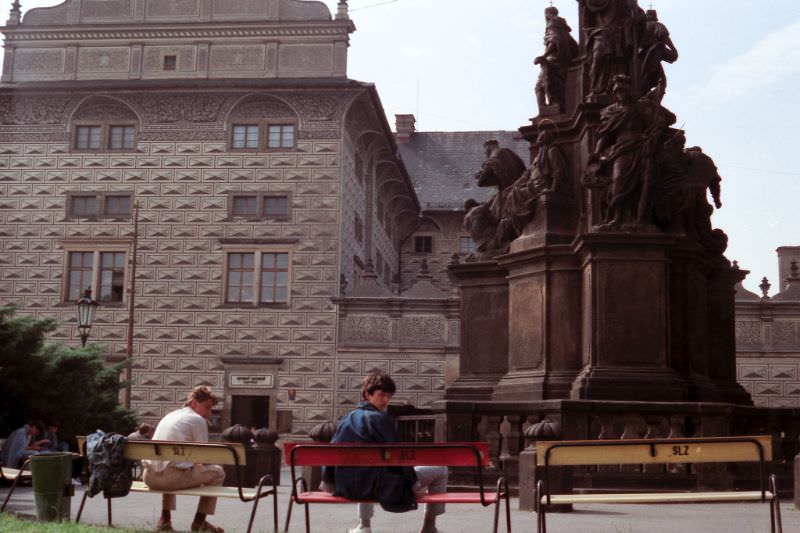
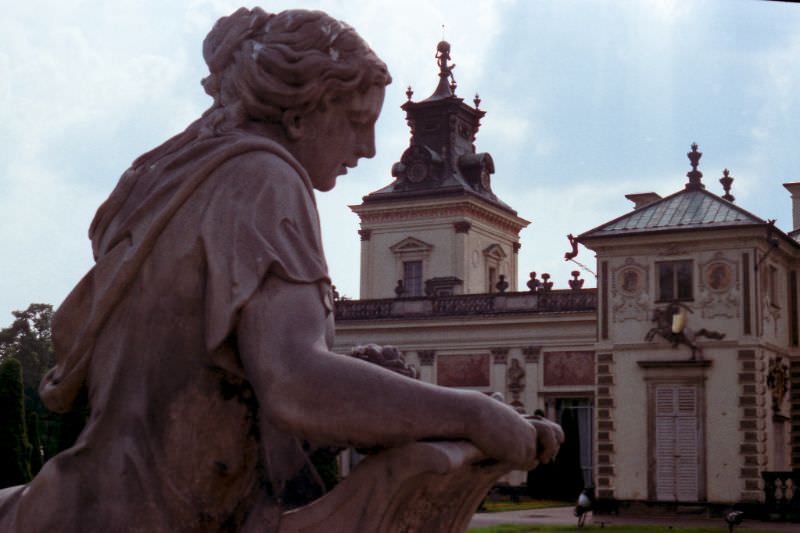
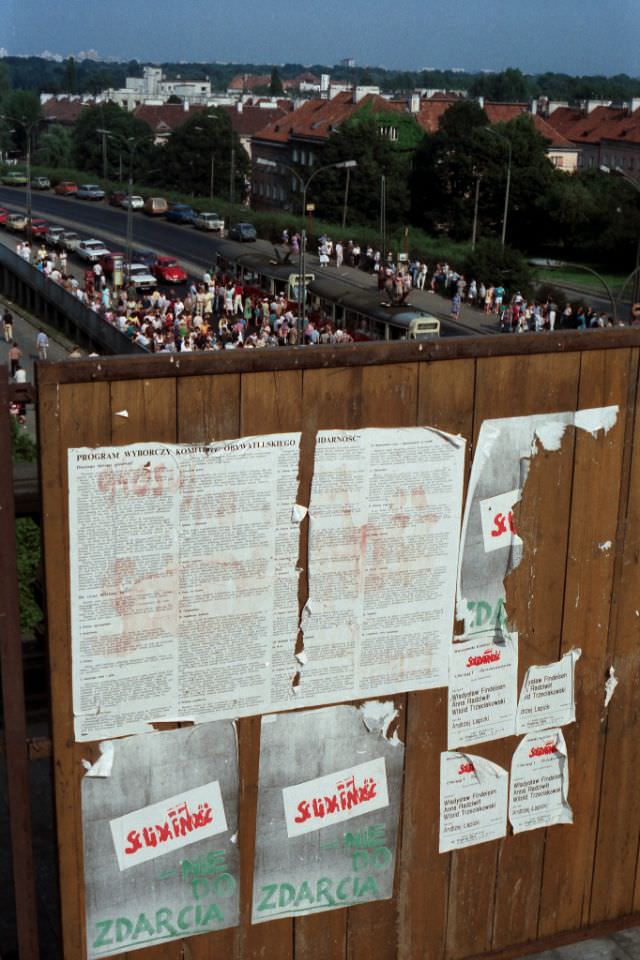
Poland had a different story. Solidarity — the trade union movement founded by Lech Wałęsa at the Gdańsk Shipyard in 1980 — had been banned in 1981 when the government declared martial law. By 1989, it was back. In June, Poland held its first partially free elections in decades, and Solidarity candidates swept the available seats. Warsaw’s streets that year carried visible signs of this shift — including Solidarity banners displayed openly for the first time in years. The Royal Castle, rebuilt after being deliberately destroyed by Nazi forces during World War II, stood as a symbol of Polish national endurance.
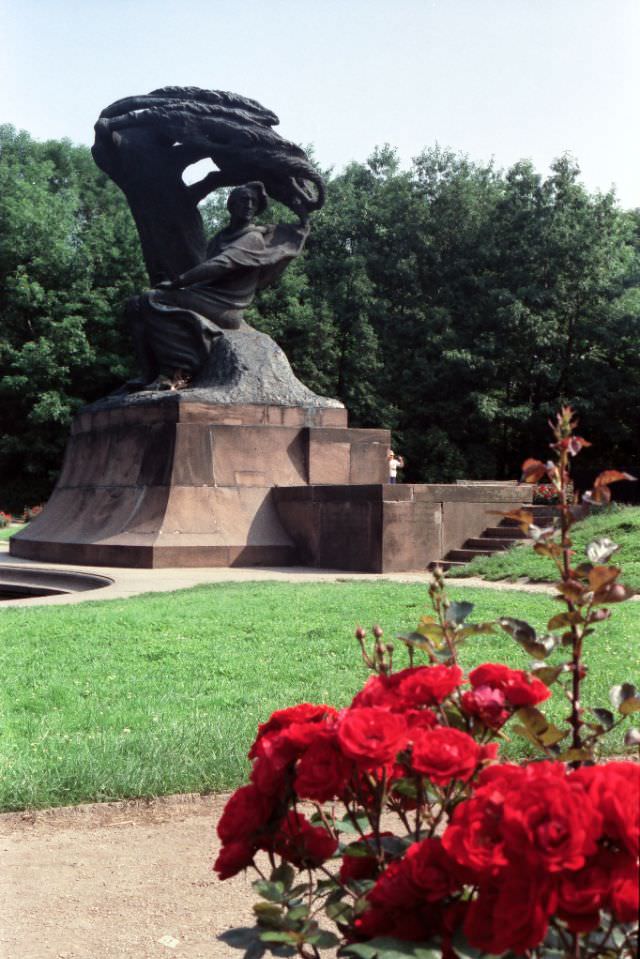
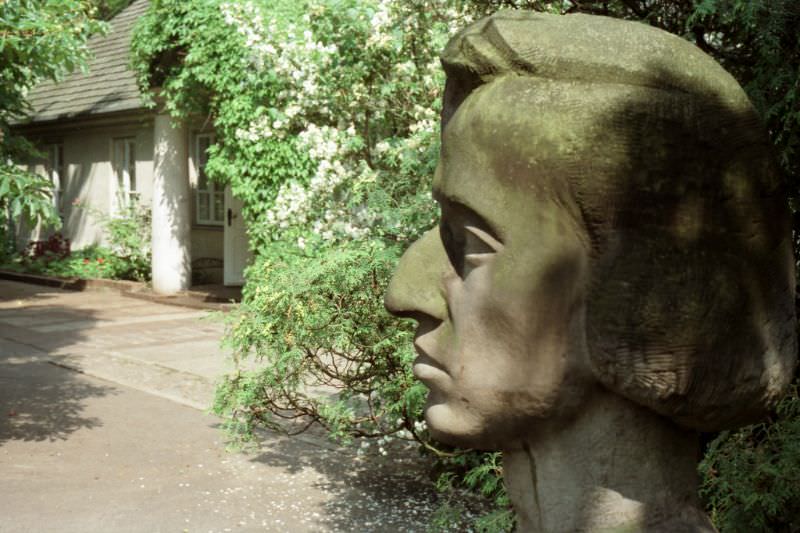
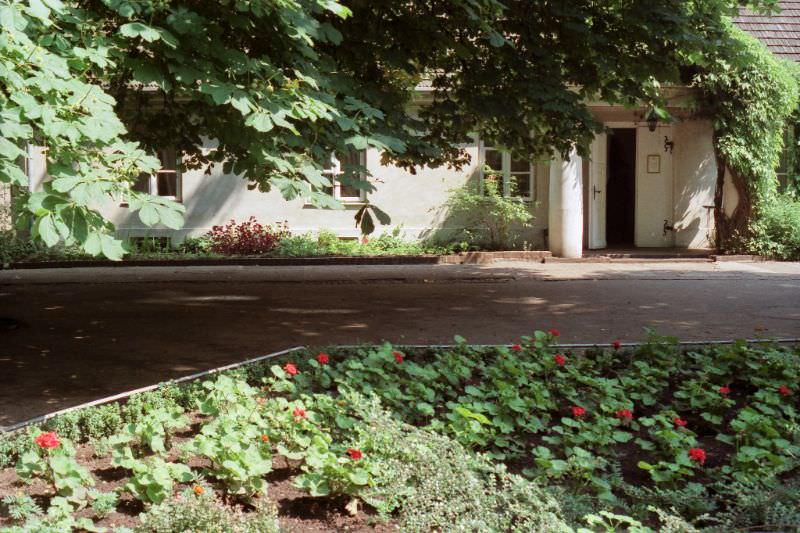
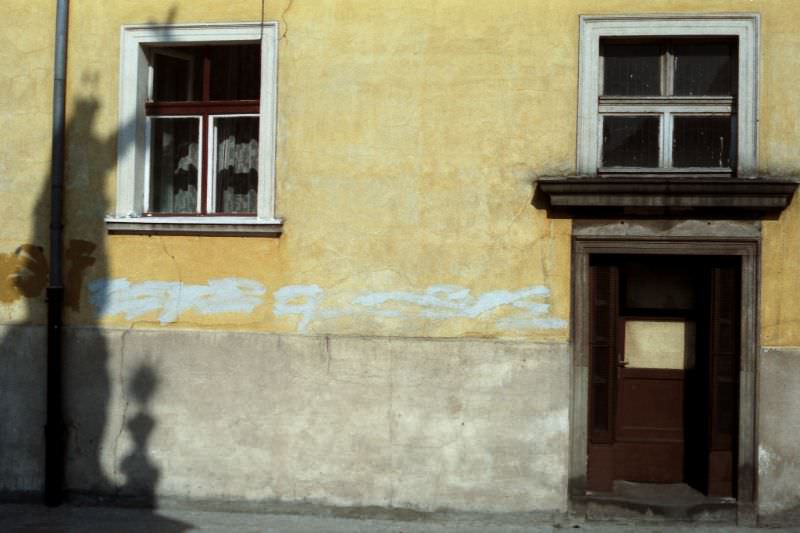
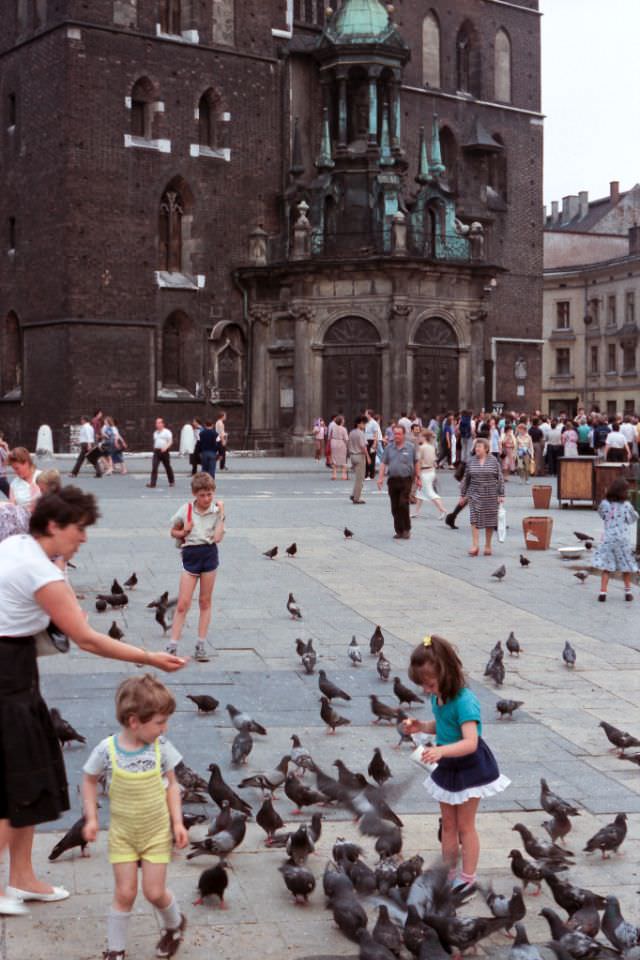
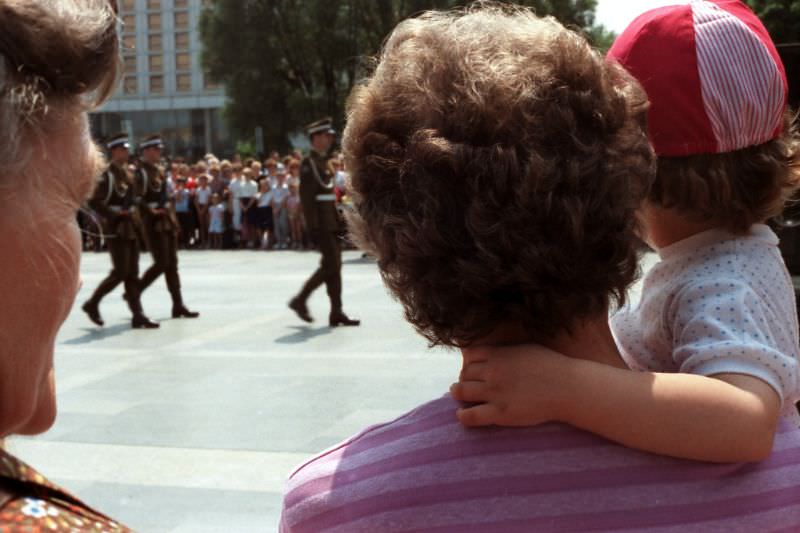
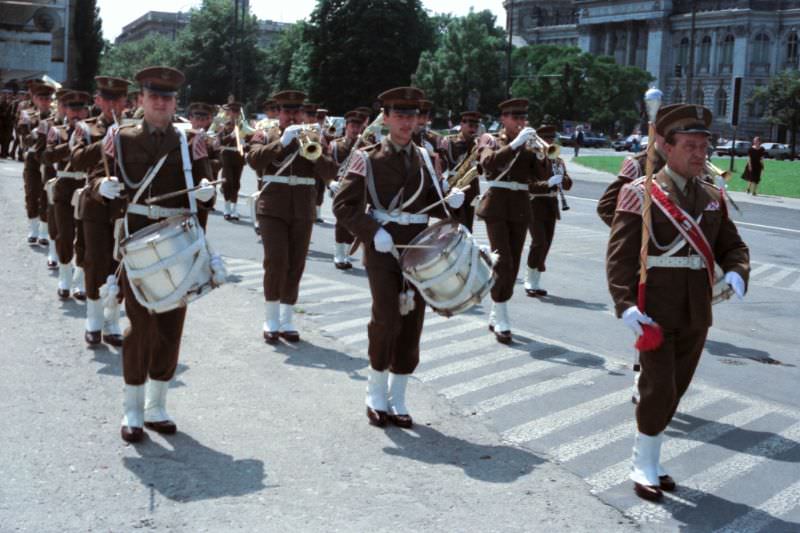
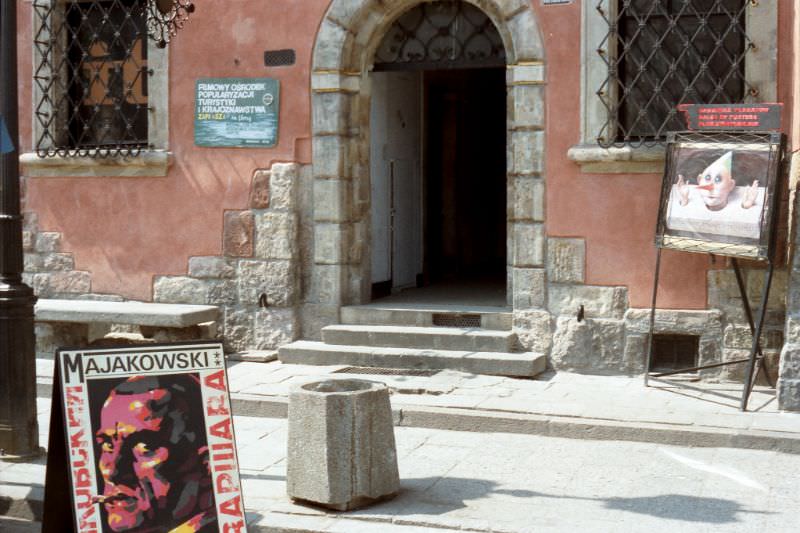
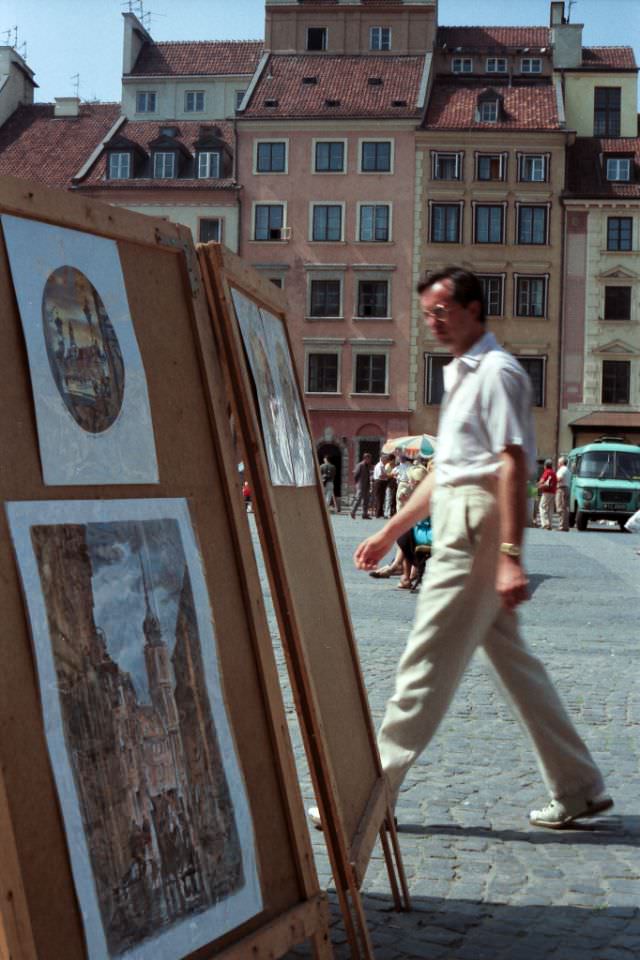
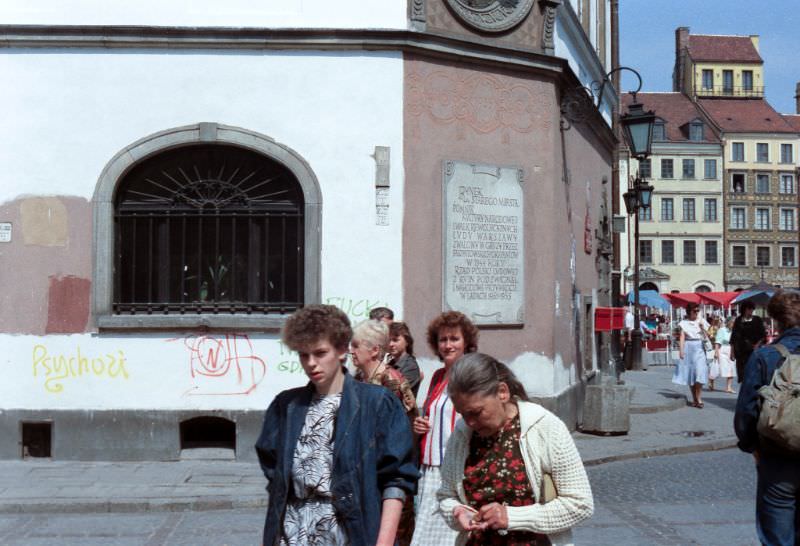
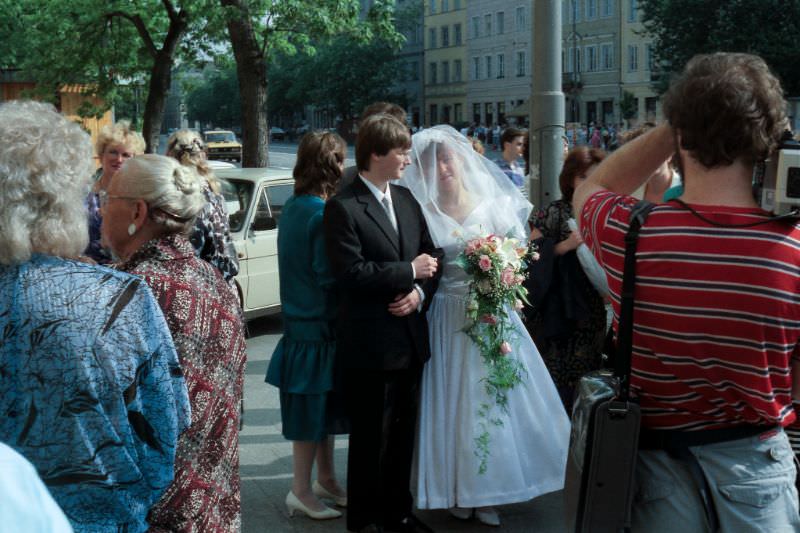
Military parades in Warsaw in 1989 still projected state power, though the government holding that power was about to change permanently. Alongside those formal displays, Warsaw’s Old Town — meticulously reconstructed after being razed by the Nazis in 1944 — carried on with street markets, weddings, and everyday life. Weddings in communist-era Poland were vivid, community-centered events, often making use of public spaces in the Old Town.
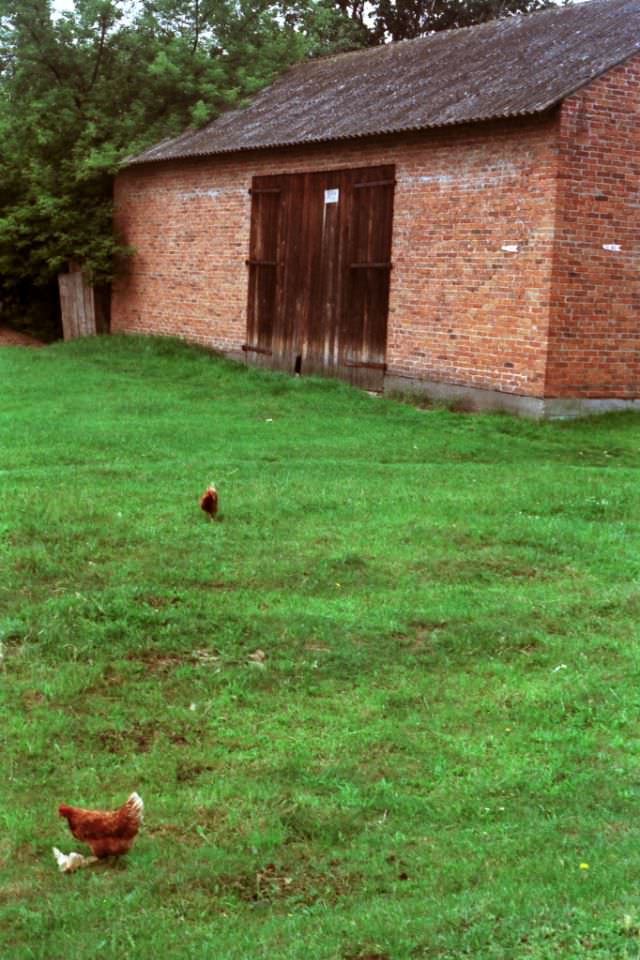
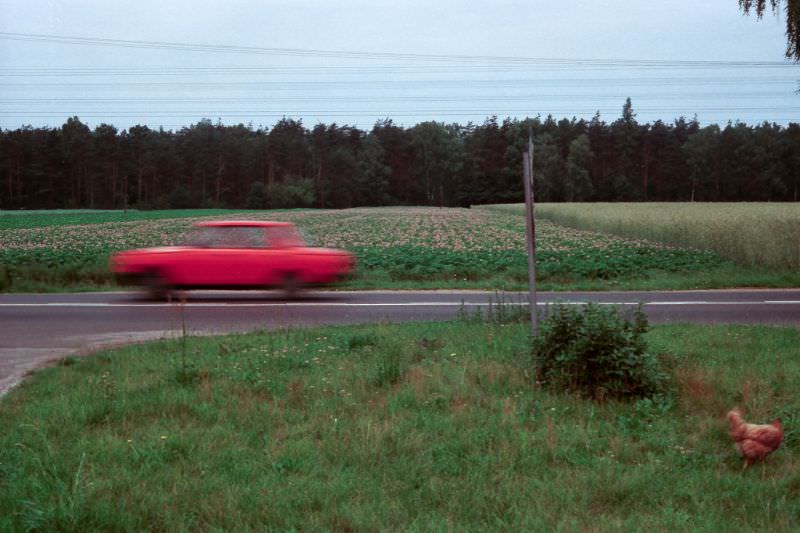
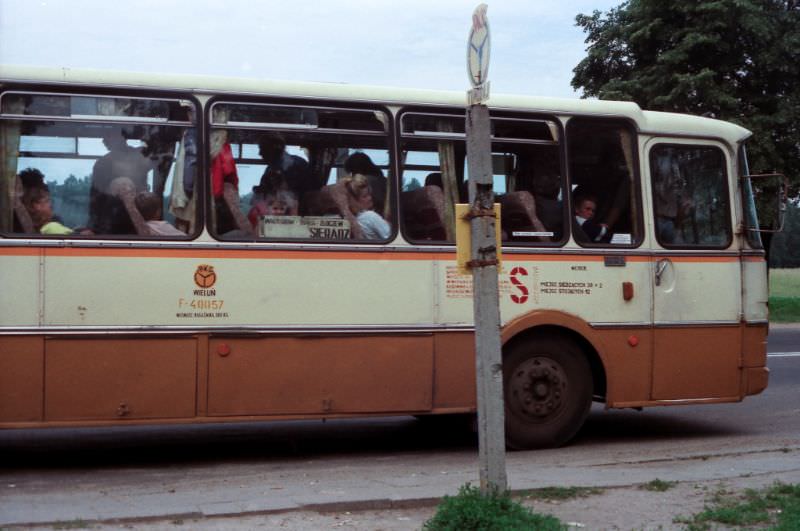
Outside of Poland’s cities, the countryside presented a quieter picture. Rural Poland in 1989 still relied heavily on horse-drawn transport and small-scale farming. State-run collective farms had never fully taken hold in Poland the way they had in the Soviet Union — most Polish farmland remained in private hands throughout the communist period.
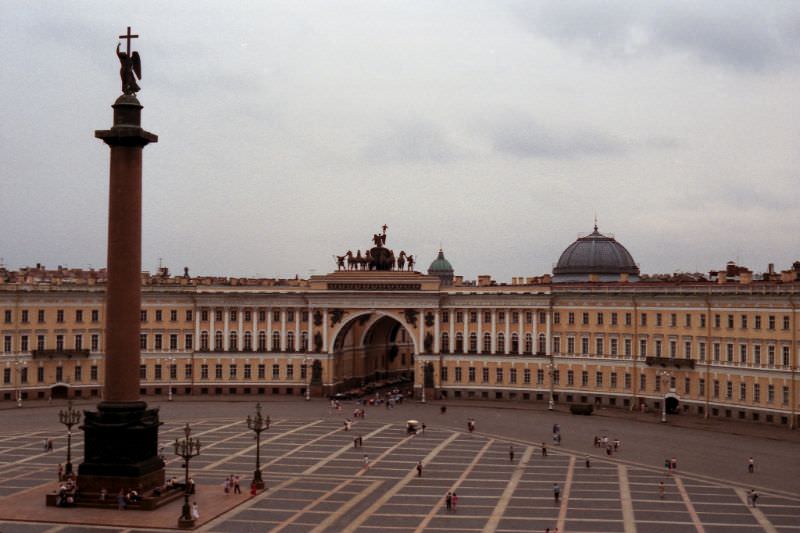
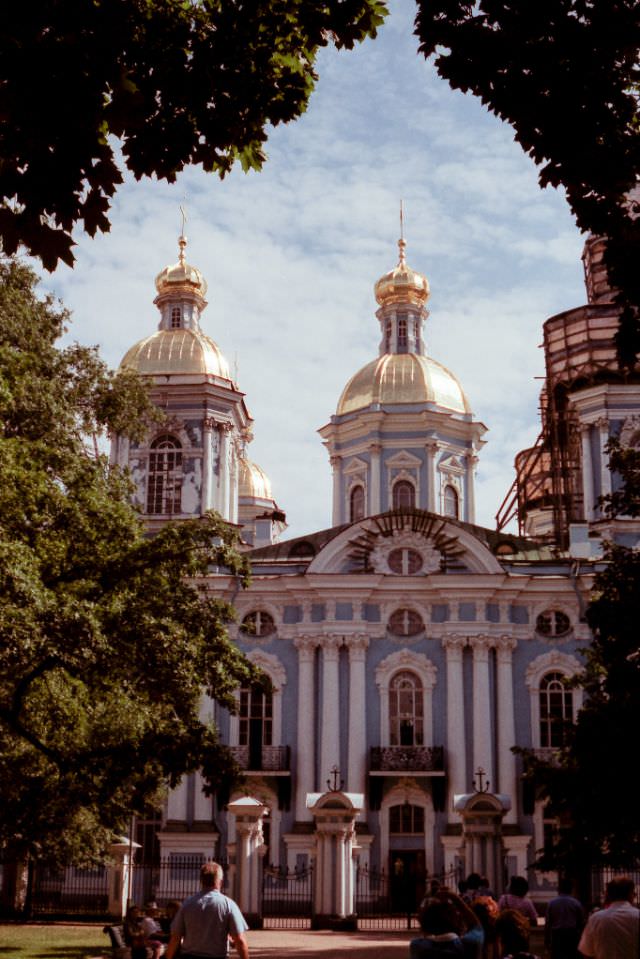
The Soviet Union itself was undergoing its own transformation in 1989. Under General Secretary Mikhail Gorbachev, policies of glasnost (openness) and perestroika (restructuring) had already loosened some restrictions on public life. In Leningrad — today’s St. Petersburg — the General Staff Building facing the Winter Palace Square had for decades served as a symbol of imperial and then Soviet military authority. The city’s streets, canals, and churches told a history stretching back to Peter the Great.
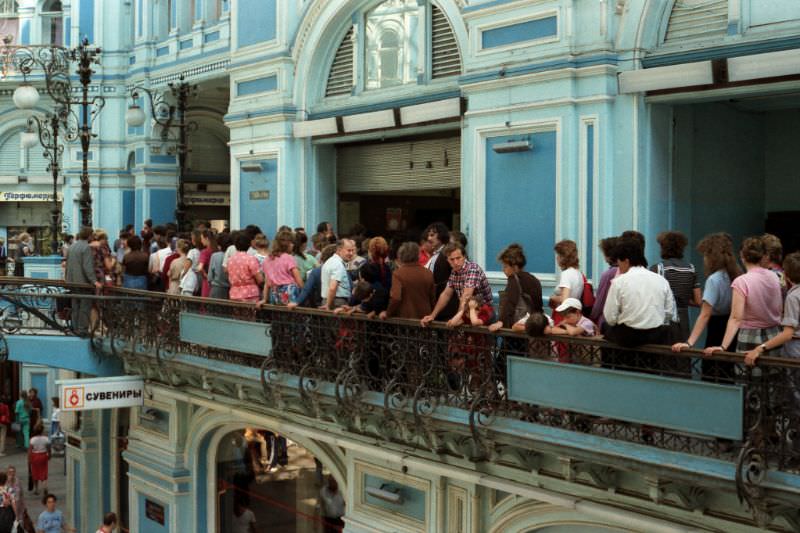
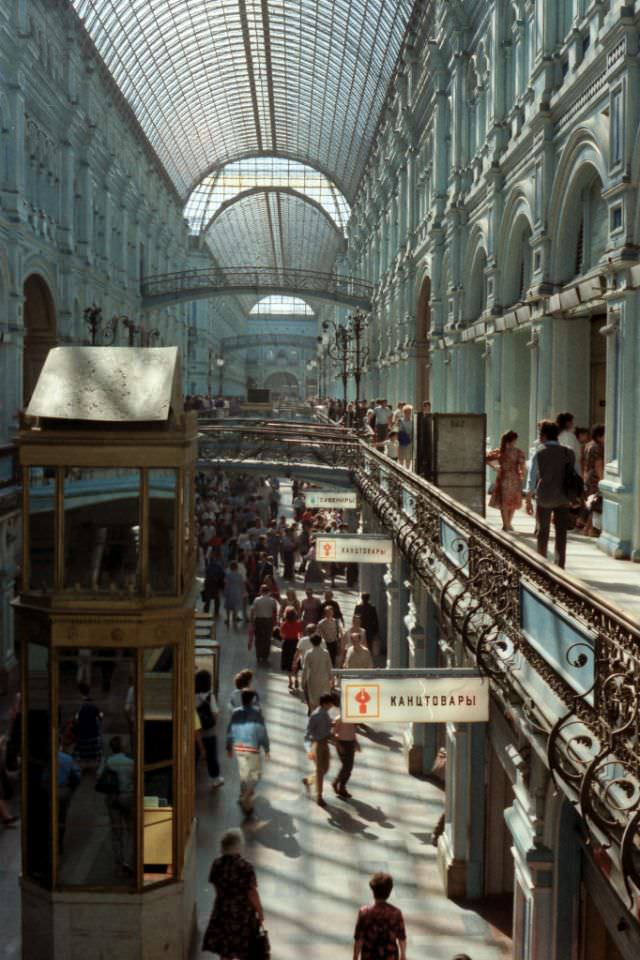
In Moscow, the GUM department store on Red Square was one of the most recognizable retail spaces in the Soviet Union. Its ornate 19th-century arcade structure housed hundreds of state-run shops. By 1989, shortages were common throughout the Soviet retail system, and queues were a daily reality for Moscow residents.
Leningrad’s streets, rivers, and public spaces had a different character from Moscow’s. The city had been besieged by Nazi forces for 872 days during World War II — the longest siege in modern history — and over one million civilians died. By 1989, that trauma was embedded in the city’s identity. The Neva River ran through the center of the city past palaces, cathedrals, and bridges that dated to the 18th century.
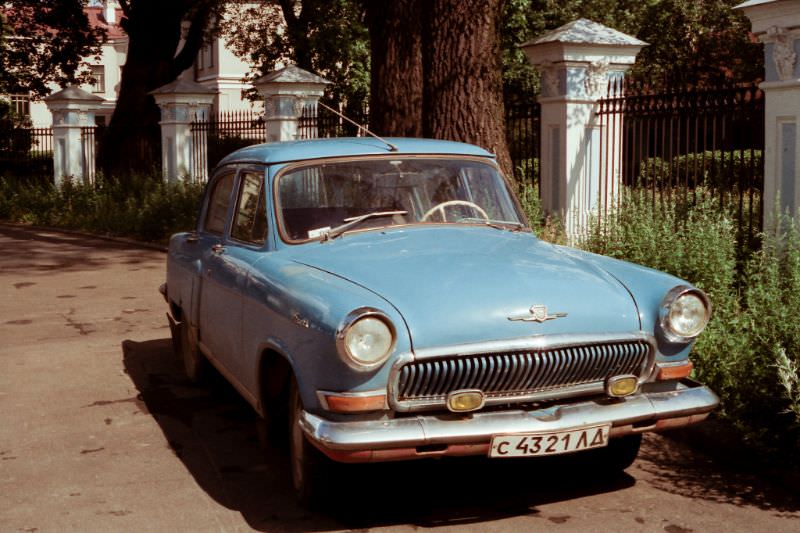
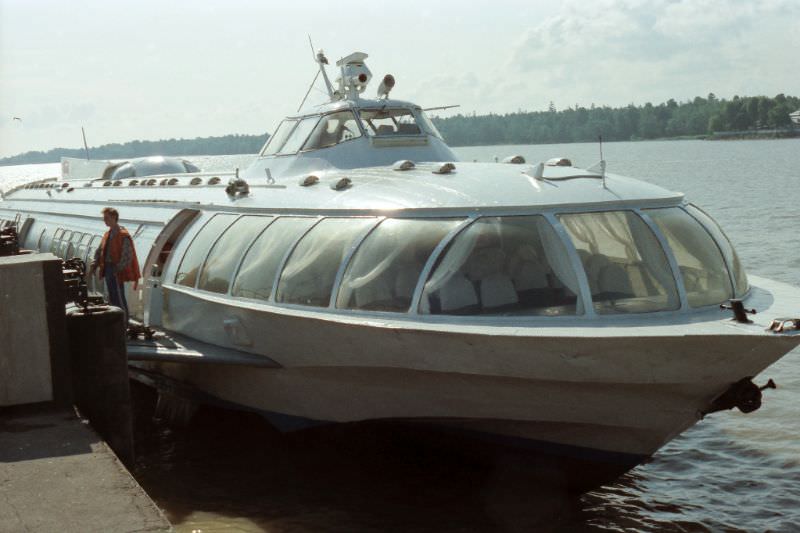
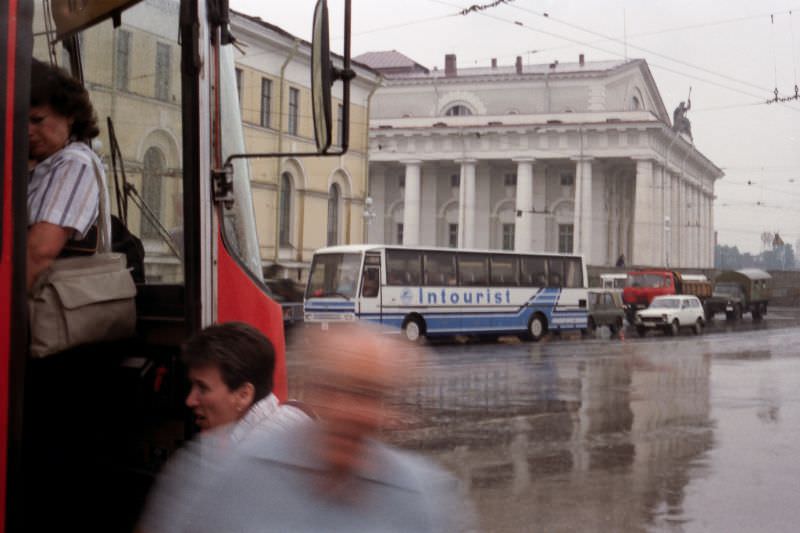
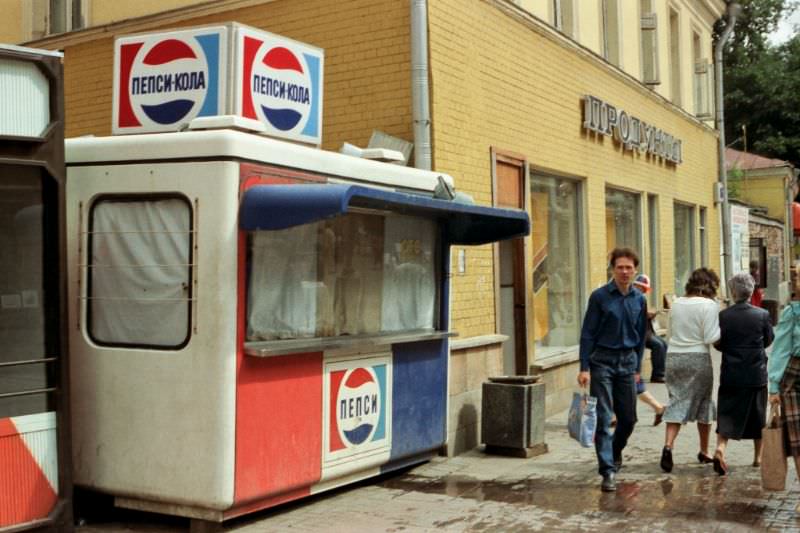
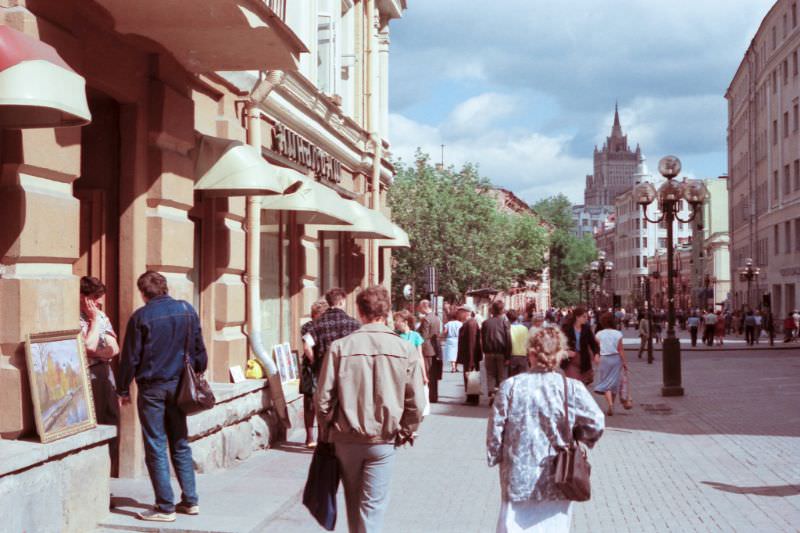
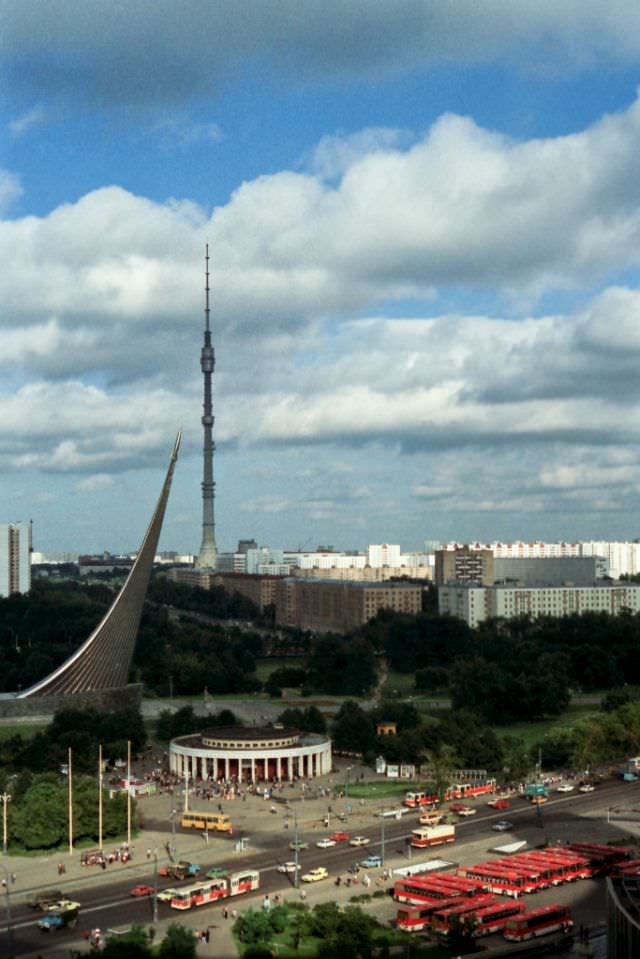
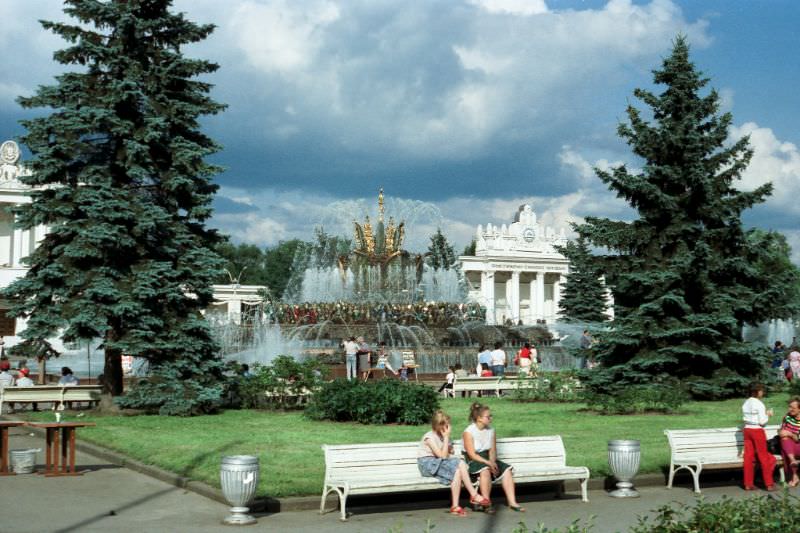
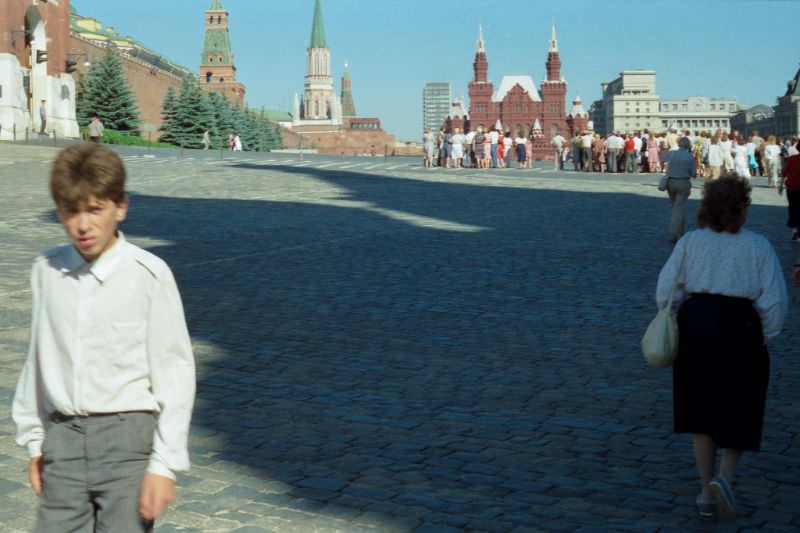
Moscow in 1989 was the center of Soviet power, and its streets reflected that weight. The Kremlin, Red Square, and the surrounding districts were heavily controlled public spaces. Yet Gorbachev’s reforms had allowed small cracks to appear — unofficial publications were circulating, small political gatherings were tolerated, and public debate was more open than it had been in generations.
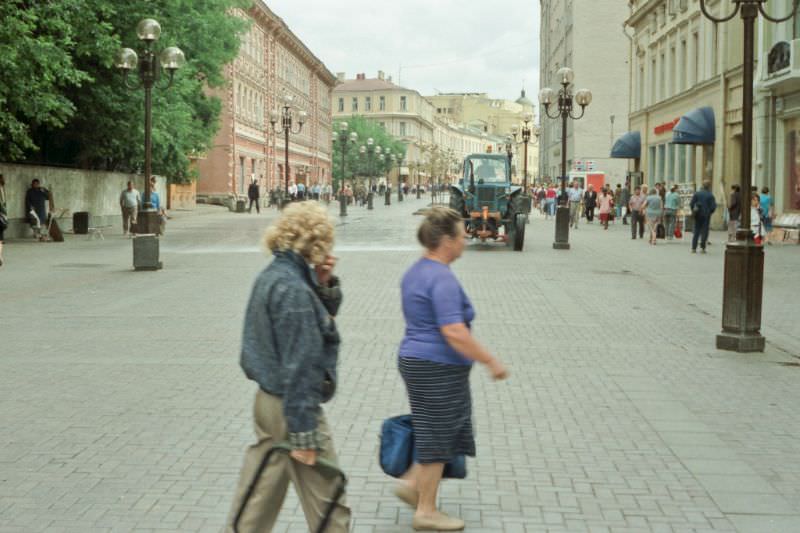
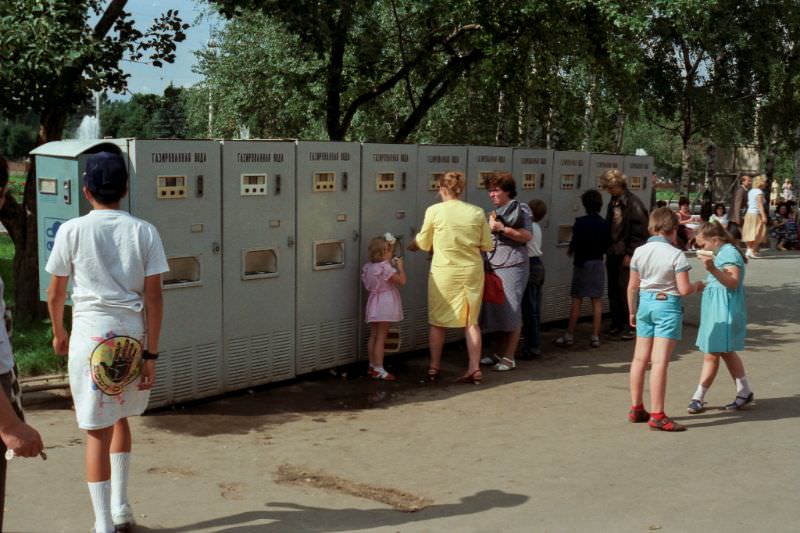
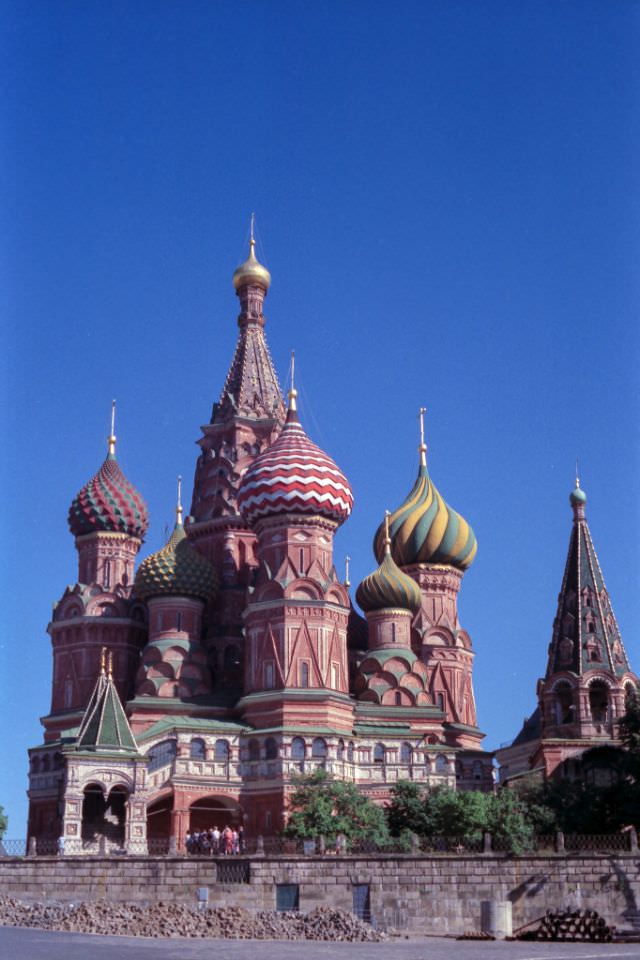
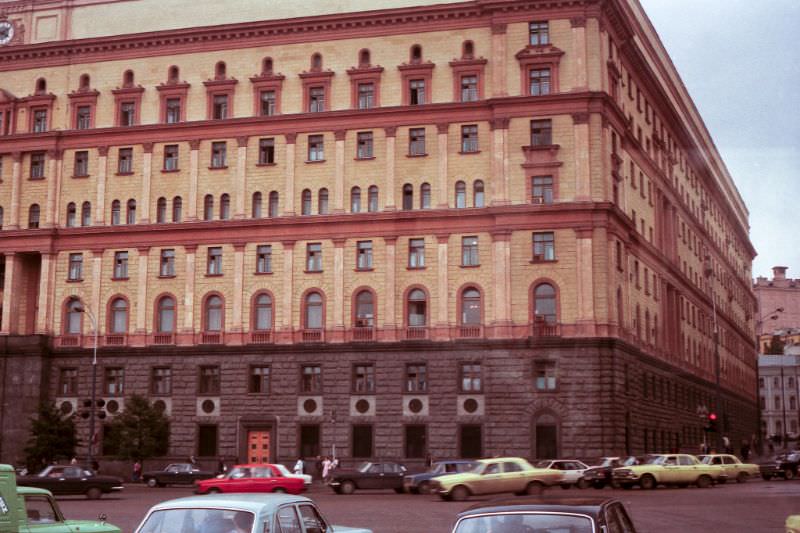
Near Red Square, the KGB building on Lubyanka Square was one of the most feared addresses in the Soviet Union. The KGB was responsible for domestic surveillance, foreign intelligence, and the suppression of political dissent. Its headquarters also housed a prison and interrogation facility. In 1989, the organization still operated at full capacity, even as the political ground shifted beneath it.
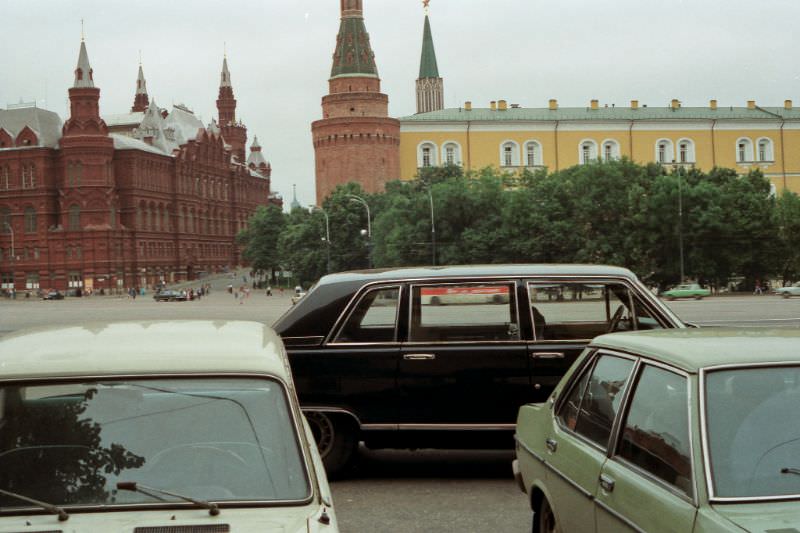
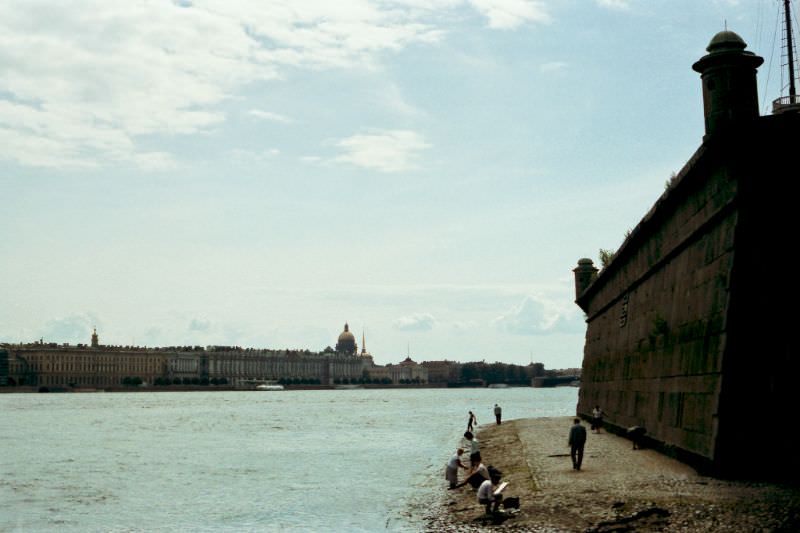
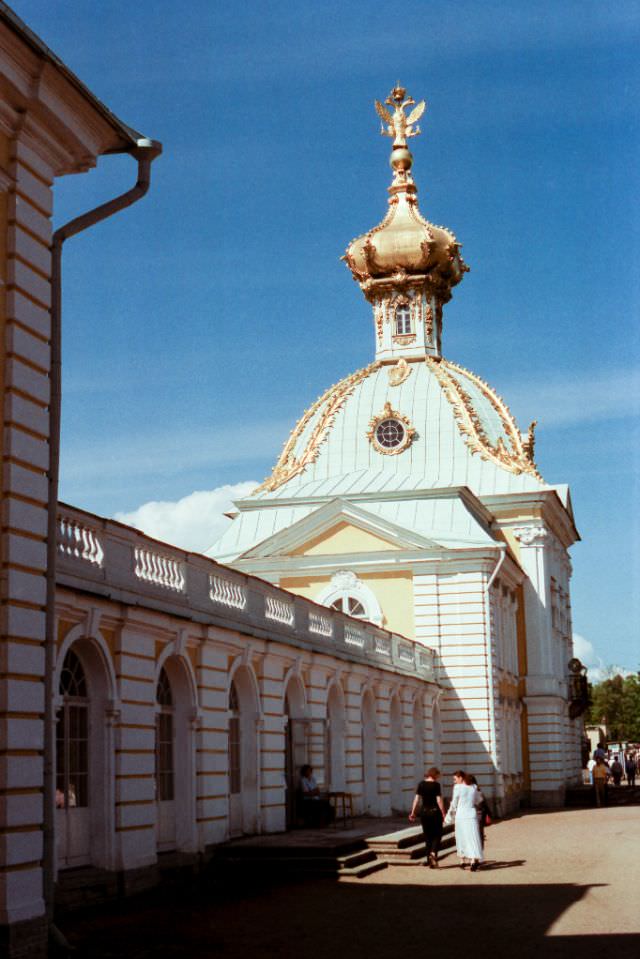
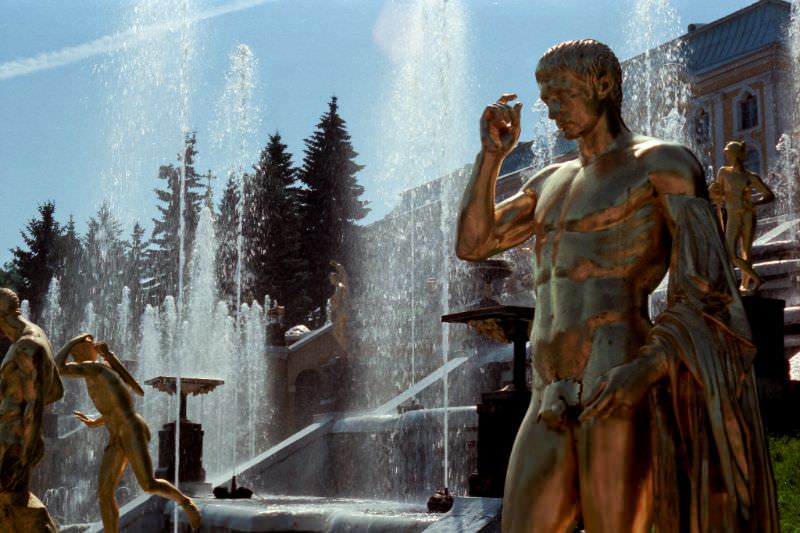
Petrodvorets, known as the Russian Versailles, sat on the Gulf of Finland outside Leningrad. Built by Peter the Great in the early 18th century, its grand cascade of fountains and gilded statues was one of the most spectacular palace complexes in Europe. Soviet authorities maintained it as a state museum and tourist destination.
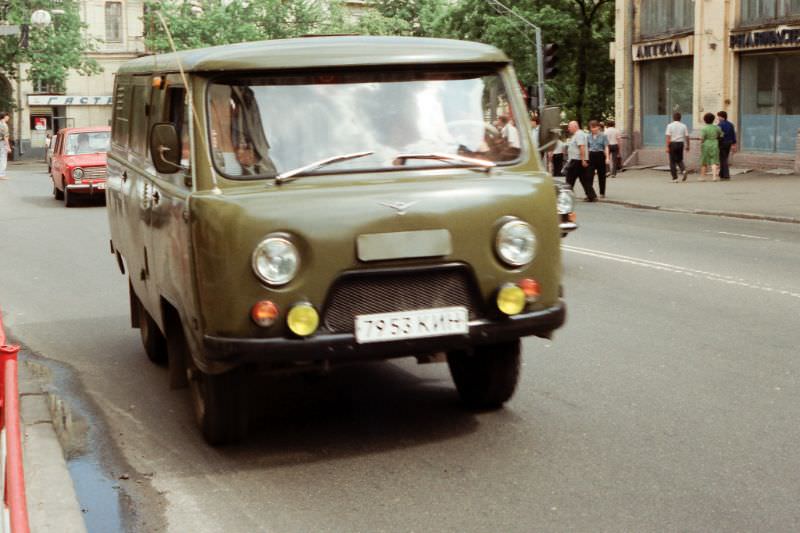
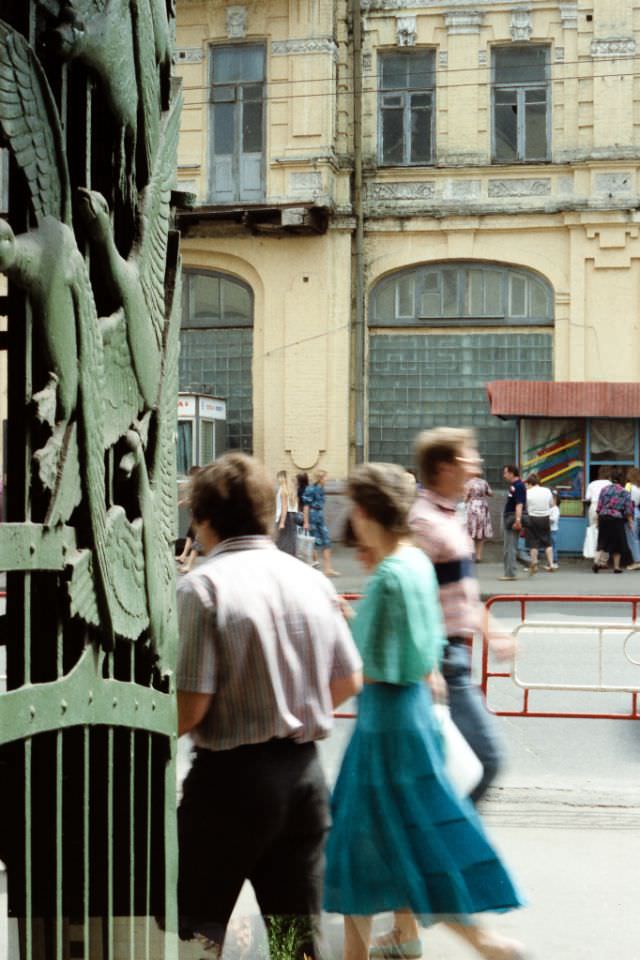
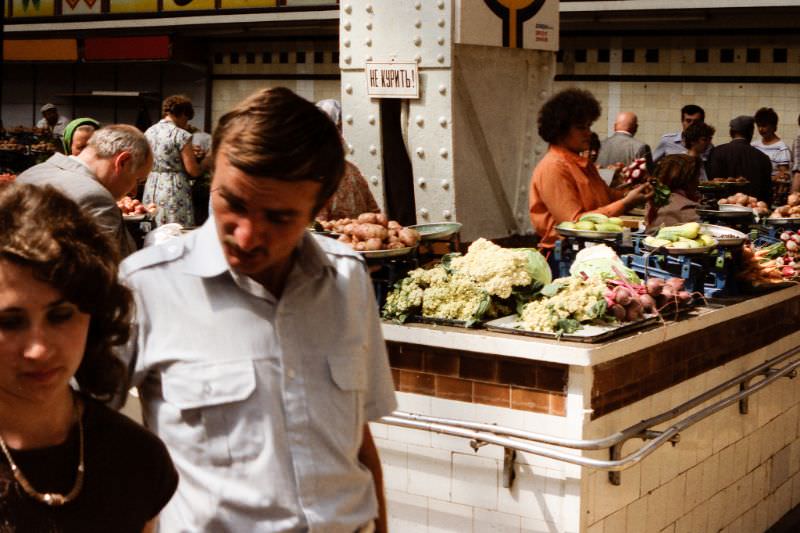
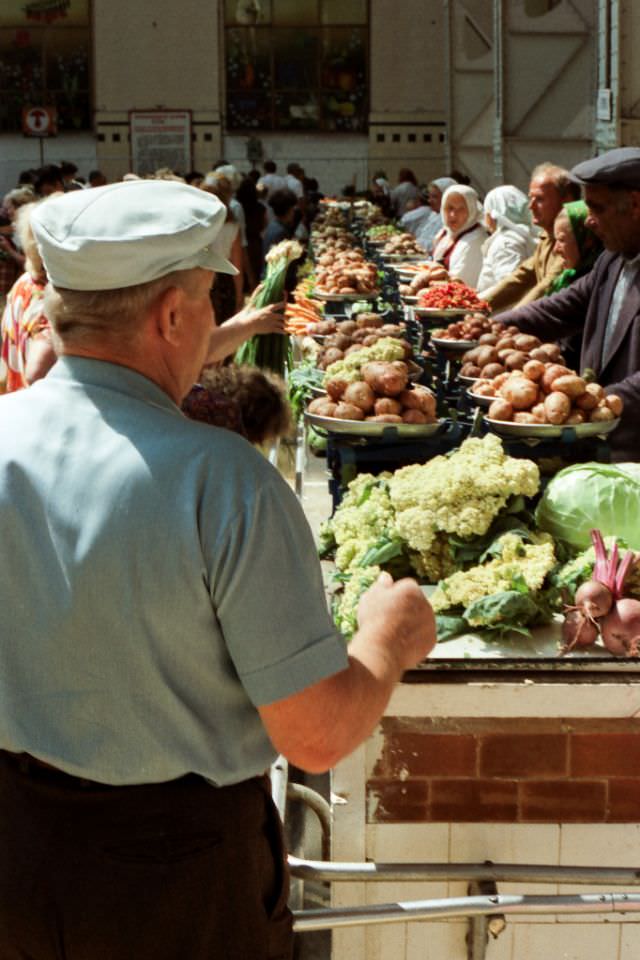
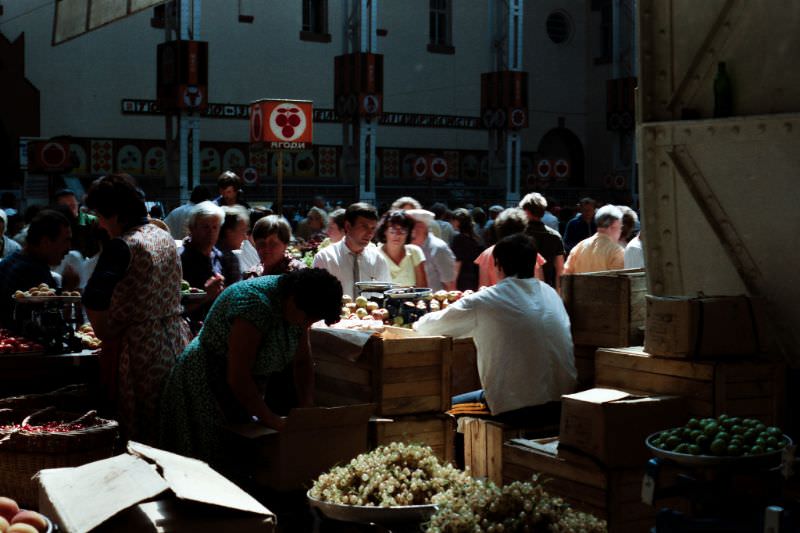
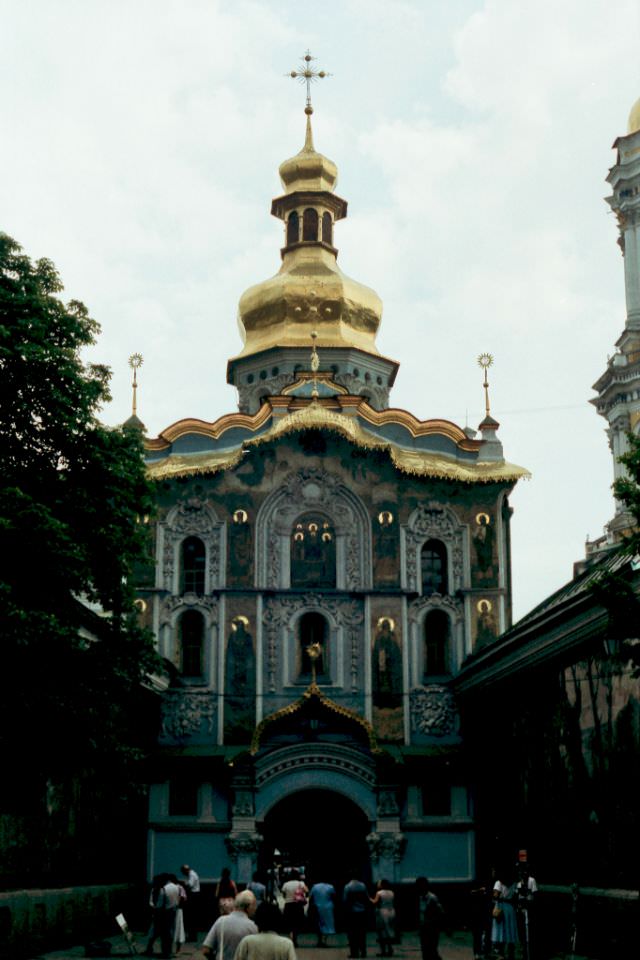
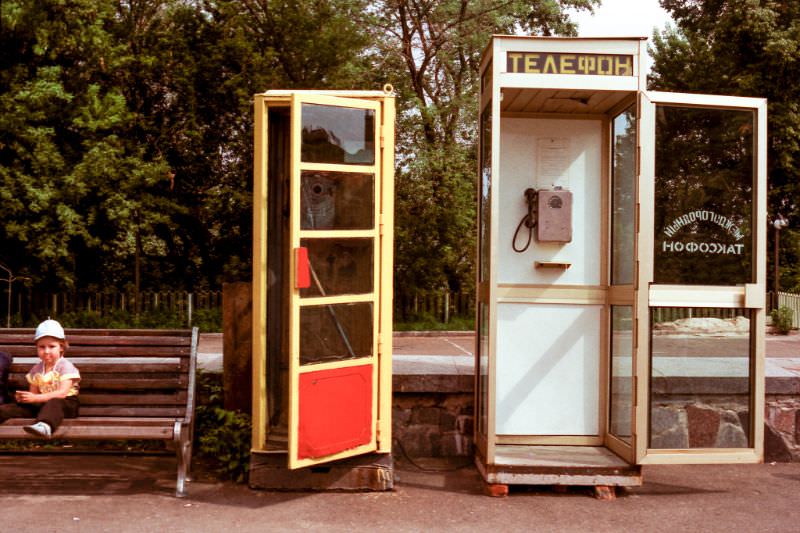
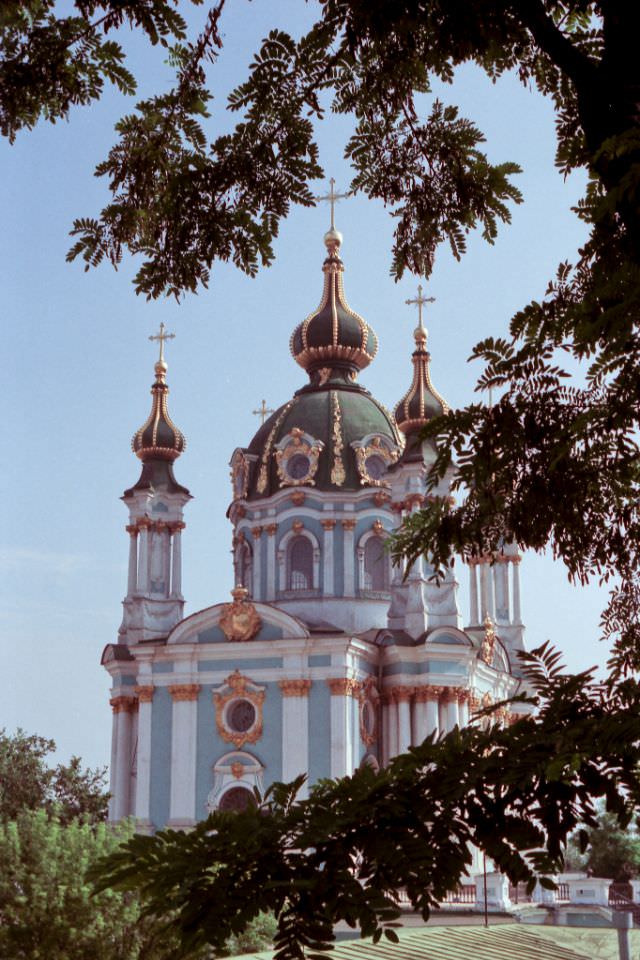
Kyiv, the capital of the Ukrainian Soviet Socialist Republic, was a city with deep historical roots and growing national consciousness. In 1989, the Ukrainian language was being suppressed in favor of Russian in official contexts, but street life, markets, and religious sites told a different story. The city’s outdoor markets were busy, practical spaces where vendors sold produce and goods in a system that operated partly outside of state control. The onion-domed Orthodox churches scattered across Kyiv stood as anchors of Ukrainian cultural and religious identity that decades of Soviet rule had not erased.