France in 1989 was a country caught between two worlds. President François Mitterrand’s government faced a growing conservative opposition while calls for deeper reforms grew louder. Economic growth during the 1980s had not solved everything — unemployment, especially among young people, remained high. That gap between prosperity and struggle fed social tension, with strikes and protest movements becoming regular features of French life.
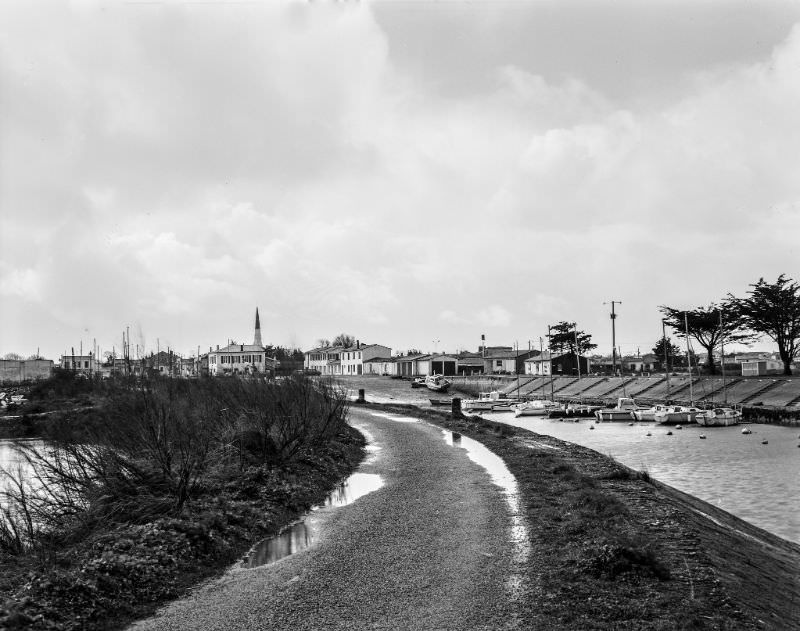
Culturally, France was shifting too. Punk, new wave, and hip hop were shaping youth identity, and American pop culture was seeping into everyday life. It was a country in motion — and a remarkable one to photograph. The images in this collection were taken by an American student known as Eesomest, who was studying in France at the time. Near the Atlantic coast, the flat light and open landscapes around La Rochelle made for striking early shots.
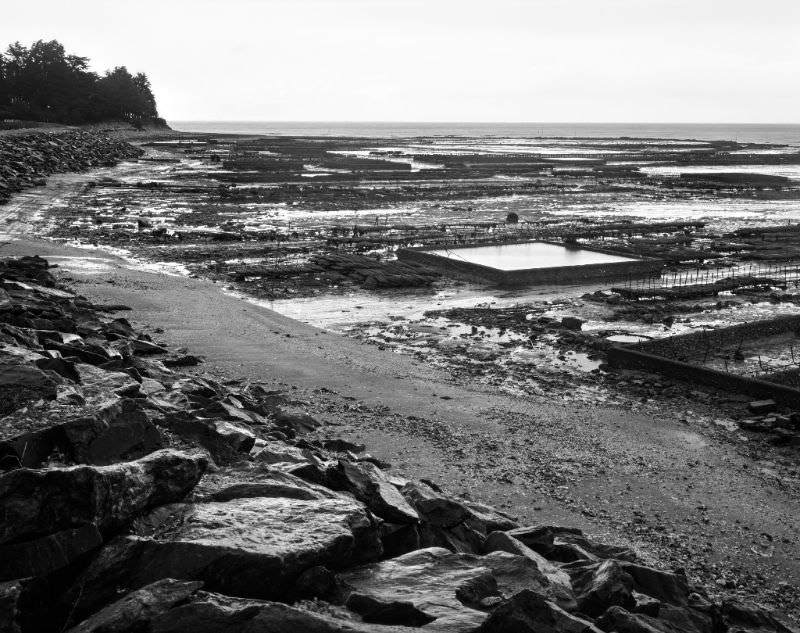
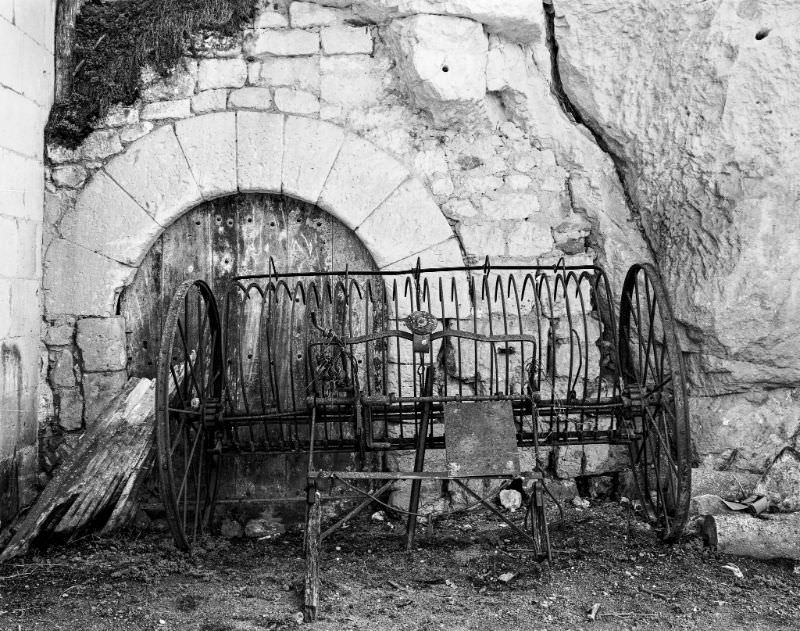
Eesomest took a photography class while studying abroad, and his professor brought along a spare large-format field camera — one that uses a 4×5 inch negative. The professor showed him the basics, and he ran with it. The process is slow and deliberate: a sturdy tripod, a focusing hood, negative carriers, and careful attention to every detail before the shutter fires. There is no room for spontaneity with this kind of equipment.
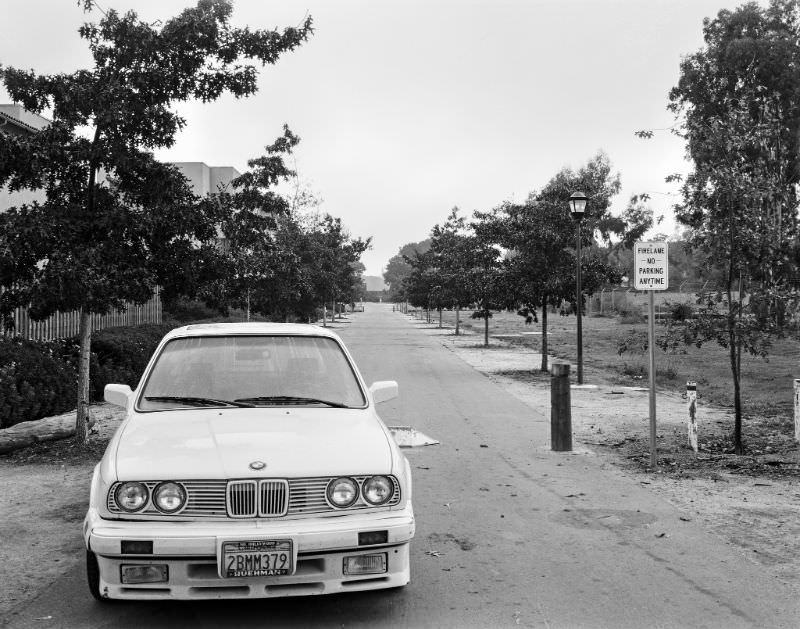
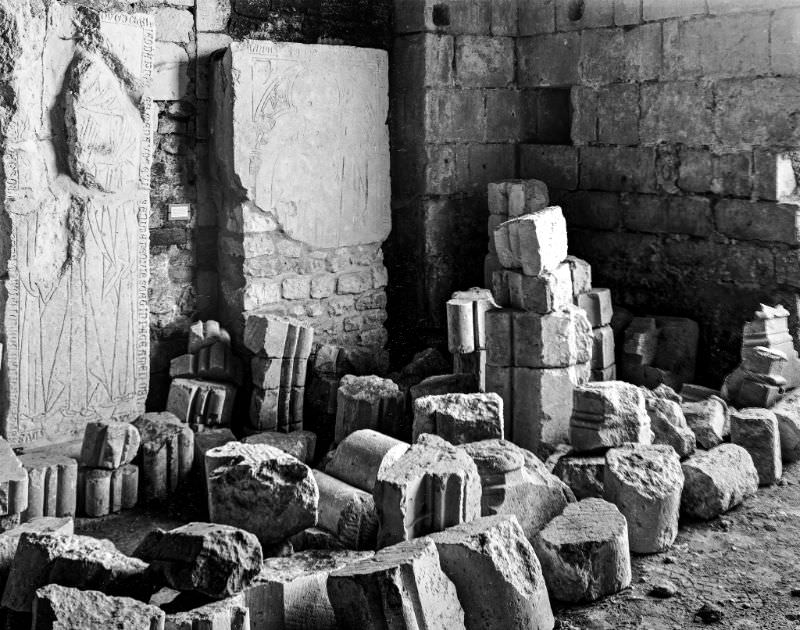
The payoff for that patience is extraordinary. Each of these photos, as scanned, contains over 100 megapixels of information. That level of detail surpasses even the most expensive modern digital camera sensors — only composited digital images can compete. Stone textures, weathered wood, and garden foliage all appear with a clarity that feels almost three-dimensional. Cathedral ruins stood as some of the most dramatic subjects Eesomest found.
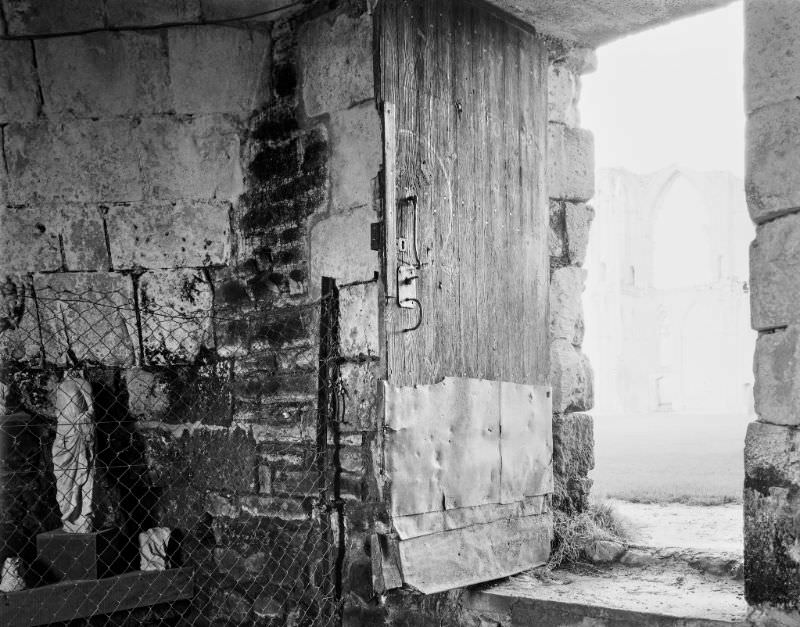
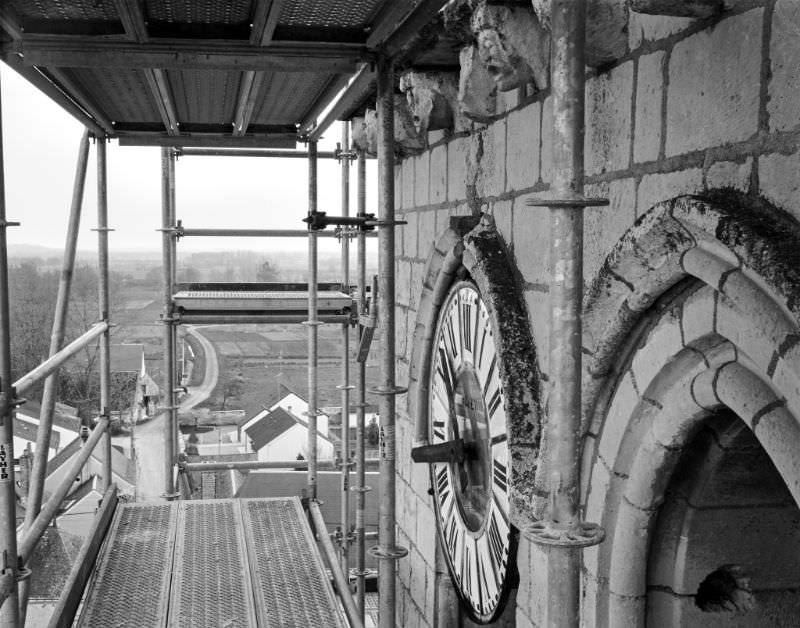
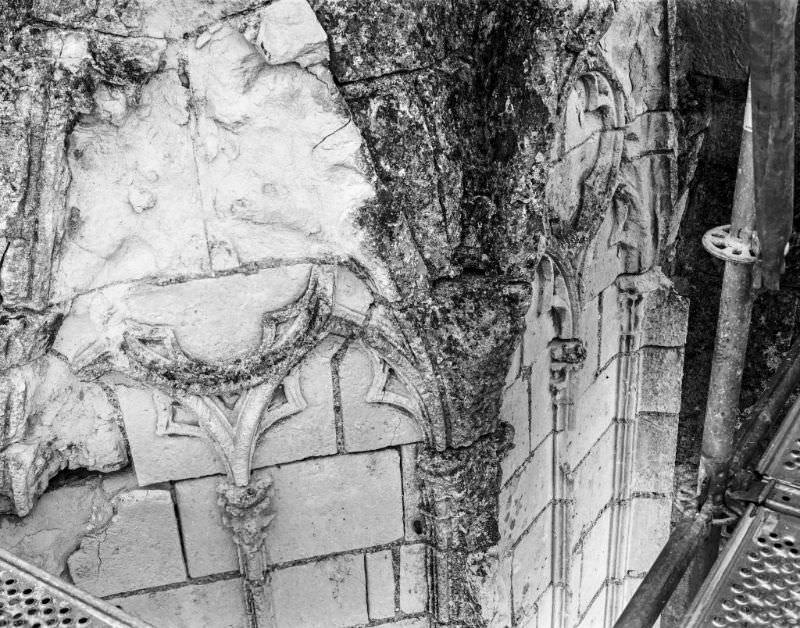
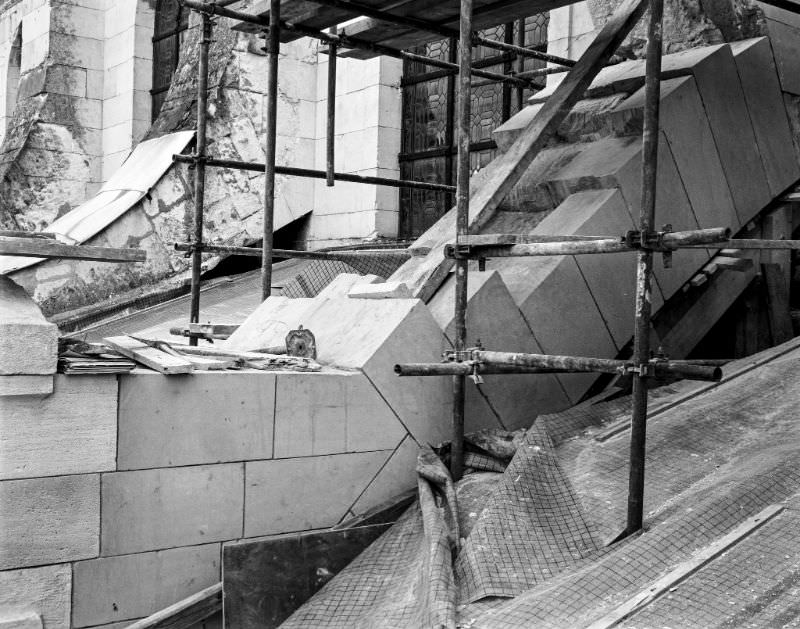
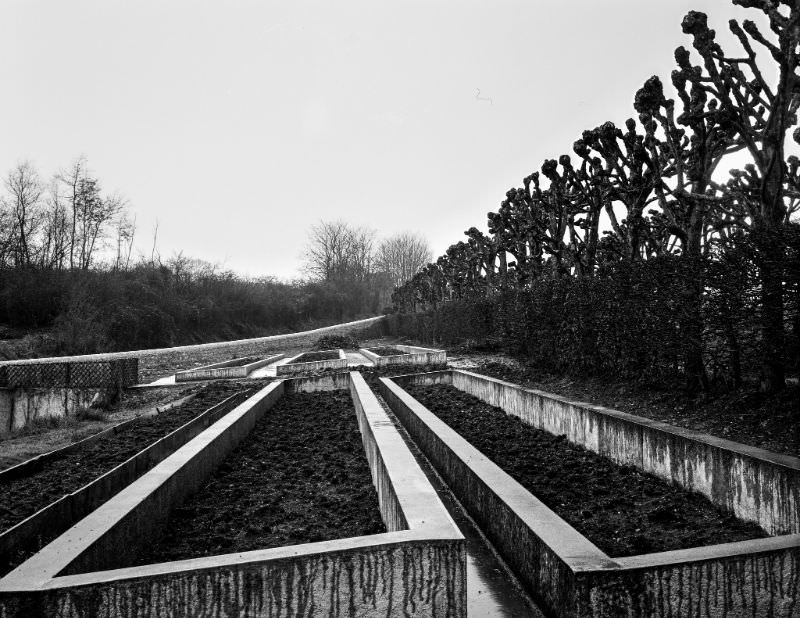
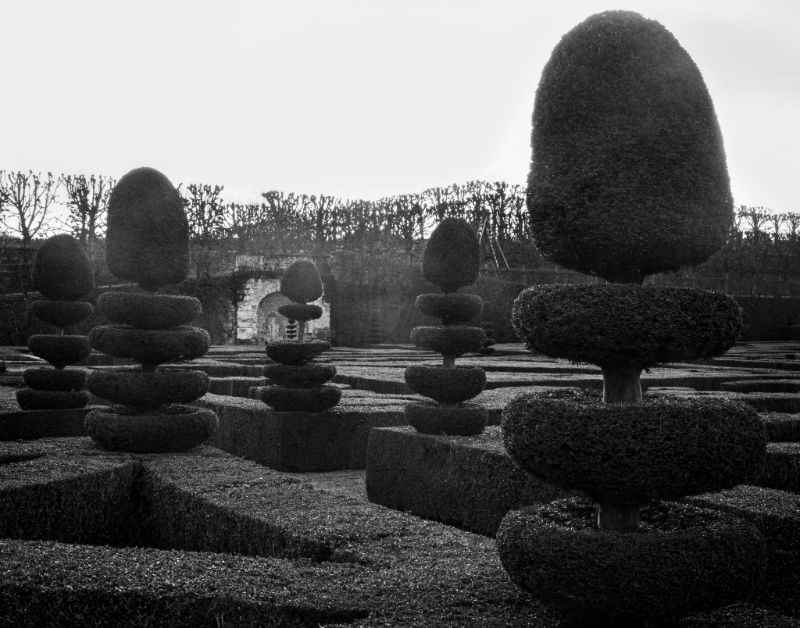
Among the most recognizable locations in this set is Château de Villandry, a Renaissance château in the Loire Valley known for its formal gardens. The grounds are laid out in geometric patterns, with hedgerows, planters, and ornamental beds that reward careful photographic framing. The large-format camera captured the architecture and gardens with a crispness that smaller film formats simply cannot match.
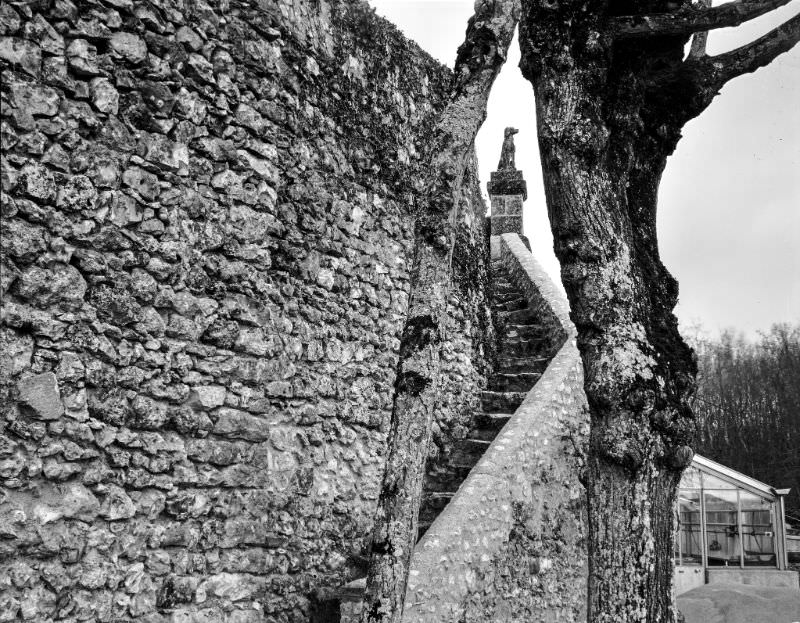
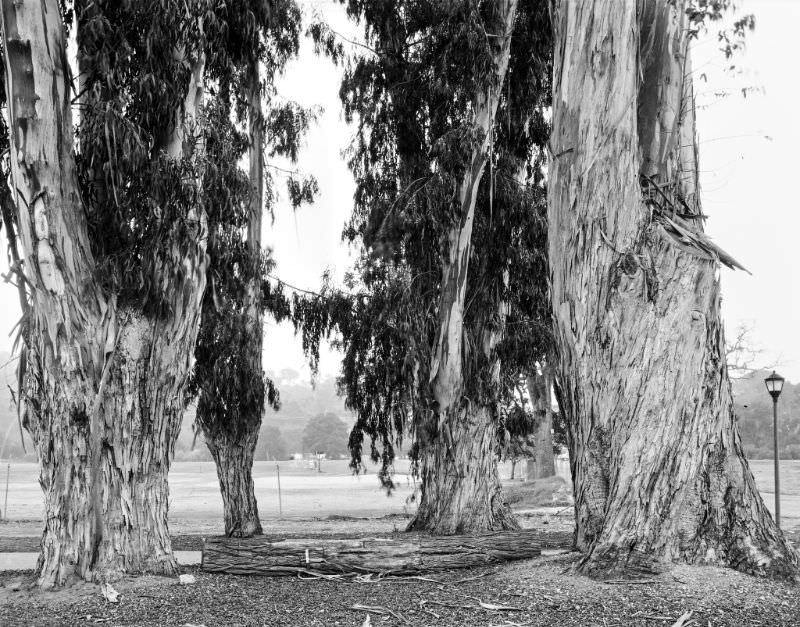
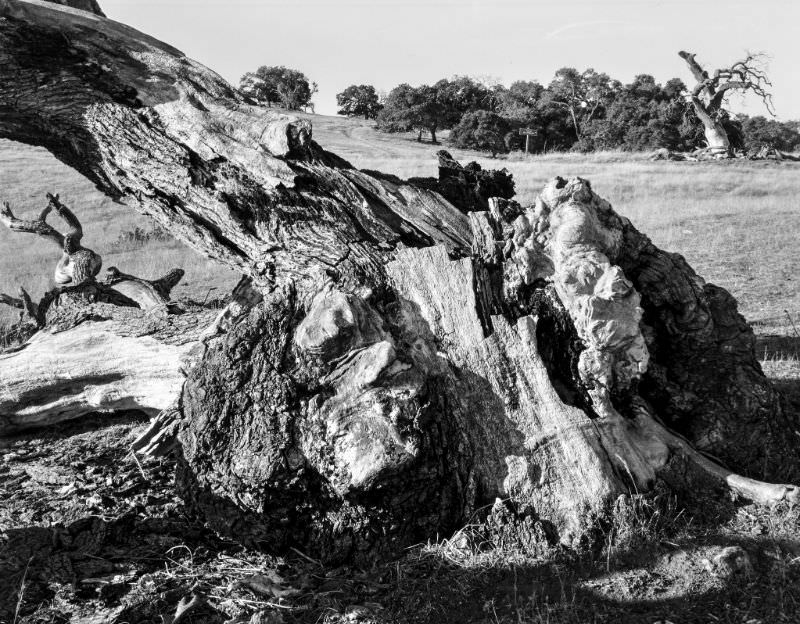
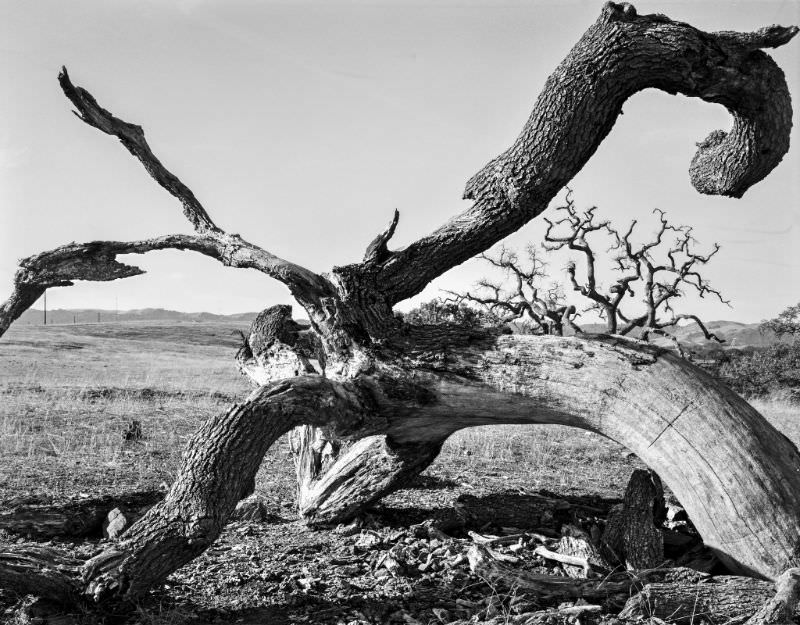
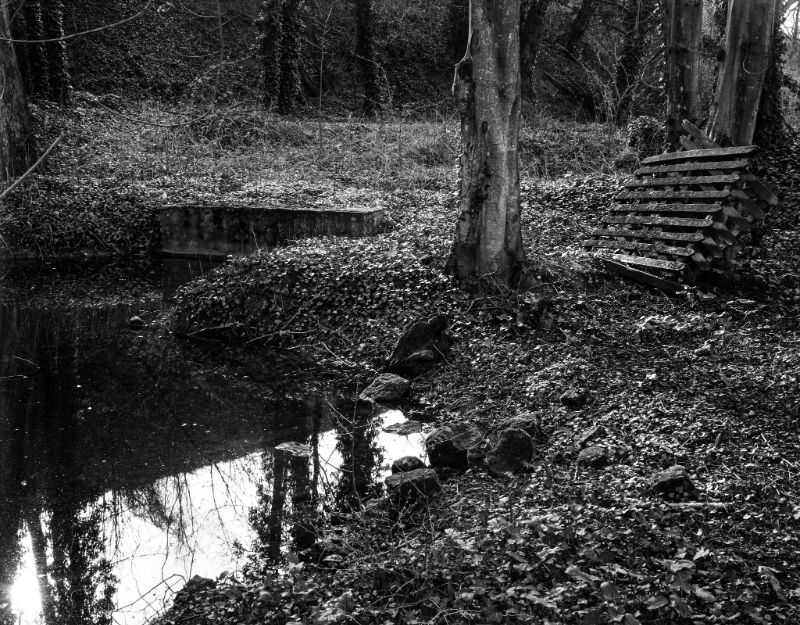
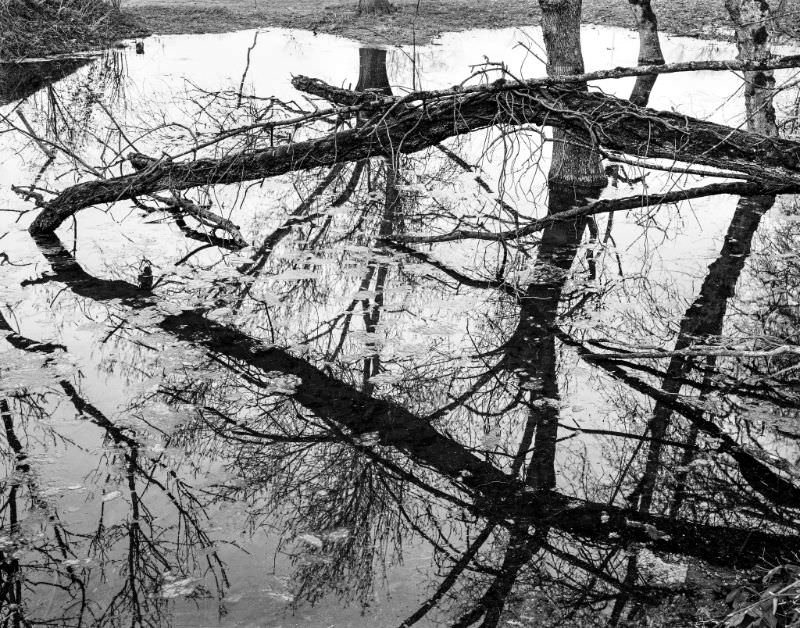
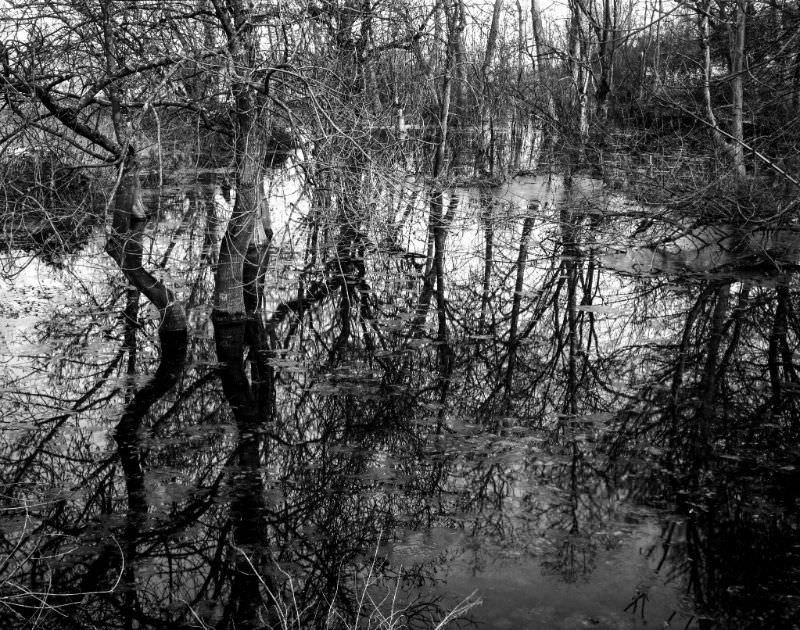
The natural world also drew Eesomest’s lens. Eucalyptus trees, fallen timber, and open farmland all appear across the collection, showing a quieter, rural France away from its famous cities and monuments.
The city of Tours, in the heart of the Loire Valley, appears repeatedly throughout the collection. Tours was a natural base for a student — lively, historically rich, and full of photographic subjects. The Hôtel de Ville, the Loire River and its bridges, the old Renaissance quarter, and the Gothic cathedral of Saint-Gatien all made their way in front of the camera.
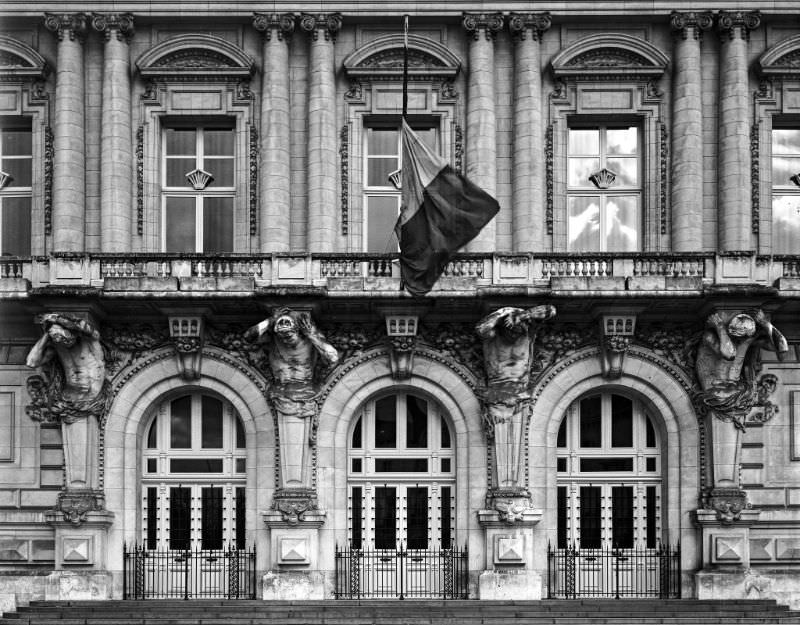
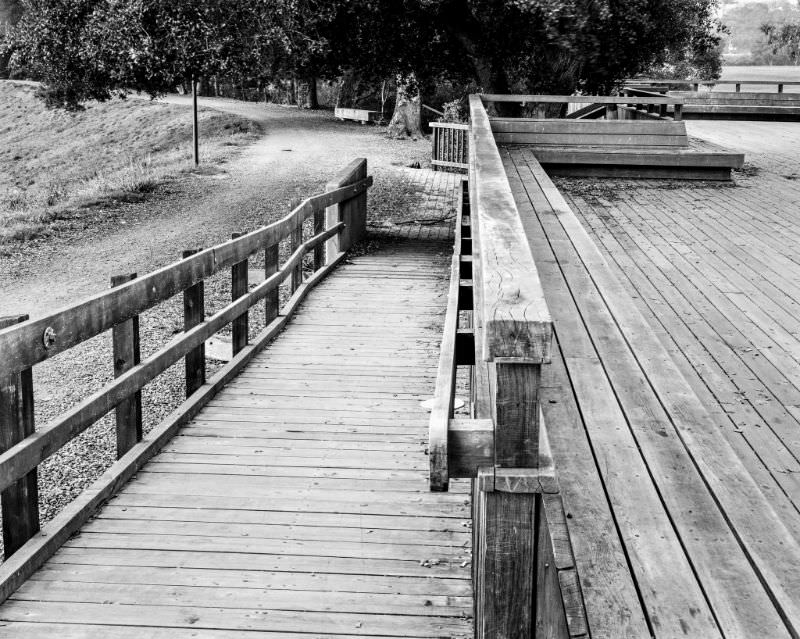
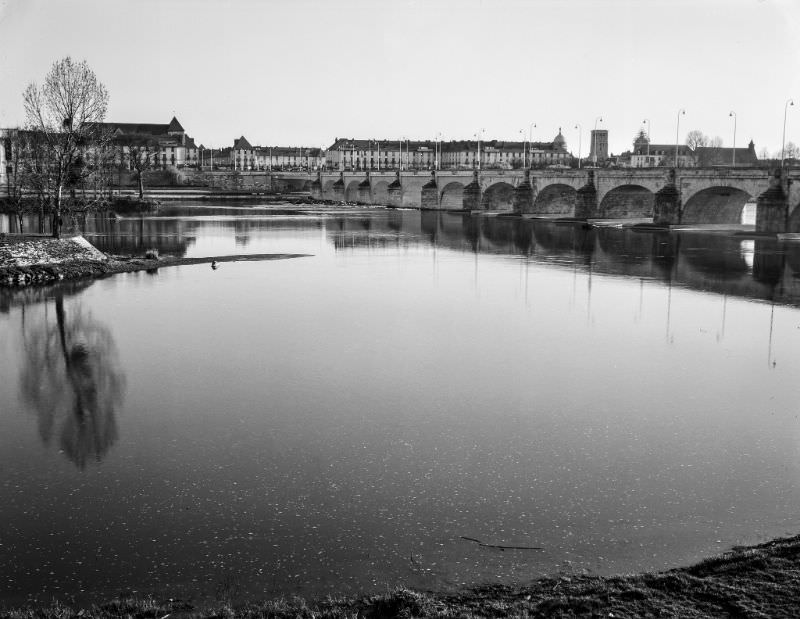
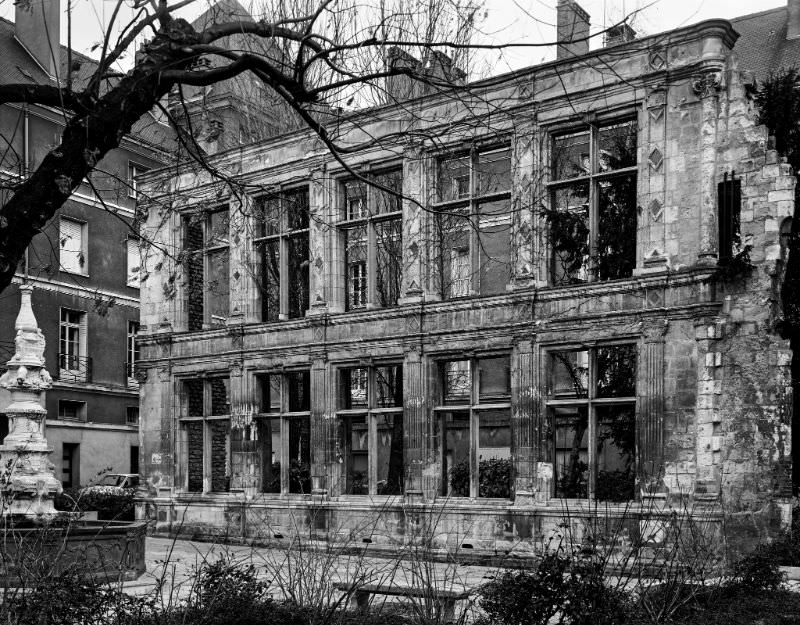
Smaller French towns also appear in the collection, offering a glimpse of everyday life that bigger landmarks often overshadow. Streets, storefronts, and local architecture recorded in large format carry a documentary weight that goes beyond simple tourism.
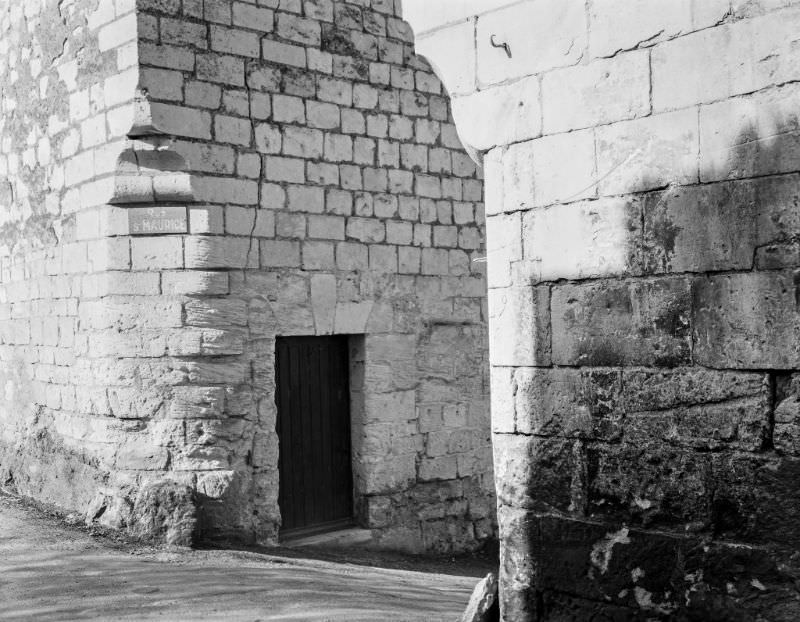
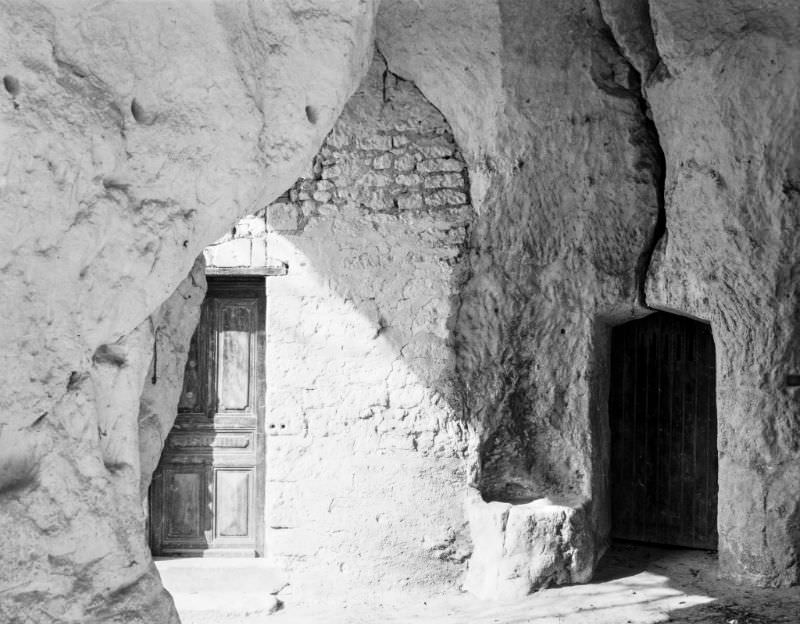
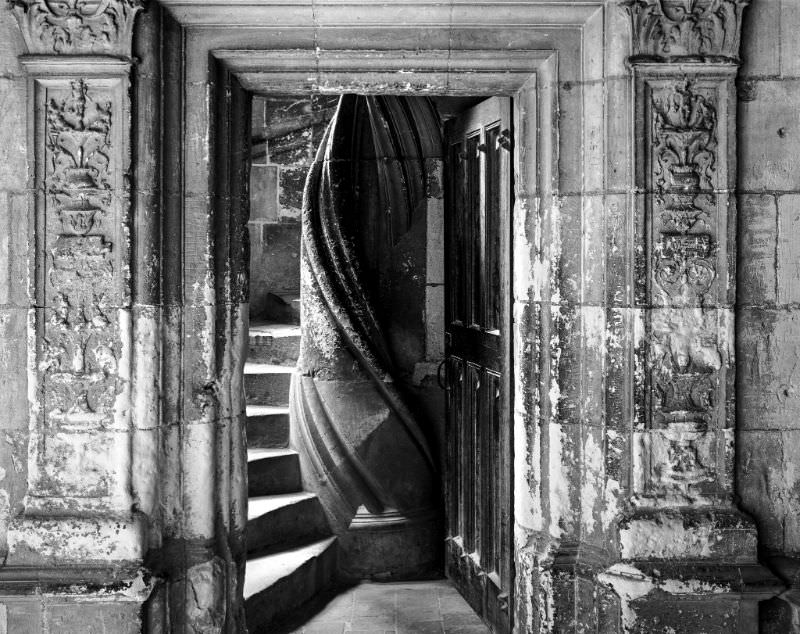
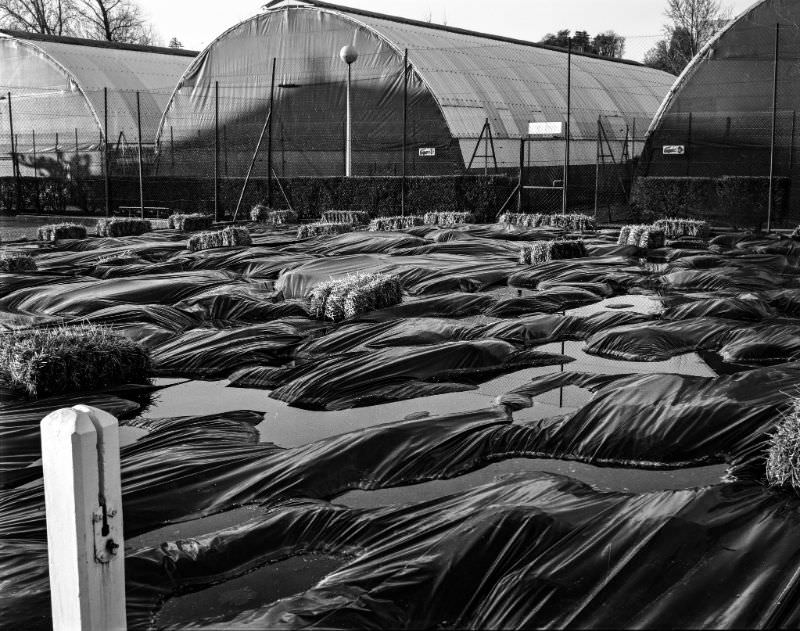
The staircase at Saint-Gatien cathedral in Tours is one of the standout architectural shots in the series. The cathedral itself took nearly three centuries to complete, and details like this staircase reflect that long history of construction and refinement. The tennis courts of north Tours and the streets of the city round out this portrait of a place very much alive in its own moment.
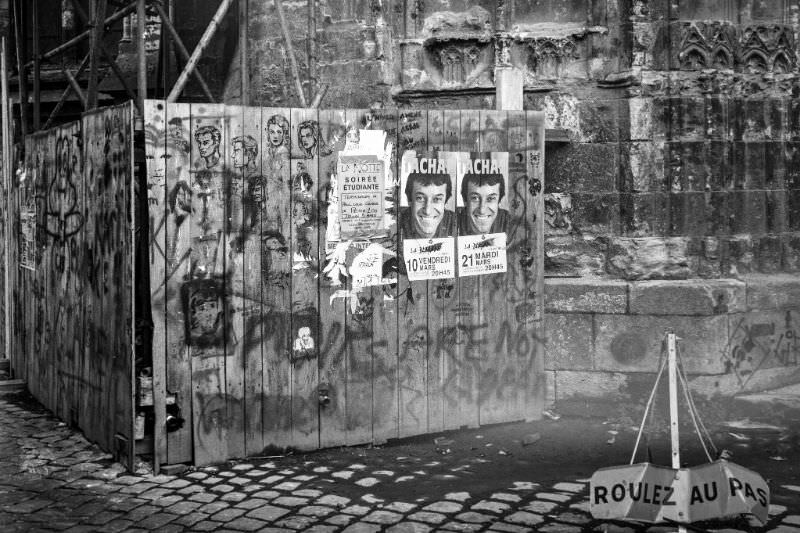
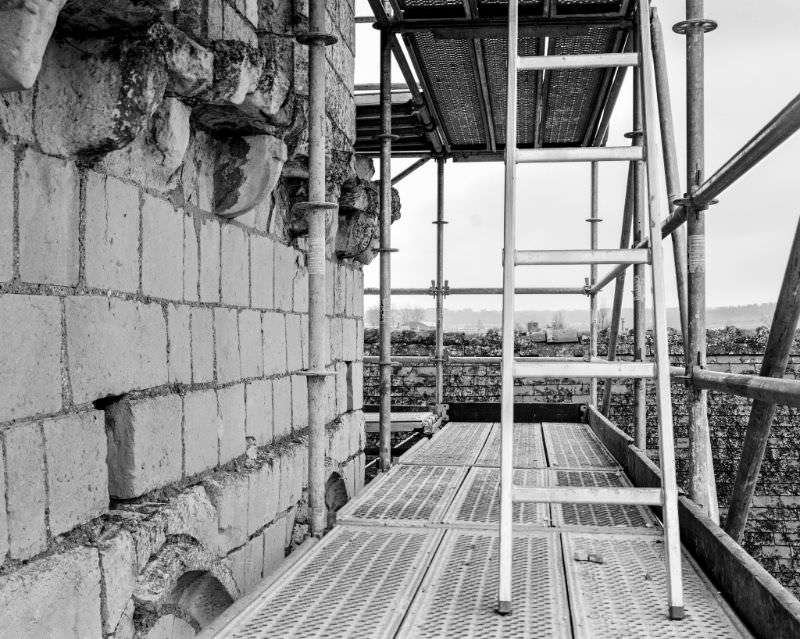
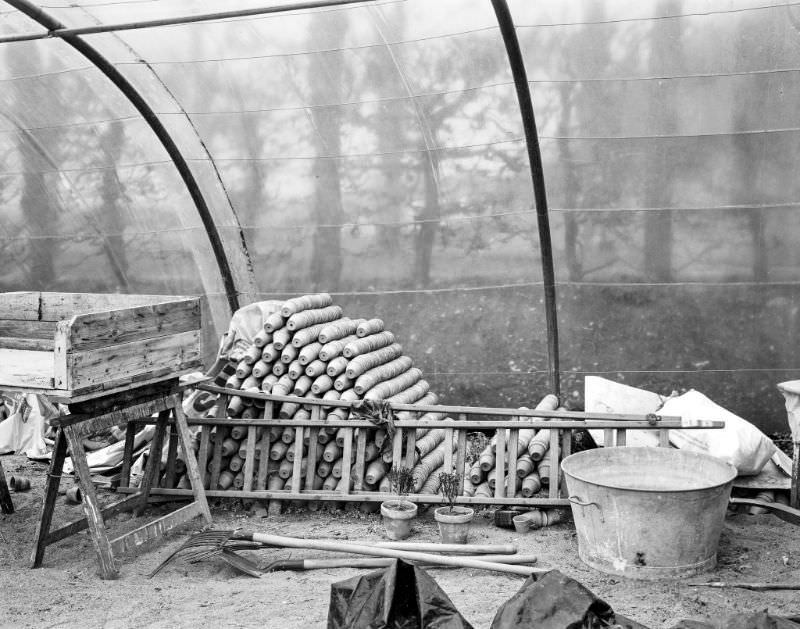
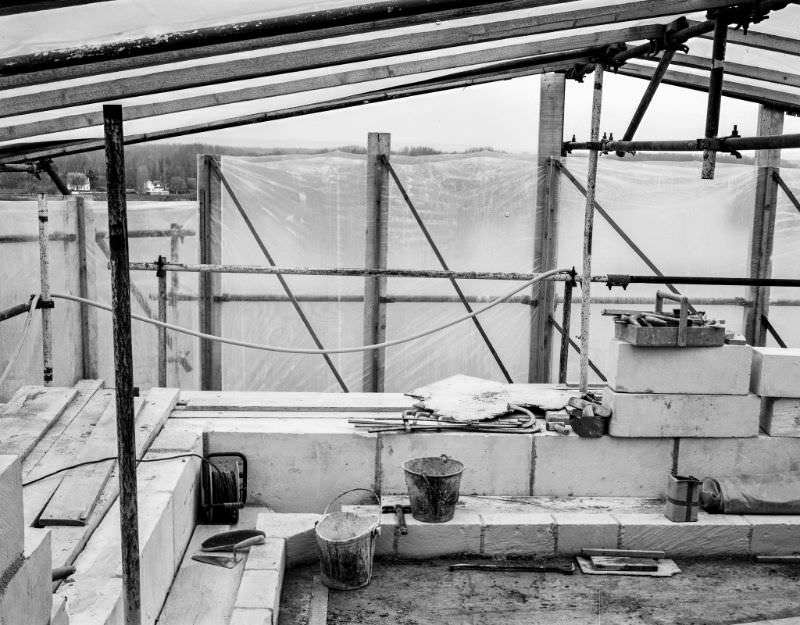
Back at Villandry, construction and maintenance work captured a different side of this celebrated estate — the behind-the-scenes effort required to keep a historic property standing. Garden sheds and planters sat alongside active work sites, reminding viewers that these places are living spaces, not just museum pieces.