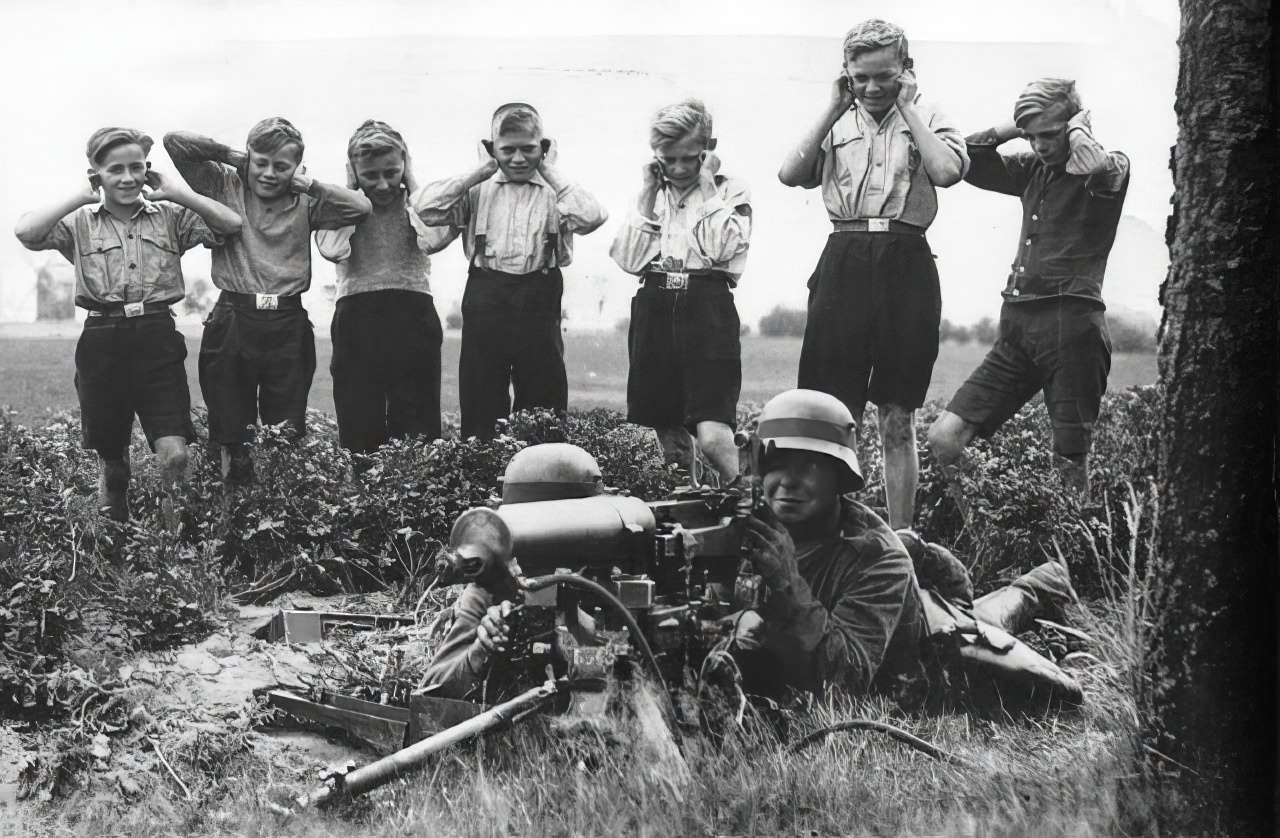
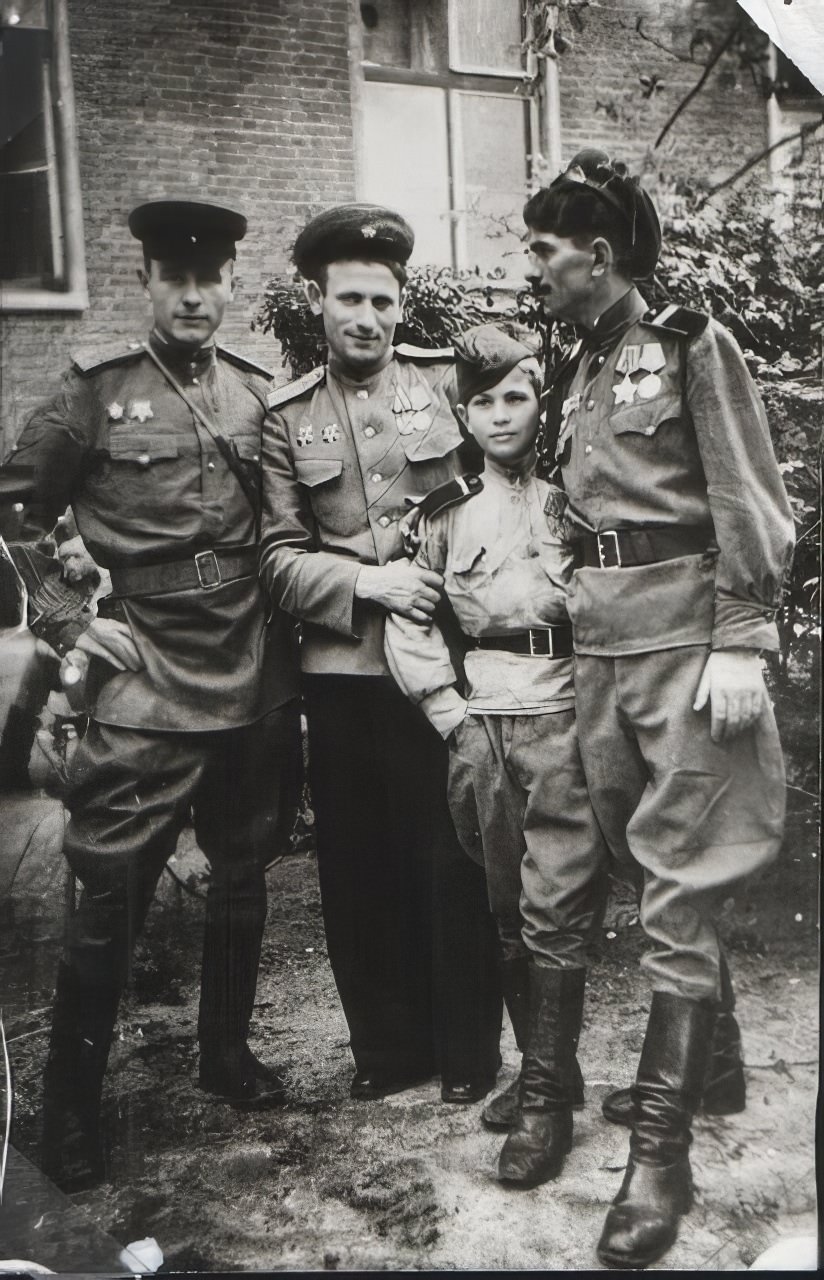
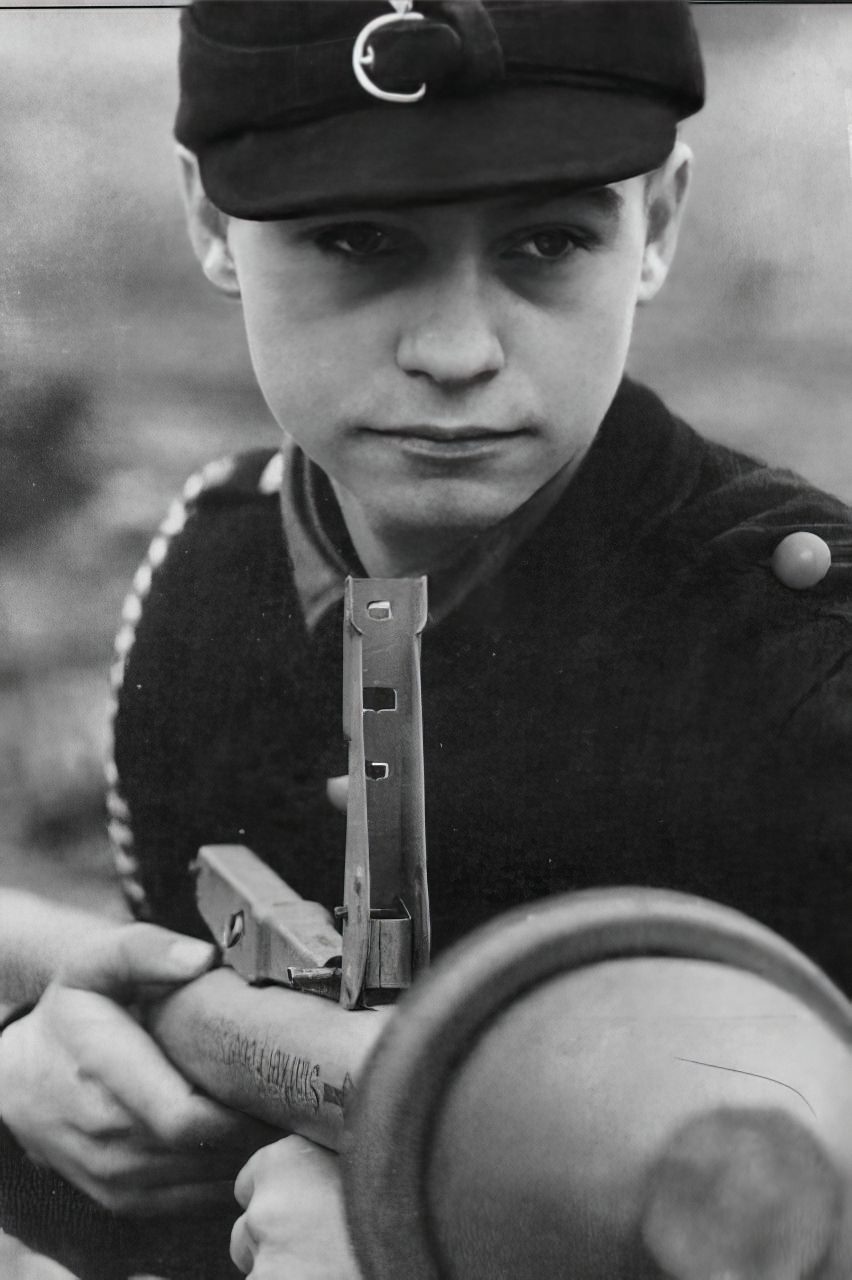
World War II touched every part of the globe, and no group was left untouched — not even children. Boys and girls as young as 12 were recruited, trained, and deployed by both Axis and Allied forces. Their roles ranged from front-line combat to support work behind the scenes. This is one of the war’s least-discussed chapters.
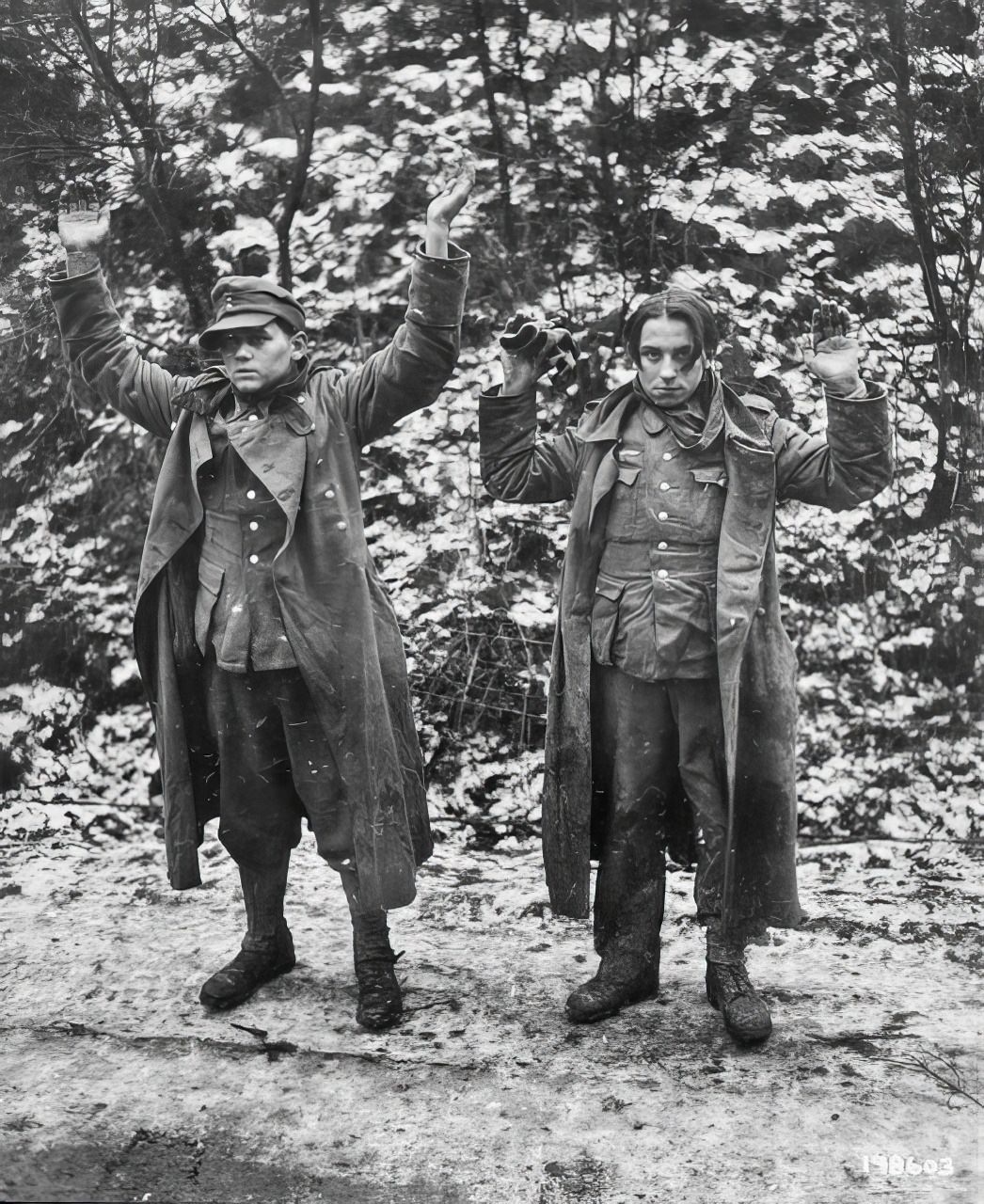
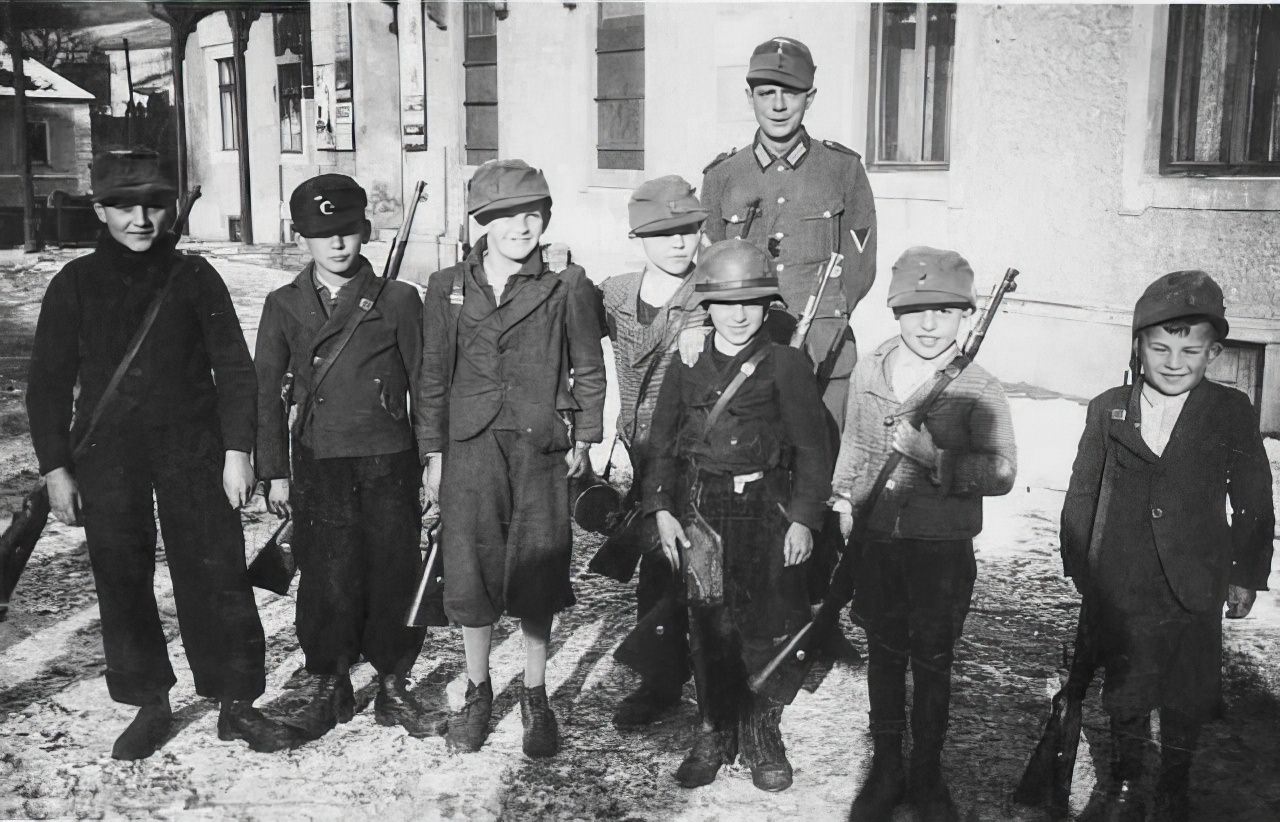
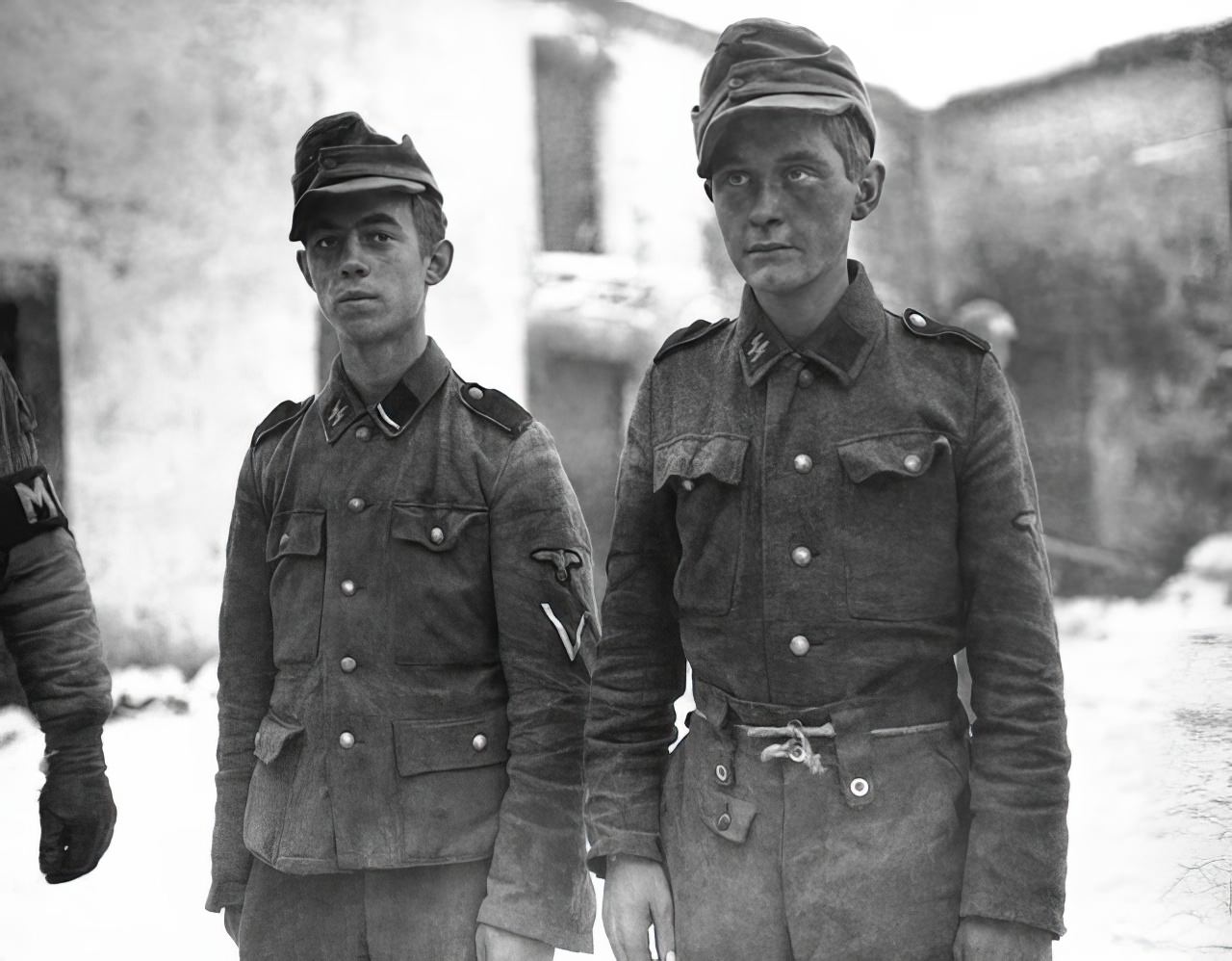
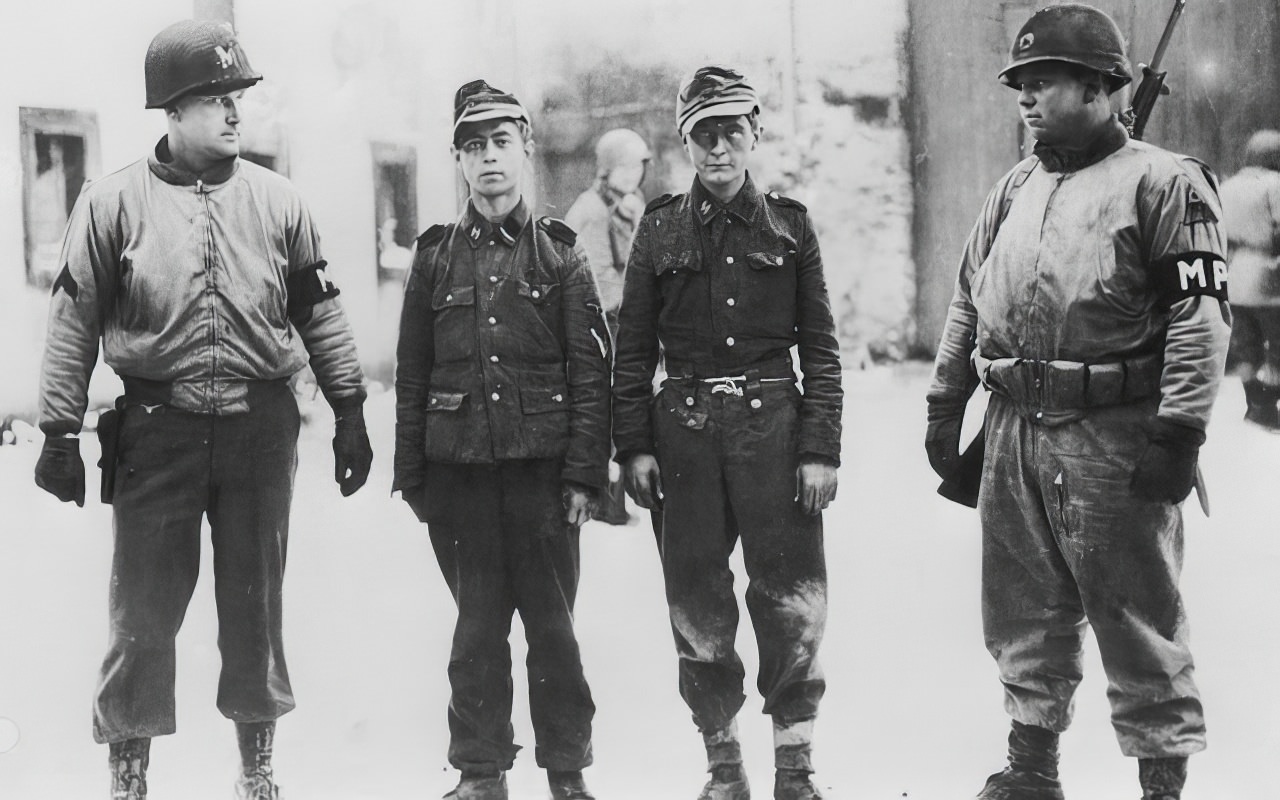
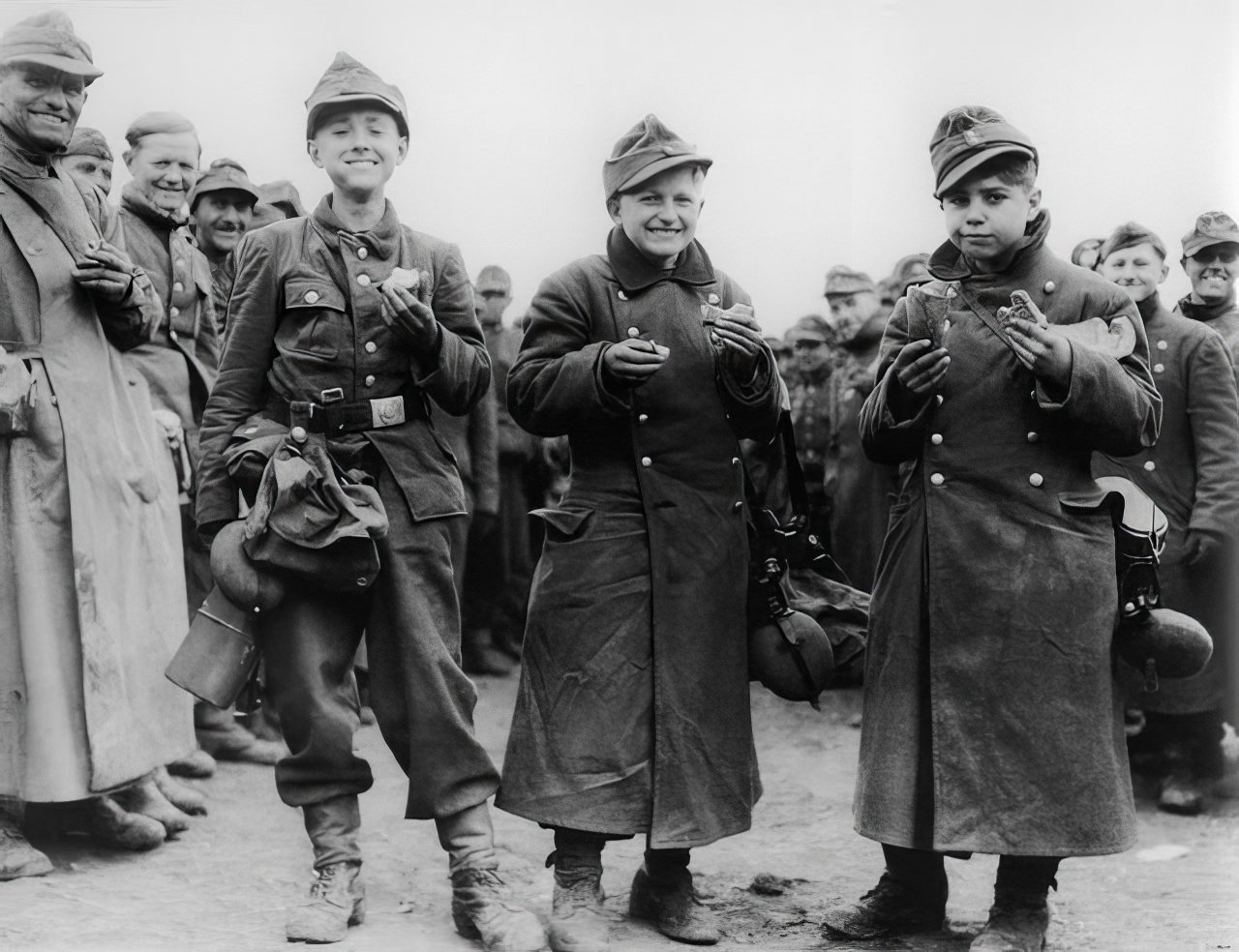
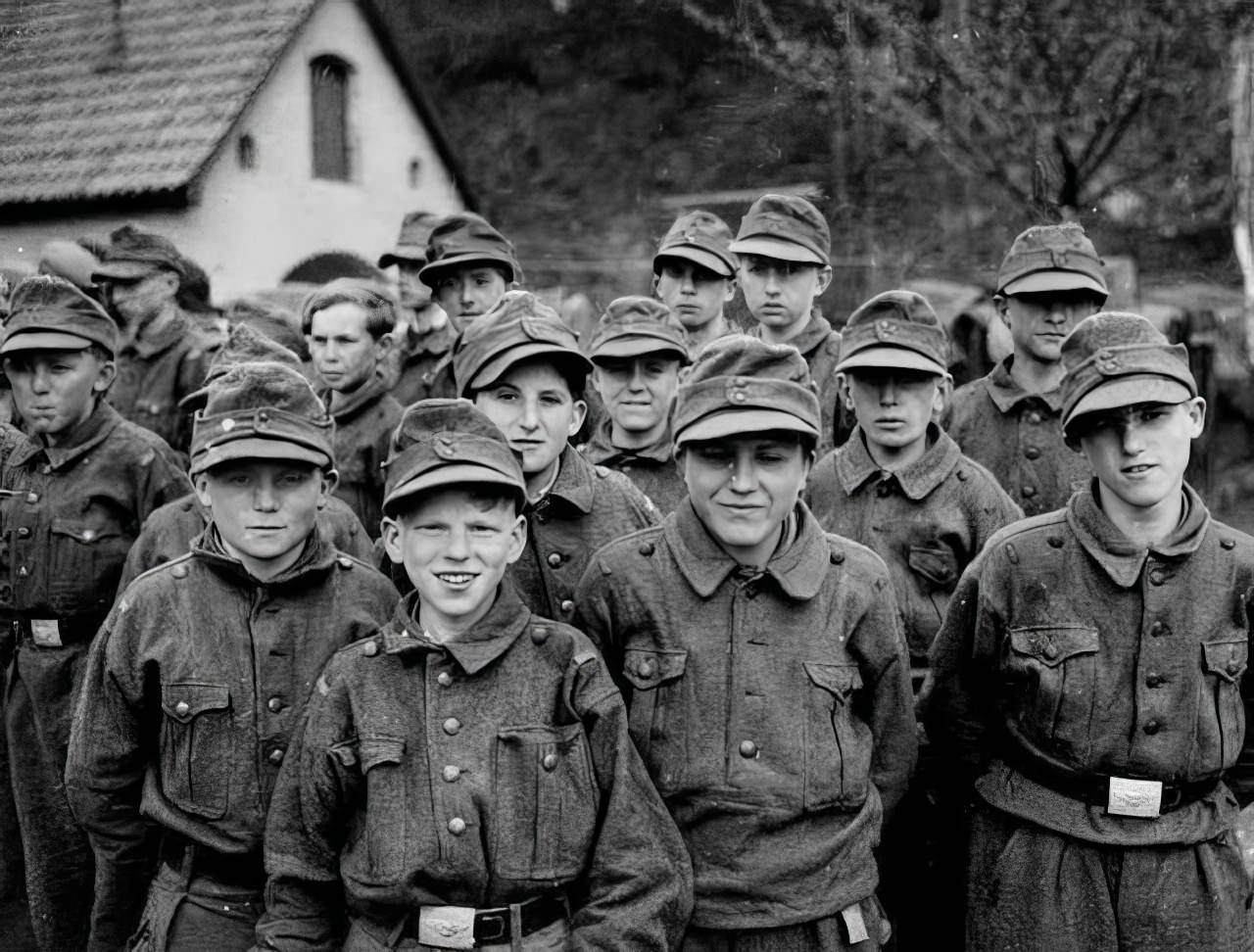
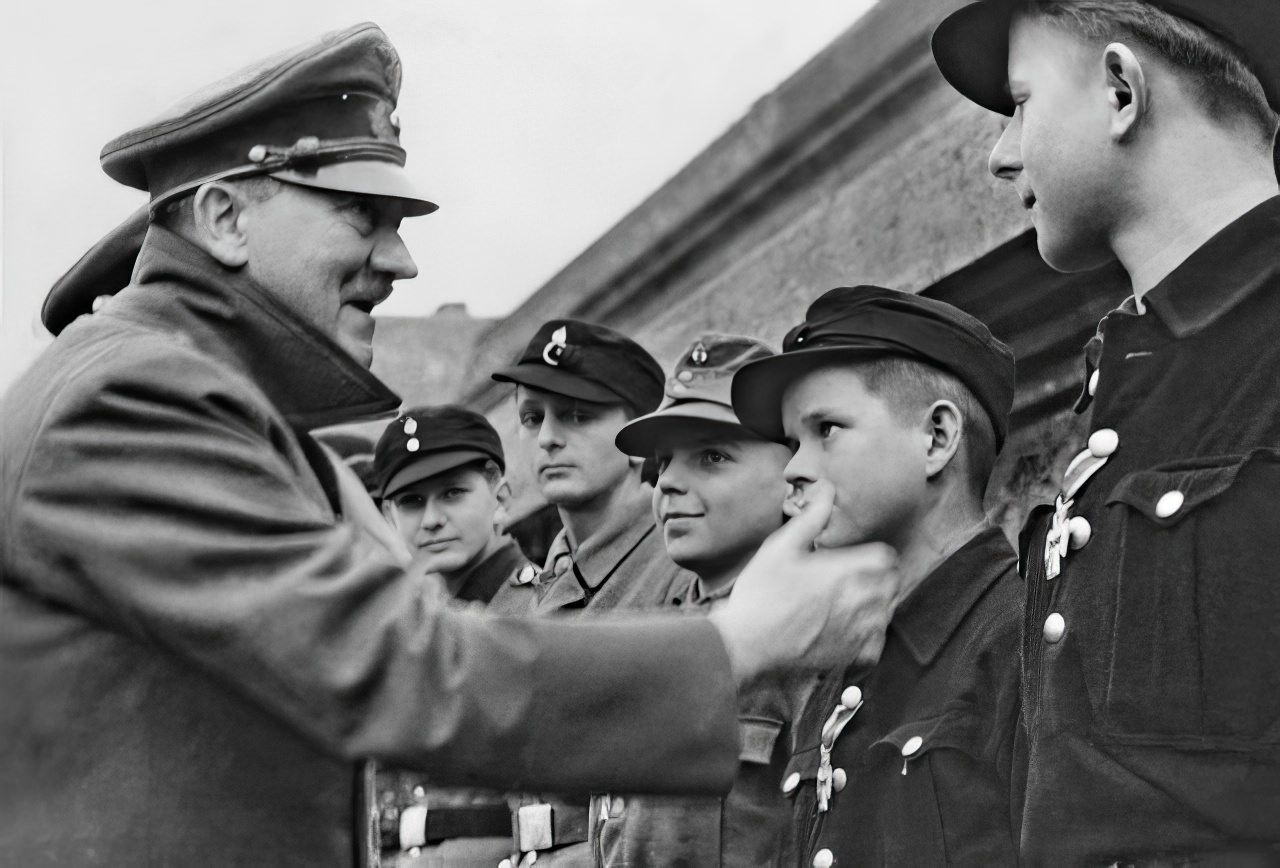
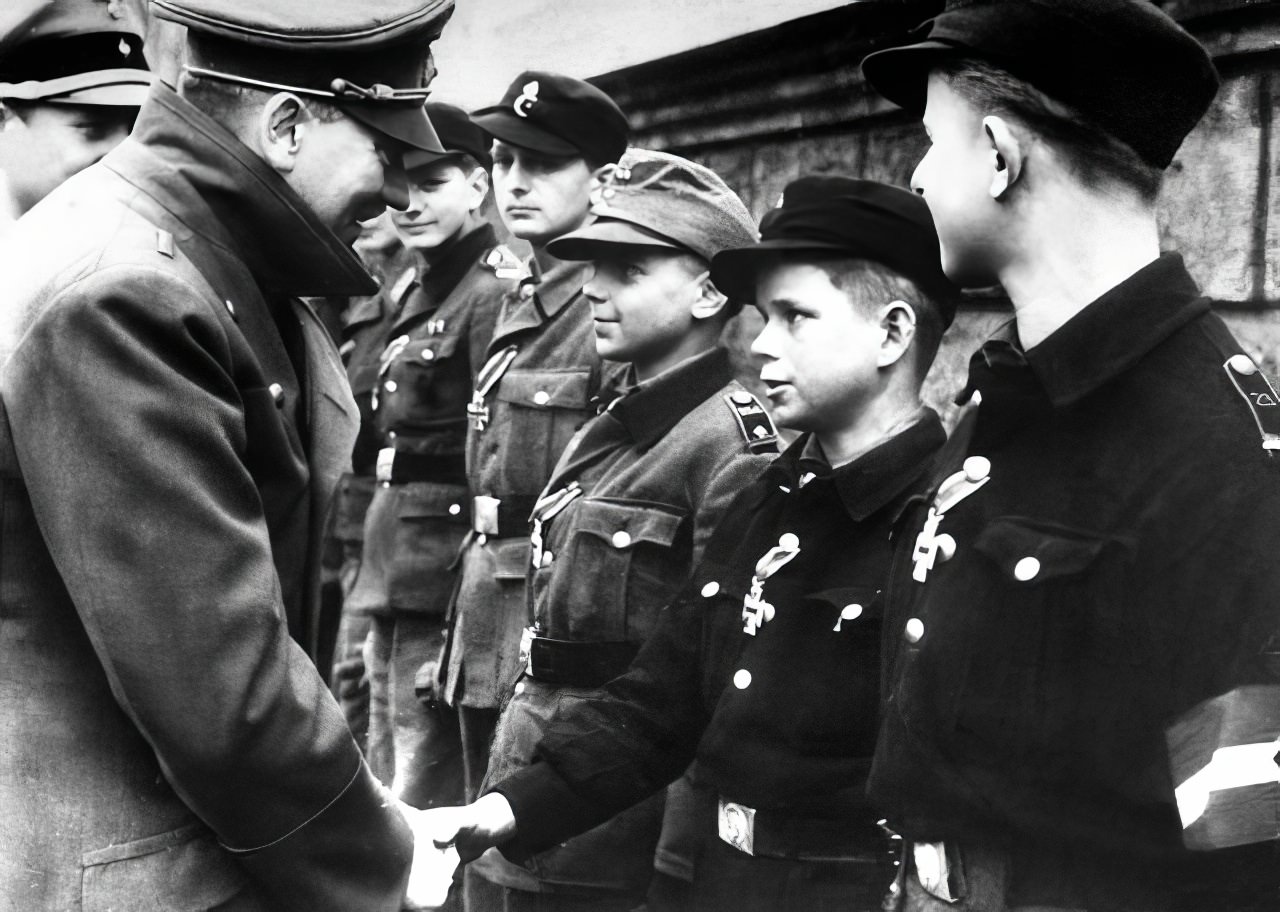
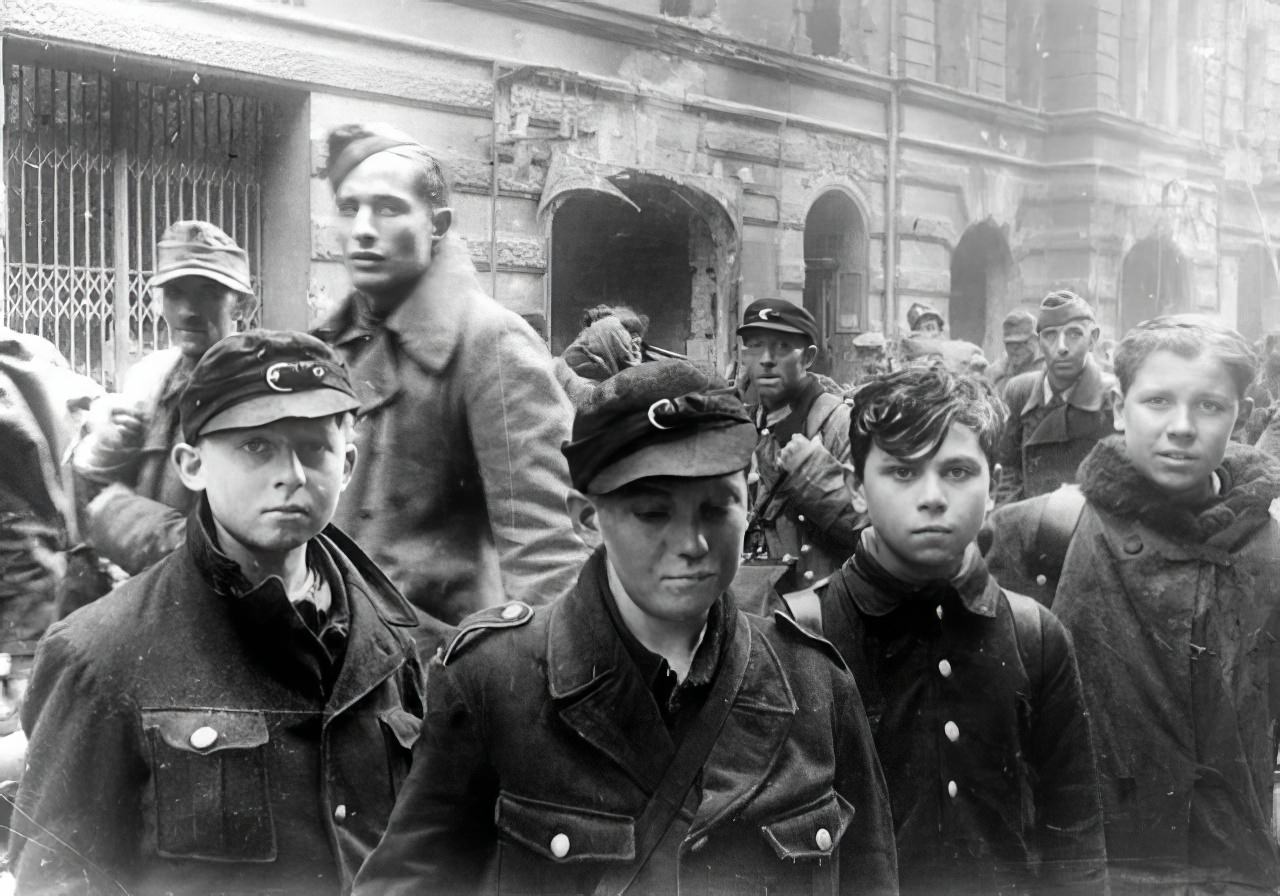
In Nazi Germany, the Hitler Youth began as an indoctrination program but became a direct pipeline into military service. Boys were taught Nazi ideology from an early age and trained to see war as their duty. As Germany’s manpower ran out in the final years of the war, teenagers were pulled from classrooms and pushed into uniform.
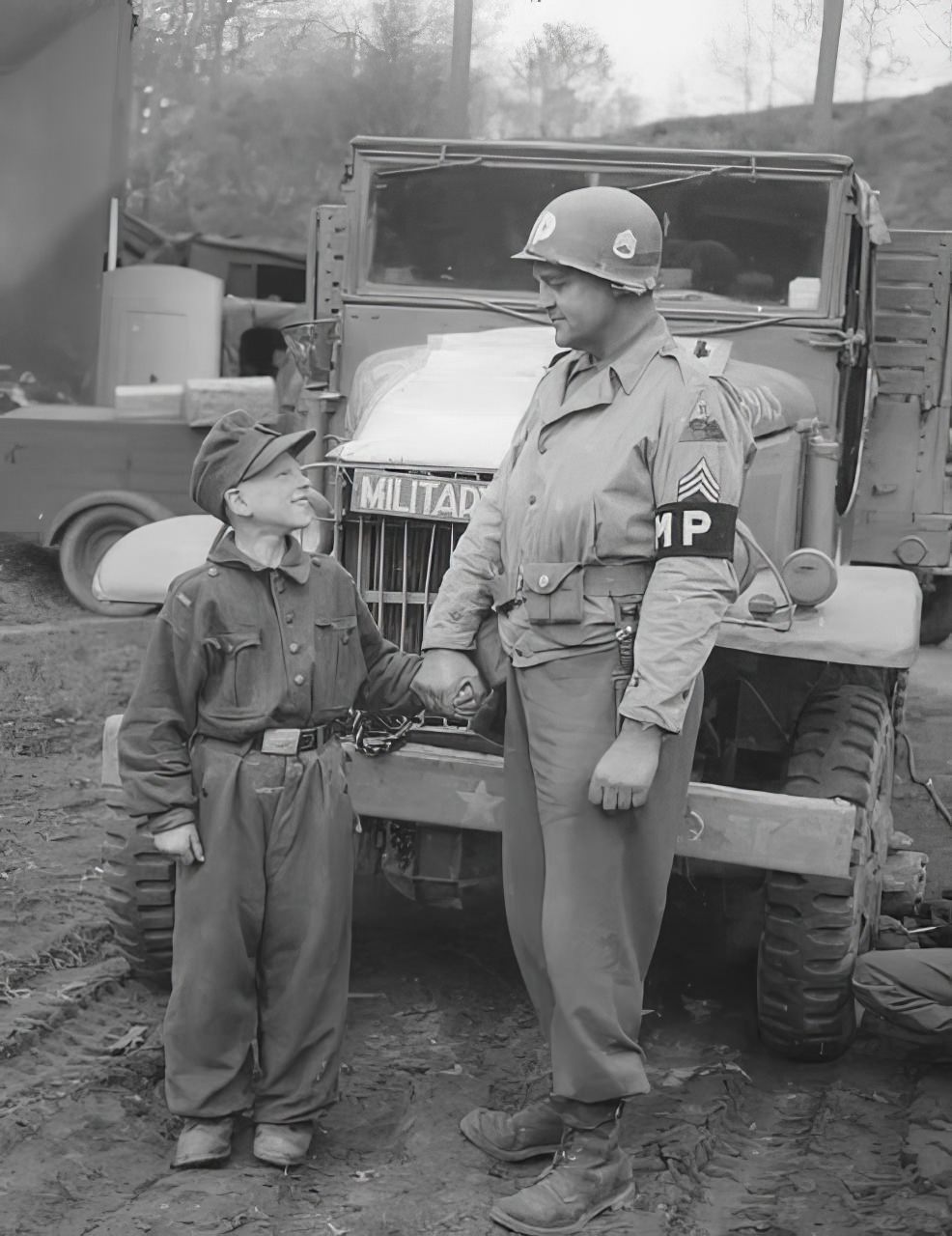
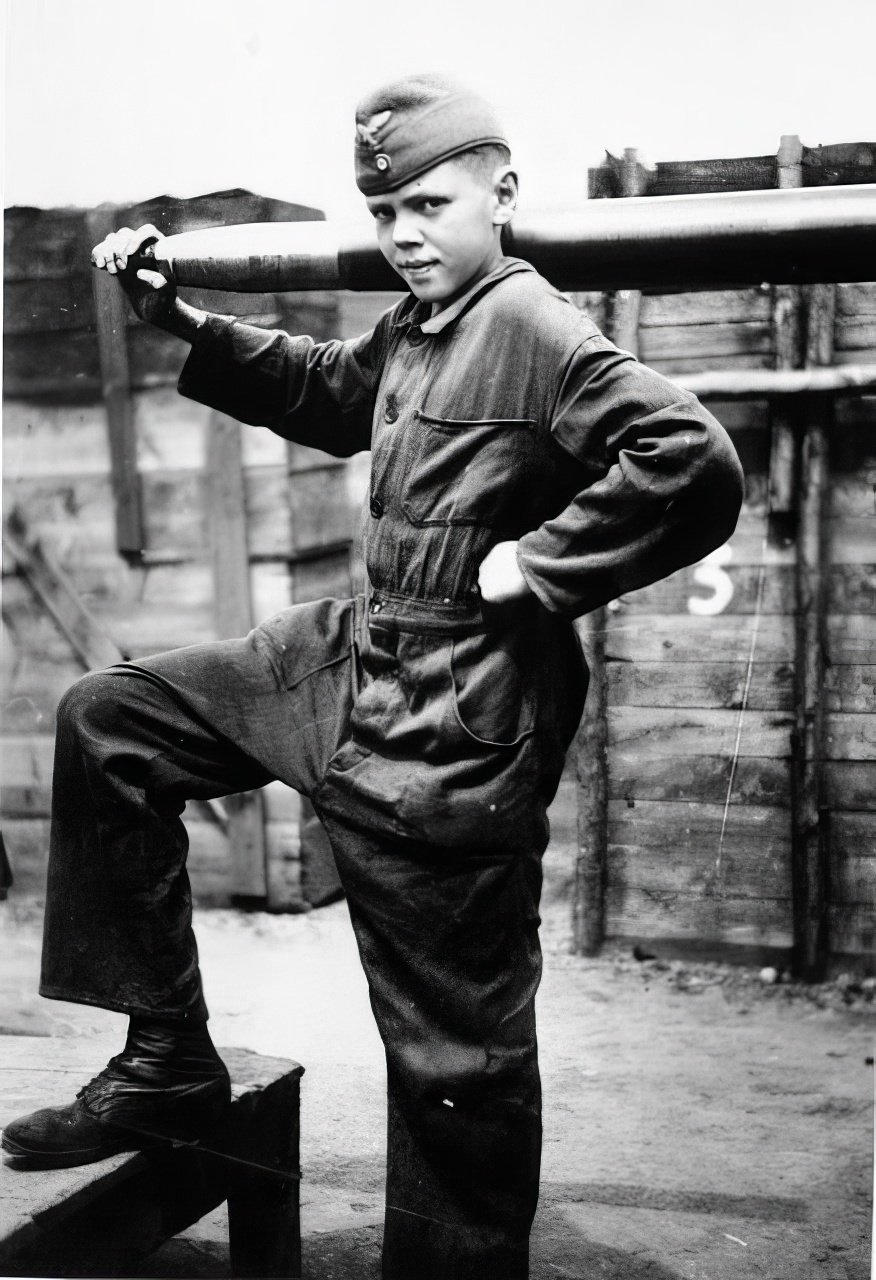
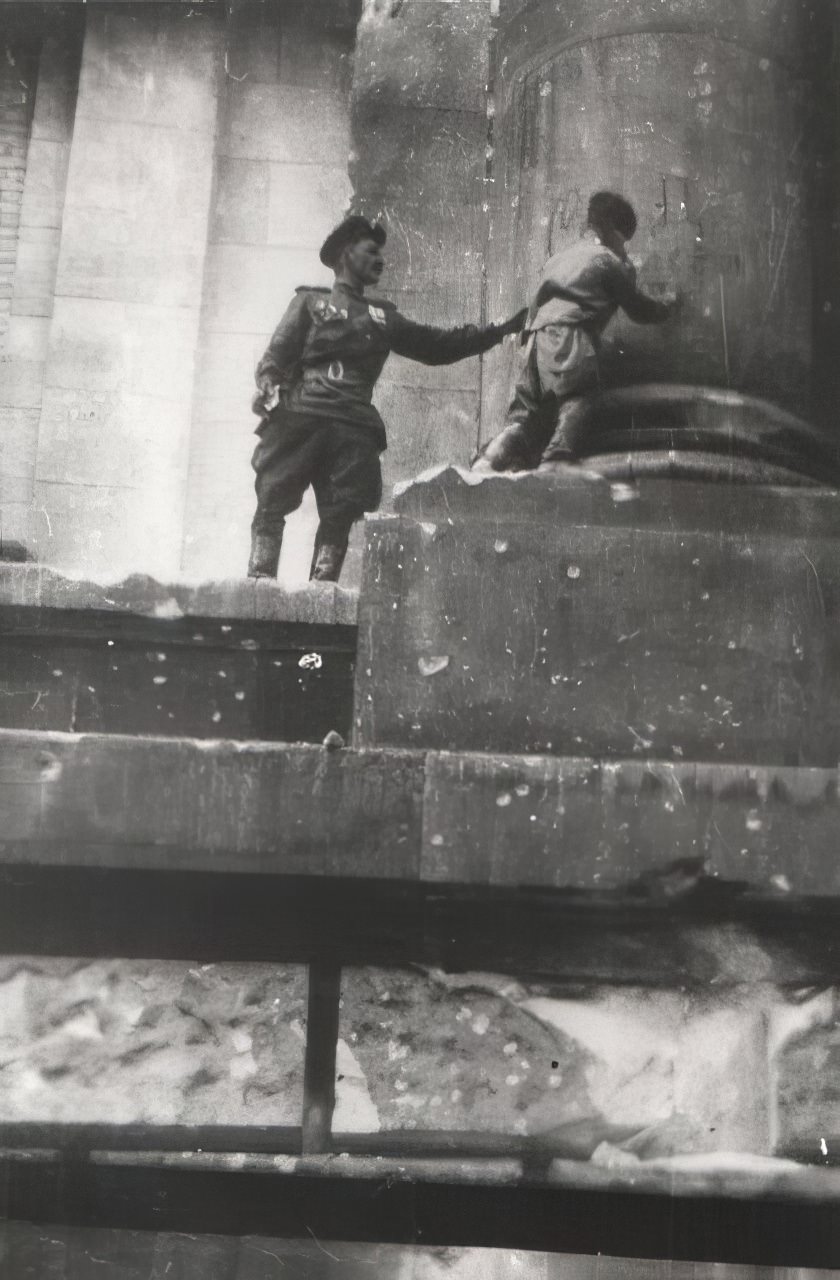
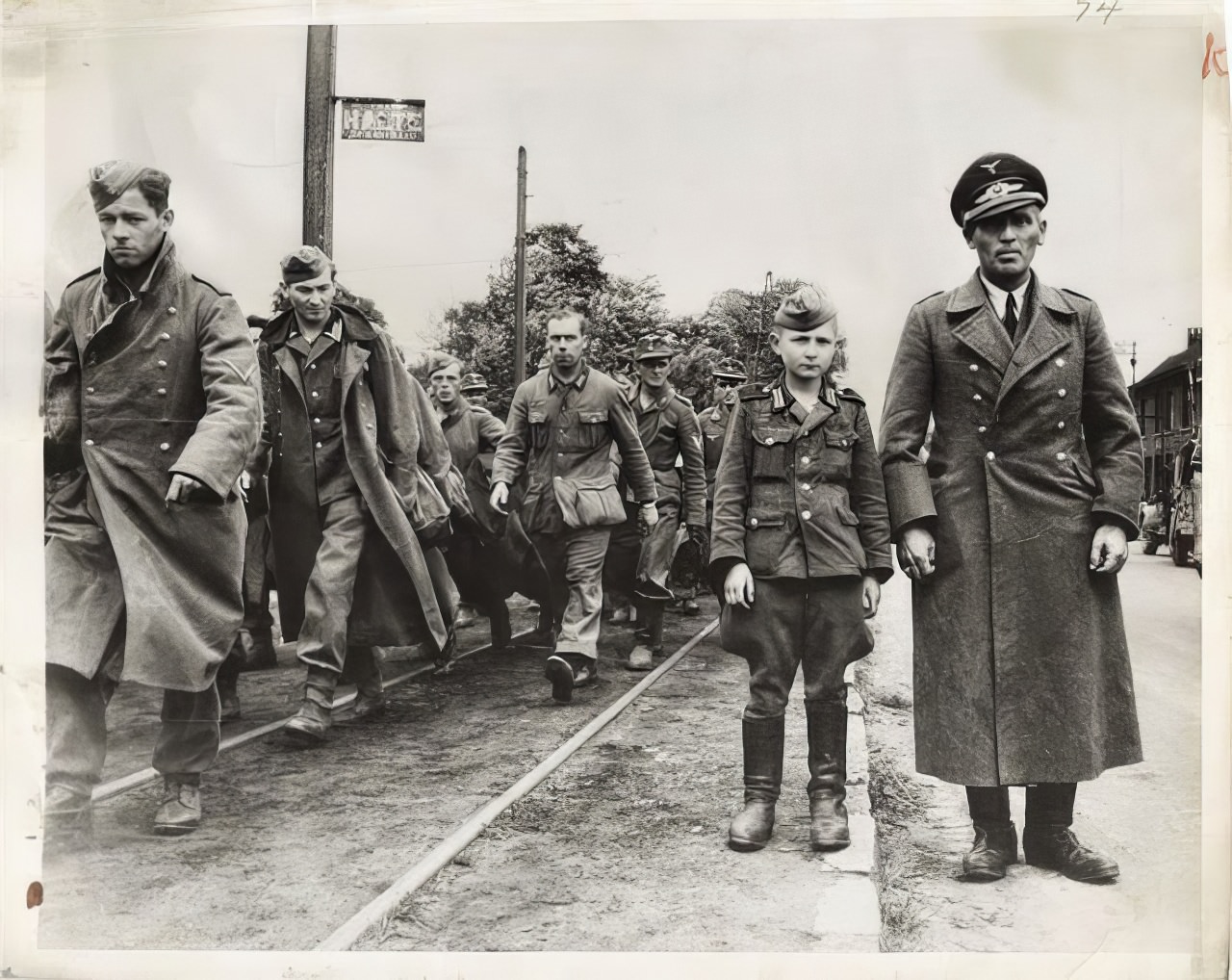
Hitler Youth members served in anti-aircraft units and manned artillery positions across the shrinking Reich. Some fought in the Battle of Berlin in 1945, one of the deadliest urban battles of the war. Many were barely 13 or 14 years old. They died defending a regime that had already lost.
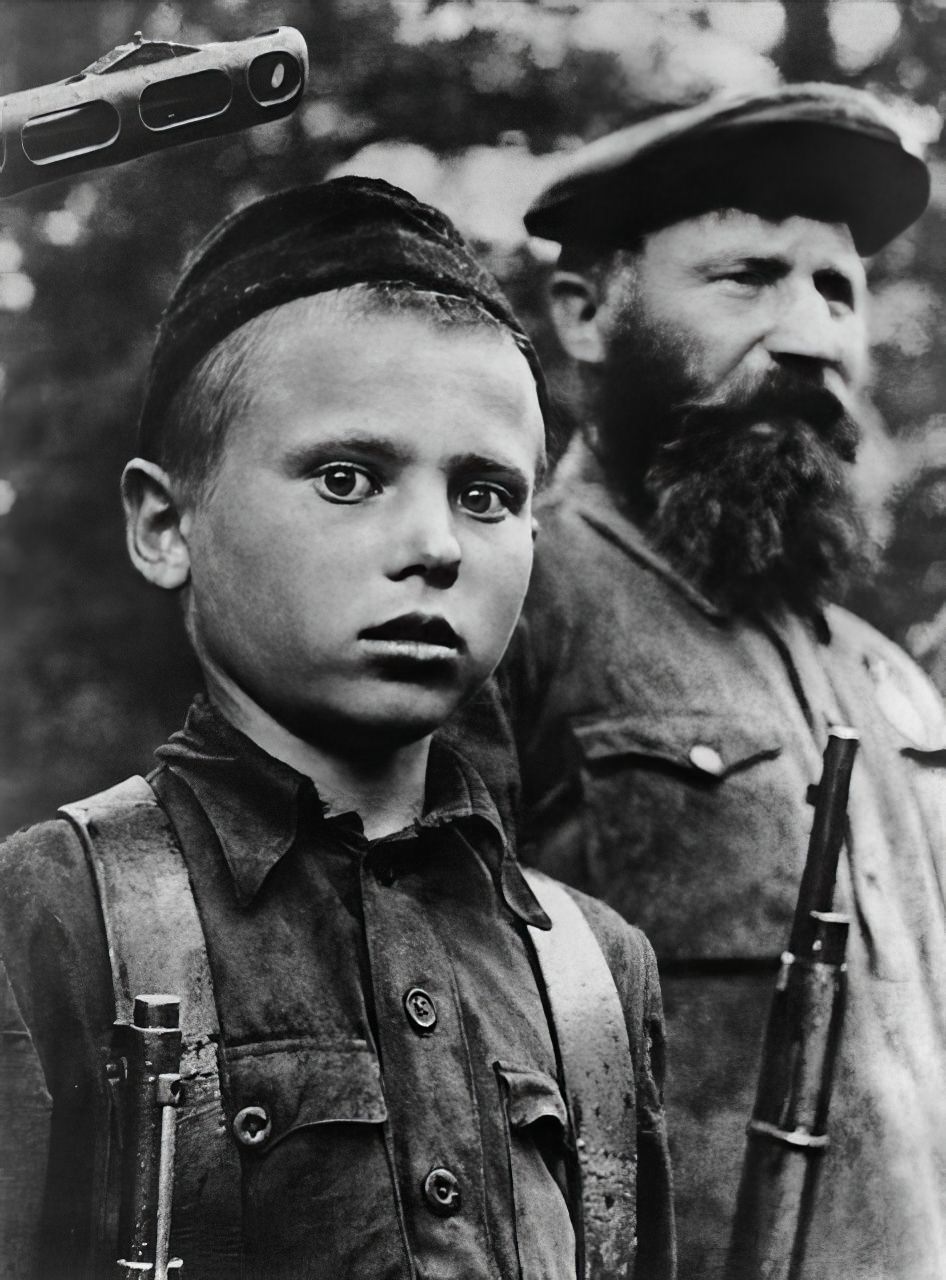
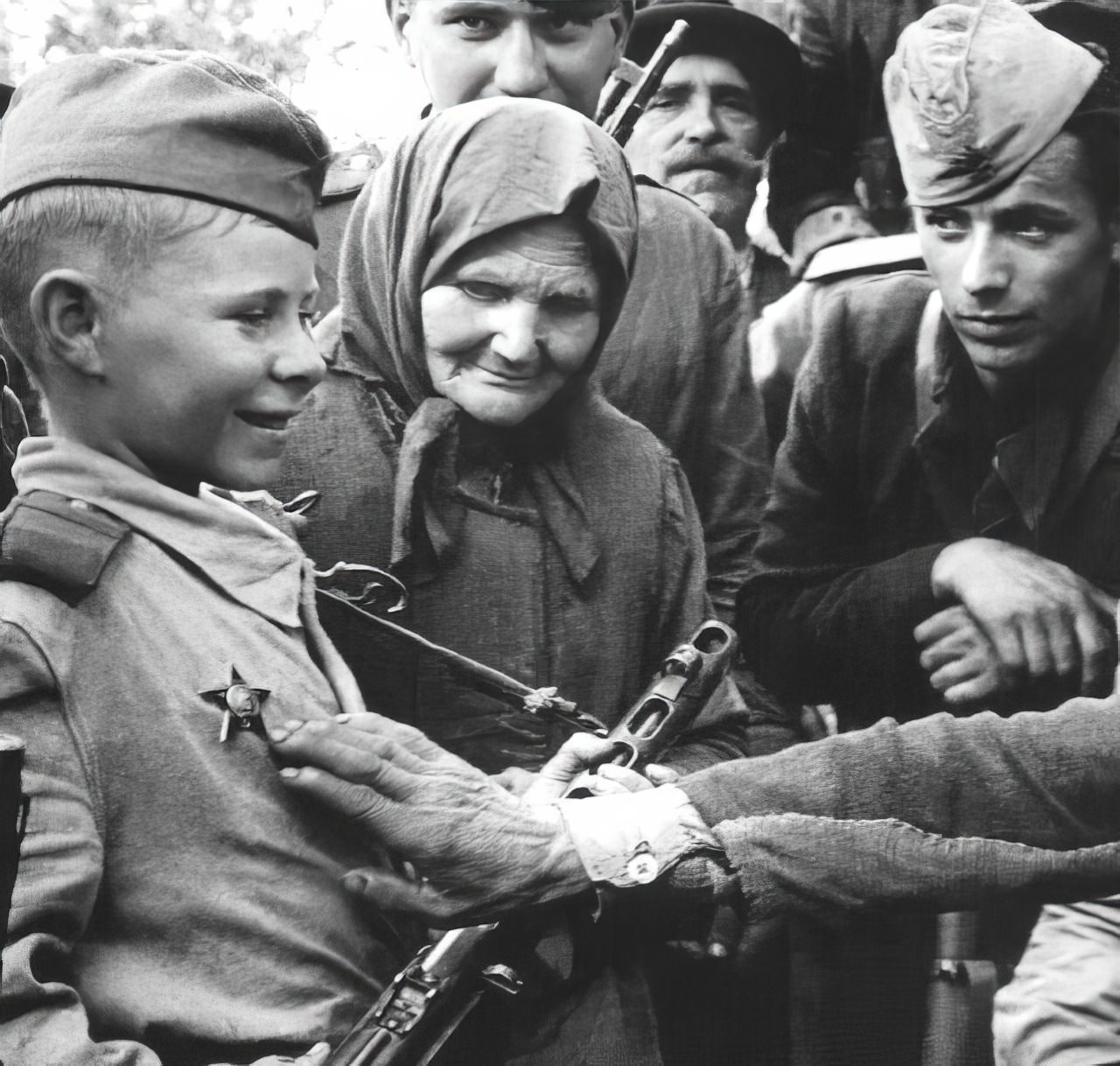
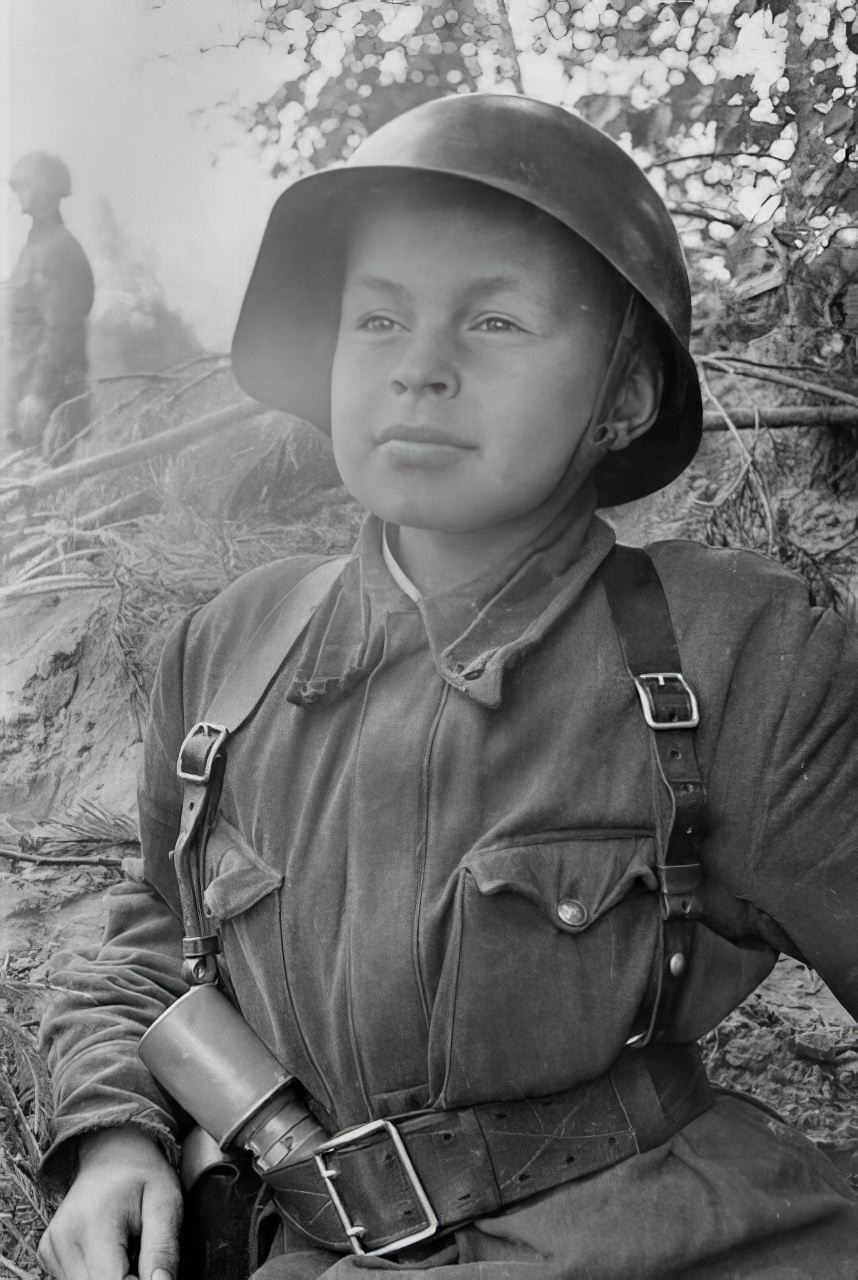
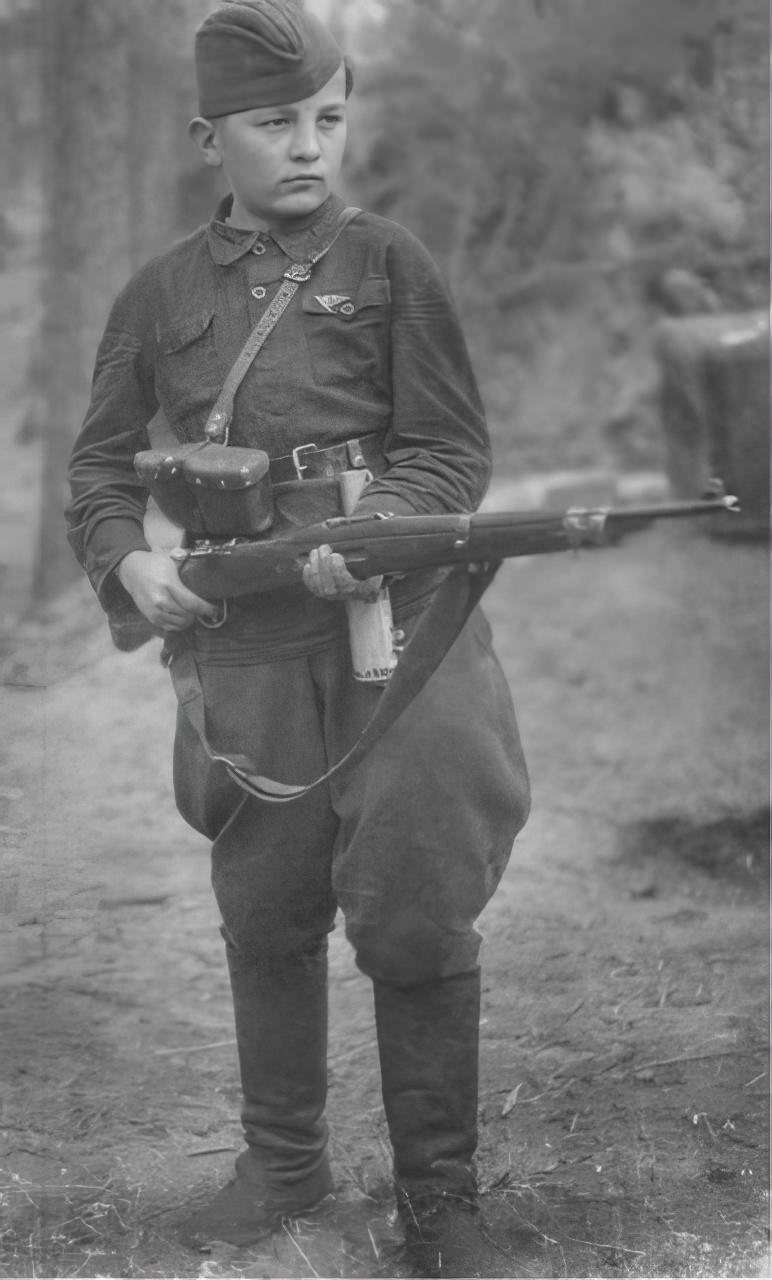
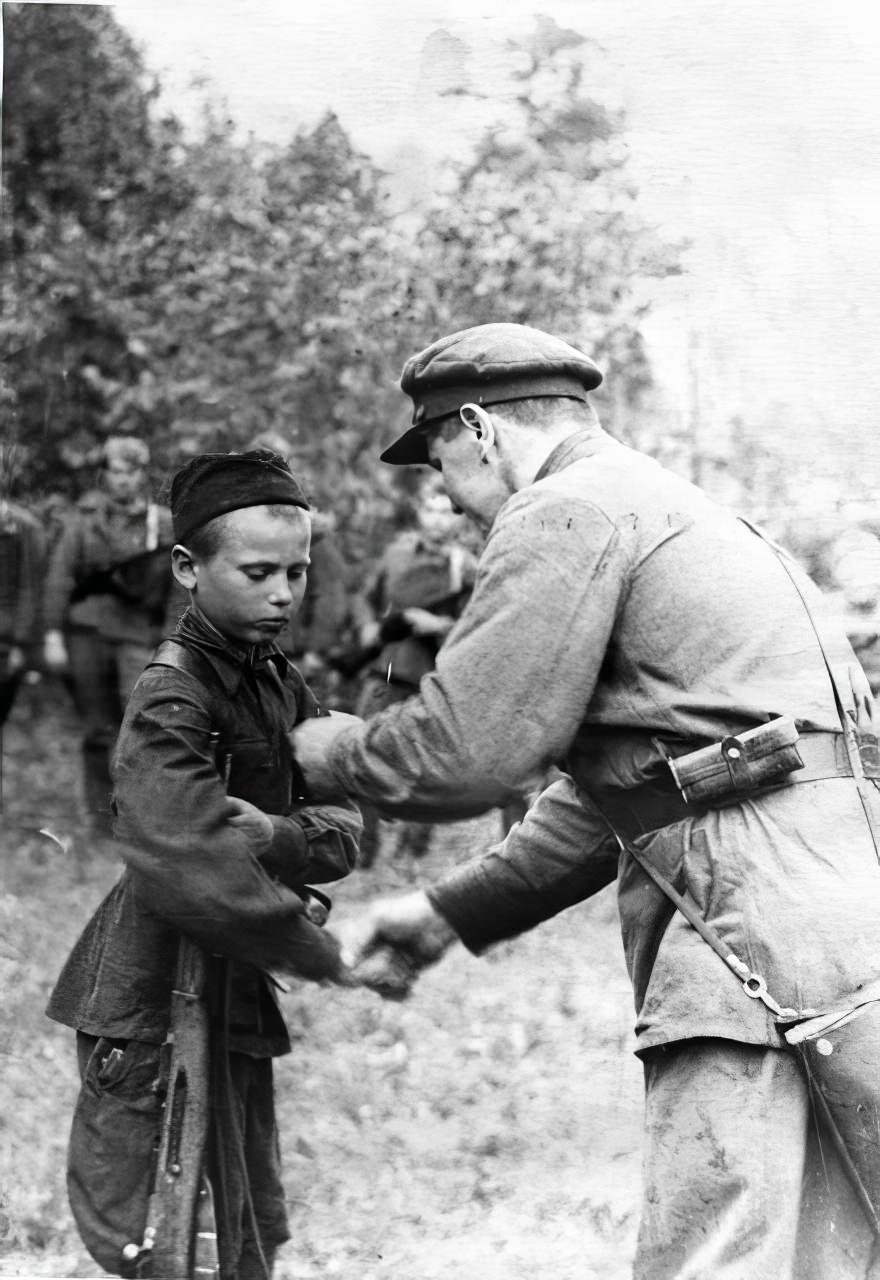
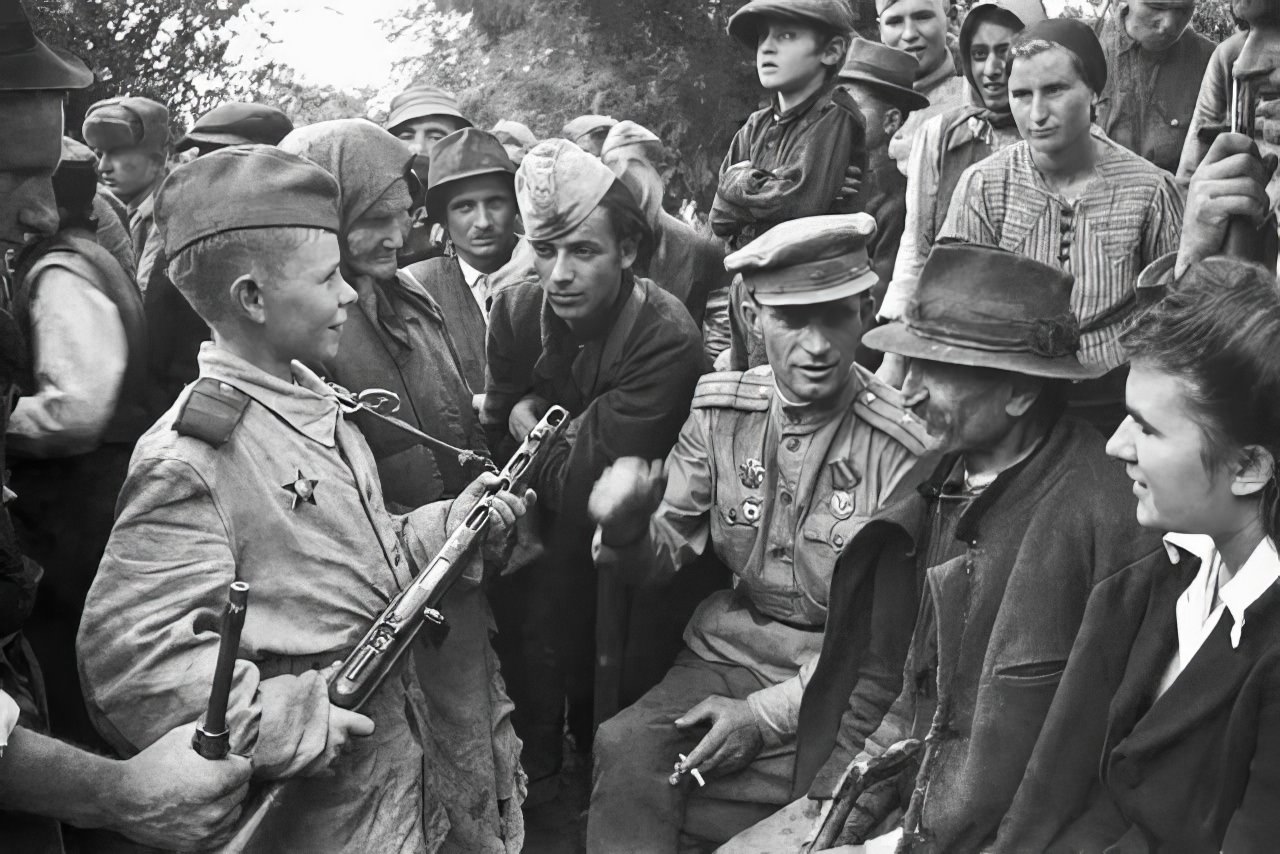
On the Eastern Front, the Soviet Union’s occupation by Nazi forces pushed children into partisan resistance groups. Boys and girls took on roles as scouts, messengers, saboteurs, and snipers. They operated behind enemy lines in forests and villages, often with little more than basic weapons and survival knowledge.
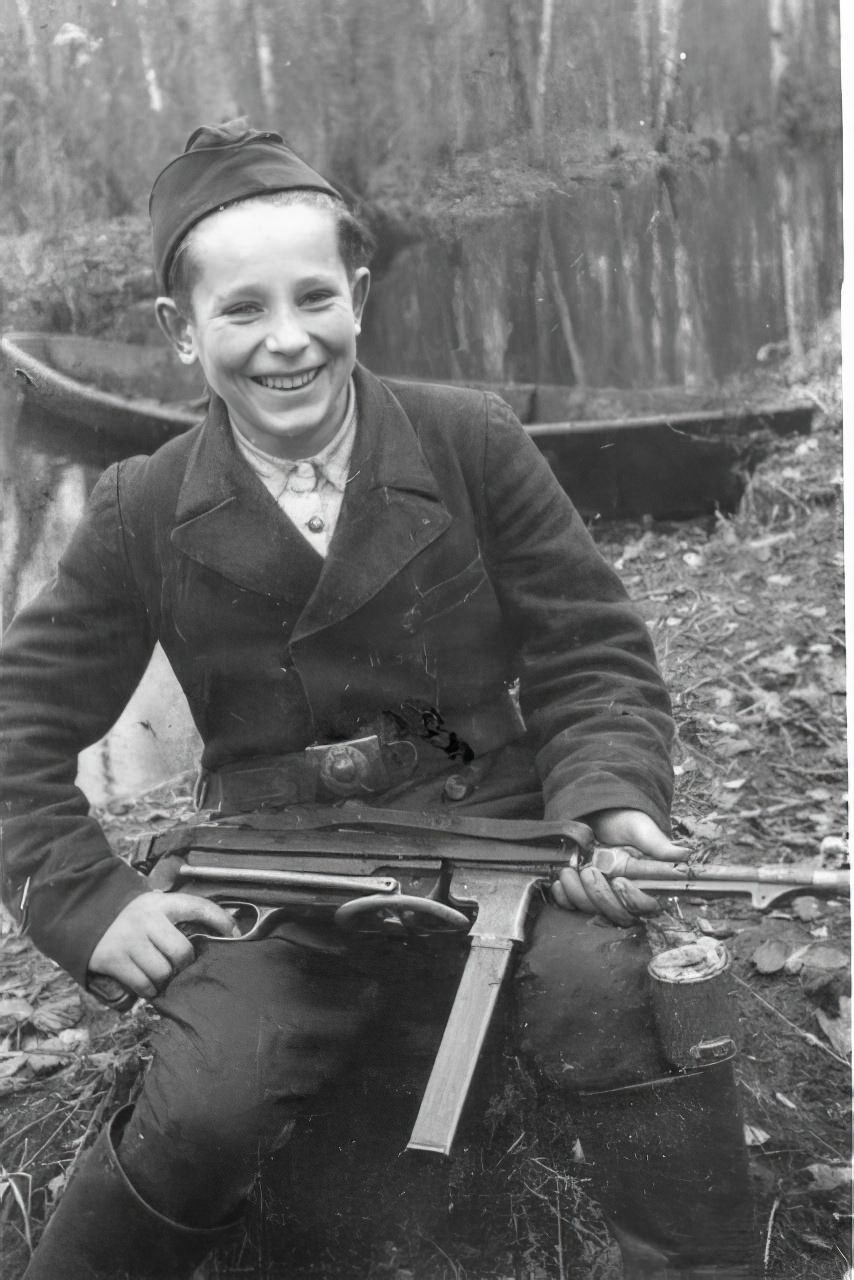
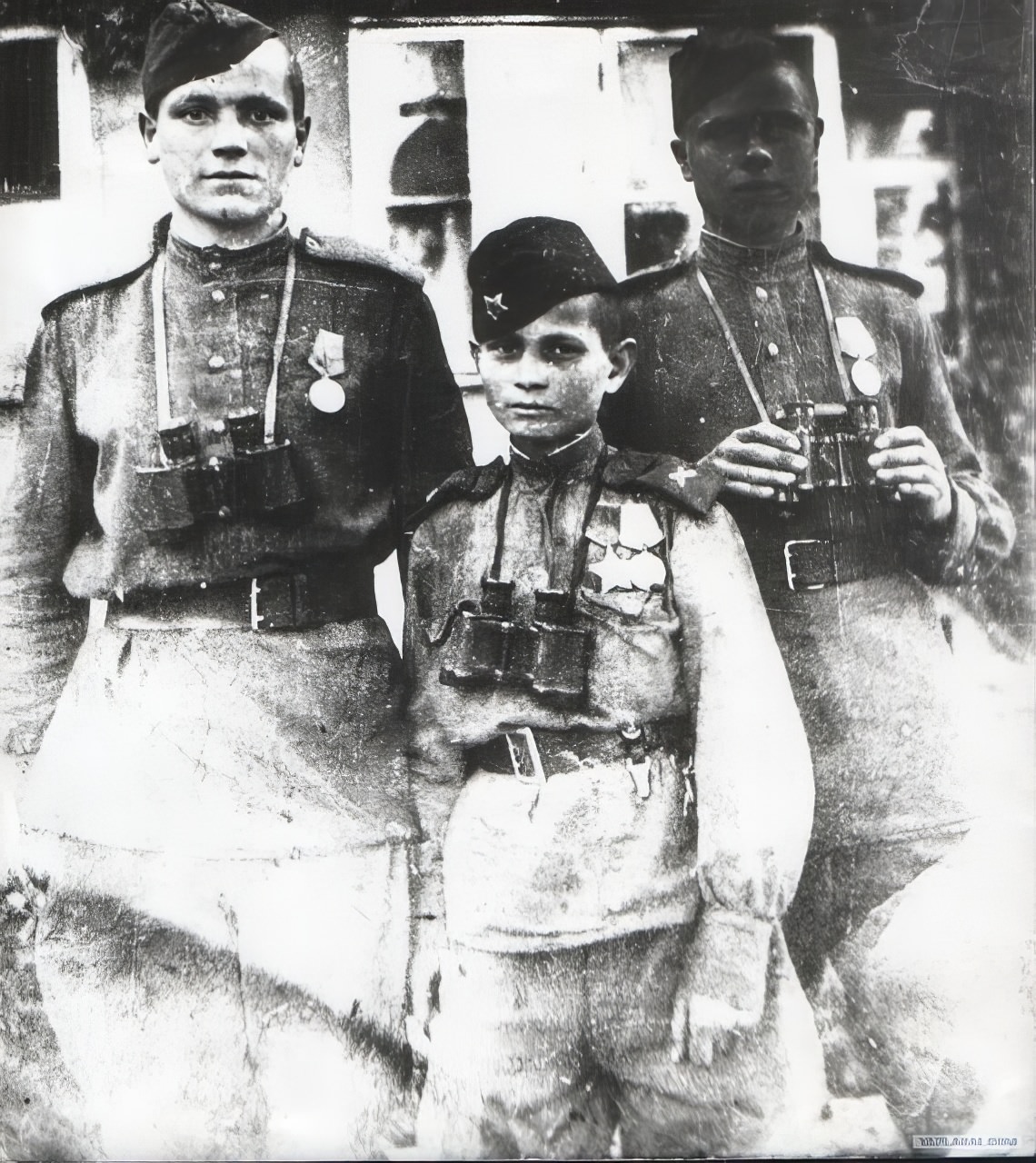
Soviet child partisans faced capture, torture, and execution if caught. Thousands were killed. Their contributions to the resistance effort were real and documented — they were not bystanders. The Soviet state later honored many of them as war heroes.
In the Pacific Theater, Japan’s kamikaze program drew heavily from young men in their late teens. These pilots flew planes loaded with explosives directly into Allied warships. The Japanese military framed these missions as acts of supreme patriotism. Volunteers were often barely out of school.
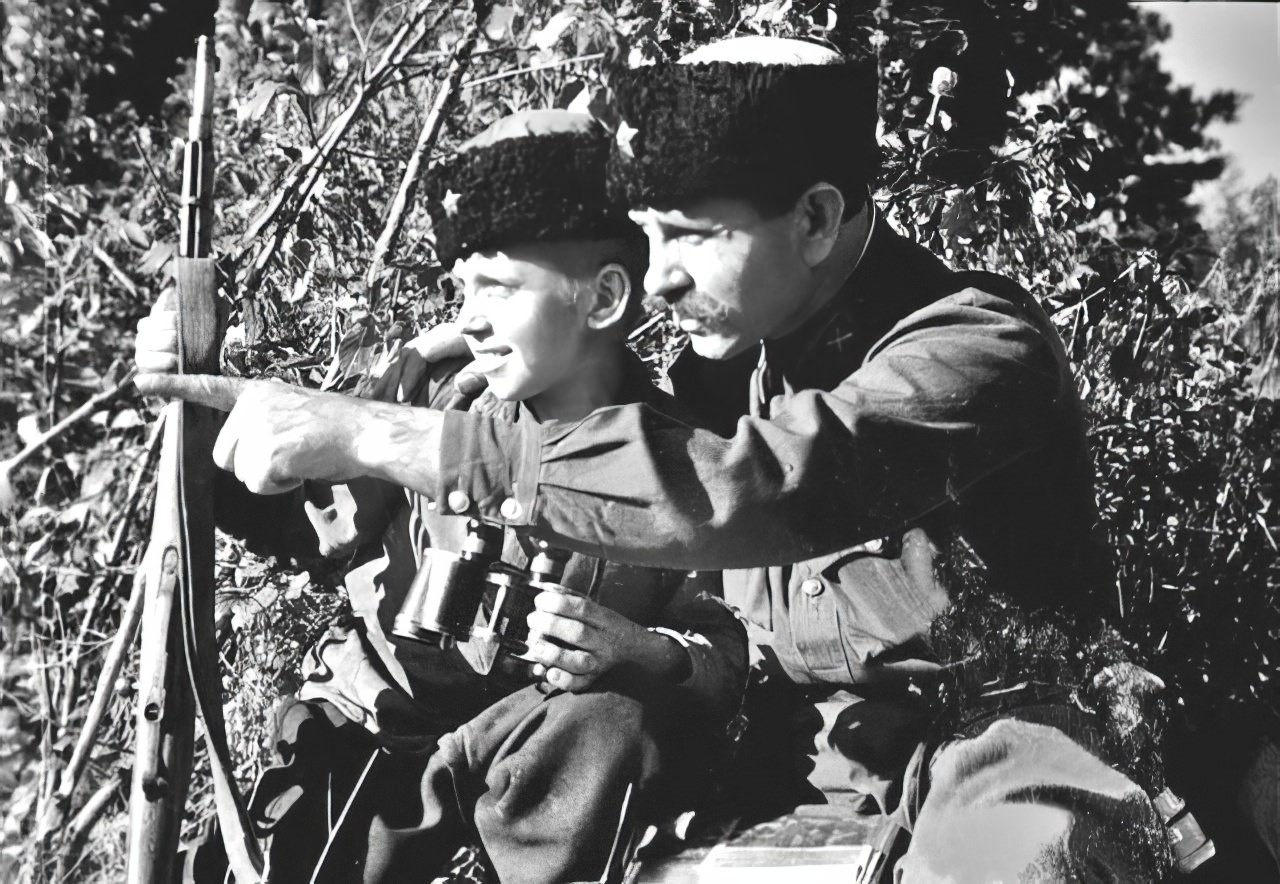
Not all child soldiers fought on front lines. Many were assigned as messengers, cooks, or medics. Others were forced into factory labor or agricultural work to keep the war machine running. These roles kept them out of direct combat but placed them firmly inside a war zone.
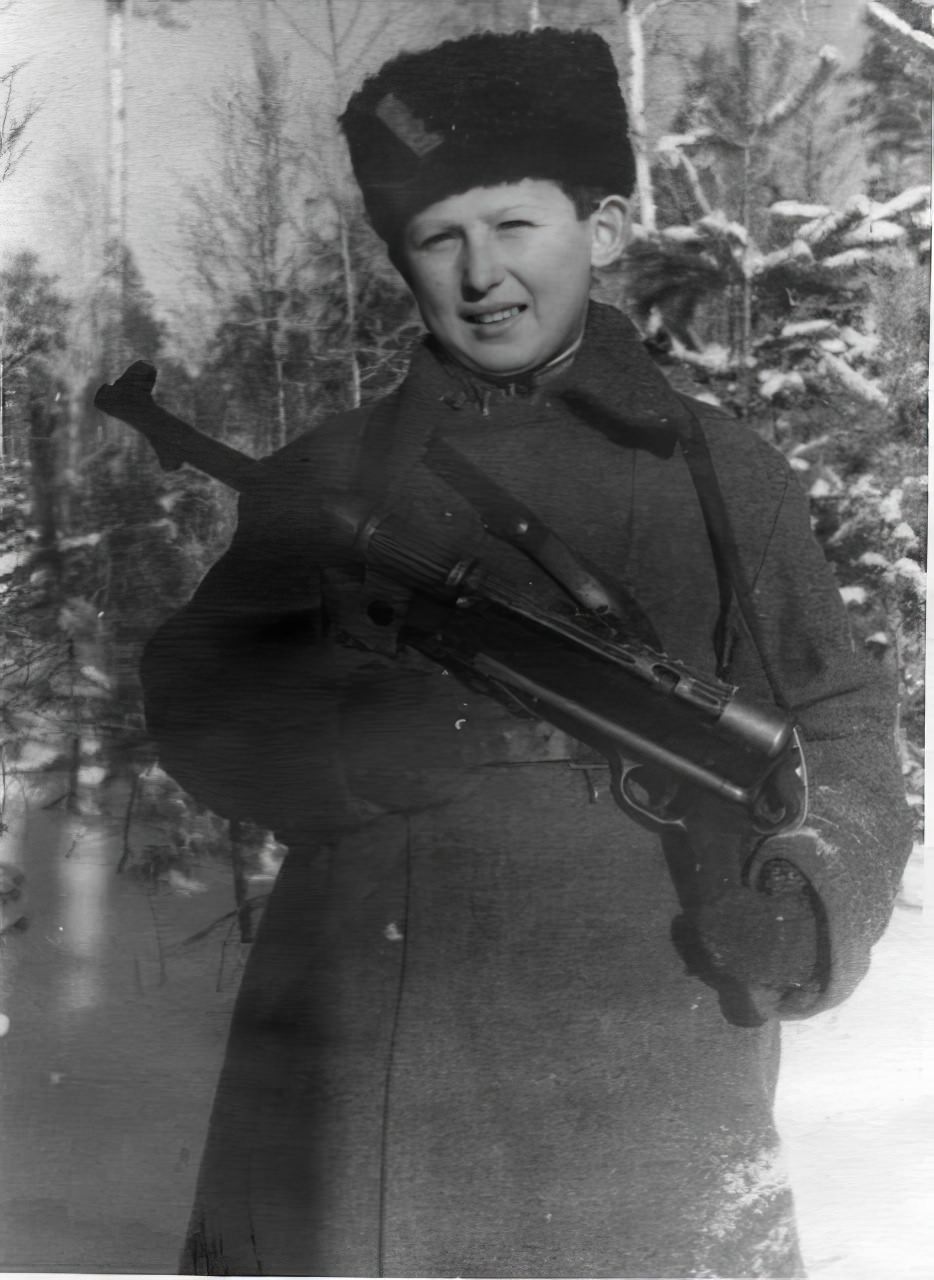
The physical toll on child soldiers was severe. Growing bodies were pushed through extreme conditions — freezing winters, starvation rations, and long marches. Injuries were common, and medical care was limited. Many children who survived the war carried lasting physical damage.
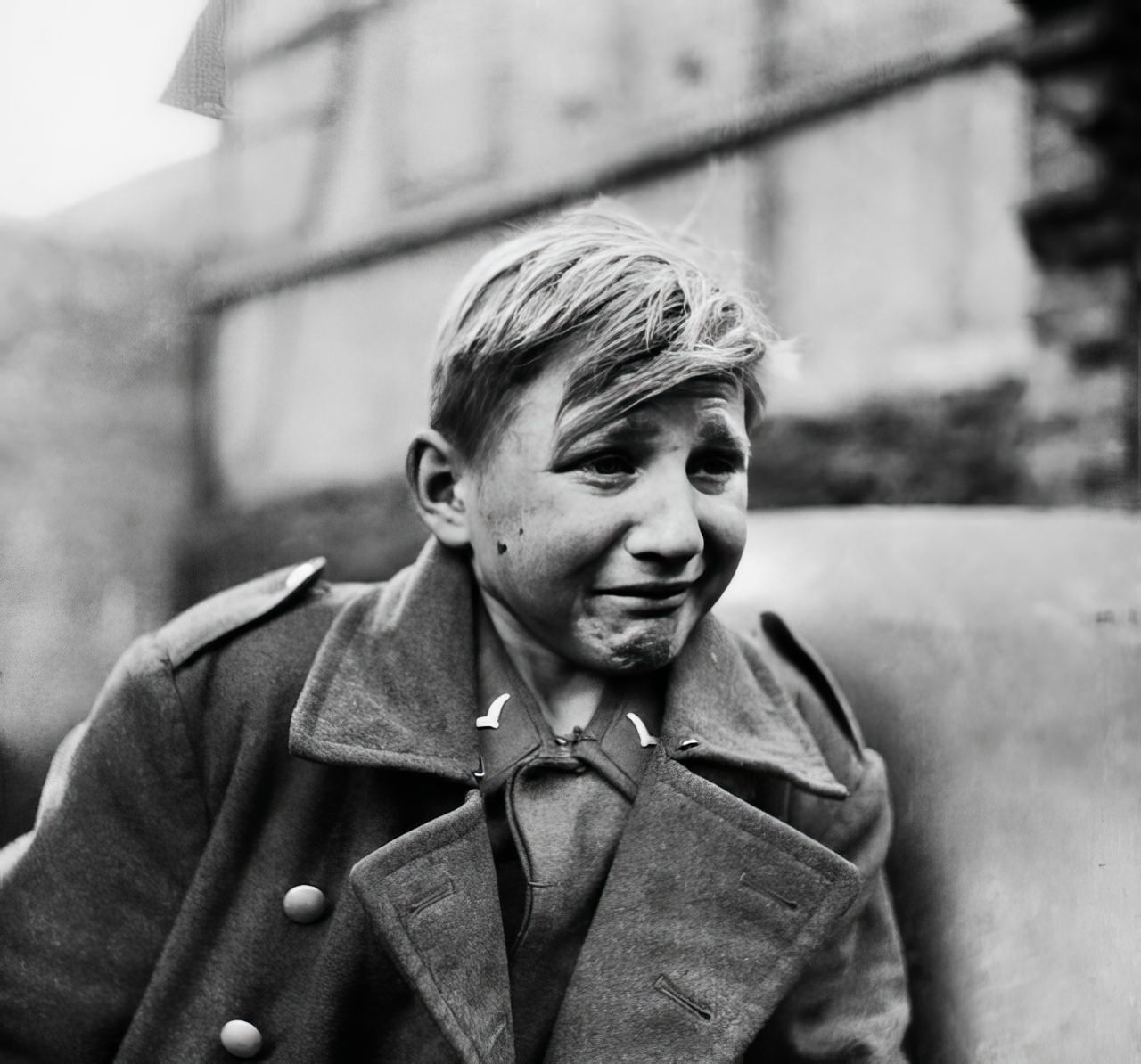
Psychologically, the damage ran just as deep. Children witnessed mass casualties, the deaths of friends, and widespread destruction. Post-traumatic stress disorder, though not widely diagnosed at the time, affected a large number of survivors. Many struggled to readjust to civilian life long after the fighting stopped.
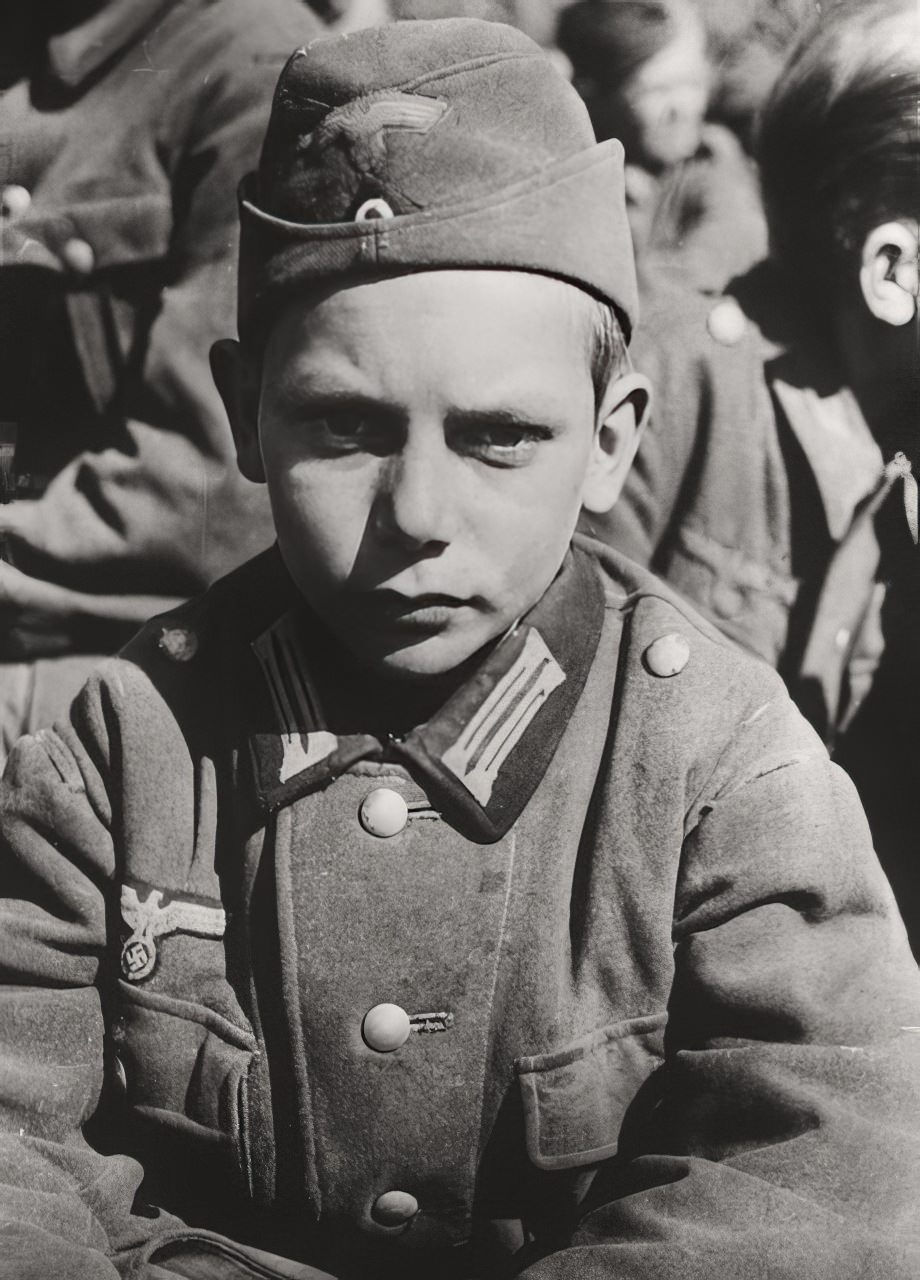
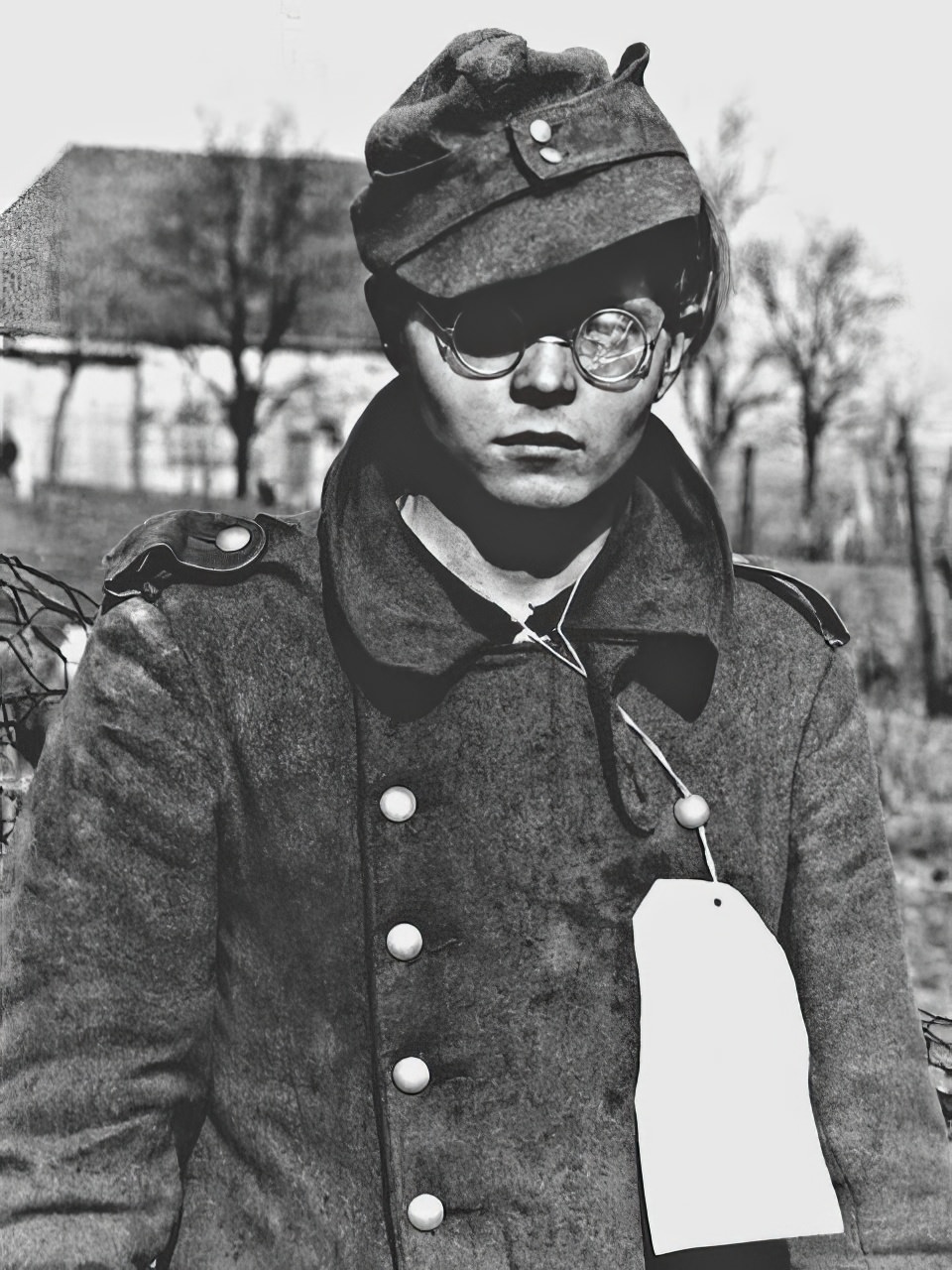
Some child soldiers were taken as prisoners of war. Their young age offered no protection — they were processed and detained alongside adult combatants. The experience of captivity added another layer of trauma to lives already marked by war.
Across all theaters, the minimum conscription age was frequently ignored when manpower ran low. Commanders on both sides accepted underage recruits when the situation demanded it. Rules that existed on paper were set aside under the pressure of total war.