By 1963, America was crackling with tension and creative energy. The Civil Rights Movement was forcing the country to confront its deepest contradictions. Anti-war sentiment was quietly building. And a younger generation was starting to reject the buttoned-up culture their parents had handed them. Art, music, and protest were colliding in ways that hadn’t happened before.
Music was shifting fast. The Beatles had just broken through, and psychedelic rock was beginning to take shape. Folk singers were filling coffeehouses with songs about justice and freedom. Across the country, young people were gathering in parks and open fields, not just to listen, but to participate — in performances, in arguments, in something that felt new.
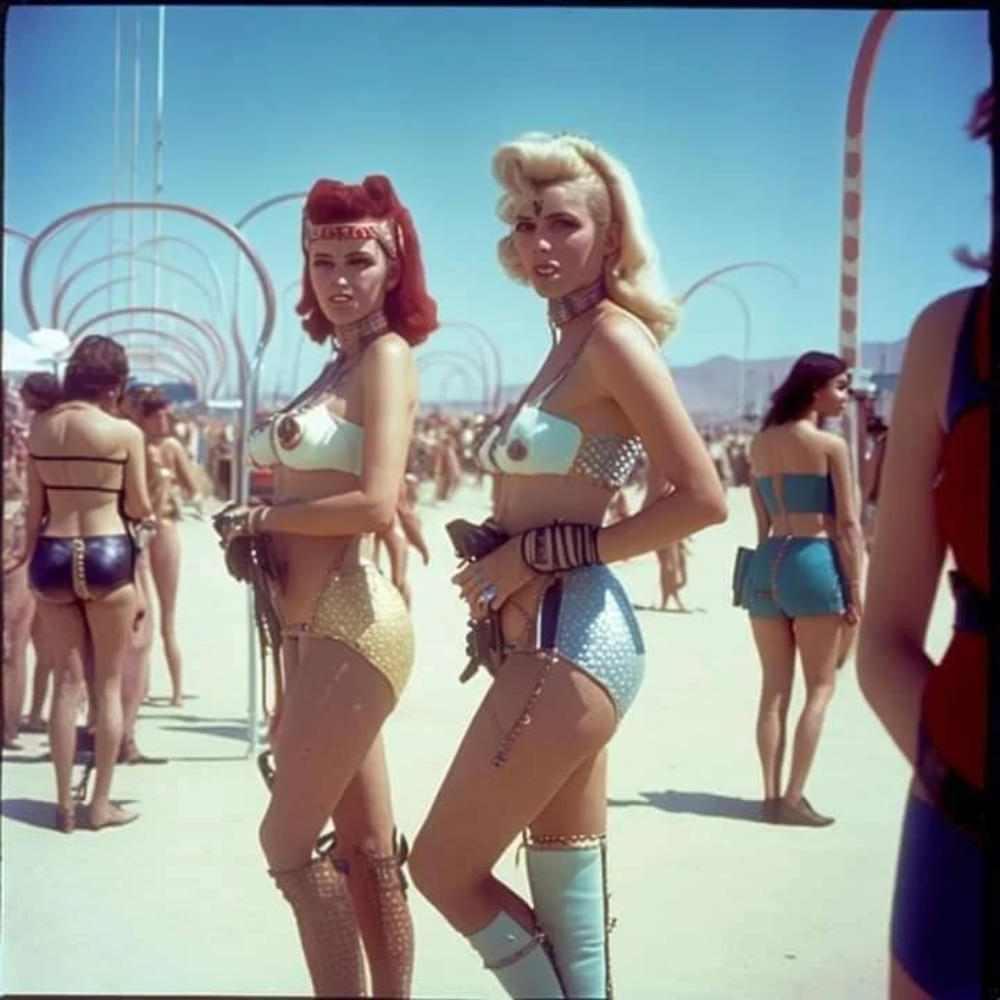
Now picture a festival born into that world. Burning Man as we know it didn’t exist in 1963 — the actual event didn’t begin until 1986 on a San Francisco beach. But the cultural ingredients were already there. A 1963 version of Burning Man would have drawn from the same restless spirit that was already pushing artists, activists, and musicians onto the same stages.
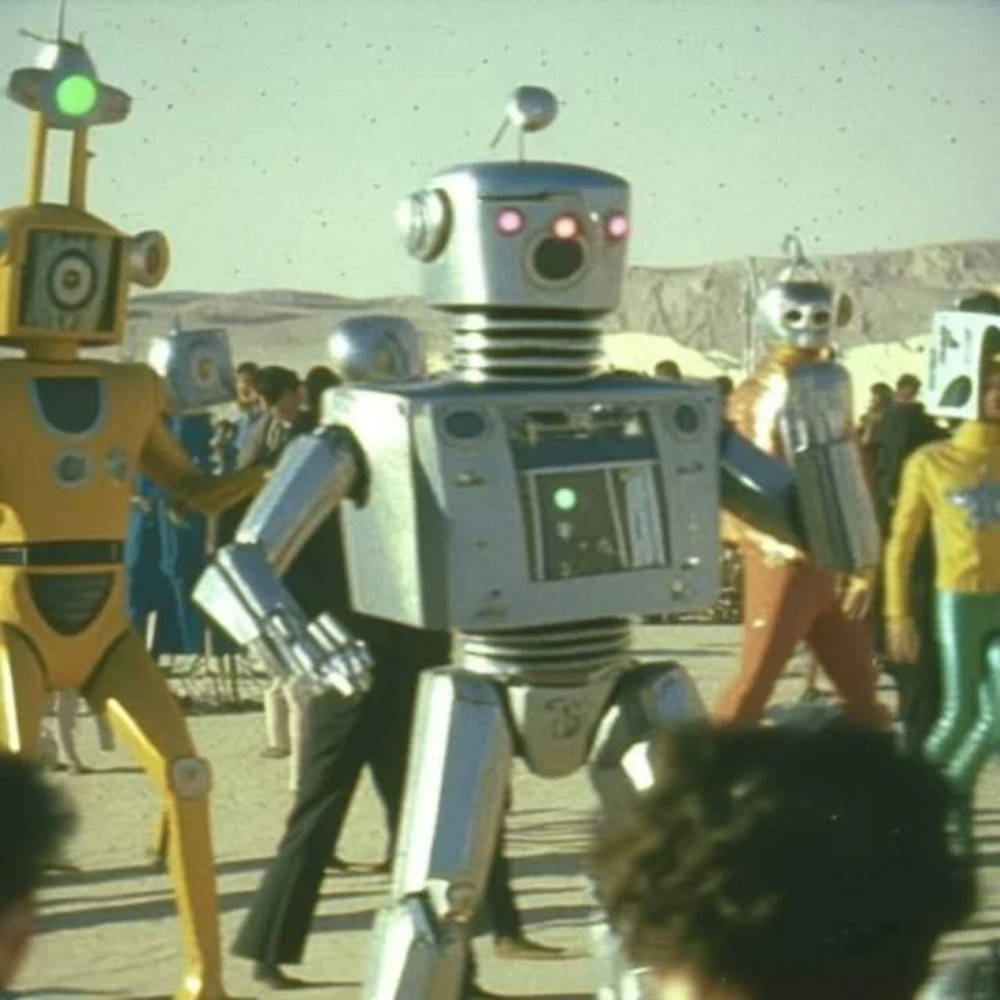
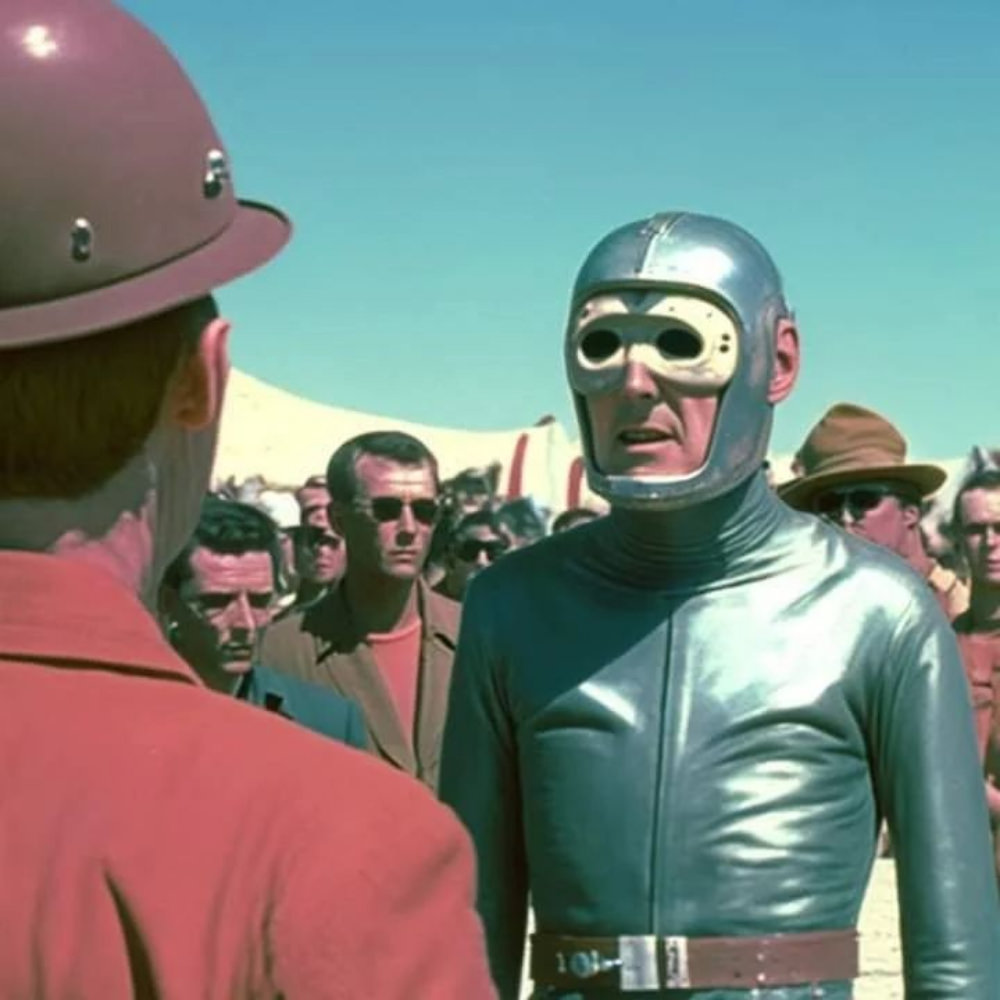
The setting would have been raw and unpolished — a wide open field, maybe a city park, somewhere without a stage manager or a corporate sponsor in sight. Performances would have been impromptu. A jazz musician might play next to a painter finishing a canvas on the grass. A civil rights organizer might speak from a flatbed truck while a sculptor built something strange and temporary nearby.
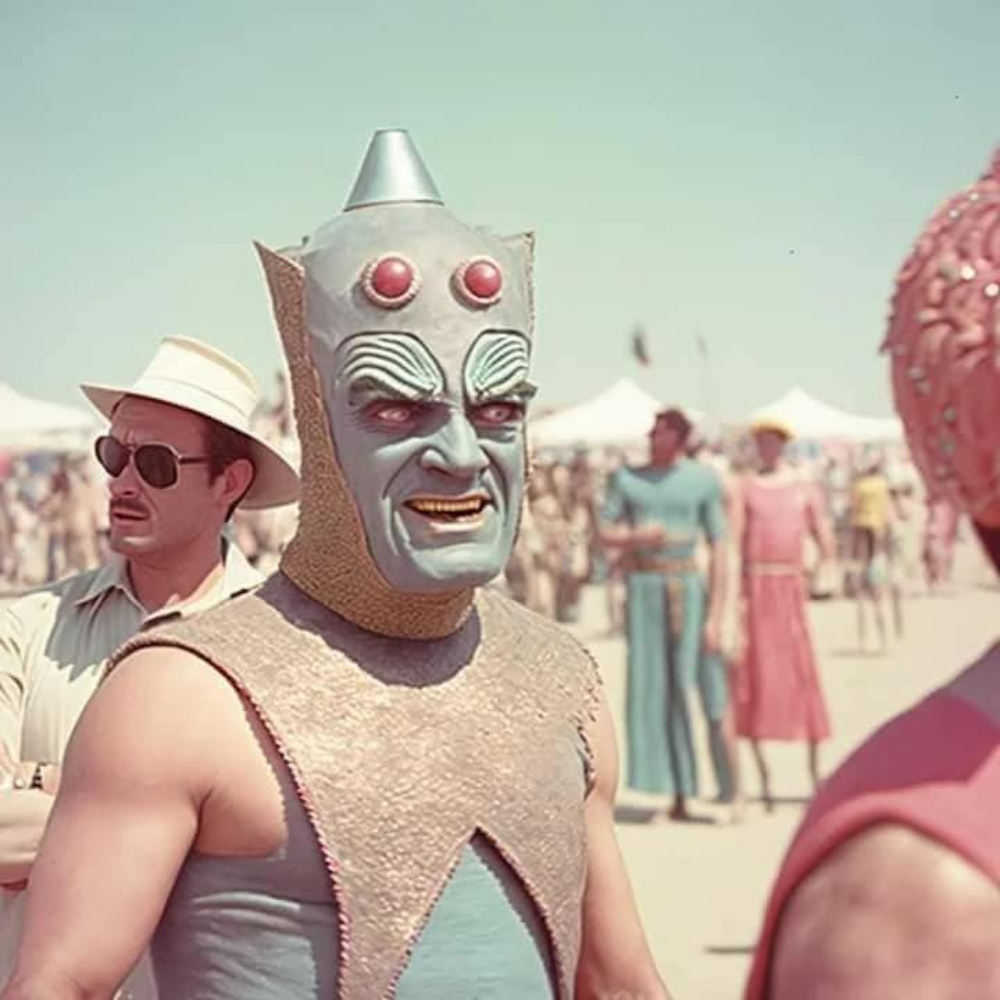
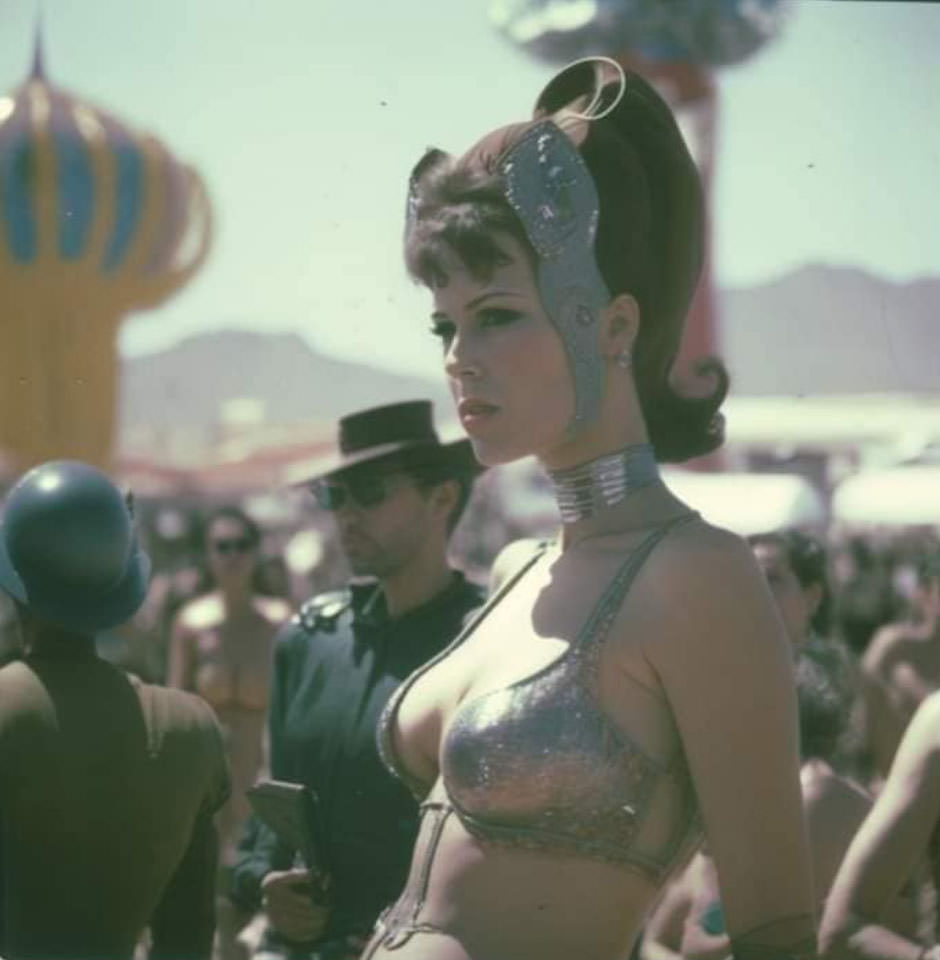
The art installations would have reflected the anxieties of the era. Nuclear fear was real in 1963 — the Cuban Missile Crisis had happened just a year earlier. Racial injustice was impossible to ignore. Artists working in that climate made work that confronted rather than decorated. A 1963 Burning Man would have been full of that same confrontational energy.
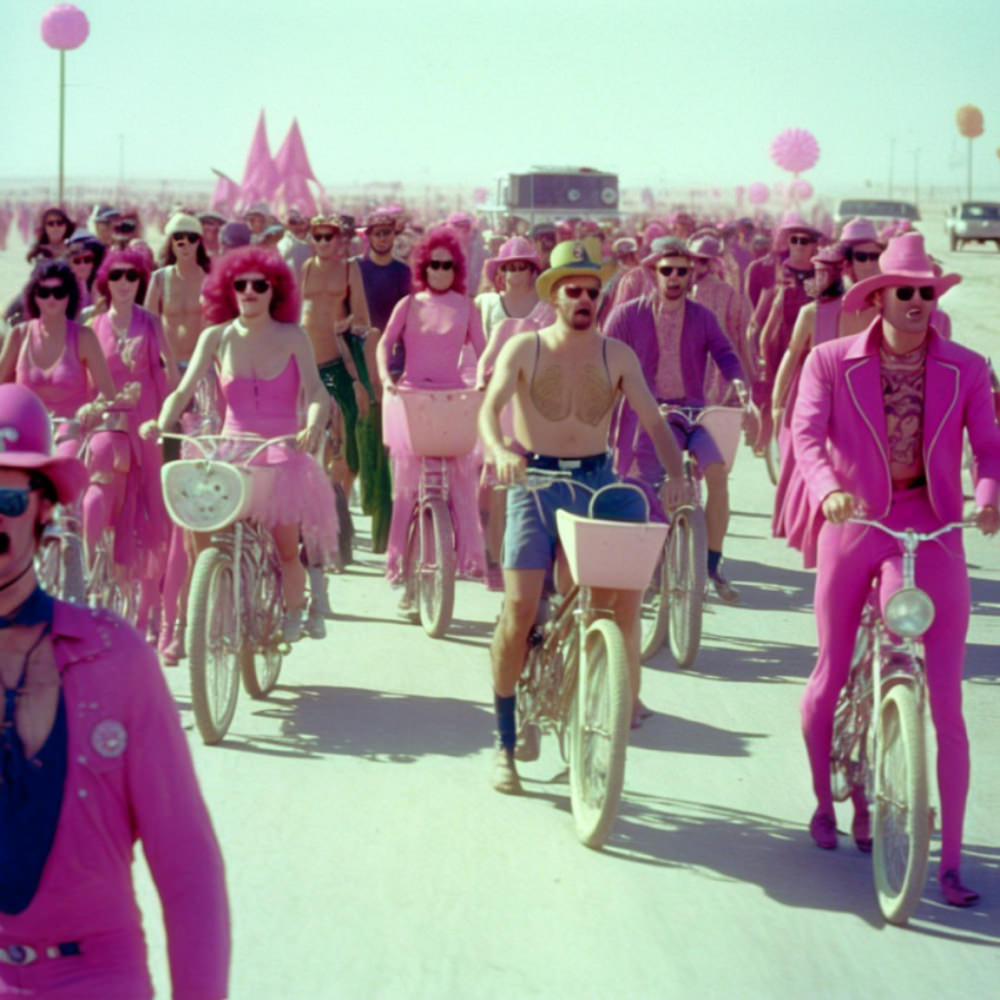
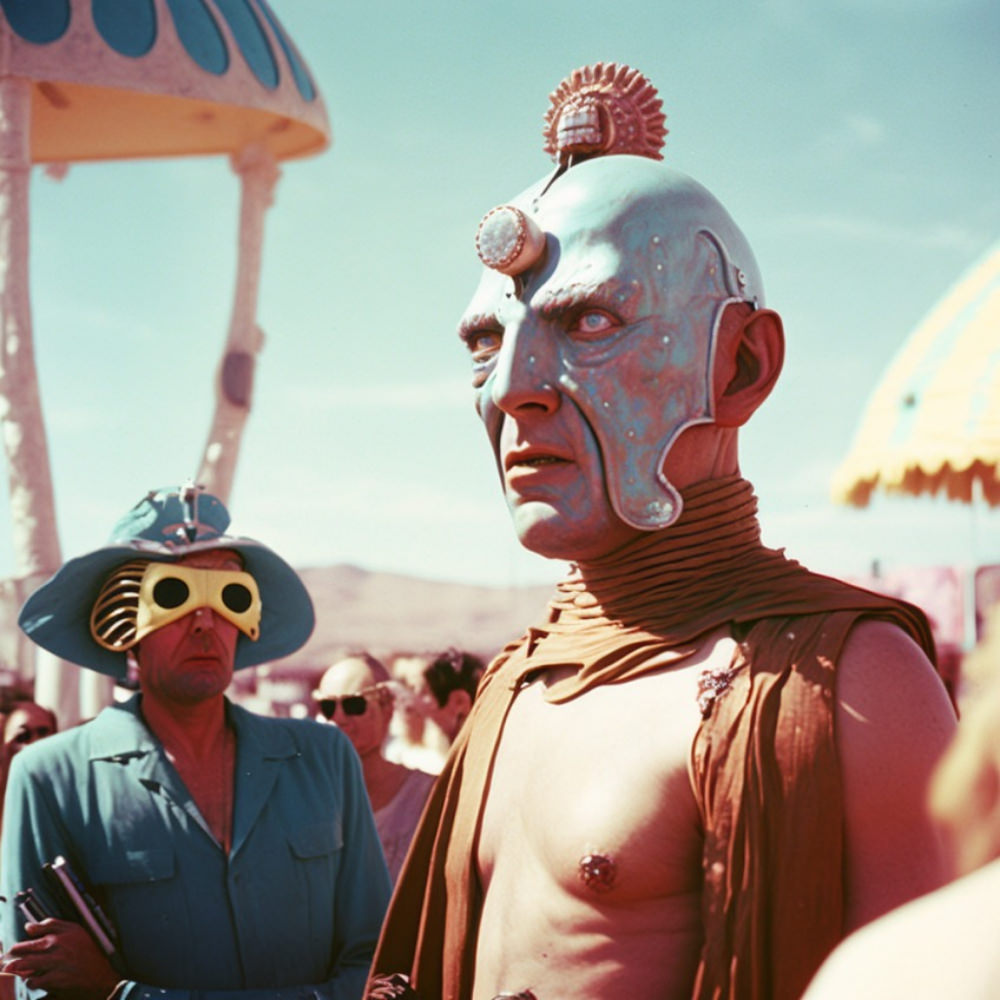
The crowd itself would have been a mix unlike anything mainstream culture accepted at the time. Black and white attendees side by side, poets alongside painters, students who had walked off campus and workers who had walked off the job. The gathering would have been a statement just by existing.
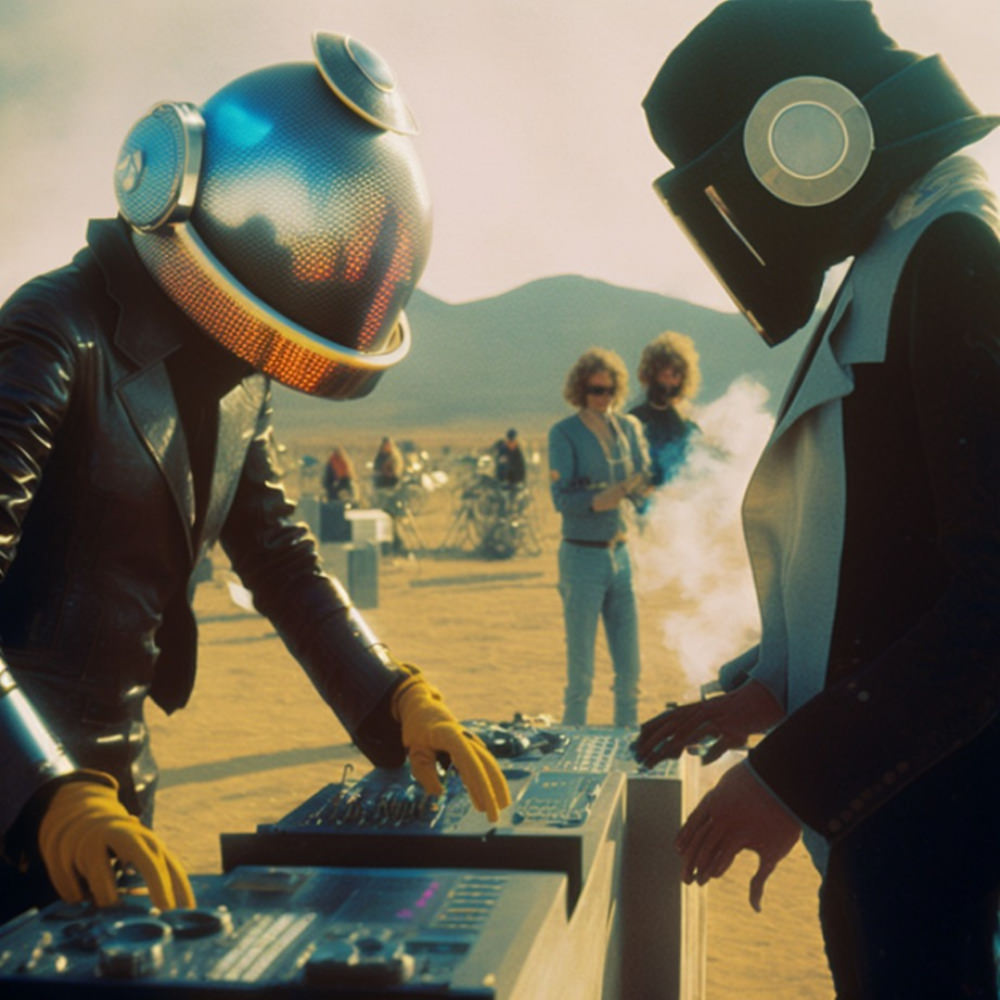
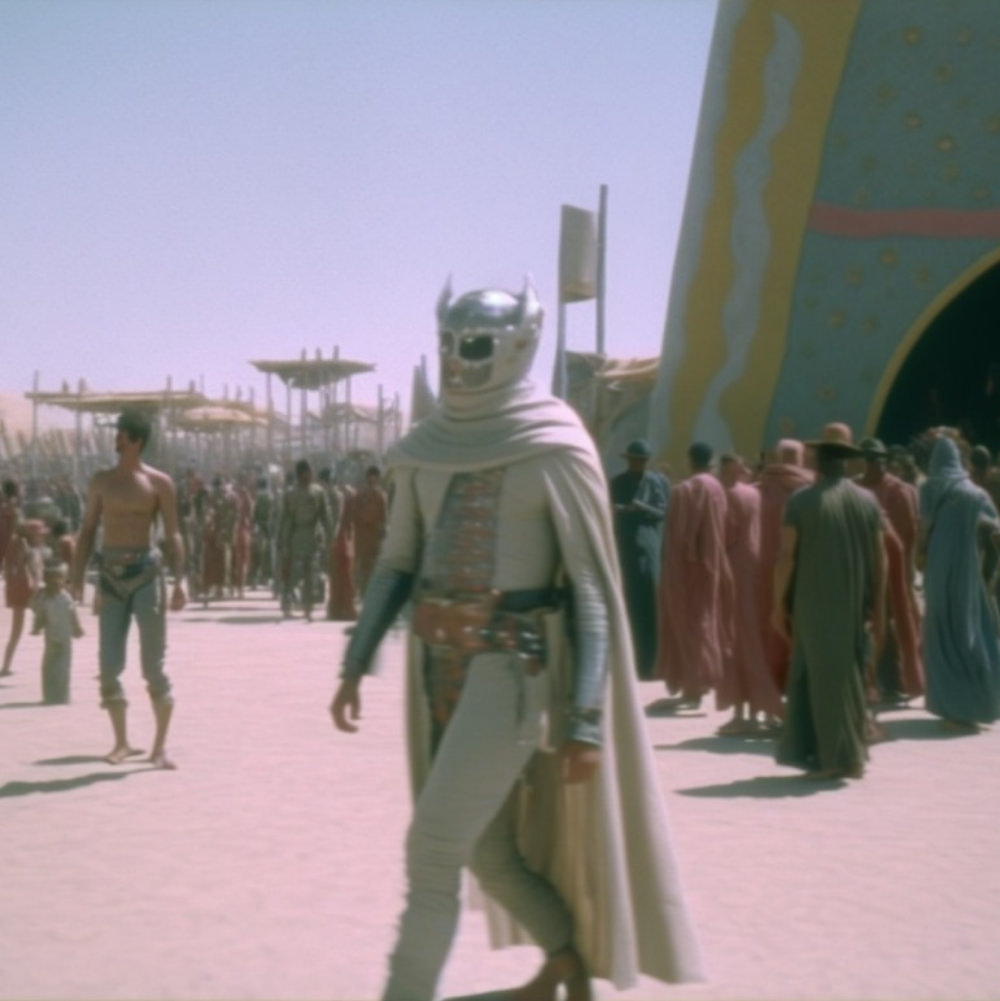
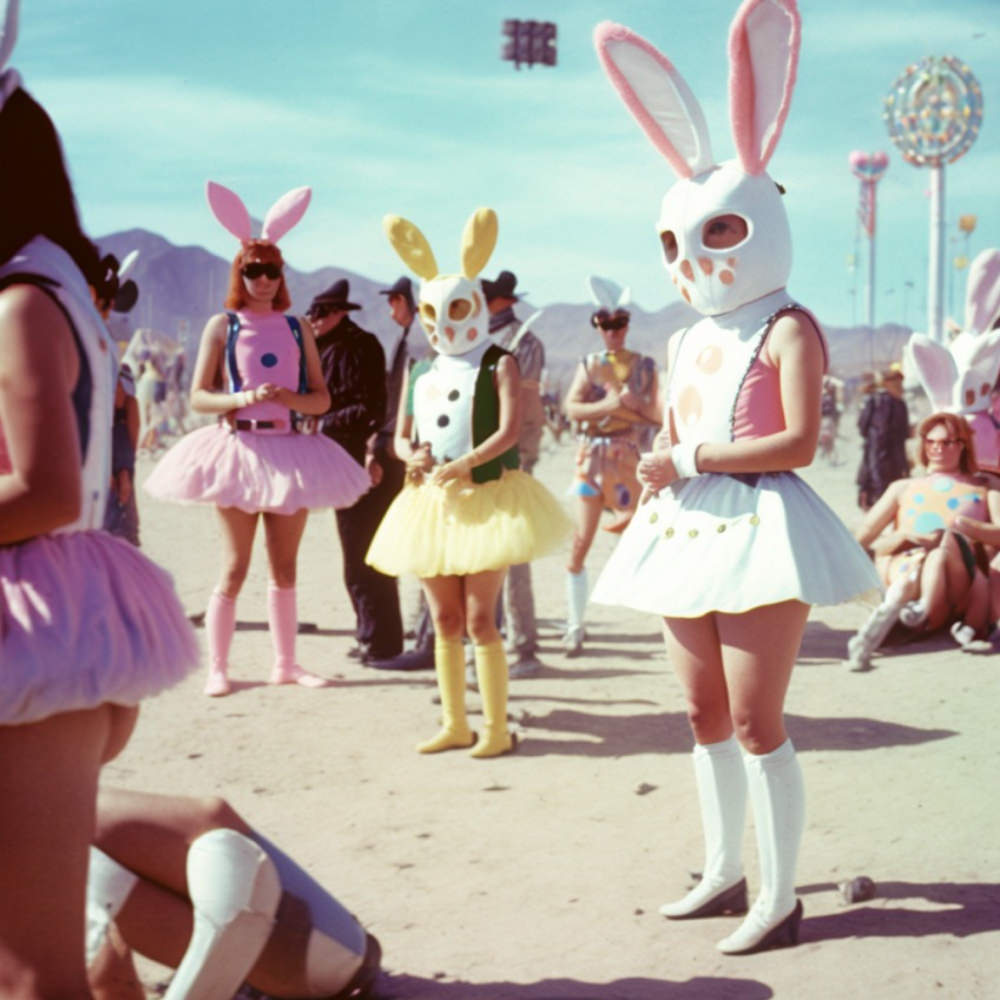
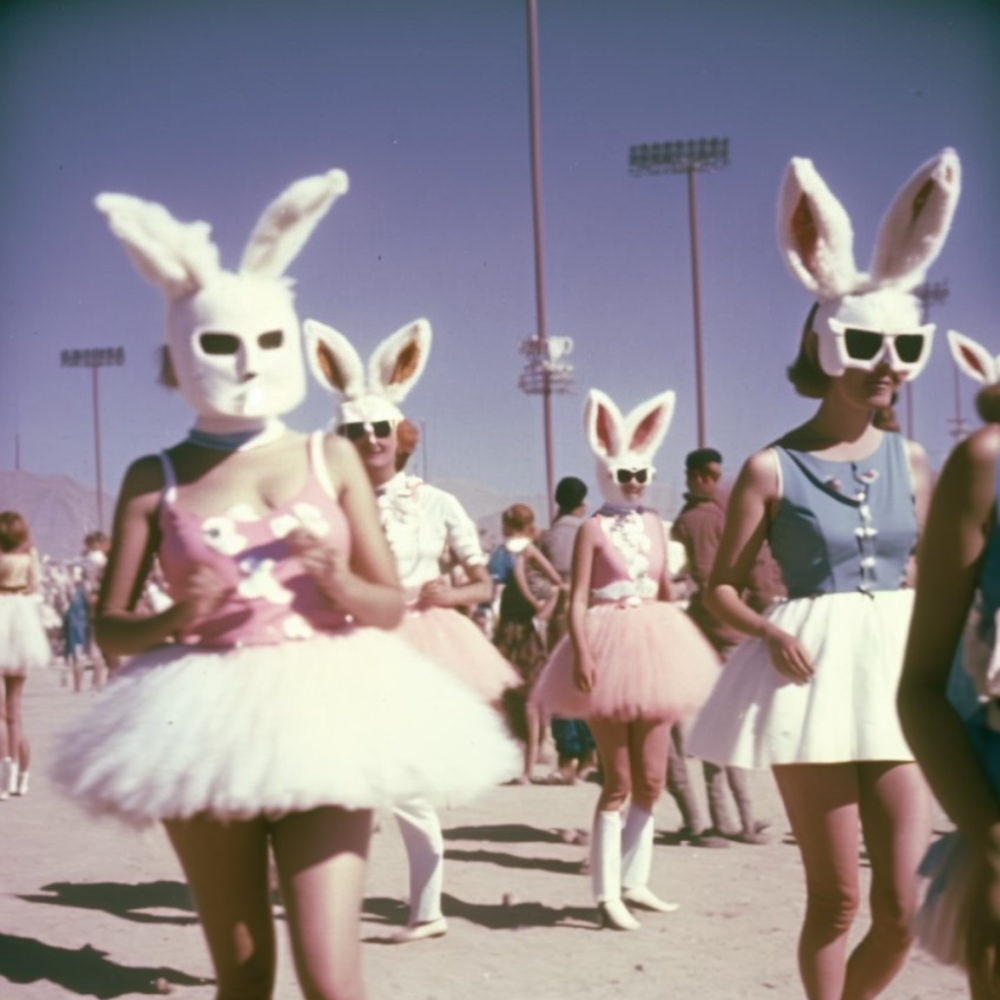
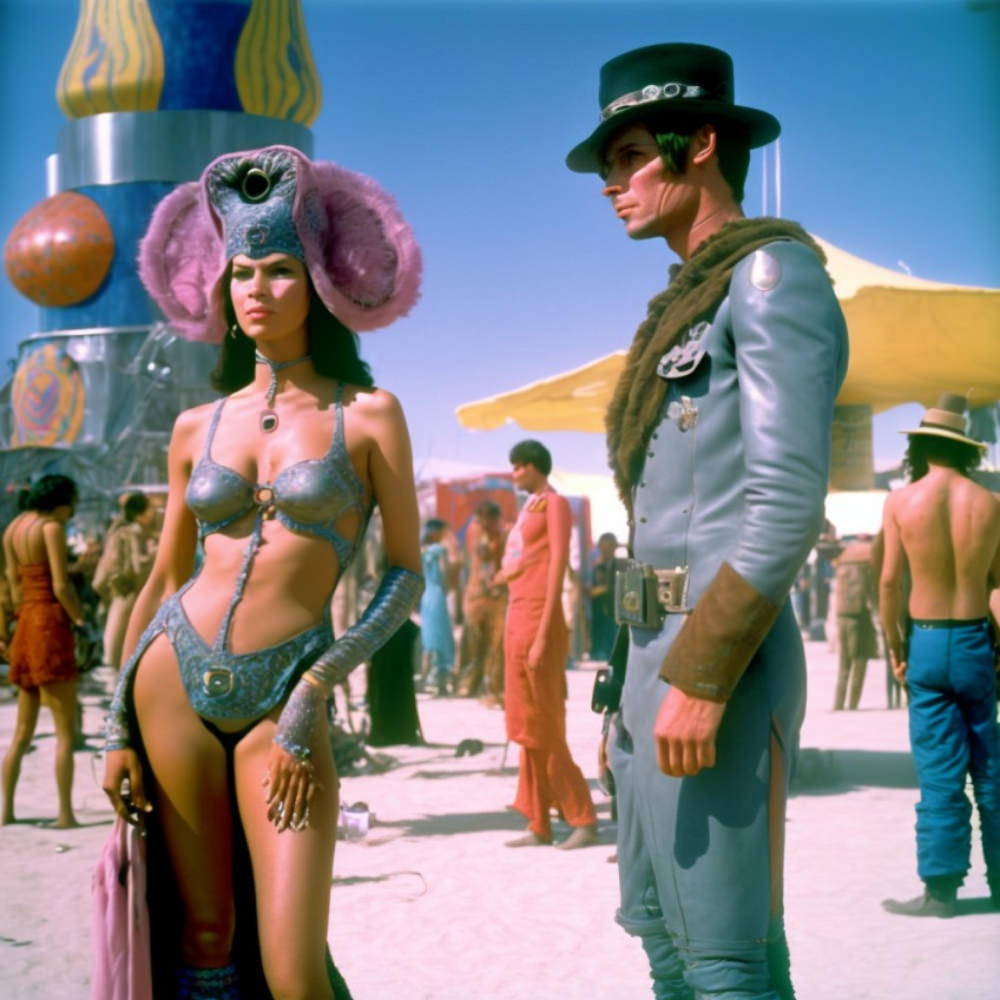
Clothing would have been a form of expression too. Some attendees would have worn the sharp, tailored looks of early-60s fashion — narrow ties, A-line skirts, short-brimmed hats. Others would have already broken from that mold, showing up in handmade garments, beaded jewelry, and fabrics that had no place in a department store catalog.
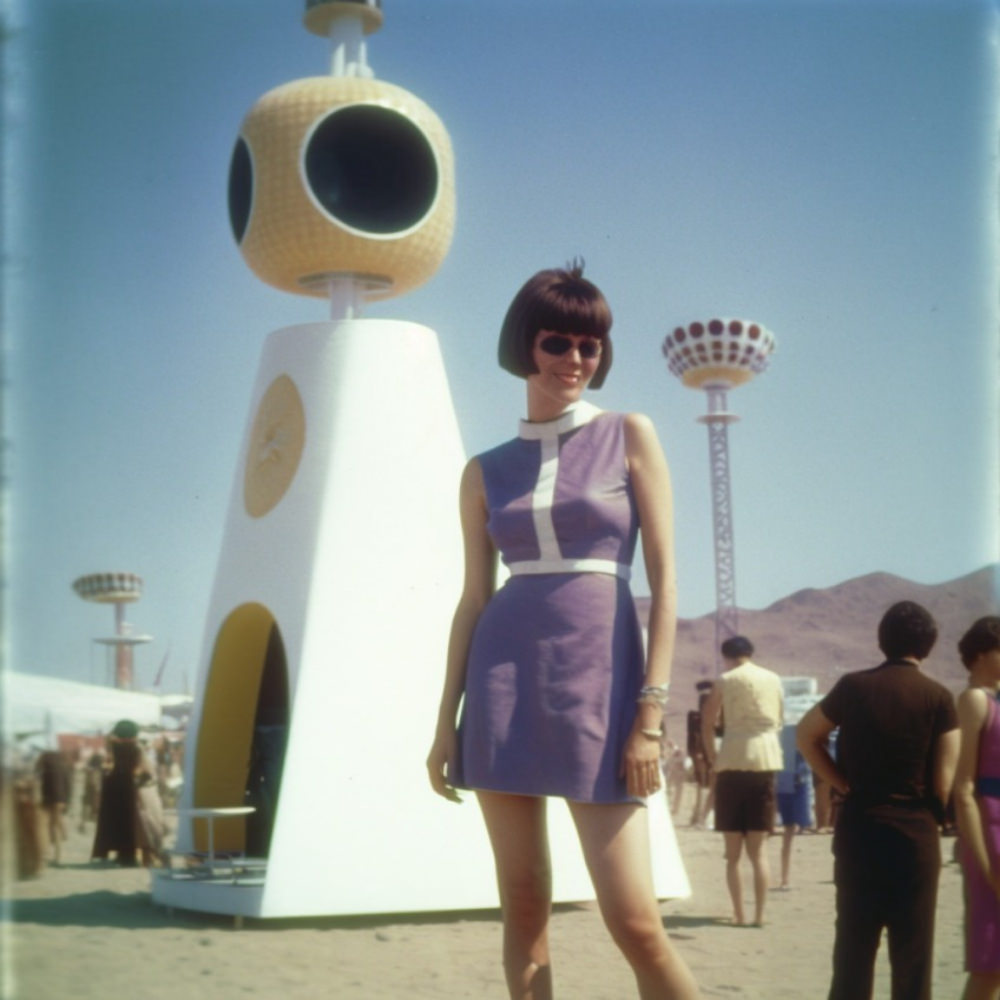
Fire would still have been central. Burning something large and temporary — building it only to watch it come down — taps into a human impulse that has nothing to do with any particular decade. In 1963, that act of destruction-as-ceremony would have carried additional weight, a symbolic break from the old order.
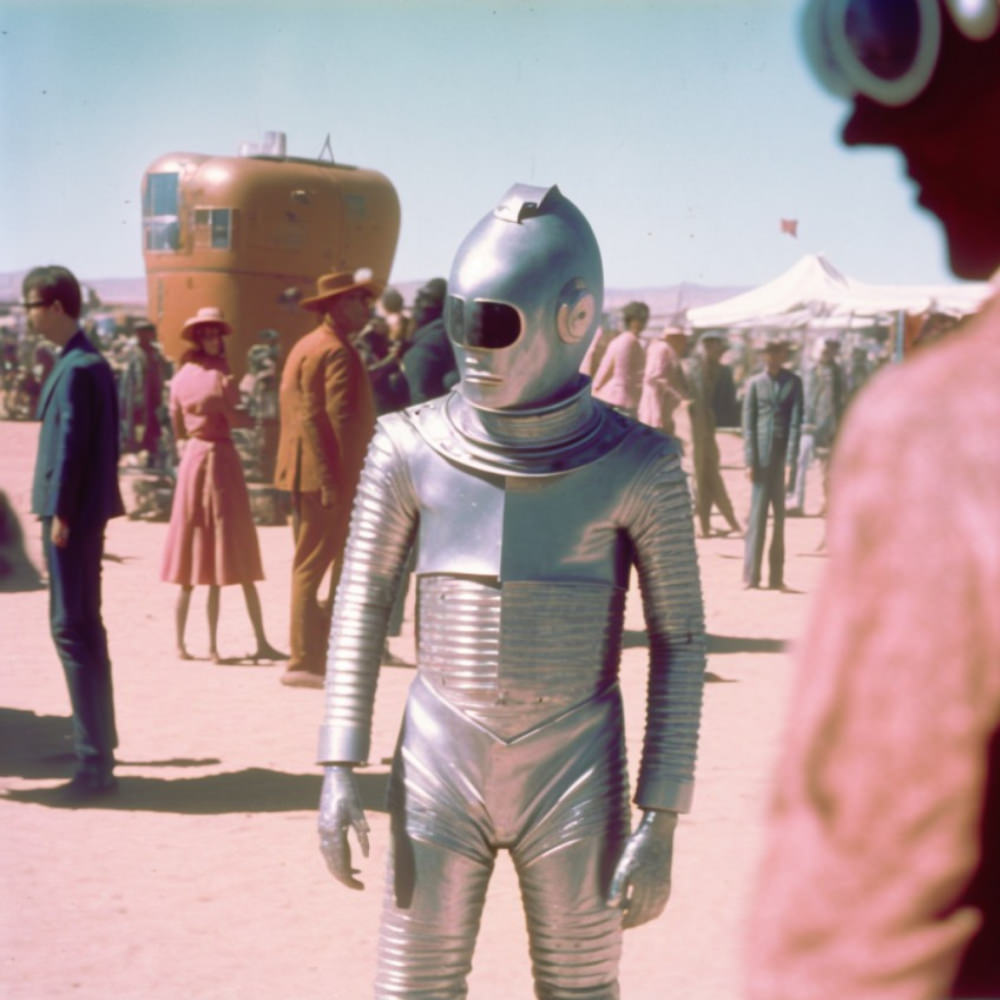
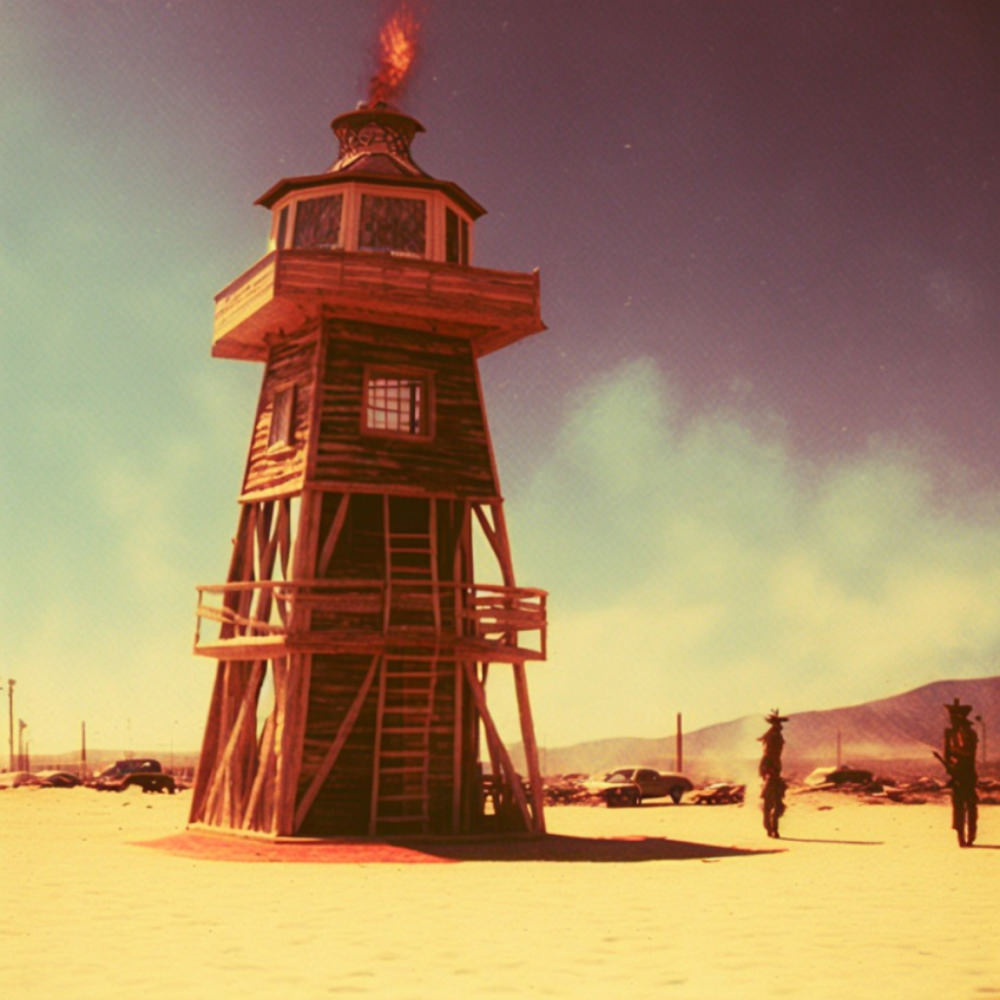
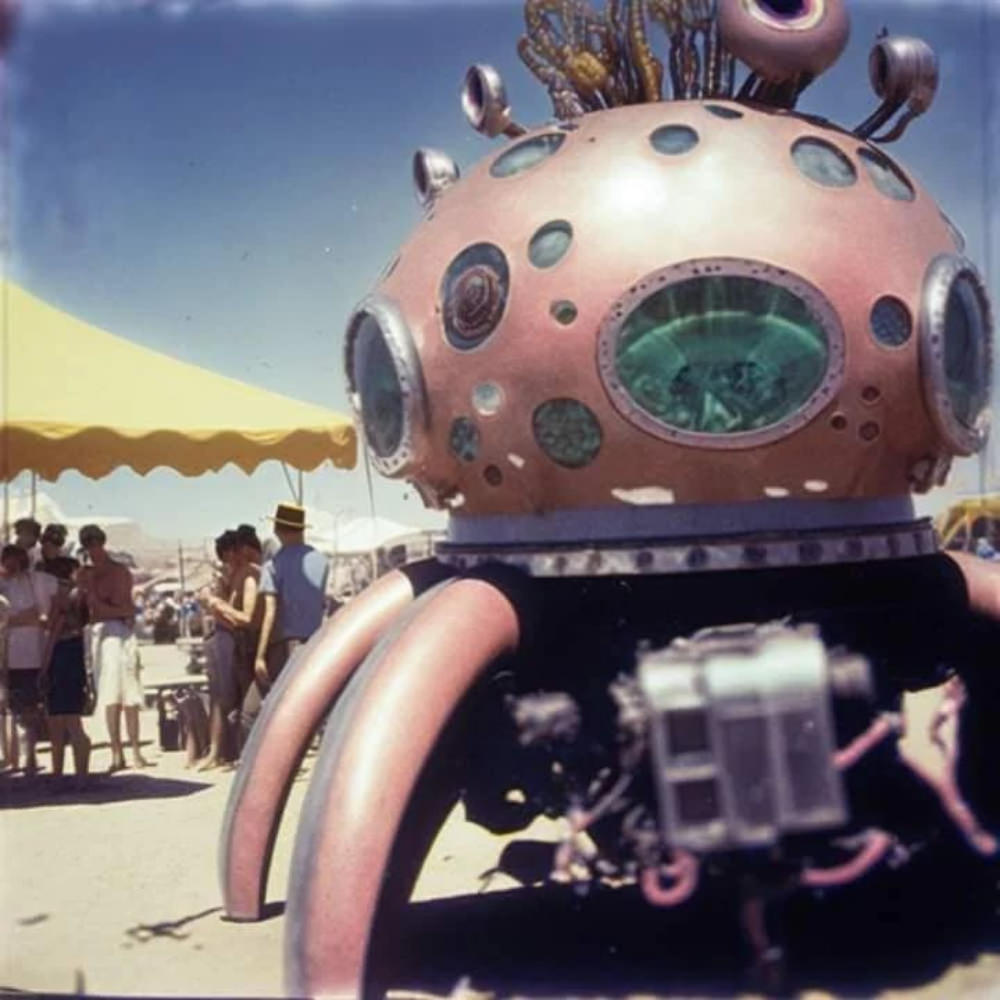
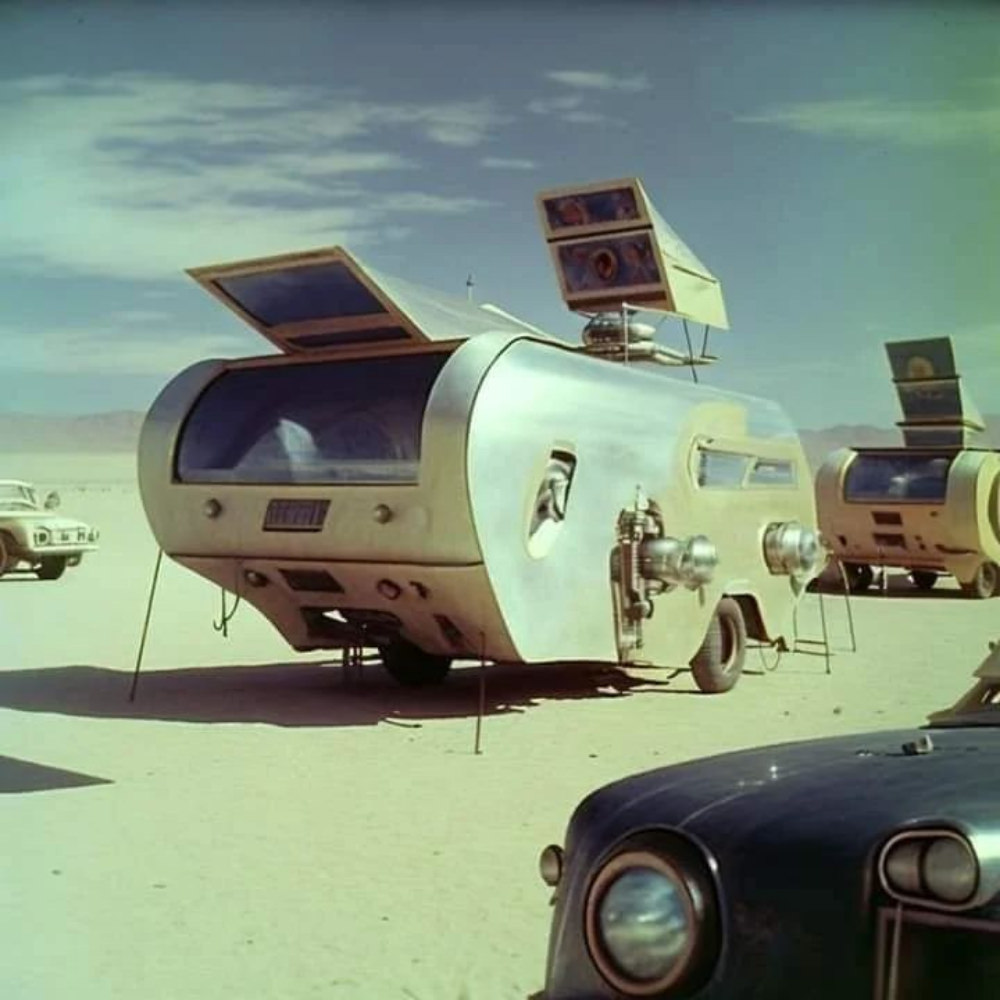
The AI-generated images in this series were built to capture exactly that moment — the overlap between early-60s aesthetics and the free-form, participatory spirit that Burning Man would later organize into a festival. The grain of film photography, the palette of the era, the body language of a generation just beginning to find its voice.
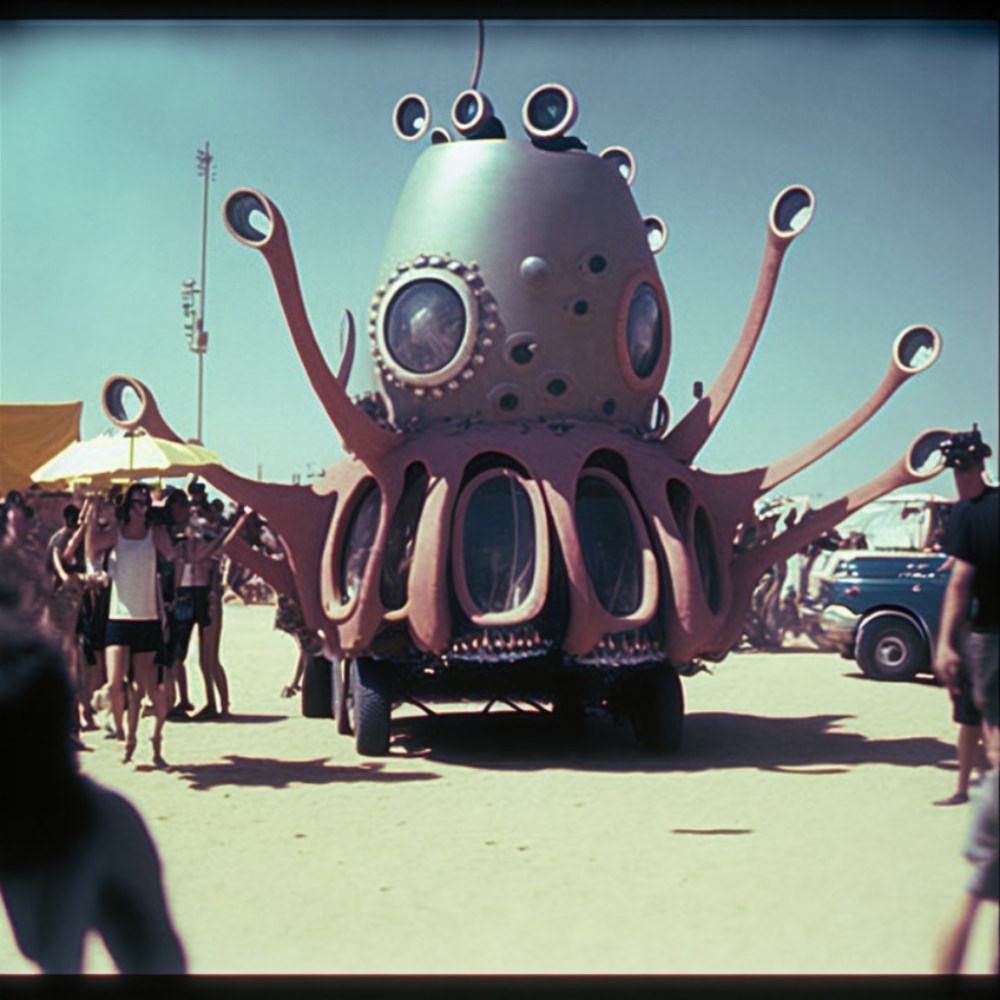
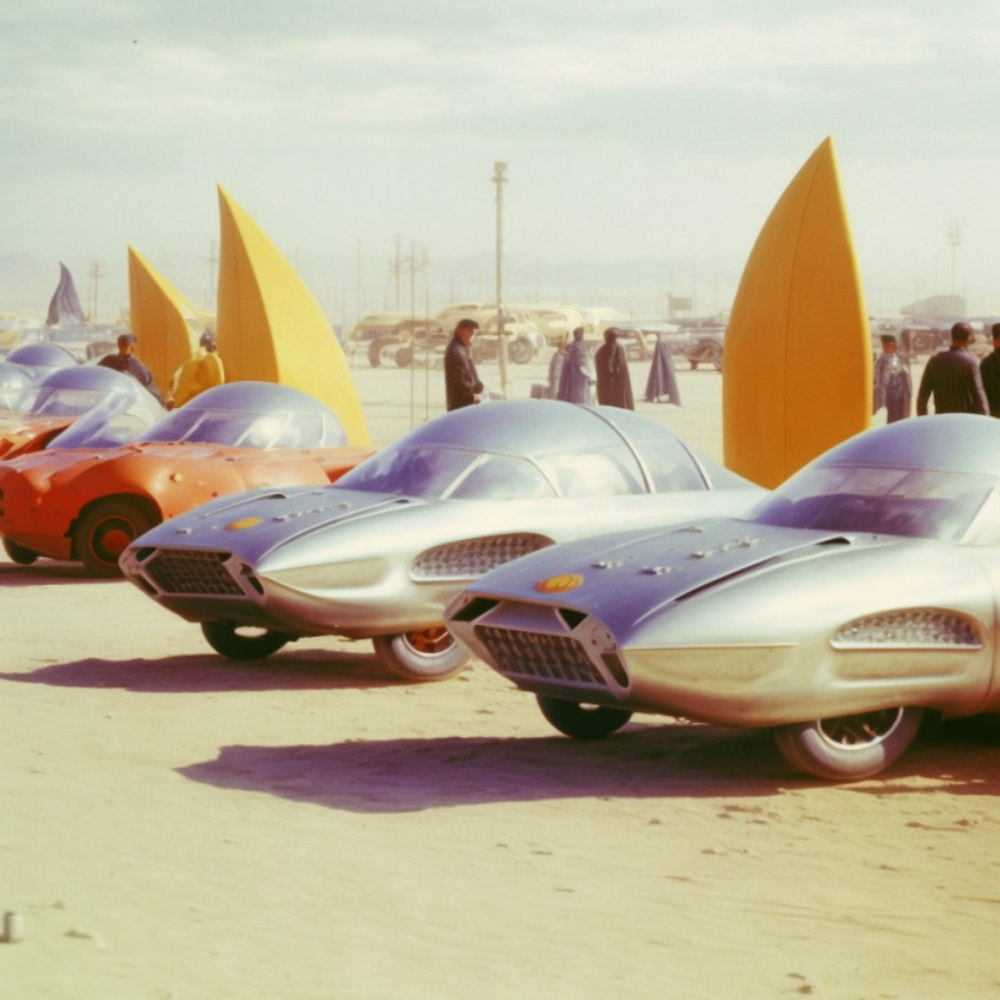
What these images show is not a prediction or a reconstruction — it’s a thought experiment with visual form. They ask a simple question: what does rebellion look like when it’s still figuring itself out? In 1963, the answer was raw, urgent, and not yet sure of its own name.