in

What Boston looked like in the 1920s through these Fascinating Historical Photos

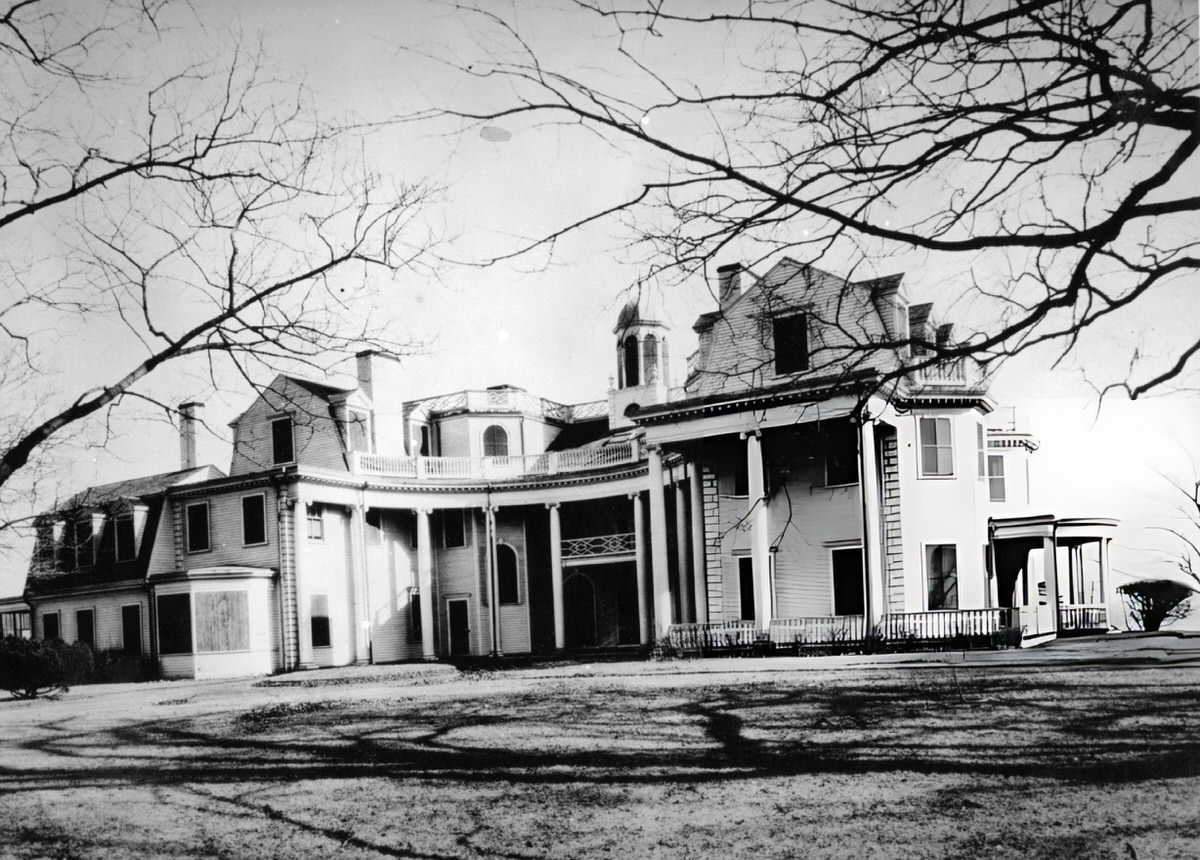
James Michael Curley dominated Boston politics throughout the 1920s. He served as mayor for much of the decade, presenting himself as a champion for the Irish working class. He built public parks, hospitals, and bathhouses in poor neighborhoods to gain loyalty. To fund these massive projects, he raised taxes on the wealthy Protestant elite who lived in Beacon Hill. His administration operated on a system of patronage, where supporters received city jobs in exchange for votes. He often governed from his mansion on the Jamaicway, a house with shamrock shutters that became a symbol of his power.

The Birth of the Ponzi Scheme

In 1920, a small office on School Street became the center of a financial frenzy. Charles Ponzi, an Italian immigrant, promised investors a 50 percent return on their money in just 45 days. He claimed he made these profits by trading international postal reply coupons. Thousands of Bostonians emptied their savings accounts to hand him cash. The police had to control the crowds lining up outside his door. The scheme collapsed in August when a newspaper investigation revealed he had no way to pay the returns. The resulting crash wiped out millions of dollars from local families and banks.

“Banned in Boston”

During this decade, the city gained a reputation for strict moral censorship. An organization called the Watch and Ward Society held immense power over what people could read or watch. Their agents scanned bookstores and theaters for any content they considered indecent. They successfully banned works by famous authors like Ernest Hemingway and Sinclair Lewis. Theater producers often had to modify their plays to perform in the city. Publishers in New York actually used the label “Banned in Boston” as a marketing tool, knowing it would increase sales in the rest of the country.

Read more

Rum-Running on the Coast

Despite the national law prohibiting alcohol, Boston remained a very “wet” city. Its location on the Atlantic coast made it a prime entry point for illegal liquor. Smugglers brought ships loaded with rum and whiskey from the Caribbean and Canada to the edge of U.S. waters. Smaller, faster boats met these supply ships at night to ferry the cargo to hidden coves and wharves around Boston Harbor. The Coast Guard fought a constant battle against these rum-runners. Speakeasies operated openly in the city, often disguised as soda shops or private clubs, where police officers frequently looked the other way.

The Red Sox Decline

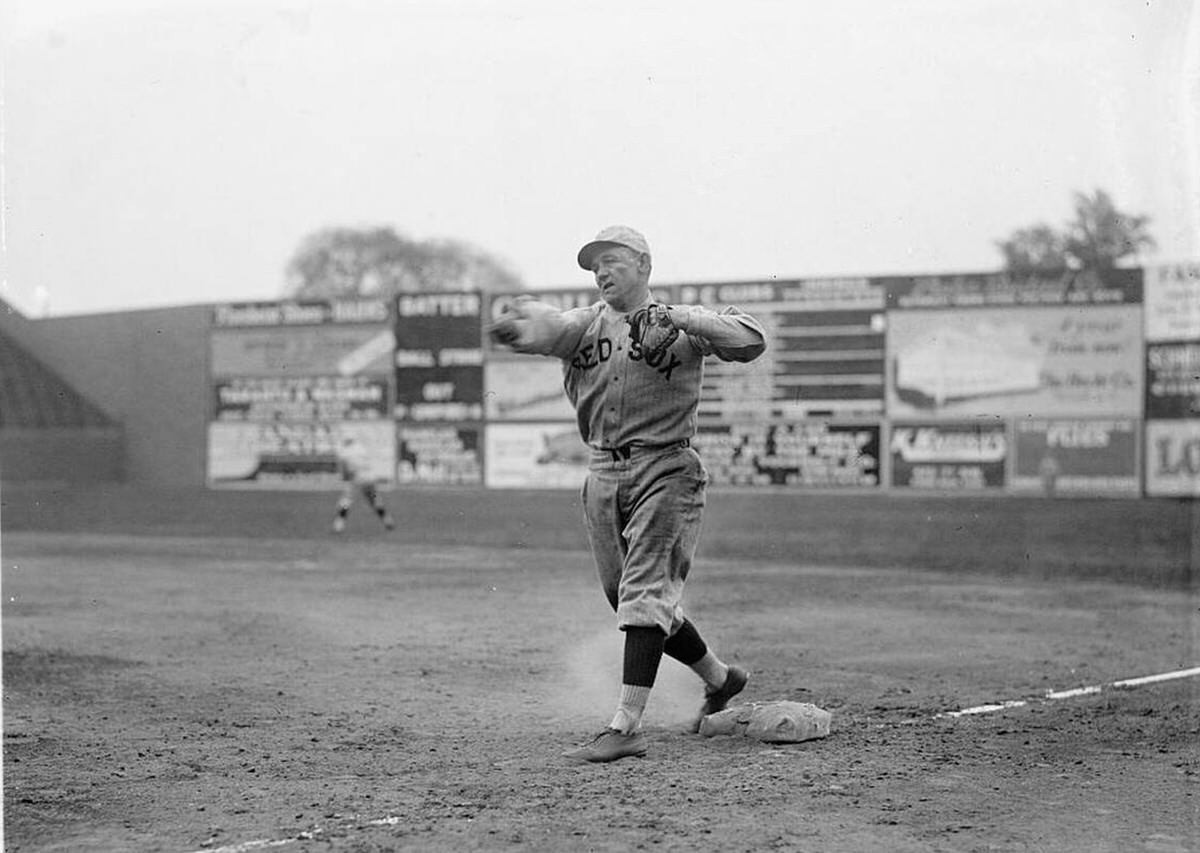
 The 1920s marked a bleak turning point for Boston sports fans. In January 1920, the Red Sox owner Harry Frazee sold his star player, Babe Ruth, to the New York Yankees to finance a theater production. This trade signaled the end of the team’s dominance. While Ruth went on to break home run records in New York, the Red Sox finished in last place for nine out of the ten years in the decade. Fenway Park, once the home of champions, saw dwindling crowds as the team struggled to compete. The focus of the city’s sports energy shifted briefly to the Boston Braves or college football

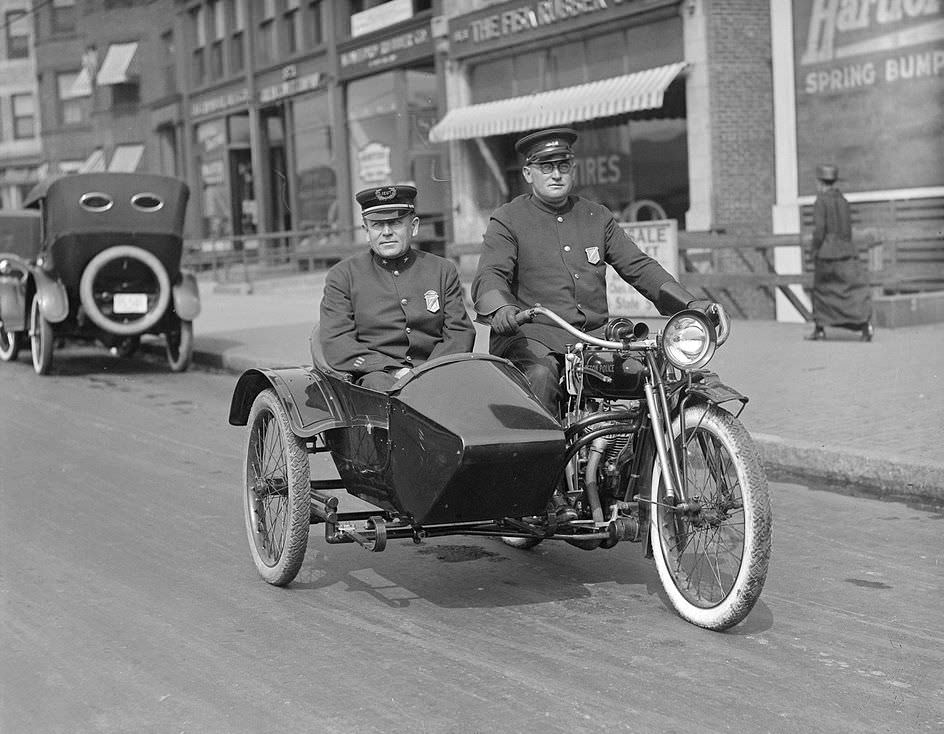
#2 Capt. Bernard J. Hoppe of the Boston Traffic squad

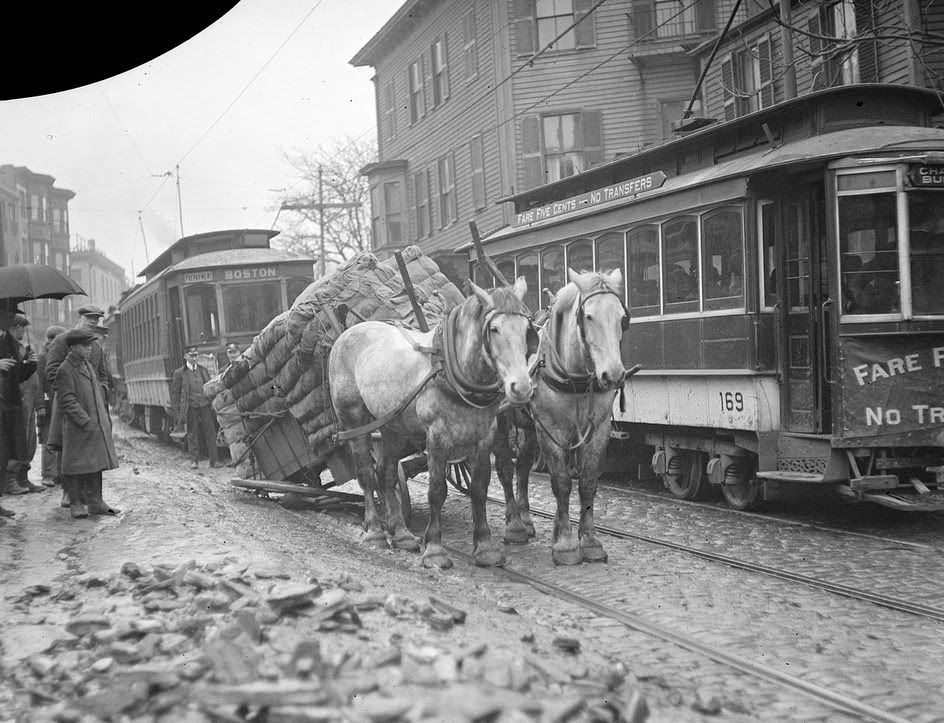
#4 Street car tie up, Commonwealth Ave., Boston, 1920

#5 Police officer helps woman through blinding snow during coldest blizzard to reach Boston

Police officer helps woman through blinding snow during coldest blizzard to reach Boston

#6 Old-fashioned snow blizzard at its height on Tremont St., Boston

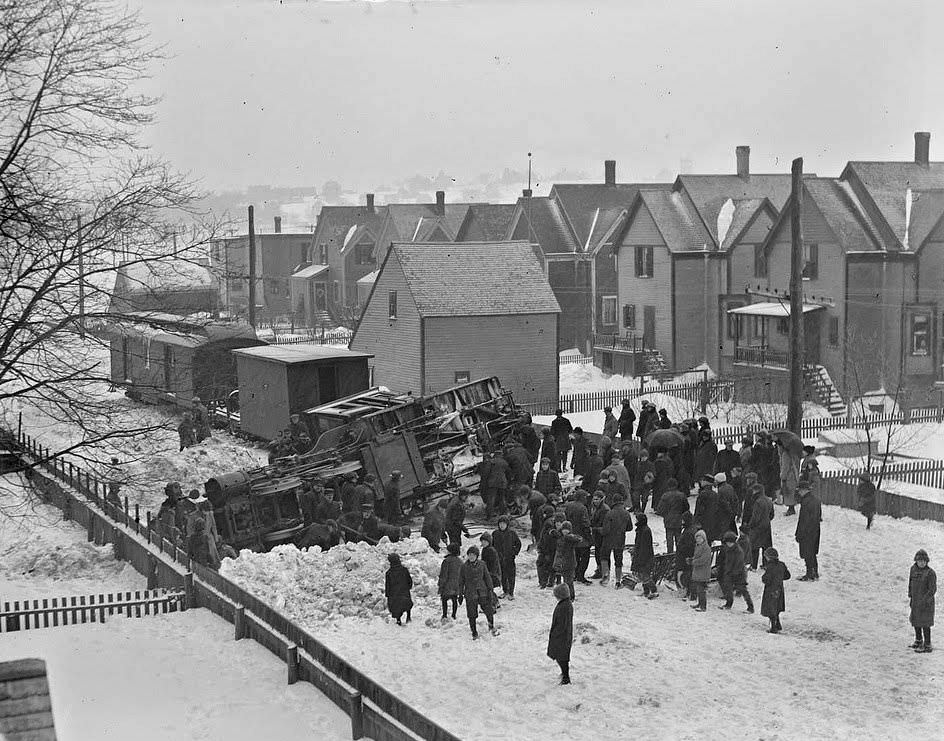
#9 Narrow gauge train turned turtle at Beachmont during a snow blizzard, Revere, Massachusetts

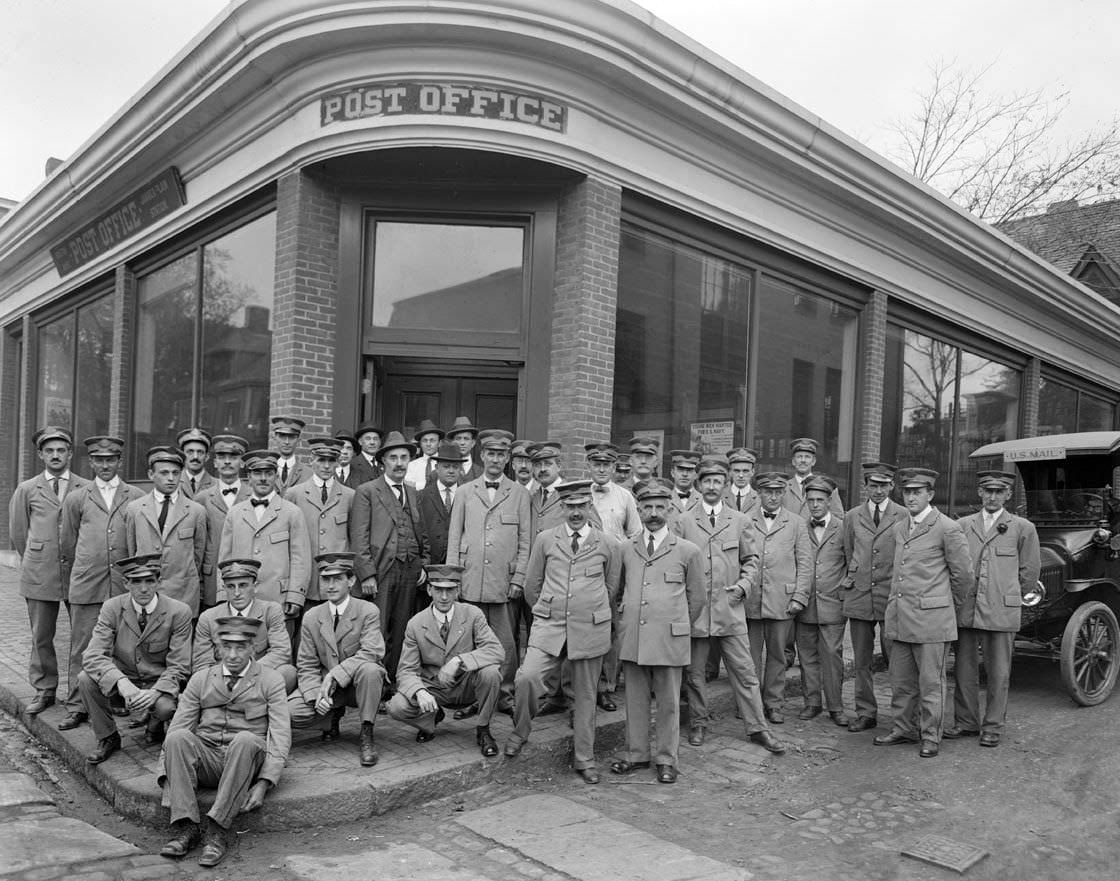
#10 Workers at the Jamaica Plain Post Office, Boston, Massachusetts

Workers at the Jamaica Plain Post Office, Boston, Massachusetts

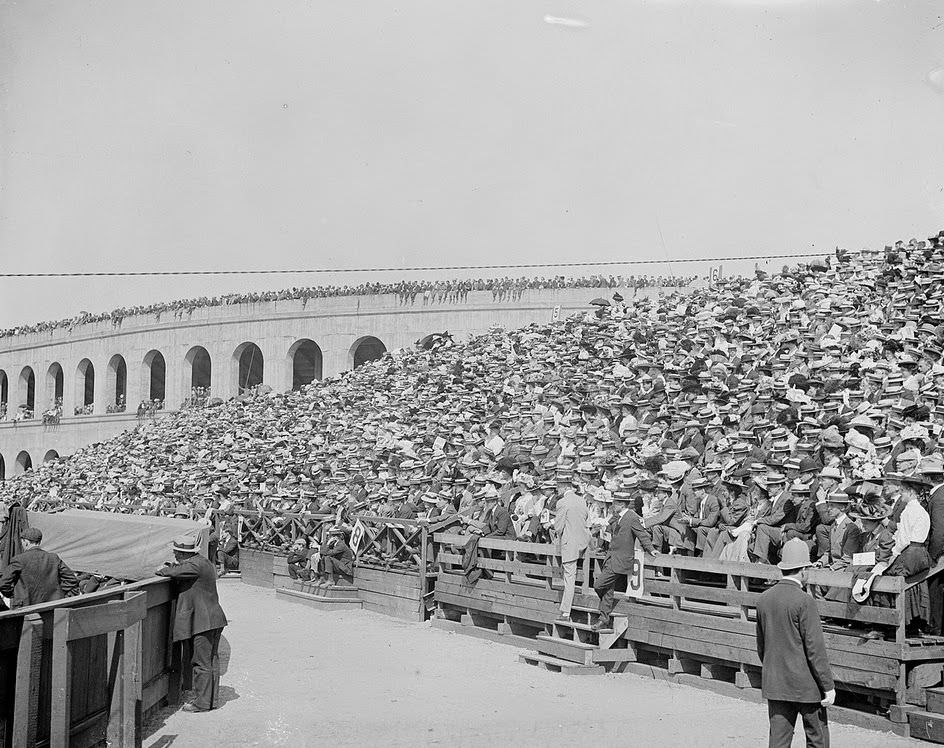
#11 Baseball crowd at Soldiers Field, Harvard Stadium, Boston

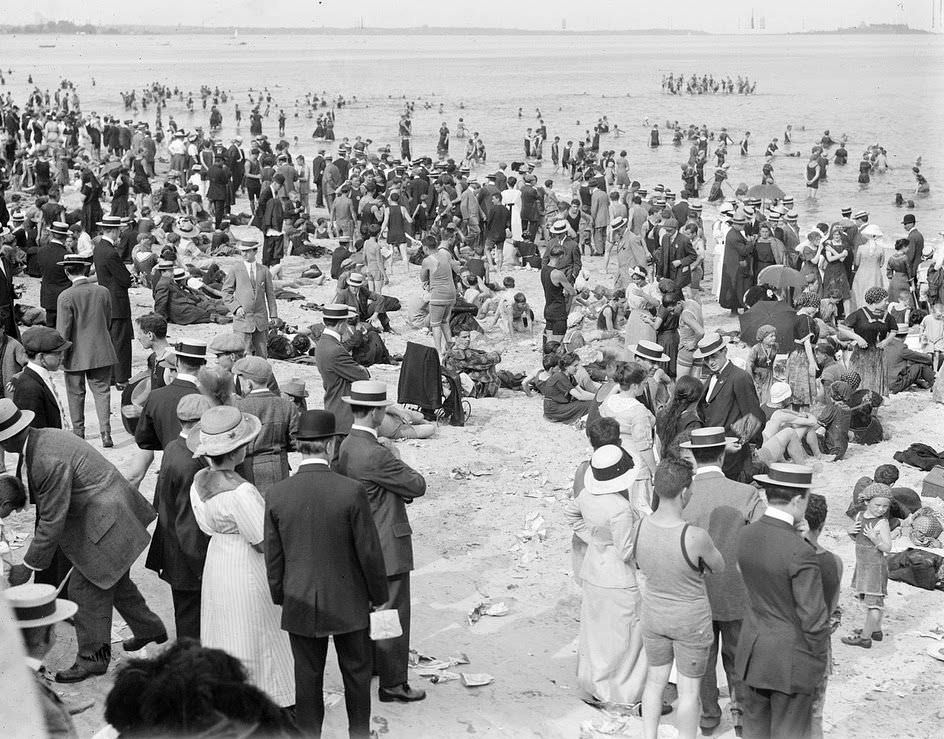
#13 Beach and Atlantic House hotel, Nantasket, Massachusetts

#15 Tea kettle sign, Oriental Tea Co., near Court Street, Boston

Tea kettle sign, Oriental Tea Co., near Court Street, Boston

#20 Harris, Boston, 1924

Harris, Boston, 1924

#21 Brattle Street, Boston, 1920

Brattle Street, Boston, 1920

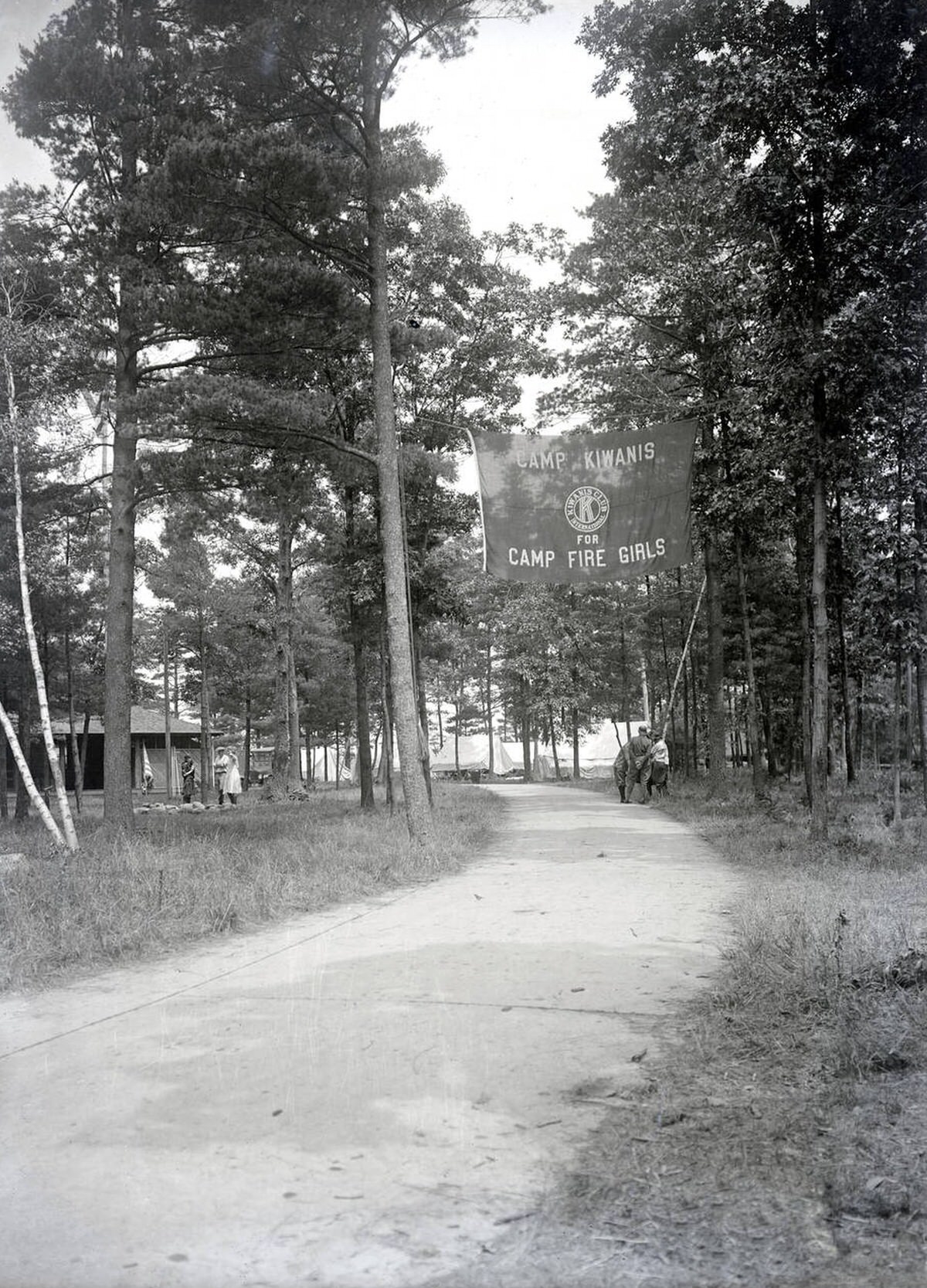
#24 Kiwanis Club for Camp Fire Girls campground, Hanson, 1925

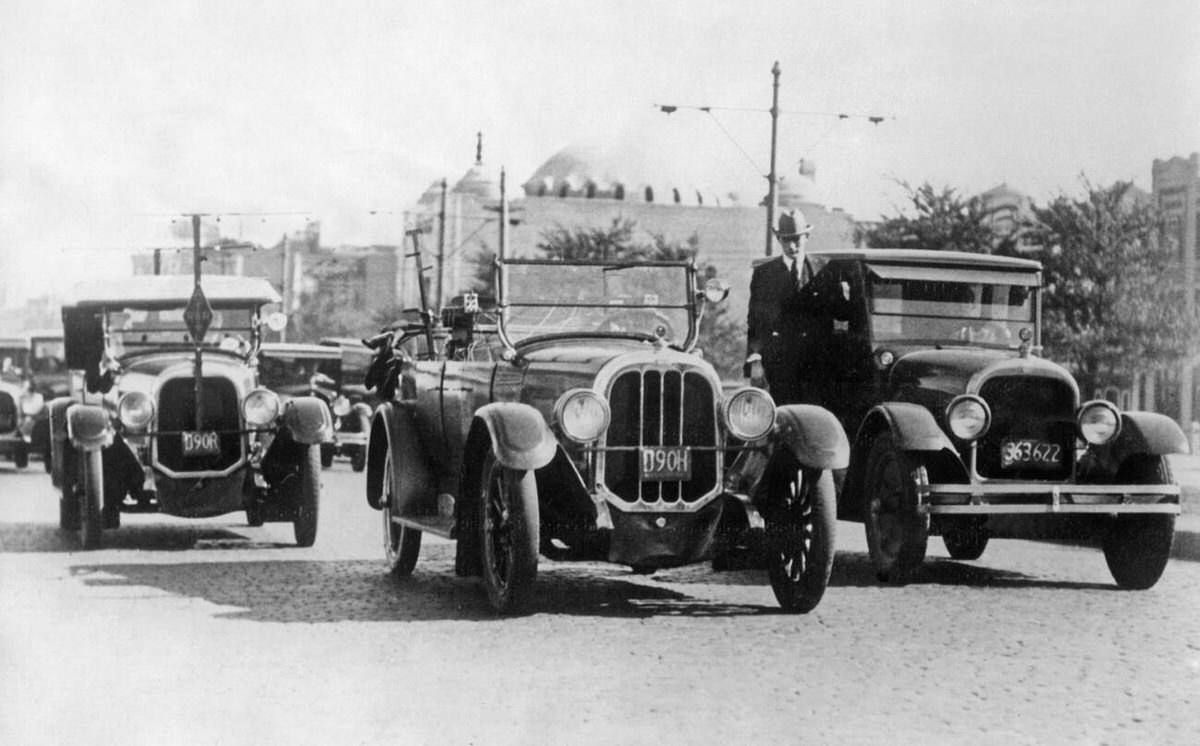
#25 Remote-controlled car on Commonwealth Avenue, Boston, 1925

Remote-controlled car on Commonwealth Avenue, Boston, 1925

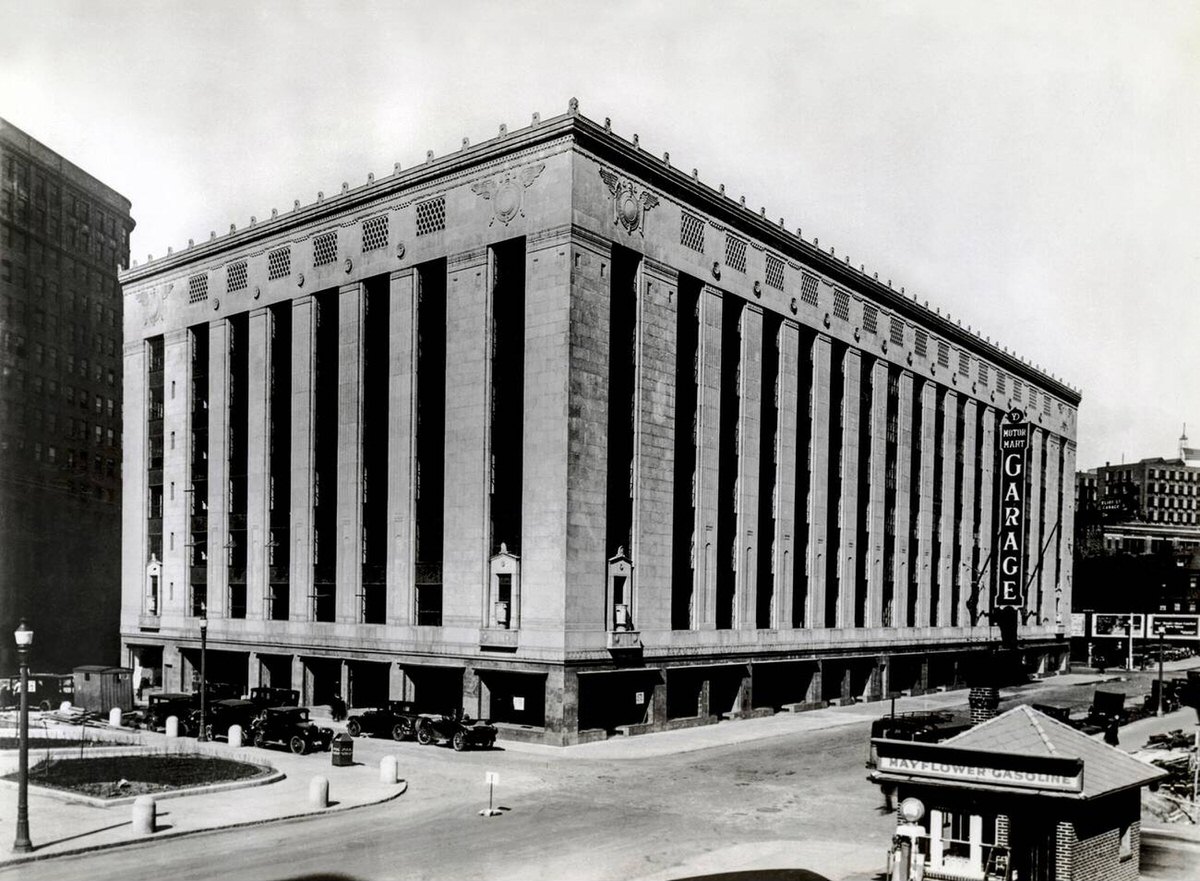
#26 The “Motor Mart” at Park Square, Boston, 1927

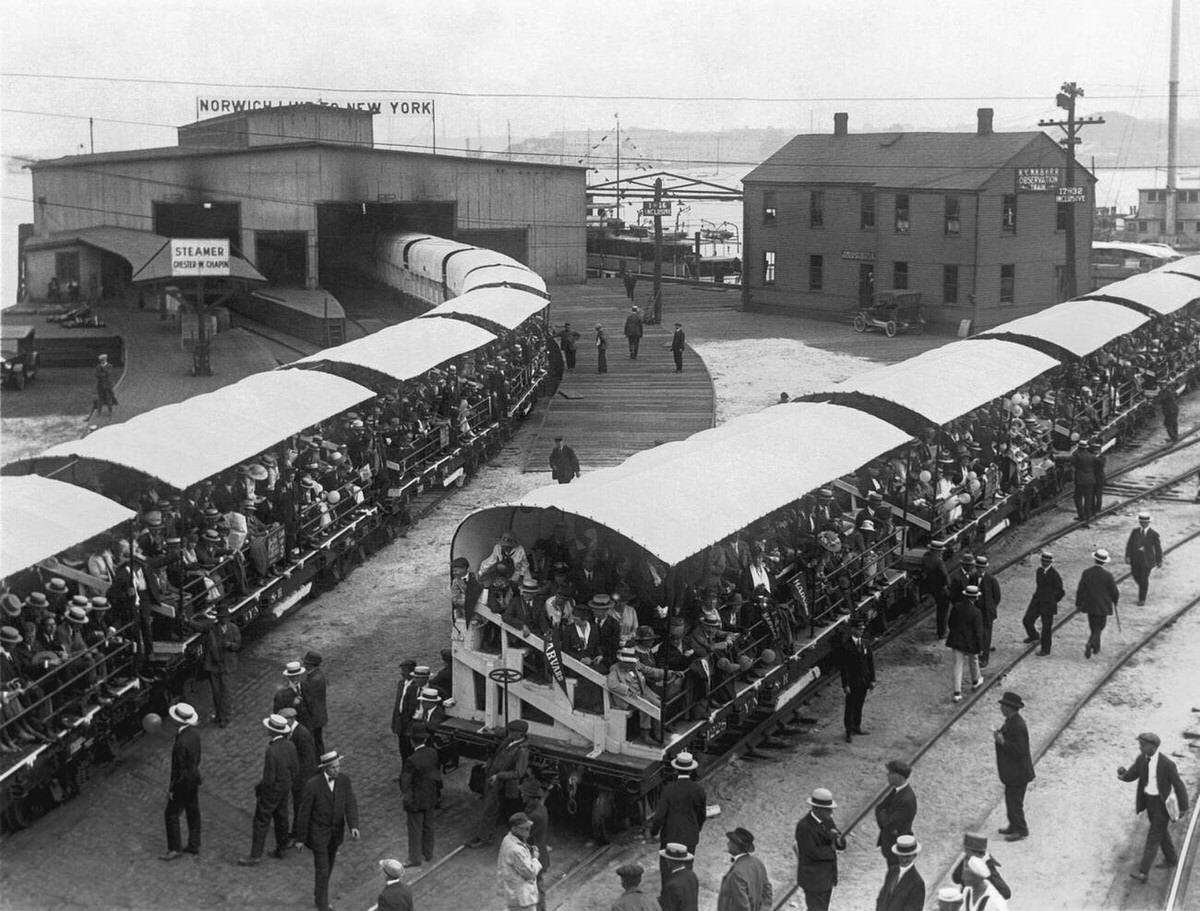
#27 Football fans in railway observation cars after attending a Harvard game, Boston, 1928

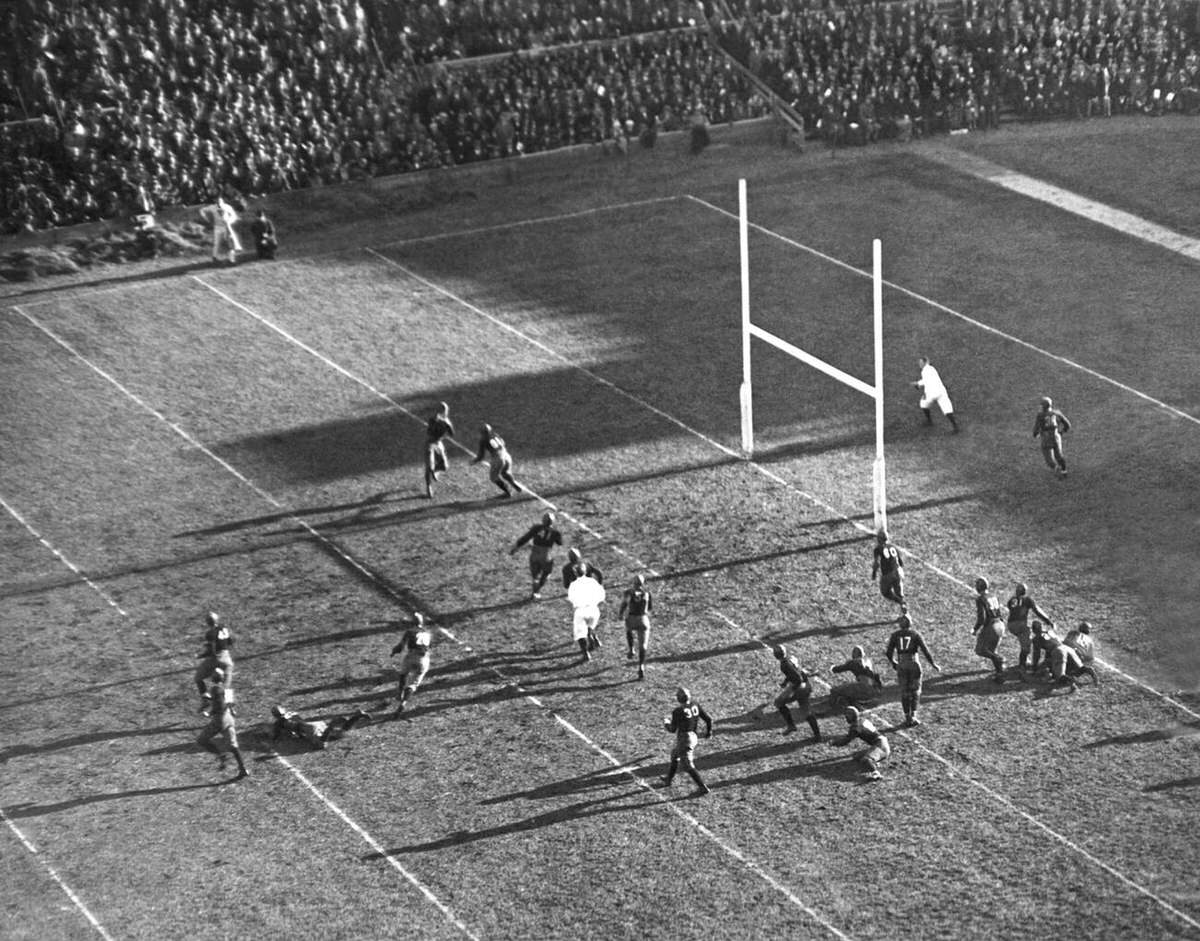
#28 Yale attempting a foward pass during the game against Harvard at Soldiers Field, Boston, 1925

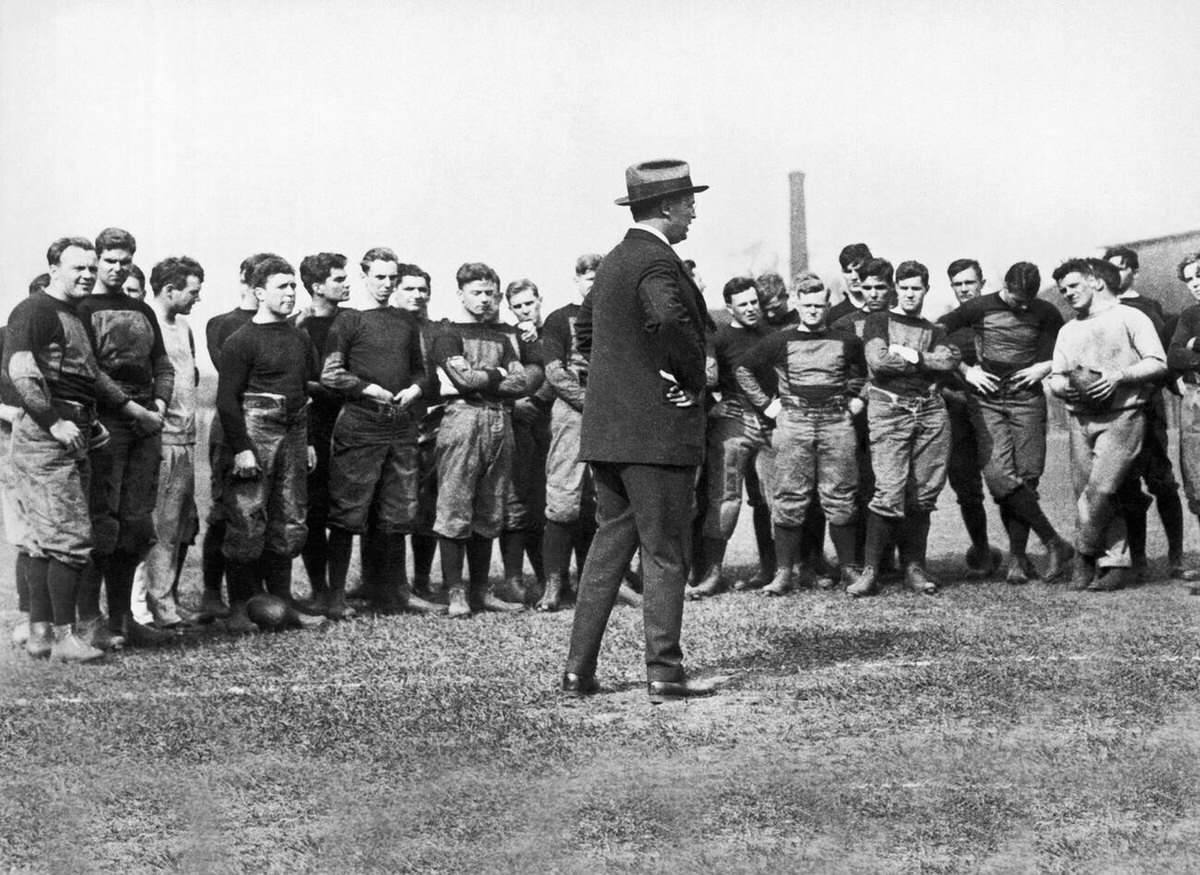
#29 Head coach Bob Fisher addresses Harvard football candidates on the first day of spring practice, Boston, 1925
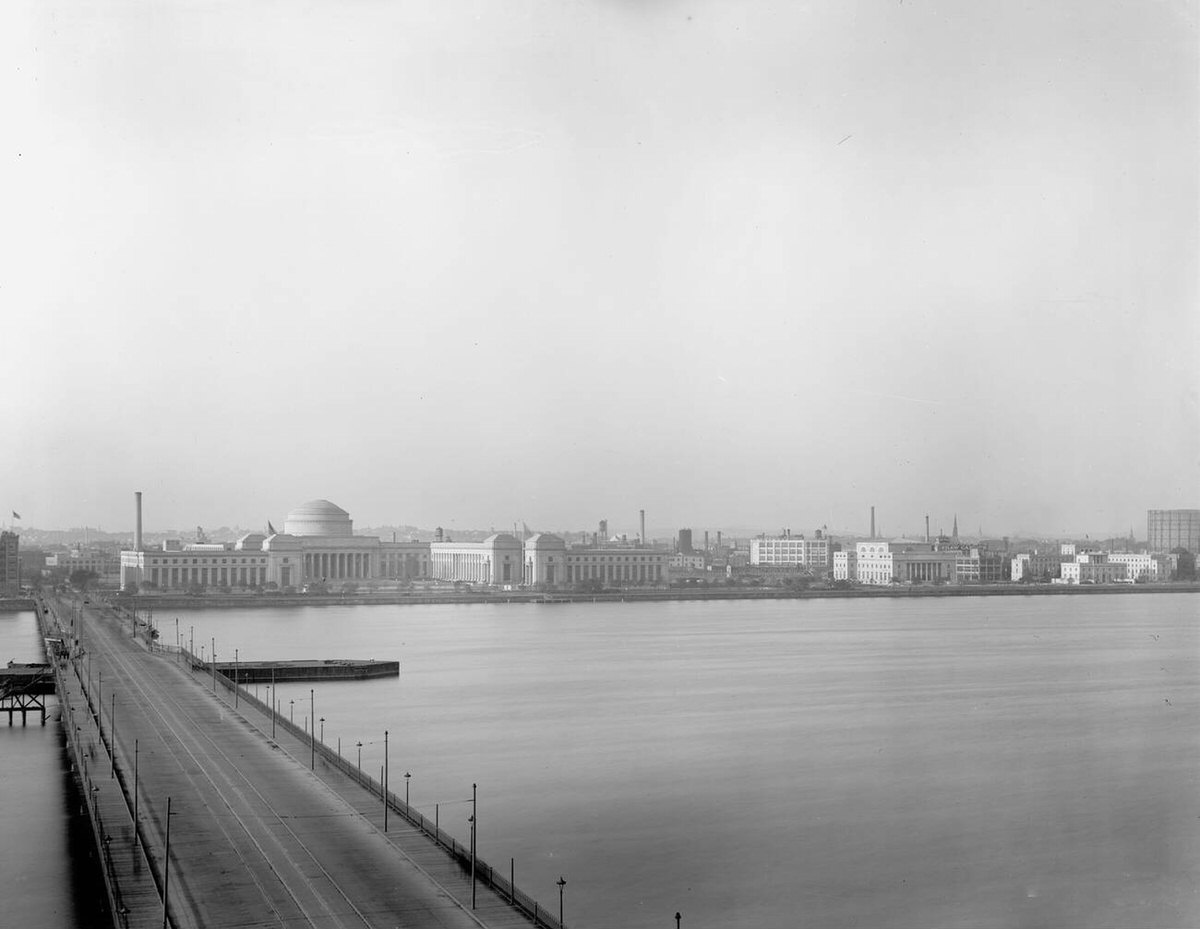
#30 East Cambridge Bridge, Boston, 1910s

East Cambridge Bridge, Boston, 1910s

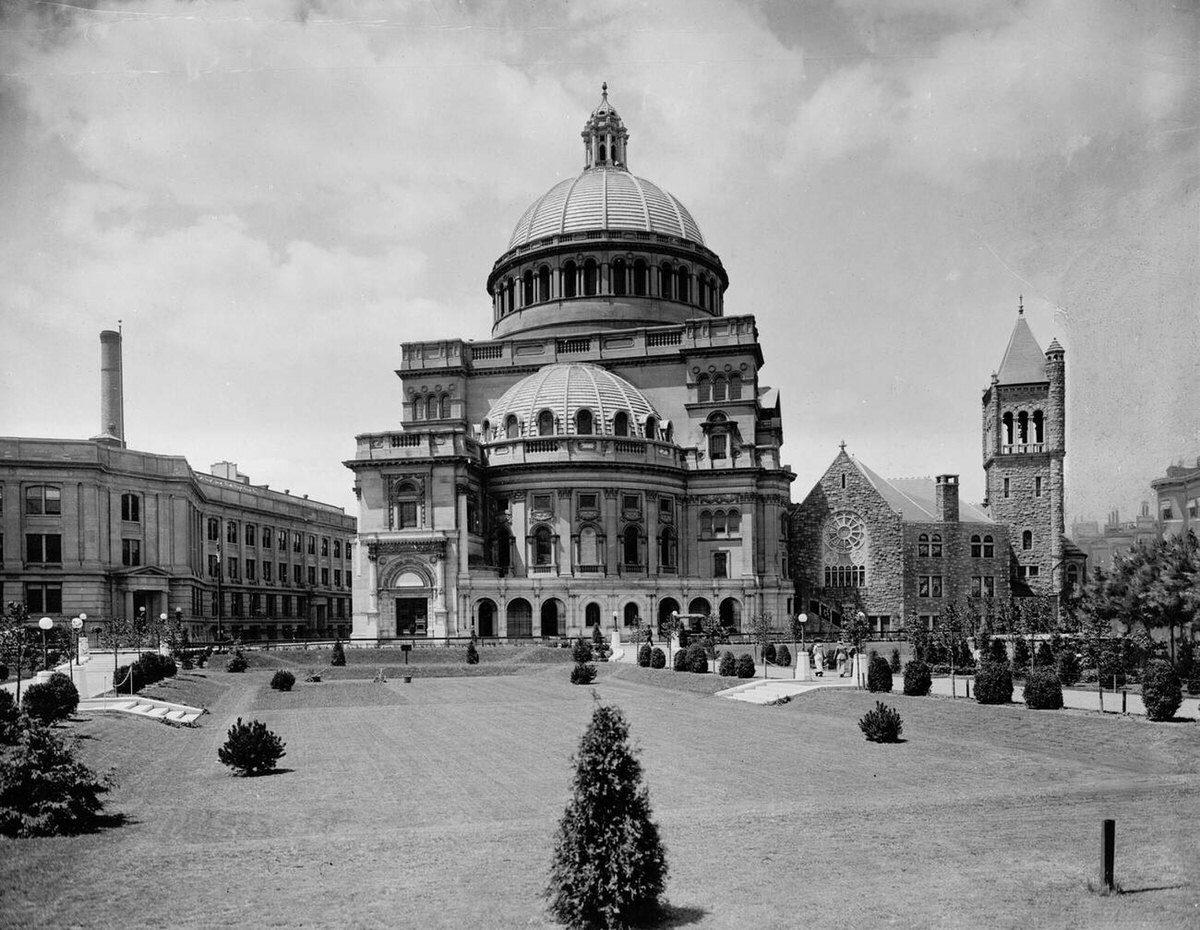
#31 Massachusetts Institute of Technology, Boston, 1910s

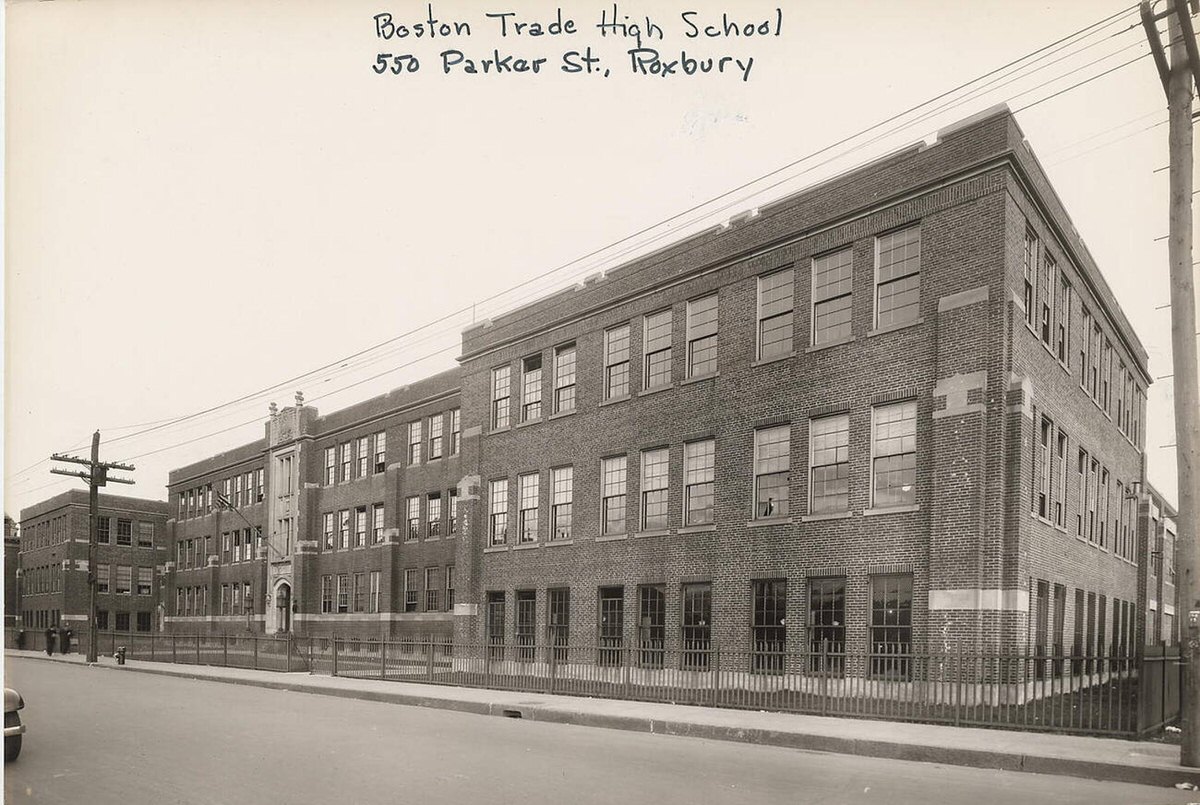
#35 Boston Trade High School, Boston, 1920s

Boston Trade High School, Boston, 1920s

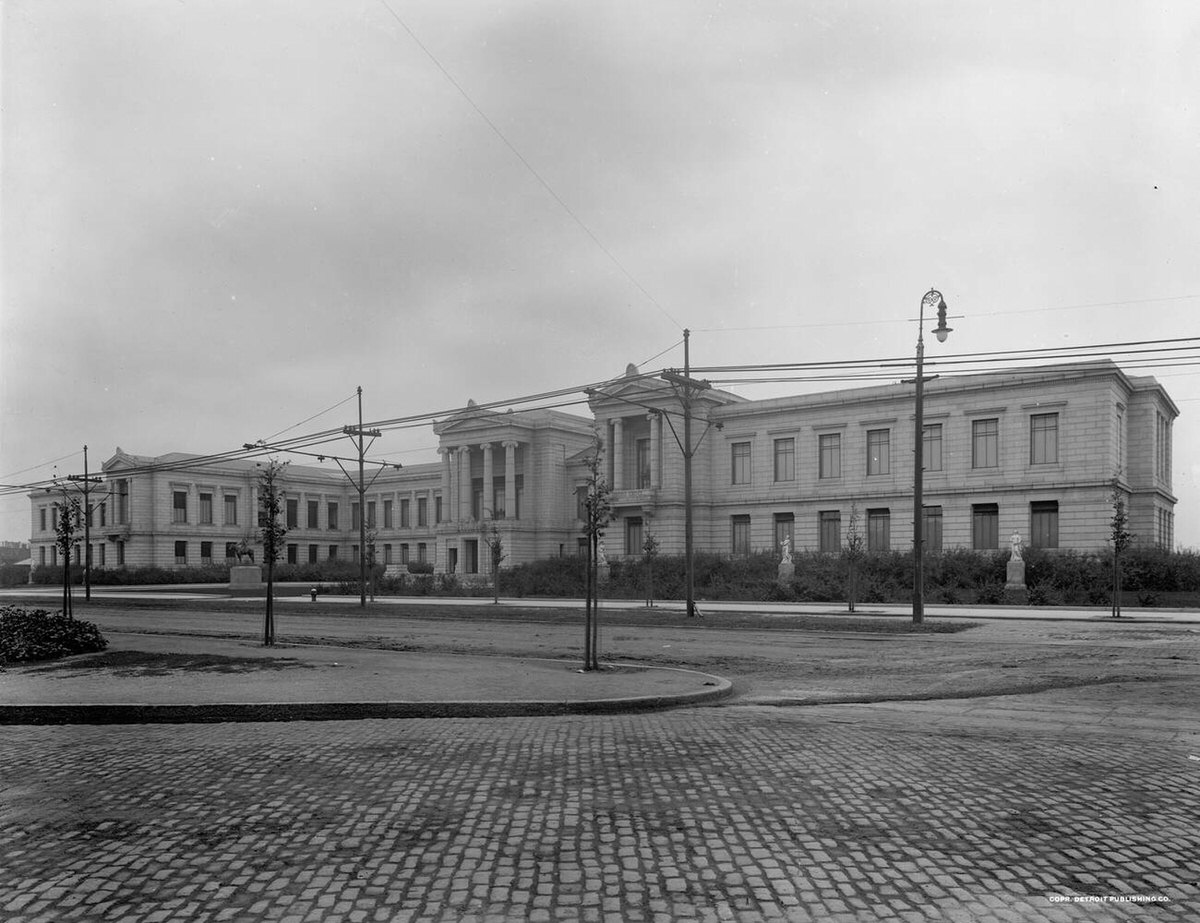
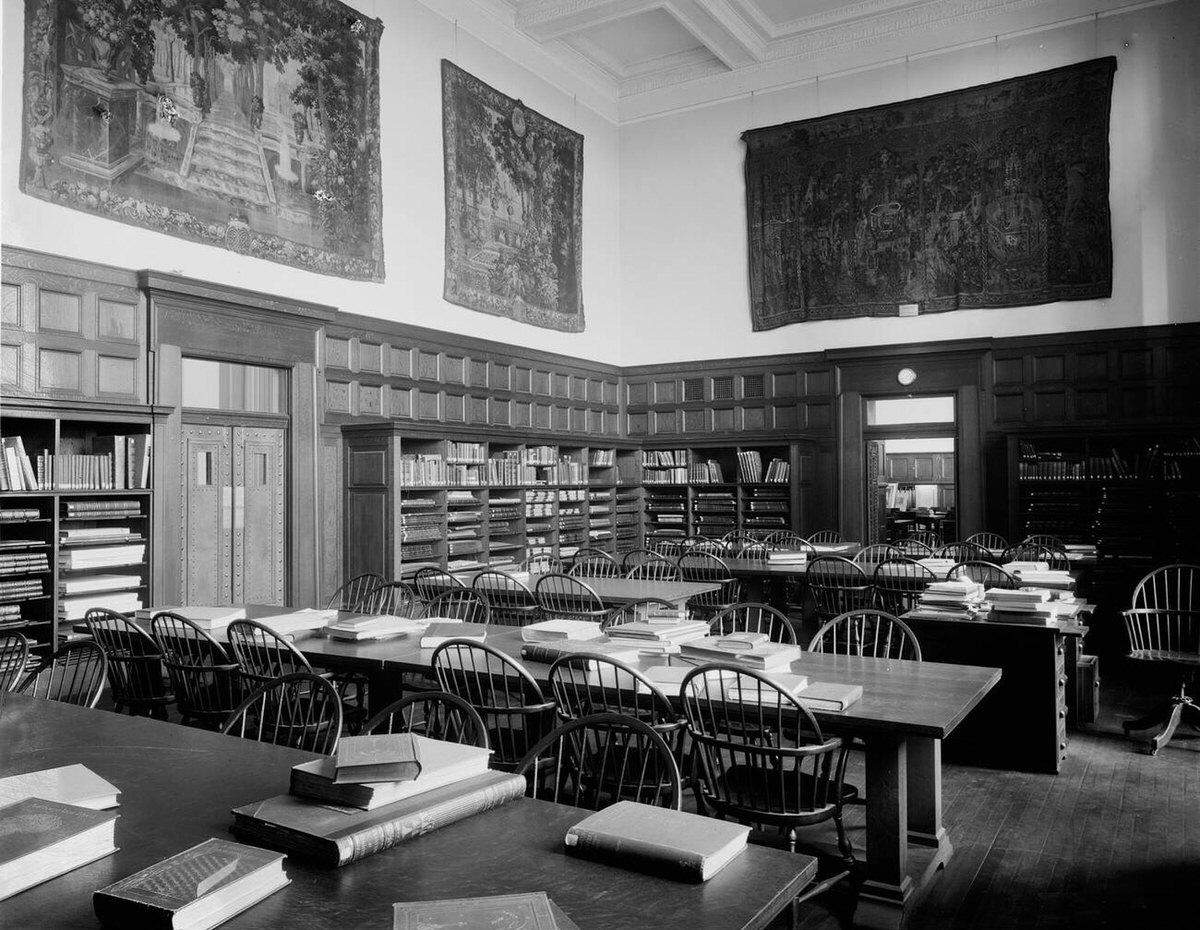
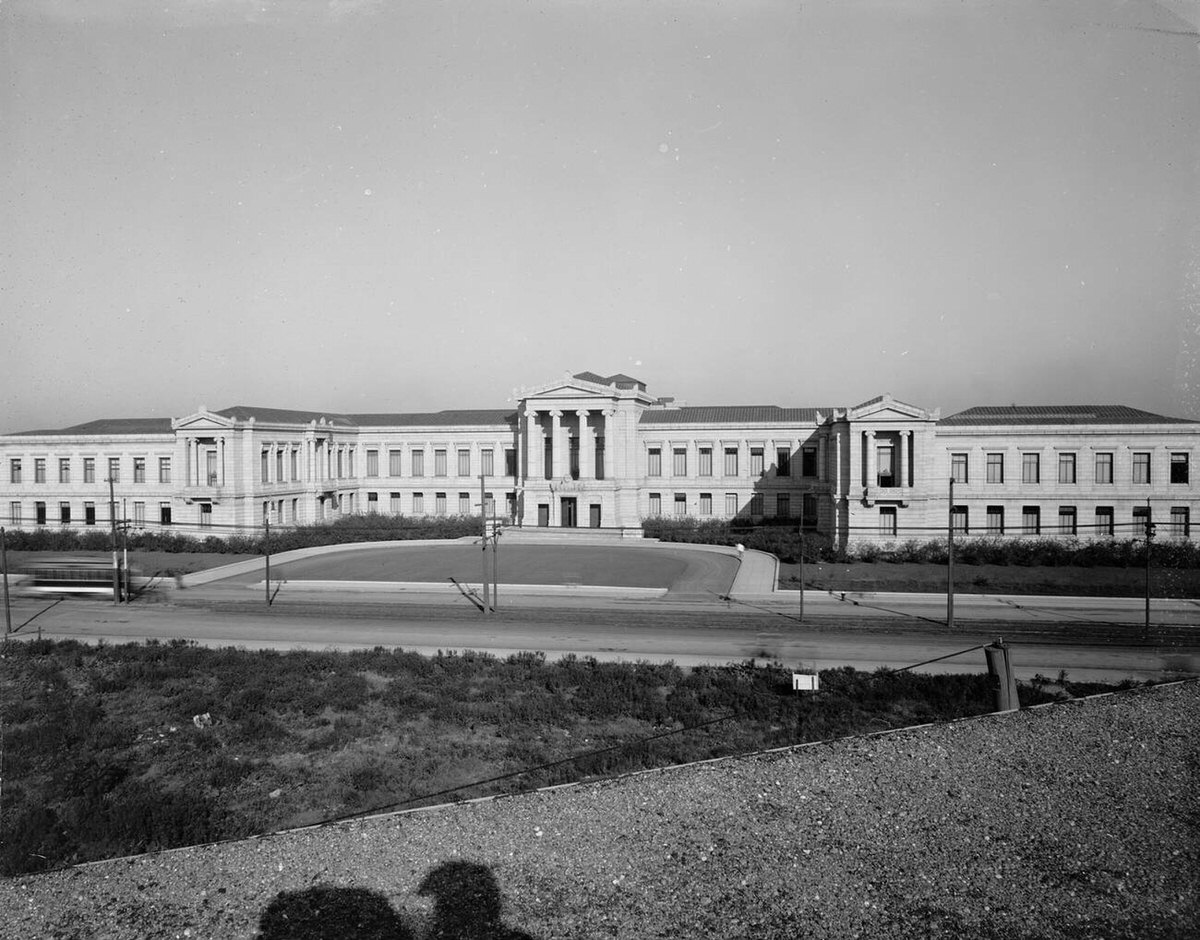
#39 Hunt Memorial Library, Museum of Fine Arts, Boston, 1910s

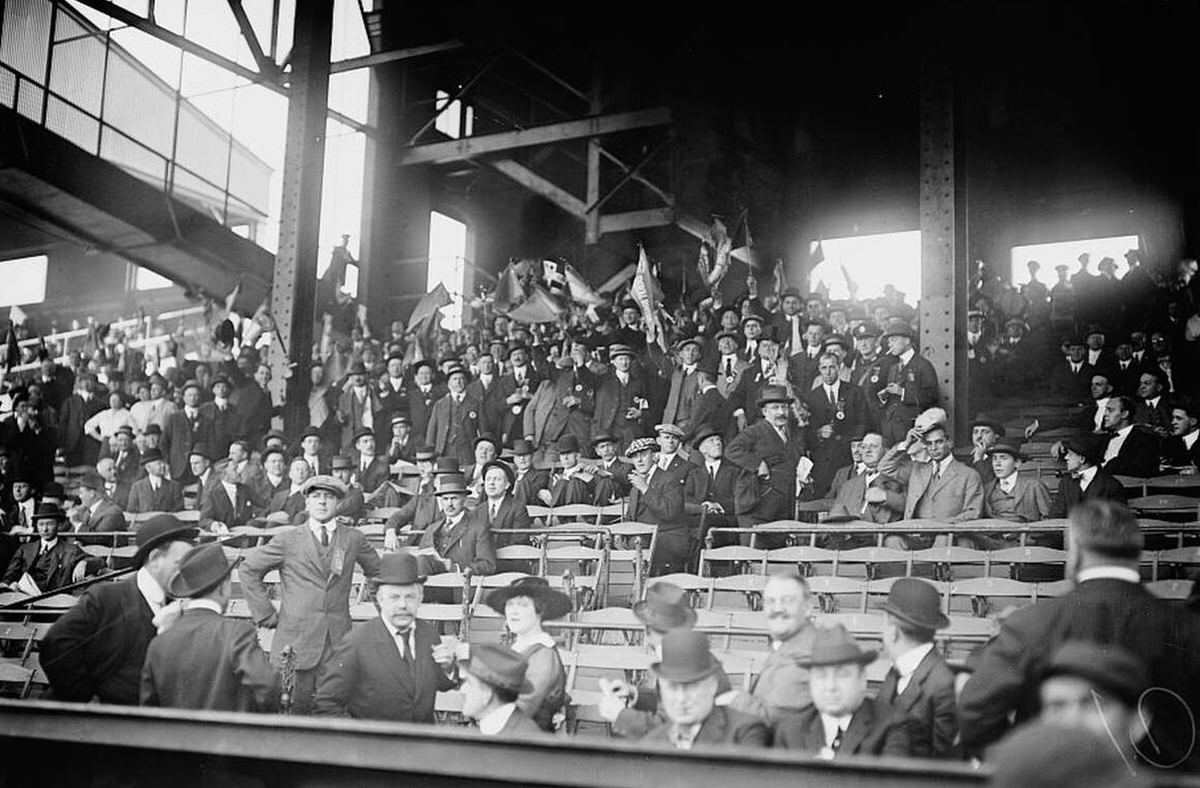
#40 Boston baseball fans, known as ‘rooters,’ are gathered at Shibe Park in Philadelphia, 1920s
Boston baseball fans, known as 'rooters,' are gathered at Shibe Park in Philadelphia, 1920s
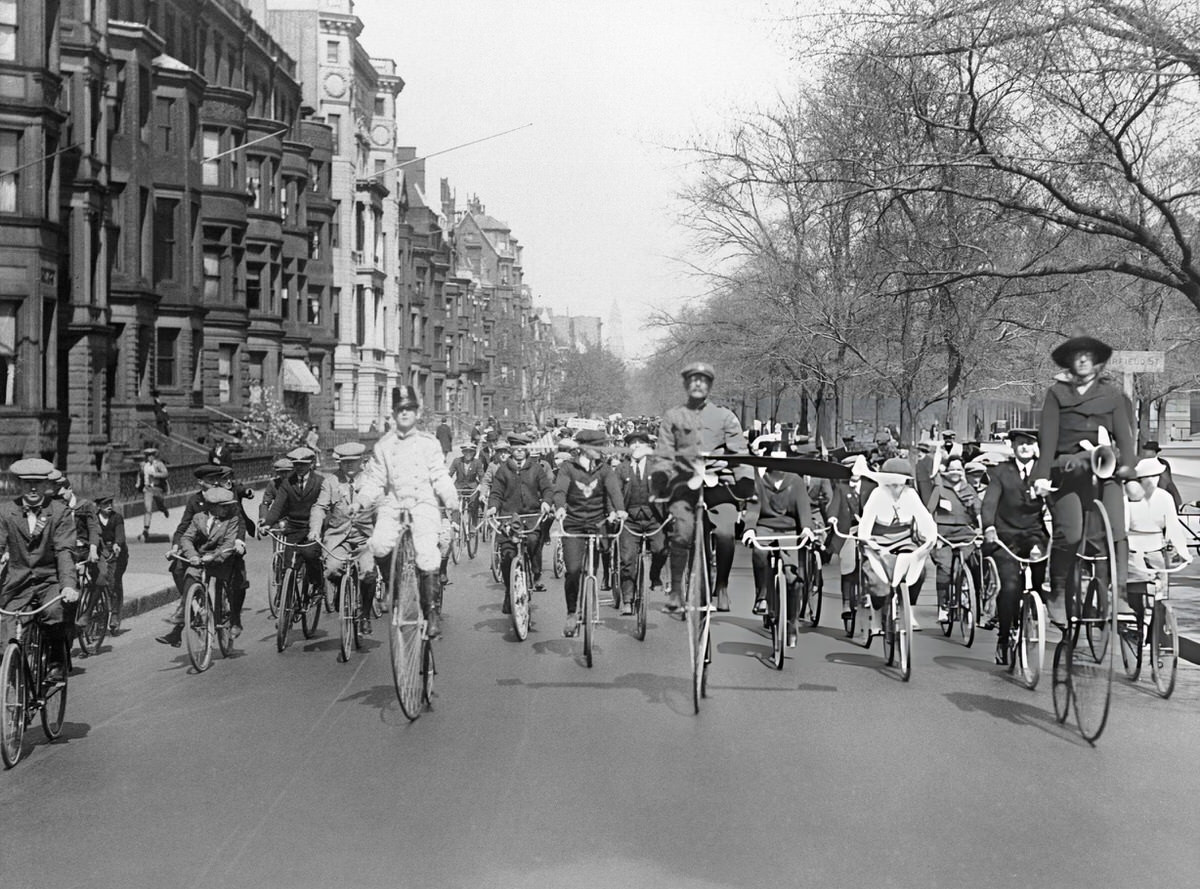
#41 Boston American’s Bicycle Run on Commonwealth Avenue, Boston, 1920s

#42 Alumni Memorial Residences AMR facing Charles Street, Boston, 1923

#43 President Calvin Coolidge’s ‘Summer White House’ at ‘White Court’ in Swampscott, 1925

#44 Carson Pirie Scott and Company department store, Chicago, Illinois, 1926

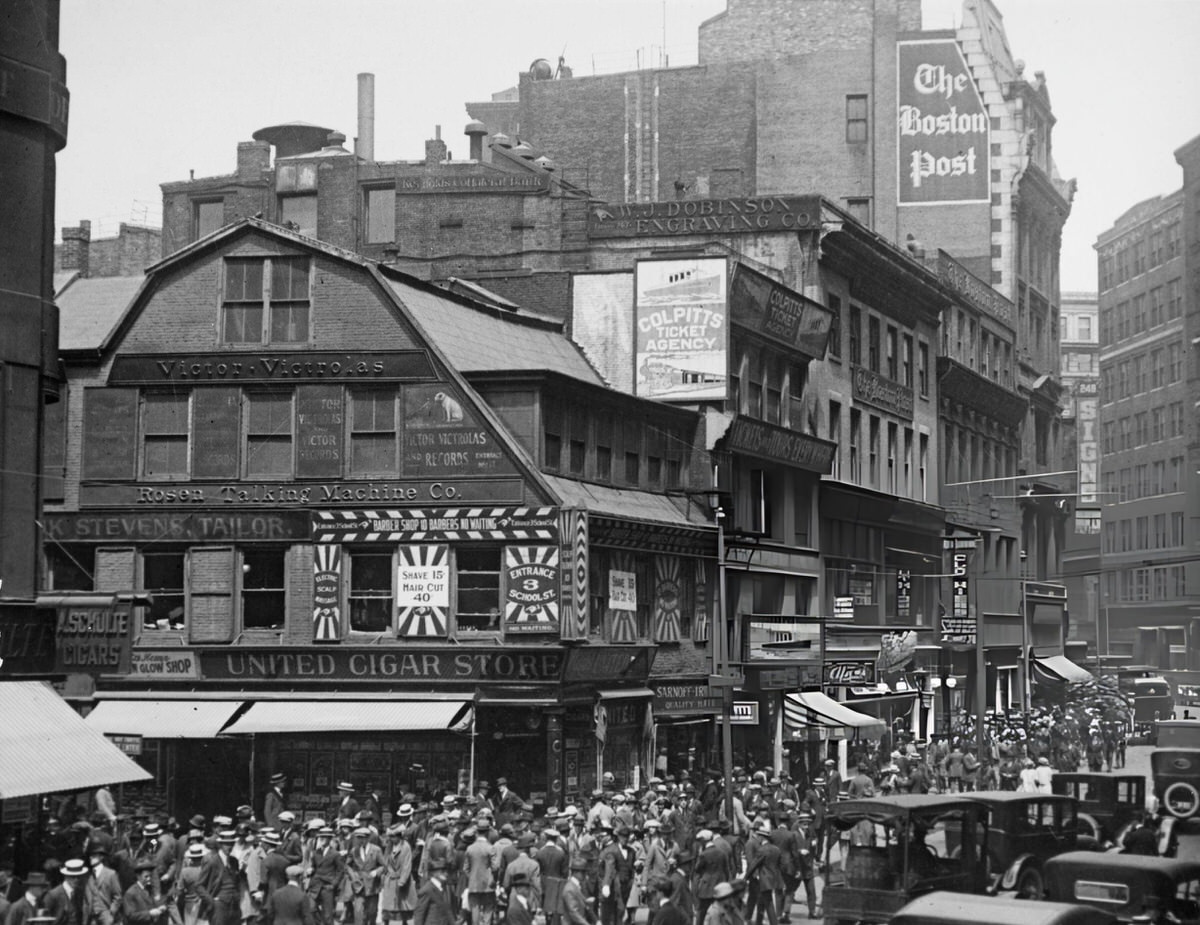
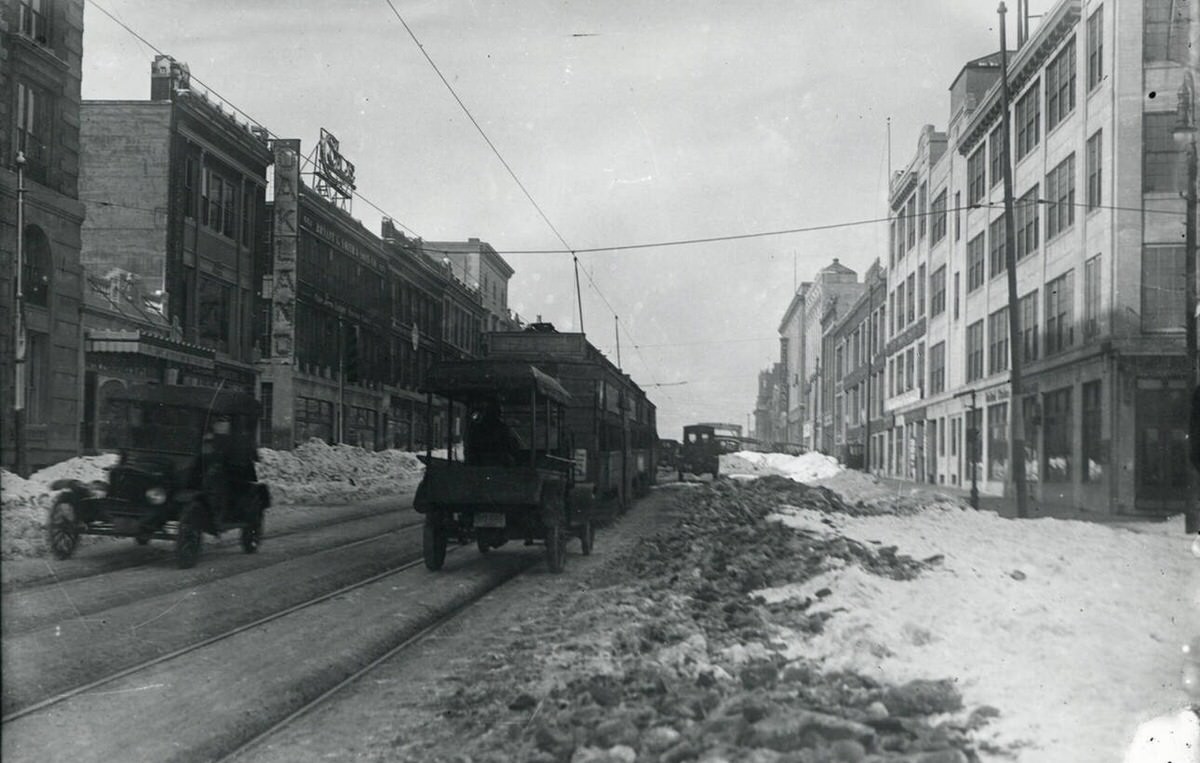
#45 Newspaper Row, Boston, 1925

Newspaper Row, Boston, 1925

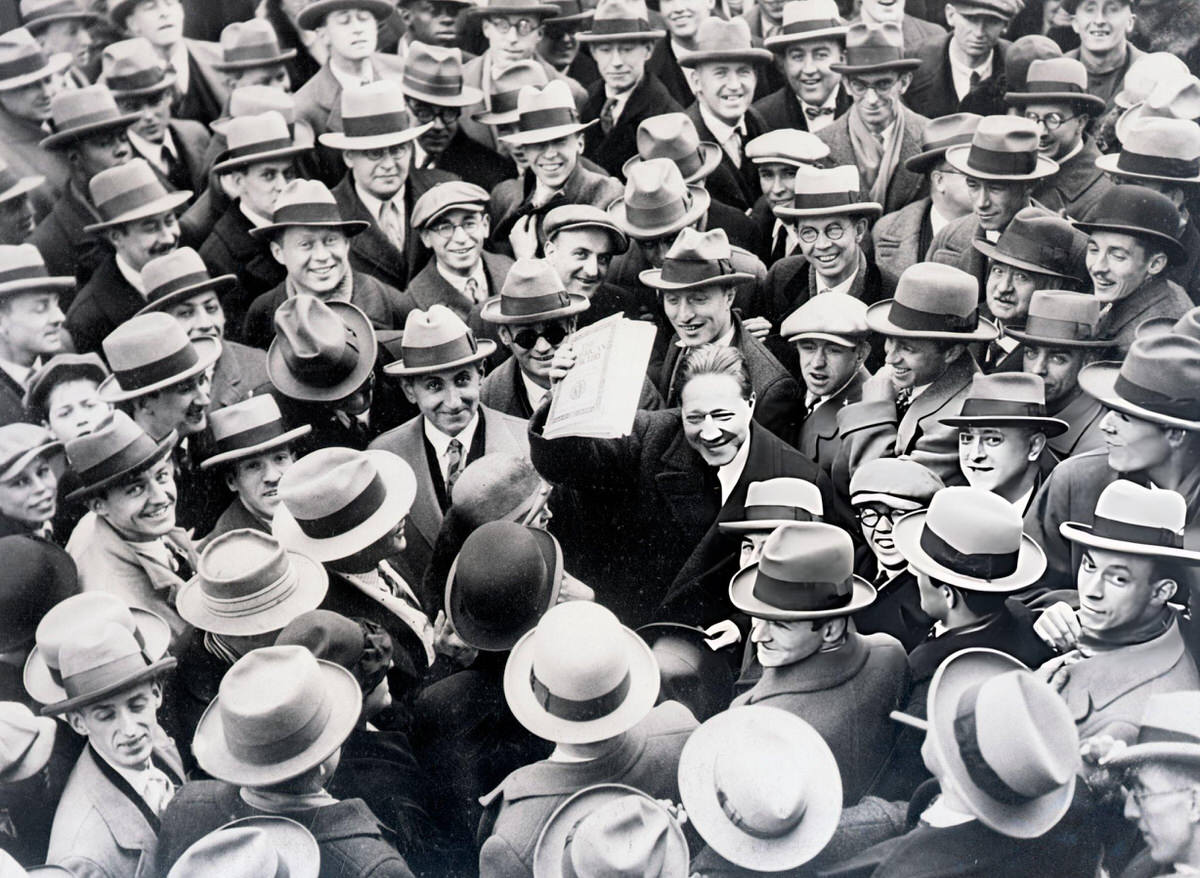
#46 Crowd on Boston Common as lawyer Arthur Garfield Hays sells a copy of the American Mercury Magazine, Boston, 1926

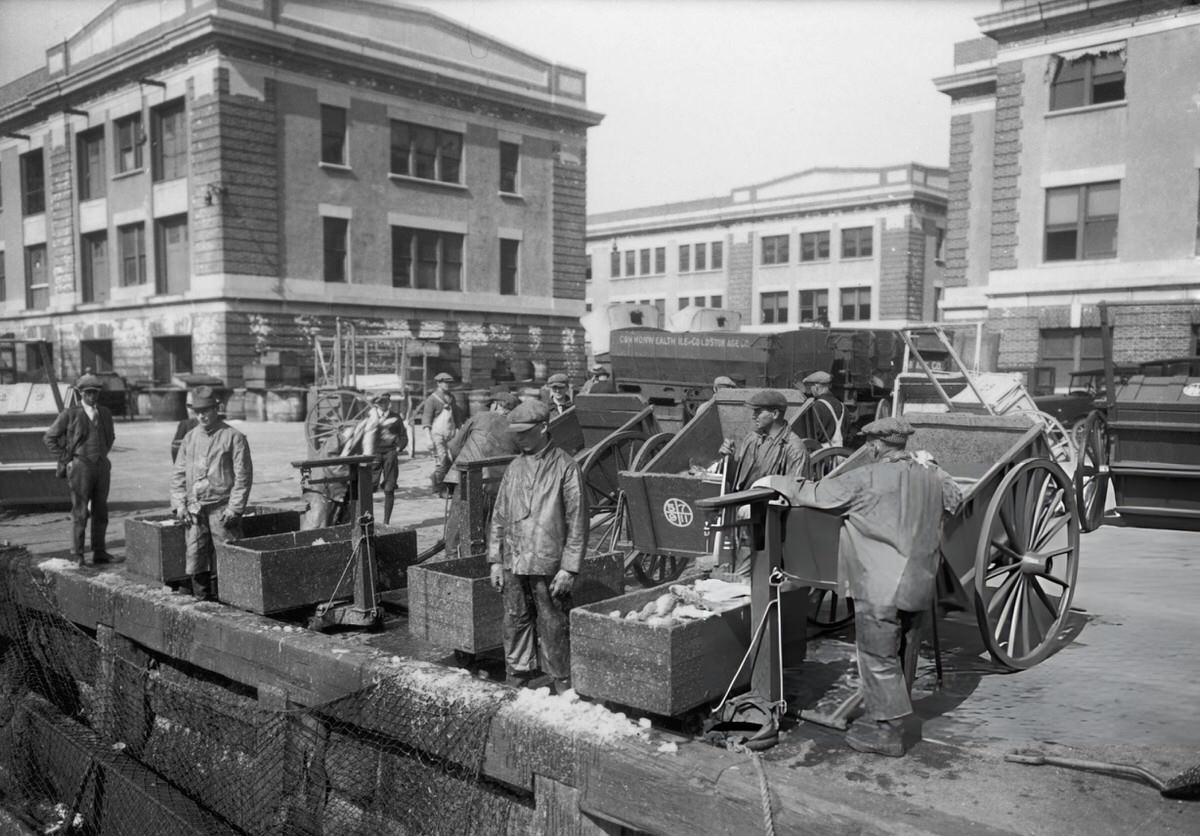
#47 Workers waiting to unload haddock from fishing schooners at a South Boston wharf, 1923

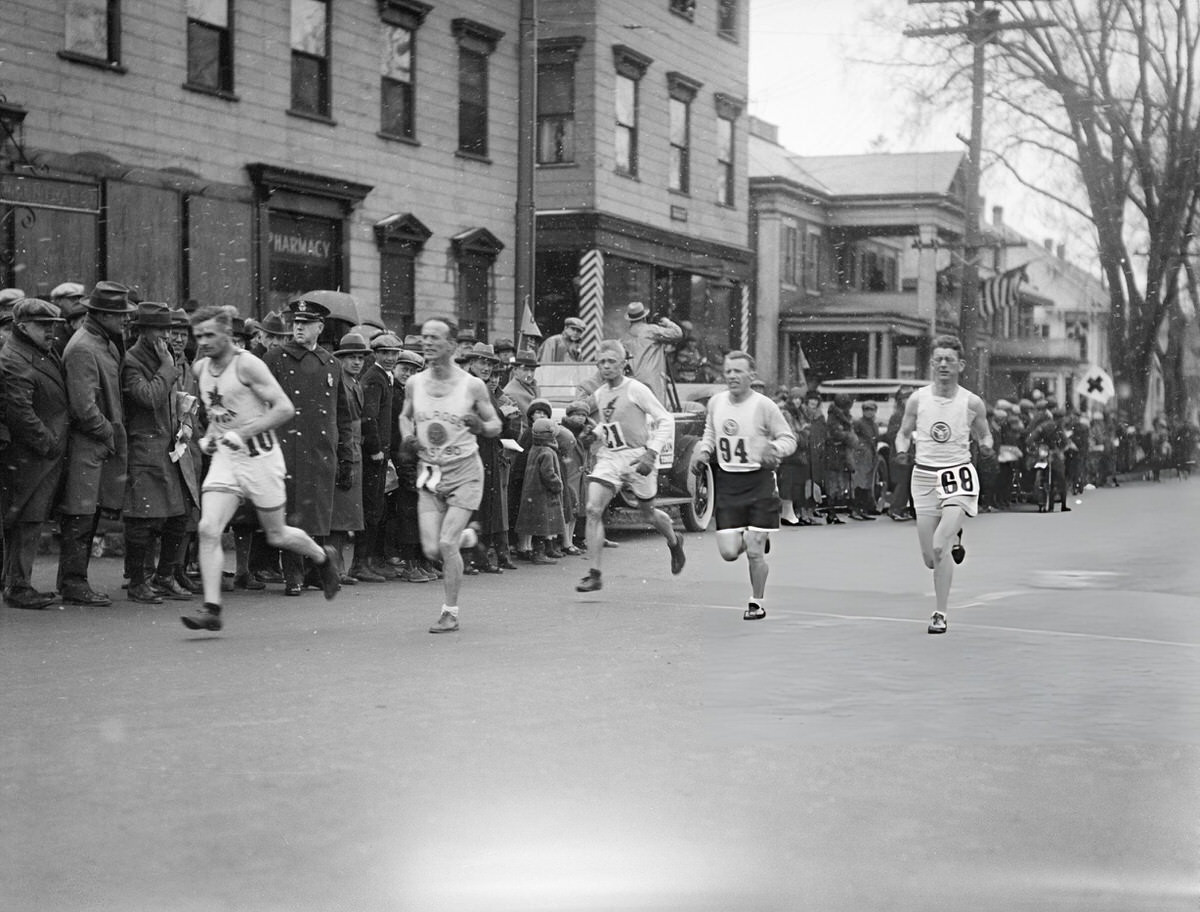
#48 Runners coming through Framingham during the Boston Marathon, 1925

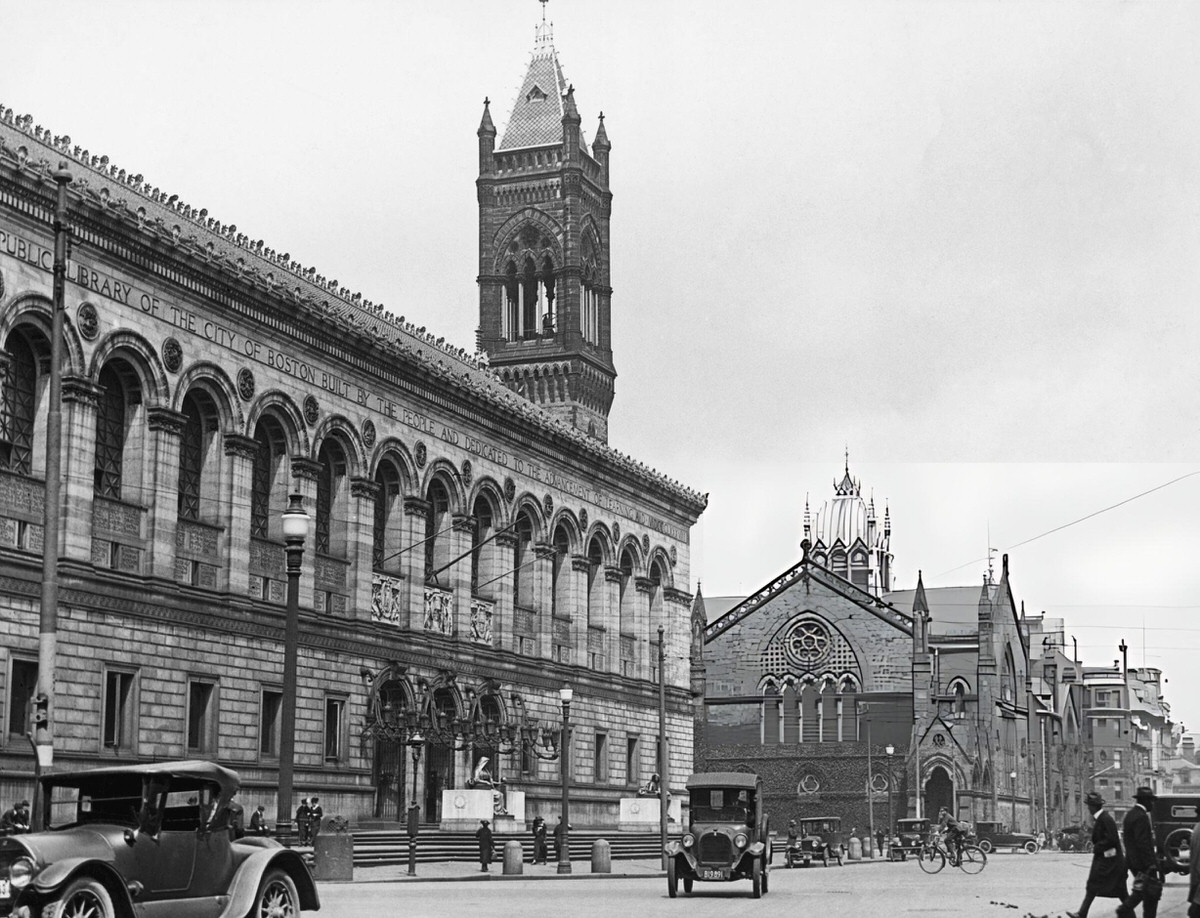
#49 Front of the Boston Public Library, Boston, 1920s

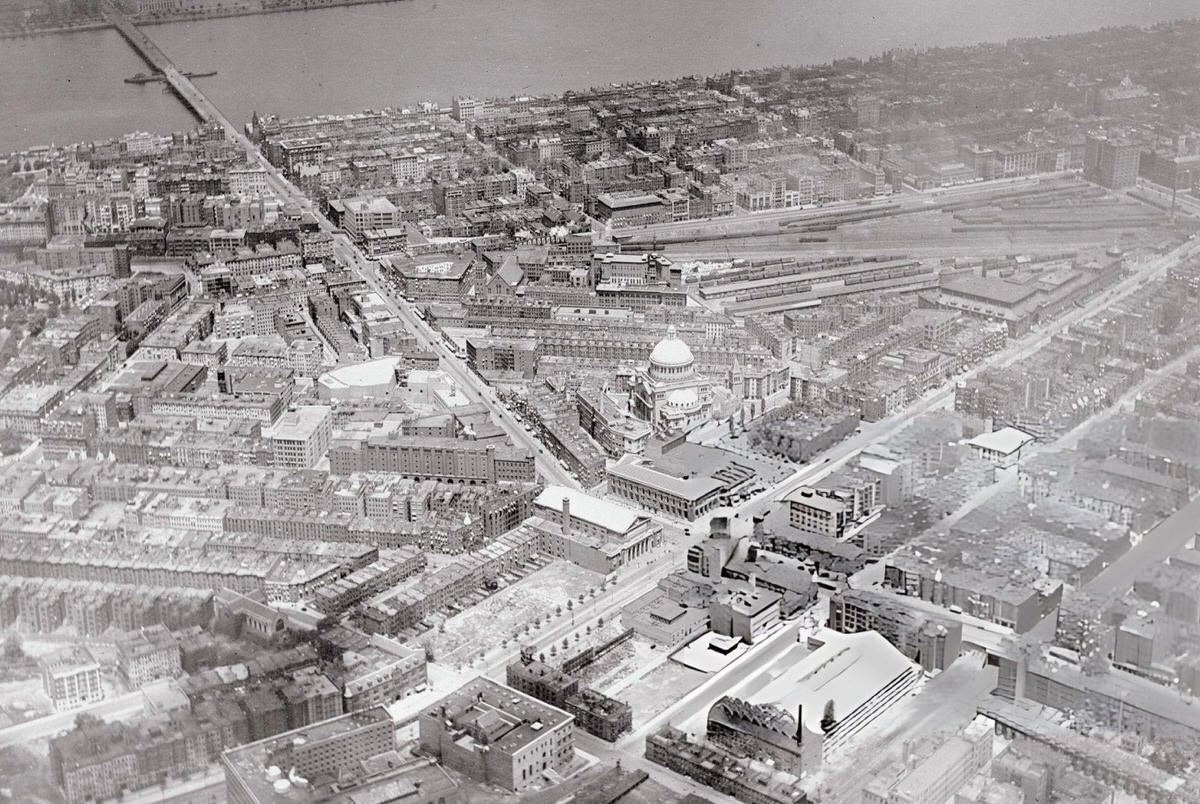
#50 Air view of Boston Common with State House in center, Boston, 1920s

Air view of Boston Common with State House in center, Boston, 1920s

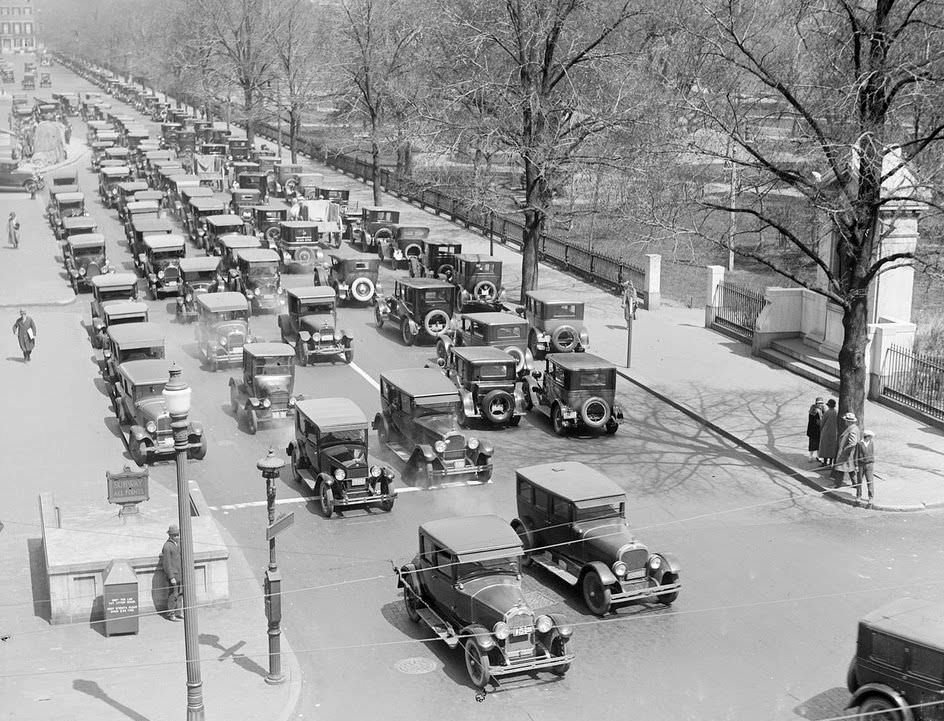
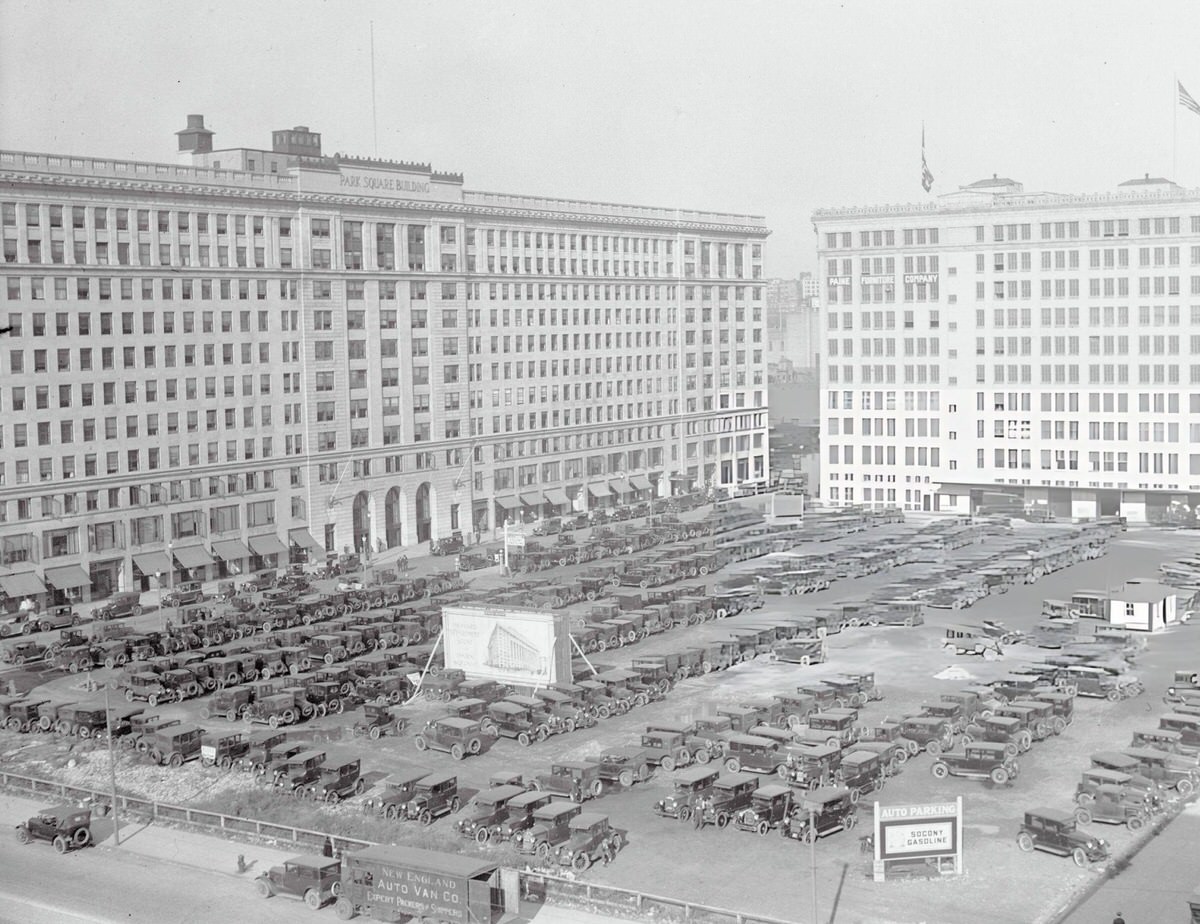
#52 Hundreds of cars parked in what is considered the largest auto parking square in New England, Boston, 1920s

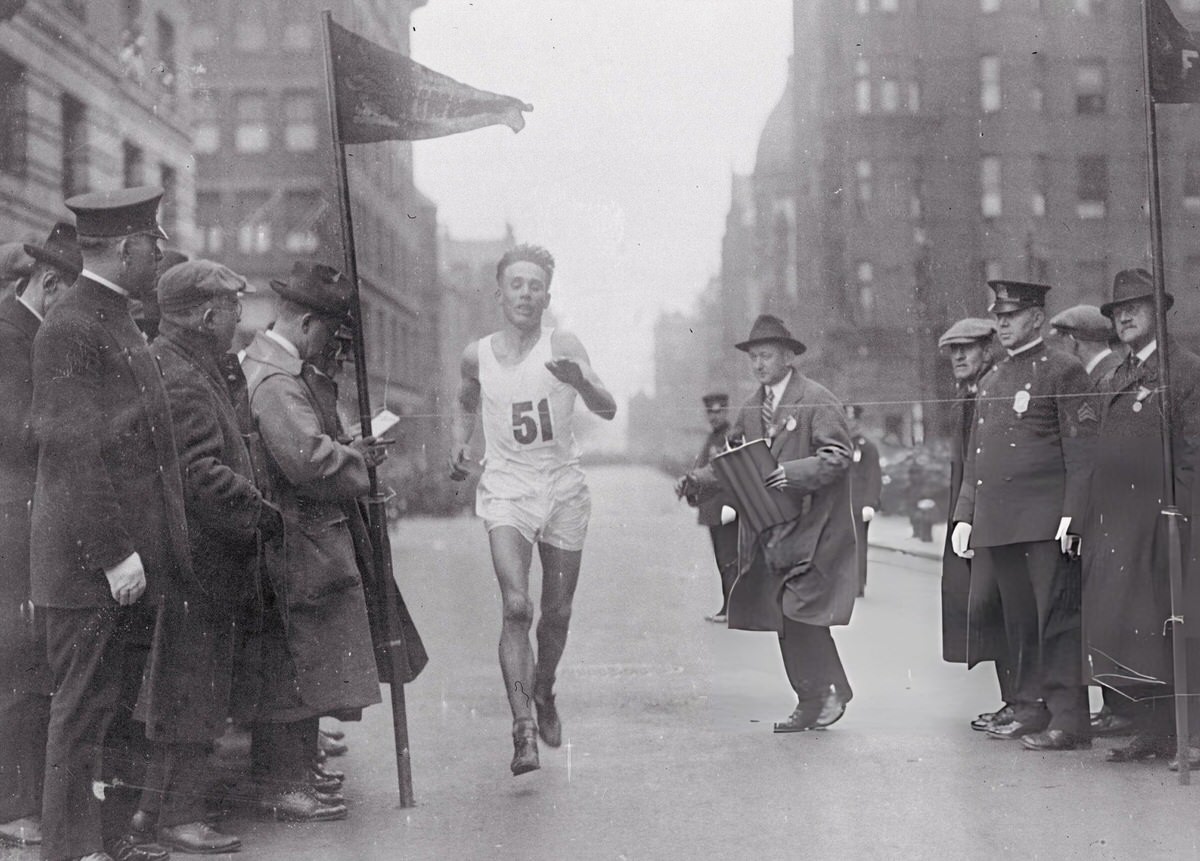
#53 Willie Ritola crossing a finish line during the Boston Marathon, 1920s

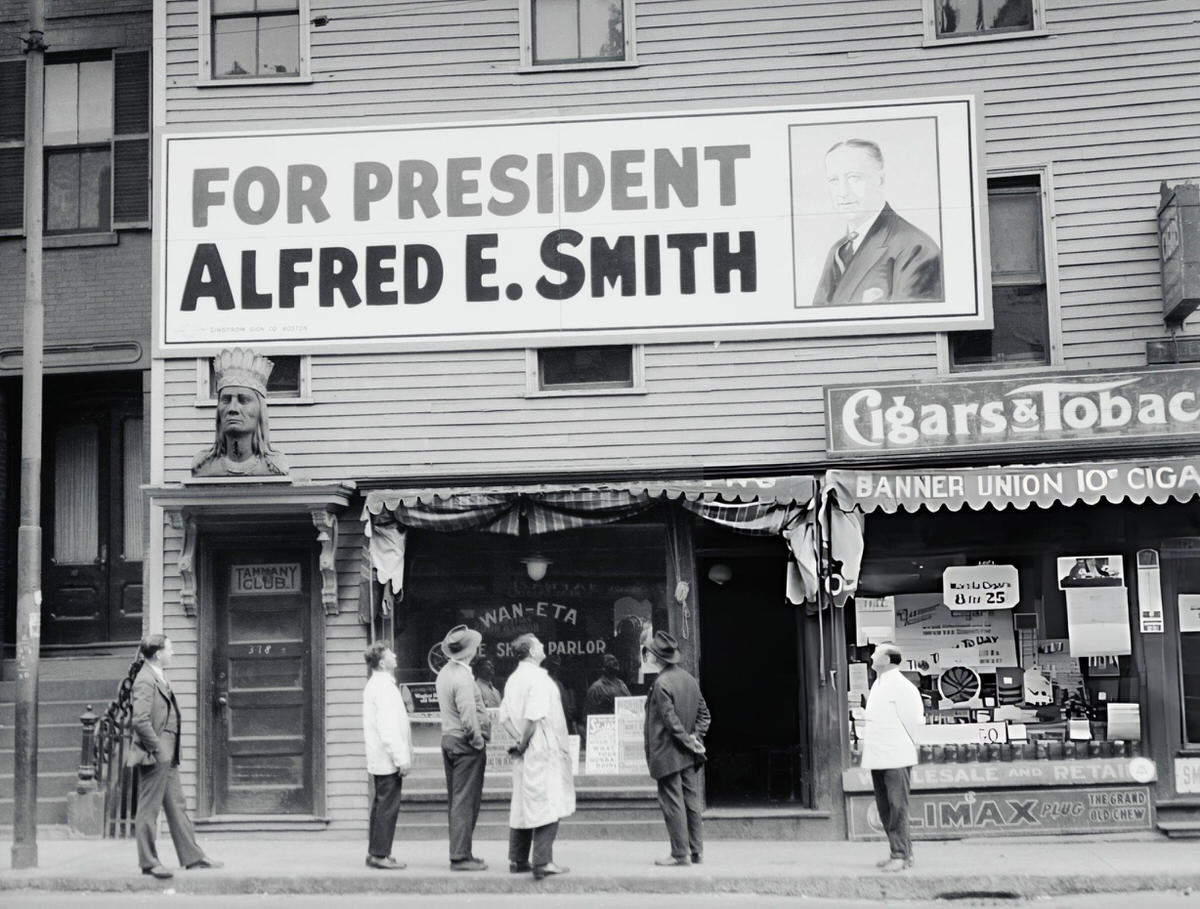
#54 Campaign Headquarters for Alfred E. Smith, Boston, 1920s

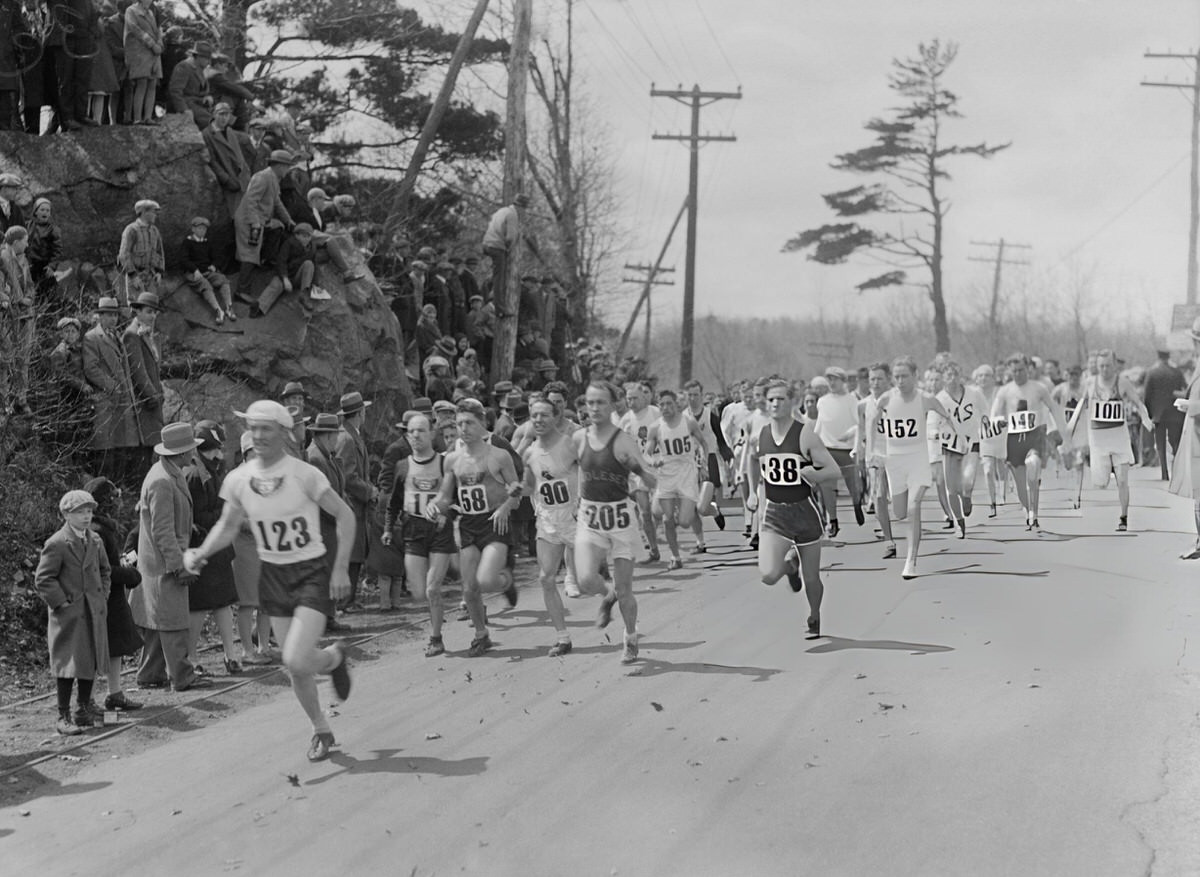
#55 Runners at the start of the 30th annual Boston Athletic Association Marathon, 1926

Runners at the start of the 30th annual Boston Athletic Association Marathon, 1926

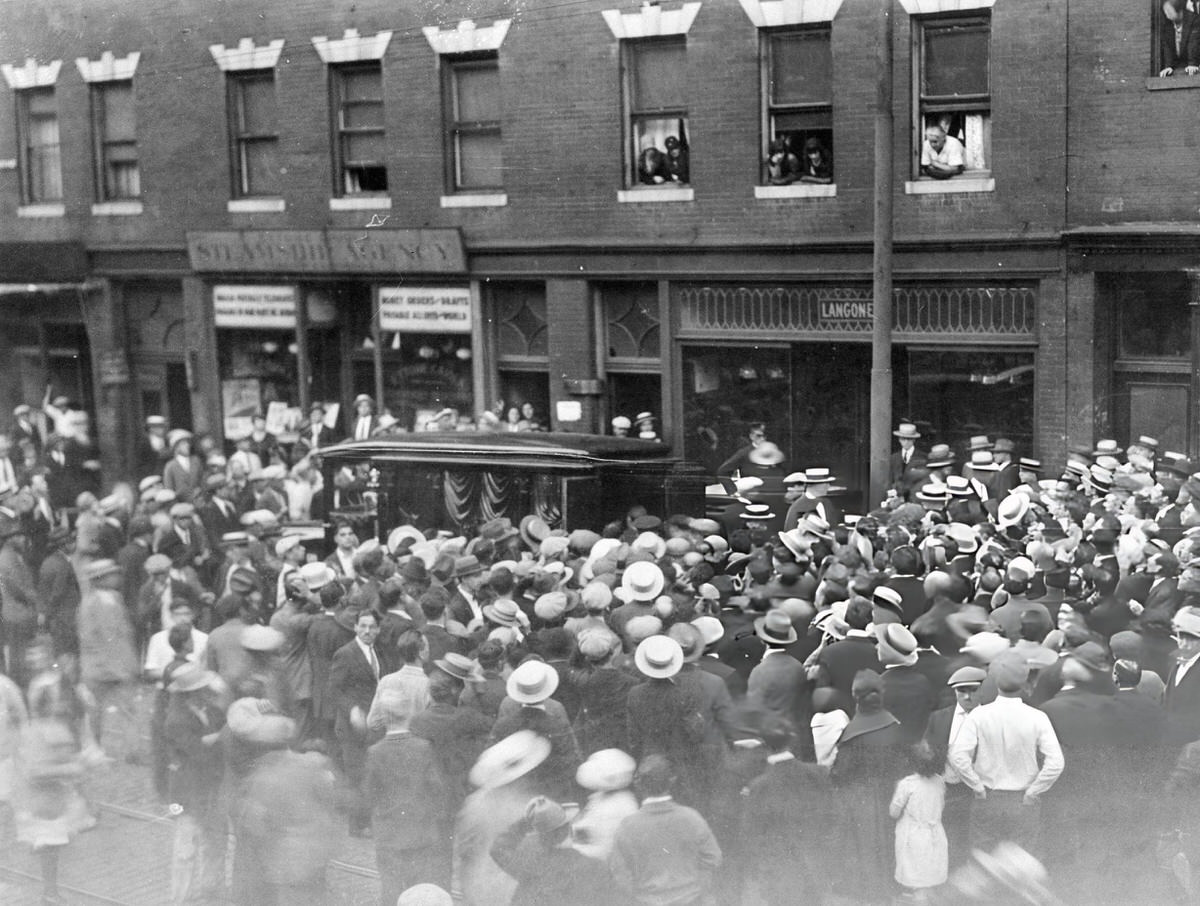
#56 Hearse containing bodies of Sacco and Vanzetti before the undertaking parlor of Joseph Langone, Boston, 1927

Avatar of Kevin Clark

Written by Kevin Clark

Kevin Clark is a historian and writer who is passionate about sharing the stories and significance behind historical photos. He loves to explore hidden histories and cultural contexts behind the images, providing a unique insight into the past.

Leave a Reply

Your email address will not be published. Required fields are marked *