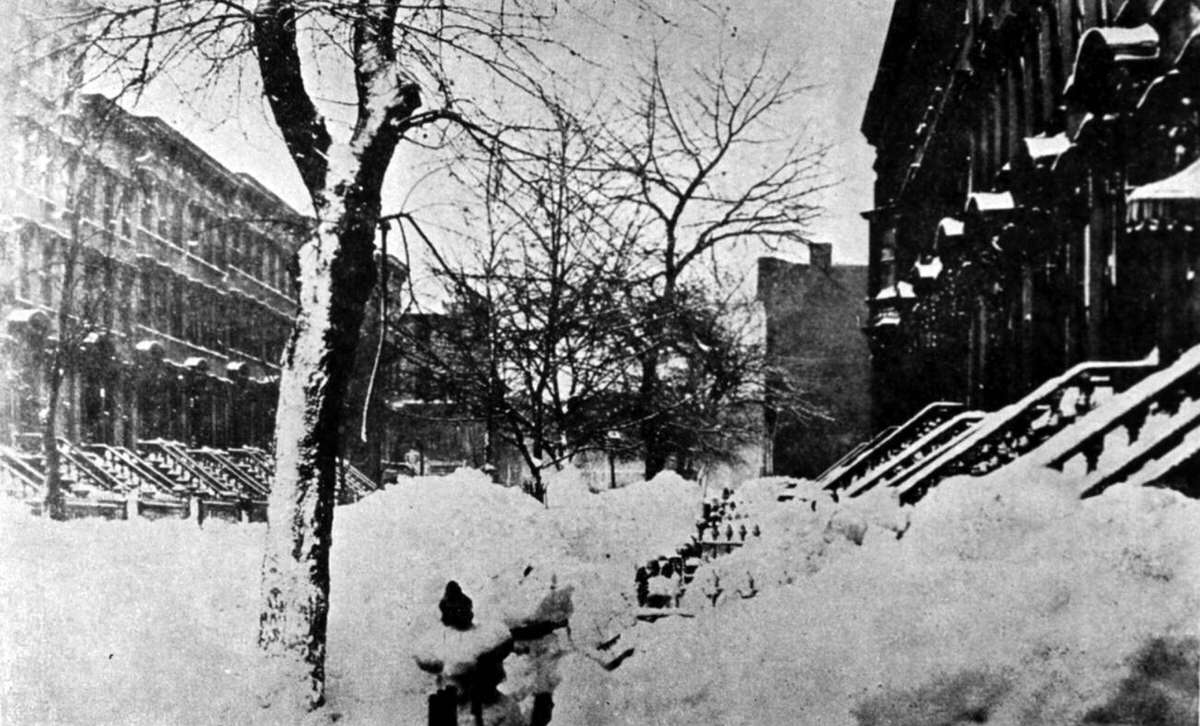
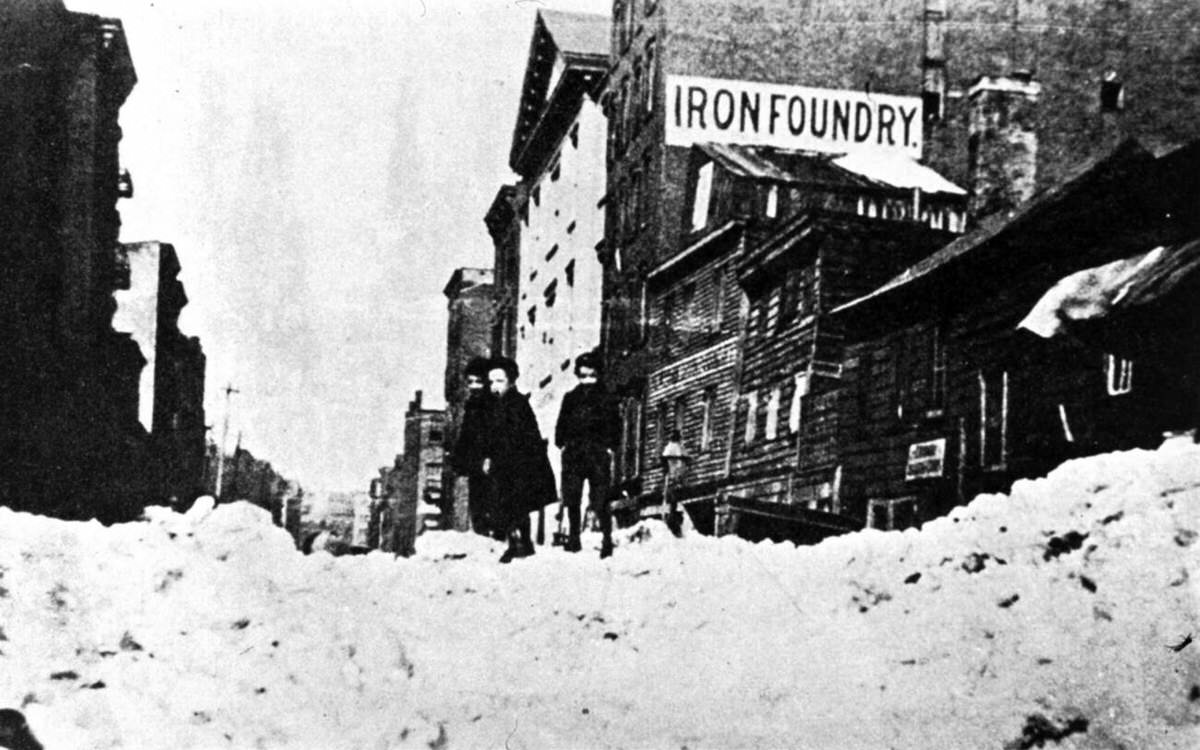
The first week of March 1888 felt more like early spring than the tail end of winter across the northeastern United States. In New York City, temperatures climbed into the mid-50s on Saturday, March 10. The official forecast for the following Sunday called for light rain and clearing skies. Nobody braced for disaster. Then, a massive cold air mass pushed south from Canada and collided overnight on March 11 with a warm, moisture-heavy system rolling up the Atlantic coast from the Gulf of Mexico. The two systems locked together over the Northeast and unleashed one of the worst storms in American history.
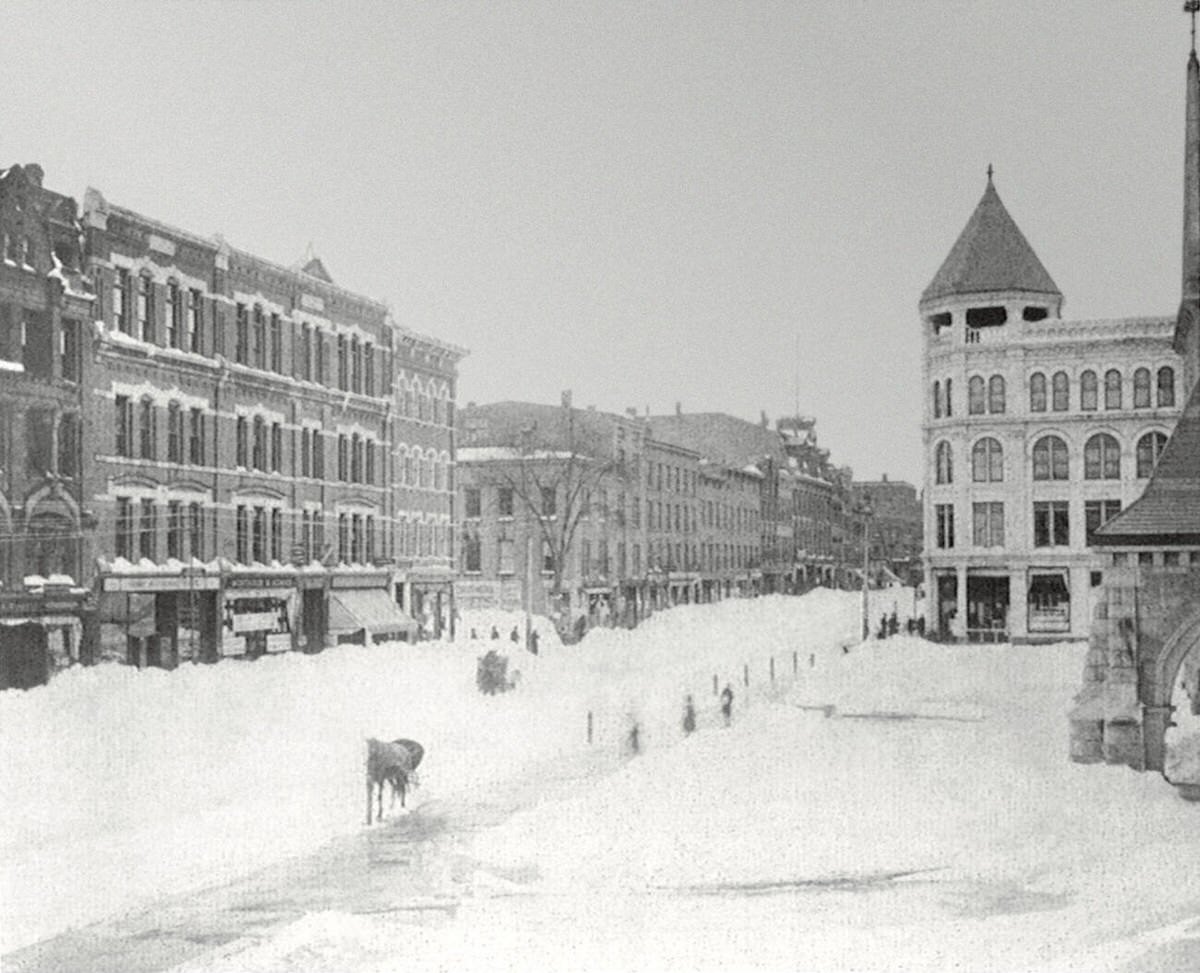
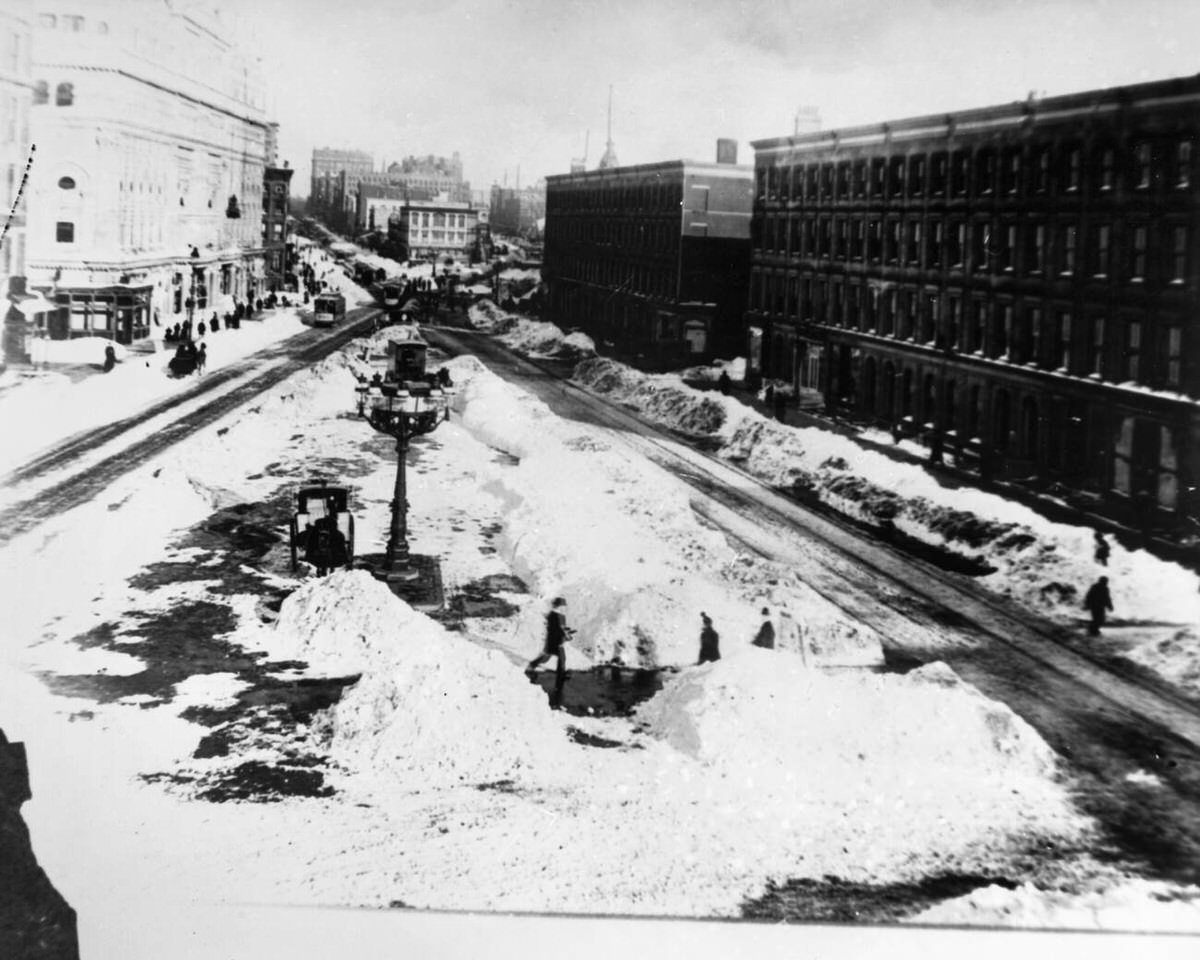
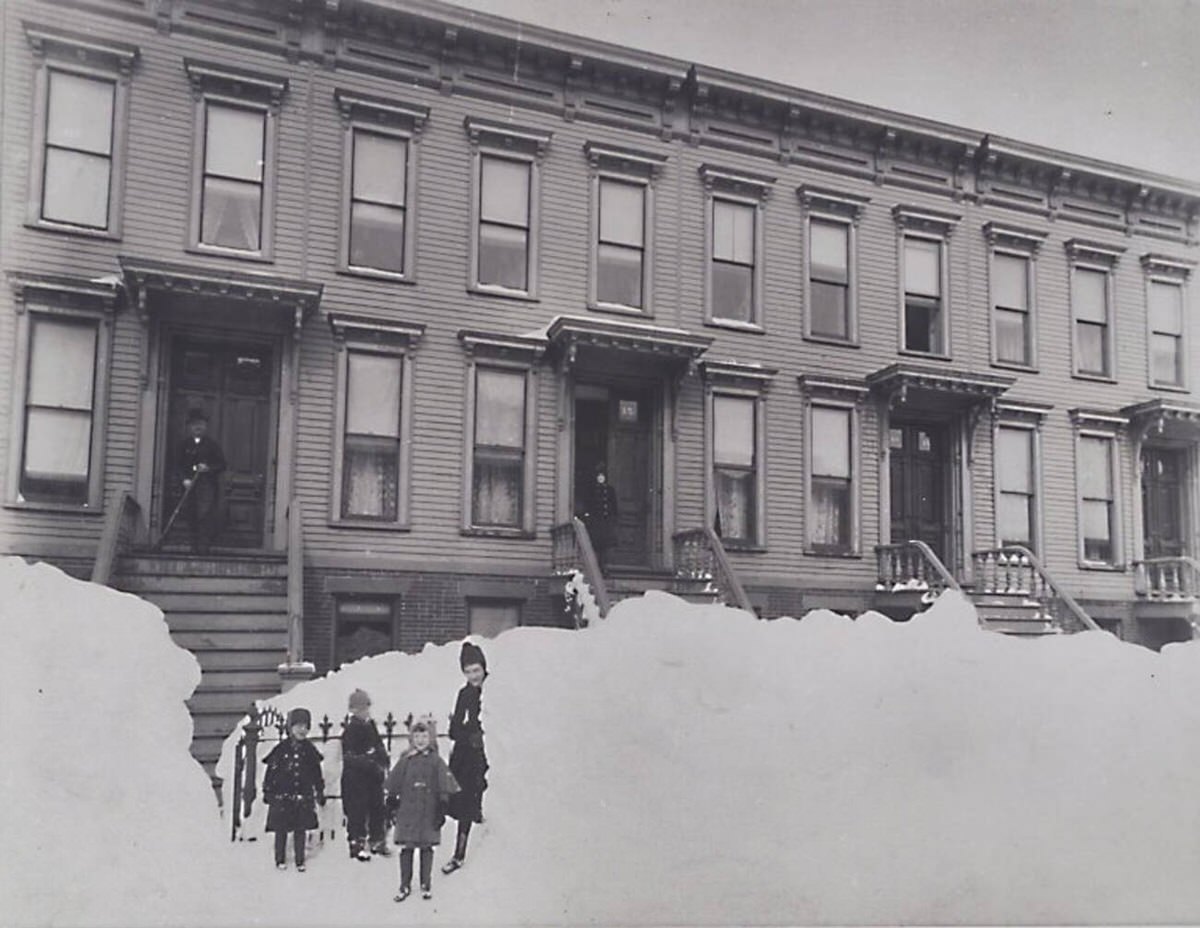
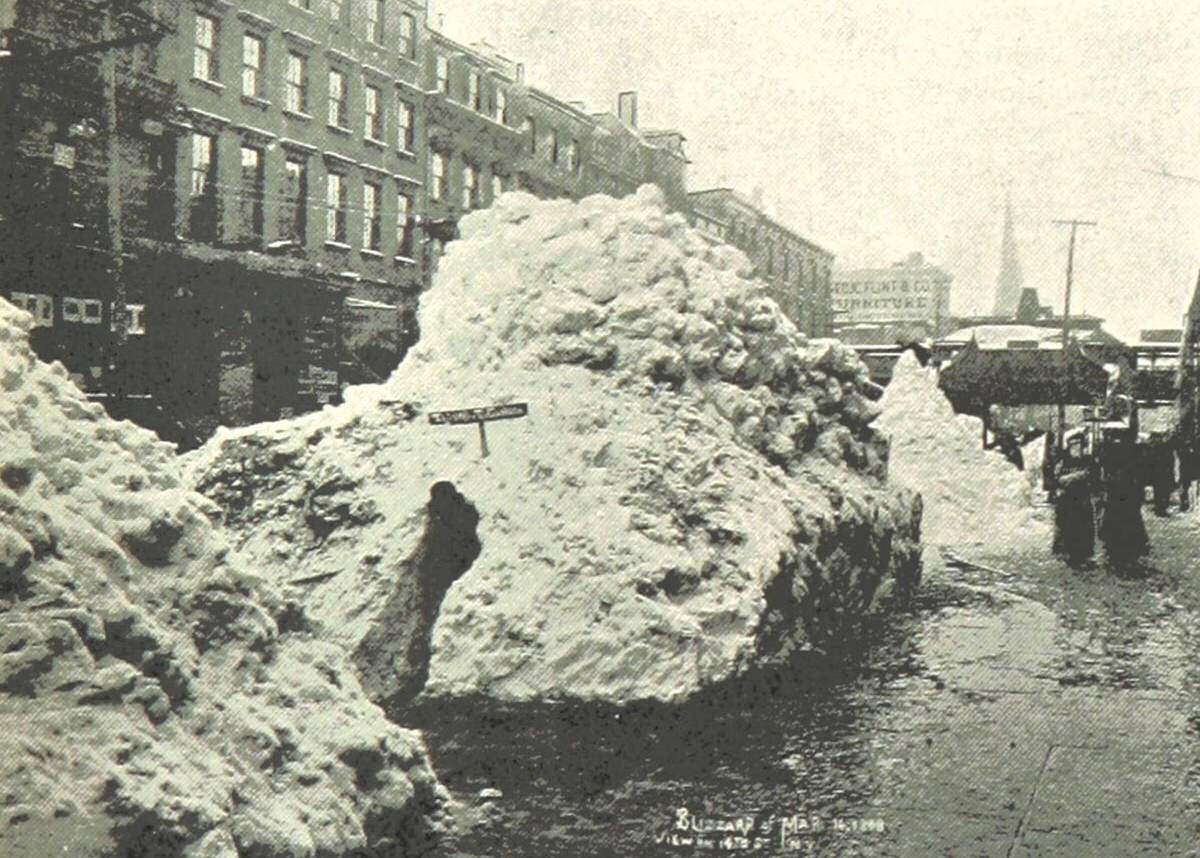
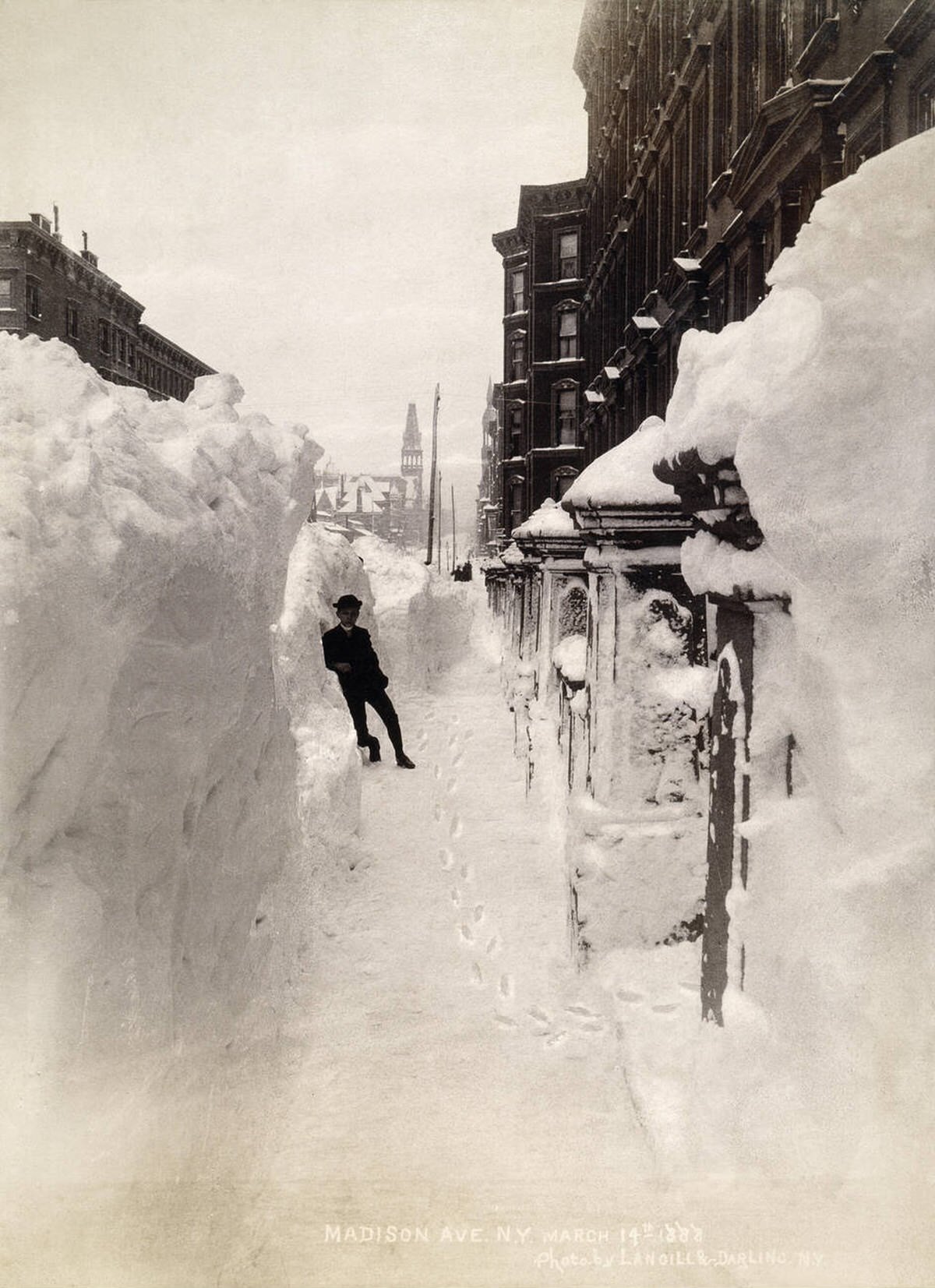
The rain turned to snow just around midnight. By Monday morning, March 12, winds were howling between 45 and 85 miles per hour, and temperatures that had been near 40 degrees plunged to single digits in less than twelve hours. The storm earned the name “The Great White Hurricane” almost immediately. Snow fell at several inches per hour. Saratoga Springs, New York recorded 58 inches of total snowfall. Parts of New Hampshire and Vermont buried under 40 inches or more. New York City and New Jersey received between 20 and 40 inches, with wind-driven drifts piling 15 to 20 feet high in some streets.
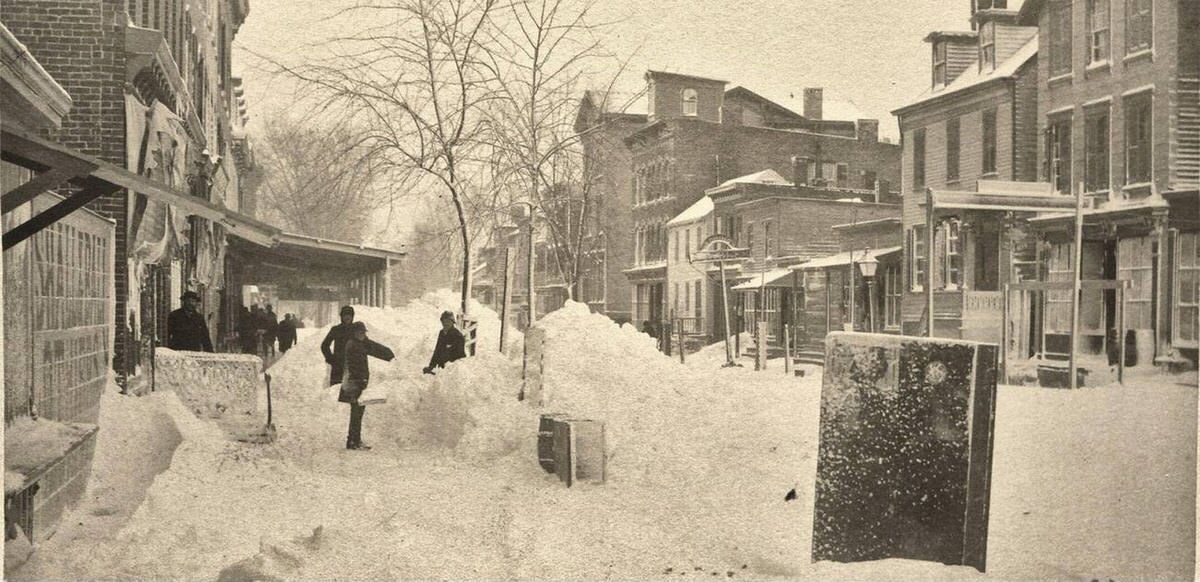
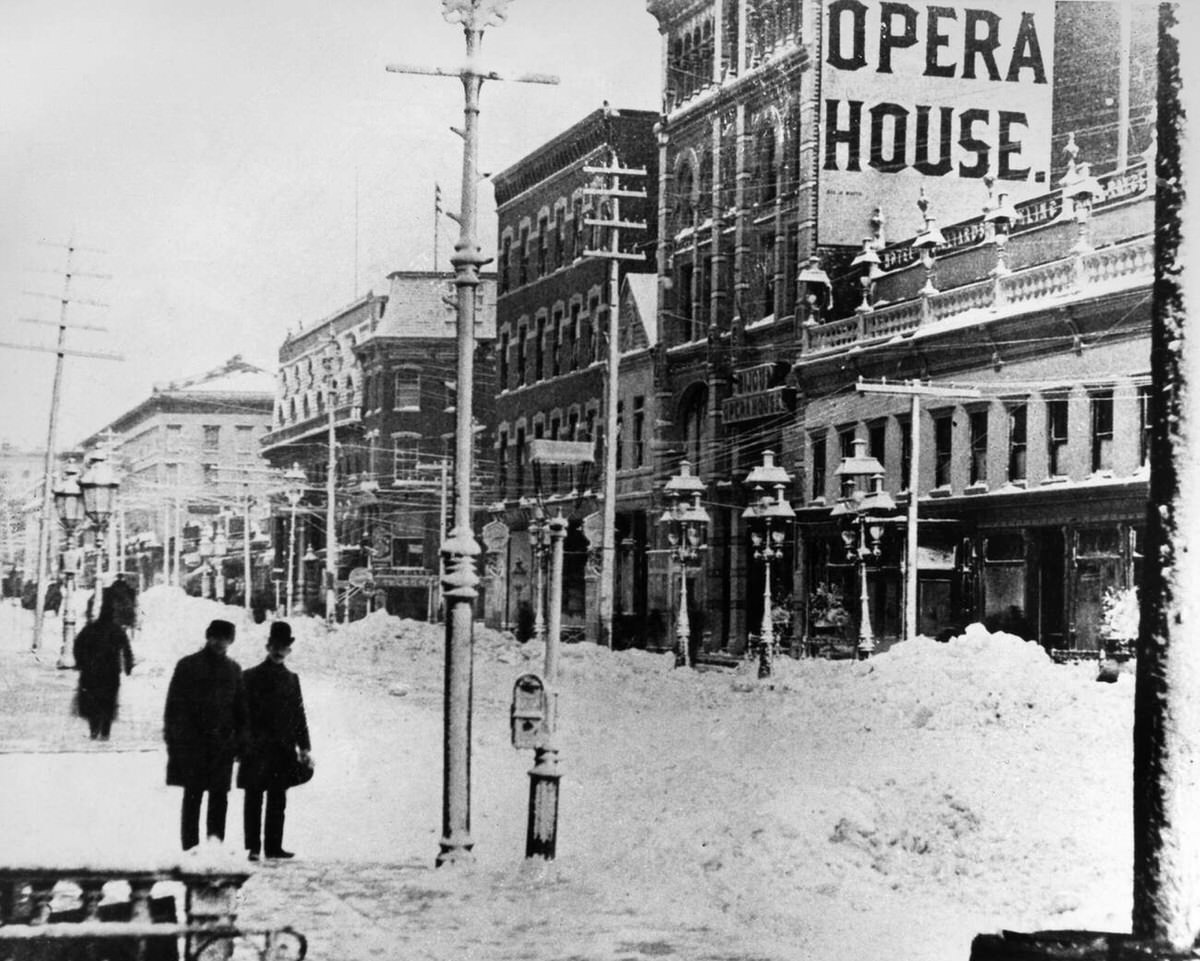
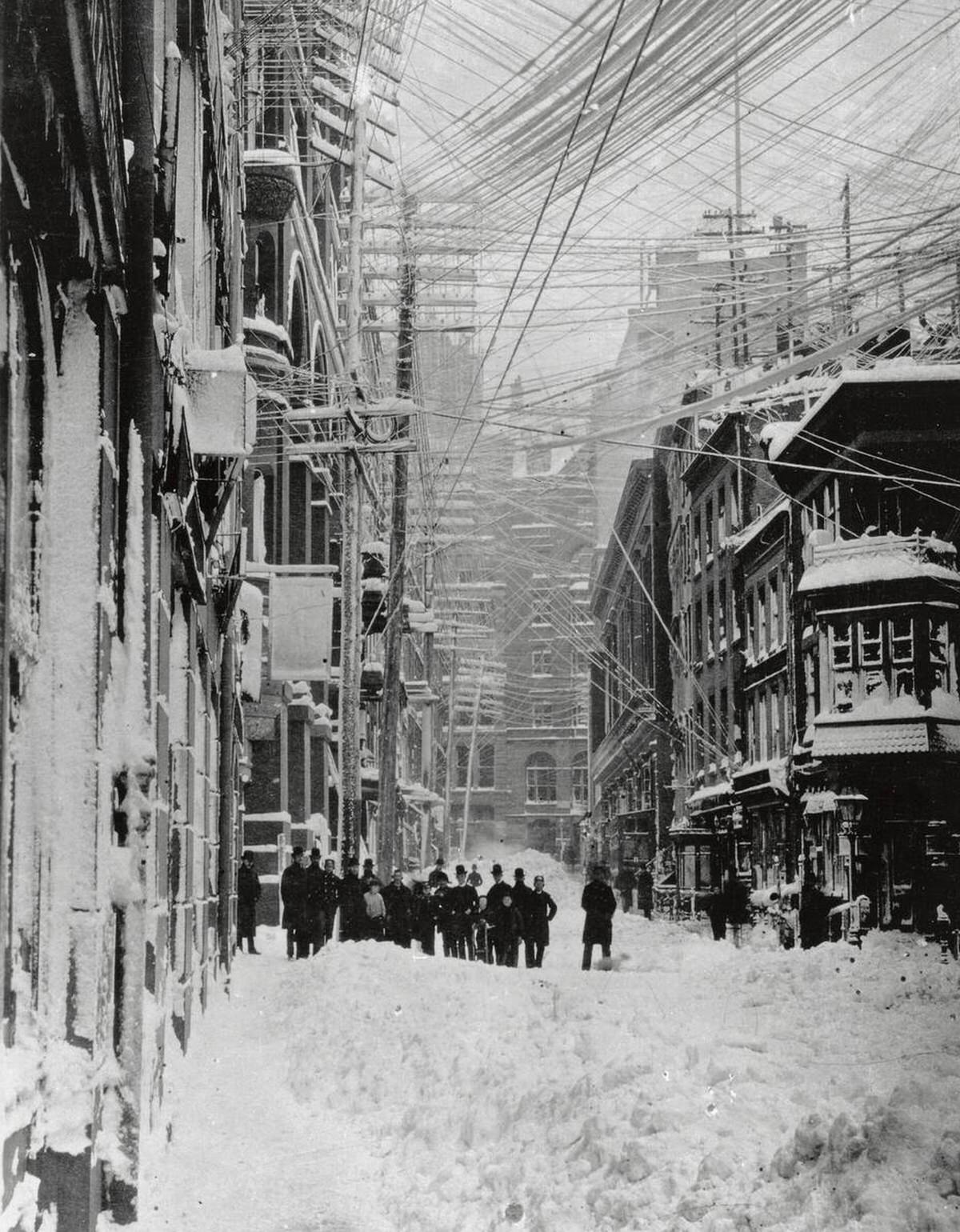
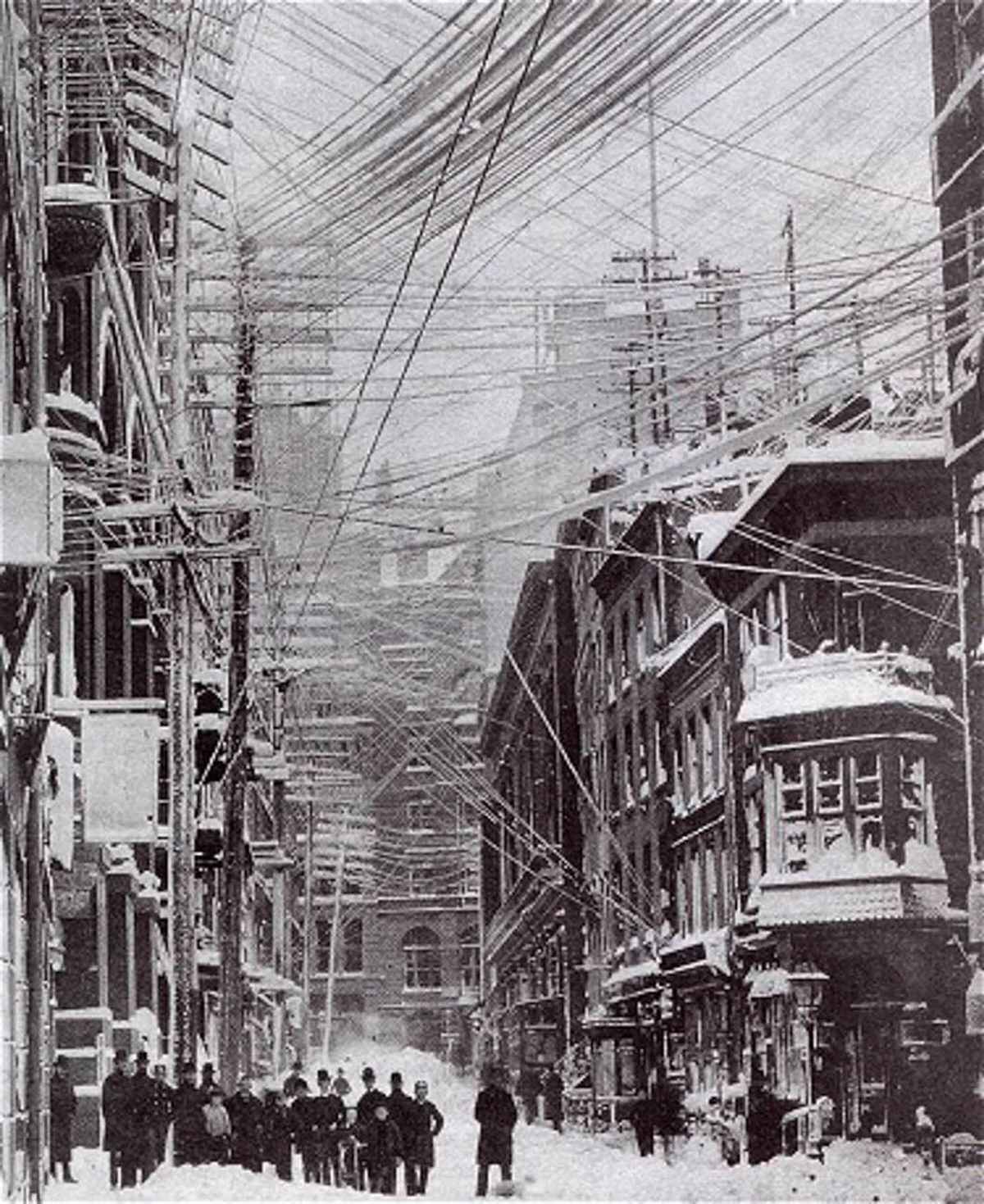
In 1888, cities across the Northeast were threaded with thousands of overhead telegraph and telephone wires. The wet, heavy snow and ferocious wind made short work of them. Poles snapped. Lines came down by the thousands. By Monday afternoon, New York City was completely cut off from the outside world. No messages reached Boston, Philadelphia, or Washington D.C. City leaders had no way to call for help, request supplies, or coordinate emergency responses. Repair crews spent days just trying to find where the lines had broken.
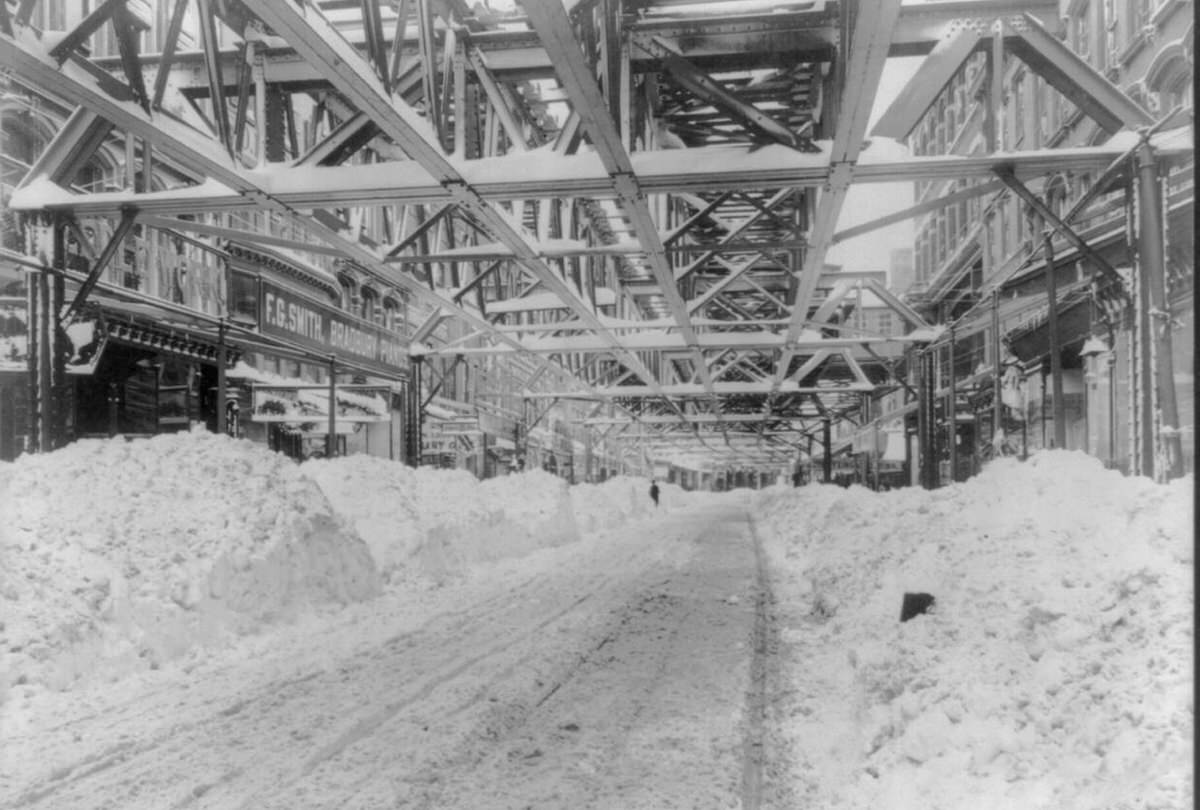
New York City depended on its elevated steam-powered trains to move workers every day. On Monday morning, thousands of commuters tried to ride them to work anyway. The trains quickly stalled as snow packed the rails. One train on the Third Avenue elevated line sat trapped for hours with hundreds of passengers on board. Those passengers eventually climbed down to the street on ladders. Horse-drawn carriages and milk wagons were simply abandoned mid-street. The horses could not pull through drifts that towered above their heads. By midday Monday, every form of public transportation in the city had stopped completely.
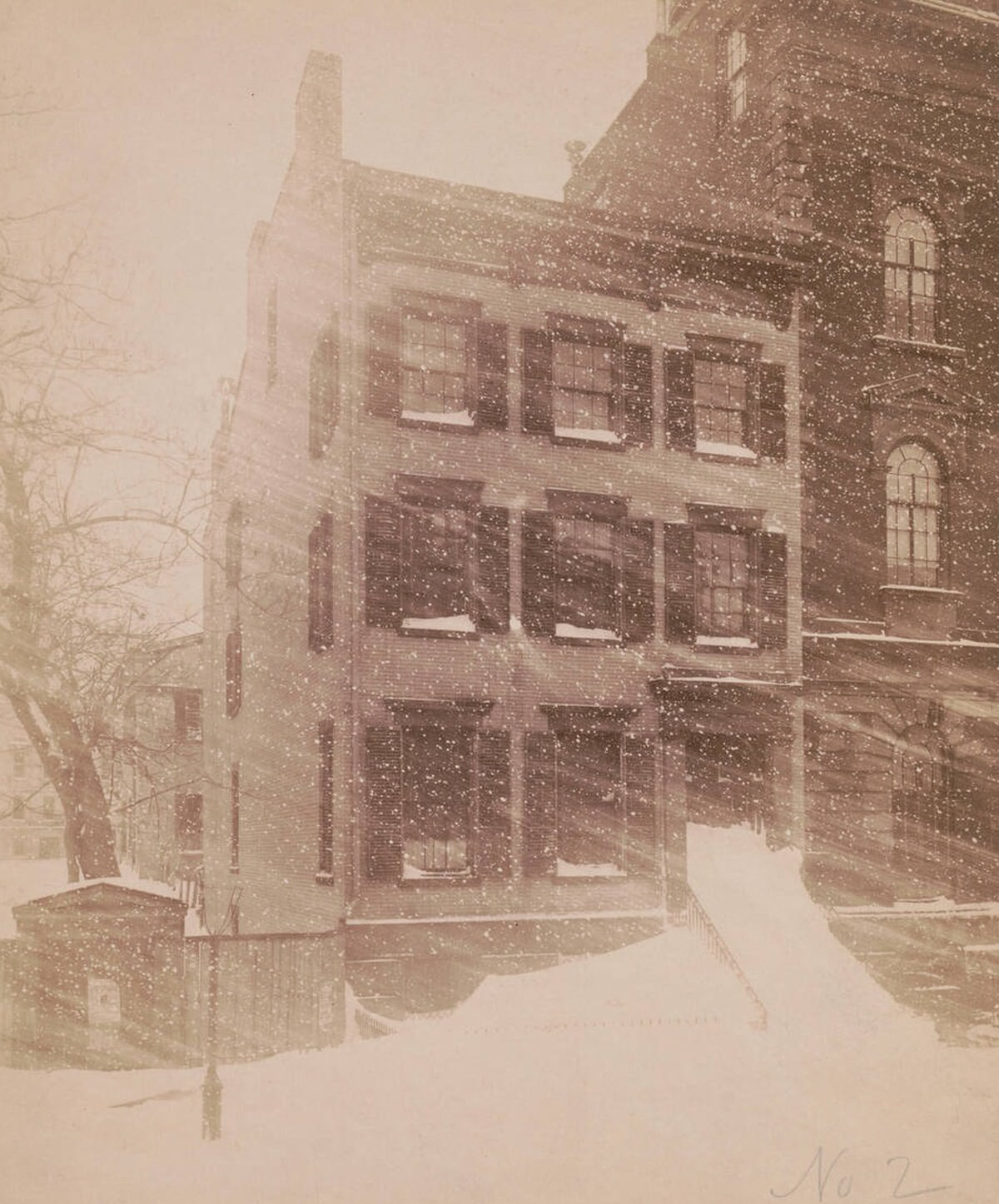
The destruction at sea was just as severe. Over 200 vessels were grounded or sunk between Chesapeake Bay and New England. Hurricane-force winds pushed ships into each other in New York Harbor, causing massive damage. The pilot boat Columbia was lost with all hands near the harbor entrance. Sailors died from exposure to freezing spray and wind. Rescue crews on shore could not launch lifeboats because the surf was too violent to enter. More than 100 of the storm’s total death toll of over 400 people died at sea.
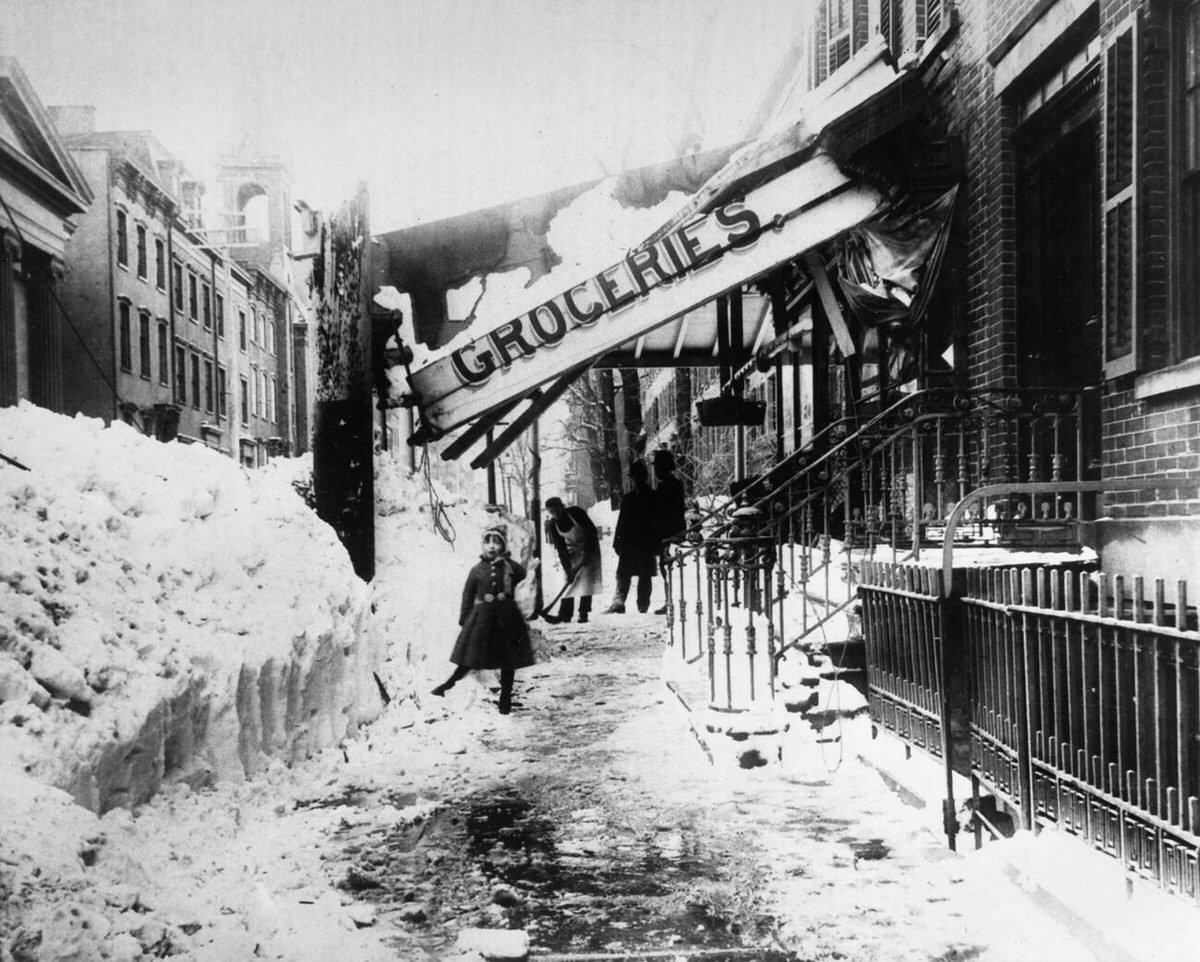
Inside the buried cities, a slower crisis was unfolding. Most homes in 1888 were heated by coal, and as the storm dragged on through multiple days, coal deliveries became impossible. Families burned furniture to stay warm. Food ran out fast. In New York, the price of a single loaf of bread shot from five cents to one dollar in a single day. Milk was nowhere to be found because the trains carrying it from upstate farms were frozen solid in snowbanks. Residents dug tunnels through the snow to move between houses and reach nearby grocery stores. These tunnels became the only way to travel on some streets.
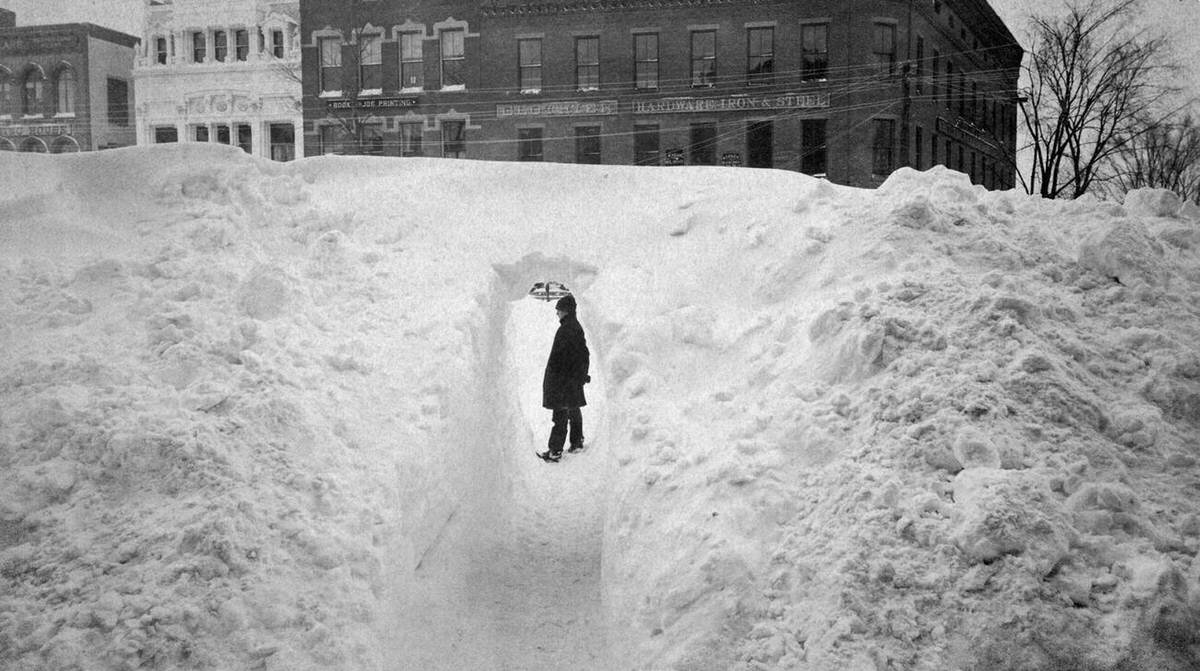
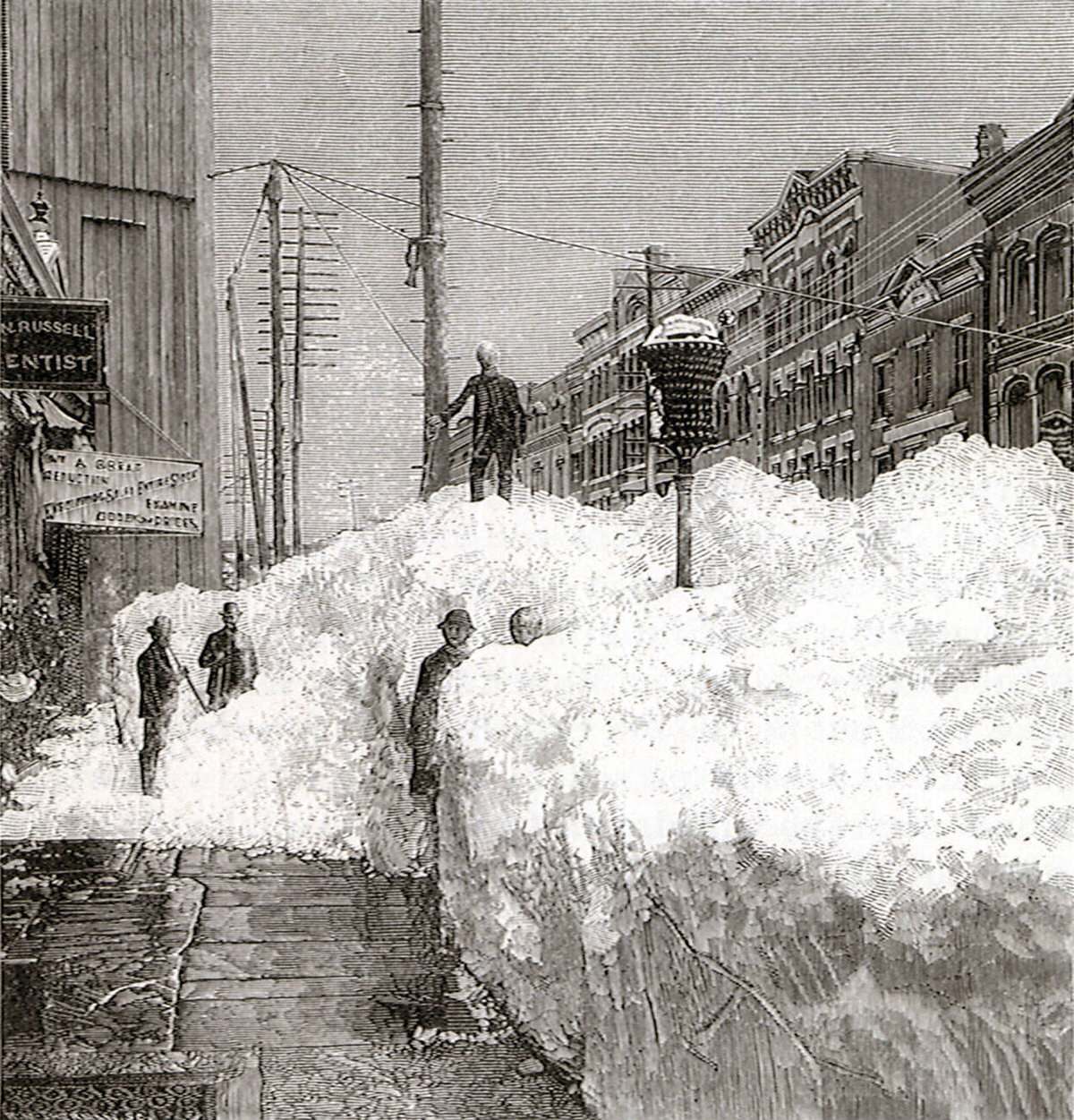
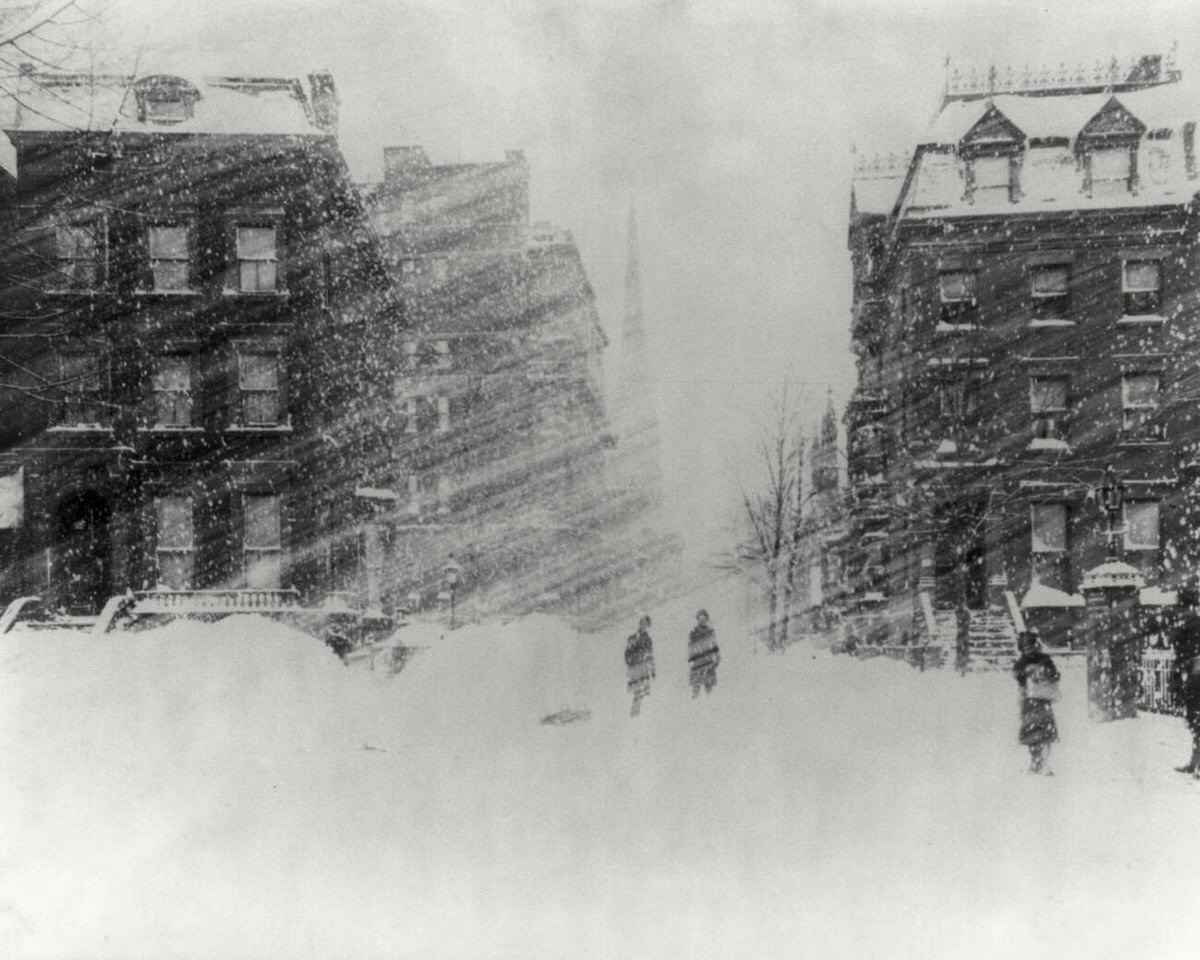
Emergency services broke down completely during the peak of the storm. Firefighters could not drag their heavy water engines through the drifts. When fires started, they burned without resistance because fire hydrants were buried under feet of ice and snow. Police officers could barely walk the streets. Whiteout conditions disoriented anyone who ventured outside. Senator Roscoe Conkling, a prominent New York politician, attempted to walk from his office to his club during the storm. He became trapped in a snowdrift and, weeks later, died from the effects of the exposure.
The overhead wire failures that cut off communication also reshaped how cities thought about infrastructure. In New York, the broken tangle of downed telegraph and telephone poles stretched for blocks in every direction, creating dangerous conditions for anyone trying to move through the streets below.
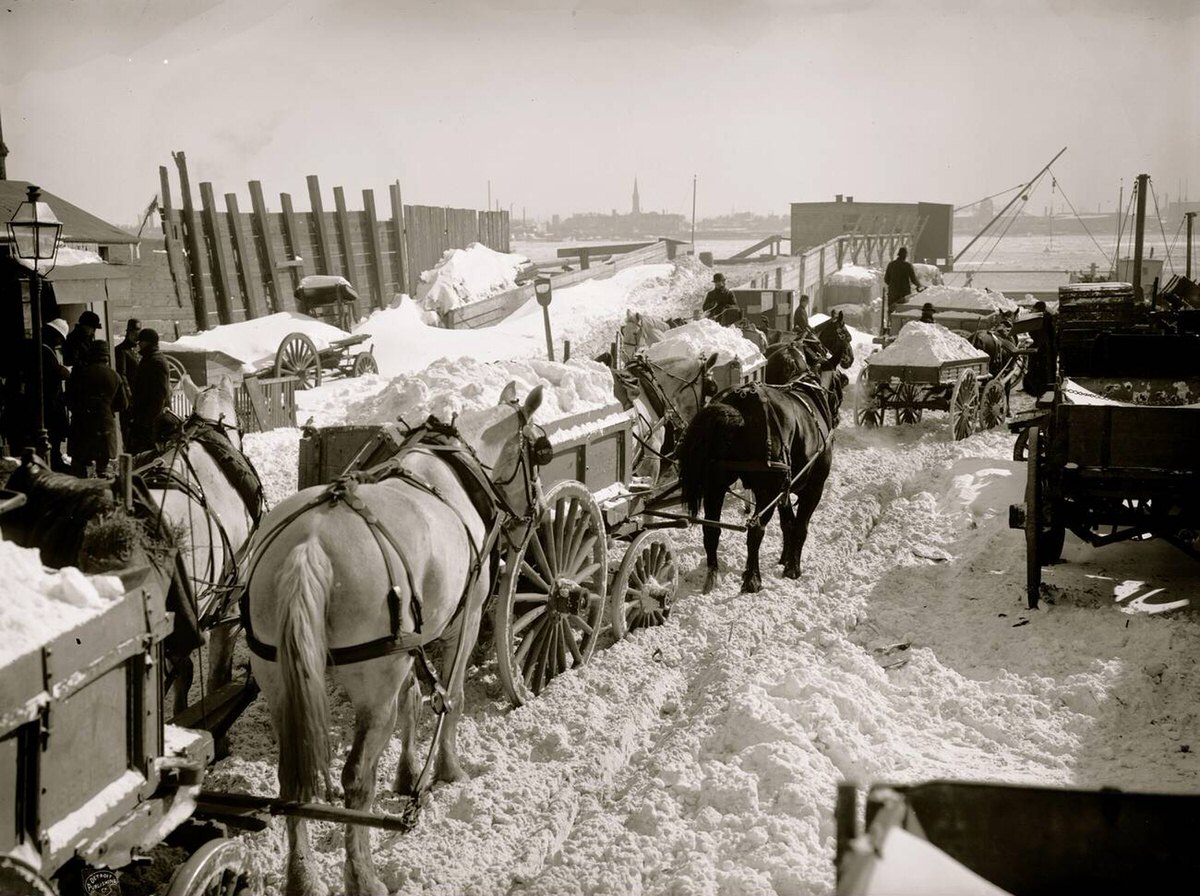
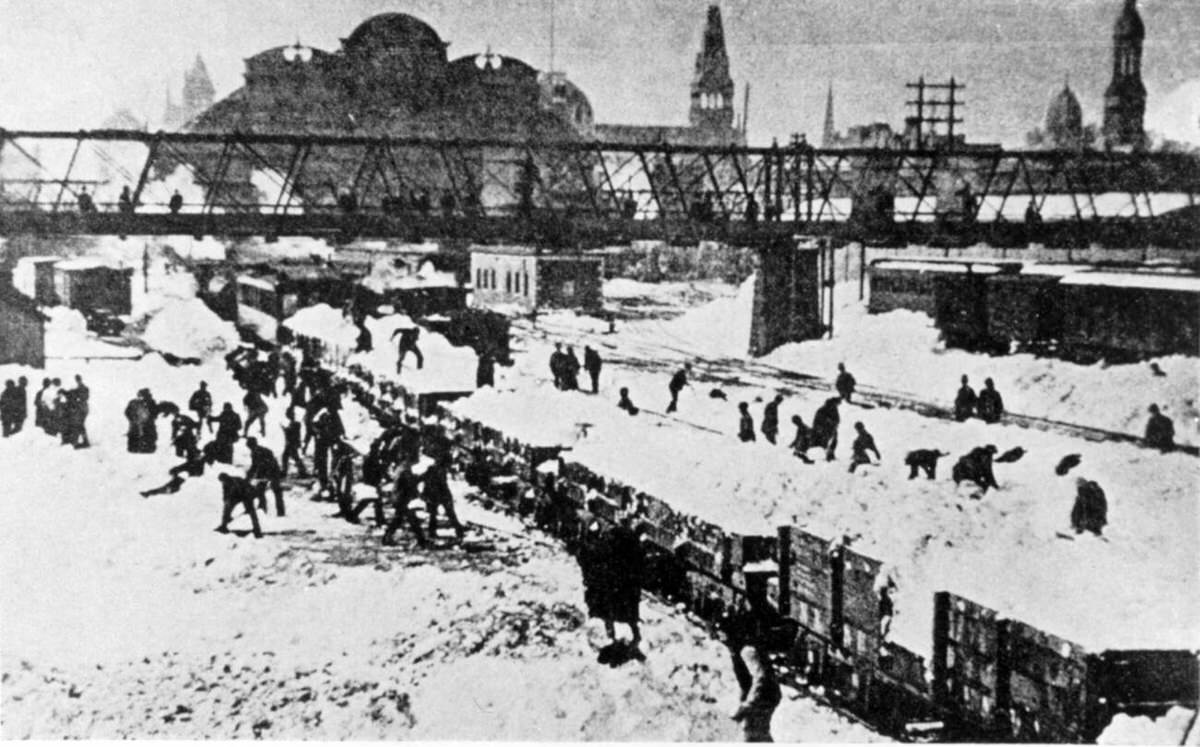
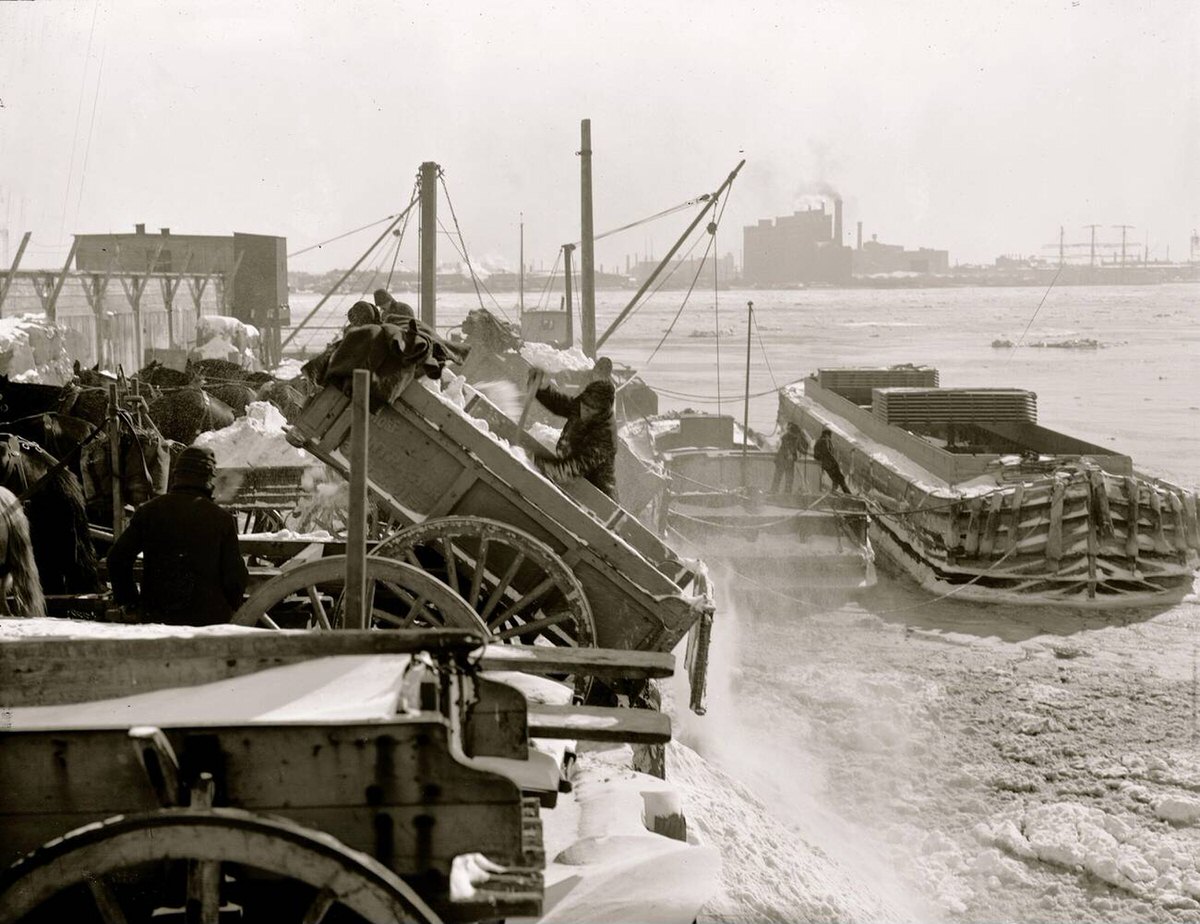
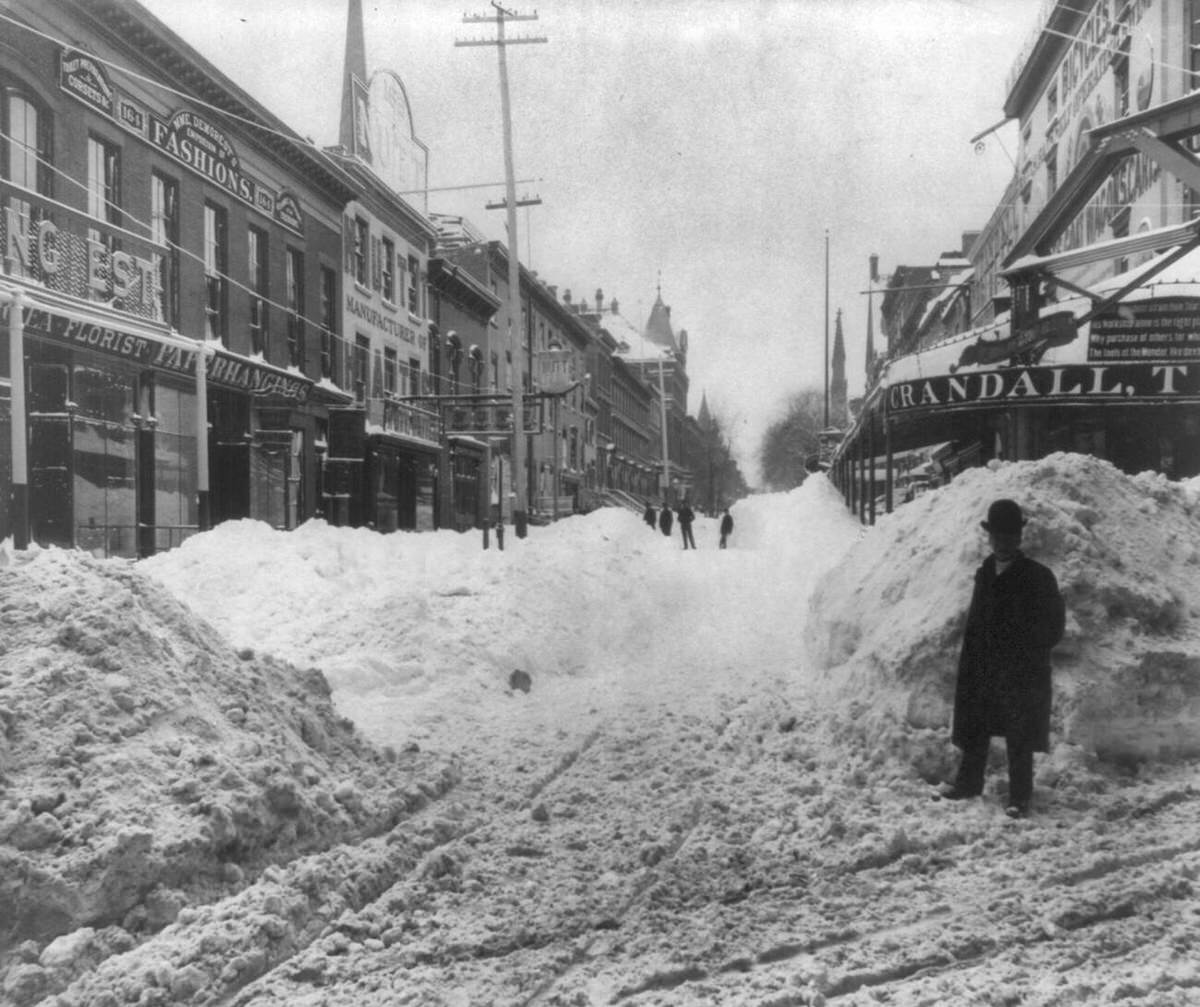
The snow finally stopped falling on March 14. The scale of what remained was staggering. New York City alone faced an estimated 20 million tons of snow. The city hired 17,000 men to clear the streets, paying them roughly $2.00 per day — a high wage for the era. Workers used horse-drawn plows and hand shovels to push the snow into the East River and the Hudson River. It was slow, dangerous work. As the sun returned, the massive snowpack began melting rapidly, causing flooding in cellars and low-lying areas throughout the region.
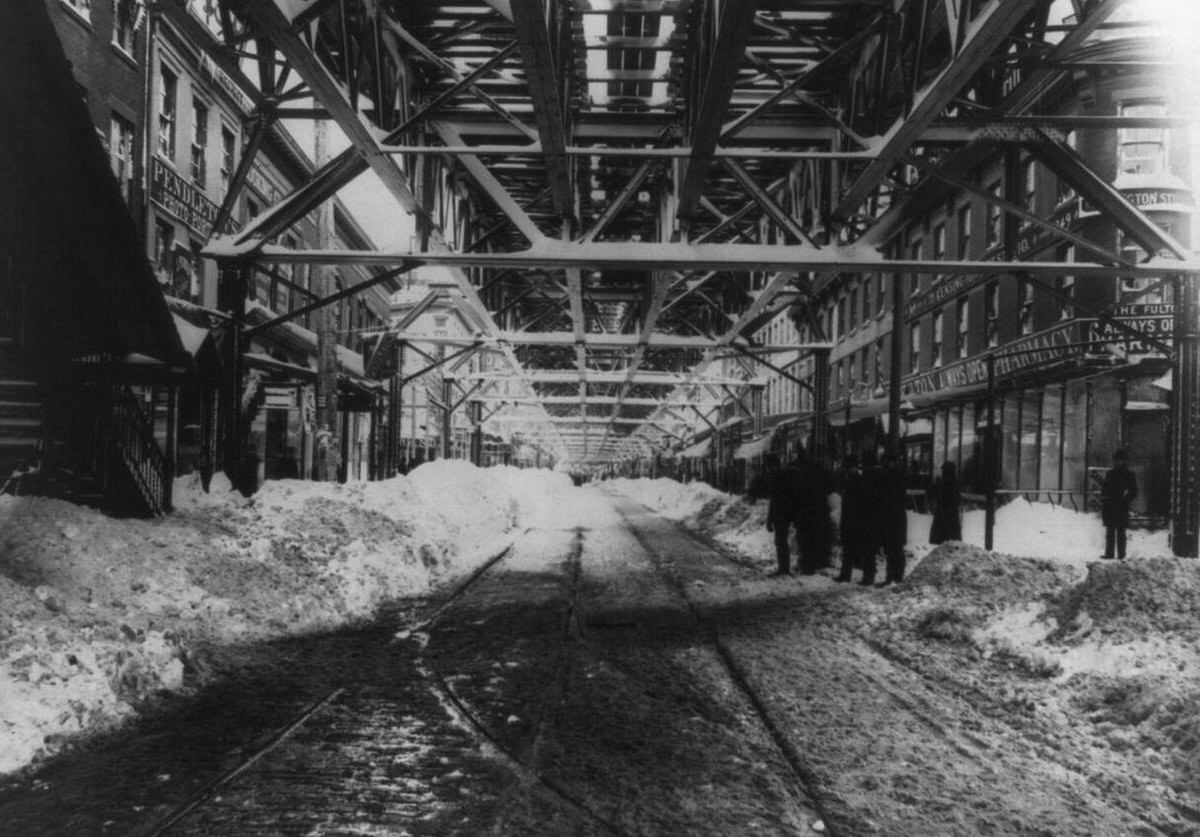
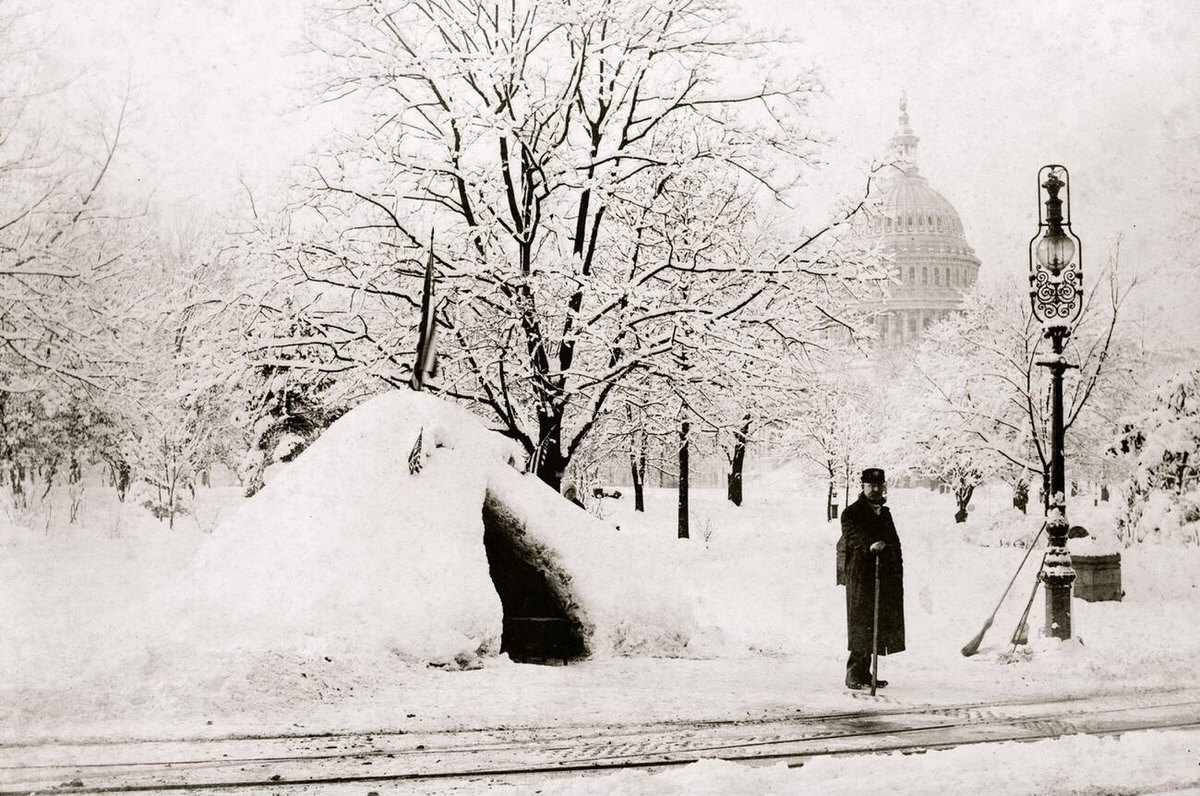
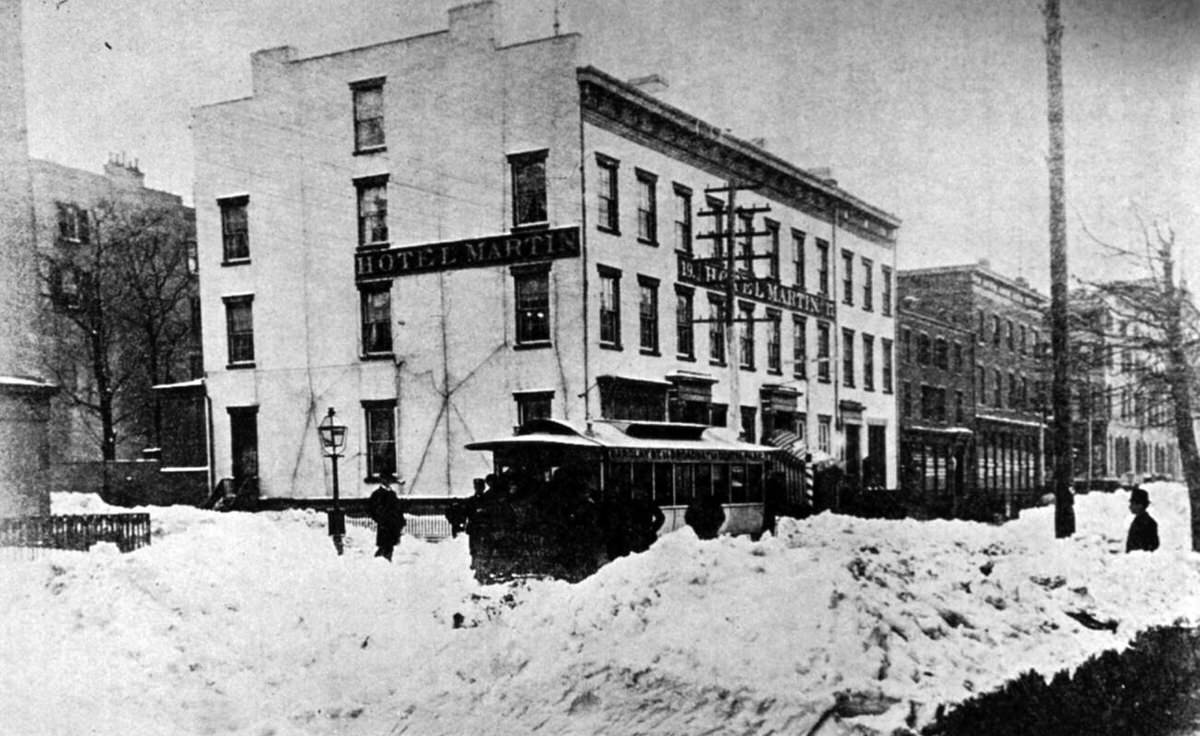
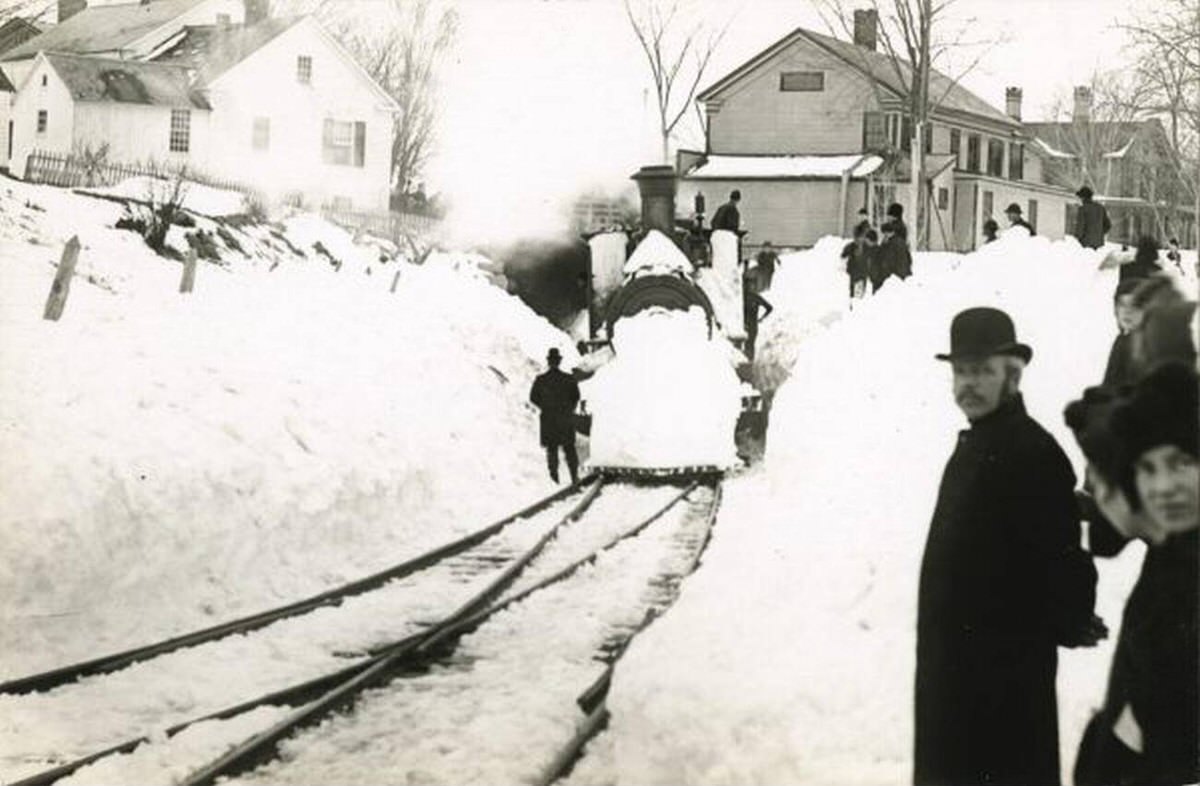
Railway companies sent thousands of workers out to dig the tracks free by hand. It took more than a week before trains were running again between New York and Albany. In smaller towns and rural areas across New England and the mid-Atlantic, the recovery took even longer. Roads that had been carved out one day were often refilled by wind-shifted drifts the next.
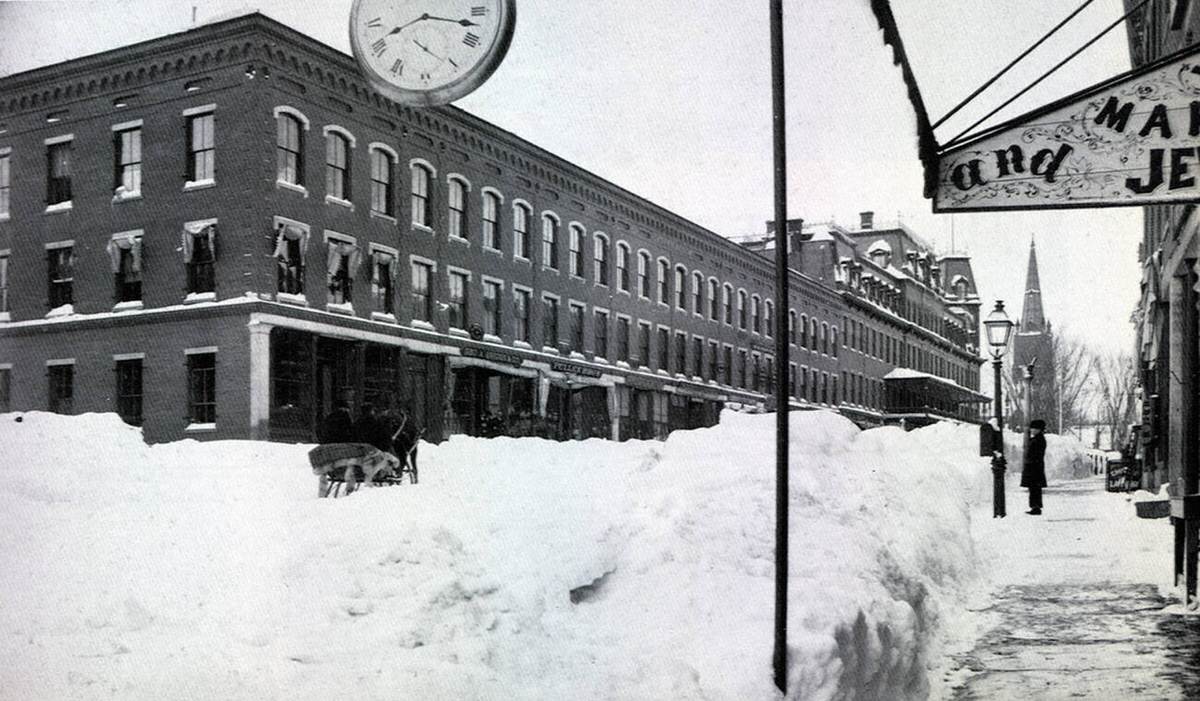
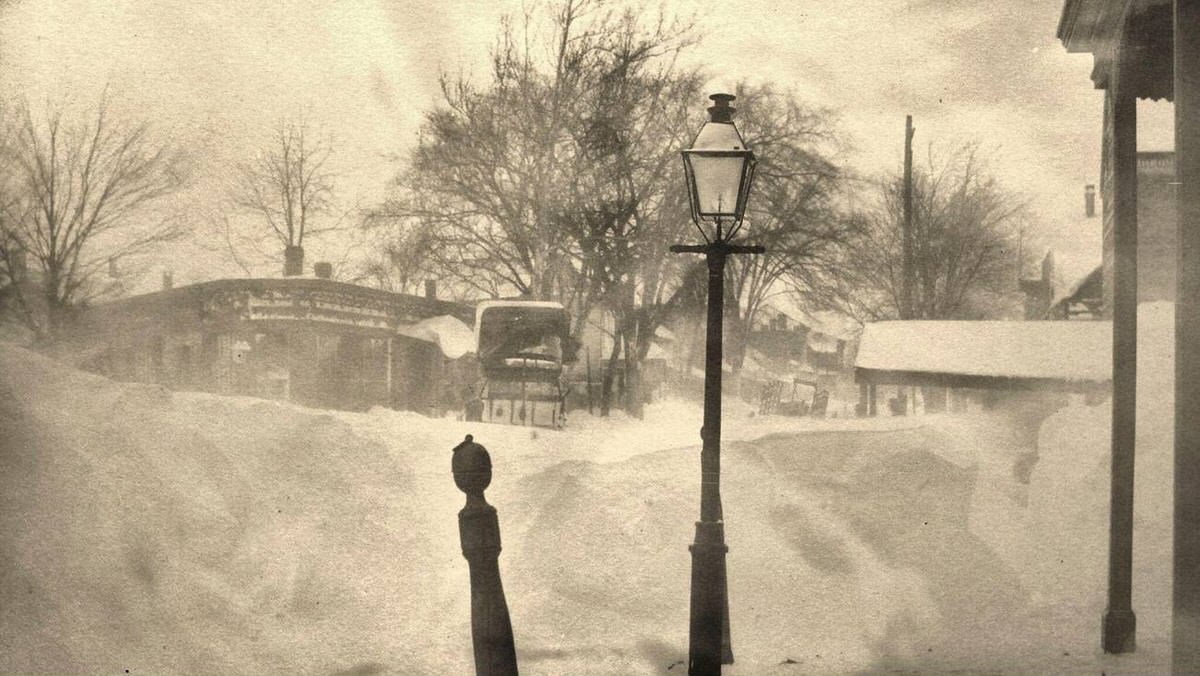
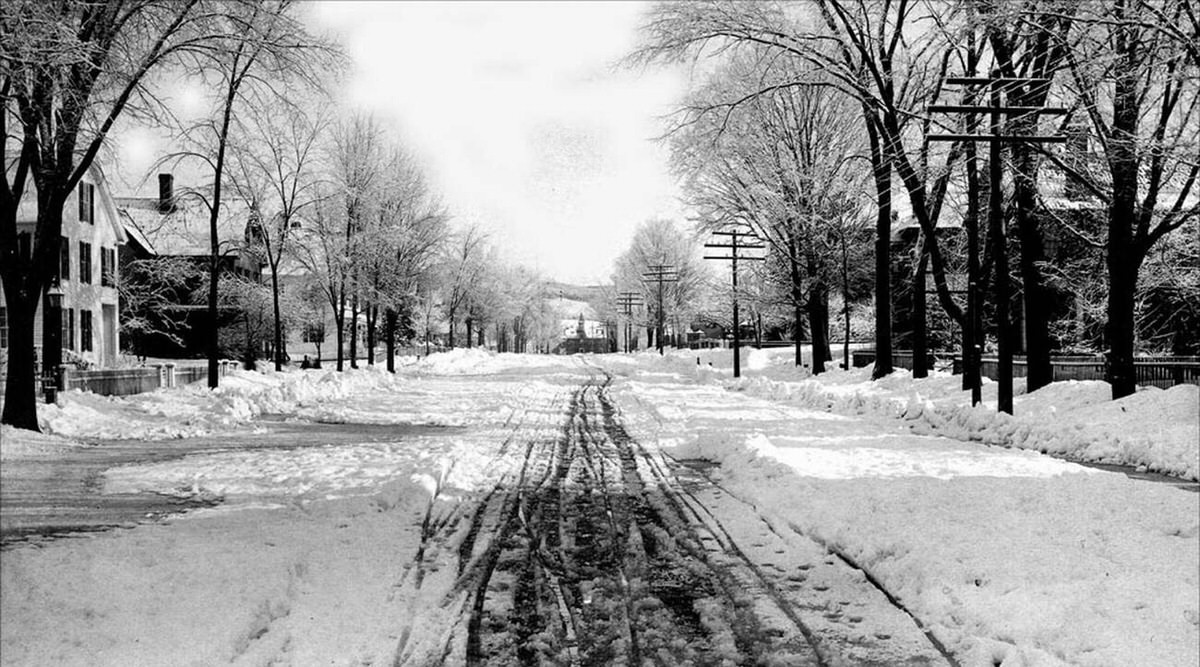
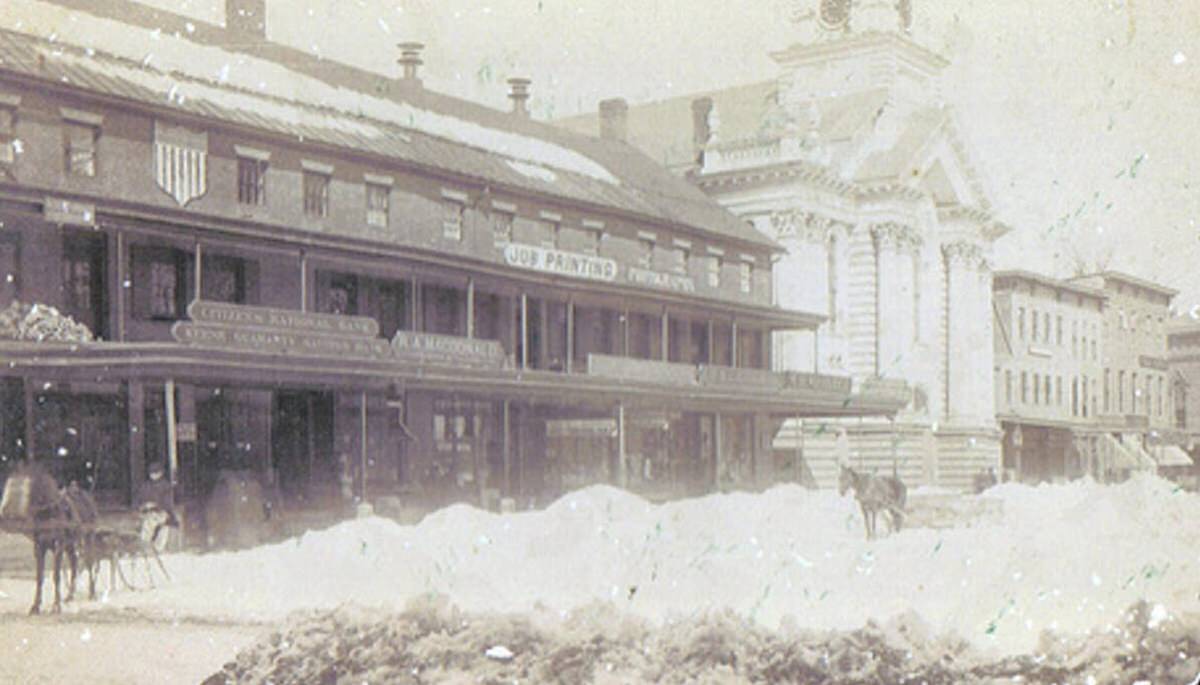
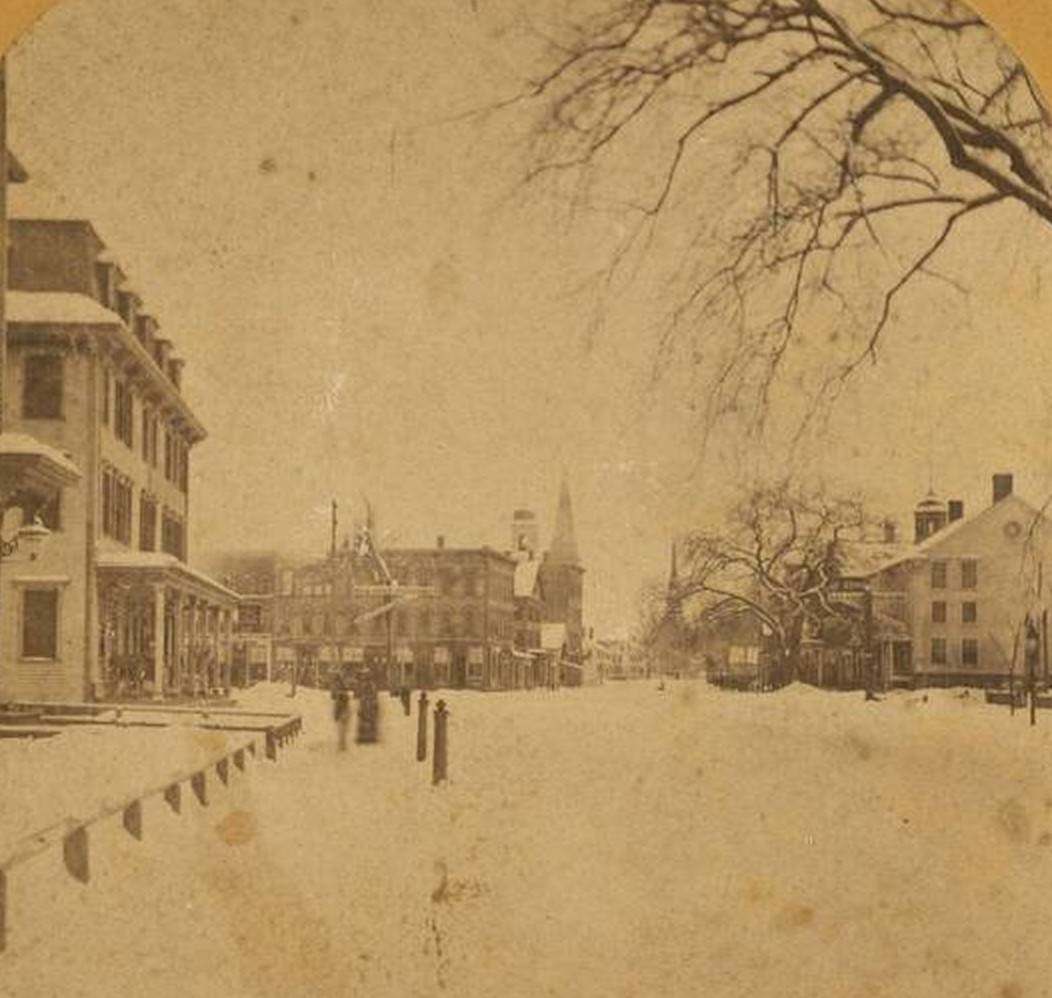
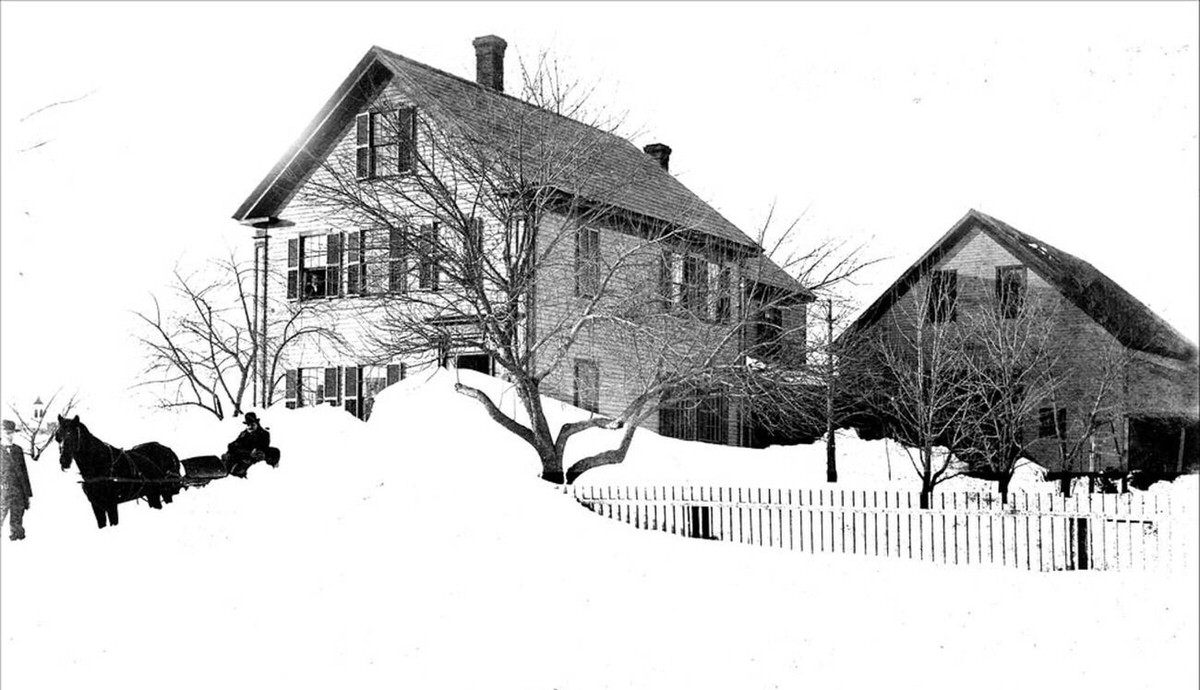
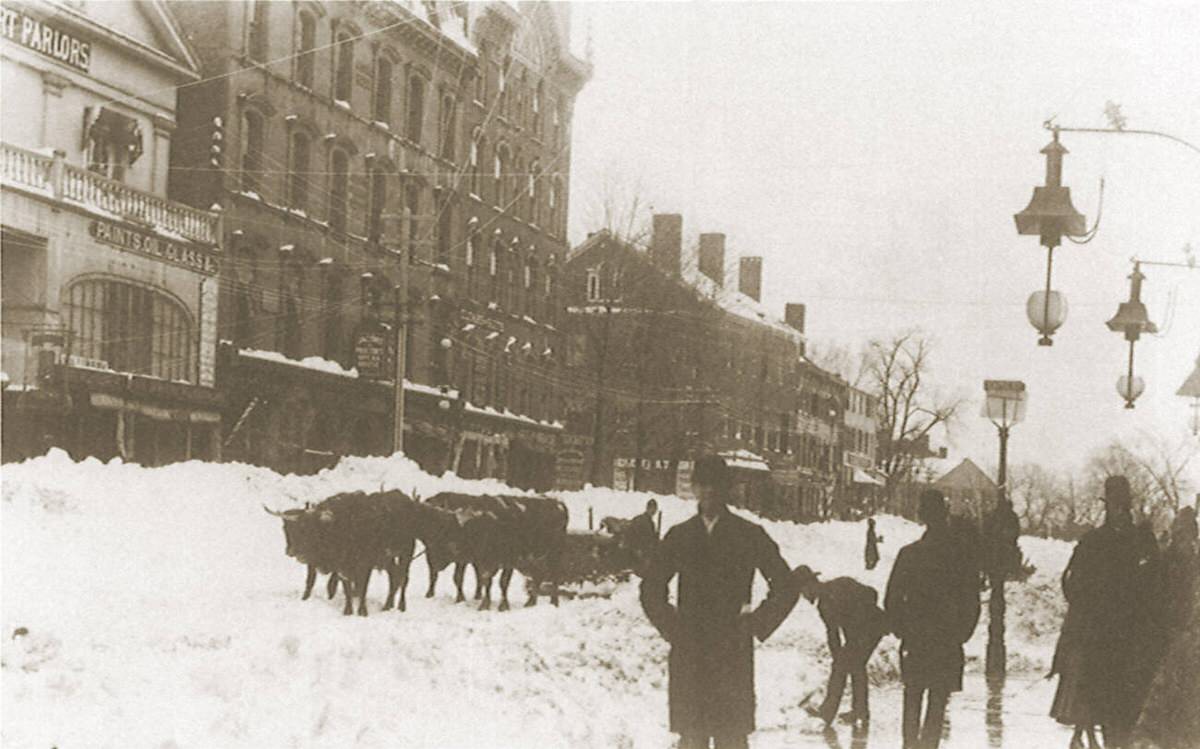
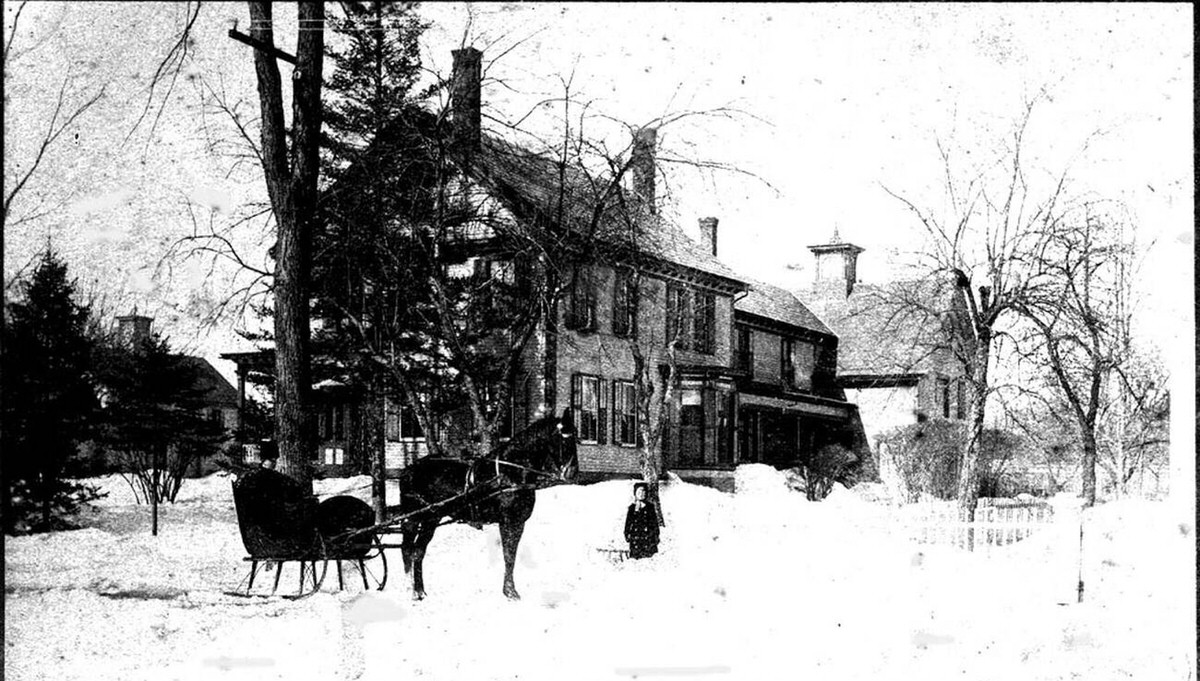
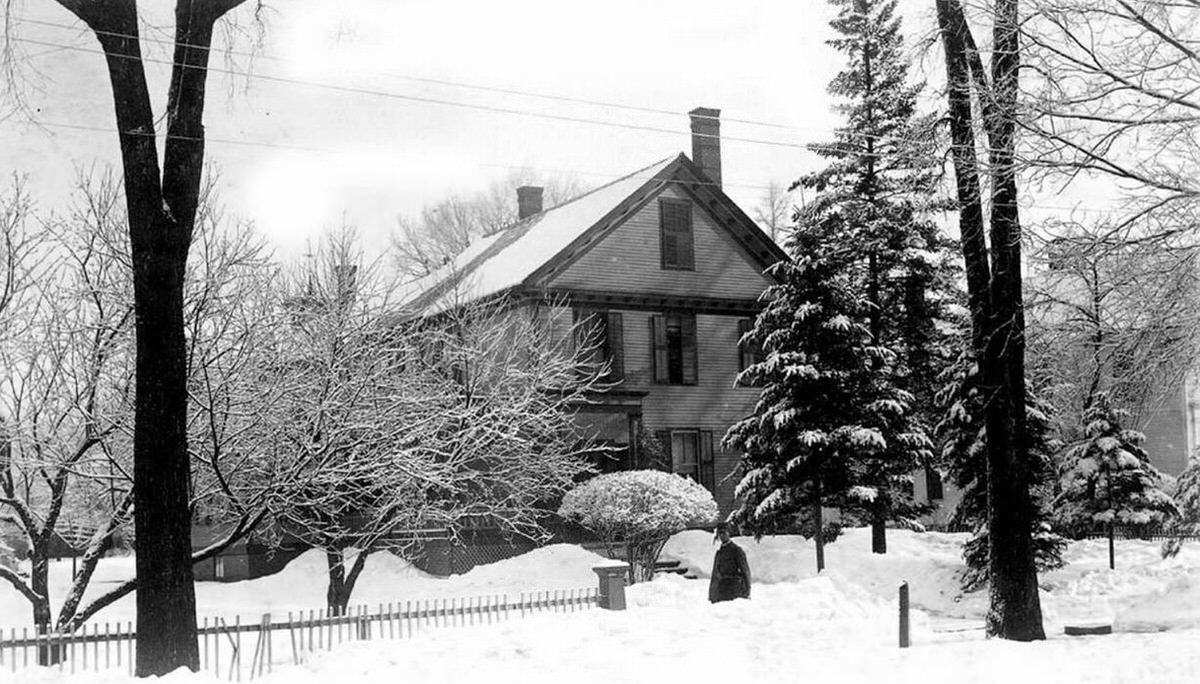
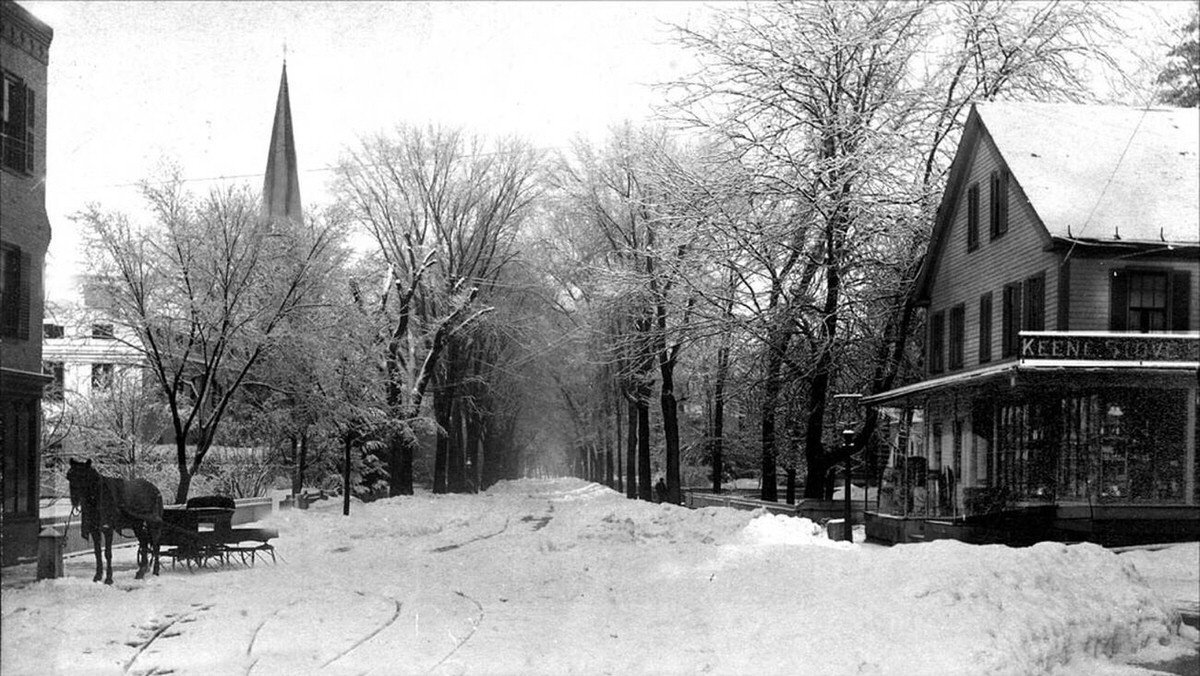
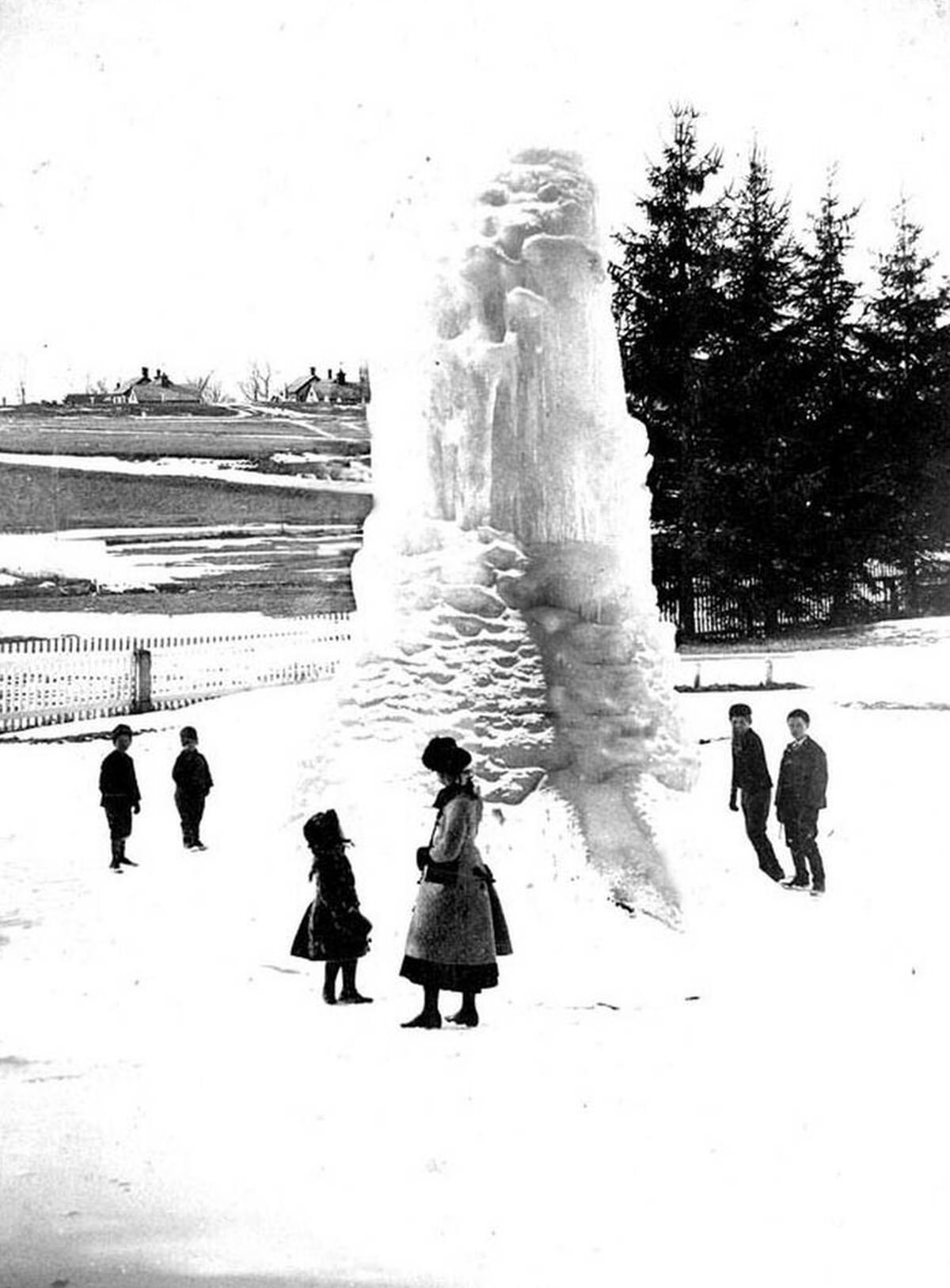
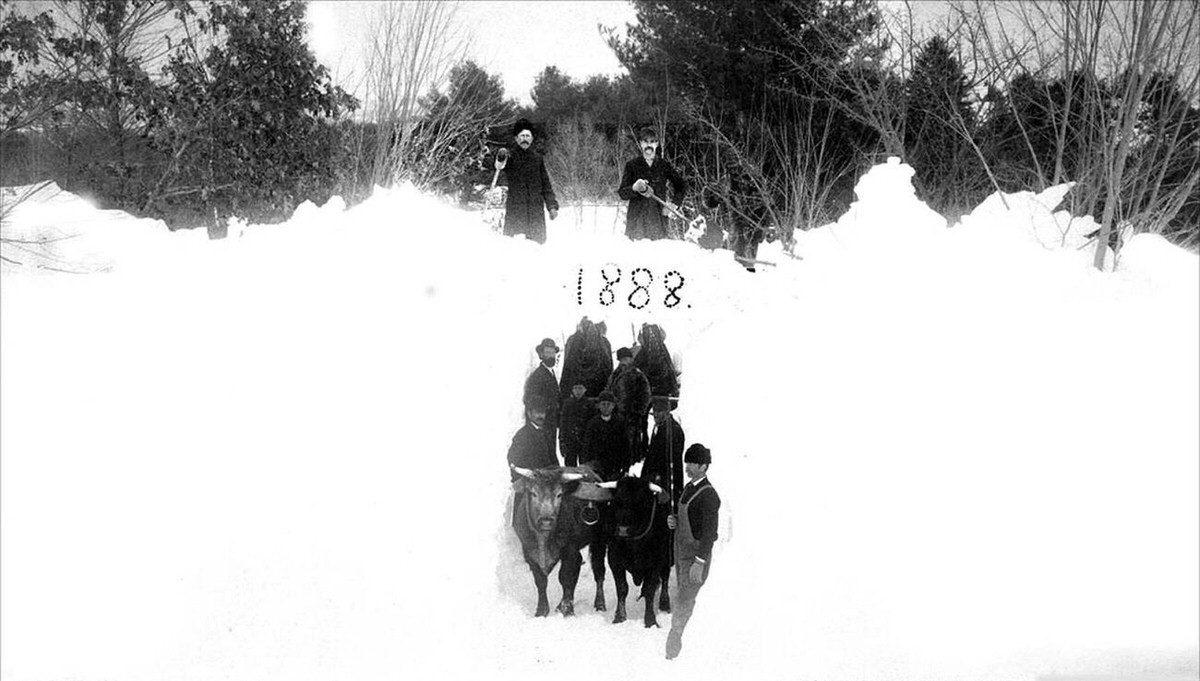
Towns across New Hampshire were among the hardest hit outside of the major cities. Keene, New Hampshire documented the storm extensively, and the photographs taken there show the full force of what the blizzard left behind. Drifts swallowed the lower floors of houses. Cemetery grounds disappeared under walls of packed snow. Streets became unrecognizable.
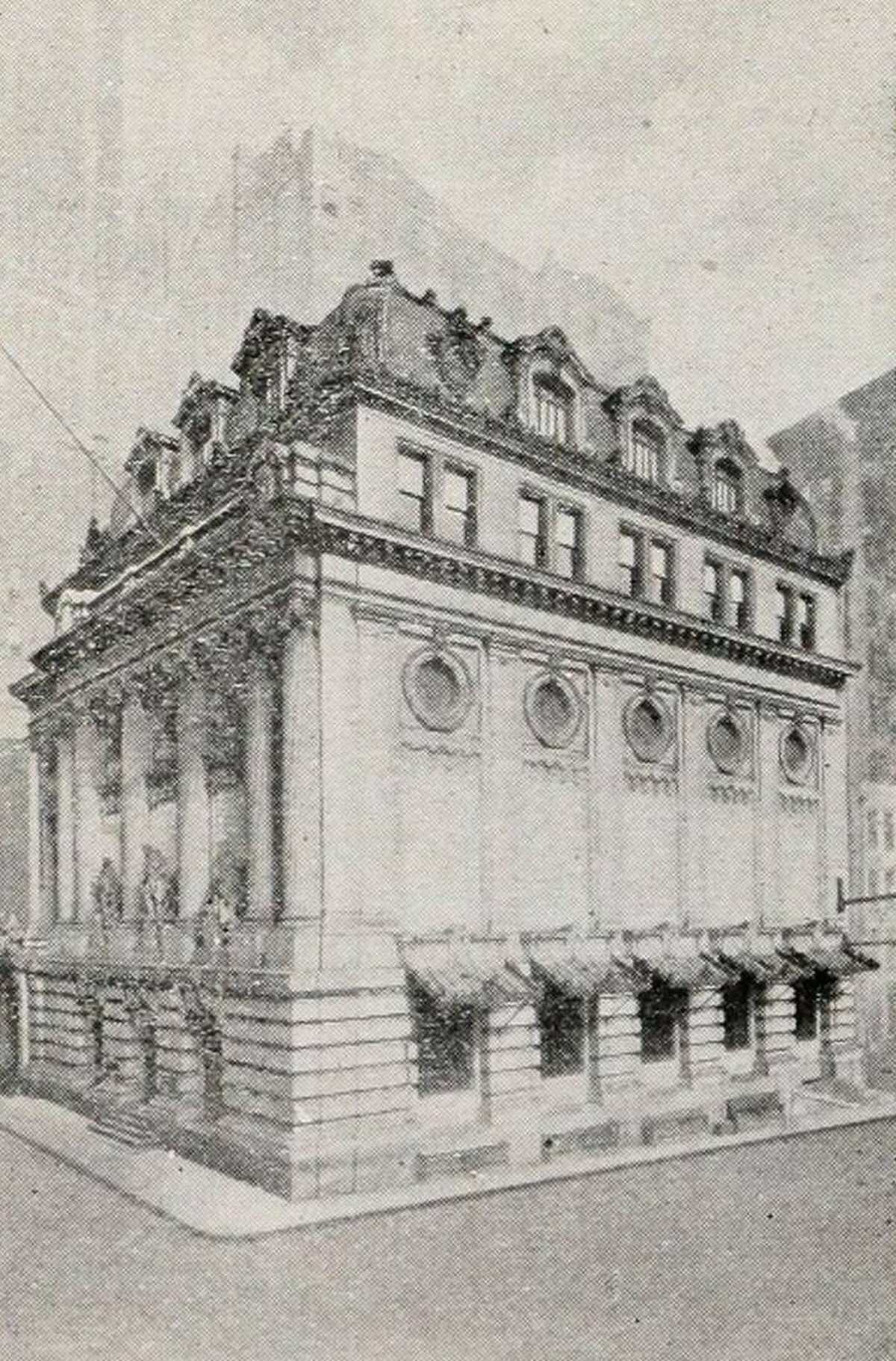
The human toll of the storm was mourned across the region. Memorials appeared in public spaces for those who had died. More than 400 people in total lost their lives, making the Great Blizzard of 1888 one of the deadliest weather events in American history.
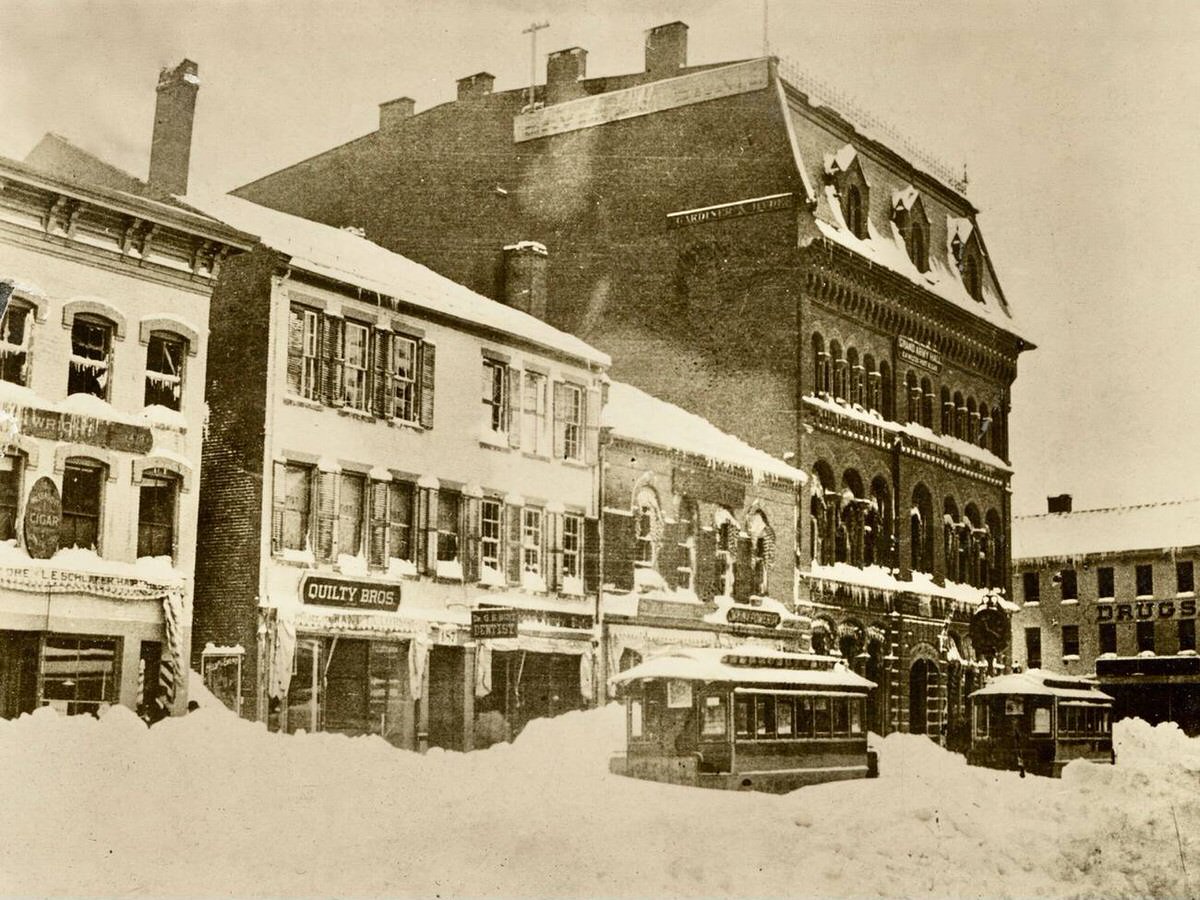
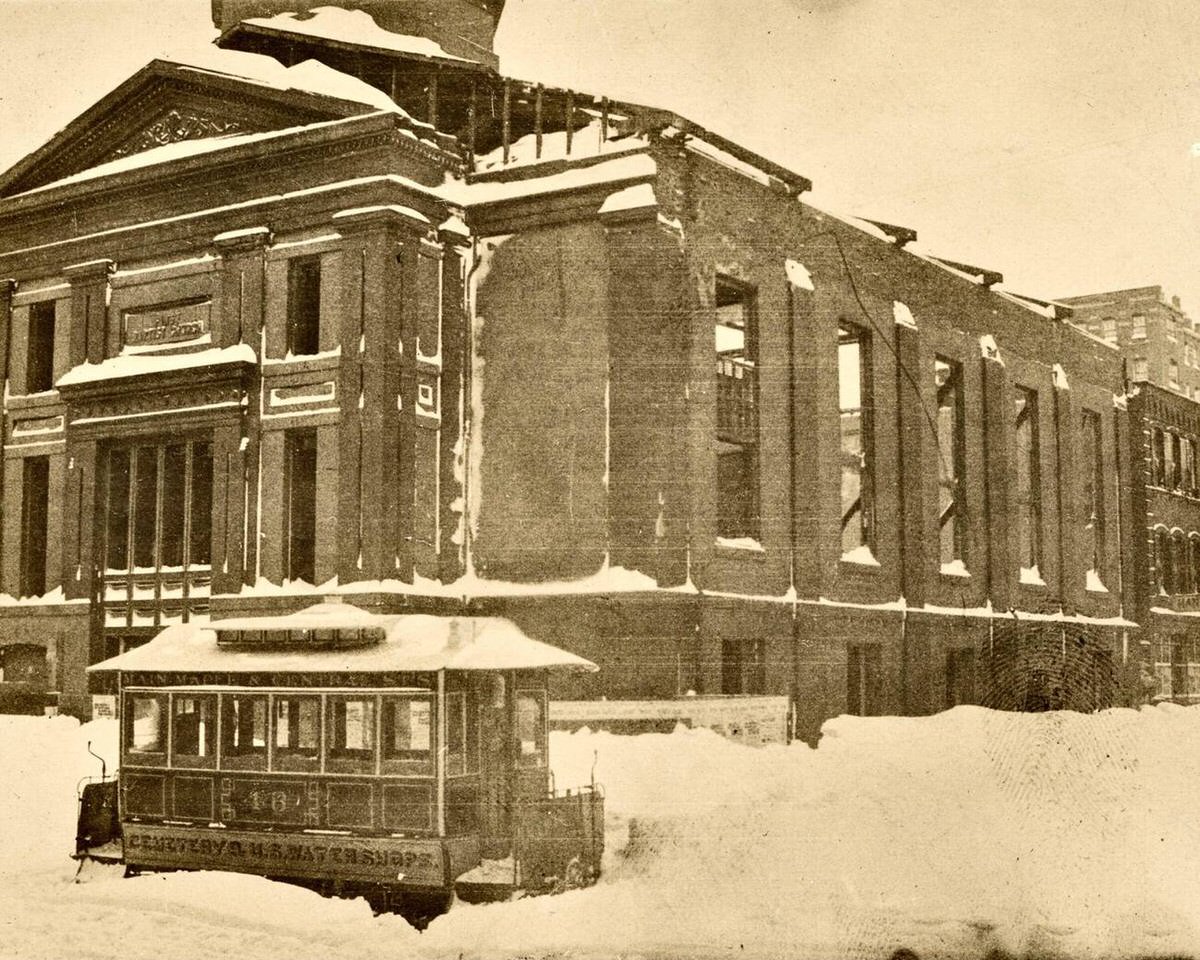
The storm’s reach extended well beyond New York. Washington D.C. saw streetcars frozen in their tracks, and the landscape around the U.S. Capitol was blanketed under feet of snow. Cities from Connecticut to New Jersey to Massachusetts all struggled with the same collapsed infrastructure, the same buried roads, and the same desperate shortage of basic supplies.
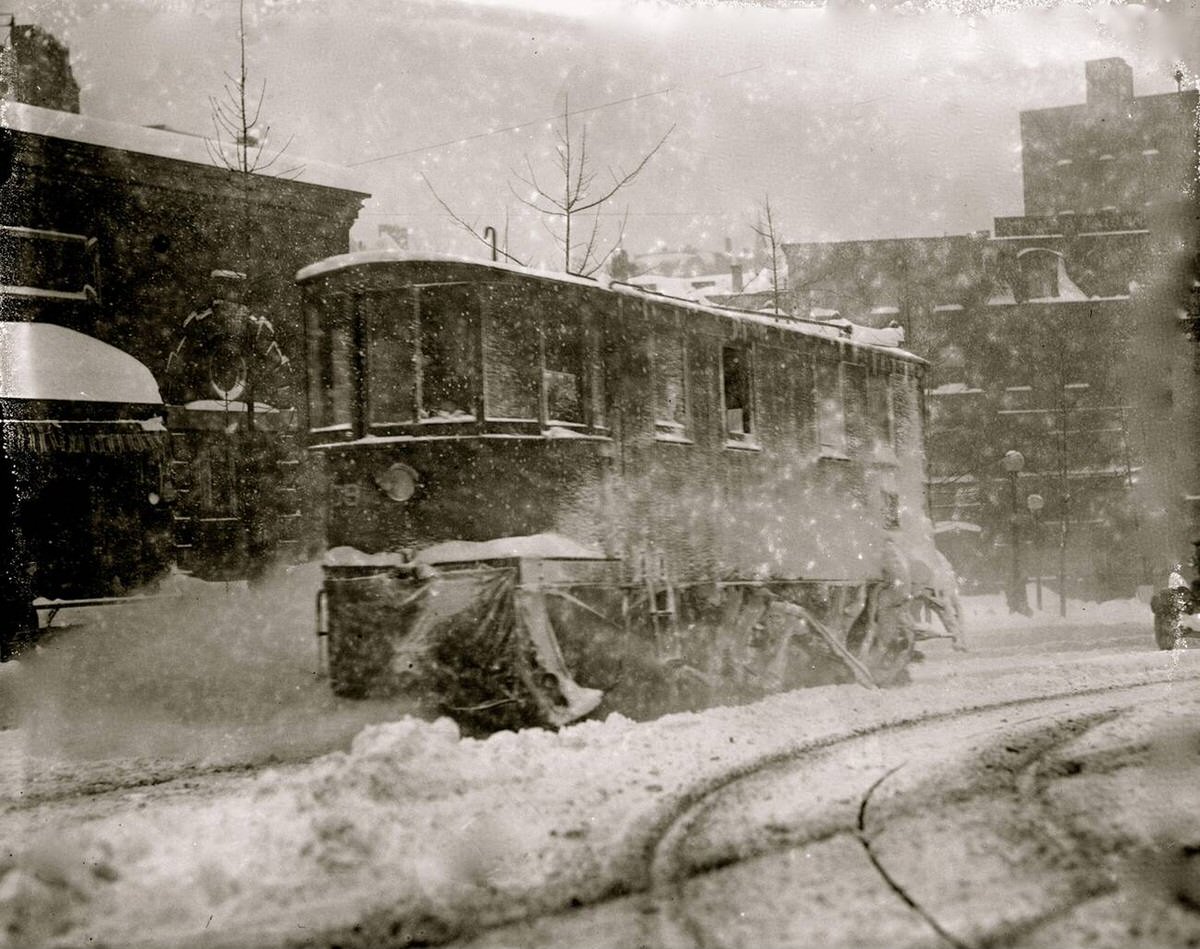
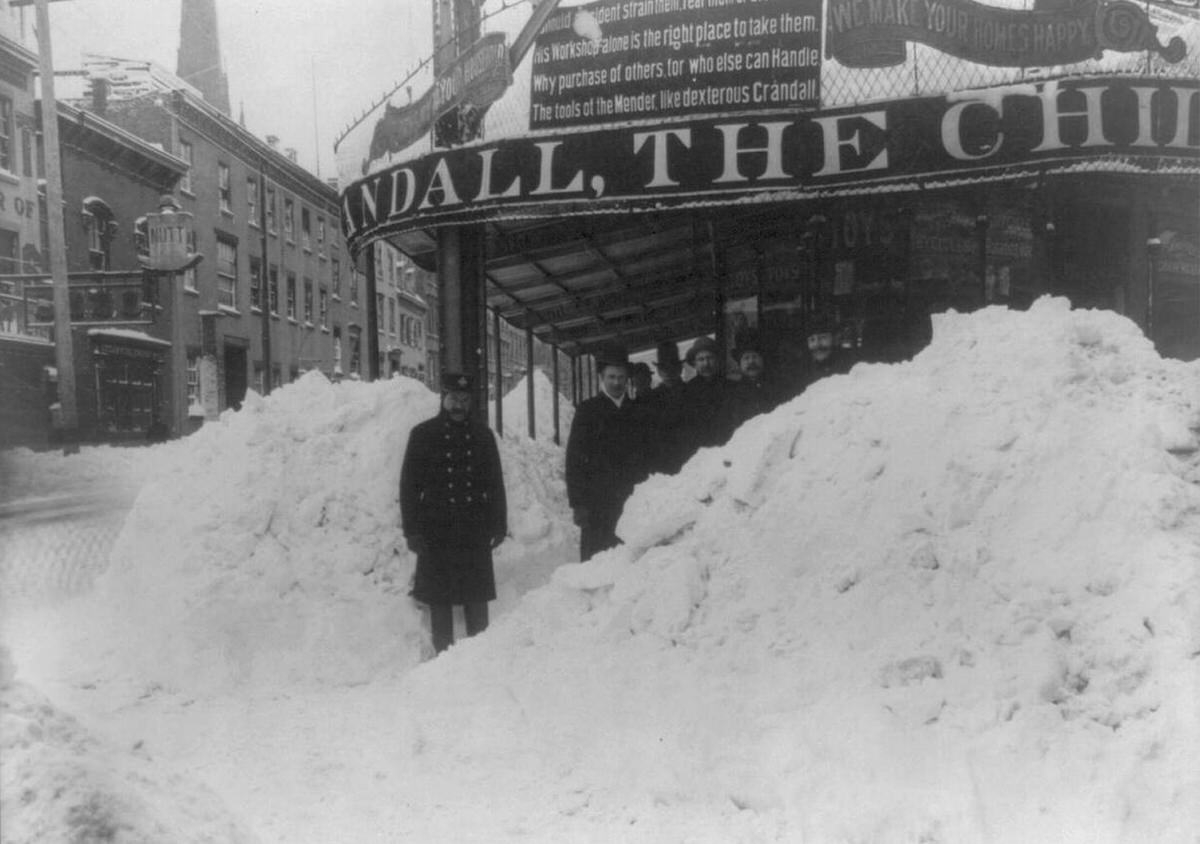
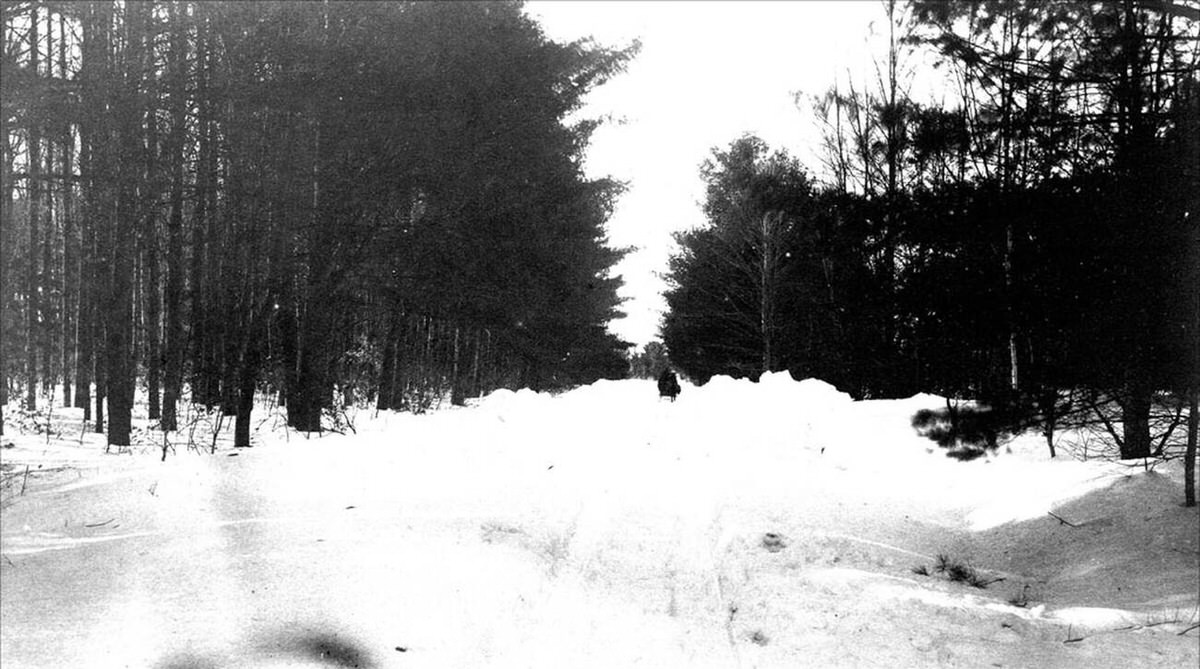
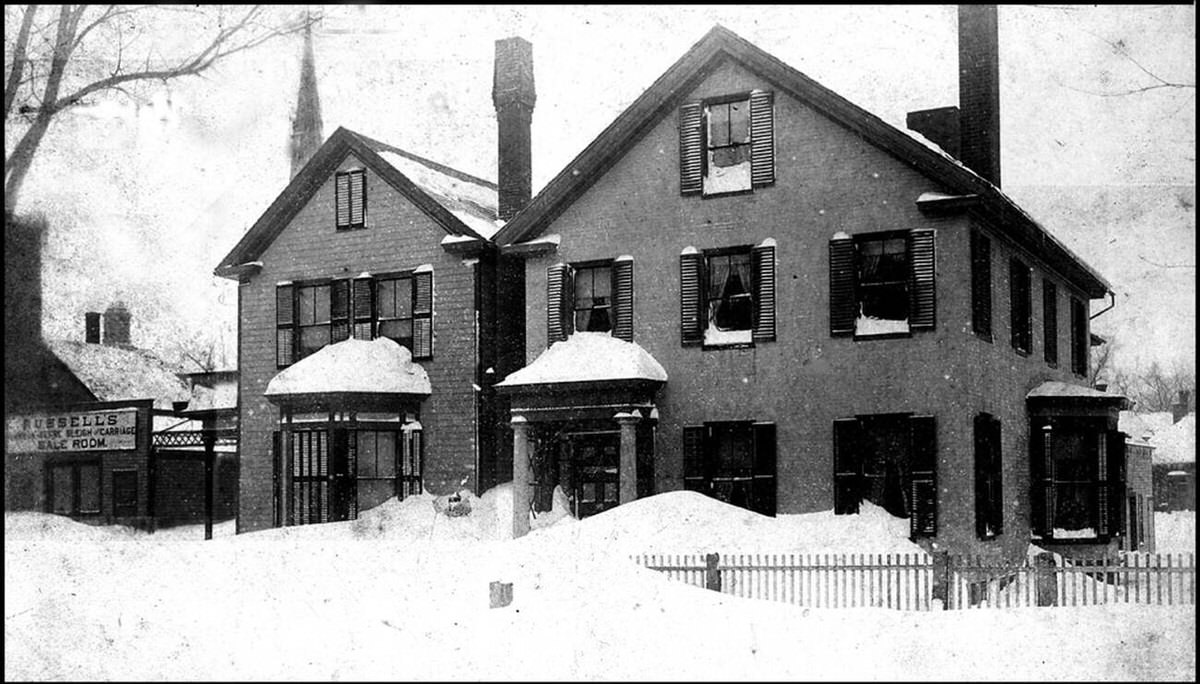
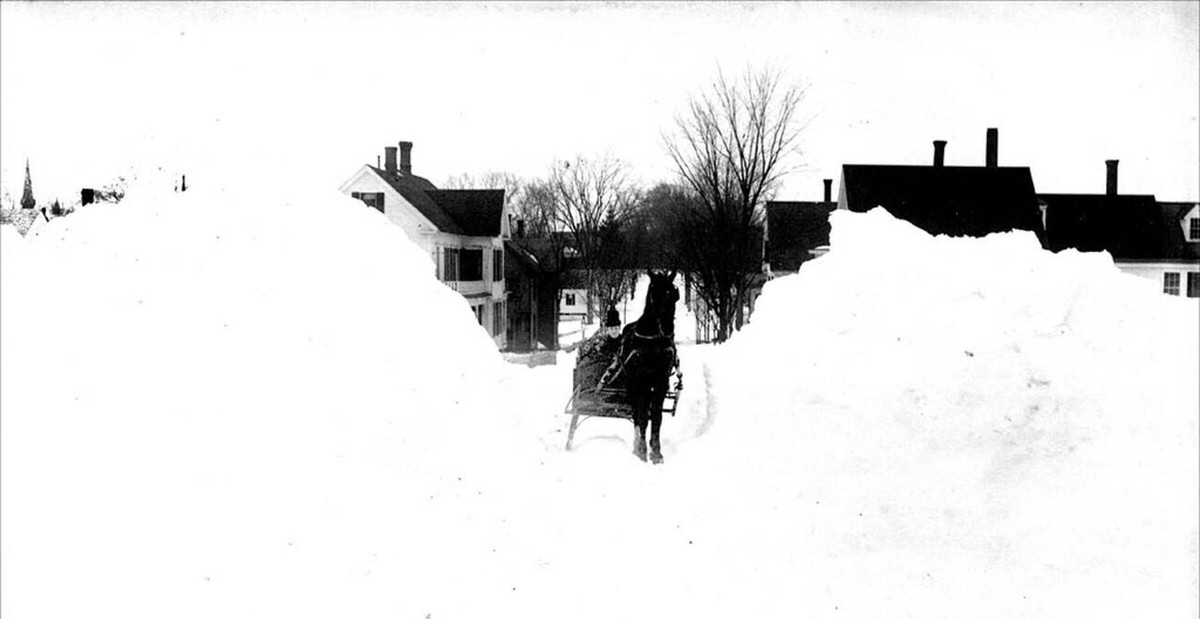
In Keene, local photographers documented the aftermath with remarkable detail. Horse-drawn teams from local businesses like Wilbur’s Market attempted to navigate streets that had been transformed into deep snow canyons. Sleighs replaced carriages as the only practical way to move. Even after roads were partially cleared, drifts along roadsides towered over the heads of horses and drivers alike.
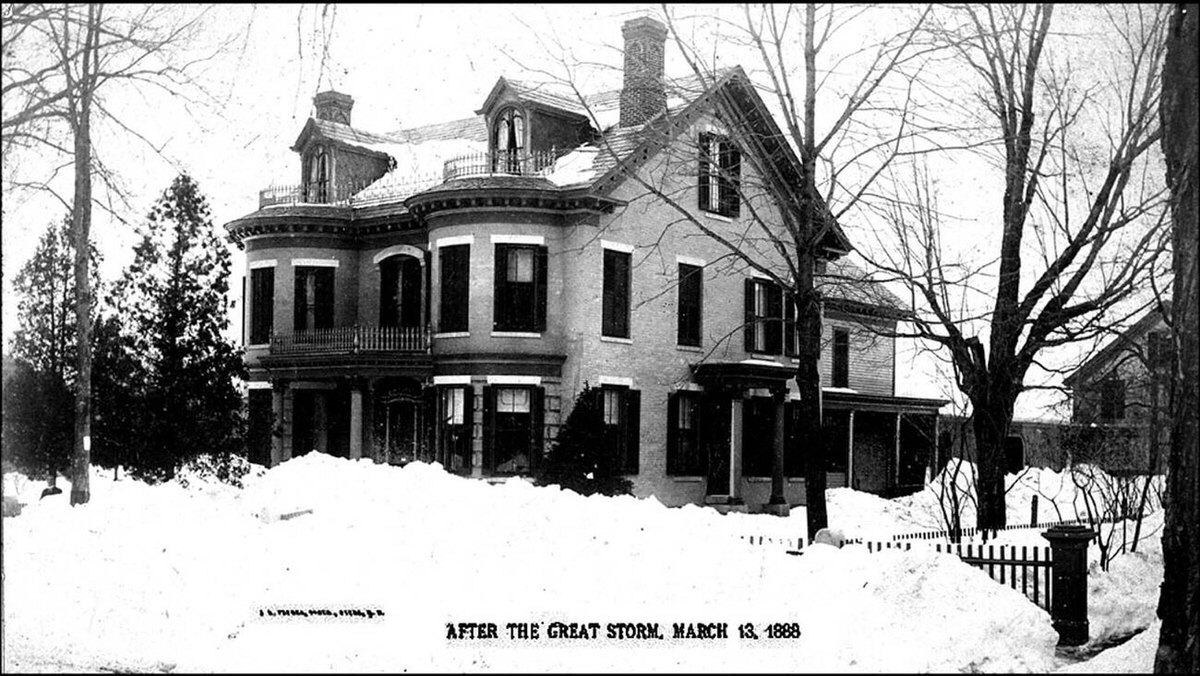
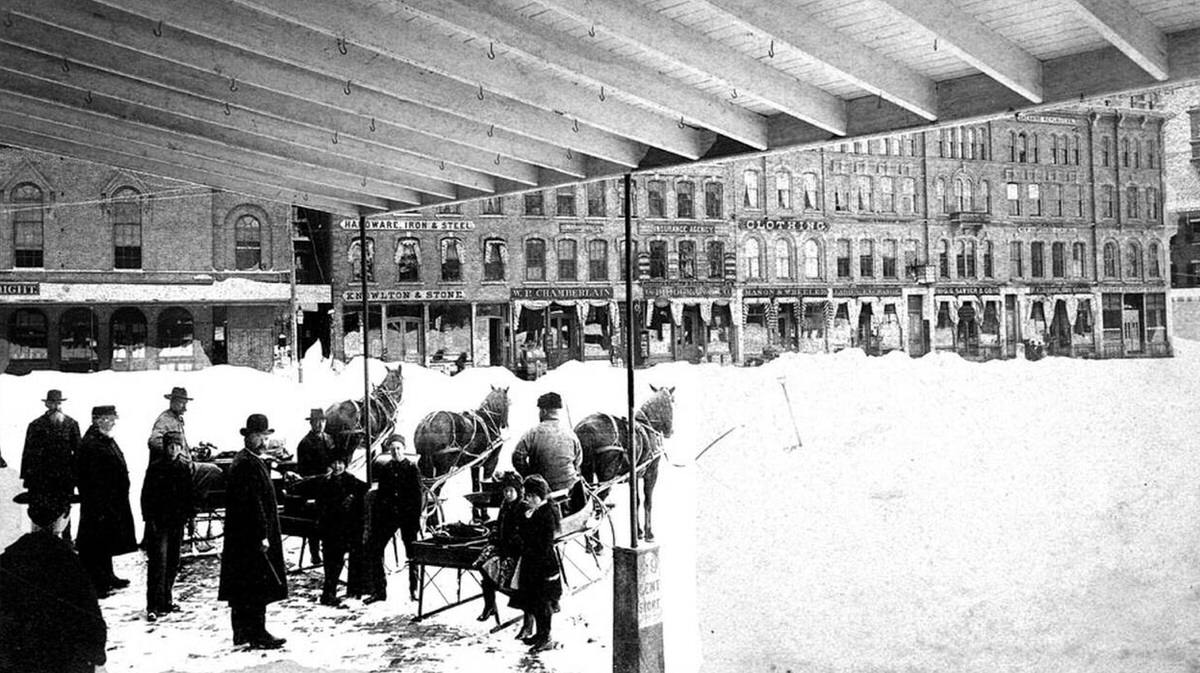
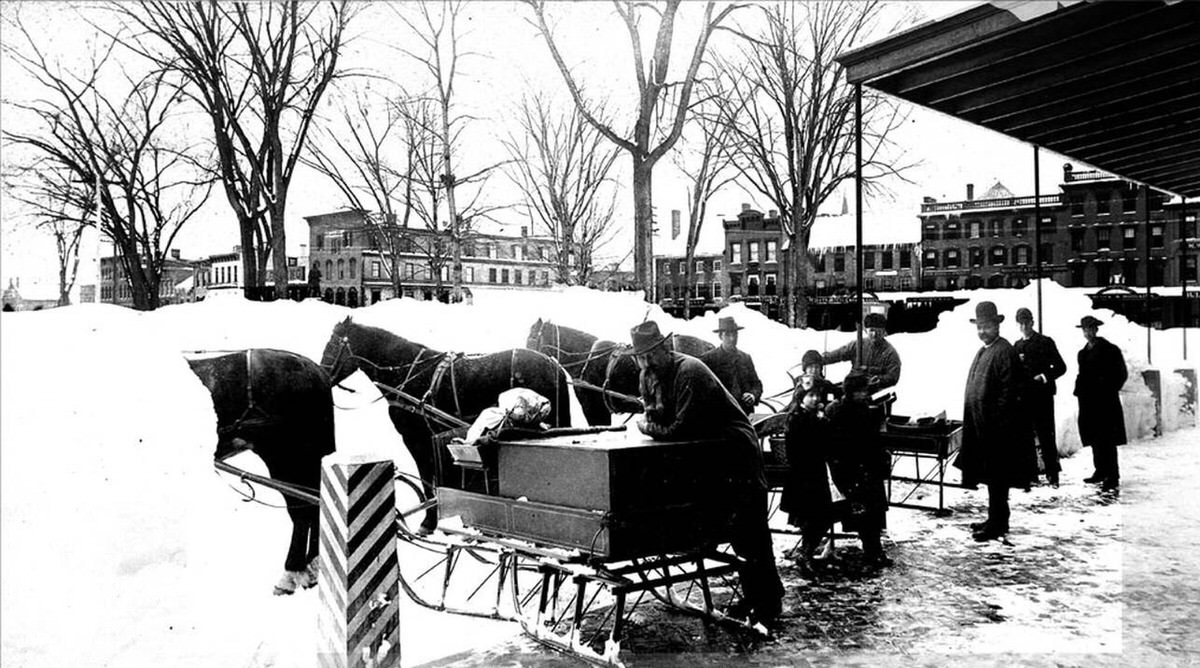
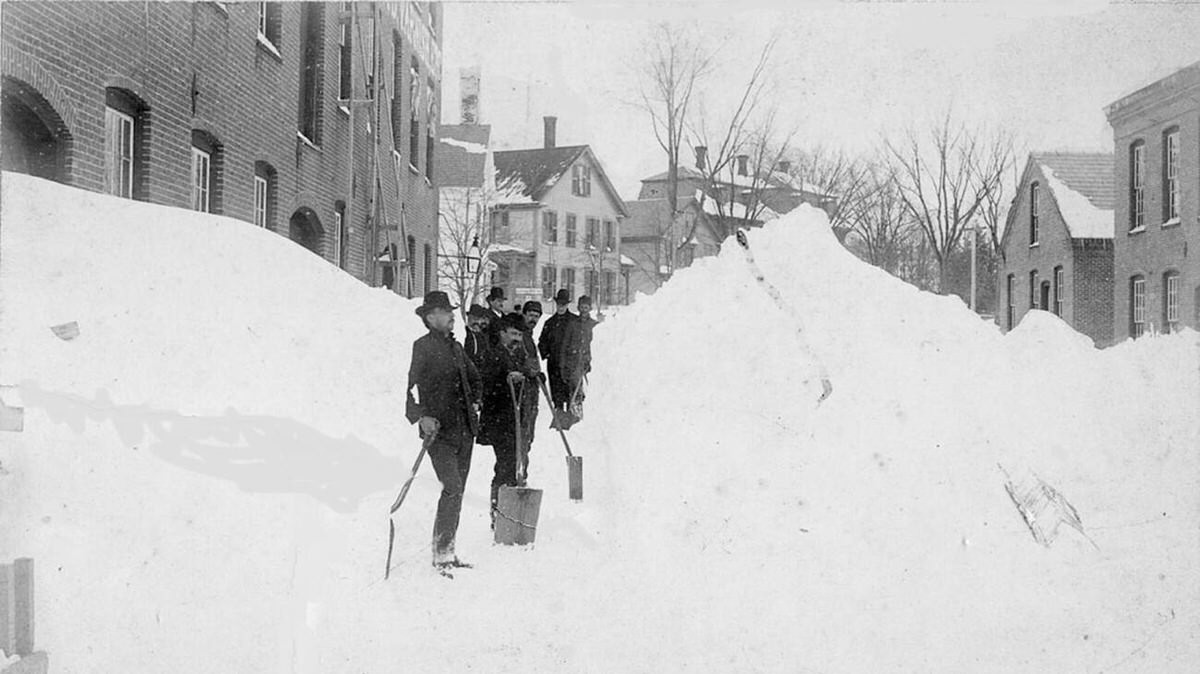
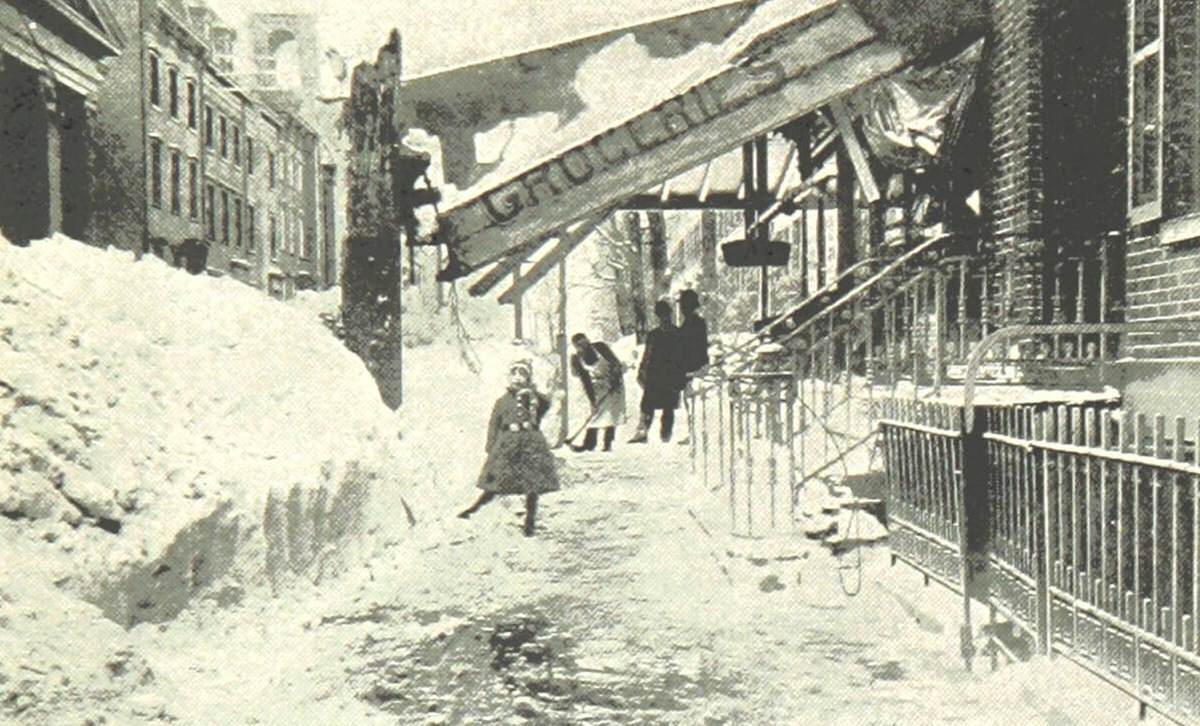
Back in New York City, the cleanup required a workforce the size of a small army. Photographs from the days following the storm show the scale of what 17,000 shovelers faced. Awnings had collapsed under the snow’s weight. Entire storefronts were buried. The work of carting snow to the rivers went on for days, with horse-drawn wagons making continuous runs to dump loads into the East River and Hudson River.