

Long before the National Park Service existed, Americans were already falling in love with wild, dramatic landscapes. The story of how the United States came to protect its most spectacular places stretches back to the Civil War era — and the photographs that survive from those early decades are extraordinary windows into a world that was still being discovered.
The first steps toward what would become the national park system began in 1851, when soldiers pursuing Indigenous people entered the Yosemite Valley for the first time. Word of the valley’s breathtaking scenery spread quickly eastward, drawing curiosity and disbelief in equal measure. Land claims were filed, tolls were charged, and haphazard tourism began almost immediately. In 1864, Congress acted to protect the land by transferring Yosemite Valley and a nearby grove of giant sequoias to the state of California as a public park — the first time the federal government had set aside land specifically for public enjoyment. California managed the park until 1906, when it was folded into the newly expanded Yosemite National Park.
Eight years after Congress granted Yosemite to California, it established Yellowstone as the world’s first true national park in 1872. The Northern Pacific Railroad played a major role in making that happen. For the next fifty years, railroad companies were the single biggest force behind both the creation of new parks and the growth of tourism within them. Reaching these remote places required a train, and the railroads knew that breathtaking scenery sold tickets.
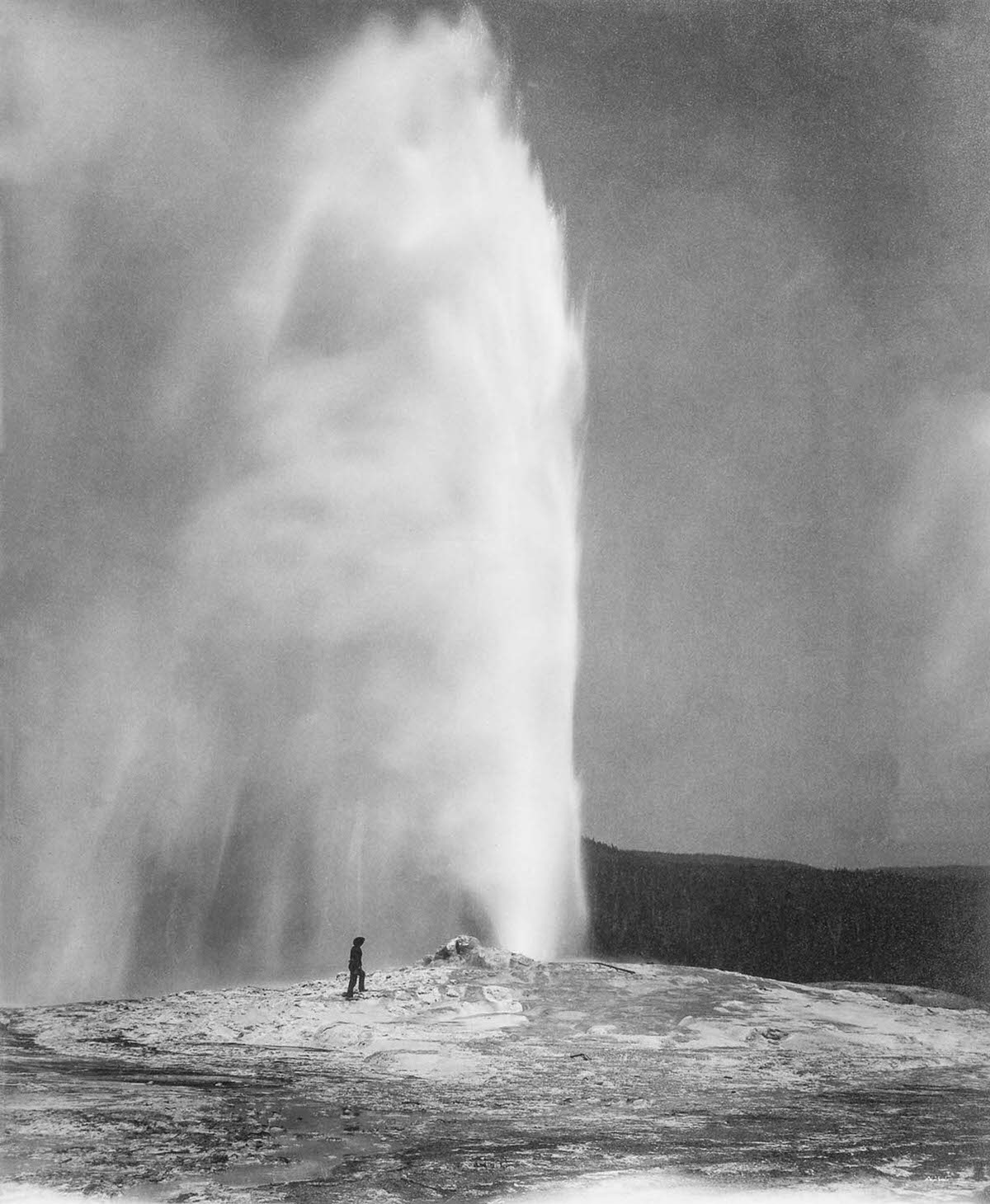
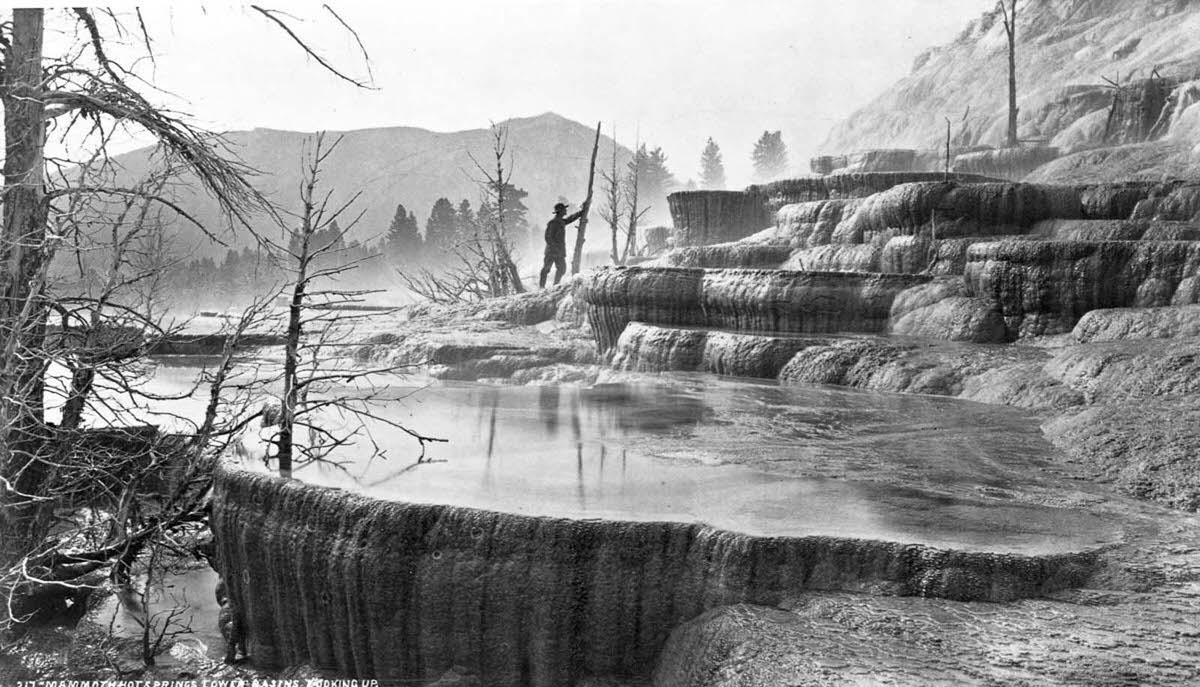
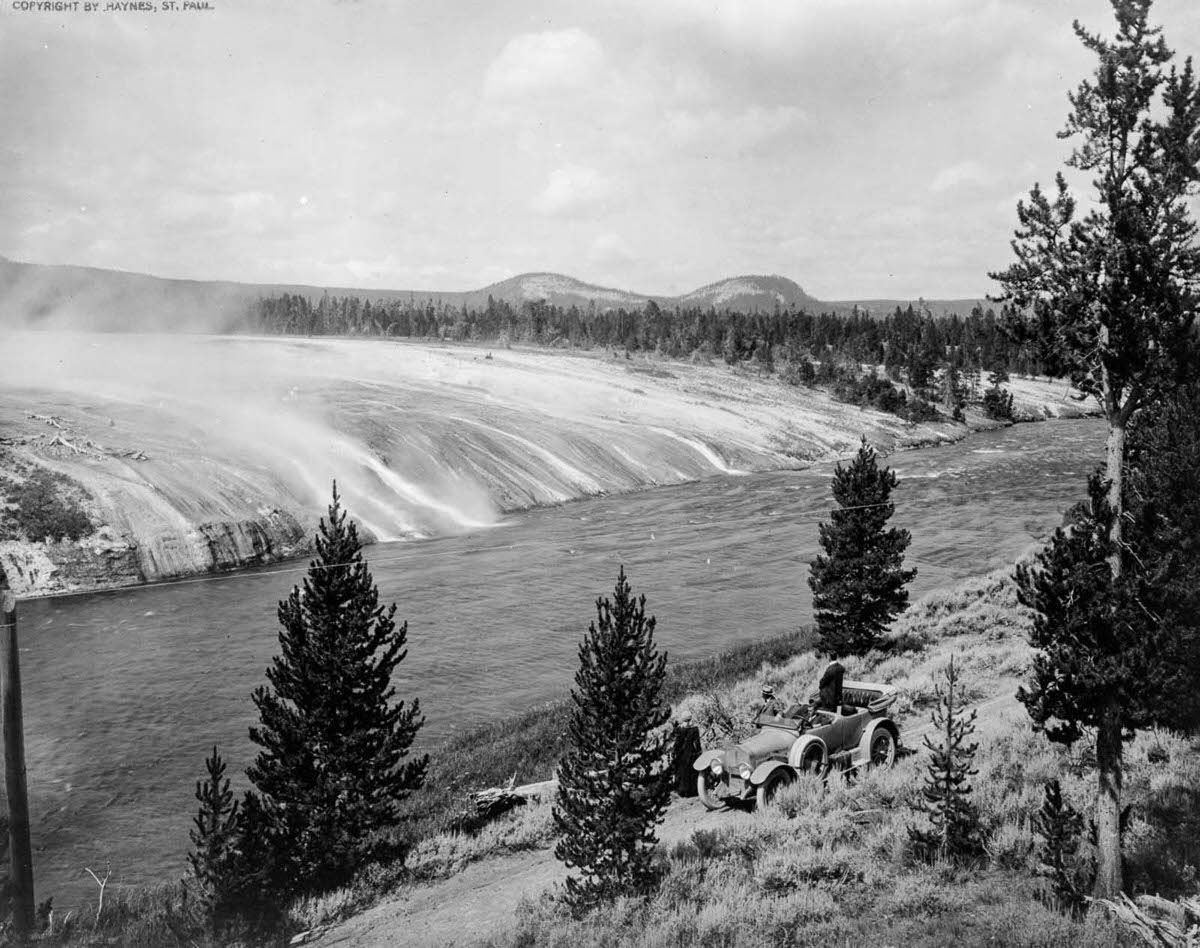
Before Yellowstone became a park, government geological surveyors were sent in to document what many people back East refused to believe — that a landscape of erupting geysers, boiling springs, and steaming rivers actually existed. In 1870, those surveyors walked the park’s hydrothermal fields and recorded what they saw, standing beside features that most Americans had only heard described as wild exaggerations.
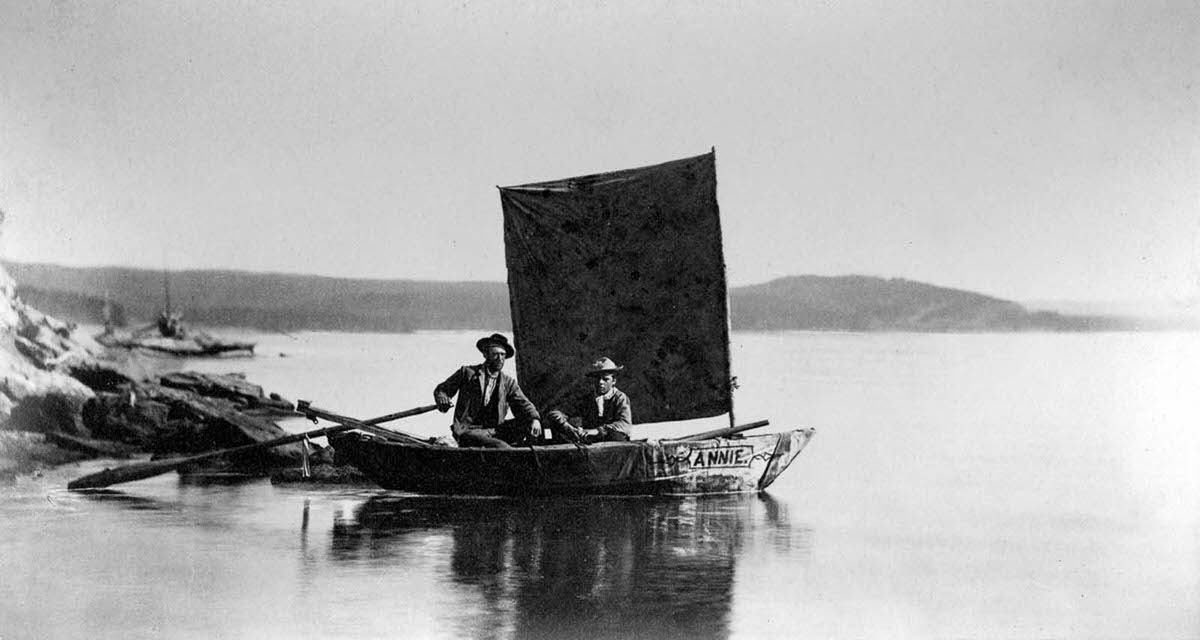
The surveyors didn’t just document geysers and hot springs — they also explored Yellowstone’s lakes and rivers. In 1871, a boat called the Annie was launched on Yellowstone Lake, reportedly the first vessel ever to sail those waters. These expeditions gathered the scientific evidence that helped convince Congress the land was worth preserving.
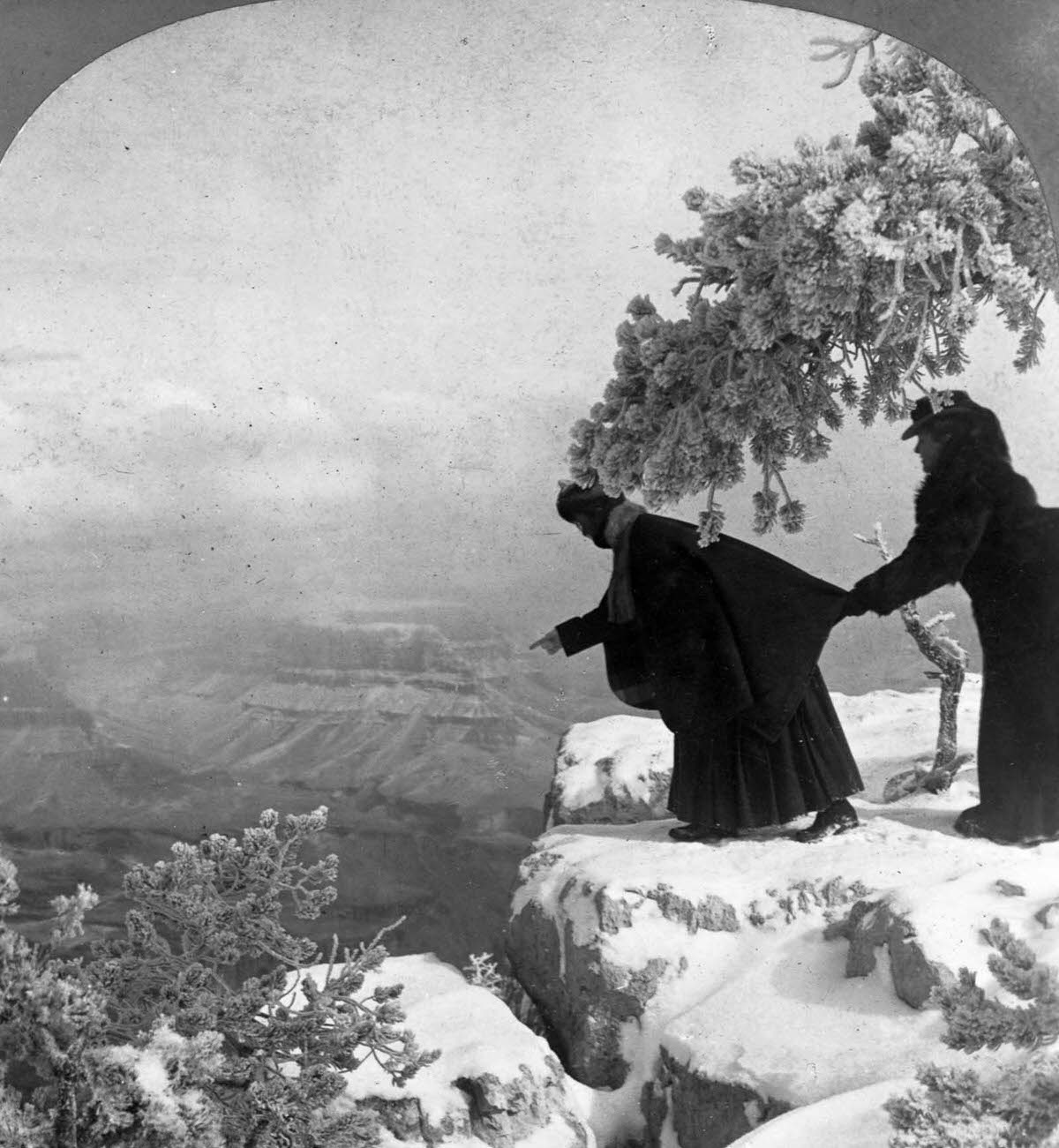
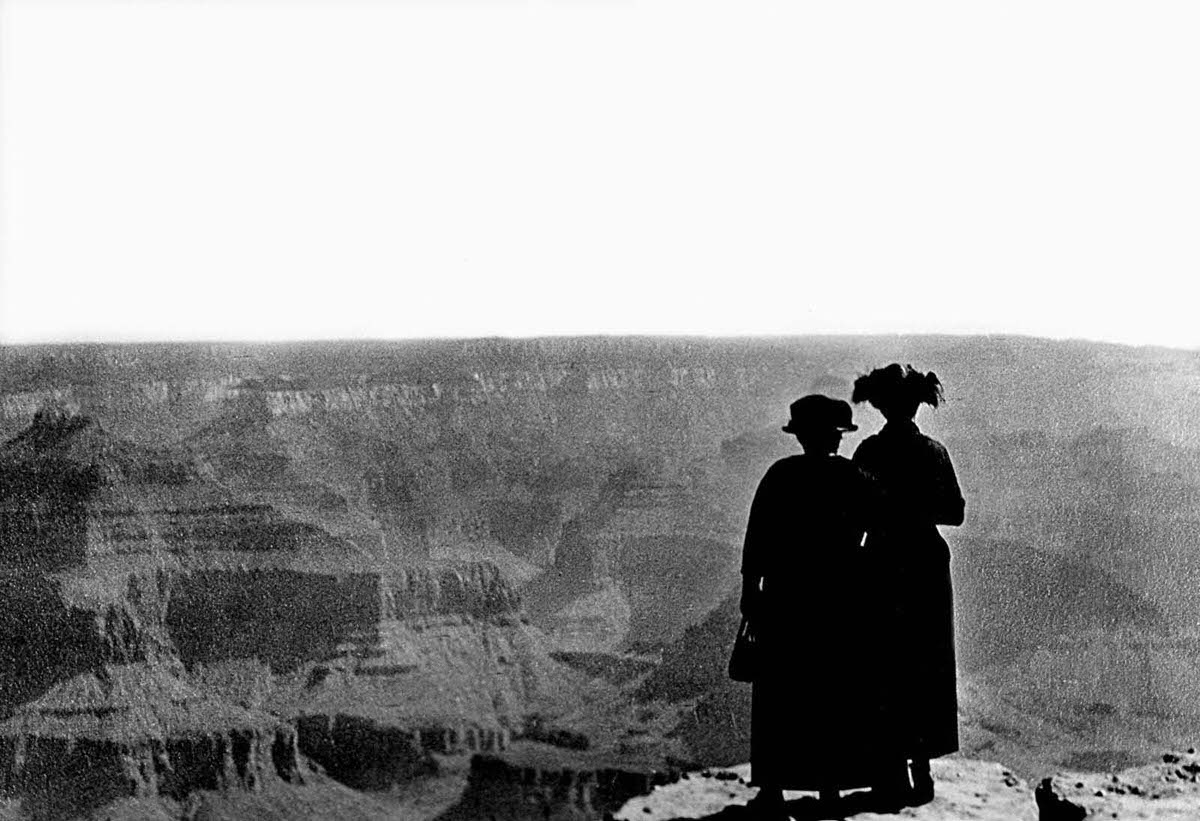
The Grand Canyon drew visitors long before it became a national park in 1919. By the 1880s, tourists were already making the difficult journey to stand at the rim and peer down into one of the most dramatic geological formations on earth. The scale of the canyon made it nearly impossible to photograph in a way that captured its true depth, but early visitors tried anyway — often standing dangerously close to the edge.
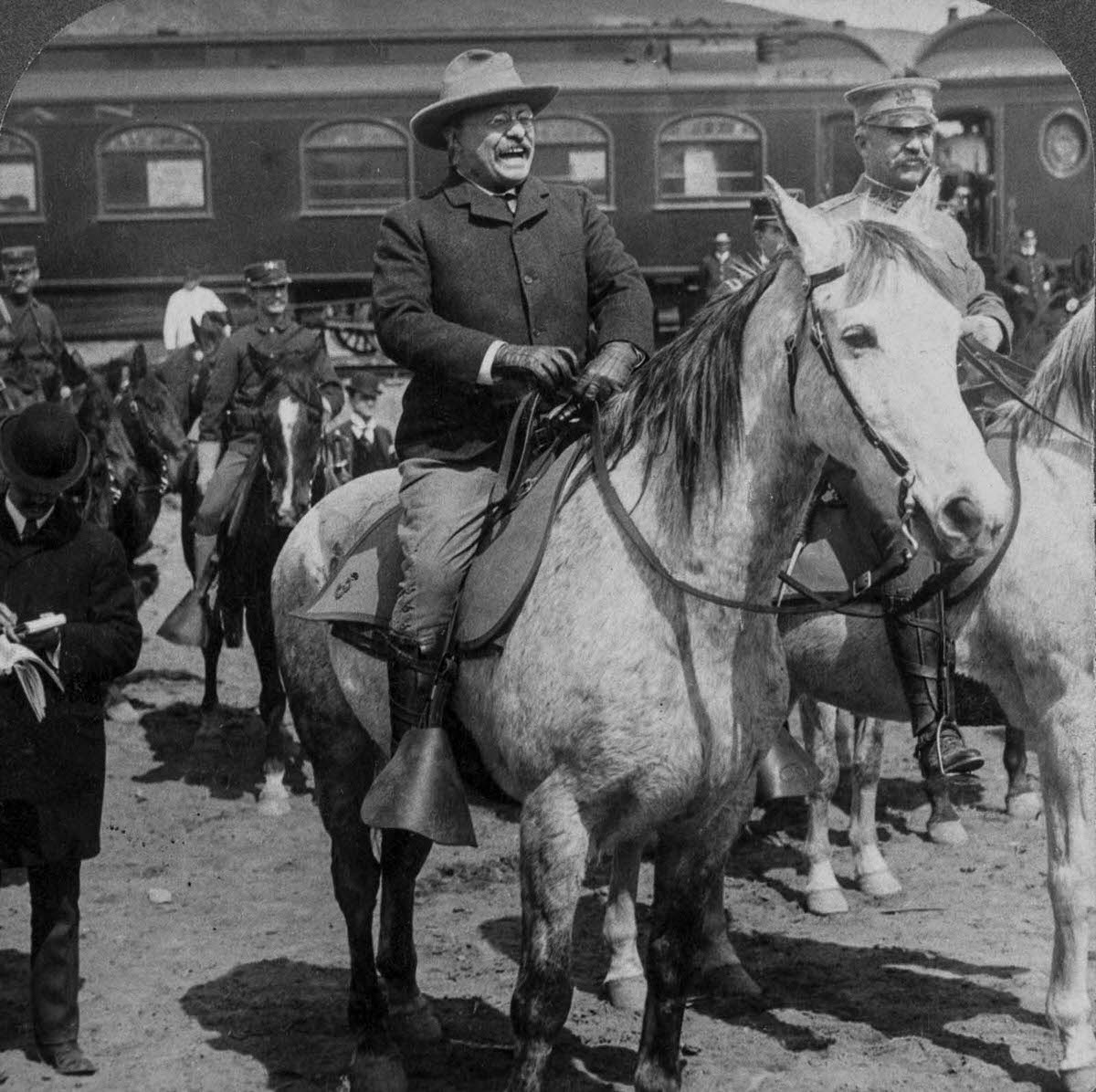
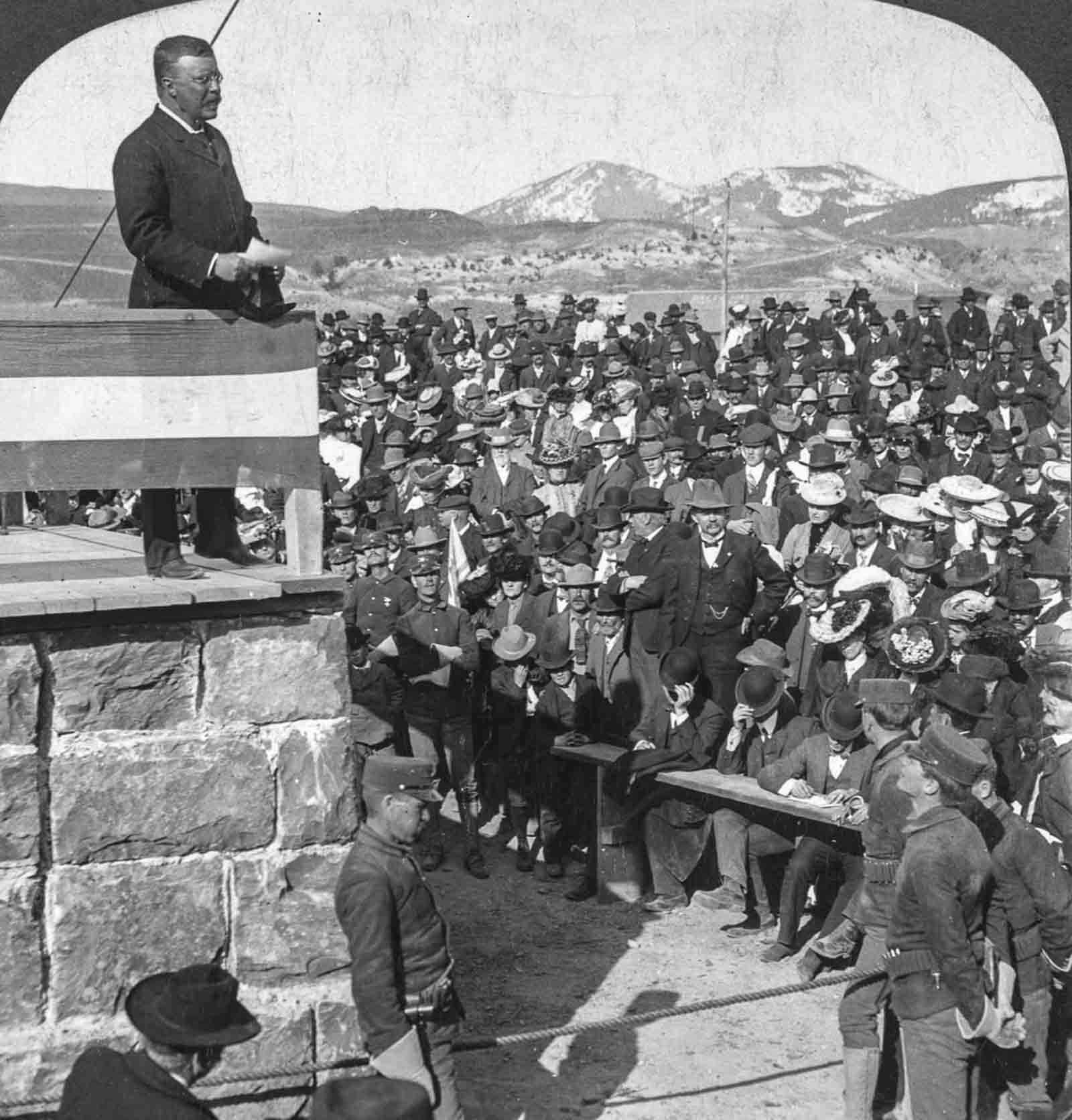
President Theodore Roosevelt was one of the most passionate advocates for conservation in American history. In 1903, he visited Yellowstone — a park that had already become a symbol of the national park idea — and used the trip to rally public support for protecting wild lands. Roosevelt would go on to sign legislation creating five national parks, eighteen national monuments, and numerous wildlife refuges during his presidency.
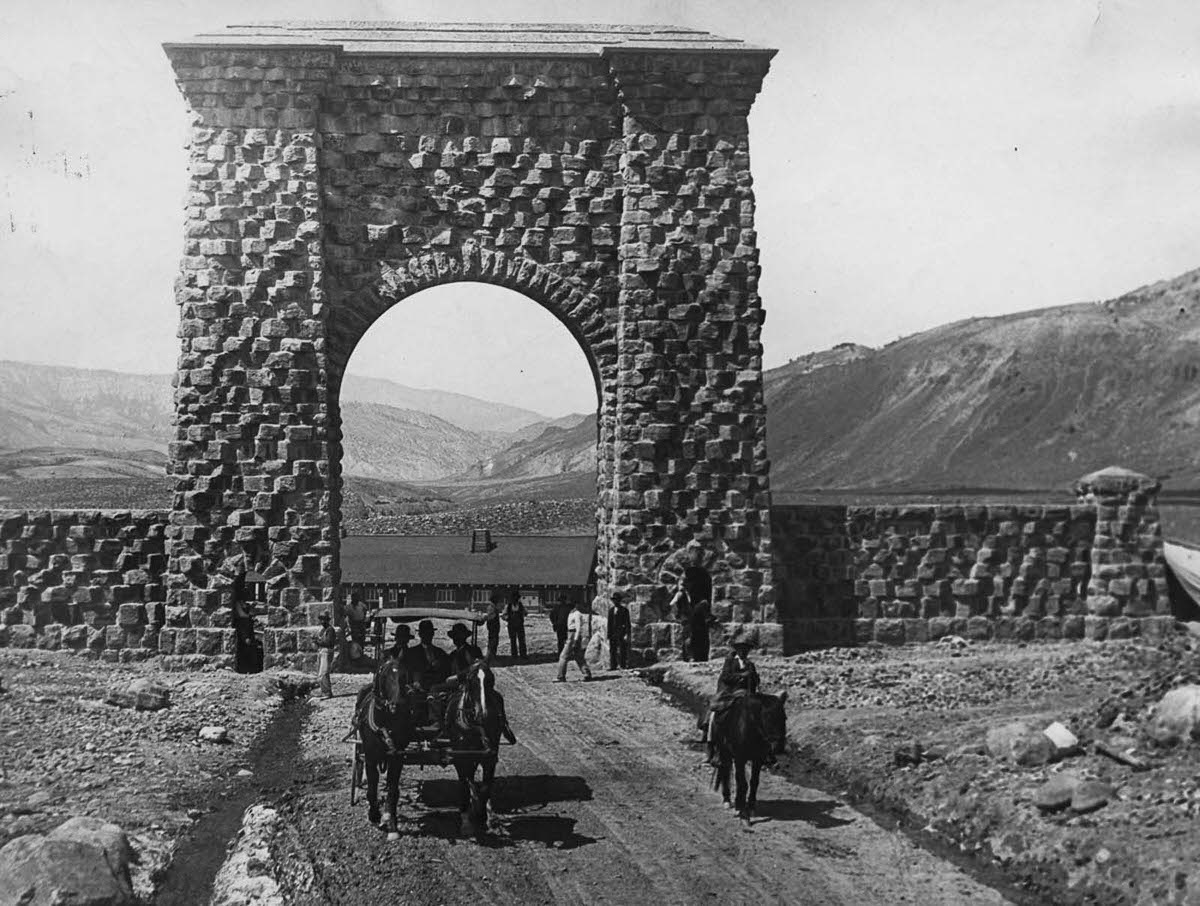
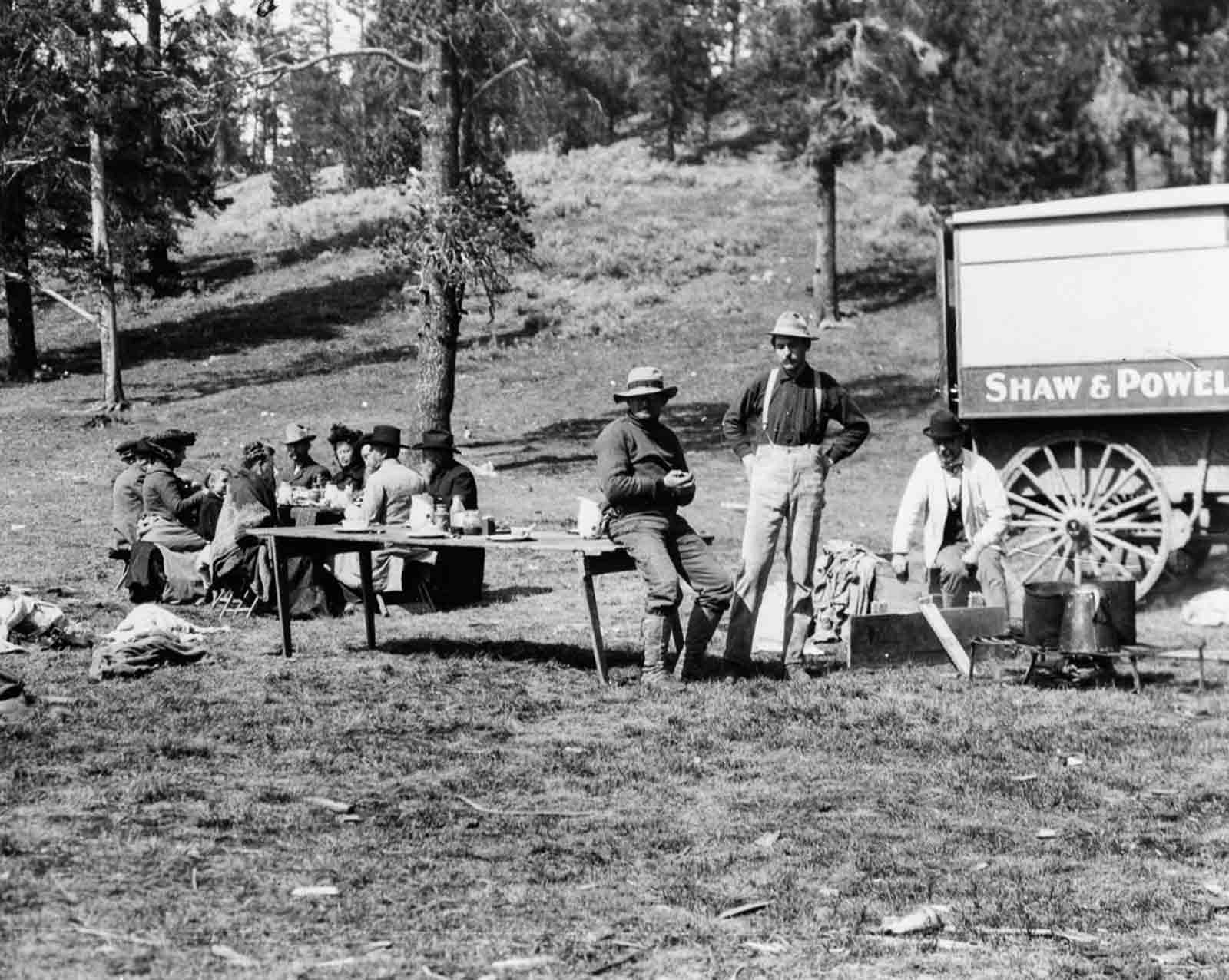
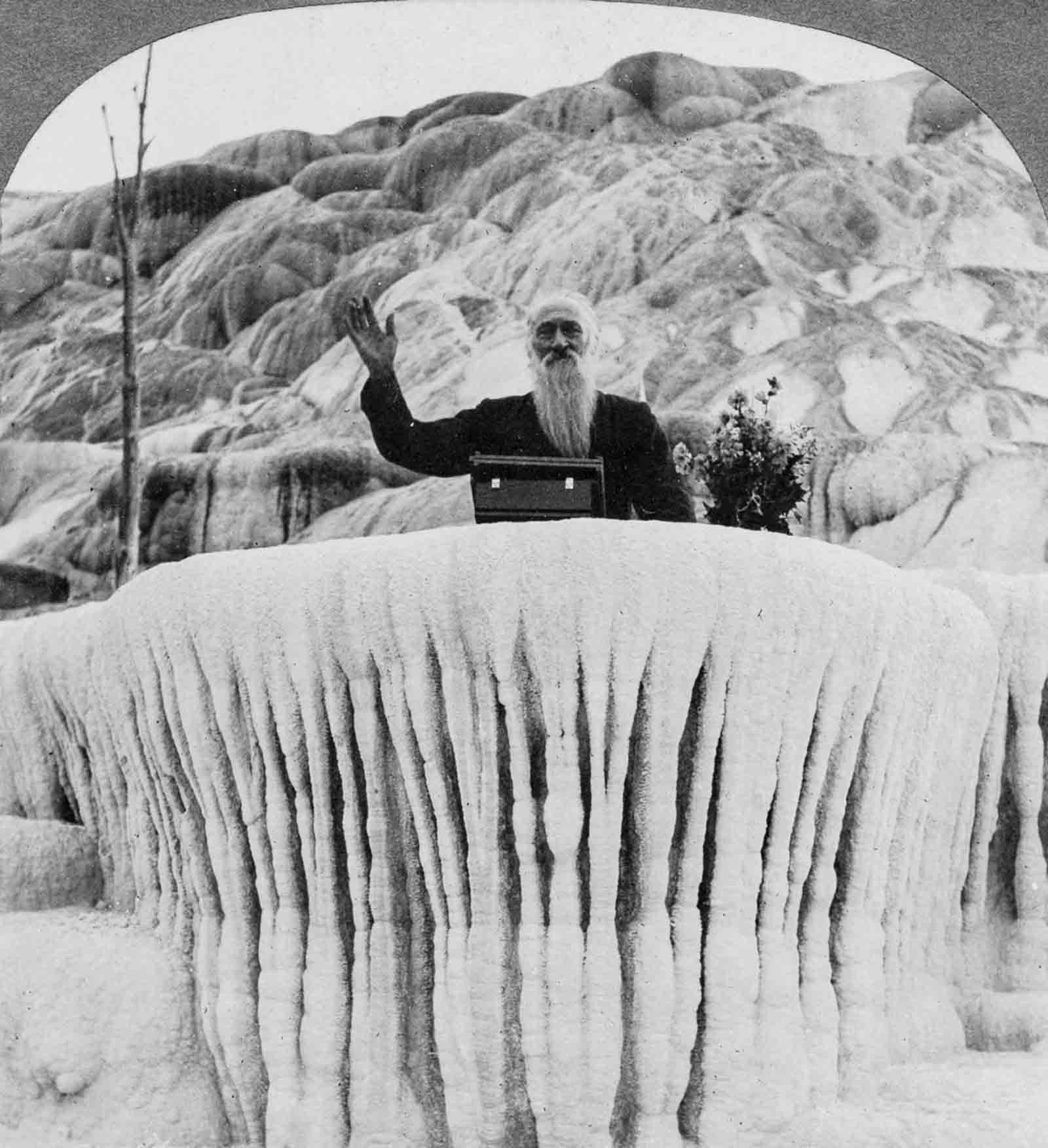
By the turn of the twentieth century, Yellowstone had become a genuine tourist destination. Visitors arrived by train and then traveled by horse-drawn carriage or on horseback to reach the park’s famous features. Old Faithful, the Geyser Basins, and Mammoth Hot Springs were all well-known attractions, drawing crowds who wanted to witness natural wonders with their own eyes.
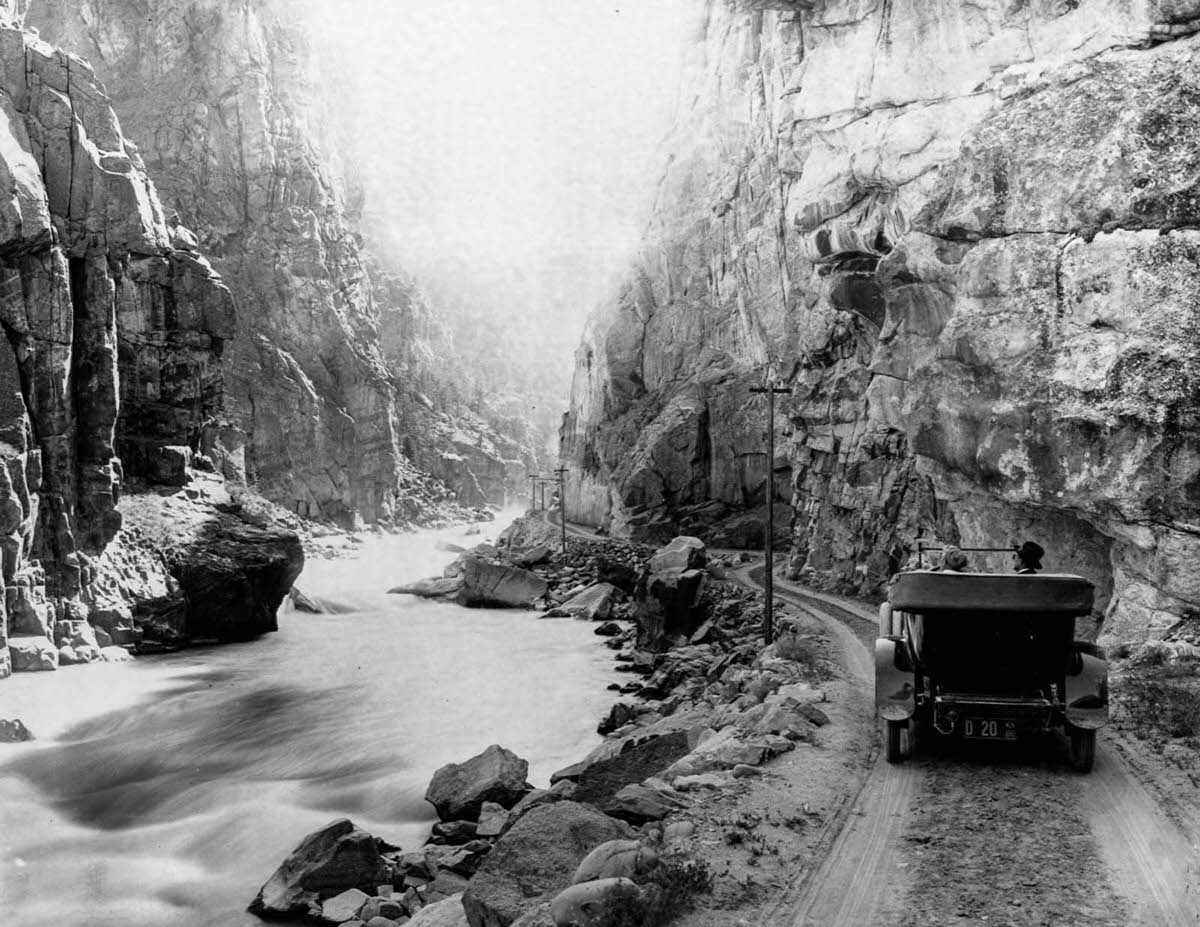
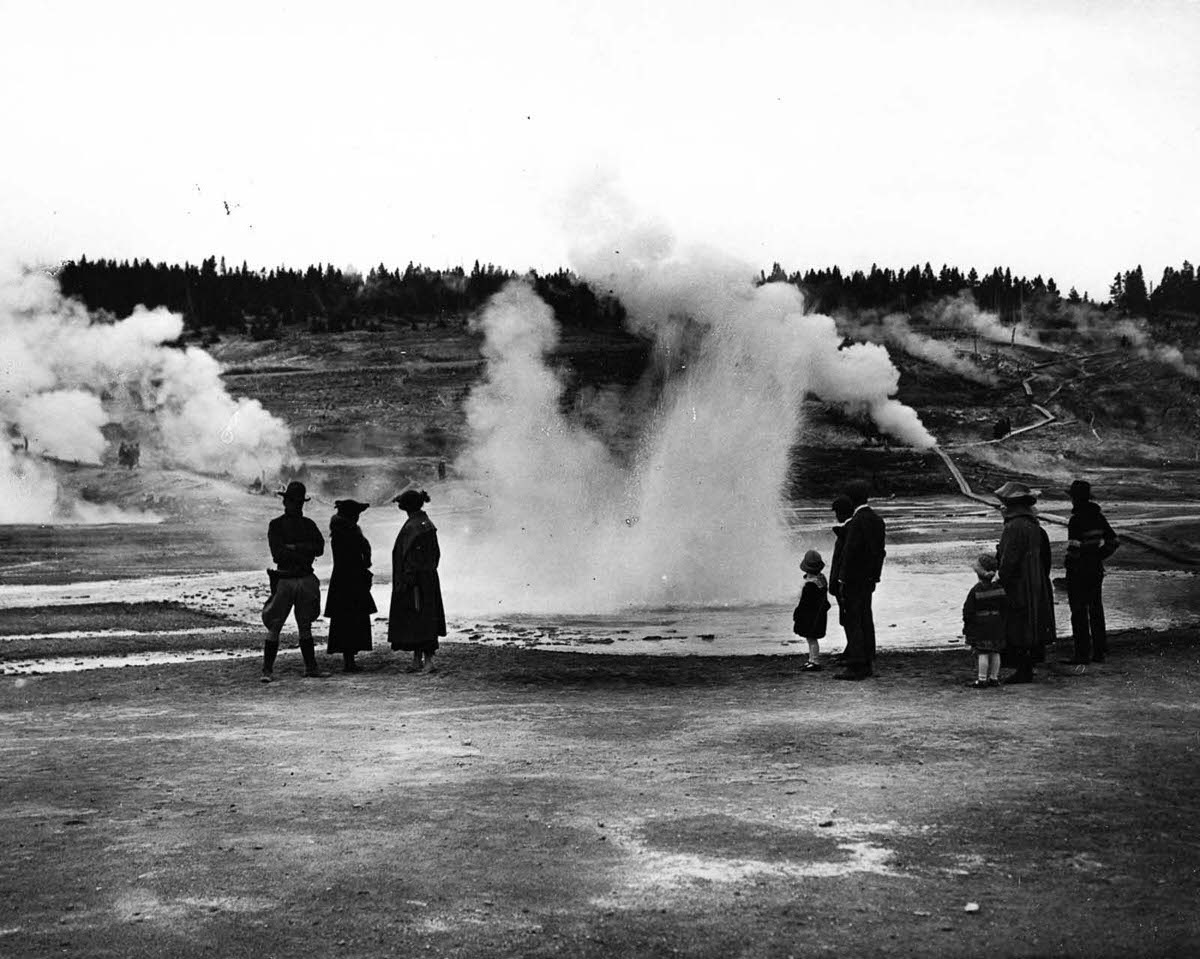
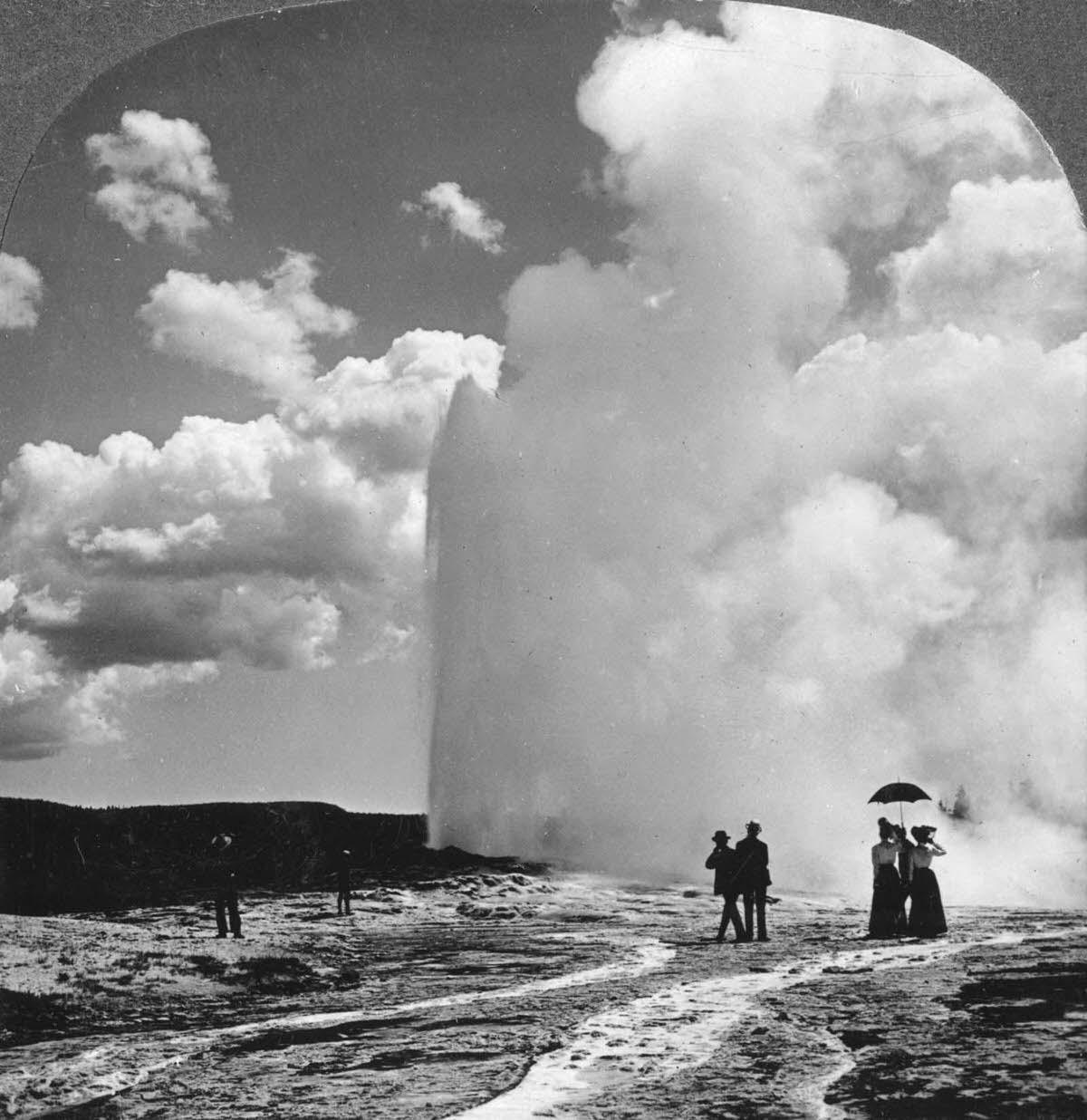
Tourism in the parks was not just about passive sightseeing. Visitors hiked, rode horses, picnicked, and explored. Guides led groups through terrain that was still largely unmapped for the average traveler. Some experiences were more dangerous than they appeared — standing near scalding geothermal features, peering over canyon rims, or climbing glaciers all carried real risks that early tourists accepted without much hesitation.
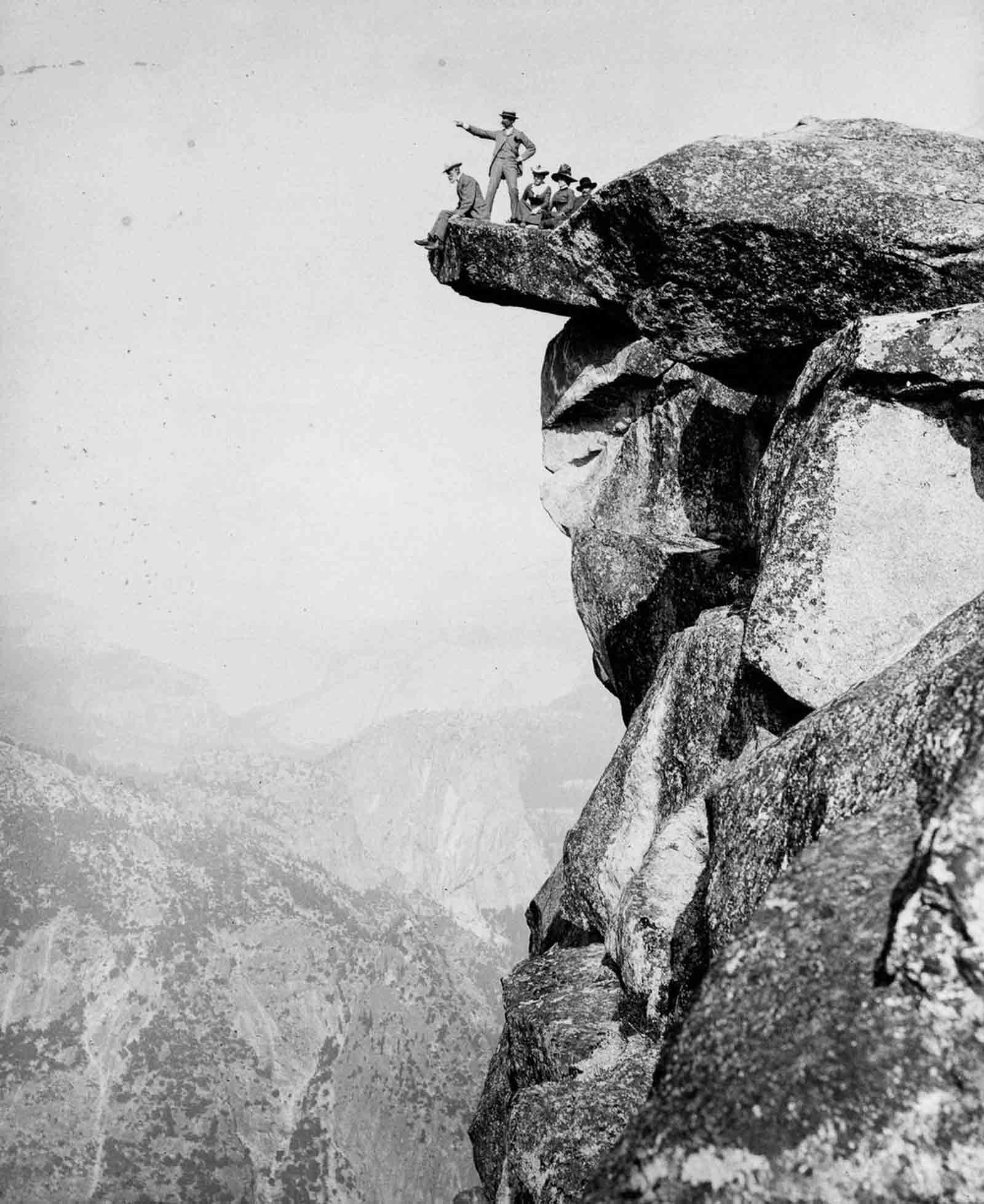
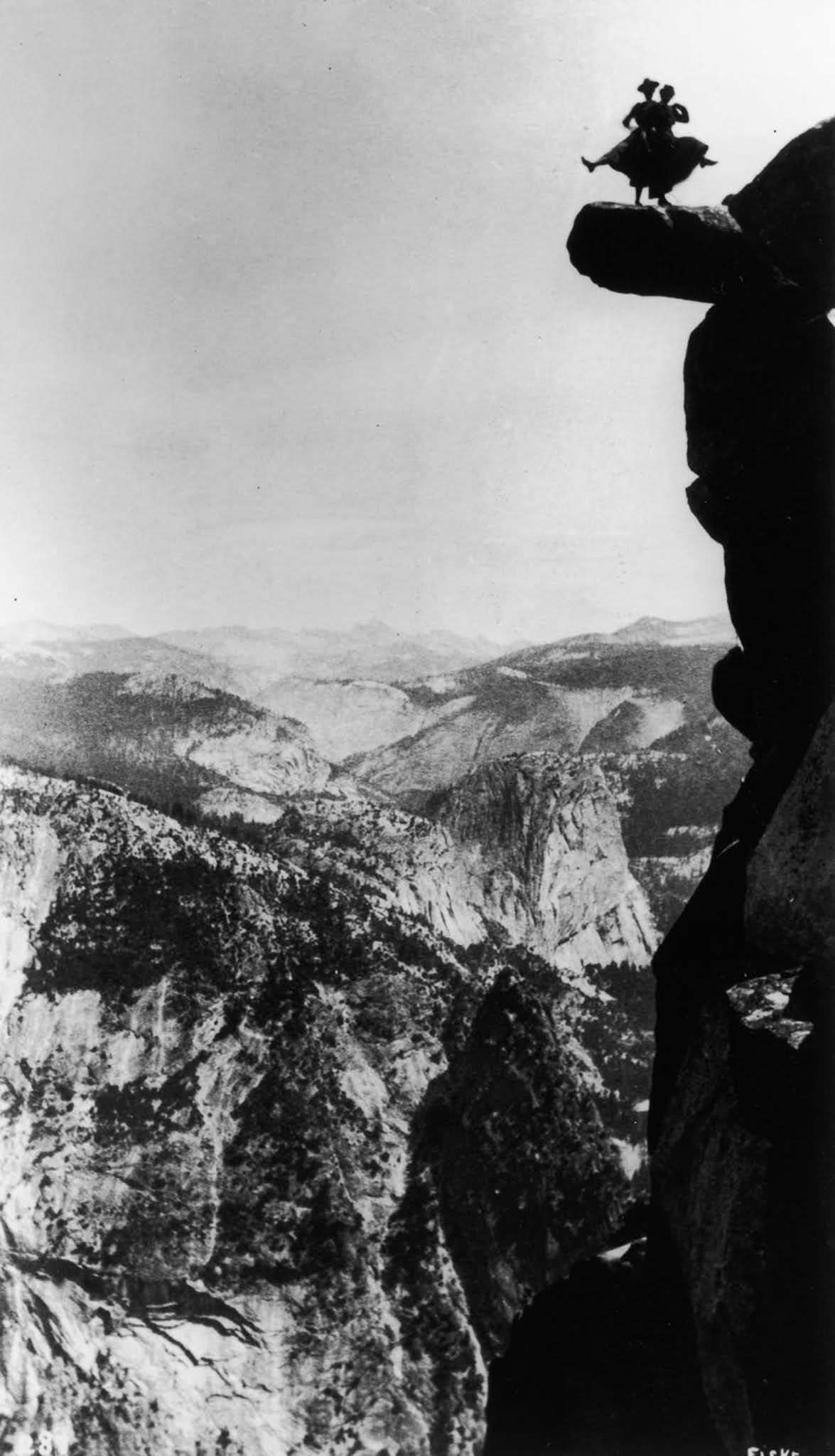
Yosemite remained one of the most visited parks throughout this era. Glacier Point, perched more than 3,200 feet above the valley floor, was a favorite destination. Visitors rode horses along the trail to reach it, and once there, some posed for photographs on the very edge of the cliff. One famous image shows Kitty Tatch and a friend dancing on the overhanging rock — a casual display of daring that would be unthinkable under today’s safety rules.
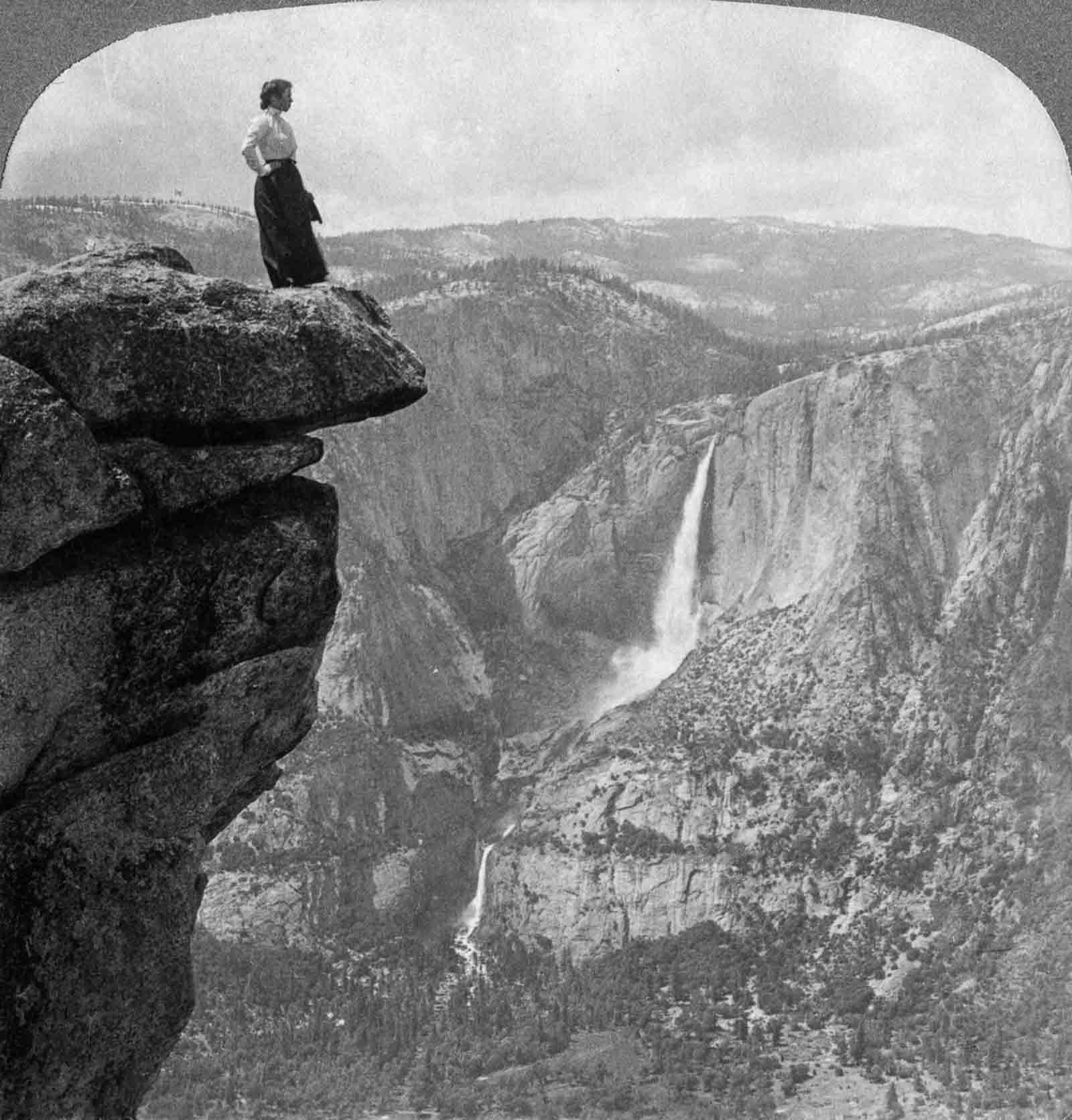
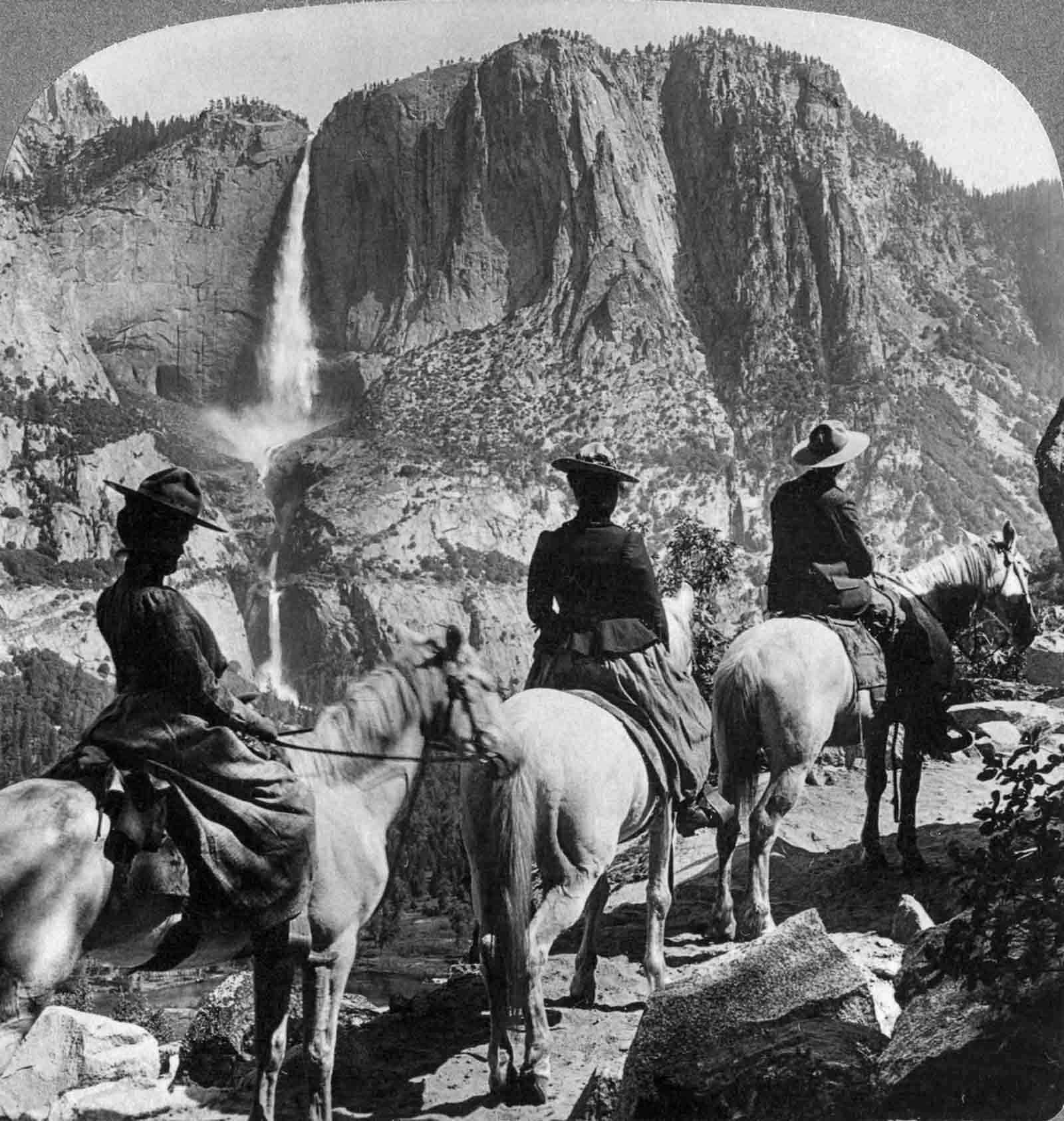
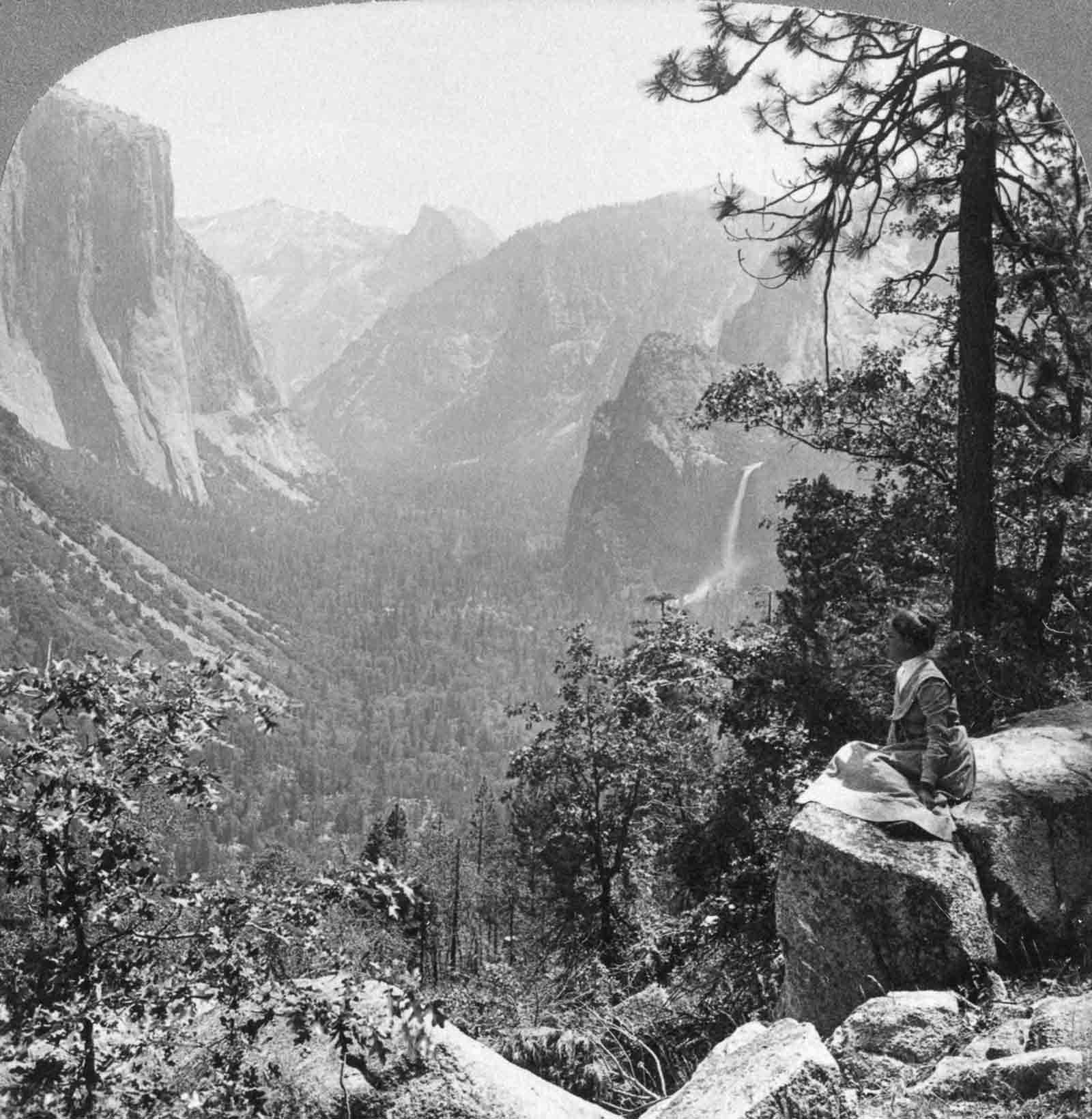
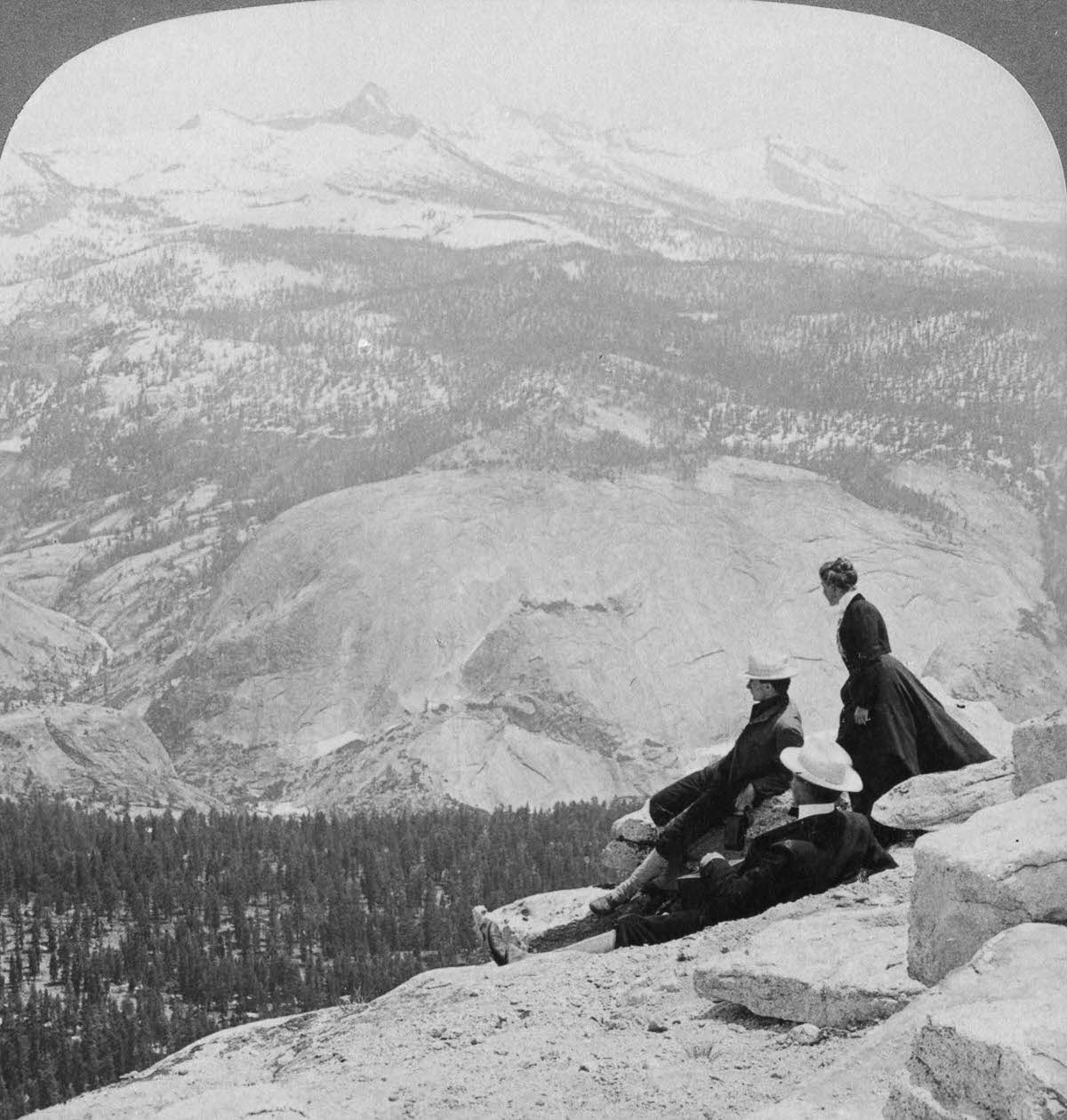
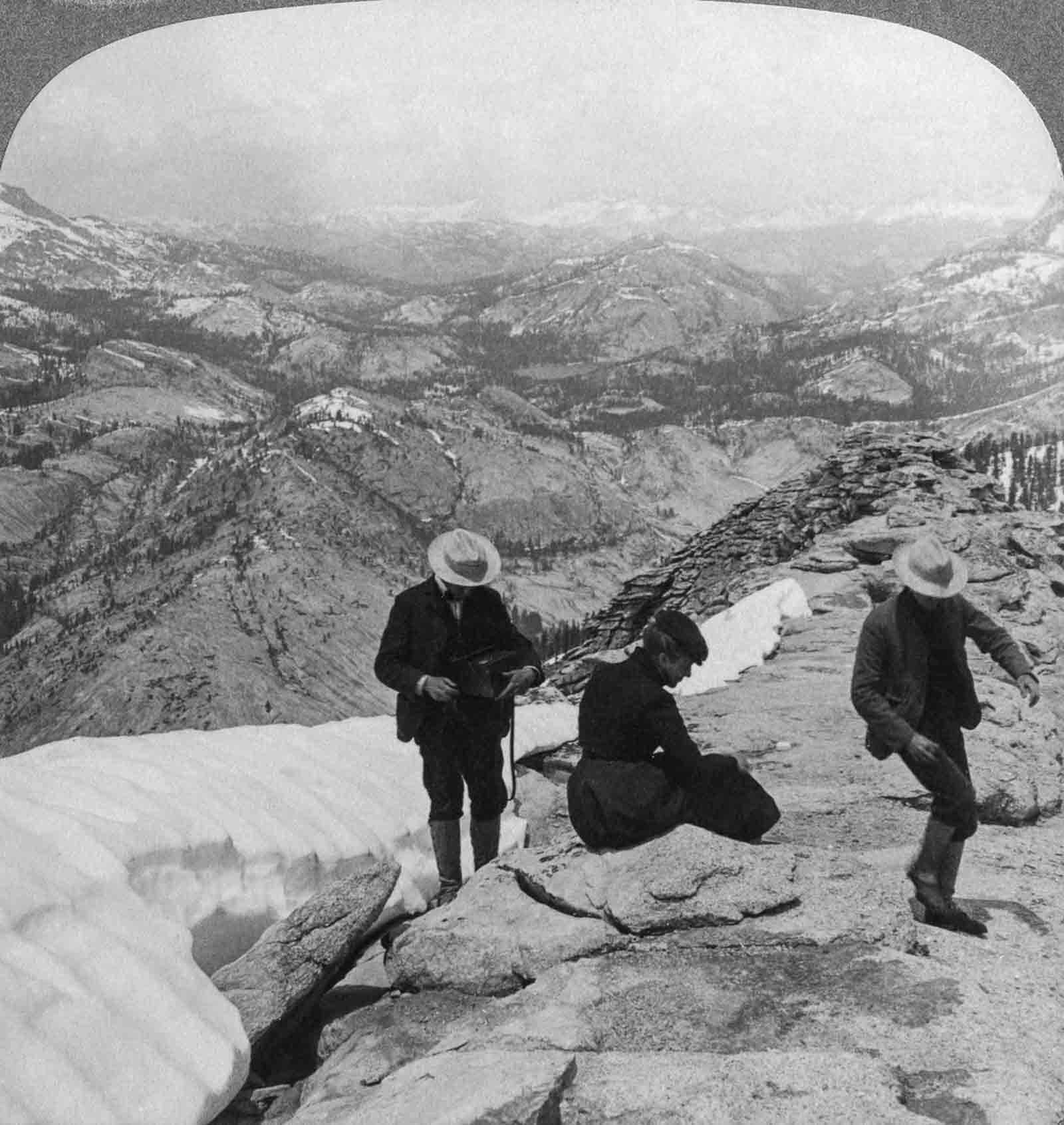
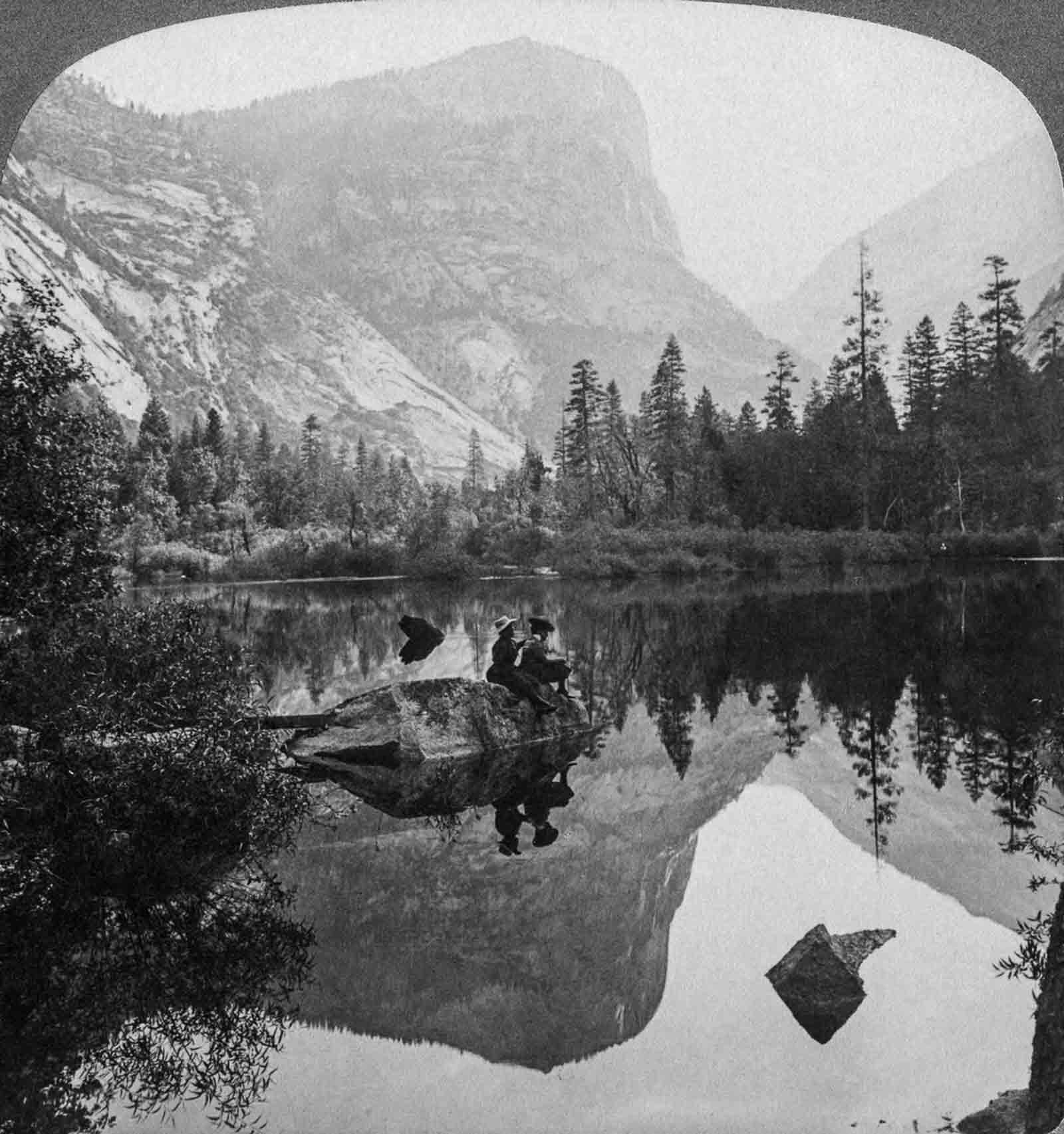
Yosemite Valley itself was photographed from nearly every angle by early visitors. Inspiration Point offered a sweeping view of the entire valley, while Clouds Rest provided a high vantage point looking out toward Mount Clark and the Little Yosemite Valley. Mirror Lake, when the light was right, reflected the surrounding cliffs in near-perfect detail.
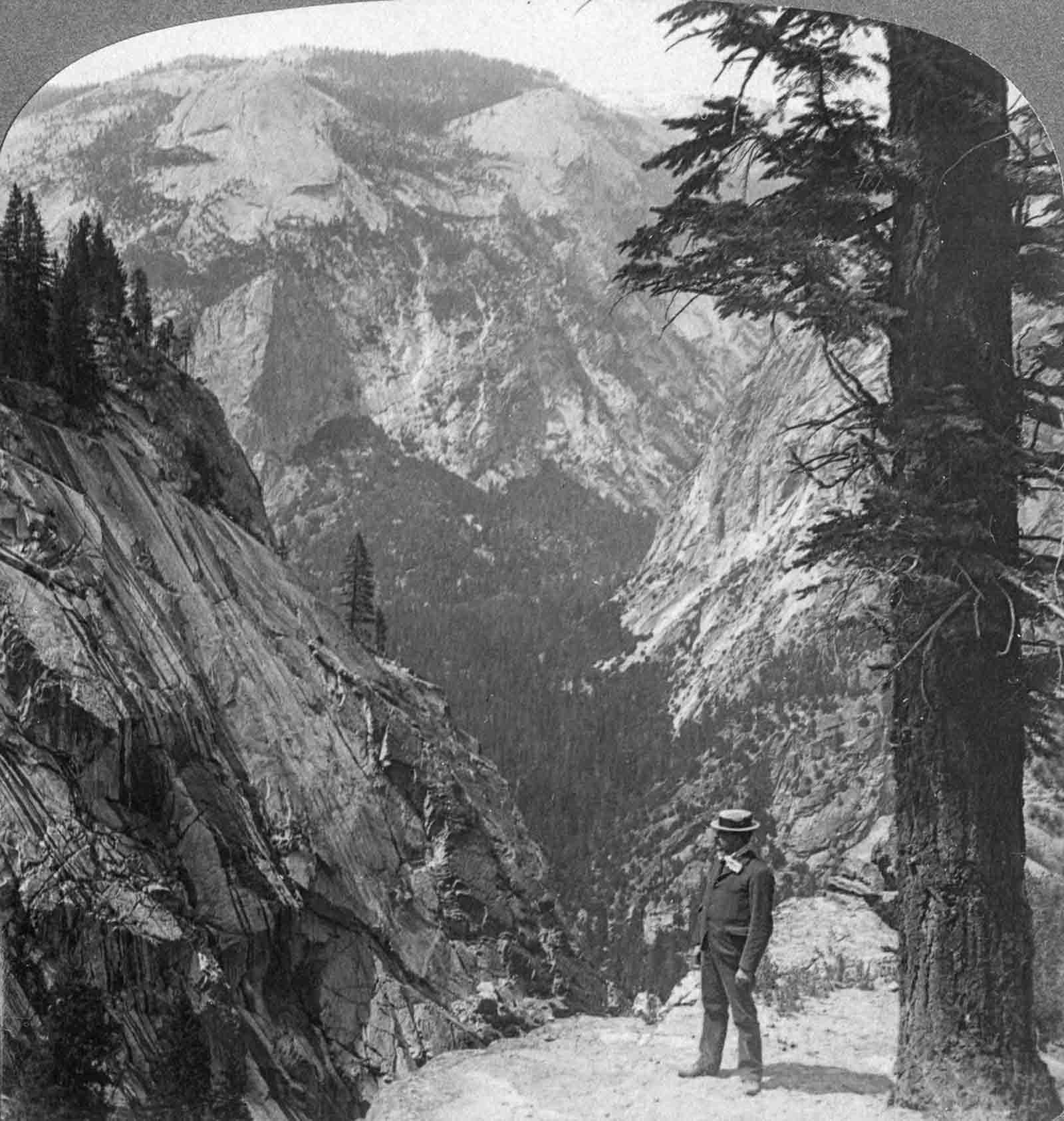
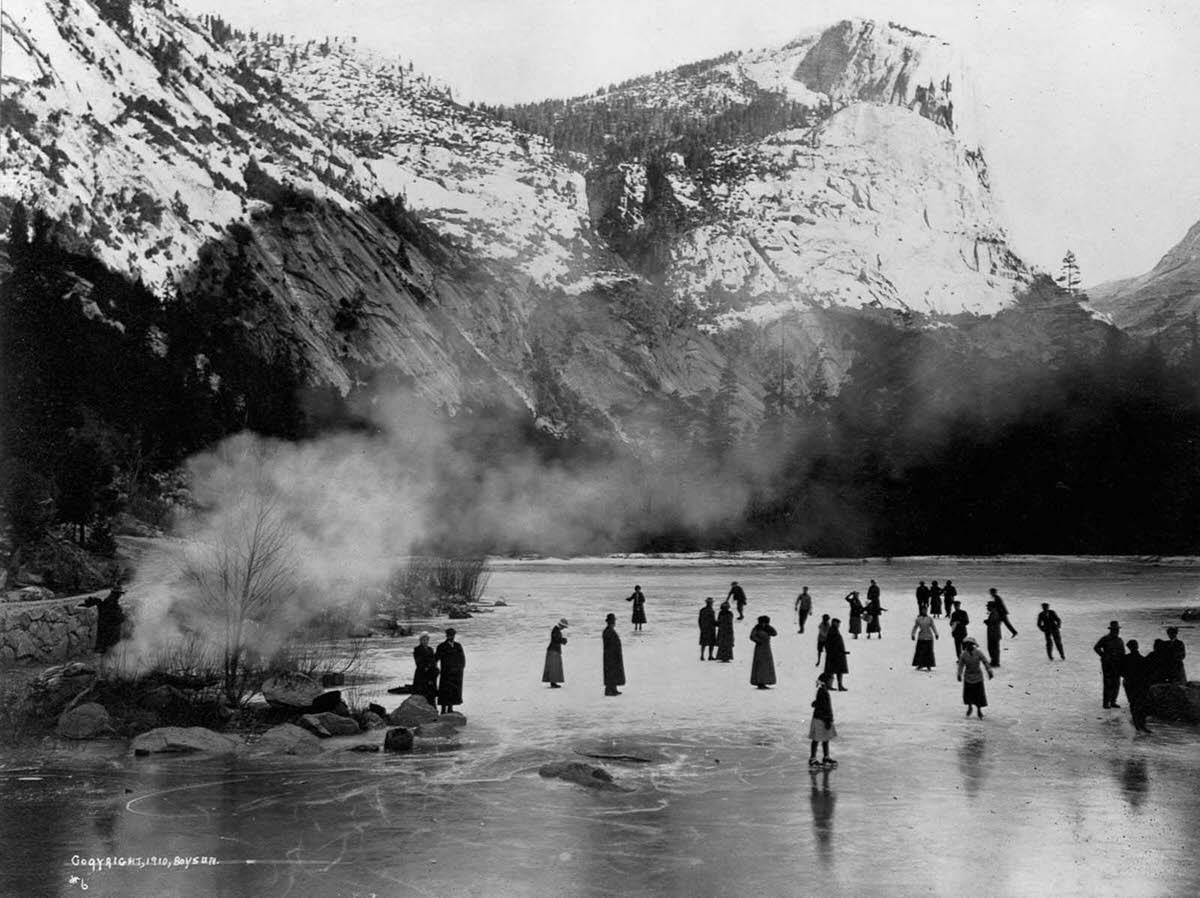
Not all Yosemite visits were about standing on cliffs or riding horses. In winter, tourists skated on frozen lakes. In warmer months, groups posed for pictures at the base of Yosemite Falls and hired local guides to lead them through the valley. The park attracted visitors who saw it as an adventure, a retreat, and a place worthy of serious exploration.
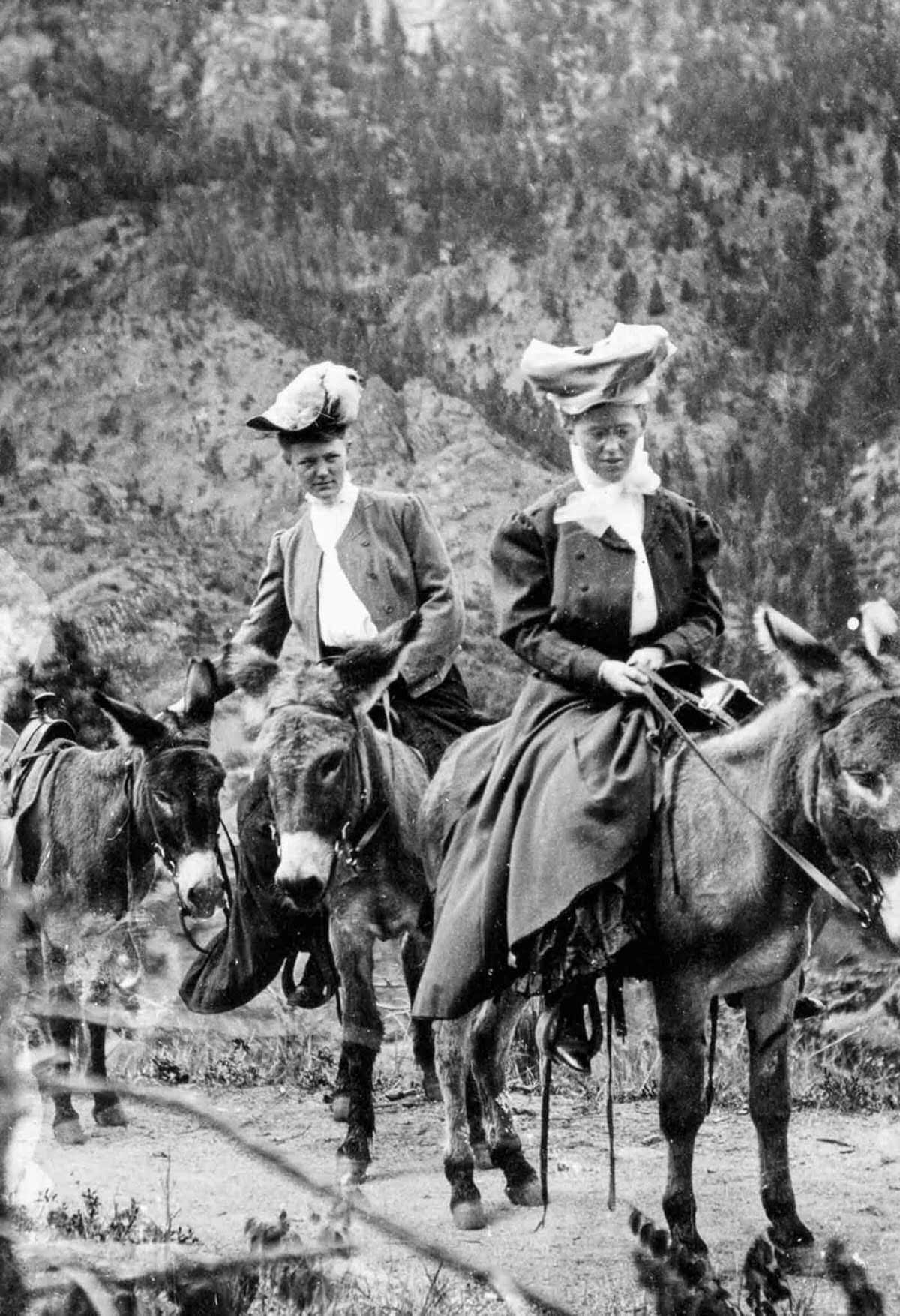
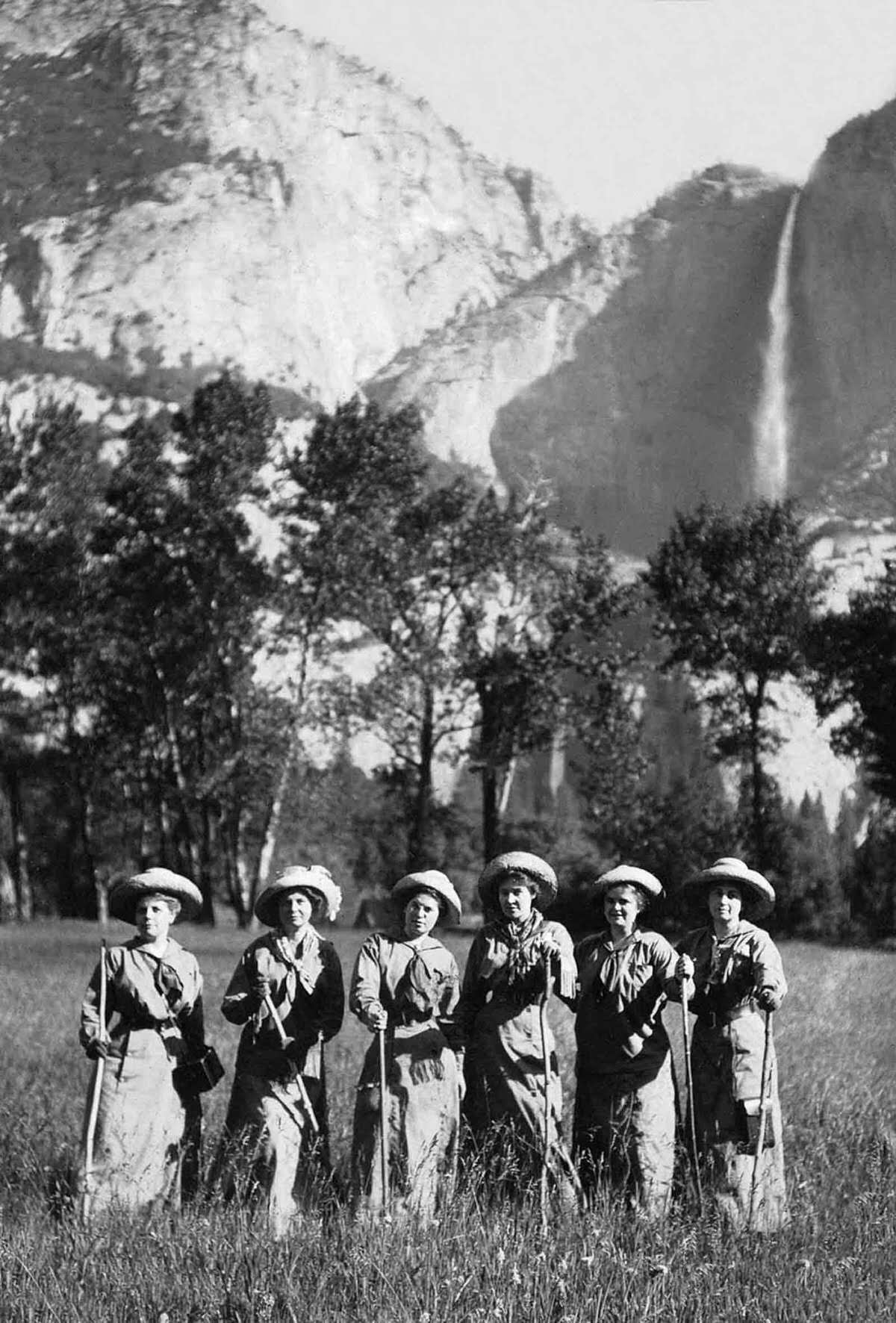
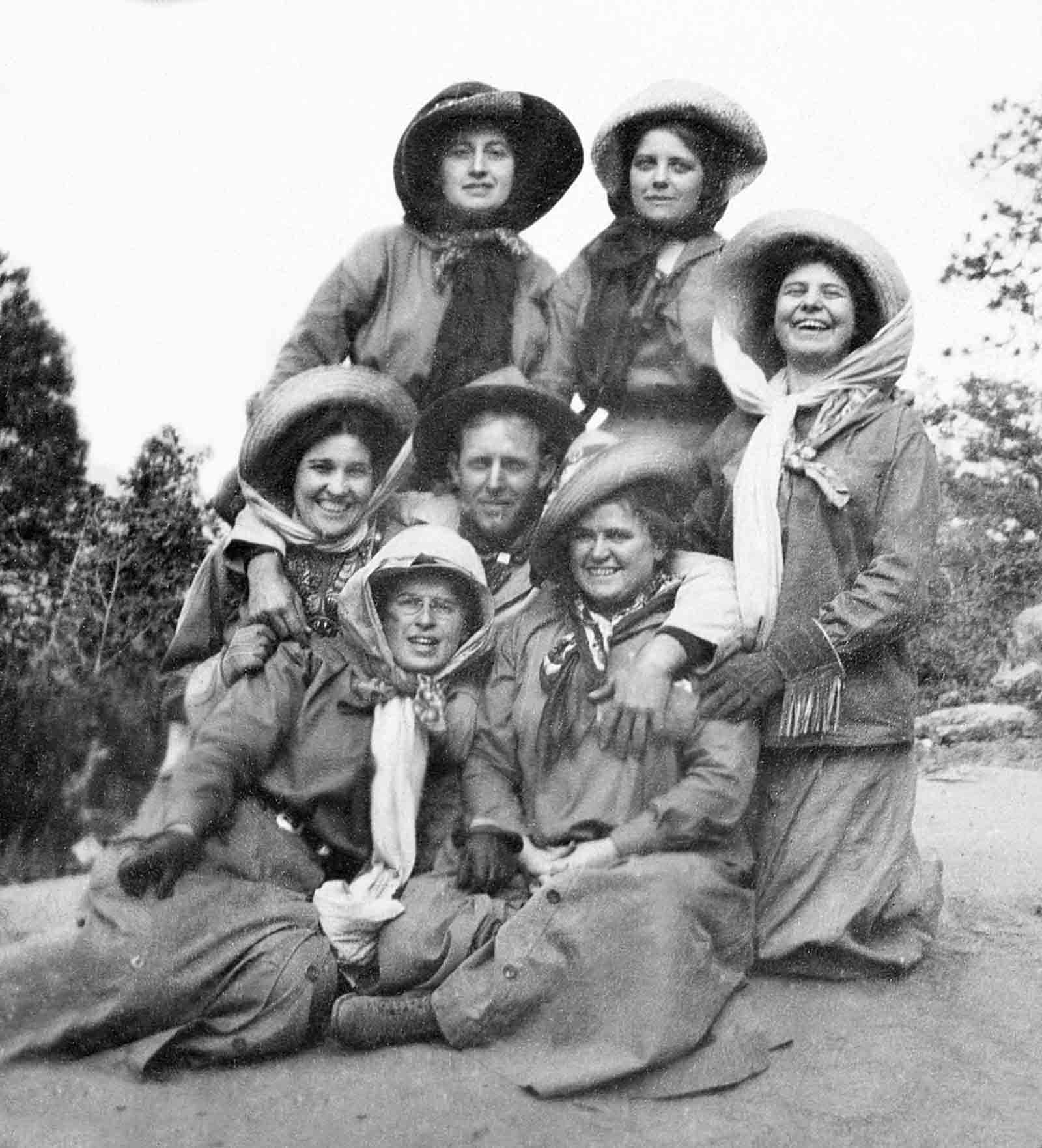
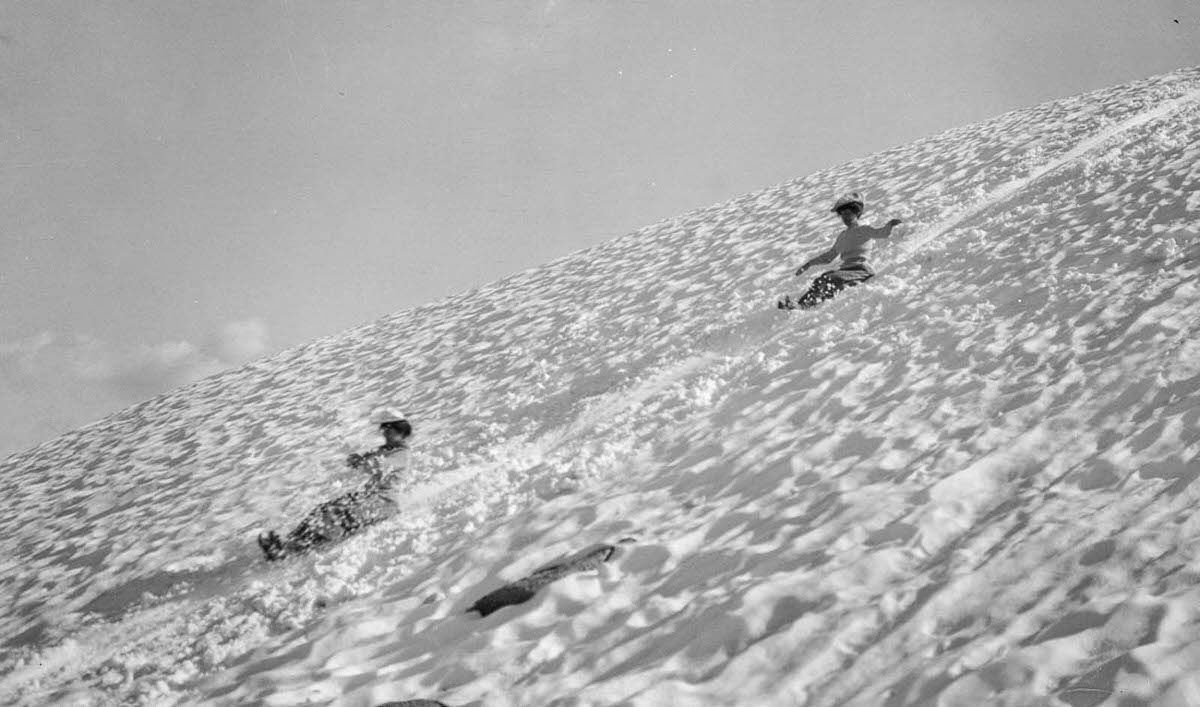
Mount Rainier, in what is now Washington State, became a national park in 1899. Its massive glaciers and dramatic peak drew both casual visitors and serious climbers. Photographs from the early 1900s show tourists riding through the park’s forested trails and others making the grueling climb up Paradise Glacier — an activity that required guides, proper clothing, and real physical effort.
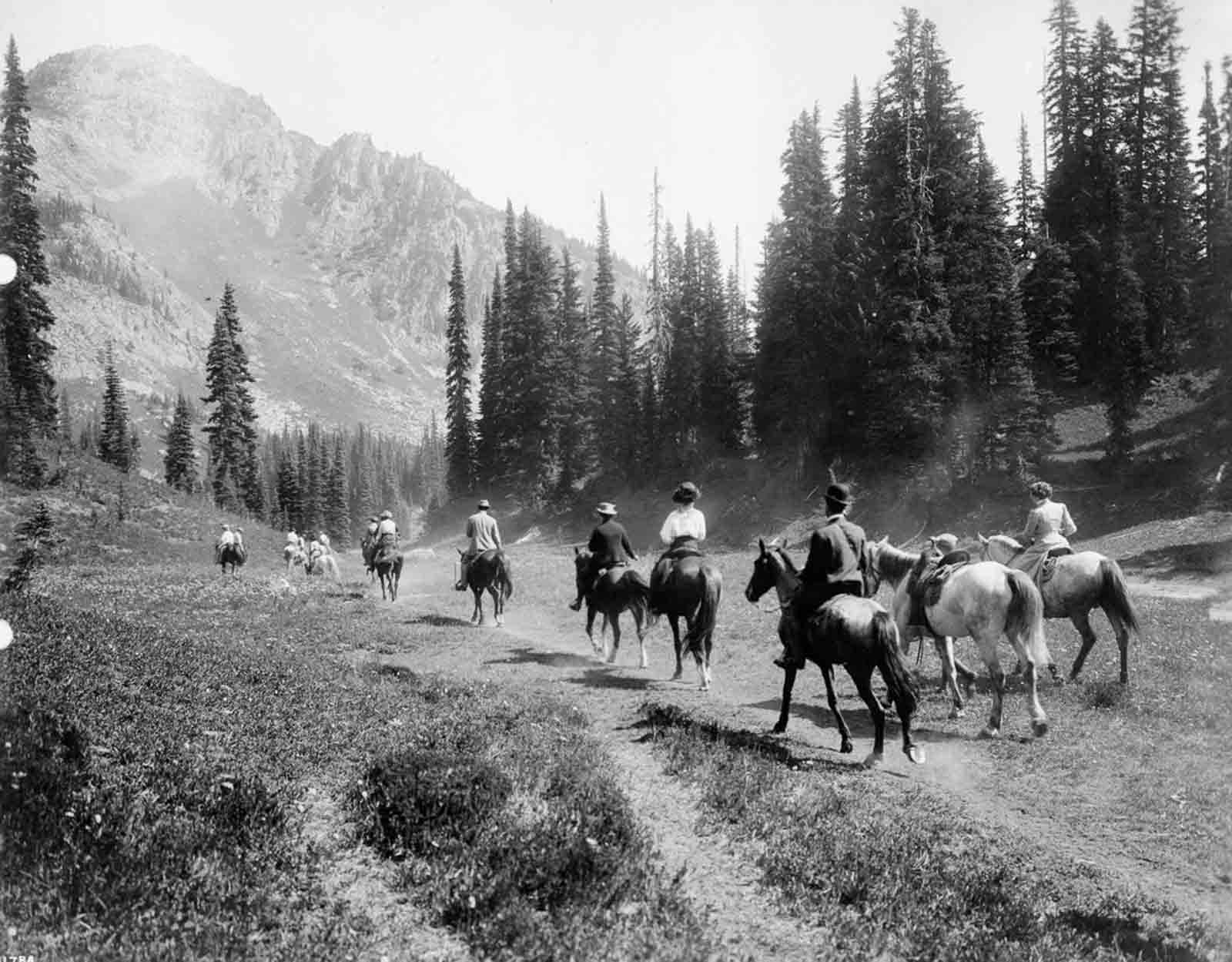
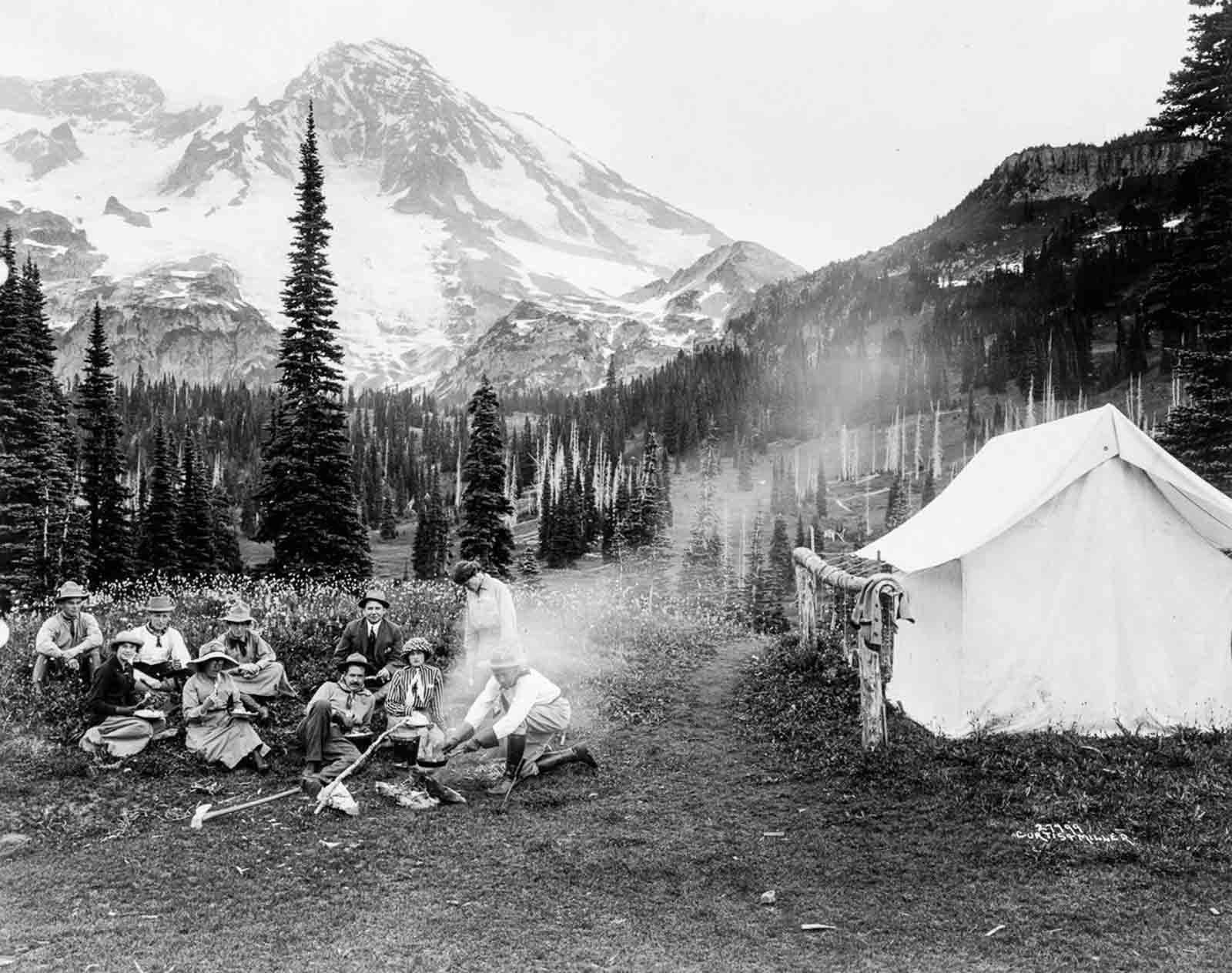
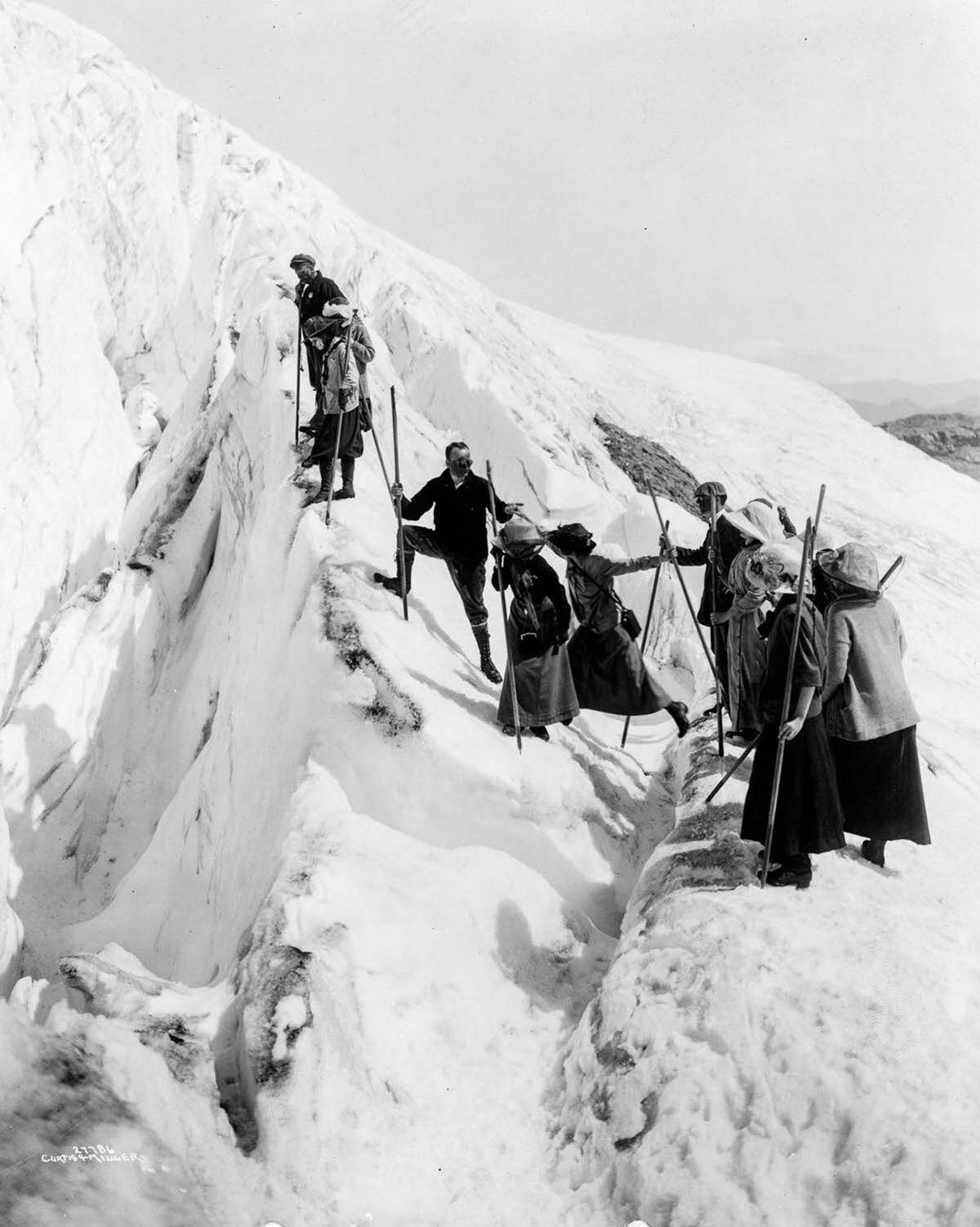
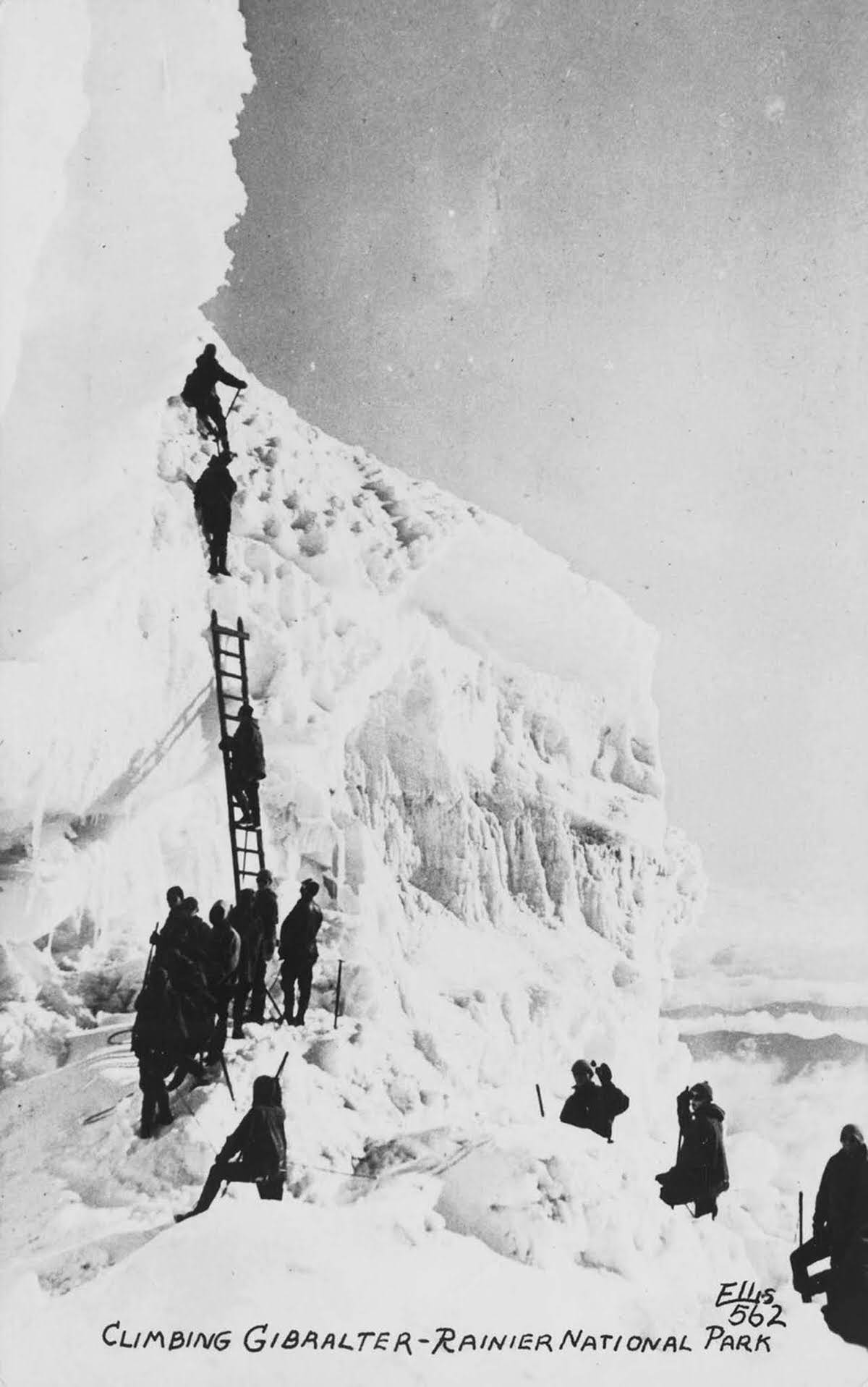
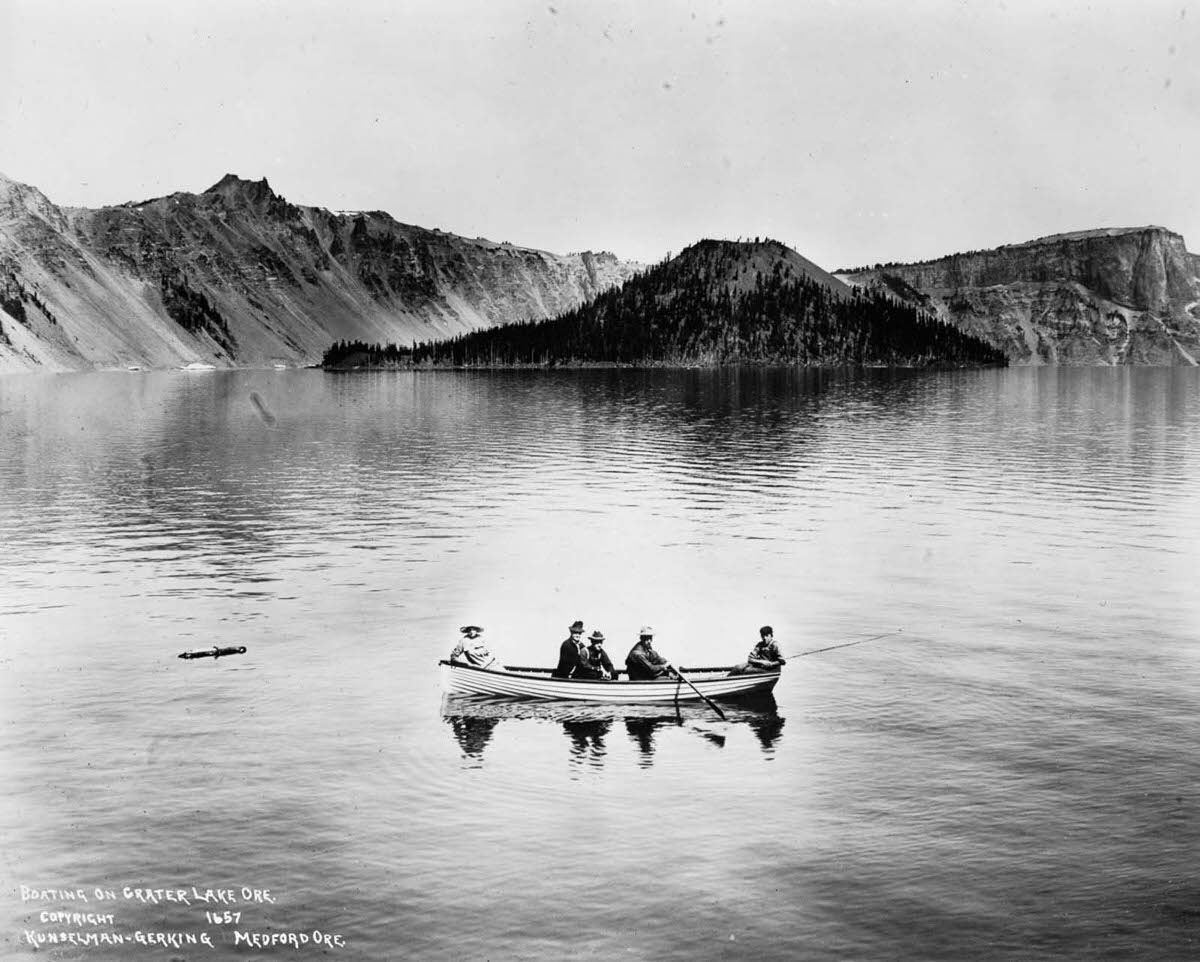
Crater Lake in Oregon and Rocky Mountain National Park in Colorado each offered their own unique terrain for early visitors. Crater Lake, formed inside the collapsed volcano of Mount Mazama, drew tourists who crossed its impossibly blue waters by boat. In the Rockies, horseback was the preferred way to navigate steep mountain trails that were impassable by wagon.
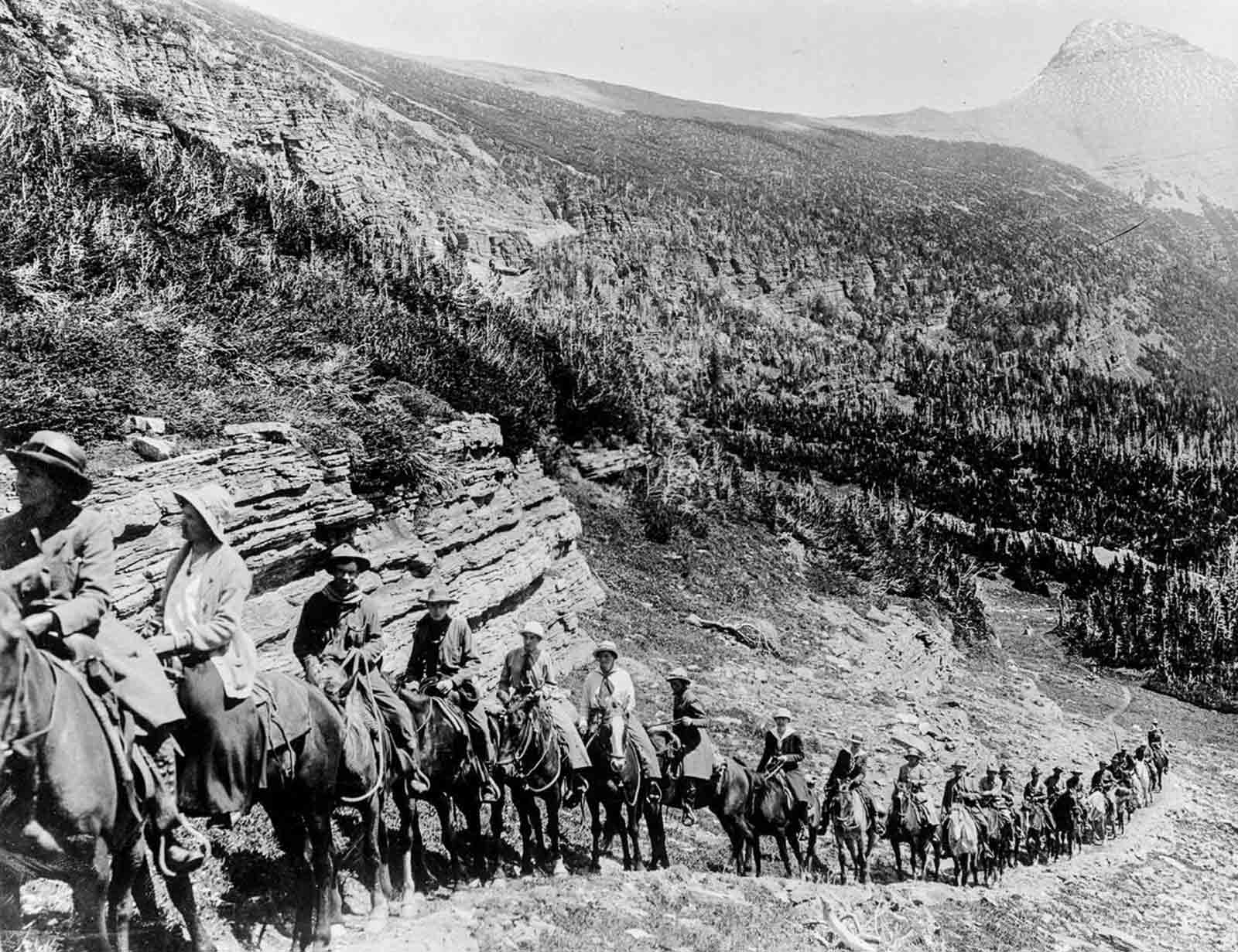
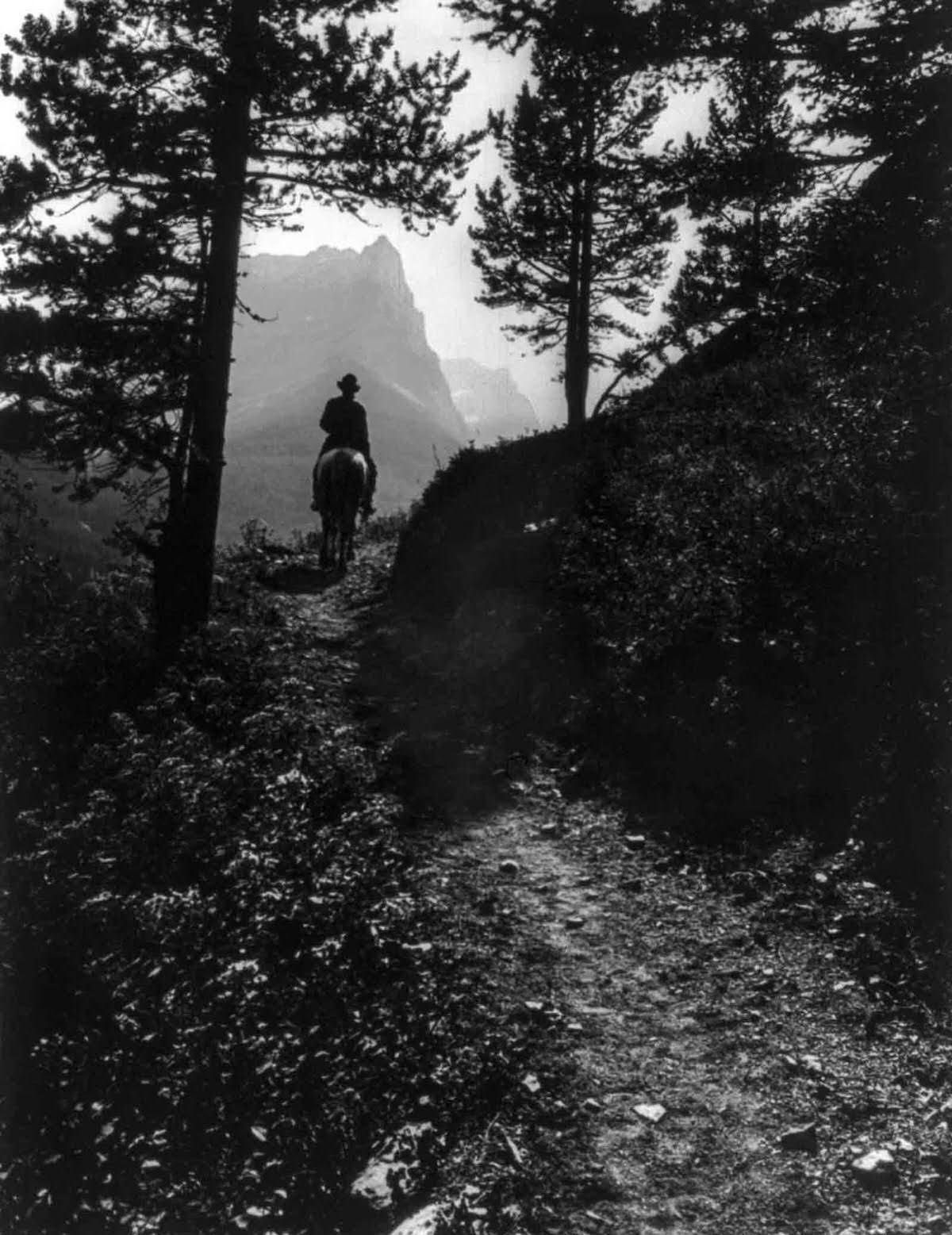
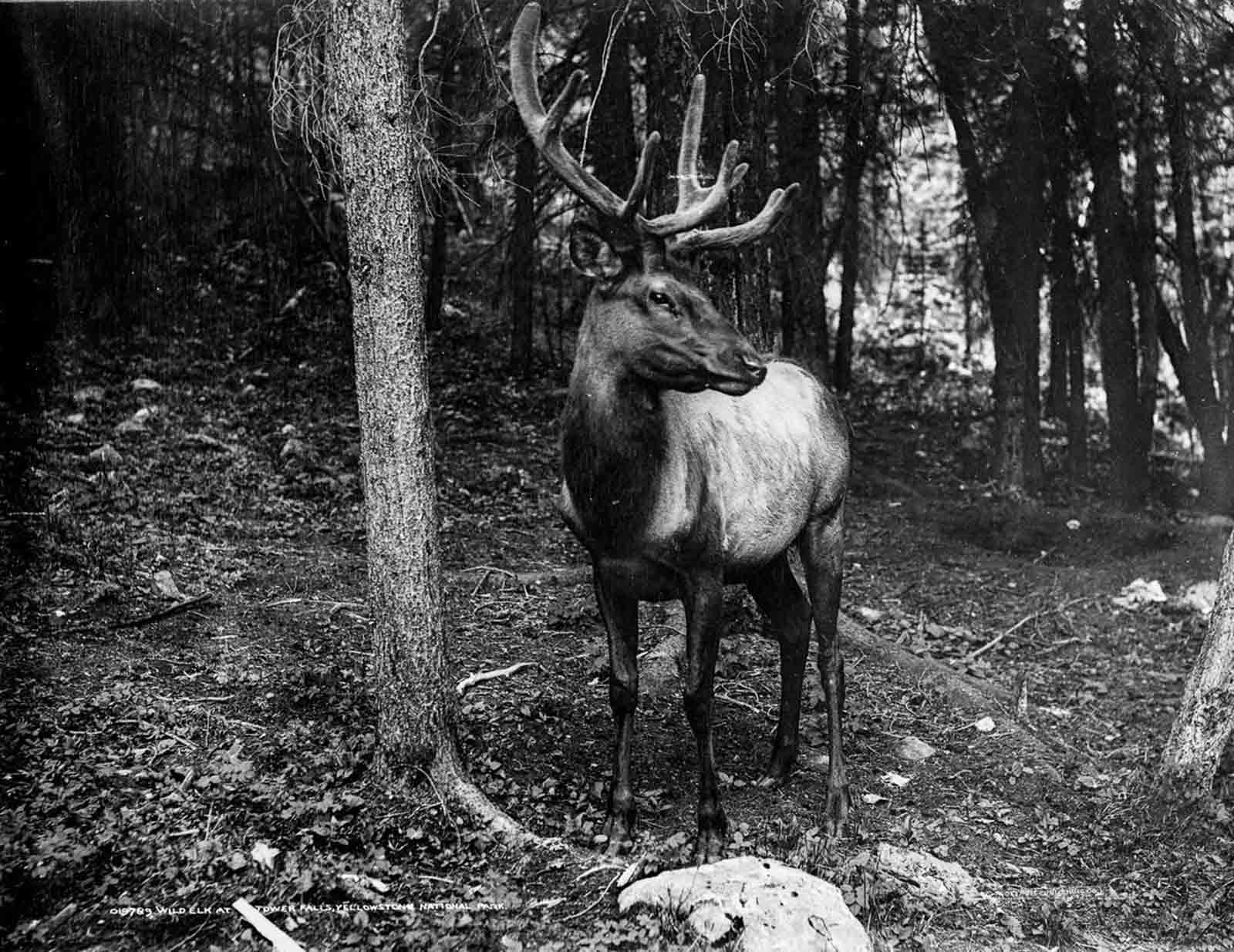
Glacier National Park in Montana, established in 1910, quickly drew riders and hikers to its rugged high-country trails. Wildlife was abundant throughout all the parks during this era. Yellowstone’s elk, in particular, roamed freely near waterfalls and meadows, sometimes wandering close enough to be photographed by visitors who had no telephoto lenses — only patience.
On August 25, 1916, President Woodrow Wilson signed the Organic Act, creating the National Park Service and giving it a clear mission: to preserve these places while making them available for public enjoyment. At that point, the parks had been accumulating for decades without a unified federal body to manage them. The new agency brought that management together under one roof. Today, the National Park System includes 418 natural, historical, recreational, and cultural areas across the United States and its territories — a vast network built on the foundations laid by surveyors, railroad executives, conservation advocates, and the earliest tourists who showed up with cameras and a sense of wonder.
