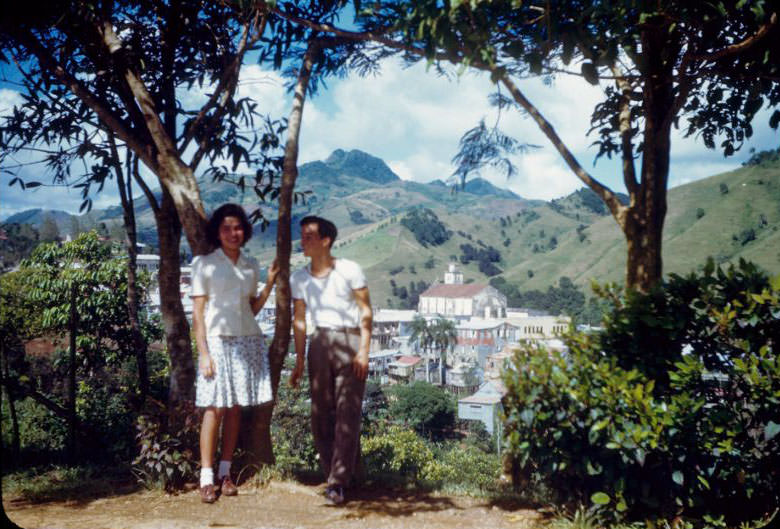
The 1940s were a decade of deep change for Puerto Rico. At the start of the decade, the United States began building military bases on the island as World War II drew closer. When the war came, more than 65,000 Puerto Ricans served in the U.S. military — a remarkable number for an island of its size. Back home, daily life continued to run on agriculture, animal labor, and tight-knit communities spread across the island’s mountains, valleys, and coastlines.
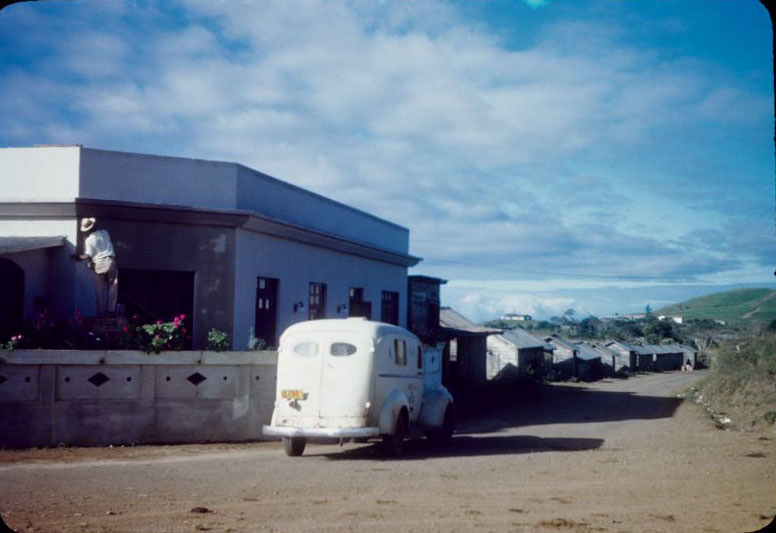
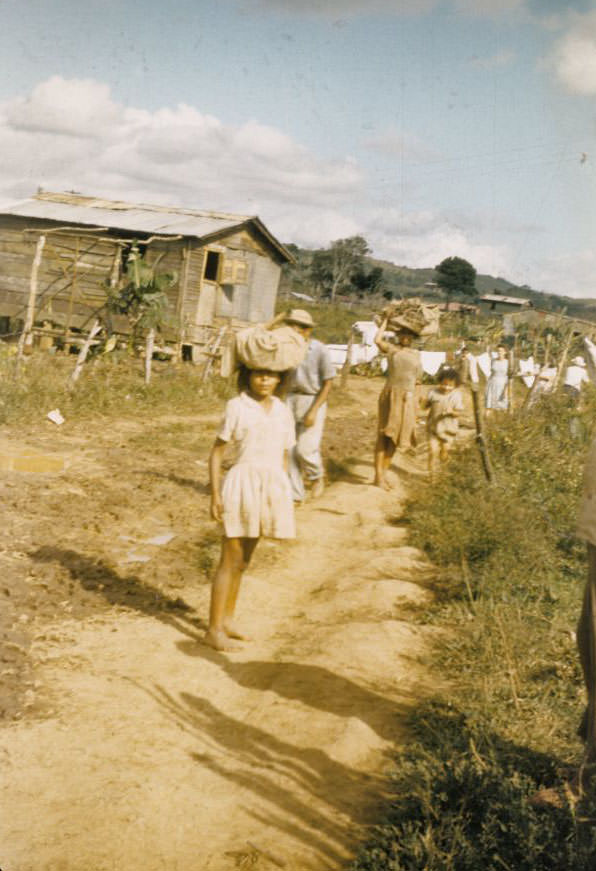
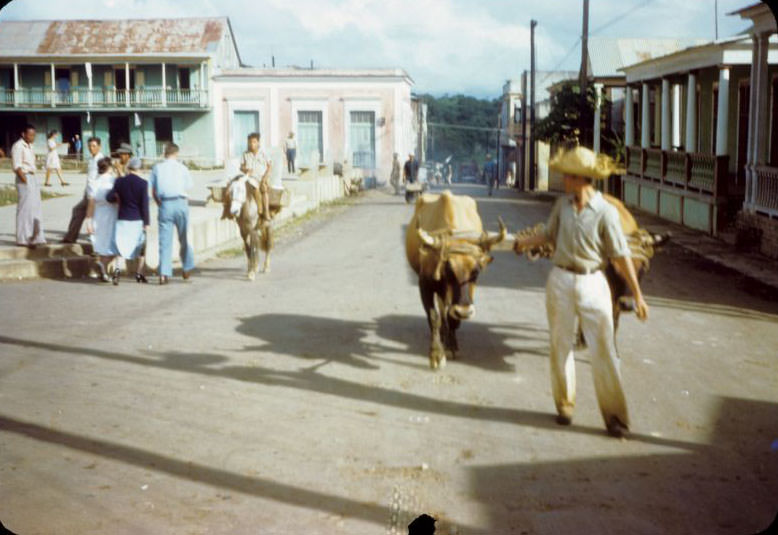
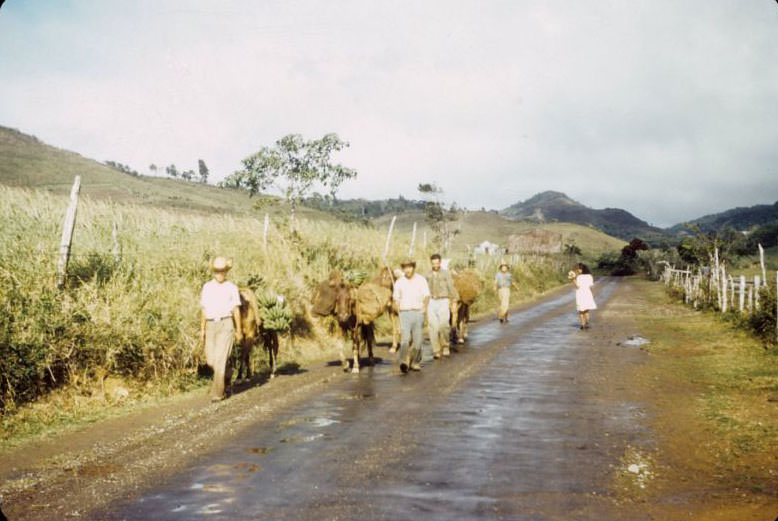
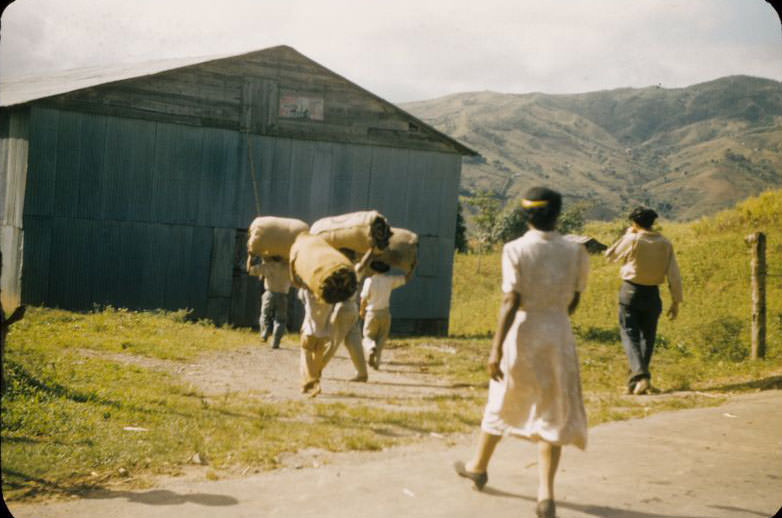
The town of Aibonito, nestled in the Cordillera Central, was a hub of rural activity. Horses, oxen, and mules were the main engines of transport and farming. Tobacco was a major crop, and getting it from the field to the warehouse required long days of physical work. The roads connecting farms and towns were often unpaved, and children walked them daily.
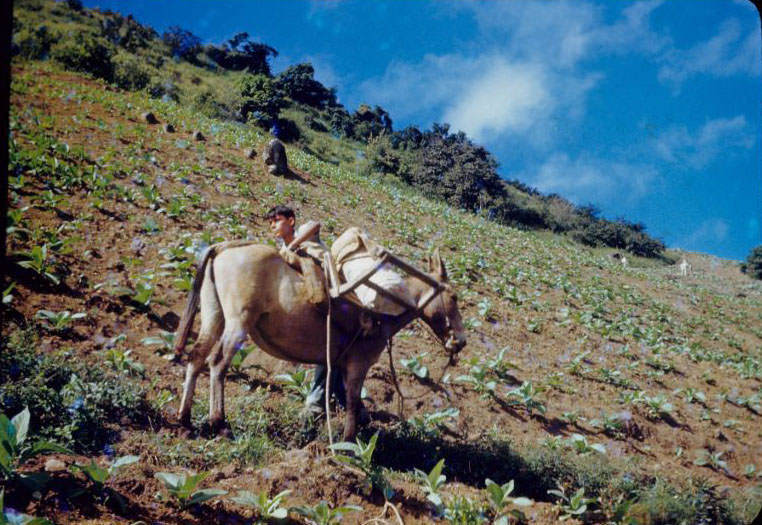
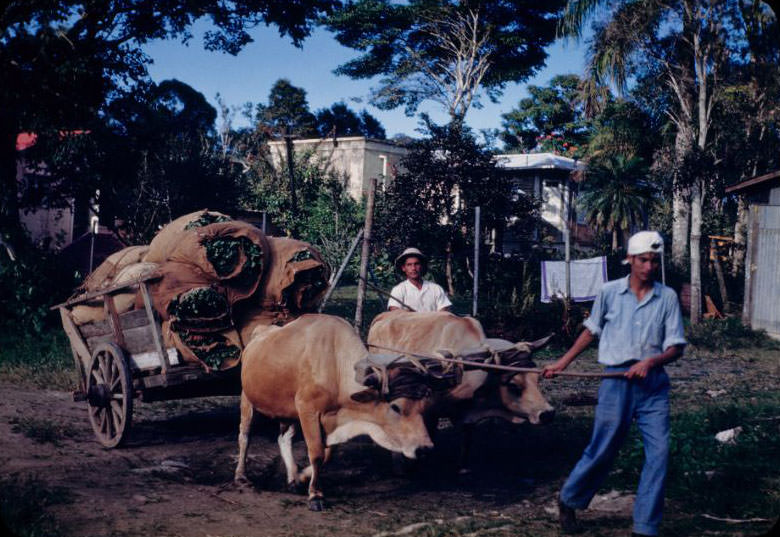
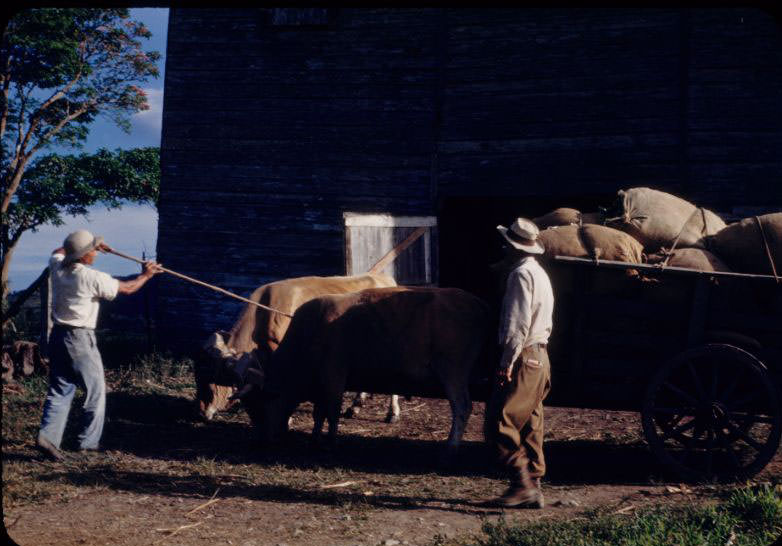
In the fields around Aibonito, harvested tobacco was bundled and loaded onto horses for transport. Teams of oxen pulled carts piled high with leaves to the warehouse, where workers unloaded and processed the crop. These scenes played out season after season, largely unchanged from one generation to the next.
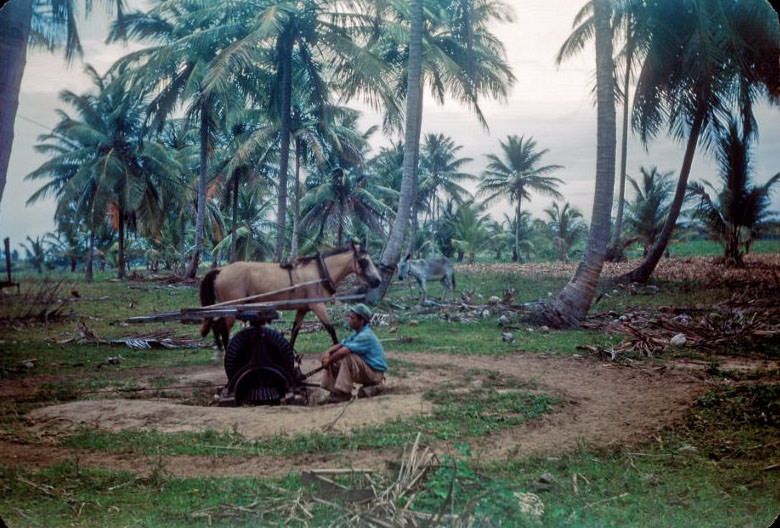
Sugarcane was another pillar of Puerto Rico’s agricultural economy. In areas like Asomante, workers hauled cane by hand and by cart, often under the open sun. Near the Piñones-Vaciatalega area not far from San Juan, cane mills were still powered by horses harnessed to winches — a slow but steady process that kept sugar production moving.
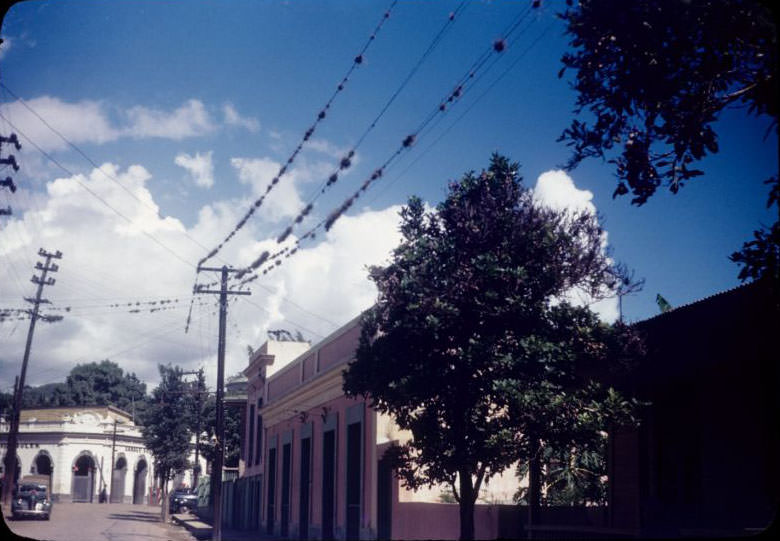
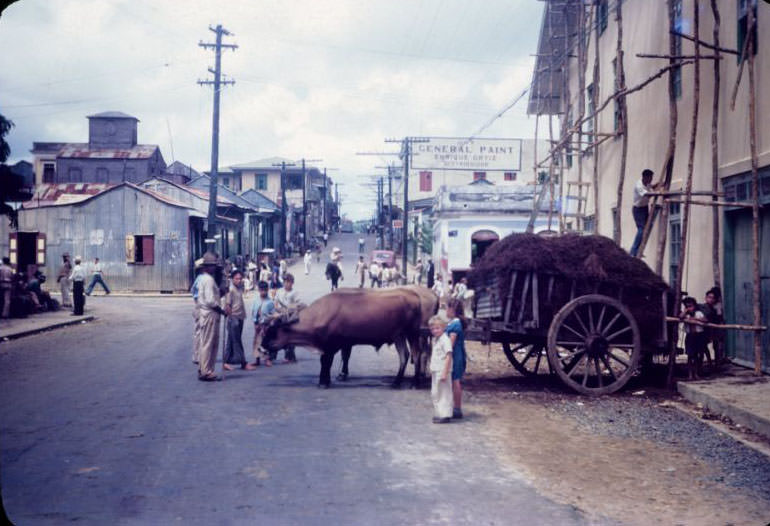
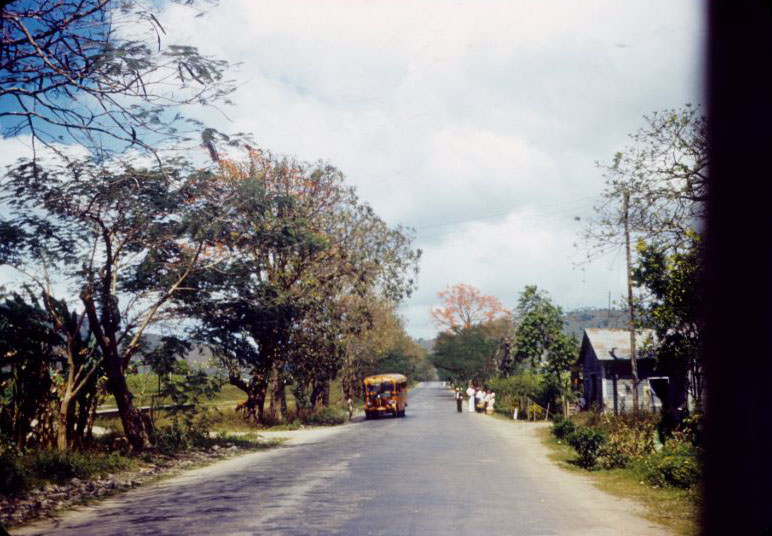
Towns like Caguas offered a different pace. People gathered at bus stops along the main road, waiting for transport to connect them to other parts of the island. The streets of Caguas were lined with storefronts and activity, giving a glimpse of Puerto Rico’s urban life alongside its rural one.
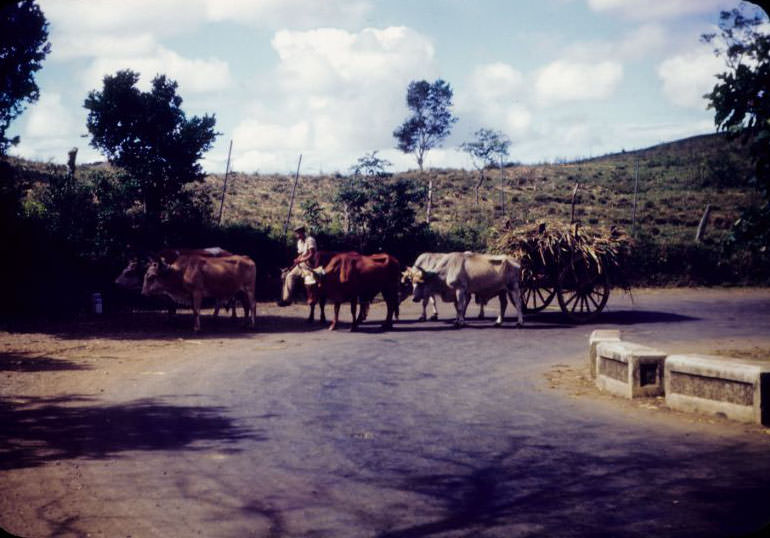
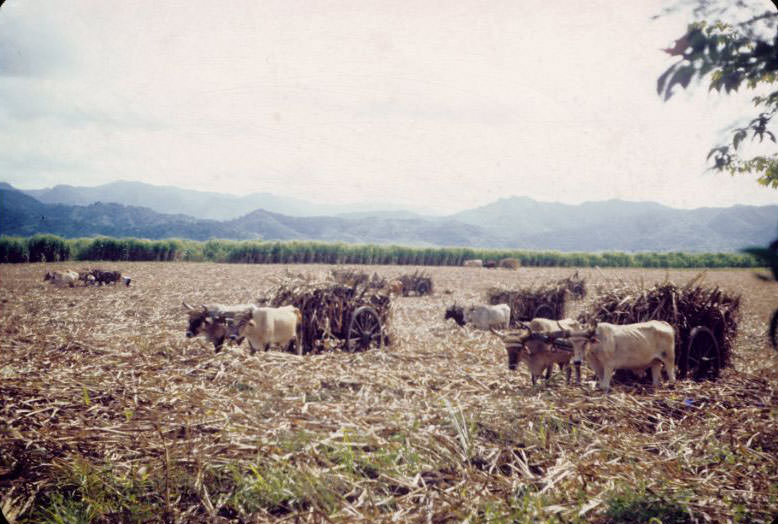
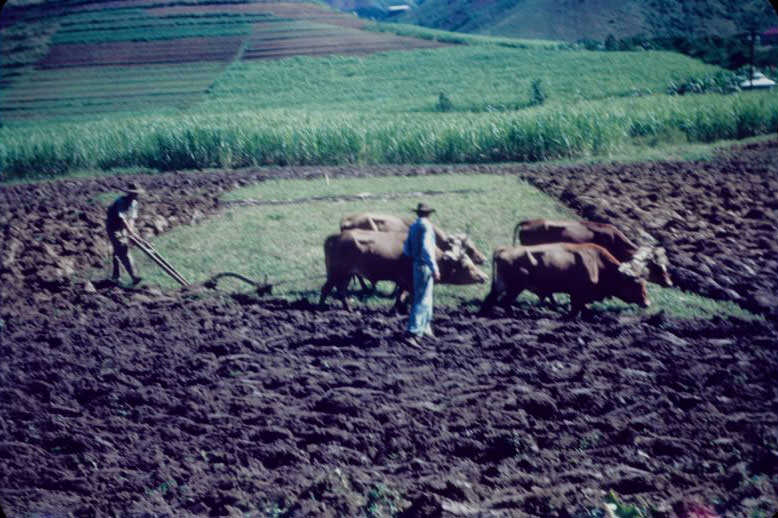
At harvest time, sugarcane fields were a spectacle of coordinated labor. Six-ox teams pulled heavy carts across the fields, while in other areas horses dragged bags of fertilizer along dirt roads. Steam tractors were beginning to appear alongside traditional animal power, signaling a slow shift toward mechanized farming.
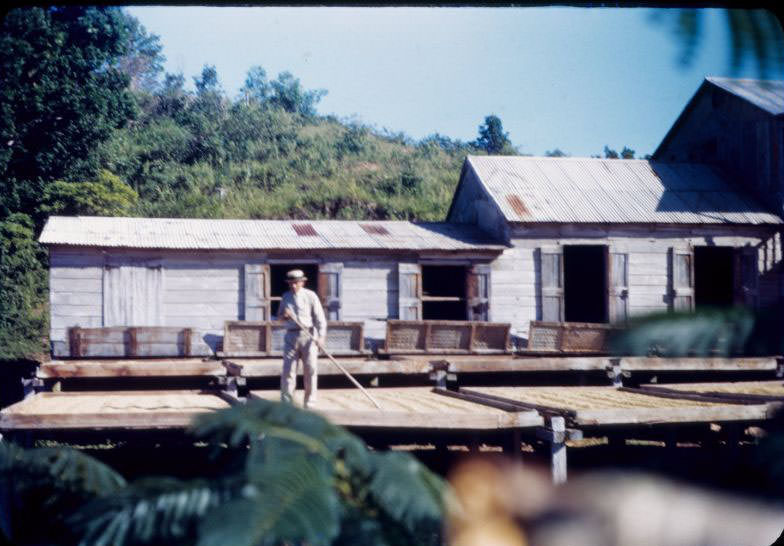
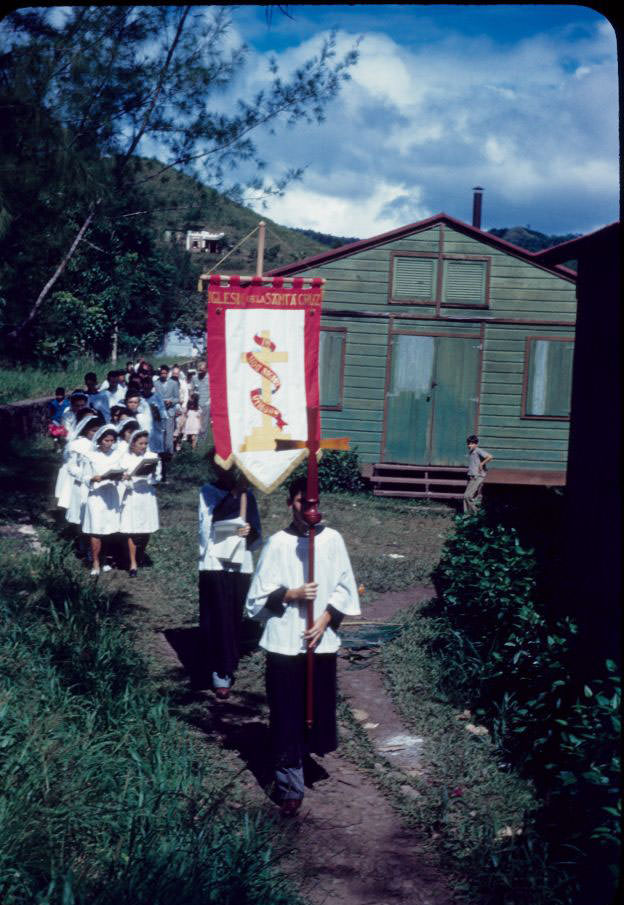
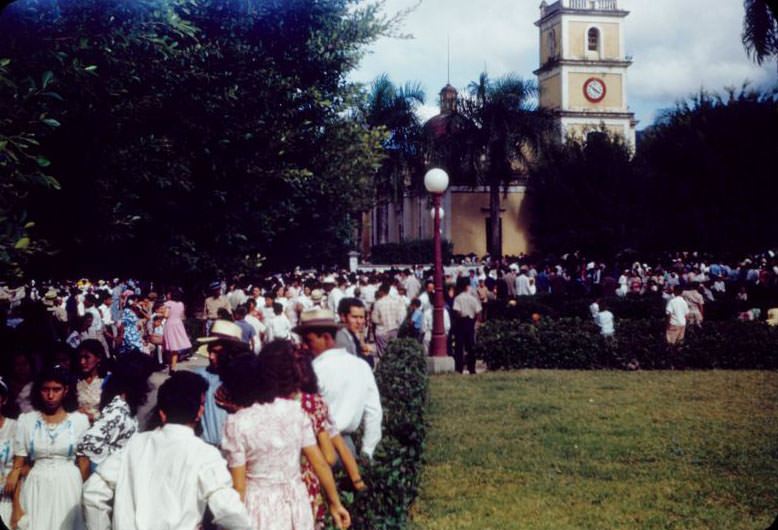
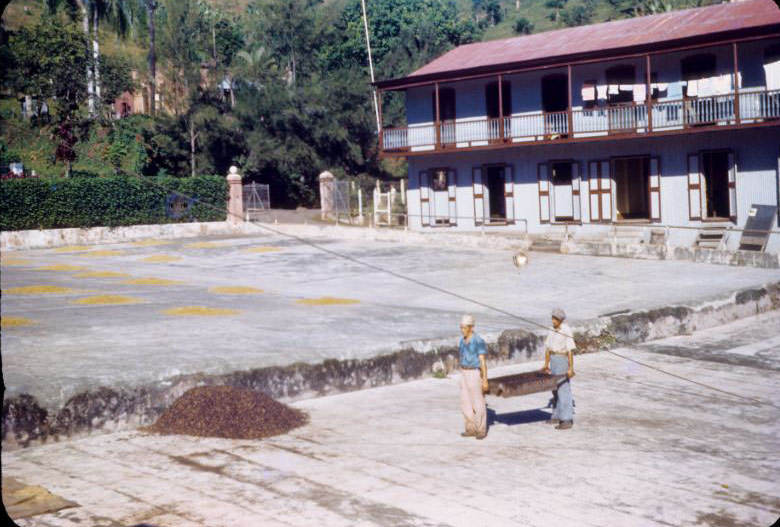
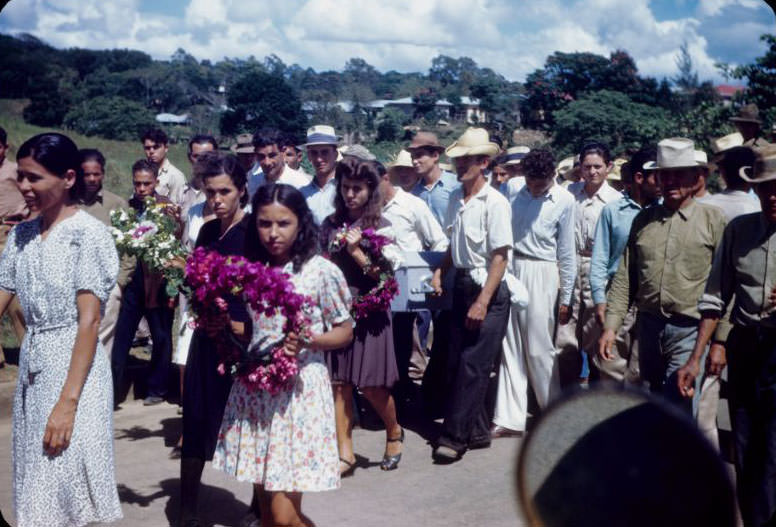
In the mountain town of Castañer, coffee was a way of life. Beans were spread out on large concrete pads to dry in the sun — a process that required constant attention and turning. The town also held its religious traditions close. Processions wound through its streets, with residents marking Catholic feast days with public ceremony.
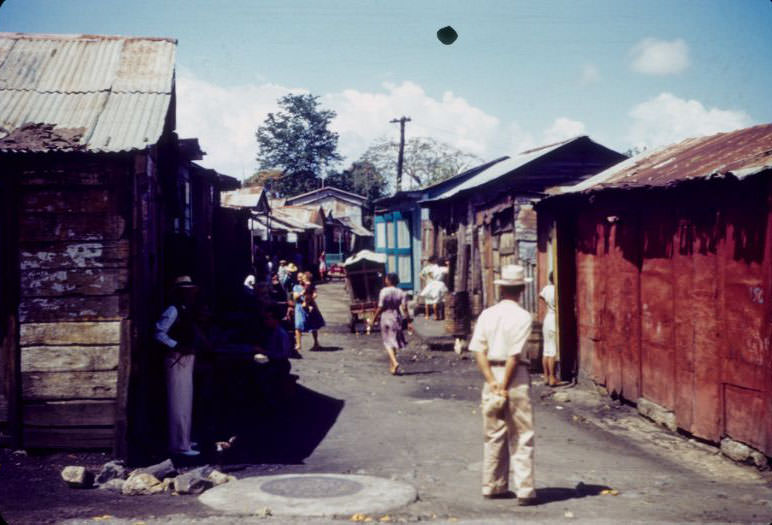
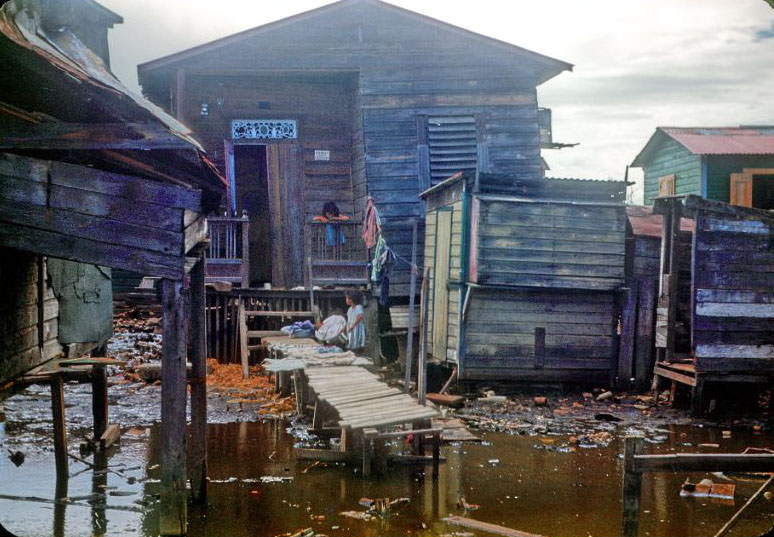
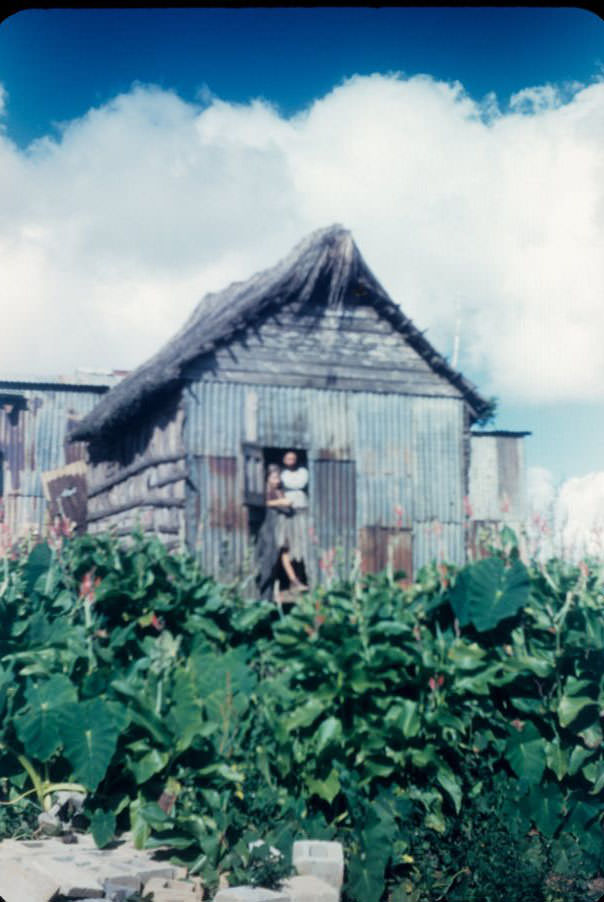
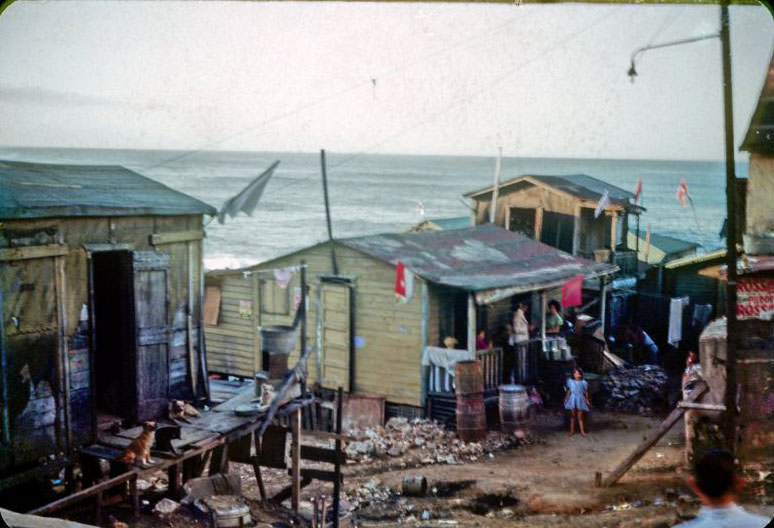
El Fanguito in Cataño was one of the island’s most densely crowded slum communities during this era. Built on mangrove swampland along the bay near San Juan, it housed thousands of families in precarious wooden structures. It was a stark contrast to the political and economic progress happening at the national level.
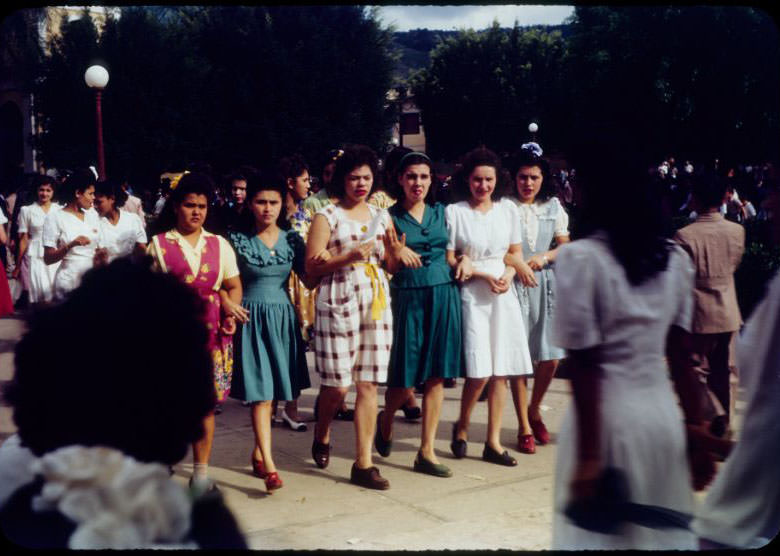
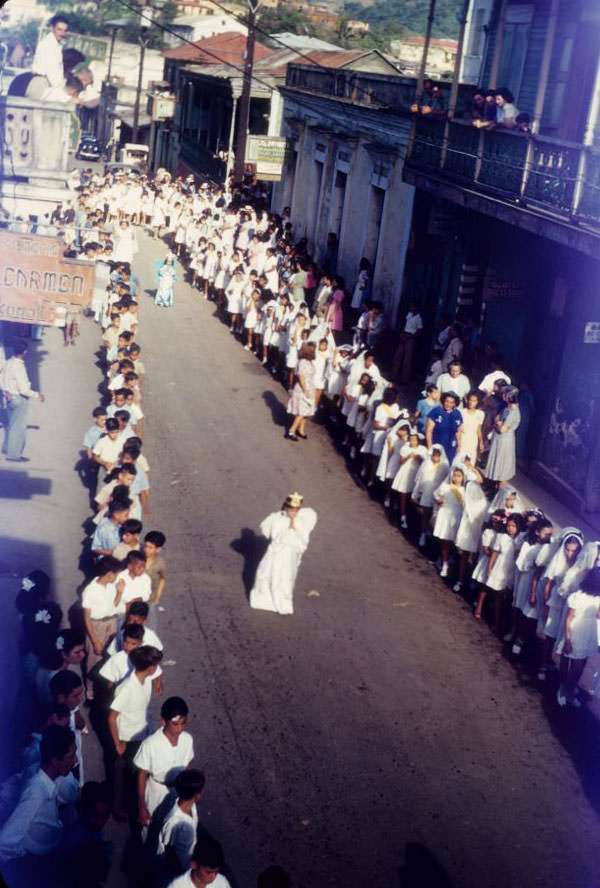
Good Friday was one of the most important events on Puerto Rico’s Catholic calendar. In Cayey, the observance drew large crowds into the streets. Girls dressed in special attire for the occasion, and processions moved solemnly through town — visible even from the rooftops and hilltops above.
Healthcare was a growing concern across the island. Medical staff gathered at Toita in Cayey, and communities around La Plata sought care at local medical centers and hospitals. Crowds gathered at hospital doors — a sign of both the demand for services and the limited number of facilities available to rural Puerto Ricans.
Coffee drying was a labor-intensive task that required workers to spread beans evenly across wide concrete surfaces and rake them throughout the day. Two men working with large wooden trays with handles was a common sight, as was the smell of drying beans drifting through mountain villages.
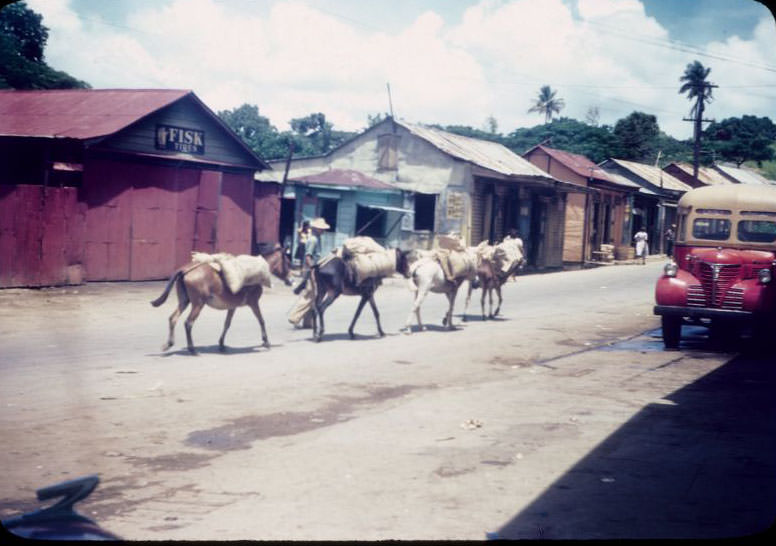
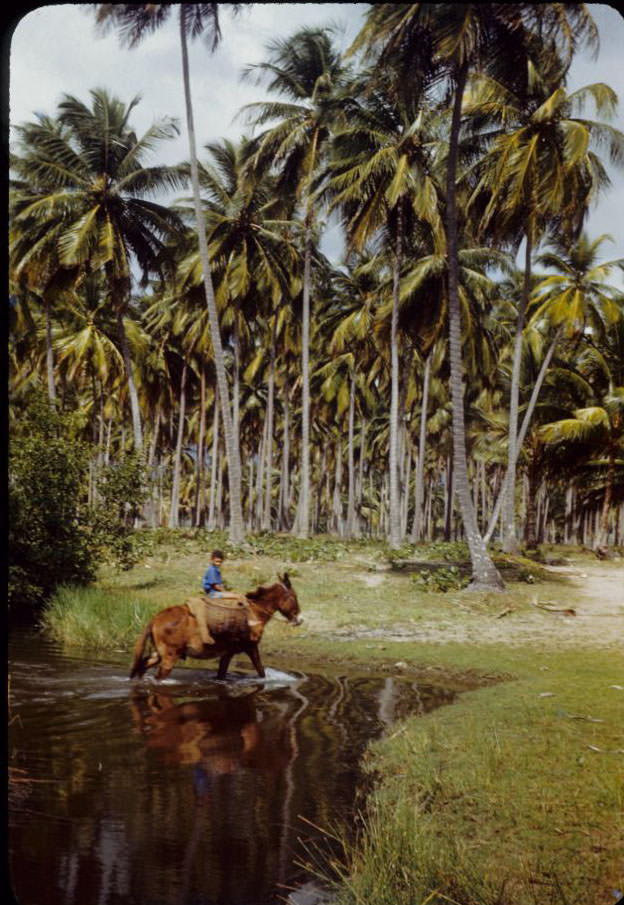
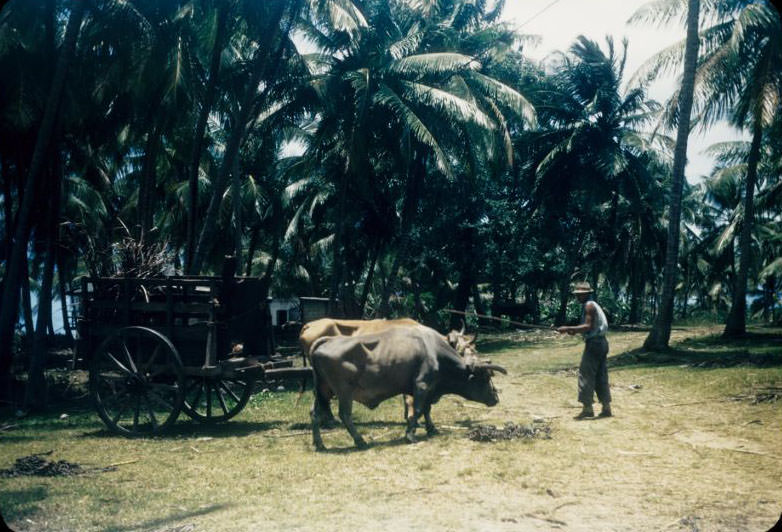
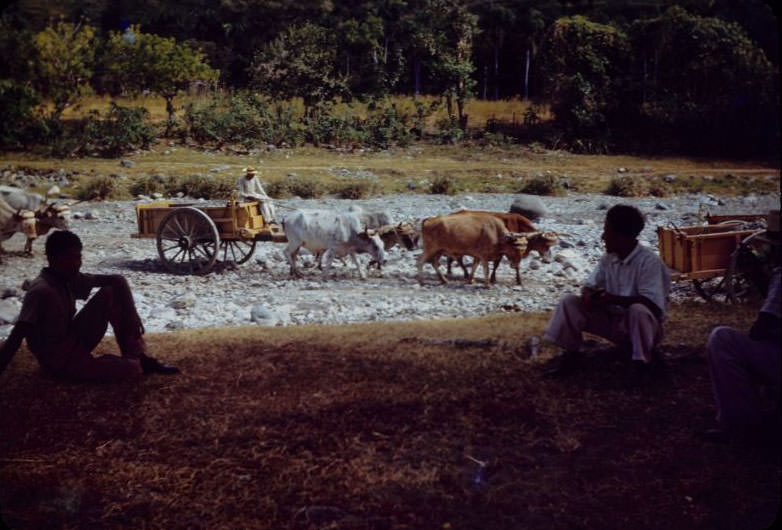
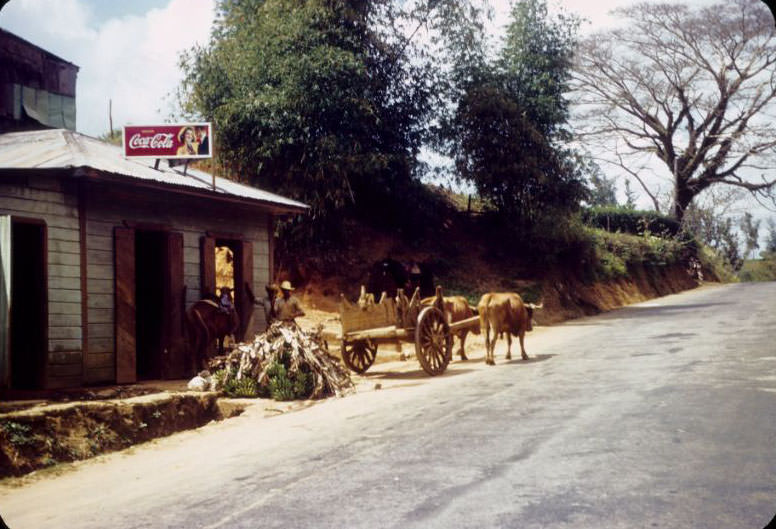
Coconuts, stones, and all manner of goods moved across Puerto Rico by ox-drawn cart. These animals were essential infrastructure — without them, farms could not function and markets could not be supplied. Roadside stores served as gathering points where farmers stopped to trade, rest, and socialize.
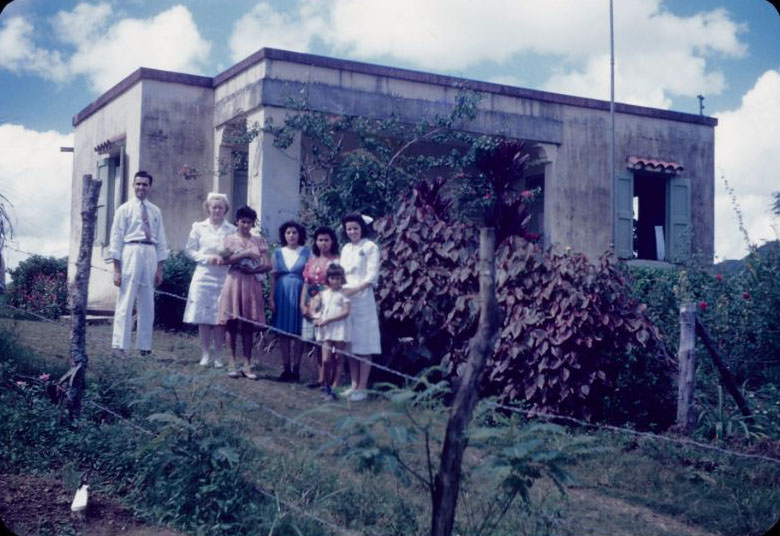
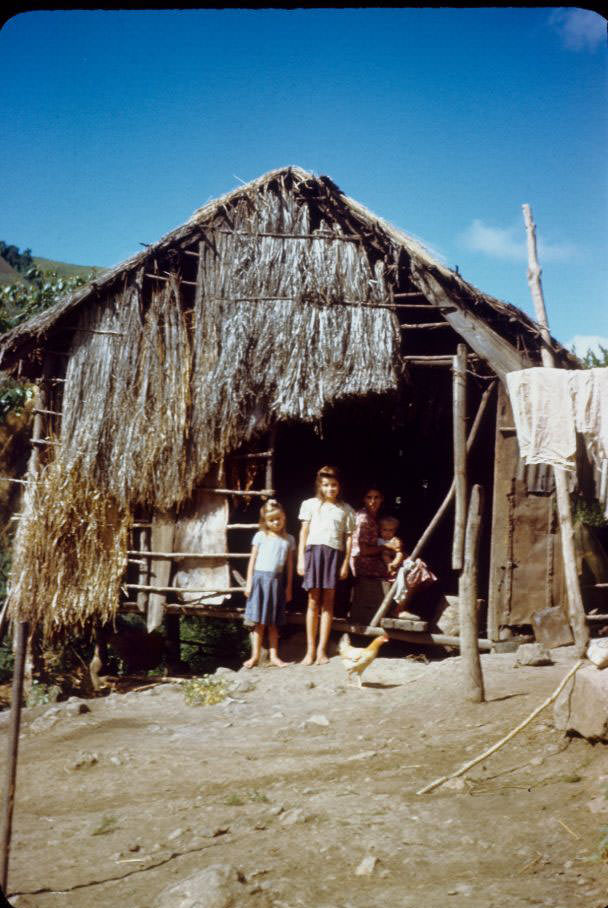
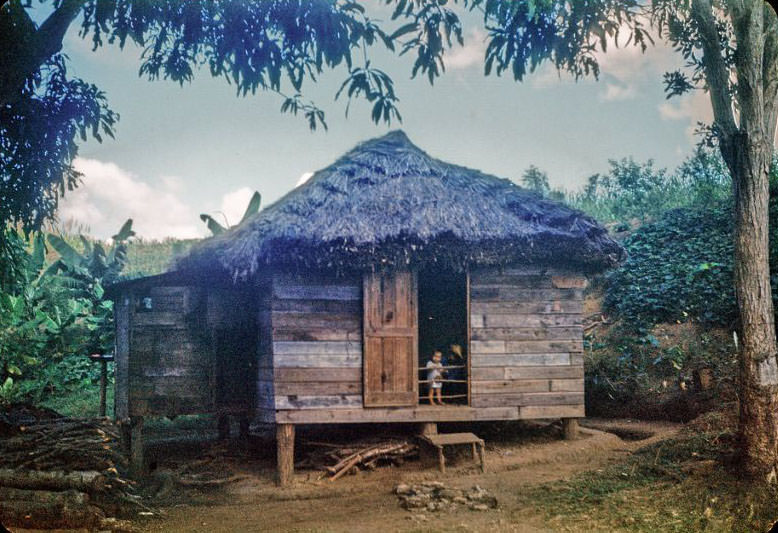
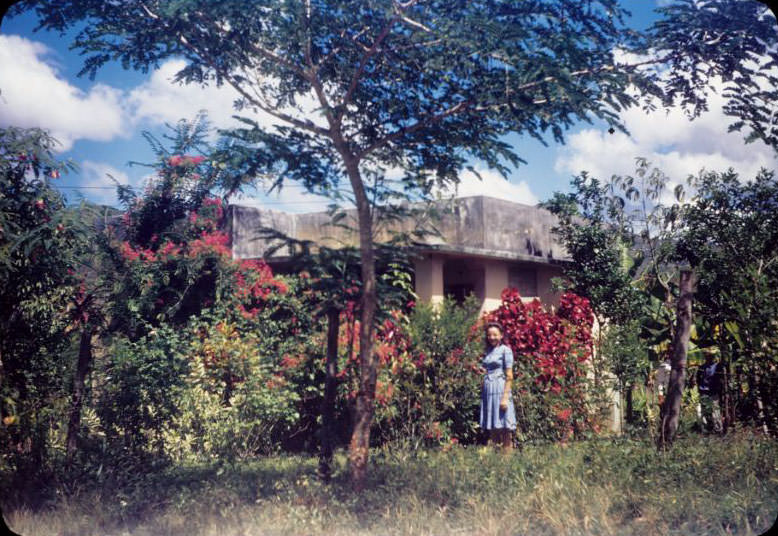
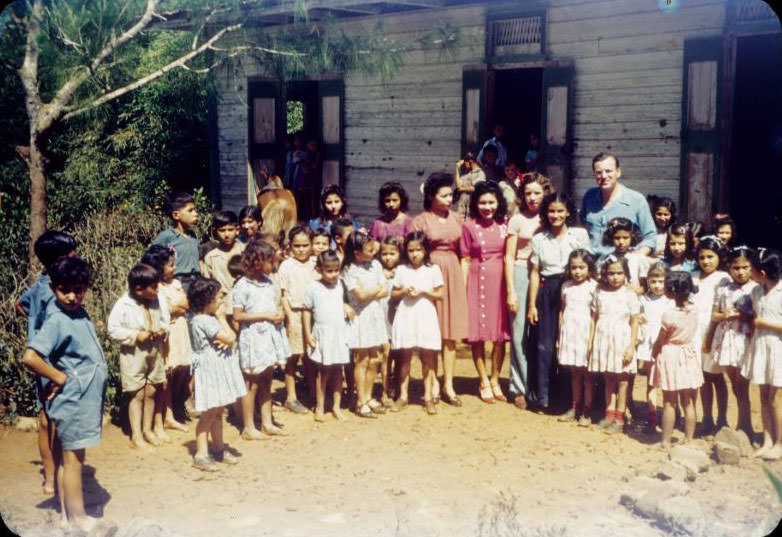
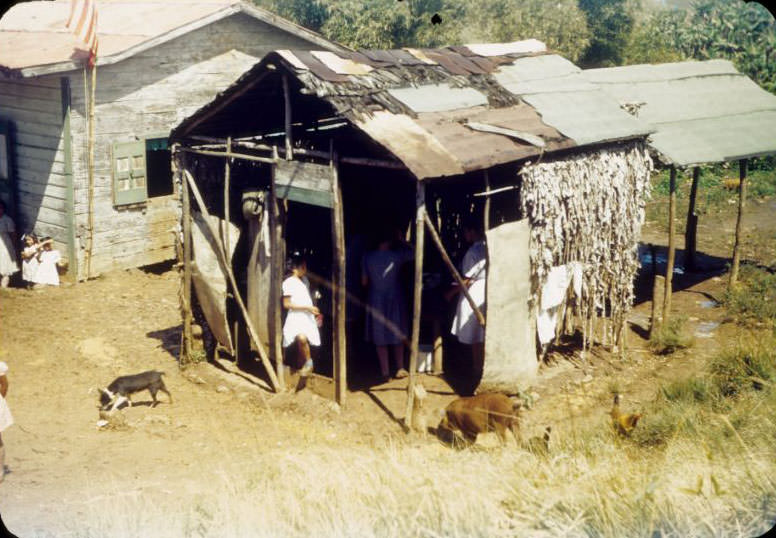
Rural homes in places like Salto and Cuchilla were modest structures, often wooden, set against lush hillsides. Children peered out from doorways, and daily life unfolded on front porches and dirt paths. The neighborhood of La Perla in San Juan, by contrast, clung to the city’s old walls — a dense, working-class community with a long history.
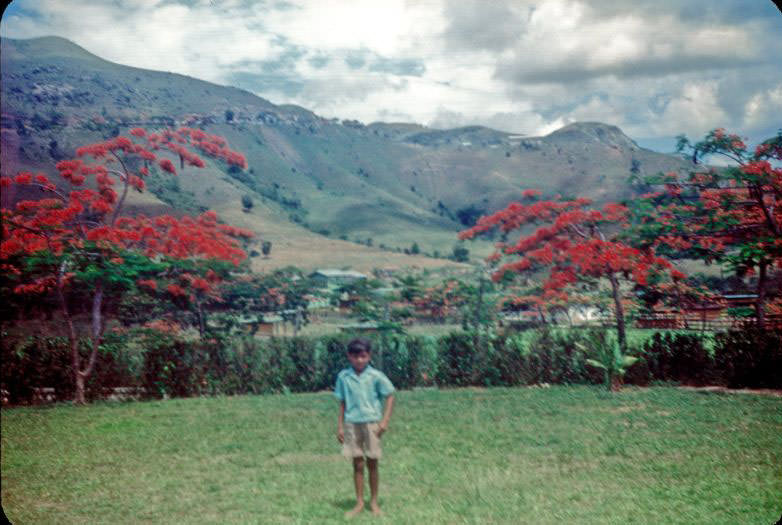
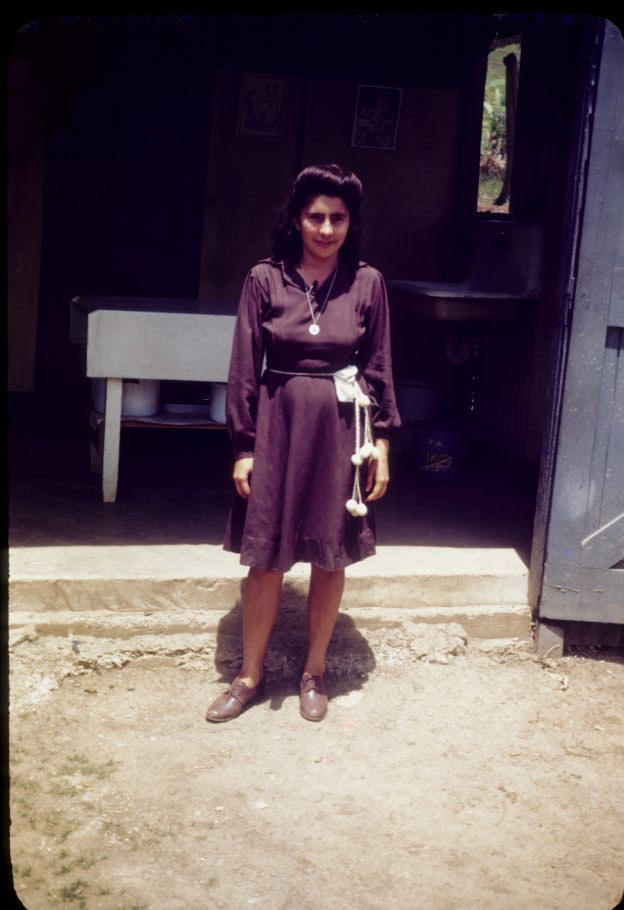
La Plata was a community shaped by both nature and necessity. Morning fog rolled through its valley, flamboyant trees lined its paths, and children carried on their daily routines surrounded by beauty that belied the hard work of farming life. A girl dressed in a vow to St. Anthony — a traditional Catholic practice — stood as a reminder of how deeply faith was woven into everyday existence.
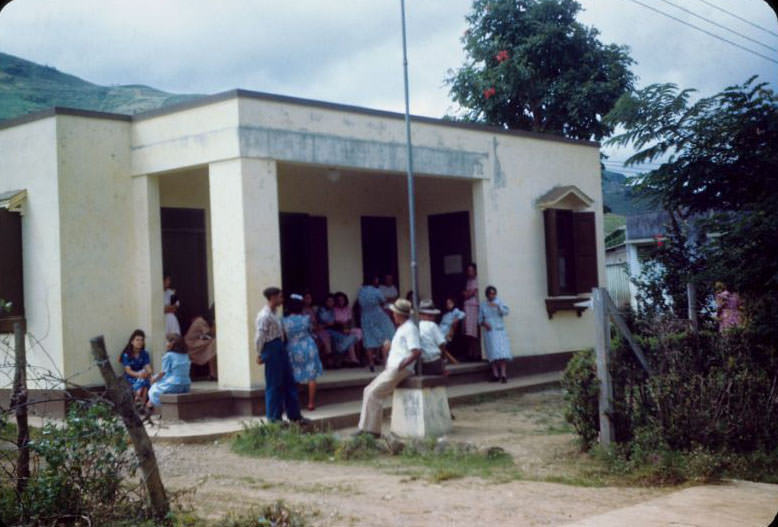
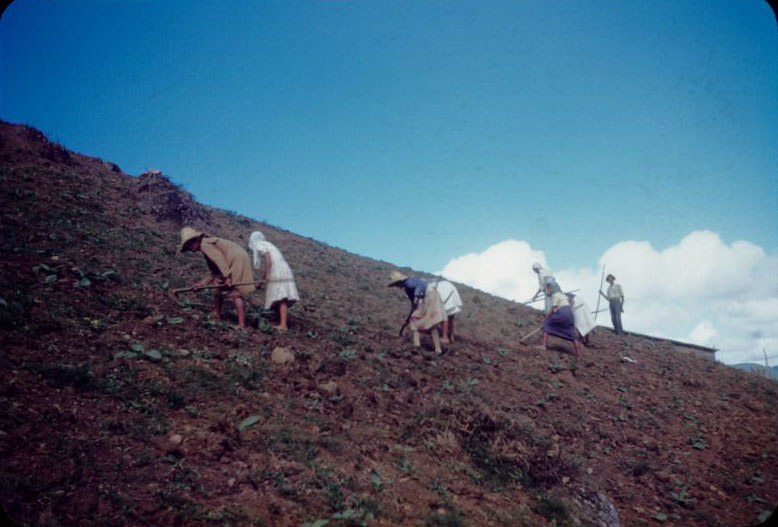
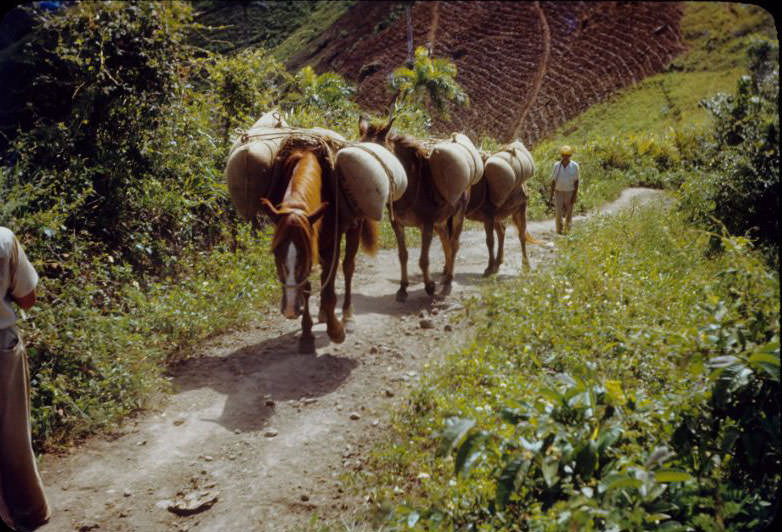
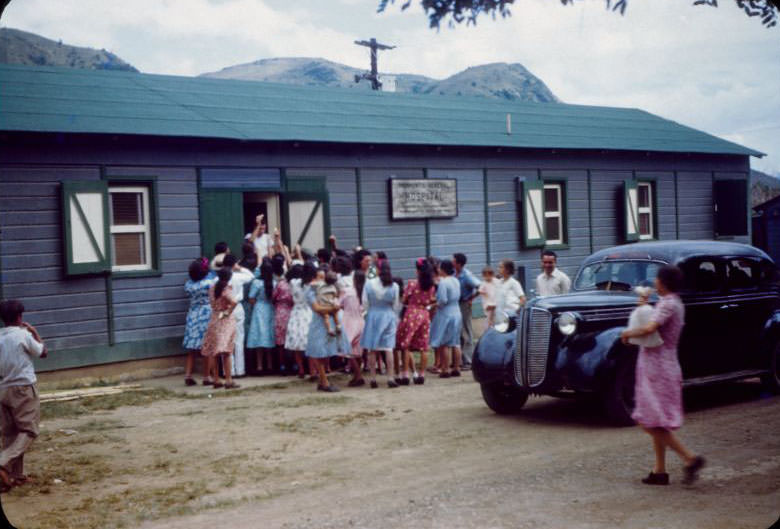
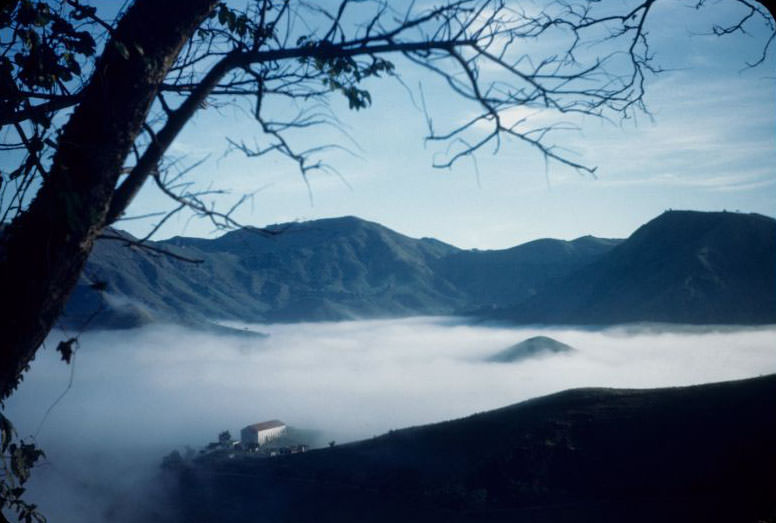
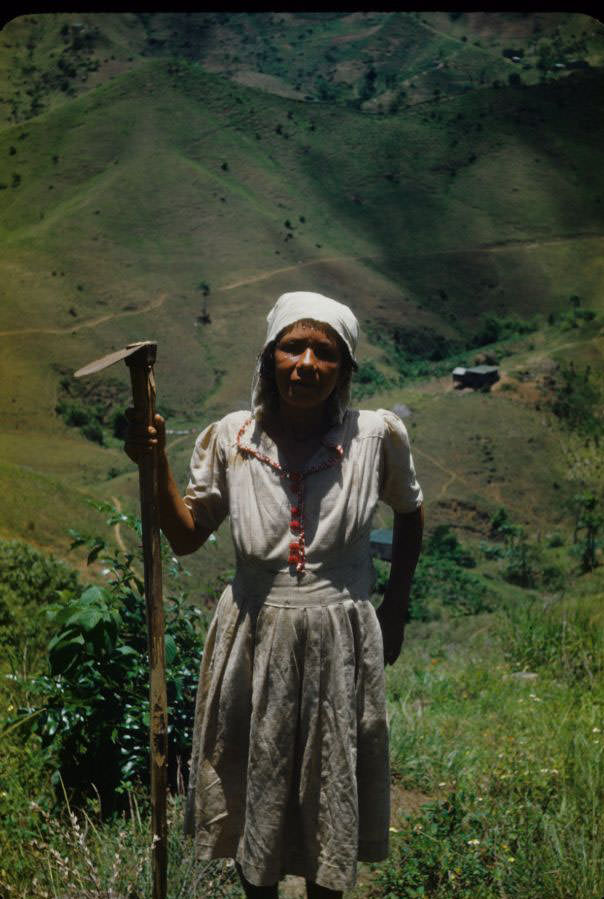
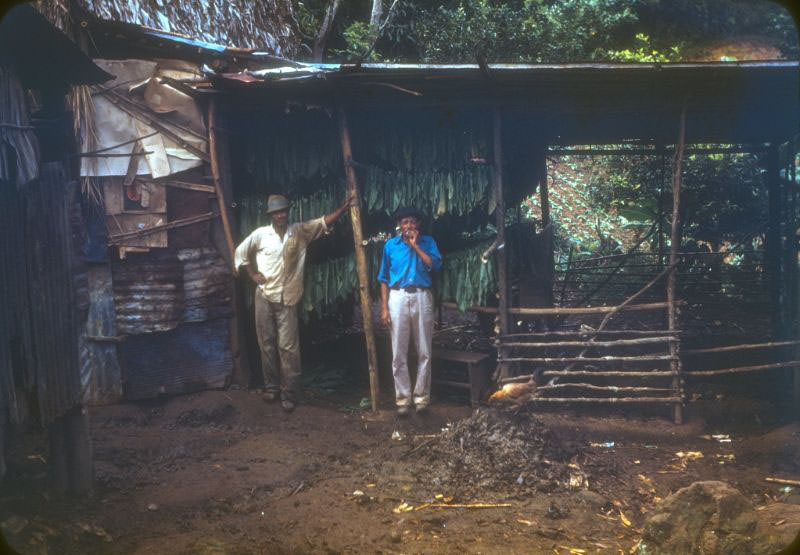
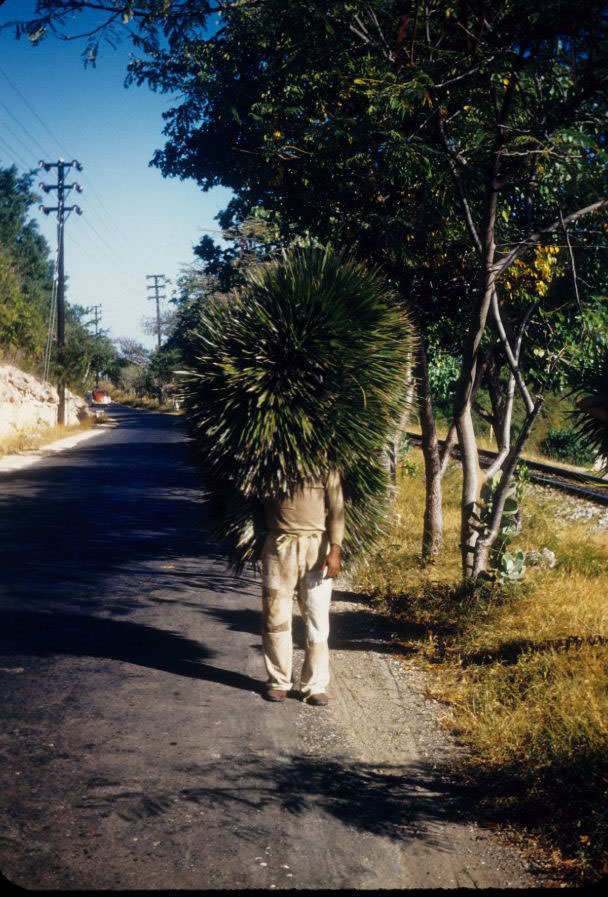
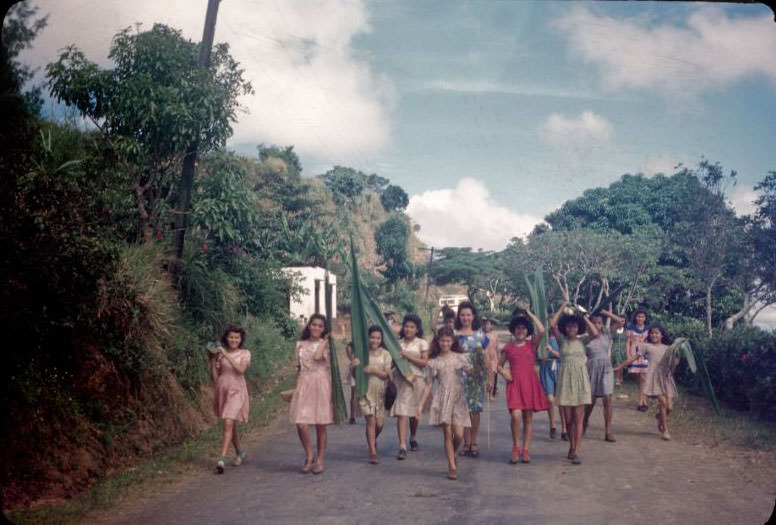
Religious observance and agricultural work often overlapped in the rhythms of island life. Men carried palm branches through village streets, while others hauled bundles of tobacco into barns. Women hoed fields and worked alongside men in nearly every stage of crop production. This was subsistence and commerce working side by side.
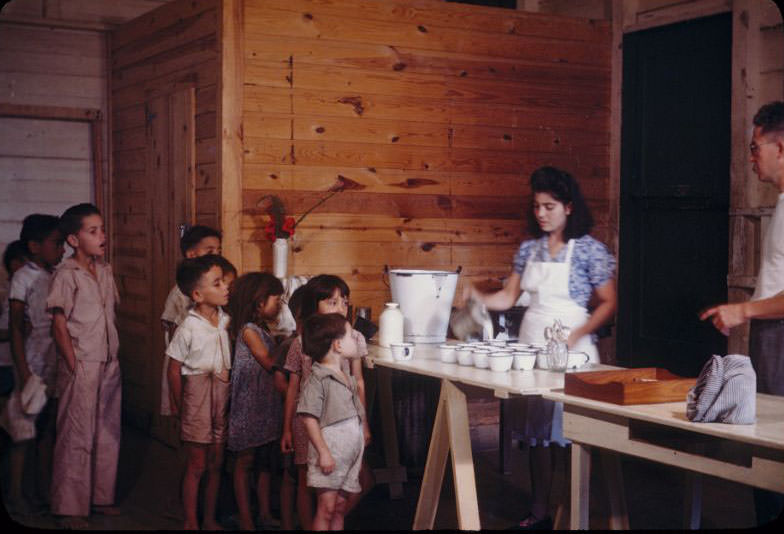
Public health efforts reached into rural areas through milk stations, where women filled glasses and lined up children to receive their daily ration. These programs were part of broader efforts — including the Puerto Rico Reconstruction Administration — to address poverty and malnutrition across the island.
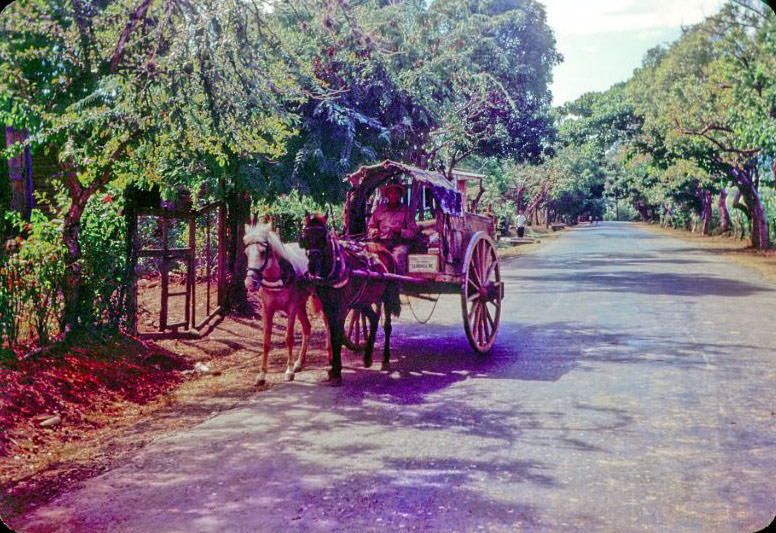
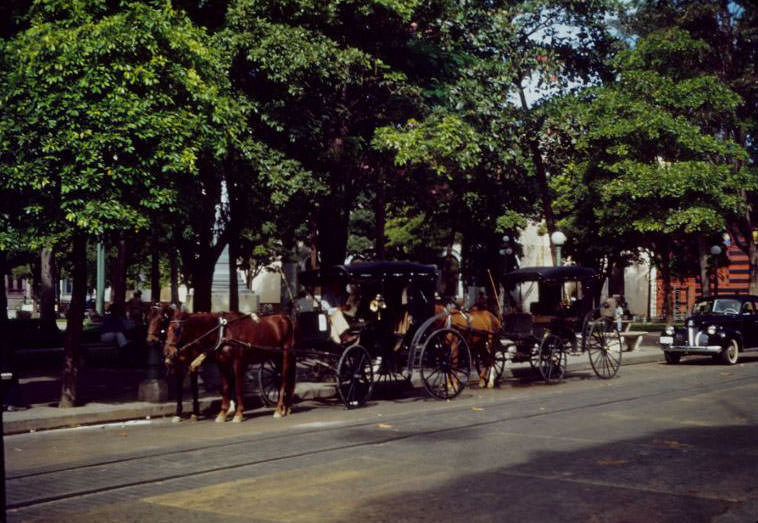
Ponce, the island’s second-largest city, had its own distinct character. Horse-drawn taxis waited near the fire station, and Teatro La Perla — the city’s grand theater — anchored its cultural life. Wagons still moved through city streets, carrying goods much as they had for generations.
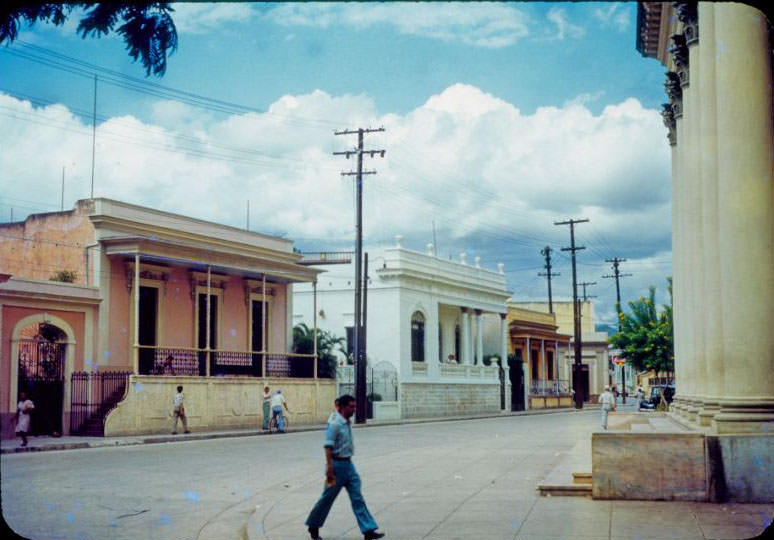
Housing reform was a priority during this decade. The Puerto Rico Reconstruction Administration had built new homes to replace the worst of the island’s slum dwellings. By 1942, the Puerto Rico Industrial Development Company was established to push economic modernization further. These government efforts were beginning to change the physical landscape of the island.
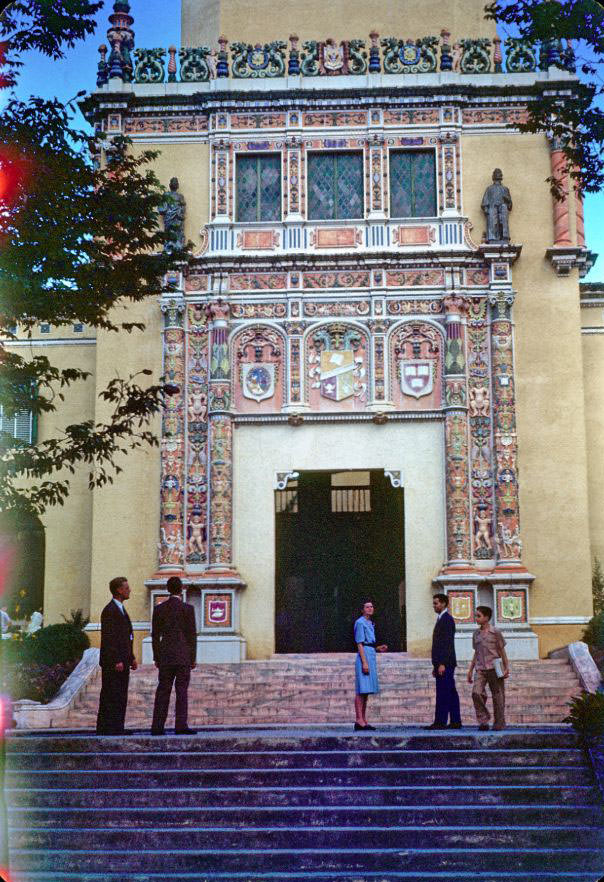
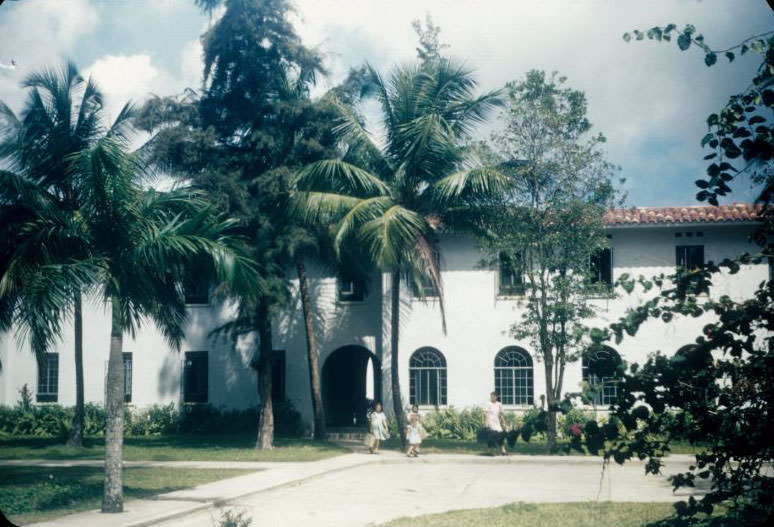
Education was expanding too. The University of Puerto Rico in Río Piedras trained the next generation of professionals, while rural schools like the one at Pulguillas served children in farming communities. Schoolchildren were photographed holding sisal leaves, showing how agricultural education was part of the curriculum. School lunch programs fed students in areas where hunger was common.
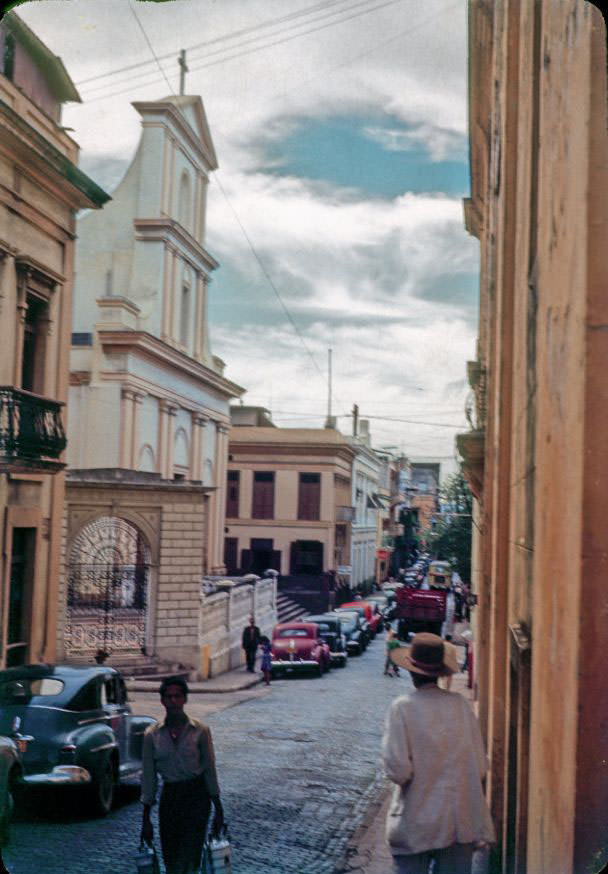
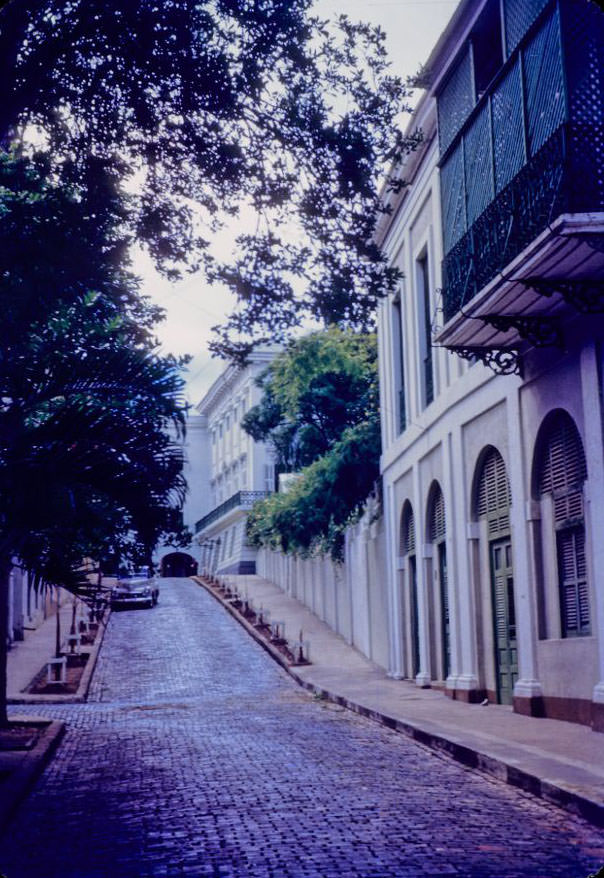
San Juan’s historic core remained a centerpiece of Puerto Rican identity. The cathedral’s ornate facade stood as one of the oldest churches in the Western Hemisphere, while La Fortaleza — the governor’s residence — represented political authority. In 1946, Jesús T. Piñero became the first Puerto Rican-born governor to lead the island. Two years later, in November 1948, Puerto Ricans voted in their first governor’s election under a new U.S. congressional act granting them that right.
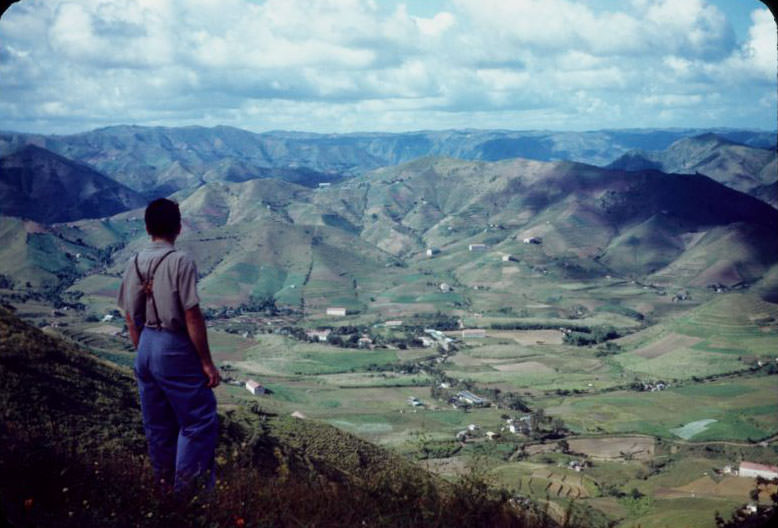
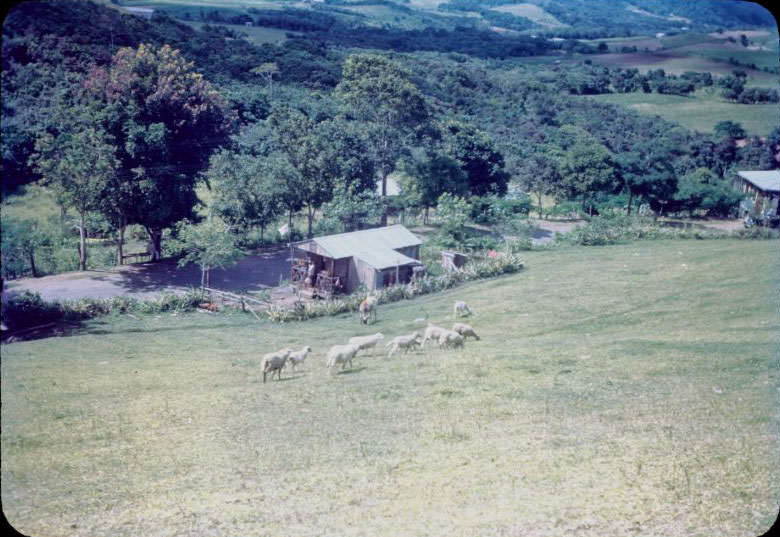
Animals filled every corner of Puerto Rican agricultural life. Sheep grazed in Aibonito, while sugarcane planters worked fields where oxen and steam tractors operated side by side. Tobacco seed was threshed by hand, and barns dotted the Toita Valley above Toa Alta — visible from the cliff road that wound through the hills.
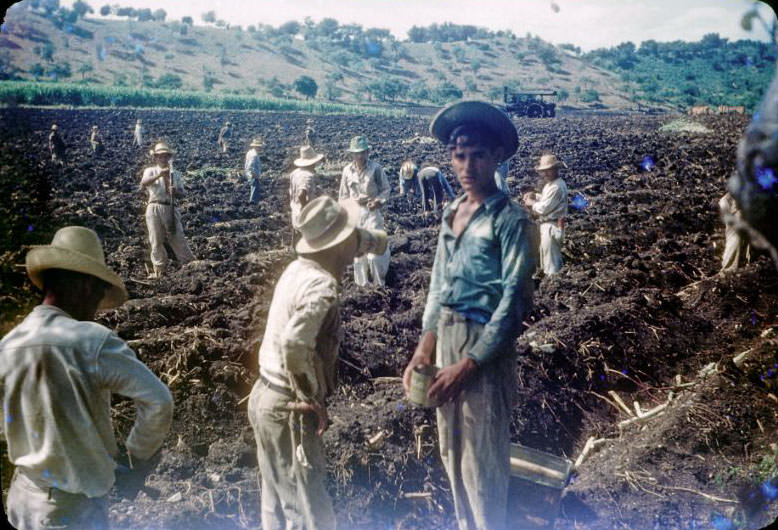
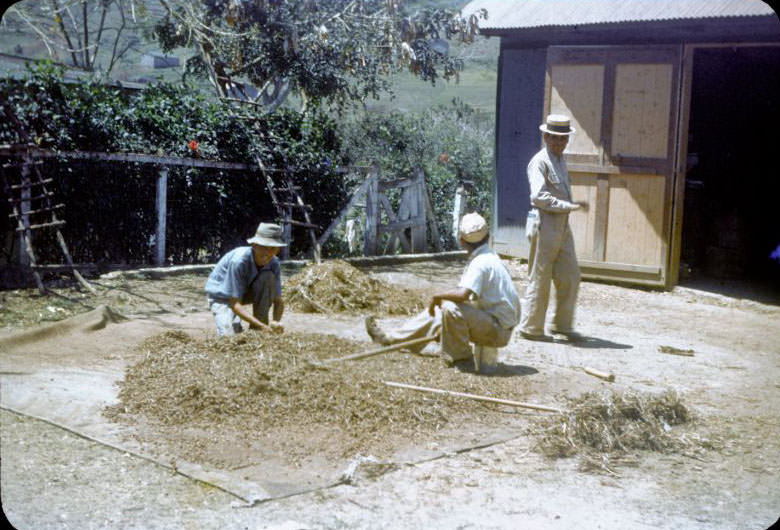
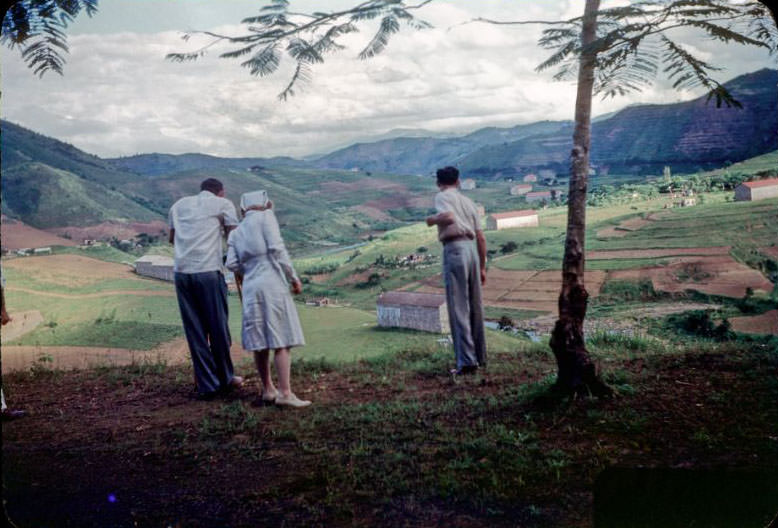
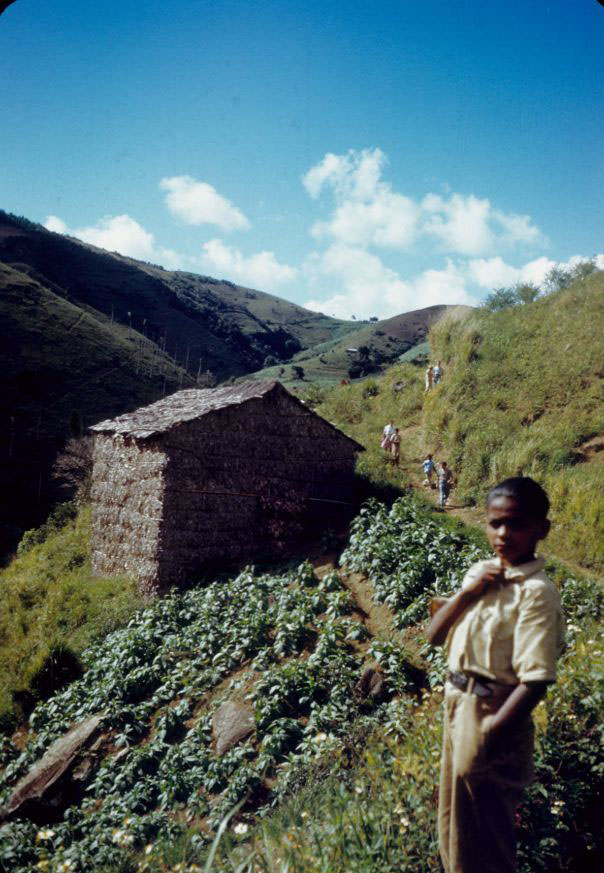
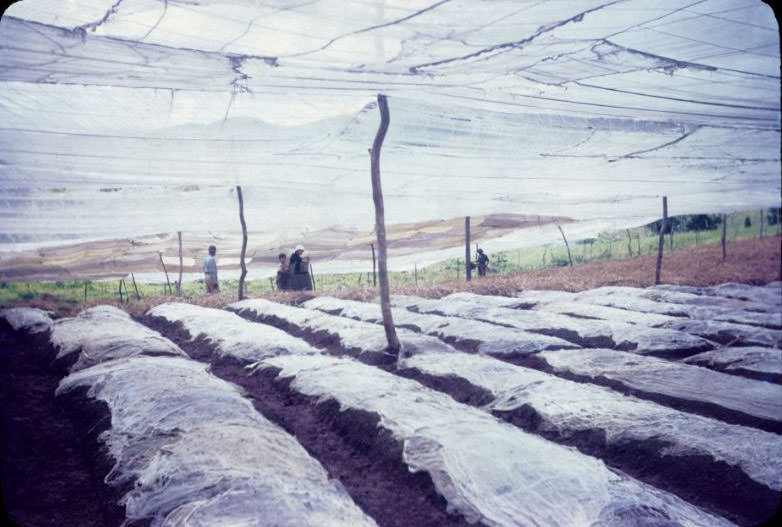
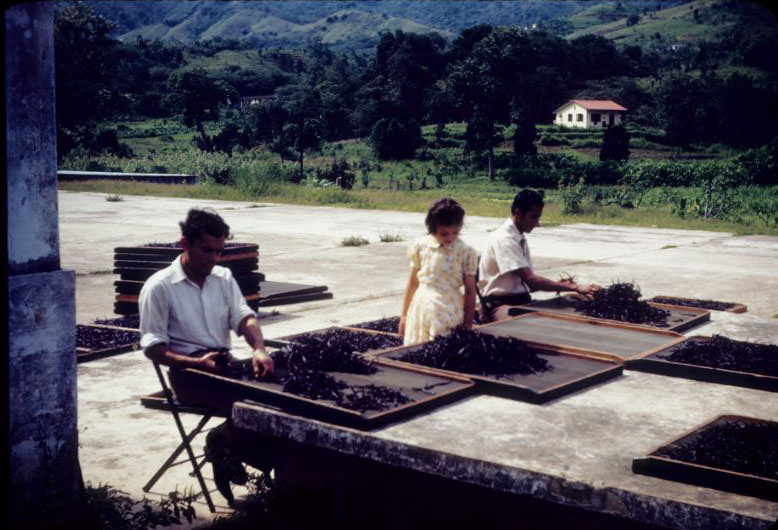
Beyond tobacco, coffee, and cane, farmers in Puerto Rico also cultivated vanilla. Workers arranged vanilla beans on screened trays, leaving them to dry in precise rows. In Yauco, plants trained along wire fences marked another facet of the island’s diverse agricultural output. These photos capture an island in transition — one foot still planted firmly in traditional ways, and the other stepping toward a different future.