
When the Soviet Union collapsed in 1991, Cuba lost its most important trading partner almost overnight. Soviet subsidies had propped up the Cuban economy for decades, and their sudden disappearance triggered a crisis that Cubans called the “Special Period.” Food, fuel, and basic goods became scarce. The government rationed nearly everything. Life changed fast, and the changes were felt by everyone on the island — from farmers in the countryside to city residents in Havana.
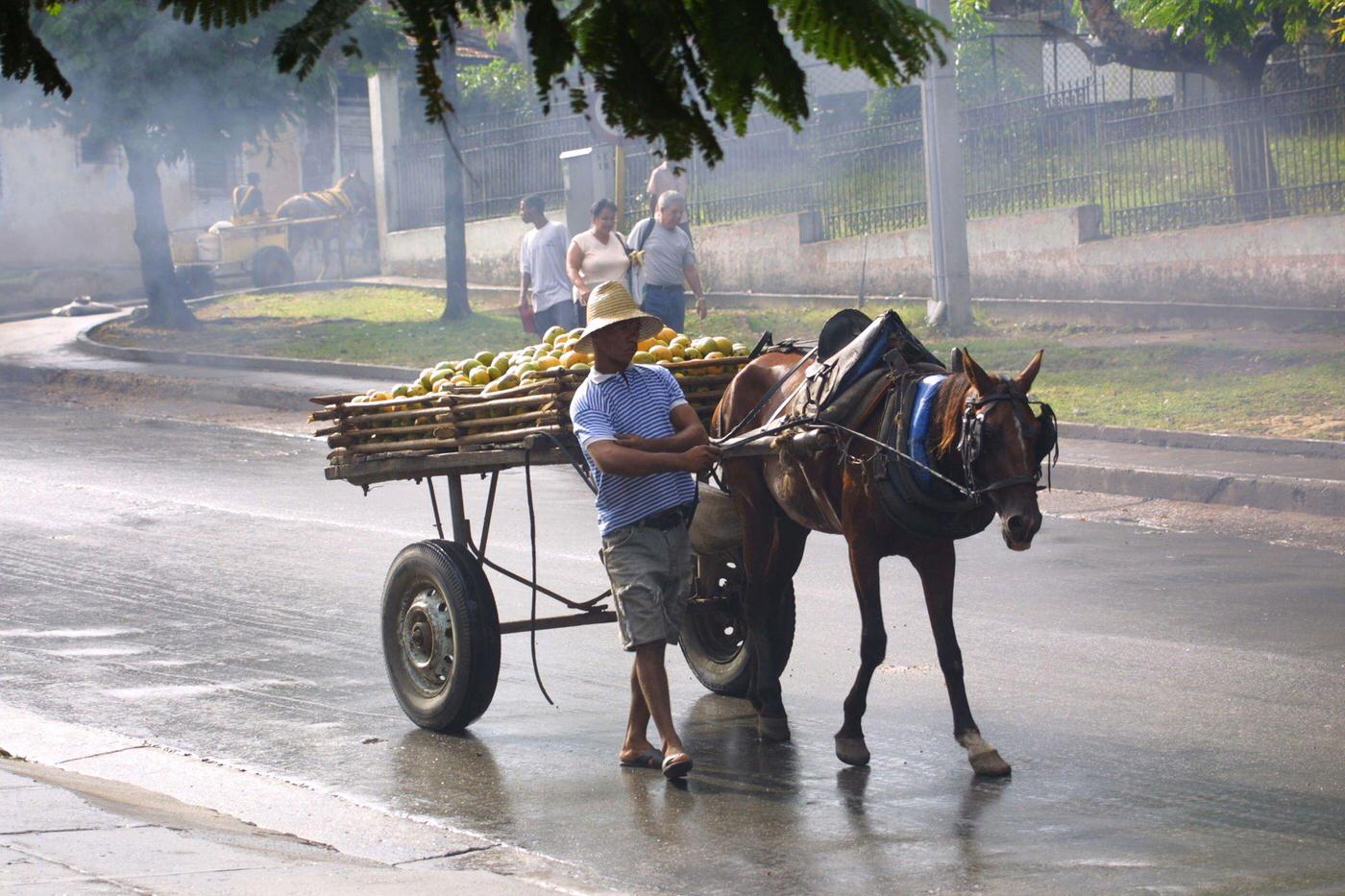
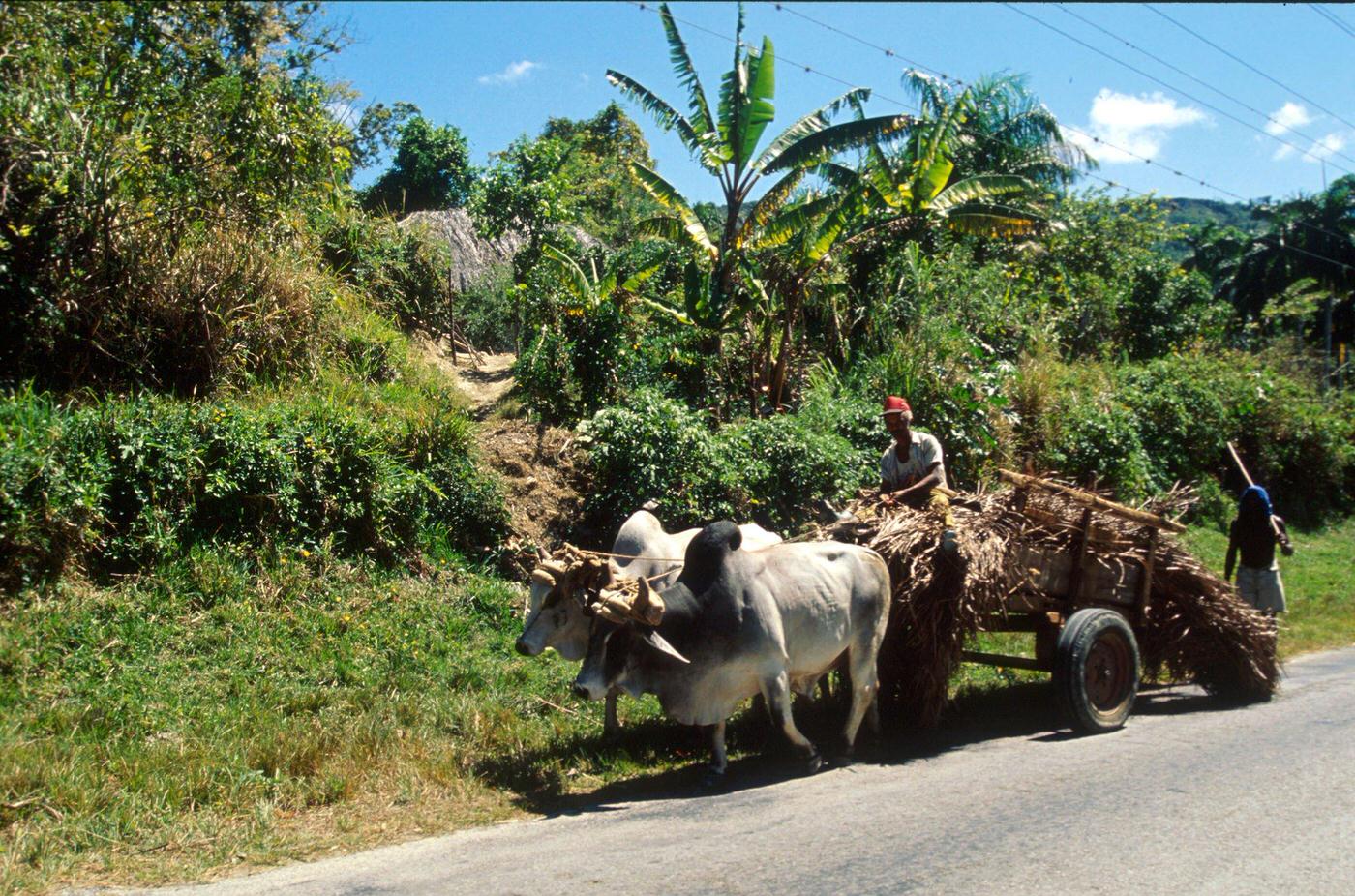
In the countryside, horse-drawn carts and oxen returned as primary tools of transport and labor. Fuel shortages made tractors and trucks impractical, and rural Cubans leaned on older methods to keep farms running. Across provinces like Holguín and Camagüey, the sight of peasants guiding livestock through fields and along roads became a defining image of the decade.
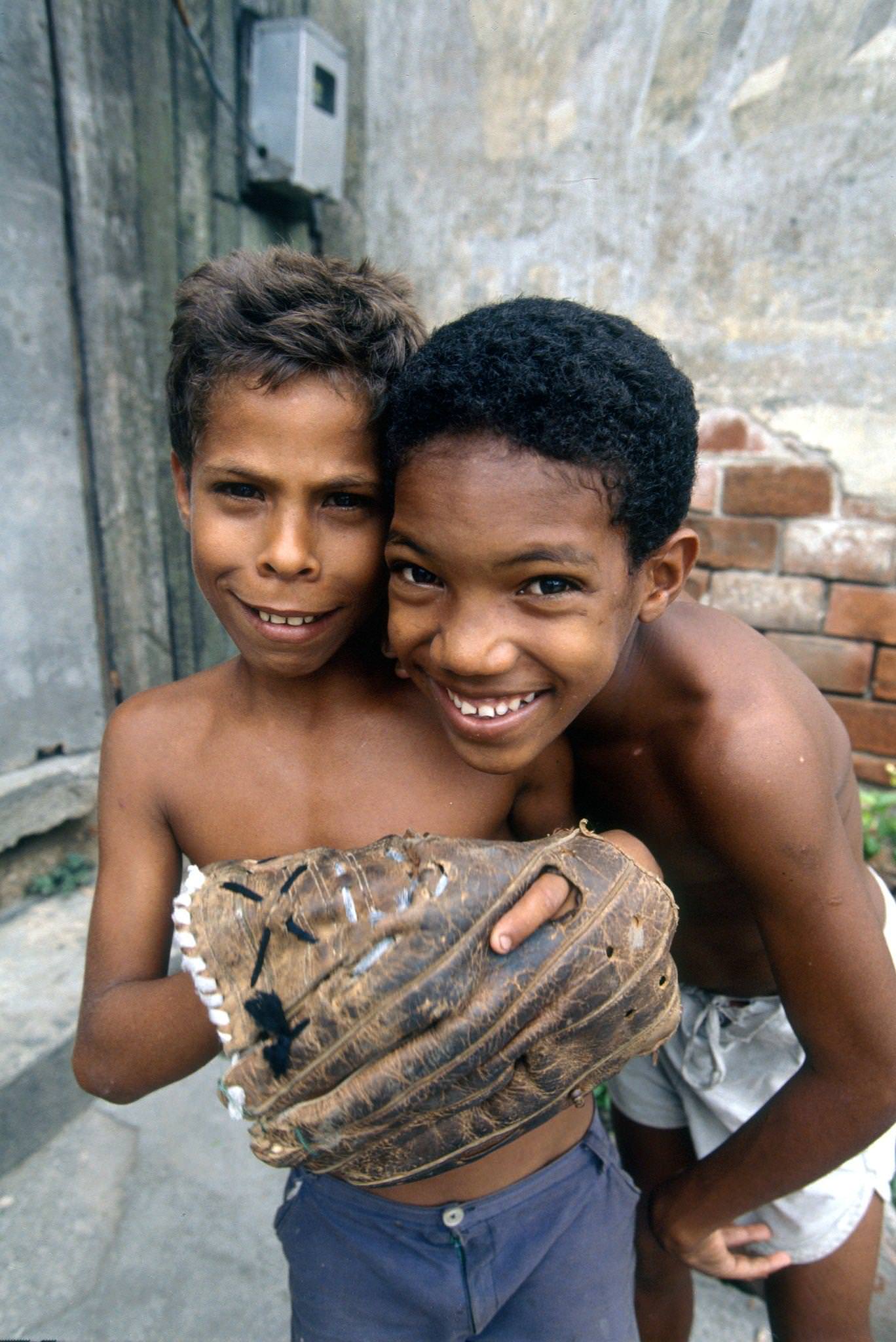
Despite the hardships, everyday life carried on in distinctly Cuban ways. Children played baseball in the streets — a sport deeply embedded in Cuban culture. Baseball had been popular on the island since the late 1800s, and even during the toughest years of the Special Period, it remained a constant source of joy and community.
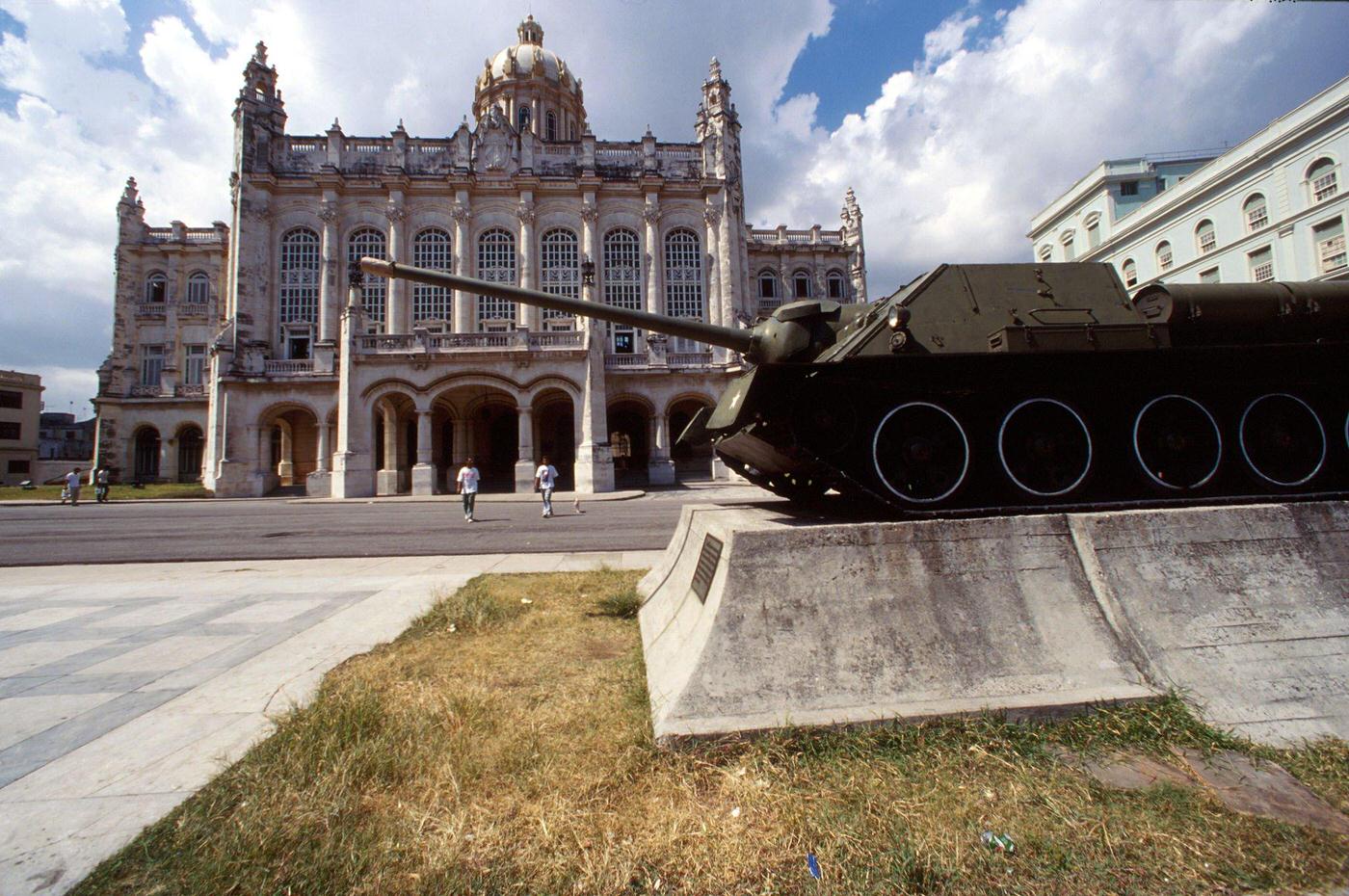
Havana’s Museo de la Revolución stood as a permanent reminder of the 1959 revolution that brought Fidel Castro to power. Military hardware from the revolutionary era, including tanks used during the Bay of Pigs invasion in 1961, sat on display outside the museum. The Cuban government used these sites to reinforce the revolution’s legacy, especially as economic pressures mounted throughout the 1990s.
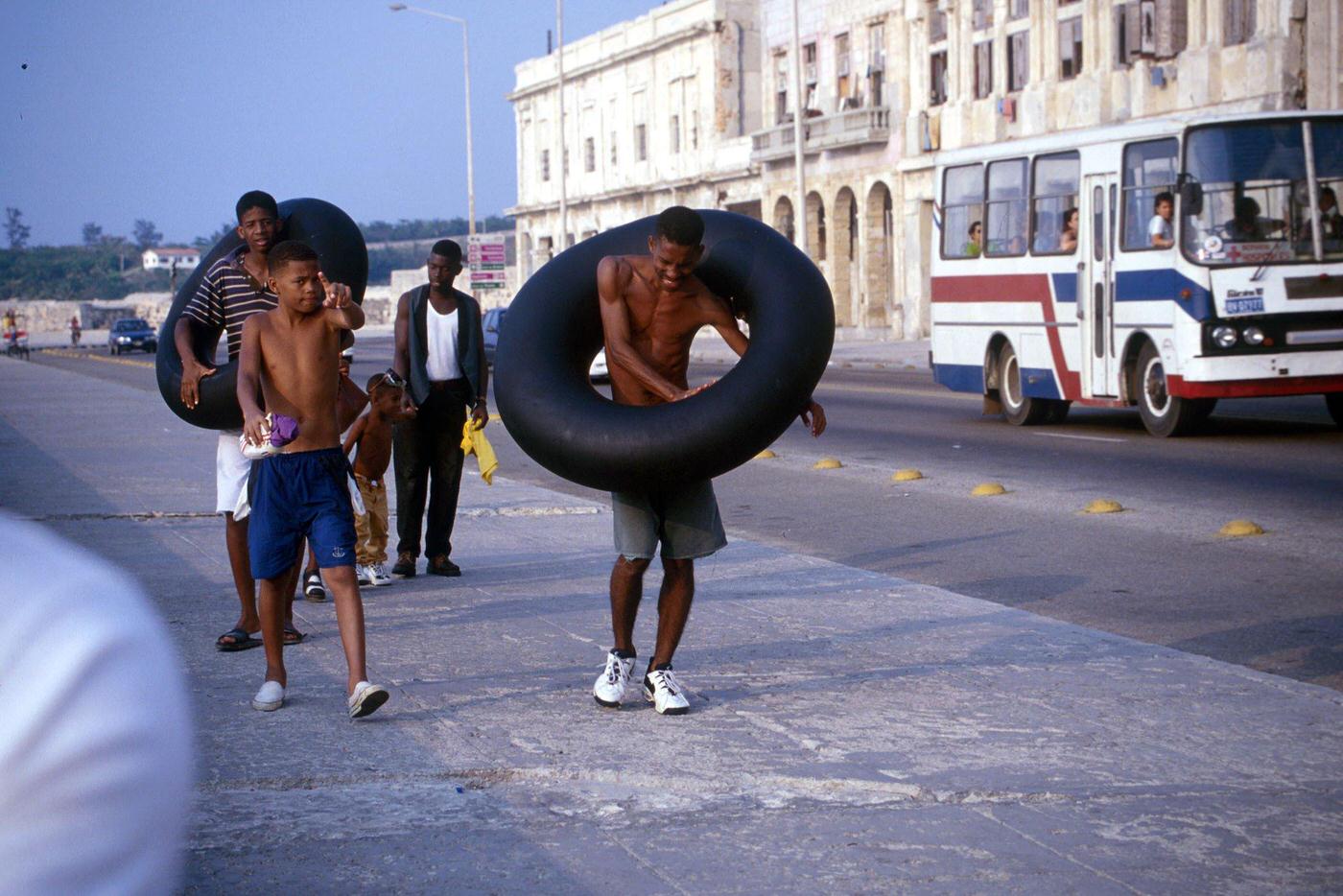
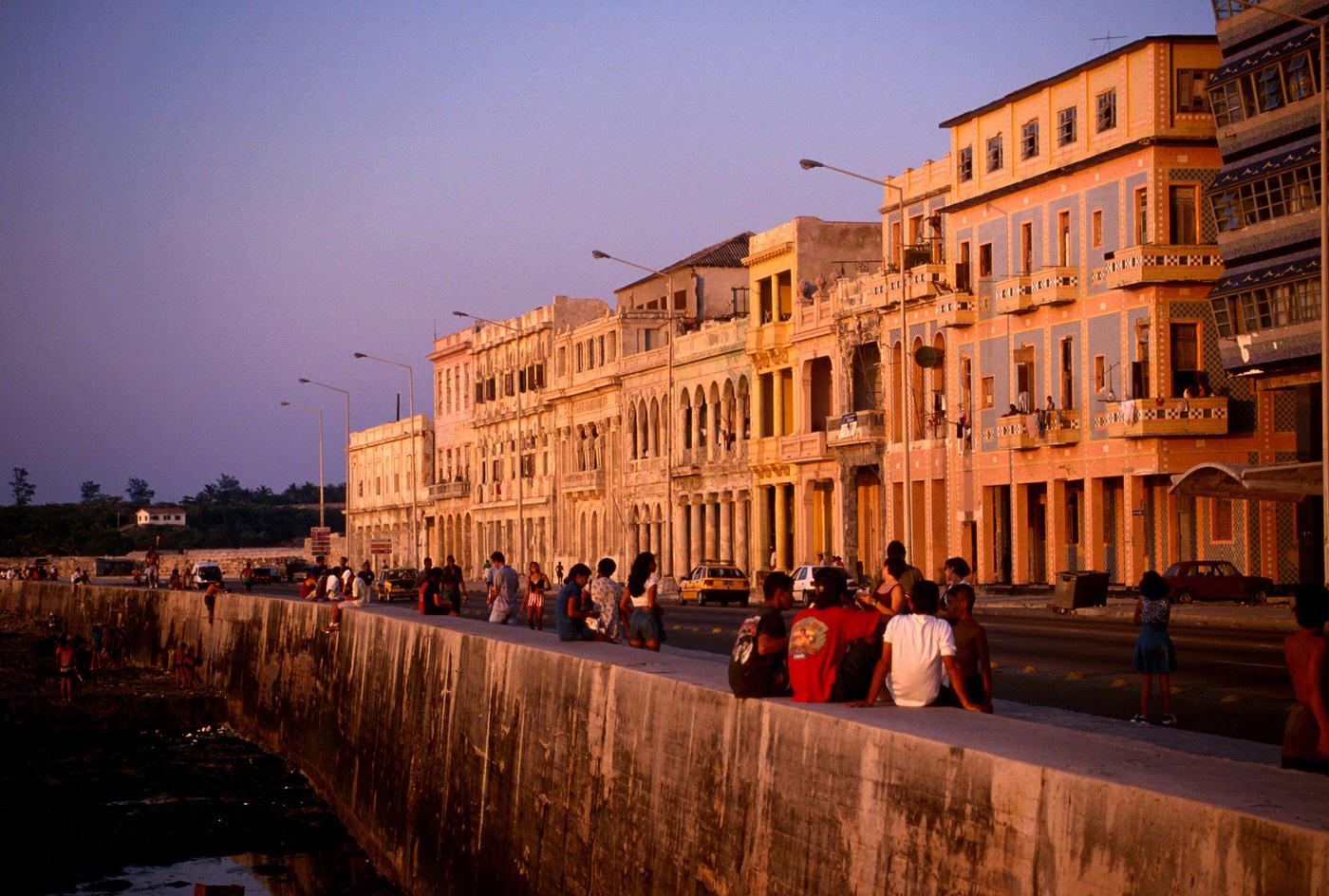
The Malecón — Havana’s famous seafront promenade — served as a gathering place for people of all ages throughout the decade. At dusk, residents came to socialize, fish, and watch the ocean. Boys carried inner tire tubes to the waterfront, using them to float and swim just off the seawall. The Malecón was not just a road; it was the social backbone of the city.
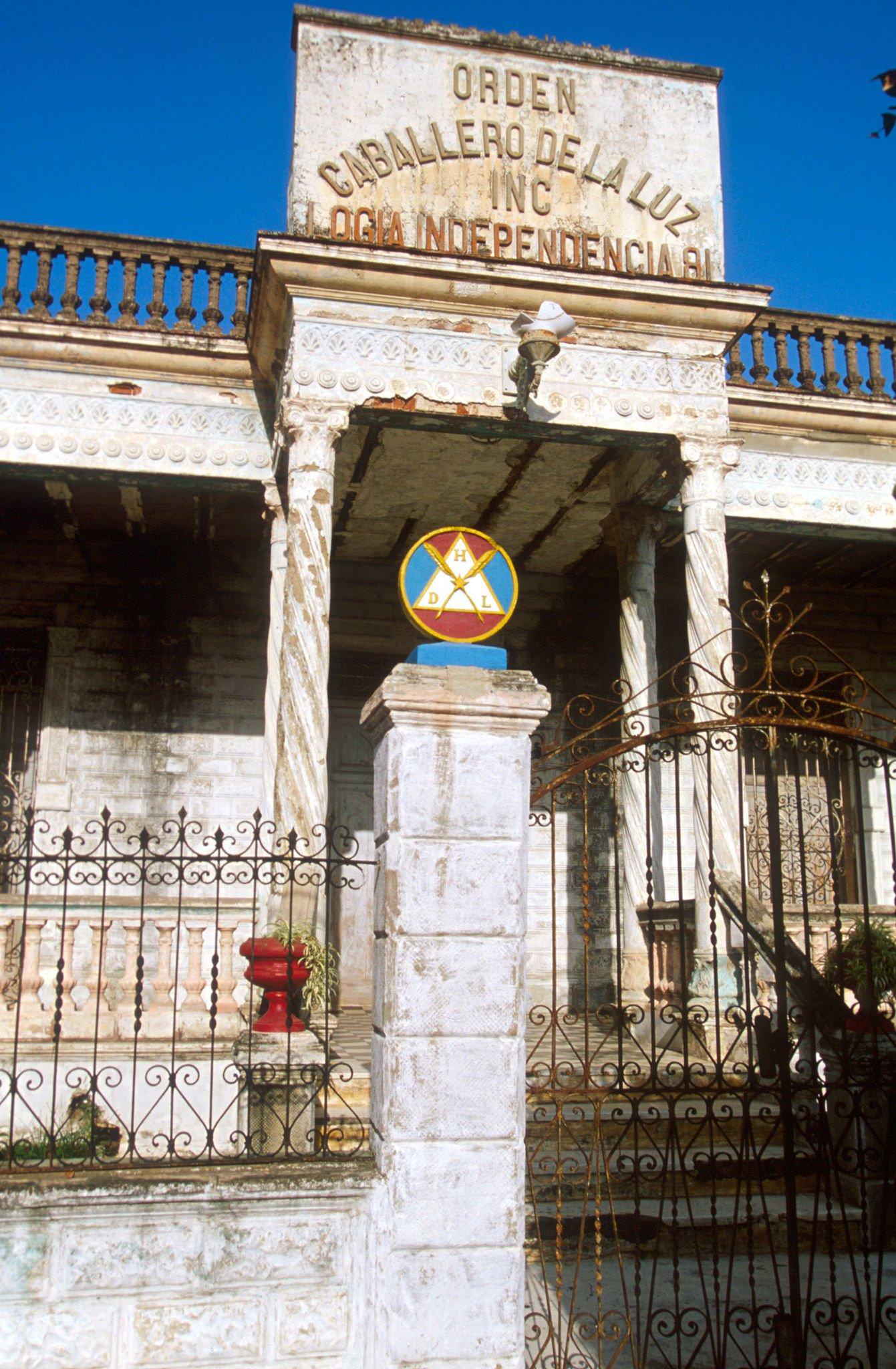
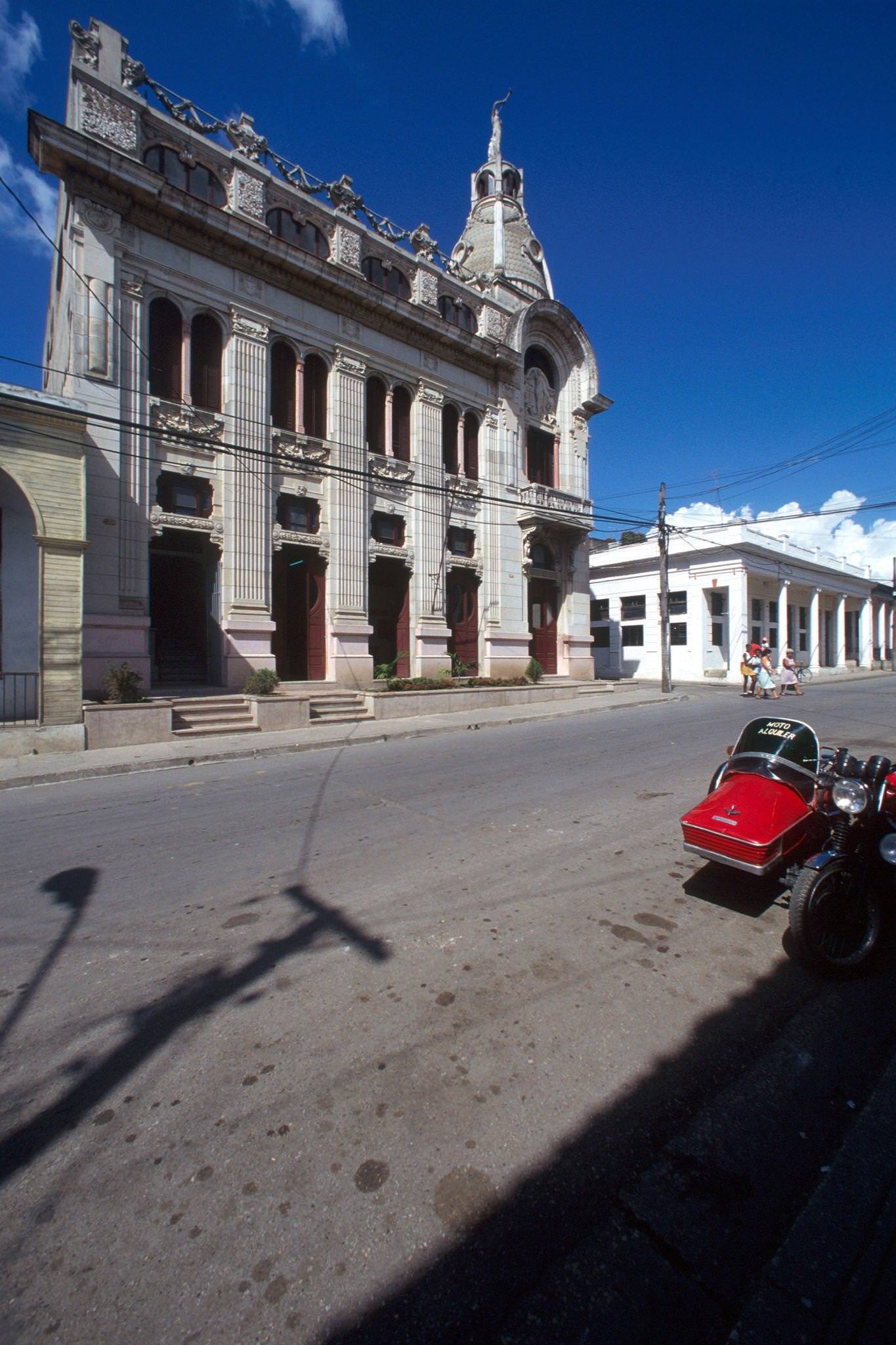
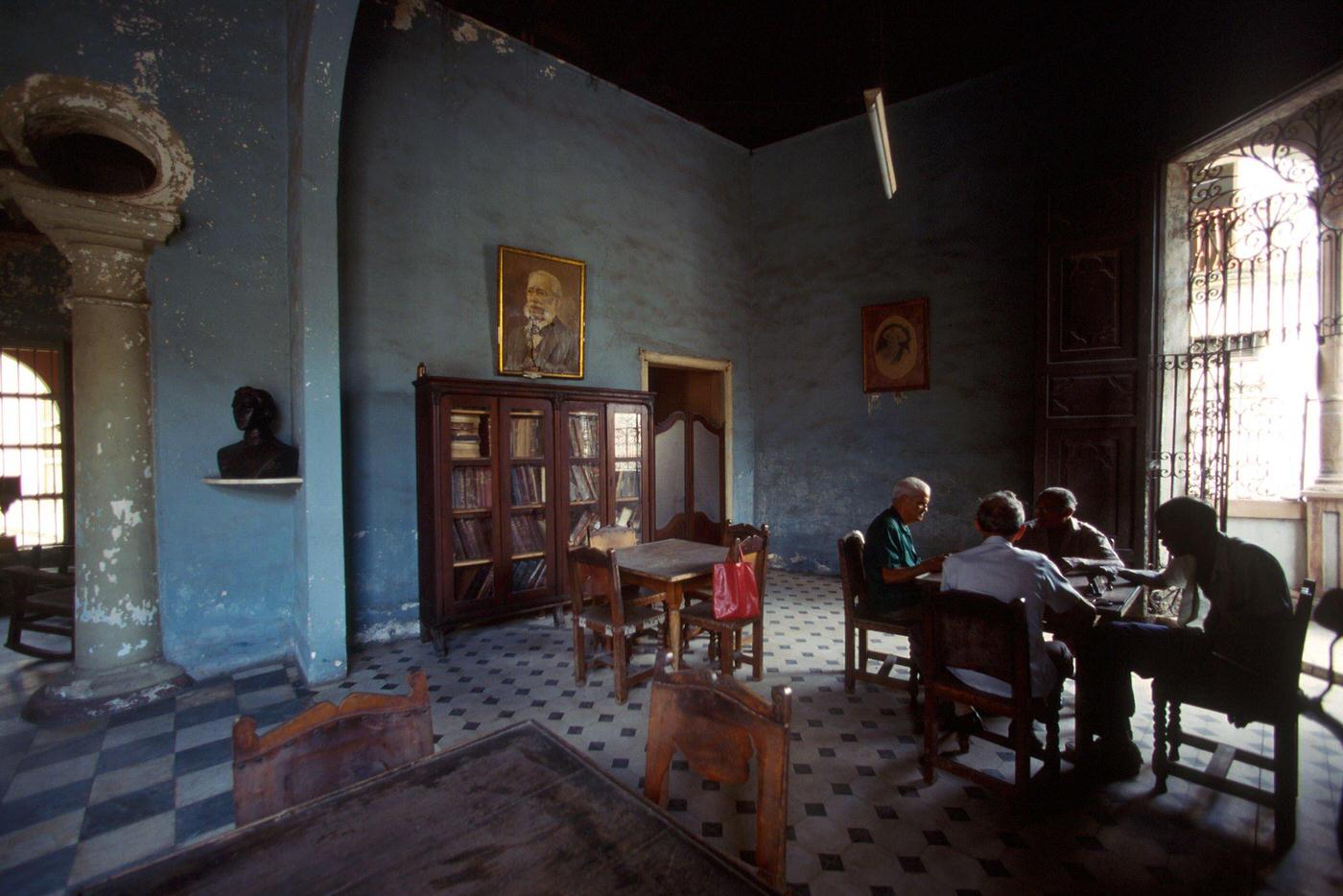
Camagüey, Cuba’s third-largest city, retained much of its colonial architectural character through the 1990s. Buildings like the Masonic lodge Caballero de la Luz reflected a long history of civic and fraternal organizations that had existed on the island well before the revolution. Despite decades of socialist governance, these structures — and some of the institutions behind them — endured.
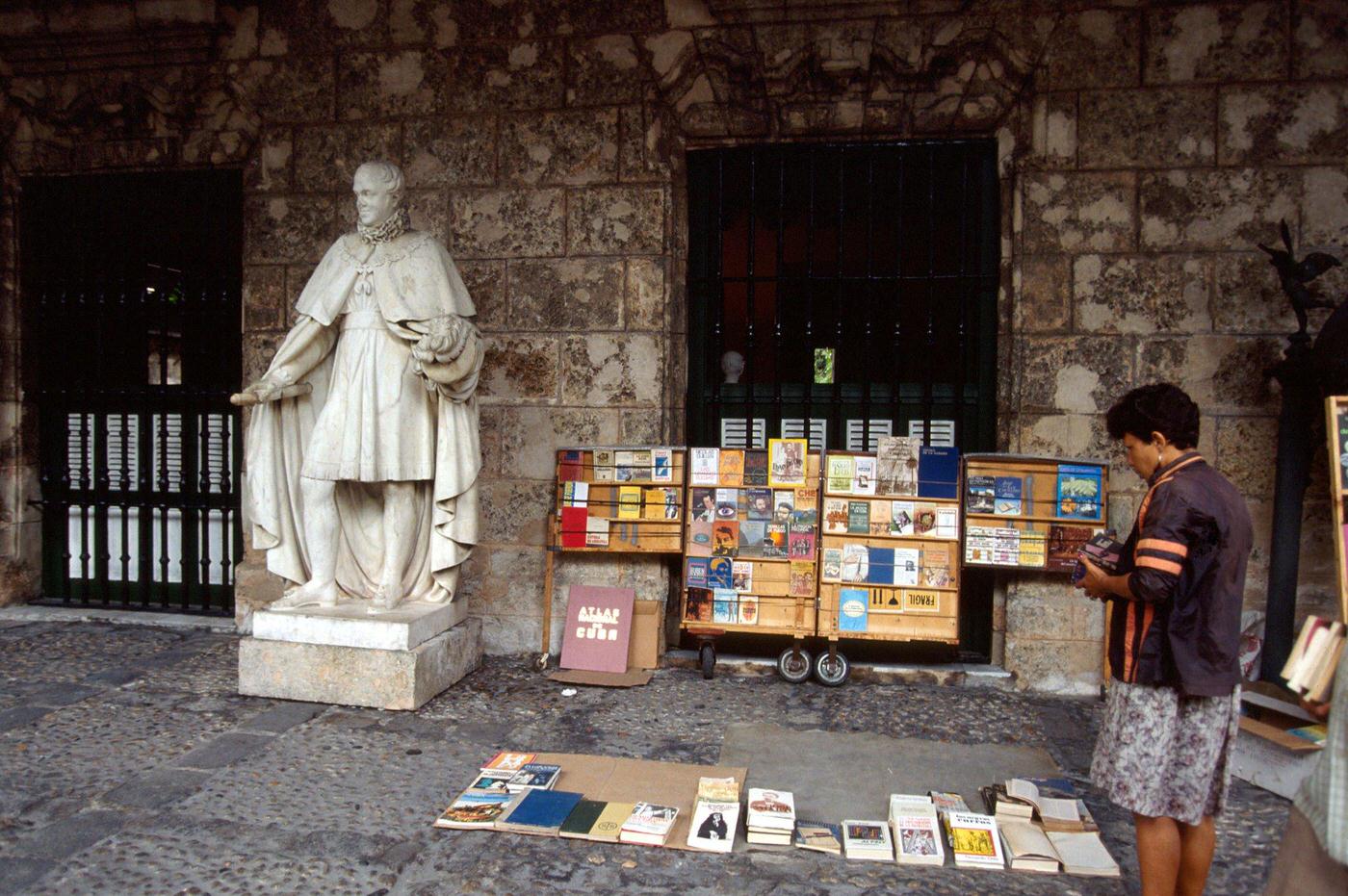
Informal markets grew significantly during the Special Period. In Havana, vendors sold second-hand books on sidewalks and in plazas. The government’s rationing system, which distributed goods through a booklet known as the libreta, covered only basic staples — meaning Cubans had to find other ways to obtain or sell anything beyond the bare essentials.
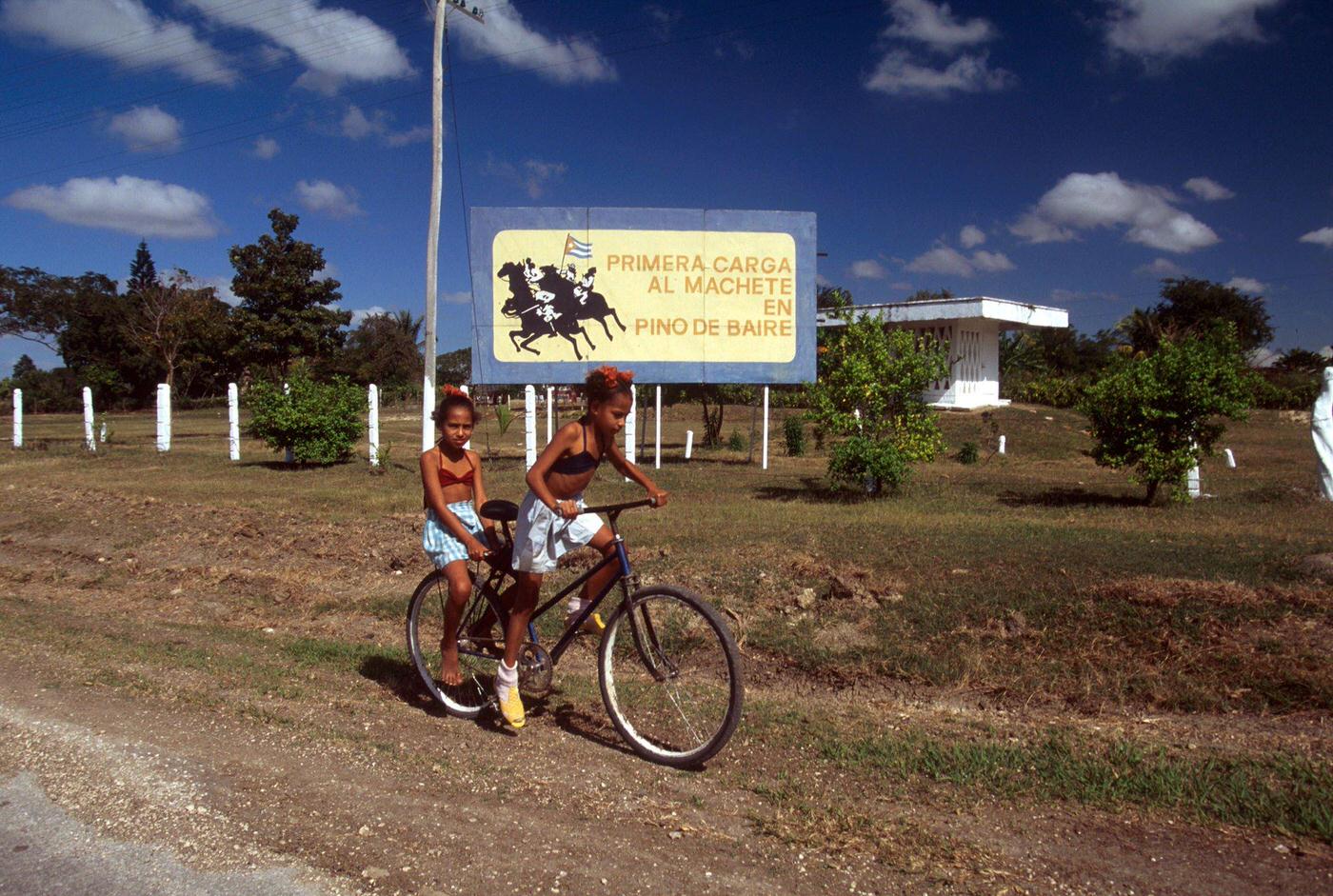
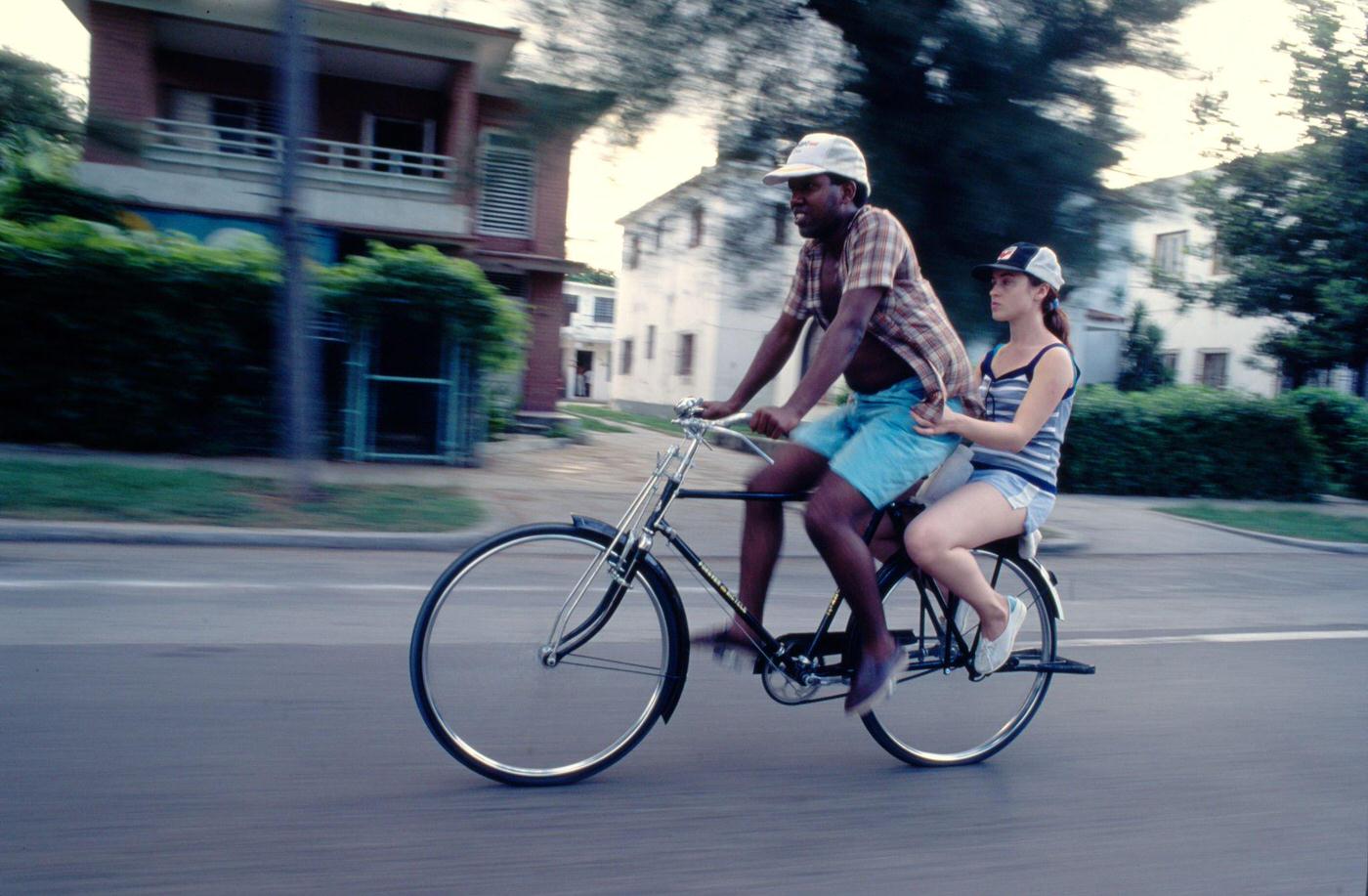
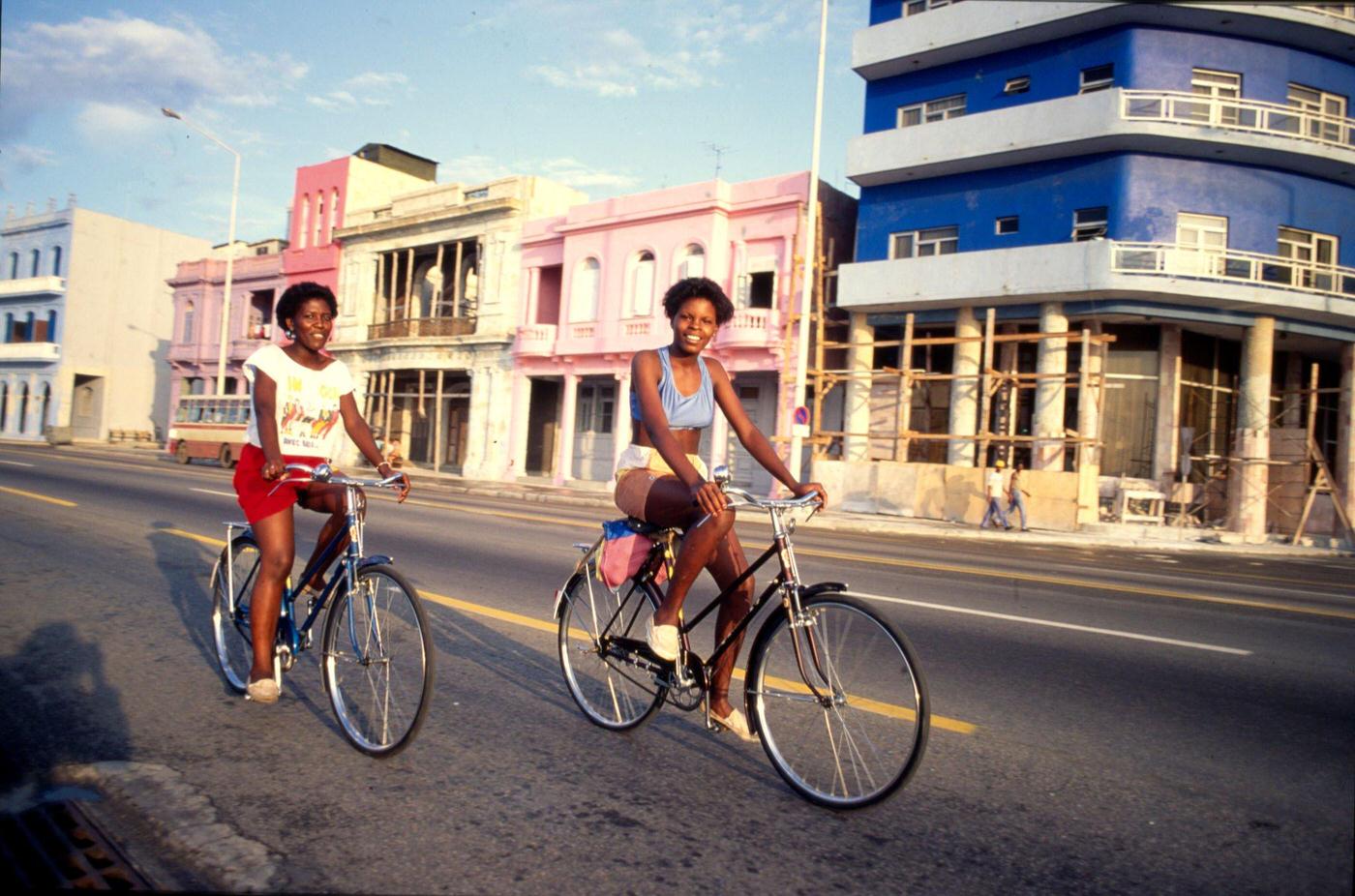
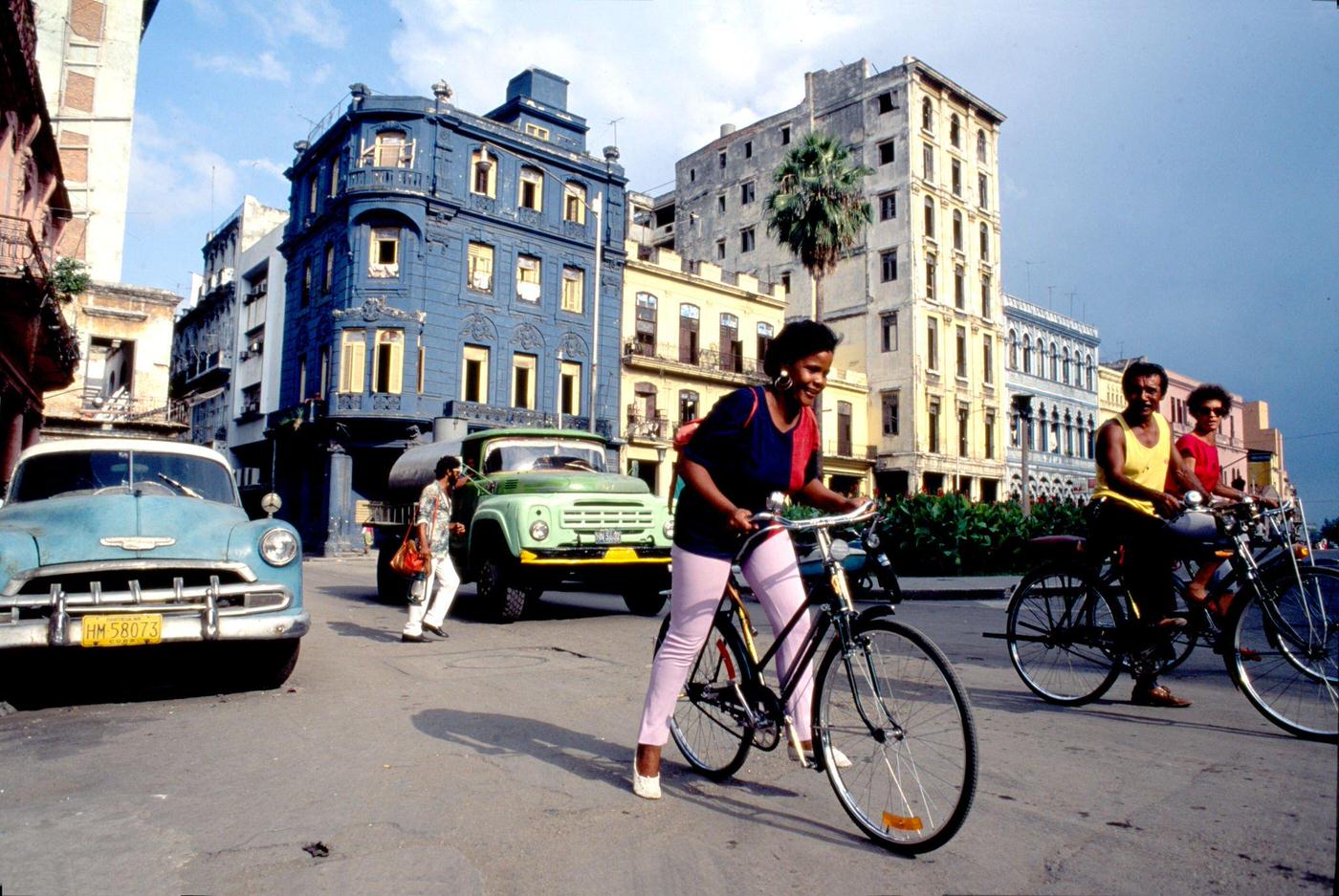
Bicycles became one of the most important modes of transportation in Cuba during the 1990s. The government imported over a million bicycles from China to ease the fuel crisis. Cubans of all ages used them daily for commuting, errands, and school. Alongside this practical shift, the government continued to promote Cuban historical identity through public murals and commemorative posters honoring figures from the 19th-century War of Independence.
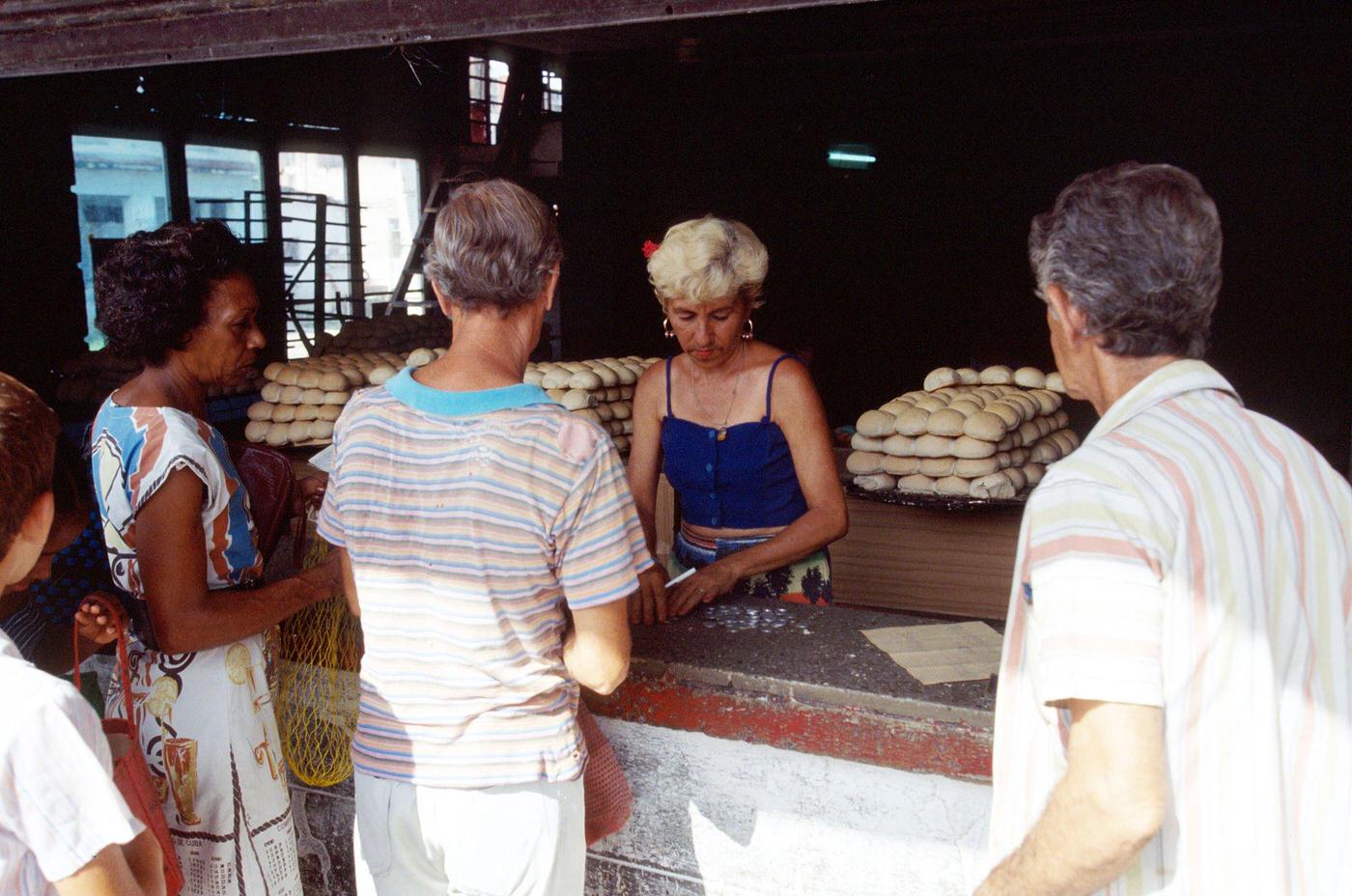
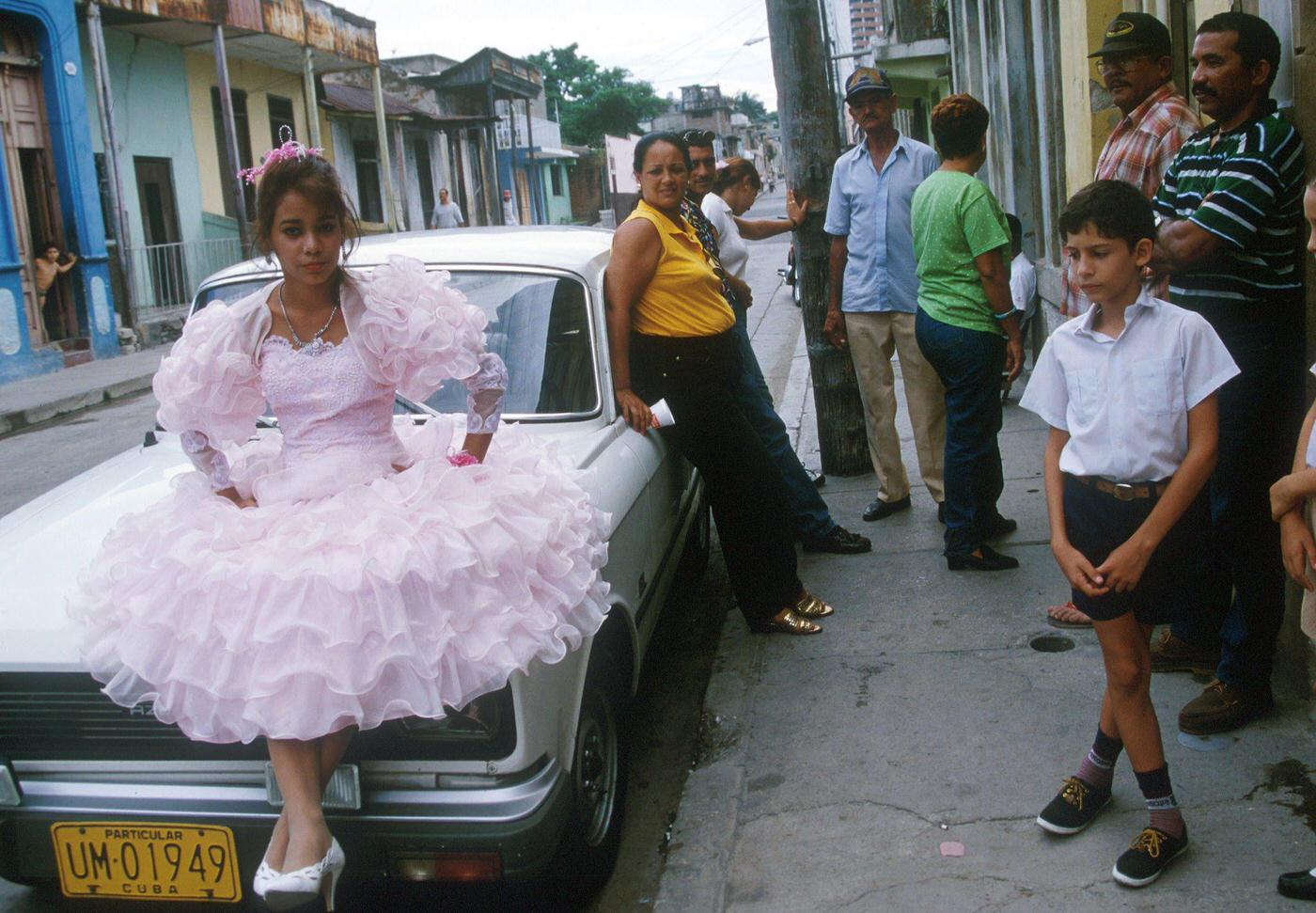
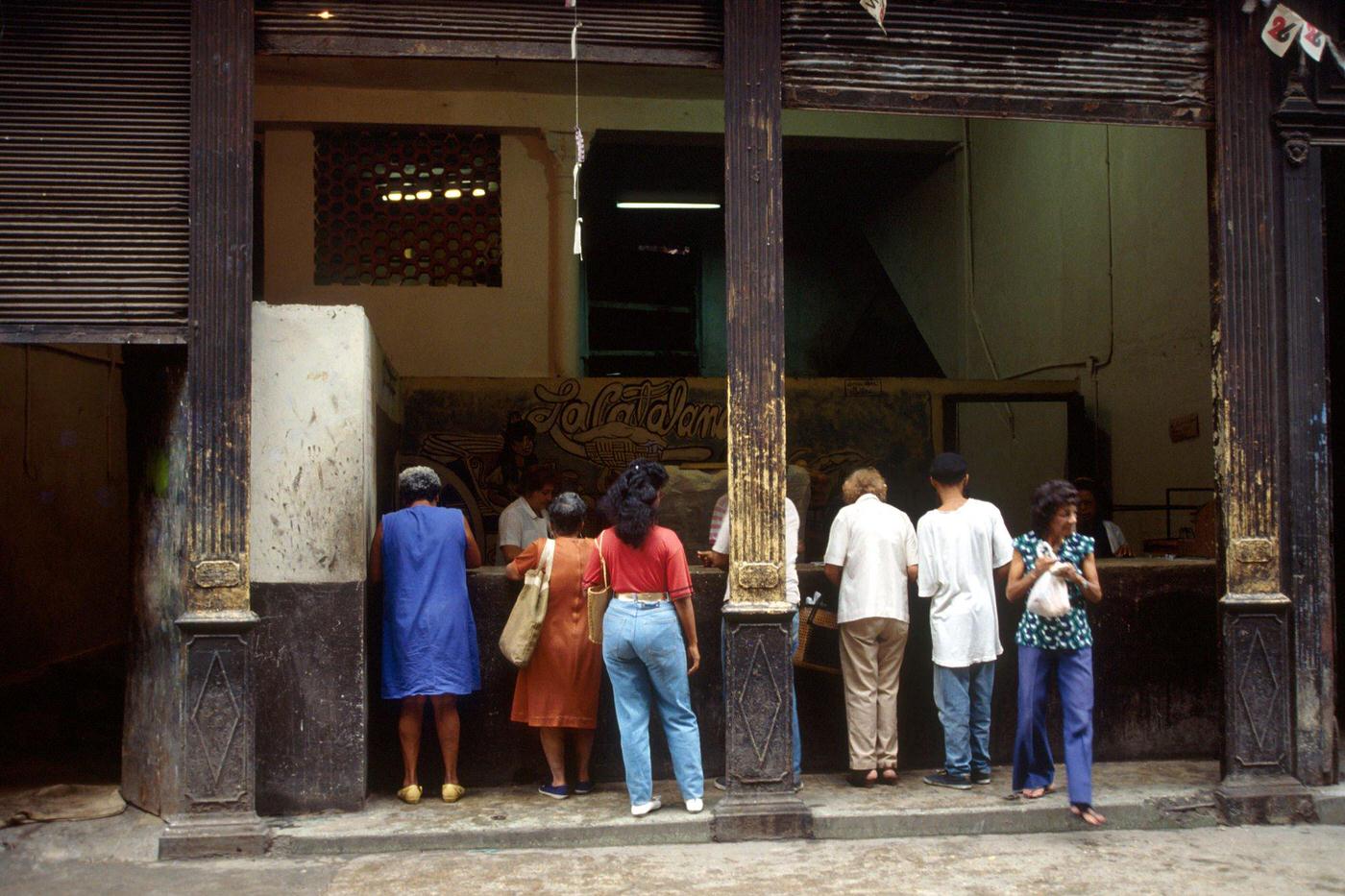
The libreta rationing system had been in place since the 1960s, but its importance grew sharply in the 1990s as shortages deepened. State-run shops distributed fixed quantities of rice, beans, sugar, and other staples to registered households. Even amid scarcity, Cuban families maintained cultural traditions. The quinceañera — a celebration marking a girl’s 15th birthday — remained an important milestone, celebrated even when resources were tight.
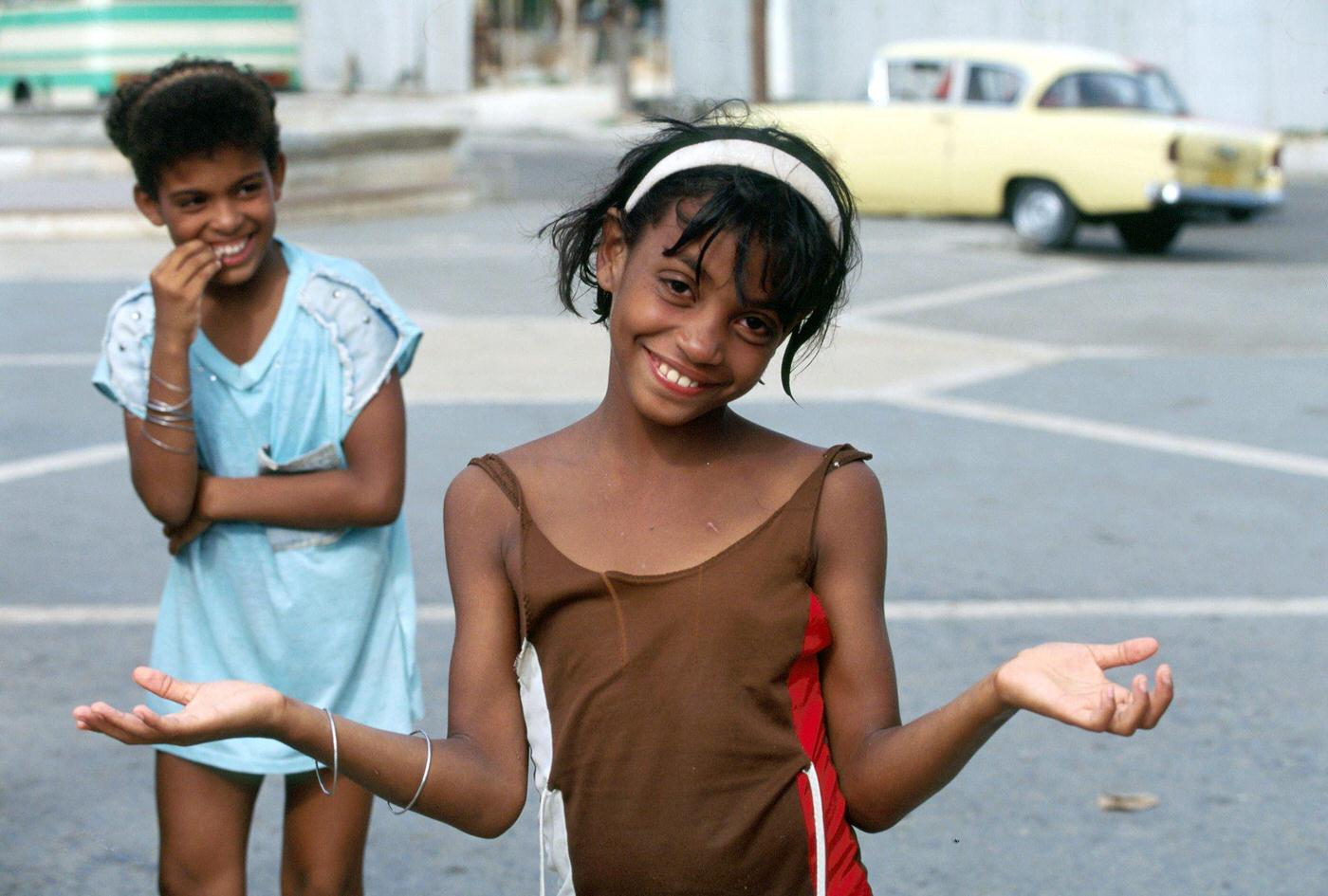
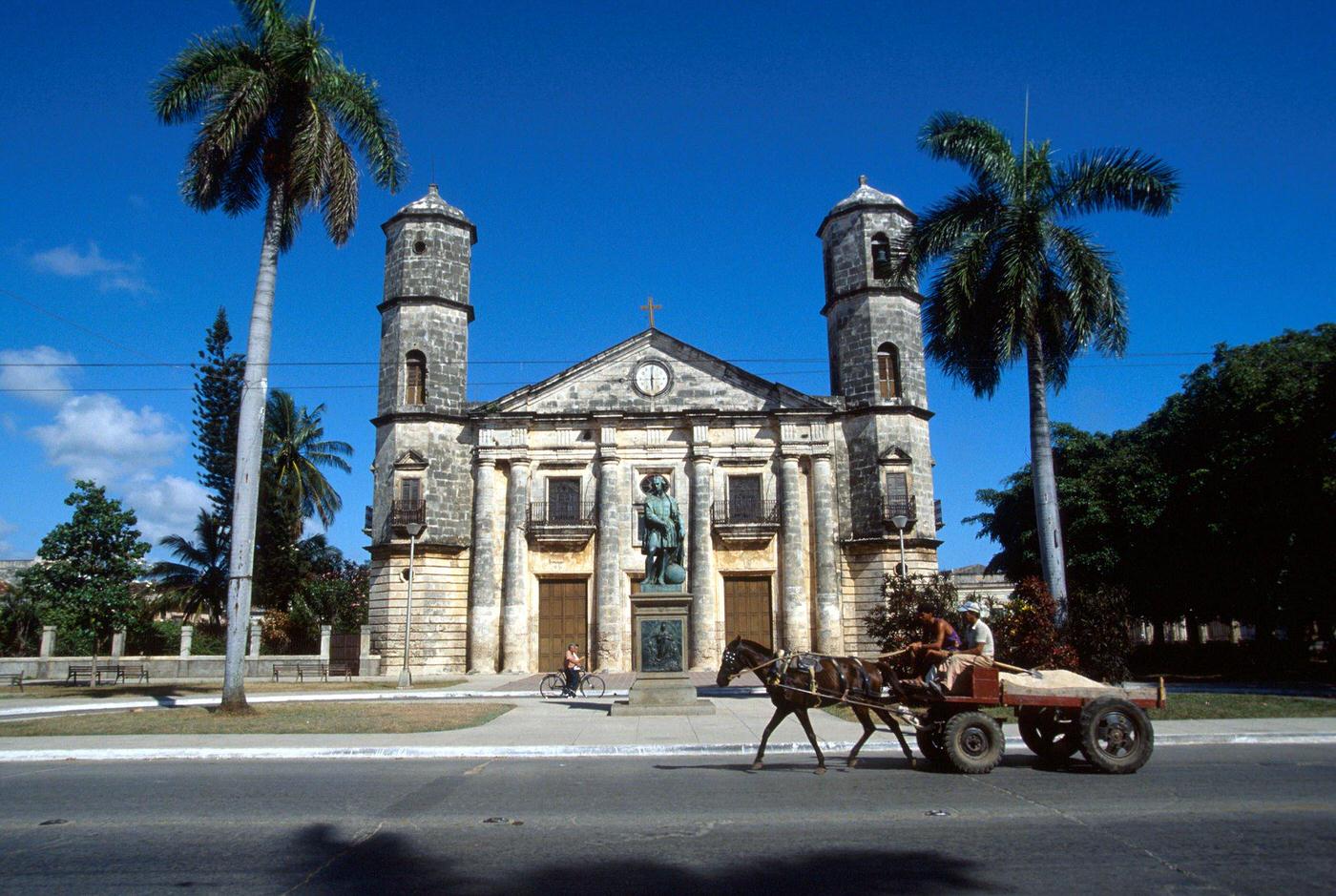
Towns like Cárdenas, in Matanzas province, showed Cuba’s layered history in every street corner. Colonial-era cathedrals and monuments stood alongside the rhythms of daily rural life. Horse-drawn carts moved through town centers that had changed little in appearance over the previous century, even as the political and economic world around them shifted dramatically.
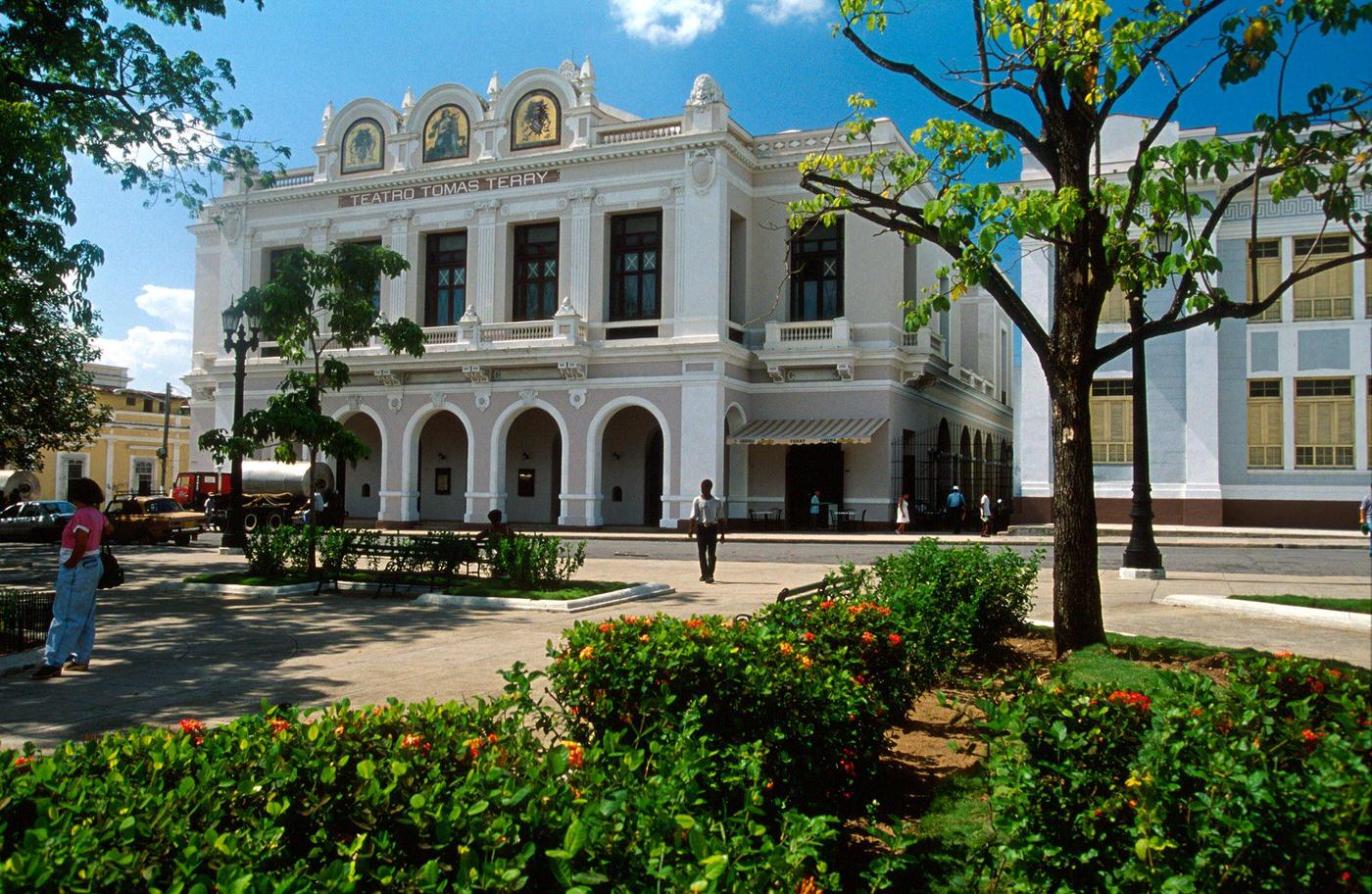
Cienfuegos, known as “La Perla del Sur” (The Pearl of the South), was home to the Tomás Terry Theatre — a 19th-century performance hall built with a sugar fortune and still functioning in the 1990s. Cuban culture continued to express itself through performance and the arts even as the economy contracted. Theaters, concert halls, and public squares remained active spaces for community life.
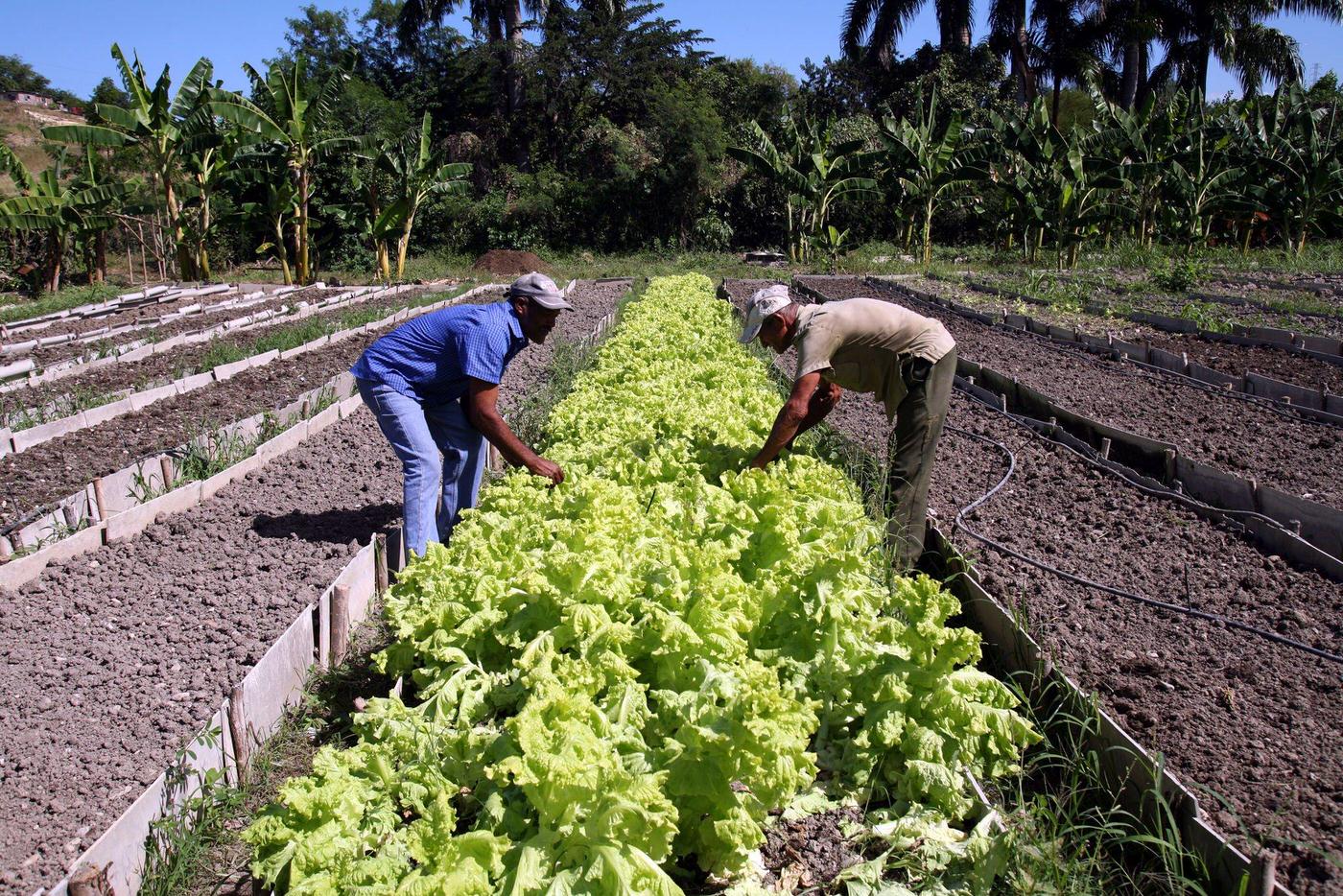
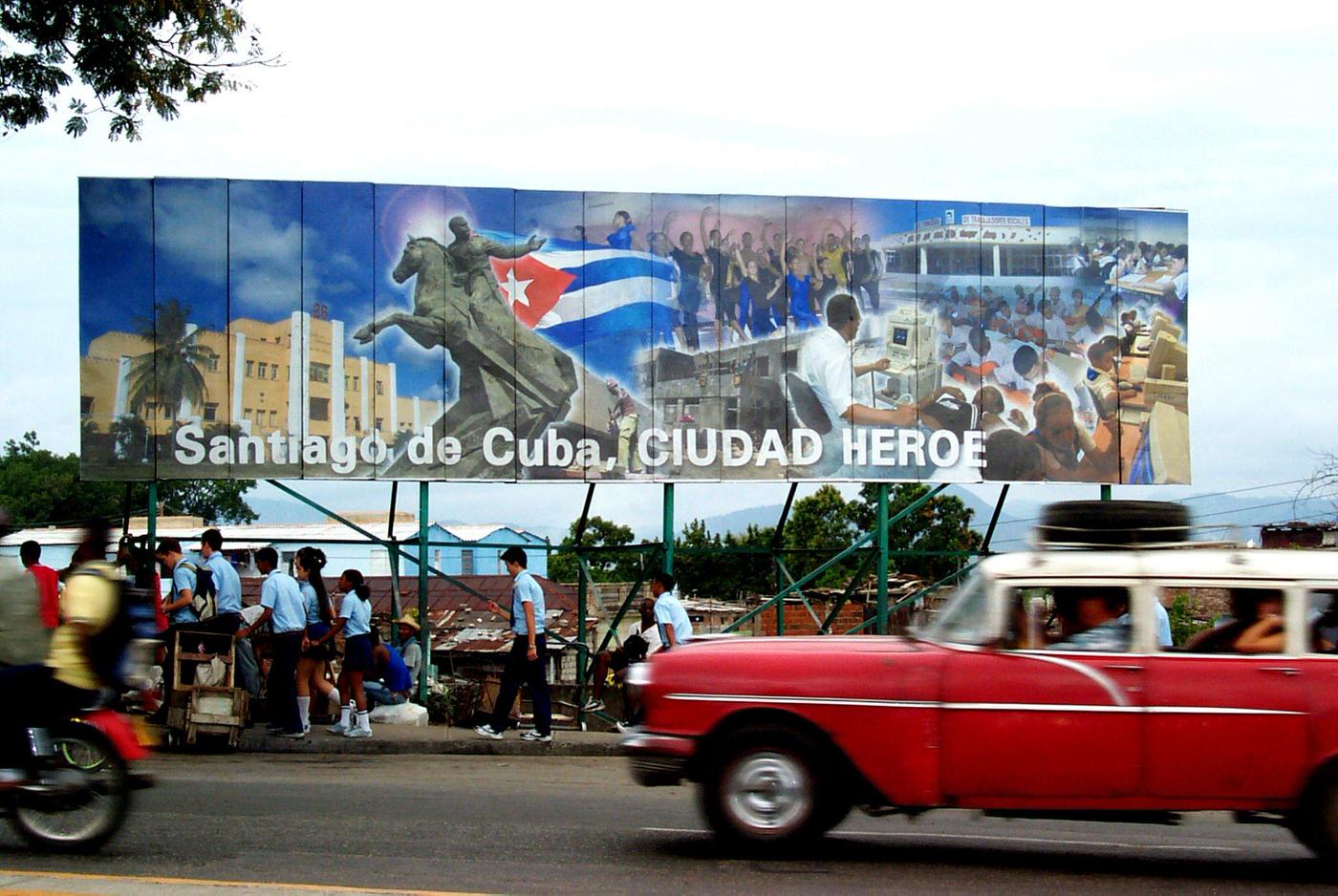
Urban and peri-urban farming spread rapidly across Cuba during the Special Period. In Santiago de Cuba — officially designated a “heroic city” for its role in the revolution — residents grew vegetables on any available land. Lettuce, yucca, beans, and other crops appeared in backyards, rooftops, and vacant lots. This grassroots agricultural push was eventually formalized into a national program called organoponics, which transformed urban food production across the island.
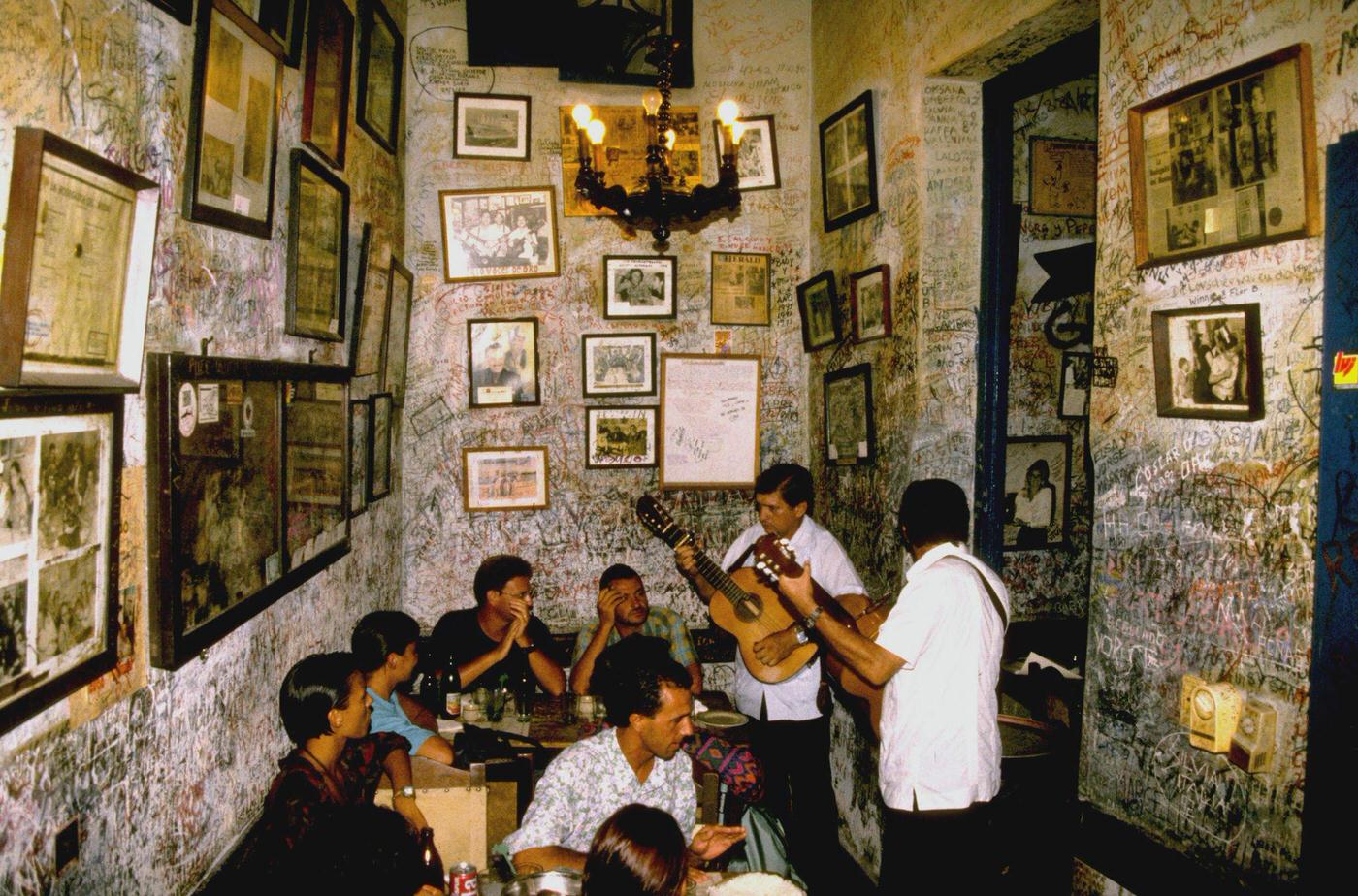
Tourism became a critical economic lifeline for Cuba in the 1990s. The government invested heavily in tourist-facing facilities, including farms, restaurants, and nightlife venues. La Bodeguita del Medio, a bar restaurant in Old Havana famous for its association with Ernest Hemingway and its mojitos, continued to draw visitors from around the world. Musicians performed there nightly, keeping the venue lively even during difficult years.
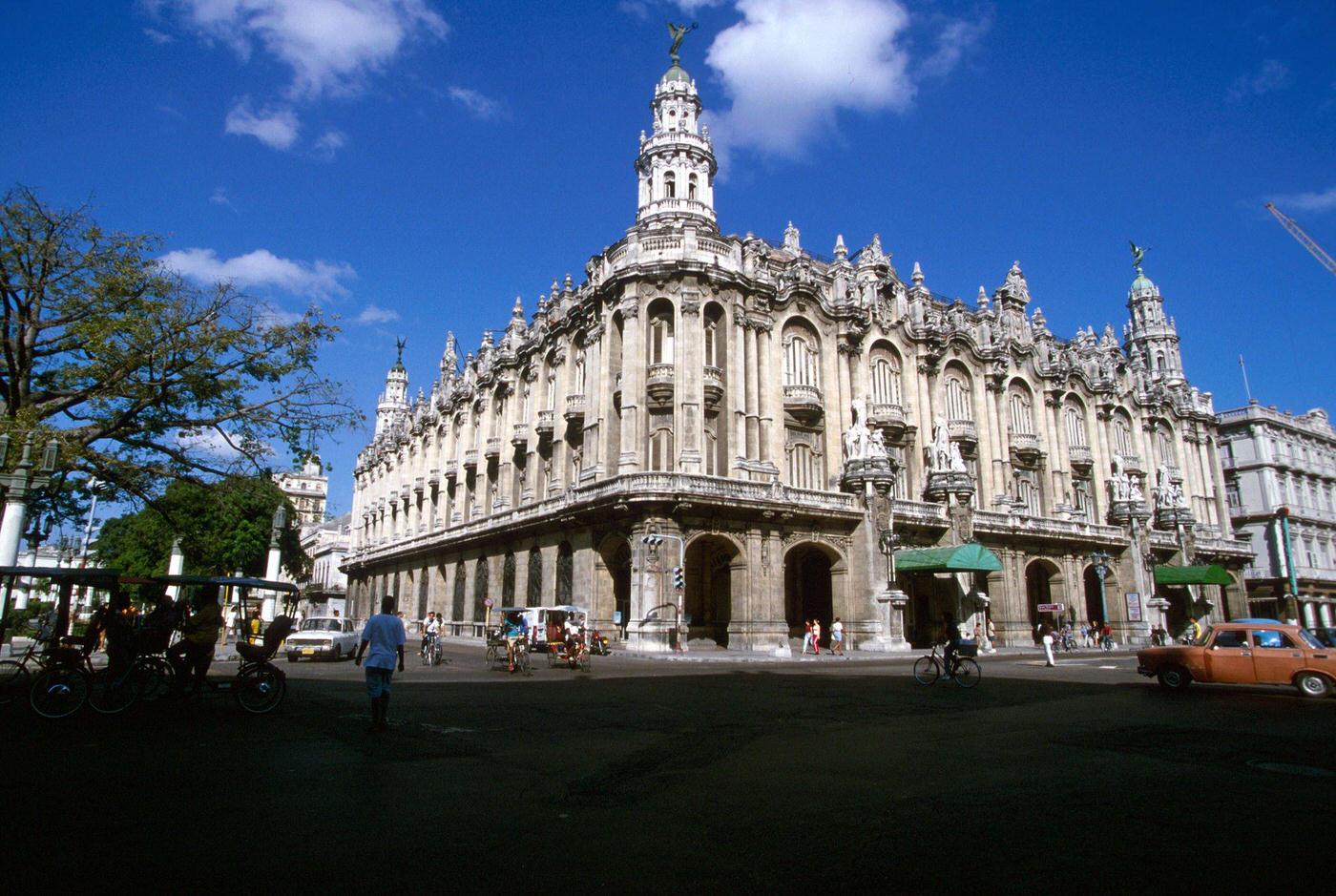
The Gran Teatro de La Habana, one of the most ornate buildings in the Caribbean, anchored Havana’s cultural center in 1990. Home to the Cuban National Ballet, it hosted performances that attracted both local audiences and foreign visitors. Cuba’s ballet tradition — built largely through the work of Alicia Alonso — remained world-class even as the economy around it crumbled.
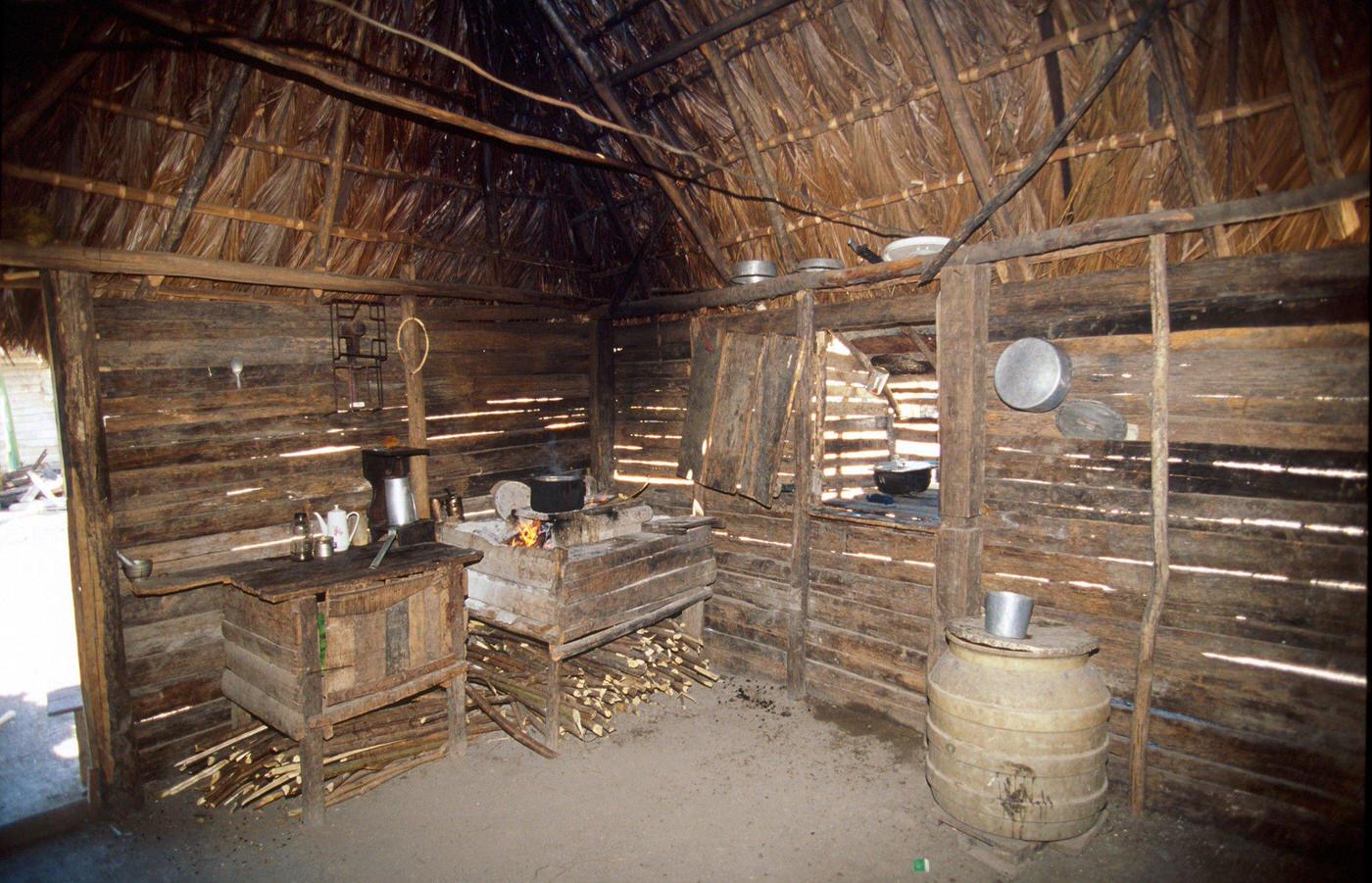
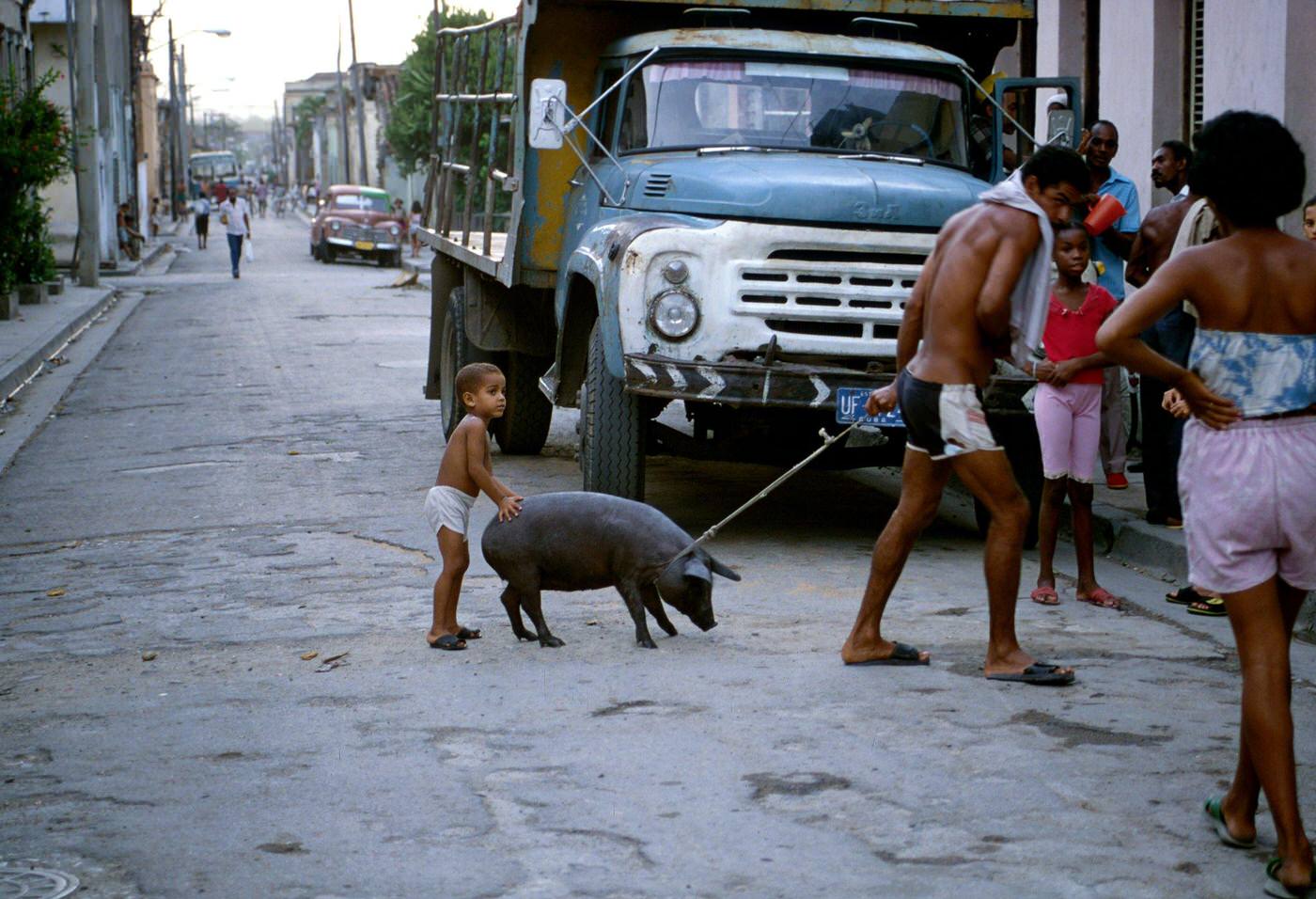
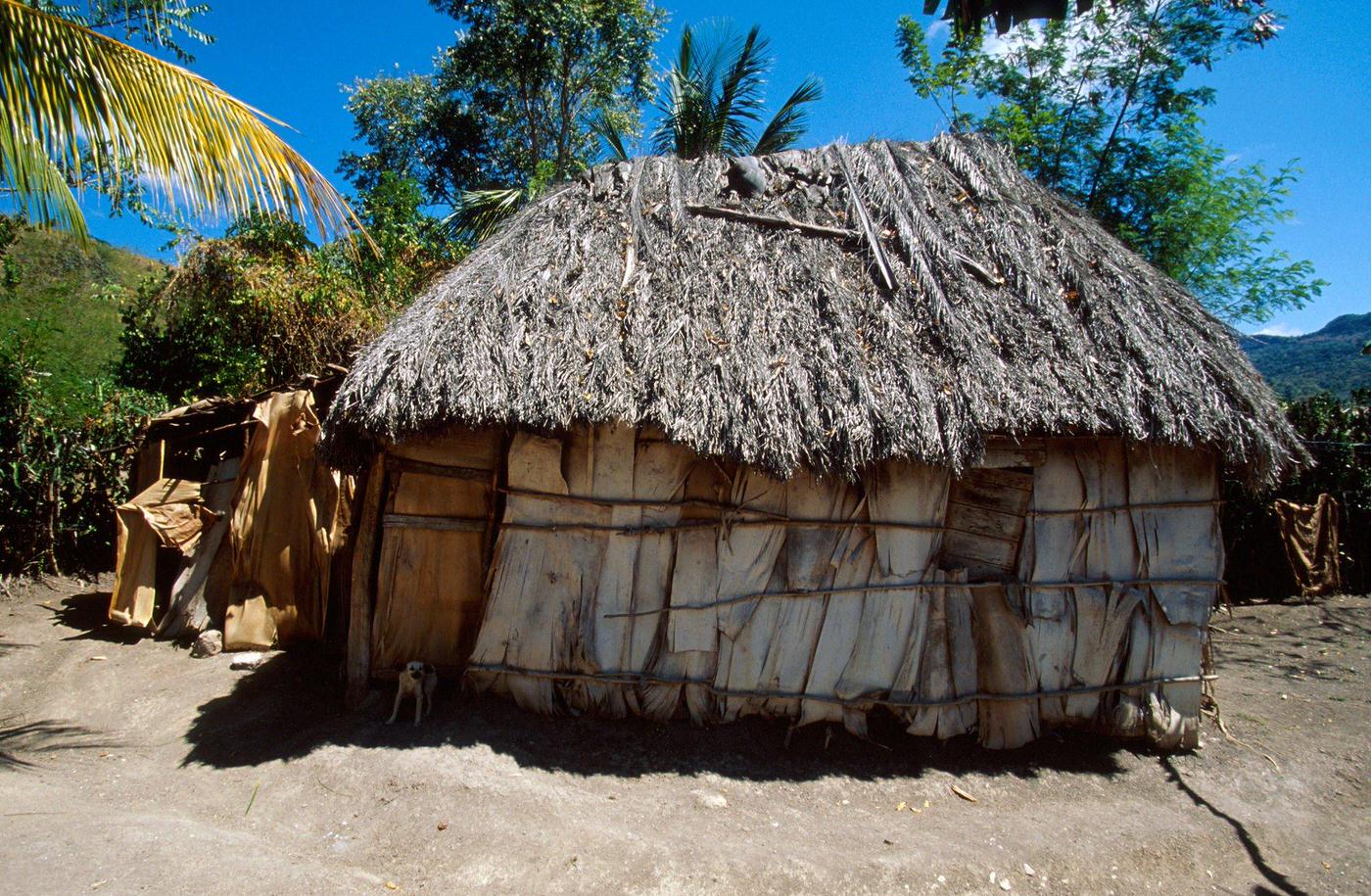
Rural housing in provinces like Guantánamo was modest but functional. Inside peasant homes, sparse furnishings and simple construction reflected both poverty and practicality. In the informal economy, livestock sales — including pigs, which were highly valued as a food source — were common. Selling a piglet at market brought in income that the rationing system simply could not provide.
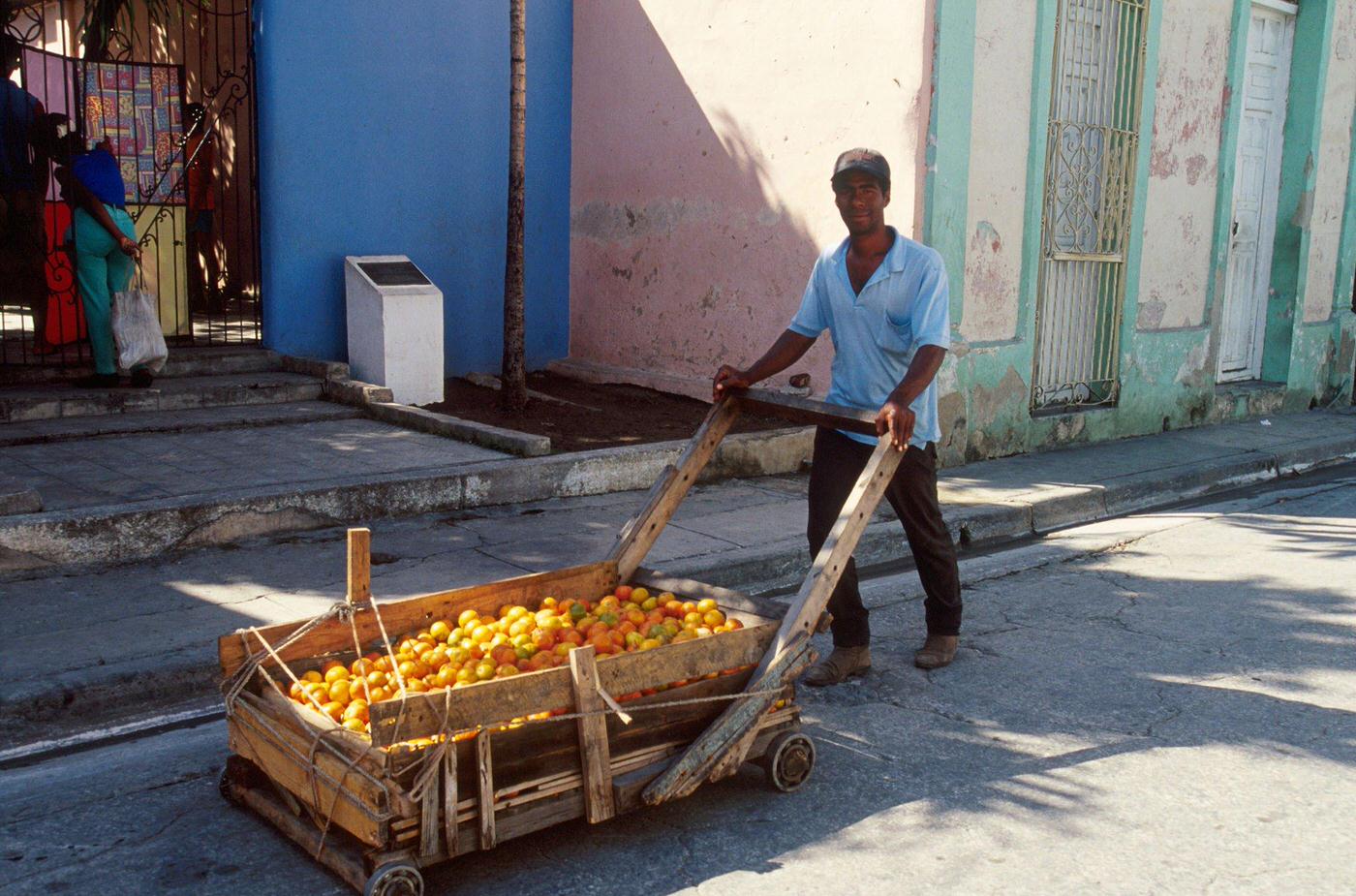
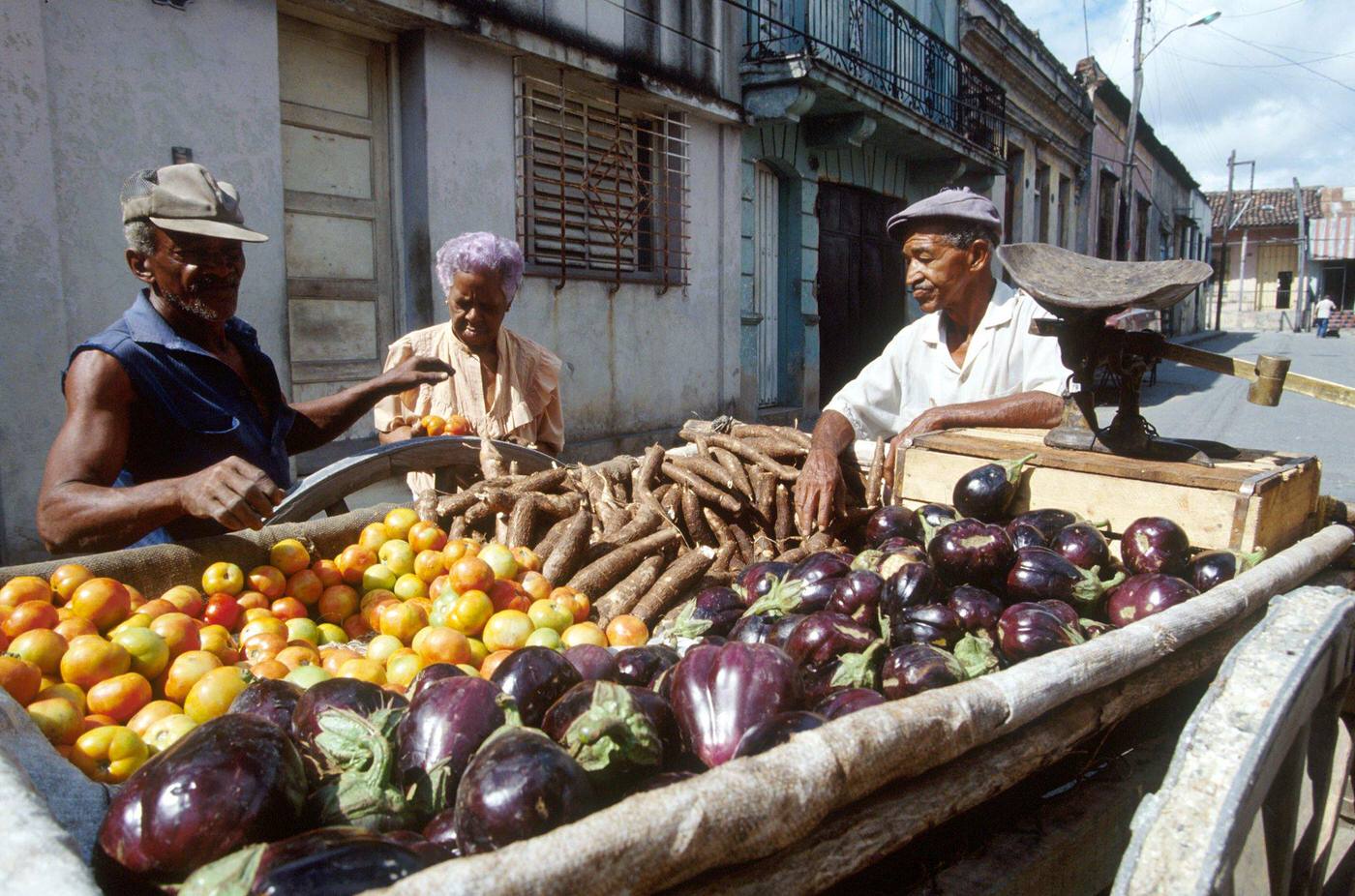
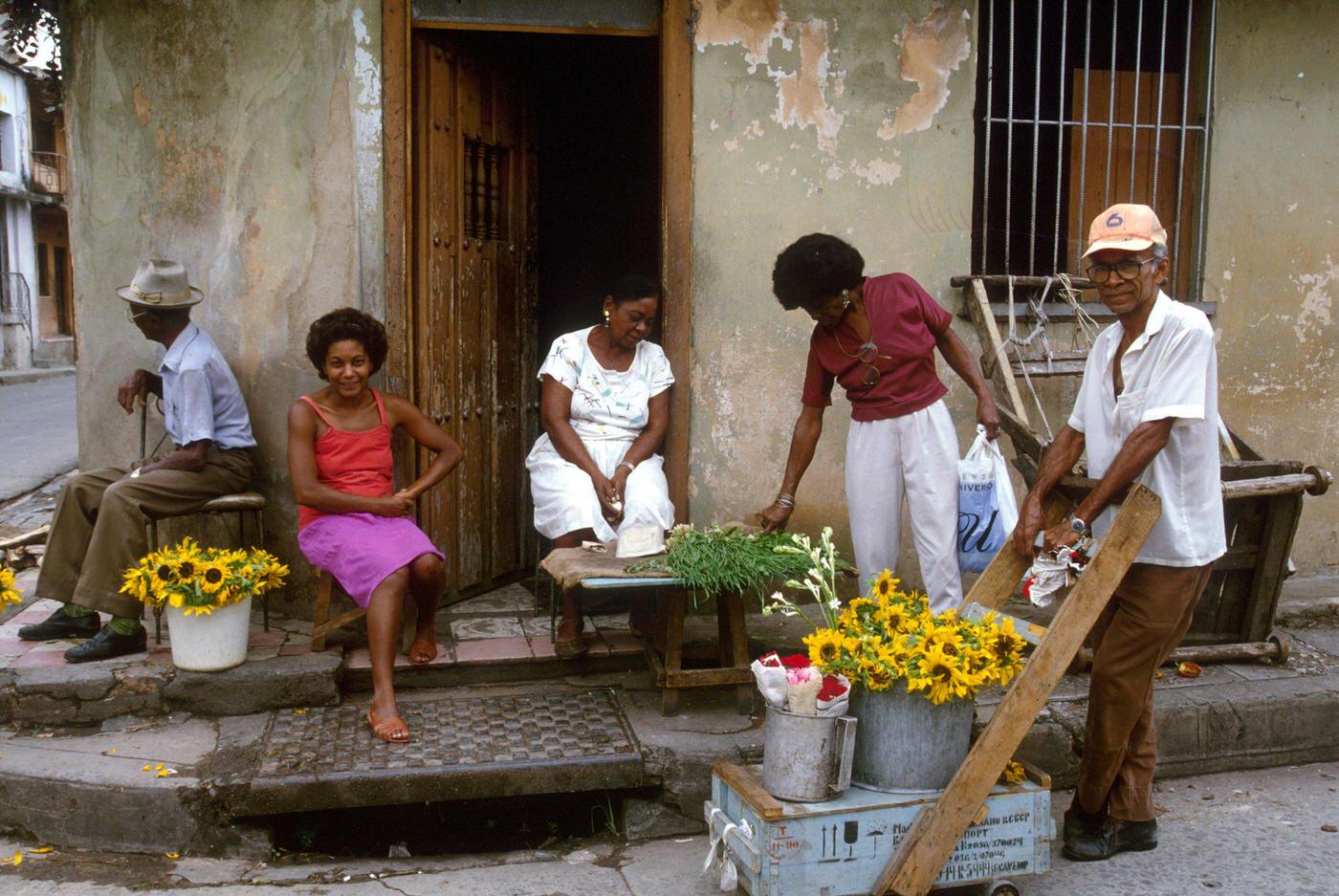
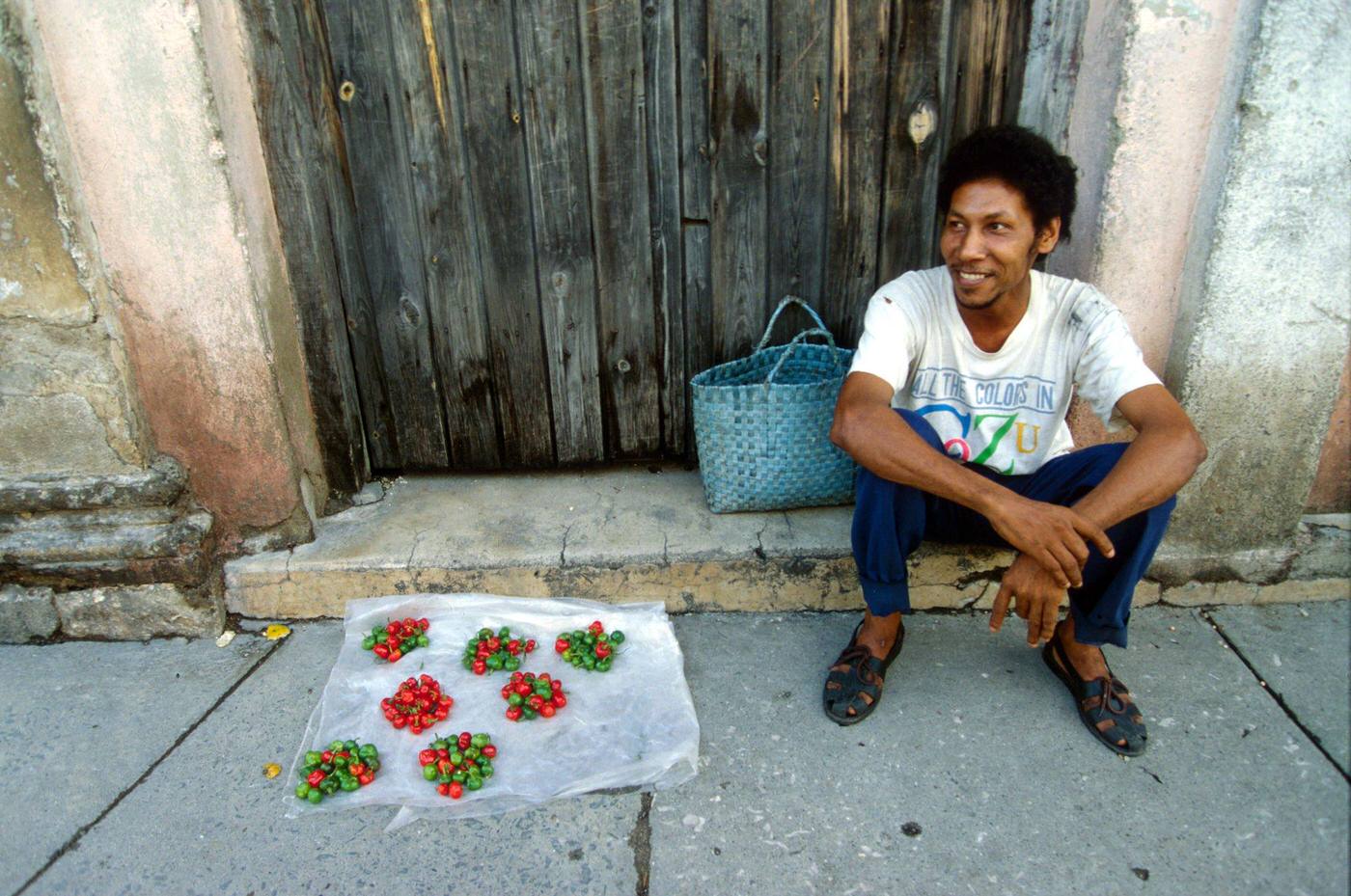
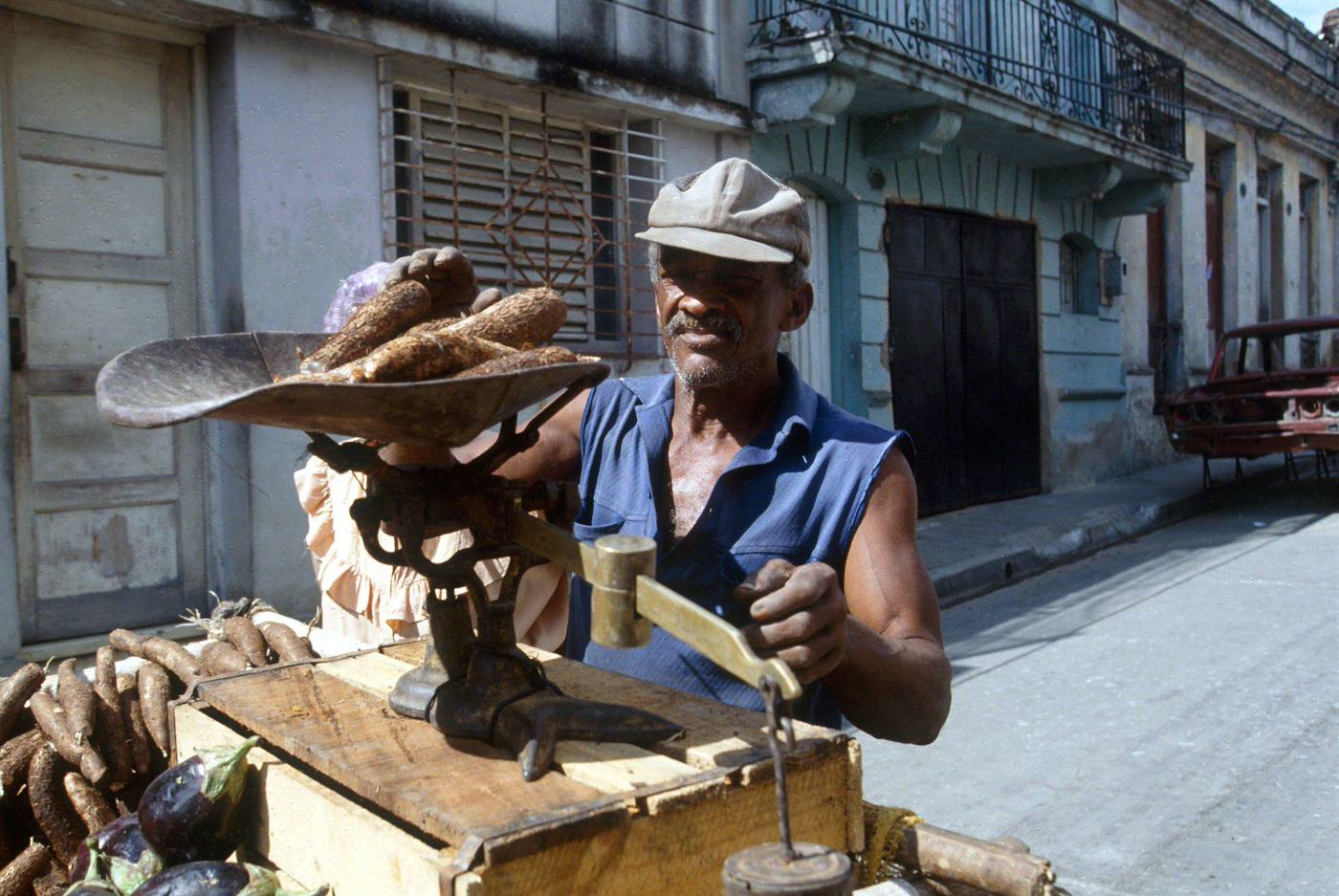
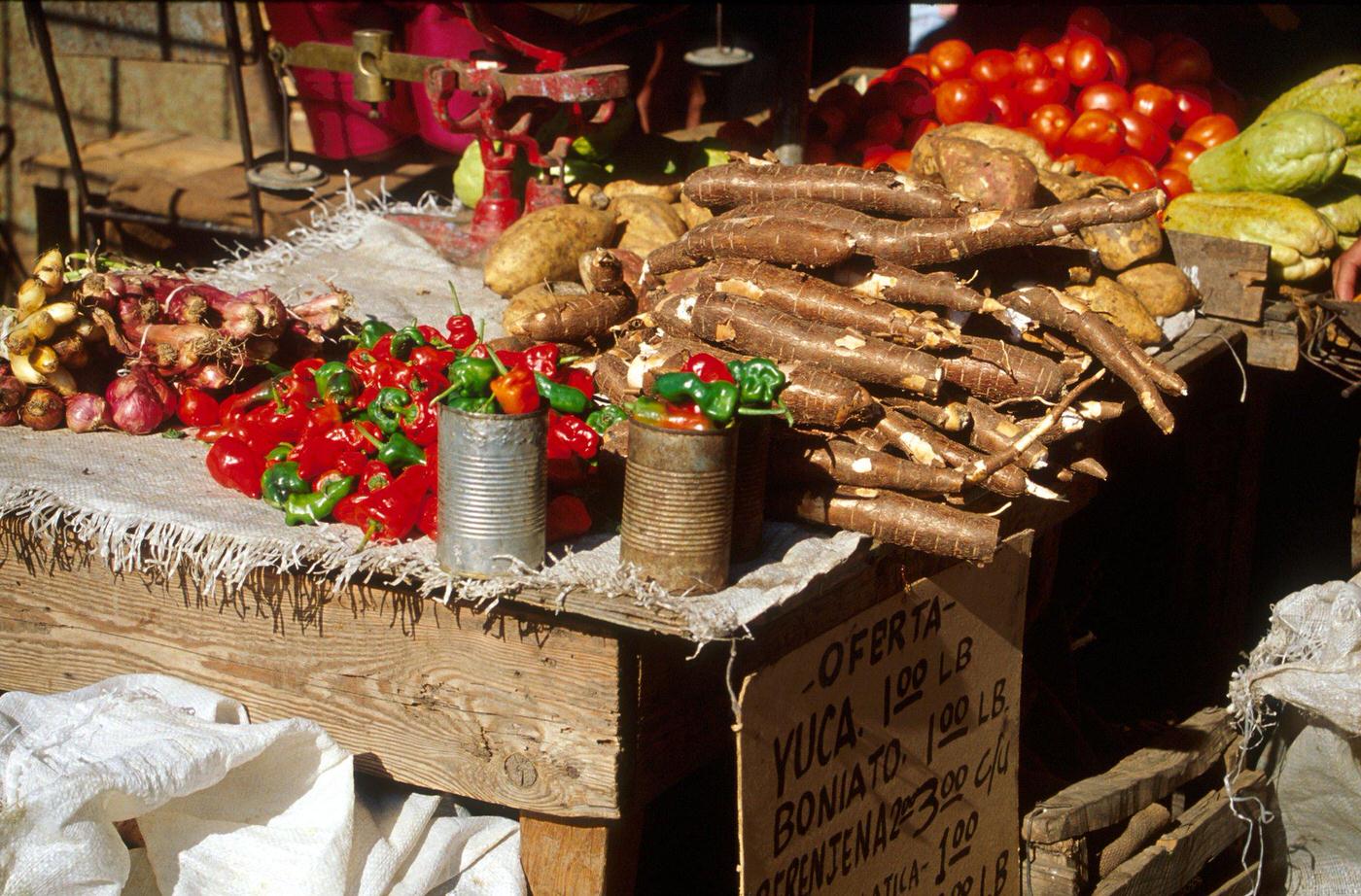
Street vending was part of the fabric of Cuban daily life. Vendors moved through neighborhoods selling oranges, mangoes, chili peppers, yucca, and other produce directly from carts. Small-scale commerce like this existed in a gray area — tolerated but not always officially sanctioned — and became more common as state supply systems fell short of meeting basic needs.
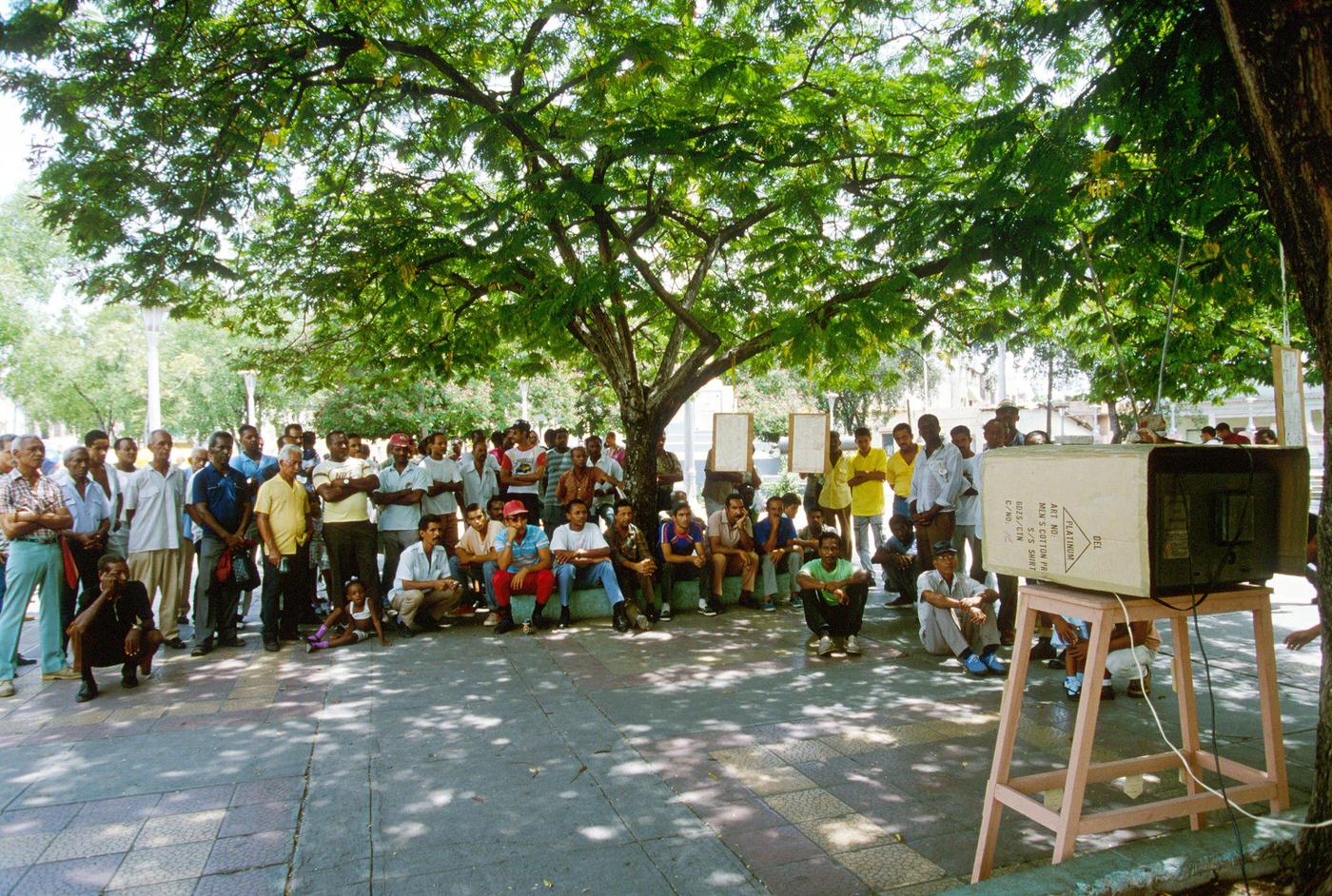
Community life in Cuban towns adapted to shared resources. Televisions were often communal, with neighbors gathering outside on the street to watch broadcasts together. In Santiago de Cuba, this kind of shared viewing was a regular occurrence. The Cuban government used state television to broadcast news, political messaging, and entertainment — making it a central part of daily information.
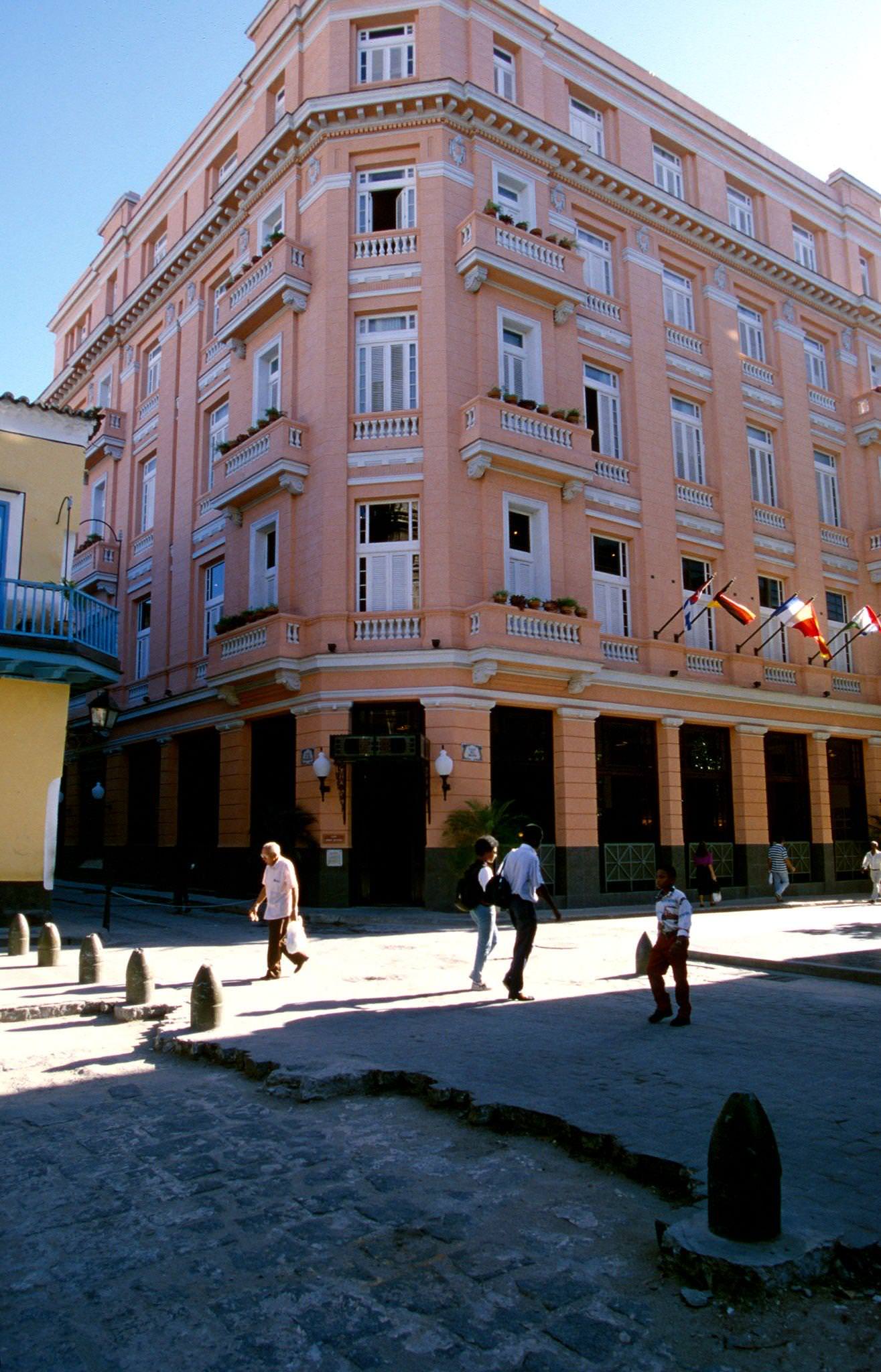
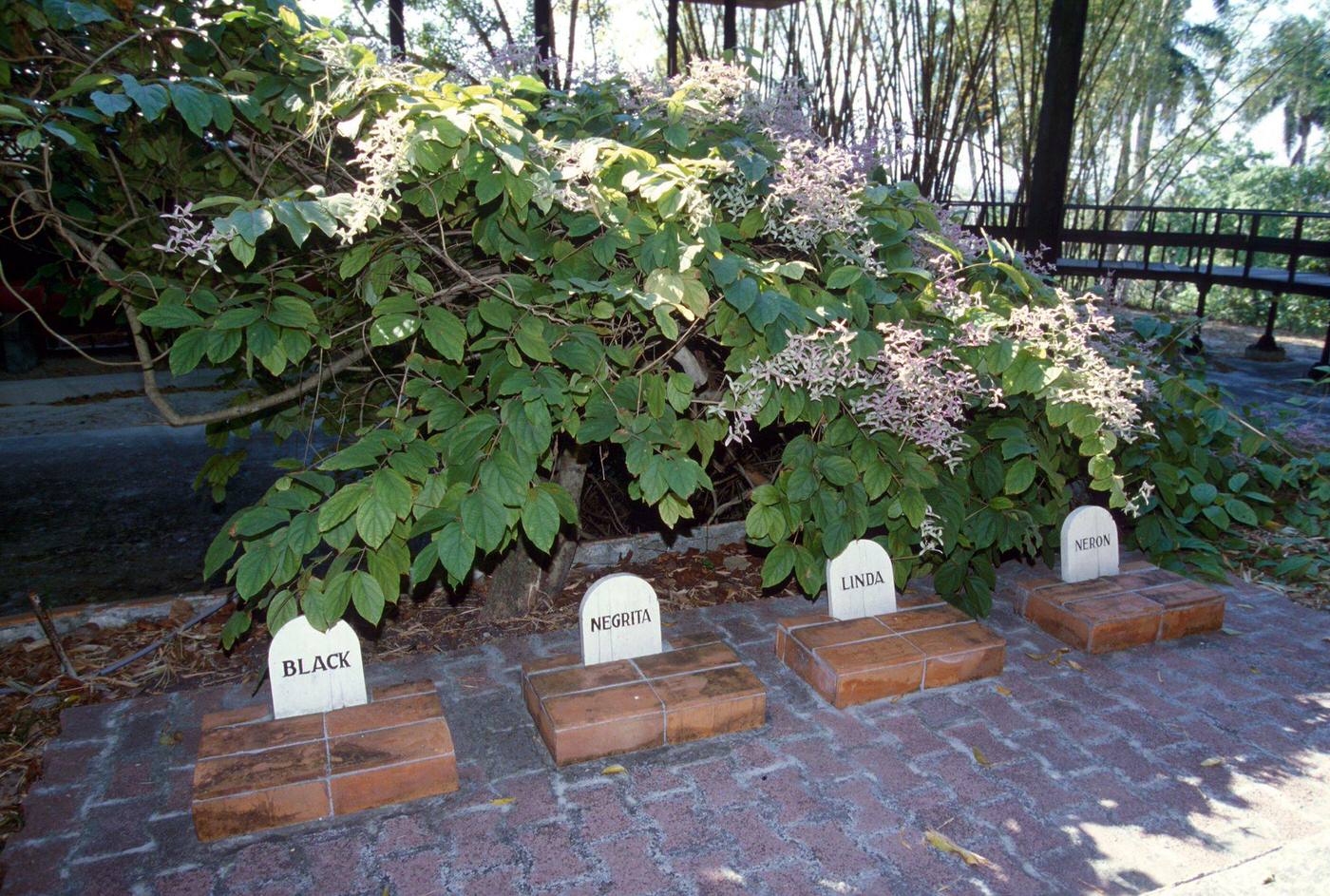
Old Havana preserved a remarkable number of colonial and early 20th-century buildings, including the Hotel Ambos Mundos, where American novelist Ernest Hemingway lived and wrote for much of the 1930s. By the 1990s, these heritage sites were being promoted as tourist attractions as Cuba worked to develop its international tourism sector. Hemingway’s connection to Cuba — he also owned the estate Finca Vigía in San Francisco de Paula — made his former residences particularly attractive to visitors.
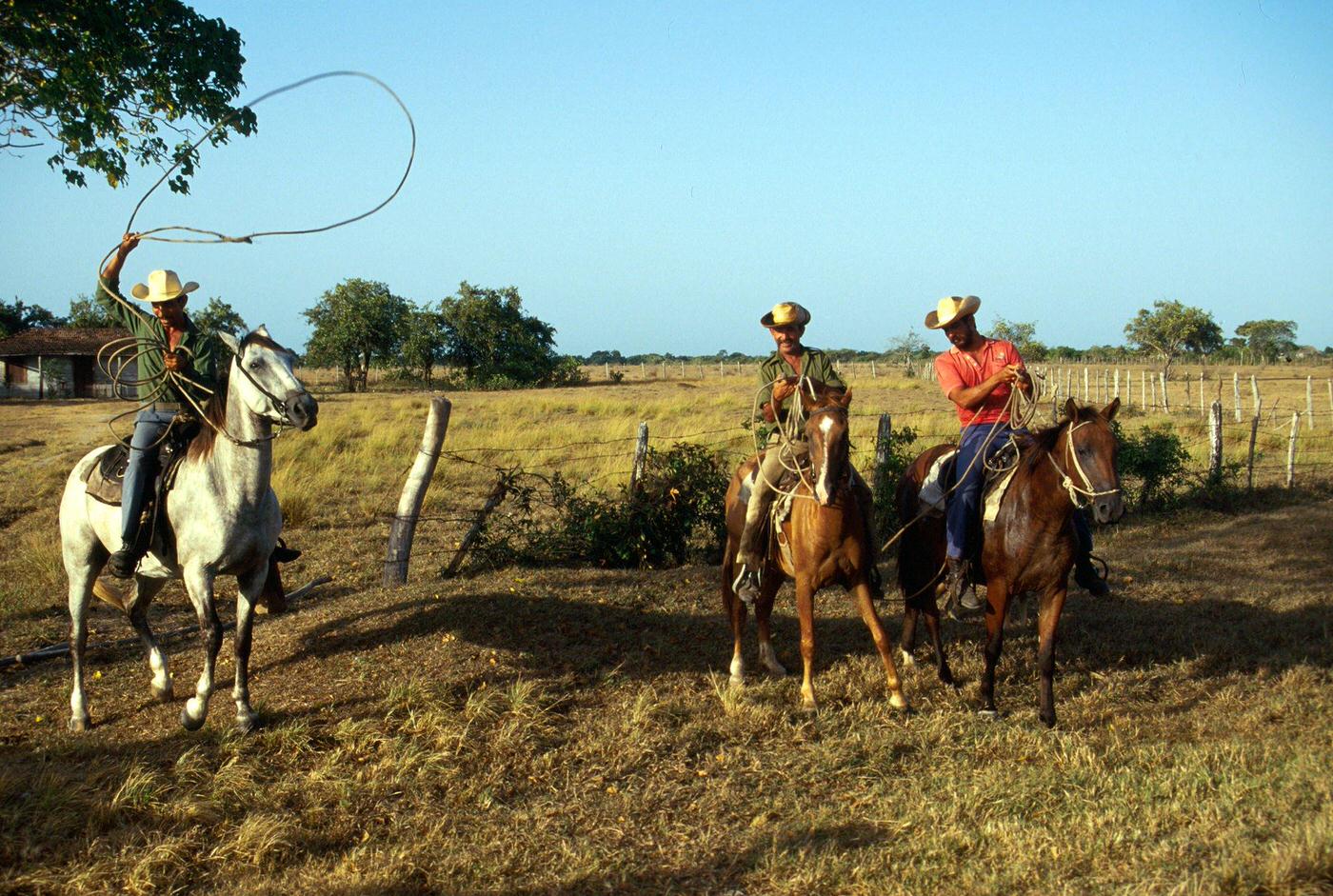
In Camagüey province, one of Cuba’s most cattle-rich regions, horses remained essential working animals throughout the 1990s. Peasants used them for transport and ranch work, particularly as fuel shortages made motor vehicles increasingly unreliable. The province’s cattle farms continued to operate, though output declined significantly during the Special Period due to feed shortages and reduced state support.
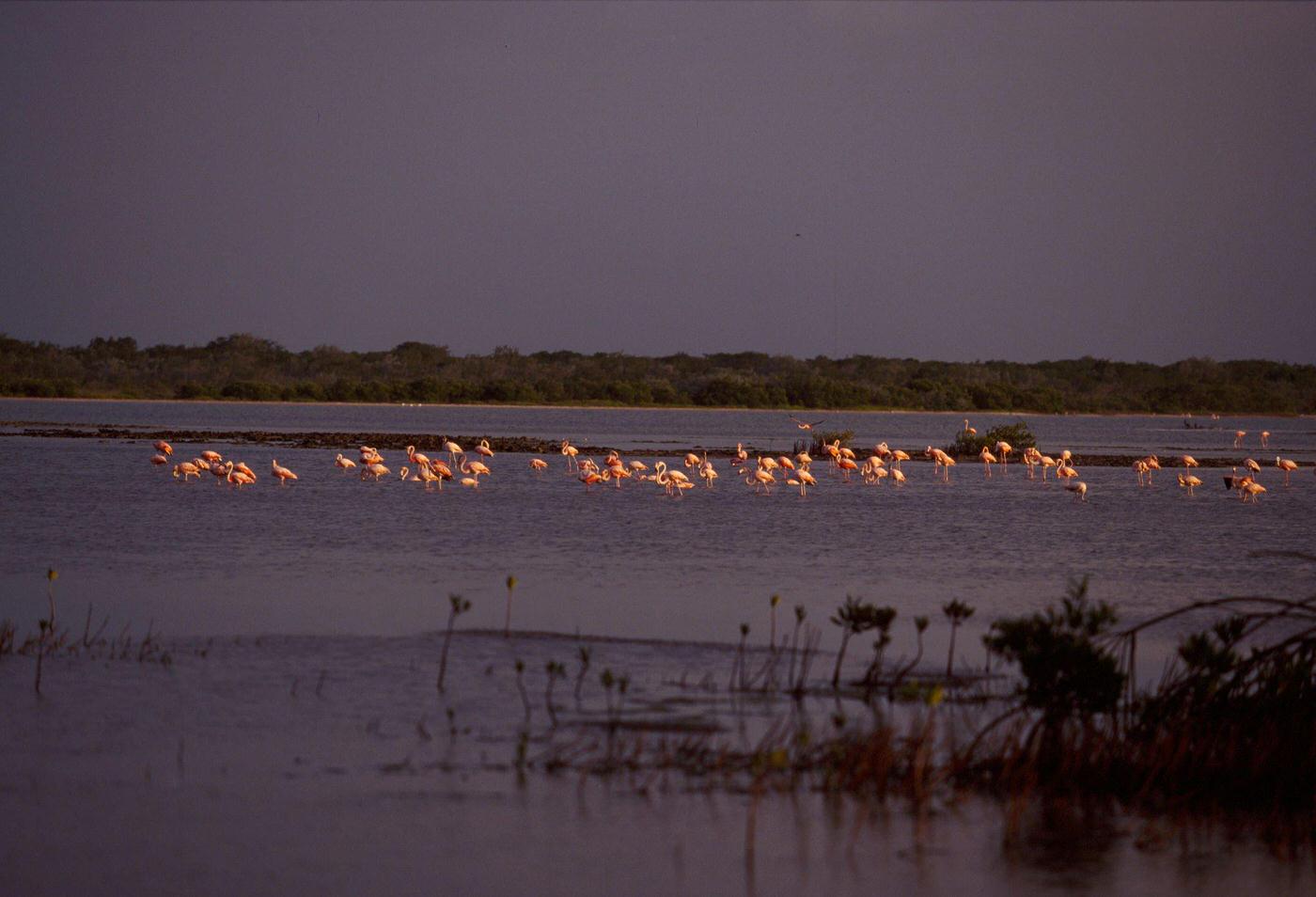
Cayo Coco, a small island off Cuba’s northern coast, became a centerpiece of Cuba’s tourism expansion in the 1990s. Its shallow lagoons and pristine beaches attracted flamingos each winter and international tourists year-round. The Cuban government built resort hotels on Cayo Coco and connected it to the mainland via a causeway, treating the island as a showcase for the country’s natural beauty.
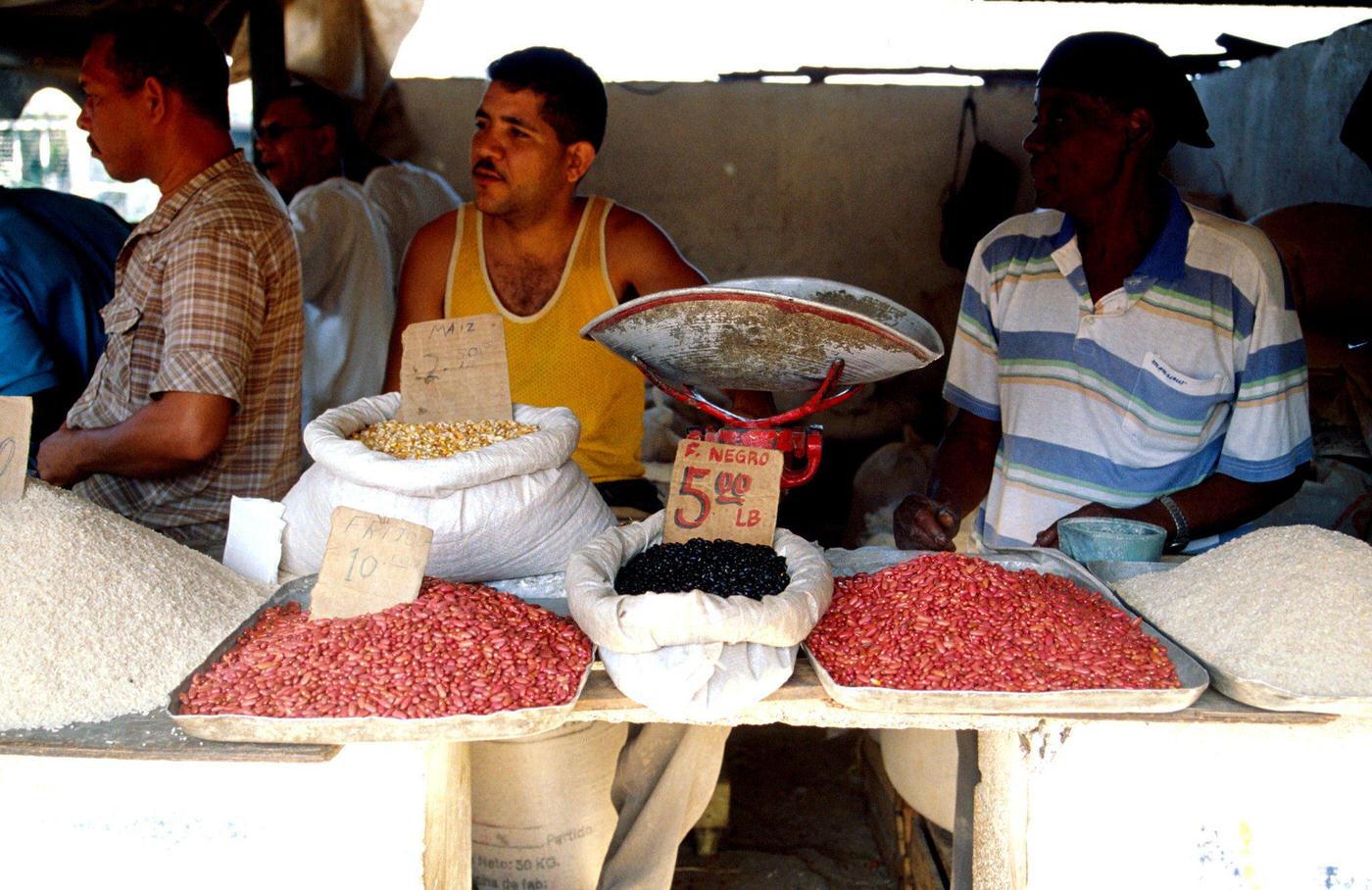
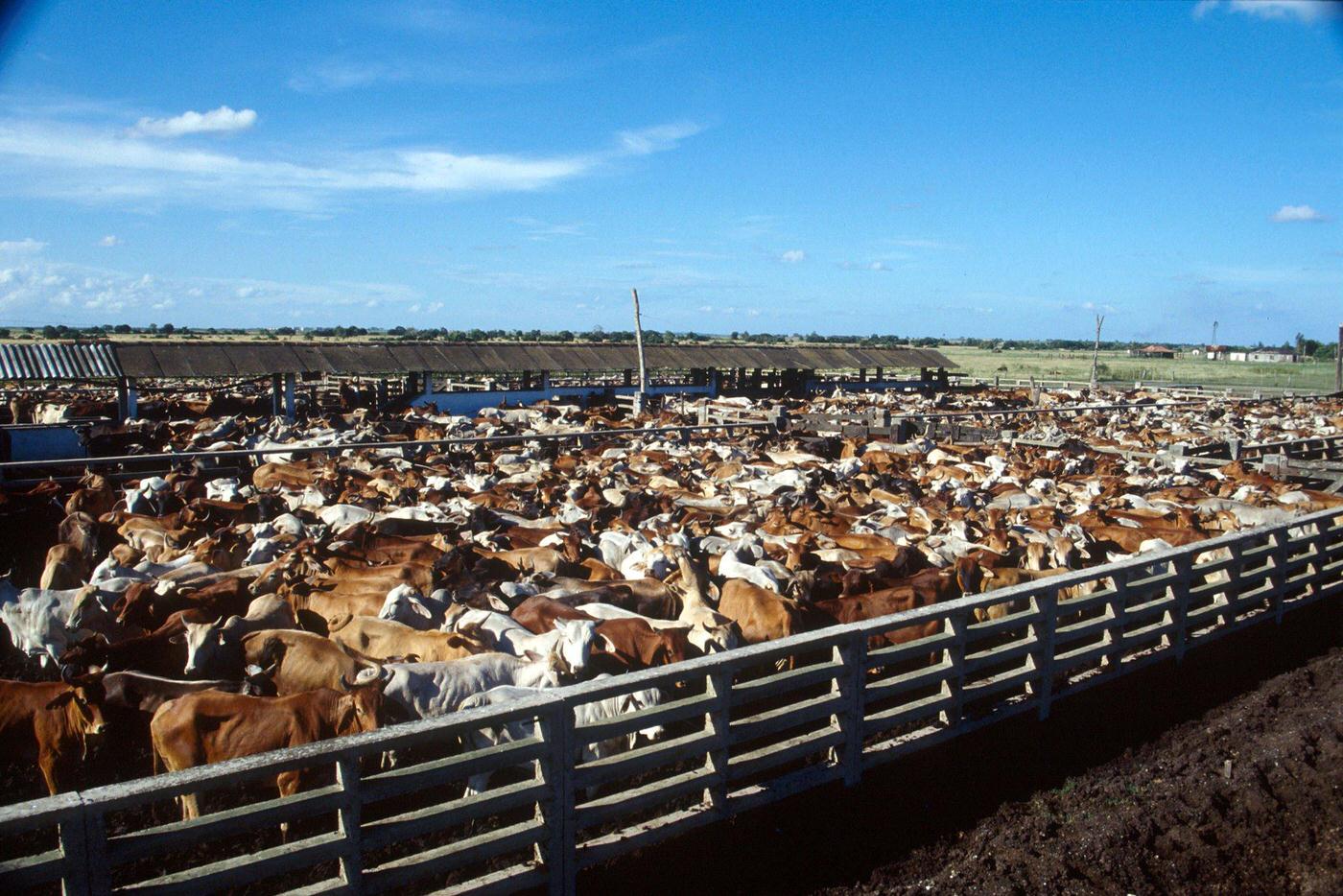
Agricultural markets in Santiago de Cuba gave some sense of what was available — and what wasn’t. Staples like rice, black beans, and corn remained central to the Cuban diet, but their supply was inconsistent. State markets and informal vendors both played a role in keeping food moving. Farms in Camagüey managed livestock under increasingly difficult conditions, with state resources stretched thin across the entire agricultural sector.
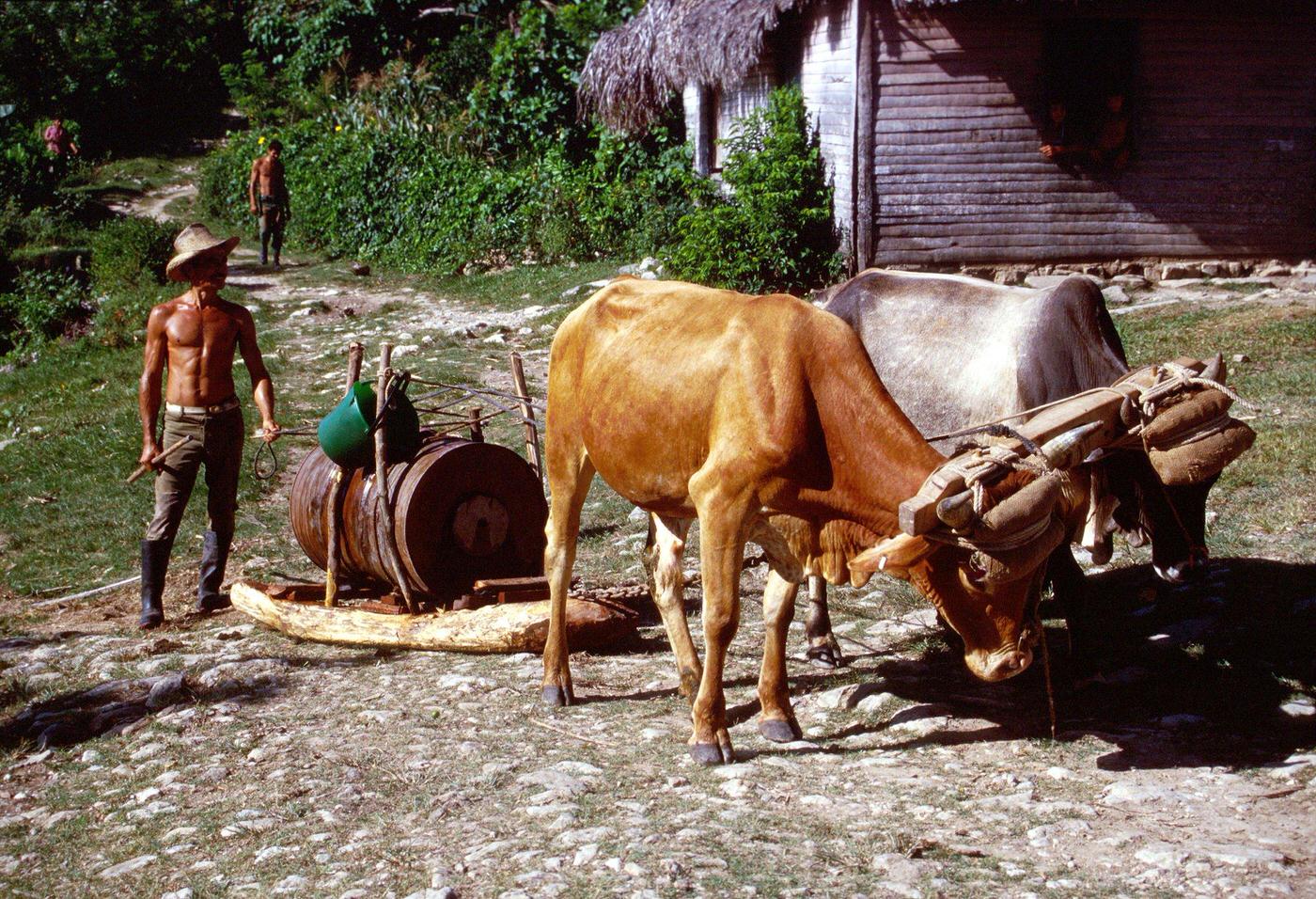
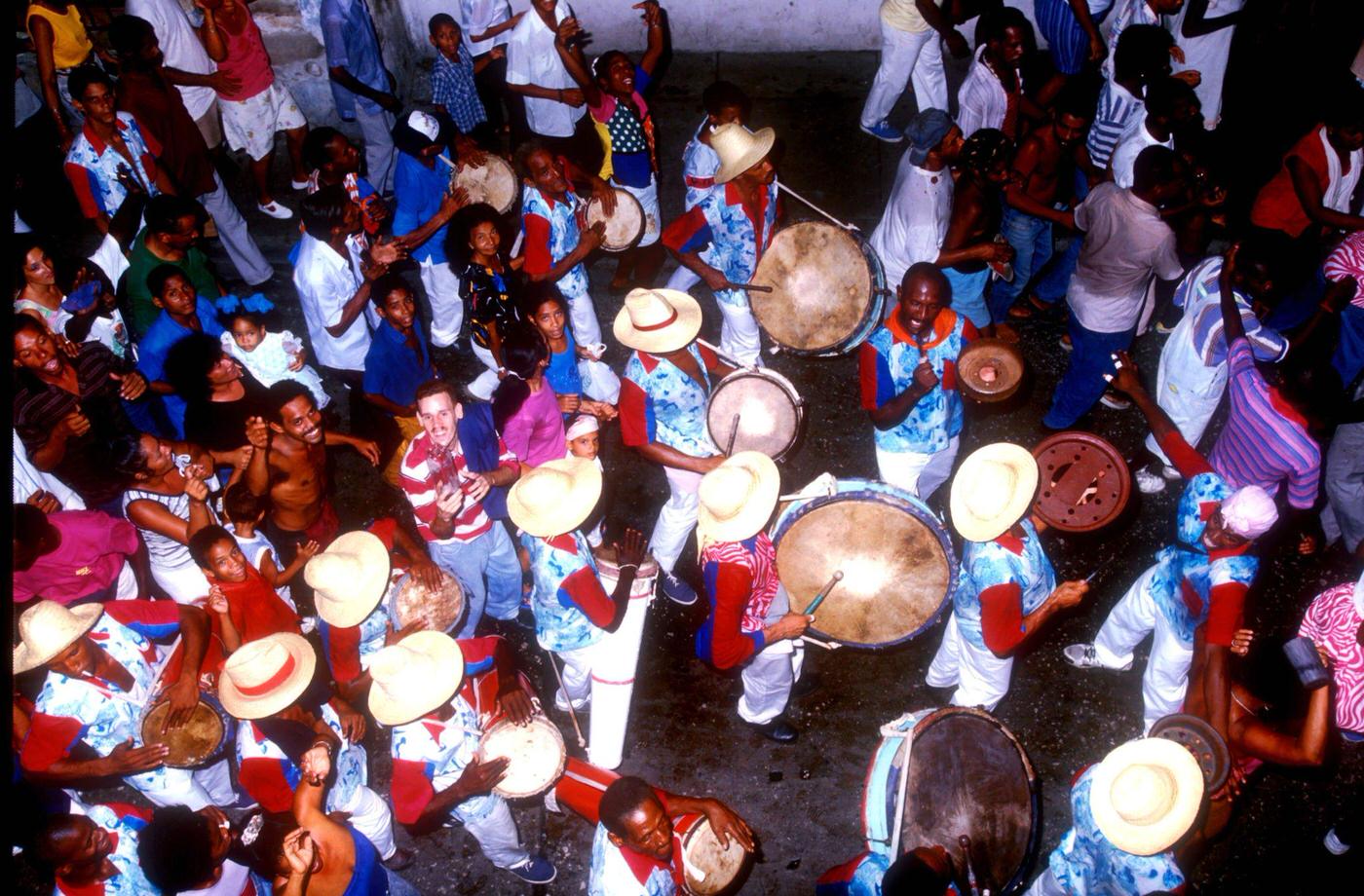
In the Sierra Maestra mountains — the rugged range where Castro and his guerrillas launched the revolution — oxen transported water tanks along trails too steep and remote for vehicles. Life in these highlands was always demanding, and the Special Period made it more so. But in Santiago de Cuba below, the annual Carnival continued. Conga musicians kept the celebration alive, drawing participants from across the city into the streets each summer.
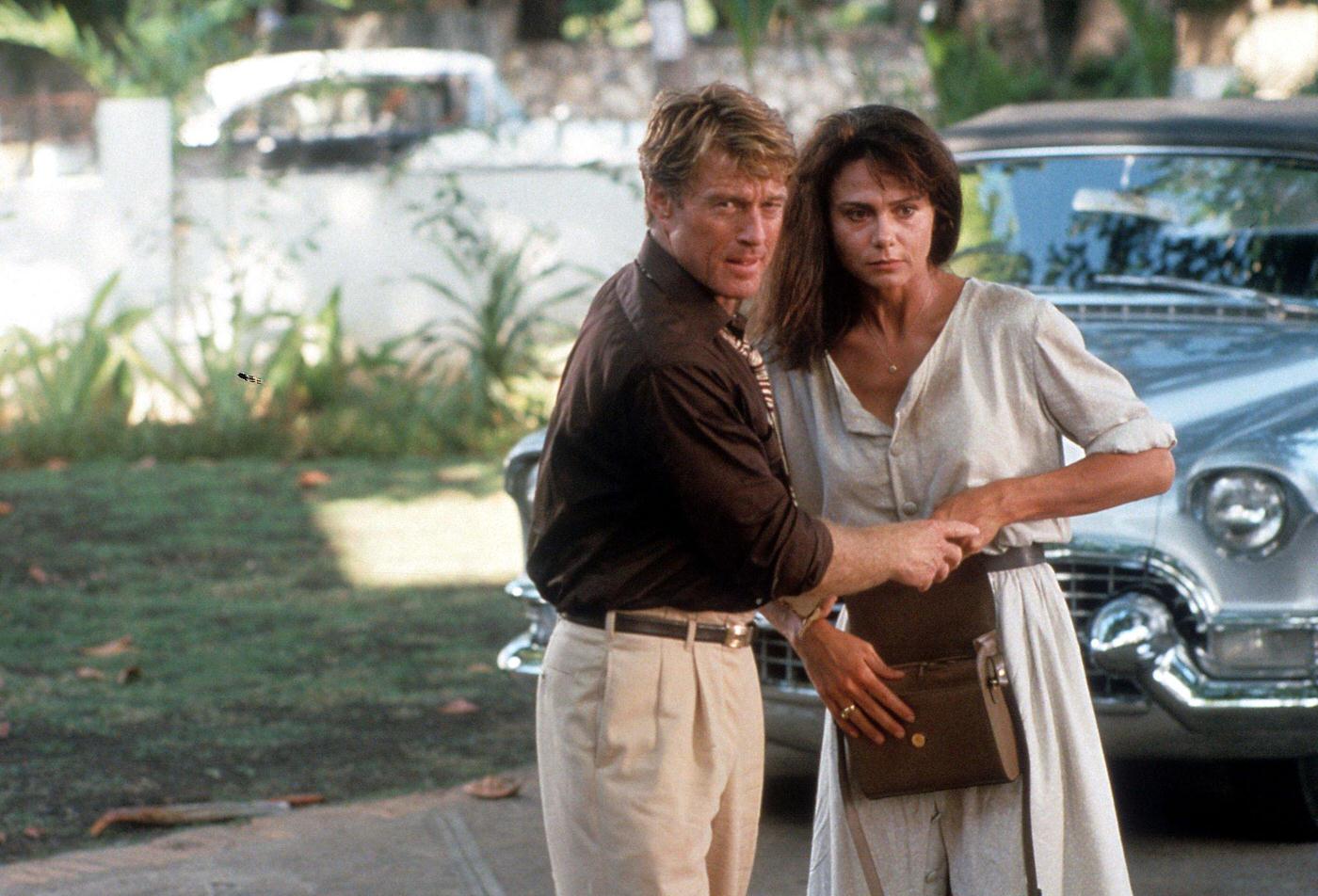
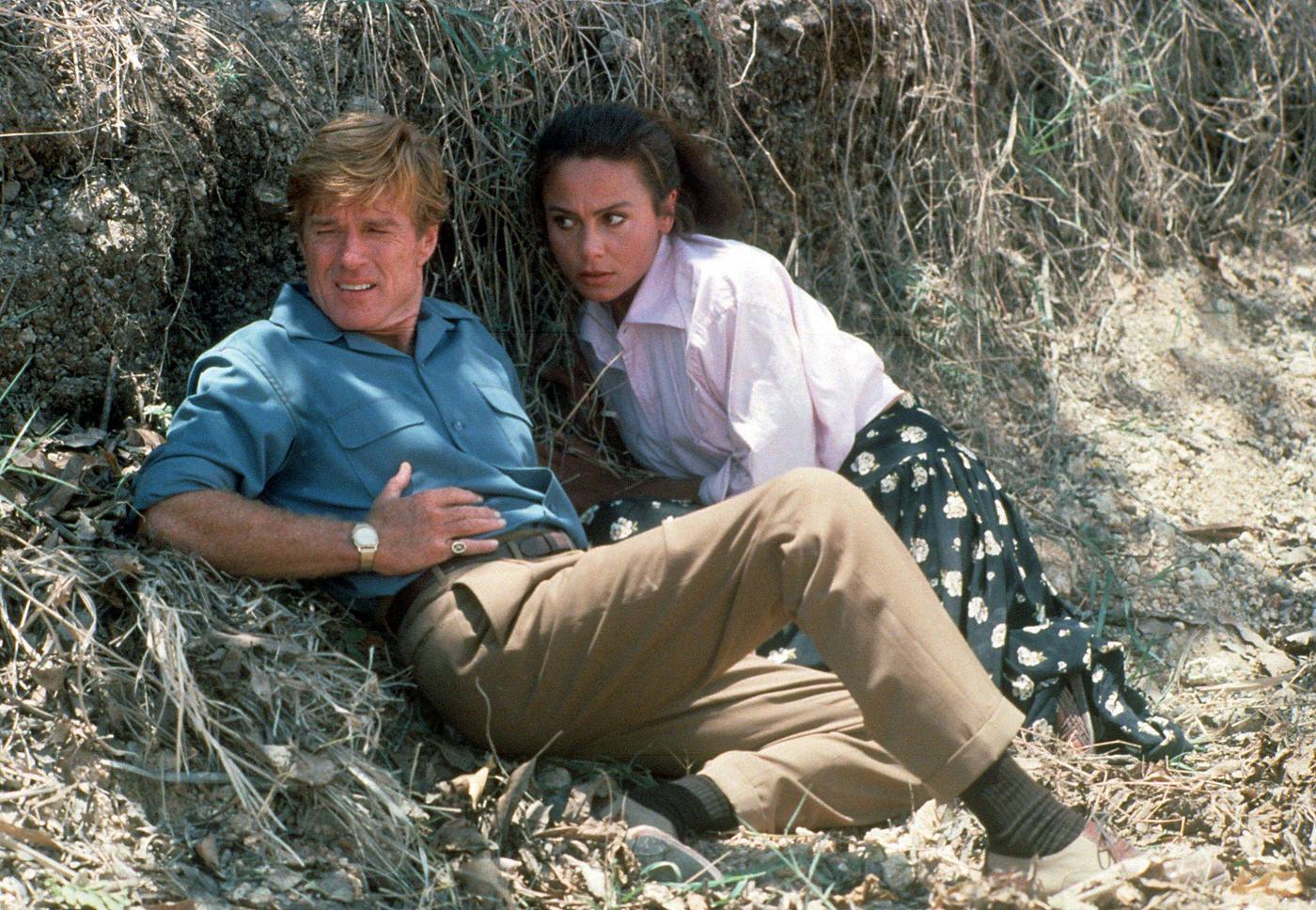
Cuba’s romance with international cinema extended into the 1990s. The 1990 film “Havana,” directed by Sydney Pollack and starring Robert Redford and Lena Olin, used the city as a dramatic backdrop — set during the Cuban Revolution of 1959. While the film was an American production shot partly outside Cuba, it drew international attention back to the island at the very moment Cuba was entering one of its most difficult decades.
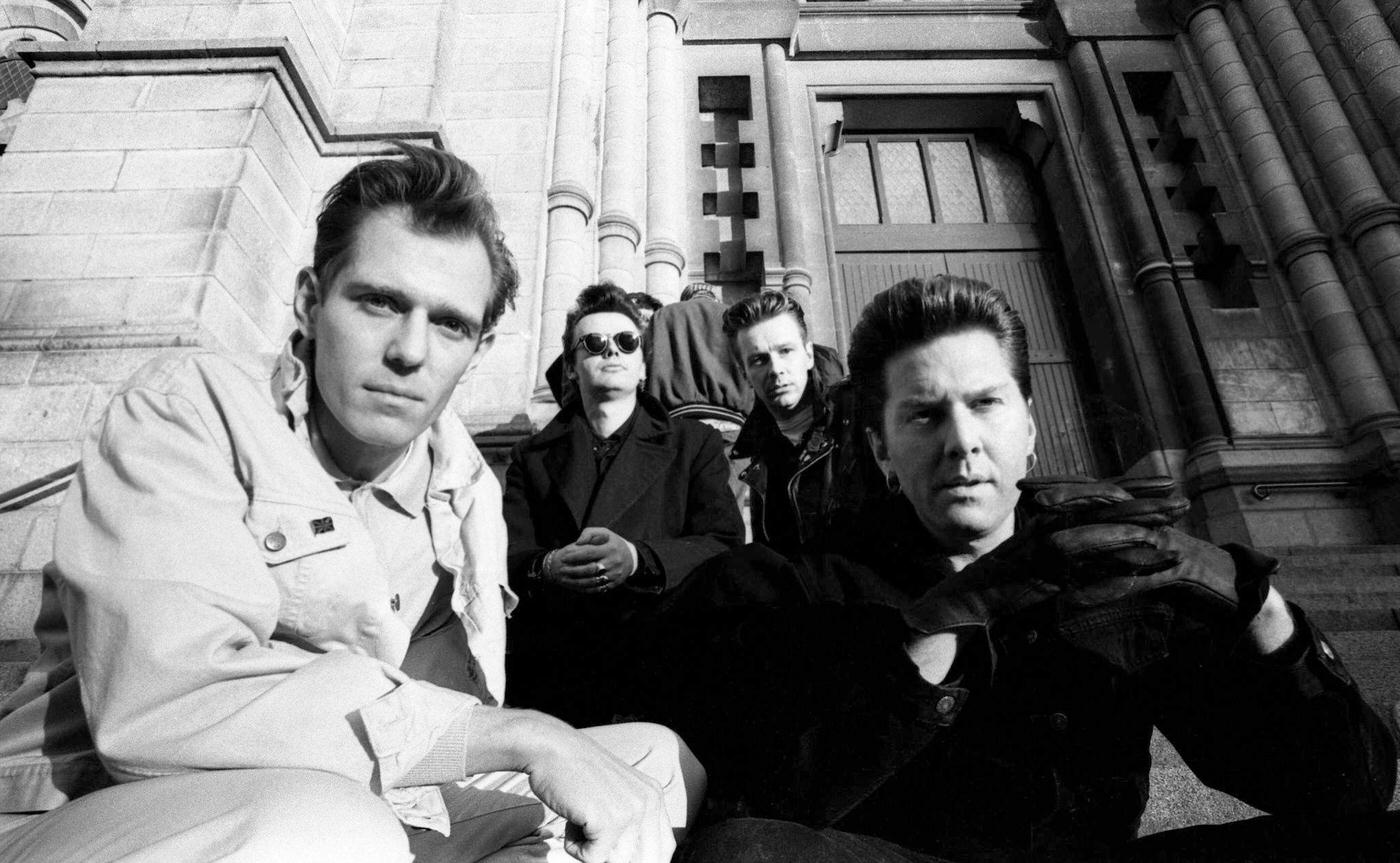
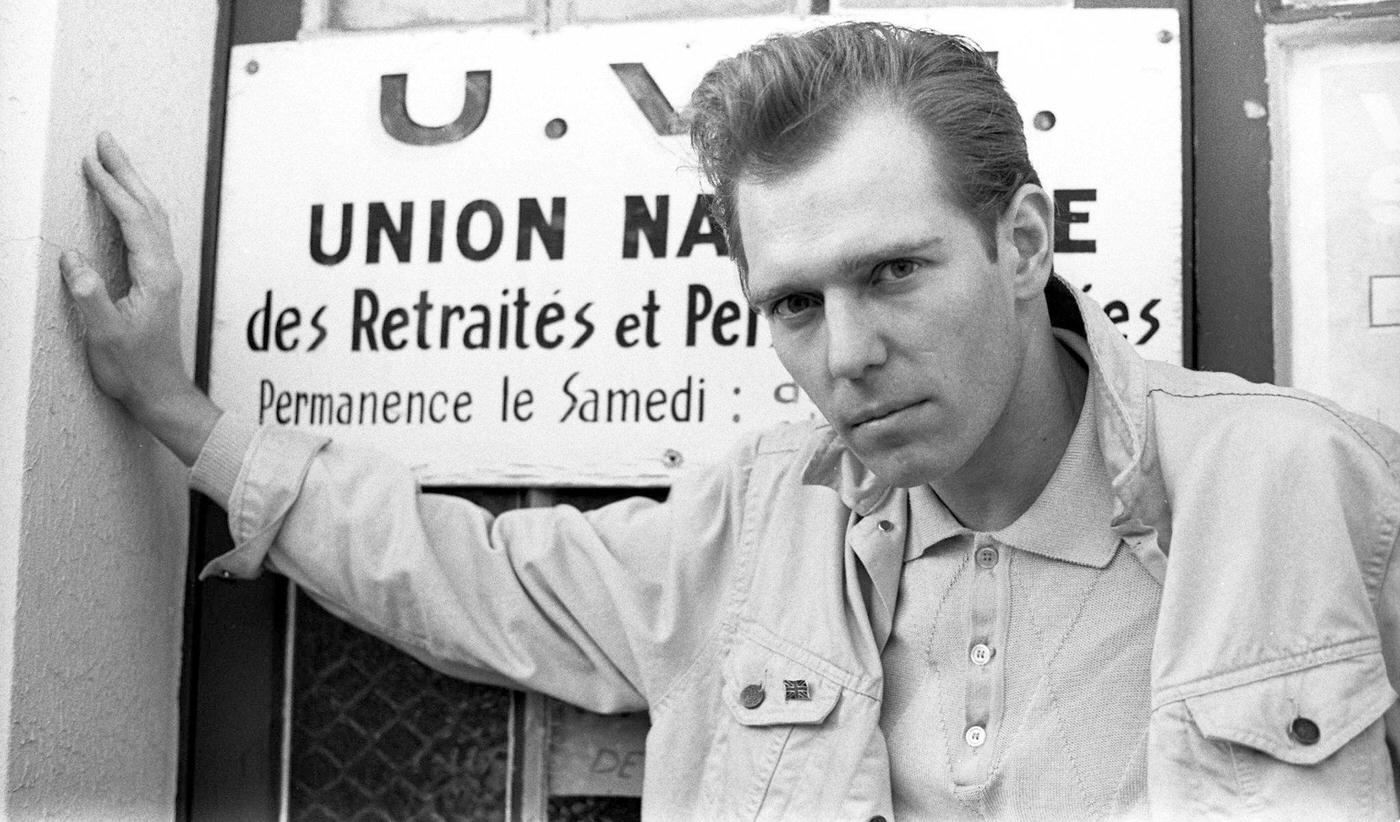
Cuba’s cultural reach extended well beyond its borders. Havana 3am was a French band — featuring Paul Simonon, formerly of The Clash — that drew stylistic inspiration from Cuba and Latin rhythms. Their existence reflected a broader international fascination with Cuban music and culture during this period, even as the island itself struggled economically.
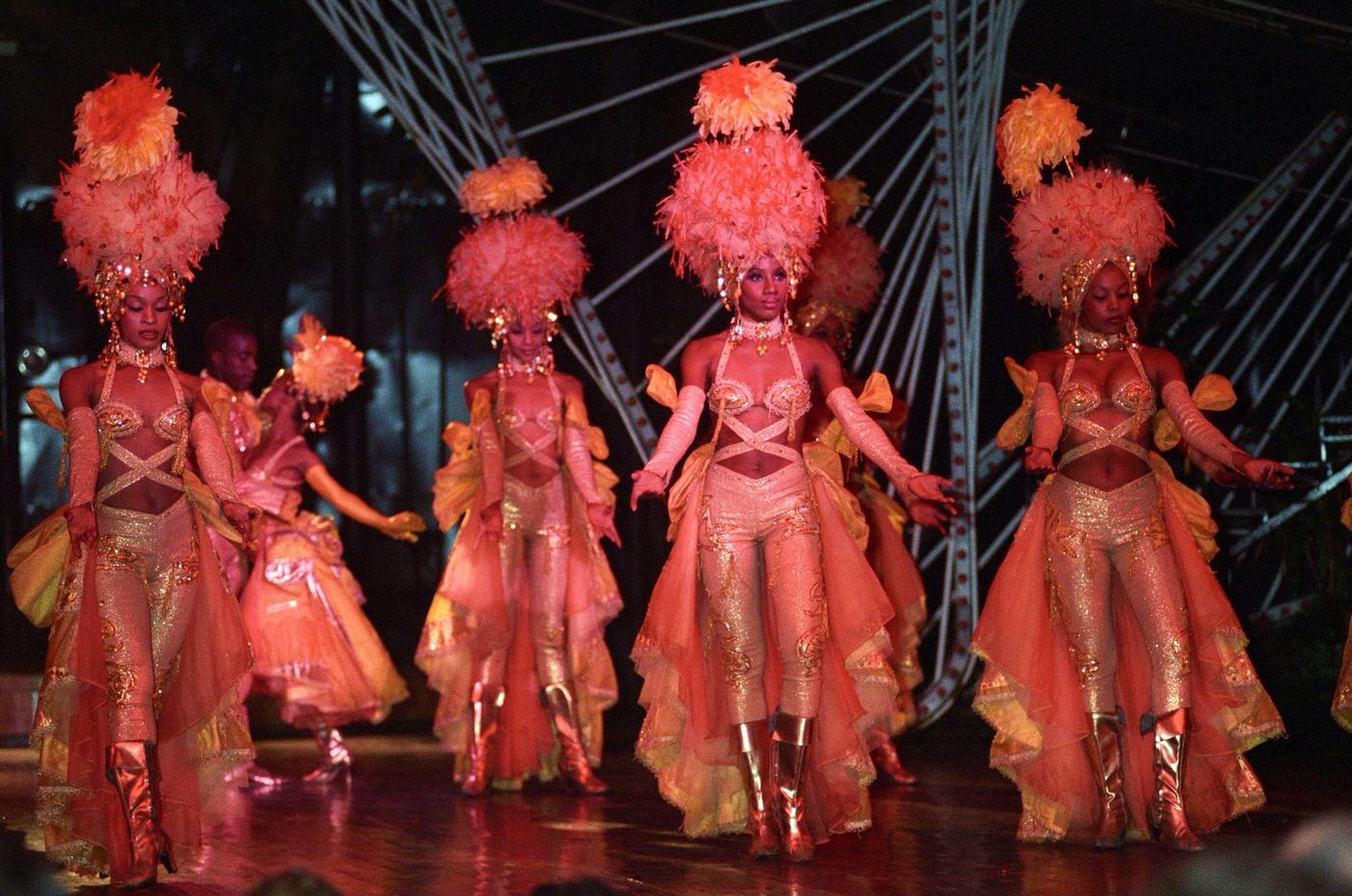
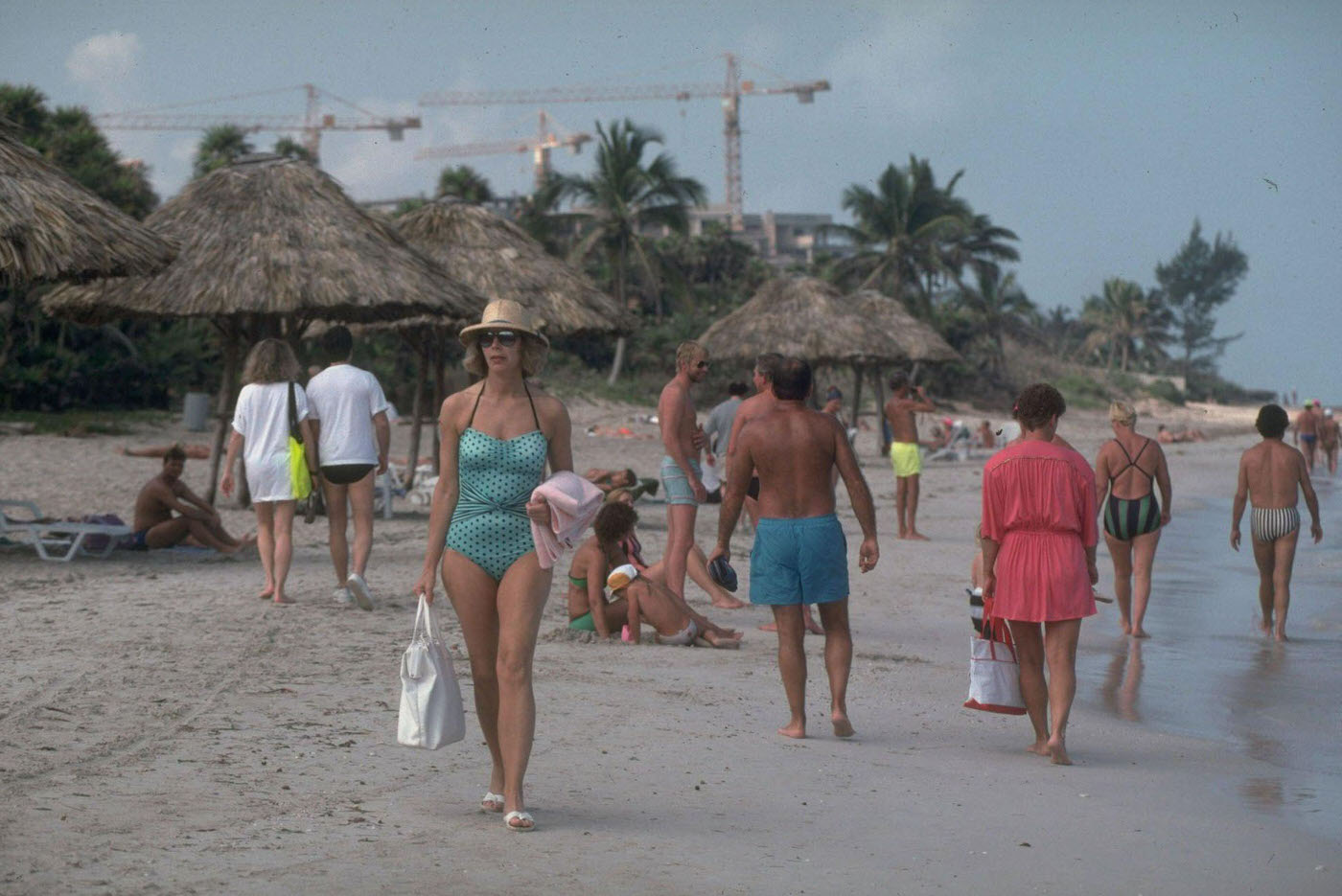
The Tropicana nightclub in Havana had operated as an open-air cabaret since 1939, and it continued to draw tourists throughout the 1990s. Elaborately costumed dancers performed nightly under the stars. Meanwhile, at Varadero — Cuba’s premier beach resort on the Hicacos Peninsula — tourists from Canada and Europe sunbathed on white-sand beaches that were largely off-limits to ordinary Cubans.
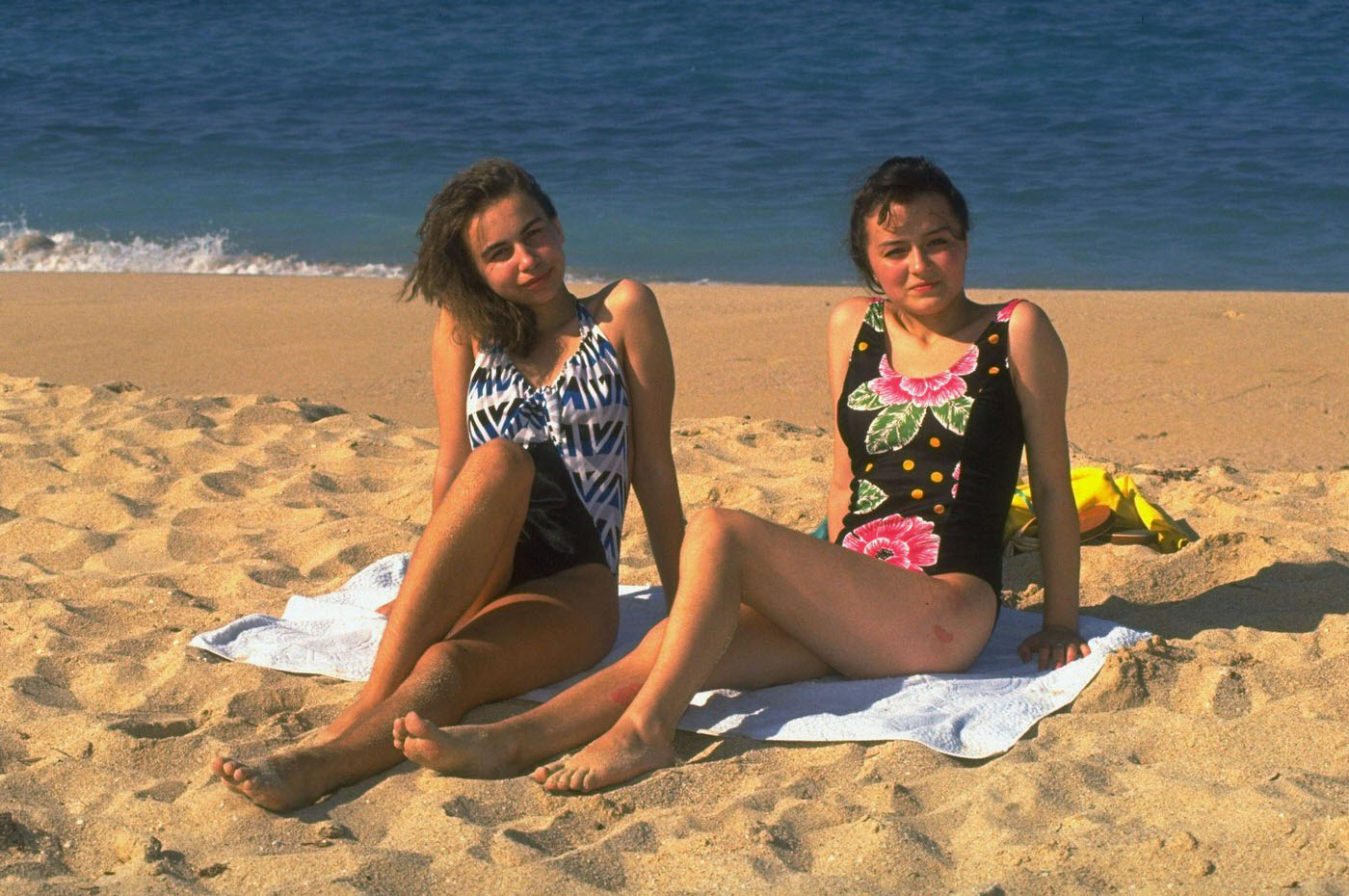
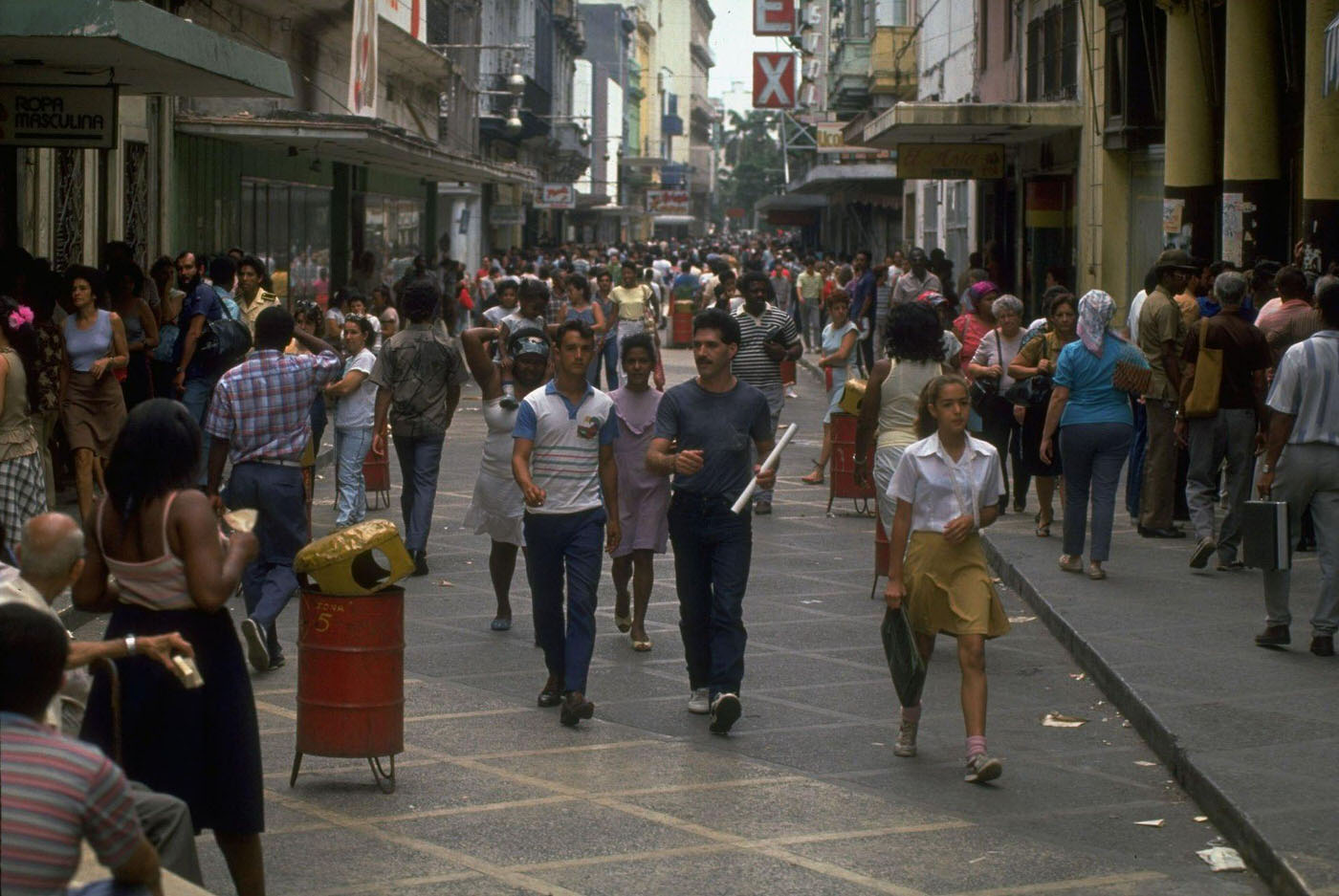
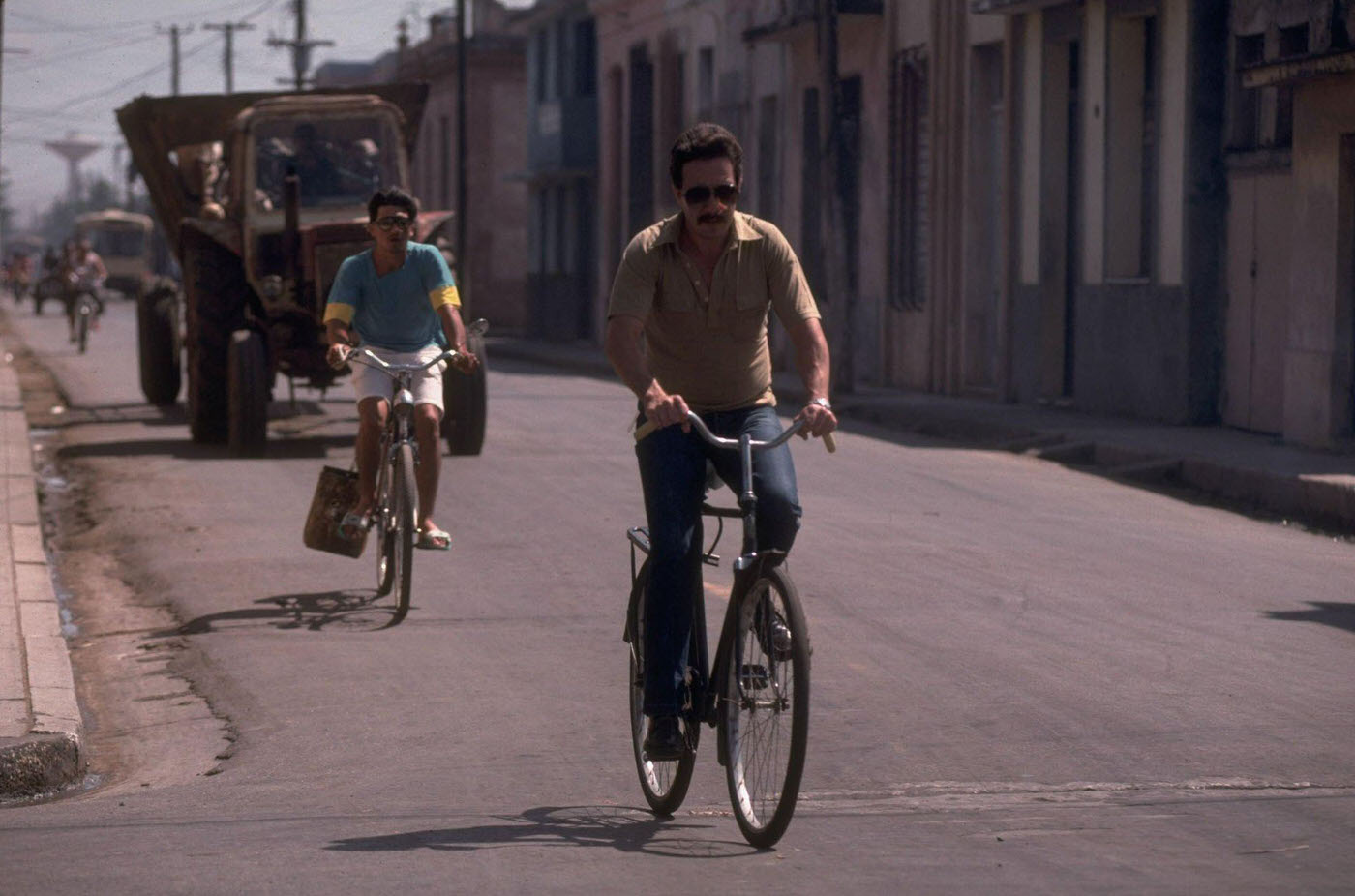
Havana’s streets told the story of the Special Period in motion. Sidewalks were crowded with pedestrians. Bicycles filled streets that had once been dominated by Soviet-made buses and the occasional American car. The government’s mass importation of bicycles — primarily from China — was one of the more visible responses to the fuel crisis, and the transformation of Havana’s traffic patterns showed just how quickly the city had adapted.
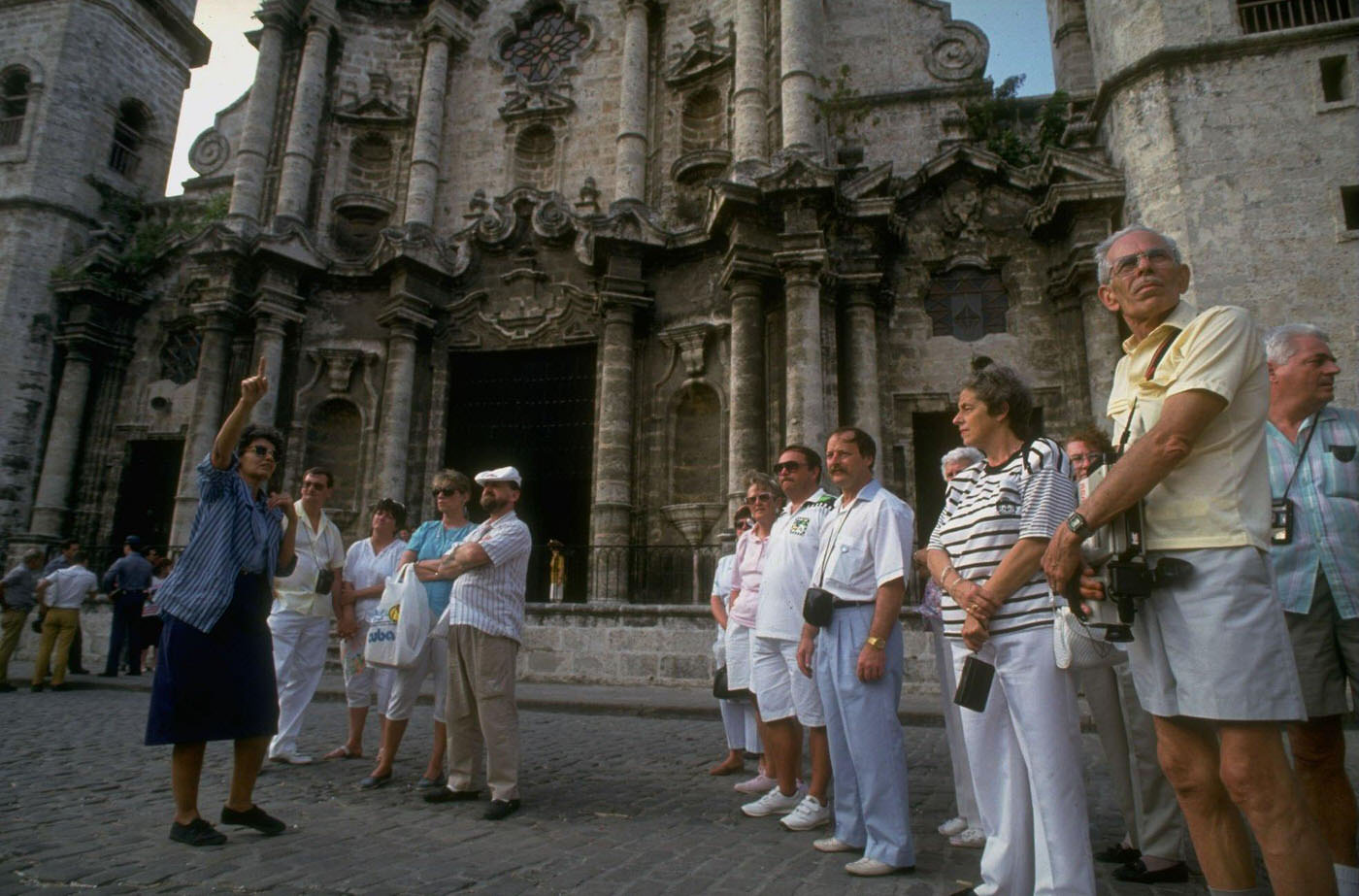
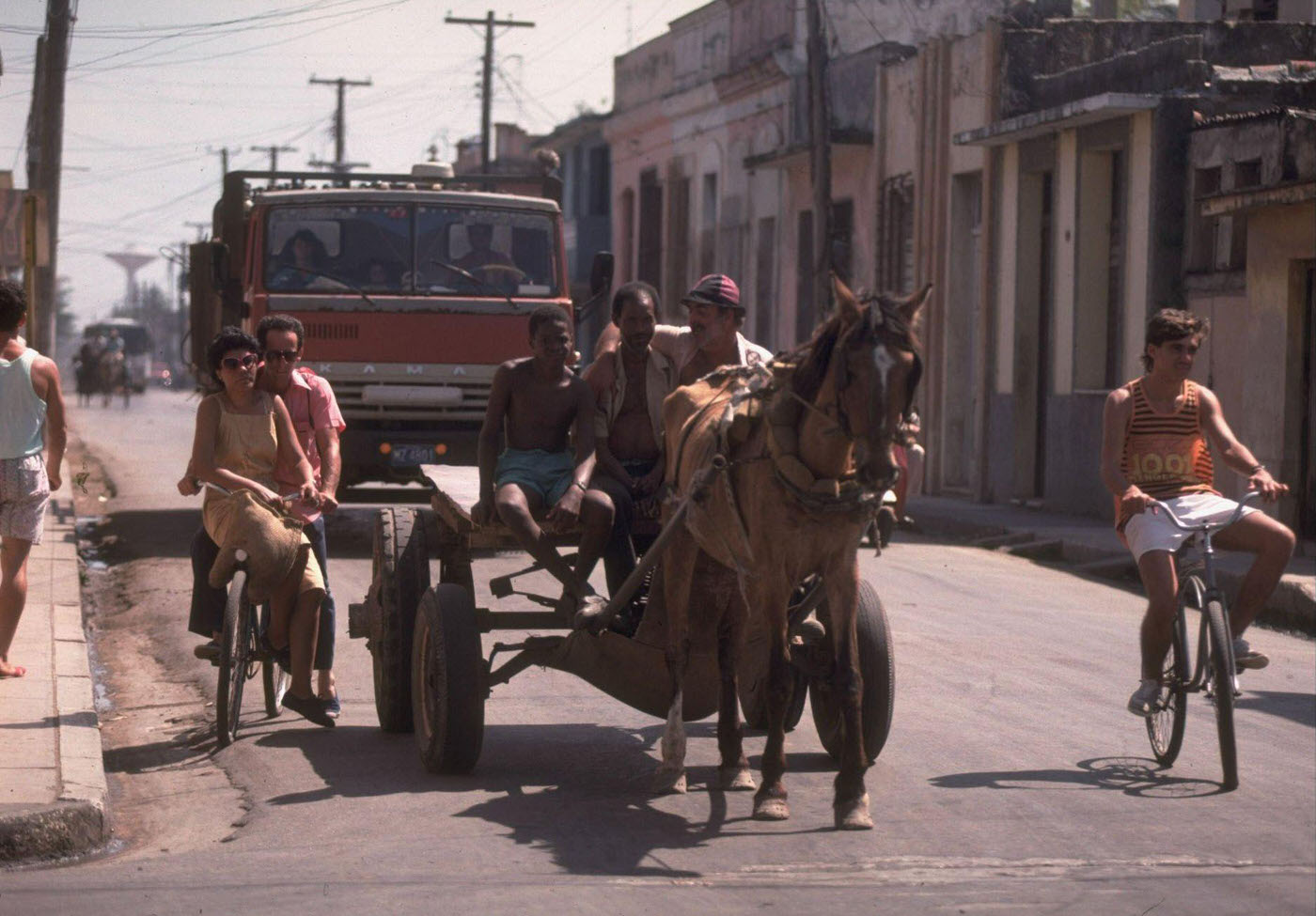
Old Havana attracted a steady flow of international tourists, who explored its UNESCO-recognized colonial architecture on organized tours. While tour groups moved through cobblestone streets with cameras in hand, Havana’s locals navigated the same city on bicycles and horse-drawn carts. The contrast was stark — tourist dollars moving through one economy while Cubans operated under an entirely different one.
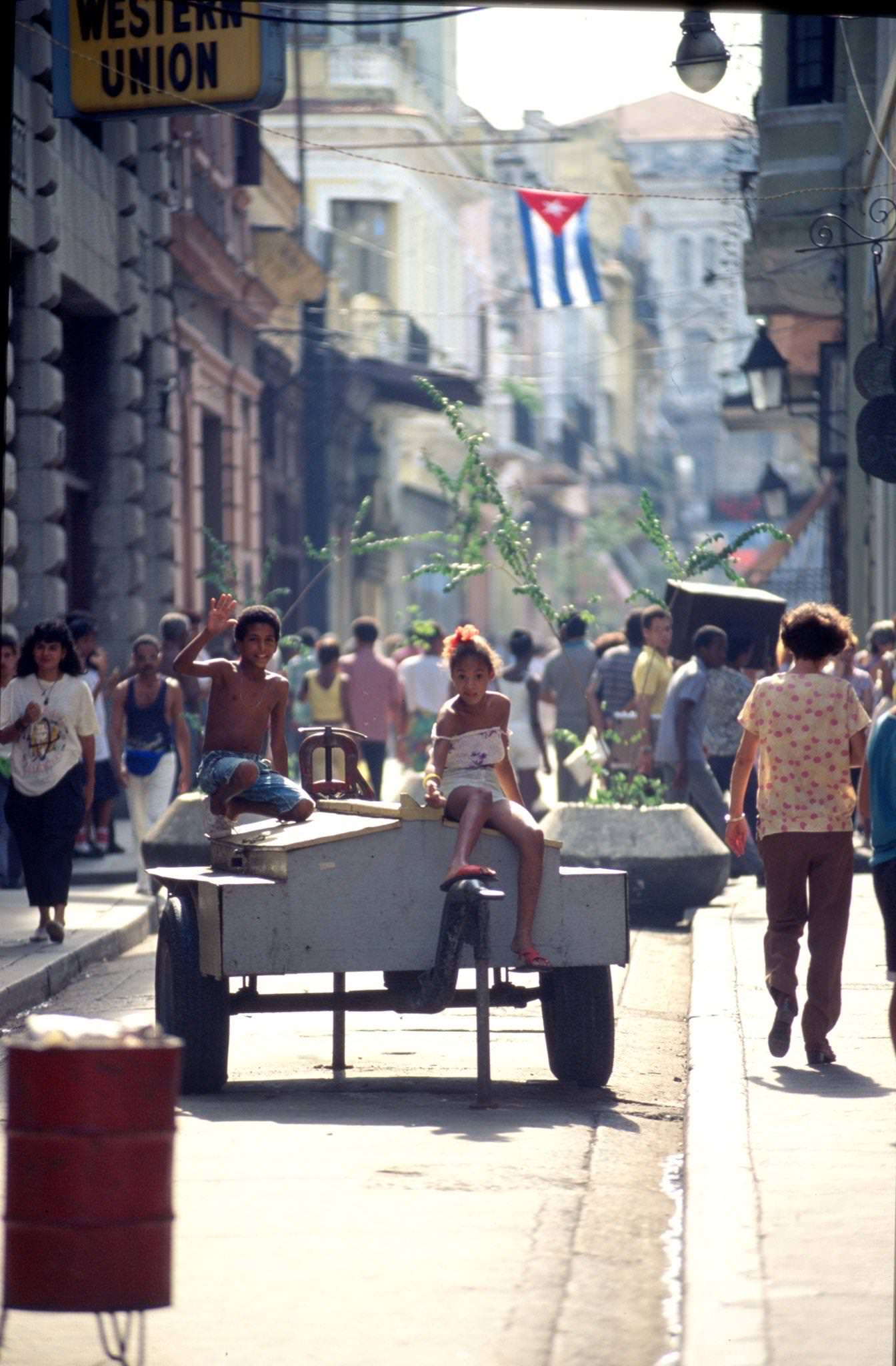
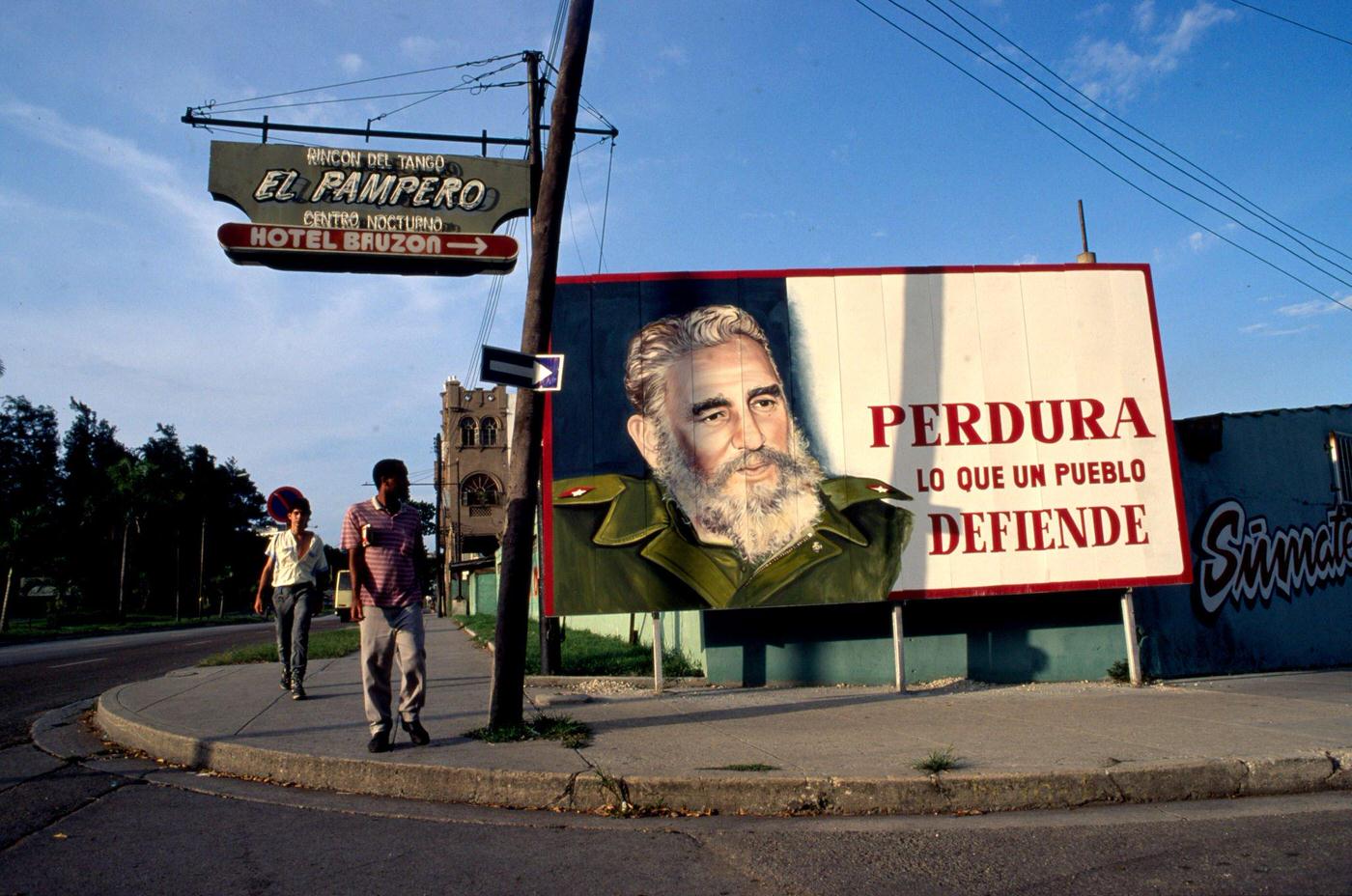
By 1991, the year the Soviet Union formally dissolved, Havana showed the strain of its economic isolation. Downtown streets were crowded but quieter in commercial terms. Fidel Castro’s image appeared on billboards throughout the capital, part of a long-standing practice of state-sponsored political messaging. The billboards reinforced loyalty to the revolution at a moment when that loyalty was being tested by widespread scarcity.
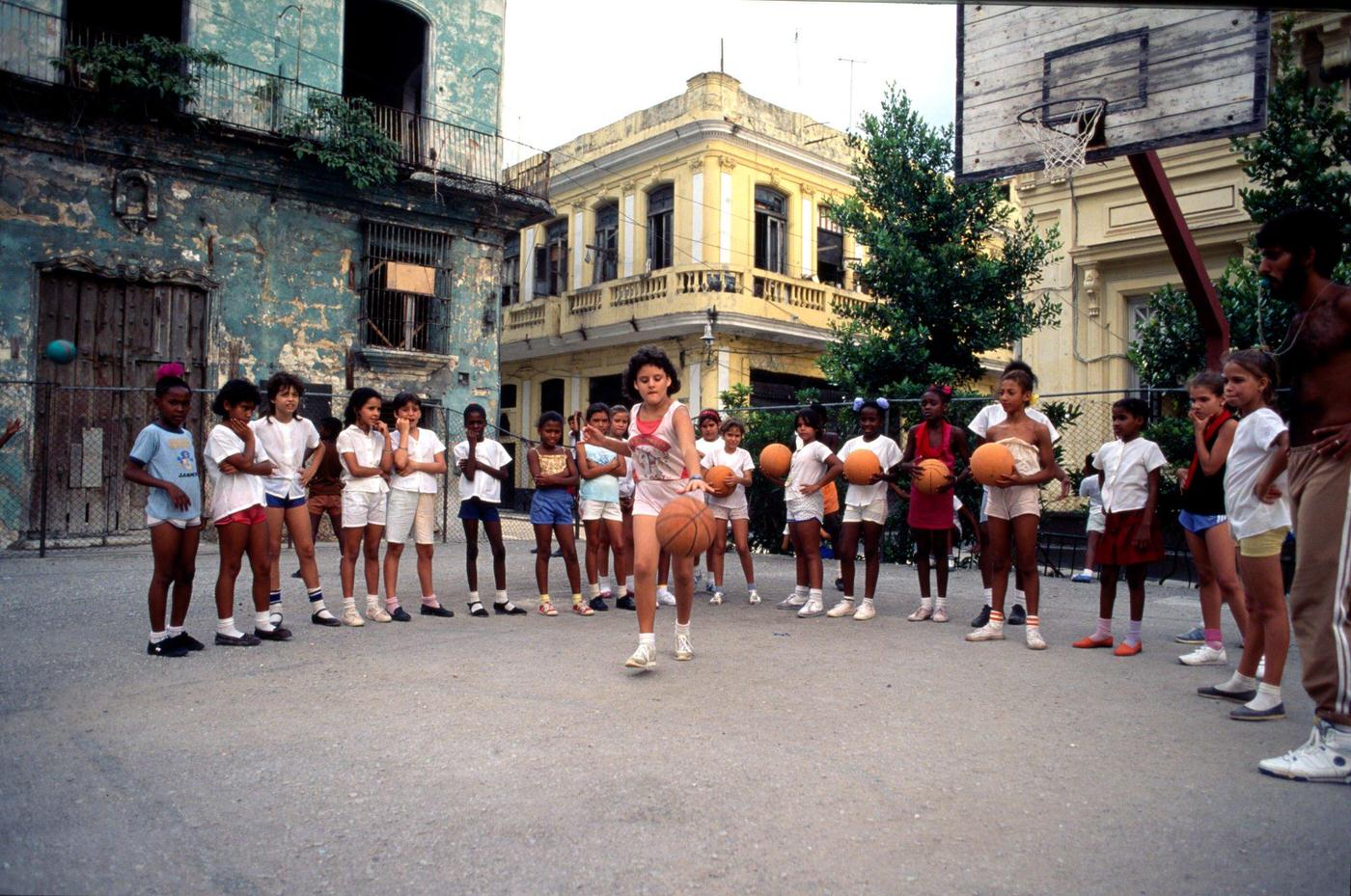
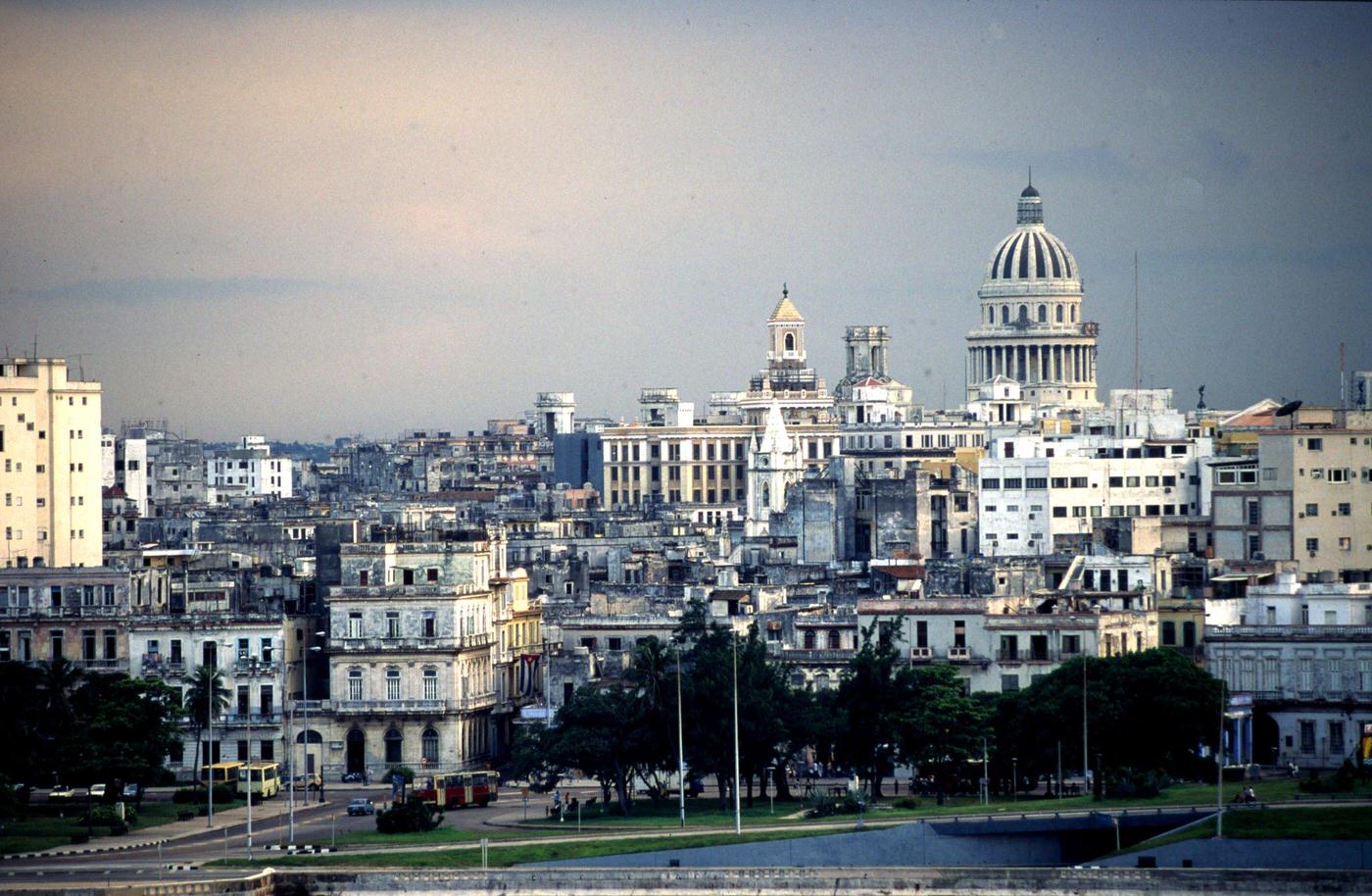
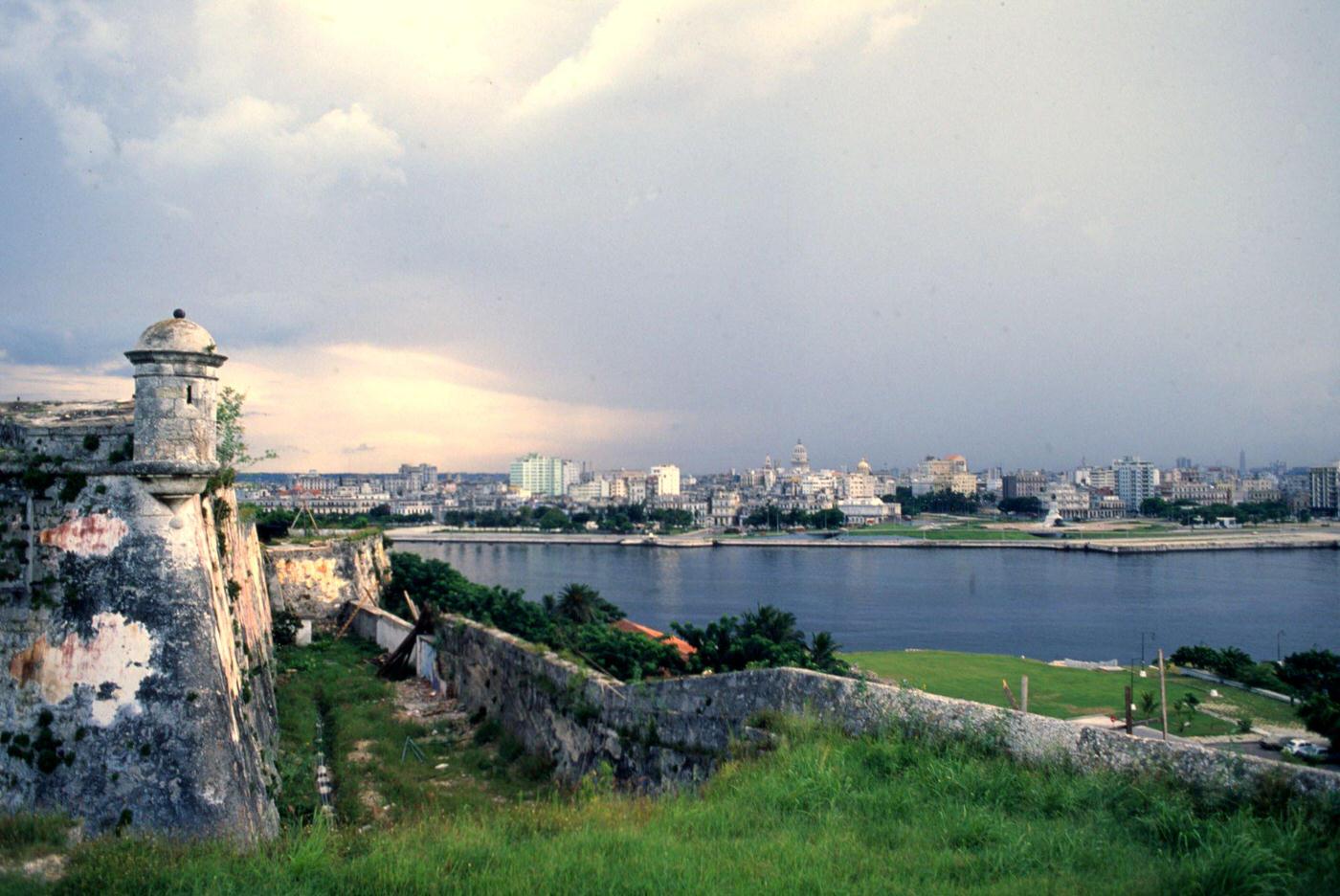
Despite the economic crisis, Cuba’s education system remained functional. Schools continued to hold classes and physical education. Girls’ schools in Havana kept sports programs running, with basketball courts in active use. Viewed from the El Morro fortress across the harbor, downtown Havana spread out in a familiar skyline — its buildings aging but still standing, the harbor still receiving the occasional vessel.
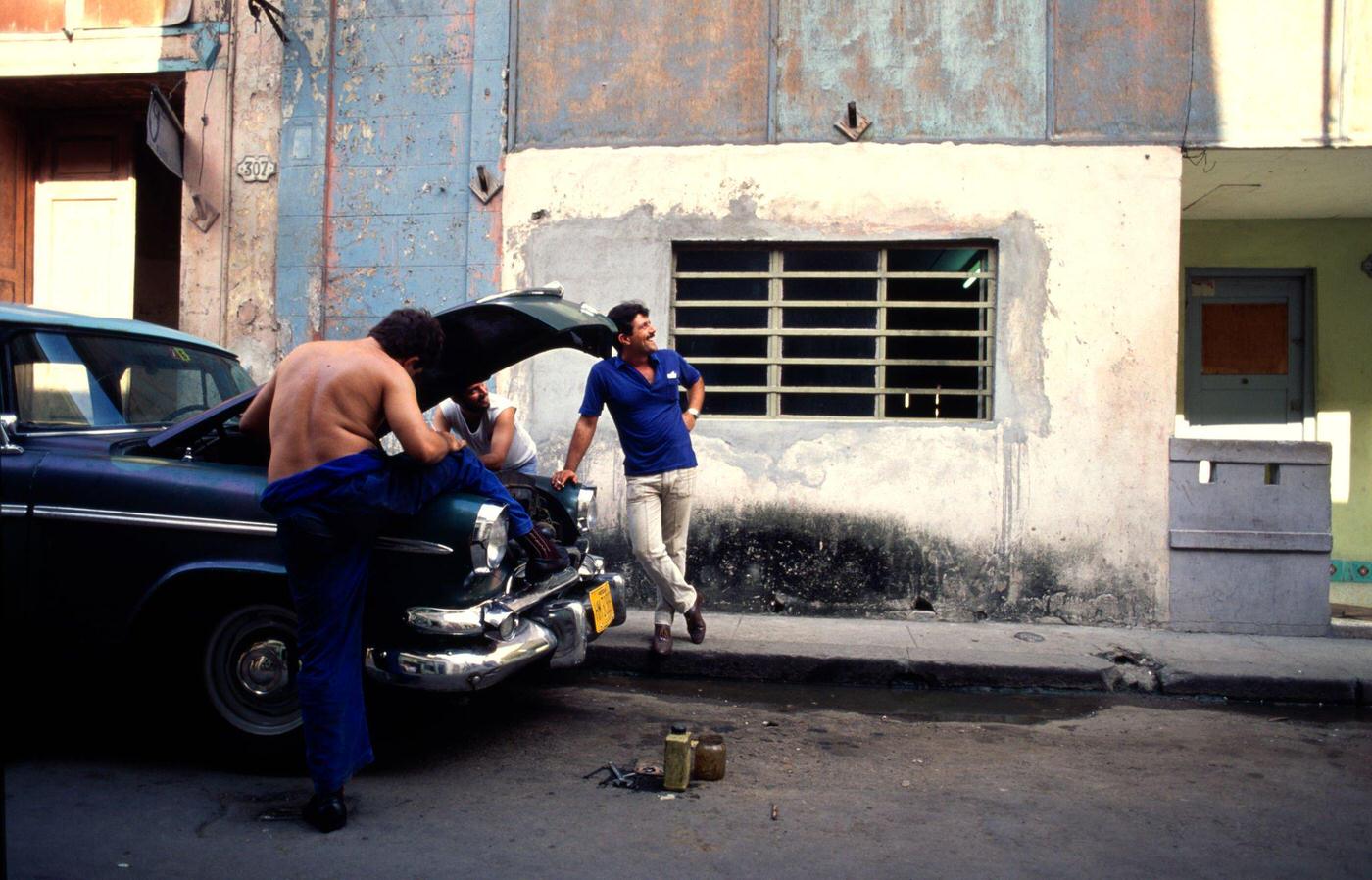
Cuba’s fleet of pre-revolution American cars — left over from before the 1959 U.S. trade embargo — became symbols of Cuban mechanical ingenuity during the 1990s. Without access to original parts, owners fabricated replacements, adapted Soviet or other foreign components, and kept these vehicles running through sheer determination. A broken-down 1950s American car on a Havana street was a common sight, surrounded by men with tools and no shortage of improvised solutions.
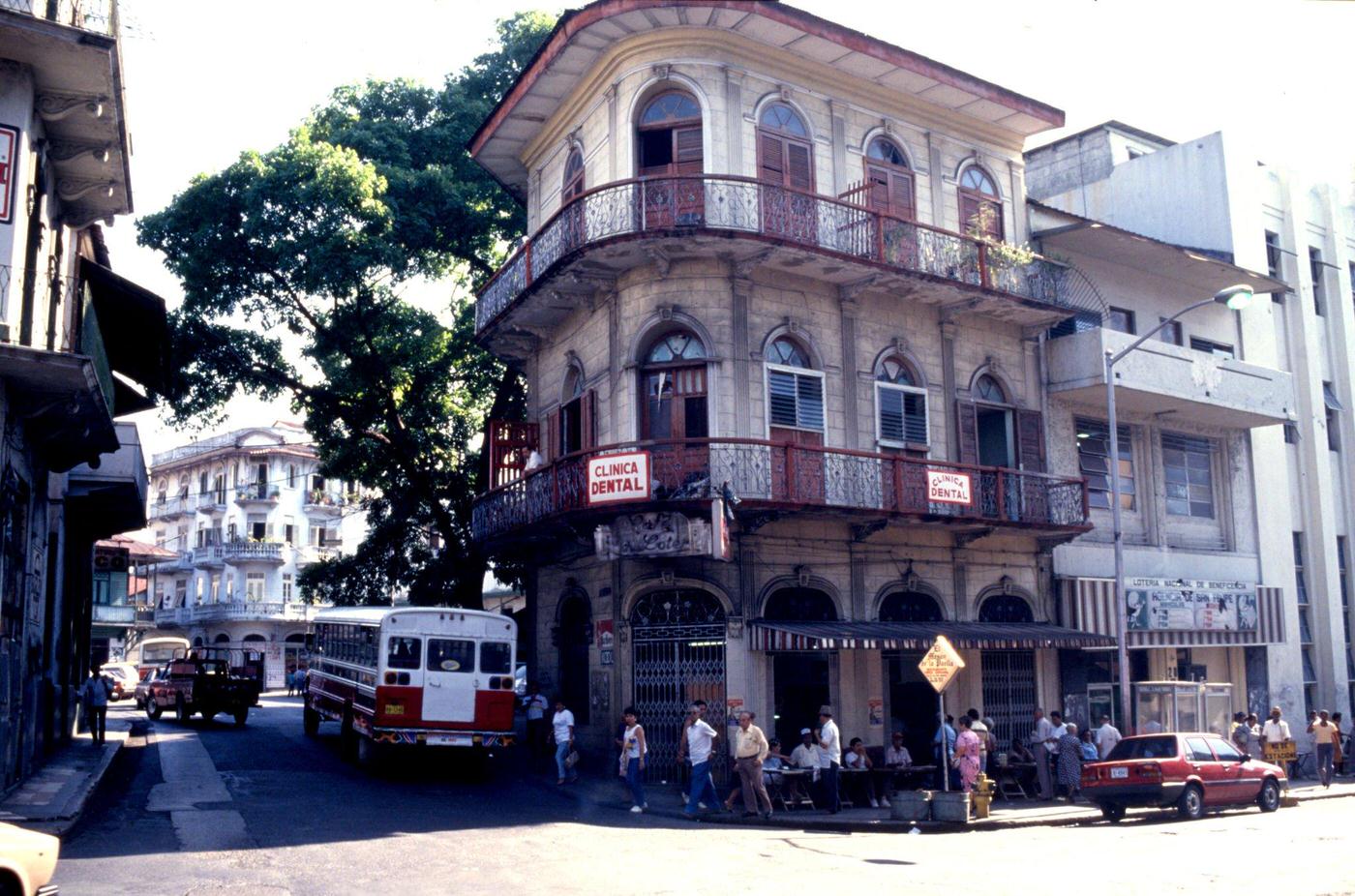
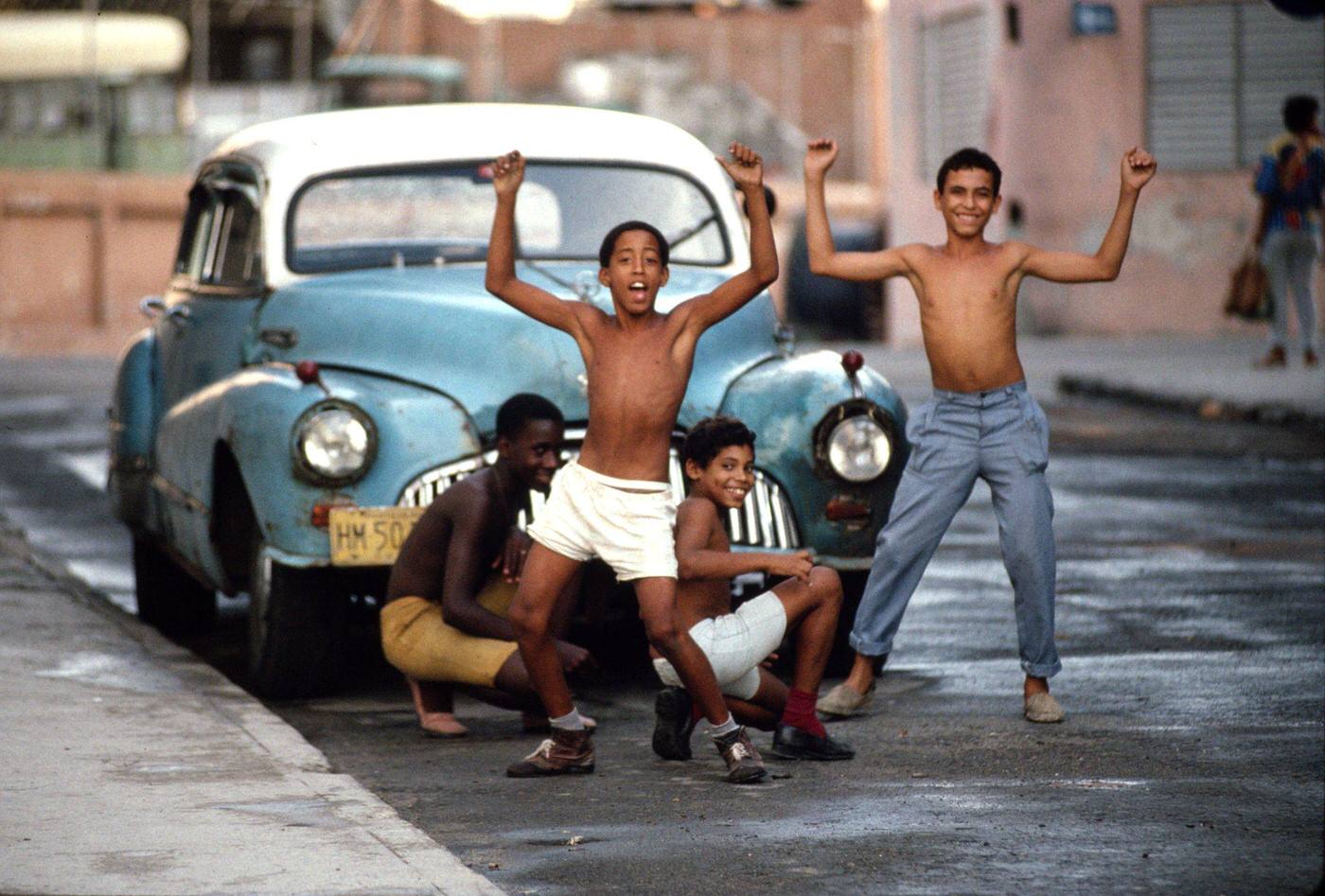
Cuba maintained a public healthcare infrastructure throughout the Special Period, including dental clinics housed in ordinary downtown buildings. Despite medicine and supply shortages, the system continued operating. On the street level, the vintage American cars that served as taxis, family vehicles, or neighborhood fixtures were cleaned and cared for by young and old alike — their upkeep a point of pride as much as necessity.
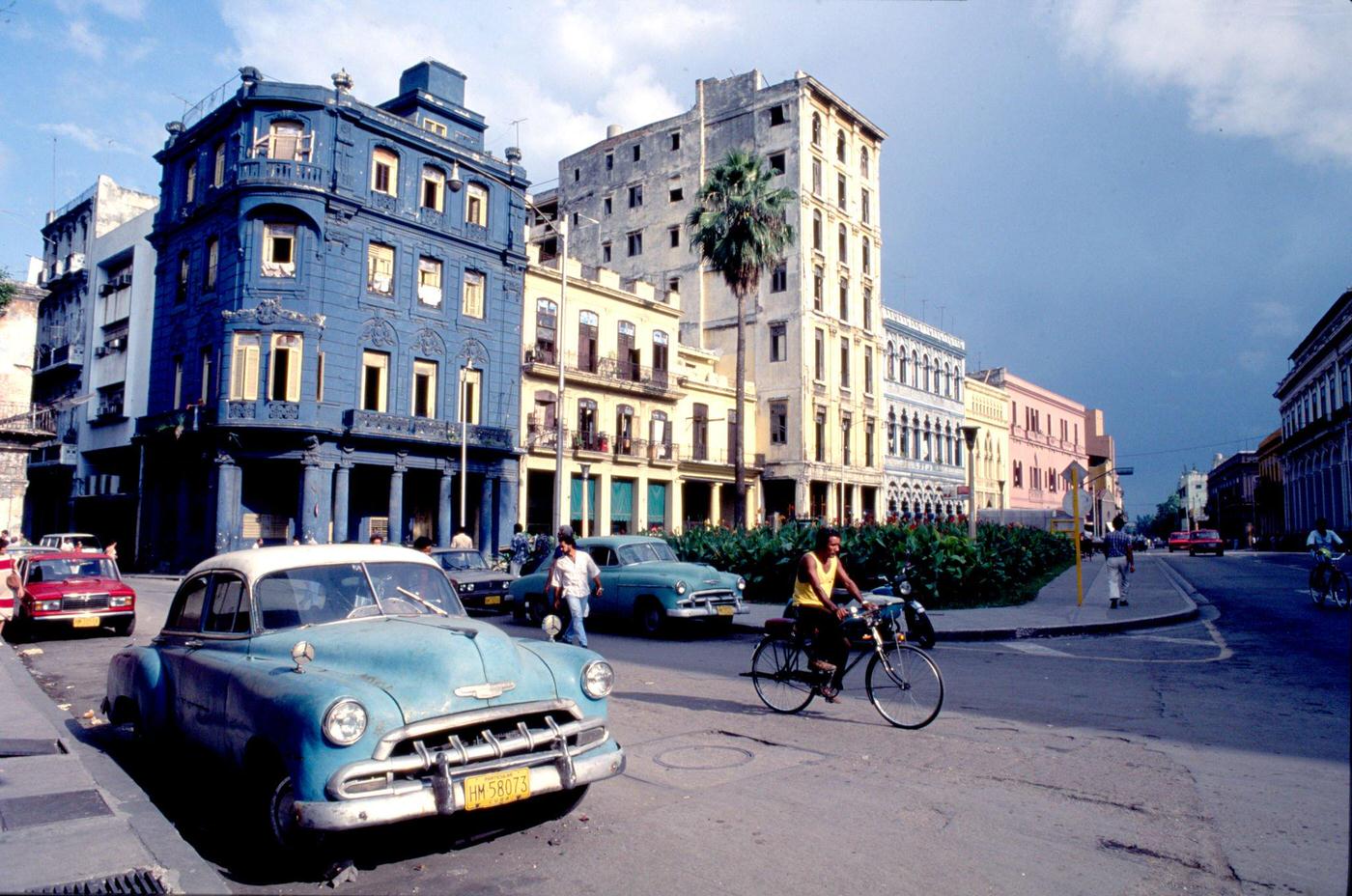
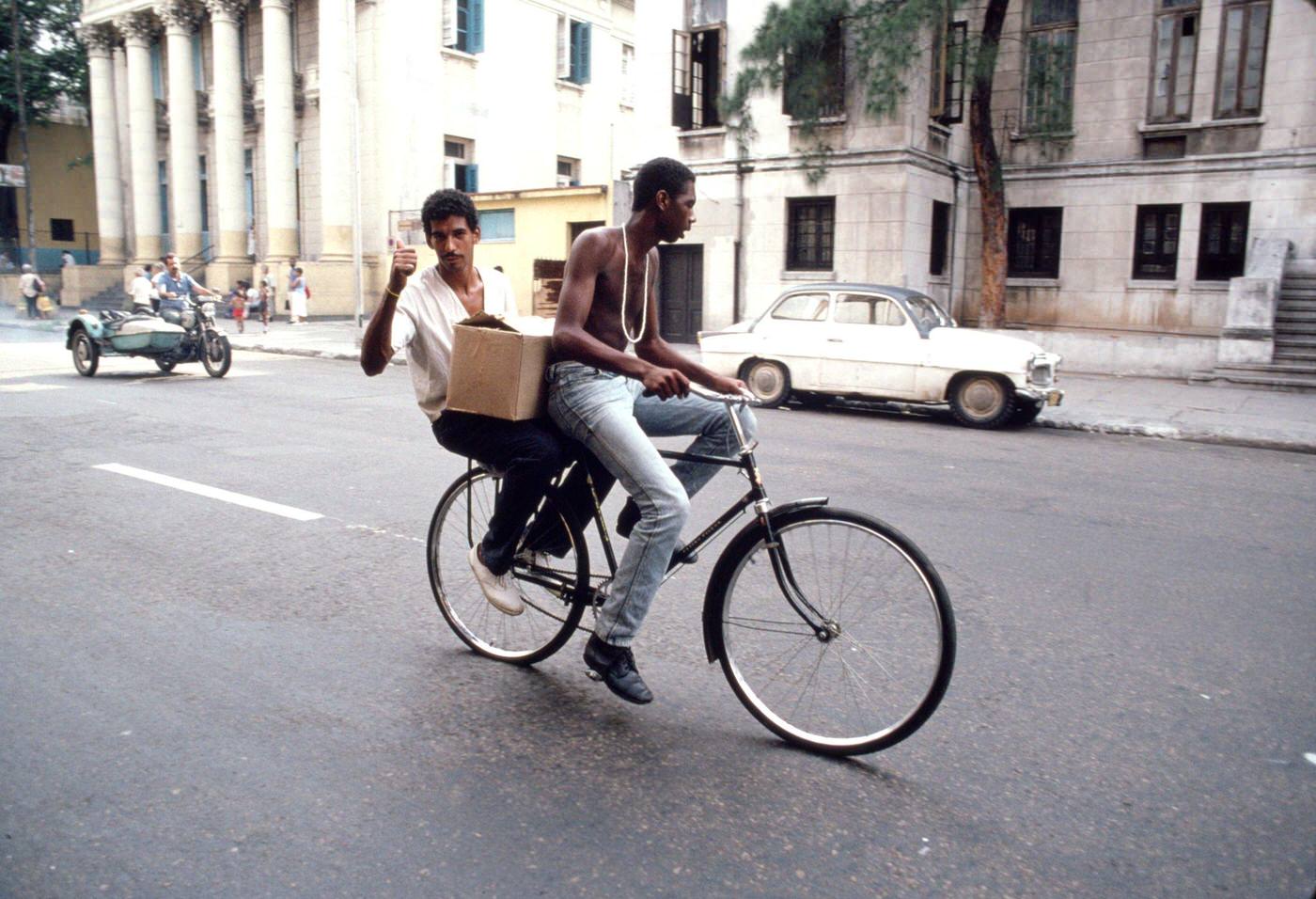
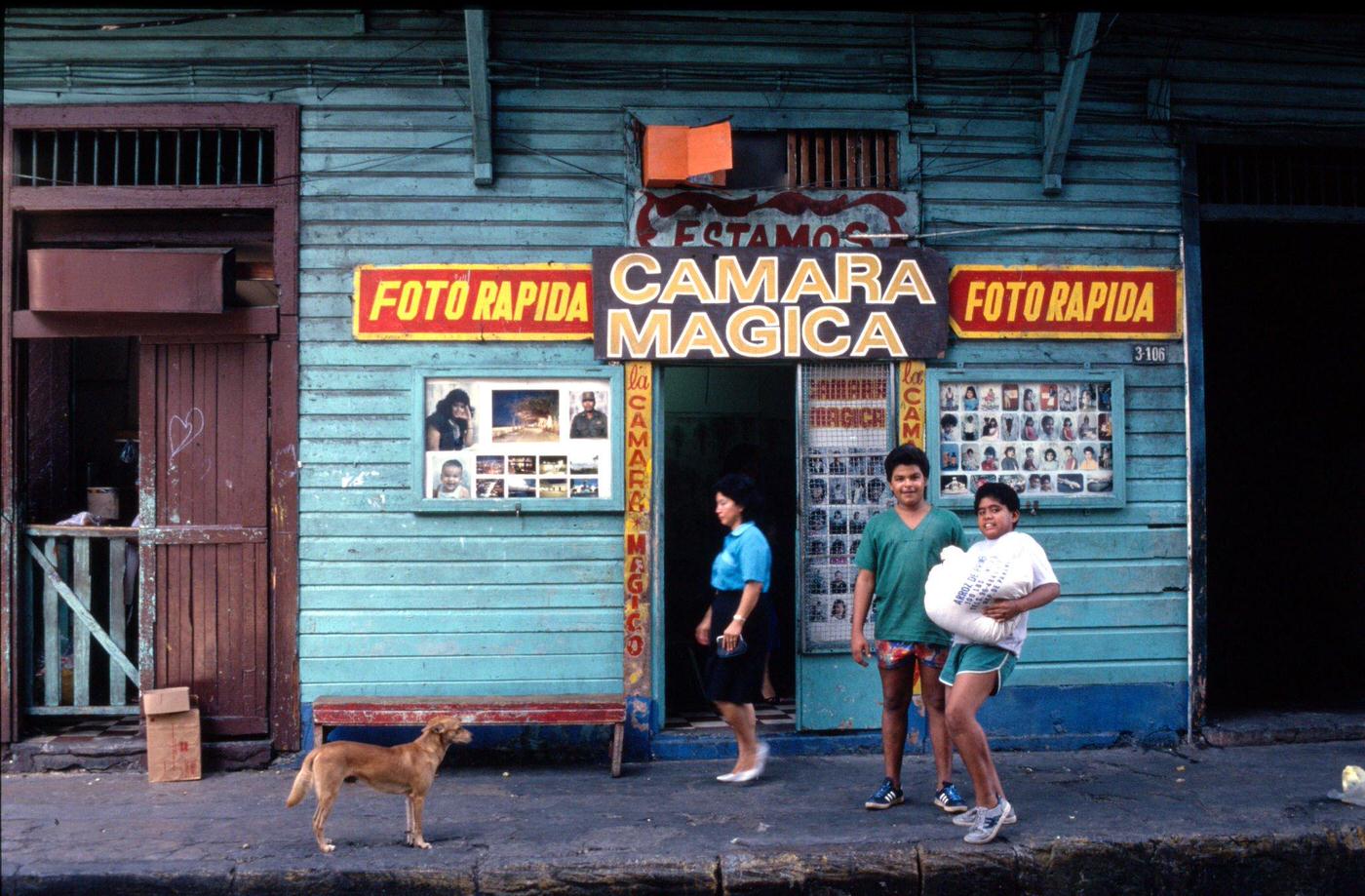
Scenes of bicycle-packed streets repeated across Havana throughout 1991 and beyond. Entire lanes shifted to accommodate the sheer volume of cyclists. Small shops — including photo studios — remained open downtown, serving a local population navigating shortages with practicality and routine. Life continued within the constraints, and the streets showed it.
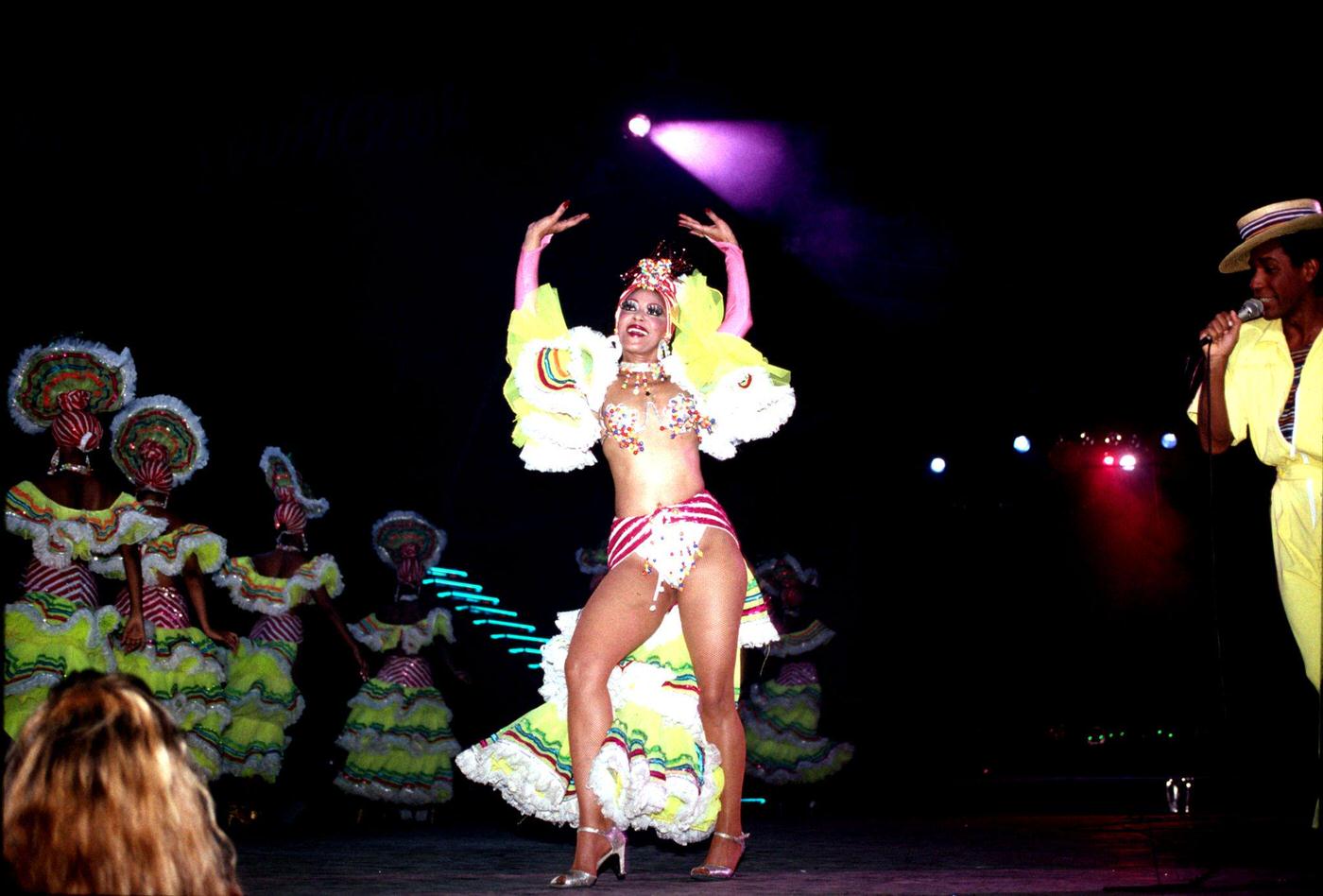
The Tropicana nightclub kept its doors open and its performers on stage even in 1991, the year Cuba’s economic situation became most acute. Performers wore elaborate costumes and danced through multi-act shows designed to impress tourists spending dollars, marks, and francs that Cuba desperately needed. The nightclub became a symbol of the two-tier system: an experience built for foreigners, funded by the same scarcity that Cubans at home were enduring.
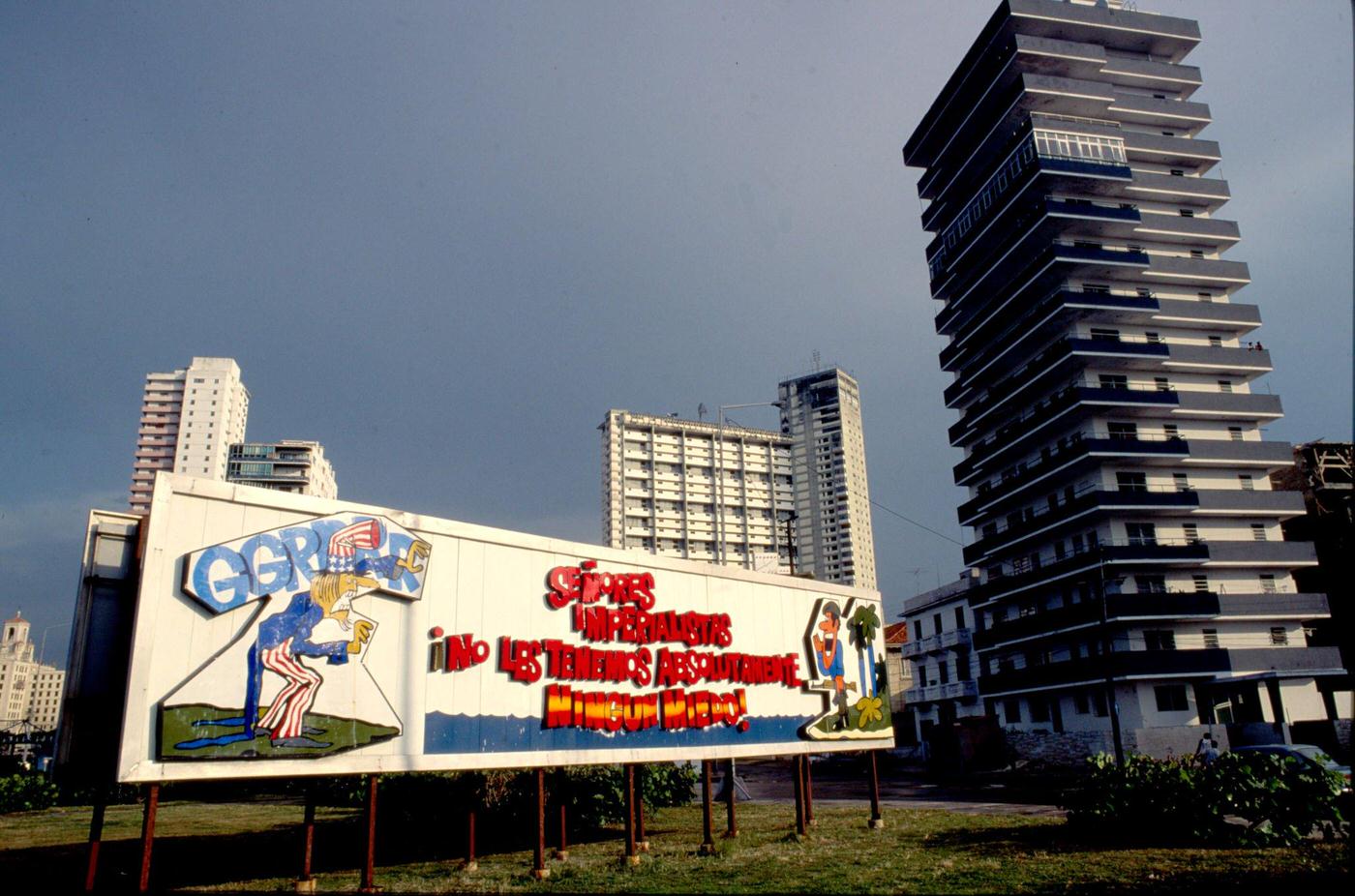
Anti-American political messaging was common across Havana in 1991. Street signs and murals reinforced the government’s position toward the United States, which had maintained a trade embargo against Cuba since 1962. For Cuban officials, American policy was directly responsible for many of the island’s hardships — a viewpoint expressed publicly and persistently throughout the city’s visual landscape.
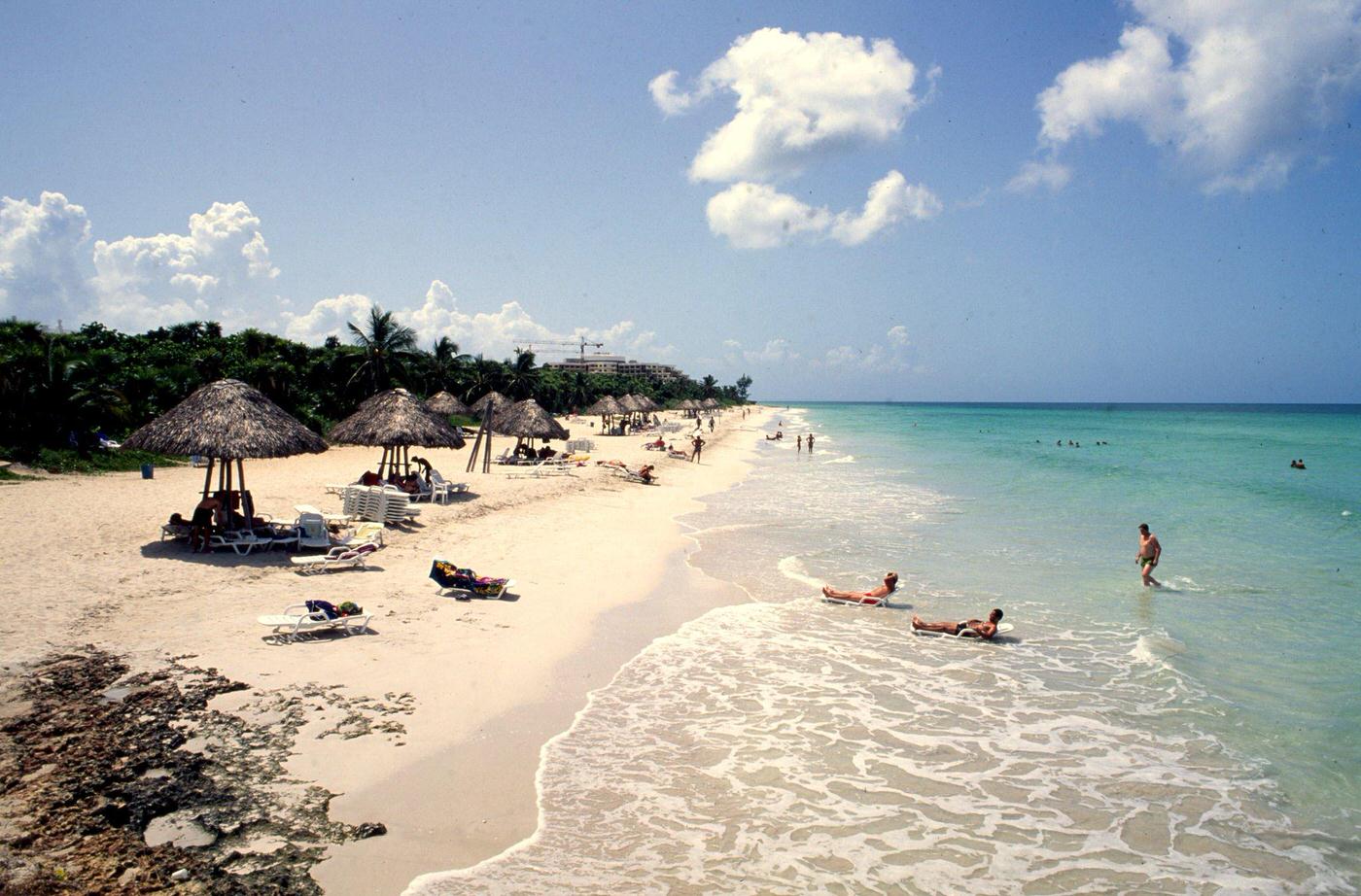
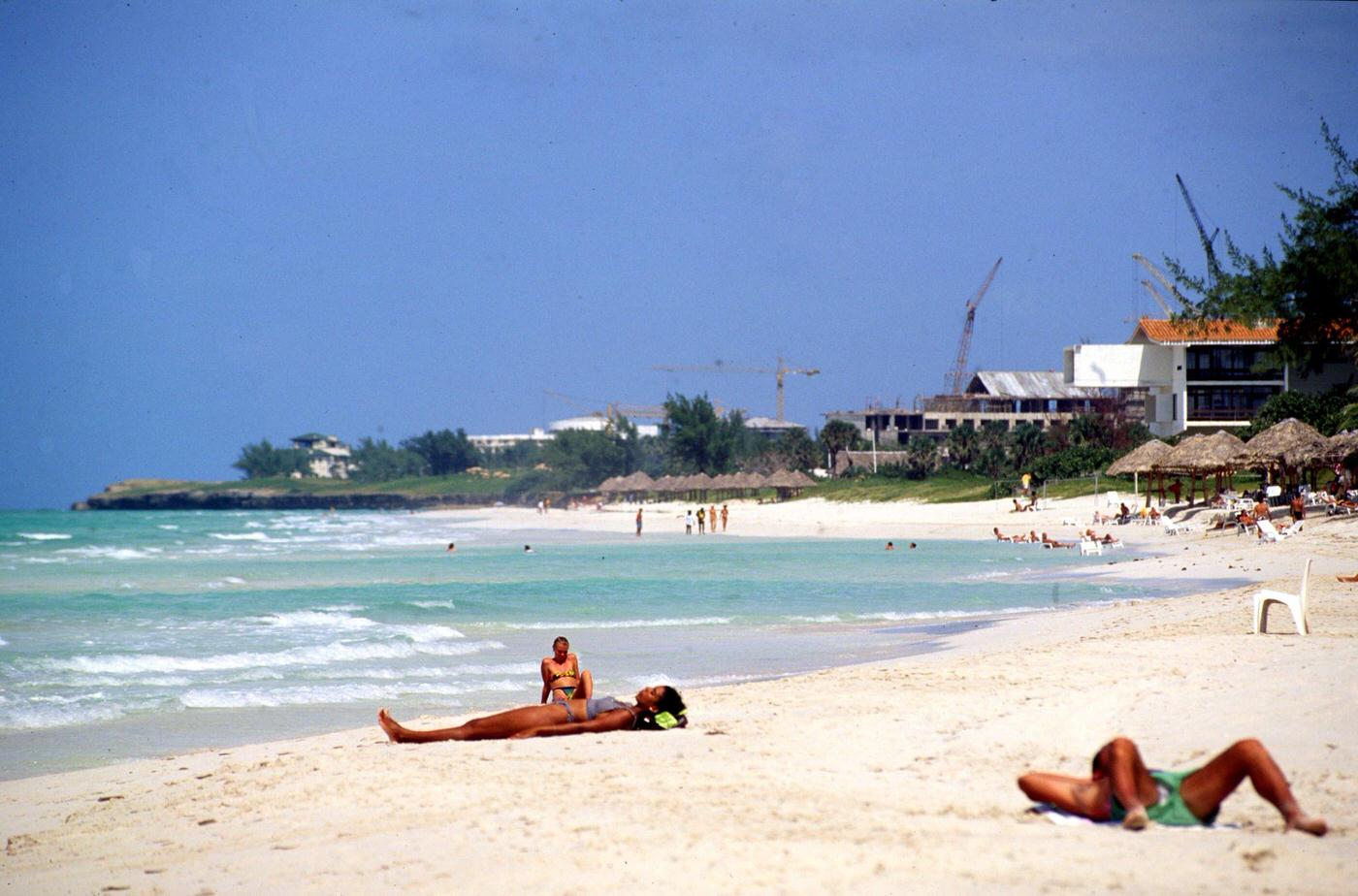
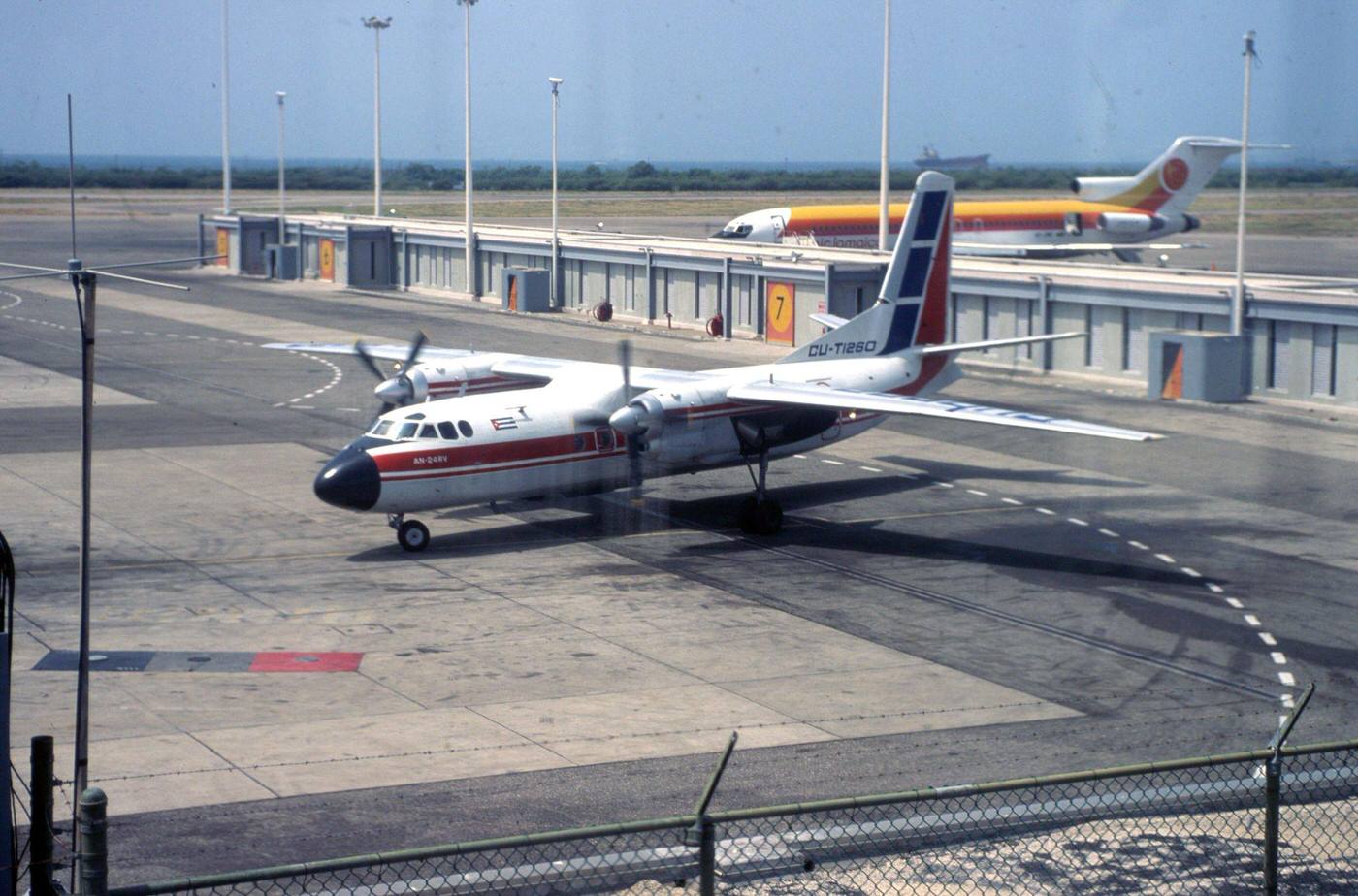
Varadero’s resort zone expanded through the early 1990s as Cuba courted foreign tourists. The beaches — stretching over 20 kilometers along the Hicacos Peninsula — were developed with joint-venture hotels built alongside foreign investment from Spanish and Canadian companies. At José Martí International Airport in Havana, AeroCuba — the state airline — operated international routes, maintaining Cuba’s connections to Europe and Latin America even as the country’s overall air traffic declined.
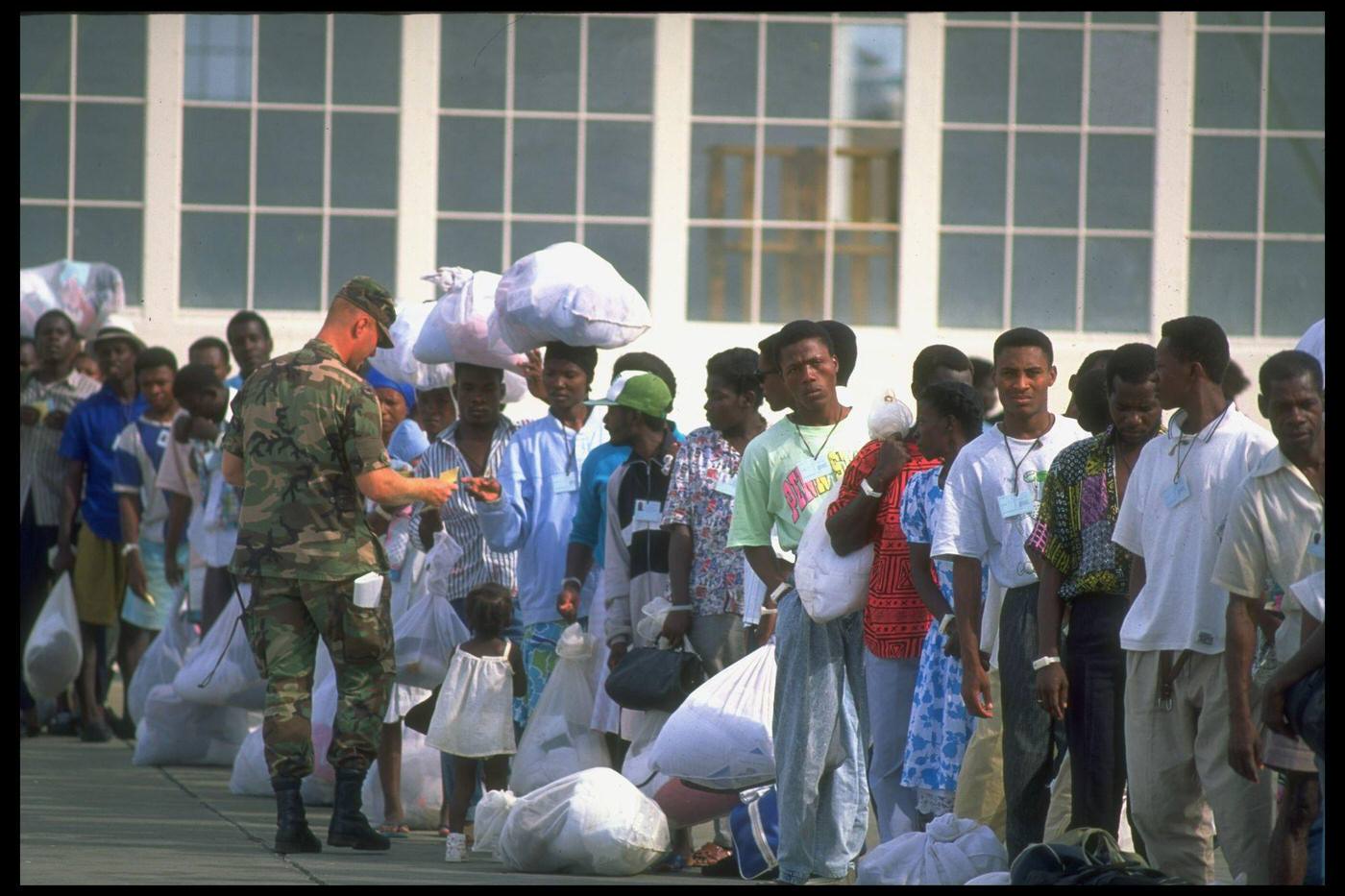
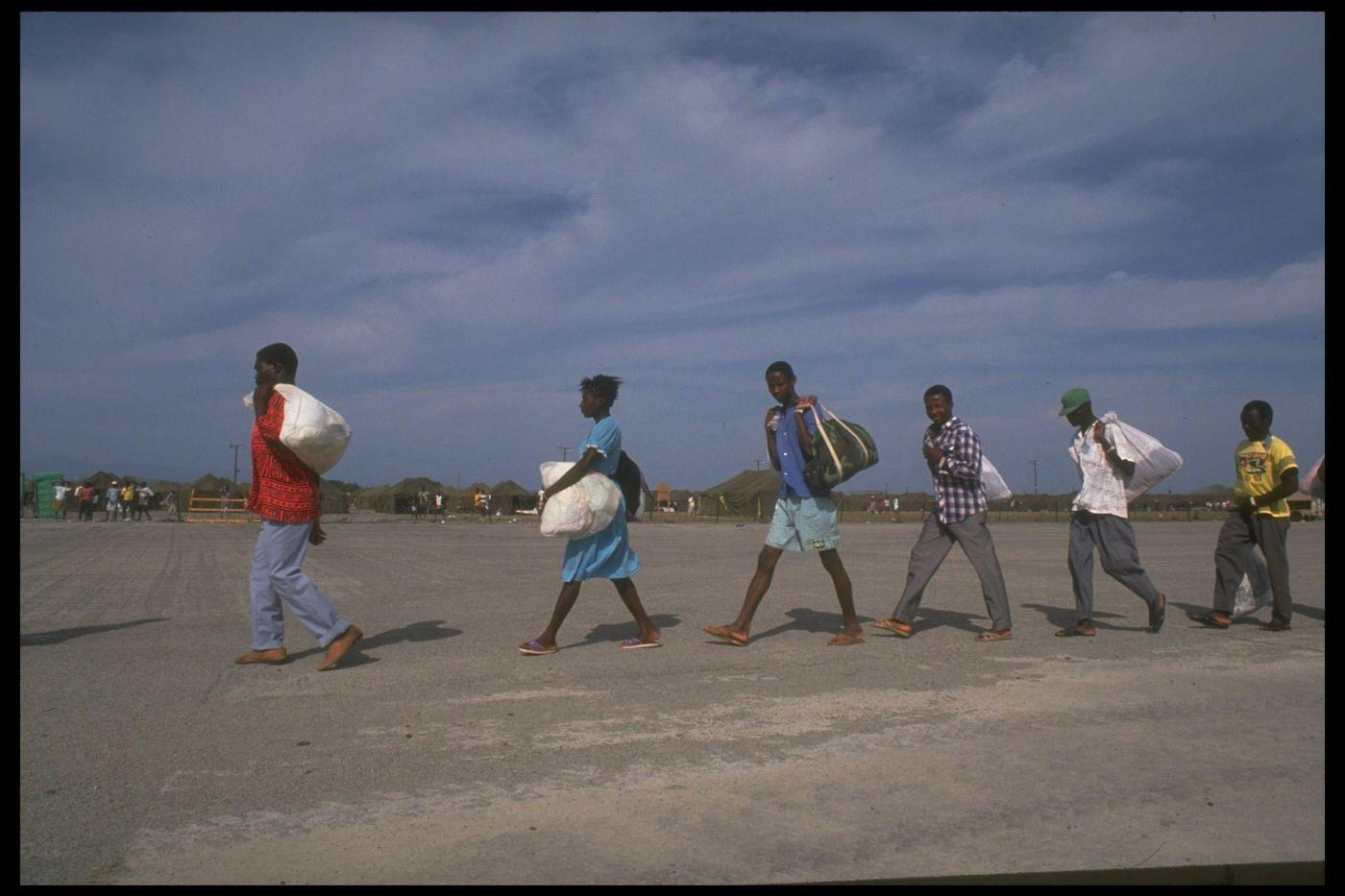
The U.S. Naval Base at Guantánamo Bay — located on Cuban territory under a lease agreement that the Cuban government contested — became a processing site for migrants during the 1990s. Haitian refugees intercepted at sea by the U.S. Coast Guard were brought to the base and held in camps while facing deportation. The base was also used to process Cuban rafters during the 1994 balsero crisis, when tens of thousands of Cubans attempted to reach Florida on makeshift rafts.
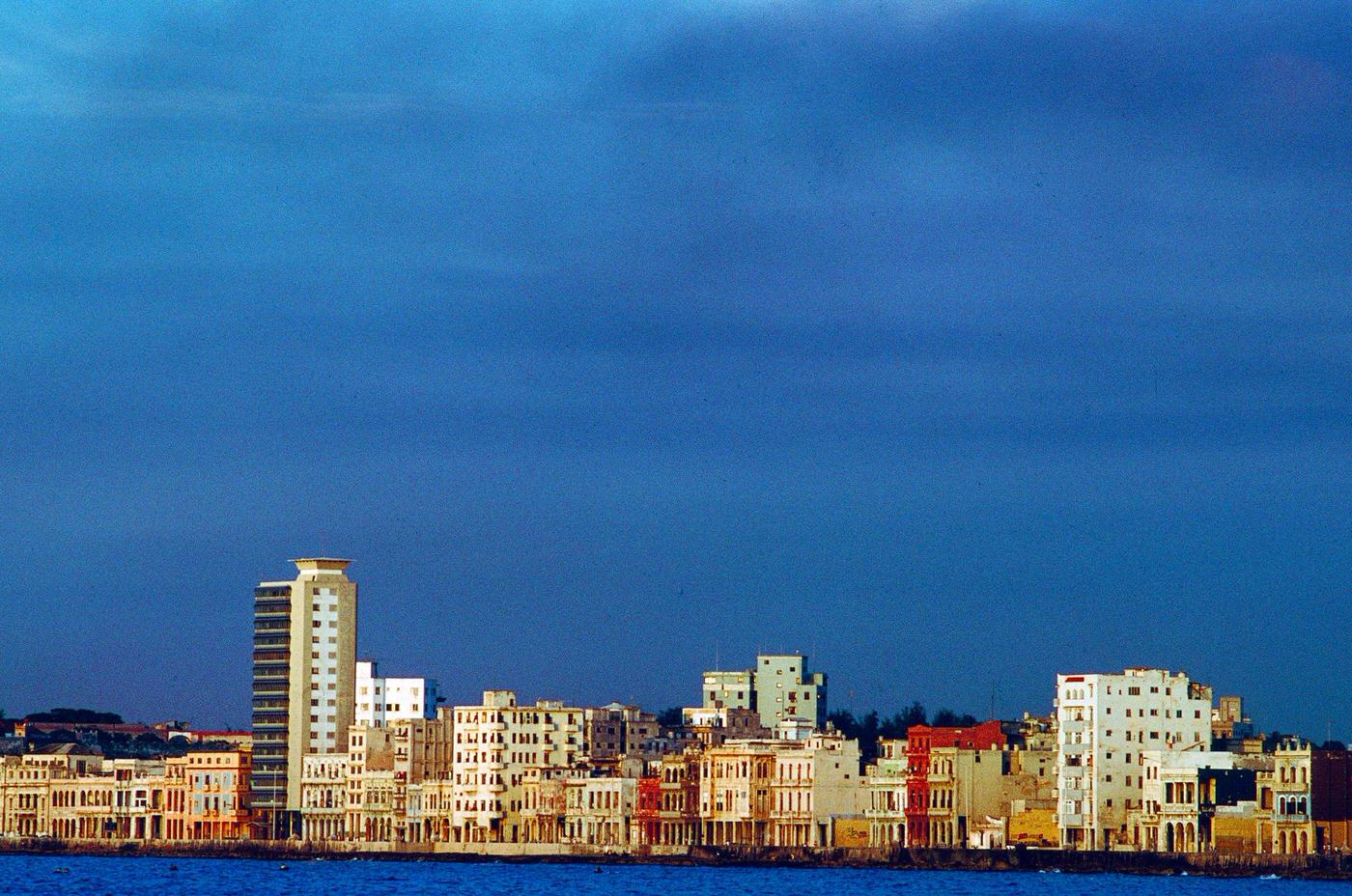
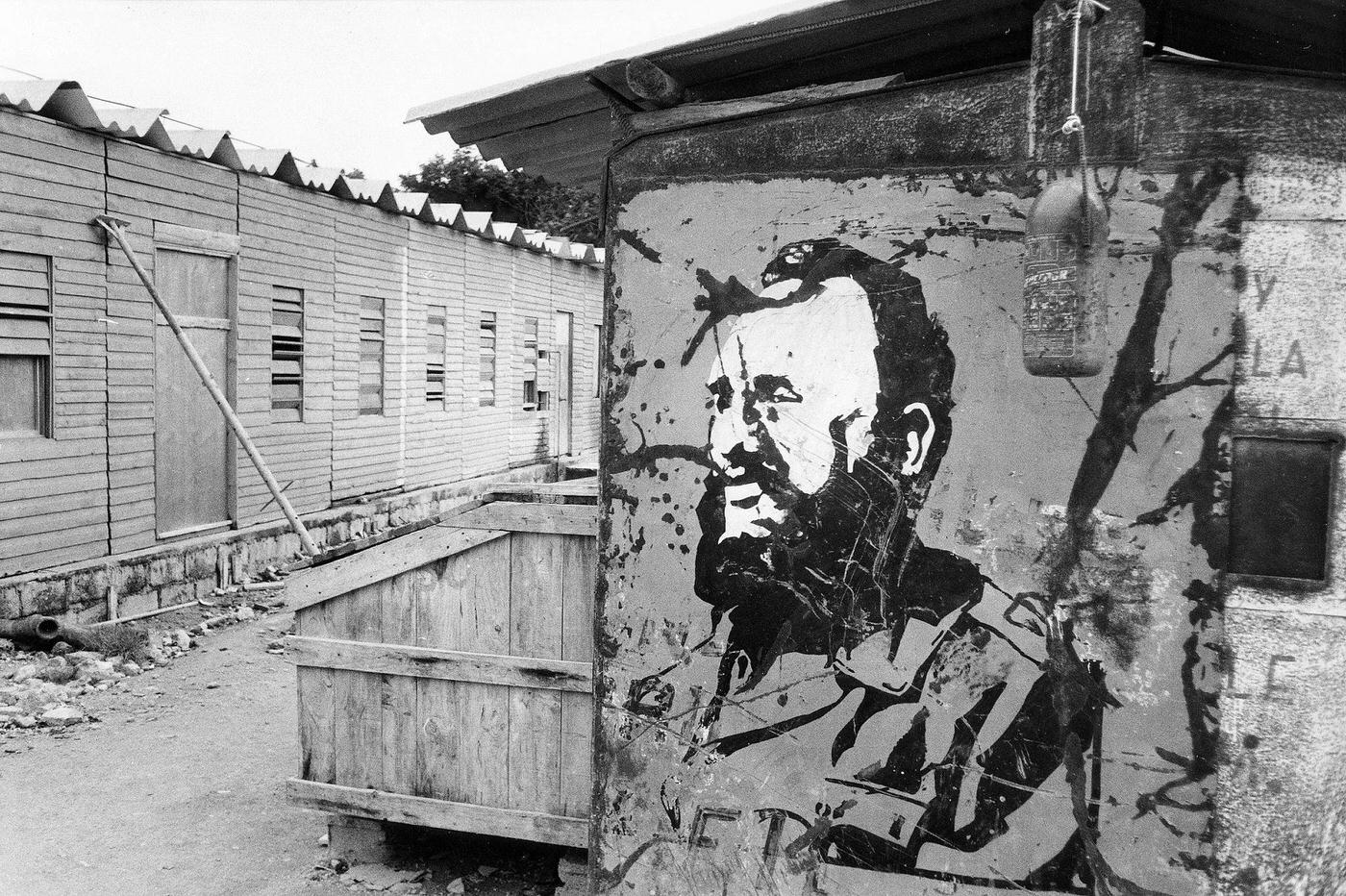
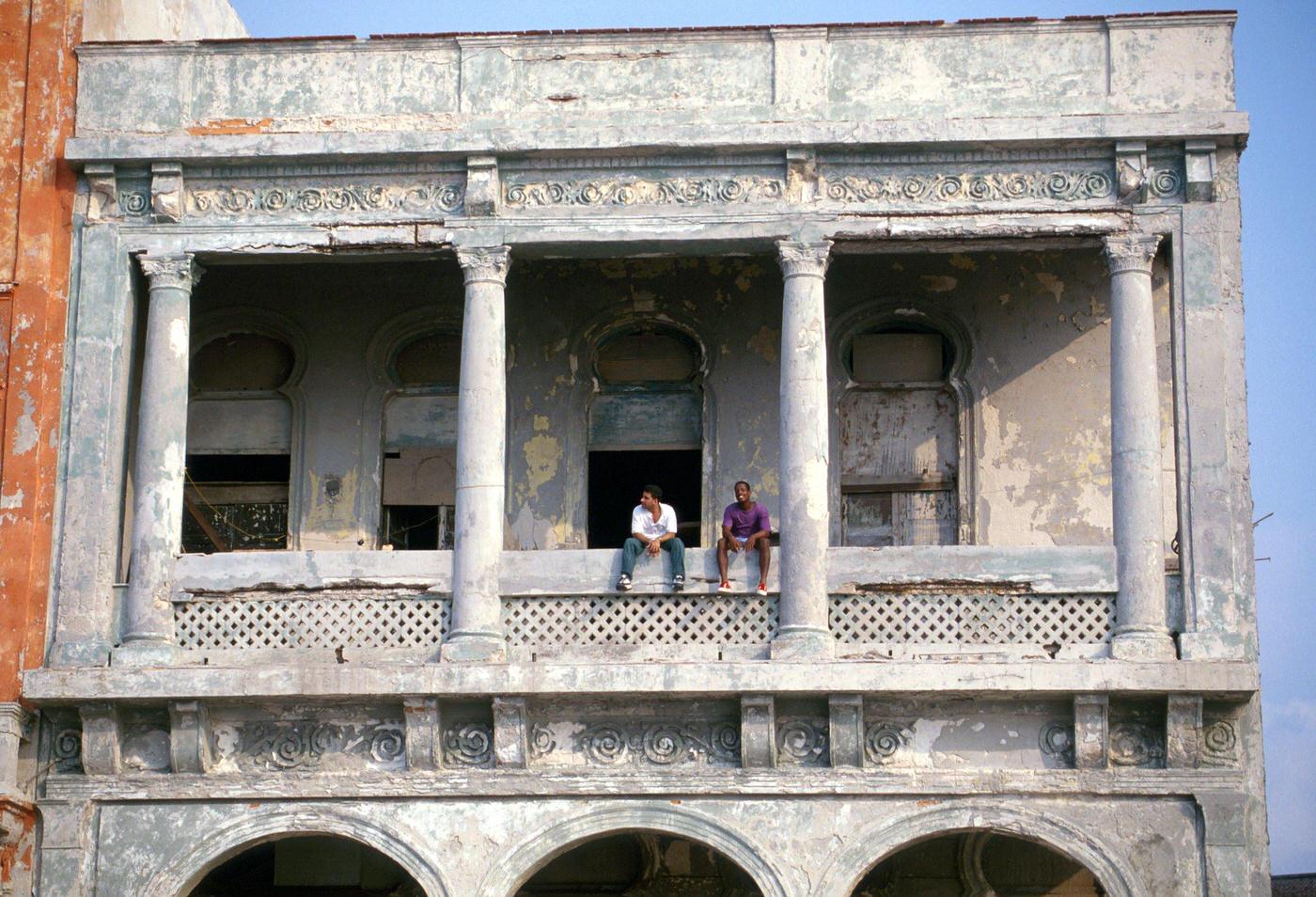
By 1993 and 1994, Havana’s residential buildings along the Malecón showed years of deferred maintenance. Peeling paint, crumbling balconies, and water damage marked structures that once stood as elegant examples of early 20th-century architecture. In Varadero, new construction was underway to support tourism expansion, but progress was uneven — as captured in the image of an abandoned Fidel Castro portrait left at a construction site in 1994.
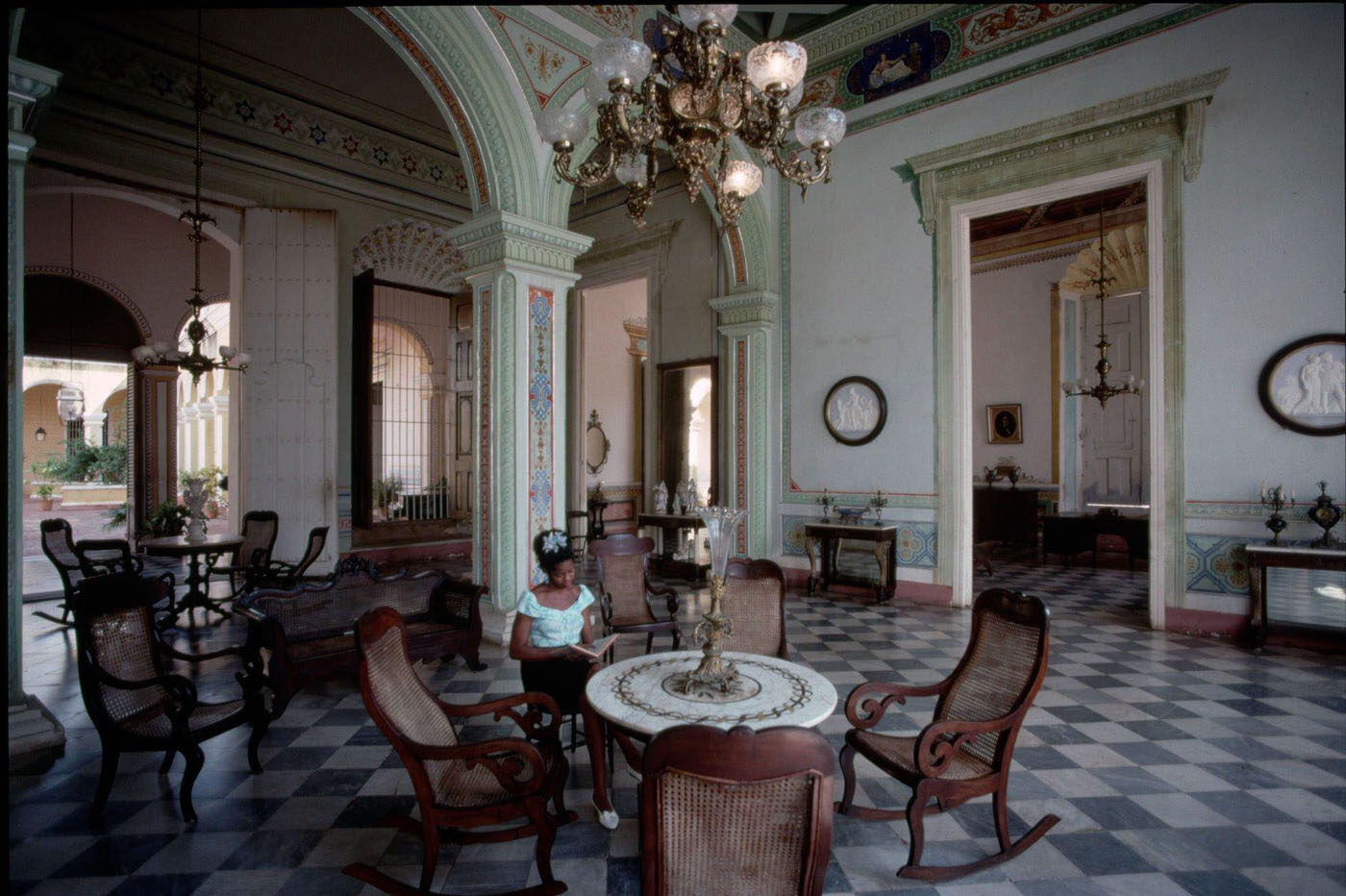
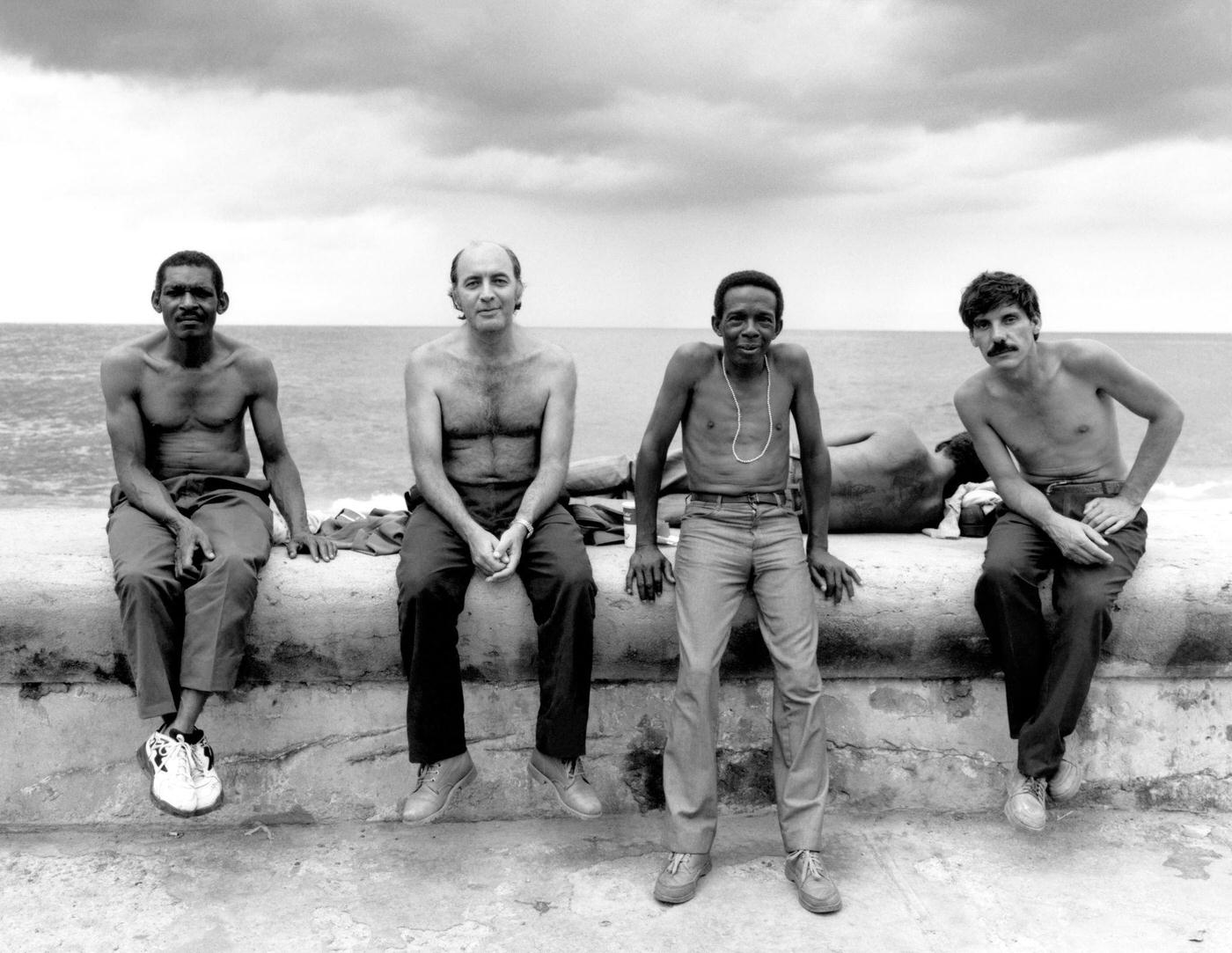
Trinidad, a well-preserved colonial city on Cuba’s southern coast, was declared a UNESCO World Heritage Site in 1988. Its Museum of Decorative Arts housed an impressive collection of period furniture, porcelain, and artwork from the sugar-boom era. In Havana, street scenes from 1996 captured the relaxed informality of daily life — men sitting on walls, marking time in neighborhoods where not much had changed visually in decades.
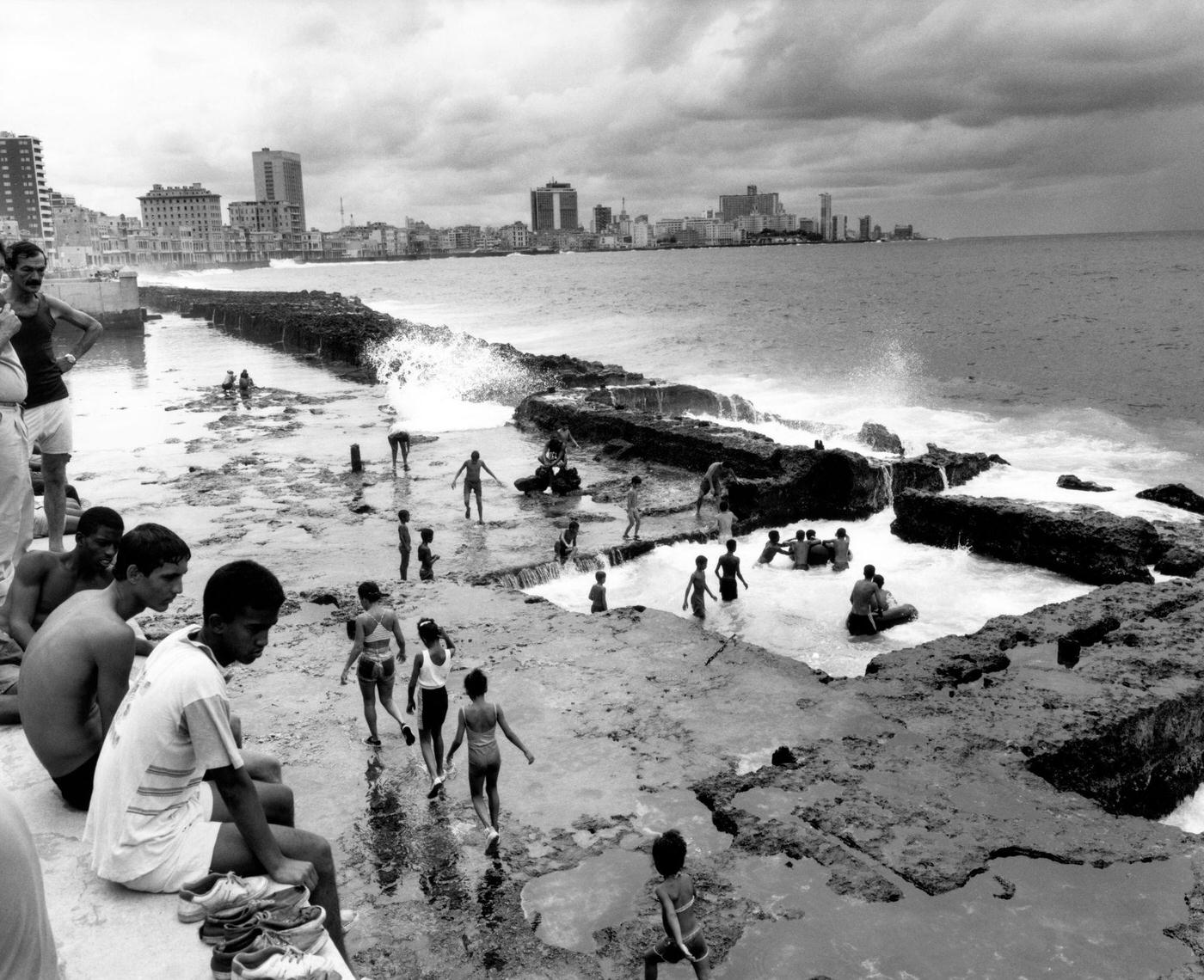
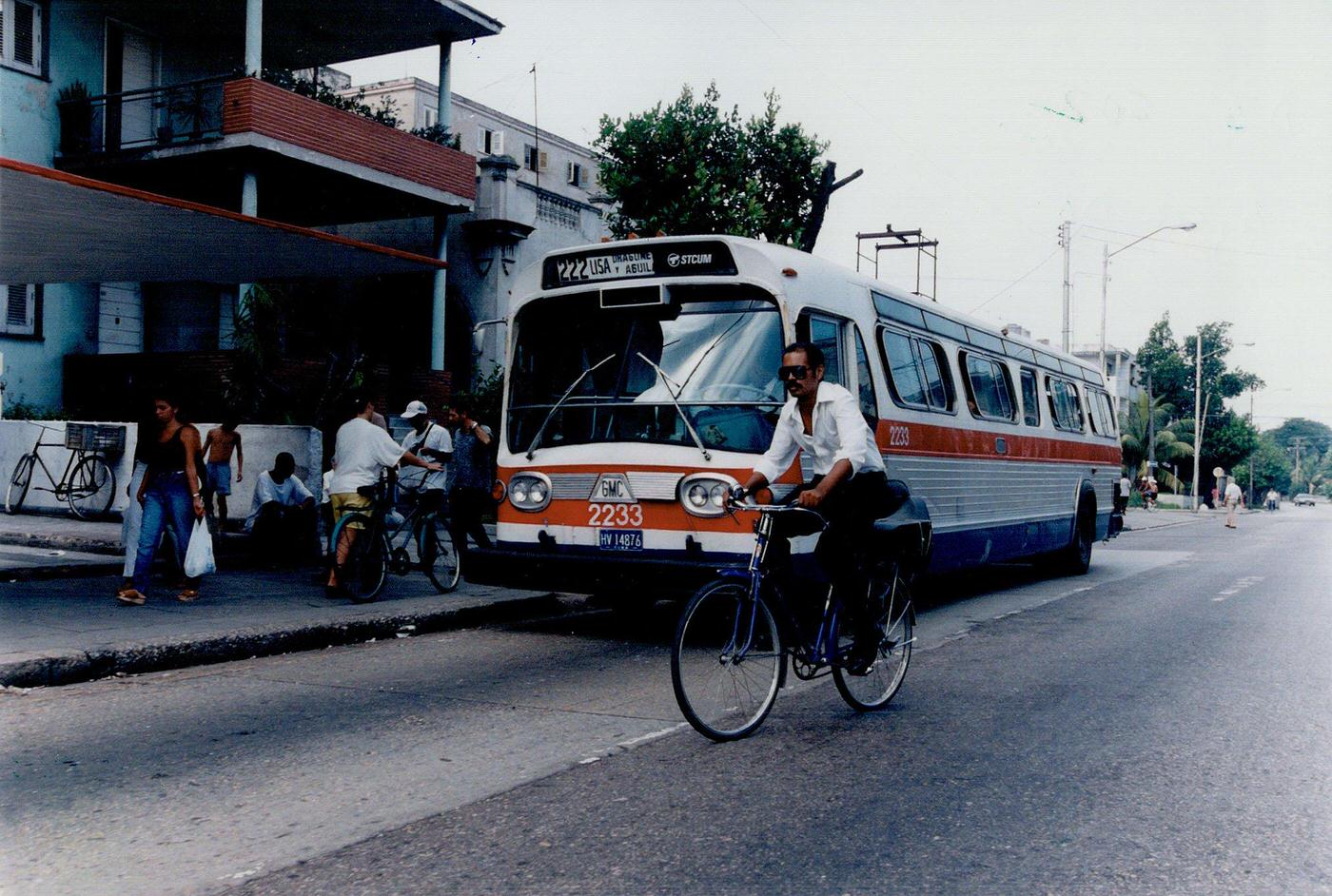
Cuba acquired decommissioned buses from cities like Montreal to supplement its devastated public transport system. These vehicles — still bearing traces of their former lives in Canadian cities — became a recognizable part of Havana’s streets. The Malecón seawall, captured again from a wider angle in 1996, showed both the beauty of the coastline and the weathered state of the city’s buildings lining it.
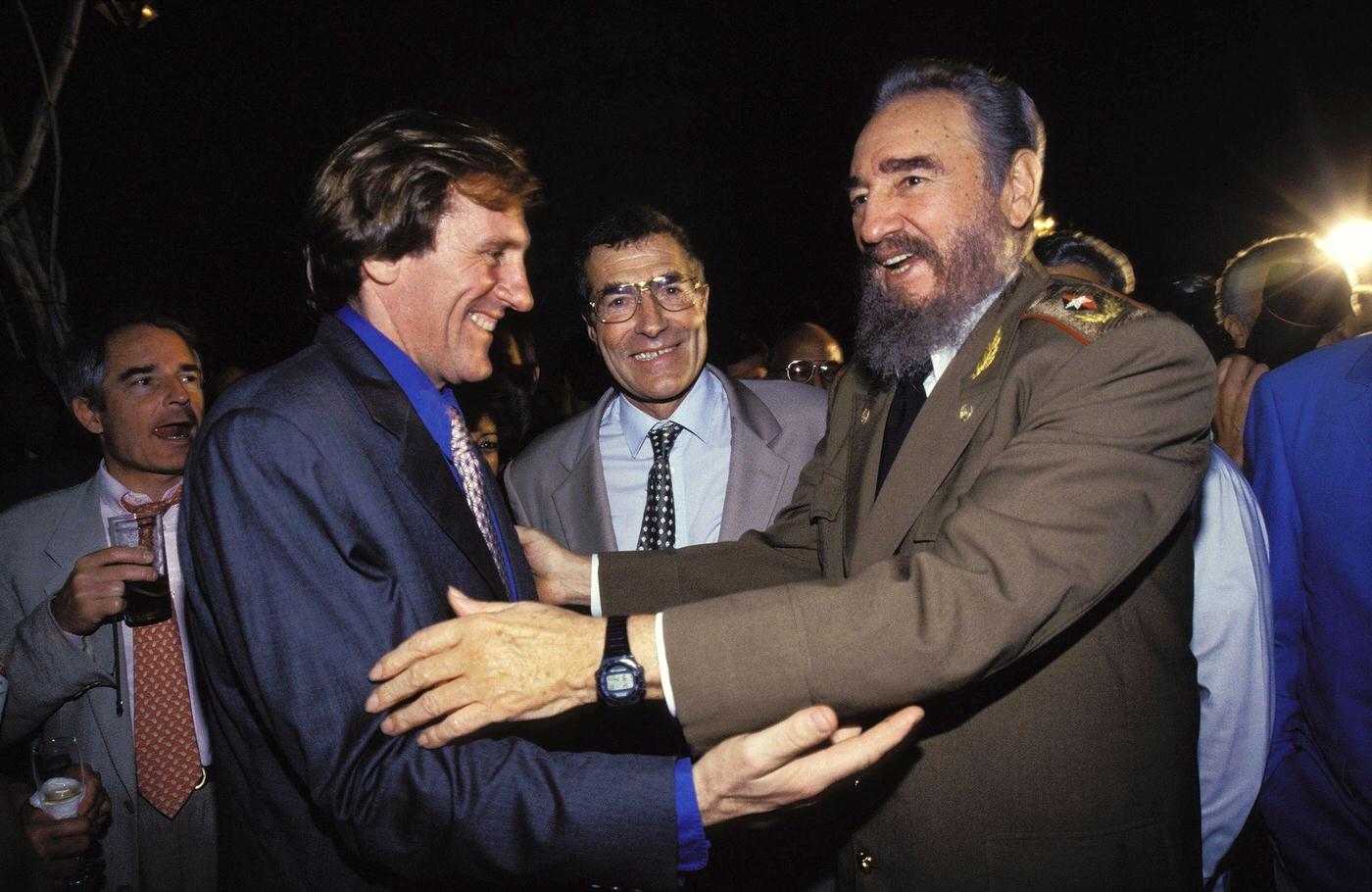
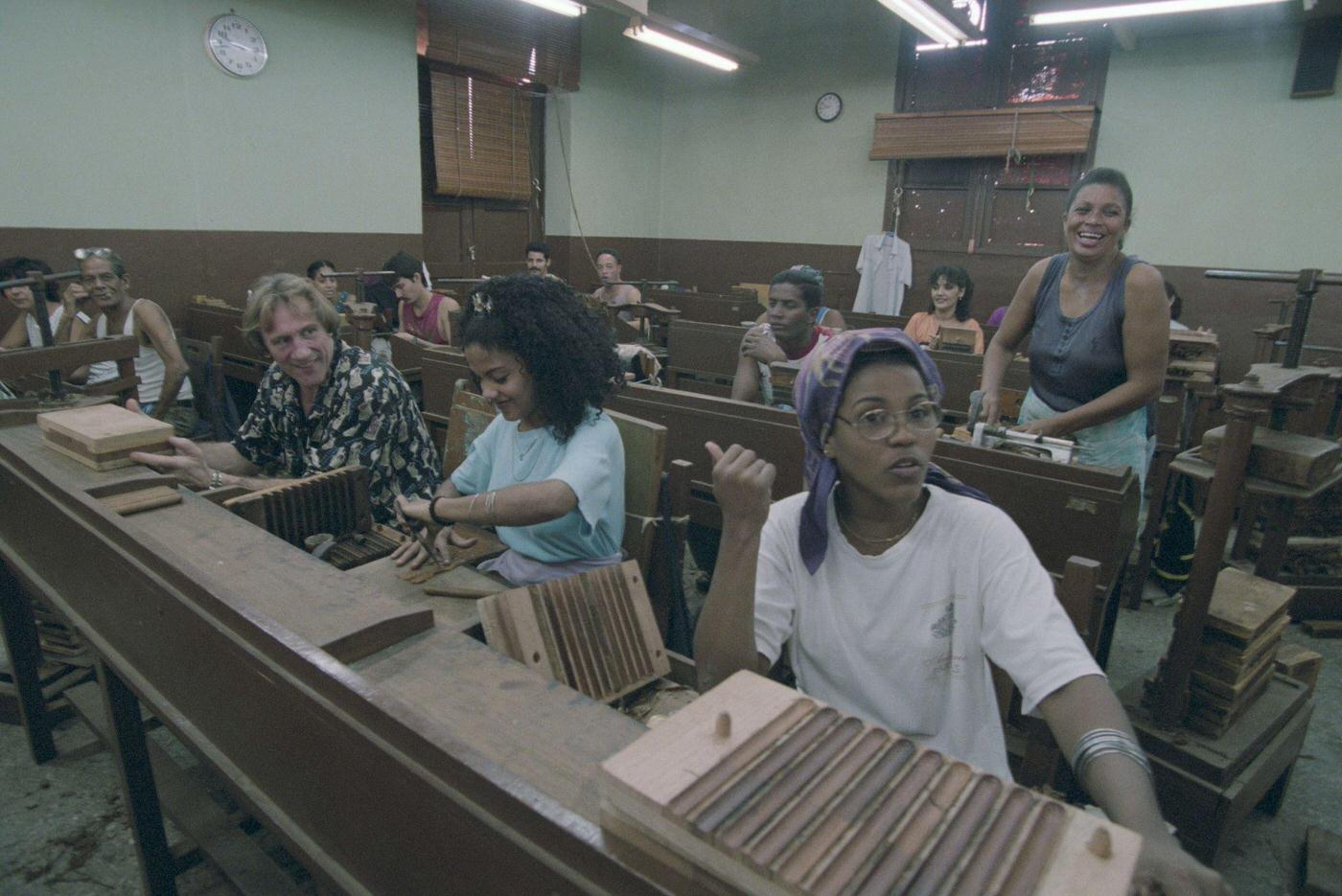
Celebrity visitors arrived in Cuba throughout the 1990s, drawn by its culture, music, and political novelty. French actor Gérard Depardieu visited in late 1996, touring Havana and its surroundings. His trip included a visit to the Partagás cigar factory — one of Cuba’s most historic tobacco-rolling facilities, which had been producing cigars in Havana since 1845.
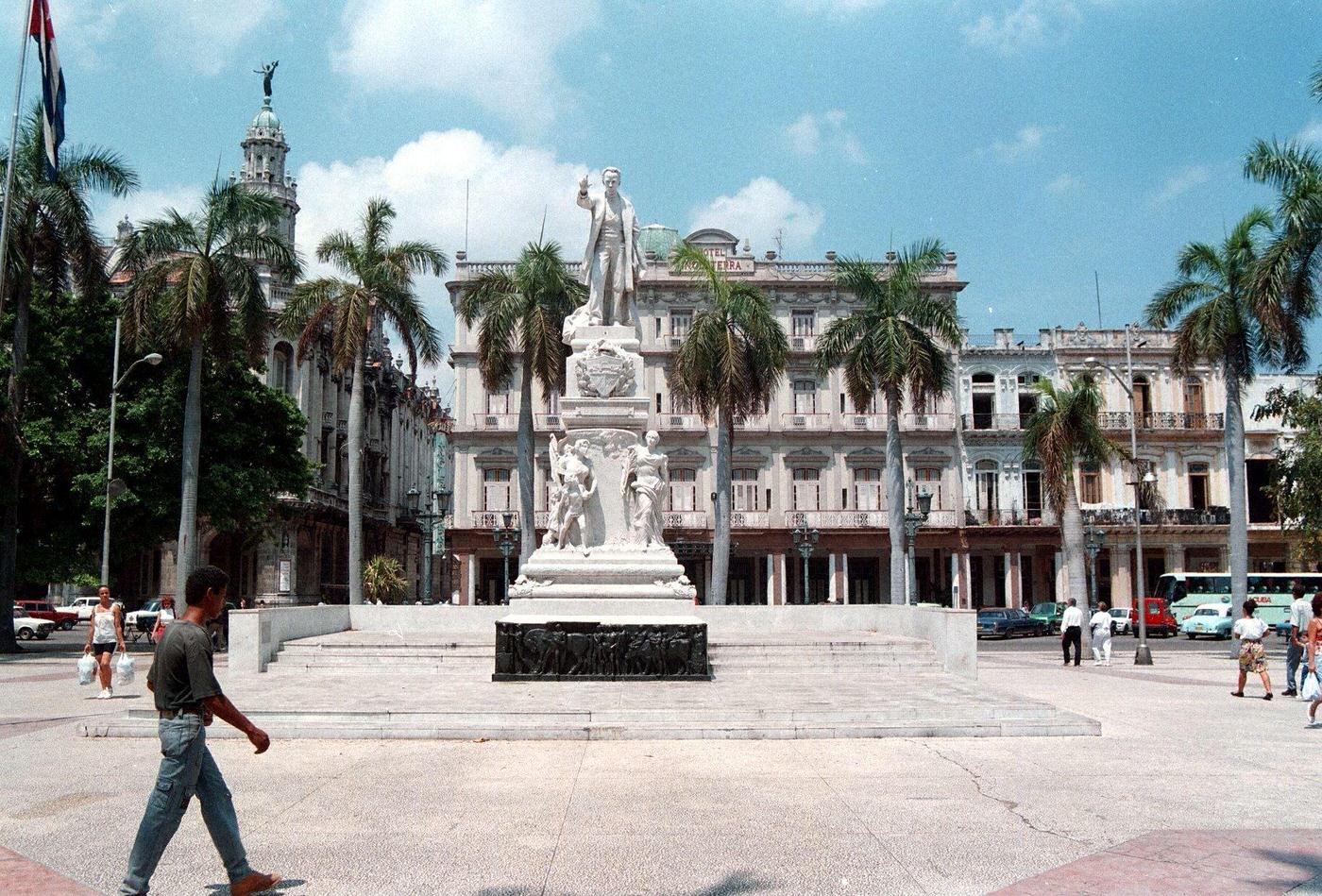
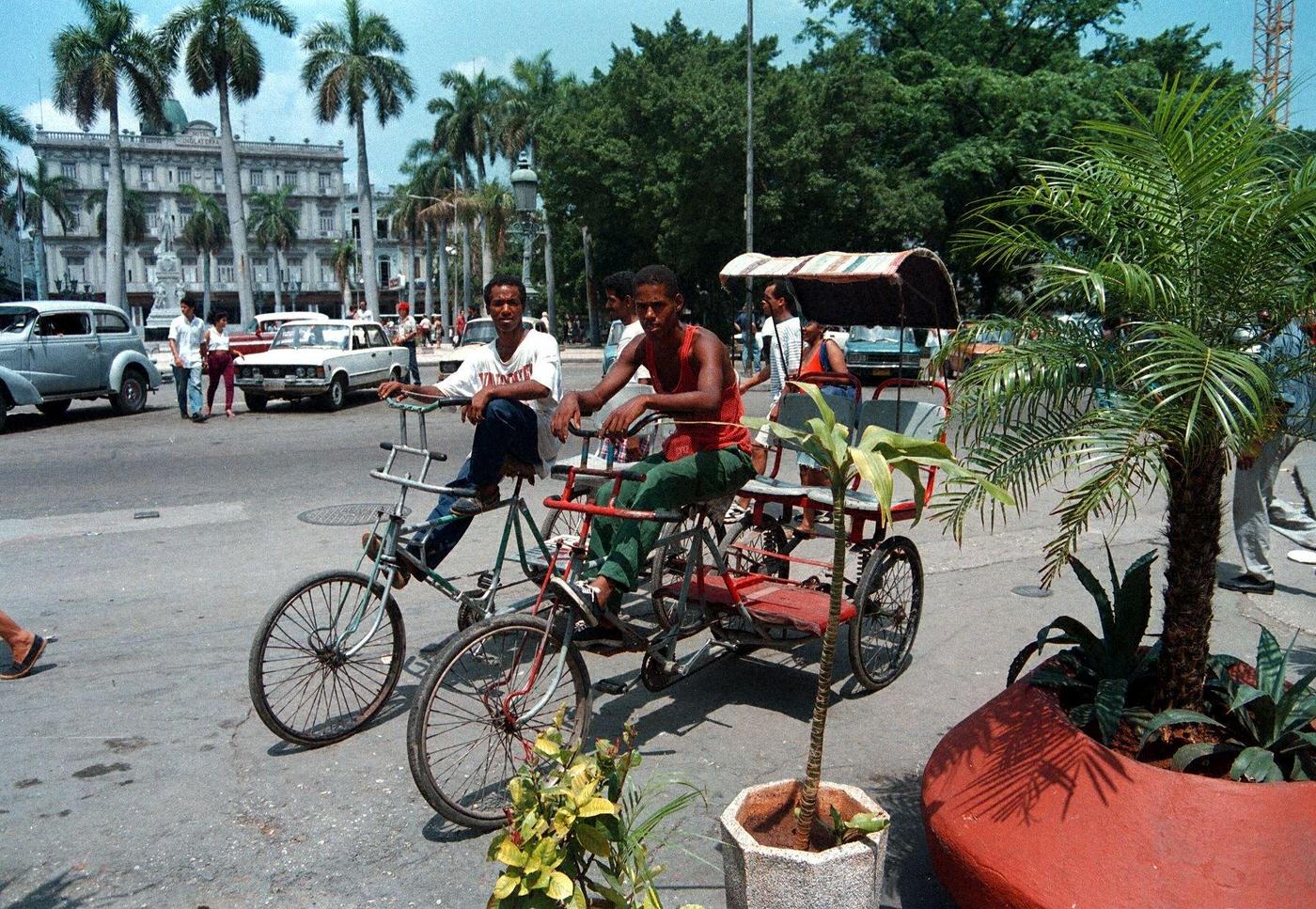
Bicycle rickshaws — locally called bicitaxis — emerged in Havana during the Special Period as both a transportation solution and a small business opportunity. Operators pedaled passengers through the city for a small fee, providing a service that filled the gap left by fuel-starved bus routes. They became a fixture of the Havana streetscape and continued operating throughout the decade. The Hotel Inglaterra — one of Havana’s oldest hotels, opened in 1875 — stood nearby as a landmark that had survived every political change the island had endured.
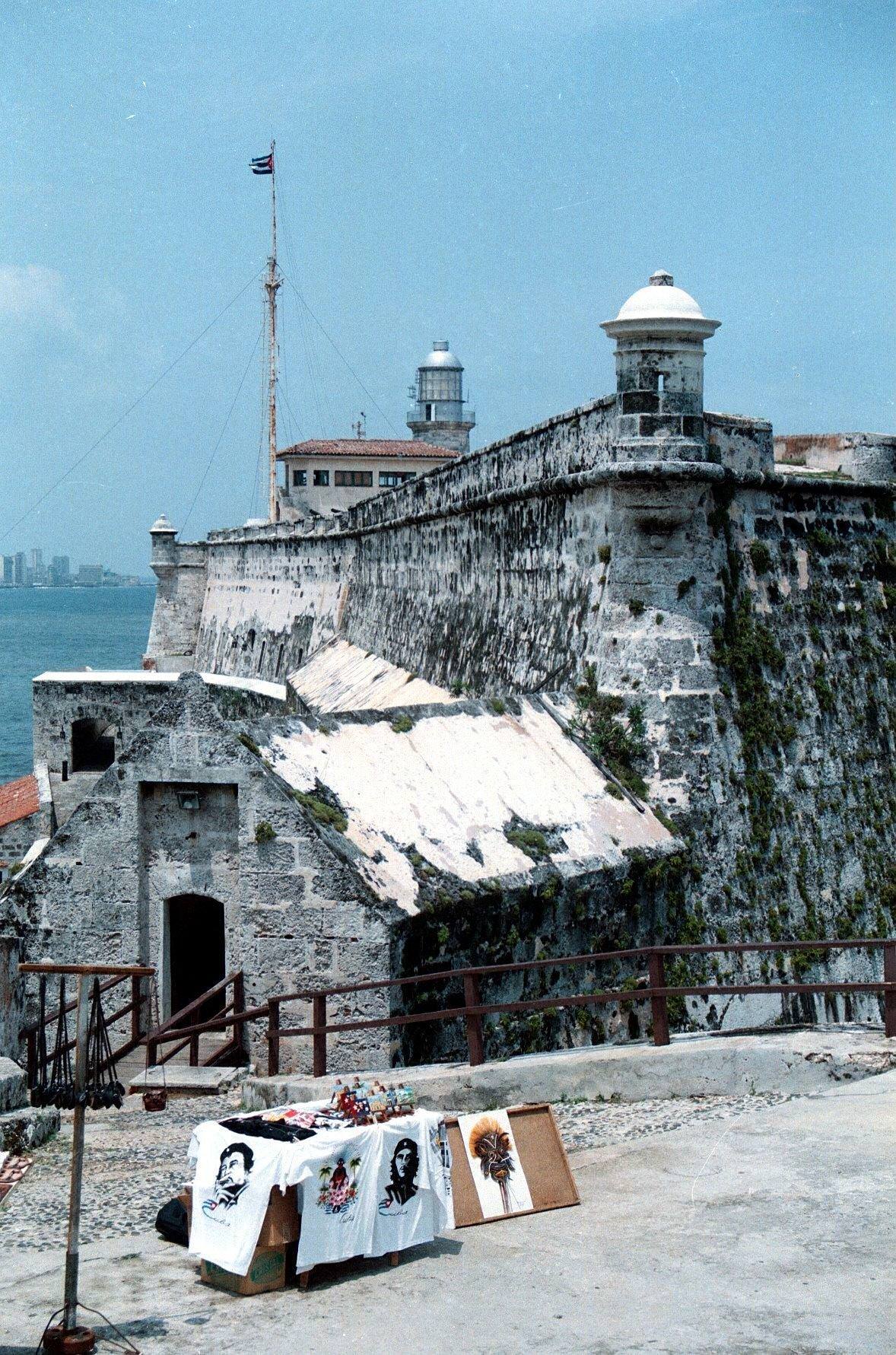
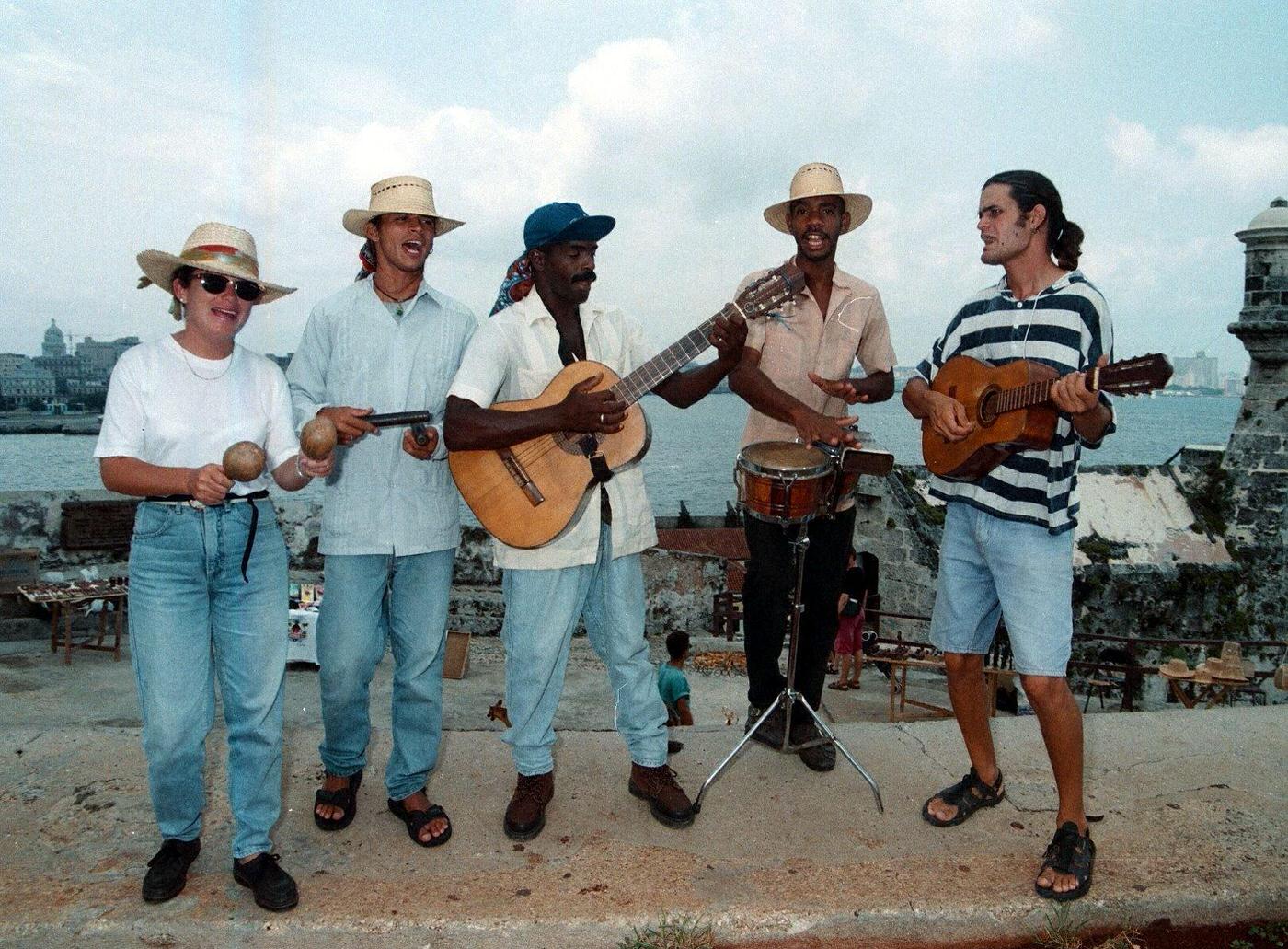
El Morro — the 16th-century Spanish fortress at the entrance of Havana harbor — remained one of the most visited monuments in Cuba. Street musicians set up near its walls, playing for tourists and locals. Music was never far from the surface of Cuban street life, and performers took advantage of high-traffic areas near heritage sites to earn income in a largely cash-based informal economy.
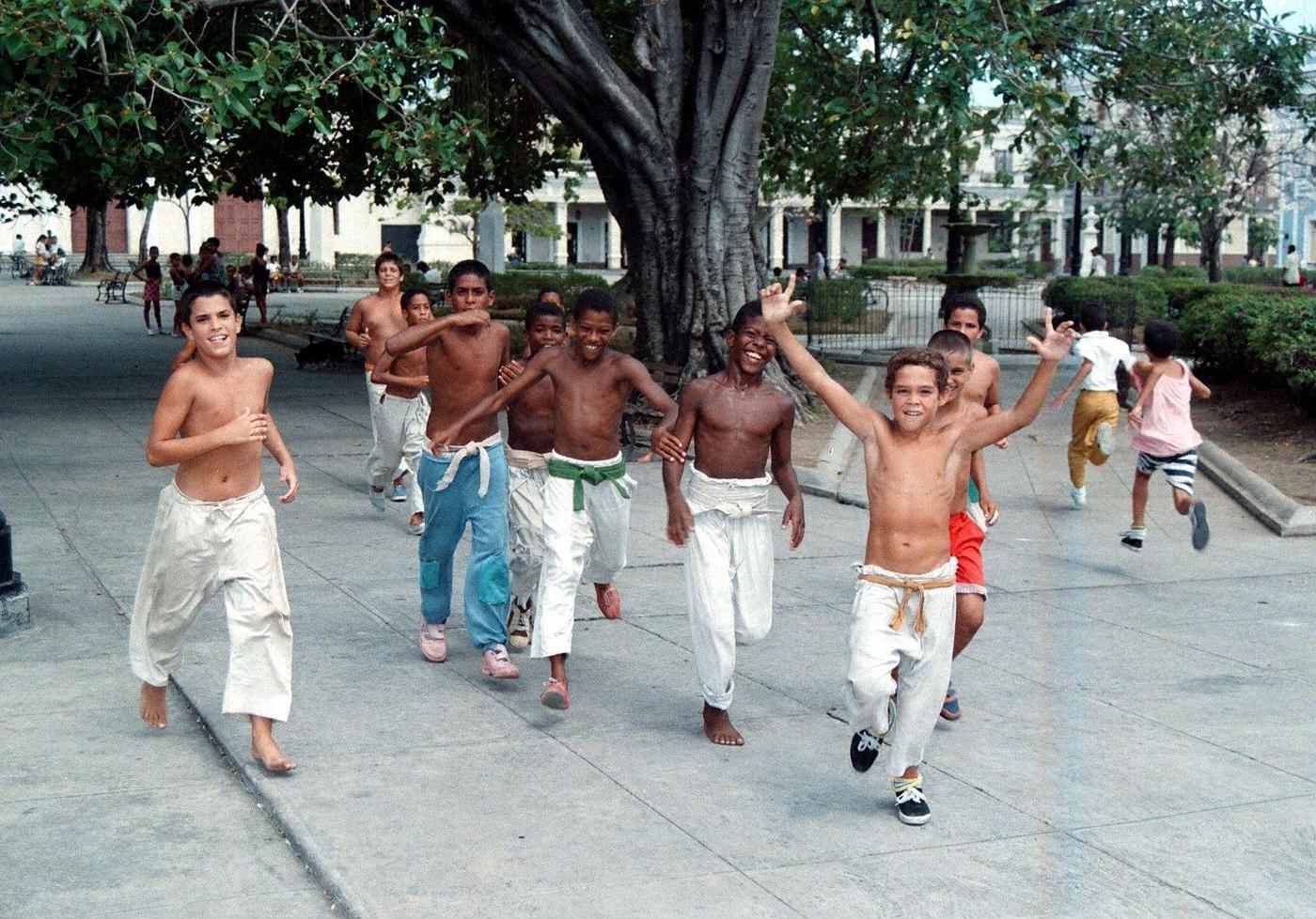
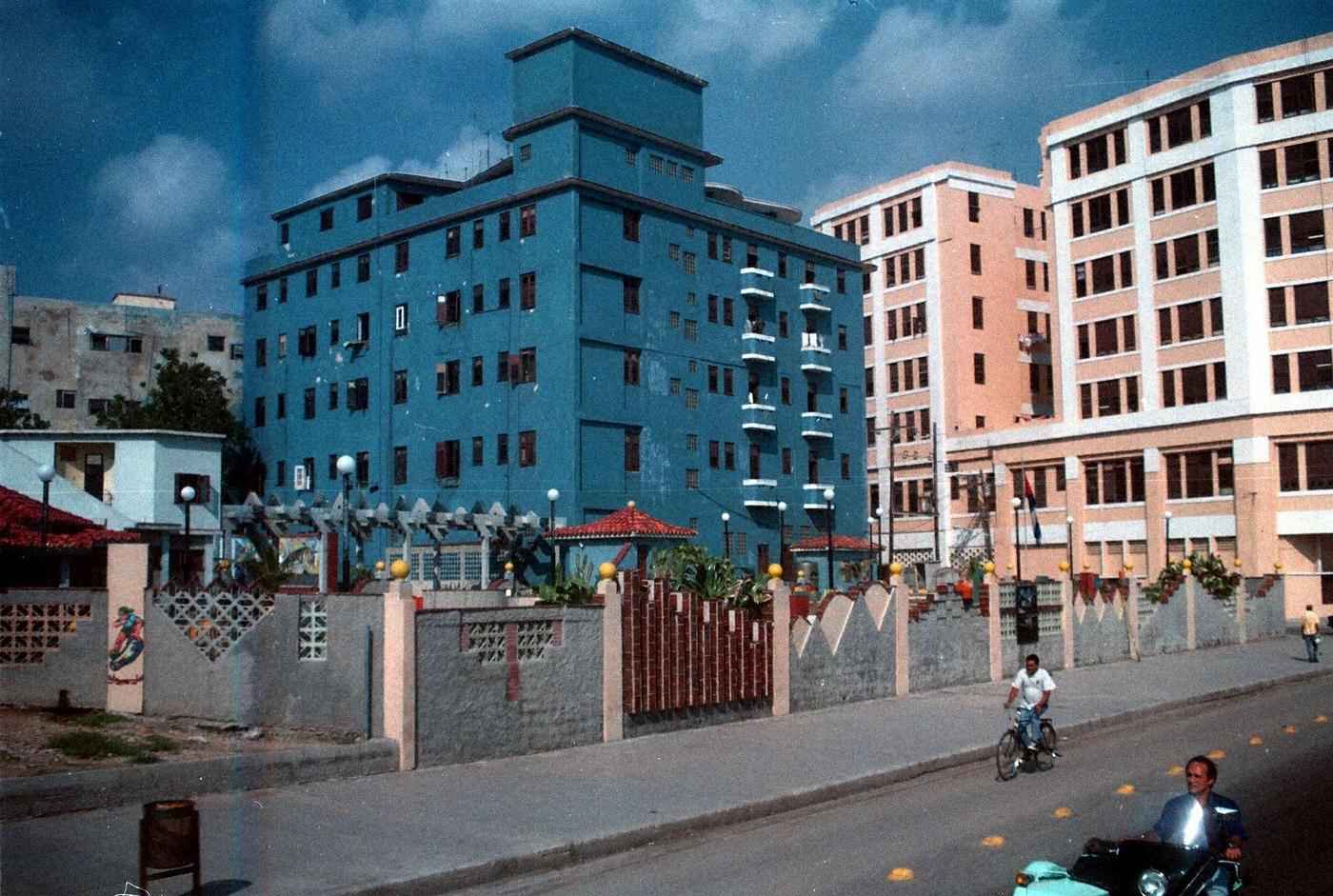
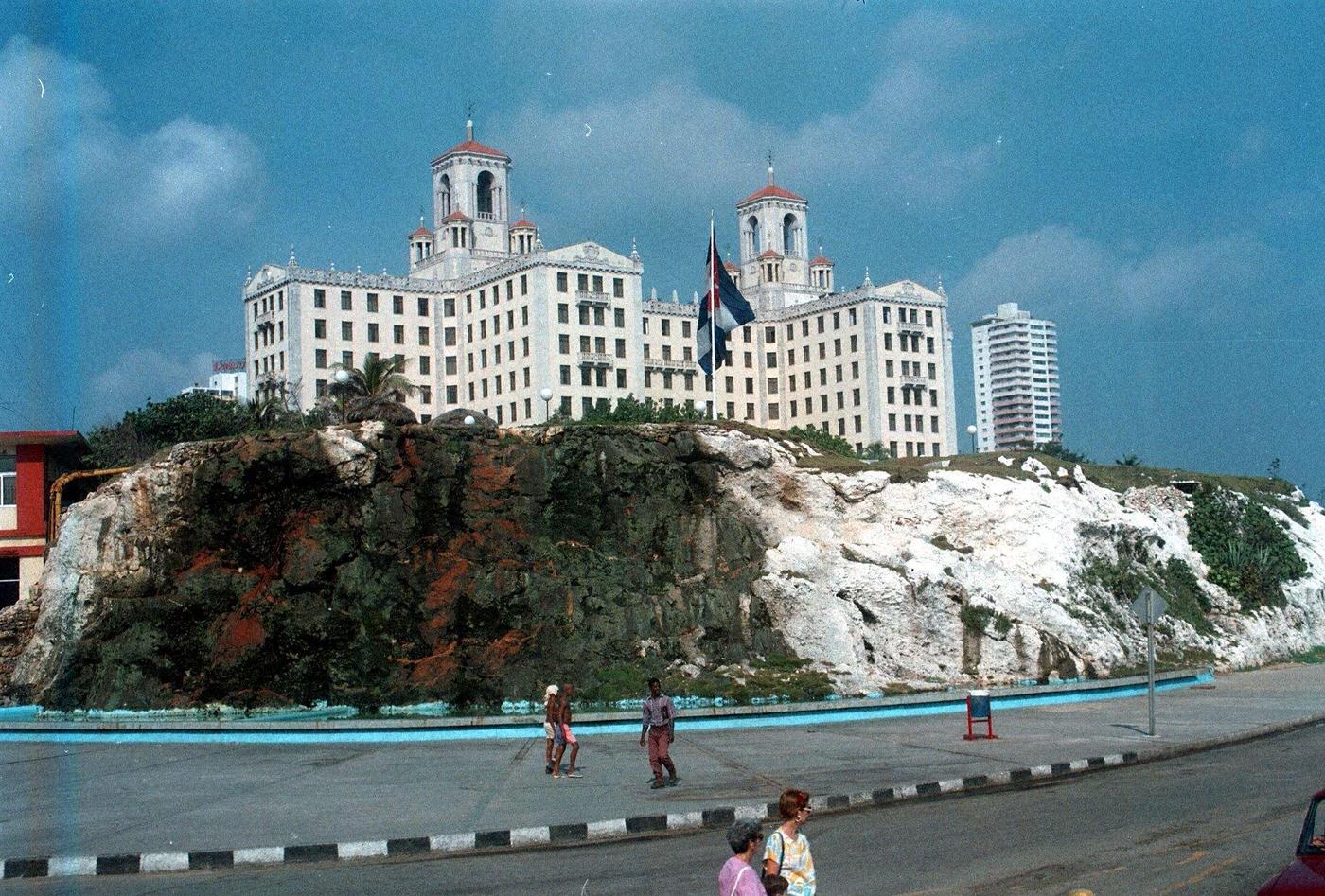
Children were a visible presence on the streets of Cienfuegos during the 1990s. The city’s colonial arcades and promenades served as social spaces where residents of all ages spent time outdoors. The Hotel Nacional — actually located in Havana, not Cienfuegos, though the caption references it — was one of Cuba’s most famous hotels, built in 1930 and hosting foreign dignitaries and visitors throughout the decade as tourism revenues became vital to the state budget.
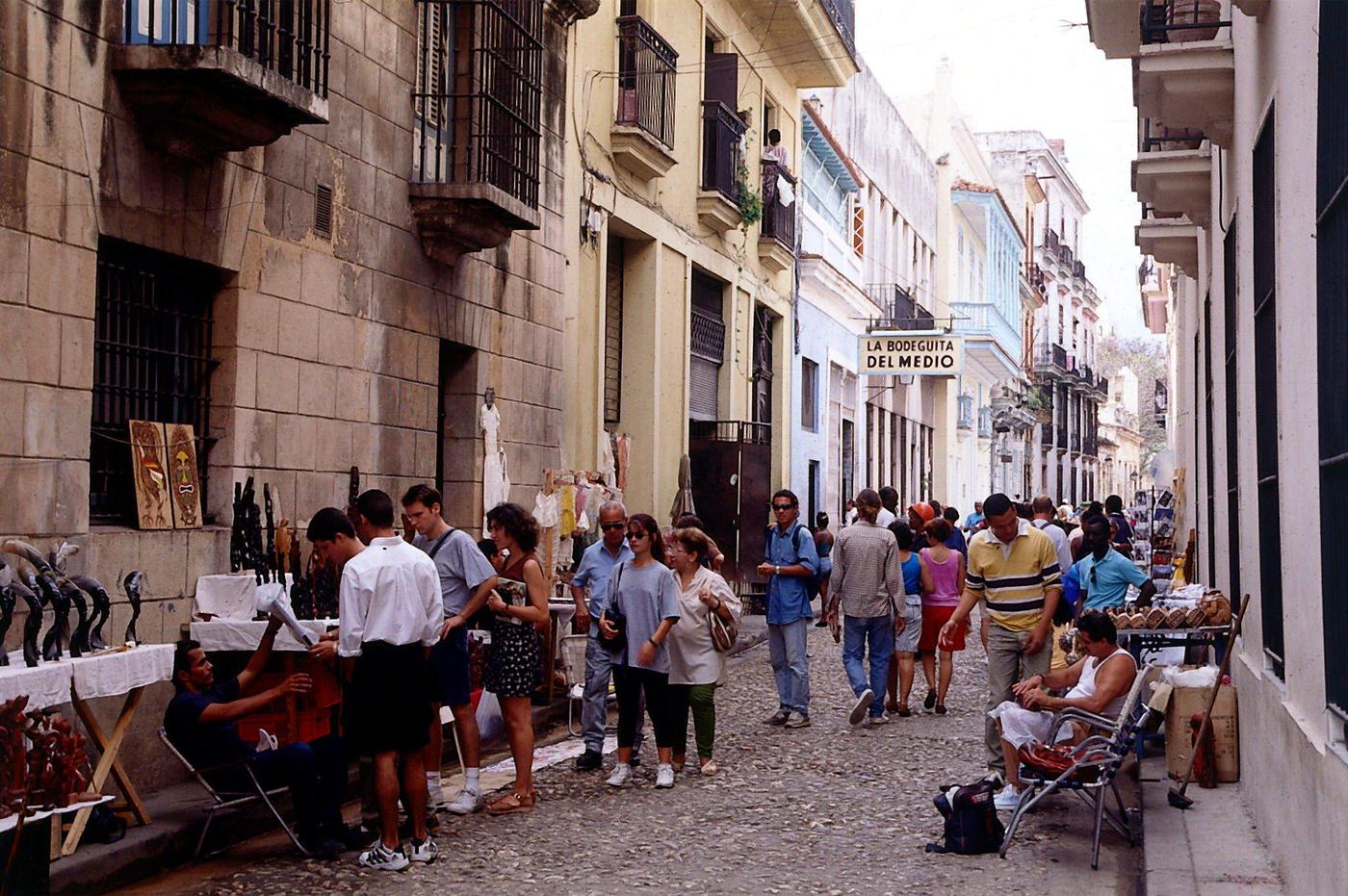
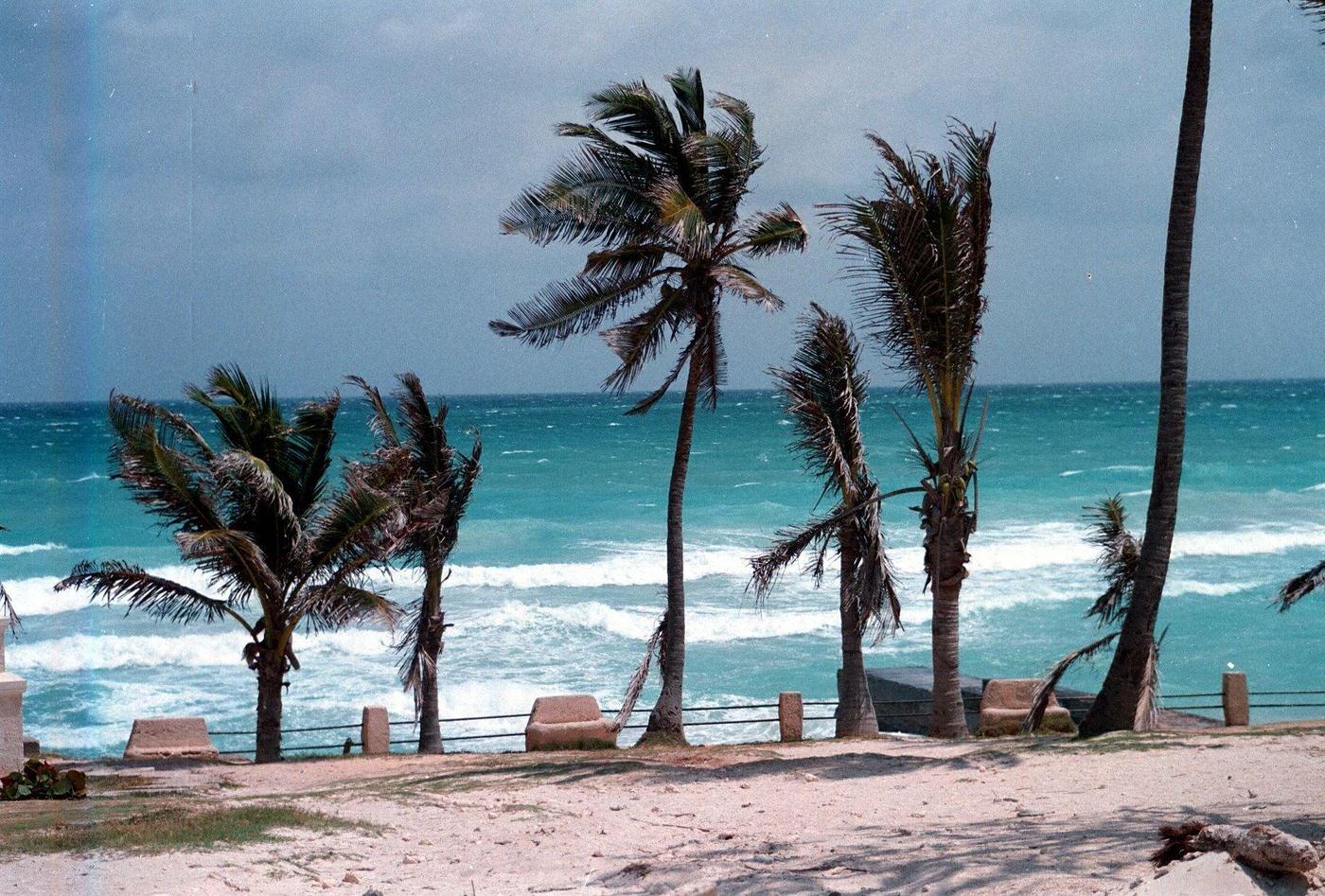
By 1997, Old Havana’s tourist infrastructure was firmly in place. La Bodeguita del Medio drew steady crowds, its walls covered in signatures and messages left by visitors over decades. Varadero’s beach, lined with palm trees and calm turquoise water, offered a very different image of Cuba from the rationing lines and crumbling Havana apartment blocks — two realities existing simultaneously on the same island.
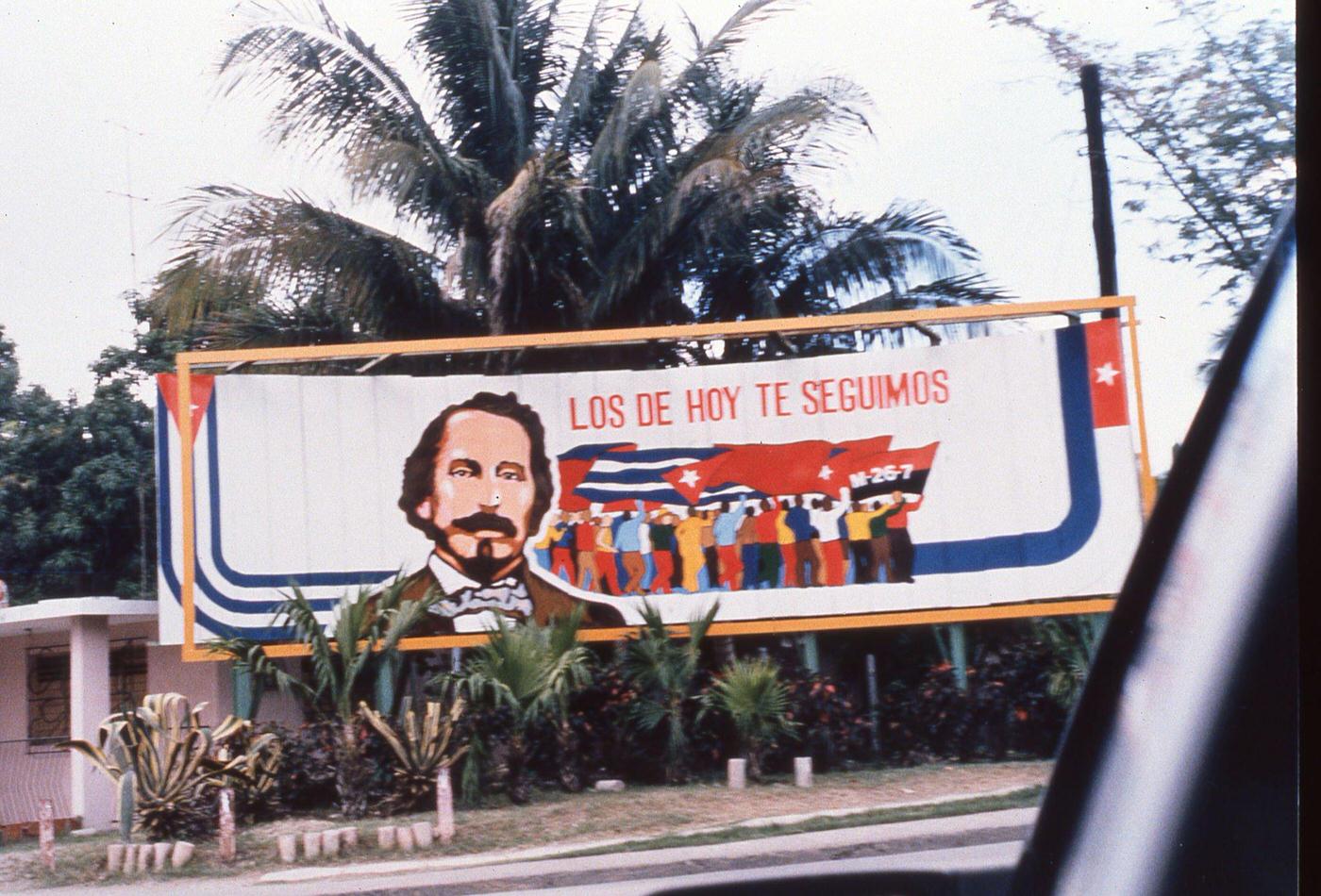
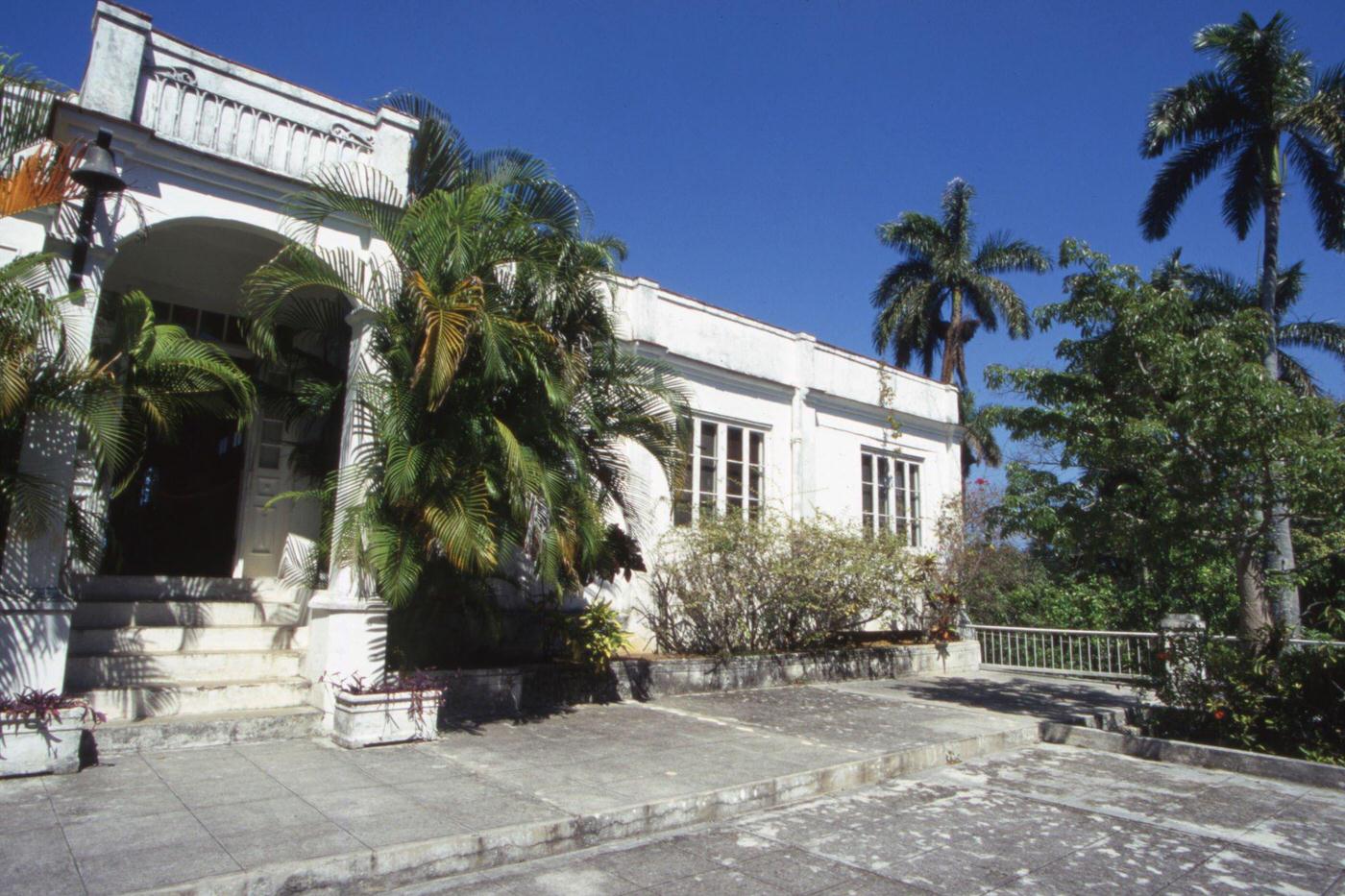
Near Baracoa — Cuba’s oldest colonial settlement on the eastern tip of the island — roadside billboards honored Carlos Manuel de Céspedes, who freed his slaves and launched the first Cuban war of independence in 1868. The government consistently used public spaces to reinforce revolutionary and independence-era heroes. Ernest Hemingway’s house, Finca Vigía, on the outskirts of Havana, drew its own steady stream of literary tourists in 1997 — kept much as the writer had left it when he departed Cuba in 1960.
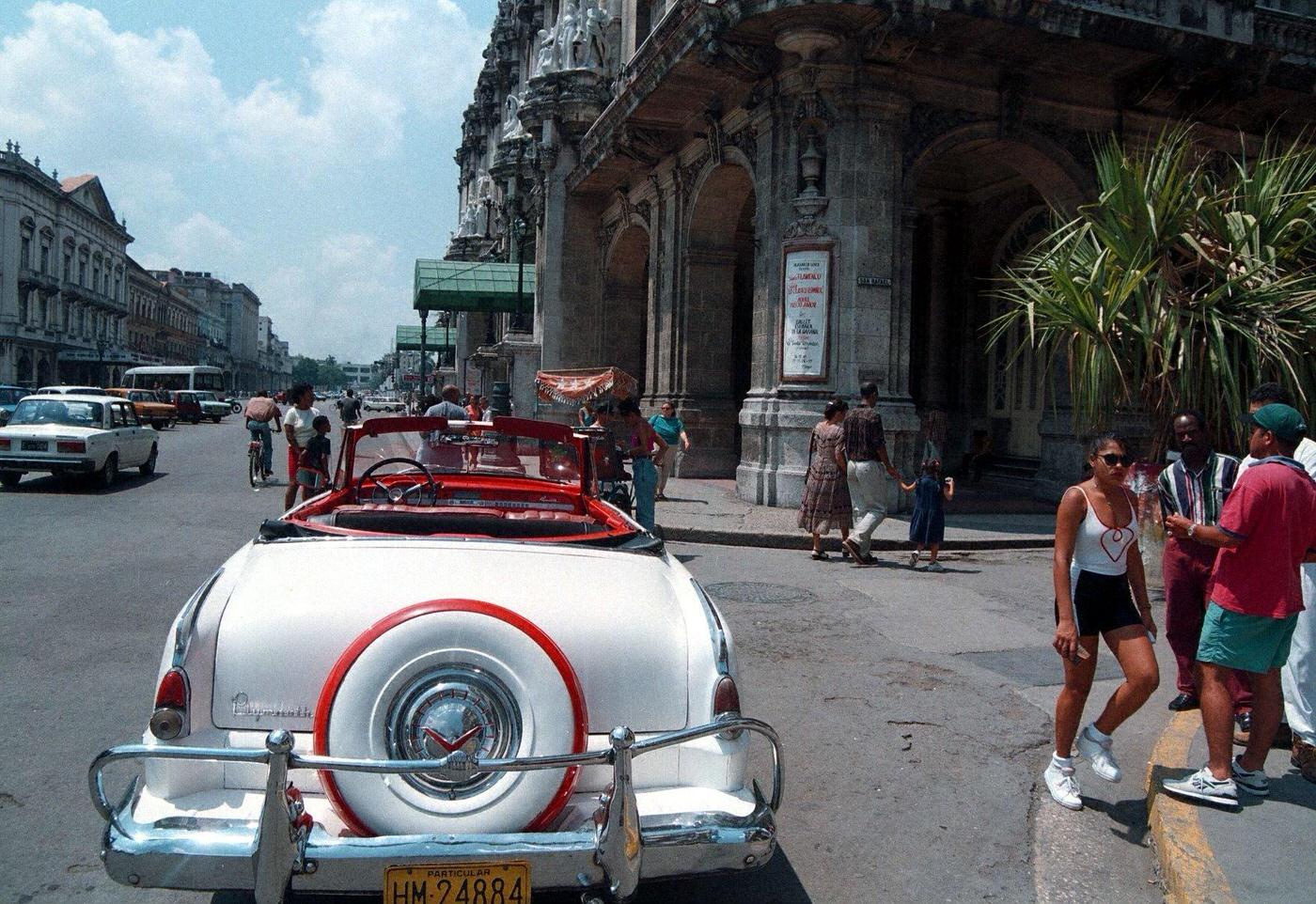
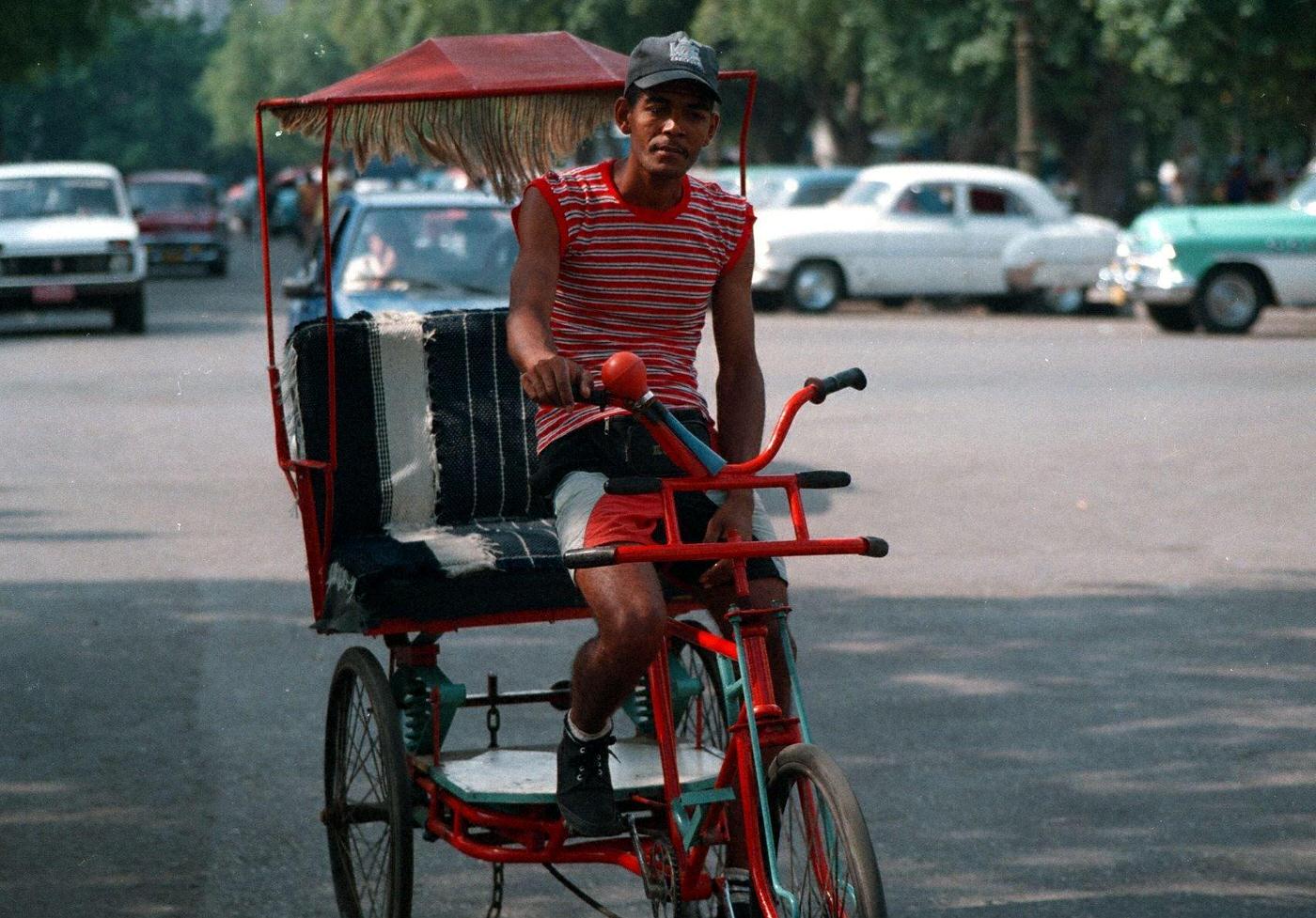
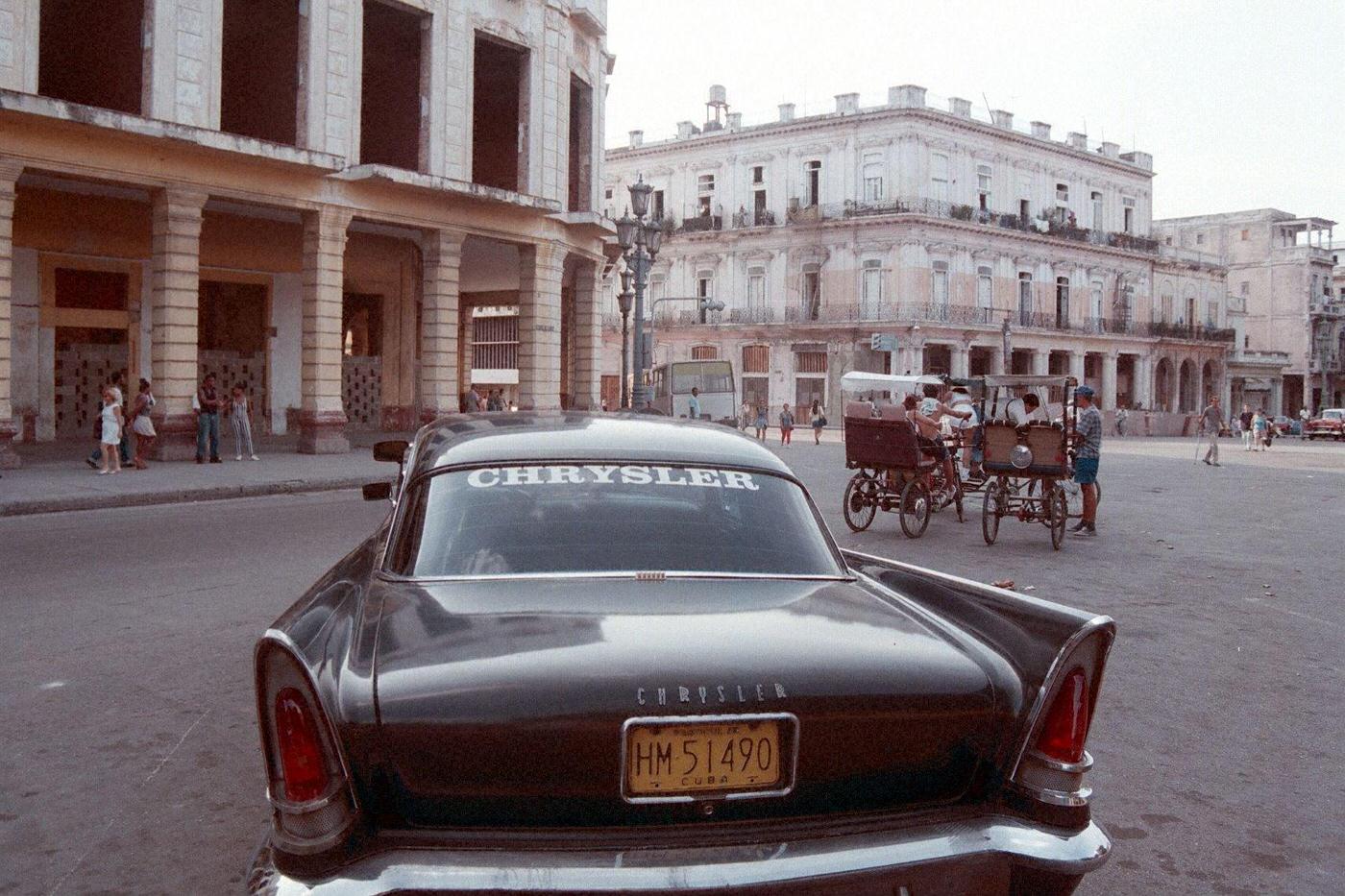
Havana’s streets displayed the full range of Cuban transportation in the 1990s. Vintage American cars from the 1950s rolled alongside bicitaxis and bicycles. The co-existence of pre-revolution automobiles, human-powered rickshaws, and horse-drawn carts on the same roads was not a novelty — it was the daily reality of a city that kept functioning through scarcity and mechanical ingenuity.
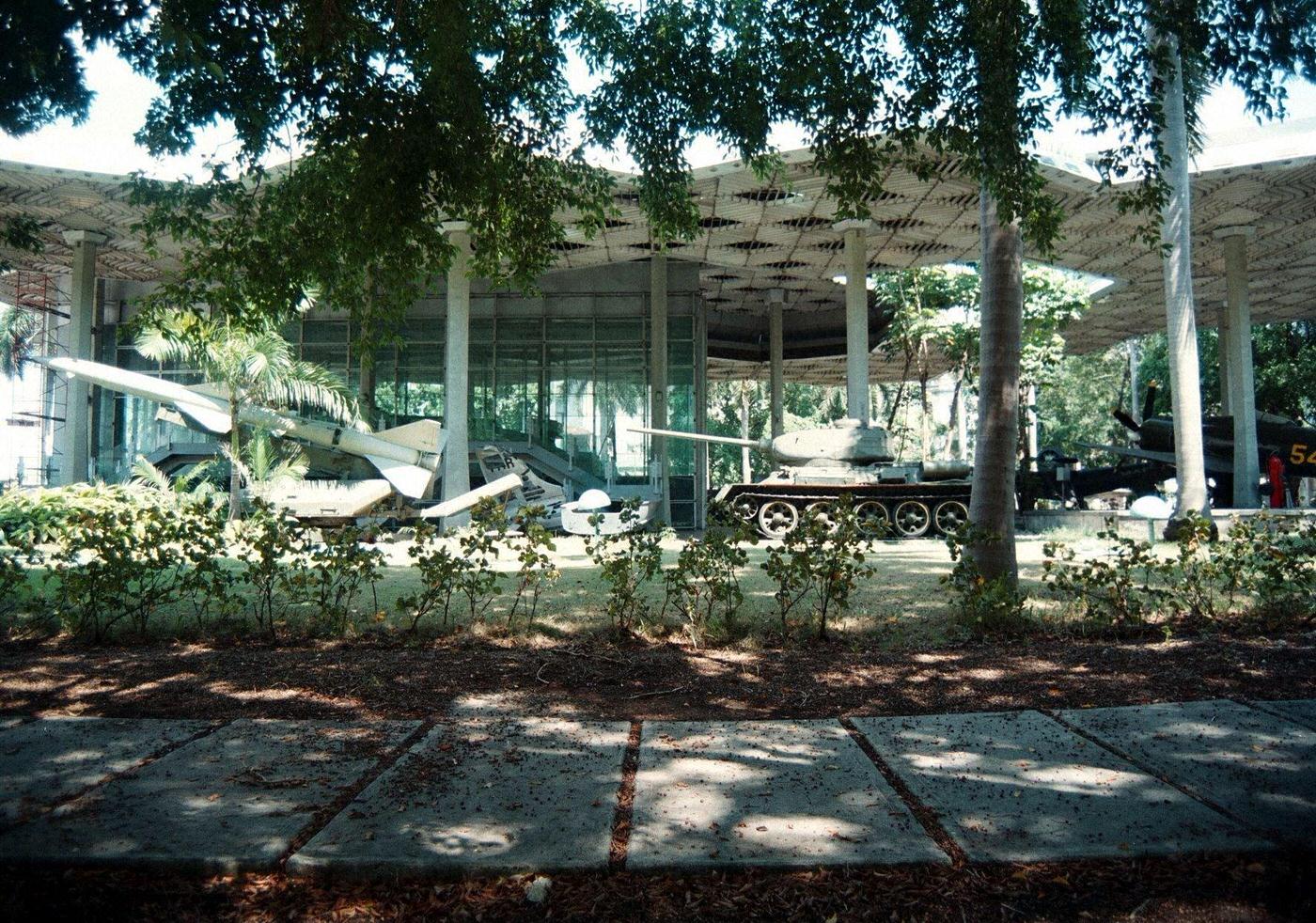
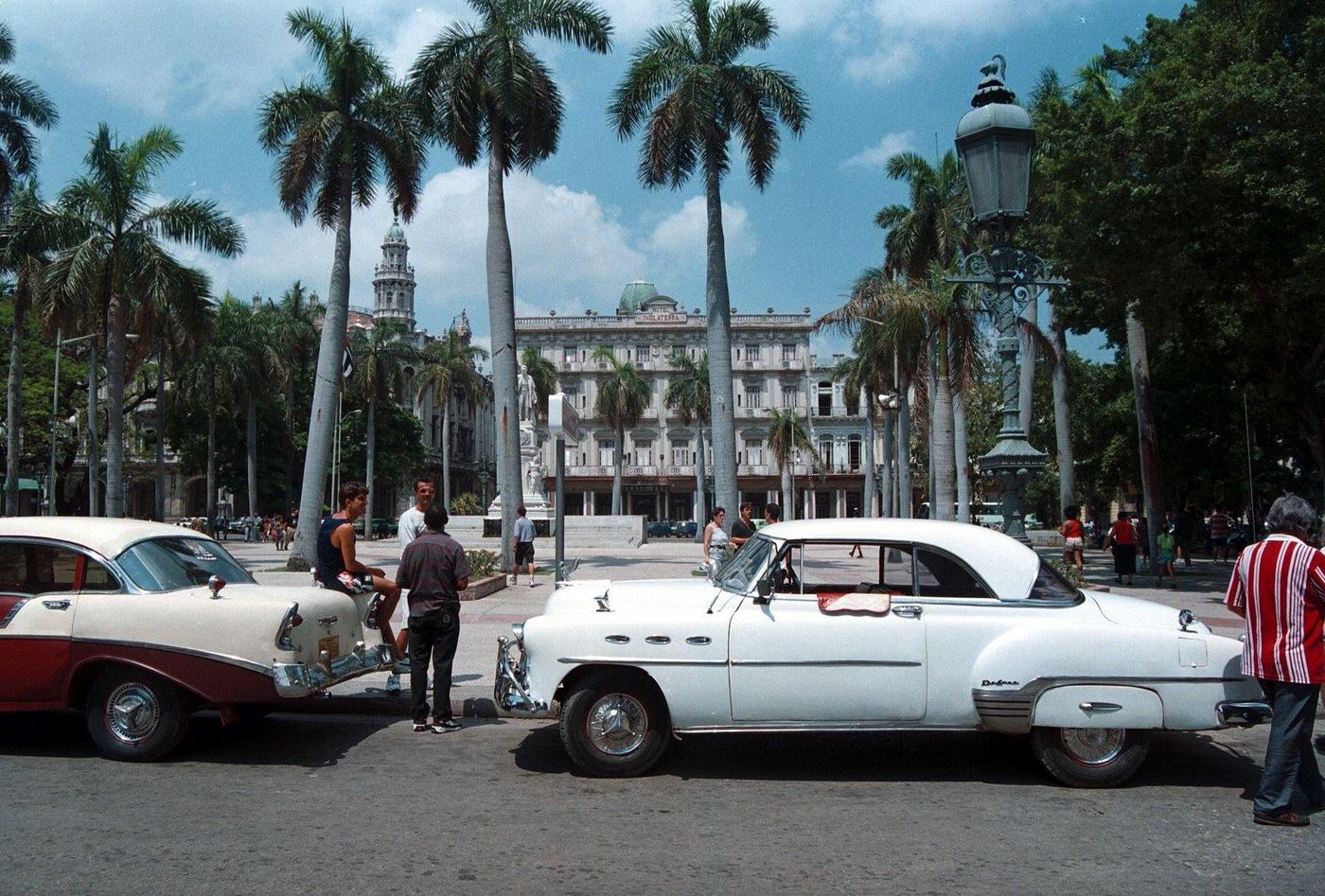
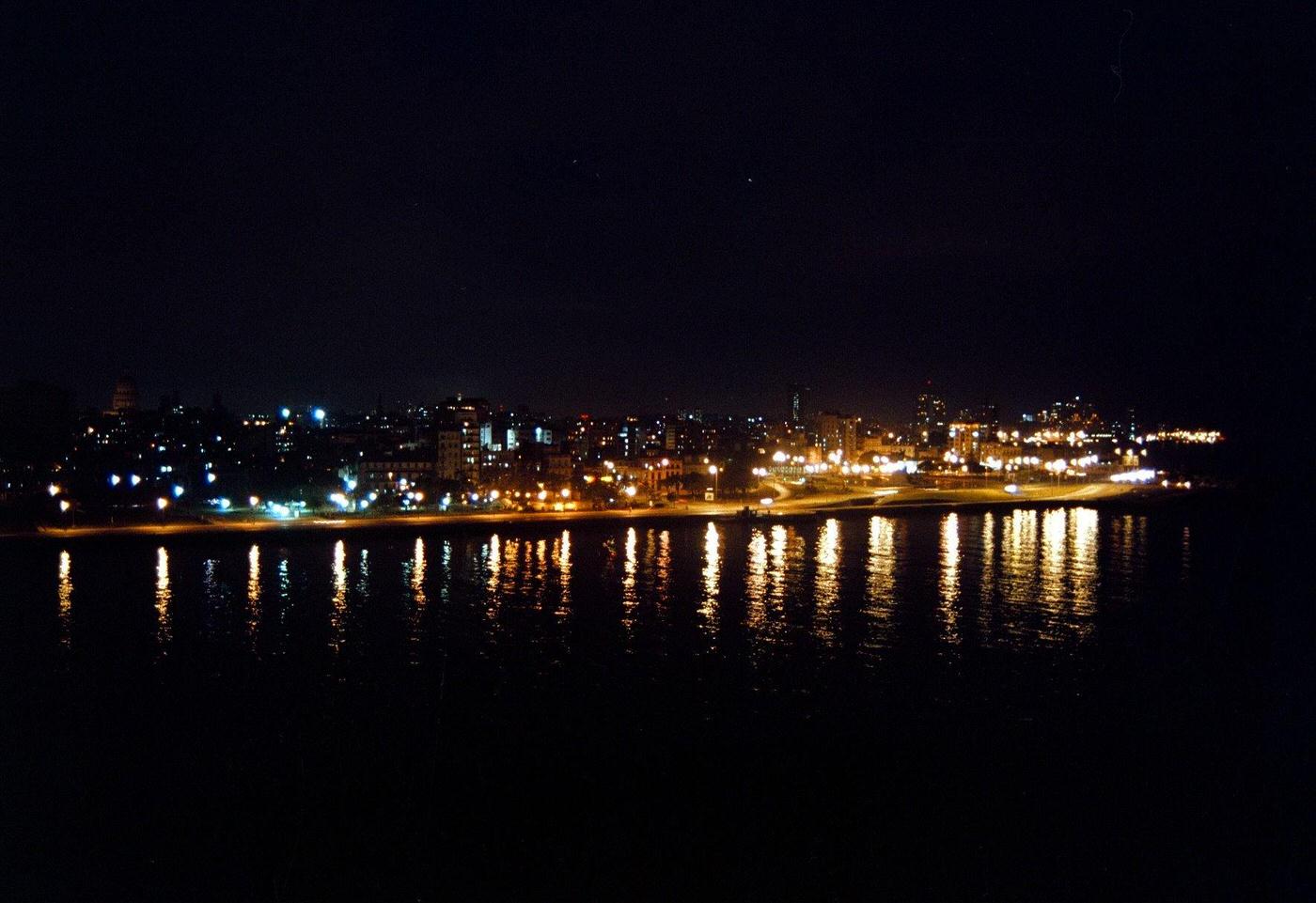
At night, Havana lit up unevenly — power outages were common throughout the 1990s, sometimes lasting eight to sixteen hours a day. The parts of the city that were illuminated, however, retained a distinct charm. The Museum of the Revolution, housed in the former Presidential Palace, and the Hotel Inglaterra near the Capitolio building remained recognizable anchors of the city’s identity through day and night.
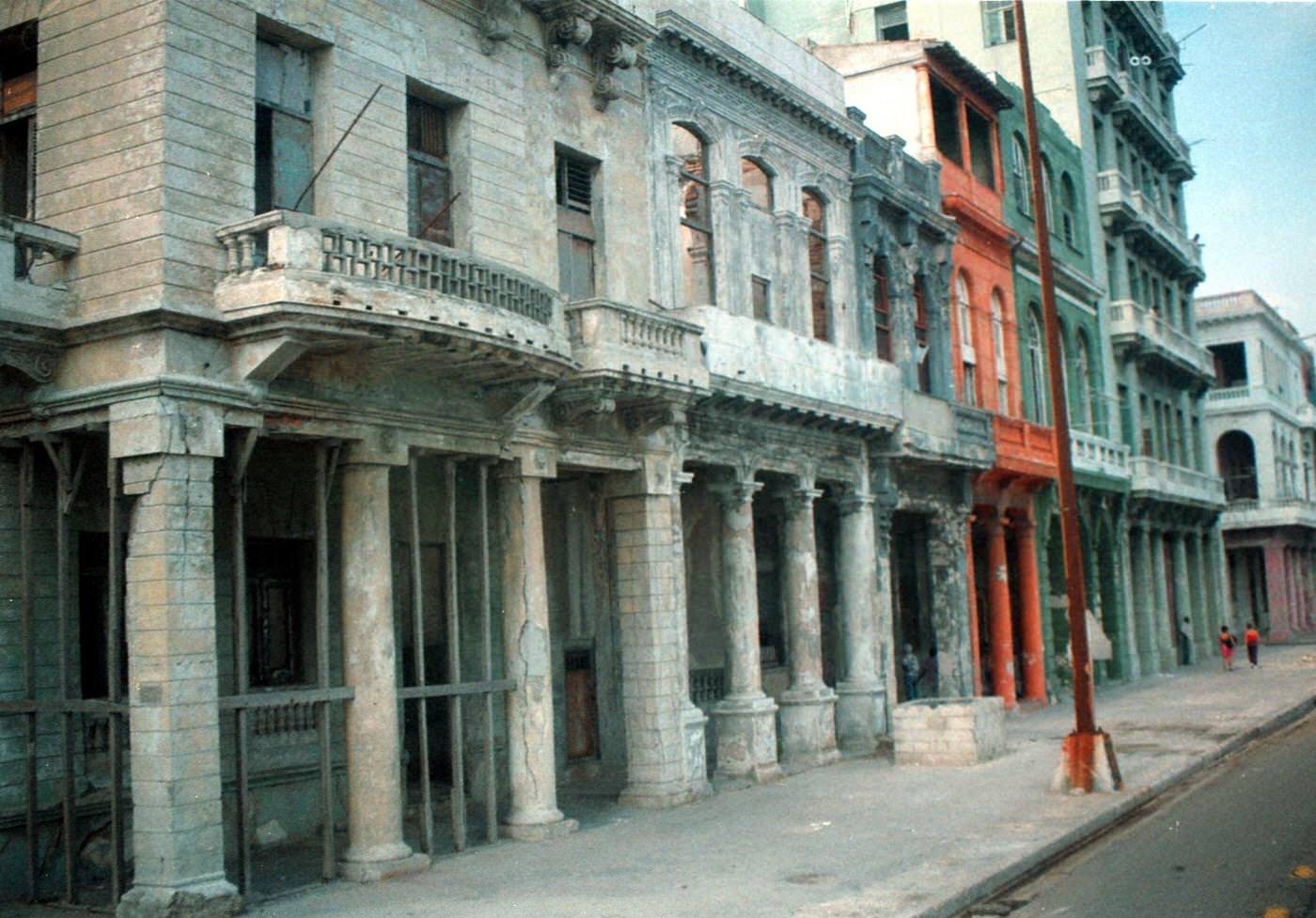
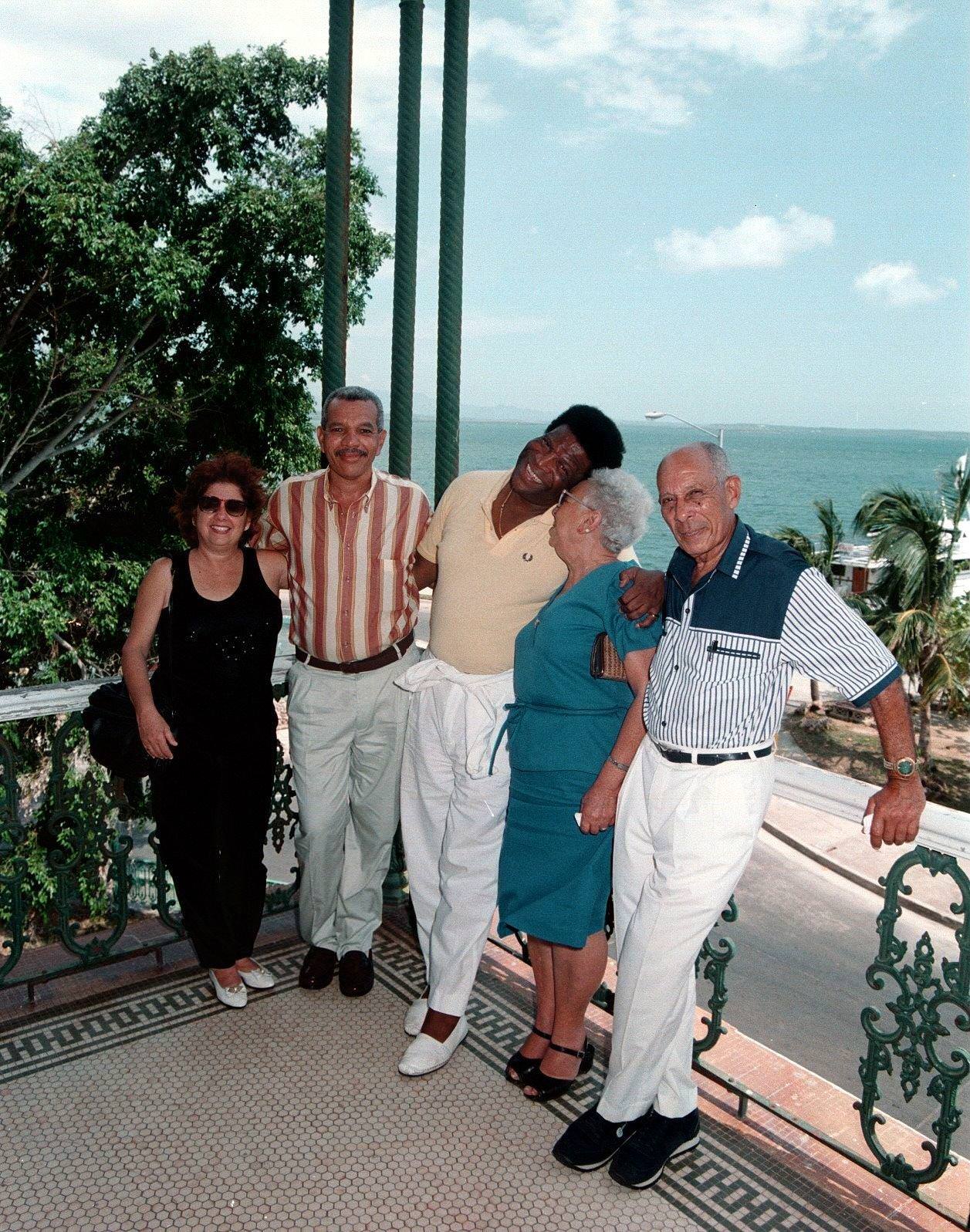
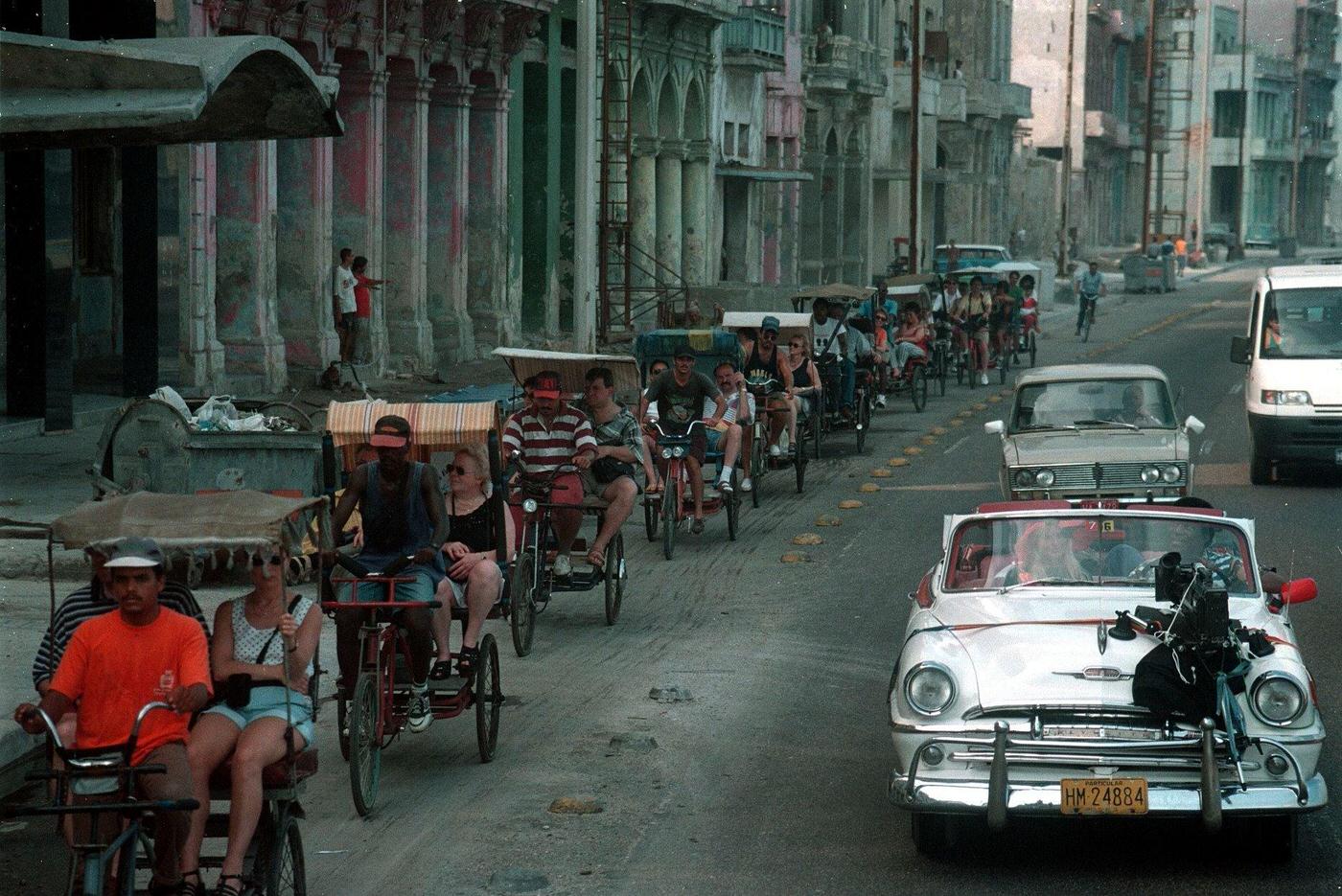
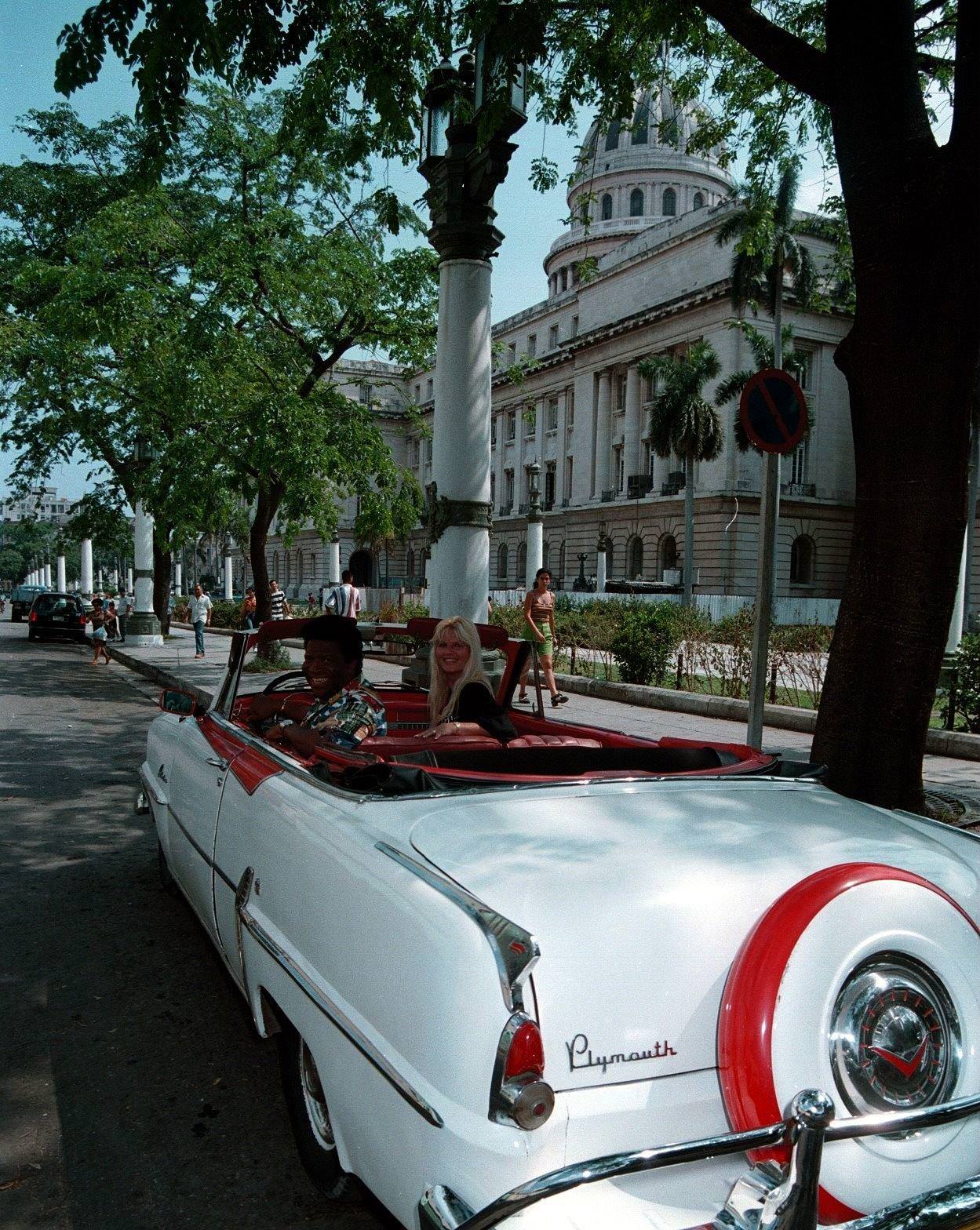
German entertainer Roberto Blanco, who was born in Cuba before emigrating, visited the island during the 1990s and connected with family in Cienfuegos. He toured Havana with German television personality Marlene Charell, bringing a degree of European media attention to Cuba at a time when the country was actively courting international goodwill. Their visits illustrated the blend of personal and political that characterized Cuba’s relationship with the diaspora.
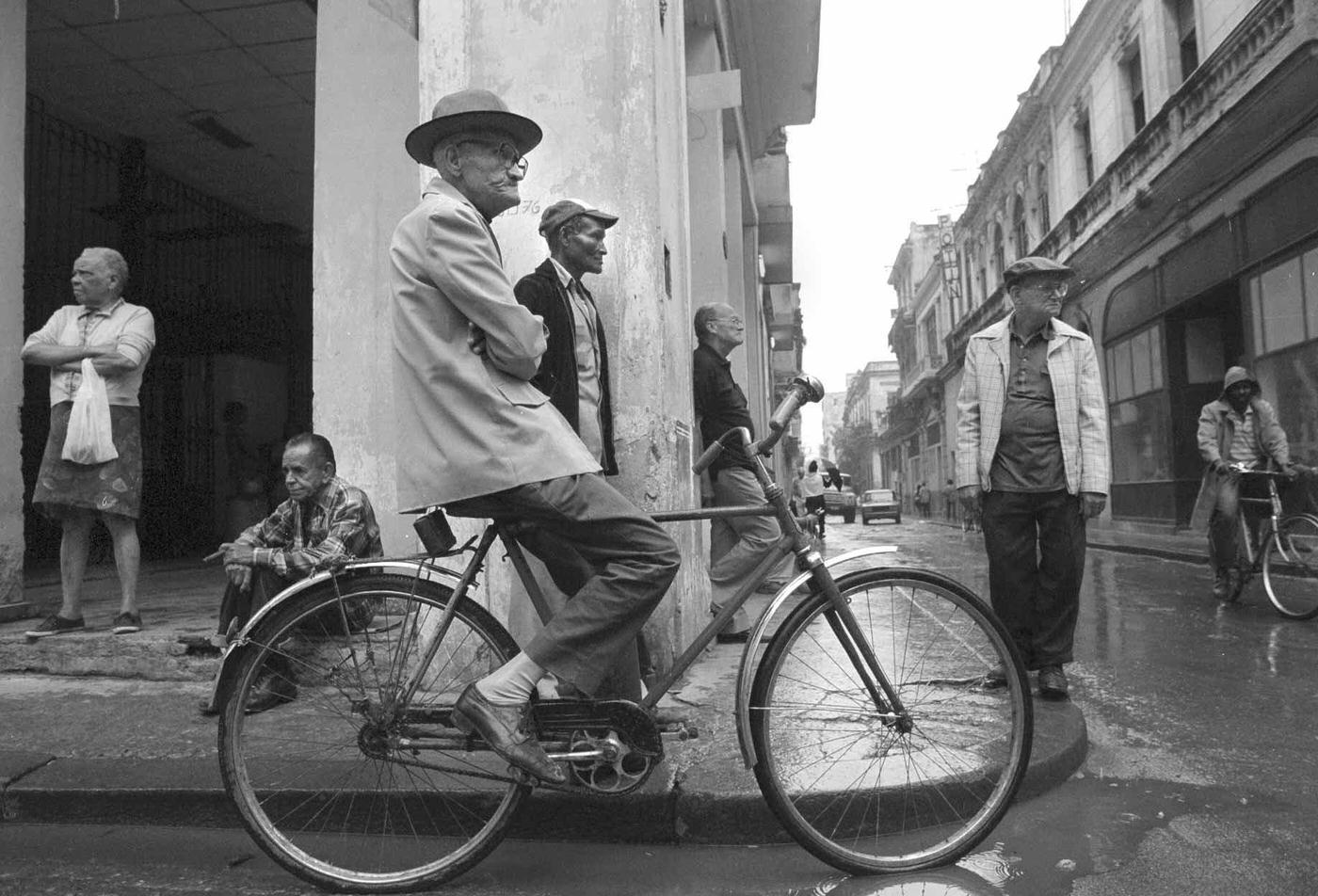
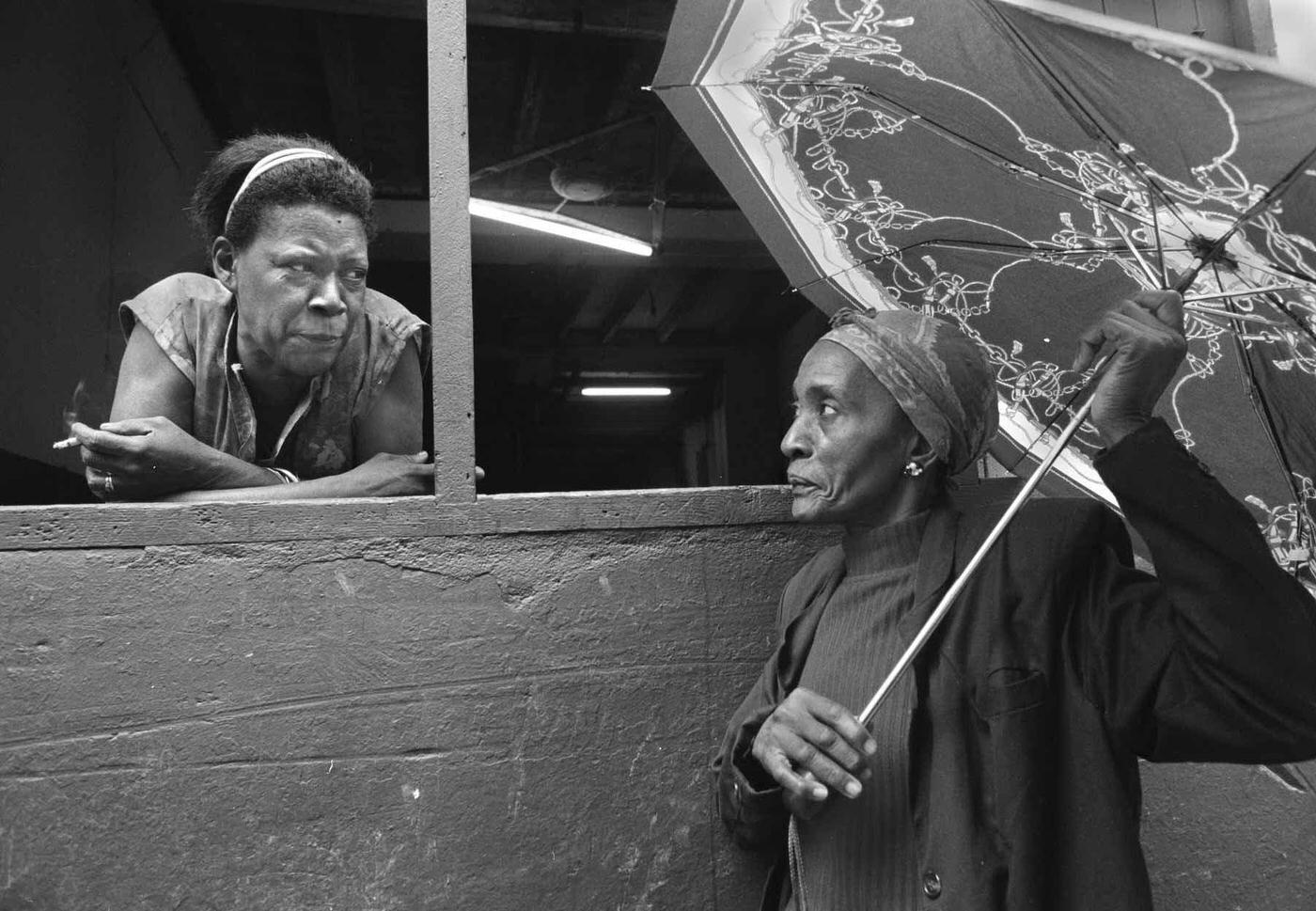
On January 21–25, 1998, Pope John Paul II made a historic visit to Cuba — the first papal visit in the country’s history. The trip drew massive crowds and prompted the Cuban government to allow Christmas to be celebrated as an official holiday for the first time since 1969. The days just after the visit, captured in photos from January 27, showed Havana in a contemplative mood — men gathered on misty street corners, women chatting at windows, the city processing an event unlike anything it had seen in decades.
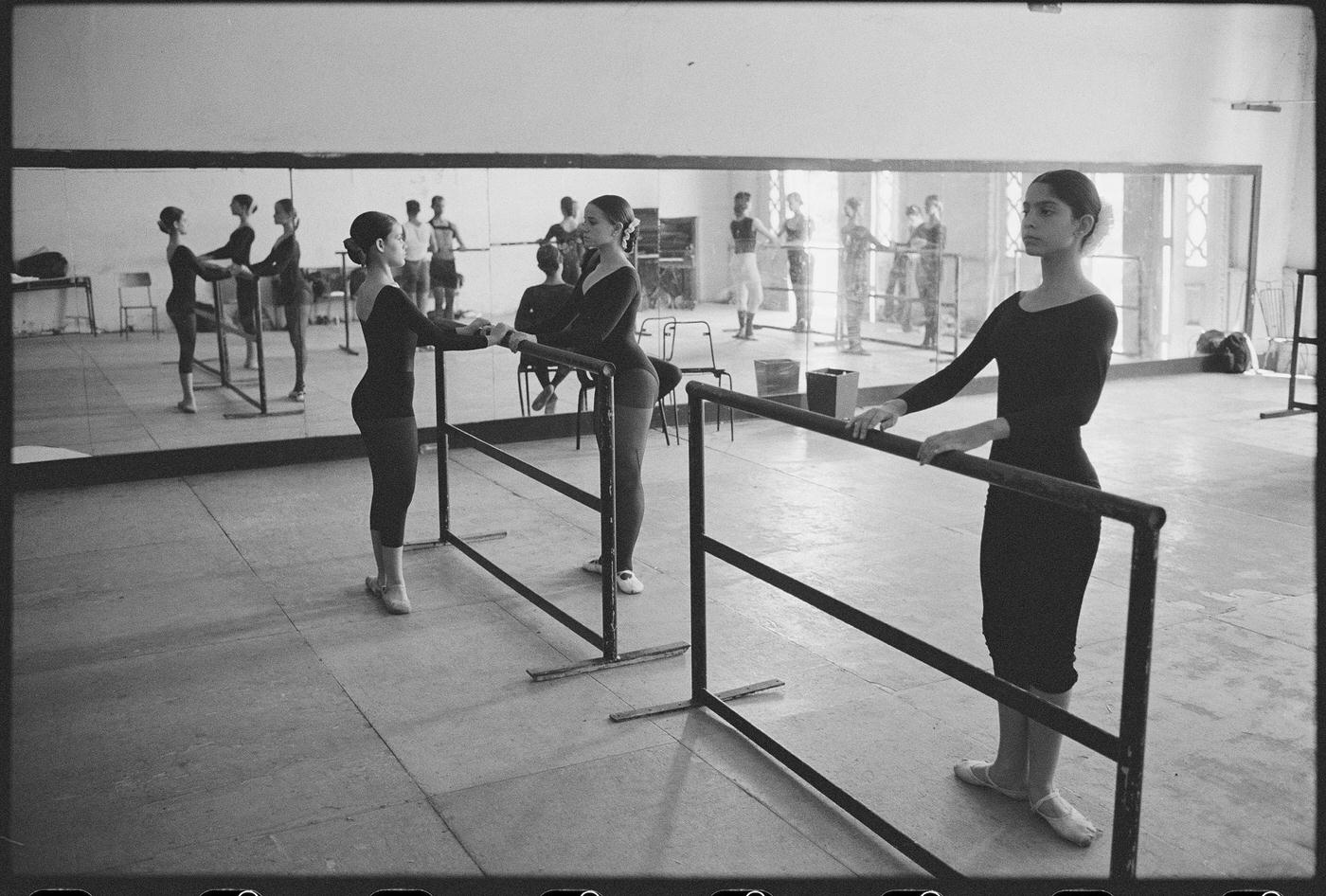
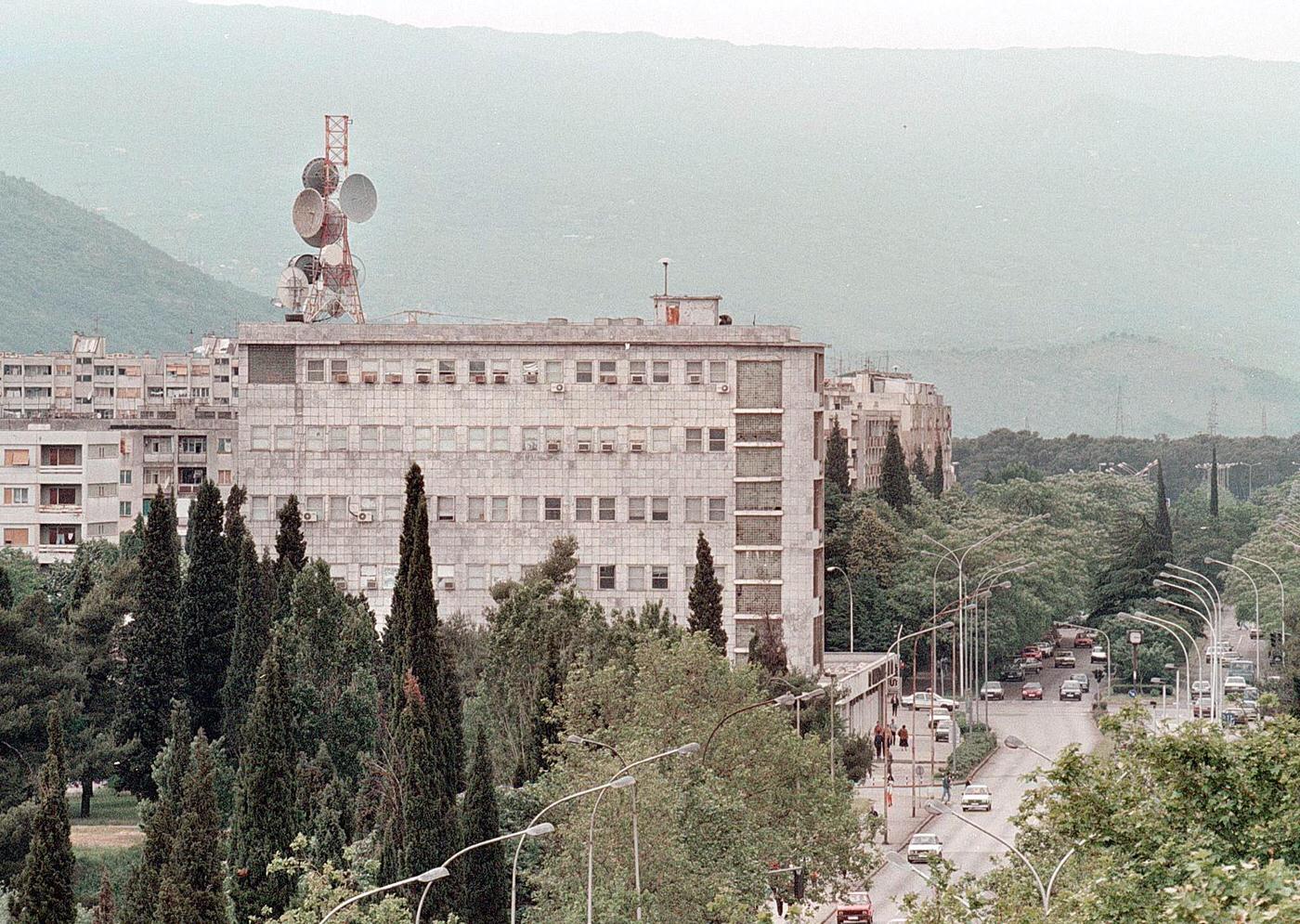
Cuba’s National Ballet maintained a training program throughout the 1990s despite financial constraints. Studio rehearsals continued as young dancers trained in the classical tradition established by Alicia Alonso, who had founded the company in 1948 and continued directing it through the Special Period. The discipline and rigor of the training program remained intact even when resources for costumes, equipment, and facilities were limited.
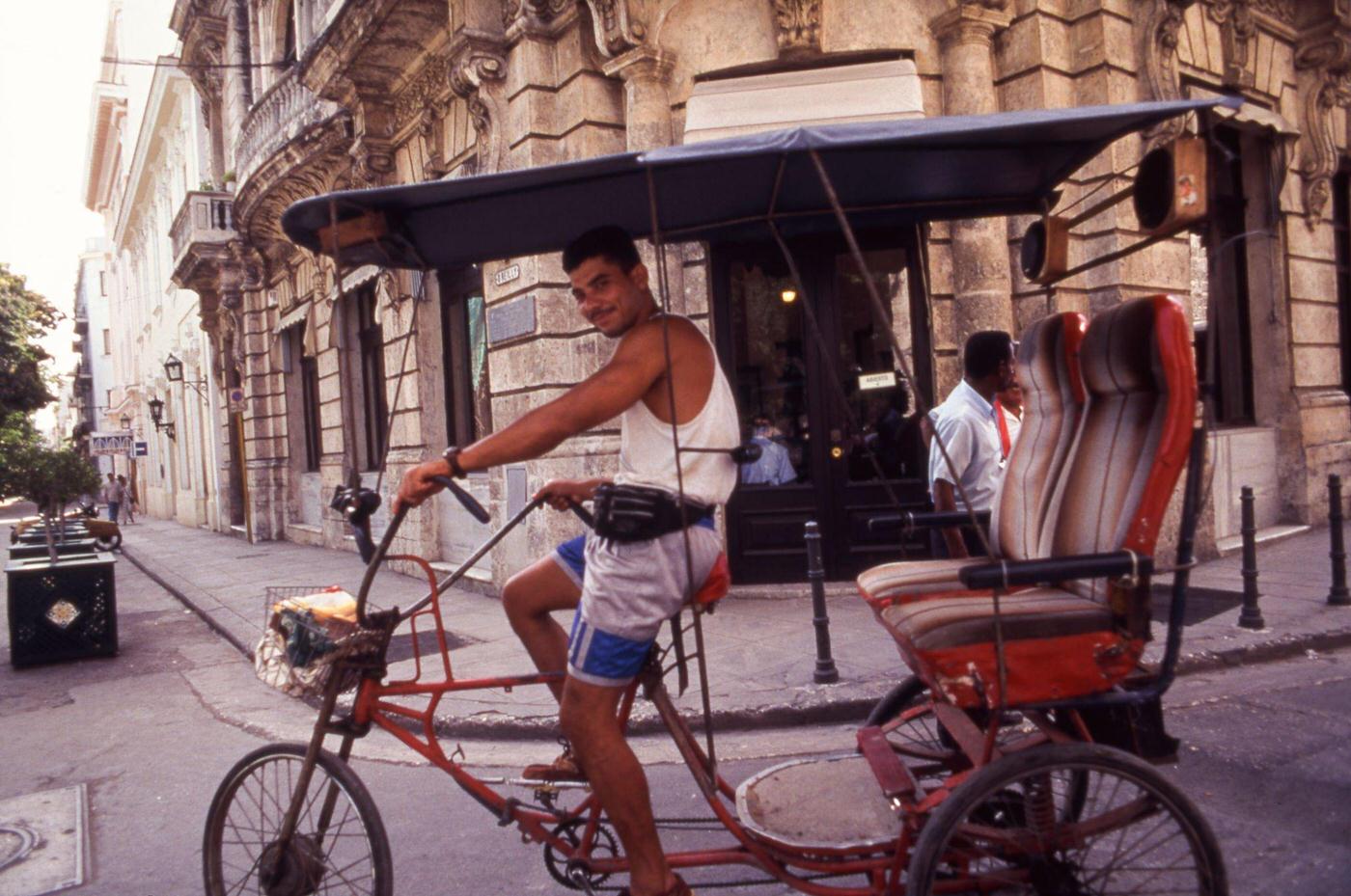
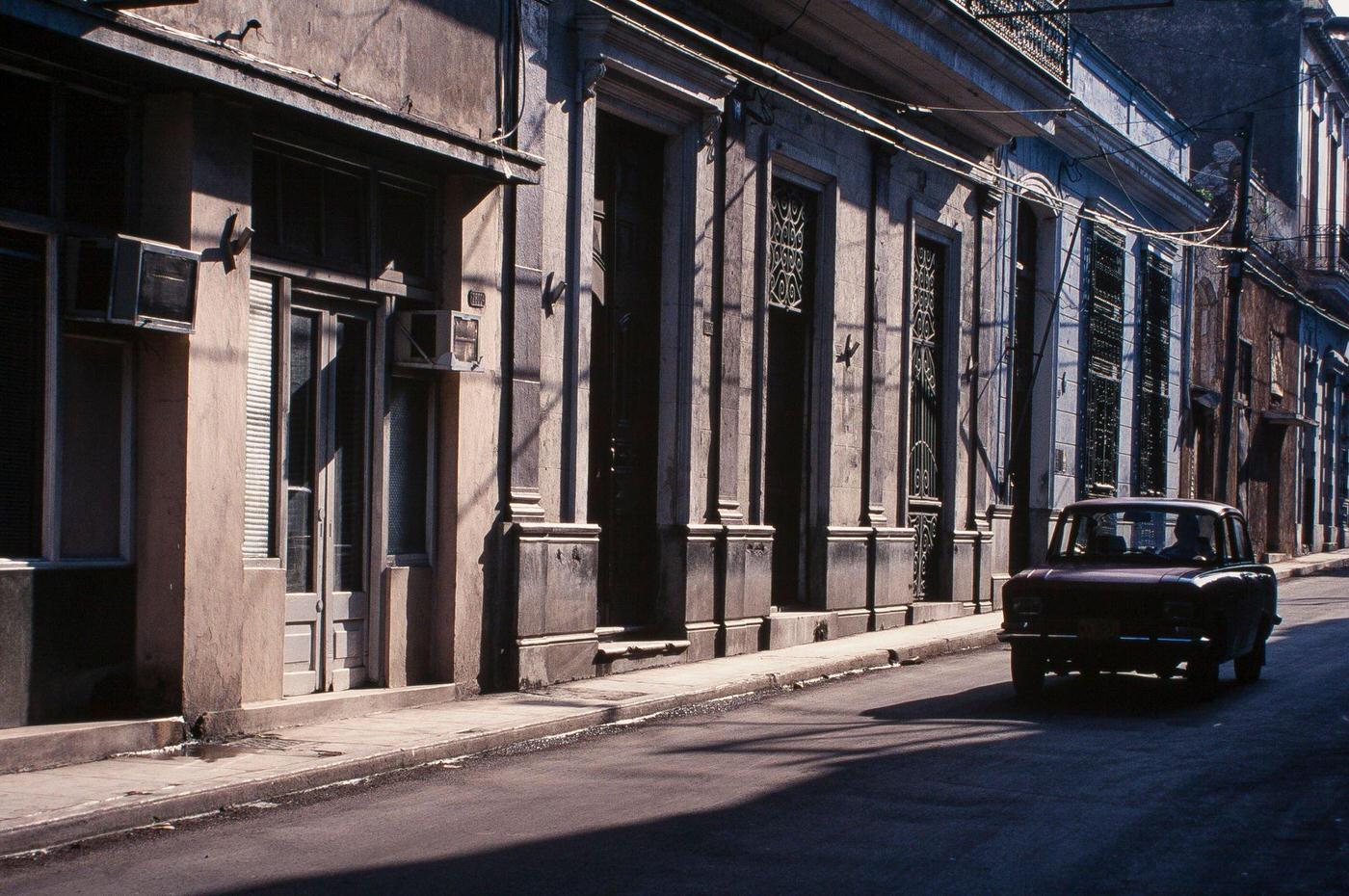
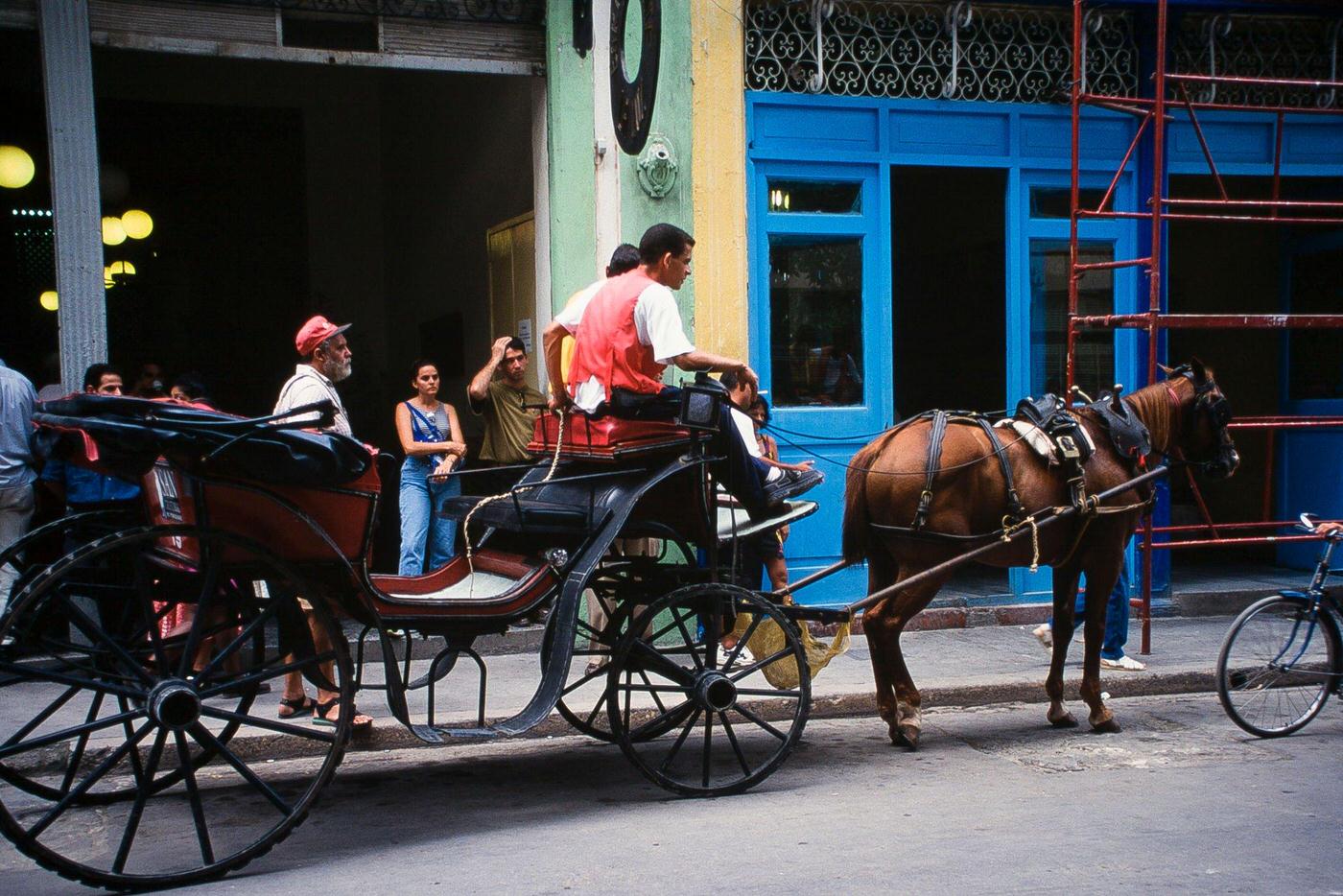
By June 1999, the worst of the Special Period had technically passed, but its effects were still visible everywhere. In Matanzas, provincial buildings showed the same deferred maintenance seen across the island. Bicycle carts carried goods through neighborhoods. Horse-drawn carriages moved through Havana’s streets, a holdover from the fuel crisis that had become normalized. The infrastructure of scarcity had woven itself into the everyday texture of Cuban life.
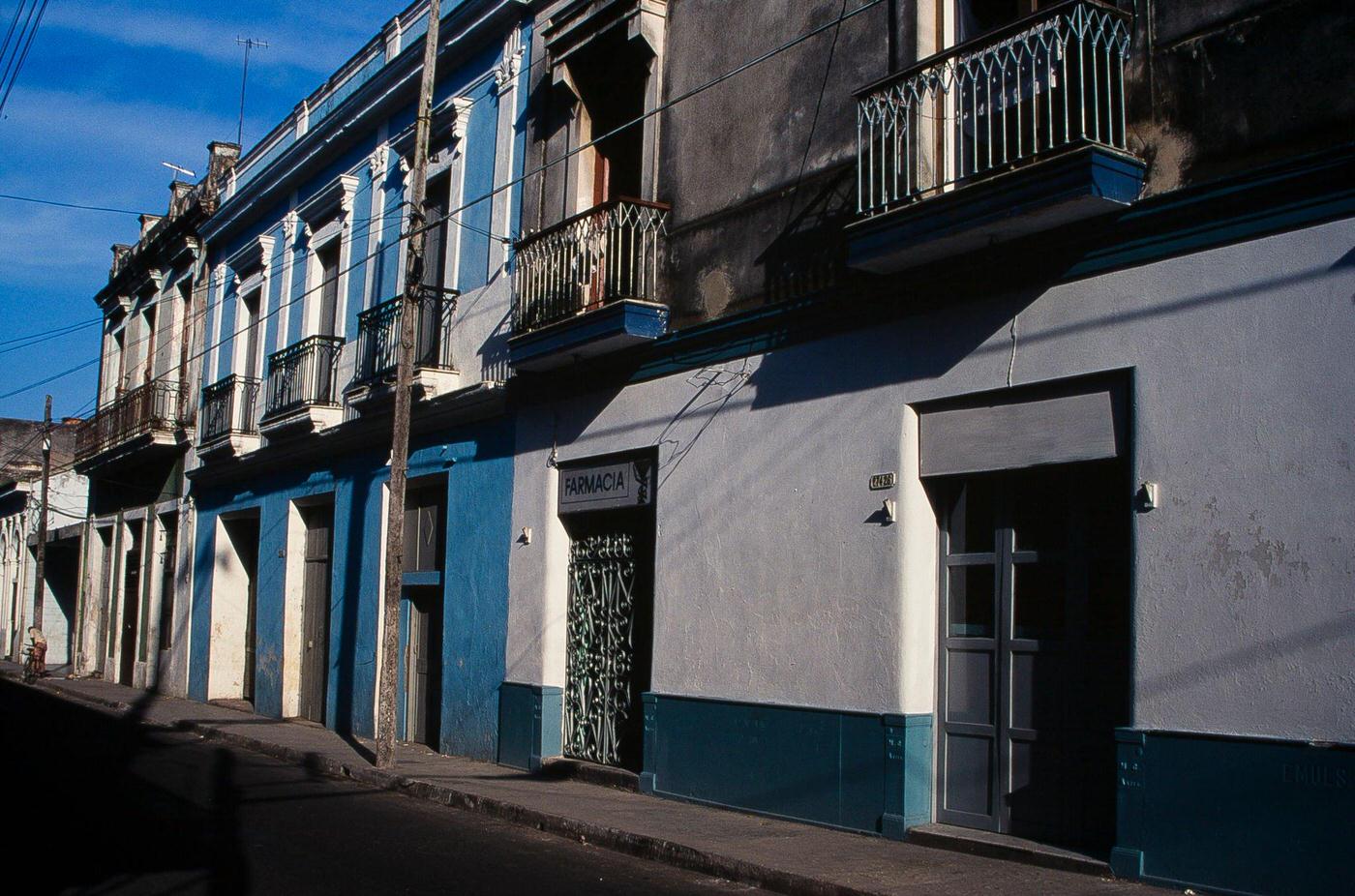
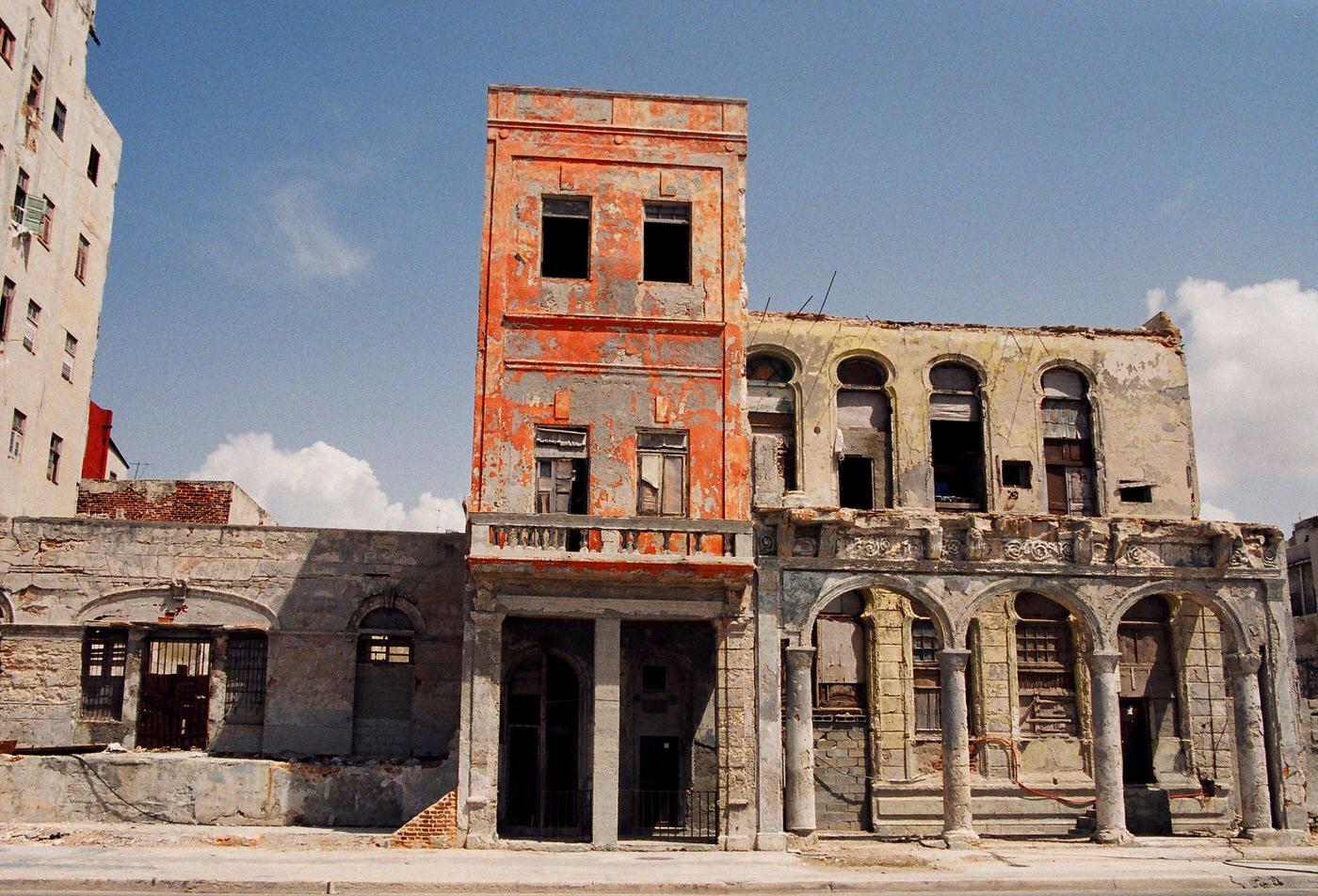
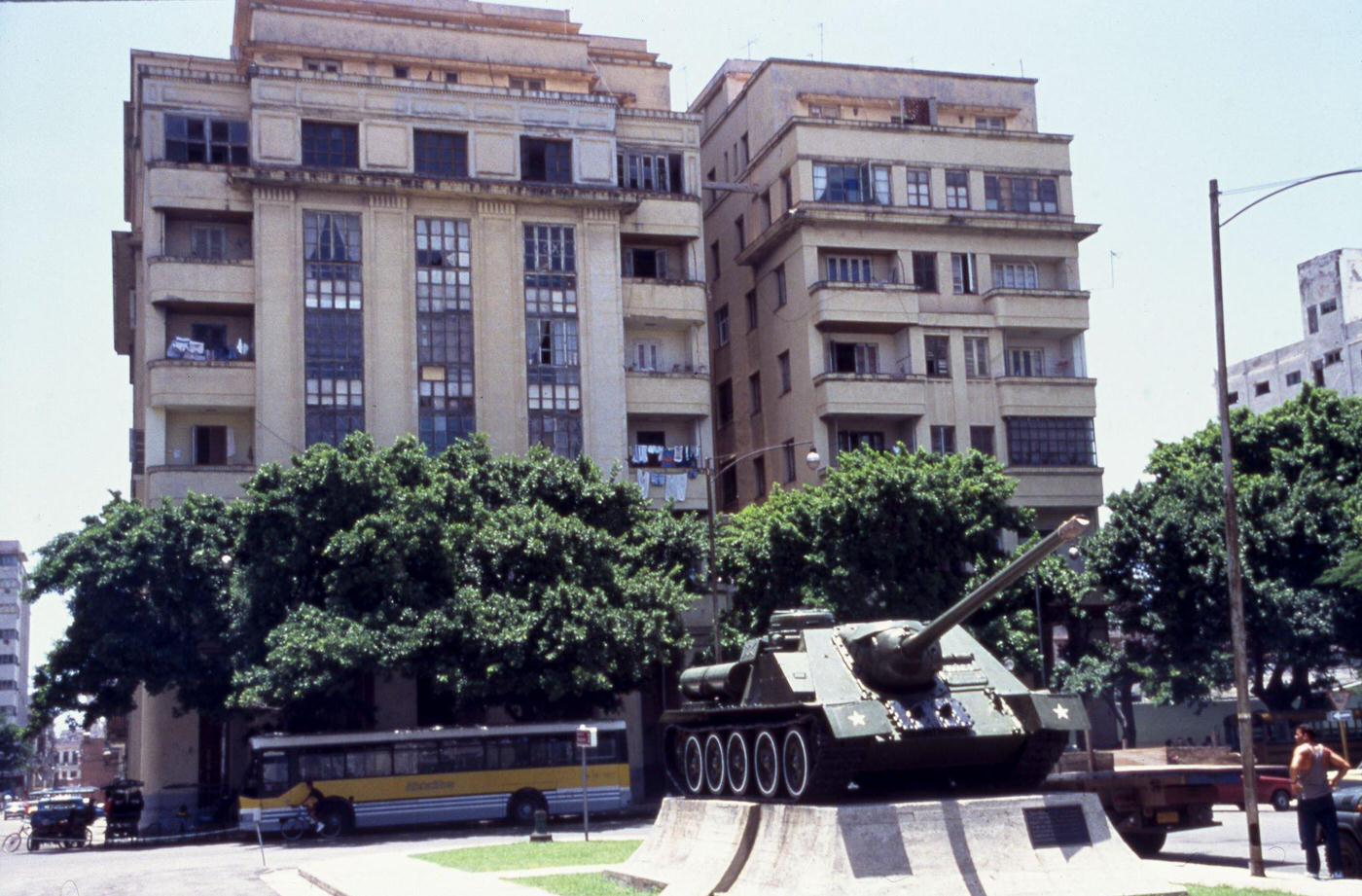
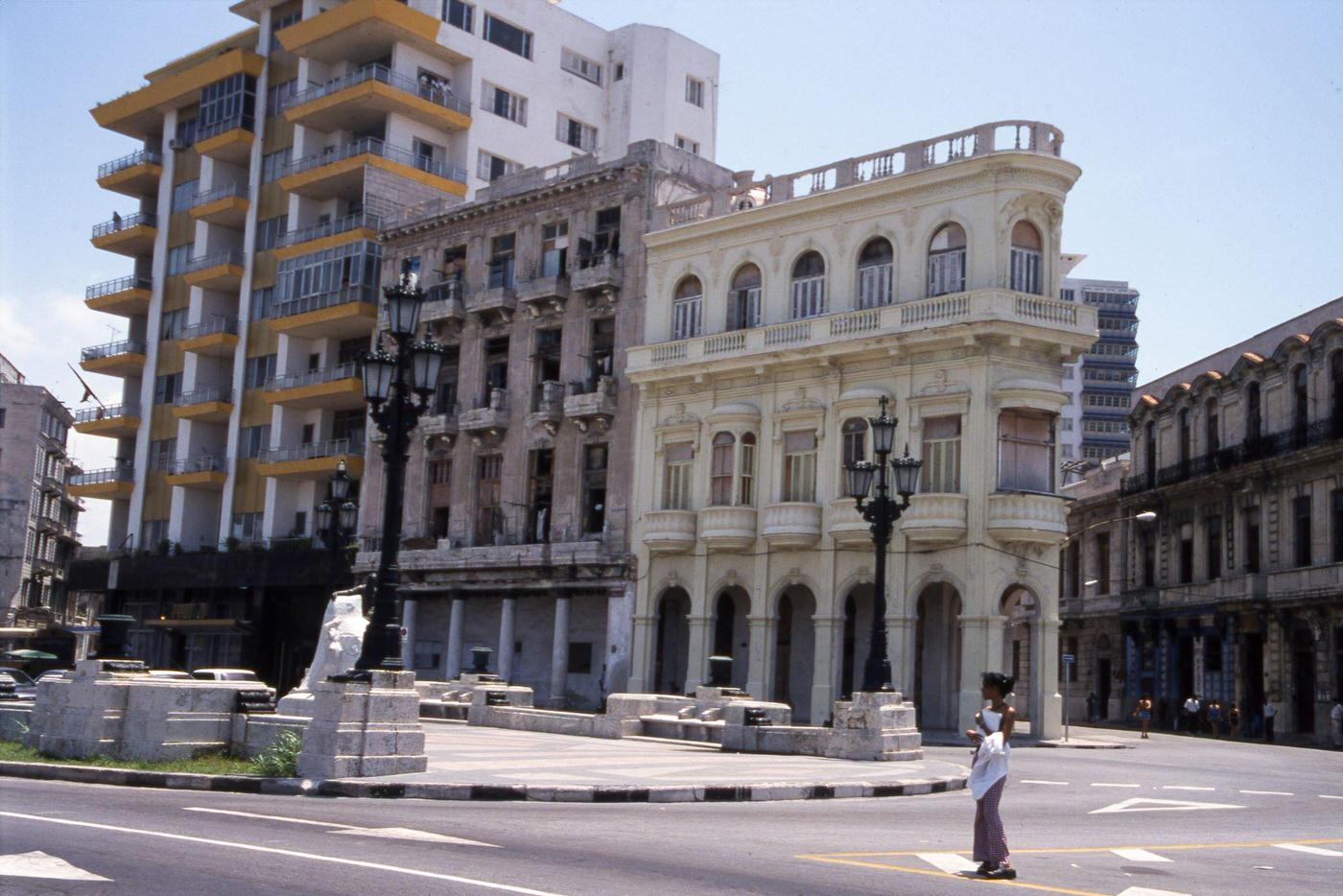
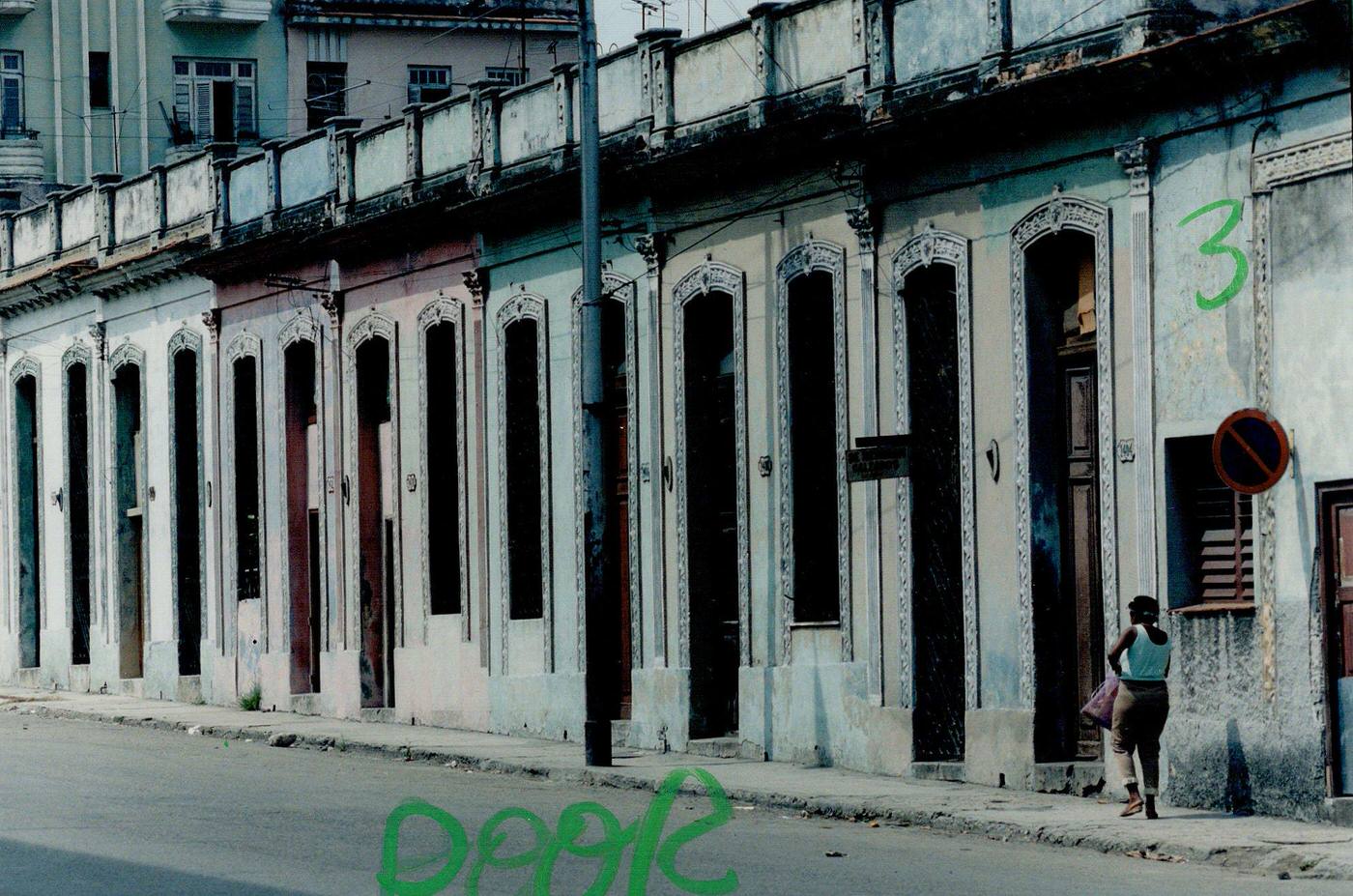
Havana’s urban fabric in 1999 showed the combined weight of four decades of limited reinvestment. Ornate pre-revolution buildings stood alongside crumbling facades and improvised repairs. Yet the city still functioned — people lived in these buildings, businesses occupied their ground floors, and Havana retained the architectural bones of a once-grand capital that had never quite been allowed to collapse entirely.
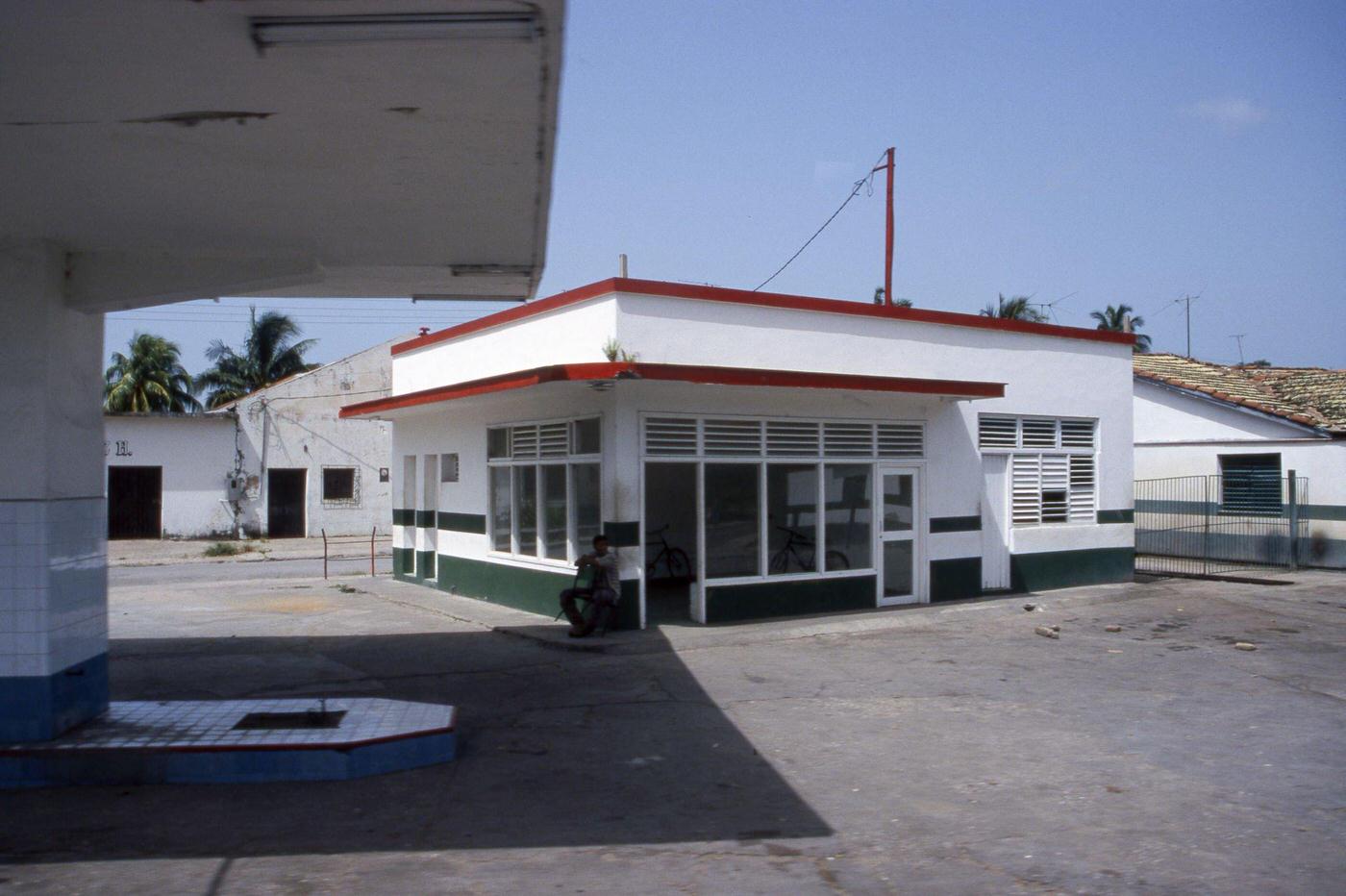
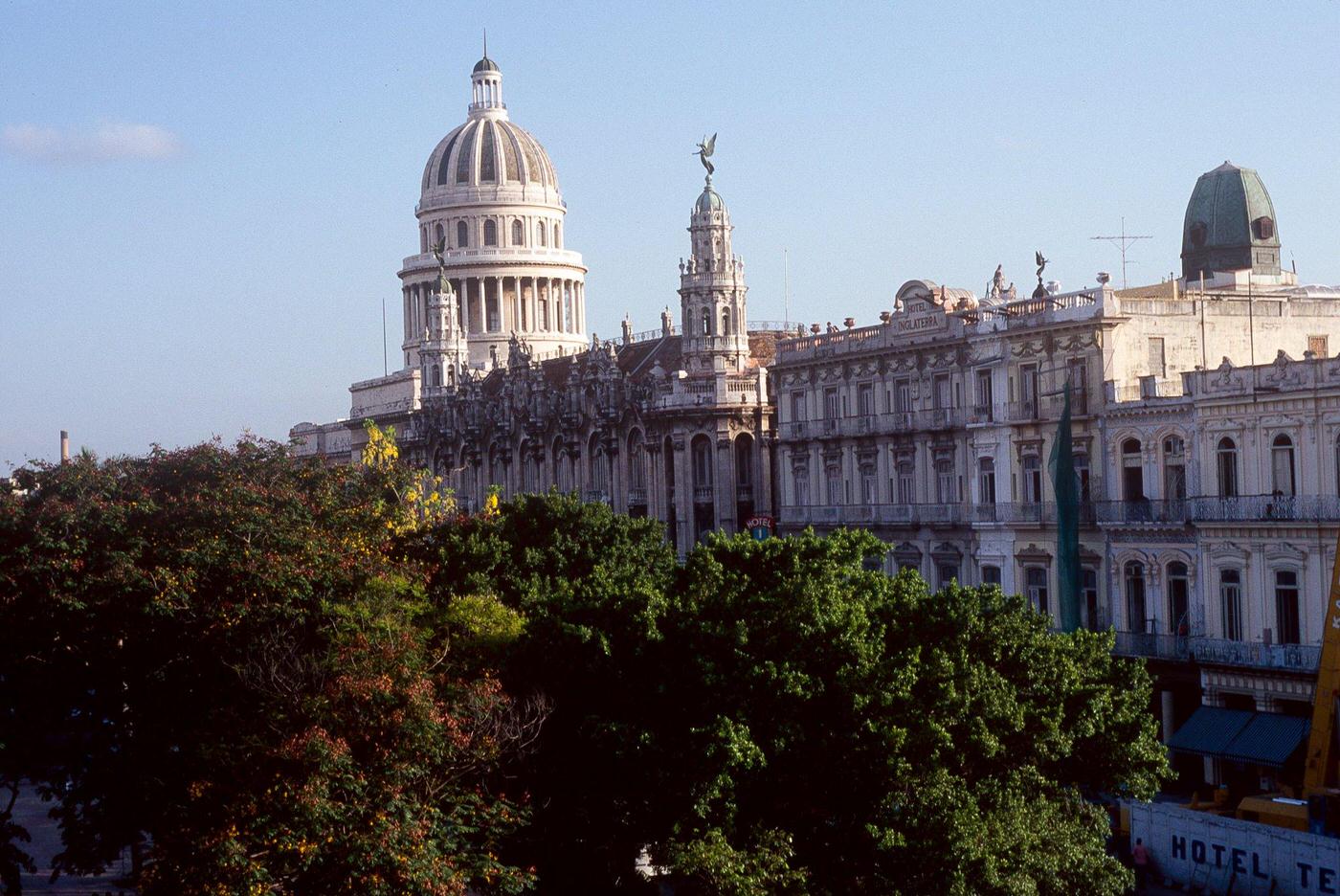
Abandoned gas stations in Matanzas captured the physical aftermath of the fuel crisis — infrastructure built for a supply that had essentially disappeared. In Havana, the Capitolio Nacional and the Hotel Inglaterra remained symbols of a pre-revolutionary era, now framed by vintage cars and bicycle traffic. The contrast between grand civic architecture and the stripped-down reality of daily life defined the visual identity of 1990s Cuba.
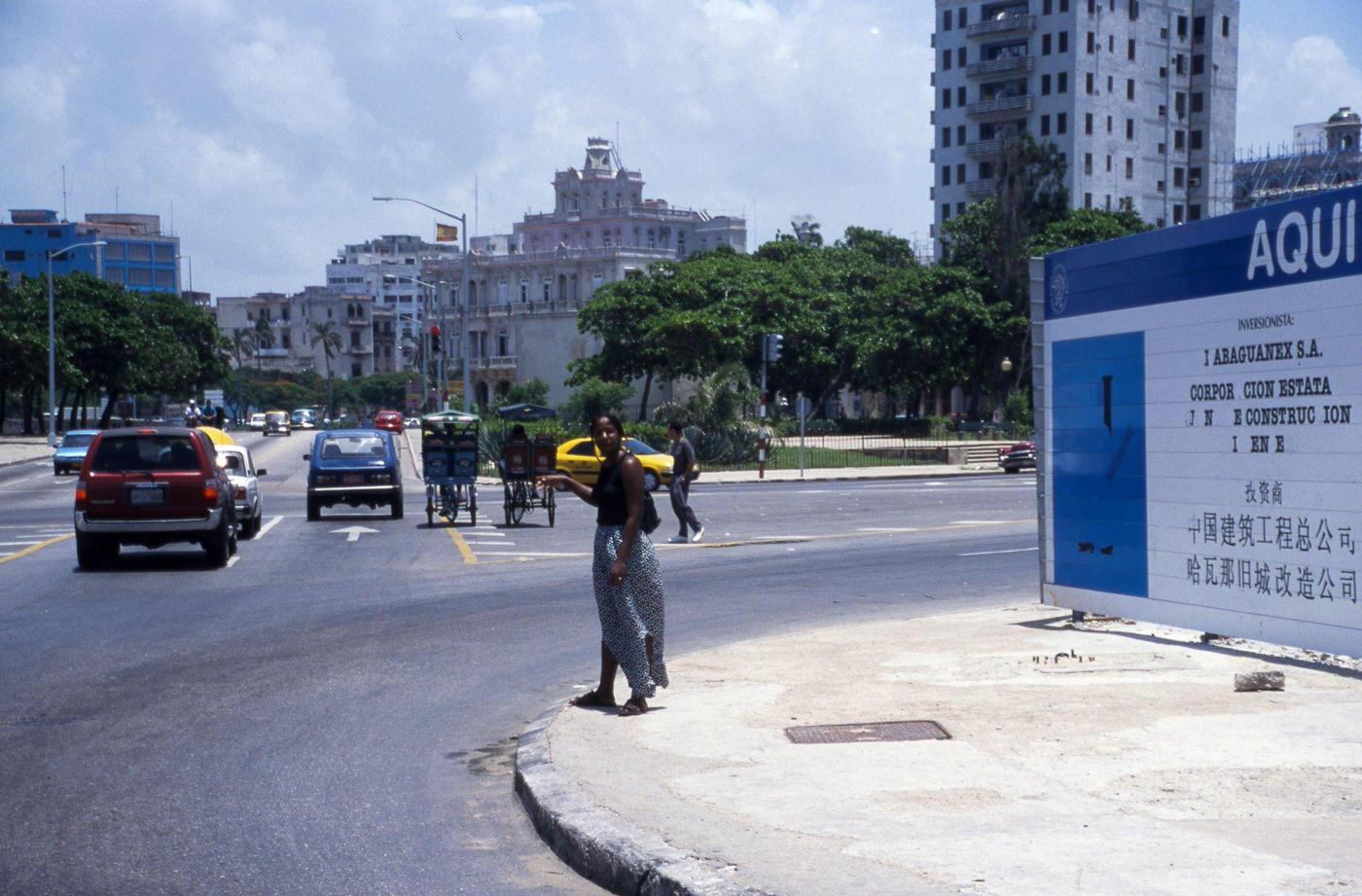
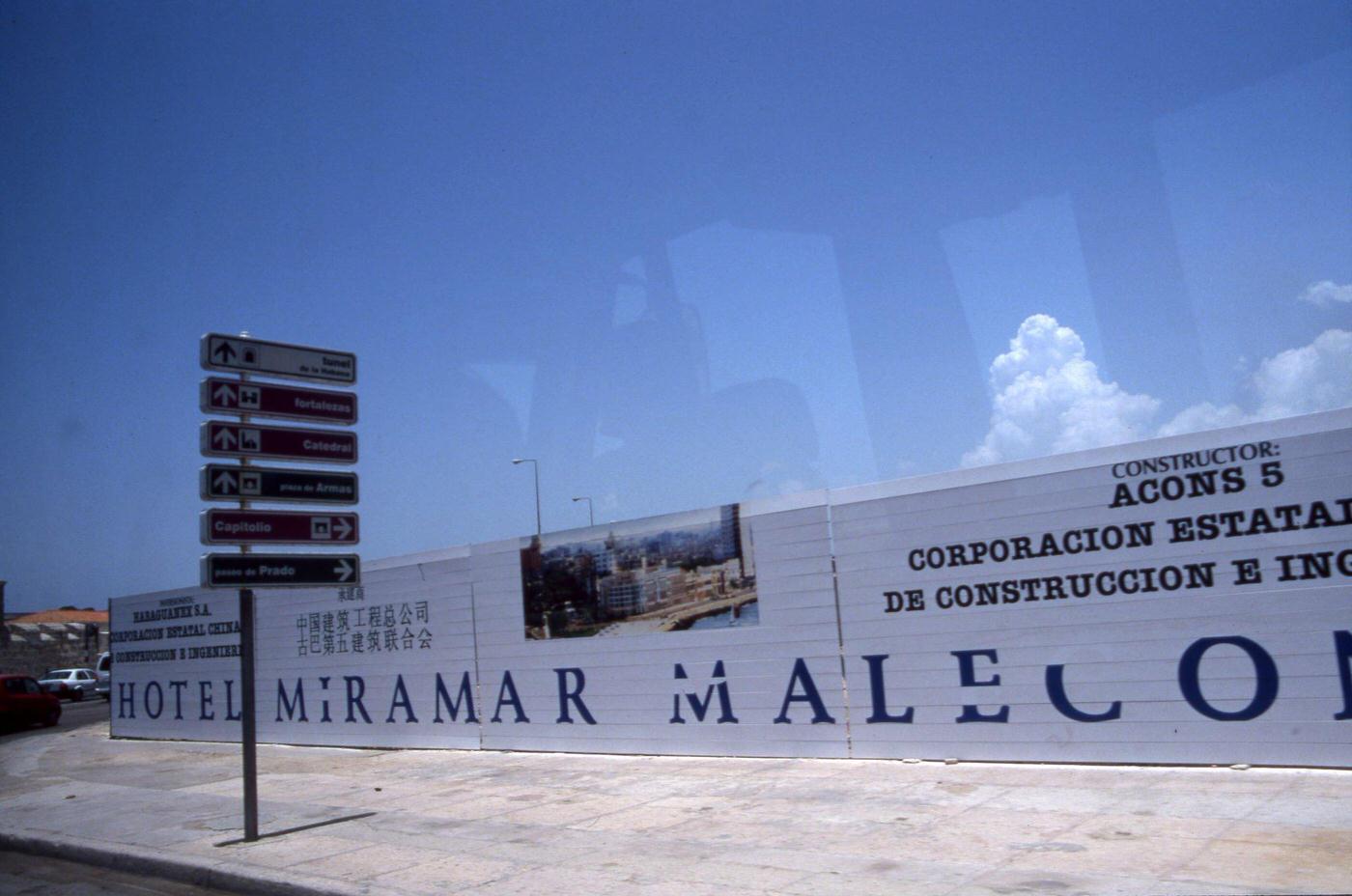
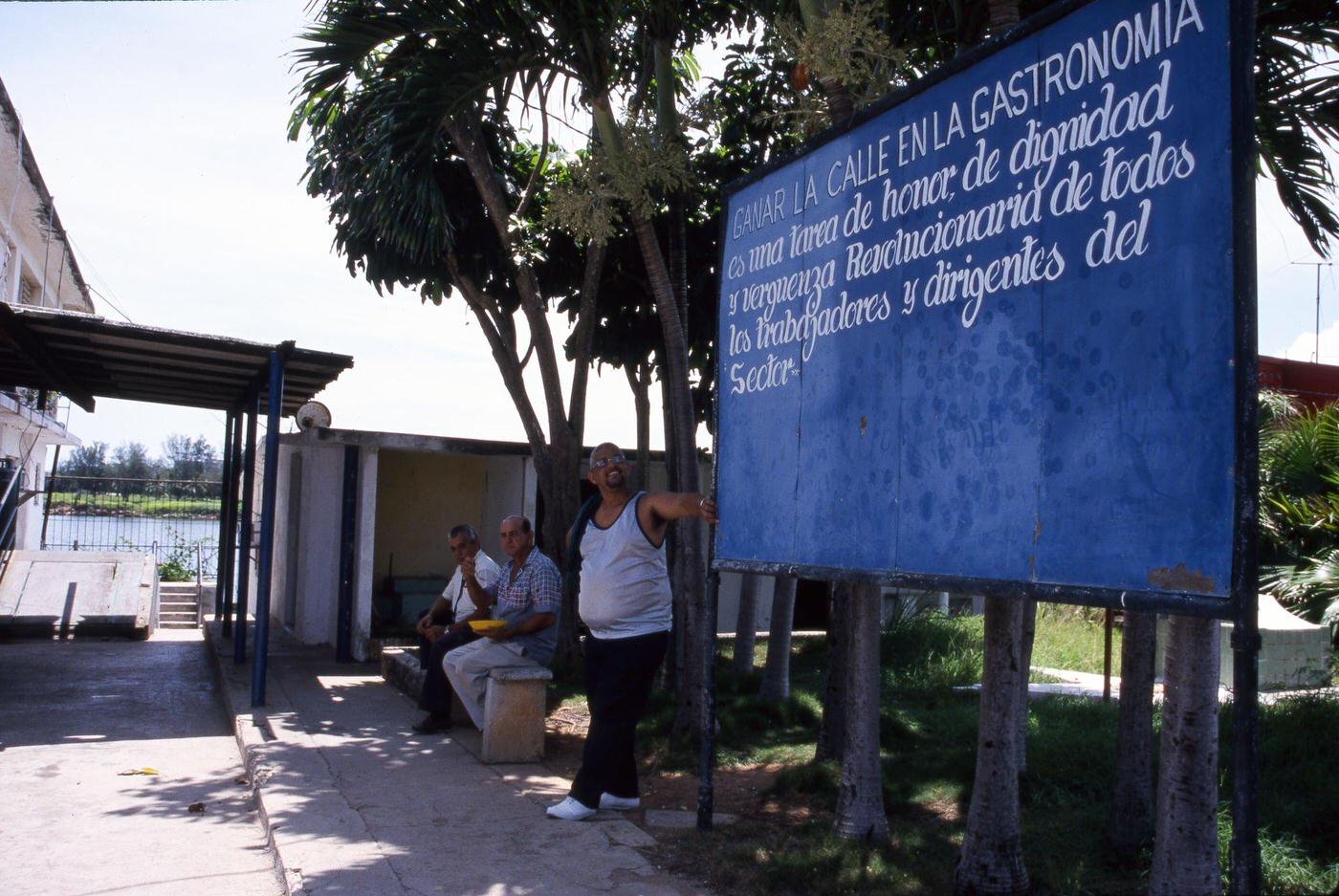
In 1999, tourism construction was accelerating again. Billboards in Havana announced new hotels going up to accommodate growing visitor numbers. Workers waited for buses beneath government posters promoting the dignity of labor — a long-standing tradition of Cuban public messaging. The juxtaposition captured something essential about 1990s Cuba: state ideology presented in public spaces while ordinary citizens waited, as they always had, for whatever came next.
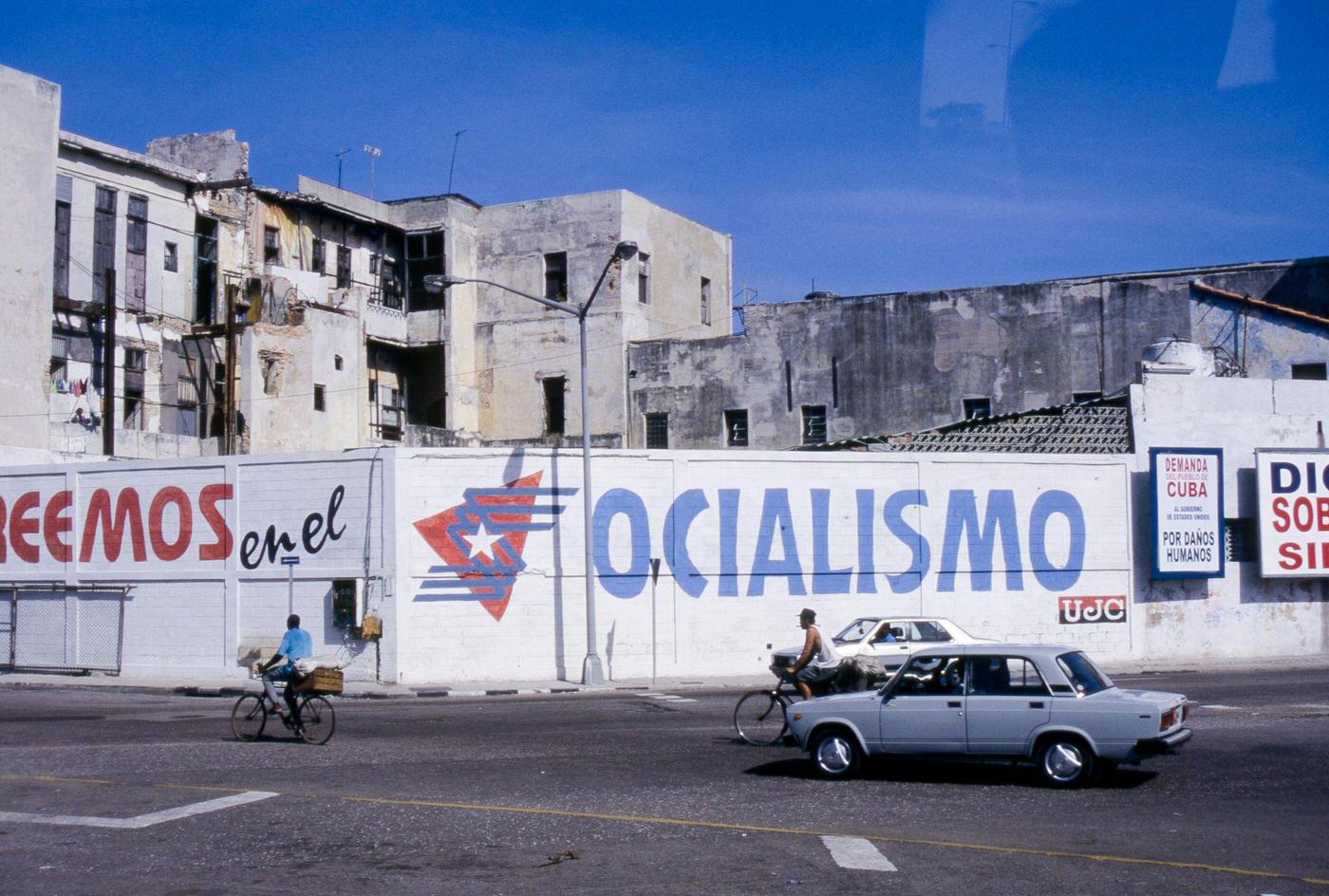
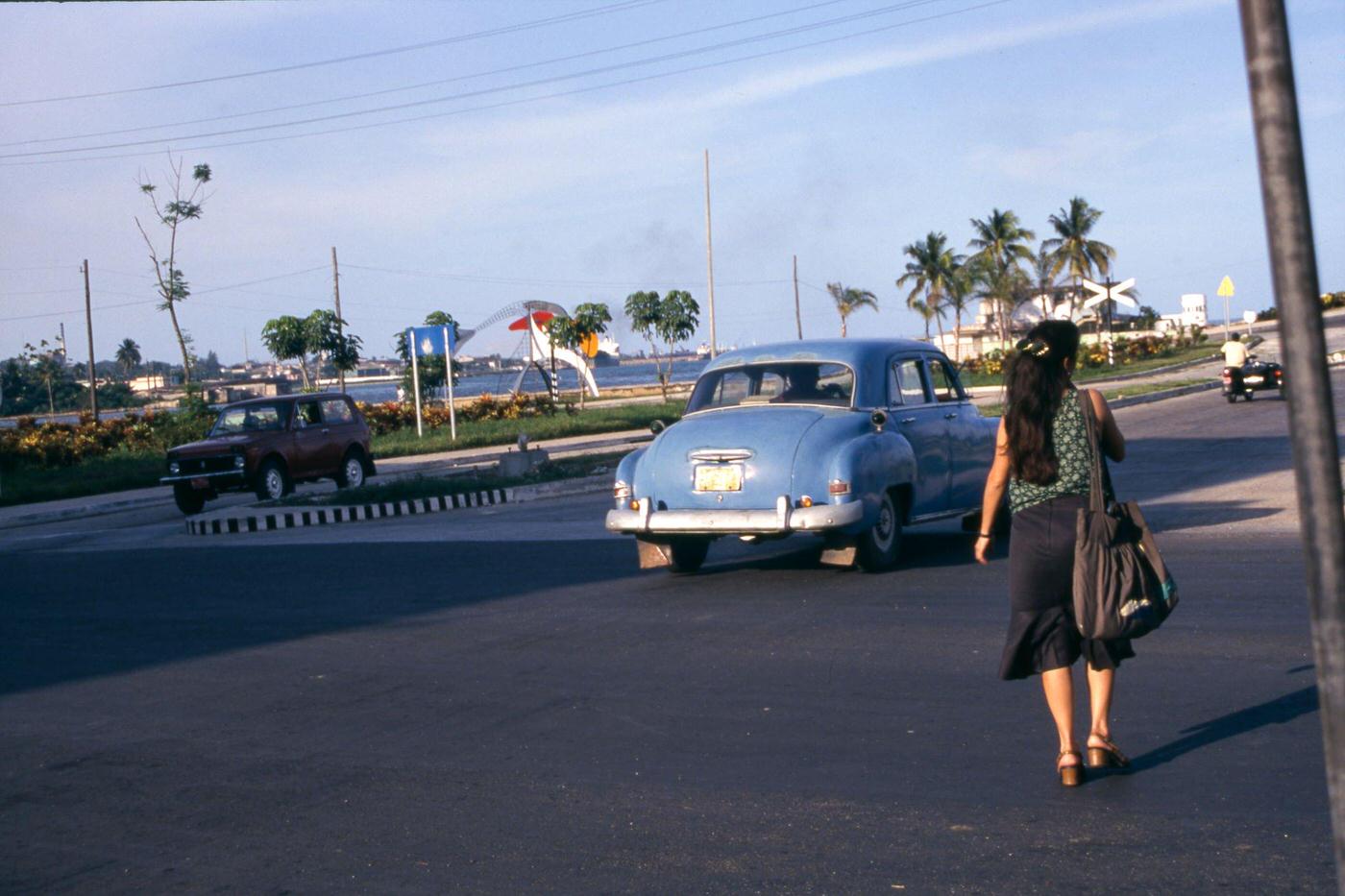
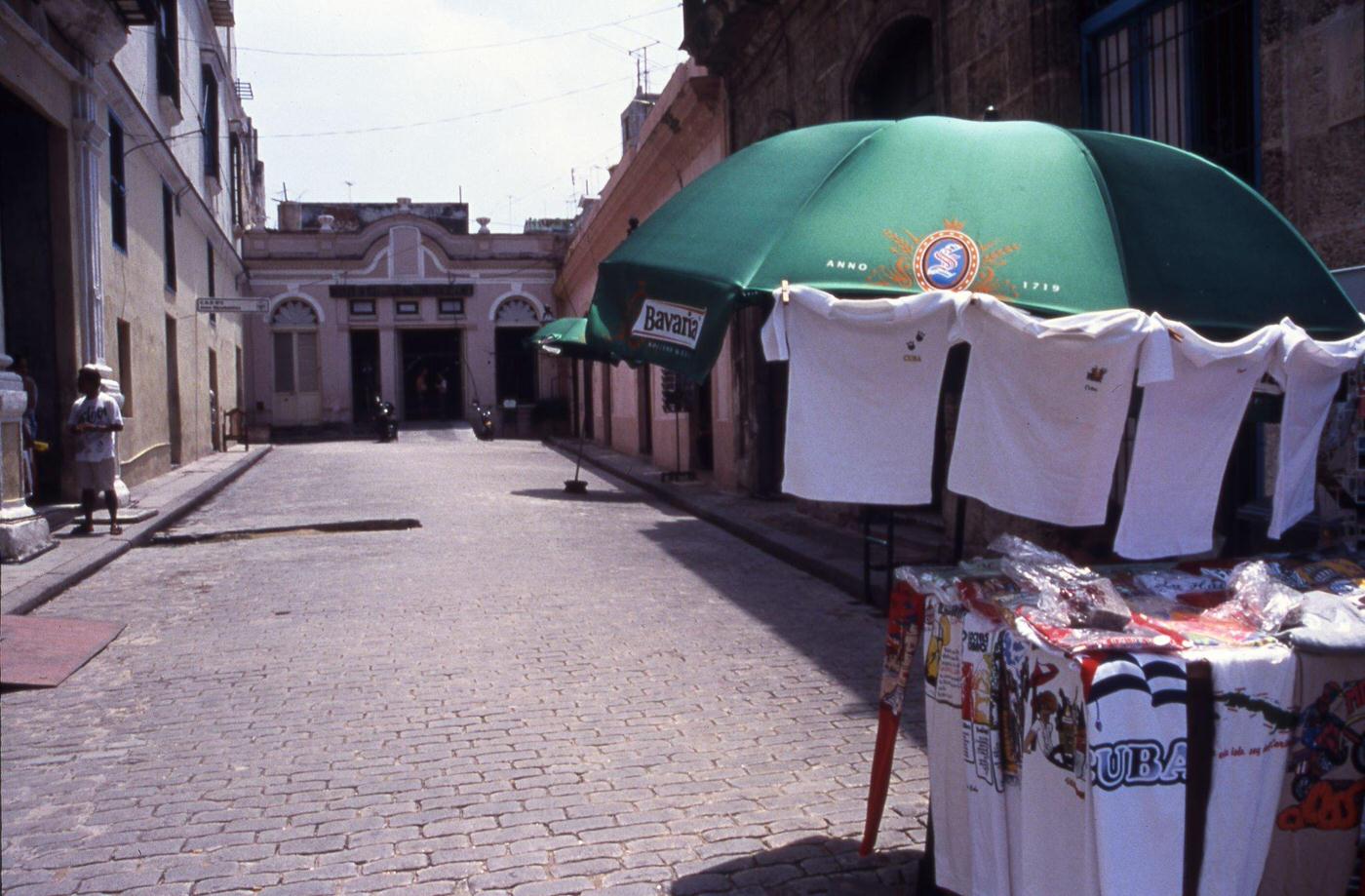
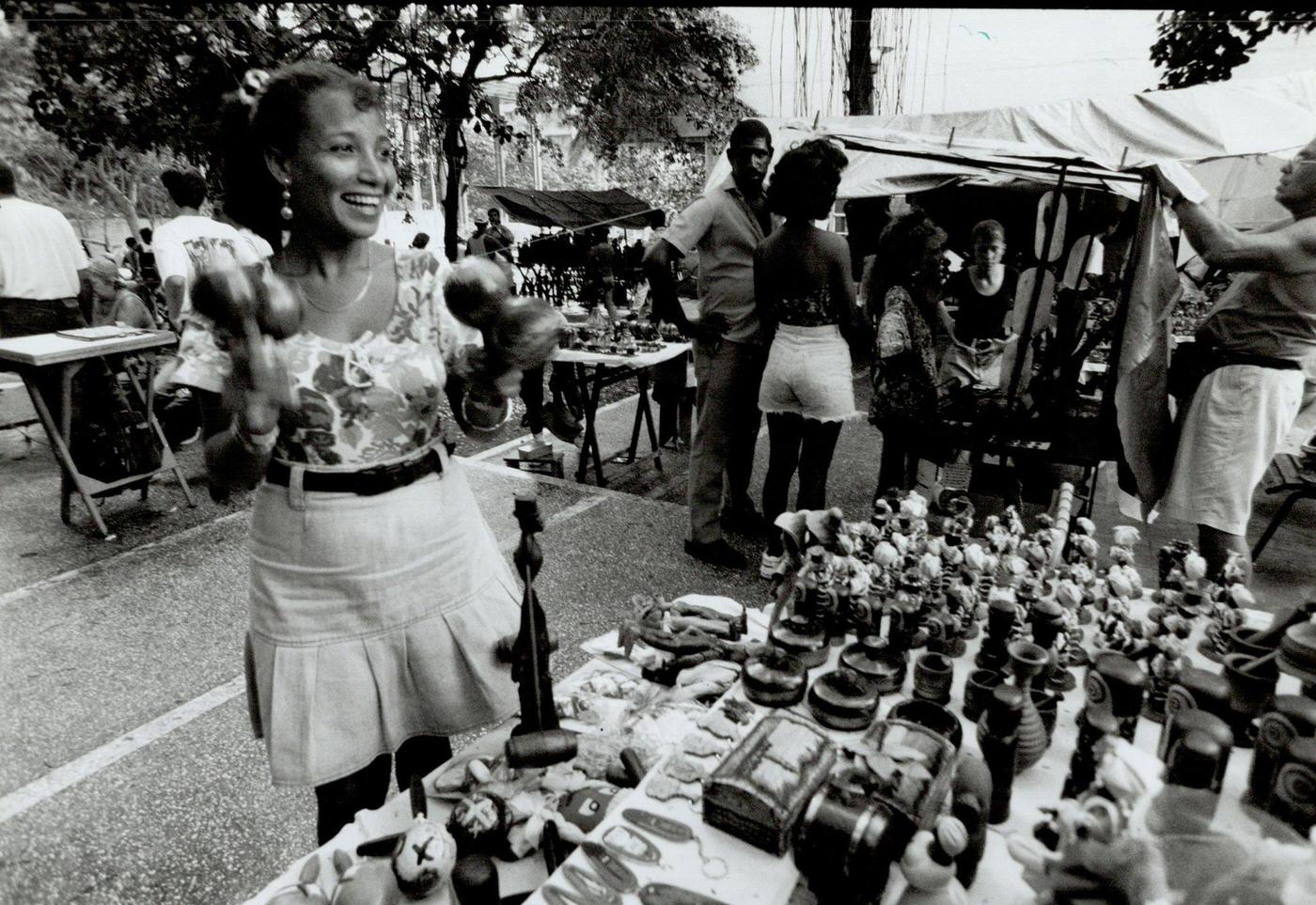
Street markets selling T-shirts, crafts, and tourist goods expanded through the late 1990s as the Cuban government permitted small-scale private commerce. These paladares and market stalls represented a partial opening of the economy — carefully controlled but real. Alongside them, Havana’s vintage cars and revolutionary murals continued to serve as backdrops, familiar landmarks in a city that had spent the decade finding ways to keep itself going.
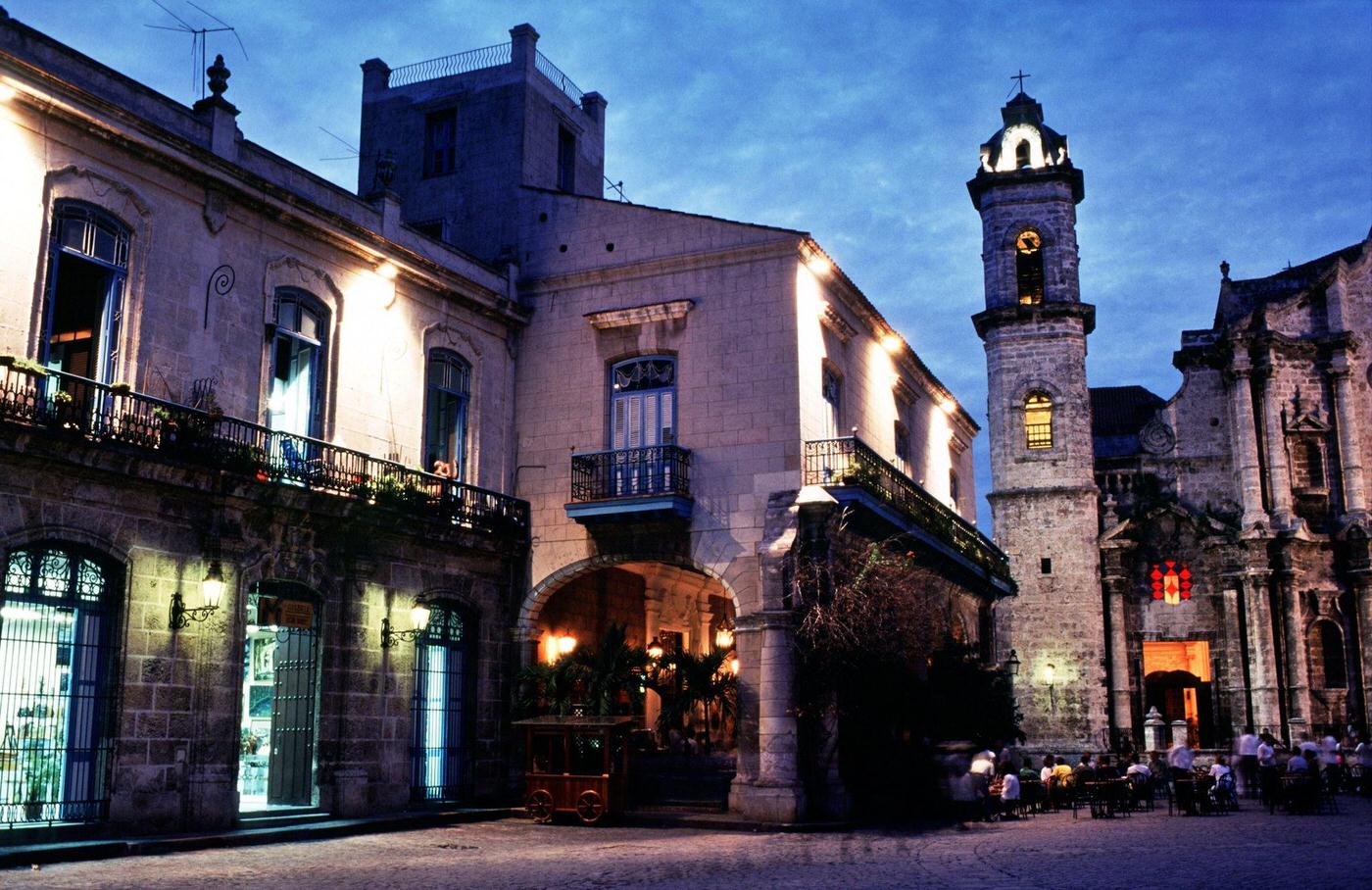
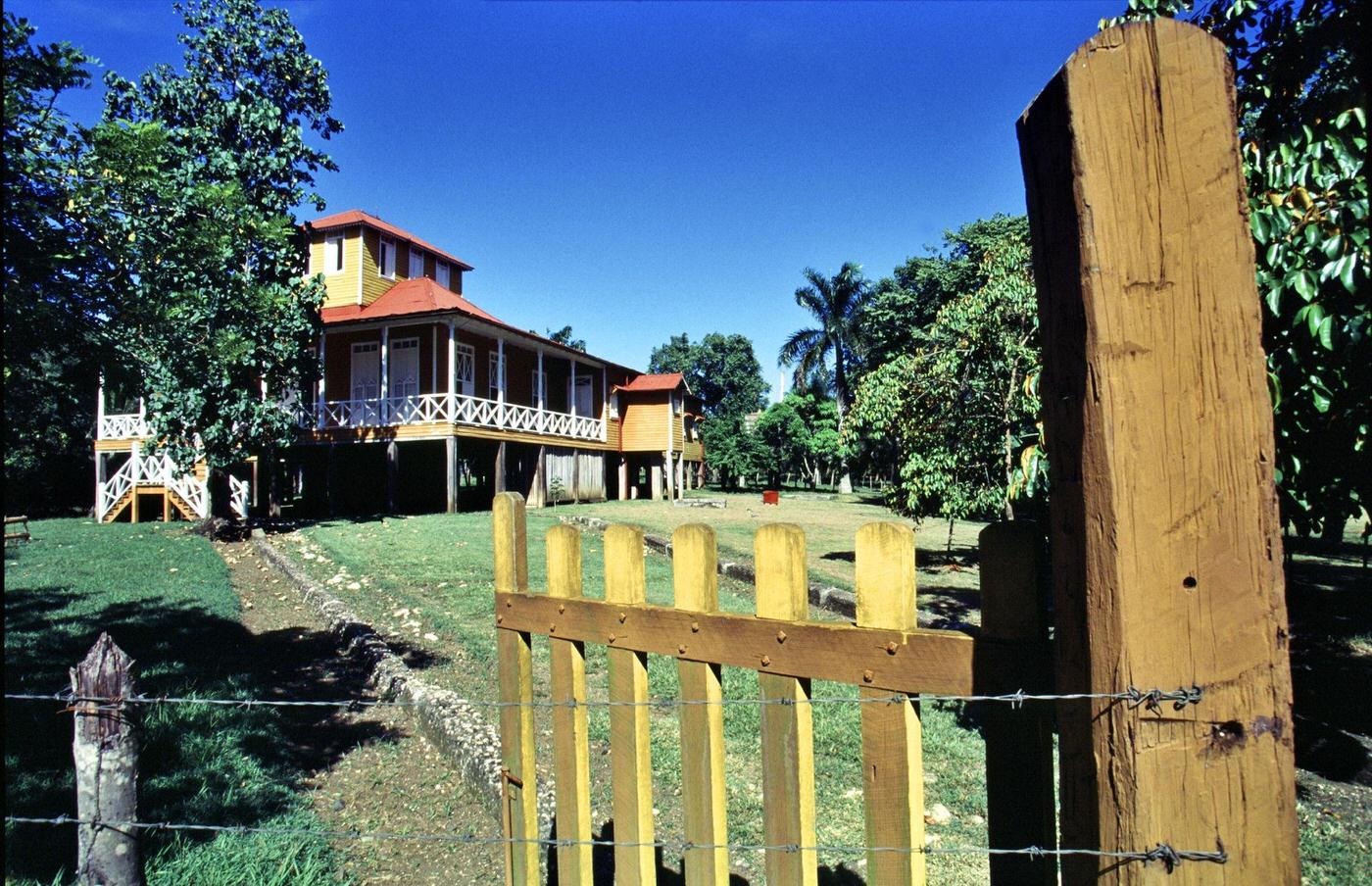
Plaza de la Catedral in Old Havana became a popular spot for outdoor dining as tourism grew in the second half of the 1990s. Restaurants with open-air seating drew visitors into the heart of the colonial city, generating dollar income that the government funneled back into the tourism sector. In the remote eastern town of Birán, Fidel Castro’s family home still stood — a wooden structure on the estate where he was born in 1926, preserved as a historical site and a testament to where one of the 20th century’s most consequential political figures began his life.

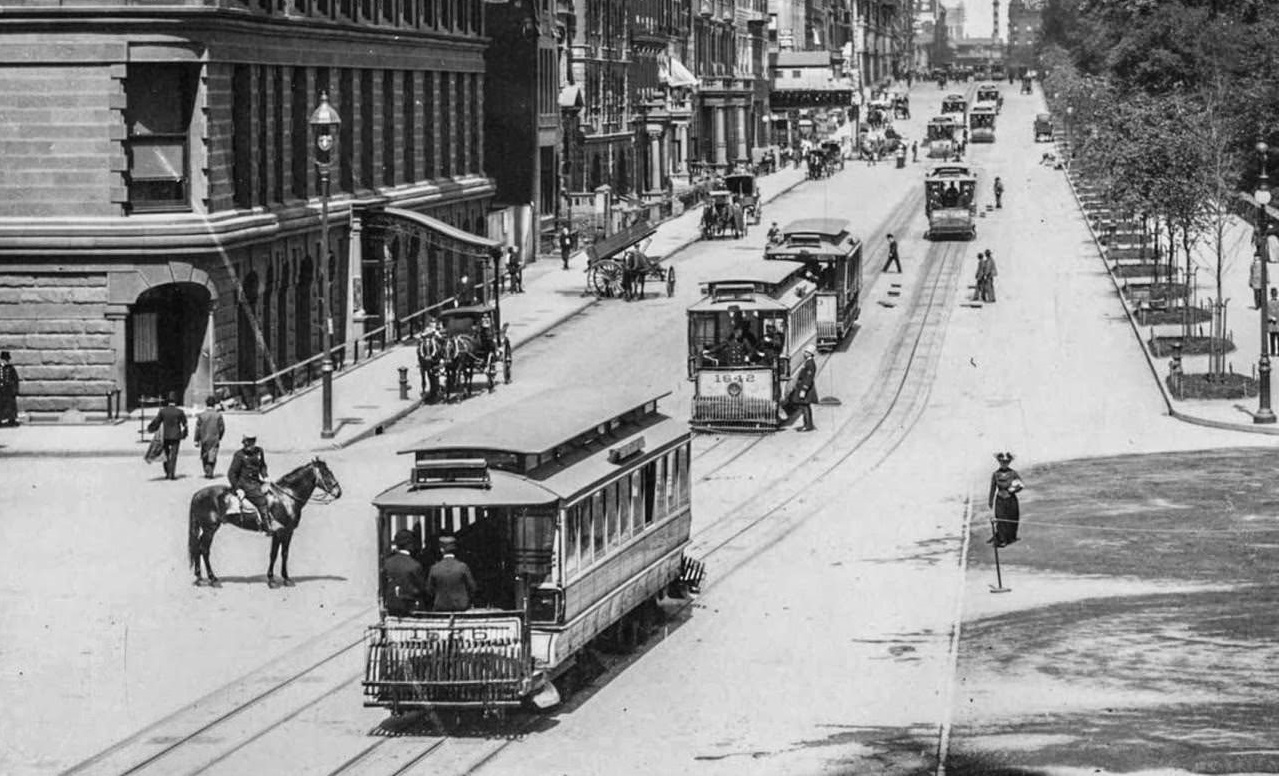


It’s come a long way since…. Oh
So fascinating to see, specially after you’ve just visited the country. Nothing much has changed really since the 1990s
Really fascinating pictures, didn’t expect so many of them!
These pictures could have been taken today with a really cheap camera. No different.
Nice pics. Looks like last month when I was there.
But less time had passed since the Revolution so nature hadn’t done as much damage
Still 30 years of destruction. It laid the foundation for even more destruction.