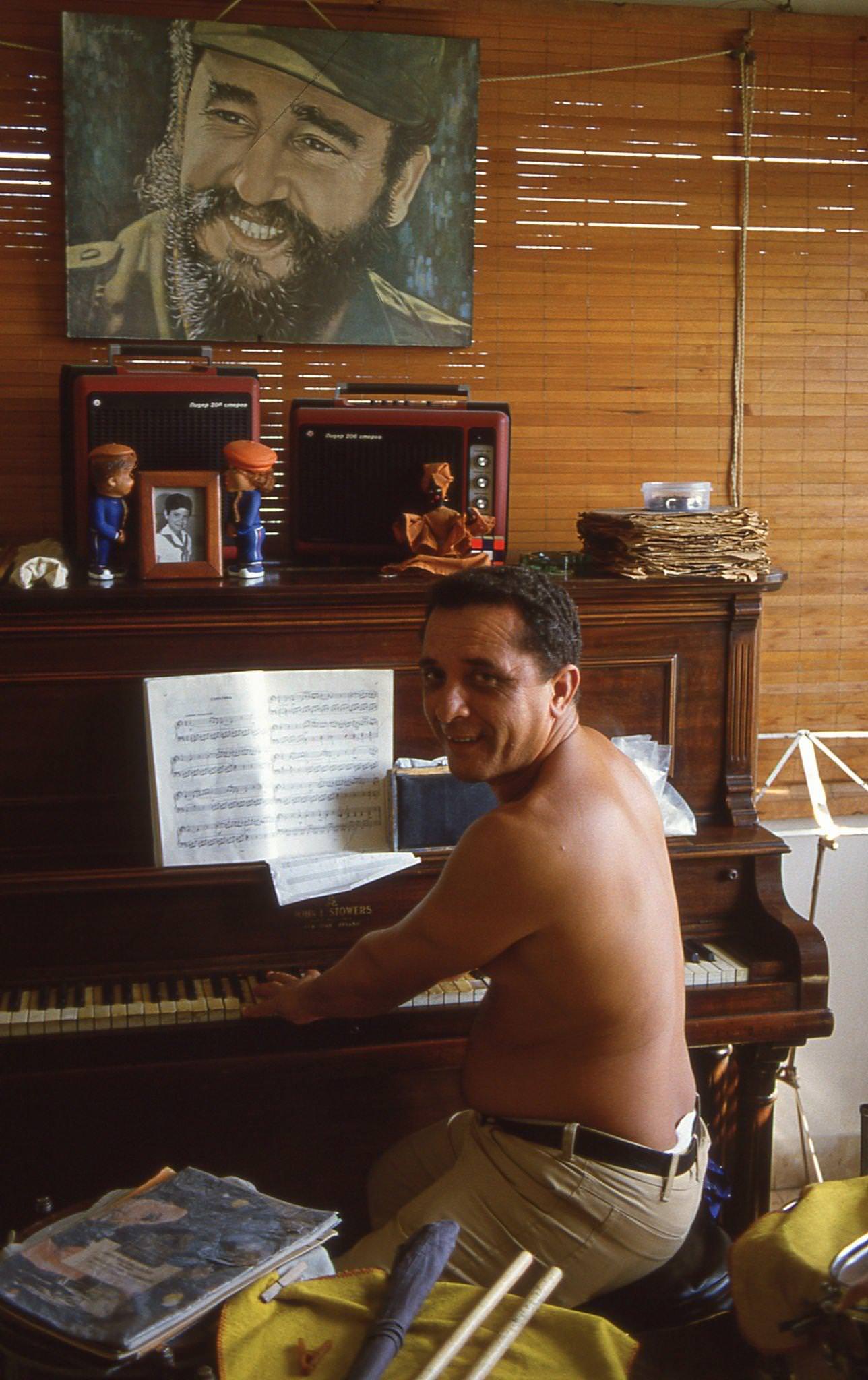
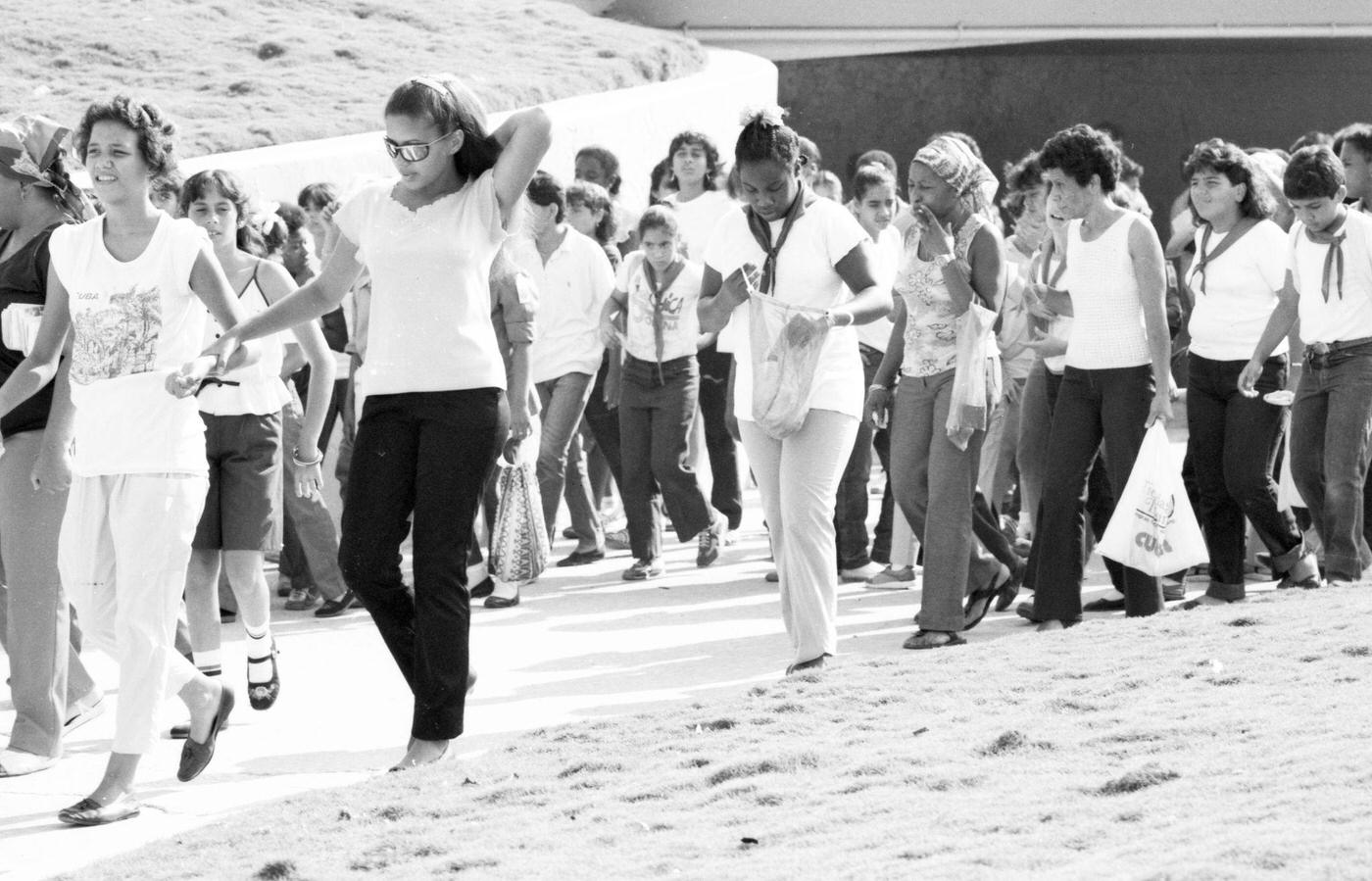
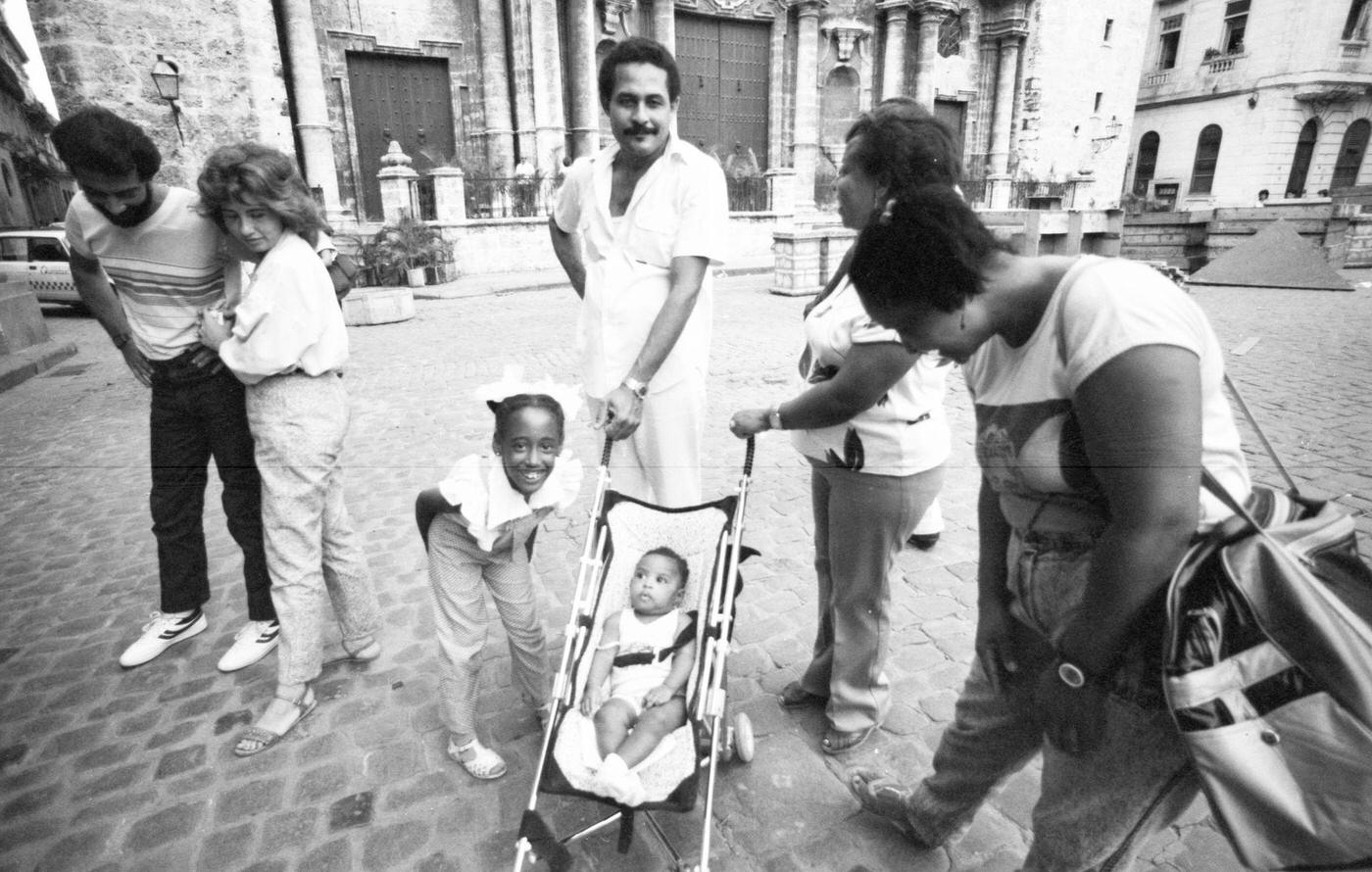
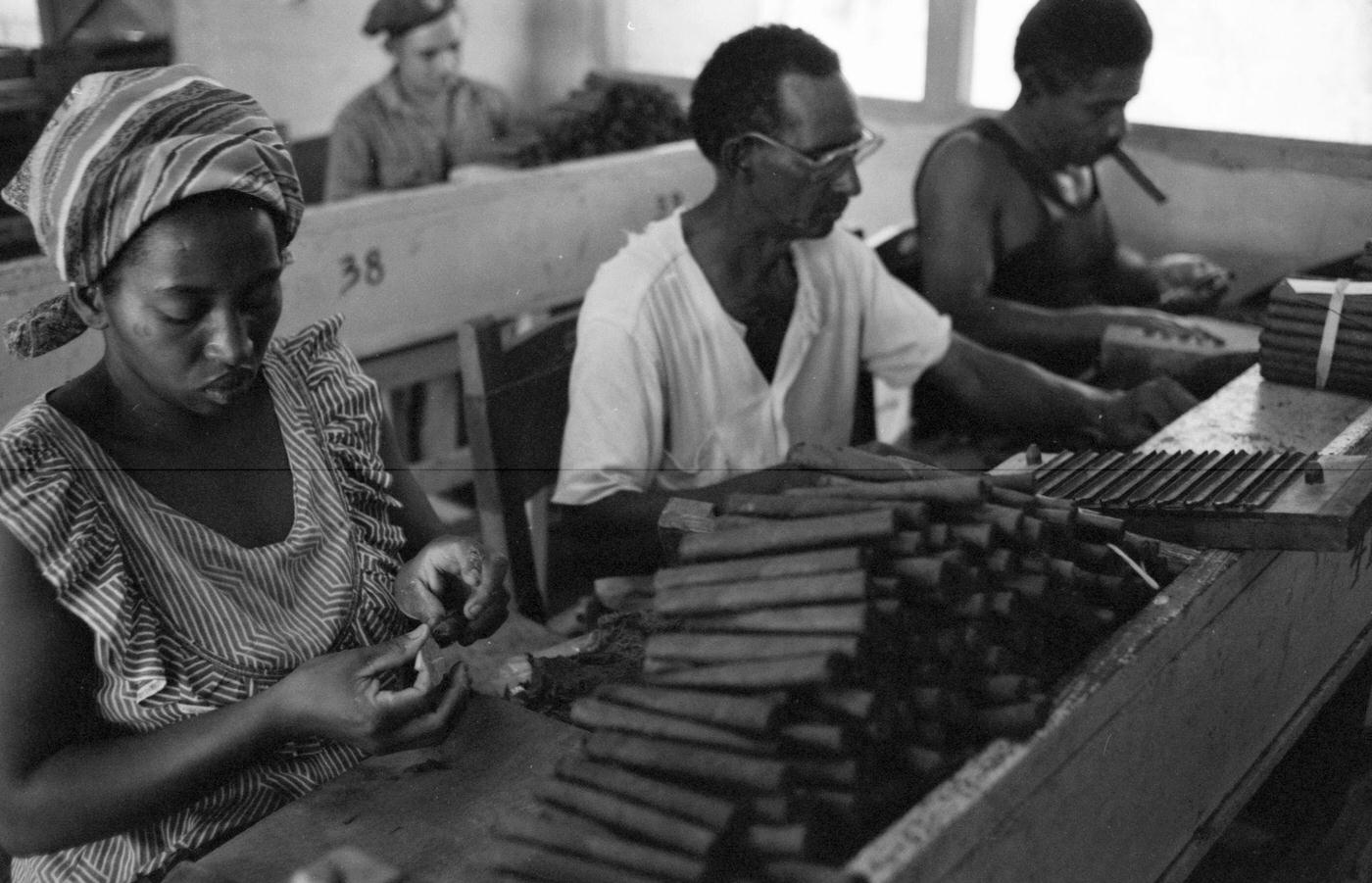
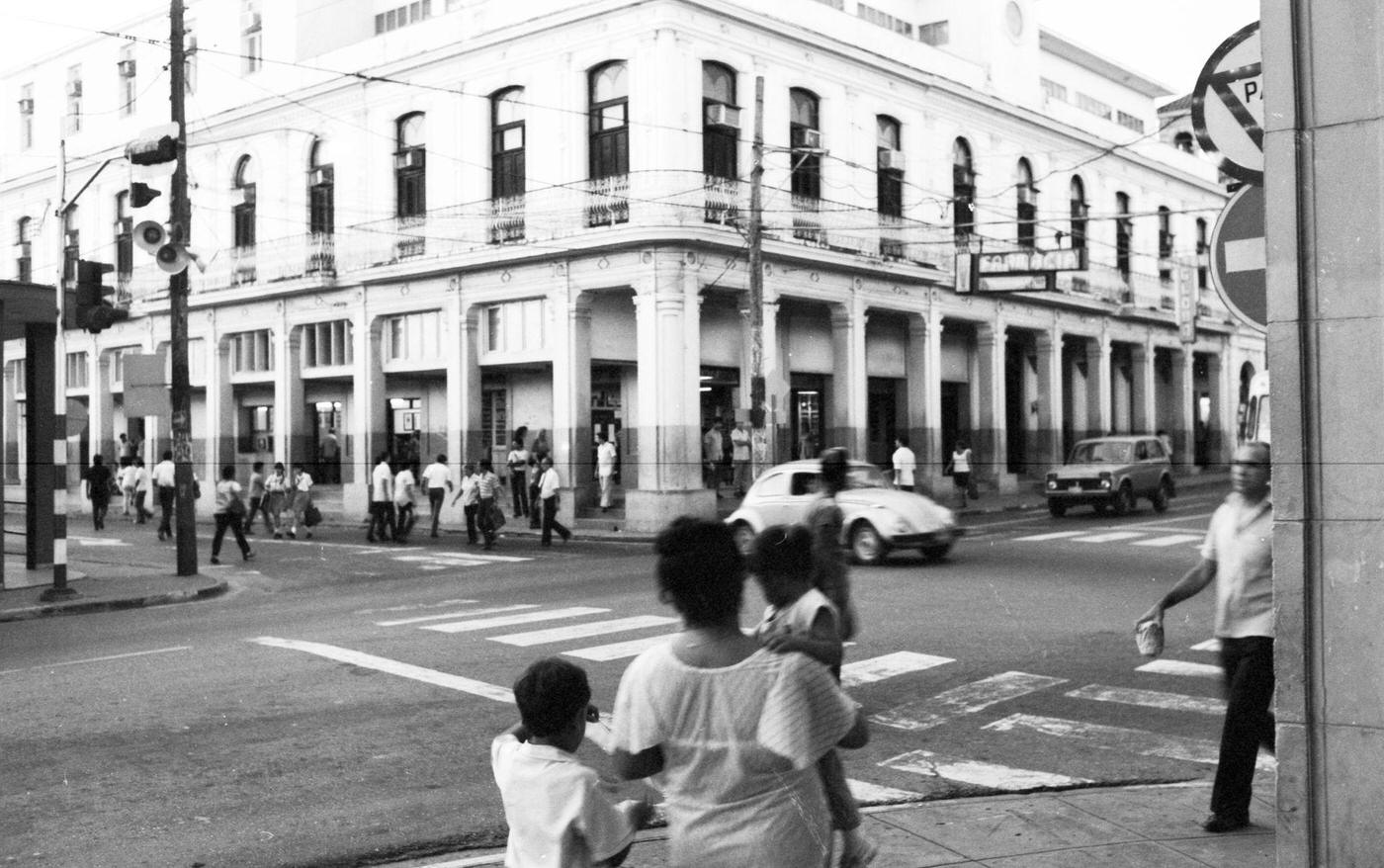
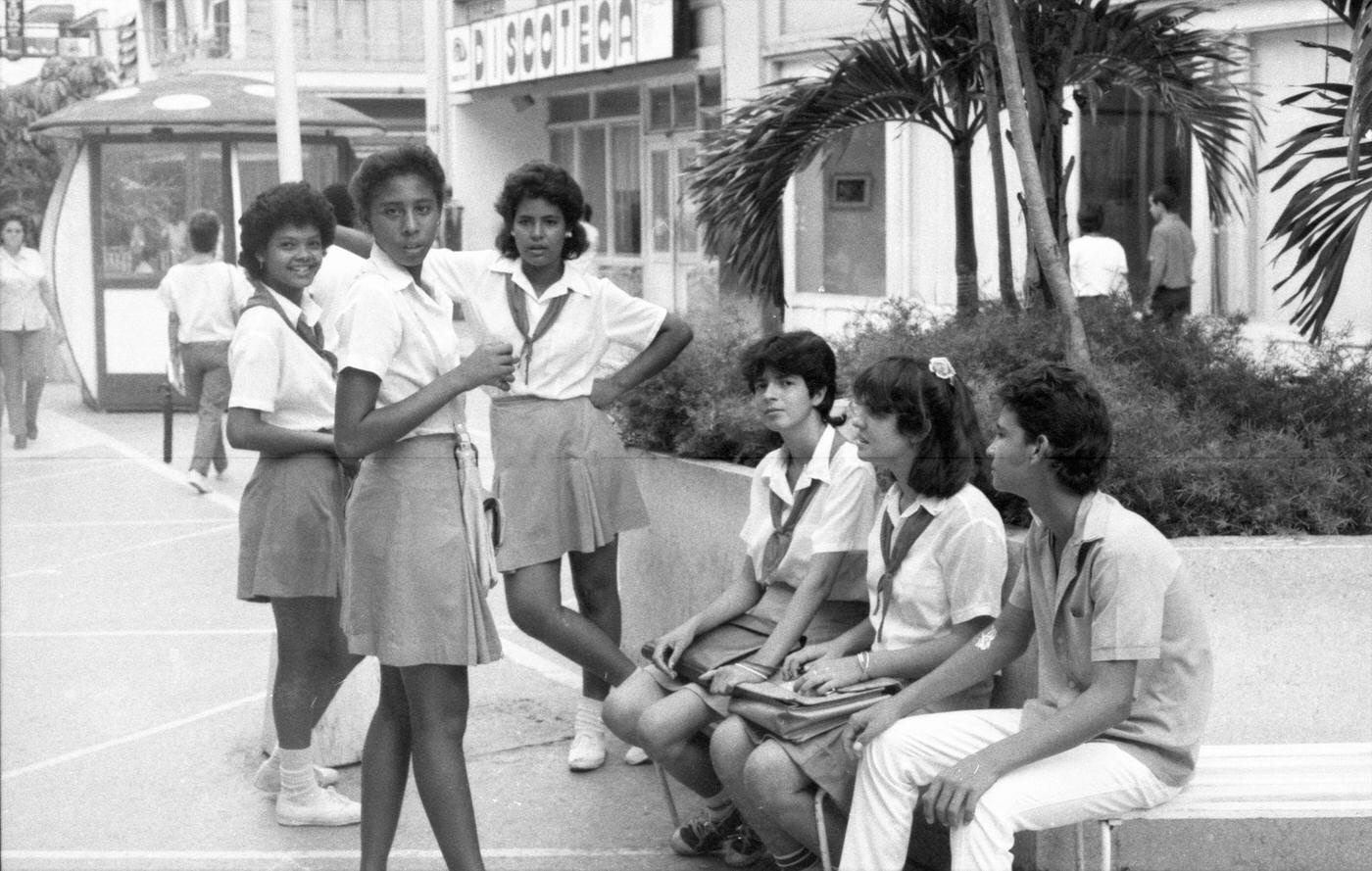
Cuba in the 1980s was a country living between two realities. The socialist government, led by Fidel Castro, maintained robust social programs in education, healthcare, and housing — all backed by steady economic support from the Soviet Union. Literacy rates were among the highest in the hemisphere. Cuban doctors earned a global reputation for their training and skill. For millions of ordinary Cubans, the state delivered a real safety net. But underneath that stability, economic pressure was building.
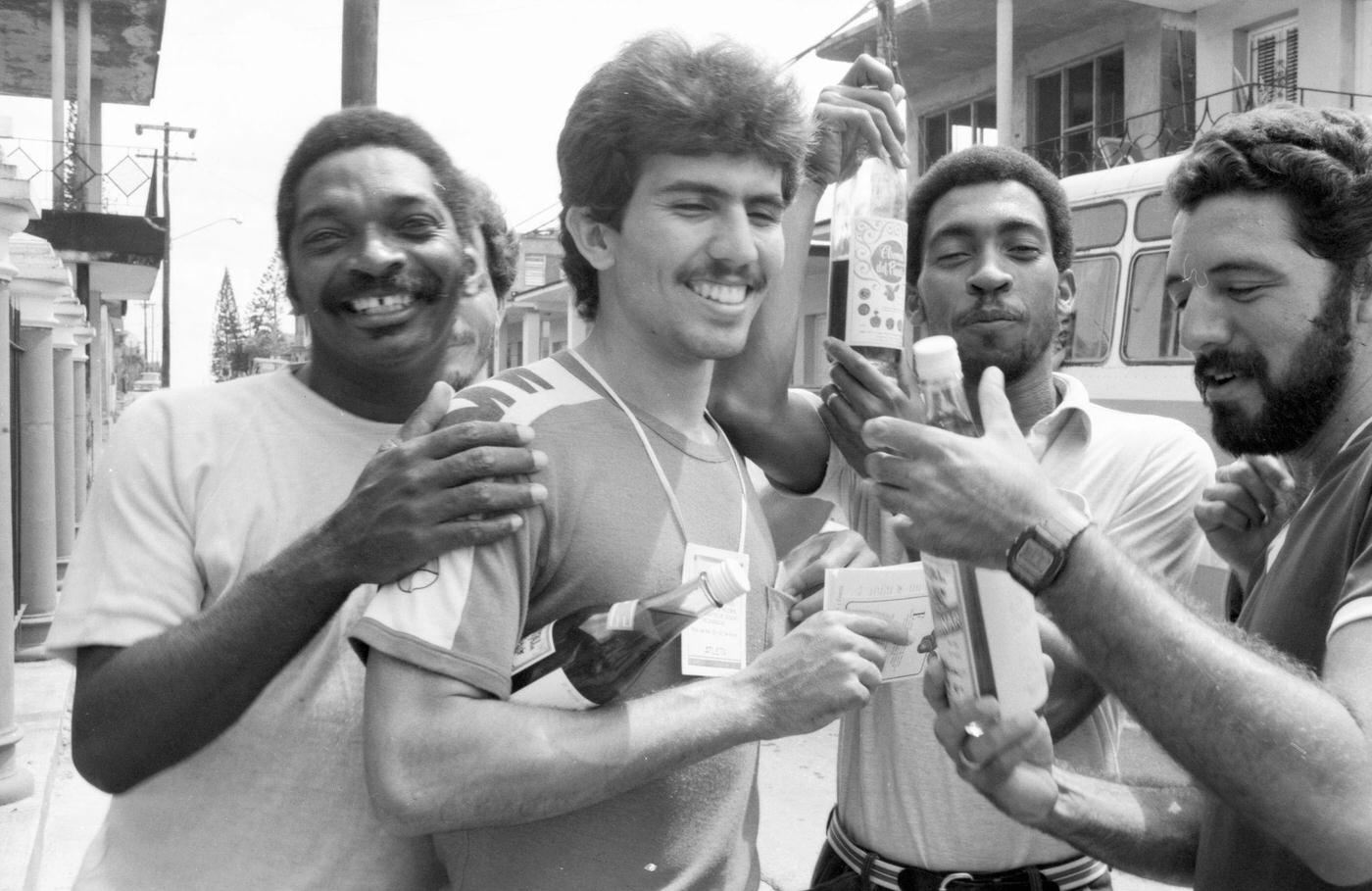
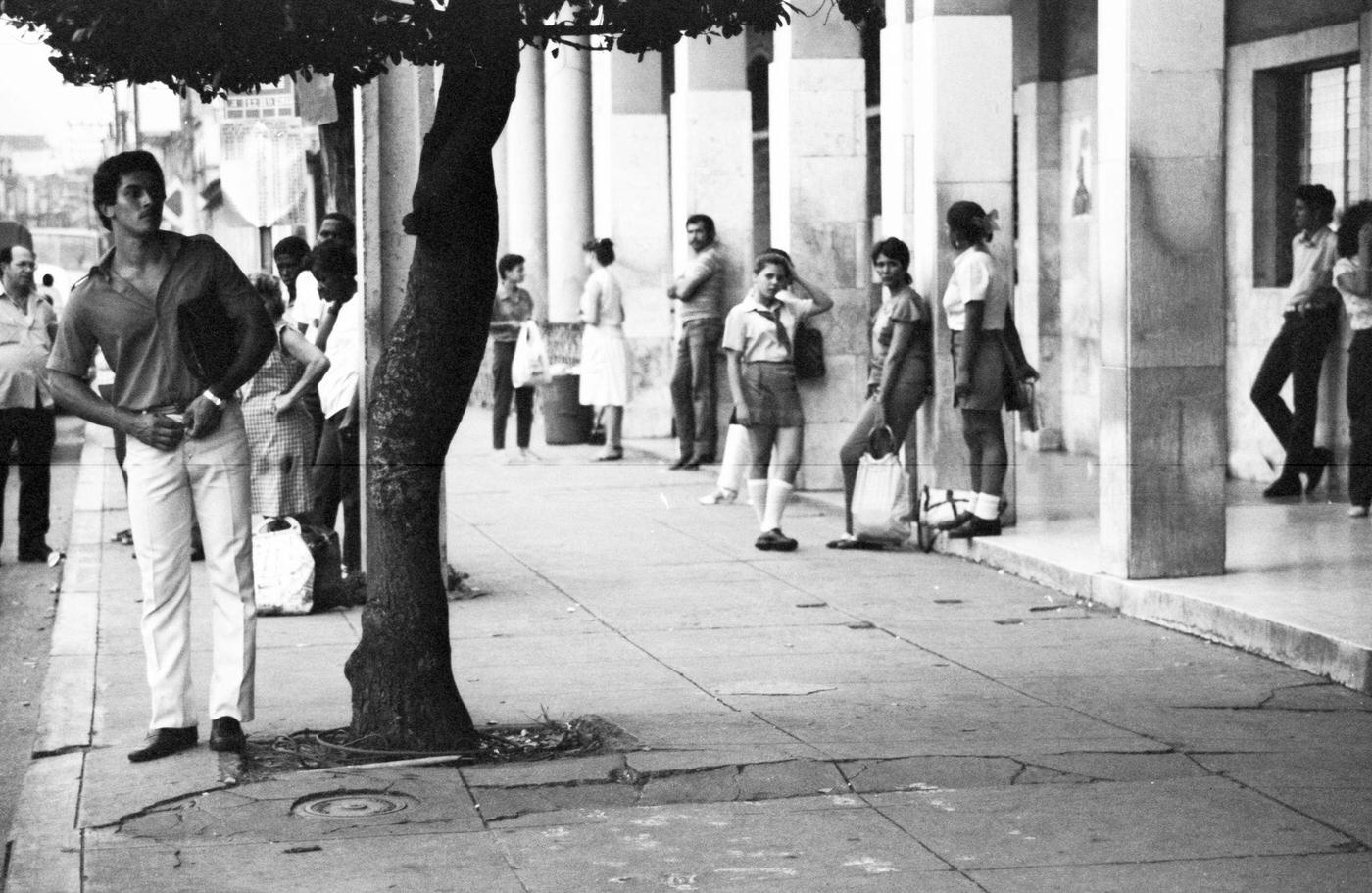
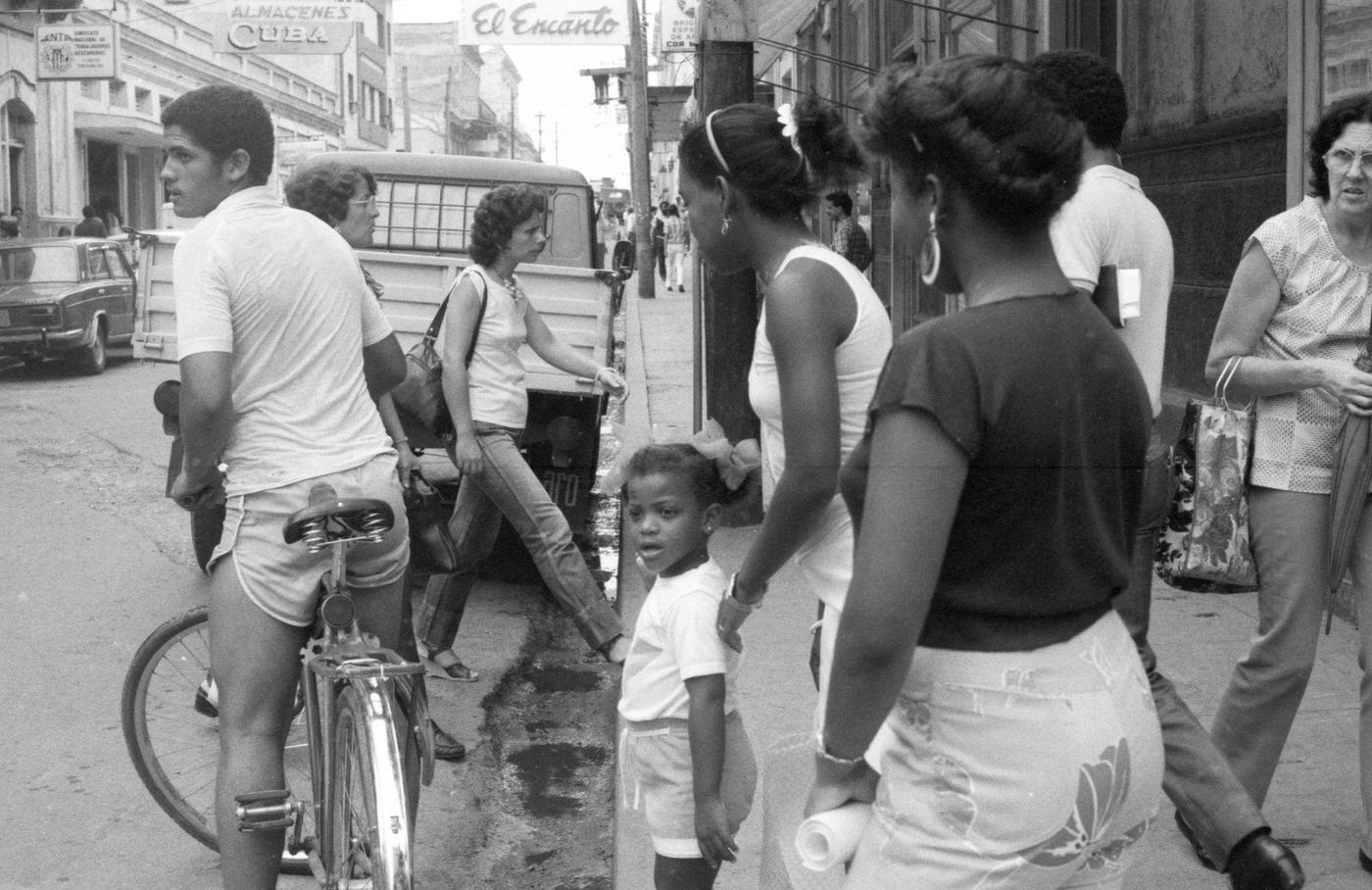
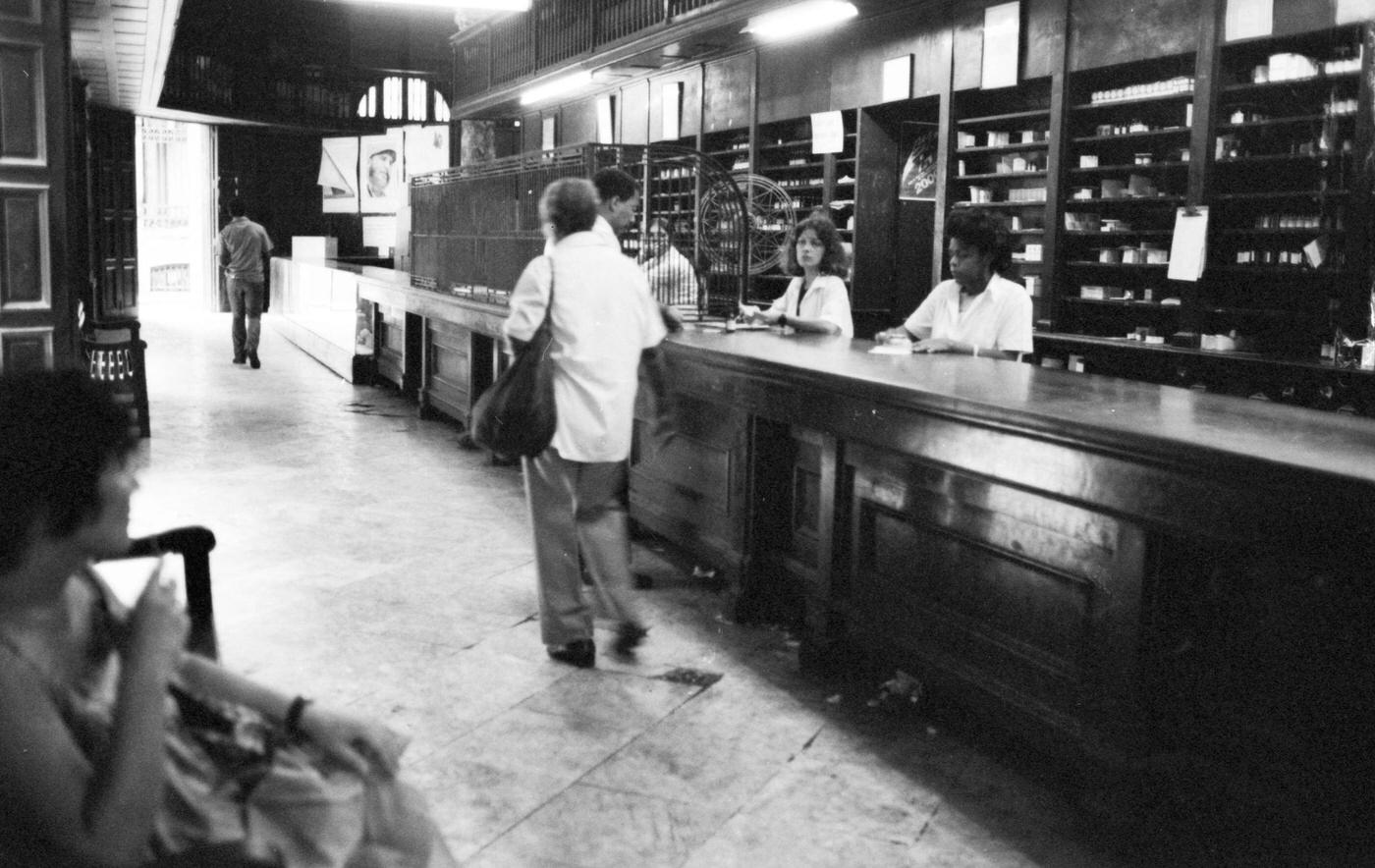
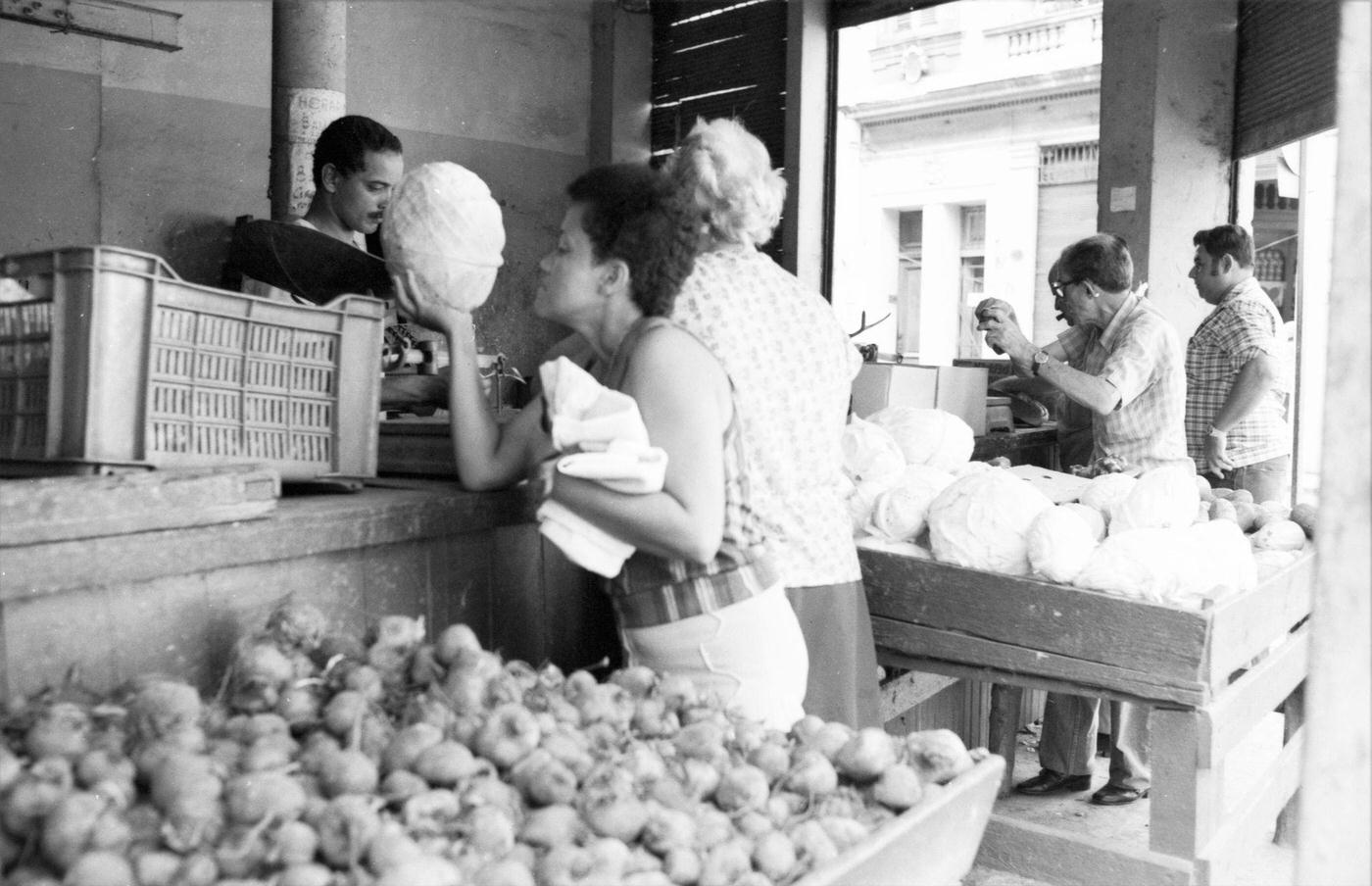
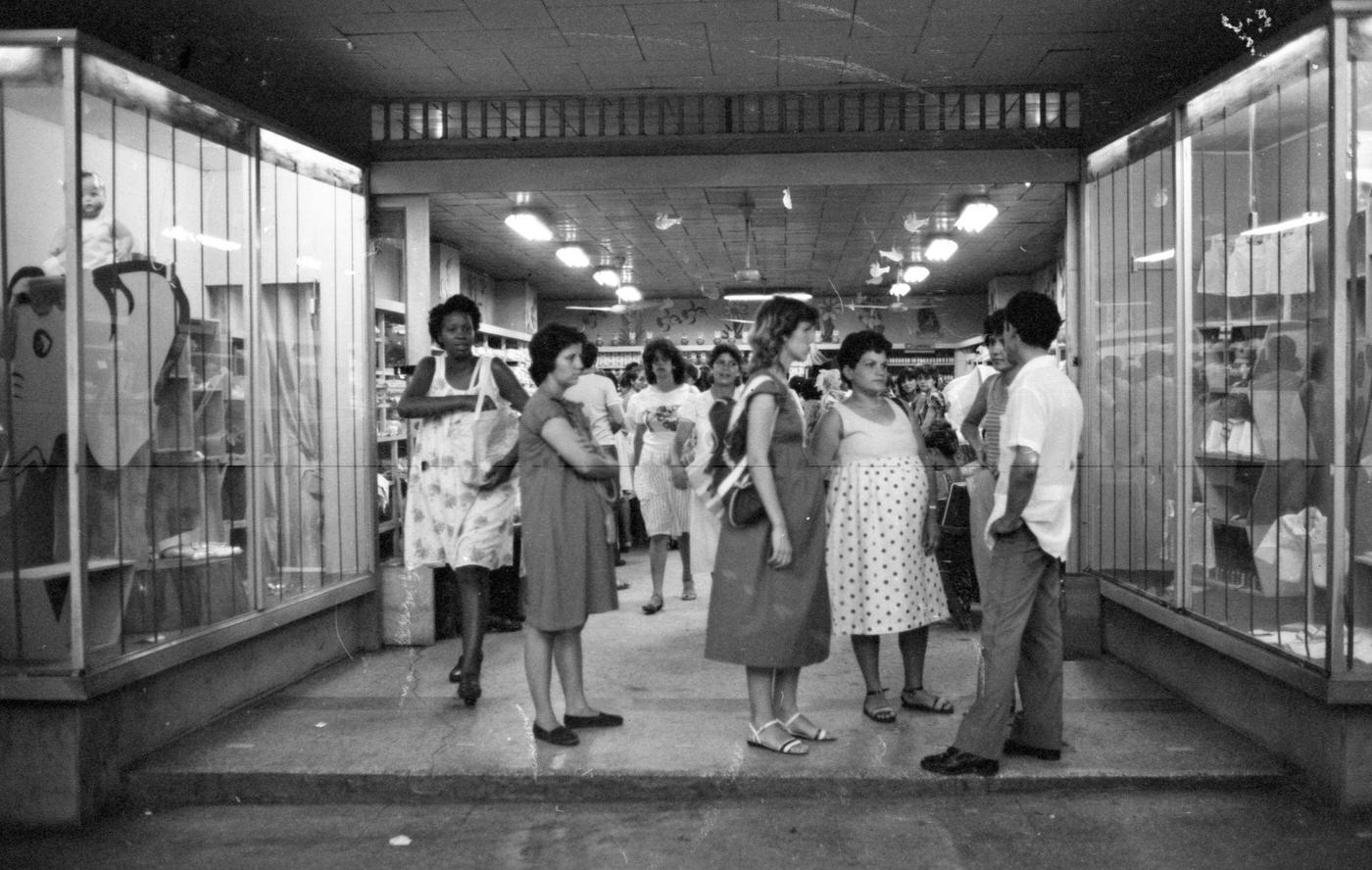
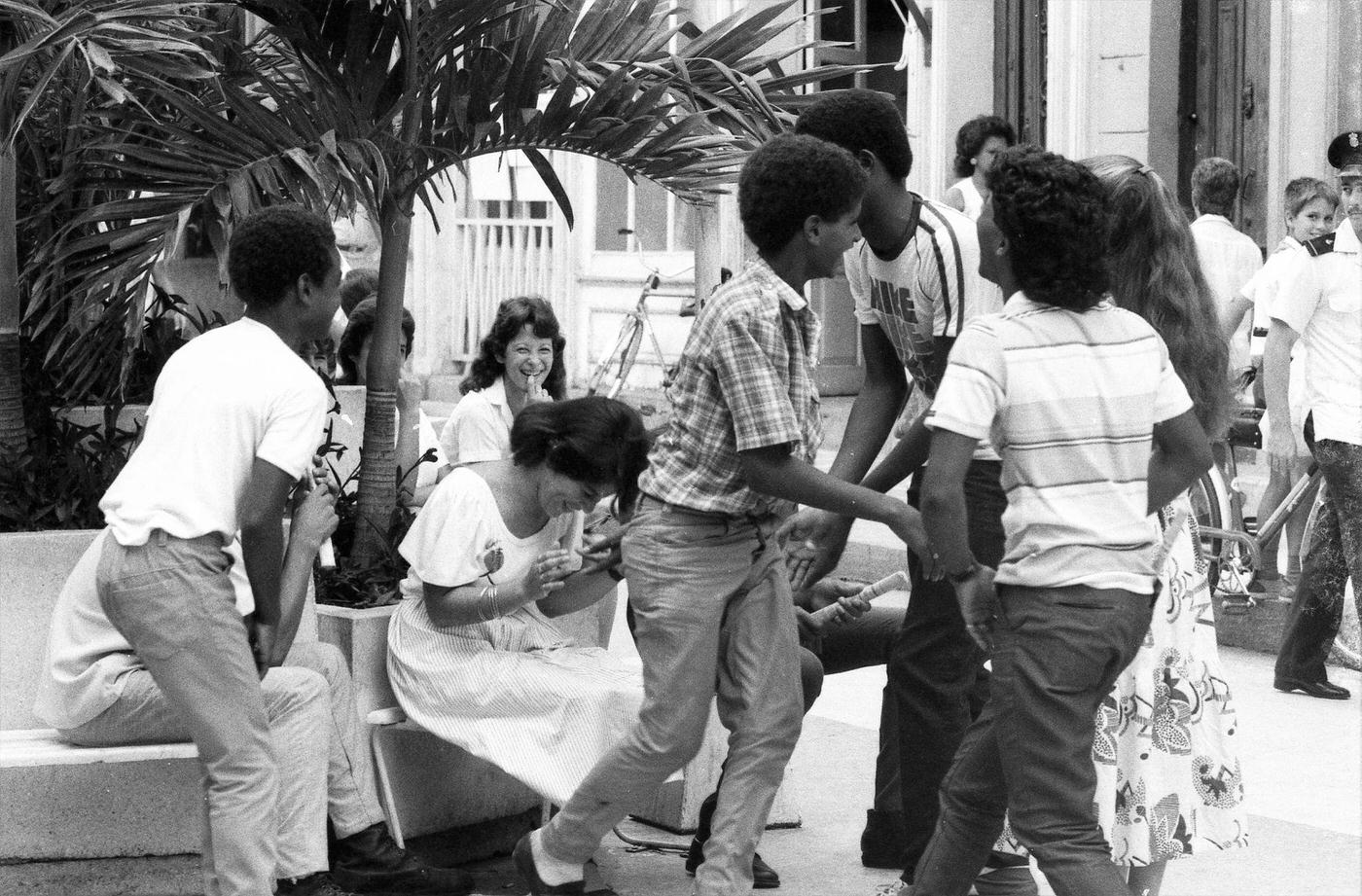
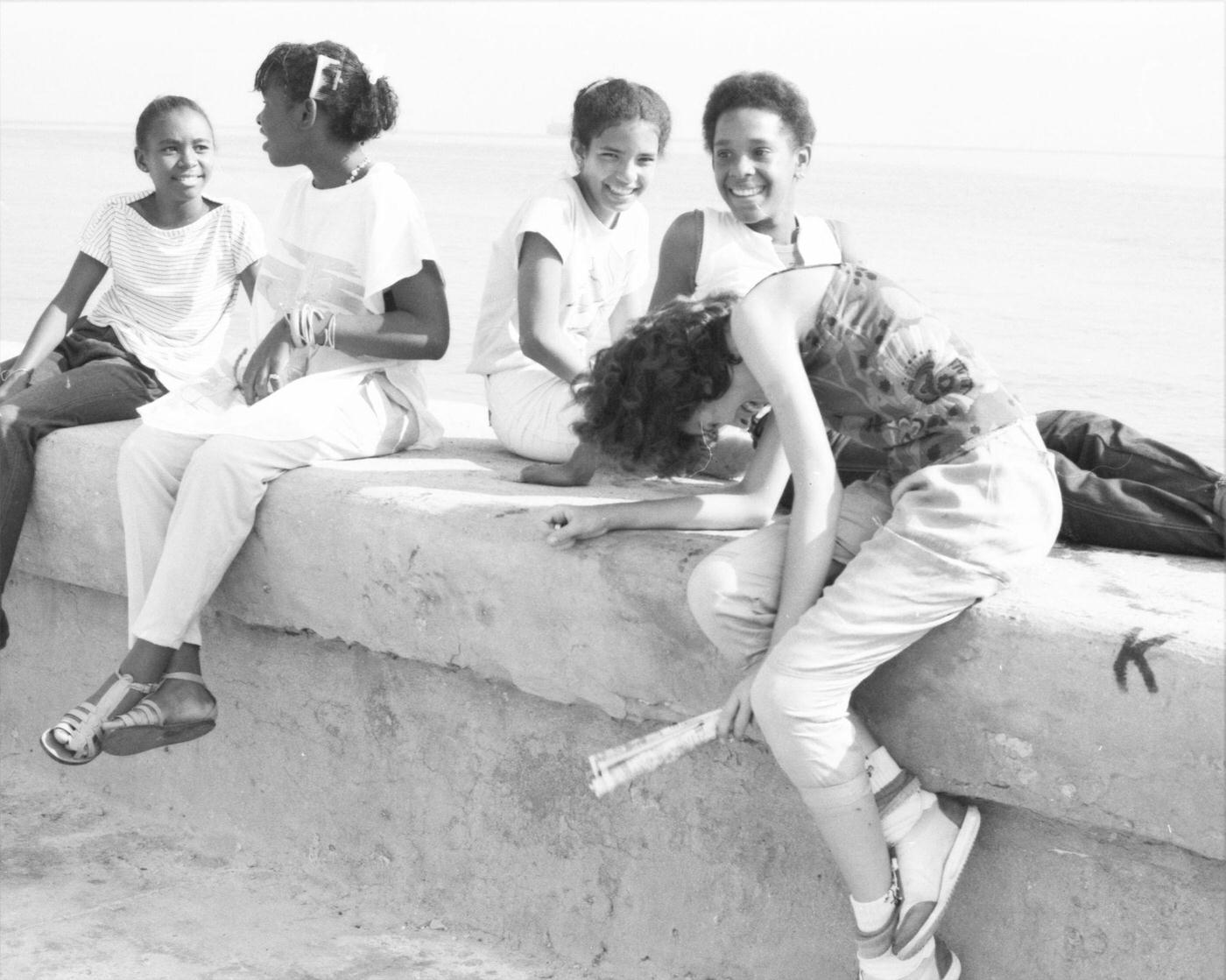
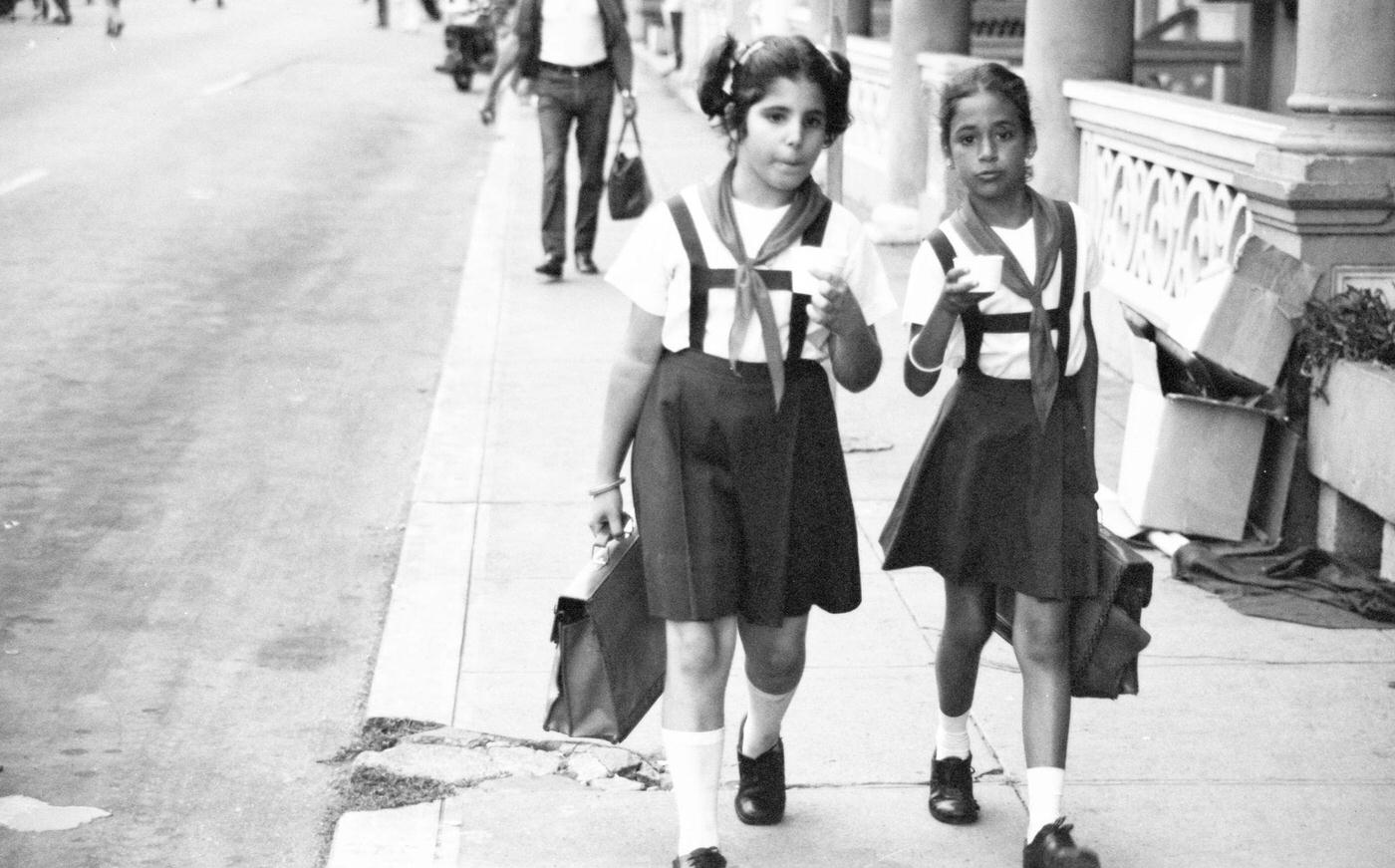
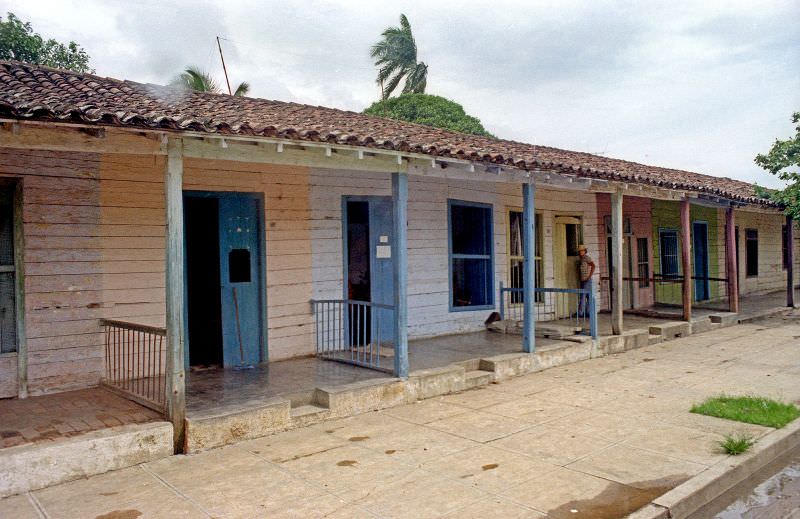
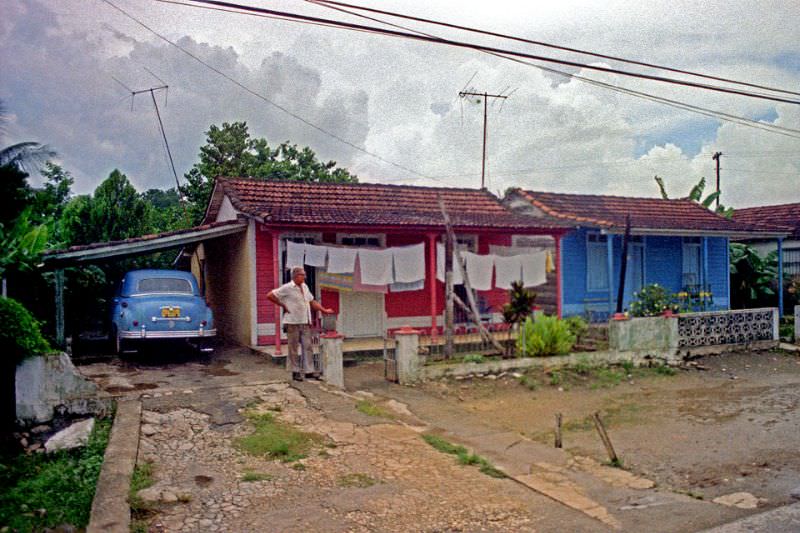
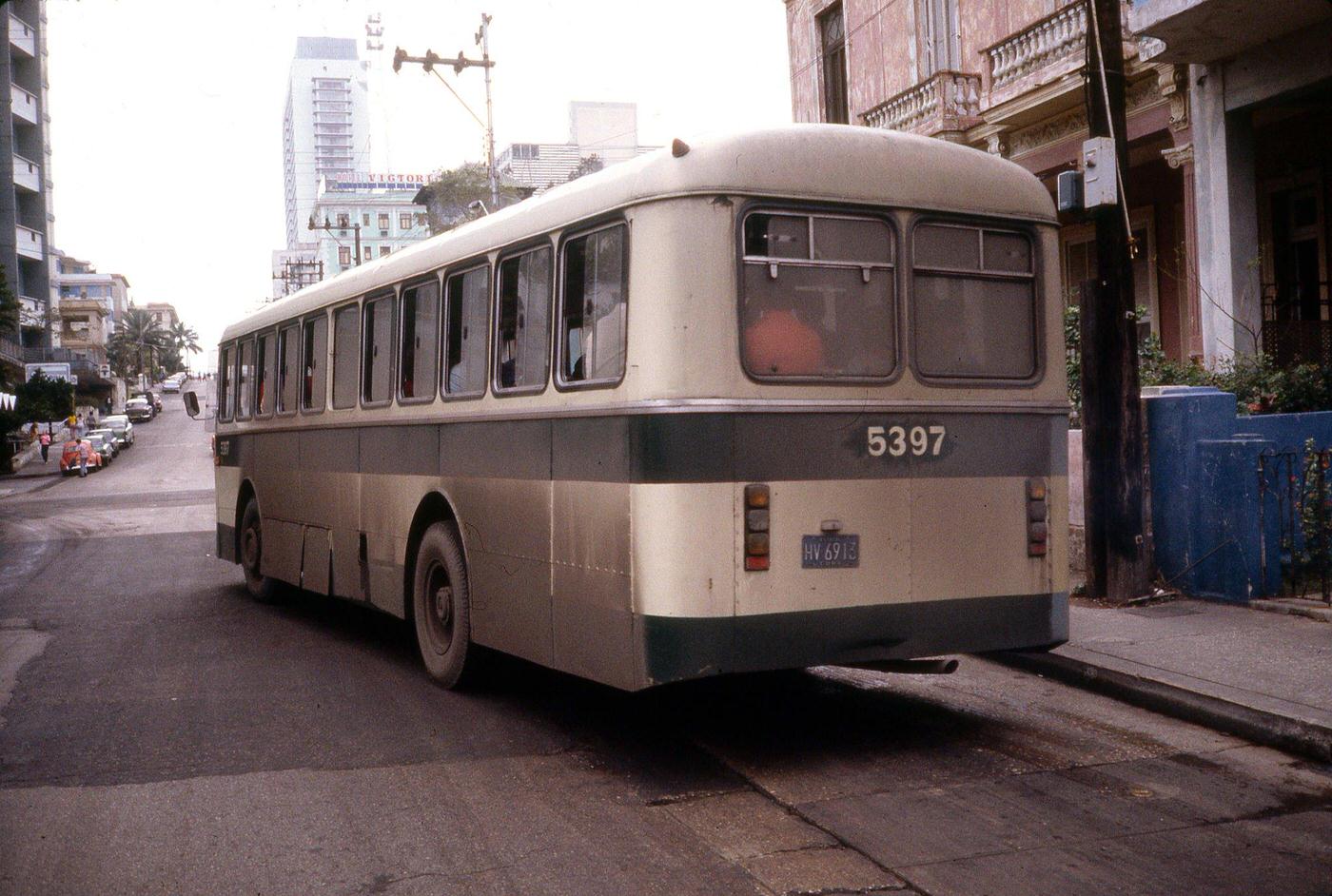
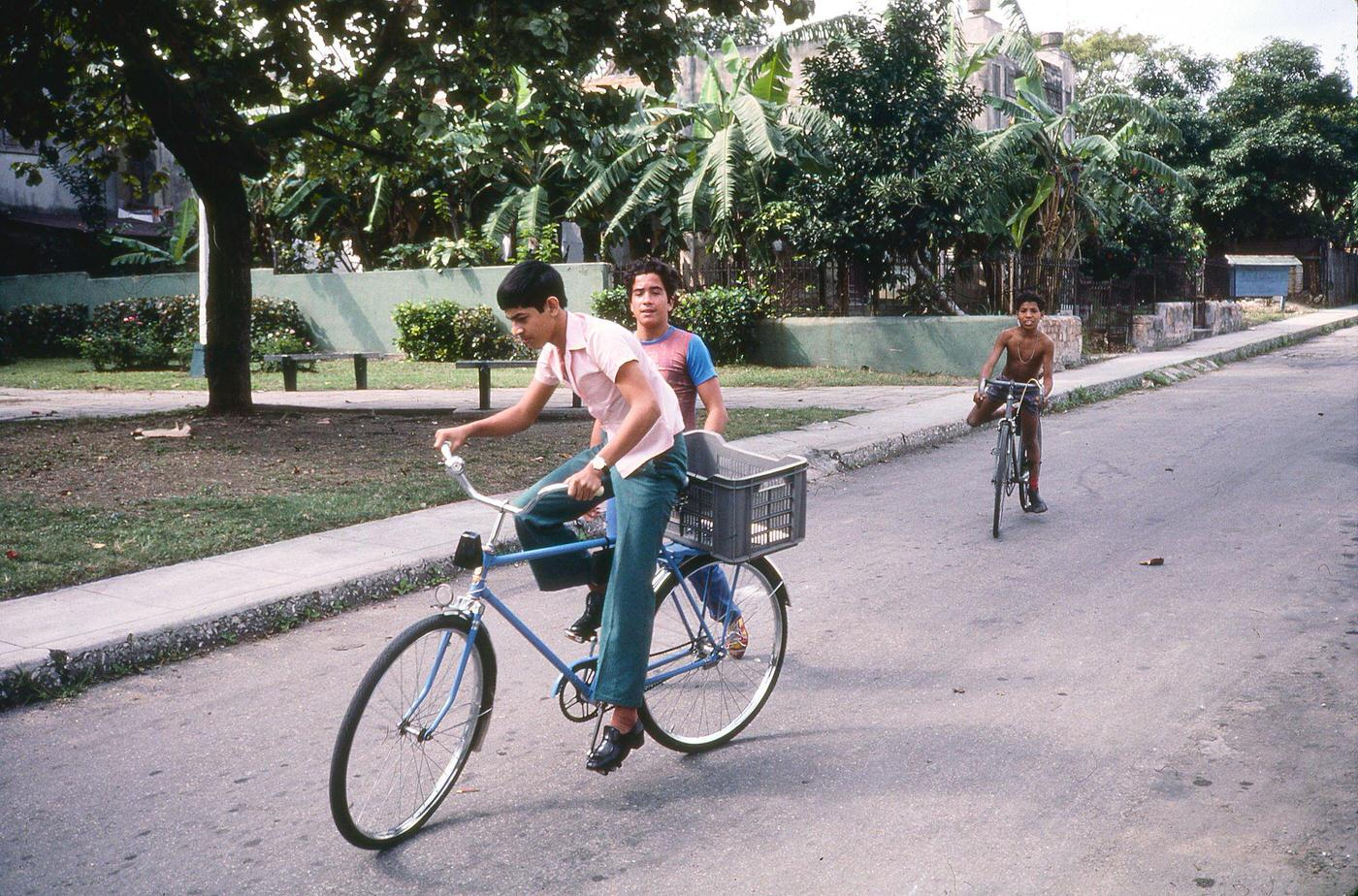
Soviet financial support kept Cuba’s economy afloat, but as the decade wore on, that support became less reliable. Cuba struggled to import enough food and basic goods. Shortages became a fact of daily life, and Cubans adapted — fixing old cars, stretching meals, and finding ways through the gaps. These photographs capture both sides of that reality, shot across Cuban cities from 1981 to 1988.
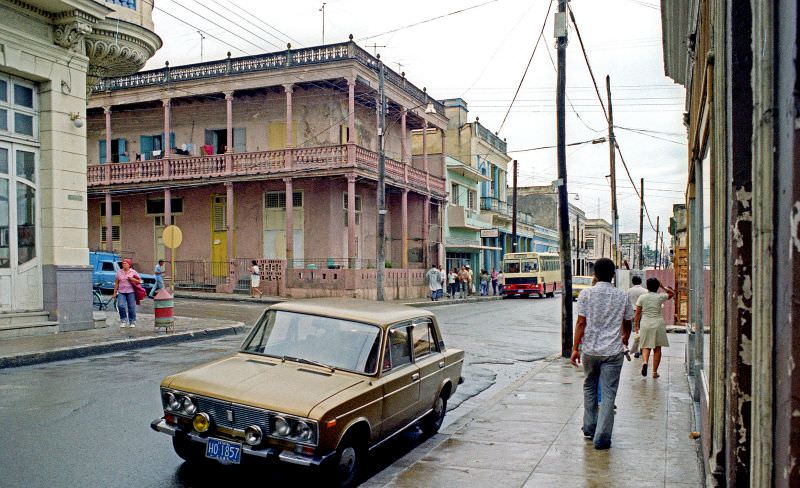
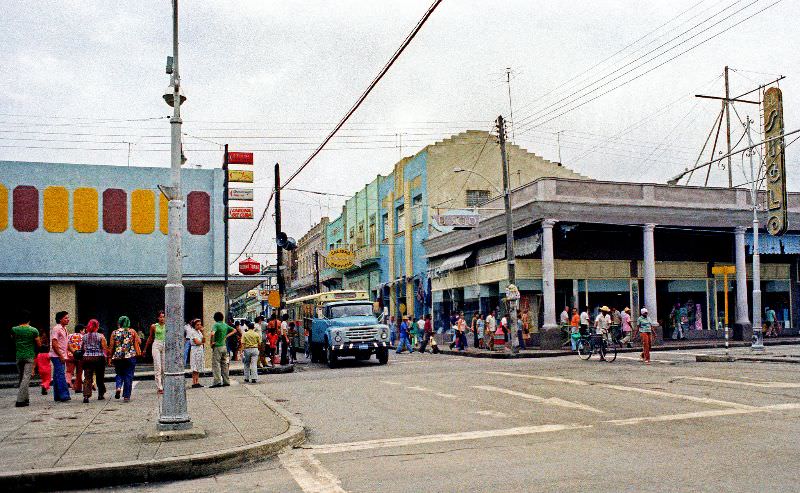
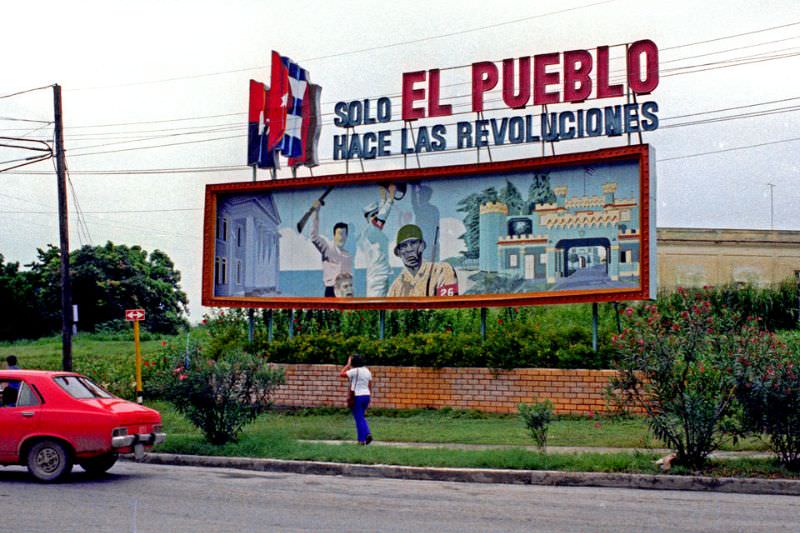
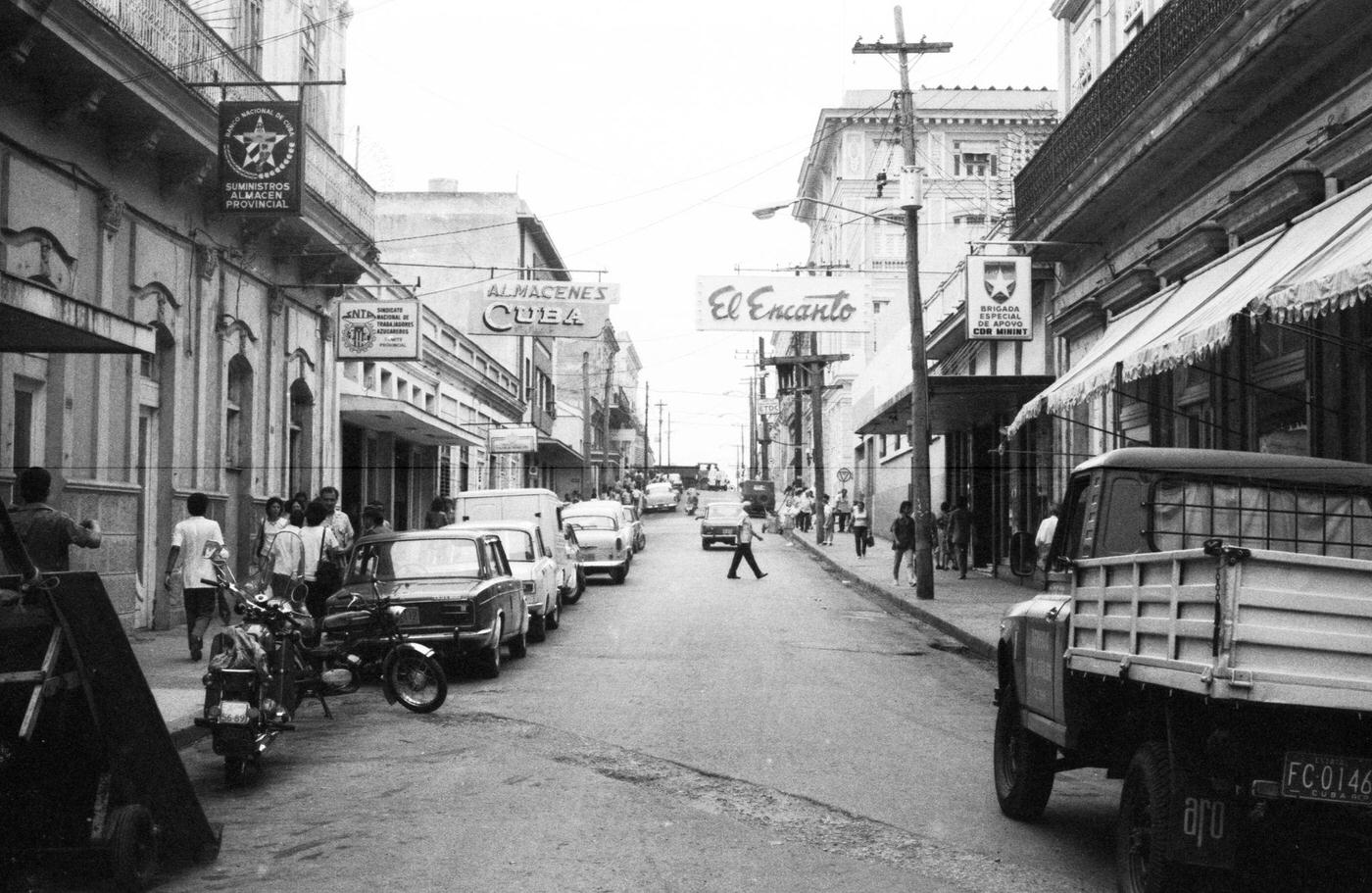
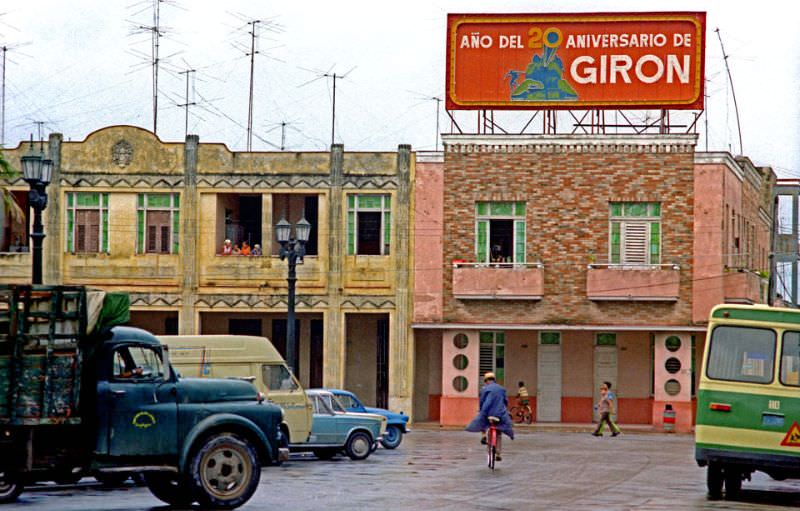
Cienfuegos, a coastal city on Cuba’s southern shore, was a working port town in 1981. Its streets mixed colonial architecture with the practical rhythms of socialist life — state-run shops, workers on bicycles, and hand-painted slogans on building walls. The port itself was a key hub for incoming Soviet cargo, making the city a direct link in Cuba’s supply chain.
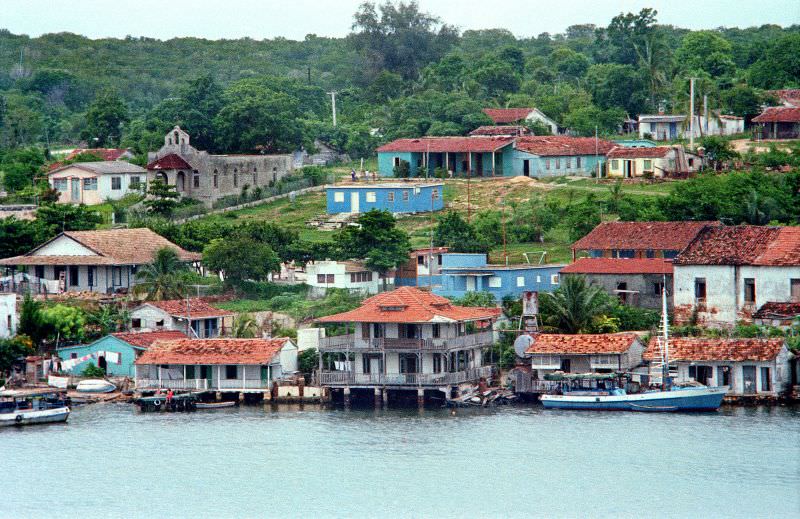
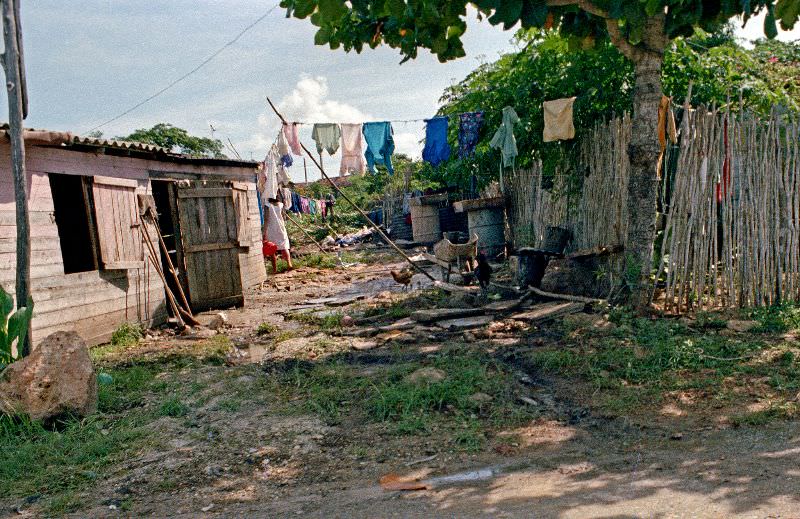
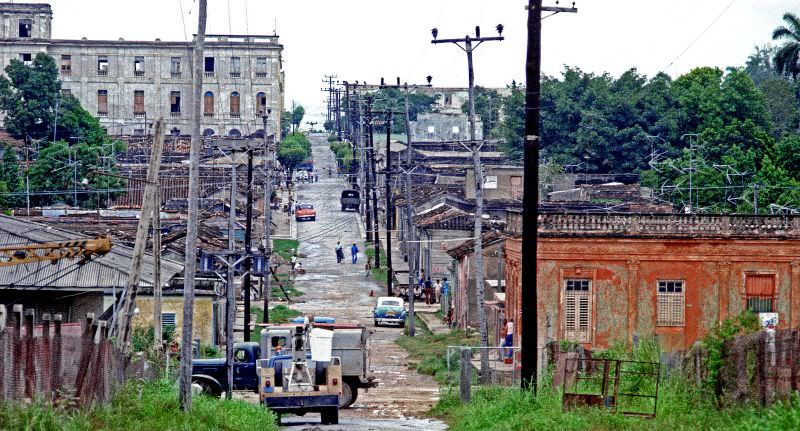
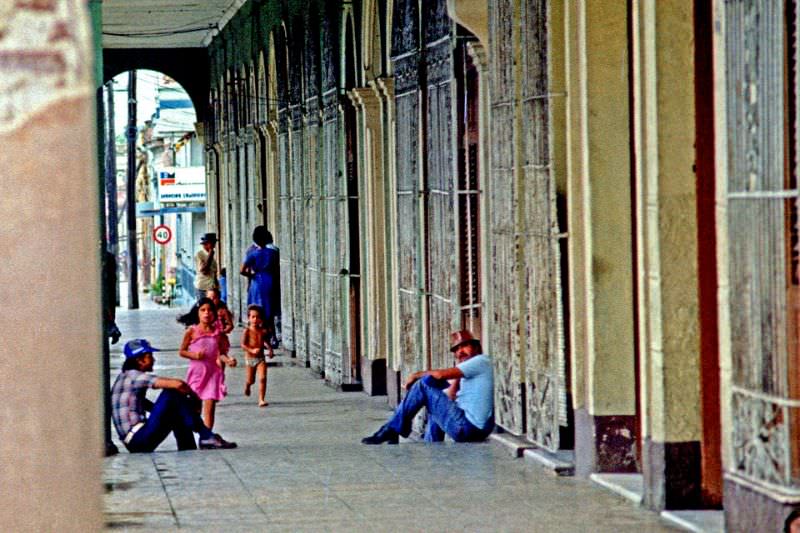
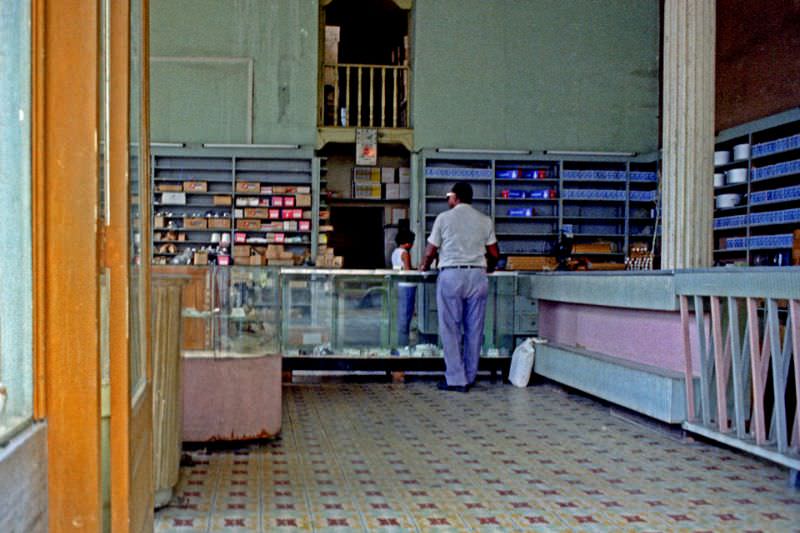
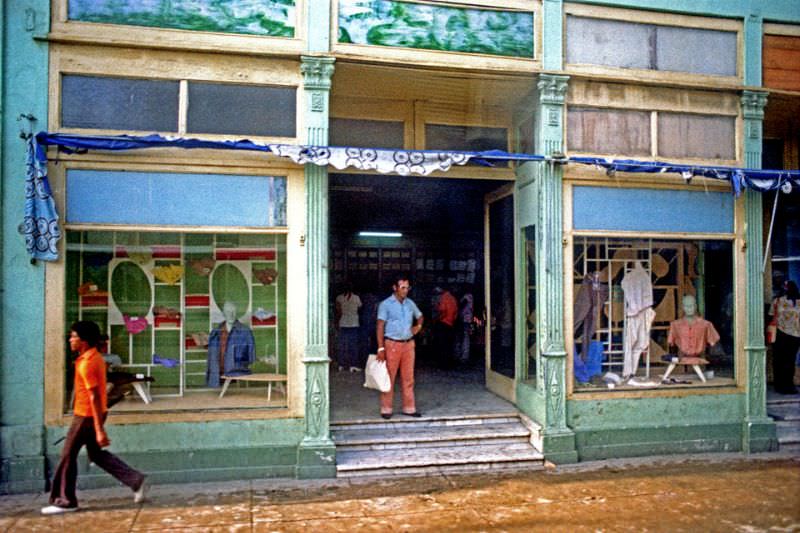
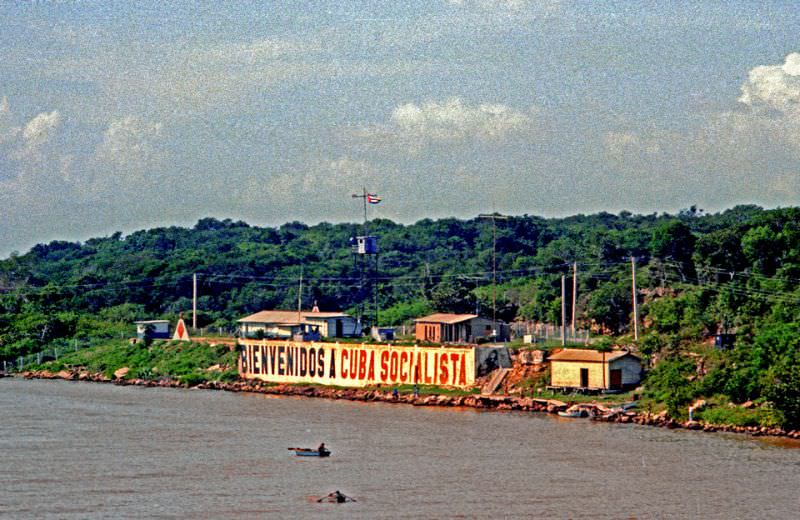
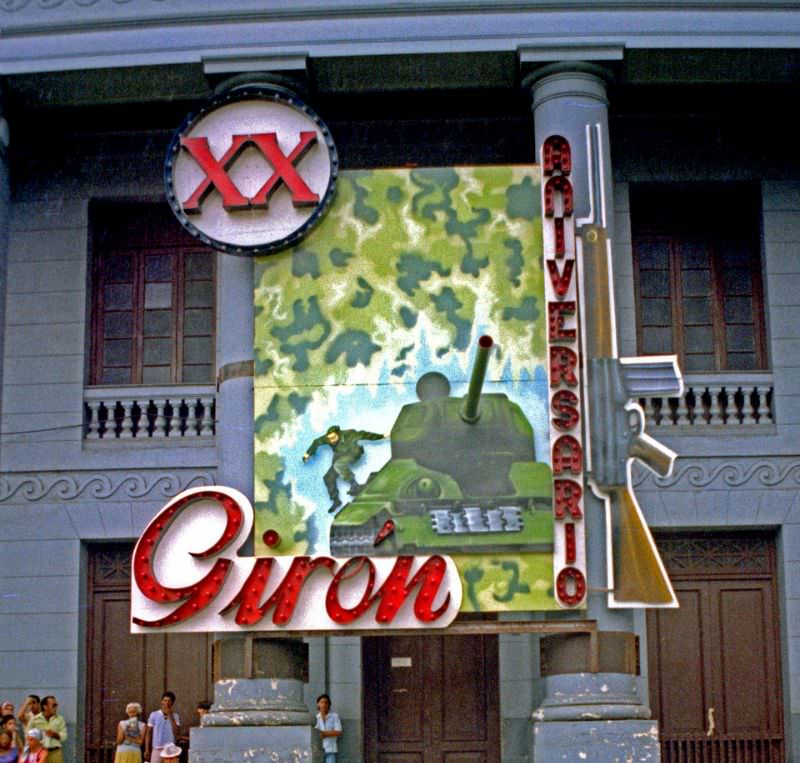
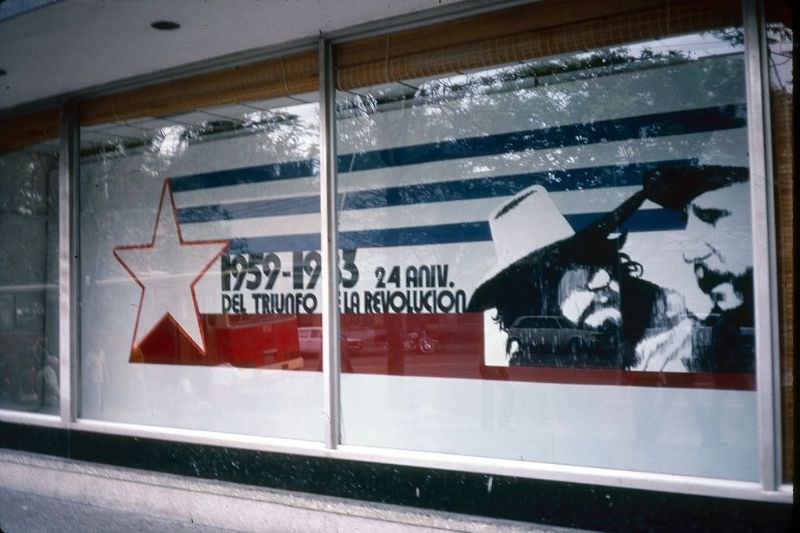
April 1981 marked the 20th anniversary of the Bay of Pigs victory — one of the most celebrated events in Cuban revolutionary history. In April 1961, a CIA-trained force of Cuban exiles landed at Playa Girón in an attempt to overthrow Castro’s government. Cuban forces defeated the invasion within 72 hours. The anniversary was commemorated across the island with rallies, displays, and official ceremonies.
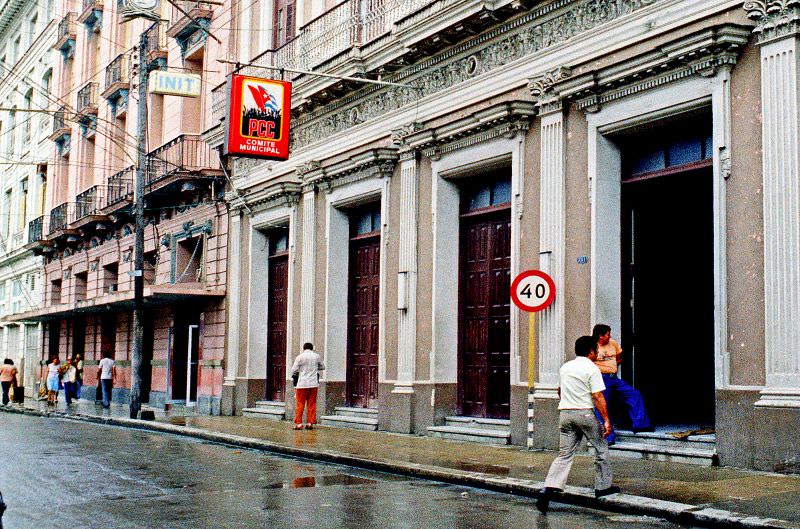
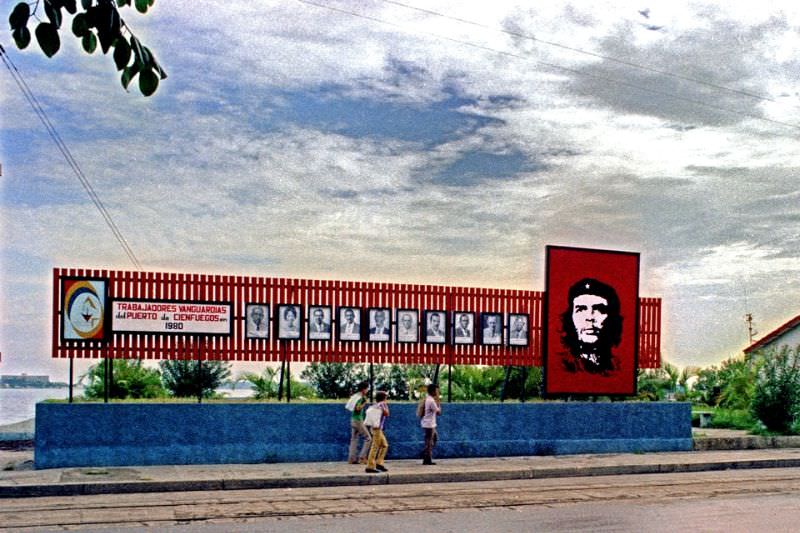
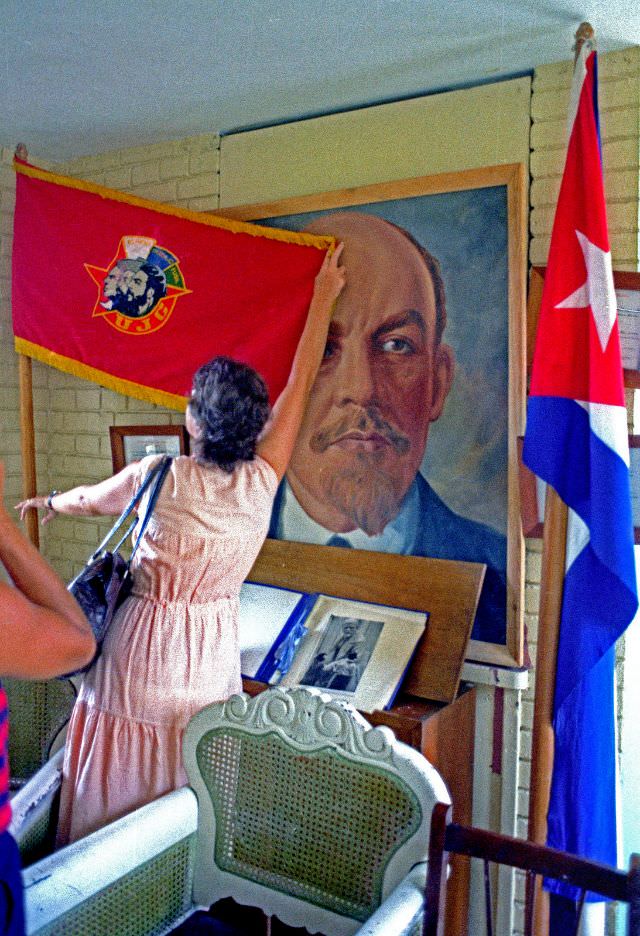
The Communist Party was the organizing force behind Cuban public life. Its offices appeared in every city, and workers who excelled in productivity were publicly honored. At the port of Cienfuegos, leading workers from 1980 were recognized in a formal display — a common practice in socialist Cuba where labor achievements were treated as civic contributions worthy of official recognition.
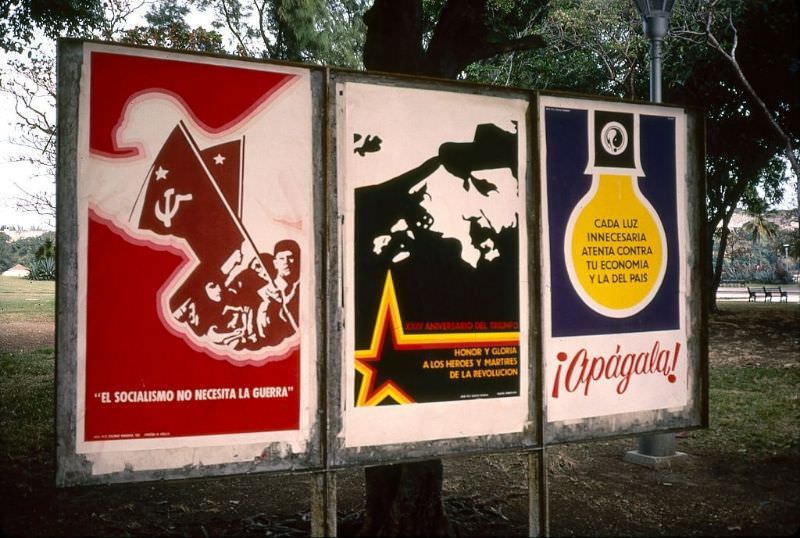
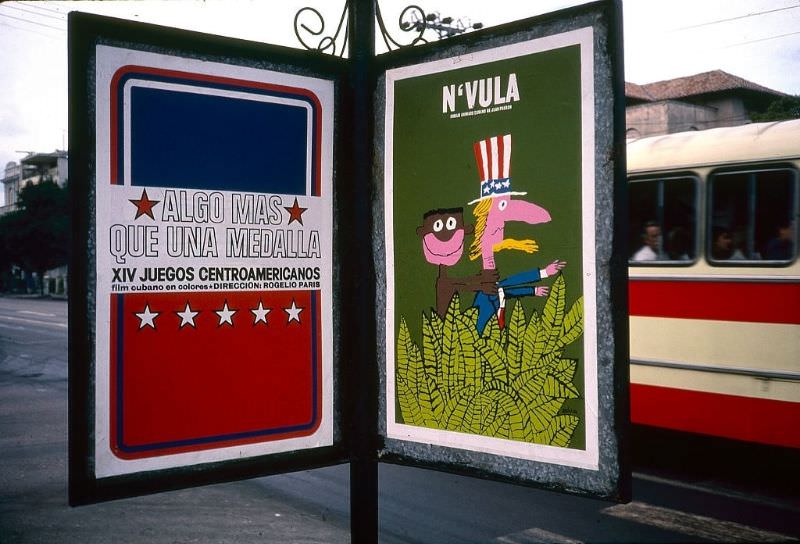
In 1981, Cuba faced a severe dengue fever epidemic. Over 300,000 people were infected, and more than 150 died — including dozens of children. The Cuban government publicly blamed the CIA for the outbreak, accusing American intelligence of conducting biological warfare against the island. Posters and awareness campaigns were rolled out across the country, framing the epidemic as both a public health crisis and a political attack.
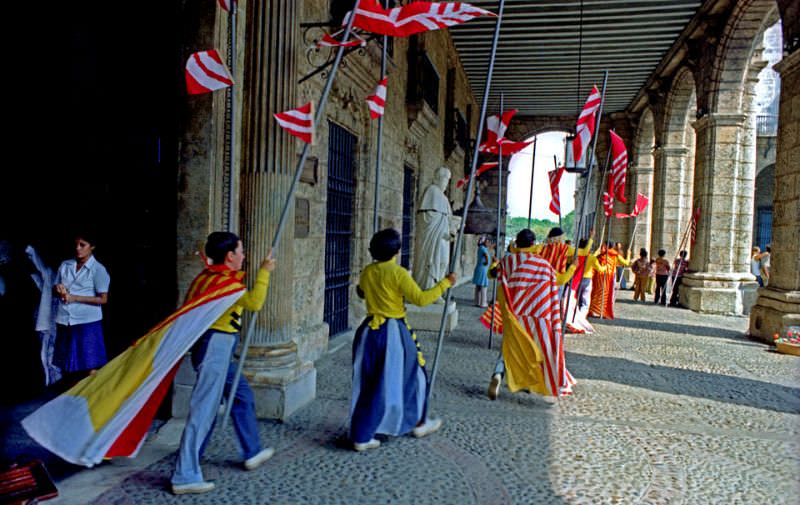
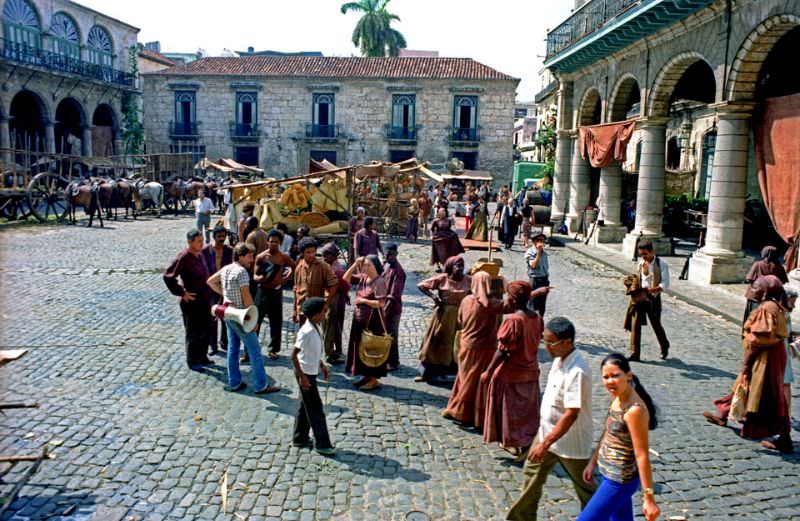
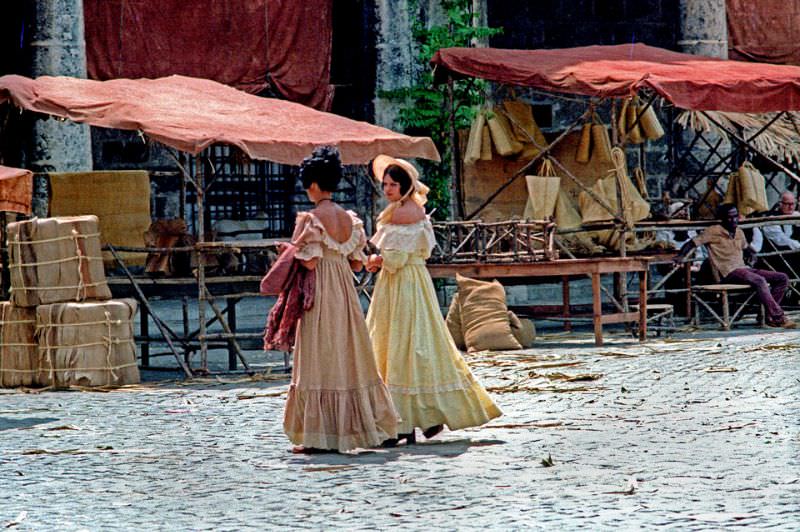
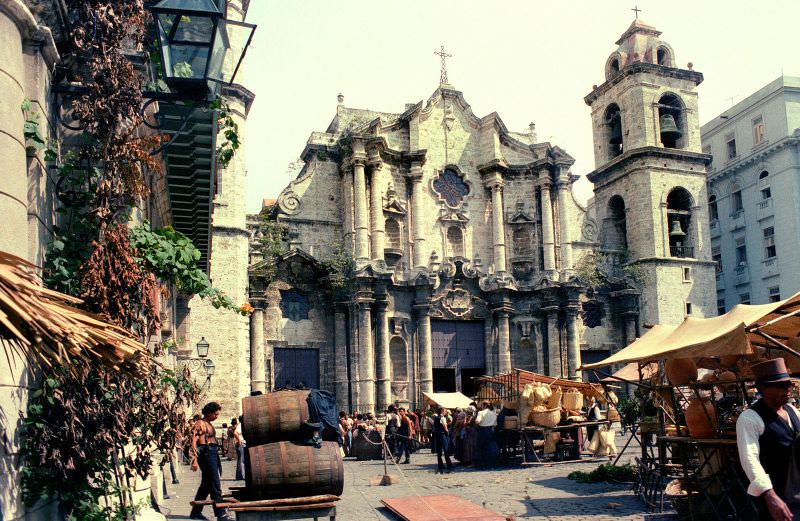
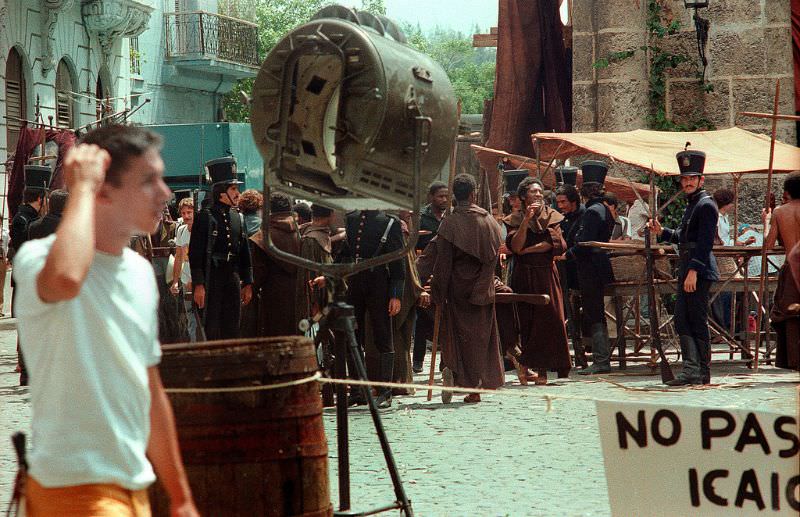
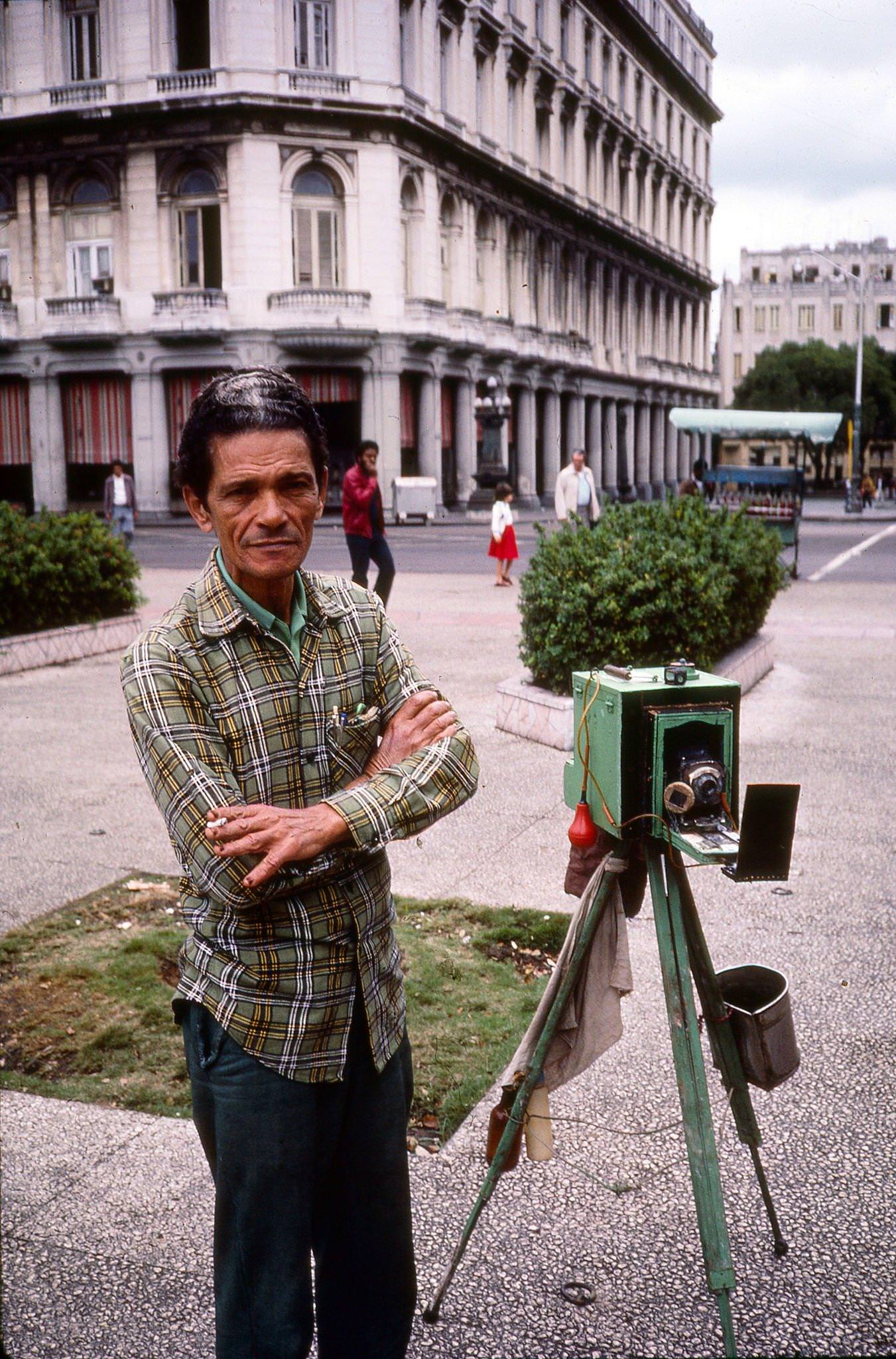
Havana’s Cathedral Square was a center of cultural activity. Film crews used its colonial backdrop for productions, and the square regularly drew musicians, tourists, and everyday Havanans alike. These 1981 images show filming in progress — a reminder that Cuba’s domestic film industry, supported by the Cuban Institute of Cinematographic Art and Industry (ICAIC), was genuinely active throughout the decade.
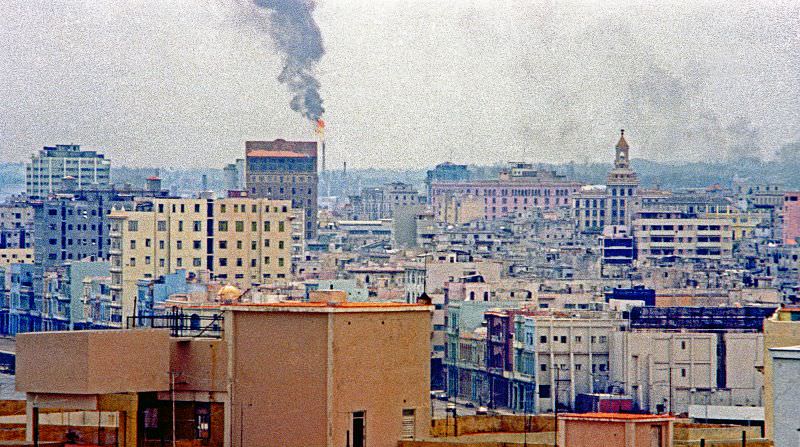
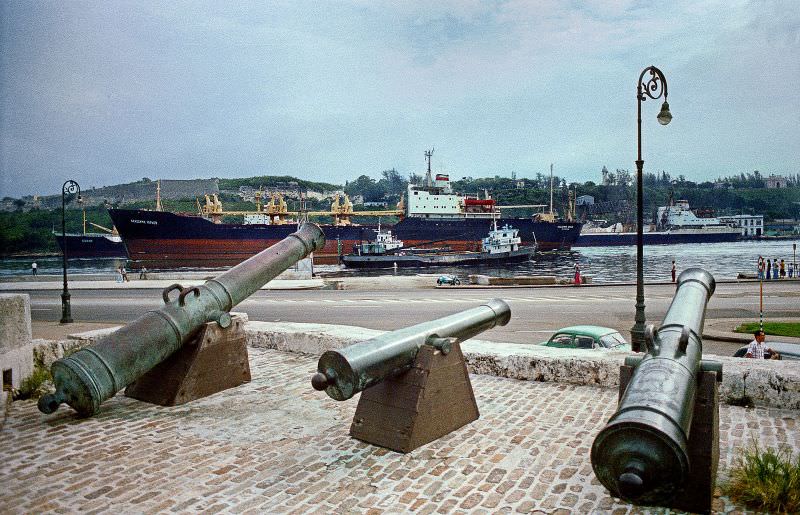
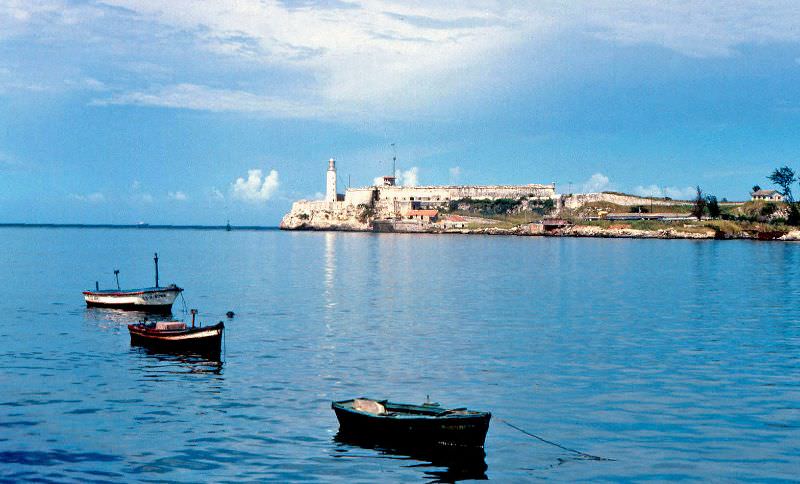
Havana’s skyline in 1981 was hazy with industrial smog, a byproduct of aging infrastructure and heavy diesel traffic. The city’s harbor told a clear story of Cuba’s foreign dependencies: Soviet freighters docked regularly, unloading goods that kept the Cuban economy functioning. Without that trade relationship, the shortages Cubans already felt would have been far worse.
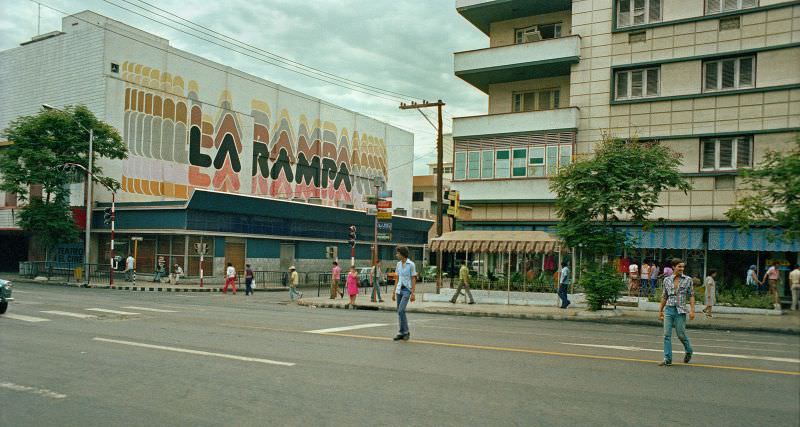
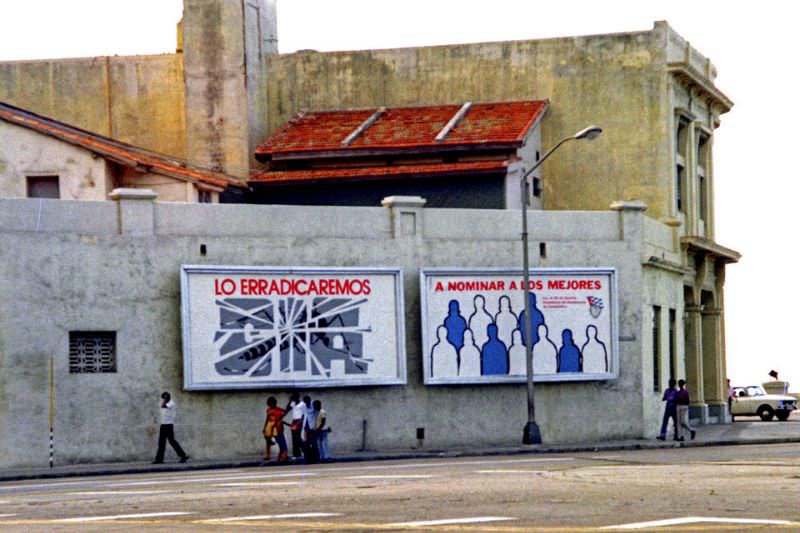
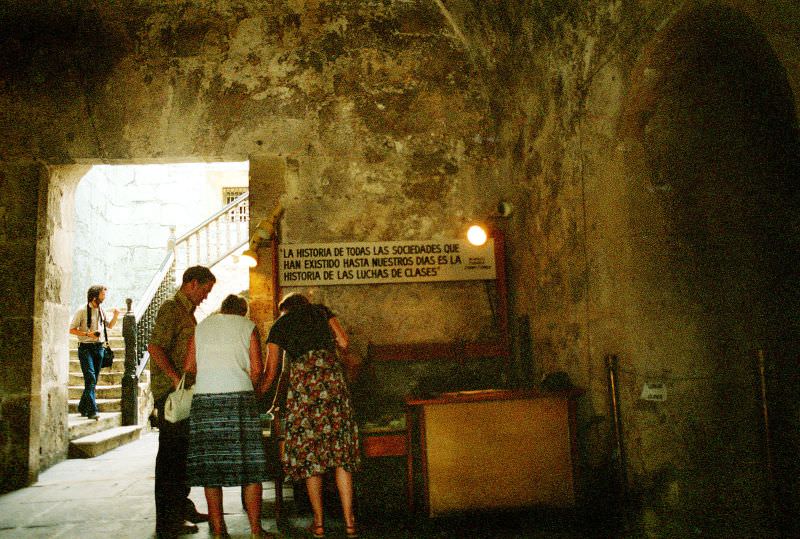
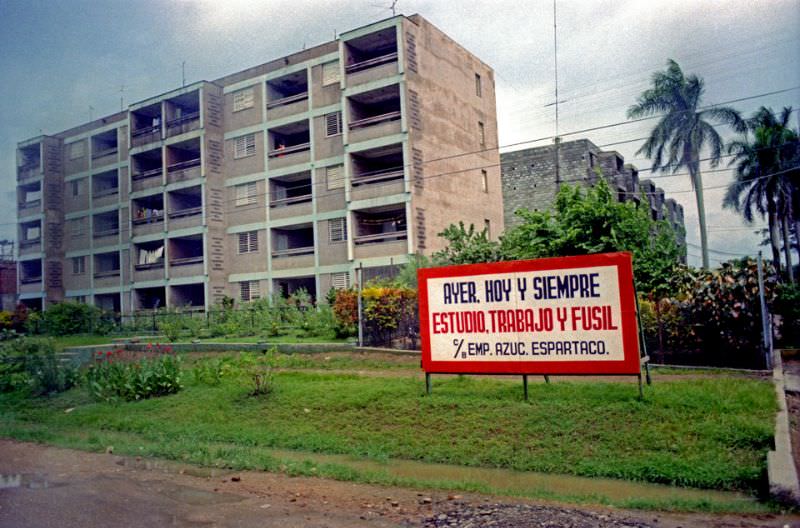
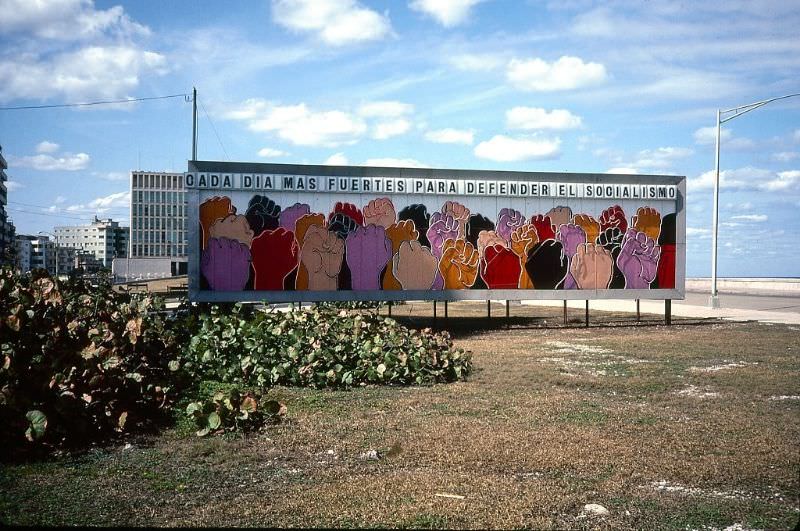
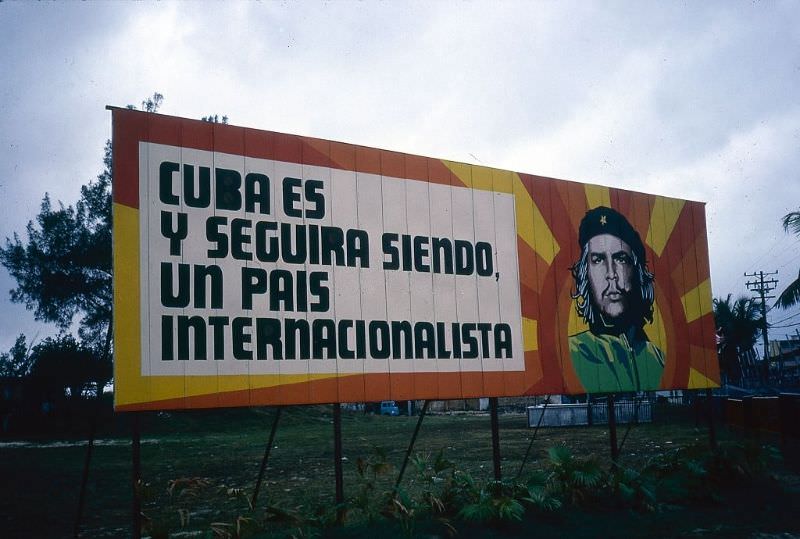
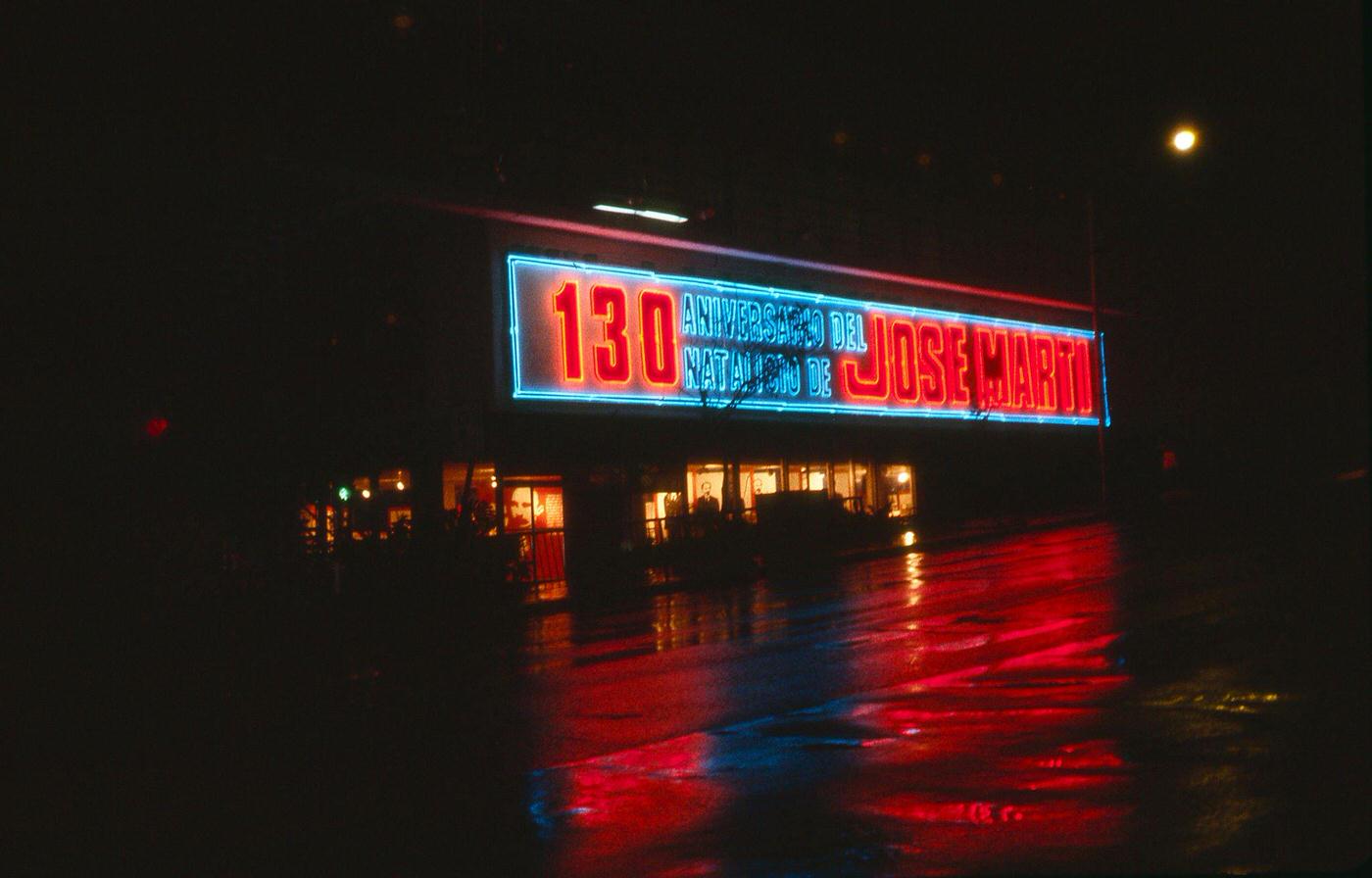
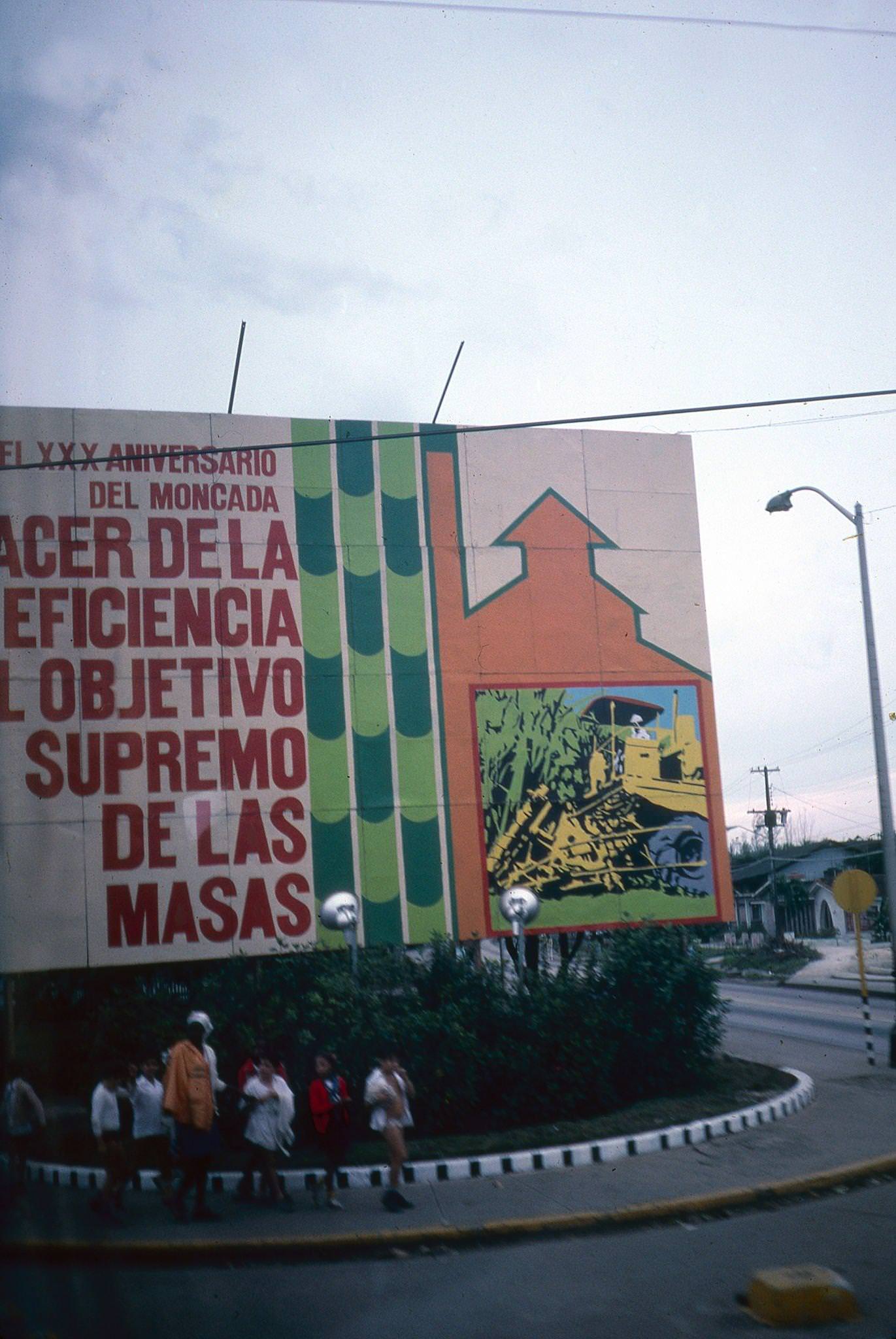
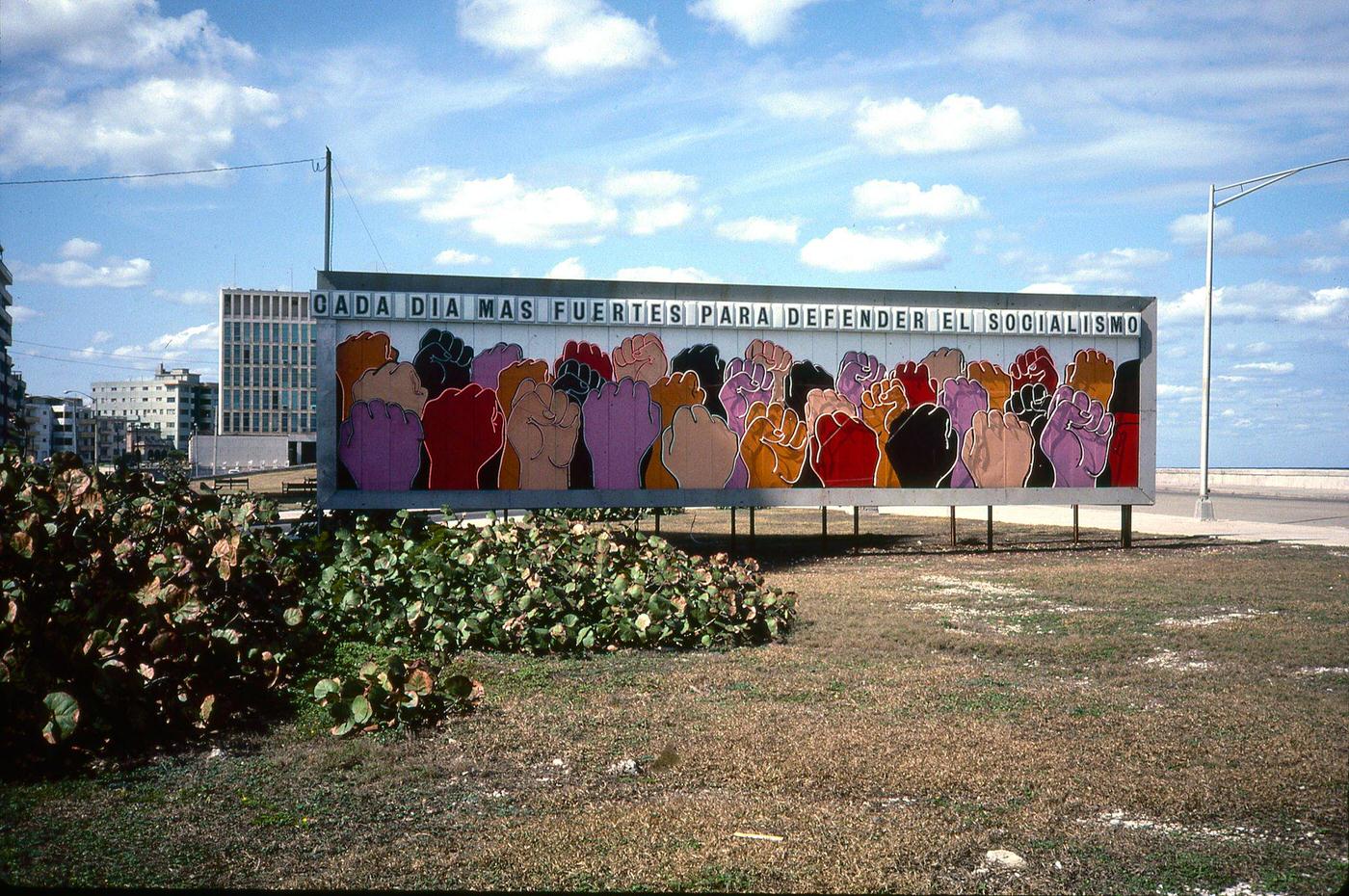
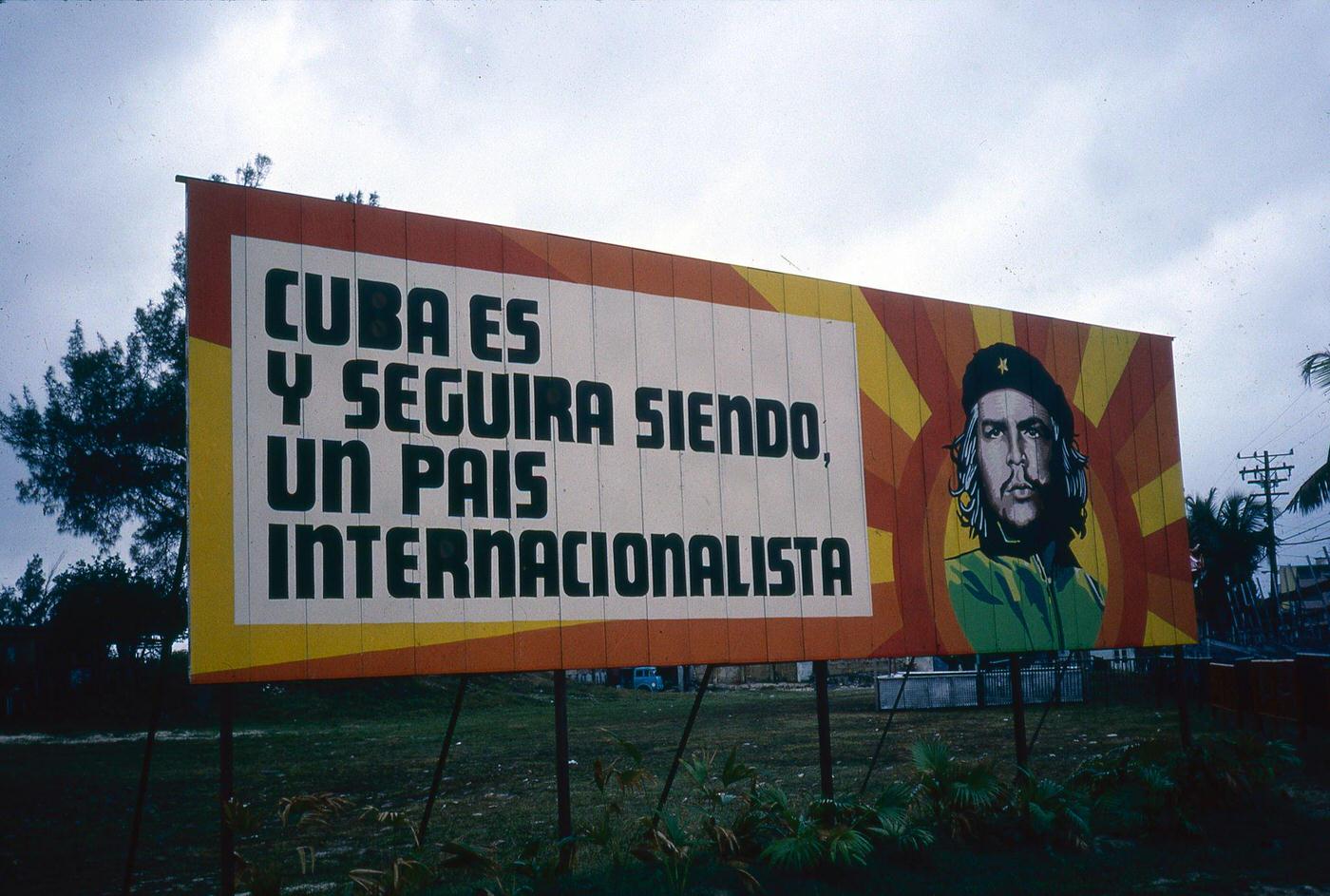
Revolutionary ideology was woven into the visual fabric of Cuban streets. Copies of The Communist Manifesto were displayed publicly, and slogans painted on walls and billboards reinforced party messaging. One phrase that appeared across multiple cities read: “The Party is the intelligence, honour and conscience of our times.” Another, seen in Santa Clara, declared: “Yesterday, today and always. Study, work and the rifle” — a three-part summary of the revolutionary citizen’s duties.
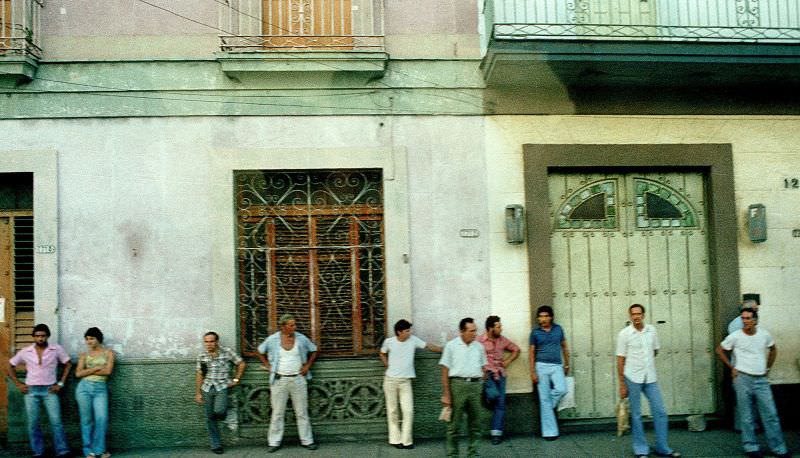
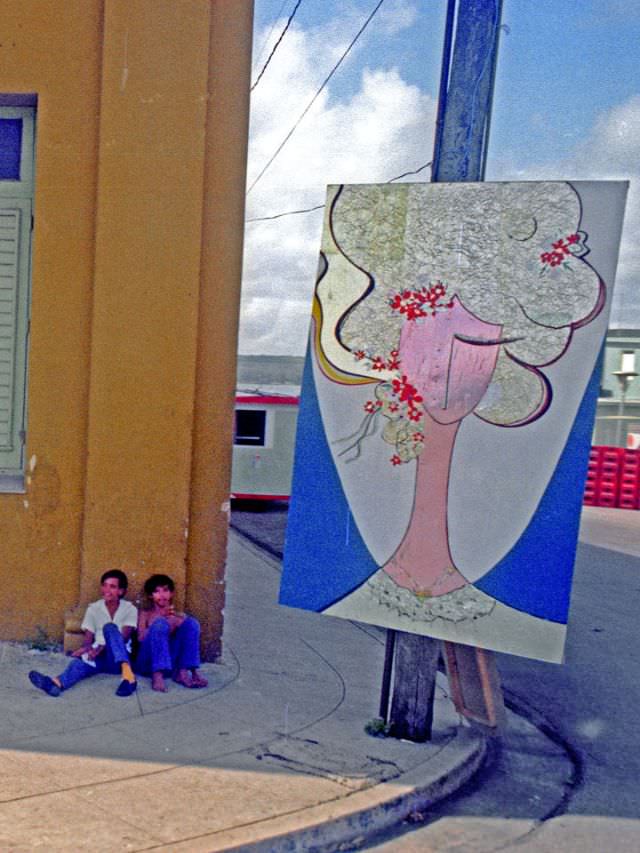
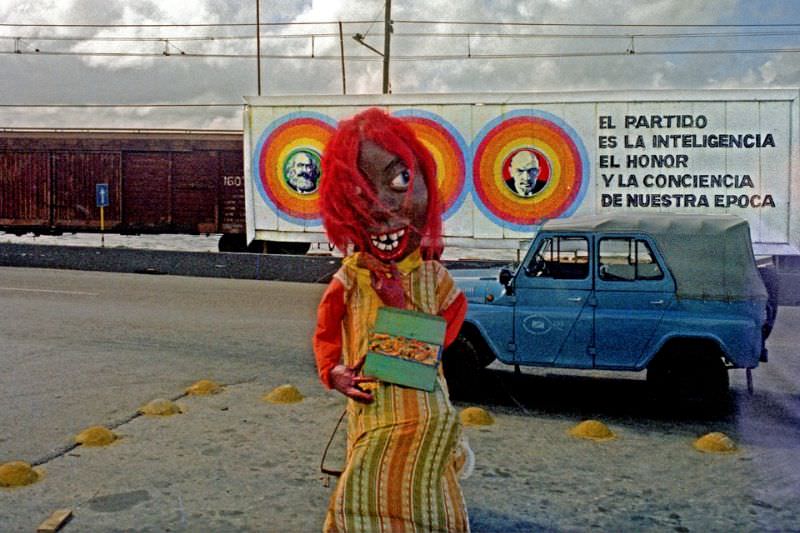
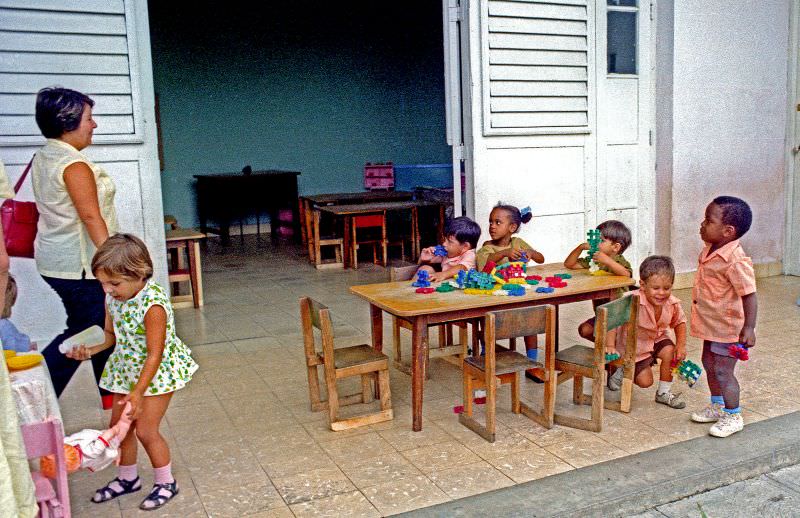
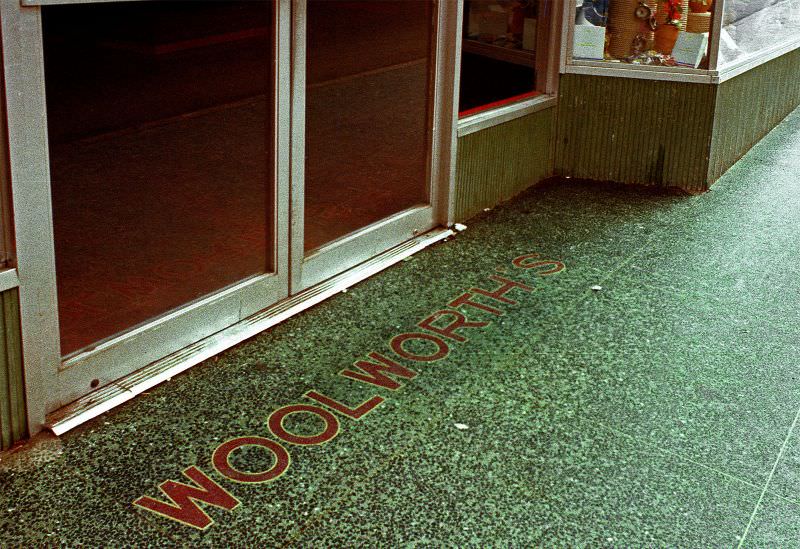
Santa Clara, located in the country’s center, held deep revolutionary significance as the site of Che Guevara’s decisive battle in 1958. By 1981, the city displayed that history openly — through murals, commemorations of the Bay of Pigs anniversary, and public signage. At the same time, daily life in Santa Clara continued at its own pace: children attended nurseries run by the state, and old pre-revolutionary storefronts, including a former Woolworths, still stood along the main streets.
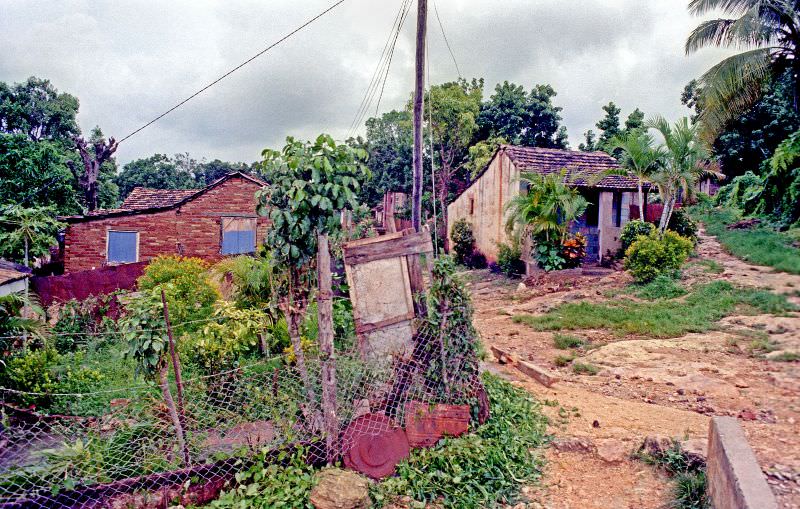
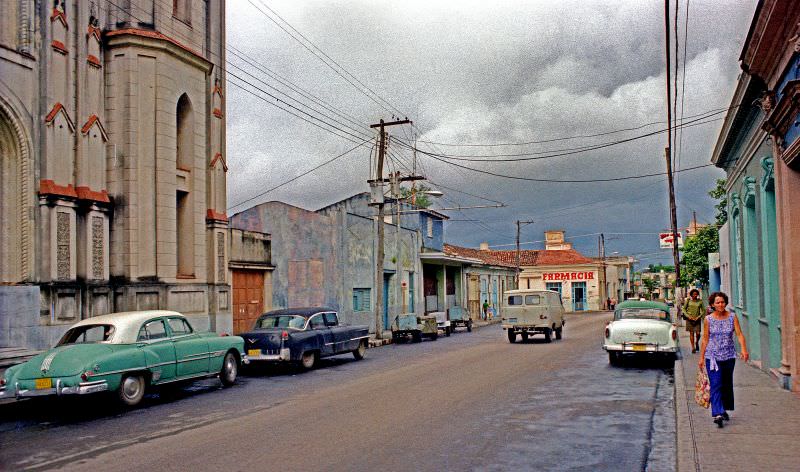
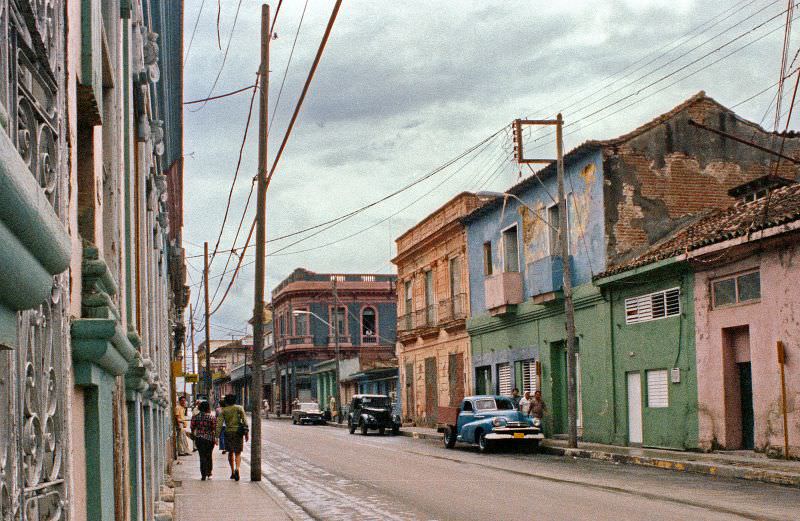
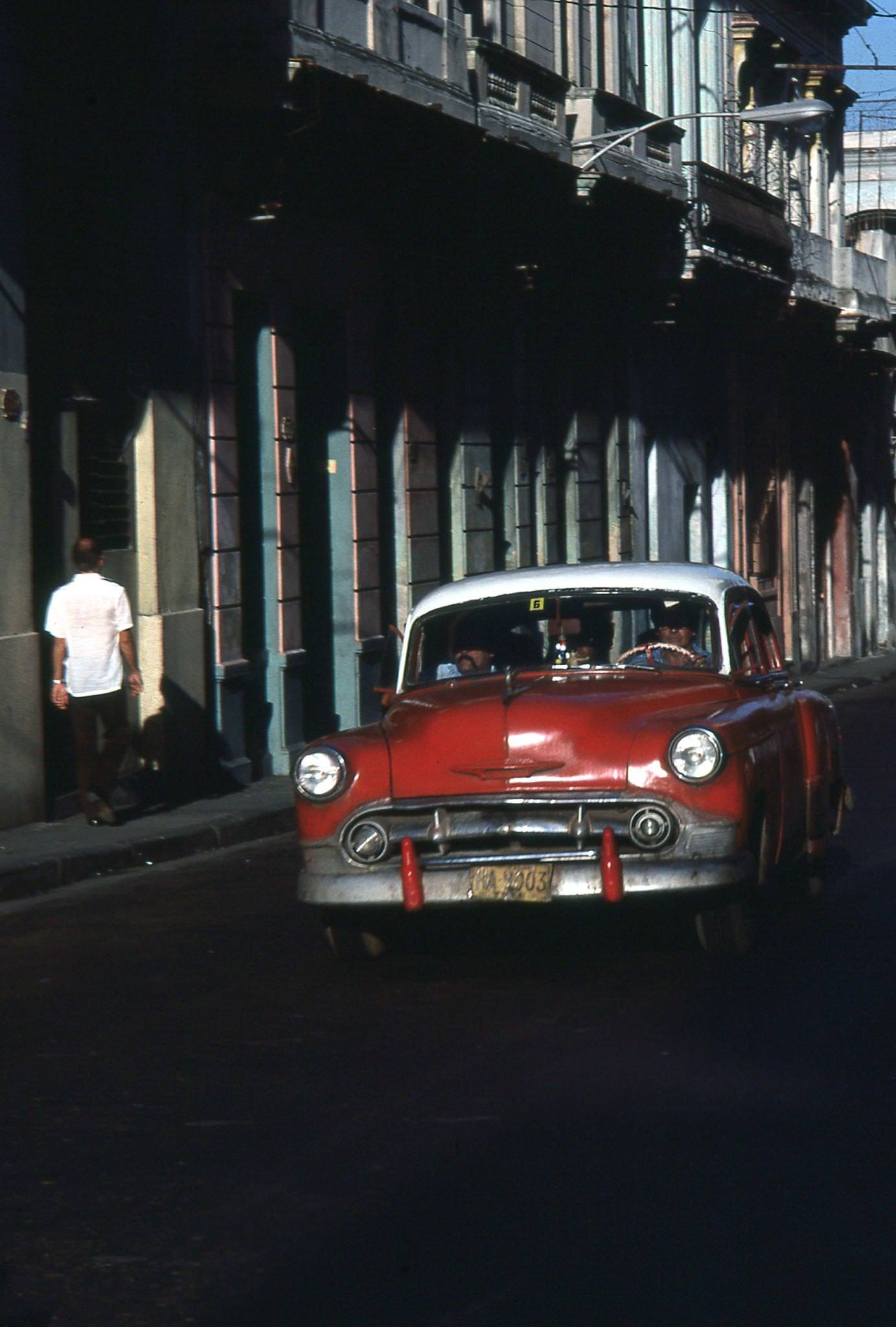
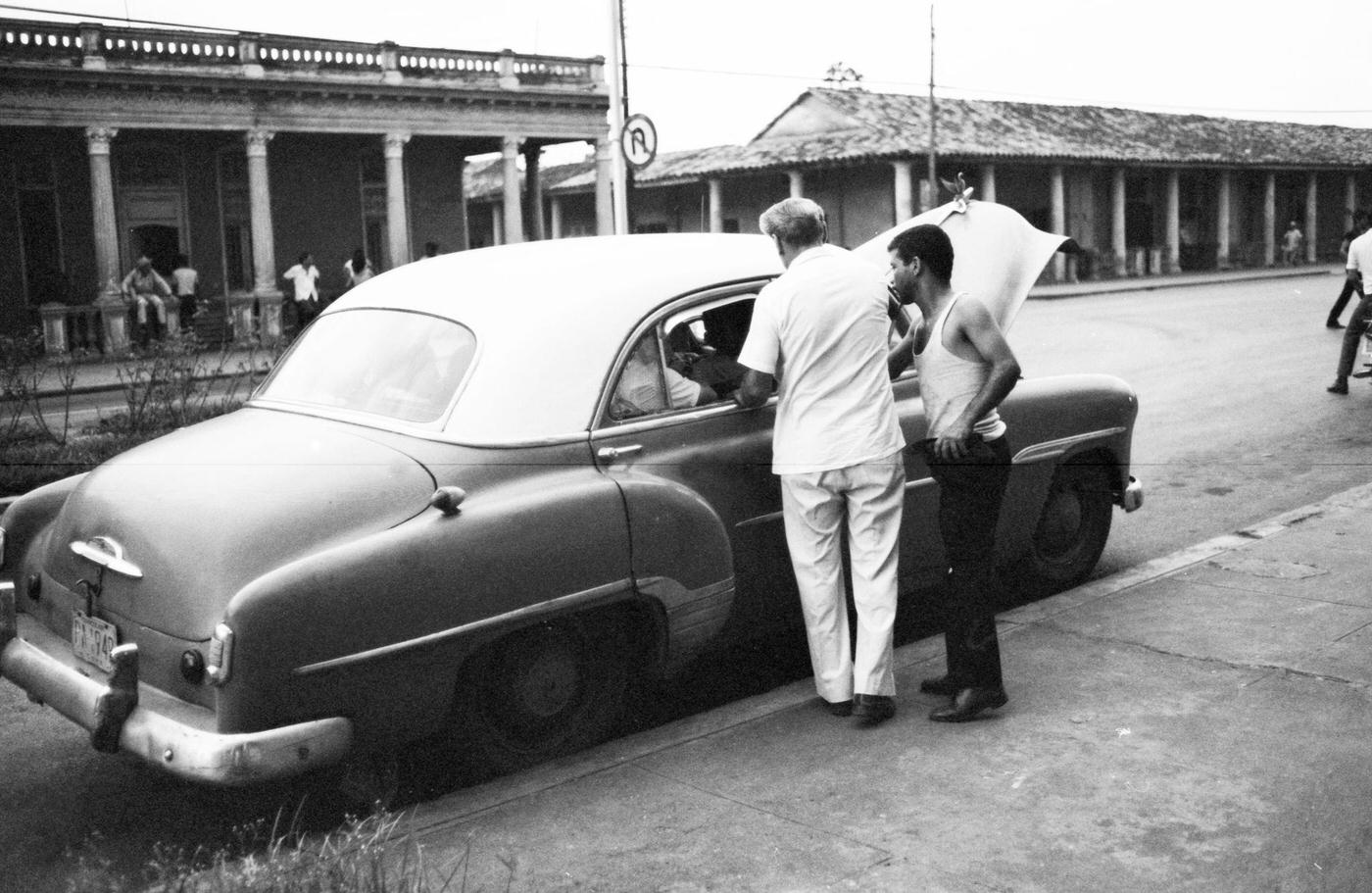
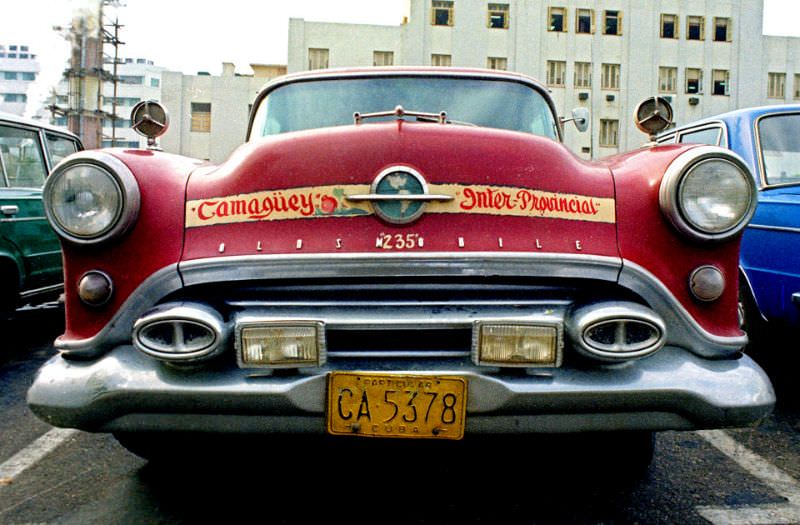
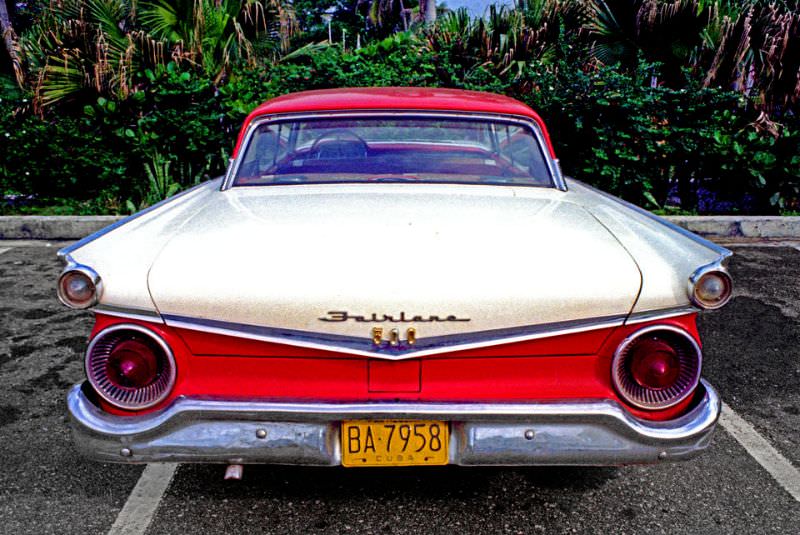
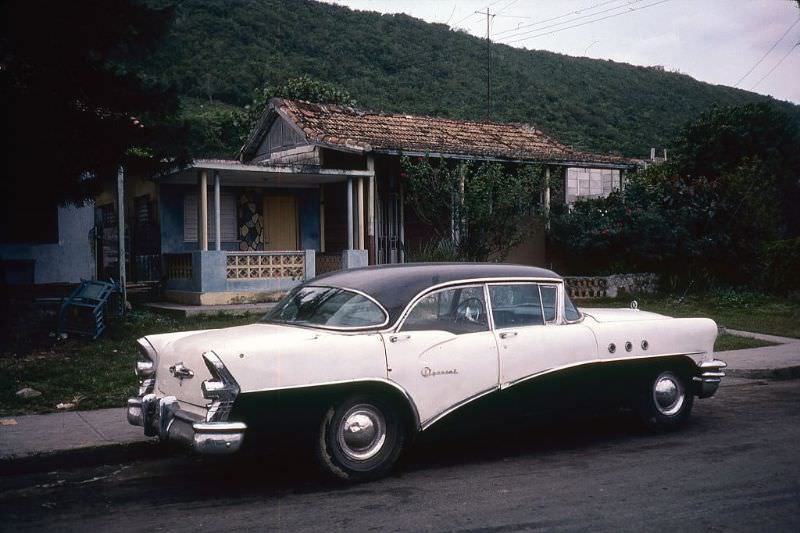
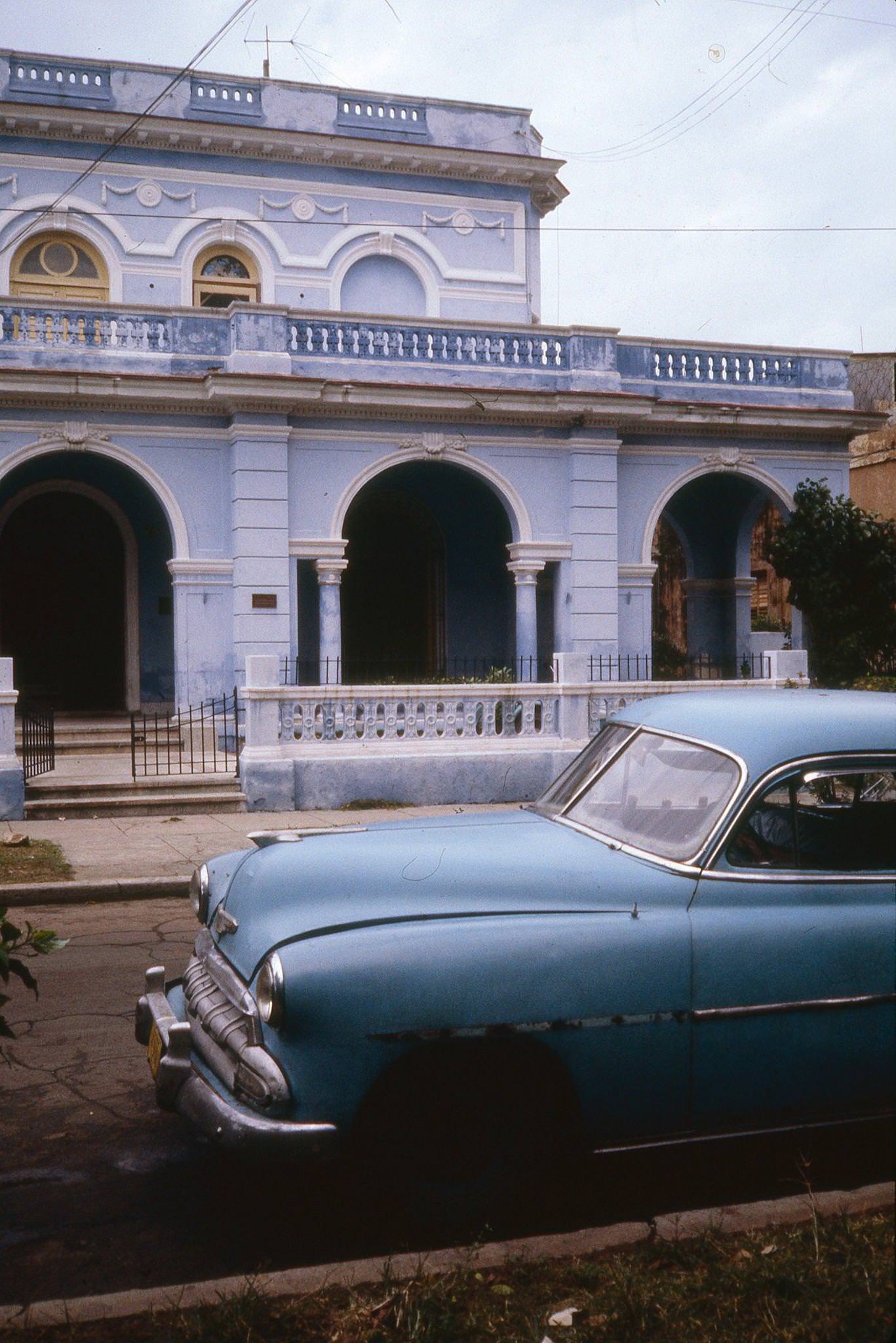
Havana in the early 1980s wore its history on every block. American cars from the 1950s — Buicks, Chevrolets, and Fords — were still in daily use, kept alive through improvised repairs and mechanical ingenuity. New car imports had effectively stopped after the revolution, so these vehicles became permanent fixtures. A 1955 Buick Special near Varadero and a battered 1952 Chevrolet Deluxe in the upscale Miramar neighborhood were not curiosities — they were transportation.
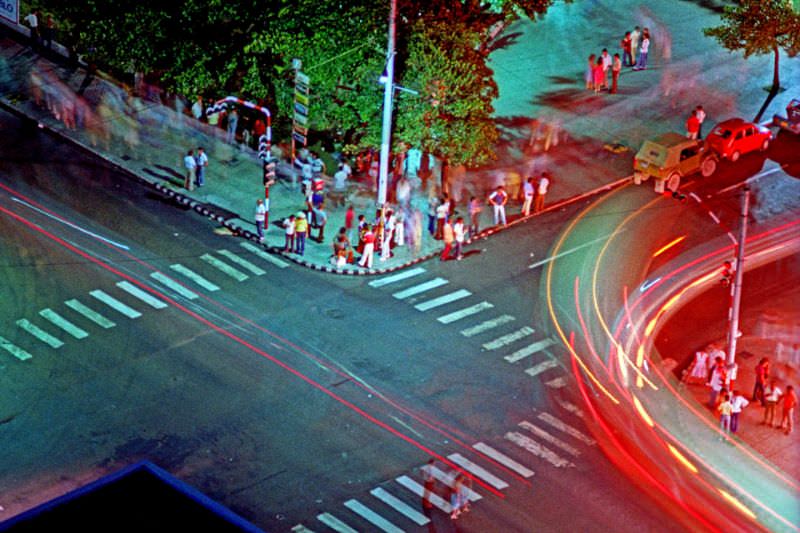
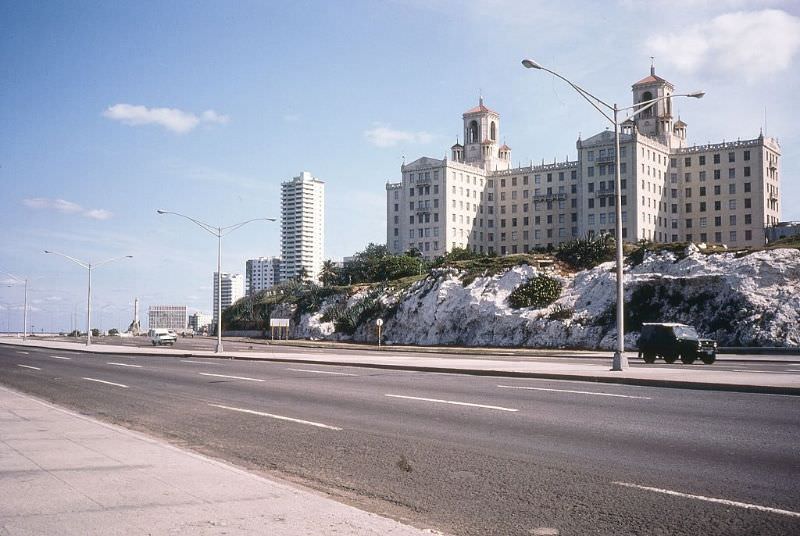
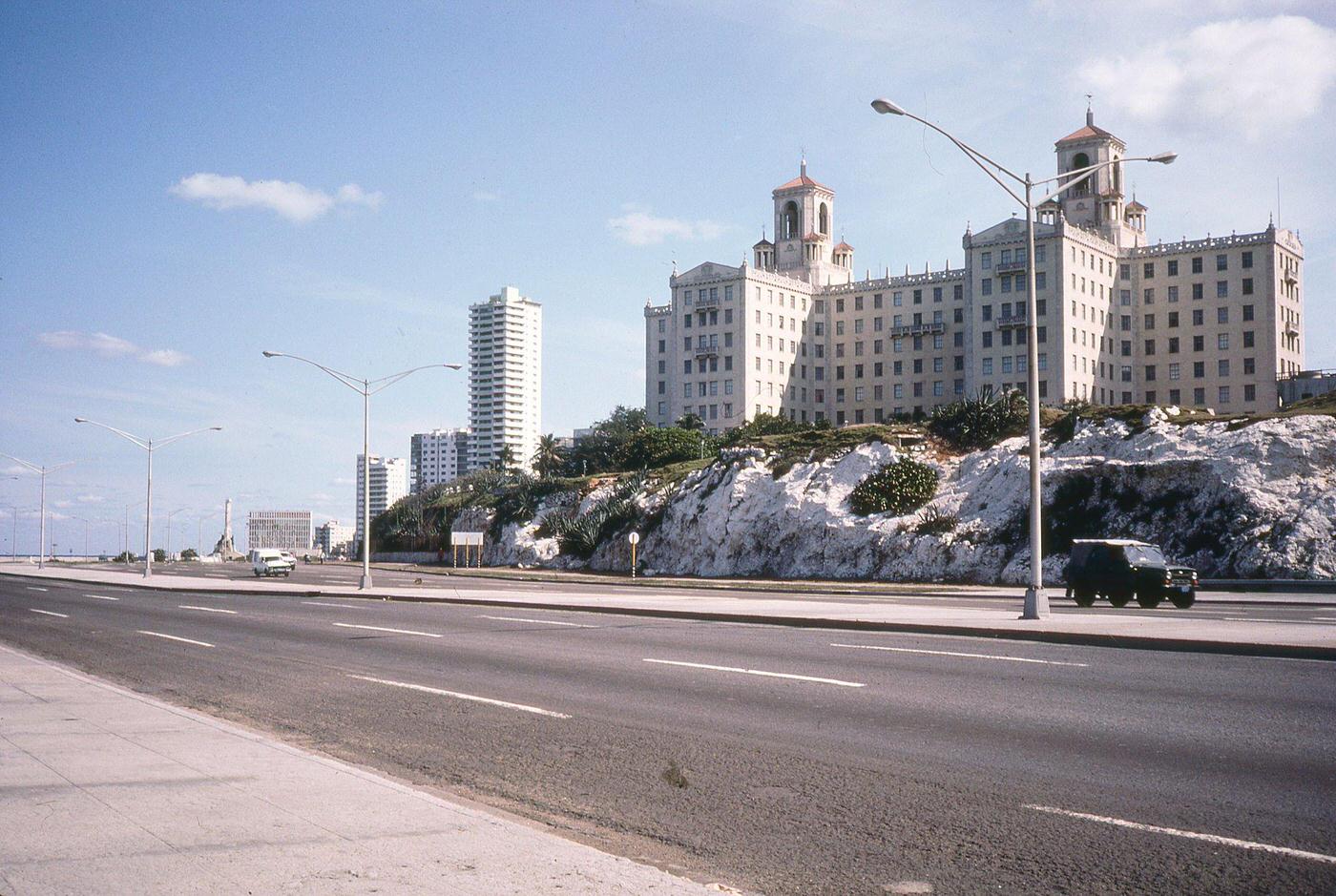
The Hotel Nacional de Cuba, perched above the Malecón seawall, remained one of Havana’s most recognizable landmarks. Built in 1930, it had hosted heads of state and celebrities before the revolution and continued to operate as a state-run hotel in the 1980s. The Malecón itself was a social artery — where Havanans gathered at night, fishermen cast their lines, and the ocean breeze provided relief from the city’s heat.
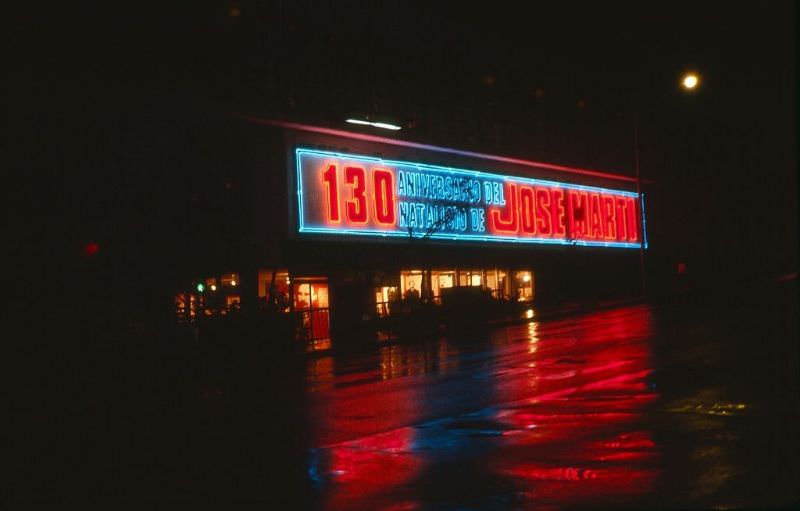
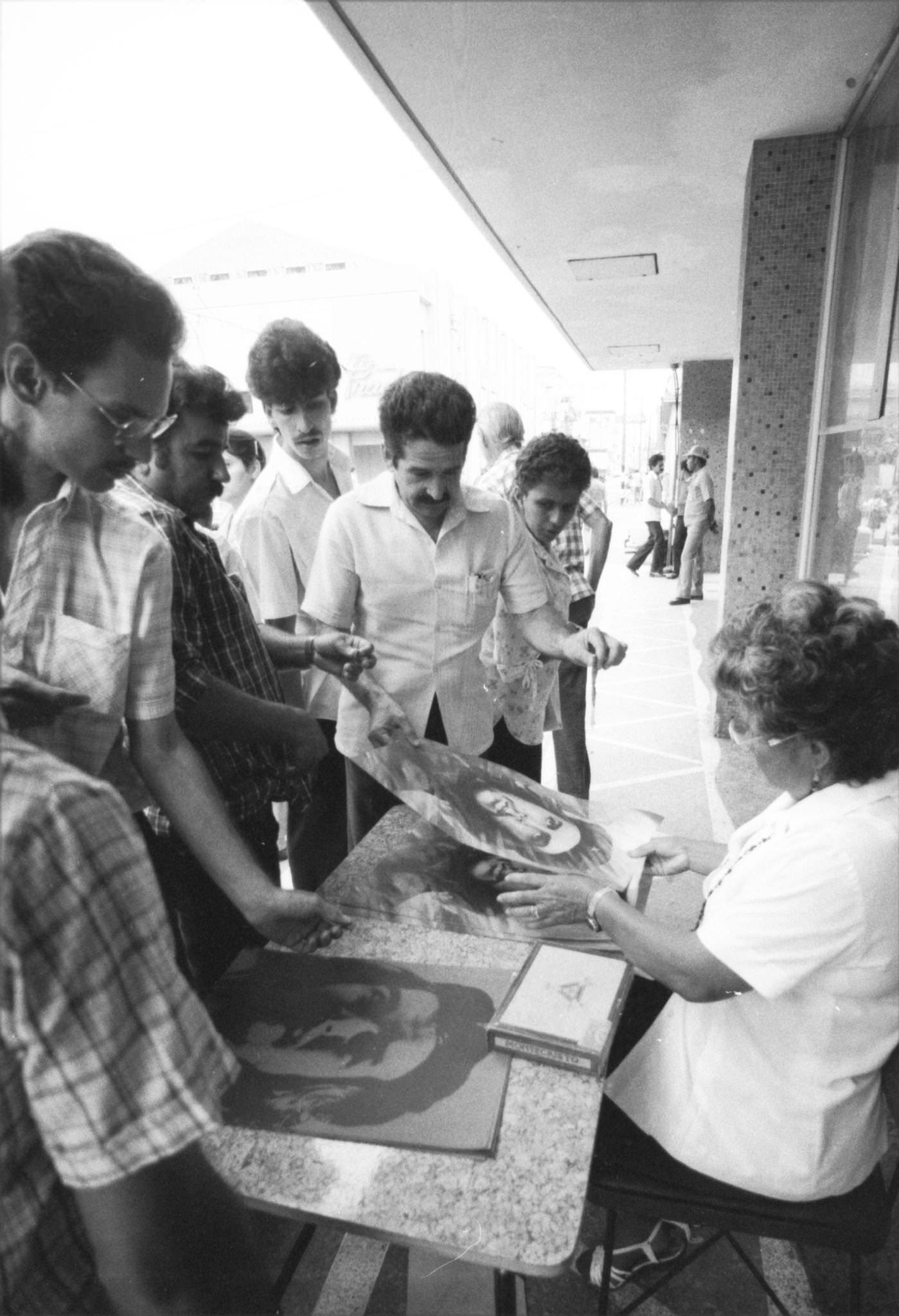
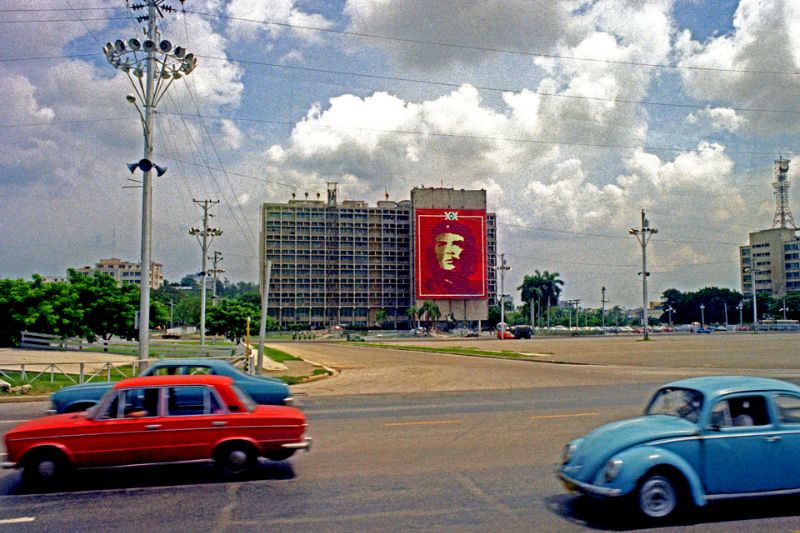
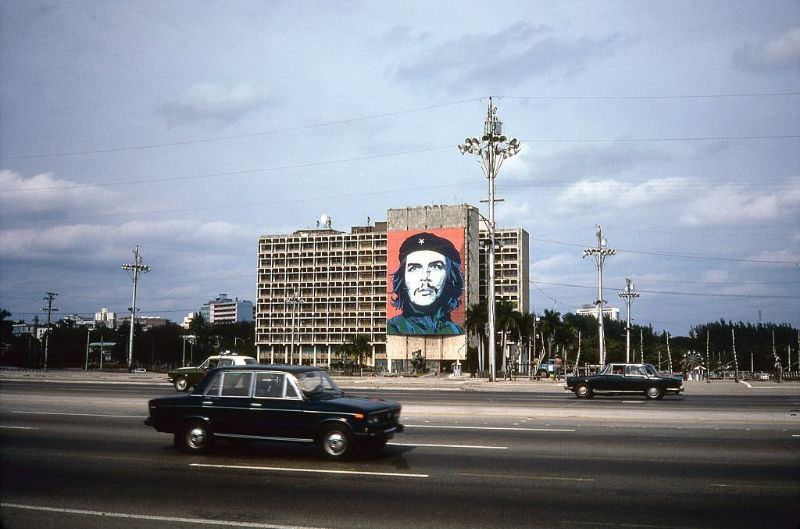
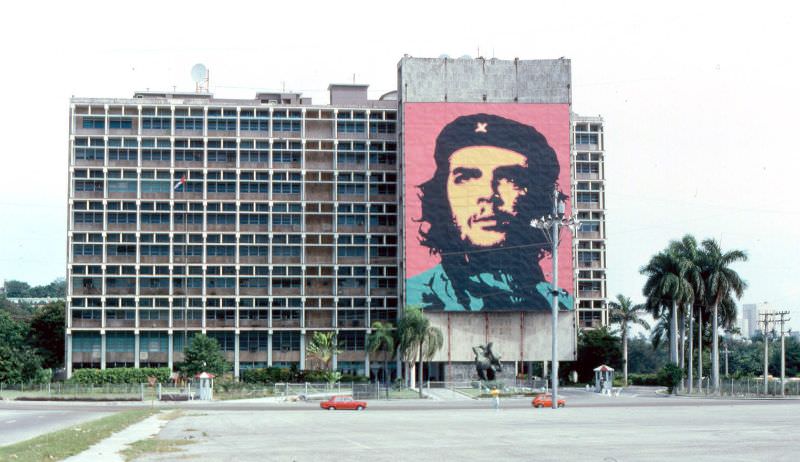
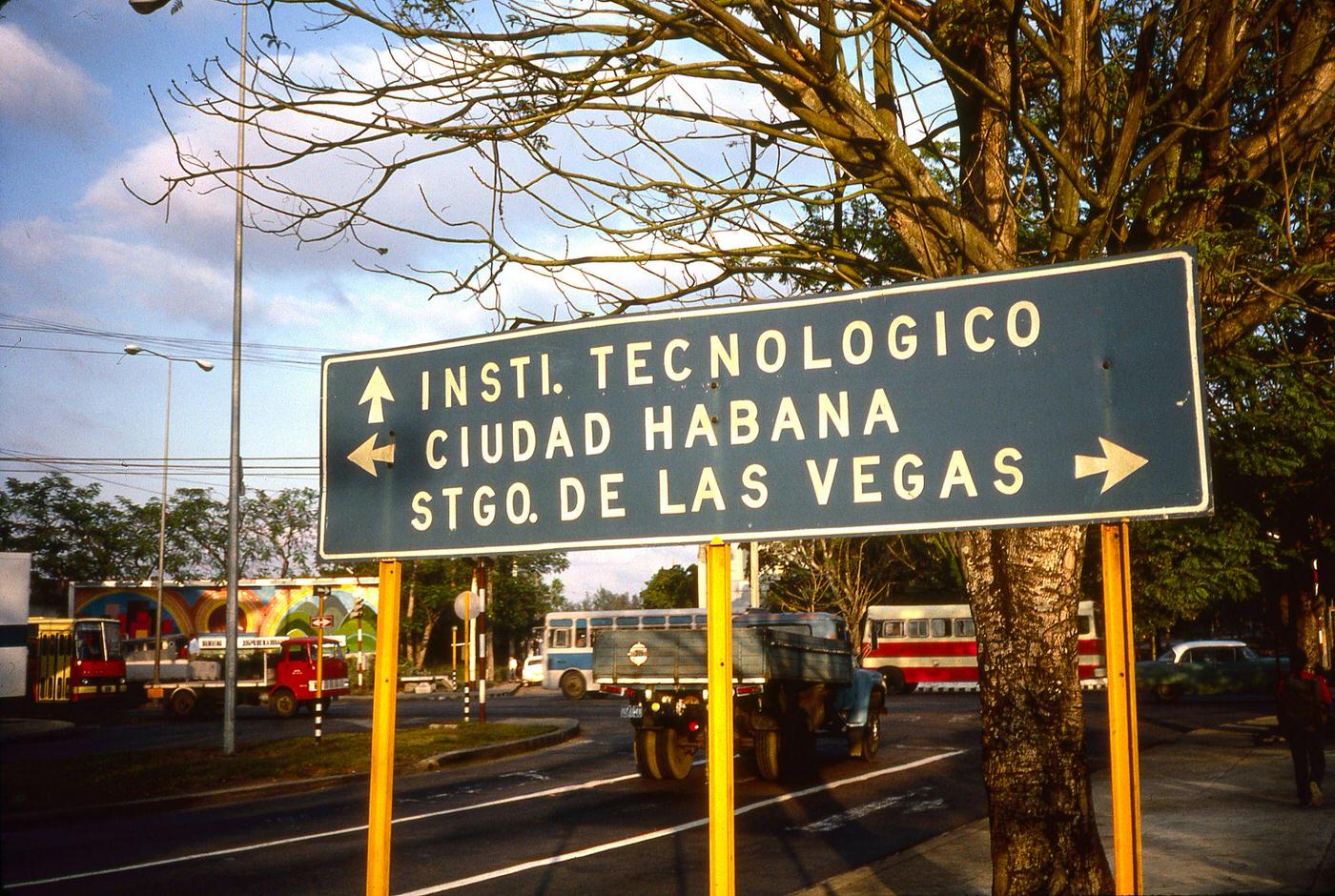
The Plaza de la Revolución was the political heart of Havana. Mass rallies drew hundreds of thousands here. Propaganda posters lined the bus stops at its edges, featuring images of Che Guevara and revolutionary slogans. The Ministry of the Interior building, overlooking the plaza, displayed a massive metal mural of Guevara’s face — one of the most reproduced images in Cuba. Billboards on the road to José Martí International Airport carried the same ideological messaging, greeting and sending off every visitor.
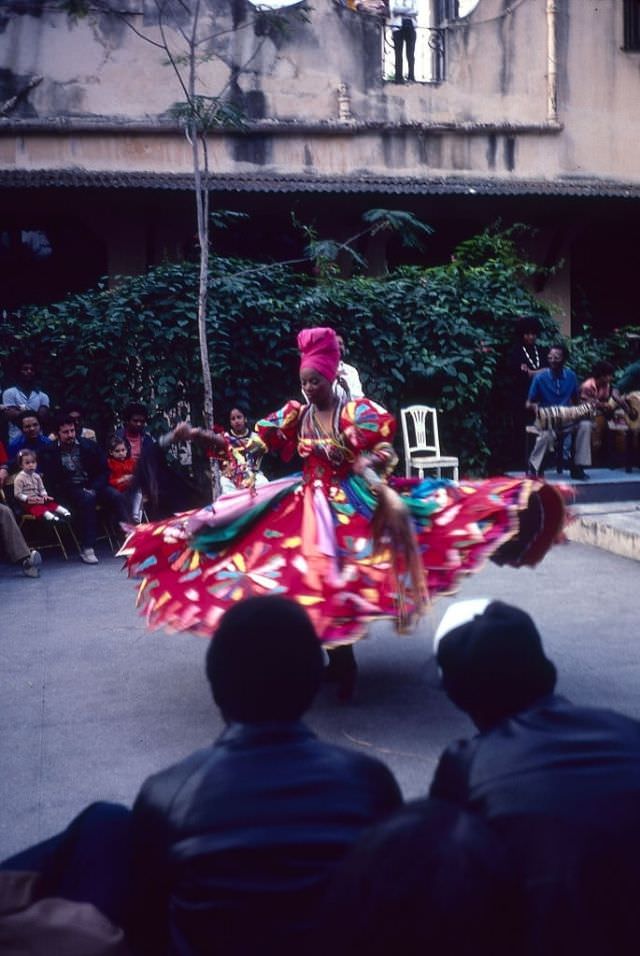
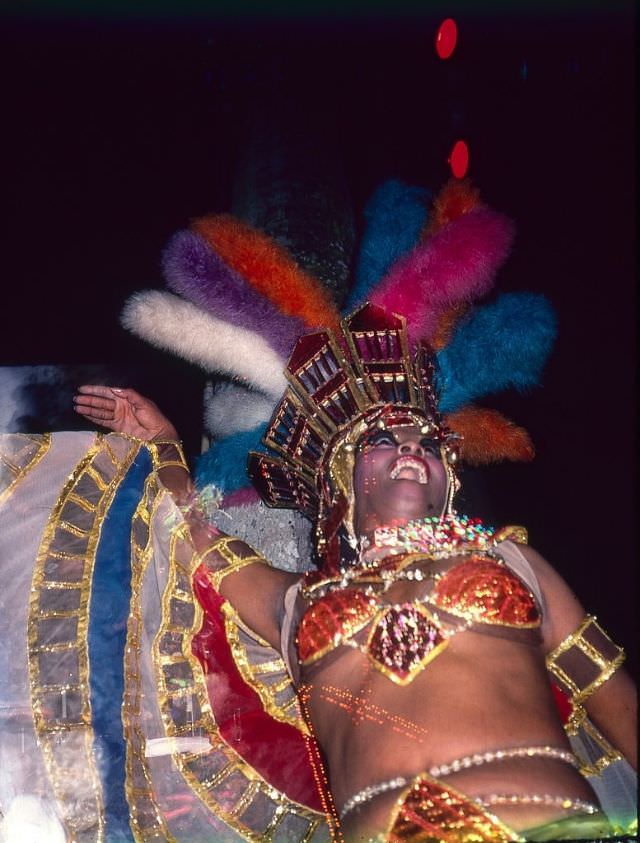
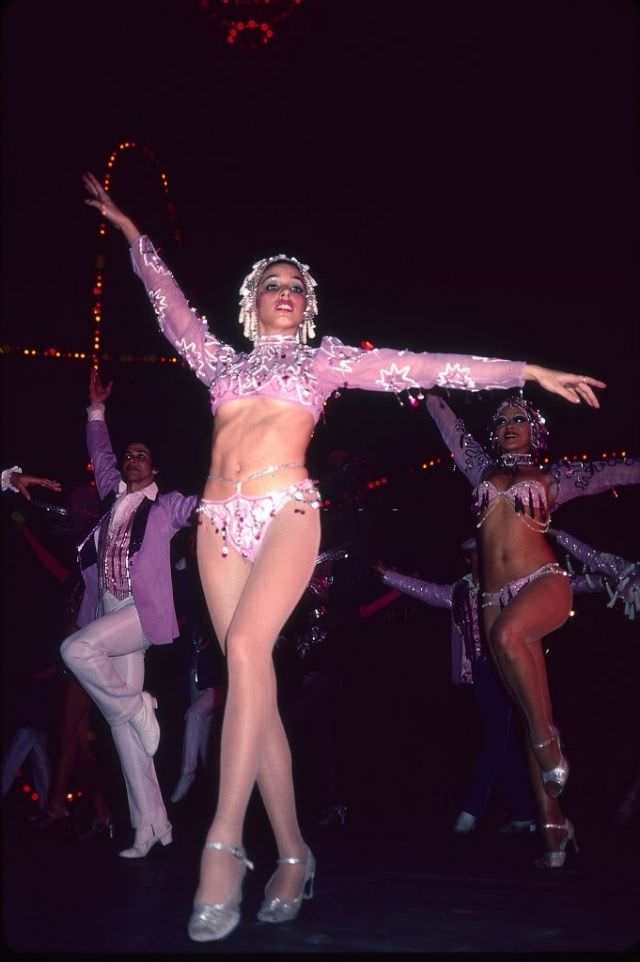
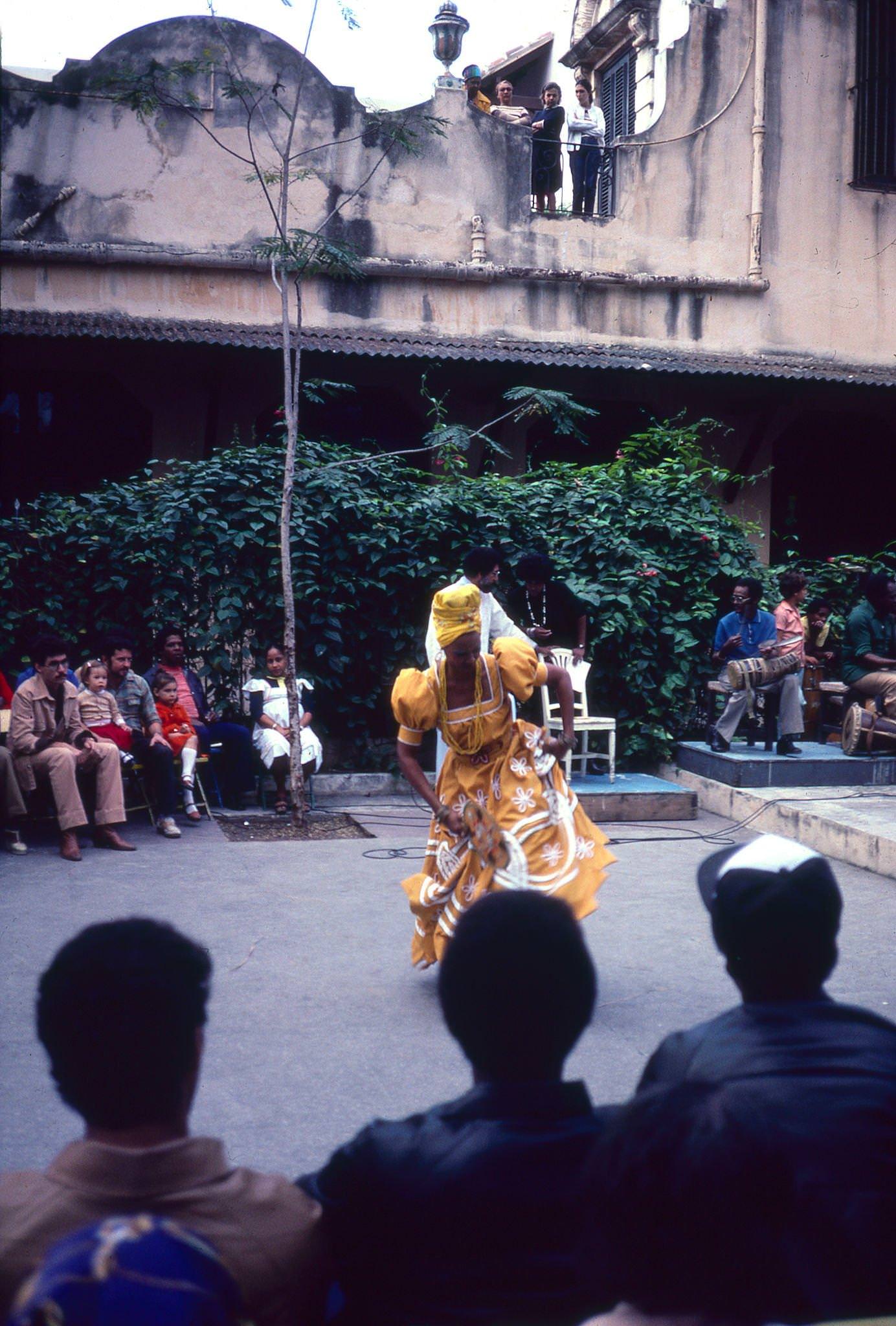
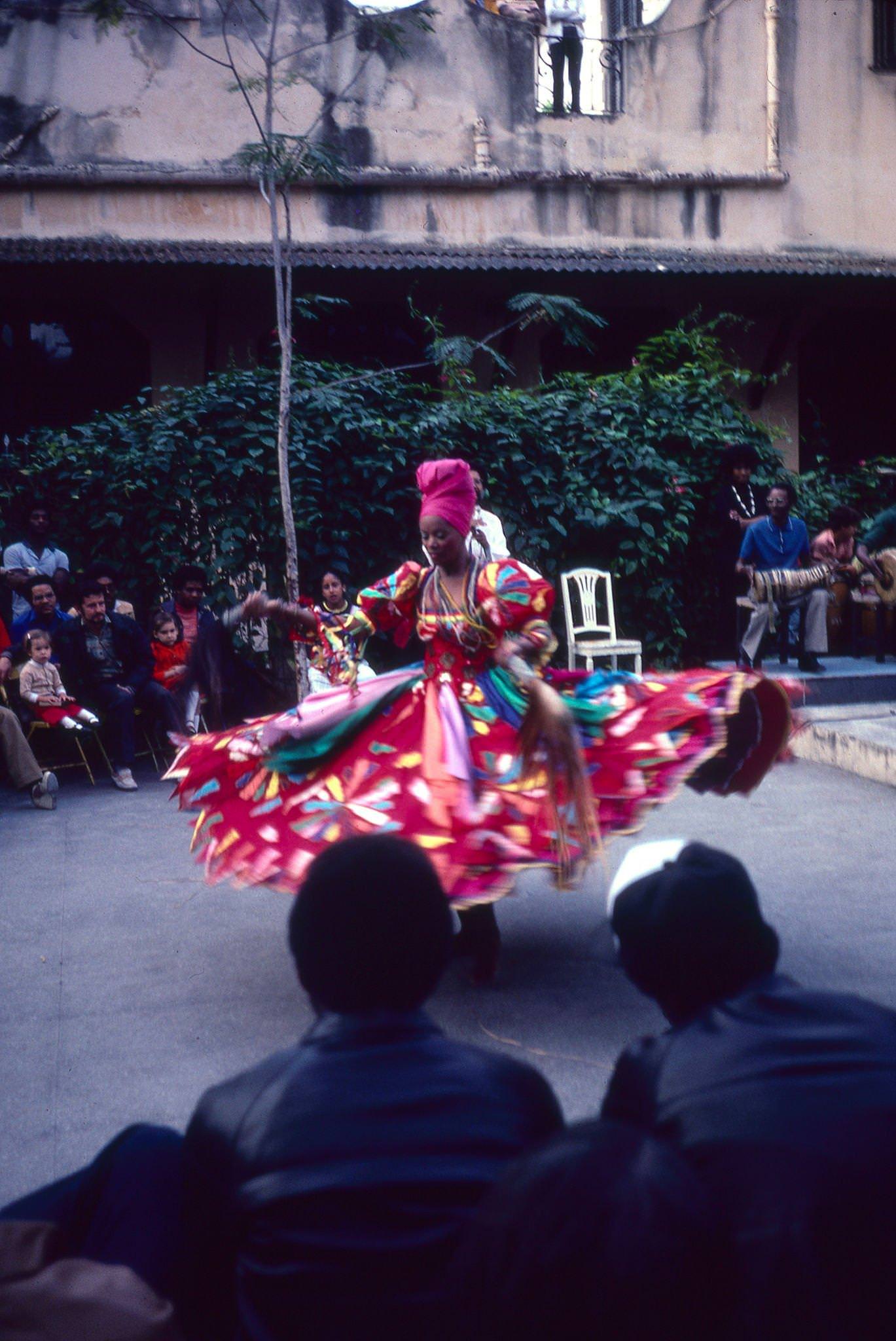
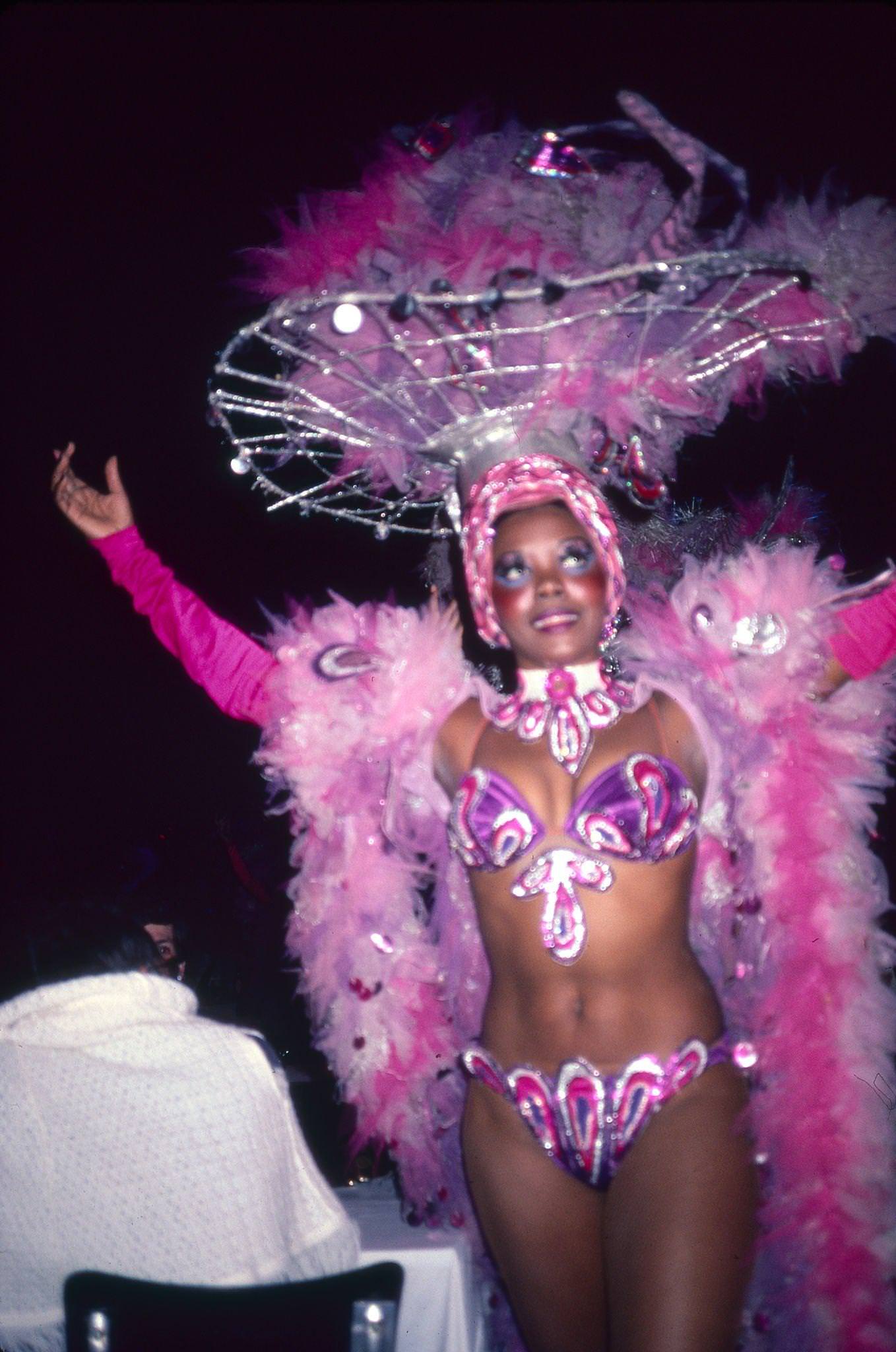
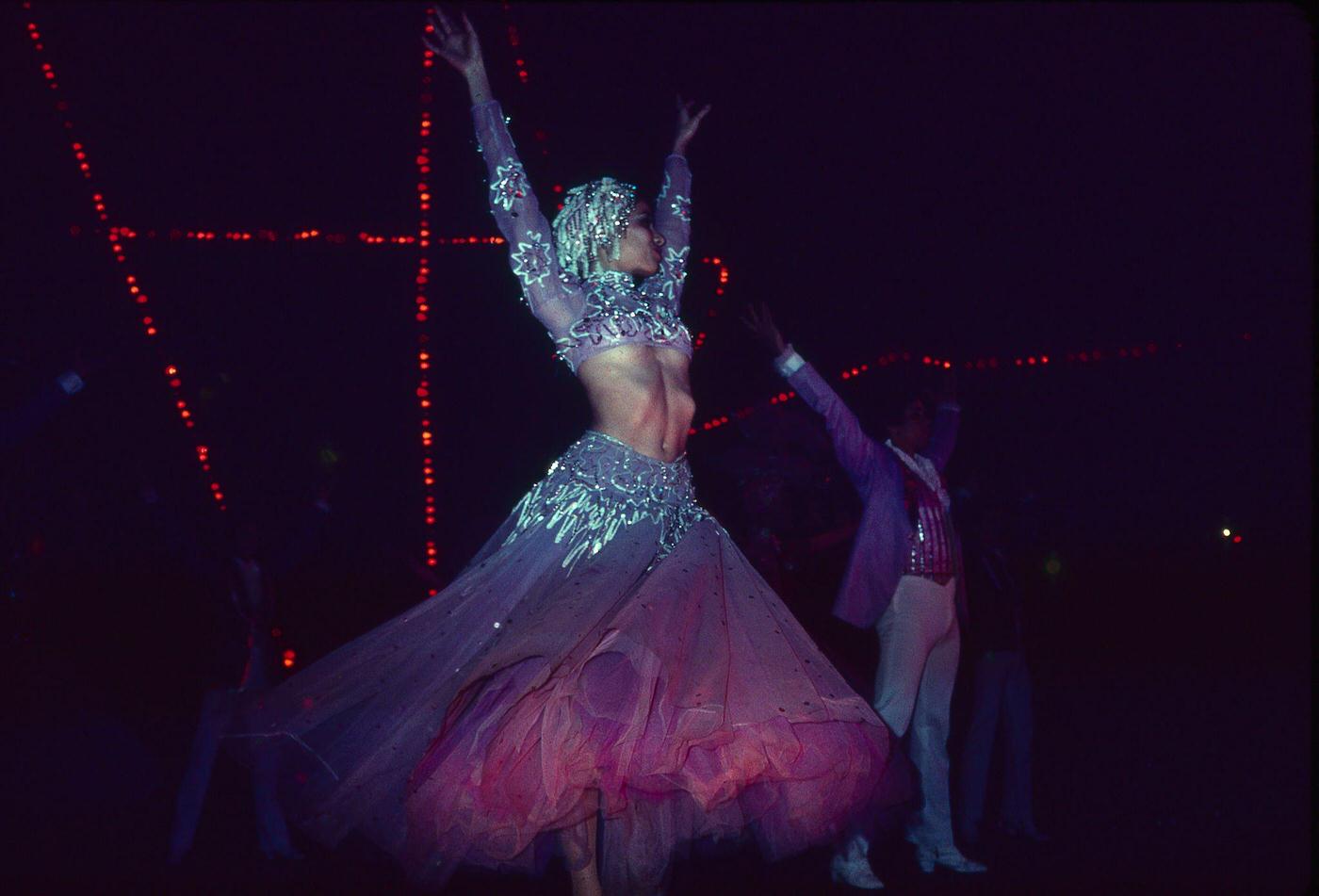
Cuban music and nightlife remained vibrant throughout the decade. At Cabaret Tropicana, one of the world’s most famous open-air nightclubs, performers in elaborate costumes entertained crowds nightly. Tropicana had operated since 1939 and survived the revolution as a state-run entertainment venue. In Plaza Vieja, dancers performed to live bands in the open air. Music in Cuba during the 1980s was not just entertainment — it was a national institution. Groups like Los Van Van and NG La Banda were pushing Cuban popular music into new directions, blending traditional rhythms with modern sounds to create Timba, a harder, more complex form of Salsa.
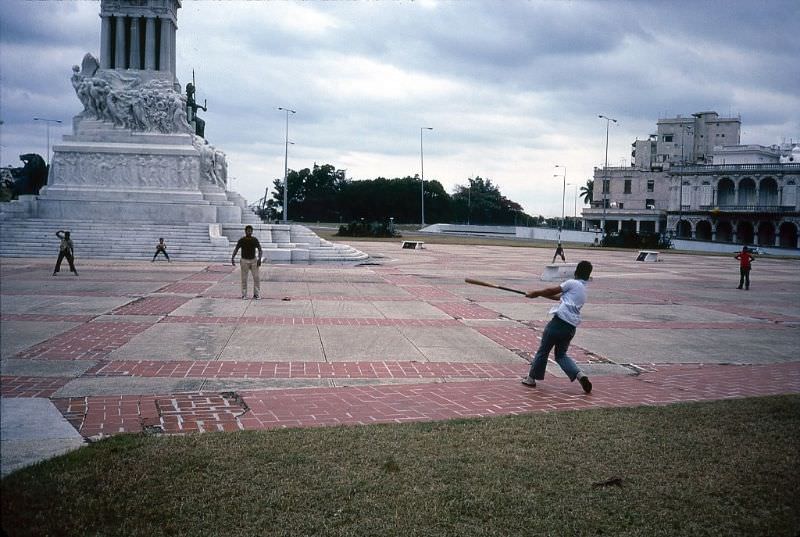
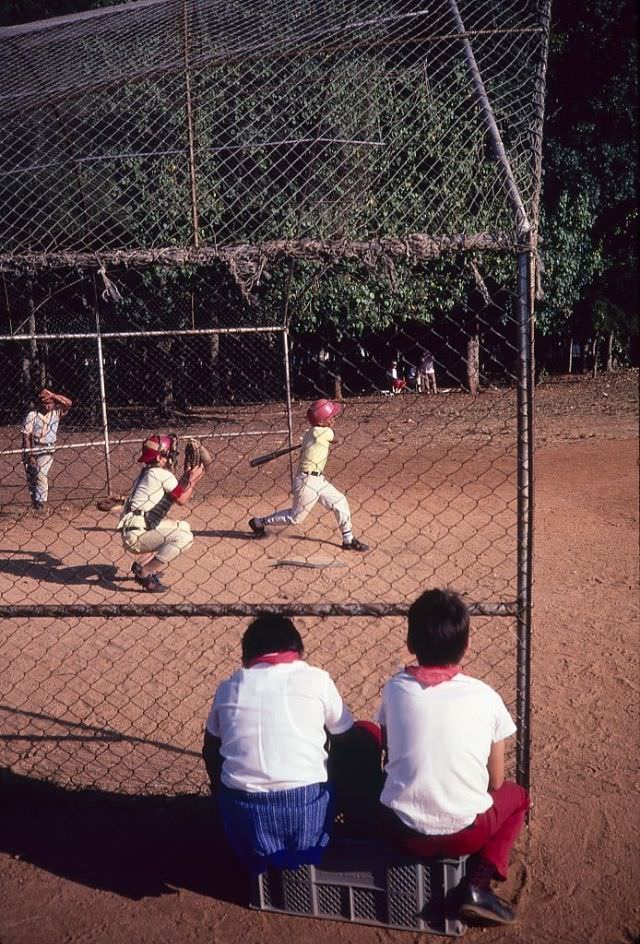
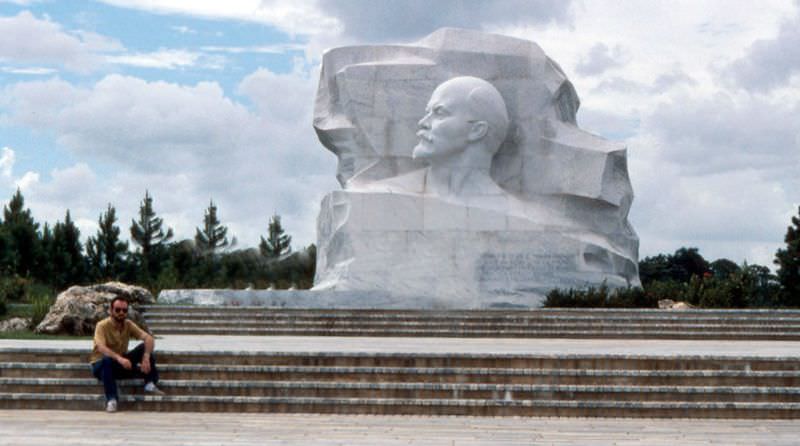
Baseball was Cuba’s most popular sport, played everywhere from formal stadiums to open plazas. Boys played pickup games near the Monument to Máximo Gómez and in Lenin Park in the Arroyo Naranjo district. The national team consistently ranked among the best in the world during amateur international competition, reflecting the government’s deep investment in sports programs. Boxing also brought Cuba international recognition — fighters like Félix Savón began their rise during this period, winning world amateur titles and Olympic gold.
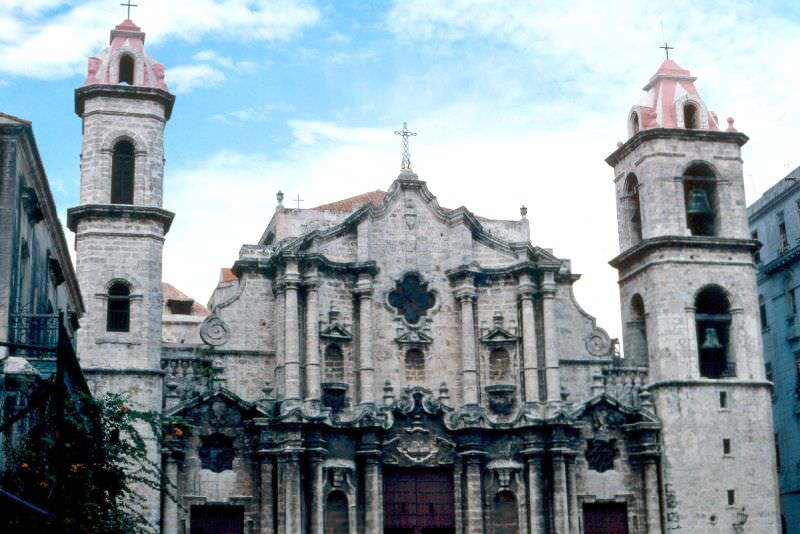
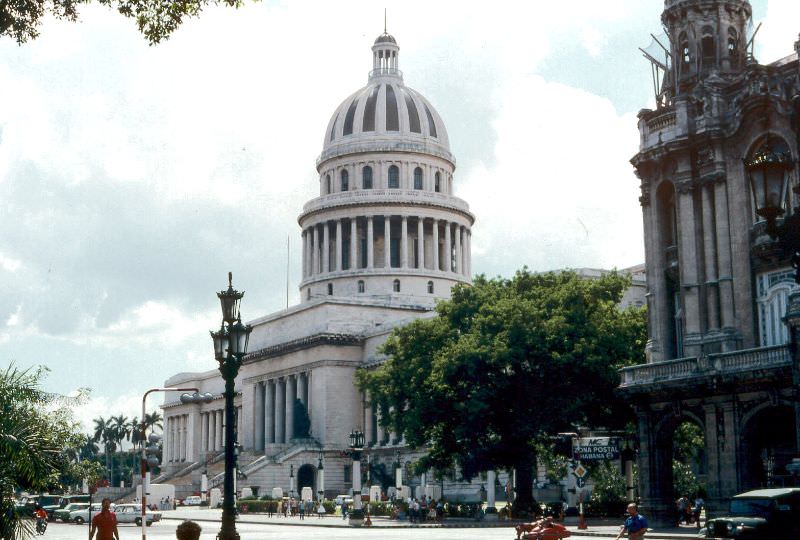
By 1985, Havana’s landmarks carried the weight of decades of revolutionary history. The Plaza de la Revolución remained the symbolic center of the state. Havana Cathedral stood in the colonial heart of the city. El Capitolio, modeled after the U.S. Capitol and built in 1929, had been repurposed as home to the Cuban Academy of Sciences. Parque Lenin, a large recreational park on the city’s outskirts, gave Havanans open space for weekend leisure.
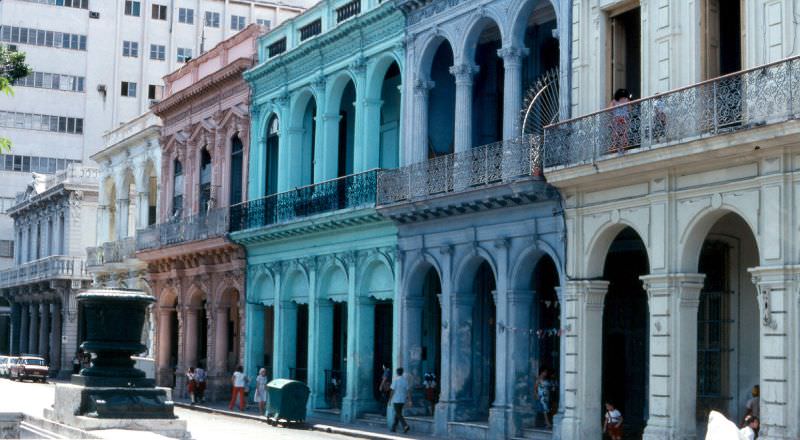
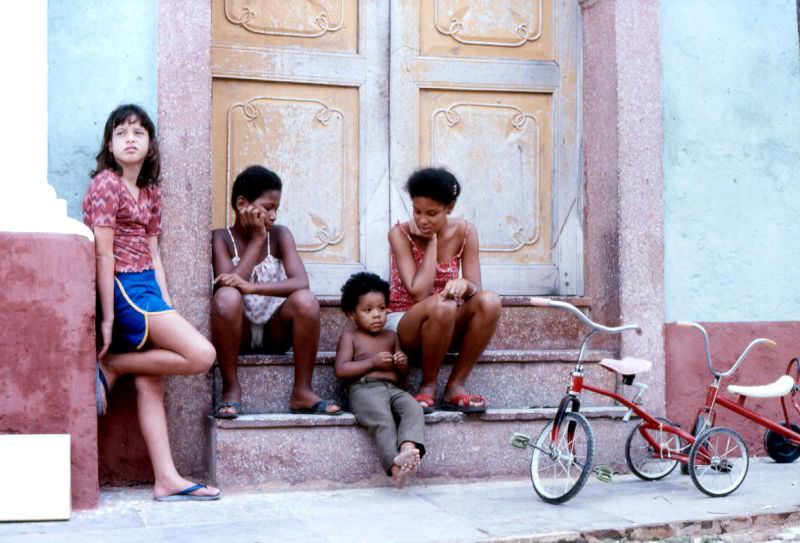
Outside Havana, Cuban cities each had their own character. Holguín, in the country’s east, was known for its parks and colonial grid. Its streets in 1985 showed the same mix of revolutionary imagery and ordinary daily life found everywhere across the island. Matanzas, the “City of Bridges,” sat between Havana and Varadero and maintained a strong Afro-Cuban cultural tradition rooted in music and religion.
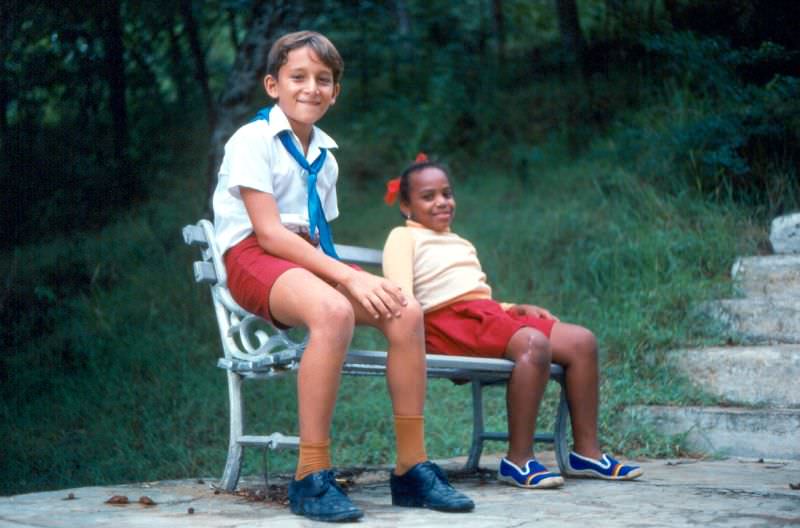
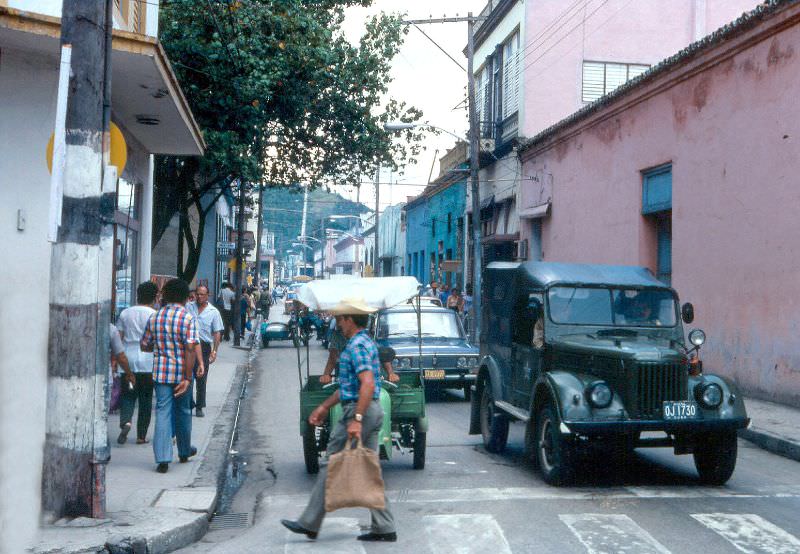
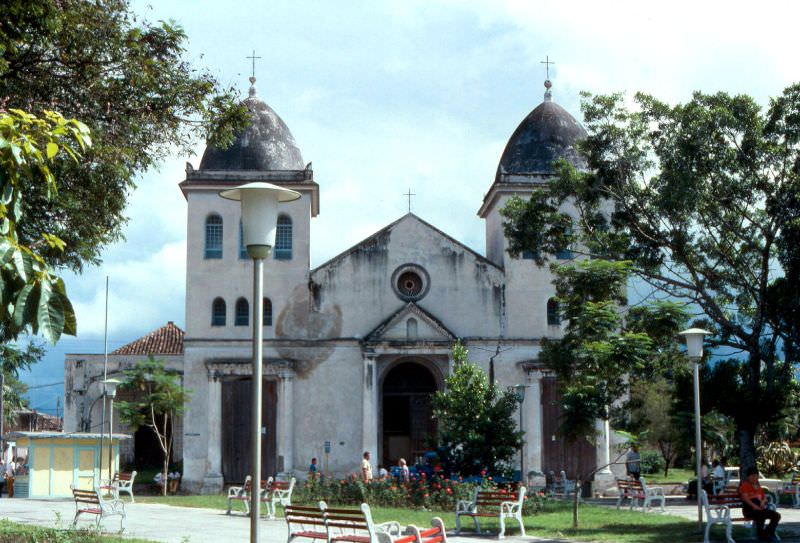
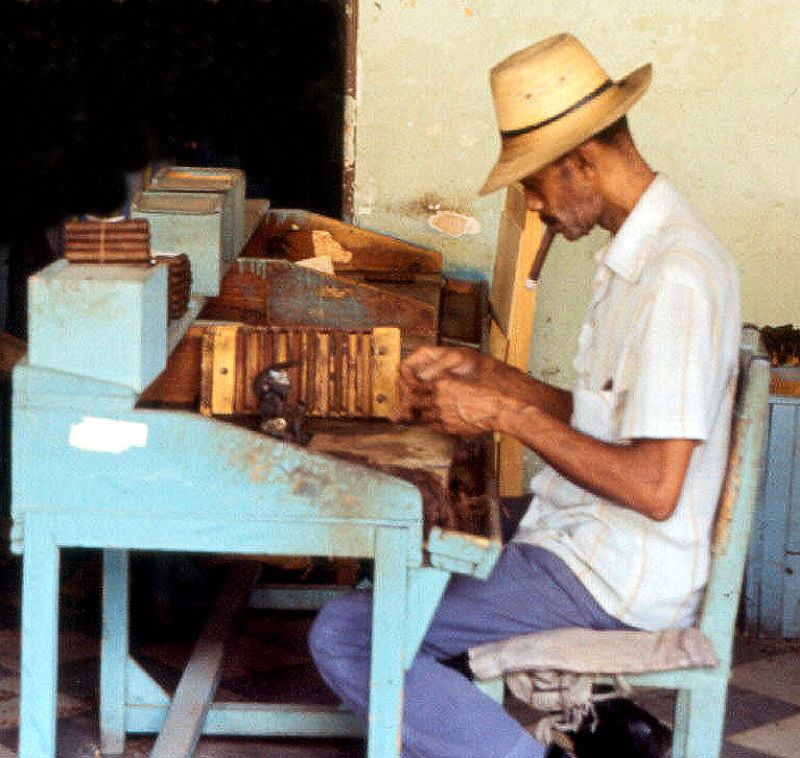
In Trinidad, a UNESCO World Heritage town in Sancti Spíritus province, children were photographed in 1985 making and smoking cigars — a deeply embedded cultural practice in a country where tobacco cultivation stretches back centuries. Trinidad’s cobblestone streets and pastel colonial buildings made it one of Cuba’s most visually striking towns, largely unchanged from the 18th and 19th centuries.
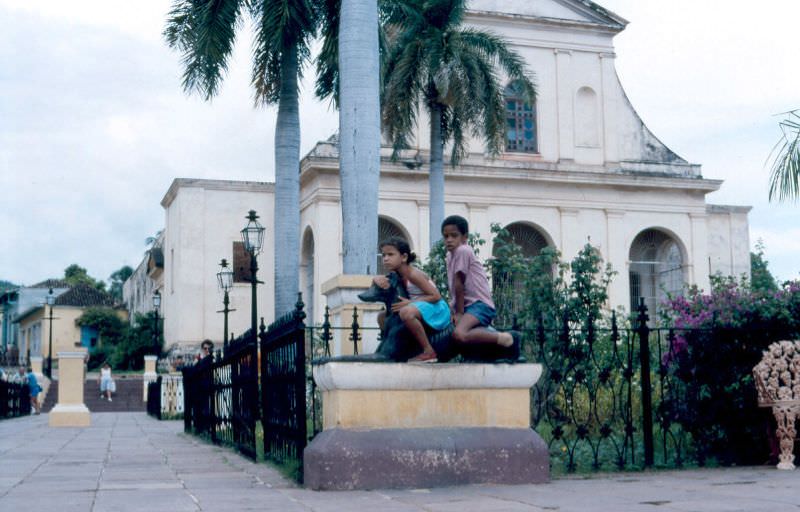
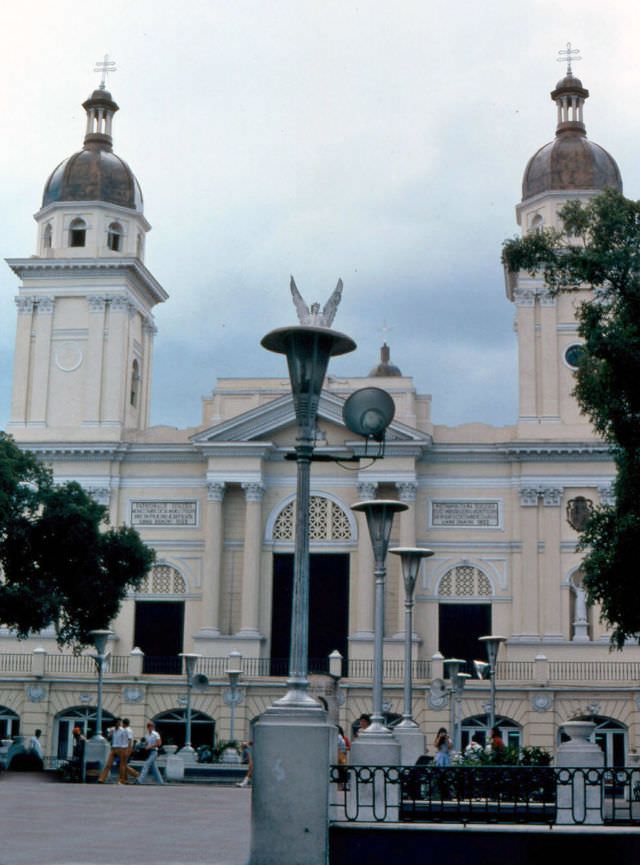
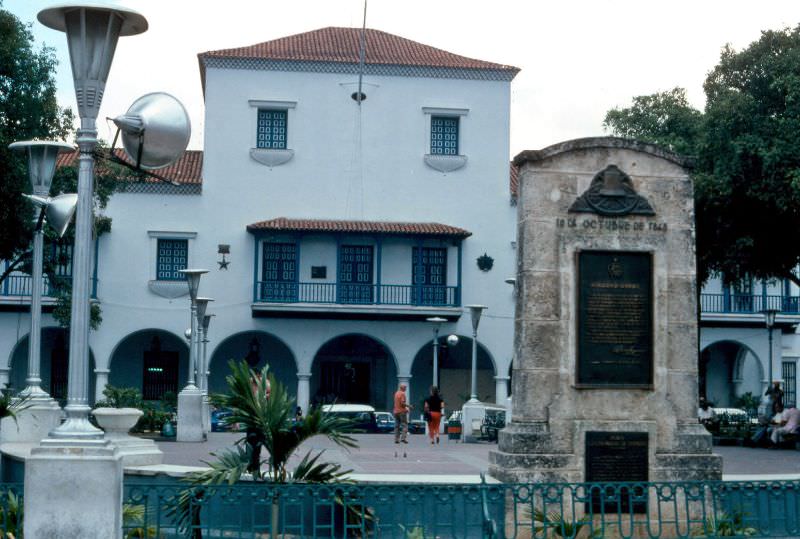
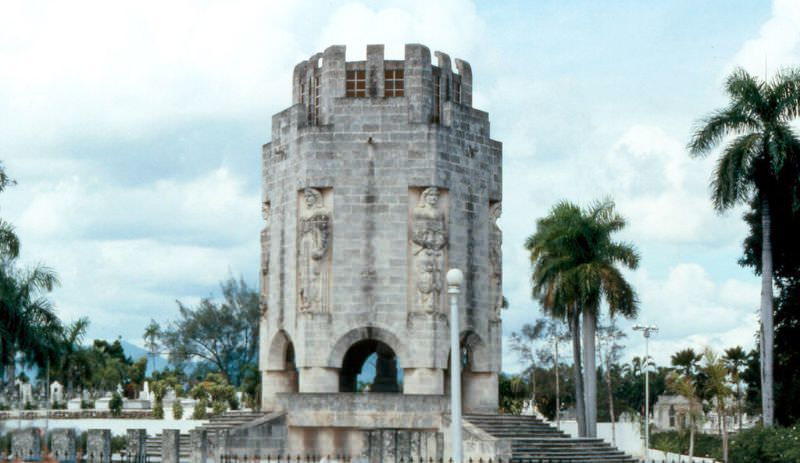
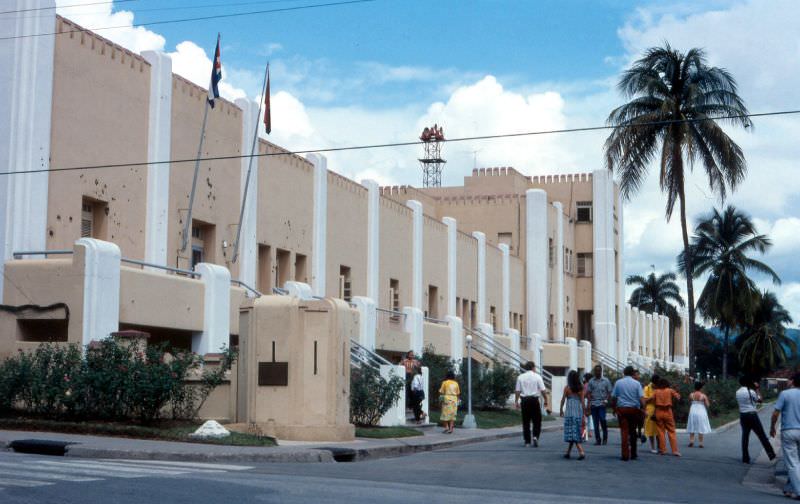
Santiago de Cuba, the country’s second-largest city and its revolutionary cradle, held enormous symbolic importance. It was here that Castro launched the revolution’s opening attack on the Moncada Barracks on July 26, 1953. By 1985, those barracks had been converted into a school and museum. The city’s cathedral, the Casa de la Trova music venue, and the mausoleum of José Martí all drew visitors and locals alike. City Hall overlooked Céspedes Park, where much of the city’s public life played out.
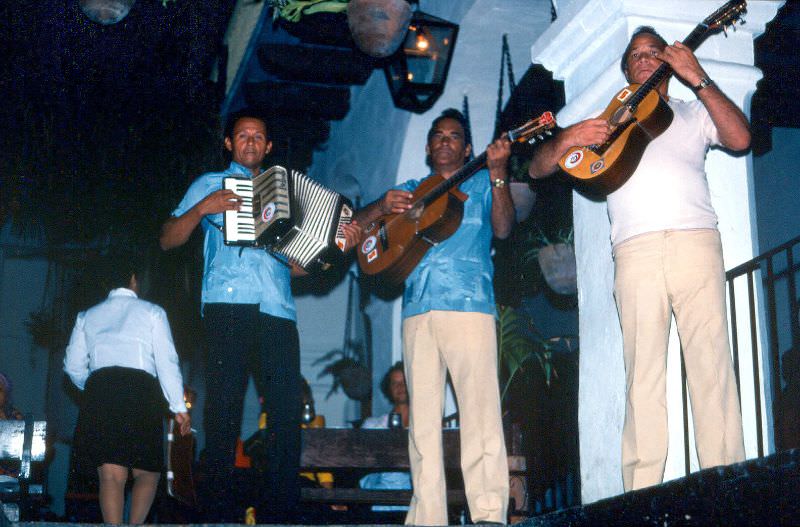
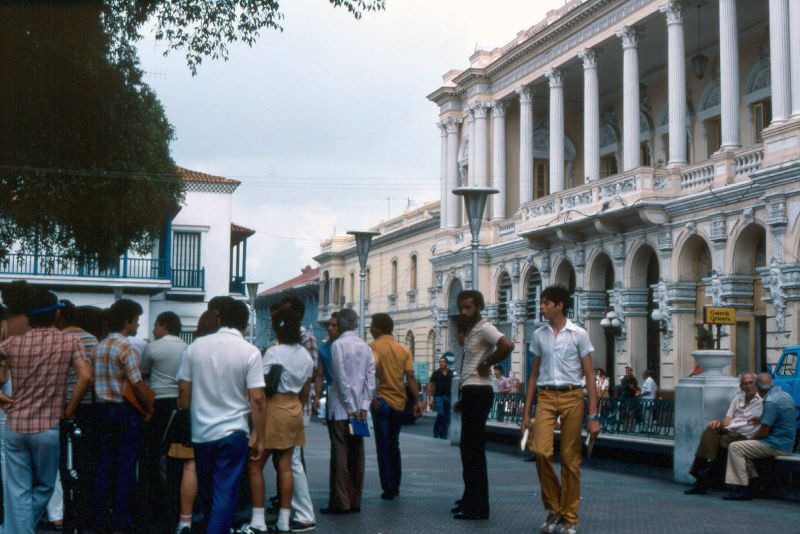
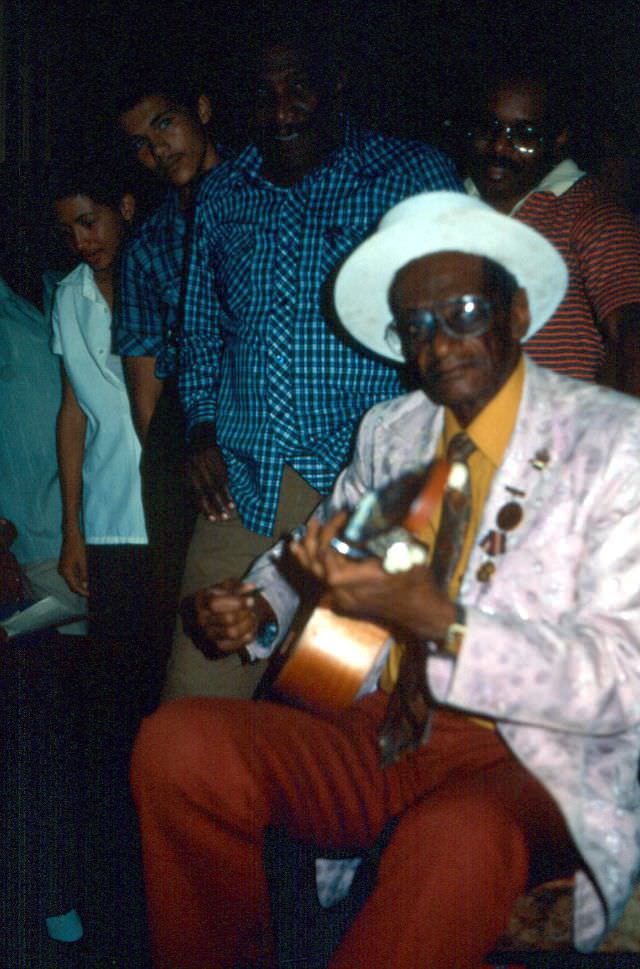
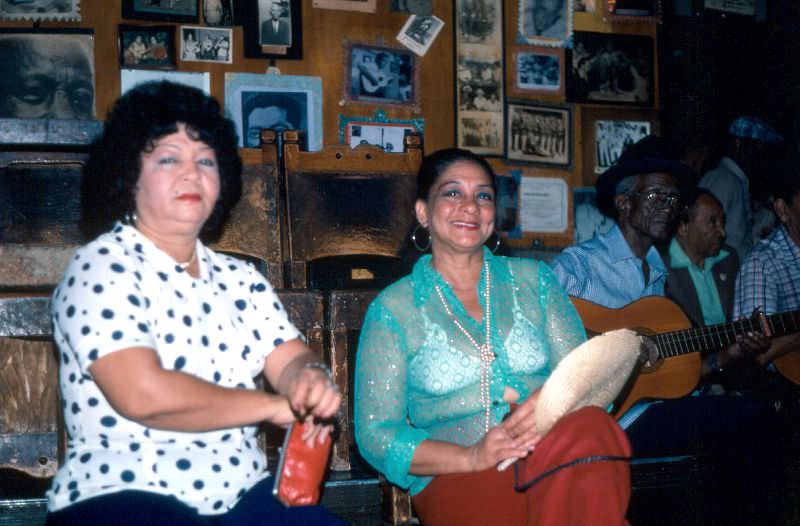
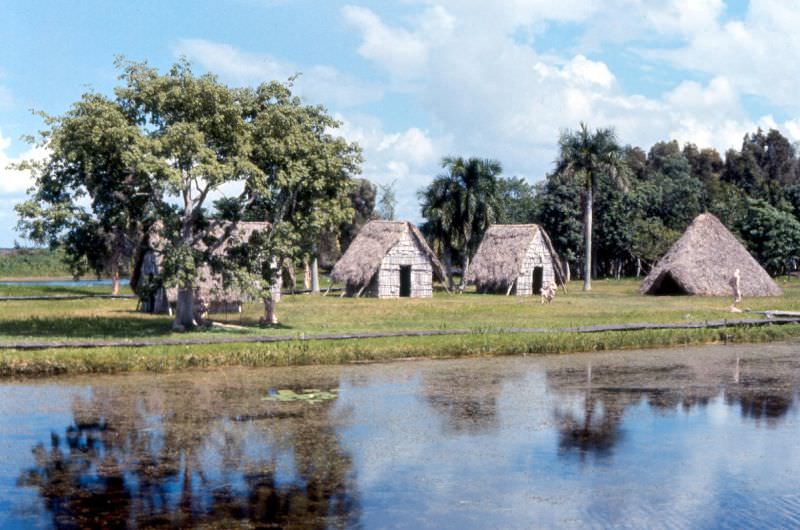
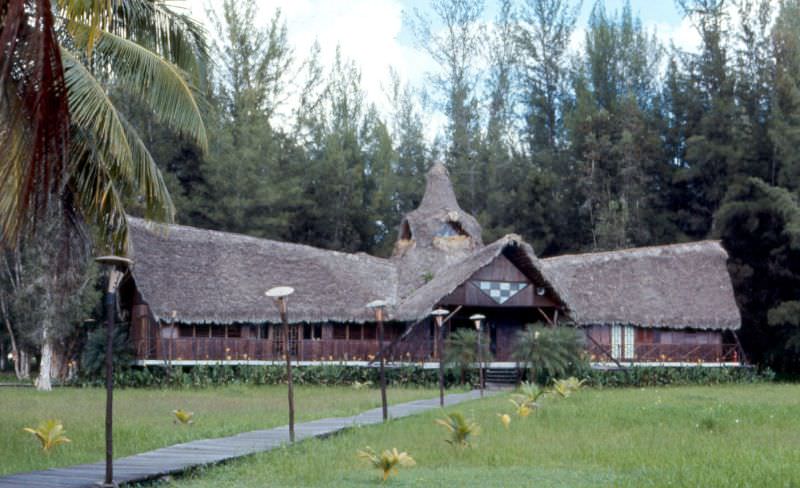
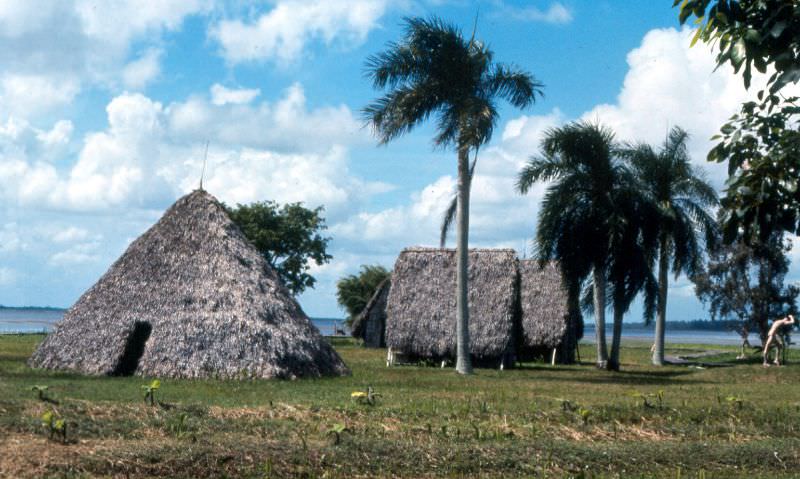
Aldea Taína, near Baracoa in the far east of Cuba, was a reconstructed Taíno village — a site dedicated to preserving the memory of Cuba’s indigenous population, which was largely wiped out within decades of Spanish colonization. By the 1980s, the Taíno had been gone for centuries, but the Cuban government maintained cultural sites like this one as part of a broader effort to acknowledge the island’s pre-colonial roots.
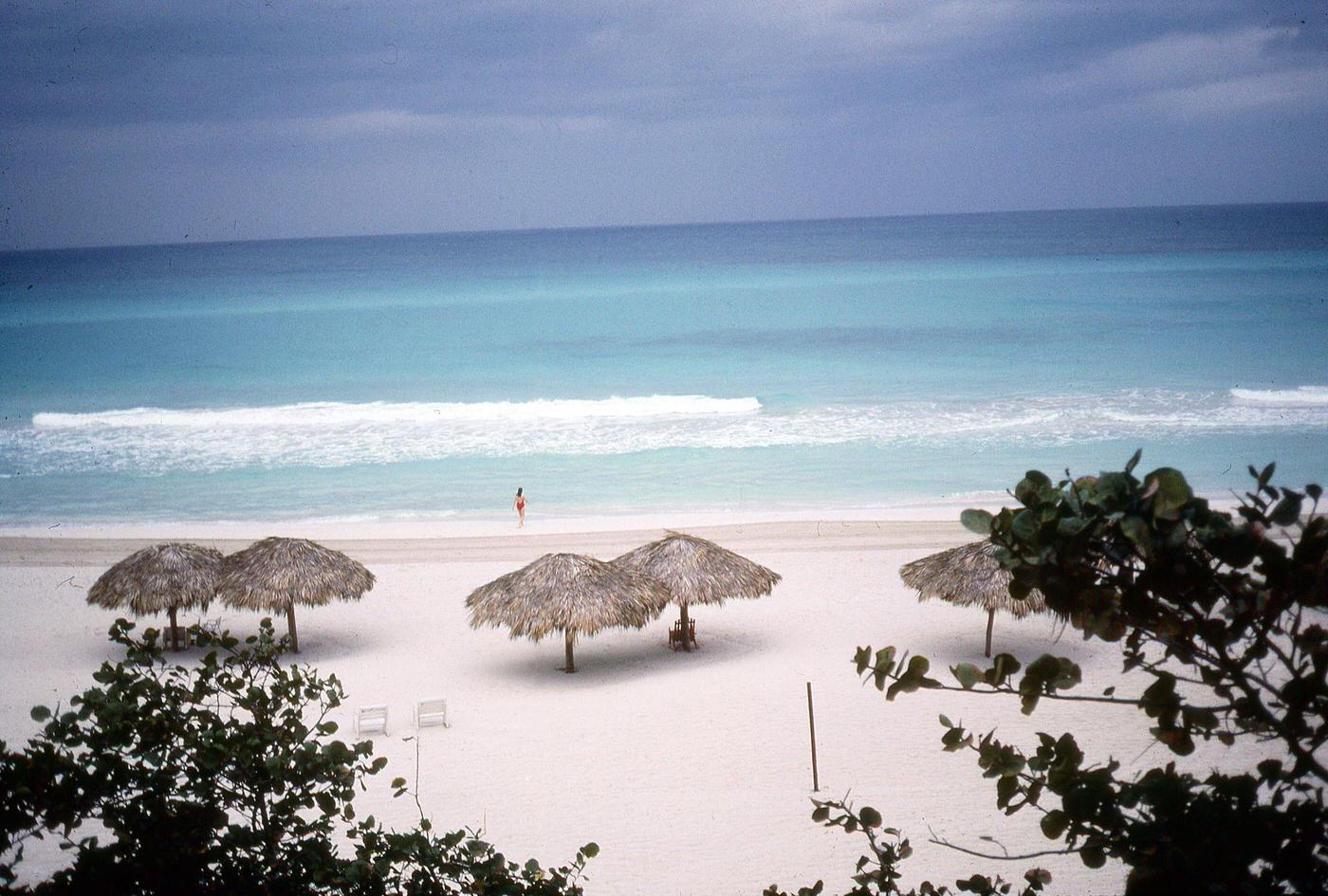
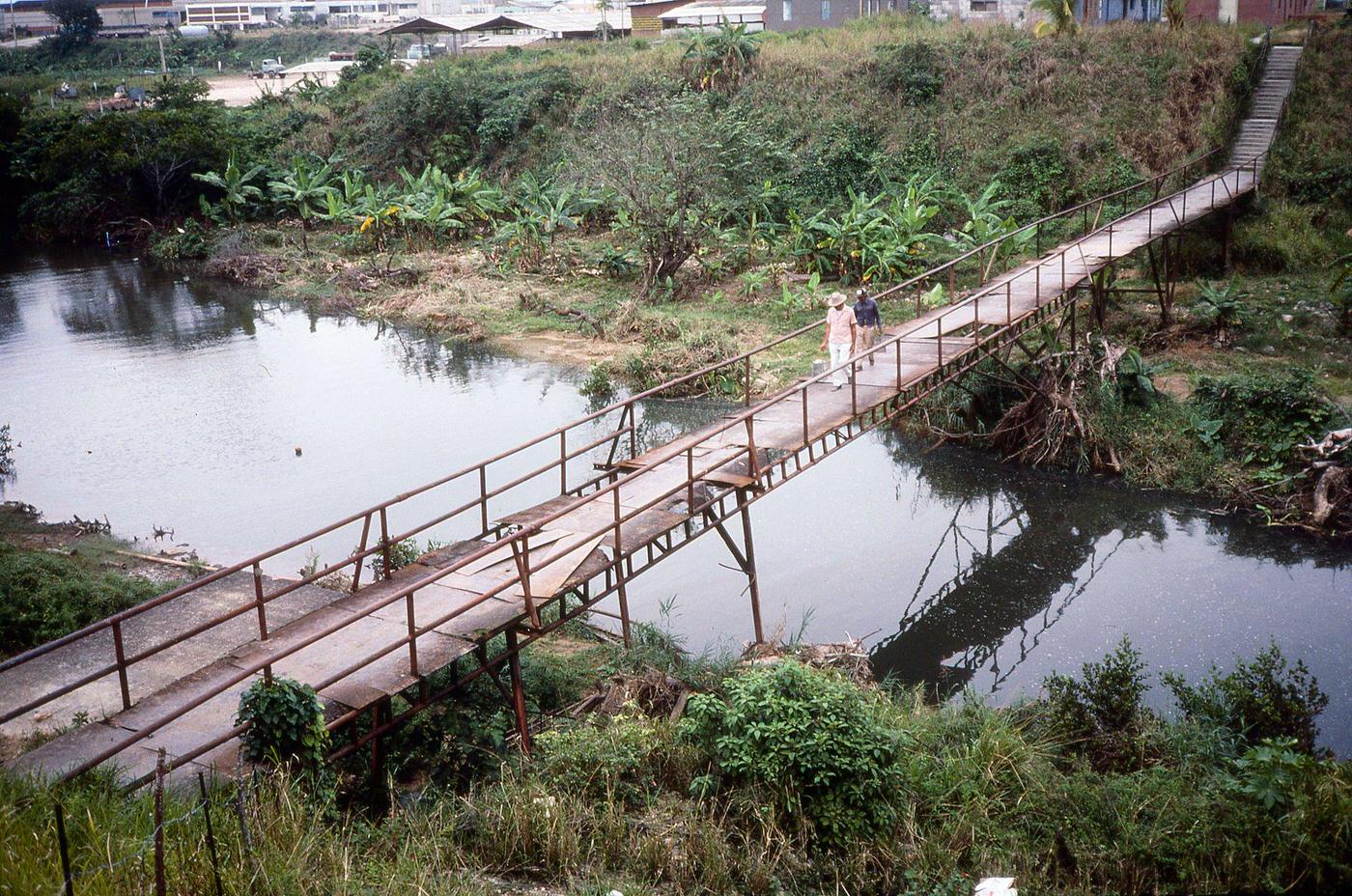
A January 1983 visit to Havana and Varadero documented the city and its surroundings in sharp detail. American cars — still running after three decades — lined the streets of Miramar. Varadero’s beaches were largely deserted in the winter month, with only scattered visitors braving the surf. Lenin Park’s bridge at a nearby sugar cane plantation showed how close Cuba’s agricultural economy was to its urban centers.
Havana’s nightlife in 1983 centered on venues like Cabaret Tropicana and the open plazas of Old Havana. In Plaza Vieja, a dancer in a vibrant dress and headdress performed to a live band before a gathered crowd. At Tropicana, costumed dancers performed under open skies — a show that had run continuously since the club’s founding and continued to draw audiences from across Cuba and abroad.
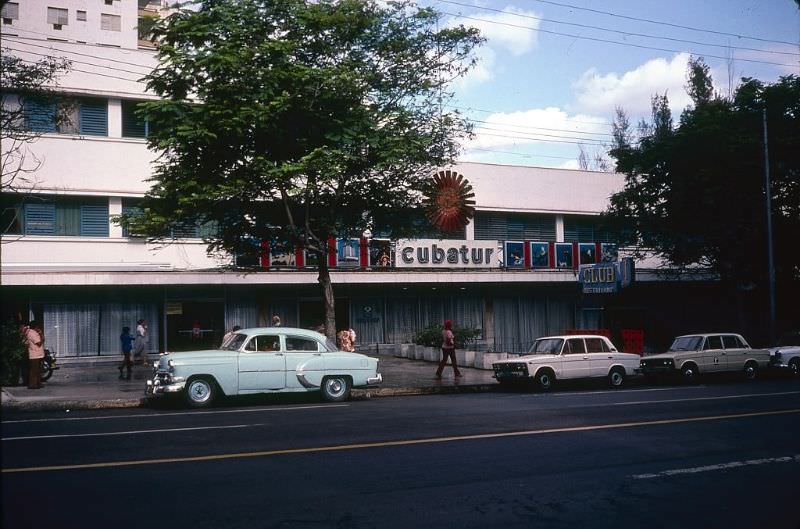
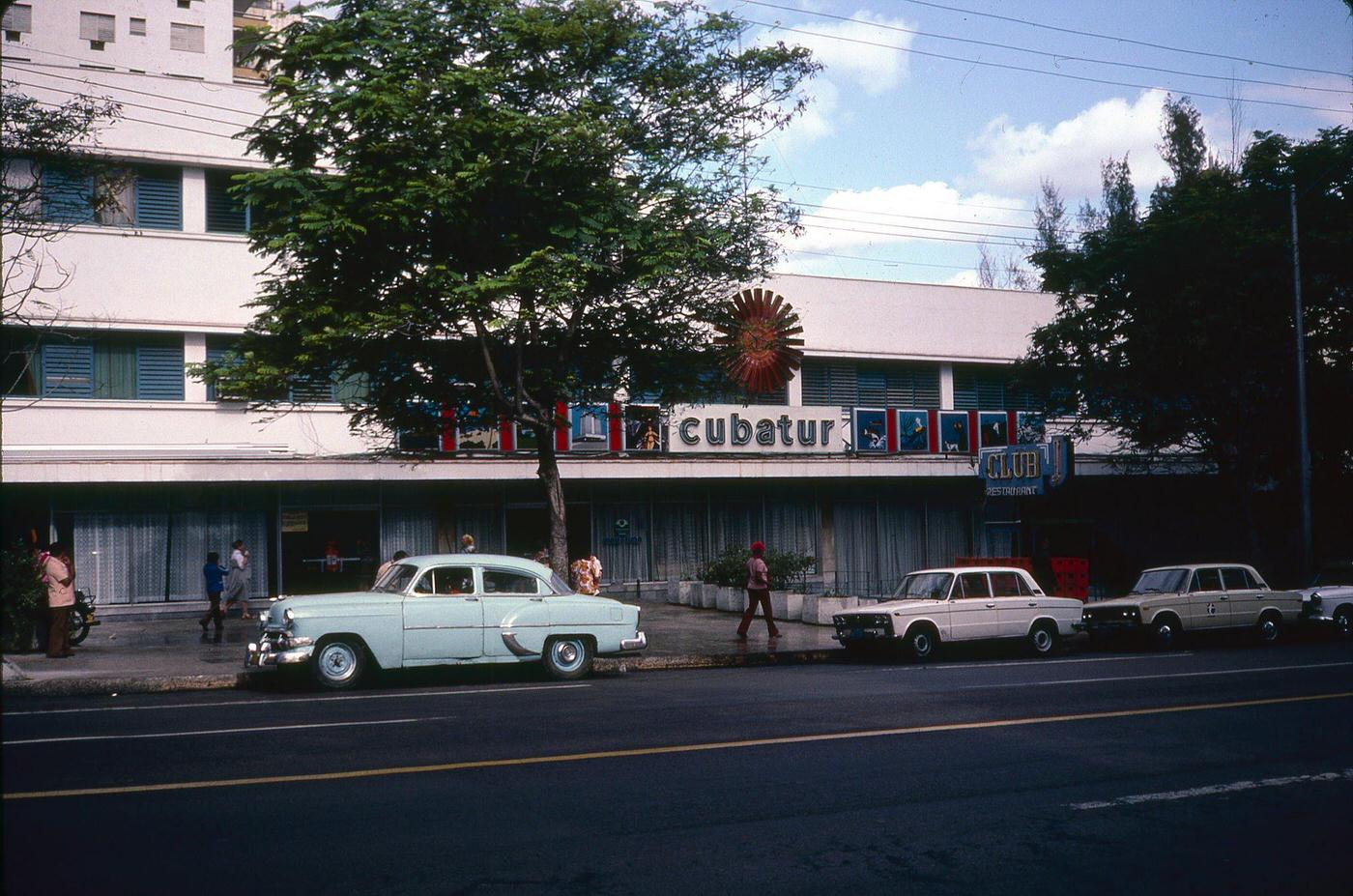
The Cubatur travel office on Calle 25 served as the state’s official tourism agency, handling bookings for foreign visitors navigating a country with tightly controlled access. Tourism, though not yet the economic driver it would become in the 1990s, was a controlled revenue stream. Foreign visitors moved through Cuba on state-approved terms, staying in designated hotels and using government-sanctioned services.
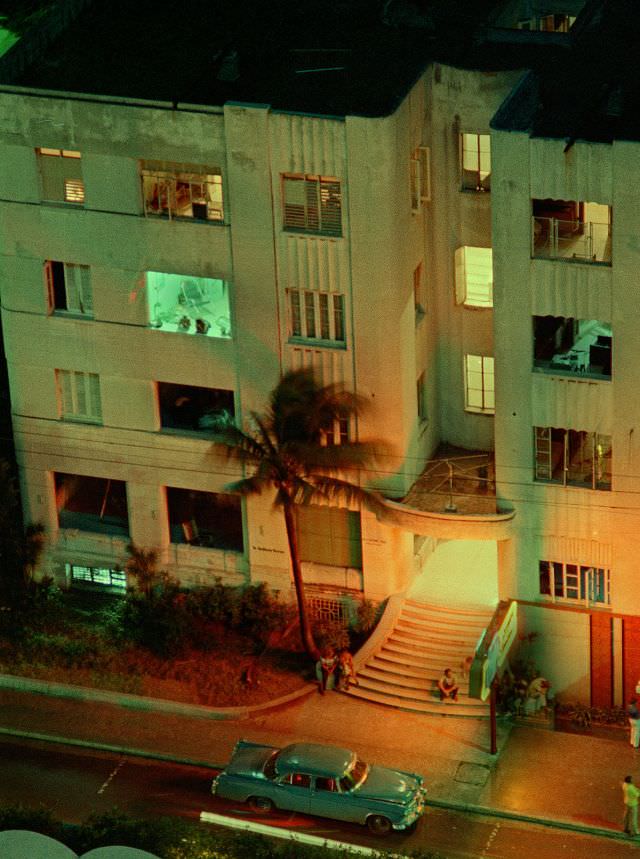
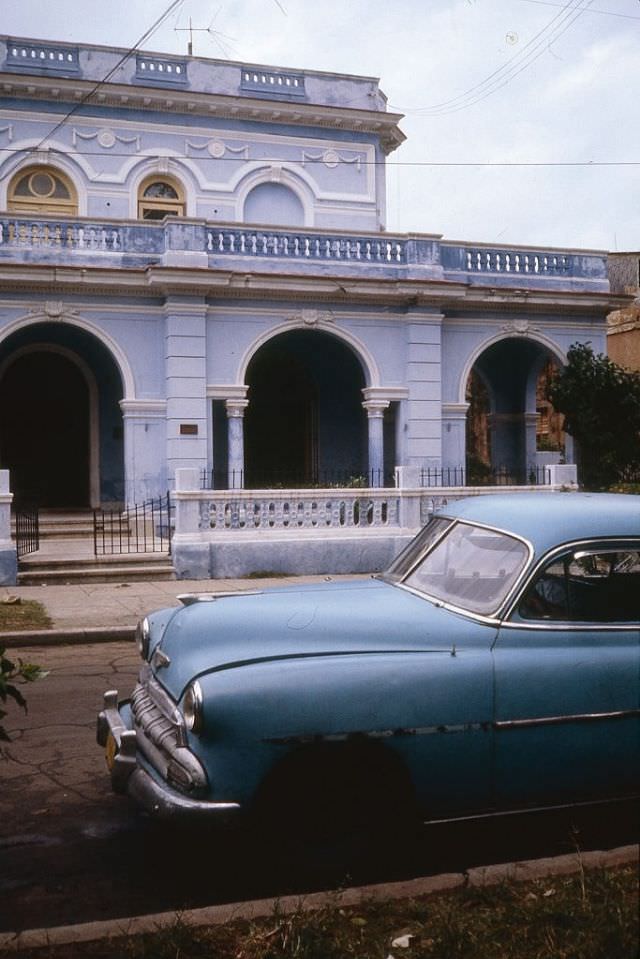
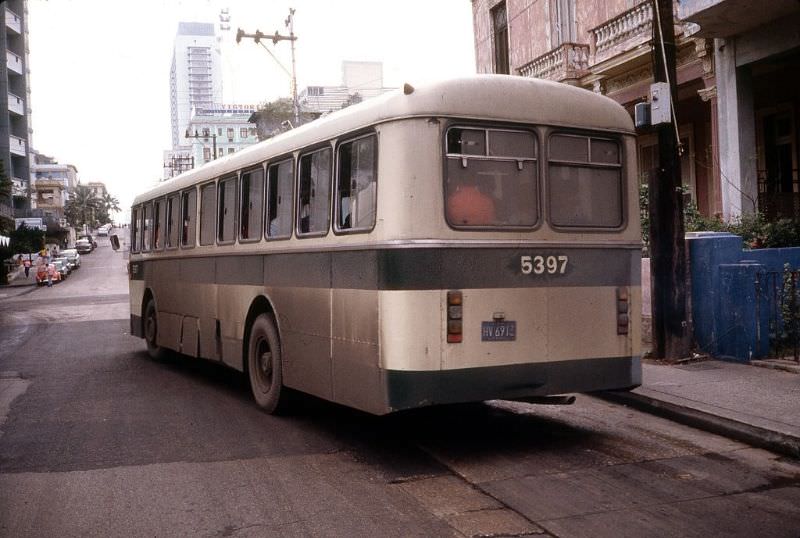
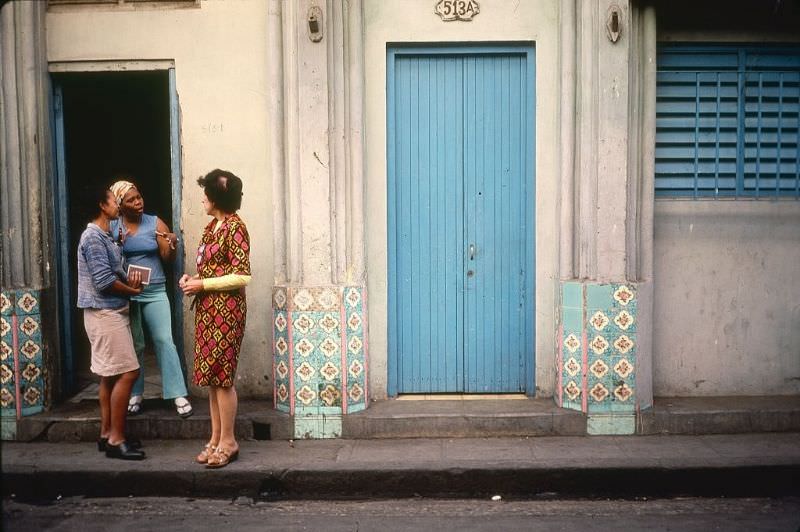
By 1986 and into 1988, Havana showed the strain of nearly three decades of revolutionary governance combined with growing Soviet economic instability. Buildings that had once been grand private residences in neighborhoods like Vedado and Miramar were now divided into multiple-family units, their facades crumbling but their interiors still home to generations of Cuban families. The state had stopped most private construction, and maintenance lagged far behind need.