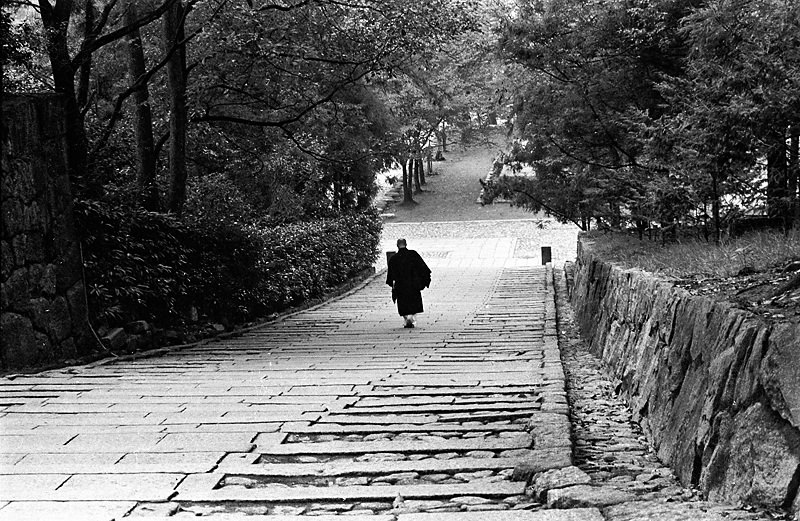
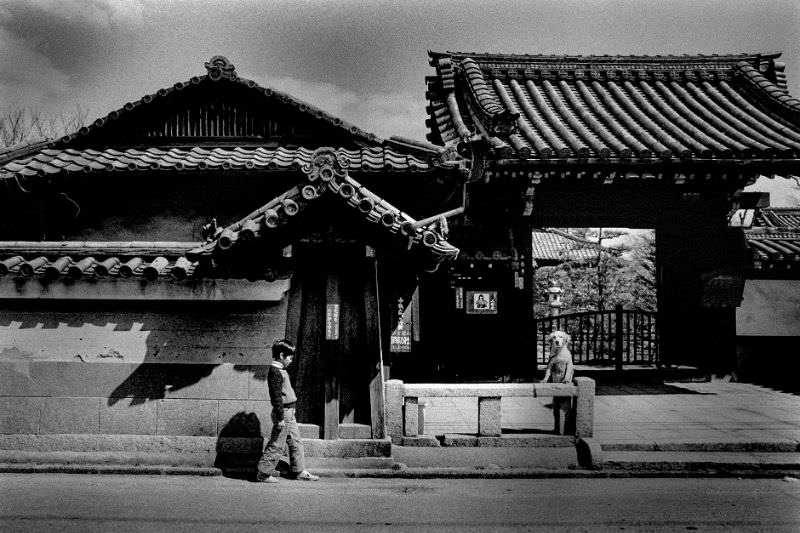
Kyoto in the 1970s was a city pulled in two directions at once. On one side stood centuries of temples, shrines, wooden machiya townhouses, and deeply rooted tradition. On the other, a wave of modernization was reshaping the streets at a pace the city had never seen before. The result was a place unlike anywhere else in the world — ancient and new, quiet and loud, all at the same time.
Visitors arriving in Kyoto during this decade would have noticed the contrast immediately. Historic stone paths led to gleaming new storefronts. The smell of incense from temple grounds drifted past newly opened coffee shops. This was everyday life in 1970s Kyoto.
One of the most visible signs of modernization was the rise of pachinko parlors. These loud, brightly lit establishments spread across the city throughout the decade. Pachinko is a game that mixes elements of pinball and slot machines, and it drew players from every background — students, salarymen, retirees, and everyone in between. The neon glow of pachinko signs became a familiar part of Kyoto’s streetscape.
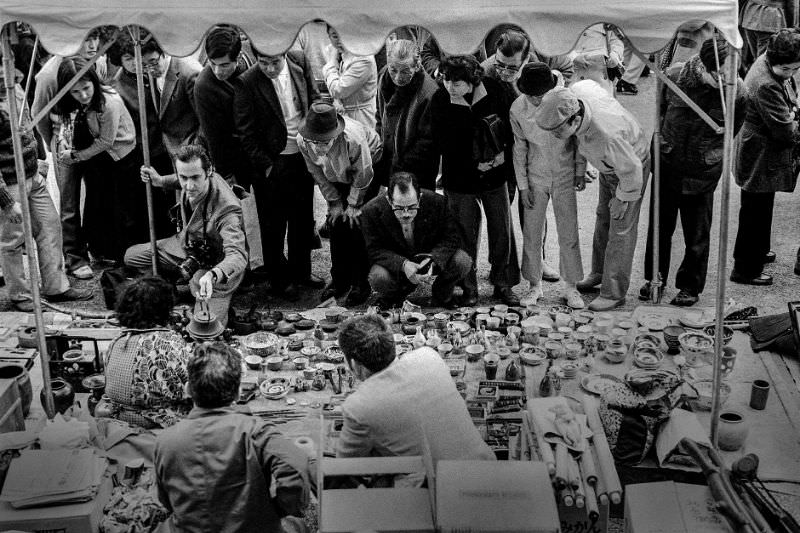
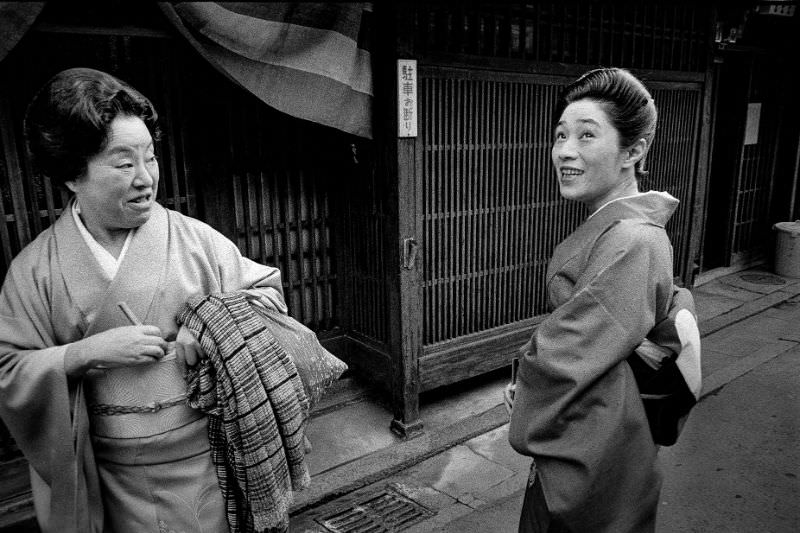
While new entertainments took hold, traditional gathering spots held their ground. Kyoto’s tea houses continued to serve matcha and wagashi — Japanese sweets — in calm, unhurried settings. These were places where time moved slowly by design. Then, just steps away, a modern Western-style cafe might be serving drip coffee and pastries to a younger crowd. Both types of establishments thrived, often side by side on the same block.
Kyoto’s international profile also grew during this period. The Kyoto International Conference Center, designed by architect Sachio Otani and opened in 1966, became a landmark of the city’s modern ambitions. Its bold, angular design stood apart from anything else in Kyoto. The center hosted major global events throughout the 1970s, including the 1978 G7 Summit, drawing world leaders and international media to the ancient capital.
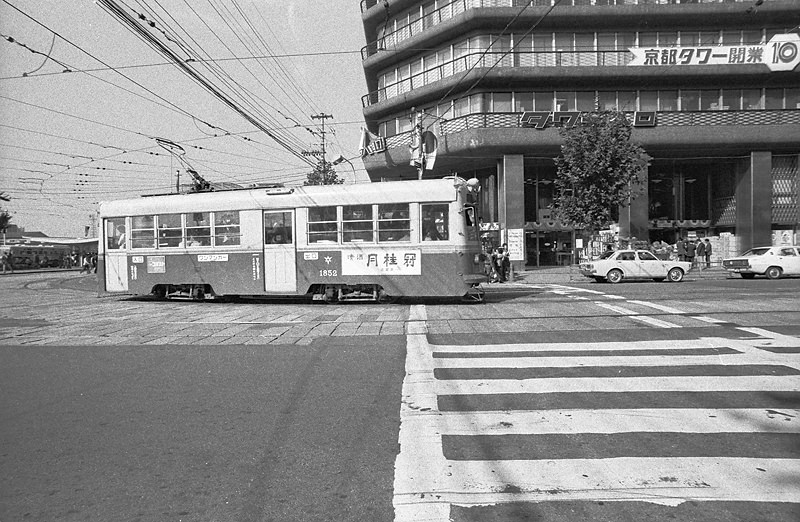
Getting around the city changed dramatically in 1978 with the opening of the Karasuma Line — Kyoto’s first subway. Before this, residents and visitors relied on buses and taxis to navigate the city’s streets. The new underground line connected key parts of the city quickly and reliably, and it marked a turning point in how Kyoto managed its growing number of both residents and tourists.
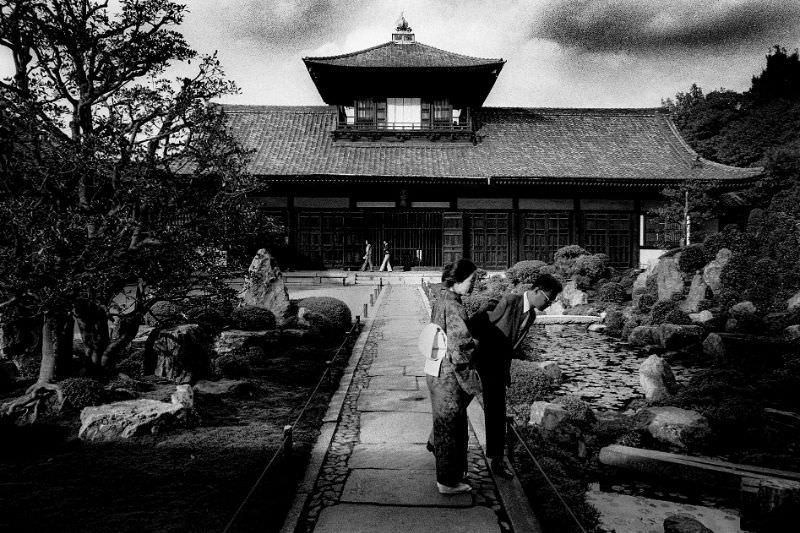
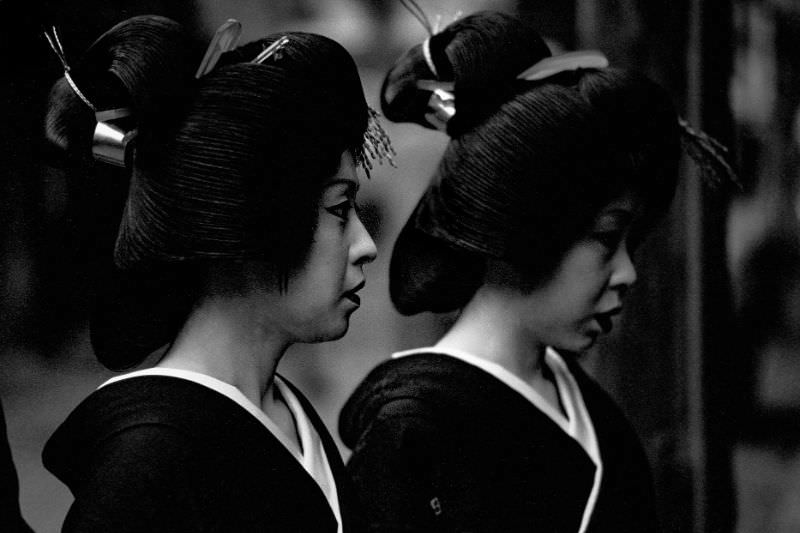
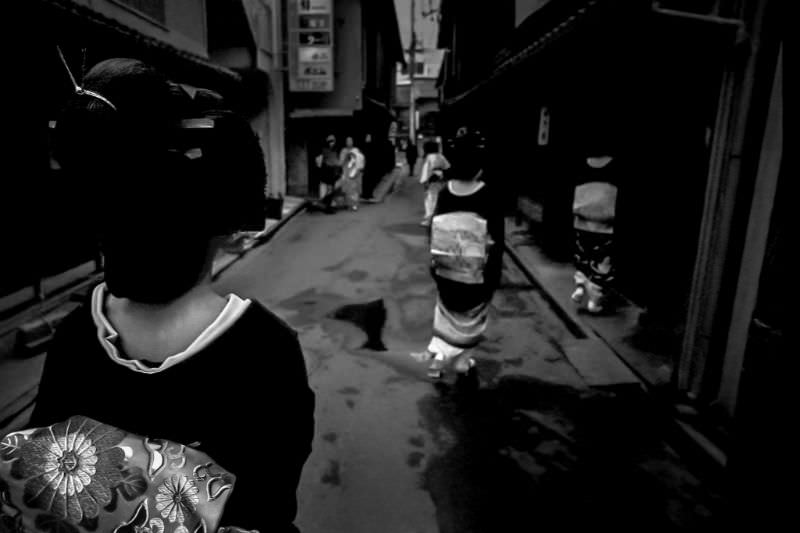
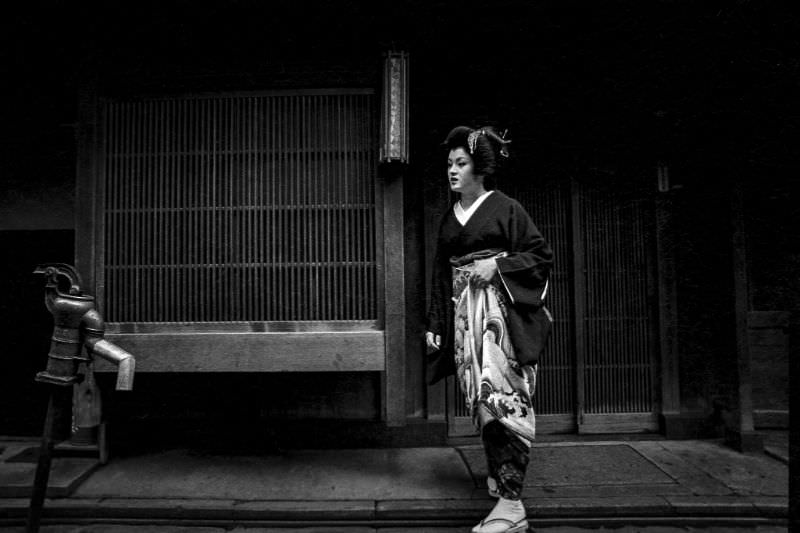
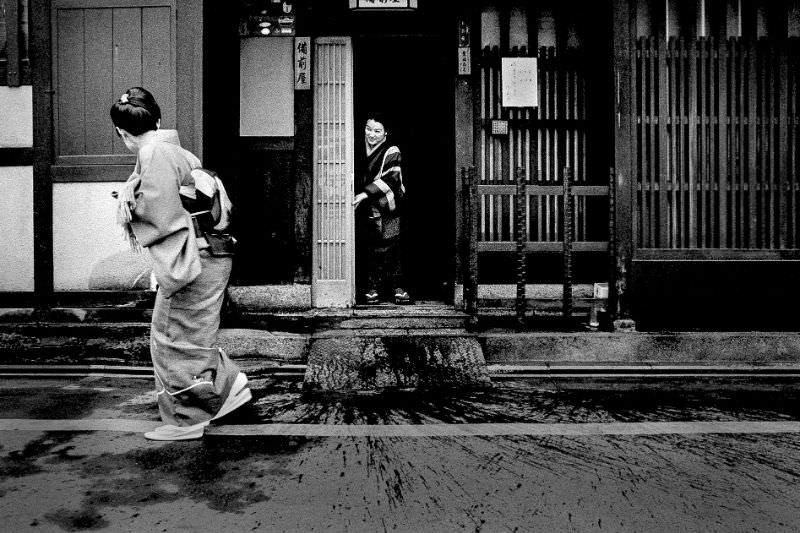
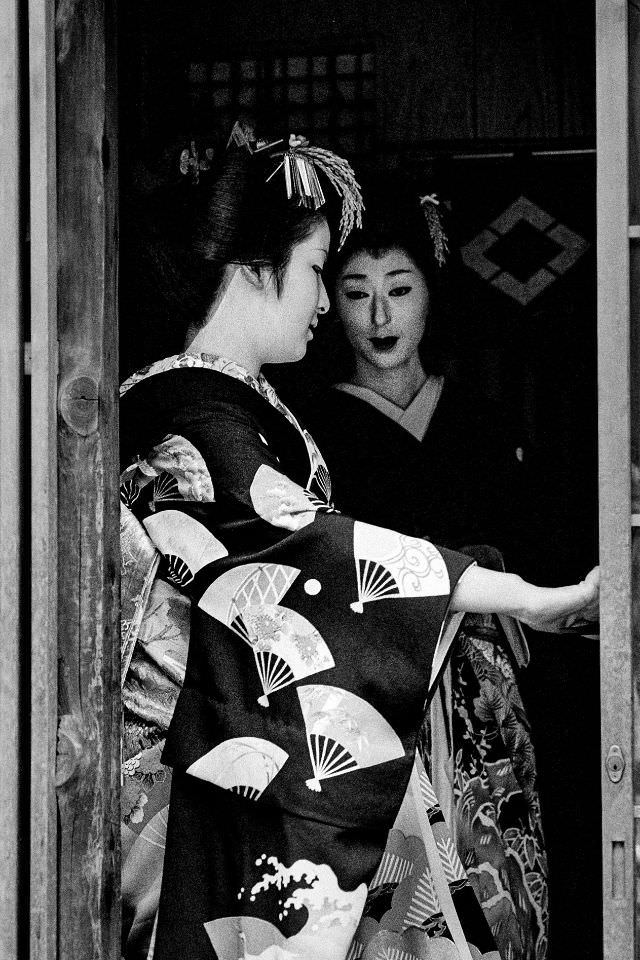
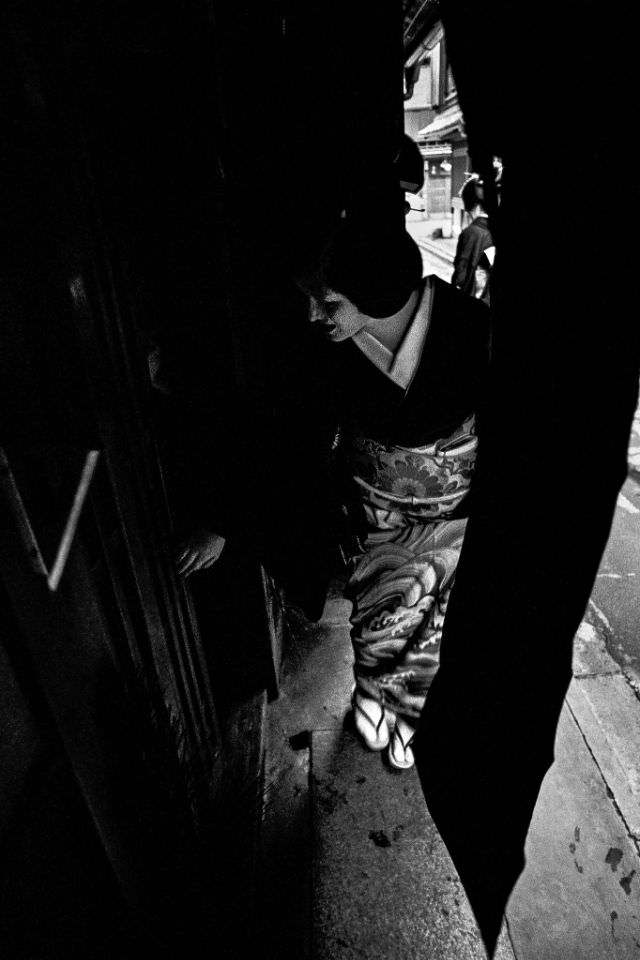
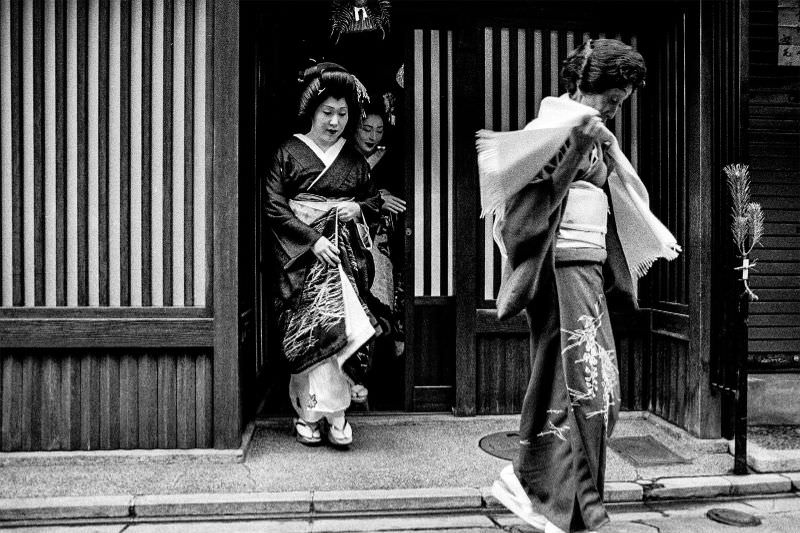
Through all of this change, one of Kyoto’s most enduring traditions remained intact: the world of the geiko and maiko. Geikos are the fully trained female entertainers of Kyoto — the city’s equivalent of geisha. Maikos are their apprentices, typically young women in their mid-teens who spend years mastering dance, music, and the art of conversation. The number of women entering this profession had declined since the Taisho era, but the 1970s brought a renewed public interest in their craft.
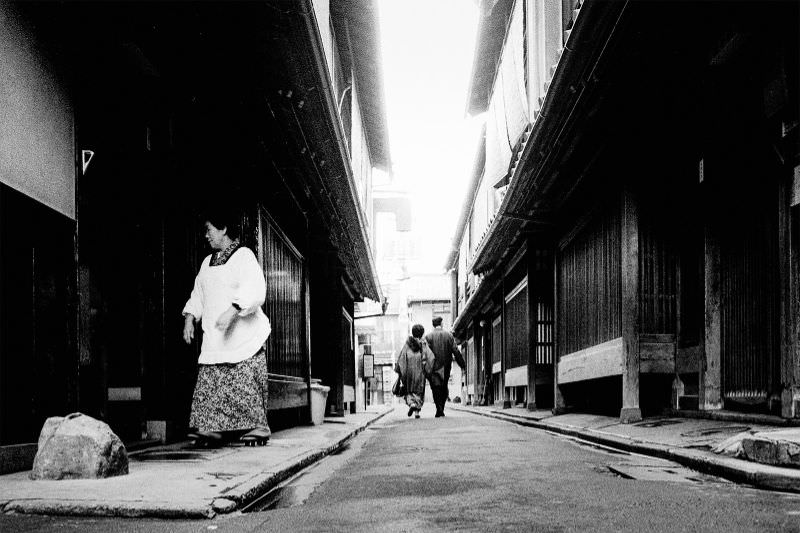
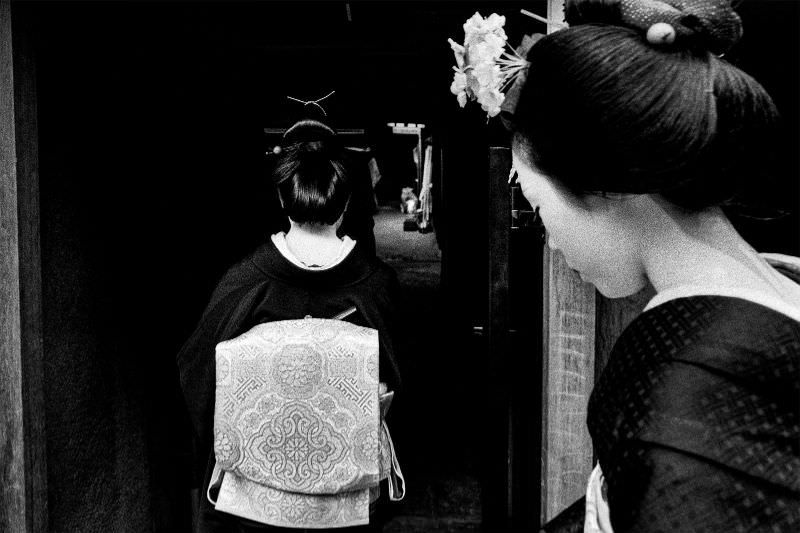
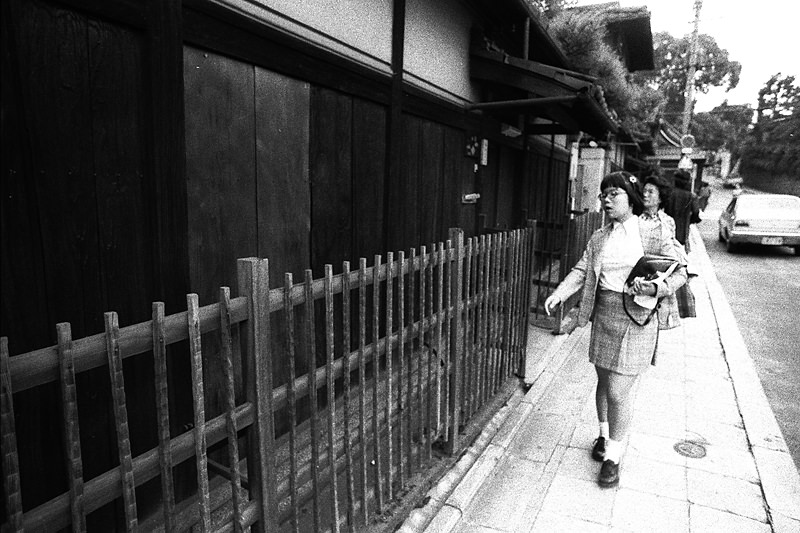
Spotting a maiko in her elaborate kimono and white face makeup on the narrow lanes of Gion was still a regular occurrence in the 1970s. Tourists sought them out, and locals took pride in their presence as a living symbol of Kyoto’s cultural identity. The hanamachi — the flower towns or geiko districts — remained active and respected.
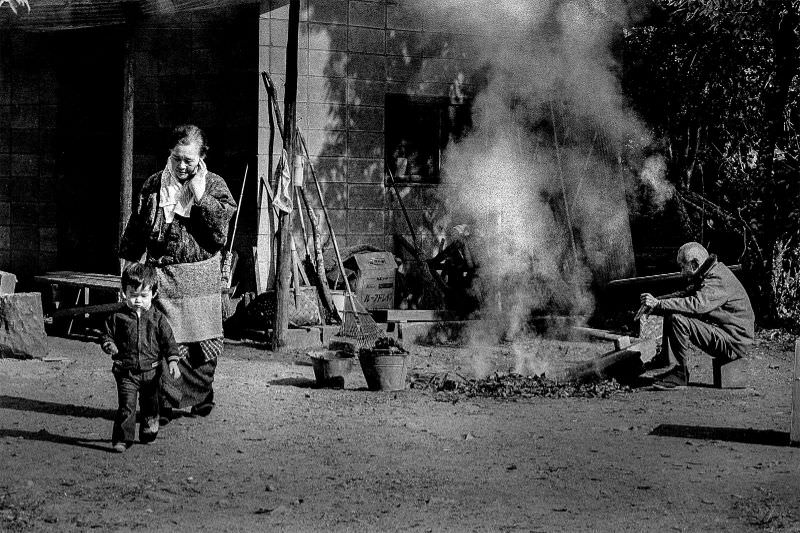
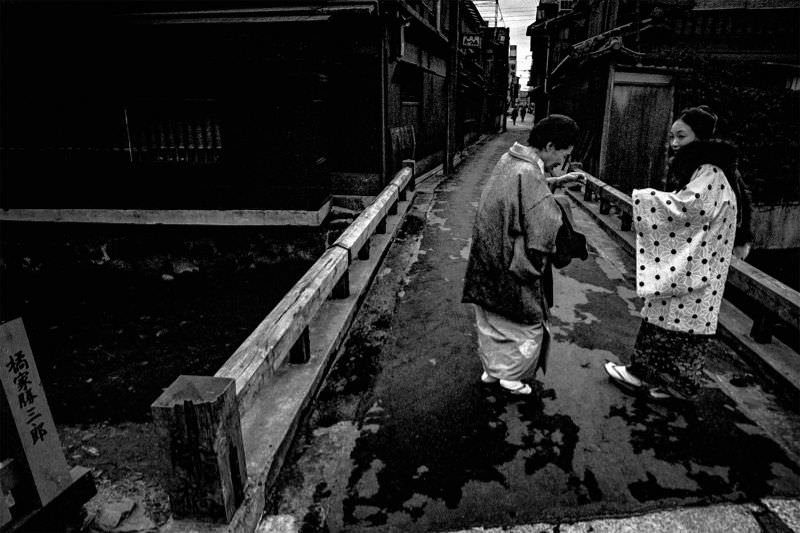
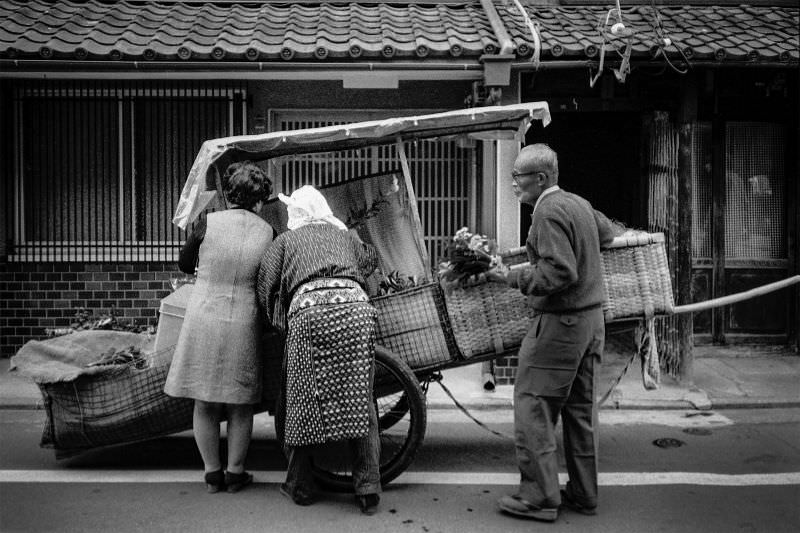
The streets of Kyoto in this era had a rhythm all their own. Markets hummed with activity in the mornings. Temple grounds drew steady streams of visitors throughout the day. By evening, the entertainment districts lit up with lanterns, neon, and the sound of shamisen music drifting from behind closed shoji screens.
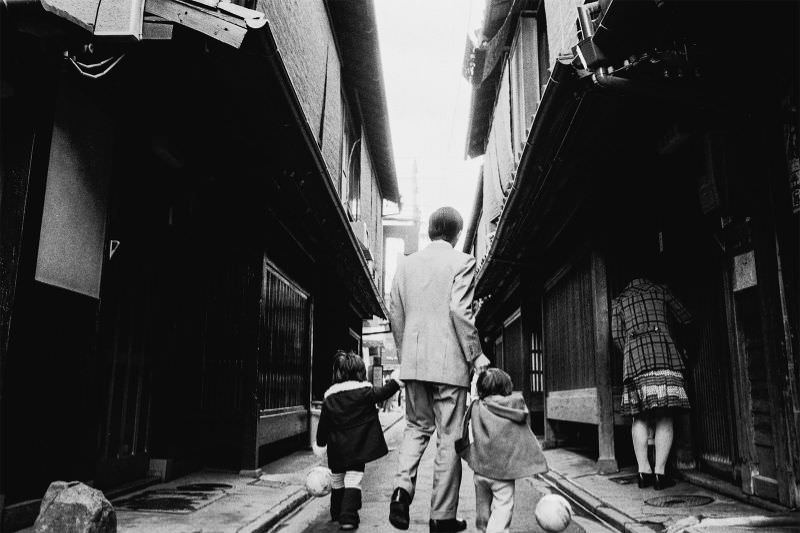
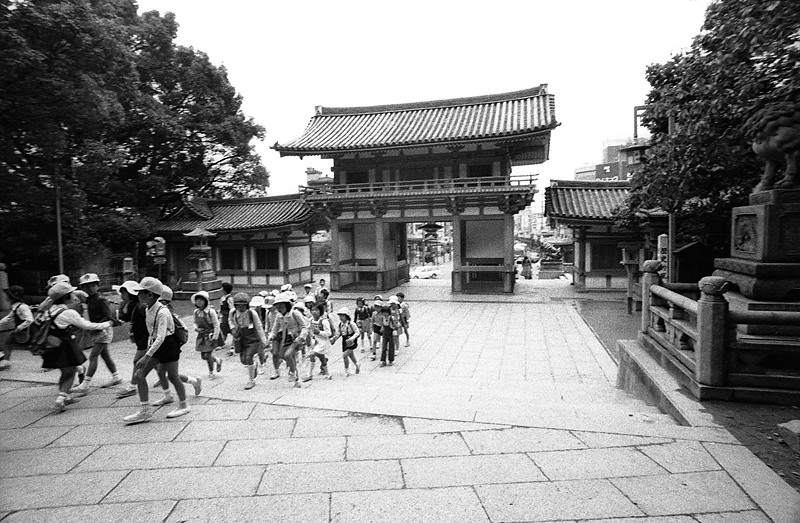
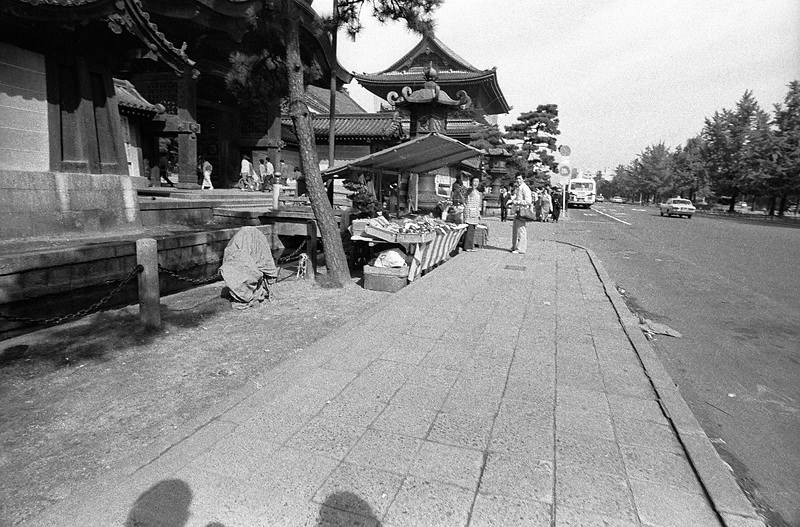
Kyoto’s temple and shrine circuit remained the backbone of the city’s identity throughout the decade. Fushimi Inari, Kinkaku-ji, Ryoan-ji, and dozens of other sacred sites drew both domestic pilgrims and foreign tourists in growing numbers. Japan’s postwar economic growth meant more Japanese families had the means to travel, and Kyoto was the top destination.
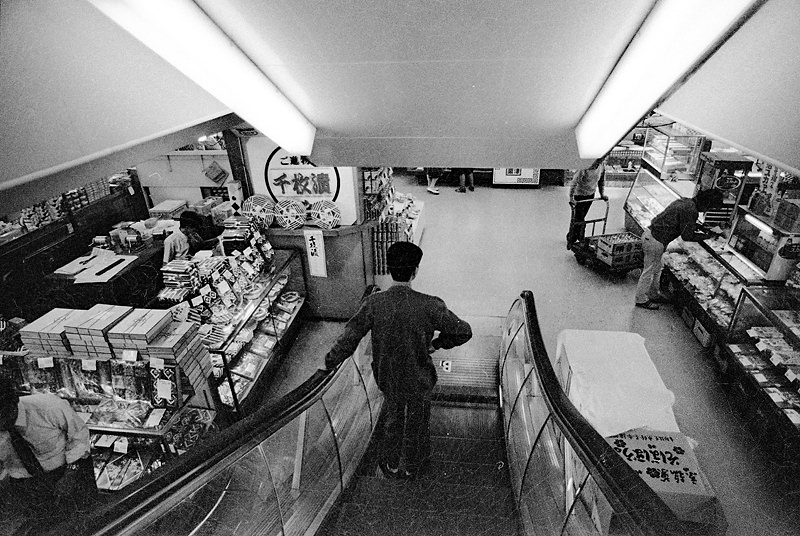
Foreign tourism to Japan also increased steadily during the 1970s. Kyoto was a required stop on any serious itinerary. Western visitors arrived with cameras and guidebooks, many of them trying to make sense of a place that felt entirely unlike home. The city’s ability to absorb tourists without losing its character was one of its defining qualities.
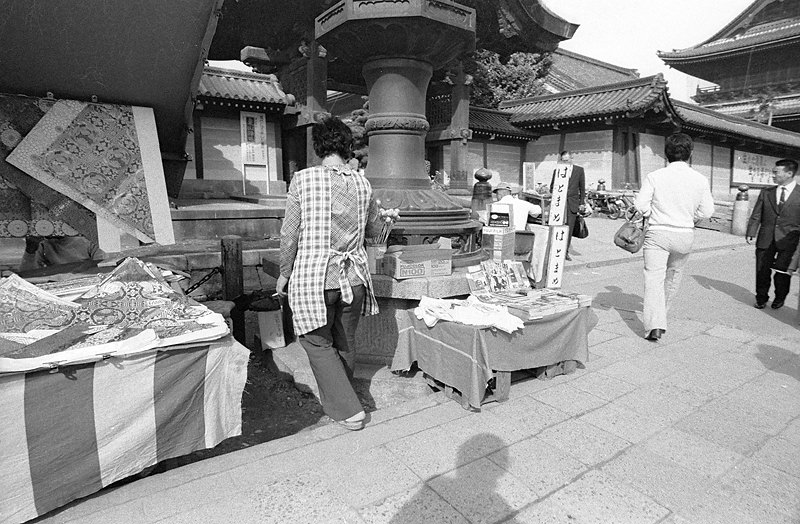
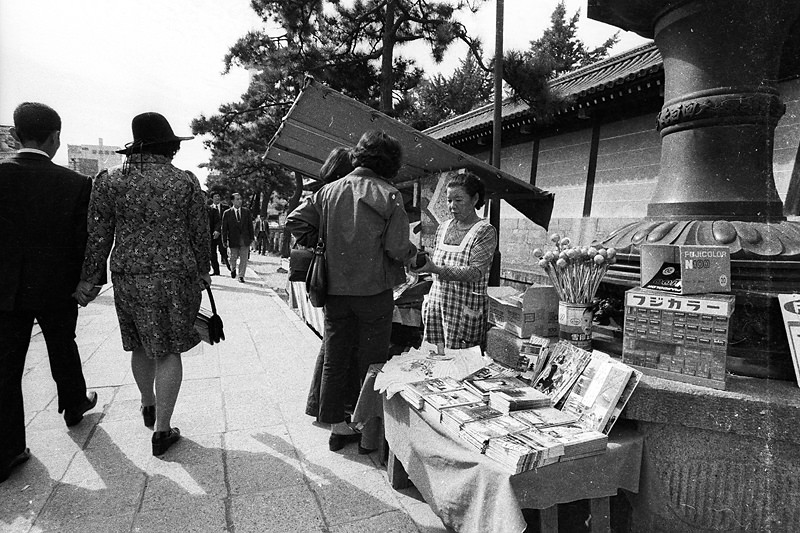
Traditional crafts were still very much alive in 1970s Kyoto. The city was, and remains, the center of Nishijin textile weaving — a technique producing some of Japan’s finest silk kimono fabric. Workshops in the Nishijin district employed skilled weavers who had learned their craft from previous generations. The clatter of looms was a constant background sound in that part of the city.
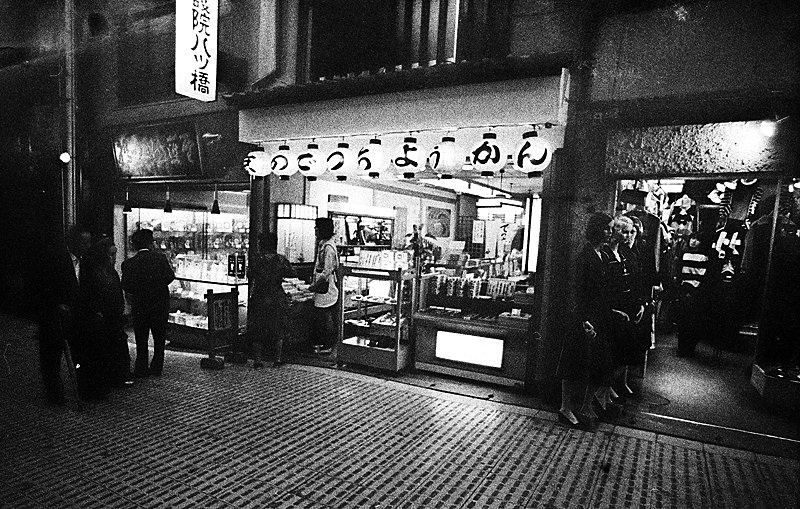
Kyoto’s food culture in the 1970s centered on kaiseki — the elaborate, multi-course cuisine that developed from the city’s tea ceremony tradition. Restaurants along the Kamogawa River and in the hills of Higashiyama served these carefully arranged meals to locals celebrating special occasions and to tourists eager to experience authentic Kyoto flavors. Street food also thrived near major temples, with vendors selling yatsuhashi — a cinnamon rice cake confection — that remains a Kyoto staple today.
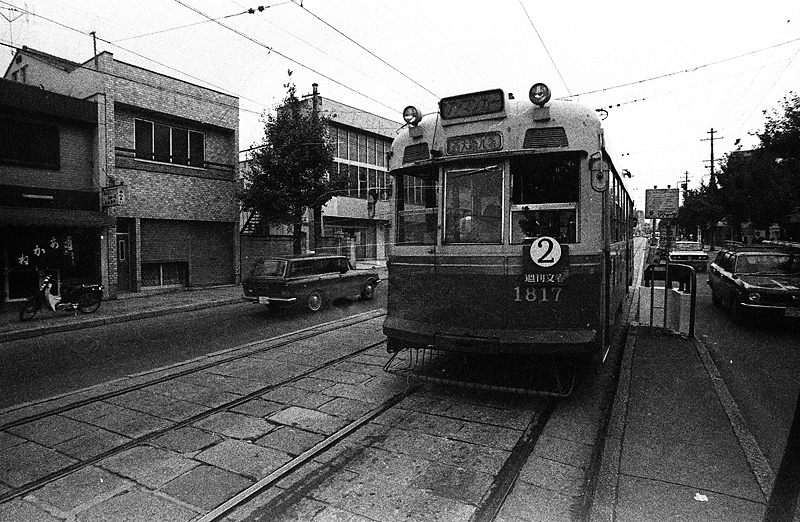
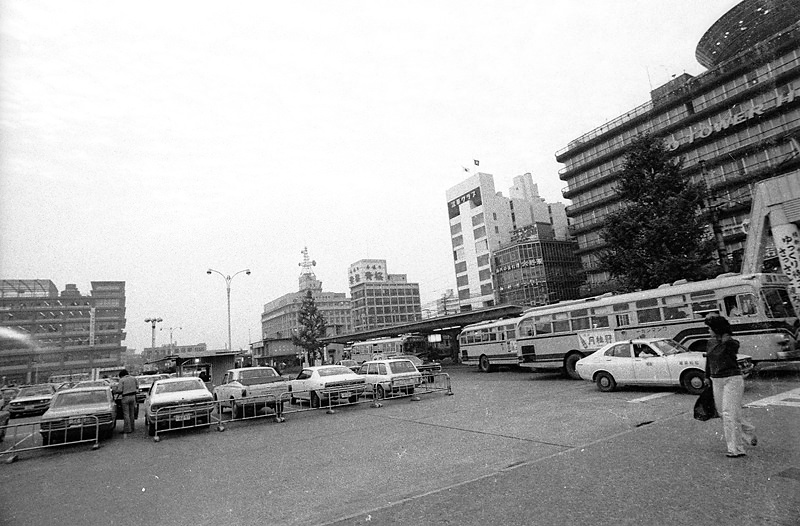
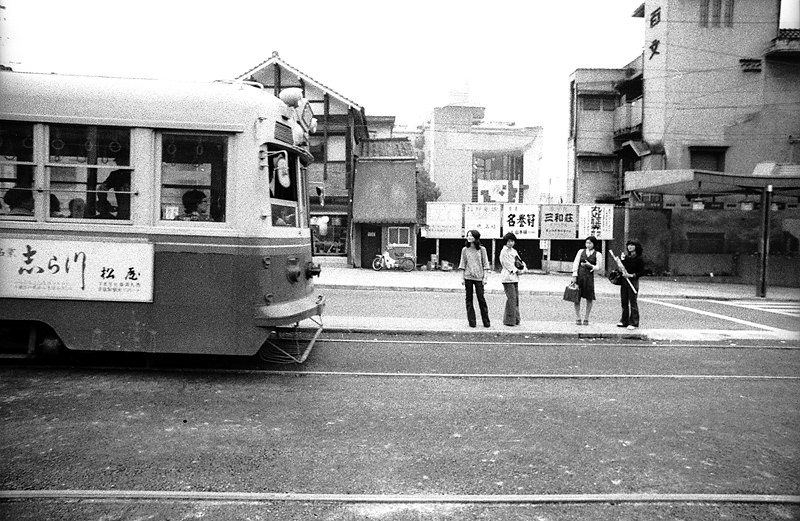
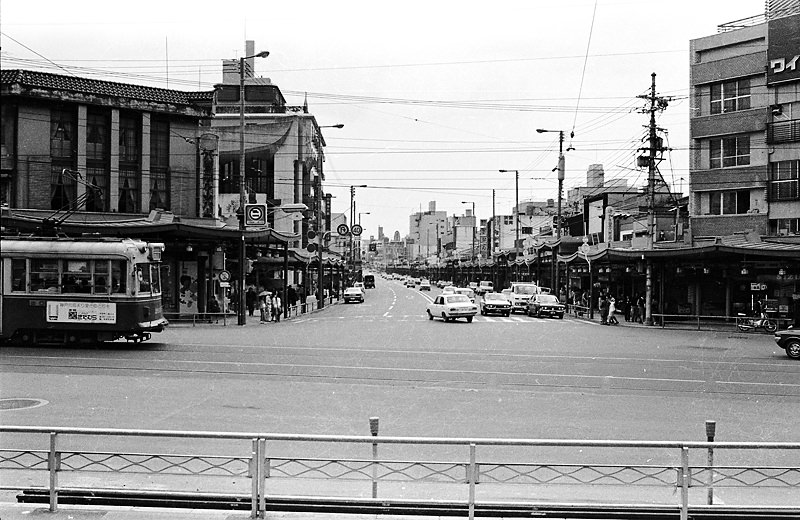
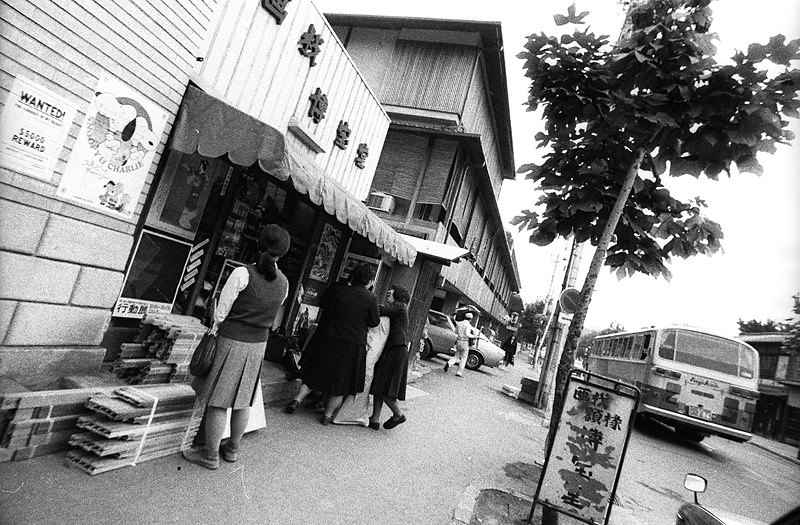
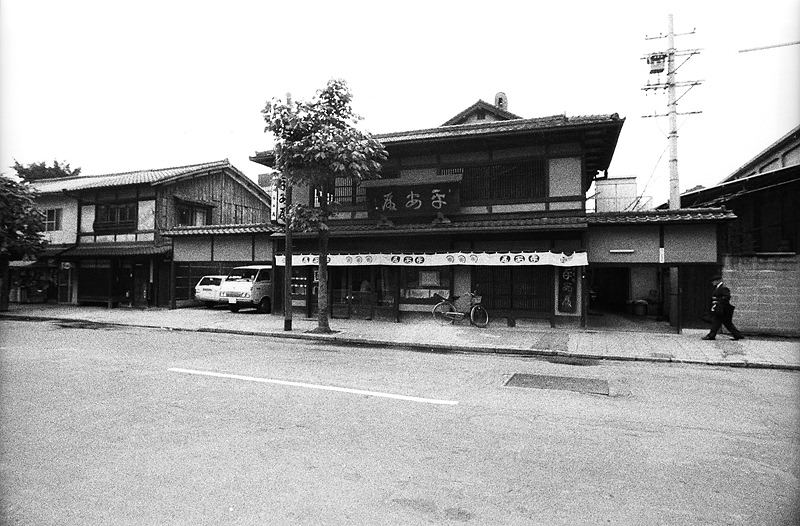
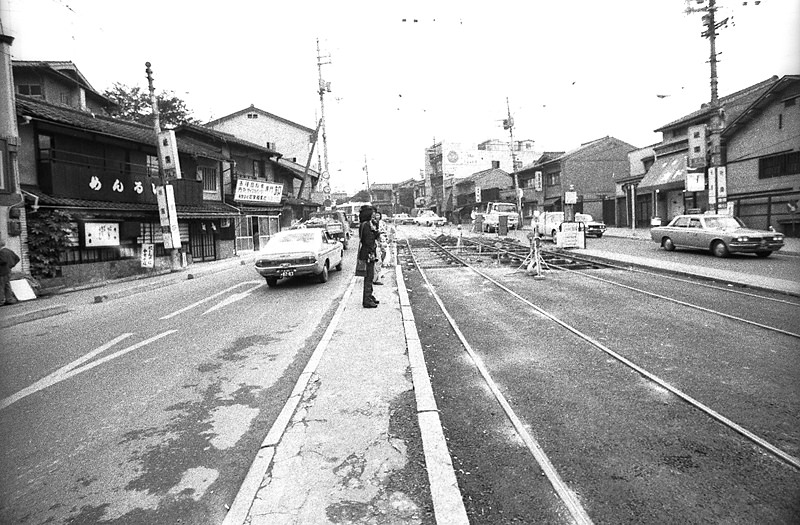
Transportation beyond the new subway relied heavily on the city’s bus network. Kyoto’s buses were frequent and well-organized, threading through a street grid that largely followed the city’s original Heian-era layout — a checkerboard pattern established over a thousand years earlier. Cyclists were everywhere too, navigating narrow lanes that cars could barely enter.
Festivals remained central to life in 1970s Kyoto. The Gion Matsuri, held every July, drew enormous crowds just as it had for over a thousand years. Towering wooden floats called yamaboko were assembled by neighborhood groups and paraded through the city center. The festival combined religious ritual with community celebration, and it gave the city a sense of shared identity that no amount of modernization could dilute.
The neighborhoods surrounding Kyoto’s historic core had their own distinct characters. Arashiyama, on the western edge of the city, was a popular retreat known for its bamboo groves, riverside scenery, and quiet temples. Ohara, to the northeast, offered a rural atmosphere with farmhouses and moss-covered stone paths. These areas provided an escape from the busier parts of the city and were easy day trips for residents and visitors alike.
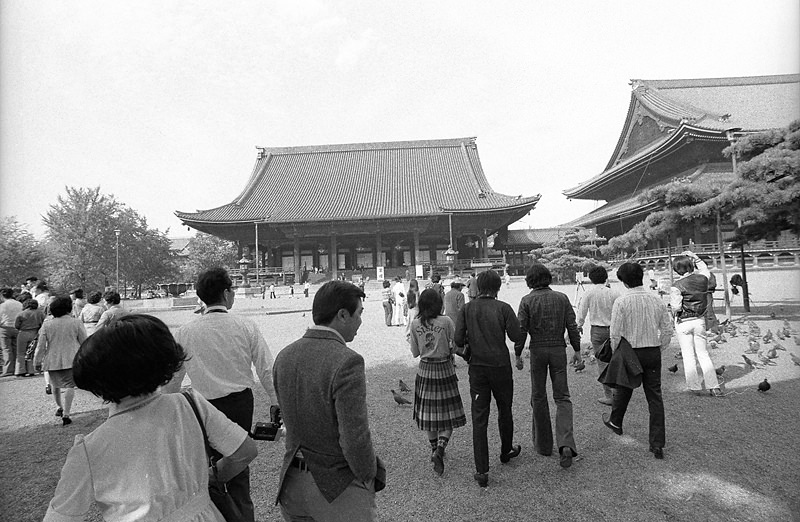
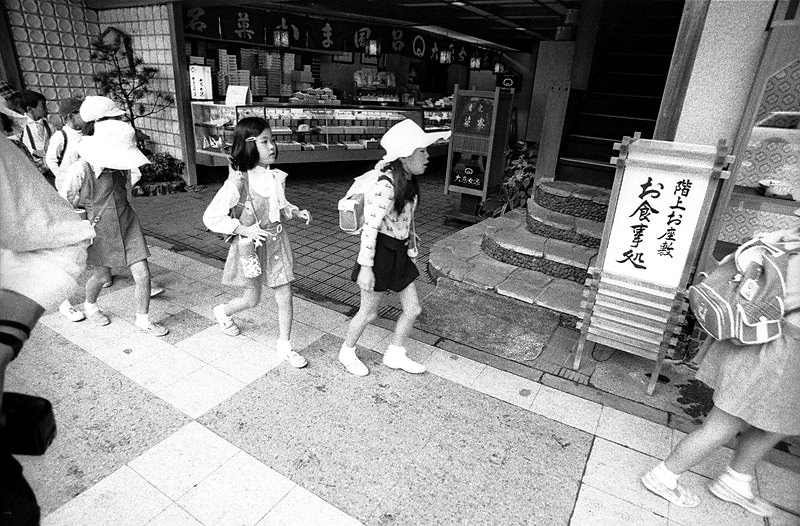
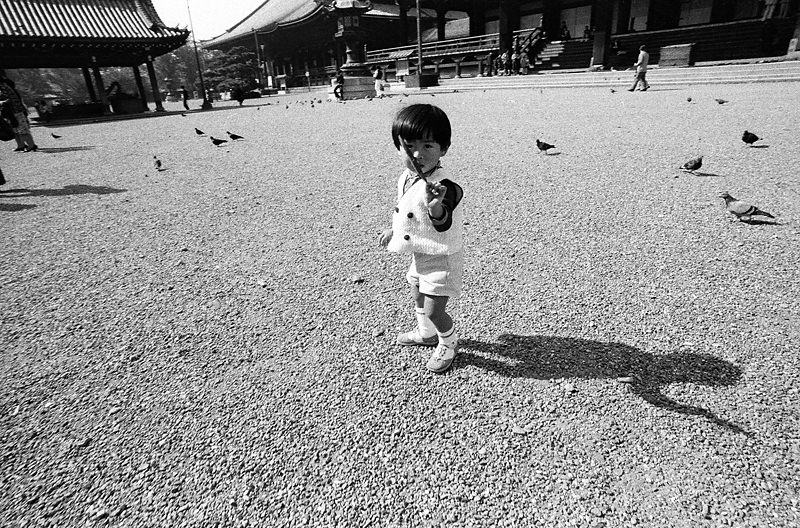
Schools in Kyoto frequently brought students on field trips to the city’s temples and museums. For many Japanese children, Kyoto was the place where they first encountered their own country’s history in a tangible way. The city functioned as a living classroom, and that role was taken seriously by both educators and local authorities.
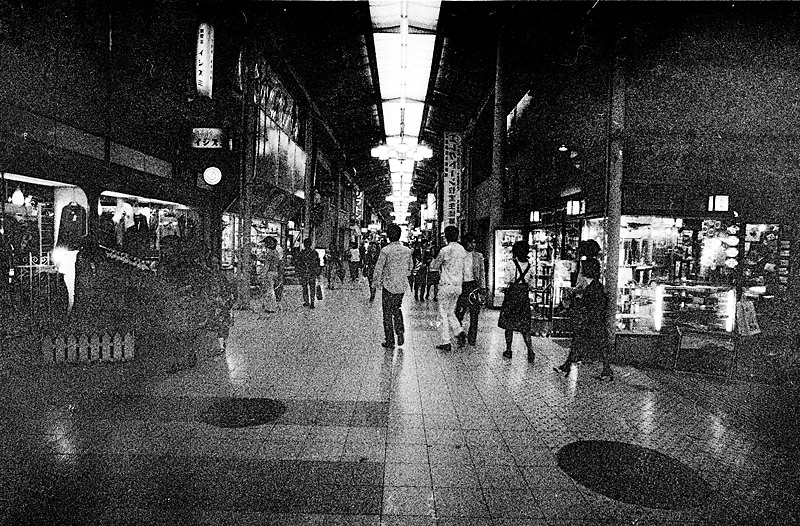
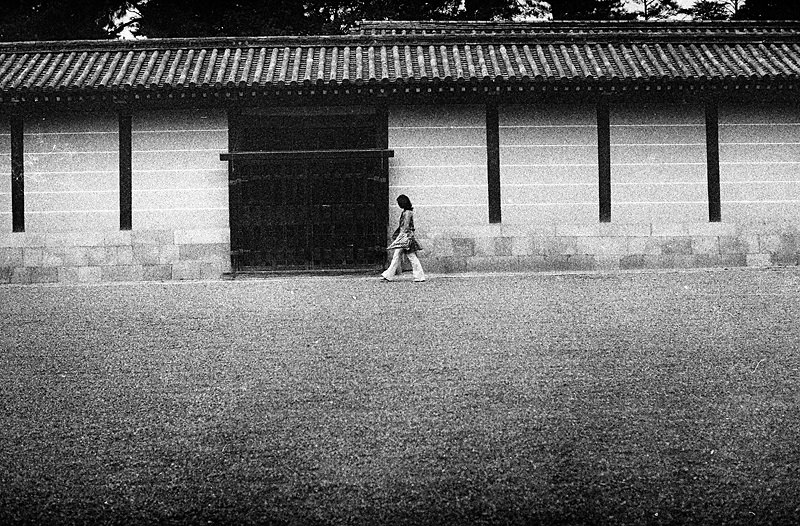
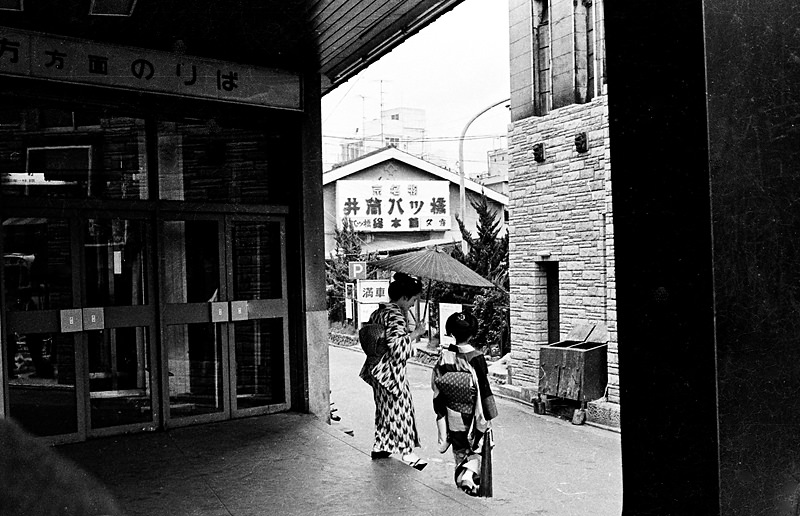
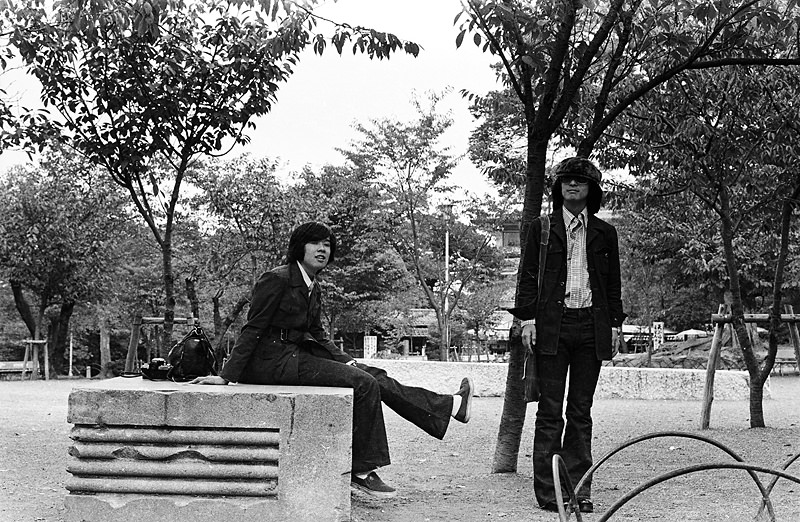
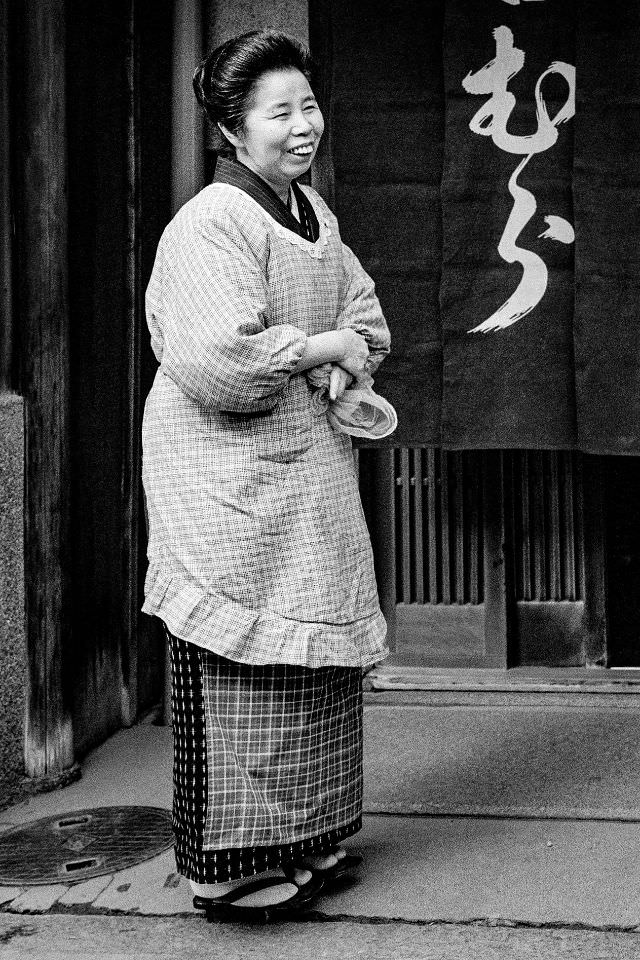
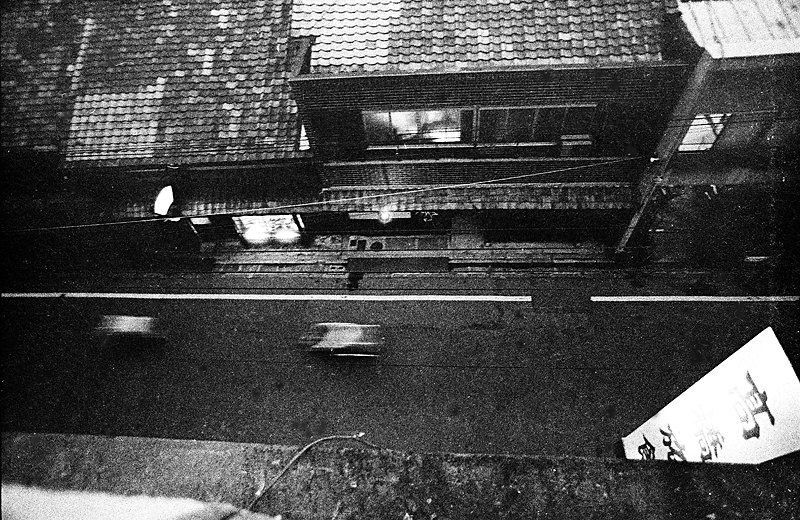
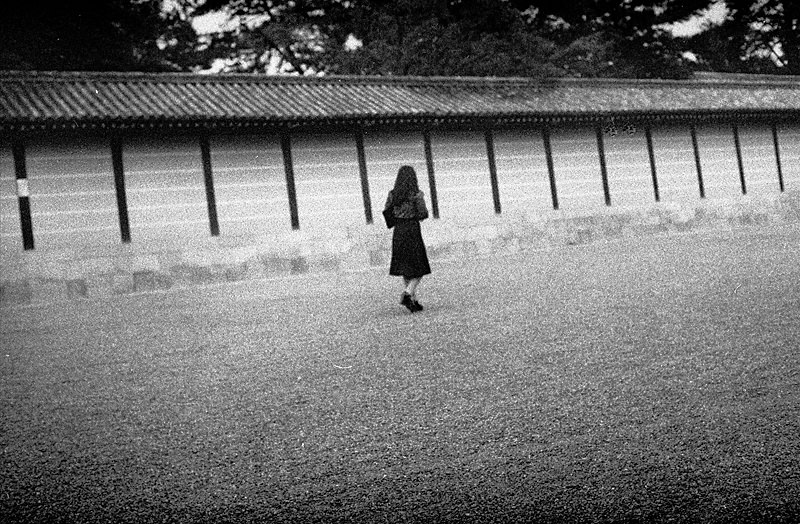
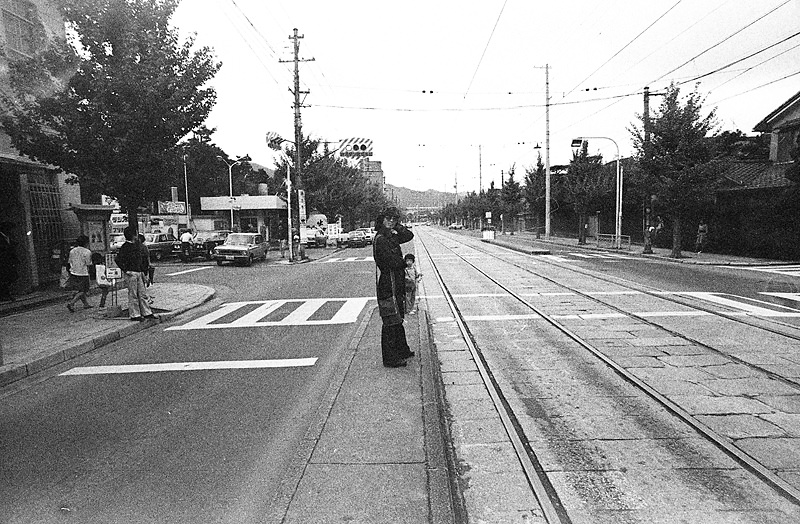
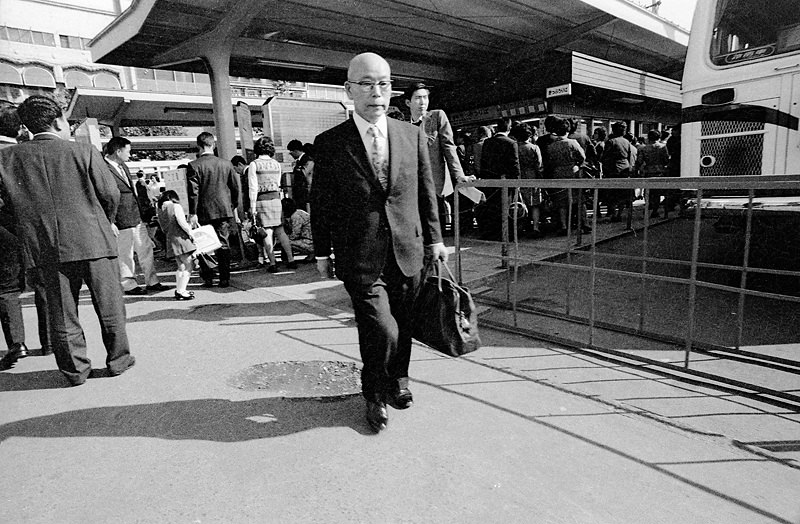
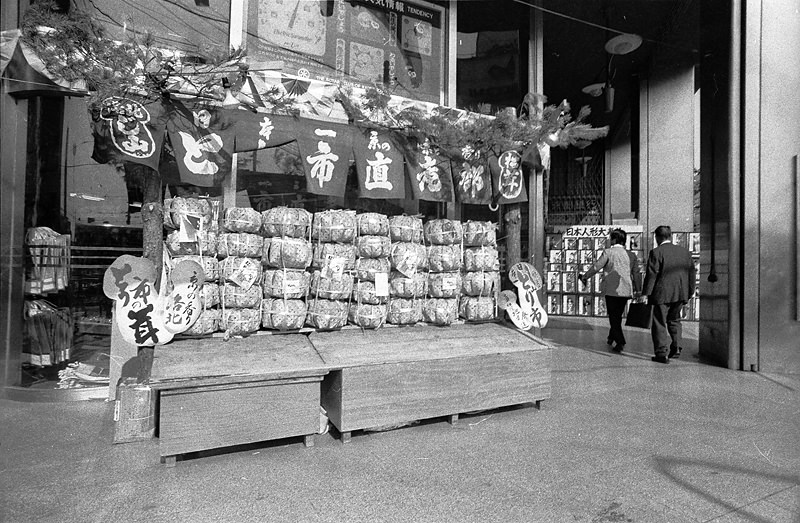
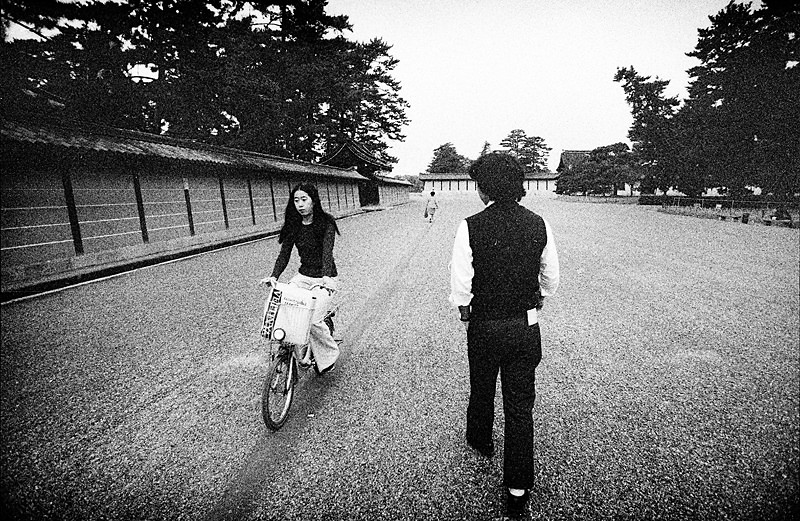
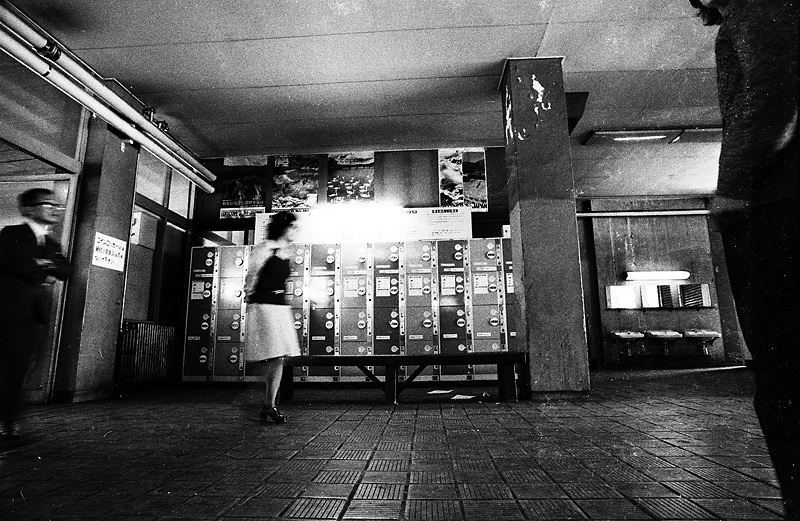
Photography in 1970s Kyoto captures a city that looks strikingly different from today’s version. Fewer buildings towered over the skyline. The streets were less crowded. Signage was simpler and less aggressive. Cars were smaller. People dressed differently — both in traditional garments and in the wide-lapel, earth-toned fashions of the decade. Yet the bones of the city, its temples, its river, its grid, its people — were unmistakably the same.
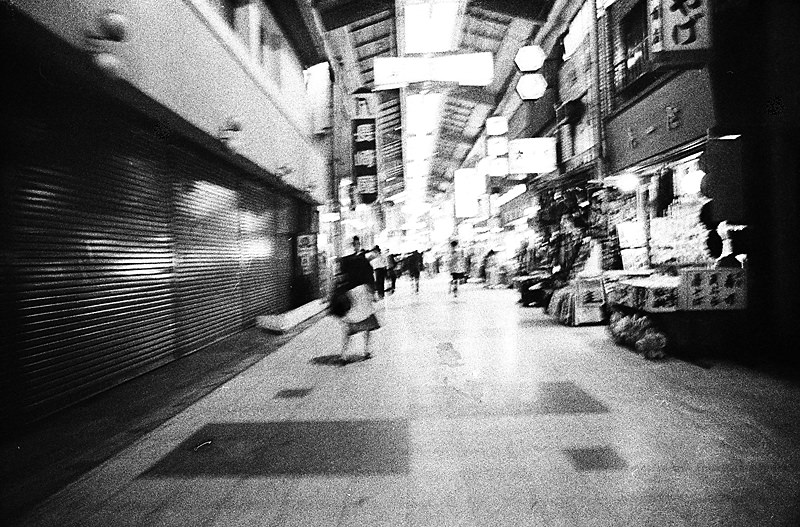
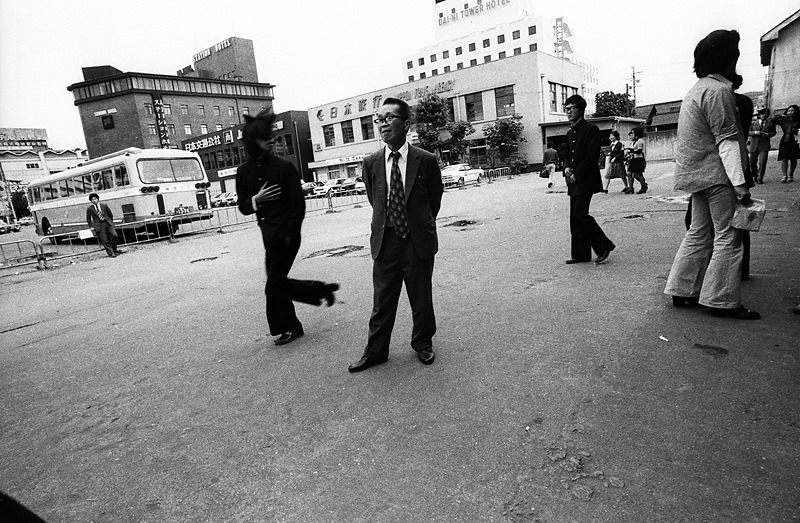
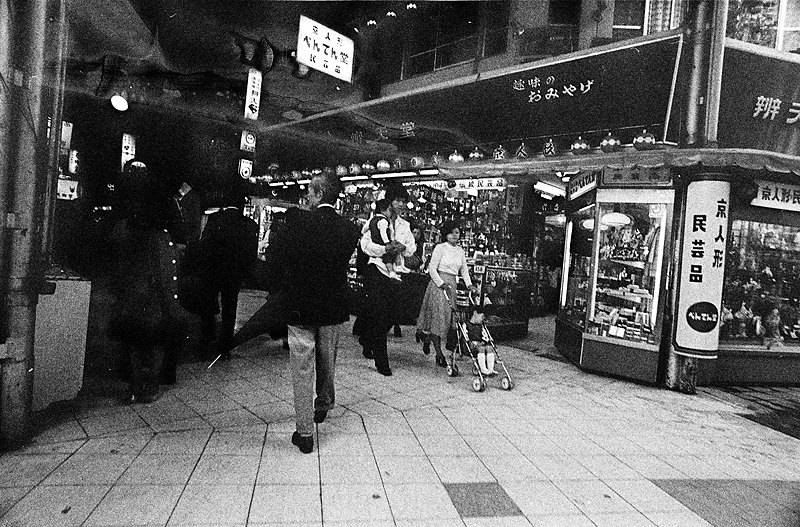
Commerce along Kyoto’s shopping streets — particularly Teramachi and Shinkyogoku — was lively throughout the decade. These covered arcades offered everything from religious goods and antiques to toys, clothing, and food. They were meeting points for locals and a first stop for tourists looking to bring home a piece of Kyoto.
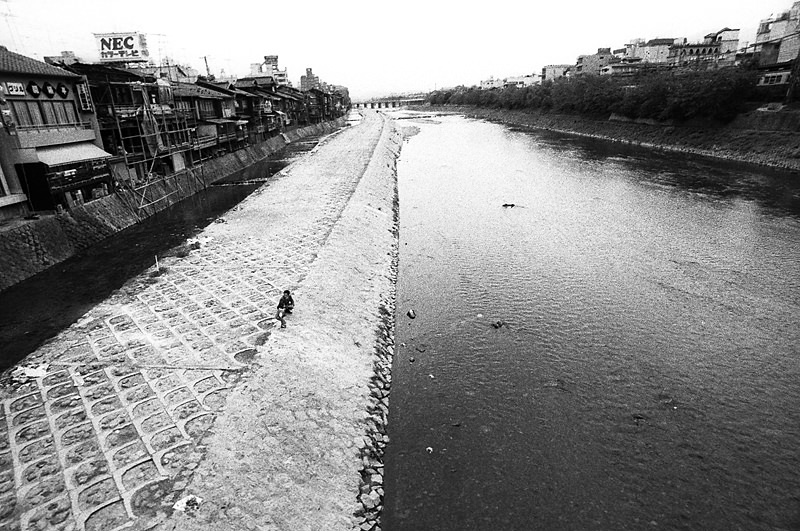
The Kamogawa River ran through the heart of it all, as it always had. In summer, restaurants extended wooden platforms — called yuka — over the water, where diners ate in the open air above the current. Couples walked the riverbanks at dusk. Children played near the shallows. The river was not just a geographic feature; it was a social one.
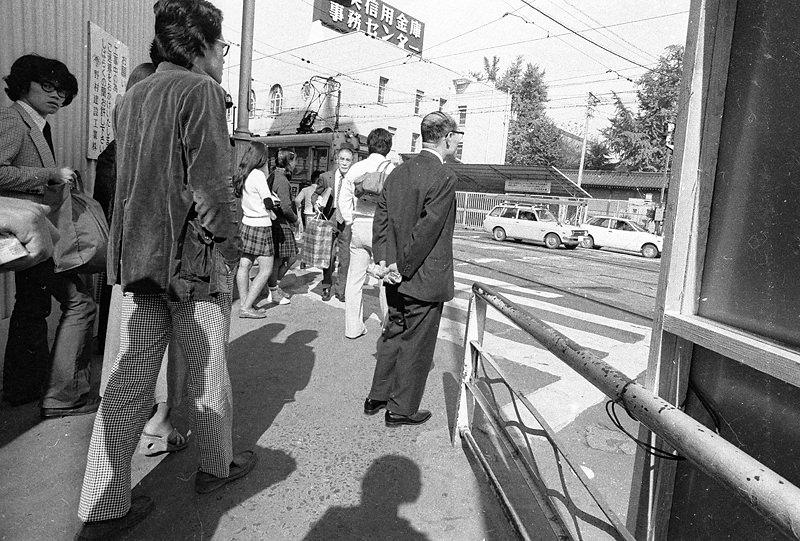
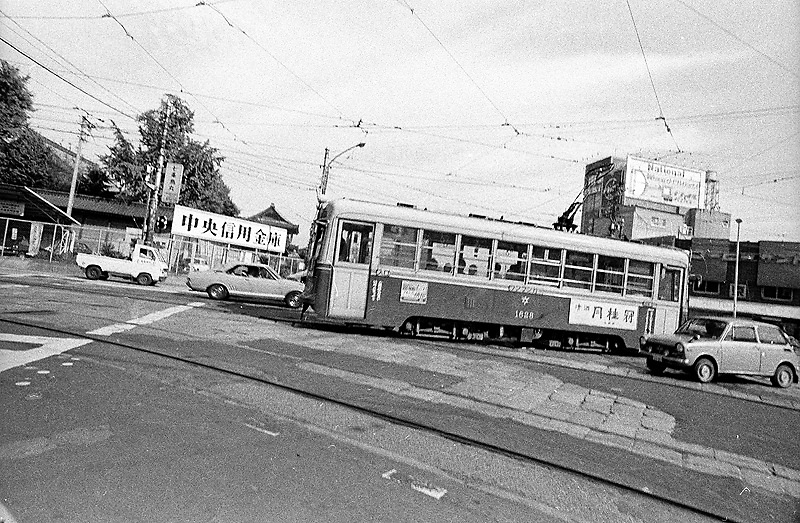
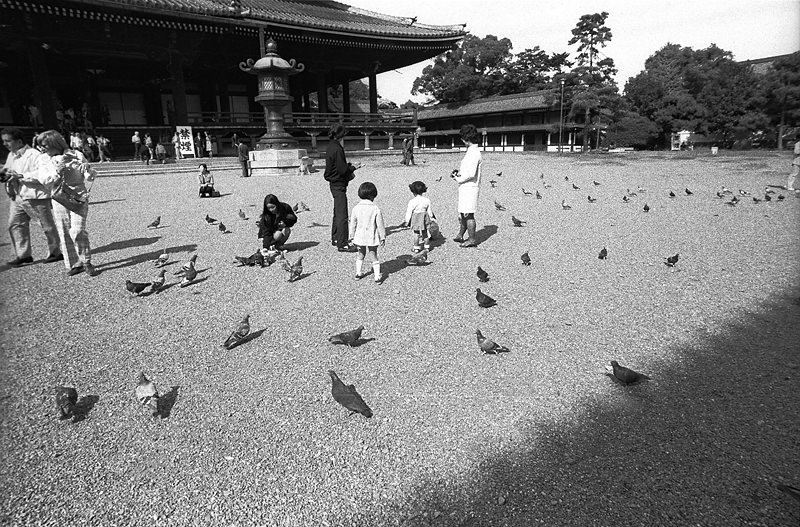
Nijo Castle, the Kyoto Imperial Palace, and Heian Shrine anchored the city’s official historical geography. These sites were maintained carefully and drew steady visitors year-round. Nijo Castle in particular fascinated tourists with its famous nightingale floors — wooden corridors engineered to squeak with every step, a security measure built into the structure centuries ago to detect intruders.
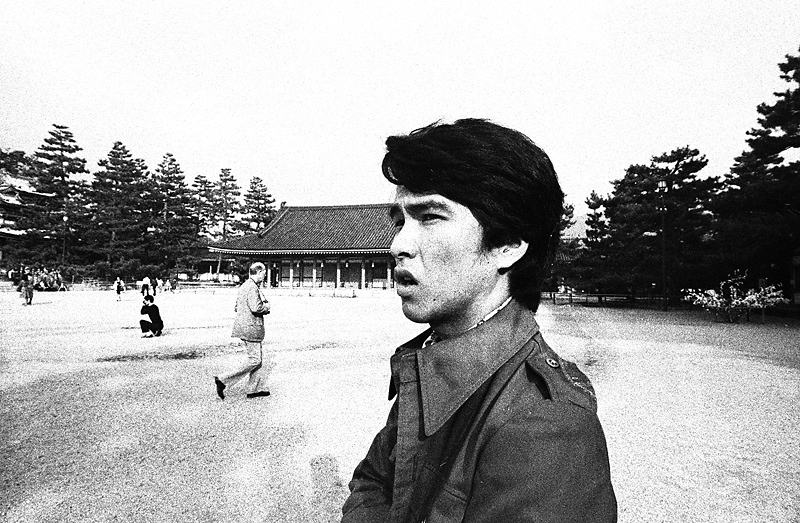
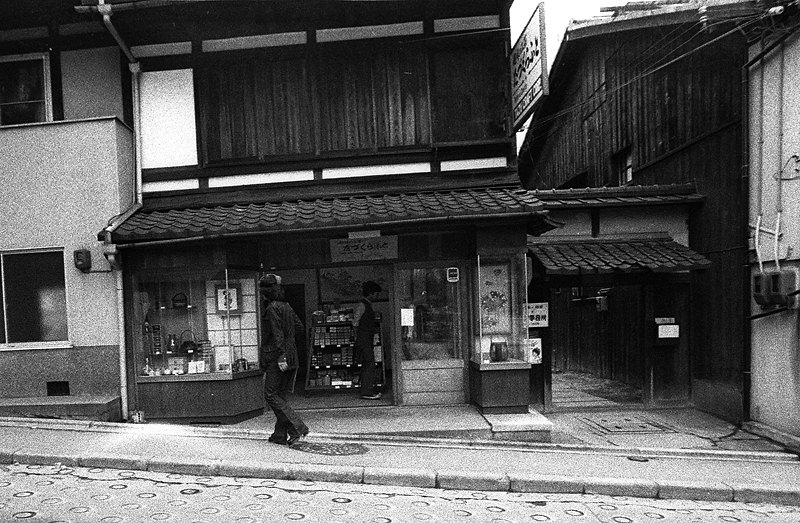
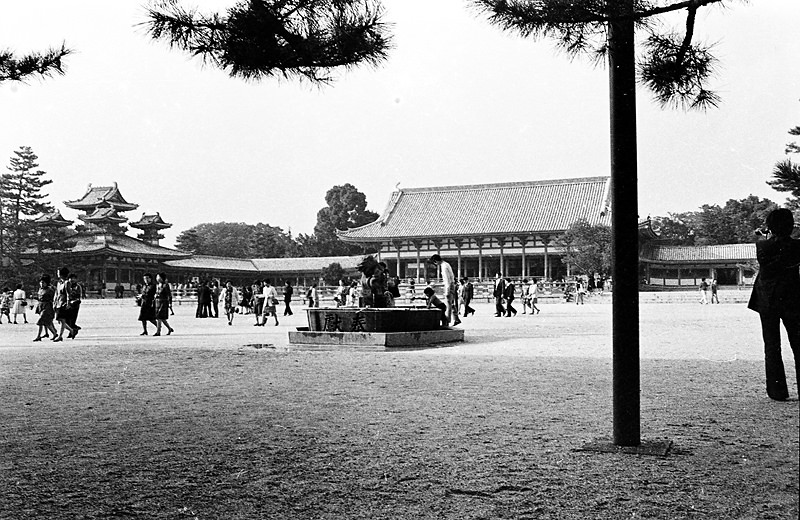
By the end of the 1970s, Kyoto had gained a subway line, hosted a G7 Summit, welcomed record numbers of tourists, and watched pachinko parlors and Western cafes take root across the city. Yet its ancient temple complexes, its geiko districts, its craft workshops, and its seasonal festivals remained fully intact. The decade tested the city’s ability to change without losing itself — and Kyoto passed.