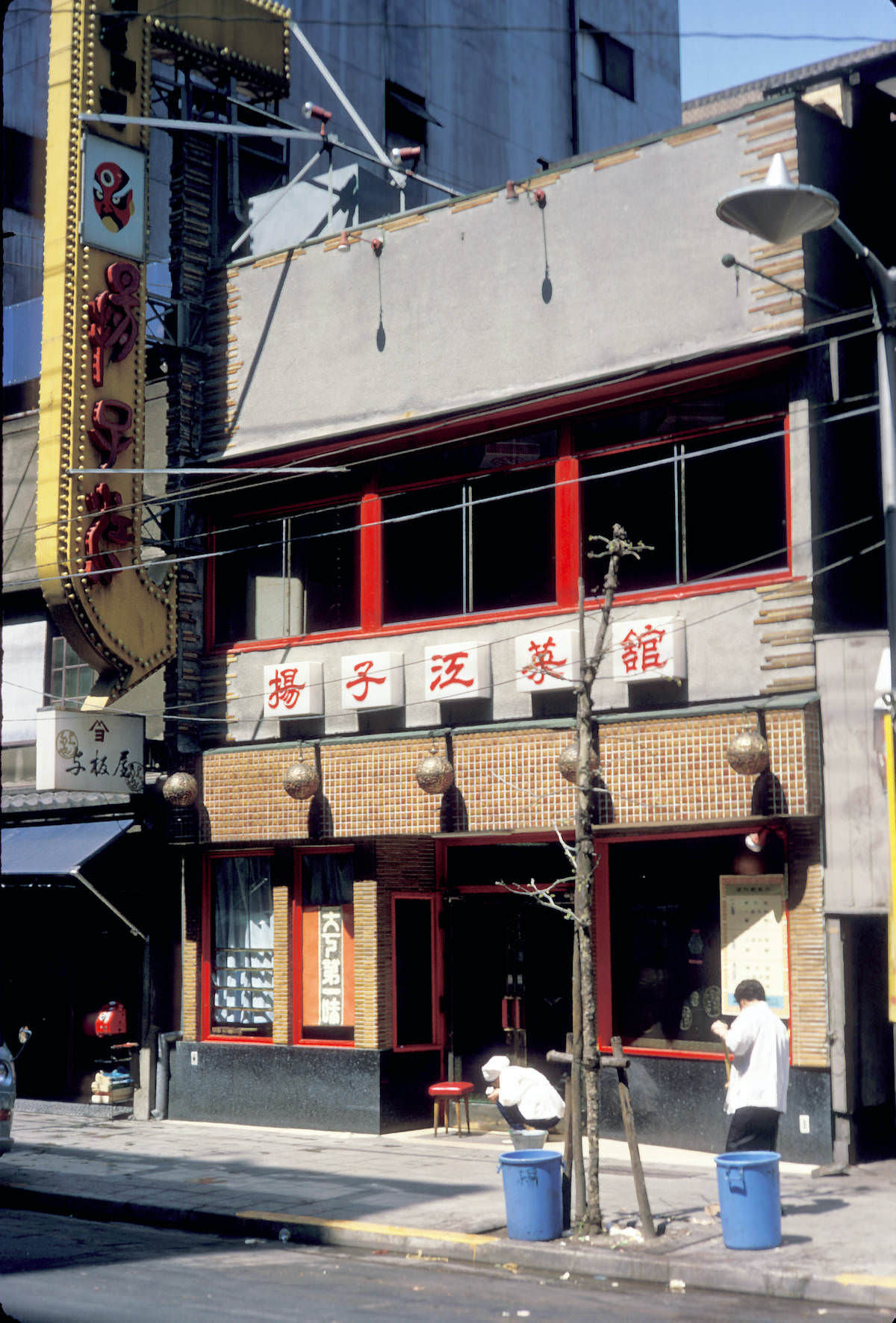
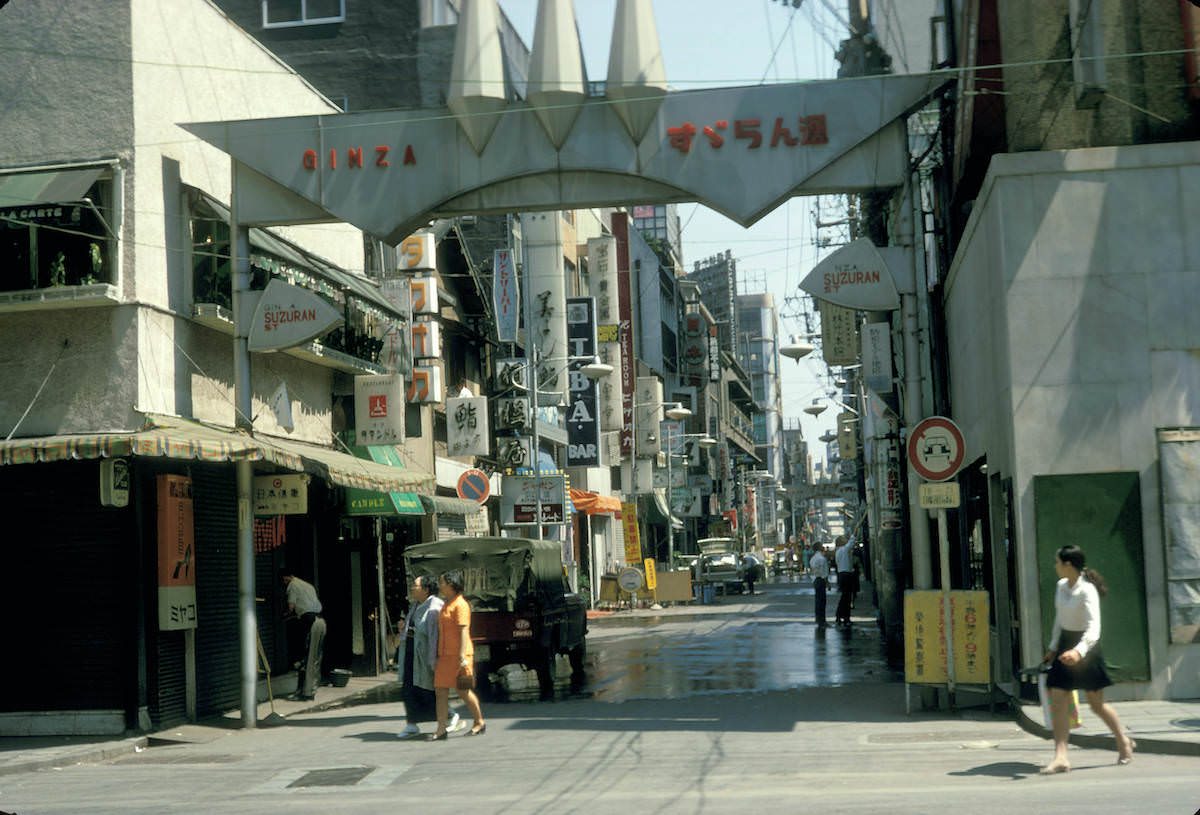
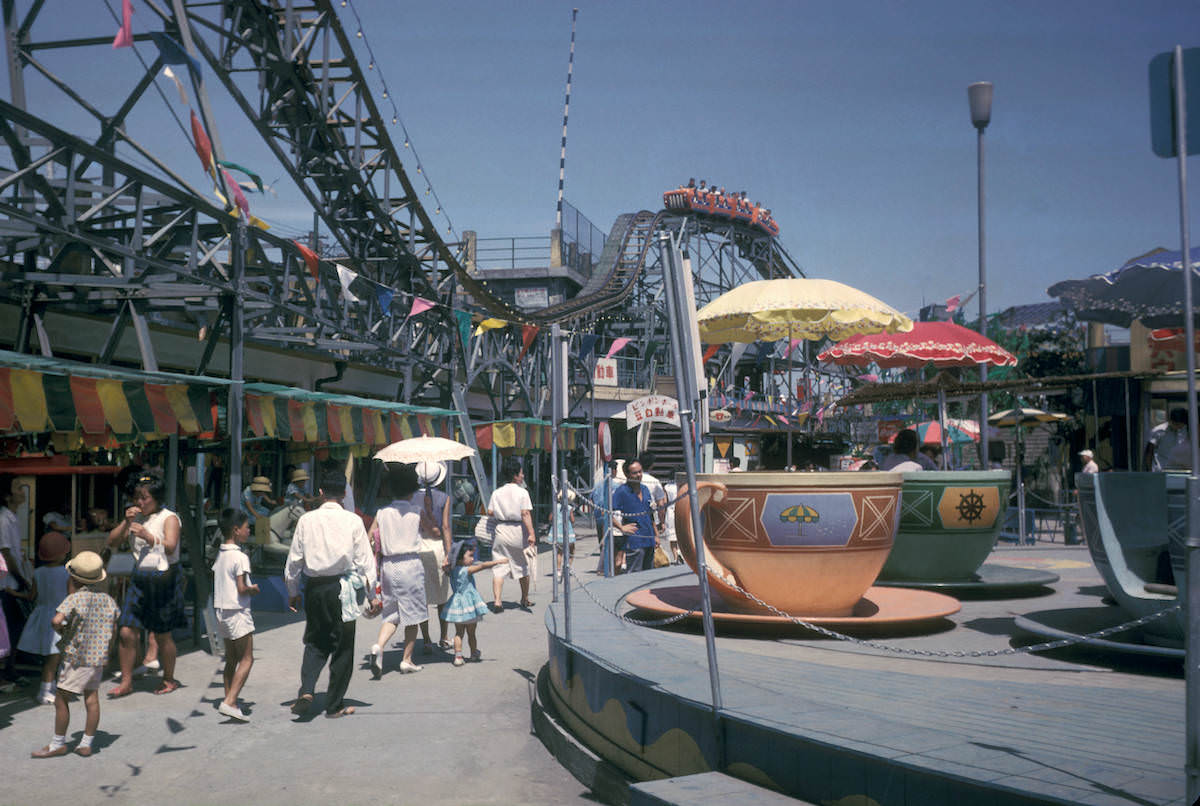
In 1972, American photojournalist Harrison Forman visited Tokyo and brought his camera to one of the world’s most dynamic cities. What he captured was a Tokyo in transition — a place where ancient traditions and modern Western influences existed side by side on the same busy street.
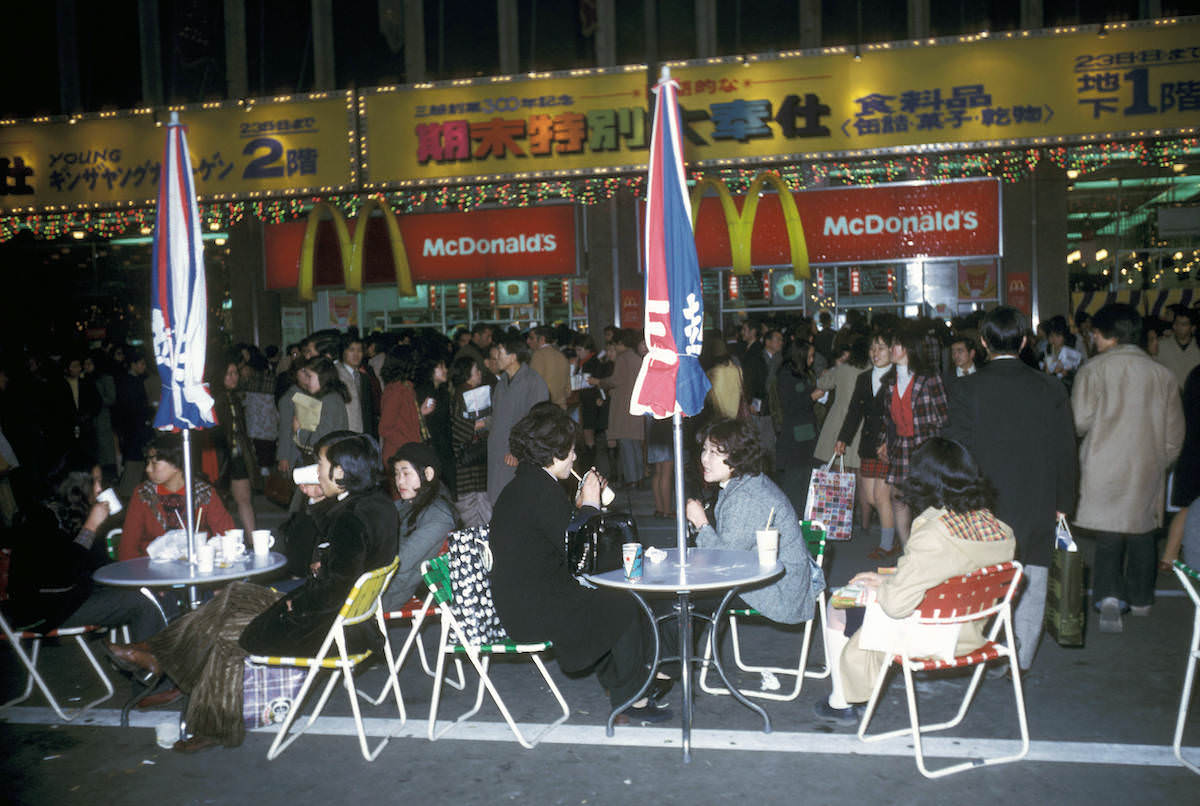
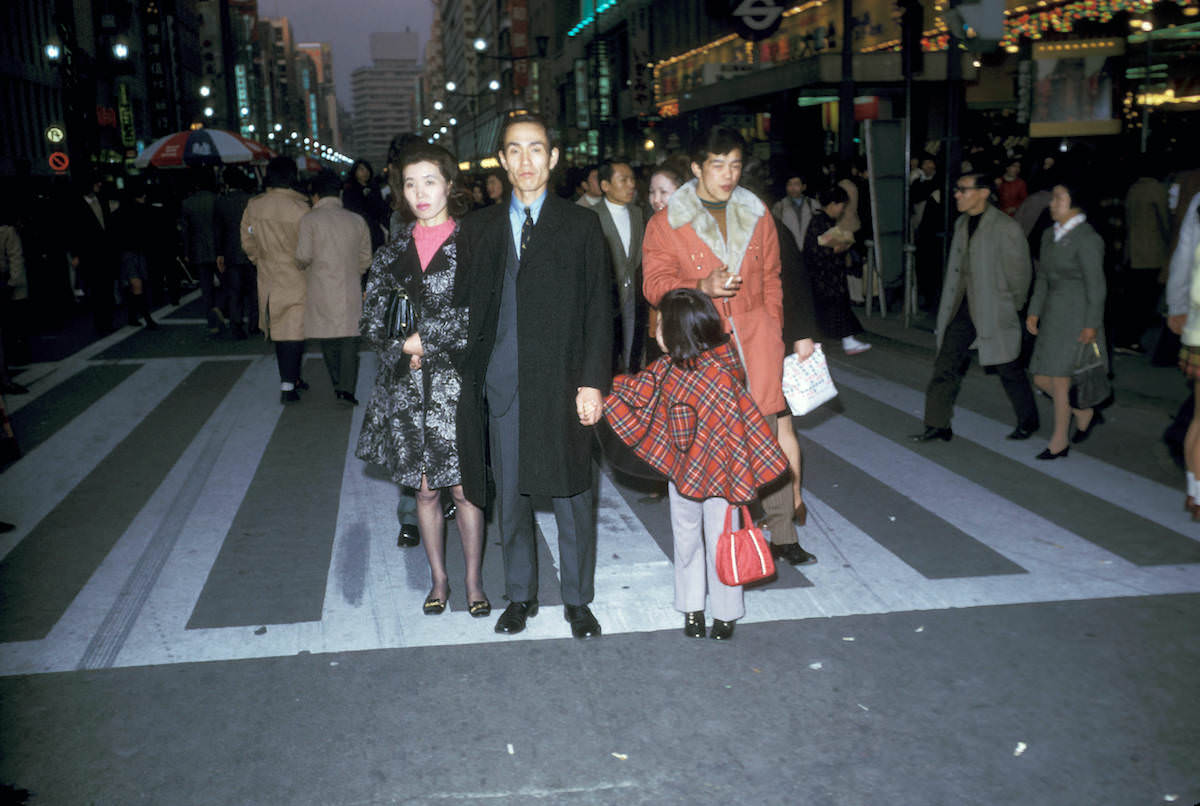
Ginza was the beating heart of these photos. One of Tokyo’s most famous districts, Ginza was already known for its upscale shops, bright lights, and busy crossings. By 1972, it had introduced a pedestrian mall, closing its main streets to cars on weekends and letting crowds spill freely across the pavement.
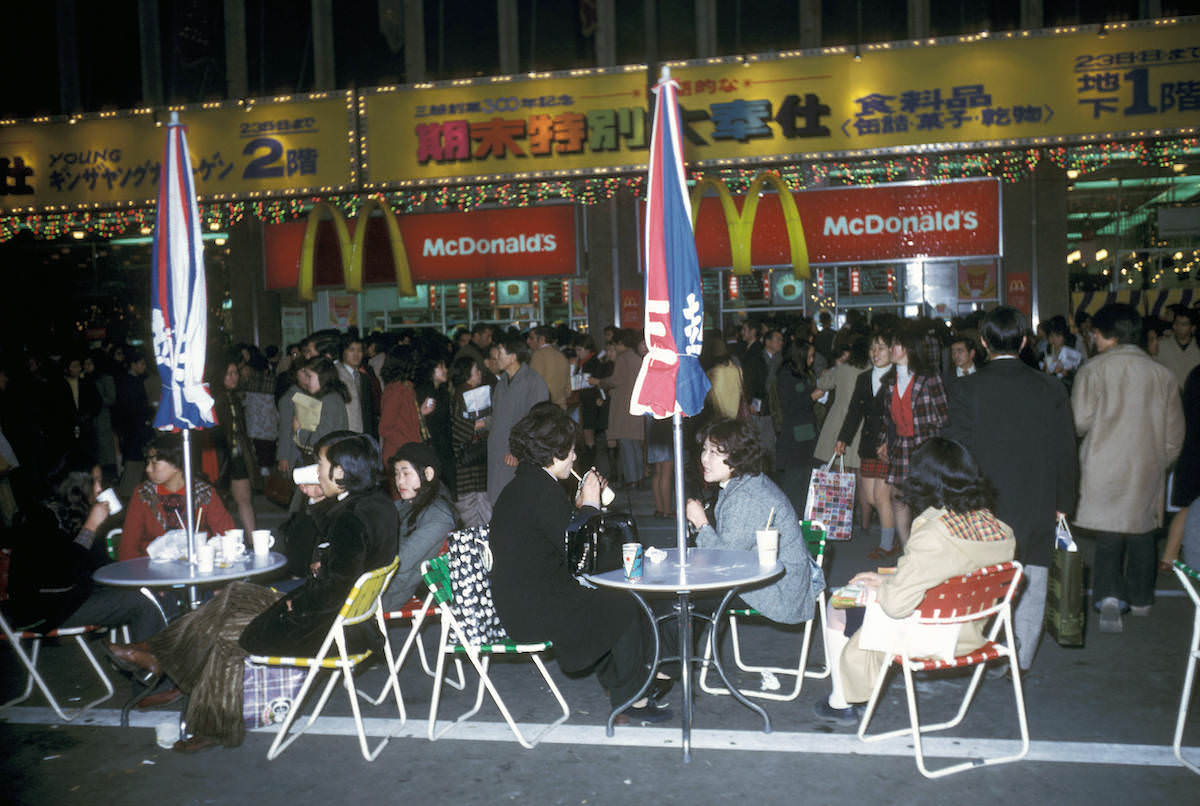
Forman’s lens caught diners at a McDonald’s along Ginza’s pedestrian mall — a striking sign of how deeply American consumer culture had worked its way into Japanese daily life. Fast food, once foreign, had found a comfortable home in one of Tokyo’s most prestigious neighborhoods.
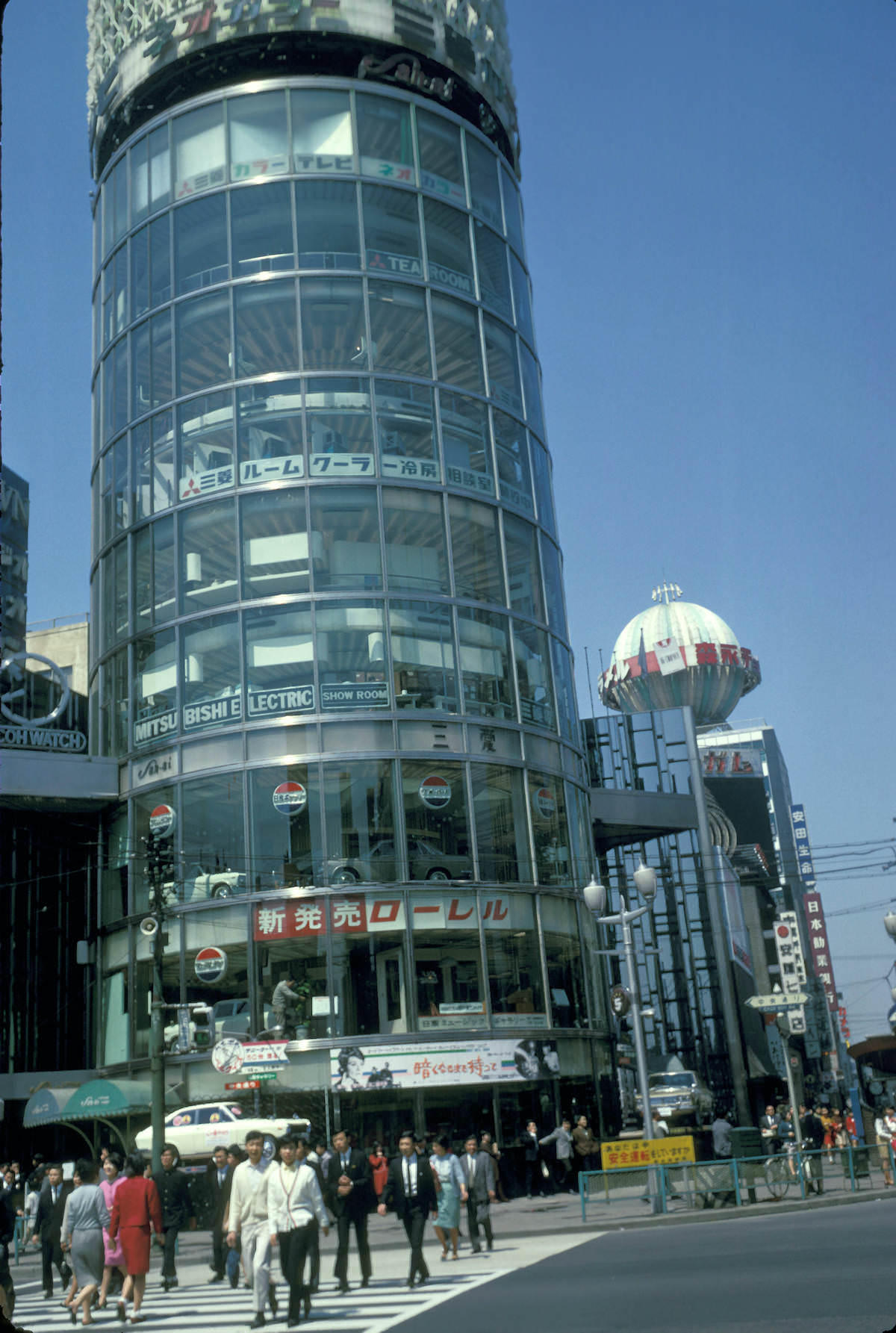
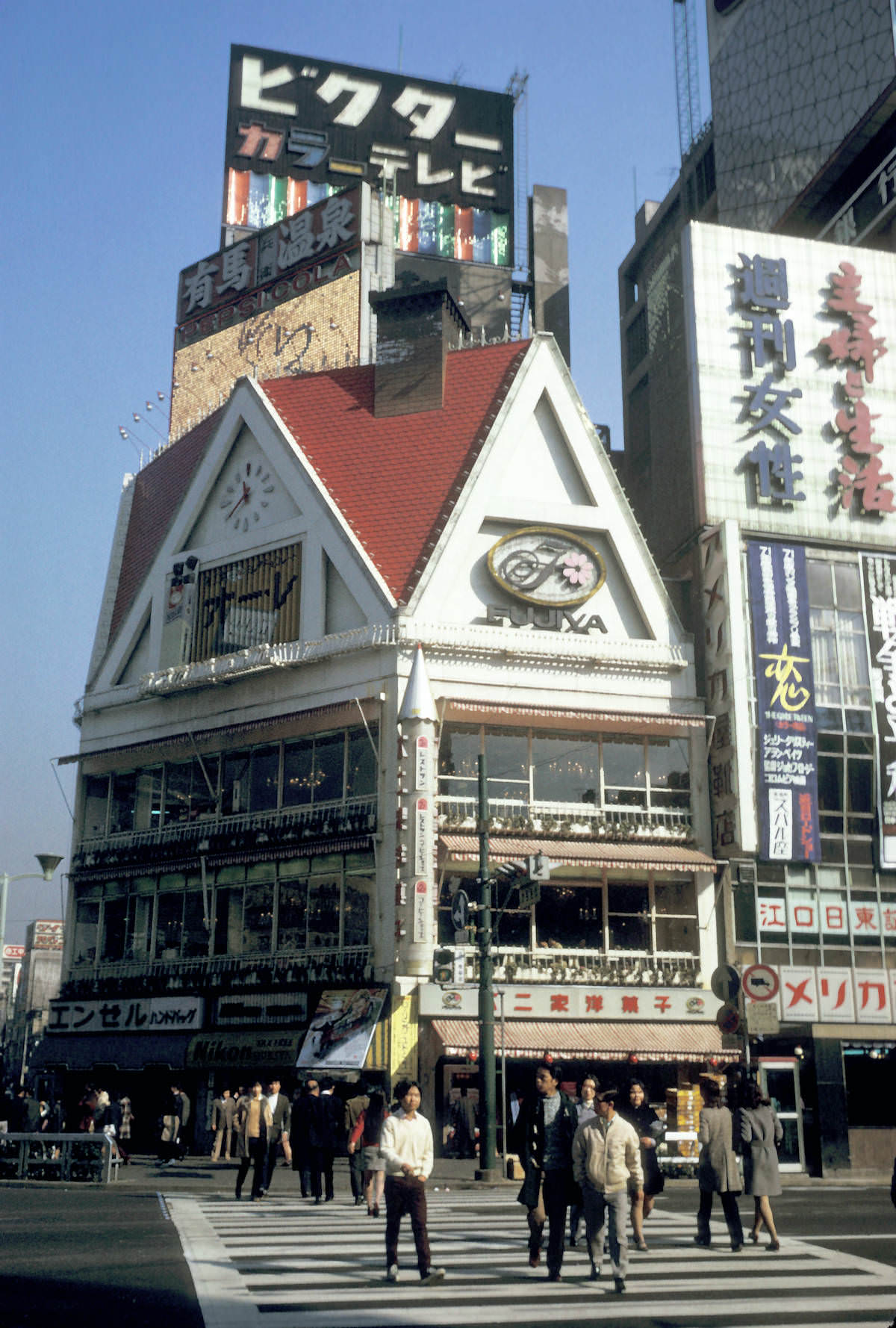
Not far away, the iconic San-ai building stood at the Ginza Yon-chome crossing — the district’s main intersection. Its curved glass facade and rotating advertisements made it one of the most recognized landmarks in the city. Forman photographed it alongside the surrounding bustle of shoppers and street activity.
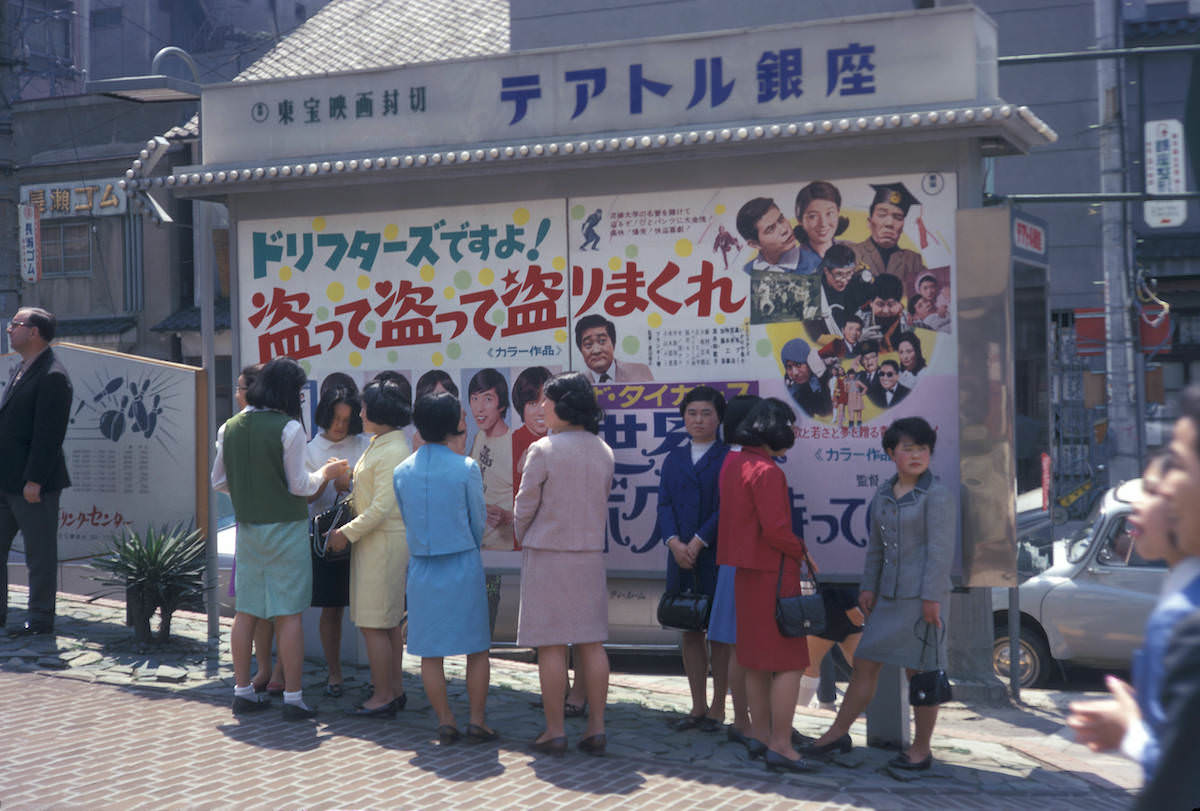
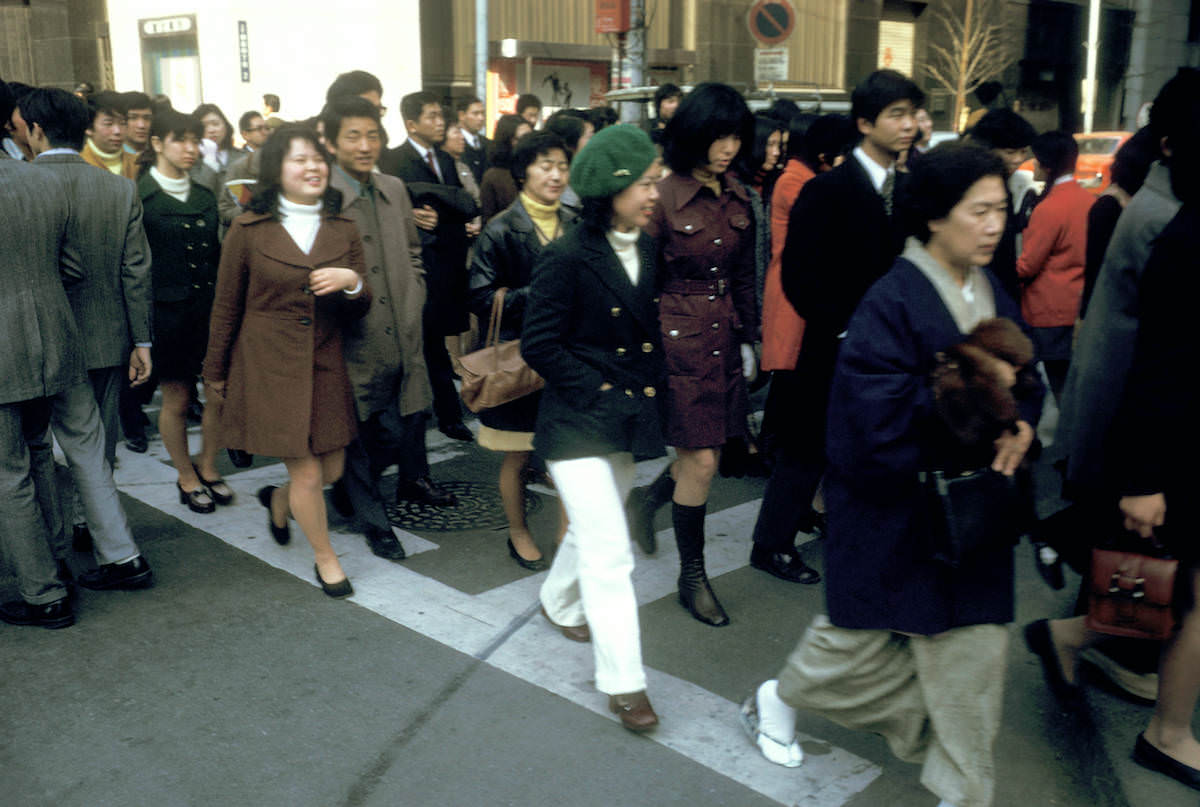
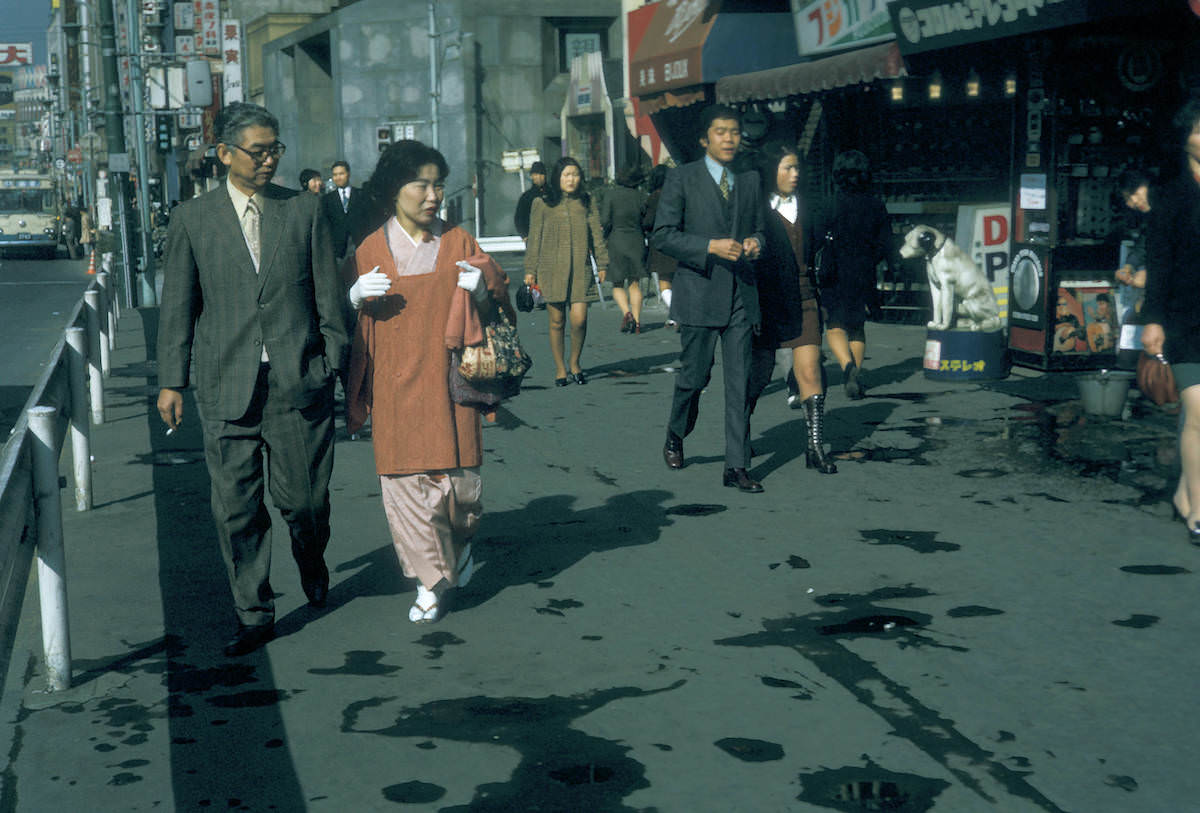
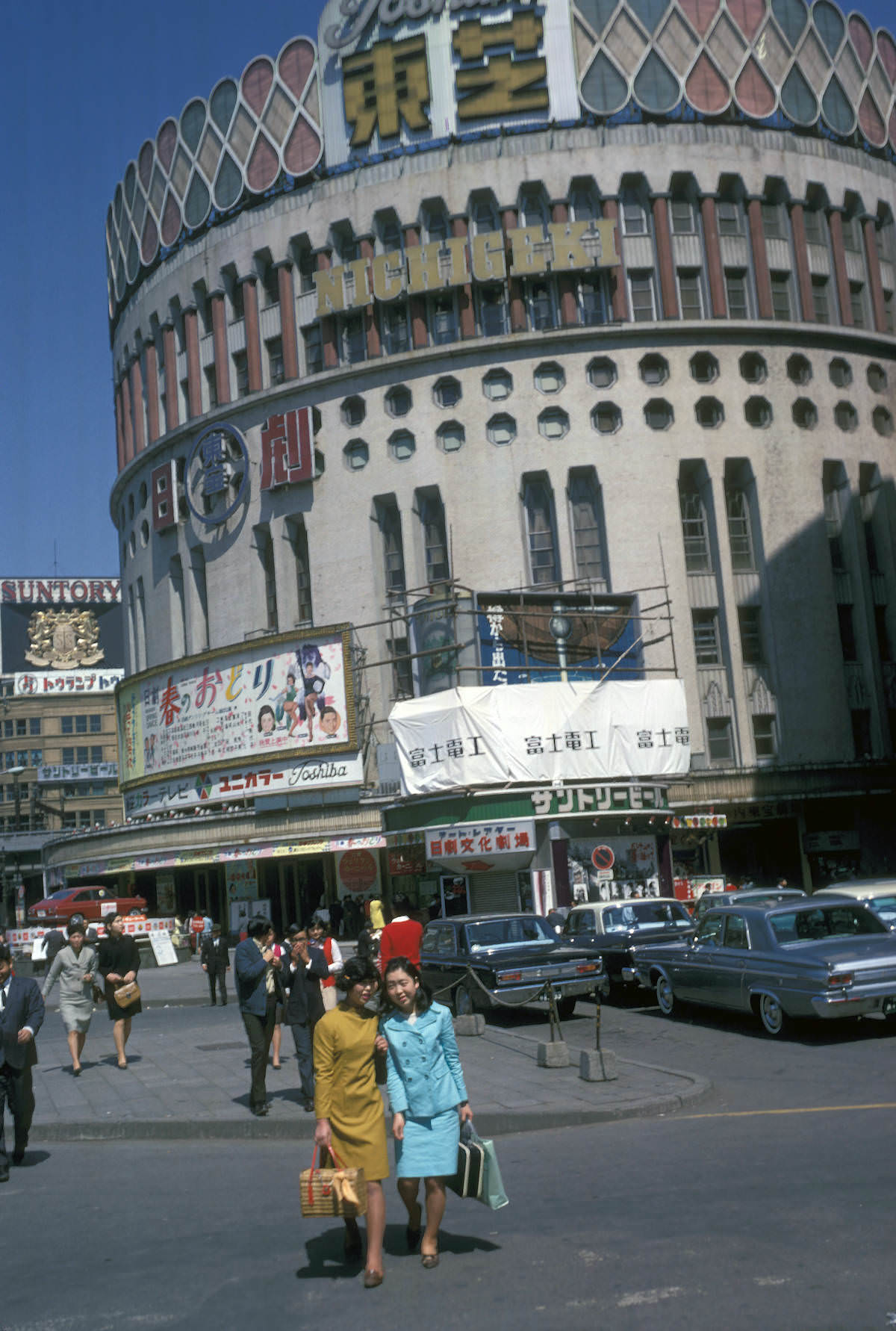
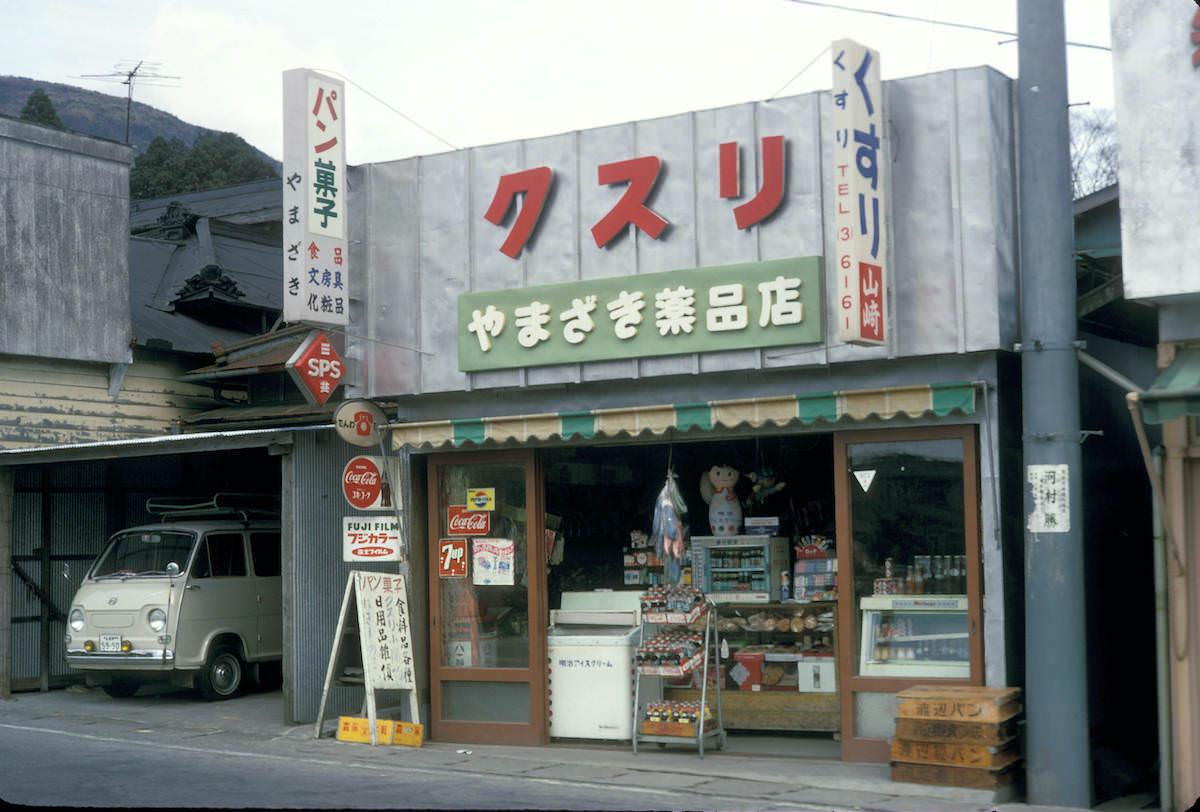
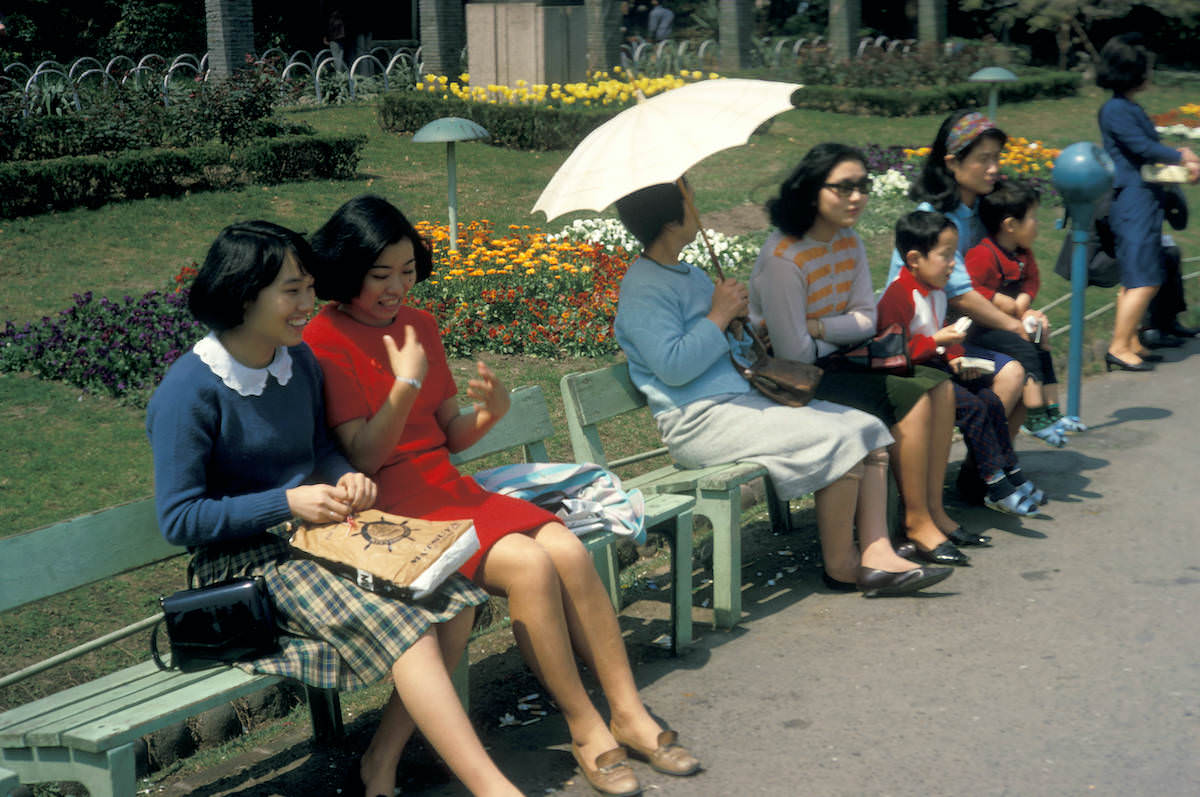
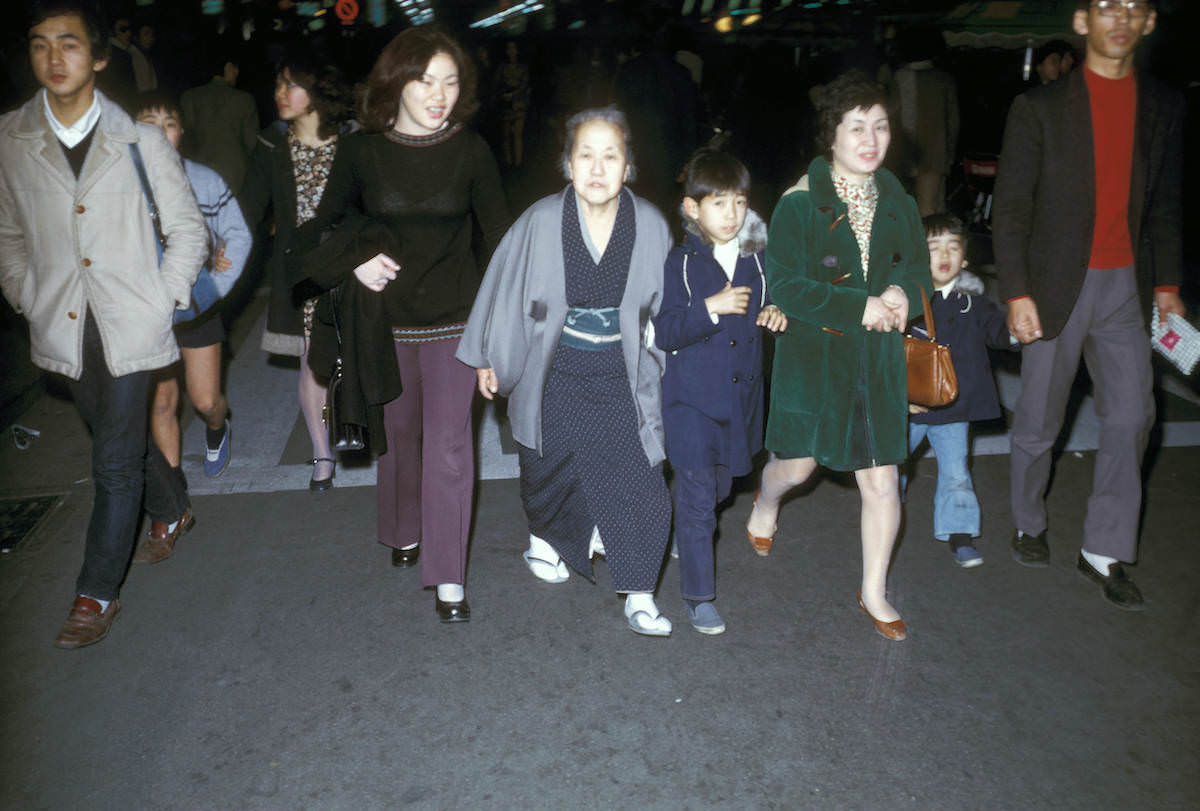
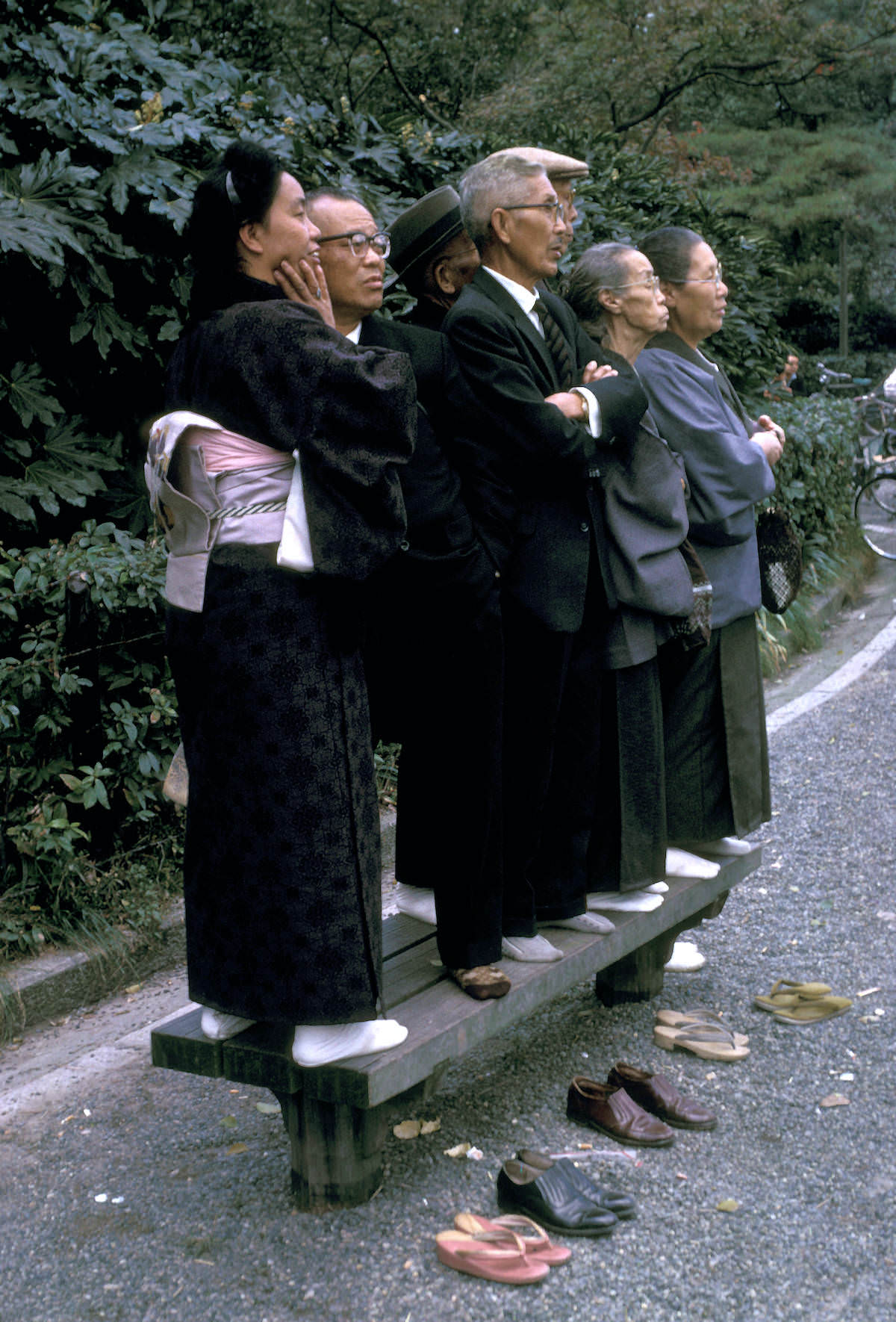
The streets told a story of two worlds. Some people walked through Ginza in traditional Japanese clothing, while others wore the kind of Western fashion that had become common in Japanese cities after decades of rapid modernization. Both styles moved through the same crowds without friction.
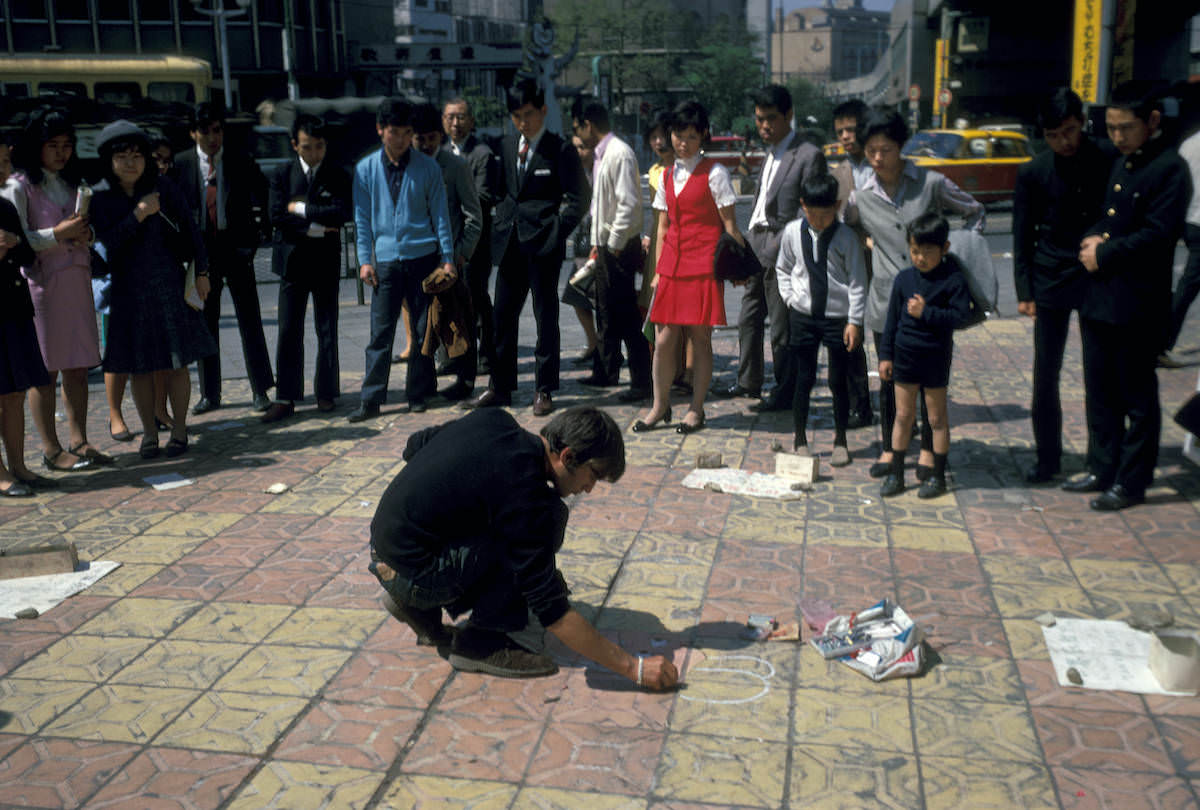
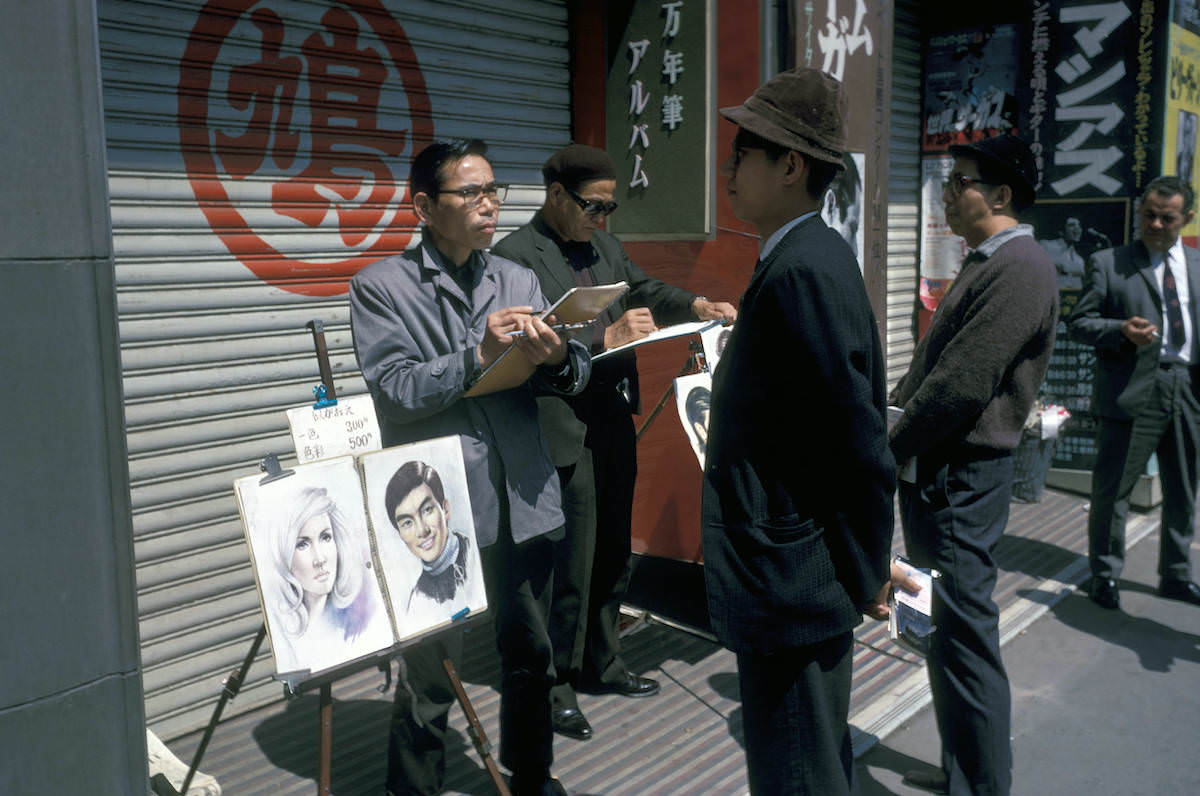
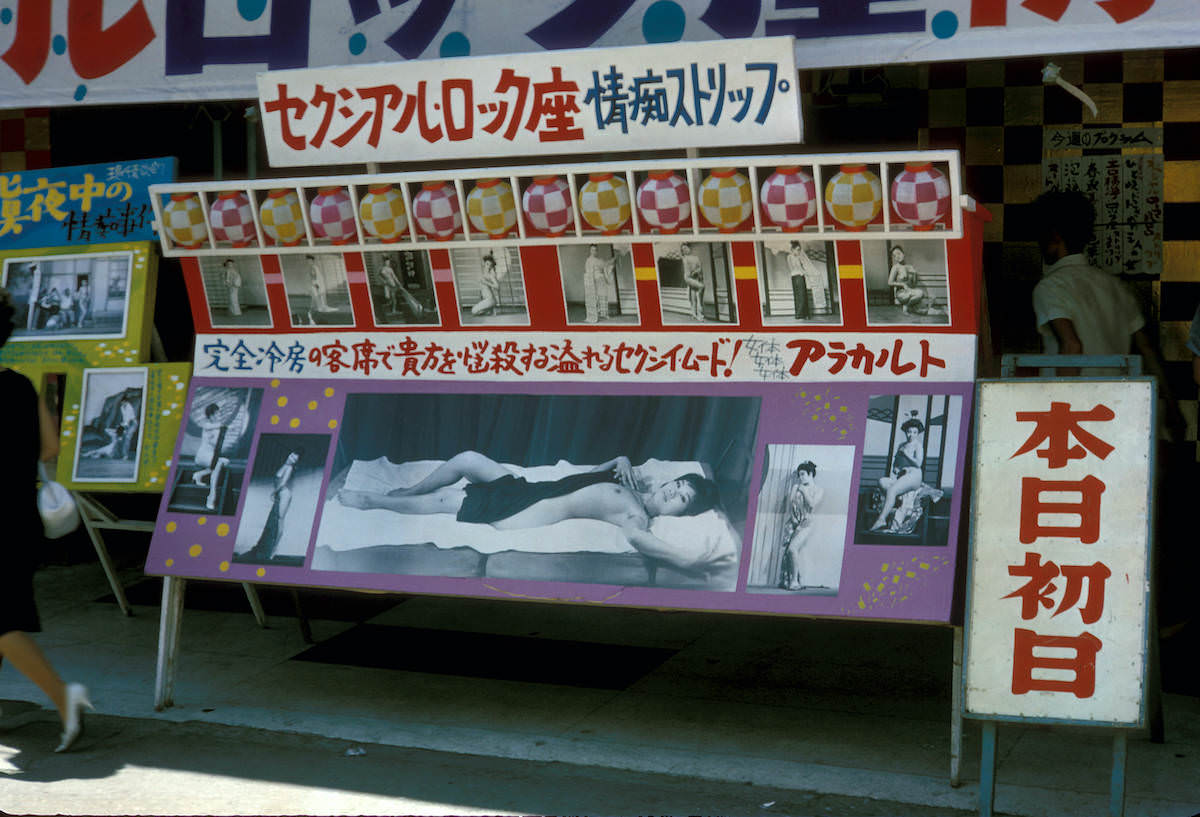
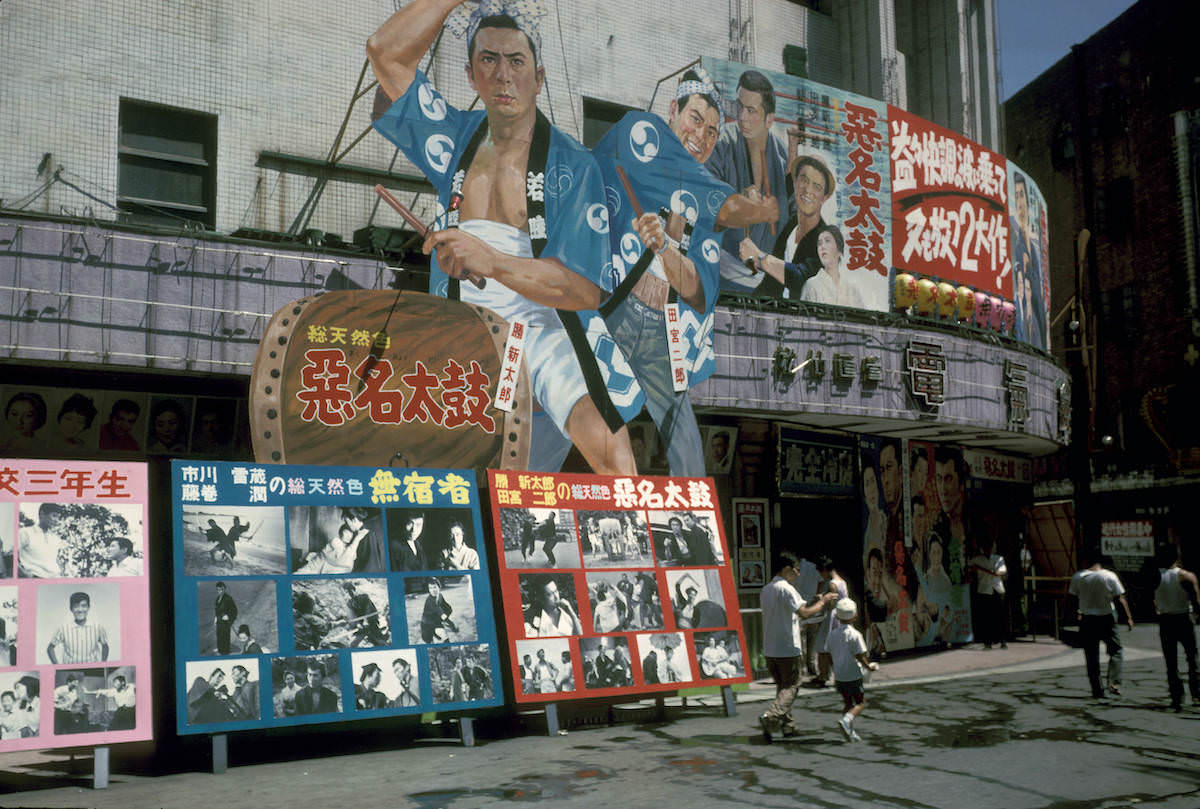
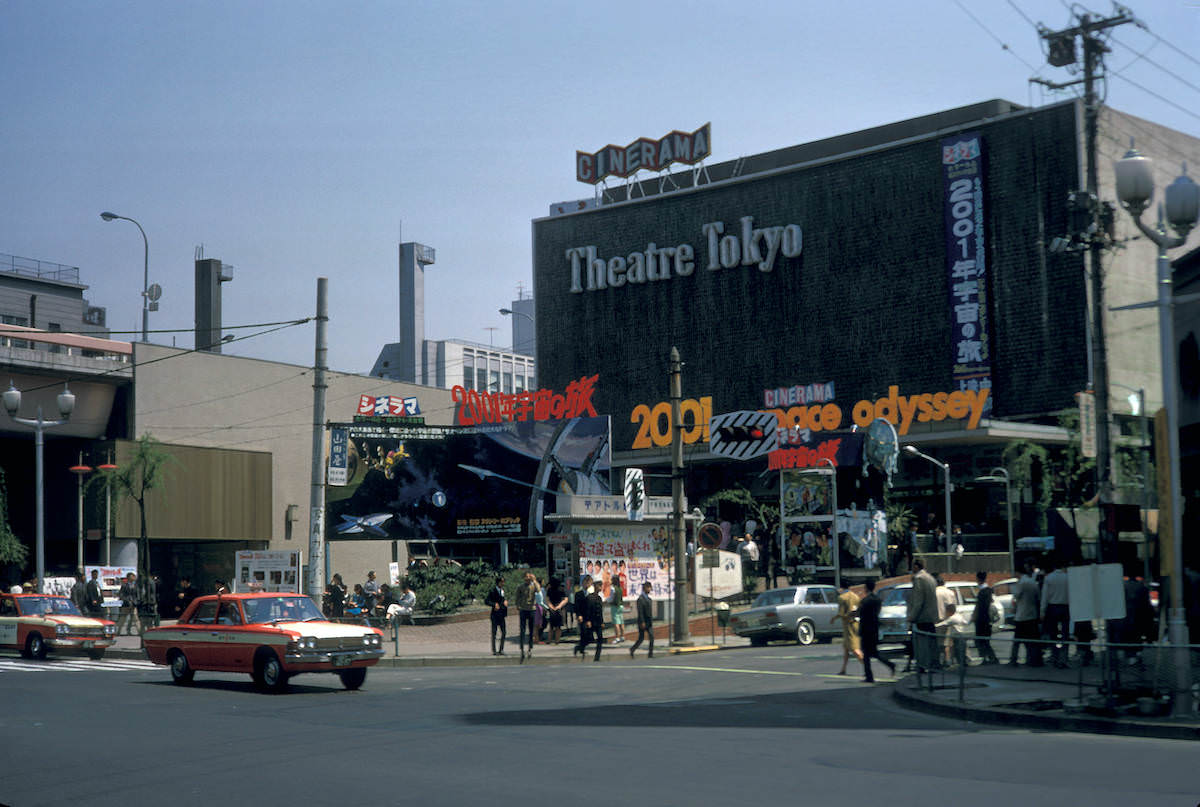
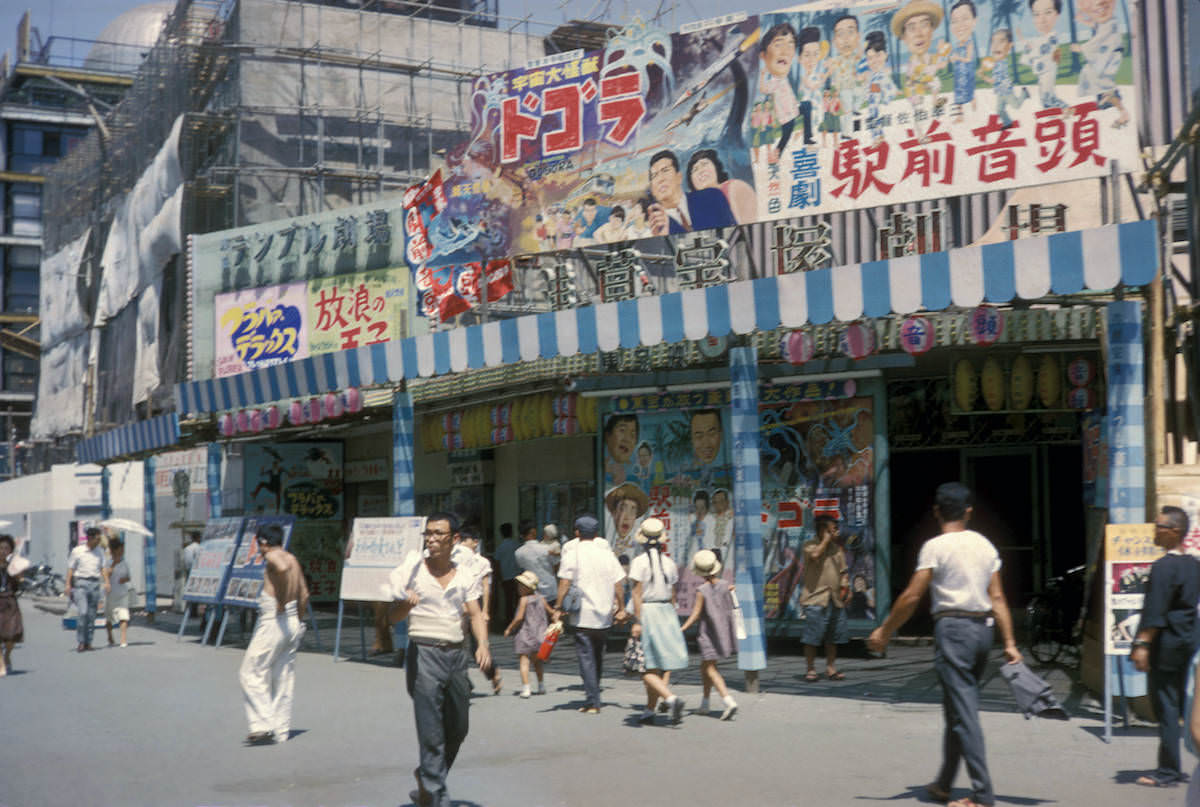
Movie theaters lined certain blocks, their marquees advertising the latest films. Nearby, billboards for strip clubs were posted openly — a reflection of Tokyo’s entertainment districts, where adult venues operated visibly in the commercial landscape of the era.
1972 was also a landmark year for Japan on the world stage. The country hosted the Winter Olympics in Sapporo, located on the northern island of Hokkaido. It was the first time the Winter Games had ever been held outside of Europe or North America — a milestone that put Japan firmly in the spotlight of global sport and diplomacy.
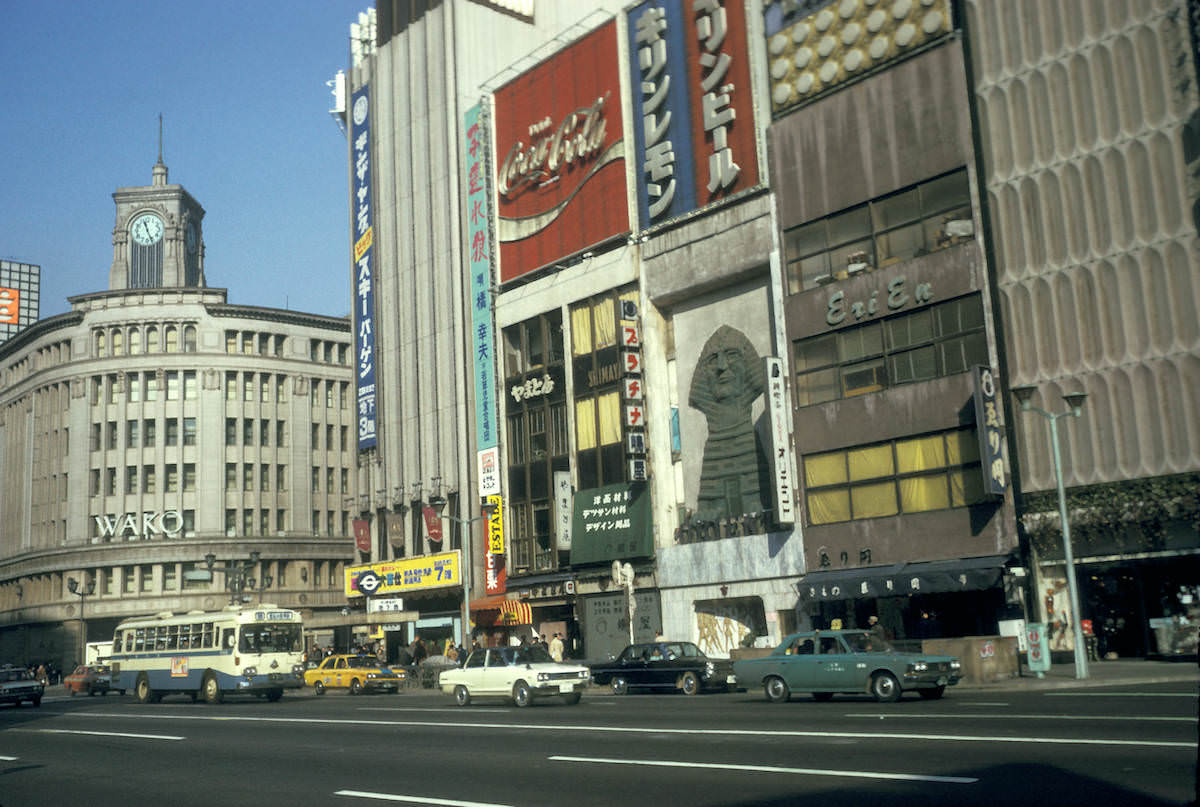
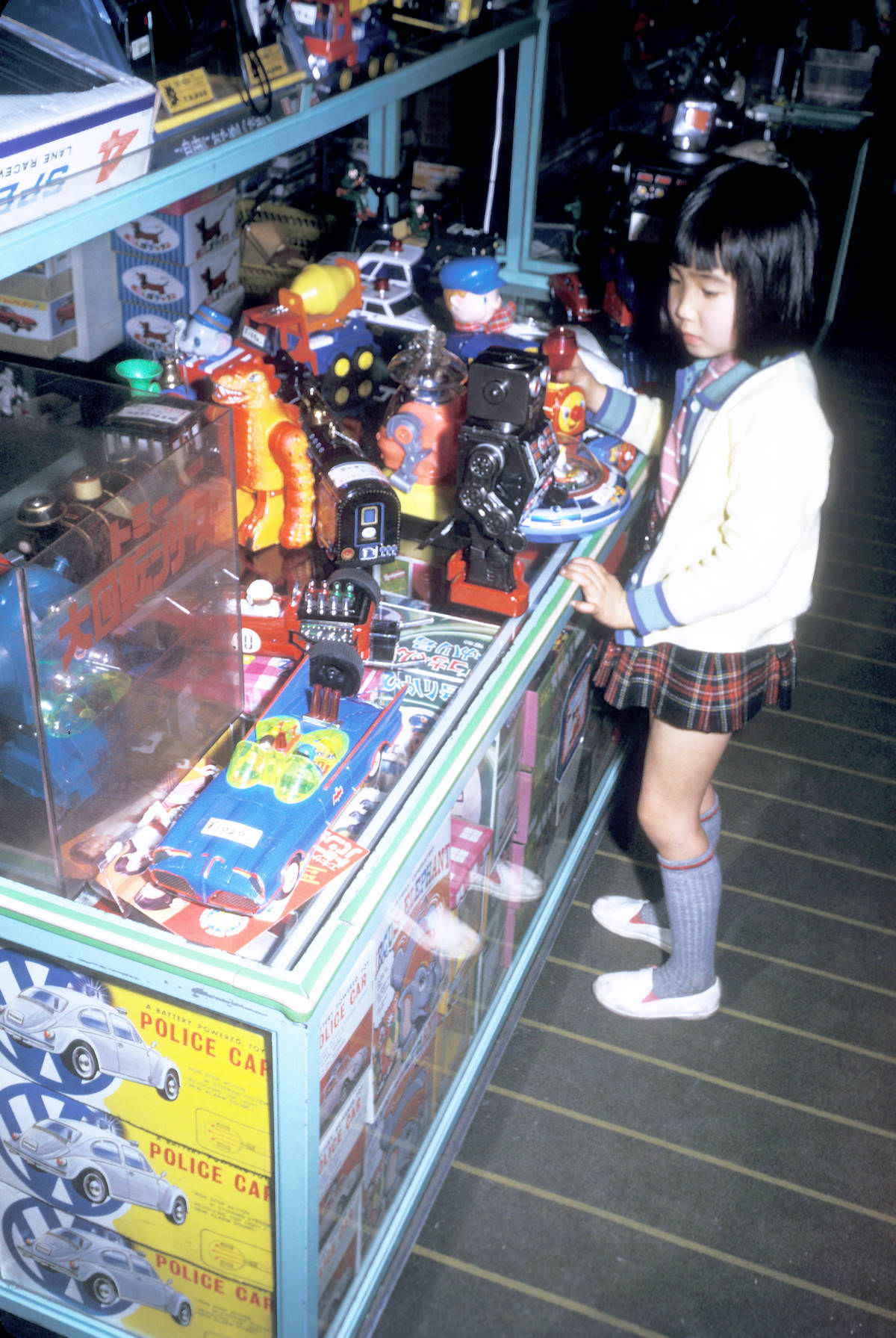
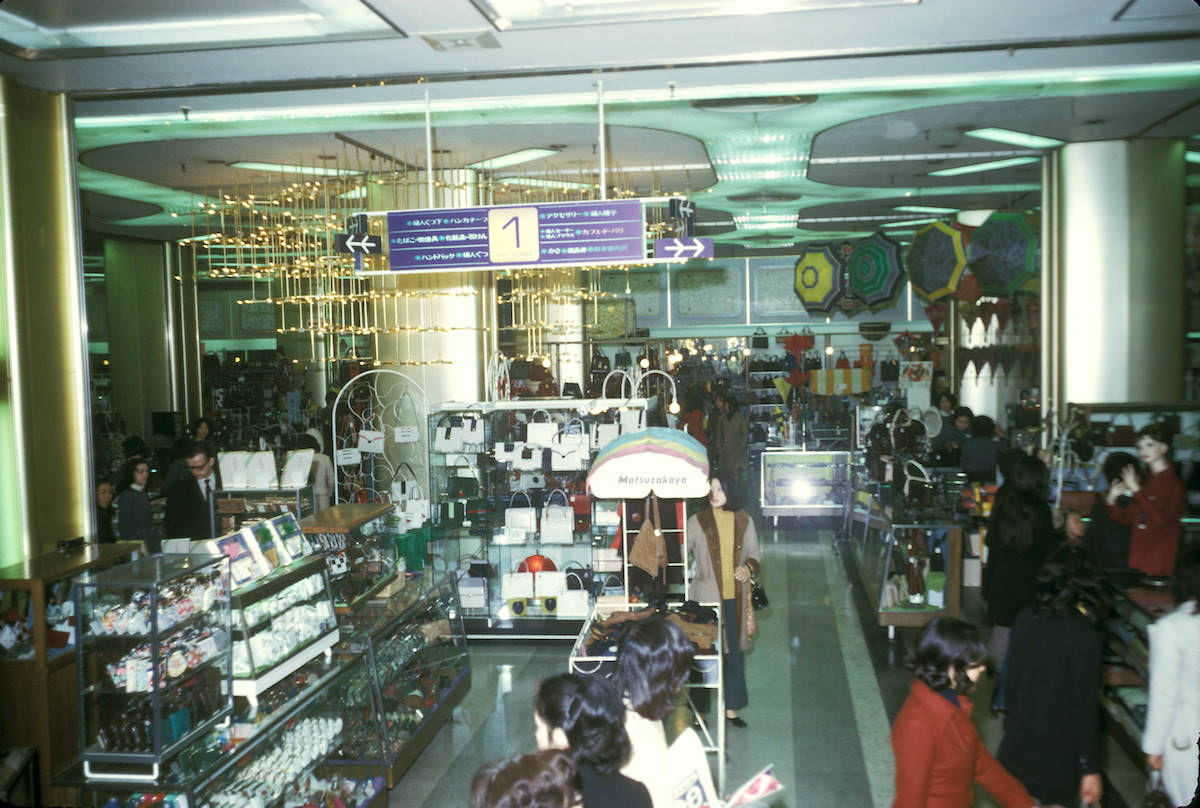
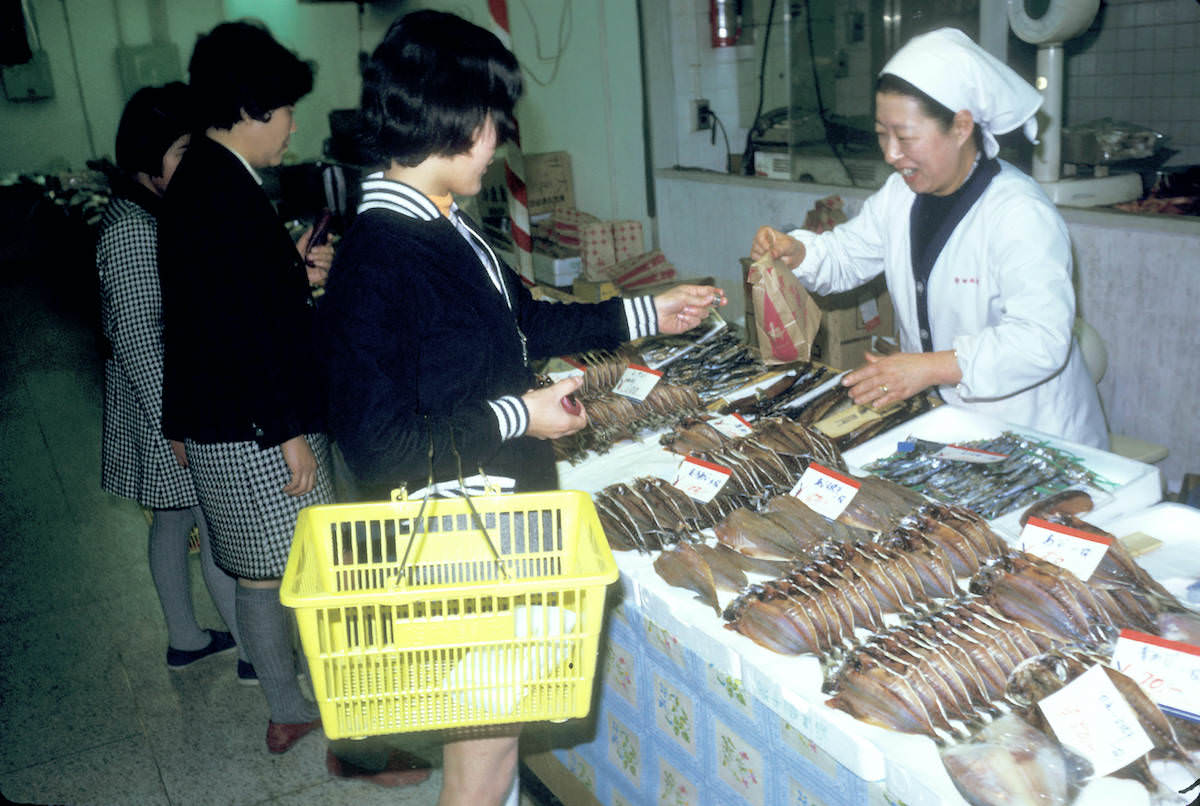
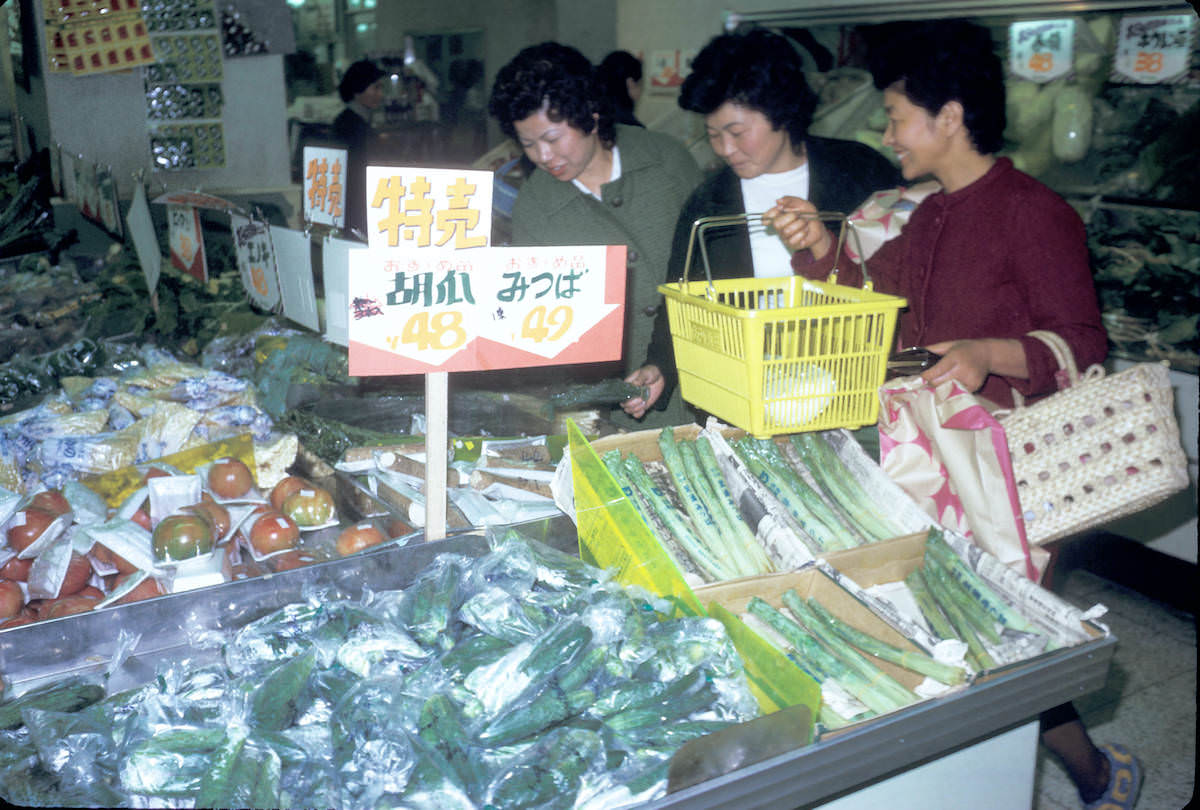
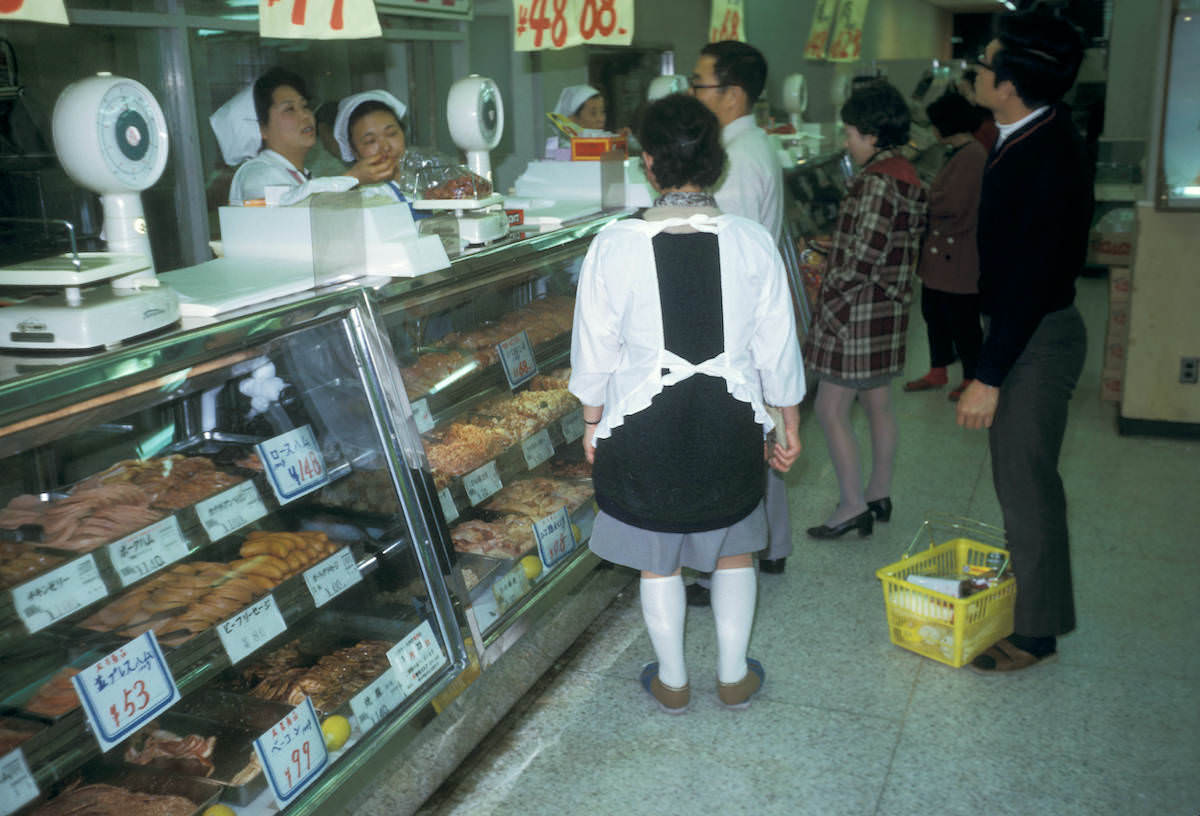
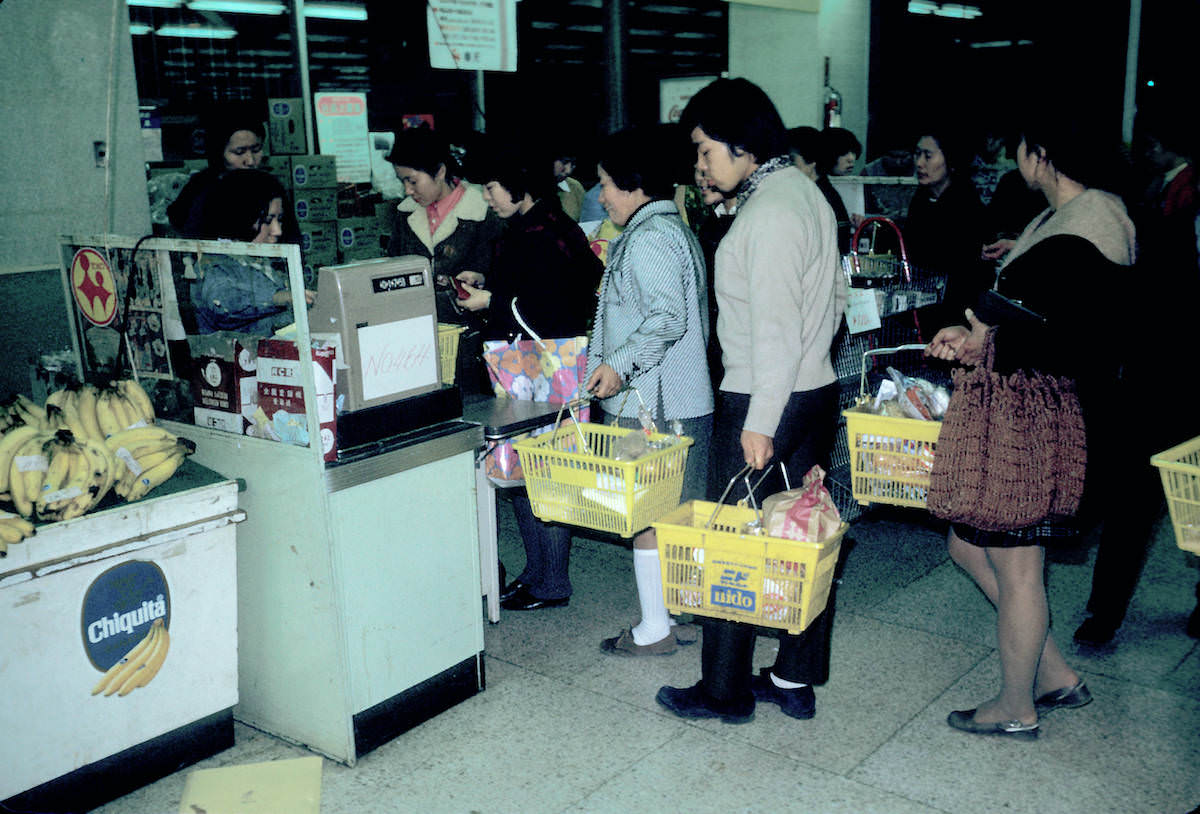
Back in Tokyo, Forman kept photographing the rhythms of everyday life. Shoppers moved in and out of stores. Crowds gathered at crossings. The city operated at full speed, dense and loud and full of energy.
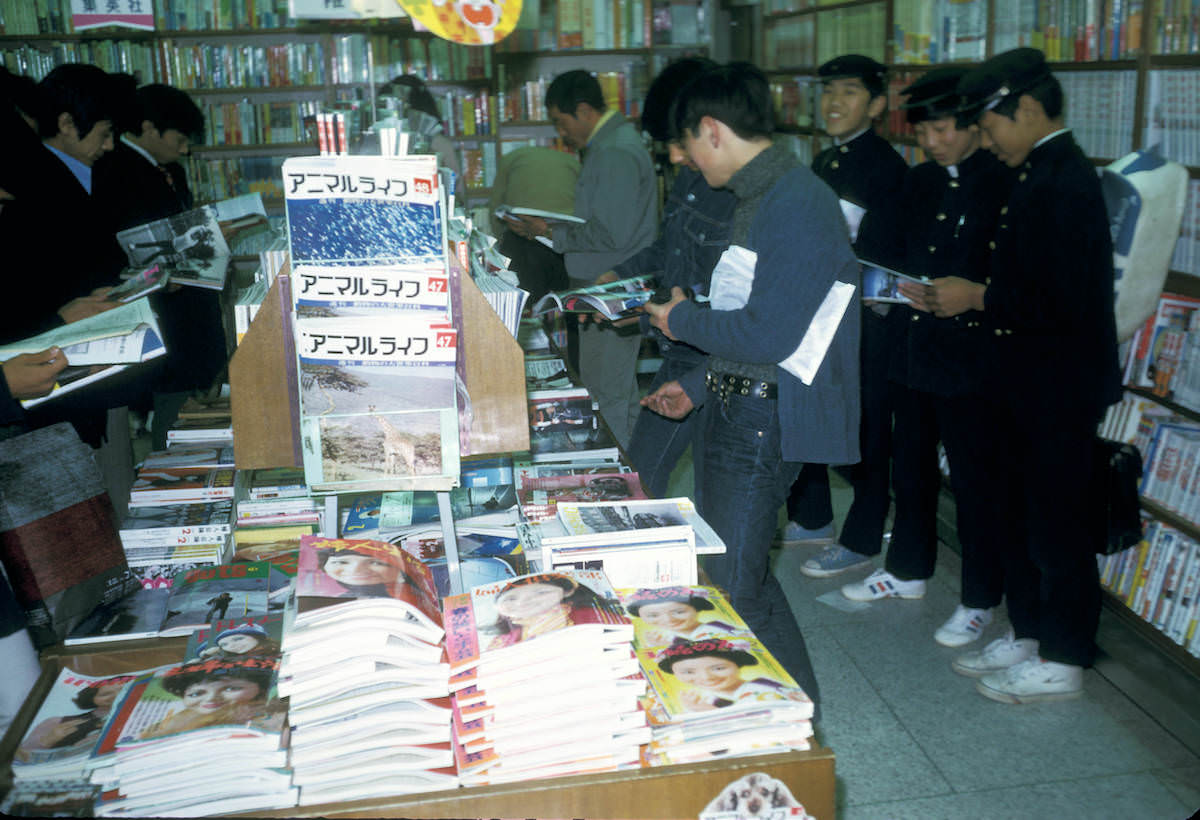
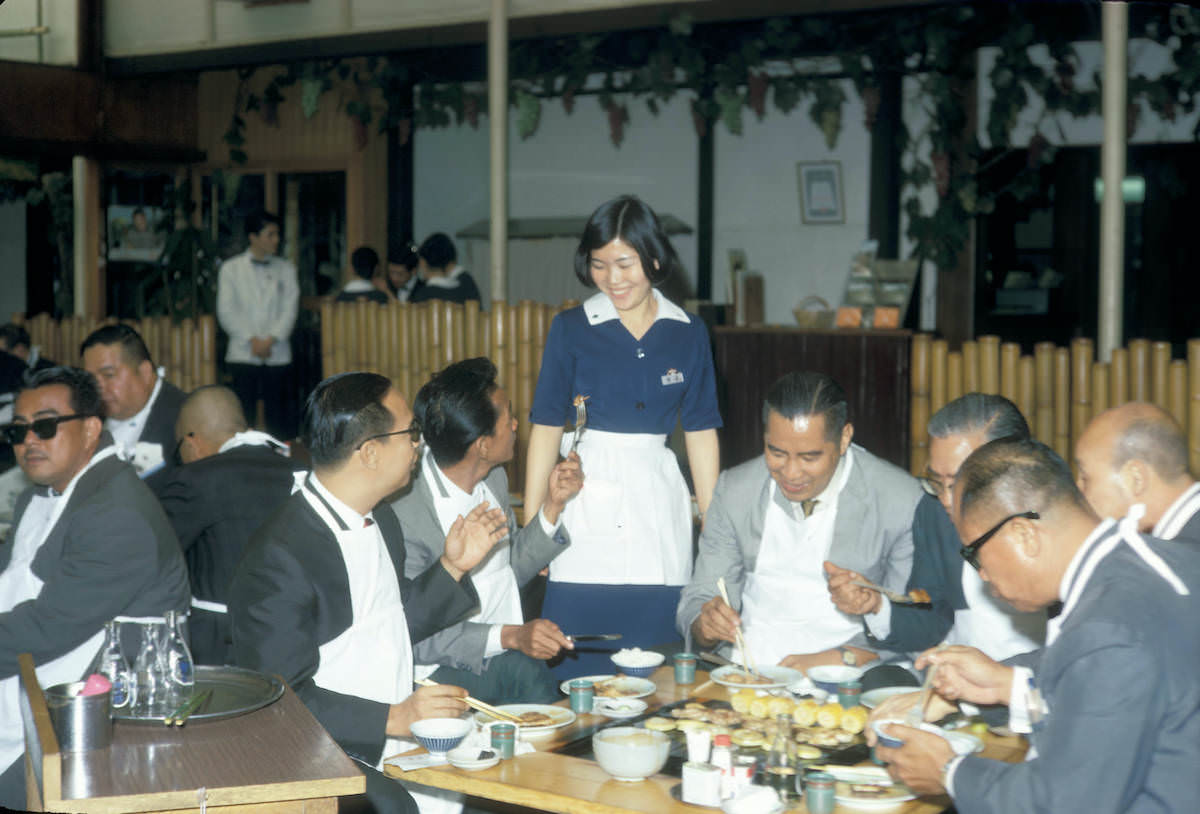
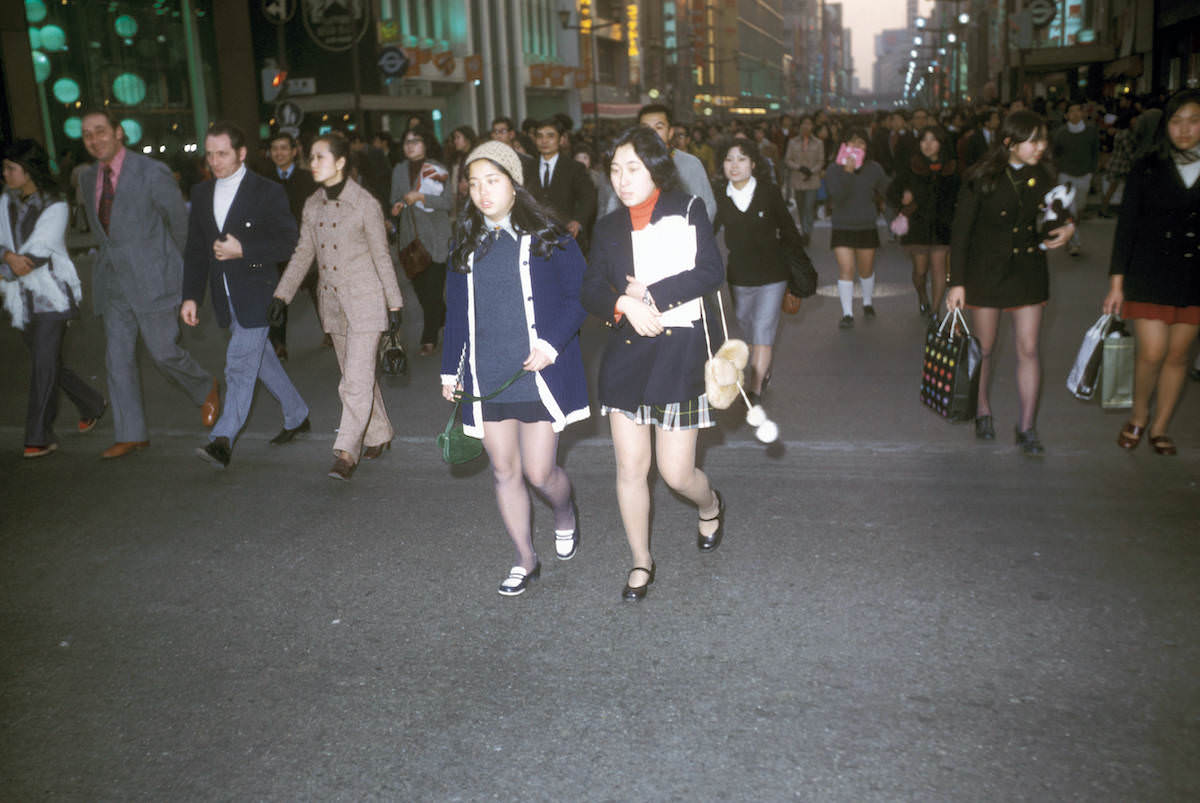
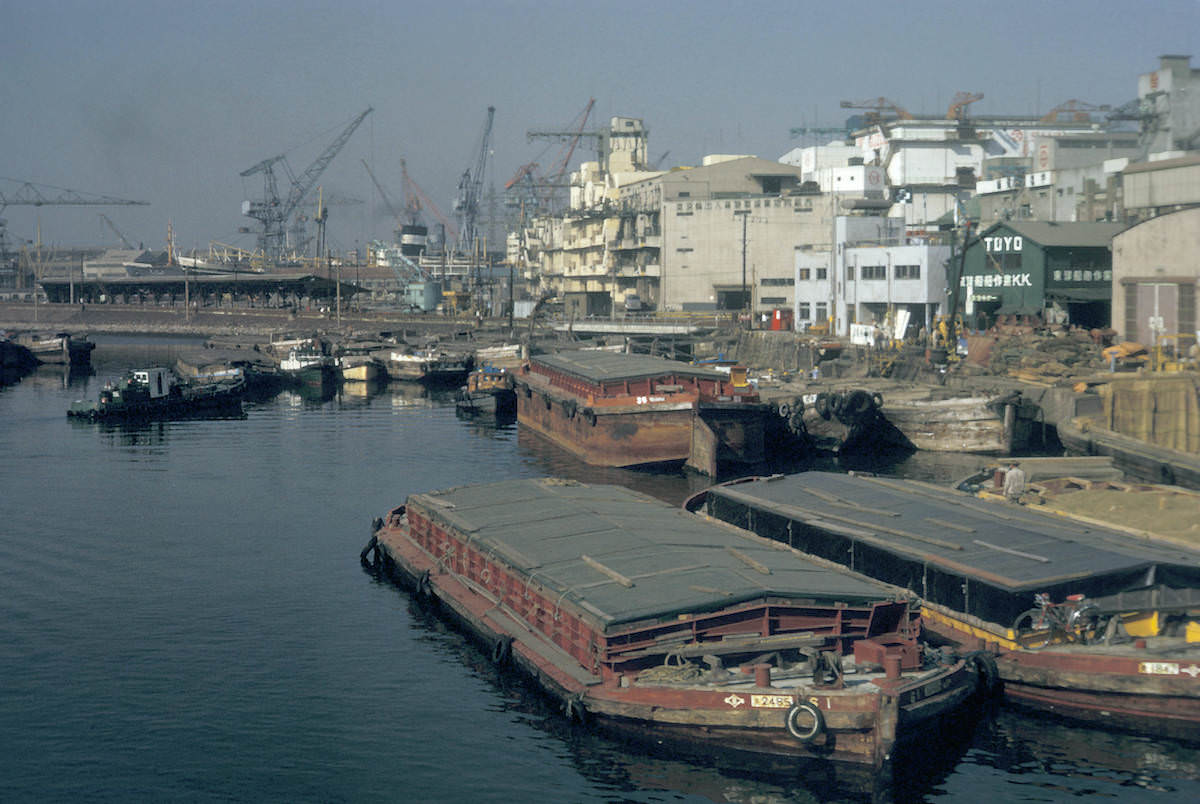
Forman had built a long career documenting places across the globe, and Tokyo in 1972 gave him rich material. The city was barely three decades removed from the devastation of World War II, yet it had rebuilt itself into a sprawling, modern metropolis that commanded attention worldwide.
These photographs are a direct window into what Tokyo looked and felt like during that period. The ads, the clothing, the storefronts, the crowds — each frame holds a specific, unrepeatable moment from a city moving fast into its future.