The 1930s were a turning point for photography in America. Celluloid film replaced heavy glass plates, making cameras lighter and easier to use. Film sensitivity improved steadily, and studios no longer needed the same rigid setups they once depended on. These technical changes opened the door to more creative, intimate portraits — the kind where the subject feels present, not just posed.
At the same time, the Great Depression pushed photographers out of their studios and into the streets. Federal agencies hired photographers to document everyday American life. Magazines like Life and Look brought photojournalism into living rooms across the country. People became the subject. Ordinary faces told the story of a nation.
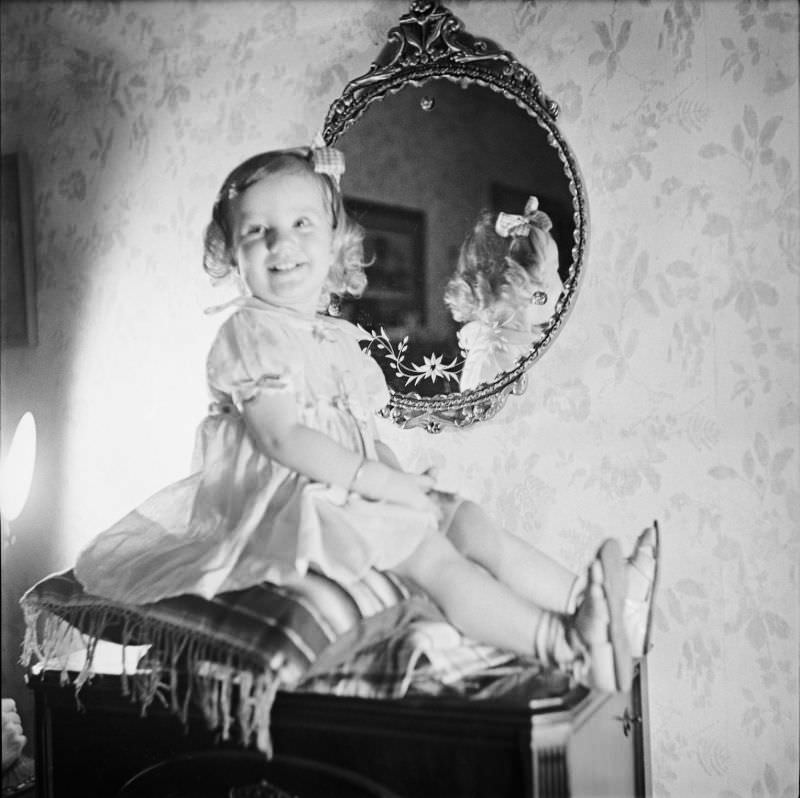
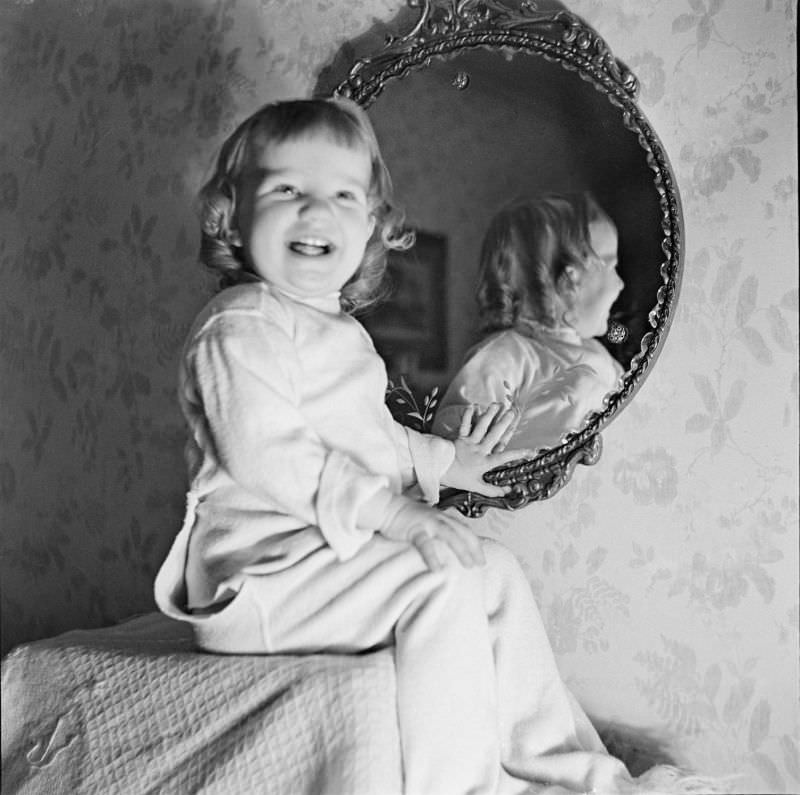
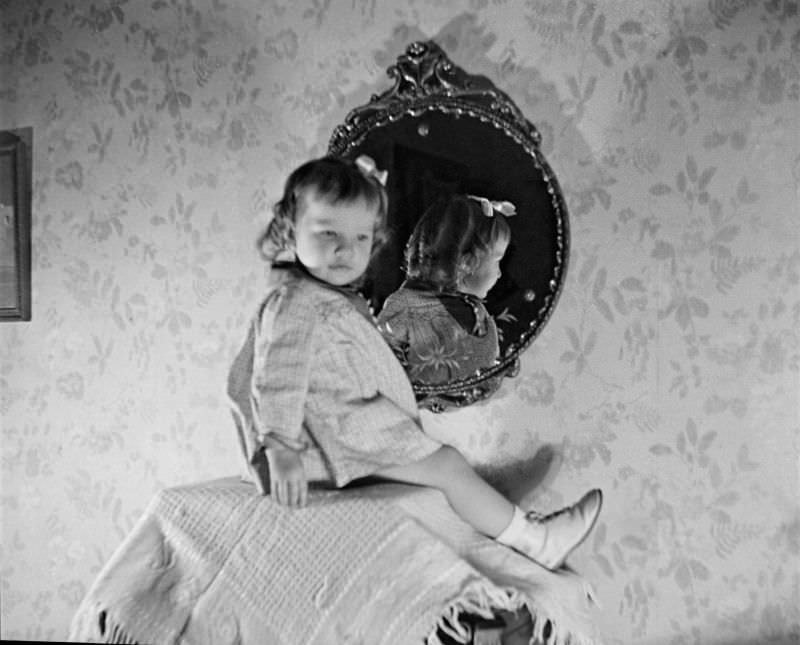
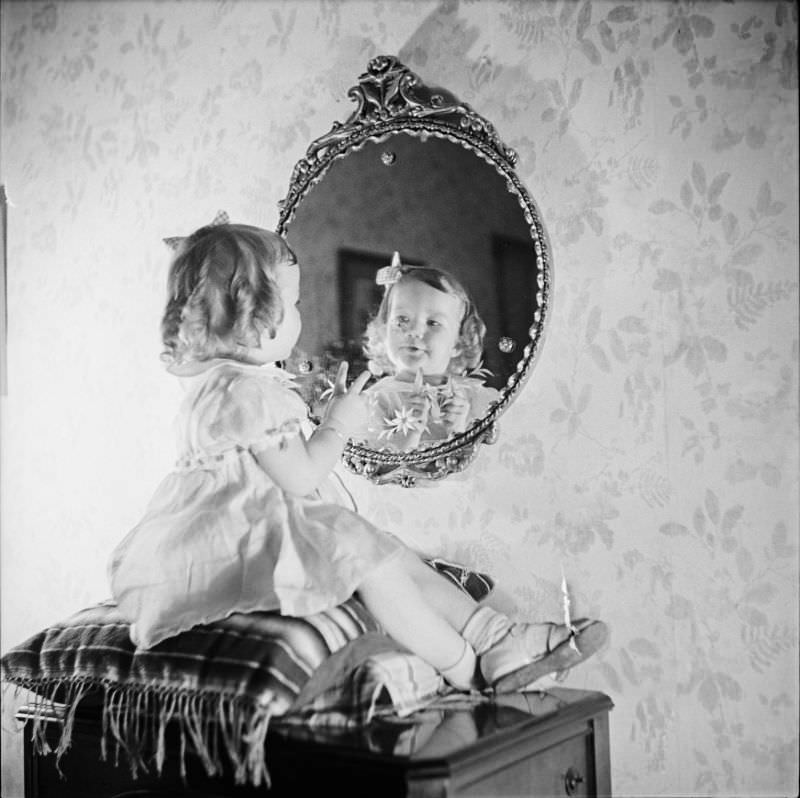
In San Marcos, Texas, the San Marcos Daily Record took a different but equally compelling approach. Their studio photographers captured residents in a striking series of portrait sessions — each subject posed in front of or looking directly into a mirror. The result is a collection of images that show two views at once: the person as the world sees them, and the reflection staring back. Among the earliest subjects were women photographed with young children.
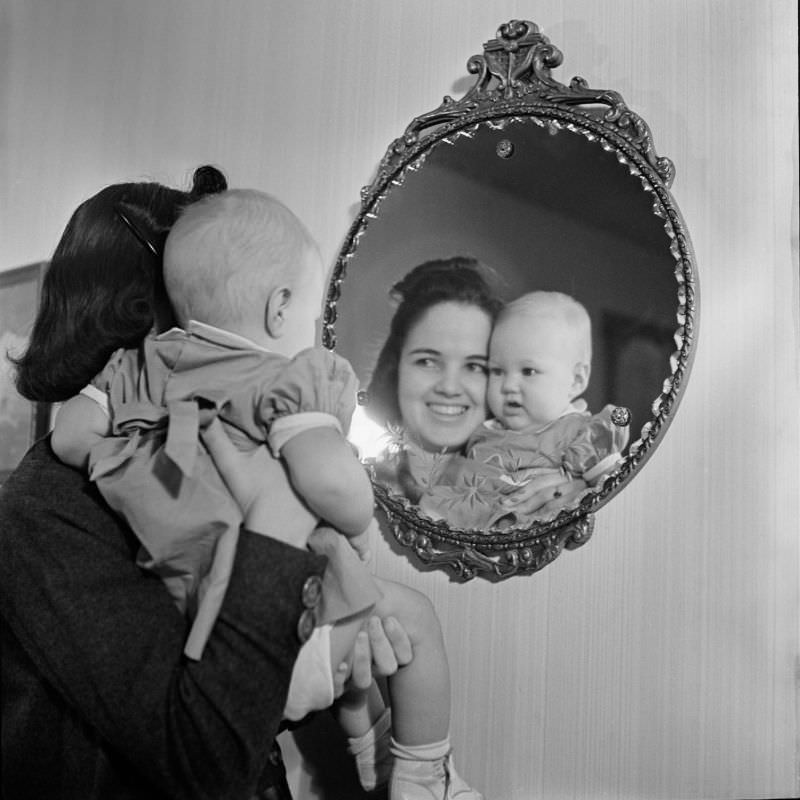
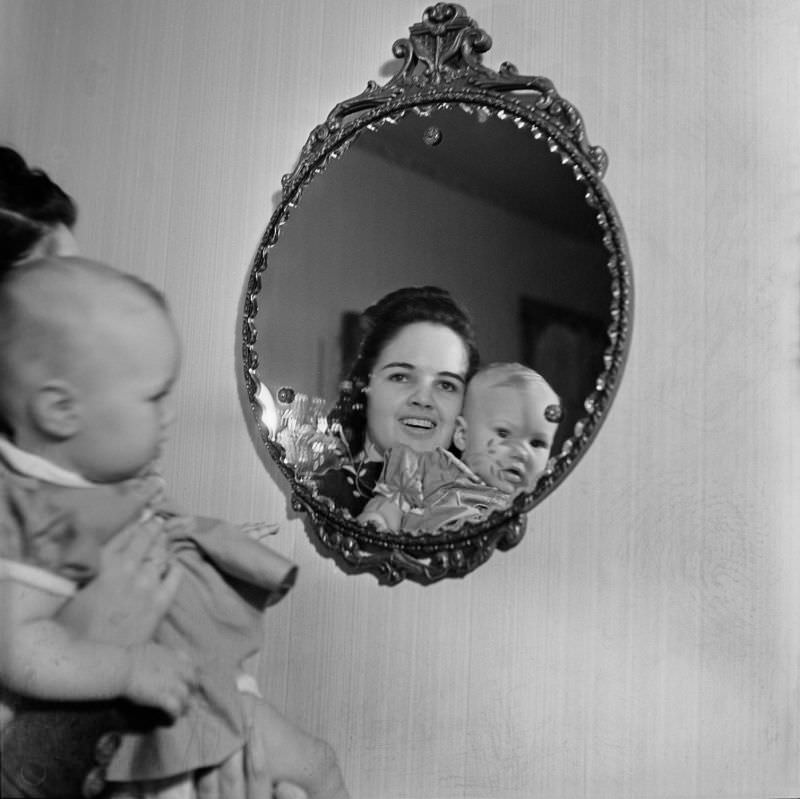
The mirror as a photographic prop was a deliberate choice. It gave the photographer a way to capture a subject’s profile and full face in a single frame. It also added depth to an otherwise flat studio backdrop. For subjects who may have never sat for a formal portrait before, the mirror gave them something natural to interact with — a reason to turn, to look, to pause.
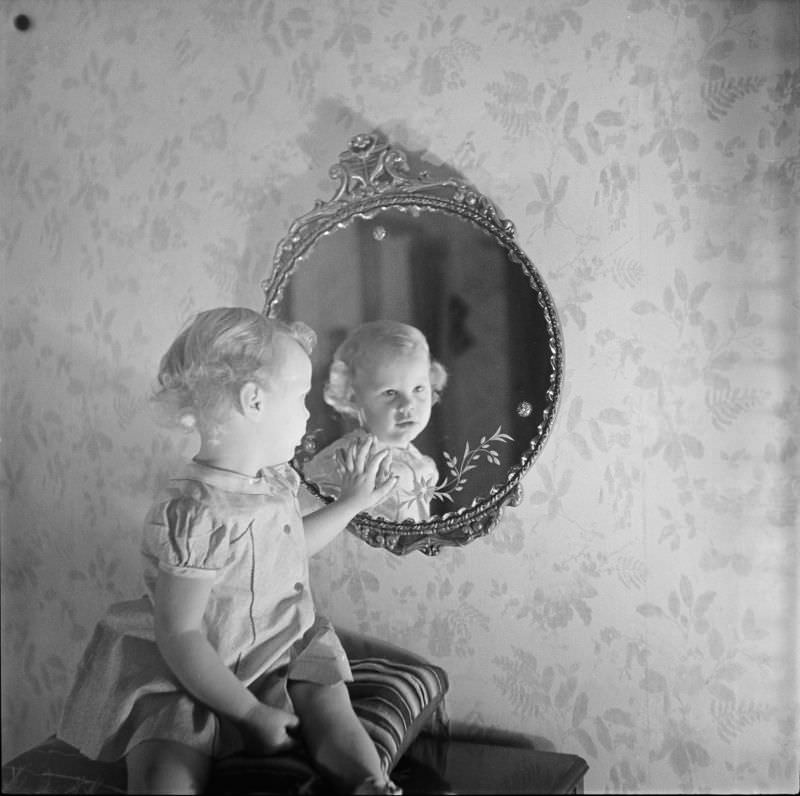
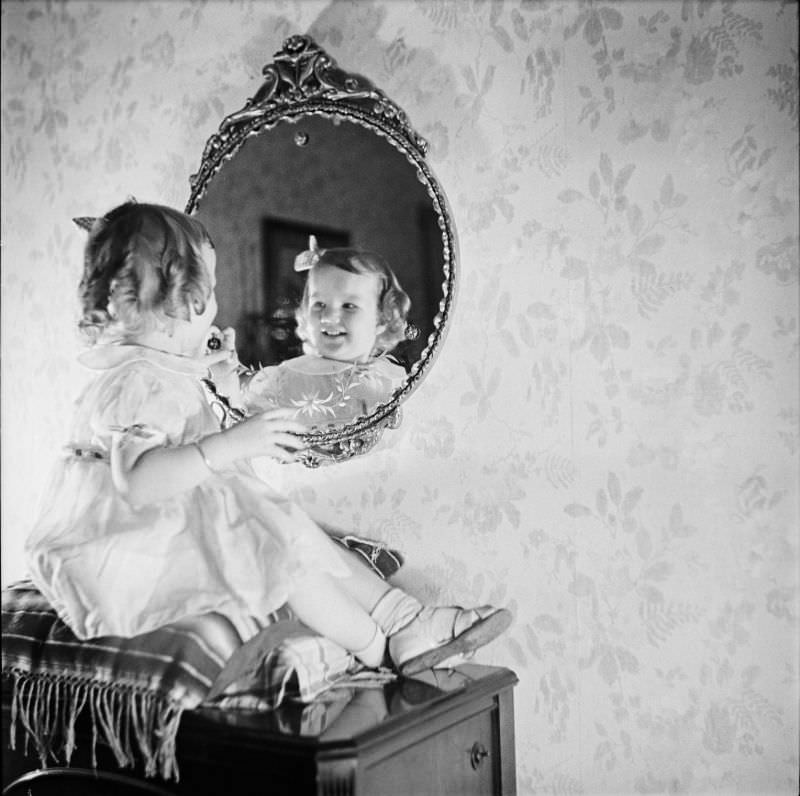
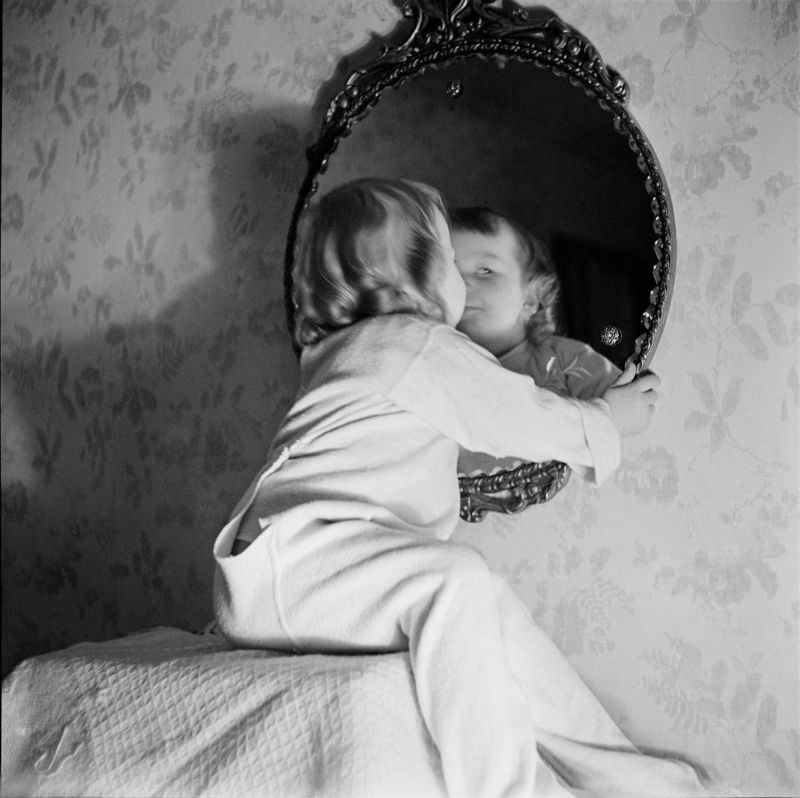
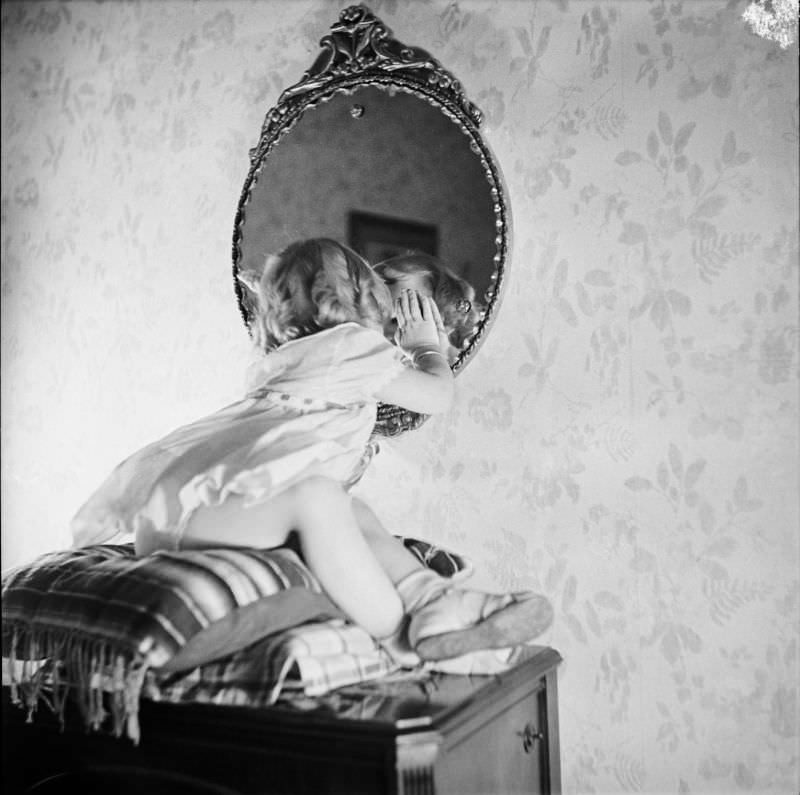
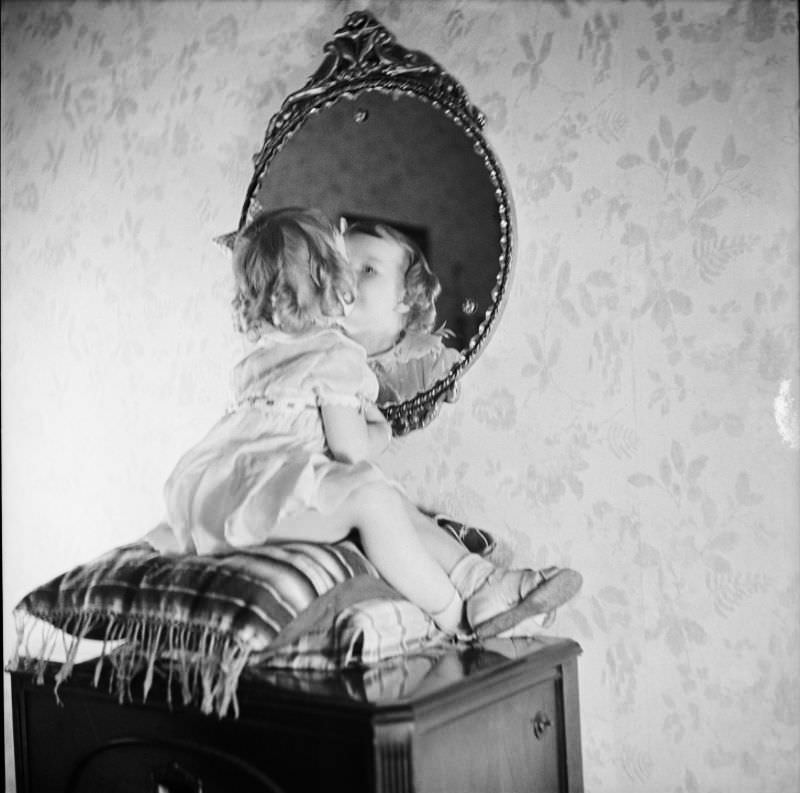
Several sessions featured young girls seated on pillows, gazing into the mirror at their own reflections. These images are some of the most relaxed in the collection. The girls aren’t stiff or overly staged. They look curious, even playful — caught in a quiet moment of self-examination that the camera preserved for nearly a century.
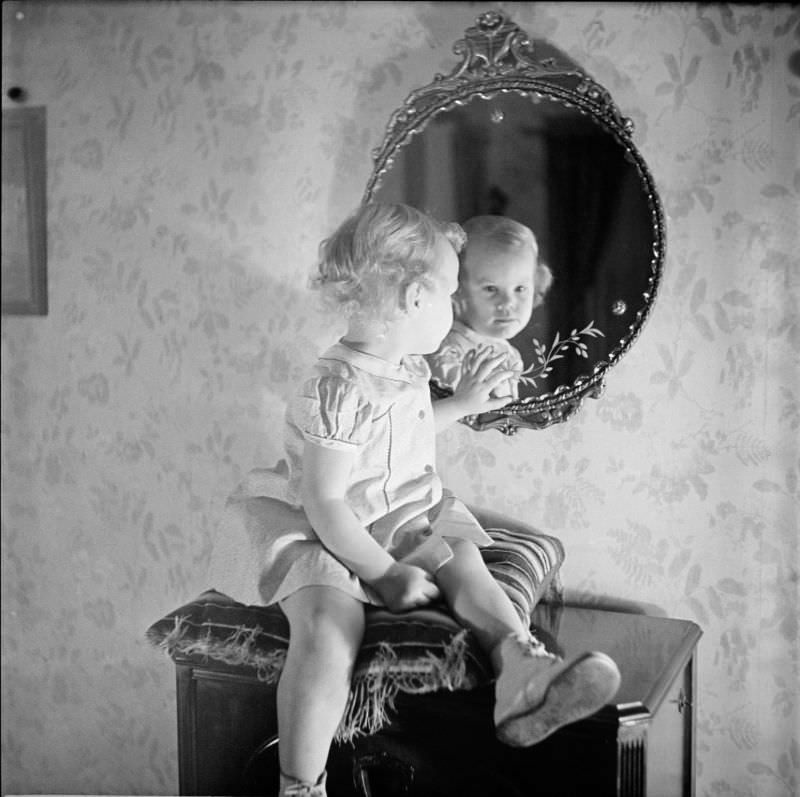
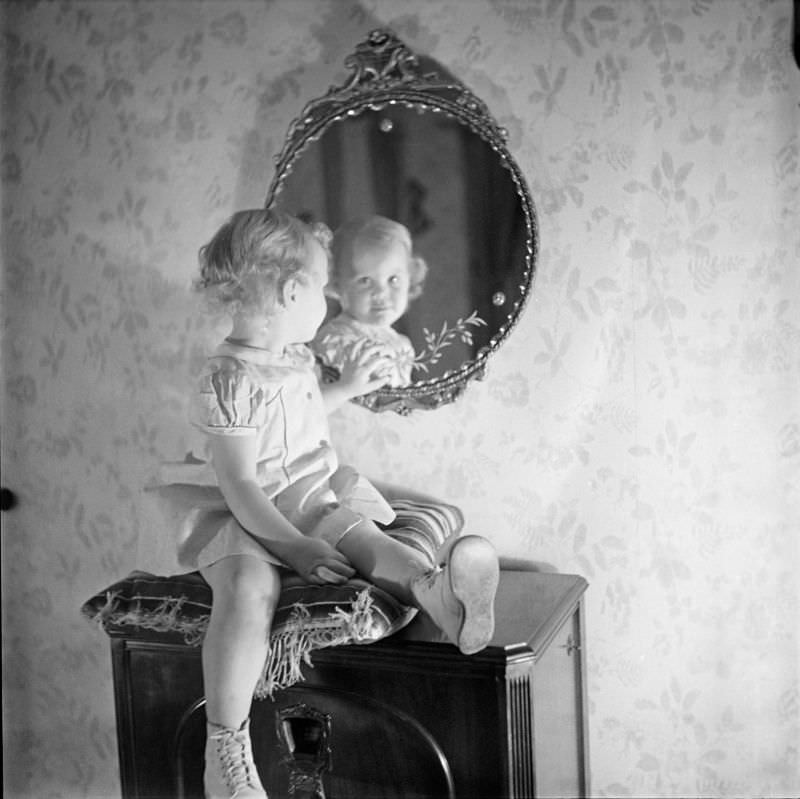
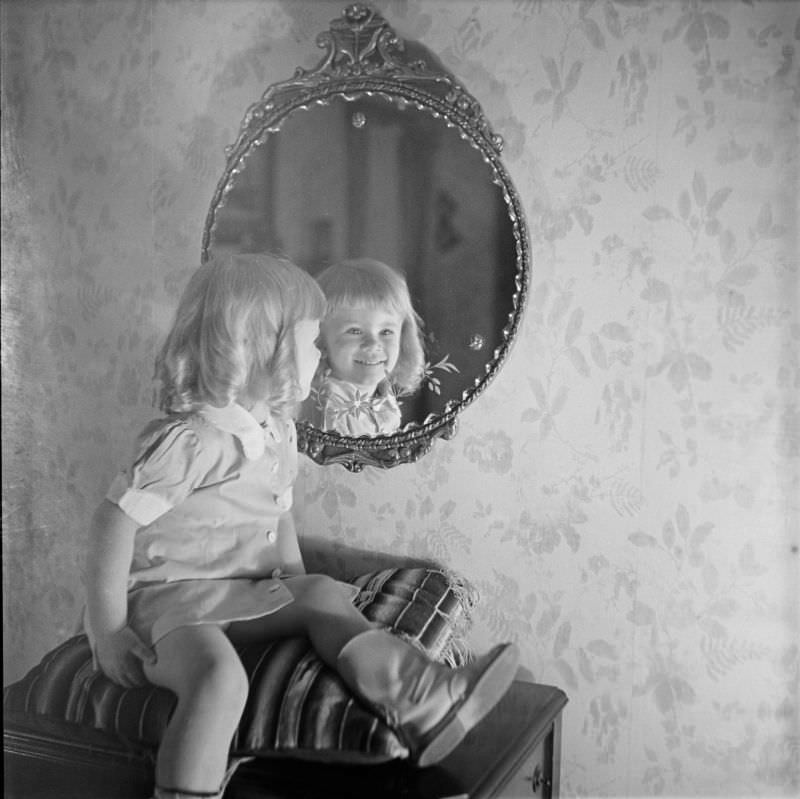
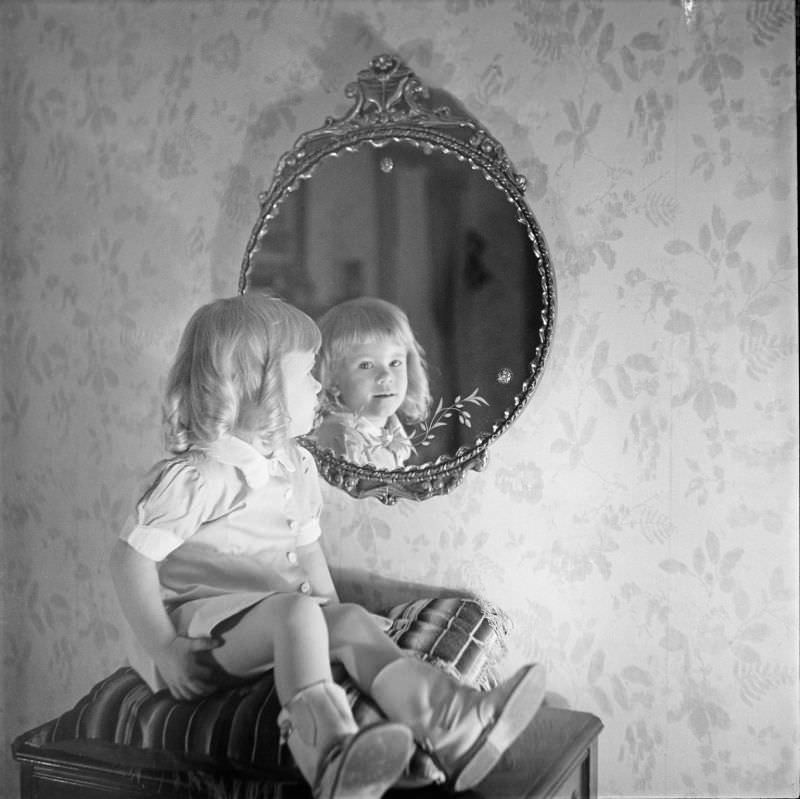
Adult women made up a large portion of the sittings. Some stood and looked directly into the mirror. Others positioned themselves in profile, letting the reflection carry the forward-facing view. The variety of poses across the sessions shows that the photographers were experimenting — testing angles, distances, and lighting to get the most out of the mirror’s visual possibilities.
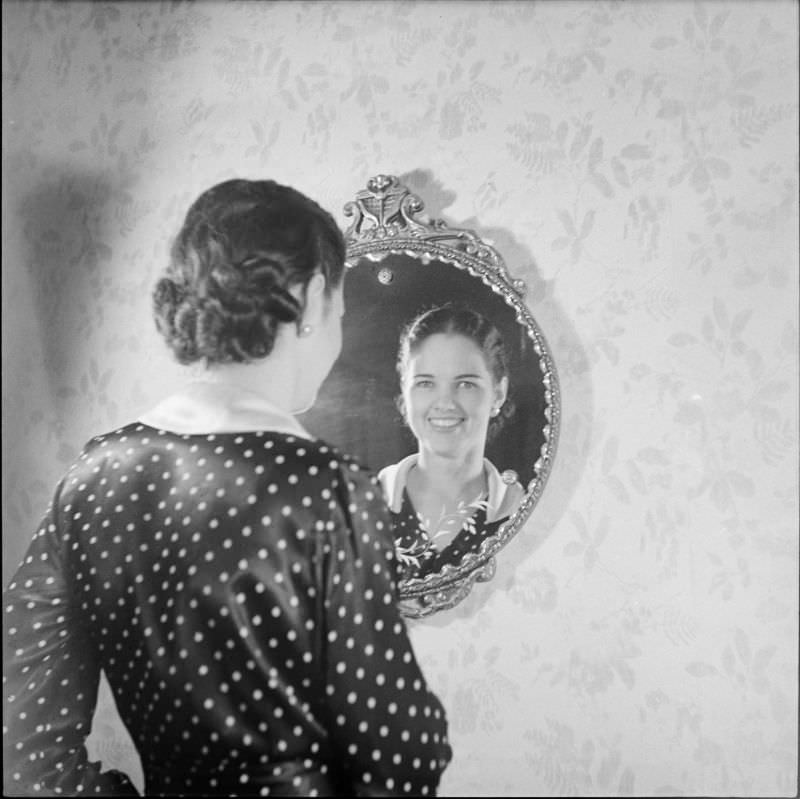
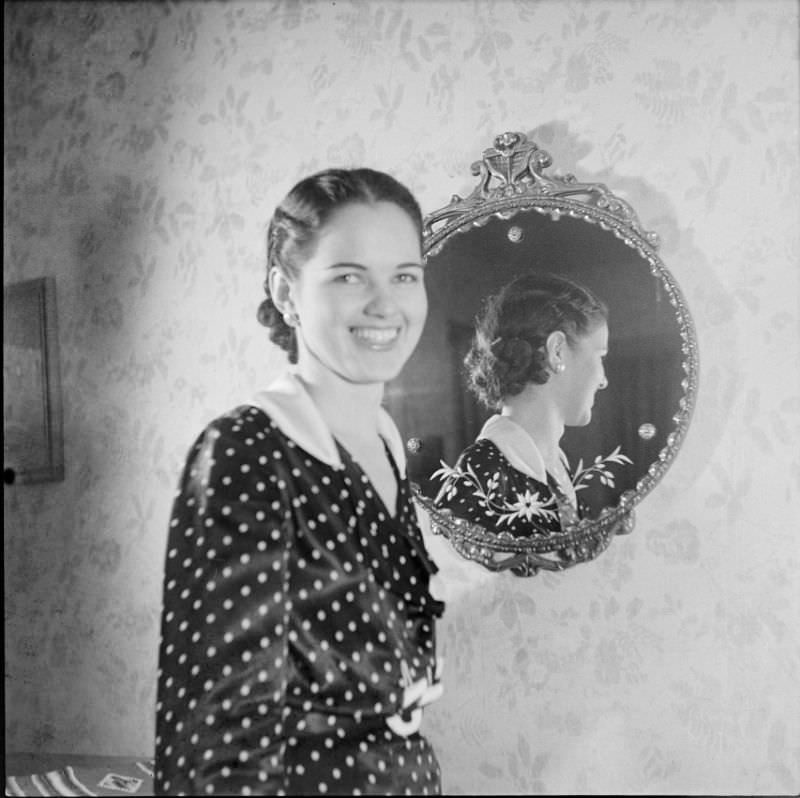
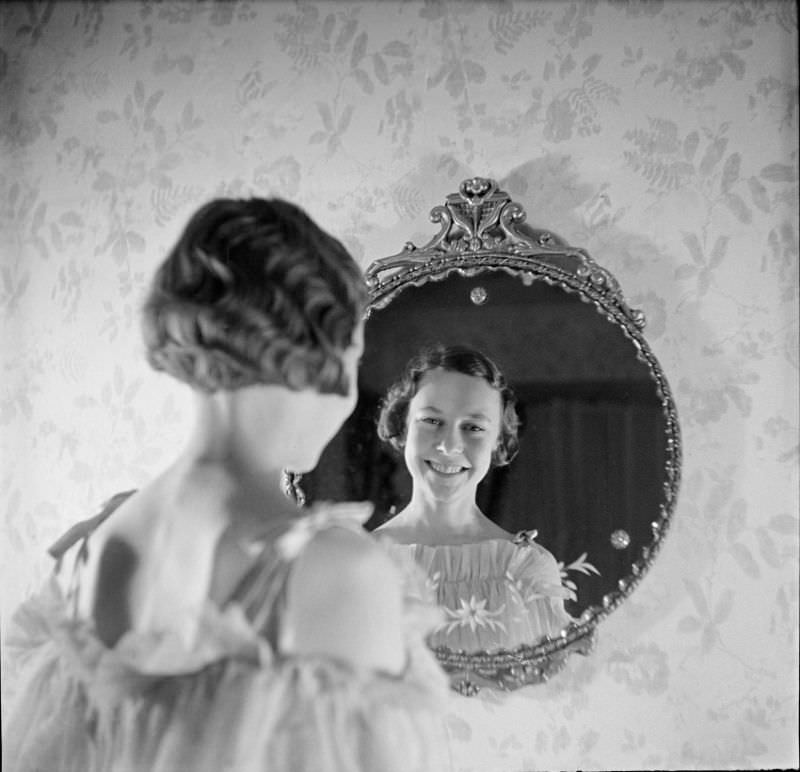
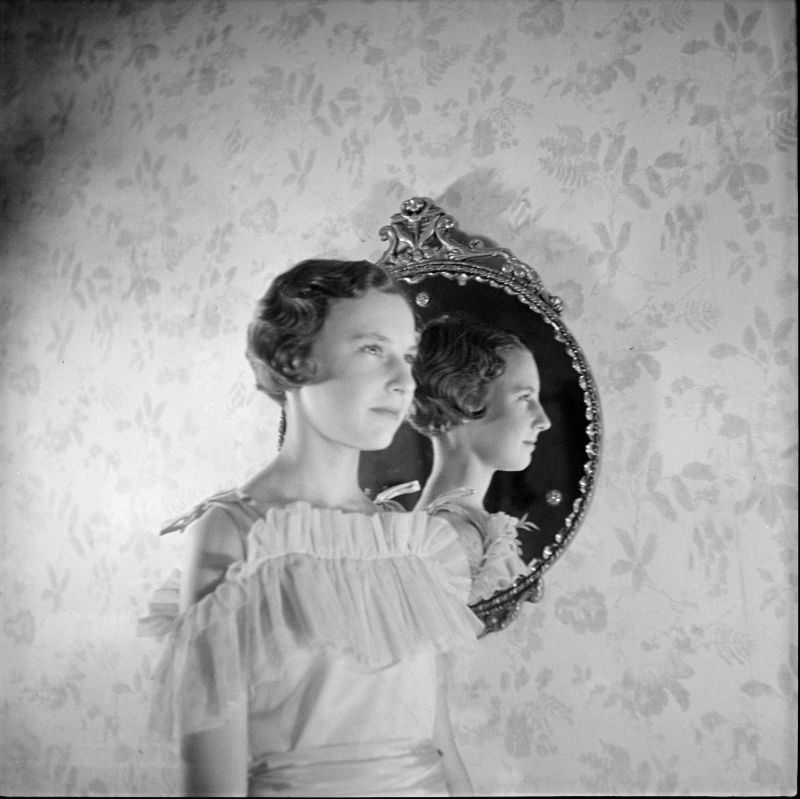
Betty Leah was one of the named subjects in the collection, and her session produced some of the most varied portraits in the series. Across multiple shots, she posed both facing the mirror and looking away from it, giving the photographer a wide range of angles. The number of frames taken during her session suggests the photographer was thorough — working through different positions to find the best composition.
Dorothy Staudt also sat for the series, appearing in two distinctly different poses. In one frame, she looks directly into the mirror. In another, she stands in full profile — her face visible only in the reflection. Together, the two shots capture her from nearly every angle, a technique that portrait photographers of the era used to give clients a complete record of their appearance.
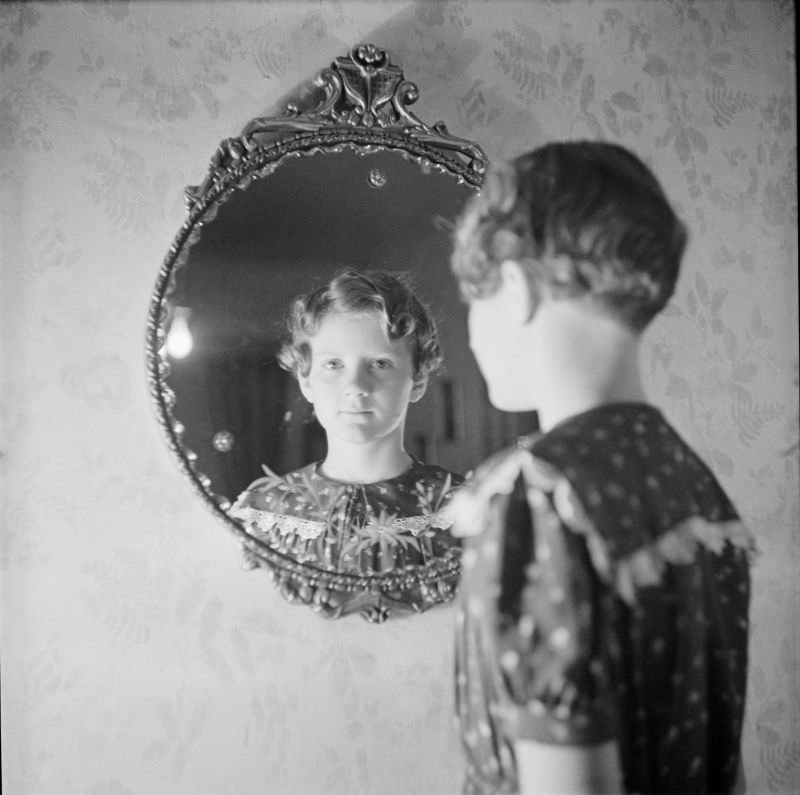
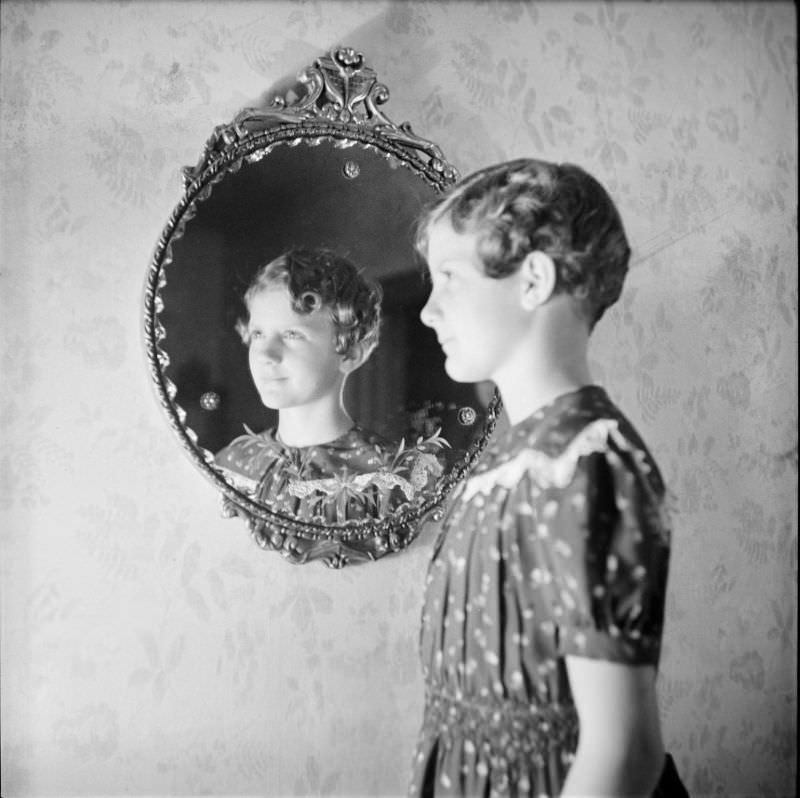
Lee Wallace Coleman’s session produced three frames — one looking into the mirror, one sitting in front of it, and a third variation between those two. The seated pose is especially interesting, as it lowers the subject’s eyeline and changes how the reflection sits within the frame. It’s a subtle shift that completely changes the feel of the photograph.
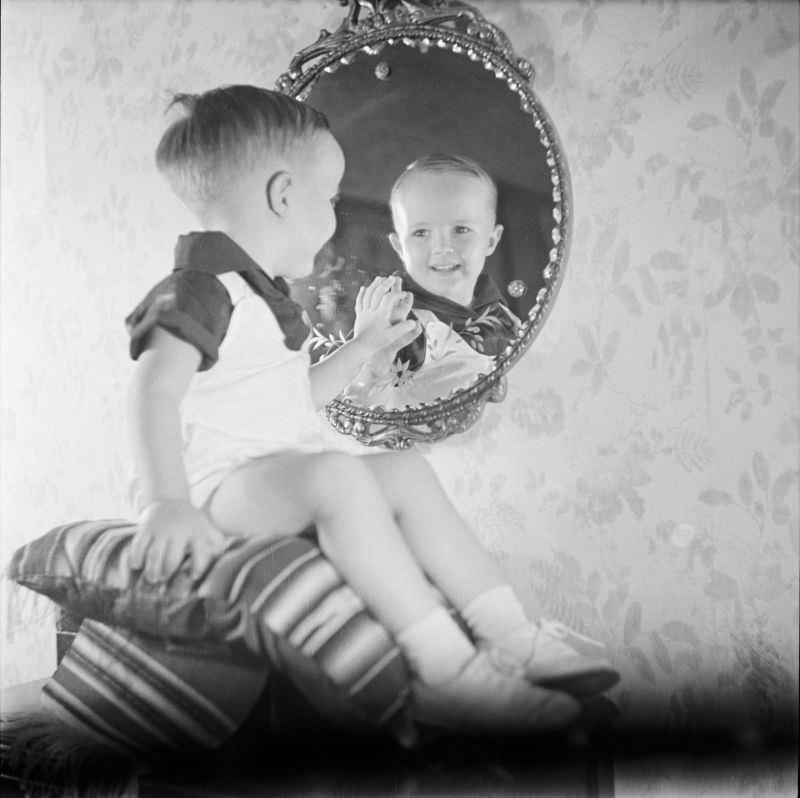
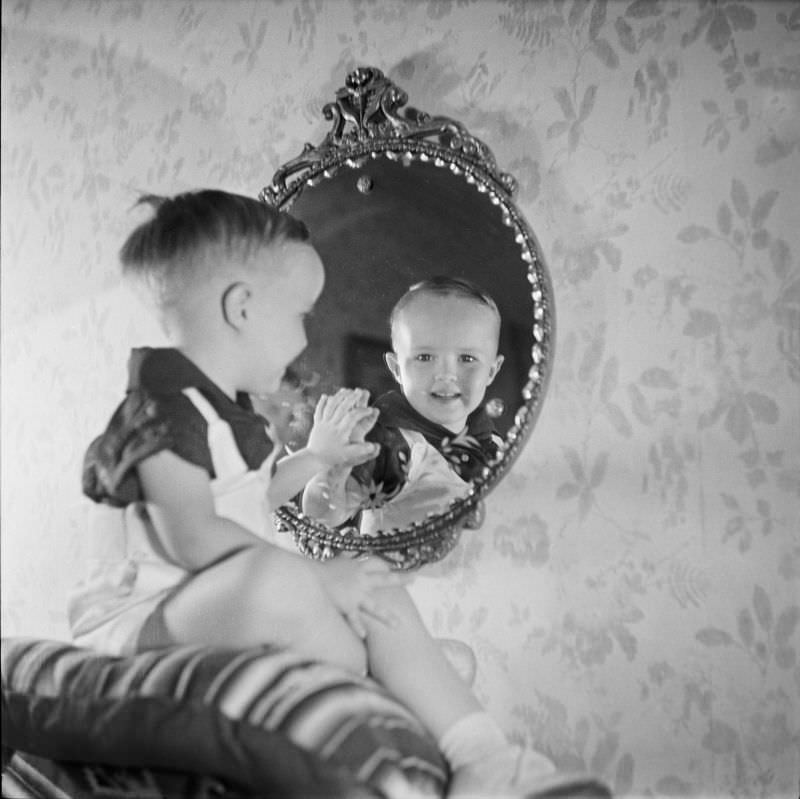
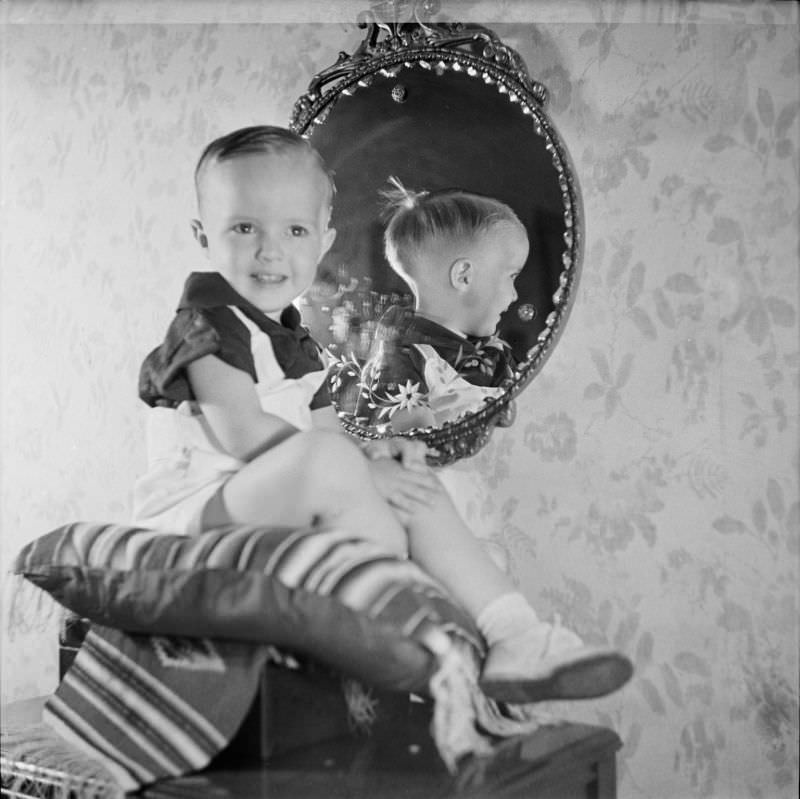
Louise Buckner appeared in two portraits — one standing and looking into the mirror, one simply standing before it. The difference between the two is small but telling. In the first, she is engaged with her reflection. In the second, she exists independently of it. Both frames are formally composed and speak to the confidence of the photographer behind the lens.
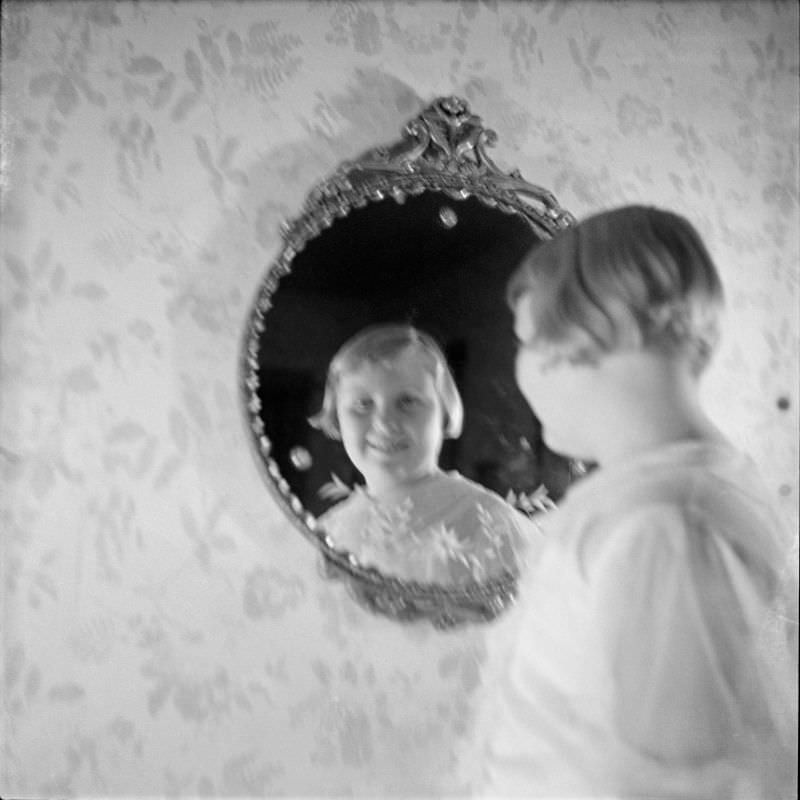
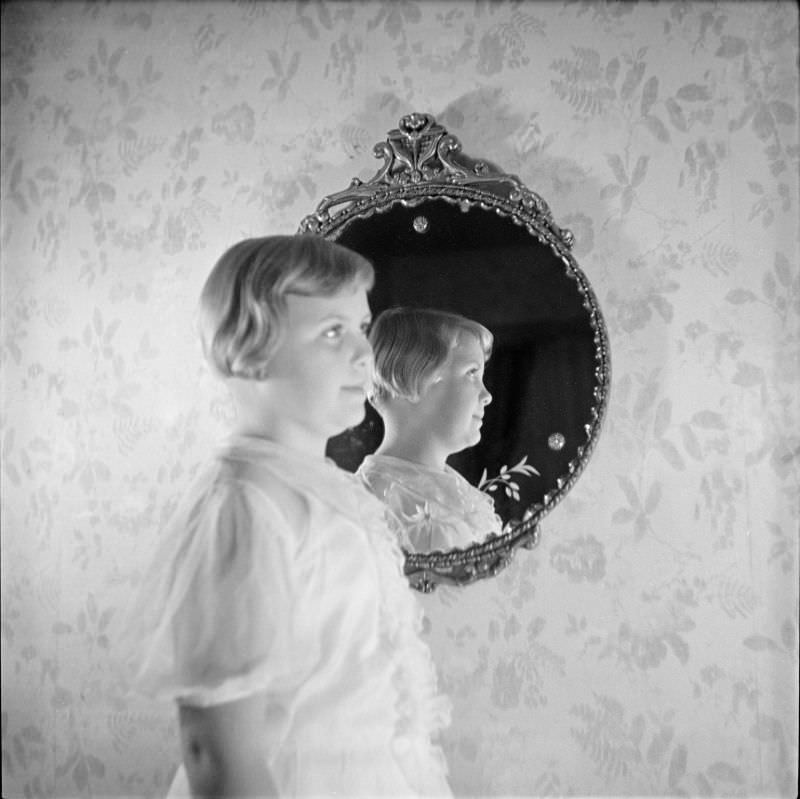
Tommy Buckner closed out the collection with five separate frames — the most of any single subject. Each shot places him in front of the mirror in a slightly different arrangement. The volume of images from his session points to careful, methodical work by the photographer, who clearly took time to explore every possible angle before the session ended.
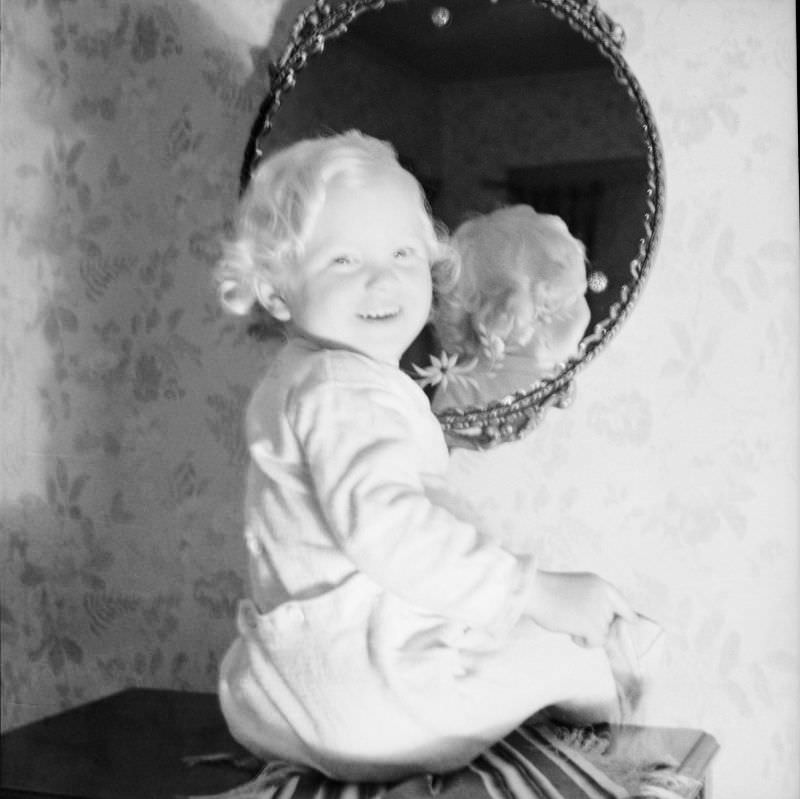
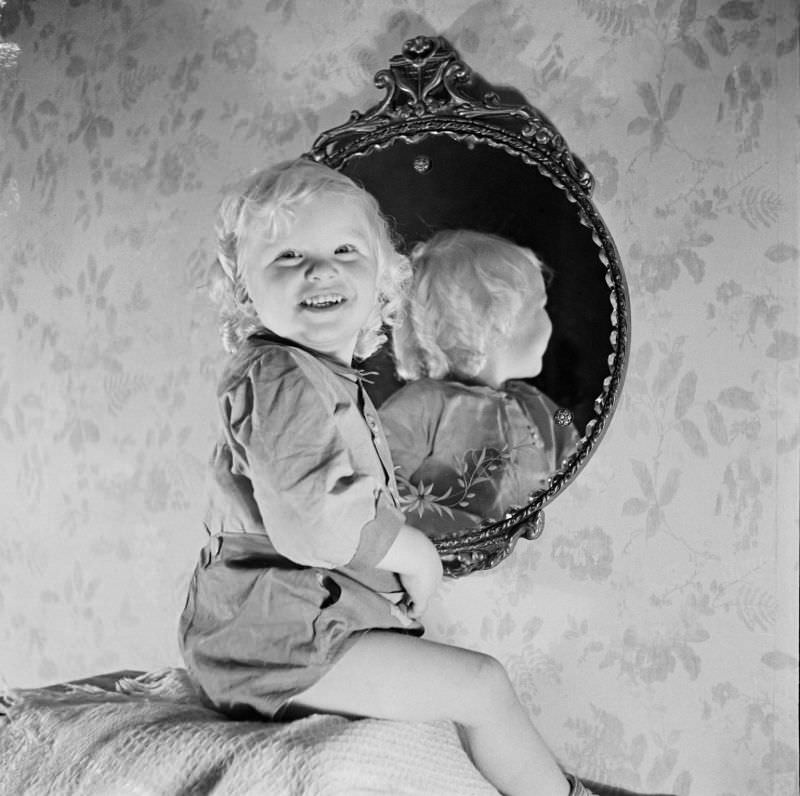
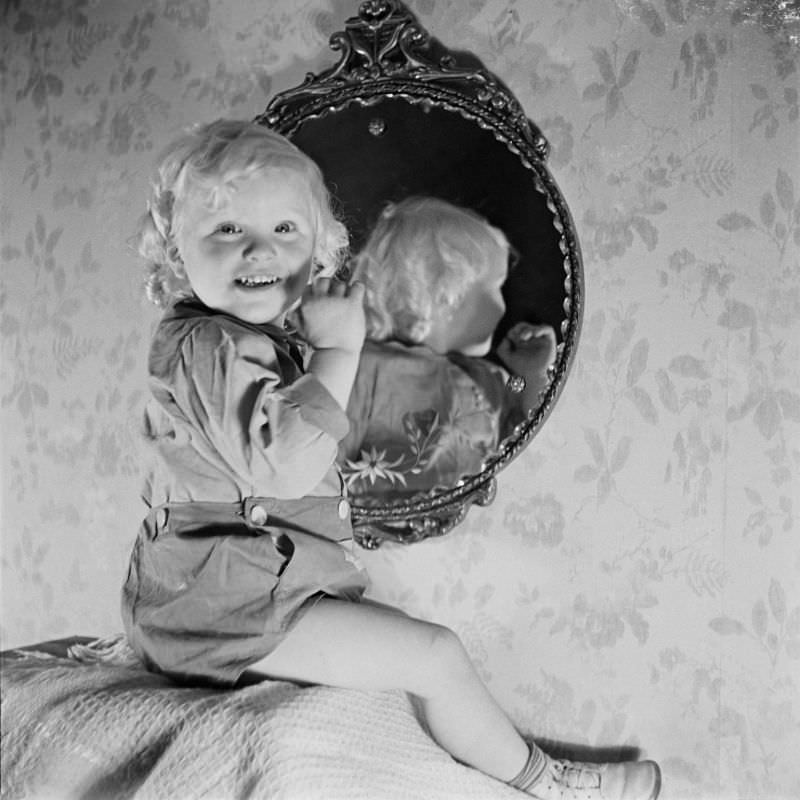
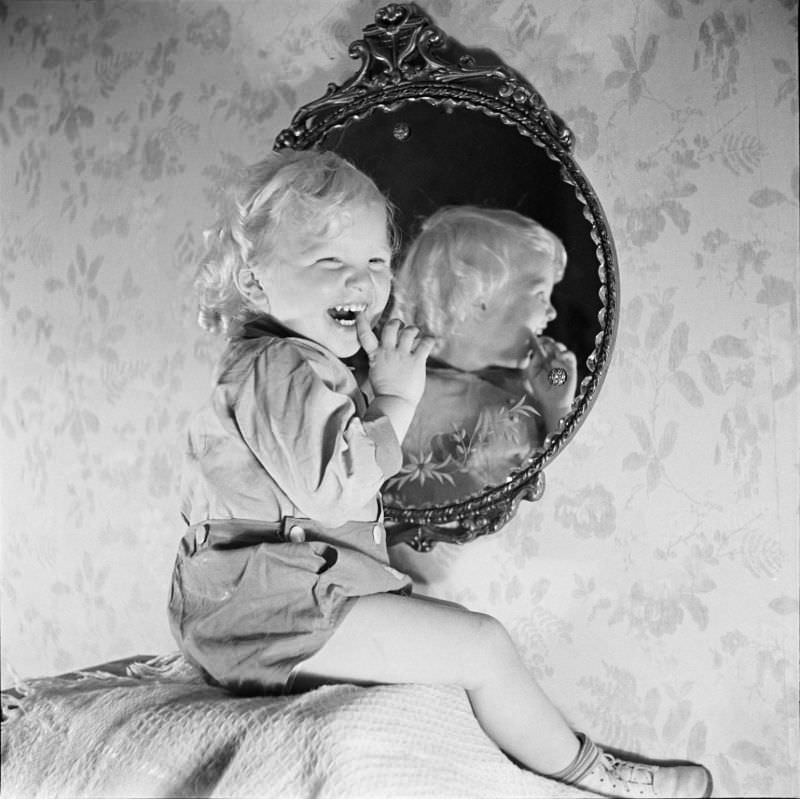
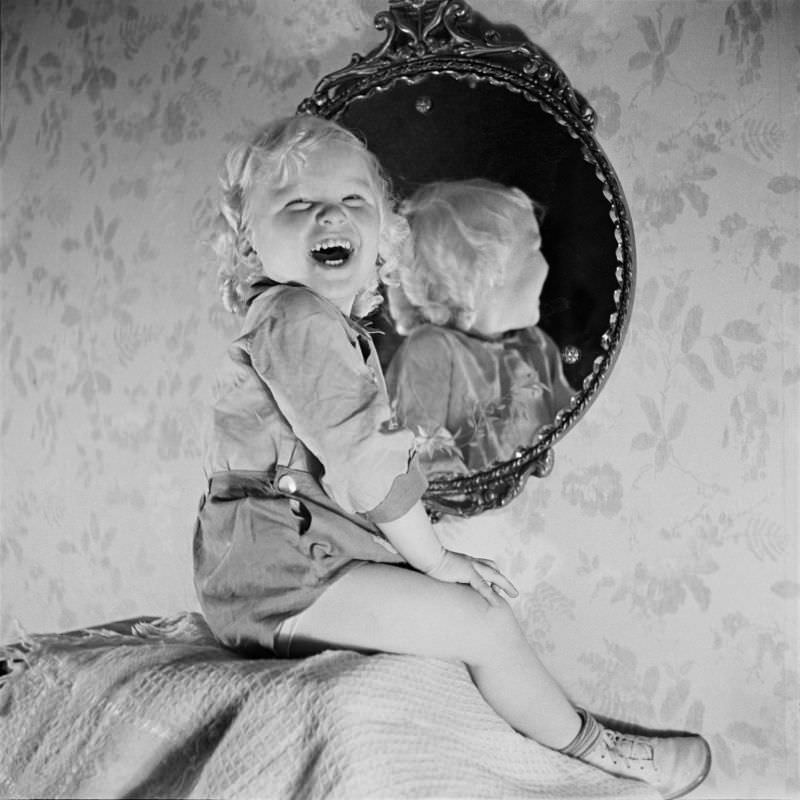
What makes this collection remarkable is how consistent the technique is across so many different subjects — from infants to adults, from named residents to anonymous faces. The San Marcos Daily Record built a visual archive of their community at a specific moment in time, using the simple device of a mirror to double the depth of every frame. Each photograph holds two versions of the same person, frozen together in a single moment from the 1930s.