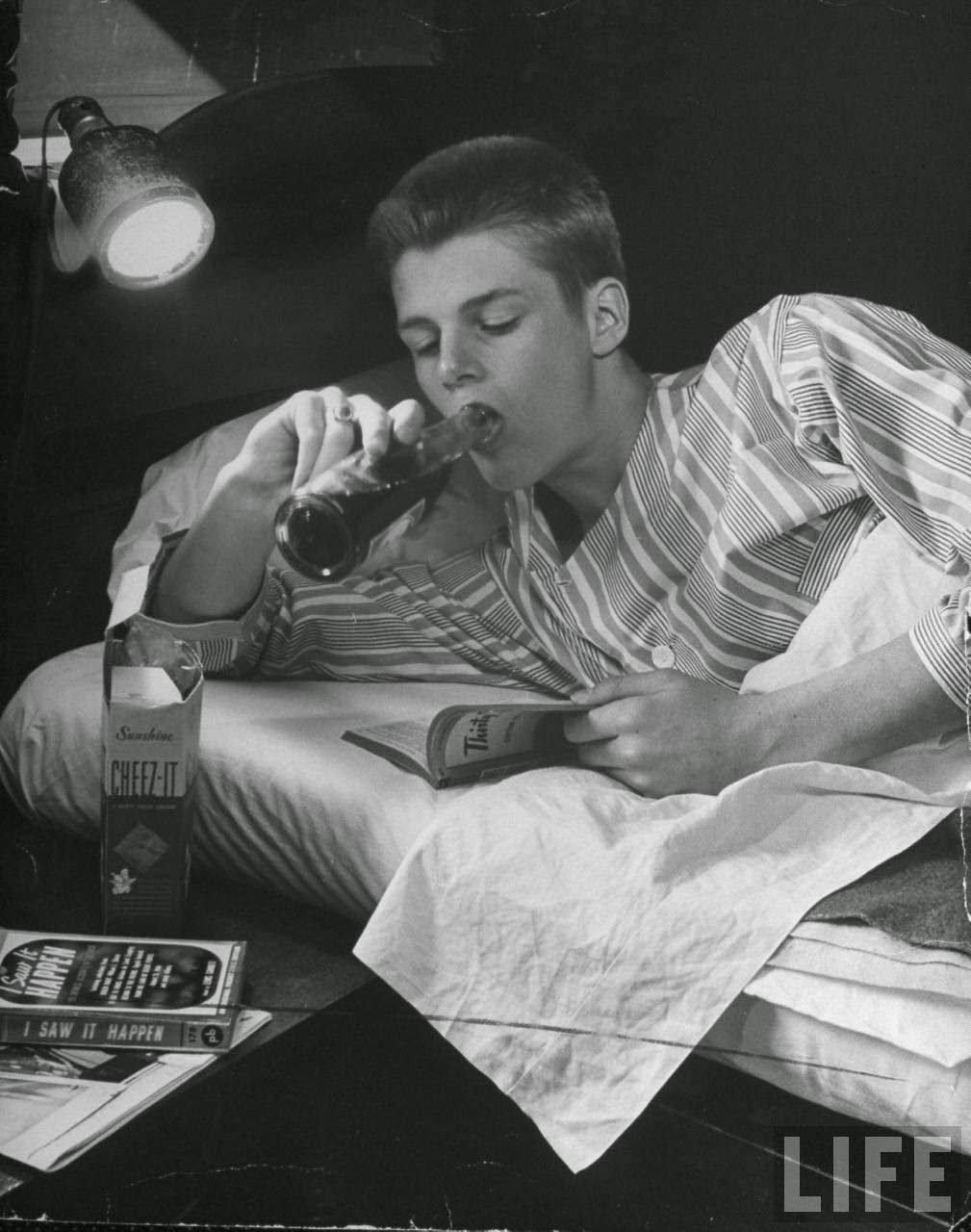
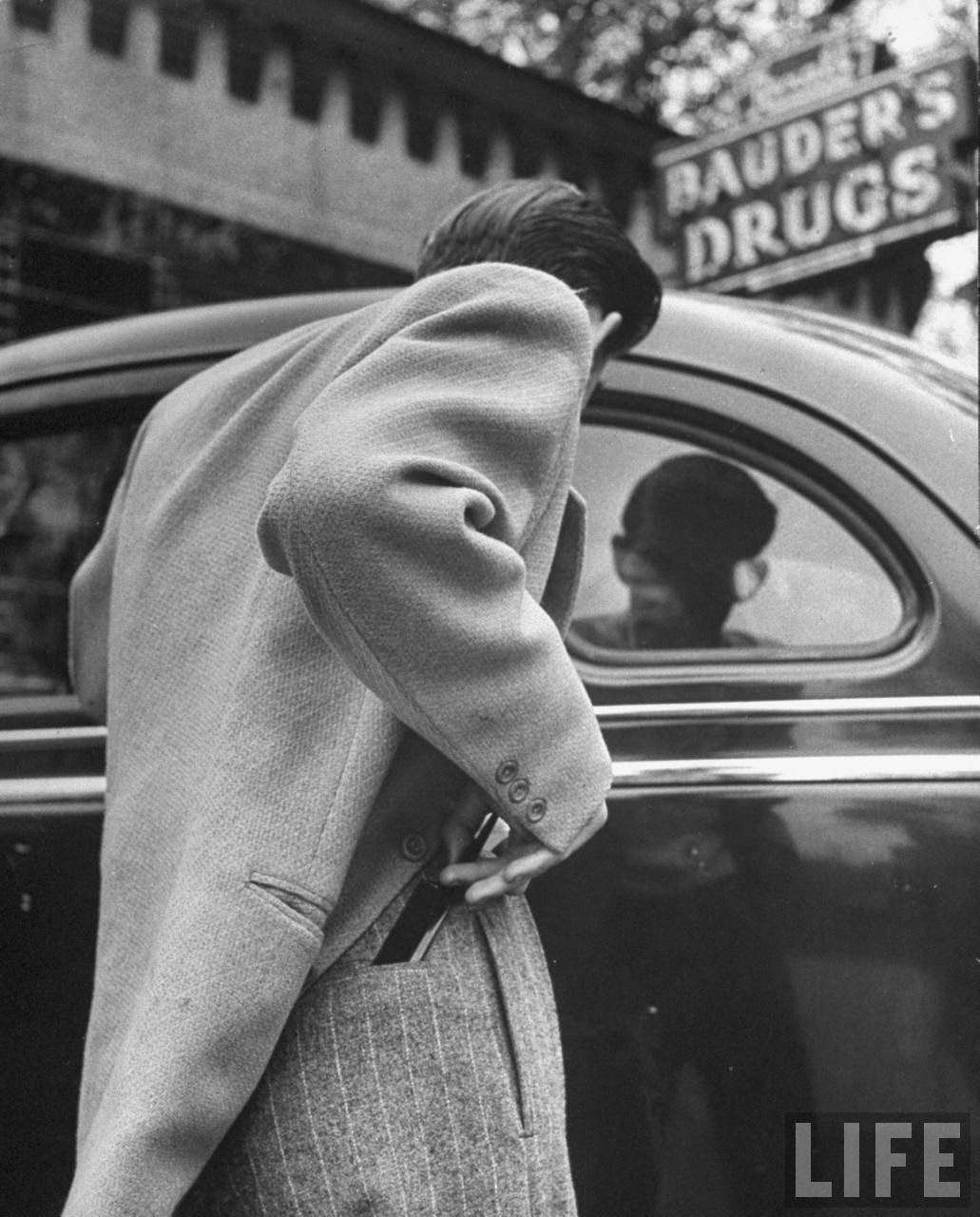
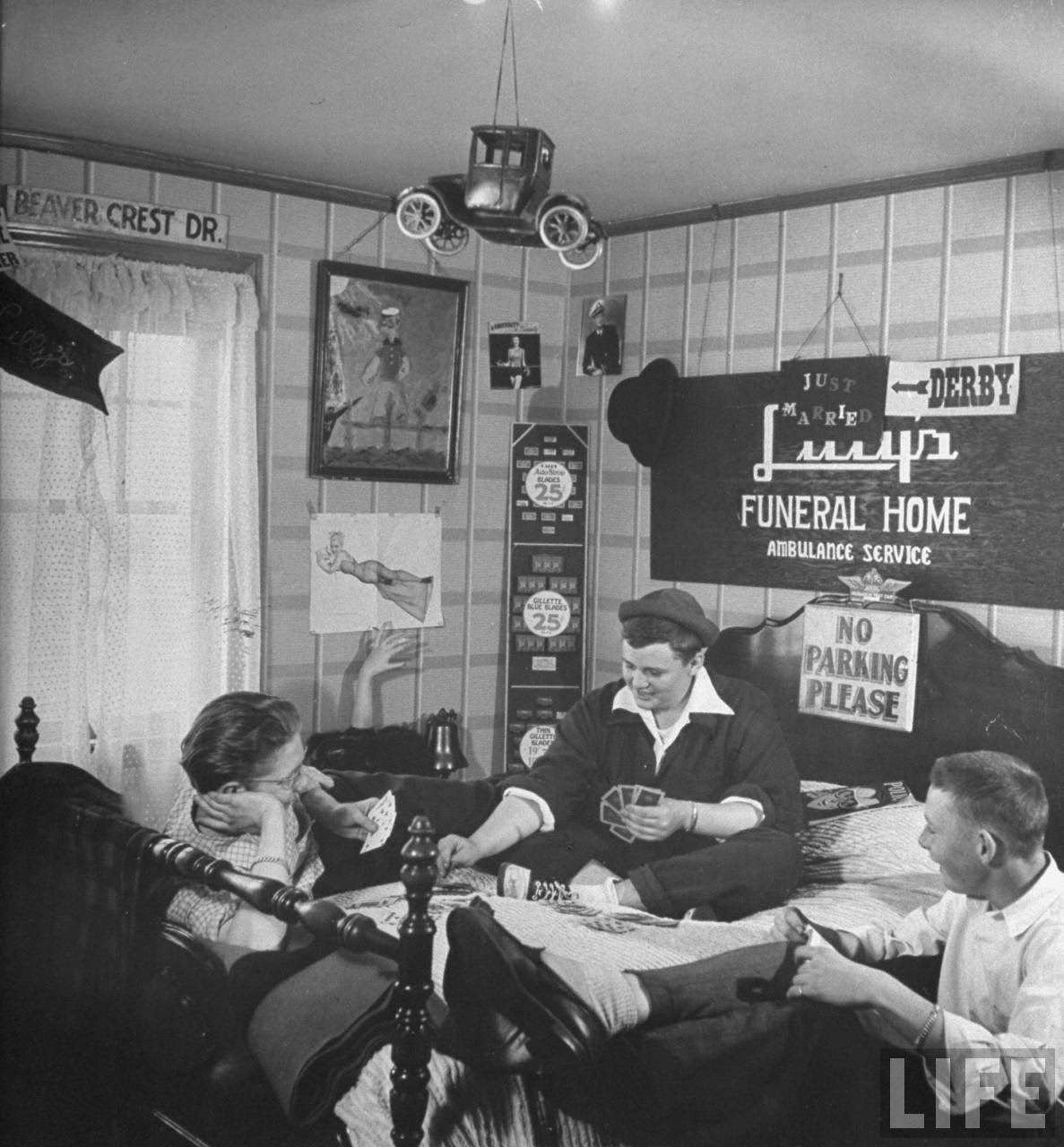
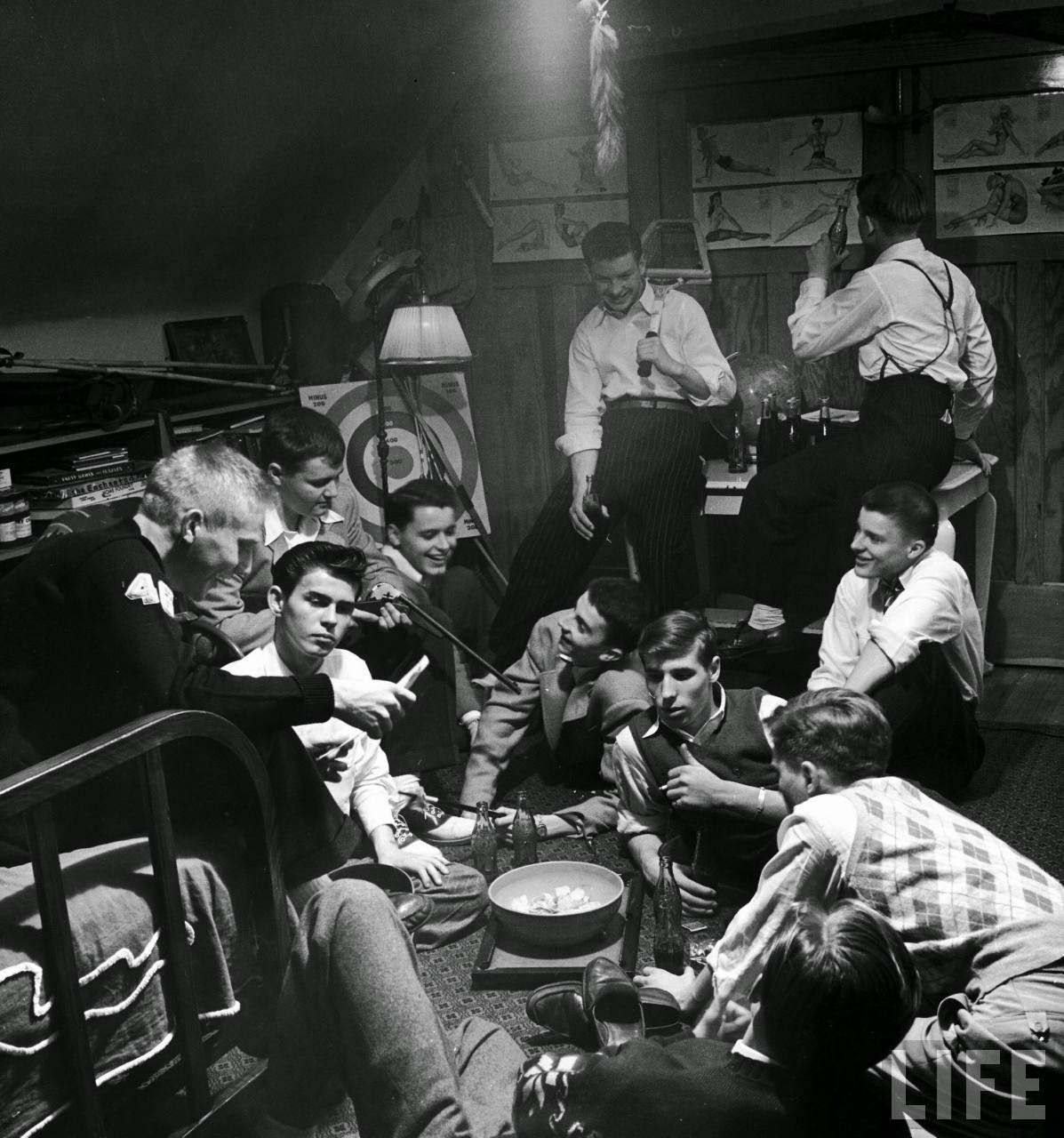
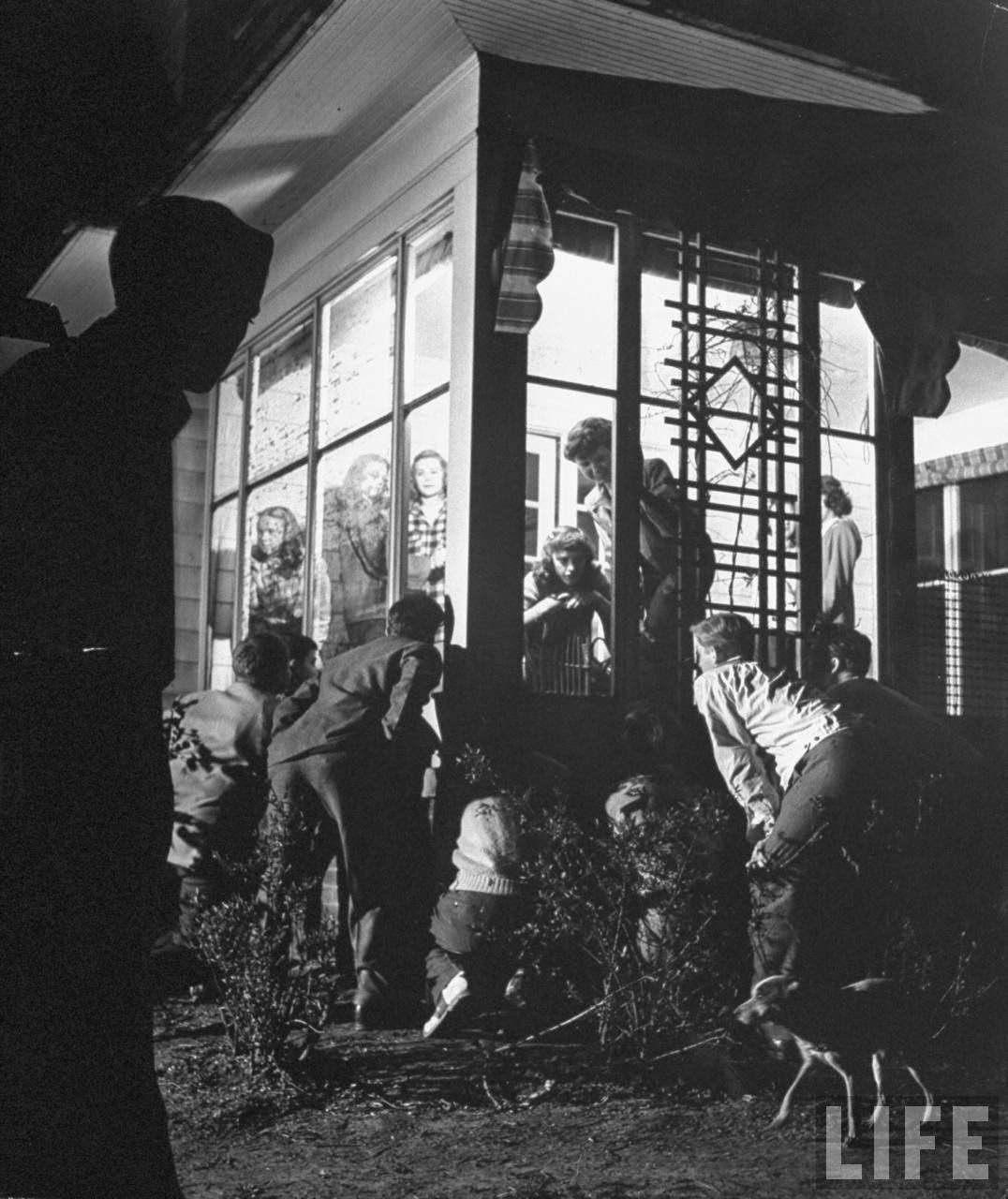
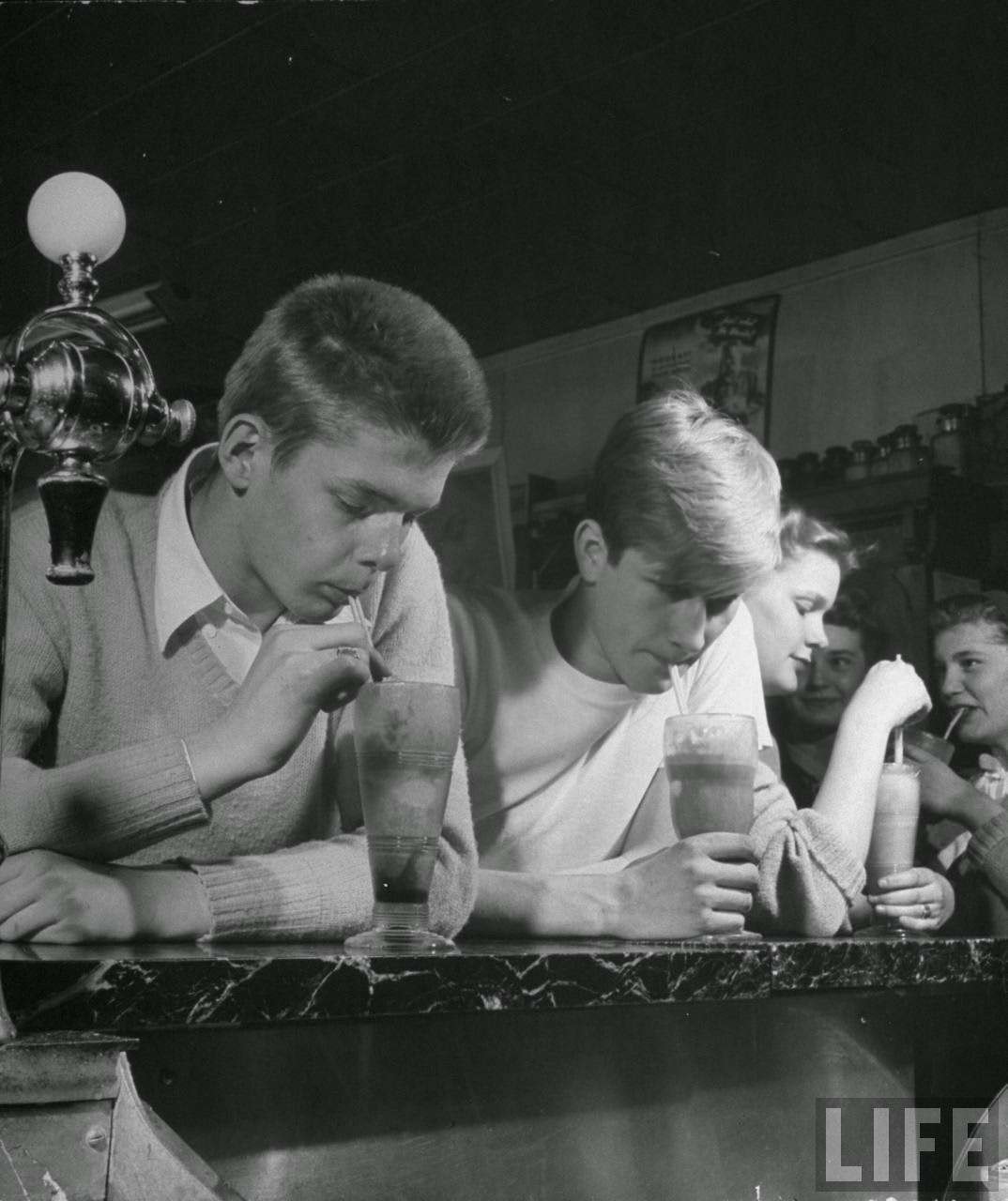
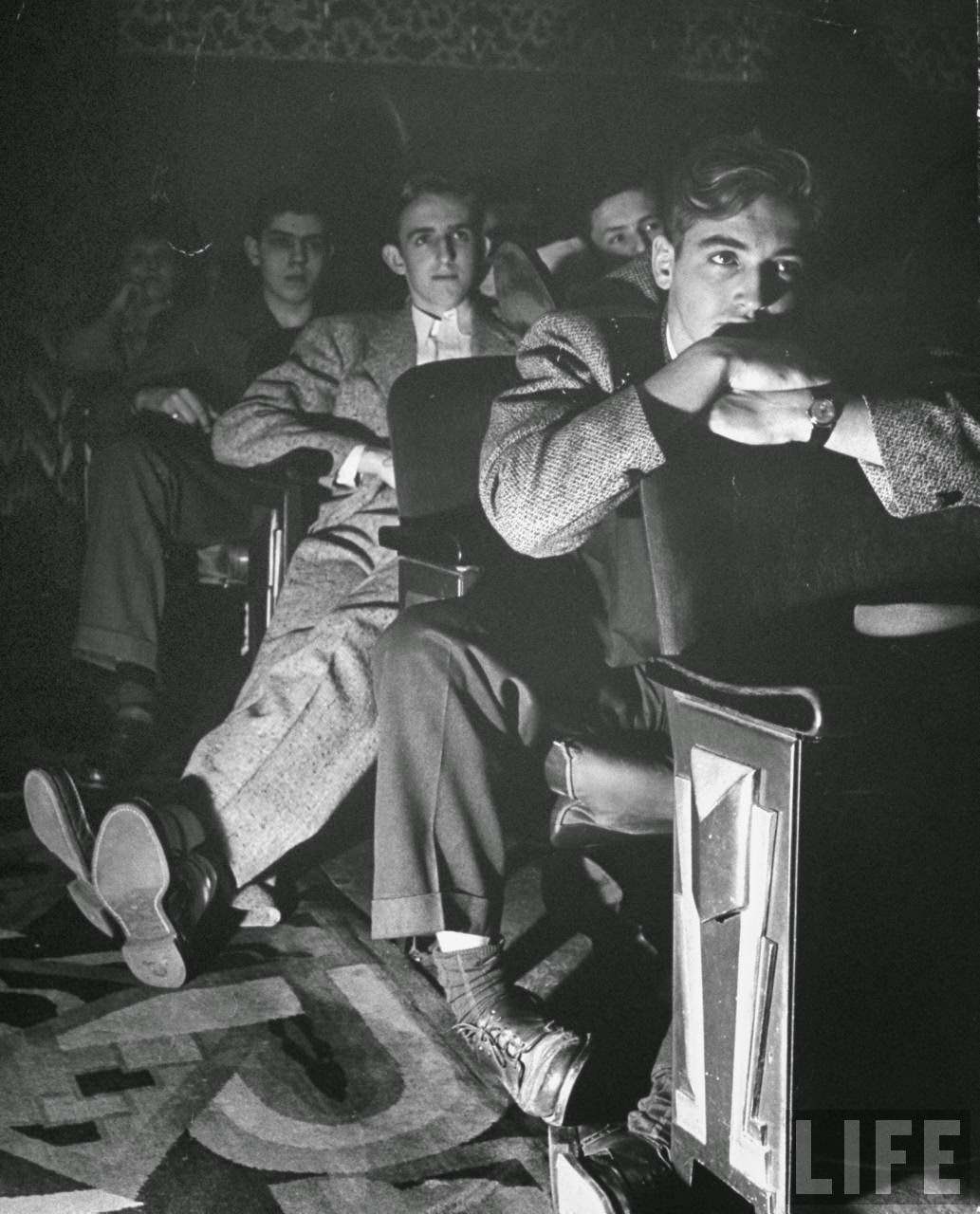
By 1940, the reality for American high school graduates was stark. Eight out of every ten graduates enlisted in the military to fight in World War II. This mass departure left high schools and college campuses populated by a younger generation of boys who were not yet old enough to serve. These remaining teenagers, along with those exempt from service, found themselves in a unique social vacuum. Without the immediate pressure of military discipline, they began to carve out a distinct identity. They developed a subculture that separated them from the adults and the soldiers abroad.
A New Fashion Movement
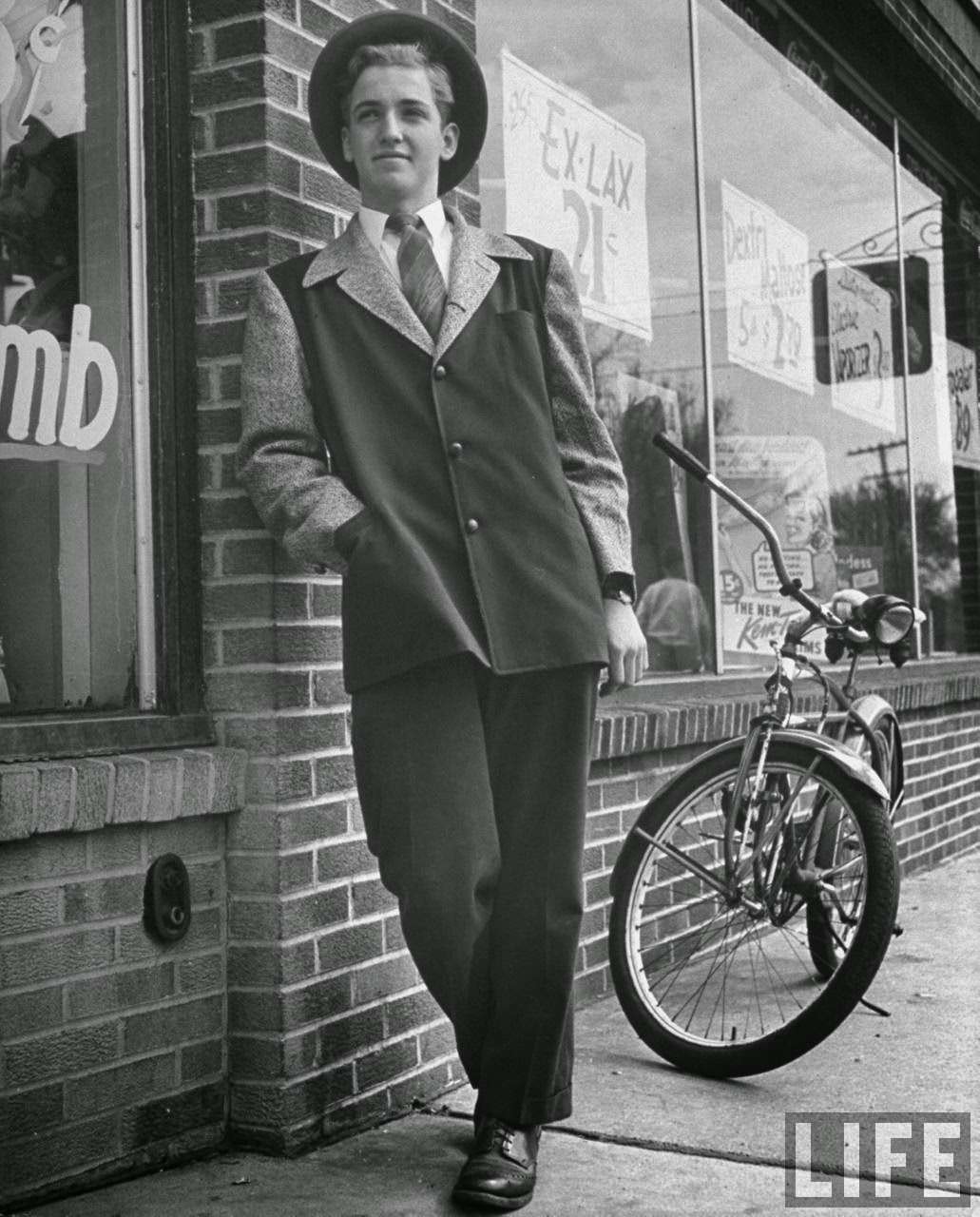
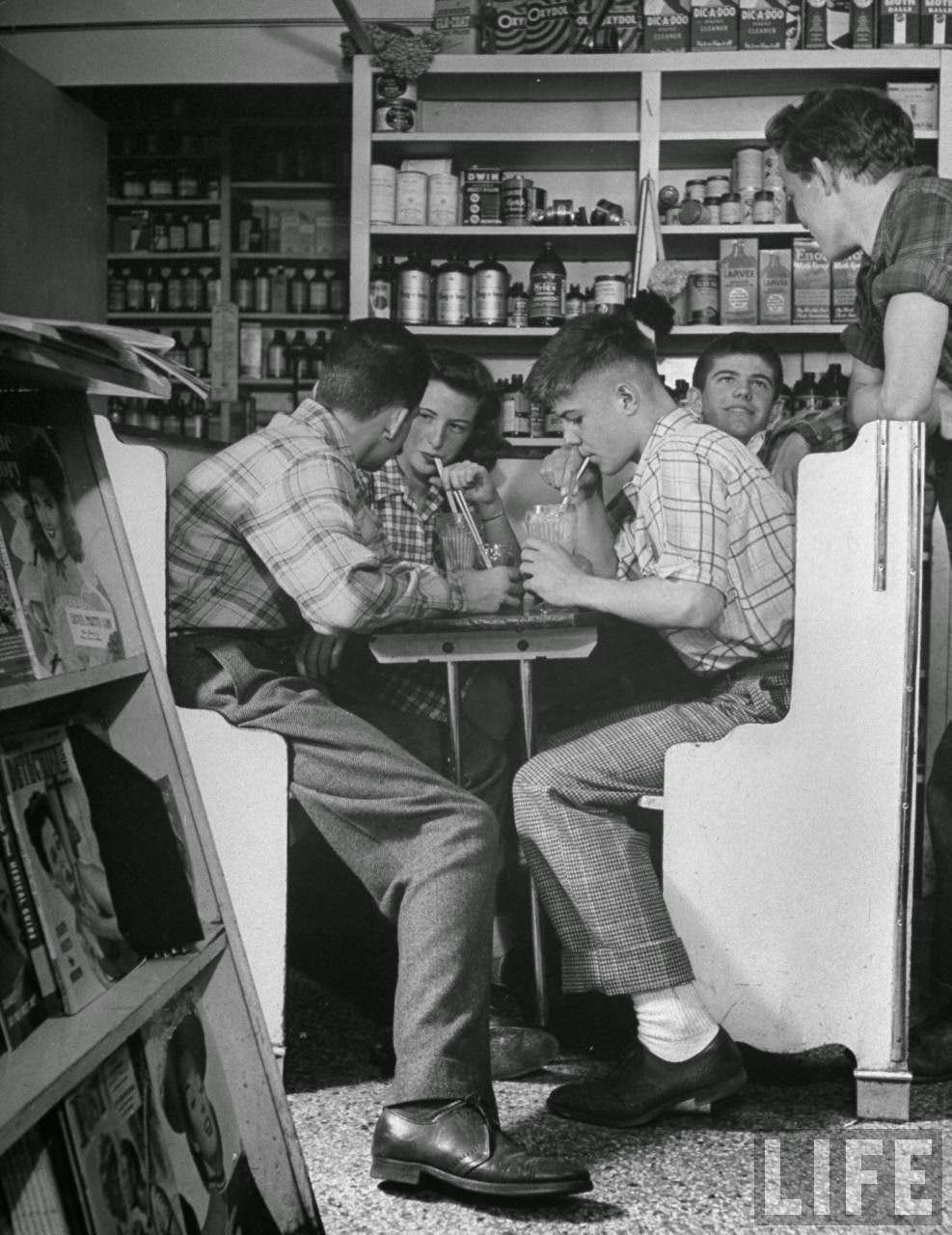
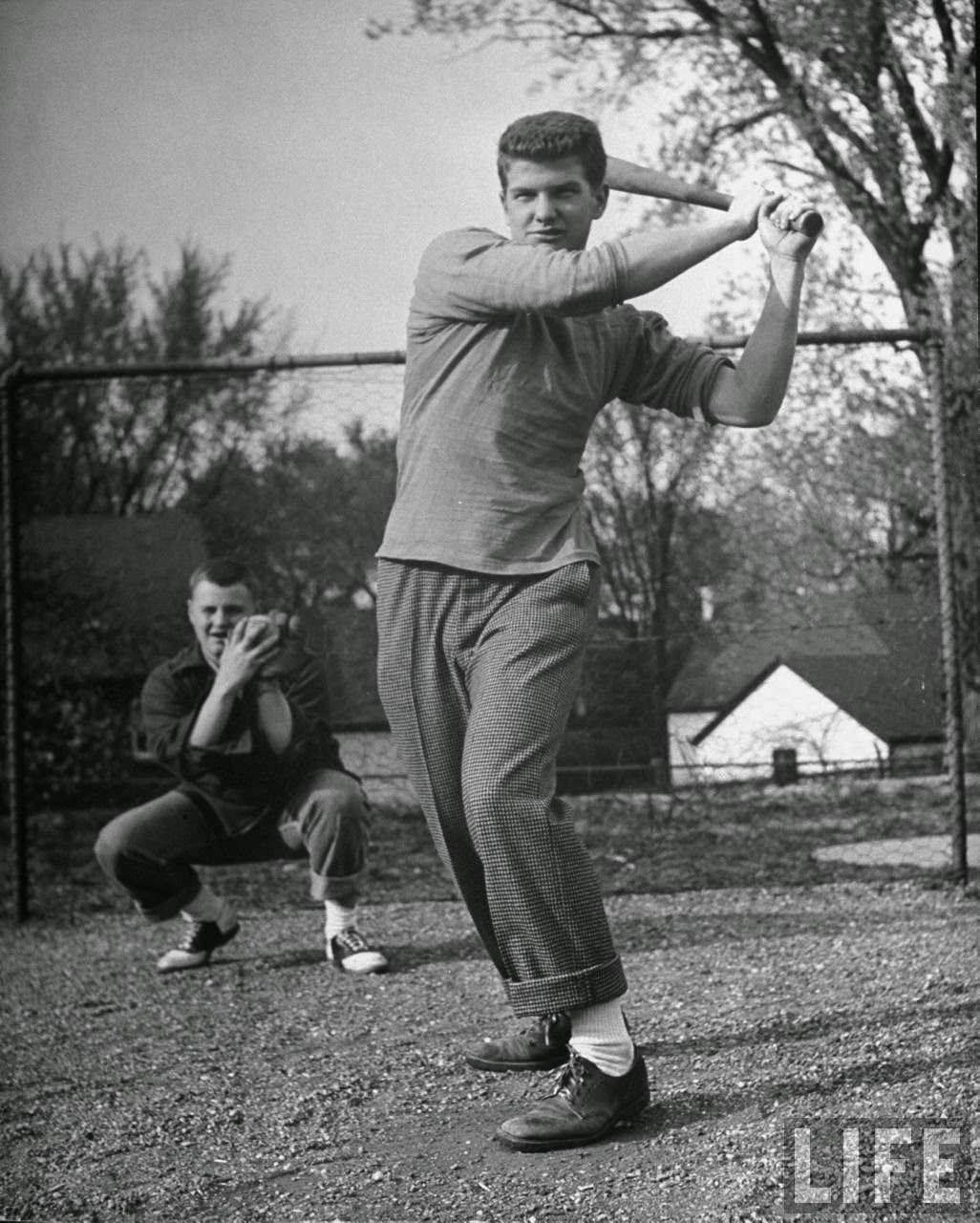
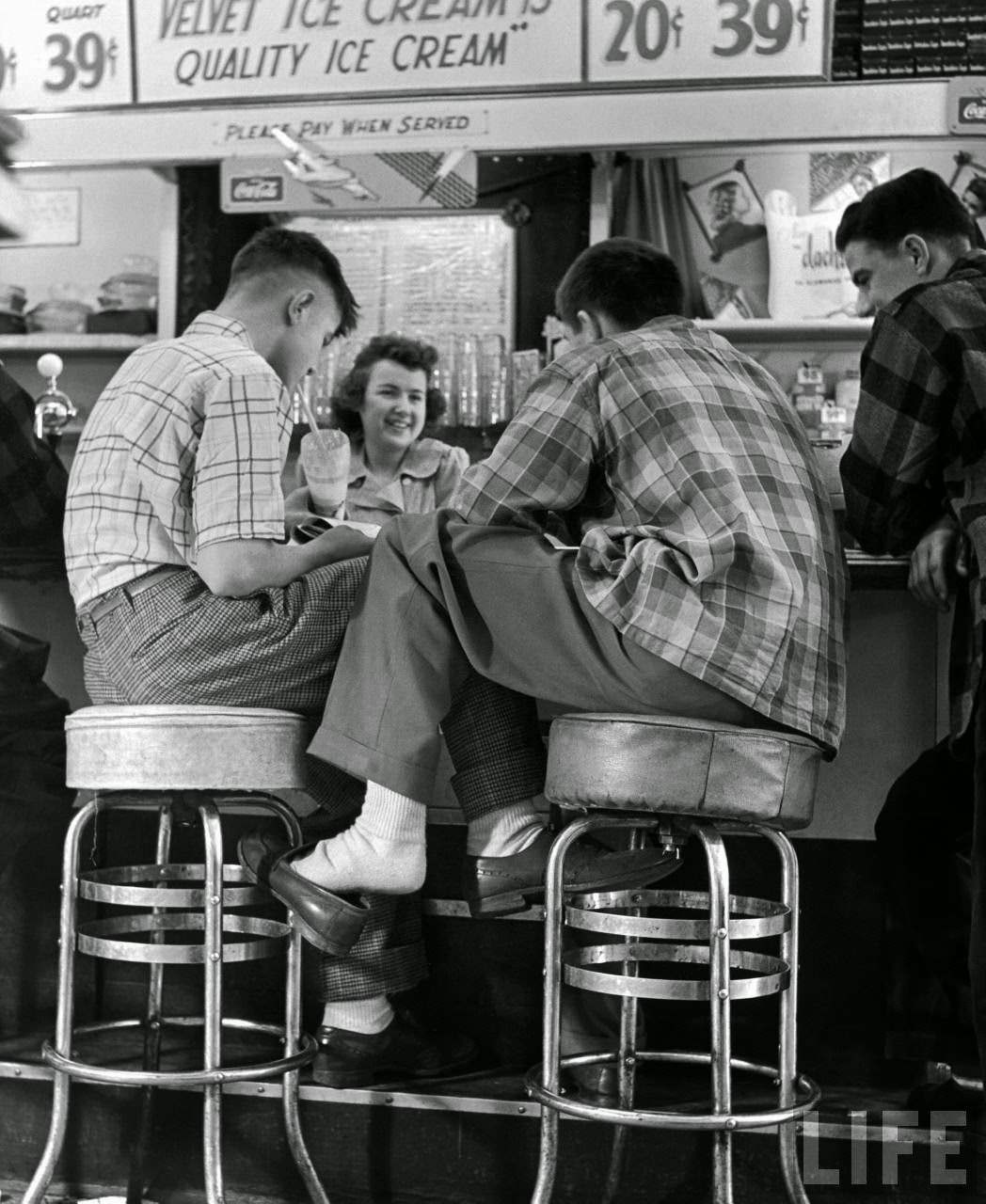
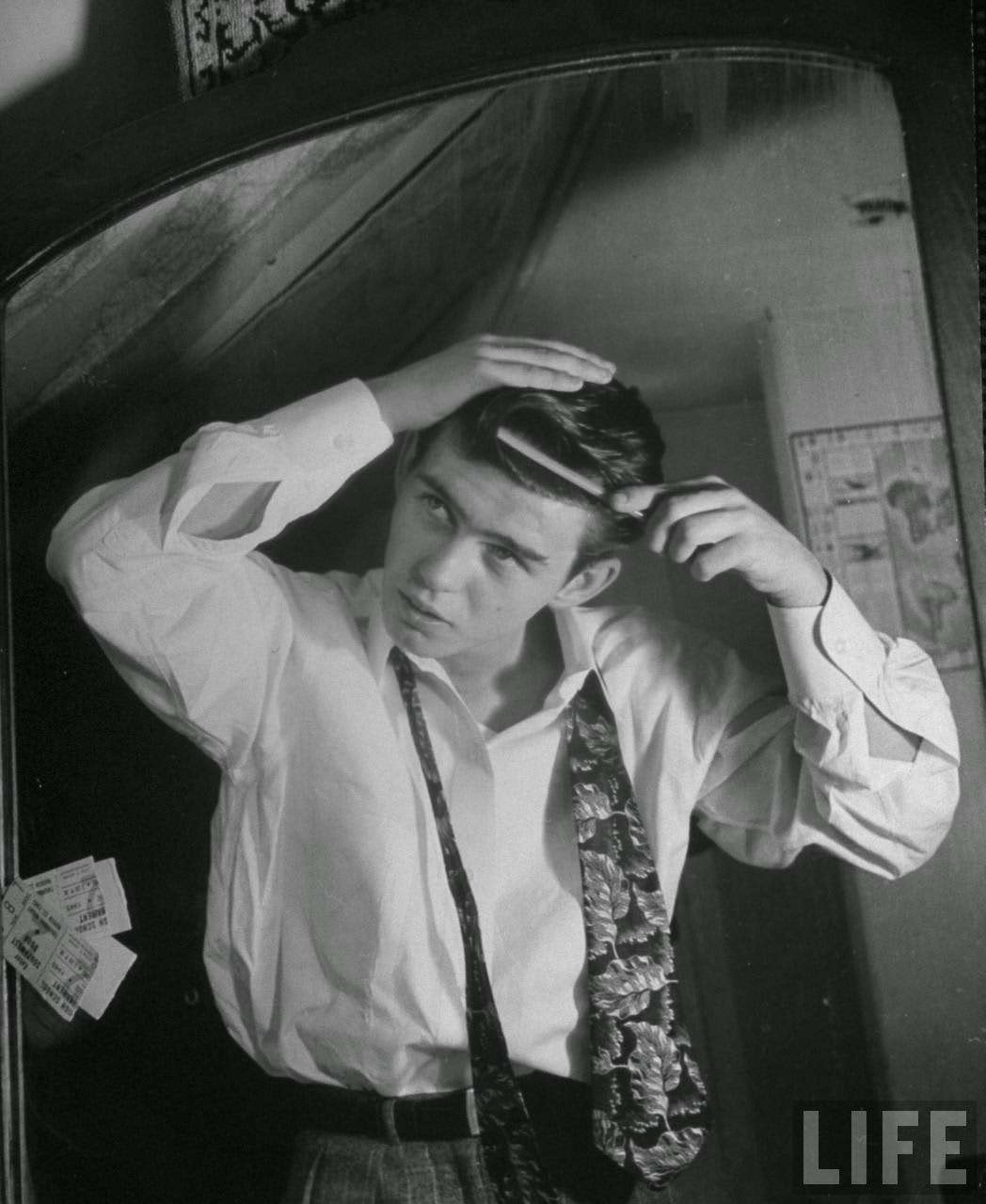
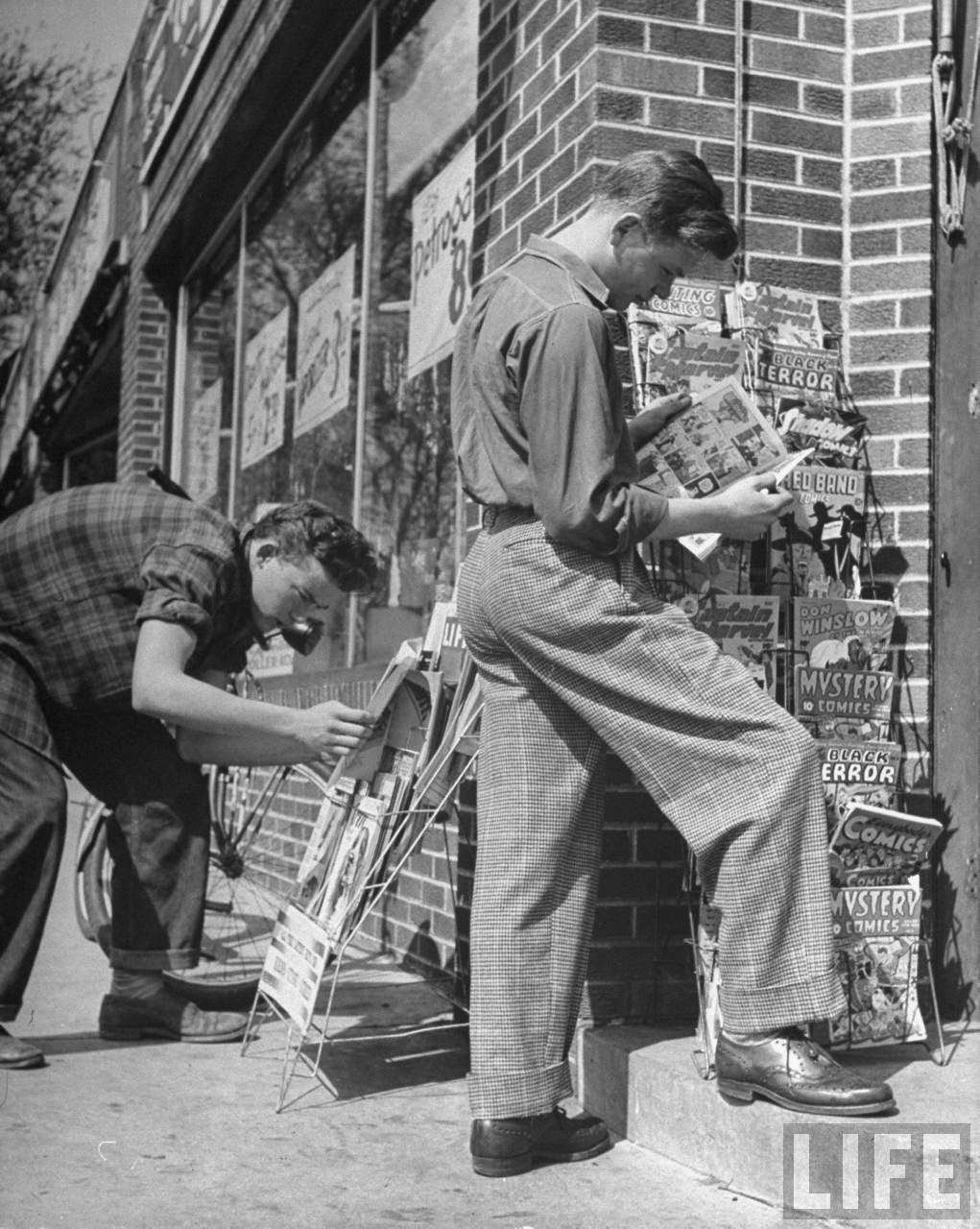
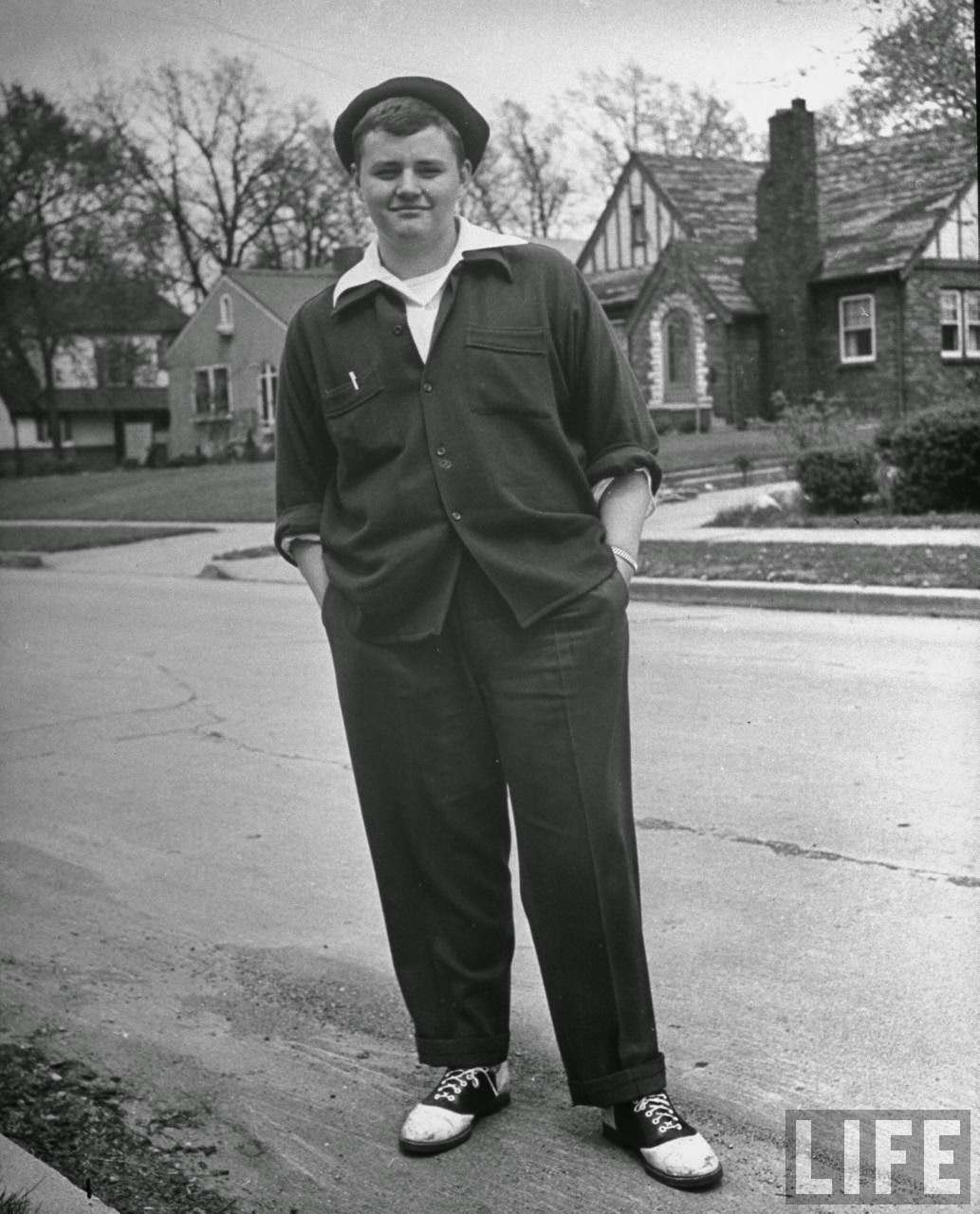
Teenage boys in the 1940s ignited a style revolution designed specifically for their peers. They took standard men’s clothing and altered the fit and attitude to create something entirely new. A suit was no longer just formal wear for church or work; it became a canvas for expression. Boys wore jacket sleeves long and trousers baggy. They mixed and matched patterns that traditional tailors would never pair together. This approach took the stiffness out of adult fashion. The goal was to look relaxed and approachable rather than professional and rigid.
The Casual “Sloppy” Look
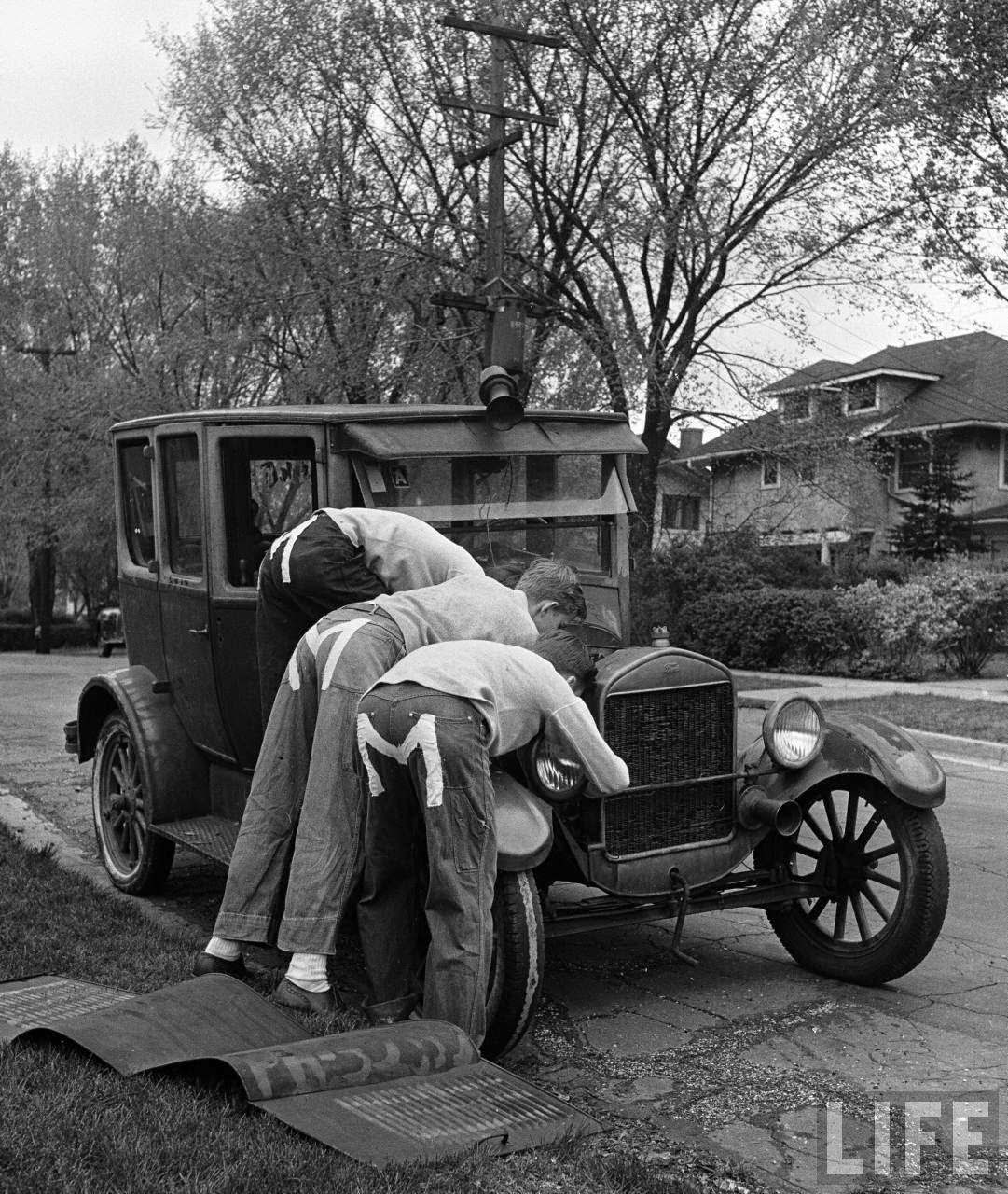
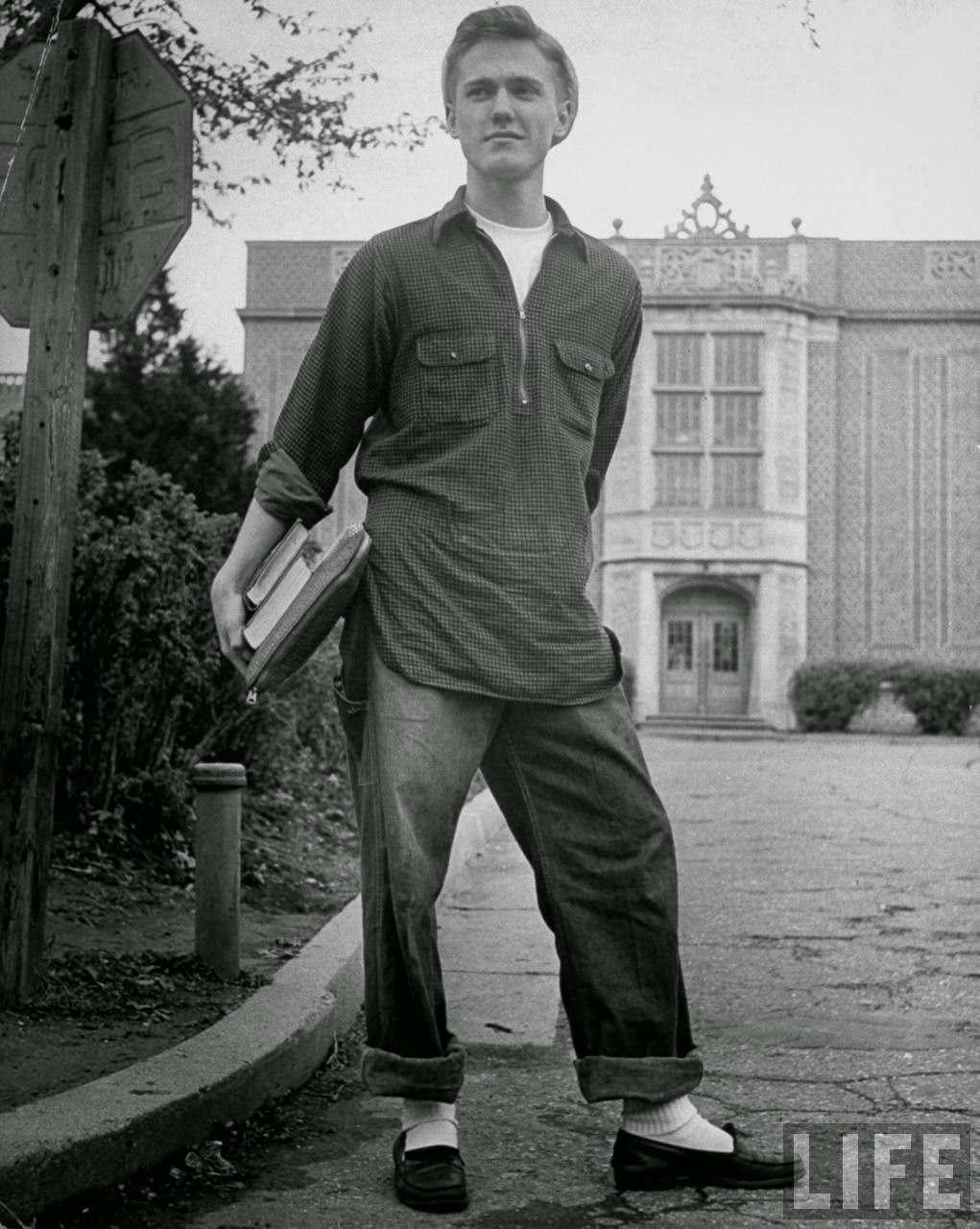
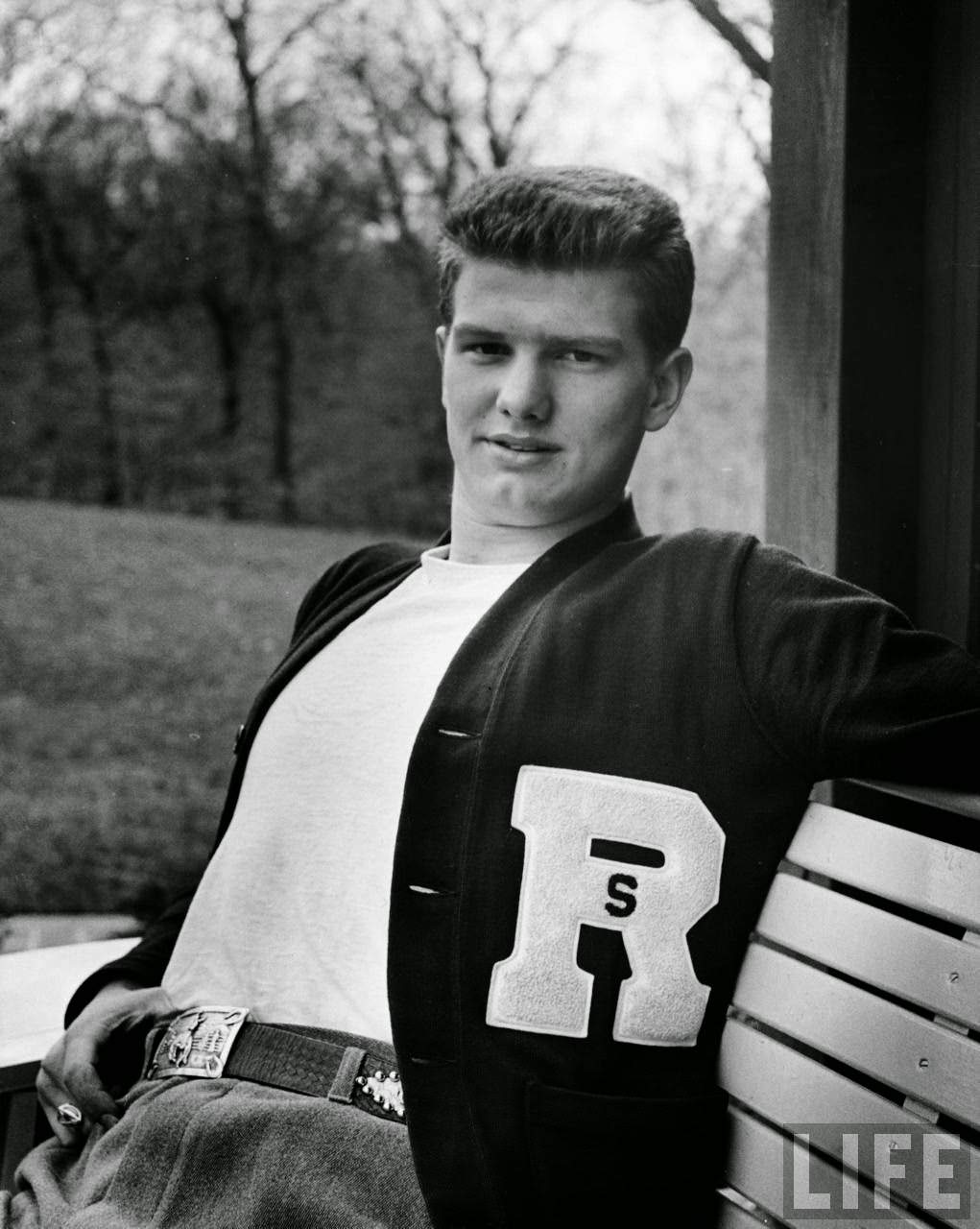
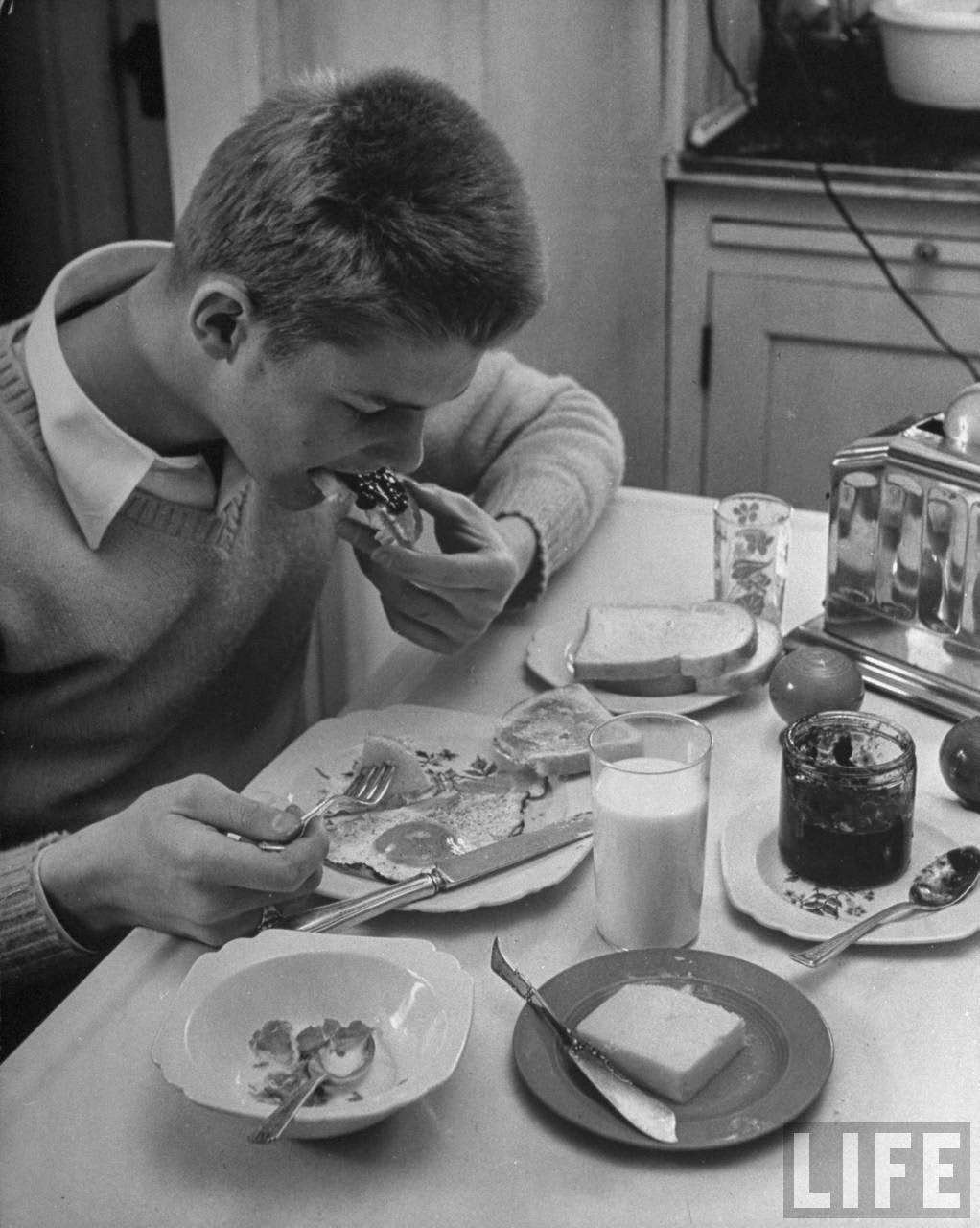
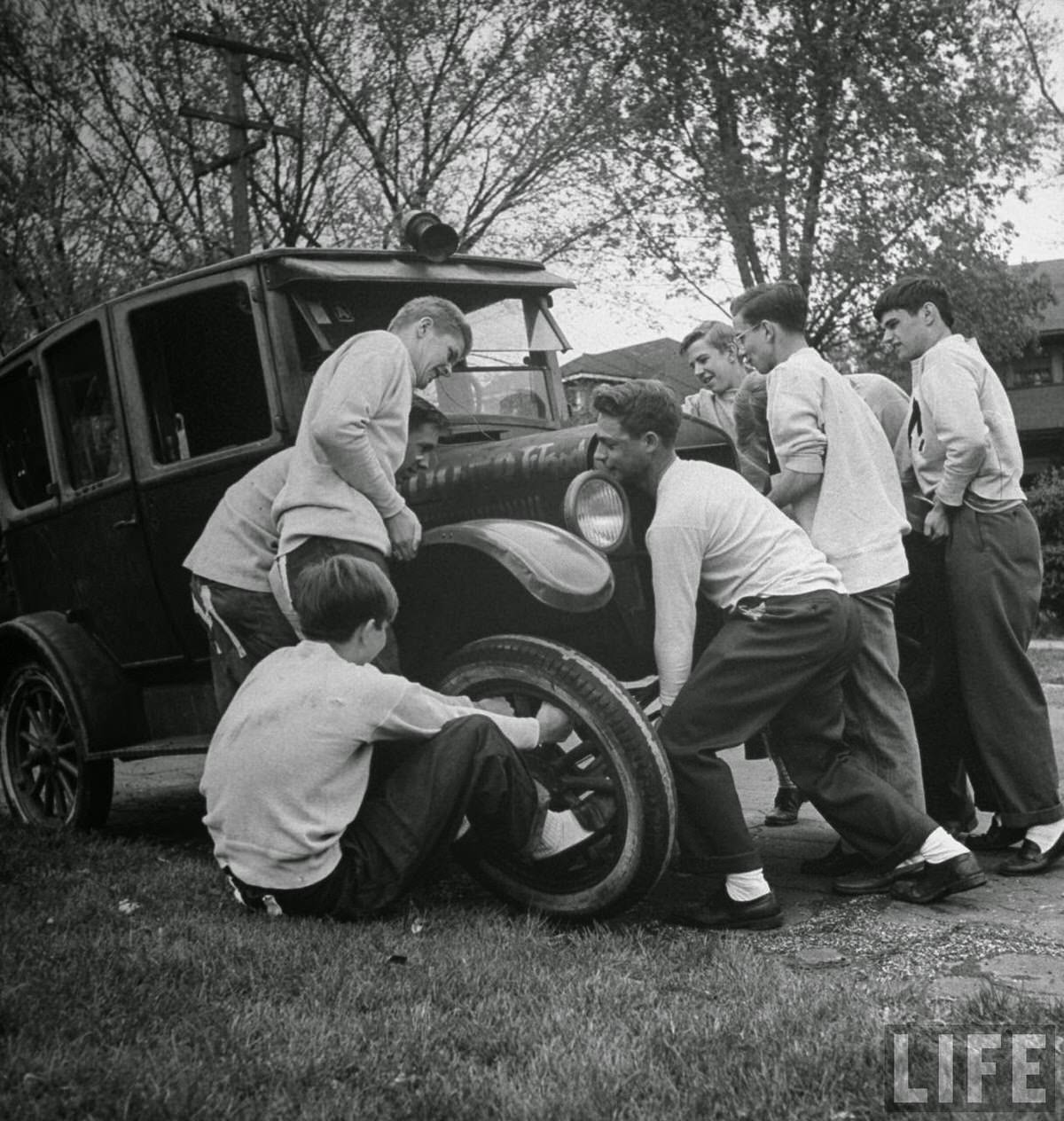
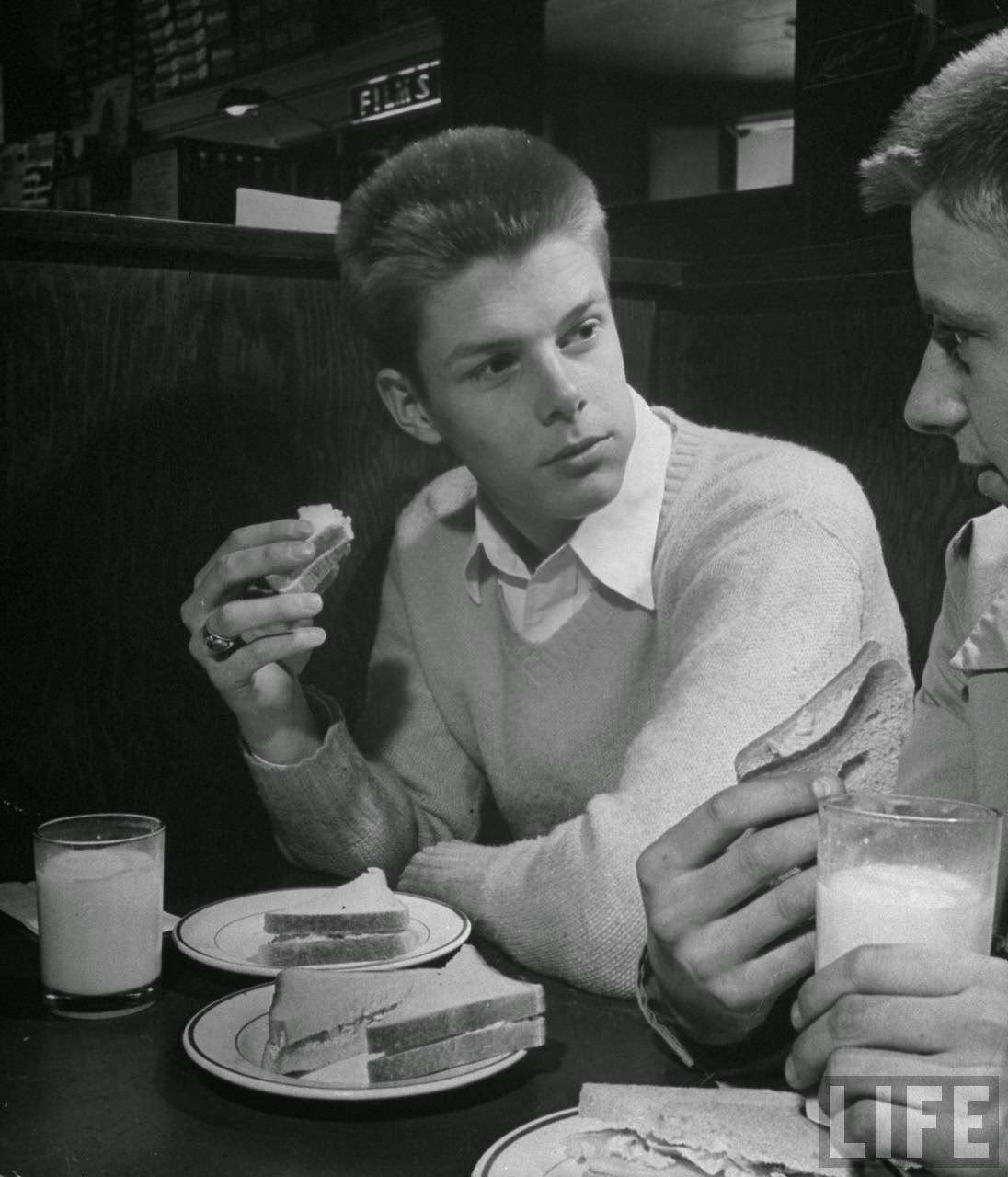
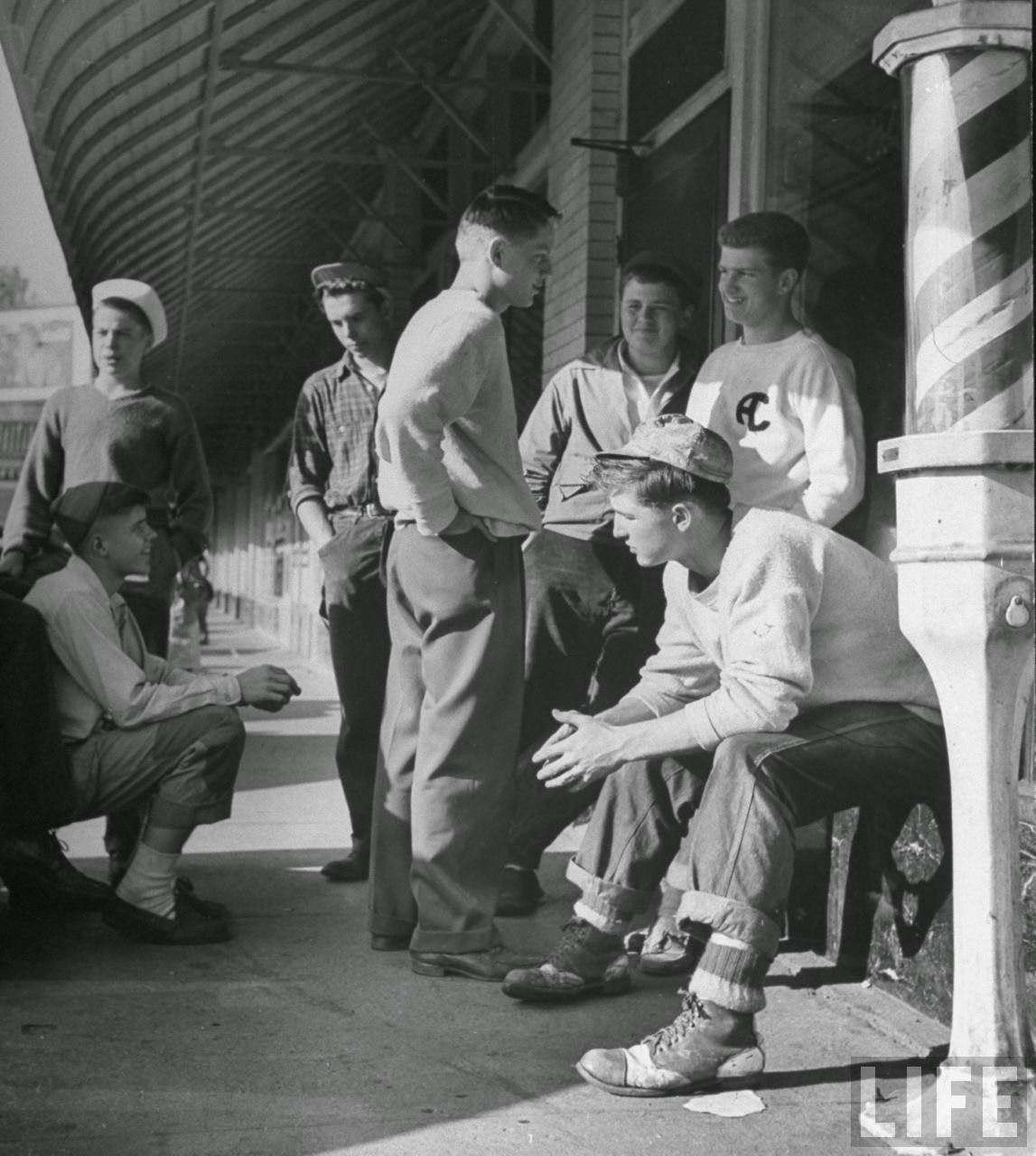
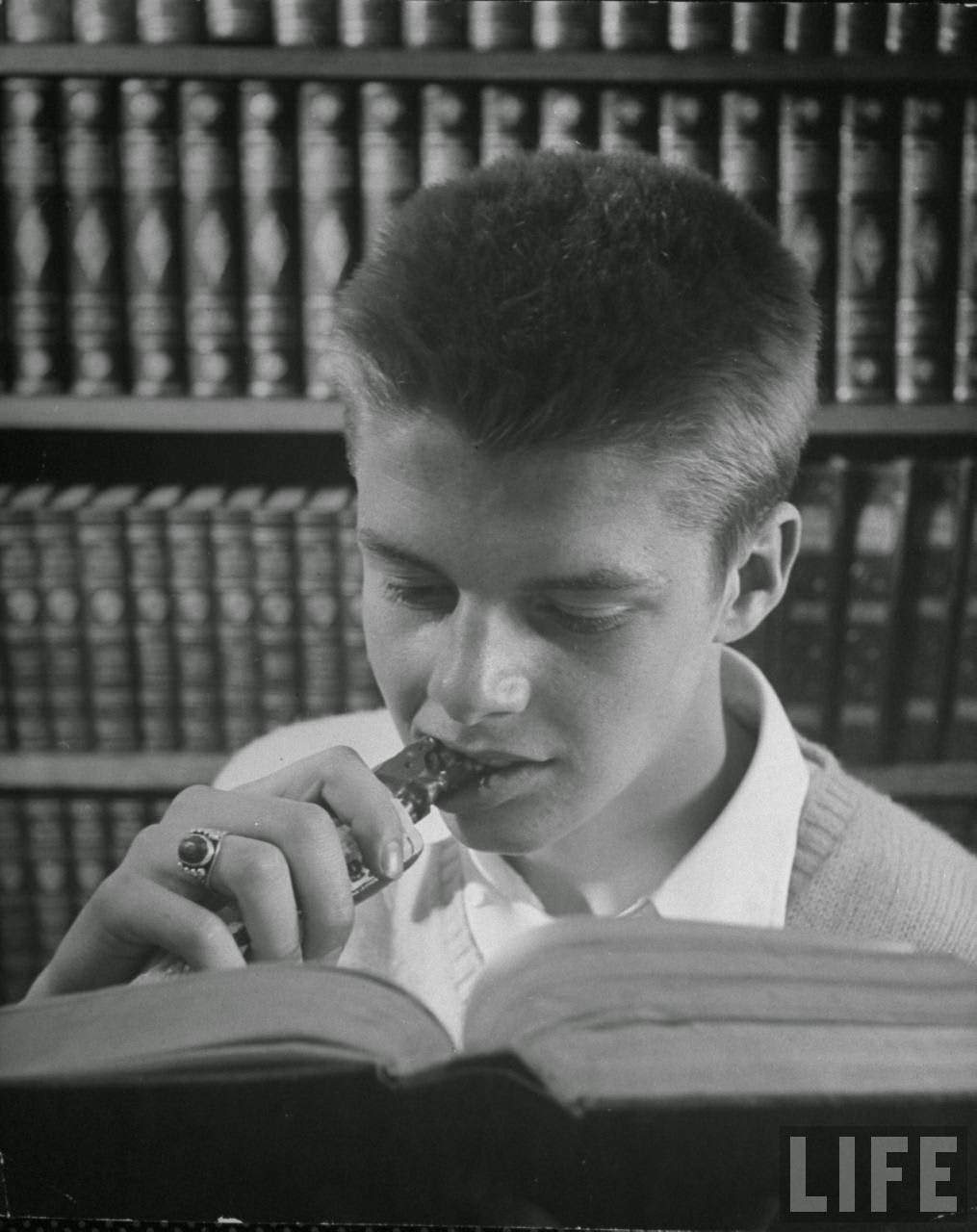
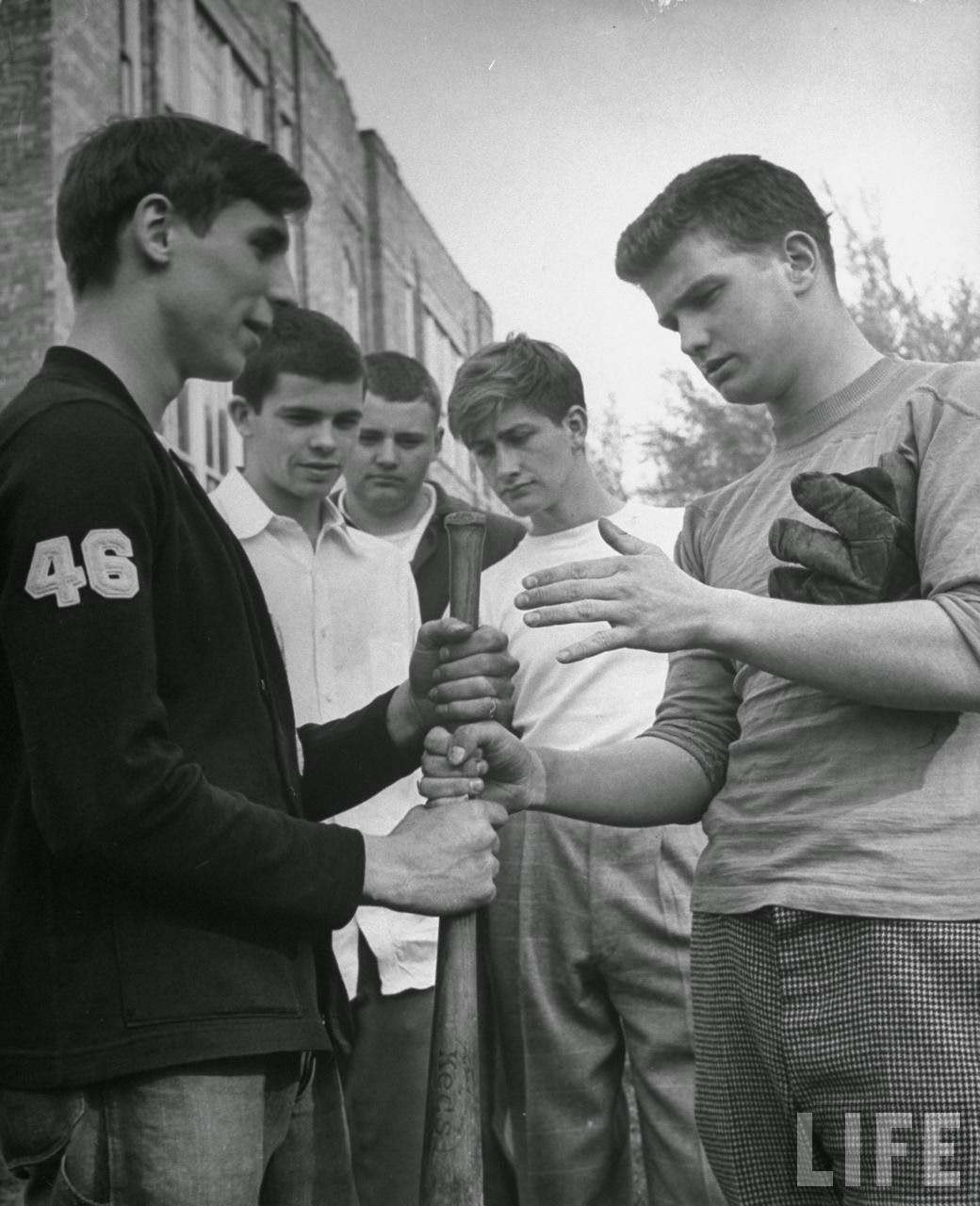
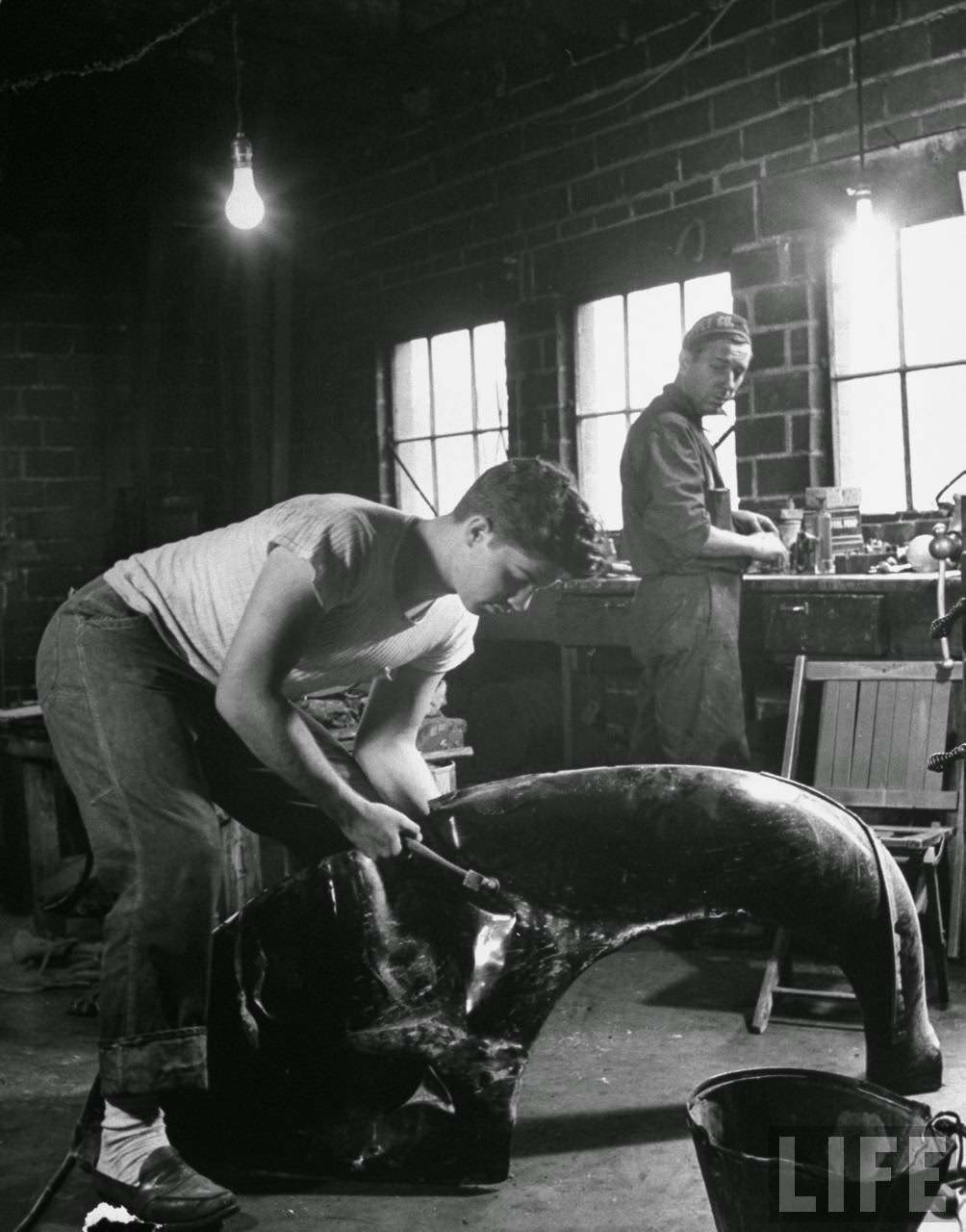
The defining characteristic of this era’s teen fashion was a deliberately unkempt aesthetic. Boys wore oversized cardigans and “Sloppy Joe” sweaters that hung loose on their frames. Dress shirts were frequently worn with the top button undone and the collar spread wide. T-shirts, previously considered underwear, started appearing as outer garments during casual gatherings. When they wore denim dungarees, they rolled the cuffs up high to show off white athletic socks. Loafers and saddle shoes replaced stiff dress boots. This calculated messiness signaled a break from the strict rules of the previous generation.