
in

Innocence Lost: Vintage Photographs of America’s Children in the Early 1900s

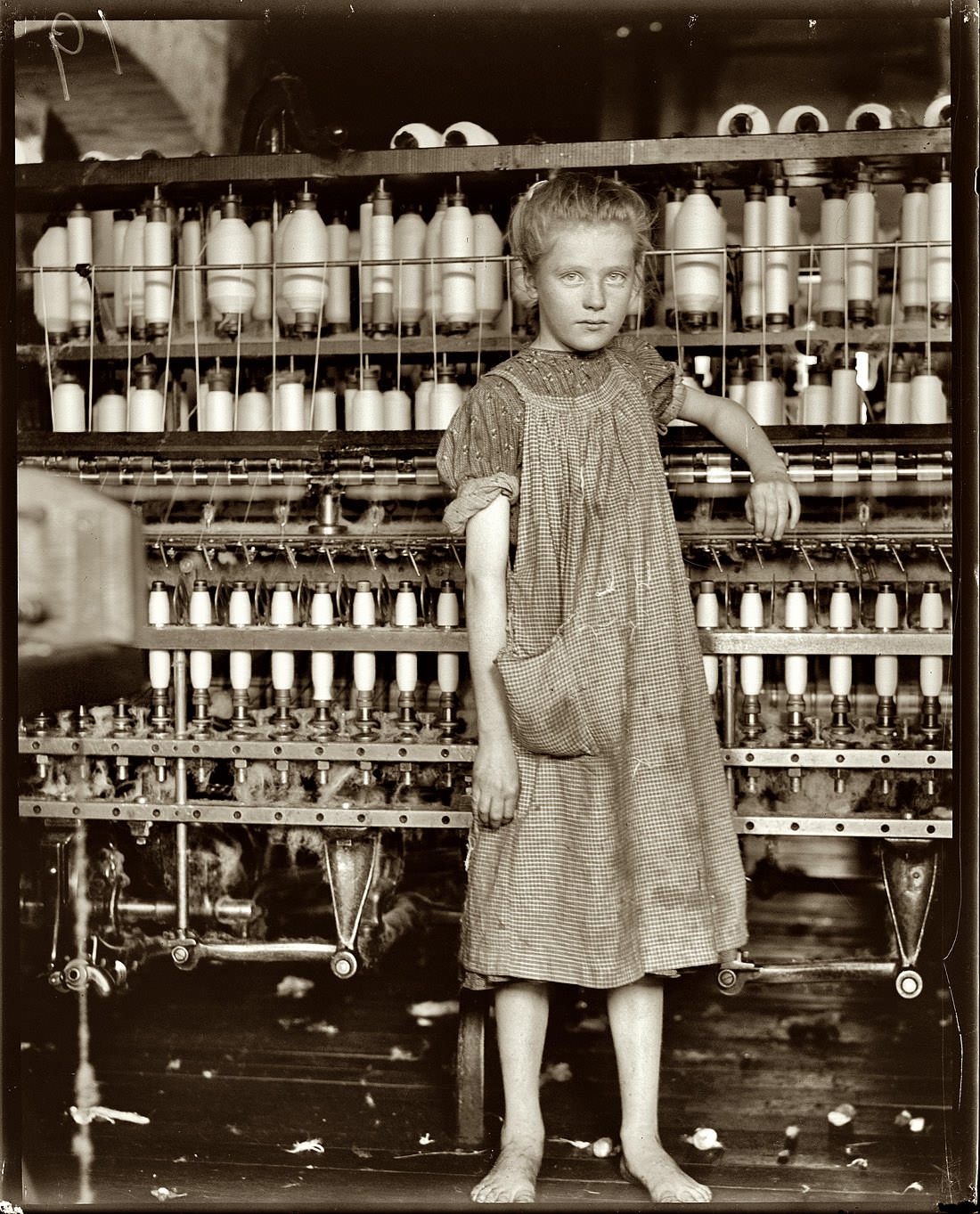
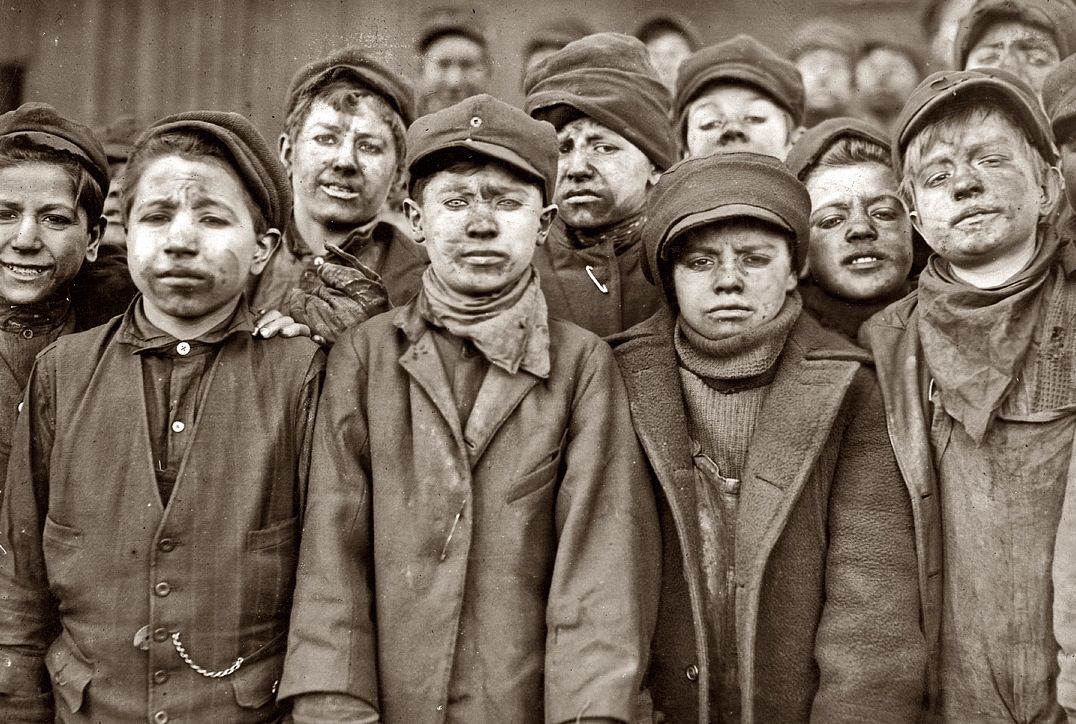
In the early 1900s, childhood in America looked very different from what it does today. The Industrial Revolution had reshaped the economy, and children were caught in the middle of it. Factories, coal mines, and textile mills ran on cheap labor — and no one was cheaper to hire than a child.
Innocence Lost: Vintage Photographs of America's Children in the Early 1900s

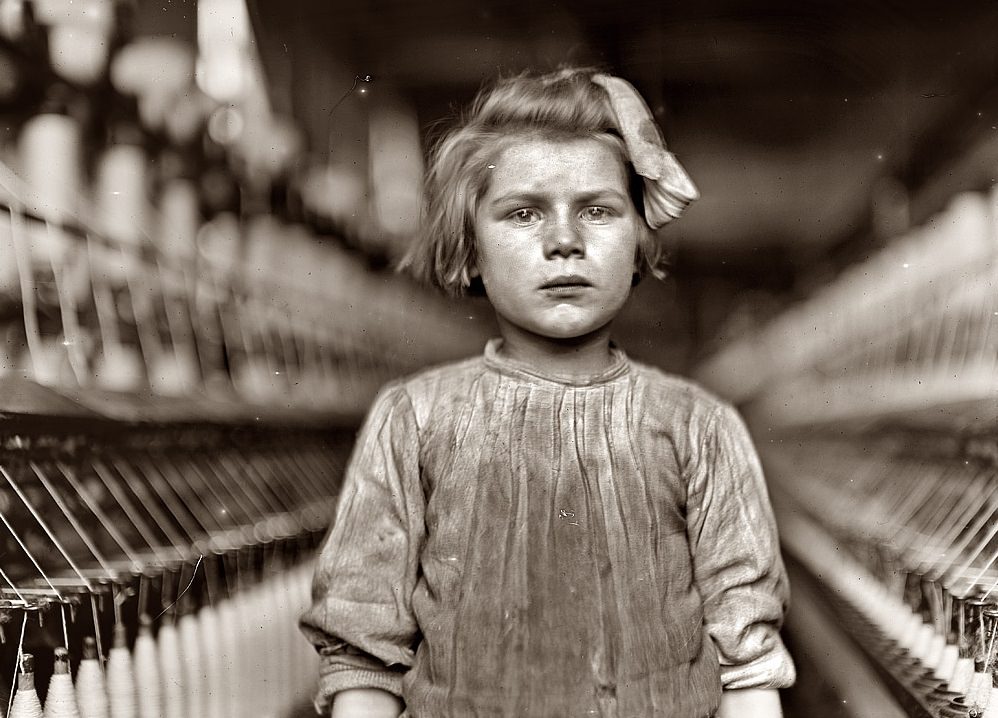
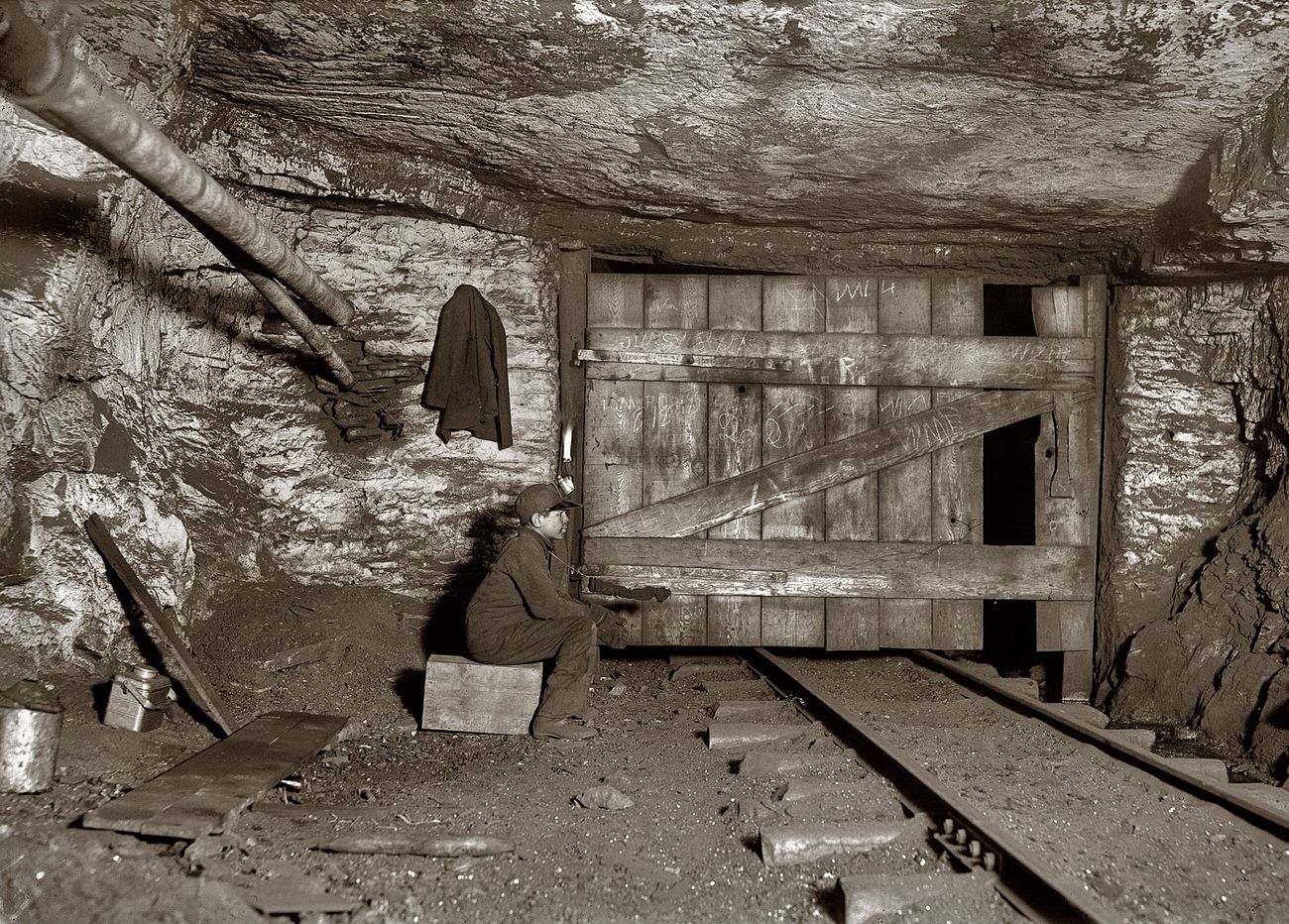
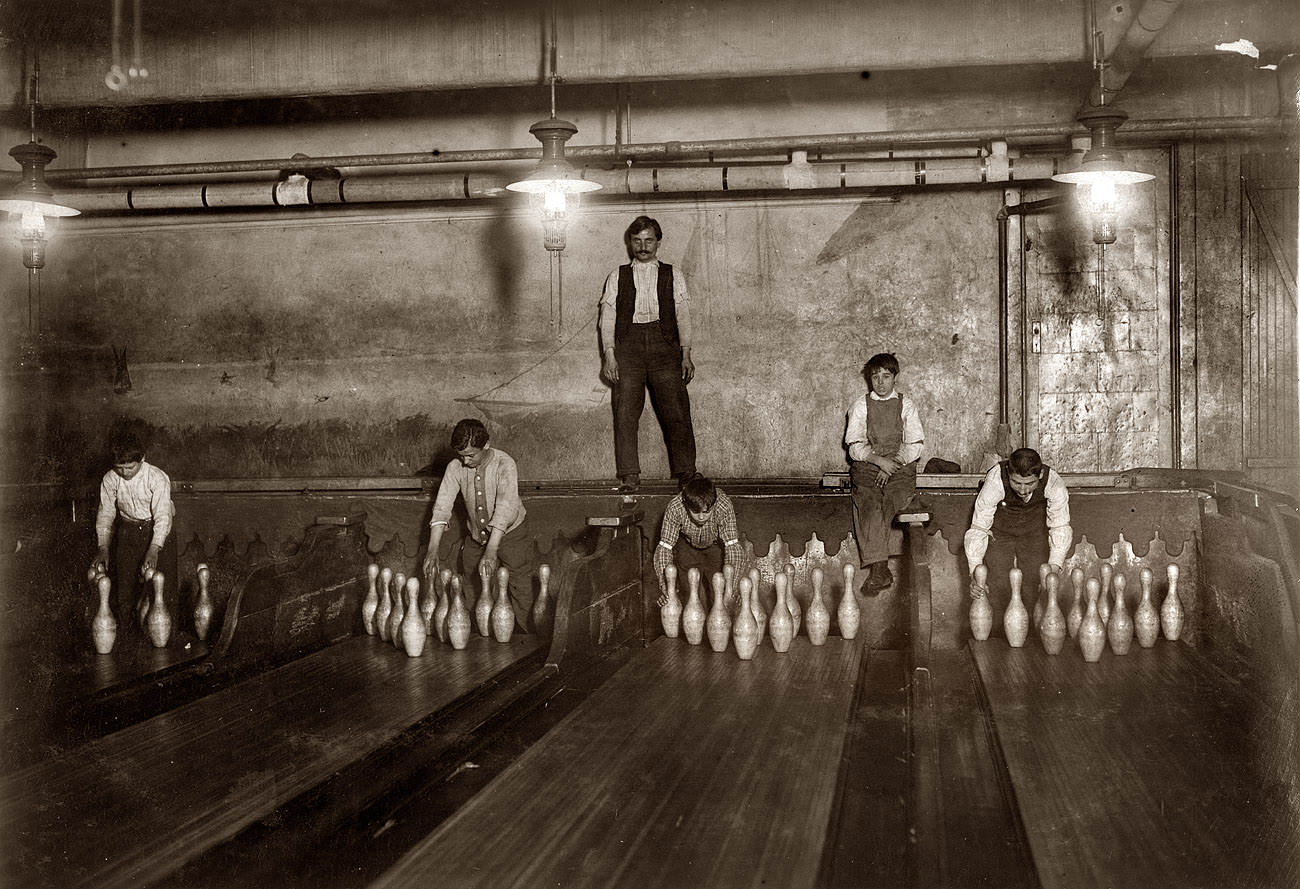
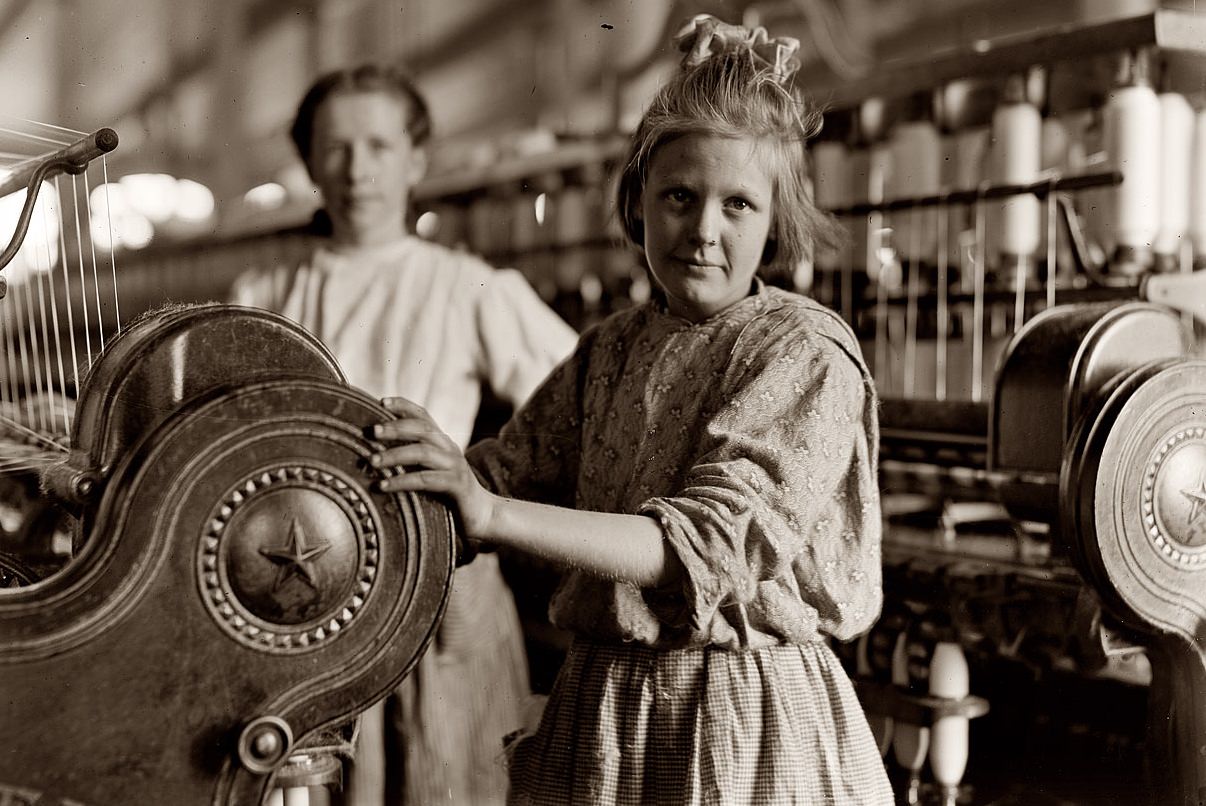
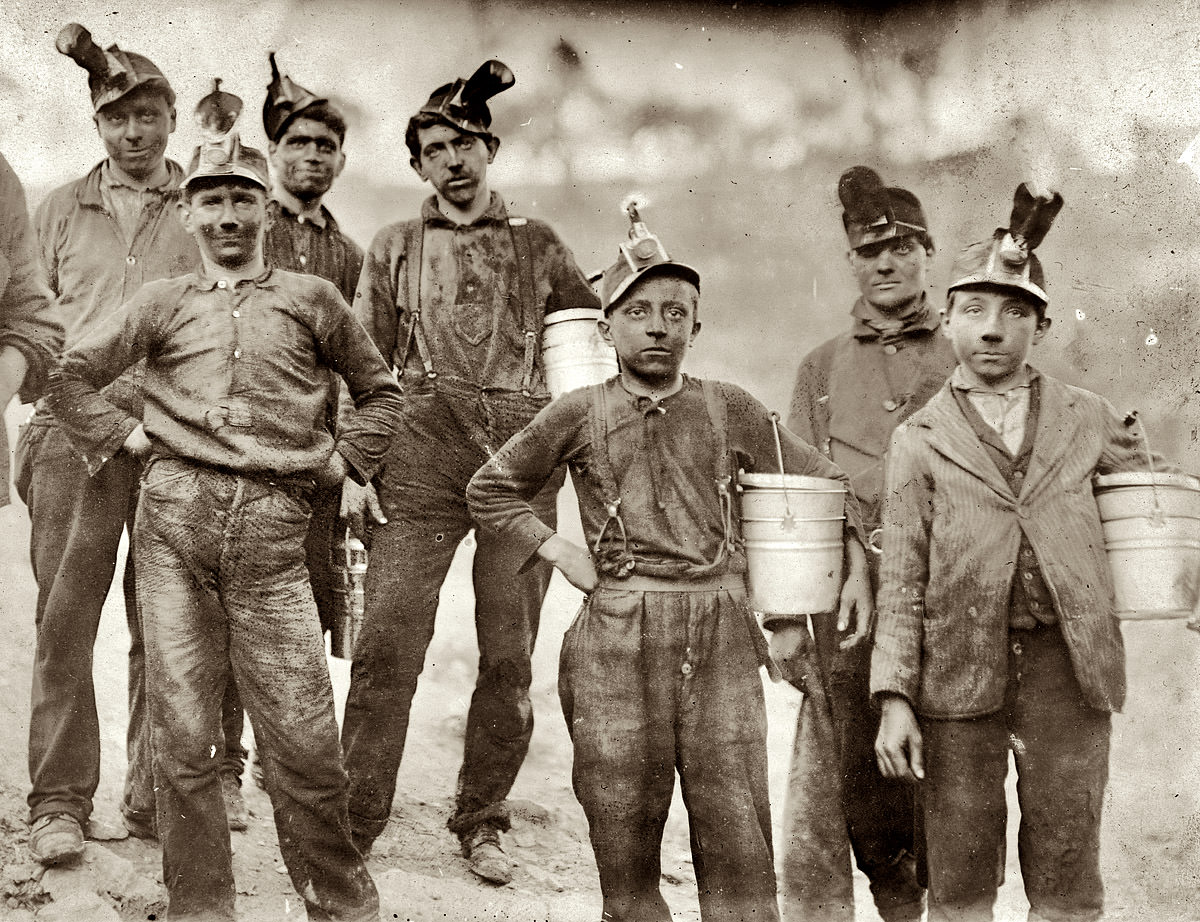
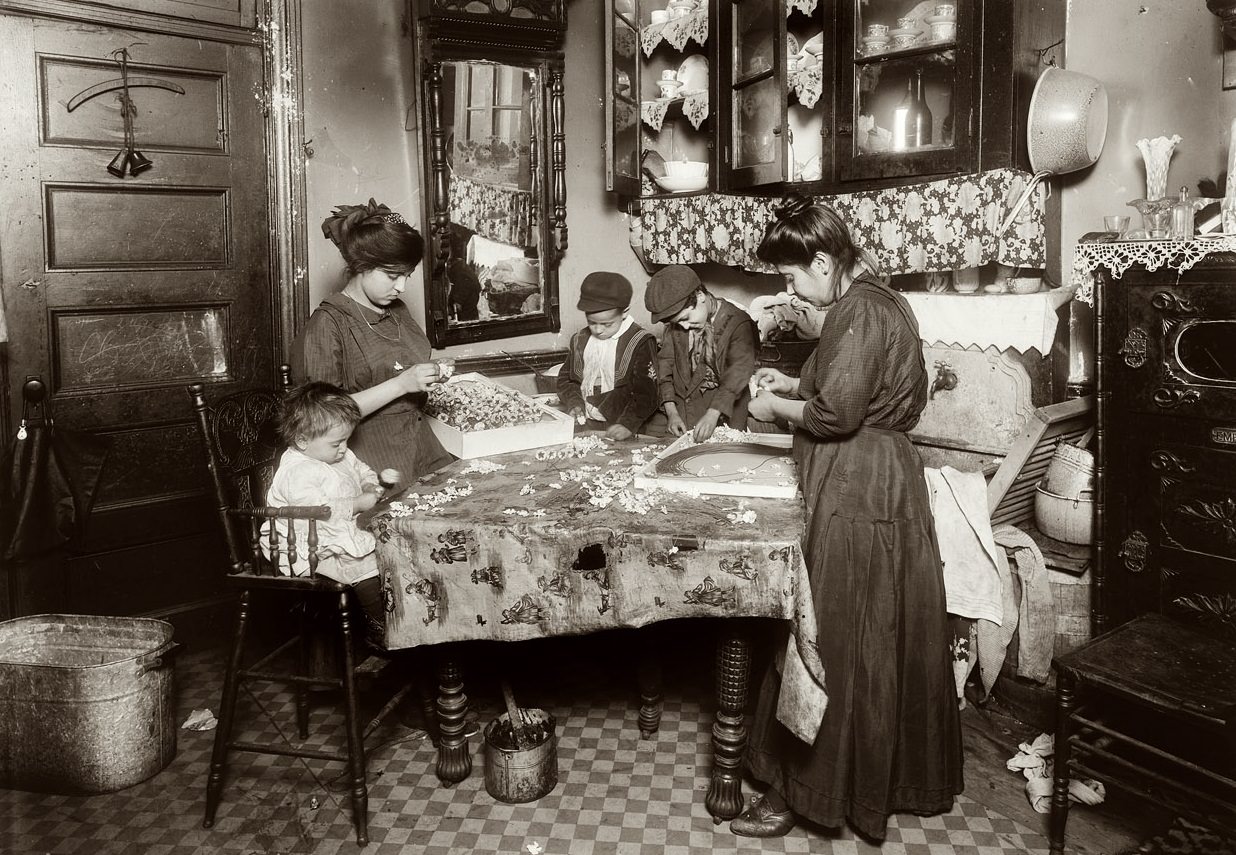
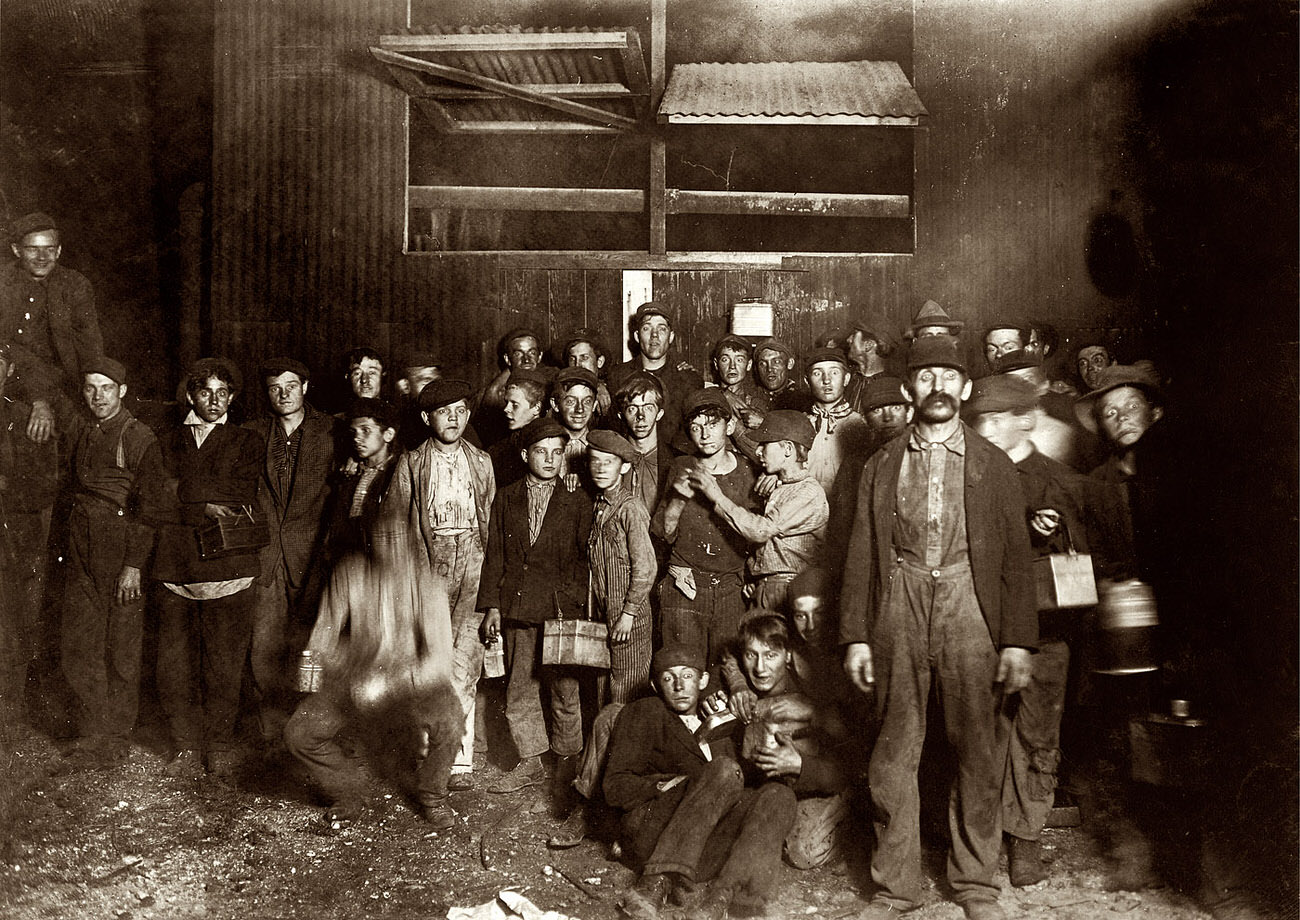
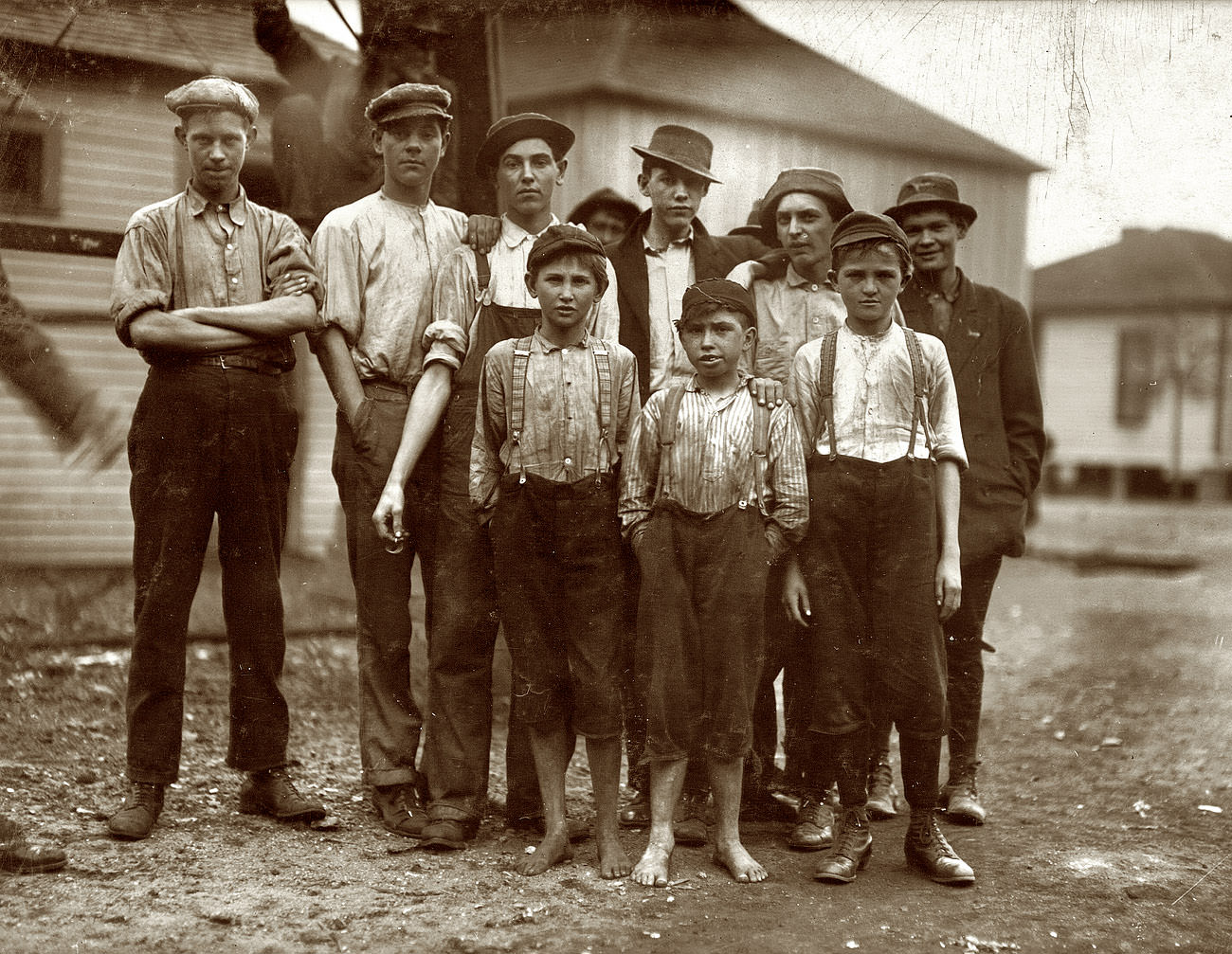
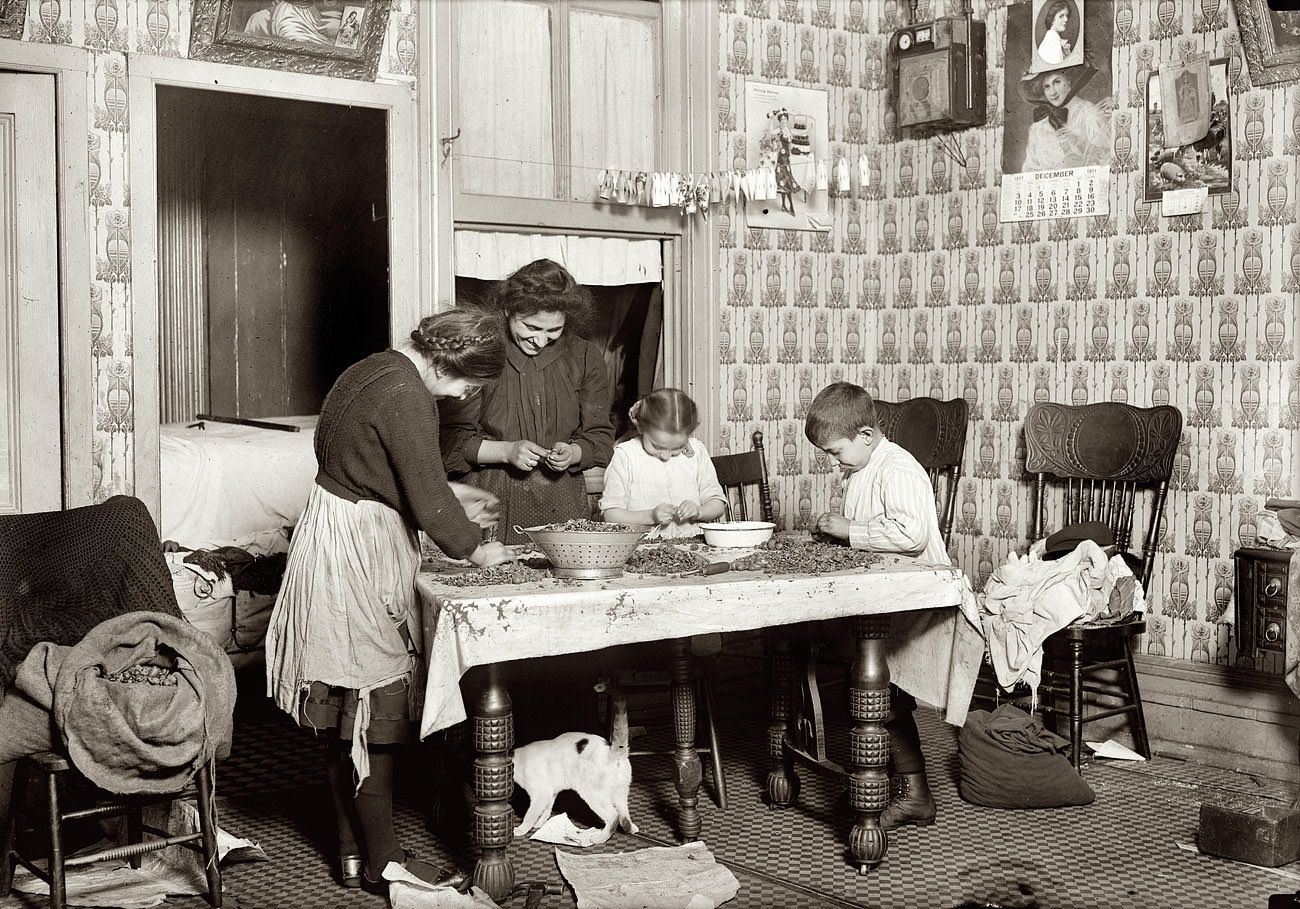
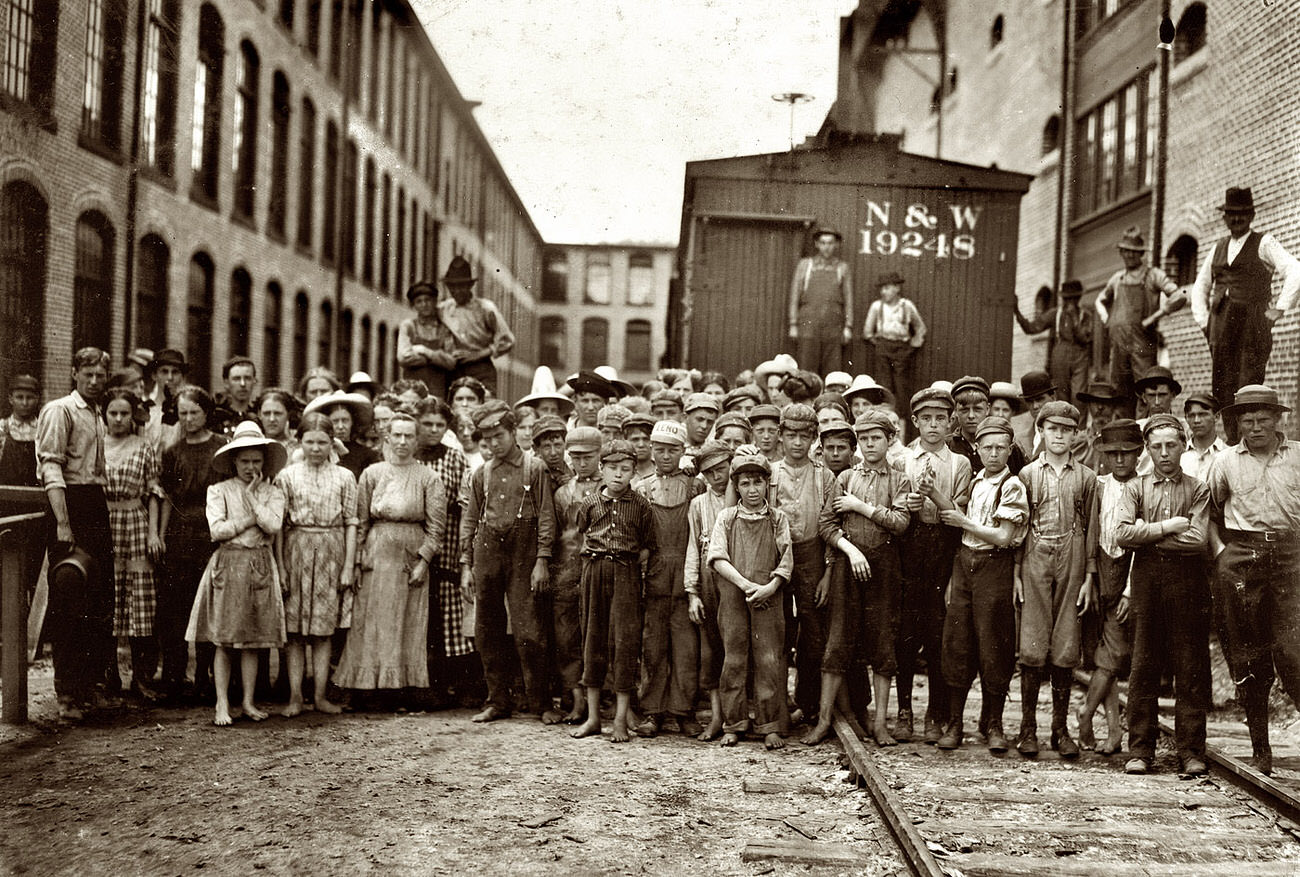
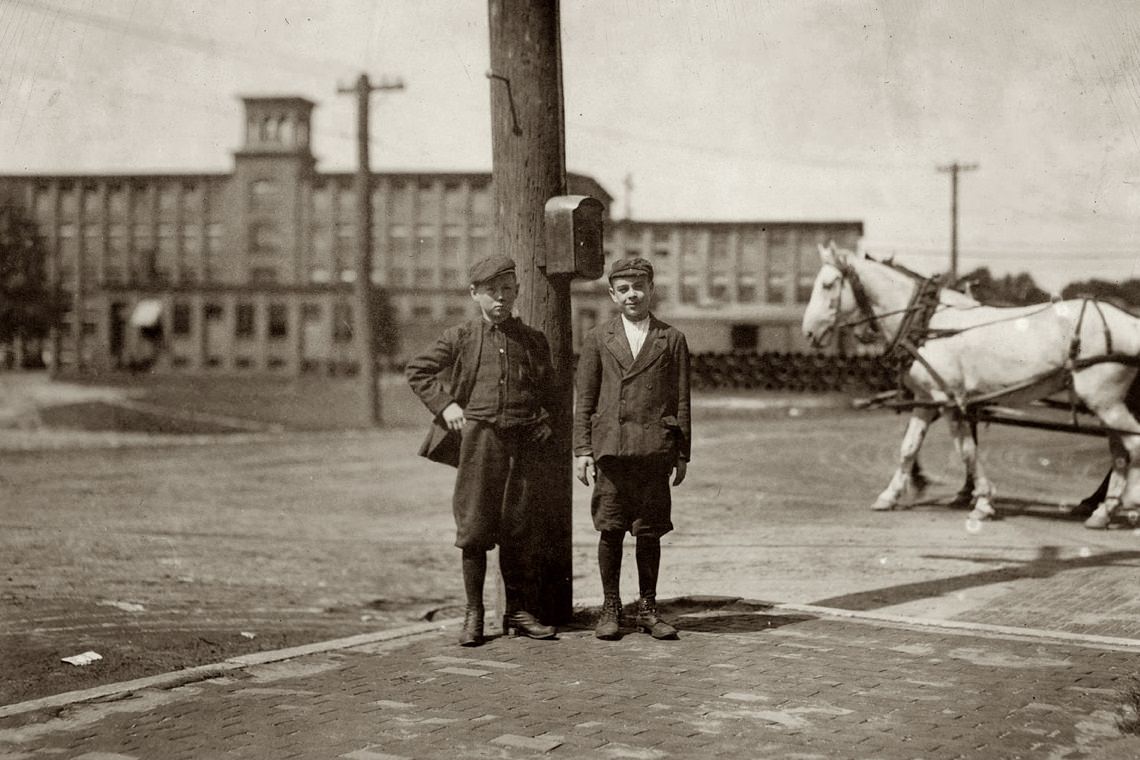
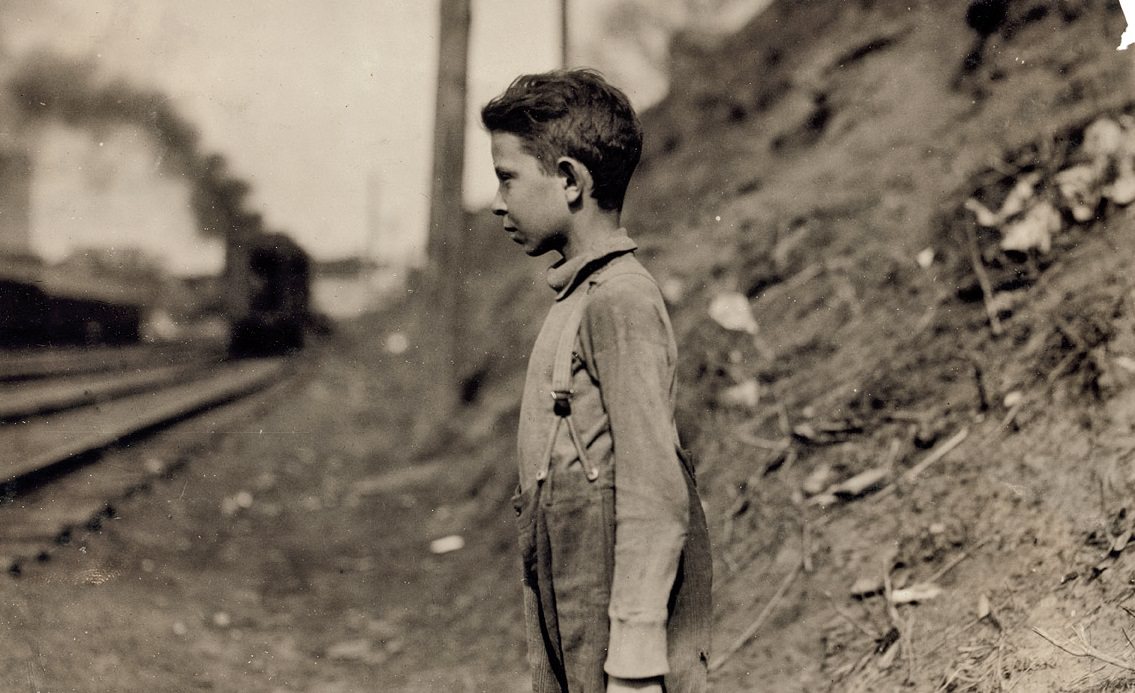
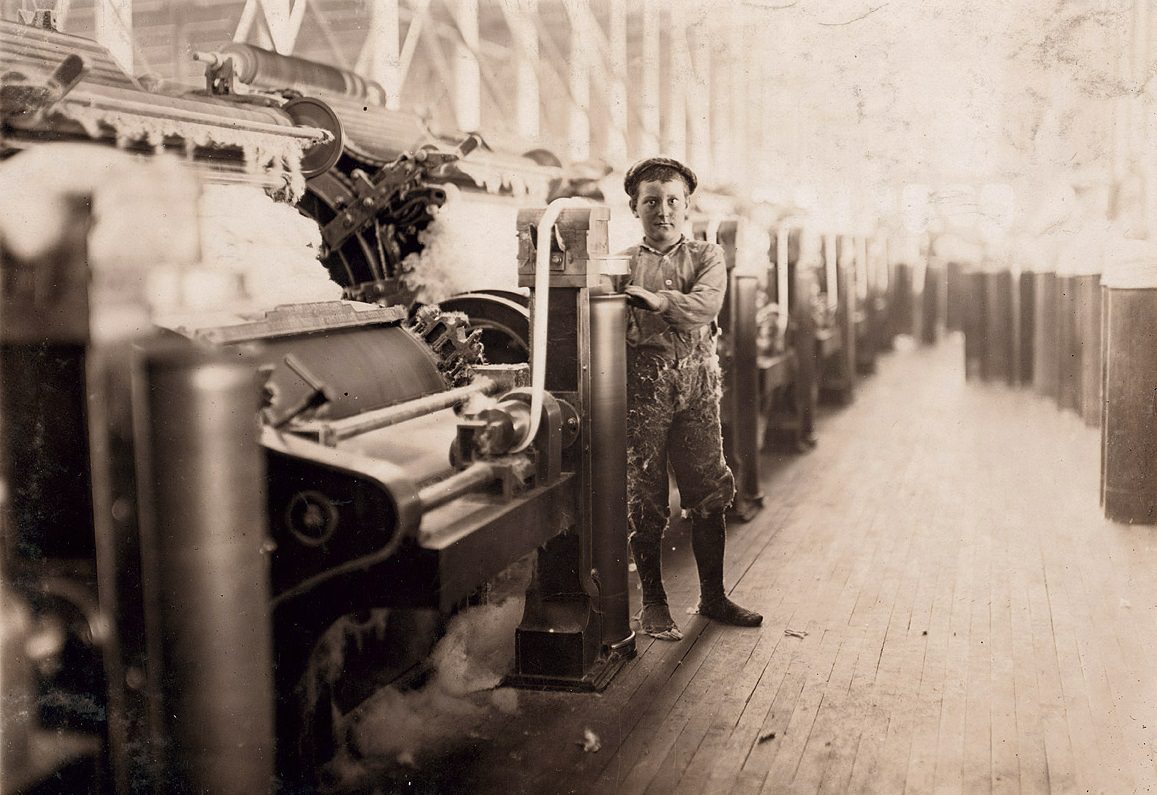
Children as young as five or six worked shifts lasting 12 to 14 hours a day. Their small bodies made them useful in tight spaces — crawling under machinery or squeezing through narrow mine shafts that adults simply could not reach. Employers paid them far less than adult workers and found them easier to control.
Innocence Lost: Vintage Photographs of America's Children in the Early 1900s

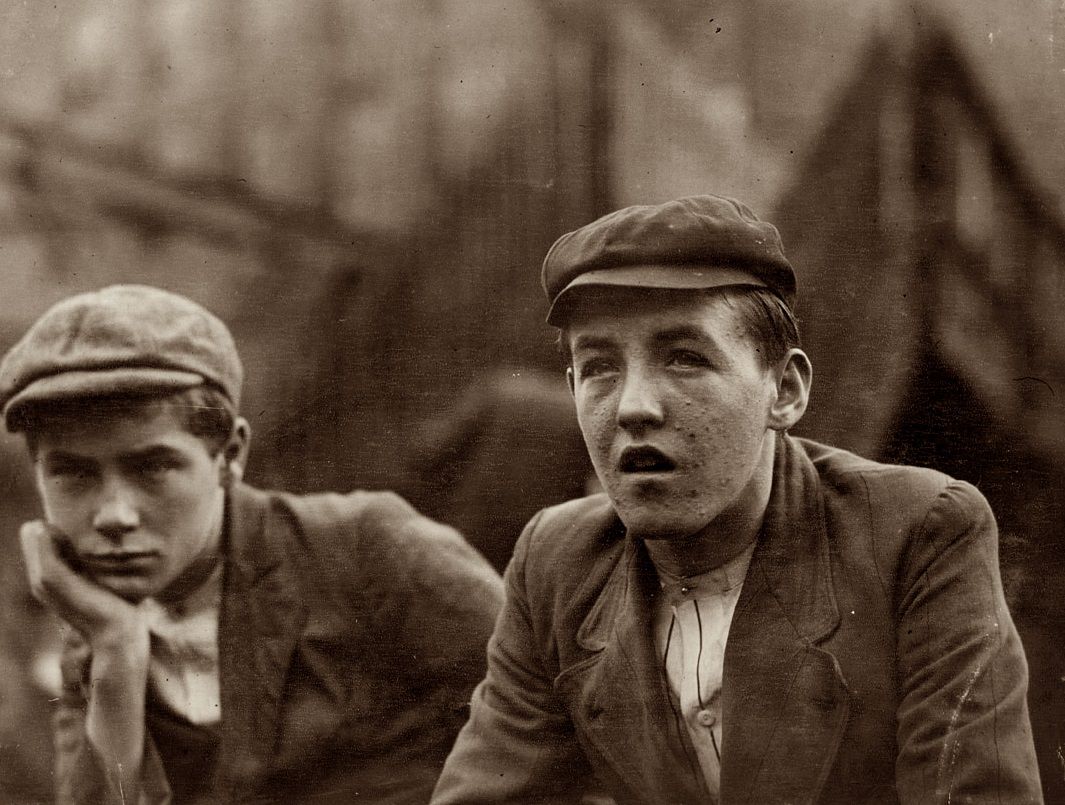
The dangers were constant. Factory floors were crowded with heavy, fast-moving machinery. Injuries were common — lost fingers, crushed limbs, and worse. Some children died on the job. Families knew the risks but sent their kids to work anyway, because the wages were the difference between eating and going hungry.
Innocence Lost: Vintage Photographs of America's Children in the Early 1900s

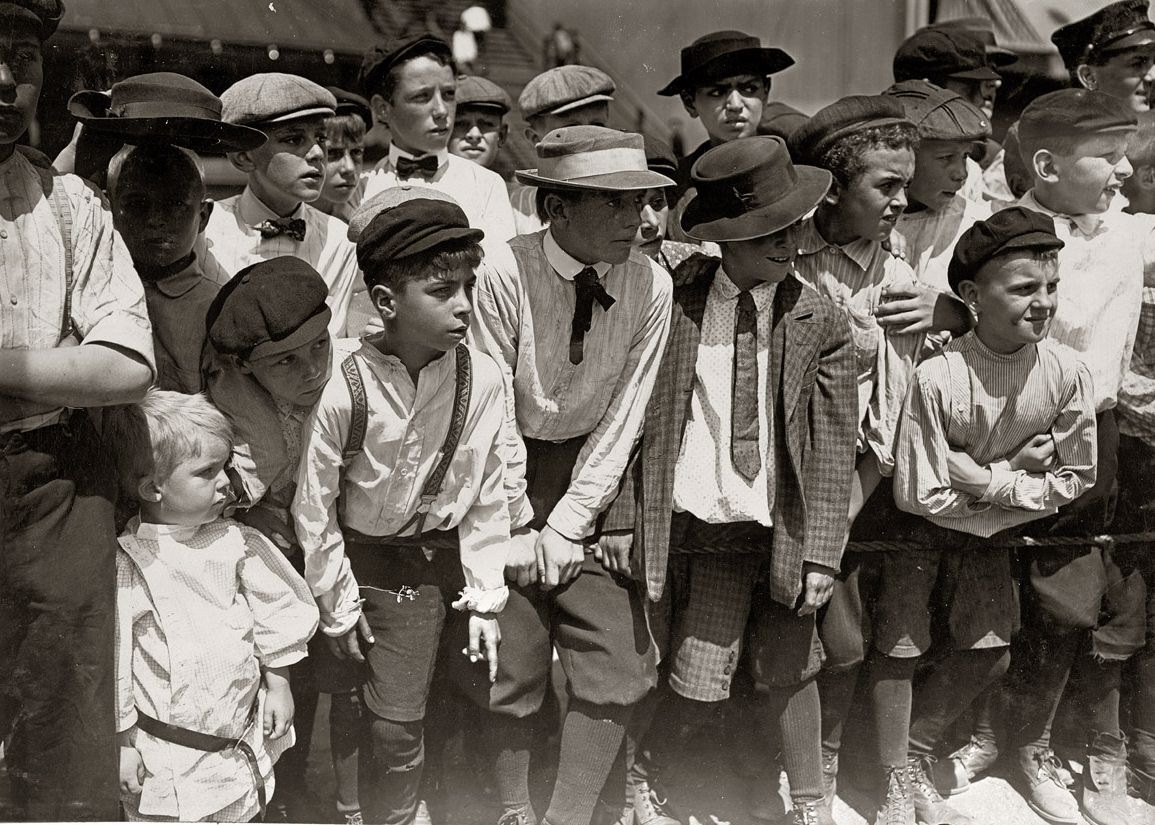
School was a luxury many of these children could not afford. When a child was working from sunup to sundown, there was no time for a classroom. Some attempted night school after their shifts, but exhaustion made learning nearly impossible. For most, leaving school early meant limited options for the rest of their lives.
Innocence Lost: Vintage Photographs of America's Children in the Early 1900s

Reformers began pushing back in the late 1800s. By 1904, the National Child Labor Committee had formed with a clear mission: end child labor and get kids into schools. They organized campaigns, published reports, and lobbied lawmakers. Industries that depended on child labor fought the reforms hard, and progress came slowly.
Innocence Lost: Vintage Photographs of America's Children in the Early 1900s

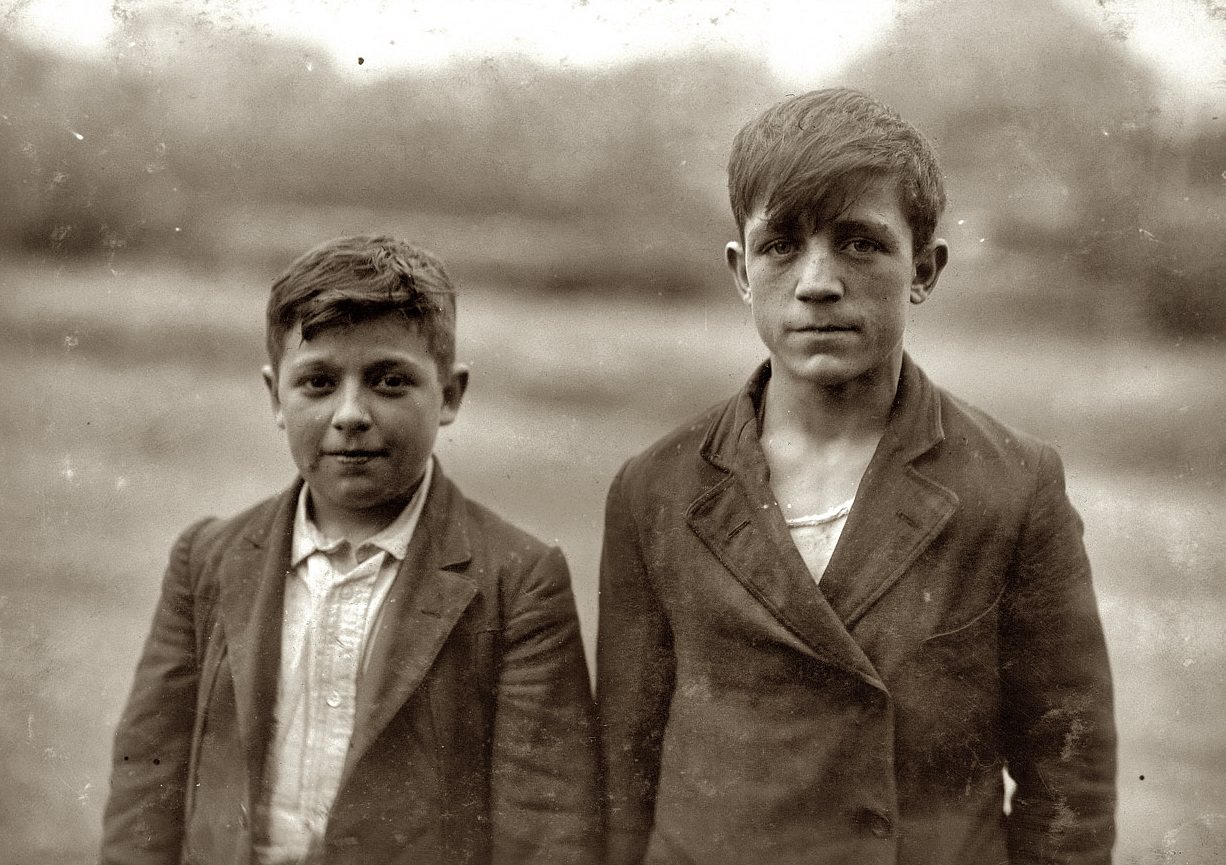
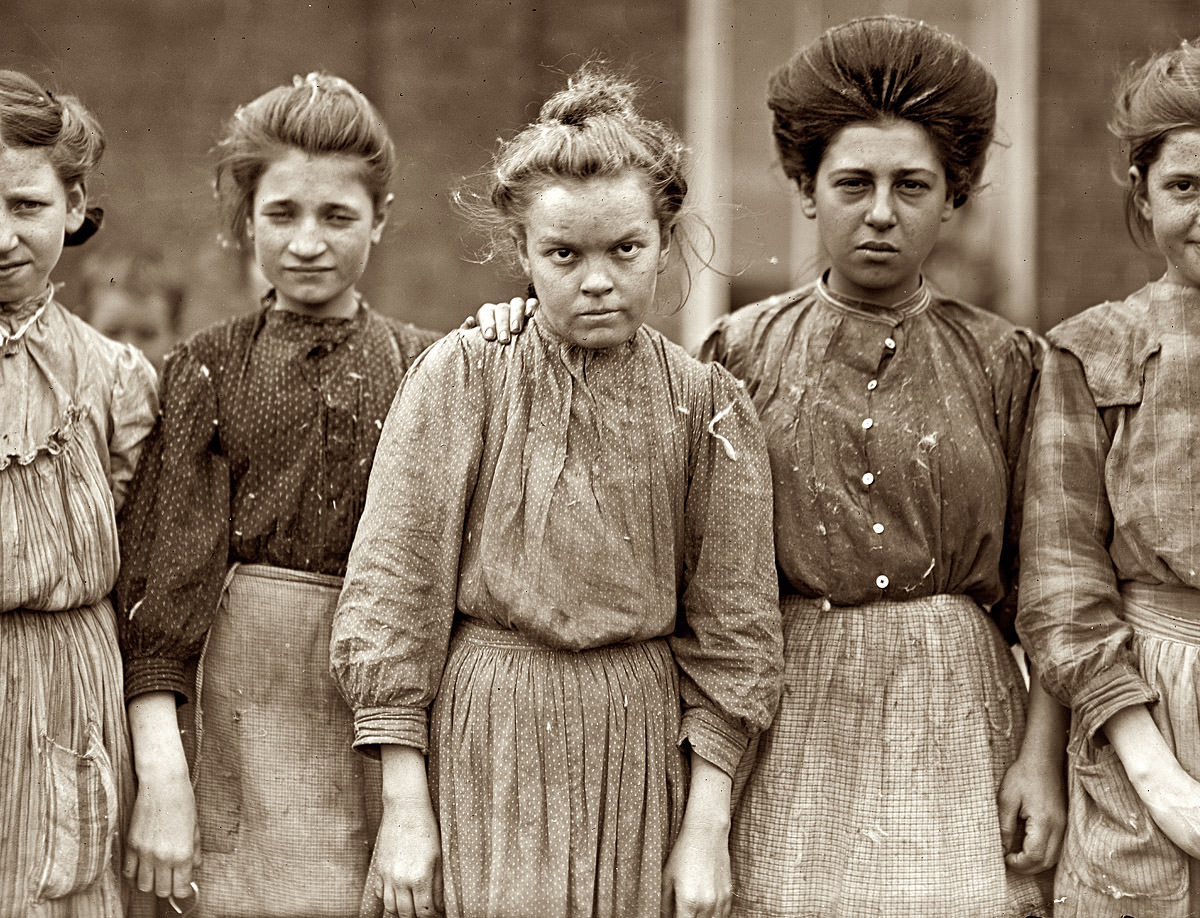
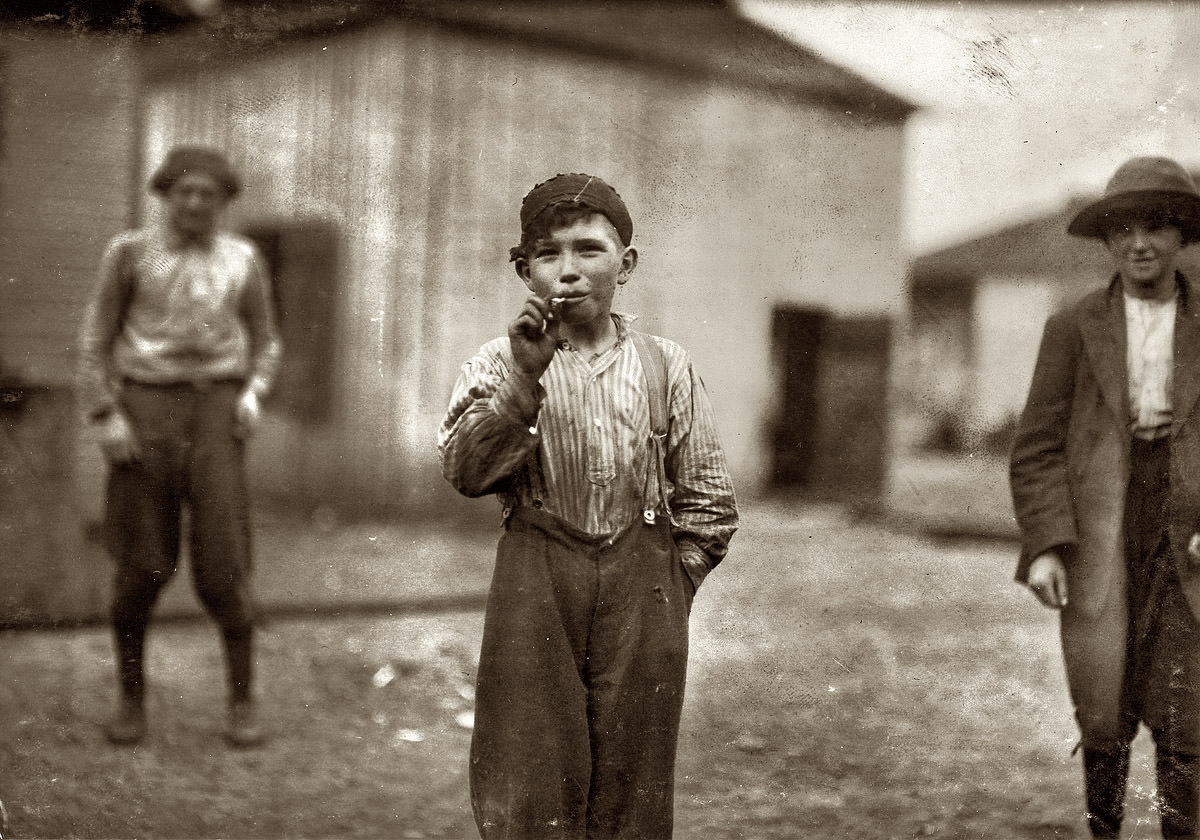
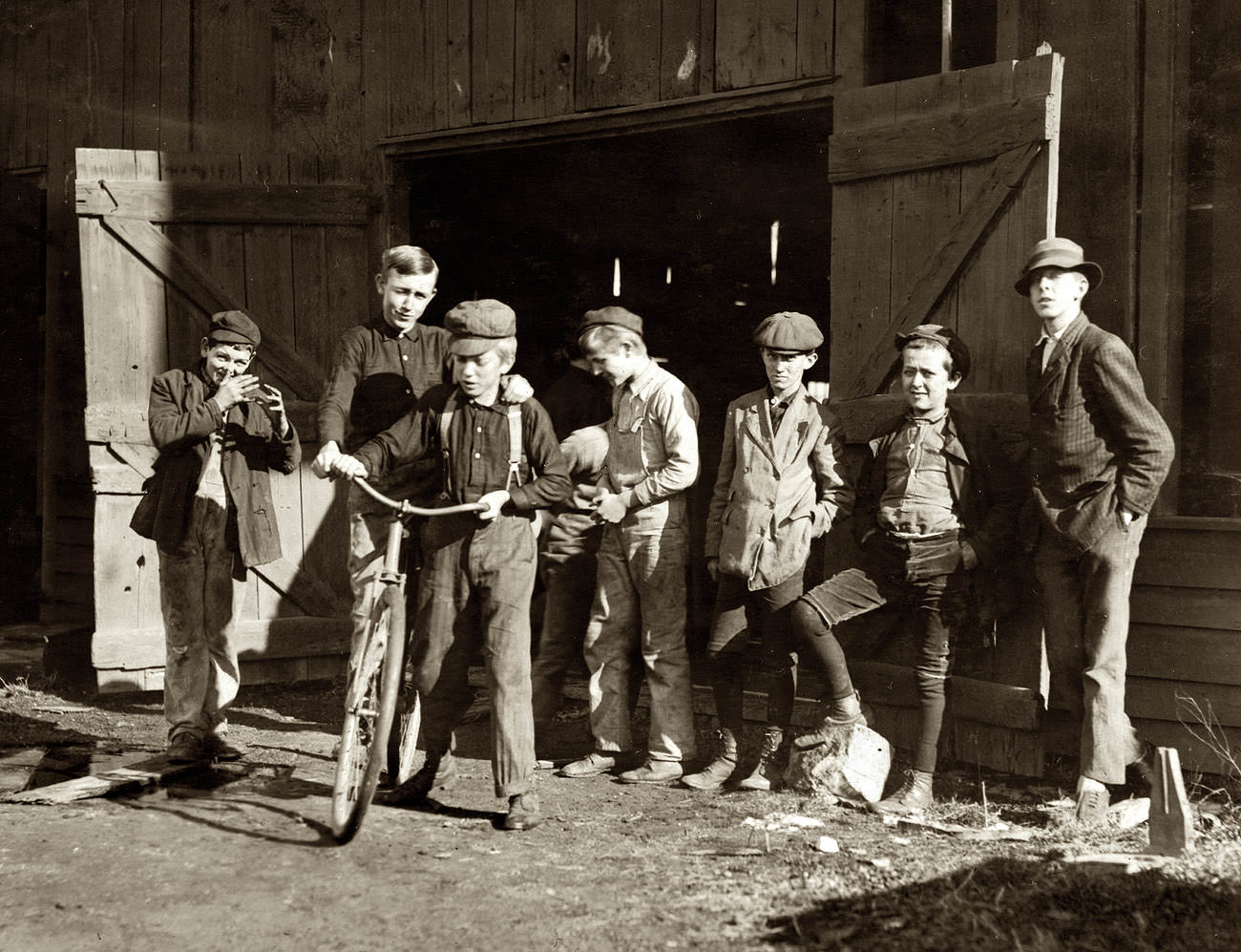
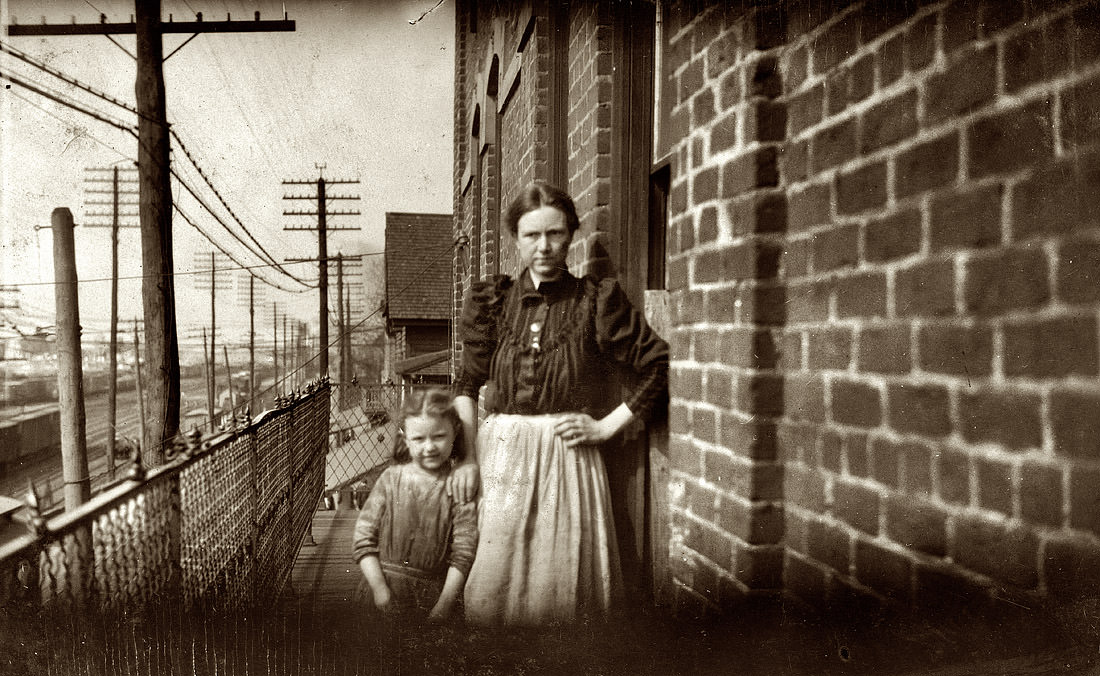
Photographer Lewis Hine became one of the most powerful voices for change — without saying a word. Working for the National Child Labor Committee, he traveled across the country documenting child workers. His photographs showed small, tired faces staring back at the camera from factory floors and mine entrances. The images were hard to ignore.
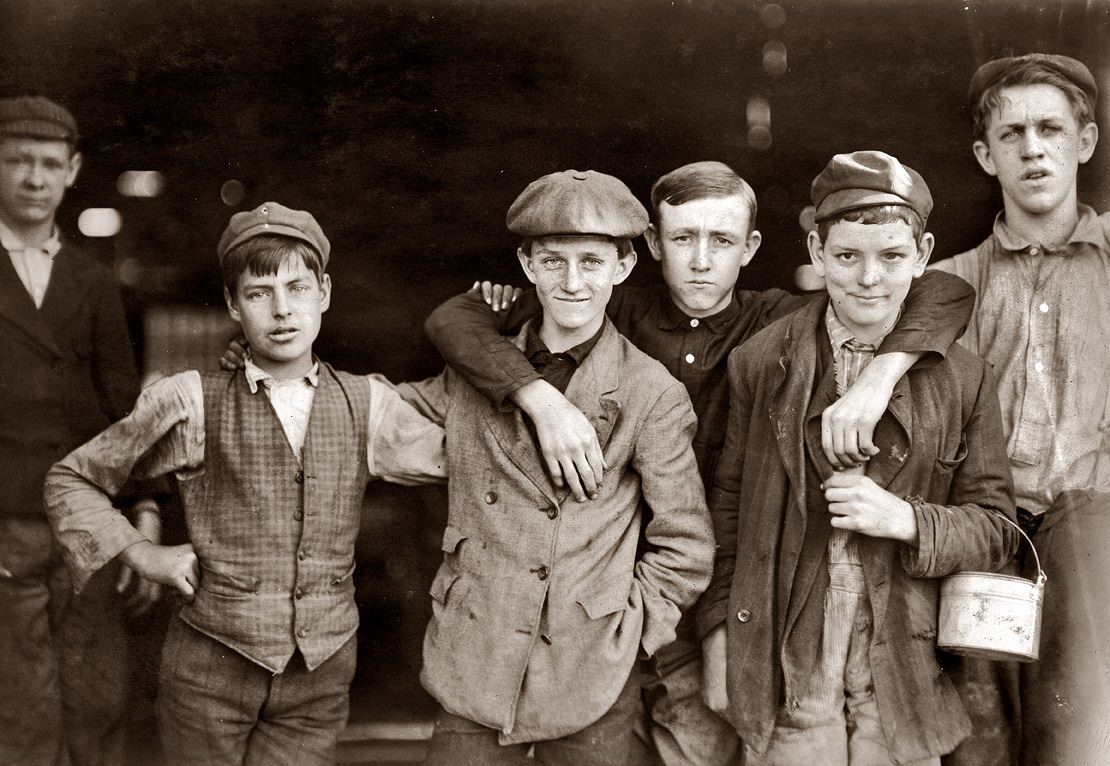
Innocence Lost: Vintage Photographs of America's Children in the Early 1900s

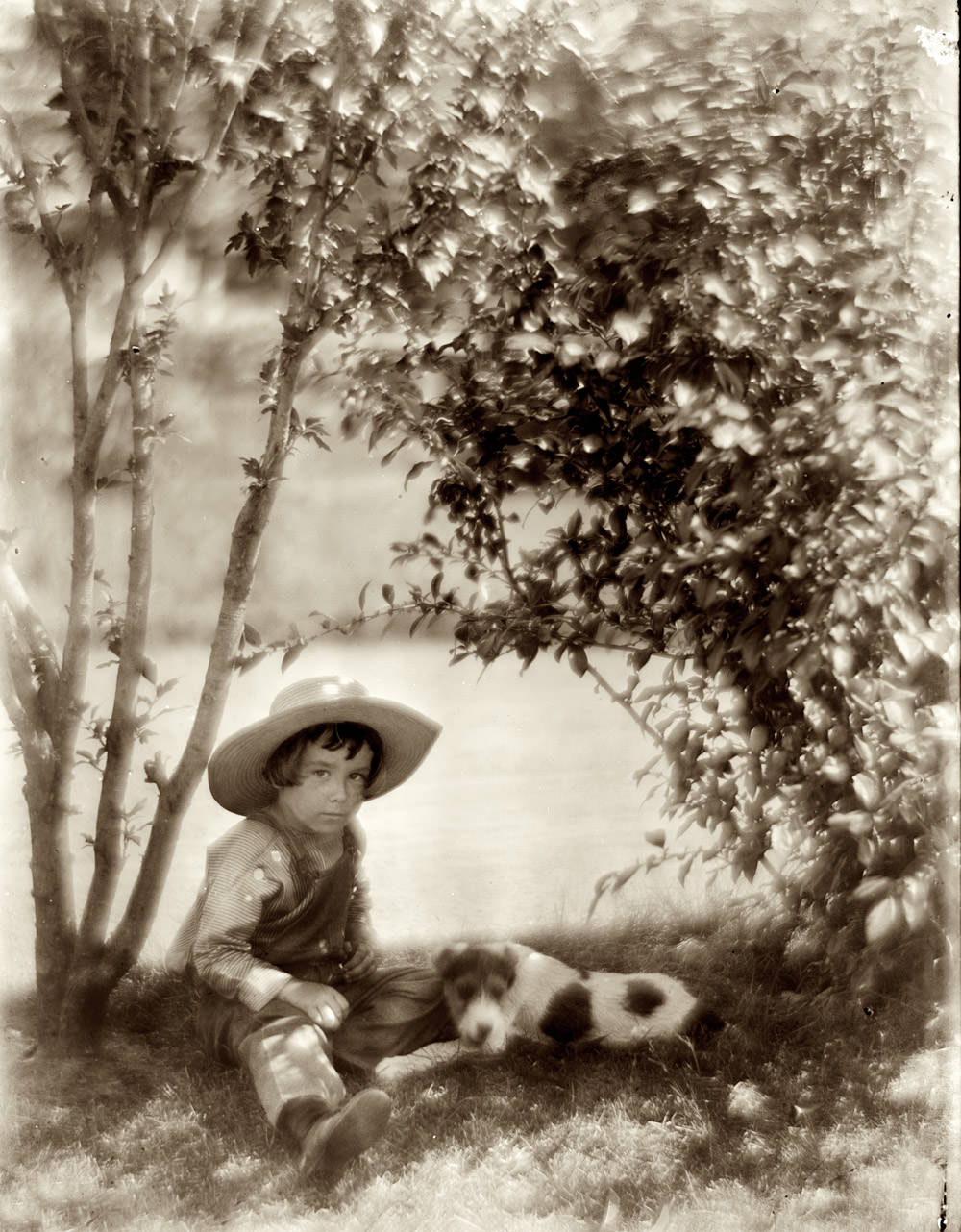
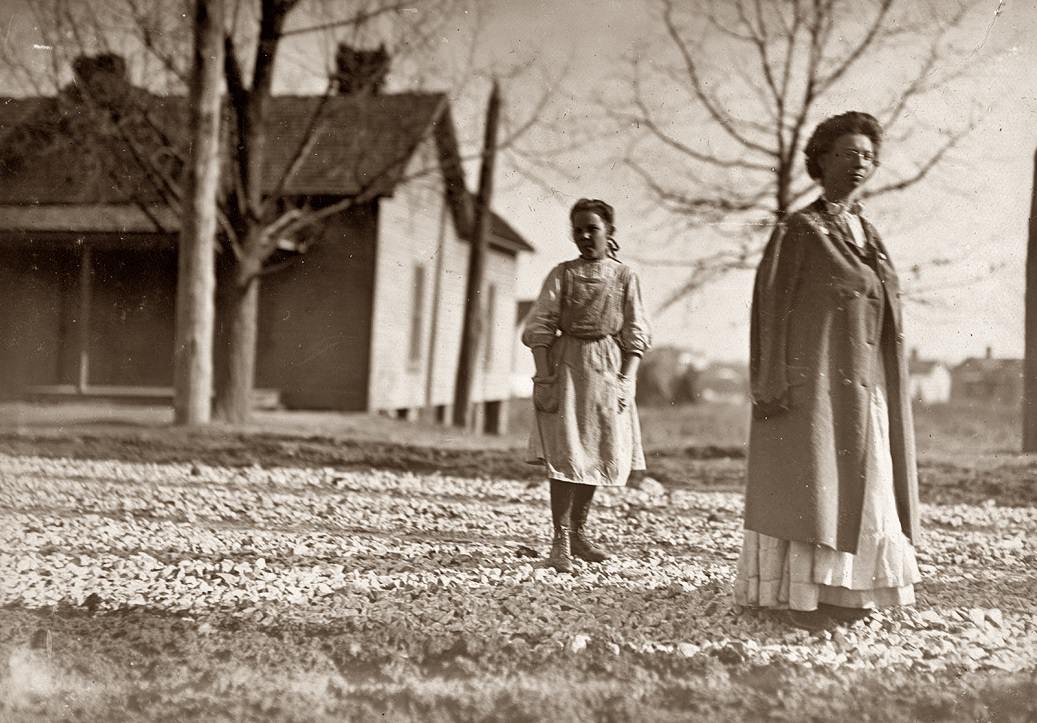
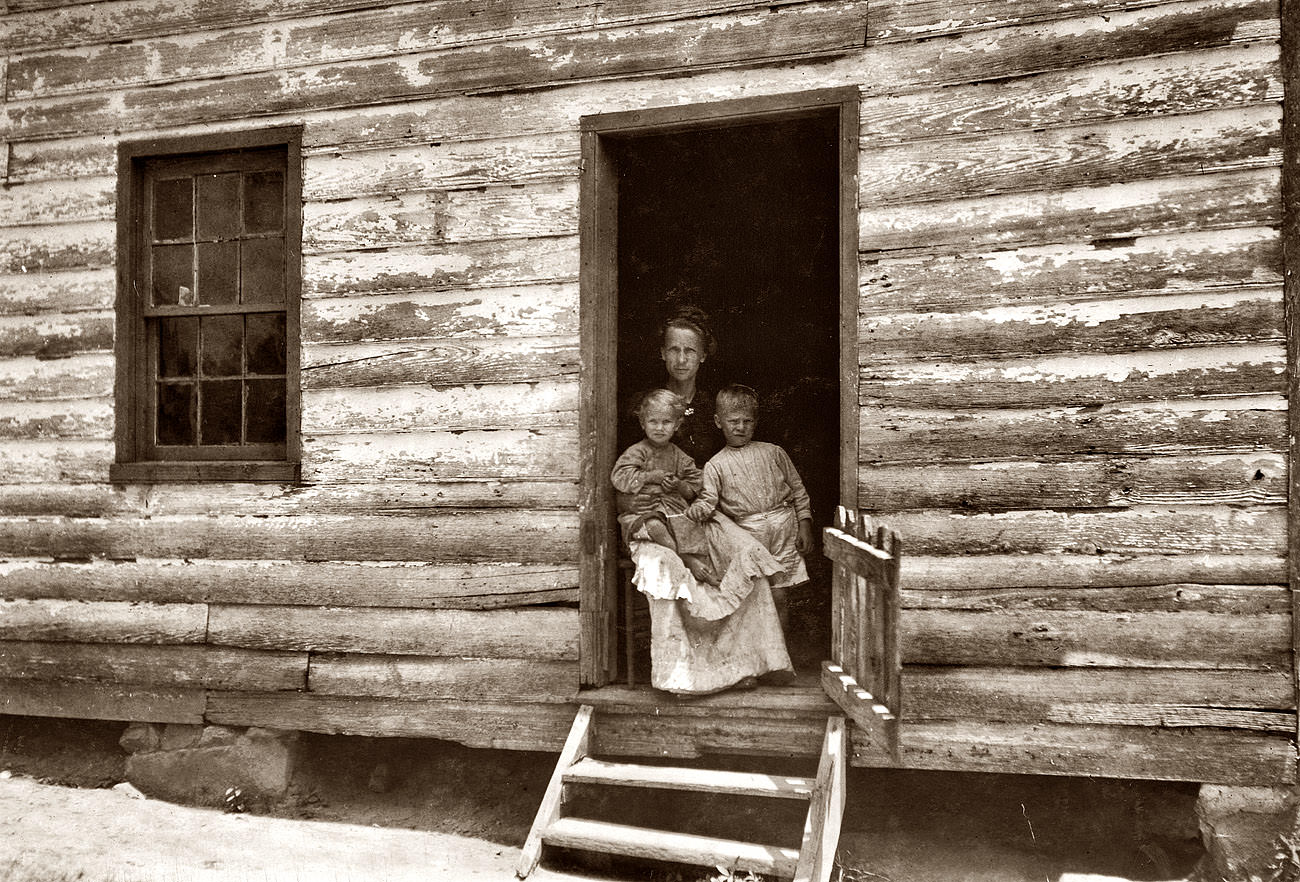
Not every child in this era worked in a factory. Rural children labored on family farms, picking crops and tending animals from an early age. Their work kept farms running, and it too left little room for schooling.
Innocence Lost: Vintage Photographs of America's Children in the Early 1900s

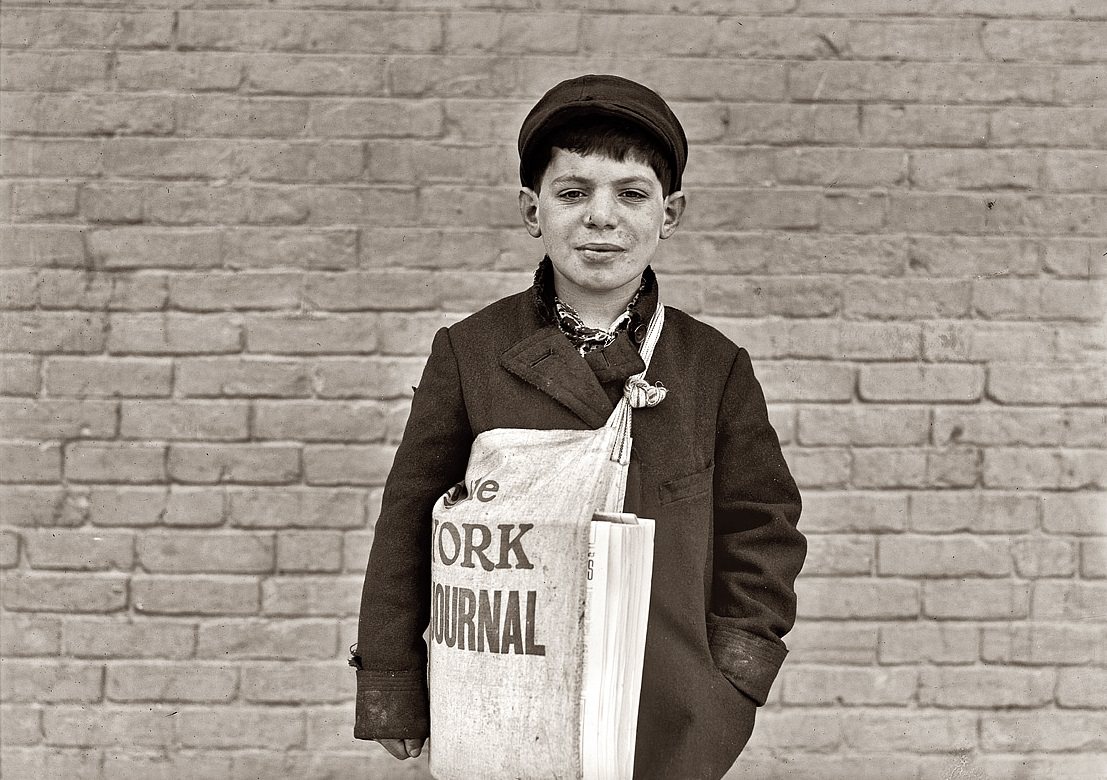
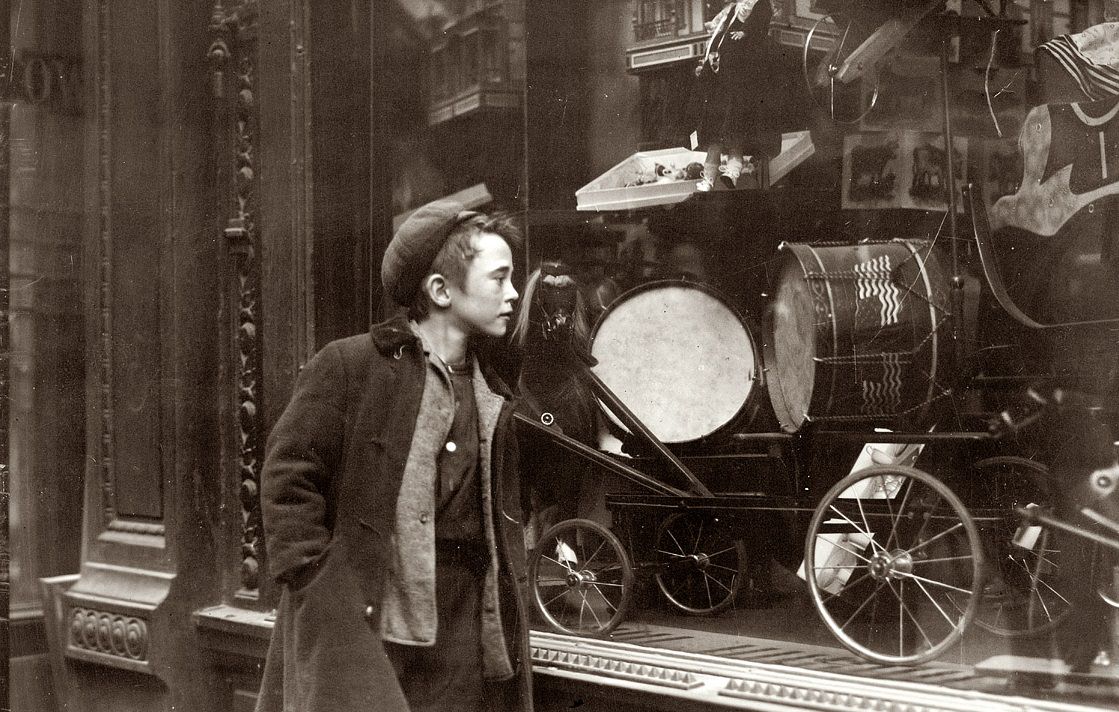
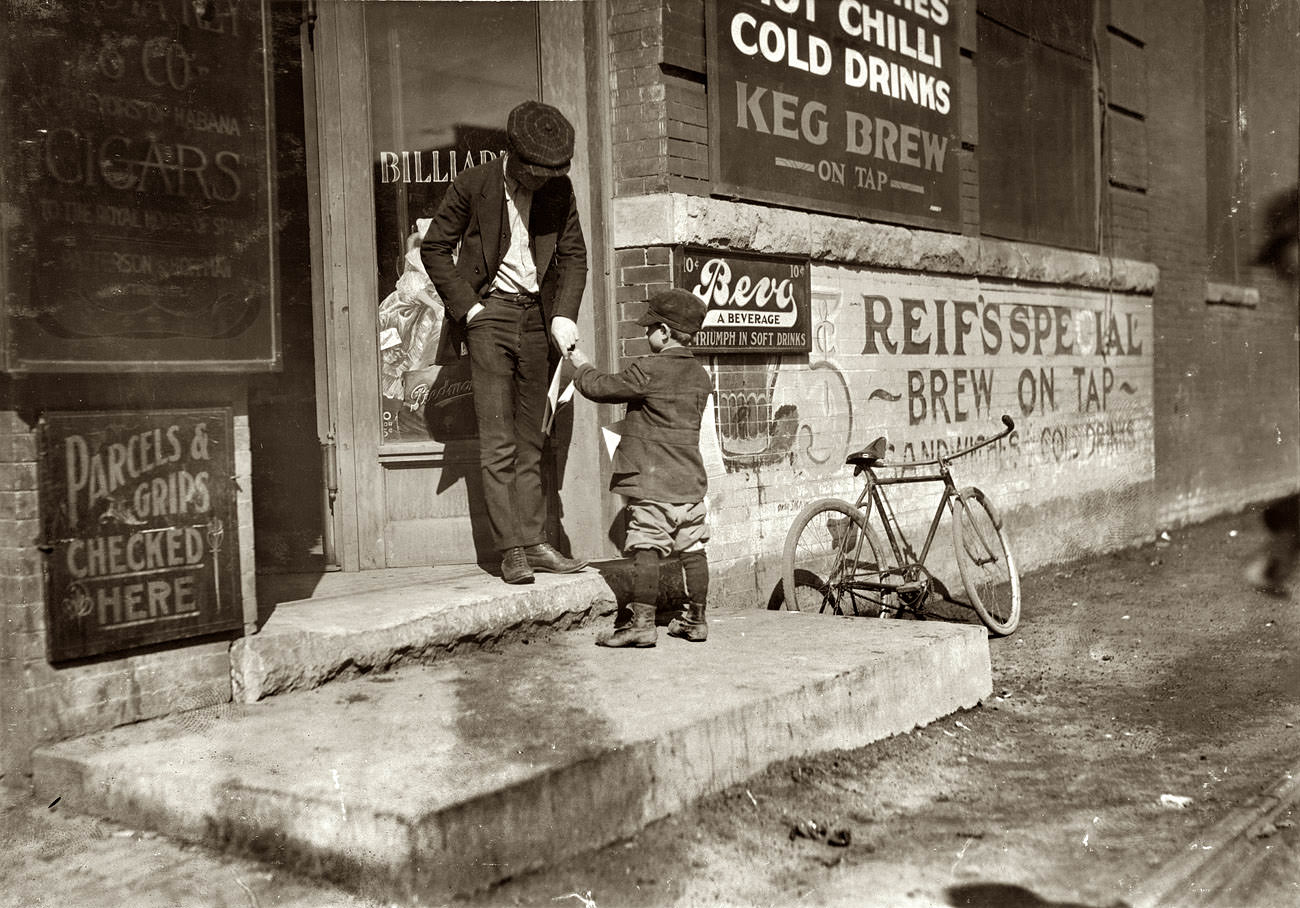
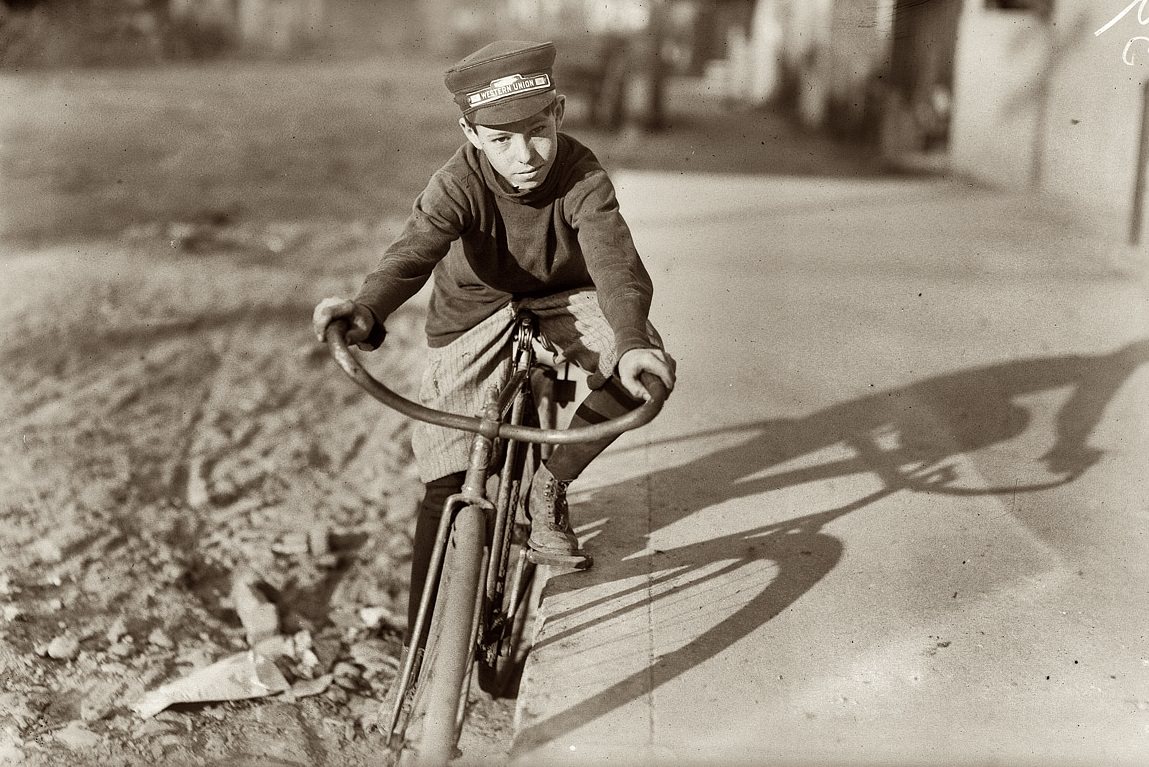
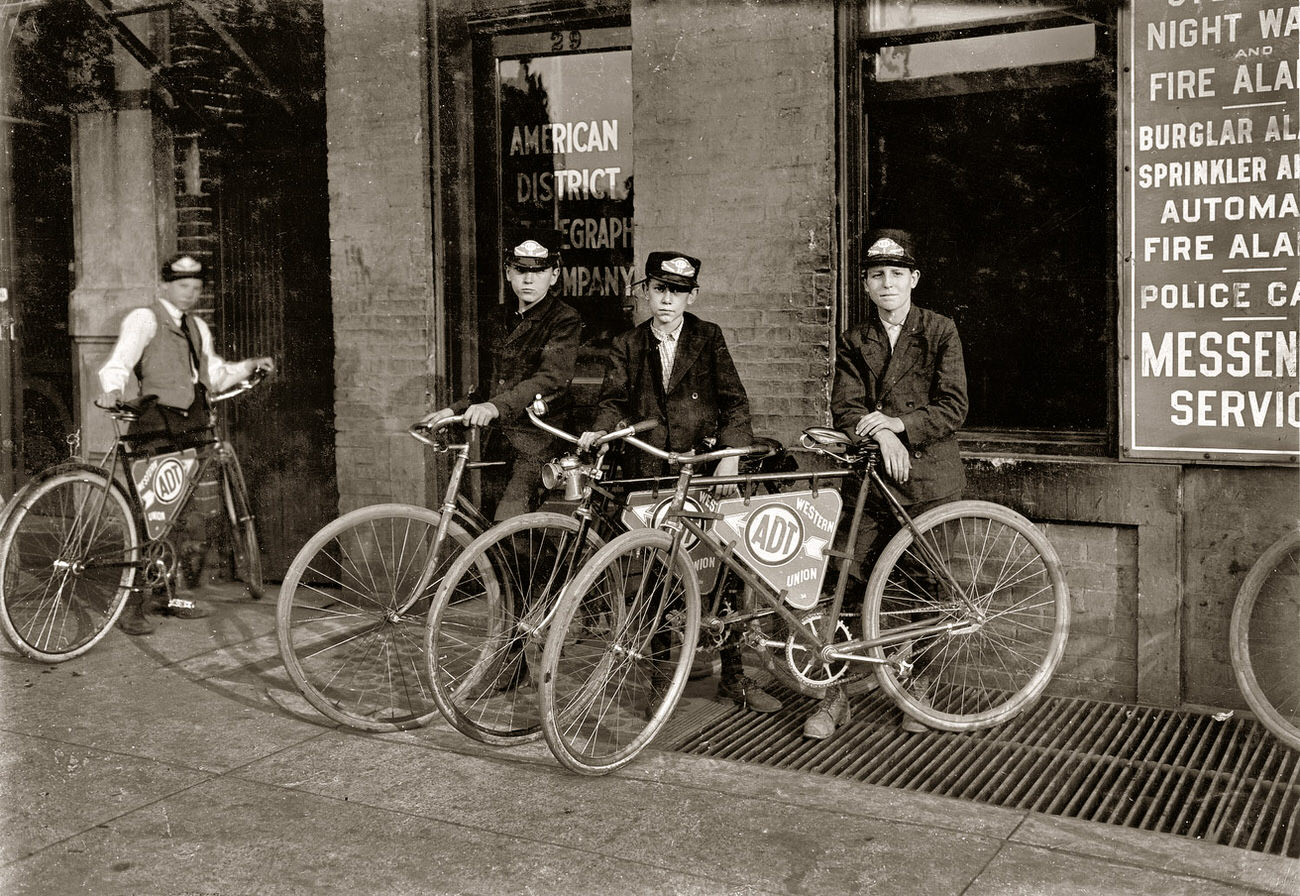
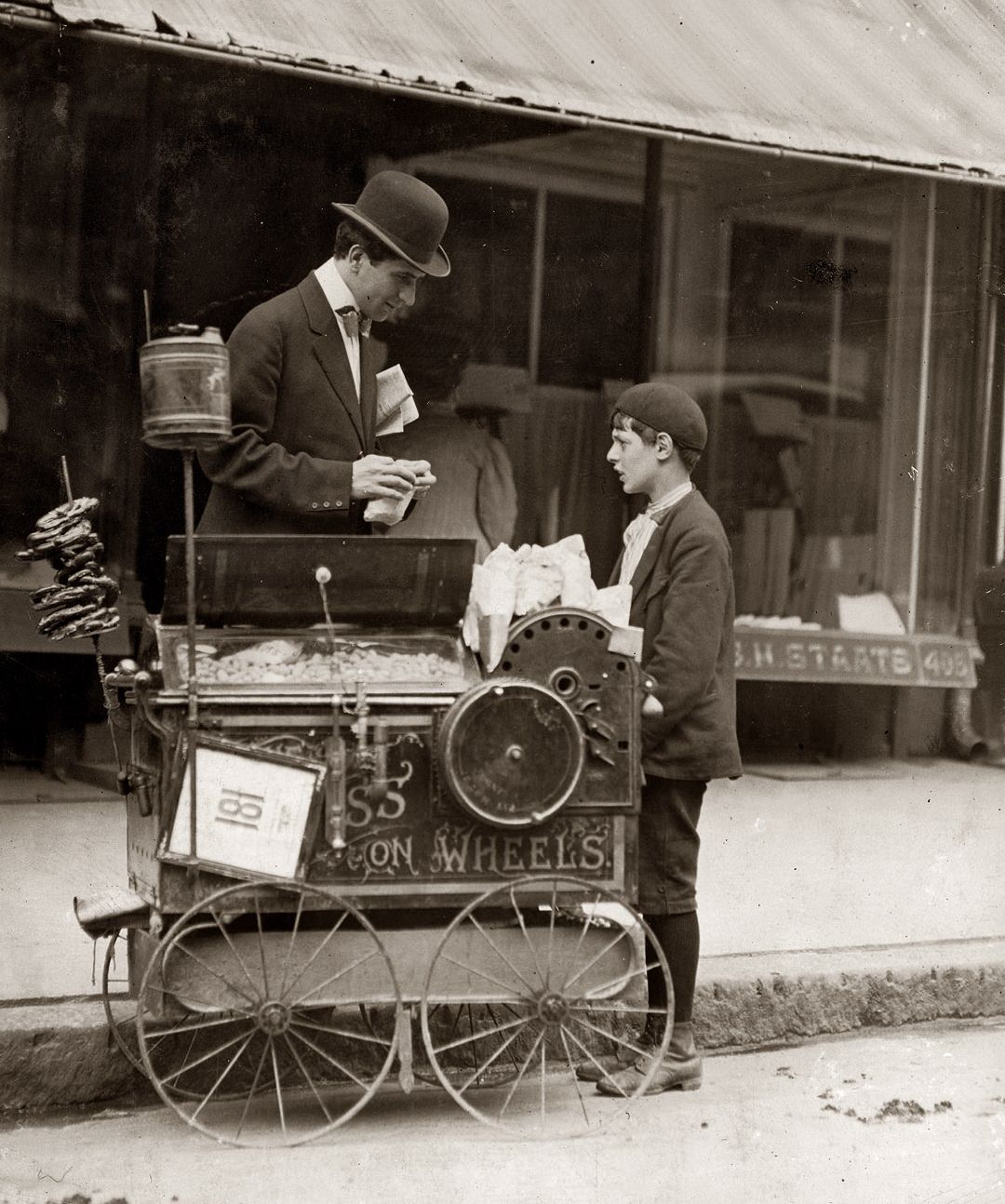
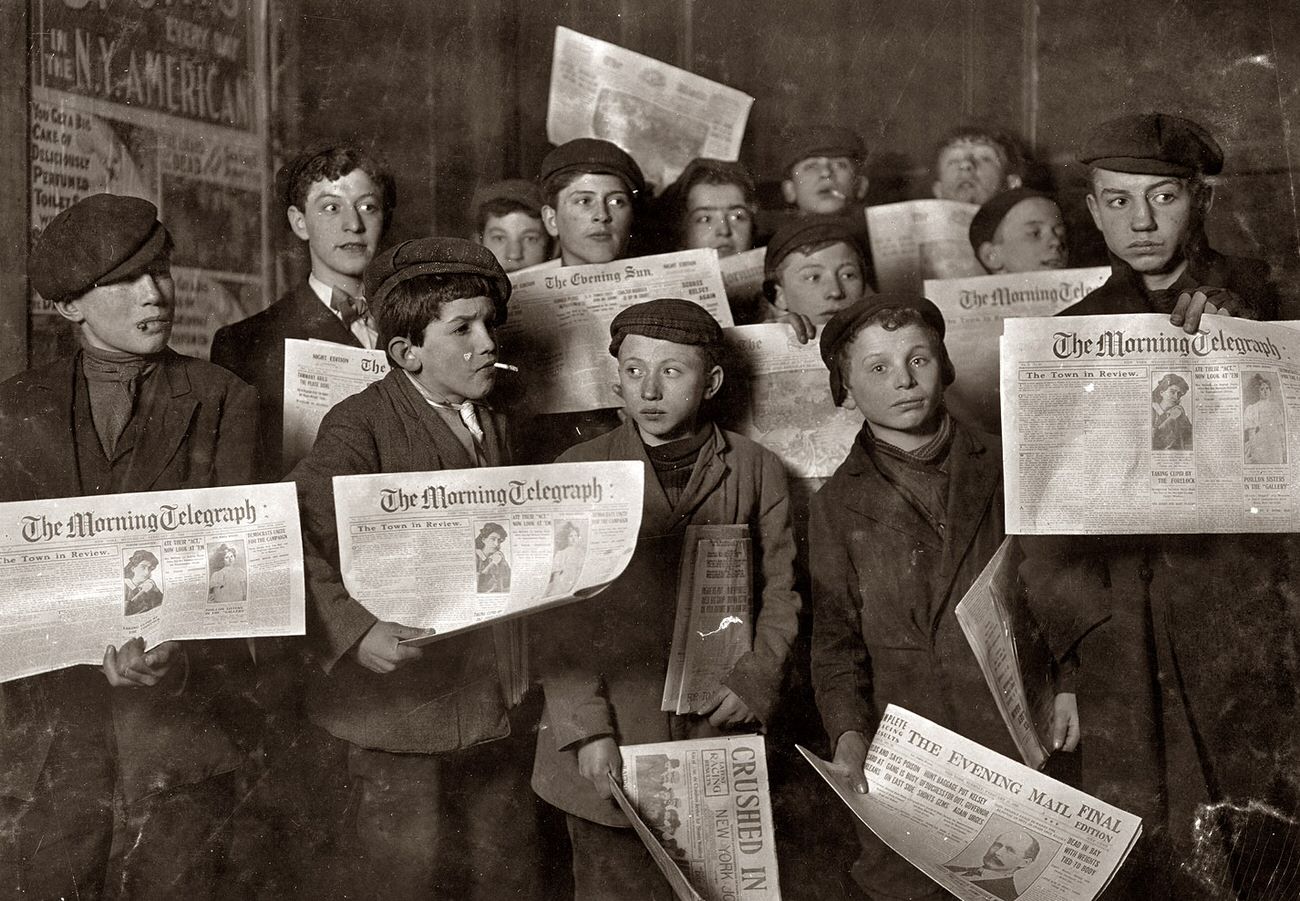
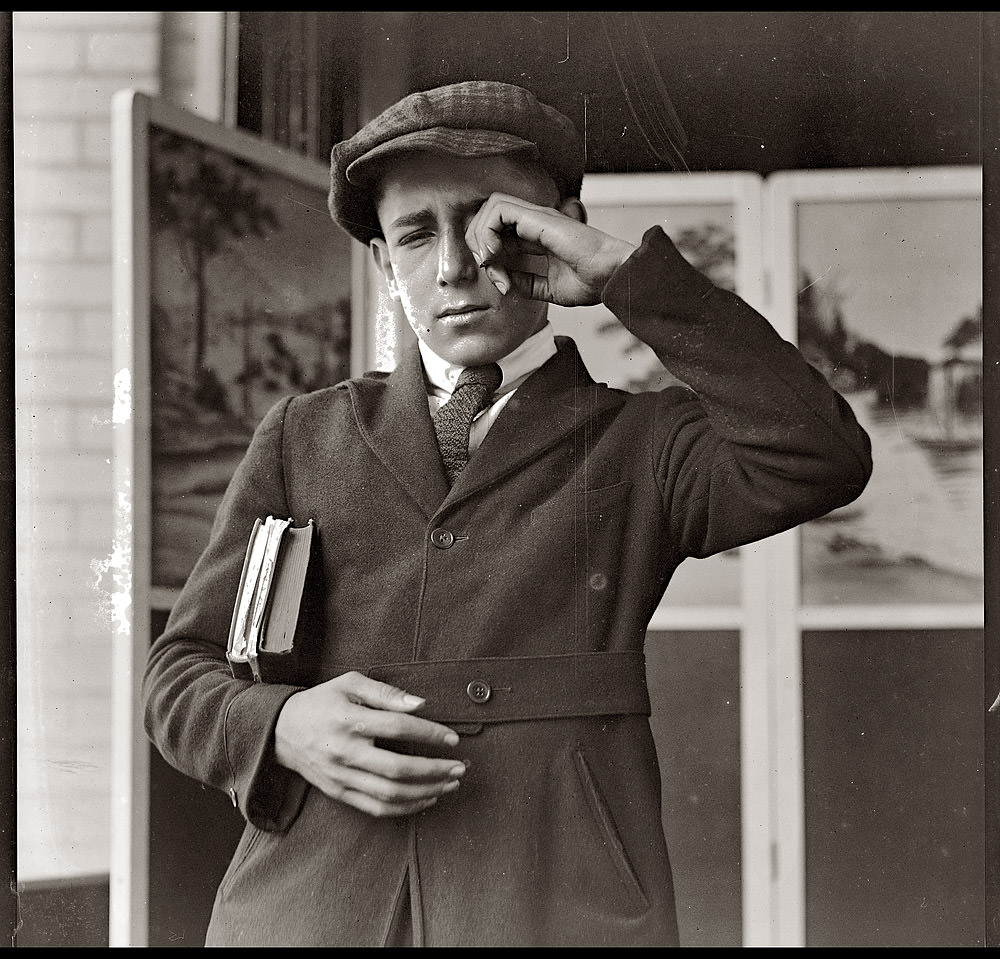
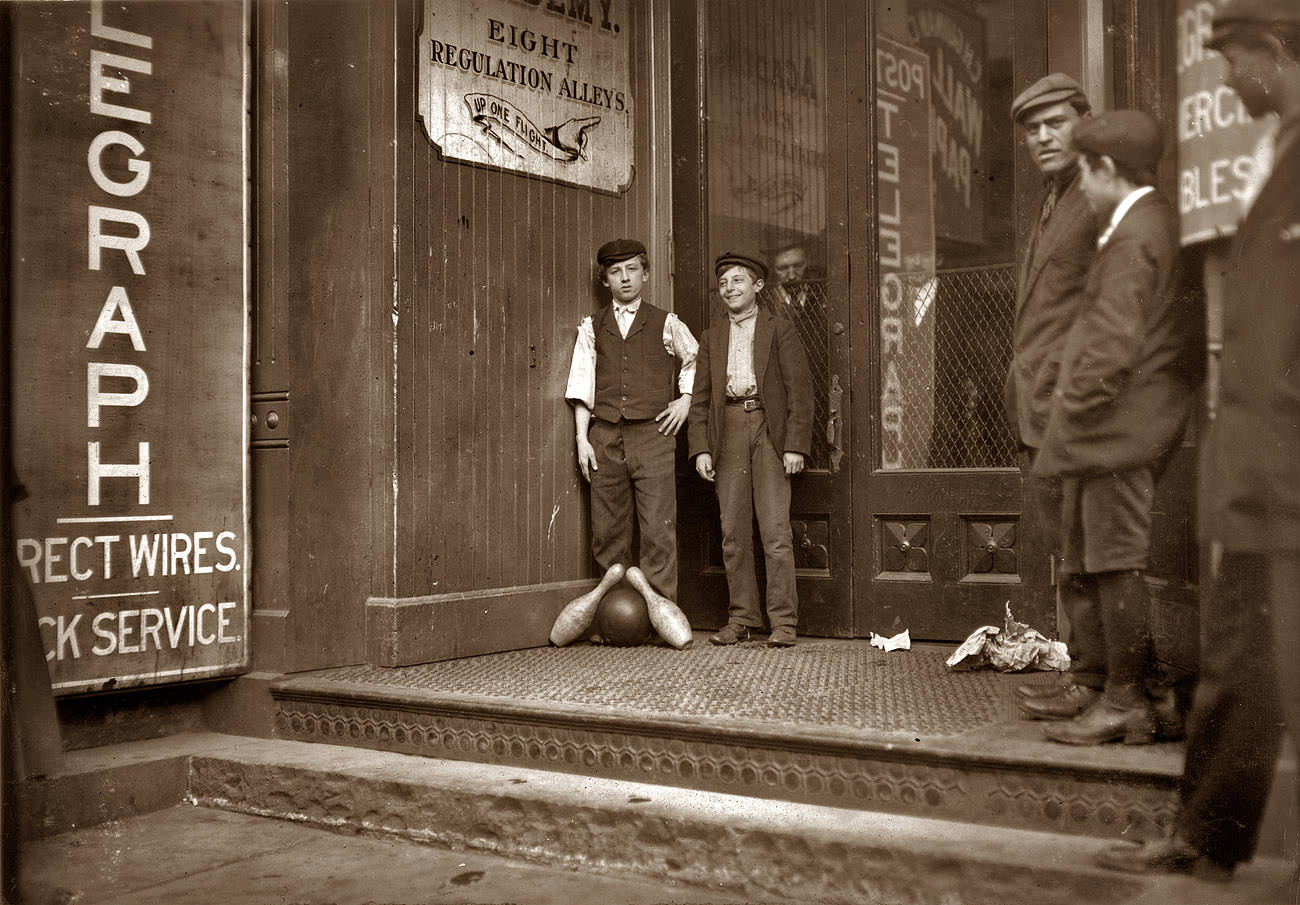
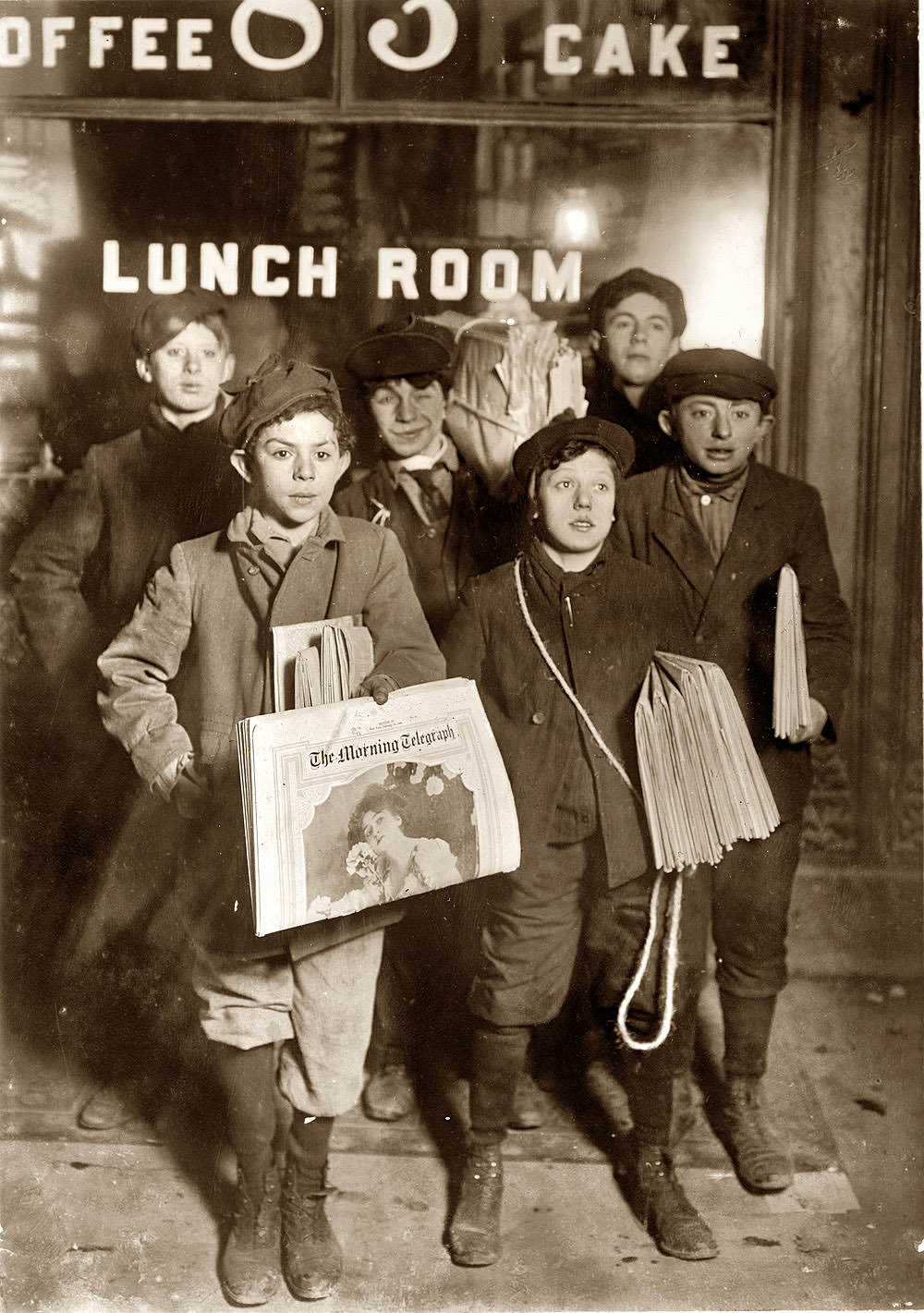
Street children were another visible part of early 20th-century American life. In cities like New York, Chicago, and Pittsburgh, kids sold newspapers, shined shoes, and ran errands to earn pennies. They worked in all weather, often without adult supervision.
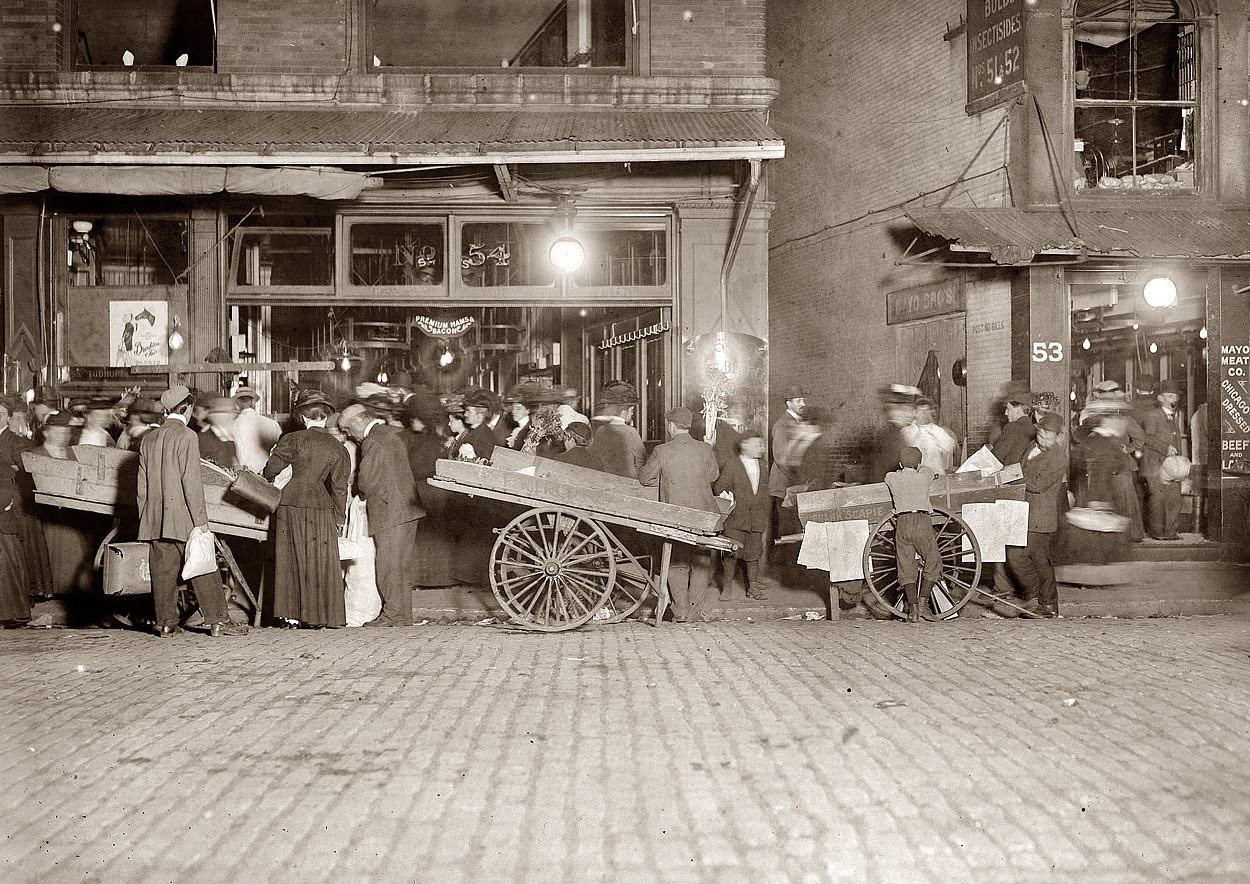
Innocence Lost: Vintage Photographs of America's Children in the Early 1900s

The stock market crash of 1929 and the Great Depression that followed shifted public attitudes sharply. With millions of adults out of work, many Americans began demanding that jobs go to grown men and women supporting families — not to children. The moral argument against child labor gained real political weight during this period.
Innocence Lost: Vintage Photographs of America's Children in the Early 1900s

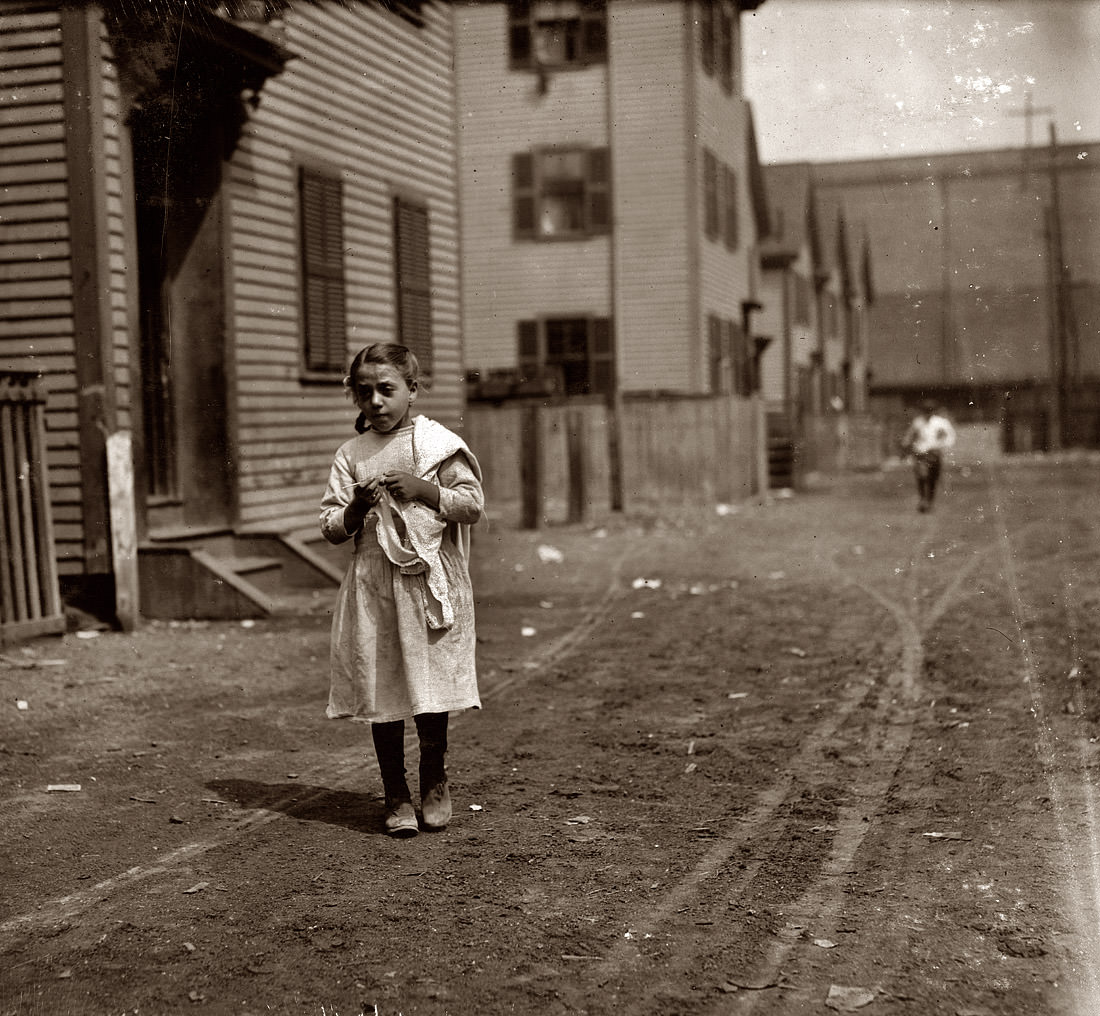
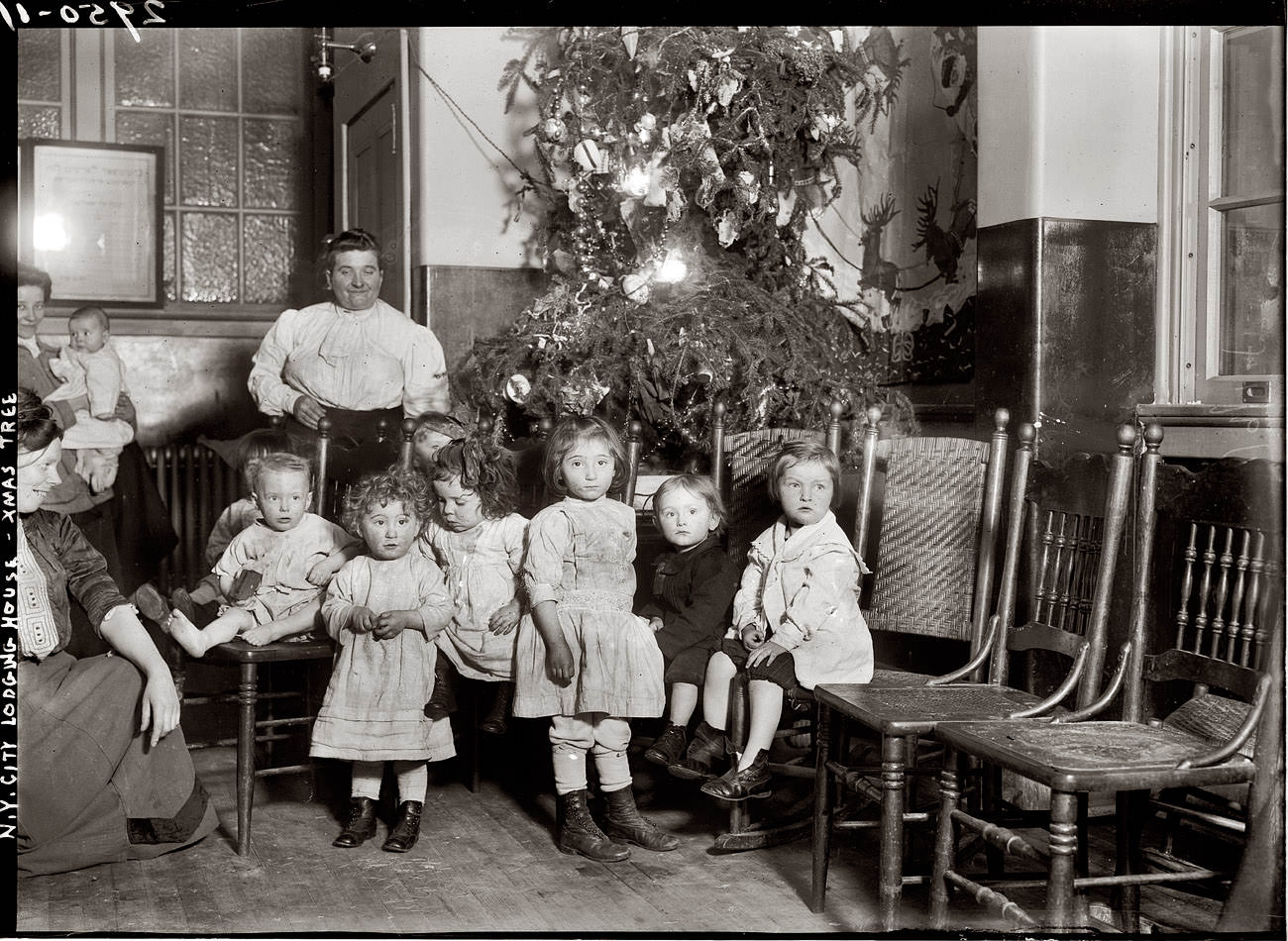
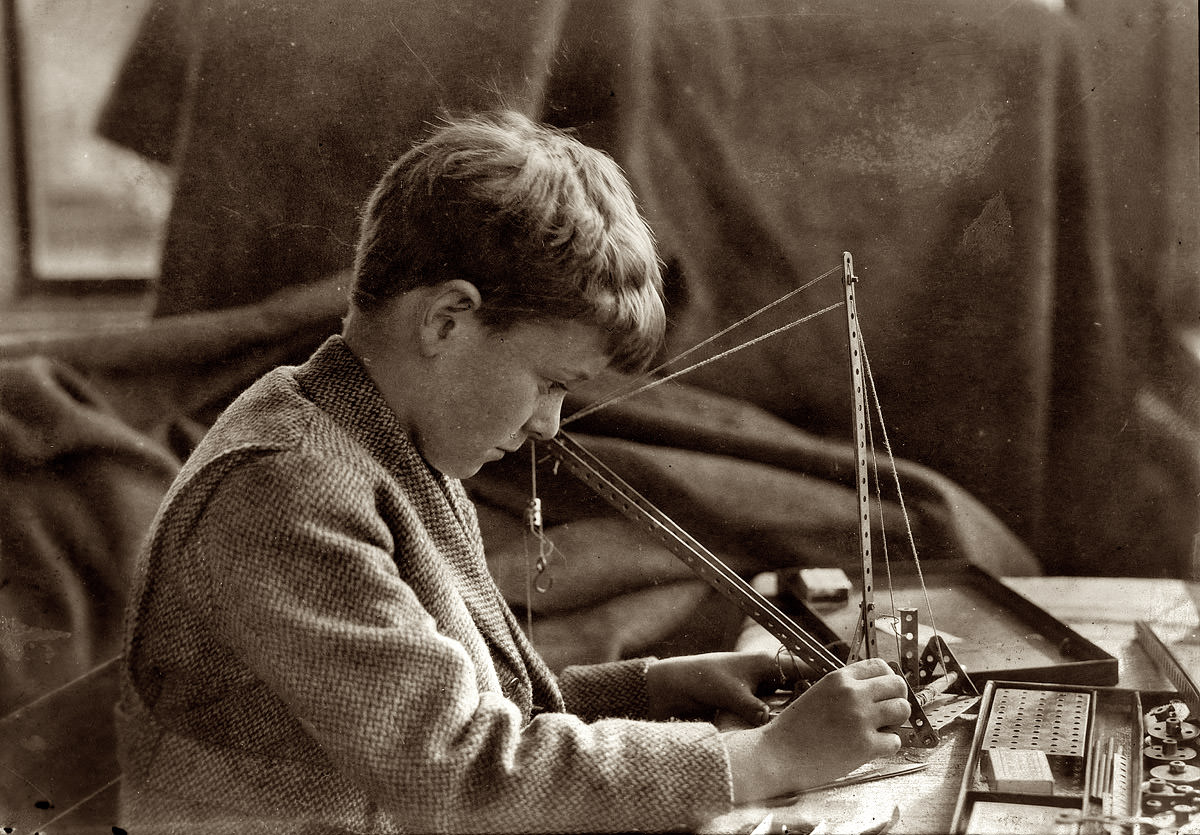
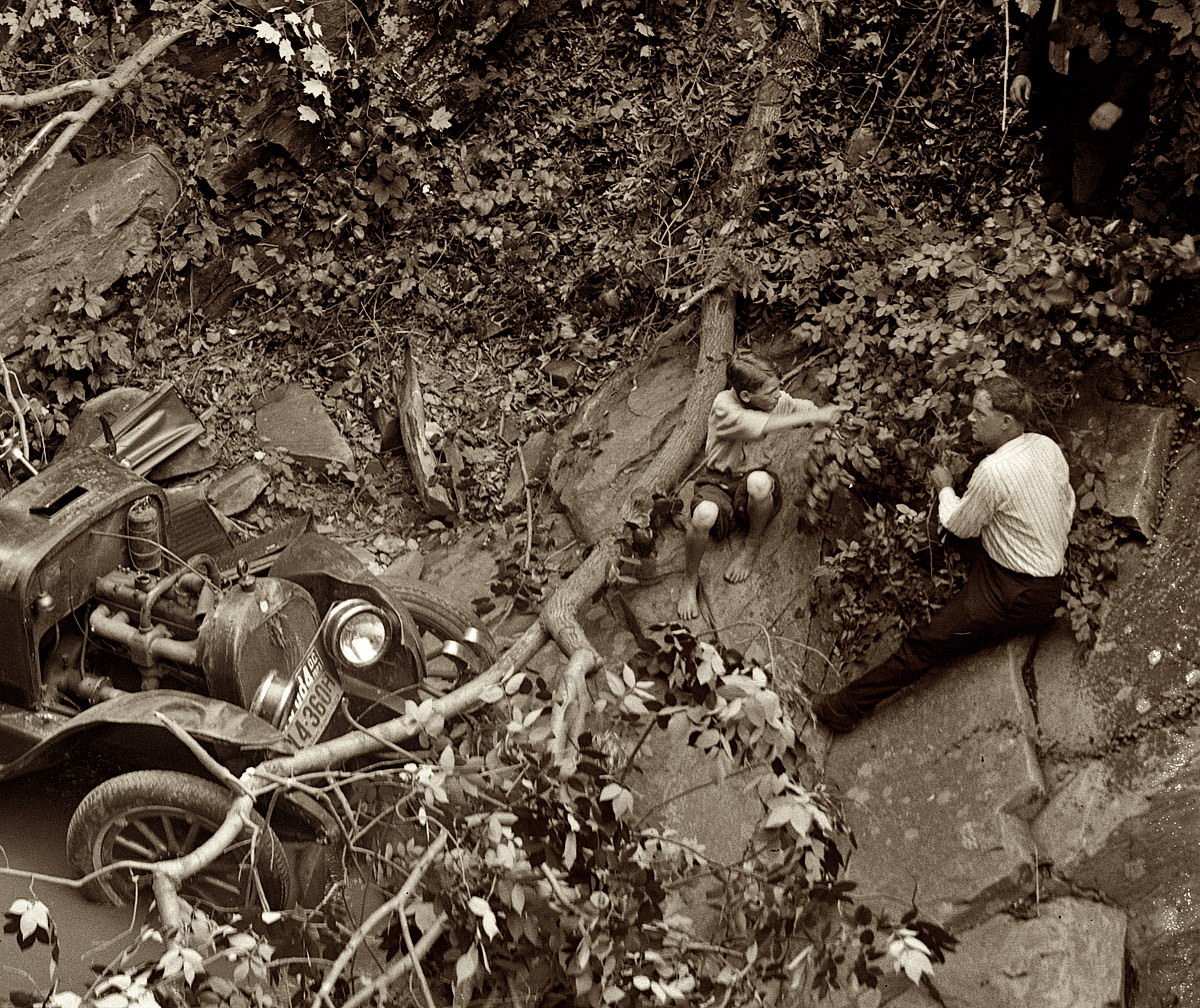
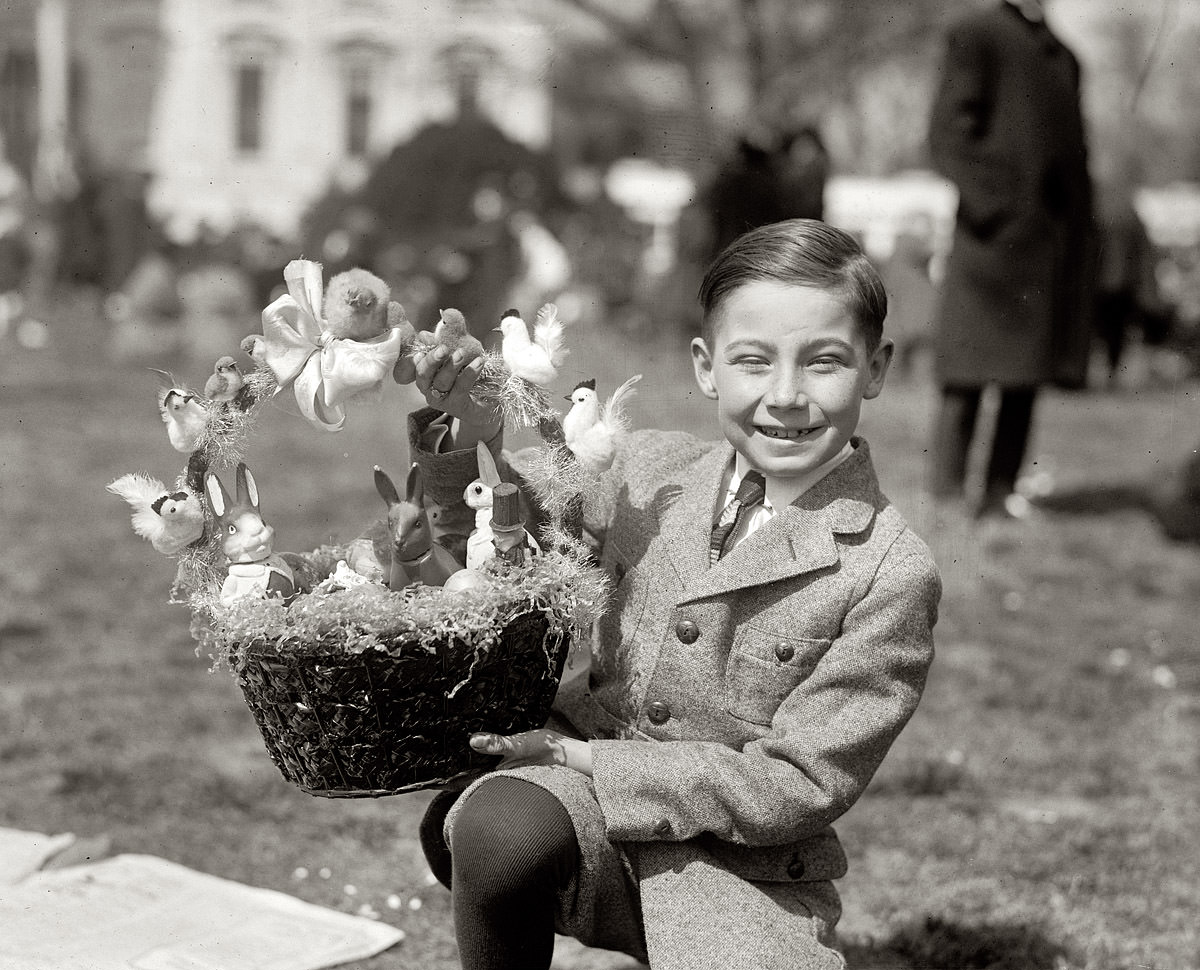
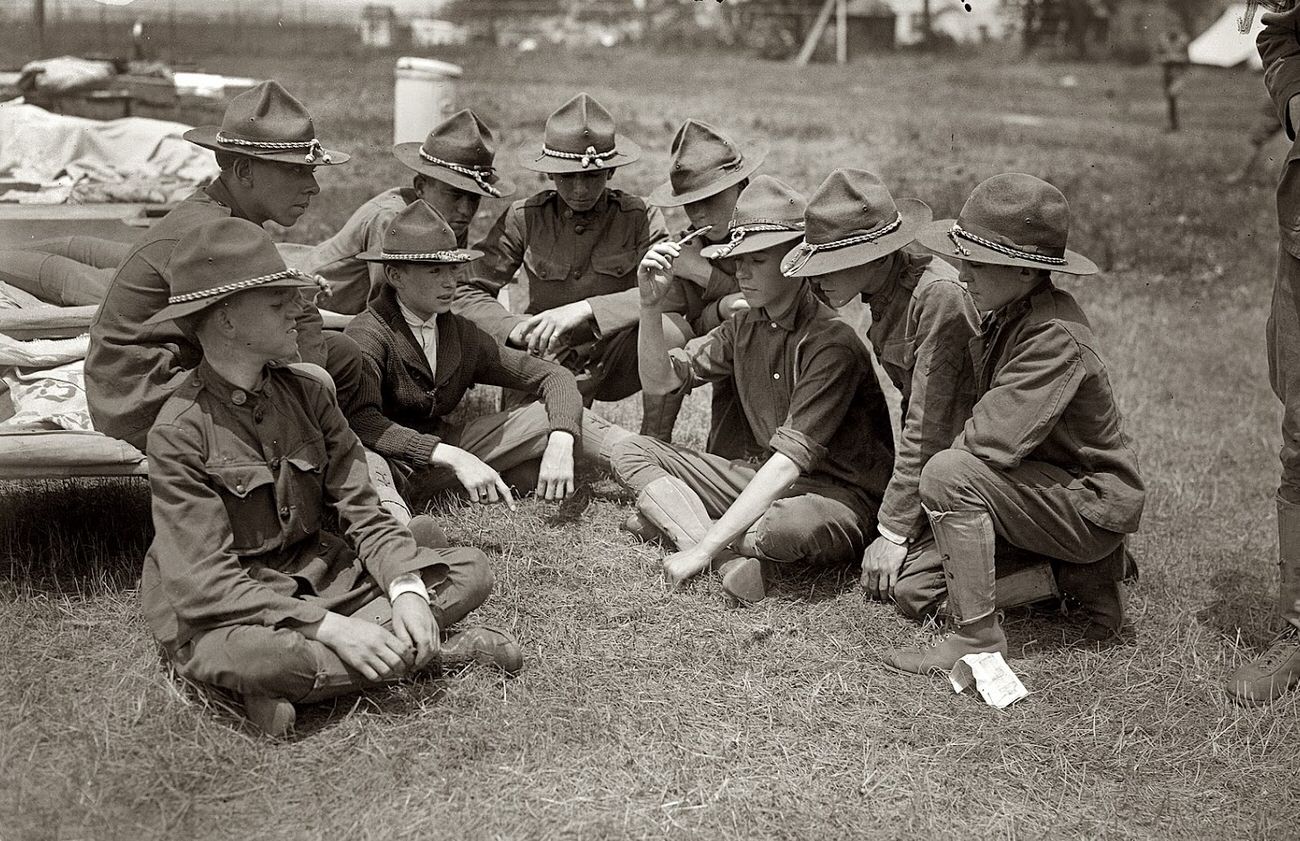
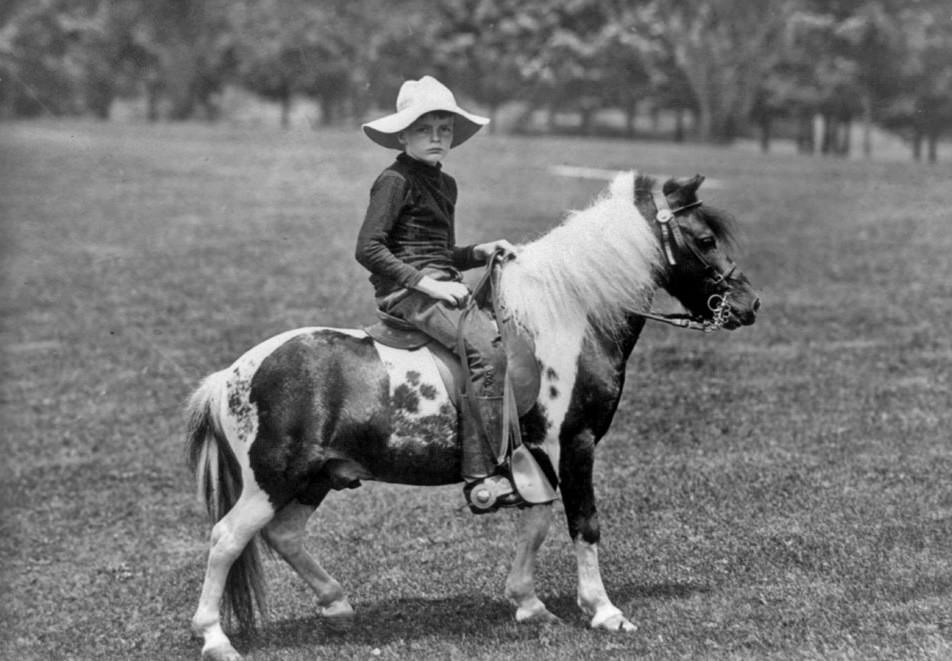
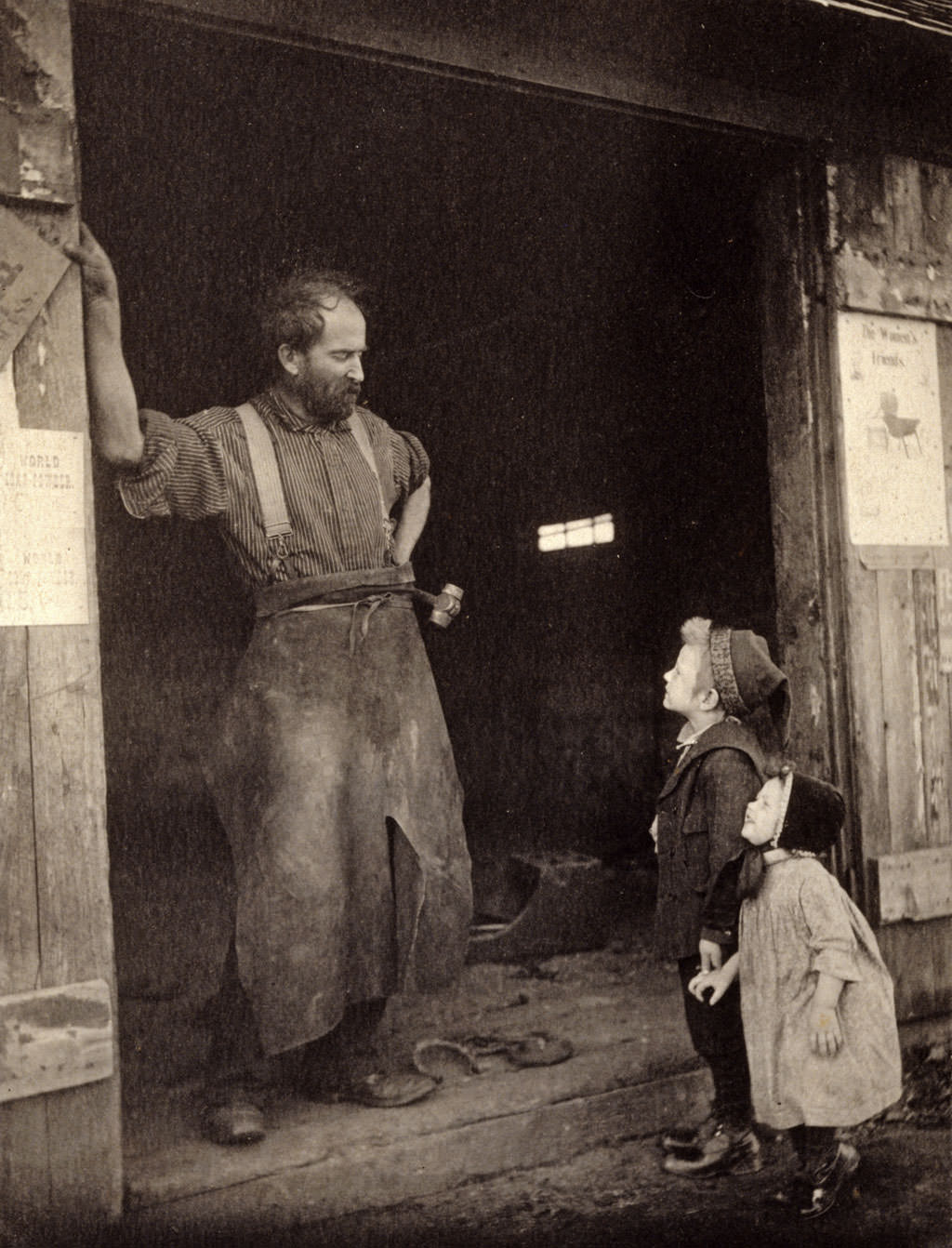
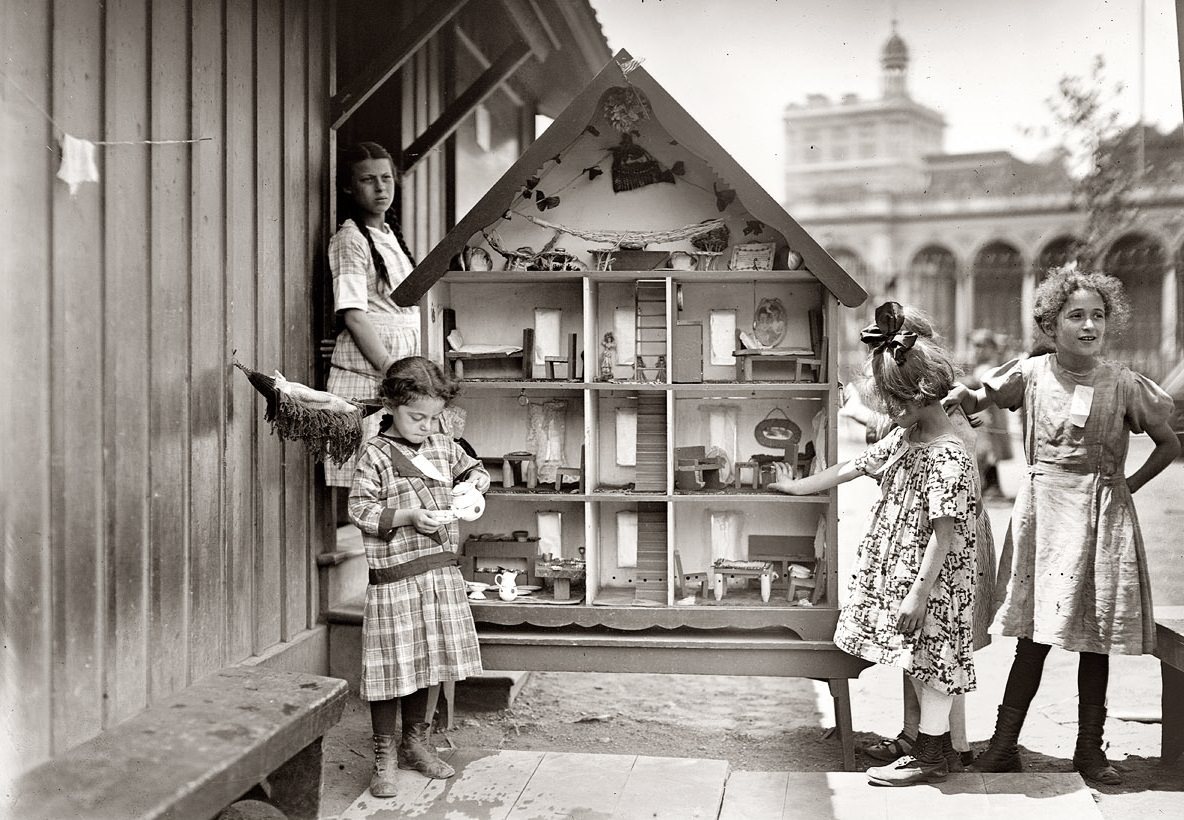
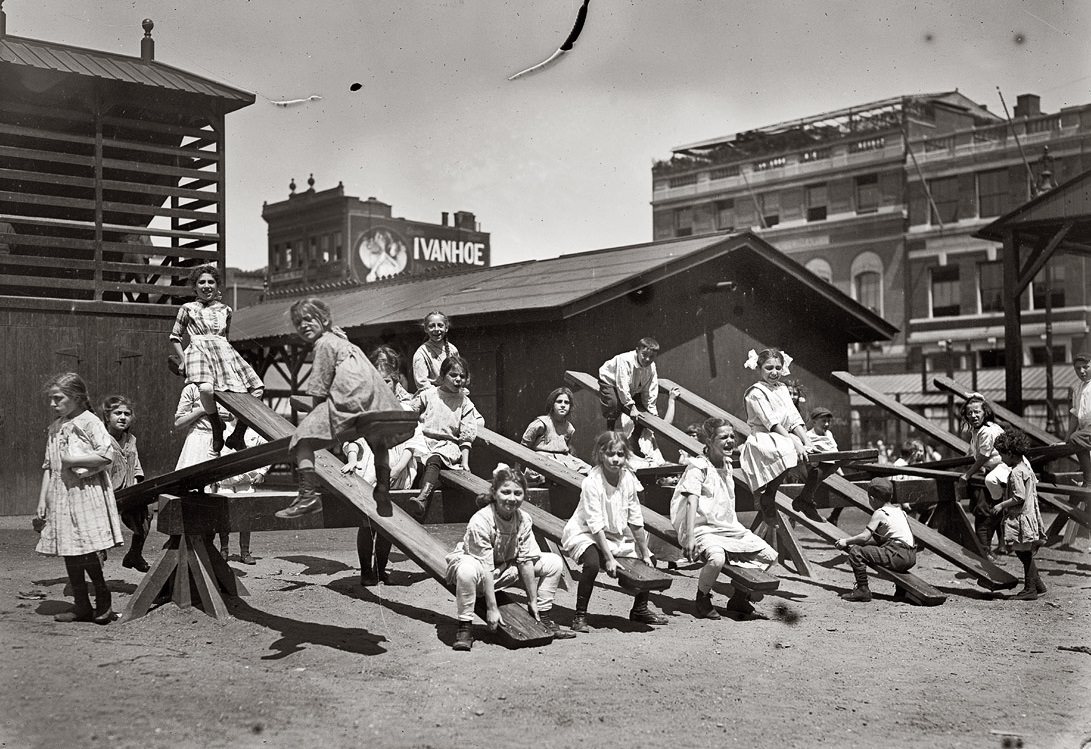
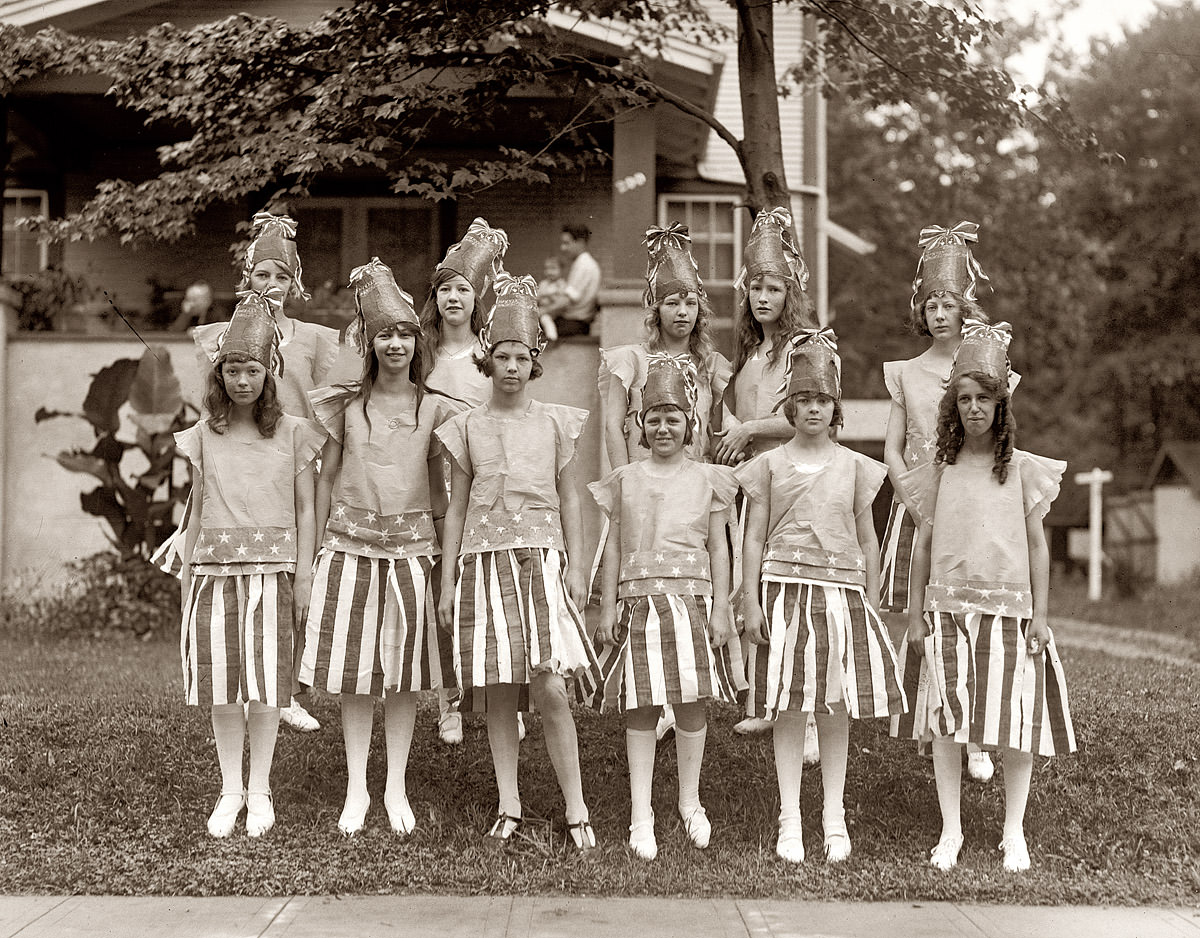
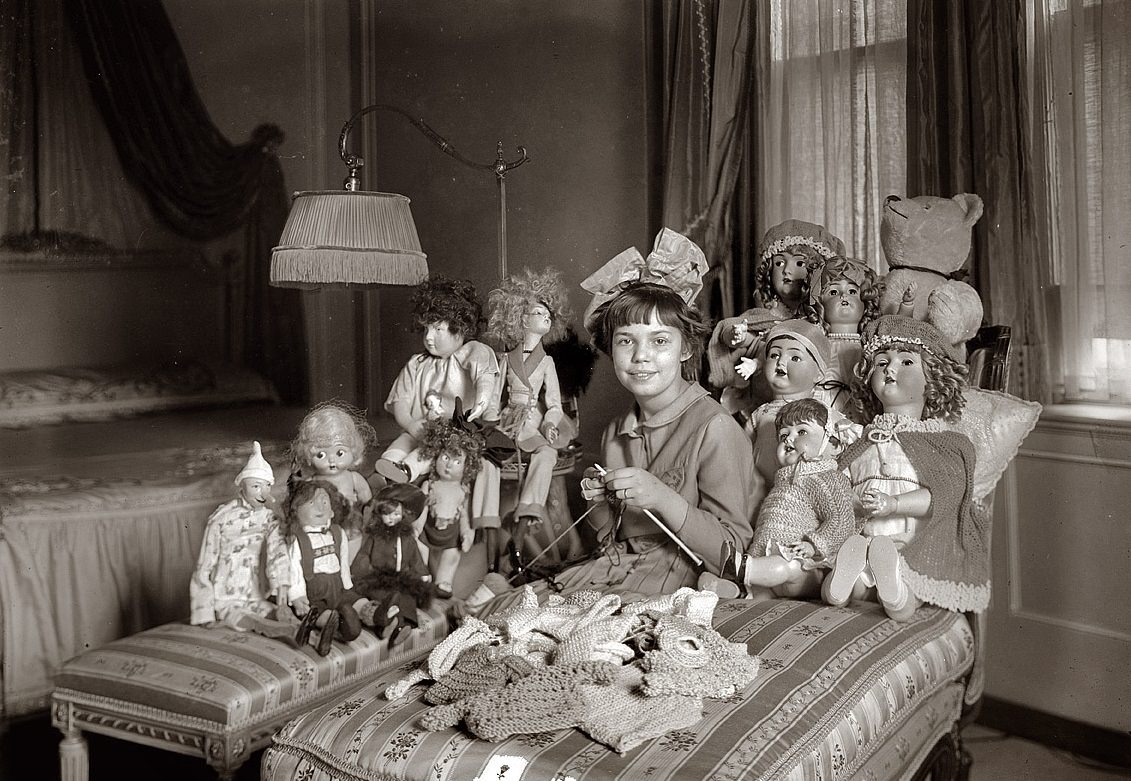
The vintage photographs collected here capture children from across this era. Some are at work. Some are posed in Sunday clothes. All of them lived through a time when the rules around childhood — what it meant, what it demanded, and who got to protect it — were still being written.
Innocence Lost: Vintage Photographs of America's Children in the Early 1900s
Enjoyed this post? Get new ones in your inbox.
Avatar of Kevin Clark

Written by Kevin Clark

Kevin Clark is a historian and writer who is passionate about sharing the stories and significance behind historical photos. He loves to explore hidden histories and cultural contexts behind the images, providing a unique insight into the past.

Leave a Reply

Your email address will not be published. Required fields are marked *