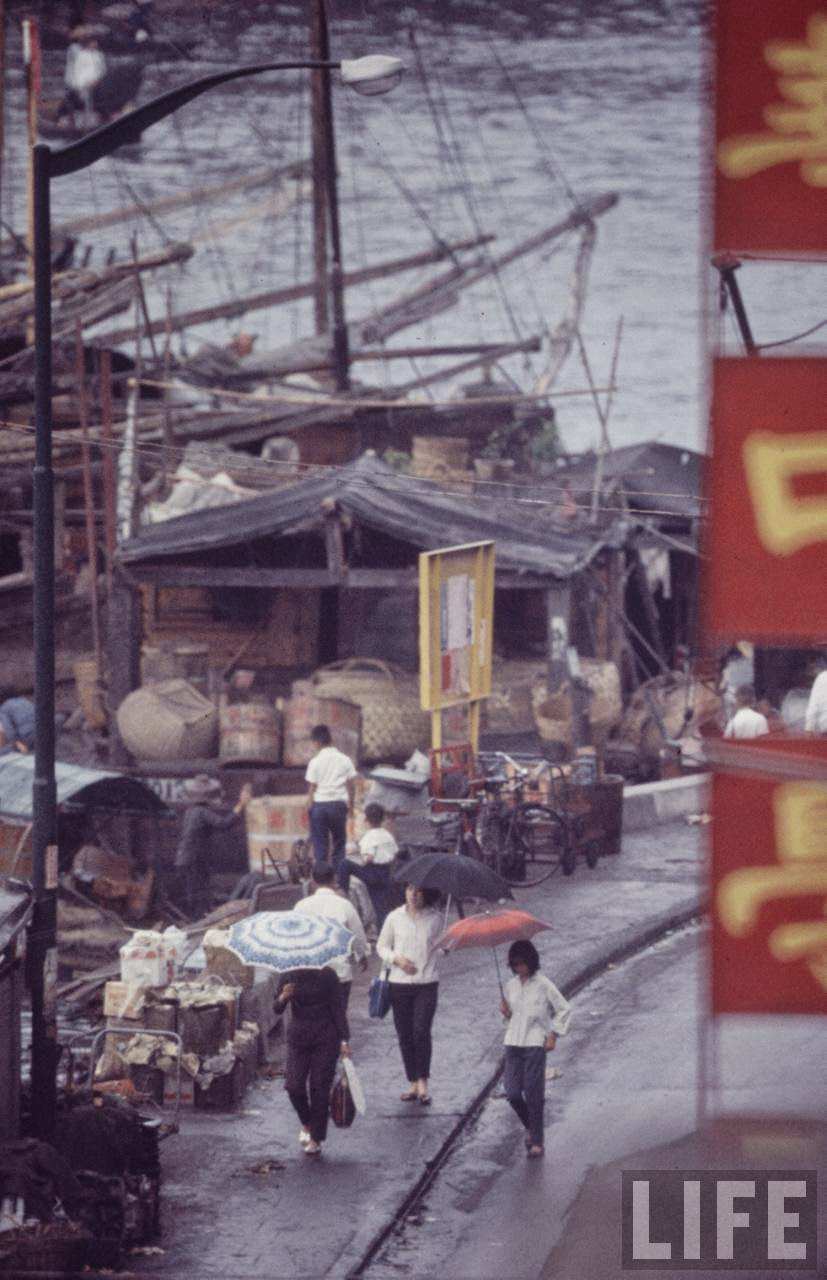
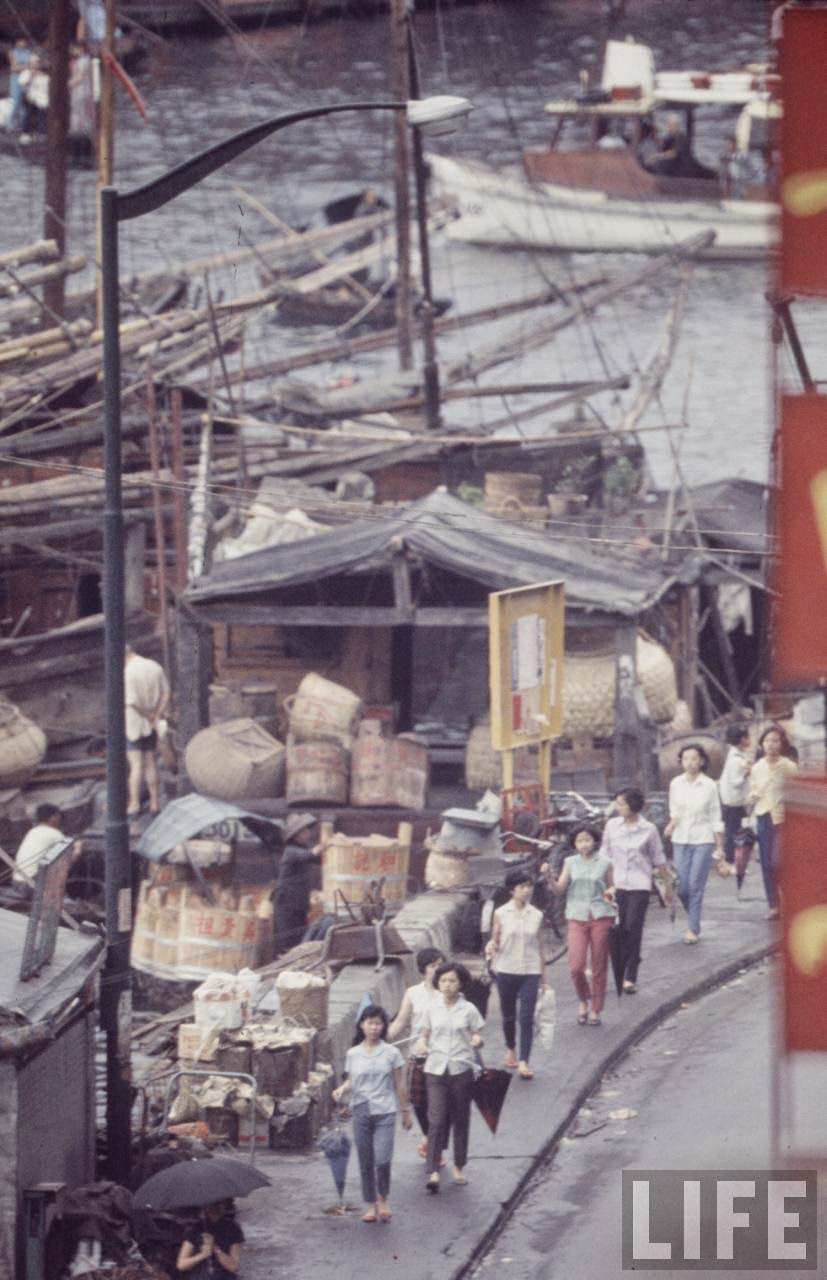
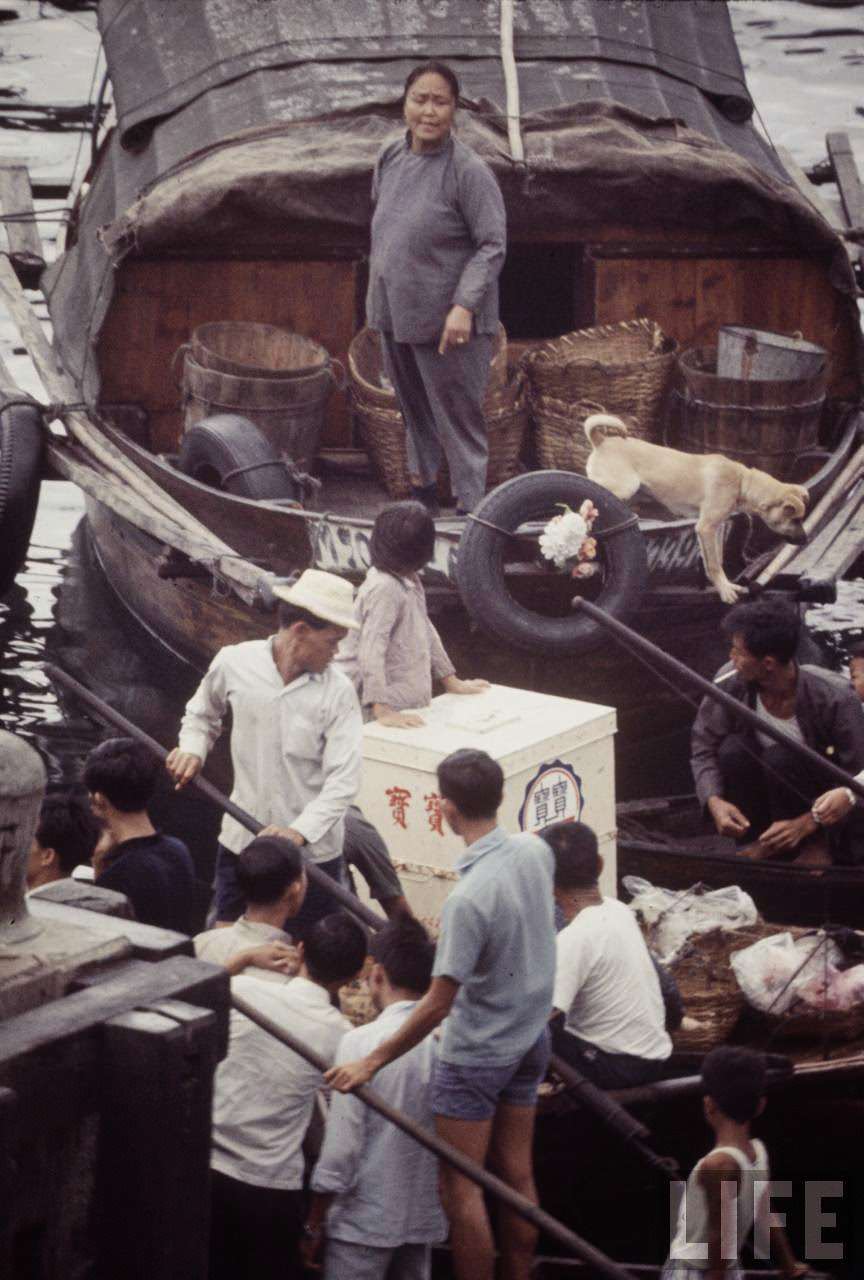
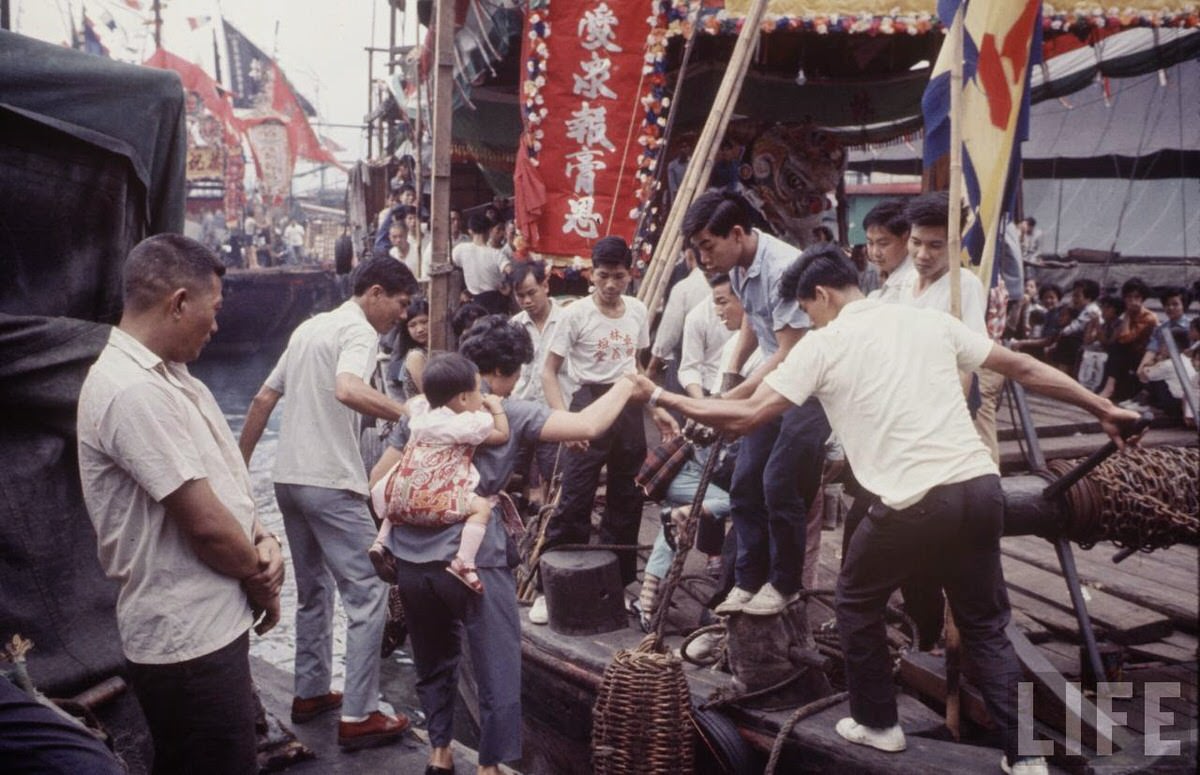
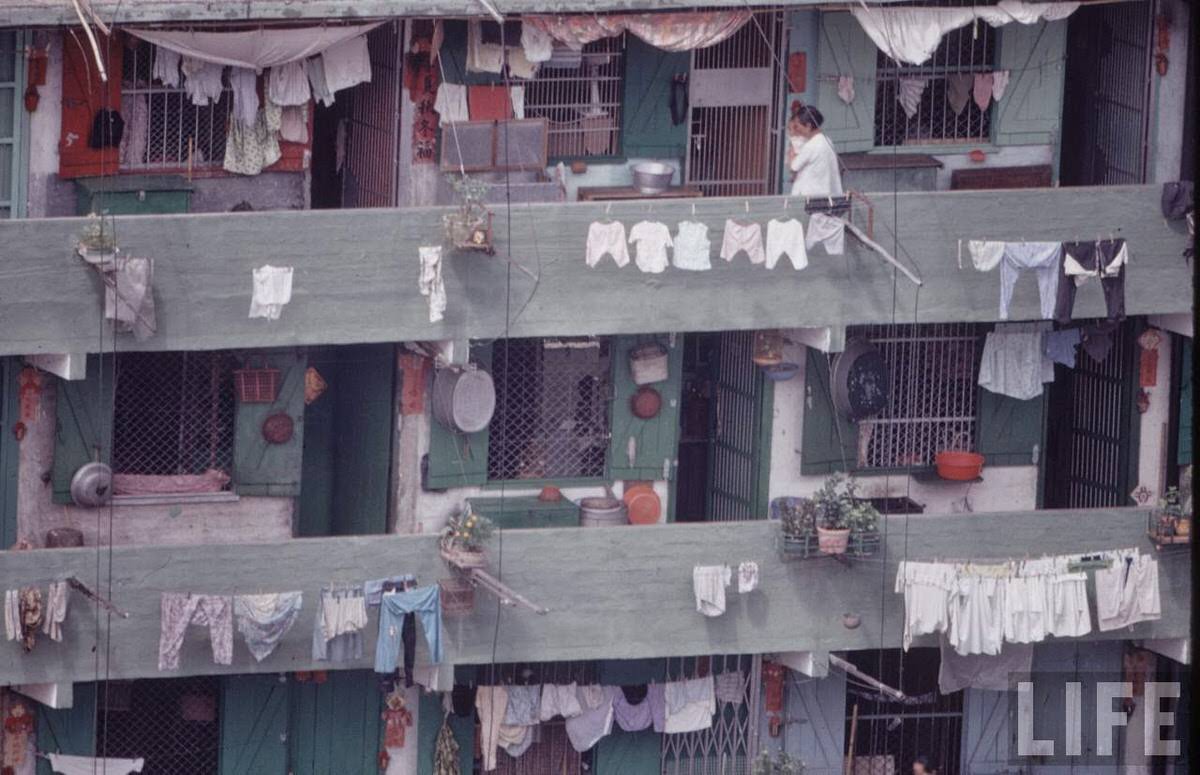
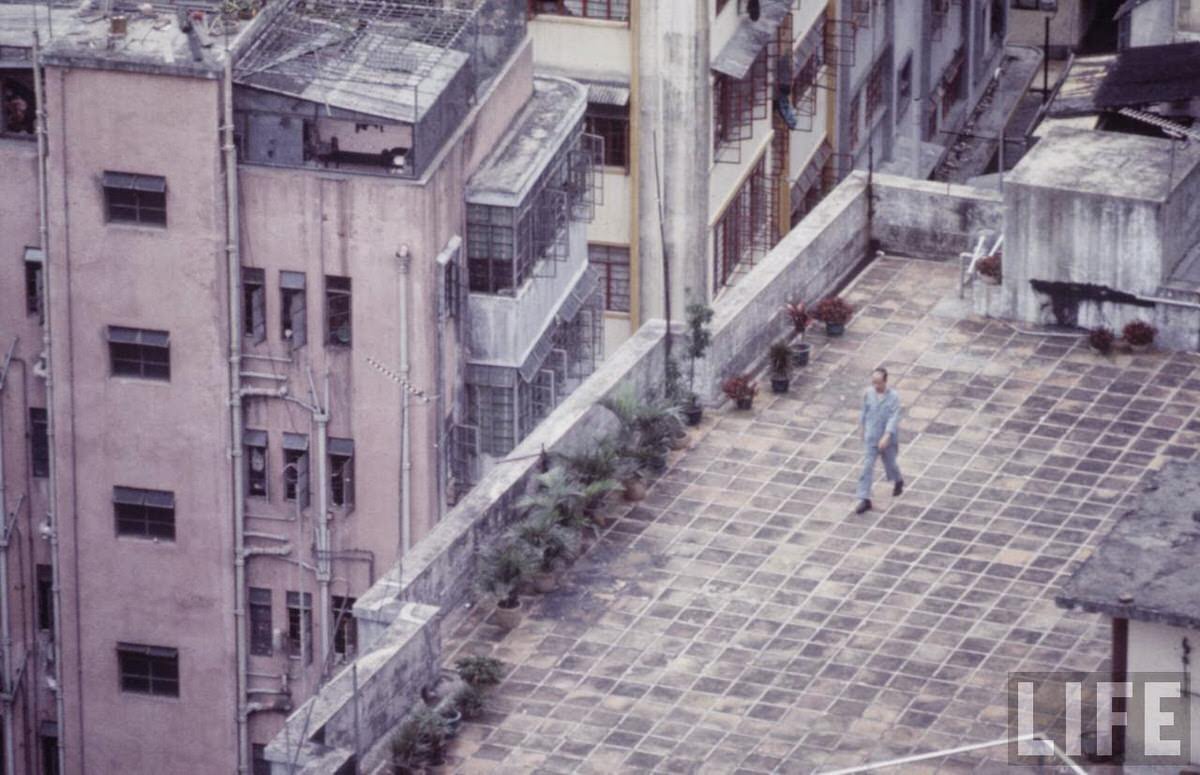
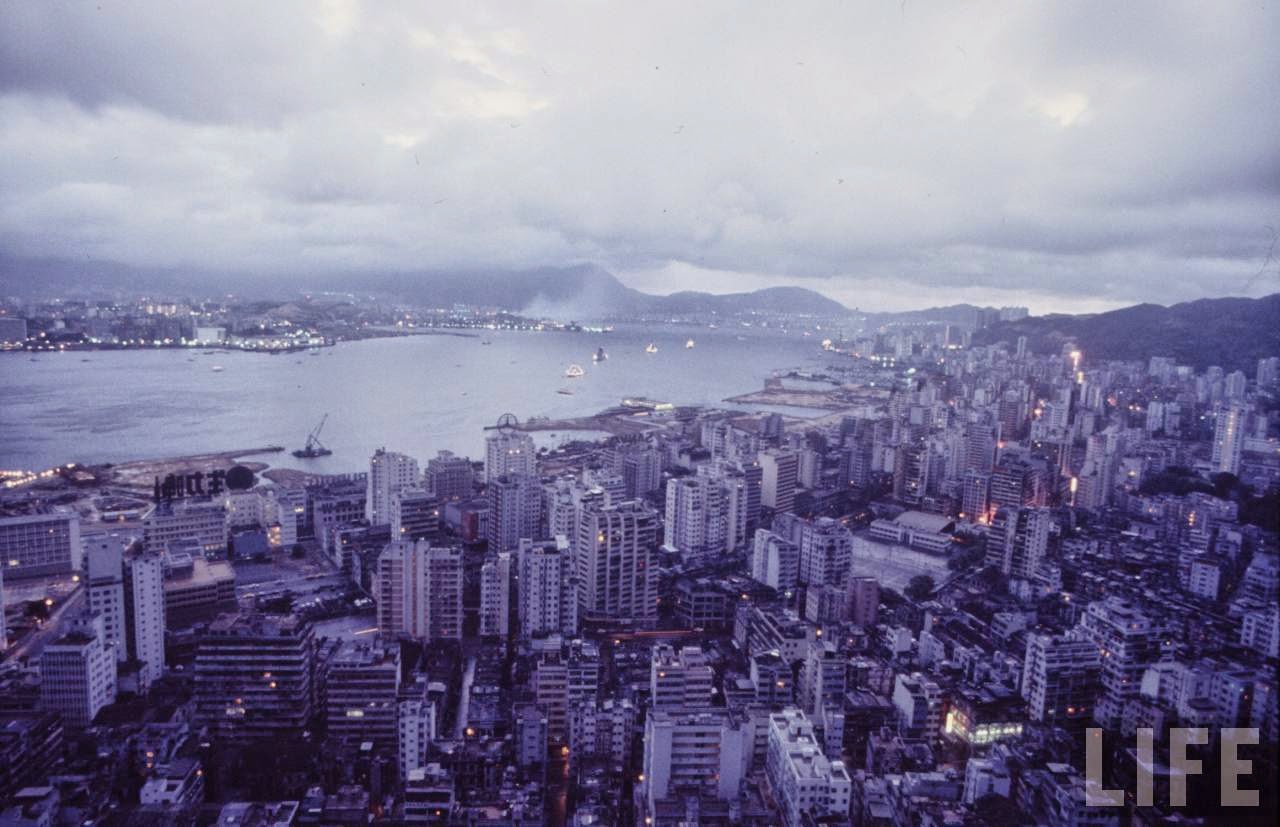
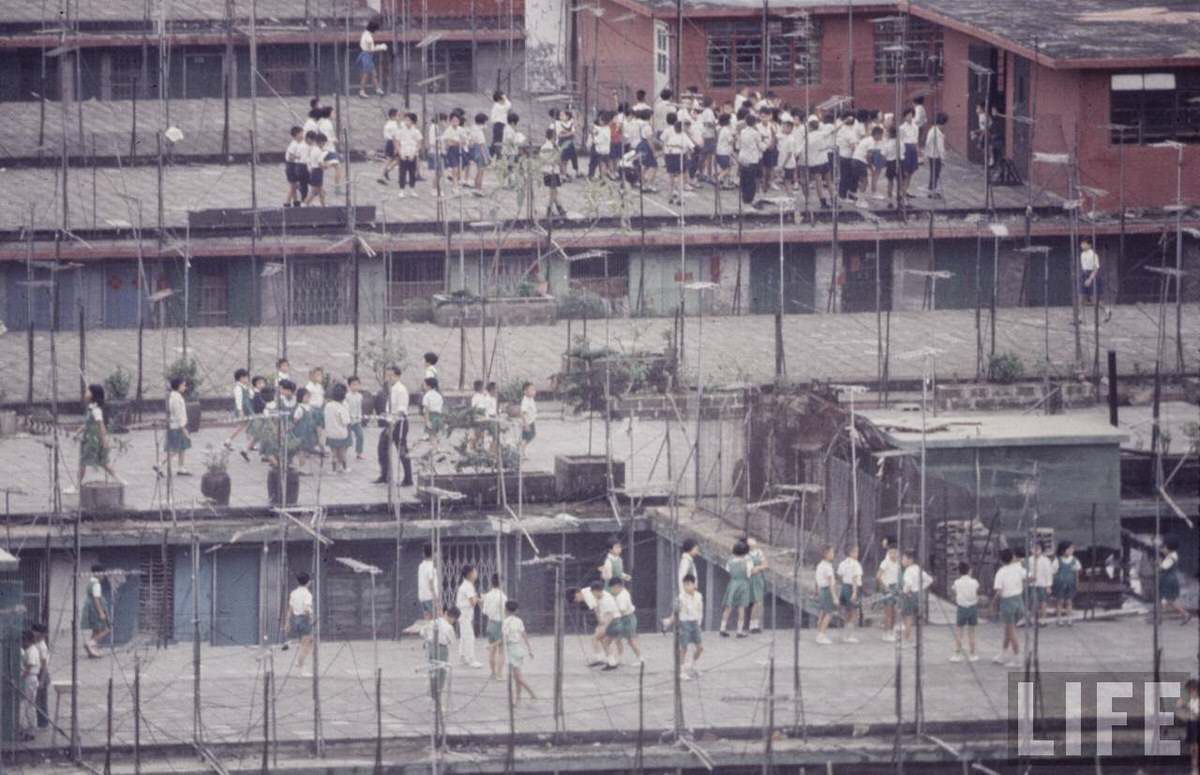
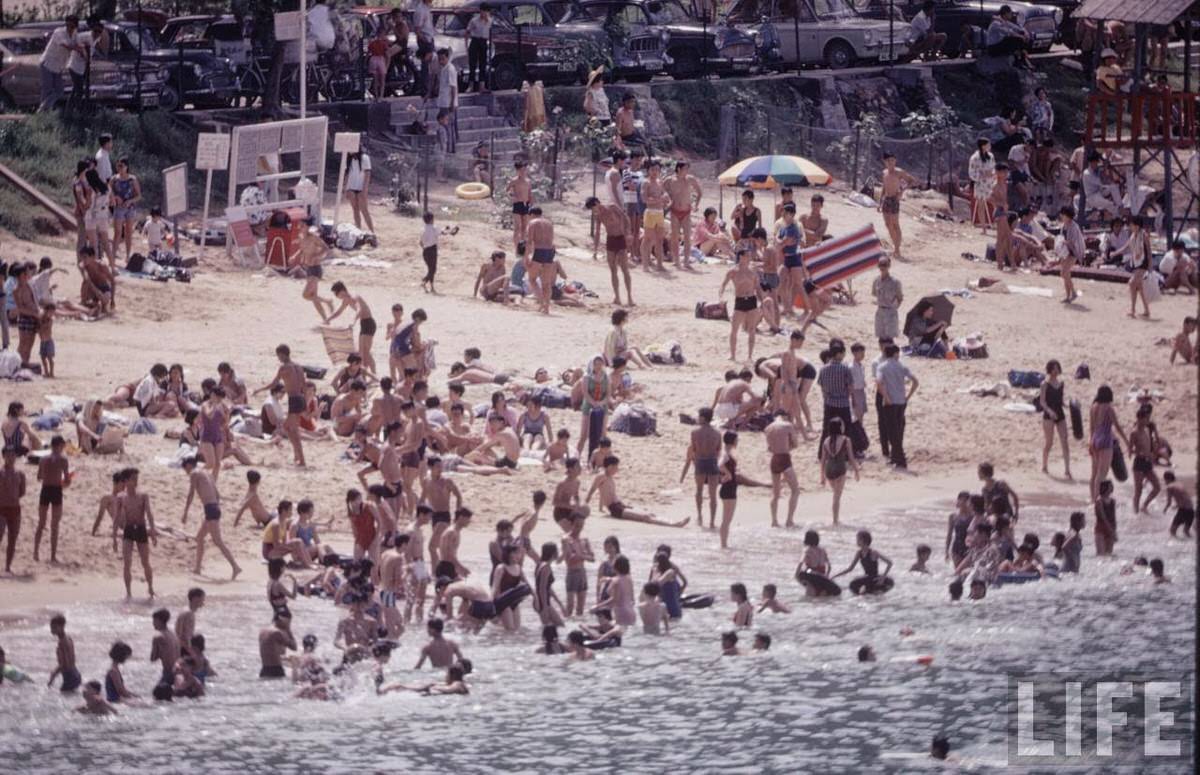
By the late 1960s, a huge portion of Hong Kong’s population lived in resettlement estates. The government built these seven-story “H-blocks” to house thousands of refugees and families who lost their homes in squatter fires. Families of five or more crowded into a single room that measured just 120 square feet. These concrete cubicles had no private kitchens or bathrooms. Residents cooked in the dim hallways on small kerosene stoves. They washed their clothes and dishes at communal taps located in the central corridor. Children played games like hopscotch on the open balconies because there were no parks nearby.
The Struggle for Water
Water rationing dominated daily routines during this era. Severe droughts forced the government to restrict the water supply strictly. For long periods, taps only ran for four hours every four days. When the water came on, entire families rushed to fill every bucket, basin, and bathtub they owned. People stood in long lines on the street with plastic buckets to collect water from public standpipes. The phrase “water restriction” became a constant headline in local newspapers. Restaurants served tea in half-filled cups to conserve precious supplies.
Read more
The Manufacturing Boom
Hong Kong operated as a massive factory city during this decade. Light industry provided the main source of employment for the working class. Young women and men worked long shifts in textile mills and plastic flower factories in districts like Kwun Tong and San Po Kong. They assembled artificial flowers, toys, and wigs for export to the United States and Europe. The “Made in Hong Kong” label appeared on goods all over the world. Many families also did piecework at home. Mothers and children assembled plastic dolls or sewed beads onto garments in their small apartments to earn extra money for food.
Transportation and the Star Ferry
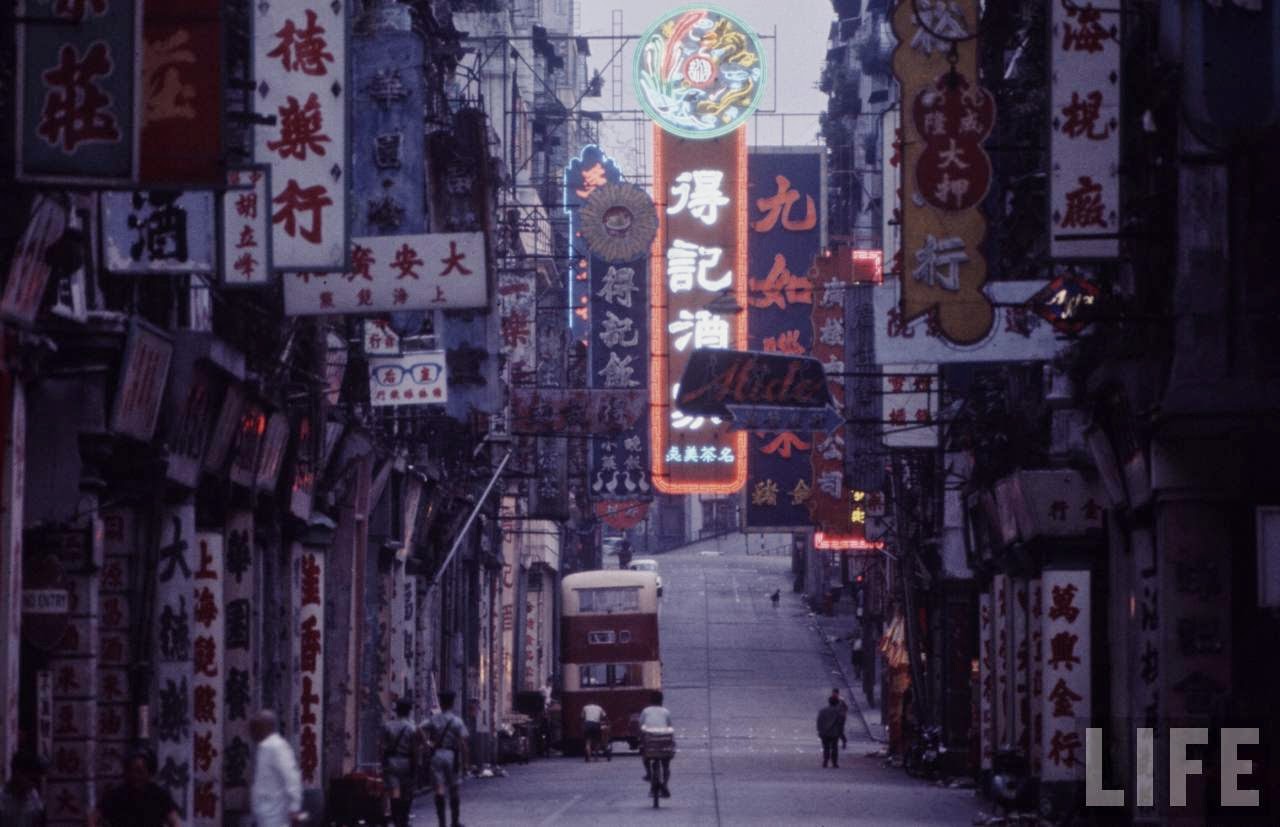
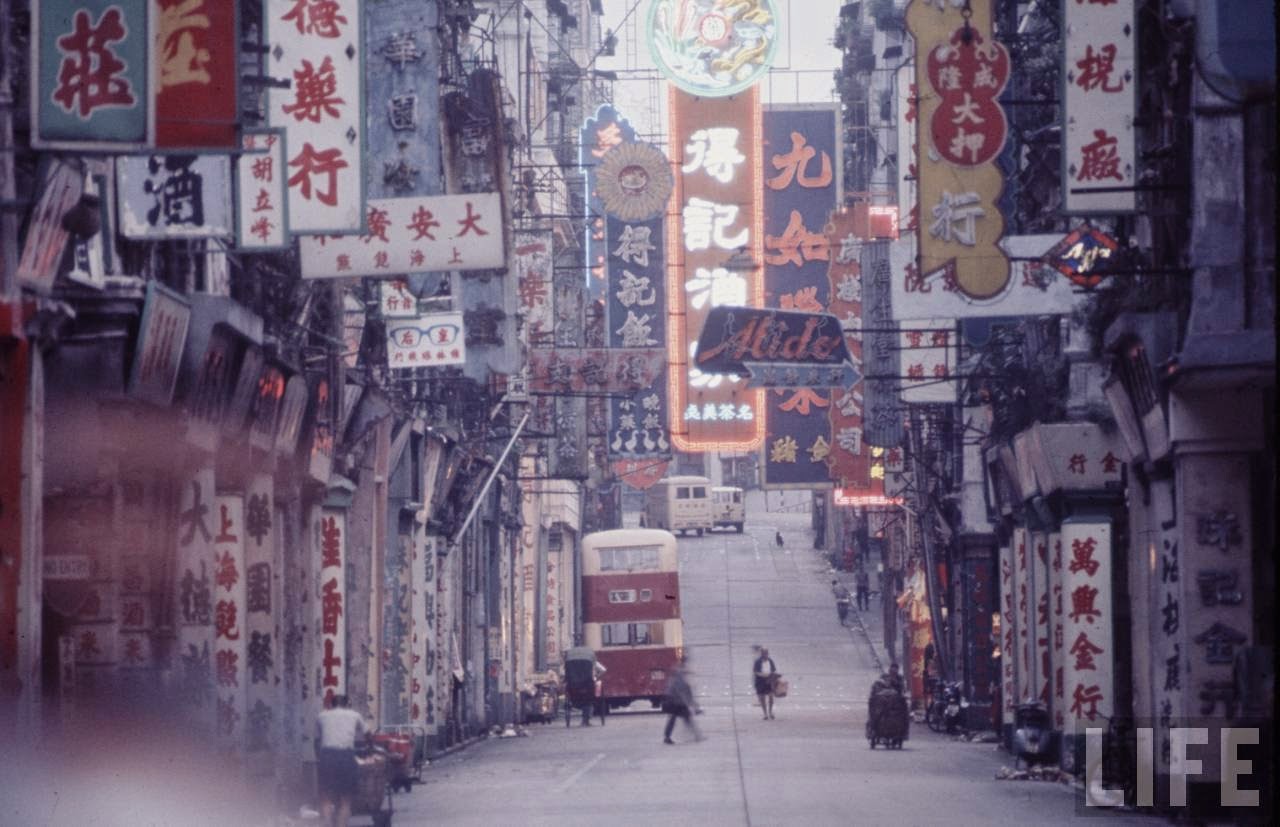
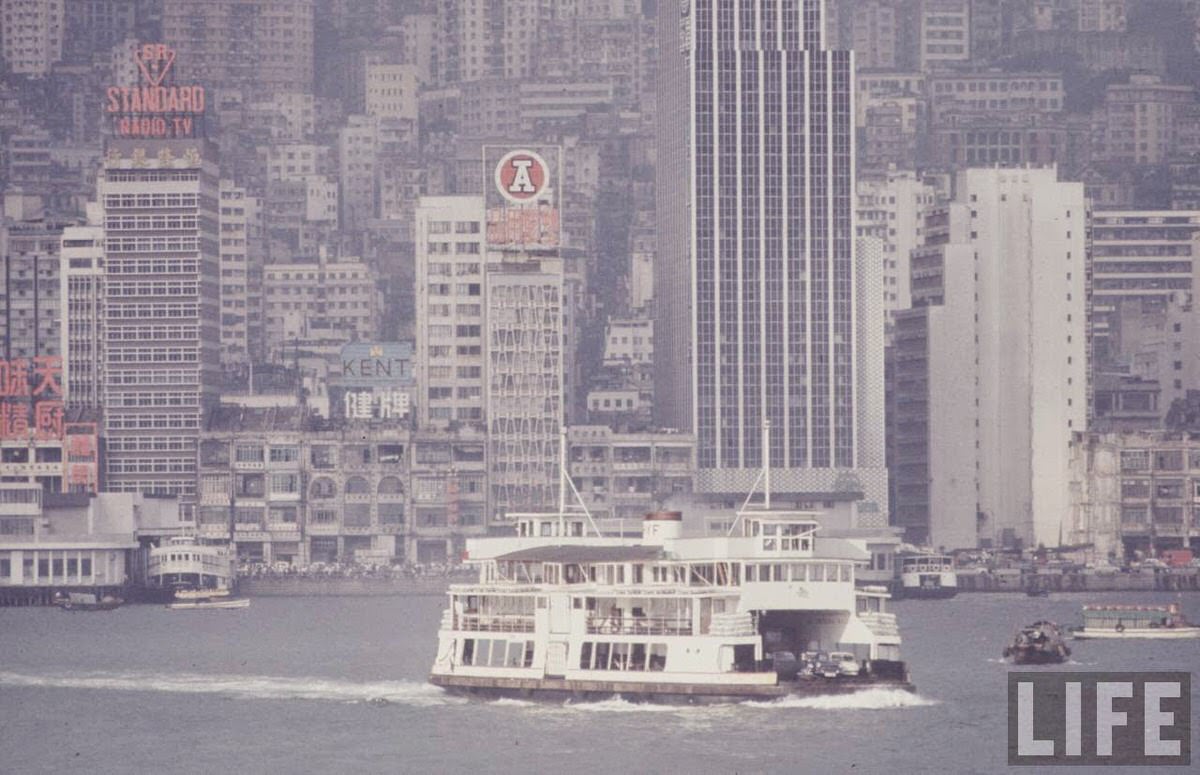
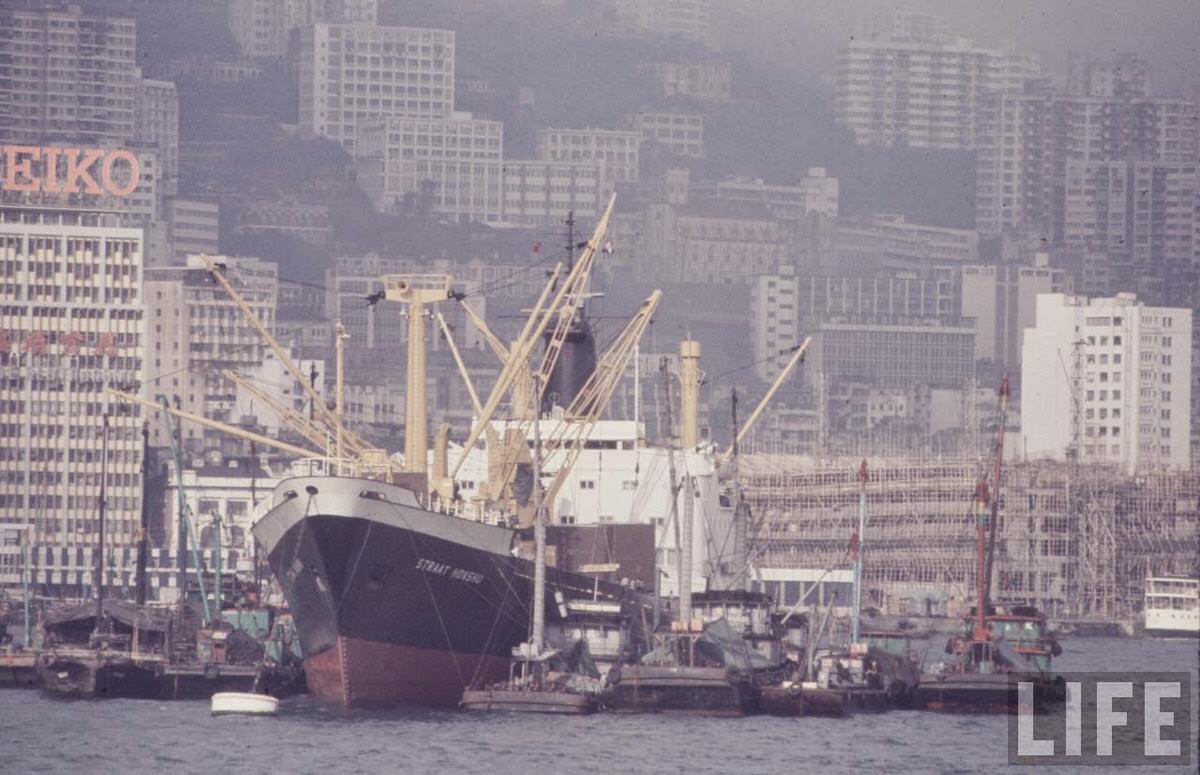
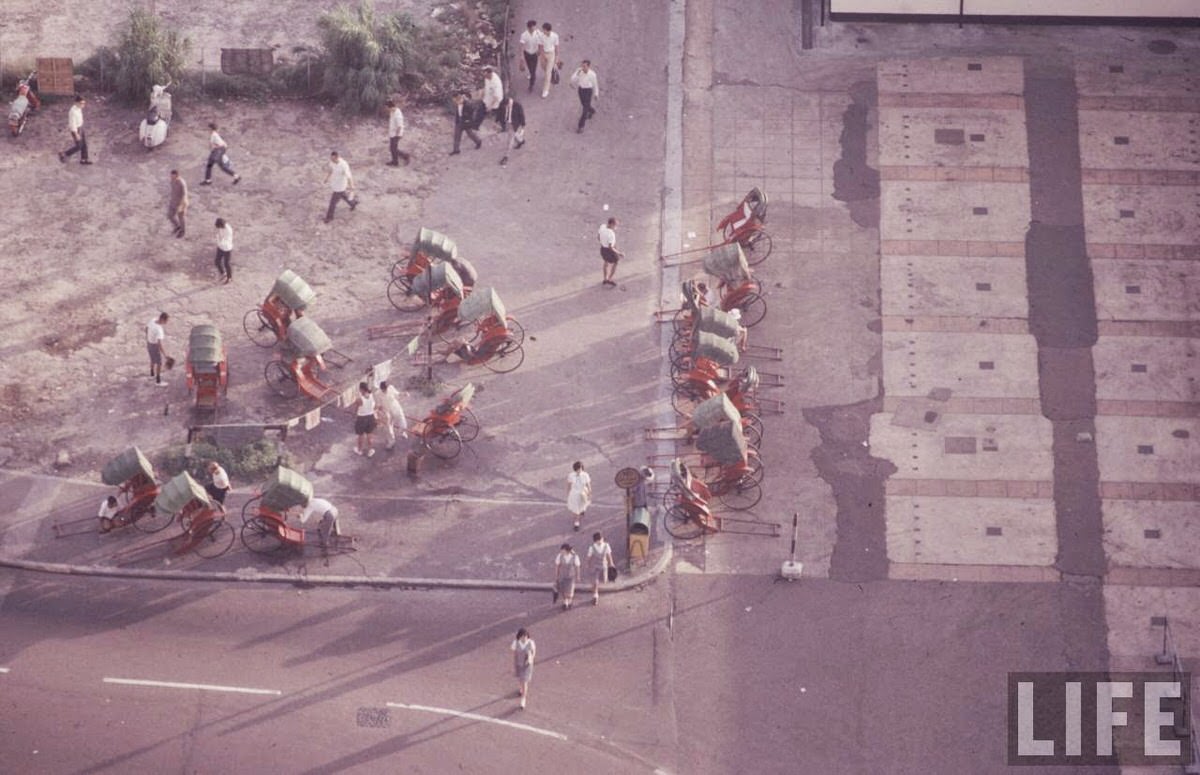
Crossing Victoria Harbour was an essential part of the daily commute before the Cross-Harbour Tunnel opened. Workers relied on the Star Ferry to travel between Kowloon and Hong Kong Island. The green and white ferries carried thousands of passengers a day for a very low fare. On land, double-decker buses and trams moved people through the congested streets. The trams on Hong Kong Island, known as “ding dings” because of their bells, offered the cheapest ride in the city. Minibuses, known as “red vans,” operated informally to serve areas the big buses did not reach.
Street Markets and Dai Pai Dongs
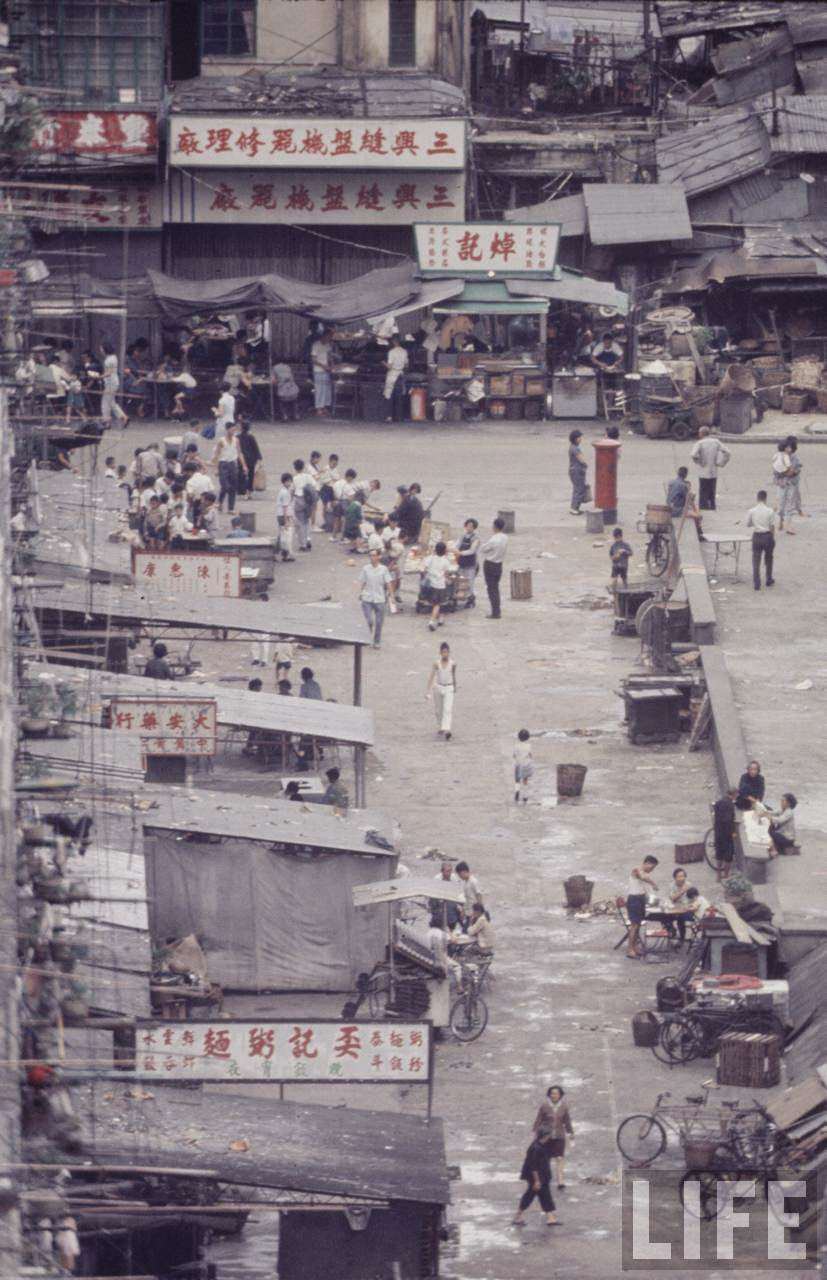
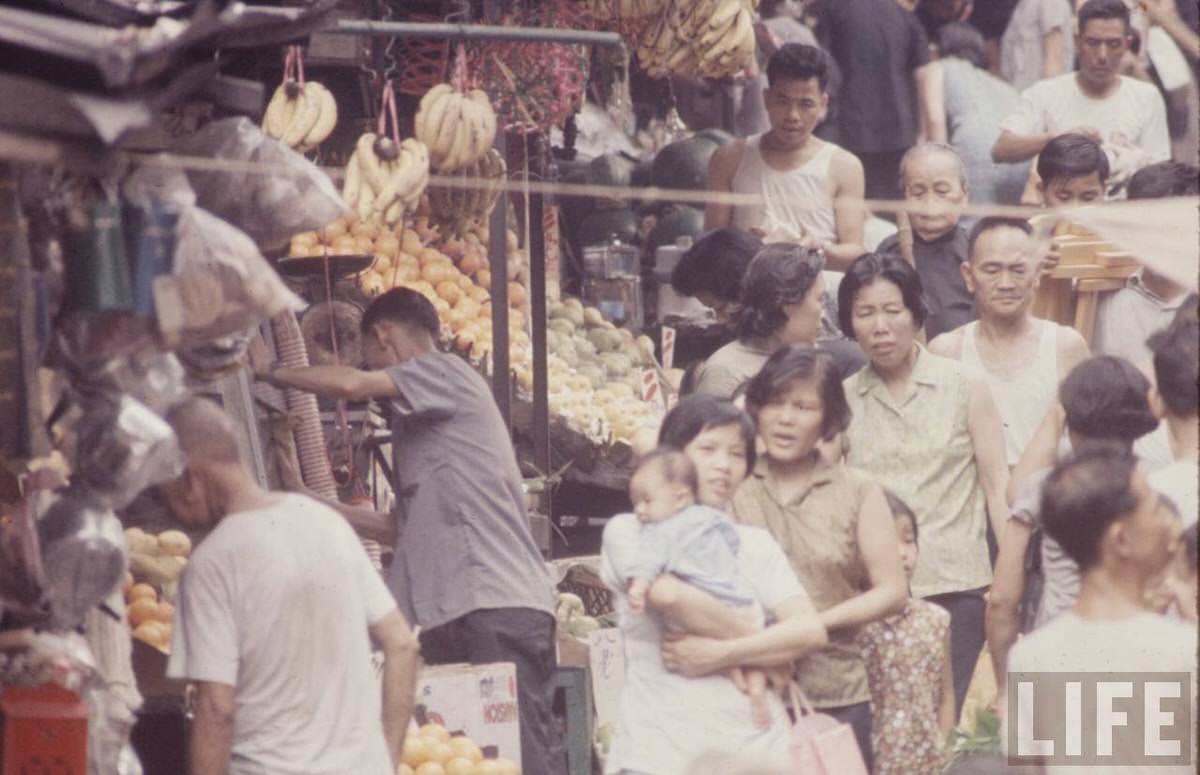
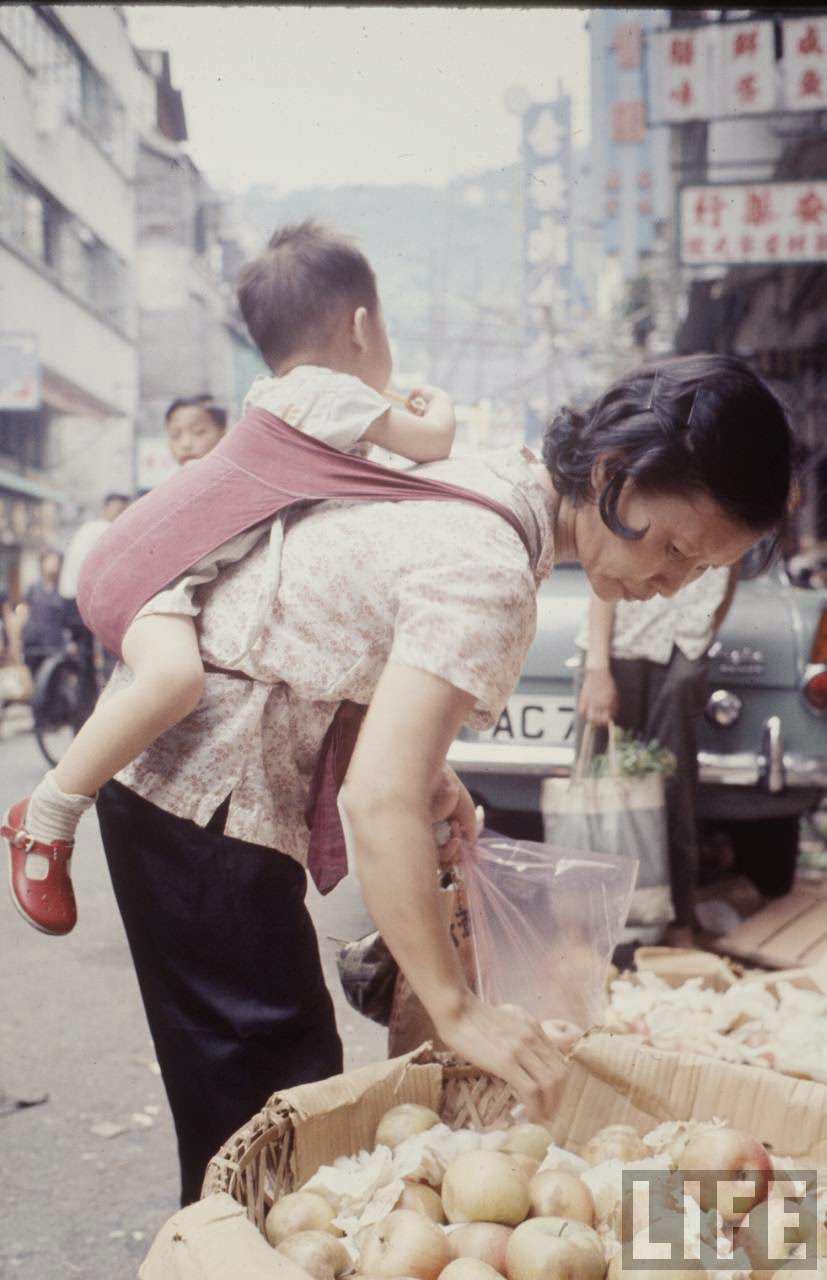
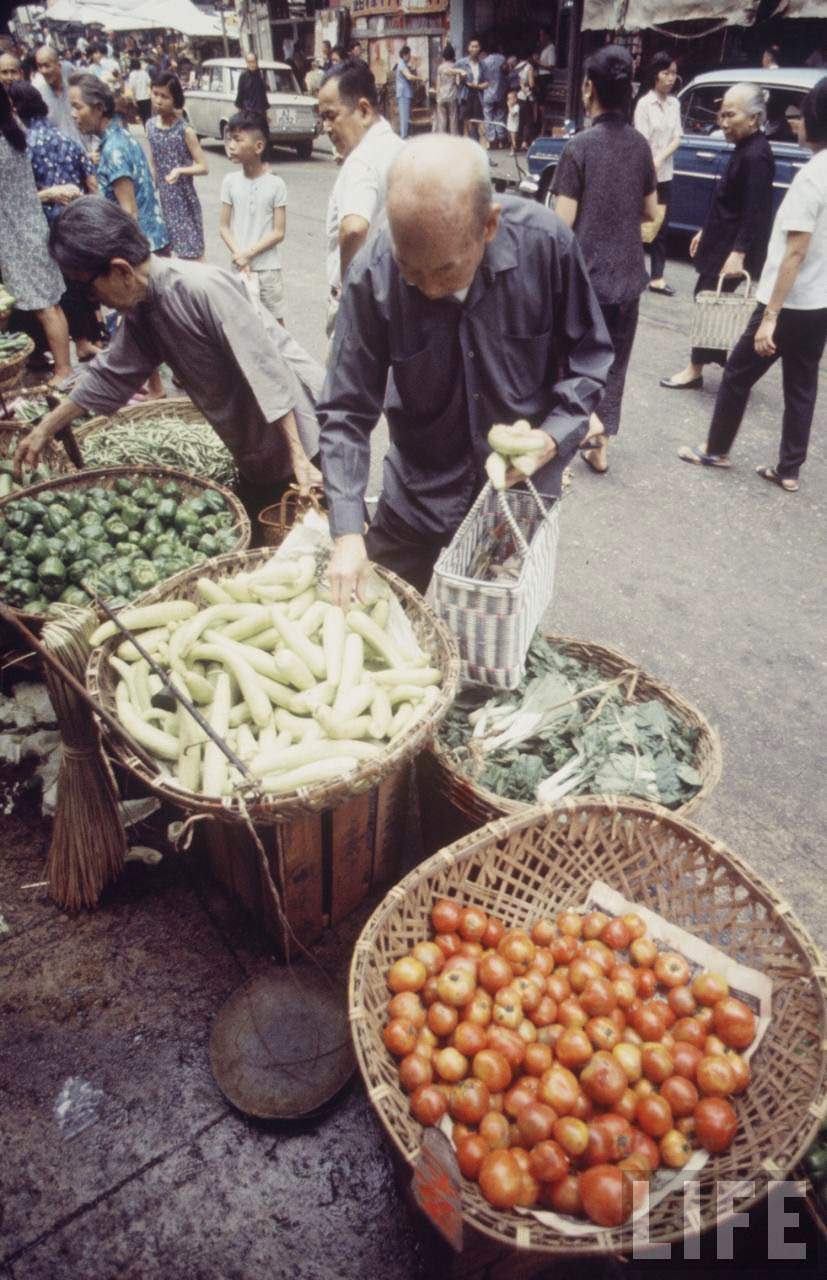
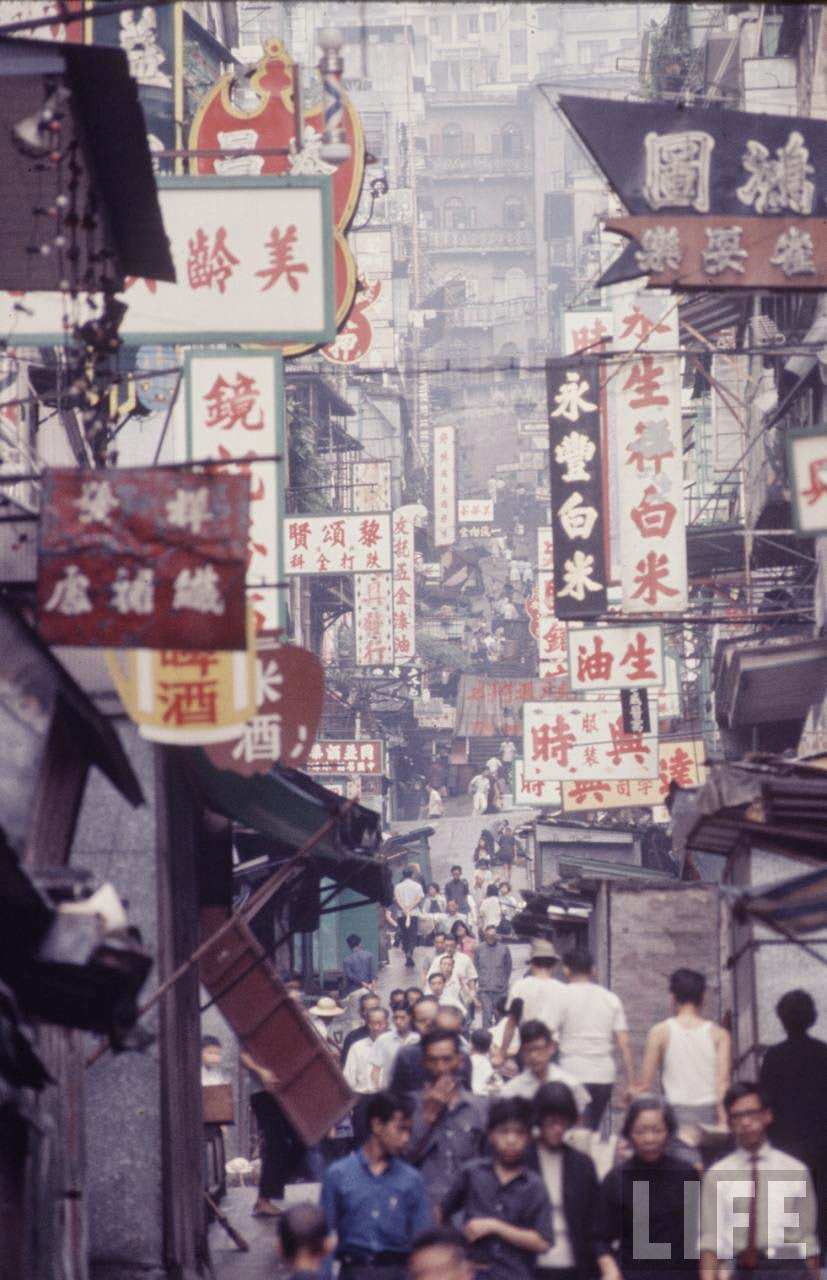
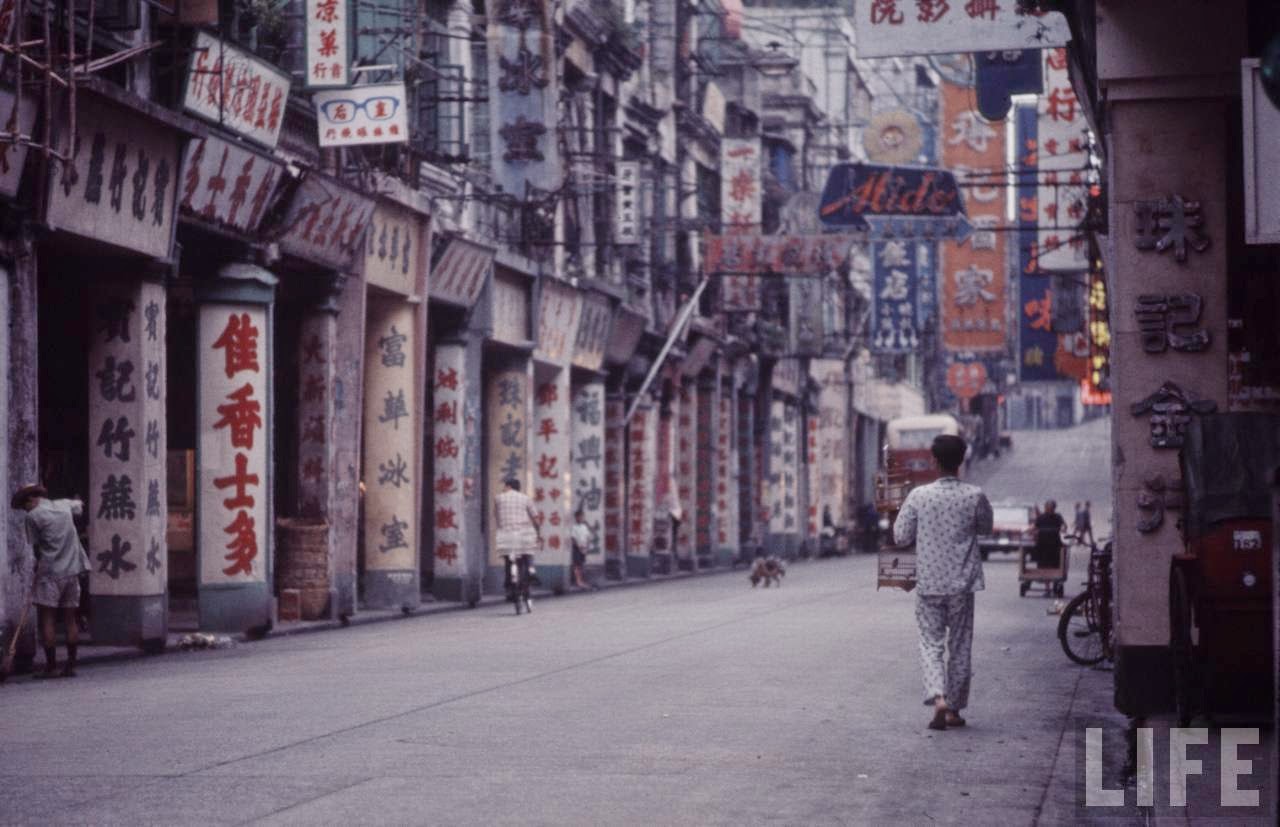
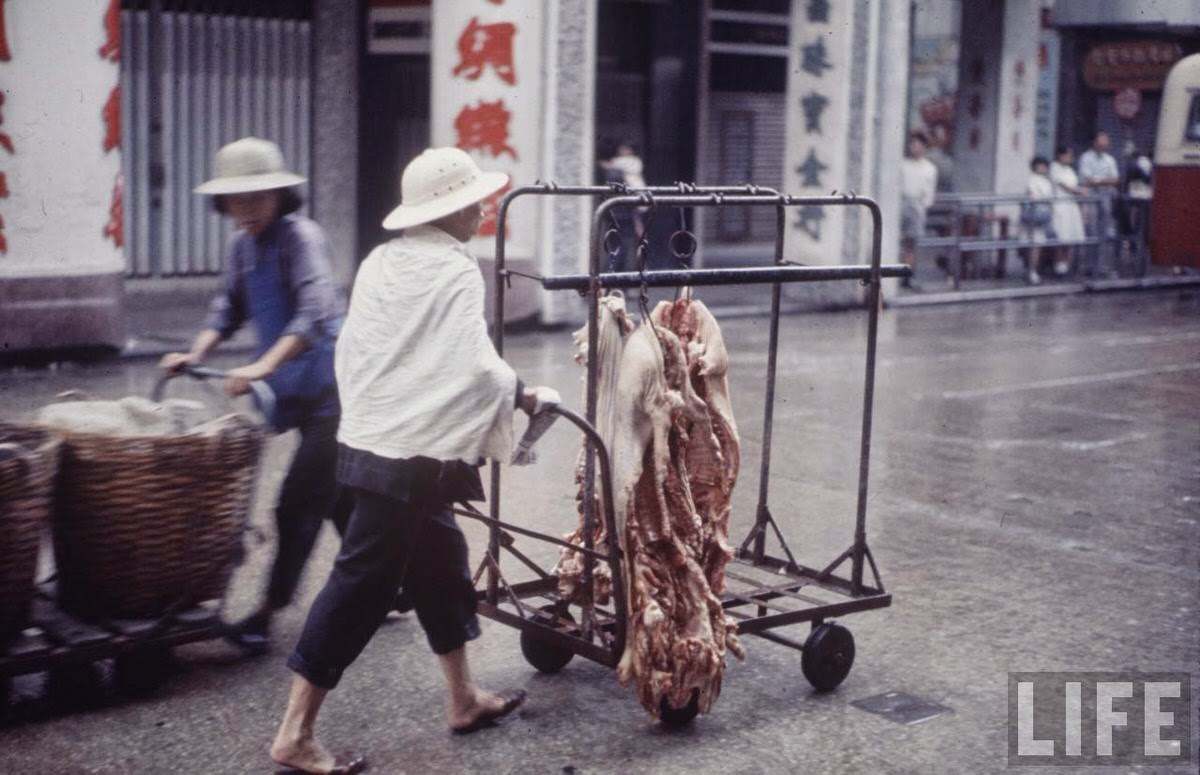
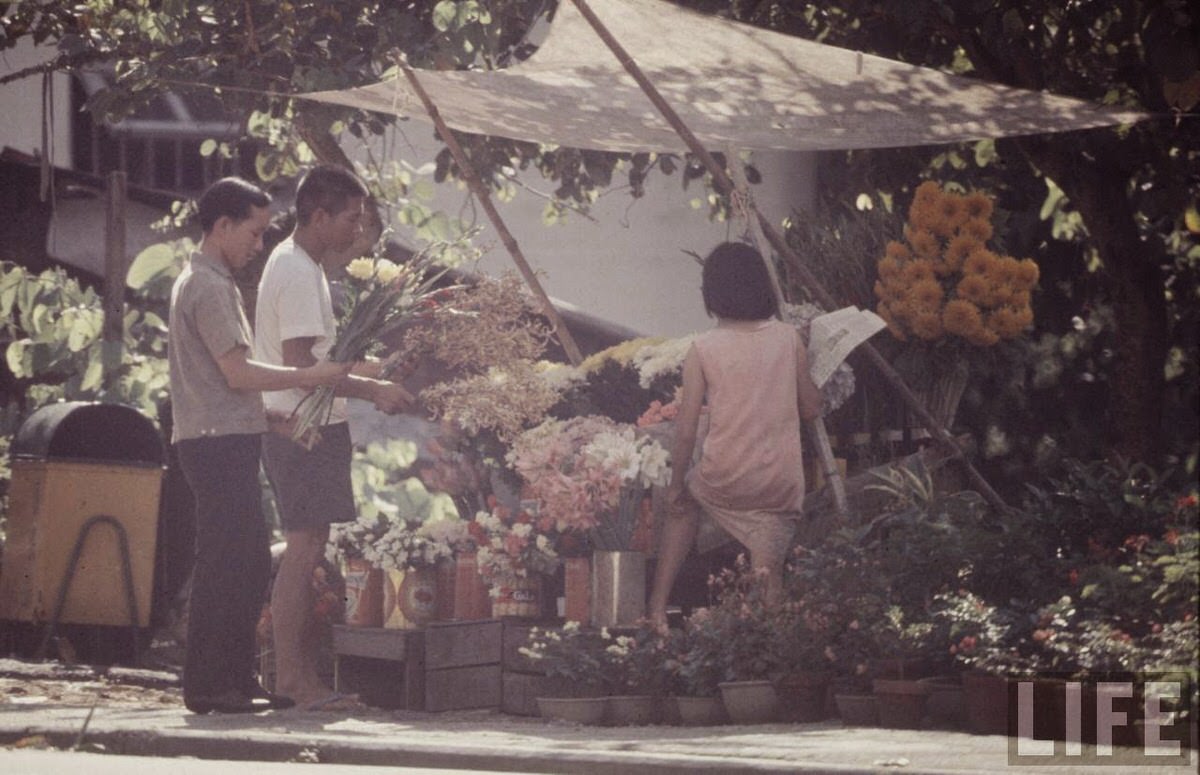
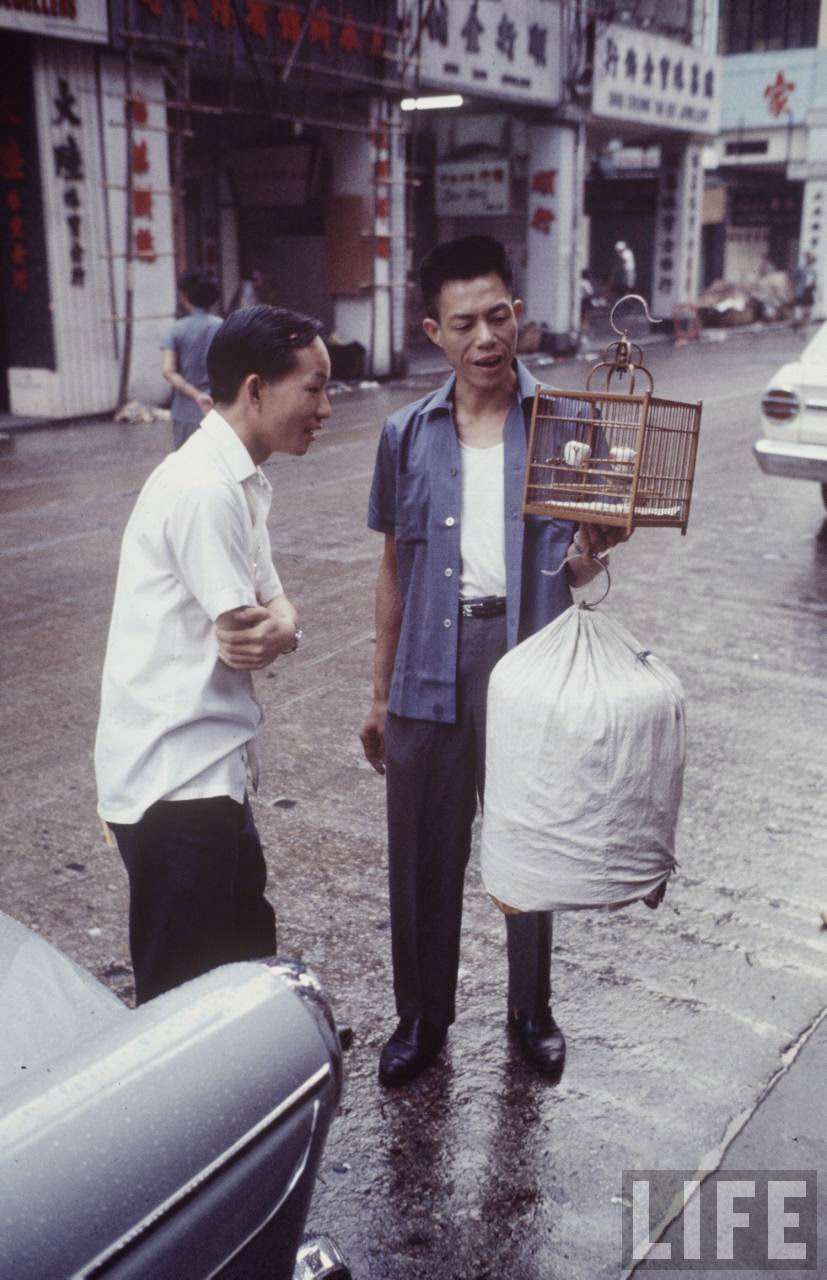
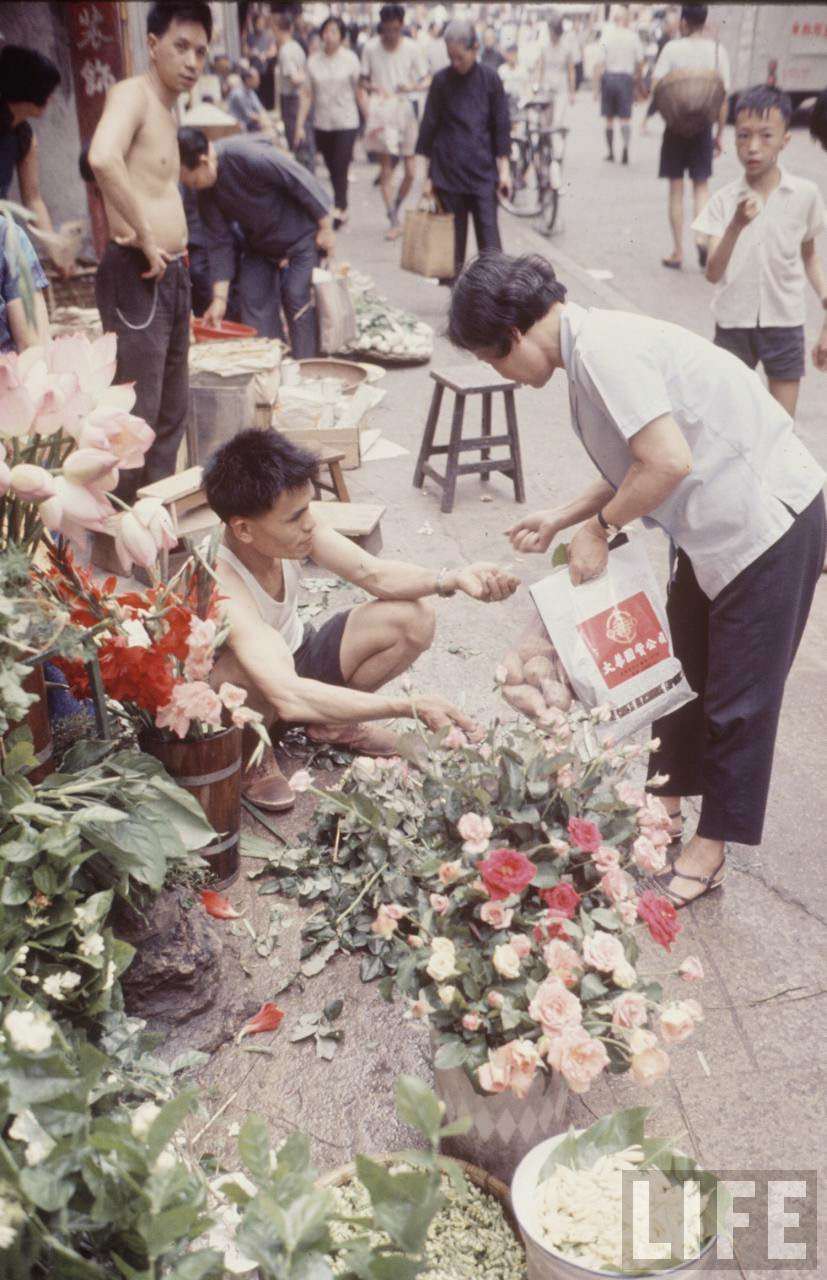
Most people bought their fresh food twice a day at wet markets because few homes had refrigerators. Housewives bargained loudly with vendors for fresh fish, pork, and vegetables. For meals outside the home, locals ate at dai pai dongs, or open-air food stalls. These stalls set up folding tables and stools right on the sidewalk. Cooks used high-heat woks to fry noodles and rice dishes while customers ate amidst the street traffic. The smell of roasted goose and strong milk tea filled the air in neighborhoods like Mong Kok and Sham Shui Po.