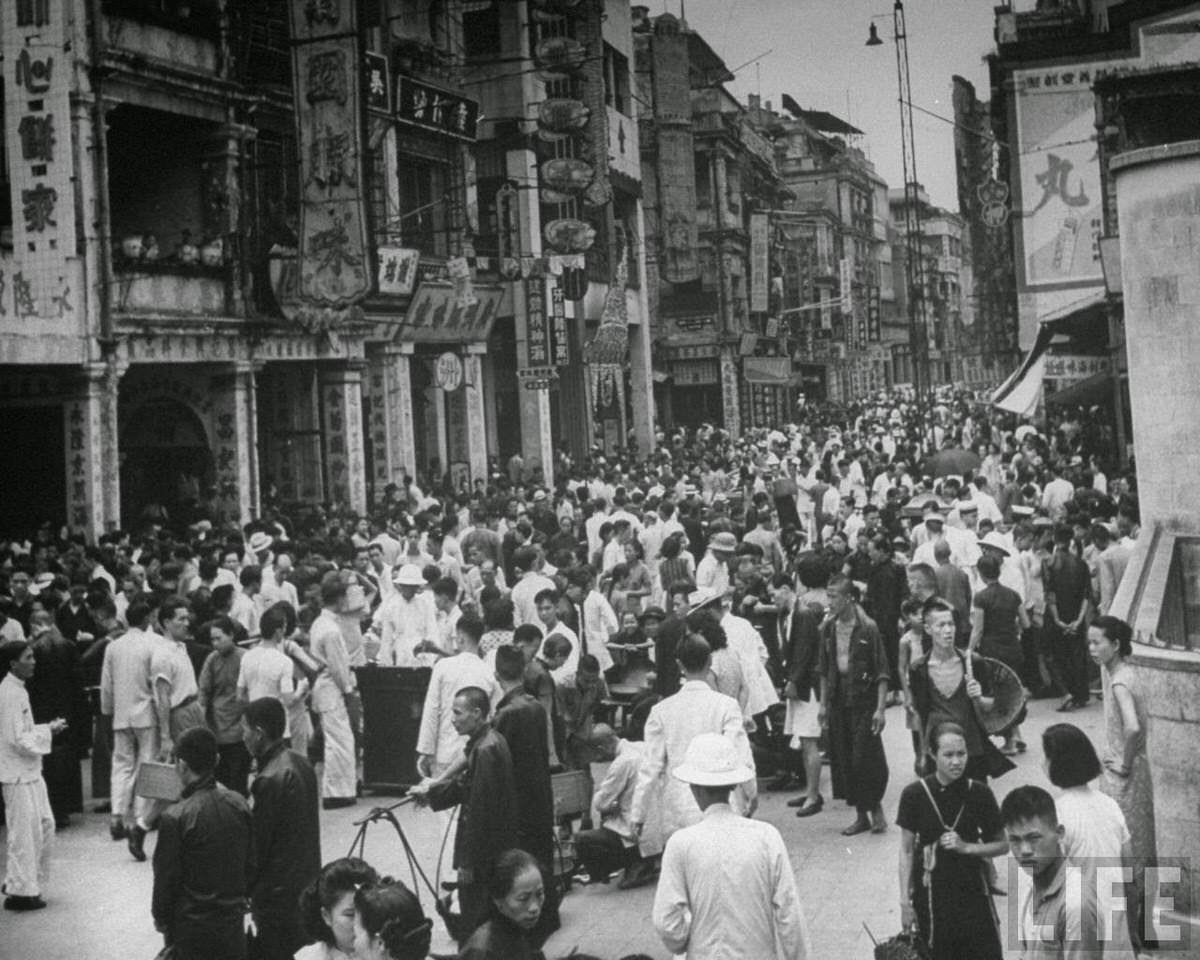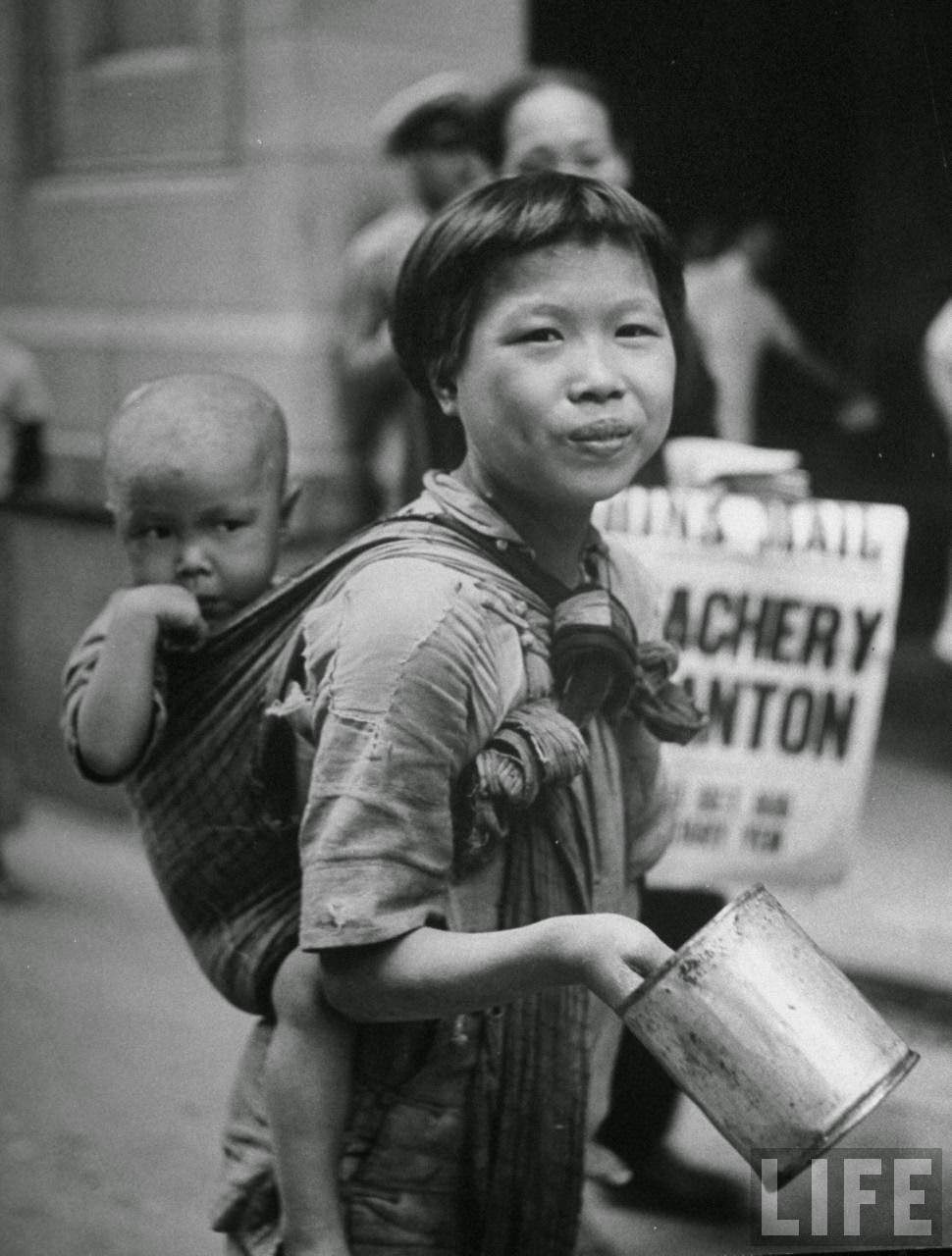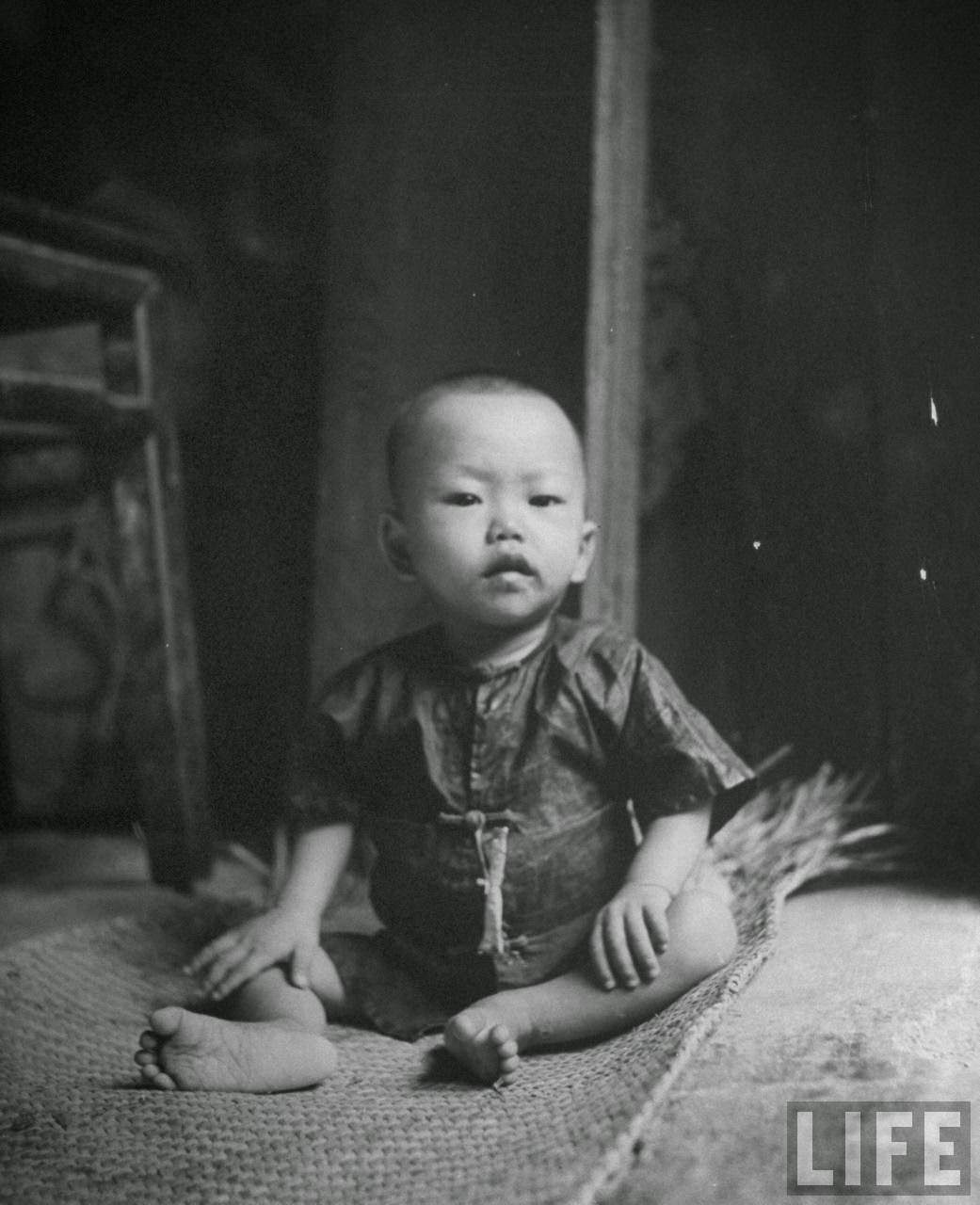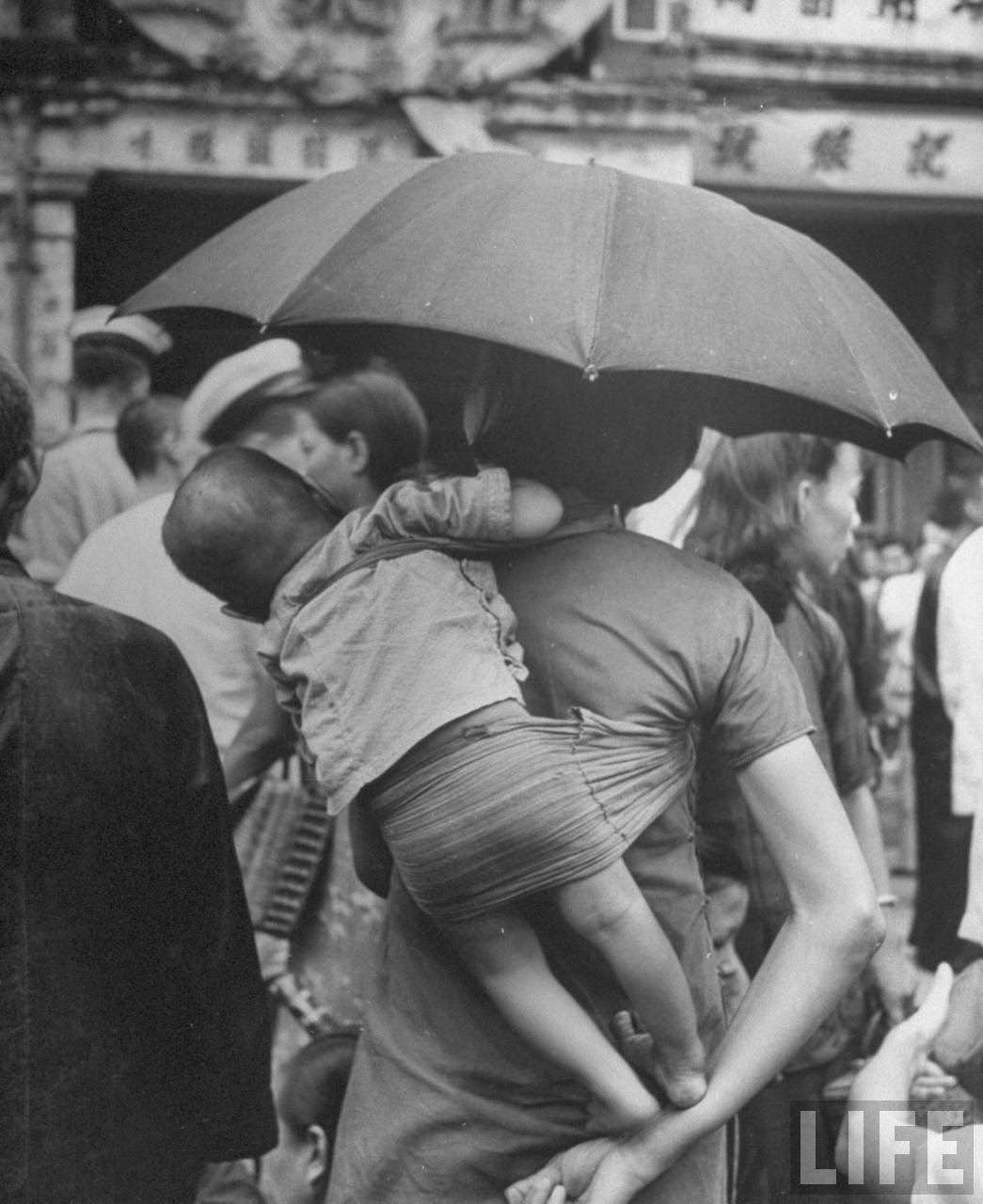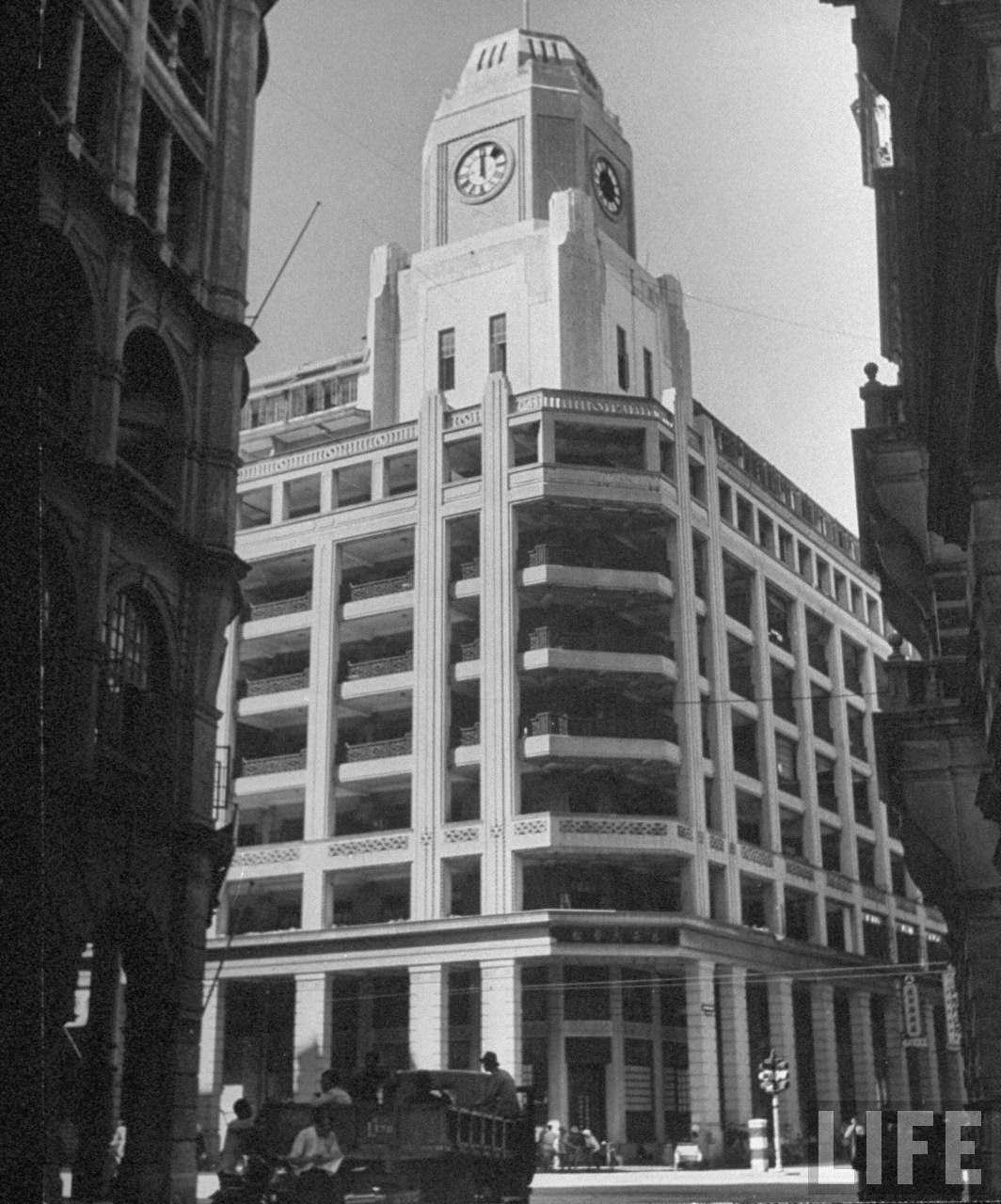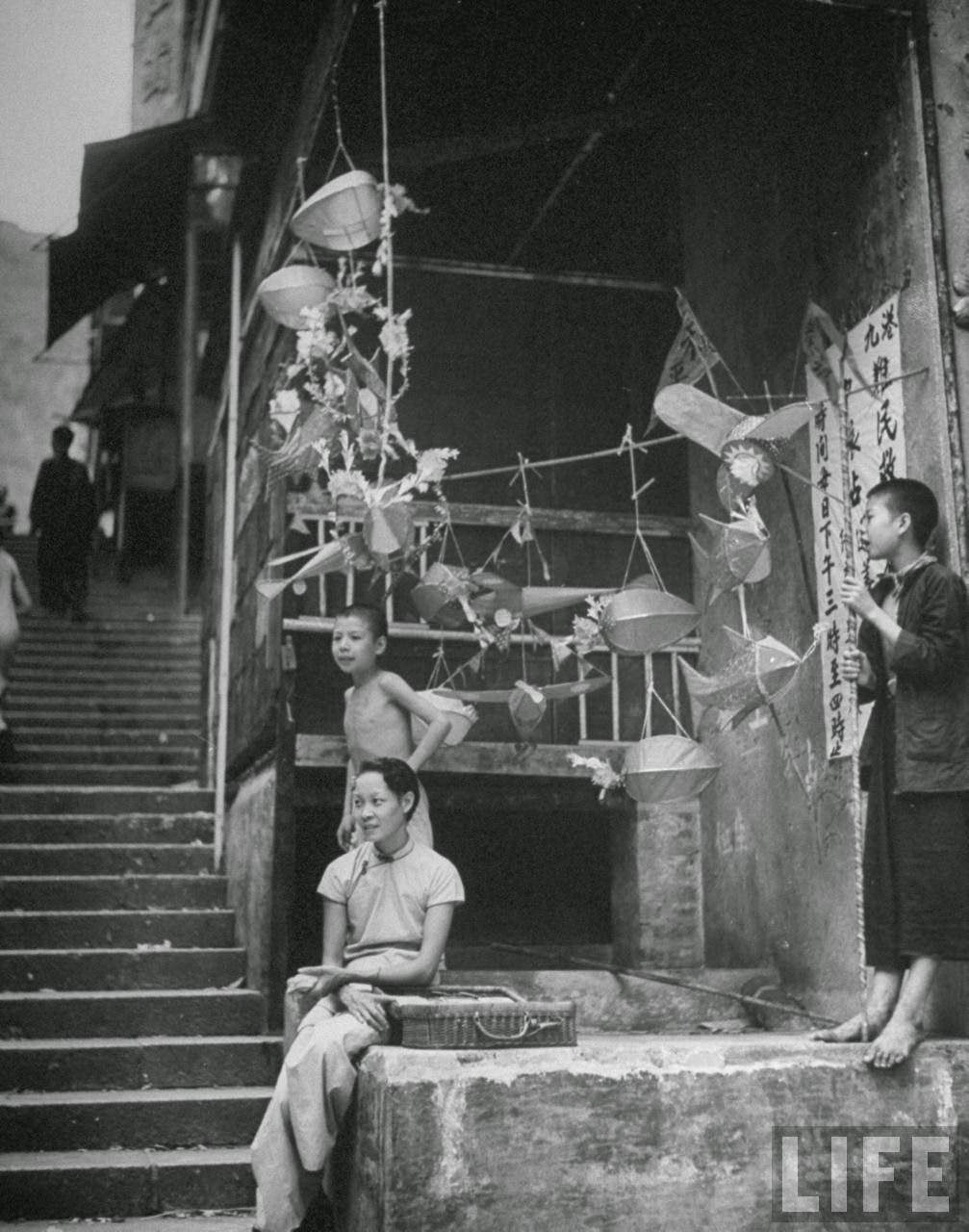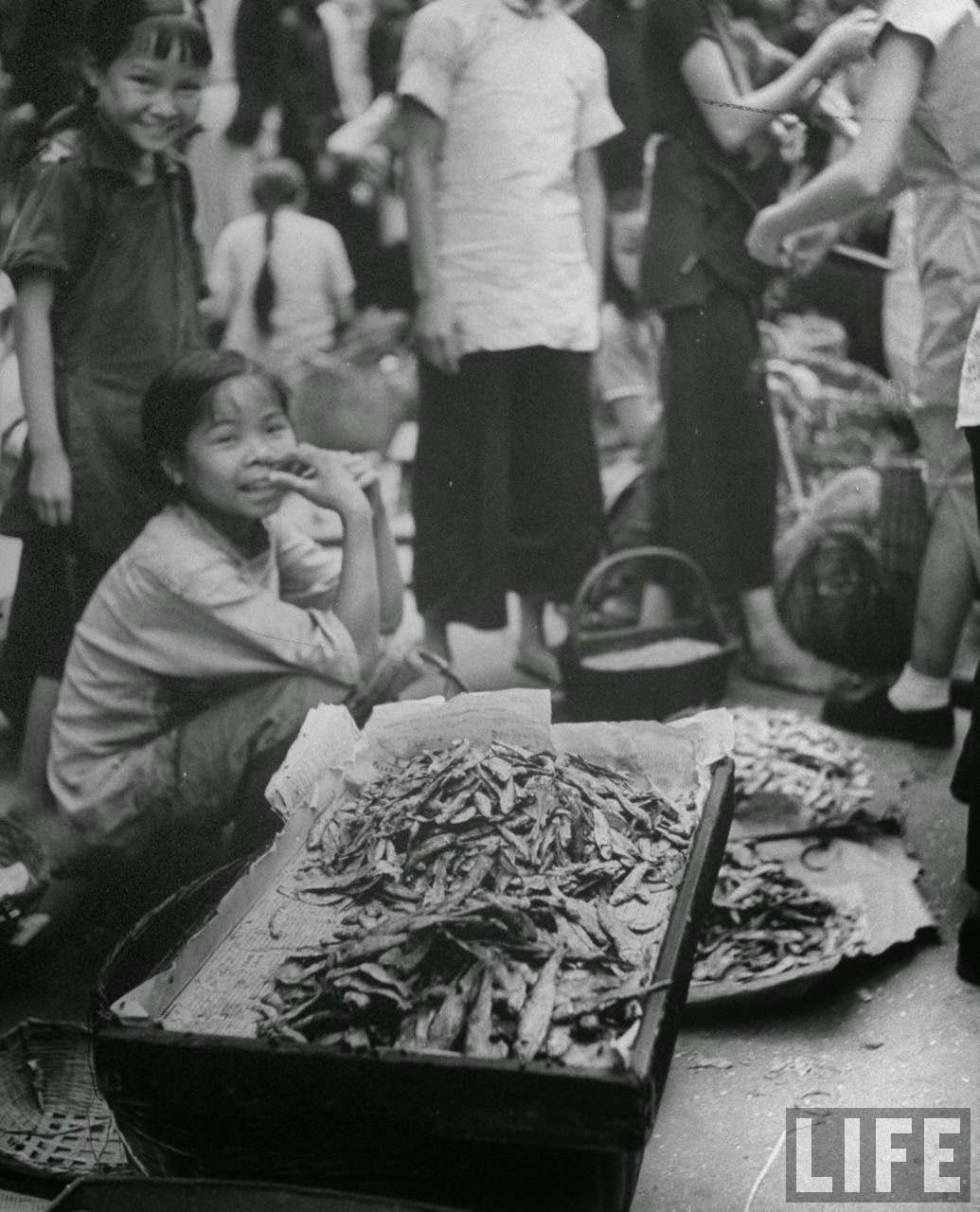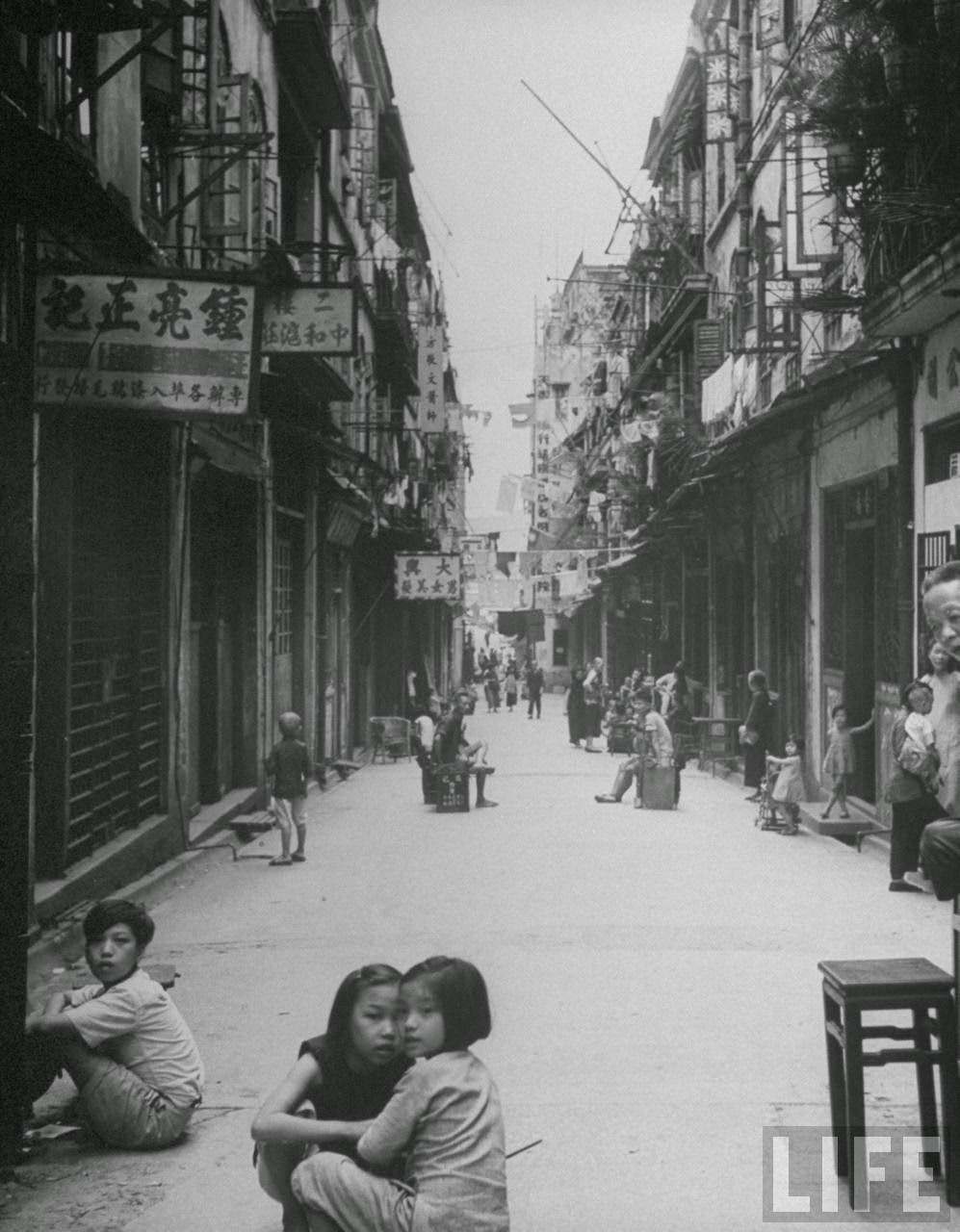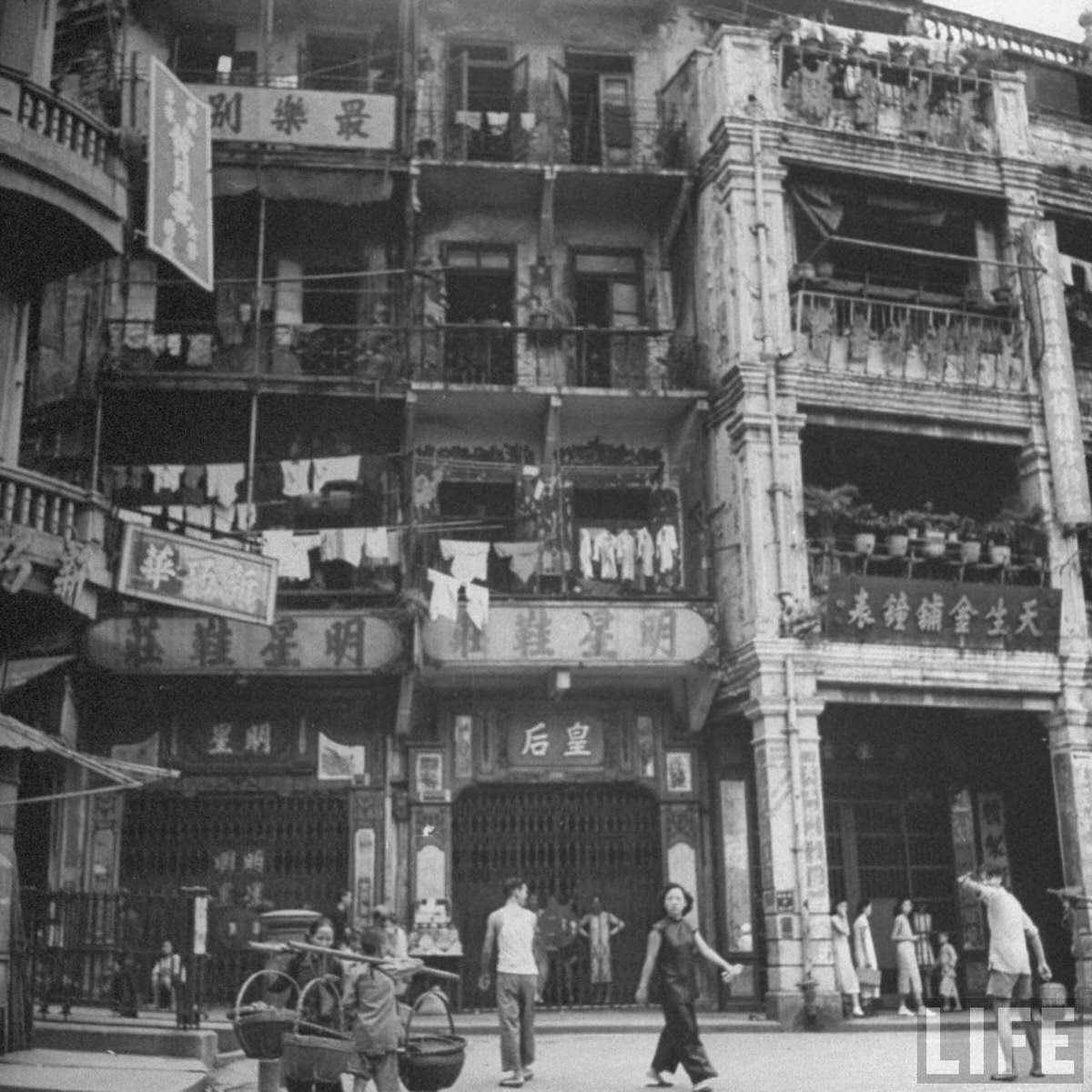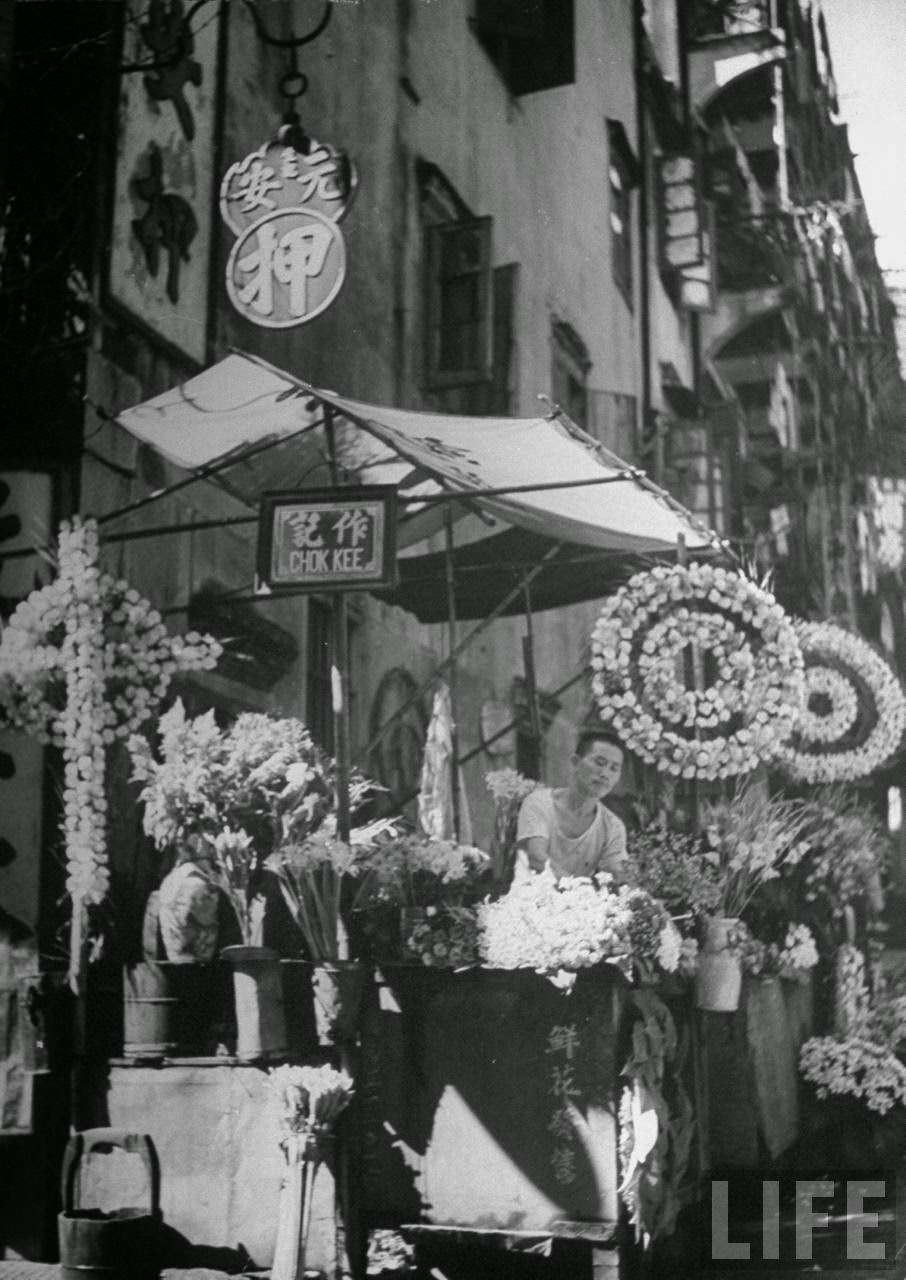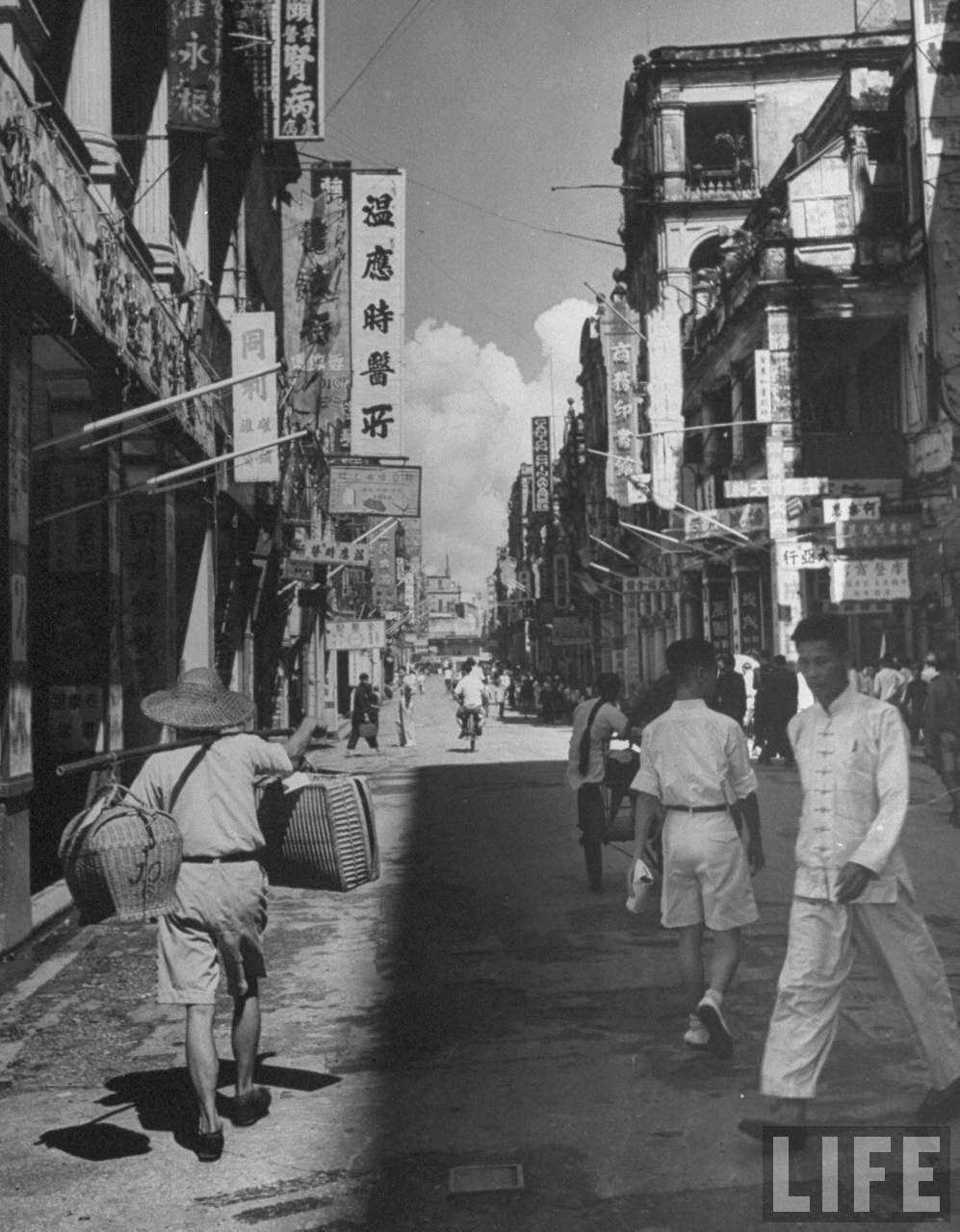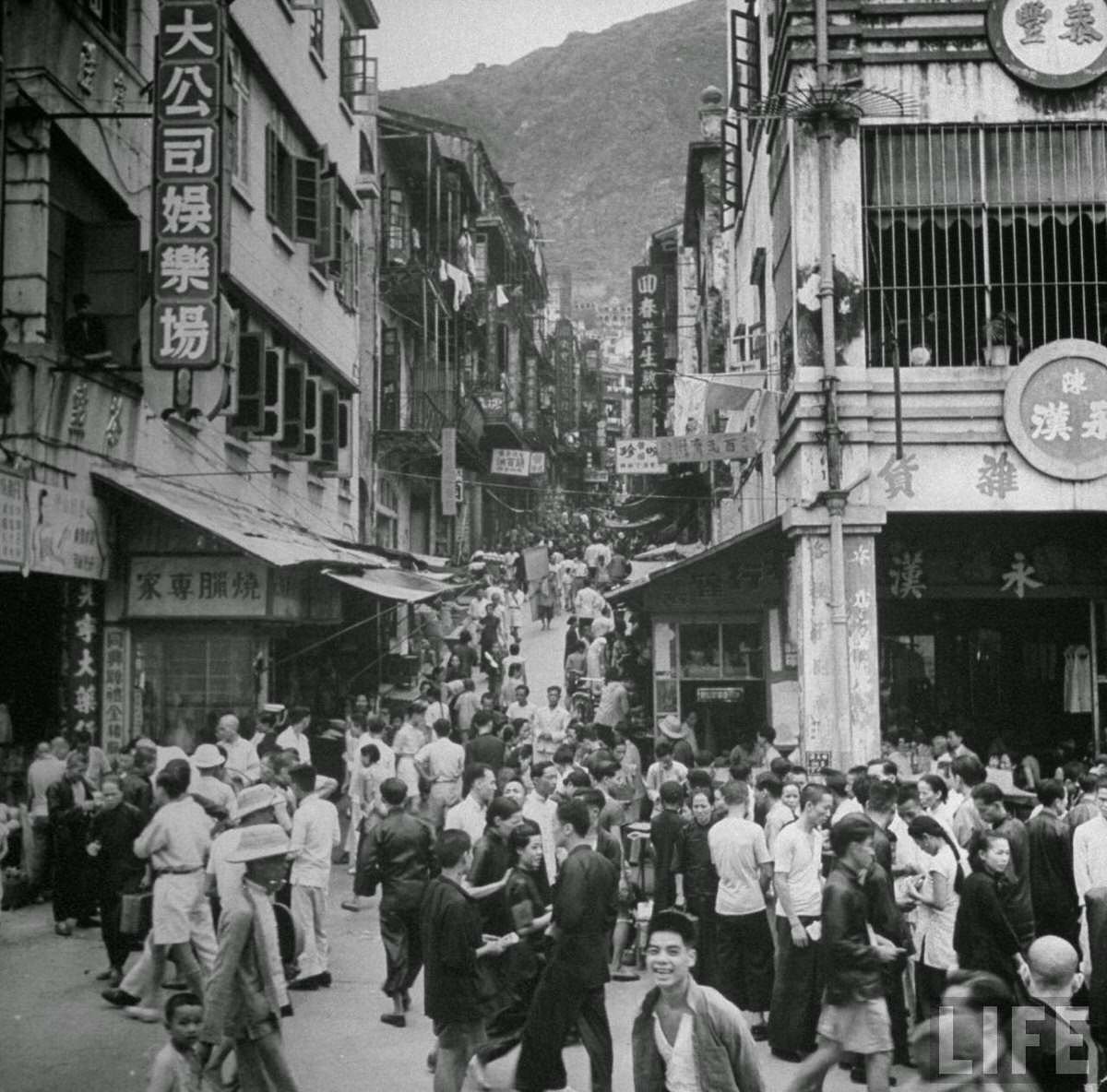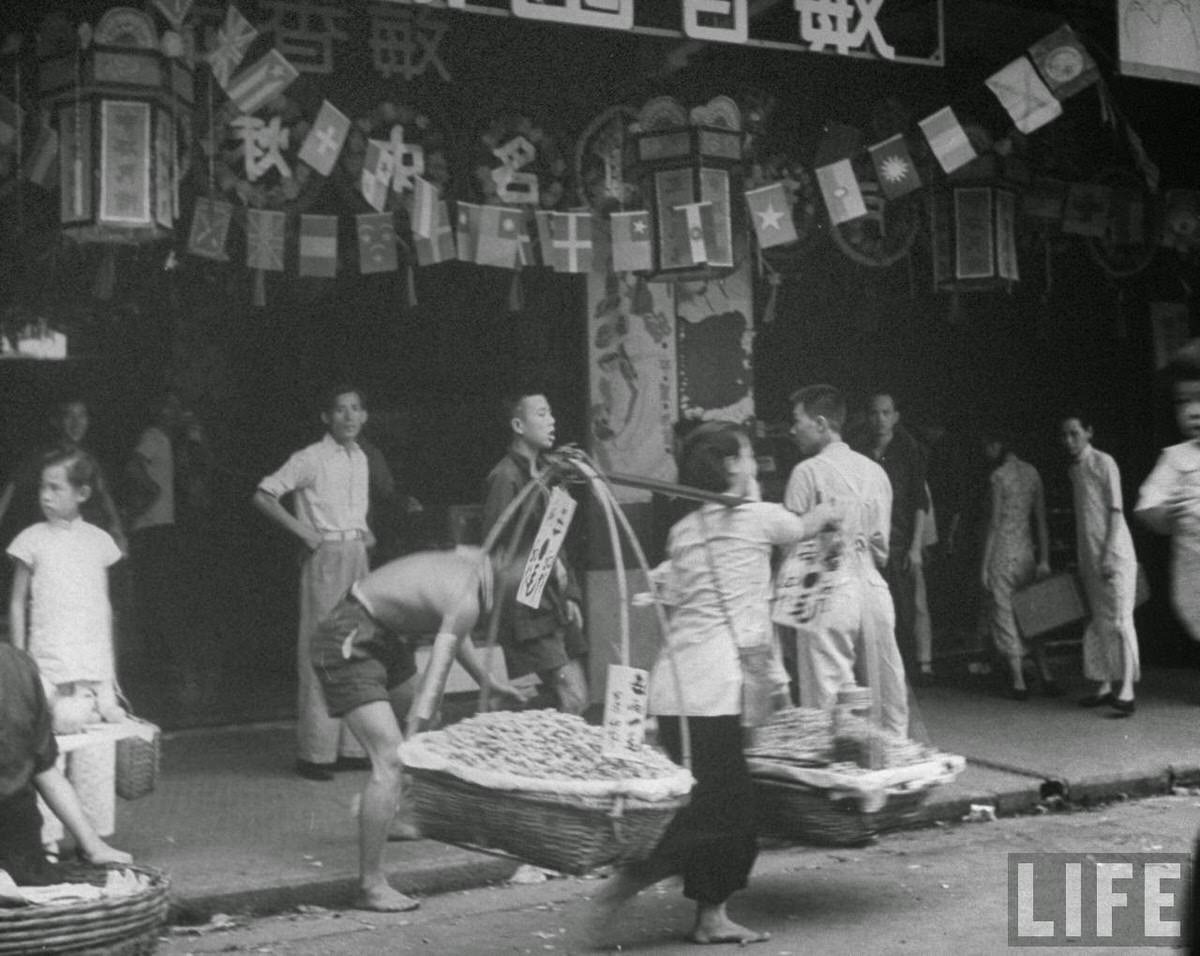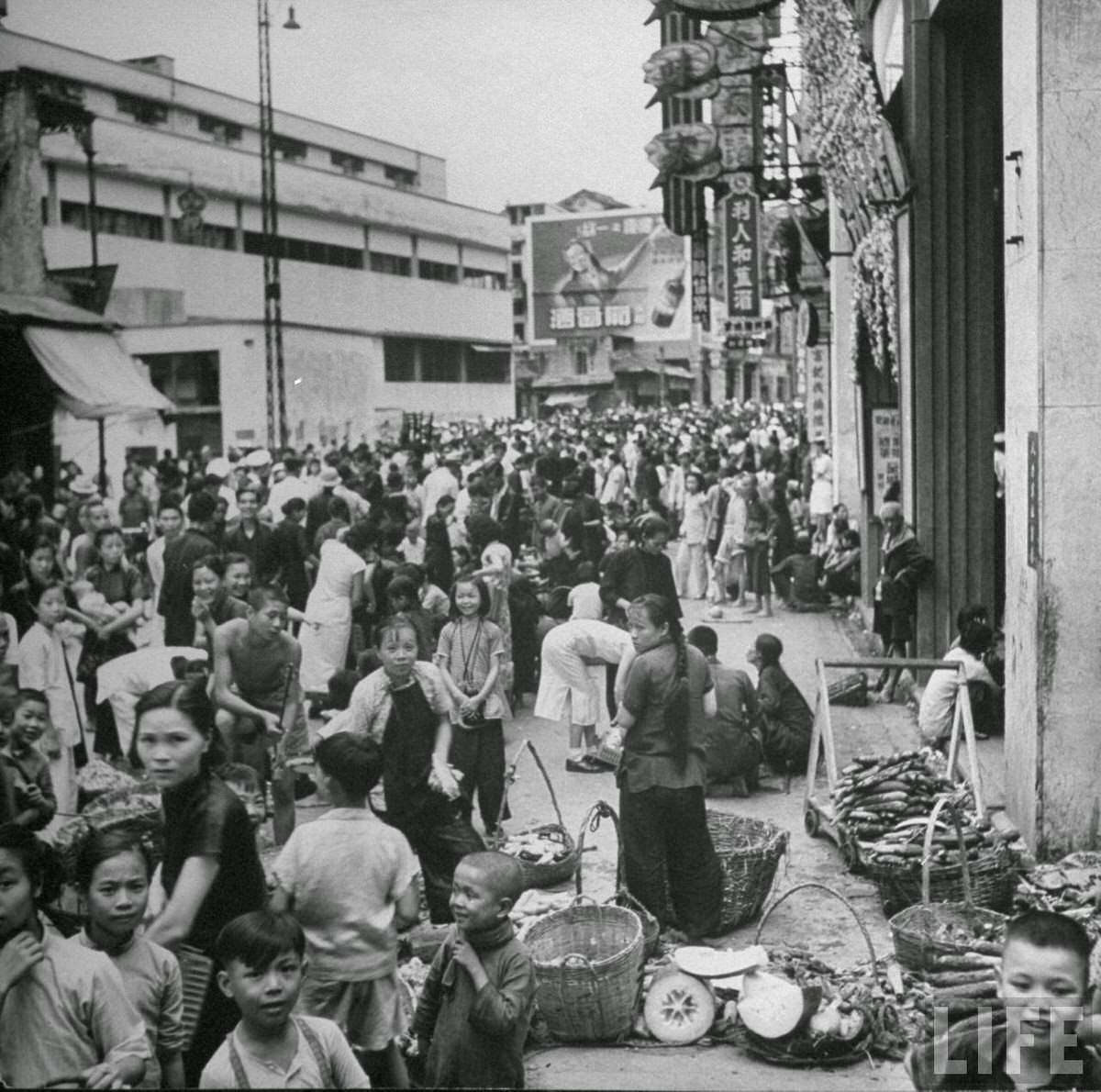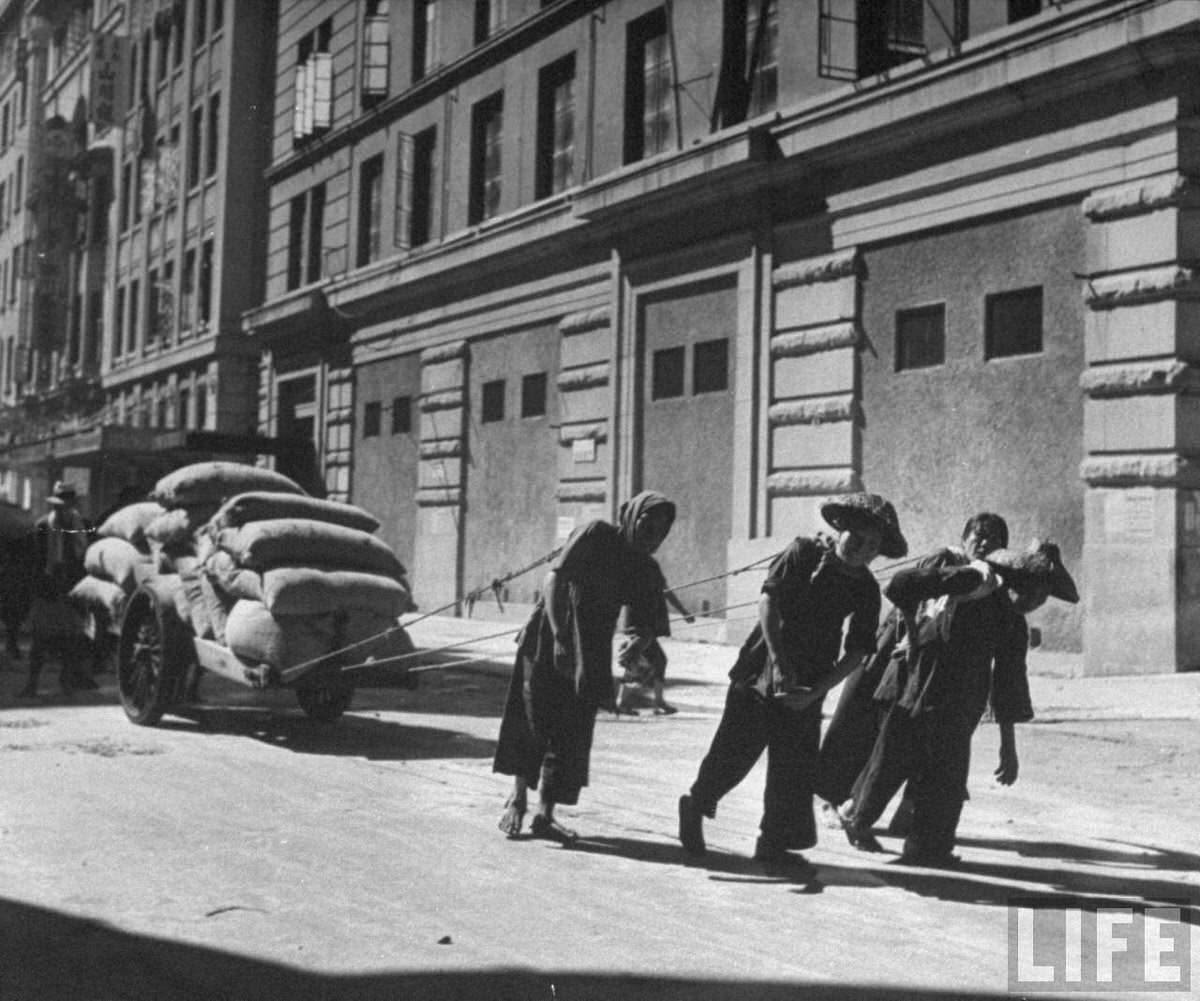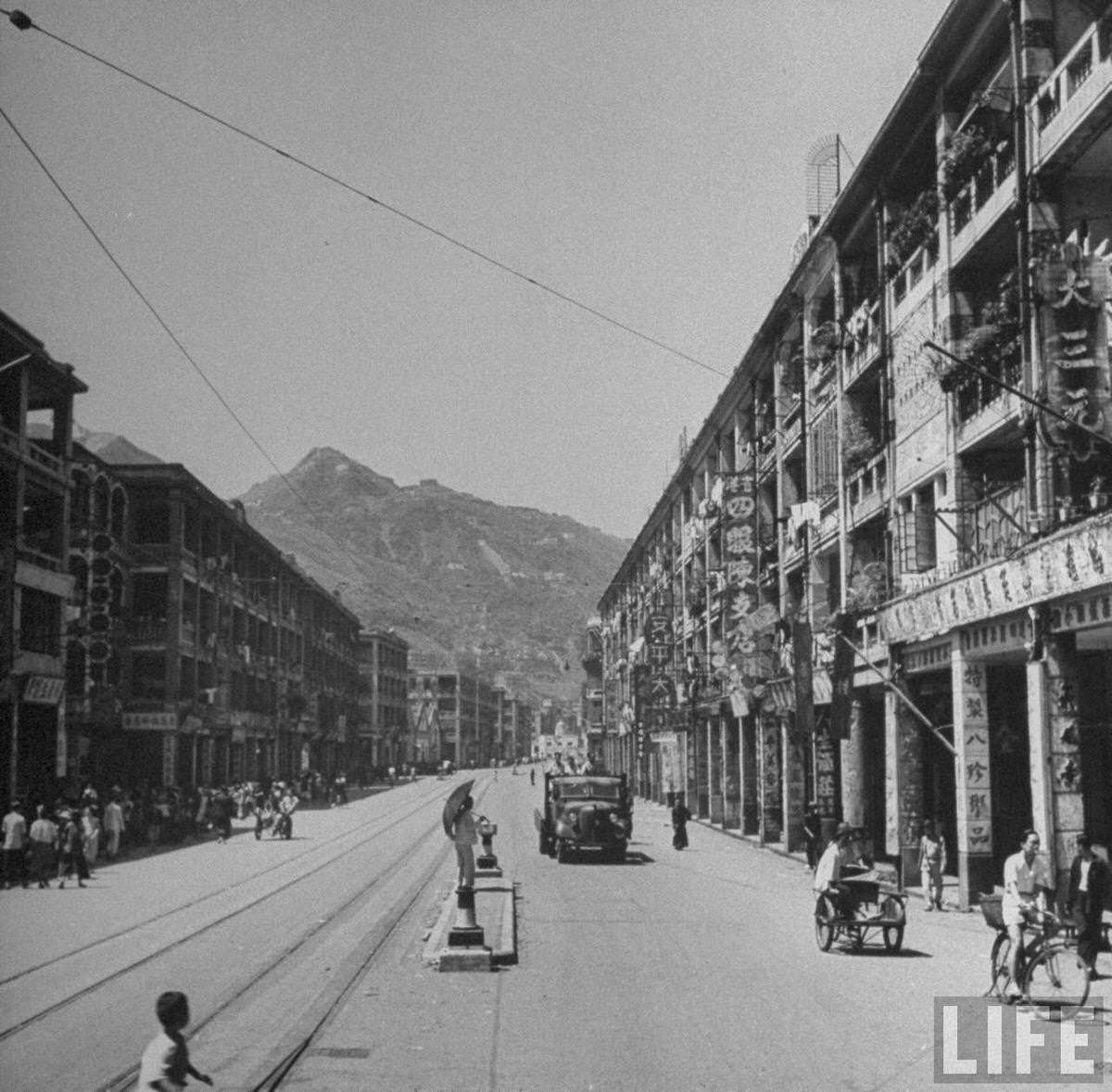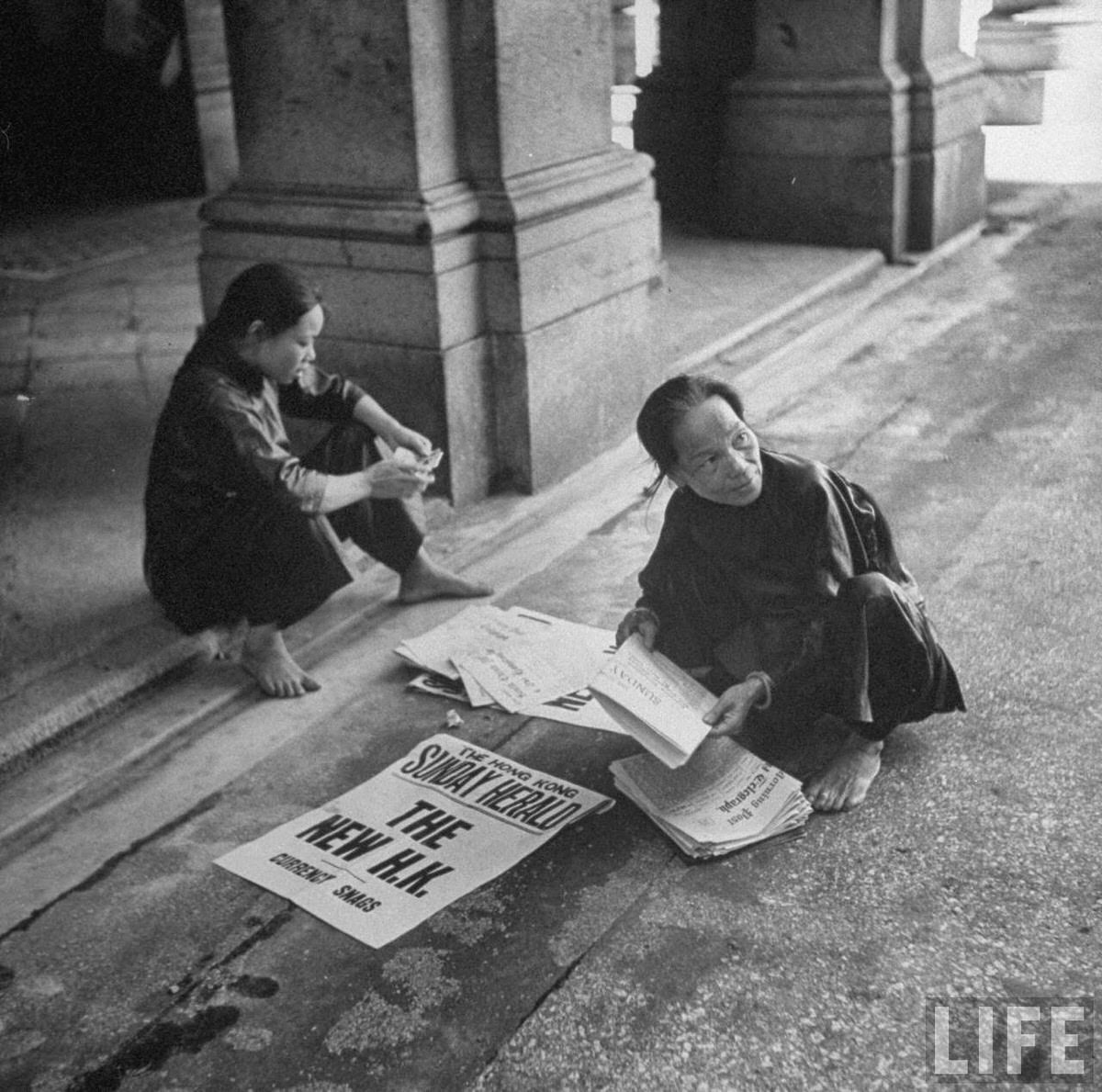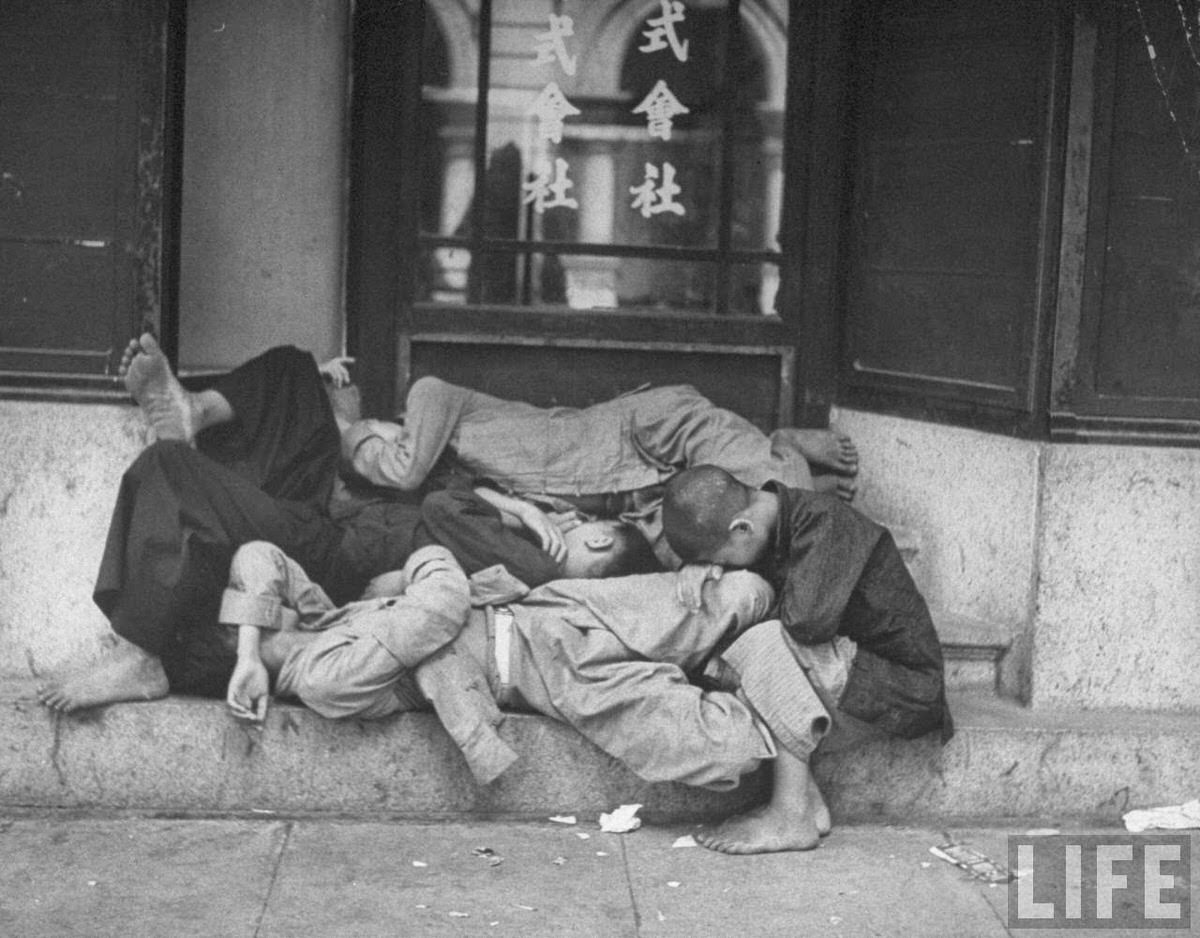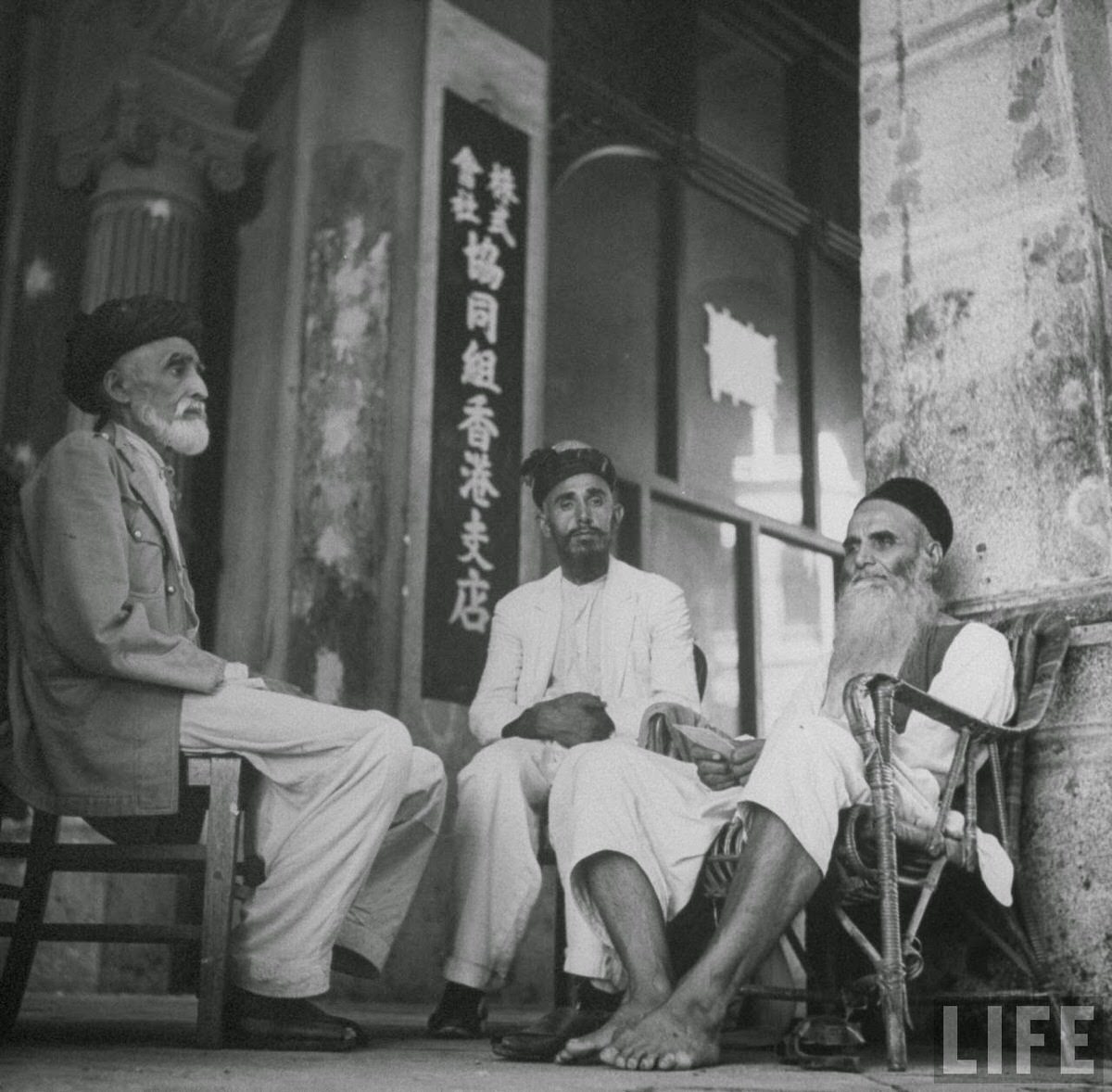

In the first half of 1945, Hong Kong faced a desperate struggle for survival. The Japanese military administration, unable to feed the city, forced residents to leave. They implemented a mass deportation policy to reduce the number of mouths to feed. The population plummeted from over one million to roughly 600,000. Families packed their few belongings and walked back to mainland China. Those who remained faced severe rationing. Rice was nearly impossible to find, forcing people to eat peanut cake and mixed grains.
The American Air Raids
Throughout the spring, the sky over Victoria Harbour filled with American aircraft. The United States Army Air Forces targeted Japanese ships and dockyards in Hung Hom and Taikoo. These raids aimed to destroy the Japanese supply lines. While they successfully sank enemy vessels, errant bombs frequently hit residential areas in Wanchai and Central. Civilians lived in constant fear of the air raid sirens. Many fled to the hills or sought shelter in reinforced basements during the attacks.
A City Without Trees
The physical landscape of the colony changed drastically due to a lack of fuel. The Japanese administration controlled all coal supplies for military use. Civilians had no way to cook food or boil water. To survive, residents cut down almost every tree in the territory. The once-green hillsides of Hong Kong Island and the New Territories became completely barren. People even stripped wooden floorboards and window frames from damaged buildings to burn for warmth.
Read more
The Worthless Currency
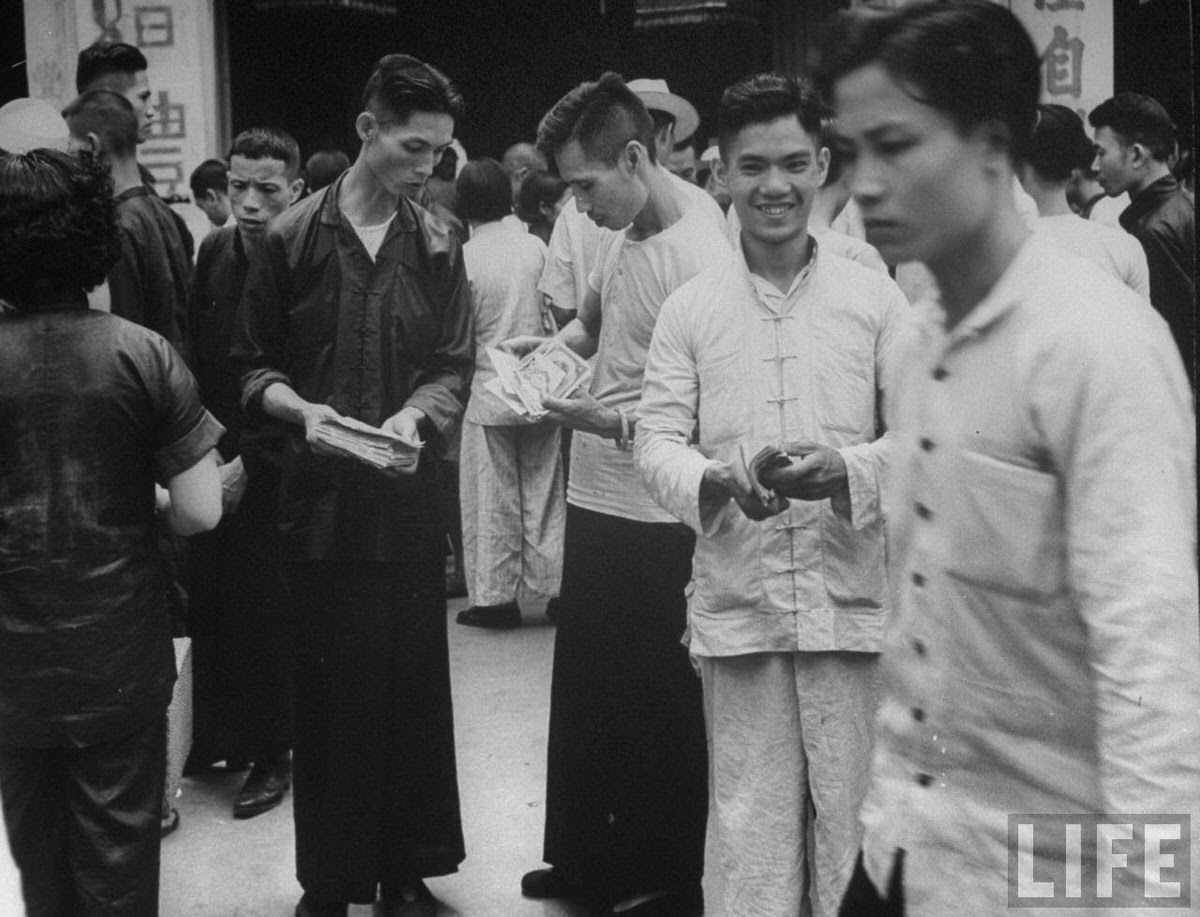
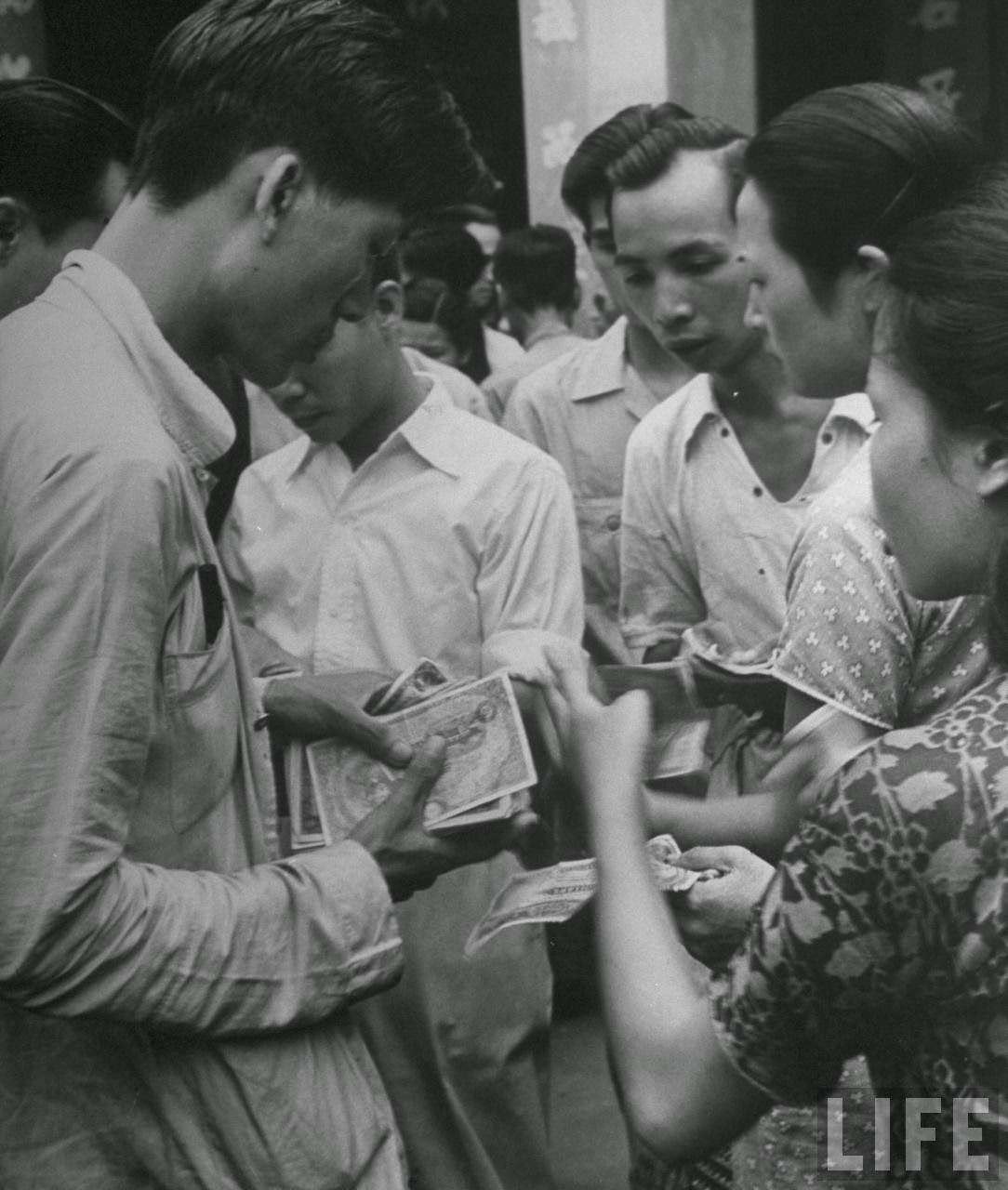
The economy collapsed completely in the final months of the occupation. The Japanese Military Yen, which the occupiers forced everyone to use, lost its value daily. Prices for basic goods skyrocketed. A single egg or a cup of rice cost a fortune in paper money. Citizens carried sacks of notes just to buy small amounts of food. When the war ended, this currency became instantly useless, wiping out the savings of thousands of families overnight.
The Arrival of the British Fleet
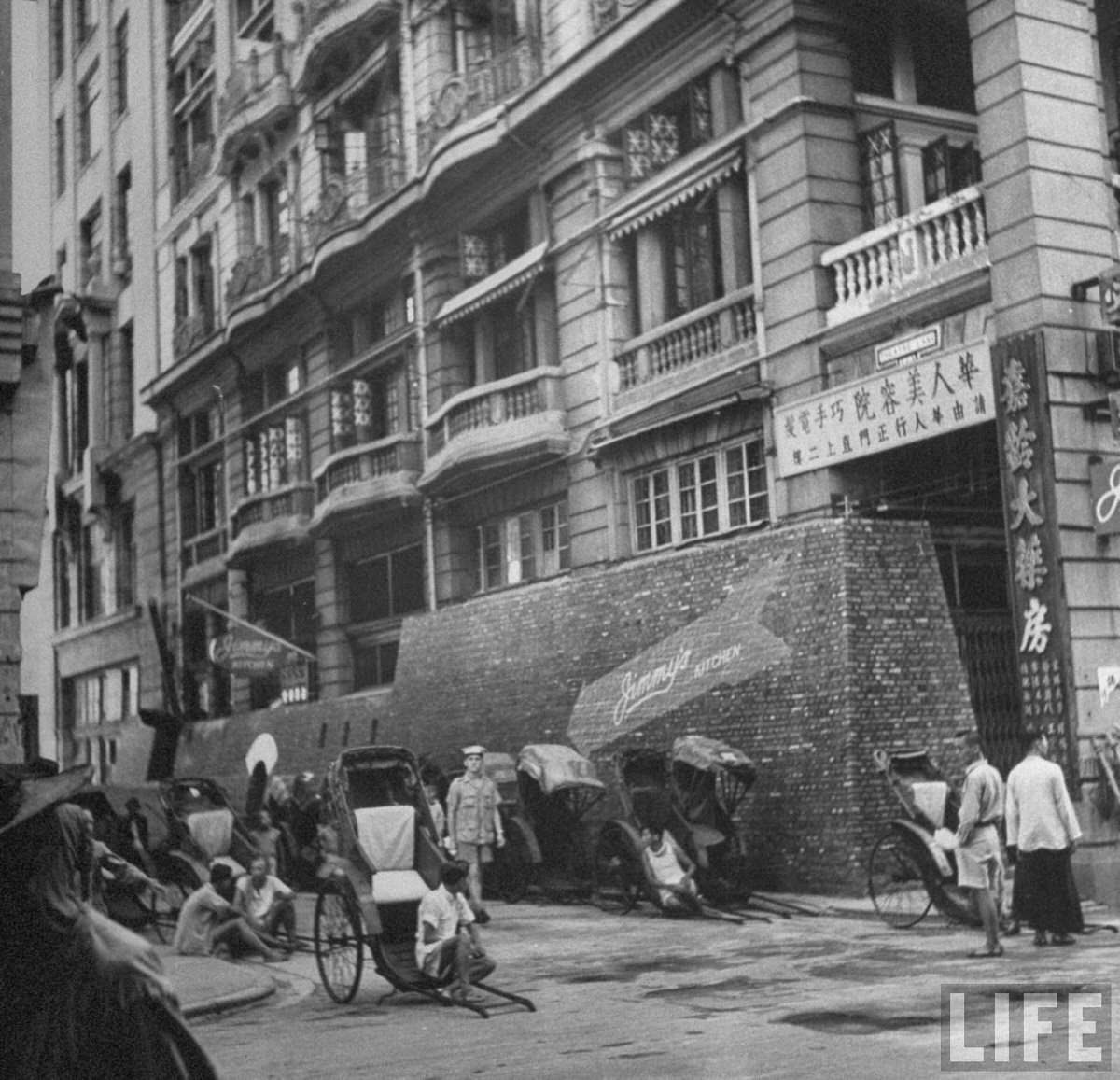
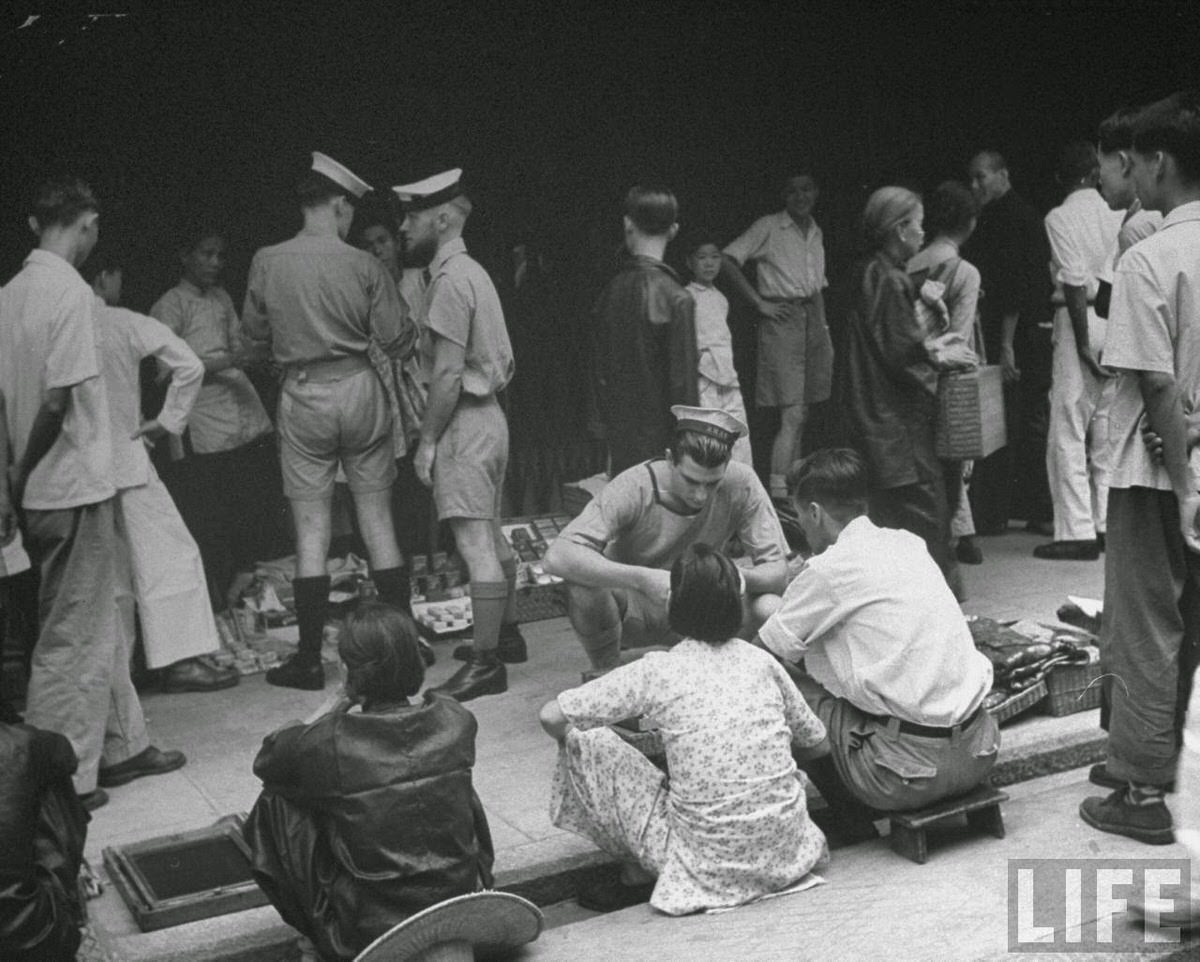
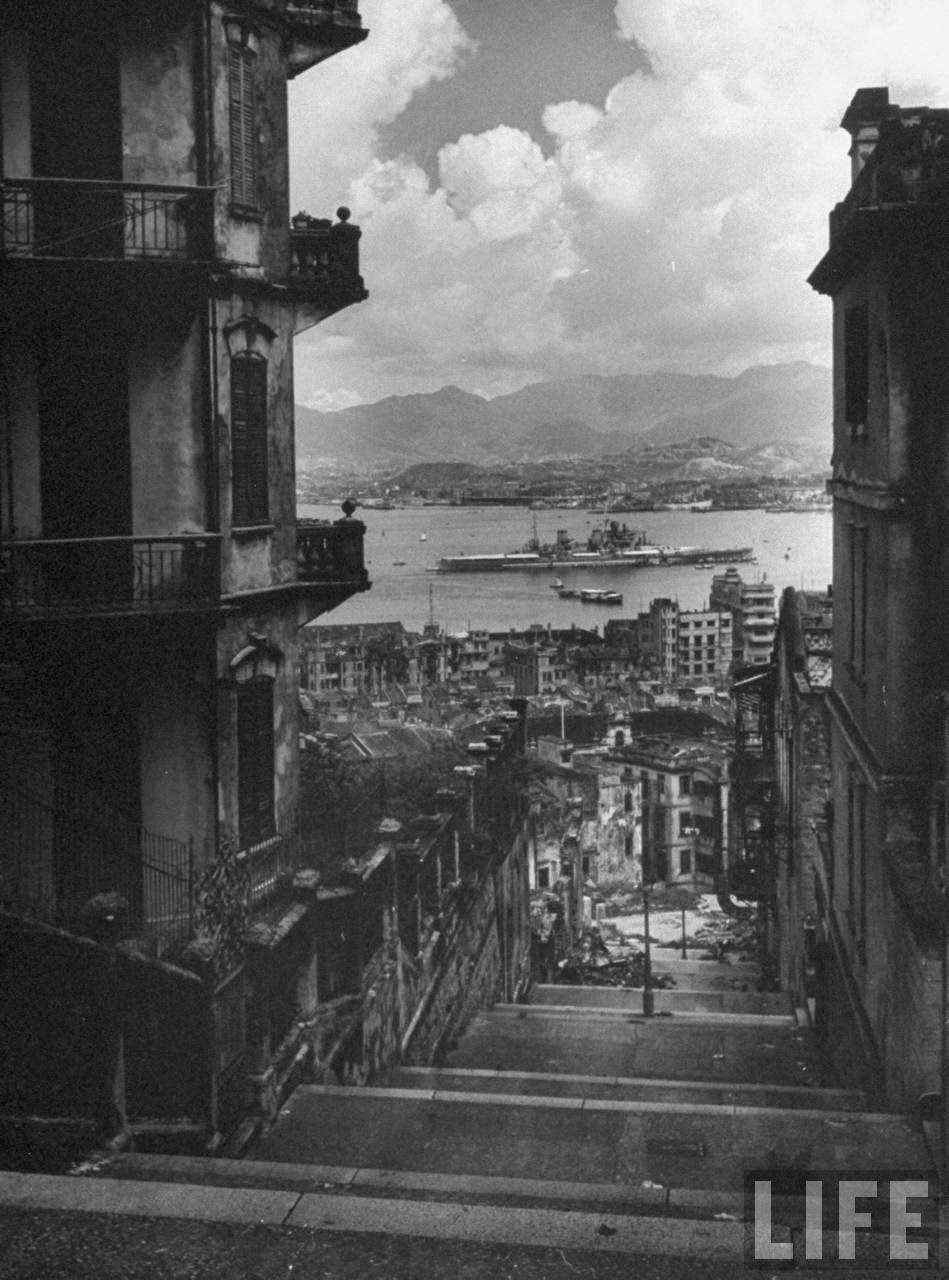
Japan surrendered in August, but the British fleet did not arrive immediately. For two weeks, a tense power vacuum existed. Finally, on August 30, Rear Admiral Cecil Harcourt sailed the cruiser HMS Swiftsure into Victoria Harbour. The sight of the British White Ensign flag flying from the ships signaled the official end of the occupation. Crowds gathered at the waterfront to cheer the arriving sailors. Harcourt set up a temporary military government to restore order.
The Formal Surrender
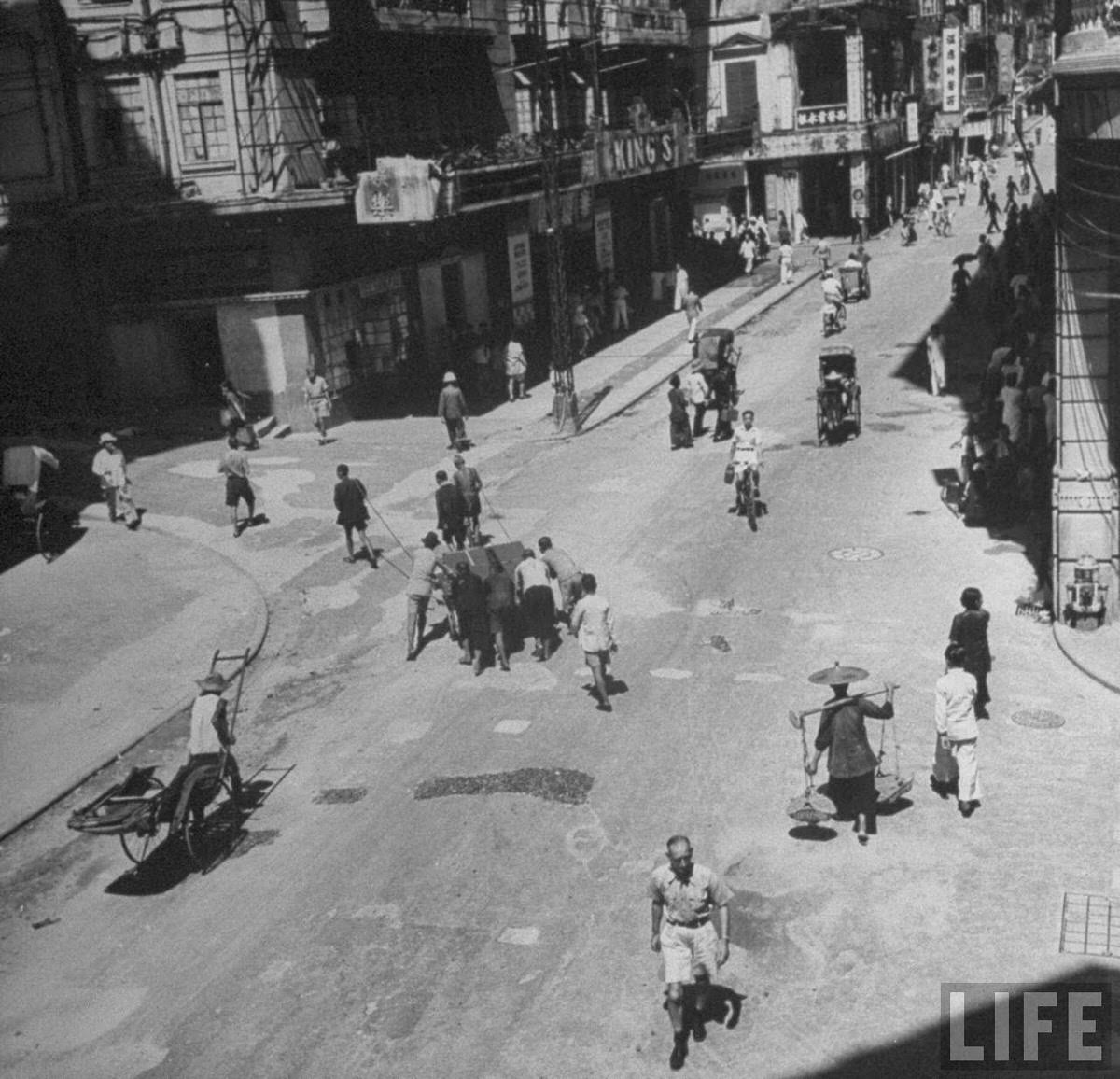
The official transfer of power took place on September 16 at Government House. Japanese Major General Okada and Vice Admiral Fujita signed the surrender document. This ceremony formally ended three years and eight months of Japanese rule. The British military administration immediately began the massive task of cleaning the city. They worked to restore electricity, clear the debris from the streets, and distribute emergency food supplies to the malnourished population.