Japan’s formal surrender on August 15, 1945 brought an end to one of the darkest chapters in Hong Kong’s history. The city had been under Japanese occupation since December 1941, when British and Commonwealth forces surrendered after an 18-day battle. Nearly four years later, the Imperial Japanese Army handed Hong Kong back to the Royal Navy on August 30, 1945, restoring British control. The date was marked as “Liberation Day” every year until 1997. The Japanese officer who had led the invasion, and later served as governor-general during the occupation, was tried as a war criminal and executed on September 30, 1946. The photographs below were taken in the days immediately following liberation, capturing the city in raw, unfiltered detail.
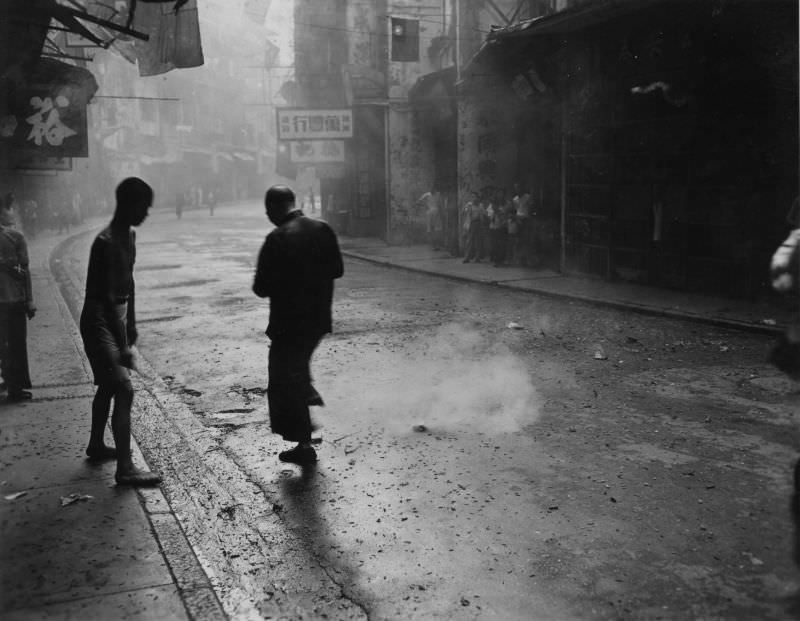
The streets came alive almost instantly. Chinese residents poured into public spaces to mark the end of occupation. Firecrackers, a traditional symbol of celebration in Chinese culture, were set off across Kowloon and Hong Kong Island alike. The mood was one of raw relief after years of food shortages, forced labor, and brutal military rule.
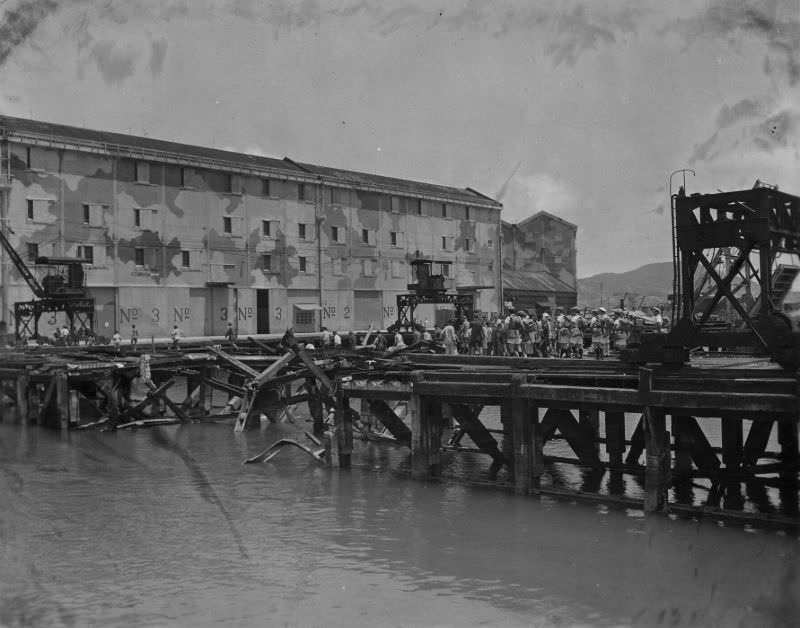
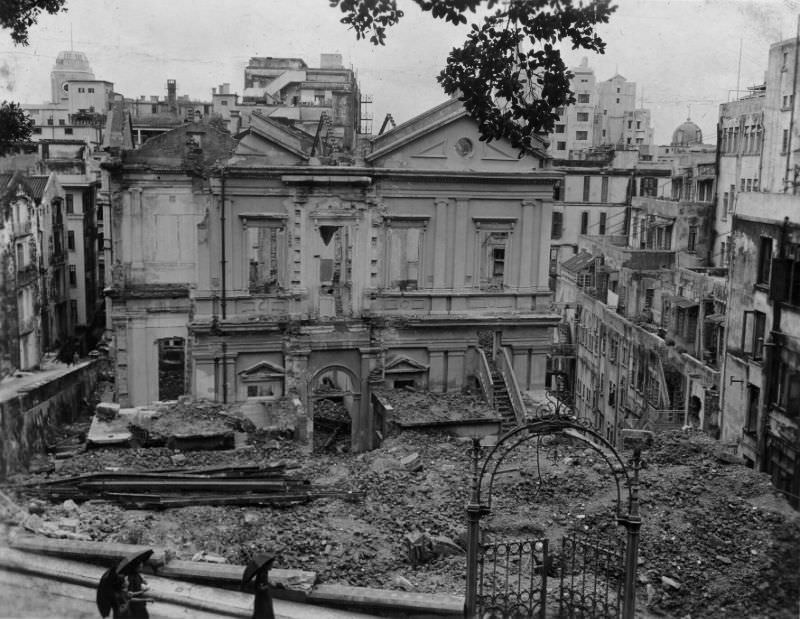
While celebrations filled the streets, the physical damage to the city was impossible to ignore. Years of wartime bombing had left buildings gutted and key infrastructure destroyed. The waterfront told the same story — key landing points had taken direct hits and were left in ruins.
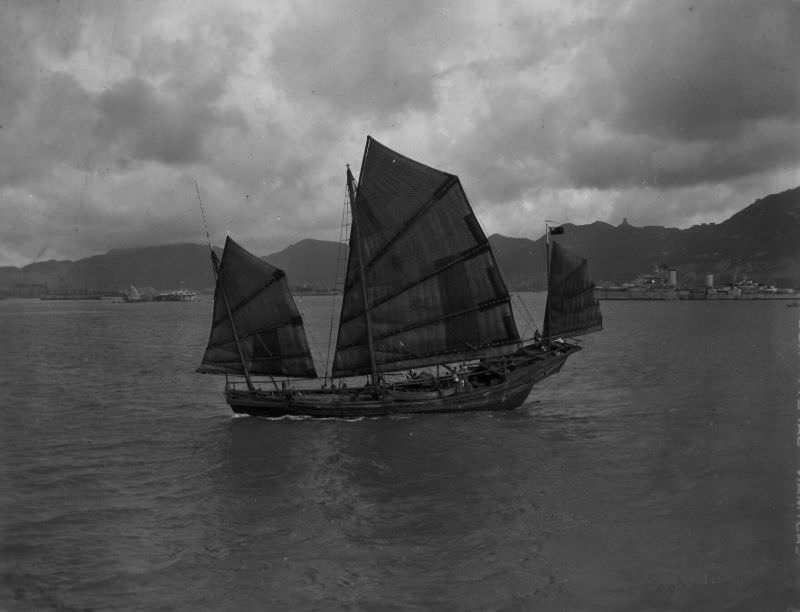
Allied naval vessels arrived swiftly. H.M.C.S. Ontario, a Royal Canadian Navy cruiser, was among the warships that entered Hong Kong’s harbor in the final days of August 1945. Its presence alongside traditional Chinese sampans made for a striking contrast — ancient and modern, civilian and military, all sharing the same waters on the eve of a new era.
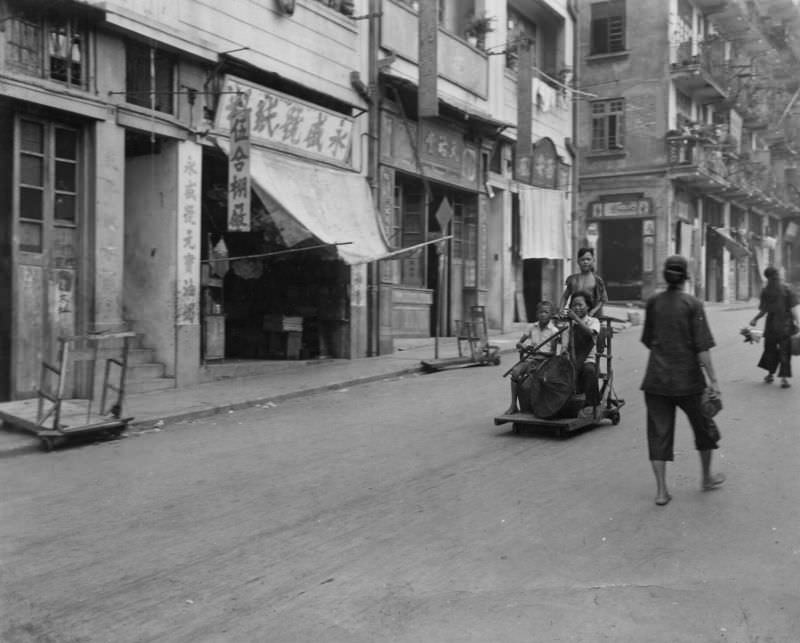
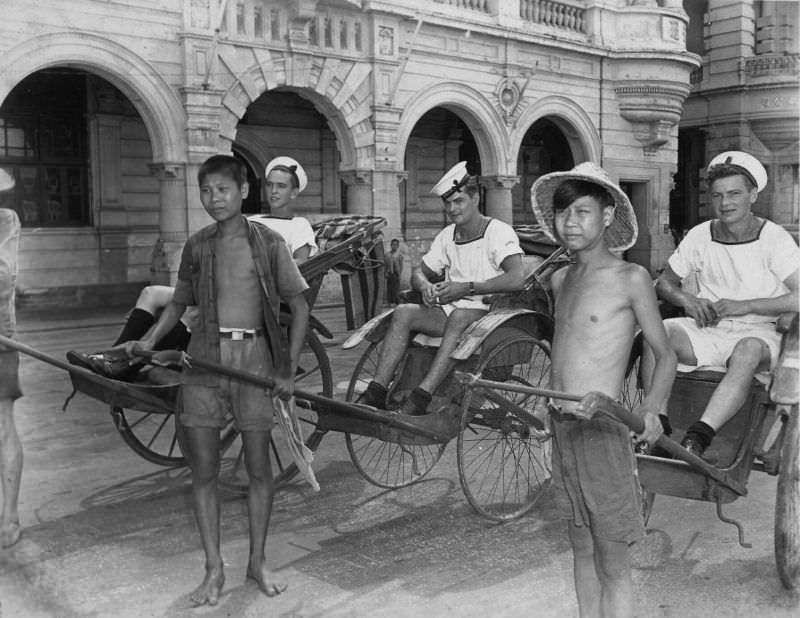
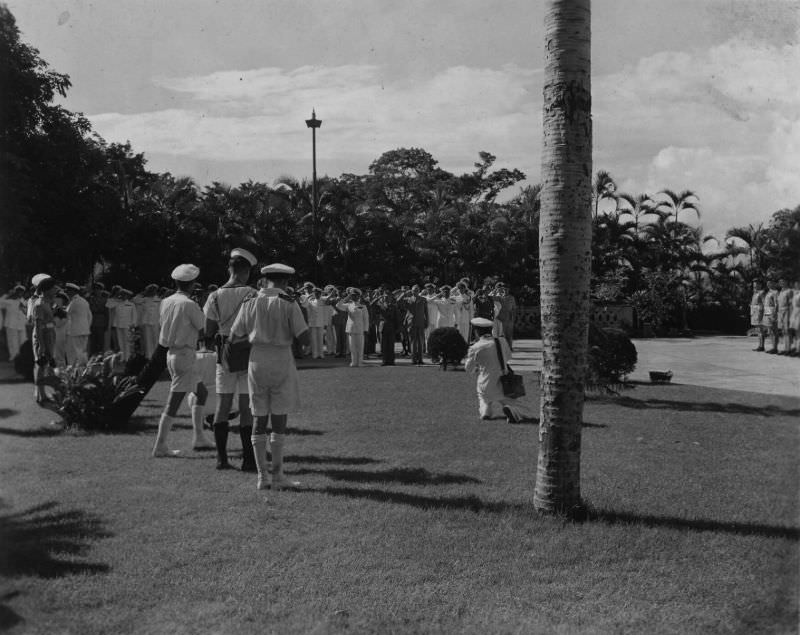
Sailors from the Allied ships came ashore quickly. Some took rickshaw rides through the streets — a novelty for many of them. Meanwhile, Allied officers were filmed and photographed as the military presence became more visible across the city. Reporters and cameramen documented everything they could.
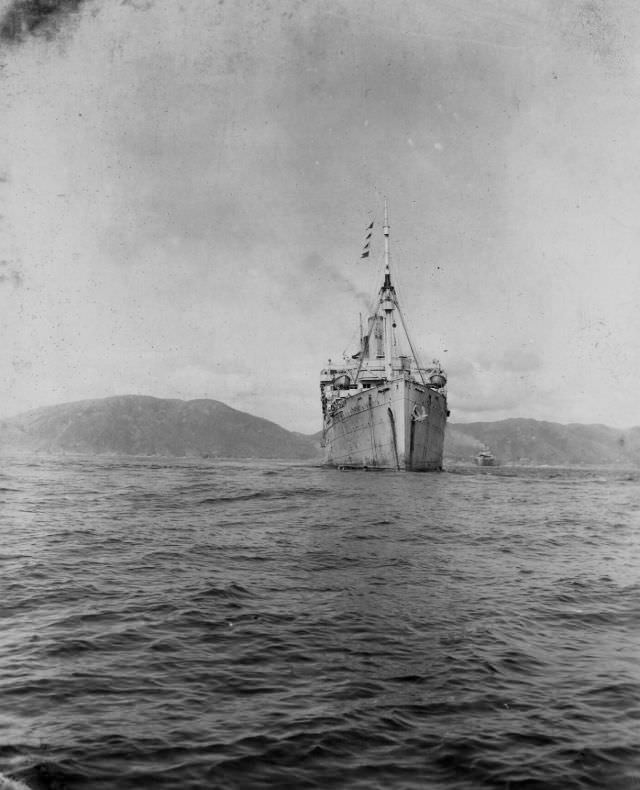
One of the most pressing tasks was the evacuation of Allied prisoners of war. Men who had survived years of brutal captivity in Japanese POW camps were transported out of Hong Kong by ship. The Empress vessel was used to carry these former prisoners away from the colony, many of them in poor health after years of malnutrition and forced labor.
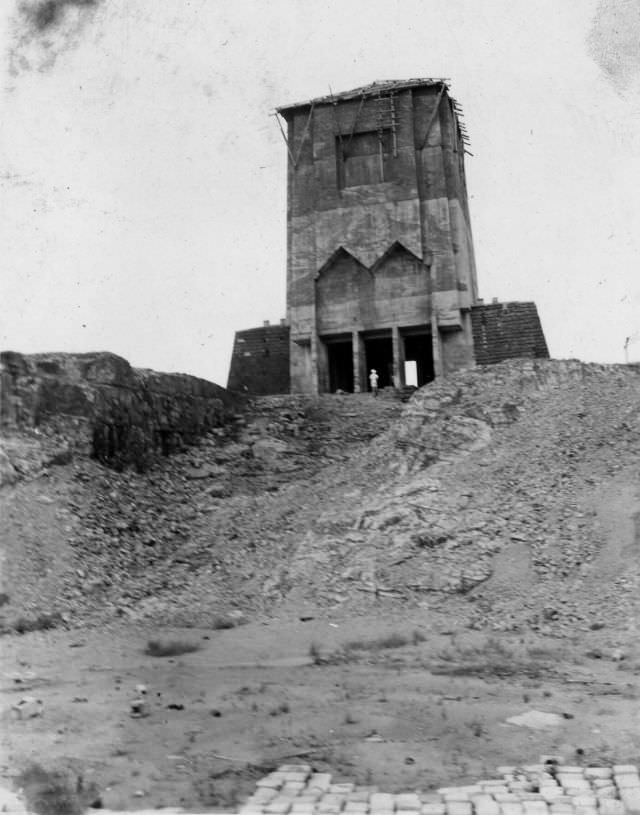
On Mount Cameron, a sobering reminder of the cost of liberation stood quietly away from the celebrations. A memorial marked the graves of Canadian troops who had died during the Battle of Hong Kong in December 1941. Nearly 300 Canadian soldiers were killed during those 18 days of fighting, and hundreds more died in captivity afterward.
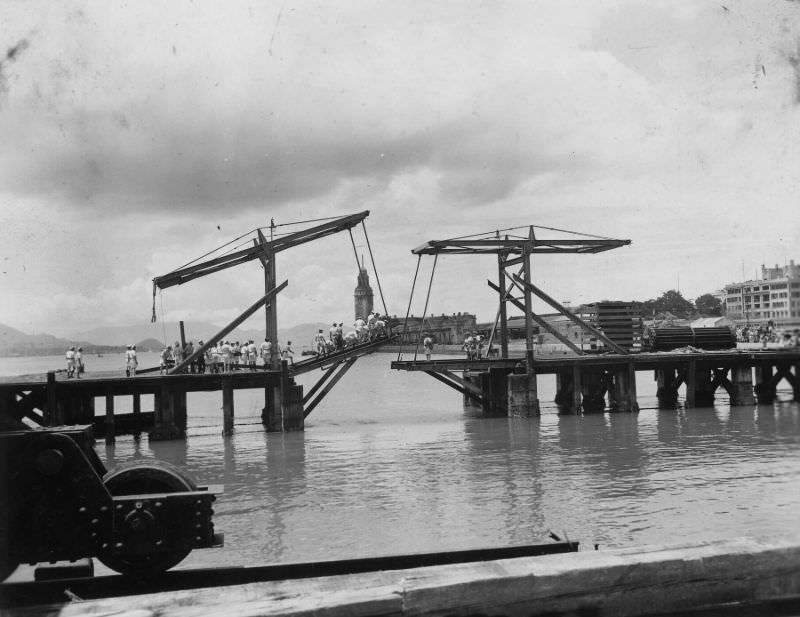
Across the harbor in Kowloon, life was already beginning to resume. People crossed drawbridges, moved through the streets, and returned to the rhythms of daily life. The city’s infrastructure had suffered, but its people had not stopped moving.
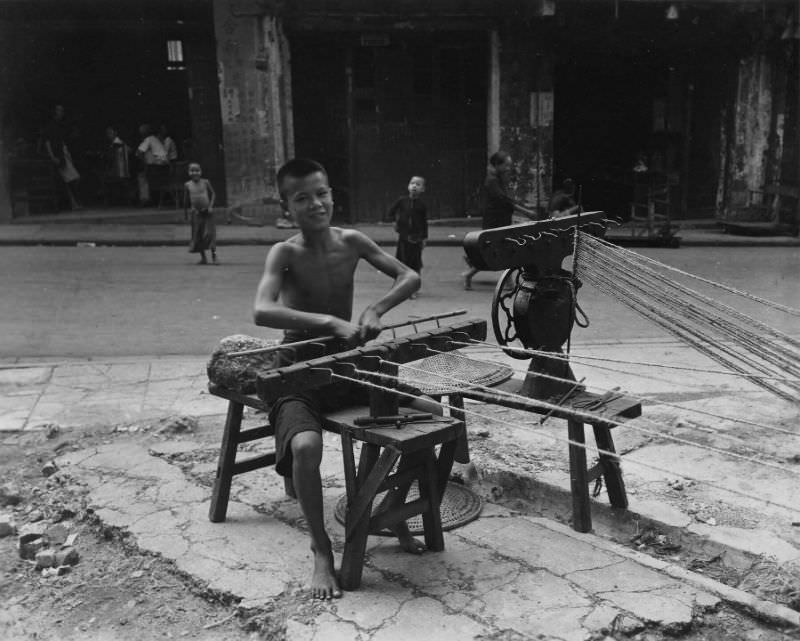
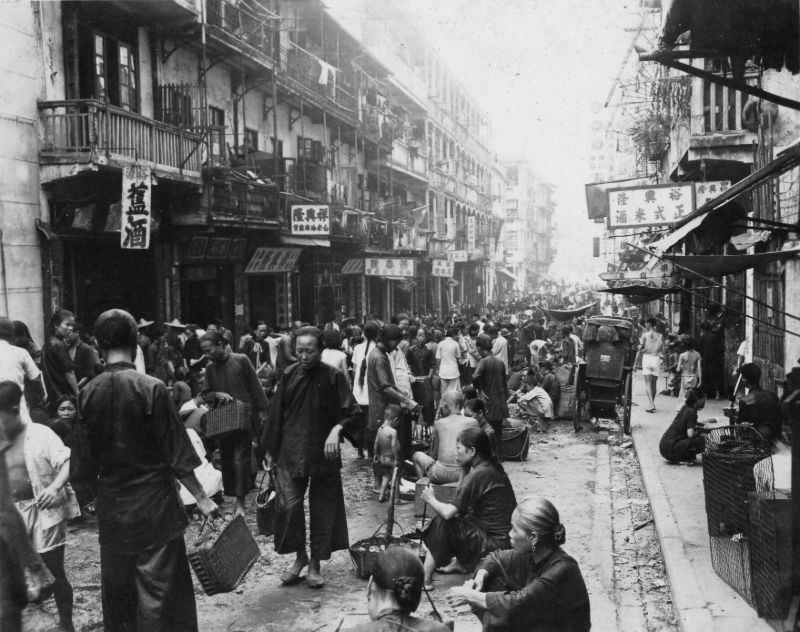
Street-level life in August 1945 showed a city that had endured but was visibly worn. Some residents had never fully stopped working through the occupation — craftsmen, traders, and laborers continued their trades wherever they could. A young boy was photographed making rope, and pot makers were still at their craft, both scenes showing that ordinary economic life had persisted even under occupation.
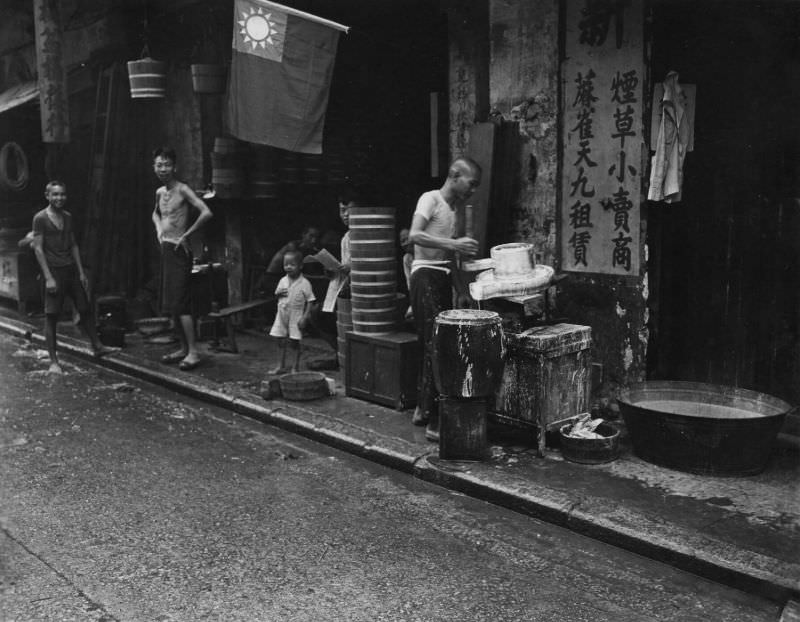
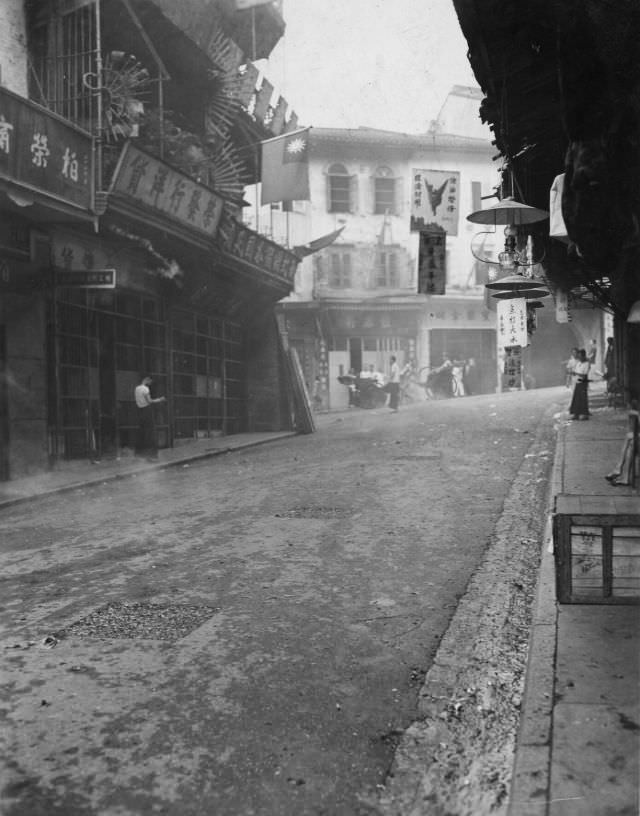
The street scenes photographed across Hong Kong Island in late August 1945 capture the city in an unguarded moment. Pottinger Street, one of the oldest thoroughfares on the island, was photographed looking toward Queen’s Road Central. Centre Street in Sai Ying Pun showed a quiet urban corridor, and Queen’s Road West stretched westward toward Hollywood Road. These images give a clear picture of the built environment that survived the war.
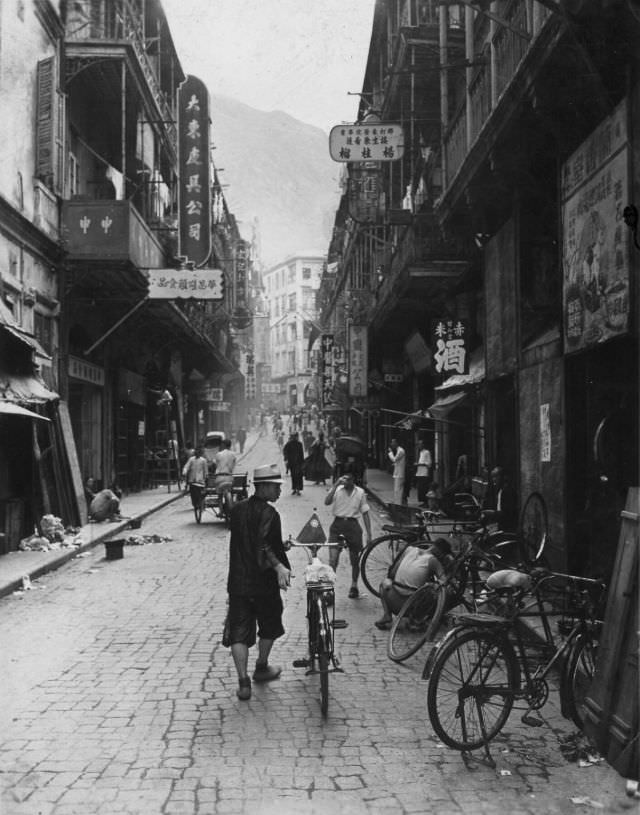
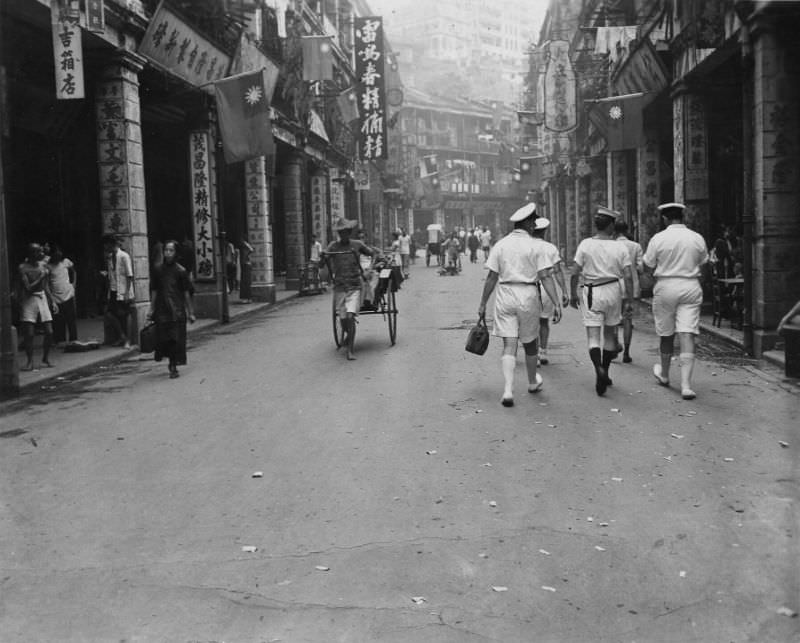
At far end when the road turned to right, junction with Hollywood Road was seen at left hand side, Hong Kong.
Away from the urban core, Repulse Bay on the southern side of Hong Kong Island showed the famous Repulse Bay Hotel and the nearby Eucliff building still standing. The bay had seen fierce fighting in December 1941, and the hotel itself had been used as a headquarters during the Battle of Hong Kong. By August 1945, these landmarks stood as quiet witnesses to everything the city had passed through.
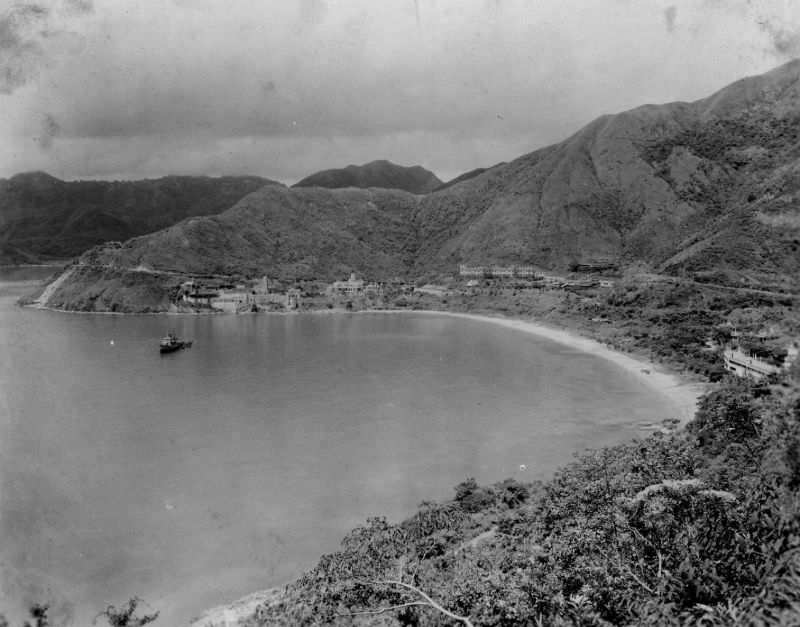
Military installations like the Lei Yue Mun Barracks, positioned at the eastern entrance of Victoria Harbour, were photographed as the British military began reasserting control. Lei Yue Mun had been a critical defensive point during the 1941 battle, and it now returned to Allied hands. Entertainment also returned quickly — a Russian orchestra was photographed performing for an audience, and the Kings Theater reopened its doors as the city started to breathe again.
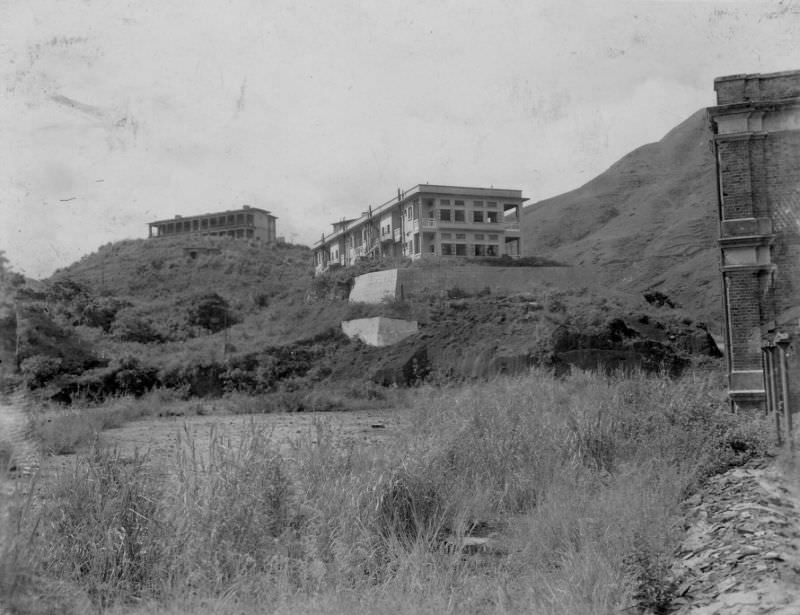
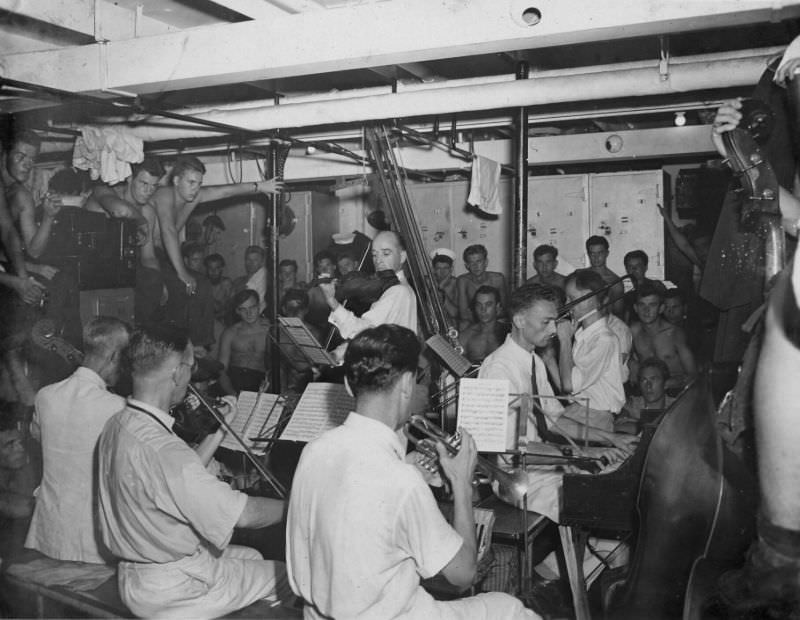
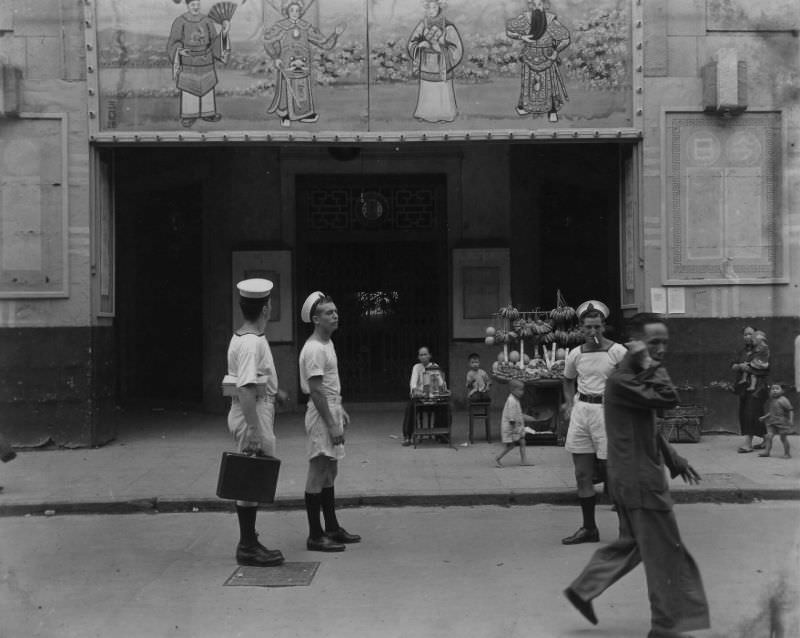
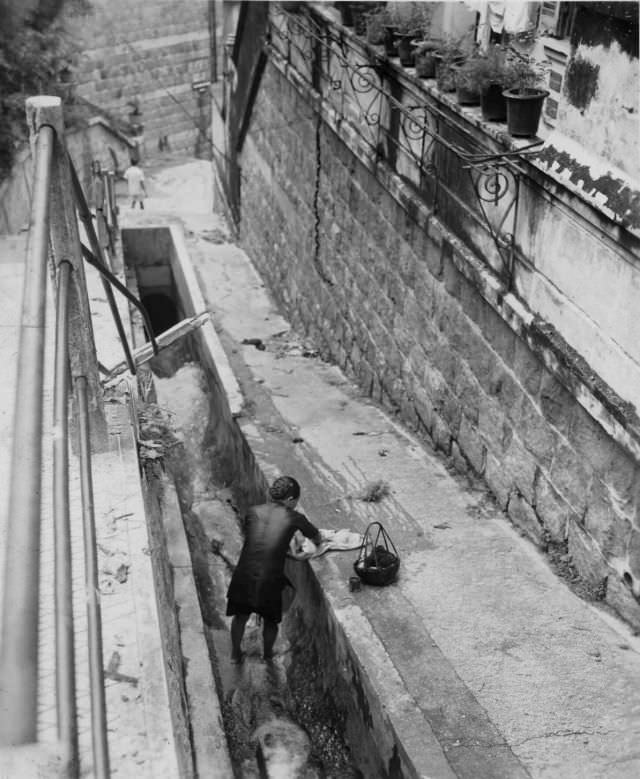
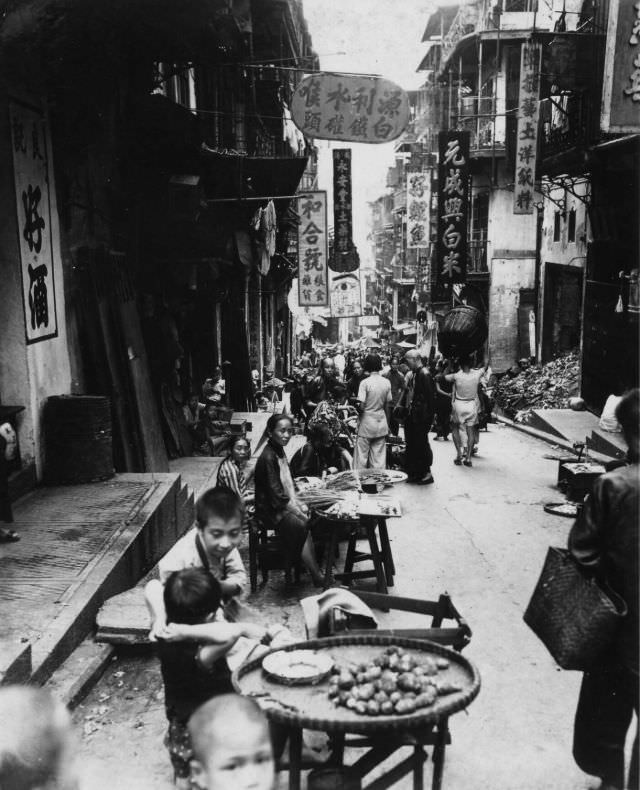
The street photographs from this period show the full spectrum of daily life in a city just emerging from occupation. Women did laundry in the gutters — a reflection of how scarce basic resources remained. General street scenes showed crowds, vendors, and pedestrians filling the roads once again, reclaiming public space after years of rigid Japanese military control.